- 15 Days
- 2060m

Adres engellemelerine karşı hazırlanan bahsegel bağlantıları kullanıcıların kesintisiz erişimini sağlıyor.
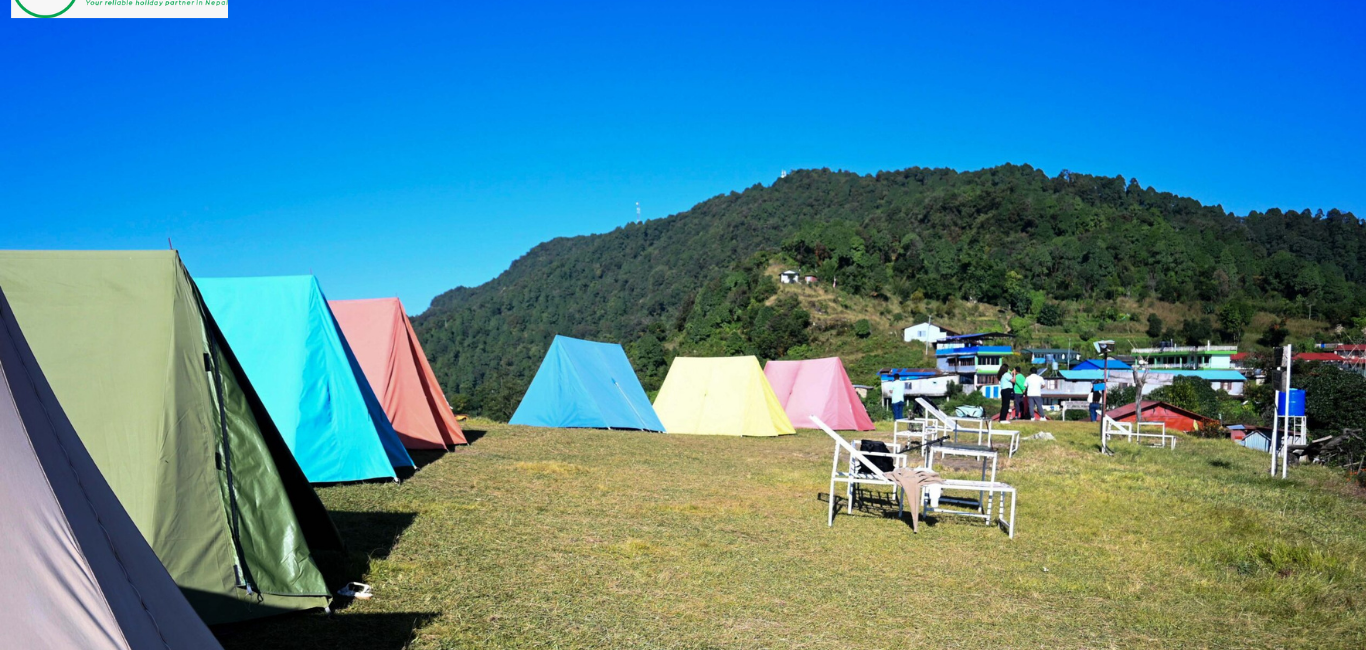
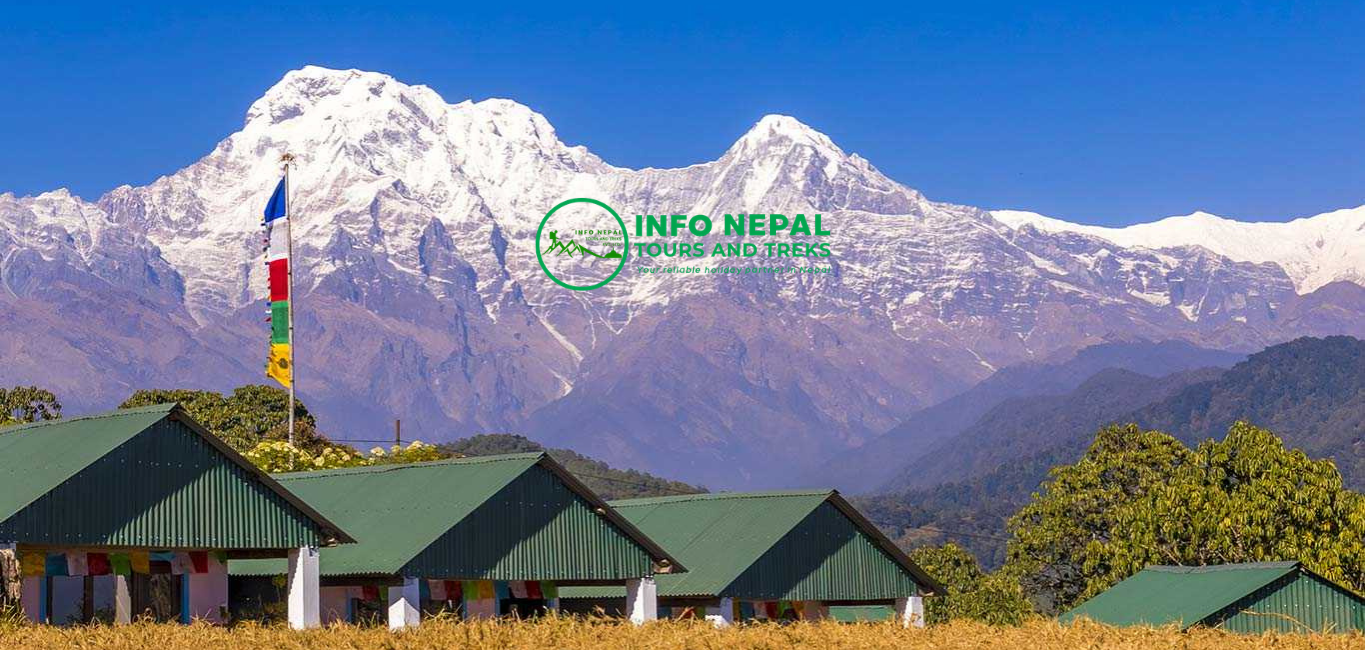
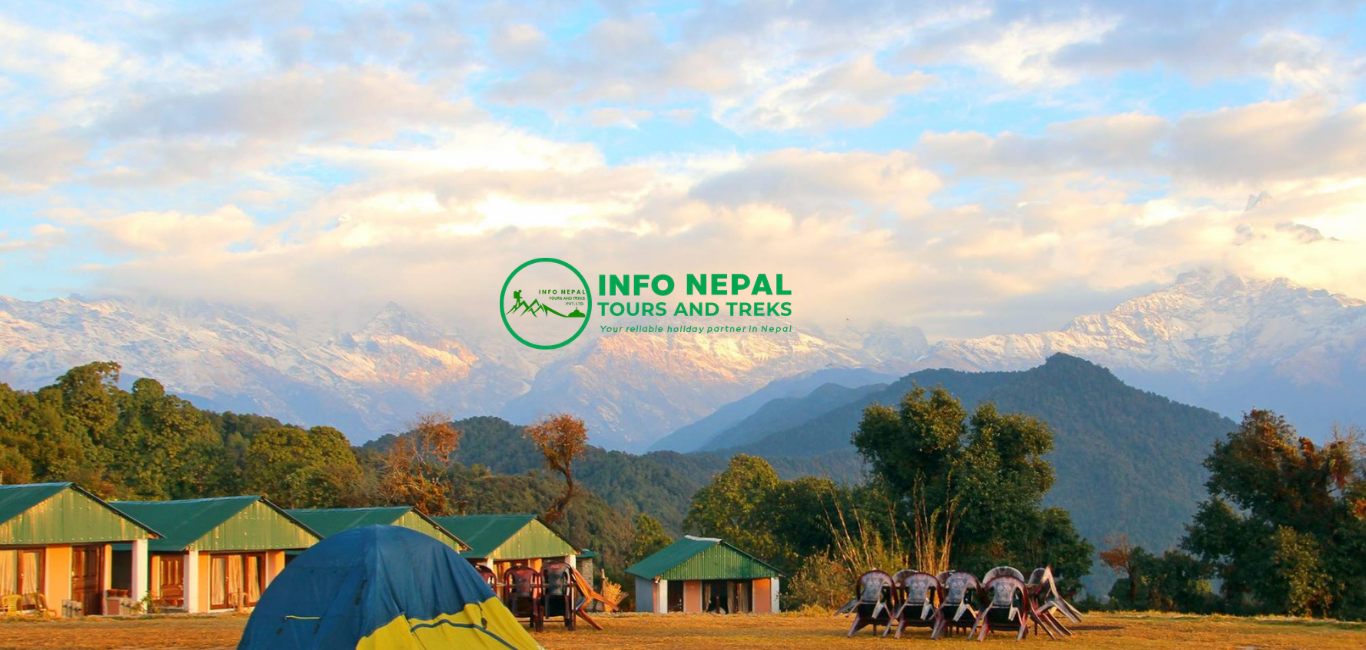
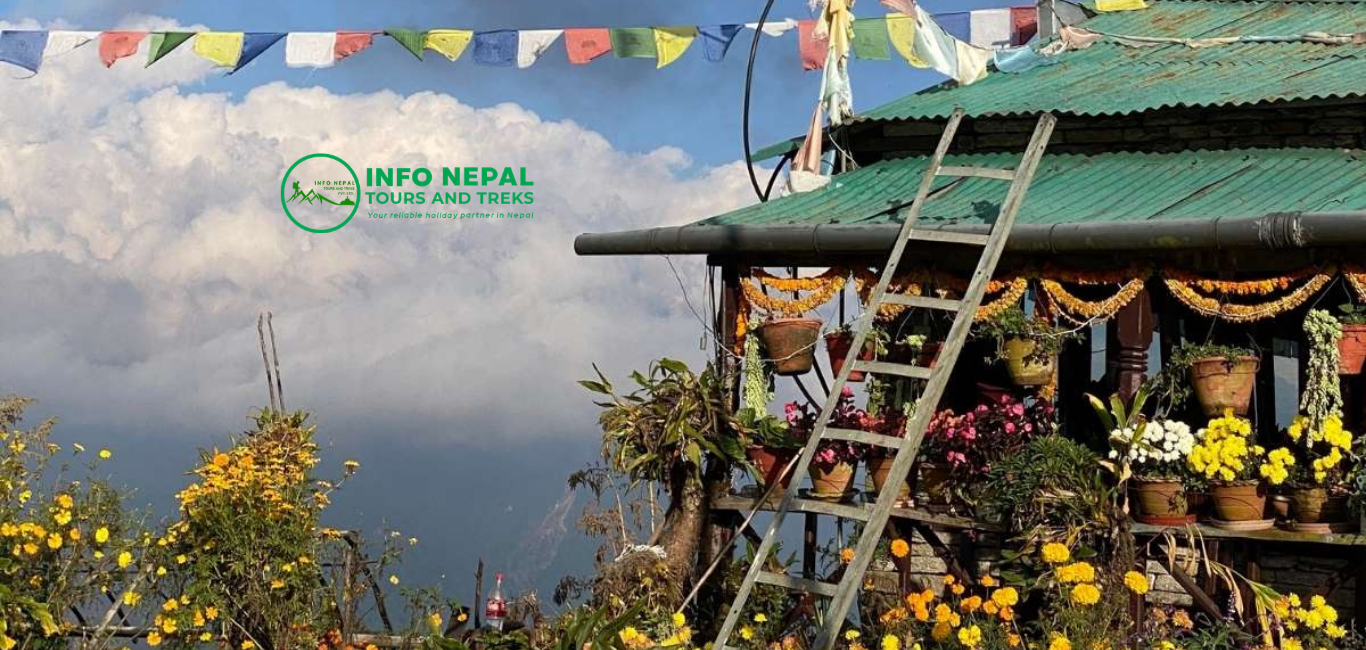
We have been running Australian Base Camp Hiking for years — and honestly, it never gets old. Every single time we reach that ridgeline and the mountains reveal themselves, we watch our guests go completely quiet. Not because they are tired. Because Machhapuchhre (Fishtail) is standing right there in front of them, close enough that it feels almost unreal. That moment of awe feels like our true purpose.
The Australian Base Camp day hike — also known as the Pothana viewpoint trek — is one of the most rewarding short treks you can do from Pokhara. At roughly 2,100 metres above sea level, the viewpoint sits right in the lap of the Annapurna foothills. The panorama from the top stretches across Annapurna South, Hiunchuli, Dhaulagiri, and the iconic Fishtail peak — a view that usually takes trekkers three or four days to reach on a standard Annapurna circuit. Here, you get it in a single day.
What makes this trek special is the two distinct routes that connect to the base camp. You can approach from Dhampus village, a beautifully preserved Gurung settlement with stone-paved lanes and warm teahouse owners who will insist you sit down for a cup of chiya. Or you can start from Kande (Kaski) — the same trailhead where Mardi Himal trekkers begin their multi-day adventure — climbing through dense rhododendron and oak forest before breaking out onto the open ridgeline. Both routes are stunning. We recommend combining them into a loop. You will thank us later.
This is also one of the few Pokhara day hikes that does not require lengthy logistics. No camping gear. No multiple permit offices. No long mountain drives. Just a 45-minute pickup from your lakeside hotel, a well-marked trail, a proper dal bhat lunch at the top, and a return to Pokhara in time for sunset over Phewa Lake. We have had guests in their sixties complete this hike comfortably. We have also had honeymooners, solo backpackers, and family groups with teenagers. It genuinely works for everyone.
Your guide meets you at your hotel in Pokhara Lakeside. We always recommend an early start — the mountains are clearest in the morning before valley clouds begin to build. A private vehicle is arranged for your group, so there is no waiting around for a shared jeep. Just show up with your daypack and good energy.
A 50-minute scenic drive takes you out of Pokhara’s lakeside streets and up into the hills. The road winds past rice paddies, small bazaars, and the occasional herd of goats crossing the path. Your guide will brief you on the trail, the day’s highlights, and what to expect along the way. Elevation at trailhead: ~1,720 m.
Namaste and boots on the ground. You register at the trailhead and begin your ascent. The first section climbs through open farmland with wide valley views behind you — Pokhara’s Phewa Lake glitters in the distance on clear mornings. Your guide sets a comfortable, sustainable pace. No rushing.
The trail soon enters a beautiful corridor of oak and rhododendron trees. In March and April, these hillsides turn brilliant red and pink — some of the most photogenic trekking scenery in all of Nepal. Birds are active in the early hours; your guide can point out species along the way if you are interested.
We stop at a small teahouse run by a local family for a welcome tea or coffee break. A moment to catch your breath, stretch your legs, and chat with your guide about the mountains ahead. Light snacks like biscuits or a boiled egg are usually available here.
The last stretch of the climb opens up onto a wide ridgeline. The trees thin out. The sky gets bigger. And then — the Himalayas. Your guide will name every peak in front of you: Machhapuchhre (Fishtail), Annapurna South, Hiunchuli, Lamjung Himal, Dhaulagiri. Take your time. Breathe it in.
This is the reward. Spend a full hour at the viewpoint — walking along the ridgeline, taking photographs, soaking in the mountain air. On a clear day, the panorama stretches across more than five Himalayan giants. Your guide can tell you the history of the Australian geological teams who once camped here.
We sit down for a proper Nepali dal bhat at the teahouse near the summit. Fresh rice, lentil soup, seasonal vegetables, and achaar — the kind of simple, nourishing meal that tastes extraordinary at altitude. Vegetarian options are always available. This is also a great moment to journal, rest, or simply sit quietly with the view.
After lunch, we begin the descent via the Dhampus route. The trail changes character immediately — from open ridgeline to stone-paved village lane. You will start passing Gurung homes, prayer flags, and traditional stone walls draped in drying maize. The transition from mountain wilderness to living village is one of the unique pleasures of this loop.
We build in time to slow down in Dhampus. This is not a whistle-stop photo opportunity — it is a real village with real people. Your guide may introduce you to a local family, walk you through a traditional home, or simply let you wander the lanes and soak in the atmosphere. A cup of sweet chiya (milk tea) here is non-negotiable.
The last descent drops through terraced fields toward Phedi, completing the loop. The path is well-worn and straightforward, with increasingly expansive views over Pokhara valley. Your vehicle will be waiting at the bottom. Well done — you have just done one of Nepal’s best day hikes.
A comfortable 40-minute drive back to Pokhara. Lakeside is yours for the rest of the evening — a sunset boat ride on Phewa Lake, a hot shower, a cold beer, or simply a long nap. You have earned all of it.

Australian base camp hike starts from Kande (Kaski) in the morning — the forest is cool, the light is beautiful, and you feel like a real trekker. Then descend via Dhampus in the afternoon, finishing with a cup of chiya in the village before your pickup at Phedi. It is the best version of this hike.
The Australian Base Camp trail sits within the Annapurna Conservation Area. Permit requirements are straightforward, and we handle all of this for you when you book with us:
| PERMIT TYPE | APPROXIMATE COST | WHERE TO GET IT |
| ACAP (Annapurna Conservation Area Permit) | NPR 3,000 (~USD 22) | Nepal Tourism Board – We will get it for you |
| TIMS Card (Trekkers’ Information Management System) | NPR 2,000 (~USD 15) | With us – Trekking Agency |
The short answer: any month works for Australian base camp trek, but some months are genuinely magical. Here is what we have seen across the seasons:
Peak season for a reason. Post-monsoon skies are crystal clear, the air is clean and crisp, and mountain views are at their absolute best. October in particular is one of our busiest months — guests who come this time rarely stop sending us thank-you messages
Cold mornings, but incredibly sharp mountain visibility. There are days in December when Fishtail looks like it was painted onto the sky. Light snow near the summit is possible and adds a genuine wow factor. Come prepared with an extra layer and you will be completely fine.
Spring is our personal favourite. The rhododendrons bloom from late February through April, turning the Kande forest route into something that feels almost theatrical. Warm temperatures make hiking comfortable, and the mountain visibility is excellent most mornings.
Monsoon season. The forest becomes lush and green, the air smells like earth and rain, and you may have the entire trail to yourself. Mountain views are unreliable — clouds build quickly. We are honest about this with our guests. Some love the mood of a misty monsoon hike; others prefer to wait for clearer skies.
In a nutshell, the best seasons for the Australian Base Camp Hike are spring and autumn. These seasons provide the most nice weather, clear mountain views, and an overall enjoyable trekking experience. It is critical to arrange your hike around your preferences and the conditions that are best for you.
Loved the Australian Base Camp hike and want to explore further? Here are the natural next steps — all accessible from Pokhara:
The best times are spring (March to May) and autumn (September to November) when the weather is mild and the skies are clear. These seasons offer the most comfortable trekking conditions.