- 8 Days
- 3,690m/12,106 ft

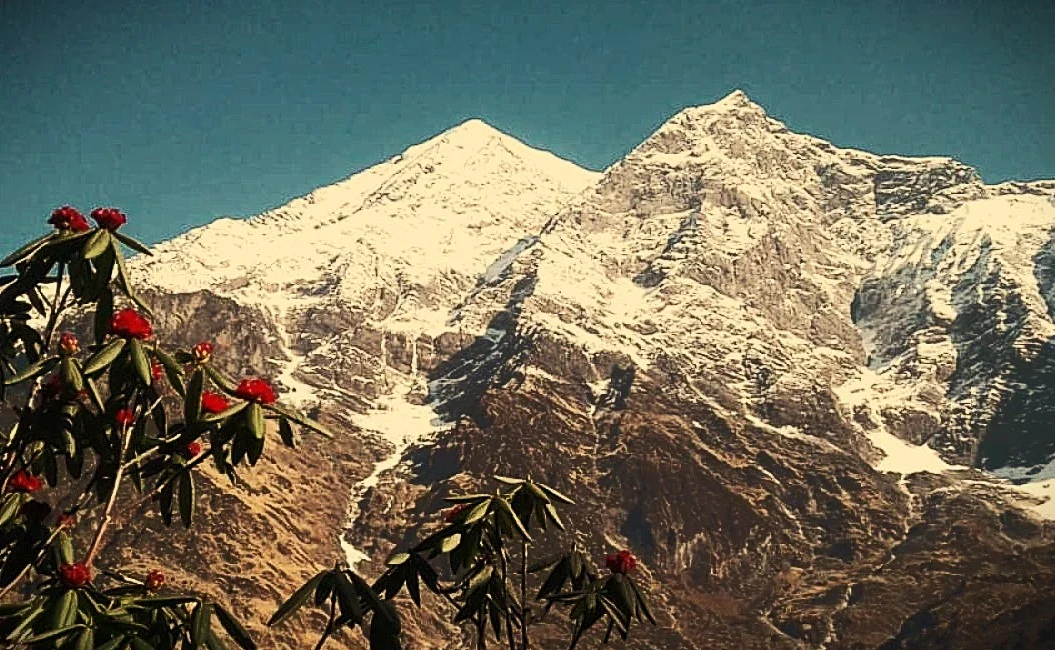
The Milke Danda Trek, located in Eastern Nepal, is famous for its immense biodiversity and vast rhododendron forest, and is a standard 11-14-day trek with an easy to moderate difficulty level, making it accessible to a wide range of trekkers.
The route showcases very good mountain views with a wide range of peaks like Mt.Kanchenjunga, i.e., the third-highest peak in the world, and Mt.Makalu, while also giving you moments to have a glimpse of the local cultures through interaction with the locals, the Limbu and KIrant communities.
The trip can be customised for group sizes of two to 12, ideally undertaken during the spring for vibrant blooms or in the autumn for clear views.
The landscapes are literally breathtaking and not an exaggeration, the Milke danda trek promises an unforgettable time and moments, whether with your friends, loved ones or even a stranger who you share your precious time of life.
You will land at Tribhuwan International Airport, where one of our representatives will give you a ride to your hotel.
When you get to your hotel, you can rest and unwind, give yourself a moment to freshen up and recover, then stroll around and maybe enjoy something refreshing, it could be a drink or taste some local street cuisine.
Overall, it will be a very unique time for you.
The trip will officially begin in the morning, from Kathmandu to Biratnagar.
When in the air, views just feel different, and so is the scenario in which the flight takes place in the morning. The transition feels dramatic as the peaks give way to the flat, fertile patchwork of the Terai plains.
Upon landing, the change is immediate; the air is noticeably warmer and more humid as we step into the gateway of eastern Nepal.
From here, the adventure turns northward towards the foot, the drive passes through Dharan, a vibrant city, before the road begins its winding ascent.
As the vehicle climbs, the tropical heat quickly fades, replaced by a refreshing cool mountain breeze.
The route snakes through the steep terrace farmlands and quiet hillside settlements, eventually reaching the ridge-top town of Basantapur. Known as the gateway to the Kanchenjunga and TMJ Tinjure-Milke-Jaljale) regions, Basantapur offers expansive views of the surrounding peaks and rhododendron forests.
You will spend the evening in a local lodge, and the environment will be serene as your body begins to acclimatise to the 2,200m elevation.
We’ll begin with a steady walk along the ridge of Basnatapur. The trail winds through lush, moss-covered forests and open meadows where you might encounter local herders.
As you gain elevation, the air becomes crispier, and you are rewarded with your first clear glimpses of the Eastern Himalayas. The day ends in a small settlement of Chauki, A quiet spot, perfect for soaking in the mountain’s atmosphere.
On this day of the trip, you’ll go deeper into the heart of the rhododendron and oak forests. The path offers a serene environment, far from the modern world.
Your destination is Gupha Pokhari, a sacred alpine lake. On a clear day, the mirror-like surface of the water reflects the towering peaks of Makalu and Kanchenjunga, creating a beautiful scene. You’ll stay overnight in a local teahouse near the lakeside.
Gupha Pokhari is a site with significance of both nature and spirituality, and for both Hindu and Buddhist Pilgrims.
This is the most anticipated day of the trip. You will leave the lake behind and climb towards the Milke Danda ridge. Walking along the ridge feels like being on the roof of the world, with a massive 360° panorama of the highest peak on earth.
The terrain becomes more rugged and alpine, leading you to your camp or a basic lodge on the ridge.
This is the hardest day of the trek. The higher altitude and longer duration make it the most physically demanding, but the views are well worth the effort.
Rather than moving on, you take a full day to immerse yourself in the beauty of the ridge. This is a prime opportunity for photography, especially during sunrise and sunset when the peaks turn shades of gold and pink.
If you are travelling in spring, the hillsides are a sea of blooming red flowers. You can hike further along the ridge to find secluded viewpoints that offer an uninterrupted gaze at the Himalayan giants.
It is a very suitable day for acclimatisation and photography, as it allows your body to adjust to the thin air and ensures you don’t miss the scenery due to unpredictable mountain weather.
The descent begins today as you leave the high ridges and drop back into the forest zone. The trails offer an expansive view of the valleys on either side of the ridges.
As you lose altitude, the air becomes warmer, and the vegetation changes back to the thick oak and pine. You’ll stay overnight in the villages of Bhalukhop and Nundhaki.
The drop is significant (over 1,600m), so taking it low and using trekking poles is recommended to reduce the strain on the knees.
The path continues without downhill terraced fields and traditional farmhouses. This section of the trek is a cultural highlight, as you walk through Limbu settlements and experience their unique tradition and hospitality.
The day ends in Chainpur, an ancient town famous for the master craftsmen who produce the traditional brass water vessel (Karuwa).
You can also find authentic, handmade brassware and local spices to take home.
This leg of the mountain journey involves a gentle morning walk followed by a short drive down to the broad plateau of Tumolingtar.
This is one of the lowest points in the region, situated between the Arun and Sabha rivers. It’s a great place to celebrate the completion of your trek with a final dinner in the hills.
It is one of the hottest points of the trek due to its lowest elevation; it is much warmer than the previous days in the mountain.
A short 40-minute flight brings you back to the capital. From the plane, you can look back at the mountains you just explored.
Upon arrival in Kathmandu, you will be transferred to your hotel. The afternoon is yours to relax, catch up on emails or do some last-minute souvenir shopping in Thamel.
But a point to remember is that the weather might affect the flight in the mountains; we always recommend having a little buffer time in your schedule.
On this day, the program is about exploring world heritage sites.
The Bouddhanath and Swayambhunath Stupa, and the Durbar Squares. It’s a day to reflect on the journey before heading home.
Swayambhunath (The Monkey Temple) offers a stunning view of the entire Kathmandu Valley as the sun goes down.
Today is the day of your international transfer. Our representative will provide a ride to the Tribhuwan International Airport for your flight home.
You will leave with incredible memories of the eastern regions and the warm hospitality of the people in Nepal.
Airport transfers and (all ground/domestic flights) Kathmandu-Biratangar/Tumlingtar) to be right now as needed.
3-star hotel accommodation in Kathmandu ( Usually two to three nights in a BB plan)
All teahouse/lodge camping accommodation during the trek.
Full board meals during the trip and breakfast, lunch, dinner+ Tea/Coffee
Experienced English speaking license trekking guide + porter(s) (1 porter for every two trekkers)
All necessary permits (TIMS card, any local conservation fee if applicable).
First-aid kit, insurance and emergency support
Trekking map and basic equipment (sleeping bag if camping)
International airfare and Nepal visa.
Personal travel insurance. (Mandatory must cover the high-altitude trekking and evacuation)
Tips for guides and porters.
Extra nights in Kathmandu or sightseeing, not mentioned.
Personal expenses (drinks and snacks, hot shower, Wi-Fi, mobile recharge, etc.).
Moderate Fitness is sufficient. Daily walking is five to seven hours of gradual ascent.
Mostly basic teahouses; Some sections may use camping for an authentic experience.
Layers for variable weather, good rain gear, especially in the spring, trekking poles and binoculars for wildlife views.
It’s far less crowded than the Annapurna or Everest regions but offers similar beauty with incredible floral displays in spring.
The ideal months for trekking are from March to May and September to November, when the weather is generally stable and clear.
A TIMS card (Trekkers’ Information Management System) is required, and you may also need a specific permit to enter certain areas, especially if you are trekking close to border areas.
Hiring a local guide is recommended, but not only for navigation but also for enhancing a cultural experience. Porters can also be hired to carry your luggage if needed.
We accept credit cards, debit cards, PayPal, and cash.