# Info Nepal Tours and Treks
> Your Reliable Holiday Partner in Nepal
Generated: 2026-11-17
## Trips
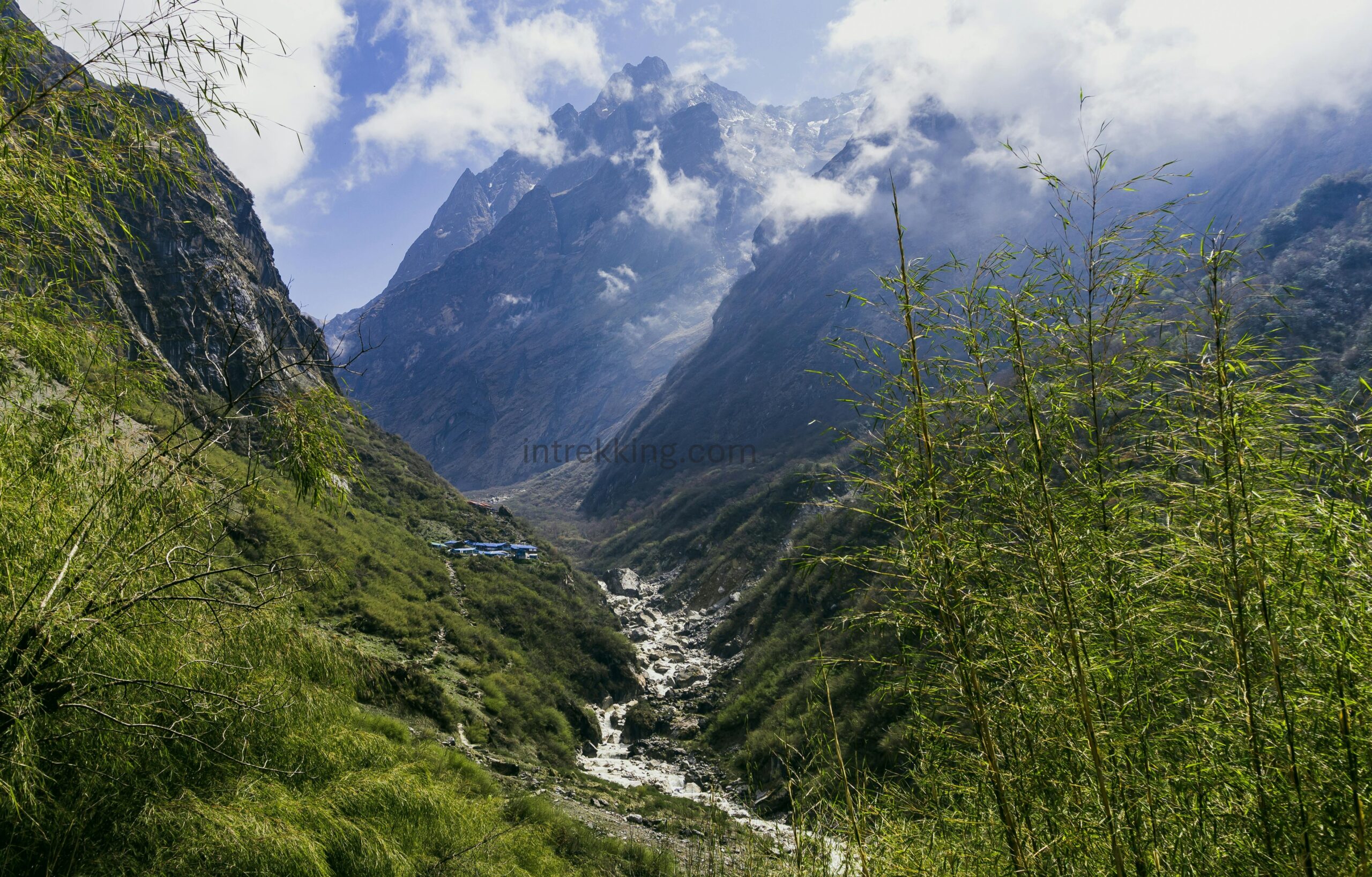
- [Annapurna Base Camp Trek](https://intrekking.com/trip/annapurna-base-camp-trek/): 10 days, 4,130 m, from $899 — A classic trek through Annapurna's protected sanctuary to the glacial amphitheatre of Annapurna Base Camp, winding past Gurung villages and rhododendron forest — moderate terrain well suited to first-time Himalayan trekkers.
- [Everest Base Camp Short Trek: 12 Days Without Skipping Acclimatisation](https://intrekking.com/trip/everest-base-camp-short-trek/): 12 days, 5,545 m, from $1,399 — Most short Everest Base Camp (EBC) treks shave the traditional 14-day itinerary down to 9 to 10 days by eliminating acclimatization days and using a helicopter for a one-way return. we donot skip acclimatization and donot use helicoptre for return we keep it a tight, well paced 12 day trek both time and cost efficient.
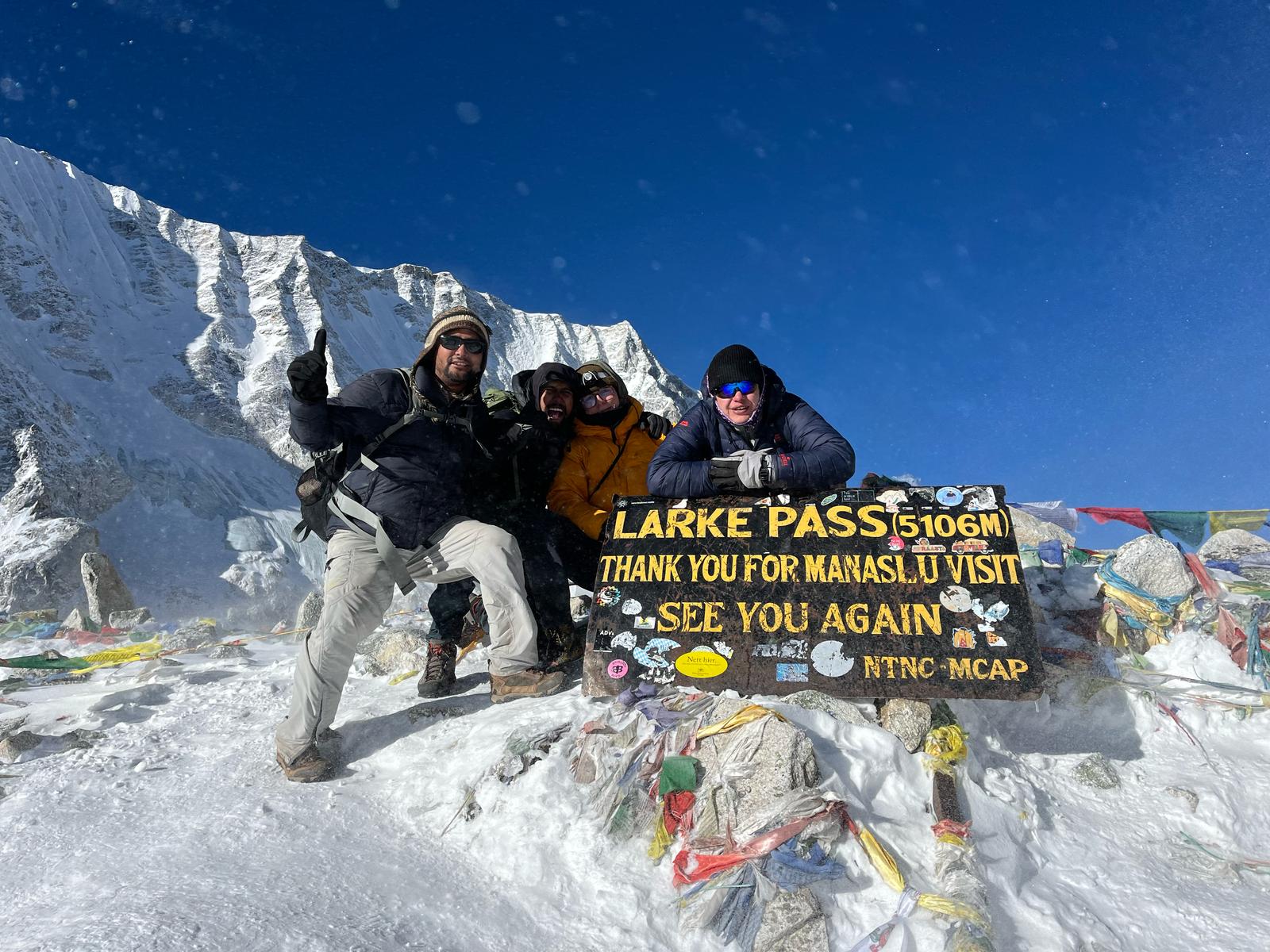
- [Manaslu Circuit Trekking – 13 Days](https://intrekking.com/trip/manaslu-circuit-trekking/): 13 days, 5,160 m, from $1,000 — A circuit around the Manaslu massif in the Gorkha district crossing the Larke La pass, passing Tibetan-influenced villages such as Samagaon and Samdo, for trekkers seeking a remote, culturally rich alternative to the Annapurna Circuit.
- [1 Day Trishuli Rafting](https://intrekking.com/trip/1-day-trishuli-rafting/): 1 day, 600 m, from $35 — A one-day whitewater rafting trip on the Trishuli River near Kathmandu, running rapids such as Teendevi, Malekhu and Monkey Rapid through scenic gorges, suited to first-time and experienced rafters alike.
- [5 days Bardiya Tour](https://intrekking.com/trip/five-days-bardiya-tour/): 4 days, 1,441 m, from $900 — A wildlife and cultural tour of Bardiya in Nepal's western Terai, combining jungle safari activities, sightseeing of historical sites and unstructured relaxation, suited to travellers of any age seeking a relaxed nature-focused trip.
- [A Hidden Gem Near Kathmandu Chitlang Tour](https://intrekking.com/trip/a-hidden-gem-near-kathmandu-chitlang-tour/): 4 days, 1,833 m, from $349 — A relaxed cultural getaway to the Newar village of Chitlang in the Chandragiri hills southwest of Kathmandu, combining nature walks, homestays, a goat-cheese farm and Kulekhani lake, suiting weekend travellers seeking a quiet escape.
- [Ama Dablam Expedition – 24 Days](https://intrekking.com/trip/ama-dablam-expedition/): 24 days, 6,812 m, from $5,200 — A guided climbing expedition on Ama Dablam in the Khumbu, combining Everest Base Camp acclimatisation with a fixed-rope ascent of the peak's pyramidal ridge, for experienced mountaineers.
- [Ama Yangri Trek- 5 days](https://intrekking.com/trip/ama-yangri-trek/): 4 days, 3,371 m, from $349 — A short trek in the Helambu area of the eastern Himalayas climbing to Ama Yangri peak via Timbu, Tarke Ghyang and Shermanthang, passing forests, alpine meadows and Sherpa villages, suited to beginners seeking a quieter route.
- [Annapurna Base Camp Heli Tour: Fly into the Annapurna Sanctuary in a day](https://intrekking.com/trip/annapurna-base-camp-heli-tour-1-day/): 1 day, 4,130 m, from $499
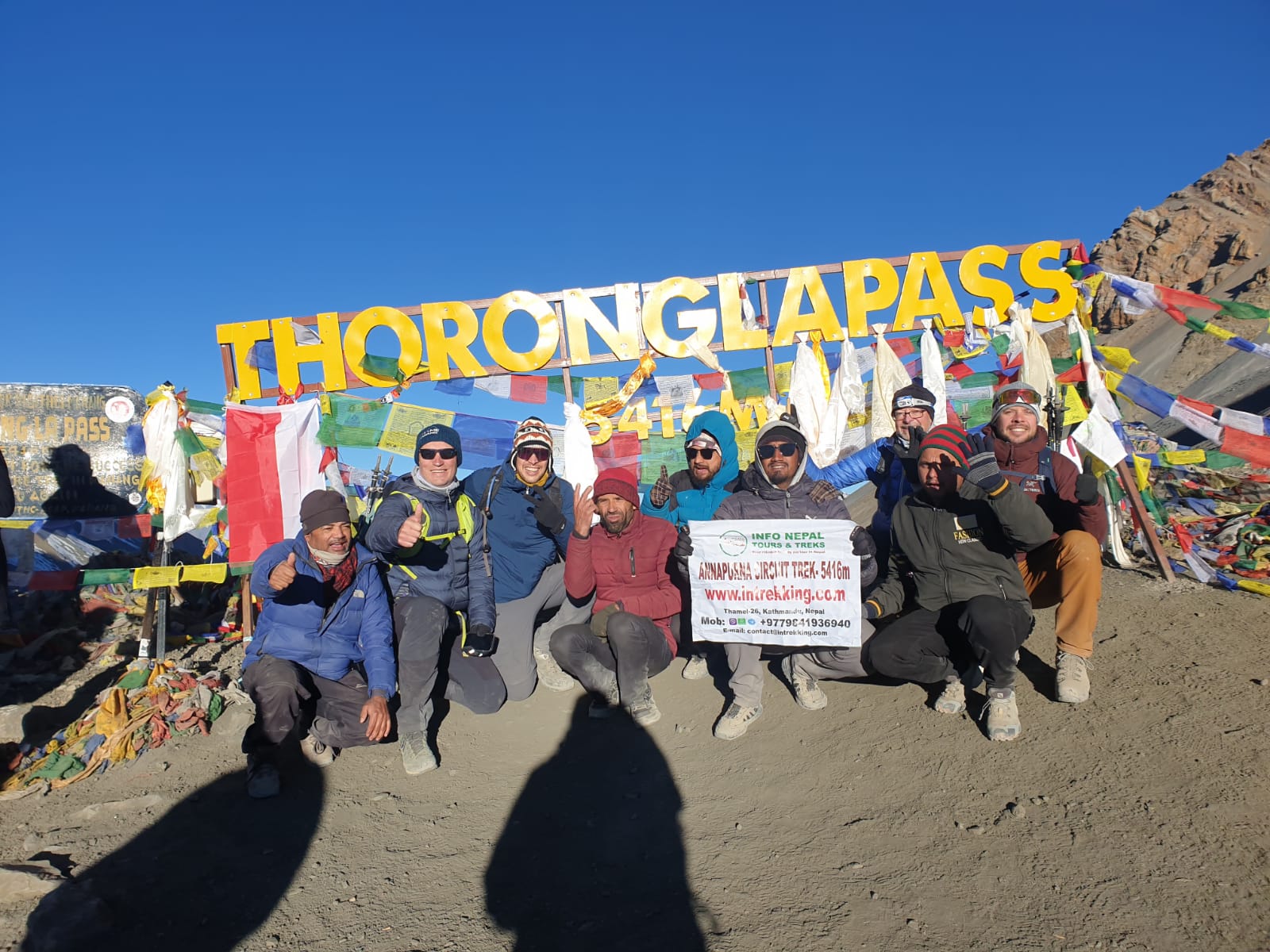
- [Annapurna Circuit Short Trek-10 days](https://intrekking.com/trip/annapurna-circuit-short-trek/): 10 days, 5,416 m, from $825 — A shortened version of the Annapurna Circuit starting at Chame, following the Marsyangdi River through Manang to cross the Thorong La pass to Muktinath, within the Annapurna Conservation Area, for trekkers with limited time.
- [Annapurna Circuit Trek](https://intrekking.com/trip/annapurna-circuit-trek/): 17 days, 5,416 m, from $1,280 — A circuit around the Annapurna massif crossing the Thorong La pass, with side trips to Manang and Tilicho Lake, passing through changing landscapes from warm farmland to glaciers, suited to trekkers wanting varied terrain and culture.
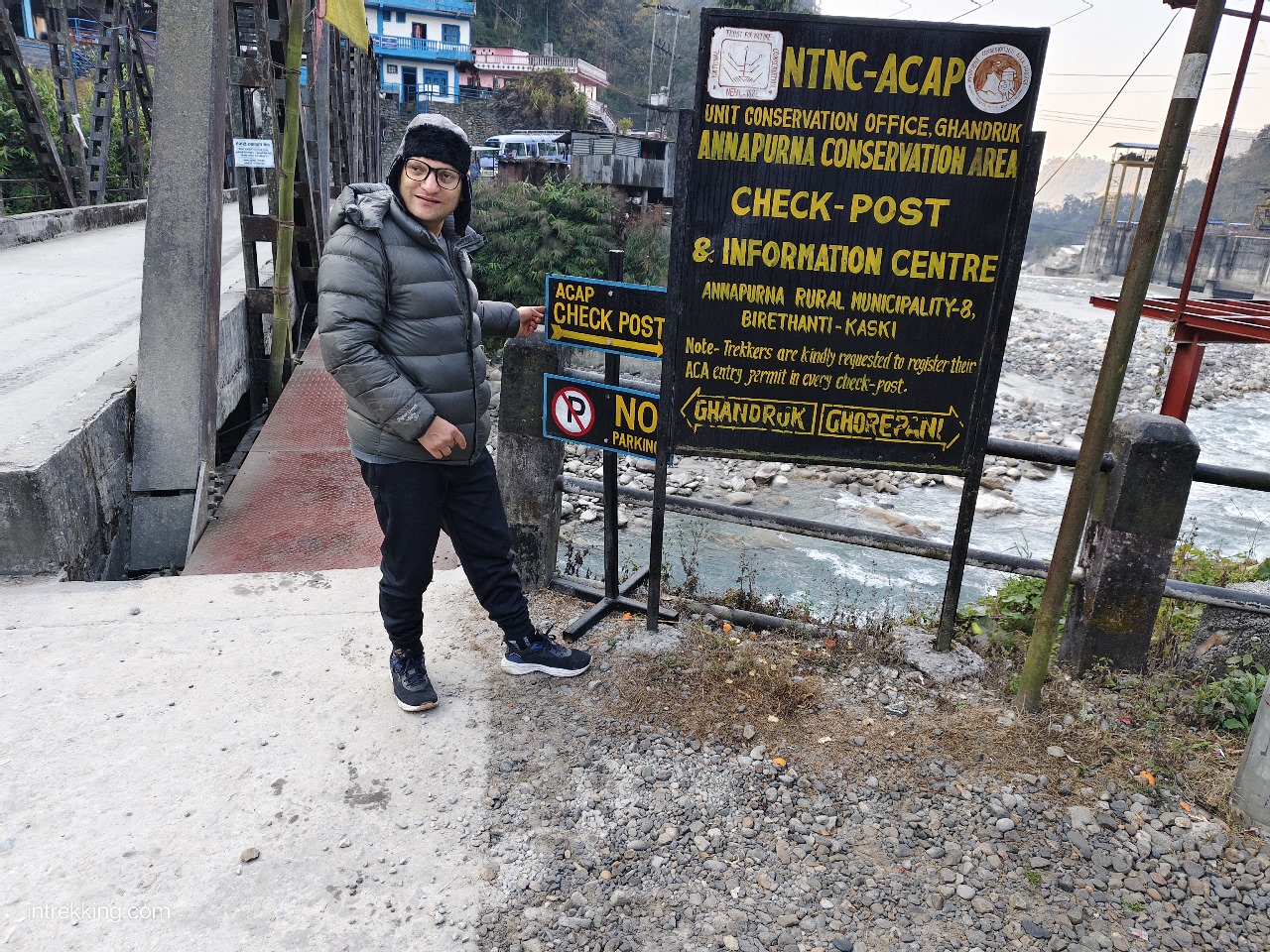
- [Annapurna Sanctuary Trek](https://intrekking.com/trip/annapurna-sanctuary-trek/): 12 days, 4,130 m, from $799 — A trek into the Annapurna Sanctuary to the amphitheatre of Annapurna Base Camp, following the Modi Khola gorge through rhododendron forest past Ghorepani, Ghandruk and Machhapuchhre Base Camp, suited to first-time Himalayan trekkers.
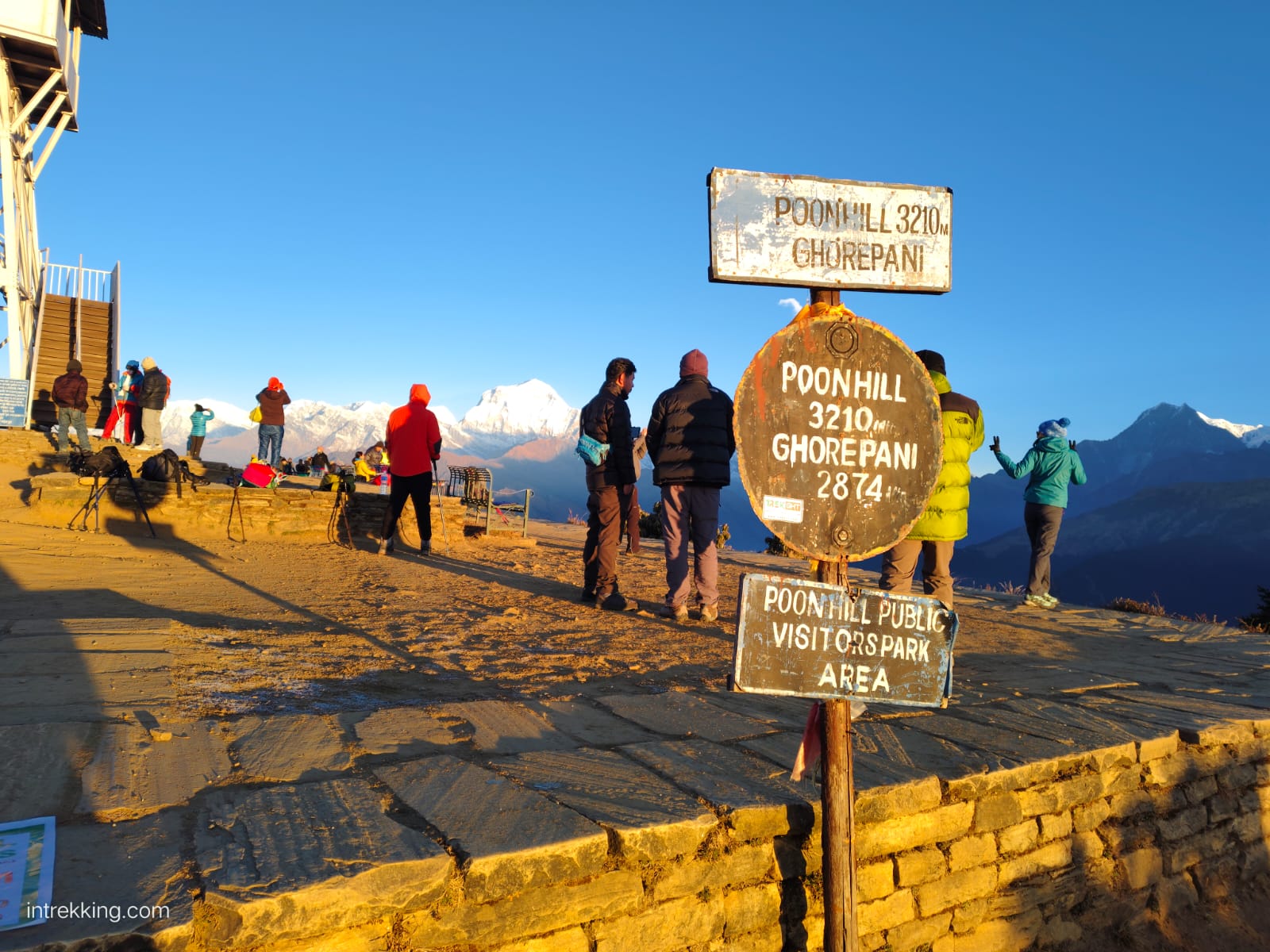
- [Annapurna Short Trek](https://intrekking.com/trip/annapurna-short-trek/): 7 days, 3,210 m, from $449 — A condensed Annapurna foothills trek via Ulleri and Ghorepani to the Poon Hill sunrise viewpoint and Tadapani, passing rhododendron forest and Gurung villages, suited to trekkers wanting mountain and culture in a short window.
- [Api Base Camp trek](https://intrekking.com/trip/api-base-camp-trek/): 14 days, 4,000 m — A remote far-western trek to Api Base Camp and Kali Dhunga Lake beneath Api Himal, accessed via Dhangadi, Darchula and Makarigaad through dense forests and traditional villages, suited to experienced trekkers seeking solitude.
- [Australian Base Camp Hiking](https://intrekking.com/trip/australian-base-camp-hiking/): 1 day, 2,060 m, from $250 — A guided day hike from Pokhara to the Australian Base Camp viewpoint near Pothana, climbing through rhododendron forest from Kande and descending via Dhampus, offering views of Machhapuchhre and Annapurna South for those short on time.
- [Badimalika Trek](https://intrekking.com/trip/badimalika-trek/): 12 days, 4,210 m, from $1,600 — An off-the-beaten-path trek in far-western Nepal's Bajura district reaching the Badimalika Temple via Triveni, with sacred river confluences and remote tea-house and hotel stays, suited to experienced trekkers seeking little-visited terrain.
- [Bhutan Tour](https://intrekking.com/trip/bhutan-tour/): 4 days, 3,120 m — A cultural sightseeing tour of Bhutan visiting Paro's Rinpung Dzong and Ta Dzong National Museum, the capital Thimphu, and the cliffside Tiger's Nest monastery, suited to travellers interested in Buddhist heritage and architecture.
- [Bungy Jump in Nepal](https://intrekking.com/trip/bungy-jump/): 1 day, 228 m — A bungee jump from a 160-metre suspension bridge over the Bhote Koshi river gorge near the Nepal-Tibet border, about a three-hour drive from Kathmandu, for thrill-seekers wanting an adrenaline day trip.
- [Chandragiri Day Tour](https://intrekking.com/trip/chandragiri-day-tour/): 1 day, 2,500 m, from $79 — A day tour by cable car or hiking trail to Chandragiri Hill southwest of Kathmandu, with Kathmandu Valley and Himalayan panoramas, suited to travellers wanting a short outing without a multi-day trek.
- [Chisapani Nagarkot Hiking](https://intrekking.com/trip/chisapani-nagarkot-hiking/): 3 days, 2,425 m, from $259 — A short circuit near Kathmandu from Sundarijal through Shivapuri National Park to Chisapani and the sunrise viewpoint of Nagarkot, ending at Changunarayan temple, suited to those wanting an accessible trek close to the capital.
- [Chitwan Tour Package: 3-Day and 2 Nights Tour](https://intrekking.com/trip/chitwan-tour-package/): 3 days, 189 m, from $200 — A short jungle safari package to Chitwan National Park in Nepal's southern Terai, with wildlife viewing, a canoe ride and an introduction to the local Tharu community.
- [Chola Pass Trek](https://intrekking.com/trip/chola-pass-trek/): 19 days, 5,545 m, from $1,899 — A trek through the high Khumbu valley linking the Gokyo lakes and Everest Base Camp by crossing the Cho La pass, with viewpoints at Gokyo Ri and Kala Patthar, for experienced trekkers wanting both valleys in one route.
- [Danphe Route Trek: Nepal’s New Far-West Trail (An Honest Guide)](https://intrekking.com/trip/himalayan-monal-danphe-route-trek/): 35 days, 3,691 m — A far-western Nepal itinerary built around the proposed Danphe Route, linking established trips to Rara, Badimalika and Muktinath, for travellers wanting remote western trails that the formal end-to-end trail does not yet physically connect.
- [Dhaulagiri Circuit Trek](https://intrekking.com/trip/dhaulagiri-circuit-trek/): 20 days, 5,360 m — A strenuous, expedition-style circuit of Dhaulagiri, the world's seventh-highest peak, crossing remote glacial moraine and high passes with several nights of camping — a raw, uncommercialised route for experienced trekkers.
- [Dhorpatan Trek: 7 Days Inside Nepal’s Wildest Hidden Reserve](https://intrekking.com/trip/dhorpatan-trek/): 7 days, 4,190 m, from $800 — A trek through western Nepal's Dhorpatan Hunting Reserve and Bukipatan meadows, crossing alpine shepherd pastures with close views of Dhaulagiri, Gurja, Churen and Putha Hiunchuli, for trekkers seeking a rarely visited region.
- [Everest Base Camp Heli Trek](https://intrekking.com/trip/everest-base-camp-heli-trek/): 11 days, 5,550 m, from $1,999 — A trek to Everest Base Camp and the Kala Patthar viewpoint via Namche Bazaar, Tengboche and Dingboche, returning to Kathmandu by helicopter from Gorak Shep, suited to those wanting the classic route without retracing the walk out.
- [Everest Base Camp Luxury Trek](https://intrekking.com/trip/everest-base-camp-luxury-trek/): 15 days, 5,545 m, from $1,550 — A trek to Everest Base Camp and Kala Patthar through the Khumbu Valley combined with upgraded hotels in Kathmandu, Bhaktapur and Pokhara, suited to trekkers wanting the classic route with more comfortable accommodation.
- [Everest Base Camp overland Trek](https://intrekking.com/trip/salleri-to-everest-base-camp-trekking/): 15 days, 5,545 m, from $1,399 — An alternative overland route to Everest Base Camp starting with a drive to Salleri and Surke instead of flying to Lukla, passing Khumjung, Pheriche and Kala Patthar through quieter villages.
- [Everest Base Camp Trek heli Return- 9 Days](https://intrekking.com/trip/everest-base-camp-trek-heli-return-9-days/): 9 days, 5,445 m, from $2,400 — An Everest Base Camp trek that ascends on foot through Namche Bazaar, Tengboche and Dingboche to base camp and Kala Patthar, then returns by helicopter from Gorak Shep, shortening the descent.
- [Everest Base Camp Trek via Gokyo Lakes & Cho La Pass](https://intrekking.com/trip/everest-base-camp-trek-via-gokyo-lake/): 17 days, 5,420 m, from $1,400 — A demanding Everest region circuit linking the Gokyo Lakes, the Cho La pass and Everest Base Camp via Namche Bazaar, Tengboche and Kala Patthar, suited to fit, acclimatised trekkers wanting both valleys.
- [Everest Base Camp Trek Via Ramechhap – 14 Days](https://intrekking.com/trip/everest-base-camp-trek-via-ramechhap-mathali-14-days/): 14 days, 5,545 m, from $1,300 — A lodge-based trek to Everest Base Camp and Kala Patthar through the Khumbu's Sherpa villages of Namche, Tengboche and Dingboche, starting with a drive to Ramechhap and flight to Lukla.
- [Everest Base Camp with Gokyo Lake Trek](https://intrekking.com/trip/everest-base-camp-with-gokyo-lake/): 17 days, 5,160 m, from $1,399 — A trek in the Everest region combining the Gokyo Valley and its glacial lakes with Everest Base Camp by crossing the Cho La pass, with viewpoints at Gokyo Ri and Kala Patthar, for trekkers wanting both valleys in one circuit.
- [Everest Heli Tour](https://intrekking.com/trip/everest-heli-tour/): 1 day, 5,550 m, from $1,300 — A one-day helicopter tour offering aerial views of Mount Everest, surrounding glaciers and Himalayan valleys, for travellers who want to experience the Everest region without trekking.
- [Everest High Pass Trek](https://intrekking.com/trip/everest-high-pass-trek/): 17 days, 5,643 m, from $1,800 — A demanding Khumbu circuit linking the Kongma La, Cho La and Renjo La passes with the Everest Base Camp and Gokyo valleys, passing through Sherpa villages and the remote Thame valley, for fit trekkers seeking a multi-pass route.
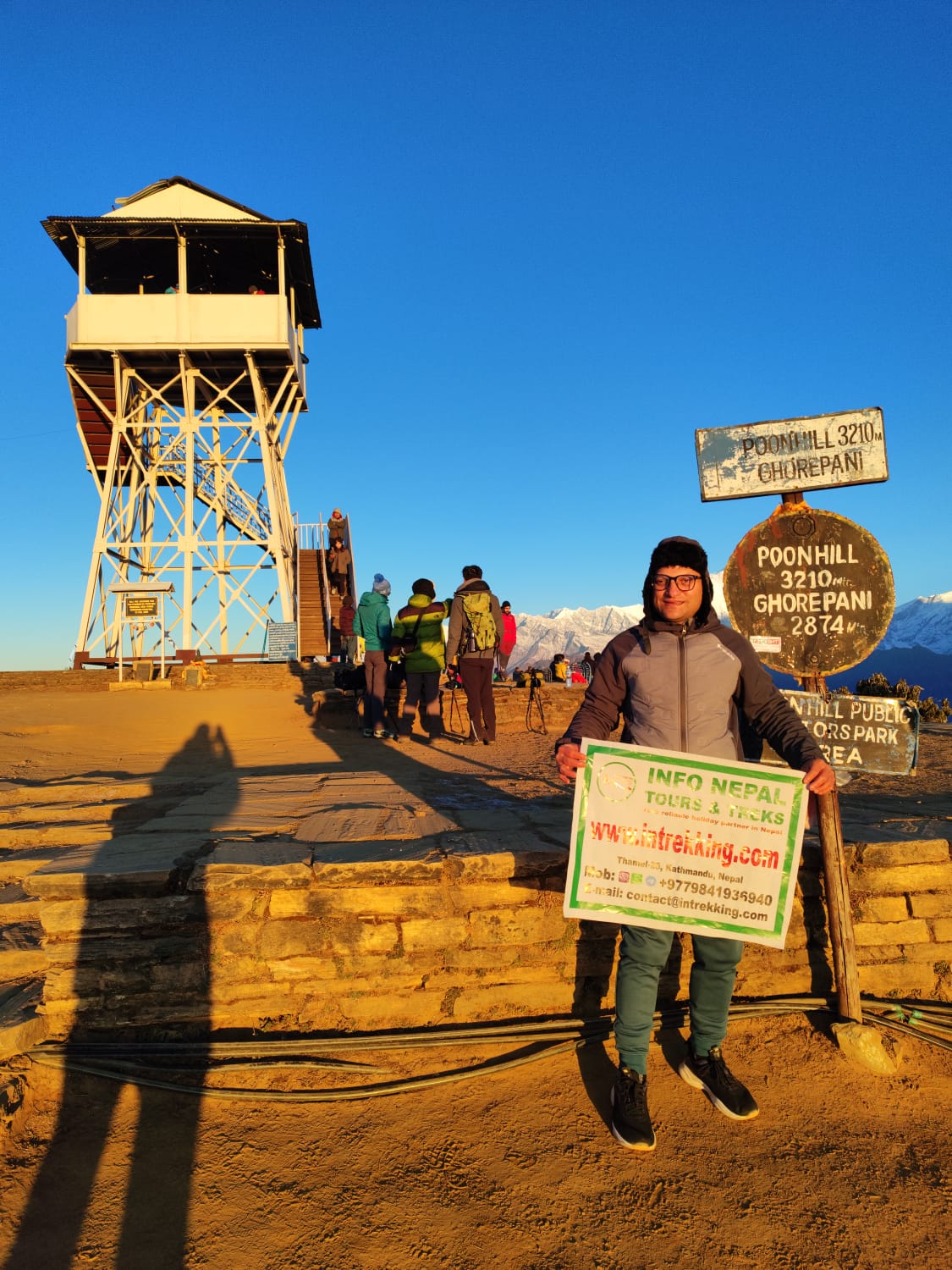
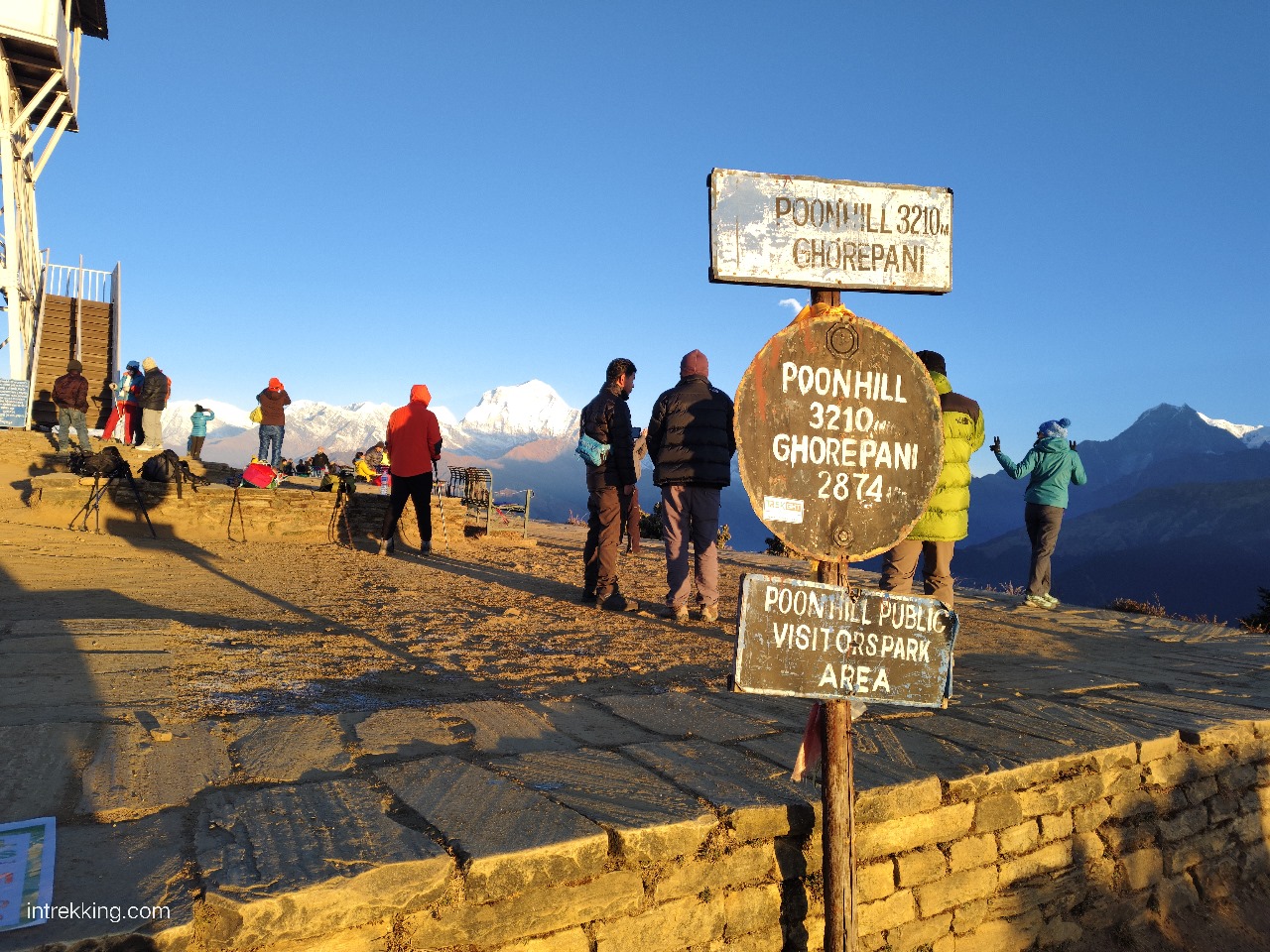
- [Ghorepani Poon Hill Trek](https://intrekking.com/trip/ghorepani-poon-hill-trek/): 5 days, 3,210 m, from $349 — A short trek in the Annapurna foothills from Ulleri to Ghorepani with a dawn ascent of Poon Hill for Annapurna and Dhaulagiri ranges, descending via Tadapani and the Gurung village of Ghandruk, suited to trekkers with limited time.
- [Ghorepani Poon Hill with Mardi Himal Trek](https://intrekking.com/trip/ghorepani-poon-hill-with-mardi-himal-trek/): 12 days, 4,500 m, from $840 — A combined Annapurna-foothills route linking the Ghorepani-Poon Hill sunrise viewpoint with the quieter Mardi Himal ridge, passing rhododendron forests and villages, suiting trekkers wanting two classic trails in one journey.
- [Ghorepani Sunrise Poon Hill Trek](https://intrekking.com/trip/ghorepani-sunrise-poon-hill-trek/): 3 days, 2,850 m, from $300 — A short Annapurna foothills trek from Nayapul or Ulleri up to the Poon Hill viewpoint above Ghorepani, reached on accessible trails from Pokhara and suited to families and first-time trekkers.
- [Gokyo Lake Trek](https://intrekking.com/trip/gokyo-lake-trek/): 12 days, 5,364 m, from $1,150 — A trek through the Khumbu's quieter Gokyo Valley in Sagarmatha National Park to the six Gokyo Lakes, the world's highest freshwater lake system and a Ramsar site, with Everest views and an optional Gokyo Ri climb.
- [Gokyo Renjo La Pass Trek](https://intrekking.com/trip/gokyo-renjo-la-pass-trek/): 14 days, 5,361 m, from $1,300 — A trek in the Everest region leaving the main Base Camp trail to cross the Renjo La pass into the Gokyo Valley, passing Namche Bazaar and Thame village with views of Everest, Cho Oyu, Lhotse and Makalu, suited to experienced trekkers.
- [Helambu Trek – 5 Days](https://intrekking.com/trip/helambu-trek/): 5 days, 3,500 m — A short low-elevation loop near Kathmandu through Shivapuri National Park and Hyolmo, Tamang and Sherpa villages, crossing forested ridgelines with Langtang Himal views to Buddhist monasteries, suiting time-limited trekkers.
- [High road to Lhasa (4 Nights / 5 Days)](https://intrekking.com/trip/high-road-to-lhasa/): 4 days, 5,000 m, from $1,599 — A short fly-in tour from Kathmandu to Lhasa across the Tibetan Plateau, with sightseeing among the monasteries and old quarters of the Tibetan capital, suited to travellers wanting a Tibet cultural introduction without an overland crossing.
- [Island Peak Climbing](https://intrekking.com/trip/island-peak-climbing/): 16 days, 6,189 m, from $1,499 — A guided Himalayan climbing trip pairing the Everest Base Camp trail with a non-technical ascent of Island Peak, offering close views of Everest, Lhotse and Makalu — ideal as a first 6,000 m summit.
- [Jomsom Muktinath Trek](https://intrekking.com/trip/jomsom-muktinath-trek/): 12 days, 3,710 m, from $949 — A trek up the Kali Gandaki valley from Jomsom to the Hindu and Buddhist pilgrimage site of Muktinath, passing Marpha, Kagbeni and arid trans-Himalayan terrain, suited to walkers wanting culture and gorge scenery without high passes.
- [Kailash Mansarovar Tour Package](https://intrekking.com/trip/kailash-mansarovar-tour-package/): 13 days, 5,625 m — A pilgrimage tour across Tibet to Mount Kailash and Lake Mansarovar, driving via Kerung and Saga before the Kailash parikrama over the Dolma La pass, suiting Hindu, Buddhist, Jain and Bon pilgrims and overland travellers.
- [Kaligandaki Rafting](https://intrekking.com/trip/kaligandaki-rafting/): 1 day, 1,400 m, from $190 — A multi-day rafting trip on the Kaligandaki River from Nayapul through canyons and white sandy beaches near Pokhara, passing temples and remote wilderness, suited to rafters seeking continuous rapids and camping.
- [Kanchenjunga Base Camp Trek: Both North & South Base Camps in One Extraordinary Journey](https://intrekking.com/trip/kanchenjunga-base-camp-trekking/): 27 days, 5,140 m, from $2,100 — A trek in far northeastern Nepal reaching both the North Base Camp at Pangpema and the South Base Camp at Oktang of Kanchenjunga over a high connecting pass, through remote family-run teahouse villages, for experienced trekkers seeking wilderness and solitude.
- [Kanchenjunga North to South Trek](https://intrekking.com/trip/kanchenjunga-trek-north-to-south/): 17 days, 5,160 m, from $1,850 — A demanding eastern Nepal trek reversing the Kanchenjunga circuit from Taplejung to the North Base Camp at Lhonak, then south via the Selele pass to Cheram and Oktang, for experienced trekkers on remote terrain.
- [Kanchenjunga South to North Base Camp Trek](https://intrekking.com/trip/kanchenjunga-south-to-north-base-camp-trek/): 21 days, 5,160 m, from $1,849 — A long, demanding trek in eastern Nepal linking the South and North base camps of Kanchenjunga via Yamphudin, Cheram, the Selele La pass, Ghunsa and Pangpema, for experienced trekkers on a remote trail.
- [Kathmandu- Nagarkot- Dhulikhel Mt. Bike Tour](https://intrekking.com/trip/mountain-bike-tour/): 5 days, 2,175 m, from $500 — A mountain-bike tour circling the Kathmandu Valley rim from Mulkharka and Chisopani to the Nagarkot viewpoint, then Namo Buddha, Dhulikhel and Bhaktapur, suiting cyclists wanting hill-village trails, Buddhist sites and valley culture.
- [Khopra Ridge Trek](https://intrekking.com/trip/khopra-ridge-trek/): 10 days, 4,660 m, from $649 — A quieter Annapurna route reaching a high ridge between the Dhaulagiri and Annapurna ranges, via Tadapani, Bayeli Kharka and the Khaire Lake side trip, suited to trekkers seeking off-the-beaten-path alpine forest and viewpoints.
- [Kori Danda Trek – 9 day](https://intrekking.com/trip/kori-trek-9-day/): 8 days, 3,800 m, from $900 — A newly developed, less-travelled trek in the Annapurna region from Sikles village through forest and alpine ridges to the Kori Danda viewpoint, passing Gurung villages and waterfalls, suited to beginners seeking a quiet route.
- [Kyajo Ri Peak Climbing](https://intrekking.com/trip/kyajo-ri-peak-climbing/): 16 days, 6,186 m, from $3,700 — A technical trekking-peak climb near Thame in the Khumbu, ascending Kyajo Ri via established base and high camps with snow, ice and exposed ridge sections, suited to trekkers wanting their first real alpine mountaineering experience.
- [Langtang Gosaikunda Trek 11 Days](https://intrekking.com/trip/langtang-gosaikunda-trek/): 11 days, 4,380 m, from $880 — A Langtang National Park trek combining the Langtang valley and Kyanjin Gompa with the sacred Gosaikunda lakes, passing Tamang villages and rhododendron forest, for trekkers seeking nature and pilgrimage sites.
- [Langtang Gosainkunda Trek 16 Days](https://intrekking.com/trip/langtang-gosainkunda-trek/): 16 days, 4,984 m, from $1,200 — A longer Langtang-region trek pairing the Langtang valley and Kyanjin Gompa with the sacred Gosainkunda lakes and the Laurebina pass, through Tamang villages and Tibetan monasteries, ending via Chisapani.
- [Langtang Valley Trek](https://intrekking.com/trip/langtang-valley-trek/): 9 days, 5,000 m, from $799 — A teahouse trek north of Kathmandu through Langtang National Park, following forested trails and Tibetan villages like Lama Hotel and Kyanjin Gompa to alpine pastures beneath Langtang Lirung, suiting those wanting a short Himalayan route.
- [Lhasa and Kailash Mansarovar Tour](https://intrekking.com/trip/lhasa-and-kailash-mansarovar-tour-14n-15d/): 14 days, 5,630 m, from $5,450 — An overland Tibet journey pairing the cultural sites of Lhasa with the Kailash Mansarovar pilgrimage, travelling via Shigatse, Gyantse and Saga before the Kailash parikrama over the Dolma La pass, suiting pilgrims and overland travellers.
- [Lhasa Tibet Tour 8 Days](https://intrekking.com/trip/kathmandu-to-lhasa-tibet-tour-7n-8d/): 7 days, 4,200 m — An overland cultural tour from Kathmandu to Lhasa via Kerung, Shigatse and Gyantse, visiting Tibetan temples, monasteries and prehistoric towns amid Himalayan landscapes, suiting travellers drawn to Tibetan heritage and high-plateau scenery.
- [Lobuche Peak Climbing – 19 Days](https://intrekking.com/trip/lobuche-peak-climbing-19-days/): 19 days, 6,119 m, from $1,949 — A climbing expedition to the 6,119-metre Lobuche East summit combined with the Everest Base Camp trek through Sagarmatha National Park, involving base and high camps, for experienced trekkers with mountaineering ambitions.
- [Luxury Kanchenjunga Trek](https://intrekking.com/trip/luxury-kanchenjunga-trek/): 17 days, 7,710 m — A trek through the remote Kanchenjunga region to its north and south base camps past Mt. Jannu and the Yalung and Kanchenjunga glaciers, with private logistics and an optional helicopter return, suited to experienced trekkers wanting comfort.
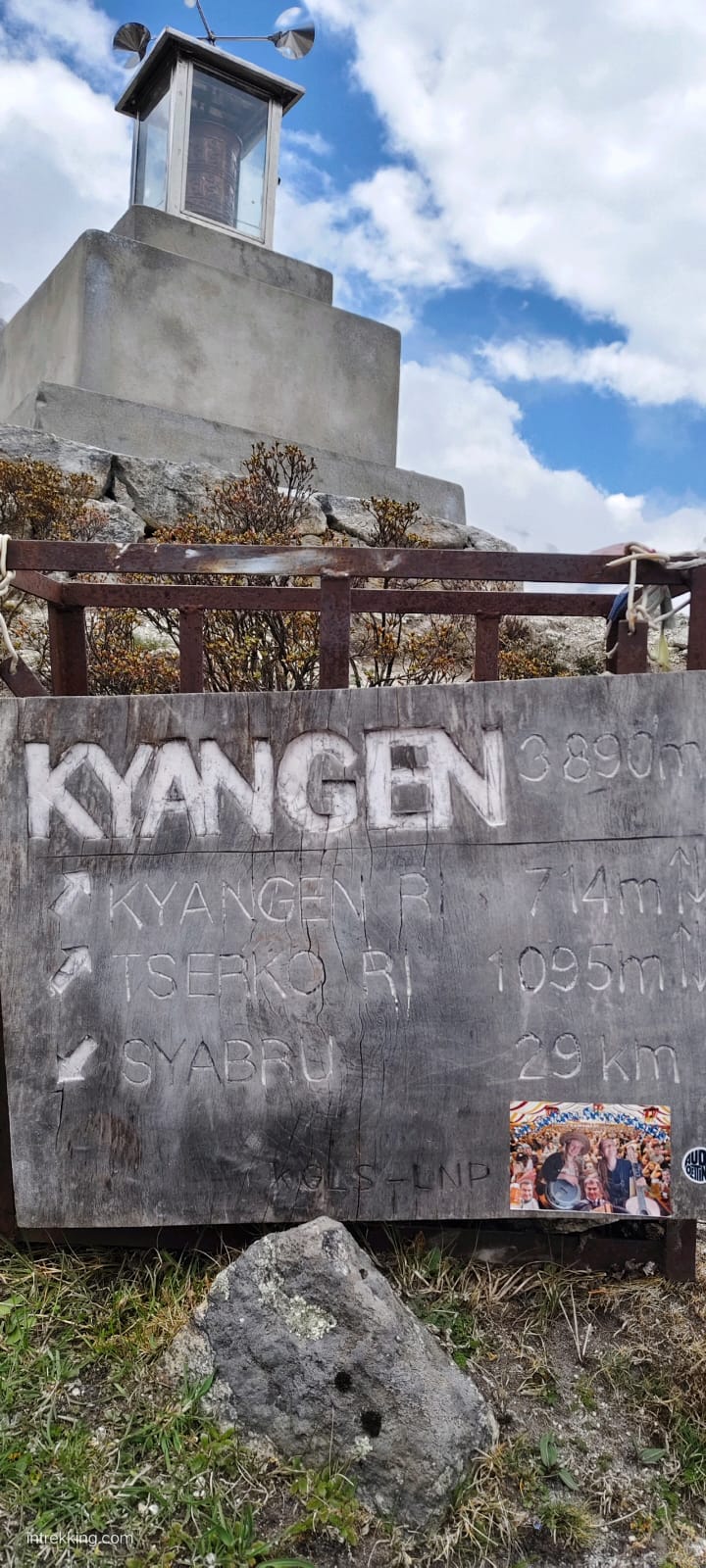
- [Luxury Langtang Trek](https://intrekking.com/trip/luxury-langtang-trek/): 13 days, 4,984 m — A trek into the Langtang valley to Kyanjin Gompa with a hike to Tserko Ri viewpoint, combined with a Chitwan jungle stay and Pokhara sightseeing, using private vehicles and hotels, suited to trekkers wanting varied terrain with comfort.
- [Luxury Manaslu Circuit trek](https://intrekking.com/trip/luxury-manaslu-circuit-trek/): 16 days, 5,106 m, from $1,949 — A trek around the restricted Manaslu Circuit crossing the Larkya La pass via Machha Khola, Samagaun and Samdo, with private transport and full permit handling, suited to experienced trekkers wanting a supported high-pass route.
- [Makalu Base Camp Trek](https://intrekking.com/trip/makalu-base-camp-trek/): 18 days, 4,870 m, from $1,799 — A remote eastern Nepal trek through the Makalu-Barun region from Tumlingtar and Num via Tashigaon and Khongma Danda to the base of Makalu, crossing forest, river gorges and high kharkas, suited to experienced trekkers comfortable on rugged, lightly travelled trails.
- [Manaslu Circuit with Tsum Valley Trek](https://intrekking.com/trip/manaslu-circuit-with-tsum-valley-trek/): 18 days, 5,160 m, from $1,890 — A remote circuit around Manaslu in northern Gorkha district that adds a detour into the Tibetan-influenced Tsum valley and Mu Gompa before crossing the Larke pass, for trekkers seeking less-travelled terrain.
- [Mera Peak Climbing](https://intrekking.com/trip/mera-peak-climbing/): 14 days, 6,476 m, from $1,690 — A non-technical climbing trip to a snow summit in the Everest region, crossing the Zatrwa La pass and Mera La to a glaciated peak that overlooks five eight-thousanders, suited to fit trekkers and first-time Himalayan climbers.
- [Milke Danda Trek](https://intrekking.com/trip/milke-danda-trek/): 12 days, 3,690 m, from $1,399 — A trek through eastern Nepal's rhododendron forests along the Milke Danda ridge to Gupha Pokhari, offering views of Kanchenjunga and Makalu and contact with Limbu and Kirant communities, accessible to less experienced trekkers.
- [Nagarkot Day Tour](https://intrekking.com/trip/nagarkot-day-tour/): 1 day, 2,175 m, from $100 — A short day tour by private vehicle to Nagarkot east of Kathmandu, known for its sunrise viewpoint and view tower overlooking Himalayan ranges, suited to travellers with limited time near the capital.
- [Nar Phu Valley Trek](https://intrekking.com/trip/nar-phu-valley-trek/): 12 days, 5,130 m, from $999 — A trek into the restricted Nar and Phu valleys off the Annapurna Circuit, crossing the Kang La pass and visiting Tibetan-influenced villages, monasteries and the Himlung Himal area, suited to trekkers seeking remote culture.
- [Nepal Pilgrims Tour](https://intrekking.com/trip/nepal-pilgrims-tour/): 11 days, 3,800 m — A multi-region cultural and pilgrimage tour of Nepal linking Kathmandu valley heritage sites, Chitwan, Lumbini and the Muktinath temple in Mustang, for travellers seeking religious and sightseeing destinations.
- [Nepal Tour (8N/9D)](https://intrekking.com/trip/nepal-tour-8n-9d/): 9 days, 2,200 m, from $899 — A multi-region Nepal tour combining Kathmandu valley sightseeing, a Chitwan National Park jeep safari and Pokhara, with a Kushma excursion, for travellers seeking culture, wildlife and lowland scenery rather than high-altitude trekking.
- [Nepal Tours 7 Days: temples, lakes, and jungle in one trip](https://intrekking.com/trip/nepal-tours-7-days/): 7 days, 1,592 m, from $645 — A cultural and wildlife tour covering Kathmandu, Pokhara and Chitwan, combining heritage sightseeing, lakeside exploration and a jungle safari with canoe trip, suited to travellers wanting a broad introduction to Nepal's landscapes.
- [Panch Pokhari Trek](https://intrekking.com/trip/panch-pokhari-trek/): 8 days, 4,300 m, from $899 — A camping trek northeast of Kathmandu from Chautara in Sindhupalchok to the five sacred glacial lakes of Panch Pokhari at the base of Jugal Himal, a Hindu pilgrimage site tied to the Janai Purnima festival.
- [Phoksundo Lake Trek](https://intrekking.com/trip/phoksundo-lake-trek/): 12 days, 3,700 m, from $1,550 — An off-the-beaten-path trek in Dolpo to turquoise Shey Phoksundo Lake within Shey Phoksundo National Park, reached via flights to Nepalgunj and Juphal and villages including Dunai, Chhepka and Ringmo, with Tibetan Buddhist and Bon significance.
- [Pikey Peak Trek](https://intrekking.com/trip/pikey-peak-trek/): 9 days, 4,065 m, from $629 — A short trek to Pikey Peak in the lower Solu region offering an Everest viewpoint alongside Kanchenjunga and Makalu, on a quieter off-the-beaten-path route through Sherpa villages, suited to beginners.
- [Pikey Peak Treking](https://intrekking.com/trip/pikey-peak-treking-info-nepal-tours-treks/): 7 days, 4,065 m — A trek in the Solu region from Dhap through Jhapre to the Pikey Base Camp and Pikey Peak sunrise viewpoint, descending to Phaplu, on a lower-altitude trail away from the main Everest route.
- [Pisang Peak Climbing](https://intrekking.com/trip/pisang-peak-climb/): 14 days, 5,416 m, from $1,399 — A trekking-peak climb in the Annapurna region combining the classic Annapurna circuit with an ascent of Pisang Peak above Pisang village, on snow and ice slopes to a final summit pyramid, suiting trekkers seeking an introductory Himalayan climb.
- [Ruby Valley Trek](https://intrekking.com/trip/ruby-valley-trek-2025-26/): 8 days, 3,800 m — A quiet trek through the Ganesh Himal region west of Langtang, crossing Gurung and Tamang villages, rhododendron forests and the Pangsang Pass between Gatlang and Tipling, suiting trekkers wanting a less-travelled cultural route.
- [Sherpini Col Trek Via Makalu Base Camp](https://intrekking.com/trip/sherpini-col-trek-via-makalu-base-camp/): 25 days, 6,155 m, from $2,399 — A demanding expedition-style trek through the remote Makalu region to Makalu Base Camp, then crossing the Sherpani Col and West Col high passes to link with the Everest Base Camp route at Chhukung, for very experienced mountaineers.
- [Shey Phoksundo Lake Trek by Road: 11 days, No flights](https://intrekking.com/trip/shey-phoksundo-lake-trek-by-road/): 11 days, 3,611 m, from $950 — An 11-day guided overland trek to Shey Phoksundo Lake (3,611m), Nepal's deepest lake, replacing the usual flights with a nonstop 36-hour coach ride from Kathmandu to Dunai in Dolpa. US$950 all-inclusive with restricted-area permits and licensed guide; the only no-flight itinerary we know of for this trek.
- [Short ABC Trek – 8 Days](https://intrekking.com/trip/short-abc-trek/): 8 days, 4,130 m, from $660 — A condensed trek to Annapurna Base Camp via Jhinu Danda's hot springs, Bamboo and Machhapuchhre Base Camp, passing rhododendron forest, for trekkers with limited time.
- [Short Pikey Peak Trek](https://intrekking.com/trip/short-pikey-peak-trek/): 5 days, 4,065 m — A short trek in the lower Everest region to the Pikey Peak viewpoint, reached via Dhap and Pikey Base Camp, offering wide Himalayan panoramas including Everest, suiting trekkers wanting a brief route with high mountain views.
- [Short Rara Lake Trek – 8 Days](https://intrekking.com/trip/rara-lake-trek/): 8 days, 2,990 m, from $1,199 — A trek to Rara Lake, Nepal's largest lake, in the remote Mugu district within Rara National Park, passing Thakuri and Tibetan-origin communities and forested wildlife habitat, suited to trekkers seeking a quiet far-western route.
- [Tamang Heritage Gosaikunda Lake Trek](https://intrekking.com/trip/tamang-heritage-gosaikunda-lake-trek/): 17 days, 4,610 m, from $1,249 — A combined trek through the Langtang region linking Tamang villages such as Gatlang and Thuman with the high alpine lakes of Gosaikunda, suiting trekkers wanting culture, wildlife and relative solitude.
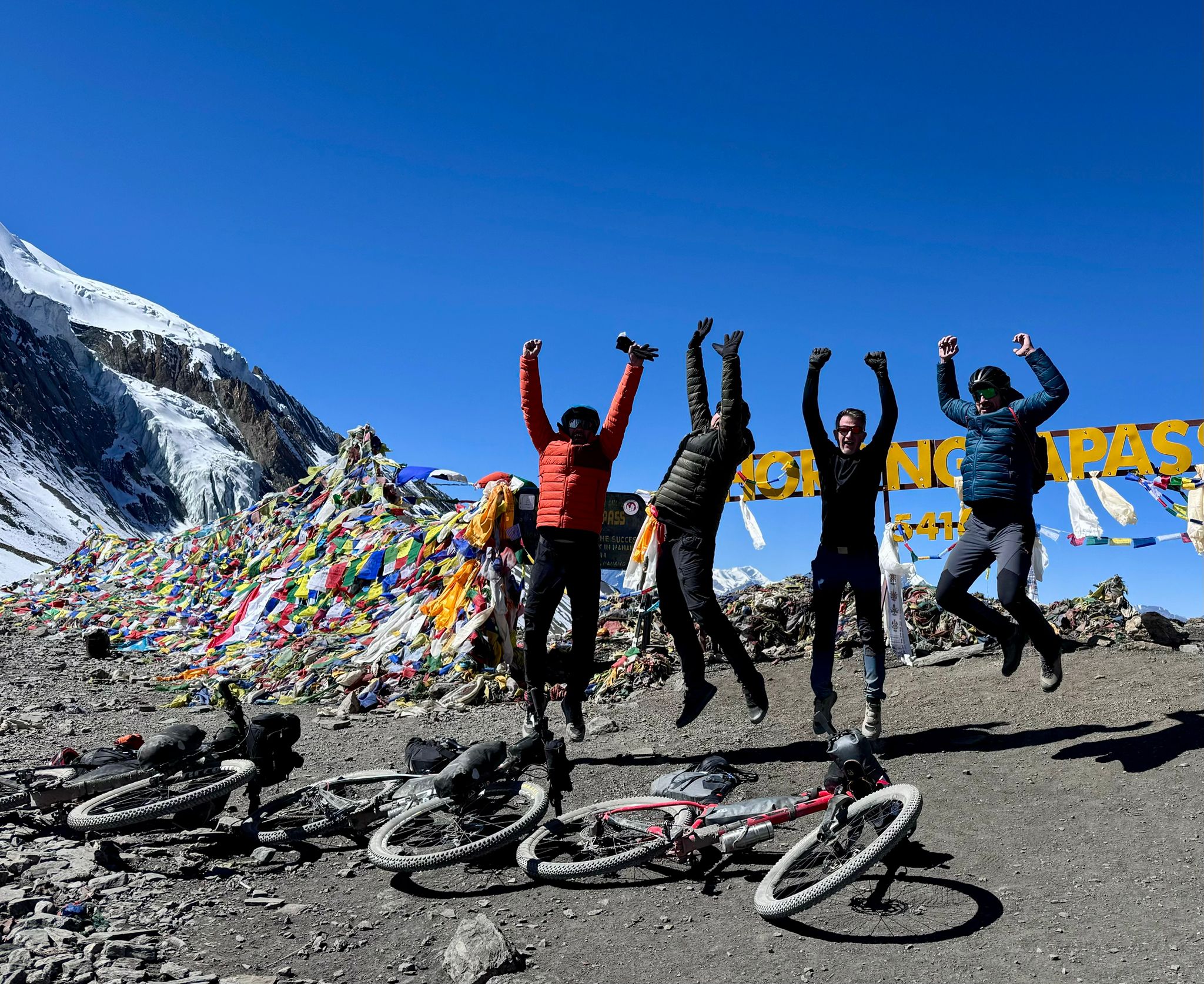
- [Thorang La Pass Trek](https://intrekking.com/trip/thorang-la-pass-trek/): 14 days, 5,416 m, from $890 — A traverse of the Annapurna Circuit crossing the Thorong La pass from Manang to Muktinath, climbing from subtropical forest through Chame and Pisang into arid trans-Himalayan terrain, suited to fit trekkers comfortable with a high pass.
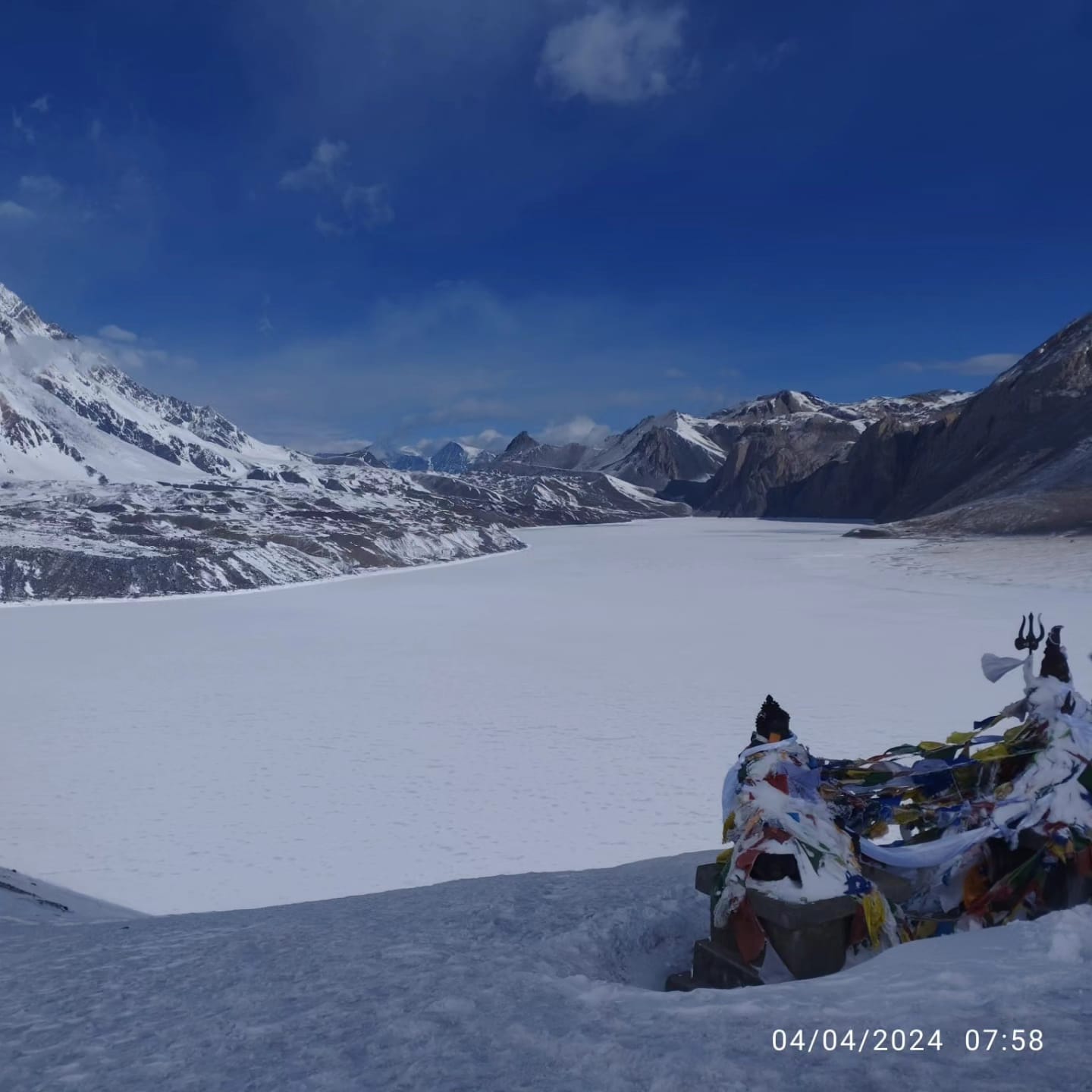
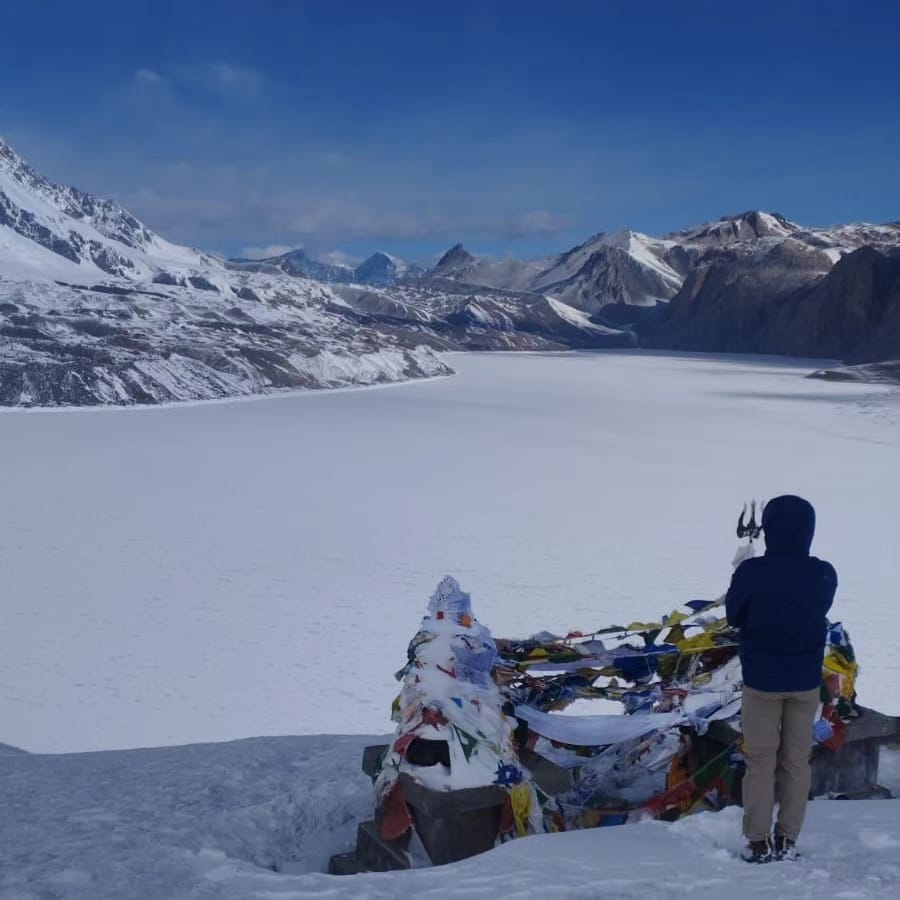
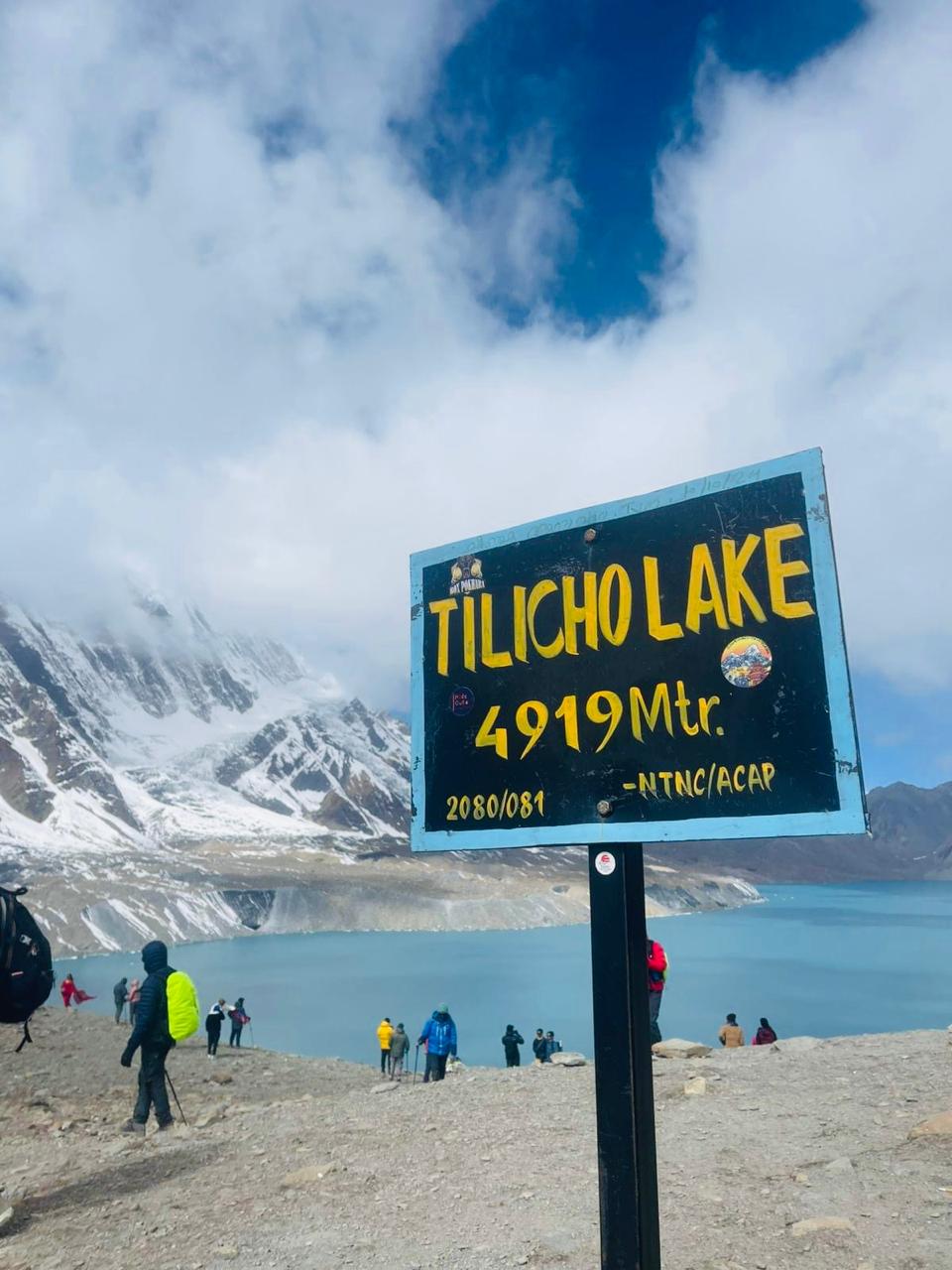
- [Tilicho Lake Trek](https://intrekking.com/trip/tilicho-lake-trek/): 15 days, 4,920 m, from $949 — A trek in the Annapurna region of Manang District that follows the Marsyangdi valley through Pisang and Manang to one of the world's highest lakes near Khangsar, then crosses toward Muktinath and Jomsom, suiting trekkers wanting a high glacial-lake variant of the Annapurna circuit.
- [Tsum Valley Trek](https://intrekking.com/trip/tsum-valley-trek/): 12 days, 3,361 m, from $1,299 — A trek into the restricted Tsum Valley in northern Gorkha near the Tibetan border, through Tibetan-influenced villages, monasteries and mani walls toward Mu Gompa and Ganesh Himal Base Camp, suited to those seeking a remote cultural route.
- [Upper Dolpo-Jumla to Jomsom trek](https://intrekking.com/trip/upper-dolpo-jumla-to-jomsom-trek/): 25 days, 5,460 m — A long camping traverse from Jumla to Jomsom through Shey-Phoksundo National Park, passing Phoksundo Lake and a sequence of high passes including Kagmara La, Baga La, Numa La and Sangda La, for self-sufficient trekkers seeking Tibetan-influenced Upper Dolpo.
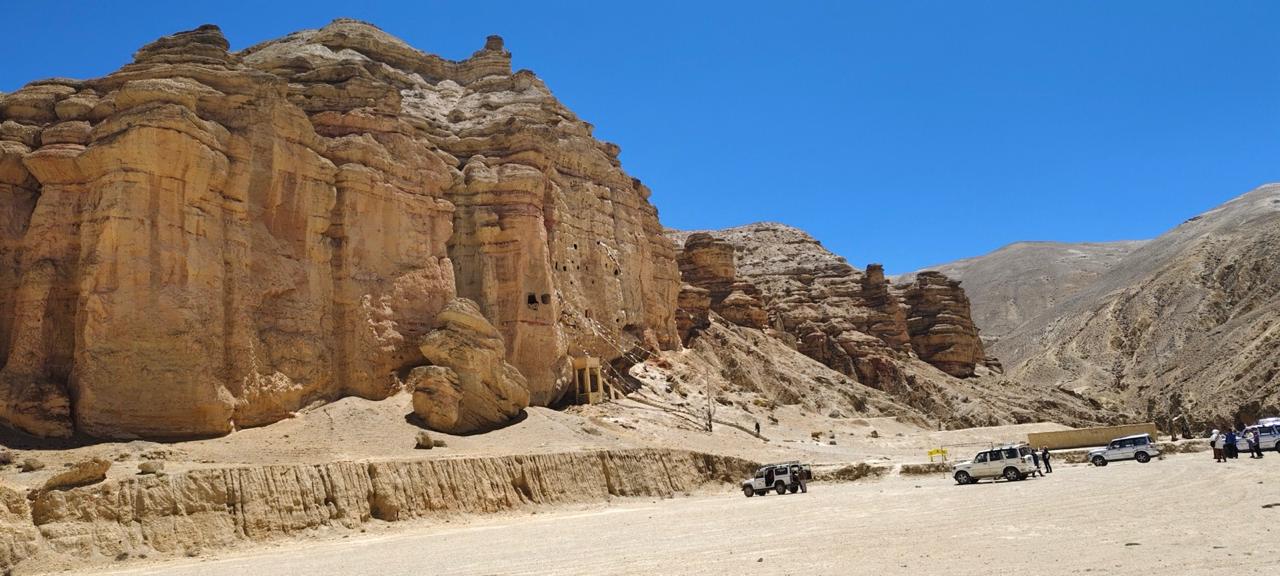
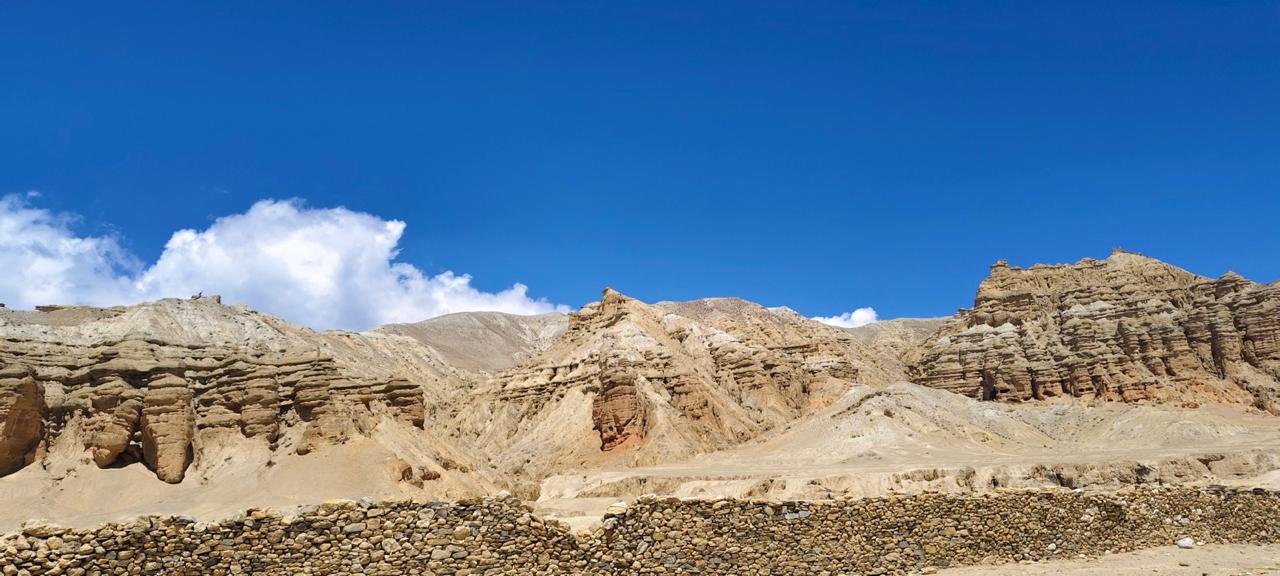
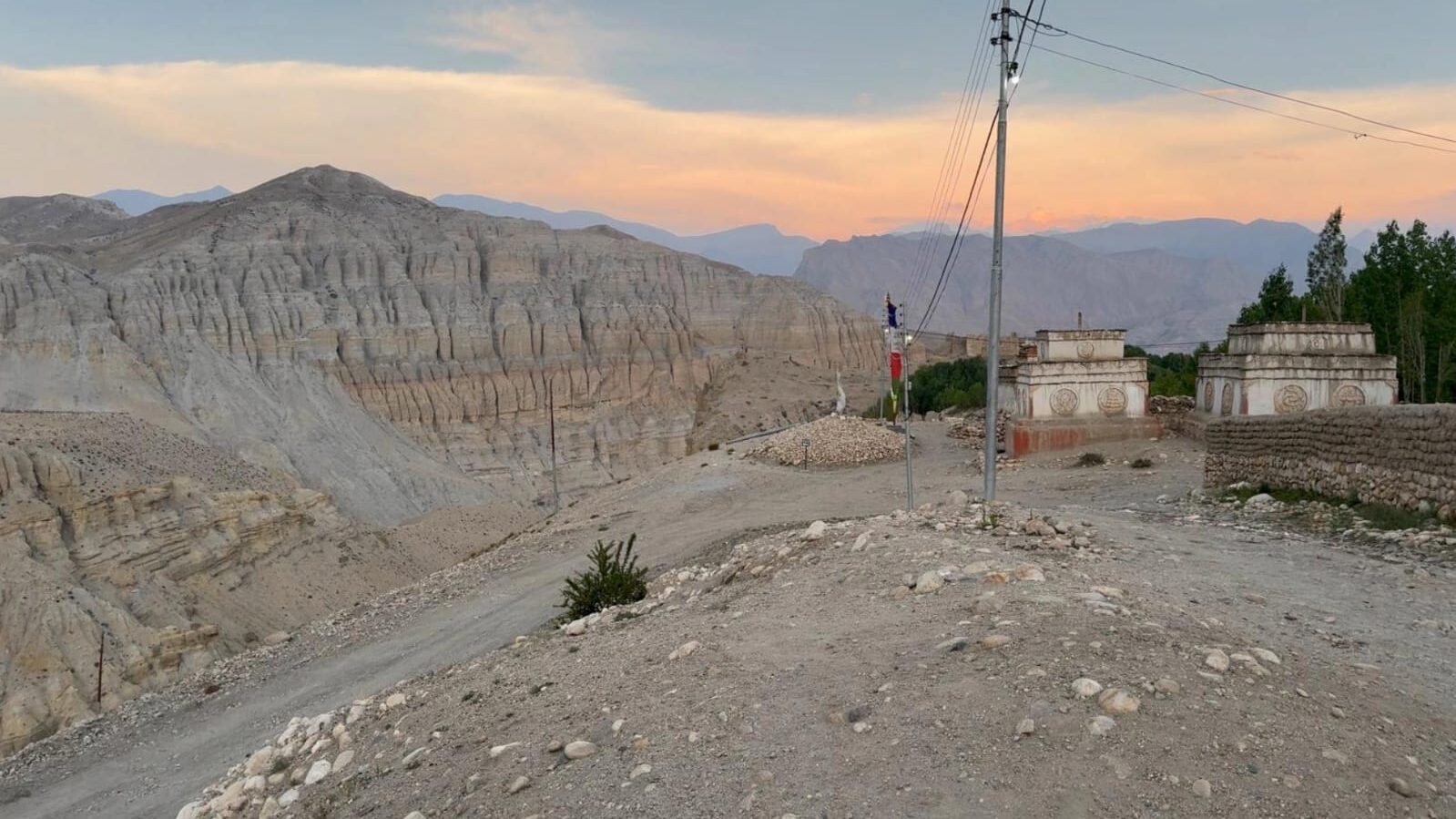
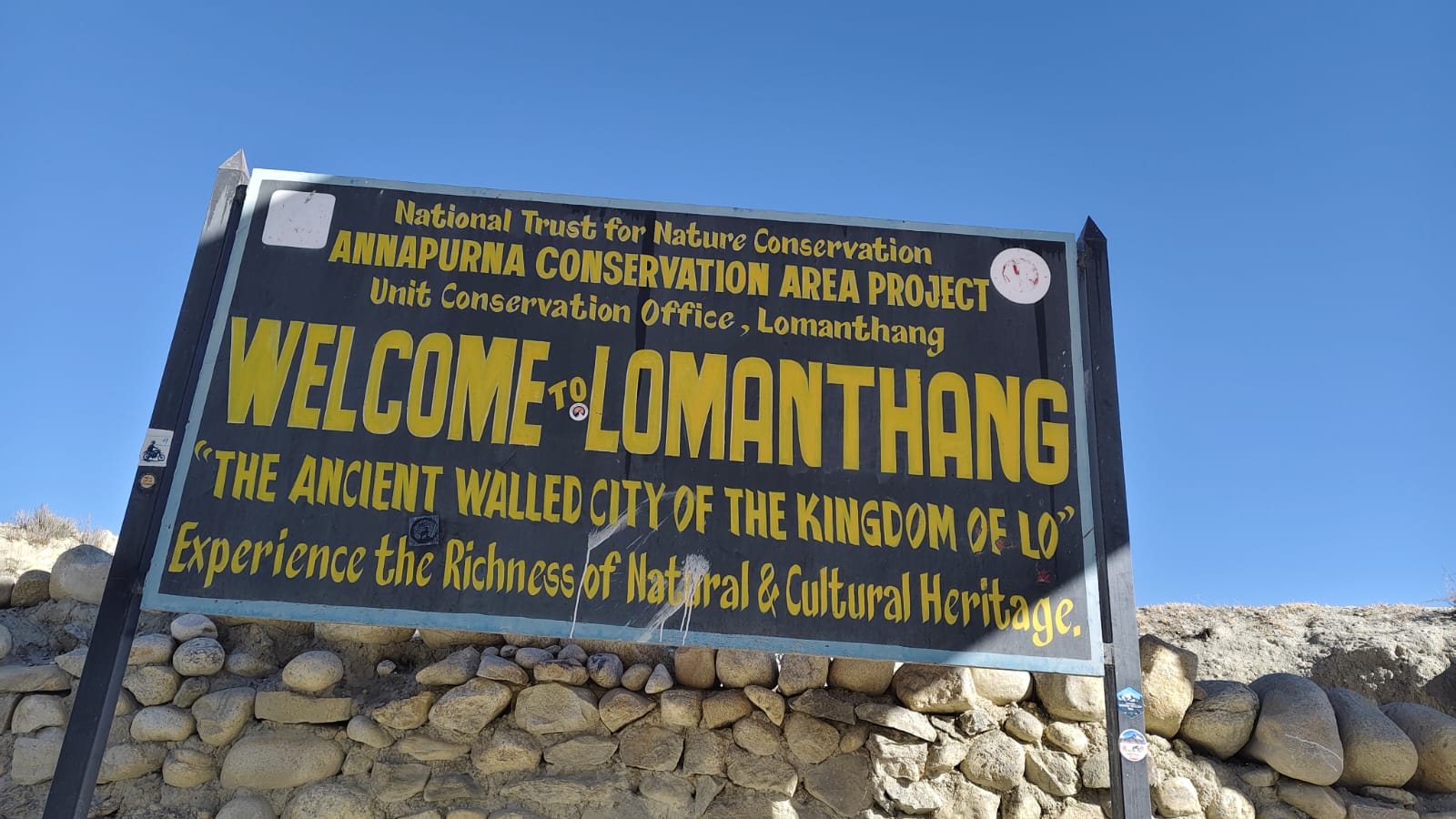
- [Upper Mustang Jeep Tour](https://intrekking.com/trip/upper-mustang-jeep-tour/): 8 days, 3,840 m, from $1,300 — A jeep-based tour into the former Kingdom of Lo in the Annapurna rain shadow, driving via Marpha and Muktinath to the walled town of Lo Manthang, suiting travellers seeking Tibetan-influenced desert landscapes without long walking days.
- [Upper Mustang Trek](https://intrekking.com/trip/upper-mustang-trek/): 13 days, 3,840 m, from $1,749 — A trek into the former Kingdom of Lo in the arid rain shadow of Annapurna and Dhaulagiri, following the Kali Gandaki from Kagbeni through Chele, Ghami and Tsarang to the walled capital Lo Manthang, suiting travellers drawn to Tibetan-influenced culture and desert landscapes.
## Destinations
- [Annapurna Region](https://intrekking.com/destination/annapurna-region/): 20 trips
- [Api Himal Region](https://intrekking.com/destination/api-himal-region/): 1 trips
- [Bhutan](https://intrekking.com/destination/bhutan/): 1 trips
- [Dolpo Region trekking](https://intrekking.com/destination/dolpo-region-trekking/): 3 trips
- [Everest Region](https://intrekking.com/destination/everest-region/): 19 trips
- [Far Western Nepal](https://intrekking.com/destination/far-western-nepal/): 1 trips
- [Kanchenjunga Region](https://intrekking.com/destination/kanchenjunga-region/): 4 trips
- [Langtang Region](https://intrekking.com/destination/langtang-region/): 9 trips
- [Makalu Region](https://intrekking.com/destination/makalu-region/): 3 trips
- [Manaslu Region](https://intrekking.com/destination/manaslu-region/): 4 trips
- [Mustang Region](https://intrekking.com/destination/mustang-region/): 1 trips
- [Nepal](https://intrekking.com/destination/nepal/): 70 trips
- [Tibet](https://intrekking.com/destination/tibet/): 4 trips
## Journal
- [Water Purification Guide for Trekking in Nepal: Safe Drinking Water, SteriPEN, Aquatabs, Aquamira & Sawyer (2026)](https://intrekking.com/water-purification-guide-trekking-nepal/): Day three, somewhere above Phakding. Someone in the group fills a bottle from a stream so clear you could count the pebbles,…
- [Nepal Travel Advisory 2026: Is It Safe to Visit and Trek Right Now?](https://intrekking.com/nepal-travel-advisory-2026-safety-guide/): Quick Answer Early morning of October 11, 2026: Yet another river, the Budhigandaki, which we can see along our way to the…
- [Is Nepal safe to visit after 2026 floods?](https://intrekking.com/is-nepal-safe-to-visit-after-floods/): Quick answer: if you are wondering on Is Nepal safe to visit after floods then yes Nepal is open for tourism after…
- [Everest Base Camp Itinerary: The Complete Day-by-Day Trek Guide](https://intrekking.com/everest-base-camp-itinerary/): There’s a moment somewhere around Namche Bazaar your lungs working harder than usual, the morning air biting cold against your face when…
- [Rara Lake Trek Cost: How Much Should You Budget?](https://intrekking.com/rara-lake-trek-cost/): Rara sits in Mugu district, in Nepal’s far west, roughly 300 km from Kathmandu as the crow flies much further by road.…
- [Nepal Trekking and Tours Permits 2026: Complete Stress-Free Guide](https://intrekking.com/complete-nepal-trekking-and-tours-permits-2026/): Tourists coming to trek in Nepal need up to three separate permits, depending on the route they are trekking: a national park…
- [Annapurna Base Camp Trek Cost 2026 – What is still relevant and what has changed](https://intrekking.com/annapurna-base-camp-trek-cost/): A guided Annapurna Base Camp trek costs between $649 and $1,200 per person in 2026, depending on trip length and comfort level.…
- [The Hardest Day on the Everest Base Camp Trek (And the One You Don’t See Coming)](https://intrekking.com/hardest-day-everest-base-camp-trek/): If you ask ten EBC trekkers to name the hardest day on the Everest Base Camp trek itineraries thrown at them, you’ll…
- [Makalu Base Camp Itinerary: The Complete Day-by-Day Guide](https://intrekking.com/makalu-base-camp-itinerary/): If you’ve ever stood in the Everest region looking east and wondered what’s over there, the answer is Makalu the world’s fifth-highest…
- [Chungri Buki (Chauri Kharka), East Rukum in monsoon: what to actually expect](https://intrekking.com/chungri-buki-chauri-kharka-east-rukum-in-monsoon/): Chungri Buki, also called Chauri Kharka, is a high alpine meadow at roughly 4,000m in Bhume Rural Municipality, East Rukum. Monsoon (mid-July…
- [What to Pack for Everest Base Camp](https://intrekking.com/what-to-pack-for-everest-base-camp/): Most packing lists are too long. They tell you to bring everything, and you end up carrying things you never touch. Here…
- [Best Trek in Nepal for Beginners: 4 Easy Routes That Won’t Break You](https://intrekking.com/best-trek-in-nepal-for-beginners/): Standing at Tribhuvan International Airport for the first time, most beginners ask me the same nervous question: “I’ve never trekked before am…
- [Everest Base Camp permits: what you actually need in 2026](https://intrekking.com/everest-base-camp-permits/): Everest Base Camp permits come down to two fees, no restricted area process, and one legal requirement most first-timers don’t expect: a…
- [Nepal Trekking Packages: Complete Guide to Routes, Prices & Booking](https://intrekking.com/nepal-trekking-packages/): I still remember my first morning in the Khumbu, watching the sun hit Ama Dablam’s face while a Sherpa guide poured me…
- [Is a Guide Required for Everest Base Camp Trek? Here’s the Honest Answer](https://intrekking.com/is-a-guide-required-for-everest-base-camp-trek/): If you’ve spent any time researching this online, you’ve probably hit the same wall we did years ago: half the forums say…
- [Is solo trekking banned in Nepal?](https://intrekking.com/is-solo-trekking-banned-in-nepal/): Is solo trekking banned in Nepal? It’s the first question almost every independent traveler asks before booking a flight and if you’ve…
- [EBC Trek in December: Full Cost, Weather & Packing Breakdown](https://intrekking.com/ebc-trek-in-december/): The EBC Trek in December starts a lot colder and a lot quieter than most people expect.I still remember standing at Gorak…
- [Upper Mustang Permit Cost : Complete Permit Fees, Rules & Budget Guide](https://intrekking.com/upper-mustang-permit-cost/): Most trekkers who land in Kathmandu already know about Everest Base Camp and the Annapurna Circuit. But Upper Mustang? That’s a different…
- [Annapurna Circuit Cost: Everything You Need to Budget for 2026/2027](https://intrekking.com/annapurna-circuit-cost/): Annapurna Circuit cost is one of the first things every trekker searches before booking this iconic Himalayan route and for good reason.…
- [Annapurna Base Camp Trek in December: Weather, Cost, Difficulty & Complete Winter Guide](https://intrekking.com/annapurna-base-camp-trek-in-december/): I still remember standing at Annapurna Base CampTrek on a December morning, watching the first light hit Machhapuchhre while my breath froze…
- [Everest Base Camp Trek Insurance: The One Thing We Won’t Let You Trek Without](https://intrekking.com/everest-base-camp-trek-insurance/): There’s a moment on the trail above Dingboche — usually around 4,600 meters — when the air gets thin enough that you…
- [How Hard is the Everest Base Camp Trek? Honest Guide](https://intrekking.com/how-hard-is-the-everest-base-camp-trek/): The Everest Base Camp Short Trek difficulty is rated a moderate-to-strenuous 12-day trek, not a technical climb. The route covers roughly 130…
- [Gosaikunda Trek Guide : Itinerary, Best Time, Cost & Permits](https://intrekking.com/gosaikunda-trek-guide/): A high-altitude pilgrimage and trekking route in central Nepal's Langtang region leading to the sacred glacial lake of Gosaikunda at 4,380 metres within Langtang National Park, offering an alternative to the busier Everest trails.
- [Everest Base Camp Trek in June: The Complete Guide for 2026/2027 (Weather, Cost & Insider Tips)](https://intrekking.com/everest-base-camp-trek-in-june/): An experienced guide's case for trekking Everest Base Camp in June, the quieter monsoon shoulder season, weighing the weather trade-offs, cost and practical tips for going after the spring crowds leave.
- [Upper Mustang Trek Itinerary 10 Days – Ultimate Guide](https://intrekking.com/upper-mustang-trek-itinerary-10-days/): A restricted-area desert trek from Kathmandu via Pokhara and Jomsom into the Mustang region through Kagbeni to the walled town of Lo Manthang, returning along the same corridor, requiring a permit and licensed guide.
- [Pikey Peak Trek Nepal – Complete Guide](https://intrekking.com/pikey-peak-trek-nepal/): A moderate trekking route in Nepal's Solukhumbu region climbing to a 4,065-metre summit viewpoint with panoramic views of Everest, Makalu, and Kanchenjunga, on quiet trails away from the Everest Base Camp crowds, suited to beginners with basic fitness.
- [Best Time to Trek Everest Base Camp](https://intrekking.com/best-time-to-trek-everest-base-camp/): This article answers when to trek Everest Base Camp, concluding that spring (March–May) and autumn (September–November) are best for stable weather, reliable Lukla flights, and clear views, while winter is challenging and monsoon is not recommended.
- [Poon Hill Trek Cost 2026 – Honest Ghorepani Budget Guide](https://intrekking.com/poon-hill-trek-cost-2026/): Details the 2026 cost of the Ghorepani–Poon Hill trek, explaining how prices range widely from roughly USD 200 to USD 800 depending on guiding, porter hire, accommodation, and travel style rather than the trail itself.
- [How Many Days for Annapurna Base Camp Trek? Complete Honest Guide 2026](https://intrekking.com/how-many-days-for-annapurna-base-camp-trek/): A practical guide to how long the Annapurna Base Camp trek takes — typically 7–10 days from Pokhara — comparing fast 5-day and extended 12–14 day itineraries by fitness, acclimatisation and side trips.
- [Kanchenjunga Circuit Trek: The Complete Guide to Nepal’s Most Untouched Himalayan Adventure](https://intrekking.com/kanchenjunga-circuit-trek/): A complete guide to the Kanchenjunga Circuit Trek in far northeastern Nepal, a remote loop around the world's third-highest mountain (8,586 m) reaching both the north base camp at Pangpema (5,143 m) and south base camp at Oktang (4,730 m), suited to experienced trekkers seeking less-developed trails.
- [Hire Trekking Guide in Nepal: A Long, Honest Chat From the Team Who Walks These Trails](https://intrekking.com/hire-trekking-guide-in-nepal/): Discusses why and how to hire a trekking guide in Nepal, addressing real costs, new regulations requiring guides, and what a good guide provides beyond the brochure, framed as candid advice from an operating trekking team.
- [Manaslu Trek: What You Need to Know Before You Go](https://intrekking.com/manaslu-trek-nepal/): Covers planning the Manaslu Circuit Trek, a roughly 177-kilometre loop through Gorkha District encircling Mount Manaslu (8,163 m), detailing its difficulty, remoteness, and lighter crowds compared with the Everest Base Camp and Annapurna Circuit routes.
- [Everest Base Camp Trek: Complete Guide for 2026](https://intrekking.com/everest-base-camp-trek/): A practical 2026 planning guide to the Everest Base Camp trek covering route logistics, terrain, and what to expect, aimed at people seriously considering the trek; it notes 30,000–40,000 trekkers attempt the route annually.
- [Best Boots for Everest Base Camp Trek 2026: What Actually Works on the Khumbu Trail](https://intrekking.com/best-boots-for-everest-base-camp-trek/): A guide to choosing footwear for the Everest Base Camp trek, drawing on a guide's experience to identify the boot features needed for the Khumbu trail's stone staircases, glacial moraine, mud, and ice, and how poor fit or break-in leads to evacuations.
- [How to Avoid Altitude Sickness on EBC Trek 2026](https://intrekking.com/how-to-avoid-altitude-sickness-on-ebc-trek-2026/): Outlines how trekkers can prevent altitude sickness on the Everest Base Camp route, presenting medically grounded acclimatization strategies, risk thresholds, and Khumbu-specific advice; the key takeaway is that altitude sickness is the leading cause of abandoned EBC treks yet is largely preventable.
- [Everest ER: The High-Altitude Medical Clinic That Keeps Everest Base Camp Safe](https://intrekking.com/everest-er-medical-clinic-everest-base-camp/): Explains the seasonal tent-based Everest ER medical clinic at Everest South Base Camp (5,364 m), founded in 2003 by Dr. Luanne Freer, which operates during the spring and autumn climbing seasons to treat climbers, guides, porters, and trekkers.
- [Langtang Valley Trek Cost](https://intrekking.com/langtang-valley-trek-cost/): Outlines the cost and budget planning for the Langtang Valley Trek, a 10–15 day route through Langtang National Park to Kyanjin Gompa, detailing the expenses trekkers should expect.
- [Drone Permit in Nepal 2026: The Honest, Trek-by-Trek Guide Nobody Else Gives You](https://intrekking.com/drone-permit-in-nepal-2026/): Explains Nepal's multi-layered drone permit process for 2026 on a trek-by-trek basis, clarifying why CAAN registration alone is insufficient and what permissions trekkers need to avoid confiscation at checkpoints.
- [Nepal Solo Restricted Area Permit 2026: The Honest Guide from Kathmandu](https://intrekking.com/nepal-solo-restricted-area-permit-2026/): Explains Nepal's March 2026 rule change allowing solo trekkers to hold restricted area permits independently, detailing the fees, zones, real costs, and the steps required to actually obtain the permit in Kathmandu.
- [Everest Base Camp trek preparation: the complete guide](https://intrekking.com/everest-base-camp-trek-preparation/): Shares five things guides wish trekkers knew before the Everest Base Camp trek, emphasizing that preparation and understanding the route's difficulty – not fitness alone – determine who reaches Base Camp comfortably.
- [Best place to visit in Nepal for New Year 2027/28](https://intrekking.com/best-place-to-visit-in-nepal-for-new-year/): Suggests places to visit in Nepal for the New Year, noting Kathmandu's Thamel and Durbar Square as central hubs for street celebrations, music, and countdown festivities welcoming travellers and locals.
- [Mardi Himal Trek Cost ](https://intrekking.com/mardi-himal-trek-cost/): Covers the cost of the Mardi Himal Trek in the Annapurna region, a quiet route through rhododendron forest and Gurung villages with close views of Machhapuchhre; it estimates roughly USD 555 to USD 645 per person broken down by food, permits, transport and guide.
- [Kanchenjunga Trekking Permit: Fees, Cost, RAP](https://intrekking.com/kanchenjunga-trekking-permit/): Explains that trekking the Kanchenjunga region needs two permits – the Kanchenjunga Conservation Area Project (KCAP) permit and a Restricted Area Permit (RAP) – obtained via the Nepal Tourism Board and the Department of Immigration in Kathmandu.
- [Langtang Valley Trek 2026](https://intrekking.com/langtang-valley-trek-2026/): Describes the Langtang Valley Trek for 2026, a Kathmandu-accessible route combining mountain views, Tamang culture, and forests, and explains how services, accommodation, transport, and group size determine the package price.
- [Makalu Base Camp Trek Cost 2026/27: What It Really Costs](https://intrekking.com/makalu-base-camp-trek-cost/): Provides 2026 ground-rate costs for the 18-day Makalu Base Camp Trek through Makalu Barun National Park, explaining how its different logistics, mandatory licensed guide, and remote terrain set it apart from Everest and Annapurna pricing.
- [Kanchenjunga Trek Cost](https://intrekking.com/kanchenjunga-trek-cost/): Breaks down the cost of the Kanchenjunga Circuit trek to the world's third-highest peak, covering a road-based 25-day itinerary to both north and south base camps and the variables that affect the total price.
- [Kanchenjunga trek in April](https://intrekking.com/kanchenjunga-trek-in-august/): Outlines why April, the spring season, suits the Kanchenjunga trek, with comfortable weather, blooming rhododendron forests, and possible lingering snow on high passes, alongside the preparation and trail conditions trekkers should anticipate.
- [Kanchenjunga trek in October](https://intrekking.com/kanchenjunga-trek-in-october/): Explains why October, the post-monsoon period, is considered the optimal month for the Kanchenjunga trek in eastern Nepal, citing stable weather, clear visibility, and rain-cleared landscapes, plus what trail conditions and preparation to expect.
- [Kanchenjunga trek preparation](https://intrekking.com/kanchenjunga-trek-preparation/): Covers preparation for the remote Kanchenjunga trek around the world's third-highest peak in eastern Nepal, emphasising its wilderness, solitude, and cultural authenticity, and the disciplined planning the challenging route demands.
- [Manaslu Circuit Trek in November](https://intrekking.com/manaslu-circuit-trek-in-november/): Explains why November suits the Manaslu Circuit Trek around Mount Manaslu, citing clear skies, stable weather, and fewer crowds than October as the Himalayas transition toward winter, for trekkers seeking a quieter trail.
- [Langtang Valley Trek preparation](https://intrekking.com/langtang-valley-trek-preparation/): Guides preparation for the Langtang Valley Trek north of Kathmandu, noting its accessibility, shorter duration, lower altitude, Tamang culture, and glacier scenery as an alternative to Nepal's busier and longer treks.
- [Everest Base Camp trek in November](https://intrekking.com/everest-basecamp-trek-in-november/): Assesses November for the Everest Base Camp trek, concluding the post-monsoon month offers clear skies, dry trails, and exceptional visibility with fewer crowds than October, at the cost of colder high-elevation temperatures.
- [Everest Base Camp Trek in October: 5 Powerful Reasons Smart Trekkers Choose This Season](https://intrekking.com/everest-base-camp-trek-in-october/): Gives five reasons trekkers choose the Everest Base Camp trek in October, noting post-monsoon clear skies and sharp Himalayan visibility from Kala Patthar, mild daytime temperatures, and compares October against April conditions.
- [Manaslu Circuit Trek in October](https://intrekking.com/manaslu-circuit-trek-in-october/): Explains why October suits the roughly 177 km Manaslu Circuit Trek around the Manaslu massif, citing post-monsoon clear skies, moderate temperatures, low rainfall, green valleys, and mountain views of Manaslu and Himalchuli.
- [Manaslu circuit trek preparation](https://intrekking.com/manaslu-circuit-trek-preparation/): Outlines how to prepare for the Manaslu Circuit Trek around Mount Manaslu (8,163 m), covering physical conditioning, gear, acclimatisation, and permits, with an itinerary beginning in Kathmandu, for fit and serious trekkers.
- [Kalapatthar (5,643 m)](https://intrekking.com/kalapatthar-5643-m/): Explains why Kalapatthar (5,643 m) in the Everest region is a high vantage point for views of Everest, Nuptse, and Lhotse, noting its sunrise and sunset panoramas and the altitude-sickness risks of reaching it.
- [Manaslu Base Camp (4800 m)](https://intrekking.com/manaslu-base-camp-4800-m/): Profiles Manaslu Base Camp in Gorkha district below the world's eighth-highest peak Mt Manaslu (8,163 m), describing the route's waterfalls, rivers, monasteries, bamboo forest, farmlands and wildlife, plus the best time to visit and practical trek advice.
- [Gokyo Lakes (4700 m – 5000 m)](https://intrekking.com/gokyo-lakes-dream-destination/): Describes the Gokyo Lakes, six sacred high-altitude freshwater lakes between 4,700 m and 5,000 m in the Everest region, and the trek to the 5,357 m Gokyo Ri viewpoint overlooking Everest and Cho Oyu.
- [Tengboche Monastery (3,867 m)](https://intrekking.com/tengboche-monastery-3867-m/): Profiles Tengboche Monastery at 3,867 m in the Everest region, a Nyingma-tradition Sherpa Buddhist center founded in the early 1900s, known for its views of Everest and Ama Dablam and the annual Mani Rimdu festival.
- [Everest Base Camp (5,364 m)](https://intrekking.com/everest-base-camp-5364-m/): Explains the geographical, cultural and ecological significance of Everest Base Camp at 5,364 m on the southern side of Mount Everest, and its role as the staging point and acclimatization base for Everest summit attempts.
- [Birendra Lake – A magical gem of Nepal’s untouched land](https://intrekking.com/birendra-lake/): Describes Birendra Lake, a glacial lake at 3,620 m in Gorkha district within the Manaslu Conservation Area, named after King Birendra, and its setting amid snow-capped peaks as a side trip on the Manaslu Circuit.
- [Samagaon – A wonder village on the way to Manaslu Circuit Trek](https://intrekking.com/samagaon-village/): Profiles Samagaon, a Tibetan-heritage village at 3,532 m in Gorkha district on the Manaslu Circuit, describing its stone houses, homestays, Pungyen Gompa monastery and role as a key acclimatization stop below Mount Manaslu.
- [Manaslu Circuit Trek Cost](https://intrekking.com/manaslu-circuit-trek-cost/): Breaks down the cost of the Manaslu Circuit Trek, explaining how factors such as the travel agency, route, conservation-area permits and the Manaslu region's restricted, less-trekked nature influence the total price.
- [Namche Bazaar: The Ultimate Trekker’s Guide to the Gateway of Everest](https://intrekking.com/namche-bazaar/): A trekker's guide to Namche Bazaar, the Sherpa hub at 3,440 m in Solukhumbu's Khumbu region, covering its role as the main acclimatization stop and gateway town on the Everest Base Camp route.
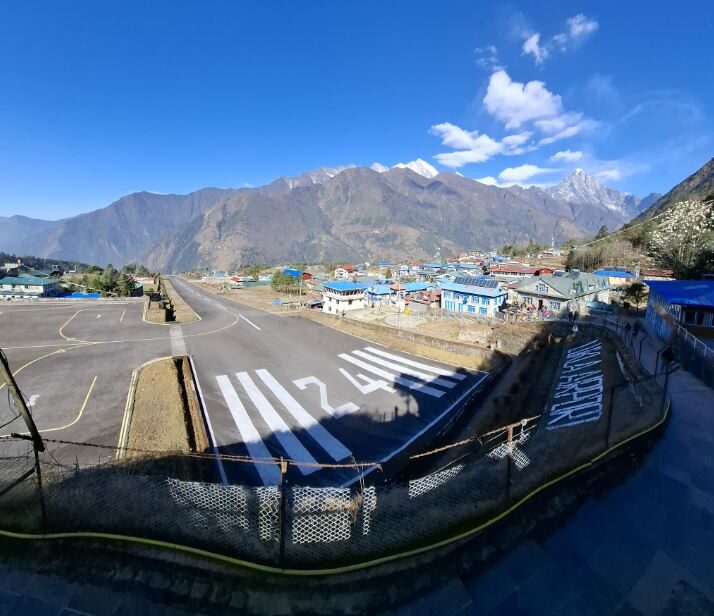
- [Lukla Flight: The Complete Booking Guide for Your Kathmandu to Lukla Adventure](https://intrekking.com/lukla-gateway-to-everest-base-camp/): A booking guide for the Kathmandu to Lukla flight, the fastest route to the Everest Base Camp trailhead, covering how to book, choosing an airline and what to expect on the 25 to 35 minute flight to Tenzing-Hillary Airport at 2,860 m.
- [Ramechhap to Lukla Flight](https://intrekking.com/ramechhap-to-lukla-flight/): Explains why Lukla flights now depart from Ramechhap (Manthali) airport instead of Kathmandu, citing Kathmandu airport maintenance and traffic congestion, and notes Ramechhap lies about 145 km and 4 to 4.5 hours by road from Kathmandu.
- [Food and Accommodation on the Manaslu Circuit Trek](https://intrekking.com/food-and-accommodation-on-the-manaslu-circuit-trek/): Explains the food and accommodation options available along the Manaslu Circuit Trek, describing teahouse lodging, typical meals and how choices change as trekkers move through the remote Manaslu region from Soti Khola.
- [Manaslu Circuit Trek Distance](https://intrekking.com/manaslu-circuit-trek-distance/): Breaks down the Manaslu Circuit Trek distance, totalling roughly 175–180 km (about 110 miles), with a stage-by-stage table of route segments, distances, walking durations, and altitudes from Soti Khola onward.
- [Everest Three Passes Trek Cost](https://intrekking.com/everest-three-passes-trek-cost/): Details the real cost of the Everest Three Passes Trek across Renjo La, Cho La, and Kongma La in the Khumbu, explaining how travel style, accommodation, and comfort level shape the total budget.
- [Ultimate Guide to the Manaslu Circuit Trek](https://intrekking.com/guide-to-the-manaslu-circuit-trek-for-beginners/): A guide to the Manaslu Circuit Trek for beginners, covering its quieter trails, cultural encounters, and the crossing of Larkya La Pass at 5,106 m below the 8,163 m Mount Manaslu.
- [Kanchenjunga Trek For Beginners: A Trekker’s Guide to Nepal’s Hidden Paradise](https://intrekking.com/kanchenjunga-trek-for-beginners/): Presents the Kanchenjunga Trek in Nepal's eastern Himalayas as a beginner-accessible option, emphasising its solitude and remote wilderness away from the busier Everest and Annapurna routes near the world's third-highest mountain.
- [Annapurna Circuit for Beginners – Complete Trekking Guide](https://intrekking.com/annapurna-circuit-for-beginners/): Answers whether the Annapurna Circuit suits beginners: yes with preparation, since it is non-technical but demands sustained walking over the 5,416 m Thorong La Pass, recommending a guide, acclimatisation, and a shorter variant.
- [Langtang Trek for beginners](https://intrekking.com/langtang-trek-for-beginners/): Argues the Langtang Valley Trek suits beginners because it needs patience rather than athleticism, describing the route to Kyanjin Gompa above Langtang village and the slow-walking approach first-timers should take.
- [Hire Guide For Kanchenjunga Trek | Porter For Kanchenjunga Trek](https://intrekking.com/hire-guide-and-porters-for-kanchenjunga-trek/): Explains how to hire a guide and porter for the remote Kanchenjunga Trek, which demands good mountaineering skills, covering why support staff are essential, how to find the right ones, and the cost of hiring them.
- [Hire Guides and Porters for Everest Base Camp](https://intrekking.com/hire-guides-and-porters-for-everest-base-camp/): Explains why and how to hire experienced guides and porters for the Everest Base Camp trek, noting that hiring in Lukla provides full assistance for navigating passes and carrying gear, with treks starting from USD 1,399.
- [Hire Guide and Porters for Manaslu Circuit Trek](https://intrekking.com/guide-and-porters-for-manaslu-circuit-trek/): Explains how to hire a guide and porter for the challenging Manaslu Circuit Trek around Mount Manaslu (8,163 m), describing the roles of guides and porters and how to choose the right support staff for the route.
- [Everest Base Camp Trek For Beginners: A Complete Guide](https://intrekking.com/everest-base-camp-trek-for-beginners/): A beginner's guide to the Everest Base Camp trek through the Khumbu region, addressing whether first-time and unfit trekkers can complete the route and drawing on the company's experience guiding many first-timers.
- [Everest Base Camp Trek Cost](https://intrekking.com/everest-base-camp-trek-cost/): Breaks down the cost of the Everest Base Camp trek per person, outlining the main expenses involved and offering tips to reduce the budget while planning the trip.
- [Kathmandu to Pokhara Bus: From City to Serenity](https://intrekking.com/kathmandu-to-pokhara-bus/): Explains how to travel between Kathmandu and Pokhara by tourist bus, covering the scenic route through terraced hills and villages, and presenting it as a comfortable, affordable alternative to flying.
- [Hire Trekking Guide in Nepal](https://intrekking.com/hire-guide-in-nepal/): Explains how to hire a trekking guide and porter in Nepal, the factors to weigh when choosing them, and how guides and porters add local knowledge, cultural insight, and load-carrying support for a safer, more comfortable trek.
- [When is the Best Time for Annapurna Circuit Trek?](https://intrekking.com/when-is-the-best-time-for-annapurna-circuit-trek/): Assesses the best time for the Annapurna Circuit Trek through varied climate zones and the Kali Gandaki gorge, identifying autumn (September–November) as the prime season for its clear, dust-free post-monsoon weather.
- [Tiji Festival 2026: What Three Days in Lo Manthang Actually Looks Like](https://intrekking.com/tiji-festival-in-upper-mustang/): Explains the Tiji Festival 2026 in Lo Manthang, Upper Mustang – a three-day 17th-century Buddhist ritual at Choedhe Monastery – clarifying dates and the practical logistics of attending via Pokhara in May.
- [10 Best Highlights of Manaslu Circuit Trek](https://intrekking.com/highlights-of-manaslu-circuit-trek/): Lists the ten main highlights of the Manaslu Circuit Trek, including Mount Manaslu views, forests, monasteries, and Gurung and Tibetan villages, with pointers to related Tsum Valley treks in the region.
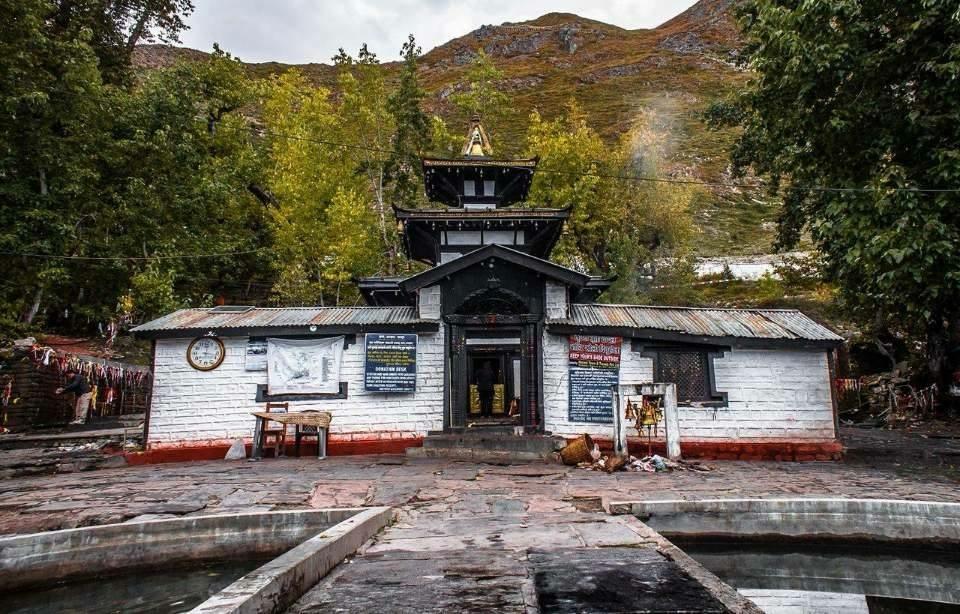
- [Muktinath Darshan Yatra by Jeep | From Kathmandu & Pokhara](https://intrekking.com/muktinath-jeep-tour/): Details Info Nepal Tours and Treks' Jeep service for the Muktinath Darshan Yatra from Kathmandu and Pokhara, outlining available routes, cost, and the best times to visit the sacred temple.
- [How to obtain Island Peak Climbing Permit?](https://intrekking.com/obtain-island-peak-climbing-permit/): Explains the permits required to climb Island Peak (Imja Tse, 6,189 m) near Everest, noting the Nepal Mountaineering Association classifies it as a Group B peak and outlines the climbing permit and its cost.
- [How to Reach Rara Lake from Kathmandu or Pokhara](https://intrekking.com/reach-rara-lake-from-kathmandu-or-pokhara/): Describes how to reach Rara Lake, Nepal's largest freshwater lake, in remote Mugu District of the far west, covering travel routes from Kathmandu and Pokhara to Rara National Park at 2,990 metres.
- [How Hard Is Mera Peak Climbing?](https://intrekking.com/how-hard-is-mera-peak-climbing/): Assesses the difficulty of climbing Mera Peak in Nepal's Sagarmatha region, noting minimal technical skill is needed but the altitude, camping conditions, and harsh weather make it physically demanding, suiting climbers with modest mountaineering experience.
- [Monsoon Trekking in Nepal: 10 Trails That Actually Work When Everyone Else Is Cancelling in 2026](https://intrekking.com/monsoon-trekking-in-nepal/): Presents a field-tested guide to monsoon trekking in Nepal from June to August, explaining that rain-shadow valleys north of the Himalaya stay largely dry and listing ten trails that remain viable when other operators advise waiting until October.
- [How to Obtain Lobuche Peak Climbing Permit?](https://intrekking.com/lobuche-peak-climbing-permit/): Details how to obtain the permits required to climb Lobuche Peak in Nepal, including the Sagarmatha National Park and Khumbu Pasang Lhamu municipality permits, their costs, and where to acquire them before starting the expedition.
- [Sound Therapy With Singing Bowls](https://intrekking.com/sound-therapy-with-singing-bowls/): Explains sound therapy using Tibetan singing bowls, describing how their resonant vibrations promote relaxation and meditative states, and outlining the practice's benefits and methods for reducing stress and restoring balance.
- [Kanchenjunga Trek in April: All You Need To Know](https://intrekking.com/kanchenjunga-trek-in-april/): Describes trekking the Kanchenjunga Circuit in April, when spring brings clear skies, mild weather, and colourful scenery, making it a favourable month for views of the world's third-highest peak in far-eastern Nepal.
- [Best Time For Kanchenjunga Trekking](https://intrekking.com/best-time-for-kanchenjunga-trekking/): Identifies spring and autumn as the two ideal seasons for trekking to Kanchenjunga Base Camp in eastern Nepal, explaining why timing is critical given the route's remote, difficult, and weather-sensitive terrain.
- [10 Things to know for Everest Base Camp Trek – Complete Guide](https://intrekking.com/things-to-know-for-everest-base-camp-trek/): Lists ten essential things to know before the Everest Base Camp trek, noting autumn (late September–November) and spring as the best seasons and covering planning, preparation, and route insights for a successful journey.
- [Frequently Asked Questions (Kanchenjunga Trek On Kanchenjunga Trek](https://intrekking.com/frequently-asked-questions-on-kanchenjunga-trek/): Answers common questions about the Kanchenjunga trek, including the best season (spring and autumn), trek duration, and difficulty, to help trekkers plan a journey to the world's third-highest peak.
- [7 Things You Should Know About Kanchenjunga Trekking](https://intrekking.com/things-you-should-know-about-kanchenjunga-trekking/): Outlines seven things trekkers should know before the Kanchenjunga trek in eastern Nepal, covering permits, season choice, high-altitude preparation, remote teahouse facilities, and the route's strenuous, isolated terrain.
- [When is the Best Time for the Nar Phu Valley Trek?](https://intrekking.com/when-is-the-best-time-for-the-nar-phu-valley-trek/): Explains the best season for the Nar Phu Valley Trek into the hidden valleys of Manang district within the Annapurna Conservation Area, where weather varies by season across the four seasons of spring, autumn, winter and summer.
- [Ghorepani Poon Hill Trek Difficulty](https://intrekking.com/ghorepani-poon-hill-trek-difficulty/): Assesses the difficulty of the Ghorepani Poon Hill trek, rating it easy and suitable for children to older adults, with a 38 km route over 3–4 days from Nayapul through villages and rhododendron forests, including the steep Ulleri stairs.
- [Island Peak Difficulty: Challenges & Preparation Tips](https://intrekking.com/island-peak-difficulty/): Examines the difficulty of climbing Island Peak (6,189 m) in the Everest region, explaining that the 10–12 day approach through Namche Bazaar, Dingboche and passes like Kongma La, plus altitude and technical sections, make it attainable for determined, prepared trekkers.
- [Kathmandu to Pokhara Flight Price, Safety](https://intrekking.com/kathmandu-to-pokhara-flight/): Reviews flying from Kathmandu to Pokhara as a time-saving alternative to road travel, covering airlines, ticket prices, flight frequency, safety measures, and the route distance for travellers planning Annapurna-region trips.
- [Best Time for Mera Peak Climbing](https://intrekking.com/best-time-for-mera-peak-climbing/): Identifies the best seasons for Mera Peak climbing, recommending spring (March to May) for stable, warming weather and good snow conditions, with April offering minimal precipitation and clear views of Everest, Lhotse and Cho Oyu.
- [Best Time for Lobuche Peak Climbing](https://intrekking.com/best-time-for-lobuche-peak-climbing/): Explains when to climb Lobuche Peak in Nepal's Khumbu region, identifying spring (March–May) and autumn (September–November) as the optimal seasons for stable temperatures, dry trails, and clear mountain views.
- [Kathmandu to Machha Khola By Jeep](https://intrekking.com/kathmandu-to-machha-khola/): Guides travel from Kathmandu to Machha Khola, the remote village starting point reached only by off-road jeep, covering the roughly 140 km, 8–10 hour route, transport options, costs, road conditions and packing advice.
- [Kathmandu to Syabrubesi Bus](https://intrekking.com/kathmandu-to-syabrubesi/): Covers travel between Kathmandu and Syabrubesi, the gateway town for the Langtang region, detailing the roughly 80 km, 7–9 hour drive by local bus or private jeep, plus road conditions, timing and cost comparisons for planning.
- [Mardi Himal Trek Permit](https://intrekking.com/mardi-himal-trek-permit/): Details the permits required for the Mardi Himal trek in the Annapurna region – the Annapurna Conservation Area Project (ACAP) permit and the Trekkers' Information Management System (TIMS) permit – needed to legally access the protected conservation area.
- [Top Peak Climbing in Everest Region](https://intrekking.com/peak-climbing-in-the-everest-region/): Reviews the main trekking peaks in the Everest region – Island Peak (6,189 m), Mera Peak and Lobuche Peak – explaining that climbers can summit these without ascending Everest itself while gaining views of Lhotse, Nuptse and surrounding mountains.
- [25 Must-Know Tips for Everest Base Camp Trek](https://intrekking.com/tips-for-everest-base-camp-trek/): Compiles 25 practical tips for the Everest Base Camp trek, covering pre-trek fitness training, the roughly 130 km route to 5,545 m, and advance planning to make the high-altitude Himalayan journey safer and more comfortable.
- [5 Reasons For Trekking in Nepal](https://intrekking.com/5-reasons-for-trekking-in-nepal/): Outlines five reasons to trek in Nepal, noting that eight of the world's fourteen eight-thousanders – including Everest, Kanchenjunga, Lhotse, Makalu, Cho Oyu, Dhaulagiri, Manaslu and Annapurna – lie in the country, alongside its diverse cultures and range of trail difficulties.
- [Island Peak Climbing for Beginners: Tips to Climb with Confidence](https://intrekking.com/island-peak-climbing-for-beginners/): Offers beginner tips for climbing Island Peak near Everest in the Imja Valley, advising on fitness, longer itineraries, backpack loads and avoiding the monsoon months for a successful ascent.
- [7 Reasons to Visit Everest Region: Adventure, Peaks & Sherpa Culture.](https://intrekking.com/reasons-to-visit-everest-region/): Lists seven reasons to visit Nepal's Everest (Khumbu) region, including its mountain scenery, Sherpa culture and gateway town of Lukla, as draws for trekkers and adventure travellers.
- [When to Trek Mardi himal?](https://intrekking.com/best-time-for-mardi-himal-trek/): Explains when to trek Mardi Himal in the Annapurna region, identifying spring (March–May) as the best season with moderate temperatures averaging around 17 degrees and warmer days.
- [When is the Best Time for Everest Panorama Trek?](https://intrekking.com/when-is-the-best-time-for-everest-panorama-trek/): Explains the best time for the Everest Panorama Trek, an 11-day Khumbu route via Namche and Tengboche to Everest View Hotel; trekkable year-round, with certain seasons offering more favourable weather.
- [When is the Best Time for the Everest Three High Passes Trek?](https://intrekking.com/best-time-for-the-everest-three-high-passes-trek/): Explains the best time for the Everest Three High Passes Trek crossing Kongma La, Cho La and Renjo La, identifying spring (March–May) as the most favourable season with moderate, comfortable conditions.
- [Trekking in Nepal](https://intrekking.com/trekking-in-nepal/): An overview of trekking in Nepal, covering its Himalayan routes past peaks such as Everest and Annapurna, varied terrain of forests, terraced fields and villages, and the teahouse hospitality and culture trekkers encounter.
- [When is the Best Time for Ghorepani Poon Hill Trek?](https://intrekking.com/when-is-the-best-time-for-ghorepani-poon-hill-trek/): Explains the best season to trek Ghorepani Poon Hill, a short trek in the Annapurna region near Pokhara; autumn (September–November) offers the clearest weather and sunrise views, though the route is trekkable year-round.
- [When is the Best Time for the Upper Mustang Trek?](https://intrekking.com/when-is-the-best-time-for-the-upper-mustang-trek/): Examines the best time for the Upper Mustang Trek in the Annapurna region, noting that its rain-shadow location near the Tibetan border allows year-round trekking, with spring (March–May) offering ideal conditions.
- [Mera Peak Climbing Permit](https://intrekking.com/mera-peak-climbing-permit/): Details the permits required for Mera Peak (6476 m), Nepal's high trekking peak with North, Central and South summits, reached via Lukla and the Hinku Valley across the Mera Glacier to high camp.
- [When is the Best Time for the Manaslu Circuit Trek?](https://intrekking.com/when-is-the-best-time-for-the-manaslu-circuit-trek/): Reviews the best time to undertake the Manaslu Circuit Trek around Mount Manaslu (8163 m), examining all four seasons and concluding that spring (March–May), with warm, stable weather and little rain, is among the most favourable.
- [When is the Best Time for Island Peak Climbing?](https://intrekking.com/best-time-for-island-peak-climbing/): Identifies the best seasons for climbing Island Peak (Imja Tse, 6189 m) in the Khumbu, noting that summit success depends heavily on weather windows rather than fitness, as the upper section involves glacier travel, fixed ropes and a 45-degree ice face.
- [Guide and Porter Hiring for Gokyo Lake Trek](https://intrekking.com/hire-guide-and-porter-for-gokyo-lake-trek/): Explains the value of hiring a guide and porter for the 11-day Gokyo Lake Trek in the Everest region, which follows Phakding, Namche and Dole to the glacial Gokyo Lakes at 5357 m beside the Ngozumpa Glacier.
- [Kathmandu to Besisahar Bus: Cost, Schedules & Manang Jeep Guide](https://intrekking.com/kathmandu-to-besisahar-lamjung/): A guide to reaching Besisahar, gateway to the Annapurna Circuit, Nar Phu Valley, and Manang, covering the roughly 175 km Kathmandu route from Gongabu New Buspark and onward Chame–Manang transfers, with shared bus fares of about USD 8–15 and private vehicle costs from USD 110 to USD 300.
- [Everest Panorama Trek Cost](https://intrekking.com/everest-panorama-trek-cost/): Explains budgeting for the 11-day Everest Panorama Trek in the Khumbu, a short route from Lukla through Phakding, Namche and Tengboche to the Everest View Hotel for close views of Everest, Ama Dablam, Nuptse and Lhotse.
- [Gokyo Lake Trek Cost – Complete Guide to Every Expense](https://intrekking.com/gokyo-lake-trek-cost/): Provides a line-by-line 2026 cost breakdown for the Gokyo Lake trek in Sagarmatha National Park, covering flights, permits, food, and guides, and explains how its budget differs from the busier Everest Base Camp route.
- [Island Peak Climbing Cost](https://intrekking.com/island-peak-climbing-cost/): Details the cost of climbing Island Peak (Imja Tse, 6,189 m) in the Everest region at around USD 2,055 per person, breaking down accommodation, permits, transport, food, insurance, and equipment expenses.
- [Mera Peak Climbing Cost](https://intrekking.com/mera-peak-climbing-cost/): Breaks down the cost of climbing Mera Peak (6,476 m), describing the route via Lukla, Hinku Valley, and Mera Base Camp, and the expenses for permits, accommodation, food, and equipment.
- [Top 10 Helicopter Tours in Nepal](https://intrekking.com/top-10-helicopter-tours-in-nepal/): Lists the top ten helicopter tours in Nepal, including Everest, Annapurna, and Mardi Himal base camps, presenting them as a fast, accessible option for those with limited time or fitness.
- [Guide And Porter Hiring For Upper Mustang Trek](https://intrekking.com/guide-and-porter-hiring-for-upper-mustang-trek/): Explains how to hire a licensed guide and porter for the Upper Mustang Trek, noting that a guide and special permit are mandatory in this restricted area and must be arranged through an authorized agency.
- [Annapurna Circuit Trek Difficulty](https://intrekking.com/annapurna-circuit-trek-difficulty/): Rates the Annapurna Circuit Trek as moderate in difficulty, explaining factors including its length, the 5,550 m Thorung La Pass crossing, varied terrain, and how hiring a guide or porter reduces the challenge.
- [Nar Phu Valley Trek Difficulty](https://intrekking.com/nar-phu-valley-trek-difficulty/): Assesses the difficulty of the Nar Phu Valley Trek as moderate, examining factors such as the restricted Annapurna route to Keng La Pass at 5,420 m, constant ascents and descents, and the 10-day duration.
- [How to spend 7 days in Nepal?](https://intrekking.com/how-to-spend-7-days-in-nepal/): Suggests how to spend seven days in Nepal, recommending short trips such as the Mardi Himal trek that combine Annapurna and Machhapuchhre views with trekking and touring within a one-week itinerary.
- [Top 10 Best Hikes in Nepal](https://intrekking.com/top-10-best-hikes-in-nepal/): Lists ten recommended hikes in Nepal, including Champadevi and Kakani near Kathmandu, with details on starting points, distance, duration, altitude, and the views and cultural sites each offers.
- [Pilgrimage Tour in Nepal](https://intrekking.com/pilgrimage-tour-in-nepal/): Outlines pilgrimage tour options in Nepal for Hindu and Buddhist travellers, covering sites such as Lumbini, Pashupatinath, Muktinath, and Gosaikunda, along with monasteries, stupas, and the country's festivals.
- [Kathmandu to Lukla via Ramechhap Transportation Distance, Cost, Flight](https://intrekking.com/kathmandu-to-ramechhap-manthali-transportation/): Explains that Everest-bound trekkers now fly to Lukla from Manthali Airport in Ramechhap rather than directly from Kathmandu, covering the roughly 120-kilometre overland transfer's distance, cost, and logistics.
- [Upper Mustang Trek Difficulty](https://intrekking.com/upper-mustang-trek-difficulty/): Assesses the difficulty of the Upper Mustang trek in Gandaki Province, rating it moderate – neither easy nor hard – with the highest point near 3,840m at Lo Manthang, and explains that daily walking hours, trek length and personal fitness determine the challenge.
- [A Complete Guide to Trek to Annapurna Base Camp](https://intrekking.com/a-complete-guide-to-trek-to-annapurna-base-camp/): A complete guide to the Annapurna Base Camp (Sanctuary) trek, a short-to-medium route at 4,130m that begins from Pokhara via Poon Hill and gives panoramic views of Annapurna I, III and South, Hiunchuli and Machhapuchhare alongside the Kali Gandaki gorge.
- [Kathmandu to Lukla Flight Ticket Cost](https://intrekking.com/kathmandu-to-lukla-flight/): Describes options for travelling from Kathmandu to Lukla, the gateway to Everest, comparing the roughly 30-minute fixed-wing flight, a one-hour helicopter ride, and a jeep-plus-hike route via Salleri, and noting seasonal flights are often booked early.
- [Covid-19 present situation in Nepal and quarantine rule for International travelers](https://intrekking.com/covid-19-nepal-travel-rules-quarantine/): Explains Nepal's COVID-19 entry rules for international travellers set in March 2021: travellers needed COVID insurance worth USD 5,000, vaccinated visitors were exempt from a PCR test, while unvaccinated arrivals had to show a negative PCR report no older than 72 hours before departure.
- [7 Best Easy Treks in Nepal](https://intrekking.com/7-best-easy-treks-in-nepal/): Recommends seven easier treks in Nepal suited to beginners, including the Tamang Heritage trail to Kyanjin Gompa (3,870m), highlighting village visits, hot springs, homestays, and Langtang and Ganesh Himal views.
- [Humla Trekking Permit](https://intrekking.com/humla-trekking-permit/): Describes the Humla restricted-area trekking permit, issued by the Nepal Tourism Board at USD 50 per person for one week plus USD 10 for each additional week, valid only for the Humla region.
- [Upper Mustang Trekking Permit](https://intrekking.com/upper-mustang-trekking-permit/): Covers the Upper Mustang restricted-area trekking permit, obtained through a registered agency at USD 500 for the first 10 days plus USD 50 per additional day, with a registered guide and porters required for the Forbidden Kingdom region.
- [Annapurna Base Camp Trek Difficulties](https://intrekking.com/annapurna-base-camp-trek-difficulties/): Examines the difficulties of the Annapurna Base Camp trek, concluding it is moderate and achievable without special training for trekkers with stable health and mild fitness, while weather, altitude and long stone-step ascents and descents add challenge.
- [Solo Travelers Trek permit](https://intrekking.com/restricted-area-permit/): Explains that Info Nepal Tours and Treks can arrange standalone trekking permits for restricted areas such as Manaslu, Upper Mustang, and Dolpo, noting these zones require special permits beyond a standard trekking pass.
- [Kathmandu to Salleri Jeep: Cost](https://intrekking.com/kathmandu-to-salleri-jeep-service/): Outlines travelling from Kathmandu to Salleri by jeep as the overland route into the Everest Khumbu region, comparing shared versus private jeep options and noting that costs vary by jeep standard, facilities, and season.
- [Get Manaslu Permit Full Information](https://intrekking.com/manaslu-trekking-permit/): Explains the Manaslu Conservation Area permit (MCAP) for trekking around Mount Manaslu, costing USD 135 for foreigners for 10 days with USD 15 per extra day, issued by the Department of Immigration in Kathmandu.
- [Rafting in Nepal](https://intrekking.com/rafting-in-nepal/): Explains river rafting in Nepal and its international grading system, describing Class 3 to Class 5 rapids and how river current and difficulty help travellers choose a suitable rafting trip among Nepal's Himalaya-fed rivers.
- [Upper Dolpo Trekking Permit](https://intrekking.com/upper-dolpo-trekking-permit/): Explains how to obtain the Upper Dolpo restricted-area trekking permit and a TIMS card from the Department of Immigration in Kathmandu to trek the remote Dolpo region of Nepal.
- [Nar Phu Valley Trekking Permit Guide 2026: Ultimate Breakdown of Rules, Fees & Guide Requirement](https://intrekking.com/nar-phu-valley-trekking-permit/): A 2026 guide to the Nar Phu Valley restricted-area trekking permit, clarifying that the valley operates under separate rules from the wider Annapurna region, with checkpoint controls and a mandatory licensed guide that cannot be waived.
- [Nepal Visa Invitation Letter — Get Your Approval Letter Through a Registered Trekking Agency Department of Immigration Nepal. Recommendation letter](https://intrekking.com/invitation-letter-for-visa-approval-department-of-immigration-nepal/): Explains how to obtain a Nepal visa invitation or recommendation letter through a registered Kathmandu trekking agency; notes it is required for refugees, stateless travel-document holders, and passport holders without on-arrival visa access.
- [Nepal Visa On Arrival – Visa Recommendation Treks, Tours, Travel Agency/company](https://intrekking.com/nepal-visa-on-arrival-covid-19-visa-recommendation/): Outlines the documents needed for a Nepal visa on arrival during the COVID-19 period, including a recommendation letter from NMA or TAAN, passport copy, visit schedule and travel insurance submitted to the Nepal Tourism Board and Immigration.
- [Nepal On arrival Visa Information for Travelers – travel trekking](https://intrekking.com/nepal-on-arrival-visa-information-for-travelers/): Details updated Nepal on-arrival visa rules from October 2021, under which only fully vaccinated foreigners qualify with no quarantine, requiring a CCMC form, negative PCR report, passport copy, vaccination certificate, hotel booking and travel insurance at Tribhuvan International Airport.
- [Top 5 best treks in Annapurna region](https://intrekking.com/top-5-best-treks-in-annapurna-region/): Reviews the top five treks in Nepal's Annapurna region, the country's most-trekked area, covering routes through Manang, Lamjung, Kaski and Mustang and the Thorong La pass at 5,416m from Besisahar to Nayapul.
- [Top 10 Major Attractions of Annapurna Base Camp Trek](https://intrekking.com/top-10-major-attractions-of-annapurna-base-camp-trek/): Lists the top ten attractions of the Annapurna Base Camp trek, including Mount Annapurna, natural hot springs, Gurung culture, Poon Hill, Machhapuchhre Base Camp, rhododendron forests and views of Annapurna I, III, South, Machhapuchhre and Dhaulagiri.
- [Trekking in Nepal in November](https://intrekking.com/trekking-in-nepal-in-november/): Explains why November, in the autumn season, is among the best times to trek in Nepal, noting stable weather, clear mountain views and conditions suited to routes ranging from easy to strenuous.
- [Manaslu Trek Difficulty](https://intrekking.com/manaslu-trek-difficulty/): Assesses the difficulty of the Manaslu trek, a challenging route circling Mount Manaslu (8,163m) in a remote restricted region; explains the fitness, permits, and terrain trekkers should expect.
- [Manaslu Circuit Trek in September](https://intrekking.com/manaslu-circuit-trek-in-september/): Covers the Manaslu Circuit Trek in September, an early-autumn period in this remote restricted region; notes good weather, green rice fields, and views of Manaslu, Ganesh Himal, and neighbouring peaks.
- [Manaslu Circuit Trek in March](https://intrekking.com/manaslu-circuit-trek-in-march/): Describes trekking the Manaslu Circuit in March, an early-spring window with moderate temperatures, clear weather, blooming rhododendrons, and dry, non-slippery trails over the Larkya La pass.
- [Everest Base Camp Altitude Sickness](https://intrekking.com/everest-base-camp-altitude-sickness/): Addresses altitude sickness on the Everest Base Camp trek, where the route reaches 5,545m at Kalapatthar; outlines its causes, symptoms, and prevention measures such as proper acclimatization.
- [Best Trekking Season in Nepal](https://intrekking.com/best-trekking-season-in-nepal/): Explains when to trek in Nepal by region and climate; concludes that autumn (mid-September to December) and spring offer moderate temperatures and clear skies, making them the best seasons for mountain views.
- [Annapurna Base Camp Trek in September](https://intrekking.com/annapurna-base-camp-trek-in-september/): Describes trekking to Annapurna Base Camp in September, the start of autumn after the monsoon, when clearer air and skies improve views of Annapurna, Manaslu and Machhapuchhre while landscapes stay green and water bodies are full.
- [Ten Things to do in Kathmandu](https://intrekking.com/ten-things-to-do-in-kathmandu/): Lists ten things to do in Kathmandu for trekking visitors, highlighting the three Durbar squares of Bhaktapur, Patan and Kathmandu, several UNESCO World Heritage sites, and historic Malla-era locations across the valley.
- [Top 7 Things to do in Nepal](https://intrekking.com/top-7-things-to-do-in-nepal/): Lists seven recommended activities for visitors to Nepal, spanning trekking, hiking, mountaineering, jungle safari, rafting and rock climbing, and notes tourism's role as a major income source after agriculture.
- [5 best Treks in Everest Region](https://intrekking.com/top-5-best-treks-in-everest-region/): Identifies five recommended treks in Nepal's Everest region, including the Everest Base Camp trek and the Everest Cho La pass trek, as options for exploring the area around the world's highest mountain.
- [A complete guide to Ghorepani Poon Hill trek](https://intrekking.com/a-complete-guide-to-ghorepani-poon-hill-trek/): A guide to the Ghorepani Poon Hill trek in the Annapurna region, an easy-to-moderate 4–5 day teahouse route reaching about 3,210m through rhododendron forests and Gurung and Magar villages, with sunrise mountain views of Annapurna, Dhaulagiri and Fishtail.
- [Hire Guide and Porter for Annapurna Circuit Trek](https://intrekking.com/hire-guide-and-porters-for-annapurna-circuit-trek/): Explains why hiring a guide and porter improves safety on the Annapurna Circuit Trek, whose two-week route crosses lakes, alpine meadows, forests, temples, and monasteries, and outlines how to arrange experienced support staff.
- [Guide Required for Solo Treks in Nepal: Trekking Rule Change, Safety First, Solo Trekkers](https://intrekking.com/guide-required-for-solo-trek-in-nepal/): Reports the Nepal Tourism Board rule effective April 1, 2023 requiring solo trekkers to be accompanied by a certified guide or travel in a group, intended to improve trekker safety in remote areas.
- [Hire Guide for Langtang Trek | Porter Hire in Langtang Valley](https://intrekking.com/hire-guide-for-langtang-trek/): Explains the benefits of hiring a local guide and porter for the Langtang Valley trek, covering route choice, itinerary planning, accommodation, and navigation, with government-registered local staff familiar with the region.
- [Annapurna Base Camp Permit, Costs & Details](https://intrekking.com/annapurna-base-camp-permit-costs/): Explains the permits and documents required for the Annapurna Base Camp trek (4,130 m), describing why they are needed to access and move between areas of the Annapurna region.
- [Should you go for the Everest Base Camp trek in March?](https://intrekking.com/everest-base-camp-trek-in-march/): Examines whether March is a good time for the Everest Base Camp trek, concluding it suits early-spring trekking with generally stable weather, clear skies, warming temperatures, and longer days along the Dudh Kosi route through Sagarmatha National Park, despite occasional cold days and snowfall.
- [Kanchenjunga Trek Difficulty](https://intrekking.com/kanchenjunga-trek-difficulty/): Examines the difficulty of the Kanchenjunga Trek, one of Nepal's most strenuous routes, covering the long walking days, high altitude, remote rugged terrain, and the 18–25 day circuit linking the North and South base camps.
- [Hire Guide in Kanchenjunga Trek | Porter in Kanchenjunga Trek](https://intrekking.com/guide-porter-for-kanchenjunga-trek/): Describes the process, advantages, and cost of hiring a guide and porter for the remote Kanchenjunga Trek, which involves demanding ascents, descents, and rugged Himalayan terrain requiring experienced support.
- [Hire Guide and Porters in Annapurna Circuit Trek](https://intrekking.com/hire-guide-porters-in-annapurna-circuit-trek/): Outlines why hiring a local guide and porter is important for the Annapurna Circuit Trek, citing the varied terrain of lakes, meadows, forests, temples, and monasteries and the safety and convenience support staff provide.
- [Hire Guide and Porters for Manaslu Circuit Trek](https://intrekking.com/hire-guide-porters-for-manaslu-circuit-trek/): Explains how to hire the right guide and porter for the challenging Manaslu Circuit Trek around Mt. Manaslu (8,163 m), defining their roles in route navigation and safety in the Manaslu region.
- [Hire Guide in Langtang Trek | Porter Hire in Langtang Valley](https://intrekking.com/guide-porter-hire-in-langtang-trek/): Details the benefits of hiring an experienced government-registered local guide and porter for the Langtang Valley trek, covering route choice, itinerary planning, accommodation, and navigating the terrain safely.
- [Guide Hire in Nepal: Overview Of Hiring Porter in Nepal](https://intrekking.com/guide-hire-in-nepal/): Explains how to hire a guide and porter in Nepal, what to consider when choosing them, and how doing so improves safety, navigation, and the overall trekking experience, including for solo travelers.
- [Kathmandu to Besisahar Bus, Manang Jeep Transportation Cost](https://intrekking.com/kathmandu-to-besisahar/): Describes transport to the Annapurna and Manaslu trailheads via Besisahar, the Lamjung district headquarters, covering the Kathmandu-to-Besisahar bus and the onward jeep to Chame and Manang, with route, cost, and access points for nearby treks.
- [Kathmandu to Salleri Jeep: Cost, Accommodation, Distance, Comfort Zone, And More](https://intrekking.com/kathmandu-to-salleri-jeep/): Details the overland alternative to flying into Lukla, covering Kathmandu-to-Salleri jeep transport for reaching the Khumbu region, including sharing versus private jeep options, cost factors, accommodation, and seasonal road conditions.
- [How do I got Restricted Trekking Area Permit in Nepal.](https://intrekking.com/how-do-i-got-restricted-trekking-area-permit-in-nepal/): Outlines how to obtain a Nepal trekking permit, explaining that permits are issued by the Department of Immigration in Kathmandu or Pokhara, usually within a day, costing about USD 20 for standard areas and up to USD 500 for restricted areas, and requiring a passport, two photos, and payment.
- [I am thinking traveling trekking in Nepal how?.](https://intrekking.com/i-am-thinking-trekking-in-nepal/): A traveler's note expressing interest in trekking and touring Nepal, naming Info Nepal Tours and Treks in Thamel, Kathmandu and its managing director Rajesh Neupane, and pointing to November–December as a cold but suitable season.
- [‘Sagarmatha’ Everest base camp trekking](https://intrekking.com/everest-base-camp/): A short video clip introducing Everest Base Camp trekking to Sagarmatha in Nepal's Khumbu region.
- [Covid-19 present situation in Nepal and quarantine rule for International travelers](https://intrekking.com/covid-19-present-situation-in-nepal-and-quarantine-rule-for-international-travelers/): Explains Nepal's March 2021 COVID-19 entry protocols for international travellers, requiring COVID insurance worth USD 5,000, with vaccinated arrivals exempt from a PCR report and unvaccinated arrivals needing a negative PCR test no older than 72 hours.
## Company
- [About](https://intrekking.com/about/)
- [Contact](https://intrekking.com/contact/)
---
# Annapurna Base Camp Heli Tour: Fly into the Annapurna Sanctuary in a day
URL: https://intrekking.com/trip/annapurna-base-camp-heli-tour-1-day/
Last updated: 2026-07-30
## Facts
- Region: Annapurna Region
- Duration: 1 day
- Max altitude: 4,130 m
- Difficulty: Moderate
- Group size: 4-5 people
- Price from: $499 per person
## Overview
The Annapurna Base Camp Heli Tour is a one-day helicopter flight from Pokhara that lands you at 4,130m in the Annapurna Sanctuary, no trekking required. It’s built for travellers short on time, older guests, or anyone who wants the Himalayan view without the 7 to 12 day climb. Full details, pricing, and booking steps are below.
The Annapurna Base Camp Heli Tour takes you from Pokhara to the foot of Annapurna I in a single morning. No boots, no days on the trail, no altitude acclimatisation schedule. You lift off from Pokhara, fly past Machhapuchhre (Fishtail Peak), and land on the glacial moraine at Annapurna Base Camp, 4,130m above sea level, one of the highest points most visitors to Nepal will ever stand on in a single day (Nepal Tourism Board, ntb.gov.np).
The classic Annapurna Base Camp trek takes 7 to 12 days on foot. This tour gets you the same view, the same 360-degree wall of 6,000m and 7,000m and 8,000m peaks, in about half a day, door to door from your Pokhara hotel.
Trip snapshot
DetailInfoDuration1 day (roughly 2.5 to 3 hours door to door: ~40 min flight time, 20 to 30 min on the ground at ABC, plus hotel transfers)Max altitude4,130m at Annapurna Base Camp landing siteDifficultyEasy. No trekking fitness or prior altitude experience neededBest seasonSpring (March to May) and autumn (September to November)Group sizeUp to 5 passengers per helicopter, sharing basisPrice basisFrom $499 per person, sharing basisPermits requiredACAP (Annapurna Conservation Area Permit), local tax (Annapurna Rural Municipality), and landing fee (Annapurna Conservation Area), all included in your price
## Itinerary
1. **Annapurna Base Camp Heli Tour: Ultimate 1-Day Thrill** —
- Early hotel pickup in Pokhara (around 6:00 to 7:00 AM). A representative meets you at your hotel and drives you to the domestic terminal.
- Check-in and weight check. Helicopters at this altitude run on tight weight margins, so expect a quick passenger weigh-in and a short safety briefing from the pilot.
- Flight to Annapurna Base Camp (about 20 to 25 minutes). You'll pass over Ghandruk, the Modi Khola gorge, and Machhapuchhre Base Camp before the terrain opens up into the Annapurna Sanctuary.
- Ground time at ABC (20 to 30 minutes). Engines off, you step onto the moraine surrounded by Annapurna I, Annapurna South, and Hiunchuli. Time for photos, a look around, maybe a warm drink if your operator offers one.
- Return flight to Pokhara (about 20 to 25 minutes), then transfer back to your hotel.
Flights go out early because afternoon wind picks up over the Sanctuary and mountain flying gets riskier later in the day. If your flight is delayed by cloud cover, expect your operator to rebook you rather than push through low visibility.
## What's included
- Hotel pickup and drop-off in Pokhara
- Airport tax
- ACAP permit (Annapurna Conservation Area Permit)
- Local tax (Annapurna Rural Municipality)
- Landing fee (Annapurna Conservation Area)
- Government tax and VAT
- Passenger insurance included covers the flight itself, arranged by the helicopter operator. We still recommend independent travel insurance for anything beyond the flight.
## Not included
- Meals and drinks
- Kathmandu to Pokhara transport (if starting from Kathmandu)
- Personal expenses and tips
- Extra accommodation if a return flight is weathered out
- Travel insurance beyond passenger insurance (we recommend separate trip cancellation cover)
## FAQ
**Q: How much does the Annapurna Base Camp Heli Tour cost?**
A: The Annapurna Base Camp Heli Tour starts from $499 per person on a shared-flight basis, based on a group of up to 5 passengers per helicopter. The price includes hotel pickup and drop-off in Pokhara, airport tax, ACAP permit, local tax, landing fee, government tax, and passenger insurance. Meals, drinks, and tips are not included. Contact us for a private charter quote if you'd prefer your own flight time.
**Q: Can I do Annapurna Base Camp by helicopter instead of trekking?**
A: Yes. The standard Annapurna Base Camp trek takes 7 to 12 days on foot, but the heli tour gets you to the same 4,130m base camp site in about 2.5 to 3 hours, door to door from your Pokhara hotel. It's a genuine alternative for travellers who are short on time, want to avoid multi-day trekking, or have physical limitations that rule out the trek.
**Q: How high does the helicopter fly for the Annapurna Base Camp tour?**
A: The helicopter lands at Annapurna Base Camp itself, 4,130m above sea level. During the flight you'll also pass close to Machhapuchhre (6,993m), Annapurna South (7,219m), and Annapurna I (8,091m), though the helicopter itself doesn't land at those elevations. Ground time at the landing site runs 20 to 30 minutes.
**Q: What is the best time of year for the Annapurna Base Camp helicopter tour?**
A: Autumn (September to November) has the most stable weather and the highest flight success rate, since the monsoon clears haze from the air. Spring (March to May) offers blooming rhododendron forests on the flight path and often more snow at the base camp itself. Summer monsoon months see the most cancellations due to cloud cover over Pokhara.
**Q: Do I need a permit for the Annapurna Base Camp helicopter tour?**
A: Yes. This tour requires an ACAP (Annapurna Conservation Area Permit), a local tax payable to Annapurna Rural Municipality, and a landing fee for the Annapurna Conservation Area. All three are arranged by us and already built into your $499 per person price, so there's nothing extra to sort out or pay for on the day.
## Contact for this trip
- Operator: Info Nepal Tours and Treks · Thamel, Kathmandu, Nepal
- Phone: +977 9841936940
- Email: contact@intrekking.com
---
# Shey Phoksundo Lake Trek by Road: 11 days, No flights
URL: https://intrekking.com/trip/shey-phoksundo-lake-trek-by-road/
Last updated: 2026-07-15
## Facts
- Region: Dolpo Region trekking
- Duration: 11 days
- Max altitude: 3,611 m
- Difficulty: Moderate
- Group size: 2-10 people
- Price from: $950 per person
## Summary
An 11-day guided overland trek to Shey Phoksundo Lake (3,611m), Nepal's deepest lake, replacing the usual flights with a nonstop 36-hour coach ride from Kathmandu to Dunai in Dolpa. US$950 all-inclusive with restricted-area permits and licensed guide; the only no-flight itinerary we know of for this trek.
## Overview
The Shey Phoksundo Lake Trek by road takes you to the deepest lake in Nepal, a turquoise glacial lake at 3,611m inside Shey Phoksundo National Park in Dolpa. A 2004 survey by Nepal’s Department of Hydrology and Meteorology measured it at 145m deep, and no fish live in it. That’s part of why the colour looks unreal in photos.
Here’s what makes our itinerary different. Almost every company sells this trek with two flights: Kathmandu to Nepalgunj, then a small plane to Jhupal. We run Shey Phoksundo Lake trek entirely by road, a continuous 36-hour ride from Kathmandu to Dunai, the district headquarters of Dolpo, aboard a deluxe coach with wide reclining sofa seats.
We’ll be honest with you: this version is not for everyone. But if flights feel like skipping chapters, the road gives you the whole book, from the Kathmandu Valley rim to the dry canyons of Karnali.
The Road Route to Phoksundo Lake Trek:
Two road routes reach Dunai, and we pick between them based on current road conditions:
Mid Hill Highway route: Kathmandu, Pokhara, Baglung, Rukumkot, Khalanga, Shimli Rimna, Radi, Dolpa.
Southern route: Kathmandu, Narayangadh, Butwal, Kohalpur, Chhinchu, Jajarkot, Rimna, Kalimati, Tallubagar, Dolpa.
Phoksundo Lake Trek by Road Brief itinerary
Day 1: Arrival in Kathmandu (1,400m), trip briefing and gear check
Days 2-3: Nonstop coach ride, Kathmandu to Dunai (2,140m), approx. 36 hours, night of Day 2 aboard the bus
Day 4: Trek from Dunai to Chhepka (2,670m), 5-6 hours
Day 5: Trek from Chhepka to Jharna Hotel (3,170m), 4-5 hours
Day 6: Trek from Jharna Hotel to Ringmo village and Shey Phoksundo Lake (3,640m), 4-5 hours
Day 7: Exploration day at Phoksundo Lake and Ringmo village
Day 8: Trek back from Ringmo to Chhepka (2,670m), 6-7 hours
Day 9: Trek back from Chhepka to Dunai (2,140m), 5-6 hours
Days 10-11: Nonstop coach ride, Dunai to Kathmandu, approx. 36 hours, night of Day 10 aboard the bus, trip ends on Kathmandu arrival
Why book this trek with us
We’re a government-registered, locally-owned company based in Kathmandu, and this overland itinerary is ours. Nobody else we know of runs Shey Phoksundo this way.
Our guides are NTB-certified and Dolpo is one of the places where that certification actually matters: a licensed guide is a legal requirement in this restricted region, not an optional extra.
Groups stay small, 2 to 10 people. The price is genuinely all-inclusive, so the US$1,650 you pay covers permits, transport, guide, food, and lodging on the trail. No surprise invoices in Dunai.
And because we go by road and sleep in local teahouses the whole way, your money stays in the trail villages: the ghar-style lodges in Chhepka, the families in Ringmo, the drivers and cooks in between.
## Itinerary
1. **Arrival in Kathmandu (1400 m)** — Land at Tribhuvan International Airport, clear immigration, and find our representative waiting with your name board. We transfer you to your hotel in Thamel and, once you've showered off the flight, sit down together for the trip briefing.
This briefing matters more than usual on this trip. We walk through the road route we've chosen for your departure, the permit paperwork (bring your passport and 4 passport photos), and a full gear check. Anything missing can be bought or rented in Thamel within a ten-minute walk.
Evening free. Try a Thakali khana set or momo, and sleep well. You'll want it.
2. **Bus from Kathmandu to Dunai (2,140m)** — We leave Kathmandu before dawn, and here's the part to understand clearly before you book: this is a continuous 36-hour ride. The bus doesn't stop overnight. It stops for meals, chiya, and washroom breaks at roadside bhattis, then keeps rolling through the night while you sleep in your seat.
Day 2 covers the long highway stretch west. Somewhere in the dark, tarmac gives way to carved-out mountain road.
Sleeping on the bus, honestly: we book deluxe coaches with wide, padded sofa-style reclining seats, curtains, and overhead storage, the same class of bus that runs Nepal's longest routes. You'll still doze in stretches rather than sleep deeply, and you'll arrive tired. That's exactly why Day 4 is a moderate walk and nothing harder. Bring a neck pillow, eye mask, earplugs, a warm layer (night driving is cold), motion sickness tablets if you're prone, a power bank, and more snacks than seems reasonable. Your duffel rides on the roof under tarpaulin; keep everything you'll want overnight in your daypack at your feet.
3. **Continue on bus ride to Dunai (2,140m)** — you wake on Day 3 already deep in the dry hills of Karnali, the Bheri river valley opening below and the last hours of switchbacks still ahead. Phones lose signal, find it, lose it again.
You'll roll into Dunai by Day 3 evening: a proper bed, hot dal bhat, and the sound of the Thuli Bheri below town. Trust us, no bed on this trip feels better than this one.
[caption id="attachment_4829" align="alignnone" width="300"] Dunai Dolpa from where phoksundo lake trek starts[/caption]
4. **Trek from Dunai to Chhepka (2,670m)** —
Legs finally get to work. This is where the trek on you phoksundo lake trek by road officially begins. We cross the suspension bridge over the Thuli Bheri and follow the Suli Gad river north, entering Shey Phoksundo National Park at the checkpoint where your guide registers the permits.
The trail climbs gently through walnut groves, millet terraces, and the village of Shyanta, where you'll see wool being spun and grain drying on flat roofs. The canyon walls narrow and rise as you go, red-ochre rock streaked with waterfall lines.
Chhepka is a small cluster of teahouses among barley fields, with some of the best sunset light of the trip.
5. **Trek from Chhepka to Jharna Hotel (3,170m)** — A shorter but steadily climbing day through blue pine, oak, and juniper forest, criss-crossing the Suli Gad on wooden and suspension bridges. Keep an eye on the cliffs: this is prime terrain for Himalayan tahr, and blue sheep graze the high slopes.
Jharna means waterfall in Nepali, and the lodge sits near a roaring one. You'll hear it before you see it. Arriving by early afternoon leaves time to explore the falls and rest. You've gained 500m today, and sleeping at 3,170m sets you up well for tomorrow.
[caption id="attachment_4833" align="alignnone" width="168"] waterfall from Phoksundo Lake[/caption]
6. **Trek from Jharna Hotel to Ringmo and Phoksundo Lake (3,640m)** —
The big day. The trail climbs steeply out of the forest onto an open ridge, and partway up you reach the viewpoint over Phoksundo Waterfall, which drops around 167m and ranks among the tallest in Nepal. It's the outflow of the lake you haven't seen yet, seeping through the ancient landslide dam that created it.
Then the trail crests through the pines and the lake appears below: turquoise shading to deep blue shading to near-black where the bottom drops away. Most guests go quiet here. Give yourself a minute.
A gentle final stretch brings you into Ringmo, a village of flat-roofed stone houses, mani walls, and chortens right above the shore.
7. **Exploration day at Phoksundo Lake and Ringmo village (3,611m-3,640m)** — No packing, no schedule. Walk the lakeshore trail along the western cliffs, where the path is carved into rock above water so clear you can watch it change colour with the light. Visit Tshowa Gompa, the roughly 900-year-old Bon monastery on the ridge east of the lake, where monks still perform rituals for the lake's guardian spirits.
The Bon faith predates Buddhism in Tibet, and Ringmo is one of the few places it survives as daily life. Locals never swim, fish, or wash in the lake; follow their lead. If your visit lines up with a festival or Losar preparations, count yourself lucky.
For photographers, morning gives glassy reflections of the Kanjiroba range, late afternoon gives the deepest blues. This is also snow leopard country: Dolpo is where the Oscar-nominated film Himalaya (1999) was shot. You almost certainly won't see one. Knowing they're up there changes how the ridgelines feel anyway.
Also you'll face windy afternoon so it is better to start exploring shey phoksundo from early in the morning.
8. **Trek from Ringmo back to Chhepka (2,670m)** — Retracing your steps sounds dull until you do it in this valley. The light comes from the other direction, the waterfall viewpoint hits differently on the descent, and losing nearly 1,000m of altitude puts spring back in your legs.
It's the longest walking day of the trip, so we start early and take lunch by the river.
9. **Trek from Chhepka back to Dunai (2,140m)** — The last walking day, downhill along the and out through the park checkpoint. Back in Dunai by mid-afternoon with time to wash, repack for the road, and celebrate.
Tonight's dal bhat and achaar taste better than any on the trip. That's not the recipe, that's the nine days behind you. If you're curious, ask for a glass of local raksi.
10. **Bus Back to Kathmandu** — The same continuous ride home: depart Dunai early on Day 10, sleep in your seat through the night, arrive Kathmandu by Day 11 evening. It always feels shorter on the return. You know the rhythm now, and every canyon the bus climbs out of is one you earned on foot last week.
11. **Continue on bus to Kathmandu** — We transfer you to your hotel on arrival, and the trip ends there. Most guests join us for a farewell dinner if timing allows.
## What's included
- All Bus Transport Kathmandu to Dunai and Back
- NTB-certified, licensed trekking guide
- IncludedExcludedAll bus transport, Kathmandu to Dunai and backInternational flights and Nepal visa feesNTB-certified, licensed trekking guideTravel insurance (mandatory, with helicopter evacuation cover)Shey-Phoksundo National Park permit
- Dolpo Restricted Area Permit
- Teahouse accommodation on the trek
- Three meals a day on the trek
## Not included
- International flights and Nepal visa fees
- Travel insurance
- Personal trekking gears
- Bottled drinks, snacks, and bar bills
- Tips for guide and driver
- Anything not listed as included
## FAQ
**Q: Can you do the Shey Phoksundo Lake Trek without fight?**
A: Yes. Our 11-day overland version travels entirely by deluxe coach from Kathmandu to Dunai, roughly 36 hours nonstop each way, then treks 3 days up to the Ringmo Village and the Pristine phoksundo lake at 3,611m. It costs US$950 per person with permits, transport, guide, meals, and trail lodging included.
**Q: Do you stop overnight during the 36-hour bus ride?**
A: No. The coach runs continuously from Kathmandu to Dunai, stopping only for meals, chiya, and washroom breaks at roadside bhattis. It's a deluxe coach with wide reclining sofa seats, and you sleep in your seat overnight, arriving Dunai the evening of Day 3. Day 4's walk is kept moderate so you can recover. If you'd rather skip the ride, our 12-day fly-in version goes via Nepalgunj and Jhupal.
**Q: Do I need a guide for the Shey Phoksundo Lake Trek?**
A: Yes, legally. Dolpo is a restricted region, and a licensed guide is a legal requirement, not a recommendation. You also need a Restricted Area Permit (US$20 per person), issued only through registered operators, plus the Shey-Phoksundo National Park entry permit (Rs 3,000). Self-guided trekking is not permitted here.
**Q: How much does the Shey Phoksundo Lake Trek by road cost?**
A: US$950 per person for groups of 2 to 10, all-inclusive: return coach transport, NTB-certified licensed guide, both permits, teahouse accommodation, and three meals a day. International flights, insurance, drinks, and tips are extra.
**Q: What is the best time for the Shey Phoksundo Lake Trek by road?**
A: Autumn (late September to November) for dry roads and the clearest skies, spring (March to May) a close second. Dolpo's rain shadow keeps the trail trekkable in monsoon, but roads become landslide-prone, so we recommend the fly-in version for monsoon dates. Winter is feasible for cold-hardy trekkers.
**Q: Which Bus do i take for Phoksundo lake trek from Kathmandu or Pokhara?**
A: The Battalion Yatayat (also known as Battalion Express) operates direct night bus services from Kathmandu to Dunai (Dolpa), the gateway to Phoksundo Lake. You can book the bus visiting Gongabu buspark in Kathmandu, and ride it from Pokhara too but don't forget to book it in call or Bussewa in advance.
Call their counter at Gongabu buspark head office at-
9844946299/9862795544
[caption id="attachment_4827" align="alignnone" width="225"] Kathmandu to Dolpa Bus[/caption]
## Contact for this trip
- Operator: Info Nepal Tours and Treks · Thamel, Kathmandu, Nepal
- Phone: +977 9841936940
- Email: contact@intrekking.com
---
# Everest Base Camp Short Trek: 12 Days Without Skipping Acclimatisation
URL: https://intrekking.com/trip/everest-base-camp-short-trek/
Last updated: 2026-11-05
## Facts
- Region: Everest Region
- Duration: 12 days
- Max altitude: 5,545 m
- Difficulty: Moderate
- Group size: 1-10 people
- Best season: March-May : September-November
- Price from: $1,399 per person
## Summary
Most short Everest Base Camp (EBC) treks shave the traditional 14-day itinerary down to 9 to 10 days by eliminating acclimatization days and using a helicopter for a one-way return. we donot skip acclimatization and donot use helicoptre for return we keep it a tight, well paced 12 day trek both time and cost efficient.
## Overview
Not everyone has a month to spare. But that shouldn’t stop your from standing at the foot of the world’s highest mountain. The Everest Base Camp short trek is our answer to that problem — a tight, well-paced 12-day journey that takes you all the way to 5,365 meters without cutting corners on the experience that matters most.
Most short Everest Base Camp (EBC) treks shave the traditional 14-day itinerary down to 9 to 10 days by eliminating acclimatization days and using a helicopter for a one-way return. The 65-mile round-trip route begins with a flight to Lukla (2,860m), passes through Namche Bazaar, and ascends to Gorakshep (5,000m) before reaching the camp (5,364m). Our version of the short EBC trek is a tight, well-paced 12-day trek. However, we have a 9-day version of the heli-return Everest Base Camp short trek. You can read the comparison between 12-day and 9-day Everest Base Camp short treks here.
You’ll fly into Lukla, push through the iconic teahouses and suspension bridges of the Khumbu Valley, and arrive at Everest Base Camp with the Khumbu Icefall roaring silently in front of you. The next morning, you climb Kala Patthar at dawn — and from that viewpoint at 5,545m, you’ll understand why people return to the Everest region again and again.
We’ve been running this route for years. And honestly? It never gets old for us either.
The Everest Base Camp short trek at a Glance:
Detail
Info
Duration
12 Days
Maximum Altitude
5,545m / 18,192ft (Kala Patthar)
EBC Altitude
5,365m / 17,598ft
Difficulty
Moderate
Trek Distance
~130 km round trip
Start / End Point
Kathmandu → Lukla → Kathmandu
Group Size
1–10 trekkers
Meals
Breakfast, Lunch & Dinner during trek
Accommodation
Hotel in Kathmandu; Teahouses on trail
Best Season
March–May (Spring) | September–November (Autumn)
Price
USD 1,399 per person
The Everest Base Camp short trek – What to Expect
There’s a version of the Short Everest Base Camp trek that feels rushed and stressful. Ours isn’t that. We’ve deliberately structured the 12 days so your body has time to acclimatise properly — the pace climbs gradually, with enough recovery built in so you’re not gasping at altitude from day three.
The route follows the classic Everest trail through Sagarmatha National Park — a UNESCO World Heritage Site — taking you through the Sherpa heartland of Phakding, Namche Bazaar, Tengboche, Dingboche, and Lobuche before the final push to Base Camp and Kala Patthar.
Every teahouse stop along the way has its own character. The dal bhat in Namche is outstanding. The views from Tengboche monastery at dusk — Ama Dablam lit gold in the last light — are worth the entire trip by themselves.
Our guides are NTB-certified, English-speaking, and have walked this trail dozens of times. They know when to push and when to slow down. They’ll spot altitude warning signs before you do. They’ll also point out the snow leopard tracks near Lobuche if you’re paying attention — most trekkers miss them entirely.
One thing we’re honest with our guests about: The Everest Base Camp short trek is a moderate-to-challenging trek. Day 7 — Base Camp and back to Gorak Shep — is a long, demanding day at altitude. But if you arrive reasonably fit and follow our pacing, you will make it. We’ve guided trekkers in their 60s to EBC. The mountain is not selective about who it humbles or rewards.
Everest Base Camp Short Trek | Incredible 12-Day Journey
The Everest Base Camp short trek – The Route
You’ll start with a scenic flight from Kathmandu to Lukla (or from Ramechhap airport in Manthali — more on that below). From Lukla at 2,642m, the trail descends gently to Phakding before climbing steadily through the famous Dudh Koshi valley to Namche Bazaar, the bustling ‘capital’ of the Khumbu at 3,440m.
Above Namche, the landscape opens up — rhododendron forests give way to high alpine terrain, and the mountains grow impossibly large on all sides. You’ll pass the ancient Tengboche Monastery (founded around 1916), drop into the wide glacial bowl of Dingboche, and pick your way across the Khumbu Glacier moraine to Lobuche. Base Camp sits just beyond, tucked against the foot of the icefall.
The descent back to Lukla takes two days and moves faster than the ascent — your legs are broken in and the altitude no longer slows you. Many of our guests say the descent gives them a chance to finally notice the landscape they were too focused on their feet to appreciate on the way up.
A Note on Lukla Flights — Kathmandu vs Ramechhap
Since the Tribhuvan International Airport domestic terminal reduced direct Lukla services due to traffic and maintenance, many Lukla flights now depart from Ramechhap (Manthali) Airport, roughly 4–4.5 hours east of Kathmandu by road. On days when we need to use Ramechhap, we’ll collect you from your Kathmandu hotel at around 2 am to catch the earliest flight. It’s an early start — but the road journey through the hills before dawn has its own quiet beauty, and you’ll be landing in Lukla before most people have finished breakfast.We handle all of this coordination. You don’t need to worry about which airport or when to leave — just show up when we knock.
What Makes The Everest Base Camp Short Trek Worth It
Standing at Everest Base Camp (5,365m) in a short time
Sunrise from Kala Patthar — the finest viewpoint in the Khumbu
Evening light on Ama Dablam from Tengboche Monastery
Walking through Sagarmatha National Park — a UNESCO World Heritage Site
Sherpa culture and ghar- style hospitality at every teahouse stop
Prayer flags, mani walls, and centuries-old monasteries along the trail
Views of Makalu (8,485m), Cho Oyu (8,188m), Lhotse (8,516m), and more
All logistics handled by our team — permits, flights, porters, accommodation
Everest Base Camp Short Trek Brief Itinerary
Everest Base Camp Short Trek | Incredible 12-Day Journey
Day 01: Flight to Lukla (2,860m/ 9,383 ft) and trek to Phakding(2,610m/ 8,560ft):35 min flight, 8km, 3-4 hrs trek, short EBC trek starts officially
Day 02: Phakding to Namche Bazaar (3,440m/11,286ft), 5-6 hrs / 12KM / 7.45Miles
Day 03: Acclimatization Day in Namche Bazar (3,440m/11,286ft)
Day 04: Trek to Tengboche Monastery (3860m/12,664ft), 5-6 hrs /10KM / 6.21 Miles
Day 05: Trek to Dingboche (4410m/14470ft), 5-6 hrs / 12KM / 7.45 Miles
Day 06: Acclimatization Day in Dingboche
Day 07: Trek to Lobuche (4940m/16210ft), 4-5 hrs /12Km / 7.45 Miles.
Day 08: Trek to Everest Base Camp (5365m/17600ft), back to Gorak Shep (5180m/16995ft) 8 hours / 15 KM / 9.32 Miles
Day 09: Hike up to Kala Patthar (5545m/18193ft), Trek to Pheriche (4120m/14042ft), 7 hrs / 13 KM / 8.07 Miles
Day 10: Trek to Namche Bazaar (3440m/11286ft), 4-5 hrs / 14 KM / 8.69 Miles
Day 11: Trek to Lukla (2860m/9383ft), 7 hrs / 21KM / 13.04 miles
Day 12: Fly from Lukla to Kathmandu (35 min), short EBC treks end hereDetailed itinerary for this trip can be read right below in the itinerary section, or you can check Everest Base Camp Itinerary 12 Days: The Complete Day-by-Day Trek Guide
## Itinerary
1. **Flight to Lukla(2860m / 9,383ft) & trek to Phakding (2,610 m / 8,560ft, 3-4 hours trek)** —
Our tour starts with a marvelous early morning flight to Lukla, either a direct flight from the domestic terminal at TIA, Kathmandu, or the airport in Ramechhap. The flight to Lukla from the airport in Ramechhap has been a great alternative as well.
In that instance, we will drive you in a very early morning at 2 am from Kathmandu to Ramechhap so that we can catch the earliest flight. Lukla is located at 2860m / 9,383 ft. The flight will be just 35 minutes. After stepping into Lukla, our 8 km trail leads towards the north, to the beautiful village of Phakding, which is located at 2610m / 8,560 ft. It takes around 3 to 4 hours of trekking to reach Phakding. The distance from Lukla to Phakding is around 7-8 KM / 4-5 Miles. Ready for your upcoming Everest Base Camp Short Trek
2. **Phakding to Namche Bazaar (3440 m/11286ft, ~12km/7.5 Miles, 5-6 hours)** —
After having the delicious breakfast at Phakding, our trek starts towards the tourism capital of Nepal, Namche Bazaar. Namche bazaar is also called the gateway of Everest base camp. There are multiple suspension bridges, and rhododendron forests (if the season favors) on the way.
After crossing multiple suspension bridges over the Dudh Koshi River, we’ll climb up to the Namche. Namche Bazaar is located at 3440 meters above the sea level. It takes from 5 to 6 hours to trek up to Namche Bazaar from Phakding. Overnight say at a Guest house or hotel in Namche Bazaar.
3. **Acclimatization day at Namche Bazaar, hike to Everest View Hotel(3,880m/12,730ft)** — This is your first acclimatization day and it’s non-negotiable on any responsible Everest Base Camp trek plan. Your body needs time to produce more red blood cells to carry oxygen efficiently at altitude. Skipping this day to “save time” is how people end up being evacuated.
The best use of your acclimatization day is the hike up to the Everest View Hotel (3,880m) one of the most spectacular viewpoints in all of the Himalayas, offering panoramas of Everest, Lhotse, Ama Dablam, and Thamserku without the crowds of Base Camp.
Use the afternoon to explore Namche, visit the Sherpa Culture Museum, browse the Saturday market if timing aligns, or simply sit in a bakery and eat yak cheese pizza while watching porters haul improbable loads up the hill.
4. **Trek to Tengboche Monastery (3,860 m/12,664 ft, 5 hours)** —
The trek moves towards the well-known village of Tengboche. The trail is a blend of uphill and downhill walk passing across many stupas decorated with beautifully colored prayer flags. Then, we reach Tengboche monastery after 5 hours of trek.
Tengboche Monastery (3,867 m) in a thin air elevation around the Everest region is encased as the paradise of spirituality and preaches of Buddhism. The Buddhist traditions are enveloped within the peaceful environment, and the monastery serves the majestic view of Mount Everest, Mount Ama Dablam and other peaks.
The foundation of the monastery dates back around 1900s, since then it has been the time-honored sanctuary of Sherpa heritage. The Monastery is a religious center for Sherpa, and also serves as the religious flagbearer of the Everest heritage. Overnight at Tengboche Lodge/Teahouse.
5. **Trek to Dingboche (4,410 m / 14,470 ft, 5-6 hours)** —
Day 05, after you take your good breakfast our hike starts with a downhill forest walk and crossing suspension bridges. This leads to the dryland of Dingboche. It almost takes 5-6 hours of trek to reach the place. You can enjoy the view of Imja Tse from Dingboche. Overnight stay at Dingboche
6. **Acclimatization Day in Dingboche(4,410 m / 14,470 ft) optional hike to Nangkartshang Peak (5,083m/16,676ft, 3-4 hrs)** —
Your second and final dedicated acclimatization day on the EBC itinerary, and arguably the most important. You’re now above 4,400m and the altitude gap between here and Base Camp is significant.
The recommended acclimatization hike is up Nangkartshang Peak (5,083m), a steep climb above Dingboche that rewards you with sweeping views of Makalu, Cho Oyu, Island Peak, and the entire upper Khumbu. The “climb high, sleep low” principle at its finest: you reach over 5,000m today, then descend to sleep at 4,410m, giving your body maximum adaptation benefit.
7. **Trek to Lobuche (4,940 m/16,210 ft, 5-6 hours)** —
From Dingboche, our trail gently moves across the rocky grasslands and yak shelter. After walking a few hours from Dingboche, we’ll reach the scenic village of Pheriche. In total, it is a walk of 5 to 6 hours. Then, we have a decent walk on the Khumbu valley until reaching Lobuche. Overnight stay at Lobuche.
8. **Trek From Lobuche to Gorakshep(5,164m) and to Everest Base Camp (5,364m), 8-9 hours** —
After having a delicious breakfast at Lobuche, start early, ideally by 7 am, to make the most of the morning light and stable weather. We check in to a teahouse in Gorak Shep (the last settlement before Base Camp) and give the final push to Everest Base Camp, following the lateral moraine of the glacier, weaving between boulders and crossing snow patches. We spend 30–60 minutes at Base Camp, take photos, absorb the moment, then begin the return walk to Gorak Shep for the night.
9. **Hike up to Kala Patthar(5,545 m/18,193 ft) and trek to Pheriche (4,280 m/14,042 ft)** —
After breakfast, we’ll start our hike to Kala Patthar at dawn and have a sunrise view from the heart of the great Himalayas. Enjoy the 360-degree snow-capped mountain view from the summit. Kalapatthar, which lies in the heartland of the Himalayas, is a renowned vantage point to observe all the mesmerizing scenes of the Everest zone. Actually, this is the point where the mighty Everest can be sighted better than from the base camp itself, and it is also called the photographers' paradise.
All the eye-catching views of mountains, including the world’s highest Mount Everest (8,848 meters), Nuptse (7,861 meters), Lhotse (8,516 meters), and many more heaven-touching mountains. We will explore every scenic beauty our eyes catch.
After half an hour, we’ll then descend to Pheriche (4280m).
10. **Trek to Namche Bazaar (3440 m/11286ft, 5-6 hours)** —
The ninth day, our trail descends towards the Namche Bazaar (3440m). On the way, we will cross the suspension bridge over the Imja river and alluring rhododendron forests filled with himalayan roses, oaks, and juniper trees. It takes around 4 hours to reach Namche Bazaar. Overnight stay at Namche Bazaar.
11. **Trek to Lukla (2,860 m/9,383 ft, 5-6hours)** —
After the delicious breakfast, we’ll now head towards Lukla. On a 7 hour trail, you’ll cross multiple bridges over the Dudh Koshi river and reach Lukla across the Sagarmatha National Park. Overnight stay at Lukla.
12. **Fly from Lukla to Kathmandu (35 min flight)** —
It’s now time to fly over the mountains early in the morning from Lukla to Kathmandu (35 min flight). After arrival, you’ll be transferred to the hotel. You can spend your leisure time exploring the vibrant markets. We will assist you while shopping, too. Overnight stay in Kathmandu.
## What's included
- Airport picks up and drops off by the private vehicle.
- Three-time Meal During trekking (Breakfast - Lunch - Dinner)
- All ground transportation on a comfortable private vehicle as per the itinerary
- Flight From Kathmandu to Lukla And Lukla to Kathmandu
- Guided city tour in Kathmandu by private vehicle
- An experienced, English-speaking and government-licensed trek leader and assistant trek leader (10 trekkers: 1 assistant guide) Porter service (2 trekkers: 1 porter)
- Staff costs including their salary, insurance, equipment, food and accommodation Down jacket and sleeping bag (to be returned after trip completion)
- All necessary paperwork and trekking permits (Sagarmatha National Park and Khumbu Pasang Lhamu Rural Municipality).
- Medical kit (carried by your trek leader)
- All government and local taxes
- Everest Base Camp Trekking map
- Trekking certificate after trek.
## Not included
- Nepalese visa fee
- Excess baggage charge(s)
- Private transportation except what is mentioned in the 'service includes' section
- Extra night accommodation in Kathmandu and Pokhara because of early arrival, late departure, early return from mountain (due to any reason like natural disaster and your own problems) than the scheduled itinerary Lunch and evening meals in Kathmandu (and also in the case of early return from the mountain than the scheduled itinerary) International flights
- Travel and rescue insurance
- Trekking equipment
- Personal expenses (phone calls, laundry, bar bills, battery recharge, extra porters, bottle or boiled water, shower, etc.)
- Tips for guide(s), porter(s) and driver(s)
## FAQ
**Q: Can I trek to Everest Base Camp in 12 days?**
A: Yes. A 12-day itinerary from Lukla is enough when it keeps the two acclimatisation days at Namche Bazaar and Dingboche. You reach base camp on day 8, climb Kala Patthar on day 9 and fly from Lukla to Kathmandu on day 12. We recommend a buffer day in Kathmandu in case the Lukla flight is delayed.
**Q: Is 12 days enough to acclimatise for Everest Base Camp?**
A: Yes, for most people. The itinerary spends two nights at Namche Bazaar (3,440 m) and two at Dingboche (4,410 m), and the acclimatisation days include short hikes higher than where you sleep, which is how the body adjusts. Your guide watches for signs of altitude sickness every day and will slow the pace or descend if needed.
**Q: What is the difference between the 12-day and 14-day Everest Base Camp treks?**
A: The trek itself is the same: both walk from Lukla to Everest Base Camp and Kala Patthar and back in 11 days, with acclimatisation days at Namche Bazaar and Dingboche. The 14-day Everest Base Camp Trek via Ramechhap adds an arrival day and a departure day in Kathmandu and routes the Lukla flights through Ramechhap (Manthali), which is how most flights operate in the spring and autumn peak seasons.
**Q: What is the maximum altitude we will reach during the trek?**
A: The maximum altitude we will reach during the trek is 5,545 meters or 18,192 ft. above the sea level. The elevated point lies in Kala Patthar which is a great vantage point in the Everest region.
**Q: Where is Everest Base Camp?**
A: Everest Base Camp (South) sits in Nepal's Khumbu region, at the foot of Mount Everest, roughly 8 days' walk from Lukla. It is the starting point for climbers attempting Everest from the Nepal side.
We have curated this Everest Base Camp short trek in such a way that you can reach EBC efficiently with proper acclimatization.
**Q: What is the height/altitude of Everest Base Camp?**
A: Everest Base Camp (South, Nepal side) sits at 5,364 m (17,598 ft) above sea level.
**Q: Is there more than one Everest Base Camp?**
A: Yes Everest has two base camps, the Nepal (South) Base Camp at 5,364 m and the China Autonomous Region of Tibet (North) Base Camp at 5,150 m, on opposite sides of the mountain. We operate the Everest Base Camp short trek on the southern side of the Everest region.
**Q: What is the best season for the Everest Base Camp short trek?**
A: Autumn (September to November) and spring (March to May). October and November bring the clearest skies and the most reliable Lukla flights; March and April bring the rhododendron bloom and fewer trekkers. Winter is possible but very cold above 4,000 m, and the monsoon (June to August) brings cloud and more flight delays.
**Q: Can we travel during monsoon season?**
A: Yes, you can travel during monsoon season. But, we do not recommend that because it remains very rainy, the trails are very slippery and muddy. Leech and insects also trouble your walking.
**Q: Can we trek EBC in winter?**
A: Yes, you can. But, we do not suggest it because from the month of December to February, the weather remains extreme cold, snowy and icy everywhere, the trails are very slippery due to snow. Travel may be disturbed due to Flight cancellations
**Q: Which mountains can we view from EBC?**
A: We can get the views of snow-topped mountains which are from the list of tallest mountains in the world like: Mount Everest, Ama Dablam, Makalu, Cho Oyu, Pumori, Nuptse, Khumbutse, Lingtren etc.
**Q: How much does the Everest Base Camp short trek cost?**
A: The current price per person is shown on this page. It includes your licensed guide and porter, the trekking permits, three meals a day on the trek and the Kathmandu to Lukla flights, as listed under What's included. Group size and the season can change the final price, so ask us for a quote for your dates.
**Q: Do I need a guide for the Everest Base Camp trek?**
A: Yes. Since April 2023, foreign nationals must trek in Sagarmatha National Park with a licensed guide arranged through a registered Nepali trekking agency. Your guide is included in this trip.
**Q: Do I need trekking experience for the Everest Base Camp short trek?**
A: No previous trekking or climbing experience is needed, but you should be fit enough to walk five to eight hours a day for several days in a row. Start cardio and hill walking six to eight weeks before you go; stairs and long days on your feet help more than flat running.
**Q: Should I take any health precautions before the trek?**
A: You can consult with the doctor about your recent physical conditions, needed vaccinations and take some medicines of altitude sickness like diamox prior to the trek.
**Q: What kind of exercises might be suggested prior to the trek?**
A: Involve yourself in cardiovascular activities like Jogging, Running, and Cycling, more walking and swimming for stronger pulmonary organs for smooth trekking experience.
**Q: Do I need to do travel insurance for EBC short trek?**
A: Yes. Travel insurance for the EBC Short trek journey is very highly recommended. Some of the travel agency make it mandatory, some do not.
**Q: Is there any luggage limit for a flight to Lukla?**
A: Yes. There is luggage limit for a flight t Lukla. The main baggage allowance is just 10 kg and hand carry luggage is allowed 5 kg.
**Q: What type of shoes need to be packed ?**
A: Trekking shoes with grips or shoe sole that has gripping grains and good ankle support should be packed. This sort of shoe is a very essential thing.
**Q: What is the condition of electricity in Everest Base Camp region?**
A: The condition of electricity is not so good in the Everest region. So, prior charging and carrying power bank or extra batteries is very important. You can get some charging facilities but might need to pay some extra amount.
**Q: Should I carry cash on the trek?**
A: Yes. Carry enough Nepali rupees from Kathmandu for snacks, hot showers, charging and Wi-Fi. There are ATMs in Lukla and Namche Bazaar, but they can run out of cash or fail, and lodges higher up rarely take cards.
**Q: Should we book in advance?**
A: Yes. You should book the travel schedules, Travel packages, guesthouses and hotels in advance, because at the final moment you will not get vacant rooms and great packages for the Everest Base Camp short trek. Usually, EBC routes and trails remain busy during spring and autumn seasons.
**Q: Is Everest Base Camp reachable via helicopter?**
A: Yes, Everest Base Camp is very reachable via helicopters too. They usually play an essential role because of Everest region being at highest altitude. Helicopters are for those who avoid trek and for luxury.
Helicopters are also used for Evacuation system to rescue climbers, in case of any emergency, or disasters. and also for the supply of oxygen cylinders, emergency foods, medicals, and other equipment.
**Q: Can I get to choose my food menu in the EBC trek?**
A: Yes. You can choose your own food menu but it should be from amongst the available food in the particular region. Just keep in mind the choice of food items decreases with the increase in altitude due to less reach and availability of groceries.
**Q: What if a trekker has some dietary restrictions?**
A: If the trekkers have any dietary restrictions like being vegan , vegetarian , gluten free or being intolerant to lactose , it is very crucial for the trekkers communicating with the trek / travel agency or the guide or the cooks.
The menu can be optimized with various options for trekker who has such type of dietary restrictions. We suggest the trekker to carry their preferred snacks on hand as well so that such issues might be avoided.
**Q: What kinds of Room and associated facilities we get in our accommodation?**
A: Very simple rooms with simple furniture
Dining room is shared for all of the guests as area of the teahouse of lodge is smaller
Shared stove / firewood heaters available in dining room for warming yourself and blankets are available for bedrest.
Electrical lamp and electricity is available as basic necessity. In some, Charging might take some charges/fees.
Wi-Fi is rarely free of cost in higher altitude but some of the guest houses provide Wi-Fi connection for some fees / payments. But, the connection usually remain slower in comparison and sometimes inactive.
Laundry facility is never available in the higher altitude, if available you must pay for the service.
In the guest houses, basic facility for medications might be available like: bandages, paracetamols, painkillers, joint spray etc. Self-reliant with your regular medicines and some emergency medications can become handy.
Toilets are shared like communal bathrooms at higher altitude. Toilet papers might be available , but becoming self - reliant with toiletries and the tissues can become handy too.
**Q: Is the drinking water safe on the trek?**
A: Never drink untreated tap, river or stream water. Ask your teahouse for boiled water, or treat it with purification tablets, drops or a UV or filter bottle. Drinking plenty helps with acclimatisation, so aim for three to four litres a day.
## Contact for this trip
- Operator: Info Nepal Tours and Treks · Thamel, Kathmandu, Nepal
- Phone: +977 9841936940
- Email: contact@intrekking.com
---
# Danphe Route Trek: Nepal’s New Far-West Trail (An Honest Guide)
URL: https://intrekking.com/trip/himalayan-monal-danphe-route-trek/
Last updated: 2026-07-10
## Facts
- Duration: 35 days
- Max altitude: 3,691 m
- Difficulty: Moderate
- Group size: 1-10 people
- Best season: October-November : March-April
## Summary
A far-western Nepal itinerary built around the proposed Danphe Route, linking established trips to Rara, Badimalika and Muktinath, for travellers wanting remote western trails that the formal end-to-end trail does not yet physically connect.
## Overview
Let’s be straight with you from the first line, because that is how we like to run things. The Danphe Route is one of the most exciting ideas to come out of Nepal’s tourism planning in years — a single high-Himalayan trail meant to stitch together the wild, lonely, breathtaking far-west of the country. It was announced in the national budget only a few weeks ago, so the fully connected, signposted route does not physically exist yet.
But here is the part most pages will not tell you honestly: we already run real treks to most of the places the Danphe Route is meant to link. Rara, Badimalika, Muktinath — these are not “coming soon” for us. They are trips we operate now, with our own guides and our own logistics. So while nobody can sell you the complete end-to-end Danphe Trail Nepal today, we can already take you to the heart of it. This page explains what was announced, what you can actually walk right now, and how we would build a Danphe-style journey for you. We will keep it updated as the real trail takes shape.
What Is the Danphe Route? (Danphe Trail Nepal, Explained)
In the 2083/84 national budget, the government announced plans to develop the Danphe Route as a strategic high-hill eco-tourism trail across Nepal’s far-western and mid-western highlands. On paper, it is designed to connect seven remarkable places: Khaptad, Ramaroshan, Badimalika, Budhinanda, Rara, Swargadwari, and Muktinath.
If you trace those names on a map, you start to see the ambition. This is not another loop around an already-famous massif. It is an attempt to link the quiet plateaus, sacred lakes, and pilgrim peaks of provinces most foreign trekkers have never set foot in. The same budget also flagged the Great Himalayan Trail for strategic development and named separate routes like Api Himal and Tinjure–Pathibhara. You can read the broad strokes through the Nepal Tourism Board and confirm the budget framing via the Ministry of Finance .
A trail this long, crossing this much remote terrain, is a multi-year project. We say that not to dampen your excitement — we are genuinely thrilled — but because you deserve a realistic timeline, not marketing.
Why “Danphe”? The Bird Behind the Name
Here is the detail we love most. The danphe is the Himalayan monal — Nepal’s national bird — and in English you will sometimes see this called the Monal Route or Himalayan Monal Route. If you have ever climbed above 3,000 metres in our hills and seen a flash of impossible blue, green, and copper burst out of the rhododendron, you have met one. The males look like someone spilled a rainbow.
Naming a far-west trail after this bird is no accident. The danphe lives exactly where this route runs — in the high forests and alpine meadows of Khaptad, Rara, and the Api region. You can read more about this dazzling bird on Wikipedia. And honestly? If the trail delivers even half the chance of spotting a wild monal that its name promises, the birdwatchers alone will make the trip worth it.
The Seven Places the Danphe Route Connects
Each of these stops is a destination in its own right. Here is the quick honest tour, with the districts they sit in, because the far-west geography trips up even seasoned Nepali trekkers.
Khaptad is a rolling open plateau spread across Bajhang, Bajura, Achham, and Doti — a green, meditative landscape tied to the saint Khaptad Baba. Ramaroshan, in Achham, is a cluster of lakes and meadows few outsiders have seen. Badimalika and Budhinanda, both in Bajura, are high pilgrimage sites — Badimalika in particular draws thousands during Janai Purnima. Rara, the jewel of Mugu, is Nepal’s largest lake, sitting like a sheet of blue glass at nearly 3,000 metres. Swargadwari, down in Pyuthan, is a major Hindu pilgrimage hill. And Muktinath, in Mustang, is the sacred temple complex revered by Hindus and Buddhists alike.
Does the Danphe Route Trek Exist Yet? (Read This Before You Plan)
No — and we would rather lose a booking than pretend otherwise.
As of now, there is no continuous, marked, teahouse-supported “Danphe Route” you can simply turn up and walk end to end. It is a budget commitment, not a finished trail. Signage, bridges, marked connecting sections, lodges along the lonely stretches — all of that takes years in terrain this remote, and Nepal’s infrastructure timelines have a way of stretching.
Why does this matter to you? Because plenty of pages will soon appear claiming to sell the full Danphe Route trek with a neat day-by-day itinerary. Some of those itineraries will be invented. An informed traveller — or any honest agent — will see straight through them, and worse, you could arrive expecting a trail that is not there. We will not put our name on that. What we can honestly offer is the real thing in chapters: the genuine treks that already reach the Danphe Route’s most beautiful points.
The Danphe Route Treks You Can Actually Book Today
Here is the good news, and it is better than most operators can claim. Of the seven points on the announced Danphe Route, we already run trips to three of them — plus the neighbouring Api Himal that the same budget named as its own far-west route. These are real, bookable, guided treks. Not promises.
Rara Lake Trek — The Queen of Lakes (Mugu)
This is the obvious anchor of any Danphe journey. Our 8-day Rara Lake Trek takes you to Nepal’s largest lake at 2,990 metres, deep inside Rara National Park— pine forests, near-total silence, and water that locals say changes colour several times a day. It is moderate, suits most fitness levels, and runs from around $1,199 per person. The budget even mentioned upgrading Talcha airstrip, the little airport that serves the lake, which tells you Rara sits right at the centre of the government’s plans.
Badimalika Trek — Sacred Meadows of the Far-West (Bajura)
Our Badimalika Trek climbs through lush forest and high alpine meadows to one of the far-west’s most revered temples — a place that draws thousands of pilgrims at Janai Purnima and almost no foreign trekkers the rest of the year. This is one of the seven official Danphe nodes, and walking it now means experiencing it before the crowds ever arrive. Raw, spiritual, and genuinely off the map.
Jomsom Muktinath Trek — The Sacred End of the Route (Mustang)
Of the seven Danphe points, Muktinath is the easiest to reach today. Our Jomsom Muktinath Trek follows the Kali Gandaki gorge up into Mustang to the temple complex at around 3,800 metres — sacred to Hindus and Buddhists alike. You can read about the site on Wikipedia. If you want a taste of the Danphe Route’s spiritual heart without committing to the deep far-west, this is your gateway.
Api Base Camp Trek — The Far-West Giant (Darchula)
We want to be precise here: Api Himal (7,132m) was named separately in the budget, not as one of the seven Danphe nodes. But it belongs to the same wild far-western highlands and is a natural companion to the route. Our 15-day Api Base Camp Trek reaches the base camp and the sublime Kali Dhunga Lake at around 4,000 metres, from $2,400 per person. It is challenging and remote — and for the right traveller, that is exactly the appeal. More on the peak at Wikipedia.
How We Would Stitch a Danphe Route Journey Together for You
So here is the honest, practical answer to “can I do this?” Yes — just not as one signposted walk yet.
Because we already operate the Rara, Badimalika, Muktinath, and Api treks, we can sequence them into a longer Danphe Route–inspired journey using the transport that genuinely exists — domestic flights into Talcha or Jomsom, jeep transfers along the rough far-west roads, and trekking on the established trails. Think of it as experiencing the route’s soul in real chapters rather than one unbroken sentence that nobody can yet deliver. We handle the permits, the National Park entries, the guides, and the messy far-west logistics that quietly scare off most operators. You bring the curiosity.
Our roots are in Annapurna, Everest, and the Kathmandu Valley, and the far-west is where we are deliberately building deeper expertise — small groups, NTB-certified guides, all-inclusive pricing, and the same community-first approach we take in every trail village we work with. When the official trail opens, we intend to be among the first running it properly. Get in early with us and you grow with the route.
Best Time to Trek the Danphe Route Region
Spring (March to May) is our personal favourite for the far-west — the rhododendrons are out, the danphe are active, and the high meadows are at their greenest. Autumn (late September to November) brings the clearest skies and the most reliable mountain views. We are honest with our guests about the rest of the calendar: June to August turns the far-west roads into something you do not want to attempt, and winter buries the high passes in snow. For high-altitude safety planning, the Himalayan Rescue Association is a good resource before any trip above 3,000 metres.
Danphe Route Quick Facts
Detail
What You Need to Know
Also called
Monal Route, Himalayan Monal Route
Status
Announced in Nepal’s 2083/84 budget — not yet built as a connected trail
The seven points
Khaptad, Ramaroshan, Badimalika, Budhinanda, Rara, Swargadwari, Muktinath
Bookable with us now
Rara Lake Trek (8 days), Badimalika Trek, Jomsom Muktinath Trek, plus nearby Api Base Camp Trek (15 days)
Regions
Far-western, mid-western & Gandaki highlands
Best seasons
Spring (Mar–May), Autumn (late Sep–Nov)
Main gateways
Talcha airstrip (Rara), Jomsom (Muktinath), Dhangadhi/Darchula (Api)
Difficulty
Moderate (Rara, Muktinath) to challenging (Api, remote sections)
Our role
Real far-west treks today + a custom Danphe journey + first to know when the full route opens
Be First on the Danphe Trail
The Danphe Route is coming. We do not know exactly when the full trail will open — and we will never pretend to — but we already run treks to most of its finest points, we are building our far-west network, and we will be ready to run the complete route the moment it is genuinely walkable.
So you have two honest options with us. Book a real far-west adventure today —
Rara
Badimalika
Muktinath or
Api Base Camp — and experience the heart of the Danphe Route before the crowds. Or register your interest and we will tell you the instant the full connected trail opens.
Namaste, and we hope to walk these hills with you soon.
📧 contact@intrekking.com | 📞 +977 9841936940
## What's included
- Government-licensed trekking guide for whichever leg(s) you book (Rara, Badimalika, Muktinath, or Api)
- All necessary permits and entry fees for that leg (Rara National Park, ACAP for Muktinath, local permits for Badimalika/Api, TIMS card)
- Domestic flights or jeep transfers specific to the leg booked (e.g., Talcha airstrip for Rara, Jomsom for Muktinath)
- Teahouse or lodge accommodation where available on the trekked leg
- Meals during the trekking days on the booked leg
- Porter service on request
## Not included
- ncluded International and domestic airfare not tied to a specific booked leg
- Nepal tourist visa fee
- Travel and rescue insurance (required for all legs, especially Muktinath's altitude and Api's remoteness)
- Personal gear, alcoholic drinks, Wi-Fi, and charging fees
- Tips for guides and porters
- Any costs from flight delays, road closures, or itinerary changes — common in far-west logistics
## FAQ
**Q: Is the Danphe Route open for trekking right now?**
A: Not as a single connected trail — it was announced in the 2083/84 national budget and is still a development plan. However, several of its key points are fully trekkable today as separate trips, and we run them: Rara, Badimalika, and Muktinath, plus the nearby Api Base Camp.
**Q: What is the Danphe Route in Nepal?**
A: It is a proposed strategic eco-tourism trail named after the danphe, or Himalayan monal — Nepal's national bird. It is designed to link seven highland destinations across the far-west and mid-west into one long-distance route.
**Q: Which Danphe Route treks can I book with you today?**
A: Three of the seven nodes are covered by treks we already operate — our Rara Lake Trek, Badimalika Trek, and Jomsom Muktinath Trek — along with our Api Base Camp Trek in the same far-western highlands.
**Q: Can you arrange a full Danphe Route–style journey now?**
A: Yes. We sequence our existing far-west treks into one longer journey using real flights, jeep transfers, and established trails. It captures the spirit of the Danphe Trail Nepal without us inventing a path that does not exist yet.
**Q: Why is it also called the Monal Route?**
A: Because "danphe" is the Nepali name for the Himalayan monal. In English, Monal Route and Himalayan Monal Route mean the same trail.
## Contact for this trip
- Operator: Info Nepal Tours and Treks · Thamel, Kathmandu, Nepal
- Phone: +977 9841936940
- Email: contact@intrekking.com
---
# Dhorpatan Trek: 7 Days Inside Nepal’s Wildest Hidden Reserve
URL: https://intrekking.com/trip/dhorpatan-trek/
Last updated: 2026-08-03
## Facts
- Duration: 7 days
- Max altitude: 4,190 m
- Difficulty: Moderate
- Group size: 1-8 people
- Best season: March-May : September-November
- Price from: $800 per person
## Summary
A trek through western Nepal's Dhorpatan Hunting Reserve and Bukipatan meadows, crossing alpine shepherd pastures with close views of Dhaulagiri, Gurja, Churen and Putha Hiunchuli, for trekkers seeking a rarely visited region.
## Overview
Most trekkers in Nepal head straight to Everest or Annapurna. We get it — those names sell themselves. But if you ask us where the real wilderness still lives, where you can walk for hours without seeing another foreigner, where shepherds still drive thousands of sheep across rolling alpine pastures every monsoon — we will point you west. To Dhorpatan. And to its lesser-known sister meadow, Bukipatan.
The Dhorpatan Trek is our favourite off-the-beaten-path adventure in western Nepal. It runs through the country’s only hunting reserve and rewards you with close-up views of Dhaulagiri (8,167m), Gurja Himal (7,193m), Churen Himal (7,385m) and Putha Hiunchuli (7,246m) — peaks most trekkers in Nepal never see.
Around 100 to 200 foreigners reach this region in a year. That is not a typo. Compare that to the tens of thousands on the Annapurna Circuit. You do the math.
Why 7 Days from Kathmandu?
We have run Dhorpatan trips of every length. After years of fine-tuning, we landed on seven days as the sweet spot for travellers visiting Nepal on a tight schedule. It is enough time to drive in via the Mid-Hill Highway, spend two full nights in Dhorpatan Valley, climb up into the high meadows of Bukipatan and Tikadhara (4,190m), and drive back to Kathmandu — without rushing the parts that matter.
We are honest with our guests about this. Seven days means four travel days and three days inside the reserve. That trade is worth it. You skip the long Beni–Darbang approach (which alone takes four to five trekking days), and instead spend your trail time where the magic actually is — walking through pine forest into the open patan, watching shepherd flocks move across the meadows, sleeping in a stone goth under a sky thick with stars.
If you have ten or fourteen days, we can absolutely build you something longer. But if you have a week — this is the package.
Dhorpatan Trek Route — Why We Use Burtibang Both Ways
There are two ways to reach Dhorpatan on foot. The classic one, via Beni and Darbang, takes four to five trekking days just to get into the valley. Beautiful, but long. The other route comes in from the south — through Baglung and Burtibang along the Mid-Hill Highway and gets you to the trailhead in a single day of driving.
For this 7-day package, we use the Burtibang route both ways. It is the only route that makes sense for a one-week trip. You drive in, you trek the high country, you drive out. Simple and efficient.
We are honest about the road. The Burtibang stretch is rough. The last 32 km from Burtibang to Dhorpatan is gravel and earthen track that takes about two hours by jeep. You will feel every stone. But you arrive on the same day, and from then on, every step you take is inside the reserve itself.
🏔️ Dhorpatan Trek at a Glance
Detail
Information
Trek Name
Dhorpatan Trek (with Bukipatan)
Duration
7 Days (Kathmandu to Kathmandu)
Trekking Days
3 days on foot inside the reserve
Maximum Elevation
4,190m at Tikadhara / Bukipatan
Difficulty
Moderate
Daily Walking
4–6 hours average
Region
Dhaulagiri / Western Nepal
Access Route
Mid-Hill Highway via Baglung–Burtibang
Accommodation
Hotel, community lodge, shepherd goth
Best Seasons
Mar–May, Jun–Sep (wildflowers), Sep–Nov
Group Size
1-8 (we keep it small on purpose)
Price
USD $800 per person
Dhorpatan Trek Highlights
The reasons we keep coming back:
Step into Nepal’s only hunting reserve — 1,325 sq km of protected wilderness, home to blue sheep, Himalayan tahr, musk deer, red panda, and the elusive snow leopard
Walk into Bukipatan, the high alpine meadow named after the buki wildflowers that carpet it every monsoon
Witness the seasonal sheep migration — over 2,500 animals grazing across Bukipatan during peak season
Stay overnight in a real shepherd’s goth at Tikadhara, listening to bells in the dark
Visit the Tibetan refugee settlement at Dhorpatan, where families have lived since 1959
Wander the marshy dhor of the valley and the flat patan meadows that give the place its name
Cross the Gandaki golden bridge – the longest in Nepal and Visit Kalika Bhagwati Temple — on the drive in
Trek for days without seeing another foreign group — genuinely
Wildflowers in monsoon in dhorpatan valley
📍 Where Exactly Is Dhorpatan?
Dhorpatan Hunting Reserve sits on the southern flank of the Dhaulagiri massif, spread across three districts — Baglung, Myagdi, and Rukum — in the western part of Nepal. The valley itself is at around 2,850m, with the reserve climbing past 5,500m on its highest ridges. The name comes from two Magar words: dhor meaning marshland, and patan meaning flat meadow. Once you stand in the valley, you understand why.
For more on the reserve and its conservation status, see the Department of National Parks and Wildlife Conservation and the Nepal Tourism Board.
Additionally, Chungri Buki – Chauri Kharka From Burtibang
You can also do another short visit to Chungri Buki (also known as Chauri Kharka) from Burtibang, you can take 2-3 hours of local jeep ride to Patihalne, the western border of Baglung and the eastern border of Rukum East. And from there you can hike for around 3 hours to reach Chungir Buki.
The trail gradually ascends through lush rhododendron forests and traditional grazing lands used by the local Magar communities. As you climb to an elevation of around 4,000 meters, the landscape opens into the expansive alpine meadows of Chungri Buki (historically known as Chauri Kharka). During the blooming season, these rolling pastures are carpeted with vibrant wildflowers, creating a spectacular setting complemented by breathtaking panoramic views of the surrounding Himalayan peaks.
Both Chungri Buki and Bukipatan are grassland meadows that can be explored during your Dhorpatan trek. And both are around 25KM apart in distance, Bukipatan in Baglung and Chungri Buki in East Rukum.
Why Trek Dhorpatan with Info Nepal Tours and Treks
We are not the biggest trekking company in Kathmandu. We have never wanted to be. What we are is locally-owned, government-registered with the Nepal Tourism Board, and run by guides who have walked these specific trails for years.
A few things that matter to our guests:
Small groups, always. We cap our Dhorpatan groups at 8 people. Most go out at 4 to 6.
NTB-certified guides. All our trekking guides hold full Nepal Tourism Board licenses and current first aid certification. The guide who walks with you on this trek has been into Dhorpatan more than once.
All-inclusive pricing. What we quote is what you pay. No surprise permit fees, no “you-need-to-add-this” extras at the trailhead.
Community support. We use community lodges in Dhorpatan and pay our local porters above the union rate. The teahouses we stop at are family-run businesses we have known for years. When you trek with us, the money stays in the trail villages.
We answer messages. Send us a question on WhatsApp at +977 9841936940 and you will get a real reply from a real person, usually within an hour during Nepal daytime.
Ready to Walk Where Almost Nobody Else Does?
The Dhorpatan Trek is not for every trekker. It is for the ones who have already done Everest Base Camp or Annapurna and want something quieter. It is for first-timers who want to skip the crowds entirely. It is for photographers, naturalists, slow walkers, and people who like the idea of dal bhat in a shepherd’s hut more than a buffet at a tourist lodge.
If that sounds like you — let us talk.
📞 WhatsApp / Phone: +977 9841936940 📧 Email: contact@intrekking.com 🌐 Website: intrekking.com
We are based in Kathmandu and we answer messages personally. No bots, no chains — just a real conversation about whether this trek is right for you.
Pheri bhetaula. We will see you on the trail.
## Itinerary
1. **Kathmandu to Pokhara** — Drive: ~200 km · 6–7 hours · Overnight: Lakeside hotel, Pokhara
We start early. Breakfast in Kathmandu, then your private jeep pulls out of Thamel and we head west on the Prithvi Highway — terraced hills on both sides, the Trishuli River keeping pace below. It is a long road day, but an easy one. The highway is paved and the scenery is good enough to make the hours pass without complaint.
We arrive in Pokhara by early afternoon. Check in, rest. If your legs are restless, a walk along Phewa Lake in the evening is worth it — the Annapurna range sits right across the water, and the light at sunset is something our guests still talk about on the bus home.
This overnight in Pokhara is deliberate. Breaking the journey here means you arrive in Dhorpatan rested rather than wrecked.
2. **Pokhara to Dhorpatan Valley via Baglung and Burtibang** — Drive: ~175 km · 8–9 hours total · Overnight: Community lodge, Dhorpatan
This is your big road day. We leave Pokhara early — and we mean early. The first stretch west to Baglung takes two to three hours on the Mid-Hill Highway, winding through Magar country with wide river valleys opening below. Just outside Baglung, we stop at the Gandaki Golden suspension bridge — one of the longest in Nepal — and the Kalika Bhagwati Temple nearby. Five minutes on foot, worth it for the photos.
From Baglung, the road narrows and the pavement comes and goes. We push on to Burtibang Bazaar — a scrappy frontier town that is the last place with proper shops, a cold drink, and phone signal before the reserve. We break here for lunch.
The final 32 km from Burtibang to Dhorpatan is the slowest stretch of the entire trip. Gravel and earthen road, steep in places, loose in others, and two hours at a pace that will rattle your fillings. You will feel every kilom{etre. But somewhere past Bobang, the road bends and the valley opens up — flat green meadows, the Uttar Ganga river tracing a silver line through it, wooden-roofed houses spread across the patan, the dark wall of the Dhaulagiri massif filling the north. That is Dhorpatan. And it makes the drive worth it every single time.
Dinner in the community lodge. Dal bhat, achaar, maybe a glass of raksi if the family offers. Sleep well — tomorrow the walking starts.
3. **Dhorpatan Valley — Exploration and Acclimatisation** — Walk: 3–4 hours easy · Overnight: Community lodge, Dhorpatan
We do not rush Day 3. After the long drive in, this is your day to stretch your legs, breathe the altitude, and actually look at where you are.
The morning walk takes you through the valley floor — across the dhor (the flat marshy meadow the village is named after), past the Tibetan refugee settlement where families have lived since 1959, and up toward the edge of the reserve. The Tibetan quarter is quiet and worth a slow wander. The gompa there — Tharuk Monastery — is a working religious site, not a tourist attraction. If lamas are inside and the doors are open, you are welcome to step in respectfully.
The afternoon is free. Some guests use it for birdwatching along the river — the Danphe (Himalayan monal, Nepal's national bird) is frequently spotted in the forest fringe here. Others just sit outside the lodge with a cup of chiya and watch the shepherd flocks come down from the high pastures at dusk. Bells, dogs, dust, mountains. That alone is worth the drive.
We also use this day to brief you on tomorrow's route — where we are going, what to expect at altitude, what to wear, what to carry.
4. **Dhorpatan to Garpacheda — Into the Forest** — Trek: 4–5 hours · Altitude gain: ~700m · Overnight: Stone shelter / shepherd goth, Garpacheda (~3,500m)
This is where the trail begins in earnest. We leave the valley floor behind and head north on a well-worn herders' path through pine and fir forest. The transition is abrupt and one of the unique pleasures of this loop — within an hour of leaving the lodge, the village sounds fade and you are deep inside the reserve.
The trail climbs steadily through mixed forest — pine giving way to rhododendron higher up, the canopy thinning as you gain elevation. At this time of year, the undergrowth tells you exactly what season you are in: rhododendron in spring, wildflowers in monsoon, clear golden light in autumn. The trail passes Sanghure Gauda and Chepte Dhunga — a few stone shelters and a water source — before the forest begins to open.
By mid-afternoon you reach Garpacheda, the staging point before the high meadows. We sleep in a stone goth here — basic, but the real thing. Stone walls, wooden beams, a fire if the evening is cold. If shepherds are in residence, we share the space. Our guides carry sleeping bags rated to -10°C, so you will be comfortable. But you should know: this is not a teahouse. This is where the actual wilderness starts.
The sky out here at night — on a clear evening — is one of those things that photographs never quite capture.
5. **Garpacheda to Tikadhara — The Bukipatan Meadows** — Trek: 5–6 hours · Max altitude: 4,190m · Overnight: Stone goth, Tikadhara (4,190m)
A long day. Easily the best day of the trip.
The trail climbs above the treeline and you emerge into open alpine country — the kind of landscape that makes you stop walking and just stand there. Tikadhara sits at 4,190m, the high point of this itinerary, just at the threshold of the wide meadows that make up Bukipatan. If you are here in late June through September, the buki wildflowers are out in force — yellow, white, pink, blue — across grasslands that roll for kilometres in every direction. In spring, the hills are green and the views of Dhaulagiri and Putha Hiunchuli are at their sharpest.
And then there are the sheep.
Shepherds from Baglung, Rolpa, Rukum, Dolpa, and Myagdi drive their flocks up here every monsoon — over 2,500 animals at peak season, some days more. The sound is bells, dogs barking in the distance, the odd whistle from a herder three ridges away. Almost no foreign trekkers ever hear it. We spend a good couple of hours up in Bukipatan — long enough to walk the meadow, eat lunch with the view, share chiya with a shepherd family if the weather is kind.
We sleep at Tikadhara itself, inside a goth. The altitude is real. Some guests feel mild headaches — the kind that paracetamol and water fix overnight. Our guides carry Diamox if needed, and we watch everyone carefully. The elevation here is 4,190m, which is well below the threshold for serious altitude problems, but we do not take chances.
6. **Day 6: Tikadhara to Dhorpatan — Descent and Rest** — Trek: 4–5 hours descent · Overnight: Community lodge, Dhorpatan (2,850m)
The descent is gentler on the lungs but harder on the knees. We retrace the trail back through the forest — familiar now, but different going down, the light from a different angle, the sounds behind you instead of ahead. The reserve feels bigger on the way back. Quieter.
We arrive in Dhorpatan by early afternoon. This gives you time for a real shower (cold — we will be honest about that), clean clothes, and a proper rest. The lodge family will produce the best dal bhat you have eaten all week. We have found this to be universally true. By Day 6, ghar-style dal bhat tastes better than anything in Kathmandu.
The evening is yours. Our guide will sit with you for a debrief, go through photos, answer questions about the reserve that might have built up over the last few days. A good time to ask about the wildlife you may — or may not — have spotted.
7. **Dhorpatan to Kathmandu via Burtibang and Pokhara** — Drive: ~375 km total · 10–11 hours · End: Kathmandu
The long road home. We leave Dhorpatan after an early breakfast and retrace the route — 2 hours of rough jeep track to Burtibang, then the smoother Mid-Hill Highway back east through Baglung and onward to Pokhara. We stop for lunch in Pokhara — lakeside, actually, if the timing works — then push on to Kathmandu.
You arrive in the evening. We drop you at your hotel directly, or at Tribhuvan International Airport if your onward flight is that night.
One small tradition we have kept for years: if you are staying in Kathmandu that evening, our team takes you out for a farewell dinner. Nothing formal — a good restaurant, Nepali food, cold drinks, the photos from the trek up on someone's phone. We share stories. We compare notes on the sheep. Someone usually starts planning their next Nepal trip before the dal bhat arrives.
Pheri bhetaula. We will see you on the trail.
## What's included
- An experienced friendly local licensed trekking guide for the trekking.
- Meal (5 Breakfasts, 5 Lunches and 5 Dinners) during the trek.
- All applicable local tax, vat and office service charge.
- All necessary permits for Dhorpatan Trek.
## Not included
- International flights and Nepal visa fees
- Travel and medical insurance (mandatory — please arrange before you fly)
- Lunch and dinner in Kathmandu and Pokhara (except where stated)
- Hotel in Kathmandu before the trek (we can book this for you separately)
- Personal expenses (drinks, snacks, hot showers above 3,000m, charging, laundry, tips)
- Optional helicopter evacuation (covered by your insurance)
- Tips for guide and porter (suggested but never expected, given as a group at the end)
- Anything not listed in "What's Included"
## FAQ
**Q: How fit do I need to be for the Dhorpatan Trek?**
A: Moderately fit. You do not need to be a runner or a mountaineer. But you should be comfortable walking uphill for four to six hours on consecutive days, carrying a light daypack. The maximum altitude is 4,190m — manageable for most people who have trekked before, and workable for first-timers who are in reasonable health and take the acclimatisation day seriously.
If you have done the Poon Hill Trek, the Langtang valley Trek, or similar moderate treks, this is comparable in effort. The road days are long but passive — you are in a jeep, not on foot.
**Q: Is this trek suitable for solo travellers?**
A: Yes, and we welcome solo bookings. We typically try to pair solo trekkers with another guest on a similar date, which keeps the cost down for everyone and adds company on the road days. If you prefer a fully private departure — just you and the guide — we can arrange that too, though the cost per person will be higher. WhatsApp us and we will talk through what works best for your dates.
**Q: Do I need trekking experience for this route?**
A: Some experience helps but is not required. What matters more is physical fitness and a tolerance for basic accommodation. If this is your first trek, we would suggest doing one of the shorter Annapurna circuits first to calibrate — but if you are fit, motivated, and comfortable with cold nights and simple food, Dhorpatan is entirely achievable as a first long trek.
**Q: What is the accommodation like inside the reserve?**
A: Honest answer: basic. In Dhorpatan valley itself, we stay in the best community lodge available — clean, warm, family-run, with shared bathrooms and good home-cooked food. At Garpacheda and Tikadhara, accommodation is in stone shepherd shelters (goths). These have nothing in common with teahouses on the Annapurna Circuit. Stone walls, wooden sleeping platforms, no running water, limited lighting. We supply sleeping bags rated to -10°C and sleeping mats. Most of our guests find it one of the most memorable parts of the trip. But we are honest about it beforehand, because it is not for everyone.
**Q: Can I trek Dhorpatan during monsoon?**
A: Yes — and this is one of the few treks in Nepal where monsoon is genuinely worth considering. Dhorpatan sits in a partial rain shadow on the southern slope of Dhaulagiri, so it receives significantly less rainfall than trails like Langtang or the Annapurna foothills. June through August is peak wildflower season in Bukipatan, and the sheep migrations are at their busiest. The roads can be slippery and we may need to add a buffer day if there is a landslide on the Burtibang section, but in our experience, monsoon Dhorpatan trips are some of the most visually spectacular we run. See DHM Nepal for current weather forecasts before you travel.
**Q: What permits do I need, and who arranges them?**
A: You need two permits: the Dhorpatan Hunting Reserve Entry Permit (NPR 3,000 for foreign nationals) and a TIMS card (NPR 1,000). We handle both before the trek starts. You do not visit any permit office, queue anywhere, or fill in a single form. Just bring your passport with four passport photos and we sort everything in Kathmandu. The reserve entry permit is issued through the Department of National Parks and Wildlife Conservation.
**Q: Is there phone signal or Wi-Fi inside the reserve?**
A: There is limited signal in Dhorpatan village — some Ncell coverage, but patchy. Above the valley, at Garpacheda and Tikadhara, there is no signal at all. This is not a bug. Bring a power bank for your camera and phone (charging inside the reserve is not available), download offline maps via Maps.me or OpenStreetMap before you leave Kathmandu, and treat the disconnection as part of the experience. Your notifications will still be there when you get back to Pokhara.
**Q: Are there ATMs near Dhorpatan?**
A: No. Burtibang has a bank branch but ATM reliability is inconsistent. We strongly recommend withdrawing enough Nepali rupees in Kathmandu or Pokhara before the trek begins. Budget NPR 15,000 to 20,000 in small notes for personal expenses — hot drinks, snacks, any charging you can find, and tips for the guide and porter at the end.
**Q: Do I need travel insurance?**
A: Yes — and this is non-negotiable for us. We do not let guests board the jeep without it. Your policy must cover trekking to 4,500m and helicopter evacuation. Medical facilities in Dhorpatan are extremely limited; the nearest hospital with real capacity is in Pokhara, which means helicopter evacuation in a genuine emergency. The Himalayan Rescue Association has clear guidance on what trekking insurance should cover.
**Q: What wildlife might I actually see?**
A: The reserve is home to blue sheep (bharal), Himalayan tahr, musk deer, ghoral, red panda, black bear, barking deer, and — rarely — snow leopard. We will not promise you a snow leopard sighting. But blue sheep in the high pastures above Garpacheda are genuinely common, and the Danphe (Himalayan monal pheasant) is regularly seen in the forest fringe around Dhorpatan. Birdlife is exceptional throughout. Bring binoculars if wildlife observation is a priority.
**Q: Can I extend the trek beyond 7 days?**
A: Yes. We run longer versions of this itinerary — 10 to 14 days — that use the classic Beni–Darbang approach instead of driving in. That route gives you several more days on foot through Magar villages and pine forest, arriving at Dhorpatan from the east rather than the west. We can also add a loop toward Gurja Himal base area or build a connection to Upper Dolpa for the more adventurous. Talk to us about custom itineraries on WhatsApp at +977 9841936940 or email contact@intrekking.com.
**Q: Can children trek to Dhorpatan?**
A: The driving days are long and the accommodation at high altitude is genuinely rustic. We have taken teenagers on this trek without issue — but we do not recommend it for children under 12, and we would want to talk through the specifics before confirming a booking with young trekkers. The altitude at Tikadhara (4,190m) is the main consideration.
**Q: What happens if the weather turns bad or the road is blocked?**
A: We have an emergency contingency built into every Dhorpatan departure. If the Burtibang road is blocked by a landslide, we either wait for clearance (usually 24 hours or less in non-monsoon seasons) or reroute through Beni depending on conditions. We always carry a weather buffer and we are honest when conditions require us to adjust the plan. Our guides have been into this valley dozens of times — they know when to push and when to wait.
## Contact for this trip
- Operator: Info Nepal Tours and Treks · Thamel, Kathmandu, Nepal
- Phone: +977 9841936940
- Email: contact@intrekking.com
---
# Kyajo Ri Peak Climbing
URL: https://intrekking.com/trip/kyajo-ri-peak-climbing/
Last updated: 2026-07-08
## Facts
- Region: Everest Region
- Duration: 16 days
- Max altitude: 6,186 m
- Difficulty: Moderate
- Group size: 1-10 people
- Best season: April-May : October-November
- Price from: $3,700 per person
## Summary
A technical trekking-peak climb near Thame in the Khumbu, ascending Kyajo Ri via established base and high camps with snow, ice and exposed ridge sections, suited to trekkers wanting their first real alpine mountaineering experience.
## Overview
Kyajo Ri Peak Climbing is one of the most underrated yet technically rewarding adventure activities in the Himalayas. It lies tucked away in quiet corners of the Khumbu region in Nepal. With an elevation rising to 6,186m, Kyanjin Ri peak climbing offers one of the most perfect blends of high-altitude trekking and alpine mountaineering, making it an ideal choice for beginner peaks like Island Peak.
Unlike the crowded Everest Base Camp trail, this expedition ventures into remote valleys near Thame, delivering raw Himalayan landscapes, authentic Sherpa, and uninterrupted views of giants like Mount Everest, Cho Oyu, and Makalu. With its mix of snow slopes, ice sections and exposed lines of ridges, Kyajo Ri Peak Climbing is widely regarded as one of the best technical trekking peaks in Nepal for climbers looking to gain real mountaineering experience.
Trip highlights of Kyajo Ri Peak Climbing
Ascending one of the best technical trekking peaks in Nepal, Kyajo Ri (6,186m).
It’s an experience to walk on a less-crowded trail in the Everest Region from the busy EBC trail.
Scenic flight to Lukla – one of the world’s most thrilling air routes.
Exploration of Vibrant Sherpa hub Namache Bazaar with acclimatisation hikes.
Trek through the remote and culturally rich Thame Valley.
Himalayan views of Mount Everest, Cho Oyu and Makalu from the Kyajo Ri summit.
True alpine mountaineering experience in Nepal with ice, snow and mixed climbing on Kyajo Ri peak.
Summit a 6000m peak in Nepal with professional climbing support.
Ideal for those preparing for higher Himalayan expeditions.
Kyajo Ri is a combination of trekking and peak climbing in the Everest region in one itinerary.
## Itinerary
1. **Arrival in Kathmandu (1400 meters)** — When you arrive in Kathmandu, the gateway to all the Himalayan expeditions in Nepal, you will prepare permits, gear, and logistics for your Kyajo Ri peak climbing adventure. This day is ideal for equipment checks and for last-minute shopping in Thamel before heading into the mountains.
2. **Flight to Lukla (2,860m) and trek to Phakding (2,610m)** — You will be on a scenic mountain flight to Lukla, one of the most iconic airports in the world, marking the start of your Everest region trekking journey. From here, descend through lush forests and traditional Sherpa villages following the Dudh Koshi River.
3. **Lukla to Namche Bazaar (3,440m)** — The trail gradually ascends through suspension bridges and forest, leading to Sagarmatha National Park before reaching Namche Bazaar, the bustling hub of the Everest region.
This vibrant town offers the first clear views of the Himalayan giants and serves as a key acclimatisation stop.
4. **Acclimatisation day in Namche Bazaar** — Spend the day adjusting to the altitude with a short hike to nearby viewpoints or the Everest View hotel, enhancing acclimatisation for the high-altitude trekking in Nepal. Proper rest and gradual exposure help prepare your body for higher elevations ahead.
5. **Trek to Thame (3,800m)** — Leave the main Everest Base Camp trail behind and head toward Thame Valley, a quieter and culturally rich route less explored by trekkers. This section offers a more authentic Himalayan experience with fewer crowds and deeper insight into the Sherpa traditions.
6. **Trek to Kyajo Ri Base Camp (4,550m)** — The trail climbs steadily into a remote alpine landscape, leading to Kyajo Ri Base Camp surrounded by rugged peaks and glaciers. Here, climbers begin technical preparation and acclimatisation for the upcoming ascent.
7. **Acclimatisation & Training at Base Camp** — This day focuses on essential mountaineering training, including the use of crampons, ice axes, and fixed ropes.
It also allows your body to adapt to high altitude, increasing the chances of a successful summit.
So it's better to do additional hikes and cardio exercises for the day to come.
8. ** Climb to Camp I (5,350m)** — Ascend from the base camp to Camp I, entering into alpine Terrain with rocky sections and snow slopes. This marks the transition from trekking to technical climbing in the Kyajo Ri expedition.
9. **Move to Camp II (5,700m)** — Continue climbing through its steeper snow and icy terrain to reach Camp II, the highest overnight camp.
The exposure increases, and conditions become more demanding as you prepare for the summit push.
10. **Summit Kyajo Ri (6,186m) and return to Base Camp.** — Begin the early morning summit push, navigating narrow ridges and technical sections to reach the summit of Kyajo Ri, enjoying the panoramic views of the Everest region peaks before descending carefully back to the Basecamp.
11. **Buffer day (weather contingency).** — This exploration provides flexibility in case of unfavourable weather conditions, ensuring a safer and more realistic summit window for your Kyajo Ri Peak climbing itinerary.
12. **Trek back to Thame (3,800m)** — Descend from basecamp back to Thame, retracing the route to remote valleys while enjoying a more relaxed pace after the climb.
13. **Trek to Namche Bazaar (3,440m)** — Today we will return to Namche, where the comforts of bakeries, cafes and warm lodges feel well earned after days in high altitude conditions.
14. **Trek to Lukla (2,860m)** — We'll keep following the river edge of the Dudh Koshi River back to Lukla, marking the final trekking day of your Everest region adventure.
15. **Flight to Kathmandu (1,400m)** — Fly back to Kathmandu, concluding your Kyajo Ri Peak climbing expedition with time to relax or explore the city.
16. **Final Departure** — Transfer to the airport for your onward journey, wrapping up a challenging and rewarding Himalayan climbing experience in Nepal.
## What's included
- Pickup at the airport and drop off by private vehicle
- A full day of sightseeing in Kathmandu
- Three nights stay in Kathmandu on a bed and breakfast plan
- Kathmandu-Lukla-Kathmandu flight
- All ground transportation services
- Climbing permit for Kyajo Ri peak
- Breakfast, Lunch, Dinner during the trip
- Guide and porter expenses
- General first aid kit services
- Staff's salary and insurance
- Welcome and farewell dinner in Kathmandu
- All government taxes, costs and necessary paperworks
## Not included
- Personal climbing gear and accessories.
- Personal health insurance and emergency evacuation
- Personal Drinks and Beverages
- Tips for staff members
- Extra days in Nepal
- �
- �
## FAQ
**Q: How difficult is Kyajo Ri Peak climbing?**
A: Kyajori Peak is a moderately technical peak requiring basic mountaineering skills and high altitude experience.
**Q: What is the height of Kyajo Ri Peak?**
A: Kyajo Ri stands at 6,186 meters (20,295 feet) above sea level in Nepal.
**Q: Where is Kyajo Ri located?**
A: Kyajo Ri lies in the Khumbu region, northeast of Namche Bazaar in the Everest region.
**Q: Do I need prior climbing experience for Kyajo Ri?**
A: Yes, prior experience with crampons, ice axes and fixed ropes is strongly recommended.
**Q: What is the best time to climb Kyajo Ri?**
A: Spring (April to May) and Autumn (October to November) offer the best weather conditions.
**Q: How long does Kyajo Ri Peak climbing take?**
A: The full Kyajo Ri expedition typically takes around 16 to 20 days, including acclimatisation.
**Q: Is Kyajo Ri harder than Island Peak?**
A: Yes, Kyajo Ri is more technical and less crowded compared to Island Peak.
**Q: What permits are required for Kyajo Ri?**
A: You will need a Nepal Mountaineering Association (NMA) climbing permit.
**Q: What is the maximum elevation reached?**
A: The maximum elevation is the summit at 6,186 meters.
**Q: Is altitude sickness a risk on Kyajo Ri?**
A: Yes, proper acclimatisation is essential to avoid altitude sickness.
**Q: What type of climbing is involved? **
A: It involves snow, ice and mixed alpine climbing with fixed rope sections.
**Q: Is Kyajo Ri suitable for beginners?**
A: It is not ideal for beginners without prior mountaineering training.
**Q: How cold does it get during the climb?**
A: Temperatures can drop below -20°C at higher camps and the summit.
**Q: Do I need a guide for Kyajo Ri?**
A: Hiring a licensed guide is highly recommended for safety and success.
**Q: What gear is essential for Kyajo Ri climbing?**
A: Crampons, ice axe, harness, helmet and insulated boots are essential.
## Contact for this trip
- Operator: Info Nepal Tours and Treks · Thamel, Kathmandu, Nepal
- Phone: +977 9841936940
- Email: contact@intrekking.com
---
# Dhaulagiri Circuit Trek
URL: https://intrekking.com/trip/dhaulagiri-circuit-trek/
Last updated: 2026-07-10
## Facts
- Region: Nepal
- Duration: 20 days
- Max altitude: 5,360 m
- Difficulty: Strenuous
- Group size: 1-10 people
- Best season: March-May : September-November
## Summary
A strenuous, expedition-style circuit of Dhaulagiri, the world's seventh-highest peak, crossing remote glacial moraine and high passes with several nights of camping — a raw, uncommercialised route for experienced trekkers.
## Overview
The Dhaulagiri Circuit Trek is a formidable expedition-style journey that circumnavigates the world’s seventh-highest peak, Mount Dhaulagiri (8,167m). This 20-day route is defined by a dramatic transition from large, terraced fields and Magar villages of the Myagdi Valley into a stark high-Alpine Wilderness dominated by Chhonbardan Glacier.
Unlike more commercialised routes, this trek offers a raw encounter with the Himalayas, requiring several days of camping on glacial moraine and challenging terrain that remains largely untouched by modern infrastructure.
The trek’s climax involves crossing high-altitude bottlenecks: “Hidden Valley,” the French Pass (5,360m) and the Dhampus Pass (5,240m). Reaching these points grants access to “Hidden Valley,” a vast, desolate plateau that offers a sense of profound isolation and unparalleled views of the Annapurna and Dhaulagiri massifs. Because the route stays above 4,000m for an extended period and involves walking over unstable ice and rock, it is best suited for trekkers with high physical stamina and prior experience in high-altitude environments. The journey concludes with a descent into the windy Kali-Gandaki Valley, eventually reaching the famous apple orchards of Marpha and the transport hub of Jomsom.
Trip highlights of Dhaulagiri Circuit Trek
The French Pass (5,360m), reaching the highest point of the trek, rewards you with a staggering 360-degree panorama of the Dhaulagiri massif, Tuckuche peak, and the vast, white expanse of the hidden valley.
The hidden valley: A star, high-altitude desert-like plateau. Walking through this “no-man’s land” between the French and Dhampus Passes provides a sense of profound sense og isolation rarely found on the major Nepal routes.
Dhampus pass (5,244m): The final high hurdle before descending. It offers a view of the Annapurna range and the deep Kali Gandaki valley.
Dhaulagiri Base Camp (4,748m): Standing directly at the foot of the world’s seventh-highest peak (8,167m) provides an intimate look at its massive North Face and the spectacular Dhaulagiri icefall.
Glacier Walking: You spend significant time trekking on the Chhonbardan Glacier. Navigating the shifting moraine and icy tracks makes it feel more like an alpine expedition than the standard hike.
Close-up peaks: Unrivalled views of Dhaulagiri I, II, III, IV, V and Nilgiri, Gurja Himal, and Tukuche Peak.
Marpha village: The trek concludes in the “Apple Capital of Nepal.” After weeks of wilderness, the stone-paved streets, white-washed houses, and famous apple brandy of Marpha are a welcome sight.
## Itinerary
1. **Arrival in Kathmandu & transfer to hotel (1,400m)** — Upon arrival, you will be met at the airport and transferred to your hotel. This is a day for settling in, meeting your trekking team for a formal briefing, and conducting a final check of your high-altitude gear.
2. **Sightseeing in Kathmandu Valley** — While the office handles your final permits, you’ll explore the spiritual landmarks of the Kathmandu Valley.
This day serves as a cultural introduction and allows your body to recover from international travel before the drive.
3. **Drive to Beni (830m)** — A full day scenic drive takes you westward along the Trishuli and Marshyangdi rivers.
You’ll witness the changing andscpae from bustling highway towns to the quiet, riverside hub of Beni, the gateway to the Myagdi district.
4. ** Beni to Darbang via Jeep (1,100m)** — A short but rugged Jeep ride follows the Myagdi Khola upstream to the village of Darbang.
This town is famous for its local Khukuri craftsmanship and serves as the official starting point for your journey.
5. **Trek from Darbang to Dharapani (1,560m)** — The trek begins with a steady climb through lush subtropical forests and terraced hillsides.
You’ll pass through several small hamlets, ending the day in the village of Dharapani with your first clear glimpse of the Dhaulagiri massif.
6. **Trek from Dharapani to Muri (1,720m)** — The trail winds through traditional Magar settlements, offering a deep dive into the rural lifestyle of Western Nepal.
After a steep climb, you reach Muri, a large village perched on a ridge with spectacular views of Mount Manapathi.
7. **Trek from Muri to Bogohara (2,080m)** — Descending to the riverbank before climbing again, the path enters more secluded territory.
The landscape becomes more rugged as you trek through bamboo groves and rocky outcrops to reach the remote village of Bogohara. The duration takes about 5-6 hours in total.
8. **Trek from Bogohara to Dhoban Kharka (2,520m)** — The valley narrows significantly as you enter a dense, uninhabited forest section.
You’ll navigate steep trails and cross several wooden bridges over the Myagdi Khola, camping in a clearing surrounded by wilderness. This part of the trip also takes duration takes about 5-6 hours in total.
9. **Trek from Dhoban Kharka to Salla Ghari (2,900m)** — The climb continues for around 5-6 hours in total through the aromatic pine and rhododendron forests, where the trail can be slippery and narrow.
Salla Ghari is a forested campsite that offers a quiet, cool atmosphere as you approach the treeline.
10. **Trek from Sallaghari to Italian Base Camp (3,730m)** — Leaving the forest behind, the terrain shifts into the alpine tundra at the foot of Dhaulagiri's West Face.
We'll be on the trail for the duration, which takes about 5-6 hours in total.
The camp is set in a dramatic natural amphitheatre surrounded by towering rock walls and hanging glaciers.
11. **Acclimatisation and exploration** — Today we'll be resting. This is a mandatory rest day to help your body adapt to the thinning air before entering the glacial zones.
You can take short hikes towards the glacier for the better views or simply rest to conserve energy for the coming passes.
12. **Trek from Italian Base Camp to Swiss Base Camp (3,890m)** — A short but technically demanding move across a steep lateral moraine and onto the lower glacier.
This day is kept short to ensure everyone remains well-acclimatised as the trail becomes more rugged and rocky, and this trip might be a bit longer as we will be ascending for about 6-7 hours in total.
13. **Trek from Swiss Base Camp to Japanese Base Camp (3,890m)** — You continue navigating the complex terrain of the Chhonbardan Glacier, moving through a world of ice and stone.
The views of Dhaulagiri I are increasingly dominant, making you feel the mountain's true scale. The duration is similar to the other days, which is about 6-7 hours in total.
14. **Trek from Japanese Base Camp to Dhaulagiri Base Camp (4,780m)** — A challenging day of trekking directly on the glacier’s debris-covered surface.
Reaching the base camp puts you at the heart of the massif, surrounded by the incredible icefall and the massive North Face.
As for this portion of the trip, it will take comparatively more hours, which is around 6-7 hours on average if you're a lowlander. So prepare yourself mentally and physically.
15. **Dhaulagiri Base Camp to Hidden Valley (5,140m)** — This is the trek’s “crux,” involving a long climb to French Pass (5,360m).
After enjoying the 360-degree views, you descend into the desolate, snow-covered hidden valley for a high-altitude camp.
Even though it might seem just around 400 meters in rise, due to the the it's elevation level above 5,000m, it exerts more pressure and might take more time, which is around 6-7 hours even for 400-500 meters.
16. **Trek from Hidden Valley to Yak Kharka (4,930m)** — Today we descend. A final push takes you over the Dhampus Pass (5,240m), and when you look across to the Annapurna range.
A long, knee-jarring descent follows as you drop out of the snow and back down to the alpine pasture of Yak Kharka.
A total of 2-2.5 hours might take on maximum to descend as the descent exerts pressure on the knee.
17. **Trek from Yak Kharka to Marpha, then to Jomsom (2,720m)** — The trail descends steeply into the Kali Gandaki valley, the deepest gorge in the world. Will pass through the charming, whitewashed village of Marpha. People walking into the final flat stretch into the windy hub of Jomsom. The total duration of our walk will be 6-8 hours.
18. **Jomsom (2,720m) to Pokhara by air** — You’ll be on an early morning flight, which will take you between the Dhaulagiri and Annapurna peaks.
After landing in Pokhara, you have the rest of the day to enjoy the comforts of civilisation. It will take around 20-25 minutes on air.
19. ** Drive to Kathmandu** — You’ll board a tourist bus or private vehicle for the journey back to the capital.
The drive offers a final look at the Nepalese middle hills and the flowing rivers you followed weeks earlier.
20. **Departure** — After breakfast, you can spend the final hours shopping for souvenirs in Thamel, and a representative will then transfer you to the airport for the international flight home.
## What's included
- All ground transportation: Kathmandu-Beni by private vehicle, Beni-Darbang by jeep, and Jomsom-Pokhara-Kathmandu by flight/road on the return
- 2 nights hotel accommodation in Kathmandu (before and after the trek) with breakfast
- All meals (breakfast, lunch, dinner) throughout the trekking and camping days
- Full camping equipment (tents, kitchen tent, dining tent) for the sections above Italian Base Camp
- Teahouse or lodge accommodation on the lower sections of the route where available
- An experienced, government-licensed trekking guide and an experienced cooking/kitchen crew
- Porter service to carry group camping equipment and supplies
- All necessary permits, including Dhaulagiri Conservation Area Permit and TIMS card
- Domestic flight, Jomsom to Pokhara
## Not included
- Nepal tourist visa fee (available on arrival at Kathmandu airport)
- International airfare to and from Kathmandu
- Travel and rescue insurance, including trekking and helicopter evacuation cover up to 5,360m
- Personal trekking gear (crampons/microspikes, sleeping bag, and down jacket are rentable locally if not brought from home)
- Lunch and dinner in Kathmandu (outside the trek period)
- Alcoholic drinks, bottled or boiled water, hot showers, Wi-Fi, and battery charging during the trek and camping days
- Personal expenses (souvenirs, laundry, extra snacks)
- Tips for guides, porters, and kitchen crew (customary, and genuinely appreciated)
## FAQ
**Q: How difficult is the Dhaulagiri Circuit Trek?**
A: It's rated Strenuous, with 6-8+ hours of walking most days over 20 days, including sustained glacier travel and two passes above 5,200m. This is one of the most demanding treks in Nepal prior high-altitude trekking experience and strong physical fitness are genuinely necessary, not just recommended.
**Q: How many days does the Dhaulagiri Circuit Trek take?**
A: The standard itinerary runs 20 days from Kathmandu back to Kathmandu, including acclimatization days, the Jomsom-Pokhara flight, and the road transfer back to the capital.
**Q: What's the highest point on the Dhaulagiri Circuit Trek?**
A: French Pass, at 5,360m, is the trek's highest point, crossed en route to Hidden Valley before a second high crossing at Dhampus Pass (5,240m) a day later.
**Q: Is this a camping trek or a teahouse trek?**
A: Both. Lower sections use teahouses or basic lodges where available, but from Italian Base Camp onward, the route is fully camping-based, with your crew carrying and setting up all equipment through the glacier and pass sections.
**Q: Is altitude sickness a serious risk on this trek?**
A: Yes, significantly with extended time above 4,000m and two passes over 5,200m, this route carries genuine, sustained AMS risk. A mandatory acclimatization day is built in at Italian Base Camp, and your guide monitors the group daily throughout the high-altitude sections.
**Q: Is travel insurance included in the price?**
A: No, travel and rescue insurance covering trekking and helicopter evacuation up to 5,360m is required but excluded from the trip cost, and should be arranged independently before you arrive.
**Q: What permits do I need for the Dhaulagiri Circuit Trek?**
A: A Dhaulagiri Conservation Area Permit and a TIMS card are both required, and both are arranged for you and included in the trip cost.
**Q: Is this trek suitable for first-time trekkers?**
A: No, not recommended. Between the sustained altitude above 5,000m, the glacier travel, and the 20-day camping-based itinerary, this route is best suited to trekkers with prior high-altitude trekking experience rather than a first serious trek in Nepal.
## Contact for this trip
- Operator: Info Nepal Tours and Treks · Thamel, Kathmandu, Nepal
- Phone: +977 9841936940
- Email: contact@intrekking.com
---
# Upper Dolpo-Jumla to Jomsom trek
URL: https://intrekking.com/trip/upper-dolpo-jumla-to-jomsom-trek/
Last updated: 2026-07-09
## Facts
- Region: Dolpo Region trekking
- Duration: 25 days
- Max altitude: 5,460 m
- Difficulty: Strenuous
- Group size: 1-10 people
- Best season: April-May : September-October
## Summary
A long camping traverse from Jumla to Jomsom through Shey-Phoksundo National Park, passing Phoksundo Lake and a sequence of high passes including Kagmara La, Baga La, Numa La and Sangda La, for self-sufficient trekkers seeking Tibetan-influenced Upper Dolpo.
## Overview
If you’re seeking solitude and peace for your soul, the Upper Dolpo-Jumla to Jomsom trek might be the right option for you. It is a raw, high-altitude odyssey through what is arguably the last frontier of pure Tibetan culture in Nepal. This 25-day route doesn’t just visit the Himalayas; it buries you in them.
We start in the apple orchards of Jumla, but the scenery shifts quickly. You would leave the green behind for the stark, wind-carved landscapes of the Shey-Phoksundo National Park.
The centrepiece of the first half is the Shey Phoksundo Lake, a body of water so blue it looks artificial against the grey limestone cliffs. But the real challenge lies ahead in the high passes. You’re not just crossing one pass; you’re tackling a sequence of 5,000m+ giants: Kagmara La, Baga La, Numa La, and Sangda La.
This is a camping trek in the truest sense. You’ll stay in places like Dho Tarap, one of the highest human settlements on Earth, where the Bon-Po traditions have remained untouched by modern influences.
Trip highlights.
The close-up views of the deepest lake in Nepal are famous for its supernatural turquoise waters and the dramatic limestone cliffs that surround it.
Test your limits by crossing four massive high-altitude passes: Kagmara La, Baga La, Numa La and Sangda La, all exceeding 5000m (16,400 ft)
The visit to Dho Tarap, one of the world’s highest settlements, where the pre-Buddhist Bon-Po religion and traditional Tibetan lifestyle remain untouched.
A walk through the largest and most remote National Park of Nepal, sheltering the elusive snow leopard, blue sheep and Himalayan Griffons.
A dramatic shift from the lush green forest of the West to the arid, lunar-like landscape of the Tibetan rain shadow.
The challenging Great Himalayan trail to complete trekking the entire Dolpo region from West to east.
The conclusion of Wilderness’s journey is dropping into the sandstone canyons of Mustang before reaching the hub of Jomsom.
## Itinerary
1. **Arrival at Kathmandu (1,400m/4,593 ft)** — Touchdown at Tribhuwan International Airport. After the chaotic charm of Kathmandu’s streets, we’ll transfer you to your hotel. The evening is for the gear check and a detailed briefing on the 25 days ahead.
2. **Kathmandu valley Guided sightseeing+welcome dinner** — A day of “organised chaos.” We visit the ancient stupa of Swayambhunath (Monkey Temple) and the Hindu Shrines of Pashupatinath. We’ll end the day with a welcome dinner, introducing you to authentic Nepali flavours before heading into the mountains.
3. **Fly to Nepalgunj hotel.** — We swap the hills for the humid Terai plains. A 55-minute flight takes us to Nepalgunj, a bustling border town near India. It’s a stark contrast to the Himalayas, but a necessary staging point for the remote flights to the west.
4. **Flight to Jumla (2,370m). and start trek to Gothi Chaur 2,630m)** — A dramatic morning flight lands us on a short mountain STOL (Short Take off & Landing) strip in Jumla. After meeting our crew and porters, we began trekking through Alpine pastures and pine forests, following the Tila Khola to reach the beautiful meadows of Gothi Chaur.
The majority of our accommodation during the trip will be in the teahouse onwards.
5. **Trek to Churta (3,010m/9,875 ft)** — The trail follows the river upstream, passing through a high-altitude Khas village where life remains largely agricultural. We climb steadily through forests of Birch and rhododendron until we reach the stone-built village of Churta.
6. **Trek to Kaigaon via Mauria la (3,820m/12,532 ft).** — Our first major test. The ascent to Mauria La is steep but rewarding, offering a panoramic view of the Bheri River valley. We then drop down through the dense cedar and pine forest to the Riverside settlement of Kaigaon.
7. **Trek to Hurikot (2,600m/8,530 ft)** — A cultural day. We walk through the lower Bheri Valley, passing through traditional religions and terraced fields. The area is rarely visited by foreigners, offering a glimpse into the raw, rural life of Midwestern Nepal.
8. **Trek to Toijem (2,920m/9,580 ft)** — We enter the Shey Phoksundo National Park today, and the trail follows the Jagdula, moving deeper into the wilderness. The air gets crispier, and the vegetation begins to thin as we approach the higher altitudes.
9. **Trek to Kagmara Phedi (4,000m/13,123 ft)** — Ascend through the alpine scrub and stark limestone walls following the Garpung Khola upstream. This wilderness campsite serves as a vital.
At the base of the high passes. The thin air at 13,123 ft provides a quiet, high-altitude sanctuary before the first major crossing.
10. **Kagmara La (5,115m/16,781 ft) via Pungmi** — Conquer a gruelling climb over loose moraine to reach the prayer flag-strewn summit at 16,871 ft. Take in a 360° panorama of Kanjiroba massif before a sharp descent into a glacial valley. Camp at Daju, a high-summer pasture where the landscape shifts toward an arid Tibetan aesthetic.
11. **Trek to Phoksundo Lake (3,611m/11,847 ft)** — Pass through the ancient Bonneville is a pungi to reach the turquoise heart of Shey Phoksundo. Navigate the devil’s Trail, a narrow path carved directly into vertical cliffs high above the water.
Rest by the deepest lake in Nepal, a supernatural blue gem surrounded by grey limestone peaks.
12. **Trek to Baga La Base Camp (4,465m/14,649 ft) ** — Leave the league behind for safety. Relentless climb toward the inner sanctum of the Dulpur region. The last version disappears, replaced by a high altitude world of ochre and jagged rock.
Settle into base camp at 14,649 feet to prepare for back-to-back crossings of two massive passes.
13. ** Baga La Pass (5,190m/17,027 ft) to Numa La BC (4,440m/14,563 ft)** — Cross the ”Gateway to the inner Dolpo” at 17,027 feet for the incredible view of the Dhaulagiri range. Transition into the Himalayan rain shadow, where the geology turns into spectacular desert canyons. Descend into a high altitude void to reach Numa la Base camp situated at Numa La BC 14,563 ft.
14. **Numa La (5,318m/17,447ft) Dho Tarap** — Crest the highest point in central Dolpo at 5,318m/17,447 ft, overlooking the rolling hills of Tibet. A long, rewarding descent leads into the wide Tarap valley, a landscape frozen in time. Arrive at Dho Tarap (4,040m/13,255 ft), one of the highest permanent human settlements on the planet.
15. **Rest and Exploration in Dho Tarap (4,040m/13,255 ft) ** — Spend the recovery day exploring ancient Bon Po monasteries and architecture. Observable cultural life revolves around air caravans and higher due to bulk with farming.
This high plateau village offers a rare glimpse into the Himalayan way of life that remains untouched.
16. **Trek to Charkha Phedi (4,530m/14,862 ft) ** — Leave the civilisation of Tarap and head into the vast, empty spaces between the mountain ranges. Follow the Barbung Khla through narrow gorges and open riverbeds where no permanent settlements exist.
Set up a true wilderness camp at 14,862 ft, tucked away in a rocky crevice beneath a high pass.
17. **Charkha village (4,110m/13,484 ft) via Charkha La (4,920m/16,141 ft) ** — Climb a steady, rhythmic ridge to cross the Charkha La at 16,141 ft before descending to the plains. Reach the walled outpost of Charkha Bhot, the last bastion of pure Dolpo culture in the east. The white-washed stone houses and ancient chortens stand as silent sentinels in the high desert.
18. **Trek to Yak Kharka (47,750m/15,584 ft) ** — Traverse the high plateau across prime snow leopard territory and rolling ridges of blue sheep. The trail moves through a barren, lunar-like landscape where the sense of isolation is absolute. Camp at 15,584 ft, offering some of the unobstructed views of the Dhaulagiri range.
19. **Sangda La (5,460m/17,913 ft) to Sangda Phedi (5,120m/16,798 ft)** — Tackle the highest and most difficult pass of the journey, reaching an immense 17,913 ft., gaze down into the Kali Gandaki valley, marking the final exit from the remote Dolpo wilderness. Make a steep technical descent to Sangda Phedi, having conquered the trek’s ultimate physical hurdle.
20. **Trek to Sangda (3,710m/12,172 ft)** — Drop down from the high passes into a spectacular landscape of red and orange sandstone cliffs. The geology shifts toward the Mustang style as you reach the quiet, rugged outpost of Sangda.
At 12,172 ft, the air begins to thicken, providing a welcome change after weeks in the high wild.
21. **Trek to Dangarjung (3,290m/10,794 ft) ** — You’ll be part of a scenic ridge walk with front row seats to the Nilgiri and Annapurna massifs. Follow the path above the Kali-Gandaki gorge, the river that carves the deepest gorge in the world.
Arrive at Dangarjung, a traditional settlement that serves as the doorway to the Mustang district.
22. **Final Descent to Jomsom (2,720m/8,924 ft) ** — Follow the wind-whipped riverbed of the Kaligandaki River into the Kaligandaki into the bustling mountain hub of Jomsom. After 20 days in the wilderness, the return to the shops and lodges feels like a surreal luxury.
Celebrate the competition of a massive 240-kilometre traverse with the final group dinner at 8,924 ft.
23. **Bus trip to Pokhara (822m/2700 ft).** — Take a thrilling morning road trip through the deepest gorge in the world beside two 8000-meter peaks. Upon reaching the lush lakeside greenery of Pokhara, indulge yourself to relieve from the weariness of the journey by taking a hot shower and well-earned relaxation. Swap the dry high-altitude desert for the tropical comfort of Nepal's most beautiful city.
24. **Drive to Kathmandu (1,400m/ 4,593 ft)** — Board a private vehicle for the scenic journey back to the capital via Prithvi Highway. Follow the Trishuli River as the landscape transitions from high hills back to the urban valley.
Enjoy your farewell evening in Kathmandu, reflecting on one of the toughest treks in the world.
25. **Final departure.** — Transfer to the airport for your international flight, marking the end of a Himalayan Odyssey. Leave with the pride of having crossed the most remote frontier of the Great Himalayan Trail.
Carry home memories of high passes, turquoise lakes and the ancient spirit of the Dolpo region and memories of the warm hospitality of the Dolpo people.
## What's included
- Flight (Kathmandu-Nepalgunj- Jumla)
- Permits (Upper Restricted Area Permit, Lower Dolpo Restricted Area Permit, Annapurna Conservation Area Permit (ACAP)
- All meals ( Breakfast, lunch, dinner)
- Dining/sleeping Tents
- Sleeping bag (4-season sleeping bag rated to -20°C)
- Insulated sleeping pad
- Solar Powerbank (30,000mAh)
- Headlamp
- Duffle bag
- Guide/porter's salaries
- Insurance (Only Guide and Porter included)
## Not included
- Nepal Visa fee (immigration charge)
- International flights (Arrival & Departure)
- Personal expenses (souvenir shopping)
- Extra beverages (supplementary Drinks and foods)
- Tips for the crew (Guide & Porter)
- Emergency evacuation costs (Helicopter and Medical costs)
## FAQ
**Q: Do I need a special permit for Upper Dolpo?**
A: Yes, a Restricted Area Permit (RAP) costing 500 USD for the first ten days is mandatory.
**Q: What is the maximum altitude reached on this trek?**
A: You’ll reach the expedition’s apex at Sangda La Pass, standing at 5,460m (17,913 ft)
**Q: What is the most critical piece of gear for this trek?**
A: A professional 4-season sleeping bag rated to -15°C to -20°C.
**Q: Do I need a specific type of insurance for this risk?**
A: Yes, your insurance must cover a helicopter evacuation up to an altitude of 6,000m.
**Q: Is oxygen available in case of emergency?**
A: Yes, you guides carry emergency bottled oxygen and comprehensive medical kits.
**Q: What are the toilet facilities like on a camping trek?**
A: We set up private toilet tents at every campsite to ensure hygiene and privacy.
**Q: How can I charge my camera or phone batteries?**
A: You must bring a portable solar charger or a high-capacity powerbank up to 20,000 mAh.
**Q: Is there a mobile network or Wi-fi available? **
A: No, expect a total digital detox with virtually no signal until you reach the Jomsom area.
**Q: What kind of food can I expect at 4,000+m?**
A: You’ll eat a mix of high-energy local Dal Bhat, pasta, porridge, and soups tailored for altitude.
**Q: How is the drinking water managed on the trail?**
A: Our crew provides boiled water, but you should carry purification tablets as a backup.
**Q: What is the primary mode of accommodation on the trek?**
A: This is a fully organised camping trek using high-quality four-season mountain tents.
**Q: Are the high passes open during the winter?**
A: No, High passes are typically blocked by heavy snow from December through March.
**Q: How cold does it get at the high-altitude campsites?**
A: Nighttime temperatures at the high camps can drop between -10°C and -20°C (14°F to -4°F).
**Q: Can I trek during the monsoon season?**
A: Yes, Dolpo is in a rainshadow area, making it a perfect dry-trekking destination from June to August.
**Q: What is the best time for the Upper Dolpo trek?**
A: The ideal windows are Spring (April-May) and Autumn (September-October) for stable weather.
**Q: Is there any technical climbing involved?**
A: No technical climbing required, but you must be comfortable walking on loose scree and steep ridges.
**Q: How many hours will I walk on an average day?**
A: Expect to trek for 6-8 hours daily, with some pass-crossing days reaching 10 hours.
**Q: How many passes over 5,000m will I cross?**
A: You’ll cross for major passes like Kagmara La, Baga La, Numa La and Sangda La.
**Q: What is the total distance of the Upper Dolpo to Jomsom traverse?**
A: The expedition covers approximately 240 Kilometers (150 miles) of rugged Himalayan terrain.
**Q: How do I get to the starting point?**
A: The journey begins with a flight from Kathmandu to Nepalgunj, followed by a mountain flight to Juphal.
**Q: What other permits are required besides RAP?**
A: You also need Lower Dolpo RAP ($20/week) and the Shey Phoksundo National Park entry fee.
**Q: Can I trek Upper Dolpo solo?**
A: No government regulations require a minimum of two trekkers and a licensed Nepali guide.
## Contact for this trip
- Operator: Info Nepal Tours and Treks · Thamel, Kathmandu, Nepal
- Phone: +977 9841936940
- Email: contact@intrekking.com
---
# Milke Danda Trek
URL: https://intrekking.com/trip/milke-danda-trek/
Last updated: 2026-07-08
## Facts
- Region: Nepal
- Duration: 12 days
- Max altitude: 3,690 m
- Difficulty: Easy
- Group size: 1-12 people
- Best season: March-May : September-November
- Price from: $1,399 per person
## Summary
A trek through eastern Nepal's rhododendron forests along the Milke Danda ridge to Gupha Pokhari, offering views of Kanchenjunga and Makalu and contact with Limbu and Kirant communities, accessible to less experienced trekkers.
## Overview
The Milke Danda Trek, located in Eastern Nepal, is famous for its immense biodiversity and vast rhododendron forest, and is a standard 11-14-day trek with an easy to moderate difficulty level, making it accessible to a wide range of trekkers.
The route showcases very good mountain views with a wide range of peaks like Mt.Kanchenjunga, i.e., the third-highest peak in the world, and Mt.Makalu, while also giving you moments to have a glimpse of the local cultures through interaction with the locals, the Limbu and KIrant communities.
The trip can be customised for group sizes of two to 12, ideally undertaken during the spring for vibrant blooms or in the autumn for clear views.
The landscapes are literally breathtaking and not an exaggeration, the Milke danda trek promises an unforgettable time and moments, whether with your friends, loved ones or even a stranger who you share your precious time of life.
Trip Highlights of Milke Danda Trek
Trekking across one of Nepal’s Largest and most diverse Rhododendron forests (up to 29 to 32 species of the national flower).
Views of sunset and sunrise of Mt. Kanchenjunga (8,586m), Mt.Makalu (8,463) in Mount Kumbhakarna (Jannu).
Rich biodiversity: Possibility of spotting red panda, Musk deer and many birds.
Off-the-beaten-path experience with warm Limbu and Kirati culture in remote villages.
Peaceful high ridge trail dividing the Arun and Tamor valleys.
Ideal for nature lovers, photographers, and those seeking adventure without an extreme attitude.
## Itinerary
1. **Arrival in Kathmandu.** — You will land at Tribhuwan International Airport, where one of our representatives will give you a ride to your hotel.
When you get to your hotel, you can rest and unwind, give yourself a moment to freshen up and recover, then stroll around and maybe enjoy something refreshing, it could be a drink or taste some local street cuisine.
Overall, it will be a very unique time for you.
2. **Kathmandu to Basantapur (2,200m/7,217 ft) via Biratnagar** — The trip will officially begin in the morning, from Kathmandu to Biratnagar.
When in the air, views just feel different, and so is the scenario in which the flight takes place in the morning. The transition feels dramatic as the peaks give way to the flat, fertile patchwork of the Terai plains.
Upon landing, the change is immediate; the air is noticeably warmer and more humid as we step into the gateway of eastern Nepal.
From here, the adventure turns northward towards the foot, the drive passes through Dharan, a vibrant city, before the road begins its winding ascent.
As the vehicle climbs, the tropical heat quickly fades, replaced by a refreshing cool mountain breeze.
The route snakes through the steep terrace farmlands and quiet hillside settlements, eventually reaching the ridge-top town of Basantapur. Known as the gateway to the Kanchenjunga and TMJ Tinjure-Milke-Jaljale) regions, Basantapur offers expansive views of the surrounding peaks and rhododendron forests.
You will spend the evening in a local lodge, and the environment will be serene as your body begins to acclimatise to the 2,200m elevation.
3. **Basantapur to Chauki** — We’ll begin with a steady walk along the ridge of Basnatapur. The trail winds through lush, moss-covered forests and open meadows where you might encounter local herders.
As you gain elevation, the air becomes crispier, and you are rewarded with your first clear glimpses of the Eastern Himalayas. The day ends in a small settlement of Chauki, A quiet spot, perfect for soaking in the mountain’s atmosphere.
4. **Chauki to Gupha Pokhari** — On this day of the trip, you’ll go deeper into the heart of the rhododendron and oak forests. The path offers a serene environment, far from the modern world.
Your destination is Gupha Pokhari, a sacred alpine lake. On a clear day, the mirror-like surface of the water reflects the towering peaks of Makalu and Kanchenjunga, creating a beautiful scene. You’ll stay overnight in a local teahouse near the lakeside.
Gupha Pokhari is a site with significance of both nature and spirituality, and for both Hindu and Buddhist Pilgrims.
5. ** Gupha Pokhari to Milke Danda** — This is the most anticipated day of the trip. You will leave the lake behind and climb towards the Milke Danda ridge. Walking along the ridge feels like being on the roof of the world, with a massive 360° panorama of the highest peak on earth.
The terrain becomes more rugged and alpine, leading you to your camp or a basic lodge on the ridge.
This is the hardest day of the trek. The higher altitude and longer duration make it the most physically demanding, but the views are well worth the effort.
6. **Exploration Day at Milke Danda** — Rather than moving on, you take a full day to immerse yourself in the beauty of the ridge. This is a prime opportunity for photography, especially during sunrise and sunset when the peaks turn shades of gold and pink.
If you are travelling in spring, the hillsides are a sea of blooming red flowers. You can hike further along the ridge to find secluded viewpoints that offer an uninterrupted gaze at the Himalayan giants.
It is a very suitable day for acclimatisation and photography, as it allows your body to adjust to the thin air and ensures you don’t miss the scenery due to unpredictable mountain weather.
7. **Milke Danda to Bhalukhop/Nundhaki** — The descent begins today as you leave the high ridges and drop back into the forest zone. The trails offer an expansive view of the valleys on either side of the ridges.
As you lose altitude, the air becomes warmer, and the vegetation changes back to the thick oak and pine. You’ll stay overnight in the villages of Bhalukhop and Nundhaki.
The drop is significant (over 1,600m), so taking it low and using trekking poles is recommended to reduce the strain on the knees.
8. **Bhalukhop to Chainpur** — The path continues without downhill terraced fields and traditional farmhouses. This section of the trek is a cultural highlight, as you walk through Limbu settlements and experience their unique tradition and hospitality.
The day ends in Chainpur, an ancient town famous for the master craftsmen who produce the traditional brass water vessel (Karuwa).
You can also find authentic, handmade brassware and local spices to take home.
9. **Chainpur to Tumlingtar** — This leg of the mountain journey involves a gentle morning walk followed by a short drive down to the broad plateau of Tumolingtar.
This is one of the lowest points in the region, situated between the Arun and Sabha rivers. It’s a great place to celebrate the completion of your trek with a final dinner in the hills.
It is one of the hottest points of the trek due to its lowest elevation; it is much warmer than the previous days in the mountain.
10. **Tumlingtar to Kathmandu ** — A short 40-minute flight brings you back to the capital. From the plane, you can look back at the mountains you just explored.
Upon arrival in Kathmandu, you will be transferred to your hotel. The afternoon is yours to relax, catch up on emails or do some last-minute souvenir shopping in Thamel.
But a point to remember is that the weather might affect the flight in the mountains; we always recommend having a little buffer time in your schedule.
11. ** Kathmandu sightseeing (optional)** — On this day, the program is about exploring world heritage sites.
The Bouddhanath and Swayambhunath Stupa, and the Durbar Squares. It’s a day to reflect on the journey before heading home.
Swayambhunath (The Monkey Temple) offers a stunning view of the entire Kathmandu Valley as the sun goes down.
12. **Departure** — Today is the day of your international transfer. Our representative will provide a ride to the Tribhuwan International Airport for your flight home.
You will leave with incredible memories of the eastern regions and the warm hospitality of the people in Nepal.
## What's included
- Airport transfers and (all ground/domestic flights) Kathmandu-Biratangar/Tumlingtar) to be right now as needed.
- 3-star hotel accommodation in Kathmandu ( Usually two to three nights in a BB plan)
- All teahouse/lodge camping accommodation during the trek.
- Full board meals during the trip and breakfast, lunch, dinner+ Tea/Coffee
- Experienced English speaking license trekking guide + porter(s) (1 porter for every two trekkers)
- All necessary permits (TIMS card, any local conservation fee if applicable).
- First-aid kit, insurance and emergency support
- Trekking map and basic equipment (sleeping bag if camping)
## Not included
- International airfare and Nepal visa.
- Personal travel insurance. (Mandatory must cover the high-altitude trekking and evacuation)
- Tips for guides and porters.
- Extra nights in Kathmandu or sightseeing, not mentioned.
- Personal expenses (drinks and snacks, hot shower, Wi-Fi, mobile recharge, etc.).
## FAQ
**Q: What payment method do you accept?**
A: We accept credit cards, debit cards, PayPal, and cash.
**Q: What is the best time to visit?**
A: Spring (March to May), for blooming rhododendron and Autumn (October-November) for clear Mountain Views
**Q: How do I reach the trailhead?**
A: Take a 45-minute flight from Kathmandu to Biratnagar, followed by a six-hour ride to Basantapur.
**Q: Are permits required for this trek?**
A: Yes, you typically need the TIMS card and a local government trekking permit.
**Q: Is this a teahouse or camping trek?**
A: It is primarily a teahouse trek, though some high-altitude spots on Milke Danda may require basic camping.
**Q: Is there mobile network coverage?**
A: NTC and Ncell work in most villages, but the signals become weak or disappear in high ridges.
**Q: Are there ATM’s on the trail?**
A: No, you must withdraw all necessary cash in Kathmandu or Biratnagar before starting.
**Q: What is the maximum altitude?**
A: The highest point of this itinerary is Milke Danda at approximately 3,690m.
**Q: How many hours will I walk daily?**
A: Expect to walk between five and seven hours each day, depending on the terrain.
**Q: Is the trail technically difficult? **
A: No, the route consists of steady ridge walks and forest trails with no technical climbing required.
**Q: What mountains can I see?**
A: You’ll see stunning views of the Mt. Kanchenjunga, Mt.Makalu, and even Mt.Everest on clear days.
**Q: Can I do this trek solo?**
A: While possible, a local guide is highly recommended due to the remote nature of the eastern trails.
**Q: Is this trek suitable for beginners?**
A: Yes, it is an excellent choice for fit beginners due to its moderate altitude and radial climbs.
**Q: Is altitude sickness a risk during Milke Danda Trek?**
A: The risk is low below 3,000m, but the extra day at Milke Danda is included for safe acclimatisation.
**Q: Is the drinking water safe?**
A: Only drink water that has been boiled or treated with a purification tablet and filters.
**Q: What happens in an emergency?**
A: Helicopter evaluation is the primary option for serious medical emergencies in these remote areas.
**Q: Do I need travel insurance?**
A: Yes, ensure your policy specifically covers high altitude trekking and emergency heli-evacuation.
**Q: What vaccinations are recommended? **
A: Standard travel vaccines like Hepatitis A and Typhoid are recommeneded are for Nepal.
**Q: Are trekking poles necessary?**
A: They are highly recommended for the long descents on days 7 and 8 to protect your knees.
**Q: What kind of food is served?**
A: Mostly traditional dal Bhat, noodles, and locally produced organic vegetable curries.
**Q: Is electricity available for charging?**
A: Most lodges have solar charging, but expect to pay a small fee per device.
**Q: What should I wear?**
A: Using a layering system: moisture-wicking base layers or a fleece mid-layer and a waterproof outer shell.
**Q: Are there hot showers available during Milke Danda Trek? **
A: Basic bucket showers are available at most lodges for a small additional cost.
**Q: Can I buy gear in the region?**
A: Basic supplies are available in Kathmandu and Chainpur, but buy professional gear in Kathmandu.
## Contact for this trip
- Operator: Info Nepal Tours and Treks · Thamel, Kathmandu, Nepal
- Phone: +977 9841936940
- Email: contact@intrekking.com
---
# Chitwan Tour Package: 3-Day and 2 Nights Tour
URL: https://intrekking.com/trip/chitwan-tour-package/
Last updated: 2026-07-16
## Facts
- Region: Nepal
- Duration: 3 days
- Max altitude: 189 m
- Difficulty: Easy
- Group size: 1-10 people
- Best season: October-March : December-February
- Price from: $200 per person
## Summary
A short jungle safari package to Chitwan National Park in Nepal's southern Terai, with wildlife viewing, a canoe ride and an introduction to the local Tharu community.
## Overview
In our Chitwan 2 night 3 days Tour Package section, we’ll visit the Chitwan National Park. Chitwan is in the southern part of Terai land located in Nepal. It is one of the most beautiful places for visitors from all around the world. The Tour of Chitwan comes with a 2-day and 3-night tour itinerary from Kathmandu. The tour will cover the Chitwan National Park where we’ll explore the wildlife experience and many more.
Nepal is a country of diversified Historical significance and comprises natural wonders. Chitwan is just the tip of the iceberg that Nepal can offer to travelers.
The place is one of the places to experience exotic wildlife with the amazing local Tharu tribal community residing in it.
Day 1: Drive To Chitwan: Chitwan Tour PackageDay 2: Chitwan National Park: Chitwan Tour PackageDay 3: Drive Back To Kathmandu: Chitwan Tour Package
History of Chitwan National Park
With the amazing forest, Chitwan National Park has a great history to explain too. It used to be a great hunting forest for the Royals, Diplomats, and higher officials around the time of the 20th century. Camps used to be set up for the hunters and the VIPs, they spent weeks hunting. Prey are Tiger, Leopard, Sloth Bear, Deer, Rhinos, elephants, and other animals.
Around the 50s in the 20th century, the 1000 square miles of Chitwan National Park were home to 800 Rhinos, now the number is less than 300 and it is the only home for One Horned Rhinoceros,
Chitwan Tour Package Cost
Chitwan Tour Package costing goes with your budget. Depending upon the Types of Transportation and the Accommodation the Chitwan prices differ. The pricing for Chitwan Starts from around 150 USD- 400 USD per person. We can customize the itinerary as per your flexibility of tour too.
Best Time To Visit Chitwan For Chitwan Tour Package
Chitwan is situated in the Terai region of Nepal. It is one of the most amazing places in the world. You can visit Chitwan throughout the year as National Park is open for 12 months.
The best time for a visit may be April and May for those who can face the heat of 40° C or if you want to visit in a calm climate then October to early March are the favorable time to visit Chitwan for Chitwan Tour Package.
Another option also stands for the best view and experience, for those you can visit in early February as the local villages are permitted to cut the grasses which will definitely give next level experience while visiting wildlife at Chitwan National Park.
Rafting on the way to Chitwan
If you are traveling to Chitwan by Road then there is another adventurous program to do. Around 80 km after Kathmandu You can drop by and just start your 2 hours 19 km long rafting trip in the Trishuli River. After you finish Rafting we will arrange a local bus to Chitwan. After Rafting the distance to Chitwan Sauraha will be around 50-60 kilometers.
What other tours should I take following my Chitwan tour?
There are a few places you can visit after the Chitwan. You can visit Pokhara, Lumbini, and Bardiya after the completion of the Chitwan Tour Package. You just simply let us know before and we will make all the arrangements. The Chitwan Tour package is one of the best packages that you can book for your holiday in Nepal. Our agency is much experienced in arranging these kinds of trips. We sincerely recommend everyone to enquire us for further information
Related:
Kathmandu Chitwan Lumbini Pokhara Tour
Kathmandu Chitwan Pokhara Tour
## Itinerary
1. **Kathmandu to Chitwan** —
If you are taking a tourist bus then early in the morning at around 6.30 am be ready and just move towards the Tourist Bus station(Sorahkhutte). The Bus departs at 7 am. It is just 5 minute's walking distance from Thamel (Tourist Area). Driving is around 5-6 hours from Kathmandu.
You will reach Chitwan by Afternoon 1 pm. Our Chitwan representative will pick you up at the bus station. Lunch as soon as you arrive at the Hotel.
In the evening, have a Village tour with our Chitwan Tour Guide. Evening sunset view.
Dinner at Hotel
2. **Tour Day** —
After Breakfast in the morning at around 6.45 am. You will start your today's amazing trip. First the Jungle safari trip of 2.5 hours inside the Chitwan National Park. Then Canoe ride trip of 45 minutes.
And then you will return to the hotel for lunch. After finishing lunch, enjoy other trips such as Visiting the Elephant breeding center, a Jungle walk, and a Birdwatching tour. The same evening indulges yourself in the cultural dance program.
Dinner at the Hotel.
3. **Finish the Chitwan trip and Futher moving Kathmandu/Pokhara** —
At around 8 am after breakfast, the Hotel representative will drop you at the bus station and then you will depart for either Kathmandu or Pokhara. Both Places are around a similar distance of 170 kilometers.
## What's included
- Transportation (Bus/Car/flight)
- 2-night hotel accommodation
- Pickup drop from the Bus park
- 6 times food (lunch, breakfast, and dinner)
- Tour Guide in Chitwan
- National Park Permits
- Jungle safari
- Canoe ride
- Jungle walk, village tour, visit elephant breeding center, Cultural dance, bird watching
## Not included
- Beverages
- Your Insurance
- Cancellation refund
- Any extra nights
- Any extra services stated other than in the section on inclusions
## FAQ
**Q: Is Chitwan Tour Package Worthy?**
A: Yes, definitely the Chitwan tour package is worth it, we’ll explore the Chitwan National Park and the package will be for 3 Days and 2 Nights.
**Q: What is the cost of the Chitwan Tour Package?**
A: The cost depends upon the luxury trip. We have our starting package from USD150 to 450 depending upon the luxury.
## Contact for this trip
- Operator: Info Nepal Tours and Treks · Thamel, Kathmandu, Nepal
- Phone: +977 9841936940
- Email: contact@intrekking.com
---
# Badimalika Trek
URL: https://intrekking.com/trip/badimalika-trek/
Last updated: 2026-07-08
## Facts
- Region: Far Western Nepal
- Duration: 12 days
- Max altitude: 4,210 m
- Difficulty: Moderate
- Group size: 1-10 people
- Best season: March-May : September-November
- Price from: $1,600 per person
## Summary
An off-the-beaten-path trek in far-western Nepal's Bajura district reaching the Badimalika Temple via Triveni, with sacred river confluences and remote tea-house and hotel stays, suited to experienced trekkers seeking little-visited terrain.
## Overview
Have you ever walked somewhere so quiet that your own footsteps felt loud? That’s the Badimalika trek.
We’ve been guiding guests into Nepal’s far-west for years, and honestly, this one still catches us off guard. No crowded teahouses, no queues for a summit photo — just oak forest, rolling alpine meadows, and a 4,210-metre temple that has been pulling pilgrims up this ridge for centuries. If you’ve trekked the Annapurna or Everest trails before, Badimalika will feel like a different country entirely.
This is a camping-and-teahouse route through the Bajura district of Sudurpaschim Province, far from the regular circuits of central Nepal. Mt. Api and Mt. Saipal dominate the skyline as you climb, and on a clear morning from the temple ridge, you can see deep into the Tibetan Plateau. We run it as a 12-day Badimalika trekking itinerary, starting and ending with a short flight to Dhangadhi.
We’ll be honest about who this is for. It’s not a casual first trek — expect long driving days, a steep “staircase” climb on day four, and very limited infrastructure once you’re above Jadanga. We rate it Moderate to Challenging: nothing technical, no ropes or crampons, but sustained altitude, remote terrain, and long days mean it isn’t a trek to take lightly. If you want silence, real culture, and a trail that almost nobody else is walking, this is one of the most rewarding things we offer.
Why Trek to Badimalika
The temple itself (4,210m). Badimalika is one of Nepal’s 51 sacred Shakti Peethas — sites tied in Hindu mythology to the body of the goddess Sati, said to have fallen here after Lord Vishnu’s Sudarshan Chakra divided her remains across the subcontinent. Local legend adds another layer: a king named Dipraj Chhatyal is said to have been stopped mid-hunt by a divine vision instructing him to build a shrine rather than spill blood, and the present temple was raised jointly with the neighbouring kingdom of Jumla as a result. It’s a small, modest pagoda of wood, stone, and clay sitting on an exposed ridge where clouds often drift below you rather than above. This detail alone is worth the trek.
Mountain views without the crowds. From the summit ridge, the Api and Saipal Himal ranges catch the early sun in gold, with the Tibetan Plateau visible to the north on a clear day.
Triveni Dham. A misty plateau where three rivers are believed to meet — the Kshir and Benurudra visibly, and the Mandakini said to run underground — making it a major campsite and a pilgrim cleansing site, especially during Janai Purnima in August.
Khaptad’s untouched forest. The trail brushes the buffer zone of Khaptad National Park, one of Nepal’s smallest protected areas but a genuinely dense one — researchers have recorded well over 500 plant species here, more than 200 of them used in traditional medicine, alongside roughly 270 bird species. Keep your eyes open for the Himalayan Monal (Danfe), Nepal’s national bird, along with musk deer and the occasional Himalayan black bear sign in the undergrowth.
Living Khas culture. Far from the commercial trails, you’ll stay in villages where the Deuda dance and local folklore are still part of everyday life — not a show put on for tourists.
Badimalika Trek Itinerary
We keep our groups small (1–10 people) and pace the route with proper acclimatisation built in, not bolted on as an afterthought. This is our standard 12-day badimalika trekking itinerary — here’s what each day on the trail actually looks like.
Day
Route
Altitude
1
Kathmandu to Dhangadhi (flight), then drive to Dadeldhura
2,000m
2
Dadeldhura to Jadanga (drive)
1,150m
3
Jadanga to Budha Krodh (trek begins)
2,700m
4
Budha Krodh to Bhito, into the Badimalika meadows
2,500m
5
Bhito to Triveni Dham
3,870m
6
Acclimatisation day at Triveni
4,000m
7
Triveni to Badimalika Temple
4,210m
8
Badimalika to Dhawalapur Lake
2,556m
9
Dhawalapur Lake to Natyashwori Temple, then on to Lamagadh
2,195m
10
Lamagadh to Mourya to Silgadhi
1,010m
11
Silgadhi to Dadeldhura to Dhangadhi (drive)
180m
12
Fly Dhangadhi to Kathmandu
1,400m
Badimalika Trek Cost
NationalityTrip Cost (USD)International trekkersFrom $1,600 per personSAARC nationalsContact us for current pricingNepali citizensContact us for current pricing
This is all-inclusive: flights, food, permits, accommodation, and full staffing. We don’t add a middle-man markup, and you can book direct. For an exact badimalika trek cost for Nepali citizens or SAARC nationals, get in touch — permit fees differ by nationality and we’ll quote you accurately rather than guess.
For a full day-by-day breakdown, current departure dates, and a personal quote, get in touch with our team — or message us directly on WhatsApp.
## Itinerary
1. **Kathmandu to Dhangadhi, drive to Dadeldhura.** — The trip opens with a short flight over the Terai into Dhangadhi, the commercial hub of far-western Nepal and your last stop with reliable wifi and air conditioning for a while. From there it's roughly a 4 to 5-hour drive along the Godavari route up into the hills to Dadeldhura, sitting at around 2,000 metres. Dadeldhura is worth slowing down for in its own right — it's home to the historic Amargadhi Fort, which played a real role in defending the region during Nepal's unification campaigns, and the Ugratara Temple, one of the more important shrines in the far west. On a clear evening you'll already catch your first distant view of the Api and Saipal ranges from town. We'd also tell you to try the local kheer here — Dadeldhura does it well, and it's a small, good reason to linger over dinner before the road days get longer.
2. **Dadeldhura to Jadanga** — This is a long driving day, usually 5 to 7 hours depending on road conditions, often routed through Sanfe in Achham district before turning onto the track that follows the Budhi Ganga River into Bajura. Jadanga itself is a small settlement — a handful of teahouses and a basic health post — but it's the last proper village infrastructure you'll see before the trek begins in earnest. The local culture here is still genuinely untouched by tourism; this isn't a stop built for trekkers, it's a place that happens to be on the way to one.
3. **Jadanga to Budha Krodh.** — The walking starts here, and it starts uphill. The trail climbs through oak and rhododendron forest — if you're trekking in April or May, expect the forest canopy lit up red and pink with blooming lali gurans — and past small waterfalls and grazing sheep as the wilderness of Sudurpaschim closes in around you. Budha Krodh is the last permanent settlement on the route. Locals here still farm using traditional mountain methods, largely unchanged for generations, and it functions as the final gateway before the trail tips into true high country.
4. **Budha Krodh to Bhito.** — This is the day that catches most trekkers off guard, even ones who've read the brochure. The trail gains close to 1,500 metres as you break through the treeline, and the landscape shifts abruptly from dense forest into the open Badimalika meadows — locally called patans. We camp at Bhito, surrounded by grazing horses and wildflowers, on soft alpine ground that feels more like a Scottish moor than a Himalayan trail. It's the single hardest climbing day on the trek. It's also, for most of our guests, the moment the trip stops feeling like a journey and starts feeling like an experience.
5. **Bhito to Triveni Dham** — Likely the most visually dramatic day of the entire trek. The trail follows the crest of rolling hills toward Triveni, at 3,870 metres — the sacred confluence point where local tradition holds that three rivers meet: the Kshir and Benurudra rivers visibly, and the Mandakini, believed to flow underground beneath the site. Triveni Dham is the traditional starting point for ritual bathing before pilgrims continue up to the temple; even outside festival season, the mist that rolls across this plateau gives it a genuinely otherworldly atmosphere.
6. **Acclimatisation day at Triveni** — We don't trek on this day, and we don't apologise for that. At nearly 4,000 metres, your body needs the rest, and pushing through it is how trekkers end up turning back early or worse. We use the day to explore the shrines scattered around the plateau and hike to nearby viewpoints over the western Himalaya. With zero light pollution out here, the night sky is one of the clearest you'll see anywhere in Nepal — bring a headlamp you don't mind setting down for an hour.
7. **Triveni to Badimalika Temple** — A pre-dawn start, because the climb to the temple (4,210m) is steep and you want to be at the top for sunrise. As the sun comes up, Mt. Api and Mt. Saipal light up gold across the ridgeline, and on a clear day you can see deep into the Tibetan Plateau to the north. The temple itself is a modest two-storey pagoda-style structure of wood, stone, and clay — rebuilt in recent years by the Nepali Army after the older structure fell into disrepair — and it's one of Nepal's 51 recognised Shakti Peethas, sites associated in Hindu mythology with the body of the goddess Sati. Standing at the top, looking down over a sea of cloud with the meadows rolling away below, is the kind of moment that's genuinely hard to describe secondhand.
8. **Badimalika to Dhawalapur Lake** — A long descent off the high ridges, back through alpine tundra and into thick, old-growth forest. Our destination is Dhawalapur Lake, a quiet turquoise pool tucked into the trees at around 2,556 metres — a natural, completely unmanicured spot where the only sounds are birdsong and the occasional rustle of something moving through the undergrowth. We camp by the water. After several days at altitude, it's a genuinely welcome change of pace.
9. **Dhawalapur Lake to Natyashwori Temple, then on to Lamagadh** — Local tradition holds that a pilgrimage to Badimalika isn't complete until you've also paid respects at Natyashwori Temple, sometimes described locally as the dancing ground of the gods. It's a roughly three-hour walk from the lake. The temple is another fine example of Khas-Malla pagoda architecture, with detailed wood carving around an open courtyard, and it has a noticeably different feel from Badimalika itself — less remote, more lived-in, the kind of place where you'll often find locals gathered for music or a quiet conversation. From there, it's a short walk on to Lamagadh, a village offering wide views back over the hills of Bajura, where you'll spend the night.
10. **Lamagadh to Mourya to Silgadhi** — Rather than retracing our steps, we route the descent through new ground. The walk to Mourya passes the confluence of the Budhiganga and Malagadh rivers, a genuinely scenic stopover in its own right, before continuing on to Silgadhi, the district headquarters of Doti. Silgadhi is home to the Shaileshwari Temple (also known locally as Saileshwori), one of the more revered shrines in the far west and a good place to sit for a while and watch ordinary town life happen around you after days of empty trail.
11. **Silgadhi to Dadeldhura to Dhangadhi.** — A long drive day, back down through Dadeldhura — where we usually stop for lunch — and on to Dhangadhi. As the road descends, the air turns warmer and more humid, and pine forest gives way to subtropical Terai vegetation and eventually the cultivated plains around the city. A hot shower and a proper meal feel like genuine luxury after this many days outdoors.
12. **Fly Dhangadhi to Kathmandu** — The trip wraps with a short morning flight back to the capital. Looking down at the Himalayan range from the window seat, you'll realise you've just completed one of the more exclusive trekking routes in Asia — the kind of trip that gives you a real sense of perspective, not just a stamp on a trekking résumé.
## What's included
- Public transportation during the trip.
- Flight from Kathmandu to Dhangadhi
- Three meals during the trip (breakfast, lunch, dinner)
- Permits (TIMS card)
- 2-night hotel accommodation in Kathmandu.
- Tea house accommodation during the trip.
- Insurance (Guide and Porter)
- First aid kit
- Well-certified English-speaking trekking guide (other languages available too)
- One porter for every two trekkers, usually carrying 20 kg maximum.
- Staff’s accommodation & meals
- Equipment (for staff member)
- Staff salaries
- All applicable government taxes, charges and service fees.
- Trekking Completion certificate.
## Not included
- International flights (to and from Nepal)
- Nepal Visa fee (Payable upon arrival at Tribhuban International Airport)
- Meals in Kathmandu.
- Personal expenses.
- Snacks & drinking beverages.
- Travel insurance high altitude emergency (Helicopter evacuation)
- The extra accommodation.
## FAQ
**Q: Where is Badimalika Temple located?**
A: In Bajura district, far-western Nepal, at 4,210 metres above sea level.
**Q: How many days does the Badimalika trek take?**
A: Our standard itinerary runs 12 days from Kathmandu and back, including drive days, trekking, and one acclimatisation day.
**Q: What is the badimalika trek cost?**
A: Trips with us start from $1,600 per person, all-inclusive. Costs vary by group size and season — contact us for an exact quote.
**Q: How difficult is the Badimalika trek?**
A: We rate it Moderate to Challenging. There's no technical climbing, but expect long driving days, a steep elevation gain on day four, camping at altitude, and very limited infrastructure once you're above Jadanga.
**Q: Is a guide required?**
A: Yes, practically speaking. The trail is remote with limited signage, and TIMS permits must be issued through a registered agency, not by solo trekkers.
**Q: What's the best season for this trek?**
A: Spring and autumn for the clearest weather and easiest trail conditions. August for the Janai Purnima pilgrimage, if you don't mind monsoon mud in exchange for the festival atmosphere.
**Q: Is altitude sickness a real concern?**
A: Yes. The trek reaches 4,210m with a fast elevation gain on day four. We build in a dedicated acclimatisation day at Triveni for this reason.
**Q: Can beginners attempt the Badimalika trek?**
A: With good general fitness and some prior trekking experience, yes. We'd want to talk through your background honestly before booking if this would be your first multi-day trek.
## Contact for this trip
- Operator: Info Nepal Tours and Treks · Thamel, Kathmandu, Nepal
- Phone: +977 9841936940
- Email: contact@intrekking.com
---
# Tamang Heritage Gosaikunda Lake Trek
URL: https://intrekking.com/trip/tamang-heritage-gosaikunda-lake-trek/
Last updated: 2026-07-10
## Facts
- Region: Langtang Region
- Duration: 17 days
- Max altitude: 4,610 m
- Difficulty: Moderate
- Group size: 1-10 people
- Best season: March-May : September-November
- Price from: $1,249 per person
## Summary
A combined trek through the Langtang region linking Tamang villages such as Gatlang and Thuman with the high alpine lakes of Gosaikunda, suiting trekkers wanting culture, wildlife and relative solitude.
## Overview
Adventure and expeditions, there are many in Nepal.
Looking for something unique? We’ve got something for you.
If you are a traveller who prefers well-rounded trek, as in, loves to try the adventure, seeking new, unique cultural practises and prefers solitude in the mountains, the Tamang Heritage Gosaikunda Lake Trek, right here, is the perfect package for you. Just like described above, it’s a blend of culture, solitude, and adventure. And something not to be missed and worth mentioning is the wildlife. It’s unique.
Not just unique but fascinating, so if you’re a wildlife photographer building a portfolio, this might be a good spot for you.
So without further ado, let’s dive deep and explore some of the fascinating sites to explore on this trail.
Tamang Heritage Gosaikunda Lake Trek Highlights
Highlights, they don’t just come in a single category in here; it’s like winning a lottery. It’s a blend, a fusion of nature, culture, and arts. So let me help you break this down. First of all, let’s talk about the culture.
From my personal pov, it’s a Living museum, I mean, why wouldn’t it be right to call it so, when it’s no less than a time capsule of architecture and artistic works.
It has cultural practises and rituals from centuries ago that people even follow today as part of their lives, which is why I called it a time capsule, cause that’s what it feels like when looked upon. As if frozen from the past, untamed by the time and forces of nature. But still moving.
The culture of Tamang Heritage
The villages of Gatlang and Thuman. These aren’t just stops; they are architectural time capsules. Stone-built houses, intricate wooden carvings, and a reflection of the unique Tamang-Tibetan blend.
Another section of this part is nature’s warmth. A natural hot spring, Tatopani, wouldn’t be a mistake to call a healing station. Mineral-rich water, submerge in it, give it a try for once at least, and you’ll notice the surge of blood flow back in your body and every joint healing and muscles as if they got new life.
And to top it off with a visual feast, the Nagthali Viewpoint (3,165m)is the peak of this portion of the trip. Oh yeah, and cherry on top, when you get the “theatre-like” view of Ganesh Himal and other peaks bordering Tibet.
Langtang village
It will be worth it to call a high-alpine spectacle, the village of Langtang, a place and point in the trek full of natural attractions, so something you’ve gotta try personally, like tasting the local delicacies, makes the list.
Let’s start with Kyanjin Gompa, at an altitude of 3,870m, almost 4,000m. An ancient monastery and legendary Swiss-inspired Yak cheese factory, something you should have on your bucket list, a must-try. They call it fuel for trek.
And here comes the Tserko Ri Ascent (5,033m), your ultimate peak objective of the trek. Reaching the summit is like a high-level of experience, and I’m telling you so because it really is.
Imagine living in the lowlands for the majority of life and then on a trek crossing 5,000m, an elevation where things feel unreal, where snow-covered rocks pierce the clouds. You stand and watch, and all you can see is white peaks around, a panorama of mountains and glaciers like Lirung Glacier.
It’ll be a tale to tell your friends back at home.
Nature and wildlife.
The highlight, hard to find, Red Panda, is elusive, like rarely spotted, and just tries to avoid any human interaction. If you’re someone with a photography background, enthusiasm, and an interest in wildlife, keep your lens ready. If you’re in pursuit of snapping its picture, then you gotta stay vigilant, or else it’s never there to snap a pic.
Now let’s talk about something that holds cultural significance, the “Holy water of Gosaikunda”. Kunda, meaning lake/pond in Nepali. At an altitude beyond the normal level of oxygen. It’s cold, no matter the time, it’s cold. As for water, it’s turquoise, appearing as if it froze in time. A special sight to witness is that it’s surrounded by 108 small lakes.
Lauribina Pass, above 4,000m, trekking up to here, is a high-intensity workout, not some gym and dumbbells. It’s gonna make you drool if you’re not fit and healthy. When you get up there finally, the view of the ranges is just wow.
## Itinerary
1. **Arrival in Kathmandu** — Arrive at Tribhuvan International Airport, where our team meets you and transfers you to your hotel in Thamel. Rest of the day free, with a welcome briefing in the evening covering the route ahead.
2. **Kathmandu trek preparation and sightseeing** — A full day for permits (Langtang National Park entry, TIMS) and a guided tour of Kathmandu's UNESCO sites, or free time to rent last-minute gear in Thamel.
3. **Drive from Kathmandu to Syabrubesi (1,467m)** — A scenic 7-8 hour drive along the Trishuli River, climbing steadily into the hills. Syabrubesi, the trailhead village, marks the start of the trek proper the next morning.
4. **Trek from Syabrubesi to Gatlang (2,238m)** — Climb out of the Trishuli valley into Tamang heartland. Gatlang is one of the region's best-preserved stone-built villages, with the sacred Parvatikunda Lake a short walk above the settlement.
5. **Trek from Gatlang to Tatopani (2,607m)** — A quieter trail through forest and terraced fields, descending briefly before climbing again to Tatopani ("hot water" in Nepali), named for the natural hot spring waiting at day's end.
6. **Trek from Tatopani to Thuman (2,338m), via Nagthali Viewpoint (3,165m)** — A side climb to Nagthali for a wide panorama of Ganesh Himal and the peaks along the Tibet border, before descending to Thuman, another well-preserved Tamang village with an old monastery.
7. **Trek from Thuman to Briddim (2,229m), via Timure** — Follow the trail toward the Tibet border area near Timure before turning south into the Langtang valley proper, reaching Briddim, a Tamang village with sweeping views of Langtang Lirung.
8. **Trek from Briddim to Lama Hotel (2,480m)** — Descend to rejoin the main Langtang trail, walking through dense rhododendron and oak forest alongside the Langtang Khola genuine Red Panda habitat, so keep your camera ready.
9. **Trek from Lama Hotel to Langtang Village (3,430m)** — The valley opens up as the trail climbs above the treeline, with your first real views of the high peaks ringing the Langtang valley. Langtang village itself sits below Langtang Lirung's dramatic north face.
10. **Trek from Langtang Village to Kyanjin Gompa (3,870m)** — A shorter, gentler day gaining the final altitude to Kyanjin Gompa, home to an centuries-old monastery and a Swiss-established yak cheese factory.
11. **Acclimatization day — hike to Tserko Ri (5,033m)** — The trek's high point: a demanding early-morning climb above Kyanjin Gompa for a full panorama of Langtang Lirung, Langtang II, and the Lirung Glacier, before returning to Kyanjin Gompa to sleep at the lower altitude.
12. **Trek from Kyanjin Gompa back to Lama Hotel** — Retrace the valley trail downward, with gravity now on your side and time to properly take in views you may have rushed past on the way up.
13. **Trek from Lama Hotel to Thulo Syabru (2,260m)** — Climb up and over a forested ridge connecting the Langtang valley trail to the Gosaikunda route, reaching Thulo Syabru, a large Tamang village with good mountain views.
14. **Trek from Thulo Syabru to Gosaikunda (4,380m)** — A long, steadily climbing day through rhododendron forest into high alpine terrain, arriving at Gosaikunda, the turquoise high-altitude lake considered sacred to both Hindus and Buddhists.
15. **Cross Lauribina Pass (4,610m), descend to Ghopte** — An early start to cross the trek's highest pass, with expansive views back toward Langtang and forward toward the Helambu hills, before a long descent to Ghopte.
16. **Trek from Ghopte to Thulo Syabru or drive to Dhunche, continue to Kathmandu** — Descend out of the high country and connect by road back to Kathmandu, arriving in the evening.
17. **Final departure** — Free time until your international flight, with transfer to Tribhuvan International Airport arranged according to your departure time.
## What's included
- All ground transportation, Kathmandu–Syabrubesi–Kathmandu, by private vehicle or tourist bus
- 2 nights hotel accommodation in Kathmandu (before and after the trek) with breakfast
- All meals (breakfast, lunch, dinner) during the trekking days
- Twin-share teahouse accommodation throughout the trek
- An experienced, government-licensed trekking guide
- Porter service to carry personal gear (up to a set weight limit
- Langtang National Park entry permit
- TIMS card (Trekkers' Information Management System)
- A comprehensive first-aid kit carried by your guide
## Not included
- Nepal tourist visa fee (available on arrival at Kathmandu airport)
- International airfare to and from Kathmandu
- Travel and rescue insurance, including trekking and helicopter evacuation cover up to 5,033m
- Alcoholic drinks, bottled or boiled water, hot showers, Wi-Fi, and battery charging during the trek
- Personal trekking gear (down jacket and sleeping bag are provided, but boots, poles, and personal clothing are not)
- Personal expenses (souvenirs, laundry, extra snacks)
- Tips for guides and porters (customary, and genuinely appreciated)
## FAQ
**Q: How difficult is the Tamang Heritage Gosaikunda Lake Trek?**
A: It's rated Moderate to Challenging, with 5–7 hours of walking most days over 17 days. The trail isn't technical, but reaching Tserko Ri (5,033m) and later crossing Lauribina Pass (4,610m) means this trek carries real, sustained altitude exposure. Prior trekking experience is a real advantage, though fit beginners with good preparation can manage it with the right pacing.
**Q: How many days does this trek take?**
A: The standard itinerary runs 17 days, combining the Tamang Heritage Trail, the Langtang valley, and the Gosaikunda lake route into one continuous trek, including arrival and departure days in Kathmandu.
**Q: What's the highest point on this trek?**
A: Tserko Ri, at 5,033m, is the trek's true high point, reached as a side excursion above Kyanjin Gompa. Lauribina Pass, crossed later on the way to Gosaikunda, sits somewhat lower at 4,610m.
**Q: Is altitude sickness a real risk on this trek?**
A: Yes, with two separate high-altitude phases in one trip, AMS is a genuine consideration for every trekker. The itinerary builds in a dedicated acclimatization day at Kyanjin Gompa before the Tserko Ri climb, and your guide monitors the group daily throughout both high sections.
**Q: Are flights involved in this trek?**
A: No, this trek is entirely road-based, using private vehicle or tourist bus transport between Kathmandu and Syabrubesi. There's no mountain airstrip or flight-cancellation risk anywhere in this itinerary.
**Q: Is travel insurance included in the price?**
A: No, travel and rescue insurance covering trekking and helicopter evacuation up to 5,033m is required but excluded from the trip cost, and should be arranged independently before you arrive.
**Q: What permits do I need for this trek?**
A: A Langtang National Park entry permit and a TIMS card are both required, and both are arranged for you and included in the trip cost.
**Q: Is this trek suitable for culture-focused travelers, not just mountain trekkers?**
A: Yes, more than most high-altitude routes the first several days through Gatlang, Tatopani, and Thuman focus heavily on Tamang village life, stone architecture, and local monasteries before the trail shifts into the more classic mountain scenery of Langtang and Gosaikunda.
## Contact for this trip
- Operator: Info Nepal Tours and Treks · Thamel, Kathmandu, Nepal
- Phone: +977 9841936940
- Email: contact@intrekking.com
---
# Luxury Langtang Trek
URL: https://intrekking.com/trip/luxury-langtang-trek/
Last updated: 2026-07-09
## Facts
- Region: Langtang Region
- Duration: 13 days
- Max altitude: 4,984 m
- Difficulty: Challenging
- Group size: 1-10 people
- Best season: March-May : October-November
## Summary
A trek into the Langtang valley to Kyanjin Gompa with a hike to Tserko Ri viewpoint, combined with a Chitwan jungle stay and Pokhara sightseeing, using private vehicles and hotels, suited to trekkers wanting varied terrain with comfort.
## Overview
Wanna know how it feels to be alive again? If so, let’s dive into Nepal.
Nepal, a nation not so big yet, with so much diversity. Diversity in landscapes, weather, and even when the slightest elevation change occurs. The culture is vibrant. Languages, more than 36 ethnicities in the whole nation, for a nation of its size to be that diverse. It might feel like a myth when said and read, but it sure as hell feels like some place, unrealistic when it hits reality.
As a nation, it has its own issues like any other nation in the world, but what it has to offer you can’t be denied. As a traveller, most people usually pick a side: the frozen peaks or the humid jungle. But we, Info Nepal Tours & Treks, are now offering you the Langtang Trek, a blend of the experience.
Not just nature, but it’ll feel adventurous, warm like home, and most importantly, alive.
From 5-star services in the Capital to luxury in regards to nature with the personalisation services, the ups and downs, my friend, this right here is a completely transcendent experience you’ll get to feel and live.
You pay it, we make it possible for you.
Trip highlights
The high altitude Summits
Tserko Ri (4,984m/16,352ft)
This is the ultimate challenge of the trip, a 6-8 hour round-trip hike from Kyanjin Gompa, tiring? Yes.
Reward? A panoramic 360-degree view of the Langtang range, including Langtang Lirung and Sisapangama, is definitely worth it. We’ll talk more about it further down. If you’re a photographer, pack your bag, get the lens ready, and snap the shot.
Kyanjni Ri (4,773m/15,659ft)
A perfect peak for acclimatisation, layered valley views, a classic spot for sunrise photography, the vicinity gets gold-painted when light hits the snowy walls of the mountain above 7,000m.
The hub of culture and spirituality.
Kyanjin Gompa (3,870m)
We call it the “Spiritual heart of the Valley.” An ancient Buddhist monastery, surrounded by prayer flags and Mani walls.
A must-see place with unique rituals, meet monks, and find your “centre” before the summit says “hello”.
Langtang village
If resilience and patience had a picture or face, it’d be the village of Langtang, without a shadow of doubt, hands down.
The village, the civilisation built after the 2015 earthquake, is a symbol of endurance, patience, and recovery mindset of the Tamang people. Great place, great people, warm hospitality, a feeling of home.
Flavour to savour
The Yak Cheese factory
A legendary stop in Kyanjin Gompa, several decades old, renowned among travellers for its world-class cheese. A perfect and ultimate high-altitude fuel.
Langtang National Park Wildlife
Just as I said before, keep the lens ready. It’s a “predator’s playground”; if lucky, you might get a chance to spot the rare and elusive Red Panda, Himalayan Tahr (mountain goat), or Himalayan Black Bear amidst the rhododendron and bamboo forests.
Visual and Tactical landscape
You can’t miss this when the landscape and topography itself are a highlight, cause it’s unique. Watching the mountains? Nah, we won’t be just watching it, we’ll be walking through it.
Catch some glimpses of glaciers like Lirung, Langshia, and Kimshung.
## Itinerary
1. **Kathmandu arrival (private pickup & drive to Aloft, 5-star hotel) ** — What usually happens at the start is people land and start to wander in the terminal, or even the buildup creates panic for some people when they are about to be on foreign soil, but not here.
Here, you don’t need to worry. No need to be in a dilemma.
By the very moment you land, Mr Rajesh, the very owner of the Info Nepal Tours, will be there, waiting for you with your name pamphlet and a private luxurious ride waiting out in the parking for you.
Right as you get out, he’ll help you with your luggage, and after that, the backseat is all for you.
If you want to stretch your legs, nobody minds.
We’ll be riding to your hotel (Aloft), a fully facilitated 5-star luxury hotel.
You’ll have time to unwind and freshen up, after which you’ll be meeting your team member for the trip ahead in the office.
You can get to know the locality of Thamel by yourself, and enjoy street feasts if you prefer.
In the evening, for a meal, Mr Rajesh will host a welcome dinner for you, a typical Nepali Thakali Thali.
2. ** Drive (Luxury jeep) to Syabrubesi (1,500m)** — Today, the trip starts.
You wake up, freshen up, have breakfast at the hotel, and get ready, and by that time, your vehicle will be out in the parking lot waiting for you.
The guide will be there, the porter will be there, equipped with everything you might need and ask for.
The jeep rides smoothly. It might take around 7 hours, and the deal is we’ll be trading the paved road gradually for the winding ridge by the Trishuli River.
The environment might be a bit quiet, silent, or less of a chat and awkward if you’re more of an introverted person, and since it is day one and unfamiliar faces, isn’t it?
And as for the road, you don’t need to worry, it’s still smooth.
The Trishuli River is damn gorgeous, hauntingly beautiful when you look at it.
It’s obvious, and I don’t think I need to say much about how the road will feel by now, as you’ll be in the middle of the day.
If you feel a bit claustrophobic from being inside for too long, then you can ask your driver to stop for a moment to get some air.
After all, it’s your ride for the Luxury Langtang Trek. But one thing I can tell you for sure is that you have never breathed in such fresh air in your life before amid the greenery.
When you lean your head by the window or just face towards it, ohh, the touch of the breeze to your face just feels heavenly.
3. **Trek from Syabrubesi (1,500m) to Sherpa Gaun (2,563m)** — It was a drive till yesterday, smooth or not, it was still comfortable compared to being on foot, isn’t it?
But can’t just stay and get around all the time, can we?
We, humans, despite our intelligence, were meant to walk and touch the soil, the gift of nature, that’s what I feel.
That’s why we're trekking from today.
Now, the thing here is, you might have been a trekker or a hiker before, or even actively, but trust me when you see the diversified structures and climates of Nepal, and overall, you’ll feel like you have been walking in a park.
The structure is a vertical one, trust me, and when I say “Trust me”, I'm saying from my personal experience as a guide who has worked for over a decade now and as a company owner now.
It’ll feel like a diabolical grin given by the structure to your face.
How do I put it in words?
It looks like the very start of the trek is trying to break your spirit by giving you a wakeup call.
And let me ask you a question,” Do you usually do exercise or not? As in a fitness workout?
Cause if you don’t, then you’ll be in trouble, my friend.
You’ll be ascending a series of switchbacks that make the village far below you.
Sherpa Gaun is basically a hidden natural balcony, and it’s called so because it’s high on the ridge like a balcony.
Other trails are typically crowded, but this feels like a front row seat, you know why?
Because you’ll get to see the upclose views of Ganesh Himal and border peaks across the valley.
The biodiversity is just amazing. Heard of a red panda? The shy, cute baby-like bear, guess what? You’ll get to see it.
Overall, even if third day, it gives you a lot.
4. **Trek from Syabrubesi to Thyangsyapu (3,410m)** — So, you’ll have breakfast and have your time for morning chores. And after that, as usual, we’ll be packing our stuff and trekking towards the Thyangsyapu.
Oh! and the views when the sun rays hit the Ganesh Himal and reflect on it just look golden, amazing, just amazing.
I bet you’ll even say it inside your head, “Oh, oh, this is something just wow, how come I'm missing this, man?” And as for the reflection, it’s a gentle and warm reminder of what you have started.
Focus here, ok? When I say this
It’s not an exaggeration or wrong to say you’ll feel like walking on the edge of the world, the Langtang River, when it roars thousands of feet underneath your boots.
You remember what I said about the altitude and diversity, the plants and environments?
The air feels crispy with the scent of pine and ancient hemlock.
Langtang Lirung (7227m), the “Boss” of the range, will be saying “Hi”.
And by the time you pull into the Thangsyapu 3,410m, the scale doubles and the temperature is down.
Now, listen, ok?
Here comes the misunderstanding of people when it comes to luxury, it’s not high-speed wifi, it’s not a leather seat car, it’s a hot-ginger tea, you get to sip, while you just have to glance at the blue ice glaciers.
This will be your first night above the 3,000m, a perfect, tactical pause before we push further up.
5. **Trek to Kyanjin gompa (3,870 m/12,697 ft)** — We’ve been trekking, and it’s been 3 days since we started walking. Are you keeping track?
So what typically happens is, people when they see the title of luxury, think it’s all a fairyland.
like, ‘oh, I'm gonna sit on a luxury ride and just watch and take in every beautiful sight, I'm gonna feel alive?”
And it’s true, when you think so, the vehicle is private, a suspension on, meaning, you’ll feel less or no bump even when the road feels like punishment from Principal Trenchbull from the movie Matilda.
The guide in the front seat tells stories and describes what is there. The porter will assist you when you need help.
The air is crisp, clear like HD TV, and the most important part of Luxury is when you walk, your back is light, your shoulders are light.
Cause you don’t feel good, nobody feels good or even thinks of enjoyment when they have a heavy pack on their back, am I not right?
So our porters, people call them, ironman, that's what they really are, they’ll carry heavy stuff for you, and all you’ll have to carry is your personal stuff.
We’ll move and go through scared mani walls.
Every step you take is a test, every upward gaze your sight is a view of nature’s architect.
The panorama leaves your jaw wide, trust me. When I was on my trekking guide training trip, my jaw felt that.
Oh yeah, and by the way, you’ll be accommodated in the finest and most luxurious lodge.
Get around, taste the local cheese, and warm bread. The afternoon is meant for a tactical pause, to recover.
6. **Hike to Tserko Ri (4,984m/16,352ft) or back to Kyanjin Ri (4,773m/15,659ft) and back to Kyanjin gompa (3,870 m/ 12,697 ft)** — You saw the title and might have felt confused, right?
Moving from Kyanjin Gompa to Tserko Ri or back to Kyanjin Ri and back to Kyanjin Gompa.
Let me make you clear, what you are getting on this part of the trip. So it’s a choice, you see?
Let’s talk about Kyanjng Ri Tsergo Ri.
It’s an all-day; what I meant to say is that Tsergo Ri is a high-altitude endurance test. The view upon getting there is a panoramic one.
And as for the Kyanjng Ri, it’s dramatic like a drama queen of the drama club of your high school, sometimes up, sometimes down, and it’s around 4,773m of altitude. It’s comparatively shorter but is a vertical sprint.
At this level, it is 70% of oxygen, and every step feels like lifting a stone boot. The view of Langtang Lirung glacier and Yala Peak is like a cherry on top.
All in all, what I meant to say is that the air in both places is just thin, chilly, and feels brittle. You‘ll be eating a high-energy breakfast to set out on the summit, and keep in mind, no sort of intoxication, alright?
What we need is complete focus and high adrenaline. When on top, the view is awesome, prayer flags strewn up there, vibrant.
7. **Kyanjin Gompa (3,870 m/ 12,697 ft) to Lama hotel (2,470m/8,104ft)** — Almost 4,000m above sea level, it really feels different, doesn't it?
Cold breeze touching the skin, almost white everywhere you look, surrounded by strangers.
They say it’s a trek of luxury, but with a hot cup of water and coffee in hand, it might feel strange, right? But that's life, it’s a chance to have an experience, a chance to show gratitude for what Mother Nature has given you, isn’t it?
In this harsh place, everything feels like a workout to be done to earn it. Look at the altitude, where you’re at the moment, and look around, you’ll feel very humble.
On this part of the trek, we’ll be descending, and the destination for the day will be Lama Hotel. So, look around, take in the view for one last time, and wave goodbye.
While we descend, there will be beautiful sights, and you’ll stop for a moment right where you are just to admire what you saw. The glacial meadows and the passing through the stone houses, everything feels like a time capsule.
You won't even know if you got fatigued or not when you already get to the horizon, you know why?
Cause you’ll be so deeply submerged in the things you see. Like possessed by the musical melody you love. It feels just very raw.
And one thing for sure I can say is, by this time you’ll start to feel your belly roaring, so we’ll stop at Ghoda Tabela for Lunch, and the views, back to greenery, the nature’s music, the sound ofLangtang Kholaa roaring, they are our home guide.
Our legs, they’ll feel the 1,400m drop in elevation, and the ease, it now feels like a gift, a reason to be grateful to be alive and breathe well again.
And our destination, the Lama Hotel, the clutter of lodges, finally, shows up through trees. And it feels like such a blessing when our body feels light and rejuvenated.
And most importantly, the mission is completed.
8. **Trek from Lama hotel (2,470m/8,104ft) to Syabrubesi (1,462m/4,769 ft) ** — Time to get back to Syabrubesi, we’ll be trekking. We’re on descent phase and the grey side of descending is that it feels more strain on the knees; you’ll know if you have had such a downhill trek before.
And descent, despite being hard on the body while walking, it feels better. You know?, the thick oxygen and atmosphere.Feels more alive.
But why should you be worried, isn’t it? You’ve paid for the best, and we’ve provided you with the best when it comes to the service and manpower involved. Not just years, but veterans with decades of experience and unwavering determination, who’ll make you feel safe and protected, and the flow of their work, make your Luxury Langtang Trek a truly luxurious one.
And what do I say about the diversity of fauna, just wow, the Yellow-throated Martens or the playful Gray Langur monkeys.
Flora and Fauna, they are great, but to add icing on cakes, we’ll go through the settlement of Bamboo, 1,970m of elevation, tucked into a deep gorge, Langtang Khola (river), is thunderous here.
When I say thunderous, if you’re a comic worm, then picture the God of Thunder with lightning, the Thor might come to your mind, but not that much, too, cause it’s a river, but it does give a thundering sound.
And the best part is the humidity is back, no dry eye, no chapped lips. Just you and us walking through the jungle, whilst the jungle releases the sweet smell of the trees.
Oh, and yeah, how can we forget about the Finale, the Suspension bridge that goes over the Bhote Koshi, the “King of White water rafting”, and the Langtang Khola.
The bridge, it ain’t just steel integrated spans, nope.
It’s a symbolic finish of the trek. While crossing, do one thing, will ya? Look down not just casually but with focus, ok?
You’ll see the turquoise glacial melt and have flashbacks of thinking, “just days ago I was standing at its frozen source,” while your face lights up with joy and amusement.
9. ** Drive from Syabrubesi to Chitwan (363m/1,991 ft)** — Yeah, and here comes the cultural part, the village walk, the houses, mud and thatched, settled by the Tharu people. It’ll be part of our trip following the drive via the corridor of one of the best rafting rivers, Trishuli And you know why we call it so unique?
It’s because they are living and blending with nature, while surviving with their own culture. Their dance, ritual practice, and, who can forget about food and their cuisine. It’s a must-try. We’ll be part of it and witness. Following it, we’ll have time for dinner, a typical Nepali food, or as per the menu available.
So if you wanna capture the moment, prepare your camera or mobile and capture the videos and snap some pictures.
And let me paint a picture for you on how the day ends. “You’ll be on your resort, front deck. With a cold drink in your hand, watching the sun set while painting the whole Rapti river like molten gold.
We call it riverside sundowners.
10. **Activities in Chitwan (canyoning, jeep safari, elephant safari, village walk)** — In a way, the trek is completed. We are in Chitwan today. But not the trip, you still have more in your inventory, remember? The programs in Chitwan.
The 5-star services, they are back again.
You might not feel the same adventure thrill in here, the chills up and down the spine, and legs like the one up in the air when in the mountains, but it sureshot is gonna be interesting and still is full of thrills.
So here’s what we are gonna do.
Ever done Canyoning before?, cause we’ll be trying it today. It’ll be on the Rapti River, on a hand-carved dugout canoe. And one thing you should know is that in here, the unique Gharial crocodiles can be seen; they just chill in the sun, and the kingfisher acts like a morning alarm.
The Jungle Safari is the main theme. It’s going to be Deep into the forest, probably takes around 4 hours, but for you, you’ll be on a 4WD open-top jeep.
The list of sightings feels infinite: the One-horned Rhinoceros, Royal Bengal Tiger, and Sloth Bears, and many birds, and deer.
You’ll step out of the jeep too, take a Jungle walk, it feels surreal, not some walk on plastic grass on a Saturday morning.
We’ll pay a visit to the elephant sanctuary and the elephant breeding centre too, it’s after the Jeep safari is completed.
The activity of the day is hereby completed, so afterwards, we’ll have dinner and head back to our respective hotels.
11. **Flight from Bharatpur (Chitwan) to Pokhara (822m/2,697 ft)** — Almost time for closure and wrap-up.
Feels like time just flew by, doesn’t it?
Just a couple of weeks ago, you were full of anticipation, and now you’ve lived moments, created memories, and have bonded with people who were strangers to you.
I mean, do you remember the first day with the team in your private ride? The awkward silence? Funny, isn’t it?
But now they’re a family to you. You feel inseparable and bonded.
Since we just landed, we’ll take a moment and proper time for our bodies to relax.
The light reflected on the lake water when around feels like a galaxy in itself.
To freshen up and close the day, the lakeside evening is heavenly, even the midnight hours, awesome.
12. **Sightseeing in Pokhara ** — So we are in Pokhara, a must-see place, and if you have not seen or been here before, then hold yourself, it’ll be amazing.
The hills, the mountain Machhapurchre, feels like it’s right above your head, and it does really look like a crown.
Any cell in your body that might not have healed starts to feel the healing. You’ll feel the peace, so much so that you’ll hear your own heartbeat in your ears while you’re on a boat.
Take a city ride on a private ride with your team, whatever you ask, they’re there to answer.
Savour every moment, live a little, and anything that you want is now. The peace and serenity. So relax and let yourself feel alive again. Have fun, click a picture, cause you’ll never be as youthful and energetic as this day, no matter the age.
By the evening, it’s time to fly back to Kathmandu, so anything you have on your checklist, make sure it's ticked before getting back.
From awkward silences to engaging talks and sharing hours and days and moments and creating a bond, you’ve come a long way.
And it’s time to say goodbye, so let’s have a farewell dinner, your choice, and relive the moments, and snap one final picture to honor the time and moment.
13. **Departure ** — The trip’s come to an end just like every beautiful thing comes to an end. You’ve felt a mix of emotions, like amusement, somewhere abit of disappointment, and afterwards joy from realizing how great it feels to be where you are, most importantly, the “Joy of being alive’.
From strangers to close bonds, you created a relationship that now means something.
So, breakfast will be provided to you at the hotel. Don’t forget to check your stuff one last time before you’re driven to the airport for your flight.
And my friend, it’s been an honor to serve you. See you again. down the road.
## What's included
- Public transportation during the trip (Kathmandu-Syabrubesi, Dhunche-Kathmandu)
- Three meals during the trip (breakfast, lunch, dinner)
- Permits (TIMS card, Langtang National Entry Park Permit)
- 2-night hotel accommodation in Kathmandu.
- Tea house accommodation during the trip.
- Insurance (Guide and Porter)
- First aid kit
- Well-certified English-speaking trekking guide (other languages available too)
- One porter for every two trekkers, usually carrying 20 kg maximum.
- Staff’s accommodation & meals)
- Equipment (for staff member)
- Staff salaries
- All applicable government taxes, charges and service fees.
- Trekking Completion certificate.
## Not included
- International flights (to and from Nepal)
- Nepal Visa fee (Payable upon arrival at Tribhuban International Airport)
- Meals in Kathmandu.
- Personal expenses.
- Snacks & drinking beverages.
- Travel insurance high altitude emergency (Helicopter evacuation)
- Personal gear and equipment ( Sleeping bag, down jacket, boots) available for rent in Kathmandu
- Extra accommodation.
- Entry fees (for the World Heritage sites)
## FAQ
**Q: Is the guide mandatory for 2026?**
A: Yes, as of 2023, and it is strictly enforced through 2026, foreign trekkers must be accompanied by a licensed guide for safety and permit compliance.
**Q: How do I get to the start point?**
A: A 7 to 9-hour drive from Kathmandu to Syabrubesi. Options include a public bus ($10), a shared Jeep ($25), and a private 4WD, $150 to $200.
**Q: What are the standard daily working hours?**
A: Expect five to seven hours of active movement on the “Boss Fight” days; this jumps to 8 to 10 hours.
**Q: Are there Atm’s on trial?**
A: No, Syabrubesi has limited facilities, but they often fail. Cash is king. Withdraw all your Nepalese rupees in Kathmandu.
**Q: What is the daily budget for personal extras? **
A: Budget $25 to $35 per day For Wi-fi, Hot showers, charging, and a few victory beers.
**Q: Can I leave my extra gear in Kathmandu? **
A: Yes, most 5-star hotels and agencies provide secure free luggage storage for your non-trekking city gear.
**Q: What if I get AMS?**
A: Stop immediately if symptoms like headache, nausea show up, don't ascend further, get rest and hydrate well. You must descend.
**Q: Is the water safe?**
A: Yes, this is a luxury trip, and we provide you with bottled drinking water.
**Q: Should I take Diamox?**
A: Many do as preventive majors but consult your doctor first, it's a too,l not a cure for poor pacing.
**Q: What is the Dal Bhat power rule?**
A: It is the ultimate high-carb, high-protein fuel for trekkers. Most places offer free refills.
**Q: Are there hospitals?**
A: Only a basic health post in Syabrubesi and Langtang. For anything serious, the extraction protocol heli is your only move.
**Q: Can I fly a drone?**
A: Only with a permit from the Civil Aviation authority and the national park, without it, you risk confiscation and heavy fines.
**Q: Will my battery die in the cold?**
A: Yes, keep them in an inside pocket against your body. Power banks are essential
**Q: Is there 4G?**
A: NTC, Nepal Telecom, has decent 4G coverage in Langtang Valley and Kyanjing Gomps but it's weather-dependent.
**Q: What is the best strike window?**
A: Autumn, October to November, for Crystal clear Peaks or Spring, March to May, for rhododendrons.
**Q: Is it cold at night?**
A: Even in peak season, Kyanjin Gompa can drop to -5 to -10°C (14°F-23°F). A four-season sleeping bag is mandatory.
**Q: What is a Mani Wall?**
A: Sacred stone walls inscribed with prayers. Always pass them on the left (clockwise) out of respect for local Buddhist tradition.
**Q: Are there leeches?**
A: Only during the Monsoon (June-Aug). In the trekking seasons of Spring and Autumn, they are rarely seen.
**Q: Is Nepal safe after the earthquake?**
A: Yes, for someone travelling to Nepal for the first time after 2015, it’s safe, and the route has been fully built and stabilized.
**Q: What wildlife will I get to see?**
A: Keep your lenses ready for the Himalayan Thar, Red Panda (rare), and various species of monkey and eagles.
## Contact for this trip
- Operator: Info Nepal Tours and Treks · Thamel, Kathmandu, Nepal
- Phone: +977 9841936940
- Email: contact@intrekking.com
---
# Everest Base Camp Luxury Trek
URL: https://intrekking.com/trip/everest-base-camp-luxury-trek/
Last updated: 2026-07-08
## Facts
- Region: Everest Region
- Duration: 15 days
- Max altitude: 5,545 m
- Difficulty: Moderate
- Group size: 2-10 people
- Best season: March-May : September-October
- Price from: $1,550 per person
## Summary
A trek to Everest Base Camp and Kala Patthar through the Khumbu Valley combined with upgraded hotels in Kathmandu, Bhaktapur and Pokhara, suited to trekkers wanting the classic route with more comfortable accommodation.
## Overview
Be honest, when you hear the word Everest, what comes to your mind?
Not just the mind, but when you simply close your eyes and try to visualize and imagine something, what comes to mind?
For me, it’s the icy and snowy capes, for me it’s the face of Sir Edmund Hillary and the Great Tenzing Norgay Sherpa and their smile after they stepped on the peak, which itself is a landmark of the greatest achievement for mankind in its history, ascended by more than 14,000 daredevils and bravehearts.
If you wanna know something interesting, it shares a border with Tibet to the North and can be ascended from that side too, but only the ascent from the southern side is prioritized as it involves much more strain and gives a real feel of thrill and adventure.The trek to the summit is physically demanding, putting strain on the knees and body throughout but our experienced guides and well-planned itinerary are here to support you every step of the way.
We, at Info Nepal Tours and Treks, now present you with the Luxury Everest Base Camp Trek.
Encounter the view of magnificent peaks like Mount Everest, Changtse, Lhotse, Nuptse, Ama Dablam, Kongde RI, Thamserku, and the Kusum Kangraru, along with many others. Know the lifestyle, culture, and tradition of the Highlander Sherpas.
Travel through the UNESCO World Heritage Site listed Sagarmatha National Park. Walk on a path surrounded by verdant alpine woods and under the canopy of rhododendron and azalea flowers.
Enjoy a lifetime moment in the center of the Himalayas and surrounded by vast expanses of snow and ice from Everest Base Camp. Visit Kalapatthar and encounter the 360-degree snow-capped mountain view.
Mt.Everest
Highlights of Everest Base Camp Luxury Trek
The trip, Luxury Everest Base Camp Trek, is a unique world in itself, untouched for centuries by external culture, even when the flow of travellers, pristine from biological contamination and all other, the Everest Base Camp is just, wow. Some of the highlights are below, and you might wanna check them out.
Flight to Lukla
So the first is the flight to Lukla, it’s a highlight cause, when you’re off the ground and above the clouds, and looking down, everything feels surreal, the landscape, the water sources, and the integration of the structure of nature, seems just unworldly.
Thoughts like “How on earth, a nation, can have so much variation here and there, even in such less of distance?”
But that’s the unique identity of the nation of Nepal.
The flight, even when not long, will make you mesmerized.
That’s why grab a window seat and hold tight, and when up in the air, look around and down, cause it’s gonna feel blissful.
Khumbu Valley
The next is the Khumbu Valley, you might have seen the documentaries and heard the legends of what level of real-life superhuman the Sherpas are, well, my friend, you’ll get to witness it here.
The Khumbu Valley is a high-altitude highway; it just feels like every wall, every stone, and prayer wheel you spin has the Heartbeat of the Sherpas, that how deeply engraved the culture there is.
It might not just come as cultural, but as a whole socio-cultural shock, as where you are from, kids might be playing toys and identifying genders and calling themselves unicorn, but in here, the kids you’ll see in the Khumbu region are some of the playful and jouys and humble humans you’ve and you’ll ever come across.
You’ll see the toddlers playing in here, like they’re playing at the beach, even at the 3,500m, and their Memaw’s, carrying loads of several kg’s that would break your back, of a city-dwellers’ spirit that too, with a smile that’ll make you feel humble and weak.
This right here is the “Backyard of the Gods,” where the smell of juniper and yak dung fire fills the air.
You aren’t just passing through, you’re witnessing a culture built on the edge of the world, where the “Luxury” is a warm heart and a community that never breaks. You’re in a land where mountains are sacred, so walk with respect and keep your ego at the trailhead.
Everest National Park
Everest, it’s the English name; the local and native name for it is Sagarmatha here in Nepal, and the Sagarmatha National Park is a highlight in itself and is also a UNESCO World Heritage Site. You’ll see a wide range of flora and fauna. Experience a unique purity in the air and serenity.
This isn’t just a park; it’s a sanctuary of giants. Entering is like stepping inside a cathedral where the roof has risen 8 km straight up in the air.
Be happy, the pretty, Shy Red Panda resides here, and you’re lucky if you get to see one cause they just hide from humans.
Something I personally can’t forget and should mention is the Rhododendron (लालीगुराँस), the color, oh my, is so vibrant and visually grabbing, you know?, that you can’t just get fed up with it.
The park is just like I said before, it’s a different world in itself, a fortress. Every step you take forward is the geography lesson you never took in school.
This isn’t just a park; it’s a sanctuary of giants. Entering Sagarmatha is like stepping into a cathedral where the roof is 8,848m high, and the pews are made of ancient granite and blue ice.
Here, nature isn’t pretty; it’s raw and jagged and rugged.
The Panorama of the Mountains
You might have seen hills all your life if you’re a lowlander, and that might have been the highest point. In the Himalayan nation of Nepal, as I mentioned above, even the altitude, 3-4 times the elevation, is a playground for kids.
As you keep ascending, the mountain keeps going like it never finishes, and when you’re on the last point of your breath on the top, you’ll be blessed by the panoramic view of the mountain.
Covered by snow, surrounding the top, it’ll look like a crown on top.
The life of highlanders
The culture alters when the elevation rises, it’s the demand of the geography and the need of the people to evolve and adapt for survival on the bone-chilling altitude.
Everything in here is different when you see it in person, the eating habits, the dressing sense, and even the way of greeting, cause that’s the way they had to evolve and adapt the culture to survive in the highlands.
The life in here seems completely out of time or frozen in time; it’s unique, solitary, and most importantly, serene, free of the regular daily corporate complaint the modern world. The people are humble and very cheerful, and even in such cold in high altitude, their warm smile keeps you motivated.
This is the life of the highlanders, a unique highlight in itself.
The Hospitality and Culture
The warm and hospitable culture of the Sherpa people, as you know by now, is a beautiful sight to witness. They will do and give their best to make you feel at home and safe.
The cultural practice they do seems very fascinating and a curious case.
The first thing they’ll ask when they see you after greeting is “ खाना खानुभयो? के खानुहुन्छ? Meaning “Have you eaten? What’d you like to eat?” This is not just a query about your hunger but a gesture of warmth and care, and even when you deny, they’ll serve you with warm beverages like hot water and tea.
As a guide myself, I’ve seen my clients, when departing from the village, which feels like outta time, where they spent a few weeks as part of a trip, getting teary with farewell hugs and tears they couldn’t hide during separation, even if they knew the people just for the short duration.
That’s how humble, genuine, loving, and caring people are, and that’s how their culture is.
And believe me when I say this woleheartedly “You’ll feel like home.”
## Itinerary
1. **Arrival at Kathmandu and Evening welcome Dinner** — You’re on a flight, about to land, might be jetlagged or hassled just by the internal thoughts, but once you land, and once you start moving towards the international terminal of the Tribhuwan International Airport, there you’ll see Mr.Rajesh himself eagerly waiting for you with your name on a pamphlet, who'll have a luxurious private ride waiting for you and he’ll help you with the luggages too, and once you hop on, the drive to your hotel (Aloft) begins smoothly, it’s all for you.
So if you’re too tired and have felt hot or cold, then you can ask our driver without any hesitation to blow the Ac and can even blast the music of your choice or just a white noise if you prefer, even better you can extend your legs and just chill on the backseat, if you are feeling descnetly active than you can ask about the surrounding as you’ll be driven through the world heritage site like pashupatinath and Basantapur.
Once you reach the hotel and unwind during the time as you’ll prolly have couple of hours, you’ll meet your guide and teammates in the office, and have deals so the trip on the following day gets smooth.
2. **Flight to Lukla (2,642m/ 8,668ft) and trek to Phakding (2,562m/ 8,700m): 35min flight, 8km, 3-4 hrs trek (opt.from Ramechhap Manthali during peak season** — Pay attention to this part, ok? All eyes and ears in here.
Today, even if second day, it’s a highlight, a beautiful one. The flight to Lukla is half an hour trip, and it’s a scenic one, it’s an adrenaline spike-full of 35 minutes yo.
'Cause this trip's gonna be on a plane, after you land, as everything is pre-managed, you won’t have to worry about it.
You’ll be landing at Tenzin-Hillary Airport (Lukla), the runway is short, slanted, and carved into a cliffside. Once the wheels touch the black tarmac, you aren’t just a traveller, you're a trekker.
You’ll have a trek to Phakding and also have an optional flight via Ramechhap, Manthali, during peak season, as the flow and traffic are very high during the season.
Landing at Tenzing-Hillary Airport (Lukla) is your initiation. The runway is short, slanted, and carved into a cliffside. Once the wheels touch the tarmac, you aren't just a traveler anymore; you’re a trekker.
Now, the "Luxury Ironman" paradox begins. You’ll grab your trekking poles, and while your dedicated porter whisks your luggage away, you’ll start your first descent. Yes, you read that right—to go up to Everest, you first have to go down. You’ll wind through Mani stones and cross your first suspension bridges over the Dudh Koshi River.
By the time you reach Phakding, you’ll realize that even the "easy" days in the Himalayas require your full attention.
3. **The Gateway Climb (Phakding to Namche Bazaar) (3,440m/ 11,283ft): 5-6 hrs** — Good morning, the morning has started. Time for a gentle walk, ladies and gentlemen.
Time to play swing.
Nah! I'm just kidding.
But the experience of crossing the suspension bridge feels no less than a feeling of massive swing and might even give chills down your spine and feet while you glimpse below.
Wind’s high and is kinda harsh really, the sound of prayer flags literally sounds loud when fluttering.
We’ll be reaching the entry gate of Sagarmatha National Park at Monjo. It’s an official entry point of Sagarmatha National Park.
We’ll be having lunch, stop for a moment, we might be humble, but the trail ain’t that.
There’s another tax collector, i.e., the Hillary Suspenison Bridge, the mountain demands tax. It’s relentless and steepy and irony is, even when you walk through forests, you’ll run out of breath as the oxygen starts to wave goodbye. This right here is where the tag of Luxury trek is worth it because you haveprivate guide setting a rhythmic “Sherpa pace” so you don’t burn out.
We keep moving steady, sky strats gettin clear as crystal, Everest, at distance, cold and majestic, silently watchin, givin you finger-snap to remind you, why you’re pushing limits.
Finally, you give a peek around, you’ll see civilization carved into rock, and walk past the traders straight to your luxury lodge.
4. **Namche Bazaar Acclimatization Day (3,438m/ 11,280ft)** — We elevated, rose in elevation. What does that mean? I'm asking.
It means oxygen thinned out. If you just look at the elevation differences, then it’s almost 900m in rise, not the way you look at a 2D Map, but vertically straight up in the air, you’re high, buddy.
So here’s what we’ll be doing, and it’s the rest in here. We just rose, oxygen thinned, and our body needs adjustments, which require time for system re-adjustment.
So, as per the rule “climb high, sleep low,” you know, the rule of acclimatization, we’ll hike up to the Everest View Hotel.
And the benefit is, doing so body produces more RBC to deal with oxygen shortage, helpful for your trip the next day.
So better to “walk around and find out” it’s kinda like natural blood doping, you know?
There is sth like, a must-do, as in it’s better if you do, like when you there, sit on terrace of the hotel, and don’t forget the jacket, or else you’ll feel no less than ice lolly, and get a cuppa steaming hot coffee and just watch, the panorama of peaks like Lhotse, Nuptse, Ama Dablam and obviously the Everest unfolds like a show in stage after a curtain drawn, it’s dramatic.
I'm sure you’ll be like “holy shit,” and do tell when you’re back.
5. **Namche Bazaar to Tengboche (3,820m/ 12,533ft)** — So it’s even further up today, check the elevation, we’ve almost 400m in elevation, and it’s not even rising in range of some 2,000m, it’s at 3,800m+ already, a place where lungs feel like swimming deep under the ocean at scuba diving level. And it's gonna be a long day.
And let me remind you to grab your mask, beanie or bandana, and goggles till the end, you are going to find out why.
But well, we no need to worry about the Attitude issues, do we?
Cause we’ve had acclimatization the day before, our bones and lungs are strong enough to endure.
Now let's cut to the chase, cause, im gonna give what’s necessary rather than some fancy paraphrased essay of an IELTS student.
First things first, we already talked about the rise in altitude, we’ll be on foot, you can walk smoothly and well, trust me, cause the adjustment day prior has given good rest to your muscles, tell me hasn’t it?
Next in line is the “AMA DABLAM” reveal, and this is particularly for the photographers. The mountain dominates the Skyline; we often call it “The Matterhorn of the Himalayas.” Looks no less than straight outta a Sci-Fi movie. Really, the scenario is full of jaggged blade like serrated edge knives.
“It’s beautiful, really just beautiful, simply wow.”
And the Ultimate highlight of the trip not to miss is the Tengboche Monastery, the largest monastery of the region, located at an elevation of 3,867 meters (12,687 ft), can you imagine that? A monastery at such an elevation, beyond the point where people start to get fuzzy due to lack of oxygen, people pray there, and the bright side is that we'll attend it.
At around 5 am, the prayer is set up; it'll feel like soul-cleansing when you hear the sounds of Dung-Chen & Kang-Ling, an instrument that looks like a trumpet.
And it might feel like just another day in remoteness, but remember?, the Luxury, sometimes it’s not about getting something, but just getting to stay unbothered by the crowd, rather than going to the noisy teahouses, we’ll drop into the quiet woods of Tengboche. Thicker trees, less wind, for a while before going to the crowded teahouses, but you'll get better sleep.
You conquered the ridge, now it's time recover.
6. ** Tengboche to Dingboche (4,360m/ 14,305ft): 4-5 hrs** —
As the Darkness fades, we’ll be on foot, dropping in elevation, now the topic says otherwise, making this line confusing, isn’t it?
But it’s just the kick-off portion and start, we start by dropping to go beside the river corridor, to rise gradually afterwards.
It’ll be foggy, misty, and no less than some sci-fi movie set.
The suspension bridge over the Imja Khola and the North Face of Ama Dablam staring at you.
There is a lot to come, so maintain a steady pace, like the treeline death, we call it, so cause tree’s no more beyond that. It’s just plain ol world of shrubs, yellow grass, and grey rock.
The breath, like foggy, and air, just like mentioned before, is now thinner. Every step you take requires more focus, and we’re not rushing here; just steady.
As you enter Dingboche, you'll see the Mani walls, miles long, not for decoration but to protect local crops from the brutal mountain winds.
We‘ve said, and you’ve thought it’s luxury, haven't you? Well, it’s here, the lodge, the wind howls outside, and we’ll be inside sippin' hot drinks & watchin' the sunset hit the Mt. Lhotse. It’ll feel heavenly, trust me.
7. ** Dingboche Acclimatization (4,360m/ 14,305ft)** — So, we have moved a day before to a higher elevation. The air has thinned, meaning it will exert more pressure on the body and might lead to slowing our pace.
So what we'll do is make our day around Dingboche by moving around, going for short walk around and doing proper rests. so our body can get used to it.
8. **Dingboche to Lobuche (4,940m/ 16,208ft): 2-3 hrs** — You’ve walked a lot the other days. But today it's gonna be different, it’s gonna be short. We’ll be going through the Thukla pass. It’s a steep, jagged climb up the terminal moraine of the Glacier; there’s no Himalayan flat in here; it’s just you and the gravity.
Maintain your rhythmic breathing; you’ll need it for survival, and when you get to the top, the world goes silent. You’ll find stone monuments (chortens) dedicated to climbers who lost their lives, a powerful reindeer that mountains don’t care about your bravery or ego.
It feels like walking on the spine of a sleeping dragon when the trail levels out as you’re alongside the Khumbu Glacier.
And oh man hte Lobuche sanctuary, how can someone forget about it. A cluster of lunges tucked in the shadow of Lobuche peak, just blatantly raw and cold, giving vibes of the end of the world.
We’ll be sleeping just below the mark of 5,000m. This is where luxury really shows up. When others are in chilling sleeping bags, you’re in a quality lodge, fueled by high-calorie food, preparing for a big one tomorrow.
9. **Lobuche to Gorak Shep, via Everest Base Camp (5,364m/ 17,599ft)** — This day, you stop walking toward the Horizon and start walking into the Legend. We’ll leave Lobuche early, navigating the lunar landscape of glacial till and frozen rock, through the Everest Base Camp to reach Gorakshep.
By mid-morning, we'll hit Gorakshap, 5,164m, the final outpost of human habitation. We’ll drop the heavy gear, fuel up, and push immediately for the objective.
It will be a kind of psychological grind due to the thinning of oxygen by up to 50% less. But when you stand at the edge of the Kumbhu icefall, it feels like a great victory.
In such a condition, nothing might seem like luxury, rather a bone-chilling, but our guide will be there to provide you a sense of relief, which is a luxury in itself.
We will be retreating to Gorakshep and getting some well-needed shut-eye.
10. **Gorak Shep - Kala Patthar to Pheriche (5,545m/ 18,193ft): 8-9 hrs** —
When the predawn strikes, we wake up to a world that is still frozen and sleepy.
It's a Pitch-Black bone-chilling cold, and your headlamp is your only guide. This right here is the final Iron Man climb straight up the dark Rocky spine of Kala Patthar.
I like to call it the “Moneyshot.”
And it makes sense when I say so, as it is the Summit of Everest, Lhotse, and Nuptse, and turns the rock to Gold.
Standing in here, you realise you're higher than almost every mountain in Europe and America, the air is nonexistent, but adrenaline is 100%.
We’ll be there snapping some photos, we'll drop to the Gorakshep for a quick breakfast, pack the gear, and start doing the long descent.
And here is the best part: the further we descend, the better we feel, you know, the oxygen surges.
And when we finally reach Pheriche by the late afternoon, compared to Gorakshep, it’ll feel like a tropical Resort. The air is heavy, and the wind is calmer. Your luxury lodge is waiting.
You will start feeling oxygen resurgence in every cell of your body and healing.
11. **Pheriche - Pangboche - Tengboche - Namche Bazaar (3,438m/ 11,2280ft): 6-7 hrs** —
It's funny, your body will feel cheated today due to the fact that you acclimatized, making your body suitable for higher altitude, and your lungs are conditioned for 5000+ metres, and when you are down here, you will notice you're walking faster than you ever thought possible.
It will be like the return of life when the trees reappear. and the smell of Pine and Juniper replacing in the cold scent of snow. There’s still a short walk, a short climb, which determines that the mountains still have teeth, considered the final leg day workout of the trip.
And the moment you might have been dreaming of up in the mountain is finally here: a pressurized hot shower, a real espresso, and a celebratory drink you want. You're not just a trekker anymore, you’re an Ironman returning from the edge of the world after completing a victory lap.
12. **Namche Bazaar to Lukla (2,800m/ 9,187ft)** — It feels like a big drop today. We’ll be tackling the Namche hill in reverse. Remember that brutal 2-hour Climb from day 2?
Today we descend it. It will be a vertical 600m drop, and something fascinating with nature is that when you try to climb up its hard and breath-taking, but why didn't have even if it takes less or half of the time, but it gives much more strain on your knees.
So listen to the guide, take it easy, the trek isn’t over until you are on the tarmac.
The Hillary suspension bridge is yet to be crossed, but this time it's the other way around. While climbing, you were looking up in anticipation, but now it's the triumph.
And it’s something you should be proud of, cause you have lived it to tell the tale about the deep gorges you crossed.
We will stop for lunch in Phakding. You’ll see new trekkers coming up while we are getting down, and realise how much you have learned about the mountain.
There will be a moment, a final moment with our guides, the overall crew members, behind the scenes, who made this luxury possible
13. **35-minute flight from Lukla to Kathmandu** —
It will be a morning time, you will have breakfast, time to pack your stuffs and then wave goodbye to Lukla. The aircraft all for yourself will be there for you.
Any of your Essentials or baggage will be handled by our crew members, so all you have to do is safely and smoothly board the craft. The view will be the same as scenic as before, enjoy the flight.
And there is also an option for you to choose, which is usually during the peak season, when the trail is kinda jam-packed, which is the option via Lukla to Ramechha flight 15 minutes, and Manthali to Kathmandu, drive on peronalized vehicle, with luxury service equipped.
14. **Sightseeing (Pashupati & Swayambhu) & overnight stay in 5* hotel in Bhaktapur )** — So the trip is complete, and now you are in the capital. Freshen up, change your clothes if you want, grab something to eat, and get ready for the sight seeing a Pashupati and Swayambhu.
It's a choice if you want to do sightseeing or not. If you want to visit these world-heritage sights, then the entrance fee is to be paid by yourself as we have excluded it from the part of the itinerary.
It will be a day trip, so relax and enjoy around. As for your overnight accommodation, it will be managed in the five-star hotel (The Everest Hotel) in Bhaktapur.
15. **Flight to Pokhara (5* Hotel Barahi) (sightseeing)** — So it's kinda like back n forth, just a day before you landed in Kathmandu, and today you are flying to Pokhara. Well, its luxury isn’t it? Getting to move around and travel around so smoothly.
The trip won’t take long; it might be around half an hour with your guide and crew members. The five-star hotel will be pre-arranged for your service. You can change, unwind, and move around for the sightseeing with your guide.
16. **Evening flight back to ktm** — Day 15 was all about refreshment, some movement you give to your body and your muscles to unfold, and taking some fresh air again, but this time in the valley. In the evening, after your schedule completes and you get your time for yourself, you will fly back to Kathmandu to pack up your stuff and make sure that nothing gets missed or left behind, which is a practical step considering it's your last day of your Nepal stay.
In the evening, to honor and give closure to your time here, a farewell dinner will be hosted. So enjoy, and take a second to make it memorable and worth it.
17. **Transfer to the airport for your onward destination** — So you wake up, freshen up, and have breakfast. Have your baggage and luggage ready, stead members will help you to load your items on your private ride for your transfer to the airport.
## What's included
- Airport picks up and drops off by private vehicle.
- Three-time Meal During trekking(Breakfast-Lunch-Dinner)
- All ground transportation on a comfortable private vehicle as per the itinerary
- Flight From Kathmandu to Lukla And Lukla to Kathmandu
- Guided city tour in Kathmandu by private vehicle
- An experienced, English-speaking, and government-licensed trek leader and assistant trek leader (10 trekkers: 1 assistant guide) Porter service (2 trekkers: 1 porter)
- Staff costs including their salary, insurance, equipment, food, and accommodation Down jacket and sleeping bag (to be returned after trip completion)
- All necessary paperwork and trekking permits (Sagarmatha National Park and Khumbu Pasang Lhamu Rural Municipality).
- Medical kit (carried by your trek leader)
- All government and local taxes
- Trekking map
- Trekking certificate after the trek.
## Not included
- Nepalese visa fee - Visa can be obtained at Nepalese embassy or on-arrival(Please check the eligibility countries for on-arrival)
- Excess baggage charge(s)
- Private transportation except what is mentioned in the What Is Included section
- Extra night accommodation in Kathmandu and Pokhara because of early arrival, late departure, early return from the mountain (due to any reason like natural disaster and your own problems) than the scheduled itinerary Lunch and evening meals in Kathmandu (and also in the case of early return from the mountain than the scheduled itinerary) International flights
- Travel and rescue insurance
- Trekking equipment
- Personal expenses (phone calls, laundry, bar bills, battery recharge, extra porters, bottle or boiled water, shower, etc.) Tips for guide(s), porter(s) and driver(s)
## FAQ
**Q: Do I need to be a marathon runner?**
A: No, you don't, but you need the lungs of a diver and the grit of a soldier.
**Q: Is the Water safe?**
A: Only if it’s boiled or bottle we don't gamble with your hydration
**Q: Will I get altitude sickness?**
A: There might be a possibility, but our Elite guides are trained to catch it before it catches you.
**Q: Can I get to shower every day?**
A: In the lower villages, yes, but in the higher up, Himalayan wet-wipes becomes luxury.
**Q: Is there Wi-Fi?**
A: Yes, but the mountain doesn't care about your Instagram, expect it to be temperamental.
**Q: What if I can't walk any further?**
A: We have got a helicopter Uber on speed dial for tactical extractions.
**Q: Do I need to carry my own gear?**
A: No, our mountain Iron Man (porters) handle the heavy lifting while you carry the basics.
**Q: What is the food like?**
A: High-carb fuel, everything from yak steaks to pasta and ginger tea.
**Q: Are there Western toilets?**
A: In our luxury Lodges, yes; in the wild, it's “back to basics” situations.
**Q: How cold does it actually get?**
A: At Gorakshep, it hits -15 degrees Celsius inside your room, so bring the heavy-duty down jacket.
s playground.
**Q: Are there ATMs?**
A: Only in Namche bazaar after that, cash is the only king.
**Q: What is the Best month?**
A: October for crystal clarity, or April for the Everest climbing season vibe.
**Q: Can I bring my kids?**
A: If they have the discipline, but not the lungs, this is serious.
**Q: How much should I tip?**
A: Budget 10 to 15% of your trip cost for the crew who kept you alive.
**Q: Do I need travel insurance?**
A: Non-negotiable, it must cover helicopter evacuation up to 6000 m.
**Q: Is the Everest base camp crowded?**
A: During peak season, it is a global village of world-class athletes.
ing money can't buy.
**Q: Can I see the Summit from base camp?**
A: No, what you will see is the Khumbu icefall, the mountain's frozen throat
**Q: Is there electricity for charging?**
A: Yes, but the sun is your provider; most Lodges charge for solar power.
**Q: Is the Iron Man title literal?**
A: No, but the mental resilience required certainly is.
**Q: Do I need a sleeping bag? **
A: We provide the high-grade expedition gear; you don't have to pack it.
**Q: Can I buy gear in Kathmandu?**
A: Yes, but for boots, break them in, or else at home your feet will pay the price.
**Q: Is it worth the pain?**
A: Standing at the foot of the world's tallest peak is a feeling of the optimum joy and relief of success, so yeah, steadily going with consistesy the pain's worth it.
## Contact for this trip
- Operator: Info Nepal Tours and Treks · Thamel, Kathmandu, Nepal
- Phone: +977 9841936940
- Email: contact@intrekking.com
---
# Luxury Manaslu Circuit trek
URL: https://intrekking.com/trip/luxury-manaslu-circuit-trek/
Last updated: 2026-07-08
## Facts
- Region: Manaslu Region
- Duration: 16 days
- Max altitude: 5,106 m
- Difficulty: Challenging
- Group size: 1-10 people
- Best season: March-May : September-November
- Price from: $1,949 per person
## Summary
A trek around the restricted Manaslu Circuit crossing the Larkya La pass via Machha Khola, Samagaun and Samdo, with private transport and full permit handling, suited to experienced trekkers wanting a supported high-pass route.
## Overview
So everybody, every trekking and adventure enthusiast, and every person who loves to be soaked in nature and loves to be on foot even if it hurts like needle under the feet while walking, now is your time to pack your bag, grab the papers and head on next adventure trenched in the woods, ups and downs of the Himalayas of Nepal, the Manaslu Circuit Trek.
This is the Luxury Manaslu Circuit trek. You pay for it, and we give you the best there is.
This trip ain’t just some regular Manaslu Circuit Trek, rather one that you can customize, it is also known as Manaslu Round Trek. Pick your choice of pace and number of manpower for your comfort. If Kanchenjunga was the “God of terror,” Manaslu is the “Mountain of Spirit”.
And now let’s get to the point, you see, Kanchenjunga ain’t the only restricted area for trekking, despite the landlocked topography, the northern lines, I mean, the mountain regions are completely shared only with Tibet, which means the Manaslu circuit also share border with Tibet line, making it a restricted area.
Hence, a few things related to permits and paperwork for this trek are similar to those required for the Kanchenjunga trek.
Highlights
Highlights. The element that urges us to travel, makes us move, or let’s say gives us purpose and makes our brain go like “wow, now that’s the scene, I need to get there at least once in this lifetime before I die”. Without them, no purpose, no urge, nothing, absolutely nothing to travel for.
If I’m thinking of traveling or planning, then highlighting is the first and foremost thing I’m looking forward to always before I plan, rather than just living in an imaginary bubble without any specific purpose.
They are sth, or everything in something that makes our brain become infatuated or obsessed with a place or people. It can be the culture, geography, and topographical structure, I say it’s any and innumerable reasons.
The joy of meeting or reuniting with your overseas friend after a long time, who has made you feel like a human again when you might have felt like nothing.
It is something, something that resonates or hooks your heart with full of emotions and moments when you gave your time for something.
In the case of Nepal, it is a highlight in itself, just like every country, it has its flaws, but you can’t deny the fact that the nature and everything feel like it transcends you.
The Manaslu Circuit Trek Highlights: High-Stakes & High-Altitudes
The Private 4Wd Safari
It’s gonna be luxurious, private, and personalized. So the public-bus death trap stories you’ve heard, forget about those. We’ll be kicking off with the personalized private one heading towards Machha-Khola. If it were the public bus, it would have felt like a hell of a ride, but a private one, all to yourself, it’s going to feel heavenly.
The Tibetan “Time Travel”
You might have seen a movie about time travel and going into the future and all, but this right here, the very civilization feels like it’s frozen in time, a snap into a past century. The Pungyen Gompa, a hidden monastery tucked under the massive East face of Manaslu, is where the smell of incense and the sounds of chanting are the only things in the air.
The “Basecamp Audition”
When you see the term “Audition” in here, it might give you visuals of some sort of reality shows, but it’s not like that; it somewhat gives kinda outline, but it’s more of an experience that puts you right in the “War Room” where elite climbers wait for their shot at the summit.
The Manaslu Base Camp (4,800m) is a steep, gritty climb that serves as your physical “vibe check” before the big pass, offering views of the “Mountain of the Spirit” that are there just to piss off your camera lens.
The “Rui La” Border Flex
This is the ultimate exclusive trail. Walking from Samdo to Lajyung Bhanjyang on the China border, you cross a raw, windswept plateau that feels like the edge of the world. It’s a rarely visited glimpse into Tibet that most trekkers never reach a route that demands serious fitness and high-altitude endurance.
The Larkya La “Final Boss”
This is above the clouds, at an astonishing 5,106 m. Give a smirk, this pass right here is your payday. It’s a long frozen slog across the moraine that feels like a slap to your conscience and psyche to juggle your brain to test your grit, as if Mother Nature is willing to see and saying, “let’s give this fella a ring and juggle him up, if he’s got it or not.”
And you might feel like gassed out and salivating even in such cold and vision-blurring, but as you keep going and even with the blurry vision as you start to see the prayer flags at the top, you get an explosion of 360-degree views. peaks like Himlung, Cheo, and the Annapurna range, and none other than Manaslu itself, which makes you feel like “King of the world”.
The “Annapurna Handshake”
After the brutal descent into the forests of the Bhimtang, you’ll cross the bridge into the Annapurna region at Dharapani. You have basically conquered two major mountain circuits in one go, finishing with the private transfer that feels like a victory parade back to the luxury of Kathmandu.
## Itinerary
1. **The Arrival & 5-star Sanctuary (1,400m)** — Welcome to the chaos of Kathmandu. Our team needs you at the airport in a private luxury feagle to skip the taxi hassle, whisking you away to the five-star haven.
This is your “Strategy Day”, while you decompress from this flight, we are in the bedrooms finalising your Restricted Area Permit (RAP) and checking every piece of gear. Think of this as the claim before the 16-day storm.
2. **The cultural warm-up ** — Today is a Vibes check for your legs and a feast for your eyes. There will be a certified guide for your assistance to go through the ancient mysteries of the Kathmandu Valley, from “Monkey Temple, (Swayambhunath) to the massive stupa of Bouddhanath.
It’s a day of deep history and light walking mint to get your head in the game while your body address to the Nepali Rhythm. We finish with a briefing over a high and welcome dinner, where we map out the grit ahead.
3. **The Jeep ride to Machha Khola, 900 m** — Forget the trauma of public bus; today we are in a private luxury 4WD. We trade the city asphalt for the rugged dirt of the Gorkha district, in the Budhi Gandaki river, through The Emerald green various cascading waterfalls.
It's gonna be a long drive, you might be tired, but there is a silver lining cause the ride is private, the trip will be a scenic one, you will be in a private Jeep, so relax, you can stretch your legs forward, lean backward while feeling the air through you hair and head, and you will be in fresh mountain air.
You will feel like you have never been energized like this before.
4. **The Restricted entry (Jagat 1340 m)** — The boots officially hit the dirt today. We trek along the river, crossing a suspension bridge that sways over the white water rapids until we reach the stone-paved village of Jagat.
It feels like a handcrafted by the own hands of Nature’s architect, the landscape, the topography, and the climate, along with culture feels heavenly.
It’ll make you feel like stepping into a piece of heaven, despite the ruggedness of nature.
It’s a point for our check-in, so that we can get officially registered in the database of the government, which signals our entry into the region of restricted area.
It’s a privilege, cause now you’re not just a casual tourist, but you’re more than that, you’re a authoried explorer on one of the most protected trails in the world.
5. **The Bamoo Gorge (Deng- 1,860m)** — You remember right? The training we asked you to do other articles for your trek to the restricted region. Well, well, you get to use your steel-conditioned like muscle fibres and bones in here cause you’ll need it.
Trust me, the trails, they are harsh, like the ruthless PT teacher or a martial coach, if you want example, and you watch movies than remember Forestt Gump?, the scene where drill sergeant asks with so much intensity and ruthless voice?, who doesn’t hold themselves back or doesn’t let you to holdback and keeps pushing you until you finally make it? Now the trail is the sergeant, and you’re the Gump, my friend.
This is what it feels like on the trail.
You think and feel like it’s near cause the legs think it’s covered too much and are fatigued, but nope, there’s still more. The calves will scream right with the very first major series of the ups and downs, and all the way across the bamboo forests and Gurung settlements, which, like a Time Capsule, has remained unhinged.
As you move even when your feet trembles from exhaustion, and deep into the gorge where the walls are high and river is loud, and when you finally reach Deng, and put down your pack and lean back your body and breath feels like a engine on top gear, every inch of your body feels like is pounding and expanding, but holy shit, the scenario’s even when you wanna close your eyes shut from fatigue you’ll still struggle and try to keep it open just to admire it, it you’ll be like “wow! The fatigue and tremblin of my leg was worth it” thats how it’s gonna feel my friend,
6. **The Buddhist Borderline (Namrung -2,630m)** — The trip is a highlight; it’s a highlight in itself, but this day is one of the major highlights of the trip. The elevation has gone up more than 700m, and it impacts the surroundings.
The air is thinner, crispier, and drier as you reach towards the upper reaches of the Nupri region.
The trail takes you through the rhododendron forests, which look blazing red in spring, and past the Mani walls carved with ancient prayers.
Namrung is your gateway to the Tibetan culture; it just feels like opening a portal door to the next world, completely.
Seems like a flip, but pristine, seems alive and full of spirit, sitting high enough to make you feel like and scream loud when on edge, “I’m in the Himalayas.”
It’ll give you chills, buddy.
7. **The view from the Ribung (Lho Gaun-3,180m)** — It’s been almost a week since the commencement, and it’s almost near the 50% of the whole trek, and by now you have been through a few here and there ups and downs, rough and ruggedness of the trip.
Basically, you are aware of what the true nature of the trail is like.
You’ve felt the muscle in your legs, stretching and tightening, breathing heavy and shallower at times, but most of all, you’ve felt alive like never before, which is a great thing.
And since it’s been a week, some thoughts might strike you like “yuck! I thought I paid for luxury, but all I gotta do is keep walking on these trails?.
When it's time to move, you’ll be light on luggage, remember the luxury?
Yup, this is exactly what you paid for. If you had thought luxury meant hi-speed wifi or some sorta automatic robotic heating bed, then that's a fairytale, buddy, in here getting to drink sips of hot water is the luxury, when you feel like the cold’s gonna smack the heat outta you, getting to sit beside the firelog, that is the luxury, getting to stay alive is the luxury. This is what you paid for.
But whatever you feel, oftentimes, be it low, joy, enraged, or whatever and innumerable flood of emotions. When you step on the soil of the Lho Gaun, the Ribung monastery appears in front of your eyes like a golden sentinel, with the double peak of Mt. Manaslu (8,163m).
You’ll feel humbled, blessed, and calm to be alive and have completed the trip of the day, and thankful when you finally catch your breath and lean back for support.
8. **The Heart of the Spirit (Samagaun- 3,520m)** — So, mate, it’s the 8th day since you started your Luxury Manaslu Circuit Trek. You’ve been across the trail, took in the breath of fresh air and visuals of the beauties, somewhere thoughts like “oh, I can’t do it” or “oh, it’s not what I thought of, it’s way too hassle” might have popped inside your brain, and it’s obvious when the vicinity changes. But that's the motto or something you’re striving for, innit?
Like whatever comes on the trail, good, bad, awesome, or downright ugly, the aim is to experience, that’s what you paid for, not just some personalized service. Everything and anything on the trail is part of your experience, built using your time, your precious time in your life. So if something feels off, then don’t feel like it’s left a bad taste in the mouth, aight? You still gotta keep moving cause it’s gonna be beautiful down the line.
And on this day you’ll be heading for Samagaun, just like the title says, “The Heart of the Spirit”, which it is, and remember, the title don’t lie, mate. It is the Capital of the Upper Valley. You might even just be standing there still for some time after you get there, just because of the way it is, greenery, yak pastures, stone houses which seem like, maybe, really soulful or art of time, the way it has stood there, locals in Tibetan dress, and the air, just wow, scented by juniper.
Have faith and patience, and trust me when I say, coming from a former guide himself, you'll begin to feel relief after a few moments of stepping in here. Even if you had been through a rough time just a week ago, your mind will crave and force you to soak in it and make you feel healed.
9. **The Basecamp "Audition" (Manaslu Base Camp - 4,800m)** — Ever heard of the line “The world’s a stage”?
Well, it is now, and on one of the very high altitudes, even if not the highest.
It’s the basecamp, sitting at 4,800m, might not be that high compared to peaks but still thats a 4.8 km, straight up in the air searing the atmosphere and with thin air, cause you know, elevation sickness kicks in after exceeding 2,500m and this right here it is nearly twice as that and you’re in it, trynna stay alive, in one of highest himalayan range of the world to go forward and it’s no less than a world-stage, and that’s why we call it “The Base Camp Audition”.
But ironically, it’s not a stage of drama club from high school or college, it’s a stage of Mother Nature you came for, and daring to challenge and being able to survive is the real act.
You’ve gotta have heart and lungs of iron to survive in here, cause it feels like lung crushing at such elevation.
It feels like every breath you take, every sec you exhale, it’s being taxed by nature, and it’s grueling.
So when you see the article and when you click it, read the lines cause it’s written for a reason and purpose to serve, cause when you read it saves time and most importanly live.
10. **The Last Frontier (Samdo -3,875m)** — Now, the day before the audition, y’all remember, don’t ya?
So even if it might have felt like it's taking your breath away literally and physically, making you gassed out and even dizzy and fuzzy, your body had kept record and imprints knowing how to use it when you need it most, which is today.
See, it was all about building the adaptability and acclimatization for your body. If it wasn't for the trip the day earlier, You my friend, would literally not be here walking cause that ascent made your physique and psyche ready for what you’re dealing with today.
Your trek, till this point, looks much more raw and unforgiving than before. You’ve come to a high-altitude desert where trees have officially surrendered. Do you understand what that means? It means it’s unapologetically harsh, replaced by nothing but brown earth, white peaks, and wind that screams when you face the mountain, like it’s trynna extract your very soul.
This ain’t no tourist village, ladies and gentlemen, it's a survival outpost settled by Tibetan refugees, a crucial trading hub sitting just right on the edge of the map.
Seems like the end of civilization from what you are usually used to, isn’t it? But rather it’s the last point of civilization before you hit the true untamed wilderness.
You might be feeling the air tax hitting your pocket hard today, and those thoughts from the day might be swirling back. But remember what we said, this is the path that saves lives. While the Drama club trekkers might be complaining about the dust, you're here to witness the art of survival in its pure form. Every stone house here is a Testament to your grit; you have been building for the last 10 days.
This is your wall, you're standing on the perimeter of the known world, looking at what a pass that doesn't care about luxury preferences. So, grab a seat by the fire, drink that hot water, the real luxury, and prep your mind.
Tomorrow we flex the China border, but tonight you're sleeping in the shadow of the Frontier, proving you have the responsibility to be here.
11. **The China border flex (Rui La-5,098 m)** — On this day too, the elevation has risen significantly, and most of the trekking groups treat this as an optional or rest day, sitting and relaxing at teahouses, nursing their sore legs and cramps, playing cards.
But we’ll be moving, you’ll be standing at Rui La (5,098m). It’ll be a fascinating sight to see, with Nepal on one side of the Stone pillar and Tibet (China) on the other.
It's mysterious, vast, and forbidden. Describe the “View into the Void, the height of the Tibetan Plateau looks different than Nepal, it's flatter, colder, and looks like the surface of the moon.
Another important side to this ascension is the psychological one. Reaching such an astonishing altitude, the human brain just perceives surrounding differently, seeing a 5,000m wall sitting with its massive space-capturing size, you’ll feel humbled and vulnerable, and realize humans truly are spec of dirt in front of nature’s architecture.
But on the bright side, you can now call yourself “Alpinist”. Stay there for a while, you want, click pictures, and flex it.
And as per the rule, like we say, “Climb high, sleep low”.
12. **The waiting room (Dharamshala 4,460 m)** — Today, it’s about positioning. We move from Samdo to Dharamsala, also known as Larkya Phedi.
This isn’t a luxury stop, but rather more of a reality at the base of the pass. Cold air, gritty outpost, thin oxygen, but high anticipation.
Luxury had left the chat, but something will stick with you, and that’s the “personalized service”, with a warm sleeping bag and a steady rhythm of your own breathing. Yeah, getting to breathe steadily at this altitude is a luxury in itself.
You’ll get some fresh and early bites, not for taste obviously, but for fuel to your body. Check the headlamp batteries, they are the life support in here, lamp goes off, support’s out.
The chilliness of the mountain is constantly watching you trynna hit your nerve in the silence of isolation. But you’ll sleep sound cause you’ve got your body and mind through enough, and it’ll ask or even force you to have some shuteye.
When the dawn cracks, we’ll be preparing for the gear and make up our mind, while the whole world sleeps under the thick rug of oxygen in the valley, we’ll be on the edge, waiting for the door to open.
13. **Judgment Day (Larkya La - 5,106m)** — “‘Ringgggg”’’’’
Wakeup, daredevil
It’s 3 am, alarm, to your call to arms and step on the rock.
Y’all step into the sub-zero void, click on the button of your headlamp, tear the darkness that was dominating it like it owns the earth, which it did, but now we’re here.
It’s a siege- a slow rhythmic grind through frozen moraine where each inhale and exhale is a battle against the “Air Tax”.
But keep your heads high, and aim for what awaits, the unfolding of the visuals into the theatre of giants, a panoramic one, Annapurna and Himlung standing there, as a witness to your grit, like a coach, watching his student showing him what you've got to be it.
The adrenaline is high, which is what and why, even when all hell broke loose for your body, your brain pushed it even when knee felt like it got punished and are about to quit.
Your joints be protesting and lungs burning, but your mind feels victorious.
You’ve faced the wall, paid the price, and earned your place among the high peaks.
And please do remember to descend on time, as it’s unpredictable at such a high level, as situations like snowstorms might occur due to unstable weather.
And don’t forget to snap the pics, for the appreciation of what you have achieved, and earned (Larkya La Pass), it is and will be a memory of your lifetime.
14. **The Great Descent (Gho-3,720m)** — Look around, it feels unreal, frozen like in a fantasy, like sth dropped from heaven on earth. Touch it, feel it, and most of all, live it.
This right here it’s moment, you might never get to live again.
But, it’s time, time to get down, I'm sure at some point in here you’ll get the feeling of “Wish I could stay forever”, but gotta keep moving on, right?
And that's the beauty of being born as a human, the beauty you saw today might not stay tomorrow or be even more beautiful tomorrow, but not like this exact day you loved it, which makes the moment a necessity to be captured and lived.
So, descending and leaving it behind too, is beautiful cause everything that was frozen up there gradually comes to life as you drop from the glaciers of Bhimtang and get through the vibrant burst of colors of the rhododendron.
And your body will feel blessed at most. Your lungs will feel supercharged, and you’ll feel more energized.
We‘ll halt in Gho, the tranquility, it just feels like your body trynna absorb from the thick air, and before you get some shuteye, your mind will play the reels in your head from the spots of trail where you stepped every second.
15. **The Annapurna Handshake (1 hr walk to Tilche to Besishar drive via Dharapani** — Packing up your stuff, grabbing the morning bite with a few sips of tea, this is it, it’s the end of the trip, beautiful in its own way, natural, harsh, and uncaring, just rugged, raw, and pure nature.
It’s gonna feel like, “It just started yesterday, and now it’s already time to go too.”
It’ll be a short morning hike, the chilly, gentle breeze touching the face like it’s waving a goodbye, we’ll be continuing up until the checkpoint arrives, obviously to check out, so our records are in the books, at Dharapani officially.
It’s time to step into the jeep now. This could have been a multi-day walk if it weren’t a luxury trip, but since it’s a luxury trip, you get to get back in the jeep, which you paid for, and the personalized service, for your comfort.
If we go north from here, we’ll meet the Annapurna Circuit Trail; this too is an option if you wish to extend and start this new trip.
Watching outta the window and back, it feels like you’re doing a handshake with the whole Annapurna region, a humble gesture of Goodbye and farewell, showing your gratitude to nature.
16. **The victory Lap (Kathmandu/Pokhara)** — Yup, you did it. Conquered the Manaslu Circuit, walked through the unforgiving nature, tasted the authentic flavours, got to share stories with your companion guide and porters in the team. It’s been a wonderful walk beside, and it is truly a victory lap in the Manaslu Round Trek.
The mountains recede, hiding behind the hills, the reality of what you’ve done and a sense of accomplishment starts to sink in.
Lying back on the seat as the gentle breeze touches your face, you’ll smirk and even smile with eyes closed, being happy inside, and say ‘’oh! I loved it.”
Who knows, a drop of tear might make it’s way from the corner of your eye, not because you’re sad or you lost something but you got to live something so touching, so humanely raw, close to the rawest nature you had ever felt and it’s true, when people get immersed into deep nature the mix of joy and poignant feelings make the tear just make it’s way even when heart an chest feels full of joy.
## What's included
- The Logistics: “The Manaslu Shield”
- The Investment (include)
- When you sign up for this luxury circuit, you aren’t just buying the trip; you’re hiring a private support system. We manage the “Backstage friction” so your soul states are focused on the view:
- The Restricted Zone
- Tie your laces right, cause our boots are gonna be feeling the force against the earth, it’s the red tape of the Manaslu RAP, MCAP, and ACAP. No lines, no paperwork headaches for you.
- The Steel Chariot
- Private 4WD transport- because an ironman shouldn’t have to fight for a seat on a local bus before fighting a mountain.
- The Safety Grid
- We carry the heavy stuff: medical-grade oxygen, satellite comms, and a high-altitude pharmacy.
- The Ethical Edge
- Every porter and guide on your team is treated like family- fully insured, expertly equipped, and paid a wage that honors their grit.
- Doesn’t the summit feel better knowing the hands that helped you get there are as respected as yours?
## Not included
- The “Freedom Fund” (Exclude)
- Your International wings, Nepal Visa and your own “Foodie’ cravings in Kathmandu are your own adventure to fund. Most importantly, factor in the “Larkya Legacy” (The Tipping Culture).
- The unspoken gesture of gratitude
- Tipping isn’t a bill; it’s a gesture. It's the “Himalayan Thank You” for the crew that holds your gear monitor your pulse, and walks you through the “Gorge of Shadows.”
## FAQ
**Q: What's the “Air Tax” at Larkya la?**
A: It's a 50% drop in oxygen at 5,106m that turns every step into a metabolic battle; we pay it in Grit.
**Q: Is this just a hike?**
A: No, it's a grade-five tactical mission to vertical architecture and glacial Marine that tests your soul.
**Q: Why can't I just go solo?**
A:
This is a restricted area; the mountain requires a support Army of a licensed guide and a minimum of 2 trekkers.
**Q: How brutal is the “Boneshaker” drive?**
A: It's an 8 to 10 hour Himalayan off-road section that shakes-off tourist and leaves only true travellers.
**Q: What if my “Manager-seeking” brain quits?**
A: This trail ain’t for yappers and entitled brats; You need a mind that stays silent when the trail gets disrespectful to your joints.
**Q: Will the Moody-Giant freeze me?**
A: The weather follows its own road, sun like a laser by day, and sub-zero bottle, cold once the light dips.
**Q: How do I handle the battery drain?**
A: Keep your power cells against your skin. The high altitude gold is a thief that steals voltage in minutes.
**Q: What's the Himalayan handshake?**
A: It's a tipping culture, a customary humble gesture towards the finish line for the crew that hauled your world over the pass.
**Q: Are the suspension bridges safe?**
A: They are steel lifelines swaying 100 m above the Turquoise abyss; walk with rhythm and don't look back.
**Q: Do I need to be an Olympic athlete?**
A: The answer is nope, you just need an unyielding determination and the logic to keep moving when your lungs protest.
**Q: Is there actually luxury in the wild?**
A: We provide Manasuu Shield, private jeeps, 5-star Kathmandu bases, and high altitude gear that keeps the bite away.
**Q: What happens if the altitude hits me?**
A: Our “Tactical Specialists” monitor your oxygen saturation constantly to keep you on the right side of the safety line.
**Q: Can I charge my accessories? **
A: Yes, but it's Limited luxury in the high village, so bring a power bank as your primary lifeline.
**Q: What is the condensation trap?**
A: It’s the fog that kills gear when you move it from the sub-zero air to the warm teahouses; seal your lens before entering.
**Q: What are the off-menu costs?**
A: Your international wings, Nepal Visa, and “Foodie” adventure in the city are your own “Freedom Fund.”
**Q: Why is the Budhi-Gandaki gorge special?**
A: It’s a vertical maw where the sun barely touches the floor, creating a raw, prehistoric atmosphere.
**Q: Is the water safe?**
A: We don’t mess with the “God of Terror”- use our provided purification or boiled water to keep your gut in fight.
**Q: What’s the Larkya Legacy?**
A: It’s the smirk on your face at the summit when you realize you’ve warned your citizenship among the peaks.
**Q: Will I see the Tibetan culture?**
A: Yes, the upper valley is a living museum of Nubri heritage where the faces are etched by the wind and wisdom.
**Q: Is it worth the pain?**
A: Ask yourself that on day 16, when the “Victory Lap” begins, and a single drop of your tear hits the dust.
## Contact for this trip
- Operator: Info Nepal Tours and Treks · Thamel, Kathmandu, Nepal
- Phone: +977 9841936940
- Email: contact@intrekking.com
---
# Luxury Kanchenjunga Trek
URL: https://intrekking.com/trip/luxury-kanchenjunga-trek/
Last updated: 2026-07-30
## Facts
- Region: Kanchenjunga Region
- Duration: 17 days
- Max altitude: 7,710 m
- Difficulty: Challenging
- Group size: 1-10 people
- Best season: April-May : September-November
## Summary
A trek through the remote Kanchenjunga region to its north and south base camps past Mt. Jannu and the Yalung and Kanchenjunga glaciers, with private logistics and an optional helicopter return, suited to experienced trekkers wanting comfort.
## Overview
Info Nepal Tour and Treks exclusively crafts the Luxury Kanchenjunga trek for travellers who seek both rugged adventure and top-tier indulgence in the untouched Himalayas.
This iconic trek leads you through the legendary Kanchenjunga region, home to the world’s third-highest peak, the sacred Mt. Jannu (Kumbhakarna), and the vibrant Limbu and Sherpa cultures, all while ensuring your comfort and private logistics, personalized services, and elite helicopter return for the Luxury Kanchenjunga trek.
Whether you choose the full 22-day circuit or customized Luxury Heli-return option, every detail is designed by our expert team to blend the raw beauty of the Yalung and Kanchenjunga Glacier with the highest standard of safety, style, and support.
A typical morning in the Kanchenjunga Wilderness: A Raw POV
The wakeup call
You know that freedom you always wished for? Well, it arrives at 5:30 AM in the form of a chilly Himalayan breeze. Opening your eyes is an instinctive battle; you rub them and then freeze- literally. You hesitate to wash your face because that tap water isn’t just “cold,” it feels like icy water you used to crave with a lemon slice on top back in the coastal heat.
Splashing cold water on your face feels like a military wake-up call, but it’s the only way to shock your system- literally. You are actually here, living the dream with Info Nepal Tours and Treks, and life needs a break, and if you’re already breaking your back in a 10/12 ft closed cabin every day, then it sure as hell is worth breaking it while pushing through the Kanchenjunga Wilderness instead.
At least here, the view doesn’t come from a screensaver or some 4K HD wallpaper form saved folder of Pinterest.
The Breath
Even if you have never had a puff of hookah, stepping outside the teahouse, the first thing you’ll see is your own breath, thick and heavy like you have been smoking an old hookah.
The grass in a layer of dewdrops shining like diamonds and giving off the sound of crunching under your boots, and the air, so pure it almost makes you feel chill in your lungs, and will leave no stone unturned to even make you think like “ Gosh! This is so damn beautiful, wish I could stay here all my life.”
Cause after all this is the life you truly wanted, free and far from the corporate life and chair, desk, and laptops for ⅓ of your day, every day of your life until it’s the weekend and you finally get to catch your breath and have a beer with your best buddies.
But in here, there’s no drama, no chaos, just a plain and majestic presence of a mountain several thousand feet above sea-level, with a feel of heavenly surroundings created by a coat of snow everywhere and the mountain summit staring down at you.
But now it’s time for morning tea, breakfast, and it will make you flabbergasted, and you know why? Cause it’s something so unique you’ve never seen or heard before, or even if you had, I bet you had not tasted the authenticity like this.
The Butter Tea
You sit down, and they hand you the cup of “Tibetan Butter Tea” (Su-Chya). Now, if you are used to your decaf, soymilk, health-conscious lifestyle, this is gonna be a cultural shock, cause its salty, it’s oily, and yes- it’s a tea with actual damn butter in it.
Not some fancy packet-wrapped branded butter, but a real, raw one, freshly produced by stirring the wooden storage pot with a wooden whisk.
You might go like “excuse me, there is sth in my tea, looks like a whole slice of butter,” but that’s the standard.
But after 3-sips of it, you’ll appreciate it no matter how the taste feels, and in your head you’ll be saying “well it does make sense, cause gotta run the engine on this snowy heaven,” and it’s not strange or gross, it’s just culture built revolving around the need for survival on that elevation.
Highlights of the trip
Highlight’s probably the major element of the trip, cause if you don’t get to know and see what you are paying for, that doesn’t make sense.
So here’s what it is: the raw and unfiltered highlights from the trip you’ll get to witness during the trip.
The Red Panda
The cute and toy-like creature, which looks like an impatient toddler, is actually very shy and likes to hide and avoid any human contact, and hence is elusive and very hard to spot.
If you encounter one, you are very lucky, and you’ll be luckier if you are seeing it for the first time. You might find it funny when it displays its form of charge attack, as when it feels threatened, it raises its arm in the air, but looks more adorable than ferocious.
And another creature that’s rare to witness and encounter is the Snow Leopard also known as “Ghost of the Snow” due to the way it hides on plain sight and blends with the surrounding, it might be right Infront of your steps on snowy trail and you might fail to see it, if you wanna snap or see it, you gotta be cautious and patient.
Time capsule
The “village of the East, Places Ghunsa and Phale, aren’t built for tourists, physically, in terms of build-up.
You’ll be entering the world of the Tibetan refugees and Sherpa Yak herders who still live by the seasons and high-altitude sun.
You will see the ancient monasteries where the butter lamps have been burning for centuries and generations, and Mani walls that just tell the stories older than your home country. This right here is the unfiltered cultural immersion- no staged dances, no fancy trending media shit and celebrity stuff, just raw, authentic life of the mother nature in her lap, the mountains, protected by the sheer isolation of the Himalayas like a guardian watching from above and providing you assurance.
So just enjoy and live in the moment, and if you want, snap a pic and create your own time capsule. This is life, the life.
The sky returns
Now speaking of this, it is the last portion and the section of the entire trip. We will be talking about this in the later part also, but just a pre-glimpse in here, cause “Sky Return”, this too is a highlight in itself, imagine how breathtaking it’s gonna feel when you look down from your chopper into the crevasses.
Even if you are’t acrophobic, even just for a split second when you look down from the window of your chopper, you will feel like “Uff,shhh, that was terrifying but is gorgeous.”
It is the ultimate scenic finale of the high-altitude achievement.
## Itinerary
1. **Arrival at Kathmandu and transfer to your 5* hotel on a private luxury vehicle, and welcome dinner (5-star hotel Aloft)** — The pickup will be very smooth and time managed for you as the all the works facilitation is pre-worked which means the very owner of the company Mr.Rajesh will be there holding your name pamphlet and will assist you in getting out to the parking lot, where a vehicle, a luxury one will be standby for your transfer, it’s yours, all yours you can have the spaces all by yourself and stretch legs and even ask for the blast of music and air conditioning and ask any questions if you have curiosity.
You’ll be driven to your designated hotel room, fully accommodated for your comfort with any pre-arrival requests you made.
You’ll have an hour to freshen up, take a shower, and have any kind of meal you want in your hotel or out if you want, and then you will have a small meeting with Mr.Rajesh and the team, transactions with Mr.Rajesh and the team, the one who’ll be your crew companion for the trip.
It could be around 1 hour long meeting at max cause it’s a 17-day-long trip with the need to accommodate you with the best for you.
You’ll have all the time for yourself afterwards.
2. **City tour in a luxury private car with a certified private city guide** — So, following the breakfast of your choice and morning personal chores, you’ll have time till 9 am before the city tour officially begins.
Before you start, you’ll get a call an hour ahead for you to be ready.
So watch your checklist, gather your belongings for the day prepare yourself ready, and be comfortable because today you are going to be riding for the majority of the day on your luxury private car with exceptions of a few walking around the heritage sites like Pashupatinath Temple i.e the Largest open cremation ground in the world, and also other World heritage sites like Bouddhananath, swayambhunath and locality and the one that you cannot forget Basantapur (Hanuman Dhoka Durbar Square) into the heart of the city.
Just like mentioned, you will be accompanied by a certificated private City guide with years of experience and expertise for the smooth communication and flow of information for you, so that you don't have to be time-conscious or situation-conscious regarding your curiosity while riding and travelling.
The guide will also help you in taking snaps for you to have as memoirs.
3. **Fly to Bhadrapur and drive to Ilam (Kanyam) and rest in a luxury hotel (Darpan)** — So this is the first phase of your luxury trek, which you will be starting by flight to Bhadrapur and then driving to Ilam; all the logistics transfer will be handled for you by Info Nepal’s official.
So, leave all to the company, you just relax on the flight, enjoy the aerial view, and upon landing, for your comfort, a luxurious private car will be there waiting for your ride to the hotel.
And just like in Kathmandu, in Ilam too, the accommodations and facilities will be pre-arranged for your smooth check-in post arrival. So you can unwind without any hassle.
The Hotel Darpan is a fully facilitated luxury hotel, aiming to provide for your every need and demand. You can enjoy a walk-in hot shower or have a hot-tub bath.
It’s gonna make you feel fully rejuvenated.
4. **Drive to Taplejung on personal (you only) jeep ** — So after breakfast of your choice, you’ll have time to get ready, as there will be a personal jeep with a guide in it waiting for you.
The Black-topped road to the east looks like a serpent, giving you a winding feel, cause the Taplejung is a masterclass in Himalayan road-building.
Since the road is smooth and it’s all your ride, holdback, relax a bit, and feel the gushing breeze touching your face and making you feel more alive than before.
You can blast your own music, selecting your own music, you are the DJ for yourself, and if you wanna know the history and the Limbu culture, just ask your guide, they are there for your service.
The tea gardens, along with the trip feels so joyful and refreshing. The green view of the trimmed teabushes will make you feel really calm and lean back as you eventually transition from there to the pine-heavy gates of the Kanchenjunga region.
5. **Drive to Sekathum** — So it’s all yours, the private ride all the way for you. We’ll be driving to Sekathum.
The pavement dies, and the real mission begins as your private 4WD tank handles the cliffside ruts like a beast. You won’t need to dive deep into the sweat and mud.
Cause you are breezing in a climate-controlled cabin with a river roaring below. It really does feel like roaring mythical beasts, alongside you, in the jeep with pure off-road adrenaline, winding throughthe cardamom fields.
You’re at your destination, Suketham, while the city is far behind, the luxury of privacy of your own is still on, your room is locked and loaded, and waiting, privacy at best for the place you are.
You won’t be getting a hot shower or bathtub. But guess what? You’ll be getting a steaming hot bucket bath to cleanse yourself, with a personal attached bathroom. It will feel like a system reset, but keep in mind to put on layers cause it’s gonna be bitterly cold.
No crowds, no shared transport chaos, just the sound of Ghunsa Khola and a clean bed, a feeling of reset in life, that is what it’ll feel like.
Suketham is a gateway to the giants, and you’ve arrived with your energy completely intact.
6. **Trek to Amjilosa** — It was a drive till yesterday, but today prepare yourself mentally and physically cause it’s gonna be a trek, a well-needed workout for your feet in the rugged steps of the Himalayas. Grab yourself a good water tumbler and a well-suited outfit.
On your way, you’ll come across several fascinating topographies that will sureshot amaze you, somewhere you might run outta breath and somewhere a bit sweaty, but your guide will be with you.
You can share your personal stories if you want, and also interact with locals with the help of your guide. Sit somewhere on the grass fields and look around as your body catches breath, and remember to get a good bite and meet your calorie needs cause it’s just the beginning of your trip on foot.
But in here it's just basic amenities cause there is only one teahouse, which is a standard in itself.
7. **Trek to Ghunsa** — So the day before we did our trekking trip, all too well, rounded up mentally, physically, and all, if you give yourself a little touch of the memory lane from yesterday, it was no less than a miracle to see what you saw and experienced cause i’m quite sure and positive that in the land of overseas it’s much rarer to see such raw nature and culture that looks like dug straight outta time capsule.
It felt like you saw something frozen in time, didn’t you?
So it’ll be similar today. First things first, it’s clear, it’s a trek, and in here, too, y’all will get to see some of the most fascinating things you’ve seen in life.
Now they might be common to many of y’all, but trust me, it’s gonna feel different, you know?, the vibes, the air, you’ll be like “Goddamn! How come I’ve missin these stuff till now? I feel like I lived under a rock?” and i say this personally like someone who have been here and what i have felt seeing it for the first time away from the 9-5 clockwork of the corporate job.
The Towering Waterfall cutting through the nature, carving stones like a sculpting expert, the bamboo and rhododendron forests, the Tibetan village of Phale, you remember the time capsule we talked about before? You reading this might feel like letters don’t talk or give picture and that's true, but once you get in there and spin the prayer wheels of the ancient monastery and while doing so as the murmuring sound of the wind passes by your ear icing the sensation of white noise to your eardrums, you’ll know how beautiful even the isolation is, especially when soul needs point to restart.
The area, even if remote and isolated, still provides you with all sorts of modern facilities.
Now what I want you to do is, close your eyes and picture yourself standing, with peaks full of snow, reflecting golden light from the north, the vibrant blossoms of rhododendrons, locals call it (Lali-gurans) लालीगुराँस, the yaks grazing, and all while you close your eyes feeling the serenity of the breeze touching your skin along with the scent of the Juniper and fragrant larch it carries with it.
My friend, and it’s still not over cause as we move on, the fluttering sounds of prayer flags you’ll hear and the milky coloured glacial water, which feels as cold as icy water you used to drink back home, but this one’s all natural, given by Mother Nature, and the cross and passes you’ll make across the wooden bridges decorted with the prayer flags like I mentioned just moments ago and the stone houses of Ghunsa, a Sherpa heartland tucked away in a massive U-shaped valley
All these things I mentioned above when you get there and experince in person, trust me it’ll melt you, the serenity is often so calm in that high altitude that people often say they started to weep, not from sadness but from the peace there soul felt, i myslef have had seen my travel companions been through it many times before as i guided them.
8. **Ghunsa to Khambachen ** — So as usual, as per your preference and what can be provided for you, you’ll get to have breakfast, and it’s essential, vitally essential, cause ain’t no way the body can run without a good breakfast.
So, post breakfast, the trekking crew, including the guide, will be with you, the porter has your stuff, and the live commentary from the expert, anything you wanna say or ask, he is there.
You know what they say about porters? Often called Sherpas, they are the real Ironman, the Ironman of the Himalayas, cause if you have seen documentaries or are fortunate enough to see them in person than they are pound for pound the strongest men on earth hands down, feel like they are born with literal veins of steel, as other struggle to breath and have oxygens with there light backpack, they’ll walk with a whole cupboard and gas cylinder on their back along with your logistics, that too without oxygen supply and no gasping for air, as if climbing stairs at home, it feels like they are having walk in the park.
Now let's cut to the chase, what we’ll be witnessing today is first and foremost, the Mt.Jannu (The God of terror), it's a massive mountain, might not be the highest as Everest, but it is terrifying, the North face when it shows up, they say it’s so huge it almost looks like a fake 4k backdrop, mark my words when i say that “you’ll halt for a sec to make sure that you aren’t being delulu”, as it looks like someone photoshopped mountain into the sky, it’ll be your literal jaw-dropping moment as you’ll say “oh my” with your eyes open.
“The larch forest shift” is next in line, cause you’ll be moving ahead, leaving it behind, the forest that looks like Ghost-white full of larch trees and wild juniper, and as you rise in elevation, you’ll feel the crispy scent in the air, which is none other than the very smell of the forest rising in the air.
And I think, at this moment i dont even need to say anything anymore about glacial water bodies, cause you’ll see for yourself, the Ghunsa khola, it’s wide and more than just wide, it’s wild with milky glacial slit carving the valley like a beast, a force of mother nature to be reckoned with.
And on the way are scree slopes. Ever felt like a chilling sensation flowing through your veins while watching somewhere deep down, or felt like in your feet?
Well, guess what?, you’ll feel here, no matter how much of a hike you used to do, adrenaline-gushing surfing in ocean waves, this right here, when the soil you step-in even just disintegrates, and your boot slips, your heart will skip a bit at such altitude and make you say in your head “God, that was scary” while you laugh light and smirk, cause you got to live.
9. ** Rest, acclimatization/ opt hike to Mt. Jannu hike** — So till this day, around 50 percent of the trip’s portion has been covered, and you have been through several ups and downs, you’ve seen and walked across a forest that gives off a unique fragrance, a tea garden which too leaves it’s own arroma in you fine print of memory, like a ink impression on a milky-white sheet of paper.
But today is more than that, your body needs rest, not just a rest but a proper time for adaptation to the vicinity, from where you’ve risen to where you are now, cause if you don’t, the elevation further is gonna hit you like a ton of bricks.
So we stay here, spend the time of the day and also overnight for acclimatization, need a better option? We gotchu, we’ll hike to Mt.Jannu. The farther and uphill we go, the better for us to adapt the next day.
The trekking crew will be with you the whole time. You can use your DSLR or mirrorless kit lenses for a photoshoot in that level of misty, foggy world, which looks more like a sci-fi movie scene, because that’s what I felt like being in there for the first time.
So we’ll do the round trip for the optional hike to Jannu and have the best available food and drink upon return to warm the blood again.
And remember, the optional hike ain’t just an alternative to spend time, alright? It's an experience, so it’ll take time if you want to soak in the energy of the high mountains and enjoy every second.
Getting back might take time, and the curtains might gently draw in the sky. So we might need the overnight, we’ll be back, have a feast, and the full curtain drops.
10. ** Trek to Lhonak** — You might think, “wait a minute, wasn’t this supposed to be a luxury trek?” Absolutely, but guess what, there’s a trek in it too, and it means we gotta walk, which is the basic elemental and core of the trek, cause “no walk=no trek”, hence we are walking all along.
The luxury’s there too, but it's about having more of a personalized service, you see? You’ve gotta guide a dedicated guide and a porter all for yourself.
So here’s what's gonna happen today, as per the itinerary, as we’ll be heading for Lhonak.
The shrubs and bushes will be left behind, and say hello to the sand and boulders of the high-altitude desert, something you had seen on video game as a child, and now it’s “Fantasy warfare just got real”. It feels like you are walking on the moon, but not just trynna dance like the GOAT, MJ, and imitate his steps of Moonwalk.
Cause the chilling white sands and constant breeze and wind slamming across your face for the majority of the time, like you owe it money, even windy appears like the moon's surface,
So yeah, grab those Raybans or your favourite goggles, you’ll be hearing living ice crack, and it’s groaning as you take your steps and move on.
And here comes the reality of luxury: your private guide handles the pacing while your porter ensures your gear arrives early at best, if not, on time.
At this altitude, walk with no load on your back and even getting just a cup of hot water with a teabag in it, that's the luxury, which is rare in this raw and brutal soil, that’s what you paid for which others could barely afford, thats the standard of luxury when you look into the eyes of the alone and barely survivable topography.
This is a point for your digital detox, you remember? After a beer with friends on the weekend, getting back home and just scrolling through social media till your eyes get fatigued and you sleep with reels playing on your mobile phone, only to wake up with saliva on your cheek and turn your phone off after a couple of hours?
Here, you just let nature touch your skin and realize how detoxified you feel.
As the sun goes down, it calls off the day, taking rest for itself behind the massifs above 7,000m, turning the “moonscape” into a world of purple and gold.
11. ** Trek to Pangpema ** — So today it’s going to be ascend, which means the altitude rises, Pangpema asks you to rise further.
While Lhonak was at 4,783m, Pangpema is at 5,143m. While it might seems like only 350m to 400m elevation gain, it’s vertical, and it’s natural topography, not some Eiffel tower romance where you go 0-300 on top, the oxygen is very scarce here, and it feels like trying to climb a staircase challenging your brother by covering a plastic bag over your head as a child growing up.
Your lungs aren’t betraying you, trust me, the oxygen is half, just a 50% from normal, so you’ll struggle, any lowlander will.
This is where the “personalized services” you wrote about kick in. Your guide isn’t a narrator any more; he’s oxygen monitor, watching you lips, your gait, and your breath because rising here isn’t a joke, it’s a physical tax; they are here to keep your lungs functioning, that’s the luxury when every step is up, and you feel and say, all gassed out, “wait! God, i dont have it.”
12. **Pangpema to North Base Camp and back to Lhonak** — You wake up at Pangpema at an elevation of staggering (5,143m), facing the North face of Kanchenjunga, it’s a 3d movie of Chris Nolan, but ironically, this is where fantasy warfare ends and reality hits, and when you visualize your moments back at your home compared to this grandeur, those feel like a 2d plain.
No scrolling, no digital noise, and no brainrot in here, just capturing the snapshots for the sake of time and memory when you get older and for you to look back and smirk.
Now, here comes the “Oxygen Refund.” Remember that suffocating plastic bag feeling from the way up? As you descend, it is replaced by a sensation of suddenly growing wings. With every meter we trap, the air gets thicker, your head clears, and your step becomes so light you’re practically gliding.
By the time you rollback to Lhonak, “God of terror” mountains look less like a threat and more like an old friend, with whom we used to have arguments over petty things, but now looking back at them feels so appreciative.
You’ll sit for a hot meal, look back up the valley saying, “I asked myself, when would I complete this?” and now you are here looking back in time and saying to yourself, “Yeah! I did it.” And realise you didn't just survive the world's third-highest mountain, you stood in its house and walked back out.
13. **Descend back to Ghunsa ** — The first thing after the morning tea is gradually dropping in elevation, almost 1000m. It’s not just walking today, but cashing in, like the salary cheque that was pending,
The air gets denser, and you’ll feel like you're turbocharged, cause you’re getting the oxygen, it's strange, right?
Oxygen, something we need to survive more than anything, but we take for granted or don’t even think of, in here it feels precious, more than anything, the greenery is back, feels more of 8k now cause the vibrant rhododendron is back, and so is wild juniper.
After days and days of smelling nothing and seeing most of white-snow and rarely colors, it feels like sensory overload when the scenes from them hit you like a double shot of espresso you crave to juggle yourself before the office.
See? I told ya, the luxury isn’t just smooth bed and private car, it’s sometimes getting to breathe the fresh air that’s dense, you’ll sleep like you haven’t slept in years before closing your eyes knowing the “God of Terror” is behind you and the mission is completed.
14. **Ghunsa to Sele Le Base camp** — But wait a minute, just when you thought the “Salary Cheque” was cleared and you could coast, the mountain throws a plot twist.
We aren't just following the river; we're retracing our steps back the way we came.
We are turning away from the valley floor and heading back up into the clouds.
This is the Sele Le crossing, the high pass route. It is the final boss encounter before the descent to the South side.
You thought it was all downhill from here? Not quite; we leave the comfort of the Ghunsa River and head back into the steep, mossy forest. It is a sharp reminder that the Himalayas always have one more secret to show you.
It is the vertical payback we are climbing upwards, 4200m. After the “thick air” of Ghunsa, your lungs will remember the taxman again. But this time, you are a veteran, you know the rhythm, you know how to breathe.
The vibes in Sele Le are isolated and rugged, perched on the ridge, caught between the sky and the blue valleys below. It is the waiting room for the high passes that we cross tomorrow.
You have no distractions. No village, just the sound of the wind and the sight of the mountains, you conquered, standing tall in the distance. A perfect place to sit with a hot tea and realise how far you’ve actually come.
15. ** Sele le base camp to Tseram** — The trip’s bout to come to an end, but it also feels like it started a few days ago. It's a day for high pass, you aren't just trekking, you are crossing the Sinion La (4,440m), Mirgin La (4,480m), and Sine lapcha La (4,640m). It’s a triple-threat of high-passes.
And this part of the trip is uniquely an attraction in itself, the Triple Pass challenge isn’t about one climb, it’s back-to-back, just when you think you reached the top and conquered it, the trail will humble you, like it’s saying, “hold up buddy, here’s another one for you.”
The panoramic glory: from the top, you don’t just see one peak, nah nah, what you’ll see is a panorama, it will literally make you gasp out of amusement, like it’s nature’s crown.
And the descent to Tseram (3,870m) is a steep, knee-trembling descent, but the reward obviously is beautiful.
And the ultimate, south-side secret, you’ve officially crossed over. You’re now in “Yalung” side of the mountain. What you’ll see is a crisp and clear steeper and somehow more dramatic scene.
16. **Tseram to Ramche (South Basecamp/Oktang viewpoint & trek down to Ramche)** — This is the “Double Feature” day. You conquered the North, survived the Triple-Pass, and now you are staring at the south face.
This is the side of the mountain that looks like a fortress.
It’s the Oktang viewpoint aka the Holy Grail), a natural amphitheatre of ice, the south face of Kanchenjunga rises nearly 4,000 m straight up from the floor of the glacier. It’s terrifying and yet beautiful.
While everyone talks about the North, the South Base Camp is where the real mountain junkies dive in. It’s quiet, more intimate, and feels like you discovered some hidden treasure of a sanctuary.
The endgame today is a descent back to Ramche, a small settlement. peaceful, simple, but after what you’ve seen at Oktang, it feels like a snap to the ultimate reality of simple and natural living, with a wooden bowl filled with soup and you sitting on a wooden bench, it’s more than a five-star banquet, cause it’s alive.
17. **Heli trip from Ramche to Taplejung (60 min/ 30 min hold for return permit ), and forward to ktm on the same day (2-hrs flight, land on the domestic terminal and pvt drive to the hotel)** — So, your Luxury Kanchenjunga trek concluded right here today. When in the hotel, post-breakfast, don’t forget to check your stuff before you check out, it’ll be a heli-ride from Ramche to Taplejung, which takes around 60 minutes, where you’ll be landing for 30 minutes, cause you know?, to do the entry of your checkout in the books and assure your return safely.
Then, we’ll head for Kathmandu in the same helicopter flight that takes around a couple of hours.
The work for you to do is just to hop on a flight and step on the ground carefully when you land, as the ride for your smooth transfer to the Aloft hotel is already done smoothly.
And in the evening, a farewell dinner will be held, and the next day, we’ll drive to the airport for you.
## What's included
- Airport pickup & drop-off (luxury vehicle)
- A well-trained certified personal city guide
- A well-trained certified personal trekking guide on the route
- 5-star hotel in Kathmandu (3-night)
- Breakfast, Lunch, and Dinner during the trip (tea & Complimentary snacks)
- Semi-luxury-facility hotel in the trekking trail (only lodges above 4000m)
- Permits (Kanchenjunga Conservation Area Permit-KCAP), (RAP)Restricted Area Permit,
- TIMS card
- Round (KTM-Bhadrapur) one-way flight
- All private roads transportation
- Welcome and Farewell dinner
- Sleeping bag, down jackets, trekking poles, and warm linens
- Guide (food, accommodation, insurance, flight ticket)
- All government taxes and Company service charges
## Not included
- Kathmandu (Lunch/Dinner)
- International flight ticket
- Nepal visa fees
- Personal equipment
- Tipping (customary in Nepal)
- Pre-arrival and post-arrival expense
## FAQ
**Q: How long is the trip?**
A: The trip is a well-rounded 17-day trip, usually, but it can vary in length depending on your preferences.
**Q: Can I change the itinerary as per my needs?**
A: Yes, you can change the itinerary as per your needs since it is a luxury trek and customizable.
**Q: What is included in the luxury Kanchenjunga trek package?**
A: The luxury trek package generally includes personalized services for logistics, high-quality accommodations (like luxury/ well-facilitated), gourmet meals, experienced guides, private transport, and elite helicopter return options.
**Q: What fitness level is required for the trek?**
A: A moderate to high level of fitness is required, as the trek involves varying altitudes and rugged terrains. Regular hiking and conditioning in the months leading upto he trek will help prepare you.
**Q: Is altitude sickness a concern?**
A: Yes, altitude sickness can be a concern due to the varying altitudes throughout the trek. It is essential to acclimatize properly and stay hydrated. Guides will assist you in managing any altitude-related issues.
**Q: What kind of accommodation to expect? **
A: You can expect comfortable lodges equipped with the essential amenities. In the remote areas, luxury camping options may replace traditional teahouses, offering a more private and upscale experience.
**Q: What kind of meal will be provided during the trek?**
A: Meals typically consist of a mix of local and international cuisine, with a focus on fresh ingredients. You can expect hearty breakfasts, packed lunches for trekking days, and gourmet dinners to unwind in the evening.
## Contact for this trip
- Operator: Info Nepal Tours and Treks · Thamel, Kathmandu, Nepal
- Phone: +977 9841936940
- Email: contact@intrekking.com
---
# Nepal Tours 7 Days: temples, lakes, and jungle in one trip
URL: https://intrekking.com/trip/nepal-tours-7-days/
Last updated: 2026-08-03
## Facts
- Region: Nepal
- Duration: 7 days
- Max altitude: 1,592 m
- Difficulty: Easy
- Group size: 2-15 people
- Best season: March-May : September-November
- Price from: $645 per person
## Summary
A cultural and wildlife tour covering Kathmandu, Pokhara and Chitwan, combining heritage sightseeing, lakeside exploration and a jungle safari with canoe trip, suited to travellers wanting a broad introduction to Nepal's landscapes.
## Overview
Nepal Tours 7 Days is a week-long trip through Kathmandu, Pokhara, and Chitwan that combines UNESCO temple sightseeing, lakeside adventure sports, and a jungle safari, built for first-time visitors who want Nepal’s culture, mountains, and wildlife in one manageable trip. Full details, pricing, and booking steps are below.
Nepal Tours 7 Days takes you from the temple courtyards of Kathmandu to the lakeside calm of Pokhara and on to a jungle safari in Chitwan, all in a single week. You don’t need trekking fitness for this one. Most walking days run 3 to 4 hours on flat or gently uneven ground, and the highest point on the whole trip is 1,592m, low enough that altitude is never a factor.
Kathmandu Valley alone holds seven UNESCO World Heritage Sites, more than almost any city its size on earth, and this trip gets you into the ones that matter most in two focused days.
Nepal Tours 7 Days: Trip snapshot
DetailInfoDuration7 daysMax altitude1,592mDifficultyEasy, 3 to 4 hours of walking per dayBest seasonSpring (March to May) and autumn (September to November)Group size2 to 15 peoplePrice basisFrom $645 per person, sharing basisPermits requiredNo trekking permit needed. Small paid entry tickets apply at individual heritage sites and at Chitwan National Park (details below)
This is our standard route. If you’d rather swap a day, add a night in Pokhara, or drop an activity, we’ll rebuild the itinerary around what you actually want to see.
Why book with us
We’re a government-registered operator based in Thamel, Kathmandu (Regd. No. 198664/075/076), and we run Nepal tours ourselves rather than reselling them.
No middleman markup. You’re booking directly with the operator who runs the trip on the ground, not through a foreign agency taking a cut.
Licensed and affiliated. Registered with the Government of Nepal, and affiliated with NTB, TAAN, and NMA.
Small, manageable groups. Capped at 15 people, so Durbar Square doesn’t turn into a shuffling queue.
Fair booking terms. Free cancellation up to 30 days before departure, no online payment required, and no hidden booking fees.
Track record. Rated 4.9 out of 5 from more than 90 Google reviews.
## Itinerary
1. **Kathmandu Arrival** — As soon as you land on the Land of Mountains, your much-awaited Nepal Tours begins. You will receive a warm welcome from one of our representatives at Tribhuvan International Airport. After the pickup, you will be transferred to your hotel seamlessly.
The rest of the day is yours to settle in and sink in the vibrant Thamel area. Colorful shops, authentic cultural displays, inviting restaurants, mouthwatering street foods, Nepali cuisine Dal Bhaat, and interaction with locals, meeting with the guides, and enjoying Thamel’s special nightlife.
Use the time to acclimatize to the new environment, a rich cultural hub, and many more experiences to come. Recover from the jet lag at your pace, no schedules, a pretty relaxed environment, and a very easy start to the Nepal tours, grandly planned for 7 long days.
Overnight stay at the renowned hotel in the Thamel area.
2. **Sightseeing in Kathmandu** — The second day of the Nepal tours package, you can start early and easy as a sightseeing day. This day is dedicated to exploring the cultural heritages enriched with religious values and traditional norms in and around Kathmandu Valley. The heritages that you will be visiting are enlisted by UNESCO as the World Heritage Sites.
First of all, visit the Pashupatinath temple very early in the morning. Pashupatinath temple is considered as one of the biggest and most important Hindu temples in the world. This temple is a must-visit destination for whoever visits the city. We will return to this temple in the evening as well for the Sandhya Aarati.
Then, we move our steps to Boudhhanath Stupa, a very ancient stupa with a great cultural point of Kathmandu. The stupa carries some Tibetan Influence. You can choose between Boudhhanath Stupa and Swoyambhunath Stupa. Due to time constraints, we will only be able to visit either of the stupas.
After the stupa, we visit two durbar squares in the valley out of the three. Again, due to time constraints, we will only be able to visit two durbar squares in two different cities. You can choose between Kathmandu, Bhaktapur and Patan. In the evening, we return to the Pashupatinath Temple for Sandhya Aarati.
Today’s sightseeing to such living heritage sites provides a deep understanding of Nepal's spiritual harmony and artistic legacy that has lived for centuries. Overnight stay at the hotel in Thamel.
3. **Flight / Drive to Pokhara** — On the third day of your Nepal Tours, after a great breakfast, you will begin your journey to Pokhara. Pokhara is the most famous tourist destination in this country. The journey to Pokhara is very scenic, and the city itself is very beautiful. You have the option of either taking a scenic flight to Pokhara or a scenic drive to Pokhara.
If you choose to get driven, it takes approximately 6-7 hours to reach Pokhara. The drive offers dramatic views of rural Nepal, farmlands with terrace farming, and rivers. It is much cheaper than the flight. But if you choose to fly, it takes a short 25-minute flight to reach Pokhara. The aerial route, being more expensive, offers breathtaking views of the Himalayan range, serene lakes from the aerial view and beautiful valleys.
Upon your arrival, you will be checked into the renowned hotel in Pokhara. The rest of the day is free for you to either rest, relax, or chill around Lakeside ‘Tranquil shores of Phewa Lake. You can browse the local markets, check local availability, and relax with a coffee, gazing at the panoramic scenery of the Annapurna mountain range.
Overnight stay at the hotel in Pokhara.
4. **Exploration in and around Pokhara city** — The fourth day of the Nepal tours package is totally dedicated to exploring Pokhara city. Your sightseeing includes Peace Pagoda, Pumdikot Shiva statue, Devi’s Fall, Gupteshwor Cave, Taal Barahi temple amidst the serenity of Phewa Lake, etc.
You will share a boat to Tal Barahi temple in the early morning and get the blessings. You can perform adrenaline-pumping activities like Paragliding from Sarangkot, bungee jumping, and kayaking on the Lake’s serenity.
All these visits and memories will give you lifelong memories. You can visit the International Mountain Museum too. Later in the evening, if you get some time, you can go to Bindabasini Temple and experience the Sandhya aarati there.
You can go to the bars and nightclubs of Pokhara and enjoy the nightlife too. Overnight stay at the hotel.
5. **Morning Drive to Chitwan** — On the fifth day of the Nepal tours package, you will be taken to Chitwan via a comfortable bus/Hiace drive. The drive from such a place in a hilly region to Chitwan in South, it is really picturesque. The lush subtropical lowland of Terai is really fascinating to experience.
You will get the feel of the difference in landscape, climate, culture, tradition, and many noticeable changes. Reaching the jungle resort by midday, you will check in, relax, and take your lunch. Then, your wildlife experience begins with a guide meet session. You will be guided for the nature walks, forest exploration, and local flora and fauna experience.
You can walk up to a nearby Tharu village and learn about the local indigenous culture and traditions of the region. Overnight stay at the resort under the Terai ambience and starlit sky.
6. **Jungle Safari Day and other sightseeing with Canoe trip** — The sixth day of the Nepal tours package is fully dedicated to immerse into the wilderness of the Chitwan National Park (CNP). The CNP is a World Heritage Site enlisted by UNESCO. After a great breakfast, you will embark on an intriguing Jeep safari for half of the day, exploring rare animals, flora, and fauna.
The grasslands and ways amidst forests offer higher chances of spotting unique animals like the One-Horned Rhinoceros, different species of deer, monkeys, and if you get very lucky, you can see the Royal Bengal tiger too.
The afternoon session is followed by a sublime Canoe ride on the Narayani River. This adventure offers you the chance to see crocodiles and other aquatic birds. The natural sound and the serenity of the water just give you the feeling of tranquility.
The heavenly experience of the sixth day of Nepal Tours concludes with the Tharu cultural dance, which is such a lively display of culture and tradition. Overnight stay at the resort.
7. **Morning flight / drive to Kathmandu and Final Departure** — The seventh day of the Nepal tours package is the final day of the Nepal Tour 7 days. The day begins with a great breakfast at the resort. You can perform the last activity of bird watching and then start the return journey to Kathmandu.
You have two options to return. You can either choose to be driven for 5-6 hours from Chitwan or take a 30-min flight to Kathmandu. After you arrive in Kathmandu, you will be transferred to a renowned hotel and checked in. You can rest for a while.
After you rest, you can set out to local markets to buy souvenirs and collect the final experiences in this country for this trip. Three hours prior to the flight time, you will be taken to the airport for your departure flight. This comprehensive journey through Nepal’s cultural, adventurous, and natural highlights provides a perfect snapshot of the country’s incredible diversity and beauty, leaving you with lasting memories.
## What's included
- Pickup and drop arrangement from airport to hotel and hotel to airport ( arrival and departure arrangement )
- Accommodation in Kathmandu for 2 nights
- Transfer to and from hotel
- Pokhara 2 nights Accommodation
- Chitwan package includes accommodation for 2 nights
- Meals as per provided itinerary
- Sightseeing in Kathmandu, Pokhara and Chitwan
- Baoting fees to Tal Barahi
- Jeep Safari in Chitwan National Park
- Canoe trip on the Narayani river
- Insurance regarding guide and driver
- All Ground Transportation as per itinerary
- Guide Salary during the tour
- First aid box with basic medicines of fundamental cure.
- Government tariffs and service charges.
## Not included
- Nepal Visa Fee
- Airfare for international and domestic flights (Arrival and departure flight tickets)
- Transport cost if one of the group members leave early
- Lunch and dinner in Kathmandu and Pokhara
- Paragliding, Kayaking and Bungee Jumping fees
- Extra night accommodation if required
- Excess baggage charges
- Extra night expense or extra dinner / lunch / snacks at hotels or guest houses.
- Extra Transportation for the person who leave early from the group.
- Rescue or evacuation cost , if emergency.
- Guide / helper tips
- Bar bills , phone bills , laundry bills and shopping bills.
- Medical expenses and travel insurances.
## FAQ
**Q: Can the presented itinerary be customized?**
A: Yes, of course, this particular Nepal Tours itinerary is such a framework for the course of the tour that can be customized based on your choice of stays, comfort, interests, time, and budget.
**Q: What is not included in the total cost?**
A: The following things are not included in the total cost of Nepal Tours:
Nepal Visa Fee
Airfare for international and domestic flights (Arrival and departure flight tickets)
Transport cost if one of the group members leaves early
Lunch and dinner in Kathmandu and Pokhara
Paragliding, kayaking, and Bungee Jumping fees
Extra night accommodation if required
Excess baggage charges
Extra night expense or extra dinner/lunch/snacks at hotels or guest houses.
Extra Transportation for the person who leaves early from the group.
Rescue or evacuation cost, if emergency.
Guide/helper tips
Bar bills, phone bills, laundry bills, and shopping bills.
Medical expenses and travel insurance.
**Q: Do I need a visa for Nepal Tours? **
A: Yes, most of the world's nationalities require a visa as a must, which can be either obtained on arrival at TIA, Kathmandu airport or online in advance. The trek or tour operator might assist you with Visa arrangement.
**Q: Is travel insurance complusory for Nepal Tours? **
A: Travel insurance is not a must for Nepal Tours, but it is very highly recommended and often required for adventure activities like paragliding and bungee jumping. You also go on a Jungle safari, where you encounter wild animals. It is better to keep yourself insured.
**Q: How much time in advance should I book the trip?**
A: It is highly recommended to book the trip at least 2-3 months in advance, especially during peak season months like October, November, April.
**Q: What is the best time of year to take Nepal Tours? **
A: The best time or the ideal seasons for Nepal Tours are:
Spring Season: The time from March to May has clean and tranquil weather; the weather remains stable most of this season. With forests blooming with the best flowers available in the region you visit. Animals come out of hibernation or just from the habitat in Chitwan National Park. Mountains are very visible.
Autumn Season: The months from September to November do have clear blue skies; the weather conditions remain stable with the best visibility of animals, fall scenes of flora, and the whole scenery looks so majestic. Mountains are very visible.
Winter season: You can travel this season as well. The time of December to February, the weather remains extremely cold, with cool temperatures every day. Still, Chitwan is warmer. The destinations are also popular this season, but less if we compare.
Monsoon season: You can travel this season as well. From June to August, Pokhara remains very rainy most of the time; the forest paths are very slippery and muddy. Leeches trouble your walking as well. The animals hide in their habitat and do not come out of their shelters.
By this, we can brag about Nepal as the Country of all seasons.
**Q: Which UNESCO sites will we see in Kathmandu valley? **
A: If you have enough time like 2 full days in Kathmandu valley, you can see all 7 UNESCO listed world heritage sites in the valley such as: Swayambhunath (Monkey Temple), Boudhanath Stupa, Pashupatinath Temple, Bhaktapur Durbar Square, Patan Durbar Square, Kathmandu Durbar Square, and Changunarayan temple.
**Q: What should I wear for temple visits? **
A: Modest clothing is required. Please normalize wearing sandals, simple clothes and avoid photography inside the main temple.
**Q: How often should we have to walk in Kathmandu?**
A: You have to walk while exploring the UNESCO world heritage sites, that also involves a fair amount of walking on uneven surfaces. So, comfortable shoes or cozy sandals are recommended.
**Q: What is Thamel known for?**
A: Thamel is literally the Kathmandu's tourist hub, which is very famous for its bustling streets filled with traditional shops, cultural phenomena, great restaurants, vibrant pubs, and trekking gear stores. In Kathmandu, people say Thamel never sleeps.
**Q: Is it safe to walk around Thamel at night? **
A: Thamel is generally very safe and vibrant + lively at night, but you need to be aware of the surrounding, care yourself, and your belongings as standard travel precautions are always suggested.
**Q: Is paragliding safe in Pokhara? **
A: Yes, paragliding is generally sage in Pokhara as the activities are operated by certified and reputable companies. Always take care of the fact that your operator is licensed and conscious about safety of the adventurers.
**Q: Can we see the sunrise in Pokhara?**
A: Yes you can see the sunrise in Pokhara, take an early morning trip to Sarangkot hill for sunriseand breathtaking Himalayan views.
**Q: What animals can we see on the jungle safari? **
A: The most common seeing animal is the endangered One-horned Rhinoceros. Other possibilities include musk deer, monkeys, sloth bears, leopards, crocodiles, and over 500 species of birds. Spotting a tiger is kind of rare but very possible.
**Q: What type of safari will wed do? Jeep safari or Elephant safari? **
A: Most of the tour operators nowadays promote Jeep safari as it is ethical, also due to animal welfare concerns surrounding elephant rides. So, it is better to concern with the tour operator and confirm.
**Q: What should I wear for the Chitwan jungle safari? **
A: It is forbidden to wear pure white, red, bright sky blue, orange and bright maroon color. You can wear naturally neutral color clothing like Khaki, green, brown etc. with a hat, and comfortable shoes. A must is to avoid bright colors and perfumes.
**Q: What is the local currency? **
A: The local currency is the Nepalese Rupee (NPR), which is equivalent as 1 INR = 1.6 NPR, or 1 USD ~ 141 NPR.
**Q: Are credit/debit cards widely accepted? **
A: Renowned hotels, cafes, bars and restaurants in the major cities accept them, but it's very essential to carry cash in hand for smaller gift shops, local markets, and tipping.
**Q: Can I use US Dollars everywhere?**
A: Major currencies are accepted in tourist areas, but you will get a better rate paying in local currency (NPR) as the local currency is the Nepalese Rupee (NPR), which is equivalent as 1 INR = 1.6 NPR, or 1 USD ~ 141 NPR..
**Q: What time will I be dropped at the airport on the final day? **
A: The drop timing will be coordinated on the basis of your flight departure timing. The drive from Chitwan to Kathmandu takes 5-6 hours, or you can take a short flight of 25-30 minutes. Your tour operator will take care of your timings as they will ensure you arrive with plenty of time.
## Contact for this trip
- Operator: Info Nepal Tours and Treks · Thamel, Kathmandu, Nepal
- Phone: +977 9841936940
- Email: contact@intrekking.com
---
# Kori Danda Trek – 9 day
URL: https://intrekking.com/trip/kori-trek-9-day/
Last updated: 2026-07-08
## Facts
- Region: Annapurna Region
- Duration: 8 days
- Max altitude: 3,800 m
- Difficulty: Moderate
- Group size: 1-10 people
- Best season: March-May : September-November
- Price from: $900 per person
## Summary
A newly developed, less-travelled trek in the Annapurna region from Sikles village through forest and alpine ridges to the Kori Danda viewpoint, passing Gurung villages and waterfalls, suited to beginners seeking a quiet route.
## Overview
The Kori Trek in Nepal is a newly developed, less-travelled route to the stunning Annapurna region, making it an ideal choice for travellers seeking tranquillity and natural beauty away from crowds. Perfect for beginners, the trek offers a unique blend of cultural immersion and breathtaking landscapes. You will travel through untouched forest, walk along serene alpine ridges, and pass through traditional Gurung villages, providing a sense of discovery and connection with the local way of life. It’s a trek that promises you not just a physical adventure but also a peaceful retreat of the mind.
The journey begins in Pokhara, one of Nepal’s most well-known tourist hubs. Later, Jeep will transport you today to the starting point in Sikles village. The trail itself is a feast for the senses, reach with dramatic scenery at every turn. You will be greeted by the sight and sound of cascading waterfalls, the vibrant life of native birds and wild animals, Had a fascinating glimpses into their traditional lifestyle of the communities you pass. This trip is an opportunity to experience the Annapurna region in a way that is both accessible and deeply rewarding.
Reasons to undertake the Kori Danda Trek
The Kori Danda Trek offers a unique and spectacular perspective of the Annapurna and Dhaulagiri mountain ranges. Unlike other popular treks in the region, such as Annapurna Base Camp (ABC) or the Annapurna Circuit, the Kori Danda Trek takes you to the less-frequented viewpoint at an elevation of approximately 4,500 meters (14,764 ft).
From this vantage point, trekkers can see panoramic views of 32 peaks, including Annapurna I, Dhaulagiri, Machhapuchhre, Nilgiri, and Himalchuli. This makes it an excellent choice for those seeking a different perspective of these majestic mountains.
Spectacular panoramic views
The trips made highlight is the breathtaking panoramic view from the KPri Danda viewpoint at 3800 metres. From here you can see this stunning area of Himalayan giants, including Annapurna II, Lamjung Himal, Machhapuchhre (fishtail) and sometimes even Manaslu. The sunrise and sunset views from this point are particularly renowned and are often compared to the famous views from Poonhill, but with a fraction of the crowd.
Authentic cultural experience
The Kori Danda trek is an opportunity to immerse yourself in the rich culture of the indigenous Gurung people. The trail passes through Sikles, one of the largest and most picturesque Gurung villages. You can stay with the friendly locals and experience their tradition and hospitality firsthand.
A hidden gem and less crowded trail
Unlike more popular treks like the Annapurna Base Camp or Poonhill, the Kori Danda trek is an off-the-beaten-path route. This means you can enjoy the stunning scenery and peaceful environment without the constant flow of other travellers, giving you a sense of adventure and tranquilly.
Diverse and pristine landscapes.
The trip takes you through a variety of landscapes, including dense rhododendron and an oak forest, peaceful Alpine regions and wide open meadows. You may also get a chance to see a wide range of flora and fauna, including unique Himalayan wildlife.
Lowest altitude glacial lake.
The trip often includes a side trip to Kapuche Glacier Lake, which is considered the lowest altitude glacial lake in the world. The serene turquoise waters of the lake nestled in Hidden Valley provide a spectacular photo opportunity and a place for a peaceful moment and relaxation.
Moderate difficulty
The trek is considered moderately difficult, making it suitable for beginners and those with a decent level of fitness. The trail involves a mix of ascents and descents, providing a good challenge without being overly demanding, which can build confidence for more challenging treks in the future.
Where is Kori Danda Located
Kori Danda is a trekking destination located in the Annapurna region of Nepal. More specifically, it is situated in the heart of the Annapurna Conservation Area, in the Northeast of the city of Pokhara.
The trek to Kori Danda typically begins from Sikles Village, a large and picturesque Gurung village, which is a several-hour Jeep ride from Pokhara.
The trail then ascends through a variety of landscapes before reaching the Kori Danda viewpoint. The viewpoint itself is located at an altitude of approximately 3800 metres, about 12,467 feet.
Food choices on the trek
Trail meals on the Kori Trek are hearty and provide the energy you need for the day of hiking. For breakfast, you can expect options like pancakes, eggs, porridge, and chapati to get your morning started.
Lunch is usually the classic Dal-Bhat set, which includes rice, lentil soup and vegetable curry. For dinner, you can also have Dal-bhat again or choose from the other dishes like pasta, noodles, or soups. The houses along the route also offer hot drinks, snacks and dessert. Both vegetarian and vegan options are widely available. To stay hydrated should be sure to carry your water filter or ask for boiling water.
Enjoying simple local flavours while surrounded by spectacular mountain views is all part of the experience. It’s a chance to refuel and relax, embracing the moment before the next leg of your journey.
Difficulty of the Kori Danda trek
The Kori Trek in Nepal is considered a moderately challenging route, making it a good option for novice hikers. Although leaders lead steady uphill climbs that will test your stamina, it is still significantly easier than more difficult treks like Everest or Manaslu. The trail itself is rough and unpaved, and it can become slick when it rains. The most difficult part of the trip is the final steep ascent to Kori Hill.
Is the Kori Danda trek a good choice for beginner hikers?
Yes, the Kori Danda trek is an excellent option for beginners who have a basic level of fitness. The trail is designed to be manageable with frequent rest stops that allow you to go at your own pace and properly adjust to the altitude. You won’t need any technical gear like ropes or ice axes. By staying hydrated and giving yourself time to acclimatise, you can have a safe and enjoyable kind.
Kori Trek Outlined Itinerary
Kori trek- 9 days itinerary outline
## Itinerary
1. ** Arrival in Kathmandu** — This day marks the beginning of the residency in Nepal. Upon arrival at Tribhuvan International Airport (TIA) in Kathmandu, you will be greeted by a representative and transferred to your hotel.
This day’s primarily for rest and preparation. Spend the evening exploring the vibrant Thamel area, known for its trekking gear shops, restaurants and lively atmosphere. It's a good time to double-check your gear and any last-minute items you might need.
2. **Drive from Kathmandu to Pokhara** — Today is a long but scenic travel day. You will take a bus or private vehicle for a six to seven-hour drive from Kathmandu to Pokhara. The journey follows the Prithivi highway, offering stunning views of the countryside, terraced fields and winding rivers.
Pokhara is a beautiful city known for its tranquil lakes and spectacular mountain backdrop. Upon arrival, you can relax by Fewa Lake or explore the lakeside area, which is full of shops and cafes and get a first glimpse of the Annapurna and Machhapuchhre ranges.
3. **Drive to Sikles** — The real journey to the mountain begins today. After breakfast in Pokhara, you will take a Jeep on the exciting off-road journey to the Sikles village. The drive takes about four to five hours and is an adventure in itself, winding through hills and remote villages.
Sikles is a large traditional Gurung settlement and the official starting point of your trek. You will spend the night in a homestay or lodge, experiencing the local culture and hospitality.
4. **Trek from Sikles (1,980 m) to Hugu Goth** — This is the first day of trekking. The trail begins with a gradual ascent, winding through terraced fields and lush Rhododendron oak trees.
Ask about scenic waterfalls and get your first impressive views of the Annapurna mountain range. The trip takes approximately 5 to 6 hours to reach Hugu Goth, a Small settlement of herders at a slightly higher altitude.
5. **Trek from Hugu Goth to Nohtha** — Today's trip is a steady climb, taking you deeper into the Alpine region. The trail from Hugu Goth crosses the Hugu Khola (river), only a wooden bridge and ascends through a forest of fir and pine.
The trek to Nohta, which takes about 5-6 hours, offers increasingly spectacular views of the mountain as you gain altitude. You will notice the landscape becoming more rugged and wild as you approach the tree line.
6. **Trek from Nohtha to Kori Danda ** — This is the most challenging but also the most rewarding day of the trip. The final ascent to KOri Danda takes about 3 to 4 hours and leaves the dense forest behind, opening up with high Alpine meadows.
Kori Danda, at an altitude of 3800 metres, is the trip's highest point and offers a breathtaking 360 panoramic view of the Himalayan peaks in including Annapurna II, Lamjung Himal, Machhapuchhre (fishtail) and sometimes even Manaslu. This is the main highlight of the journey.
7. **Trek from Kori Danda back to Sikles ** — After an early morning wake-up to catch the sunrise over the Himalayas from the viewpoint, you begin your long descent back to Sikles. Increasing your steps.
This day involves a significant drop in elevation, taking about 7 to 8 hours. The descent allows you to enjoy the changing scenery while revisiting the beautiful landscapes from a new perspective. You will enjoy and spend a final night in the warm hospitality village of Sikles.
8. **Drive from Sikles to Pokhara ** — After a final breakfast in Sikles, you will take a Jeep back to Pokhara. The drive is a chance to relax and reflect on your trekking experience as you leave the mountains behind.
Upon arrival in Pokhara, you will have the rest of the day to relax and explore the city. Many trekkers enjoy a celebratory dinner and walk along the lakeside.
9. ** Drive from Pokhara back to Kathmandu and departure. ** — This is the final day of the trip. You will take another scenic drive from Pokhara back to Kathmandu.
The journey is similar to what they do. Once in Kathmandu, you will be transferred to the airport for your final departure carrying with you The memories are truly spectacular and an authentic Himalayan trek.
## What's included
- Airport pick-up & Drop-off by private vehicle
- Experienced English-speaking tour guide
- Government-licensed trek leader
- Guide insurance
- Staff costs (salary, insurance, equipment, food, and accommodation)
- Down Jacket and Sleeping bag (to be returned after the trek)
- All necessary permits and paperwork, and TIMS
- Medical kit (carried by your trek guide)
- Trekking certificate after the trek
- Kathmandu to Pokhara (in a luxury tourist bus)
- Pokhara to Sikles (in public/ shared jeep transport)
- Meals during the trek. (Breakfast, Lunch, Dinner)
- Accommodations in the teahouse/lodge during the trek.
- Permits: Annapurna Conservation Area Permit (ACAP)
## Not included
- International flights.
- Nepal visa fee.
- Personal expenses (phone, laundry, bar, battery recharge, bottle/boiled water, shower, etc.)
- Porter service (optional)
- Tips for the guide(s), porter(s) and Driver(s)
- Luxury lodge upgrades
- Other expenses outside of the Itinerary
- Private transportation, outside of the itinerary.
- Travel and rescue insurance (helicopter evacuation)
- Gear and equipment rental.
- Delays or cancellations.
- Excess Baggage charges
- Extra night accommodation in Pokhara due to early return from the mountain (due to reasons like natural disasters and your problems)
## FAQ
**Q: What is the Kori Trek?**
A: The Kori Trek is a scenic trekking route in the Annapurna region of Nepal, known for its stunning views, cultural experience, and diverse landscapes.
**Q: How difficult is the Kori trek?**
A: The Kori Trek is a Moderate to challenging trek. It involves steep ascents and descents, varying altitudes, and can stretch over several hours of trekking each day.
**Q: What is the best time to go on the Kori trek?**
A: The best time for the Kori trek is during the spring (March-May) and autumn (September-November) when the weather is mild, and the views are clearer.
**Q: Do I need a guide for the Kori Trek?**
A: While it is possible to trek independently, hiring a local guide is highly recommended for safety reasons and to enhance your experience with local knowledge.
**Q: What kind of accommodations can I expect?**
A: Accommodation options vary from basic guesthouses in villages to more comfortable lodges along the trek, depending on your chosen route and travel preferences.
What kind of wildlife can I expect on the Kori trek?
The region is home to a diverse flora and fauna, including various bird species, deer and potentially snow leopards, although sightings can be rare
**Q: Is it necessary to acclimatise before the trek?**
A: Yes, acclimatization important due to the high pass altitude reached during the trek. It helps prevent altitude sickness and ensure a safer trekknig experience.
**Q: What should i pack for the Kori Trek?**
A: Essential items to pack include trekking shoes, warm clothes,Reliable day back sleeping bag, water purification system and personal items like sunscreen and first aid kit.
**Q: Are meals provided during the trek?**
A: Meals are usually available at the guest houses and lodges along the route. You can expect a range of local dishes and some international options, but it's a good idea to carry some snacks.
**Q: How physically fit do I need to be for this trip? **
A: A reasonable level of fitness is required as the trip involves daily hiking for several hours. Regular cardiovascular exercise can practise can help you prepare.
**Q: What kind of wildlife can I expect on the Kori trek? **
A: The region is home to a diverse flora and fauna, including various bird species, deer and potentially snow leopards, although sightings can be rare
## Contact for this trip
- Operator: Info Nepal Tours and Treks · Thamel, Kathmandu, Nepal
- Phone: +977 9841936940
- Email: contact@intrekking.com
---
# Everest Base Camp overland Trek
URL: https://intrekking.com/trip/salleri-to-everest-base-camp-trekking/
Last updated: 2026-07-08
## Facts
- Region: Everest Region
- Duration: 15 days
- Max altitude: 5,545 m
- Difficulty: Moderate
- Group size: 1-10 people
- Best season: March-May : September-November
- Price from: $1,399 per person
## Summary
An alternative overland route to Everest Base Camp starting with a drive to Salleri and Surke instead of flying to Lukla, passing Khumjung, Pheriche and Kala Patthar through quieter villages.
## Overview
The Everest Base Overland Camp Trek is an excellent alternate route to the base camp of the world’s tallest mountain peak. It is suitable for trekkers looking for something new while trekking on Everest. The journey presents a breathtaking view of the Himalayas and isolated villages and far-off settlements that divert away from the well-known path to the base camp via Lukla. It is a wonderful journey that lets you experience new areas of Everest that are otherwise unexplored.
At each turn of the trekking trail, you will get amazing views of the mountain peaks. Furthermore, combined with the ethnic Sherpa culture of the small villages situated at the crevasses of the river valleys, you will get an unforgettable experience!
The Salleri to Everest Base Camp trek is one of the most popular treks in Nepal. The trek takes you through some of the most stunning scenery in the world, from the snow-capped peaks of the Himalayas to the green valleys and forests below. The trek is challenging but extremely rewarding, and an experience that you will never forget.
The Everest Base Camp overland Trek takes you through some of the most beautiful scenery on earth. You will trek through snow-capped peaks, green valleys, and forests. The trek is challenging but extremely rewarding. It is an experience that you will never forget.
It is a great way to explore the majestic beauty of the Khumbu region. Not only will you witness the stunning views of the mountain ranges, but you’ll also get to experience the unique culture and lifestyle of the Sherpa people.
Salleri is a small village situated in the Solukhumbu District of Nepal. It is a popular stopover for trekkers who are on their way to Everest Base Camp (EBC). During the peak season, Salleri is an ideal place to stop, rest, and take in the stunning views of the Himalayas.
The journey to Salleri begins with an 8-hour drive from Kathmandu. It’s best to travel from Kathmandu to Salleri by Jeep to get the best long-drive experience. The route passes through Dhulikhel Khurkot- Ghurmi Madya Pahadi highway and offers beautiful countryside views. Along the way, you can take a break and explore some of the small villages and towns.
Once you reach Salleri or Phaplu, you’ll be met with stunning views of the Himalayas. This is the perfect place to start your trek to the Everest Base Camp. You can also visit the famous Monasteries and Gompas in the area.
The trek to the Everest Base Camp from Salleri is a moderate-difficult trek that will take you 14-15 days. You’ll follow the Dudh Kosi river valley and pass through the traditional Sherpa villages. You’ll also have the chance to get up close and personal with the world’s highest mountain – Mt. Everest!
Aside from the stunning views, you’ll also have the chance to experience the traditional Sherpa culture. You’ll get to visit local villages, meet the people and learn about their way of life.
Read: Everest Base Camp Trek Via Ramechhap – Manthali 14 Days
Why Should You Trek to Everest Base Camp from Salleri?
The Salleri to Everest Base Camp trek is the perfect starting point if you’re looking for an alternate route that takes you away from the crowds. From Salleri, you’ll get to experience some of the most breathtaking scenery in the world as you make your way to Everest base camp. Not to mention, the trek from Salleri is much less crowded than the popular routes from Lukla and Namche Bazaar.
One of the most popular reasons for Salleri to Everest Base Camp Trekking is to avoid the crowd. This path is relatively new and not many trekkers are familiar with it. Therefore, trekkers can enjoy a peaceful trek and an uninterrupted experience of nature’s beauty without worrying about the crowds of trekkers.
Moreover, trekkers can save a lot of money as they can avoid taking the expensive flight to Lukla. Instead, they can opt for a long scenic drive to Salleri and start the trek from there. They can also spend a few days in the Salleri region exploring the local culture and enjoying the mesmerizing views of the Himalayas.
Apart from the crowd, trekkers can also enjoy the breathtaking landscapes, which are even more beautiful and serene than the ones they have seen in Lukla. As they slowly ascend towards the Everest Base Camp, they can admire the incredible views of the snow-capped peaks, glaciers, and the vibrant culture that thrives in Khumbu Valley.
The trek to Everest Base Camp from Salleri is a fantastic experience that one should not miss out on. As this path is less known, trekkers can enjoy an uninterrupted trek and witness the true beauty of the Himalayas. So, if you are looking for a unique experience, take the trek to the Everest Base Camp from Salleri.
Highlights of the Salleri to Everest Base Camp Trekking
The journey from Salleri to Everest Base Camp Trek is an exciting and unforgettable experience. Not only does it take you to one of the highest peaks on the Earth, but it also offers incredible views of the Himalayan region and the opportunity to explore ancient Sherpa culture.
From the serenity of Salleri to the breathtaking beauty of Everest Base Camp, here are a few highlights of what you can expect along the way.
Sagarmatha National Park
Another highlight of the Salleri to Everest Base Camp trek is the Sagarmatha National Park itself. This park is home to many species of rare and endangered animals, including the Snow Leopard, Red Panda, and Himalayan Tahr. There are also several rare species of birds in the area, including the Himalayan Monal.
At the heart of the Sagarmatha National Park lies Everest Base Camp, the gateway for those who wish to ascend to the top of the world. It is located at an altitude of 5,364m (17,600ft) and is the starting point for those taking the dangerous journey to the summit of Mount Everest.
The Salleri to Everest Base Camp trek also offers stunning views of the surrounding Himalayan peaks. The trek passes through several different valleys and passes, offering spectacular views of the world’s highest peak. As you trek, you will be surrounded by snow-capped mountains, glaciers, and rivers.
The Sagarmāthā National Park is also famous for its unique and diverse vegetation. The park is home to several species of coniferous and broad-leaved trees, including Rhododendrons, Junipers, and Pines.
Khumbu Valley
The Khumbu Valley lies at an elevation of 3,500 meters, making it an ideal starting point for those looking to trek from Salleri to Everest Base Camp. This route winds through some of the most spectacular alpine scenery and lush forests.
The trek itself is a wonderfully rewarding experience. As you ascend the slopes, you will be rewarded with closer and closer views of the world’s highest peak. The views are simply stunning, allowing you to get closer to the mountain than you ever thought possible.
Breathtaking View of the Himalayan Ranges
On your journey from Salleri to Everest Base Camp Trekking, you’ll find an array of incredible highlights. From the breathtaking views of the Himalayan Ranges to the majestic peaks such as Mt. Everest, Mt. Lhotse, Mt. Nuptse, Mt. Ama Dablam, Mt. Pumori, Mt. Thamserku, Kantenga, Cho-Latse, Tawache, and more. You’ll also get to experience the surrounding glaciers, moraines, and high-altitude lakes.
The most amazing part about the Everest Base Camp is the chance to witness the world’s highest peak up close. You’ll be able to witness the breathtaking sunrise and sunset from the base camp itself. The view from the base camp is mesmerizing, and you’ll get to witness the world’s highest peak up close.
Unique Sherpa Culture & Traditional Meals
Everest Base Camp is a great place to experience one of the most unique cultures in the world. The Sherpa people have been living in the Everest region for centuries, and they have a vibrant culture and tradition that you can experience at Everest Base Camp.
The first thing you’ll notice about the Sherpa culture is the warm hospitality of the locals. Sherpas are some of the most welcoming people you’ll ever meet, and they will be happy to share their culture and traditions with you. Whether you’re staying at a lodge or camping in the area, you can expect to be greeted warmly and treated to a delicious traditional meal.
How to Book Your Salleri to Everest Base Camp Trek with us
If you are looking for a professional and experienced trekking company to help you fulfil your dream of trekking to the majestic Everest Base Camp, Info Nepal Tours and Treks is the one you need. We’re a trekking company based in Thamel and specialise in treks to all the Himalayas of Nepal.
Info Trekking Company understands how challenging it can be to plan a Salleri to Everest Base Camp Trek. To make your trekking journey as enjoyable and comfortable as possible, we offer a range of services and customizable itineraries. You can be confident that your trip will be safe and comfortable with our experienced and knowledgeable guides, porters, and Jeep rental services.
When booking your trek with us, we’ll first provide you with an estimate of the total cost of the trek, including all of the necessary equipment, accommodations, and meals. We will work with you to create a personalised itinerary that fits your schedule and budget, and we can even book your round-trip flight from Kathmandu to Lukla.
Once you have booked your trek, we’ll help you to prepare for the journey. We can provide you with information about the necessary equipment, what to expect during the trek, and tips to make your trekking journey as comfortable as possible. We also strongly advise all trekkers to obtain travel insurance before they embark on their journey.
At Info Trekking Company, your safety is our number one priority. We understand that trekking in the mountains requires much physical and mental preparation. That’s why we only work with experienced and knowledgeable guides and strong porters who are familiar with the terrain and deeply respect the mountain. We also provide medical kits and oxygen tanks in an emergency.
We know that trekking to Everest Base Camp is a once-in-a-lifetime experience, and we are dedicated to making it a safe, comfortable, and enjoyable journey for all involved. So, if you’re dreaming of trekking to Everest Base Camp, book your trek with us today!
outline itinerary 12-day Everest Basecamp trek: The ground route alternative
## Itinerary
1. **Drive from Kathmandu to Salleri (2,370m/7,775ft)** — Your Everest Base Camp over-land journey begins with a cynic and adventurous Kathmandu to Salleri drive. This folder drive, typically 8 to 10 hours, takes you through the picturesque Nepalese countryside, offering glimpses of traditional villages, terraced farmlands and winding rivers. It's an excellent way to experience Nepal's rural life and enjoy gradual acclimatisation to higher altitudes, making it a popular choice for those seeking an Everest base camp trade without flight.
The road conditions can vary with paved sections transitioning into more rugged terrain as you ascend. The ground route alternative Ensures you witness this challenging landscape first-hand from the bustling capital to the tranquil Solukhumbu region. Prepare for a long but are you adding a drive or through start to your Himalayan trekking experience.
Upon arrival in Salleri, a charming district headquarters, you’ll settle into a local guesthouse. This overnight stop provides a comfortable rest before continuing your journey deeper into the Everest region, emphasizing responsible trekking and supporting local communities.
2. **Drive from Salleri to Surke and Hike to Phakding (2,610m/8,662 ft)** —  Today involves a continuation of your Everest Base Camp ground transportation from Salleri to Surke, a rough but scenic 5 to 6-hour Jeep ride. This off-road adventure takes you through more remote villages and stunning mountain vistas, offering a true test of the Khumbu region's raw beauty.
From Surke, your Everest trekking adventure truly begins with a picturesque hike to Phakding, a gentle 3-4 hours descent. The initial trek introduces you to the classic EBC trail, following the Dudh Koshi River and passing through charming Sherpa settlements, preparing you for the Everest trail challenges ahead.
Phakding offers comfortable teahouses, providing trekkers with essential amenities after the long drive and an initial hike. This day marks the official start of your Everest Basecamp walk, bypassing the Lukla flight and embracing a more immersive approach.
3. **Trek from phakding to Khumjung (3,790m/12,434ft)** —
 Your Everest Base Camp over-land journey begins with a cynic and adventurous Kathmandu to Salleri drive. This folder drive, typically 8 to 10 hours, takes you through the picturesque Nepalese countryside, offering glimpses of traditional villages, terraced farmlands and winding rivers. It's an excellent way to experience Nepal's rural life and enjoy gradual acclimatisation to higher altitudes, making it a popular choice for those seeking an Everest base camp trade without flight.
The road conditions can vary with paved sections transitioning into more rugged terrain as you ascend. The ground route alternative Ensures you witness this challenging landscape first-hand from the bustling capital to the tranquil Solukhumbu region. Prepare for a long but are you adding a drive or through start to your Himalayan trekking experience.
Upon arrival in Salleri, a charming district headquarters, you’ll settle into a local guesthouse. This overnight stop provides a comfortable rest before continuing your journey deeper into the Everest region, emphasizing responsible trekking and supporting local communities.
4. **Rest at khumjung** — Nestled in the breathtaking Khumbu region of Nepal, the village of Khumjung offers a serene resting spot for trekkers navigating the formidable trails of the Everest region. The village is known for its stunning views of the surrounding snow-capped peaks, including the majestic Ama Dablam and the mighty Everest itself. With its rich Sherpa culture and traditional houses, Khumjung provides a unique glimpse into the daily lives of its inhabitants, making it a perfect place to relax and recharge after days of trekking.
Taking a rest in Khumjung allows adventurers to not only recover physically but also immerse themselves in the local customs and traditions. Visitors can explore the historic monasteries, particularly the Khumjung Monastery, which houses the famed Yeti skull relic. This cultural experience complements the natural beauty of the area, offering tranquil moments to connect with both the landscape and the local community. Friendly villagers often greet trekkers with warm smiles, creating a welcoming atmosphere that enhances the overall experience.
Moreover, Khumjung serves as an excellent base for acclimatization before ascending to higher altitudes. The altitude may present challenges, but resting and taking the time to adjust to such a picturesque environment can make all the difference. The village provides various lodges and guesthouses that cater to travellers’ needs, ensuring a comfortable stay.
Whether enjoying a warm cup of tea while gazing at the mountains or engaging with fellow trekkers to share stories, a stop in Khumjung is an essential part of the journey to Everest, blending adventure, culture, and relaxation harmoniously.
5. **Khumjung to Pheriche (4,371m/14,340 ft)** — [caption id="attachment_4920" align="aligncenter" width="225"]
 A mountain goat on top of a hill with mountainous backdrop[/caption]
A crucial acclimatisation day at Khumjung is vital for successful high-altitude trekking. Instead of pushing higher, this day is dedicated to allowing your body to acclimate to the thin air, significantly reducing the risk of altitude sickness —a key component of any safe Everest trek.
Today we head for Pheriche, nestled in a wide valley, which offers stunning views of surrounding peaks like Ama Dablam and Tawache. You can take short acclimatization hikes to nearby ridges for better views, like the one towards the Himalayan Rescue Association (HRA) clinic, or relax and explore the village. This strategic stop helps prepare your body for the more demanding sections of the Everest Base Camp trek route.
Utilise this day to hydrate, rest, and enjoy the tranquil atmosphere of this high-altitude settlement. It’s an essential part of a well-planned Everest Base Camp itinerary, ensuring a safer and more enjoyable journey towards the ultimate goal.
6. **Trek from Pheriche to Lobuche (4,940m/16,207 ft)** — [caption id="attachment_4921" align="aligncenter" width="225"]
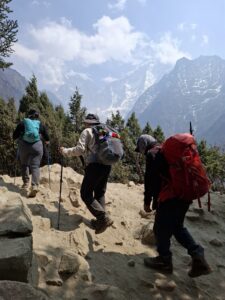 Trekkers on the trail heading to Lobuche[/caption]
Today’s trek from Pheriche to Lobuche marks a significant increase in altitude and a change in landscape, moving into more barren, glacial terrain. You’ll pass through the Dughla Pass, which features a poignant memorial to climbers who perished on Everest, a sobering reminder of the mountain’s power.
The trail becomes rockier and more challenging, requiring a steady pace and mental fortitude. The towering peaks, such as Nuptse, Lhotse, and Pumori, become increasingly dramatic as you approach Lobuche, a small settlement of basic teahouses, making it a crucial stage for Everest summit views and hopefuls.
Lobuche is the last overnight stop before reaching Gorakshep and Everest Basecamp, making proper rest and hydration here paramount. This segment is a test of your endurance and a vital step in your Everest base camp high-altitude trek.
7. **Trek from Lobuche to Gorakshep and trek to EBC (and back to Gorakshep)** —
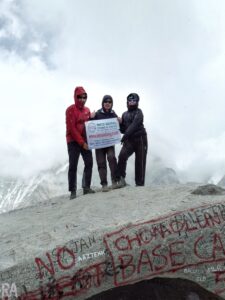 This is the pinnacle of your Everest Base camp trekking adventure. Starting from Lobuche, you’ll trek across rocky moraines and glacial paths to reach Gorakshep, The highest overnight stop on the EBC trail. After a short rest and lunch, the highly anticipated journey to the Everest Base Camp begins.
The trek to EBC is a challenging but incredibly rewarding experience offering breathtaking views of Khumbu Glacier and Icefall. While you don't get direct views of Everest from the base camp itself, the sense of accomplishment at reaching the foot of the world's highest mountain is immense. After soaking in the atmosphere, you will trek back to Gorakshep for a night, a challenging but unforgettable day for Everest adventurers.
This day is physically demanding due to the high altitude and terrain making proper pacing and hydration crucial. Reaching Everest Base Camp is a dream come true for many, marking the ultimate achievement of in Himalayan trek.
8. **Trek from Gorakshep hike to Kalapathhar and back to Dingboche** —
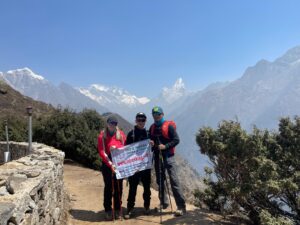 An early morning start is essential for a sunrise hike to Kalapatthar, The famous Black Rock viewpoint for the most iconic panoramic views of Mount Everest. Witnessing the first rays of the sun illuminate Everest, Lhotse and Nuptse is an unforgettable experience and a photographer’s dream, providing the best Everest viewpoints.
After descending from Kalapatthar back to Gorakshep for breakfast, You begin the long descent to Dingboche. This downhill trek, though less strenuous than the ascent is still a significant distance, leading you through familiar landscapes with a new perspective. Dingboche offers a more comfortable overnight stay after the extreme altitudes of Gorakshep, Marking a successful high-altitude Everest descent.
This state combines the breathtaking views from Kalapatthar, with a crucial drop in altitude for better acclimatisation, Making it a diverse and memorable part of your Everest Region trek.
9. **Trek from Dingboche to Namche (3,440m/11,286ft)** —
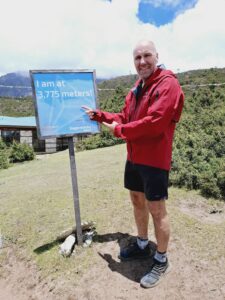 Today’s trek is a significant descent from Dincgboche back to the bustling town of Namche Bazaar. You’ll retrace parts of your upward journey, enjoying the familiar trails and stunning mountain backdrops.
The decreasing altitude makes breath breathing easier, allowing for a more comfortable pace. Passing through Pangboche Tengboche and Tengboche, you’ll have another chance to visit the renowned Tengboche Monastery, the spiritual heart of Khumbu.
The lush landscapes return as you descend, contrasting with the barren upper regions. Mache Bazaar, with its wide range of amenities, offers a welcome return to more developed facilities and a chance to reflect on your high-altitude achievements. This longer scenic descent is an important part of your Everest Base Camp return journey, allowing your body to recover while still enjoying the beauty of the Himalayas.
10. **Trek from Namche to Phakding (2,610m/8,562 ft)** —
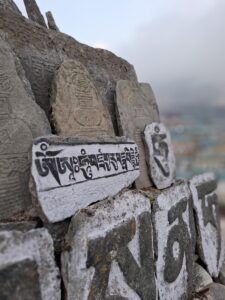 Continuing your descent, you will trek from Namche Bazaar to Phakding. This section of the trail is well-trodden and largely downhill, offering a relaxed pace after the demanding days at higher altitudes. You will pass through several villages across numerous suspension bridges over the Dudh Koshi River and exit Sagarmatha National Park.
The scenery transitions back to lush rhododendron pine forest, providing a refreshing change from the stark Mountain landscapes. This relatively easy day allows you to recover further and enjoy a lower-elevation environment. Phakding, your first overnight stop after the initial trek, provides a sense of familiarity as you near the end of your trekking portion.
This day emphasises the gradual return to the lower elevations and ensures a comfortable and safe conclusion to the trekking component of your Everest Base Camp without a flight adventure.
11. **Trek from Phakding to Surke (2,290m/ 7,513ft)** —
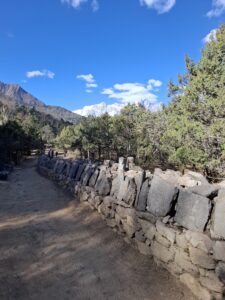 Your final day of trekking takes you from Phakding to Surke, completing the Loop of your ground-based Everest Base Camp trek. This short and relatively easy trek allows you to enjoy the last moments of walking through serene Himalayan footsteps.
You will pass through charming religion along the Dudh Koshi River, soaking in the memories of your incredible journey. Surke, located just below Lukla, Is your pick-up point for a return drive The final leg of your trade marks the transition from walking to driving, signalling the successful completion of your Everest overland expedition.
This day provides her relax conclusion to your walking adventure, preparing you for the vehicle journey back to civilization and cherishing the final moments of Everest exploration.
12. **Drive from Surke to Salleri (2,370m/ 7,775 ft)** — Today involves another significant road journey, driving from Surke back to Salleri. This roughly 5 hours drive on sometimes rugged terrain provides another opportunity to witness the changing landscape of the Solukhumbu region.
You'll retrace steps from the initial days, recognising the village and scenery you passed through earlier. This segment of the average ground route offers a chance to reflect on the immense journey you have completed from the high peaks to the Middle Hills. Salleri once again provides a comfortable overnight stop to break up the long return journey to Kathmandu.
This drive is a practical step in here Everest Base Camp return trip, allowing for gradual travel and minimizing discomfort after your extensive trek.
13. **Drive from Salleri to Kathmandu** — Your Everest Base Camp journey concludes with a long drive from Salleri back to Kathmandu. This 8 to 10-hour drive completes your ground route alternative experience, bringing you back to the bustling capital after your peaceful Himalayan adventure.
The road takes you through the diverse landscapes from the rural hills to the more developed areas surrounding Kathmandu. This final leg provides an opportunity to reflect on the entire expedition, from the scenic rides to the challenging high-altitude breaks. Arriving in Kathmandu, you will feel a profound sense of accomplishment for having completed the Everest Base camp trek without flight.
This last day marks the successful completion of your Nepal trekking adventure, leaving you with long-lasting memories of the breathtaking Himalayas and the unique cultural experiences of the Everest region.
## What's included
- Airport picks up and drops off by private vehicle.
- Three-time Meal During trekking(Breakfast-Lunch-Dinner)
- All ground transportation on a comfortable Sharing vehicle Jeep as per the itinerary (ktm-Salleri-Paiya)
- An experienced, English-speaking, and government-licensed trek guide and Porter service (2 trekkers: 1 porter)
- Staff costs including their salary, insurance, equipment, food, and accommodation Down jacket and sleeping bag (to be returned after trip completion)
- All necessary paperwork and trekking permits (Sagarmatha National Park and Khumbu Pasang Lhamu Rural Municipality)
- Medical kit (carried by your trek guide)
- All government and local taxes
- Trekking map
- Trekking certificate after the trek.
## Not included
- International fare
- Excess baggage charge(s)
- Except what is mentioned in the What Is Included section
- Early arrival, late departure, early return from the mountain (due to any reason like natural disaster and your problems) than the scheduled.
- Travel and rescue insurance
- Trekking equipment
- Personal expenses (phone calls, laundry, bar bills, battery recharge, extra porters, bottle or boiled water, shower, etc.) Tips for guide(s), porter(s) and driver(s)
- Helicopter Evacuation.
## FAQ
**Q: How do I book Everest Base Camp Trek?**
A: You can book the trip by first contacting us simply by mail or Whatsapp. After then we will finalize the date. You need to deposit some amount as a booking. After this your seat for the Everest Base Camp trek is secured.
**Q: What are the extra charges hidden in the costs?**
A: Extra Charges are Wifi, hot shower, hot water, and Guide tipping
**Q: What are the cancellation Policy for Everest Base Camp Trek?**
A: If you are unable to make this trip due to any situation and you want to cancel the everest base camp trekking you need to contact us a month before.
There will be certain percentage of charge levied as Tax and Vat
**Q: What are the accommodation options and ground route EBC trek?**
A: Along the ground, root accommodations primarily consist of basically houses and lodges offering a simple room with shared bathroom facilities This provides a comfortable resting place after each day's trekking.
**Q: Is the EBC trek without a fight more difficult than with a flight? **
A: While the ground route is longer it offers a more gradual ascent which can aid in acclimatization in the risk of altitude sickness. The overall physical challenge remains moderate to strenuous, requiring good fitness.
**Q: How long does the Everest Base Camp trek without flight take?**
A: The Everest Basecamp trek via the ground route typically adds 3-5 days compared to the flight-based itinerary, generally spanning 16-20 days from Kathmandu to Kathmandu. This extended duration allows for better acclimatization and a more immersive experience.
**Q: What is the “ground route alternative” to Everest Base Camp?**
A: The ground route alternative bypasses the Lukla flight by starting the trek from lower elevations, typically from Salleri to Phaplu, reached by a scenic jeep ride from Kathmandu. This offers a more gradual ascent and avoids potential flight delays or cancellations.
**Q: What kind of food can I expect on the EBC trek (Ground route)?**
A: You can expect a variety of Nepali and international dishes at the teahouse, including staples like Dal Bhat (Lentil soup with rice), Noodles, potatoes, and often some bakery items. Vegetarian options are readily available throughout the trek.
**Q: What is the best time of the year to undertake the EBC trek by road?**
A: The optimal season for the EBC trek, even via the ground route is spring (March-May) and Autumn (September to November) due to Stable weather, clear skies, and moderate temperatures. These periods offer the best visibility for stunning mountain views.
**Q: What are the permits required for the Everest Basecamp trek without flight?**
A: You will get the Sagarmatha National Park entry permit and the Khumbu Pasang Lhamu Rural Municipality Entrance Permit. These permits are typically arranged by your trekking agency or can be purchased at designated checkpoints along the trail.
**Q: What is an Essential packing list for the Everest Base Camp ground Route trek?**
A: Key items include: sturdy trekking boots, Warm layers (down jacket, fleece), a Waterproof outer shell sleeping bag, a headlamp, a water purification system and a basic first aid kit Pack light, but prepare for varying weather conditions.
**Q: Do I need a guide and a Porter for the ground route EBC trek?**
A: While it's possible to trek independently, hiring an experienced local guide is highly recommended for safety navigation and cultural insights, especially on the less travelled lower section of the ground route. porters can significantly ease your burden by carrying your main luggage.
**Q: How can I prevent altitude sickness on the ground route EBC trek?**
A: The ground route inherently aids in accommodation due to its gradual ascent, But it's still crucial to trek slowly, stay hydrated and take designated rest days. Consult your doctor about altitude medication like Diamox as preventive measures.
**Q: What essential gear should I bring for the EBC trek without flight?**
A: Essential gear includes a durable backpack and trekking poles for stability. Sunglasses with UV protection or warm hats and gloves. A power bank is also highly recommended for charging electronic devices.
**Q: What cultural considerations should I be aware of on the EBC trek?**
A: Respect the local Sherpa customs dressing modestly, especially when visiting monasteries and always asking her permission before taking photographs of the people walking clockwise around the Stupa and Mani walls as a sign of respect.
**Q: How can I minimize my environmental impact on the EBC trek?**
A: When you raise your environmental footprint by carrying out all your trash, using purification tablets instead of a bottle of water and choosing tea houses that practise responsible waste management, support local initiatives for sustainable tourism.
**Q: What communication facilities are available on the ground route EBC trek?**
A: Mobile network coverage can be sporadic, but Wi-Fi is generally available in the tea houses for a fee. Satellite phones are an option for emergencies, though their use is limited and expensive.
**Q: Can I charge my electronic devices on the EBC trek (Ground route)?**
A: Yes, the houses along the route of her charging facilities for electronic devices, typically for an extra fee. It's advisable to carry a power bank as backup, especially for colder nights.
**Q: What emergency services are available along the ground route to EBC?**
A: In case of emergencies, particularly altitude sickness, helicopter evacuations can be arranged. Most trekking agencies have protocols in place for such situations, emphasising the importance of comprehensive travel insurance.
**Q: What are the local transport options to Start the ground route trek?**
A: The ground route typically begins with a jeep drive from Kathmandu to Salleri or Phaplu. These can be private hires or shared jeeps, offering a local business.
**Q: Are there any alternative routes in the Everest region that also avoid flight?**
A: Yes, besides the direct ground route to EBC, you can also explore options like the Jiri to EBC trek, which is a classic and even longer alternative, or combined parts of the ground route with other trails like the Pikey Peak trek.
**Q: What tips are there for budget travellers on the EBC ground routes trek?**
A: Budget travellers can save money by opting for shared Jeep transport, getting or water purification system and limiting extra purchases like snacks and hot showers. Hiring a Porter without a guide can also reduce costs.
**Q: When is the best time for clear mountain views on the EBC ground routes trek?**
A: For the clear views of the Himalayas including Everest, the post-monsoon autumn months September to November in three months with spring months March to May are ideal offering stable weather and minimal cloud cover.
**Q: What are the water purification methods recommended for the trek?**
A: Carrying water purification tablets or portable water filters is highly recommended to ensure safe drinking water and minimise plastics. Boiled water is also available at tea houses, though it may come at a small cost.
**Q: How does the ground route enhance the cultural immersion experience?**
A: The longer ground route allows for a deeper immersion into the diverse culture of the lower Solukhumbu region, offering more opportunities to interact with various ethnic groups beyond just Sherpa before joining the main EBC trail.
**Q: Is it better to trek solo or with a group on the ground route EBC?**
A: Trekking with a group offers companionship, shared experiences and logistical ease while solo trekking provides ultimate flexibility and a deeper connection with nature. For safety and support, especially on a longer route group or guided trek, is often preferred.
**Q: Are there any age limits for the Everest base camp trek via ground route?**
A: There are no official age limits, but trekkers should be in good physical health and mentally prepared. Children as young as 10 and active seniors in their 70s have completed the trick with proper preparation and a suitable pace.
**Q: What cultural considerations should I be aware of on the EBC trek?**
A: Respect the local Sherpa customs dressing modestly, especially when visiting monasteries and always asking her permission before taking photographs of the people walking clockwise around the Stupa and Mani walls as a sign of respect.
**Q: What are the health requirements for undertaking this trek?**
A: A general good level of fitness is strong cardiovascular health and new pre-existing health conditions that could be exacerbated by high altitude are essential. A medical checkup is highly recommended before your trip.
**Q: Is travel insurance mandatory for the Everest Base camp trek without a flight? **
A: While not always legally mandatory, comprehensive travel insurance covering high-altitude trekking, emergency medical evacuation and trip cancellation is highly advisable. Medical emergencies in the Everest region can be extremely costly.
## Contact for this trip
- Operator: Info Nepal Tours and Treks · Thamel, Kathmandu, Nepal
- Phone: +977 9841936940
- Email: contact@intrekking.com
---
# Api Base Camp trek
URL: https://intrekking.com/trip/api-base-camp-trek/
Last updated: 2026-07-09
## Facts
- Region: Api Himal Region
- Duration: 14 days
- Max altitude: 4,000 m
- Difficulty: Challenging
- Group size: 1-10 people
- Best season: March-May : September-November
## Summary
A remote far-western trek to Api Base Camp and Kali Dhunga Lake beneath Api Himal, accessed via Dhangadi, Darchula and Makarigaad through dense forests and traditional villages, suited to experienced trekkers seeking solitude.
## Overview
Api Base Camp trek is an unforgettable half month journey where you commence your lifetime experience through Nepal’s distant trek routes and gob smacking landscapes, entering into a great area where the majestic Api Himal stands tall and guards over the beautiful surrounding and the serenity of the surrounding is explained by the sublime Kali Dhunga Lake which is situated iver 4000 meters.
Api Base Camp trek is the blend experience of difficult hikes, Himalayan ambience, cultural and religious encounters, local dining experience and other phenomenal natural vistas. The adventure begins after your arrival in Kathmandu. You will be driven through the scenic path to Attariya, Dhangadi and then set off to Darchula where the beauty beholds its symbolic presence.
Darchula is the gateway to Api base camp. From Makarigaad, the trek gets started walking through the trails with dense forests, cultural hometowns, villages and other routes that connects to high altitude. The hospitality of the local people and other serving individuals will make your trip mesmerizing. The remote communities will welcome and bid you a bye with same enthusiasm.
You will follow the similar route to descend through, and get driven back to Dhangadi. Then, a flight to the Kathmandu city will mark success of your trip.
Brief Itinerary of the Api Base Camp trek
Day 1: Arrival in Kathmandu, hotel transfer
Day 2: Kathmandu Sightseeing day
Day 3: Flight day to Dhangadi & Scenic Drive to Attariya
Day 4: Drive day to Ganna in Darchula
Day 5: Drive to Makarigaad & then trek to Ghusa
Day 6: Trek day to Simar (Ghopte)
Day 7: Trek to Dhuli Odar
Day 8: Trek to Api Base Camp & Hike to Kali Dhunga Lake (4000m)
Day 9: Trek Back to Khaikot
Day 10: Trek down to Ghusa
Day 11: Trek down to Khandeshwar
Day 12: Trek to Makarigad & Drive to Gokule
Day 13: Drive Back to Dhangadi
Day 14: Fly Back to Kathmandu
Day 15: Departure
## Itinerary
1. **Arrival in Kathmandu, hotel transfer** — Api base camp trek, this most awaited adventure begins as you land in Kathmandu. Our representative will be at the airport arrival gallery who will receive, pick you up and safely transfer to a renowned hotel in the city. If you arrive in Kathmandu by the evening, we will brief you about the trek and make you explore around the Thamel area which is famous for the night life. Overnight stay at the hotel in Kathmandu.
2. **Kathmandu Sightseeing day** — You will utilize the second day in sightseeing around Kathmandu city. There are various UNESCO listed World heritage sites in Kathmandu like Pashupatinath temple, Swoyambhunath, Baudhanath stupa, Kathmandu Durbar Square etc. You will finish visiting these all by the afternoon. Then, we will finalize your permits and start the preparations for the trek.
We will guide and assist you through shopping as well. If you need to rent the trekking gears, it will be less costly and comfortable to wear too. Overnight stay at the hotel in Kathmandu.
3. **Flight day to Dhangadi & Scenic Drive to Attariya ** — The third day is a flight day from Kathmandu to Dhangadi. You will have to take a morning flight from Kathmandu, which will take you to Dhangadi in more than an hour like 1 hour 10 minutes in average. Kathmandu lies in hilly region and Dhangadi in Terai region which will provide a space of scenic views of the landscape shift.
Then, as soon as you get landed and checked out of the airport, you will be driven to Attariya which is 4 to 5 hours away through Nepal’s western plains. Overnight stay at a hotel or a guesthouse in Attariya.
4. **Drive day to Ganna in Darchula** — This day you will be driven your way through river valleys, river basins and scenic hills. The drive will be a long drive experience of the trip, as the length of the drive is 7 to 8 hours. Overnight stay at a local teahouse in Ganna.
5. ** Drive to Makarigaad & then trek to Ghusa ** — The fifth day you will be driven from Ganna to Makarigaad which will be the trekking starting point from where you initiate to hike through the trails. The deep valleys, lush forests and remote trails will lead your way to Ghusa. Trekking will take almost 4 to 5 hours of walk. Overnight stay at a teahouse in Ghusa.
6. **Trek day to Simar (Ghopte) ** — The dense forests, alpine grasslands, and stony routes wind together in this distant Api himal region to offer phenomenal mountain vistas. The views are really amazing when you reach Simar (Ghopte). Trekking from Ghusa to Simar (Ghopte) is a better viewing hike experience too. It is a high altitude site where we stop for camping.
As you hike upwards, the air gets thinner, colder and the landscape you see are barren. The camp will be set here, surrounded by high mountains and very peaceful mountain ambience. It takes around 7 hours of a hike to reach Simar (Ghopte). Overnight stay at Simar (Ghopte).
7. **Trek to Dhuli Odar ** — From Simar (Ghopte), the trek resumes to Dhuli Odar. It is a beautiful high altitude camping site, very mesmerizing and lesser known. So, the crowd will not be any near. The trail to this Dhuli Odar is challenging due to steep ascents and descents, passing by the rugged terrains. You need to cross glacial moraines and rocky ridges too.
You will experience the raw mountain beauty from Dhuli Odar. It takes 6-7 hours of hiking to reach Dhuli Odar, so it demands good physical health. You need proper acclimatization as these are high altitude camping sites. Once you get into your tent, the chilled thin air and starlit sky just makes the whole Himalayan ambience more mesmerizing.
8. **Trek to Api Base Camp & Hike to Kali Dhunga Lake (4000m) ** — The most exciting day of this trip, the eighth day welcomes the sun that takes us to Api Base Camp which is located at 3,700 meters above the sea level. Then, we hike to Kali Dhunga Lake which is 4,000 meters above the sea level.
The excitement of this day also brings the challenge to ascend the Base camp as well. The steep climbs and rugged terrains make it difficult. From the Api Base Camp, you will get to enjoy panoramic views of Mount Api. Mt. Api is one of the higher mountains that crosses 7,000 meters altitude mark. Mt. Api is at an altitude of 7,132 meters. The view from the base camp is serene.
The same day we have got a plan to hike to Kali Dhunga lake after a short rest. Kali Dhunga lake is a glacial lake with tranquil water defining the sublimity of the nature. Kali Dhunga lake is surrounded by towering snow-capped mountains. This trek needs caution as well, but the serenity you will witness this day will make the efforts worth it.
9. **Trek Back to Khaikot** — From the ninth day, the descending starts leaving the towering mountains behind paving our way to Khaikot. Khaikot is the local village. The trekking route passes through deep valleys, dense forests and traditional villages.
The view we walk through offers us a completely rural Himalayan ambience. Khaikot do have basic teahouses that provides accommodations with simple furnishings. Most of the trekkers take rest here after a long trekking week. You will reach Khaikot walking 6 to 7 hours. Overnight stay at a teahouse in Khaikot.
10. **Trek down to Ghusa** — The tenth day is dedicated to returning to Ghusa. Following the trail through lush forests and river valleys, we trek downhill. Ghusa is a small village where we can either camp or overnight stay in basic lodges with simple furnished rooms enjoying the great hospitality from the locals.
The surrounding is sublime, with waterfalls making it more serene and agricultural field with terrace farming adds the beauty further. Overnight stay at a lodge in Ghusa.
11. **Trek down to Khandeshwar ** — Khandeshwar is the destination of the eleventh day which prominently marks the success or glorious end of the Api himal adventure. The trekking route follows river valleys and paths with forest on either sides offering the glimpses of peaks which are at a distant location. Overnight stay at Khandeshwar.
12. **Trek to Makarigad & Drive to Gokule ** — This day is the last trekking day of the trip that involves a short trek to Makarigad too. Then, we take a scenic drive to Gokule. The drive takes us through dense hills and traditional settlements. It provides a relaxing end to the Api Base Camp trek. Overnight stay at Gokule.
13. **Drive Back to Dhangadi ** — In the thirteenth day, we will return to Dhangadi by a long yet beautiful drive. Dhangadi lies on the Terai plains, near to the Indian border which signifies the shift from mountain range to lowland plains of Nepal. The changing landscape represents the beauty of this country.
14. **Fly Back to Kathmandu ** — This day you will get back to Kathmandu by a short flight from Dhangadi. Coming back to the city, you can rest in the hotel, shop the souvenirs around the city, visit temples, stupas, masjid and museums that were left to be visited on the second day. Enjoy the Thamel night life and the last night of this trip before you depart to your own country.
15. **Departure ** — This is the last day of your trip. You will be departing from Kathmandu to your home country or next destined country. We will mark your departure a special one with Nepali traditions and rituals. You will be dropped to the airport from the hotel 3 hours prior to your flight time. And, one of our representatives will be there to bid you a good bye from the country of memories and mountains.
## What's included
- Airport arrival picks up and drops off by the private vehicle
- Three-time Meal during the trek as per the itinerary (Breakfast, Lunch and Dinner)
- Ground transportation covered on a cozy private vehicle as instructed by the itinerary
- City tour in Kathmandu by a private vehicle
- An experienced, English-speaking and government-licensed trek Guide/Leader and assistant trek leader (10 trekkers: 1 assistant guide), Porter service (2 trekkers: 1 porter)
- Staff costs including their salary, insurance, equipment, food and accommodation.
- Rented down jacket and sleeping bag (to be returned after trip completion)
- All necessary paperwork, documentations, trekking permits.
- Basic medical kit, or first aid box
- All government and local service charges and taxes
- Trekking certificate after the completion of the trek.
## Not included
- Nepalese visa fee
- Excess baggage charge(s)
- Private transportation except what is mentioned in the 'service includes' section
- Extra night accommodation in Kathmandu or Solukhumbu because of early arrival, late departure, early return from mountain (due to any reason like natural disaster and your own problems) than the scheduled itinerary Lunch and evening meals in Kathmandu (and also in the case of early return from the mountain than the scheduled itinerary)
- Travel and rescue insurance
- Trekking equipment
- Personal expenses (phone calls, wifi fees, laundry, bar bills, battery recharge, extra porters, bottle or boiled water, shower, etc.)
- Tips for guide(s), porter(s) and driver(s)
- Urgent need of porter / horse / helper for personal use.
- Extra Transportation for the person who leave early from the group.
- Arrival and departure flight tickets.
- Rescue or evacuation cost, for emergency.
## FAQ
**Q: Where is Mount Api located?**
A: Mount Api (7,132 m) is in the Darchula district of far-western Nepal, near the borders of China and India.
**Q: What is the altitude of Api Base Camp?**
A: Api Base Camp is located at an altitude of about 4,000–4,200 meters, surrounded by towering peaks and glaciers.
**Q: Is the Api Base Camp trek crowded?**
A: No, this is one of the very less crowded trekking routes in Nepal, perfect for those seeking solitude and raw wilderness in peace.
**Q: Can I trek Api Base Camp in winter?**
A: It is very possible to trek Api Base Camp in winter, but extreme cold, snow-covered trails, and blocked passes can make it challenging.
**Q: How is monsoon season for Api Base Camp trek?**
A: Monsoon season for Api Base Camp trek is not that suitbale as it brings heavy rain, landslides, and leeches, making it less suitable for trekking.
**Q: What is the difficulty level of the Api Base Camp Trek?**
A: Api Base Camp trek is considered moderate to challenging due to long walking days, steep ascents, and remote conditions.
**Q: What are the permits required for the Api Base Camp trek?**
A: The Api himal base camp trek required different permits which visitor should get to enjoy their journey. The Nepal Tourism Board provide permit to visitor from Kathmandu through registered trekking agency. The TIMS card can be obtained from trekking agencies of Nepal.
Api Nampa conservational area permit
Trekker information management system card
There are several documents required to visit and explore western part of Nepal.
Passport-size photos (2-4)
Trekking itinerary details
Passport copy having validity for at least 6 months
**Q: Can I trek Api Base Camp without a guide?**
A: No, the Restricted Area Permit rules require you to trek with a registered guide and in a group of at least two.
**Q: Is there electricity and internet?**
A: Electricity is available in some villages, but internet and mobile coverage are very limited.
**Q: Is photography in the Api Himal region allowed?**
A: Yes, but you need to ask before photographing people or religious sites. And, do not capture the Army check posts.
## Contact for this trip
- Operator: Info Nepal Tours and Treks · Thamel, Kathmandu, Nepal
- Phone: +977 9841936940
- Email: contact@intrekking.com
---
# 5 days Bardiya Tour
URL: https://intrekking.com/trip/five-days-bardiya-tour/
Last updated: 2026-07-16
## Facts
- Region: Nepal
- Duration: 4 days
- Max altitude: 1,441 m
- Difficulty: Easy
- Group size: 1-20 people
- Best season: February-May : October-November
- Price from: $900 per person
## Summary
A wildlife and cultural tour of Bardiya in Nepal's western Terai, combining jungle safari activities, sightseeing of historical sites and unstructured relaxation, suited to travellers of any age seeking a relaxed nature-focused trip.
## Overview
The Bardiya tour is one of the interesting and engaging trips to be a part of. Tourists, when in Nepal, enjoy this trip in terms of its Natural and Cultural blend. This very simple package is a well-scheduled travel plan consisting of the exploration of natural beauty and historical places with the flora and fauna available in the forest region, sightseeing of the jungle and the jungle adventure, relaxing moments, and mouthwatering local cuisine.
Bardiya tour is known for its good balance of tourist activities and relaxation each day. The Bardiya tour is suitable for any type/age of explorers or adventurers, or tourists. You will get settled and checked into the renowned hotels of resorts of the forest side. There is no strict routine to get up very early or be present at the meeting point early, so you will get a relaxing trip experience.
You will be taken to various cultural heritages and places of historic legacies of Bardiya. The important landmarks and old museums will be explained by the tour operator or guide travelling with you. The local market would always be open, busy, and bustling, especially during the evening and morning. Try some local food and understand the legend of those authentic Terai localities.
One of the days is all about nature and adventure. You can hike around depending on the location. You can take a boat and surf, skimming the river. Visit the vibrant spots around the waterfall or parks, or scenic beauty.
Overall, the trip is all about the jungle fantasies, natural phenomena, and cultural enrichment. You will be guided throughout the trip with a good understanding of all the stories and traditions, plus local awareness. You can travel with friends, family, solo, or colleagues to make the Bardiya Tour a successful getaway.
## Itinerary
1. **Arrival in Bardiya** — The first day was fully devoted to reaching the home of Jungle Adventures, Bardiya. When you arrive in Bardiya, you will check into a renowned hotel jungle side. The surroundings are new, so getting accustomed to them is important. Kathmandu is located at a height of 1400 meters, while Bardiya is around 1000 meters lower than Kathmandu, so it is necessary to get accustomed.
You can relax sometime in the hotel. The first day completely depends on the time you arrive in Bardiya. You can explore the immediate vicinity by sitting leisurely at the nearby café, strolling around the vibrant streets of Bardiya, taking a light meal, and experiencing the local Terai cuisine. The first day of the Bardiya tour is flexible to recover from any travel fatigue or unrest.
You can familiarize yourself with the plain Terai ambience and cultural heritage of the destination. The guide will be with you throughout/They will explain the ways to ease and comfort your trip with all the explanations of visiting landmarks, transport options, essential choices of service, etc. Overnight stay in the hotel/resort.
2. **Cultural Immersion and Historical Exploration of Bardiya** — The second day is dedicated to cultural immersion and historical exploration. The place at the great location is rich in history and cultural legends. You will be taken on a guided tour which will enhance your knowledge of the essence behind those heritages.
You can stroll around the local markets, artisan workshops, and other areas around to explore the traditional craftsmanship of the Nepalese, and then interact with the residents. Having your lunch in a culturally important place offers you a blend of taste, authenticity, and regional cuisine.
You can attend the Tharu dance and other cultural dances or a traditional music session to further explore the beauty of Nepalese cultural art. Overnight stay at the hotel/resort.
3. **Adventure and Jungle activities in Bardiya** — The third day is focused on Outdoor experiences, especially wildlife safari/jungle safari. The natural beauty of the region can be explored by hiking through the national park. Bardiya National Park is a large conserved area where many rare wild animals are preserved.
Seeing the Tiger in Bardiya is always a tourist fantasy. Sometimes, very rarely, you can see the tigers walking on either side of the road, too. You will be given a packed lunch for the day to enjoy amidst those stunning scenes.
You can also choose to participate in adrenaline-rushing adventures like Zip-lining, Kayaking, or snorkeling. You can walk throughout or take a boat to enjoy the scenes as well. Enjoy the sunset from the rooftop hotel/resort and a great overnight stay under a starlit sky.
4. **Unstructured exploration and Local Experiences** — You can choose one of the adrenaline-pumping options from the third day and do it on the fourth day too. This day is actually reserved for your unstructured explorations. You can also revisit the favorite spots, or again do the Jungle safari in search of the live view of Tigers.
You can spend the day shopping for souvenirs, trying fast food/street food, and visiting museums. You can indulge yourself in pottery-making. The local traditions are meant to be explored thoroughly. Enjoy the barbecue night at a rooftop bar and feel the Terai ambience one last day before your departure. Overnight stay at the hotel.
5. **Departure to Kathmandu or other destinations** — This is the final day of the Bardiya tour, where you will enjoy your late morning breakfast and set off for a flight to Kathmandu. You can extend the trip to other destinations too,o like Pokhara, Chitwan, Lumbini, etc. Enjoy the farewell dinner with us, marking your success of the trip.
## What's included
- Airport arrival and pickup, and drop-off by private vehicle
- Three-time meals during the Bardiya Tour as per the itinerary (Breakfast, Lunch, and Dinner)
- Ground transportation covering a cozy private vehicle, as instructed by the itinerary
- City tour in Kathmandu as well, by a private vehicle
- An experienced, English-speaking,g and government-licensed Guide/Leader and an assistant (10 Tourists: 1 assistant guide).
- Staff costs, including their salary, insurance, equipment, food, and accommodation.
- Rented Sleeping bag (to be returned after trip completion, if necessary)
- All necessary paperwork, documentation, Tou, or national park permits.
- Basic medical kit, or first aid box
- All government and local service charges and taxes
- Certificate after the completion of the Adventure.
## Not included
- Nepalese visa fee
- Excess baggage charge(s)
- Private transportation, except what is mentioned in the 'service includes' section.n
- Extra night accommodation in Bardiya or Kathmandu because of early arrival, late departure, or early return from Bardiya (due to any reason like natural disaster and your own problems).
- Travel and rescue insurance
- Necessary equipment
- Personal expenses (phone calls, wifi fees, laundry, bar bills, battery recharge, extra porters, bottle or boiled water, shower, etc.)
- Tips for guide(s) and driver(s)
- Urgent Medical emergency
- Urgent need for a helper for personal use.
- Extra Transportation for the person who leaves early from the group.
- Arrival and departure flight tickets.
- Rescue or evacuation cost for an emergency.
## FAQ
**Q: Is Bardiya tour a difficult trip?**
A: No. Bardiya Tour is an easy trip. It is a very simple tour which includes very little walking, more sightseeing.
**Q: Where do Bardiya tour starts and ends?**
A: Bardiya tour starts with a scenic flight from Kathmandu to Bardiya on the first day, and ends with a flight from Bardiya either to Kathmandu or to other destinations on the fifth day.
**Q: Can we customize the itinerary?**
A: Yes. Why not. You can customize the itinerary as per your wants and needs. You can prefer to extend the trip days, extend the trip to Pokhara, and other destinations like Lumbini, Chitwan, etc. The cost also changes with the change in the itinerary.
**Q: What if any tourist has dietary restrictions?**
A: If the tourists do hold any dietary restrictions like being vegan, vegetarian, gluten-free, allergic to lactose, this is very important for trekkers to give detailed information to the tour agency or the guide, or the cook prior.
**Q: Can we swipe the drive with the option of flying?**
A: Yes, you can swipe the flight with the option of driving. It is cheaper but takes a longer time and keeps the driver a bit exhausted.
**Q: What kind of guide will I get?**
A: You will get an experienced, English-speaking, and government-licensed tour Guide and an assistant tour guide (10 tourists: 1 assistant guide).
**Q: What adventurous activities can I perform in the Bardiya tour?**
A: The Bardiya tour provides us with breathtaking beauty and adventurous activities.
Jeep safaris and tiger tracking: Showing the deep beauty of the park. We can search for the Bengal tiger, one-horned rhinos, and wild elephants on a jeep safari. We can do a full-day safari for up to 10 hours, which covers all the distant areas, giving the chance to spot different rare endangered animals.
Elephant safaris: Elephant safaris are famous in this tour. Visitors can see the view of the jungle by sitting on an elephant. The elephant breeding center, where visitors can see elephants bathing and following the command of the local people, is also one of the adventures in the Bardiya national who is always there to promote the animal numbers.
River rafting in the Karnali River gives a thrilling experience also observe the crocodile and the endangered Gangetic dolphin. There are different trips, like riverside camping under starry skies. The night camping and treehouse stay, which gives a thrilling touch to the Bardiya tour. The stay offers us to spot the deer or even a passing tiger.
The breathtaking view of different species of herbal plants and rare animals can be targeted in the morning during the jeep safaris. There are different species of plants and animals that we can observe by following the adventure activities in the Bardiya visit.
The night camping also includes the Tharu cultural dance, and you can taste their local dishes like ghonghi curry. The national park is crowd-free with full of adventure. The activities to find the tiger and many other wildlife add an adventurous touch to the tour.
The adventure that we get in this Bardiya tour makes the tour special and memorable. The animal spotting is the best adventure, and the guide provides all the knowledge of the animal species found in the Bardiya National Park . The tour helps us to learn the cultural activities of the Tharu community, which is also an adventure.
**Q: What kinds of plants we can see during the Bardiya tour?**
A: The Bardiya tour encompassing the Bardiya national park is rich in terrain and the species of plants. The park 7is 0% covered with the forest of the sal (Shorea robusta) trees. The park's riverine forest beauty can be observed with the Karnali and Babai rivers, with different species like Dalbergia sissoo, Syzygium cumin, and Acacia catechu, which adds to the beauty of the tour.
The grassland plays a vital role for herbivorous animals survival with the help of the tall grass for elephants and kans grassprovidingg grazing for rhinos and deer. The food and survival basic needs of animals can be maintained by the grassland.
The BardiyNational Parkrk is rich in flora there are 839 species of plants, including 140 dicots, 6 ferns, 1 gymnosperm, and 26 monocots, which is a reason for the rich biodiversity and the survival of the wildlife. The plant plays an important role in the life cycles of all animals.
The beauty starts with the species of plant in the Bardiya tour. There are medicinal herbs that are used by the haru community for medicine. The flow helps the aquatic and terrestrial wildlife to survive at Bardiya National Park. The sal forest can be said as the backbone of vegetation in the Bardiya National Park.
**Q: What kinds of animals we can witness during the Bardiya tour?**
A: The Bardiya tour encompasses the Bardiya National Parkis a biodiversity hotspot of different animals where there are large species of animals live. The national park is the home of 53 mammal species also including the second-largest population include 125 number of Bengal tigers and a large number of one-horned rhinos, with 73 individuals.
The tour also helps us to see the Asian elephant, swamp deer, and blackbuck, along with the leopard and sloth bear are the animals. The Bardiya National Park loves to conserve the endangered animals and shows them to the visitors.
Nepal is a country covered with the greenery and beauty of dense forests, and different species of animals are available. The Karnali River helps the life of aquatic animals like endangered Gangetic dolphins and two species of crocodile gharial and the marsh mugger.
There are over 400 species of birds available in Bardiya National Park. Bardiya tours show us how to maintain the animal breeding process and keep them in a friendly environment. There is a smaller fauna, like the rusty-spotted cat, fishing cat, all are rare and preserved in the environment.
The habitats of the Bardiya are ideal and special, which makes the region rich economically. The spices of animals seen on the tour make the journey memorable and special.
**Q: What kind of Accommodation will I get during the Bardiya tour?**
A: The Bardiya tour offers lodging facilities, from a luxury jungle lodge to budget budget-friendly homestay to take rest after observing the beauty of the national park. The place is full of luxury to provide a good and warm welcome with spacious rooms, guided safaris.
There are lodges inside the national park which provide private terraces and river views. The lodge offers an affordable price with high facilities and beauty. The Babai Resort is a luxury retreat with a swimming pool, spa, and different facilities, and it also the resort offers a safari.
There are every price range lodge and resort which provide a warm welcome to visitors to make them comfortable. They provide the cultural and traditional dances in the tour to make the place feel special and to preserve the culture.
The visitor can try the traditional Tharu dress in the resort. The adventure-loving visitor can try a homestay by following the traditional life followed by the local people. The accommodation places offer different facilities according to the price range.
The lodge offers cultural programs with jungle walks and rafting. The lodge makes the visitor environment like family with an organic meal. The accommodation makes the mind calm and the body rest and enjoy the day's visit to the Bardiya National Park.
## Contact for this trip
- Operator: Info Nepal Tours and Treks · Thamel, Kathmandu, Nepal
- Phone: +977 9841936940
- Email: contact@intrekking.com
---
# Phoksundo Lake Trek
URL: https://intrekking.com/trip/phoksundo-lake-trek/
Last updated: 2026-07-17
## Facts
- Region: Dolpo Region trekking
- Duration: 12 days
- Max altitude: 3,700 m
- Difficulty: Moderate
- Group size: 1-10 people
- Best season: March-May : September-November
- Price from: $1,550 per person
## Summary
An off-the-beaten-path trek in Dolpo to turquoise Shey Phoksundo Lake within Shey Phoksundo National Park, reached via flights to Nepalgunj and Juphal and villages including Dunai, Chhepka and Ringmo, with Tibetan Buddhist and Bon significance.
## Overview
Phoksundo Lake Trek
Phoksundo Lake trek leads you to the most stunning lake in Dolpo district, Phoksundo Lake also known as Shey Phoksundo Lake. This turquoise lake is situated at the height of 3,611 meters in Shey Phoksundo National Park, which is not only a sight but a site of great religious significance, especially for the followers of Tibetan Buddhism and the pre-Buddhist Bon faith.
The Phoksundo Lake trek is a real off-the-beaten-track trek with pristine natural beauty, pure culture, and serene settings untainted by the trappings of modernization, unlike the highly trekked trails in the Everest or Annapurna regions. A short but breathtaking flight from Kathmandu to Nepalgunj and then to Juphal in Dolpa initiates the trek, which slowly winds its way up through picturesque mountain towns like Dunai, Chhepka, and Ringmo to reach the exquisite Phoksundo Lake.
The trek winds its way through pine forests, deep gorges, and waterfalls tumbled into giant canyons, all framed by red-ochre cliffs and snow-capped mountains. Most spectacular viewpoint is the view point near Ringmo, with the wide vistas of the glinting lake against nude mountain ranges. Trekkers see Buddhist stupas and prayer walls along the route, along with the pre-Buddhist Bonpo culture that incredibly has been well preserved.
The lake’s high mineral content makes it devoid of life for aquatic species, further adding to its extraterrestrial mood. It has its stone homes, yak caravans, and the chanting of religious mantras by the monasteries around it like the Tshowa Gompa, a 900-year-old Bon monastery that stands guard over the lake, the Ringmo town, which is situated directly above the lake, gives an insight into the traditional Tibetan way of life.
Other than being a treat for the senses, this is a humble trek that does not necessitate acclimatization for extremely high altitudes. Trekkers seeking solitude without excessive difficulties will find it perfect as the summit is below 4,200 meters. Blue sheep, Himalayan Tahr, and snow leopards are found in Shey Phoksundo National Park, Nepal’s largest trans-Himalayan national park, along which the trekking trail stretches. Simple but hospitable accommodation facilities are provided during the trekking, primarily in tea houses and home stays.
Phoksundo Lake Trek is the ultimate blend of spiritual tranquility, cultural richness, and natural splendor. It is designed for those trekkers who would prefer to escape the chaos of the contemporary world and lose themselves in a timelessness of Himalayan landscape where nature and religion coexist alongside each other in one of the most captivating wildness on earth.
Brief Itinerary
Day 1: Arrival in Kathmandu (1,400 m)
Day 2: Explore Kathmandu and immerse in its cultural aura, & trek preparation
Day 3: Flight day from Kathmandu to Nepalgunj (150m)
Day 4: Mountain Flight to Juphal (2,475 m) & Trek to Dunai (2,150m)
Day 5: Trek from Dunai (2,150 m) to Chhapka (2,670 m)
Day 6: Chhapka to Jharana Hotel (3,170m)
Day 7: Jharana Hotel to Phoksundo Lake (3,610m)
Day 8: Rest day – PLT to explore more and acclimatize
Day 9: Phoksundo Lake to Sangta (3,610m to 2,520m)
Day 10: Trek from Sangta to Juphal (2,475 m)
Day 11: Back to Kathmandu: Flights day from Juphal to Nepalgunj to Kathmandu
Day 12: Departure from Kathmandu
## Itinerary
1. **Arrival in Kathmandu (1,400 m)** — The much awaited adventurous trip of yours in Nepal begins with a flight from your home country to the only airport of Nepal, Tribhuvan International Airport (TIA) in Kathmandu. Kathmandu lies at an altitude of 1400 meters where you become a witness lively city experience, vibrant traditional structures welcomes you with cool breeze. Enjoying great Himalayan views, you land TIA, Kathmandu.
After you clear formalities related to immigrations, you will be met and greeted by our travel representative. The representative will receive you and transfer you to a renowned hotel in Kathmandu. You will be driven through busy streets of Kathmandu. The buildings in Kathmandu represents ancient architecture of Nepal. Everything in Kathmandu can be related to traditions and culture of the city.
A city with infrastructures symbolizing perfect blend of history and modernity. You can try authentic Nepali cuisines. The most famous is Thakali Khana, a set of rice, lentils and other Nepali food items. The very popular Nepali snack is Momo. Momo are authentic Nepali - Tibetan dumplings. Kathmandu is also known as the city of temples. So, you will hear the prayers, sounds of bells and feel the flow of street lamps in the evening. The atmosphere is very magical. Overnight stay at the hotel in Kathmandu.
2. **Explore Kathmandu and immerse in its cultural aura, & trek preparation** — The second day is your discovery day in Kathmandu. You will discover the cultural symbols, monuments and majestic traditional heritages of Kathmandu valley. Most of the UNESCO listed world heritages sites of Nepal are located in Kathmandu. You will embark on a journey that marks the sightseeing of those precious heritages.
The sacred and very holy temple of the world, Pashupatinath welcomes its devotees with blessings and blissful experiences in the large temple area. You can see Hindus performing their cremation rituals on the banks of Bagmati River. Then, you approach towards huge stupa of Buddhists, Boudhanath Stupa. It is one of the biggest stupas in the world. The eye pleasing scenes of prayer flags flying, and monks performing their rituals stand as a heart skipping moment.
Stroll around the ancient palace areas in Kathmandu i.e. Kathmandu Durbar Square / Basantapur. The newari architecture on either sides of ways will excite you. This place is very famous of having Jhonche Street, a very tourist bustling street in the mid-60s, 70s and early-80s Hippie era. Then, you start preparing for the trekking either shopping accessories or managing equipment since the afternoon.
Double checking the packing requirements, obtaining permits, communication with the guide and renting trek gears is very essential. In the evening, you can enjoy terrace top dinner and see the night ambience of Kathmandu city. It is as vibrant as the streets of Thamel turn lively by the evening. Overnight stay at the hotel.
3. **Flight day from Kathmandu to Nepalgunj (150m)** — The third day of the trip is dedicated to an early morning flight from the domestic terminals of TIA to Nepalgunj airport. The geographical diversity of Nepal is demonstrated by the flight from hills to the flat plains of Terai. Nepalgunj is located on the western south side of Nepal. You will see the phenomenal landscapes and naturally blessed countryside with paddy fields painting the views golden.
Nepalgunj, being situated on a flat surface condition of the country is just at an altitude of 150 meters above the sea level. Nepalgunj is a gateway from Nepal to the borders of India. The temperature and climatic conditions changes as the ecological regions separates with the morning flight. Nepalgunj acts as a bustling city that is a perfect blend of Nepali, Indian and local Tharu culture.
After your arrival, you will be transferred and checked into a hotel in Nepalgunj bazaar. The place is very lively. You can visit the nearby cultural heritages like Bageshwori Mandir too. Or, you can just rest and relax in the hotel. It is particularly hotter lowland weather in Nepalgunj, so you can relax by the hotel pool. Nepalgunj is famous for having some portion of Muslim population too. You can visit Mosque and witness the exact definition of Nepalese religious tolerance.
The place is also famous for cuisines like Biryani, Grilled fish, Ghongi, curries rich with spices etc. You can try these local cuisines enjoying the dinner. This Nepalgunj stay serves as the calm before the mountain adventure storm. Overnight stay at the hotel.
4. **Mountain Flight to Juphal (2,475 m) & Trek to Dunai (2,150m)** — The fourth day kicks off setting a great adventure on the front seat. A morning mountain flight from Nepalgunj to Juphal is really breathtaking. Juphal is situated at an altitude of 2,475 meters. Mountain flights only uses smaller aircrafts. Those smaller aircrafts lands on a picturesque alpine runway after navigating deep valleys and gorges surrounded by towering Himalayas.
Now, you are in Dolpo region. It is obvious that the cool mountain breeze and scenic breathtaking views will signal your arrival in Dolpo. There you meet your trekking crew and you begin the initiating trek descending to Dunai. You walk from Juphal at 2,475 m down to Dunai through terrace farmed fields at 2,150 m altitude. Dunai is famous for being called as the administrative capital of Dolpo region.
There are various suspension bridges you need to cross, one over Thuli Bheri River. You will see many prayer flags flying to spread peaceful prayers. You come across traditional villages, livestock farmed livings, and timeless agricultural glimpses. Dunai is almost 3 to 4 hours walk away from Juphal. So, you will reach by mid-afternoon.
You will be transferred to a teahouse with great hospitality, and basic furnished facilities. You will be accommodated with great traditional lifestyle. You can choose your meal, from what is available in the menu and fuel yourself up. Overnight stay at the teahouse in Dunai under starlit sky and marvelous Himalayan ambience.
5. **Trek from Dunai (2,150 m) to Chhapka (2,670 m)** — The fifth day is dedicated to trekking from Dunai at 2,150 m to Chhapka at 2,670 m altitude. Following the trail streaming through Phoksundo River and beautiful landscaped views. Encountering the ways amidst the forests of coniferous pine, walnut, poplar, and others we cross suspension bridges and pass through traditional villages like Shyanta.
Locals are seen weaving wool, trimming grasses and grinding grains. As you move up, you will find Tibetan style houses. Walls are stony and roofs are flat. By the riverside, you will have your lunch and enjoy the symphony of nature and birds chirping. Then, you reach Chhapka with great valley views, barley fields and spend your evening with the locals.
Sunsets from here are just gorgeous. Overnight stay at the teahouse at Chhapka under the starlit sky and beautiful Himalayan natural décor.
6. **Chhapka to Jharana Hotel (3,170m)** — The sixth day also stands as a trekking day. On this day, you will trek from Chhapka to Jharana hotel. Through the woods and trails, you will feel Dolpo region and its wilderness are yet to be explored. Woods are filled with blue pine, oak and juniper trees. Slowly you will be exposed to towering snowcapped mountains.
The, you enter a valley where Jharana Hotel is situated. The hotel is named after Nepali word for waterfall. Around mid of the day, you will be welcomed with great hospitality at Jharana Hotel. You can explore the nearby waterfall, and various availabilities at the cliffs. Later in the evening you will enjoy Nepalese cuisine as the dinner. Overnight stay at the Jharana hotel.
7. **Jharana Hotel to Phoksundo Lake (3,610m)** — You are in await for the seventh day as the seventh day guides you to the destination you are looking for since last six days. The time you will take to trek Phoksundo Lake from Jharana hotel is almost four to five hours. Phoksundo Lake is the jewel of Dolpo region. You trek up the trails with steep climbs, forests, and slopes seeing the panoramic views of Kanjiroba massif.
The cool breeze will make you calm whenever you get frustrated seeing the trail. After all the walk, you reach Phoksundo Lake which is the symbol of serenity and sublimity. The turquoise water welcomes you with all the beauty bowing down to this amazing lake. PLT leads you to a sacred and holy lake, Phoksundo Lake. It is Nepal’s deepest lake too which expands over 4 kilometers.
The turquoise water is very clear. You spend the time there, photograph the nature and then leave the beautiful destination away with great memories. The beautiful Ringmo village, ancient monastery, campsites are on the way down the trail to your lodge. You can visit Tshowa monastery and see rituals being performed by the Lamas and Monks. You can enjoy sunset in the evening. Overnight stay at the lodge.
8. **Rest day - PLT to explore more and acclimatize** — The eight day is the only rest day of your Phoksundo Lake trek (PLT). This day you can use to explore the other places in the nearby region like Ringmo village where you can see women weaving on ancient looms. Also, you can visit the 800 year old Bon monastery and the monks praying. The Bon religion is popular in the region.
Cultural aspect of Dolpo region and Phoksundo region lies Bon religion centric. It is said that you can see the wildlife of the region too more especially Snow leopards and blue sheep. You can meditate by the shores of lake too. People believe there is some sorts of spiritual energy that awaken the soul and provides inner illumination to the seekers. Overnight stay at the Lakeside lodge under the starlit sky and great Himalayan ambience.
9. **Phoksundo Lake to Sangta (3,610m to 2,520m)** — Now from the ninth day, you will start trekking downwards leaving the beautiful destination yet carrying a lot of Phoksundo Lake memories. You can take final photographs from the distant trails. You can notice the change in ecosystem and ecology with the change in altitude. The breeze becomes warmner than before, more floras, faunas, birds etc.
Then after 5 – 6 hours of walk, you touch down to Sangta a serene village in between barley farmed lands. The ancient architecture of Sangta signals traditions of wood carvings. The prayer flags are flying everywhere. You can visit around the local school and watch farmers. Later in the evening you can enjoy the dinner featuring local crops like barley, buckwheat etc. Overnight stay in the teahouse at Sangta.
10. **Trek from Sangta to Juphal (2,475 m)** — The tenth day is your last trekking day. You can again witness the familiar landscapes walking down by the shores of Phoksundo River. You will get the downhill trail mostly, which is challenging too. Walking through woods, crossing the suspension bridges encumbered with prayer flags, you reach Juphal. It might take 4 to 5 hours of descend.
And, by the early afternoon you will check in a lodge in Juphal and get ready for the flight to Nepalgunj and to Kathmandu, the next day. You can sense a bit of accomplishment by completing the trek joining the circuit point. You can try local alcohol made up of millet (Kodo ko Raksi). You can organize your gears, photographs and all by the late evening and pack all the memories you made. Overnight stay at the lodge.
11. **Back to Kathmandu: Flights day from Juphal to Nepalgunj to Kathmandu** — The second last day of your trip is dedicated to two flights. The first flight is an early morning flight that returns you to Nepalgunj from Juphal airport. And, from Nepalgunj the second flight will take you to Kathmandu. The mountain flights will bless you with last aerial views of such majestic mountains and all the ambience. The second flight gives you the views of Himalayan range from Mt. Dhaulagiri to Mt. Everest.
After you arrive the capital, you will be transferred into a renowned hotel with comfortable rooms. You can take your shower and rest a bit. After all in the evening, you can stroll around Basantapur and Thamel area and shop the souvenirs. You will be given farewell dinner by our team. Overnight stay at the hotel.
12. **Departure from Kathmandu** — This is the last day of your trip. You will be departing from Kathmandu to your home country or next destined country. We will mark your departure a special one with Nepali traditions and rituals. You will be dropped to the airport from the hotel 3 hours prior to your flight time. And, one of our representatives will be there to bid you a good bye from the country of memories and mountains.
## What's included
- Airport arrival picks up and drops off by the private vehicle
- Three-time Meal during the trek as per the itinerary (Breakfast, Lunch and Dinner)
- Ground transportation covered on a cozy private vehicle as instructed by the itinerary
- City tour in Kathmandu by a private vehicle
- An experienced, English-speaking and government-licensed trek Guide/Leader and assistant trek leader (10 trekkers: 1 assistant guide), Porter service (2 trekkers: 1 porter)
- Staff costs including their salary, insurance, equipment, food and accommodation.
- Rented down jacket and sleeping bag (to be returned after trip completion)
- All necessary paperwork, documentations, trekking permits.
- Basic medical kit, or first aid box
- All government and local service charges and taxes
- Trekking certificate after the completion of the Phoksundo Lake trek (PLT).
## Not included
- Nepalese visa fee
- Excess baggage charge(s)
- Private transportation except what is mentioned in the 'service includes' section
- Extra night accommodation in Kathmandu or Solukhumbu because of early arrival, late departure, early return from mountain (due to any reason like natural disaster and your own problems) than the scheduled itinerary Lunch and evening meals in Kathmandu (and also in the case of early return from the mountain than the scheduled itinerary)
- Travel and rescue insurance
- Trekking equipment
- Personal expenses (phone calls, wifi fees, laundry, bar bills, battery recharge, extra porters, bottle or boiled water, shower, etc.)
- Tips for guide(s), porter(s) and driver(s)
- Urgent need of porter / horse / helper for personal use.
- Extra Transportation for the person who leave early from the group.
- Arrival and departure flight tickets.
- Rescue or evacuation cost, for emergency.
## FAQ
**Q: Where does Phoksundo Lake lie?**
A: Phoksundo Lake also known as Shey Phoksundo Lake is a turquoise lake situated in Dolpo region in Shey Phoksundo National Park.
**Q: What is the altitude of Phoksundo Lake?**
A: Phoksundo Lake is the turquoise lake that is situated at an altitude of 3,611 meters, which is not only a sight but a site of great religious significance, especially for the followers of Tibetan Buddhism and the pre-Buddhist Bon faith.
**Q: What are the permits required for Phoksundo Lake Trek?**
A: The permits required for PLT are:
Shey-Phoksundo National Park entry permit, which will cost Rs 3000
Restricted area permit for the Dolpo Region, which will cost US$20 per person.
Permit fees may vary for SAARC and Non-SAARC citizens.
**Q: Do I need to take a flight during this trip?**
A: Yes. You fly from Nepalgunj to Juphal in a mountain flight. A morning mountain flight from Nepalgunj to Juphal is really breathtaking. Juphal is situated at an altitude of 2,475 meters.
**Q: How is the experience of a flight?**
A: A morning mountain flight from Nepalgunj to Juphal is really breathtaking. Mountain flights only uses smaller aircrafts. Those smaller aircrafts lands on a picturesque alpine runway after navigating deep valleys and gorges surrounded by towering Himalayas. The views of majestic peaks and great Himalayan ranges you get to see from the windows are really gorgeous.
**Q: What do I get in the breakfast during Phoksundo Trek?**
A: During PLT, Tibetan bread, roti, egg, and cooked vegetables with jam or honey would be your breakfast.
**Q: What do I get in the Lunch and dinner during PLT?**
A: During PLT, Daal Bhaat would be your usual lunch and breakfast.
**Q: What is Daal Bhaat?**
A: Daal Bhaat is the traditional Nepali dish (presentation) of lentil soup, rice, egg/meat, curry, pickle and vegetables.
**Q: How long would it take to complete Phoksundo Lake trek?**
A: It would take almost 11 Nights and 12 complete days to finish the Phoksundo Lake trek. It also depends upon what route and what mode of transportation you are using.
## Contact for this trip
- Operator: Info Nepal Tours and Treks · Thamel, Kathmandu, Nepal
- Phone: +977 9841936940
- Email: contact@intrekking.com
---
# Ama Yangri Trek- 5 days
URL: https://intrekking.com/trip/ama-yangri-trek/
Last updated: 2026-07-08
## Facts
- Region: Langtang Region
- Duration: 4 days
- Max altitude: 3,371 m
- Difficulty: Easy
- Group size: 2-20 people
- Best season: March-May : September-November
- Price from: $349 per person
## Summary
A short trek in the Helambu area of the eastern Himalayas climbing to Ama Yangri peak via Timbu, Tarke Ghyang and Shermanthang, passing forests, alpine meadows and Sherpa villages, suited to beginners seeking a quieter route.
## Overview
The Ama Yangri trek is an exceptional adventure that invites trekkers to explore the remote and pristine wilderness of the eastern Himalayas. Unlike more popular trekking routes, this trail offers a rare opportunity to experience unspoiled natural beauty, vibrant local cultures, and challenging high-altitude landscapes in relative solitude. Centred around the majestic Ama Yangri peak, the trek weaves through dense forests, alpine meadows, and traditional villages, providing a perfect blend of physical challenge and cultural immersion. This trip is ideal for trekkers seeking authenticity, breathtaking views, and a profound connection with nature.
Embarking on the Ama Yangri trek, you’ll leave behind the busier tourist hubs and delve into a region where traditions remain deeply rooted and the environment remains largely untouched. The route is a harmonious mix of trekking through diverse ecosystems- from the lush forested valleys to rugged mountain passes- with each chance to interact with the local communities who embrace the age-old customs and lifestyles. Each step along the trail reveals new perspectives of the Himalayan panorama, making the trek not just just physical endeavour but a soulful exploration of the hidden gems of the region.
The trek highlight is undoubtedly the scent of the Ama Yangri Peak itself, a mountain that rewards climbers with a 360-degree view of the surrounding mountain ranges and the serene valleys below.
The trek’s highlight is undoubtedly this peak, though demanding, is accessible to well-prepared trekkers and holds a special allure due to its remoteness and limited foot traffic. Completing the Ama Yangri trek leaves adventurers with an unforgettable experience, combining natural grandeur, cultural richness, and personal accomplishment amidst one of the least explored Himalayan regions.
Highlights of Ama Yangri Trek
Untouched Natural Beauty and Diverse Landscapes:
One of the standout features of the Ama Yangri trek is its route through pristine wilderness that remains largely untouched by mass tourism. Trekking through dense rhododendron forests, alpine meadows abundant with wildflowers, and rugged high-altitude terrain, you will witness a rich diversity of landscapes and ecosystems. This diversity not only offers stunning photographic opportunities but also a dynamic trekking experience as the scenery transforms with every elevation gained.
Biodiversity and Wildlife Spotting:
The Ama Yangri trek passes through diverse habitats that are home to a variety of rare and fascinating wildlife species. Birdwatchers in particular will appreciate the opportunity to spot vibrant Himalayan birds such as monal pheasants, blood pheasants, and rufous-necked hornbills. In the forests, sightings of musk deer, red pandas, and Himalayan black bears, though rare, add a thrilling element to the journey. This rich biodiversity enhances the trekking experience, making it not just a scenic journey but also a rewarding wildlife adventure.
Panoramic Himalayan Views Beyond Ama Yangri Peak:
In addition to the Ama Yangri summit, the trek offers numerous vantage points along the trail where you can enjoy spectacular views of surrounding Himalayan giants, including peaks such as Kangto and Gangkhar Puensum (the world’s highest unclimbed mountain). These vistas are constantly changing with the weather and seasons, revealing dramatic sunrises, snow-capped ridges, and sprawling valleys below. The breathtaking scenery is a consistent highlight throughout the trek.
Flexible Itinerary and Trekking Pace:
The relatively short duration of the Ama Yangri trek makes it suitable for trekkers who want a high-impact adventure without committing to long weeks on the trail. The itinerary allows for flexibility in pace and rest days if needed, making the experience accessible to a broader range of trekkers while still offering a robust challenge. Whether you are an experienced trekker or a moderately fit traveller, this journey can be tailored to suit your needs.
An outline itinerary of the Ama Yangri Trek
## Itinerary
1. **Arrival in Kathmandu (1400 m/4,592 ft)- Transfer to hotel and trip preparation.** — Upon your arrival at Kathmandu Airport, our representative from Info Nepal will be there to receive you and take you to your hotel in your designated location for the stay. After a refreshing break.
Organise your necessary documents and enjoy a stroll around the city area in the evening. This lively area offers great opportunities to buy or rent any forgotten or additional gear or your stuff of necessity for the trek.
Get ready for the excitement of Ama Yangri trekking and begin your adventure in Nepal’s stunning Himalayan scenery with an overnight stay in Kathmandu.
2. **Picturesque drive to Timbu (1,580 m/5,183 feet)- The starting point for the Ama Yangri trek** — Kick off your day with a substantial breakfast before setting off on an exciting right to Timbu. The launch point of your Ama Yangri trek. Situated just 60 kilometres from Kathmandu, the journey takes approximately 3 to 4 hours along the scenic Helmbu Highway.
As you navigate through the winding mountain roads, immerse yourself in the breathtaking landscapes and glimpses of rural life in Nepal.
Upon arrival in Timbu, prepare for your Ama Yangri trekking experience. In the evening, wander through the quiet village, savour the tranquil environment, and enjoy a peaceful vibe overnight in Timbu, getting ready for the adventure ahead.
3. ** Trek from Timbu to Tarke Ghyang (2,600 m/8,530 ft)** — You start your day with a light breakfast before embarking on a refreshing 5-6 hour trek towards Tarke Gyang. This beautiful village in the Helambu region serves as the entrance to the Ama Yangri trekking experience.
The trail meanders through lush Woodlands, providing stunning views of rolling hills and dispersed villages, settlements that showcase Nepal’s rich cultural tapestry.
After several hours of trekking, you will arrive at Tarke Ghyang, a charming Buddhist village that captures the essence of the Ama Yangri trek. Take time to prepare for your next phase of the journey while soaking in the enchanting atmosphere, overnight at Tarke Ghyang, your base for exploring the magnificent Ama Yangri on your journey from Kathmandu.
4. **Climb to Ama Yangri (3,371m/11,059 ft) and return to Tarke Gyang** — After taking in this serene valley of Tarke Gyang, Today is the day for an exhilarating Ama Yangri trekking adventure. Begin your ascent with a four-hour climb from Tarke Gyang to Ama Angri Peak.
The trail framed by Serene forests gradually elevates you to the summit, offering unparalleled panoramic views of the Helmbu region and splendid snow-covered mountains.
Prepare for a challenging trek-make sure to carry the necessary food and water as there are no tea houses on the route. After relishing the breathtaking vistas from the peak, start your gradual descent back to Tarke Gyang. Conclude your day with an overnight stay in Tarke Gyang, setting the stage for the next part of the adventure from Kathmandu.
5. **Trek to Shermanthang (2,621 m/8,559 ft)- The Last stage of your trekking adventure.** — Today marks the final leg of your Ama Yangri trekking journey as you set off towards Shermanthang.
This segment of your Ama Yangri trek is considerably easier than prior days, allowing for a leisurely, invigorating experience. The path is adorned with vibrant forest, traditional chortens and cascading waterfalls that enhance the magic of your journey.
Your route first leads you to the delightful village of Gangyul, Where the region's natural beauty and cultural heritage truly shine. From there onwards you will gradually descend through lush Woodlands to reach Shermanthang. End your day with a refreshing overnight stay in Shermanthang, highlighting another memorable chapter of your Ama Angri journey from Kathmandu.
6. **Return to Kathmandu (1,400m / 4,593 ft)- Conclusion of your Ama Yangri trek adventure.** — Today signifies the conclusion of your armour into a trekking expedition. Enjoying the picturesque six to seven-hour drive back to Kathmandu from Sermanthang on a private vehicle. Upon arrival, you will be taken back to your hotel, where you can relax and reflect the your memories of your Adventure.
Spend your free time exploring the lively Thamel area, indulge in souvenir shopping and enjoy the local dining and pubs. This smooth return to Kathmandu perfectly caps off your Ama Angri adventure from Kathmandu.
## What's included
- Accommodation: 3-star hotel in ktm
- Teahouse on the route
- Meals ( only breakfast in ktm)
- Breakfast, Lunch & Dinner during the trek
- Only guide
- Langtang National Park Entry Permit
- Public Transportation
## Not included
- Porter
- Extra night in ktm
- International visa fee
- Trekking equipment
- Anything outside of the itinerary (drinks & beverages)
- Hot shower / Wifi
- Tips
## FAQ
**Q: What is the best time to trek for Ama Yangri trek?**
A: The ideal time for trekking Ama Yangri is from late Spring (March-May) and early Autumn (September to November). These months offer stable weather, clear skies and moderate temperatures.
**Q: Do I need prior trekking experience?**
A: While prior trekking experience is not mandatory, a reasonable level of fitness and some experience in hiking are recommended. The trek includes moderate to challenging sections, and acclimatisation is key for high-altitude trekking.
**Q: What kind of accommodations can I expect during the Ama Yangri trek? **
A: Accommodations are typically basic, consisting of guesthouses or homestays in a local village along the route. Facilities might include simple bedding, limited electricity, and basic sanitation.
**Q: What meals are provided during the Ama Yangri trek?**
A: Meals primarily consist of traditional Nepali cuisine, featuring rice, lentils, vegetables, meals, and local snacks. Teahouses along the route often provide meals, and special dietary requirements can sometimes be accommodated with prior notice.
**Q: Is a guide necessary for the Ama Yangri trek?**
A: It is highly recommended to hire a local guide for safety, navigation, and cultural interpretation. Their expertise can enhance your trekking experience and provide support in case of emergencies.
**Q: What permits do I need for the trek? **
A: You’ll need a Langtang National Park Entry Permit. It’s advisable to arrange this through a licensed trekking agency, which can also assist with other necessary formalities.
**Q: How should I prepare for the trek?**
A: Prepare through cardiovascular exercise, endurance training, and regular hiking. Ensure you follow acclimatisation protocols during the trek to reduce the risk of altitude sickness.
**Q: What should I pack for the trek?**
A: Essential items include sturdy trekking boots, layered warm clothing, a rain jacket, a sleeping bag liner, personal medications, trekking poles, water purification tools, sunscreen, and energy snacks. A good camera is advised for photography.
**Q: What are the weather conditions like?**
A: Expect cool to cold temperatures, particularly at higher altitudes. Weather can be unpredictable, so bringing layered clothing and waterproof gear is crucial.
**Q: Is there any wildlife I might see on the trek?**
A: Yes, the trek offers opportunities to spot various wildlife species, including rare birds like Monal and blood pheasants, as well as mammals such as musk deer and red pandas.
## Contact for this trip
- Operator: Info Nepal Tours and Treks · Thamel, Kathmandu, Nepal
- Phone: +977 9841936940
- Email: contact@intrekking.com
---
# Bhutan Tour
URL: https://intrekking.com/trip/bhutan-tour/
Last updated: 2026-07-09
## Facts
- Region: Bhutan
- Duration: 4 days
- Max altitude: 3,120 m
- Difficulty: Easy
- Group size: 1-10 people
- Best season: March-May : September-November
## Summary
A cultural sightseeing tour of Bhutan visiting Paro's Rinpung Dzong and Ta Dzong National Museum, the capital Thimphu, and the cliffside Tiger's Nest monastery, suited to travellers interested in Buddhist heritage and architecture.
## Overview
Bhutan tour is an exceptional tour that guides you to Bhutan the heartland of cultural and historic monuments surrounded within the laps of majestic mountains. Bhutan with ancient Buddhist culture, is listed as a happier country in the world happiness index. It is a mystical kingdom known for its serene landscapes. Bhutan is one of the few countries that creates a great balanced between history and modernity.
The Bhutan adventurous chapter begins with a flight landing on Paro airport. After arriving to the land of thunder dragon, tourists set on explore Paro’s cultural hidden and exposed treasures, such as the interesting Rinpung Dzong, a fortress-monastery that is a perfect example of authentic Bhutanese architecture, and the Ta Dzong National Museum, which showcases how well religious artwork and historical antiques preserved in Bhutan are.
Thimphu being the capital city of the nation, where the contrasts of the ancient history and the new institutions are vivid, is reached after a scenic drive. The large statue named Buddha Dordenma Statue, which looks towards to the valley, and the majestic Tashichho Dzong, a place of government of Bhutan, are important destinations in Thimphu.
You can get yourself strolling around Thimphu’s markets, which leads you to explore the authentic local food flavor and cultures blend together with the cuisine. Bhutan tour 4 days sets on sacred destinations like as the Changangkha Lhakhang, which is an ancient temple on the top of a hill, and the Memorial Chorten, a sacred stupa where people come for prayers and meditation.
Motithang Takin Preserve is a place that shows tourists to Bhutan’s unique and rare national animal, the takin preserved with great eco enthusiasm, the Folk Heritage Museum serves as an insight into the country’s rural traditions and values. Thimphu’s lively streets, artisan stores, and cafes can be explored where they can try regional specialties like suja (butter tea) and ema datshi (chilly and cheese stew).
Thimpu Entrance
The important thing about the tour is to hike uphill to the majestic Tiger’s Nest Monastery (Paro Taktsang), a very holy monastery that stands as an iconic religious, cultural, traditional and natural setup in Bhutan. The hike is neither challenging nor easy, being moderate, it rewards visitors with interesting views and a feeling of sublimity. The final afternoon in Paro includes visits to temples or a relaxing traditional hot stone bath.
Brief Itinerary of Bhutan tour
Here is the brief itinerary on Bhutan tour 4 days as scheduled:
Day 1 : Arrival in Paro, a beautiful valley and move to Thimphu
Day 2 : Discovering Thimphu and its Cultural & Natural Wonders
Day 3 : Sacred Hike to Tiger’s Nest & Paro Exploration
Day 4 : Farewell to the Land of the Thunder Dragon
## Itinerary
1. **Arrival in Paro, a beautiful valley and move to Thimphu** — Taking a flight from Kathmandu, you will kick off your Bhutanese adventure by landing at Paro International Airport. The Paro valley is an enchanting valley surrounding by majestic towering mountains. You will meet your guide for Bhutan tour as soon as you come out of the immigrations. Then, you will move towards Thimphu sightseeing passing the Paro valley.
Thimphu is almost 65 kilometers away from Paro in distance, and almost 1 hour distant driving. The route is full of gob smacking views and valleys around Thimpu gives a different feel with flowing rivers and deep forests. After you arrive in Thimpu, you will be checked in to a renowned hotel in the capital. Rest a bit, freshen yourself up and rest of the day is all yours to explore local Thimpu streets and markets.
The streets and markets in Thimphu is very lively. There is an amazing fortress which is ancient, historic and majestic. It is Tashichho Dzong. You can take a short stroll around that. It has the throne room and other offices used for Government purposes. The place is more vibrant during the night. Overnight stay in Thimphu.
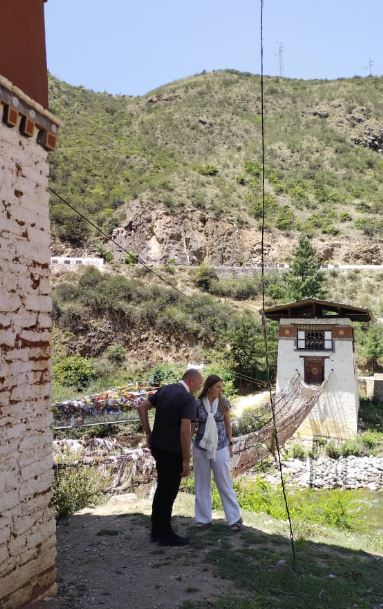 2. **Discovering Thimphu and its Cultural & Natural Wonders** — After you are done with your breakfast, you will do sightseeing the Thimpu city the whole day. The total allocated time for the sightseeing tour is 6 to 7 hours. At first, we begin with a tour to a large 169 ft. statue of Lord Buddha facing the beautiful valley, the statue is called Buddha Dordenma Statue.
Then, we move towards exploring a holy Buddhist stupa National Memorial Chorten. It is the stupa where locals come and pray. Also, meditate for their spiritual awakening. Our next place to tour is an ancient folk museum in Thimphu that is Folk Heritage museum showcasing rural life of Bhutanese people. We also visit an old temple which offers scenic panoramic views on the background. The ancient temple is Changangkha Lhakhang.
We take our lunch and stop by a place that preserves Takin, national animal of Bhutan. Takin preserve conserves the reputational ecosystem of Bhutan by preserving the rare and unique Takin. The, after all we drive back to Paro valley which is one hour drive away from the Thimphu city. Overnight relax at a hotel in Paro.
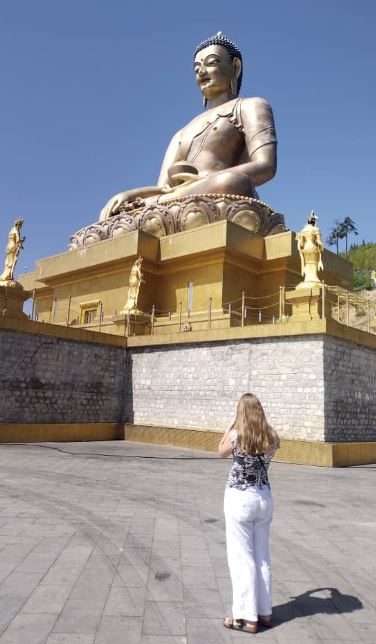
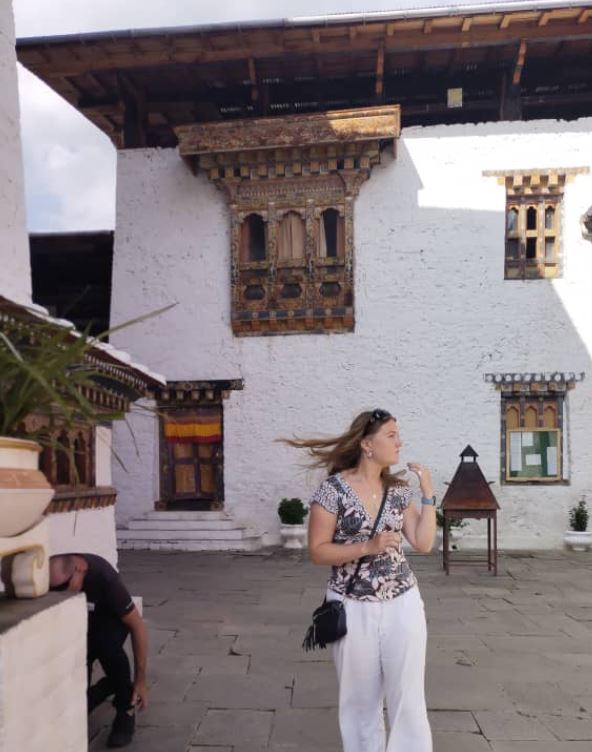 3. **Sacred Hike to Tiger’s Nest & Paro Exploration** — The third day of the Bhutan tour, we hike to Taktsang Monastery which is also known as Tiger’s Nest. Tiger’s Nest is one of the most iconic destination to hike in Bhutan. It is hike that distances about 4 kilometers uphill and almost 2 hours away from the starting point.
All trail through dense pine forests to the Cliffside Taktsang (Tiger’s Nest) monastery, we reach at an altitude of 3,120 meters above the sea level. The famous stories and legends of this area say that Guru Rinpoche did some meditation here on a tigress that used to fly.
After we come back walking the trail downhill, we will enjoy the lunch and again set off to explore the Paro Valley’s cultural legacies like Kyichu Lhakhang. Kyichu Lhakhang is one of the most ancient temples in Bhutan. The, a fortress monastery called Rinpung Dzong. Paro town is very vibrant, you can stroll around and visit other surrounding farmhouses for local experiences. Overnight stay in Paro.
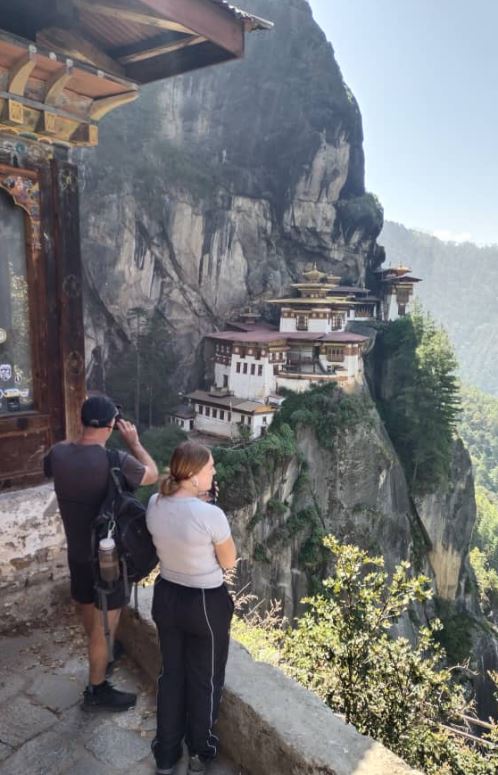 4. **Farewell to the Land of the Thunder Dragon** — As the Bhutan tour is of 4 days, the fourth day is the last day of the tour. On this final day, you can wake late and have a relaxed morning. The, you will get dropped to Paro Airport. For a drive to transfer you to Paro airport it almost takes 20 minutes.
By this you bid a good bye to such serene environment and sublime landscapes. The memories you take with you will remain forever from Day 1 to Day 4, it is obviously a great feeling to leave a place tracing with unforgettable memories.
## What's included
- Airport arrival picks up and drops off by the private vehicle
- Three-time Meal during the 4 days tour as per the itinerary (Breakfast, Lunch and Dinner)
- Ground transportation covered on a cozy private vehicle and sky route to Bhutan covered as instructed by the itinerary
- Sightseeing tour in Bhutan by a private vehicle
- An experienced, English-speaking and government-licensed tour leader and assistants as per the no. of members in the group
- Staff costs including their salary, insurance, equipment, food and accommodation
- All necessary paperwork, documentations, tour permits
- Basic medical kit, or first aid box
- All government and local service charges and taxes
- Tour certificate after the completion of the tour.
## Not included
- Nepalese visa fee
- Excess baggage charge(s)
- Private transportation except what is mentioned in the 'service includes' section
- Extra night accommodation in Nepal before the trip or Bhutan during the trip
- Travel and rescue insurance
- Personal expenses (phone calls, internet fees, laundry bills, bar bills, battery recharge, bottle or boiled water, shower, etc.)
- Tips for tour guide(s), assistants and driver(s)
- Personal adventurous fantasies
- Extra Transportation for the person who leave early from the group.
- Arrival and departure flight tickets, except for Bhutan flight up and down.
- Rescue or evacuation cost, for emergency.
## FAQ
**Q: Do we need a visa to visit Bhutan?**
A: Yes. A visa is a must to enter into Bhutan. It is a necessity, your travel agency might assist you while arranging it.
**Q: Which currency is accepted in Bhutan?**
A: BTN currency (Bhutanese Ngultrum) is the currency that is accepted within the land of Bhutan. Also, INR (Indian Rupees) currency is accepeted in various places too.
**Q: How safe is Bhutan to travel?**
A: Bhutan is a very safe country to travel. In fact Bhutan is one of the safest countries in the world, a happier country with lowest crime rates. This makes Bhutan as one of the most enchanting travel destinations.
**Q: What is included in the services of Bhutan Tour package?**
A: Airport arrival picks up and drops off by the private vehicle
Three-time Meal during the 4 days tour as per the itinerary (Breakfast, Lunch and Dinner)
Ground transportation covered on a cozy private vehicle and sky route to Bhutan covered as instructed by the itinerary
Sightseeing tour in Bhutan by a private vehicle
An experienced, English-speaking and government-licensed tour leader and assistants as per the no. of members in the group
Staff costs including their salary, insurance, equipment, food and accommodation
All necessary paperwork, documentations, tour permits
Basic medical kit, or first aid box
All government and local service charges and taxes
Tour certificate after the completion of the tour.
**Q: What is not included in the services of Bhutan Tour package?**
A: Nepalese visa fee
Excess baggage charge(s)
Private transportation except what is mentioned in the 'service includes' section
Extra night accommodation in Nepal before the trip or Bhutan during the trip
Travel and rescue insurance
Personal expenses (phone calls, internet fees, laundry bills, bar bills, battery recharge, bottle or boiled water, shower, etc.)
Tips for tour guide(s), assistants and driver(s)
Personal adventurous fantasies
Extra Transportation for the person who leave early from the group.
Arrival and departure flight tickets, except for Bhutan flight up and down.
Rescue or evacuation cost, for emergency.
**Q: What is the best time of the year to travel to Bhutan?**
A: The most ideal time to visit Bhutan is Spring season from the month of March to May and Autumn season from the month of September to November. Monsson and Winter season are good too, but just to avoid any difficulties regarding the consequences of these seasons.
**Q: Which Language is spoken in Bhutan?**
A: In Bhutan, Dzongkha language is spoken. Dzongkha is also the national language in Bhutan.
**Q: Can I speak English in Bhutan?**
A: Yes, Of course. You can speak English language in Bhutan as it is widely understood language.
**Q: What is the time zone of Bhutan?**
A: The time zone of Bhutan is Bhutan Standard Time (BST), UTC +06.
**Q: Will I get to use Internet in Bhutan?**
A: Yes. There is a very good networking facility in Bhutan. You will get to use the internet too, but speed of the internet might vary as per the remoteness of the place.
**Q: Which is the airport I will fly on this tour?**
A: The airport you fly on this tour is the only international airport in Bhutan, Paro International Airport.
**Q: What is the capital city of Bhutan?**
A: Thimphu is the capital city of Bhutan.
**Q: How far is Thimphu from Paro International Airport?**
A: Thimphu is almost 65 kilo meters (km) away from Paro International Airport.
**Q: How many hours do it take to reach Thimphu from Paro International Airport?**
A: Thimphu is almost 1 hours distant drive away from Paro International Airport.
**Q: What are the main carrier airlines that fly to Bhutan?**
A: The main carrier airlines that fly to Bhutan are Druk Airlines and Bhutan airlines.
**Q: How long does it take to reach Paro from Kathmandu?**
A: It takes approximately an hour or a bit more to reach Paro from Kathmandu.
**Q: How do I spend my leisure time in Thimphu?**
A: You can spend your leisure time to explore local Thimpu streets and markets. The streets and markets in Thimphu is very lively. There is an amazing fortress which is ancient, historic and majestic. It is Tashichho Dzong. You can take a short stroll around that. It has the throne room and other offices used for Government purposes. The place is more vibrant during the night.
**Q: Do I need sleeping bag?**
A: You will be transferred to a standard hotel with basic amenities available. So, you do not need to carry sleeping bags with you.
**Q: What kind of toiletries should I carry of/on my own?**
A: You should carry basic toiletries items such as: toilet paper, sanitizer, soap, face wash, shampoo, towels, toothpaste, toothbrush, body spray, lip care etc.
**Q: What if any tourist has dietary restrictions?**
A: If the tourist do hold any dietary restrictions like being vegan, vegetarian, gluten free or allergen to lactose, this thing is very important for tourist to give detailed prior information to travel agency or the tour leader or the cook.
**Q: Can we customize the itinerary?**
A: Yes. Why not. You can customize the itinerary as per your wants and necessity. You can prefer to extend the tour days, extend the trip to more days in Bhutan or trips in Nepal. The cost also changes with the change in the itinerary.
**Q: Where do Bhutan tour starts and ends?**
A: Bhutan tour starts with a scenic flight from Kathmandu to Paro International Airport, Bhutan on the first day with an afternoon scenic drive to Thimphu, and ends with a drive from Thimphu to Paro, and a flight to either Kathmandu or extending the trip on the fourth day.
**Q: Where is Bhutan located?**
A: Bhutan is located in Southern Asian region of the globe.
**Q: How long does it take to complete Bhutan tour?**
A: It depends upon the route or extending idea you chose as your preference, but it takes 4 complete days to complete the Bhutan tour.
**Q: How do I book Bhutan tour package?**
A: You can book your trip to Bhutan by either dropping us an email or giving us a quick call at (+977) 9841936940 or Whatsapp the same number or contact@intrekking.com. The specialty of our Info Nepal Tours and Treks team is based on responding quickly to the interested travelers.
**Q: What type of cultural dress do Bhutanese people wear?**
A: The traditional dress worn by every citizen in all the society are gho which is for men and kira for women which reflect the pride and the preserved traditional dress for visitors to witness in the tour.
**Q: Why should I choose Bhutan tour?**
A: Bhutan is full of cultural wonders where we can witness the socio-cultural legacy of the nation that Bhutan is built on.
Bhutan also is very famous for its natural wonders that people come to witness.
We sightsee the Thimphu city including various places and we also hike to Tiger’s nest that is at an altitude of 3,120 meters above the sea level.
Bhutan tour is a short timed tour especially designed for those travelers who have limited holidays.
Bhutan tour gives the good feels of authentic Bhutanese experiences.
**Q: How difficult is Tiger's nest to hike?**
A: Tiger's nest is neither that challenging nor too easy to hike. The mode of difficulty for such hike is moderate which takes around 4 to 5 hours of a round walk.
**Q: Are the taxes, service charges and entrance fees covered?**
A: Yes. The taxes, service charges and sightseeing entrance fees are covered.
**Q: What sorts of plugs do Bhutan use?**
A: Bhutan typically uses Type D, F, and G plugs (220V). So, if think as a necessity you can bring a power adapter.
## Contact for this trip
- Operator: Info Nepal Tours and Treks · Thamel, Kathmandu, Nepal
- Phone: +977 9841936940
- Email: contact@intrekking.com
---
# Ama Dablam Expedition – 24 Days
URL: https://intrekking.com/trip/ama-dablam-expedition/
Last updated: 2026-07-08
## Facts
- Region: Everest Region
- Duration: 24 days
- Max altitude: 6,812 m
- Difficulty: Strenuous
- Group size: 1-20 people
- Best season: March-May : September-November
- Price from: $5,200 per person
## Summary
A guided climbing expedition on Ama Dablam in the Khumbu, combining Everest Base Camp acclimatisation with a fixed-rope ascent of the peak's pyramidal ridge, for experienced mountaineers.
## Overview
The Ama Dablam Expedition is not just an adventure; it’s a transformative experience that allows trekkers to immerse themselves in the stunning beauty of the Himalayas. Known for its majestic pyramidal shape, Ama-Dablam rises to an impressive height of 6,812 meters, making it one of the iconic peaks in Nepal. The expedition offers a unique combination of challenging climbs, mesmerising landscapes, and cultural experiences in the heart of Sherpa Culture.
As you traverse through the vibrant, lush forests and rocky terrains, every step on the Ama-Dablam expedition reveals awe-inspiring views and encounters with warm locals. Whether you are an experienced climber or an enthusiastic trekker, this expedition promises to test your limits while rewarding you with unforgettable memories.
Highlights of the Ama-Dablam expedition
Stunning panoramic views of the Himalayas are the hallmark of the Ama Dablam expedition.
Trekkers and climbers on the Ama-Dablam expedition are consistently awestruck by the majestic vistas that unfold before them. From various vantage points along the Ama Dablam Expedition route, you will witness an unparalleled spectacle of some of the world’s highest peaks, including Everest and Lhotse.
The crystal-clear air at these altitudes during the Ama Dablam Expedition provides incredible visibility, making for truly unforgettable photographic opportunities. These breathtaking panoramic views make the Ama Dablam Expedition an experience of a lifetime.
Unique cultural experiences shared by people are an integral part of the Ama-Dablam expedition.
Engaging with the residents in hospital sherpa communities is a profound aspect of the Ama Dablam Expedition. Along the trails and in the villages encountered during the Ama Dablam Expedition, you will have the chance to learn about their rich Buddhist traditions and sustainable way of life.
The warmth and generosity of the She by people encountered on the Ama Dablam Expedition add a deeply human dimension to the adventure. This cultural exchange makes the Ama Dablam Expedition not just a physical journey, but also a journey of cultural understanding.
Challenging yet rewarding climbing and trekking routes define the Ama-Dablam expedition.
The Ama-Dablam expedition offers a demanding but incredibly fulfilling experience for both seasoned climbers and ambitious trekkers. The diverse terrain encountered during the Ama-Dablam Expedition including on, including high-altitude passes to technical climbing sections, tests participants ‘ endurance and skill.
Successfully navigating the challenging routes of the Ama Dablam Expedition brings an immense sense of accomplishment and personal triumph. Every step on the Ama Dablam Expedition is a testament to perseverance, leading to a profound sense of personal reward. The demanding nature of the Ama Dablam Expedition ultimately makes its completion all the more satisfying.
Opportunities for personal growth and self-discovery abound on the Ama-Dablam expedition.
Pushing physical and mental limits during the. Ama Dablam Expedition often leads to significant self-reflection and personal developmen. The solitude and grandeur of the mountain Ama Dablam Expedition can foster a deep connection with oneself. Overcoming the inherent challenges of the Ama Dablam Expedition builds resilience and confidence that extend far beyond the mountain.
Many participants find that the Ama Dablam Expedition is a transformative journey, offering insights into their capabilities and their strengths. The journey of self-discovery makes the Ama Dablam Expedition A truly unique and enriching experience.
Immersive natural beauty at every turn is a constant companion on the Ama-Dablam expedition.
From lush rhododendron forests to stark ice-clad peaks, the Ama Dablam Expedition showcases an astonishing array of natural landscapes. The pristine environment encountered throughout the Ama Dablam Expedition is a testament to the raw power and serenity of nature.
Every vista during the Ama-Dablam expedition offers a postcard-perfect sense of inviting awe and contemplation. The sheer diversity of flora and fauna observed during the Ama Dablam Expedition further enhances the immersive experience. This unparalleled natural beauty is a continuous source of inspiration for everyone on the Ama Dablam Expedition.
Ama Dablam Expedition- outline itinerary
## Itinerary
1. **Arrival at ktm** — Your Ama Dablam Expedition begins after you land at Tribhuvan International Airport in Kathmandu, where you'll be received by one of the delegates from Info Nepal, following which you'll be transferred to your hotel.
Afterwards, you'll get time to freshen up, following which you'll get to have a meeting with your trip leader, who'll give you a brief outline about your trip. In the evening hours, you can get outside to visit the surroundings, explore the vicinity and try some local cuisine.
2. **Kathmandu Sightseeing – Preparing for the Ama Dablam Expedition** — Today marks the official start of your Ama Dablam Expedition journey as you delve into the cultural heart of Nepal. After a restful night, you will embark on a guided sightseeing tour of Kathmandu's iconic UNESCO World Heritage sites. such as
Kathmandu Durbar Square, Bouddhanath and Swyambhunath and Pashupatinath Temple.
This accommodation day before the main Ama Dablam Expedition offers a chance to explore ancient temples, bustling markets and historical palaces, immersing yourself in the vibrant local culture.
It's also an opportune moment to make any last-minute gear checks or purchase essential items for the demanding Ama Dablam Expedition ahead. It provides a crucial transition, allowing you to mentally and physically prepare for the incredible adventure that the Ama Dablam Expedition promises.
3. **Fly to lukla, trek to Phakding opt (drive to ramechhap via manthali)** — The true Wilderness phases of the Ama Dablam Expedition commence today with an early morning flight. Depending on current air traffic regulations, you will either fly directly to Lukla or take a scenic drive to Rammechhap ( Manthli) for a flight to Lukla, the gateway to the Everest region and your Ama Dablam expedition.
Upon landing, you will meet your trekking crew and begin a relatively easy downhill trek to Phakding, a charming village nestled along the Dudh Koshi River.
The initial work provides a gentle introduction to the Himalayan trails and allows for further acclimatisation, setting a comfortable pace for the demanding Ama Dablam expedition. The crisp mountain air and stunning initial views will immediately confirm that the year Ama Dablam Expedition has truly begun.
4. **Trek to Namche** — Today's trek is a significant step for water on your Ama Dablam Expedition as you make your way to the bustling Sherpa capital of Namche Bazaar. The best wines through the picturesque pine forest cross several suspension bridges, including the famous Hillary Suspension Bridge, offering exhilarating views of the Dudh Koshi River below.
You will experience their first glimpse of Everest and Ama Dablam themselves along the way, a powerful motivator for your Ama Dablam climbing. The ascent to Namche is gradual but steady, providing excellent physical conditioning for the higher altitudes ahead during the Ama Dablam Expedition.
Arriving in Namche offers a vibrant atmosphere with teahouses, bakeries and gear shops catering to trekkers and climbers and the Ama Dablam climbing Expedition.
5. **Trek to Pangboche – Spiritual Views on the Ama Dablam Expedition** — Continuing your Ama Dablam Expedition, today’s trek leads you from Namche Bazaarr to the serene village of Pangboche. The trail offers breathtaking panoramic views of Everest, and Lhotse and especially a closer, more commanding view of Ama Dablam, the ultimate goal of your Ama Dablam Expedition.
Pangboche is home to one of the oldest monasteries in the Khumbu region, providing a unique cultural insight into the spiritual life of the Sherpa people. Many climbers on the Ama Dablam Expedition Visit this monastery. Touristic blessing for a safe ascent. The elevation gain today is manageable. Adding in your progressive acclimatisation for the higher stages of the Ama Dablam expedition.
6. **Pangboche to Dingboche- gaining altitude on Ama Dablam expedition.** — The Ama Dablam expedition continues its upward trajectory as you trek from Pangboche to Dingboche. The landscape gradually becomes more arid and open, transitioning from forest to Alpine meadows.
You will notice the air thinning slightly, making acclimatisation a key focus of this stage of the Ama Dablam expedition. Dingboche is strategically located in a wide valley, offering stunning views of the island, peak, Lhotse and a different perspective of Ama Dablam.
Spending the night here is crucial for further accommodation, preparing your body for the demanding higher elevations on your Ama Dablam expedition. The trek is scenic, offering more incredible photographic opportunities of the Himalayan giants.
7. **Dingboche to Lobuche- Nearing the heart of the Ama Dablam expedition** — Today’s trek on your Ama Dablam expedition takes you to Lobuche, a settlement located closer to the Khumbu Glacier. The trail ascends steadily, passing through the memorial chortens dedicated to the climbers who have perished on Everest.
This poignant section of the Ama Dablam expedition serves as a powerful reminder of the challenges and respect required in the mountains. The views of Nuptse and other surrounding peaks are increasingly dramatic.
Lobuche itself is a small, basic settlement primarily serving as a stopover for trekkers heading to Everest Base Camp and climbers undertaking the Ama Dablam expedition.
The altitude here is significant, and careful attention to hydration and slow movement is paramount for successful acclimatisation for your Ama Dablam expedition.
8. **Lobuche to Gorakshep and EBC and back to Gorakshep** — This is an exhilarating day for your Ama Dablam expedition as you trek to Gorakshep, the final inhabited settlement before continuing to the iconic Everest base camp (EBC). The walk to EBC traverses the rocky terrain of Khumbu glacier, offering surreal views of the icy crevasses and ice formations.
Reaching Everest Base Camp is a monumental achievement for many on the Ama Dablam expedition, providing an incredible sense of accomplishment and a unique perspective of the world's highest peak (though the summit of Everest is not visible from EBC).
After soaking in the atmosphere and capturing indelible memories, you will return to Gorakshep for the night, conserving energy for the demanding Ama Dablam expedition. This day offers a taste of an extremely high-altitude environment critical for your Ama Dablam expeditions’ success.
9. **Gorakshep to Pheriche ** — Following the high-altitude endeavours of the previous day, your Ama Dablam expedition itinerary now includes a descent from Gorakshep to Pheriche. This downhill track is crucial for continuity acclimatisation, allowing your body to recover at the slightly lower elevation.
The change in scenery as you descend is a welcome contrast with higher with wider valleys and the reappearance of more vegetation. Pheriche is a larger village with an HRA (Himalayan Rescue Association) post, providing a sense of security and a valuable resource for anyone needing medical attention during their Ama Dablam expedition.
The fresh air and easing of the altitude symptoms make this a relatively comfortable day on your Ama Dablam Expedition.
10. **Pheriche to Ama Dablam basecamp** — Today is a momentous day for your Ama Dablam Expedition as you trek from Pheriche directly to Ama Dablam base camp. The trail leads through stunning Alpine landscapes, offering increasingly intimate views of the majestic Ama Dablam itself.
As you approach the base camp, the sheer scale and beauty of the mountain will become overwhelmingly clear, setting the stage for the climbing phase of your expedition.
Upon arrival, your team will be setting up camp, preparing the logistics and equipment necessary for the upcoming ascent. This day marks the official commencement of the climbing portion of your Ama Dablam expedition. Filled with anticipation and preparation.
11. **Climbing period-The Apex of the Ama Dablam expedition.** — Ama Dablam Summit Altitude: 6,812 meters/22,349 ft
Altitude gain: 2012 metres/ 6,601 feet.
From day 11 to 21 of your ama Dablam Expedition, you’ll be engaged in the climbing segment. The mountain features 3 high camps, and during this phase, you will traverse between these camps, allowing for proper acclimatisation before aiming for the summit.
Embarking on your climbing journey, you will take part in practice climbs at base camp and go on acclimatisation hikes in the surrounding area. The three camps along the ascent are as follows:
Camp 1: (5,705 metres/ 18,718 feet): In this stage, you will make way along grassy paths to the east and navigate boulders to reach the ridge.
Camp 2: (5,900 metres/19,357 feet): As you approach the top of the Ridge, you will follow snow slopes up to the eastern face and arrive at the yellow tower. This section involves some technical climbing to reach the campsite.
Camp 3 (6,300 metres, 20,770 feet): Here you will head towards the grey tower and gradually climb to the mushroom ridge to reach the campsite. From Camp, you will push through a small snowflake below the bergschrund, cross it, and proceed to the Hanging Glacier before making the final ascent to the peak.
This climbing period will last approximately 11 days, with an additional contingency set aside for unfavourable weather conditions. Once the Ama Dablam expedition is complete, you will descend back through the high camps and return to the base camp.
12. **Trek to Namche Bazaar – Beginning the Descent of the Ama Dablam Expedition** — After a successful climb or the conclusion of the climbing period on your expedition today, you begin the significant descent back down the valley. The long trip from the Ama Dablam basecamp, or wherever you descended from, will bring you back to the bustling hub of Namche Bazaar.
This is a day of considerable distance covered, but the downhill nature makes it less strenuous than the ascent during the expedition.
The feeling of accomplishment mixed with the familiar sights of the lower Khumbu will be a welcome change. You will enjoy the comforts of Namche, a fitting reward after the arduous high-altitude challenges of the Ama Dablam expedition.
13. **Namche to Lukla – The Final Trek on the Ama Dablam Expedition Trails** — Today marks the penultimate trekking day of your Ama Dablam Expedition as you descend from Namche Bazaar to Lukla. The trail largely follows the Dudh Koshi River, retracing your steps from the initial days of your Ama Dablam Expedition.
It's a continuous downhill walk, passing through various villages and lush forests. This provides an opportunity to reflect on the incredible journey you have undertaken during the Ama Dablam Expedition.
Upon reaching, it looks like you will have a celebratory evening with your trekking and climbing crew, commemorating the successful completion of your Ama Dablam Expedition. This final trek is a blend of nostalgia in anticipation of your return journey.
14. **Fly to Ramechhap, drive to Kathmandu - Concluding the Ama Dablam Expedition. ** — The final leg of your Ama Dablam Expedition sees you taking an early morning flight from Lukla back to Ramechhap (Manthali), and then a scenic drive back to Kathmandu. This marks the official conclusion of your high-altitude adventure on the Ama Dablam Expedition.
Upon arrival in command do you will be transferred to your hotel, where you can finally relax and perhaps enjoy your well-deserved hot shower and a celebratory meal. The memories and experience gained from your Ama Dablam Expedition will undoubtedly last a lifetime.
This day provides a chance to unwind and savour the profound accomplishment of completing the Ama Dablam Expedition.
## What's included
- Airport Pickup/ drop-off, transfer to the hotel
- Hotel in Kathmandu-3 days
- Flight ticket from Kathmandu-Lukla (flight from Ramechhap/Manthali Airport during peak season)
- Permit (royalty) for Mt.Ama Dablam Expedition
- Fee for Liaison Officer Ama Dablam Expedition
- Sagarmath National Park and Khumbu Pasang Lhamu Rural Municipality Permit
- Climbing equipment for Basecamp and beyond Basecamp
- Food/lodging in tents at high altitude for the expedition period.
- Experienced private climbing Sherpa guide for an expedition.
- Baggage/ Luggage carried by mules or porters up and down to base camp.
- Required fixed and dynamic ropes for climbing.
- Insurance, wages, meals and allowances for expedition Sherpa ($15000), porters($10,000), and base camp staff ($10,000).
- Solar power battery recharging in the base camp.
- Icefall rope fixing charges tents at Camp I, II, III
- First aid medical kits for the group and the staff.
- Walkie-talkie and satellite phones for communications. (If you want to use them for personal work. Charge $4 per unit)
- Service charges and government taxes.
- Duffel bags for packing gear and your items.
## Not included
- International flights.
- Nepal visa fee.
- Personal expenses.
- Gear and equipment rental (mountaineer's outfit, boots, crampons, helmet, gloves, climbing stick, climbing goggles, SPF 50 cream)
- Delays or cancellations.
- Personal drinks (any Hard/soft beverages) outside of the itinerary
- Optional add-ons (Extra Porter, luxury lodge upgrades, any other expenses outside of the Itinerary)
- Summit bonus (USD 700) per client only on successful climbing (1000 USD above 8000m)
## FAQ
**Q: What is the Ama Dablam expedition?**
A: The Ama Dablam expedition is a trekking and climbing adventure that takes you to the base of Ama Dablam, one of the most iconic peaks in the Himalayas, known for its stunning beauty and challenging ascent.
**Q: How difficult is the Ama Dablam expedition?**
A: While the trek to the base camp is accessible to trekkers with moderate fitness levels, the climb to the summit requires technical climbing skills, physical endurance, and prior trekking experience in high-altitude mountaineering.
**Q: What is the best time to undertake the Ama Dablam expedition?**
A: The best times for the Ama Dablam expedition are typically in spring (March-May) and Autumn (September-November) when the weather is more stable and favourable for trekking and climbing.
**Q: What kind of permits do I need for the Ama Dablam Expedition?**
A: You'll need the Sagarmatha National Park entry permit, the Khumbu Pasang Lhamu Rural Municipality permit and an Ama Dablam climbing permit, all arranged through your expedition agency.
**Q: What kind of accommodations can I expect during the trip?**
A: Accommodations can vary from tea houses and lower regions to tented camps near base camp. Higher up, you may need to camp as there are no permanent lodges.
**Q: What gear do i need for the Ama Dablam expedition?**
A: The Ama-Dablam Expedition essential gear includes warm clothing, climbing equipment ( Harness, crampons, Ice axe), sleeping bags, tents and personal items like trekking poles and First Aid supplies.
**Q: Is a guide necessary for the Ama Dablam expedition?**
A: Yes, the hiring guide is highly recommended for the Ama-Dablam Expedition. They offer valuable local knowledge, navigate the terrain, ensure your safety, and help with the logistics.
**Q: What is the altitude of Ama Dablam?**
A: Ama Dablam stands at (6812 metres/22,349 ft) above sea level, making it one of the highest peaks in the Khumbu region.
**Q: How long does the Ama Dablam expedition take?**
A: The trip of the Ama-Dablam Expedition typically takes about 10-14 days, while the summit attempt can add another five to seven days, depending on the weather and accommodation.
**Q: How do I stay safe from altitude sickness on? Ama Dablam expedition?**
A: It's crucial to acclimatize properly, stay hydrated, and be aware of symptoms of altitude sickness ascend gradually and listen to your body.
**Q: Are meals provided during the Ama Dablam expedition?**
A: Yes, meals are usually provided throughout the trek and during the climbing days, often consisting of a variety of local and Western dishes.
**Q: Can I find Internet access during the Ama Dablam expedition?**
A: Unlimited Internet access is available in various tea houses during the route, but expect slower speeds and less availability as you climb higher.
**Q: What is the total distance of the Ama Dablam trek expedition?**
A: The total round-trip distance from the starting point to Ama Dablam base camp is approximately 100 kilometres (about 62 miles), depending on your specific route.
**Q: Is travel insurance required for the Ama Dablam expedition?**
A: Yes, comprehensive travel insurance that covers trekking and climbing at high altitudes is essential for safety and Peace of Mind during the expedition.
**Q: What should I do in case of emergency during the trek?**
A: Ensure you have a plan, a means for emergency communication, carry a first aid kit and rely on your guide for evacuation procedures if necessary
**Q: What is the typical cost of an Ama Dablam expedition?**
A: Expeditions can vary widely but generally ranges from USD 5,000 to USD 15,000 per person depending on the operator's services an inclusions. This typical covers permit guides, porters, foods and high altitude camps.
**Q: What kind of physical training is required?**
A: Participants need exceptional fitness, including his strong cardiovascular endurance is strengthened prior High high-altitude climbing experience (6000+ peaks). Training should involve running, cycling and weight training.
**Q: What are the Nepal visa requirements for an expedition?**
A: Most nationalities can obtain a visa on arrival at Kathmandu's Tribhuvan International Airport. Ensure your passport is valid for at least six months with empty pages.
**Q: Are specific vaccinations recommended before the expedition?**
A: Commonly recommended vaccinations include Titanus, diphtheria, polio, MMR, hepatitis A, typhoid, and sometimes Rabies and meningitis. Consult a travel clinic well in advance.
**Q: Is a Porter or Sherpa support provided or necessary? **
A: Yes, a strong Sherpa team, often with a 1:1 Sherpa to climber ratio, is crucial and typically included in the expedition packages for support and safety.
**Q: How is drinking water managed during the expeditions?**
A: At lower altitudes, boiled water is provided in lodges in higher camps; water melted from snow purification tablets or filters is essential for personal use.
**Q: Can I charge electronics during the expedition?**
A: Limited electricity is available at Lower Lodge is available for a fee. At Basecamp, solar panels or generators are usually available for charging. Carrying power banks for high camp is recommended.
**Q: What communication options are available on Mountain?**
A: Satellite phones are essential for expedition communication. An emergency at higher altitudes. Base camp may have limited Wi-Fi or a local mobile network (Everest link).
**Q: What are the typical weather conditions during the climbing season?**
A: Autumn (Oct- Nov) offers stable weather, clear skies and moderate temperatures. Spring (April to May) is also good, but it can be colder with more snow.
**Q: What does Ama Dablam’s Summit Day involve?**
A: Summit day is long and highly technical, involving climbing fixed ropes, traversing mixed terrain (rock and ice) and ascending steep snow/ice slopes, often starting very early morning.
**Q: What are the major risks on the Ama Dablam beyond altitude sickness?**
A: Significant risks include rockfall, icefall, especially from the glacier, crevasses, exposure on the steep sections, and objective hazards due to technical climbing.
**Q: What is the typical group size for the Ama Dablam expedition?**
A: Expedition operators often keep groups small, typically 4-8 climbers, to ensure personalised attention, better safety and higher success rates.
**Q: How do I handle money and banking during the expedition?**
A: Carry sufficient Nepali rupees for purchase and villages. ATMs are scarce above Lukla; major expenses are covered through your expedition operator.
**Q: What cultural etiquette should I be aware of in the region?**
A: Walk clockwise around stupas and monasteries, dress modestly, ask permission before taking photos of people and be respectful of the local Sherpa traditions.
**Q: What is the environmental impact policy for the Ama Dablam expedition? **
A: Responsible operators adhere to “Leave No Trace” principles, managing waste, using designated campsites and minimising environmental impact to preserve the fragile Himalayan ecosystem.
## Contact for this trip
- Operator: Info Nepal Tours and Treks · Thamel, Kathmandu, Nepal
- Phone: +977 9841936940
- Email: contact@intrekking.com
---
# Short Pikey Peak Trek
URL: https://intrekking.com/trip/short-pikey-peak-trek/
Last updated: 2026-07-09
## Facts
- Region: Everest Region
- Duration: 5 days
- Max altitude: 4,065 m
- Difficulty: Moderate
- Group size: 2-10 people
- Best season: March-May : September-November
## Summary
A short trek in the lower Everest region to the Pikey Peak viewpoint, reached via Dhap and Pikey Base Camp, offering wide Himalayan panoramas including Everest, suiting trekkers wanting a brief route with high mountain views.
## Overview
Short Pikey Peak trek is Nepal’s wonderful trek destination, more famous for the fantastic view of Mount Everest, situated at an altitude of 4,065 meters above the sea level. Sir Edmund Hillary too stated Pikey Peak as his personal favorite destination to gaze at the Everest. On a clear day, it is said that we can see the panoramic view of the world’s four out of top five tallest mountains.
Including these world’s four out of top five tallest mountains Mt. Everest, Mt. Makalu, Mt. Kanchenjunga, Mt. Annapurna etc., there are other mountains too which we can view from Pikey Peak. Short Pikey Peak trek to this destination is very ideal and most suitable for trekkers who search for a shorter trek with great Himalayan experience and scenic views.
The views we get while walking up and down the trails is breathtaking, and there’s a singular reason why. It is Everest view all day, all days. Is not it phenomenal? The route to the destination passes through dense Rhododendron forests, ancient and cultural Sherpa village, traditional houses, sublime places and alpine pastures, grazing lands etc. The Pikey viewpoint is unparalleled to any others in Nepal, with all those immersive Himalayan experiences.
Sunrises in Pikey are majestic to see. When the Sunrays touches and feels the surface of Everest and other mountains, it looks so supreme, people call it a golden hour. People come here to explore the culture, serene trek routes, majestic mountain views and friendly Sherpa community serving with great hospitality. It is totally Nepal’s best kept secrets.
Short Pikey Peak trek highlights
Majestic view of Sunrise from the Pikey view point with a 360 degrees panoramic view of world’s four out of top five tallest mountains Mt. Everest, Mt. Makalu, Mt. Kanchenjunga, Mt. Annapurna and other towering mountains.
Exploring Sherpa culture, traditional Tibetan practices, Sherpa villages, friendly Sherpa community and various Buddhist stupas / monasteries.
Trails with lush forests filled with dense Rhododendron, Pine, Bamboo and Oaks too.
Considered as a peaceful trek, as it is less crowded.
Suitable for trekkers who search for a shorter trek with immersive Himalayan experiences
Short Pikey Peak Trek summary
Total frame of duration: 4 Nights / 5 Days
Max, altitude to reach: 4,065 meters above the sea level (Pikey Peak Viewpoint)
Difficulty: Moderate (Neither Easy, nor Challenging)
Accommodation: Tea houses
Trek Region: Okhaldhunga – Solukhumbu (Lower region of Solukhumbu)
Short Pikey Peak trek brief Itinerary
Short pikey peak trek itinerary in brief:
Day 1: Drive to Dhap Bazar, 7-8 hour (2,920 m) & Hike to Thadapani, 4 hours (2,815 m)
Day 2: Trek from Thadapani to Pikey Base Camp, 5-6 hours (3640m)
Day 3: Hike to Pikey Peak (4,065 m) & Trek to Jhapre (6-7 hours)
Day 4: Trek from Jhapre to Dhapa (4-5 hours)
Day 5: Driver to Dhap to Kathmandu, 8-9 hours (1400m)
## Itinerary
1. **Drive to Dhap Bazar, 7-8 hour (2,920 m) & Hike to Thadapani, 4 hours (2,815 m)** — The journey to Short Pikey Peak trek kicks off with a scenic drive from Kathmandu to Dhap Bazaar in Okhaldhunga. An early morning drive will keep you so fresh throughout the road trip. Through the winding roads of the hilly region, following the terraced landscapes, we reach Dhap Bazaar in from approximately 7 to 8 hours.
Dhaap Bazaar located at an altitude of 2,920 m, the rural life, narrowed roads, far mountains and great villages on the way keeps you lively. After we reach Dhap Bazaar, we rest a bit and get ready for our afternoon hike to Thadapani. Climbing our way ascending the trails introducing ourselves with the nature’s serenity through scattered settlements and dense forests.
Trekkers, by then catches the rhythm of the district where the greatest ever mountain stands tall at 8848 meters. After 4 hours of a hike, we reach Thadapani. Pine trees and Rhododendrons welcome us with all the grace, and we stay overnight at a teahouse in Thadapani around the splendid mountain ambience where you will taste the Sherpa tradition and Himalayan hospitality.
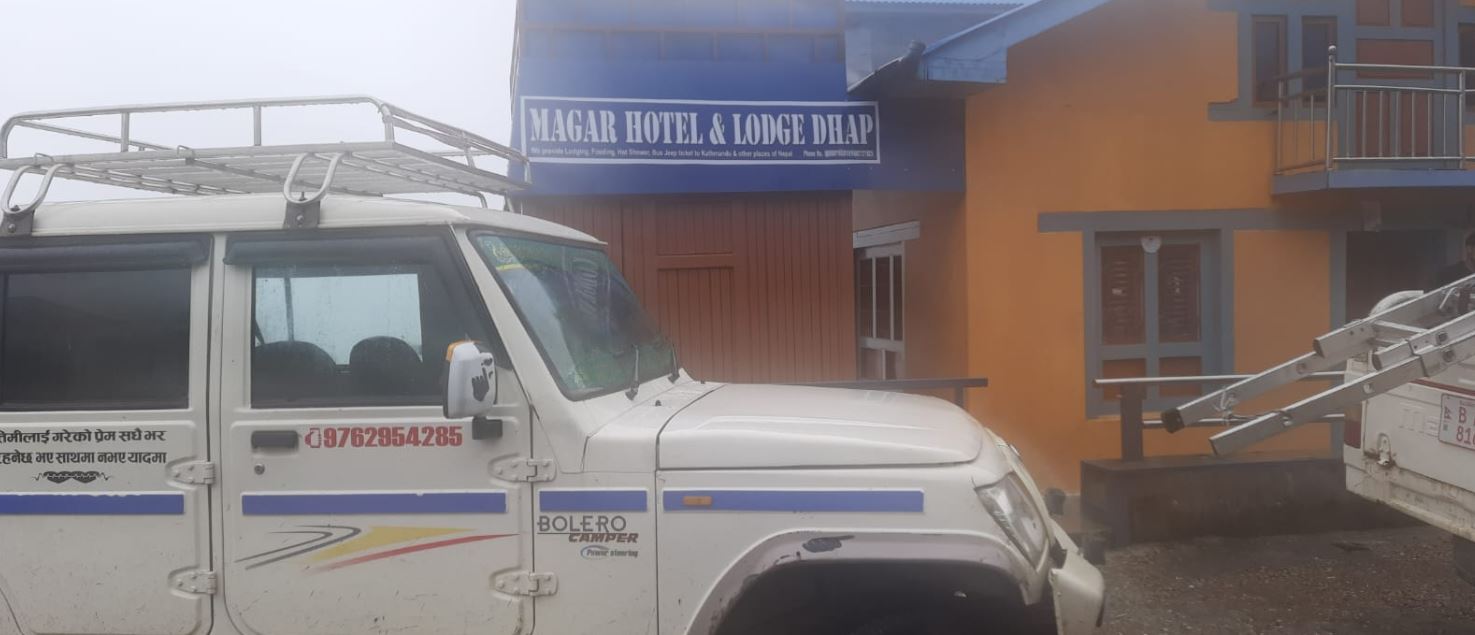 2. **Trek from Thadapani to Pikey Base Camp, 5-6 hours (3640m)** — After you are done with your breakfast, we begin our journey to Pikey Peak Base Camp. A trail that opens to beautiful views of Mountains leads us through Himalayan meadows, grazing pastures, lush forests, yak sheds, and scattered settlements. As high as we ascend, we get familiar with the surrounding that follows Buddhism and the prayer flags spread prayers through the breeze that helps them flutter.
We reach the Pikey peak base camp by afternoon after 5 to 6 hours of the trek. The peaceful surrounding offers the stunning view of clouds over hills. The view looks absolutely magical during the sunset. Locals play Tungna in the evening (a Nepali musical instrument). Overnight stay at a teahouse in the Pikey Peak Base Camp within the mountain ambience feeling the crisp mountain air under the starlit sky.
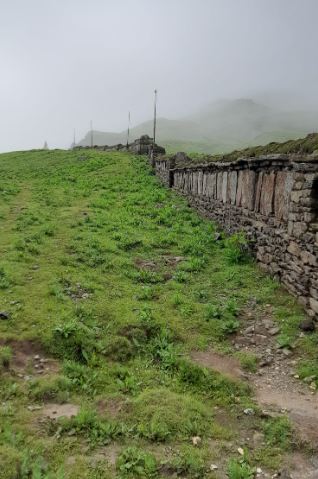 3. **Hike to Pikey Peak (4,065 m) & Trek to Jhapre (6-7 hours)** — The third day being the most important day in the 5 – day short pikey peak trek as this day we climb to Pikey Peak at 4,065 meters. We need to wake up very early too so that we do not miss the sunrise. We start off with the sunrise hike to Pikey Peak. It takes around 2 hours to reach the peak to witness the sunrise. Sir Edmund Hilary too stated Pikey Peak as his personal favorite destination to gaze at the Everest.
On a clear day, it is said that we can see the panoramic view of the world’s four out of top five tallest mountains. Including these world’s four out of top five tallest mountains Mt. Everest, Mt. Makalu, Mt. Kanchenjunga, Mt. Annapurna etc., there are other mountains too which we can view from Pikey Peak. Sunrises in Pikey are majestic to see. When the Sunrays touches and feels the surface of Everest and other mountains, it looks so supreme, people call it a golden hour.
The top of the peak is filled with prayer flags and mani stones. After the immersive Himalayan experience, soaking all the top views we rest sometime, click the pictures and then descend downwards to Jhapre. It almost takes 7-8 hours to reach Jhapre from the peak. This day is challenging because we need to descend downwards and it is difficult to descend than ascend.
The grasslands, alpine forests filled with Rhododendron and grazing meadows makes it very majestic. Then, we reach Jhapre which is a Sherpa village very popular for its Buddhist culture and historic monasteries. Everest is still nicely visible from here. Overnight stay at a teahouse in Jhapre.
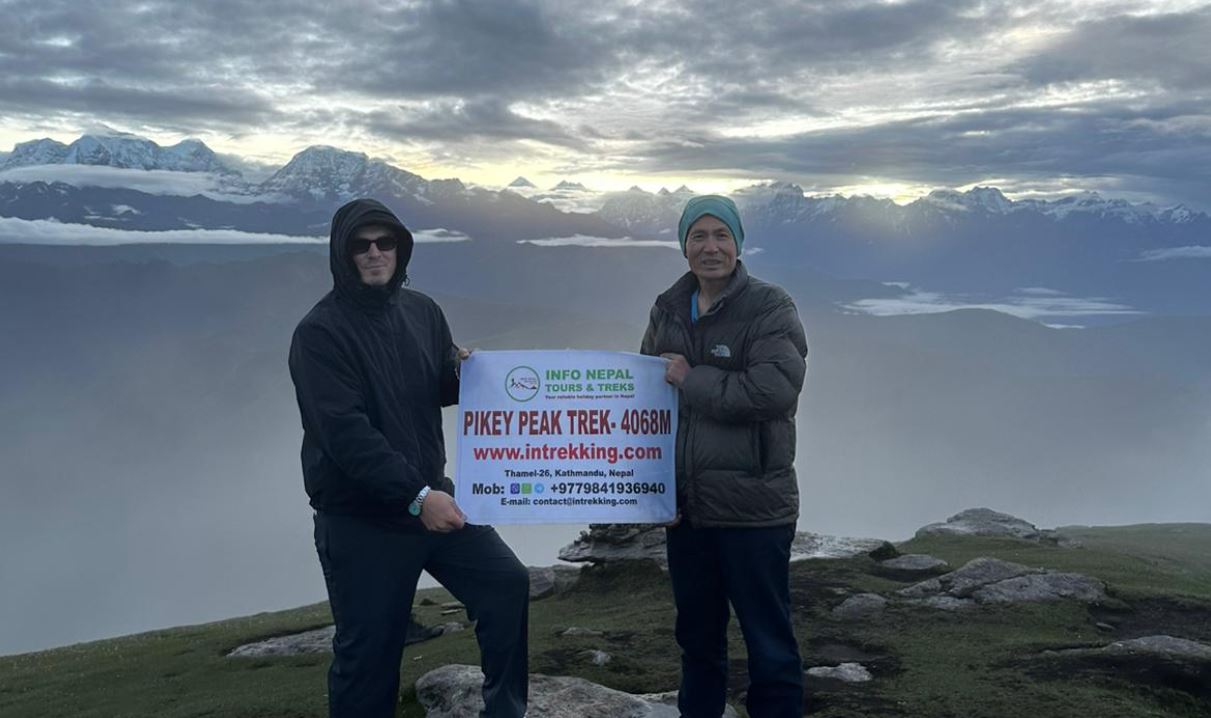 4. **Trek from Jhapre to Dhap (4-5 hours)** — The fourth day is pretty relaxing as you need not to wake very early. This day you gradually descend down to Dhap from Jhapre. The terrace farmings, local farmers, monks and nuns, school children make the trail look very lively. The Himalayan ambience is very peaceful and picturesque too. The floras looks vibrant there.
It takes around 4 to 5 hours of time to reach Dhap from Jhapre. A very common and short trekking day makes you feel relaxed and tend to experience the alpine Sherpa settlements. After you reach Dhap, you can try local dishes, Sherpa cuisines, see local volleyball / football matches and still look at the Everest visible from Dhap.
This will be your final high altitude evening, so enjoy as much as you can. Overnight stay at a teahouse in Dhap.
5. **Driver to Dhap to Kathmandu, 8-9 hours (1400m)** — The last day of the short pikey peak trek kicks off with an early breakfast, shortly a jeep will receive you and you will march on for the scenic drive from Dhap to Kathmandu. It takes around 8 – 9 hours of time to reach Kathmandu. Overnight stay at a renowned hotel in Kathmandu.
When you rest, you got to reflect on your whole adventure thoroughly. The conclusion of your 5 – day trip to Pikey Peak happens this day. You take all the memories and recommend the international community about how beautiful Nepal is as a destiny.
## What's included
- Airport arrival picks up and drops off by the private vehicle
- Three-time Meal during the trek as per the itinerary (Breakfast, Lunch and Dinner)
- Ground transportation covered on a cozy private vehicle as instructed by the itinerary
- City tour in Kathmandu by a private vehicle
- An experienced, English-speaking and government-licensed trek Guide/Leader and assistant trek leader (10 trekkers: 1 assistant guide), Porter service (2 trekkers: 1 porter)
- Staff costs including their salary, insurance, equipment, food and accommodation.
- Rented down jacket and sleeping bag (to be returned after trip completion)
- All necessary paperwork, documentations, trekking permits.
- Basic medical kit, or first aid box
- All government and local service charges and taxes
- Trekking certificate after the completion of the trek.
## Not included
- Nepalese visa fee
- Excess baggage charge(s)
- Private transportation except what is mentioned in the 'service includes' section
- Extra night accommodation in Kathmandu or Solukhumbu because of early arrival, late departure, early return from mountain (due to any reason like natural disaster and your own problems) than the scheduled itinerary Lunch and evening meals in Kathmandu (and also in the case of early return from the mountain than the scheduled itinerary)
- Travel and rescue insurance
- Trekking equipment
- Personal expenses (phone calls, wifi fees, laundry, bar bills, battery recharge, extra porters, bottle or boiled water, shower, etc.)
- Tips for guide(s), porter(s) and driver(s)
- Urgent need of porter / horse / helper for personal use.
- Extra Transportation for the person who leave early from the group.
- Arrival and departure flight tickets.
- Rescue or evacuation cost, for emergency.
## FAQ
**Q: Where do Short Pikey Peak trek starts and ends?**
A: Short Pikey Peak trek starts with a scenic drive from Kathmandu to Dhap Bazaar, Okhaldunga on the first day with an afternoon hike to Thadapani, Solukhumbu, and ends with a drive from Dhap Bazaar to either Kathmandu or extending the trip on the fifth day.
**Q: What is the highest point of the short pikey peak trek?**
A: The highest point of the short pikey peak trek is Pikey Peak viewpoint which is situated at an altitude of 4,065 meters above the sea level.
**Q: Where is Pikey Peak located?**
A: Pikey Peak is located in Solukhumbu district of Nepal. This majestic peak falls in the surrounding of Everest region.
**Q: How long does it take to complete short Pikey Peak trek?**
A: It depends upon the route you chose and your preference, but it takes 5 complete days to complete the short Pikey Peak trek.
**Q: Which is the ideal season to trek Pikey Peak?**
A: The ideal seasons for the short pikey peak trek are:
Spring Season: The time of March to May have very clear and clean weather, the weather remains good and stable most of this season with forests blooming with national flower rhododendrons. If you want to witness beautiful rhododendron flowers, you must choose this season as it is a treat to have a glimpse of.
Autumn Season: The months from September to November do have blue skies, the weather is clear, clean and weather conditions remain stable with best visibility of picturesque scenes and the whole scenery looks so majestic and breathtaking at the same time. For best visibility and scenery, you must choose this season.
Monsoon season: We suggest you to not travel or just avoid this season. The time of June to August, it remains very rainy, the trails are very slippery and muddy. Leeches trouble your walking. Still it has positive sides too. The clouds look fascinating, and the bloomed flowers make whole of the grasslands look so beautiful. The hills are decorated with monsoon flowers and its chilled atmosphere makes you feel serene.
Winter season: We also suggest you to not travel or just avoid this season. The time of December to February, the weather remains extreme cold, snowy everywhere, the trails are very slippery due to snow. Still if you prefer snow, it is the best ever season. The snowy hills looks so beautiful and crystals of ices on lakes, rivers just make the trails more interesting to walk on.
**Q: How difficult is short Pikey Peak trek?**
A: Short Pikey Peak trek is known as neither difficult nor easy trek. One day trek descending from Pikey Peak to Jhapre count as a bit challenging day, but other days are easy and smooth.
**Q: Can beginners complete short Pikey Peak trek?**
A: Yes. Why not, Short Pikey Peak trek is known as neither difficult nor easy trek. One day trek descending from Pikey Peak to Jhapre count as a bit challenging day, but other days are easy and smooth. Any beginners with good physical health can complete the trek.
**Q: Is Pikey Peak trek crowded?**
A: Short Pikey Peak trek and its trails is not that crowded, as people choose this destination as the alternative trek. Being less popular, it is too peaceful and naturally preserved. The trails are untouched and it is serene that way.
**Q: How many hours should we trek per day during short Pikey Peak trek?**
A: We should hike 4 to 7 hours on an average, per day during short pikey peak trek.
**Q: Do we have any acclimatization days during short Pikey Peak trek?**
A: The highest point of the short Pikey Peak trek being Pikey peak itself located at an altitude of 4,065 meters above the sea level, there are no any acclimatization days, and you can adapt to the altitude with gradual ascents. Still you can add an extra acclimatization day in Thadapani while ascending as you have directly come from 1300 meters altitude to 2900 meters altitude within a day.
And, you can also add an extra acclimatization day on the way to Jhapre while descending as you have directly go from 4065 meters altitude to 2921 meters altitude within a day. Acclimatization will help you in minimizing the possible consequences that happens because of altitude sickness.
**Q: Are there any villages to visit on the short Pikey Peak trek?**
A: Yes. There are traditional villages to visit on the trek like Thadapani, Jhapre, Junbesi (if you chose to visit), Jarse Bhanjyang, Phaplu town, Salleri town (if you chose to visit) etc. We will be staying each night in Thadapani and Jhapre.
**Q: Can we customize the itinerary?**
A: Yes. Why not. You can customize the itinerary as per your wants and necessity. You can prefer to extend the short pikey peak trek days, extend the trip to EBC, Dudh Kunda, Gokyo Lake and other destinations. The cost also changes with the change in the itinerary.
**Q: What are the ethnic groups that live in Pikey Peak region?**
A: The ethnic group that reside in Pikey Peak region are Sherpas, Tamang and Magars too. They are the inhabitants of this region.
**Q: What is the type of accommodation do I get during the short pikey peak trek?**
A: You get the accommodation facilities in simply furnished teahouses during the short pikey peak trek. They facilitate you with your every basic needs. Teahouses in every overnight stay under starlit sky, and Himalayan ambience has great hospitality, basic furnished rooms and traditional decor.
**Q: What kind of food will I get during the short pikey peak trek?**
A: Meal, three times a day, except in Kathmandu as included in the itinerary will be served. The food includes Tibetan bread, curry, soup, potatoes, and spicy pickles with garlic, vegetables, mountain fruits, butter tea, lentils and rice.
**Q: Is drinking water available on the short pikey peak trek?**
A: Yes, water is available on the short pikey peak trek but water purification is crucial while travelling through the remote trails and routes. For your safety, the tap water, lake and stream water is not healthy to drink. There are some techniques to purify the water.
Ask for boiled water at hotels / guest houses / tea – houses, they will give it for free but some might charge you a little.
Apply iodine, chlorine and UV treatment, use purification tablets, squeeze filters, sterilizers on the way.
**Q: What if any trekker has dietary restrictions?**
A: If the trekkers do hold any dietary restrictions like being vegan, vegetarian, gluten free or allergen to lactose, this thing is very important for trekkers to give detailed information to trek agency or the guide or the cook prior.
**Q: Do I need sleeping bag?**
A: Yes. Sleeping bags are highly recommended. You can get rented sleeping bags from the city / Kathmandu.
**Q: Do I need trekking poles?**
A: Yes. Trekking poles are highly recommended as they reduce the strain and stress on the knee/feet during ascents and descents.
**Q: What kind of shoes are suggested?**
A: We suggest the type of shores that are available as trekking shoes or hiking boots, or shoes that grip well. It is very essential to get a shoes of good quality, cushion sole and grip.
**Q: Can we swipe the drive with the option of flying?**
A: Yes. You can swipe the drive with the option of flying from Kathmandu to the Phaplu or Lukla and then start the trek, but is the long & unusual process to complete the trek. You can use helicopter though it is more expensive.
**Q: What kind of guide will I get during short pikey peak trek?**
A: You will get an experienced, English-speaking and government-licensed trek Guide and assistant trek guide in the ratio as (10 trekkers: 1 assistant guide).
**Q: How many porters will I get during short pikey peak trek?**
A: You will get porter service in the ratio of (1 trekker: 1 porter & 2 trekkers: also 1 porter).
## Contact for this trip
- Operator: Info Nepal Tours and Treks · Thamel, Kathmandu, Nepal
- Phone: +977 9841936940
- Email: contact@intrekking.com
---
# Upper Mustang Jeep Tour
URL: https://intrekking.com/trip/upper-mustang-jeep-tour/
Last updated: 2026-07-08
## Facts
- Region: Annapurna Region
- Duration: 8 days
- Max altitude: 3,840 m
- Difficulty: Moderate
- Group size: 1-20 people
- Best season: March-May : September-November : June-August
- Price from: $1,300 per person
## Summary
A jeep-based tour into the former Kingdom of Lo in the Annapurna rain shadow, driving via Marpha and Muktinath to the walled town of Lo Manthang, suiting travellers seeking Tibetan-influenced desert landscapes without long walking days.
## Overview
Set off on an extraordinary adventure through Upper Mustang on an Upper Mustang Jeep Tour mesmerising area of Nepal that has only recently opened to travellers. This experience goes beyond a simple trek; it is a rich cultural journey and as site if historical significance, showcasing breathtaking landscapes that challenge the imagination, along with a deep immersion into age-old traditions, perfect for the thrill-seekers, culture lovers and photographers in search of a remarkable Himalayan gateway from the crowded, convention trails, Upper Mustang Jeep Tour offers a unique and enriching experience that stays with you well beyond your journey.
For centuries, Upper Mustang, known historically as the Kingdom of Lo, remained isolated from the outside world, preserving a way of life, language and culture that closely mirrors that of Tibet and its modern changes.
Nestled strategically in the rain shadow of towering mountains on the Annapurna and Dhaulagiri mountain ranges, its distinctive everyday landscape starkly contrasts with lush green valleys found elsewhere in Nepal.
During your Upper Mustang Jeep Touryou will discover a world sculpted by wind and time, revealing the otherworldly beauties of multiple sandstone cliffs, deep Canyons, vast open plains in ancient mudbrick villages that seem to emerge organically from the very earth.
Your journey will lead you deep into the “little Tibet,” Culminating in the legendary walled city of Lo Manthang. This medieval capital of the former Mustang Kingdom is a living museum, where time seems to have stood still. There are ancient fortifications you’ll explore, centuries-old monasteries, a royal palace whispering tales of the past rulers, and a vibrant community that steadfastly upholds its unique traditions and religious practices.
Beyond the city, the landscape I dotted with mysterious sky caves, some of which are thousands of years old, hinting be insured civilisations and offering a glimpse into the ingenuity and resilience of early inhabitants.
Why choose the Upper Mustang jeep tour? Unveiling its enduring allure and unique selling points
Beyond its heavenly highlight, which includes the iconic Lo Manthang, the mystical cave dwellings and a vibrant Tiji festival (a truly spectacular event if your timing aligns) and the breathtaking arid landscapes reminiscent of the Tibetan Plateau, which offers a distinct advantage, that sets it apart as a premium-level trekking destination.
As a part of the highlight, you can get to witness unparalleled centuries-old traditions and cultures of which some might have even come close to the brink of extinction due to modernisation. But it still managed to survive through the process of a generational handover and was passed down. With warm and hospitable Loba people And observing their daily rituals and cultural practices, and a way of life, is a rare chance for genuine cultural immersion in Nepal, and not just Nepal, but anywhere in the world.
Another reason to visit here is the rainshadow location, a Monsoon trekking paradise. Strategically situated in the room climate, it’ll rain Shadow of the Colossal, Annapurna and Dhaulagiri Massifs, Upper Mustang receives significantly less rainfall compared to other regions of Nepal.
This unique geographical advantage during the Upper Mustang jeep tour makes it an ideal, accessible and highly sought-after destination for summer trekking (Typically June to August), when other popular routes might be affected by heavy monsoon rains. Enjoy clear skies and surprisingly verdant landscapes during this period, offering a different perspective of its beauty. Besides, the Upper Mustang jeep tour’s off-the-beaten-path offers serenity and the geological underlined in ancient history and many more options like its accessibility to trekking and Jeep tours offering options to visit there, making it a must-visit place.
Highlights of Upper Mustang Jeep Tour
Cultural & historical highlights of Upper Mustang Jeep Tour
Lo Manthang: The walled city and ancient capital
This is undoubtedly the crown jewel of the Upper Mustang trek. Stepping inside the ancient mud brick walls of Lo Manthang feels like entering a different era. Key attractions within the city include:
Royal Palace
Though no longer the active residence of the King, this imposing 4-storey structure stands as a testament to the region’s royal past.
Ancient monasteries (Gompas)
Explore the intricately decorated Thubchen Gompa, Jampa Lakhang (Known for its stunning Mandala’s & Frescoes), and Chode Gompa. These monasteries are living repositories of Tibetan Buddhist art and spiritual traditions.
Traditional lifestyle
Witness the unique lifestyle of Loba people whose culture and traditions are deeply rooted in Tibetan Buddhism and have remained remarkably preserved due to reasons long isolation.
Ancient sky caves and cliffside monasteries.
A truly unique feature of Upper Mustang is thousands of man-made caves carved into the sheer Cliffs. These mysterious structures serve various purposes over millennia, from dwellings and meditation retreats to burial sites.
Jhong cave (Chhoser)
This remarkable flight of a historic cave complex near Lo Manthang is a highlight, allowing you to explore multiple rooms and even climb between levels via wooden ladders.
Luri Gompa
A hidden gem, this ancient Cave Monastery is known for its exquisite, well-preserved Buddhist frescoes and murals thought to be some of the oldest in the region.
Ghar Gompa
Reputed to be the oldest monastery in Mustang, founded by Guru Rinpoche (Padmasambhava) in the 8th century, is a significant spiritual site with a rich history.
Kagbeni: The gateway to Upper Mustang
This medieval village marks the traditional entry point into the restricted Upper Mustang region. Narrow alleyways, ancient houses, and 15th century Kag Chode Thupten Samphel Ling Monastery offer a fascinating glimpses into the blend of Hindu and Buddhist cultures.
Tiji Festival (seasonal)
If your visit aligns with late spring (usually May, but that’s very), witnessing the vibrant Tiji Festival in Lo Manthang is an unforgettable experience. This three-day festival features elaborate masked dance by monks, Traditional music and colourful rituals celebrating the triumph of good over evil.
Marpha village
Known as the “Apple capital” of Mustang, Marpha is a charming Thakali village famous for its traditional whitewashed houses, apple orchards, and local apple brandy. It’s a delightful stop to experience local hospitality and cuisine.
Muktinath temple
A highly revered pilgrimage site for both Hindus and Buddhists, Muktinath features a temple complex with 108 water spouts and an eternal flame set against the stunning mountain backdrop.
Kaligandaki River: a must-visit site of Nature
The Upper Mustang Jeep Tour offers an incredible opportunity to explore the stunning landscapes along the Kali Gandaki River, one of the world’s deepest river valleys. This majestic region is not only celebrated for its breathtaking vistas but also for its extreme geological formations along its resources and for its cultural significance.
As you travel through the Kali Gandaki river, keep an eye out for Saligram sacred fossilised ammonite revered in Hinduism, believed to represent the deity Vishnu. This incredible resource can often be found embedded in the riverbed and surrounding rocks, adding a spiritual dimension to your adventure. The combination of the uppermost in the jeep tour and
The combination of the Upper Mustang jeep tour and the mystical allure of Kali Gandaki provides an enriching experience that connects travellers with both the natural beauty and the deep-rooted traditions of this enchanting part of Nepal.
## Itinerary
1. **Kathmandu to Pokhara-7-9 hours' drive** — [caption id="attachment_5000" align="aligncenter" width="1600"]
 Jumping for Joy by Phewa Lake[/caption]
This day marks the beginning of your Upper Mustang jeep tour adventure as you depart from the bustling capital, Kathmandu, for the serene lakeside city of Pokhara.
The scenic drive along the Prithvi Highway offers glimpses of Nepal’s diverse landscapes, from terraced hillsides to winding rivers. It’s a comfortable transition into the journey, allowing you to relax and anticipate the rugged beauty of Mustang.
Upon arrival in Pokhara, you will immediately feel the differences in the atmosphere - a laid-back vibe surrounded by the majestic Annapurna mountain range.
The vibrant city is a popular hub for Himalayan treks, offering numerous opportunities for relaxation and exploration. You can take a stroll along Phewa Lake, enjoy the reflections of Machhapuchhre (Fishtail Mountain) or explore the local markets.
Pokhara serves as the perfect gateway to the Annapurna region and the upcoming Upper Mustang jeep tour. It provides a chance to acclimatise to a slightly higher elevation and soak in the natural beauty, before heading further north. This day is crucial for setting the tone for a memorable and culturally enriching experience.
2. **Drive from Pokhara to Marpha, 6-7 hrs** — [caption id="attachment_4986" align="aligncenter" width="960"]
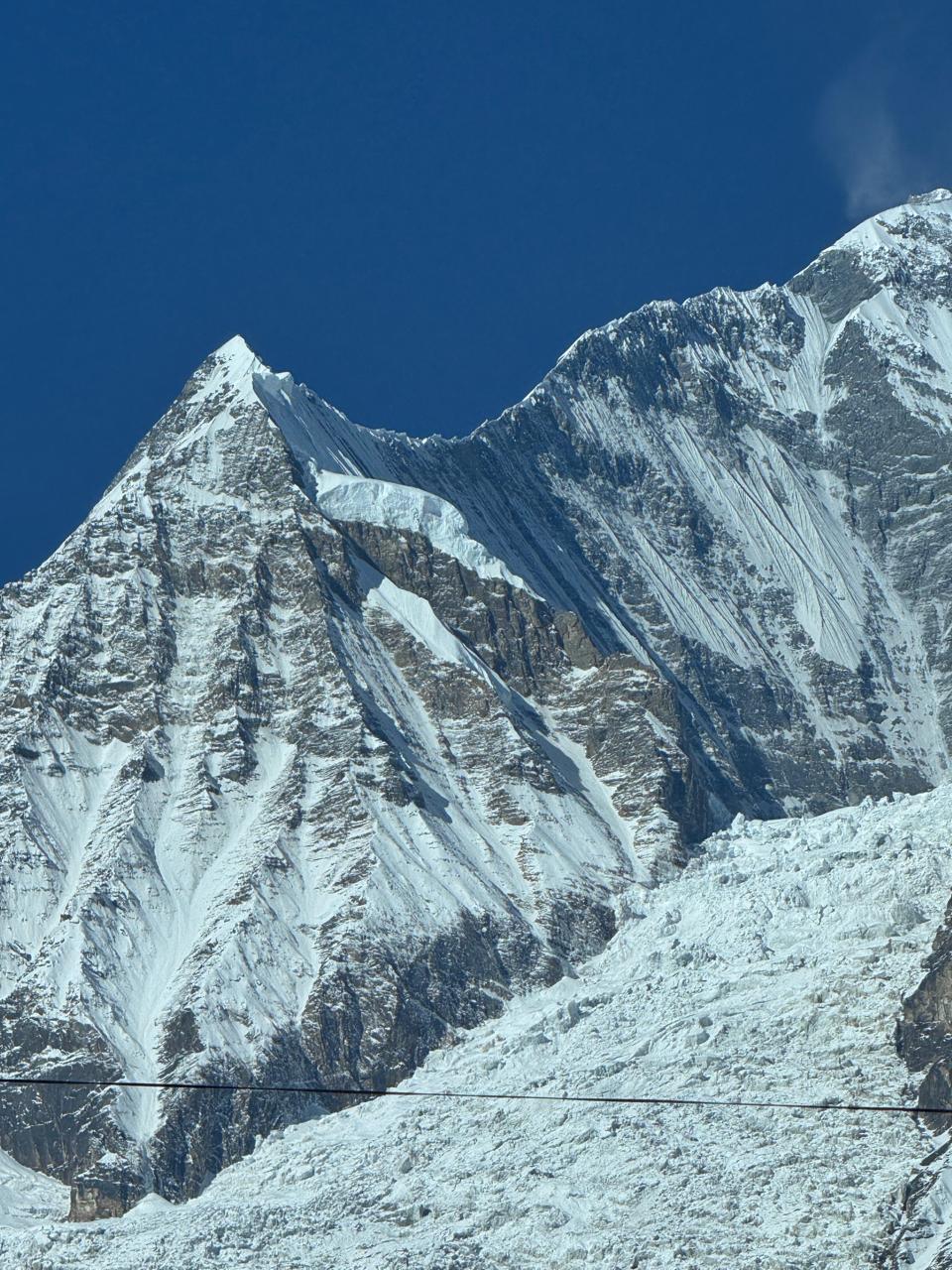 A Mountain glacier seen from the Tuckuche on the way to Marpha[/caption]
The journey of the Upper Mustang trek today takes you deeper into the Kali Gandaki valley, transitioning from the lush greenery of Pokhara to the drier, more arid landscapes typically of the lower Mustang region.
The drive during the Upper Mustang trek is an experience in itself, offering panoramic views of towering peaks like the luxury and Nilgiri as you navigate along the Kali Gandaki river, which carves the world's deepest gorge.
You will arrive in Marpha, a charming traditional village known for its whitewashed houses, narrow alleys and apple orchards. Marpha is a significant stop on the Annapurna Circuit trek and is famous for its delicious apple products, including Apple Brandy. It's a great opportunity to explore local culture and enjoy the unique architecture.
This leg of the trip from Upper Mustang jeep tour allows for a gradual increase in altitude, aiding in altitude recommendation. The distant cultural practices and architectural styles of Marpha provide a fascinating insight into the diverse communities inhabiting the Himalayan foothills, making it a key stop on any Nepal cultural tour.
3. **Drive to Muktinath, Visit Temple, Lunch, and Continue to Chele, 5-6 hrs** — [caption id="attachment_4987" align="aligncenter" width="300"]
 Muktinath Temple[/caption]
Today's itinerary includes a spiritual detour to Muktinath, a sacred pilgrimage site for both Hindus and Buddhists. The drive winds through stunning mountain scenery, offering glimpses of the dramatic changes in the landscape as you ascend. Muktinath Temple, with its 108 waterspouts and an eternal flame, holds immense religious significance and attracts pilgrims from around the world.
After exploring the spiritual ambience of Muktinath and enjoying lunch, your journey continues in the heart of Upper Mustang. The drive towards Chele marks the formal entry into the restricted area where the landscape becomes even more barren and dramatic, reminiscent of the Tibetan Plateau. This is where the true wilderness adventure of Upper Mustang begins.
Chele itself is a small traditional village offering basic but comfortable teahouse accommodation. The rugged terrain and unique geological formations around Chele provide a striking introduction to the otherworldly beauties of the Mustang trek. This provides a striking introduction to the otherworldly beauty of Mustang trekking, setting the stage for the deeper exploration of the ancient Kingdom.
[caption id="attachment_4988" align="alignnone" width="300"]
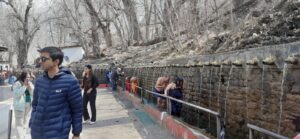 The Holy 108 waterspouts of Muktinath[/caption]
4. **Drive from Chele to Ghami- 1.5 - 3 hours** — [caption id="attachment_4989" align="aligncenter" width="300"]
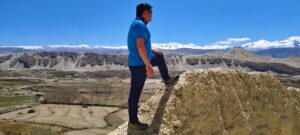 A guide posing on a rock from Chele to Ghami[/caption]
This drive from Chele to Ghami is a testament to the raw, untamed beauty of Upper Mustang’s landscape. You will travel through remarkable wind-eroded canyons, high passes and remote villages, each offering a glimpse into the traditional Tibetan-influenced lifestyle.The route of this portion during the Upper Mustang Jeep Tour showcases incredible rock formations and vast open spaces. Along the way, you will crush several small passes, providing breathtaking panoramic views of the surrounding Himalayan vistas and the intricate river valleys below.
The drive on this section during the "Upper Mustang jeep Tour" comprises arid terrain, punctuated by colourful prayer flags, creating a stark yet beautiful contrast. This segment of the journey is particularly important for appreciating the unique geology of the region.
Ghami, nestled amidst impressive great cliffs, is known for its long Mani walls- Stone walls intricately carved with Buddhist prayers. This village offers a peaceful retreat and a chance to experience the authentic culture of Lo Kingdom. It's an essential stop before venturing further into the ancient walled city of Lo Manthang.
5. **Drive from Ghami to Lo Manthang, 3-4.5 hours** — [caption id="attachment_4990" align="aligncenter" width="300"]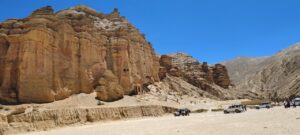 On the Way, drive from Ghami to Lo Manthang[/caption]
Today is a highly anticipated day of your "Upper Mustang Jeep Tour" as you drive towards the fabled city wall of Lo Manthang, the ancient capital of the Kingdom of Lo. The journey offers increasingly dramatic views with landscapes that become even more reminiscent of Tibet. You will pass through scattered settlements and vast open plains, feeling the sense of isolation and grandeur that defines this region.
As you approach Lo Manthang, the Whitewashed wall of the city gradually appears, a magnificent sight against a stark backdrop of the Himalayas. This moment truly encapsulates the essence of Upper Mustang’s Mystic and its rich history. The city is traditionally entered through a single gate, adding to its preserved charm.
Reaching Lo Manthang, the highest point of your trek at 3,840 metres, is a significant achievement. This ancient city is a living museum, offering a profound insight into Tibetan Buddhist culture and a truly immersive cultural experience within the restricted Kingdom. You will settle into the accommodation, ready to explore its wonders the following day.
[caption id="attachment_4991" align="aligncenter" width="300"]
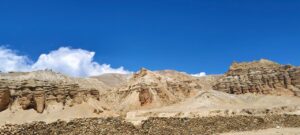 Dry and arid landscape on the Way, drive from Ghami to Lo Manthang[/caption]
6. **Explore Lo Manthang** — [caption id="attachment_4992" align="aligncenter" width="225"]
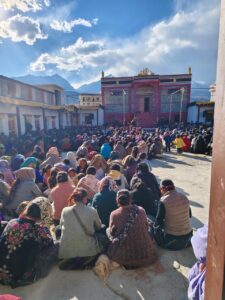 People gathering ahead of the Tiji festival around the monastery[/caption]
[caption id="attachment_4993" align="aligncenter" width="300"]
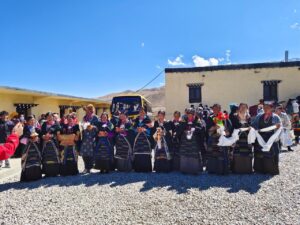 People gathering ahead of the Tiji festival around the monastery[/caption]
This dedicated exploration day in Lo Manthang is the highlight for many on the Upper Mustang tour. You will delve into the ancient history and vibrant culture of this walled city.
Visiting its well-preserved monasteries such as Thubchen, Jampa and Chode Gompas, Which house incredible frescoes and intricate murals. The royal palace, a symbol of the former Mustang Kingdom, also offers a fascinating glimpse into the region's past.
Beyond the city walls, there are opportunities to visit nearby villages and ancient cave dwellings and explore the unique geological formations of the area. Side trips often include visits to the Chhoser caves, which were once used as human settlements and burial sites, showcasing the rich archaeological heritage of Upper Mustang. Engaging with the friendly Loba people provides A deeper understanding of their traditions and way of life.
This day is crucial for cultural immersion and offers unparalleled photographic opportunities with dramatic landscapes and ancient architecture.
It's a chance to fully absorb the unique atmosphere of this remote and culturally rich Himalayan Kingdom, making it an unforgettable part of your Nepal travel experience.
7. **Drive from Lo Manthang (3,840m / 12,598ft) to Tatopani- 7 hrs** — [caption id="attachment_4995" align="aligncenter" width="300"]
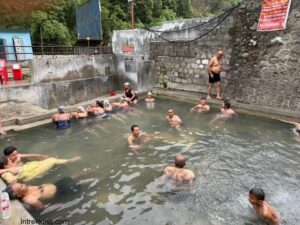 People bathing in a natural hot spring in Tatopani[/caption]
Today marks the beginning of your journey back as you descend from the High Desert plateau of Upper Mustang towards the Lower Kali Gandaki Valley. The drive from Lo Manthang to Tatopani is a long but scenic one.
As you trace parts of your path and offer new perspectives on the landscapes you have traversed, you will notice the gradual transition to greener vegetation as you drop in altitude.
That descent is significant, bringing you to the warmer climate of Tatopani, Famous for its natural Hot Springs. After several days of dusty roads and cooler temperatures in the upper Mustang, a relaxing soak in the therapeutic auto springs is a welcome treat. This offers a chance to rejuvenate and soothe tired muscles.
Tatopani serves as a comfortable stopover, allowing you to reflect on your incredible Himalayan adventure in the restricted Kingdom.
It's a symbolic transition from the arid high-altitude desert to more lush subtropical lowlands, completing a full circle of diverse Nepalese landscapes.
8. **Drive from Tatopani to Pokhara, 5 hrs** —
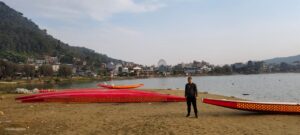 On the final day of your "Upper Mustang Jeep Tour", you will complete the journey from Tatopani back to the vibrant city of Pokhara.
The road continues to follow the Kali Gandaki River, offering beautiful views of the terraced fields and traditional villages along the way. This drive allows for a leisurely return, enjoying the changing scenery.
Upon arriving in Pokhara, you will have ample time to relax and celebrate the completion of your extraordinary Upper Mustang Jeep Tour.
You can enjoy this city's lakeside cafes, indulge this some souvenir shopping or simply unwind and relish the stunning mountain views. It’s a perfect ending to a memorable adventure.
This concluding day provides a comfortable and scenic return to a more urban setting after your immersive trekking in Mustang.
The chance to reflect on the unique cultural encounters and breathtaking natural beauty experience throughout your journey into the enigmatic, forbidden Kingdom of Upper Mustang and Heavenly Pokhara is no less of a wonder.
[caption id="attachment_4999" align="aligncenter" width="300"]
 A typical Nepali style-stoned roofed house in Pokhara in among trees beside Devi's fall (Patale Chhanga)[/caption]
## What's included
- Airport pick-up and drop-off by private vehicle.
- Three-time Meal During trekking(Breakfast-Lunch-Dinner)
- All ground transportation on a comfortable Jeep as per the itinerary (Luxury tourist bus, Kathmandu- Pokhara)
- Lo Manthang to Jomsom, Jomsom to Pokhara (Jeep)
- An experienced, English-speaking, and government-licensed trek guide.
- Staff costs include their salary, insurance, equipment, food, accommodation, and a Down jacket.
- All necessary paperwork, trekking permits, and TIMS (ACAP permit)
- Upper Mustang Restricted Area Permit.
- Medical kit (carried by your trek guide)
- All government and local taxes
- Trekking map
- Trekking certificate after the trek.
## Not included
- International Airfare
- Excess baggage(S)
- Domestic flight (outside of itinerary)
- All Personal Expenses
- Anything except what is mentioned in the What Is Included section
- Early arrival, late departure, early return from the mountain (due to any reason like natural disaster and your problems) than the scheduled time.
- Travel and rescue insurance
- Helicopter Evacuation
- Trekking equipment
- Personal expenses (phone calls, laundry, bar bills, battery recharge, extra porters, bottle or boiled water, shower, etc.)
- Tips for guide(s), porter(s) and driver(s)
- Donation (in places like a Monastery)
## FAQ
**Q: What is an upper Mustang Jeep tour?**
A: An upper Mustang jeep tour is an overland adventure by 4x4 vehicle that takes you into the restricted Upper Mustang region of Nepal, offering a comfortable and efficient way to explore its unique landscapes, ancient monasteries, and vibrant Tibetan-influenced culture without extensive trekking.
**Q: What kind of food is available during the Upper Mustang Jeep Tour?**
A: You can expect a mix of Nepali (Dal Bhat, noodles), Tibetan (Thukpa, momos) and some basic question is, is local teahouse served freshly cooked meals.
**Q: Do I need a guide for the Upper Mustang Jeep Tour?**
A: Yes, it is mandatory to have a registered local guide for the upper Mustang Jeep tour, especially for obtaining the restricted area permit.
**Q: What cultural experiences can I expect on an upper Mustang Jeep tour?**
A: An Upper Mustang Jeep tour offers a deep cultural immersion, including visit to ancient monasteries (like Lo, Gekar, Chungsi Cave Monastery), interaction with Loba people, observations of traditional practices and potentially attending festivals like Tiji.
**Q: What are the major highlights of the Upper Mustang Jeep tour?**
A: Highlights of an Upper Houston Jeep tour include the walled City of Lo Manthang, ancient monasteries, unique desert landscapes, dramatic cliffs, and traditional religious and breathtaking mountain views.
**Q: What should I pack for an Upper Mustang Jeep tour?**
A: Essential packing includes warm clothing layers, windproof jacket, sturdy comfortable boots, sun protection, hat, sunglasses, sunscreen, personal first aid kit, toiletries, power bank and camera.
**Q: Are there ATMs available on the Upper Mustang Jeep tour?**
A: ATMs are very rare in Upper Mustang, so you are advised to get Sufficient Nepali Rupees for your expenses.
**Q: Is Wi-Fi or mobile network available during the Upper Mustang Jeep tour?**
A: Connectivity can be limited and unreliable in the Upper Mustang. Some offer basic wi-fi for a fee but expect intermittent services.
**Q: Can I experience altitude sickness on the Upper Mustang Jeep Tour?**
A: While less physically demanding than trekking altitude sickness can still occur, the Upper Mustang Jeep Tour itineraries usually include acclimatization days to minimise this risk.
**Q: What is the maximum altitude reached during an upper Mustang Jeep Tour?**
A: The highest point reached on an Upper Mustang Jeep Tour is typically Lo Manthang, which is around 3840 metres (12,600 feet).
**Q: What is included in the Upper Mustang Jeep Tour package?**
A: Most Upper Mustang Jeep tour packages include permits, transportation by 4 by 4 Jeep, experienced drivers and guides, accommodation and meals (breakfast lunch dinner
**Q: What kind of accommodation can I expect on an Upper Mustang Jeep Tour?**
A: Accommodation on an Upper Mustang Jeep tour is usually in basic but comfortable teahouses and lodges. In Lo Manthhang, there might be more upscale options like hotel or resorts.
**Q: How much does an upper Mustang Jeep Tour cost?**
A: The cost of an Upper Mustang Jeep tour of Arise depending on the terrain, group size, level of accommodation and services included. Price can range from 1500 to $3000+ per person.
**Q: What are the permits required for an upper Mustang Jeep tour? **
A: You will need a special restricted area permit RAP for Upper Mustang, an Annapurna Conservation Area project (ACAP) permit, and often a Trekkers information management System (TIMS) card. These must be obtained through a registered Nepali trekking agency.
**Q: What is the best time of the year for an Upper Mustang Jeep Tour?**
A: The best time for an Upper Mustang Jeep Tour are generally Spring (March-May) and Autumn (September to November) due to stable weather and clear skies. Monsoon (June to August) is also possible as the upper Mustang lies in the rain shadow.
**Q: How long does an upper Mustang jeep tour typically last? **
A: Most Upper Mustang jeep tour packages range from 7-10 days, including travel to and from Kathmandu or Pokhara.
**Q: Why choose an Upper Mustang Jeep Tour over trekking?**
A: An Upper Mustang jeep tour is ideal for those who prefer a less physically demanding journey, want to cover more ground in less time, or have mobility limitations. It offers comfort and accessibility to this remote region.
**Q: Is the Upper Mustang Jeep Tour suitable for all ages?**
A: Yes, the upper Mustang jeep tour is suitable for families, seniors, and travelers of various ages and physical abilities due to the comfort of the jeep travel.
**Q: Is the Upper Mustang Jeep Tour safe? **
A: Yes, an Upper Mustang jeep tour is generally safe when organized by a reputable agency with experienced drivers who are familiar with the challenging mountain roads.
**Q: What are the permits required for an upper Mustang Jeep tour? **
A: You will need a special restricted area permit RAP for Upper Mustang, an Annapurna Conservation Area project (ACAP) permit, and often a Trekkers information management System (TIMS) card. These must be obtained through a registered Nepali trekking agency.
**Q: What kind of vehicles are used during the Upper Mustang Jeep Tour?**
A: Typically, well maintained 4x4 vehicles like Toyota Land Cruisers or Mahindra Scorpios are used for the Upper Mustang Jeep tour, as they are designed to handle the rugged Himalayan terrain.
## Contact for this trip
- Operator: Info Nepal Tours and Treks · Thamel, Kathmandu, Nepal
- Phone: +977 9841936940
- Email: contact@intrekking.com
---
# Ruby Valley Trek
URL: https://intrekking.com/trip/ruby-valley-trek-2025-26/
Last updated: 2026-07-09
## Facts
- Region: Langtang Region
- Duration: 8 days
- Max altitude: 3,800 m
- Difficulty: Easy
- Group size: 1-10 people
- Best season: March-May : September-November
## Summary
A quiet trek through the Ganesh Himal region west of Langtang, crossing Gurung and Tamang villages, rhododendron forests and the Pangsang Pass between Gatlang and Tipling, suiting trekkers wanting a less-travelled cultural route.
## Overview
Overview
Ruby Valley is one of Nepal’s natural wonders blessed with marvelous geography, majestic views and great culture. Situated within the laps of great Ganesh Himal, the Ruby Valley trek is still a favorable choice for many trekkers and travelers as it offers cultural enrichment, breathtaking sceneries, and enthralling adventure experience. As the trail progresses, we explore the way through ancient and historic Gurung and Tamang villages, lush rhododendron forests, alpine grasslands, and passes that reveals snowcapped Himalayan mountains.
Trekkers want their destination to be a complete package of everything they would want to experience. Nepal has always been a wonder in terms of nature’s gift. Cultural enrichment of Tamang and Gurung ethnicities on the way is a great stuff to experience. The tradition they follow with great authenticity defines the legacy of Ruby Valley in so many ways.
In comparison to other treks, Ruby valley is more peaceful, less crowded and very amusing. As per our package, we will start from a scenic drive from Kathmandu to Syafrubesi and then we start to hike, our journey will end with a drive to Pokhara. The detailed itinerary is provided below, and other relevance that explains why Ruby Valley is regarded as a perfect trek destination.
Trip Highlights
Get immersed within nature’s beauty with the presence of Ganesh Himal.
Cultural enrichment represented by Tamang and Gurung villages like Gatlang, Lapa, Tipling etc.
Picturesque Pangsang Pass (3800m altitude) that unveils the panoramic mountain scenes.
Explore the holy lake named Parvati Kunda which is very sacred and famous for its religious importance.
Experience the best hospitality with the blend of Nepali culture serviced by locals, authentic homestays and teahouses of the region.
Delight in the diverse geography and majestic landscapes from subtropical forests to alpine pastures and grasslands, get away from the populated areas, the crowds and trek in a peaceful region, a bit lesser commercialized area.
Brief Itinerary
Day 1: A scenic drive from Kathmandu to Syafrubeshi (1530m), 6/7 Hours
Day 2: Trek to Gatlang (2337m) – 6/7 Hours
Day 3: Trek to Somdang via Parvati Kunda and Yuri Kharka (3271m / 8 Hours)
Day 4: Trek to Tipling Village via Pangsang Pass (3800m / 7 Hours)
Day 5: Trek to Sertung Village (2500m) – 6/7 Hours
Day 6: Trek to Lapa Village (2425m, 7/8 Hours)
Day 7: Trek to Tawal Village (1420m, 8/9 Hours)
Day 8: Drive to Dhading Besi (610 m, 5 Hours)
Day 9: Drive to Kathmandu or Pokhara (1200-1400 m, 5/6 Hours)
ruby valley trek itinerary
## Itinerary
1. **A scenic drive from Kathmandu to Syafrubeshi (1530m), 6/7 Hours** — Our journey of trek to Ruby valley begins with a scenic early morning drive from Kathmandu, marching towards Syafrubeshi in the northeast direction. Our way heads through Nuwakot to Rasuwa. The scenic drive encompasses electrifying Trishuli River, passing through busy and bustlings towns on the way like Kakani town and Trishuli Bazaar, where we will get to see farming and cultivation performed in terraced style of fields.
We will experience the traditional life, rural life and authentically local life of Nepalese villagers. The paved plus up/down roads gradually climbs the path that is situated on the foothills of the Ganesh Himal range, serving our eyes with beautiful views of towering snow-capped mountains. When we reach Syafrubeshi, we will get into a small village where people of Tamang ethnic community reside, and we will check into either a homestay or a teahouse for an overnight stay.
It almost might have taken 6-7 hours of a good drive to reach here. You can explore the locality, the authenticity of the village, the culture and their cuisines. The dinner of the first day is our Nepali authentic Dal Bhat (Rice and Lentils). The ambiance gives you the feeling of serenity, the flowing river adds pleasant music to your ears and the surrounding lets you rest well.
2. **Trek to Gatlang (2337m) – 6/7 Hours** — The early morning of the second day, you will be served with a good breakfast. After you take your breakfast, our trek to Ruby valley officially takes off with slow and steady climbs of trails through lush Rhododendron forests and dense Pine trees, sometimes revealing the scenes of cultivated fields and meadows. The route of the trek moves forward through Tamang hamlet where farmers are based on agriculture and animal rearing (livestock farming).
After almost 6 – 7 hours of walk, we reach the village of terraces, Gatlang. It is one of the most photogenic places on the way to Ruby valley. Upon your arrival, you will get treated with traditional styles of Tamang hospitality. You can see the locals performing their cultural dances and traditional rituals wearing their cultural costumes. Gatlang is an abode to an ancient Buddhist monastery, which is a very famous and peaceful spot to meditate and spiritual awakening.
The views of Sunrise and sunset give you real chills as the Ganesh Himal looks golden when the sunrays hit on them. It is a breathtaking experience. Overnight stay in a homestay, where you will enjoy Nepali delicacy and authentic Tibetan butter tea to keep you nice and hot.
3. **Trek to Somdang via Parvati Kunda and Yuri Kharka (3271m / 8 Hours)** — The third of Ruby valley trek is often considered as the challenging day of the trek, yet it is the day that offers you with a lot of beautiful views and scenic glimpses. The trail ascends via alpine grasslands and grazing lands. The Himalayan meadows and the pasture is known as Yuri Kharka. You can see many yaks and sheep grazing on the pasture land.
One of the highlight of this trip shows up on this day. Parvati Kunda, the sacred lake in the region is a serene and unblemished high altitude lake. The scenery of the lake looks more vibrant, lively and holy because of the prayer flags defining the religious essence of the sublimity. People often meditate on the shores for inner illumination.
Then, we trek towards Somdang which is located at 3271 meters above the sea level. The total time up to Somdang will be of almost 8 hours. It used to be a mining village in the past days. Locals will say you about the fascinating legends of the village with forbidden mines and rocky landscapes. The cold breeze takes your breathe through a mystical atmosphere below the star-decorated sky. Overnight stay in a simple lodge.
4. **Trek to Tipling Village via Pangsang Pass (3800m / 7 Hours)** — The trek on the fourth day to Tipling village via Pangsang pass is very rewarding. Pangsang pass located at an altitude of 3800 meters is the highest point of the journey. You need to climb the vertical trail, but it is very worthy as you reach the top, your eyes will be revealed with the panoramic views of the ranges of Mount Manaslu, Langtang Himal and Ganesh Himal.
After spending some time at the top and resting well, we come down the trail where lsuh rhododendron forest welcomes us and electrifying waterfalls leads us to the lively village, Tipling. Tipling is a Tamang village. The people here are known for their authentic handricrafts and traditional weaving. Overnight stay at a homestay with lots of story hearing experiences and good dinner.
5. **Trek to Sertung Village (2500m) – 6/7 Hours** — Trek on the fifth day is not that challenging and not very easy, it is a gentle trekking day. The farmed terraced fields and lush forests will guide you to a very charming village, Sertung. Sertung is a hillside village that showcases the majestic views of surrounding valleys. Farmers in the Sertung village focus in the cultivation of cash crops like potatoes, barley, buckwheat etc.
You can use your spare time to visit the locality and there is a monastery too which gives a good mountain ambience and a vibrant spirituality feel. Overnight stay at a homestay or a lodge in Sertung village. Sertung is located at an altitude of 2500 meters above the sea level.
6. **Trek to Lapa Village (2425m, 7/8 Hours)** — The trails of sixth day descends via dense forests and bridges over streams. Then, we reach Lapa village which is very popular for its historic legends of Buddhism, ancient Buddhist stupas, monasteries and traditional houses built up of stones. The feeling is serene when you reach Lapa village, the tranquil atmosphere, and religious definition continuously flowing through the prayer wheels placed on either sides of the pathways. Listen to the sublime chants of prayers from monks and nuns of the Lapa monastery, visit the Lapa monastery and overnight stay at a homestay in Lapa. The food is extremely fresh, organic and very delicious. You can the rest of the day walking up experiencing the locality too.
7. **Trek to Tawal Village (1420m, 8/9 Hours)** — The seventh day is the final trekking day of the Ruby valley trek. The trail we follow on this day is mostly downhill and a bit long. The subtropical forests come on the way, we cross that through terraced farmed lands and arrive to our destination for today, Tawal village. It almost takes 8-9 hours of trek to reach here.
Tawal village is the Gurung village that is situated on the laps of verdant hills located at an altitude of 1420 meters serving our eyes the picturesque and stunning view of agrarian village livelihood. The locals are very friendly, you can watch and observe their day to day activities.
You will have your farewell dinner with the guide and the porters this evening. Overnight stay at the lodge/hotel at Tawal village.
8. **Dhading Besi** — After you take your breakfast, we will drive you from Tawal village to Dhading besi in a shared jeep, which is located at 610 meters above the sea level. Dhading town has now been a busy and bustling town of the district with modern amenities. The route to Dhading from Tawal is very scenic as it follows way by the shores of Budhi Gandaki River, very electrifying. After the arrival and check in at a good hotel, you can take a hot shower, explore the locality, local market etc. or just rest throughout the rest of the day. Overnight stay at the hotel.
9. **Drive to Kathmandu or Pokhara (1200-1400 m, 5/6 Hours)** — The ninth day will officially mark end to your journey of Ruby valley trek. From Dhading besi you get two option. Either you move back to Kathmandu, or extend the trip for next 3-4 days by visiting Pokhara, famous tourist destination in the country. It takes around 2-3 hours to get back to Kathmandu, and about 5-6 hours of drive to Pokhara from Dhading besi.
If you get back to Kathmandu, you can utilize the remaining time of the day shopping the gifts you take back home, or do whatever you like. We can assist you in shopping as well or you can move freely anywhere in the city on your own and get ready for your departure. Overnight stay at the hotel in Kathmandu.
(Note: Itinerary can be customized if you extend the trip to Pokhara.)
## What's included
- Airport arrival picks up and drops off by the private vehicle
- Three-time Meal during the trek as per the itinerary (Breakfast, Lunch and Dinner)
- Ground transportation covered on a cozy private vehicle as instructed by the itinerary
- City tour in Kathmandu by a private vehicle
- An experienced, English-speaking and government-licensed trek Guide/Leader and assistant trek leader (10 trekkers: 1 assistant guide), Porter service (2 trekkers: 1 porter)
- Staff costs including their salary, insurance, equipment, food and accommodation.
- Rented down jacket and sleeping bag (to be returned after trip completion)
- All necessary paperwork, documentations, trekking permits.
- Basic medical kit, or first aid box
- All government and local service charges and taxes
- Trekking certificate after the completion of the trek.
## Not included
- Nepalese visa fee
- Excess baggage charge(s)
- Private transportation except what is mentioned in the 'service includes' section
- Extra night accommodation in Kathmandu and Pokhara because of early arrival, late departure, early return from mountain (due to any reason like natural disaster and your own problems) than the scheduled itinerary Lunch and evening meals in Kathmandu (and also in the case of early return from the mountain than the scheduled itinerary)
- Travel and rescue insurance
- Trekking equipments
- Personal expenses (phone calls, wifi fees, laundry, bar bills, battery recharge, extra porters, bottle or boiled water, shower, etc.)
- Tips for guide(s), porter(s) and driver(s)
- Urgent need of porter / horse / helper for personal use.
- Extra Transportation for the person who leave early from the group.
- Arrival and departure flight tickets.
- Rescue or evacuation cost, for emergency.
## FAQ
**Q: Where is Ruby valley located?**
A: Ruby valley is located in Dhading and Rasuwa district of Nepal. This scenic valley falls in between Langtang region and Manaslu region.
**Q: How long does it take to complete Ruby valley trek?**
A: It depends upon the route you chose and your preference, but it takes 9 complete days to complete the Ruby valley trek.
**Q: What is the ideal season to trek Ruby Valley?**
A: Spring Season: The time of March to May have clean and tranquil weather, the weather remains stable most of this season with forests full of national flower rhododendrons.
Autumn Season: The months from September to November do have clear blue skies, the weather conditions remain stable with best visibility of scenes and the whole scenery looks very majestic.
**Q: Is Ruby valley trek a difficult trek?**
A: Ruby Valley trek is known as neither difficult nor easy trek. One or two days count as more challenging days, but other days are easy and smooth.
**Q: Can beginners complete Ruby Valley trek?**
A: Of course, Ruby Valley trek is known as neither difficult nor easy trek. One or two days count as more challenging days, but other days are easy and smooth. Any beginners with good physical health can complete the trek.
**Q: What is the highest point of the trek?**
A: The highest point of the trek is Pangsang Pass located at an altitude of 3,800 meters (12,467 ft) above the sea level.
**Q: Is Ruby valley trek crowded?**
A: Ruby valley trek and its trails is not that crowded, as people choose this destination as the alternative trek. Being less popular, it is too peaceful and naturally preserved.
**Q: Where do Ruby valley trek starts and ends?**
A: Ruby valley trek starts with a scenic drive from Kathmandu to Syafrubesi on the first day, and ends with a drive from Dhading besi to either Kathmandu or Pokhara on the ninth day.
**Q: How many hours should we hike per day?**
A: We should hike 6 to 8 hours on an average, per day.
**Q: Do we have any acclimatization days?**
A: The highest point of the trek being Pangsang Pass located at an altitude of 3,800 meters (12,467 ft) above the sea level, which is not considered as a challenging altitude. Hence, there will be no any acclimatization days, but you can adapt to the altitude with gradual ascents.
**Q: Are there any villages to visit on the trek?**
A: Yes. There are significant villages to visit on the trek like Gatlang, Somdang, Tipling, Sertung, Lapa, and Tawal. We will be staying each night in each of the villages too.
**Q: Why is Parvati Kunda significant?**
A: Parvati Kunda is significant because it is the holy lake at high altitude considered very sacred. People often meditate by the shores of the lake for spiritual awakening and inner illumination.
**Q: Can we customize the itinerary?**
A: Yes. Why not. You can customize the itinerary as per your wants and necessity. You can prefer to extend the trek days, extend the trip to Pokhara and other destinations. The cost also changes with the change in the itinerary.
**Q: What are the ethnic groups that live in Ruby valley region?**
A: The ethnic group that reside in Ruby valley region are Gurungs and Tamangs. They are the inhabitants of this region.
**Q: What is the type of accommodation do I get during the trek?**
A: You get the accommodation facilities in simple Homestays and teahouses during the trek. They facilitate you with your every basic needs. Homestays and Teahouses in every overnight stay has great hospitality, basic furnished rooms and traditional decor.
**Q: What kind of food will I get during the trek?**
A: Meal, three times a day as included in the itinerary will be served. The food includes Tibetan bread, curry, soup, potatoes, and spicy pickles with garlic, vegetables, mountain fruits, butter tea, lentils and rice.
**Q: Is drinking water available on the trek?**
A: Yes, water is available on the trek but water purification is crucial while travelling through the remote trails and routes. For your safety, the tap water, lake and stream water is not healthy to drink. There are some techniques to purify the water.
Ask for boiled water at hotels / guest houses / tea – houses, they will give it for free but some might charge you a little.
Apply iodine, chlorine and UV treatment, use purification tablets, squeeze filters , sterilizers on the way.
**Q: What if any trekker has dietary restrictions?**
A: If the trekkers do hold any dietary restrictions like being vegan, vegetarian, gluten free or allergen to lactose, this thing is very important for trekkers to give detailed information to trek agency or the guide or the cook prior.
**Q: Do I need sleeping bag?**
A: Yes. Sleeping bags are highly recommended. You can get rented sleeping bags from the city / Kathmandu.
**Q: Do I need trekking poles?**
A: Yes. Trekking poles are highly recommended as they reduce the strain and stress on the knee/feet during ascents and descents.
**Q: What kind of shoes are suggested?**
A: We suggest the type of shores that are available as trekking shoes or hiking boots, or shoes that grip well. It is very essential to get a shoes of good quality, cushion sole and grip.
**Q: Can we swipe the drive with the option of flying?**
A: No. We cannot swipe the drive with the option of flying as there are no any direct flights from Kathmandu to the region. You can use helicopter though it is more expensive.
**Q: What kind of guide will I get?**
A: You will get an experienced, English-speaking and government-licensed trek Guide and assistant trek guide (10 trekkers: 1 assistant guide).
**Q: How many porters will I get?**
A: You will get porter service in the ratio of (1 trekker: 1 porter & 2 trekkers: also 1 porter).
**Q: What are the permits we require?**
A: We will require Langtang National Park permit and TIMS card is needed. That responsibility is on our (Trek operator) head.
**Q: Are plastics banned in the Ruby valley trails?**
A: The trend of eco-tourism has also been started in the Ruby valley region, as plastic bans has been imposed.
## Contact for this trip
- Operator: Info Nepal Tours and Treks · Thamel, Kathmandu, Nepal
- Phone: +977 9841936940
- Email: contact@intrekking.com
---
# Lhasa and Kailash Mansarovar Tour
URL: https://intrekking.com/trip/lhasa-and-kailash-mansarovar-tour-14n-15d/
Last updated: 2026-07-08
## Facts
- Region: Tibet
- Duration: 14 days
- Max altitude: 5,630 m
- Difficulty: Challenging
- Group size: 1-20 people
- Best season: April–June : September–October
- Price from: $5,450 per person
## Summary
An overland Tibet journey pairing the cultural sites of Lhasa with the Kailash Mansarovar pilgrimage, travelling via Shigatse, Gyantse and Saga before the Kailash parikrama over the Dolma La pass, suiting pilgrims and overland travellers.
## Overview
Lhasa and Kailash Mansarovar tour begins with Lhasa, a great destination to explore cultural and traditional prospect of ancient Tibetan cultural heritage. Kailash Mansarovar , a exalted destination is situated in the remote and majestic ranges of the great Himalayas. The beautiful journey destined to reach eminent Kailash Mansarovar is considered as a divine experience of human life mostly believed by followers of Hindus , Buddhists , Jains and Bon religion.
Lhasa tour blend with Kailash Mansarovar journey is a sublime and blend of ancient Tibetan cultural heritage and great religious and spiritual aspect of a powerful place surrounded by great Himalayas.
Kailash Mansarovar , a pious region in Tibet is the abode to Mount Kailash , the home to Lord Shiva graced by the presence of still and tranquil Lake Mansarovar. The serene Lake Mansarovar mirrors the clear blue sky and supernal shadows of Mount Kailash , where people believe Lord Shiva reside and blesses the place heavenly.
Lhasa and Kailash Mansarovar yatra ( journey ) beholds many pilgrims , spiritual personas , and adventurers across the earth wanting such peaceful and divine source of pure energy , spiritual practice and witnessing the Earth’s grand and unscathed destination. This unblemished natural stuff serves its travelers and pilgrims to have holy dip in the crystal clear water of serene Lake Mansarovar to provide spiritual awakening. There is a belief of erasing sins through Parikrama / Kora ( circumambulation ) of 52 km around imposing Mount Kailash.
Our expertly made tour and travel package will give you the wholesome travel experience to explore cultural heritage and ancient monuments of Roof of the world and the earth’s untouched land of sublime spiritual prodigy and historic religious experiences.
Brief itinerary of Lhasa and Kailash Mansarovar for 14 Nights and 15 Days
## Itinerary
1. **Arrival in Kathmandu ( Alt. 1300 m )** — You will be picked up from Tribhuvan International Airport ( TIA ). Transfer to hotel, Kathmandu’s renowned and excellent hotel will best facilitate your overnight stay. Check in and rest. If time is on our hand , we can involve you in activities like evening holy Sandhya Aarati at Pashupatinath temple. We might assist you for the final preparation to Kailash Mansarovar journey. We can guide you through your shoppings and requirements. Dinner at the same hotel and a good rest.
2. **Drive from Kathmandu to Kerung ( Alt. 2900 m )** — Following the route that integrate Trishuli , Dhunche and Syafrubesi , Kerung is almost 175 k m away from Kathmandu. We will perform to a schedule of an early morning drive to Kerung. You will be served with packaged breakfast on the way to Kerung. You will take your Lunch at Nepal – China border , with the blend of Nepalese and Chinese food.
A short 10 min walk across the border , we need to cross a bridge. When done with all the immigration formalities and custom requirements , Chinese guide and bus drivers will process us through journey to Kerung. Arrival at Kerung, overnight stay at the hotel. Rest and preparation.
3. **Uphill drive from Kerung to Shigatse** — An uphill drive of almost 390 km with the serene view of Tibetan mountains and landscapes showing how beautiful a long drive can be when you are marching towards a beautiful city Shigatse through Tingri which is situated at 4300 m above the sea level. On the way, you will see sheer fantastic Gyatchu La (Gyatso La pass) (5220 m). Rest well with an overnight stay at a hotel in Shigatse.
4. **Shigatse to Lhasa through Gyantse** —
An early morning travel to Panchen Lama’s Tasilhumpu monastery will keep your mind in a good state for the day. Then, a beautiful drive to Gyanste. You can visit Phalkor monastery and Kumbum stupa, pray and collect the blessings.
You will be driven to Lhasa crossing Karola pass (5000 m) and view of great and holy Yamdrok – Tso lake. After you reach Lhasa, overnight stay at a renowned hotel and then rest well for the next day, Lhasa Day.
5. **Sightseeing tour to Lhasa** — The fourth day is the Lhasa day, Sightseeing tour to Lhasa, with busy and bustling Barkhor street and market (Bazaar), holy Jokhang temple, Sera monasteries and the Great palace ‘Potala Palace’ of the Great Dalai Lama. Overnight stay at the hotel.
6. **Another day in Lhasa** — The sixth day, is for exploring more places to visit in Lhasa. The more places like Drepung Monastery, Norbulingka park, Tibet museum, Kora (Circumambulation) around Ganden and Gelugpa monastery. We will visit Traditional Tibet hospital as well.
This day can give you an extra sight to explore more cultural, religious and spiritual prospects of amazingly beautiful and great Lhasa town of Tibetan land.
7. **Lhasa to Shigatse (Alt. 3900m)** — After you take your breakfast we will launch ourselves in the vehicle for a pleasant drive from Lhasa to Shigatse. We will have great views of Khamba La pass, colorful Yomdrok Tso lake , Mount Nazin Kang Sa , Karo La pass etc. on the way to Shigatse. Transfer, Check in and rest at the hotel overnight.
8. **Shigatse to Saga ( Alt. 4450 m ) ** — This 9 – 10 hrs drive to Saga from Shigatse is going to be a long driving day for Kailash Mansarovar journey. This land of Tibet passing the long drive is full of dusty , gritty and rugged experience. On the way , the sight of many sheep and yaks will freshened the unblemished scenery and by the dusk , you will come across Brahma Putra River that marks you have arrived to an imposing Tibetan town Saga. You will spend the night in Saga with a comforting overnight stay.
9. **Reach to Lake Mansarovar ( Alt. 4558 m )** — This 500 km drive to reach Lake Mansarovar from Saga is the longest driving day of the Kailash Mansarovar journey with joyful moments and exciting experience to see sheep and yaks grazing on the shores of various rivers. The magical view of snow top Himalayas , traditional attires of shopkeepers on the roadside with hot drinks and other supplies and by dusk you can see the first view of holy Kailash Parbat and sublime Lake Mansarovar. The freshness of turquoise Lake Mansarovar takes off all your tiredness happened during the journey. Lake Mansarovar is surrounded by Kailash Parbat , Lake Rashekshi and Mt. Gurula- Mandata. Overnight stay beside shores of Lake Mansarovar.
10. **Puja and drive to Tarchen / Darchen ( Alt. 4565 m )** — Lake Mansarovar is believed to be the soul of God Brahma in Hinduism. Hindu pilgrims worship this serene natural resource and take a holy dip to gain supernatural feeling. Lord Shiva is believed to have taken regular bath at Lake Mansarovar. This lake is one of the top most highlight and attraction of Kailash Mansarovar journey. Lake Mansarovar being the lake of tranquility and bliss , holy puja is offered to this sublime foundation of nature.
Then , we will lead our way towards Tarchen which is on 4565 m altitude and is also considered as the base camp for the holy Kailash Parikrama ( circumambulation ) .
11. **Trek to DehraPuk ( Alt. 5000 m )** — The eleventh day of Kailash Mansarovar journey is so enthralling as we hide and trek towards DehraPuk through rocky cliffs. The stony cliffs along with captivating waterfalls makes the journey more exciting. The clouds in the sky will imprint itself as Lord Shiva and you will know to be getting all the blessings you need from the Lord himself is so electrifying. The trekking trail is about 18 k m which it takes around 7 – 8 hours. Overnight stay at the guest house in DehraPuk.
12. **Next day of Kailash Parikrama , crossing Dolmo La Pass ( Alt. 5630 m ) , arrive at Juthulpuk** — The twelfth day is the second day of Kailash Parikrama and is considered to be the most difficult day of Kailash Mansarovar yatra / journey all the way from Lhasa. Walking uphills up to Dolmo La pass which lies 5630 m above the sea level. We can see Lake Gauri Kunda at the base. By stony and steepy route , we come across the pass and reach the base. Then, by a short walk at flat land to reach Juthulpuk. Parvati Sthal and Gauri Kunda are seen on Day 12 , you will rest your 12th day experience. An overnight stay at guest house in Juthulpuk.
13. **Last day of Kailash Parikrama , and drive to Saga ( Alt. 4450 m )** — It is a 3- hour comfortable walk from Juthulpuk to Darchen which will end the Kailash Parikrama. Through the majical views you will be driven back to Saga. Pilgrims fill holy water from the Lake Mansarovar ( Jal , as the sign of purity ) in the bottle.
14. **Drive back to Kerung ( Alt. 2900 m )** — Coming by the same route for 5.5 hours of a short drive , you will return back to Kerung from Saga. The 14th day is the terminating day of Kailash Mansarovar journey from Lhasa to stay at Tibet. Overnight stay at the renowned hotel in Kerung.
15. **Cross Nepal – Tibet border and Drive back to Kathmandu ( Alt. 1300 m )** — With all the immigration formalities again like on the second day, we thank Tibetan guide and bus drivers for their service. Driving back to Kathmandu through Syafrubesi , Dhunche , Trishuli and Nuwakot. Then, Transfer to hotel, check in and overnight stay in Kathmandu.
## What's included
- Hotel accommodation. 3- Star hotel in Kathmandu with good meal (of your choice) . Good quality hotels in Lhasa and towns around. Religious travelers choose vegetarian meal.
- Pickup and drop arrangement from TIA airport to hotel and hotel to TIA airport. ( for arrival and departure in the package)
- Transfer to and from hotel.
- Sight-seeing tour to temples of Kathmandu City.
- Guest house accommodation for nights in Lhasa rural places and esp. Kailash area in group / sharing basis.
- Transportation for the whole Tour
- Options of bus / jeep / van according to the group size and preference.
- Vegetarian meals for breakfast / lunch / dinner for the whole course of trip. Drinks too , vegetarian.
- Immigration formalities and custom requirements on Nepal – Tibet border.
- Travel permits and visa requirements for Tibet / China and Kailash.
- Entrance amount or fees for Kailash Mansarovar.
- Chinese guide and bus drivers approved the Chinese authority / government and Tibet Tourism Bureau Permit ( T T B ) .
- First aid box and medical kit with basic medicines of basic cure.
- National and International taxes and service charge.
## Not included
- Urgent need of porter / horse / helper for personal use.
- Extra night expense or extra dinner / lunch / snacks at hotels or guest houses.
- Extra Transportation for the person who leave early from the group.
- Arrival and departure flight tickets
- Rescue or evacuation cost , if emergency.
- Porter / Guide / helper tips
- Bar bills , laundry bills and shopping bills.
- Medical expenses and travel insurances.
## FAQ
**Q: Do I need a visa for Tibet, separate from my Nepal visa?**
A: Yes — this trip requires a Tibet Group Visa, arranged through the agency rather than an individual Chinese visa. You'll need passport photos, a clear color scan of your passport, medical fitness certification, and at least 25% advance payment 30 days before departure.
**Q: Is this trip suitable if I'm not very fit?**
A: This is rated Challenging with 6–8 hours of walking on the toughest days, including the 18km trek to Dehrapuk and the Dolma La Pass crossing at 5,630m. The operator recommends starting daily walks, cardio, and yoga at least a month before departure — this isn't a trip to attempt without preparation.
**Q: What's the difference between the Lhasa sightseeing days and the Kailash Kora itself?**
A: The first week is vehicle-based sightseeing around Lhasa, Shigatse, and Gyantse at more moderate altitudes (2,900–4,300m). The Kailash Kora (days 11–13) is the physically demanding core of the trip — a 3-day trek on foot around the mountain, peaking at Dolma La Pass.
**Q: Is travel insurance included?**
A: No. Medical expenses, travel insurance, and rescue/evacuation costs are explicitly excluded and must be arranged independently before departure.
**Q: Can I do the Kailash Kora on horseback if I can't walk the whole way?**
A: Porter, horse, or helper services for personal use aren't included in the package but can typically be arranged locally for an extra cost — worth discussing with your guide in advance if you're concerned about the trekking days
## Contact for this trip
- Operator: Info Nepal Tours and Treks · Thamel, Kathmandu, Nepal
- Phone: +977 9841936940
- Email: contact@intrekking.com
---
# Lhasa Tibet Tour 8 Days
URL: https://intrekking.com/trip/kathmandu-to-lhasa-tibet-tour-7n-8d/
Last updated: 2026-07-09
## Facts
- Region: Tibet
- Duration: 7 days
- Max altitude: 4,200 m
- Difficulty: Moderate
- Group size: 1-20 people
- Best season: April–June : September–October
## Summary
An overland cultural tour from Kathmandu to Lhasa via Kerung, Shigatse and Gyantse, visiting Tibetan temples, monasteries and prehistoric towns amid Himalayan landscapes, suiting travellers drawn to Tibetan heritage and high-plateau scenery.
## Overview
Lhasa Tibet overland tour
Kathmandu to Lhasa Tibet tour 8 Day is the journey from Kathmandu to Lhasa, is one of the enthralling travel experiences for tourists who come to explore Tibet and Tibetan culture. The traditional towns of Tibet esp. Lhasa spell out their hidden cultural treasure, surrounded by snow capped mountains which view as they are embedded pearls on a string. Cloud – touching upland of Himalayas is really the necklace of the Tibet.
Lhasa in Tibet scouts for tourists that thrive for social episodes, artistic experiences, cultural lives and traditional realities. On this incredible journey of 8 good days from Kathmandu to Lhasa, you will be the witness to amazing landscapes of Nepal and Tibet. This travel experience experience takes you through holy temples, stupas, monasteries, prehistoric towns, cloud – piercing snowcapped mountains and their passes with sublime lakes and streams, presenting the perfect combination of spirituality, picturesque views and thrilling plus adventurous experiences.
Kathmandu to Lhasa tour encompasses the exploration of UNESCO world heritage sites in Kathmandu, the holy temples, and sacred stupas, stunning Potala palace which used to be the residence of the Great Dalai Lama, bustling Barkhor street and prominent towns with Hindu Temples and Buddhist monasteries in the second largest city of Tibet, Shigatse.
Breathtaking views and awe – inspiring culture of ancient towns of Tibet always beckons and summons for visitors any time of the year. Kathmandu to Lhasa overland tour to Tibet indulges adventures of coming across big deserts, cave – experiences, and religious monasteries. The overland drive from 3000m to 5000m keeps the travelers energized and freshened by the great view of Mount Everest too. Our professionally crafted tour and travel package will serve you with the wholesome travel experience to the roof of the world ‘Tibet’ and its majestic city ‘Lhasa’.
## Itinerary
1. **Drive from Kathmandu to Kerung (2900 m, 175 km, 6 - 7 hrs)** — Enjoying the early morning drive through scenic Trishuli, Dhunche and Syafrubesi, Kerung(Border) is almost 175 km away from the capital with 6 - 7 hours of drive.
You will take your Lunch at Nepal - Tibet border, with the blend experience of Nepalese and Chinese food. Coming across the border, immigration formalities and custom requirements are needed to be processed. After all, you will arrive at Kerung and the town will welcome you with an overnight stay at the hotel.
2. **Uphill drive from Kerung via Tingri (4300 m) to Shigatse** — An uphill drive of 390 km with the scenic view of Tibetan landscape showing how beautiful a long drive can be when you are marching towards a beautiful city Shigatse through Tingri which is situated at 430 m above the sea level. On the way, nature with view you with its sheer majestic Gyatchu La (Gyatso La pass) (5220 m). You will rest well with an overnight stay at a renowned hotel in Shigatse.
3. **Shigatse to Lhasa through Gyantse** — Early morning visit to Panchen Lama's Tasilhumpu monastery will start your day very freshened. Then, a scenic drive to Gyanste takes off through your schedule. You can visit Phalkor monastery and Kumbum stupa which will grace you with the prayers and blessings.
Then, you will be driven to Lhasa crossing Karola (5000 m) and view of Yamdrok - Tso lake. After you reach Lhasa, you will stay overnight at a hotel and then rest well for the next day, Lhasa Day.
4. **Sightseeing tour to Lhasa** — The fourth day is the Lhasa day, where you will involve in Sightseeing tour to Lhasa, with busy and bustling Barkhor street and market (Bazaar), Jokhang temple, Sera monasteries and the Great palace 'Potala Palace' of the Great Dalai Lama. Overnight stay at the hotel.
5. **Extending a day in Lhasa** — The fifth day, you can extend it for exploring more places to visit in Lhasa. The more places like Drepung Monastery, Norbulingka park, Tibet museum, Kora (Circumambulation) around Ganden and Gelugpa monastery.
This day can give you an extra glimpse to explore cultural, religious and spiritual aspect of superly beautiful and energized Lhasa town of Tibetan land architecture.
6. **Drive from Lhasa to Tingri (4300 m, 494 km)** — When you are done with your breakfast, a 494 km drive from Lhasa to Tingri will offer you with breathtaking mountain view in Tibetan plateaus. Tingri lies around 4200 m - 4300 m above the sea level. An overnight saty at the guest house.
(Note: You can ascend to Everest Base Camp from Tingri too. If you want you can optionally choose an extra trip to EBC. But, you have to pay extra amount and related charges.)
7. **Tingri to Kerung** — A morning drive from Tingri to Kerung which is very refreshing after the Lhasa Trip. Very refreshing, because of the stunning views and very friendly plus duversufued local people in Tibet serving you on the way with great hospitality.
An overnight stay at the hotel in Kerung.
8. **Drive back to Kathmandu** — When done with all the formalities of immigration and requirements of custom again, we bid a good bye to Tibet and enter Nepal. Driving back to Kathmandu via Syafrubesi, Dhunche, Trishuli and Nuwakot. After you reach Kathmandu at evening, you will be transferred to the hotel and an overnight stay at the hotel.
## What's included
- Pickup and drop arrangement from airport to hotel and hotel to airport. ( arrival and departure arrangement )
- Transfer to and from hotel / guest house.
- Hotel accommodation for 7 nights. 3- Star hotel with good meal at Kathmandu.
- Kathmandu city sight-seeing tour to temples, stupas.
- Guest house accommodation for a night in Tingri (4200 - 4300 m) if in big group, sharing basis.
- Private transportation medium for the overland trip , the choice of bus / jeep / van in accordance with the group size.
- Meals for breakfast / lunch / dinner with regular drinks like hot water, tea etc. for the whole course of trip.
- Related Travel permits and visa requirements for Tibet / China.
- Immigration formalities and custom requirements on Nepal – Tibet border.
- First aid box with basic medicines of fundamental cure.
- Government tariffs and service charges.
- Chinese guide and bus drivers approved the Chinese authority / government and Tibet Tourism Bureau Permit ( T T B ), if required.
## Not included
- Extra Transportation for the person who leave early from the group.
- Extra night expense or extra dinner / lunch / snacks at hotels or guest houses.
- Arrival and departure flight tickets
- Medical expenses and travel insurances.
- Guide / helper tips
- Bar bills , laundry bills and shopping bills.
## FAQ
**Q: How long does it take to complete Kathmandu to Lhasa tour?**
A: The Kathmandu to Lhasa tour typically takes around 8 to 9 days for completion from the date of your arrival.
**Q: What are the highlights of Kathmandu to Lhasa tour?**
A: The highlights of this tour are busy and bustling Barkhor street and market (Bazaar), Jokhang temple, Sera monasteries and the Great palace Potala Palace of the Great Dalai Lama, Drepung Monastery, Norbulingka park, Tibet museum, Kora (Circumambulation) around Ganden and Gelugpa monastery.
**Q: Do Nepalese also need passport to go Lhasa?**
A: No , not mandatory for Nepalese to get passports to go Lhasa. But , they need special permits to cross the Tibet border.
**Q: Is the Lhasa tour suitable for senior citizens people?**
A: Yes , it is suitable for senior citizens, people especially if they are above 12 and below 74 , physically and mentally fit.
**Q: What is the Maximum altitude we might reach during the tour?**
A: The maximum altitude we will reach is around 5220 m above the sea level i.e. Gyatso La pass.
**Q: How long does it take to obtain Tibet group visa in Kathmandu?**
A: It approximately takes around 3 - 4 working days to obtain Tibet Group Visa.
**Q: What are the cities I am likely to visit on this Tour?**
A: You are likely to visit Kathmandu, Kerung, Shigatse, Lhasa on this tour.
**Q: What kind of Accomodation are available on the tour?**
A: You will be transferred and check in 3 - star to 4 - star hotels in Kathmandu and towns of Tibet, whereas you can get facilitated by basic guest house in rural areas like Tingri.
**Q: What are the important documents required for the Lhasa tour?**
A:
The important documents required for the Lhasa tour are : PP – sized photos ( 4 – 5 ) , Color scanned print of your valid passport ( it should be clear ) , Permits.
**Q: Should I myself arrange the Visa of Tibet?**
A: No. You, yourself should not arrange Tibet visa. The arrangements can be done via tour operator or any licensed travel agency.
**Q: What kind of food is served and available for the Lhasa tour?**
A: Lhasa tour being the exciting journey for maximum of tourists , non -vegetarian and vegetarian meal is preferred by the travelers and by servicing hotels / guest houses / travel agencies too. Meal would be simple , cultural enough and food that fits the locality either Tibetan or Nepalese.
**Q: Should I book the package in advance ?**
A: Yes, you should book the tour schedules , Travel packages , guesthouses and hotels in advance , because at the final moment you will not get vacant rooms and great packages for the Kathmandu to Lhasa tour.
**Q: Are photographs allowed to take in Lhasa tour?**
A: Yes. Photography is allowed on the destinations you find attractive and photogenic during the course of travel. But, remember you should not photograph military and border security zones.
**Q: Do I need to do travel insurance ?**
A: Yes. Travel insurance for the Kathmandu to Lhasa tour is very highly recommended. Some of the travel agency make it mandatory, some do not.
**Q: Are ATMs available on the way to Lhasa?**
A: ATMs are only available in the main towns and city area like Kathmandu, Shigatse, Lhasa and Kerung, not in the rural areas, also with lesser access to network + no reach to internet might affect the e-payment facilities.
**Q: Should we carry cash on hand?**
A: Yes. Carrying Nepali Rupees or some Chinese Yuan cash on hand will be very helpful throughout the journey. As , ATMs are only available in the main towns and city area , also with lesser access to network + no reach to internet might affect the e-payment facilities.
**Q: What kind of transportation is available for Kathmandu to Lhasa tour?**
A: For the city tour in Kathmandu , A / C tourist bus is available. For the travel to Nepal / Tibet border, non A / C bus or sometimes A / C coach is also available. And , after we reach Tibet A / C bus is available.
**Q: Can vegetarian food menu be arranged during the Lhasa tour?**
A: Yes. Vegetarian meals and food items can be arranged during the Lhasa tour.
**Q: What is the road condition from Kathmandu to Lhasa?**
A: Most of the major routed roads are paved, but some parts of route are not paved near the border.
**Q: Do we stop for toilets during long overland drive?**
A: Yes. As the need of passenger, we will stop by toilet stops during long overland drive to Lhasa.
**Q: Can altitude sickness be a problem on the tour?**
A: Yes. As we travel along routes that passes by high altitudes, we might face altitude sickness problems. But, it can be minimized by Acclimatization and medication facilities.
**Q: What type of medical facilities are available during the tour?**
A: Basic medical facilities will be available during the course of Kathmandu to Lhasa tour. We will carry a first aid medical kit as well. If its an emergency situation, there will be health clinics, centers and hospitals in the major city.
## Contact for this trip
- Operator: Info Nepal Tours and Treks · Thamel, Kathmandu, Nepal
- Phone: +977 9841936940
- Email: contact@intrekking.com
---
# Kailash Mansarovar Tour Package
URL: https://intrekking.com/trip/kailash-mansarovar-tour-package/
Last updated: 2026-07-09
## Facts
- Region: Tibet
- Duration: 13 days
- Max altitude: 5,625 m
- Difficulty: Challenging
- Group size: 1-20 people
- Best season: April–June : September–October
## Summary
A pilgrimage tour across Tibet to Mount Kailash and Lake Mansarovar, driving via Kerung and Saga before the Kailash parikrama over the Dolma La pass, suiting Hindu, Buddhist, Jain and Bon pilgrims and overland travellers.
## Overview
Kailash Mansarovar Tour Package
Kailash Mansarovar, a majestic destination, is settled in the remote and sublime ranges of the great Himalayas. The beautiful journey destined to reach the eminent Kailash Mansarovar is considered a divine experience and an ecclesiastical episode of human life, mostly revered by Hindus, Buddhists, Jains, and the Bon religion.
Kailash Mansarovar, a pious region in Tibet, is the abode of Mount Kailash, the home to Lord Shiva, graced by the presence of still and tranquil Lake Mansarovar. The serene Lake Mansarovar mirrors the clear blue sky and supernal shadows of Mount Kailash, where people believe Lord Shiva resides and blesses the place heavenly. Every year, the Kailash Mansarovar yatra ( journey ) beholds many pilgrims, spiritual personas, and adventurers from the corners and across the globe seeking the divine source of pure energy, spiritual revival, and witnessing the best-kept secret of Earth’s pristine and unblemished destination. This unaltered natural phenomenon serves its pilgrims to have a holy dip in the limpid and crystal clear water of Lake Mansarovar. It is believed that with the sacred dip in the fresh water of Lake Mansarovar, it cleanses the soul to provide spiritual awakening. There is a belief in erasing sins through Parikrama/ Kora ( circumambulation ) of 52 km around majestic Mount Kailash. Kailash Mansarovar journey is a true blend of glorious natural scenic experiences and divine religious plus spiritual serenity with a meld of perfect adventure for 13 days.
Our proficiently devised tour and travel package will provide you a wholesome travel experience to the earth’s unscathed land of serene spiritual prodigy and remarkable religious experiences.
## Itinerary
1. **Arrival in Kathmandu ( Alt. 1300 m )** — You will be served with a pickup from Tribhuvan International Airport (TIA) at Kathmandu. Then followed by a transfer to hotel. Kathmandu’s renowned and excellent hotel will best facilitate your overnight stay. Check in and rest. If time favors, we can involve you in activities like evening Sandhya Aarati at Pashupatinath temple.
2. **Day spend in Kathmandu ( Alt. 1300 m )** — When you are done with your breakfast, we will organize a sight-seeing city tour to various temples and stupas of Kathmandu. Palace (durbar) squares and drive back to the hotel for lunch. Then, we will assist you for the final preparation to Kailash Mansarovar journey. We can guide you through your shoppings and requirements. Dinner at the same hotel and a good rest.
3. **Drive to Kerung ( Alt. 2900 m )** — In the Kailash Mansarovar journey, through Trishuli , Dhunche and Syabrubesi , Kerung is almost 175 k m away from Kathmandu. So, an early morning drive to Kerung will kick start our phenomenal journey. You will be served with packaged breakfast on the way to Kerung. Lunch at Nepal – China border , with the blend experience of Nepalese and Chinese cuisine at the border itself.
A short walk across the border , need to cross a bridge which might take around 10 minutes.
When done with all the immigration formalities and custom requirements, Chinese guide and bus drivers will process us through journey to Kerung. Arrival at Kerung will welcome with an overnight stay at the hotel and a good dinner.
4. **Acclimatization day at Kerung ( Alt. 2900 m )** — The fourth day of the Kailash Mansarovar journey is a rest day. The simple reason behind is for acclimatization. Kathmandu lies at 1300 m above the sea level and within a day you are 1600 m up at Kerung. Similarly, the following day you will again be 1600 m up at Saga or Dongba which is 4450 – 4500 m above the sea level.
So, acclimatization seems very important. During the day, you can visit nearby places in Kerung and get special experiences on cuisines and Chinese local environment.
5. **Saga ( Alt. 4450 m ) or Dongba ( Labua - la 5050 m , peku - tso and saga )** — This 245 km drive to Saga from Kerung is going to be the first long driving day of the Kailash Mansarovar journey. This land of Tibet through arid way of the long drive is full of dusty, gritty and rugged experience.
On the way, the sight of many sheep and yaks will refresh the scenery and by the dusk, you will come across Brahma-Putra River to reach authentic Tibetan town. Hotel in Saga will feature you with a comfortable overnight stay.
6. **Reach to Lake Mansarovar ( Alt. 4558 m )** — This 500 km drive in order to reach Lake Mansarovar from Saga is the longest driving day of the Kailash Mansarovar journey with splendid joyful experience and excitement to see sheep and yaks grazing on the land of Tibet aside the wide valley following various rivers.
The majestic view of snowcapped Himalayas, traditional attires of shopkeepers on the roadside, hot tea and other supplies will take your breath away and by dusk you can see the first glimpse of sacred Kailash Parbat and serene Lake Mansarovar.
The freshness of still Lake Mansarovar will take away all your tiredness and hurdles during the journey. Lake Mansarovar is blessed by surroundings of Kailash Parbat, Lake Rashekshi and Mount Gurula- Mandata. Overnight stay beside Lake Mansarovar.
7. **Puja and drive to Tarchen / Darchen ( Alt. 4565 m )** — Lake Mansarovar is believed to be the soul of God Brahma in Hinduism. Hindu pilgrims worship this serene natural resource and take a holy dip to gain supernatural feeling.
Lord Shiva is believed to have taken regular bath at Lake Mansarovar. This lake is one of the topmost highlight and attraction of Kailash Mansarovar journey. Lake Mansarovar being the lake of tranquility and bliss, holy puja is offered to this sublime foundation of nature.
After all, we will head towards Tarchen which is 4565 m above the sea level and is also considered as the base camp for the sacred Kailash Parikrama (circumambulation).
8. **Trek to DehraPuk ( Alt. 5000 m )** — The eighth day of Kailash Mansarovar journey is electrifying, thrilling and exciting as we trek towards DehraPuk through ridges, rock faces and rock cliffs.
The stony cliffs will welcome with captivating waterfalls. The clouds in the blue sky will impress as Lord Shiva and you will believe to be getting all the blessings you need from the Lord himself.
The trekking trail is about 18 km, and it may take around 7 – 8 hours for the completion. Time may vary according to the locomotive ability of the individual and individuals in the group. Overnight stay at the guesthouse.
9. **Next day of Kailash Parikrama , crossing Dolmo La Pass ( Alt. 5630 m ) , arrive at Juthulpuk** — The ninth is the second day of Kailash Parikrama and is considered to be the most difficult day of Kailash Mansarovar yatra / journey.
Walking uphills up to Dolmo La pass which lies 5630 m above the sea level. We can view Gauri Kunda at the base. Through steepy and rocky route, we cross the pass and reach the base.
This is followed by a brief walk at flat land to reach Juthulpuk. Parvati Sthal and Gauri Kunda are the major highlights of Day 09; you will refresh your whole day experience by an overnight stay at guest house in Juthulpuk.
10. **Terminating day of Kailash Parikrama , and drive to Dongba/ Saga ( Alt. 4450 m )** — It is a 3- hour easy walk from Juthulpuk to Tarchen / Darchen which will terminate the Kailash Parikrama. Through the glorious views admist all the memories in your heart you will be driven to Saga or Dongba. Pilgrims fill holy water from the Lake Mansarovar (Jal, as the sign of purity) in the bottle while heading via Mansarovar.
11. **Drive back to Kerung ( Alt. 2900 m )** — Following the same route of 270 k m and about 5.5 hours of a drive, you will return back to Kerung from Saga. The eleventh day is the last day of Kailash Mansarovar yatra to stay at Tibet. Overnight stay at the hotel at Kerung town.
12. **Cross Nepal – Tibet border and Drive back to Kathmandu ( Alt. 1300 m )** — With all the immigration formalities again, we bid a goodbye to Tibetan guide and bus drivers. Driving back to Kathmandu through Syafrubesi , Dhunche , Trishuli and Nuwakot. Transfer to hotel and overnight stay at the hotel in Kathmandu.
13. **Departure to home** — The thirteenth day will mark the end of your journey to Nepal for Kailash Mansarovar yatra. You will be assisted with shoppings and requirements, time being in concern. Drop to Airport before 3 hours of your original flight time and we bid you a very goodbye with traditional farewell rituals from Nepal.
## What's included
- Cost Includes:
- 3- Star hotel accommodation for 3 nights, with breakfast (of your choice).
- vegetarian meal religious travelers
- Pickup and drop arrangement from airport to hotel and hotel to airport. (Arrival and departure arrangement) Transfer to and from hotel / guest house.
- Kathmandu city sight-seeing tour.
- Guest house accommodation for 9 nights in Kailash area in group / sharing basis.
- Private transportation for the whole trip, the choice of bus / jeep / van in accordance with the group size.
- Vegetarian meals for breakfast / lunch / dinner for the whole course of trip.
- Immigration formalities and custom requirements on Nepal – Tibet border.
- Travel permits and visa requirements for Tibet / China and Kailash.
- Entrance amount or fees for Kailash Mansarovar journey.
- Chinese guide and bus drivers approved the Chinese authority/ government and Tibet Tourism Bureau Permit (T T B).
- First aid box with basic medicines of fundamental cure.
- Government tariffs and service charges.
## Not included
- Cost Excludes:
- Urgent need of porter / horse / helper for personal use.
- Extra night expense or extra dinner / lunch / snacks at hotels or guest houses.
- Extra Transportation for the person who leave early from the group.
- Arrival and departure flight tickets.
- Rescue or evacuation cost, for emergency.
- Porter/Guide/helper tips.
- Bar bills, laundry bills and shopping bills.
- Medical expenses and travel insurances.
## FAQ
**Q: 1. Where is Mount Kailash and Lake Mansarovar located ?**
A: Mount Kailash and Lake Mansarovar is located in the Ngari region of Tibet.
**Q: Why Mount Kailash and Lake Mansarovar are considered holy?**
A: Mount Kailash and Lake Mansarovar are considered holy and sacred because Kailash Mansarovar as a pious region in Tibet is the abode to Mount Kailash, the abode of Lord Shiva graced by the presence of still and tranquil Lake Mansarovar. The explanation depends upon varied religious beliefs aforementioned.
**Q: 3. Is there any age limitation for Kailash Mansarovar Yatra ?**
A: There is age limitation from 12 years to 70 years to apply for permit and restriction on Kailash Mansarovar yatra. People below 18, medically unfit, and above 70 mostly suffer from altitude sickness and low energy mode.
**Q: 4. Do Nepalese also need passport to go Kailash Mansarovar ?**
A: No, not mandatory for Nepalese to get passports to go Kailash Mansarovar. But they need special permits to cross the Tibet border.
**Q: 5. Is independent travel allowed for Nepalese to go Kailash Mansarovar ?**
A: No. Independent / Solo travel is not allowed for Nepalese to go to Kailash Mansarovar. They need to go through registered travel agency with permits.
**Q: 6. Which religions and followers believes Kailash Mansarovar as sacred ?**
A: Hinduism, Buddhism, Jainism, and Bon religion believes Kailash Mansarovar as sacred, and their followers consider the journey very holy.
**Q: 7. Is the Kailash Mansarovar journey suitable for senior citizens people ?**
A: Yes, it is suitable for senior citizens people especially if they are below 70, physically and mentally fit, and have the medical fit clearance.
**Q: 8. What are the various routes to Kailash Mansarovar ?**
A: There are various routes to reach Kailash Mansarovar which is aforementioned. (Via Nepal – Kerung and Nepal – China border, Via Uttarakhand, India / Via Simikot ,
Nepal / Via Lhasa, Tibet etc.)
**Q: 9. Which one is the best route to Kailash Mansarovar ?**
A: There are many routes to Kailash Mansarovar , but the best route is via Nepal – Kerung and Nepal – China border as explained in this whole package. The simple reason behind it being shorter duration and good facilities or infrastructures.
**Q: 10. Can the journey be done by helicopter ?**
A: Yes. You can do the journey to Kailash Mansarovar by helicopter. There are various helicopters serving the pilgrims to that region. It might be costly, but comfortable and shorter in duration.
**Q: 11. Can I take my own car or private vehicle to Kailash Mansarovar ?**
A: Unfortunately, no. The travel to Kailash Mansarovar must be done through authorized tour operators arranged by licensed travel agency with permits.
**Q: 12. What are the important documents required for the journey ?**
A: The important documents required for the Kailash Mansarovar journey are PP – sized photos (4 – 5), Color scanned print of your valid passport (it should be clear),
Medically fit assured document / certificate, Permits.
**Q: 13. Should I book the package in advance ?**
A: Yes, you should book the pilgrim schedules, Travel packages, guesthouses and hotels in advance, because at the final moment you will not get vacant rooms and great packages for the Kailash Mansarovar yatra. Usually Kailash Mansarovar routes and trails remain busy during seasons or Full Moon Day.
**Q: 14. Should I myself arrange the Visa of Tibet / China ?**
A: No. You, yourself do not need to arrange Tibet visa or Chinese visa. The arrangements can be done via tour operator or any licensed travel agency.
**Q: 15. What kind of exercising activities are suggested for the preparation to go Kailash Mansarovar ?**
A: We should be physically and mentally be prepared before kicking off our journey to Kailash Mansarovar as it is an enthralling experience to be a part of Kailash Mansarovar
journey. Regular morning and evening walk of more than / equal to 5 k m or 3 miles, daily basis Yoga and Pranayams , in cardiovascular activities like Jogging Running, and Cycling, more walking and swimming for stronger pulmonary organs for smooth trekking experience etc. are suggested.
**Q: 16. Is the medically fit assured certificate must require ?**
A: Yes, medically fit assured certificate is a must requirement especially if you are travelling to Kailash Mansarovar via India.
**Q: 17. Is oxygen support available for the course of Kailash Mansarovar journey ?**
A: Yes, including us most of the travel agencies provide portable oxygen cylinders during the course of Kailash Mansarovar journey.
**Q: 18. What sorts of accommodation is available for the yatra ?**
A: Safe, secured and comfortable accommodation on Hotels, Lodges, Guest houses, Tents etc. are available during the yatra depending upon the location you might be located.
**Q: 19. What kind of food is served and available for the yatra ?**
A: Kailash Mansarovar yatra being the sacred journey for maximum of pilgrims and tourists, only vegetarian meal is preferred by the travelers and by servicing hotels /guest houses/ travel agencies too. Meal would be simple, cultural enough and food that fits the locality either Tibetan or Nepalese.
**Q: 20. Should I bring my own snacks ?**
A: Pilgrims / travelers who has any type of dietary restrictions we suggest the Pilgrims /travelers to carry their preferred snacks on hand like energy bars, energy drinks, dry fruits, packaged items, instant noodles, chocolates etc. to avoid low energy issues.
**Q: 21. Is there good toilet facility during the course of Kailash Mansarovar jorney ?**
A: Yes. According to the location you are in, the toilet facility will be satisfactory enough. We recommend you bring your own toiletries with you like toilet paper, sanitizer,
soap etc.
**Q: 22. Should I pack in rainproof jacket ?**
A: Yes, you can pack in rainproof jacket and wind cheater. We have suggested you carry a strong raincoat as well. If you are carrying a strong raincoat, rainproof jacket is optional.
**Q: 23. Do I need to carry trekking stick or trek poles ?**
A: Yes. You should carry trekking stick or trek poles in order to reduce stress and strain on the feet and creates body balance during the trek.
**Q: 24. How long is Kailash Parikrama / Kora ( Circumambulation ) ?**
A: Mount Kailash Parikrama / Kora (Circumambulation) is about 52 k m long.
**Q: 25. Should we perform Kailash Parikrama / Kora on foot only ?**
A: No. If in difficulty to perform Kailash Parikrama / Kora you can take the help of horse which are available abundantly on the way, but you should take care of those extra expenses.
**Q: 26. Is taking a bath in Lake Mansarovar allowed ?**
A: Yes, taking a holy dip in the Lake Mansarovar is allowed. It is because of the sacred reasons.
**Q: 27. Is photography allowed during the course of Kailash Mansarovar yatra ?**
A: Yes. Photography is allowed on the destinations you find attractive and photogenic during the course of travel. But remember you should not photograph military and border security zones.
**Q: 28. Is proper hydration essential for Kailash Mansarovar yatra ?**
A: Proper hydration is essential throughout the ascents and descents of the Kailash Mansarovar Yatra. Dehydration might be the cause of altitude sickness and also can worsen the health issues created by altitude sickness.
**Q: 28. Can I take puja items to Kailash Mansarovar ?**
A: Yes, you can take puja items or offerings to Kailash Mansarovar for religious purpose. In addition to this, you can bring Prasad and Jal as blessings and bestows from the God itself.
**Q: 30. Can we meditate and perform spiritual practices around shores of Lake Mansarovar ?**
A: Yes. You can meditate and perform spiritual practices around shores of Lake Mansarovar. Many pilgrims' monks and nuns who to Kailash Mansarovar yatra perform intense meditation and practices that triggered powerful spiritual energy. Lake Mansarovar is considered as the sacred place of moral cleansing and inner self-
realization.
**Q: 31. Are porters abundantly available on the trek trails to Mount Kailash parikrama ?**
A: Yes. You will find abundant porters available on the trek trails to Mt Kailash parikrama. But you should take care of those extra expenses.
**Q: 32. What if I could not make a successful Mt. Kailash parkirama / kora ?**
A: If you could not make a successful Mt. Kailash parkirama / kora, you will be taken safely out of the situation using evacuation techniques and proper rescue system by support teams.
**Q: 33. Do I need to do travel insurance ?**
A: Yes. Travel insurance for the Kailash Mansarovar journey is very highly recommended. Some of the travel agency make it mandatory, some do not.
**Q: 34. Is mobile network available in the Kailash Mansarovar region?**
A: Limited coverage of mobile network is available in the Kailash Mansarovar. In case of insurgency, you might get help of satellite phones.
**Q: 35. What type of shoes need to be packed ?**
A: Trekking shoes with grips or shoe sole that has gripping grains and good ankle support should be packed. This sort of shoe is a very essential thing.
**Q: 36. Any important day for pilgrims to go to Kailash Mansarovar ?**
A: Yes. Full moon day (Purnima) is chosen by many pilgrims to go to Kailash Mansarovar. They prefer performing puja during Purnima. On a full moon day beautiful view of
Mount Kailash and Lake Mansarovar can be observed. Also, many Tibetan festivals happen on full moon days.
**Q: 37. Are ATMs available on the way?**
A: ATMs are only available in the main towns and city area , also with lesser access to network + no reach to internet might affect the e-payment facilities.
**Q: 38. Should we carry cash on hand?**
A: Yes. Carrying Nepali Rupees or some Chinese Yuan cash on hand will be very helpful throughout the journey. As, ATMs are only available in the main towns and city area, also with lesser access to network + no reach to internet might affect the e-payment
facilities.
**Q: 39. What kind of transportation is available?**
A: For the city tour in Kathmandu, A / C tourist bus is available. For the travel to Nepal / China border, non-A/C bus or sometimes A / C coach is available. And, after we reach Tibet A / C bus is available.
**Q: 40. How many days do Kailash Mansarovar yatra take ?**
A: It depends upon the route you are following. It normally takes 10 – 12 days in average to do Kailash Mansarovar yatra.
**Q: 41. Can I select my food menu myself on the journey ?**
A: Yes. You can select you own food menu but from the available food items on the hotel’s menu. Also, respect the cultural and tr.aditional beliefs
## Contact for this trip
- Operator: Info Nepal Tours and Treks · Thamel, Kathmandu, Nepal
- Phone: +977 9841936940
- Email: contact@intrekking.com
---
# A Hidden Gem Near Kathmandu Chitlang Tour
URL: https://intrekking.com/trip/a-hidden-gem-near-kathmandu-chitlang-tour/
Last updated: 2026-07-07
## Facts
- Duration: 4 days
- Max altitude: 1,833 m
- Difficulty: Easy
- Group size: 1-10 people
- Best season: March-April : September-November
- Price from: $349 per person
## Summary
A relaxed cultural getaway to the Newar village of Chitlang in the Chandragiri hills southwest of Kathmandu, combining nature walks, homestays, a goat-cheese farm and Kulekhani lake, suiting weekend travellers seeking a quiet escape.
## Overview
Chitlang is a striking and tranquil village situated in Makwanpur District, 22 km south-west of
Kathmandu, in the hills of the Chandragiri range. This ancient Newar settlement is rich in nature,
retains a traditional culture, and its organic lifestyle makes for a great getaway from bustling
city life.
Chitlang’s got a long history going all the way back to the Lichhavi period (4th–9th century AD), and you can still see those old stone taps, inscriptions, and temples around. Back in the day, it was a key path for folks moving goods and themselves from Kathmandu Valley down to India. Today, Chitlang’s awesome for its mix of the great outdoors local traditions, and that down-to-earth vibe.
You can chill on quiet nature walks, crash at homestays, hang with welcoming people, plus there’s this cool goat cheese farm! It’s perfect for a quick hike escaping for the weekend, or just taking a breather to enjoy the greenery. If you trek through Chandragiri or go by car through Kulekhani, or just chill by Indra Sarovar Lake, Chitlang greets you with its enchanting calmness
## Itinerary
1. **Kathmandu - Chitlang** — Morning:
A bus takes you from Kathmandu to Thankot (1 hr)
You trek from Thankot to Chandragiri Hill (3–4 hrs uphill)
You can choose to ride the Chandragiri Cable Car for faster access
You visit Chandragiri View Tower and Bhaleshwor Mahadev Temple
Afternoon:
You eat lunch at Chandragiri hilltop
You start your trek down to Chitlang village through a forest trail (2.5–3 hrs)
You see beautiful views and walk on quiet trails
Evening:
You reach Chitlang
You check in to a homestay or Chitlang Organic Village Resort
You enjoy a local dinner and can join an optional campfire/music night
2. **Explore Chitlang(Culture and Nature Day)** — Morning:
You have breakfast at the homestay
You visit:
Satdhara (Seven Tap Water) – a place with history
Old Newari villages and farms
Goat Cheese Factory (if it's open)
Shree Khatrithan Temple
Afternoon:
You eat lunch at a local spot or resort
You take a short walk in the forest and orchards
You visit the Chitlang Hydropower Dam site
Evening:
You relax at the resort/homestay
You can join a local cultural program (if one is happening)
You stay overnight in Chitlang
3. **Chitlang-Murkhu-Kulekhani(Adventure & Lake Day)** — Morning Spark:
· Munch on breakfast then roll out on a jeep expedition or trek (~2 hrs) to Markhu
· Soak up the calm vibes of Indrasarobar (Kulekhani Lake)
Noon Adventures:
· Hit the lake for some boating (pick either a paddle boat or a zippy speedboat)
· Test out local fish cuisine for your midday meal at a joint right by the water
· Go wandering:
· Amble over the Suspension bridge
· Scour around for cool scenic spots and pathways
· If you're up for it: make a stop at the Kulekhani Dam site
Twilight Time:
· Head back to Chitlang or pick to snooze in Markhu
· Kick back and catch the sun dipping down by the water
4. **Murkhu-Chitlang-Pharping-Kathmandu(Homeward Bound)** — Morning:
· Have breakfast and hop on a jeep for a cruise to Pharping using the Kulekhani road
(you're looking at 2 to 2.5 hours)
· Go see:
· Dakshinkali Temple (a well-known sanctuary for Hindu followers)
· Pharping Monastery and Buddhist caves
Afternoon:
· Having lunch in Pharping or while traveling
· Heading back to Kathmandu (takes about 1.5 hours)
· Getting dropped off at your hotel or the place you choose
## What's included
- Guide
- Permit
- Tranportsion By Bus
- All Food B/L/D
- All Accommoditsion
-
-
## Not included
- Your Persional Equmant
- Beer, Cola, Wifi
- If You Requar Porter
- Privrt Tranportsin
-
## FAQ
**Q: 01 Duration of the Hike?**
A: You can complete the hike in 2 to 4 days. Your chosen path and what you like to do will decide
the length. A 2-day hike with a sleepover in Chitlang is what most folks go for.
**Q: 02 Hike Difficulty**
A: The trails difficulty is moderate, so its cool for new hikers and families who are kinda fit.
You will be going up to Chandragiri and then down to Chitlang.
**Q: 03 Alternative to Walking: Cable Car to Chandragiri?**
A: if you want to keep your strength or not waste time, you can hop on the Chandragiri Cable
Car and let it take you to the top. Then kick off your hike from that point.
**Q: 04. Can I drive to Chitlang instead of trekking?**
A: For sure. Catching a jeep or bus via Kulekhani road will get you straight to Chitlang. It is pretty
common for folks to hoof it one way and hitch a ride the other way.
**Q: 05. Where do we stay in Chitlang?**
A: You have got options like:
· Staying with local families in Homestays
· Kicking back in Eco-resorts and farmhouses
· Pitching tents for Tented camping (gotta ask ahead for this one)
**Q: 06. What does the hiking package come with?**
A: You are getting: A bus or Jeep ride
A place to stay (1–3 nights)
Food (Morning meal, Midday meal, Evening meal)
Sometimes, a local guide
Passes for entrance and the cable car (when required)
**Q: 07. Can kids and older folks do this hike?**
A: It is great for families. Just give us a shout about what your crew needs, and we can slow things down or switch up where we stay and how we get around.
**Q: 08. When should I plan to hike?**
A: The prime times to go are: Spring (March to May): The sky is clear, and the forests are of blossoms. Autumn (September to November): The weather is fantastic, and the mountains offer beautiful scenes. But you can do it all through the year even in the cold months if you
dress warmly!
**Q: 09. What oughta I bring along?**
A: Make sure to pack:
Shoes that are good for long walks
othing that will keep you cozy (nights can get chilly)
A waterproof coat (if you are trekking during the rainy season)
Do not forget a water bottle, a light for the dark, and whatever else you need Do not fret; we
give you a complete list of what to pack once you confirm your trip with us!
**Q: 10.Will I find toilets and drinkable water on the path?**
A: major stops such as Chandragiri and Chitlang got the basics covered. You will find that many homestays and resorts have got your back with clean water and places to go to the bathroom. It is a smart move to bring your water bottle with purification tablets or a personal filter if you’re going to hit the trails hard.
**Q: 11. Can I charge my phone or use WiFi in Chitlang?**
A: Yeah, you will be able to juice up your phone at most spots where you can crash for the night, and a few spots even offer WiFi. Just a heads up, it might test your patience with speed. Networks like
NTC and Ncell are good to go.
**Q: 12.Is the trek safe for solo travelers?**
A: Yup, Chitlang is a place that is both safe and welcoming. The folks around here are super
friendly, and lots of people like to walk the trails. But hey, it is smart to let someone know where you are headed. Do not forget a simple first aid kit and a phone with a full battery.
**Q: 13.Can I bring pets on this trek?**
A: So, if you are hitting the trails on your own or with your own crew, bringing along your pooch is cool. Just remember to give a heads up to the places you wanna stay. Make sure your furry buddy stays on a leash, and carry whatever you need for their munchies and cleaning up after them.
**Q: 14.Is there a chance to do boating or other activities?**
A: Heading back through Markhu lets you chill with some boating at Indra Sarovar Lake. Plus,
you can hang out by the fire, throw a BBQ, catch some local shows, or go for a bike ride.
**Q: 15. Do I need any permits for this trek?**
A: You are good to go without any special permits for this path. Just have a valid ID on you (like a passport or citizenship card) – might need it for check posts or when getting a place to stay.
**Q: 16. Can I customize the itinerary?**
A: Sure thing! You are looking to take off for just one night or maybe dive into a three-night quest, right? And you’re thinking of hitting spots like Kulekhani, Markhu, or Daman along the way? We’ve got you! We’ll tailor-make that plan to fit your schedule, what you are into, and how much you are looking to spend.
**Q: 17. Is it cool to hit the road during monsoon season?**
A: Up to you, but just a heads-up: you might have to deal with some slick paths and the odd leech here and there. We recommend grabbing some water-tight kicks, a raincoat, and walking sticks if you are trekking between June and August.
**Q: 18. Got anything for vegetarians or vegans to chow down on?**
A: if you ask ahead, loads of homestays and crash pads will serve you dal bhat, veggies, and stuff grown nearby. They can whip up meals for veggie lovers and plant-based eaters too.
**Q: 19. Wanna make a reservation?**
A: Here is how you can secure your spot:
Get in touch through WhatsApp/Viber: [+977 98 Drop by our Kathmandu office[Info Nepal Tours And Tours] Complete our online reservation form: [www.intrekking.com]
Make a payment using cash or bank transaction Is a guide needed for this hike.
## Contact for this trip
- Operator: Info Nepal Tours and Treks · Thamel, Kathmandu, Nepal
- Phone: +977 9841936940
- Email: contact@intrekking.com
---
# Manaslu Circuit Trekking – 13 Days
URL: https://intrekking.com/trip/manaslu-circuit-trekking/
Last updated: 2026-07-21
## Facts
- Region: Manaslu Region
- Duration: 13 days
- Max altitude: 5,160 m
- Difficulty: Moderate
- Group size: 1-10 people
- Best season: March-May : September-November
- Price from: $1,000 per person
## Summary
A circuit around the Manaslu massif in the Gorkha district crossing the Larke La pass, passing Tibetan-influenced villages such as Samagaon and Samdo, for trekkers seeking a remote, culturally rich alternative to the Annapurna Circuit.
## Overview
Manaslu is the Eighth-Highest Mountain in the World at 8,163 m above Sea Level. Trek from Samdo to Tibet Rui la Pass, which is around 5000 mt, is still a dream for many trekkers around the world. Manaslu is the world’s eighth-highest peak and is above 8000m. Local People name this mountain Kutang. This Mountain is part of the Nepalese Himalayas. The name Manaslu has a unique meaning, which is “Mountain of the Spirit,” which is derived from the Sanskrit word manasa, meaning “intellect” or “soul”.
In the Mountaineering community, it is famously known as the ‘Killer Mountain’ due to its high rate of death and low summit rate. It is the highest peak in Gorkha District and is approximately 64 km away from Annapurna mountain, the tenth-highest mountain in the world.
The Manaslu Region offers various Trekking options, and we focus here on our 13-day Manaslu Circuit Trek. The popular Manaslu massif passes through the highest point, Larkya Pass, at 5,064 meters, and then descends to the Annapurna region.
This trekking Trail was opened in 1991; before that, it was not allowed to enter the area. To trek around the Manaslu Circuit, you will need restricted permits, and individual trekkers cannot enter the area alone. Every Trekker should at least have a partner with him/her and a Guide/Porter.
The Manaslu Circuit Trekking trail of 177 kilometres follows an ancient salt trading route along the Budi Gandaki River. This route passes through 10 peaks over 6500m that are visible along the trip, and a few 7000m peaks.
Manaslu Circuit Trek starts from Soti Khola and ends at Besishahar, also the starting point for the Annapurna Circuit Trek. This two-week Trek takes you to the amazing valley and Mountains along with the Budi Gandaki River.
This route follows the ancient salt trading route. From Deng, the slope of the Ravines decreases, and the view of Snow Peak starts appearing from Lhi. After passing Lhi and reaching Lho, the stunning view of Mount Manaslu appears.
From here onwards, you pass through the pine forest in Syala Village and to the Sama Gaon, which is at the foot of Mount Manaslu. You then reach Samdo, the highest village in the Budi Gandaki Valley. Samdo is mostly inhabited by the Tibetan people. From the village, the valley looks stunning, along with the Pangh Phuchi Village, with the Tibetan border visible.
Best Alternative Treks
Tsum Valley Trek
Manaslu Circuit with Tsum Valley Trek
For the cost price, please check out here.
Manaslu Circuit Trek 13 Days Outline Itinerary
13-day Manaslu Circuit Trek outline itinerary
## Itinerary
1. **Arrival in Kathmandu and then transfer to hotel.** —
Upon arrival at Kathmandu airport, you will be received by staff and guide with a short transfer into the heart of Kathmandu city around exciting areas at Thamel where your hotels are situated, Here our company representative will brief you about treks and other necessary information regarding your the trek.
In the evening group welcomes dinner in a nice authentic Nepalese restaurant with a cultural program to give you a glimpse of local culture with music and dance while having your dinner. Tonight We will have briefing on our next day 13 days Manaslu Circuit Trek.
2. **Drive to Maccha Khola (870m/2,854 ft) -07 hrs.** — Today will embark on a captivating journey from the vibrant city of Kathmandu to the tranquil village of Machha Khola, a drive that will take us approximately 7 to 8 hours. As we set off, the bustling streets of Kathmandu will soon give way to the serene beauty of Nepali countryside. The route follows the enchanting Seti Khola, its crystal clear waters flowing alongside us, creating a picturesque backdrop for our adventures.
As we make our way will pass through the lively Arughat town, Where we can glimpse the rich local culture and the everyday life of the villagers. The town is a hub of activity with traditional houses, quaint shops and smiling faces all around, making it a beautiful and delightful stop along our journey. The vibrant landscapes of terrorist fields and rolling hills will surround us, offering beautiful views at every turn.
Upon reaching Machha Khola, we will be welcomed by its peaceful atmosphere and stunning natural scenery. After a long day on the road, we can relax and unwind in the charming village, preparing for the exciting adventures that lie ahead. Our 13 days Manaslu Circuit Trek starts from today.
3. **Trek to Jagat (1,340 m/4,396 ft) -06 hrs.** —
Our Actutal 13 days Manaslu Circuit Trek starts from Here. From Machha-Khola walk through farm villages with nice cultivated fields, where the vegetation changes gradually as the altitude gains slowly with cooler air, The morning walk leads to cross a stream where Machha Khola (Fish Stream) name comes from.
From here walk upstream towards Bensi village a place with a natural hot spring known as ‘Tatopani’ in Nepali. The walk continues where the valley becomes narrow and crosses over a bridge to reach Doban located on a high shelf of Budigandaki River, with refreshing stops walk leads across Lauri stream to cross again over bridges and then descends into an open valley of Yara Khola, then walk for another hour to reach Jagat village for an overnight stop.
Jagat a nice-looking farm village of moderate size after Arughat; people are of mixed race with Magar, Chettries, Brahman, Manaslu Bhotia (Tibetan-looking tribes), and some Newar people.
4. **Trek to Deng (1,804m/5,918 ft) - 06 hrs.** — The journey begins in Jagat village, where the morning trail ascends towards a higher hill, revealing the picturesque landscape of rural farm villages. After a descent that crosses a bridge towards Nagjet, trekkers will walk past Philim, a charming village known for its scattered houses and atmosphere.
Continuing from Philim, the path takes you around beautiful farm terraces filled with golden fields of wheat and barley, showcasing the abundance of agriculture in the area. The vibrant colours and serene surroundings create a captivating scenery as you make your way further along the trail.
As the climb progresses, the route leads above a rocky ridge and into lush bamboo forests, offering a refreshing respite as you approach your destination. Finally, the trek culminates in Dyang village, where you can settle in for sn overnight stop, surrounded bu the tranquility of nature.
5. **Trek to Namrung (2,630m/7,742 ft)-06 hrs.** —
After overnighting in Deng, from here walk leads to a much cooler climate, the journey continues for a few hours on a steep-sided scenic valley, coming across rows of Mani prayer stone walls as the walk leads to Ghap a nice village with a possible stop for a lunch break.
After Ghap enters into alpine woodland the trail meanders to climb as the valley opens out and crosses a large stream flowing from Lidana Peak glacier.
On walks views of Manaslu the local name is Kutang (Manaslu) with Pang Phuchin 6,335m, Saula Himal 6,235m with a range of unnamed peaks, walk from here on a slow uphill as altitude gains slowly heading past farm village to reach Namrung for overnight stop, this village with another name as Sho Namru.
6. **Trek to Lo-Gaon (3,180m/10,433 ft) - 06 hrs.** —
With a pleasant, stop at Namrung, The morning unfolded as we travelled through expensive farm fields dotted with Yak herder huts and shelters. During summer, the locals of the Manaslu Valley are deeply engaged in farming, Showcasing the vibrant agricultural life of the region. This picturesque setting provides a glimpse into the daily activities and traditions that shape the community.
Continuing our trek, we make our way to Lo-Gaon, a charming village nestled in the high Manaslu Valley, where we will spend the night. This scenic local offers breathtaking views of the towering Manaslu North Face, creating a stunning backdrop that enhances the village's appeal. The tranquillity of Lo-gaon makes it an ideal stop for reflection and appreciation of the natural beauty surrounding us.
While in Lo-Gaon, We take the opportunity to visit the village's oldest monastery, an intriguing site that adds to the cultural richness of the area. The monasteries are adorned with numerous chorten and Mani-walls, Which not only serve as a spiritual marker but also provide stunning views of the Ganesh Himal in the east. This visit allows us to connect with the local heritages and serene atmosphere of the remarkable region.
7. **Trek to Sama-Gaon (3,530m/11,581 ft) - 06 hrs.** —
In the morning you start your trip from lo-gaon along the gradual path That ascends gently,Providing stunning views are peak 29. This peaceful morning walk allows you to immerse yourself in the natural beauty of the region. After several hours of scenic hiking, you'll enter a small forest near Shala Village, where you can revel in excellent views of Phungi, Manaslu, and Himal Chuli, making it a perfect spot for photography and nature enthusiasts.
As you continue your journey, the path winds to breathtaking landscapes For a few hours offering a unique hiking experience. The combination of serene atmosphere and majestic Mountains will captivate your senses, encouraging you to appreciate the exceptional beauty of the Himalayas. Each step brings a new opportunity to discover the diverse flora and fauna that thrive in this remarkable environment.
Eventually, your trek will lead you to Sama-Gaon, a charming village known for spectacular close-up builds of Mount Manaslu. This idyllic location is perfect for unwinding after a rewarding day of trekking. Whether you're seeking adventure or simply want to soak in the majestic scenery, Sama Gaon provides a tranquil setting to reflect on your experiences and connect with stunning Himalayan landscapes.
8. **Rest day at Sama-Gaon for acclimatization and with short hike.** —
At Samagaon village, trekkers can take a well-deserved rest day for acclimatization before the ascent to the high Larke La pass. This charming village, nestled in the scenic Manaslu valley offers visitors a chance to explore ancient Nyligpa Monastery,Which belongs to the red hat sect of Buddhism. With origins stretching back around 400 years, the monastery reflects the rich cultural heritage of the idea. Reminiscent offers Tibetan Buddhist roots, Making it an essential stuff for anyone interested in the spiritual history of the region.
The local villagers in the region are deeply connected to its history, as their ancestors migrated from southwest Tibet and have preserved their traditions over the centuries. This community is actively engaging in trade and bartering with Tibet. Taking advantage of their unique positions along the old Trans-Himalayan salt trade route. The vibrant cultural exchange not only enriches the lives of villagers but also attracts visitors who are eager to learn about the age-old customs and practices still in place today.
Exploring Sama-Gaon offers a glimpse into a way of life that blends stunning natural beauty with a profound cultural legacy. The interaction between the villagers and their environment creates a harmonious lifestyle, steeped in tradition. Trekking through this area provides an unparalleled opportunity to experience the unique blend of history and culture that defines the Manaslu Valley, Making it a must-visit destination for adventure seekers and cultural enthusiasts alike.
9. **Trek to Samdo (3,860m/12,664 ft) - 05 hrs** —
- After a restful stay in Sama-Gaon, Begin your trip to Samdo Village, the last settlement in this stunning Gorkha and Manaslu valley. This short walk features a gradual ascent allowing you to acclimatise while enjoying picturesque views of the towering peaks and dramatic landscapes. Don't forget to pause and take in the natural beauty surrounding you along the way.
As you continue your trek, the trail winds to diverse terrains, showcasing the raw beauty of the Himalayas. Moderate climb leads you to a small flat plateau where Samdo village awaits. The quaint village consists of over forty houses with around two hundred residents, offering a glimpse into life in this changing at beautiful environment.
Visiting Samdo is more than just a trek there's an opportunity to experience the rich culture and resilience of the Himalayan people. This adventure is filled with unforgettable memories and a deeper appreciation for Nepal’s breathtaking landscapes. Whether you are an experienced trekker or a newcomer, this journey promises a rewarding experience.
10. **Trek to Dharamsala / Larke Base (4,460m/14,632 ft) - 4-5 hrs.** —
From Samdo's farewell to the last village of upper Manaslu valley within the Gorkha district, a walk leads to the end of the valley, with a view of peaks including towering Mt. Manaslu.
A walk continues crossing a few icy streams to reach Larke Phedi means the bottom of the pass, also known as Dharmasala means ‘travellers' rest house/shade’, where in early days also called Larke Bazaar, (where trade and bartering were held between merchant-traders of Gorkha-Manaslu-Manang people and Tibetans on this remote isolated spot).
At Larke, Phedi afternoon is free for short walks and preparations for the next early morning long climb and descent crossing the high Larke-La pass to reach Manang areas.
11. **Climb /cross Larke-La Pass (5,160m/16,929 ft) descend to Bhimthang (3,720m/12,204 ft) -08 hrs** —
An early start from Larke base at Phedi walk leads to a steep climb past Dharmasala in snow conditions tough to find the right trail), the walk continues over the ablation section north of Larke glacier, facing views of Cho Danda with Larke Peak, and then ascent gets steeper to reach on top of Larke-la, festooned with thousands of Buddhist colorful prayer flags.
From the top of Larke-La panorama of Himlung, Cheo Himal, Kang Guru, and Annapurna II includes a series of Manaslu peaks and then descends back into tree lines through Larcia, as walks lead on moraine ridge to Tambuche at the bottom of Larke-la pass, where a short walk takes you at Bhimthang for overnight.
Bhimthang is a wonderful spot situated on a wide green valley with several lodges adorned with prayer Mani walls, surrounded by green tall trees of rhododendron pines and oaks.
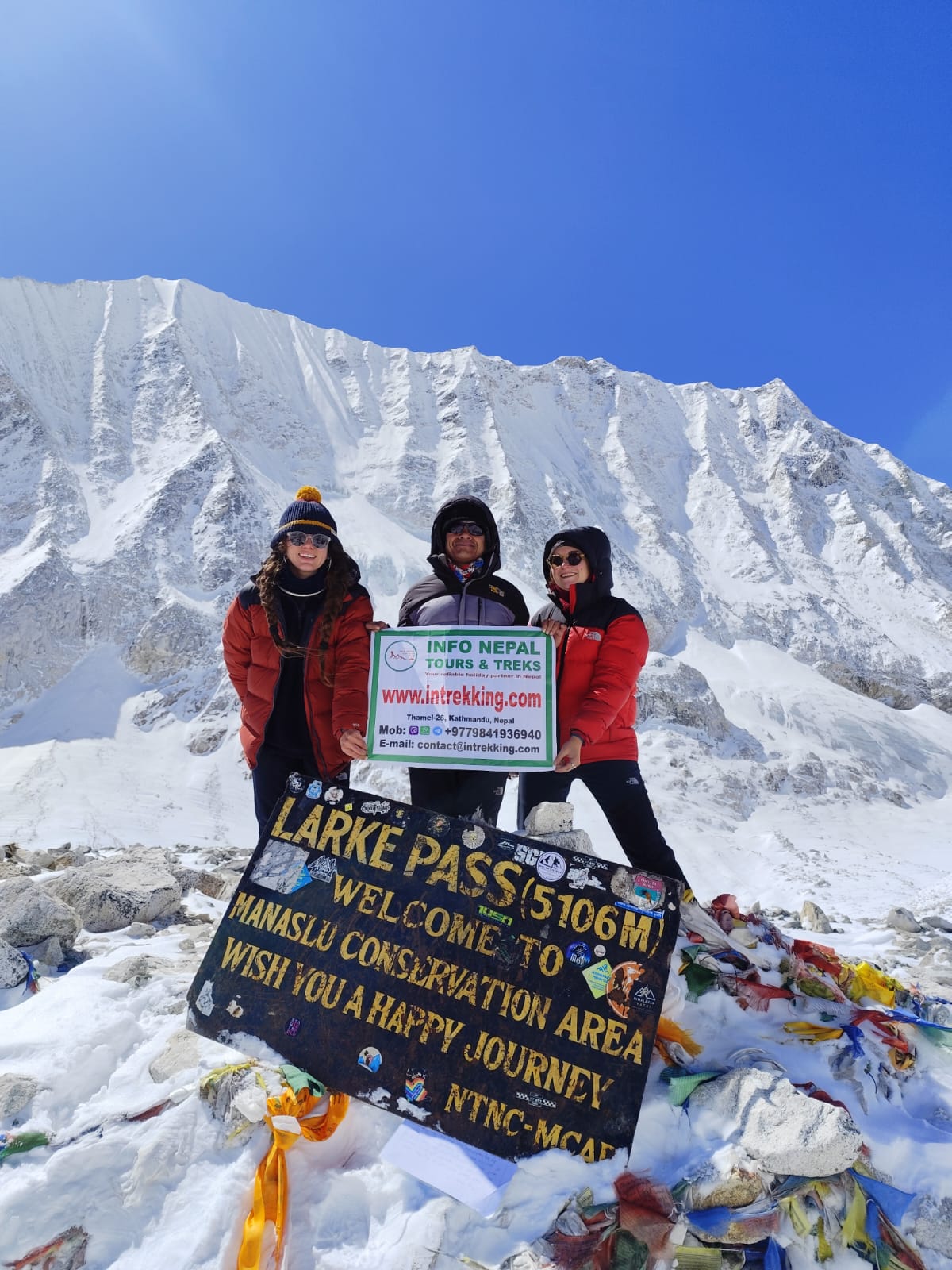
12. **Trek to Dharapani (1,963m/6,440 ft) 4 hrs & 2 hrs drive to Besisahar.** —
After Dharapani today will be the last day walk of the adventure to reach at large Dharapani village as the walk follows the downhill trail through the forest to reach a nice village at Tilje village, a nice place by the raging Marysangdi River.
From Tilje shortstop climbs for a short while after crossing over a bridge to reach the nice village of Dharapani located on the junction of the popular Annapurna and Manaslu circuit route with the district of Manang.
After the refreshing break at Dharapani drive following Masrsyangdi River downstream to reach the low warmer farm area and a large area of Besisar, a headquarters town of Lamjung district with overnight stops in a nice lodge and hotels.
13. **Drive from Besisahar to Kathmandu -05 hrs.** — We will conclude our exciting adventure at the breathtaking foothills of Manaslu. Enjoying a scenic morning drive back to Kathmandu where you will experience the beauty of charming farm villages and vibrant towns along the road.
Upon arrival in Kathmandu, you will be transferred to your hotel for check-in in the afternoon is yours to explore individual activities and discover local culture at your leisure. We’ll gather for a delightful farewell dinner in the evening providing the perfect end to an unforgettable journey through the stunning landscapes of Mobile.
## What's included
- Airport picks up and drops off by the private vehicle.
- Three-time Meal During trekking(Breakfast-Lunch-Dinner)
- All ground transportation on a comfortable private vehicle as per the itinerary
- Guided city tour in Kathmandu by private vehicle
- Transport from Kathmandu to Arughat to soti khola and from dharapani to Besisahar then back to Kathmandu by local bus.
- An experienced, English-speaking, and government-licensed trek leader and assistant trek leader (10 trekkers: 1 assistant guide) Porter service (2 trekkers: 1 porter)
- Staff costs including their salary, insurance, equipment, food, and accommodation Down jacket and sleeping bag (to be returned after trip completion)
- All necessary paperwork and trekking permits and TIMS.
- Restricted areas permit.
- Medical kit (carried by your trek leader)
- All government and local taxes
- Trekking map
- Twin-sharing tented accommodation during the trek.
- Trekking certificate after the trek.
## Not included
- International flight ticket and Nepal Entry Visa
- Personal travel insurance (Which should include coverage for trekking)
- Lunches and dinners in Kathmandu and Pokhara.
- Personal gear for trekking (Including any you may wish to hire in Kathmandu), any personal expenses (i.e. soft and alcoholic drinks, snacks, etc.)
- Excess baggage charge(s)
- Travel and rescue insurance
- Trekking equipment
- Personal expenses (phone calls, laundry, bar bills, battery recharge, extra porters, bottle or boiled water, shower, etc.) Tips for guide(s), porter(s) and driver(s)
## FAQ
**Q: How do I book the trip?**
A: You only need to email us, and we’ll ensure that your trip is booked once we have your confirmation.
**Q: What are the extra charges hidden in the costs?**
A: Extra charges are applied for a Night of extra accommodation. Guide/ porter is charged extra if you add a day.
**Q: How do I pay for the trip?**
A: After getting connected with the Info Nepal support team, you just make deposit on the Info Nepal stated bank address.
**Q: What is the cancellation policy?**
A: For cancellation of this trip, you need to inform us 15 days prior to your Nepal arrival. We will cancel as soon as you send us a cancellation mail.
But still certain percentage of your money will be charged as our service charge, TAX, and VAT
**Q: Do I need oxygen for the Manaslu Circuit?**
A: No, in most cases you won't need oxygen during Manaslu trekking. In case you need Oxygen during this Trek, there will be oxygen in the tea house.
**Q: Is the Manaslu Circuit Trek suitable for Children and pregnant women?**
A: Children can do this trip as long as they do not have any medical conditions. For pregnant women, it is not recommended to do this trip.
**Q: What season is it better to avoid trekking in Manaslu region?**
A: As stated earlier monsoon and winter are not good reasons to do this trip but if you still insist then we recommend Winter over monsoon as monsoon causes slippery trail and have to deal with leeches on the trail.
**Q: What kind of physical preparation is needed for the Manaslu circuit trek?**
A: You should start training 8-12 Weeks in advance focusing on cardiovascular endurance.Like running, cycling, swimming and strength exercises. Like Squat, lunges. Aim to walk 6 to 8 hours daily with five to six kg of daypack on varied terrain. Altitude training like hiking or stair climbing helps prepare for the high elevation at Larkya La Pass.
**Q: What type of accommodation can I expect during the trek?**
A: You’ll stay in tea houses or lodges with simple rooms (Often twin beds, shared bathrooms and limited heating). Blankets are provided, but bringing a sleeping bag is recommended for warmth, especially at higher altitudes. Some areas, like Dharmasala, may have very basic facilities due to remoteness.
**Q: What food options are available on the Manaslu Circuit trek?**
A: Tea houses serve traditional meals like Dal Bhat (lentils and rice), as well as simple dishes like noodles, soups, and Chapati. Breakfast options often include porridge, eggs or pancakes. Foof is basic but nutritious; bring snacks like energy bars for extra fuel, as an option is limited at higher elevations.
**Q: Is drinking water easily available, and how do I ensure it’s safe?**
A: Bottled water is available at the teahouse but can be expensive and contributes to plastic waste. Boiled water or water from local sources is common- use purification tablets or a filter to ensure safety. Carry a reusable water bottle and aim to drink 3-4 litres daily to stay dehydrated at high altitudes.
**Q: What permits are required for the Manaslu Circuit Trek?**
A: You’ll need three permits: the Manaslu Restricted Area Permit (RAP) Costing $100 for the first seven days, $70 (off-season) and $15 per day after that, the Manaslu conservation area permit (MCAP) at $30, And the Annapurna conservation area permit (ACAP) $30. These must be arranged through a registered trekking agency as solo trekking isn't allowed.
**Q: How many hours of walking and I expect each day?**
A: On average, you will walk 5 to 7 hours daily, covering 15 to 20 kilometres. Some days, like crossing Larkya la Pass, may require 8 to 10 hours due to challenging terrain and elevation gain. Lower altitudes. This might be shorter, around 4-5 hours depending on your itinerary.
**Q: What are the risks of altitude sickness and how can I prevent it?**
A: Altitude sickness (AMS) is a risk above 3000 metres, with symptoms like headaches, nausea and dizziness to prevent it. Ascend gradually, no more than 500 metres per day, or about 3000 metres. stay hydrated eat well, avoid alcohol, and can consider a Diamox prescription. If symptoms worsen descend Immediately and consult your guide.
**Q: What kind of clothing should I pack for the trek?**
A: Pack moisture-wicking base layers, a fleece jacket, a waterproof/windproof jacket, a down jacket for high altitudes, trekking pants, and thermal layers for nights. Include a hat, gloves, scarf, and sunglasses for sun and wind protection. Layering is key due to temperature swings from -10°C at night to 10°C during the day at higher altitudes.
**Q: Are there any communication facilities during the trek?**
A: Cell phone services are limited, Covering only 40% of the route. Some villages like Samagaon and Samdo may have WiFi for a fee, but the connection might not be stable. A Nepali sim card with data (e.g. Ncell or NTC) works in lower areas. For emergencies, guides often carry satellite phones.
**Q: What footwear is best for the Manaslu circuit trek?**
A: Where broken, waterproof trekking boots with good ankle support and grip for rocky, uneven trails. Bring lightweight camp shoes and sandals for the evening at teahouses. Pack extra socks (wool or synthetic) to keep feet dry, and consider gaiters for snow or mud, especially at Larkya La Pass.
**Q: How many people are typical in the trekking group?**
A: Groups usually range from 4-12 trekkers due to the restricted nature of the area and it’s challenging trails. Smaller groups allow for better attention from guides and a more personalised experience which is ideal for the remote Manaslu region.
**Q: What kind of wildlife might I encounter on the trek?**
A: You may spot Himalayan tahr, blue sheepYeah, pikas and marmots. Snow leopards are present but rarely seen. Birdlife included Himalayan griffons and pheasants. The trail passes through diverse ecosystems, from subtropical forests to alpine meadows, supporting this wildlife.
**Q: Are there any cultural norms to be aware of during the trek?**
A: Respect local Tibetan-Buddhist traditions: walk clockwise around mani walls and stupas, dress modestly, and ask permission before photographing people or religious sites. Remove shoes before entering the monasteries, and don’t point your feet at people or sacred objects. Tipping guides and porters (around 10% of the trip cost) is an appreciated gesture.
**Q: What emergency support is available on the Manaslu circuit trek?**
A: Guards are trained to handle emergencies like altitude sickness injuries, And can arrange helicopter evacuations if needed. (Ensure your travel insurance covers this). Another one. There are no medical facilities on the trail, so carry a basic first aid kit. In case of landslides or avalanches, follow the guide's instructions immediately.
**Q: What is the best way to get to the starting point of the trek?**
A: The trek starts at Soti Khola, about 126 km from Kathmandu, you’ll travel by private jeep (6-7) hours or public bus (8-10 hours) through winding mountain roads. Private jeeps are more comfortable and faster, often arranged by your trekking agency as part of the package.
**Q: Can I charge my electronic devices during the trek?**
A: Charging facilities are available in most houses, but some come with an extra fee of around $2-5 per charge. Solar power is common so availability depends on the weather. Bring a power bank and extra batteries as electricity can be unreliable, especially at higher altitudes like Dharmasala.
**Q: What should I do with my extra luggage while trekking?**
A: You can store extra Luggage at your Hotel in Kathmandu, most of our storage is free at the trekking agency’s office. Pack only essentials for the trek in a 35 to 45-litre backpack, and if you hire a Porter, they will carry a duffel bag, usually a 10 to 15-kg limit for your gear.
**Q: Are there any specific training tips for crossing the Larkya La pass?**
A: Crossing a larger Lopez pipe on 5,160m on day 11 is the trek’s toughest office challenge due to the high altitude, steep climbs and potential snow. Focus on building leg strength with exercises like stair climbing, hill walking, and lunges. Practise walking on uneven terrain with a loaded backpack of 5 to 6 Kg to simulate the 8 to 10-hour day. Acclimatisation days in some allowance and are crucial, so don't rush the itinerary to reduce altitude risk.
## Contact for this trip
- Operator: Info Nepal Tours and Treks · Thamel, Kathmandu, Nepal
- Phone: +977 9841936940
- Email: contact@intrekking.com
---
# Langtang Gosaikunda Trek 11 Days
URL: https://intrekking.com/trip/langtang-gosaikunda-trek/
Last updated: 2026-07-08
## Facts
- Region: Langtang Region
- Duration: 11 days
- Max altitude: 4,380 m
- Difficulty: Easy
- Group size: 1-10 people
- Best season: March-May : September-November
- Price from: $880 per person
## Summary
A Langtang National Park trek combining the Langtang valley and Kyanjin Gompa with the sacred Gosaikunda lakes, passing Tamang villages and rhododendron forest, for trekkers seeking nature and pilgrimage sites.
## Overview
The Langtang Gosaikunda offers an incredible adventure within Langtang National Park, northwest of Kathmandu. This stunning region, bordered by Tibet to the north, is renowned for its breathtaking natural landscapes, vibrant local culture, and rich biodiversity.
Trekking in this area allows you to experience the unique beauty of the Himalayan scenery as well as the authentic traditions of the local communities. The trek to Gosaikunda Lake, in particular, is a highlight, providing a perfect blend of nature and culture.
As you approach, Gosaikunda Lake, The majestic snow-capped peaks loom in the distance, Creating a stunning backdrop that will leave you in awe—considered sacred by both Hindus and Buddhists, pilgrims and trekkers alike, especially during the Festival of Janai Purnima When thousands gather to pay homage.
The surrounding landscapes are dotted with lush rhododendron forests and picturesque villages, offering ample opportunities to interact with friendly locals and learn about their cultures and traditions. And sets the reflection on the tranquil water creates a magical atmosphere, making it an unforgettable destination for adventurers and nature lovers alike.
Trip Highlights
Stunning Mountain Vistas of Langtang Gosaikunda trek
Panoramic views:
The trek offers breath-taking 360-degree views of the majestic Himalayan peaks including Langtang Lirung (7,227m), Ganesh Himal, Langtang Himal, Gang Chhenpo, Naya Kanga, Dorje Lakpa, Kimsung, and Yansa Tsenji.
Ascending to the iconic viewpoints of Kyanjin Ri and Tsergo Ri is a highlight, Providing unparalleled sunrise and sunset views over the Langtang range. The Langtang Viewpoints are perfect for capturing stunning Himalayan photography and offer the ultimate mountain panoramas on your Langtang Gosaikunda adventure.
Lauribina Pass:
Crossing this high pass (4610m) provides stunning views of the surrounding landscapes, including the Ganesh Himal, Langtang and Manaslu Himal ranges.
The challenging ascent to this high-altitude pass is incredibly rewarding, offering a true sense of accomplishment for trekkers. As you stand atop Lauribina La, prepare for panoramic views that stretch as far as your eye can see, making it a prime spot for Himalayan photography, this pivotal point in the Langtang Gosaikunda tricks circuit connects the Langtang valley to the sacred lakes, revealing the raw, untamed beauty of the Nepalese Himalayas. It’s a truly unforgettable moment on your trekking adventure.
Sacred Gosaikunda Lake of Langtang Gosaikunda trek
Spiritual significance:
Gosaikunda is a holy Alpine freshwater lake at an altitude of approximately 4318 metres (14,370 feet) revered by both Hindus and Buddhists. It’s believed to be the abode of Lord Shiva and Parvati, and Hindus believe Lord Shiva created the lake by thrusting his trident into the mountain to quench his thirst.
This makes it a paramount pilgrimage site in Nepal especially drawing thousands during the annual Janai Purnima festival. Taking a holy dip in its icy waters is believed to cleanse the sins and bring salvation, making the Langtang Gosaikunda trek a profound spiritual journey. The serene atmosphere surrounding the lake offers a tranquil retreat for meditation and reflection, truly embodying the sacred spirit of the Himalayas.
Pilgrimage site:
Thousands of pilgrims visit, especially during the full moon of August, (Janai Purnima) And other religious festivals believing a holy deep in the icy water cleanses sins. This makes the Gosaikunda a vibrant spiritual trekking destination and the cornerstone of Hindu pilgrimages in Nepal.
The atmosphere during these festivals is truly unique, filled with chants, prayers and devoted seeking blessings, offering a profound cultural and religious experience. For many, the journey to Gosaikunda is not just a trek, but a sacred quest connecting them deeply with ancient traditions and beliefs. Witnessing these rituals adds an incredible layer of meaning to the Langtang Gosaikunda Trek itinerary showcasing the deep spiritual significance of the Himalayas.
A cluster of lakes:
Gosaikunda is not just one lake; It is a cluster of several interconnected lakes, including Saraswati Kunda, Bhairab Kunda, and Surya Kunda, each with its religious significance. The interconnected bodies of water are believed to be the dwelling places of various deities, deepening their spiritual aura of reason.
This sacred lake complex offers a unique opportunity to reflect the stunning natural beauty. The tranquil waters, particularly at sunrise, create a mesmerising spectacle that captivates every visitor witnessing this subtle colour variation, light across these individual lakes adds another layer of magic to the Gosaikunda experience.
Mesmerizing beauty:
The turquoise blue waters of the lake, surrounded by snow-capped peaks, and rugged mountain landscapes create a stunning and serene atmosphere. The breathtaking scenery offers countless opportunities for nature photography and moments of peaceful contemplation. The reflection of majestic mountains on the pristine lake surface forms a captivating natural masterpiece, making it an unforgettable highlight of any Himalayan trek.
Cultural immersion of Langtang Gosaikunda trek
Tamang and Sherpa villages:
The trek takes you through the traditional villages, primarily inhabited by the Tamang people known for their unique culture and warm hospitality. You will also encounter Sherpa communities. These settlements are primarily inhabited by Tamang people renowned for their distinct Tamang culture and incredibly warm hospitality.
Engaging with locals provides genuine insight into their traditional Himalayan lifestyle characterised by unique customs, intricate architecture and a strong sense of community. Experiencing the daily life in these authentic Nepalese villages. Ads are deeply personal and enriching dimension to your trekking adventure in Nepal.
Buddhist monasteries and traditions:
The reason is its strong Buddhist culture with the ancient Buddhist monasteries like Kyanjin Gompa and Sing Gompa, The landscape itself is adorned with vibrant, colourful prayer flags Fluttering in the mountain breeze and intricately carved Mani walls, inscribed with sacred mantras, dotting the trails.
These elements collectively, create a profound sense of peace and spirituality, offering deep insights into the local Himalayan Buddhist traditions, and adding a serene reflective dimension to your Langtang Valley trek.
Local interactions:
You will have the opportunity to interact with friendly locals, learn about their unique customs and traditions, and get insight into their traditional lifestyle, architecture, and customs.
Understanding the nuanced beauty of their traditional lifestyle. Observing their distinct Himalayan architecture and learning about their daily routine provides A genuine glimpse into the fabric of life in these remote mountain communities. These personal connections transform your trek into a truly immersive authentic cultural experience in Nepal.
Yak Cheese Factory:
Visit the local yak cheese factory in the Kyanjin Gompa where you can see the production process and taste fresh yak cheese and curd. This unique Langtang culinary experience allows you to see how the regional speciality is made, From milking the yaks to the final product. Don’t miss the chance to taste fresh yak cheese and curd a truly authentic flavour of the Himalayas and the perfect souvenir to bring home from your Nepal adventure.
Langtang National Park of Langtang Gosaikunda trek
Biodiversity of Langtang Gosaikunda trek
The trek traverses Langtang National Park, Nepal’s first National Park, which is home to a wide range of flora and fauna. This protected area boasts incredible biodiversity, showcasing a remarkable array of plant life from vibrant rhododendron forests that burst into colour in spring to towering oak and pine trees and a Sanctuary for Rare and Endangered Himalayan wildlife, Including the elusive red panda, Majestic Himalayan tahr, Musk deer, and Himalayan black bear.
Bird watchers will be delighted by the over 250 species of birds, making it a fantastic destination for wildlife spotting in Nepal. The diverse Ecosystem within the park spanning from subtropical to Alpine zones, contributes to its rich ecological tapestry making every step of the trip or journey through a living natural museum.
Wildlife sightings of Langtang Gosaikunda trek
As you trek through the pristine wilderness of Langtang National Park, keep a keen eye out for the incredible wildlife sightseeing. The park is a vital habitat for several rare Himalayan species, offering a chance to spot the elusive red panda, a true gem of the Himalayas.
You might also encounter the agile Himalayan tahr, the secretive musk deer, or even the powerful Himalayan black bear. Beyond mammals, the park is a paradise for bird-watching in Nepal, home to a diverse array of various bird species, including the national bird, the Himalayan Monal. Each sighting offers a thrilling moment, adding an exciting dimension to your Langtang wildlife adventure.
Lush landscapes of Langtang Gosaikunda trek
You will trek through diverse landscapes including dense forests of oak, rhododendron and hemlock, Alpine pastures, valleys and glacial moraines. During spring seasons (March to May), the rhododendron forests are in full bloom, adding a vibrant colour to the trails.
Diverse trekking experience during the Langtang Gosaikunda trek
Varied Terrain:
The Langtang Gosaikunda trek Truly encompasses a wide variety of terrain, offering a dynamic and engaging experience for every trekker. Your journey will lead you from the charming and picturesque villages through dense and verdant Himalayan forests rich in biodiversity.
You will encounter starting stream waterfalls cascading down the mountainsides, providing refreshing stops as you ascend. The landscapes transform into vast and beautiful Alpine pastures before finally revealing the awe-inspiring grandeur of ancient glaciers. This ever-changing landscape ensures that every day on the Langtang Gosaikunda trial, brings new visual delights, and a unique trekking challenge, making it a diverse and memorable Nepal trekking adventure.
Moderate difficulty:
The Langtang Gosaikunda trek is widely regarded as a moderately challenging trek, striking a perfect balance between adventure and accessibility. While it certainly requires a good fitness level and descent stamina, it is designed to be manageable for trekkers with some prior experience in multi-day hikes.
This makes it an ideal choice for those seeking a rewarding Himalayan trekking experience in multi-day hikes. This makes an ideal choice for those seeking a rewarding Himalayan trekking experience without the extreme demands of highly technical climbs. The well-defined trails and gradual ascents, combined with acclimatization days, help ensure a safer and more enjoyable journey for trekkers prepared for its moderate physical demands.
Unique alternative:
Unique alternative: The Langtang Gosaikunda trek stands as a truly unique alternative To the more frequently travelled and often crowded treks like Everest Base Camp, and Annapurna Base Camp. Opting for this less frequented path provides A significantly more peaceful and serene experience, allowing you to fully immerse yourself in the natural beauty and spiritual tranquillity of the Himalayas without the constant bustling of large crowds. It’s an excellent choice for those seeking an off-the-beaten-path trek in Nepal that offers solitude, authentic cultural encounters, and equally spectacular scenery, making it the perfect Nepal’s hidden gem trek for discerning adventurers.
Gosaikunda Lake
Sacred Gosaikunda Lake: A spiritual centrepiece of this Langtang Gosaikunda trekking itinerary, the sacred Gosaikunda Lake is a holy alpine freshwater lake nestled at approximately 4,380 meters (14,370 feet). Revered by both Hindus and Buddhists, this sacred lake in Nepal is believed to be the abode of Lord Shiva.
The Gosaikunda pilgrimage attracts thousands, especially during the Janai Purnima festival, where a dip in its icy waters is believed to cleanse sins. Explore the cluster of interconnected lakes including Saraswati Kunda, Bhairab Kunda, and Surya Kunda, each holding profound religious significance. The Gosaikunda Lake trek offers a serene and spiritual journey in the Himalayas, surrounded by mesmerizing turquoise waters and snow-capped peaks.
Langtang Gosaikunda Trek Brief Itinerary
Langtang gosaikunda trek- 11-day outline itinerary…
## Itinerary
1. **Drive from Kathmandu to Syabrubesi** — Your adventure begins with an early morning drive from Kathmandu, departing by shared, cheaper local bus. The scenic journey unfolds as it leads to Kathmandu Valley, traversing winding mountain roads. You will pass through charming rural villages and towns, observing the daily life of the Nepalese community with glimpses of terraced farmlands and the meandering Trishuli River.
The drive can be dusty and bumpy in sections, but it offers true immersion into the country’s diverse topography. Upon arrival in Syabrubesi, a bustling gateway town, you’ll check into your teahouse and have time to relax.
[caption id="attachment_4703" align="aligncenter" width="135"] vibrant Buddhist flag fluttering in the wind[/caption]
2. **Trek from Syabrubesi to Lama hotel** — The first day of trekking begins. You’ll start by crossing a suspension bridge over the Bhotekoshi River and then follow the Langtang Khola (river) upstream. The trail gradually ascends through dense, verdant rhododendron oak forests, providing a refreshing start to the trek.
You’ll pass through small settlements like Bamboo and Rimche, often encountering local porters and fellow trekkers. Watch for diverse wildlife, including various bird species and possibly langur monkeys. The sound of the gushing river will accompany you throughout the trek.
[caption id="attachment_4704" align="alignleft" width="135"]
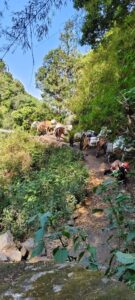 A line of mules laden with essentials for the trek
across the green trail[/caption]
[caption id="attachment_4706" align="aligncenter" width="135"]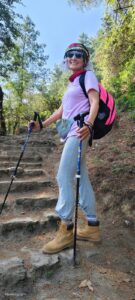 A trekker ascending stone steps[/caption]
3. **Trek from Lama Hotel to Langtang village** — Continue rushing through the forest, which gradually things out as a generality too, revealing more open views of the valley. You will pass Ghodatabela, a military post and clearing with few lodges offering a good spot for break initial views of Langtang Lirung.
The trail then takes you through Thangshyap and Chyamki, Charming settlements where you might see acts grazing as you approach a long-time village, the landscape transforming into the high-alpine pasture. Langtang village itself is one of the largest Tamang settlements in the region, known for its traditional houses and friendly locals.
[caption id="attachment_4707" align="alignleft" width="135"]
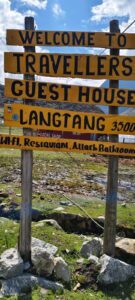 A rustic wooden sign welcomes weary trekkers to 'Travellers Guest House Langtang"[/caption]
[caption id="attachment_4708" align="alignright" width="135"]
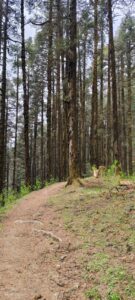 A quiet dirt trail winds through a dense forest of towering pine trees under a serene atmosphere[/caption]
4. **Trek from Langtang Village to Kyanjin Gompa** — This is relatively a shorter but incredibly scenic day. The trip continues its gradual climb through widespread yak pastures, dotted with his stone walls and prayer flags, fluttering in the wind Will crosses the small streams and passes by numerous Mani walls (prayer stones).
The surrounding peaks become more dominant and imposing as you approach Kyanjin Gompa, which is the spiritual heart of the Langtang Valley, home to an ancient monastery and a popular yak cheese factory.
[caption id="attachment_4709" align="alignleft" width="135"]
 A trekker holding banner for Info Nepal travel & Treks[/caption]
[caption id="attachment_4710" align="alignright" width="135"]
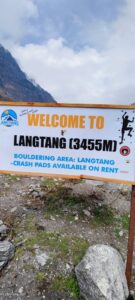 A large welcome sign marking the entrance to Langtang villages at an elevation of 3455 meters[/caption]
5. **Acclimatization Day at Kyanjin Gompa** — Today is a crucial day for specified high altitudes, but also an incredible opportunity for exploration. You will have several options as hiking to Kynajin Ri, A challenging but rewarding climb that takes around 3 to 4 hours round trip and approximately 5 kilometres to a viewpoint offering spectacular 360° panoramic views of the entire Langtang range, Including Langtang Lirung, Langshisha Ri, Yala peak, and even glimpses of the Ganesh Himal.
Hiking to Tsergo Ri is a more strenuous ascent that takes around 6-8 hours for the ultimate panoramic views. This demands good fitness but offers an unparalleled perspective of the surrounding peaks and glaciers and visit Langshsiha Kharka (4,080m/13,386 ft). Are relatively flatter walk further up the value of wearing a closer view of Langshisha glaciers surrounding peaks, a great option for preferring less steep climbs.
You can also visit the Yak cheese factory to see the local manufacturing process of the Yak cheese and even sample some fresh produce.
[caption id="attachment_4718" align="alignright" width="300"]
 Two trekkers holding banners of info Nepal treks[/caption]
[caption id="attachment_4711" align="alignnone" width="135"]
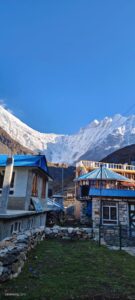 Traditional guest houses with blue roofs against the majestic backdrop of snow-capped Himalayas.[/caption]
[caption id="attachment_4712" align="aligncenter" width="135"]
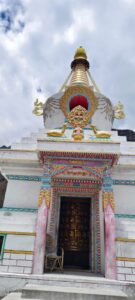 A beautifully adorned white Buddhist stupa like Kyanjin Gompa stands Reuters' ornate golden Spire and colorful entryway against dramatic cloudy sky.[/caption]
6. **Trek from Kyanjin Gompa to Lama hotel/ Changtang** —
Today marks the beginning of your descent out of the Langtang Valley. You will retrace your steps down the valley, injuring the familiar scenery from a new perspective. The long downhill walk passes through the Langtang village, Ghodatabela and back into lush forest. While the journey is primarily downhill, it is still a significant distance and care should be taken on the uneven terrain. Depending on your pace and the availability of lodges, you might stop at Lama Hotel or continue a bit further to Changtang.
[caption id="attachment_4713" align="aligncenter" width="135"]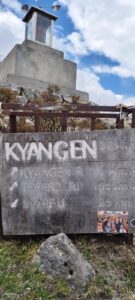 Wooden signpost and Kyanji, Nepal, indicating trekking routes and distance to Kyanjin Ri Tsergo Ri and Syabru[/caption]
7. **Trek from Lama Hotel/ Changtang to Thulo Syabru village** — [caption id="attachment_4714" align="aligncenter" width="135"]
 A trekker standing at the start of the bridge before crossing the suspension bridge during langtang Gosaikunda trek[/caption]
From Lama Hotel instead of heading directly back to Syabrubesi, you’ll take a different route veering towards Thulosyabru. The trail descends further passing through more traditional Tamang villages and terraced fields. Cultural experiences and interaction with locals in more settled communities.
The highlights of the trek include a new trekking route, and the cultural vibrancy of Tamang communities in addition to the stunning panoramic views of the mountain peaks of the surrounding, like Ganesh Himal and Langtang Lirung peaks Thulo Syabru is a large, Vibrant Village perched on the ridge. It is a significant to stop on the way to Gosaikunda.
8. **Trek from Thulo Syabru to Sing Gompa** — Today involves a steady and significant climb. From Thulo Syabru, the trail ascends steeply through dense rhododendrons and pine forests. As you climb, you’ll gain altitude quickly, and the views back towards the Langtang range become increasingly impressive. You might pass through a few small clearings with teahouses along the way. Sing Gompa (also known as Chandanbari) is a peaceful Buddhist monastery settlement, famous for its yak cheese factory and serene atmosphere.
[caption id="attachment_4715" align="aligncenter" width="135"]
 A trekker smiles on a mountain path as a village with blue roofed houses and prayer flag comes into view below.[/caption]
9. **Trek from Sing Gompa to Gosaikunda** —
[caption id="attachment_4721" align="alignleft" width="135"]
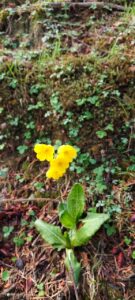 A vibrant splash of yellow bright flowers on the trek's trail[/caption]
[caption id="attachment_4717" align="aligncenter" width="135"]
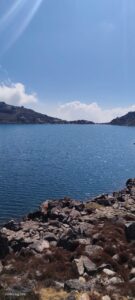 A serene blue lake stretches towards a distant mountain under a clear sky, with a rocky shore in the foreground[/caption]
This is one of the most anticipated and sacred days of the trek. The trail climbs steadily, taking above the tree line into the rugged Alpine landscape. You will pass through Lauribinayak offering incredible views, before continuing your ascent towards the series of holy lakes.
The terrain becomes rocky and exposed. Gosaikunda Lake itself is a Spectacular high altitude glacier lake and revered by both Hindus and Buddhists. According to the Hindu mythology, it was created by Lord Shiva. There are several smaller lakes surrounding the main one.
10. **Trek from Gosaikunda to Dhunche** — Begin your long descent from the holy lakes. You’ll descend steeply from Gosaikunda, navigating the rocky terrain before gradually entering the rhododendron and pine headquarters of the Rasuwa district. The descent is long but offers a change of scenery as you leave the high mountains behind the return to more populated areas.
Don't forget to take breaks and enjoy the panoramic views of the surrounding mountains, valleys, and thick forests. Each of the surrounding mountains, valleys, and thick forests. Each step down the trail offers new vistas and a sense of serenity that only nature can provide.
If you're an avid photographer or simply someone who appreciates the beauty of the outdoors, the varied landscapes along the trek are sure to captivate you. As you reach lower altitudes, the climate will gradually become milder, further enhancing your hiking experience.
The transition from the rugged high-altitude terrain of Gosaikunda to the serene beauty of Rasuwa's lower hills makes this descent not only a physical journey but an emotional one as well. Immerse yourself in this enriching adventure, ensuring that your trek from Gosaikunda to Rasuwa remains a cherished memory for years to come.
[caption id="attachment_4717" align="alignleft" width="135"] A serene blue lake stretches towards a distant mountain under a clear sky, with a rocky shore in the foreground[/caption]
[caption id="attachment_4718" align="aligncenter" width="300"] Two trekkers on a snow-dusted mountain peak holding a banner for Info Nepal treks and Tours[/caption]
[caption id="attachment_4719" align="aligncenter" width="300"]
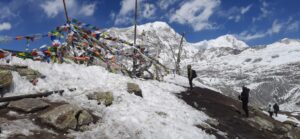 prayer flags flutter over a snowy-mountains trail, leading towards the magnificent Himalayan peaks[/caption]
11. **Drive from Dhunche to Kathmandu** — After a final breakfast in Dhunche, you will board a shared jeep or local bus for the return trip to Kathmandu. The drive will retrace some of the paths you took on Day 1, offering one last opportunity to admire the rural Nepalese landscape. Upon arrival in Kathmandu, you’ll be transferred to your hotel. Thai marks the end of your incredible Langtang Valley and Gosaikunda Lake trekking adventure.
[caption id="attachment_4720" align="aligncenter" width="135"]
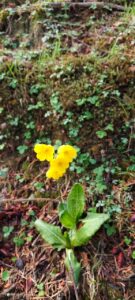 A solitary cluster of bright yellow blossoms adds a pop color to the forest floor[/caption]
## What's included
- Transportation from Kathmandu to Syabrubesi, Dhunche and back to Kathmandu
- Basic accommodation.
- Basic Meals, 3 times a day (breakfast, lunch, dinner) during the trek.
- Professional guide and porter.
- National entry park permits.
- First aid
- Route Map
## Not included
- Personal expenses. (snacks, drinks, souvenirs, Wi-Fi, Hot shower)
- Trekking Equipment
- International airfare.
- Travel insurance/Emergency evacuation
- Tips for guides and porters.
- Additional activities are not mentioned in the itinerary.
- Early arrival/ departure expense
- Any unforeseen/ political inconvenience
## FAQ
**Q: What is Langtang Gosaikunda trek?**
A: The Langtang Gosaikunda trek is a popular Nepal trekking route that combines the stunning alpine landscapes of the Langtang Valley with the spiritual beauty of the high-altitude Gosaikunda Lakes, offering diverse scenery and cultural experiences.
**Q: How long is Langtang Gosaikunda trek?**
A: This specific itinerary is 11 days long Langtang Gosaikunda Trek including travel days from Kathmandu.
**Q: Is Langtang Gosaikunda trek difficult? **
A: The Langtang Gosaikunda trek difficulty is generally Considered moderately challenging, it involves significant elevation gains and descents, especially around the Gosaikunda and Lauribina Pass.
**Q: Is there a chance to see wildlife?**
A: The longer National Park is home to various wildlife, including red pandas, Himalayan thar, musk dear and various birds species. Seeing them requires luck and patience.
**Q: What is the best time to do Langtang Gosaikunda trek?**
A: The best time for the Langtang Gosaikunda trek is during the Autumn (September to November) and Spring (March to May) seasons, offering stable weather and clear mountain views.
**Q: What permits are required for the Langtang Gosaikunda trek?**
A: You’ll need a Langtang National Park Entry Permit and a TIMS card (Trekkers’ information management system).
**Q: Do I need a guide for the Langtang Gosaikunda trek?**
A: While not strictly mandatory, hiring an experienced Langtang guide is highly recommended for safety navigation and cultural insights, especially around Gosaikunda.
**Q: Can I see the mountains from the trek? **
A: Absolutely! The Langtang Gosaikunda trek we're going to includes panoramic vistas of Langtang Ri, Langtang Lirung, Ganesh Himal and other Himalayan peaks.
**Q: What is special about the Langtang Gosaikunda trek? **
A: Gosaikunda Lake is a sacred Hindu pilgrimage site, surrounded by several smaller alpine lakes and offering stunning views.
**Q: Do I need a Porter for the Langtang Gosaikunda trek?**
A: A trekking porter during Nepal trek can Significantly use your burden allowing you to enjoy the scenery more. It's advisable if you are not accustomed to carrying heavy loads.
**Q: What kind of accommodation is available on the Langtang Gosaikunda trek?**
A: Accommodation consists primarily of teahouses and lodges offering basic rooms, shared bathrooms and a common dining area.
**Q: What about food and water in the Langtang Gosaikunda Trek? **
A: Tea houses serve a variety of local and international dishes. Safe drinking water is crucial; Consider bringing water filters, purification tablets or buying boiled water.
**Q: How much does the Langtang Gosaikunda Trek cost?**
A: Langtang Gosaikunda Trek costs vary widely, depending on whether you go independently or with a tour operator and what services are included. Guide, porter, permits, food, accommodation, transport)
**Q: What are the altitude sickness symptoms? **
A: Symptoms include headache, nausea, dizziness, fatigue and difficulty sleeping. Learn more about AMS symptoms before your trek.
**Q: Where is the highest point on the Langtang Gosaikunda trek? **
A: The highest point reached on this trek is Lauribina pass at approximately 4,610 metres (15,120 feet) just before descending to Gosaikunda Lake.
**Q: What is the culture like in the Langtang region? **
A: The London region is predominantly inhabited by Tamang ethnic group, known for their unique culture, traditions and hospitality.
**Q: Is Wi-Fi available on the trek? **
A: Wi-Fi is increasingly available in many houses, especially at lower elevations, usually for a small fee. Connectivity can be unreliable at higher altitudes.
**Q: Can I charge my electronic devices on the trek? **
A: Yes, most houses offer charging facilities often for a small fee, especially for power-intensive devices.
**Q: What happens if there is a bad weather? **
A: Prepare for sudden with the changes in case of heavy snow or rain.the track might be delayed or re routed for safety your guide will advise.
**Q: Is tipping mandatory or customary for guides and porters? **
A: Tipping guides and porters in Nepal is customary and is highly appreciated. A general guideline is 10 to 15% of their trekking wages.
**Q: Where can I find a detailed Langtang Gosaikunda trekking map?**
A: Detailed Langtang Gosaikunda Trek maps are available in Kathmandu or can be found online. Your guide will also have one.
**Q: How much money should I budget for daily expenses? **
A: Budget around dollar $20-30 USD per day for food, drinks and basic amenities excluding accommodation. If not part of a package this can vary.
**Q: What is the typical daily trekking distance? **
A: Daily trekking distance varies. Generally ranges from 6 to 15 kilometres (3.7 to 9.3 miles) per day.
**Q: How do I get from Kathmandu to Syabrubesi (trek Starting point )?**
A: You will typically travel by local bus or private jeep from Kathmandu to Syabrubesi, a journey that takes approximately 6 to 8 hours.
**Q: Are there any age restrictions for the Langtang Gosaikunda trek?**
A: There aren't any restrictions for the Langtang Gosaikunda trek but participants should be in good physical condition and had no underlying health conditions that could be exacerbated by high altitude. Children under 12 and adults over 65 should consult a doctor and consider a slower pace are shorter itinerary.
**Q: What currency should I use on the trek? **
A: The local currency Nepalese rupees, NPR, is the only accepted currency for purchase at the houses and shops along the trek. It is advisable to carry enough cash. ATMs are only available in major towns like Dhunche and Kathmandu and not along the trekking route.
**Q: Can I do the Langtang Gosaikunda trek independently?**
A: While experienced trekkers can do the Langtang Gosaikunda trek independently, navigating the routes, especially for higher sections and Gosaikunda can be challenging, with local knowledge for safety and richer experience hiring a guide is generally advised, particularly for first-timers in the region.
**Q: Do I need trekking poles for the Langtang Gosaikunda trek? **
A: Trekking poles are highly recommended for the long term Gosaikunda trek, especially on steep ascents and descents like climb to Lauribina pass and along the downhill sections. They help with stability, reduces strain on your knees and improve balance.
**Q: Is responsible trekking important during the Langtang Gosaikunda trek?**
A: Yes, responsible trekking is crucial. Practise Leave-No-Trace principles like packing out all your waste, avoiding single-use plastics, respecting local culture and traditions and supporting local businesses responsibly. Language Mission pack relies on the trekker’s adherence to environmental guidelines.
**Q: Can I extend or customise the 11-day 11-Langtang Gosaikunda trek itinerary? **
A: Many trekking tour operators in Nepal offer flexibility. The Langtang Valley trek Itinerary can often be customised to add extra acclimatisation days, including side trips (like Tsergo Ri or a longer stay in Kyanjin Gompa), Or combined with other routes if you have more time. Discuss your preferences with your chosen agency.
## Contact for this trip
- Operator: Info Nepal Tours and Treks · Thamel, Kathmandu, Nepal
- Phone: +977 9841936940
- Email: contact@intrekking.com
---
# Everest Heli Tour
URL: https://intrekking.com/trip/everest-heli-tour/
Last updated: 2026-10-06
## Facts
- Region: Everest Region
- Duration: 1 day
- Max altitude: 5,550 m
- Difficulty: Easy
- Group size: 1-2 people
- Best season: October-December : March-May
- Price from: $1,300 per person
## Summary
A one-day helicopter tour offering aerial views of Mount Everest, surrounding glaciers and Himalayan valleys, for travellers who want to experience the Everest region without trekking.
## Overview
If you’ve ever dreamed of seeing Everest from the sky, now’s your chance! The Everest Heli Tour is a helicopter tour that takes you to the top of Mount Everest.
The mountain is one of the most dangerous places in the world, and it’s not recommended for anyone to attempt to climb it. But if you want to see the world’s highest peak from above, you can’t beat a helicopter tour!
This tour takes you through some of the most beautiful scenery, where you’ll get incredible views of glaciers and valleys that are truly breathtaking. You’ll also get amazing photos of breathtaking landscapes as well as stunning vistas that will make your jaw drop.
You’ll also be able to see Buddhist prayer flags and shrines at various points along your flight path. These sites are sacred in many cultures around the world, so it’s a treat for anyone who loves history or religion!
The air is thin at Everest Base Camp, so we must fly in as low as possible over the mountains and valleys below. Everest Heli Tour as a result, you will see breathtaking views of huge peaks like Ama Dablam and Lhotse and lush green valleys filled with rivers and lakes where herds of yaks graze.
Tour Highlights
The heli ride to the Everest region is spectacular.
Exciting Everest Heli Tour lands in Kalapatthar at a height of 5545 meters.
Incredible vistas of the mountains, including Mount Everest.
Catch a glimpse of Sherpa tradition and culture.
Breakfast is served at the Everest View Hotel, the highest-placed hotel in the world.
See the magnificent vista of the Himalayan glacier.
Detailed Itinerary
Arrive at the domestic terminal of Tribhuvan International Airport
You’ll be picked up from the hotel and then transferred to the airport for the Everest Heli tour.
Arrive at the domestic terminal of Tribhuvan International Airport. The officers at the airport will inspect your tickets and documentation. You will be required to present your documents, including a valid visa, passport, or other identification documents. Please also bring necessary documents such as health insurance, proof of accommodation and return flight tickets.
Fly to the Doorway to the Everest Region, Lukla
After completing the necessary airport formalities, you’ll fly to Lukla. It may take 45 minutes to an hour, depending on factors like the weather.
The flight to Lukla offers mesmerizing Himalayan scenery and offers a chance for travelers to enjoy some of the most spectacular views of the Everest range.
If you’re lucky enough to travel with a camera, it’s worth snapping some photos to remember this trip.
Heli Ride to Kalapatthar
We’ve got you covered. The plane will refuel shortly after landing in Lukla, and then you’ll take off for Kalapatthar after refueling.
The scenery will change as you fly above the beautiful mountain peaks and valleys of Nepal, but the views are worth it. You’ll see lush green forests with snow-capped mountains peeking over the trees on one side, and on the other side is a vast expanse of grassy plains.
Exploration in Kalapatthar for around 10-15 minutes
It’s time to discover the actual value of Kalapatthar.
Take in the panoramas of various mountains all around you during the Everest Heli Tour, as you ascend higher and higher. Enjoy the close-up view of the world’s tallest mountain, Everest. Besides, you can witness Lhotse, Nuptse, Ama Dablam, Pumori, and many other peaks around.
When you get to this point, you’ll only stay for 10 to 15 minutes since there is a profound change in the elevations.
Fly Down to Hotel Everest View
After enjoying a great time in Kalapatthar, you’ll fly to Hotel Everest View. It’s the highest-placed hotel in the world, which means you’ll get an incredible view of Khumbu Glacier, Ama Dablam, Lhotse, and other wonders as you fly over them.
Morning meal at Hotel Everest View
After arriving at the Hotel Everest View, you’ll have a morning meal in the hotel. You can choose from various dishes, including Nepalese and Tibetan cuisine. The food is excellent, with an extensive menu that includes local delicacies.
The majestic Everest and other stunning peaks are once more in your sights. You can take in the breathtaking scenery while enjoying a hearty breakfast.
Fly Back to Lukla
After you’ve finished eating, you’ll be escorted to Lukla. As you descend into the valley below, you’ll enjoy a breathtaking view of the Himalayas and the Everest range.
You’ll refuel at Lukla and prepare for your flight to Kathmandu. Enjoy the breathtaking scenery all over again!
Return Flight to Kathmandu
After a day of flying over the Himalayas, you’re finally ready to land in Lukla. Sit back and relax as your pilot guides you down through the clouds and onto the runway.
From Everest Heli Tour it’s time to take a trip back in time to Kathmandu, Nepal’s capital city. You’re going to have some fun here!
Related
Annapurna Short Trek
Nar Phu Valley Trek
Australian Base Camp Hiking
Jomsom Muktinath Trek
Pisang Peak Climbing
Everest Base Camp Luxury Trek
## Itinerary
1. **Tribhuvan International Airport, Kathmandu** — Hotel pickup and transfer to the domestic terminal. Standard airport formalities apply — bring your passport, visa, and any travel insurance documentation, as you would for a normal domestic flight in Nepal.
2. **Flight to Lukla** — A 45-60 minute flight into the Everest region, following the same dramatic mountain approach used by Everest Base Camp trekkers without the two-week walk in. Brief refueling stop at Lukla before continuing.
3. **Helicopter to Kala Patthar (5,545m)** — The helicopter climbs above the Khumbu's forested lower valleys into high alpine terrain, landing at Kala Patthar for a genuinely rare 10-15 minute stop at extreme altitude. Everest, Lhotse, Nuptse, Ama Dablam, and Pumori are all visible from this single vantage point.
4. **Descend to Hotel Everest View** — A short flight down to the world's highest-placed hotel, trading the thin air of Kala Patthar for a more comfortable altitude with sweeping views of the Khumbu Glacier and Ama Dablam.
5. **Breakfast at Hotel Everest View** — A proper sit-down breakfast with Everest still in view, giving the morning's flying time to sink in before the return journey begins.
6. **Return flight to Lukla, then Kathmandu** — Refuel at Lukla before the final leg back to Kathmandu, with one more pass over the Himalayan foothills before landing.
## What's included
- Round-trip domestic flight, Kathmandu-Lukla-Kathmandu
- Helicopter flight, Lukla-Kala Patthar-Hotel Everest View-Lukla
- Breakfast at Hotel Everest View
- All hotel-to-airport and airport-to-hotel ground transfers in Kathmandu
- An experienced pilot and flight crew
## Not included
- Nepal tourist visa fee (available on arrival at Kathmandu airport)
- International airfare to and from Kathmandu
- Travel insurance, including any medical or evacuation cover
- Lunch and dinner (only breakfast at Hotel Everest View is included)
- Personal expenses (souvenirs, photography add-ons, tips)
- Tips for the pilot and ground crew (customary, and genuinely appreciated)
- Any costs arising from flight delays or cancellations due to weather
## FAQ
**Q: Is Everest Heli Tour the only way to visit Nepal?**
A: No, but it is a great way to experience the country! The air tour is a great way to see the local culture and get a feel for the country. It’s also a great way to meet locals and learn about their lives more intimately than if you were just hiking through on your own.
**Q: What is the Everest Heli Tour?**
A: The Everest Heli Tour is a helicopter ride to Everest, which takes you up to an altitude of 5545 m, Kalapatthar and provides spectacular views of the base camp area and surrounding peaks. You can see Mount Everest, Lhotse, Nuptse and Ama Dablam in one flight!
**Q: Do I need any special equipment for this tour?**
A: No special equipment is needed for this tour, just your camera! However, some people prefer to wear a helmet camera during their flights so that they can capture more of the experience. This is entirely optional and at your own risk.
**Q: What if I don't have enough time to go on this tour? Can I still go?**
A: Sure! You can just book the next available date instead of waiting until one comes up later. Or, if nothing else is available after those dates, we can find something else for you that fits your schedule. Just let us know what dates work best for you!
## Contact for this trip
- Operator: Info Nepal Tours and Treks · Thamel, Kathmandu, Nepal
- Phone: +977 9841936940
- Email: contact@intrekking.com
---
# Kanchenjunga South to North Base Camp Trek
URL: https://intrekking.com/trip/kanchenjunga-south-to-north-base-camp-trek/
Last updated: 2026-07-08
## Facts
- Region: Kanchenjunga Region
- Duration: 21 days
- Max altitude: 5,160 m
- Difficulty: Challenging
- Group size: 1-20 people
- Best season: March-May : September-November
- Price from: $1,849 per person
## Summary
A long, demanding trek in eastern Nepal linking the South and North base camps of Kanchenjunga via Yamphudin, Cheram, the Selele La pass, Ghunsa and Pangpema, for experienced trekkers on a remote trail.
## Overview
Are you looking for an adventure that will take you through stunning scenery and breathtaking views? Look no further than the Kanchenjunga South to North Base Camp Trek in 2025!
This trek is a hidden gem in Nepal, offering a unique experience perfect for first-timers and seasoned trekkers alike. Located in the eastern part of Nepal, the Kanchenjunga Trek promises an unforgettable experience that will take you to the summit of the world’s third-highest mountain. With stunning mountain views, vibrant cultures, and challenging terrain, this trek is a must-do for any avid explorer.
In this article, we’ll cover everything you need to know about planning and preparing for the Kanchenjunga Trek, including the best time to visit, permits, and more.
Book your trek with us today and get ready to embark on an unforgettable journey through one of Nepal’s most beautiful regions!
Highlights of Kanchenjunga South – North Trek:
Explore the untouched and unspoiled highlands, away from the crowds of more popular trekking routes.
Learn about different ethnic groups residing in the Kanchenjunga region, including the Limbu, Rai, Sherpa, and Tibetan people.
Explore the ancient monasteries and temples along the trek, including Ghunsa Monastery and Pangpema Monastery.
Explore both the North and South Base Camp of Kanchenjunga.
Stunning views of Mt. Kanchenjunga, Mt. Jannu, Mera Peak, and other peaks.
Pristine Rhododendron forest and the high alpine passes.
Visit settlements of Tibetan refugees along Kanchenjunga trekking routes.
Wildlife such as musk deer, snow leopard, and mountain yaks can be found.
Length And Terrain Of The South to North Kanchenjunga Trek
The Kanchenjunga South and then North trek are one of the most challenging treks in Nepal. It is a long and strenuous journey that requires a high level of fitness and commitment. The trek is spread across three weeks, and you will be walking with a light backpack.
At 220 km in length, the Kanchenjunga trek is no walk in the park. It requires a good level of fitness to cover such a distance in three weeks with a light backpack. The terrain can be quite unforgiving in parts, with rocky paths and long hills. In some sections, it may be necessary to use short ropes to aid in safely crossing rocky areas. Thankfully, no technical climbing skills are required for the trek.
The Kanchenjunga South to North trek connects the North and South Base Camps of Kanchenjunga via Sele Le Pass over 18 days. This challenging trek offers breathtaking views of Kanchenjunga’s snow-capped peaks, as well as verdant forests, photogenic waterfalls, and impressive glaciers. You will be rewarded with breathtaking views of the majestic Himalayas as you ascend higher and higher.
Additionally, the trek offers stunning views of glaciers, high passes, and meadows of wildflowers. The trek passes through some of the most remote and beautiful parts of the Himalayas, and you will get a chance to experience the beauty of the Kanchenjunga region.
The terrain during the trek is challenging, with steep up-and-down trails, rocky paths, and narrow ridges. Trekkers need to be prepared for altitude sickness as they reach higher elevations. It is recommended to acclimatize properly before ascending further to avoid any health issues during the trek.
Trek to Kanchenjunga South and North: Start To Finish
The Kanchenjunga South Base Camp Trek is a challenging yet rewarding experience that can be fully enjoyed from the starting point in Kathmandu to the finish line in Taplejung. From the beginning, we’ll take a 40-minute flight from Kathmandu to Biratnager, followed by a 6-7-hour jeep drive to the village of Thumbeding. From there, the journey begins.
We’ll trek through rugged mountain terrain and verdant forests, passing through villages such as Yamphudin, Tortong, Cheram, Ramchaur, and Ghunsa to reach the Southern and Northern Base Camps. The journey culminates in Taplejung, from where we have a few options. We can either visit the Pathivara Temple and return to Kathmandu the next day by bus or flight, take a bus to Kathmandu the same day, or visit the temple and go to Biratnagar for an early morning flight to Kathmandu.
The Kanchenjunga South to North Base Camp Trek is a fantastic way to explore and experience some of the most beautiful and remote parts of Nepal, and the journey starts in Kathmandu and ends in Taplejung. Through the trek, we’ll also gain a richer appreciation of the local landscape, flora, and fauna, and gain physical and mental strength. We’ll also be rewarded with life-changing experiences that will last a lifetime.
Cultural and Natural Attractions on Kanchenjunga South to North Trek
The Kanchenjunga South to North Base Camp Trek provides a one-of-a-kind experience. Trekkers can explore the natural beauty of the Himalayas and the unique culture and lifestyle of the people living in the area. The trek is perfect for anyone looking for an adventure of a lifetime.
The Kanchenjunga South and North trek offers a unique blend of natural and cultural attractions. The trek offers magnificent views of the surrounding peaks, including Everest, Lhotse, Makalu, and many others. There are many natural attractions on the trek, including mountains, lakes, rivers, glaciers, and icefalls. Trekkers can also explore the eastern people’s culture and lifestyle during the Kanchenjunga Circuit Trek.
The cultural attractions of the trek include visiting traditional monasteries, stupas, and temples. The local people have kept alive their unique culture and lifestyle over the centuries. You can explore the popular handicrafts of the region and observe their spiritual rituals. The trek also takes you to some of the most remote villages of Nepal, where you can learn more about their culture and traditions.
The trek takes you through remote Himalayan regions of Nepal, where you can observe the local culture and traditions. You can witness traditional dance and music performances by locals during your stay along the trail. Additionally, you’ll find a unique blend of Buddhism and Hinduism in this region. Trekkers can also explore the culture of the local ethnic groups like Rai, Limbu and Magar.
How to Prepare Physically and Mentally for Kanchenjunga South to North Trek
Preparing for the Kanchenjunga South to North Base Camp trek is no small feat as it is a challenging and arduous trek that requires both mental and physical strength. It is essential to be well-prepared for the trek, and this guide will help you understand how to prepare your body and mind for the trek.
First and foremost, you should focus on physical preparation for the trek. This is an extremely demanding trek, so you should make sure that your body is fit and ready for the journey. You should start by building up your strength with regular workouts and exercise. This should include a combination of cardio, strength training, and stretching. Cardio exercises will help increase your stamina, while strength training will build your muscles and help you carry your trekking gear. Stretching exercises will help keep you flexible and prepare your body for the rugged terrain.
You should also ensure that you have the right equipment and supplies. Make sure that you have a good pair of hiking boots, appropriate clothing, a sleeping bag and mattress, and other necessary accessories. You should also bring enough food and water for the entire trek.
Mental preparation is also important for the Kanchenjunga South to North trek. You should be prepared for the physical and mental challenges of the journey. This means that you should be mentally strong and willing to push yourself. It is also important to practice mindfulness and self-care techniques during the trek, such as yoga and meditation.
Finally, make sure that you are well-rested before the trek. You should plan for enough rest days and try to sleep at least eight hours each night in the days leading up to the trek.
By following these tips, you should be able to prepare physically and mentally for the Kanchenjunga South and North trek. It is important to put in the effort and take the necessary steps to ensure that you are well-prepared for the journey.
Packing List for Kanchenjunga Trek
First, it is essential to have a good pair of trekking boots. As Kanchenjunga South – North trek is extremely rugged terrain, you’ll need a pair of boots that are both rugged and comfortable. Additionally, make sure that your boots are waterproof and have a good grip.
The next important item to pack is a lightweight tent. A lightweight tent is essential for camping in the high altitudes of Kanchenjunga. Additionally, make sure to bring a sleeping bag and a sleeping pad, as these will provide warmth and comfort during your trek.
Here’s a comprehensive packing list for your Kanchenjunga South to North trek:
A pair of Trekking boots
Lightweight tent
Sleeping bag
Several layers of warm clothing
Waterproof jacket
Warm hat and gloves
Sunglasses
Headlamp
First-aid kit
Energy-rich snacks
Freeze-dried meals
Hotels and Accommodation during Kanchenjunga South to North Trek
Hotels in the Kanchenjunga region range from small teahouses to luxury hotels. Teahouses are the most common type of accommodation in the region, as they are available in most villages along the trekking route. Teahouses offer basic facilities, including shared bathrooms and hot showers, with meals and snacks being served by the owners.
For those seeking something a little more luxurious, there are several hotels and lodges available in the region. Many of these hotels and lodges are equipped with amenities like hot showers, solar charging, and Wi-Fi. Many of these hotels and lodges have also adopted eco-friendly practices and have received awards for their commitment to the environment. These hotels and lodges offer a higher level of comfort and amenities that can be tailored to meet the individual needs of trekkers.
Additionally, there are several guest houses throughout the region that can be found along with hotels and lodges. These guest houses offer basic facilities and a comfortable place to stay during the trek. Guests can also enjoy a variety of activities in the local area, such as visiting religious sites and enjoying the local culture.
Our team will ensure that you have the best accommodation options available during your Kanchenjunga trek when you book with us. As part of our services, we make sure that our trekkers get the most out of their trek and stay in clean and comfortable accommodations. Furthermore, we offer some of the most convenient amenities, like hot showers, solar charging, and free Wi-Fi.
Meals During Kanchenjunga South-North Trek
The Kanchenjunga Trek is a challenging and remote trek that takes you through the unspoiled highland wilderness of Nepal. During the trek, it is essential to maintain a healthy diet to keep up with the physical demands of the journey.
Throughout the trek, you will be relying on local foods. This is because the area is very remote, and any food items you carry with you will take up valuable space in your backpack. The local foods are also designed to provide your body with the energy boost it needs to survive the difficult terrain.
The most common food you will find on the trail is dal bhat. It is a staple of the local diet in Nepal and is considered to be a complete meal. It is made of cooked rice with lentils of various types and is often accompanied by some side dishes including a vegetable dish and pickles.
The meals during the trek are usually simple but nutritious, consisting of rice, lentils, vegetables, and meat. The food is prepared by experienced cooks who accompany the trekkers on their journey. Breakfast usually includes porridge, eggs, bread, and tea or coffee.
Lunch and dinner consist of dal bhat (lentil soup with rice), vegetables, and meat (chicken or mutton). Trekkers can also enjoy local delicacies like momos (dumplings) and thukpa (noodle soup).
It is recommended to carry some energy bars or snacks for quick bites during the trek. Trekkers should also drink plenty of water to stay hydrated throughout the journey.
Booking & Contact Information
Have you ever dreamed of exploring the spectacular beauty of the Himalayas? Are you looking for an exciting hiking and trekking experience? Well, look no further than Info Tours and Travel! We are a specialized company based in Thamel, Kathmandu, Nepal, offering a variety of trekking, hiking, sightseeing, and vehicle rental services.
We offer a variety of customizable packages to suit your needs, whether it’s a short excursion or a long trek. Our packages are perfect for solo travelers, families, and groups of friends! We have experienced guides that will take you through stunning trails and provide detailed information regarding the best places to visit.
Here at Info Tours and Travel, we strive to provide our guests with an enjoyable and memorable experience. From the booking process to the actual trek, we ensure that you have the best experience possible. Booking with us is easy and stress-free!
To book your trek, visit our website and choose the trek that you would like to go on. After choosing the package, Book your trek, and you will soon receive a confirmation email.
Best Alternative Treks
Chola Pass Trek
Mera Peak Climbing
Gokyo Lake Trek
Nar Phu Valley Trek
Ghorepani Poon Hill Trek
Furthermore, You can act us on our website or by calling or emailing us through the contact information provided below:
Thamel, Kathmandu, Nepal
Viber: (+977) 9841936940
Email: contact@intrekking.com
So what are you waiting for? Book your trek today and get ready for an amazing adventure!
## Itinerary
1. **KTM To Biratnagar (By Plane or Bus) - 40 Minutes & Trek to Thumbeding 6-7 hours** — We will start our first day of the Kanchenjunga South to North Base Camp Trek with an early morning breakfast at our hotel in Kathmandu. After morning breakfast, we will begin our journey from Kathmandu to Biratnagar by either taking a bus or a 40-minute flight. Biratnagar is a city located in the south-eastern part of Nepal.
Once we arrive in Biratnagar, we will start our trek to Thumbeding, which will take us around 6-7 hours to complete. We will follow the trail that leads through small villages, dense forests, and terraced fields. Along the way, we will have a chance to witness the beautiful rural lifestyle of Nepal and interact with locals. We will also enjoy the stunning views of the mountains and rivers that we come across during the trek.
Thumbeding is a small village where we will spend the night before continuing our trek. During our stay, we can explore the village and its surroundings, learn about the cultures and traditions of the locals, and take advantage of the natural beauty of the area. The trek will also provide an opportunity to taste some local cuisine and relax after a long day of trekking.
2. **Drive to Khebang (1915 m) 6-7 hours** — After spending the night in Thumbeding, we will have breakfast and then start our journey to Khebang. We will take a drive to Khebang, which will take us around 6-7 hours to complete. The drive will take us through beautiful landscapes, charming villages, and winding roads that offer magnificent views of the Himalayan range.
Khebang is a small village situated at an altitude of 1,915 meters. It is a scenic and peaceful place that offers a glimpse into the traditional way of life in rural Nepal. The village is surrounded by lush green forests and terraced fields, and the air is very fresh.
Additionally, The village is also a great place to walk around, interact with the locals, and learn their customs and traditions. We will spend the night in Khebang, enjoying its tranquility and natural beauty.
3. **Trek from Khebang to Yamphudin 6-7 hours** — After a morning breakfast in Khebang, we will start our trek to Yamphudin (2,080 m). This will be the first day of our actual trekking journey towards Kanchenjunga Base Camp. The trek will take us around 6-7 hours to complete.
Our trail will gradually ascend, and we will be walking on narrow paths, crossing suspension bridges over roaring rivers and streams. As we leave Khebang, we will be surrounded by beautiful landscapes, lush green forests, and cascading waterfalls.
The village is surrounded by dense forests, providing us with a wonderful view of the natural environment. We will spend the night in Yamphudin before continuing our journey towards the Kanchenjunga Base Camp.
4. **Trek from Yamphudin to Tortong 6-7 hours** — On the fourth day of our Kanchenjunga trek, we'll set out from Yamphudin towards Tortong, which is located at an altitude of 2,995 meters. The trek will take us through a scenic trail, with numerous small villages and settlements dotting the landscape. We'll cross the Amji Khola river and pass through charming villages like Omsa, Dhumsa, and Chittre, before finally reaching Tortong.
The trek will take around 6-7 hours, and we'll take our time to soak in the natural beauty of the surroundings.Tortong is a peaceful village, surrounded by lush forests and stunning mountain peaks. We'll spend the night in Tortong, enjoying the serenity and tranquility of the village, and preparing for the next day's trek towards the Kanchenjunga Base Camp.
5. **Trek from Tortong to Cheram 6-7 hours** — Today marks Day 5 of our trek, and our destination is the beautiful village of Cheram (3,870 m). We will be trekking from Tortong and it should take us around 6-7 hours to reach our destination.
The trek is going to be full of adventure, as we will be passing through Andi Pher, gaining an impressive 1000m of altitude in the process. The view here is absolutely stunning, as lush green meadows and towering snow-capped peaks surround us.
We will be crossing small bridges and walking right through the heart of the valley. Keep your eyes peeled for flora and fauna, and be sure to take lots of photos! After a day of trekking, we’ll be rewarded with the breath-taking view of Cheram. As the sun sets, we can lay our mats and get ready for a good night’s rest.
6. **Acclimation/Rest Day** — After several days of trekking, it's time to give our bodies a much-needed rest and acclimate to the high altitudes. Acclimation is essential for adjusting to the climate in higher altitudes. It helps our bodies get used to the change in air pressure and oxygen levels, which can make us feel dizzy or light-headed. Acclimation is also important to prevent Altitude Sickness, which can cause severe symptoms like headaches, nausea and difficulty breathing.
The best way to acclimate is to take a rest day and allow our bodies the chance to adjust. So today, we’ll be taking the day off and exploring the nearby village of Cheram.
7. **Trek from Cheram to Ramchaur 4-5 hour** — Today marks the seventh day of our amazing trek from Cheram to Ramchaur (4,580 m) and we're more than ready to get going. After a restful two-night stay in Cheram, we'll be embarking on a five to six-hour trek to Ramchaur.
We’ll begin our journey trekking alongside the Simbuwa Khola, passing the village of Lapsang along the way. This picturesque village is a must-stop on our journey and offers stunning views of the majestic Himalayan Mountains. We'll take the time to take in the sights and sounds of the village, before continuing along our route.
As we journey further, we'll pass through dense rhododendron and pine forests which are abundant with wildlife. We'll be sure to keep our eyes peeled for a glimpse of rare birds and animals as we pass through these beautiful forests.
After a five- to six-hour trek, we'll arrive in Ramchaur, a picturesque mountain village that provides spectacular views of the surrounding mountains and local hospitality. We'll make sure to take in the stunning views before resting for the night in this quaint village.
8. **Trek from Ramchaur to Kanchenjunga South Base Camp & Visit Back to Cheram 6-7 hours** — We will begin our trek from Ramchaur and ascend gradually toward Kanchenjunga South Base Camp. The trek is approximately 6-7 hours long, and requires moderate physical fitness.
As we reach Kanchenjunga South Base Camp, we will be rewarded with breathtaking views of the mountain and its surroundings. Kanchenjunga is the third highest mountain in the world, and it stands at 8,586 meters (28,169 feet). It is considered sacred by locals and a popular destination for mountaineers and trekkers.
After spending some time at the base camp, we will start our descent back to Cheram. The trek back will take around 3-4 hours, and we will follow the same trail that we took earlier in the day. Upon reaching Cheram, we will have dinner and spend the night at a local Tea house.
9. **Trek from Cheram to Ghunsa via Selele La Pass 7-8 hours** — Following yesterday's long and exhausting trek, we are ready to proceed onwards to Ghunsa via Selele La pass today.
In the morning, we trek from Cheram to Selele La Pass. The trek takes us through beautiful mountain meadows as we pass Selele Khola and Tanbharma Danda, which mark the highest point of the trek today, at 5,455 m. From the top, there is an incredible view of the Himalayas.
The trail then starts to descend, leading us through a variety of terrain - from lush green meadows to rocky paths. There is a lot of natural beauty along the way, and a lot of local wildlife. The view is worth it despite the demanding terrain.
Finally, we reach Ghunsa, a small village situated in a picturesque valley, following several hours of hiking. We’ll stay overnight here.
10. **Acclimatize/Rest Day at Ghunsa** — We are acclimatizing to the cold temperatures and elevation changes of the Himalayas today after a long day of hiking through the mountains yesterday.
On this day of rest, we’ll have the opportunity to explore the nearby area and take in the breathtaking views. We can take a short walk around the town, visit local shops for souvenirs, or take a few steps up the trail to get a better view of the mountain range. This is also the perfect opportunity to let our bodies rest after spending so much time on the trail.
At Ghunsa, we’ll also be able to recharge both physically and mentally. With our minds energized and bodies rested, we’ll be ready to tackle the next challenge on our journey. It’s important to give ourselves this time to acclimatize before continuing our trek.
11. **Trek from Ghunsa to Khangpachen 5-6 hours** — Our most challenging trek begins today in Ghunsa, traversing the forested slopes of the south bank of the Ghunsa Khola, passing several Mani walls and Chortens, as well as scree slopes and glacial moraines. A forested path will lead us up the south bank of the Ghunsa Khola today as we leave Ghunsa.
We will be trekking for around 5 to 6 hours until we reach our destination, the Tibetan settlement of Khangpachen (4,050 m). Here, we will be able to take a break and enjoy the beauty of the surrounding mountains. Once we reach Khangpachen, we will rest and spend the night at a Tea house.
12. **Trek from Khangpachen to Lhonak 4-5 hours** — Today we will continue our trek from Khangpachen to Lhonak. The journey is expected to take 4-5 hours.
The trail leading to Lhonak passes through a desolate wilderness, dotted with icy glaciers, with no villages or settlements nearby.
We will make our way slowly, as the terrain is composed of moraine debris, making the footing slippery and treacherous. We will eventually reach the beautiful pasture area of Ramtang, 4350m, where the Kanchenjunga glacier starts.
Along the way, we will come across the picturesque Ramtang Monastery, which sits next to a bridge that crosses a waterfall. The views here are truly breathtaking. The trail will then follow the north bank of the river, leading us to the Lhonak Glacier. This junction of the two glaciers is a truly remarkable sight, and we will be rewarded for our efforts with some truly stunning views. Overnight in Lhonak.
13. **Trek from Lhonak to Pangpema (5,065m) (Kanchenjunga North Base Camp) back to Lhonak 5-6 hours** — As part of our journey today, we will be trekking to Kanchenjunga North Base Camp. From Lhonak, we hike for 5-6 hours until we reach Pang Pema, also known as Kanchenjunga northern base camp.
It is a pleasant hike up to the base camp, and we will be climbing steadily throughout. We will be trekking along a line of moraine and there are certain sections of the trail that are prone to landslides, so be sure to be extra careful. The use of a trekking pole may help make things a bit easier.
Eventually, we will reach the flat grassy plain basin of the Kanchenjunga North Base Camp. Here, you can take in the magnificent beauty of the landscape and gaze at the towering peak of Kanchenjunga. After soaking in the sights, we will return back to Lhonak and spend overnight there.
14. **Return from Lhonak to Ghunsa 6-7 Hours** — Today, we will return back from Ghunsa to Lhonak following the same route as before. The trek back is approximately 6-7 hours, which gives us time and opportunity to reflect on all the experiences and memories we've had in the last two weeks.
Once we reach Ghunsa we can watch the sunset over the peaks, taking in the stunning sights of the snow-capped mountains as they merge into the night sky. We spent the overnight in Ghunsa.
15. **Trek from Ghunsa to Gyable 5-6 hours** — We'll move on to Gyable (2 725 m) after a well-rested night in Ghunsa.
This five to six hour trek will take us over some of the most beautiful landscapes of the region.
The trek begins with a steep climb through the forests of Ghunsa, passing stunning alpine meadows and picturesque villages. Take it slow and steady, and appreciate the amazing scenery that the region has to offer.
Once we reach the ridge, the terrain will become slightly easier and we will be able to enjoy the stunning views as we descend into the valley of Gyable. After a long day of trekking, we will settle down in Gyable for a well-deserved overnight rest.
16. **Return from Gyable to Suketham** — Having spent 16 days enjoying the breathtaking natural beauty of Kanchenjunga region and the incredible hospitality of the locals, we can't help but feel a little sad as our journey is coming to an end.
Our journey now returns to our starting point - Suketham. We've already farewelled Gyable, but we can't help but feel a bit of nostalgia for a place that's now only a distant memory.
17. **Drive from Suketham to Sinwa (3-4 hours)** — Today we are heading from Suketham to Sinwa! After weeks of trekking in the Kanchenjunga Region, it’s time to give your legs a break and take in the stunning views from the comfortable ride in a bus.
The drive from Suketham to Sinwa takes approximately 3-4 hours. As you travel along the winding roads of this mountainous terrain, you’ll witness the beauty of the Himalayan Range. From snow-capped mountains to lush green valleys, you’ll be amazed by the diverse landscape of the region.
Once you reach Sinwa, you can relax and enjoy the tranquil atmosphere. Spend some time in the local markets to get an authentic taste of the culture and buy some souvenirs to take home. Be sure to try some of the local food as well—it’s sure to be a memorable experience.
At the end of the journey, you can choose to stay overnight at Sinwa or if you want to make the trip shorter, you can drive back to Kathmandu by Bus directly from Suketham.
18. **Trek from Sinwa to Pathivara Temple and Back to Phedi** — We are embarking today on a pilgrimage to a holy Hindu temple that is sought out by devotees of all ages, Pathivara Temple. This temple is dedicated to goddess Pathivara and is located at 3750 meters above sea level in the Taplejung district in Nepal's top east.
The trek is not difficult and can be completed in about five to six hours. After climbing a hilltop and walking through a forest, we will finally reach the Pathivara Temple. After exploring a few hours in the Temple we’ll return back to Phedi to stay overnight.
19. **Drive from Phedi to Taplejung 3-4 hours**
## What's included
- Private vehicle for airport pickup and drop-off
- Three daily meals during the trekking (breakfast, lunch, and dinner)
- Private ground transportation according to the itinerary
- Experienced, English-speaking, government-licensed trek guide
- Staff costs, including salary, insurance, equipment, food, and accommodation
- Down jacket and sleeping bag (to be returned after the trip)
- All necessary paperwork and trekking permits, including TIMS
- Medical kit carried by trek guide
- Government and local taxes
- Trekking certificate after completing the trek
## Not included
- Nepalese visa fee
- Excess baggage charges
- Private transportation is not mentioned in the "What's Included" section
- Additional night accommodations in Kathmandu due to early arrival, late departure, or early return from the mountain due to natural disasters or personal reasons
- Lunch and dinner in Kathmandu (or in the case of an early return from the mountain)
- International flights
- Travel and rescue insurance
- Trekking equipment
- Personal expenses include phone calls, laundry, bar bills, battery recharge, extra porters, bottled or boiled water, showers, etc.
- Tips for guide(s), porter(s), and driver(s)
## FAQ
**Q: How many days does it take to complete the Kanchenjunga South to North trek?**
A: The Kanchenjunga South to North trek can take up to 21 days. We recommend you allocate enough time to cover the entire route and make the most of your adventure. However, you can adjust the length of your trip by taking a bus from Suketham on Day 19 if you're short on time.
**Q: What kind of accommodation is available on the Kanchenjunga South to North trek?**
A: On the Kanchenjunga South to North trek, you will be able to find a range of accommodation options. Our team will guide you and ensure that you have the best option available during your trek. You can choose from hotels, lodges, guest houses and more – all are comfortable and offer basic facilities such as hot water showers, WIFI access and blankets.
## Contact for this trip
- Operator: Info Nepal Tours and Treks · Thamel, Kathmandu, Nepal
- Phone: +977 9841936940
- Email: contact@intrekking.com
---
# Everest Base Camp Trek heli Return- 9 Days
URL: https://intrekking.com/trip/everest-base-camp-trek-heli-return-9-days/
Last updated: 2026-07-27
## Facts
- Region: Everest Region
- Duration: 9 days
- Max altitude: 5,445 m
- Difficulty: Easy
- Group size: 1-10 people
- Best season: March-May : September-November
- Price from: $2,400 per person
## Summary
An Everest Base Camp trek that ascends on foot through Namche Bazaar, Tengboche and Dingboche to base camp and Kala Patthar, then returns by helicopter from Gorak Shep, shortening the descent.
## Overview
Do you want to experience the beauty of the Everest region up close? Does the thought of flying over the highest peaks in the world make a dream come true? If yes, then a helicopter trek to the Everest Base Camp is the perfect way to fulfill your dreams.
During the helicopter trek, you will get a firsthand taste of the majestic beauty of the Everest region. The views of the breathtaking Himalayan range, including the world’s highest mountain, will be mesmerizing. You will be flying above the snow-capped peaks, lush valleys, and pristine lakes. You will also get a good glimpse of the local Sherpa settlements, which are located at the foothills of the Everest range.
On landing at the base camp, you can explore the area and get a clear view of the mighty Mount Everest and its surrounding peaks. You will be able to witness the breathtaking beauty of the snow-capped mountains, the majestic beauty of the glaciers, the deep valleys, and the dense forests. The views are simply stunning and a once-in-a-lifetime experience. You can even visit the Khumbu Icefall and take a stroll.
Trekking Options from the Everest Base Camp Heli Trek
If you’re interested in trekking after your Everest Base Camp Helipad trek, there are several options available. One way to reach the base camp is to drive to Jiri and trek from there. Another option is to fly or drive to Phaplu or Salleri and trek from there.
Read: Salleri to Everest Base Camp Trekking
The most popular trekking trail in the area is the Everest Base Camp Trek, which takes around 12-14 days to complete. The trek is known for its spectacular views of the Himalayas and colorful settlements such as Namche Bazar, Pheriche, Tengboche Monastery, and Gorakshep.
If you’re short on time but still want to experience both trekking and a helicopter trek, the Everest Base Camp Heli Trek combines both activities into a single trip. It includes a trek to the base camp followed by a helicopter return to Kathmandu in 11 days.
Popular Trekking Trails of the Everest Region
Here are some of the popular trekking routes that can be accessed from the Everest Base Camp helipad:
Everest Base Camp Luxury Trek – 15 Days
Everest Base Camp Trek via Gokyo Lakes & Cho La Pass – 17 Days
Everest Base Camp with Gokyo Lake Trek – 18 Days
Everest Base Camp Helicopter Flight Options
1. Helicopter flight from Kathmandu to Everest Base Camp and return
A helicopter flight to Everest Base Camp and back from Kathmandu is an excellent way of seeing the Himalayas in Nepal. As you fly closer to Mount Everest, you will be able to get a closer look at its majestic peak. As you depart from Kathmandu, you will be able to see the majestic Himalayas below, with panoramic views of mountains, valleys, and rivers. The helicopter will land at Everest Base Camp, where you can explore the area and take in the breathtaking scenery.
The main highlight of this trek is landing at Kala Patthar (5550m), from which you can see Mount Everest and other Himalayan peaks like Lhotse, Nuptse, and Pumori. You will also see glaciers, lakes, and forests on your helicopter flight back to Kathmandu. If you do not have time for a full trek or suffer from altitude sickness, this trek is perfect for you.
2. Helicopter flight from Namche Bazaar to Everest Base Camp
The helicopter flight from Namche Bazaar to Everest Base Camp is a great option for those who want to experience the beauty of the Himalayas in Nepal. From Namche Bazaar, the flight heads towards Mount Everest, with panoramic views of the mountains, valleys, and rivers below.
With the helicopter flying closer to Mount Everest, you will be able to see the majestic peak up close and explore the region.
3. Helicopter flight from Kathmandu to Everest View Hotel
A helicopter flight from Kathmandu to the Everest View Hotel is a unique and exciting way to experience the majestic view of the world’s highest mountain, Mount Everest (8,848).
The Everest View Hotel is located at an altitude of 3,880 meters (12,729 feet) and is known for its stunning views of Mount Everest and the surrounding peaks. It is a popular destination for trekkers and mountaineers alike. However, reaching the hotel on foot can be a challenging and time-consuming journey, taking up to 10 days to complete the trek.
Alternatively, you can take a helicopter flight from Kathmandu to the Everest View Hotel. This flight takes about one hour and offers spectacular views of the Himalayas from the air. Before landing at the hotel’s private helipad, you will soar over lush green forests and terraced fields.
4. Helicopter flight from Gorakshep to Everest face-to-face.
Taking a helicopter flight from Gorakshep to Everest Base Camp gives you a breathtaking view of the world’s highest mountain. At an altitude of 5,164 meters (16,942 feet), Gorakshep serves as a base camp for climbers and trekkers who attempt to summit Mount Everest. The flight from Gorakshep to Base Camp offers spectacular aerial views of the Khumbu Glacier and the surrounding peaks, including Lhotse, Nuptse, and, of course, Mount Everest itself.
As the helicopter approaches Everest Base Camp, you’ll have the chance to see the colorful tents and expedition gear of the mountaineers who are attempting to climb the world’s highest peak. You will be able to see the Khumbu Icefall, a treacherous section known for its shifting ice and dangerous crevasses. The flight from Gorak Shep to Everest Base Camp is a thrilling and unforgettable experience that allows you to see the majesty of Mount Everest from a unique and privileged perspective.
5. Helicopter flight from Everest Base Camp to Lukla and return
You can experience the beauty of the Everest region conveniently and efficiently with a helicopter flight from Everest Base Camp to Lukla and back. Those who would like to experience the thrill of flying over the Himalayas without the physical exertion of trekking can take advantage of this flight option.
At Lukla, you can explore the charming town and its many attractions, including the Lukla Airport, which boasts a short runway and thrilling takeoffs and landings. After a short visit to Lukla, you’ll board the helicopter for the return journey to Everest Base Camp, where you’ll have the chance to take in more stunning views of the Himalayas from above.
Why Book Everest Base Camp Heli Trek With Us?
Are you looking for a reliable and knowledgeable team to help you plan and execute a trek to the Everest Base Camp Helipad? If so, you’ve come to the right place. We at Info Tours and Travels understand the importance of having a reliable and experienced team to complete your journey. We have years of experience in trekking, rental services, mountaineering, and guiding, and we have taken thousands of people to the Everest base camp.
But why should you book your trek with us? Here are just a few of the reasons:
Licensed Trekking Team
Our licensed trekking team consists of trained and experienced guides who are knowledgeable about the local culture, customs, and environment. They are certified by the government and undergo regular training and updates to ensure that they are up-to-date with the latest safety protocols, first aid techniques, and environmental best practices.
Aside from our licensed guides, our support staff (Sherpas), including porters, are also trained and experienced. They are responsible for packing your luggage, setting up campsites, and preparing meals so that you can focus on enjoying the trek.
Customizable Tailored Itinerary
We can help you design a customized trekking itinerary that suits your exact needs. Whether you’re a first-time trekker or an experienced mountaineer, we can help you map out a trekking plan that works for you.
Our travel planners will design an itinerary that fits your preferences, budget, and time constraints when you book your Everest Base Camp Helipad trek with us. Depending on your interests and availability, we can also customize your trekking plan to include additional activities, rest days, or side trips.
Expert Knowledge and Advice
Our team has decades of experience in mountaineering and trekking in the Himalayas. We are passionate about sharing our knowledge and experience with our clients to ensure that they have the best trek possible. If you have any questions regarding the trek route, altitude sickness, equipment, or any other aspect of trekking in the Himalayas, we are always available to answer them.
Our team can share their extensive knowledge of the region’s culture, history, and natural environment, providing you with a deeper understanding and appreciation of the Himalayas.
Carefully Selected Accommodation and Meals
We understand that the trek to the Everest Base Camp Helipad is a once-in-a-lifetime adventure, and that’s why we take extra care to provide our guests with the best experience possible. Our carefully selected accommodations and meals are designed to make your trek as pleasurable as possible.
At every stage of the trek, we provide our guests with comfortable accommodations. From luxurious lodges to traditional tea houses, we make sure that our accommodations are clean and comfortable and provide the necessary amenities.
To further enhance the experience of our guests, we also provide delicious, freshly cooked meals. As a result, you are fed the right amount of energy to keep going during your trek by the chefs who are very experienced in preparing healthy and delicious meals. We make sure that the food is of the highest quality by using only the best ingredients.
Affordable price & Secure Payment
We offer an affordable price for our Everest Base Camp Helipad trek without compromising on the quality of our services. Our goal is to provide you with the best possible value for your money, ensuring that you have a memorable and enjoyable experience. We do this by negotiating competitive rates with local suppliers and passing the savings on to our clients.
In addition, we recognize how important it is to pay securely when booking a trek. You can be assured your financial transactions are safe and secure with us. We utilize robust encryption technology to protect your financial and personal information, so you can pay securely. As well as offering credit cards and online banking, we also offer a range of payment options to make things easier for you.
24/7 Support
As part of our commitment to providing the best possible trek experience, we believe that 24-hour support is essential during your trek. Throughout your trek, our team will be there to help you with any questions and needs.
No matter what you’re experiencing, whether it’s altitude sickness, equipment issues, or just some time to chat, our support team is available to assist you 24 hours a day.
At Info Tours and Travels, we understand the importance of having the right team, resources, and support to ensure a successful and safe trek. We will provide all the necessary tools and resources to ensure you have the best experience possible on your journey to the Everest Base Camp Helipad.
Contact us today to book your trek if you’re looking for a reliable, knowledgeable, and experienced team to plan and execute your trek.
Related
Ghorepani Poon Hill Trek
Tilicho Lake Trek
Ghorepani Sunrise Poon Hill Trek
Pisang Peak Climbing
Annapurna Base Camp Trek
Jomsom Muktinath Trek
## Itinerary
1. **Fly to Lukla and trek to Phakding (2652m/8699ft) Duration: 3 hours** —
Today, we will fly to Lukla and hike up to Phakding. It's going to be a great adventure, and we know you're going to love it. Before we get started, let’s take a minute to discuss some of the details. The flight from Kathmandu to Lukla is about 30 minutes, and from there, we will be trekking for three hours.
As we ascend steadily towards Phakding, we follow a path along the Dudh Kosi River. It is a great way to get acclimated to the altitude, and it is suitable for trekkers who don't have much experience. The trail offers stunning views of the mountains surrounding us.
We'll also pass through small villages of Ghat and Monjo, where locals will be out and about doing their daily chores. We will eventually reach Phakding, where we will stay in a comfortable guest house for the night. We will enjoy dinner and a good night's rest after a long day's trekking.
2. **Trek to Namche Bazaar (3440m/11283ft) Duration: 6 hours** —
After a hearty morning breakfast and packing our backpacks, we head off on an exciting journey towards Namche Bazar with an elevation of 3,440m (11,283ft).
We cross the beautiful Dudh Koshi River and make our way through the Sagarmatha National Park, a UNESCO World Heritage Site. Here we get a chance to witness some of the most stunning landscapes in the world. As we ascend the trail, we come across several Sherpa villages – Monjo, Jorsale, and others.
The trail gradually becomes steeper as we gain altitude. If we’re lucky, we might spot some animals or rare species of birds along the way. As we continue our march, the grand snow-capped peaks of the Himalayas come into view. On a clear day, we can even get a glimpse of the majestic Mount Everest.
After six hours of trekking, we finally reach Namche Bazaar, with its Sherpa village homes and bustling atmosphere. Here, we spend the night to acclimatize and prepare for our next adventure.
3. **Acclimatize in Namche Bazaar and visit Everest View Hotel & Return** —
Today, we take our time to allow our bodies to adjust to the altitude and acclimatize. While strolling around Namche Bazar, we experience the sights, sounds, and smells of this bustling mountain city filled with lodges, hotels, retail stores, and cyber cafes.
We'll also trek to the Everest View Hotel for lunch and enjoy some of the best views of Everest we've ever seen - Mt. Everest, Mt. Ama Dablam, Mt. Lhotse, Mt. Nuptse, Mt. Cho-Oyu, Mt. Thamserku, and Mt. Tawach. In the afternoon, we'll explore the hotel, taking in the incredible views and taking some amazing photos.
We'll return to Namche before evening to rest and relax again. Our evening will be spent eating, chatting and exchanging stories with fellow travelers from around the world. The next day, we continue our journey and leave Namche behind, vowing to return soon to explore this magical and awe-inspiring place.
4. **Trek to Tengboche (3860m/12660ft) Duration: 5 hours** —
On Day 4 of the Everest Base Camp Helipad Tour, we will trek to Tengboche, a picturesque village located at an elevation of 3860m/12660ft. The trek will take around 5 hours, during which we will be treated to breathtaking views of the Himalayas.
We will also cross a thrilling suspension bridge along the way, which adds an extra layer of thrill. We will visit Tengboche Monastery upon reaching the region. This is the largest monastery in the region. It is also a religious site for the local Sherpa community.
In Tengboche monastery, we will see beautiful prayer flags and Mani walls. Inside the monastery are many cultural and religious artifacts to be explored and admired. In the evening, we can take in the stunning sunset views from Tengboche as we conclude our day of trekking. It will be a perfect way to finish off a great day as the sun sets over the spectacular Himalayan mountains, and we'll have wonderful memories.
5. **Trek to Dingboche (4410m/14464ft) Duration: 5 hours** —
Today, we will start our trek from Tengboche to Dingboche. The trek is challenging, but the scenery is absolutely stunning. We will follow the Imja Khola river and pass through rhododendron and juniper forests.
As we continue to climb, we will reach the windswept fields of Dingboche, which are mainly used for potato farming. This village is located at an elevation of 4410 meters (14464 feet), so it's better to take it easy and acclimatize to the altitude.
Once we arrive in Dingboche, we'll check into our accommodations and have some time to relax and explore the village. We can take a stroll through the potato fields and enjoy the incredible mountain views that surround us. Overnight in Dingboche.
6. **Acclimatization at Dingboche & Visit Nagerjun (5100m/16728ft) and return Duration: 6 hours** —
Our goal today is to acclimatize at Dingboche and to take the much-needed break to rest during today's walk. Dingboche is situated at an altitude of 4,410 m and offers breathtaking views of the majestic Himalayas. The village is surrounded by rugged and snow-covered mountains, making it the perfect place to take in the stunning scenery.
Afterward, we will take a short hike to Nagerjun, a mountain at an altitude of 5,100 meters. Nagerjun can be reached after a walk of about three to four hours round trip from Nagerjun. Upon reaching the summit, the views are nothing short of breathtaking, with 360-degree panoramic views of the Himalayas all around you. Plus, the hike itself provides an excellent opportunity to test your endurance and push yourself further.
Alternatively, if you are a true mountaineering enthusiast, Island Peak offers an incredible challenge. This peak rises to an elevation of 6,160 meters and provides some of the most incredible views of the Himalayan range. The hike to the peak is quite challenging and is recommended only for those with mountaineering experience.
7. **Trek to Lobuche (4910m/16105ft) Duration: 5 hours** —
Continuing our trek towards Lobuche, we will tackle the last stretches of our journey today, after conquering several challenging climbs and crossing numerous high passes.
The trek to Lobuche will take us around 5 hours and is 8.4 kilometers in distance, approximately 5.2 miles. What makes this day special is that Lobuche sits at a staggering altitude of 4910m (16105ft). That’s 500 meters higher than our current altitude at Dingboche!
After the small break, we will ascend the steep hill that leads us to Lobuche. The climb will be quite challenging but the views it offers us will be well worth the effort. From here, we will be greeted with stunning panoramic views of Mt. Everest, Mt. Makalu, Mt. Cho Oyu, and many more.
As soon as we reach Lobuche, we can rest, explore the many shops, and enjoy the local cuisine. We will also be able to talk to other trekkers, share our experiences of the journey, and stay overnight here.
8. **Trek to Everest Base Camp (5364m/17594ft) & back to Gorakshep (5181m/16994ft) Duration: 8 hours** —
Today marks an exciting day on our trek as we make our way to the iconic Everest Base Camp (5364m/17594ft). After enjoying an early breakfast in Gorakshep, we begin the trek to base camp.
As we make our way to the base camp, we will be able to take in the incredible views of the surrounding mountains, including the majestic Mount Everest in the background. Once we reach the base camp, we will have some time to take photos and take in the spectacular views. We will then begin our trek back to Gorakshep, passing through the Khumbu Icefall, one of the most dangerous sections of the climb.
After a long and challenging trek, we will be happy to arrive back at Gorakshep, where we can rest and get a good night's sleep.
9. **Hiking to Kalapatthar (5545m/18188ft) – Gorakshep helipad – Kathmandu by Helicopter** —
We'll begin today's hike by heading up to Kalapatthar, which stands at an elevation of 5,545m (18,188ft). This mini peak offers stunning 360-degree views of the surrounding mountains, including Mt. Everest, Mt. Lhotse, Mt. Makalu and Cho Oyu.
Once we've taken time to admire the amazing views and take some great photos, we'll make our way to Gorakshep, the final stop on the trek. Here we’ll have a great lunch, pack up and take off from Gorakshep on a scenic helicopter ride back to Kathmandu. Our flight will give us a final glimpse of the mighty Himalayas and the incredible journey we have just experienced.
Finally, this amazing journey has come to an end, and it's time to say goodbye to these beautiful mountains. We hope this experience has been just as inspiring and memorable for you as it has been for us.
## What's included
- Private vehicle for airport pickup and drop-off
- Three daily meals during the trekking (breakfast, lunch, and dinner)
- Private ground transportation according to the itinerary
- Flight from Kathmandu to Lukla and return by helicopter
- Experienced, English-speaking, government-licensed trek guide
- Staff costs including salary, insurance, equipment, food, and accommodation
- Down jacket and sleeping bag (to be returned after the trip)
- All necessary paperwork and trekking permits (Sagarmatha National Park and Khumbu Pasang Lhamu Rural Municipality)
- Medical kit carried by trek guide
- Government and local taxes
- Trekking certificate after completing the trek
## Not included
- Nepalese visa fee
- Excess baggage charges
- Private transportation is not mentioned in the "What's Included" section
- Additional night accommodations in Kathmandu due to early arrival, late departure, or early return from the mountain due to natural disasters or personal reasons
- Lunch and dinner in Kathmandu (or in the case of an early return from the mountain)
- International flights
- Travel and rescue insurance
- Trekking equipment
- Personal expenses include phone calls, laundry, bar bills, battery recharge, extra porters, bottled or boiled water, showers, etc.
- Tips for guide(s), porter(s), and driver(s)
## FAQ
**Q: How many days does it takes for Everest Helipad Trek**
A: It takes 9 days to complete your Everest helipad trek.
## Contact for this trip
- Operator: Info Nepal Tours and Treks · Thamel, Kathmandu, Nepal
- Phone: +977 9841936940
- Email: contact@intrekking.com
---
# Kanchenjunga North to South Trek
URL: https://intrekking.com/trip/kanchenjunga-trek-north-to-south/
Last updated: 2026-07-08
## Facts
- Region: Kanchenjunga Region
- Duration: 17 days
- Max altitude: 5,160 m
- Difficulty: Challenging
- Group size: 1-20 people
- Best season: March-May : September-November : June-August
- Price from: $1,850 per person
## Summary
A demanding eastern Nepal trek reversing the Kanchenjunga circuit from Taplejung to the North Base Camp at Lhonak, then south via the Selele pass to Cheram and Oktang, for experienced trekkers on remote terrain.
## Overview
Are you looking for an adventure that will take you to the top of the world? The Kanchenjunga Trek (from North Base Camp to South Base Camp) is the ultimate challenge for those seeking a thrilling journey in the Himalayan Mountains.
This 17-day trek will take you from the North Base Camp of Kanchenjunga to the South Base Camp, offering incredible views of the snow-capped peaks, cascading waterfalls, and lush valleys. Along your journey, you will pass through alpine meadows, remote villages, and dense forests.
Our experienced guides will be with you every step of the way – assisting with navigation, offering advice on gear and clothing, and supplying awesome stories that will inspire your journey.
The Kanchenjunga South to North Trek, as well asthe North to South Trek, is an expedition that promises an unforgettable experience in one of the most majestic regions of Nepal. Let us guide you through this amazing trekking adventure!
For beginners, click here.e
Overview of the Trek
The journey starts in Taplejung in the northeast of Nepal and ends in Ghunsa in the south as it winds through five passes. Along the way, you can observe stunning views of Mount Kanchenjunga and its surrounding peaks, lush rhododendron forests, and some of the most remote villages in Nepal. You will also have a chance to spot rare species, including red pandas, snow leopards, and musk deer, with other different flora and fauna.
This Trek is a challenging, high-altitude Himalayan journey that requires physical stamina and mental preparation. If you are an avid trekker looking for an ultimate challenge, then this will be a rewarding experience that you won’t soon forget!
Highlights
Experience the challenging yet rewarding high-altitude trekking
Trek through remote and isolated valleys, surrounded by towering peaks
Get a 360° glimpse of the third-highest mountain in the world, Mt. Kanchenjunga
Witness the unique flora and fauna of the Kanchenjunga Conservation Area
Explore the stunning Kanchenjunga Glacier and surrounding landscapes
Visit settlements of Tibetan refugees and gain insight into their unique way of life
Escape the crowds and explore the untouched highlands
Learn about the rich culture of the Limbu, Rai, Sherpa, and Tibetan people
Discover ancient monasteries and temples along the trek, including Ghunsa and Pangpema Monasteries
Trek to both the North and South Base Camps of Kanchenjunga
What is Included in the Package?
The package includes everything you need for a successful and enjoyable trip. All of our trekkers will receive a comprehensive information packet before departure, which includes:
A day-by-day itinerary
A personal gear list
Details on what is included in the cost of the trip
A suggested trekking guide list
The 17-day trek offers breathtaking views of the Himalayas. It includes private transportation for airport pickup and drop-off, three meals a day (breakfast, lunch, and dinner), and private ground transportation according to the itinerary.
Additionally, this trek’s package includes all necessary permits, equipment, and gear for the trek. All food and lodging are included during the trek, as well as a professional guide and support staff.
Kanchenjunga North to South Trek Terrain, Length & Elevations
The trekking journey starts from the Taplejung district in the east. It goes through some of the most remote and beautiful villages in Nepal, like Suketham, Ghunsa, Gyabla, Lhonak, Ramchaur, and many more.
The total length of the trek is 220 KM and can be done in as little as two weeks, but most people take three or four weeks to complete the trek. The highest elevation of our Trek is at Pangpema, Kanchenjunga North Base Camp, located at an altitude of 5,143 m.
The trek connects both North Base Camp and South Base Camp, and the trail goes through alpine meadows and reaches Pangpema, which is the North Base Camp for climbing Kanchenjunga. From Pangpema, the trail goes all the way to Yalung Base Camp, also known as South Base Camp. This section of the trek offers stunning views of Kanchenjunga’s South face.
The terrain on this journey varies depending on which route you take,e but generally includes trails through dense forest, open meadows, and rocky terrain. From lush green forests to high alpine meadows and glaciers, there is something for everyone. The terrain on this trek is fairly challenging, with some steep, however, the views from the top are more than worth it!
Booking and Contact Information
When it comes to booking your Trek, there’s no better company to trust than ours. We have years of experience organizing and executing successful treks in the Nepalese Himalayas, and we know what it takes to make your trip a success.
We offer a variety of customizable packages to suit your needs, whether it’s a short excursion or a longer trek. We can also work with you to create a custom itinerary if you have specific goals in mind for your trek. No matter what you’re looking for, we’ll make sure you have an unforgettable experience.
Thamel, Kathmandu, Nepal
Viber: (+977) 9841936940
Email: contact@intrekking.com
To book your trek with us, simply send us a message through our contact form or give us a call.
We’ll be happy to answer any questions you have and help you get started on planning your adventure.
## Itinerary
1. **KTM To Taplejung ( Bus)** — To start our journey from North to South Kanchenjunga Base Camp, we will begin with a scenic road drive from Kathmandu to Taplejung. There are two ways to get there, either by bus or by flight. The bus ride takes an entire day to reach our destination, while the flight only takes around 45 minutes. Once we arrive in Taplejung, we will prepare ourselves for the upcoming adventure and stay overnight. This scenic journey offers a smooth start to our expedition, allowing us to enjoy the picturesque views on our way to the base camp.
2. **Drive from Taplejung to Suketham | 6-7 hours** — On the second day of the trek, we will leave Taplejung after a good night's rest and head toward Suketham. After an early morning breakfast, we will embark on a 5-6 hour drive via bus or jeep to reach our destination. The journey will take us through scenic landscapes, quaint villages, and lush forests, allowing us to experience the local culture and traditions. We will reach Suketham by late afternoon and spend the rest of the day exploring the area and interacting with the locals. Overnight in Suketham!
3. **Trek from Suketham To Gyabla | 6-7 hours** — On day three of the trek, we'll start our trekking journey on foot towards Gyabla (2,700m). This will be a long day of trekking, lasting around 6-7 hours. Along the way, we'll pass through several small villages like Syajungma, Thyanyani, and Amjilosa, which sit at an elevation of 2,395m.
The trekking trail offers stunning views of the Himalayan landscapes, including lush forests, meadows, and snow-capped peaks. Our final destination for the day is the beautiful village of Gyabla, where we'll spend the night. This is an excellent opportunity to rest and rejuvenate before continuing our journey.
4. **Trek from Gyabla To Ghunsa (3,427m) | 7-8 hours** — On day 4 of the Kanchenjunga North to South Trek, we will set out from Gyabla towards Ghunsa (3,427m). We will start early in the morning after having breakfast and the trekking time will be around 5-6 hours. Along the way, we will come across the village of Phale which is situated at an altitude of 3,420 meters and near the Kanchenjunga Conservation Office.
We will also pass through Juniper Larch, a beautiful and serene natural spot. We will finally reach Ghunsa, where we will stay overnight.
5. **Trek from Ghunsa To Khangpachen (4,050 m) | 7-8 hours** — Today, we will be trekking from Ghunsa to Khangpachen, which has an elevation of 4,050 meters. During the trek, we will be passing through Rampur Kharka and Stone Huts before finally reaching Khangpachen, where we will be spending the night. The trek is challenging, but the stunning views along the way, including the snow-capped peaks of Kanchenjunga, make it all worth it. We will be taking breaks throughout the day to rest and take in the beautiful surroundings.
6. **Trek from Khangpachen To Lhonak (4780) | 6-7 hours** — Today we'll trek from Khambachen to Lhonak (4,780m) and pass through the village of Ramtang (4,370). We'll trek for 7-8 hours and finally reach Lhonak for our overnight rest. This will be a strenuous day, but the views are worth it. We'll get to see some of the most beautiful scenery in the world as we make our way through the Himalayas.
7. **Trek from Lhonak to North Base Camp and back to Lhonak** — On this day, we will hike gradually along moraines to reach the north base camp of Mt. Kanchenjunga, also called Pang Pema. Prayer flags surround this camp with views of the mesmerizing, towering third-highest mountain - Mt. Kanchenjunga.
After enjoying the scenery, we will descend back to Lhonak for an overnight stay before continuing our adventure.
8. **Trek from Lhonak to Ghunsa** — Today, we will trek from Lhonak to Ghunsa after breakfast, walking over pebbles and moraine to reach Kambachen village for lunch. We then head east along the Tamor River where vegetation becomes lusher, before arriving at Ghunsa for an overnight stay amidst the greenery.
9. **Trek from Ghunsa to Selele** — After a hearty breakfast, we will trek from Ghunsa to Selele through forests and along grassy ridges. From these vantage points, you can see the villages of Ghunsa and Phole along with views of the distant Mt. Makalu. Enjoy the scenery as we make our way to Selele for an overnight stay.
10. **Trek from Selele to Cheram** — On this day, we will rise early for the trek to Kanchenjunga South Base Camp. We'll cross the 4,450m Sinion La pass, then walk along a ridge towards the 4,830m Sinelapche La pass.
From this high vantage point, you'll be rewarded with spectacular views of Mt. Kanchenjunga and its valleys. Then, we descend along a small trail to our overnight accommodation in Cheram. The day involves challenging ascents but the scenery is breathtaking.
11. **Trek from Cheram To Ramchaur | 5-6 hours** — The following day, after a hearty breakfast, we’ll start our trek towards Ramchaur. The trail is mostly downhill, and it will take 5-6 hours to reach our destination. We are tired but happy to have completed the trek successfully. We will Ramchaur in the evening and stay at a local guest house for the night.
12. **Trek from Ramchaur to Oktang BC and Back to Cheram** — We will rise early for a hike up to Oktang viewpoint after breakfast. This offers closer views of Kanchenjunga's three main summits - 8420m, 8586m, and 8474m. You'll also see other towering peaks surrounding this rarely-visited base camp.
After exploring this pristine area, we will descend back to our lodge in Cheram for a well-earned rest and to reflect on the day's stunning scenery.
13. **Trek from Cheram to Tortong** — On this day, we'll depart Cheram after breakfast, leaving the snow-capped peaks behind us as we descend into tranquil rhododendron forests.
Our trek leads downhill through verdant scenery to the Simbuwa Khola river, with spellbinding Himalayan vistas along the way. We'll conclude the day's trek at Tortong, where we'll stay overnight.
14. **Trek from Tortong to Yamphudin** — We will descend from Tortong to the Amji Khola river, passing through Lasiya Bhanjyang (3415m) and Dhupi Bhanjyang (2665m) as we walk past steep slopes.
We will reach the village of Yamphudin where permits will be checked at the Kanchenjunga Conservation Area checkpost if we start our trek from the south base camp. After formalities, we will stay overnight in Yamphudin.
15. **Drive from Yamphudin To Ganesh Chowk | 3-4 hours** — After early morning breakfast in Yamphudin we’ll be driving from Yamphudin to Ganesh Chowk by bus. This 4-5 will be filled with breathtaking scenery, serving as the perfect opportunity to take in the region's natural beauty.
Once we reach Ganesh Chowk, we’ll get to enjoy an overnight stay before continuing with our adventure. This stopover provides a much-needed rest from the physical exertion of the trek and allows you to gather your strength for the rest of your journey.
16. **Drive from Ganesh Chowk To Biratnagar** — Today we’ll take a final drive from Ganesh Chowk to Biratnagar. This marks the end of our journey as we'll be catching a flight back to your destination the next day. We'll stay overnight in Biratnagar and bid farewell to the breathtaking views of Kanchenjunga.
Take some time to reminisce about the incredible memories you've made during your trek through the Himalayas. This journey will forever be etched in your memory, and you'll cherish it for years to come.
17. **Return Back To Kathmandu by Flight | 45 minutes** — After an incredible adventure to Kanchenjunga North to South Base Camp, it may be hard to say goodbye, but today marks the end of our journey. We'll return to Kathmandu via a 45-minute flight from Biratnagar. As we fly over the stunning landscapes we've just trekked, it's hard not to reflect on the memories we've made, the challenges we've overcome, and the beauty we've witnessed.
We'll arrive back in Kathmandu with a new appreciation for the world around us and a sense of accomplishment for completing such an incredible trek. Though the journey may be over, the memories and experiences will stay with us for a lifetime.
## What's included
- Private vehicle for airport pickup and drop-off
- Three daily meals during the trekking (breakfast, lunch, and dinner)
- Private ground transportation according to the itinerary
- Experienced, English-speaking, government-licensed trek guide
- Staff costs, including salary, insurance, equipment, food, and accommodation
- All necessary paperwork and trekking permits, including TIMS
- Medical kit carried by trek guide
- Government and local taxes
- Trekking certificate after completing the trek
## Not included
- Nepalese visa fee
- Excess baggage charges
- Private transportation is not mentioned in the "What's Included" section
- Additional night accommodations in Kathmandu due to early arrival, late departure, or early Return from the mountain due to natural disasters or personal reasons
- Lunch and dinner in Kathmandu (or in the case of an early return from the mountain)
- International flights
- Travel and rescue insurance
- Trekking equipment
- Personal expenses include phone calls, laundry, bar bills, battery recharge, extra porters, bottled or boiled water, showers, etc.
- Tips for guide(s), porter(s), and driver(s)
## FAQ
**Q: What is the duration of Kanchenjunga North to South Trek?**
A: The Kanchenjunga North to South Trek can take anywhere from 18-25 days. Of course, the duration will vary depending on several factors, like your personal fitness level and the trail’s conditions. We suggest giving yourself at least a month before the trek and packing accordingly.
**Q: Do you provide a guide for trekkers during the Kanchenjunga North to South Trek?**
A: Absolutely! Our experienced and professional guides will accompany you throughout your entire journey from the North Base Camp to South Base Camp. We are also proud to offer trekkers a choice of either English or other language-speaking guides. Rest assured that with us at Kanchenjunga North to South Trek, your safety is our highest priority.
**Q: What services do you provide during Kanchenjunga North to South Trek?**
A: We offer various services like Rental Vehicles, Sight-seeings, Hiking, Cultural tours, and many more. We also provide professional guides, porters, and support staff to make sure you have the best mountain experience possible.
**Q: What are the highlights of the Kanchenjunga North to South Trek?**
A: Some highlights include trekking at high altitudes, which offer spectacular night sky views, exploring lush rhododendron forests, encountering exotic wildlife such as snow leopards, various viewpoints offering stunning views of the surrounding valleys and peaks, and visiting fascinating Buddhist monasteries that are centuries old.
**Q: How To Book Your Trek to Kanchenjunga North To South Trek**
A: Booking a trek to Kanchenjunga North To South Trek can be done in three easy steps – Choose your preferred package and duration, fill out the online booking form, and submit it for confirmation. We will confirm your booking within 48 hours, upon which you can make payment via bank transfer or credit card.
**Q: What is the best time of year to do the Kanchenjunga Base Camp trek?**
A: The best time to trek to Kanchenjunga Base Camp is during the spring months of March to May and the autumn months of September to November.
The weather is more mild during these periods with warmer days and cooler nights. Skies tend to be clearer providing better views of the high Himalayan peaks.
During the summer monsoon and winter months, there is a higher chance of rainfall, snowfall and cloudier conditions which can obstruct views.
**Q: How difficult is the Kanchenjunga Base Camp trek?**
A: The Kanchenjunga Base Camp trek is a challenging trek requiring a moderate to high level of fitness. There are several passes over 4,000 meters including Sinion La (4,450m), Sinelapche La (4,830m), and Mirgin La (4,663m) along with the highest point at the base camp being 5,143m.
Trekkers need to be comfortable with long days of hiking 4-7 hours and have prior high-elevation trekking experience. Proper acclimatization to altitude is crucial. The trail has steep ascents and descents through mixed terrain.
**Q: What permits and fees are required?**
A: You will need to obtain permits for trekking in Kanchenjunga Conservation Area Project (KCAP) along with a Restricted Area Permit (RAP).
Expect to pay around $20 per personfor KCAP permit and $20 per person (For the first 4 weeks) for RAP. There may also be small fees at checkpoints along the way.
**Q: What is the accommodation on the trek?**
A: Accommodation on the trek consists of a combination of simple tea houses, homestays in villages and camping depending on the location. Most lodging options are dorm-style rooms with communal facilities and basic meals. Comfort levels are relatively basic throughout the trek.
**Q: How strenuous are the daily treks?**
A: The daily treks range from 6-15 km in distance with elevations gained and lost of 500-800 meters on summit days when crossing high passes. You need to have a fitness level which allows you to hike 4-7 hours daily and comfortable with gains/losses of 500m. Proper conditioning before the trek is highly recommended.
**Q: What gear do I need to bring?**
A: Essential gear for the trek includes high-quality trekking boots, multiple layers for variable conditions, adequate rain protection & sun protection along with a reliable backpack in the 50-60 liter range. Good trekking poles are highly recommended for steep sections and knee support when descending.
**Q: Is it safe to trek alone?**
A: It is not recommended to trek alone due to the remoteness and potential risks on this route. Having a guide provides safety and assistance if any issues arise such as altitude sickness, injury or adverse weather. Solo trekking is very strongly discouraged.
**Q: What is the closest airport?**
A: The closest airport is Bhadrapur Airport in Biratnagar which has daily flights to/from Kathmandu. It's approximately 5-6 hours by road from Biratnagar to the main Kanchenjunga Base Camp trailheads. Transportation can be arranged through Info Nepal Tours & Treks.
## Contact for this trip
- Operator: Info Nepal Tours and Treks · Thamel, Kathmandu, Nepal
- Phone: +977 9841936940
- Email: contact@intrekking.com
---
# Annapurna Circuit Trek
URL: https://intrekking.com/trip/annapurna-circuit-trek/
Last updated: 2026-07-10
## Facts
- Region: Annapurna Region
- Duration: 17 days
- Max altitude: 5,416 m
- Difficulty: Moderate
- Group size: 1-10 people
- Best season: March–May : September–November
- Price from: $1,280 per person
## Summary
A circuit around the Annapurna massif crossing the Thorong La pass, with side trips to Manang and Tilicho Lake, passing through changing landscapes from warm farmland to glaciers, suited to trekkers wanting varied terrain and culture.
## Overview
Annapurna Circuit Trek is an adventure where the walk takes around a massive range of Annapurna Himalaya from North to Southern green area, a great scenic country where trekkers will be captivated by a high mountain that surrounds you.
Annapurna Circuit Trekking is a perfect mountain holiday listed as world’s Top Ten Adventure Destinations by leading well-known Travel magazines and guidebooks. You can find it yourself joining magnificent walks to the high and scenic Manang Valley with a climb to the Thorang-la pass to achieve and experience the highest altitude gain.
Annapurna Circuit is certainly a journey that takes you around most scenic places with varied landscapes and climates, from low, warm farmland to high, cooler green hills, then reaching close to remorseless fields of ice and glaciers at the high Manang Valley.
The adventure begins with exciting overland travel on the busy and interesting Nepal main highway, then diverts towards the Annapurna Circuit route at Besisahar town. The route circles low, warm areas of Nepal’s Mid-West, where the walk follows the raging Marsyangdi River upstream towards higher hills.
Walking around nice villages with fabulous views of Manaslu and Annapurna peaks to reach Dharapani village, to Chame, a large town and headquarters of Manang district, where the air gets much cooler with close mountain views.
The journey continues heading into the lovely alpine woodland of tall rhododendron and pine trees with a climb and descent to enter beautiful Manang valley at Pisang village, where you will be surrounded by views of the high peaks of Annapurna and Chulus with Pisang peak.
From Pisang onward within the scenic Manang high valley encircled by high peaks, a walk leads to visit the interesting monastery of Braga and then reach at main Manang village with the remaining days for acclimatisation and to explore the local villages of an immense culture of colourful Buddhist heritage.
After a pleasant and wonderful time at Manang walk leads to the remote west, close to a mountainous area with the climb to the high Thorang-la pass at 5,416 m, facing breathtaking scenery of surrounding landscapes and giant peaks.
Enjoying super views descend to Mustang area at Muktinath, a holy pilgrimage spot for Hindus with views of Dhaulagiri, Nilgiri’s a nice village within a weather-beaten country where the adventure leads to wide Kaligandaki River valley to Jomsom, a headquarters town of Mustang area and the hub for Thakali people a tribe of Kaligandaki valley.
The journey continues following the Burigandaki River downstream to a lower warm area after going through the world’s deepest gorge, Kaligandaki River, sandwiched between the giant peaks of Dhaulagiri and Annapurna.
Fascinating scenery with a great change in altitude and landscapes on reaching Tatopani village, a place with a natural hot spring, as the village is called Tatopani means hot water in Nepalese. A perfect place to enjoy refreshing moments before heading back to cooler high hills at Ghorepani a village located in a rhododendron forest famous for Poon Hill where a short hike takes you early morning for spectacular sunrise views over an array of Mid and Western Himalaya peaks.
Slowly, our adventure comes to an end with a much downhill walk to reach the end of our trek at Bhirethati village, where a short drive takes you to the beautiful city of Pokhara, a leading and renowned tourist place in the whole Himalayas. A wonderful place, Pokhara is blessed with mountains and lakes, where our amazing experience and adventure Annapurna circuit, concludes with grand memories of high hills and mountains of Nepal’s high Mid-West Himalayas.
Thorong La pass point
Best Seasons for Annapurna Circuit Trek
From March to May and September to November months of the year, where March to May are longer days with many sunlight hours till late afternoon, with clear days for excellent views of snow-capped peaks and pleasant walks, can get cloudy with light rains and can snow on higher elevations sometimes.
March to May, when hills are alive with seasonal wildflowers in bloom, especially rhododendrons of various species from tall trees to the bush, September to November is another best time for clear views of peaks and walks, but shorter days and sunlight hours due to the autumn or fall season. Much colder nights and mornings, including around shade, can have snow sometimes around higher hills with more freezing temperatures.
Thorang La pass
Best Alternative Treks
Thorang La Pass Trek
Annapurna Sanctuary Trek
Jomsom Muktinath Trek
Ghorepani Sunrise Poon Hill Trek
Tilicho Lake Trek
Mardi Himal Trek
An outline itinerary for the Annapurna Circuit Trek, outlines daily activities, distances, maximum elevations reached, and estimated durations of each segment.
## Itinerary
1. **Arrival in Kathmandu and transfer to hotel.** —
On fresh arrival at Kathmandu and Nepal International Airport received by staff and a guide with a short transfer into the heart of Kathmandu city, around exciting areas at Thamel, where your hotel is situated. Here, our guide will brief you about treks and other necessary information regarding your stay and the treks.
In the evening group, a welcome dinner is held in a nice authentic Nepalese restaurant with a cultural program to give you a glimpse of local culture with music and dance while having your dinner.
[caption id="attachment_4653" align="aligncenter" width="300"]
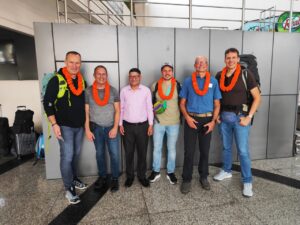
"Welcome by Mr Rajesh (M.D of intrekking) at the airport upon their arrival at Tribhuvan airport, ready to embark on their Himalayan trek"[/caption]
2. **Drive to Besisahar (microbus) & Dharapani (shared jeep)** — This day unfolds as a pivotal transition, commencing with a microbus journey from the familiar bustle of Kathmandu towards the Himalayan foothills and the gateway town of Beisahar. This initial leg offers a gradual shift in the scenery, trading urban landscapes for the unfolding tapestry of rural Nepal, characterized by terraced fields, winding roads, and the lifeblood of rivers carving through the valleys.
The shared microbus provides an intimate glimpse into local life, a communal experience where conversations might spark a rhythm of everyday Nepali life unfolds outside the window. Arriving in the Besisahar marks a change of pace and transport, a necessary pause to prepare for the more rugged terrain ahead. The afternoon then ushers is a more adventurous phase, as you board a shared jeep destined for Dharapani.
This segment of the journey is an immersion into the raw beauty of the Annapurna region, the unpaved roads offering a bumpy yet exhilarating ride alongside the ever-present Marshayngdi River. Towering hills give way to the majestic presence of the snow-capped peaks, the vegetation shifting with increasing altitude.
The shared jeep becomes a microcosm of the trekking world, packed with fellow adventurers and perhaps local provisions, all navigating the challenging yet breathtaking route. Each twist and turn of the road reveals dramatic vistas, a constant reminder of the natural grandeur that surrounds you. Finally, reaching Dharapani, nestled at higher elevations, signifies your deeper penetration into the mountains. This village serves as an important acclimatisation point and a place to rest, the anticipation building for the trekking days that lie ahead, the trip itself having already painted a vivid picture of the landscapes and experience to come.
[caption id="attachment_4655" align="aligncenter" width="225"]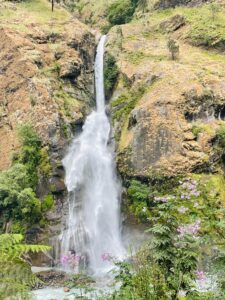 Chamje waterfall on the Drive to Besisahar & Dharapani during the Annapurna circuit trek[/caption]
3. **Trek to Chame** — Leaving Dharapani, the trail continues to hug the Marsyangdi River, it’s constant flow a reassuring presence. You’ll likely notice the landscape becoming more dramatic and rugged as you gain altitude. The valley starts to narrow, with steeper cliffs rising on the either side, and the forests moight transition to more coniferous varieties, the air filled with the scent of pine.
As you trek towards Chame, keep an eye out for waterfall cascading down the rock faces- they can be quite spectacular, especially depending on the season. You might pass through smaller settlements like Bagarchhap and Danakyu, each offering glimpses into the local culture and architecture, perhaps with prayer wheels spinning in the breeze and colorful prayer fluttering.
The majestic views of the surrounding peaks will likely become even more prominent today. You might catch stunning perspectives of Lamjung Himal, Annapurna II, and perhaps even the first clear views of Anapurna IV the trail itself might involve some ascents and descents, a good workout as you acclimatize to the increasing altitude.
Reaching Chame (around 2,670 m or 8,76o ft) will be a welcome sight. It’s a larger village compared to those you’ve passed, serving as the district headquarters of Manang. You’ll find more facilities here, and it’s a good place to rest and acclimatize. The views from Chame are often breathtaking, with the towering peaks seeming even closer.
[caption id="attachment_4656" align="aligncenter" width="225"]
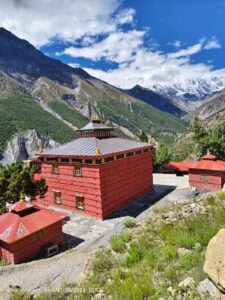 A Gompa on the trail during the Annapurna circuit trek[/caption]
4. **Trek from Chame to Pisang** — Day four of the Annapurna Circuit Trek unfolds as a captivating journey leading from. The bustling hub of its Chame (2,670m) towards the picturesque village ofPisangg (3200 m), Offers a significant gain in altitude and a dramatic shift in the surrounding environment. The day commences with a refreshing morning walk, often beginning with a gradual climb through an enchanting pine forest. The crisp mountain air invigorates your senses as you ascend the trail winding its way upwards, offering glimpses back at the valley you are leaving behind and forward to the majestic peaks that await.
As you continue your Himalayan Trekking adventure, the bath gradually levels out, Treating you to breathtaking mountain views. The mighty machine the river, your constant companion on this Nepal hiking expedition, continues to carve its path through the Valley below, His powerful presence reminder of the raw natural forces at play. The trail minders through diverse landscapes, transitioning from dense forest to more open areas, occasionally passing through charming settlements that offer a glimpse into the local way of life.
A notable feature of this section of the Annapurna Circuit Trek Is the increasing presence of Apple orchards, Particularly as you approach the higher elevations. These orchards, laden with fruit in season, are at the touch of pastoral beauty to the rugged terrain. The scent of pine needles and the sweet fragrance of apples mingle in the air, creating a unique sensory experience.
The towering peaks of the Annapurna range, Including Annapurna II and Annapurna IV, become increasingly prominent, their snow-capped summits piercing the Azure sky, providing a stunning backdrop to your trek. These days, crucial fur acclimatisation, allows your body to gradually adjust to the higher altitude as you ascend towards pisang.
The final stretch of the Creek brings you to Pisang, a sprawling village divided into upper and lower Pisang. The traditional stone houses and the unique architecture of the Manang District become more evident here. Arriving in Pisang offers a sense of accomplishment, having navigated varied terrain and gained significant elevation. The panoramic views from Peace a truly spectacular, encompassing the majestic Annapurna range in its full glory.
As you settle into your accommodation for the night in Pisang Village, take the time to soak in the breathtaking scenery and prepare for even the higher altitudes that lie ahead of your unforgettable Annapurna Circuit trek. The memories and the vistas of this day, trekking from Chame to Pisang will undoubtedly be edged into your mind as a highlight of your Himalayan Trekking experience.
[caption id="attachment_4657" align="aligncenter" width="300"]
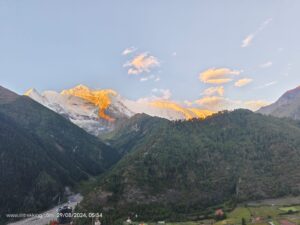 The serene beauty of Nepal's mountain landscapes, a common sight of Golden Hour painting the majestic Himalayas of Himalayan trekking adventures.[/caption]
5. **Trek to Manang** —
Following a nourishing breakfast In Dharapani, Day three of your remarkable Annapurna Circuit Trek beckons you to your captivating destination of Chame. This segment of your Nepal Mountain Trails adventure is a gradual but rewarding accent, immersing you in this stunning healing scenery and introducing you to the tranquil beauty of the Alpine forests of Nepal, all while offering breathtaking panoramas of some of the world's highest peaks.
Your day begins with a steady uphill track winding through the picturesque landscapes surrounding Dharapani. The trail gracefully meanders past the charming villages of Bagarchap and Dhanaque, each representing an authentic glimpse into the rural life of Nepali people. Observe the traditional houses, perhaps catch a glimpse of local customs, and feel the warmth of Nepali hospitality, adding a rich cultural dimension to your trekking through Nepali village experience. As you gain elevation, the environment undergoes A noticeable transformation. The lower warmer vegetation gradually gives way to the refreshing coolness of the Alpine forests of Nepal. Towering pine trees, another county for a suspicious, dominate the landscape, their fragrant needles carpeting the forest floor and their majestic presence creating a sense of peace and tranquillity. The air becomes crispier and cleaner, invigorating your senses with each better attitude. Delve deeper into this natural Sanctuary.
The highlight of this day’s trek is undoubtedly the arrival at the Timang village. The first strategy will leave dim and offer an unparalleled vantage point for soaking in the awe-inspiring grandeur of the Himalayas. Prepare to be mesmerised by the Majestic Manaslu and the Annapurna views that unfold before you. The towering Snow-capped peak of Manaslu, the eighth-highest mountain in the world, Commands attention with its sheer scale and beauty. Complementing this spectacle are impressive vistas are the Annapurna range, with prominent peaks like Annapurna II & IV beginning to dominate the skyline. The sight of Lamjung Himal's majesty, another significant peak in the region further enhances this breathtaking panorama, creating a photographer’s dream and an unforgettable memory for every trekker.
After Pausing in Timang to absorb these incredible sights and perhaps enjoy a refreshing break, the trail continues its gradual ascent towards Chame. The remaining few hours of walking offer further opportunities to appreciate the evolving landscape and the ever-present backdrop of towering mountains. This steady climb also serves as crucial acclimatisation on Annapurna, Allowing your body to adapt to the increasing altitude in preparation for the higher elevations ahead. Reaching Chame, the administrative hub of Manang district marks the successful completion of another rewarding day on the Annapurna Circuit trek. Settle into a comfortable lodge and take the time to explore this bustling mountain town. Reflect on the diverse landscapes you have traversed and the unforgettable Himalayan scenery you have witnessed. The journey up from the Dharapani is not just a physical trek, it's an immersion into the natural beauty and cultural richness of Nepal, solidifying its reputation as one of the best treks in Nepal. The memories first on this day will undoubtedly be cherished as you continue your adventure deeper into the Annapurna region.
[caption id="attachment_4658" align="aligncenter" width="225"]
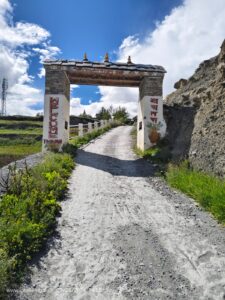
A traditional stone archway marks the entrance to rural path, hinting at remote village or sacred site in the Himalayas.[/caption]
6. **Acclimatization at Manang** —
Day six of the Annapurna Circuit Trek is a crucial and rewarding day dedicated to acclimatisation in the fascinating village of Manang, Situated at approximately 3500 metres(11,483 ft). After several days of ascending and spending a full day man and allows your body to adjust to higher altitude, significantly reducing the risk of altitude sickness and ensuring a safer and more enjoyable trek ahead. While it's an acclimatisation day, it's far from a rest. Manang and its surroundings offer numerous opportunities for gentle exploration and further enhancing your acclimatisation.
Trekkers often utilise this day by embarking on short hikes to higher elevations and then returning to Manang to sleep - A highly effective strategy for acclimatization. Popular options include the climb to the viewpoint overlooking Manang, which provides breathtaking panoramic views of the Manang valley and the surrounding snow-capped giants like Annapurna I & Annapurna II, Annapurna III, Gangapurna, and Tilicho Peak. Another worthwhile excursion is a visit to the serene Gangapurna Lake, a stunning turquoise glacial lake reflecting the majestic Gangapurna Lake, a stunning turquoise glacial lake reflecting the majestic Gangapurna. For those seeking cultural immersion, a trip to the region’s rich Buddhist heritage.
Beyond these invigorating hikes, Manang itself is a vibrant village with plenty to discover. You can visit the informative Himalayan Rescue Association (HRA) post to learn about altitude sickness prevention, browse the local shops for unique souvenirs, or simply relax and soak in the unique atmosphere of this high-altitude settlement.
Engaging with fellow trekkers and locals over a warm cup of tea in one of your tea houses is a popular way to spend the day. Day 6 in Manang Is a vital investment in your well-being and an opportunity to further appreciate the stunning landscapes and cultural richness of the Annapurna region, preparing you for the challenges and wonders that lie ahead of your trek.
[caption id="attachment_4659" align="aligncenter" width="225"]
A group of trekkers and their guide strike a pose amidst the stunning Himalayan scenery with vibrant prayer flags and majestic peaks in the distance. A memorable moment on their Nepal trekking adventure[/caption]
7. **Trek to Khangsar** — Day 7 of the Annapurna Circuit trek takes you from Manang (3,500m) to the culturally rich village of Khangsar (3,734m) through a diverse and scenic landscape. The morning walk begins within tall coniferous forests of pine and rhododendrons, leading to a rewarding climb up to a scenic ridge. From this vantage point, you’ll be treated to the breathtaking panoramic views of the expansive Manang valley, framed by the majestic snow-capped peaks of Annapurna and the Chulu range. A subsequent descent descent leads to the flatter valley of Hongde, notable for its small airstrip and continued impressive mountain vistas.
The trek then continues to the fascinating village of Braga Buddhist Monastery, perched high with commanding views of the surrounding mountain range in the region, with its intricate artwork and serene atmosphere. After immersing yourself in the cultural significance of Braga, a relatively short and pleasant walk brings you to your overnight stop in Khangsar village.
This day’s journey is a captivating blend of natural beauty and cultural exploration. The transition from the serene forests to the open valley with its stunning mountain backdrops, culminating in the insightful visit to the Braga Monastery, creates a truly memorable experience. Khangsar, with its unique character and higher elevation, marks a further step into the heart of the Annapurna region, offering a taste of more remote and challenging landscapes yet to come on your trek.
[caption id="attachment_4660" align="aligncenter" width="225"]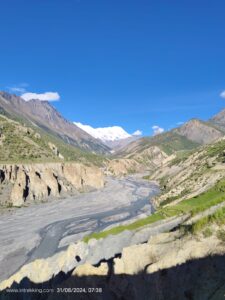 A turquoise river winds through the rugged Himalayan Valley, with snow-capped peaks rising against a clear blue sky.[/caption]
8. **Trek from Khangsar to Tilicho Basecamp** —
Leaving Khangsar (approximately 3,734 m), the landscapes will likely become more rugged and barren as you ascend towards the base camp of the magnificent Tilicho Lake. The visitation will thin out significantly, giving you way to more arid high-altitude terrain characterised by Rocks and sparse Vegetation.
The trail to Tilicho basecamp (Around 4,150 metres), Can be quite challenging in sections with the potential for loose scree and rocky paths. However, the reward for this effort is increasingly dramatic and awe-inspiring scenery. You will be surrounded by towering peaks, Including Tilicho Lake itself (7,134m), One of the highest peaks in the Annapurna range. The views of the surrounding mountains will be immense and starkly beautiful.
As you gain elevation, it's crucial to pay attention and how your body feels and to stay well hydrated.There will be noticeably thinner and the pace of the trek will likely be slower.
Reaching Tilicho base camp offers a sense of accomplishment. This camp itself is usually small settlement with basic lodges catering to trekkers venturing to the Tilicho lake. From here you will have incredible close up views of the topics surrounding glacier landscapes. The atmosphere is often raw and majestic or true testament to the power and beauty of the high Himalayas.
[caption id="attachment_4662" align="alignleft" width="204"]
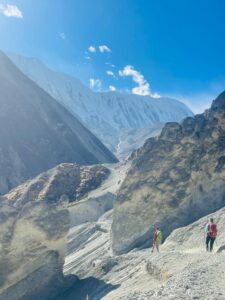
Trekkers navigating an uneven trail in the mountains of Nepal, with a vast and grandeur snow-covered peaks in the backdrop, a common view on the sight of Himalayan trekking adventure.[/caption]
[caption id="attachment_4661" align="alignright" width="341"]
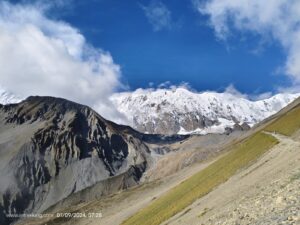
For winding trail ascends through a high-altitude landscape, with snow-capped peaks and dramatic blue sky.[/caption]
9. **Tilicho Basecamp to Tlicho Lake and back to Shree Kharka** —
Day nine of your Annapurna circuit adventure is a monumental day, Dedicated to experiencing the breathtaking beauty of Tilicho Lake, one of the highest lakes in the world. Your journey begins from Tilicho base camp (Approximately 4150 metres) With a challenging ascent to the lake, Situated at an impressive altitude of 4,919 metres. The trail leading up is often steep and traverses a rugged high-altitude landscape. The air is noticeably thin, demanding a major and steady pace as you navigate the rocky terrain. However, the increasing proximity to the towering peaks, including the Majestic Tilicho Peak fuels your determination.
Upon reaching the Tilicho Lake, You will be rewarded with a truly awe-inspiring spectacle. The vast expanse of brilliant turquoise water reflecting the surrounding snow-draped mountains with crisp Himalayan sky creates a scene of unparalleled grandeur and tranquillity. The lake's sheer scale and serene beauty at this altitude leave a lasting impression. After allowing ample time to soak in the panoramic views, capture the unforgettable scenery and perhaps a sense of profound accomplishment, the return journey begins with a decent back to Tilicho base camp.
Tilicho base camp, you continue your trip to the quieter settlement of Shree Kharka, Located at approximately 4080 metres, the downhill section while offering different perspectives and dramatic landscapes, still requires careful footing on the often uneven paths. Arriving in Shree Kharka Provides a welcome respite after a long and demanding day of high-altitude trekking. The peaceful atmosphere of this smaller village allows for reflection on the incredible experience of witnessing the majestic lake of Tilicho, Which is a significant highlight of your Annapurna circuit journey.
[caption id="attachment_4663" align="alignleft" width="300"]
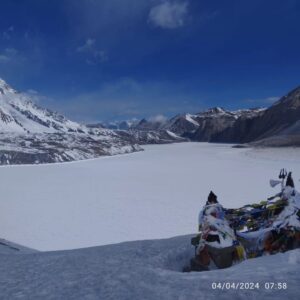
A vast version lake stretches out beneath a bright blue sky surrounded by snow-dusted mountains.[/caption]
[caption id="attachment_4664" align="alignnone" width="300"]
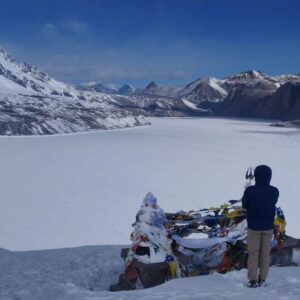
A trekker standing on the edge of frozen Tilicho Lake that stretches out beneath a bright blue sky surrounded by snow-dusted mountains.[/caption]
[caption id="attachment_4665" align="alignnone" width="225"]
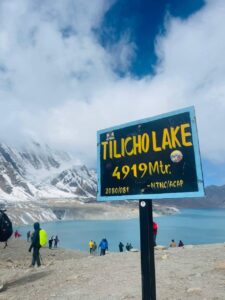
The pristine, azure waters of the high-altitude Tilicho Lake reflect the towering surrounding mountains under a brilliant sky, a testament to the stunning beauty of Nepal’s Himalayan Lakes.[/caption]
10. **Shree Kharka to Yak Kharka** — Day ten of the Annapurna Circuit trek takes you from the tranquil setting of Shree Kharka (approx. 4,080 m) to the higher grazing lands of the Yak Kharka (around 4,050 m). Despite a relatively similar altitude, this day’s trek involves a gradual ascent, allowing for continued acclimatization while offering more stunning high-altitude scenery.
The trail from Shree Kharka initially contours along the hillside, providing panoramic views of the surrounding barren landscapes and snow-capped peaks. You’ll likely notice the vegetation becoming even more sparser as you rise in elevation. The powerful Marshyangdi River will likely be visible far below, carving its way through the valley. Keep an eye out for potential wildlife sightings, such as blue sheep grazing on the rocky slopes. The pace of the trek today is generally more relaxed, allowing you to fully appreciate the stark beauty of this high-altitude environment.
As you approach Yak Kharka, the landscape opens up to wider grazing areas, dotted with stone shelters used by the local herders. Yak kharka itself is a small settlement primarily catering to trekkers, offering basic but comfortable lodging. The views of the surrounding peaks, including the majestic Gangapurna and Annapurna III, become even more impressive from this vantage point. Spending the night in Yak Kharka further aids your acclimatization for the higher passes ahead, while immersing you in the raw and rugged beauty of the high Himalayas.
[caption id="attachment_4666" align="aligncenter" width="225"]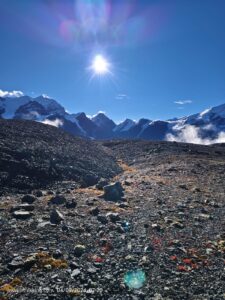 A rugged rocky landscape stretches under a clear blue sky with the sun illuminating distant snow-capped peaks[/caption]
11. **Yak Kharka to Phedi** — Today marks a pivotal and demanding day in the Annapurna circuit, often considered the climax of the trek as you conquer the formidable Thorong La pass (5,146 m/ 17,769 ft). An early start fueled by the hearty breakfast, is essential for this challenging ascent. The initial hours involve a rigorous uphill trek, winding along the steep trails as you steadily gain altitude. The air thins with increasing steps, demanding both physical and mental fortitude. However, the anticipation of reaching the pass and the increasingly dramatic mountain vistas serve as a powerful motivation.
After a strenuous climb, you finally reach the summit of Thorang La Pass, the highest point of your incredible adventure. Here, you are rewarded with a truly glorious panorama of the surrounding Himalayan giants. Take a moment to soak in the breathtaking 360-degree views of the snow-capped peaks stretching as far as the eye can see. Prayer flags flutter in the crisp mountain air, adding a spiritual dimension to this triumphant moment. The sense of accomplishment at conquering the high pass is immense and well-deserved.
The journey continues with a long and often steep descent towards the sacred site of Muktinath (around 3,800 meters/ 12,467 ft). This downhill trek can be taxing on the knees but offers a constantly changing perspective of the landscape as you drop in altitude. After approximately 5-6 hours of trekking, you’ll arrive in Muktinath and transfer to a comfortable lodge. The afternoon is dedicated to visiting to revered Muktinath temple, a site of immense spiritual significance for both Hindu and Buddhist followers. Explore the temple’s complex, witness the sacred flames and water sprouts, and immerse yourself in the unique cultural and religious atmosphere of this holy place, marking a powerful and memorable end of the truly epic day.
[caption id="attachment_4667" align="aligncenter" width="225"]
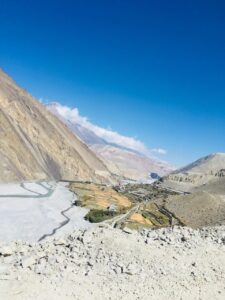 A small village nestled in a valley, surrounded by rugged mountains under a clear blue sky[/caption]
12. **Phedi to Muktinath via Thorang la Pass** — The day after conquering Thorong La Pass offers a change of pace and scenery as you traverse from the sacred grounds of Muktinath towards the relaxing natural hot springs of Tatopani. Due to the presence of a motorable road, the morning begins with a scenic jeep ride, a welcome respite for tired legs after the high-altitude trekking. This drive descends through the dramatic Kaligandaki River Valley, a route that offers stunning perspectives of the changing landscapes.
The journey passes by Jomsom, a significant town in the region, and continues deeper into the Kaligandaki Gorge, renowned as one of the deepest gorges in the world. The towering cliffs and dramatic rock formations near the villages of Lete and Ghasa are a testament to the power of river carving through the Himalayas. As you descend further, the air gradually becomes warmer and the vegetation changes, signalling your return to the lower elevations.
Finally, you arrive at Tatopani village, whose name literally translates to “hot water”. This welcoming residence is famous for its natural hot springs, offering a perfect opportunity to the option of a relaxing dip in the hot springs, providing a well-deserved moment of rejuvenation amidst the stunning natural beauty of Kaligandaki Valley.
[caption id="attachment_4668" align="alignright" width="300"]
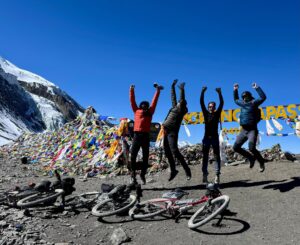 A group of jubilant trekkers celebrates reaching Thorong La Pass, a high-altitude point in the Annapurna region of Nepal[/caption]
[caption id="attachment_4669" align="alignleft" width="300"]
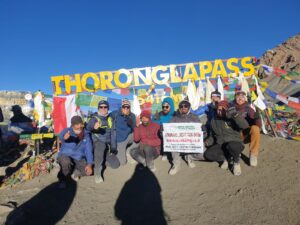 A group of trekkers poses at Thorong La pass, surrounded by prayer flags and stunning mountain scenery, marking their successful crossing.[/caption]
13. **Trek from Muktinath to Marpha** — The morning after relaxing in that opening marks a return to trekking as you embark on an ascent towards the high-altitude village of Ghorepani. The trail from Tatopani involves a significant climb, Winding upwards past the settlements of Sikha and Chitre. As you gain elevation, the surrounding vegetation transforms, leading you into a beautiful forest dominated by rhododendron trees. Depending on the season, these trees can be ablaze with vibrant colours, adding a magical touch to your trek.
The steady climb eventually brings. you to the charming village of Ghorepani, Perched at a higher altitude. Here you are rewarded with a truly grand and panoramic view of two of the world's most majestic mountain ranges: Dhaulagiri and Annapurna. There snow-capped peaks stand tall and proud, creating a breathtaking spectacle that stretches across the horizon. Ghorepani itself is a bustling village catering to trekkers, and you’ll transfer to a nice lodge nestled amidst the beautiful rhododendron forest, offering a serene and picturesque setting for your overnight stay.
Arriving in Ghorepani after the uphill trek and being greeted by such magnificent mountain views is truly a rewarding experience. The tranquil atmosphere of the Rhododendron forest Surrounding the village adds to its charm, Making it a perfect place to rest and reflect on the incredible journey through the Annapurna region. The anticipation of the sunrise views from nearby Pun Hill often builds as you settle in for the night in the scenic high-altitude haven.
[caption id="attachment_4670" align="alignleft" width="300"]
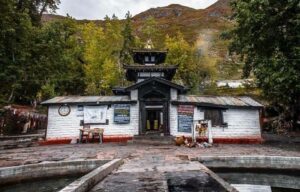 Muktinath Temple, a scared site for both Hindus and Buddhists, nestled in the Himalayan Mountains of Nepal[/caption]
[caption id="attachment_4682" align="alignleft" width="139"]
 People standing beside 108 holy water sprouts in Muktinath Temple [/caption]
14. **Drive from Marpha to Tatopani** — The day begins before dawn with an early morning hike to the renowned Poon Hill, (3210 metres), A vantage point celebrated for its unparalleled sunrise views over a breathtaking panorama of Himalayan peaks. Reaching the summit of Poon Hill, You will be treated to a truly spectacular display As the first rays of the sun paint, the snow-capped giants in hues of gold and pink. The chain of mountains visible from Poonhill is magnificent stretching from the majestic Dhaulagiri and the Nilgiri range to the Annapurna and Manaslu, Although crowned by the distinctive elegant peak of Machhapuchhre, the Fishtail mountain.
After soaking in the Super sunrise views and capturing the unforgettable scenery, you will descend back to Ghorepani for a well-deserved breakfast. Energised, the trek continues through a lovely cool forest, the Trail winding its way towards Ulleri Village. These two to three-hour walk offers a pleasant contrast to the high altitude vistas, with the tranquillity of forest providing a serene atmosphere. Ulleri often serves as a convenient spot for lunch breaks, allowing you to refuel before the next leg of the journey.
From Ulleri, The trail descends further, leading you down to the village of Tirkhedhunga. This section of the trek takes you to the lower, warmer farmland, a noticeable change in the climate and vegetation. The downhill walk from Ulleri takes a few hours, offering views of cascading waterfalls along the way, adding to the scenic beauty of the descent. Upon reaching Tirkhedhunga, You will transfer to a lodge for a well-earned rest, concluding a day filled with both stunning high-altitude panoramas and the refreshing beauty of the lower foothills.
[caption id="attachment_4673" align="aligncenter" width="135"]
 Famous apple orchid of Marpha village on the way to Tatopani during Annapurna circuit trek[/caption]
15. **Hiking from Tatopani to Ghorepani** — Day 15 marks the final leg of your incredible Annapurna adventure, beginning with a leisurely downhill trek for about an hour. This gentle descent brings you to lower elevations, Eventually reaching the village of Birethanti, nestled close to the flowing Modi River. Birethanti Signifies the triumphant in the adventurous trek through the Majestic Annapurna region.
From Birethanti, You will embark on a scenic drive towards the beautiful city of Pokhara. This journey typically takes a few hours, winding through picturesque landscapes as you gradually leave the mountainous terrain behind. The drive offers a chance to reflect on the remarkable experience and breathtaking sights of the past days.
Arriving in Pokhara, you will be transferred to your respective hotels situated by the serene Lakeside. Poker is a truly lovely and scenic city, Known for its tranquil Phewa Lake, Stunning views of the Annapurna range (including iconic Machhapuchre), And it's relaxed atmosphere. Settle into your hotel and take the peaceful ambience of this charming city a perfect place to unwind and cherish the memories of your unforgettable Annapurna circuit trek.
[caption id="attachment_4674" align="aligncenter" width="168"]
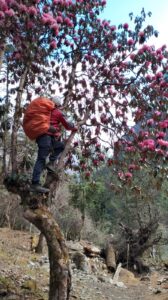 A trekker climbing a Rhododendron tree during the hike from Tatopani to Ghorepani[/caption]
16. **Hike from Ghorepani to Nayapul & drive to Pokhara** — This marks the final trekking day as you descend from the high-altitude village of Ghorepani towards Nayapul, where your hiking adventure concludes before you journey to the scenic city of Pokhara. The morning in Ghorepani might offer one last opportunity to witness the stunning panoramic views of the Annapurna and Dhaulagiri ranges, perhaps bathed in the soft light of the dawn.
The trek down to Nayapul is primary a descent, Winding through the beautiful Rhododendron forest that characterises this reason.The trail will likely pass through charming villages like Ulleri once more, Offering familiar sights from your ascent. As you descend to lower altitudes, the air becomes warmer and vegetation becomes more lush than walk offers pleasant transition from high mountain back towards the foothills.
Upon reaching Nayapul, The endpoint of your trek, You will beat farewell to your trekking crew and board transportation for a scenic drive to Pokhara. This drive typically takes a few hours offering picturesque views of the countryside as you approach the tranquil lakeside city. Living in Pokhara, you will be transferred to your hotel where you can relax and reflect on your incredible journey throughout the Annapurna region, Now with the serene beauty of Pokhara as your backdrop
[caption id="attachment_4679" align="alignright" width="226"]
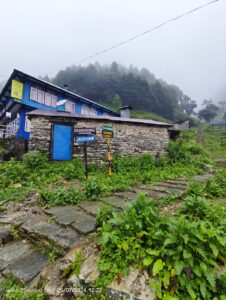 Picture of trail while descending from Ghorepani to Nayapul[/caption]
[caption id="attachment_4677" align="alignright" width="225"]
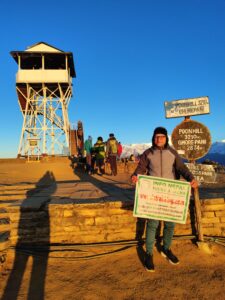 Mr Rajesh holding the banner of intrekking on the Poonhill point with Annapurna Mountain ranges as a backdrop[/caption]
[caption id="attachment_4678" align="alignnone" width="135"]
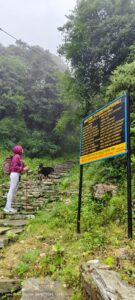 A trekker descending to Nayapul from Poonhill[/caption]
[caption id="attachment_4675" align="alignleft" width="300"]
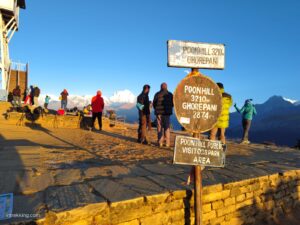 Visitors relaxing and hanging out at Poonhill Point during sunrise[/caption]
[caption id="attachment_4676" align="alignnone" width="225"]
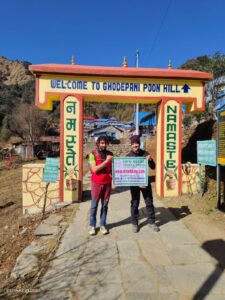 A trekking guide and client at the entrance of Ghorepani Poonhill[/caption]
17. **Drive to Kathmandu and Departure** — Today is your last day in Nepal. In the morning you'll be served breakfast in Pokhara following which you'll head for Kathmandu on a drive, the road trip will be 7-8 hours depending on the weather, traffic and road conditions. The road might be bumpy at places but the ride will be a worthy one. On the road you'll mostly pass through a road that traverses right through the road between green hills and woodlands.
On the road, you'll have a moment of break for refreshment and Lunch, following which your trip will continue till you reach Kathmandu.
Upon reaching Kathmandu, you'll have your choice to either extend the trip or depart for your home country.
[caption id="attachment_4681" align="alignleft" width="99"]
 Insight of luxury bus for the return trip to Kathmandu[/caption]
[caption id="attachment_4680" align="alignright" width="300"]
 Back view of Insight of luxury bus for the return trip to Kathmandu[/caption]
## What's included
- International and domestic Airport pick-up and drop by private car.
- Meals on a full-board basis (Breakfast, Lunch, and Dinner/ the main course) during the trek in the mountain.
- An experienced and Knowledgeable English-speaking Govt. registered trekking guide.
- All Food, Accommodation, Insurance, and transportation for the guide.
- Annapurna Conservation Area permit
- TIMS card (Trekking Information Management System)
- Trekking equipment such as the Sleeping bag, down jacket, etc. on return basic
- Trekking lodge (Tea House) throughout the trek.
- Assistant guide group size of more than 10 people in a group.
- Kathmandu-Besishar-Dharapani, Nayapul- Pokhara- public vehicle,
- Pokhara- Kathmandu tourist bus
- Seasonal fresh fruits desert every day
- Appreciation of certificate after the successful trek
- Souvenir: Trekking route map/browser and printed ART company T-shirt
- Compressive first aid box.
- Emergency rescue operation assistance is arranged in case of complex health conditions (funded by travel insurance)
- All government, Local taxes/VAT, and official Expenses
## Not included
- Nepal entry visa fee (you may easily issue the visa on arrival at Tribhuwan International Airport – Kathmandu).
- Extra accommodation and meals behind schedule
- Extra drinks as alcoholic & non-alcoholic
- Surplus luggage charges for domestic airport
- Additional costs by out of management control due to the landscape, weather conditions, illness, change of government policies, strikes, physical conditions, etc.
- Personal expenses such as snacks, laundry, telephone, wifi, hot shower, etc.
- Travel Insurance
- Tips for guide and staff
## FAQ
**Q: What is the Annapurna Circuit trek?**
A: The Annapurna Circuit trek is a popular long-distance trade in Nepal that circumnavigates the Annapurna massif, offering diverse landscapes, cultural experience and stunning mountain views.
**Q: How long is the Annapurna Circuit trek (As per the itinerary)?**
A: Based on the itinerary, the trek itself spans approximately 15 days of hiking, with a total duration of 17 days, including arrival, departure, and travel days.
**Q: What is the best time to do the Annapurna Circuit trek?**
A: The best time to do the Annapurna circuit trek is generally during the spring (March to May) and Autumn (September to November) season offering clear skies, moderate temperatures and stable weather conditions.
**Q: How difficult is the Annapurna circuit trek?**
A: The trek is considered moderately challenging to sternous due to high altitude, Long working days and steep ascents and descents, Particularly around Thorong La Pass. Good physical fitness and preparation are recommended.
**Q: What is the highest point of the trek?**
A: The highest point reached on this itinerary is Thorong La Pass at 5146m (17,769 ft)
**Q: Is altitude sickness a concern Annapurna circuit trek?**
A: Yes, Altitude sickness is a significant concern due to the high elevations reached. The itinerary includes acclimatisation days in Manang to help mitigate this risk.
**Q: What are the symptoms of altitude sickness?**
A: Symptoms can include headache, nausea, dizziness, loss of appetite, fatigue and shortness of breath. It is crucial to monitor yourself and your trekking partners for these signs.
**Q: How can I prevent altitude sickness?**
A: Preventive measures include ascending gradually, taking acclimatisation days, staying hydrated, avoid.Alcohol and smoking and listening to your body. “Climb high , sleep low” principle is also important.
**Q: What should I do if someone gets altitude sickness?**
A: Mild symptoms can often be managed with rest and hydration. For worsening symptoms, descending to a lower altitude is the primary treatment. In several cases, medical assistance should be sought immediately.
**Q: What type of accommodation is available during the trek?**
A: Accommodation is primarily in tea houses or guest houses, which offer basic but generally comfortable rooms with beds and blankets. Single and double rooms are usually available.
**Q: What kind of food is available on the trek?**
A: Common meals include Nepali staples like Dal Bhat (Rice, lentils and vegetables), Noodles, pasta, momos (dumplings) and Various soups and bread. Western dishes are also often available.
**Q: Is the food safe to eat?**
A: Most tea houses maintain reasonable hygiene standards, but it is advisable to choose freshly cooked meals and over raw or undercooked foods carrying hand sanitiser is recommended.
**Q: Can dietary requirements be catered for?**
A: Vegetarian options are widely available. Vegan and gluten-free options may be more limited, especially in remote areas, so it's best to inform your guy or tea house owners in advance.
**Q: Is bottled water available?**
A: Yes, bottled water is available in most city houses and villages, But since it contributes to plastic waste, using water purification tablets or water filter is more sustainable option and is recommended.
**Q: What are the essential items to pack for the trek?**
A: Essential items include sturdy hiking boots, Warm layers (fleece, down jacket), Waterproof and windproof outerwear,Trekking poles, a sleeping bag depending on the season and the teahouse, blankets ahead, lamp or sunscreen, sunglasses and first aid kit and other personal toiletries.
**Q: Do I need a sleeping bag?**
A: While tea houses provide blankets, bringing your sleeping bag (appropriate for temperature rating) is highly recommended for warmth and hygiene, especially at higher altitudes.
**Q: Are trekking poles useful?**
A: Yes, trekking poles can be significantly helpful with balance. Reducing strain on your knees during essence and distance and improving overall trekking efficiency.
**Q: How much should my backpack weigh?**
A: Ideally, your backpack should weigh no more than 15% to 20% your body weight to minimise the strain. Porters can be hired to carry the bulk of your luggage.
**Q: Do I need a guide or Porter for the trek?**
A: While it's possible to trek independently, hiring a guide or Porter is highly recommended for safety, navigation and supporting the local economy. Regulations may also require a guide in certain areas.
**Q: How much does the Annapurna circuit trek typically cost?**
A: Cost vary depending on the level of service (guide vs independent, porter, accommodation quality), but budget for the permits, transportation, Accommodation, food and potential Gear rental. A guided trek with Porter can range from $50-$100+ per person per day.
**Q: What permits are required for the trek?**
A: You typically will need to permit: Annapurna Conservation area permit. (ACAP) And the Trekkers information management system (TIMS) Card.
**Q: How do I obtain the necessary permits?**
A: Permits can be usually obtained in Kathmandu or Pokhara before starting your trek. Your trekking agency can often assist you with this process.
**Q: What is the currency of Nepal and how much cash should I bring?**
A: The Nepalese rupee NPR is the local currency. While some larger establishments may accept cards, it's essential to carry enough cash for meals, accommodation and other expenses, especially in more remote areas. ATM’s are available in larger towns like Besisahar, Jomsom, Manang, but reliability can variety.
**Q: Is the Annapurna Region safe for trekking?**
A: The Annapurna region is safe for trekking, However, it's essential to be aware of potential risks such as altitude sickness, landslides, especially during monsoon and the trail conditions. Trekking with guide enhances safety.
**Q: What should be in my first-aid kit?**
A: A basic first aid kit should include bandages, antiseptic wipes, bin relievers, blister treatment, diarrhoea medication, altitude sickness medication (if prescribed by the doctor), and any personal medications.
**Q: Is travel insurance necessary?**
A: Yes, comprehensive travel insurance that covers medical emergencies, evacuations including helicopter rescue for altitude sickness, and trip cancellation is highly recommended.
**Q: What is the culture like in Annapurna origin?**
A: The region is culturally diverse with various ethnic groups including Gurung, Magar, Tamang and Thakali, Each with their unique customs, traditions and languages. Buddhism and Hinduism are the predominant religions.
**Q: How should I dress?**
A: Dress modestly, especially when visiting religious sites. Shoulder and needs should be generally covered. Ask for permission before taking photos of people.
**Q: Are there any cultural etiquette tips I should be aware of?**
A: Use the right hand for eating and receiving things. Avoid pointing with a single finger use your whole hand. Removing your shoes before entering homes and religious sites is customary.
**Q: What happens if there are unforeseen circumstances like bad weather landslides and Health issues?**
A: Trekking itineraries are often flexible and your guides will make necessary adjustments for your safety. This might involve de delays, alternative routes or returning to the lower elevation if conditions become hazardous having some buffer day in your overall travel plan is advisable.
## Contact for this trip
- Operator: Info Nepal Tours and Treks · Thamel, Kathmandu, Nepal
- Phone: +977 9841936940
- Email: contact@intrekking.com
---
# Everest Base Camp Trek via Gokyo Lakes & Cho La Pass
URL: https://intrekking.com/trip/everest-base-camp-trek-via-gokyo-lake/
Last updated: 2026-07-08
## Facts
- Region: Everest Region
- Duration: 17 days
- Max altitude: 5,420 m
- Difficulty: Moderate
- Group size: 1-10 people
- Best season: March-May : September-November
- Price from: $1,400 per person
## Summary
A demanding Everest region circuit linking the Gokyo Lakes, the Cho La pass and Everest Base Camp via Namche Bazaar, Tengboche and Kala Patthar, suited to fit, acclimatised trekkers wanting both valleys.
## Overview
Everest Base Camp Trek via Gokyo Lakes and Cho La Pass is one of the most adventurous and beautiful treks in the Everest region. It requires good fitness, acclimatization, and technical skills.
Throughout the journey, you will be blessed with the marvellous peaks of the Everest region. You can also see several of the highest mountains in the world, reaching the sky including Mt. Everest(8,848m), Kanchenjunga(8,586m), Lhotse(8516m), Makalu(8,481m), Nuptse(7,861m), and many more. The Everest Base Camp trek via Gokyo and Cho La pass starts with a short flight from Kathmandu to Lukla. From Lukla, our trek starts towards Namche which is one of the famous towns of the Everest region.
In Namche Bazaar, we’ll have our first acclimatization at a high altitude. Now our trail walks on the Everest Base Camp and summits the KalaPatthar through the famous Tengboche Monastery. From Kalapatthar enjoy the 360-degree snow-capped mountain view. You can perceive the marvellous view of Mt. Everest and its neighbouring mountains. Now you’ll cross the trek to Gokyo Valley crossing the path of Cho La.
You will visit all of Khumbu’s high valleys and explore Gokyo’s upper valley. Also observe the longest glacier in Nepal, Ngozumpa Glacier. Now we’ll head to Gokyo Lake and enjoy the views of stunning snow-covered peaks of the Khumbu region.
Everest Base Camp Trek via Gokyo Lakes and Cho La Pass Highlights
Reach the foothills of the world’s tallest peak Mt. Everest.
Reaching the foothills of Mt.Everest is a remarkable feat of the trip that leads adventures through breathtaking landscapes. This area, known for its stunning natural beauty, provides a glimpse into the majestic Himalayas. The trek to the foothills often involves navigating through lush valleys and quaint villages, allowing travellers to experience the rich culture of local Sherpa communities. As one approaches Everest Base Camp, the scale and grandeur of the peak become increasingly awe-inspiring. Overall, this trip offers the perfect blend of adventure, culture, and the challenge of high-altitude trekking.
Immerse in the panoramic views of the Mountain range
The Everest Basecamp Trek via Gokyo Lake and Cho La Pass is an exhilarating adventure that showcases the majestic peak of the Everest region. Starting with a flight from Kathmandu to Lukla, this trek Includes acclimatization in Namche Bazaar And culminates at Kala Patthar for stunning earning 360° views of Mount Everest and surrounding mountains. Trekkers Will traverse high valleys and cross Cho la Pass, Exploring the picturesque Gokyo Valley and Ngozumpa Glacier. The journey not only highlights breathtaking landscapes but also offers a unique opportunity to experience the rich culture and traditions of the Sherpa people. Overall, this trip combines adventure, stunning scenery, and cultural emerging in the Heart of the Himalayas.
Experience the culture and traditions of the Sherpa people.
In addition to their cultural richness, the Sherpas are recognized for their distinctive stone houses and beautiful monasteries. Experiencing Sherpa culture offers insight into their culinary traditions, which utilize fresh local ingredients, and their deep connection to the natural landscape. Engaging with the Sherpa way of life is a unique opportunity to appreciate their resilience and harmony with one of the world’s most challenging environments.
The Sherpa people primarily residing in the mountainous region of Nepal, Are known for their incredible mountaineering skills and rich cultural heritage. Their tradition compasses Vibrant festivals, intricate rituals and a strong sense of community showcasing their renowned hospitality towards visitors. Buddhism plays a central role in their lives, influencing their daily practices and celebrations.
360-degree snow-capped mountain view from Kala-patthar
Kala-Patthar is a famous viewpoint in the Everest Region of Nepal, offering breathtaking 360-degree panoramic views of snow-capped mountains. Dominated by the majestic Mount Everest, the view includes a stunning array of other Himalayan mountains glistening in the sunlight.
At an elevation of 5545 meters (18,192 feet), Visitors can enjoy crisp mountain air and captivating valley and glacier landscapes. Trekkers often visit Kala-Patthar as part of their journey to Everest Basecamp, making it a memorable highlight. The tranquillity and awe-inspiring views create a deep connection to the beauty of nature in the Himalayas.
Everest Base Camp Trek via Gokyo Lakes & Cho La Pass-brief itinerary
## Itinerary
1. **Arrival at Kathmandu** —
Upon arrival at Tribhuvan International Airport, You will be met by our representative and transferred to your hotel. You can take time to rest and freshen up after your journey. We will gather for a traditional Nepali welcome dinner at a local restaurant in the evening you will meet your guide and fellow trekkers, and get a briefing on the upcoming adventure.
Kathmandu, rich in culture Chaos is a perfect place to begin your humour and experience. It is full of Temples, monasteries, and architectural and structural wonders of ancient Nepal representing the culture and its beauty and the amalgamation of them all making it one of the melting pots. Often around every corner of the street, you will find one or a couple of temples and structures like that which show the advancement of art during the ancient time in Nepal. Besides that, we will take some time to stroll around the corner and in the city tasting and taking in the flavours of Nepali cuisines and street foods and exploring the locality.
2. **Flight to Lukla (2,642m/ 8,668ft) 35-min and trek 8 km to Phakding (2,562m/ 8,700m), 3-4 hrs** — We begin the day with an early morning scenic flight to Lukla, the gateway to the Everest Region. The short 35-minute flight offers stunning views of Himalayan peaks. After landing at Lukla (2642 metres), We will meet our Porter team and begin trekking. The trail descends gradually through pine forests and Sherpa villages.
We follow the Dudh Koshi River to reach Phakding. The Walking is gentle and serves as a good warm-up for the days ahead. Besides the gentle walk, you will get to enjoy the natural gifts of Nepal like River views, hanging bridges and a glimpse of local lives Which in itself gives you the vibe as if you have travelled back in time.
3. **Phakding to Namche Bazaar: (3,340m/ 11280ft), 5-6 hrs** — The trip of today begins after breakfast as we follow the trail. North along the edge of Dudh Koshi River. We will cross several suspension bridges, including the iconic Hillary Bridge. The path winds through pine woodlands and small Hamlets.
Upon entering the Sagarmatha National Park. We will begin a steep ascent, the final climb to Namche is challenging but very rewarding, with the first views of Everest on clear days. Namche Bazaar is one of the most renowned places on earth, also known as the Sherpa capital is Full of hustle and bustles and is lively and well-equipped with shops and cafes and a vibrant atmosphere.
4. **Acclimatization day at Namche Bazaar** — Acclimatisation is essential and Namche is a perfect place to rest and explore. We take a short hike to Everest View Hotel or Sherpa Museum for panoramic views of the Everest, Lhotse and Ama Dablam.
These side hikes help the body to adjust to higher altitudes. Back in Namche, you can explore bakeries, gear shops and local markets. The rest day greatly improves your chances of completing the trek successfully as your body will adapt to the surroundings and also further up the elevation as you will cover some elevations maximum possible before returning to the Namche Bazaar.
5. **Namche Bazaar to Phortse Thanga: (3,680m/ 12,074ft), 5-6 hrs** — Trading the vibrant energy of Namache Bazaar for a more tranquil path, we set our sights on Phortse Thanga. The route unveils splendid vistas of towering peaks, winding gracefully through vibrant rhododendron forests and serene yak pastures.
A welcome contrast to the bustling Everest Base Camp trail, This path offers a sense of peaceful solitude and takes us down to the flowing river before a gentle ascent leads us to the charming settlements of Phortse Thanga. The shifting landscapes in the absence of large crowds combined to create a truly beautiful peaceful and immersive experience In the heart of the Himalayas.
6. **Phortse Thanga to Machhermo: (4,470m/ 14,666ft), 4-5 hrs** — All ascent today takes us through the fragrant Alpine forest And welcoming Sherpa villages of of Julianne. Dole and Luza, each step bringing a gradual gaining elevation. As you approach Machhermo, The magnificent presence of Cho Oyu Comes into a clearer view a stunning backdrop to the region famed for its reported Yeti sighting. The landscape transition stores a more open and wind-swept environment as you climb higher reminder of the altitude. With the aim of proper accommodation will settle in for the early rest in Machhermo.
As we settle in Machhermo, the anticipation of tomorrow's ascent fills the air. The sunset casts a golden hue over the valley, highlighting the peaks that surrounds us. Our path takes us closer to the stunning Gokyo Lakes, known for their vibrant turquoise waters. The crisp mountain air invigorates our spirits, and as we share stories with fellow trekkers the bond together grows stronger with the adventure. The starry sky above us serves as a beautiful reminder of the vastness of this trip. Rest is essential, for tomorrow promises breathtaking views of unforgettable experiences ahead.
7. **Machhermo to Gokyo: (4,800m/ 15,749ft)** —
After enjoying a delicious breakfast at Machhermo, our trek begins towards the serene valley of the Kangtega. Not long after, we glimpse Gokyo village and the majestic Cho-Oyu mountain. A beautiful day of trekking unfolds as we steadily climb alongside a river fed by a Ngozumpa Glacier.
We pass two stunning glacial lakes before reaching the third and largest, Dudh Pokhari, where Gokyo village lies nestled beside its turquoise waters. Surrounded by rugged peaks, this high-altitude paradise is one of the most scenic spots in Khumbu. Here, we take time to rest and fully immerse ourselves in the breathtaking beauty of the landscapes. The journey is a true testament to nature's grandeur, making every step worthwhile.
8. **Acclimatization day at Gokyo** — On our second acclimatization during the trip, we embark on a scenic hike to Gokyo Ri, where we'll be treated to breathtaking views of some of the tallest peaks on the planet. Later, we'll spend the night in Gokyo, allowing us to acclimatize further to the altitude.
To aid our bodies in adjusting, we have designated rest days in Gokyo. Many of us will rise early for a stunning sunrise hike to Gokyo Ri (5,357m), which offers astonishing panoramas of Everest, Cho Oyu, Lhotse, and Makalu- truly one of the finest viewpoints in the entire Himalayas. For those who prefer a more leisurely day, exploring the nearby glacier or unwinding by tranquil lakes are wonderful options. This crucial day will help ensure we are fully prepared for the challenging high-pass crossing ahead.
9. **Gokyo to Thagnak** —
Today's trek, while shorter, holds significant importance as we traverse eastward across the magnificent Ngozumpa Glacier.
The trail, characterized by its rocky and undulating
terrain, demands our unwavering focus and patience with each careful step.
As we arrive in Thanak, a quaint settlement nestled amidst the breathtaking landscape, we find ourselves by stark and dramatic scenery that reflects the raw beauty of nature. This
place serves as a vital base before we tackle the formidable Cho La pass. Take the time to rest, recharge, and hydrate, for tomorrow awaits with its one set of challenges that lie ahead.
10. **Thagnak to Dzongla: (5,367m/ 17,609ft)** — Today is a significant unfulfilling day as we set out early to conquer the Cho La Pass, Which stands at an elevation of 5,367 metres. This stretch of trek is both visually stunning and physically demanding. The trail features particularly steep an I C-section that requires extra caution.Upon reaching the summit, we are welcomed by vibrant prayer flags and breathtaking panoramic views of the surrounding mountains and glaciers.
The descent towards Dzongla Is equally steep yet picturesque. This day emphasises the necessity for stamina and concentration due to high altitudes. It is one of the most challenging segments of our trip, and we must tread carefully because the path is vertical, And the roads are slick with the eyes, which can pose difficulties. After navigating some crevasses, We will finally arrive in Dzongla village, Where we will stay overnight.
11. **Dzongla to Lobuche: (4,940m/ 16,208ft)** — Start your unforgettable journey after a light breakfast at Dzongla, where we will set off on a scenic short trek that promises an incredible experience. Our path meanders through a lush grassy trail and expansive riverbed, leading us to the charming village of the Lobuche.
This day's trek is designed to be more relaxed, perfect for soaking in the stunning vistas of the Himalayas. The well-defined path contours along the hillside, offer views of the iconic Ama Dablam. As we make our gradual descent and connect with the renowned Everest Base Camp trail, you'll have the chance to immerse yourself in the stark yet beautiful landscapes that surround us.
By early afternoon, we'll arrive in Lobuche, poised for the imminent adventure that lies ahead: the final push towards Everest Base Camp. This trek is not just about reaching your destination, but connecting with nature and experiencing the majestic beauty of the Himalayas. Join us on this incredible trek to Everest Base camp for an experience of a lifetime, where every step brings you closer to the world's highest peak.
12. **Lobuche to Gorak Shep, visit Everest Base Camp: (5,3364m/ 17,599ft)** — One of the most anticipated days of our trekking adventure in the Himalayas is to hike to Gorakshep. Which serves as our last overnight stop at high altitudes before reaching the Everest Base camp, after checking in at Gorakshep, We embark on an exhilarating journey towards Everest Base Camp. The trail, which follows the stunning Khumbu glaciers is rocky and challenging, making it an essential part of the Everest trekking experience.
Everest Base Camp is truly an emotional and unpredictable moment offering breathtaking views of majestic snow-capped peaks that surround us. This pivotal day in our trekking allows us to soak in the beauty of the world's highest mountain, bringing us face to face-with the grandeur of nature.
After experiencing the awe of EBC, We make our way back to Gorakshep for some well-deserved rest. This day is not just significant for reaching Everest Base Camp but also for enjoying the spectacular scenery and camaraderie that comes with drinking in the Himalayas. Join us on this incredible journey to explore the wonders of Everest where each step brings closer to the adventure and nature's incredible beauty.
13. **Gorak Shep to Pheriche: (5,545m/ 18,193ft), 7-8 hrs** — After enjoying a hearty early morning breakfast our adventure begins as we trek towards Pheriche, Notule, a notable stop on our Everest region journey. During our hike, we will visit Kalapatthar, Renowned for its breathtaking 360° views of the snow-capped Himalayan peaks. After soaking in this stunning vista we will return to Pheriche for an overnight stay.
In the predawn hours, we will ascend Kala Patthar (5,545m), Celebrated as the premier viewpoint for experiencing the majesty of Mount Everest. The early morning climb, despite the Chili's Royal worth it, offering unparalleled scenic rewards. Following our descent to Gorakshep for a refreshing breakfast, we will continue our return trek to Pheriche. Although it will be a lengthy day of hiking, the central lower altitude will help you feel invigorated. Pheriche itself is a charming windswept Village that features a medical centre and cozy teahouse, making it the perfect spot to relax and rejuvenate after our trek.
This trek not only showcases the majestic beauty of the Himalayas but also provides an authentic experience of local culture and spirituality in the Everest Region.
14. **Pheriche to Namche Bazaar: (3,438m/ 11,280ft)** — Today marks an exciting descent to Namche Bazaar, a vibrant village nestled in the heart of the Himalayas. Our journey begins by following the breathtaking Dudh-Koshi George, surrounded by lush pine forests that enhance the beauty of this expedition. Namche Bazaar, often referred to as the gateway of Everest, it's not just our destination world cultural marvel where tradition meets modernity.
As we embark on our return journey we’ll traverse familiar paths passing through the picturesque landscapes of the Pangboche and Tengboche monasteries. Richard Step offers stunning views and students must make the trek both exhilarating and reflective. Although the trail is primarily downhill, it includes several uphill segments that will test our stamina and energise our spirits.
Upon reaching Namche Bazaar travellers will find the warm and bustling ambience of this commercial hub. The contrast between Namche and the serene Highlands is palpable, offering visitors a chance to Indulge local cuisines enjoy refreshing showers and perhaps explore the vibrant shops selling traditional craft and trekking gear.
This enriching experience in nature is perfect for trekkers seeking Adventure and cultural immersion, whether you are a seasoned, hiker or novice, The journey through the Dudh-Koshi gorge and its vibrant market signature provides unforgettable memories and stunning views. Plan your trip today to discover the magic of Namche Bazaar and the allure of the Himalayas.
15. **Namche Bazaar to Lukla: (2,800m/ 9,187ft), 5-6 hrs** — As we embark on the final segment of our trekking adventure, The trail leads down, requiring deliberating, cautious steps to navigate the scenic paths. Our journey takes us across breathtaking dome suspension bridges that span the rushing Dush Koshi River, offering stunning views of the thrill of crossing such remarkable structures. The picturesque route gives us a chance to appreciate the natural beauty surroundings as we approach our destination: Lukla
Overnight in Lukla, We find ourselves enveloped in the vibrant atmosphere of this bustling mountain town, a gateway to the Everest region. This charming village is not just a stopover; It's a place where trekkers from all corners of the world come together to share their experiences and celebrate the rigorous journey they have undertaken.
On our final day of the travel. We retrace our steps along the trails that have become familiar. Walking back down to the banks of the Dudh Koshi River, We passed through charming villages such as Monjo and Phakding, each filled with welcoming locals and rich cultural experiences. Although the trail is primarily descent it still offers some unexpected climbs, reminding us that the journey of trekking is rarely straightforward.
Reaching the Lukla marks the conclusion of this incredible trek, A moment filled with a sense of achievement and camaraderie with our fellow trekkers. There's also time to reflect on the challenges we have overcome and the stunning landscapes we have traversed During our expedition. This trek not only tests our physical limits but also strengthens our spirit, making our every step worthwhile.
In summary, our adventure concludes in the vibrant town of Lukla where celebration, reflection and a newfound connection await. Whether it's the thrill of crossing Suspension bridges, the joy of interacting with local villagers, or breathtaking views of the Dudh Koshi River, this journey is an unforgettable highlight in the world of trekking in the Himalayas.
16. **Lukla to Kathmandu** — Today marks our early morning flight back to Kathmandu, the gateway to the majestic Himalayas. Weather permitting. We will take a scenic morning flight from Lukla to Kathmandu. The breathtaking aerial views of the Himalayas promise to leave a lasting impression on your adventure filled journey.
Upon landing in Kathmandu, our team will transfer you to your hotel, ensuring a smooth arrival experience. Once settled, you have ample leisure time to immerse yourself in the vibrant markets of Kathmandu. Explore the rich culture, shop for unique souvenirs, or treat yourself to a rejuvenating massage.
Whether you wish to relax or your hotel or venture out to discover bustling streets, Kathmandu offers an array of experiences that cater to every traveller's taste. Enjoy your day at your own pace, creating memorable moments in this extraordinary city.
17. **Transfer to Airport for your onward destination** — A designated representative will greet you at your hotel and transport you to Tribhuvan International Airport. Enjoy a seamless airport transfer experience as you head home! Our professional drivers are dedicated to providing you with a comfortable and hassle-free ride, allowing you to relax before your journey. With real-time traffic updates on the best routes in mind, You can be sure to arrive at the airport on time.
## What's included
- Airport picks up and drops off by the private vehicle.
- Three-time Meal During trekking(Breakfast-Lunch-Dinner)
- All ground transportation on a comfortable private vehicle as per the itinerary
- Flight From Kathmandu to Lukla And Lukla to Kathmandu
- Guided city tour in Kathmandu by private vehicle
- An experienced, English-speaking and government-licensed trek leader and assistant trek leader (10 trekkers: 1 assistant guide) Porter service (2 trekkers: 1 porter)
- Staff costs including their salary, insurance, equipment, food and accommodation Down jacket and sleeping bag (to be returned after trip completion)
- All necessary paperwork and trekking permits (Sagarmatha National Park and Khumbu Pasang Lhamu Rural Municipality).
- Medical kit (carried by your trek leader)
- All government and local taxes
- Trekking map
- Trekking certificate after trek.
## Not included
- Nepalese visa fee
- Excess baggage charge(s)
- Private transportation except what is mentioned in the What Is Included section
- Extra night accommodation in Kathmandu and Pokhara because of early arrival, late departure, early return from mountain (due to any reason like natural disaster and your own problems) than the scheduled itinerary Lunch and evening meals in Kathmandu (and also in the case of early return from the mountain than the scheduled itinerary) International flights
- Travel and rescue insurance
- Trekking equipment
- Personal expenses (phone calls, laundry, bar bills, battery recharge, extra porters, bottle or boiled water, shower, etc.) Tips for guide(s), porter(s) and driver(s)
## FAQ
**Q: Do I need prior trekking experience?**
A: Not necessarily. But being physically fit and having done a few long hikes or multiple-day treks helps. You will be walking uphill and downhill with a backpack, sometimes in thin air.
**Q: What kinds of permits are required?**
A: You will need:
Sagarmatha National Park entry permit.
Khumbu Pasang Lhamu Rural Municipality permit.
**Q: Can I do the trek without a guide or Porter?**
A: No, a guide is required: since April 2023, foreign trekkers need a licensed guide in Sagarmatha National Park, checked at Monjo. A guide also adds safety, local insight and convenience, especially in bad weather or emergencies. A porter is optional. A porter helps carry your load, making the trek a bit Convenient.
**Q: What kind of accommodations can I expect ?**
A: Accommodations along the trail are primarily in teahouses, which are basic guesthouses offering simple rooms with beds and blankets.
**Q: What about food and water during the trek?**
A: Tea houses offer a variety of basic meals, including Nepali and some Western dishes. Bottled water is available but expensive. It's recommended to carry water Purification instruments and resources.
**Q: Can I customize the itinerary?**
A: Most trekking agencies offer flexibility in their itineraries. You can discuss your preferences and time constraints with them.
**Q: How much fit do I physically need to be?**
A: You need to be in good physical condition with a strong cardiovascular fitness level. Regular exercise, including hiking or other enduring activities, is recommended before the trek.
**Q: What is the Cho La pass like to cross?**
A: The Cho La pass is a high-altitude pass that can be challenging. The terrain can be steep, rocky, and potentially icy, especially during certain times of the year, Proper acclimatization and careful trekking are essential.
**Q: What currency is used in Nepal?**
A: The Nepalese rupee (NPR) is the local currency. While some teahouses in larger villages might accept credit cards (often with a surcharge), it's best to have cash all the time for most expenses as it is the best method of transactions for overall activities like small purchases along the trail or even in the cities.
**Q: What kind of communication is available during the trek?**
A: Mobile phone network network coverages can be available in some lower regions but become unreliable at higher altitudes. Many tea houses offer Wi-Fi, but it's not so reliable at connections due to weather and terrain. So, it's wise to use a local SIM card upon arrival in Nepal if you need better connectivity. But as the elevation peaks gradually the only method of communication is satellite phone, which is for emergencies.
**Q: What is the typical group size for an organized Everest Base Camp with Gokyo Lakes Cho La pass trek?**
A: Group sizes can vary depending on the trekking agencies, but they often range from 2-12 people for organized treks.
**Q: Are there ATM's available during this trek?**
A: Yes during the trek of Everest basecamp with the Gokyo Lake and Cho La Pass trek there are atm's available but are limited in a few locations as:
Lukla: The town where most EBC trek begins has a few ATM's. However, they are known to be unreliable due to power outages caused by weather. SO it's wise to not solely rely on them.
Namche Bazaar: This is the largest Sherpa settlement along the trail and has better ATM options. Several banks with ATMs are available here. However, even in Namche during the peak season the ATM's at often times can run out of cash.
**Q: What is the highest point reached on trek?**
A: Kala Patthar is the highest point at 5,555 meters (18,225 ft)
**Q: How can I prevent AMS?**
A: Acclimatize gradually, stay hydrated and avoid alcohol.
**Q: How do I avoid altitude sickness?**
A: Acclimatize gradually, stay hydrated and avoid alcohol.
**Q: what is the weather like in EBC?**
A: The weather can drop below freezing point when it gets cold.
**Q: How do I get to the trailhead in Lukla ?**
A: Usually short domestic flight from Kathmandu (or Ramechhap).
**Q: Is Lukla flight reliable?**
A: Weather-dependant, delays can occur.
**Q: Where can i get best views of Everest ?**
A: Kala-Patthar provides the best panoramic views of the Everest.
**Q: Are there any health precautions i should take?**
A: Consult your doctor before the trek regarding vaccinations altitude sickness and medication.
**Q: What kind of toilets are there?**
A: Mostly basic squat toilets.
**Q: Are hot showers available in teahouse?**
A: Yes, often comes with extra fee.
**Q: Can I charge my electronic devices?**
A: Yes, you can in teahouses, but it is usually for a fee, so it's advised for you to have your power bank.
**Q: What are the Yaks used for the EBC?**
A: Yaks and Dzopkyos ( yak-cow hybrid) are primarily used as pack animals to transport supplies, food and equipment up and down the mountain trails. they are incredibly suited to the high-altitude terrain.
**Q: How much water should i drink on trek?**
A: Aim to drink at least 3-4 litres of water per day to be well-hydrated, especially at high altitudes, as this helps prevent altitude sickness.
**Q: What are some cultural etiquette tips to keep in mind while trekking in the Khumbu region?**
A: Dress modestly, especially when visiting monasteries. Walk clockwise around wheels and stupas. Ask for permission before taking pictures of people and be respectful of customs and traditions.
**Q: Are there opportunities to buy souvenirs along the trek?**
A: Yes, you'll find small shops and vendors in some villages, particularly Namche Bazaar, selling local handicrafts, prayer flags, and trekking-related items.
**Q: What happens in case of medical emergency on the trek?**
A: Guides are typically trained in basic first aid. For more serious emergencies, satellite phones or radios can be used to call for help, and medical evacuation by helicopter is possible, which is why insurance is necessary
**Q: How can I minimize my environmental impact while trekking on EBC?**
A: Avoid using single-use plastics, carry out all your trash, use designated toilets, stick to marked trails, and support eco-friendly lodges and tour operators.
**Q: What are most significant cultural sites I'll encounter on the EBC trek besides Tengboche Monastery?**
A: You'll see numerous chortens (stupas), mani walls(stones inscribed with prayers), and include prayer wheels along the trails, all holding deep religious significance for the local Sherpa community. Villages themselves offer insights into their unique way of life.
## Contact for this trip
- Operator: Info Nepal Tours and Treks · Thamel, Kathmandu, Nepal
- Phone: +977 9841936940
- Email: contact@intrekking.com
---
# Helambu Trek – 5 Days
URL: https://intrekking.com/trip/helambu-trek/
Last updated: 2026-07-09
## Facts
- Region: Langtang Region
- Duration: 5 days
- Max altitude: 3,500 m
- Difficulty: Easy
- Group size: 1-12 people
- Best season: March-May : September-November
## Summary
A short low-elevation loop near Kathmandu through Shivapuri National Park and Hyolmo, Tamang and Sherpa villages, crossing forested ridgelines with Langtang Himal views to Buddhist monasteries, suiting time-limited trekkers.
## Overview
5 days Helambu Trek is the perfect choice for those who are bound by time. It is a 5-days trek at a lower elevation of 3,500 m near Kathmandu valley. You get to discover astonishing Himalayan panoramas without the extreme altitude.
The Helambu Trek takes you through lush forests of rhododendrons, serene meadows, streams, and more while crossing ridgelines with Langtang Himal views. As the trek advances, you come across centuries-old Buddhist monasteries with colorful prayer flags.
It’s a great opportunity to interact with ethnic groups like Hyolmo, Tamang, and Sherpa. While doing so, discover the unique local traditions and lifestyles. This trek is not just about being lost in nature but immersing in cultural aspects as well.
The journey to Helambu begins with a drive from Kathmandu to Sudarijal. Here onwards, the trek begins entering the lush Shivapuri National Park. The trekking trail leads you through numerous villages like Kutumsang, Tharepati, Melamchi, Tarkeghyang, and so on. The region has its own traditional heritage though being near to the capital.
If you are looking to have an amazing trek near Kathmandu for a short period of time, the Helambu Trek can be the ideal choice. Along with that, the trek is easy in terms of difficulty without higher elevation gain.
Helambu Trek Highlights
Low altitude trek with a maximum elevation of 3,500m (11,500 ft)
Scenic trails through dense rhododendron forests
Crossing over ridgelines with panoramic Langtang Himalaya views
Trekking through pristine meadows and along rushing streams
Visiting ancient Buddhist monasteries and stupas
Experiencing the culture of ethnic Hyolmo, Tamang, and Sherpa people
Exploring their traditional villages and way of life
Entering the lush Shivapuri National Park near Kathmandu
Passing through settlements like Kutumsang, Tharepati, Melamchi, Tarkeghyang
A short yet unforgettable Himalayan adventure
Ideal trek for beginners and cultural enthusiasts alike
## Itinerary
1. **Drive to Sundarijal and then Trek to Chisapani**
2. **Trek from Chisapani to Khutumsang**
3. **Trek from Khutumsang to Tharepati**
4. **Trek from Tharepati to Tarke Ghyang**
5. **Trek from Tarke Ghyang to Sermanthang and Drive Back to Kathmandu**
## What's included
- Langtang National Park and Shivapuri National Park Fees
- An experienced, English-speaking trekking guide
- Porters to carry luggage during the trek
- All accommodation on twin-sharing basis in lodges/teahouses
- All meals (breakfast, lunch, dinner) during the trek period
- Ground transportation by private vehicle (Kathmandu - trek start/end points)
- First aid medical kit
- Staff insurance, wages, and other expenses
- TIMS permit (Trekkers' Information Management System)
- All applicable government taxes and service charges
## Not included
- Nepal entry visa fee (you may easily issue the visa on arrival at Tribhuwan International Airport – Kathmandu).
- Extra accommodation and meals behind schedule
- Extra drinks as alcoholic & non-alcoholic
- Surplus luggage charges for domestic airport
- Additional costs by out of management control due to the landscape, weather conditions, illness, change of government policies, strikes, physical conditions, etc.
- Personal expenses such as snacks, laundry, telephone, wifi, hot shower, etc.
- Travel Insurance
- Tips for guide and staff
## FAQ
**Q: How difficult is the Helambu Trek?**
A: It's rated Easy, with 3-4 hours of walking most days over 5 days. The maximum elevation of 3,500m avoids the extreme altitude that causes serious AMS risk, making this one of the more approachable treks in the Langtang region, suitable for active beginners.
**Q: How many days does the Helambu Trek take?**
A: The standard itinerary runs 5 days, including road transport to Sundarijal at the start and back from Sermathang at the end — one of the shortest treks available in this region.
**Q: What's the highest point on this trek?**
A: The trek reaches a maximum altitude of 3,500m, most likely around the Tharepati area, keeping this route well below the altitude range where serious AMS becomes a major concern.
**Q: Are flights involved in this trek?**
A: No, this trek runs entirely by road, with private vehicle transfers between Kathmandu and the trek's start and end points. There's no mountain airstrip or flight-delay risk anywhere in this itinerary.
**Q: Is travel insurance included in the price?**
A: No, travel insurance is excluded from the trip cost. Given the modest altitude here, standard travel insurance with general trekking cover is normally sufficient for this route.
**Q: Is this trek suitable for beginners or families?**
A: Yes the easy rating, short duration, and lower altitude make this one of the more family-friendly and beginner-appropriate treks in the Langtang region.
**Q: What permits do I need for the Helambu Trek?**
A: A Langtang National Park entry permit and a TIMS card are both required, and both are arranged for you and included in the trip cost.
**Q: Is this trek suitable for solo travelers?**
A: Yes, group sizes run from 1–12, with an experienced, English-speaking trekking guide and porter service included as standard for every group size.
## Contact for this trip
- Operator: Info Nepal Tours and Treks · Thamel, Kathmandu, Nepal
- Phone: +977 9841936940
- Email: contact@intrekking.com
---
# Ghorepani Poon Hill with Mardi Himal Trek
URL: https://intrekking.com/trip/ghorepani-poon-hill-with-mardi-himal-trek/
Last updated: 2026-07-08
## Facts
- Region: Annapurna Region
- Duration: 12 days
- Max altitude: 4,500 m
- Difficulty: Easy
- Group size: 1-12 people
- Best season: March-May : September-November : June-August : December-February
- Price from: $840 per person
## Summary
A combined Annapurna-foothills route linking the Ghorepani-Poon Hill sunrise viewpoint with the quieter Mardi Himal ridge, passing rhododendron forests and villages, suiting trekkers wanting two classic trails in one journey.
## Overview
Imagine a trek that offers the best of both worlds: the famous sunrise views from Poon Hill and the peaceful trails of Mardi Himal. That’s the Ghorepani Poon Hill with Mardi Himal Trek, a perfect combo of two of Nepal’s most stunning treks into one amazing experience.
First, you’ll visit Ghorepani Poon Hill, a must-see for trekkers. With iconic views of the Annapurna and Dhaulagiri mountain ranges, it’s no wonder Poon Hill is a favorite spot. Climbing up in the early morning darkness, you’ll feel the excitement building. When you reach the top, the first golden rays light up the snow-capped peaks—a perfect picture moment!
After experiencing the Poon Hill’s beauty, your adventure continues to Mardi Himal Trek . This less-traveled trek means fewer crowds and a closer connection with nature. You’ll walk through lush forests, charming villages, and along stunning ridges, making you feel on top of the world. Mardi Himal Base Camp offers an up-close view of the majestic mountain itself.
This trek is ideal for both novice and seasoned hikers. It’s got everything: breathtaking scenery, cultural moments, and just the right amount of challenge. From vibrant rhododendron forests in Ghorepani to serene alpine landscapes in Mardi Himal, this trek offers diversity at every turn. With all accommodations and meals taken care of, you can focus on enjoying the adventure of a lifetime. So, lace up those hiking boots and get ready for an unforgettable journey!
Overview of Ghorepani Poon Hill and Mardi Himal Trek
The Ghorepani Poon Hill and Mardi Himal Trek is a perfect mix of popular and less-known paths in Nepal’s Annapurna region. It offers an amazing adventure that promises unforgettable memories for every trekker.
Starting with Ghorepani Poon Hill, trekkers get panoramic views of the Himalayas. The early morning hike to Poon Hill’s summit is a highlight of the trek, featuring breathtaking sunrises over peaks like Dhaulagiri and Annapurna. This moderate trek also includes joyful interactions with local Gurung and Magar communities, providing rich cultural insights into Nepali life.
After Poon Hill, trekkers can explore the Mardi Himal Trek. This trail leads through beautiful forests, valleys, and himalayas, with close-up views of Machapuchare (Fishtail Mountain). The less crowded Mardi Himal Base Camp route provides a peaceful, nature-filled adventure.
Throughout the trek, accommodations in cozy teahouses provide warmth and hospitality, making the journey comfortable and pleasant. Nature and adventure lovers will love these treks, offering a chance to explore Nepal’s diverse landscapes—from forests to rough terrains and peaceful high mountains.
Get ready to catch the early morning sunrise on Poon Hill and trek to Mardi Himal Base Camp with stunning mountain views, every part of this journey is packed with wonder and excitement.
Main Highlights & Attractions of the Trek
Discover diverse landscapes, from green forests with exotic plants to stunning alpine meadows, each with its own charm and challenges.
Enjoy a mix of culture by visiting indigenous communities. Meet locals, learn their traditions, and experience their warm hospitality.
Experience stunning sunrises at Poon Hill, where the sky fills with vibrant colors and lights up the nearby mountain peaks.
Enjoy the stunning views of the Annapurna and Dhaulagiri ranges. These famous mountains create a breathtaking backdrop for your trek, turning each step into a picturesque experience.
Explore the peaceful trails of Mardi Himal for a unique and quiet nature experience. This less crowded path lets you enjoy tranquility and a deep connection with nature.
Watch for exciting wildlife! The area is home to snow leopards, colorful pheasants, and many other fascinating animals that might surprise you during your visit.
Get a chance to relax your tired muscles at the Jhinu Danda hot springs. Soak in the warm waters and let the natural heat ease away your trekking fatigue.
Explore ancient monasteries and Buddhist shrines for a spiritual experience. These sacred sites allow for reflection and a deeper connection to local culture and spirituality.
Enjoy delicious local food at the cozy, welcoming teahouses along your way. Each meal is a comforting reward after a day of adventure, offering a taste of the region’s traditions.
Flexible itineraries designed to suit your skill level and preferences, ensuring a fulfilling and enjoyable trekking experience for all.
Explore Other Similar Packages
If the Himalayas have caught your interest but you want new scenery or challenges, we have many treks that offer amazing experiences. Check out these exciting options:
Annapurna Base Camp Trek – Starting at $649
Everest Base Camp Trek – Starting at $1199
Langtang Valley Trek – Starting at $799
Manaslu Circuit Trek – Starting at $999
Join us on the adventure to the Himalayas
Trekking in the Himalayas lets you reconnect with nature like never before. At Info Nepal Tours and Treks, we create amazing adventures that celebrate Nepal’s stunning landscapes and rich culture. Let us guide you on this incredible journey.
Why Should You Go on This Trek with Us?
Expertise and Local Knowledge
Trekking is way more than just walking; it’s about diving deep into the culture, history, and stunning views of the places you visit. When you trek with Info Nepal Tours and Treks, you’ll have guides who know these trails like the back of their hands. Our local guides, who grew up in the Himalayas, will share firsthand tips, stories, and point out cool plants and animals you’d totally miss on your own.
Safety First
The Himalayas are breathtaking but can also be unpredictable. The weather changes, altitude shifts, and tricky paths require skillful handling. We prioritize your safety, providing the right gear and knowledge. Our safety measures are top-notch, and our guides are trained to handle first aid and emergencies. Trek without worries, knowing you’re in expert hands.
Customized Experiences
Every trekker is different—some crave excitement, others peace, and many want a mix of both. We’re all about customizing your trek to fit your style. Whether you’re a pro looking for a challenge or a newbie wanting to take it easy and soak in the views, we’ve got your back. Tell us what you’re into, and we’ll whip up the perfect plan to make your adventure everything you dreamed of.
Cultural Immersion
One of the coolest parts of the Ghorepani Poon Hill with Mardi Himal Trek is diving into the local culture. We set up homestays and interactions with local communities so you don’t just see Nepal—you feel it. From sharing meals with local families to learning about ancient traditions, the cultural exchange is a core part of our trekking experience.
All-Inclusive Packages
Permits? Check. Meals? Check. Accommodation and transportation? Check and check. Our all-inclusive packages cover all the details, so you can focus solely on enjoying your trek. No need to stress about logistics—we’ve got everything handled. Just lace up and hit the trail.
Best Time to Go for Ghorepani Poon Hill and Mardi Himal Trek
Timing your trek is crucial for a comfortable and rewarding experience. Here’s a season-wise breakdown to help you choose the best time for your adventure:
Spring (March-May)
Spring is a great time for the Ghorepani Poon Hill with Mardi Himal trek. The weather is nice, and the trails are full of blooming rhododendrons and wildflowers, creating beautiful scenery. Daytime temperatures range from 50°F to 68°F, perfect for trekking. Clear skies often provide amazing views of Annapurna, Dhaulagiri, and Machapuchare peaks.
Summer/Monsoon (June-August)
In Nepal, summer means monsoon season, with heavy rain and plenty of leeches. The trails are green and lush, but trekking can be tricky because of the slippery paths and constant rain. If you enjoy solitude and don’t mind getting wet, it’s a quieter time to trek. After the monsoon, the skies become incredibly clear, making it great for photography.
Autumn (September-November)
Autumn is the best time for trekking in Nepal. The weather is stable, the skies are clear, and the views are amazing. Temperatures range from 50°F to 68°F, similar to spring. You can catch beautiful sunrises at Poon Hill and great views from Mardi Himal Base Camp. Expect busy trails since it’s the most popular season.
Winter (December-February)
Winter trekking is less crowded and offers a unique experience with snowy trails and peaceful landscapes. Day temperatures range from 41°F to 50°F, while nights can be freezing. With the right gear, the clear skies and pristine snowy peaks are worth it. It’s perfect for those looking for solitude and tranquility.
At Info Nepal Tours and Treks, we promise a fun, safe, and exciting adventure. With local expertise, custom itineraries, cultural experiences, and all-inclusive packages, we’re dedicated to making your trek unforgettable.
When it comes to trekking in Nepal, permits aren’t just paperwork; they’re an essential part of the journey. Think of it as your official ticket to some of the most breathtaking views on Earth. If you’re planning to join us for the Ghorepani Poon Hill and Mardi Himal Trek, here’s what you need to know about the permits required.
Required Permits for Ghorepani Poon Hill and Mardi Himal Trek
In Nepal, there are a couple of key permits you’ll need, which fall into two categories: TIMS (Trekkers’ Information Management System) card and the necessary area-specific permits. Wondering why these are needed? The permits are primarily for your safety and to help in the conservation and promotion of sustainable tourism. Let’s break down what you’ll need for this particular combo trek.
For the Ghorepani Poon Hill Trek
TIMS Card: Whether you’re trekking independently or with a guide, you’ll need a TIMS card. It helps keep track of trekkers and ensures your safety in case of emergencies. These cards come in two flavors—Green for independent trekkers and Blue for those going with a guide. Since you’re coming with us, you’ll get the Blue TIMS card.
Cost: Around $10 if you’re trekking with a guide.
Annapurna Conservation Area Permit (ACAP): This permit is crucial because Ghorepani Poon Hill lies within the Annapurna Conservation Area. The permit fee helps fund conservation projects and supports local infrastructure.
Cost: Around $30.
For the Mardi Himal Trek
TIMS Card: Because you’re shifting regions, another TIMS card might be needed. However, since the card is generally valid for different treks within the same timeframe, you may not need a second one if done consecutively.
Cost: Around $10
Annapurna Conservation Area Permit (ACAP: The Mardi Himal Trek also falls within the Annapurna Conservation Area, just like Ghorepani Poon Hill. Your already existing ACAP should suffice for this trek too.
Cost: Around $30.
Where to Get These Permits
No need to worry about hunting these permits down on your own. We, Info Nepal Tours and Treks will handle all this for you. But if you’re the curious type, here’s where you could get these yourselves:
TIMS Card: From the Nepal Tourism Board office in Kathmandu or Pokhara.
ACAP: Also obtainable from the Nepal Tourism Board office, or the ACAP entry points.
Why Permits Matter
You might think, “Why go through the hassle?” Here’s why:
Safety: Registers you in the trekking database, which could be a lifesaver in emergencies.
Conservation: Contributes to maintaining the trail and the conservation of natural beauty.
Local Support: Fees go into projects that benefit local communities and infrastructure.
Documents You’ll Need
When applying for these permits, having your ducks in a row will make the process smoother:
Passport Copy: A clear copy of your passport information page.
Passport-sized Photos: Two for each permit.
Travel Insurance Details: Particularly for TIMS cards, as it might be required.
Cash: Easier and quicker than using cards, especially in remote areas.
Don’t Stress About Paperworks!
At Info Nepal Tours and Treks, we make everything easy for you. From paperworks to handling permits, we’ve got it all covered. Permits are vital for a safe, enjoyable, and responsible trek. With permits ready and top guides by your side, you’re all set for the Ghorepani Poon Hill and Mardi Himal Trek. So put on your hiking boots, and let’s get trekking!
Travel Insurance
When it comes to trekking in the Himalayas, especially on trails like the Ghorepani Poon Hill and Mardi Himal Trek, travel insurance is as essential as your trekking boots. Let’s dive into why it’s a trekker’s best friend and why you might want to consider extending your trip with Info Nepal Tours and Treks.
First up, travel insurance. Trekking in Nepal is an exhilarating experience but it also involves venturing into high-altitude regions where the weather can be unpredictable. Having a solid travel insurance plan is crucial because it covers unexpected events such as medical emergencies, trip cancellations, and even lost luggage. Imagine dealing with a twisted ankle or sudden altitude sickness without insurance—that’s a stress you don’t need while you’re miles away from the nearest town.
Many insurance policies cover helicopter evacuation, which is a lifesaver if you need speedy medical attention. Before you embark on your multi-day trek, check that your policy covers high-altitude trekking (usually above 4,000 meters). Trust us, you’ll trek with much more peace of mind knowing that you’re covered for any eventuality.
Trip Extensions
Let’s talk about extending your trip. After enjoying the stunning views at Poon Hill and the hidden beauty of Mardi Himal, you might want more. We, Info Nepal Tours and Treks offers easy trip extension options, letting you explore more of Nepal. Whether you’re interested in visiting ancient temples in Kathmandu, exploring the peaceful lakeside town of Pokhara, or even taking on another trek like Annapurna Base Camp or Langtang Valley, we’ve got you covered.
Our flexible and hassle-free extensions make it easy to change your plans. Plus, adding a few extra days can help you acclimate better for longer treks and let you enjoy every moment in this himalayas.
Make travel insurance and the option to extend your stay a key part of your trip planning. With these essentials sorted, your adventure will be exciting and worry-free. Come join us at Info Nepal Tours and Treks for an epic journey you may never want to end!
Contact & Booking Information
You’re almost there! Just a few steps away from experiencing the stunning views and rich culture of the Ghorepani Poon Hill and Mardi Himal Trek. You won’t want to miss this adventure. But first, let’s get you all set with the info you need to book this amazing trek with Info Nepal Tours and Treks.
We strive to make things easy for you. To book your trek, visit our website intrekking.com. Look for the Ghorepani Poon Hill and Mardi Himal Trek section and click “Book Now.” Fill in your details on the simple form that appears, and our team will contact you soon to confirm and customize your trek.
Got Questions?
Planning a big trip can raise lots of questions. If you’re curious or confused, our friendly team is here to help. Email us at contact@intrekking.com or call +977-9841936940. We love talking treks and are happy to answer your questions.
Payment Information
When it comes to payments, we’ve got multiple options to make it convenient for you. You can pay online via our secure payment system using your credit/debit card or even PayPal. If you’re more comfortable with a bank transfer, that’s cool too. Just let us know, and we will provide you with the bank details. It’s all about making things as smooth as possible for you.
What Happens After Booking
After booking, all you need to do is get excited. We’ll handle everything else. You will receive a confirmation email that includes your trek itinerary, a detailed packing list, and all the other important details you’ll need for your adventure. No need to worry about missing anything because we’ve got it covered! As your trek date draws nearer, our team will send you friendly reminders to ensure you stay on track. This way, you can focus on the thrill of the upcoming journey without any last-minute stress. Get ready for an unforgettable experience!
Cancellation Policy
We understand that plans change. If you need to cancel or reschedule your trek, just let us know. Our flexible policy allows for a full refund if you inform us at least 30 days in advance. If you contact us with less than 30 days’ notice, we’ll try to refund a portion based on the time remaining. Check our website for full details.
Book your Trek with us Today!
We’re dedicated to supporting you from the moment you dream of the trek to stepping on that final trail. Follow us on Instagram, Facebook, and Twitter by searching for Info Nepal Tours and Treks for tips, updates, and inspiring stories.
Reach out anytime—we’re here to make your Ghorepani Poon Hill and Mardi Himal expedition amazing. Ready to go? Book today and let’s start this extraordinary adventure! Got everything? We can’t wait to see you on the trails!
## Itinerary
1. **Arrival in Kathmandu**
2. **Drive from Kathmandu to Pokhara**
3. **Drive from Pokhara to Birethanti Then Trek to Ulleri**
4. **Trek from Ulleri to Ghorepani**
5. **Early Morning Hike to Poonhill, Then Trek to Tadapani**
6. **Trek from Tadapani to Landruk**
7. **Trek from Landruk to Forest Camp**
8. **Trek from Forest Camp to High Camp**
9. **Hike to View Point (4500m/14763ft), then Return to Low Camp**
10. **Trek to Siding Village and Drive To Pokhara**
11. **Drive Back to Kathmandu**
12. **Final Departure**
## What's included
- Arrival and departure transfers between airports and hotels
- 2 nights' accommodation in Kathmandu with breakfast
- 2 nights’ accommodation in Pokhara with breakfast
- Meals on a full-board basis (breakfast, lunch, dinner) during the trek
- Accommodations in teahouses/lodges during the trek
- An experienced, English-speaking government-licensed trekking guide
- Staff expenses like salary, insurance, equipment, transportation, and allowances
- Annapurna Conservation Area Permit (ACAP) fees
- Trekkers' Information Management System (TIMS) card fees
- Kathmandu-Pokhara and Pokhara-Kathmandu transportation by tourist bus
- Arrangements for emergency helicopter rescue service if required (travel insurance must cover costs)
- All applicable government taxes and official expenses
## Not included
- Nepal entry visa fee (you may easily issue the visa on arrival at Tribhuwan International Airport – Kathmandu).
- Extra accommodation and meals behind schedule
- Extra drinks as alcoholic & non-alcoholic
- Surplus luggage charges for domestic airport
- Additional costs by out of management control due to the landscape, weather conditions, illness, change of government policies, strikes, physical conditions, etc.
- Personal expenses such as snacks, laundry, telephone, wifi, hot shower, etc.
- Travel Insurance
- Tips for guide and staffs
## FAQ
**Q: How difficult is this trek?**
A: This trek is graded as easy to moderate in difficulty level. It is suitable for beginners with a decent level of physical fitness. However, no prior trekking experience is required.
**Q: What is the best time to do this trek?**
A: The best seasons are spring (March-May) and autumn (September-November) when the weather is dry, clear, and mild, providing excellent mountain views.
**Q: Do I need any special permits?**
A: Yes, you will need to obtain an Annapurna Conservation Area Permit (ACAP) and Trekkers' Information Management System (TIMS) card before starting the trek.
**Q: What kind of accommodation is available?**
A: You will be staying in basic teahouses or lodges run by local families, providing multi-share rooms and amenities.
**Q: What kind of food is available on the trek?**
A: Teahouses serve simple yet delicious Nepali meals like dal bhat (lentil soup, rice, curry), momos (dumplings), noodles, and pasta. Continental options like pizza, pancakes, and bakery items are also available.
**Q: Is it possible to hire a guide or porter?**
A: Yes, you can hire a guide and/or porter through a trekking agency or locally. Guides can enhance your experience, and porters can assist with carrying your luggage.
**Q: What are the highlights of this trek?**
A: Key highlights include the sunrise views from Poon Hill, rhododendron forests, ethnic villages, suspension bridges, mountain panoramas from high camps, and the opportunity to experience local culture.
**Q: Do I need to be acclimatized for this trek?**
A: Yes, proper acclimatization is built into the itinerary to help your body adjust to the increasing altitudes gradually.
**Q: What kind of gear and equipment is necessary?**
A: Essential gear includes sturdy hiking boots, a backpack, warm layers, waterproof clothing, a sleeping bag, trekking poles, and other basic trekking accessories.
**Q: Is there any risk of altitude sickness?**
A: While the chances are low on this trek due to the gradual ascent, it's still important to be aware of the symptoms of altitude sickness and take necessary precautions.
## Contact for this trip
- Operator: Info Nepal Tours and Treks · Thamel, Kathmandu, Nepal
- Phone: +977 9841936940
- Email: contact@intrekking.com
---
# Langtang Valley Trek
URL: https://intrekking.com/trip/langtang-valley-trek/
Last updated: 2026-07-21
## Facts
- Region: Langtang Region
- Duration: 9 days
- Max altitude: 5,000 m
- Difficulty: Easy
- Group size: 1-15 people
- Best season: March-May : September-November
- Price from: $799 per person
## Summary
A teahouse trek north of Kathmandu through Langtang National Park, following forested trails and Tibetan villages like Lama Hotel and Kyanjin Gompa to alpine pastures beneath Langtang Lirung, suiting those wanting a short Himalayan route.
## Overview
The Langtang Valley Trek is one of the most scenic and culturally rich treks in Nepal. Situated just north of Kathmandu, the Langtang region features dramatic Himalayan vistas, ancient Tibetan villages, flourishing rhododendron forests, and holy Buddhist monasteries. This relatively easy trek is ideal for trekkers seeking a short yet meaningful Himalayan adventure without venturing too far from civilisation.
The typical Langtang Valley itinerary starts with a scenic drive from Kathmandu to Syabrubesi. After an overnight stay, you’ll begin the 6-to 7-day trek by hiking gradually uphill into Langtang National Park. The trekking trail promises sub-tropical forests abundant with langur monkeys and red pandas. Once you reach the high alpine pastures of the Langtang Valley, you’ll be rewarded with non-stop views of snow-capped Himalayan giants like Langtang Lirung (7,234m) and Dorje Lakpa (6,966m).
En route, you’ll overnight in traditional Tibetan villages like Lama Hotel, Mundu, and Kyanjin Gompa, visit ancient Buddhist monasteries, and soak in natural hot springs. The trek concludes with a descent back to Syabrubesi for the drive back to Kathmandu. Trekking with Info Nepal Tours & Treks ensures that your Langtang Valley trek will be a memorable, meaningful and safe adventure. Our experienced guides are experts on the region’s nature, culture and geography. They will enrich your trek with stories about the local flora, fauna, people and customs.
Our porters will carry your luggage and ensure you only carry a light day pack. We use only the best gear and emphasise safety and sustainability. Our goal is for you to enjoy the immense natural beauty of the Langtang Himal in comfort.
With Info Nepal Tours & Treks, adventure awaits! Contact us today to start planning your custom Langtang Valley trek.
Kyanjin Gompa Majesty: Embraced by Mighty Peaks
Langtang Valley Trek Highlights
Spectacular mountain views of Langtang Lirung (7,234m), Dorje Lakpa (6,966m), and other Himalayan giants
The Langtang Valley trek is renowned for its inspiring panoramic vistas of some of the majestic peaks in the Himalayas. Dominating the skyline in Langtang Lirung, Impressive is not kept, the summit piercing the blue. The distant, elegant shape of Dorje Lakpa also captivates trekkers with its sheer beauty. Throughout the trip, hikers are constantly surrounded by a breathtaking Amphitheatre of towering mountains. Great and unforgettable visual experience and profound sense of impressed in the grandeur of the high Himalayas.
This constant mountain view serves as a powerful reminder of nature’s skill and beauty, making every step of the journey a feast for the eyes.
Walk through Rhododendron Forest and high Alpine pastures.
The trip offers a diverse range of natural landscapes, including a vibrant Rhododendron forest that bursts into colour during the spring season. This forest with its flowering canopy creates a magical and enchanting atmosphere as travellers pass through. As the altitude increases, the vegetation gradually transitions into high Alpine pastures, characterised by open grasslands and high-altitude flora. These expansive pastures provide stunning views of the surrounding mountains and offer a sense of vastness and tranquillity. The contrast between lush forest and open Alpine meadows adds to the scenic richness of the Langtang Valley trek.
Visit traditional Tibetan villages like Lama Hotel and Kyanjin Gompa.
The Langtang Valley is home to charming and traditional Tibetan villages offering a glimpse into unique ways of life. Lama Hotel, nestled amidst the forest, provides A welcoming stop with its rustic charm and local hospitality.
Further up the valley lies Kyanjin Gompa, A significant settlement with a revered Buddhist monastery and stunning mountain views. Exploring these villages allows travellers to witness traditional architecture, interact with the local culture and experience the serene atmosphere of these high-altitude communities that have preserved their heritage for generations. These cultural encounters are an integral and enriching part of the Langtang trekking experience.
Interact with friendly local people of Tibetan descent.
One of the most rewarding aspects of your Langtang Valley trek is the opportunity to connect to the warm and hospitable local people who are primarily of Tibetan descent.
De,ar welcoming nature and genuine smiles leave a lasting impression on visitors. Trekkers often had the chance to learn about their unique customs, traditions and the way of life athe nd high mountains. Sharing stories and experiences with locals provides valuable cultural insights and fosters a deeper appreciation for the resilience and spirit of these Himalayan communities. These interactions create meaningful connections and add a human dimension to the stunning natural beauty of the region.
See ancient Buddhist monasteries and chortens along the trail.
The Langtang Valley is dotted with ancient Buddhist monasteries (Gompas) and shrines (Stupas), which are significant religious and cultural landmarks. These sacred sites are often adorned with colourful flags that flutter in the mountain breezes, spreading blessings and positive energy.
Visiting these monasteries offers a chance to witness traditional Buddhist rituals and admire the intricate artwork and architecture. The presence of these spiritual monuments along the trail adds a sense of serenity and cultural richness to the trekking experience, highlighting the deep-rooted Buddhist heritage of the region.
Spot rare wildlife like red pandas, Himalayan black bears, and numerous bird species.
The Langtang National Park, through which the trek passes, is a protected area teeming with diverse wildlife. Lucky trekkers might have the chance to spot elusive creatures like the charming Red Panda, known for its reddish-brown fur and shy nature.
Himalayan black bears also inhabit this forest, though encounters are at least infrequent. Bird enthusiasts will be delighted by the numerous species of birds that call this region their home, from colourful Peasants to majestic birds of prey. The possibility of encountering these animals is rare, which adds an element of excitement and wonder to the trek, emphasising the ecological significance of the Langtang valley.
Enjoy panoramic views of Tsergo Ri:
A highly recommended side trip from Kyanji Gompa is an ascent to Tsergo Ri. Our viewpoint offers truly breathtaking panoramic vistas. From this vantage point, trekkers are awarded unobstructed views of the entire Langtang Mountain range, including Langtang Lirung, Ganchenpo, and other snow-capped giants. The effort of the climb is worth it for the unparalleled scenery that unfolds, providing a 360° spectacle of the majestic Himalayas. Witnessing sunrise or sunset from Tsergo Riiss is an especially unforgettable experience, painting the mountains in the hues of gold and pink.
Experience a true Himalayan teahouse trek close to civilisation:
The Langtang Valley offers a classic Himalayan teahouse experience, providing comfortable accommodation and hearty meals in the locally run guesthouses along the trail. Unlike some more remote treks, Langtang is relatively close to civilisation, offering a balance between wilderness exploration and accessibility. Trekkers can enjoy the camaraderie of fellow hikers and the warm-up hospitality of the teahouse owners each evening. This style of trekking allows for a more comfortable and culturally immersive experience without the need for camping, making it a popular choice for many seeking an authentic Himalayan adventure.
Learn about the Tamang culture and village life in the high mountains.
The Langtang region is home to the Tamang people, an indigenous ethnic group with a rich and distinct culture. Trekking through their villages provides a unique opportunity to learn about their traditions, customs and daily life in the high mountains. Observing their traditional houses, agricultural practices and social structure offers valuable insights into their resilience and adaptation to the challenging Himalayan environment. Engaging with the Tamang people and learning about their cultural heritage adds a significant dimension to the Langtang Valley trek, fostering cultural understanding and appreciation.
suggested 9-Day Langtang Valley Trek itinerary
## Itinerary
1. **Arrive at Kathmandu** — You will meet our representative at the airport waiting outside the airport terminal. You will then be driven to the hotel of your choice in a private vehicle in Thamel. After check-in at the hotel, there will be a trek briefing. Here, you can raise your concerns about the upcoming trek. In the evening, you can take a rest or stroll the markets of the Thamel after all the necessary tasks.
2. **Drive from Kathmandu to Syabrubesi (1,462m/4,795ft), 7-8 hrs** — You can take your time exploring the narrow streets of Syabrubesi, where small shops are filled with an array of handmade crafts, trekking gear, and local delicacies. The vibrant atmosphere is complimented by the warmth of the local people, who are always eager to share their stories and customs. Whether you are looking for souvenirs to remember your journey or simply want to enjoy a stroll, the town has much to offer.
In the heart of Syabribesi, you may also find cozy tea-houses and cafes inviting you to relax and unwind. Here, you can sacour a warm cup of chai while indulging in traditional Nepali dishes like Dal Bhat or momo. The views from these establishments are often nothing short of spectactualr, allowing you to soak in the surrounding beauty of the mountains and valleys as you plan your next adventure.
As the day winds down, take a moment to reflect on the incredible journey that has led you here.
Syabrubesi not only serves as a getaway to the breathtaking Langtang region but also as a place to embrace the local culture and the spirit of adventure. Whether you’re preparing for the adventure and thrilling treks ahead or simply enjoying the tranquillity of this quaint town the experience promises to be unforgettable
3. **Trek from Syabrubesi to Lama Hotel (2,500m/8,200ft), 5 hrs** — As we ascend further, the landscape begins to change, revealing the dtunni views of the surrounding snwo-capped peaks. The trail dotted with the colorful prayer flags and traditional wooden houses, showcasing the rich culture of the local Tamang people. We may encounter friendly villagers along the way, offering a glimpses a into their daily liuves and hospitality.
Eventually , we reach our destination for the day, where we’ll rest and take in the breath-taking scenery. As the sun sets, the mountain glow in shades of pink and gold, providing a tranquil end to our first daty of the adventure. It’s a perfect opportunity to reflect on the day’s trip while savouring a warm meal and sharing stories with fellow trekkers.
4. **Trek from Langtang to Kyanjing Gompa (3,798m/12,495ft), 3-4 hrs** —
 This day of the Langtang valley trek involves a scenic hike from Langtang village to the significant settlements of the kyanjin Gompa. This leg of trek involves generally shorter trip, requiring approximately 3-4 hours of walking. As trekkers ascend, They will notice a gradual increase in altitude, eventually reaching 3,798 metres upon arrival in Kynajin Gompa. The trail continues to offer captivating views of the surrounding Himalayan peaks and the Challenging alpine environment.
Kyanjin Gompa is a key destination in the Langtang Valley, renowned for its ancient Buddhist monastery and breathtaking mountain panoramas. This village also serves as an excellent base for acclimatisation and for exploring further attractions in the Upper Valley, such as Tsergo Ri. The shorter trekking time on this day allows for ample opportunity to explore the Gompas, interact with the local community, and soak in the stunning high-altitude scenery upon arrival.
5. **Exploration Day (Hike to Tsergo Ri)** — As we ascend to Tsergo Ri, the breathtaking views begin to unfold. The panoramic landscapes offer stunning vistas of the surrounding snow-capped peaks, glistening in the sunlight. It's just that we take fills us with a sense of accomplishment in wonder as we are surrounded by nature's raw beauty. The crisper mountain air invigorates our spirits, pushing us onward towards the summit. This trek not only tests our physical limits but also enriches our souls with unforgettable experiences.
Open, reaching the top of a wave of exhilaration washes over us. We take a moment to soak in the awe-inspiring scenery, capturing memories and photographs and embracing the serene silence of the high Himalayas. The journey back down offers a chance to reflect on the day's adventure and share stories with fellow trekkers.
The camaraderie we build during these moments brings us closer, reminding us that the joy of exploration is often found in shared experiences. As you descend, we look forward to the next day's adventure, eagerly anticipated. What lies ahead on this incredible journey.
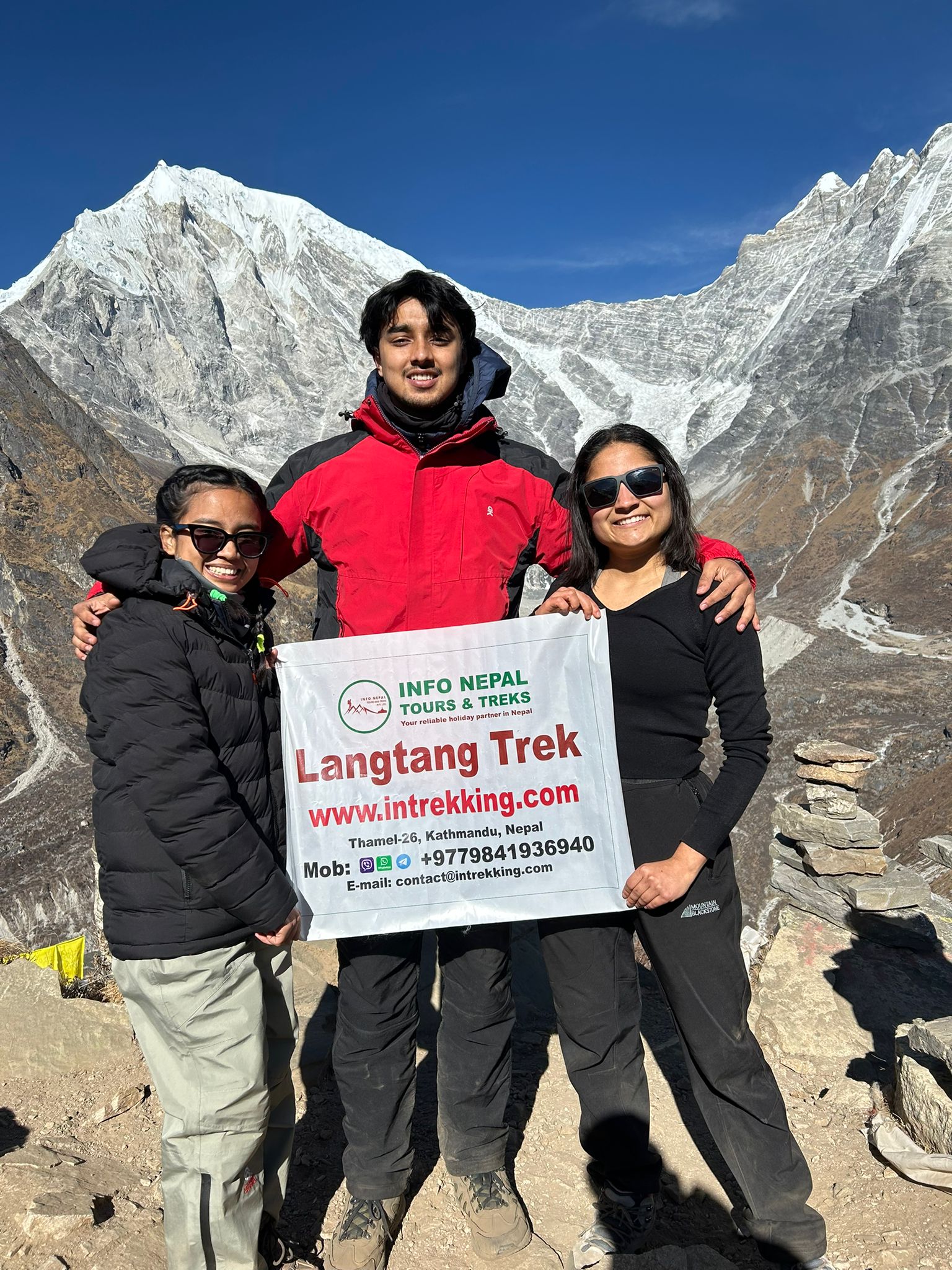 6. **Trek from Kyanjin Gompa (3,798m/12,495ft) to Lama Hotel (2,500m/8,200ft), 5-6 hrs** — After spending a couple of days exploring the beautiful Kyanjin Gompa area, We are set to begin our return journey from the Langtang Valley today. Retracing our steps back down the valley to Lama Hotel, We anticipate a different experience as the trail is predominantly downhill. While this descent might prove tiring on the knees, It offers breathtaking views of the Langtang peaks that were obscured during our ascent. The majestic scenery is certain to remind us of the wonders who have encountered so far.
Our journalist initially to two days of uphill hiking will be condensed into one long day on the way out.As we make our ascent we’ll have the opportunity to reminisce about the highlights of our Lantang Valley adventure. The memories of the stunning landscapes, vibrant culture and the challenges we fished will surely bring smiles to our faces. The camaradire developed on this trek has been invaluable, Making our experience even more special. Overall, this journey continues to be remarkable chapter in our exploration of the Himalayas.
7. **Trek from Lama Hotel to Syabrubesi (1,462m/4,795ft), 5-6 hrs** — On this day we will travel from Lama Hotel to Syabrubesi (1,462m/4,795 ft), A journey that will take approximately Five to six hours. After enjoying a hearty breakfast and Lama Hotel around 7:00 AM, we will set off at 8:00 AM following the scenic trail alongside the Bhote Koshi River. The morning will offer beautiful views of the surrounding mountains and lush forest, perfect for soaking in the tranquil atmosphere. Around 9:30 AM, we will take a short break to rest and hydrate, Allowing us to appreciate the local flora and fauna. By noon we will arrive at the teahouse for lunch where we can savour traditional Nepali cuisine and recharge for the rest of the journey.
Following lunch We will resume our trek at 1:00 PM, descending gently towards Syabrubesi While taking in stunning views of the Langtang Valley. We anticipate arriving in Syabrubesi by 3:00 PM, Where we can explore the village, interact with its friendly locals and unwind after our trek. After settling into our accommodation at a local tea house around 5:00 PM, we will relax, share stories with fellow trekkers, And enjoy a warm dinner. To conclude the day, a briefing will prepare us for the next leg of our adventure.
8. **Return to Kathmandu on a Drive, 7-8 hrs** — Upon our return to Kathmandu, the vibrant energy of the city will contrast sharply with the serene mountain landscapes we traversed. The familiar sounds and sights Of the capital will mark our re-entry into a different place of life after days spent amidst the tranquillity of the Himalayas.
Back in our hotel, we will have the opportunity to unwind and perhaps revisit some of Coventry's cultural highlights, carrying with us the Indelible memories of our Langtang Valley experience. The comfort of a warm shower and a familiar bed will welcome a change after our awarding trek,
The journey through the Langtang Valley will undoubtedly leave a lasting impression, itching the majestic mountain vistas, the warmth of the local people and the spiritual or after monasteries into our hearts. The physical accomplishment of the trek, Combined with the cultural immersion and the sheer beauty of natural surroundings, will create a tapestry of unforgettable moments. As we prepare for our onward journey from Kathmandu, we will carry with us not just souvenirs, but a profound appreciation for the Himalayan spirit and the enduring charm of Nepal. The memories forged in the Langtang Valley will serve as a reminder of the power and beauty of the natural world and the richness of human connection.
9. **Final Departure** — As your unforgettable Himalayan journey concludes, a delegate from Info Nepal Treks will provide seamless airport transportation from your hotel. You will depart with cherished memories of Nepal's majestic Himalayas, a fitting farewell to an incredible adventure. We trust your Nepal travel experience has been exceptional, filled with breathtaking landscapes and rich cultural encounters.
We eagerly anticipate welcoming you back to Nepal for a more thrilling adventure and the chance to create new lasting memories, explore more of Nepal's hidden gems and discover the unparalleled beauty of fits, mountains and valleys. Let us help you plan your next Nepal adventure tour crafting new stories and experiences in this captivating destination.
## What's included
- Airport pickups and drop-offs by private vehicle in Kathmandu
- 2 nights accommodation in Kathmandu hotel with breakfast
- Transport between Kathmandu-SyabruBesi-Kathmandu by public bus
- All meals on the trek (breakfast, lunch, dinner) + tea/coffee
- Twin-share guesthouse accommodation along the trek
- Expert English-speaking guide
- Porters to carry bags (1:2 ratio)
- Wages, insurance, food, and lodging for staff
- First aid kit for emergency
- Langtang National Park fees and permits
- TIMS Card fees
- Government taxes and service charges.
## Not included
- International airfare to/from Kathmandu
- Nepal visa fees
- Travel insurance (highly recommended)
- Immunizations and medication
- Meals in Kathmandu outside of hotel
- Beverages like alcohol, soda, and bottled water on the trek
- Showers and battery charging during the trek
- WiFi access during the trek
- Personal expenses and shopping
- Tips for guides and porters
- Costs from unexpected delays, cancellations, illness, etc.
- Extra accommodation in Kathmandu after trek
- Any services not specifically mentioned in the itinerary.
## FAQ
**Q: How long is the Langtang Valley trek?**
A: The total Langtang Valley trek takes around 8-10 days starting and ending in Kathmandu. The trek itself from SyabruBesi to Kyanjin Gompa is 4-5 days one-way.
**Q: What is the best time of year to do the Langtang trek?**
A: The best times are spring (March-May) and autumn (September-November) when the weather is cool and the skies tend to be clear.
**Q: How difficult is the Langtang Valley trek?**
A: The Langtang Valley trek is relatively easy to moderate and suitable for beginner and moderately fit trekkers. There are no steep climbs, and altitude increases gradually.
**Q: Will I need to carry all my own gear on the trek?**
A: No, we provide porters to carry your luggage. You only need to carry a small daypack with essentials.
**Q: What is the accommodation like at the teahouses?**
A: The teahouses or lodges along the Langtang trek route are basic but clean and comfortable. Most provide shared bathrooms and hot showers. You'll sleep in simple rooms with 1-2 beds and warm blankets. The dining rooms are cozy gathering places to meet other trekkers. Most teahouses now have electricity to charge devices. The lodges get more basic the higher up you go.
**Q: What is the weather like during the trek?**
A: During spring and autumn, daytime temperatures average 15-20°C in lower elevations and 5-10°C at higher elevations. Nights get quite cold in the mountains. There will likely be some rain, especially in summer. Come prepared for all weather conditions. The weather is harder to predict in the mountains!
**Q: What wildlife might I see on the Langtang trek?**
A: There is abundant wildlife in Langtang National Park, including Himalayan black bears, red pandas, monkeys, diverse bird species and more. With luck you may spot some from afar, but most animals are elusive and human-shy. You're more likely to see smaller birds, rodents and occasional herd of Himalayan Tahr.
**Q: How physically demanding is the Langtang Valley trek?**
A: The Langtang Valley trek is considered relatively moderate. There are no extremely steep or technical sections, but you will be hiking 5-6 hours most days over hilly terrain with some ascents and descents.
Most days involve anywhere from 400m to 800m of elevation gains and losses. Travelers with a decent level of fitness should be able to complete it, though working on your cardio endurance beforehand is recommended.
**Q: Is travel insurance required?**
A: We strongly recommend getting comprehensive travel insurance to cover emergencies, medical evacuation, delays, lost baggage and other issues. Many policies allow you to cancel within 10 days of departure, which is advised in case you become injured or ill before the trek.
**Q: Can I add extra days to the standard itinerary?**
A: Absolutely! We can customize the itinerary and add extra days for acclimatization or exploration based on your preferences. Potential side trips include climbing Kyanjin Ri, or visiting the cheese factory. Just let us know how to tailor the trek to your needs.
**Q: What is the best way to book and confirm my trek?**
A: You can book online through our website. We recommend booking at least 1 month in advance for the high season. We'll follow up by phone or email to confirm details. A deposit of 30% is required to secure your booking. Full payment is due 2 weeks before the trek start date.
**Q: What is the typical group size for a guided trek?**
A: Group sizes vary from 2 to 10 trekkers, allowing for a more personalised experience. Private treks are also available.
**Q: Can I do the Langtang Valley trek independently?**
A: While possible, it's recommended to go with a guide and Porter for safety, logistics and supporting the local economy. Permits are still required.
**Q: Are there ATMs or currency exchange facilities available on the trail?**
A: No, ATMs and reliable currency exchange are only available in Kathmandu. Bring sufficient Nepali rupees for the entire trek.
**Q: What kind of food is available at the tea houses?**
A: Tea houses offer basic but nutritious meals like Dal Bhat, noodles, Pasta and some western dishes. Fresh produce can be limited in higher altitudes.
**Q: Is bottled water readily available or should I be your water filter?**
A: Bottled water is available but contributes to plastic waste. Consider bringing water filter purification tablets for a more sustainable option.
**Q: What essential trekking gear should I pack?**
A: Pack sturdy hiking boots, warm layers, a waterproof jacket and trousers, a daypack, a Sleeping bag (depending on the season) and trekking poles.
**Q: Are there charging facilities for electronic devices at the house?**
A: Many tea houses offer charging for a small fee, but availability can be unreliable, especially at higher altitudes. Bring a portable power bank.
**Q: What is the tipping etiquette for guides and porters?**
A: Tipping is customary and appreciated. A general guideline is per day amount for your guide, and slightly smaller amount for each porter, Split among the group.
**Q: What altitude-related issues should I be aware of?**
A: Acute mountain Sickness (AMS) is a risk of up certain elevations. Gradual ascent, acclimatisation days and staying hydrated are crucial for prevention.
**Q: Are there communication facilities (phone, Internet) along the trail?**
A: Mobile phone network coverage can be patchy in some tea houses of Wi-Fi for a fee, but it can be slow at times and unreliable.
**Q: What are the local customs and etiquette I should respect?**
A: Dress modestly, especially when visiting religious sites. Walk clockwise around the prayer wheels and Chortens. Ask for permission before taking photos of people
**Q: What happens in case of a medical emergency during that trek?**
A: Guides are trained in basic first aid for serious emergencies, and evacuation by helicopter can be arranged, which is why travel insurance is essential.
**Q: Are permits required for the Langtang Valleys trek?**
A: Yes, you need a Langtang National Park entry permit TIMS (Trekkers’ Information Management System) card. Your trekking agency usually arranges these.
**Q: How far in advance should I book my trek?**
A: It is advisable to book at least a few months in advance, especially during peak seasons (spring and autumn), to secure accommodations on flights.
**Q: What are the payment options for booking our trek?**
A: Most agencies accept bank transfers and online payments. Some may accept credit cards with an additional fee.
**Q: What is the cancellation policy if I need to postpone or cancel my trek?**
A: Cancellation policies vary between agencies. Review the terms and conditions carefully before booking.
**Q: Are there opportunities to learn about the local culture during the trip?**
A: Interacting with locals in the villages and visiting monasteries Offers insights into the unique Tamang and Tibetan-influenced culture
**Q: Can dietary restrictions for vegetarian, vegan, and gluten-free be accommodated at the tea houses?**
A: Tea houses can usually cater to vegetarian diets. Vegan And gluten-free options may be more limited, so inform your guide in advance.
**Q: What kind of footwear is recommended for the trip?**
A: Sturdy, broken-in hiking boots with comfortable and good ankle support are essential. Bring extra socks to keep your feet dry and comfortable.
**Q: Are there any specific health precautions I should take before or during the trek?**
A: Consult your doctor about the necessary vaccinations and medications. Maintain good hygiene, stay hydrated and listen to your body during the trek.
## Contact for this trip
- Operator: Info Nepal Tours and Treks · Thamel, Kathmandu, Nepal
- Phone: +977 9841936940
- Email: contact@intrekking.com
---
# Annapurna Circuit Short Trek-10 days
URL: https://intrekking.com/trip/annapurna-circuit-short-trek/
Last updated: 2026-07-08
## Facts
- Region: Annapurna Region
- Duration: 10 days
- Max altitude: 5,416 m
- Difficulty: Moderate
- Group size: 1-10 people
- Best season: March-May : September-November
- Price from: $825 per person
## Summary
A shortened version of the Annapurna Circuit starting at Chame, following the Marsyangdi River through Manang to cross the Thorong La pass to Muktinath, within the Annapurna Conservation Area, for trekkers with limited time.
## Overview
Annapurna Circuit Short Trek Highlights
Trek through the top 10 trekking trail of the world Annapurna Trail
Cross the Thorong La pass at 5,416m
Have a glance at the flora and fauna of Annapurna Conservation Area(ACAP)
Enjoy the marvelous beauty of snow-capped mountains like Annapurna, Gandabha Chuli, Gangapurna, and many more
Experience from Low land to High Himalayan
Overview
Annapurna Circuit Short Trek provides a combination of mountain scenery, the Himalayan landscape in a short period of time. Experience the culture of mountaineer people and scale those altitudes all under 10 days.
The journey starts from Chame after the scenic drive from Kathmandu or Pokhara to Besisahar and finally Chame. The road from Kathmandu to Besisahar is 173 kilometers, Besisahar to Chame is 65 Kilometer and Chame to Khangsar is 56 kilometers.
The trail goes through the bank of Marsyangdi River crossing high Himalaya villages with beautiful mountain scenery. Before reaching Thorung La Pass you will pass through Dhukur Pokhari, Pisang, Ghyaru, Ngwal, Braga, Manang, Yak Kharka, and finally on the top.
Visit Manang, a beautiful village with traditional houses, farmland, and animal husbandry. Enjoy the marvelous beauty of snow-capped mountains such as Annapurna II (7,937m), Annapurna III (7,555m), Annapurna IV (7,525m), Gandarbha Chuli (6,250m), Gangapurna (7,544m), Glacier Dome (7,193m), Khangsar Kang (7,485m), and Tilicho Peak (7,134m).
These 10 days Annapurna Circuit Short trek is a perfect trip to reach High Mountain in a short period of time. This trek is organized by the expert local Guide and Porters.
## Itinerary
1. **Drive Kathmandu to Besisahar (825m/ 2,706ft) - 5 to 6 hours & Drive to Chame (2670m/ 8,759ft) - 3 to 4 hours** —
Our day starts with a scenic drive to Besisahar which will take about 5 to 6 hours. Now from Besisahar, we’ll again drive to Chame, and then finally we’ll enjoy our overnight stay at the teahouse.
2. **Trek from Chame to Pisang (3,190m/ 10,465ft) - 4 to 5 hours** —
Today our trail leads us through the bank of Marsyangdi river, pine forests, and finally level walk through the forest to Bathang. Now we’ll have a long and gentle climb over a ridge through blue pine forest and finally Pisang. Overnight at Pisang.
3. **Trek from Pisang to Ngawal (3,657m/ 12,000ft) - 5 to 6 hours** —
After having breakfast our trek leads through pine and juniper forest and with beautiful mountain scenery. Now you can see the century-old fort and lower marsyangdi river valley. Finally at Ngawal village where we will have our overnight.
4. **Trek from Ngawal to Manang (3,540m/ 11,514ft) - 4 to 5 hours** —
Our trek starts with amazing mountain scenery and the trail descent to the Tibetan- styled village of Barga. Now continue trekking through the very arid countryside and by weird cliffs of yellow rock. Finally at Manang village where we’ll have our overnight.
5. **Acclimatization Day in Manang**
6. **Trek from Manang to Yak Khaka/ Letdar (4,200m/ 13,770ft) - 4 to 5 hours** —
After breakfast, we will start our trek through the farm terraces to Tanki Manang which offers panoramic mountain scenery. After passing through a few meadows and Yak Kharka. Overnight at Yak Kharka.
7. **Trek from Yak Kharka to Thorang Phedi (4450m) - 3 to 4 hours, or Thorang High Camp (4850m) - 4 to 5 hours** —
Today our trail crosses the highest point of the trek. We will climb along the east bank of Jarang Khola to Thorung Phedi. From this area, you can encounter the snow leopards and blue sheep. Overnight at Tea house.
8. **Trek from Thorang Phedi to Thorang La Pass (5416m) to Muktinath (3800m) - 7 to 8 hours** —
After breakfast, we will have a steep ascent to the High Camp through the rocky desert and some icy slippery trail. Now we descend to another valley of Mustang. We can view several Buddhist Monasteries and Hindu temples which have 108 waterspouts around it. Overnight at Muktinath.
9. **Trek Muktinath to Jomsom (2710m) via Kagbeni (2800m) via Jhong -6 to 8 hours** —
Today we will continue to walk down towards Jomsom. Now we cross the high alpine area of Kaligandaki valley and through the Kali Gandaki valley to Jomsom. Visit Marpha Thakali village and enjoy overnight.
10. **Fly from Jomsom to Pokhara (950m) -25 minutes, then your destination** —
On our final day, we will have our morning fly to Pokhara by small aircraft. Rest for a whole day at Pokhara or explore the city.
## What's included
- Airport transfers to/from the hotel by private car at the start and end of the trek
- Jeep/car/bus transport between Kathmandu and Besisahar and one way to Chame
- 9 nights lodging in local guesthouses/teahouses in shared rooms with common bathrooms
- Breakfasts, lunches & dinners provided at the teahouses during trekking days
- Licensed English-speaking trek guide
- Annapurna Conservation Area entry permit
- Trekkers' Information Management System (TIMS) card
- Guide Insurance
- First aid kit and oxygen supply
## Not included
- International airfare to/from Nepal
- Nepal entry visa fees
- Additional hotel nights in Kathmandu
- Meals other than those provided in the itinerary
- City tours, sightseeing, or activities in Kathmandu
- Alcoholic and bottled beverages
- Desserts or snacks beyond a regular meal
- if require porter
- Phone calls, laundry, and personal items
- Tips for guides, porters, and drivers
- Travel and medical insurance coverage
- Expenses incurred due to unavoidable events or political unrest
## FAQ
**Q: How difficult is the Annapurna Short Circuit trek?**
A: The Annapurna Short Circuit is considered a moderately challenging trek suitable for beginner and experienced trekkers. There are about 4-6 hours of hiking per day, with the highest point being Thorong La Pass at 5416m. Proper acclimatization to the high altitudes is key.
**Q: What is the best time to trek?**
A: Spring (March-May) and Autumn (September-November) are considered the best times with warm sunny days and clear mountain views. Winters can be very cold but the trails are quieter. Monsoon brings more rain.
**Q: What is provided in an organized trek package?**
A: A comprehensive package typically includes all airport pickups, transports, accommodation, meals, guides, porters, permits, first aid kits, and rescue arrangements. International flights and visa fees are excluded.
**Q: Do I need a guide, or can I do this trek solo?**
A: It is strongly recommended to trek with a licensed guide for navigational help and safety reasons. Guides also arrange permits, porters, accommodation, and transport. Solo hikers need to arrange everything themselves.
**Q: What permits and insurance do I need?**
A: You need to get a TIMS permit and Annapurna Conservation Area entry permit along with trekking insurance in case an emergency rescue is needed. Permits can be arranged by your guide.
**Q: What is accommodation in the Annapurna Circuit trek like?**
A: You will stay at local tea houses (lodges) along the trek every night. These offer shared rooms with common washrooms but provide hot meals. Higher elevation lodges may be more basic. Hot showers may be lacking at higher elevations.
**Q: What is the level of fitness required?**
A: A moderate level of fitness is required as you will be hiking 4-6 hours daily carrying your own daypack. The route involves uphill climbs and steep stone steps at times. Prior conditioning of your cardiovascular fitness is recommended.
**Q: What about mobile connectivity and electricity?**
A: Mobile networks and WiFi are unsteady, especially at higher elevations. Battery packs/power banks to charge devices are useful since electricity may be limited in some accommodation. Candles or gas lamps may be the only source of light in more basic lodges.
**Q: What are the risks and dangers involved in this trek?**
A: Potential dangers can include high altitude sickness if acclimatization is inadequate, hypothermia if improperly equipped, gastrointestinal illness if hygiene is neglected, and injuries related to rocky terrain. Carefully evaluating risks and preparation is vital. Hire experienced guides who can mitigate hazards.
## Contact for this trip
- Operator: Info Nepal Tours and Treks · Thamel, Kathmandu, Nepal
- Phone: +977 9841936940
- Email: contact@intrekking.com
---
# Lobuche Peak Climbing – 19 Days
URL: https://intrekking.com/trip/lobuche-peak-climbing-19-days/
Last updated: 2026-07-10
## Facts
- Region: Everest Region
- Duration: 19 days
- Max altitude: 6,119 m
- Difficulty: Strenuous
- Group size: 1-12 people
- Best season: March-May : September-November
- Price from: $1,949 per person
## Summary
A climbing expedition to the 6,119-metre Lobuche East summit combined with the Everest Base Camp trek through Sagarmatha National Park, involving base and high camps, for experienced trekkers with mountaineering ambitions.
## Overview
Lobuche Peak stands at 6119 meters, a strenuous climbing that advances from the Everest Base Camp Trek. Lobuche Peak has two faces, i.e. Lobuche East and Lobuche West, where Lobuche Peak Climbing is also known as Lobuche East. For the Lobuche Peak climbing, we will follow the traditional route from the lukla airport, which lies in the Khumbu region of Nepal.
Lobuche East is easily accessible to reach and technically easier than the Lobuche West. Panoramic views of the mountains, like Lhotse, Nuptse, Pumori, Lobuche, Ama Dablam, Makalu, etc, can be seen at the summit of the Lobuche Peak.
During this trek, we will pass through the Sagarmatha National Park, where various species of flora and fauna can be seen. Also, the blooming of the rhododendrons in the forest makes the trail more beautiful.
Lobuche Peak Climbing gives you not only the adventure but also the traditional and religious taste inside the Sherpa Village.
Furthermore, this trek is technical, so it will be easier if you have previous mountaineering experience. Basic use of the gear and equipment, such as crampons and fixing ropes, must be done in some places during the climbing. You need to be in good health, and good stamina is required for this peak climbing.
Highlights
Thrilling flight experience from Kathmandu to Lukla
Explore the national park, which is home to various flora and fauna.
Visit the famous Namche Bazar, which is the tourist hub in the Everest region.
Understanding the culture and traditions of the Sherpa people
Visit the ancient Tengboche Monastery, which is home to hundreds of monks.
Wonderful view from the Everest base camp and Kalapatthar
Learn basic climbing skills and proper use of gear while at the peak.
Paranomic view of the mountains from Lobuche Peak, such as Mt. Everest, Mt. Lhotse, Mt. Nuptse,
Mt. Makalu, Mt. Cho Oyu, Mt. Lobuche, Mt. Kantega, Mt. Ama Dablam, Island Peak, Mt. Thamserku, etc.
Stunning views of the glacier, glacial streams, ice walls, and moraines
## Itinerary
1. **Day 1: Arrival at Kathmandu Airport and transfer to hotel.** — After safely landing at Tribhuvan International Airport, you will proceed with the arrival visa. It is an easy process that takes only a few hours after you submit the documents. Our staff will be waiting outside the airport terminal, and you will be transferred to the classy hotel.
2. **Day 2: Trip briefing, paperwork, checking equipment & sightseeing around Kathmandu Valley.** — We will conduct the meeting at your hotel and do a short briefing about the Lobuche Peak Climbing. After briefing, we will do some paperwork and provide you with the gear and equipment that is required for this trek.
You will have enough time for sightseeing around the valley. Also, you can relax and enjoy Thamel's streets, which are open 24 hours a day. This place is full of pub houses, bar restaurants, shops, cafes, and many more.
3. **Day 3: Fly from Kathmandu to Lukla (2840m) and trek to Phakding (2610m), 4-5 hours walk** — After having an early breakfast, you will prepare an early flight for Lukla. You'll be transported to Tribhuvan International Airport, and then from there, you will have a scenic flight, which is about 30 minutes. The flight itself is adventurous and thrilling, which will be your lifetime experience.
After landing at the Lukla airport, our porters will carry the language, and with the help of the guide, we will start to trek for Phakding. Today's trek is relatively easy as you will do the short hike of 4-5 hours. Moving forward, we will reach Kyangma village, and by walking further, you will reach Cheplung village. After leaving Cheplung village, we will cross the suspension bridge and then climb to reach Chhuthawa. Then, within a few hours, you will reach Phakding to stay overnight there.
4. **Day 4: Trek from Phakding to Namche Bazaar (3440m), 5-6 hours walk** — After leaving the Phakding, you will follow the trail of the Dudh Koshi River to reach Monjo. It is the main entrance to the Sagarmatha (Everest) National Park, where you must present a permit before entering.
Once you cross the suspension bridge and trek through the pine forest alongside the Dudh Koshi River toward Phakding, you'll catch sight of the initial glimpse of Mt. Everest.
5. **Day 5: Acclimatization Day at Namche Bazaar: (3,440m/11,284ft )** — Today is Acclimatization Day, where we will walk to explore the surrounding mountains and view of Everest. Also, you will have the option to visit Everest Photo Gallery or Sherpa Culture Museum.
Namche Bazar is famous as a tourist hub and for exploring the Sherpa culture. You can find a variety of shop and place to enjoy and relax. Also, we recommend you hike to the Everest View Hotel, which is the highest-placed hotel in the world. Enjoying lunch in this hotel will be a lifetime experience.
6. **Day 6: Trek from Namche Bazaar to Tengboche (3,870m/12,694ft), 5-6 hours walk** — After having a wonderful time in Namche Bazar, we will start the trek by descending through Namche towards Ohunki. Then, on the way to Phunki, you can see amazing sights of Mt. Everest, Nuptse, Lhotse, Ama Dablam, and get a really close look at Thamserku.
Then, walking for a few hours, you'll start to see Tengboche Monastery. It is one of the largest monasteries that you will explore in this region. Tengboche's trail is decorated with many colorful flags and prayer wheels. Also, the view of mountain peaks from the Tengboche is absolutely breathtaking.
7. **Day 7: Trek from Tengboche to Dingboche (4,360 m/14,300 ft),5-6 hours walk** — After waking early in the morning with the prayer sound, today we will trek to reach Dingboche. We'll descend a bit and then trek through a lovely forest, crossing the Imja Khola before reaching the village of Pangboche.
You can take a short tea break and explore Pangboche village, including the famous Pangboche Monastery. From there, we will cross the river and turn up the Imja Valley to reach Dingboche.
8. **Day 8: Acclimatization day at Dingboche and hike to Chukkung Valley (4730m), 4-5 hours walk** — Today will be our second Acclimatization day at the Dingboche, and we will do a short hike to Chukkung Valley. It is an important day for rest before heading to the high-altitude area.
After hiking for 4-5 hours to Chukkung Valley and on to Island Peak (Imja Tes), we will return to Dingboche to spend our night there. During the trek, you can see the magnificent view of snow-capped mountains like Lhotse, Ama Dablam, Cho Oyu, Island Peak, and Makalu.
9. **Day 9: Trek from Dingboche to Lobuche (4930), 5-6 hours walk** — Today, we plan to reach the Lobuche before the night. Our path will be a little more difficult than the previous one because you will walk through a rough and steep trail toward Duglha. Then, climbing forward, you will path will lead toward Chuki Lahara.
Then, moving forward from Lahara, you walk over the moraines of Khumbu Glacier to reach Lobuche village. From the village, you can see the eye-catching view of different high peaks, including Lobuche Peak.
10. **** — Today, after early breakfast, we will continue following flat meadows. Then, climbing onto the lateral moraine following Khumbu Glacier, we will land at Gorak Shep. Continuing the journey, we will reach the most awaited destination, Everest Base Camp.
After hiking in the ups and down path combined with altitude for approximately 3 hours, we will reach Base Camp. From the base camp, we can see panoramic views of mountains like Khumbuste, Pumori, and Nuptse, keeping Mt. Everest in the background. Standing at this point, trekkers will be emotional by seeing their dreams happening in front of their eyes.
11. **Day 11: Hike up to Kala Patthar (5545 m/18,192 ft) and trek to Lobuche (4940 m/16,207 ft), 6-7 hours walk** — Hiking the Kala Patthar means the famous viewpoint to witness Everest. After two hours of hike, we will reach Kala Patthar. Also, if you want to see the best sunrise view, you must trek early in the morning. After you reach Kala Patthar, you can see the gigantic view of the Everest. You can enjoy the view, take pictures, make the memory, and after that, you will head back to Lobuche.
There is no tea house after you move from Lobuche village; therefore, our team will set up a tent for you. You will spend the night inside the tent, which will be a unique experience.
12. **Day 12: Trek from Lobuche to Lobuche Base Camp (4865m/15,957 ft), 3-4 hours walk** — Today, we will walk for 3-4 hours, but our trail will be steeper and rougher. There is no tea house after you move forward from Lobuche village. Then, after reaching the base camp, our team will set up a tent for you for tonight.
Today, you will get the chance to learn basic mountaineering skills. Our professional guide will demonstrate you how to use gear equipment and tricks.
13. **Day 13: Trek from Lobuche Base Camp to Lobuche High Camp (5,600m/18,368 ft), 3-4 hours walk** — Today's trek will be challenging, but don't worry; yesterday's training will help you today. After having an early breakfast, we will trek to Lobuche High Camp. During the trail, we will use ropes, crampons, ice axes, boots, and other climbing gear.
After reaching the High Camp, our team will set up the tent, and you will take a rest. Tomorrow is the big day for us, so we will sleep early after having a delicious dinner.
14. **Day 14: Summit Lobuche Peak (6119m/20,070 ft) & back to Base Camp, 7-10 hours walk** — We need to reach the Lobuche High Camp early because it will be windy during the noon. Today, we will climb through steep and ice tracks on the southern ridge. Our assistant will fix the rope for you. You will use the rope, crampon, and ice axe vehicle climbing, which is the technical part of Lobuche Peak.
Finally, after climbing the 45-degree slope hill, you will reach Lobuche High Camp. You will celebrate with other trekkers with fascinating views of the whole Everest region. You will take the picture, make memories, and return to the base camp. From the summit, you can see the panoramic views of Everest, Lhotse, Nuptse, Ama Dablam, Tawache, Cholatse, Pumori, Changri and many more.
15. **Day 15: Trek from Lobuche Base Camp to Pangobche (3930 m / 12900 ft), 5-6 hours walk** — After the successful summit of the Lobuche Peak, we will head toward the Pangobche. We will walk downhill and walk through the rhododendron forest and juniper along with the view of Ama Dablam, Thamserku, Pokalde, Kantega, and other peaks. After we reach the village of Pangobche, we will spend our beautiful night there.
16. **Day 16: Trek from Pangboche to Namche Bazaar (3,440 m/11,280 ft), 5-6 hours walk** — After having breakfast, we will head toward Namche Bazar. Walking through beautiful rhododendrons and pine forests, we gradually descend our steps. Then, walking the riverside of Dudhkodhi River and passing the suspension bridge, we cross Tengboche village to reach Namche Bazaar.
17. **Day 17: Trek from Namche to Lukla (2840m), 7-8 hours walk** — Today, we will end our trekking journey by reaching Lukla. After 7-8 hours of walking by passing through Jorsalle, Manjo, Benkar, and Phakding, we will reach Lukla. After a long day of trekking, we spend the night at Lukla and prepare for tomorrow's flight.
18. **Day 18: Fly back to Kathmandu, flight 30 minutes.** — After having early breakfast, we will take the flight from Lukla to Kathmandu, which will be around 30 minutes. Taking all the memories of the Everest region, you will land at the kathmandu airport; then you will transfer to the hotel.
19. **Day 19: Transfer to Tribhuvan International Airport.** — After achieving your goal, now it's time for you to go home. Our team will take you to the airport before your scheduled flight. Finally, if you like to visit Nepal for any tour, trek or expedition, then you can always remember us.
## What's included
- All ground transportation in Kathmandu by private vehicle, including airport transfers
- 2 nights hotel accommodation in Kathmandu (before and after the trek/climb) with breakfast
- Round-trip flight between Kathmandu and Lukla
- All meals (breakfast, lunch, dinner) during the trek and climbing period
- Twin-share teahouse accommodation up to Lobuche village; full camping equipment (tents, sleeping mats) above Lobuche
- An experienced, government-licensed trekking guide and a certified climbing guide/Sherpa for the technical section
- Porter service to carry personal gear (up to a set weight limit)
- Sagarmatha National Park entry permit and local area permits
- Lobuche Peak climbing permit (Nepal Mountaineering Association)
- Group climbing equipment: fixed ropes, ice screws, and related technical gear for the summit section
- A comprehensive first-aid kit carried by your guide
## Not included
- International airfare to and from Kathmandu, and the Nepal tourist visa fee
- Travel and rescue insurance, including mountaineering and helicopter evacuation cover up to 6,119m
- Personal climbing gear (crampons, ice axe, harness, mountaineering boots rentable locally)
- Hot showers, Wi-Fi, battery charging, and bottled/boiled water during the trek
- Personal expenses (souvenirs, laundry, extra snacks) and meals in Kathmandu outside the trek
- Tips for guides and porters (customary, and genuinely appreciated)
## FAQ
**Q: Where can you find Lobuche Peak located?**
A: Lobuche Peak is a highly favored trekking destination in Nepal, situated within the Khumbu Valley.
**Q: How high is the summit of the Lobuche Peak?**
A: Lobuche Peak is high, which sits at a height of 6,119m, and we can reach this summit from the east and the west. Generally, the summit of Lobuche Peak is also known as Lobuche East, which is easier and easily accessible than the summit from the west.
**Q: How long is Lobuche Peak Climbing?**
A: For the Lobuche Peak Climbing, your main journey starts from the Lukla. From the Lukla to reach the summit of Lobuche Peak and return, it will take you an average of 14-21 days. Depending upon the itinerary, you can choose which suits you.
**Q: When to do Lobuche Peak Climbing and when not to do it?**
A: For successful Peak Climbing, trekkers need to know when to climb. During the month of the spring and autumn season, it is the best time for climbing, whereas trekkers should not do peak climbing during the time of autumn and spring seasons.
**Q: How hard is Lobuche Peak Climbing?**
A: Lobuche Peak Climbing grade is very strenuous; therefore, it is difficult as well, and there is a technical part during the trekking. The technical part can be easily done if you have mountaineering experience, practice with climbing rope, and high-altitude trekking experience.
**Q: Do I need to buy any climbing equipment, or does the company provide it?**
A: Depending upon the trekking agency, they can provide some don't. In contrast, most of the trekking agency helps you rent the climbing equipment. For the basic gear, please buy things like a down jacket and sleeping bags, but if you want to rent those things, you can also get in rent.
**Q: What are the real chances of altitude sickness during Lobuche Peak Climbing?**
A: There is pretty much a chance for altitude sickness as you will reach an altitude of 6119m during the journey. Proper acclimatization and proper precautions should be taken. If you fail to do so, then it can be dangerous, and sometimes, it can lead to the death of the person.
**Q: Will there be an experienced guide?**
A: The guide plays an important role in successful peak climbing as they are well experienced about the route and the difficulty that may arise during the trek. Therefore, we will provide you with a professional guide for your satisfaction and successful journey.
**Q: What is the cost of the Lobuche East Climbing package?**
A: The cost of the Lobuche East Climbing depends upon various factors such as itinerary, accommodation, and money you spend during the trek. Mostly, it will cost you an average of 1500 - 2500 USD.
**Q: Does the company provide a certificate after the summit?**
A: Our company will not provide any type of certificate; however, the Nepal Mountaineering Association will provide you with the certificate after your successful peak climbing in Nepal.
**Q: What are the permits required for the Lobuche climb?**
A: Nepal Mountaineering Association Provides the Permit for the Lobuche Climb. The permit fee for the peaks varies according to the seasons.
**Q: Are there charging and internet facilities on the peak climbing journey?**
A: Yes, there are plenty of tea houses where you can get the charging and the internet facility until Lobuche village. You have to pay extra for charging and the internet facility in the tea house. After you ascend from the Lobuche village, there is no more tea house available, so you need to spend your night in the tent.
## Contact for this trip
- Operator: Info Nepal Tours and Treks · Thamel, Kathmandu, Nepal
- Phone: +977 9841936940
- Email: contact@intrekking.com
---
# Everest Base Camp Trek Via Ramechhap – 14 Days
URL: https://intrekking.com/trip/everest-base-camp-trek-via-ramechhap-mathali-14-days/
Last updated: 2026-07-14
## Facts
- Region: Everest Region
- Duration: 14 days
- Max altitude: 5,545 m
- Difficulty: Moderate
- Group size: 1-10 people
- Best season: March-May : September-November
- Price from: $1,300 per person
## Summary
A lodge-based trek to Everest Base Camp and Kala Patthar through the Khumbu's Sherpa villages of Namche, Tengboche and Dingboche, starting with a drive to Ramechhap and flight to Lukla.
## Overview
Everest Base Camp Trek via Ramechhap – Manthali is one of the most popular treks in Nepal. It is located in the Khumbu region, home to some of the world’s highest peaks. The trek takes you through various unique landscapes and habitats that are worthwhile.
You will experience stunning views of Mount Everest and other mountain peaks, including Ama Dablam, Lhotse, Nuptse, etc. Moreover, you can see many ethnic groups living in different regions along your journey. The friendly behavior and warm hospitality of those people with alluring smiles is a moment to remember for life.
The trip starts with a drive to Ramechhap from Kathmandu and then a flight to Lukla. The flight exposes you to the Himalayas mountain range, villages, rivers, and many beautiful sceneries.
You will land in Lukla and proceed to Namche Bazaar, the doorway to the Everest region. While advancing the trek, you come across various stops like Tengboche, Dingboche, Lobuche, and Gorakshep, and thus ultimately reach Everest Base Camp.
Moreover, you get to witness the breathtaking sunrise view while visiting Kalapatthar. Standing on the foot of the mighty Mt. Everest is a dream come true. It’s an experience that everyone should try at least once in their lifetime! After a glorious moment, the trek ends after getting back to Kathmandu on a flight from Lukla.
Everest Base Camp Trek via Ramechhap – Manthali is the most challenging trek. It involves a lot of walking, and it’s not for people who cannot walk for several days continuously. As a consequence, it can be hazardous if you’re not careful at higher elevations. However, if you’re in good physical shape, this is a great challenge!
Best AlternativesEverest Base Camp Trek
Everest High Passes Trek
Gokyo Lake Trek
Everest Base Camp Heli Trek
Salleri to Everest Base Camp Trek
Highlights of Everest Base Camp Trek Via Ramechhap – Manthali 14 Days
Himalayan flights to Lukla from Ramechhap:
This marks the exciting beginning of your adventure! Flying into Lukla (Tenzing-Hillary Airport) is an experience itself, often described as one of the most thrilling airport landings in the world due to its short, sloped runway nestled in the mountains. Departing from Ramechhap (Manthali airport) is the standard starting point for this trip route, offering breathtaking aerial views of the Himalayan foothills as you soar towards the Khumbu region.
Stroll around the tourist hub in the Khumbu region:
Namche Bazaar is a vibrant and bustling Sherpa town perched on a hillside. It’s a crucial acclimatization stop a fascinating place to explore. You’ll find colourful markets selling trekking gear, local crafts and fresh produce. It’s also a great opportunity to soak in the Sherpa culture, interact with fellow trekkers, and enjoy stunning views of the surrounding peaks.
Experience the wilderness of Sagarmatha National Park’s trail:
Sagarmatha National Park, a UNESCO World Heritage Site, is a protected area renowned for its dramatic landscapes, diverse flora and fauna, and the towering presence of Mount Everest. Trekking through this park immerses you in the pristine mountain wilderness, with trails winding through rhododendron forests, across suspension bridges spanning glacial rivers, and past traditional sherpa villages.
A visit to the Everest region’s renowned monastery- Tengboche Monastery:
Tengboche Monastery is a significant and beautiful Buddhist monastery situated amidst panoramic mountain views. Visiting this spiritual centre offers a chance to witness Buddhist rituals, admire intricate artwork and architecture, and experience the serene atmosphere. The views of Ama Dablam and other snow-capped giants from Tengboche are simply breathtaking.
Stunning panoramas of sunrise over the Himalayas from Kalapatthar:
Kalapatthar meaning “black rock,” is a prominent viewpoint offering arguably the most iconic close-up views of Mt.Everest along with Lhotse, Nuptse, and other majestic peaks. Witnessing the sunrise from Kalapatthar, as the golden light bathes the snow-capped summits, is an unforgettable and awe-inspiring experience, often considered a highlight of the entire trek.
Indulge in the Sherpa culture and their way of life:
The Khumbu region is the ancestral home of the Sherpa people, Known for their mountaineering skills and rich cultural heritage. This trek provides ample opportunities to interact with the warm and welcoming Sherpa community, learn about their traditions, visit their villages, and experience their unique way of life adapted to the high-altitude environment.
Astonishing perspectives on eight-thousanders like Mount Everest. Cho Oyu, Lhotse, and Makalu:
This trek offers unparalleled views of the world’s highest and most impressive mountains. You’ll be surrounded by these giants, gaining different perspectives of their sheer scale and beauty throughout your journey. Seeing these eight thousand up close is a truly humbling and awe-inspiring experience for any mountain enthusiast
14-day Everest Basecamp itinerary
## Itinerary
1. **Arrival in Kathmandu (1,350m/4,429ft)** — Your Himalayan expedition begins as you arrive at Tribhuvan International Airport in Kathmandu, the vibrant capital city of Nepal. You will be greeted by our team and transferred to your hotel. Take this day to settle in. Perhaps there is a stroll through a bustling Thamel area, known for its colourful shops, Restaurants and vibrant atmospheres. This is your first taste of Nepali culture and the anticipation of an adventure ride ahead.
2. **Drive to Ramechhap, fly to Lukla (2,800m/9,186 ft), then hike to Phakding (2,610m/8,562 ft),15-minute flight and 3.5 hours hike. (3.5 hours Drive)** — Your Himalayan adventure starts today with an early morning drive to Ramechhap, providing a scenic glimpse into Nepal’s rural countryside.
From Manthali Airport in Ramechhap, you’ll board a small plane for a breathtaking 15-minute flight to Lukla’s Tenzing-Hillary Airport. Landing on its famous short, sloped runway is a thrilling experience in itself.
Once in Lukla, the official gateway to the Everest region, your trek begins. You’ll embark on a gentle 3 to 4 hours of hiking to Phakding, a lovely village situated by the Dudh Koshi River.
The trail meanders through a picturesque valley, passing colourful prayer stones and suspension bridges draped with prayer flags. This first day offers a perfect introduction to the natural beauty and rich Sherpa culture of the Khumbu Valley.
3. **Trek to Namche Bazaar (3,440m/11,286 ft), 4-5 hours** — The trail today follows the Dudh-Koshi River, crossing it several times via suspension bridges. You will travel Through a beautiful pine forest and pass by the village of Monjo the entrance to Sagarmathar National Park. As you ascend towards Namche Bazaar, the trail becomes steeper but the rewards are magnificent. On a clear day, you will catch Your first glimpse of Everest peeking through the surrounding peaks.
Finally, you will reach Namche Bazaar, a bustling hub perched in a horseshoe-shaped valley. This vibrant town is a fascinating blend of traditional Sherpa life and modern amenities catering to trekkers.
4. **Acclimatization Day** — Today is a crucial day for acclimatising to the increasing altitude. While your body adjusts, you want to be ideal. Hike up to the average view hotel for stunning panoramic views of Everest, Lhotse, Nuptse and Ama Dablam.
You can also visit the Sherpa Culture Museum to learn about the rich traditions and history of the local people or explore the local market for unique souvenirs. This active rest day will help your body prepare for higher altitudes ahead.
5. **Trek to Tengboche (3,800/ 12,467 ft) 5-6 hours m/1** — Leaving Namche, The trail offers relatively easy walking with magnificent views. You will listen to Phunky Tenga, crossing the dudh Koshi River once more. The trail then essence through Rhododendron Forest, which is one of the very beautiful sights in the spring season while leading towards Tengboche Monastery., The largest and most important Buddhist monastery and the Khumbu region. Witnessing the evening prayer ceremony is a deeply spiritual experience.
The monastery's location provides breathtaking panoramic views of Ama Dablam, Everest and other towering peaks making it a truly unforgettable stop.
6. **Trek to Dingboche (4,400m/14,435 ft) 5-6 hours** — Today's trip takes you further up the valley. Offering dramatic landscape changes as the trees begin to thin out that event becomes more rugged. You will pass through several small Sherpa settlements and cross the Imja Khola. The views of the Ama Dablam Continue to be spectacular from different angles. Dingboche is a picturesque village nestled beneath towering peaks, known for its extensive network of Stonewall fields.
As you arrive in Dingboche, take a moment to appreciate the stunning scenery. This charming village waiters, external walls and traditional Sherpa lifestyle serve as a perfect resting point for trekkers to acclimatise before continuing higher. You might encounter locals tending to fields or herding yaks, adding to the peaceful atmosphere.
Evenings are Ideal for gathering fellow adventurers to share stories while watching the vibrant sunset over the Himalayan peaks. As the night falls, the clear sky sparkles with stars, wrapping up the day filled with beauty and wonder.
7. **Acclimatisation Day /short hiking options to Nagarjun Hill.** — Acclimatisation is vital when at existing to higher altitudes and spending a day in Dingboche is an excellent way to facilitate this process. This leisurely day offers the perfect opportunity to explore this religion and connect with the residents. Engaging with the community can provide insights into their way of life and enrich your overall experience.
It is important to listen to your body during this time, allowing it to adapt before continuing your journey. This period of rest is crucial in preparing for the challenges that lie ahead.
For those who are eager to stay active, Dingboche Presents several short hiking options to nearby viewpoints, one of which is now Nagarjun Hill. This hike rewards you with breathtaking panoramas of majestic peaks like Makalu, Lhotse, Cholatse, and Taboche.
Such activity does not only enhance your physical readiness but also offers unforgettable scenery. Taking the time for these excursions also fortifies both your body and spirit as gear up for the trip to Everest Base Camp. Engaging in these pursuits adds to the adventure of the journey.
8. **Trek to Lobuche (4,900m/16,076 ft), 4-5 hours** — As you embark on your high-altitude trek, the journey will increasingly challenge your endurance and determination. The ascent towards a mountain summit will test your stamina before reaching Dungla. Along the way, you'll encounter poignant memorial cairns dedicated to climbers and sherpas who lost their lives during the Everest Expedition. This reflective moment adds depth to your trek, reminding you of the bravery and sacrifices made in the pursuit of climbing the world's highest peaks.
Continuing your adventure, you will traverse the rugged terrain towards Lobuche, a quaint village boasting stunning views of the surrounding mountains, including Lobuche, Pumori, and Nuptse. This serene location is perfect for resting and soaking in the breathtaking scenery. Spend the night in Lobuche, allowing the tranquillity of the Himalayas to rejuvenate your spirit for the challenging journey ahead.
9. **Trek to Gorakshep (5,150m/16,896 ft) to Everest Base Camp (5,365m/17,601 ft), 6-7 hours** — Today is a monumental day as you traverse to the legendary Everest Base Camp. The trail from Lobuche to Gorakshep is relatively short but involves trekking at high altitudes.
After a brief stop in Gorakshep, The last settlement before the base camp. You will continue towards your ultimate destination. The trek to Everest Base Camp Involves navigating rocky terrain and glacial moraines. Reaching the base camp of the world's Highest Mountain is truly a rewarding and humbling experience. You will have the opportunity to take photos and soak in the incredible atmosphere of the iconic place surrounded by towering ice giants. At first, spending some time at base camp, you will trek back down to Gorakshep for the night.
10. **Trek to Kalapathar (5,545m/18,192 ft) and descend to Pheriche (4,200m/13,779 ft) 6-7 hours** — An early start, Today is crucial as we embark on a hike to Kala-Patthar ( Black Rock), A prominent viewpoint offering the most spectacular panoramic views of Mount Everest, Lhotse, Nuptse, and Pumori. Witnessing the sunrise or majestic peaks and the unforgettable highlight of the trek after soaking in the breathtaking You will descend back to Gorakshep and continue your trip down to Pheriche, a village situated at lower elevation aiding in the descent and recovery.
As you arrive in Pheriche, the lively atmosphere of the village welcomes you. The lower elevation allows your body to adjust and recover from the demanding trek. You can take this time to rest and explore the local culture, perhaps enjoying a meal of traditional Serpa cuisine. The surrounding landscape, dotted with quaint tea houses and farmlands, provides a perfect backdrop for the reflection of the incredible journey you have undertaken. As the day winds down, gather with fellow trekkers to share your stories and experience celebrating the accomplishments of your adventure amidst the Himalayas.
11. **Trek to Namche Bazaar (3,440m/11,286 ft), 6-7 hours** — Today involves a longer descent as you retrace your steps towards Namche Bazaar. You will pass through familiar landscapes with the views a little bit different perspective as you descend. The laurels should make Breathing easier and you will feel likely a renewed sense of energy.
As you descend, take the time to absorb the scenery around you. The vibrant colours of the flora contrast beautifully with the towering peaks in the distance. This leg of the journey often brings a sense of nostalgia as memories of Your ascent come flooding back. You might find that energy is conserved on your way up and begins to manifest, invigorating as you navigate through the valley and Woodlands. Along the trail you might encounter fellow trekkers heading upwards, Sharing their stories and excitement about the journey ahead. Each interaction enhances her sense of connection to the landscape creating a rich tapestry of shared experiences in this majestic wilderness.
As you approach Namche Bazaar, Familiar sights of the Village's quaint architecture come into view, woven harmoniously Into this stunning mountain landscape. The colourful prayer flags fluttering in the breeze And the warm smiles of the locals welcome you back, reminding you that you are returning to a place filled with culture and community. Once in Namche, Take a moment to reflect on your journey. Enjoy a warm drink atthe Local Cafe. Share the highlights of your adventure with other trekkers, And perhaps indulge in some shopping for unique souvenirs to commemorate this incredible experience. This time of relaxation will serve as a perfect conclusion to a day of exploration, setting the stage for whatever adventures lie ahead in this remarkable part of the world.
12. **Trek to Lukla (2,800m/9,186 ft), 6-7 hours** — As embark on your final day of trekking in the breathtaking Khumbu region, a mix of emotions envelops you. The journey back to Lukla is not just a Physical return It is an opportunity to reflect on the incredible adventure you experienced.
The trail alongside the Dudh-Koshi River is familiar yet captivating, guiding you past the charming Hamlets where you encounter local life at the beginning of your trip. Each step resonates with the memories formed amidst the stunning scenery, providing A gentle reminder of the beauty and challenges of this remarkable region.
As you traverse the path, take time to absorb your surroundings. The sound of the river flowing beside you serves as a calming backdrop, while the sight of Majestic Peak looming in the distance evokes a feeling of gratitude. Glimpses of daily life in the village unfold before you, with the locals tending to their farm and children's playing a profound contrast to the tranquillity of the mountains. These interactions remind you of connections you have made and stories you have shared, enriching your journey with a sense of warmth and community.
Upon reaching Lukla a sense of accomplishment sweeps over you. This final destination marks the end of the unforgettable chapter, a culmination of memories and lessons learned throughout the journey. While saying goodbye to the awe-inspiring Mountains, may stir a bittersweet feeling, Take comfort in the knowledge that experiences you gathered will stay with you long after you have returned home. Let this day be a celebration of your journey, filled with reflection on the resilience and wonder that the Khumbu region has instilled in your heart.
13. **Fly Back to Ramechhap and Drive to Kathmandu, 15 minutes flight and 3.5 hours** — After enjoying an early breakfast, You will embark on a shot at scenic flight back to Ramechhap, a perfect opportunity to take in the stunning views of Mountain one last time. This journey allows you to soak in the breathtaking landscapes that make Nepal renowned for its natural beauty. Once you land in Ramechhap, the drive will take you back to the vibrant hustle and bustle of Kathmandu, where the urban energy contrasts with the serene trekking experience you've just had.
Upon your return to Kathmandu, you will have an afternoon and evening to unwind and reflect on a remarkable achievement. This is also a great time for last-minute souvenir shopping, allowing you to pick up unique mementoes that capture the essence of your journey in Nepal. Whether you are looking for traditional handicrafts or other local treasures, Kathmandu offers a delightful area of options to help you celebrate your adventure.
14. **Departure/ end of trip** — Your incredible Himalayan adventure comes to an end today. You will be transferred to Tribhuvan International Airport for your onward journey, Chatting with you about unforgettable memories of majestic mountains, the warm Sherpa culture, and the personal accomplishment of reaching Everest Base Camp and witnessing sunrise from Kalapatthar.
## What's included
- Airport picks up and drops off by private vehicle.
- Three-time Meal During trekking(Breakfast-Lunch-Dinner)
- All ground transportation on a comfortable private vehicle as per the itinerary
- Drive from Kathmandu to Manthali (Ramechhap) and flight to Lukla
- English Speaking and government-certified Guide
- A porter for 2 trekkers (1:2)
- Staff costs, including their salary, insurance, equipment, food, and accommodation
- All necessary paperwork and trekking permits (Sagarmatha National Park and Khumbu Pasang Lhamu Rural Municipality)
- Medical kit (carried by your trek Guide)
- All government and local taxes
- Trekking certificate after trek completion
## Not included
- Nepal visa fee
- Excess baggage charge(s)
- Private transportation
- Extra night accommodation in Kathmandu in case of flight delays and other issues
- Travel and rescue insurance
- Trekking Equipment
- Personal expenses (phone calls, laundry, bar bills, battery recharge, extra porters, bottle or boiled water, shower, etc.)
- Tips for guide(s), porter(s) and driver(s)
## FAQ
**Q: Why should I choose the Everest Base Camp Trek Via Ramechhap - Manthali route?**
A: Because of its dependability and fewer flight cancellations, the Everest Base Camp Trek Via Ramechhap - Manthali route is frequently preferred over the Lukla route. It provides a more exciting and less crowded alternative to the Everest region.
**Q: How can I travel to Ramechhap – Manthali from Kathmandu?**
A: Ramechhap - Manthali can be reached from Kathmandu by taking a private or shared vehicle, which is the most usual means of transportation. Depending on road conditions, the travel takes about 4-6 hours.
**Q: When is the best time of year for a trek to Everest Base Camp via Ramechhap-Manthali?**
A: Everest Base Camp Trek Via Ramechhap - Manthali is best done in the spring (March to May) and autumn (September to November), when the weather is relatively stable and visibility is good.
**Q: Is it possible to find ATMs along the Everest Base Camp Trek Via Ramechhap - Manthali route?**
A: While some communities along the hiking route have ATMs, it's best to bring enough cash (Nepali Rupees) from Kathmandu because ATM availability can be irregular, and fees can be costly.
**Q: Is hiring a porter and guide essential for the Everest Base Camp Trek Via Ramechhap - Manthali?**
A: While it is not essential, it is strongly advised, especially if you are not an experienced trekker. Porters can carry your heavy load and provide vital information, while guides provide valuable information and safeguard your safety
**Q: What is the highest elevation attained during the trek, and how should I prepare for altitude sickness?**
A: The highest point reached is roughly 5,545 meters (18,192 ft) at Kala Patthar. Acclimatization days are included in the program to prepare for altitude sickness. Drink plenty of water, walk carefully, and consider bringing medication with a doctor's prescription, such as Diamox.
**Q: Are there emergency services available on the trail during a medical emergency or an accident?**
A: Yes, emergency services are available, and Info Nepal Trek is well-equipped to deal with minor medical difficulties. In case of a critical emergency, helicopters can be called in to assist with evacuation.
**Q: Do I need travel insurance for the Ramechhap-Manthali route to Everest Base Camp?**
A: Yes, travel insurance that covers hiking activities as well as potential medical evacuations is strongly advised. Make certain that your policy covers high-altitude trekking. For more information on travel insurance, you can contact us via our website, email, or phone. We will gladly offer you additional information and recommendations.
**Q: How can I book my trek to Everest Base Camp via the Ramechhap-Manthali route?**
A: Please follow these procedures to book your trek to Everest Base Camp through the Ramechhap - Manthali route with Info Nepal Trek:
Contact us through our website or email.
Discuss trek specifics and build your itinerary.
Make a deposit to secure your reservation.
We will help you secure the appropriate permits.
Finish your payment.
Get pre-trek information.
Arrive in Kathmandu and meet our crew.
**Q: What is the cost of Ramechhap-Manthali route to Everest Base Camp?**
A: The price varies according to the trekking agency, the amount of service, and the time of year. On average, it might range from $1,200 to $2,500 per person.
**Q: What should I do if the Ramechhap airport is closed due to poor weather or flight cancellations?**
A: Flights may be canceled due to severe weather. In such cases, you may need to stay in Ramechhap or Kathmandu overnight until the weather clears and flights restart. Make sure you have sufficient flexibility in your travel arrangements to account for such delays.
**Q: What level of physical fitness is required for the Everest Base Camp trek via Ramechhap-Manthali?**
A: A good level of physical fitness is recommended. You should be comfortable with several hours of walking uphill and downhill for multiple consecutive days. Prior training involving cardiovascular exercises. ( Hiking, running, swimming) and some strength training will be beneficial.
**Q: What type of accommodation can expect along the Ramechhap-Manthali route to Everest Base Camp?**
A: Expect basic but generally comfortable tea-houses, (Local guest houses) along the trail.
Rooms are typically twin-sharing with simple beds and blankets. Bathrooms are often shared and can be basic, especially at higher altitudes.
**Q: What kind of food is typically available during the Everest Base Camp trek via Ramechhap-Manthali?**
A: The house is over a variety of simple and nutritious meals, including Nepalese staples like Dal-Bhat (Lentils, rice, vegetables), Noodles, pasta, soups and some Western dishes like omelettes and pancakes. Food choices become more limited at higher altitudes.
**Q: How much water should I drink per day during the trip and what are the sources of drinking water?**
A: Aim to drink at least three to four litres of water per day to stay hydrated, especially at higher elevations. You can purchase bottled water from Tea-houses or refill your water bottle with treated water. Water purification tablets are filtres are highly recommended.
**Q: Are there charging facilities available for the electronic devices along the trek?**
A: Most tea houses offer charging facilities for a small fee. However, electricity can be unreliable and it's wise to carry a portable power bank.
**Q: What kind of trekking gear and clothing should I pack for the Everest Base Camp trek via Ramechhap-Manthali?**
A: Essential gear includes sturdy trekking boots and warm layers (Fleece, down jacket), Waterproof and windproof outer layers. Thermal underwear, trekking pants and shirts, Gloves, sunglasses, sunscreen, a headlamp, a basic first aid kit and a comfortable day back.
**Q: Are there any cultural or religious sites of significance along the trekking route?**
A: Yes, the Khumbu region is rich in Sherpa culture and Buddhist traditions. You’ll pass monasteries ( Gompas), Prayer wheels, and Mani walls (Stones inscribed with Buddhist mantras), Chortens (Stupas) along the trail, particularly in villages like Tengboche.
**Q: What is the typical group size for organised treks via the Ramechhap-Manthali route?**
A: Group sizes can vary ranging from small intimate groups of two to six people to larger groups of 10 to 15 people. Private treks can also be arranged for solo travellers or small groups.
**Q: Can I undertake this trek independently without joining a group or hiring a guide or Porter?**
A: You can trek privately rather than in a group, but not without a guide: since April 2023, foreign trekkers need a licensed guide in Sagarmatha National Park. A local guide also provides valuable insights into the culture and environment and simplifies logistics. Porters are essential for carrying your main luggage.
**Q: What are the average daily working hours during the Everest Base Camp trek via the Ramechhap-Manthali route?**
A:
Expect to walk for an average of five to seven hours per day, depending on the terrain and altitude. Again, some days might be shorter for acclimatization, while others can be longer.
Are there any specific permits required for trekking to the Everest Base camp via this route?
Yes, you will need several permits:
Sagarmatha National Park entry permit: Required to enter the National Park.
Khumbu Pasang Lhamu Rural Municipality permit:A local permit for the region, Your trekking agency will usually arrange these permits for you.
**Q: What are the communication options (Phone, internet available along the trail?**
A: Mobile phone network coverage is available in some of the lower villages but becomes increasingly unreliable at higher altitudes. Some tea houses offer Wi-Fi for a fee, but the connection can be slow and intermittent. Satellite phones are used for more reliable communications in emergencies.
**Q: How can I ensure responsible and sustainable trekking practices during my trip?**
A: Follow “Leave no Trace” principles. Dispose of waste properly, stick to marked trails, Respect local customs and traditions, Support local businesses and avoid disturbing wildlife and vegetation.
**Q: What are some common challenges or difficulties trekkers might face on their route?**
A: Altitude sickness is the primary concern of the challenges can include unpredictable weather, long and strenuous walking days, basic accommodation and facilities, and potential flight delays or cancellations.
**Q: Are there opportunities to interact with the local Sherpa culture along the way?**
A: Absolutely. The trek passes through numerous Sherpa villages, offering ample opportunities to interact with the local people, visit monasteries and learn about their unique culture and way of life.
**Q: What are the tipping expectations for guides and porters on this trek?**
A: Tipping is customary in Nepal to show appreciation for goods, and services or general guideline is to budget for a tip for your guide (Around 15 to $20 per day for the group and porters around 10 to $15 per day for the group), to be divided among them.
**Q: What is the process of evacuation in case of a serious medical emergency?**
A: In case of a serious medical emergency, the guide will arrange for evacuation. This usually involves contacting your insurance company to arrange a helicopter to rescue you to Kathmandu. It's crucial to have comprehensive travel insurance that covers helicopter evacuation.
**Q: Are there any restrictions on photographic videography in certain areas?**
A: Photography is generally allowed, but some monasteries may have restrictions inside their prayer halls. Always ask for permission before taking photos of local people.
**Q: What are some recommended side trips or acclimatisation hikes along the Ramechhap-Manthali Route?**
A: Popular side trips or acclimatisation hikes include:
Hiking to viewpoints in Namche Bazaar (e.g., Everest View Hotel).
Exploring the Khumjung and Khunde villages.
A day hike to Ama Dablam base camp from Pangboche (If time and acclimatisation allow).
Climbing Kala-Patthar for Panoramic views of Everest. (Usually done near the end of the trek)
**Q: What are the typical risks associated with trekking at high altitudes and how are these risks managed on an organised trek?**
A: The primary risk associated with high-altitude trekking is altitude sickness. (Acute mountain sickness- AMS), Which can range from mild symptoms like headache, nausea and fatigue, tumour several and potentially life-threatening conditions like high altitude pulmonary edema at HAPE. and high altitude cerebral edema (HACE).
Organised treks manage these risks through several key strategies.
Gradual acclimatisation: Itineraries are carefully designed, with the rest to adjust at intermediate altitudes to allow the body to adjust to the lower oxygen levels. Short acclimatisation hikes to higher elevations followed by a return to lower sleeping altitudes are often included.
Monitoring symptoms: Experienced guides are trained to recognise the symptoms of altitude sickness and will closely monitor trekkers. They will ask you about your well-being and observe for any signs of AMS.
Emphasis on hydration: guides constantly encourage trekkers to drink ample fluids to aid acclimatisation.
Pacing: The trek is paced appropriately to avoid overexertion, which can exacerbate altitude sickness.
Ascend slowly. Sleep low: This is a fundamental principle of safe altitude trekking. Trekkers ascend gradually during the day and aim to sleep at lower altitudes whenever possible.
Knowledge of emergency procedures: Guides are trained in basic first aid and know the protocols for managing altitude sickness, including when to descend. They often carry satellite phones or radios for emergency communication.
Carrying basic medical supplies: Guides typically carry a basic first aid kit that may include medications for mild AMS symptoms like paracetamol or ibuprofen.
Contingency plans: Reputable tracking agencies have contingency plans in place for medical emergencies, including arrangements for helicopter evacuation if necessary.
Pre-trek advice: Before the trek agencies usually provide advice on preparing for altitude, including recommendations about constituting with the doctors.
By following these procedures, organised Trick significantly mitigates the risk associated with high-altitude trekking, making the experience safer and more enjoyable. However, trekkers must communicate openly with their guide about any symptoms they experience.
## Contact for this trip
- Operator: Info Nepal Tours and Treks · Thamel, Kathmandu, Nepal
- Phone: +977 9841936940
- Email: contact@intrekking.com
---
# Sherpini Col Trek Via Makalu Base Camp
URL: https://intrekking.com/trip/sherpini-col-trek-via-makalu-base-camp/
Last updated: 2026-07-09
## Facts
- Region: Makalu Region
- Duration: 25 days
- Max altitude: 6,155 m
- Difficulty: Moderate
- Group size: 1-10 people
- Best season: April-May : September-October
- Price from: $2,399 per person
## Summary
A demanding expedition-style trek through the remote Makalu region to Makalu Base Camp, then crossing the Sherpani Col and West Col high passes to link with the Everest Base Camp route at Chhukung, for very experienced mountaineers.
## Overview
An extremely daring Sherpini Col Trek into a remote and wild territory of the Great Himalayas, with finish strategic help – this truly is an adventure that looks for another highway, another view, an obstruction.
Our way navigates a tremendous, once in a while visited zone of Nepal and crosses three High Mountain passes. Just on the specific last section does this match the most loved southern technique to Everest Base Camp in Chhukung. The rare points of view, a couple of which are our own alone, are somewhat the most amazing from the whole Himalayan range. Eminent vistas where can be the intensity of the majority of the planet’s five most astounding slopes: Makalu, Kanchenjunga, and Everest.
Here is given the pride of engrossing at firsthand the way of life and legends of ocean and mountain people groups and in addition the fauna and vegetation of all far off Eastern Nepal alongside the dates picked should ensure probably the best climate and picturesque perspectives.
By Kathmandu, the illustrious spine of this Himalayan encompasses our wingtips as we go east for Tumlingtar. Past here are climbing course pursues an incredible being, ascending north on the edges of Num and clearing progressively westwards to the uninhabited heartland of the planet’s most stunning mountains and moves.
On the guide, it is conceivable to pursue our adventure since it develops out of quiet fields and climbs the covered Arun River valley. Climbing and plunging gradually, removing us from towns in 457m into the Khongma Pass at 3,090m, this course gives us the best conceivable kind of acclimatization. Past Num there aren’t any towns. The way to Sherpani Col (6,135m) involves a supported interim at a height with some precarious inclines, yet benefits with solid perspectives of Makalu (8,463m) into the north and the apropos called Island Peak (6,160m) into the west.
This is the kingdom of the ice sheets, encompassed with the significant presence of the planet’s mightiest mountains; and agonizing over the transcending main part of Everest itself. On a difficult day it climbs promptly into the Amphu Labtsha pass, differences to skirt underneath Amphu summit (5,335m) and, utilizing all the classy cones of Island Peak dead forward, serves to get the wide Imja ice sheet and loosen up on its westerly plummet into the town of Chhukhung.
This unique Sherpa residence, settled at 4,730m over the convergence of five noteworthy icy valleys, is a typical low-walled dim stone town, shaded with regular Sherpa grins.
Underneath, the Khumbu Icefall tumbles from the Western Cwm and, devouring the following four icy masses, progressively crushes its way toward the Ganges. Our way chooses its way through the moraine, to the specific last cabins of Lobuche and, together with our past measure of acclimatization ought to most likely spend the height in our pace.
The lead home is an extremely pleasurable reentry into the peaceful valleys and rhododendron woods. We phone at Thyangboche religious community and see Namche Bazar since we spill down the valley into our airship in Lukla. The flight home to Kathmandu outperforms out the airplane terminal. It resembles slopes walking westbound with us influxes of delicate terraced slopes increment up to guide us into the advanced world.
An extremely daring trek into a remote and wild territory of the Great Himalayas, with finished strategic help – this truly is an adventure that looks for another highway, another view, an obstruction.
Our way navigates a tremendous, once in a while visited zone of Nepal and crosses three High Mountain passes. Just on the specific last section does this match the most loved southern technique to Everest Base Camp in Chhukung.
The rare points of view, a couple of which are our own alone, are somewhat the most amazing from the whole Himalayan range: eminent vistas where can be the intensity of the majority of the planet’s five most astounding slopes: Makalu, Kanchenjunga, and Everest.
Here is given the pride of engrossing at firsthand the way of life and legends of ocean and mountain people groups and in addition the fauna and vegetation of all far off Eastern Nepal alongside the dates picked should ensure probably the best climate and picturesque perspectives.
By Kathmandu, the illustrious spine of this Himalayan encompasses our wingtips as we go east for Tumlingtar. Past here are climbing course pursues an incredible being, ascending north on the edges of Num and clearing progressively westwards to the uninhabited heartland of the planet’s most stunning mountains and moves.
On the guide, it is conceivable to pursue our adventure since it develops out of quiet fields and climbs the covered Arun River valley. Climbing and plunging gradually, removing us from towns in 457m into the Khongma Pass at 3,090m, this course gives us the best conceivable kind of acclimatization. Past Num there aren’t any towns.
The way to Sherpani Col (6,135m) involves a supported interim at height with some precarious inclines, yet benefits with solid perspectives of Makalu (8,463m) into the north and the apropos called Island Peak (6,160m) into the west.
This is the kingdom of the ice sheets, encompassed with the significant presence of the planet’s mightiest mountains; and agonizing over the transcending main part of Everest itself. On a difficult day it climbs promptly into the Amphu Labtsha pass, differences to skirt underneath Amphu summit (5,335m) and, utilizing all the classy cones of Island Peak dead forward, serves to get the wide Imja ice sheet and loosen up on its westerly plummet into the town of Chhukhung.
This unique Sherpa residence, settled at 4,730m over the convergence of five noteworthy icy valleys, is a typical low-walled dim stone town, shaded with regular Sherpa grins.
Underneath, the Khumbu Icefall tumbles from the Western Cwm and, devouring the following four icy masses, progressively crushes its way toward the Ganges. Our way chooses its way through the moraine, to the specific last cabins of Lobuche and, together with our past measure of acclimatization ought to most likely spend the height in our pace.
The lead home is an extremely pleasurable reentry into the peaceful valleys and rhododendron woods. We phone at Thyangboche religious community and see Namche Bazar since we spill down the valley into our airship in Lukla. The flight home to Kathmandu outperforms out the airplane terminal. It resembles slopes walk westbound with us influxes of delicate terraced slopes increment up to guide us into the advanced world.
Itinerary Overview
Day 01 : KATHMANDU-TUMLINGTAR – KHADBARI – 1,040 m – 4-hrs walk.
Day 02 : KHADBARI – CHICHILA – 1,830 m – 5/6 hrs walk
Day 03: CHICHILA-NUM – 1,490 m – 5 hrs walk
Day 04 : NUM-SEDUA – 1,460 m – 5/6 hrs walk
Day 05: SEDUA-TASHI GAON – 2,070 M – 5 hrs walk
Day 06: TASHI GAON – KAUMA – 3,470 m – 6 hrs walk
Day 07: KAUMA Today is a rest day as well as an acclimatization day.
Day 08 : KAUMA – MUMBUK – 3,570 m – 5 hrs walk
Day 09 : MUMBUK-NHE KHARKA – 3,000 m – 6 hrs walk
Day 10 : NHE KHARKA – SHERSON – 4,615 m – 7 hrs walk
Day 11 : SHERSON – MAKALU BASE CAMP 5,000 m – 4/5 hrs walk
Day 12 : EXPLORE MAKALU BASE CAMP
Day 13 : TREK TO HIGH CAMP
Day 14 : REST/EXTRA DAY AT HIGH CAMP
Day 15 : TREK TO SHERPANI COL, BARUNTSE BASE CAMP
Day 16 : TREK TO WEST COL
Day 17 : TREK TO PANCHE POKHARI
Day 18 : TREK TO PANCHE POKHARI, AMPHU LAPCHA CROSS
Day 19 : TREK TO CHUKUNG – (4,730m) (6 hrs)
Day 20 : TREK TO DENGBOCHE – 4,380m (5 hrs)
Day 21 : TREK TO TENGBOCHE – (3,860m) (4 hrs).
Day 22 : TREK TO NAMCHE BAZAR (3,440m) (4 hrs).
Day 23 : LEISURE DAY
Day 24 : TREK TO LUKLA (2,840m)
Day 25 : FLY TO KATHMANDU.
## Itinerary
1. **Day 01 : KATHMANDU-TUMLINGTAR - KHADBARI - 1,040 m - 4-hrs walk.** — KATHMANDU-TUMLINGTAR - KHADBARI - 1,040 m - 4-hrs walk.
2. **Day 02 : KHADBARI - CHICHILA – 1,830 m - 5/6 hrs walk** — KHADBARI - CHICHILA – 1,830 m - 5/6 hrs walk
3. **Day 03 : CHICHILA-NUM – 1,490 m - 5 hrs walk** — CHICHILA-NUM – 1,490 m - 5 hrs walk
4. **Day 04 : NUM-SEDUA – 1,460 m - 5/6 hrs walk** — NUM-SEDUA – 1,460 m - 5/6 hrs walk
5. **Day 05 : SEDUA-TASHI GAON – 2,070 M - 5 hrs walk** — SEDUA-TASHI GAON – 2,070 M - 5 hrs walk
6. **Day 06 : TASHI GAON - KAUMA – 3,470 m - 6 hrs walk** — TASHI GAON - KAUMA – 3,470 m - 6 hrs walk
7. **Day 07 : KAUMA Today is a rest day as well as acclimatization day.** — KAUMA Today is a rest day as well as acclimatization day.
8. **Day 08 : KAUMA - MUMBUK – 3,570 m - 5 hrs walk** — KAUMA - MUMBUK – 3,570 m - 5 hrs walk
9. **Day 09 : MUMBUK-NHE KHARKA – 3,000 m - 6 hrs walk** — MUMBUK-NHE KHARKA – 3,000 m - 6 hrs walk
10. **Day 10 : NHE KHARKA - SHERSON – 4,615 m - 7 hrs walk** — NHE KHARKA - SHERSON – 4,615 m - 7 hrs walk
11. **Day 11 : SHERSON - MAKALU BASE CAMP 5,000 m - 4/5 hrs walk** — SHERSON - MAKALU BASE CAMP 5,000 m - 4/5 hrs walk
12. **Day 12 : EXPLORE MAKALU BASE CAMP** — EXPLORE MAKALU BASE CAMP
13. **Day 13 : TREK TO HIGH CAMP** — TREK TO HIGH CAMP
14. **Day 14 : REST/EXTRA DAY AT HIGH CAMP** — REST/EXTRA DAY AT HIGH CAMP
15. **Day 15 : TREK TO SHERPANI COL, BARUNTSE BASE CAMP** — TREK TO SHERPANI COL, BARUNTSE BASE CAMP
16. **Day 16 : TREK TO WEST COL** — TREK TO WEST COL
17. **Day 17 : TREK TO PANCHE POKHARI** — TREK TO PANCHE POKHARI
18. **Day 18 : TREK TO PANCHE POKHARI, AMPHU LAPCHA CROSS** — TREK TO PANCHE POKHARI, AMPHU LAPCHA CROSS
19. **Day 19 : TREK TO CHUKUNG - (4,730m) (6 hrs)** — TREK TO CHUKUNG - (4,730m) (6 hrs)
20. **Day 20 : TREK TO DENGBOCHE - 4,380m (5 hrs)** — TREK TO DENGBOCHE - 4,380m (5 hrs)
21. **Day 21 : TREK TO TENGBOCHE - (3,860m) (4 hrs).** — TREK TO TENGBOCHE - (3,860m) (4 hrs).
22. **Day 22 : TREK TO NAMCHE BAZAR (3,440m) (4 hrs).** — TREK TO NAMCHE BAZAR (3,440m) (4 hrs).
23. **Day 23 : LEISURE DAY** — LEISURE DAY
24. **Day 24 : TREK TO LUKLA (2,840m)** — TREK TO LUKLA (2,840m)
25. **Day 25 : FLY TO KATHMANDU.** — FLY TO KATHMANDU.
## What's included
- Airport picks up and drops off by the private vehicle.
- All government and local taxes
- All ground transportation on a comfortable private vehicle as per the itinerary
- All necessary paperwork and trekking permits and TIMS.
- An experienced, English-speaking and government-licensed trek leader and assistant trek leader (10 trekkers: 1 assistant guide) Porter service (2 trekkers: 1 porter)
- Flight Ticket From Kathmandu to Tumlingtar to KathmanduGuided city tour in Kathmandu by private vehicle
- Medical kit (carried by your trek leader)
- Staff costs including their salary, insurance, equipment, food and accommodation Down jacket and sleeping bag (to be returned after trip completion)
- Three-time Meal During trekking(Breakfast-Lunch-Dinner)
- Trekking certificate after trek.
- Trekking map
## Not included
- Nepalese visa fee
- Excess baggage charge(s)
- Private transportation except what is mentioned in the What Is Included section
- Extra night accommodation in Kathmandu and Pokhara because of early arrival, late departure, early return from mountain (due to any reason like natural disaster and your own problems) than the scheduled itinerary Lunch and evening meals in Kathmandu (and also in the case of early return from the mountain than the scheduled itinerary) International flights
- Travel and rescue insurance
- Trekking equipment
- Personal expenses (phone calls, laundry, bar bills, battery recharge, extra porters, bottle or boiled water, shower, etc.) Tips for guide(s), porter(s) and driver(s)
## FAQ
**Q: How difficult is the Sherpini Col Trek via Makalu Base Camp?**
A: This is one of the most difficult and technical treks offered in Nepal not a standard walking trek. Crossing Sherpani Col (6,135m), West Col, and the Amphu Labtsha pass involves glacier travel and typically fixed-rope sections, and requires prior high-altitude or mountaineering experience. It's built for experienced trekkers and mountaineers, not beginners.
**Q: How long is this trek?**
A: The standard itinerary runs 25 days, including a flight to Tumlingtar at the start, the trek through Makalu Base Camp and the three-pass traverse, and a flight out from Lukla at the end.
**Q: What's the highest point on this trek?**
A: Sherpani Col, at 6,135m, is the highest point on the route one of the highest and most technical trekking passes anywhere in Nepal.
**Q: Do I need mountaineering experience for this trek?**
A: Yes, genuinely. The Sherpani Col, West Col, and Amphu Labtsha crossings involve glacier travel and typically require crampons, an ice axe, and a climbing harness, along with fixed ropes set up by climbing Sherpas. Prior high-altitude trekking or basic mountaineering experience is strongly recommended before booking.
**Q: Is this a teahouse trek or a camping trek?**
A: It's almost entirely a camping trek. Teahouses exist only in the lower villages before Tashi Gaon; from there through Makalu Base Camp and the pass traverse, the trip is fully supported by tents, a dedicated cook, and porter or yak-carried logistics.
**Q: Is altitude sickness a serious risk on this trek?**
A: Yes, very much so. With sustained time above 4,500m and a technical crossing at 6,135m, this trip carries significantly more altitude risk than a standard trek. Built-in rest days at Kauma and High Camp help, but this route demands serious respect for acclimatization and honest self-assessment of symptoms.
**Q: Is travel insurance included in the price?**
A: No, and given the technical, high-altitude nature of this route, insurance needs to explicitly cover mountaineering-grade terrain and helicopter evacuation above 6,000m, not just standard trekking cover. This should be arranged well in advance of the trip.
**Q: What permits do I need for this trek?**
A: A Makalu-Barun National Park entry permit and a restricted-area permit for the eastern high-mountain section are both required, given the remoteness of the route near the Makalu and Everest region border. These are arranged for you and included in the trip cost.
## Contact for this trip
- Operator: Info Nepal Tours and Treks · Thamel, Kathmandu, Nepal
- Phone: +977 9841936940
- Email: contact@intrekking.com
---
# Island Peak Climbing
URL: https://intrekking.com/trip/island-peak-climbing/
Last updated: 2026-07-08
## Facts
- Region: Annapurna Region
- Duration: 16 days
- Max altitude: 6,189 m
- Difficulty: Moderate
- Group size: 1-10 people
- Best season: March-May : September-November
- Price from: $1,499 per person
## Summary
A guided Himalayan climbing trip pairing the Everest Base Camp trail with a non-technical ascent of Island Peak, offering close views of Everest, Lhotse and Makalu — ideal as a first 6,000 m summit.
## Overview
Island Peak Climbing gives an uncommon opportunity to climb the Island summit (6160m). Alongside, an energizing trek to the Everest Base Camp (5357m) and Kalapattar (5550m). Island Peak (6160m) is among the most sultry climbing tops in Nepal. The summit of this Island summit gives splendid perspectives of the goliath Mt.Everest, Makalu, and Lhotse.
In the wake of being loose and feeling after acclimatization, we at that point go to the exquisite Imja Khola Valley towards Island Peak. Other than climbing knowledge, we additionally get the opportunity to see flawless Sherpa towns and quiet religious communities.
Island Peak is arranged over this Chhukhung ice sheet including Ama Dablam and Lhotse Mountains. To climb Island Peak, one has the decision to begin from a base camp at 5,087 meters (16,690 feet ) known as Pareshaya Grab.
Another well-known arrangement is to climb to High Camp at roughly 5,600 meters (18,400 feet ). One needs to diminish the measure of work and time vital for a top day. Be that as it may, a satisfactory water source and furthermore stresses over resting in a more noteworthy rise may directly start from the base camp. Basecamp to high camp is basically an expansion. However, just above the huge camp, some tough estimates require direct scrambling upward through a totally open ravine.
On the pinnacle of the crevasse, icy mass travel begins and benefits a lofty snow and ice plant. Out of here, repaired ropes may be put from the manuals for their strenuous rising of right around 100 meters (330 feet ) into the summit edge. The move to the summit is to some degree troublesome in view of soak climbing.
Following the summit of the Island Peak, we rejoin Namche to Lukla. Further, from that point, we again back to Kathmandu by flight. This trip should be possible between March to May and September to November. A fit and acclimatized man is all around fit the bill to make a rise inside this Peak.
Highlights of Island Peak climbing
Enjoy the stunning flight view from kathmandu to Lukla.
Summit Island Peak, which stands at an elevation of 6189m/20299ft
Magnificent views of Mt Nuptse (7,879m), Mt Lhotse (8,501m), Mt Makalu (8,475m), Mt Baruntse (7,720m), and many more.
Explore Namche Bazar, which is a famous hometown of Sherpas.
Visit the ancient Tengboche monastery.
Discover various kinds of species, including flora and fauna, in Sagarmatha National Park.
Explore various wildlife and endangered species, including snow leopards and Himalayan tahr.
Come across the culture and lifestyle of mountain people and enjoy their warm hospitality.
## Itinerary
1. **Arrival in Kathmandu (1,300m/4,264ft)** — The first day of the journey begins after you get the stamp of the tourist visa on your passport. Getting a tourist visa is easier and completed in a few hours at the Airport.
In this trek, you will trek for 15 days, which means you must get at least a tourist visa for a month.
After you complete the visa process, our representative from Info Nepal Tours & Trek will be there for you to pick up at the airport waiting zone. Then, from the Airport, you will be taken to the hotels of your choice by private vehicle. You can also rest in the hotel or visit the beautiful streets of the Thamel for relaxation or enjoyment.
Our office is also located at the Thamel, so you can arrange the time for the meeting for your Island peak journey to know more details.
2. **Fly to Lukla (2,800m/9,184ft), then trek to Phakding (2,652m/8,700ft): 40 min flight, 3-4 hours trek** — The journey of trekking begins from the Lukla Airport. As per the scheduled flight, we will arrange the transportation for you to drop at the Airport. It takes around 40 minutes to reach the Lukla from the flight. The flight from Kathmandu to Lukla is amazing. Bird view of the kathmandu to Lukla while watching the diverse landscape, beautiful forest, rivers, and mountains is worth watching.
Island Peak climbing lies in the Khumbu Region of Nepal. It's mandatory to have a permit to enter the Khumbu region, which is also a protected area under the government of Nepal.
After entering the Khumbu region, you will trek to reach the Phakading. Passing the Dudh Khosi River and many waterfalls with beautiful views, walking around 3-4 hours, we will reach Phakding. You will rest and spend a beautiful night at the tea house.
3. **Phakding to Namche Bazaar (3,440m/11,283ft): 5-6 hours** — Following our itinerary today, we will reach the famous village, Namche Bazar. After having breakfast, we will start ascending the trek from Phakding to the hill of Namche Bazar.
After a few hours of walking on the way, you can see the gateway to Sagarmatha National Park. To enter this park, you need to show the special permit provided by our company.
Sagarmatha National Park belongs to the conservation area, so you need to follow all the rules and regulations while trekking in this area. You can observe different plant and animal species while walking in this area. The path will lead you to the longest suspension bridge, named Hillary Suspension Bridge, which will be a thrilling adventure for you.
After you traverse this bridge, you will reach the beautiful village of Namche Bazar. You will stay at the tea house in this village, enjoy the dinner and rest to prepare for tomorrow.
4. **Namche Bazaar (3,440 m/11,283 ft): Acclimatization Day** — As per our itinerary, today is the acclimatization day. Today, we will not trek in the high-altitude area to adjust our bodies to avoid altitude sickness.
You can roam around the village of the Namche Bazar. Inside the village, you can see the culture and lifestyle of the sherpas people living in this region. You can interact with the local people, enjoy their traditions, and have a picture while roaming around the village.
Also, if you wish to hike for a few hours, you can hike to Khumjung village, where you can look at the Edmund Hillary School and Khumjung Monastery.
You will spend the night at the tea house of beautiful Namche bazar with beautiful memories of this village.
5. **Namche to Tengboche** — After leaving Namche Bazar, we will follow the dust switchback trail, which will lead to the monastery. Nearing the Tengboche Monastery, we can see the shrines, mani walls, and prayer flags. Majestic views of the mountains and flags fluttering in the sky by the wind make the trail amazing.
6. **Tengboche to Dingboche** — The hike from the Tengboche to Dongboche is short, but it is challenging. We will follow the Imja Khola (river) and reach Dingboche, where you can see a large community of sherpa people. We will arrive during lunchtime, and after that, we will take a rest in the accommodation.
7. **Acclimatization at Dingboche** — Today is the acclimatization day at the Dingboche to adjust our body according to the altitude. Here, we will take a short hike of 3-4 hours to reach Nangkar Tshang Peak. From there, we can see the magical view of Mt. Makalu. After that, we will return.
8. **Dingboche to Lobuche (4,930m/16,170ft): 5-6 hours** — Today, we will cross the Thukla Pass, where, on the way, you can see the mountains above 7,000m. After we conquer this pass, we will see the memorial place of those who died on Everest. We will stay overnight at the simple but satisfying tea house at Lobuche.
9. **Lobuche to Gorak Shep (5170 m/16,961ft): 6-7 hours** — Today, we will trek to reach the Gorak Shep, and from there, we will hike to the Kalapattar. Kalapattar is the viewpoint of Everest, where you can see the giant Everest view without a summit. After capturing the breathtaking scene and the photograph, we will return to Gorak Shep.
10. **Gorak Shep to Lobuche** — Today, we will reverse our direction from Gorak Shep to spend the night at Lobuche.
11. **Lobuche to Chhukung (4,730m/15,518ft) via Kongma La (5,535m/18,159ft): 6-7 hours** — Today is another acclimatization day at Chhukung, where we will pass through Kongma La. After passing through the beautiful Chhunkung village with beautiful views of peaks, we will return to Chukung to stay overnight.
12. **Chhukung to Island Peak base camp (5,200m/17,060ft): 3-4 hours** — Trials from the Chhukung to the Island Peak Base Camp are precipitous. First, we will trek to the south and turn east to the valley. After that, we continued the trekking path from the Lhotse Glacier.
Again, we continue our pleasant trail along a streamside. A zigzag trial from through the Imja and Lhotse glacier moraines leads to the side of the base camp. We will stay overnight at the Island Peak Base Camp.
13. **Pre-climb training on Island Peak Base Camp** — After having breakfast, we will begin to get the training in the morning. There will be a guide and a trainer for this program. Today, they will teach you to use climbing gears such as the ice axe, boots, crampons, harnesses, ascenders, etc.
Even though it is not compulsory to have the training, it will boost and help to gain experience. You can learn the skill while enjoying the training. We will climb on the rock surface, learn to use the rope, and walk with the help of rope. After the training, you can rest in the accommodation.
14. **Island Peak base camp to Island Peak summit (6,189m/20,305ft), back to base camp: 10-12 hours** — We will begin our trials by waking early and having breakfast. We need to be at the Island Peak summit before midday because there will be strong winds during the noon time.
As we climb higher, we will enter the rocky channel. Climbing the rocks is pretty easy, but there are short rock steps. Then, we follow a ridgeline to a glacier, where the guide will help to fix the rope for the summit.
After using ladders to cross the crevasses, we will reach the summit, the final destination. Here, you can enjoy the breathtaking summit view and snap pictures of it. As you spend some time making lasting memories, we descend back to base camp afterward. Today, we will celebrate our successful Island peak summit at the tea house.
15. **Island Peak Base Camp to Pangboche (3,985m/13,074ft) 5-6 hours** — Today, we will follow the same route back through the wide valley of Khumbu Khola. Walking will be easier as we start to trek downward. We will walk through the beautiful Sherpa villages of Orsho and Shomare. Following the trial, we will reach Pangboche.
This village is pretty, with Everest, Ama Dablam, Thamserku, Kangtaiga, the Kongde mountains, and a river called Imja Tse running through a nice, open valley.
16. **Pangboche to Namche Bazaar (3,440m/11,286ft): 4-5 hours** — From the Pongboche, we walk downward toward the Imja Khola and pass through the forest to reach the Tengboche. After we reach the Tengboche, we rest and have lunch there. Then, we continue our journey through the hillside, full of Rhododendron forests and juniper trees.
After crossing the bridge and following the trails of Dudh Koshi, we will reach Sansa. During the trial, you can encounter various wildlife, such as mountain goats, snow leopards, colorful pheasants, etc. After passing the Buddhist shrine, we will reach Namche Bazar, where we will stay overnight.
17. **Namche Bazaar to Lukla (2,800m/9,186ft): 6-7 hours** —
Today is the last day of our trek, where we will end the journey of our trekking after reaching Lukla. We will start our trek from the Beautiful Namche Bazar descending downward, which will be a difficult trial. Exploring the beautiful mountains and the surroundings and passing the suspension bridge, you will reach Dudh Koshi River, which leads to the village of Lukla.
18. **Fly to Kathmandu (1,350m/4,428ft)** — Congratulations on your successful Islan peak climbing. Today, we will take the scenic flight from Lukla to Kathmandu and end the journey of trekking officially.
You will have a lot of time after you reach Kathmandu. During that time you can visit the different palaces inside the city for sightseeing. Also, you can buy a souvenir for the memory and a gift for friends and family. Nepal is also famous for local handmade products like singing bowls, garments, and felt products. You can visit any local shops and purchase.
19. **Final Departure** — After the farewell program, you will reach the Airport before your scheduled flight. If you like to trek again with us, then you can contact or mail at our office.
## What's included
- Welcome and farewell dinners
- All ground transportation on a comfortable private vehicle as per the itinerary
- Flight Ticket From Lukla to Kathmandu to Lukla
- Sherpa and Equipment
- Guided city tour in Kathmandu by private vehicle
- Entrance fees for sightseeing/monument visits as per the itinerary
- An experienced, English-speaking, and government-licensed trek leader and assistant trek leader (4 trekkers: 1 assistant guide) Porter service (2 trekkers: 1 porter) Staff costs including their salary, insurance, equipment, food and accommodation Down jacket and sleeping bag (to be returned after trip completion)
- Info Nepal Tours And Treks trekking bag/duffel bag, t-shirt, and trekking map are yours to take
- All necessary paperwork and trekking permits and TIMS.
- Medical kit (carried by your trek leader)
- All government and local taxes
## Not included
- Nepalese visa fee
- Excess baggage charge(s)
- Private transportation except what is mentioned in the What Is Included section
- Extra night accommodation in Kathmandu and Pokhara because of early arrival, late departure, or early return from the mountain (due to any reason) than the scheduled itinerary Lunch and evening meals in Kathmandu and Pokhara (and also in the case of early return from the mountain than the scheduled itinerary) International flights
- Travel and rescue insurance
- Personal expenses (phone calls, laundry, bar bills, battery recharge, extra porters, bottle or boiled water, shower, etc.) Tips for guide(s), porter(s)
## FAQ
**Q: What are the chances of me getting altitude sickness?**
A: During the island peak climbing, we will reach an altitude above 6000m, so there is the possibility of getting altitude sickness. Proper gear and equipment with proper acclimatization are necessary to avoid altitude sickness. Also, we request travelers not to smoke and consume alcohol while trekking at higher altitudes.
**Q: Are there internet services during the Climb?**
A: You can use the internet facility in the tea house and lodge. Also, you need to take the Ncell sim card for the internet facility while trekking.
**Q: Do I need to buy all the climbing gear and equipment?**
A: You don't have to buy all the climbing gear and equipment during the trek. Some of the trekking agencies provide the gear and equipment, and some need to. Also, you can rent here in Nepal, and we request you buy personal equipment.
**Q: How much does the Island Peak Climbing cost?**
A: Island peak climbing costs depend upon your itinerary and how much you spend during the trek. However, including the air ticket, it can cost you from 5000$ to 10000$.
**Q: What happens in case of emergencies during the Island Peak?**
A: In case of emergencies during the trek, you will be taken to the hospital immediately by helicopter, which will be covered by your travel insurance.
**Q: Do I need travel insurance?**
A: It is mandatory for travelers to have travel insurance for high-altitude trekking. You must get the insurance done before getting a travel permit for trekking. Trekking at a high altitude means there is a chance of risk factors and helps you cover any unforeseen circumstances that may occur while traveling.
**Q: Is this Climbing possible without a guide?**
A: During the emergency case, the technical term guide is the experienced one that will help you. We recommend hiring a professional guide and porter during the trek.
**Q: Do I need to carry an oxygen cylinder during island peak climbing?**
A: It is not necessary to carry oxygen during island peak climbing. However, if you request to carry the oxygen for you, then we will manage it for you. You need to pay extra for that. Also, there is availability of oxygen in most of the tea houses.
**Q: What are the required Island Peak Climbing permits?**
A: For the island peak climbing, you need to take the two types of permits.
Khumbu Pasang Lhamu Entry permit
Sagarmatha National Park Permit
**Q: What is the best time to climb the Island Peak Climbing?**
A: The best time for the island peak climb is Autumn(September to November) and spring(March to May). During this time, the weather is pleasant and favorable for trekking. Also, autumn and spring are the peak seasons of trekking.
**Q: Is Island Peak Climbing with EBC possible?**
A: Both of the treks follow the same route; therefore, you can enjoy first the EBC and then summit the Island peak climbing.
**Q: Do you need prior experience and training for the Climb?**
A: Trekkers who have yet to gain prior experience can also climb the island peak. However, they need to have the proper knowledge and training in the gear and equipment. Also, they need to be physically and mentally fit before they start the trek. You can also get training from professional guides if you need to gain knowledge.
**Q: What is the highest point of this Climbing?**
A: During the island peak climbing, you will reach an altitude of 6189 meters, which is the highest point.
**Q: How do I get the Nepal tourist visa?**
A: Getting a tourist visa is a very easy process in Nepal. You can get the tourist visa at the immigration office inside the airport after submitting your documents and fees. The cost of the visa depends upon the number of days that you spend.
**Q: How can I get to my hotel?**
A: After you arrive at the TIA airport, you don't have to worry about the hotel. Our company will be there for you to pick you up and arrange a nice hotel for you according to your choice.
## Contact for this trip
- Operator: Info Nepal Tours and Treks · Thamel, Kathmandu, Nepal
- Phone: +977 9841936940
- Email: contact@intrekking.com
---
# Pisang Peak Climbing
URL: https://intrekking.com/trip/pisang-peak-climb/
Last updated: 2026-07-10
## Facts
- Region: Annapurna Region
- Duration: 14 days
- Max altitude: 5,416 m
- Difficulty: Moderate
- Group size: 1-10 people
- Best season: March-May : September-November
- Price from: $1,399 per person
## Summary
A trekking-peak climb in the Annapurna region combining the classic Annapurna circuit with an ascent of Pisang Peak above Pisang village, on snow and ice slopes to a final summit pyramid, suiting trekkers seeking an introductory Himalayan climb.
## Overview
Pisang Peak Climb is your exceptionally prevalent Peak one of the trekking tops in the Annapurna region of Nepal. It’s about the path to the most extreme go of the planet and gives incredible breadth to the investigation. The western end of this edge has huge shake sections, which make it intense to climb.
A German Expedition made the main rising of Pisang Peak in 1955 and since that time it’s been something of considerable comment.
Trekkers with next to no information in scaling can join the most loved exemplary Annapurna circuit trek with Pisang Peak scaling to get the essence of climbing Himalayas in Nepal. The summit transcends from Pisang town and yak pastures at a uniform incline of snow and ice into the last summit pyramid.
Pisang crest is believed to be one of the particular climbing tops one of those climbing tops in Nepal. Pisang top plainly has a lot of extension for investigation and spearheading. The majority of the western flank, that can be defended with a hanging ice sheet, would appear to give a critical test, in spite of the fact that a piece of the whole summit edge, that joins to a northern crest before fixed west, appears an awesome plausibility.
Access into the western end of this edge ever looks problematical as a gigantic stone sections shield the edge, a trademark in favor of this valley. Dictated by Pisang top, the summit ascends from yak pastures over the town at a uniform incline into the last summit pyramid, which will be an undistinguished ice and snow slant.
Taken a gander at from over Ogre the summit is marginally bit all the more fascinating and might be viewed as a bent edge, together with experience over Pisang being the southern end of this mountain. This is made out of steeply tilted rocks, the plunge slant of that stand up to the valley and can be pleasantly found in this summit and the phenomenal stone pieces more distant down the valley. This radiant Pisang Peak climbing Nepal guides you to the decent town involved by a vast cluster of people from other ethnic gatherings, offering amazing and glorious perspectives of this blanketed Himalayas.
Manang is no standard town. Its kin is vigorously occupied with the universal exchange, because of international ID rights allowed beforehand. The street goes over the Marshangdi River and Gorge all through the inaccessible valley of Manang additionally Called the region supporting the Falls, to peak the bone-dry, desolate northern flank of Annapurna in the Thorong-La.
## Itinerary
1. **Arrival in Kathmandu** — Arrive at Tribhuvan International Airport, where our team meets you and transfers you to your hotel. Depending on arrival time, spend the rest of the day settling in or exploring Thamel. Welcome dinner in the evening.
2. **Trek and climbing preparatio** — A full day in Kathmandu to finalize climbing permits, TIMS card, and Annapurna Conservation Area Permit, plus a full equipment check with your climbing guide. This is also your chance to rent or buy any last-minute gear in Thamel before heading into the mountains.
3. **Drive to Besisahar, continue to Syange** — An early departure by private vehicle along the Prithvi Highway to Besisahar, then onward on a rougher mountain road following the Marshyangdi River to Syange. Overnight in a teahouse, with the trek proper beginning the next morning.
4. **Trek from Syange to Chame (2,713m), via Bagarchhap** — A long, rewarding trekking day through forested river gorges and traditional villages, climbing steadily alongside the Marshyangdi as the valley narrows. You'll pass through Jagat, Dharapani, and Bagarchhap before reaching Chame, the administrative headquarters of the Manang district.
5. **Trek from Chame to Pisang** — The trail climbs through pine and fir forest with your first real views of Annapurna II and the Paungda Danda rock face, a sheer curved cliff that dominates the valley. Pisang, split into upper and lower villages, marks your entry into the drier, high-altitude Manang valley.
6. **Trek from Pisang to Pisang Peak Base Camp** — Leave the main Annapurna Circuit trail and climb steeply above upper Pisang, through yak pastures and increasingly alpine terrain, to reach Base Camp. Your climbing guide reviews rope work and crampon technique here before the technical days ahead.
7. **Base Camp to High Camp** — A shorter but steep climbing day onto the mountain's exposed upper slopes, gaining significant altitude to reach High Camp. Weather and route conditions are assessed carefully here before committing to the summit push.
8. **Summit day - Pisang Peak (6,091m), then descend to Base Camp** — An early pre-dawn start for the summit push, moving on fixed ropes across snow and ice slopes to the top of Pisang Peak. From the summit, panoramic views take in Annapurna II, Annapurna IV, Manaslu, and the length of the Manang valley, before you descend back to Base Camp the same day.
9. **Pisang Base Camp to Manang** — A more relaxed day rejoining the main Annapurna Circuit trail, walking through juniper scrub and past mani walls into Manang, a large, historically trade-connected village that serves as the region's key acclimatization stop.
10. **Manang to Thorong Phedi** — The trail climbs steadily out of the Manang valley into increasingly barren, high-desert terrain, gaining significant altitude en route to Thorong Phedi, the last stop before the pass and a genuinely cold, high-altitude overnight.
11. **Cross Thorong La (5,416m), descend to Muktinath** — An early pre-dawn departure to cross Thorong La, one of the world's highest trekking passes, before descending into Muktinath a dramatic shift from the Manang side's high desert into the sacred pilgrimage town below.
12. **Drive to Jomsom, continue to Tatopani** — A scenic drive down the dramatic Kali Gandaki Gorge, the world's deepest, to Jomsom and onward to Tatopani, known for its natural hot springs — a welcome way to ease sore legs after the pass crossing.
13. **Drive to Beni, continue to Pokhar** — Continue by road along the Kali Gandaki and Myagdi valleys to Beni, then on to Pokhara, where a proper hot shower, lakeside views, and a comfortable hotel mark the end of the trekking and climbing section of the trip.
14. **Drive to Kathmandu** — A scenic tourist bus journey back to Kathmandu along the Prithvi Highway, with free time in the evening before departure or onward travel.
## What's included
- Welcome and farewell dinners
- All ground transportation on a comfortable private vehicle as per the itinerary
- Guided city tour in Kathmandu by private vehicle
- Entrance fees for sightseeing/monument visits as per the itinerary
- An experienced, English-speaking and government-licensed trek leader and assistant trek leader (4 trekkers: 1 assistant guide) Porter service (2 trekkers: 1 porter) Staff costs including their salary, insurance, equipment, food, and accommodation Down jacket and sleeping bag (to be returned after trip completion)
- peak climbing equipment And climbing sherpa and guide
- Info Nepal Tours And Treks trekking bag/duffel bag, t-shirt, and trekking map are yours to take
- All necessary paperwork and trekking permits and TIMS.
- Medical kit (carried by your trek leader)
- All government and local taxes
## Not included
- Nepalese visa fee
- Excess baggage charge(s)
- Private transportation except what is mentioned in the What Is Included section
- Extra night accommodation in Kathmandu and Pokhara because of early arrival, late departure, early return from mountain (due to any reason) than the scheduled itinerary Lunch and evening meals in Kathmandu and Pokhara (and also in the case of early return from the mountain than the scheduled itinerary) International flights
- Travel and rescue insurance
- Personal expenses (phone calls, laundry, bar bills, battery recharge, extra porters, bottle or boiled water, shower, etc.) Tips for guide(s), porter(s) and driver(s)
## FAQ
**Q: How difficult is Pisang Peak Climbing?**
A: It's rated Moderate to Challenging, combining 4–6 hours of trekking most days with a genuinely technical summit day involving crampons, an ice axe, and fixed ropes on snow and ice. Prior high-altitude trekking experience is recommended, and some basic mountaineering exposure makes a real difference to how the climb feels.
**Q: What's the highest point on this trek?**
A: Pisang Peak's summit, at 6,091m, is the trek's true high point, reached on a technical climbing day from High Camp considerably higher than Thorong La (5,416m), which is crossed later in the itinerary.
**Q: How many days does Pisang Peak Climbing take?**
A: The standard itinerary runs 14 days, combining the classic Annapurna Circuit route through Chame and Manang with a dedicated Pisang Peak summit push and the Thorong La pass crossing.
**Q: Do I need mountaineering experience for this climb?**
A: Some prior experience genuinely helps. The summit day involves crampons, an ice axe, and fixed-rope sections, and your climbing guide reviews technique at Base Camp beforehand but this isn't the easiest introduction to technical climbing in Nepal.
**Q: Is altitude sickness a real risk on this trek?**
A: Yes, significantly. With a summit at 6,091m and a further pass crossing at 5,416m later in the trip, this route carries genuine, sustained altitude exposure. Acclimatization stops at Chame and Manang are built in, and your guide monitors the group daily.
**Q: Is travel insurance included in the price?**
A: No, travel and rescue insurance covering technical mountaineering and helicopter evacuation up to 6,091m is required but excluded from the trip cost, and should be arranged independently before you arrive.
**Q: What permits do I need for Pisang Peak Climbing?**
A: A Pisang Peak climbing permit (Nepal Mountaineering Association), an Annapurna Conservation Area Permit (ACAP), and a TIMS card are all required, and all are arranged for you and included in the trip cost.
**Q: Is this trek suitable for solo travelers?**
A: Yes, group sizes run from 1–10, with an experienced, government-licensed trek leader and a dedicated climbing guide accompanying every group, along with porter service (one porter per two trekkers).
## Contact for this trip
- Operator: Info Nepal Tours and Treks · Thamel, Kathmandu, Nepal
- Phone: +977 9841936940
- Email: contact@intrekking.com
---
# Kathmandu- Nagarkot- Dhulikhel Mt. Bike Tour
URL: https://intrekking.com/trip/mountain-bike-tour/
Last updated: 2026-07-09
## Facts
- Region: Nepal
- Duration: 5 days
- Max altitude: 2,175 m
- Difficulty: Easy
- Group size: 1-10 people
- Best season: March-April : October-November
- Price from: $500 per person
## Summary
A mountain-bike tour circling the Kathmandu Valley rim from Mulkharka and Chisopani to the Nagarkot viewpoint, then Namo Buddha, Dhulikhel and Bhaktapur, suiting cyclists wanting hill-village trails, Buddhist sites and valley culture.
## Overview
Kathmandu Nagarkot Dhulikhel biking is a smaller than expected daytime trip that returns one to certain renowned travel’s completion close all through the bowl. Press in the midst of the twofold most predominant countries of the world, China alongside India; Nepal assimilates among the most noteworthy tough scopes of the earth. Nepal Mountain biking journey gives an ecologically solid strategy for investigating this sublime beachfront country, its wide-open notwithstanding the living custom.
You will discover attractively of substance roadways notwithstanding ways in Nepal to satisfy each mountain biker’s most stunning whimsical. Mountain biking is an enamoring procedure to travel the paths of this bowl, seeing little-perceived wards, sacrosanct forests and from the way landmarks and sanctuaries. We’ll race into the purified Namo Buddha that is seen among the most steadfast favored zone for Buddhism. The interesting part of the journey is to deliver an excursion to Nagarkot that is acclaimed in light of its elevation sees nightfall notwithstanding dawn. It’s conceivable to appreciate the immaculate excellence of this scene, Nepalese administration, routine asylums, otherworldly establishment notwithstanding the vision of this mountain.
Itinerary Overview
Day 01: Cycling from Kathmandu -Mulkharka, 22km
Day 02: Cycling from Mulkharka – Chisopani 21km.
Day 03: Cycling up and downhill Chisopani – Nagarkot 25 km
Day 04: Cycling Nagarkot – Namo Buddha- Dhulikhel (35 km)
Day 05: Cycling Dhulikhel to Kathmandu via Bhaktapur 32km
## Itinerary
1. **Cycling from Kathmandu -Mulkharka, 22km** —
Cycling from Kathmandu -Mulkharka, 22km/Today you leave Kathmandu via Budhanilkantha and enter the Shivapuri national park. You will be riding uphill and a bit steep for the last 3km.you have Good views of the valley, over the ring road it's traffic-free off-road biking. You can visit a historic Gompa / Monastery. Overnight at Mulkharka.
2. **Cycling from Mulkharka - Chisopani 21km.** —
Today you follow a jeep track up and down into the heart of the national park. From Chisopani you can have good mountain views. Overnight in Chisopani
3. **Cycling up and down hill Chisopani - Nagarkot 25 km** —
Today is also traffic free riding as you leave Chisopani via the track and ahead up to Nagarkot. Nagarkot is a scenic hill top village and famous for having the best mountain views in the valley.
4. **Cycling Nagarkot - Namo Buddha- Dhulikhel (35 km)** —
Today After breakfast you will be having sunrise views over the Himalayas, we ride down the hill leaving Nagarkot top to Nala and other Newari Village. On the way we cross some interesting villages of Chettri and Brahamin people and their daily life on the fields. Then we leave to Dhulikhel on a dirt trail Climbing up and descending small hill before reaching the holy Buddhist site of Namo Buddha. According to legend it was here that Buddha, in a previous incarnation, fed his flesh to a hungry tigers as an offering. A stone statue marks the site; there is an active monastery on top of the hill. We follow the charming view along pitch and dirt roads back to Dhulikhel. We spend a night at Dhulikhel. Enjoy sunrise in the morning.
5. **Cycling Dhulikhel to Kathmandu via Bhaktapur 32km** —
Today mostly downhill t as you ride roads and tracks back to Kathmandu. You stop for sightseeing in the ancient town of Bhaktapur where you can take local sights and know bit newer culture.
## What's included
- Hotel accommodation in Kathmandu with BB Plan as itinerary
- Major Meals; Breakfast, Lunch, and Dinner by Hotel menu
- Accommodation during the Trip as best available Hotel
- National Park permits, fees
- Mountain bike, equipment’s, repairing parts
- Professional English speaking Cycling Guide (Language can request)
- Insurance for Tour Guide and their daily wages
- All Official taxes and service charge.
## Not included
- Personal natural expensive except above programs
- Travel/Accident/Medical /emergency evacuation Insurance
- Meals during your stay in Kathmandu
- Personal Tour gears
- Drinks except tea and coffee during Trip
- Tips for cycling Guide after the trip
## FAQ
**Q: Do I need biking experience for this trip?**
A: No technical mountain-biking skill is required it's rated Easy, mostly on off-road tracks and rural roads rather than technical trails. A reasonable base fitness helps, especially for the short steep climb out of Kathmandu on Day 1.
**Q: What's included with the bike?**
A: A mountain bike along with equipment and repair parts are included in the trip cost. If you have a preferred bike setup or size, mention it when booking so the team can arrange it in advance.
**Q: Where do we sleep each night?**
A: Hotel-standard accommodation in Kathmandu with breakfast included, and the best available local accommodation at Mulkharka, Chisopani, Nagarkot, and Dhulikhel along the route.
**Q: Is this trip good for beginners or families?**
A: Yes, at Easy difficulty with modest daily distances (21–35km) and no technical single-track, it works well as an introductory multi-day cycling trip, though very young riders should be discussed directly with the operator.
**Q: Is insurance included?**
A: No travel, accident, medical, and emergency evacuation insurance is excluded from the trip cost and needs to be arranged before you arrive.
## Contact for this trip
- Operator: Info Nepal Tours and Treks · Thamel, Kathmandu, Nepal
- Phone: +977 9841936940
- Email: contact@intrekking.com
---
# High road to Lhasa (4 Nights / 5 Days)
URL: https://intrekking.com/trip/high-road-to-lhasa/
Last updated: 2026-07-07
## Facts
- Region: Tibet
- Duration: 4 days
- Max altitude: 5,000 m
- Difficulty: Easy
- Group size: 1-20 people
- Best season: October–November
- Price from: $1,599 per person
## Summary
A short fly-in tour from Kathmandu to Lhasa across the Tibetan Plateau, with sightseeing among the monasteries and old quarters of the Tibetan capital, suited to travellers wanting a Tibet cultural introduction without an overland crossing.
## Overview
High road to Lhasa is a way a crossing of the Tibetan Plateau on an aerial route that links the ancient town of Tibet, Lhasa with the bustling and busy city of Nepal, Kathmandu. People will to travel by air from Kathmandu to Lhasa to save the time, and once experience the aerial route that captures the various picturesque glimpses of majestic mountain views and beautiful landscape of Nepal and Tibet.
Tibet being a home to many traditions, cultures and ethnicities. The ethnic groups in Tibet consists of Monpa, Tamang group, Sherpa, Lhoba, Qiang ethnic group etc. Tibet is also the homeland for various chinese inhabitants like Han, Hui people etc.
One of the very amazing travel experiences for those who visit to explore about Tibet and the Tibetan culture are always welcome with enthusiasm and exciting moments. Tibet hosts the travelers encircled by snowcapped mountains that looks like beautiful shiny pearls on a string, Tibet’s ancient villages and towns, particularly Lhasa, show case their hidden cultural and traditional rich factors. The Himalayan Ranges seem to touch clouds and actually Tibet’s most valuable necklace. Tibet’s Lhasa looks for visitors who are dragged to social learnings, creative understandings, cultural episodes, and traditional realities. You will see most picturesque views of Nepal and Tibet when this majestic five-day trip from Kathmandu to Lhasa on an aerial route takes off.
## Itinerary
1. **Fly from Kathmandu to Lhasa** — You will take your flight from Tribhuvan International Airport (TIA), Kathmandu in the morning. Through the majestic view of great himalaya, flying over the serene flowing rivers of Nepal and Tibet you will reach the very beautiful and ancient town Lhasa. When you reach Lhasa, you will be directly transferred into a renowned hotel, Check in and make the rest of the day useful to acclimatize, because you have flown from 1300 m to 3650+ m within couple of hours. So, acclimatization is very essential.
2. **Sightseeing tour of Lhasa city** — When you are done with your breakfast, you will set out to visit important places of Lhasa. You will spend you whole second day at Lhasa sightseeing the city and various tourism destinations majorly Potala Palace. Potala Palace is a significant palace that used to be the residence of the Great Dalai Lama which is built on the top of a singular hill. Then, you will visit Norbulingka Park which in english means The park of Treasure. This is the artificial garden made by men, and is bigger than any other. You will overnight rest at the hotel and get ready for the next day.
3. **Another day sightseeing tour at Lhasa** — When you are done with your breakfast, you will set out to visit other remaining important places of Lhasa. Sightseeing at Sera monastery, another beautiful Jokhang Monastery of Old Lhasa, busy and bustling Barkhor Bazaar. The bazaar is the social environmental center of the Barkhor street, which remains very busy with Tibet dwellers and monks / nuns. Sera monastery is still prevented, but once destroyed by the Chinese invasion on Lhasa, Tibet. Transferred to hotel after the completion of second day and overnight stay at the hotel.
4. **Other beautiful Monasteries of Tibet** — A beautiful short drive to a great and one of the Gelung university monastery, Ganden Monastery. You will kick your day off with a visit o such peaceful and majestic Ganden Monastery. You can meditate around for spiritual awakening and explore peaceful energy sphere. You can visit Drepung monastery and Tibetan Museum on the same day. You can set out to shop for your family, and needs. You can evening walk and try some best cuisine around. Overnight stay at the hotel and rest in.
5. **Fly back to Kathmandu** — This is the terminating day for the High road tour to Lhasa from Kathmandu. An early morning flight will take you to Kathmandu from Lhasa. If you get some time before your departure to home or any other scheduled activity in Nepal, we will take you to Sightseeing tour to Kathmandu city, its day and afternoon life, guide you through shopping and other places. For your departure, prior to 3 hours of your flight we will drop you to the Tribhuvan International Airport (TIA), and bid a formal nepali traditional way of good bye.
## What's included
- Airport to hotel and hotel to airport pickup and drop-off arrangements. (Arrangements for arrival and departure)
- Transportation to and from the guest house or hotel.
- Seven nights in a hotel. In Kathmandu, a three-star hotel with a decent supper. sightseeing trip to temples and stupas in Kathmandu.
- Depending on the group size, a private transportation option such as a bus, jeep, or van may be used for the overland journey.
- Breakfast, lunch, and dinner or any meal mentioned in the itinerary with regular beverages of the meal like tea, hot water, and for the course of the journey.
- Flight tickets to Lhasa from Kathmandu, and return ticket, an economy class.
- Required visa with travel permit requirements for Tibet.
- Custom requirements and immigration formalities, required in the airport.
- First aid medical kit with important fundamental medications for basic treatment.
- Government tariffs and required service charges imposed.
- The Tibet Tourism Bureau Permit (T T B) and Chinese authorities/government approved drivers and guides for the Tibet tour.
## Not included
- Extra transportation fees for the group member who departs home or other places early.
- Additional expenses for extra lodging or extra meals, snacks, or lunch at hotels.
- Flight Tickets for arrival and departure.
- Travel insurance and emergency + regular medical expenses.
- Assistance to pay Shopping bills, washing and laundry bills, and drinks, clubs and bars receipt.
## FAQ
**Q: What is meant by High road to Lhasa?**
A: High road to Lhasa means getting touched down to Lhasa by aerial route i.e. travelling via flights from Kathmandu to Lhasa and Lhasa to Kathmandu.
**Q: What are the major airlines serving the high road trip to Lhasa?**
A: The major airlines serving the high road trip to Lhasa are: China Southern airlines, China Eastern airlines, Air China, Sichuan airlines etc.
**Q: How long is the fly trip from Lhasa to Kathmandu and vice versa?**
A: The Lhasa to Kathmandu trip via flight is 4 nights and 5 Days long.
**Q: What is the duration of the flight?**
A: The duration of flight depends upon the flight's direct availability, types of airlines and transits the airlines has during its course of flight.
**Q: What is the altitude of Lhasa?**
A: The altitude of Lhasa is around 3656 m above the sea level.
**Q: What is the difference between the altitude of Kathmandu and Lhasa?**
A: Kathmandu is situated at 1300 m above the sea level whereas Lhasa is situated at 3656 m above the sea level. This explains the difference of 2356 m altitude.
**Q: Do we need enough acclimatization for High road to Lhasa trip?**
A: Kathmandu is situated at 1300 m above the sea level whereas Lhasa is situated at 3656 m above the sea level. This explains the difference of 2356 m altitude. So, to get up this high altitude within few hours of flight, you will obviously need enough acclimatization. Therefore, the evening you reach Lhasa, you will acclimatize the whole remaining day.
**Q: What are the highlights of Lhasa trip?**
A: The highlights of this tour are busy and bustling Barkhor street and market (Bazaar), Jokhang temple, Sera monasteries and the Great palace Potala Palace of the Great Dalai Lama, Drepung Monastery, Norbulingka park, Tibet museum, Kora (Circumambulation) around Ganden monastery.
**Q: Do we need passport to go to Lhasa from Kathmandu?**
A: Yes. If you are travelling via flights, it is very obvious to must have passport while you travel from Kathmandu to Lhasa.
**Q: Can senior citizens visit Lhasa comfortably via flights?**
A: Yes. Senior citizens can comfortably travel and visit to Lhasa via flights. The flight, hotels and other related transportation are very easily facilitated for any difficulties to come further.
**Q: Should I myself arrange visa and flight tickets to Lhasa?**
A: No. You, yourself should not arrange Tibet visa and flight tickets to Lhasa. The travel agency will manage all of them on your behalf.
**Q: What is the status of my flight ticket? First / Business class or Economy class?**
A: The economy class flight tickets will be provided to you for High road to Lhasa.
**Q: What are the sorts of food available during Lhasa tour?**
A: Lhasa tour being the exciting journey for maximum of tourists , non -vegetarian and vegetarian meal is preferred by the travelers and by servicing hotels / guest houses / travel agencies too. Meal would be simple , cultural enough and food that fits the locality either Tibetan or Nepalese.
**Q: Do we have to book the package in advance?**
A: Yes, you should book the tour schedules , Flight schedules, Travel packages , guesthouses and hotels in advance , because at the final moment you will not get vacant rooms and great packages for the Kathmandu to Lhasa high road tour.
**Q: Is altitude sickness a major concern?**
A: Yes. As we travel to Lhasa at 3656 m that presents by high altitudes, we might face altitude sickness problems. But, it can be minimized by Acclimatization and medication facilities.
**Q: What are the medical facilities available?**
A: Basic medical facilities will be available during the course of Kathmandu to Lhasa high road tour. We will carry a first aid medical kit as well. If its an emergency situation, there will be health clinics, centers and hospitals.
**Q: Can we buy our supplies and requirements in Kathmandu before heading towards Lhasa?**
A: Yes. If you have you flight a bit late in the first day, you can shop your needy supplies and requirements in Kathmandu. Our guide or travel assistant can assist you with your shopping, if necessary.
**Q: Is it necessary for me to bring sleeping bags?**
A: No. It is not necessary to bring the sleeping bags because you are staying in the comfortable and very renowned hotels in the ancient town of Lhasa.
**Q: What are the meals included in the package?**
A: As aforementioned in the itinerary, Lunch and dinner will be provided in the Day 01, breakfast, lunch an dinner in Day 02, 03, 04 and Breakfast in Day 05.
**Q: Are vegetarian food available?**
A: Yes. Vegetarian food is available in various hotels in accordance to your choices.
**Q: Will my mobile network work properly?**
A: Yes, Lhasa is equipped with modern networkings and mobile networks work very nicely.
**Q: What currency is used in Tibet?**
A: Chinese Yuan is used as currency in Tibet.
**Q: Can we photograph monks and local people?**
A: Yes. You can photograph monks and locals, but need to ask permissions from them before the click. Special reminder not to click Military and their processions.
**Q: Should I pay in advance?**
A: Yes, you need to pay 50% of total cost as booking of package so that travel agency can process for Tibet visa and flight bookings.
**Q: How many people in a group are allowed?**
A: People numbering from 1 - 20 is ideal for a package, but more are encouraged to participate and you will be entertained in other semi groups with other guides and assistants.
**Q: What about the weather conditions of Lhasa?**
A: The weather conditions are usually mild all time of the year as there is no such very cold winter and very hot summer. The mean and average temperature in Lhasa, Tibet is 8.3 °C. The warm mean high temperature is 24 °C, noted this June. The cold mean low temperature is -10 °C which was noted this January.
But, as a whole while travelling October and November are considered the most suitable months for the visit to Lhasa from Kathmandu. The weather's very soothing, great, warm and drier with almost 9 sunny hours daily on an average.
## Contact for this trip
- Operator: Info Nepal Tours and Treks · Thamel, Kathmandu, Nepal
- Phone: +977 9841936940
- Email: contact@intrekking.com
---
# Upper Mustang Trek
URL: https://intrekking.com/trip/upper-mustang-trek/
Last updated: 2026-07-07
## Facts
- Region: Mustang Region
- Duration: 13 days
- Max altitude: 3,840 m
- Difficulty: Moderate
- Group size: 1-10 people
- Best season: March-May : September-November
- Price from: $1,749 per person
## Summary
A trek into the former Kingdom of Lo in the arid rain shadow of Annapurna and Dhaulagiri, following the Kali Gandaki from Kagbeni through Chele, Ghami and Tsarang to the walled capital Lo Manthang, suiting travellers drawn to Tibetan-influenced culture and desert landscapes.
## Overview
Embark on an unforgettable journey into Upper Mustang, a captivating region of Nepal that was, until recently, a truly restricted Kingdom. This isn’t merely a trek; It is an immersive cultural expedition and an archaeological marvel, offering unparalleled landscapes that defy imagination and a profound connection with ancient traditions. Ideal for adventurers, Culture enthusiasts and photographers seeking a truly unique Himalayan adventure beyond the bustling, well-trodden trails, the Upper Mustang Trek promises an extraordinary and deeply enriching experience that lingers long after your return.
For centuries, Upper Mustang, known historically as the Kingdom of Lo, remained isolated from the outside world, preserving a way of life, language and culture that closely mirrors that of Tibet before its modern changes. Nestled strategically in the rain shadow of the towering Annapurna and Dhaulagiri Mountain ranges, its distinctive everyday landscape starkly contrasts with the lush green valleys found elsewhere in Nepal. Here you will discover a world sculpted by wind and time, revealing in otherworldly beauty of multicoloured sandstone cliffs, deep canyons, vast open plains and ancient mud brick villages that seem to emerge organically from the very earth.
Your journey will lead you deep into this “little Tibet,” Culminating in the legendary walled city of Lo Manthang. This medieval capital of the former Mustang Kingdom is a living museum, where time seems to have stood still. There are ancient fortifications you will explore, centuries-old monasteries, a royal palace whispering tales of past rulers, and a vibrant community that steadfastly upholds its unique traditions and religious practices. Beyond the city, the landscape is dotted with mysterious sky caves, some of which are thousands of years old, hinting be insured civilisations and offering a glimpse into the ingenuity and resilience of early inhabitants.
The trail to Upper Mustang through the Mountain desert
Upper Mustang Trek Highlights
Cultural & historical highlights
Lo Manthang: The walled city and ancient capital
This is undoubtedly the crown jewel of the Upper Mustang trek. Stepping inside the ancient mud brick walls of Lo Manthang feels like entering a different era. Key attractions within the city include:
Royal Palace: Though no longer the active residence of the King, this imposing 4-storey structure stands as a testament to the region’s royal past.
Ancient monasteries (Gompas): Explore the intricately decorated Thubchen Gompa, Jampa Lakhang (Known for its stunning Mandala & Frescoes), and Chode Gompa. These monasteries are living repositories of Tibetan Buddhist art and spiritual traditions.
Traditional lifestyle: Witness the unique lifestyle of the Loba people, whose culture and traditions are deeply rooted in Tibetan Buddhism and have remained remarkably preserved due to reasons of long isolation.
Ancient sky caves and cliffside monasteries.
A truly unique feature of Upper Mustang is thousands of man-made caves carved into the sheer Cliffs. These mysterious structures have served various purposes over millennia, from dwellings and meditation retreats to burial sites.
Jhong cave (Chhoser): This remarkable flight of a historic cave complex near Lo Manthang is a highlight. It allows you to explore multiple rooms and even climb between levels via wooden ladders.
Luri Gompa: A hidden gem, this ancient Cave Monastery is known for its exquisite, well-preserved Buddhist frescoes and murals thought to be some of the oldest in the region.
Ghar Gompa: Reputed to be the oldest monastery in Mustang, founded by Guru Rinpoche (Padmasambhava) in the 8th century, is a significant spiritual site with a rich history.
Kagbeni: The gateway to Upper Mustang: This mediaeval village marks the traditional entry point into the restricted Upper Mustang region. Narrow alleyways, ancient houses, and 15th-century Kag Chode Thupten Samphel Ling Monastery offer a fascinating glimpse into the blend of Hindu and Buddhist cultures.
Tiji Festival (seasonal): If your visit aligns with late spring (usually May, but that’s very), witnessing the vibrant Tiji Festival in Lo Manthang is an unforgettable experience. This three-day festival features elaborate masked dance by monks, Traditional music and colourful rituals celebrating the triumph of good over evil.
Marpha village: Known as the “Apple capital” of Mustang, Marpha is a charming Thakali village famous for its traditional whitewashed houses, apple orchards, and local apple brandy. It’s a delightful stop to experience local hospitality and cuisine.
Muktinath temple: A highly revered historical pilgrimage site for both Hindus and Buddhists, dating back several centuries, Muktinath features a temple complex with 108 water spouts with traditional beliefs of cleansing sins upon bathing and going through all 108 water spouts. Besides the eternal flame set against the stunning Annapurna range mountain backdrop, it represents divine manifestation, the union of the five elements and the symbol of liberation and purity.
Scenic and natural highlights:
Dramatic arid landscapes: The most striking scenic highlight is the unique, almost lunar-like landscape. The trek traverses a high-altitude desert with wind, eroded hills, deep canyons and vibrant multicoloured rock formations, especially the red cliffs around Dhamkar.
Kali Gandaki River Gorge: You will trek and drive along the parts of the Kali Gandaki River, which has carved one of the deepest gorges in the world between the Dhaulagiri and Annapurna Massifs. The riverbed is also famous for Saligram, or sacred ammonite fossil.
Panoramic Mountain views: Despite the arid landscapes, the views of the surrounding Himalayas are spectacular. You will get closer perspectives of towering peaks like Annapurna, Dhaulagiri, Nilgiri and Tilicho, and more especially as you travel between different valleys and over high passes.
Geological Formations: The unique geology, including fluted cliffs and dramatic spires, is a constant visual marvel, a result of millions of years of wind and water erosion, with its unique shape and pattern.
Rain-shadow region: Rain shadows of the Himalaya mean that even during Nepal’s monsoon season, Upper Mustang remains relatively dry, offering clear skies and accessibility when other regions might be rain-soaked.
Why choose Upper Mustang? Unveiling its in during allure and unique selling points.
Beyond its heavenly highlights, which include the iconic Lo Manthang, The mystical cave dwellings, the vibrant Tiji festival (But truly spectacular cultural event if your timing aligns), And the breathtaking arid landscapes reminiscent of the Tibetan plateau, Upper Mustang offers a distinct advantage Set it apart as a premier level trekking destination.
As a part of the highlight, you can get to witness unparalleled centuries-old culture and traditions of which some might have even got near the brink to extinction, due to modernisation. But it still managed to survive through the process of generational handover and was passed down. With warm and hospitable local people and observing their daily rituals, cultural practices, and way of life is a rare chance for genuine cultural immersion in Nepal, and not just Nepal, but anywhere in the world.
Another reason to visit here is the Rain-shadow location, a Monsoon trekking paradise. Strategically situated in the room, climatic Rain, Shadow of the Colossal Annapurna and Dhaulagiri massifs, Upper Mustang receives significantly less rainfall compared to the other regions of Nepal.
This unique geographical advantage makes it an ideal, accessible, and highly sought-after destination for summer trekking. (Typically June to August), When other popular routes might be affected by heavy monsoon rains. Enjoy clear skies and surprisingly verdant landscapes during this period, which offer a different perspective on their beauty. Besides this, the off-the-beaten-path at Rangers and its serenity and the geological underpinnings in ancient history and many more options like its accessibility through trekking and Jeep tours offering the options to visit here make it a must-visit place.
Find more details about the Upper Mustang Trek Permit
An outline itinerary of the Upper Mustang trek
## Itinerary
1. **Kathmandu to Pokhara-7-9 hours' drive** — [caption id="attachment_4945" align="aligncenter" width="202"] Arrival and pickup at TIA[/caption]
This day marks the beginning of your upper Mustang adventure as you depart from the bustling capital, Kathmandu, for the serene lakeside city of Pokhara. The scenic drive along the Prithvi Highway offers glimpses of Nepal’s diverse landscapes, from terraced hillsides to winding rivers. It’s a comfortable transition into the journey, allowing you to relax and anticipate the rugged beauty of Mustang.
Upon arrival in Pokhara, you will immediately feel the differences in the atmosphere - a laid-back vibe surrounded by the majestic Annapurna mountain range. The vibrant city is a popular hub for Himalayan treks and offers plenty of opportunities for relaxation and exploration. You can take a stroll along Phewa Lake, enjoy the reflections of Machhapuchhre (Fishtail Mountain) or explore the local markets.
Pokhara serves as the perfect gateway to the Annapurna region and the upcoming Upper Mustang journey. It provides a chance to acclimatise to a slightly higher elevation and soak in the natural beauty, before heading further north. This day is crucial for setting the tone for a memorable and culturally enriching experience.
2. **Drive from Pokhara to Kagbeni (Approx. 2,810m / 9,219ft)** — [caption id="attachment_4946" align="aligncenter" width="226"]
 Pokhara airport arrival section[/caption]
Today marks your official entry into the mystical world of the Upper Mustang trek, as you transition from the relative modernity of Jomsom to the ancient gateway village of Kagbeni. The drive itself is an adventure, traversing the windswept Kali Gandaki Gorge, offering initial glimpses of the dramatic, arid landscapes that characterise this unique region. You’ll witness the stark contrast between the green patches of lower Mustang and the barren, sculpted cliffs as you head north.
Kagbeni serves as the checkpoint for the restricted Upper Mustang region, where your special permits will be verified. Thai charming medieval village, with its narrow alleyways, ancient mud-brick houses, and the impressive 15th century Kag Chode Thupten Samphel Ling Monastery, provides a fascinating introduction to the Tibetan Buddhist culture that permeates the entire trek. Spend your afternoon exploring its hidden corners, feeling the winds through the gorge, and preparing mentally for the deeper cultural immersion ahead on your Upper Mustang trek.
Overnight in traditional teahouses, you’ll feel the atmosphere of centuries of trek and pilgrimage that have passed through this historic crossroads. This day is crucial for acclimatisation, allowing your body to begin adjusting to the higher altitude before the more rigorous trekking days of your Upper Mustang Trek commence.
3. **Trek from Kagbeni to Chele (3,050m/10,006ft)** — [caption id="attachment_4951" align="aligncenter" width="300"]
 On the way from from Kagbeni to Chele[/caption]
Your Upper Mustang Trek officially begins with a walk from Kagbeni, leaving the Kali-Gandaki riverbed to ascend towards the restricted area’s true interior. The trail generally follows an uphill path, winding through a landscape of barren hills and fascinating geological formations, offering increasingly spectacular views of the Mustang region’s distinct beauty. You’ll pass through small settlements, observing the traditional architecture and simple farming practices.
The trek involves navigating uneven and sometimes dusty trails, characteristics of the Trans-Himalayan climate. As you gain altitude, the air becomes drier, and the views of the distant Himalayan peaks become more expansive, providing a powerful sense of being in a truly remote and untouched part of the world. This day requires steady effort, rewarding you with panoramic vistas.
Upon reaching Chele, a small village nestled among impressive cliffs, you’ll find a teahouse ready to welcome weary trekkers. This village marks a significant point in your Mustang trek, serving as a testament to the resilient communities that thrive in this challenging yet beautiful environment.
4. **Trek from Chele to Syangboche (approx 3,800m/12,467ft)** — [caption id="attachment_4953" align="aligncenter" width="274"]
 chele to syangboche[/caption]
Day 4 of your Upper Mustang trek is a challenging yet highly rewarding day, involving significant ascent and the crossing of several passes that offer truly breathtaking vistas. Leaving Chele, the trail becomes steeper, winding through deep canyons and over impressive ridges, demanding good physical stamina. You’ll encounter fascinating chortens and mani walls, integral parts of the Buddhist landscapes.
This day’s journey showcases the dramatic geological diversity of Upper Mustang, with its sculpted rock faces, erosion patterns, and the distinct ochre and red hues of the earth. You will pass through small settlements like Samar, often stopping for tea and rest before continuing your climb towards higher altitudes. The views back towards the south, encompassing parts of the Annapurna and Dhaulagiri ranges, are magnificent.
The destination, Syangboche, is a small collection of tea houses at higher elevations, making it a crucial stop for acclimatisation on your upper Mustang trek. The air here is noticeably thinner, emphasising the importance of hydration and a slow pace to prepare for the days ahead.
5. **Trek from Syangboche to Ghami (approx. 3,510m/11,515ft)** — [caption id="attachment_4954" align="aligncenter" width="300"]
 Surrounding views on the way from Syangboche to Ghami[/caption]
Descending from the high point of Syangboche, day 5 of your Upper Mustang Trek offers a historically rich walking experience. The trail winds through a variety of terrain, including open plains and narrower valleys, taking you past ancient caves in some of the region's oldest monasteries. This segment is less about steep ascents and more about cultural discovery.
You will likely encounter the impressive Nyi la pass (approx. 4,020m) and Ghemi La Pass (approx. 4,000 m) before descending into Ghami. This day also presents opportunities to explore ancient chortens and the unique architecture of local villages, giving you deeper insights into the spiritual fabric of the upper Mustang Trek. The landscape remains dramatic with vast open spaces and towering cliffs.
Ghami, a relatively large village, is notable for its extensive fields and, most significantly, the longest Mani walls in Mustang, adorned with thousands of carved stones. This sacred structure is a powerful symbol of the Buddhist faith of the Loba people, making your stay in Ghami a culturally enriching highlight of your upper Mustang trek.
6. **Trek from Ghami to Tsarang (approx. 3,560m/11,679ft)** — [caption id="attachment_4955" align="aligncenter" width="300"]
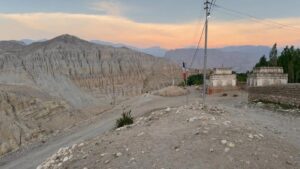 snap of sunset on the way from Ghami to Tsarang[/caption]
The journey from Ghami to Tsarang on your Upper Mustang Trek is characterised by open terrain and a gradual elevation change, leading you closer to the heart of the former Kingdom. You will traverse or wide valley, enjoying expansive views of the barren yet beautiful landscape and surrounding hills. This day off offers views of the stunning red cliffs of Dhamker, a geological marvel.
Along the way, you may have the opportunity to visit Ghar Gompa, one of the oldest monasteries in Mustang, believed to have been built by Guru Rinpoche (Padmasambhava) in the 8th century. This ancient site holds immense spiritual significance and features remarkable rock paintings, making it a powerful cultural stop on your Upper Mustang Trek. The spiritual energy of the region becomes more palpable with each step.
Tsarang, your destination, is a sprawling village known for its impressive 5-story white fort and a large monastery, both dating back centuries. Exploring the Monastery with its intricate murals and a royal palace ruins, offering a tangible connection to the Mustang's royal past and preparing you for the culmination of your Upper Mustang Trek in Lo Manthang.
7. **Trek to Lo Manthang (approx: 3,840m/12,598ft)** —
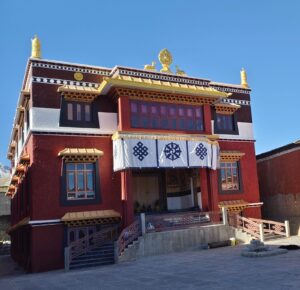 This is highly anticipated, and the day of her upper Mustang, quick as you finally reach the ancient walled city of Lo Manthang, the capital of the former Kingdom of Lo. The trek typically involves a gradual climb to the Lo La Pass (Approx 3,950 m), from where you will get your first awe-inspiring panoramic view of Lo Manthang’s ochre walls, nestled in the vast arid valley. It's a moment of triumph and wonder.
Descending from the past, you will approach this city, crossing a stream and finally entering through the main gate, which has historically guarded this hidden Kingdom. Stepping inside the medieval walls truly feels like entering a different era with narrow alleys, traditional mud-brick houses and a pervasive sense of history. This is the heart of your Upper Mustang Trek.
Spend the afternoon beginning your exploration of Lo Manthang, Visiting the majestic royal palaces and some of the prominent monasteries like Thubchen, Jampa and Chode Gompas, renowned for their incredible frescoes and ancient statues. The experience of simply being within these ancient walls is a highlight in itself, marking the pinnacle of your Upper Mustang Trek.
8. **Acclimatisation & Exploration in Lo Manthang** —
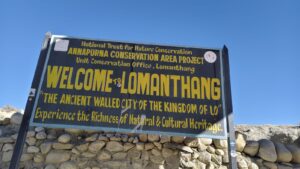 Today is a crucial acclimatisation and exploration. They allow your body to further adjust to the altitude while you delve deeper into the wonders of Lo Manthang and its surroundings. Euro permission trade provides this vital race today to prevent altitude sickness and fully appreciate the cultural richness. You can spend the morning continuing to explore the walled city’s intricate alleyways, observing local life and revisiting the monasteries to admire their art and architecture at a more leisurely pace.
This afternoon, you will embark on a fascinating excursion to the surrounding areas, often via Jeep or on foot, to the amount of city. A popular trip to Chosser village, Home to the remarkable Jhong cave- A multi-storey ancient dwelling carved directly into the cliff face, offering a unique glimpse into the region’s prehistoric past. You might also visit the ancient monasteries of Namgyal Gompa and Tingkhar, further expanding your understanding of the heritage on your Upper Mustang trek.
This full day of immersion offers a deeper connection to the Loba people and they preserve their way of life, truly enhancing the cultural aspect of your Upper Mustang Trek. It's a day for discovery, reflection and absorbing the profound spiritual atmosphere of this isolated Kingdom.
9. **Trek to Yara (Approx 3650 m/11,975 ft)** — [caption id="attachment_4958" align="aligncenter" width="300"]
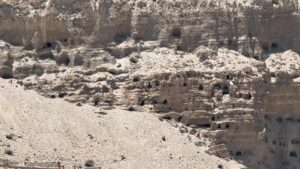 Lo Manthang to Yara[/caption]
Leaving this central hub of Lo Manthang, day 9 of your upper Mustang Trek takes you on a less frequented, it incredibly scenic route towards the eastern part of the region. The trail involves crossing a pass and descending towards the village of Dhi, offering vast, Open landscapes and breathtaking views of every mountain. This segment provides a different perspective on Mustang’s unique geology.
After the possible lunch, stop in Dhi, you’ll continue your trek, often following a riverbed that eventually leads to the charming village of Yara. This path showcases the sheer scale of Mustang's landscape, with dramatic cliffs and a profound sense of isolation. The journey of Yara offers a quieter, more intimate experience of the Upper Mustang trek.
Yara is a picturesque village set against a backdrop of impressive cliffs, known for its unique ancient cave structures and the opportunity to visit the revered Luri Gompa. This ancient cave monastery is famous for its exquisite, well-preserved Buddhist frescoes and clay statues. Consider some of the oldest and finest in the region, making it a significant cultural highlight of your Upper Mustang Trek.
10. **Trek from Yara to Tangbe (approx. 3,240m/10,630ft)** — [caption id="attachment_4959" align="aligncenter" width="300"]
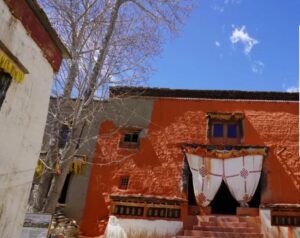 a monastery on the way to Tangbe[/caption]
Today's portion of your Upper Mustang Trek continues your exploration of the lesser-visited eastern allies, taking you from Yara to the remote village of Tanbe. That will typically involve crossing a pass or navigating through a challenging deep gorge, often requiring careful footing but rewarding you with stunning, dramatic scenery unlike anywhere else. Logical formations here are truly spectacular, sculpted by millennia of wind and water.
This part of the Upper Mustang Trek is known for its raw, untamed beauty and profound sense of wilderness. You will encounter fewer triggers, allowing for a more personal connection with the natural environment and a deeper appreciation for the resilience of local communities. The quietude of the landscape is a powerful element of the experience.
Tanbe (also spelt Tangge) is one of Mustang's most isolated villages, characterised by its traditional model brick houses and an impressive chorten that seems to guard the entrance. Staying here offers a genuine glimpse into the traditional, simple life of the Upper Mustang people, providing a unique cultural immersion on your Upper Mustang trek.
11. **Trek to Tetang (Approx.3067m/10,062 ft)** — [caption id="attachment_4961" align="aligncenter" width="211"]
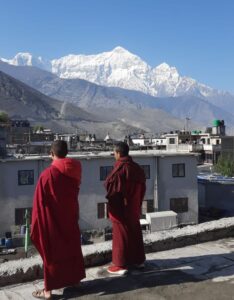 Two monks standing facing the Nilgiri mountain from Tetang[/caption]
Leaving the isolated charm of Tanbe, day 11 of your Upper Mustang Trek guides you towards Tetang, passing through diverse terrain that gradually leads you back towards the more central Mustang region. This day involves crossing a high pass such as Paha pass, offering expansive views before or descent. The path often follows ancient trade routes carved by centuries of caravans.
The landscape remains all inspiring, with its vast open spaces, dry riverbeds and the distant Himalayan peaks providing a constant backdrop. You will observe this subtle shift in the vegetation and geology as you descend in altitude, reflecting the variety of systems within the Annapurna Conservation Area. This is a day when the sheer scale of the Mustang region truly becomes apparent on your upper Mustang trek.
Tetang (also known as Tiri) is a charming village nestled in a sheltered valley, known for its traditional houses and agricultural fields. It offers a pleasant and comfortable stop, providing an opportunity to reflect on the deeper explorations you’ve undertaken in the eastern reaches of your Upper Mustang Trek before rejoining a more frequented path.
12. ** Trek to Muktinath (approx.3,710m/12,172ft)** — [caption id="attachment_4962" align="aligncenter" width="300"]
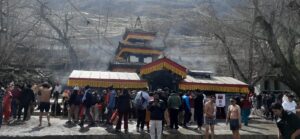 Muktinath temple[/caption]
Today, your Upper Mustang trek brings you to the sacred pilgrimage site of Muktinath, a revered destination for both Hindus and Buddhists. The trek involves a significant ascent from Tetang, taking you over another pass that offers your final, breathtaking panoramic views of the Upper Mustang landscape you’ve just traversed, before entering the more developed area the Muktinath. This transition highlights the diverse nature of this entire journey.
[caption id="attachment_4963" align="aligncenter" width="300"]
 108 waterspouts of Muktinath[/caption]
Upon reaching Muktinath, you’ll visit the main temple complex, famous for its 108 water spouts where pilgrims perform ritual bathing, and Jwala Mai temple, housing the intriguing eternal flame. This flame, burning from natural gases, holds deep spiritual significance, symbolising the union of all five elements (earth, water, fire, air, and sky) in Hindu belief and consecrated by Guru Rinpoche for Buddhists, making it a powerful spiritual conclusion to your Upper Mustang Trek.
The atmosphere in Muktinath is one of devotion and spiritual energy, with pilgrims from various backgrounds gathering for blessings and liberation. This day marks a shift from the cultural exploration of Mustang to a more universal spiritual experience, serving as a powerful and reflective conclusion to the trekking portion of your Upper Mustang Trek.
The atmosphere in Muktinath is one of devotion and spiritual energy, with pilgrims from various backgrounds gathering for blessings and liberation. This day marks a shift from the cultural exploration of Mustang to a more universal spiritual experience, serving as a powerful and reflective conclusion to the trekking portion of your Upper Mustang trek.
13. ** Drive to Pokhara (approx 822m/2696 ft)** — [caption id="attachment_4965" align="aligncenter" width="300"]
 Staute of Mahadev at Pumdikot[/caption]
Having completed the challenging and culturally immersive trekking portion of her Upper Mustang trek, Day 13 involves a scenic drive from Muktinath back towards the comfort and beauty of Pokhara. The journey typically begins with a drive from Multi N down to Johnson, where you will join a broader road that follows the Kali-Gandaki River South. The landscape gradually transitions from arid desert to more fertile terraced hillsides.
The drive offers spectacular views of the Dhaulagiri and Annapurna ranges, offering their snow-capped peaks in stark contrast to the surrounding terrain. As you descend in altitude, the air becomes warmer and more humid, and you will notice the return of lush greenery and denser settlements. This long drive allows for reflection on the incredible journey you have just completed on your upper Mustang trek.
Upon arrival in Pokhara, Nepal's adventure capital, you will check into a comfortable hotel. The evening is free to relax by Fewa Lake, enjoy a well-deserved hot shower and savour a celebratory meal at one of the many lakeside restaurants. Reflect on unforgettable experiences and profound memories created during your epic Upper Mustang Trek.
## What's included
- Airport picks up and drops off by private vehicle.
- Three-time Meal During trekking(Breakfast-Lunch-Dinner)
- All ground transportation on a comfortable Sharing vehicle Jeep as per the itinerary (Luxury tourist bus, Kathmandu- Pokhara)
- Lo Manthang to Jomsom, Jomsom to Pokhara (Comfortable public shared vehicle)
- An experienced, English-speaking, and government-licensed trek guide and Porter service (2 trekkers: 1 porter)
- Staff costs including their salary, insurance, equipment, food, accommodation, Down jacket and sleeping bag (to be returned after trip completion)
- All necessary paperwork trekking permits and TIMS (ACAP permit)
- Upper Mustang Restricted Area Permit.
- Medical kit (carried by your trek guide)
- All government and local taxes
- Trekking map
- Trekking certificate after the trek.
## Not included
- International Airfare
- Excess baggage(S)
- Domestic flight (outside of itinerary)
- All Personal Expenses
- Anything except what is mentioned in the What Is Included section
- Early arrival, late departure, early return from the mountain (due to any reason like natural disaster and your problems) than the scheduled.
- Travel and rescue insurance
- Helicopter Evacuation
- Trekking equipment
- Personal expenses (phone calls, laundry, bar bills, battery recharge, extra porters, bottle or boiled water, shower, etc.)
- Tips for guide(s), porter(s) and driver(s)
- Donation (in places like Monastery)
## FAQ
**Q: Is the upper Mustang a restricted area?**
A: Yes, it requires a special permit and entry is controlled by the Nepali government.
**Q: Can I trek solo in Upper Mustang?**
A: No, solo trekking is prohibited. You must be in a group of at least two trekkers with a licensed guide.
**Q: What are the main permits required?**
A: Upper Mustang Restricted Area Permit (RAP) and Annapurna Conservation Area Project (ACAP) permit.
**Q: How much does the restricted area permit cost?**
A: US$ 500 per person for the first 10 days, then US$50 per day for the additional days (as of 2025)
**Q: What is the best time to trek in Upper Mustang?**
A: Spring (March-May) and Autumn (September-November) offer the best weather and clear views. Monsoon (June-August) is also viable due to its rain-shadow location.
**Q: What is the weather like during the best seasons?**
A: Moderate daytime temperatures (10-20°C), cool to cold nights. Skies are generally clear.
**Q: What about monsoon trekking in Upper Mustang?**
A: It's in a rainshadow, so less rain than in other areas, making it green and less crowded; however, approach roads/flights can be affected by rain elsewhere.
**Q: What is the highest altitude reached on the trek?**
A: Nyi La Pass (4,01om) or similar high passes like Gyu La Pass (around 4,200m) on alternative routes.
**Q: How can I prevent altitude sickness?**
A: Acclimatise gradually, stay well-hydrated, walk slowly, avoid alcohol, and inform your guide immediately if symptoms appear.
**Q: What are the typical symptoms of altitude sickness (AMS)?**
A: Headache, nausea, dizziness, fatigue, loss of appetite, difficulty sleeping.
**Q: What kind of accommodations can I expect?**
A: Basic teahouses/lodges with simple rooms, with twin beds, shared bathrooms. Some newer lodge in Lo Manthang offers more amenities.
**Q: Are hot showers available?**
A: Often available at teahouses for an extra fee, though availability can be limited, especially at higher altitudes.
**Q: What food options are available?**
A: Primarily, Nepali and Tibetan dishes like Dal Bhat, momos, thukpa, fried noodles, rice, and vegetarian options are common.
**Q: Is drinking water safe?**
A: Tap water should be purified (Tablets, filter) or boiled. Bottled mineral water is also available for purchase.
**Q: Is electricity available for charging devices?**
A: Generally available in tea houses, often for a small fee. A power bank is highly recommended.
**Q: What about mobile network coverage and Wi-Fi? **
A: Limited mobile coverage (NTC usually good, but unreliable). Wi-Fi is often available in Lodges for a fee, but can be slow.
**Q: What currency is used, and can I use cards?**
A: Nepali Rupees. NPR, Carry sufficient cash as ATM's are scarce beyond Jomsom. Credit and debit cards are not accepted in tea houses.
**Q: What are the physical fitness requirements? **
A: Moderate. Good stamina and the ability to walk 5 to 7 hours daily on a varied terrain. Regular exercise before the trek is beneficial.
**Q: What essential gear should I pack?**
A: Layered clothing (Thermal, fleece, down jacket), Waterproof/windproof outer shell, good trekking boots, sun protection, headlamp, water bottle, basic first aid kit..
**Q: Are trekking poles necessary?**
A: Highly recommended for stability and reducing the strain on knees, especially on descents.
**Q: What cultural etiquette should I follow?**
A: Dress modestly, especially in monasteries, and walk clockwise around chortens, Mani walls and monasteries. Ask permission before taking photos of people.
**Q: When is the Tiji festival in 2025?**
A: May 24th to May 26th, 2025 (Dates vary annually based on the Tibetan lunar calendar.
**Q: Are there other festivals in Upper Mustang?**
A: Yes, “ Yarthung” (Horse Festival) in August and “Lhosar” (Tibetan New Year) are also celebrated.
**Q: What is the main attraction in Lo Manthang?**
A: The Royal palace, Thubchen Gompa, Jampa Lakhang, Chode Gompa, and nearby Jhong cave.
**Q: Are medical facilities available along the trek?**
A: Basic medical kits are carried by guides. Serious emergencies require helicopter evacuation to Jomsom or Pokhara. Travel insurance with emergency evacuation coverage is essential.
**Q: Is Upper Mustang suitable for children?**
A: Yes, if they are accustomed to walking, physically fit and prepared for high-altitude basic living conditions. A jeep tour might be an alternative for younger children.
**Q: What are the tipping customs for guides and porters?**
A: Tipping is customary. A general guideline is that around 10 to 15% of the total trekking cost to be distributed among the crew at the end of the trek.
**Q: What are the trail conditions like?**
A: Predominantly dirt paths, rocky trails, riverbeds and some steep ascents and descents. It can be dusty and windy.
**Q: What kind of wildlife that I expect to see?**
A: Limited to arid environments, but you might expect blue sheep, Himalayan griffons, marmots, and various high-altitude birds.
**Q: What are the best views on the trek?**
A: Panoramic views from high passes (Nyi La, Lo La, Gyu La), the dramatic Kali Gandaki gorge, the unique coloured rock formations and the walled city of Lo Mathang itself.
## Contact for this trip
- Operator: Info Nepal Tours and Treks · Thamel, Kathmandu, Nepal
- Phone: +977 9841936940
- Email: contact@intrekking.com
---
# Makalu Base Camp Trek
URL: https://intrekking.com/trip/makalu-base-camp-trek/
Last updated: 2026-07-27
## Facts
- Region: Makalu Region
- Duration: 18 days
- Max altitude: 4,870 m
- Difficulty: Challenging
- Group size: 2-10 people
- Best season: March-May : September-November
- Price from: $1,799 per person
## Summary
A remote eastern Nepal trek through the Makalu-Barun region from Tumlingtar and Num via Tashigaon and Khongma Danda to the base of Makalu, crossing forest, river gorges and high kharkas, suited to experienced trekkers comfortable on rugged, lightly travelled trails.
## Overview
The Makalu Base Camp Trek is an 18-day, 110-130km trek to 4,870m in eastern Nepal, suited to fit, experienced trekkers who want a genuinely remote route with far fewer crowds than Everest or Annapurna. It’s rated challenging, with 6-8 hours of walking most days. Full details, itinerary and pricing are below.
The Makalu Base Camp Trek is an 18-day trek in eastern Nepal that climbs to 4,870m, right at the foot of Makalu (8,485m), the world’s fifth-highest mountain. It’s one of the least-crowded base camp routes in the country. Makalu-Barun National Park protects more than 3,000 species of flowering plants and habitat for snow leopards, red pandas and musk deer, according to the National Trust for Nature Conservation (NTNC), which co-manages the park’s buffer zone.
You’ll pass through Rai and Sherpa villages in the lower Arun valley before climbing into high alpine terrain. From the base camp itself, you can see four 8,000m peaks at once: Makalu, Everest and Lhotse, alongside the sharper summits of Chamlang and Baruntse.
Makalu Base Camp Trek Route overview
Two flights bookend the trek: Kathmandu to Tumlingtar at the start, and back again at the end. In between, you’re on foot for 14 days, walking roughly 110- 130 km depending on route variations.
DayRouteOvernight altitude1Arrive Kathmandu1,400 m2Permit preparation, Kathmandu sightseeing1,400 m3Fly Kathmandu to Tumlingtar, drive to Num1,560 m4Trek Num to Seduwa1,500 m5Trek Seduwa to Tashigaon2,100 m6Trek Tashigaon to Khongma Danda3,500 m7Acclimatisation day, Khongma Danda3,500 m8Trek Khongma Danda to Dobate3,068 m9Trek Dobate to Yangri Kharka3,557 m10Trek Yangri Kharka to Langmale Kharka4,410 m11Trek Langmale Kharka to Makalu Base Camp4,870 m12Full day at Makalu Base Camp4,870 m13Trek Makalu Base Camp to Yangri Kharka3,557 m14Trek Yangri Kharka to Dobate3,068 m15Trek Dobate to Danda Kharka2,900 m16Trek Danda Kharka to Seduwa1,500 m17Trek Seduwa to Num, drive to Tumlingtar1,560 m18Fly Tumlingtar to Kathmandu1,400 m
Two days (7th and 12th) are built in for acclimatising and exploring around base camp, not for covering distance.
## Itinerary
1. **Arrival in Kathmandu (1400 m)** — The much awaited adventurous trip of yours in Nepal begins with a flight from your home country to the only airport of Nepal, Tribhuvan International Airport (TIA) in Kathmandu. Kathmandu lies at an altitude of 1400 meters where you become a witness lively city experience, vibrant traditional structures welcomes you with cool breeze. Enjoying great Himalayan views, you land TIA, Kathmandu.
After you clear formalities related to immigrations, you will be met and greeted by our travel representative. The representative will receive you and transfer you to a renowned hotel in Kathmandu. You will be driven through busy streets of Kathmandu. The buildings in Kathmandu represents ancient architecture of Nepal. Everything in Kathmandu can be related to traditions and culture of the city.
A city with infrastructures symbolizing perfect blend of history and modernity. Overnight stay at the hotel in Kathmandu.
2. **Makalu Base Camp Trek Permit Preparation and Sightseeing** — The second day is your discovery day in Kathmandu. You will discover the cultural symbols, monuments and majestic traditional heritages of Kathmandu valley. Most of the UNESCO listed world heritages sites of Nepal are located in Kathmandu. You will embark on a journey that marks the sightseeing of those precious heritages.
The sacred and very holy temple of the world, Pashupatinath welcomes its devotees with blessings and blissful experiences in the large temple area. You can see Hindus performing their cremation rituals on the banks of Bagmati River. Then, you approach towards huge stupa of Buddhists, Boudhanath Stupa. It is one of the biggest stupas in the world. The eye pleasing scenes of prayer flags flying, and monks performing their rituals stand as a heart skipping moment.
You can try authentic Nepali cuisines. The most famous is Thakali Khana, a set of rice, lentils and other Nepali food items. The very popular Nepali snack is Momo. Momo are authentic Nepali - Tibetan dumplings. Kathmandu is also known as the city of temples. So, you will hear the prayers, sounds of bells and feel the flow of street lamps in the evening. The atmosphere is very magical.
Stroll around the ancient palace areas in Kathmandu i.e. Kathmandu Durbar Square / Basantapur. The newari architecture on either sides of ways will excite you. This place is very famous of having Jhonche Street, a very tourist bustling street in the mid-60s, 70s and early-80s Hippie era. Then, you start preparing for the trekking either shopping accessories or managing equipment since the afternoon.
Double checking the packing requirements, obtaining permits for Makalu Base Camp trek, communication with the guide and renting trek gears is very essential. In the evening, you can enjoy terrace top dinner and see the night ambience of Kathmandu city. It is as vibrant as the streets of Thamel turn lively by the evening. Overnight stay at the hotel in Kathmandu.
3. **An early morning Flight-day from Kathmandu to Tumlingtar, Scenic Drive to Num (1,560 m)** — You will enjoy an early morning flight from Kathmandu to Tumlingtar. The flight scenes are very scenic, The Himalayan views is totally breathtaking. After you land in Tumlingtar, you will be driven from Tumlingtar to Num which is almost 1,560 meters above the sea level. The hilly route with terraced field aside and you will reach Num which is a beautiful village.
The driving route flows alongside the Arun River. You will get the glimpses of rural Nepali life. After you arrive Num, you will be welcomed with Nepali traditional rituals by the teahouse. Overnight at a teahouse in Num.
4. **Trek from Num to Seduwa (1,500 m)** — The fourth day is the day when we start trekking from Num. The ascent is a bit challenging on this day. The ascending trek route follows through lush forests, terraced farmlands, and cultural villages. Sherpas are the people who represent a dominant ethnic group in the region. We will see the prayer flags all around fluttering to spread the prayers of peace and harmony of the world.
There are mani walls, which are stone walls where prayers are in-scripted. This tradition belongs to Buddhist culture. You will reach Seduwa after hours of trekking. The altitude of Seduwa is 1,500 meters. Your permits will be checked by a conservation office in the village. The evening you will enjoy Nepali cuisine. Overnight stay at a teahouse in Seduwa.
5. **Trek from Seduwa to Tashigaon (2,100 m)** — The fifth day trek begins from the small village of Seduwa following the deep trails leading into Makalu-Barun valley. The trail is full of rhododendron trees and oak trees on either sides, which makes the forest looks so vibrant. You occasionally wind up with beautiful waterfalls as well which increases the charm in the trek.
There are small villages like Manigaon which you pass by. Then you reach Tashigaon which is 2,100 meters above the sea level. This is the major village before you step into more rural trails. Unfold the beauty of such grand Himalayan ambience and overnight stay at a teahouse in Tashigaon.
6. **Trek from Tashigaon to Khongma Danda (3,500 m)** — The sixth day is a challenging day yet very rewarding. The trail again leads you through supernatural and lively dense forests. The air becomes thin, the temperature decreases, the oxygen level deduces and the landscapes become very rugged with the increase in altitude. Then, you open into Khongma Danda that welcomes you with gracious mountain views. You rest well and acclimatize for the high altitude days ahead under the starlit night sky.
7. **Acclimatization Day in Khongma Danda (3,500 m)** — This day is separated to rest well and acclimatize to adjust and adapt to the altitude. You can explore the nearby hiking spots, viewpoints and cultural heritages of that area. The seventh day, you not only relax but also understand the local traditional and cultural legacy by meeting the locals of that area. You hydrate and let your body make some adaption with the altitude.
The acclimatization day is essential in order to prevent consequences of altitude sickness. You can enjoy the sublimity of Himalayan ambience and serenity of the nature. Fold up your belongings and get ready for the wilderness. Enjoy local Nepali cuisine and overnight stay in Khongma Danda.
8. **Trek from Khongma Danda to Dobate (3,068 m)** — The eight day walk is descend through the rigid rocky trails. You will cross the Kalo Pokhari which is also called the Black Lake and is considered very holy. The trail leads you through dense valleys passing by the breathtaking waterfalls on the way. The, you reach Dobate which is located 3,068 meters above the sea level. The term Dobate means a junction where two way differentiates.
The landscape features heighty cliffs, towering ridges and deep gorges. You can spend the evening nearby the river which gives you soothing and peaceful experiences. Overnight stay in Dobate.
9. **Trek from Dobate to Yangri Kharka (3,557 m)** — This day you start trekking from Dobate ascending the uphill route alongside the soothing Barun River. You get encountered with lush forests and their unblemished surrounding. The open meadows welcome you with the great views of Yaks grazing on the pastures. This symbolizes your entry on to higher alpine terrain.
The cool and crisp air takes your breath away. By this, you will reach Yangri Kharka which is located at 3,557 meters above the sea level. Overnight in Yangri Kharka.
10. **Trek from Yangri Kharka (3557m) to Langmale Kharka (4410m)** — The tenth day trek is a shorter one but has steep ascents. The destination Langmale Kharka is located in an amazing glacial valley. We will encounter with the great view of great southern face of Mount Makalu. The unfarmed fields also look very awe-inspiring. We need to lower down our pace in order to adjust with the altitude increment. Overnight stay in Langmale Kharka.
11. **Trek from Langmale Kharka to Makalu Base Camp (4,870 m)** — On one hand, the eleventh day is the rewarding day of the whole trip. But, it is challenging on the other hand. It is because we reach the ultimate destination Makalu Base Camp this day. Walking through glacial lakes, rocky ridges and stony cliffs we reach Makalu Base Camp which is located at 4,870 meters above the sea level.
Look towards the unparalleled views of Mount Everest, Mount Makalu and Mount Lhotse from very near. Soak up the views and drink it in as a forever memory. Capture photographs. Overnight stay at Makalu Base Camp.
12. **Full day exploration of Makalu Base Camp (4,870 m)** — This day is dedicated to exploring the Makalu Base Camp area on a full day basis. You have a whole day to trek to nearby hiking destinations, majestic viewpoints and areas from where you move closer to glaciers and great mountain views. Take photographs as much as you want as your memories. The dramatic landscapes, phenomenal trails and majestic peaks will be forever in your heart.
You can reflect on your once-in-a-lifetime journey when you get back to rest overnight at Makalu Base Camp.
13. **Trek from Makalu Base Camp to Yangri Kharka (3,557 m)** — From the thirteenth day, you will begin the return journey. Descending the picturesque trails from Makalu Base Camp to Yangri Kharka takes you to 3,557 meters altitude. Through the vibrant villages and routes of Barun Valley the trek becomes less challenging as there is the decrease in altitude, but descending is not as easy as you think. The descent steeps can cause pain on the knee.
The views are stunning. Air becomes thicker and the environment seems more comfortable. By the afternoon, you will reach Yangri Kharka. Begin the return journey, descending through the Barun Valley. Overnight stay at a teahouse in Yangri Kharka.
14. **Trek from Yangri Kharka to Dobate (3,068 m)** — We will continue descending from where we rested. The Himalayan pastures, grassland and open meadows leads us through alpine forests when trek starts to become more gentle. The deep valley views and mountains still follows us through our way. Overnight stay in Dobate at 3,068 meters altitude beside sublime riverside ambience.
15. **Trek from Dobate to Danda Kharka (2,900 m)** — The unscathed route of 14th day leads us to Danda Kharka at 2,900 meters altitude. The views and perfect alpine setting offers super tranquil environment and soltitude. The route takes us through lush forests, smaller historical settlements and peaceful atmosphere. Overnight stay in Danda Kharka.
16. **Trek from Danda Kharka (2900m) to Seduwa (1500m)** — Descending further, following the steps we ascended few days back. You will encounter the familiar villages and villagers. The climate turns warmer, environment seems greener and the ambience feels more refreshing than of before days. The, you are back to Seduwa where the locals are very friendly and they welcome you to celebrate the success of your trek. Overnight stay at a teahouse in Seduwa.
17. **Trek from Seduwa to Num (1560m), then Drive to Tumlingtar** — This day is the final trek day as you get back to Num at 1,560 meters altitude. You will not stay there, rather you will enjoy a scenic jeep drive from Num to Tumlingtar. You will enjoy the picturesque drive which will bring you back to a major city. Enjoy the relaxation facilities at your hotel or lodge. Overnight stay in Tumlingtar reminiscing about the completed adventure.
18. **Flight from Tumlingtar to Kathmandu (1400m)** — The last day of your adventure, you will take a great scenic flight from Tumlingtar to Kathmandu. If you get lucky with a window seat, it is most fascinating as you get the majestic views of great Himalayas of this very beautiful country. Get back to the domestic terminals of TIA, the busy and bustling city awaits you. Get transferred to the hotel, relax and take a good shower.
Rest of the day is all your to shop souvenirs and try street foods of Kathmandu. In the evening, we host you with a farewell dinner. Overnight stay in Kathmandu.
## What's included
- Airport arrival picks up and drops off by the private vehicle
- Three-time Meal during the trek as per the itinerary (Breakfast, Lunch and Dinner)
- Ground transportation covered on a cozy private vehicle as instructed by the itinerary
- City tour in Kathmandu by a private vehicle
- An experienced, English-speaking and government-licensed trek Guide/Leader and assistant trek leader (10 trekkers: 1 assistant guide), Porter service (2 trekkers: 1 porter)
- Staff costs including their salary, insurance, equipment, food and accommodation.
- Rented down jacket and sleeping bag (to be returned after trip completion)
- All necessary paperwork, documentations, trekking permits.
- Basic medical kit, or first aid box
- All government and local service charges and taxes
- Trekking certificate after the completion of the trek.
## Not included
- Nepalese visa fee
- Excess baggage charge(s)
- Private transportation except what is mentioned in the 'service includes' section
- Extra night accommodation in Kathmandu or Tumlingtar because of early arrival, late departure, early return from mountain (due to any reason like natural disaster and your own problems) than the scheduled itinerary Lunch and evening meals in Kathmandu (and also in the case of early return from the mountain than the scheduled itinerary)
- Travel and rescue insurance
- Trekking equipment
- Personal expenses (phone calls, wifi fees, laundry, bar bills, battery recharge, extra porters, bottle or boiled water, shower, etc.)
- Tips for guide(s), porter(s) and driver(s)
- Urgent need of porter / horse / helper for personal use.
- Extra Transportation for the person who leave early from the group.
- Arrival and departure flight tickets.
- Rescue or evacuation cost, for emergency.
## FAQ
**Q: How many days does it take to complete Makalu Base Camp trek?**
A: It almost takes 18 full days to complete the Makalu Base Camp trek including the arrival and departure. Other than that, if we calculate the actual trekking days, it takes 14 days to complete from Num to Makalu Base Camp and return.
**Q: What is the altitude of Makalu Base Camp?**
A: The altitude of Makalu Base Camp is 4, 870 meters. Altitude sickness could be a major problem so, we have managed an acclimatization day at an altitude of 3,500 meters at Khongma Danda.
**Q: Is Makalu Base Camp trek suitable for beginners?**
A: No, Makalu Base Camp is not that suitable for beginners. It is because you have to trek 14 complete days from Num to Makalu Base Camp and return. The trails following the destination are remote and rugged with steep ascents.
**Q: Do we need any permits to trek Makalu Base Camp?**
A: Yes. You must have two important permits to trek Makalu Base Camp. These permits are arranged by the tour operator. TIMS card is recommended, the permits are:
Makalu Barun National Park Permit
Restricted Area Permit (RAP)
**Q: What is the ideal season for Makalu Base Camp trek?**
A: The ideal seasons for the Makalu Base Camp trek are:
Spring Season: The time from March to May has very clear and clean weather for the trek, the weather remains good and stable most of this season in the Makalu region, with forests blooming with the national flower, rhododendrons as well. If you want to witness beautiful rhododendron flowers, you must choose this season, as it is a treat to have a glimpse of.
Autumn Season: The months from September to November do have blue skies, the weather is clear, clean and weather conditions remain stable with best visibility of picturesque scenes and the whole scenery looks so majestic and breathtaking at the same time. For best visibility and scenery, you must choose this season.
Monsoon season: We suggest you to not travel or just avoid this season for Makalu Base Camp trek. The time of June to August, it remains very rainy, the trails are very slippery and muddy. Leeches trouble your walking. Still it has positive sides too. The clouds look fascinating, and the bloomed flowers make whole of the grasslands look so beautiful. The hills are decorated with monsoon flowers and its chilled atmosphere makes you feel serene.
Winter season: We also suggest you to not travel or just avoid this season for Makalu Base Camp trek. The time of December to February, the weather remains extreme cold, snowy everywhere, the trails are very slippery due to snow. Still if you prefer snow, it is the nice season. The snowy hills looks so beautiful and crystals of ices on lakes, rivers just make the trails more interesting to walk on.
**Q: What kind of accommodation will I get during the trek?**
A: You get the accommodation facilities in simple Homestays and teahouses during the trek days. They facilitate you with your every basic needs. Homestays and Teahouses in every overnight stay has great hospitality, basic furnished rooms and traditional decor.
**Q: What kind of food will I get during the trek?**
A: Meal, three times a day as included in the itinerary will be served during the trek days. The food includes Tibetan bread, curry, soup, potatoes, and spicy pickles with garlic, vegetables, mountain fruits, butter tea, lentils and rice.
**Q: Is drinking water available during the trek?**
A: Yes, water is available on the trek but water purification is crucial while travelling through the remote trails and routes of Makalu Base Camp. For your safety, the tap water, lake and stream water is not healthy to drink. There are some techniques to purify the water.
Ask for boiled water at hotels / guest houses / tea – houses, they will give it for free but some might charge you a little.
Apply iodine, chlorine and UV treatment, use purification tablets, squeeze filters , sterilizers on the way.
**Q: What kind of guide and how many porters will I get?**
A: You will get an experienced, English-speaking and government-licensed trek Guide and assistant trek guide (10 trekkers: 1 assistant guide).
You will get porter service in the ratio of (1 trekker: 1 porter & 2 trekkers: also 1 porter).
**Q: Do I need sleeping bag?**
A: Yes. Sleeping bags are highly recommended. You can get rented sleeping bags from the city / Kathmandu.
**Q: Do I need trekking poles?**
A: Yes. Trekking poles are highly recommended as they reduce the strain and stress on the knee/feet during ascents and descents.
**Q: What kind of shoes are suggested?**
A: We suggest the type of shores that are available as trekking shoes or hiking boots, or shoes that grip well. It is very essential to get a shoes of good quality, cushion sole and grip.
**Q: What if any trekker has dietary restrictions?**
A: If the trekkers do hold any dietary restrictions like being vegan, vegetarian, gluten free or allergen to lactose, this thing is very important for trekkers to give detailed information to trek agency or the guide or the cook prior during the Makalu Base Camp trek.
**Q: Can we customize the itinerary?**
A: Yes. Why not. You can customize the itinerary as per your wants and necessity. You can prefer to extend the trek days, extend the trip to other destinations near from Makalu Base Camp. The cost also changes with the change in the itinerary.
**Q: How many hours should we hike per day?**
A: We should hike 7 to 8 hours on an average, per day.
**Q: How Much Does Makalu Base Camp Trek Costs?**
A: Makalu Base Camp Trek Costs range from 2000-5000 USD, depending upon personal budget, total trek days, number of persons in a group, and Services preferred.
## Contact for this trip
- Operator: Info Nepal Tours and Treks · Thamel, Kathmandu, Nepal
- Phone: +977 9841936940
- Email: contact@intrekking.com
---
# Bungy Jump in Nepal
URL: https://intrekking.com/trip/bungy-jump/
Last updated: 2026-07-10
## Facts
- Region: Nepal
- Duration: 1 day
- Max altitude: 228 m
- Difficulty: Moderate
- Group size: 1 people
- Best season: March-May : September-November
## Summary
A bungee jump from a 160-metre suspension bridge over the Bhote Koshi river gorge near the Nepal-Tibet border, about a three-hour drive from Kathmandu, for thrill-seekers wanting an adrenaline day trip.
## Overview
Bungy Jump was restricted to a few regions in Europe, New Zealand, and America, now the time has pulled in such a large number of things particularly more clever energizing encounters on the planet so we should get redesigned as it is time you have created and changed. The diversion has discovered a characteristic home in the most extreme mountain goes on the planet. The best excite of a Bungy bounce would now be able to be knowledgeable about Nepal under the most favorable conditions site on the planet. Nepal’s first bungy hopping site is arranged 160m inside the insane Bhote Kosi waterway, likewise arranged close to the Nepal-Tibet limit, a three-hour transport ride from Kathmandu. The bounce, in 160m, was made by one of New Zealand’s best bungy counsels and is controlled by some of the extremely prepared jump experts in the business venture. It is incident confirmation. The bungy department considers security first very important.
Area:
More noteworthy than 3 hours out of Kathmandu by Ultimate Bungy Shuttle. You may venture to every part of the Arniko (Kathmandu/Lhasa) Highway to inside 12km of those Nepal-Tibet Border and in addition the celebrated Friendship Bridge. Extreme Bungy Nepal occurs on a 166m wide steel suspension connection over the Bhoti Kosi River. Swiss planned, especially for bungee bouncing with a 4x well-being component. What’s more, Individuals are Korean measurements! * More than 6000 meters of steel link was utilized to make the extension the Longest suspension connection in Nepal * The scaffold consolidates either side of a magnificent valley.
The Jump:
This bungee bounce in Nepal may be the most terrific Bungy hop on Earth. This noteworthy 500ft (160m) fall into the Bhote Koshi River pig out on the Nepal/Tibet Border is the best free fall on earth. Any individual who might want to Have a kind of bungee bouncing ought to Have No of these medical issues referred to beneath:
Coronary illness
Epilepsy
Hypertension
Pregnancy
Orthopedic Issues
Mental Issues
Neurological Issues
## Itinerary
1. **Kathmandu – Bhote Koshi Bungy Jump – Kathmandu** —
Morning: Hotel pickup in Kathmandu
Your ride departs Kathmandu on the Arniko Highway, the same route used for overland trips to the Tibet border, following the Bhote Koshi River as the road climbs into the hills.
Mid-morning: Arrival at the Last Resort / Bhote Koshi bridge
After roughly 3 hours on the road, arrive at Nepal's original bungy site, a 166m-high Swiss-engineered suspension bridge strung across the Bhote Koshi gorge, 12km from the Nepal-Tibet border and the Friendship Bridge.
Safety briefing and gear check
Trained jump crew walk you through the harness setup, safety checks, and jump procedure before anyone steps onto the platform. This is also when any health or medical concerns should be raised directly with staff.
The jump: 160m free fall over the Bhote Koshi River
Step off the platform for one of the highest bungy jumps in the world, with the river and gorge dropping away beneath you before the cord takes hold.
Afternoon: Lunch and return to Kathmandu
A meal at the site's restaurant overlooking the gorge, often with time to watch other jumpers, before the return drive to Kathmandu.
## What's included
- Round-trip transportation, Kathmandu to the Bhote Koshi bungy site, by private vehicle
- All jump equipment (harness, cords, safety gear
- Professional safety briefing and jump supervision by trained crew
- Lunch at the site
- Photos/video of your jump (confirm with operations whether this is bundled or a paid add-on)
## Not included
- Nepal tourist visa fee (available on arrival at Kathmandu airport)
- Personal travel insurance
- Additional jumps beyond the first (if offered as a repeat option)
- Personal expenses and tips for the crew
- Any costs arising from delays or cancellations due to weather or river conditions
## FAQ
**Q: How high is the bungy jump in Nepal?**
A: The jump is 160m, off a Swiss-engineered suspension bridge over the Bhote Koshi River, making it one of the highest bungy jumps in the world and the highest in Nepal.
**Q: How far is the bungy jump site from Kathmandu?**
A: It's roughly 3 hours by road along the Arniko Highway, following the Bhote Koshi River toward the Nepal-Tibet border. Round-trip transportation is included as part of the package.
**Q: Is the Nepal bungy jump safe?**
A: Yes, the site is Swiss-designed with a 4x safety factor, and every jump is run by trained, experienced crew who complete safety checks and briefings before you step onto the platform. It's operated under Nepal's established adventure tourism standards.
**Q: Who shouldn't do the bungy jump?**
A: Anyone with heart disease, epilepsy, high blood pressure, orthopedic problems, neurological conditions, or significant mental health concerns should not jump, and pregnant travelers are also advised against it. If you're unsure whether a condition applies, check with the operator or your doctor before booking.
**Q: How long does the whole trip take?**
A: It's a full day trip from Kathmandu, roughly 3 hours each way by road plus time on-site for the safety briefing, the jump itself, and lunch typically an 8-9 hour round trip overall.
**Q: Do I need any prior experience or fitness for the bungy jump?**
A: No prior experience is needed, and the physical demand is minimal the main requirement is being comfortable stepping off a platform once harnessed. Staff guide you through the entire process.
**Q: Is travel insurance required for the bungy jump?**
A: It's strongly recommended, and it's worth confirming that any policy you carry explicitly covers adventure or extreme sports activities, since some standard travel policies exclude bungy jumping by default.
## Contact for this trip
- Operator: Info Nepal Tours and Treks · Thamel, Kathmandu, Nepal
- Phone: +977 9841936940
- Email: contact@intrekking.com
---
# Annapurna Base Camp Trek
URL: https://intrekking.com/trip/annapurna-base-camp-trek/
Last updated: 2026-11-03
## Facts
- Region: Annapurna Region
- Duration: 10 days
- Max altitude: 4,130 m
- Difficulty: Moderate
- Group size: 1-10 people
- Best season: October-November
- Price from: $899 per person
## Summary
A classic trek through Annapurna's protected sanctuary to the glacial amphitheatre of Annapurna Base Camp, winding past Gurung villages and rhododendron forest — moderate terrain well suited to first-time Himalayan trekkers.
## Overview
Mt. Annapurna is a most noteworthy summit on the planet, with its summit of 8,091m located in the western zone of Nepal. Annapurna region is a safe area and the biggest protected area of Nepal. Its territory lies among the most well-known climbing goals of this planet; The Annapurna Base Camp Trek, famously called the ABC Trek.
Annapurna Base Camp stands at an elevation of 4130m. There are 3 ways to ABC, to be specific, Ghorepani-Poonhill, Ghadruk course, and Dhampus–Chhomorong course. Col. James Roberts, from Britain, initially distinguished ABC in 1956. He had been so inspired by its excellence therefore called it the ”Sanctuary of the Gods”.
The ABC trek begins from the town of Lakes, Pokhara. We finish the street at some of the most loved Gurung Villages of Landruk through Dhampus. Dhampus is among the most sultry and grand views in Nepal. Similarly, the astonishing eminence of Annapurna, Machapuchhre (Fishtail), and Himchul gives us our particular walk.
No specialized issues make this trek feasible for climbers who have no training or any sort of mastery in climbing. We stroll for around 5-7 hours and stop at a cabin, and continue trekking the following day before achieving the goal.
Annapurna Base Camp Trekking course gives an excursion to examine the scenes of magnificent mountains. Furthermore, one can indulge in rich Gurung, Magar, and Thakali culture and traditions. This truly is the most challenging trek in existence.
Annapurna Base basecamp outline itinerary
## Itinerary
1. **Drive to Pokhara, 7-8 hours’ Drive.** — [caption id="attachment_5004" align="aligncenter" width="300"] Pokhara by the lakeside[/caption]
Presently, we ride a visitor transport to Pokhara, which is 200 kilometres away, and it takes roughly 7 hours from Kathmandu. It's an energising and private carport which we may appreciate the lovely all-encompassing perspective of the terraced rice region, Trisuli and Marsyangdi Rivers. Moreover, one can get the dazzling picturesque perspective of Ganesh Himal, Manaslu, Lamjung Himal, and the huge numbers of Annapurna Himalayan Range.
The vacationer mentor stops for breakfast at 09:00 am and around noon for lunch while en route to Pokhara. Your cabin will be in Hotel Splendid View or practically identical.
After arriving in Pokhara, you will have the chance to enjoy the serene ambience of the city before the adventure begins. The Annapurna base camp trek, one of the most popular trekking routes in the region, offers breathtaking views of the Annapurna mountain range, diverse landscapes, and a rich cultural experience.
This trek starts from Nayapul and takes you through charming Gurung villages and lush forests. As you ascend, you’ll witness panoramas and unique flora and fauna of the Himalayas. It’s an unforgettable journey that attracts trekkers from all around the world seeking the thrill of the majestic Annapurna Basecamp trek.
2. **Drive to Nayapul then trek to Ulleri, 6-7 hours walk.** — [caption id="attachment_5006" align="aligncenter" width="300"]
 On the way from Pokhara to Nayapul[/caption]
Once the adventure begins, a scenic drive to Nayapul, the popular starting point for trekkers exploring the Annapurna region. The journey will be filled with stunning landscapes, lush greenery, and glimpses of local life, setting the tone for an exciting day ahead. Once we reach Nayapul, we embark on our trip to Ulleri, a charming village known for its captivating views and traditional stone houses.
The trail is moderately challenging, making it perfect for both seasoned trekkers and beginners alike. Along the way, we will encounter lush terraced fields and crystal clear rivers, providing countless opportunities for memorable photos.
Reaching Ulleri feels rewarding, as we will be greeted by breathtaking sights of the surrounding mountains. The village serves as an excellent stopover, allowing travellers to acclimatise while soaking in the stunning environment.
This trek from Nayapul to Ulleri is often highlighted in trekking itineraries, making it a must-experience for anyone looking to explore the beauty of the Annapurna region.
3. **Trek to Ghorepani, 6-7 hours walk.** —
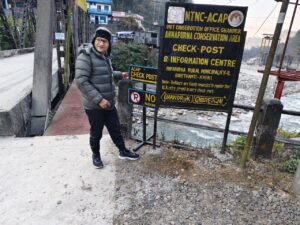 Our voyage proceeds after a hot breakfast around 8:00 towards Ghorepani. It's a somewhat steep stroll from this stone staircase to Ulleri for around 1 hour and 30 minutes. The trek offers breathtaking views and invigorating fresh air, making every step worth the effort.
As we ascend, the excitement builds for the stunning panoramas that lie ahead. The trail is well-marked, ensuring even novice trekkers can navigate with ease. Whether you’re an adventure seeker or a nature lover, this portion of the journey is an unforgettable experience.
Meal break at Birenthanti and outside Birenthanti, the street experience is sublime with rhododendron and pine woods. The vibrant colours of the rhododendron blossoms create a picturesque setting perfect for photographic enthusiasts. This is an ideal spot to relax, recharge and soak in the tranquillity of nature.
The fresh end of the pine tree, combined with the beauty of the surrounding landscapes, makes this a highlight of the trek. So our journey, the anticipation for the next destination, grows knowing we are just hours away from the stunning Ghorepani.
It is the six to seven hours of walking that add up to the stunning Ghorepani. This scenic endpoint is renowned for its Sunrise views over the Himalayan ranges, drawing travellers from all around the globe. Upon arrival, you'll find a cosy guesthouse and local eateries, making it a perfect spot for an overnight stay.
As the day winds down, the sky transforms into the canvas of colours, providing an ideal backdrop for the evening reflections. Staying here allows you to immerse yourself in the rich culture and hospitality of the region, enhancing your overall trekking experience. Remain medium-term in stop, soaking in every moment of the enchanting adventure.
4. **Trek to Chuile, 6-7 hours walk.** — [caption id="attachment_5008" align="aligncenter" width="300"]
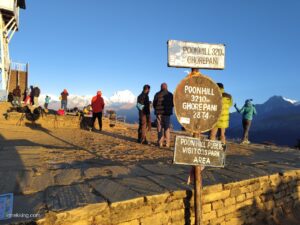 Ghorepani viewpoint[/caption]
On day 4 of the Annapurna Basecamp trek, adventurers will experience a rewarding trek from Ghorepani to Chuile, taking about 6-7 hours. The journey begins with a refreshing early morning excursion to Poon hill, Where travellers can experience an witnessed the stunning sunrise over the Annapurna range.
This breathtaking view is a highlight for many, setting the perfect tone for the day ahead. As you descend from the Poon Hill, you will be surrounded by lush forest and the vibrant colours of nature, enhancing the overall trekking experience.
As you make your way to Chuile, the trail meanders through charming villages and terraced fields, offering glimpses into local culture and lifestyle. The rhythmic sounds of nature accompany you, making every step more enjoyable. Keep your eyes peeled for the diverse flora and fauna that inhabit this scenic landscape.
Along the way, you will encounter friendly locals who are often eager to share stories and smiles, adding to the warmth of your journey. This segment of the Annapurna Base Camp trek allows for a unique connection both to nature and the vibrant communities that thrive in these mountains.
Upon reaching Chuile, trekkers can take a moment to relax and soak in the serene surroundings. The quaint village serves as a welcoming pit stop, providing an opportunity to rejuvenate before continuing the adventure. As the sun sets, the mountains are bathed in the golden hue, creating a picturesque backdrop for your evening.
Reflecting on the day's experience amidst such beauty will inspire you for the upcoming challenges of the Annaopurna Basecamp trek. With every trek, you will find the journey is just as rewarding as the destination, creating cherished memories along the way.
[caption id="" align="alignnone" width="300"]
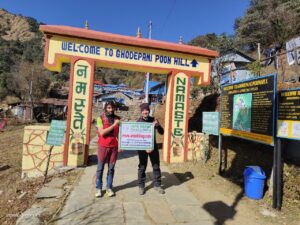 Trekkers at Ghorepani Poonhill entrance gate with the banner of Intrekking[/caption]
5. **Trek to Sinwa, 6-7 hours walk.** — [caption id="attachment_5010" align="aligncenter" width="253"]
 Trekkers with a guide during the trek to Sinwa[/caption]
Leaving Chuile, the trail slides down through garlic and corn-terraced lands, offering stunning views and glimpses of local agriculture. The path descends steeply to Kimrung Khola, where trekkers will cross a swinging suspension bridge, an adventure in itself.
After crossing, the journey continues into Gurung villages with welcoming locals. The trek ascends to Gurung town in about 45 minutes, and then it’s a direct walk to Chhumrung, sitting at an elevation of 2,170m.
Typically, it takes around 3 to 4 hours to trek from Chuile to Chhumrung, where we can take a well-deserved lunch break and enjoy the beautiful scenery before continuing our journey to Sinuwa. This part of the Annapurna Base Camp trek is characterised by lush greenery and vibrant agricultural landscapes, making it a captivating experience for nature lovers and adventure seekers alike.
As trekkers move toward Sinuwa, they are enveloped in the stunning flora and fauna that the Annapurna region is famous for. The varied altitudes provide diverse systems that can be observed along the trek.
The Annapurna Base Camp trek is not just a physical challenge; It's also an opportunity to immerse oneself in the rich culture and breathtaking landscapes of the Himalayas. Each step brings trekkers close to the Majestic Annapurna Mountain Range, creating an unforgettable journey that blends adventure with natural beauty.
So as you plan your Annapurna Base Camp trek, remember each day unveils new wonders, from traversing vibrant terraced fields to experiencing the warm hospitality of local villages. Your trek is not just about reaching the destination; it's about cherishing every moment along the way.
6. **Trek to Himalaya, 5-6 hours walk.** —
[caption id="attachment_5019" align="aligncenter" width="300"]
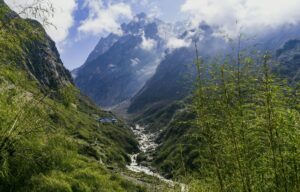
Aerial view of the trail from Bamboo to the Himalaya[/caption]
On this day of trekking, the sixth day of the Annapurna Basecamp trek, we embark on a scenic journey that lasts 5-6 hours, immersing ourselves in the breathtaking beauty of the Himalayas. The trek begins with a stroll through vibrant rhododendron forests adorned with orchids, enhancing our experience as we make our way to Bamboo.
After a refreshing coffee break at Bamboo, we continue our ascent. The trail leads us through lush, picturesque woods for about an hour, reaching Dovan at an elevation of 2,630 metres. Here we take the opportunity to enjoy a meal and rest before pushing forward.
The final stretch of the day involves another 1.5 hours of trek towards the Himalayas, bringing us back to this turning height of 2900 metres above sea level. This leg of the Annapurna Base Camp trek not only tests our endurance but also rewards us with remarkable views and an unforgettable experience in the heart of the Himalayas.
[caption id="" align="aligncenter" width="265"]
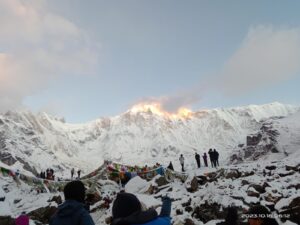
Trekker heading from Sinwa to Himalaya[/caption]
7. **Trek to Annapurna Base Camp, 6-7 hours walk.** —
[caption id="attachment_5013" align="aligncenter" width="300"]
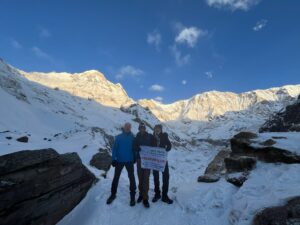
Trekkers and guides holding a banner of Intrekking at ABC[/caption]
Annapurna Base Camp trek offers an unforgettable experience filled with stunning landscapes and rich cultural encounters. As you navigate the stone stairs, your journey takes you through an area marked by the memory of a tragic avalanche that occurred a decade ago.
It's crucial to remain vigilant while passing through this potentially hazardous zone since the site serves as a poignant reminder of nature's unpredictability. Therefore, it's recommended to keep moving swiftly and not linger too long, ensuring that you stay safe as you make your way towards the next leg of your adventure
As you continue along the trek, the majestic White Mountains rise majestically around you, enhancing the sense of wonder that the Annapurna Base Camp trek provides. The trail gradually swings to the left as you approach Machhapuchhre base camp, revealing breathtaking views that make every step worthwhile.
Although you may feel the effects of the thinner air at higher altitudes, it's vital to pace yourself and soak in the natural beauty that surrounds you. The combination of tranquil scenery and vibrant local culture makes this trek a uniquely fulfilling experience that caters he adventurers and nature lovers alike.
Reaching the best camp presents an awe-inspiring reward for your efforts. With panoramic 360° views of some of the world's most magnificent peaks, spending the night on a base camp allows you to fully immerse yourself in the serene atmosphere, surrounded by towering mountains.
They start strangling above in the clear mountain sky, adding an extra layer of magic to your experience. The Annapurna Base Camp trek isn't just about reaching a destination; It's about forging unforgettable memories amidst stunning landscapes that linger in your heart long after you have returned home.
8. **Trek to Bamboo, 6-7 hours walk.** —
[caption id="attachment_5015" align="aligncenter" width="300"]
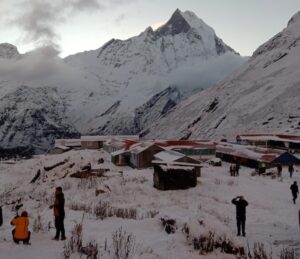
On the way descending to the bamboo[/caption]
The Annapurna base camp trek offers an unforgettable experience, combining breathtaking landscapes with the rich culture of the Himalayan region. As we embrace the beauty of the brilliant Mountain, we take a moment to enjoy a warm breakfast, perhaps with a cup of tea or coffee to energise us for the journey ahead.
This trek leads us down to Dovan, passing through the lush forest and Stunning terrain, which makes every step worthwhile. This section of the trek is filled with awe-inspiring views that highlight the magnificence of the Annapurna region.
Continuing on our adventure, we navigate through the charming village and scenic trails that connect Dovan to the Bamboo, taking time to savour our lunch and rejuvenate with a coffee break along the way.
Replenishing our energy is essential as the Annapurna base camp trek can be physically demanding, but the camaraderie and experiences shared a mix it all more enjoyable. Each meal and rest stop provides an opportunity to connect with fellow travellers and local guides, enriching our journey through the Annapurnas.
As we set up camp for the night, we release the sense of accomplishment in anticipation of what lies ahead. We are staying overnight at that stop allows us to recharge for the following day with dreams filled with towering peaks that await us.
The Annapurna base camp trek is not just about reaching the destination; it's about the journey and the incredible moments we create along the path. Each day brings new challenges and memories, solidifying why this trek is a must-do for adventure seekers and nature lovers alike.
9. **Trek to Jhinu Danda, 6-7 hours walk.** — [caption id="attachment_5018" align="aligncenter" width="300"]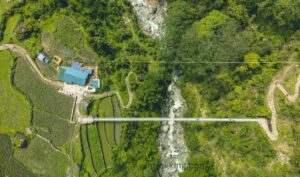 Aerial view of the Jhinu Danda vicinity around the hot spring[/caption]
The Annapurna Base Camp Trek is one of the most popular trekking routes in Nepal, attracting adventurers from all around the world. Nestled in the heart of a massive open area, this trek offers breathtaking views of towering peaks, lush valleys, and picturesque villages.
That journey typically takes around 7-12 days, depending on the chosen route and acclimatisation needs. As trekkers navigate through diverse landscapes, they experience the vibrant culture of the local Gurung and Magar communities. The stunning scenery and rich cultural experience make the Annapurna Base Camp Trek a bucket-list adventure for many.
Along the trail, trekkers will encounter the lush forest field of Rhododendron blooms, providing a colourful backdrop to the journey. As elevation increases, the terrain transitions into a majestic Alpine landscape offering glimpses of snow-capped summits.
The challenge of reaching the Annapurna base camp is complemented by the warm hospitality of the local tea houses, where travellers can savour traditional Nepali cuisine. The trek allows for ample opportunities to witness the unique flora and fauna that thrive in this region. Each step taken on the Annapurna Base Camp brings you closer to the majestic Annapurna Sanctuary.
Upon reaching the Annapurna Base Camp, the feeling of accomplishment is unparalleled as companions share the awe of being surrounded by some of the highest peaks in the world. The dramatic panoramic views of Annapurna I, Machhapuchhre and other iconic summits create a breathtaking backdrop for memorable photographs. Many travellers take a moment to reflect on their journeys surrounded by nature's raw beauty.
Jhinu Danda is one of the major hubs for refreshment as it has a natural hot spring with healing properties. You can also take a bath in the natural hot spring and freshen up, as it has natural healing properties that help in the regulation of circulation and relieve you of all the weariness and tiredness from the trek
The experience is not just about the destination, but also the diverse landscape, rich culture, and the bonds formed along the way. Ultimately, the Annapurna Base Camp trek offers a profound connection to the mountains and a deep appreciation for the journey taken to reach these stunning locations.
10. **Trek to Samrung Danda and drive to Pokhara by neighborhood transport/jeep.** — [caption id="attachment_5016" align="aligncenter" width="300"]
 Mr.Rajesh boarding jeep heading to Pokhara[/caption]
The Annapurna Base Camp trek is one of the most exhilarating adventures that trekkers can embark on in the heart of the Himalayas. Day 10 of this incredible journey culminates in a trek to Samrung Danda, a picturesque village that serves as a gateway to the diverse landscapes and cultures of the region.
This trip is not just about reaching the destination, it's about experiencing the vibrant local life, breathtaking vistas and the chirping of birds that accompany you along the trail. As you navigate the rugged paths, the Annapurna massif looms in the distance, inspiring a sense of awe that epitomises the beauty of this trek.
After reaching Siwai, the next leg of the journey involves a scenic drive to Pokhara, where you can bask in the tranquillity of Phewa Lake and enjoy the stunning views of the surrounding mountains. Neighbourhood transport, often in the form of shared jeeps, adds another authentic touch to the experience, allowing you to connect with the locals and other travellers as the journey is filled with opportunities to observe the local culture.
From sampling traditional foods to engaging in conversation with fellow passengers. The vibrant lion escape should pass with terraced fields and quaint villages, making this drive a memorable conclusion to the physically rewarding trek in the Annapurna.
In Pokhara, the relaxed atmosphere serves as a perfect counterbalance to the physical demands of the Annapurna Base Camp trek. After days of trekking, the chance to unwind by the lake and enjoy the beautiful sunsets is a welcome reward.
Whether choosing to indulge in a Spa session, explore local shops or simply soak in the views of the Annapurna range, the time spent in Pokhara completes the trekking experience beautifully. This blend of adventure and leisure reaffirms why the Annapurna Base Camp trek is such a sought-after journey of appealing to nature lovers and adventure seekers alike.
## What's included
- Airport pick-up and drop-off by a private vehicle.
- Three-time Meal During trekking(Breakfast-Lunch-Dinner)
- All ground transportation on a comfortable private vehicle as per the itinerary
- Kathmandu to Pokhara by luxury tourist bus, Samrung danda to Pokhara by road transport.
- Guided city tour in Kathmandu by private vehicle
- An experienced, English-speaking and government-licensed trek leader and assistant trek leader (10 trekkers: 1 assistant guide), Porter service (2 trekkers: 1 porter)
- Staff costs including their salary, insurance, equipment, food and accommodation, Down jacket and sleeping bag (to be returned after trip completion)
- All necessary paperwork and trekking permits, and TIMS.
- Medical kit (carried by your trek leader)
- All government and local taxes
- Trekking map
- Trekking certificate after the trek.
## Not included
- International flights.
- Nepalese visa fee
- Excess baggage charge(s)
- Private transportation, except what is mentioned in the What Is Included section
- Extra night accommodation in Kathmandu and Pokhara, because of early arrival, late departure, early return from the mountain (due to any reason like natural disaster and your problems)
- Travel and rescue insurance (helicopter evacuation)
- Trekking equipment
- Personal expenses (phone calls, laundry, bar bills, battery recharge, extra porters, bottle or boiled water, shower, etc.)
- Tips for guide(s), porter(s) and driver(s)
## FAQ
**Q: How difficult is the Annapurna Base Camp trek?**
A: The Annapurna Base Camp trek is moderately difficult. The route has a total elevation gain of 4,130m with 5-7 hours of hiking most days. It's feasible for amateur hikers who train beforehand, but the rapid ascent to altitude can be demanding.
**Q: When is the best time to trek to Annapurna Base Camp?**
A: The optimal seasons are spring (March to May) and fall (October to November) when the weather is mild and skies tend to be clear for exceptional mountain views.
**Q: How long does it take to trek to ABC and back?**
A: The Annapurna Base Camp trek typically takes between 7-10 days to complete the 115 km round trip route. 8 days allow proper time to enjoy and pace the experience.
**Q: What is teahouse accommodation during the trek?**
A: While camping is an option, there are basic teahouse lodges along the entire ABC route for meals, bunk beds, and other essential hiker facilities.
**Q: Do I need insurance and vaccinations?**
A: Travel insurance with emergency evacuation is required for ABC treks. Relevant vaccinations include hepatitis A, typhoid, and diphtheria, and recommended rabies and polio protection as well.
**Q: Does the ABC trek route have electricity and wifi?**
A: Sporadic solar power is sometimes available for charging devices in a few guesthouses. But there is no reliable electricity or wifi along most of the mountain route. Rely on cash and be prepared.
**Q: How expensive is the ABC trek, including the cost of permits?**
A: The total costs for ABC treks are around $700-$1200 USD on average per person, excluding international flights. This covers permits, transportation, food, lodging, porters, and tour guides or tour companies if not trekking independently. Budget extra for souvenirs, packaged snack food along the route, and personal costs.
**Q: What is the highest elevation on the ABC trek route?**
A: The Annapurna Base Camp plateau sits at an elevation of 4,130m/13,550 feet, with stunning views of the sweeping Annapurna mountain range surrounding it. The highest point reached on the trail itself sits at 4,400m. Proper acclimatization is vital.
**Q: Is the ABC trek safe for female travelers and seniors?**
A: Yes, thousands of women safely complete the popular trek annually. The trail has lodges and checkpoints along the way. Those 50+ can trek with proper time for acclimatization.
**Q: What food options are available along the Annapurna trail?**
A: Local tea houses offer simple but filling Nepali dishes like dal bhat (rice & lentils), pasta, momos, soups, eggs, porridge, and bonfire-baked goods. Carry packaged snacks, too.
**Q: Is the food safe to eat?**
A: Most tea houses maintain reasonable hygiene standards, but it is advisable to choose freshly cooked meals and over raw or undercooked foods. Carrying hand sanitiser is recommended.
**Q: Can dietary requirements be catered for? **
A: Vegetarian options are widely available. Vegan and gluten-free options may be more limited, especially in remote areas, so it's best to inform your guy or tea house owners in advance.
**Q: Is bottled water available?**
A: Yes, bottled water is available in most cities and villages, but since it contributes to plastic waste, using water purification tablets or a water filter is a more sustainable option and is recommended.
**Q: What are the essential items to pack for the trek?**
A: Essential items include sturdy hiking boots, Warm layers (fleece, down jacket), Waterproof and windproof outerwear, Trekking poles, a sleeping bag depending on the season and the teahouse, blankets ahead, a lamp or sunscreen, sunglasses and a first aid kit and other personal toiletries.
**Q: Do I need a sleeping bag?**
A: While tea houses provide blankets, bringing your sleeping bag (appropriate for the temperature rating) is highly recommended for warmth and hygiene, especially at higher altitudes.
**Q: Are trekking poles useful?**
A: Yes, trekking poles can be significantly helpful with balance. Reducing strain on your knees during ascent and descent, and improving overall trekking efficiency.
**Q: How much should my backpack weigh?**
A: Ideally, your backpack should weigh no more than 15% to 20% your body weight to minimise the strain. Porters can be hired to carry the bulk of your luggage.
**Q: Do I need a guide or a Porter for the trek?**
A: While it's possible to trek independently, hiring a guide or Porter is highly recommended for safety, navigation and supporting the local economy. Regulations may also require a guide in certain areas.
**Q: Are there any cultural etiquette tips I should be aware of?**
A: Use your right hand for eating and receiving things. Avoid pointing with a single finger; use your whole hand. Removing your shoes before entering homes and religious sites is customary.
**Q: How much does the Annapurna circuit trek typically cost?**
A: Costs vary depending on the level of service (guide vs independent, porter, accommodation quality), but budget for the permits, transportation, Accommodation, food and potential Gear rental. A guided trek with a Porter can range from $50-$100+ per person per day.
**Q: What is the culture like in Annapurna origin?**
A: The region is culturally diverse with various ethnic groups including Gurung, Magar, Tamang and Thakali, each with their unique customs, traditions and languages. Buddhism and Hinduism are predominant religions.
**Q: How should I dress?**
A: Dress modestly, especially when visiting religious sites. Shoulders and needs should be generally covered. Ask for permission before taking photos of people.
**Q: Are there any cultural etiquette tips I should be aware of?**
A: Use your right hand for eating and receiving things. Avoid pointing with a single finger; use your whole hand. Removing your shoes before entering homes and religious sites is customary.
**Q: How should I dress?**
A: Dress modestly, especially when visiting religious sites. Shoulders and needs should be generally covered. Ask for permission before taking photos of people.
**Q: What kind of communication is available during the trek?**
A: Mobile network coverage is often limited, especially at higher altitudes, and though some tea houses offer unreliable Wi-Fi for a fee.
**Q: Are there charging facilities for electronic devices?**
A: Most tea houses provide charging facilities, sometimes for a small fee, so bringing a power bank is advisable.
**Q: What is the typical daily trekking distance?**
A: Daily trekking distance typically ranges from 10-20 kilometres, varying with terrain and acclimatisation schedule.
**Q: Can I do the Annapurna circuit trek solo?**
A: While solo trekking is possible, it is generally not recommended due to safety concerns and navigation challenges, as guides often enhance the experience and ensure safety.
**Q: What is the environmental impact of the trek, and how can I minimise it?**
A: To minimize your environmental impact, practise “Leave-No-Trace” principles by managing waste, staying on trails and supporting eco-friendly practices.
## Contact for this trip
- Operator: Info Nepal Tours and Treks · Thamel, Kathmandu, Nepal
- Phone: +977 9841936940
- Email: contact@intrekking.com
---
# Ghorepani Poon Hill Trek
URL: https://intrekking.com/trip/ghorepani-poon-hill-trek/
Last updated: 2026-07-08
## Facts
- Region: Annapurna Region
- Duration: 5 days
- Max altitude: 3,210 m
- Difficulty: Easy
- Group size: 1-10 people
- Best season: March–May : October-December
- Price from: $349 per person
## Summary
A short trek in the Annapurna foothills from Ulleri to Ghorepani with a dawn ascent of Poon Hill for Annapurna and Dhaulagiri ranges, descending via Tadapani and the Gurung village of Ghandruk, suited to trekkers with limited time.
## Overview
Ghorepani Poon Hill Trek
A Ghorepani Poon hill trek in Nepal is especially fit for those who are tight in schedule and very eager to do the trek.
Ghorepani-Poon hill is a 3-4 day trip starting from the Ulleri till Banthanti.
Best time to do the Ghorepani Poon hill trek
Ghorepani can be done throughout the year. It is one of the best-selling trekking packages in Nepal. It offers an amazing community of Gurung People along with the best in Nature in itself. There is a time in the year that is very suitable to do trekking in Nepal.
The best time to do the Ghorepani Poon hill trek is in either Spring or Autumn. Spring at March to May while Autumn at October to mid-December. At this time the climate will be very much better with clear skies and the breathtaking view of the Annapurna Mountain ranges are clearly visible.
Trek in Winter
To do the Ghorepani Poon hill trek in winter you must consider bringing crampons as the way might be slippery due to heavy snowfall or ice. Winter is still safer to do this trek as it is a shorter trek with no risk of any mountain disaster.
Trek in Monsoon
This trek in Monsoon might be a little difficult as the heavy rainfall will increase the number of leeches that sucks your blood. You need to bring rain gear, anti leech medicines in order to do this trip in a much easier way.
Trek in Spring
Ghorepani Poon hill Trek in Spring is really an amazing chance to encounter the most beautiful rhododendron forest. At this time the atmosphere will be more moisturize. You will enjoy a lot during this time in Ghorepani Region.
Trek in Autumn
This trek during Autumn which is the biggest and longest trekking season in Nepal is an amazing time. You will find lots of Travelers going to this region. Encountering amazing hospitality in this region during this time will melt your heart and will make you return to Nepal for another trip.
Trek difficulty
The Ghorepani Poon hill trek might be difficult for those who are new to this mountain world and have no previous experience of trekking in the high mountains. This trip is normally regarded as one of the easiest trekking trails in Nepal. With shorter days the difficulty of this trek is greatly reduced.
Trek Destination and Exact Location
Ghorepani Poon hill trek starts from North of Pokhara exactly located 250 kilometers west of Kathmandu. To reach the trek starting point you need to drive to Ulleri which is around 3 hours drive from Pokhara.
Transportation during the Trek
Transportation during the trek will be either a Tourist bus or a Private vehicle depending upon what kind of service you booked from us.
Poon hill View Point
Poon hill is a place with one of the finest views that you can have in the Annapurna region. The breathtaking sunrise view with 180-degree Himalayan ranges will make your trip one of the most memorable trips of your lifetime.
Booking Ghorepani Poon hill Trek
We as an authorized trekking agency in Nepal do have one of the best Packages for this trek. Our service might be a Guide service or a full board package with free airport transfer included in the package.
Outline Itinerary
Day 01: Pokhara into Ulleri (1900m).Day 02: Trek to Ghorepani about a 6-7 hours walk.Day 03: Trek to TadapaniDay 04: Trek to Ghandruk/continue to Pokhara
## Itinerary
1. **Pokhara into Ulleri (1900m)** —
Early in the morning a nice drive to Ulleri via Nayapul. Nayapul is the classic trek starting point. Pokhara to Ulleri is around a 3.5-hour drive. nearly 1-hour drive will be an offroad drive. Today you won't need to hike.
2. **Trek to Ghorepani 6-7 hours Hike** —
Our voyage proceeds after a hot breakfast around 08:00 o'clock toward the evening. Nowadays, it's somewhat requesting a steep stroll from a stone staircase to Ulleri for around 1 and thirty minutes. Meal break at Banthanti and outside Banthanti.
The experience of hiking through sublime rhododendron and pine woods is really amazing. Its 6/7 hours walk adds up to stunning Ghorepani.
3. **Early in the Morning to Poonhill (45 minutes) and then Trek to Tadapani (2600m)** —
You will be early in the climb to Poonhill. From Poonhill the view of the Annapurna Mountain ranges is really gorgeous. You can also have one of the best sunrise views in the world.
After Poonhill head back to the Ghorepani Tea House for a quick breakfast and then 4 hour's hike to Tadapani.
4. **Trek to Ghandruk then continue to Pokhara by drive** —
We stroll over a subtropical woods trail. It's a noteworthy settlement of the famous Gurung community, an ethnic gathering of Nepal.
Ghandruk is around 3.5 hour hike from Tadapani. It is at an altitude of 1900m. After reaching Ghandruk Village you will have your Lunch and be ready to head back to Pokhara which is around 3 hours drive from Ghandruk.
## What's included
- Airport picks up and drops off by private vehicle.
- Three-time Meal During trekking(Breakfast-Lunch-Dinner)
- All ground transportation on a comfortable private vehicle as per the itinerary
- Kathmandu to Pokhara by bus/private vehicle
- Guided city tour in Kathmandu by private vehicle
- An experienced, English-speaking, and government-licensed trek leader and assistant trek leader (10 trekkers: 1 assistant guide) Porter service (2 trekkers: 1 porter)
- Staff costs including their salary, insurance, equipment, food, and accommodation Down jacket and sleeping bag (to be returned after trip completion)
- All necessary paperwork and trekking permits and TIMS.
- Medical kit (carried by your trek leader)
- All government and local taxes
- Trekking map
- Trekking certificate after the trek.
## Not included
- Nepalese visa fee
- Excess baggage charge(s)
- Private transportation except what is mentioned in the What Is Included section
- Extra night accommodation in Kathmandu and Pokhara because of early arrival, late departure, early return from the mountain (due to any reason like natural disaster and your own problems) than the scheduled itinerary Lunch and evening meals in Kathmandu (and also in the case of early return from the mountain than the scheduled itinerary) International flights
- Travel and rescue insurance
- Trekking equipment
- Personal expenses (phone calls, laundry, bar bills, battery recharge, extra porters, bottle or boiled water, shower, etc.) Tips for guide(s), porter(s) and driver(s)
## FAQ
**Q: How to book this trip and payment process for Ghorepani Poon Hill Trek?**
A: You can send us direct inquiries via the contact form. For the booking and payment process you will need to transfer the specific sum of money to Info Nepal stated bank address in Nepal.
**Q: What is Cancellation Policy for Ghorepani Poon Hill Trek?**
A: You must inform 15 days before arrival in order to cancel or Postpone the trip. Canceling this trip means there will be a certain percentage deducted as TAX, VAT, and company service charge.
## Contact for this trip
- Operator: Info Nepal Tours and Treks · Thamel, Kathmandu, Nepal
- Phone: +977 9841936940
- Email: contact@intrekking.com
---
# Tsum Valley Trek
URL: https://intrekking.com/trip/tsum-valley-trek/
Last updated: 2026-07-10
## Facts
- Region: Manaslu Region
- Duration: 12 days
- Max altitude: 3,361 m
- Difficulty: Moderate
- Group size: 1-10 people
- Best season: March-May : September-November : December-February
- Price from: $1,299 per person
## Summary
A trek into the restricted Tsum Valley in northern Gorkha near the Tibetan border, through Tibetan-influenced villages, monasteries and mani walls toward Mu Gompa and Ganesh Himal Base Camp, suited to those seeking a remote cultural route.
## Overview
Tsum Valley Trek Highlights
Picturesque drive from Kathmandu to Arrughat
Encounter wildlife animals like blue sheep and Himalayan Thar
Delightful easy trek without the fear of altitude
Experience Tibetan culture and lifestyle
Prayer flags and Mani walls song the route
Overview
Tsum valley is one of the most secluded valleys situated in northern Gorkha near the Tibetan Border. Commonly the local people are of Tibetan origin, speak their dialect, and have their ancient art, culture, and religion.
The trek is more enjoyable and pleasant being one of the remotest Himalayan valleys and with its untouched beauty. The valley is filled with a stupefying view of the landscapes and the mountains like Ganesh Himal, Shringi Himal, and Boudha Himal.
As Tsum valley was restricted until 2008 it is not much exposure as other trekking destinations. It comprises many religious monasteries as the valley is rich in Buddhist culture.
The journey starts with the scenic drive to Arughat. From Arughat we will have to climb up the Budi Gandaki valley. Now we’ll pass from Jagat to Lokpa through blooming rhododendron and pine forests.
Continuing the trek we will pass by glacial rivers, beautiful waterfalls, and Piren Phu cave. Encounter the beauty of local wildlife like blue sheep and Himalayan Thar. After crossing some Monasteries, and suspension bridges we will reach Ganesh Himal Base Camp. Now we descend back towards Arughat Bazaar and back to Kathmandu.
TSUM valley trek is an adventurous one that takes you through the off-beaten route. This trek is once in a lifetime experience.
Tsum Valley Trek Short Itinerary
Day 1: arrival at ktm
Day 2:Drive from ktm to Machha Khola (890m/ 2,965ft), 6-7 hrsDay 3: Trek from Machha Khola to Jagat (1,400m/ 4,593ft), 6-7 hrsDay 4: Trek from Jagat to Lokpa (2,040m/ 6,692ft), 6-7 hrsDay 5: Lokpa to Chhokang Paro (3,031m/ 9,944ft), 5-6 hrsDay 6: Trek from Chhokang Paro to the Nile to Mu Gompa (3,361m/11,026ft), and back to Nile 4-5 hrsDay 7: Trek from Nile to Rachen Gompa (3,240m/ 10,629ft), 3-4 hrsDay 8: Trek from Rachen Gompa to Gumba Lungdang (3,200m/ 10,500m), 4-5 hrsDay 9: Trek from Gumba Lungdang to Lokpa (2,040m/ 6,692ft), 6-7 hrsDay 10: Trek from Lokpa to Jagat (1,400m/ 4,593ft), 6-7 hrsDay 11: Trek from jagat to Machha Khola Day 12: Drive from Machha Khola to Kathmandu/ pokhara
## Itinerary
1. **Drive from Kathmandu to Arughat then to Soti Khola (730m/2,896ft), 6-8 hrs** —
Our journey begins with a scenic drive to Arughat. After a view hours, we’ll Dhading Bensiand then further to Arughat. Arughat is clustered on both sides of the Budhi Gandaki river connected by a suspension bridge. Overnight at Soti Khola.
2. **Trek from Soti Khola to Machha Khola (890m/ 2,965ft), 6-7 hrs** —
After having a hot breakfast we will walk through the beautiful Sal forest and climb onto a ridge above the huge rapids of the Budhi Gandaki. The trail follows down to Nauli Khola and finally arrives at Machha Khola. Overnight at Machha Khola.
3. **Trek from Machha Khola to Jagat (1,400m/ 4,593ft), 6-7 hrs** —
Today we will cross Tharo Khola and slowly begin to gain elevation. Now we ascend to the Budhi Gandaki river and finally arrive at Yaru Khola. Now finally we’ll reach Jagat’s west side of Budhi Gandaki River.
4. **Trek from Jagat to Lokpa (2,040m/ 6,692ft), 6-7 hrs** —
Today we will register our permits for Manaslu and Tsum valley. Now we will pass by Ekle Bhatti and eventually reach the Lokpa Village. Lokpa is the first village of Tsum valley. Overnight at Lokpa Village.
5. **Trek from Lokpa to Chumling (2,386m/ 7,828ft), 5-6 hrs** —
The day starts with descending to the Luangwa river valley and climbs through the dense tropical forests of juniper, pine, and rhododendron. Now the route takes us through Syar Khola and finally Chumling. Overnight at Chumling.
6. **Trek from Chumling to Chhokang Paro (3,031m/ 9,944ft), 5-6 hrs** —
Today our trek leads us to Chhokang Paro which is a village situated on flat land and made up of two settlements. Our trek continued through Rainjam to Serpu Khola and after two hours of the climb, we finally reached Chhokan Paro. Overnight at Chhokang Paro.
7. **Trek from Chhokang Paro to the Nile (3,361m/11,026ft), 4-5 hrs** —
After having delicious breakfast at Chhokang Paro our trail leads us through the green meadows and the th4,060e landscape becomes fertile and narrow. Now after crossing the suspension bridge over the Shiar Khola we will reach the Nile.
8. **Trek from Nile to Mu Gompa (3,700m/ 12,139ft), visit Dhephyudonma Gompa (4,060m/ 13,320ft), 3-4 hrs** —
After early morning breakfast, our trail leads us to Mu Gompa which is located at the highest and the farthest point in Tsum Valley. And the historical Dephyudonma monastery is connected with the dawn of Buddhism run by Lama. Overnight at Lodge.
9. **Trek from Mu Gompa to Rachen Gompa (3,240m/ 10,629ft), 3-4 hrs** —
After breakfast, we will head to Rachen Gompa which is situated in the foothills of the mountains that border Nepal and Tibet. Now walking through the Siray Khola and crossing flat boulder-covered plains we’ll reach Rachen Gompa. Overnight at Rachen Gompa.
10. **Trek from Rachen Gompa to Gumba Lungdang (3,200m/ 10,500m), 4-5 hrs** —
Today our trek starts from a small white Gompa and descends a narrow trail. After crossing the bridge of Domje we will have a steep climb through pine, juniper, and rhododendron forest. Finally, after reaching Gumba Lundang we’ll enjoy our night.
11. **Trek from Gumba Lungdang to Ganesh Himal Base Camp (4,200m/ 13,780ft) , 5-6 hrs** —
Today our trek starts with the delicious breakfast and passes through two small valleys, pasture, and descend to the river. Now the trail becomes slightly challenging and after a few hours of Climb, we’ll reach Ganesh Himal Base Camp. Overnight at Lodge.
12. **Trek from Gumba Lundang to Lokpa (2,040m/ 6,692ft), 6-7 hrs** —
Today we will return to Lokpa. Our trail descends to Domje and walks by a beautiful dense forest and another deep gorge and swinging bridges to Ripoche. After a few hours of walking, we will reach Lokpa. Overnight at Lodge.
13. **Trek from Lokpa to Jagat (1,400m/ 4,593ft), 6-7 hrs** —
Today our trek ascends down to Jagat through the same Budhi Gandaki river. Walking through the forests and terrains we’ll reach Sirdibas. After a few hours of walking from Sirdibas, we will reach Jagat. Overnight at Lodge.
14. **Trek from jagat to Lapu Bensi (900m/ 2,952ft), 7-8hrs** —
After having an early morning we will continue to descend through terrains and cross bridges. After crossing the sandy river bed of the Budhi Gandaki we will finally reach Lapu Besi. Overnight at Lodge.
15. **Trek from Lapu Bensi to Arughat Bazaar (535m/ 1,755ft), 4-5 hrs** —
Today we will have a short trek to Arughat Bazar. After trekking for a couple of hours we will reach Bushi Gandaki river and Soti Khola. From Soti Khola we will take a jeep and finally at aright Bazaar. Overnight at Arughat Bazar.
16. **Drive back to Kathmandu from Arughat (126 km/ 78miles), 7-8 hrs** —
After having breakfast we will drive back to Kathmandu. The drive will be scenic as we will be passing by the beautiful Trishuli river. Also, the greenery of the hills will be eye-pleasing. We will be driving west towards Kathmandu via the Prithivi Highway. Overnight at Kathmandu
## What's included
- Airport picks up and drops off by the private vehicle.
- Three-time Meal During trekking(Breakfast-Lunch-Dinner)
- All ground transportation on a comfortable private vehicle as per the itinerary
- Guided city tour in Kathmandu by private vehicle
- Transport from Kathmandu to Arughat to soti khola and from dharapani to Besisahar then back to Kathmandu by local bus.
- An experienced, English-speaking and government-licensed trek leader and assistant trek leader (10 trekkers: 1 assistant guide) Porter service (2 trekkers: 1 porter)
- Staff costs including their salary, insurance, equipment, food and accommodation Down jacket and sleeping bag (to be returned after trip completion)
- All necessary paperwork and trekking permits and TIMS.
- Restricted areas permit.
- Medical kit (carried by your trek leader)
- All government and local taxes
- Trekking map
- Twin sharing tented accommodation during the trek.
- Trekking certificate after trek.
## Not included
- International flight ticket and Nepal Entry Visa
- Personal travel insurance (Which should include coverage for trekking)
- Lunches and dinners in Kathmandu and pokhara.
- Personal gear for trekking (Including any you may wish to hire in Kathmandu), any personal expenses (i.e. soft and alcoholic drinks, snacks etc.)
- Excess baggage charge(s)
- Travel and rescue insurance
- Trekking equipment
- Personal expenses (phone calls, laundry, bar bills, battery recharge, extra porters, bottle or boiled water, shower, etc.) Tips for guide(s), porter(s) and driver(s)
## FAQ
**Q: Why Tsum Valley trekking in Nepal?**
A: Tsum valley trekking offers special trekking experience that will take you to the extreme wilderness into the hidden and untouched part of the world.
**Q: What are the permit required?**
A: The restricted area permit ,
## Contact for this trip
- Operator: Info Nepal Tours and Treks · Thamel, Kathmandu, Nepal
- Phone: +977 9841936940
- Email: contact@intrekking.com
---
# Everest Base Camp Heli Trek
URL: https://intrekking.com/trip/everest-base-camp-heli-trek/
Last updated: 2026-07-10
## Facts
- Region: Everest Region
- Duration: 11 days
- Max altitude: 5,550 m
- Difficulty: Moderate
- Group size: 1-10 people
- Best season: October-November : March-May
- Price from: $1,999 per person
## Summary
A trek to Everest Base Camp and the Kala Patthar viewpoint via Namche Bazaar, Tengboche and Dingboche, returning to Kathmandu by helicopter from Gorak Shep, suited to those wanting the classic route without retracing the walk out.
## Overview
Everest base Camp Heli Trek
Is loved by both domestic and international tourists in today’s context. Every trekker has a dream to reach the base of the world’s highest peak Mt Everest (8848) once in their life. Due to time restraints, many trek enthusiasts don’t get a chance to experience this trek.
For people who want to experience the majestic beauty of Mount Everest this base camp is an excellent alternative. You can experience a short EBC Heli Trek that is 11 days. The price of this trek will be high because we need the chartered helicopter.
First, we will fly towards Lukla to feel the breathtaking flight which is also known as the most dramatic airport in the world. Then, we slowly move forward by making our way to Namche Bazar from the trek to Phakding. To reach the center of the Everest Region i.e. Namche Bazar we have to pass through a fascinating setting as we climb along with cedar trees and the Himalayan pine.
On this trek, you will be able to see the fantastic view of the Dudh Koshi river. Namche bazaar is also known as the capital of Sherpa in the Khumbu region where we can interact with local Sherpa people.
To observe the awesome panorama of Everest, Tawache, Amadablam, Lhotse, etc we will start our hiking from there. The major highlight of the trek to Tengboche Monastery (3860m) is the eye-catching scene of Mt Amadablam, Mt. Everest, and its peaks.
As we climb above the tree line on moraines to Gorak Shep via Lobuche the alpine landscape becomes more rugged. The scenery of the highest Himalayan panorama and glaciers around you that can be seen from Kalapathar will always stay with you forever.
Heli ride amidst the most scenic and spectacular valleys, and stunning high peaks in the Himalayas. This trek is mostly practiced in a group. The rate of practicing solo trek in this base camp is shallow in comparison to the group trek.
While you have your heli tour you will not be able to take your luggage with you. You can only carry your handbag with you and your luggage will be carried by potters. From the Everest base camp heli trek, you will be able to see the eye-catching view of the Khumbu valley.
The guide will provide you with various information about this trek and you will be able to see the great scenery of the mountains from the helicopter. Throughout this trek, you will not face any kind of problems and in case we will provide you the various services for your comfort.
Everest base camp heli trek is very famous and loved by many tourists. It is completed mostly in 11- 12 days. On this trek, you will be able to view many peaks of Nepal and especially Mount Everest (8848m). On this trek, you will be able to view the scenery of the mountains through a helicopter. This tour has become more exciting due to the heli tour and scenes that are seen through helicopters. You will be able to get an aerial perspective of the Everest region.
## Itinerary
1. **Arrive at Tribhuwan International Airport (TIA) Kathmandu** —
Today we arrived at Tribhuwan International Airport and move to our hotel. During the flight, we saw a beautiful Kathmandu valley. We got an amazing welcome greeting from the hotel. The service provided by the hotel was outstanding. Our lodges were taken by them and kept in our respective rooms. The rooms in the hotel were also very nice and comfortable. The service provided by the hotel was excellent and the food was also perfect.
2. **Fly to Lukla and trek to Phakding (2652m/8699ft) Duration: 3 hours** —
Today we woke up early in the morning and flew to Lukla. During the flight, we saw many snow-capped mountains from the EVEREST ranges. After we reached Lukla we started our trek to Phakding. Phakdung is at a height of 2652 m above sea level. It took nearly 3 hours for us to reach Phakding from Lukla. it was a fantastic place and the weather in that place was also excellent. we got a chance to see many mountains in close view.
3. **Trek to Namche Bazaar (3440m/11283ft) Duration: 6 hours** —
Today is the day to trek Namche Bazaar from Phakding. Namche Bazaar is one of the most visited trekking routes in this trekking route. Namche Bazaar is at an altitude of 3440 m above sea level. We saw a beautiful Bazaar where we found amazing handicrafts and many more. The people of that place were excellent and their hospitality behavior attracted us. The people of this bazaar were so kind and the bazaar was also appropriately managed.
4. **Namche Bazaar and Everest View Hotel** —
Today we visited two places,e. Namche Bazaar, and Everest view hotel. From this hotel, we can see a fantastic view of Everest. We can see the sunrise from this hotel. This hotel is very famous in this area. We can see Mt. Everest along with other mountains too. the service provided in this hotel was outstanding. food and room were also excellent in this hotel. they used to treat guests as gods and our comfort was their first priority.
5. **Trek to Tengboche (3860m/12660ft) Duration: 5 hours** —
Early morning we start our trek to Tengboche which is at the height of 3860 m above sea level. It took us nearly 5 hours to get there. During these 5 hours, we saw a lot of flora and fauna and wildlife vegetation too. we felt peace there and the feeling was not to go away from here. On the way to Tengboche, we saw many high mountains that were full of snow and high hills too. Tengboche was where we saw a stunning view of the sunset and the snowy mountains.
6. **Trek to Dingboche (4410m/14464ft) Duration: 5 hours** —
Today we are moving towards Dingboche from Tengboche. It took us nearly 5 hours to reach Dingboche from Tengboche. Dingboche is at a height of 4410 m above sea level. From there, we saw a fantastic sunset at the highest peak in the world (Mt. Everest ). On the way, we saw many mountain monasteries and beautiful villages. The elevated green hills were amazing and the flora and fauna seen on this trek were also eye-catching. We saw much-protected flora and fauna and they were very less in number. People must protect them and give full effort to protect them.
7. **Dingboche to Nagerjun (5100m/16728ft) and return Duration: 6 hours** —
Today is day 7 of our trek and we moved towards Nagerjun from Dingboche. Nagarjuna is at a height of 5100 m above sea level. It took us nearly 6 hours to reach and return from there. On the way, we saw a lot of flora and fauna and the snowy mountains were hilarious. We enjoyed this day by trekking to Nagerjun and were too excited to see many hills and the habitation of people and their culture too.
8. **Trek to Lobuche (4910m/16105ft) Duration: 5 hours** —
Today after having breakfast we start trekking to Lobuche which is at the height of 4910 m above sea level. It took us nearly 5 hours to get there. We saw many high hills and beautiful villages. We got a chance to know the culture and tradition of the villagers and their hospitality behavior was terrific. Their way of living was also unique and interesting. they used to treat guests as gods and give full priority to our comfort.
9. **Trek to Everest Base Camp (5364m/17594ft) & back to Gorekshep (5181m/16994ft) Duration: 8 hours** —
Early morning after having breakfast we start the trek from Lobuche to Everest base camp. Everest base camp is at a height of 5364 m above sea level. We saw a clear and stunning view of Mt. Everest from the base camp. On the way to Everest base camp, we saw a red forest (due to rhododendron). Then we returned back to Gorekshep from Everest base camp. Gorekshep is at a height of 5181 m above sea level.
10. **Hiking to Kalapatthar (5545m/18188ft) – Gorekshep – Kathmandu by Helicopter** —
Today we woke up early in the morning and had a light breakfast. Then we started hiking to Kalapattar which was at 5545 m above sea level. Kalapattar is also known as black stone in English. This is the highest point through which we can see a clear and stunning view of Mt.Everest. Then we return back to Kathmandu by Helicopter. We saw many high hills and the amazing Kathmandu valley along with many mountains during the flight.
11. **Farewell** —
Today we got farewell from our trekking team and from the hotel where we stayed in Kathmandu. They greet us with warm goodbye and they take our lodges to the airport too. This trek was an amazing experience and we would love to visit the Everest base camp heli trek in the upcoming days too.
## What's included
- Airport picks up and drops off by private vehicle.
- Three-time Meal During trekking(Breakfast-Lunch-Dinner)
- All ground transportation on a comfortable private vehicle as per the itinerary
- Flight From Kathmandu to Lukla And return by helicopter
- Guided city tour in Kathmandu by private vehicle
- An experienced, English-speaking, and government-licensed trek leader and assistant trek leader (10 trekkers: 1 assistant guide) Porter service (2 trekkers: 1 porter)
- Staff costs including their salary, insurance, equipment, food, and accommodation Down jacket and sleeping bag (to be returned after trip completion)
- All necessary paperwork and trekking permits (Sagarmatha National Park and Khumbu Pasang Lhamu Rural Municipality).
- Medical kit (carried by your trek leader)
- All government and local taxes
- Trekking map
- Trekking certificate after the trek.
## Not included
- Nepalese visa fee
- Excess baggage charge(s)
- Private transportation except what is mentioned in the What Is Included section
- Extra night accommodation in Kathmandu and Pokhara because of early arrival, late departure, early return from the mountain (due to any reason like natural disaster and your own problems) than the scheduled itinerary Lunch and evening meals in Kathmandu (and also in the case of early return from the mountain than the scheduled itinerary) International flights
- Travel and rescue insurance
- Trekking equipment
- Personal expenses (phone calls, laundry, bar bills, battery recharge, extra porters, bottle or boiled water, shower, etc.) Tips for guide(s), porter(s) and driver(s)
## FAQ
**Q: How difficult is the Everest Base Camp Heli Trek?**
A: It's rated Moderate, with 4-6 hours of walking most days over 11 days. The trail isn't technical, but the ascent rate is faster than longer EBC itineraries, since you're covering the same route to Kala Patthar (5,545m) in fewer days reasonable trekking fitness is recommended.
**Q: What makes this different from the standard Everest Base Camp trek?**
A: Instead of walking back down from Gorak Shep, you fly out by chartered helicopter after summiting Kala Patthar, cutting several days off the standard itinerary while adding a scenic aerial return over the Khumbu Valley.
**Q: What's the highest point on this trek?**
A: Kala Patthar, at 5,545m, is the trek's highest point, climbed the morning after reaching Everest Base Camp (5,364m) itself.
**Q: Are flights involved in this trek?**
A: Yes, a fixed-wing flight from Kathmandu to Lukla on Day 2, and a chartered helicopter flight from Gorak Shep back to Kathmandu on Day 10. Both are genuinely weather-dependent, so build in flexibility around your schedule.
**Q: Is altitude sickness a real risk on this trek?**
A: Yes, significantly the rapid ascent to Kala Patthar (5,545m) over a compressed itinerary means AMS is a real risk for every trekker regardless of fitness. Acclimatization stops at Namche and Dingboche are built in, and your guide monitors symptoms daily.
**Q: Is travel insurance included in the price?**
A: No, travel insurance covering trekking to 5,545m and helicopter evacuation is required but excluded from the trip cost, and should be arranged independently before you arrive.
**Q: Why does this trek cost more than the standard EBC trek?**
A: The higher price reflects the cost of the chartered helicopter return flight from Gorak Shep, which replaces several days of walking back down with a scenic aerial return a premium for time saved and a genuinely different experience.
**Q: Is this trek suitable for solo travelers?**
A: Yes — group sizes run from 1–10, with an experienced, English-speaking, government-licensed trek leader accompanying every group, along with porter service (one porter per two trekkers).
## Contact for this trip
- Operator: Info Nepal Tours and Treks · Thamel, Kathmandu, Nepal
- Phone: +977 9841936940
- Email: contact@intrekking.com
---
# Thorang La Pass Trek
URL: https://intrekking.com/trip/thorang-la-pass-trek/
Last updated: 2026-07-09
## Facts
- Region: Annapurna Region
- Duration: 14 days
- Max altitude: 5,416 m
- Difficulty: Moderate
- Group size: 1-10 people
- Best season: March-May : September-November
- Price from: $890 per person
## Summary
A traverse of the Annapurna Circuit crossing the Thorong La pass from Manang to Muktinath, climbing from subtropical forest through Chame and Pisang into arid trans-Himalayan terrain, suited to fit trekkers comfortable with a high pass.
## Overview
Thorang La Pass which is at Annapurna Circuit Trekking is one of the famous trekking tours in Nepal. As u climb upward from subtropical forest to the dry and high region you will be passing through the uncountable biosphere. These high and dry regions assemble the Tibetan plateau.
This Pass is a very exciting trekking trail. Its altitude is 5416 m. it is also known as the climax point of the Annapurna Circuit. It is also known as one of the hardest treks in the Annapurna circuit. Only half of the oxygen is available at that altitude. You will feel like you just ran a marathon while taking every step in this trek.
During this trek, you can see various Buddhist monasteries, Chame, Pisang, and Manang. You will see the yogi Milarepa monasteries, a meditation cave in Manang Braga village. During this, you will see many natural habitats and animals. You can see the road of that region which has made the trek easier.
You can see many tea houses, a restaurant in this area. This is also one of the ways for earning money for the people of that region. You get good accommodation facilities in that region. The hospitality of the Gurung and Lama people will attract you. This trek is a bit hard trek in comparison to other treks.
In this trek, you will find many ethnic groups like Gurung and lama. You can also get a chance to see their culture and tradition and their lifestyle along with their festivals. They have been staying from long years ago. In this trek, you can see many snow-capped mountains and the eye-catching natural resources like river forest with various flora and fauna.
This trek is taken as hard but it is not impossible trek. This trek is far from being impossible. If you are prepared and can give enough time you can do this trek. You need to give enough time for this trek to get used to that climate and altitude. Many people of different ages have trekked there and all of them are fine.
You can find a large variety of different ethnic groups and people with cultural diversity. They all are living therewith peace and harmony. This trek helps you to visit the world’s deepest gorge which is kali Gandaki and also helps in viewing the world’s highest pass Thorang La pass.
You can see different mountains like Annapurna (I, II, III, IV,), Dhaulagiri, Manaslu, and many other mountains of height 6000-8000 from near during this trek. From few years the trek has been started from Dharapani in the Marshyang river valley and ends in the Kali Gandaki valley.
Many tourists love this trail and this trekking trail is being famous day by day. you would love this trekking trail due to the hospitality given by the Gurung and Lama people of this region. The views seen from this trekking and the natural resources have encouraged people to travel to this place. This is one of the best places to enjoy trekking.
## Itinerary
1. **Arrival in Kathmandu (1,300m), transfer to hotel** —
Today we arrived at the hotel and we are transferred to the hotel. Our lodges were taken by the hotel staff and kept in our respective rooms. We got a warm welcome from the hotel. Then we were sent to our respective rooms. Rooms in the hotel were awesome and the service and fooding were also mind-blowing. The bed in the hotel was also very comfortable. We can see an amazing Kathmandu valley from the balcony of the hotel.
2. **Kathmandu sightseeing and trek orientation** —
Today we woke up early in the morning and we were taken for sightseeing of the Kathmandu valley by our guide. We saw many old temples and palaces. We got a chance to visit Kathmandu durbar square also. Then we were taken for a trek orientation program where we were taught about the rules and difficulty that can occur during this trek. We were taught to face them too.
3. **Drive to Syange/Jagat (1,100m)** —
Today morning after having breakfast we start our journey to Syange/Jagat by bus. We saw many high hills from the bus too. We had amazing sightseeing by bus too. Syange/Jagat is at the height of 1100 m above sea level.
4. **Trek from Syange/Jagat to Dharapani (1,960m)** —
Today we woke up early in the morning and had light breakfast. Then we start moving towards Dharapani from Syange/Jagat. Dharapani is at the altitude of 1960 m above sea level. We saw many high hills and mountains on the way. The view of the snow-capped mountains was stunning. we saw many flora and fauna on the way.
5. **Trek from Dharapani to Chame (2,710m)** —
Today we start the trek from Dharapani to Chame after a light breakfast. Chame is at the height of 2710 m above sea level. We saw many monasteries and the villages with houses made up of stone were amazing. We saw a lot of flora and fauna there. we also saw an amazing view of snowy mountains.
6. **Trek from Chame to Pisang (3,300m)** —
Today morning we woke up early and had our breakfast. then we start moving from Chame to Pisang. Pisang is at the height of 3300 m above the sea level. The scene that is seen from Pisang was outstanding and memorable. We saw many Gurung and lama people and other ethnic groups too. We saw a lot of flora and fauna in this place. The views of hills and mountains were eye-catching.
7. **Trek from Pisang to Manang (3,500m)** —
Early morning after having breakfast we start our trek from Pisang to Manang. Manang is at the height of 3500 m above the sea level. We saw an amazing Manang valley and the beautiful mountains that were full of snow. we also saw many high hills that were surrounding the Manang valley. The valley was stunning and the people of this place were very helpful and their hospitality behavior attracted us.
8. **Manang (Day Rest)** —
Today had a day rest at Manang and enjoyed sightseeing. we saw many high hills and the amazing snowy mountains. the climate of Manang was amazing and the view seen from Manang was outstanding. we were hypnotized by the stunning view of hills and the Manang valley. the house3s was made up of stone and it is like heaven.
9. **Trek from Manang to Yak Kharka (4,110m)** —
Today we woke up and start the trek from Manang to Yak Kharka after having light breakfast. This trek is taken as hard but the view seen throughout this trek makes it easy. We forget pain and difficulty after seeing the outstanding view of hills and mountains. Yak Kharka is at the height of 4110 m above sea level.
10. **Trek from Yak Kharka to Thorang Phedi (4,600m)** —
Today morning we start moving from Yak Kharka to Thorang Phedi. we saw many Buddhist monasteries and the villages of Gurung people. We saw their way of living and found unique. we saw many holy monasteries and Gumbas. People had many believe in these monasteries and Gumbas. Thorang Phedi is at the height of 4600 m above sea level.
11. **Trek from Thorang Phedi - Thorang La (5,416m) to Muktinath (3,800m)** —
Today is the day to reach our final destination of this trek. we were going to reach Thorang La from Thorang Phedi. Thorang La is at the altitude of 5416 m above sea level. From Thorang La we saw many high mountains that were full of snow and the view was eye-catching. Then we move towards Muktinath and visit the holy temple Muktinath temple. This temple is considered as the holy temple of many Hindus. It is at the height of 3800 m above sea level.
12. **Trek from Muktinath to Jomsom (2,750m)** —
Today we are moving from Muktinath to Jomsom and on the way, we saw a lot of flora and fauna. The amazing part was the stunning view of mountains and hills. We saw Jomsom bazaar and the windblown at that place was hilarious. we were ar the height of 2750 m above sea level.
13. **Fly to Pokhara to Kathmandu** —
Today is the day to fly back to Pokhara so packed our lodges and went to the airport. Then we flew from Jomsom to Pokhara. During the flight, we saw many mountains and the amazing hills and roads of Muktinath and the stunning Machhapuchhare Himal and beautiful Pokhara city. Then we visited the lakeside of Pokhara in the evening and we did boating too. The view of the Phewa lake was amazing in the evening and the Pokhara city was amazing due to lights.
14. **Final departure transfer** —
Today is the day of the final departure and we packed our lodes and move to Tribhuvan international airport. We got a warm greeting and goodbye from our hotel. The services of the hotel and the suffering and enjoying a moment of this trek will remain with us forever.
## What's included
- Airport picks up and drops off by the private vehicle.
- Three-time Meal During trekking(Breakfast-Lunch-Dinner)
- All ground transportation on a comfortable private vehicle as per the itinerary
- Kathmandu to Pokhara by bus/private vehicle
- Guided city tour in Kathmandu by private vehicle
- An experienced, English-speaking and government-licensed trek leader and assistant trek leader (10 trekkers: 1 assistant guide) Porter service (2 trekkers: 1 porter)
- Staff costs including their salary, insurance, equipment, food and accommodation Down jacket and sleeping bag (to be returned after trip completion)
- All necessary paperwork and trekking permits and TIMS.
- Medical kit (carried by your trek leader)
- All government and local taxes
- Trekking map
- Trekking certificate after trek.
## Not included
- Nepalese visa fee
- Excess baggage charge(s)
- Private transportation except what is mentioned in the What Is Included section
- Extra night accommodation in Kathmandu and Pokhara because of early arrival, late departure, early return from mountain (due to any reason like natural disaster and your own problems) than the scheduled itinerary Lunch and evening meals in Kathmandu (and also in the case of early return from the mountain than the scheduled itinerary) International flights
- Travel and rescue insurance
- Trekking equipment
- Personal expenses (phone calls, laundry, bar bills, battery recharge, extra porters, bottle or boiled water, shower, etc.) Tips for guide(s), porter(s) and driver(s)
## FAQ
**Q: How difficult is the Thorang La Pass Trek?**
A: It's rated Moderate, with 4-6 hours of walking most days over 14 days, but the days approaching and crossing Thorang La (5,416m) are genuinely demanding, both physically and in terms of altitude. This isn't a beginner's first trek some prior hiking experience and solid cardio fitness make a real difference.
**Q: What's the highest point on this trek?**
A: Thorang La itself, at 5,416m, is both the trek's highest point and one of the highest trekking passes in the world, often described as the climax of the Annapurna Circuit.
**Q: Are flights involved in this trek?**
A: Yes a short flight from Jomsom to Pokhara on Day 13, which can be affected by wind delays, particularly later in the morning. It's worth keeping schedule flexibility around this leg.
**Q: Is altitude sickness a real risk on this trek?**
A: Yes, significantly climbing to 5,416m within a matter of days means AMS is a genuine risk for every trekker regardless of fitness. The rest day at Manang (3,500m) is built in for acclimatization, and your guide monitors the group daily in the lead-up to the pass.
**Q: Is travel insurance included in the price?**
A: No travel and rescue insurance covering trekking and helicopter evacuation up to 5,416m is required but excluded from the trip cost, and should be arranged independently well before departure.
**Q: Is this trek suitable for beginners?**
A: It's better suited to trekkers with some previous hiking experience, given the altitude and the demanding pass-crossing day. Reasonable fitness alone isn't quite enough on its own — steady, unhurried pacing in the days before Thorang La matters just as much.
**Q: What permits do I need for this trek?**
A: An Annapurna Conservation Area Permit (ACAP) and a TIMS card are both required, and both are arranged for you and included in the trip cost.
**Q: Is this trek suitable for solo travelers?**
A: Yes group sizes run from 1–10, with an experienced, English-speaking, government-licensed trek leader accompanying every group, along with porter service (one porter per two trekkers).
## Contact for this trip
- Operator: Info Nepal Tours and Treks · Thamel, Kathmandu, Nepal
- Phone: +977 9841936940
- Email: contact@intrekking.com
---
# Chola Pass Trek
URL: https://intrekking.com/trip/chola-pass-trek/
Last updated: 2026-07-07
## Facts
- Region: Everest Region
- Duration: 19 days
- Max altitude: 5,545 m
- Difficulty: Moderate
- Group size: 1-10 people
- Best season: March – May : September – November
- Price from: $1,899 per person
## Summary
A trek through the high Khumbu valley linking the Gokyo lakes and Everest Base Camp by crossing the Cho La pass, with viewpoints at Gokyo Ri and Kala Patthar, for experienced trekkers wanting both valleys in one route.
## Overview
Chola Pass Trek is one of the few adventures around the Himalayan region that takes you to high places with scenic valleys, where you will be absorbed in marvelling at the beauty of the country. This is one of the best adventures that fulfill your dreams.
The trek leads you through both beautiful corners of the high Khumbu valley with ever-present views of the famous Mt. Everest South Face, where marvellous scenery follows you on daily treks.
Gokyo Valley and its beautiful glacial lakes will be the first highlight of the adventure, where one can enjoy wonderful times enclosed within an array of giant peaks, as the walk takes you to high Gokyo-Ri Hill, facing a super panorama of the world’s four highest mountains that have never been seen in any other Himalayan areas.
From Gokyo, crossing the high Cho-la pass leads you to our main major goal and highlight at Everest Base Camp with a climb to the highest spot on Kalapatthar with amazing scenery of high peaks with Everest in the direction.
Starting our fabulous walks on reaching Lukla, a Sherpa town with a small airstrip where a flight from Kathmandu brings you to Lukla, as the route leads past many interesting Sherpa villages and into the lovely forest with a high climb to the famous Namche Bazaar.
At Namche Bazaar, with time to explore and witness the local Sherpas’ interesting Buddhist culture on rest days, an ideal spot with more days for acclimatisation, where the walk continues towards the high Gokyo valley on a quiet trail with grand views of mountain scenery.
Upon reaching Gokyo Valley, with its beautiful lakes, our real adventure begins, following a high trail to cross Cho La Pass and then embarking on pleasant high-altitude walks to reach our final highlight: Everest Base Camp.
At Everest base camp, where you will be beneath towering Mt. Everest within close reach of massive Khumbu Ice Fall and glaciers, our next adventure takes you to the highest point of the journey at Kalapatthar for a mind-blowing panorama of mountains with Everest at a mere close distance.
Enjoying fabulous and utmost moments on the highest places of Khumbu Valley, where the return walk leads to a long descent to Namche, and at Lukla for a short scenic flight back into the hustle and bustle of city life of Kathmandu to conclude our most remarkable adventure and experience on the Everest base camp crossing Cho-la pass trekking.
Trip Highlights of Chola Pass Trek
Enjoy both scenic sides of the high Khumbu Valley with ever-present views of Mount Everest.
The Cho La Pass trek offers an unparalleled opportunity to experience the best of the Khumbu valley. This trek itinerary is uniquely designed to showcase both the Gokyo and Everest side of the valley. From the moment you begin your journey, you will be treated to ever-present views of the world’s highest with, Mount Everest. The trip provides panoramic vistas of other magnificent mountains like Lhotse, Makalu, and Cho Oyu, making it a must-do for any mountain lover.
Cross the high Cho La pass, an adventurous traverse from Gokyo Valley towards Everest Base Camp
The Chola Pass is the centrepiece of this adventurous Khumbu Valley trek. At an altitude of 5,420 meters, crossing this high pass is a challenging at rewarding experience. This traverse connects the pristine Gokyo Valley with the iconic Everest Base Camp trail, offering a thrilling alternative to the standard EBC trek.
The pass provides stunning views of Ngozumpa Glacier, the largest in the Himalayas, and the surrounding peaks, making it to highlight of the Chola pass trek.
Lovely walks into nice Sherpa farm villages, manifested with colourful cultures and customs.
The Chola Pass trek is not just about mountains; It’s also a journey into the heart of shipback culture. The trail winds through the charming Sherpa villages like Namche Bazaar, Dole, and Machhermo, where you can witness their unique customs and traditions.
These villages are a testament to the resilient spirit of the Sherpa people, and their warmest hospitality will make your Khumbu valley trek even more memorable. Explore ancient monasteries, prayer wheels, and Mani stones that are an integral part of the vibrant Buddhist culture.
Journey to the highest scenic hilltop of Gokyo-Ri and Kalapatthar for glorious mountain views
The Chola Pass Trek is a Photographer’s dream, with two of the most iconic viewpoints in the Khumbu Valley: Gokyo Ri (5,357m) and Kalapatthar (5,550m). A pre-dawn hike to the Gokyo Ri offers a stunning sunrise view of the Gokyo Lakes and a 360-degree panorama of the surrounding peaks, including Everest, Lhotse, and Makalu. Similarly, the ascent of Kalapatthar rewards you with the most iconic and close-up views of the Mt. Everest, making it a classic viewpoint of any Everest trek.
From green tree lines to barren windswept areas, it has magnificent scenery of high snow peaks.s
The Chola Pass trek offers a dramatic change as you ascend through the Khumbu Valley. The journey begins in lush, green forests of rhododendron and pine, with the gentle sound of Dudh Koshiriver accompanying you. As you gain altitude, the landscape transforms into a barren, windswept alpine zone, with sparse vegetation and a rugged, majestic beauty. This transition from green to grey, from life as a raw and pristine wilderness, is a defining feature of the Chola Pass trek.
Thukla Pass Memorial
The Thukla Pass Memorial, located near the small village of Thukla in the Everest region of Nepal, honours the brave souls who lost their lives during the 1996 Everest disaster. This poignant memorial consists of a series of stone Cairns and plaques that are dedicated to the climbers who perished while attempting to summit Everest.
The site offers stunning views of the surrounding mountains, making it a reflective stop for travellers on the way to the Everest Base Camp. The memory will serve as a reminder of the risk associated with high altitude climbing and pays tribute to the spirit of adventure and camaraderie among climbers. Visitors often leave stones and personal mementoes on this side, expressing their respect and remembrance for those who have gone.
Gokyo Ri
Gokyo Ri, also known as Gokyo Peak, is a mountain peak located in the Khumbu Region of the Nepal Himalayas. Elevation of 5357 metres, 17,575 feet. The peak is a popular trekking destination, offering panoramic views of the Himalayas.
From its summit, it is possible to see four of the world’s 8,000m peaks: Mount Everest, Lhotse, Makalu, and Cho Oyu. The peak is situated on the West side of the Ngozumpa glaciers, the largest glacier in Nepal. The Gokyo lakes, a series of high-altitude freshwater lakes, are also in the area.
Tengboche
Tengboche is a picturesque village in the competition of Nepal, renowned as a significant cultural and spiritual hub. Its main highlight is the Tengboche monastery, the largest Buddhist monastery (Gompa) in the Khumbu. Situated at an altitude of 3867 metres, the village offers a stunning panoramic viewpoint of the Himalayan giants, including Mount Everest, Lhotse, Nuptse, and iconic Ama Dablam.
The monastery, first built in 1916 and twice rebuilt after a major earthquake and devastating fire, serves as a vital centre for the Sherpa community and a key stop for trekkers on the famous Everest Base Camp trail.
Tengboche is a picturesque village in the Khumbu region of Nepal, renowned as a significant cultural and spiritual hub. Its main highlight is the Tengboche Monastery, the largest Buddhist monastery (or gompa) in the Khumbu. Situated at an altitude of 3,867 meters, the village offers a stunning, panoramic viewpoint of the Himalayan giants, including Mount Everest, Lhotse, Nuptse, and the iconic Ama Dablam.
The monastery, first built in 1916 and twice rebuilt after a major earthquake and a devastating fire, serves as a vital centre for the Sherpa community and a key stop for trekkers on the famous Everest. It is a place where trekkers can receive blessings for a safe journey and the daily prayer rituals of the resident monks.
Khumbu Glacier
The Khumbu Glacier is the World’s highest glacier situated in the Khumbu region of northeastern Nepal. It lies between Mount Everest and the Lhotse-Nuptse ridge, with its elevation ranging from 4900 metres at its terminals to 7,600 metres at its source, near the western cirque.
The glacier is a crucial part of the famous trek to Everest Base Camp, which is located on its right side. Particularly notable and hazardous section of the glacier is the Khumbu Icefall, known for its towering ice formations and deep crevasses, which presents one of the most significant obstacles for Mountaineers on this standard South Col route to the Everest summit.
Flight to Lukla
The flight to Lukla, the highlight in itself, is often described as one of the most thrilling and adventurous air journeys in the world. The small twin-engine aircraft takes off from Kathmandu or (more recently from Rammechhap during peak seasons) for a short scenic flight offering breathtaking views of the Himalayan peaks and Deep River valleys.
The true spectacle, however, is the landing at Tenzing-Hillary Airport and its extremely short runway, nestled on and mountainside, steep gradient and a Cliff at one end. The landing requires immense skill and precision from the pilots. The flight is the fastest way to access the Everest region and marks the official beginning of the Epic trekking adventure.
Chola Pass Trek Itinerary Outline
An outline itinerary of the Chola Pass trek
## Itinerary
1. **Arrival in Kathmandu via various international airlines and transfer to hotel.** — Upon your arrival at Tribhuwan International Airport, a member of our team will meet you and transfer you directly to your hotel. This first day is yours to unwind and acclimatise to the local time and atmosphere.
We highly recommend taking a stroll through the lively Thamel area. As the city's tourist hub, Thamel is a sensory feast with its narrow streets packed with colourful shops, bustling restaurants, in a truly vibrant energy. The perfect introduction to the Nepali culture and a great place to pick up any last-minute trekking gear. You will feel the anticipation building for the incredible adventure that awaits you in the Himalayas.
Your Himalayan journey kicks off the moment you touch down at Kathmandu's International Airport. After clearing customs, you will be warmly welcomed by a representative from our team and escorted to your hotel. This initial day is left free for you to settle in and begin to observe the local culture at your own pace. We encourage you to head out and explore the famous Thamel area.
This area is an absolute where the sights, sounds, and smells of Nepal come alive. When did fruits mazelike alleys where you find everything from your traditional handicrafts and the intricate textiles to modern trekking equipment.
Take a moment to enjoy your meal at one of many cafes or restaurants offering a wide variety of Nepali and international cuisine. The vibrant neighbourhoods serve you the first taste of the country's unique spirit, building excitement and anticipation for the breathtaking mountain expedition that lies ahead.
2. **Kathmandu sightseeing tour around world heritage sites.** — After a healthy breakfast, your second-in-command is dedicated to an immersive cultural experience. You will join our expert city guide for an exciting and informative sightseeing tour of Nepal's most treasured historical and religious sites, all of which are recognised as UNESCO World Heritage Sites. This tour is an incredible opportunity to delve into the rich history and cultural traditions of the Kathmandu valley.
Your guide will lead you through a journey of discovery, bringing to life the stories behind ancient temples, royal palaces, and sacred stupas. You might also visit the Swyambhunath Stupa, also known as the Monkey Temple, which offers a panoramic view of the entire valley or the intricate Durbar Square with its fascinating architecture and royal history. It not only highlights the architectural marvels but also provides insight into the daily life, beliefs, and artistic heritage of the Nepali people.
The trip takes in a sequential order, you'll start your trip after breakfast in the hotel, starting from Kathmandu Durbar Square, an ancient heritage site full of ancient architectural structures of Nepal, dominantly made from Shikhar style, also known as pinnacle Style.
The trip takes in a sequential order, you'll start your trip after breakfast in the hotel, starting from Kathmandu Durbar Square, an ancient heritage site with structures dominantly made in Shikhara style, pinnacle. The Durbar Square is a place that will give vibes full of energy and make you feel as if the whole place has come to life. You can get to witness the ancient art and crafts of Nepal from historic times, along with the lifestyle of the people, which gives you a reflection of the ancient lifestyle of the people.
Following that, we’ll head towards our next destination, called Swambhunath, also famously known as the “Monkey Temple” is a famous Buddhist monastery is one of the world's heritage sites visited by many travellers during their trip in Nepal. Known for its vibrant and calming, and serene environment, and mischievous monkeys and a sequence of prayer wheels is a must-visit place. You can also witness 360° panoramic views of the Kathmandu Valley.
The next destination in our heritage tour series is the Bouddhanath, this too is also a world heritage site dedicated to the lord Buddha, with a similar serenity and environment to the Swyambhunath. This is another famous hub among international tourists due to the serenity and calming environment it provides, and the restaurants providing different cuisines of different backgrounds, one of them famously being the Tibetan cuisine. After completing the sightseeing of the vicinity, we’ll have lunch at one of the restaurants around and have some rest for a while to proceed to our next and last heritage site.
The Pashupatinath is the biggest temple of Hindus in the world, highly revered by Hindus from all around, as a majority of people from India and many other nations visit every year in millions of numbers.
Located beside the Bagamti river, known for its largest open cremation ground in the world, the practices might be a cultural shock to many outsiders. We’ll take our time to visit all the nooks of the temple and explore the surroundings. This place, too, is known for mischievous monkeys, so you might need to be extra cautious and also remember not to snap any pictures inside the vicinity of the temple, as it leads to your accessories being seized by the authorities.s
After the tour, you will have ample free time in the evening to prepare for your trip. This is the perfect opportunity to double-check your gear, purchase any last-minute essentials, or simply relax and mentally prepare for the thrilling mountain adventure that begins tomorrow. This day strikes the perfect balance between cultural exploration and practical preparation, ensuring you are both inspired and ready for the days ahead.
The permit and entry cost for tourists varies by nationality.
[caption id="attachment_5437" align="alignnone" width="272"]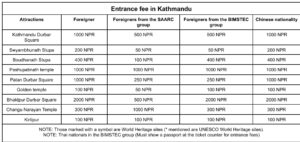 Chola Pass trek world heritage site entrance fees[/caption]
3. **Drive to Ramechhap, fly to Lukla (2,800m/9,186 ft), then hike to Phakding (2,610m/8,562 ft),15-minute flight and 3.5 hours hike. (3.5 hours Drive)** — Your incredible Himalayan adventure kicks off with an early morning drive to Rammechhap, giving you a look at Nepal’s beautiful countryside along the way.
Once you reach Mathali Airport in Ramechhap, you will board a small plane for a thrilling 15-minute flight to Lukla’s Tenzing, Hillary Airport. Prepare for a truly unforgettable landing on its famous short, sloped runway, an adventure in itself.
Keep in mind that flying from Ramechhap is the most common option during the busy trekking season, which runs from September to November and March to May. Outside of this month's flight to Lukla typically departs directly from Kathmandu.
As soon as you land, it looks like the official gateway to the Everest region, your trip begins. You will start with a relaxed three to four-hour hike to Phakding, a charming village located right on the Dush Koshi River. The trail winds through stunning valleys past colourful prayer stones in a suspension bridge decorated with prayer flags, giving you a perfect first taste of the Khumbu valley’s natural beauty with Sherpa culture.
4. **Trek to Namche Bazaar 3,440 m - 06 hrs.** — Today, your trip truly gains momentum as you make your way to the bustling hub of Khumbu Valley, Namche Bazaar. Starting from Phakding, the morning walk is a delightful experience following a pleasant trail that meanders through a lush forest of pine and rhododendron trees. As you walk, you will be treated to intermittent views of snow-capped peaks, as a stunning preview of the magnificent scenery to come.
The trail follows the Dudh Koshi River upstream, passing several suspension bridges before reaching the official entrance to Sagarmatha National Park at Monjo. This park, designated as a UNESCO World Heritage Site in 1979, is a protected area of immense natural beauty and ecological importance. After the brief stop for permit checks, you will cross the iconic high suspension bridge, a moment of exhilarating excitement for many travellers, and begin the final steep ascent.
This demanding climb leads you to the Namche Bazaar, a vibrant amphitheatre-shaped village perched high on the hillside. Often called the “Sherpa capital”, Namche is a lively town that serves as a central hub for travellers and locals alike. It is the last place on the trek with a wide range of modern amenities, including ATM's, banks, cyber cafes, bakeries, and an area of shops selling everything from trekking gear to traditional crafts.
As you settle in, you’ll be rewarded with your first clear view of some of the region’s stunning peaks, including the formidable Kwangde.
5. **Rest day at Namche Bazaar for acclimatization and excursion.** —
Namche Bazaar is an ideal and perfect spot for a leisure and rest day to get acclimatized at an altitude of 3,440 meters. Morning, having breakfast, take a short walk to the top of Namche Park headquarters area houses an interesting museum full of information on the Khumbu / Everest area, with culture, history, mountaineering, flora and fauna, with Sherpa past and present traditional life.
High hill of Namche offers stunning views of Amadablam, Tharmaserku, Kantega, Kwangde, Khumbila with Mt. Everest and Lhotse towards the North.
After an impressive morning, head back to the lodge for lunch with the afternoon free to relax and catch up with the dairy and browse around the street of Namche, where once a week Saturday market/bazaar takes place.
6. **Trek to Dole 4,110 m - 06 hrs.** — After a well-deserved rest in the town of Namche Bazaar, your trip continues on a pleasant, wide trail. Today's journey is truly a feast for the eyes, offering you some of the most spectacular vistas of the trip. As you walk, you will be treated to magnificent views of the iconic peaks like Mount Everest and Lhotse and the stunning pyramidal peak of Ama Dablam, all standing majestically on the horizon.
The route gradually separates from the main Everest Base Camp trail, leading you towards the less-traveled path to Gokyo Valley. You’ll ascend to the Mong Hill, a scenic ridge that offers panoramic views of the entire valley. From here, the trail descends steeply to Phortse Tenga, a small settlement nestled beside the Dudh Koshi river and surrounded by dense forest. After a brief rest, you’ll begin the steady climb towards your destination for the day.
The final ascent to Dole is a gradual but continuous climb. Dole is a small collection of lodges and is the first village you will encounter on the way to the Gokyo lakes. This marks a significant change in the landscape, as you will leave the lush tree-filled environment behind.
As you arrive at Dole, you will notice the thinning air and the absence of three lines signalling your entry into the High altitude wind-swept alpine zone. The lodge is there are simple but provides welcome comfort after the day of trekking. Enjoy well-earned rest, as this will be your highest overnight stay at a crucial step in your accommodation for the days to come.
7. **Trek to Machhermo - 4, 465 m - 04 hrs.** — Today's trek is a captivating journey through the high alpine landscapes of the Khumbu Valley. You’ll begin with a brief uphill climb, which then levels out into a pleasant, undulating trail. As you walk, you’ll be rewarded with a truly grand and expensive view of the surrounding high peaks. The terrain opens up, and you’ll find yourself in the region dominated by Yak grazing pastures, a clear sign of the high altitude environment.
Continuing on the slow, easy path, you will pass through a few scattered settlements, all existing these seasonal homes for the Yak herders. The walk culminates as you reach a crest overlooking Machhermo. From this vantage point, you’ll be greeted with an extraordinary view of Mount Cho Oyu, the world’s sixth-highest peak, which dominates the northern skyline.
After soaking in the magnificent scenery, you will descend into the small but welcoming village of Machhermo. Upon arrival, you’ll check into the lodge for lunch and an overnight stay. The afternoon is intentionally free, providing a crucial opportunity for acclimatisation.
You can use this time to take a short exploratory walk around the area, which helps your body adjust to the thinner air. Machhermo is a beautiful and serene spot, perfect for relaxing and enjoying the dramatic Himalayan scenery. We're continuing your ascent towards the renowned Gokyo lakes.
8. **Trek to Gokyo Valley and main 3 Lakes 4,800 m - 04 hrs.** — Today marks a major highlight of your trip as you journey to the spectacular Gokyo Valley, home to a series of stunning glacial lakes. This is a relatively short trekking day, allowing your body to acclimate slowly to the significant gain in altitude.
The walk begins with a gradual climb, taking you higher into the impressive Gokyo valley. Through a small settlement called Panga, a sign that you are nearing the famous lakes. The scenery truly transforms as you come up on the first of the Gokyo lakes, its turquoise waters gleaming under the Himalayan sun.
Continue along the trail, passing the second leg before arriving at the third and the largest lake, where the lodges are located. The lodges are perfectly situated, offering breathtaking views of the emerald coloured lake and surrounding peaks.
Upon arrival, you will have a well-deserved lunch. The afternoon is yours to relax and soak in the incredible scenery. Take a peaceful stroll along the Lakeshore where you can admire the magnificent reflections of the surrounding peaks like Cho Oyu, the world's sixth-highest mountain, and Gyachung Kang.
The tranquil beauty of Gokyo Lakes provides a perfect backdrop for rest and appreciation, preparing you for the next day’s climb to Gokyo Ri.
9. **Rest day at Gokyo with climb of Gokyo-Ri for scenic mountain panorama.** — Today is a crucial and rewarding rest day in Gokyo, designed to allow your body to adapt fully to the altitude of 4,800m, where you have risen from the lower elevations before. The main activity of the day is an invigorating pre-dawn hike to the summit of Gokyo Ri, the highest point of this leg of the journey at 5,357m (17,575ft).
You’ll start this morning’s climb well before sunrise to experience one of the magnificent spectacles in the Himalayas: a panoramic sunrise over the world’s highest peaks. The steep, 2-3 hours steep ascent to the top is challenging, but every step is worth it.
From the summit will be treated to the breathtaking 360° panorama view includes four of the world's highest mountains: the iconic Mt. Everest, Lhotse, Makalu, and Cho Oyu. The view also extends over the turquoise Gokyo Lakes and the massive Ngozumpa glacier, the largest in Nepal.
After spending some unforgettable moments at this summit, you will descend back to your lodge in Gokyo for a well-deserved breakfast. The remainder of the day is free for you to relax, explore the village, or simply enjoy the serene beauty of the Lakes.
This day of “climb high, sleep low” is a vital part of the recommendation process, ensuring you're strong and ready for the next phase of your trip.
10. **Trek to Thagnak 4,670 m at the base of Cho-la Pass - 04 hrs.** —
Another leisure day walks of a few hours on leaving the main Gokyo area and its lakes, where the route leads close to Ngozumba glacier to reach a small Yak herder settlement at Na, then walk for another hour to Thagnak for an overnight stop at the bottom of the high Cho-la pass.
Today is another relatively short and important day for your acclimatisation. You will leave the main book, your valley and its lakes, following a trail that skirts the massive Ngozumpa glacier.
This is a powerful experience as you walk alongside the longest glacier in the Himalayas, its surface a vast expanse of rock and ice leads you to a small Yak herder’s settlement called Na, where you may see Yaks grazing in a barren high altitude landscape.
From there, you will continue for about an hour to reach Thangnak. This small collection of lodges serves as a vital staging point at the very bottom of the High Chola Pass. Its location is strategically chosen for an early start the following morning, as we prepare to cross one of the most challenging and rewarding sections of the Everest Region adventure.
11. **Cross high Cho-la pass above 5,430 m and descend to Dzongla 4,815 m - 08 hrs.** —
Today is the most challenging and rewarding day of your trip, requiring an early start to cross the High Chola Pass. The journey begins with a steep and demanding climb to the top of the past, which is also spelled as Tsho la, with “Tsho” meaning “Lake” In the local Sherpa language.
Although some small ponds may exist, they are often frozen solid throughout the year and are covered by rock falls and glacial movements, a testament to the dynamic nature of this high-altitude environment.
The pass itself is a high altitude reached that acts as a dramatic divide between the serene Gokyo Valley and the rugged trail leading to Everest Base Camp. As you reach the summit at 5,420m (17,782 ft), you will be greeted by a breathtaking sight: the top is adorned with Buddhist prayer flags that flutter in the wind alongside a large rock cairns that serve as a trail marker and a spiritual monument.
After soaking in the incredible sense of accomplishment and panoramic views, you will begin a careful descent. The trail down from the past is steep and rocky, requiring focus and stable footing. The path leads through to Dzongla, a small, isolated settlement nestled at the base of the mountain. After a long and tough day of trekking across the pass, the simple comfort of the Lodge in Dzongla is are welcome relief, providing a peaceful place to rest and recover for the next leg of your journey.
12. **Trek to Lobuche 4,930 m - 05 hrs.** —
Today's trek is a significant one as you rejoin the main Everest base camp starting from Dzongla. The morning begins with a close-up view of the impressive peaks of Cholatse and Taboche. That really starts with a gradual uphill climb for about an hour, levelling out into a pleasant undulating path. You will soon reach Thugla (Dugla), a small settlement where the trails from Pheriche and Dingboche converge, marking your official re-entry into the classic EBC route.
From Thugla, the path becomes a somber and poignant climb up to the terminal moraine of Khumbu Glacier. This section is a memorial area with numerous stone memorials and cairns dedicated to the climbers who lost their lives on Mount Everest. It's a powerful and respected part of this journey. After this steep climb, the trail smooths out into a scenic path that leads directly to Lobuche.
Lobuche is a small, windswept village with a handful of lodges. Despite its remote location, the comfort of your cousins-in-law will be a welcome sight. Situated at the base of mighty Lobuche peak, this village is your final overnight stop before the main objective of your trek: Everest Base Camp and Kala Patthar. The views of your surrounding peaks from here are absolutely stunning, setting the stage for the final push after an incredible expedition.
13. **Trek to Gorakshep 5,170 m, Everest Base Camp 5,364 m back at Gorakshep - 06 hrs.** —
Today is the culmination of your entire trek as you set out to reach the legendary Everest Base Camp. The morning begins with a steady climb above the massive Khumbu Glacier. As you ascend, the views become more and more respected. Capture with granite close-ups of the towering peaks like Mount Pumori and Lingtern, and Khumbutse, all standing guard around the Colossal Mount Everest . After a few good hours of walking, you will arrive in Gorakshep, a small isolated settlement that serves as the final stop with overnight accommodations before base camp.
After a brief, well-deserved rest at your loss, you will continue your journey to the Everest Base Camp. The 20 average base camp is an exhilarating walk across the rocky moraine and the Khumbu Glacier. Changing glacial landscape.The sight climbing teams in the distant signals that you have arrived. At the basecamp is surrounded by the awe-inspiring scenery of the Khumbu icefall and the vast glacier. After enjoying this incredible moment and capturing unforgettable photos, you will begin your return journey.
You’ll trek back to Gorakshep for the night. Spending the evening here allows you to rest and prepare for another major highlight of the trip tomorrow. The pre-dawn climb to the summit of the Col for the most iconic views of Mount Everest at sunrise, after a hard but rewarding day of achieving the primary goal of the expedition, a well-earned night of rest awaits.
14. **Hike to Kalapathar 5,545 m trek to Pangboche 3,900 m via Pheriche.** —
Your day begins before sunrise with a challenging and rewarding climb to the summit of Kalapatthar. The steep ascent to this highest peak of your trek, at 5,545 metres (18,192 feet), takes a few hours.
The iconic viewpoint is the Rocky black knoll that offers the most intimate and spectacular panoramic views of Mount Everest.
As the sun rises, it illuminates Everest in this stunning golden glow, a truly unforgettable moment that makes the strenuous climb entirely worthwhile. From the top, you'll be treated to a breathtaking panorama of the surrounding giants, including Pumori, Ama Dablam, and Nuptse.
After capturing these incredible memories will descend back to Gorakshep for a well-deserved breakfast. Your journey then continues with a long but scenic trip towards the lower valleys. The trail leads you to finish a temporary settlement in a wide, windswept valley. We stopped for lunch and enjoyed a magnificent view of peaks like Taboche, Cholatse, and Ama Dablam. In the distance, you might even catch a glimpse of majestic Mt. Cho Oyu.
15. **Trek to Namche Bazaar - 06 hrs.** —
Today marks a significant distance as you retrace your steps towards the bustling town of Namche Bazaar. The journey begins with a pleasant downhill walk from Pangboche to a bridge that crosses the Imja Khola river. After crossing the bridge, you will begin a steady hour-long climb that brings you back into the famous village of Tengboche. Here you are officially back within the dense forest of pine and rhododendron, leaving bearing high-altitude landscape behind.
Tengboche is a beautiful place, home to a magnificent monastery, one of the most important days in the Khumbu Valley. You will have some time to relax and perhaps visit the monastery, taking in its peace and spiritual atmosphere. From Tengboche, you will continue your trip following a familiar path as you retrace your journey. The trail meanders through forested hillsides, offering different perspectives of the surrounding peaks.
After a few more hours of walking, you will arrive back in Namche Bazaar. This feels like a return to civilization after your time in higher, more remote regions.Uh-huh.Bake or simply relax and reflect on the incredible journey that we have just completed. The overnight stop in Namche is a welcome comfort before the final push to Lukla.
16. **Trek back from Namche Bazaar to Lukla - 06 hrs.** —
Today marks the final day of trekking on the incredible Himalayan adventure is so long but pleasant and enjoyable walk back to the gateway town of Lukla. The journey begins with a brief uphill climb out of Man, she was, after which the trail becomes a gentle descent.
The path meanders through familiar landscapes, passing through lush forests, charming villages like Phakding, and across several suspension bridges. This final leg of the trip offers a perfect opportunity to reflect on the challenging passes, magnificent peaks, and rich culture you have experienced.
The walk is a celebratory were filled with a sense of accomplishment. As we get closer to Lukla, the anticipation of reaching the end of your trekking journey grows. Upon arrival, you will check into the lodge for a final night in Khumbu Valley.
This evening is the time to relax and celebrate with your trekking companions and crew. It is also a special moment to bid farewell to the loyal and friendly porters and guides whose hard work and support made this unforgettable expedition possible. Enjoy your final dinner together, sharing stories and memories of your journey before your flight out tomorrow.
17. **Fly back to Kathmandu afternoon free at leisure.** —
Today marks the final leg of your journey in the Himalayas. You’ll begin with a short early morning walk to the Tenzing-Hillary airport in Lukla. After bidding a final goodbye to the majestic mountain, you’ll board a small aircraft for a thrilling and scenic flight back to Kathmandu. The 3335-minute flight offers a breathtaking aerial view of the Himalayan range, of beautiful final memory of your high altitude adventure.
Upon arrival at Tribhuwan International Airport in Kathmandu, you will be met by our team and transferred to your hotel. The rest of the day is yours to enjoy at leisure, or you can use your time to relax and recover from the trip, do some last-minute souvenir shopping in the bustling streets of Thamel, or explore some of the city's other vibrant neighbourhoods.
This is a day well deserved for rest and celebration, allowing you to reflect on the incredible journey you have just completed.
18. **Spare and free day in Kathmandu as contingency.** —
This day is designated as a crucial contingency at Buffer Day in Kathmandu. It's an essential part of your itinerary, designed to account for the unpredictable nature of mountain travel. Due to the variable weather conditions in the Everest region, flights to and from Lukla can sometimes be delayed or cancelled even during the peak trekking seasons. This extra day provides an important safeguard, ensuring that our international flight connections are not affected and allowing for a smooth and stress-free conclusion to your adventure.
Should your travel plans proceed without any hitches, this day becomes a fantastic opportunity for further exploration. You can choose to join our optional sightseeing tour with our expert city guide to delve deeper into Kathmandu's rich history and cultural heritage, visiting sites of great interest.
You'll spend the day at leisure, exploring the vibrant districts of Thamel, picking up the last-minute souvenir, or simply relaxing and reflecting on the incredible journey you have just completed. This day is a valuable addition, guaranteeing both Peace of Mind and a chance for a more memorable experience.
19. **International departure for homeward bound.** —
Last day in Nepal, the country of the high Himalaya and colorful culture, where our guide and staff transfer you to the airport for your international flight homeward bound or to your next respective destinations after a glorious time and experience on the Everest Base Camp Crossing Cho-la Pass Trekking.
## What's included
- Airport pick up and drop off by a private vehicle.
- Three-time Meal During trekking(Breakfast-Lunch-Dinner)
- All ground transportation on a comfortable private vehicle as per the itinerary
- Flight From Kathmandu to Lukla And Lukla to Kathmandu
- Guided city tour in Kathmandu by private vehicle
- An experienced, English-speaking, and government-licensed trek leader and assistant trek leader (10 trekkers: 1 assistant guide), Porter service (2 trekkers: 1 porter)
- Staff cost, including their salary, insurance, equipment, food and accommodation, down jacket, and sleeping bag (to be returned after trip completion)
- All necessary paperwork and trekking permits (Sagarmatha National Park and Khumbu Pasang Lhamu Rural Municipality).
- Medical kit (carried by your trek leader)
- All government and local taxes
- Trekking map
- Trekking certificate after the trek.
## Not included
- Nepalese visa fee
- Excess baggage charge(s)
- Private transportation, except what is mentioned in the What Is Included section
- Extra night accommodation in Kathmandu and Pokhara because of early arrival, late departure, early return from the mountain (due to any reason like natural disaster and your own problems) than the scheduled itinerary. Lunch and evening meals in Kathmandu (and also in the case of early return from the mountain, rather than the scheduled itinerary).) International flights
- Travel and rescue insurance
- Trekking equipment
- Personal expenses (phone calls, laundry, bar bills, battery recharge, extra porters, bottle or boiled water, shower, etc.) Tips for guide(s), porter(s) and driver(s)
## FAQ
**Q: What is the best time to Chola Pass Trek ?**
A: From March to May and September to December, months of the year, where March to May have longer days with many sunlight hours till late afternoon, with clear days for excellent views of snow-capped peaks and pleasant walks, can get cloudy with light rains and can snow on higher elevations sometimes.
**Q: How difficult is the Chola Pass trek?**
A: This is considered a challenging and adventurous trek suitable for experienced trekkers with a good level of physical fitness and a previous history of multi-day hiking.
**Q: Do I need a guide and porter for th Chola Pass Trek?**
A: While it's possible to go without, it is highly recommended to hire an experienced local guide and porter for safety, navigation, and to make the trip more enjoyable and less physically demanding.
**Q: What is the best time of the year to do the Chola Pass Trek?**
A: The best seasons are spring (March to May) and autumn (September to November), as these months offer stable weather, clear skies, and spectacular mountain views.
**Q: Is altitude sickness and major risk on Chola Pass Trek?**
A: As altitude sickness is a serious risk, the itinerary is designed for gradual acclimatisation, but you must be aware of the symptoms and descend if they worsen.
**Q: How much does the Chola Pass Trek cost?**
A: The cost varies widely depending on whether you book through an agency, the level of service, and the number of trekking days. A private trip can range from $1500 to $3000 per person.
**Q: What are accommodation facilities like during Chola Pass Trek?**
A: Accommodations are in the teahouse and lodges offering basic but comfortable twin-sharing rooms.. Facilities are rustic with simple meals and shared bathrooms at higher altitudes.
**Q: What kind of gear do I need to bring?**
A: You need a good pair of waterproof trekking boots, A warm sleeping bag, rated -15°C warm layers, and a waterproof jacket. A full list should be provided by your tour operator.
**Q: What kind of food is available on the trek?**
A: Tea houses offer a wide variety of meals, from local Nepali dishes like Dal Bhat to international options like pasta, pizza, and momo. The food is simple but provides the necessary energy for the trek.
**Q: How can I get the drinking water on the trail?**
A: Bottled and boiled water is available for purchase at lodges. It's recommended to carry your own water bottle and use purification tablets or a filter to reduce plastic waste and save cost.
**Q: What permits are required for the trek?**
A: You will need a Khumbu Rural Municipality permit and Sagarmatha National Park entry permit. This can be obtained in Kathmandu or along the trail at Lukla and Monjo.
**Q: How should I physically prepare for this trek?**
A: Focus on cardiovascular fitness through activities like hiking, running, and swimming. Also, incorporate strength training for your legs and core to handle steep ascents and descents.
**Q: What if there is an emergency on the trip?**
A: In case of a serious medical emergency, a helicopter rescue is the only option. So it's crucial to have comprehensive travel insurance that covers high altitude helicopter evacuations.
**Q: Is it possible to trek solo without a guide?**
A: While some parts are well marked, crossing the pass is dangerous without a guide, as the trail can be difficult to find and is often icy. It is not recommended to attempt this trek alone.
**Q: What is the Internet and phone connectivity like?**
A: Mobile networks, Ncell and NTC, work up to Namche Bazaar, but service is patchy and non-existent. Higher up, Wi-Fi is available for a fee at most lodges, but it can be slow.
**Q: Do I need to carry a sleeping bag?**
A: Yes, a warm sleeping bag rated for at least -15°C is good for night sleep. The teahouse and blankets may not be sufficient and the cold temperatures at higher altitudes.
**Q: How much cash should I carry with me on the trip?**
A: You should carry enough Nepali rupees for the entire trip from Lukla and back. There are no ATM's beyond Lukla, and lodges and shops only accept cash.
**Q: What is the food like at the teahouses?**
A: The meals are simple but high in carbohydrates to provide energy. The most common recommended dishes are Dal Bhat, a hearty meal of rice and lentil soup that is endlessly refillable.
**Q: What is the typical trekking schedule each day?**
A: Days start with an early breakfast around 7:00 AM, followed by three to four hours of trekking before lunch, and then a final two to three hours of walking to the next lodge.
**Q: What is the tipping etiquette for guides and porters?**
A: Tipping is not mandatory, but it customers a sign of appreciation for their hard work. A common guideline is to tip guides around 10 to $15 per day and porters around 5-$10 per day to be given at the end of the trip.
**Q: What is the main difference between the Chola Pass and the standard EBC trek?**
A: The Chola Pass trek is more challenging as it crosses a high-altitude pass and visits the beautiful Gokyo Lakes, offering a circular route that is more adventurous than the standard out-and-back EBC trail.
**Q: Are the tea houses on the trail heated?**
A: Two houses typically have a central dining hall with a fire yak dung stove that is lit in the evenings to provide warmth, but the bedrooms themselves are not heated.
**Q: What are the toilets and shower facilities like?**
A: Lower down the trail, some lodges have attached Western-style bathrooms with hot showers. At Higher altitudes, facilities are more basic, with squat toilets and cold water for free.
**Q: How much luggage can a Porter carry?**
A: Supporters Standard load is 20-25 kg (44- 55 lbs), which can be shared between two trekkers. It's recommended to keep your trekking bag light, around 10 kg per person.
**Q: What are the electricity and charging facilities on the trek?**
A: Electricity is available in most lodges for a fee. To charge devices. It's a good idea to carry a power bank or solar charger, as charging is more expensive and less reliable at higher altitudes.
**Q: What kind of wildlife might I see?**
A: You may spot with variety of birds, including the national bird, the Himalayan Monal, at higher altitudes might see, Himalayan Tahr or the elusive snow leopard, though sightings are rare.
**Q: How is a typical day at Chola pass trek structured?**
A:
Our typical day involves an early wake-up call, breakfast around 7:00 AM, treating for about 3 to 4 hours at the lunch spot, and then another two to three hours of drinking at the next teahouse for an early evening rest.
## Contact for this trip
- Operator: Info Nepal Tours and Treks · Thamel, Kathmandu, Nepal
- Phone: +977 9841936940
- Email: contact@intrekking.com
---
# Jomsom Muktinath Trek
URL: https://intrekking.com/trip/jomsom-muktinath-trek/
Last updated: 2026-07-09
## Facts
- Region: Annapurna Region
- Duration: 12 days
- Max altitude: 3,710 m
- Difficulty: Moderate
- Group size: 1-10 people
- Best season: March-May : September-November
- Price from: $949 per person
## Summary
A trek up the Kali Gandaki valley from Jomsom to the Hindu and Buddhist pilgrimage site of Muktinath, passing Marpha, Kagbeni and arid trans-Himalayan terrain, suited to walkers wanting culture and gorge scenery without high passes.
## Overview
Jomsom Muktinath trek is loved by many visitors in today’s context. Jomsom Muktinath is situated in North direction from Pokhara. This trek is specially made for 12-15 days but it can be completed in 5 days as a short trek. The distance from Jomsom to Muktinath is 16 km. On this trek, you will be able to visit different caves, Buddhist monasteries, mountains, ancient fort’s ruins, etc. You will not be taken more than 12,464 feet at the entire time of this trek.
Kali Gandaki river route is followed at ancient and in present, it is the most developed trekking trails. This trail is mostly used by Hindu and Buddhist pilgrims. Hindu is the lower part while Buddhists are the upper part. You will be able to see dazzling rhododendrons, rocky cliffs, and deserts.
You can see many breathtaking views of the mountains. You will be able to see 8 of the 20 highest peaks of the world during the time period of this trek: Dhaulagiri (26,788 feet), Annapurna I (26,538 feet), Annapurna II (26,040 feet), Nilgiri (23,097 feet), Annapurna South (23,684 feet), Annapurna III (24,787 feet), Mt. Annapurna IV (24,688 feet), Machhapuchhare ( 22,959 feet) it is known as Fishtail in English and Annapurna South (23,684 feet).
Mustang is counted as the best-preserved Tibetan Buddhist society in the world. Muktinath pilgrimage site, Kagbeni’s ancient fortress town, Frontier between lower and upper mustang, and the Tibetan Buddhist monasteries that are perched on ridges and cliffs of the Jomsom are revealed during this trek. You can find Tibetian culture in Nepali flavor in these places. The most exotic village which shimmers the shine of Tibetan culture is known as Kagbeni.
Traditional traders of Mustang and Jomsom are local people and Thakalis. They have changed their house into a tea house and count themselves among the successful innkeepers in Nepal. If you stay at a tea house, you can talk with the sougi(innkeeper) who will entertain you with the food or drink of your choice. Sougi will also share a different incident that might be knowledgeable for you of that place.
In the Annapurna area, Jomsom Muktinath trekking is taken as the most prominent trekking trail. The most pleasing experience is that you can dip your body into the hot spring at Tatopani. On your trek, you will also walk on trails along the Kali Gandaki gorge which is known as the deepest gorge on earth.
Thakali people are mostly found in these places. Jomsom is the headquarters of the Mustang district that has made it more popular and commercial. When you will visit Kagbeni which is one of the popular Himalayan places in Nepal then you will understand the culture and customs of this high land.
## Itinerary
1. **Arrival in Kathmandu** —
On this day we arrived in Kathmandu and went to our hotel and get ready for the trek. We visited the Kathmandu valley and many temples.
2. **Fly to Pokhara (823m) and trek to Ulleri (2000m) 5 hours** —
We woke up early and took fli8ght to Pokhara. Then we started our trek to Ulleri and stayed at local hotels. We saw many mountains and hills from Ulleri. It takes 5 hours for us to reach Ulleri from Pokhara.
3. **Trek from Ulleri to Ghorepani (2750m) 7 hours** —
Early in the morning after having breakfast we head towards Ghorepani from Ulleri. It took nearly & hours for us to reach Ghorepani. On the way, we saw many snowcapped mountains and we got a chance to see the sunset from Poonhill.
4. **Trek from Ghorepani to Tatopani (1190m) 6 hours** —
On this very day, we trek from Ghorepani to Tatopani. We walk around 6 hours to reach Tatopani from Ghorepani We saw many villages and flora and fauna on the way and the most amazing was the eye-catching view of the snowy mountains.
5. **Trek from Tatopani to Ghasa (2110) 6 hours** —
We start our trek from Tatopani to Ghasa. We walked around 6 hours and during this time we saw many Hillarious natural resources scenery.
6. **Trek from Ghasa to Marpha (2680m) 5 hours** —
Today morning we are moving towards Marpha from Ghasa. We can see people from different ethnics group. We can see their culture in close view. We can see many mountains too.
7. **Trek from Marpha to Kagbeni (2810m) 5 hours** —
We get up early in the morning and start our trek from Marpha to Kagbeni. It took us around 5 hours to reach there.
8. **Trek from Kagbeni to Muktinath (3710m) 6 hours** —
Today is the day 8 of our trek and we are moving forward towards Muktinath from Kagbeni. We walked around 6 hours to reach Muktinath where the holy temple Muktinath lies.
9. **Trek from Muktinath to Jomsom (2710m) 6 hours** —
Today we woke up early and start trek from Muktinath. We visit holy temple Muktinath and head towards Jomsom. It took us nearly 6 hours to reach Jomsom.
10. **Fly from Jomsom to Pokhara** —
Today we woke up early and head towards Jomsom airport. We flew from Jomsom to Pokhara.
11. **Drive from Pokhara to Kathmandu** —
This is the day to return to our hotel at Kathmandu. So drive from Pokhara to kathmandu.we visited different cultural and religious sites in Kathmandu valley.
12. **Final Departure** —
Today We departure from Kathmandu. We had an amazing experience throughout this trek.
## What's included
- All the airport and hotel transfer by private jeep/car.
- 2 nights hotel accommodation in Kathmandu city inclusive bed and breakfast.
- 2 nights hotel accommodation in Pokhara city inclusive bed and breakfast.
- Kathmandu-Pokhara-Kathmandu transportation by tourist bus.
- All the essential trekking permits for the trek.
- An experienced English speaking trekking guide for the trek.
- Supporting porters to carry your luggage. (1 porter for 2 people)
- Pokhara to Jomsom airfare and airport taxes.
- A comprehensives medical kit box.
- Farewell dinner in a typical Nepali restaurant after trip completion.
## Not included
- Meals and Accommodation in Kathmandu and Pokhara
- Deserts (cakes, bakes and pies)
- Additional size of Pots Hot Drinks
- Bottled drinks
- Boiled water
- Electronic device re-charge
- Hot shower
- On the trekking Wi- Fi
- Personal expenses any type
- Travel insurance and evacuation insurance
- Tipping for Guide and Porter
## FAQ
**Q: How difficult is the Jomsom Muktinath Trek?**
A: It's rated Moderate, with 5-7 hours of walking most days over 12 days. The trail isn't technical, and the altitude (topping out at 3,710m in Muktinath) is manageable for most reasonably fit trekkers, making this a good option for those wanting Himalayan views and Mustang culture without extreme altitude exposure.
**Q: What's the highest point on this trek?**
A: Muktinath, at 3,710m, is the trek's highest point — well below the altitude range where serious AMS risk becomes a major concern, though a sensible pace and basic altitude awareness still matter.
**Q: Are flights involved in this trek?**
A: Yes the trip includes a flight from Kathmandu to Pokhara, and later a short mountain flight from Jomsom back to Pokhara. The Jomsom leg is known for occasional wind-related delays, so it's worth keeping some schedule flexibility around that flight.
**Q: Is this trek suitable for beginners or families?**
A: Yes, the moderate rating, manageable altitude, and well-established teahouse infrastructure make this a reasonably approachable trek for beginners and families with older children, especially compared to higher-altitude routes like Everest Base Camp.
**Q: Is travel insurance included in the price?**
A: No, travel insurance covering evacuation is excluded from the trip cost and should be arranged independently before you arrive, even though this trek doesn't reach extreme altitude.
**Q: What permits do I need for this trek?**
A: All essential trekking permits, including the Annapurna Conservation Area Permit (ACAP) and TIMS card, are arranged for you and included in the trip cost.
**Q: Is this trek suitable for solo travelers?**
A: Yes, group sizes run from 1–10, and an experienced, English-speaking trekking guide accompanies every group regardless of size, along with porter service (one porter per two trekkers).
**Q: What's the significance of Muktinath for pilgrims?**
A: Muktinath is one of the holiest sites in Nepal for both Hindus and Buddhists, home to eternal flames and 108 sacred water spouts. It draws pilgrims from across Nepal and India seeking blessings, making it one of the most spiritually significant stops on the entire trek.
## Contact for this trip
- Operator: Info Nepal Tours and Treks · Thamel, Kathmandu, Nepal
- Phone: +977 9841936940
- Email: contact@intrekking.com
---
# Everest Base Camp with Gokyo Lake Trek
URL: https://intrekking.com/trip/everest-base-camp-with-gokyo-lake/
Last updated: 2026-07-09
## Facts
- Region: Everest Region
- Duration: 17 days
- Max altitude: 5,160 m
- Difficulty: Moderate
- Group size: 1-20 people
- Best season: March-May : September-November
- Price from: $1,399 per person
## Summary
A trek in the Everest region combining the Gokyo Valley and its glacial lakes with Everest Base Camp by crossing the Cho La pass, with viewpoints at Gokyo Ri and Kala Patthar, for trekkers wanting both valleys in one circuit.
## Overview
The Everest Region is one of Nepal’s best climbing goals. Similarly, the Everest Base camp With Gokyo Lake Trek is its own particular preeminent climbing enterprise. Moreover, it spreads over three moves of more than 5,000m, each offering phenomenal landscapes and perspectives.
Everest Via Gokyo Ri Trek is a high-height trek that takes you to the Sherpa Homeland ( Namche Bazar). At that point, the street climbs to Grand Gokyo Valley into the frigid lakes underneath Cho Oyu( 8153m.). Everest with Gokyo Lake Trek Gives the glorious perspectives of Majesty Himalayas. This includes Mt. Everest, Mt. Lhotse, Makalu, Cho Oyu. However glorious mountain sees this audacious climbing gives the mainstream Cho la pass, Sherpa’s neighborliness, vegetation and faunas of Sagarmatha National Park, beautiful Buddhist religious communities wrapped with supplication banners, Khumbu Glacier, and a ton more.
Kalapathar is simply one more feature of Everest with Gokyo Lake Trek that is equally important to encounter all-encompassing perspectives of Mt. Everest and its neighboring mountains. Likewise, Gokyo Valley commonly called the Yeti’s home would be a fantastic test and furthermore an accomplishment. Even though Everest Via Gokyo Ri Trek is evaluated as a hard one it matches physically solid and prepared trekkers who truly venerate a test.
Hence, Everest with Gokyo Lake Trek is critical do trekking for individuals who have a longer period around there. Without question trekking in Everest Region with Info Nepal Tours Treks staff is a beneficial affair. Additionally, Our well-disposed and expert experienced professionals will make your trekking to Everest Base Camp Via Gokyo Ri totally magnificent.
Everest Base camp with Gokyo Lake Trek Highlights
Everest base camp
Gokyo Lake
Gokyo Ri
Beautiful Gokyo Valley
Khumbu Icefall
Kala Patthar
Tengboche Monastery
Itinerary Overview
Day 01: Fly Kathmandu to Lukla and trek to Phakding
Day 02 : Trek to Namche (3440m)
Day 03: Rest Day In Namche/Acclimatization.
Day 04 : Trek to Mongla (3970m)
Day 05 : Trek to Dole (4038m)
Day 06 : Trek to Machhermo (4465m)
Day 07 : Trek to Gokyo(4720m)
Day 08 : Trek to Machhermo (4465m)
Day 09 : Trek to Phortse (3840m)
Day 10 : Trek To Dingboche(4400m)
Day 11 : Trek to Lobuche(4900m)
Day 12: Trek to Gorak Shep – Everest Base Camp-Gorakshep(5160m)
Day 13: Trek to Kalapaththar to Pheriche(4200m)
Day 14 : Trek to Namche Bazaar (3346m)
Day 15 : Trek to Phakding (2652m)
Day 16 : Trek to Lukla (2800m)
Day 17: Fly Back Kathmandu
## Itinerary
1. **Fly Kathmandu to Lukla and trek to phakding** —
Early at the beginning of today you will load onto a plane to get a quick travel from Kathmandu to Lukla (2827m) (around 45 minutes). That is no general flight - you will fly parallel to the monsters of the Himalayas and, regardless of whether the climate is awesome, be sure that you secure a seat on the left for great perspectives of the slopes circumscribing Nepal and China. You will contact down on an airstrip worked by Sir Edmund Hillary and the Sherpas from the mid-1960s. At that point the time has come to fulfill your watchmen and require a while to warm up with an examination of the town of Lukla. Following a fast security talk, outfit and begin your trek to Phakding. You will plunge towards the frigid cold waters of the Dudh Kosi River, where you may join the principle trail to Namche Bazaar, arranged simply above Chaunrikharka (2713m). The walk is simple and in the wake of going through the little town of Ghat (2550m), it is only a short stroll to Phakding.
2. **Trek to Namche (3440m)** —
Today you will trek around 7 hours to Namche Bazaar, where you will spend a couple of days acclimatizing to the elevation. You will likewise get your first take a gander at Everest itself. From Phakding you will cross the stream and head up the valley, following in the strides of the watchmen stuffed with provisions for Namche Bazaar. The street, fixed with blue pine woods, takes after the stream valley and can be especially breathtaking in spring once the rhododendron blooms are splendid in bloom. Cross the Dudh Kosi River in Benkar, and appear to be far up more than 6,000 meters to decide the pinnacles of snow-topped Kusum Kanguru (6369m) and Thamserku (6623m). Press to Monjo (2835m), a phenomenal place to break for lunch. From here the walk starts to get somewhat harder, with a precarious climb to Namche Bazaar. Enter to the recreation center, cross the waterway through the town of Jorsale (2805m) and proceed . Cross another radiant suspension extension and begin the climb to Namche Bazaar. Get out your camera as today there'll be the main look of the pinnacles of Everest, Lhotse, Nuptse and Taweche. Namche are your last chance to affirm your apparatus and utilize any additional hardware to your high elevations from Dingboche onwards. Namche Bazaar is likewise the last chance to appreciate the neighborhood nightlife or visit the pool lobby and motion picture parlors
3. **Rest Day In Namche/Acclimatization.** —
You will stay at Namche Bazaar for a second night so you can accurately adapt to the height. Among the best approaches to do as such is to just take strenuous stroll up to a best rise at that point return down to rest so there is a discretionary stroll over the Bhote Khola River Valley towards Thami (3810m). Going for a walk to see both the dawn and nightfall sees in the recreation center base camp over the town is likewise a superb option. This grand vista includes a super display of the Khumbu tops and fabulous perspectives of Everest. The government stop home office are home to intriguing showcases about Sherpa culture and way of life, and additionally likewise the nearby verdure. Namche picked up its essentialness for the duration of the time when Tibetan salt was traded for its marsh grains of Nepal. Floor coverings, garments, dried and salt meat in any case complete a thundering exchange from the town focus, thusly deal for any extra supplies you may require.
4. **Trek to Mongla (3970m)** —
By Namche, you may climb to the airstrip in Shyanboche, at that point to a lunch put in Khumjung, the greatest town in the territory. Here you can top off on dhal bhat, noodles, and considerably more. Transcending above Khumjung is the hallowed rough summit of Khumbilya (5761m). It is the place of the defender goddess of the territory, as often as possible portrayed in religious canvases (or even thangkas) as a white-colored figure on a steed. The street twists over Khumbilya's lower inclines, going through wonderful birch woods and afterward scaling out of treeless, verdant slants into a stupa over a rough valley (3992m). Yet again the perspectives of the encompassing mountains are altogether glorious. Phortse could be found all through the valley - a pleasant town set in an interwoven of stone walled regions. You'll remain medium-term in the group of hotels on the seat, additionally called Mongla.
5. **Trek to Dole (4038m)** —
Acclimatization is intense, so ensure you relax throughout the following 3 times and don't propel yourself too hard. By Mongla, dive 300 meters on a progression of bend ways to the Dudh Kosi River in Phortse Bridge. The street to Gokyo could be misdirecting and a couple can rise too quick, anyway you'll take as much time as is needed. Leaving Phortse Bridge, you will rise steeply at first and after that shape high finished the valley, getting a charge out of astonishing perspectives (extremely, every assessment is outside excellent ) of Kantega, Thamserku and Ama Dablam (6856m). Around one hour's walk around Phortse Bridge, you will get your first perspectives of this epic summit of Cho Oyo (8153m) in the leader of this valley. Trek outside of the tree line and move some monumental cascades while in transit to the yak crowding settlements of Tongba (4015m) and Gyele (4050m). From here it is a short space to Dole, in which you will spend the night. You will likewise investigate the best Dole Valley while you are here, returning utilizing a high edge over the cabin to shoot some phenomenal pictures of Cho Oyo and Gyachung Kang (7922m) into the northwest, and Taweche (6542m) and Cholatse (6440m) all through the valley toward the east.
6. **Trek to Machhermo (4465m)** —
You may come to love the expression'brief strolling evening'. Presently will be only that, utilizing an ascent from the little Dole Valley before a moderate rising up the Dudh Kosi Valley, high over the waterway. Despite the fact that the walk is somewhat simple you will start to feel the impacts of height on the littlest mountain. The exposed high landscape, with just modest groups of clean juniper, is a conspicuous difference to the cold white pinnacles and dark blue sky. Following a couple of hours you will touch base in Luza (4360m), at that point soon enough you will hit the paychecks in Machhermo - this evening's cabin. On the off chance that you are as yet feeling lively, at that point after lunch there is the decision to pick a trek crosswise over rough rubble into the base of Kyajo Ri (6168m) and Machhermo Peak (6073m). Watch out for a sasquatch anyway - it had been seen in 1974 after three yaks were killed alongside a Sherpa lady was harmed when endeavoring to battle a bushy, primate like gatecrasher!
7. **Trek to Gokyo(4720m)** —
Presently you will require another word to depict the shading blue in the wake of survey the Gokyo Lakes. A short, soak climb leads in the Machhermo Valley on into the precarious lush slants of the Dudh Kosi Valley. Keep an eye open for the energetic Tibetan snow cocks, much of the time introduce inside this field. The valley augments as you go through Pangka (4390m) and to this muddled moraines (ice sheet flotsam and jetsam) of Ngozumpa Glacier, the biggest in Nepal and furthermore the birthplace of the Dudh Kosi River. Climbing steeply over a rough trail you will keep into the western side of the icy mass to accomplish a little lake in the core of an expansive valley and pass a greater lake in Longpongav (4690m), before after the horizontal moraines into the third lake in Gokyo (4750m). Gokyo has many shake abodes encompassed by shake walled yak pastures. Presently's hotel is arranged close to the lake and, regardless of whether there aren't any mists round, the sunroom will be flawless and hot in the day. For those inclination fiery, it is well worth climbing to the edge in the back of Gokyo for assessments down into the compelling Ngozumpa Glacier.
8. **Trek to Machhermo (4465m)** —
Get up early to get a few hours scale up Gokyo Peak, which includes among the best panoramas in the Khumbu area. It is a simple but steep rise, and it may be tiring because of the elevation. There is also a bird's eye perspective of the Gokyo lakes along with also the huge creaking Ngozumpa Glacier, today cutting halfway through the globe and snaking its way down the valley much below. You will return back to Gokyo to get a late breakfast and then retrace your steps back into the snout of the glacier and keep down the valley back into Machhermo. You may be surprised readily and fast you will pay the return path -- that is acclimatisation!
9. **Trek to Phortse (3840m)** —
Nowadays we have got something unique to talk with you. Not a lot of classes quit in Phortse, a conventional Sherpa village that provides an insight into their own life and civilization (so let's keep it our little secret). Here you will be almost entirely over the tree-line, therefore the sunsets make for ideal pictures. A leisurely start to the afternoon will end down the valley into Dole, where you will go into the woods to keep the descent into Phortse Bridge. Keep an eye open for musk deer, that can be often viewed on this part of this road. Here you're going to stop for lunch then branch off the main trail to Namche, crossing the Dudh Kosi and ascending to the village of Phortse, where several trekkers pass onto their own Everest trek. The magnificent mountain views, quiet and peace of the village make this among the highlights of this trek.
10. **Trek To Dingboche(4400m)** —
This morning's walk will take you across a ridge before descending in an exposed road into the Imja Khola. Keep an eye open for Himalayan tahr, frequently seen perched precariously on the crags top over the trail. Connect the road coming from Thyangboche through the suspension bridge, then slowly climb into the village of Pangboche, in which the summit of Ama Dablam overlooks the skyline. Have lunch and then take the chance to find the gorgeous monastery that once placed (what was maintained as) the scalp and hand of a yeti. After lunch, then follow the road high above the Imja Khola, passing the tea homes at Orsho, before again crossing the Imja Khola and older glacial moraines into some lodge Dingboche. Here you will get a gorgeous patchwork of small fields enclosed by rock walls. These walls shield plants of barley and potatoes from the cold winds. The scene is once more spectacular and even though Everest is going to be concealed beneath the Lhotse-Nuptse Ridge, the tremendous peaks which tower over the eastern end of the valley are more than deserving. If the weather is appropriate, then there'll be stunning sunsets illuminating the peaks -- Ama Dablam, the south face of Lhotse to the north, and additionally Island Peak at the middle of the shore.
11. **Trek to Lobuche(4900m)** —
By Dingboche, ascend the little ridge behind the village over the Pheriche valley. In the stupa on top, Taweche and Cholatse (6440m) create a fairly dramatic scene; they appear to lean forward from throughout the valley from the west. On the northwest, Lobuje Peak (6119m) and the snowfields of the Cho La would be the kings of this skyline. The walking will be pretty flat on wide-open areas, but keep in mind that there is no hurry -- just take your time and make sure you are well hydrated. Late in the morning you'll cross the Khumbu Khola in Dughla and require a light lunch in the foot of this enormous terminal moraines of the Khumbu Glacier flowing off Everest. In the day, there'll be a strong and rather steep rise on a rocky path to the peak of the moraines. On the crest of this ridge, you are going to pass a line of memorial cairns (heaps of stone ), built in memory of the Sherpas and climbers that have died on different Everest expeditions within the past fifty or so years. From here the view is completely spectacular once more, together with Pumori (7145m), Lingtren (6697m), Khumbutse (6623m), and across the border from Tibet, Changtse (7550m), surrounding you. Then stick to the valley flow into the paychecks at Lobuje, arriving early afternoon. Undoubtedly you are going to be exhausted now, but recall tomorrow's strategy -Everest Base Camp.
12. **Trek to Gorak Shep - Everest Base Camp-Gorakshep(5160m)** —
That is the large one, the afternoon of Everest Base Camp. Enjoy a leisurely breakfast as the trek to Gorak Shep is comparatively brief. By Lobuje, follow the wide valley which runs parallel to Khumbu Glacier, using a slow ascent permitting you to construct the slow, steady rhythm needed when walking in high elevation. When you get to the moraines of Changri Nup Glacier, you will earn a run of small ascents and descents above a rocky road lined with cairns that finally contributes to the sudden glacial areas of Gorak Shep (5160m) -- attained after about three hours of walking. Now is the time to catch a fast snack, equipment up appropriately, then head towards Everest Base Camp. The trek into the base camp can be accomplished in about three hoursand when trekking at the hot rising period of March to May, you will most likely encounter yaks and porters providing food and gear to expeditions here. By Everest Base Camp that you won't get opinions of Mount Everest, however you can see glorious glaciers, lakes, deserts, as well as the infamous Everest Ice Fall which escapes from the Western Cwm. It is considered the toughest and most dangerous element of this mountain. The return journey in the Base Camp to Gorak Shep takes exactly the exact same period of time. You'll have an early dinner so you are in a position to wake up early the next evening to get awe-inspiring perspectives of the Himalayan giants out of Kala Patar.
13. **Trek to kalapaththar to pheriche(4200m)** —
You will wake early now for your trek to Kala Patar (5545m), in which you will experience stunning sunrise views from this wonderful vantage point. Do not be shocked if you get a small tear in mind when you soak up the views of Everest. Adopt that emotion and invest so long as you enjoy this to savour this additional special moment. To get there in the paychecks the ascent is very steep, so start very gradually and attempt to ascend in a steady rhythmic pace. Kala Patar is your rocky hilltop under Pumori. It is a challenging walk due to the elevation, but the perspective from the very best will surpass your wildest imagination. It is going to likely take a fantastic hour and a half to get to the summit from Gorak Shep, even though lower perspectives can provide views which are nearly as great. Pumori, Nuptse, Changtse, Ama Dablam, Taweche, Kantega and Everest -- they are all here. Around three kilometres off and some 200 metres below, the region of the Everest Base Camp could be understood in a bowl in the base of the Khumbu Ice Fall. Then it is all downhill from here the descent into Gorak Shep is simple and should you arrive back at the lodge you'll have a fast drink and head to the chambers to pack your apparel luggage while breakfast is being prepared. After breakfast you'll set off to Lobuche and Thugla, in which you may stop for lunch. Then you will cross the Khumbu Khola and head down the valley under Cholatse into Pheriche, at which you may stop for the evening.
14. **Trek to Namche Bazaar (3346m)** —
By Pheriche, cross the Khumbu Khola River and ascend a short steep road to the Peak of a little ridge for good views of Imja Valley, Ama Dablam and Kantega. Descend through the Tiny settlements at Orsho and Shomare before departure through Reduced Pangboche. Here you are going to get to the suspension bridge across the Imja Khola River, then return back to Thyangboche to pay a visit to the monastery. According to legend, Lama Sange Dorjee, who arrived from Tibet's Rongphu Monastery, based Thyangboche Monastery from the 17th century. Thyangboche was ruined by an earthquake in 1933, rebuilt and badly damaged by a fire in 1989. Building of the existing monastery was finished in 1992. Spend a little bit of time going to the monastery and the local museum. Following a welcome break and possibly a cup of tea, then you'll cross the Dudh Kosi River and then ascend into Trashinga. From here the road contours high above the valley through Shanasa and to Namche Bazaar, where you are going to spend the evening.
15. **Trek to Phakding (2652m)** —
Take some time to appreciate your final chance to see the shops in Namche Bazaar, before descending steeply to the massive suspension bridge over the Dudh Kosi River. You will follow the path through Jorsale and straight back to Monjo, in which you are going to stop for supper. In the day it is just a brief stroll through Benkar through blue pine and rhododendron woods, with fantastic views of Kusum Kangaruback into the lodge in Phakding.
16. **Trek to Lukla (2800m)** —
You have completed it, your very last day of hiking! It is only a brief walk from the valley prior to making the last climb up into the airstrip at Lukla, where you are going to say farewell to your own Sherpa crew. When you are back in Lukla, observe with a hot shower, a sleeping, or with a couple of drinks with your own group. You got it you defeated the Himalayas!
17. **Fly Back Kathmandu** —
Require the brief trip from Lukla to Kathmandu this morning (approximately 45 minutes). Come back to your lodging and enjoy some spare time throughout the day for additional sightseeing or shopping. Situated in the south of town, Patan is also worth a visit with its Durbar Square filled with historical structures and statues of previous kings. This day it is time to celebrate with a tongba (hot millet beer) and a plate of ziva (pastry fingers full of cheese), as you relax your tired legs along with your travelling companions along with newfound friends.
## What's included
- Airport picks up and drops off by the private vehicle.
- Three-time Meal During trekking(Breakfast-Lunch-Dinner)
- All ground transportation on a comfortable private vehicle as per the itinerary
- Flight From Kathmandu to Lukla And Lukla to Kathmandu
- Guided city tour in Kathmandu by private vehicle
- An experienced, English-speaking and government-licensed trek leader and assistant trek leader (10 trekkers: 1 assistant guide) Porter service (2 trekkers: 1 porter)
- Staff costs including their salary, insurance, equipment, food and accommodation Down jacket and sleeping bag (to be returned after trip completion)
- All necessary paperwork and trekking permits (Sagarmatha National Park and Khumbu Pasang Lhamu Rural Municipality).
- Medical kit (carried by your trek leader)
- All government and local taxes
- Trekking map
- Trekking certificate after trek.
## Not included
- Nepalese visa fee
- Excess baggage charge(s)
- Private transportation except what is mentioned in the What Is Included section
- Extra night accommodation in Kathmandu and Pokhara because of early arrival, late departure, early return from mountain (due to any reason like natural disaster and your own problems) than the scheduled itinerary Lunch and evening meals in Kathmandu (and also in the case of early return from the mountain than the scheduled itinerary) International flights
- Travel and rescue insurance
- Trekking equipment
- Personal expenses (phone calls, laundry, bar bills, battery recharge, extra porters, bottle or boiled water, shower, etc.) Tips for guide(s), porter(s) and driver(s)
## FAQ
**Q: How difficult is the Everest Base Camp with Gokyo Lake Trek?**
A: It's rated Moderate, with 4–6 hours of walking most days over 17 days, but the Gokyo Valley detour and the climb to Kala Patthar (5,545m) make it more demanding than the standard 12-day EBC trek. Some prior hiking experience and a decent level of cardio fitness are recommended.
**Q: What's the highest point on this trek?**
A: Kala Patthar, at 5,545m, is the true high point, climbed the morning after visiting Everest Base Camp (5,364m) and staying at Gorak Shep (5,160m). Insurance and altitude preparation should be planned around the 5,545m figure.
**Q: How is this different from the standard Everest Base Camp trek?**
A: This itinerary adds a full detour through the Gokyo Valley, including Gokyo Lakes and Gokyo Ri, before rejoining the standard EBC route giving you both classic Khumbu viewpoints in a single, longer 17-day trip instead of two separate treks.
**Q: Are flights involved in this trek?**
A: Yes, both the start and end of the trek depend on the Kathmandu-Lukla flight, one of the more weather-affected routes in Nepal. Keep at least 2 buffer days in Kathmandu before any international connection home.
**Q: Is altitude sickness a real risk on this trek?**
A: Yes, significantly with multiple nights above 4,000m and a final push to 5,545m, AMS is a genuine risk for every trekker regardless of fitness. The itinerary builds in acclimatization days at Namche and along the Gokyo route, and your guide monitors symptoms daily.
**Q: Is this trek suitable for solo travelers or beginners?**
A: Solo trekkers are welcome, with group sizes from 1–20. It's a reasonable option for fit beginners, though the combined Gokyo and EBC route is more demanding than a standard first-time trek — some hiking experience beforehand is a real advantage.
**Q: What permits do I need for this trek?**
A: A Sagarmatha National Park entry permit and a local Khumbu Pasang Lhamu Rural Municipality permit are both required, arranged for you and included in the trip cost.
## Contact for this trip
- Operator: Info Nepal Tours and Treks · Thamel, Kathmandu, Nepal
- Phone: +977 9841936940
- Email: contact@intrekking.com
---
# Short Rara Lake Trek – 8 Days
URL: https://intrekking.com/trip/rara-lake-trek/
Last updated: 2026-08-28
## Facts
- Region: Nepal
- Duration: 8 days
- Max altitude: 2,990 m
- Difficulty: Moderate
- Group size: 1-10 people
- Best season: March-May : September-November
- Price from: $1,199 per person
## Summary
A trek to Rara Lake, Nepal's largest lake, in the remote Mugu district within Rara National Park, passing Thakuri and Tibetan-origin communities and forested wildlife habitat, suited to trekkers seeking a quiet far-western route.
## Overview
The Short Rara Lake Trek is a journey through Nepal’s remote far-northwest wilderness to Rara Lake, the country’s largest lake. Surrounded by dense forest and snow-dusted peaks, the lake’s clear water mirrors the surrounding scenery, and Rara National Park is home to a genuinely wild mix of species from over 214 recorded bird species to musk deer, red pandas, and, on rare occasions, snow leopards.
Along the way, you’ll pass through Thakuri villages and other local communities whose way of life has changed little in generations a rare chance to see a side of Nepal far removed from the busier trekking circuits. This guide covers the trek’s highlights, difficulty, cost, permits, and the best time to go.
Overview of Rara Lake Trek
Rara Lake also known as Mahendra Tal sits entirely within Rara National Park in Nepal’s Mugu District, about 300 kilometers (190 miles) northwest of Kathmandu. Oval in shape, the lake measures 5.1 km (3.2 mi) at its longest and 2.7 km (1.7 mi) at its widest, reaching a maximum depth of 167 meters (548 feet) and sitting at a surface elevation of 2,990 meters (9,810 feet).
The lake covers a surface area of roughly 10.6 square kilometers (about 2,620 acres) making it by far the largest lake in Nepal with a water volume of approximately 0.98–1 cubic kilometer. There are no islands within it, and it drains into the Karnali River via the Nijar River (Nijar Khola). The surrounding ecosystem has been classified as one that supports a surprisingly abundant range of life relative to its limited resources.
Rara Lake has been part of Rara National Park since 1976, and in September 2007 it was declared a Ramsar wetland site, with the designation covering 1,583 hectares (6.11 sq mi) including the surrounding wetlands. The Nepal Army currently protects the area alongside the national park. The lake’s water is notable for its high pH, conductivity, and total hardness, and its colour shifts through the day with the changing light from deep turquoise to slate blue to fiery orange at sunset.
Notable landmarks around the lake include Chuchemara Danda (4,087 m) and Murma (3,630 m), with striking views of Saipal Mountain from the lake’s edge. During summer, migratory birds from Siberia pass through the area, and the lake itself is home to the rare snow trout. Agriculture is the main livelihood for local communities, alongside the collection and sale of medicinal herbs gathered from the surrounding hills.
In the lake’s southeast corner stands the Thakur Baba Temple. Local legend holds that the deity Thakur shot an arrow into the lake to prevent flooding a story that captures how deeply this place is woven into local spiritual life.
Explore our other packages
Short ABC Trek – 8 Days
Short EBC Trek – 12 Days
Why Choose the Rara Lake Trek?
Scenic beauty. Rara’s turquoise waters mirror the surrounding hills and mountains, and the trail passes through charming villages, forest, and rolling hills with panoramic Himalayan views before opening onto the lake itself.
Rich biodiversity. The trail runs through rhododendron, juniper, spruce, and pine forest. The park is home to species including red panda and musk deer, and birdwatchers can look forward to over 214 recorded species, including the Himalayan monal.
Cultural experience and local hospitality. You’ll pass through traditional villages and meet Thakuri and other local communities known for their hospitality. Staying in teahouses or homestays gives you a genuine window into local food, stories, and daily life.
Solitude. Unlike Nepal’s more crowded routes, the path to Rara Lake remains relatively untouched expect birdsong and rustling leaves rather than crowded trails.
Eco-friendly trekking. We encourage Leave No Trace practices on this route reusable water bottles, proper waste disposal, and respectful distance from wildlife and support local conservation and community initiatives wherever we can.
Rara Lake Trek Difficulty & Preparation
This is a moderately challenging trek rather than a technical one, but its remoteness sets it apart from Nepal’s busier routes. The trail runs through dense forest, open meadows, rugged mountain paths, and peaceful lakeside trails, climbing from around 2,000 m (6,560 ft) to just under 3,000 m (9,810 ft). That steady gain is manageable for most reasonably fit trekkers, but the trail itself is less maintained and less signposted than routes like Everest Base Camp or the Annapurna Circuit which makes a local guide genuinely useful, not just a formality.
How to prepare:
Build cardiovascular fitness beforehand through regular aerobic exercise running, cycling, or swimming along with leg and core strength work for the sustained climbs and descents.
Prepare for the altitude. Spending a few days in Jumla before starting the trek helps with acclimatization. Stay hydrated, climb at a steady pace, and carry any altitude medication your doctor recommends.
Pack the right gear – a sturdy trekking backpack, hiking boots with ankle support, layered clothing for changing weather, and navigation tools (map, compass, or GPS) even when trekking with a guide.
For the full day-by-day route, see the itinerary above.
Rara Lake Trek Cost
Costs for the Short Rara Lake Trek typically range from $1100 to $1300 per person, depending on the season, your choice of guide and accommodation, and personal preferences. Here’s the breakdown:
Permits: Rara National Park permit for foreigners around $30 (please confirm current NPR rate with our office, as exchange rates and government fees can shift).
Guide and porter: A guide costs around $25/day; a porter (who can carry up to 15 kg of luggage) costs around $20/day. Both are highly recommended given the trek’s remoteness.
Accommodation and food: Basic teahouse lodging and meals run roughly $25–35/day.
Transportation: Kathmandu to the trailhead and back, whether by flight or a flight-plus-road combination, typically costs approximately $150–200.
Set aside a small daily budget for snacks, charging electronics, and tips for your guide and porter.
What affects the price:
Season – peak seasons (spring and autumn) see higher demand and prices; off-season treks cost less but come with tougher weather and less accessibility.
Choice of service provider – packages vary in what’s included, from accommodation type to guide expertise.
Travel style – more comfortable lodges or private transport raise the cost; simpler, shared arrangements keep it lower.
Group size – trekking with others shares the cost of guides, porters, and transport, and larger groups often get better accommodation and food rates.
Best Time to Visit
The trek can be done year-round, but spring (March–May) and autumn (September–November) offer the clearest skies, mildest temperatures, and best trekking conditions.
Spring (March–May): Rhododendrons and wildflowers bloom along the trail, filling the air with their scent. Days are pleasantly warm for hiking; nights cool down to a mild chill good sleeping-bag weather.
Autumn (September–November): One of the most popular times to visit Nepal overall. The monsoon has cleared, leaving dry trails, crisp air, and the best mountain visibility of the year. This season also overlaps with Dashain and Tihar, two of Nepal’s biggest festivals, adding a cultural dimension if your dates align.
Summer (June–August) – off-peak: Monsoon season brings heavy rainfall, slippery trails, and leeches on lower sections. The upside: far fewer trekkers, and a landscape turned vividly green.
Winter (December–February) – off-peak: Cold temperatures and snow-covered paths make for a demanding but strikingly beautiful trek. Proper cold-weather gear waterproof boots and thermal layers is essential, and it’s worth confirming current access and facility availability with us before booking a winter trip.
Peak vs. off-peak: Spring and autumn bring the best weather and busier trails, so early booking is worthwhile. Off-peak months (monsoon and winter) offer more solitude and often lower guide/porter rates and more available accommodation, at the cost of tougher conditions.
Rara Lake Trek Transportation Options
There’s no direct flight from Kathmandu to Mugu district, so you have two main ways to reach Rara Lake.
By flight: Fly from Kathmandu to Nepalgunj, then take a connecting flight to Talcha Airport in Mugu from there, it’s about a three-hour trek to the lake. Alternatively, fly to Jumla Airport, then travel by bus or jeep to Gamgadhi (roughly five hours by road), followed by a further trek of about five hours to the lake a route that also takes you through remote countryside near the Tibetan border. Most trekkers choose the flight route to maximize their time at the lake itself.
By bus or jeep: A multi-day overland journey via the Karnali Highway, taking about four days from Kathmandu. From Nepalgunj, two main routes lead to Rara Lake:
The Salt Route of Humla following ancient salt-trading paths, with a strong sense of local trading history and culture.
Dolpo region trails through one of Nepal’s most isolated and undeveloped areas, offering remote landscapes and unique Dolpo culture.
The road route takes longer and demands more logistical planning, but rewards you with far more of Nepal’s remote countryside and local culture along the way.
Required Permits & Regulations
Permits you’ll need:
Rara National Park Permit mandatory for all foreign visitors, funding conservation efforts in the park. Purchasable in Kathmandu or Nepalgunj before you head to the trail.
TIMS Card (Trekkers’ Information Management System): There are two types a green card for independent trekkers, and a blue card for those trekking with a registered agency group. This card helps authorities track trekker movements and coordinate search and rescue if needed.
Special Restricted Area Permit: Only required if your specific route passes through a restricted zone. We can arrange this for you as a registered trekking agency.
On the trail:
Stay on designated trails to protect wildlife habitats and fragile plant life.
Carry out all waste no littering, and avoid single-use plastics.
Respect local customs, traditions, and dress codes in the villages you pass through.
Observe wildlife from a distance; never feed or approach animals.
Follow campfire regulations and use designated cooking areas.
Stick to permitted zones some areas may be seasonally or permanently restricted to protect sensitive habitats.
A local guide may be mandatory on some of the more remote sections and beyond the requirement, hiring one supports the local economy and adds real safety and insight to your trek.
Arrange all permits well in advance through our certified agency, and keep your documents organized with a few spare copies. This isn’t just paperwork following these rules is part of what keeps Rara National Park’s ecosystem and communities intact for the trekkers who come after you.
## Itinerary
1. **Drive from Kathmandu to Kohalpur (496 km / 308 miles)** — Your day will begin with a delicious breakfast, preparing you for the thrilling overland journey ahead. As you leave the city and valley, you'll drive downhill through farmland and be treated to incredible views of Langtang, Ganesh, Manaslu Himal, and Annapurna in the distance.
The route follows the Trisuli River to Mugling Bazaar, then turns south around the lowlands of Chitwan.
Enjoy the changing landscapes from high hills to the flat terrain of the Terai region. The drive passes through Naryanghat town, moving west to Nawalparasi district, and continues on a smooth highway to Kohalpur city.
Spend the night in a comfortable hotel in Kohalpur, where you can unwind and relax after a day of exploring.
2. **Drive to Mangma Town (Approx. 250 km / 156 miles)** — Today's journey from Kohalpur is shorter and takes you to scenic hill regions. You'll start by heading northwest, passing towns and farmlands, until the road becomes a winding uphill climb.
As the ride goes higher into cooler hills and passes remote farming villages with terraced landscapes, it becomes more exciting. After a fun day of travel, you'll reach the small town of Mangma for an overnight stay. Mangma is the headquarters of the Kalikot district, one of the most remote areas in western Nepal. You'll stay in a simple lodge, giving you a chance to see local activities and cultures.
3. **Off-road drive to Talcha, Mugu district at 2,735 m (Approx. 150 km / 94 miles)** — Day 3 involves an adventurous off-road drive to Talcha, situated at an elevation of 2,735 meters (8,974 feet) in the Mugu district and approximately 150 kilometers (94 miles) from the starting point. This destination marks the main entrance to Rara Lake and features a small airport of Talcha.
The day starts with a drive north on rough, winding dirt roads. You'll pass through small farms and villages with beautiful views of green hills. The journey includes both descents and more frequent uphill climbs, bringing you to higher, cooler areas.
By late afternoon, you will arrive in Talcha, home to a small airstrip with flights from Nepalgunj. The day concludes with a check-in at a local guesthouse or lodge for an overnight stay. Talcha serves as the gateway to Rara National Park and toward the picturesque Rara Lake.
4. **Hike to Rara Lake (2,990 m)** — Today's hike is a nice change from driving, letting us stretch our legs. After breakfast and packing the essentials, we head out to Rara Lake.
The trail into Rara National Park takes you through picturesque farmlands and enchanting forested paths. As you gradually ascend, you'll be rewarded with the stunning sight of Rara Lake's shimmering shore. Once you've checked into a cozy lodge or guesthouse, the afternoon is yours to soak in the magnificent scenery. You can enjoy a leisurely stroll along the shoreline, taking in the breathtaking views of snow-capped peaks and the surrounding rolling green hills and woodlands.
5. **Return to Talcha from Rara Lake** — After enjoying a pleasant overnight stay at Lake Rara, highlighted by the most exciting moments of the adventure, hike back along the scenic trail to Talcha for your final night. This route covers the beautiful region of Mugu and the Lake Rara area.
6. **Return downhill to Mangma** — Today you'll take a five-hour drive downhill, dropping in altitude each hour. Return to Mangma on some bumpy dirt roads. Finally, you'll reach the mid-hill town of Mangma, where you'll spend your last night in the hills of Western Nepal.
7. **Drive back from Mangma to Kohalpur** — After your return from the long journey, you'll drive back effortlessly along the smooth, wide highway. The journey leads you across the endless plains of western Terai, where the rising temperatures are impossible to ignore. Eventually, the road guides you to the crossroads, teeming with life, where Kohalpur city lies in wait. This spot is an ideal location to pause and rejuvenate, offering a serene place to rest and spend the night.
8. **Return back to Kathmandu** — Today you'll start your morning drive northwest on a scenic road passing through charming village farms to reach the vibrant city of Butwal. On the final day, head back to Kathmandu, ascending to the quaint roadside village of Chisapani. Traveling on a well-maintained road through dense forests, you’ll enter Nawalparasi district and cross the grand Narayani River into Chitwan at Naryanghat town.
Following the Trisuli River upstream, you'll arrive at Mugling Bazaar, leaving behind the warm lowland farms. As the road ascends, you’ll reach Nagdhunga, the gateway to Kathmandu Valley and the city. Continue on the busy, winding roads, enjoying the vibrant atmosphere of Kathmandu. Check into your hotel, settle into your rooms, and celebrate with a final dinner with your fellow travelers and crew.
## What's included
- All FLIGHT Kathmandu-Nepalgunj to Jumla
- All ground transportation on a comfortable private vehicle as per the itinerary
- During trekking will full board of meals (Breakfast, Lunch & Dinner)
- Entrance fees for sightseeing/monument visits as per the itinerary
- Guided city tour in Kathmandu by private vehicle
- Welcome and farewell dinners
## Not included
- Nepalese visa fee
- Excess baggage charge(s)
- Private transportation except what is mentioned in the What Is Included section
- Extra night accommodation in Kathmandu and Pokhara because of early arrival, late departure, early return from mountain (due to any reason) than the scheduled itinerary Lunch and evening meals in Kathmandu and Pokhara (and also in the case of early return from the mountain than the scheduled itinerary) International flights
- Travel and rescue insurance
- Personal expenses (phone calls, laundry, bar bills, battery recharge, extra porters, bottle or boiled water, shower, etc.) Tips for guide(s), porter(s) and driver(s)
## FAQ
**Q: What is the Short Rara Lake Trek?**
A: The Short Rara Lake Trek is an 8-day adventure to Nepal's largest lake, Rara Lake, nestled in Rara National Park's beautiful forests and mountains. It offers a blend of natural beauty and cultural immersion, creating a unique experience for trekkers.
**Q: How difficult is the trek?**
A: The trek is moderately challenging with clear paths and gentle slopes, so it's great for all fitness levels. However, being in good health and having basic fitness is recommended.
**Q: What are the permit requirements?**
A: Trekkers need to obtain a Rara National Park permit, and a Trekkers’ Information Management System (TIMS) card is required for all trekkers in Nepal, which helps with safety and managing tourist flow.
**Q: What is the best season to go on this trek?**
A: The best times for the Short Rara Lake Trek are spring (March to May) and autumn (September to November). During these months, you'll enjoy clear skies, mild temperatures, and excellent trekking conditions.
**Q: What type of accommodation can I expect?**
A: Accommodation typically includes hotels in Kathmandu and teahouses or lodges during the trek. These facilities are basic but provide necessary amenities for a comfortable stay.
**Q: What should I pack for the trek?**
A: Essential items include sturdy trekking shoes, thermal clothing, a waterproof jacket, a sleeping bag suitable for cold climates, a first-aid kit, and a backpack. Also, consider packing a hat, gloves, and sunscreen for protection against the sun and cold.
**Q: How much does the trek cost?**
A: The cost can range from $800 to $1100 depending on various factors such as the season, choice of guide, and accommodation preferences. This includes permits, guide fees, accommodation, and meals.
**Q: Are there any cultural attractions?**
A: Yes, the trek offers rich cultural experiences including local villages and the Thakur Baba Temple, providing insights into the local traditions and lifestyles of the indigenous communities.
**Q: Can I do the trek alone?**
A: While solo trekking is possible, hiring a guide is advisable due to the remote nature of the area. A guide can enhance your understanding of the local culture and ensure safety.
**Q: Is there wildlife in the area?**
A: Yes, Rara National Park is home to diverse species including exotic birds, the red panda, and possibly the snow leopard. It's a fantastic trek for wildlife enthusiasts.
**Q: Is the Short Rara Lake Trek Suitable for Beginners?**
A: Yes, the Short Rara Lake Trek is considered moderate in difficulty and is suitable for beginners. However, it involves some walking at high altitudes, so basic fitness is beneficial. The paths are well-defined, and the altitude does not exceed 3,000 meters (9,810 feet), which helps mitigate the risk of severe altitude sickness.
**Q: What are some rules to follow during the trek?**
A: Some rules includes Stick to the trails, don't litter, respect local culture, watch wildlife from afar, follow campfire rules, stay in allowed areas, and think about hiring a local guide for remote parts.
**Q: How to book the Rara Lake Trek?**
A: If you're interested in booking the trek, you can reach out to our trekking agency in several convenient ways: inquire or book online, give us a call, send us an email, or drop by our office in Thamel, Kathmandu, Nepal.
## Contact for this trip
- Operator: Info Nepal Tours and Treks · Thamel, Kathmandu, Nepal
- Phone: +977 9841936940
- Email: contact@intrekking.com
---
# Nepal Pilgrims Tour
URL: https://intrekking.com/trip/nepal-pilgrims-tour/
Last updated: 2026-07-10
## Facts
- Region: Nepal
- Duration: 11 days
- Max altitude: 3,800 m
- Difficulty: Easy
- Group size: 1-10 people
- Best season: March-May : September-November
## Summary
A multi-region cultural and pilgrimage tour of Nepal linking Kathmandu valley heritage sites, Chitwan, Lumbini and the Muktinath temple in Mustang, for travellers seeking religious and sightseeing destinations.
## Overview
Historically vast and astoundingly beautiful, Nepal harbors a strong core that extends beyond the walls of Kathmandu. Nepal Pilgrims Tour journey ventures into three regions, allowing an in-depth view of Nepal.
The offerings of Nepal will quickly be revealed at the onset of the trip. Beginning at the social and political center, the experience will garner awe at the profound past that is evident in every direction. The next phase of the excursion will be an utter transformation in scenery. Chitwan provides an untamed wilderness experience that showers each traveler in the glory of Nepal’s nature.
Traveling further on this adventure will land in the renowned sanctuary of Lord Muktinath, which is situated in the Mustang zone. This sanctuary is believed to provide relief from torments or distress. Mukti means Nirvana or remaining of liberty/free and Nath means God. Surrounding this location are one hundred and eight waterspouts that deliver heavenly water.
Beyond the sanctuary, the next exploration awaits the adventurer. Each and every turn reveals another glorious scene of the Nepali wilderness. Farmlands, jungles, and the expanse are all visible on this tour. It will flood the voyager with a mysterious beauty that will resonate in the mind for a lifetime!
Itinerary Overview
Day 01 : Arrival in kathmandu
Day 02 : sightseeing Around Kathmandu and Patan and Bhaktapur
Day 03 : Drive to Nagarkot and Stay overnight at Hotel
Day 04 : Drive to Chitwan
Day 05 : Exploration Day at Chitwan
Day 06 : Drive to Lumbini 5-6hrs
Day 07 : Exploration Day at Lumbini
Day 08 : Drive to Pokhara
Day 09 : Pokhara – Jomsom by flight, Drive to Muktinath by Jeep, conduct pooja, darshan and back to Jomsom, stay at Hotel.
Day 10 : Jomsom – Pokhara by flight and Pokhara sightseeing and overnight at Hotel
Day 11 : Pokhara – Manakamana Darshan – Kathmandu and overnight at Hotel
## Itinerary
1. **Arrival in Kathmandu** —
2. **Sightseeing Around Kathmandu and Patan and Bhaktapur** —
Sightseeing Around Kathmandu and Patan and Bhaktapur
3. **Drive to Nagarkot and Stay overnight at Hotel** —
Drive to Nagarkot and Stay overnight at Hotel
4. **Drive to Chitwan** —
5. **Exploration Day at Chitwan** —
Exploration Day at Chitwan
6. **Drive to Lumbini 5-6hrs** —
7. **Exploration Day at Lumbini** —
Exploration Day at Lumbini
8. **Drive to Pokhara** —
9. **Pokhara - Jomsom by flight, Drive to Muktinath by Jeep, conduct pooja, darshan and back to Jomsom, stay at Hotel.** —
Pokhara - Jomsom by flight, Drive to Muktinath by Jeep, conduct pooja, darshan and back to Jomsom, stay at Hotel.
10. **Jomsom - Pokhara by flight and Pokhara sightseeing and overnight at Hotel** —
Jomsom - Pokhara by flight and Pokhara sightseeing and overnight at Hotel
11. **Pokhara - Manakamana Darshan - Kathmandu and overnight at Hotel** —
Pokhara - Manakamana Darshan - Kathmandu and overnight at Hotel
## What's included
- Accommodation in Kathmandu for 2 nights
- Nagarkot one night Accommodation
- Chitwan package includes accommodation for 2 nights
- Lumbini package includes Accommodation for 2 night
- Jomsom One night Accommodation
- Accommodation in Pokhara for 2 nights
- Sightseeing in Pokhara
- All Ground Transport According to the itinerary
- Guide Salary during the tour
## Not included
- Nepalese visa fee
- Airfare for international and domestic flights
- Lunch and dinner in Kathmandu
- Extra night accommodation if required
- Excess baggage charges
- Personal expenses
- Services not mentioned in the ‘What Is Included’ section
## FAQ
**Q: How difficult is the Nepal Pilgrims Tour?**
A: It's rated Easy, with 3–4 hours of activity most days, mostly sightseeing, safari, and short walks rather than sustained trekking. The only real physical element is the Muktinath excursion, which is done by jeep rather than on foot. This makes it accessible to most travelers regardless of trekking experience, including families and older travelers.
**Q: How many days does the Nepal Pilgrims Tour take?**
A: The standard itinerary runs 11 days, covering Kathmandu, Nagarkot, Chitwan, Lumbini, Pokhara, Jomsom, Muktinath, and a stop at Manakamana Temple before returning to Kathmandu.
**Q: What's the highest point on this tour?**
A: Muktinath, at approximately 3,800m, is the highest point reached, visited as a same-day jeep excursion from Jomsom rather than an overnight stay at that altitude.
**Q: Are flights included in this tour?**
A: Yes, a round-trip flight between Pokhara and Jomsom is included as part of the Muktinath excursion. This short mountain flight can be affected by wind delays, so some schedule flexibility around those two days is worth keeping.
**Q: Is altitude sickness a concern on this tour?**
A: It's a much lower risk here than on a trekking itinerary, since Muktinath is visited as a single-day excursion rather than an overnight stay at altitude. Still, staying hydrated and telling your guide about any symptoms is sensible, particularly for travelers with existing heart or lung conditions.
**Q: Is travel insurance included in the price?**
A: No, travel insurance is excluded from the trip cost and should be arranged independently before you arrive, even though this tour doesn't involve high-altitude trekking.
**Q: Is this tour suitable for families or older travelers?**
A: Yes the easy pace, hotel-based accommodation, and limited walking make this one of the more accessible multi-day itineraries on this site, well suited to families, older travelers, and pilgrims prioritizing comfort over physical challenge.
**Q: What's the religious significance of the sites visited on this tour?**
A: The tour visits some of South Asia's most significant pilgrimage sites: Muktinath, sacred to both Hindus and Buddhists; Lumbini, the birthplace of Buddha and a UNESCO World Heritage Site; and Manakamana, a Hindu temple believed to grant the wishes of devoted visitors.
## Contact for this trip
- Operator: Info Nepal Tours and Treks · Thamel, Kathmandu, Nepal
- Phone: +977 9841936940
- Email: contact@intrekking.com
---
# Kaligandaki Rafting
URL: https://intrekking.com/trip/kaligandaki-rafting/
Last updated: 2026-07-08
## Facts
- Duration: 1 day
- Max altitude: 1,400 m
- Difficulty: Moderate
- Group size: 1 people
- Best season: March-May : October-November
- Price from: $190 per person
## Summary
A multi-day rafting trip on the Kaligandaki River from Nayapul through canyons and white sandy beaches near Pokhara, passing temples and remote wilderness, suited to rafters seeking continuous rapids and camping.
## Overview
The wild beauty of untamed and unpredictable water is the cornerstone of this adventure. The Kaligandaki is considered the “greatest all-around stream in Nepal” and among Nepal’s most holy waterways. The name derives from “Kali,” the goddess of demolition.
The trail sidelining the stream is adorned with white sandy shores prime for camping. Additionally, this excursion will reveal glorious mountains, sanctuaries, canyons, and access to the untouched wilderness adorned in every direction.
Energizing rapids and cascades are in abundance with a Kaligandaki Rafting experience. The trip will deliver a connective force with the natural world and offer the opportunity to profoundly engage with the flow of the water and beat of the wind.
Kaligandaki is one of the major highlights of a Nepalese journey!
Itinerary Overview
Day 01 : Kathmandu/Pokhara – Nayapool – Modikhola
Day 02 : Modikhola – Purti Ghat
Day 03 : Purti Ghat – Mirme to Pokhara
## Itinerary
1. **Day 01 : Kathmandu/Pokhara – Nayapool - Modikhola** — kathmandu/Pokhara – Nayapool - Modikhola
2. **Day 02 : Modikhola – Purti Ghat** — Modikhola – Purti Ghat
3. **Day 03 : Purti Ghat - Mirme to Pokhara** — Purti Ghat - Mirme to Pokhara
## What's included
- Footwear
- Insurance **we provide insurance for our crew – but participants must be properly insured through an emergency medical travel plan
- Items of a personal nature including swimwear, towel and toiletries
- Tips for guides **if you feel that our crew did a great job, you are invited but not obligated to offer a personal tip
- Unrelated transportation, accommodation, visas, travel documents, departure taxes etc…
## Not included
- Shorts / ½ pants
- T-shirt
- Sport sandals or comfortable shoes that can get wet and will stay on your feet
- Polypropylene / quick dry long shirts
- Swimwear
- Track pants / comfortable long pants
- Warm fleece
- Jacket (waterproof shell)
- Travel towel
- Socks
- Shoes (not essential – do not bring big trekking boots)
- Pyjamas (something comfortable to sleep in)
- Warm hat (in cold months)
- Travel towel
- Personal toiletries
- Sunscreen / sunscreen lip protection
- Mosquito repellant
- Water bottle
- Head lamp / flash light
- Personal first aid kit
- Sleeping bag (if you do not have one – we will provide a complimentary rental)
- A little cash for treats, tips and the occasional chance for photographs
## FAQ
**Q: Do I need prior rafting experience?**
A: No this is rated Moderate and suitable for reasonably fit beginners. Your guide will run a safety briefing before you set off, covering paddle commands and what to do if you fall in.
**Q: What's the water like, and is it safe for non-swimmers?**
A: The Kaligandaki mixes lively rapids with calmer flat sections. A life jacket and helmet are provided throughout, and guides are trained in white-water rescue but basic swimming comfort in moving water is recommended.
**Q: Where do we sleep?**
A: You camp overnight on the river's sandy beaches rather than in teahouses or hotels tents and camping gear are set up by the crew as part of the trip.
**Q: What should I do with my valuables and dry clothes?**
A: Pack a dry bag or use the one provided to keep a change of clothes, electronics, and any valuables dry during the day's rafting.
**Q: Is this trip good for families or first-timers?**
A: Yes, the moderate rapid grade and short overall length make it a reasonably approachable introduction to white-water rafting in Nepal, though very young children should be discussed with the operator directly given the river conditions.
## Contact for this trip
- Operator: Info Nepal Tours and Treks · Thamel, Kathmandu, Nepal
- Phone: +977 9841936940
- Email: contact@intrekking.com
---
# Annapurna Sanctuary Trek
URL: https://intrekking.com/trip/annapurna-sanctuary-trek/
Last updated: 2026-07-10
## Facts
- Region: Annapurna Region
- Duration: 12 days
- Max altitude: 4,130 m
- Difficulty: Moderate
- Group size: 1-10 people
- Best season: September-November : March-May
- Price from: $799 per person
## Summary
A trek into the Annapurna Sanctuary to the amphitheatre of Annapurna Base Camp, following the Modi Khola gorge through rhododendron forest past Ghorepani, Ghandruk and Machhapuchhre Base Camp, suited to first-time Himalayan trekkers.
## Overview
Annapurna sanctuary trek is practiced towards the south face of the Annapurna I on foot. This trek is practiced or completed in 14 days. Many tourists love this trek in today’s context. In this trek, you will be able to see the world’s 10th highest peak Annapurna(8091), and also the various UNESCO World Heritage Sites in Kathmandu. You will also experience the sunrise of the Dhaulagiri and Annapurna range from Poon Hill which is the major attraction of this trek.
This trek is known as the shortest major trek in Nepal from where you can see the scenery of the many biggest mountains. At the beginning of this trek, you will be able to see the bamboo forests and the rhododendron. Modi Khola Gorge is seen into the mountain which is known as Annapurna Sanctuary. Due to the rhododendron, you can see the whole forest red and the scene of that red forest is eye-catching.
Throughout this trek, you will be able to see the eye-catching view of the wold’s 10 highest peaks including Annapurna I, Annapurna II, Mt. Machapuchare, etc. If you visited this sanctuary then you will be able to observe the clear mornings and evenings also you can expect the clear panorama of snowy mountains too.
This trek is known as the pleasant 2 weeks trekking in the Annapurna region. This trek helps you to observe the many high mountains also known as Annapurna base camp. This type of climatic condition has helped visitors to see different flora and fauna. You will be able to know various knowledge about that flora and fauna.
This trek will help you to meet different ethnic groups. This trek is also like visiting the live museum. You will find the perfect example of the unity in diversity in this region and the culture of the people living in this area are also interesting. At the beginning of this trek, you will be able to see the terraced field, Mongolia and rhododendron trees, etc.
In the morning when you will reach up to Poon Hill(3230m) then you can see the best panoramic view of the sunrise on the whole amazing Annapurna and Dhaulagiri ranges. The combination of tiny thatch-roofed housed and the terrace field with the snowcapped mountains ranges makes this trek much beautiful.
By following the beautiful green Modi Khola valley you can continue the Annapurna sanctuary trek. These valleys are surrounded by different hills, peaks and rocks walls with sparkling waterfalls into the river. Throughout this trek, you will be able to see the various natural resources and make your mind and body relaxed.
Near Phedi, there is a small network of Gurung villages which is the bottom portion of this trek. To reach the village of Chhomrong it takes 2 days from that place. you can see the most amazing view of the mountains from Chhomrong through which the trail passes up the Modi Khola Gorge into the heart of the sanctuary. This trek is loved by many visitors due to the view seen of mountains ranges throughout the trek.
## Itinerary
1. **Drive from Kathmandu to Pokhara (914m.) takes about seven hours.** —
In the early morning, we drive from Kathmandu to Pokhara for around 7 hours. The distance is approximately 914meter. In the evening we walk at the lakeside for refreshments.
2. **Drive from Pokhara (915 m) to Nayapul (1050m) takes approximately one and a half hours.** —
On this day we wake up early in the morning and start our trek after having breakfast. Then after one and a half hour trek we reached Nayapul. In the evening we did dancing, singing for refreshments.
3. **Trek from Tirkhedhunga to Ghorepani (2675 m.) takes approximately 5 hours.** —
Early in the morning, we wake up and after having breakfast we started our trek from Tirkhedhunga. While wandering we saw different hills and snow ca[ped mountains that we stunning. It took 5 hours for us to reach Ghorepani.
4. **Trek from Ghorepani to Ghandruk (1950m.) takes about 7 and a half hours.** —
Today we wake up early in the morning and start our trek. We saw many mountains and hills. We saw many mountains of Annapurna ranges. We saw many people from different communities and interact with them. We found many Gurung people there.
5. **Trek from Ghandruk to Sinuwa (2360 m.) via Chhomrong takes approximately 6 hours.** —
This day we start the trek from Ghandruk after breakfast. We went there via Chhomrong and this takes around 6hours for us to reach Sinuwa. On this day the scene that we saw of Himalayas of Annapurna range is awesome.
6. **Trek from Sinuwa to Deurali (3220m)) takes about six hours.** —
The next day we head towards Deurali from Sonuwa which takes around 6 hrs. This day we experience the best hiking experience. Many other tourists were also enjoying this trek. The stunning view of the mountain was not letting us remind us about the pain and tiredness.
7. **Trek from Deurali to Annapurna Base Camp (4130m) takes about five hours.** —
This day was the best day of this trek. On this day we saw many mountains, cultural villages, sunrise, and sunset, rhododendron, and many rare animals too. You can also say this day is the day of views and stunning scenery.
8. **Trek from Annapurna Base Camp (4170 m.) to Bamboo via Machhapuchhare Base Camp (3820m) takes about five hours.** —
On this day we wake up early and start our trek after having breakfast towards bamboo. We must pass the Machhapuchhare base camp to reach there. This route let us t6o see Machhapuchhare base camp. We saw Machhapuchhare Himal which is also known as the fishtail in English. We trek around 5 hrs to reach bamboo.
9. **Trek from Bamboo to Jhinu Danda (1780m.) takes about five hours.** —
The next day also we walked around 5 hrs to reach Jhinu Danda from Bamboo. We started our trek after breakfast and reached there and have lunch. We spend that day there.
10. **Trek from Jhinudanda (1750m.) to Pothana (1890m) takes about six hours.** —
Trek from Jhinudanda (1750m.) to Pothana (1890m) takes about six hours.
11. **Trek from Pothana to Phedi and then drive to Pokhara.** —
This day we trek from Pothana to Phedi by driving. During a drive, we saw golden mountains due to sunrise in the snowcapped mountains. These were awesome views. We did boating and lakeside walk and the feeling was beyond the world.
12. **Drive from Pokhara to Kathmandu takes about seven hours.** —
The nest morning we were about to finish our trek. We need to return Kathmanduso we drive from Pokhara to Kathmandu and this took nearly 7 hours.
## What's included
- Airport picks up and drops off by the private vehicle.
- Three-time Meal During trekking(Breakfast-Lunch-Dinner)
- All ground transportation on a comfortable private vehicle as per the itinerary
- Kathmandu to Pokhara by bus/private vehicle
- Guided city tour in Kathmandu by private vehicle
- An experienced, English-speaking and government-licensed trek leader and assistant trek leader (10 trekkers: 1 assistant guide) Porter service (2 trekkers: 1 porter)
- Staff costs including their salary, insurance, equipment, food and accommodation Down jacket and sleeping bag (to be returned after trip completion)
- All necessary paperwork and trekking permits and TIMS.
- Medical kit (carried by your trek leader)
- All government and local taxes
- Trekking map
- Trekking certificate after trek.
## Not included
- Nepalese visa fee
- Excess baggage charge(s)
- Private transportation except what is mentioned in the What Is Included section
- Extra night accommodation in Kathmandu and Pokhara because of early arrival, late departure, early return from mountain (due to any reason like natural disaster and your own problems) than the scheduled itinerary Lunch and evening meals in Kathmandu (and also in the case of early return from the mountain than the scheduled itinerary) International flights
- Travel and rescue insurance
- Trekking equipment
- Personal expenses (phone calls, laundry, bar bills, battery recharge, extra porters, bottle or boiled water, shower, etc.) Tips for guide(s), porter(s) and driver(s)
## FAQ
**Q: How difficult is the Annapurna Sanctuary Trek?**
A: It's rated Moderate, with 4–6 hours of walking most days over 12 days. The trail isn't technical, but the final push from Sinuwa to Annapurna Base Camp (4,130m) happens quickly, which adds a real altitude component on top of the daily walking reasonable trekking fitness is recommended.
**Q: How long does the Annapurna Sanctuary Trek take?**
A: The standard itinerary runs 12 days, including road travel to and from Pokhara at both ends. It's considered one of the shortest major treks in Nepal that still reaches a genuine high-altitude base camp with 8,000m mountain views.
**Q: What's the highest point on this trek?**
A: Annapurna Base Camp, at 4,130m, is the trek's highest point, reached on Day 7 after passing through Machhapuchhre Base Camp (3,820m) the same day or the day before.
**Q: Is altitude sickness a real risk on this trek?**
A: Yes climbing from 2,360m to 4,130m over just two days means AMS is a genuine consideration for every trekker, regardless of fitness level. Report any headache, nausea, or breathlessness to your guide right away rather than pushing through it.
**Q: Are flights involved in this trek?**
A: No this itinerary runs entirely by road between Kathmandu, Pokhara, and Nayapul. There's no mountain airstrip or flight-delay risk anywhere in the trip.
**Q: Is travel insurance included in the price?**
A: No, travel and rescue insurance covering trekking and helicopter evacuation up to 4,130m is required but excluded from the trip cost, and needs to be arranged independently before you arrive.
**Q: Is this trek suitable for beginners?**
A: It's approachable for reasonably fit beginners, though the fast final ascent to Base Camp makes it a step up from an easy trek like Poon Hill alone. Some prior hiking experience or general cardio fitness will make the trip noticeably more comfortable.
**Q: What permits do I need for this trek?**
A: An Annapurna Conservation Area Project (ACAP) permit and a TIMS card are both required, and both are arranged for you and included in the trip cost.
## Contact for this trip
- Operator: Info Nepal Tours and Treks · Thamel, Kathmandu, Nepal
- Phone: +977 9841936940
- Email: contact@intrekking.com
---
# Pikey Peak Treking
URL: https://intrekking.com/trip/pikey-peak-treking-info-nepal-tours-treks/
Last updated: 2026-07-10
## Facts
- Region: Nepal
- Duration: 7 days
- Max altitude: 4,065 m
- Difficulty: Moderate
- Group size: 2-10 people
- Best season: September-November : March-May : December-February
## Summary
A trek in the Solu region from Dhap through Jhapre to the Pikey Base Camp and Pikey Peak sunrise viewpoint, descending to Phaplu, on a lower-altitude trail away from the main Everest route.
## Overview
Pikey Peak is one of Nepal’s best-kept secrets, and honestly, it deserves far more attention than it gets. Tucked into the Solukhumbu hills, this trek climbs to a 4,065m summit that delivers one of the widest, clearest panoramas of Everest, Lhotse, Makalu, and the entire Khumbu skyline anywhere in the region without the crowds, the long approach, or the flight risk that comes with Lukla.
What makes this route special is how much it packs into just a few days. You’ll drive out of Kathmandu into Solukhumbu’s terraced hillsides, then trek through rhododendron forest and small Sherpa and Rai villages before climbing above the treeline to Pikey Base Camp. The reward comes early on summit morning: a pre-dawn climb to Pikey Peak itself, timed for sunrise, when the entire Everest massif catches the first light of day.
Unlike most other treks in the Everest region, this one is fully road-based. There’s no mountain airstrip involved, no weather-dependent flight to build buffer days around just a straightforward drive in and a straightforward drive out. That alone makes Pikey Peak one of the more reliable Everest-region treks to plan around a fixed travel schedule, and a genuinely good option for trekkers who want a real high-altitude Himalayan experience without committing two weeks to it.
Best Time to Visit Pikey Peak
Because the whole point of this trek is the sunrise view from the summit, the season you choose matters more here than the season chart alone might suggest.
Autumn (September to November) is the strongest window by far. Skies are at their clearest after the monsoon clears out, giving you the best odds of an unobstructed Everest panorama on summit morning, along with stable trails and comfortable daytime trekking temperatures.
Spring (March to May) runs a close second. Rhododendron forests bloom vividly along the trail between Jhapre and Pikey Base Camp, adding real color to the trek, and visibility is generally good, though afternoon cloud can build more often than in autumn.
Winter (December to February) brings cold but often crisp, clear conditions, with far fewer trekkers on the trail a good option if solitude matters more to you than warmth. Just be ready for genuinely cold temperatures on the pre-dawn summit push.
Summer and monsoon (June to August) are best avoided. Persistent cloud cover regularly blocks the Everest views this trek is built around, and lower trail sections turn muddy and leech-prone.
If seeing Everest at sunrise is the reason you’re booking this trek and for most people, it is autumn is the season that gives you the best chance of actually getting that view.
## Itinerary
1. **Arrive in Kathmandu** — Airport pickup and hotel transfer, followed by a trip briefing covering the route, gear check, and permits. An easy first day to settle in before heading toward the Solukhumbu hills.
2. **Drive from Kathmandu to Dhap (2,850m) — 7 hrs** — A long but scenic drive east out of the Kathmandu Valley, climbing steadily into Solukhumbu district. The road winds through terraced hillsides and small roadside villages before reaching Dhap, your first night in the hills.
3. **Trek from Dhap to Jhapre** — An easier trekking day through forested trails and scattered Sherpa and Rai settlements, with early mountain views beginning to open up as the trail gains height gradually.
4. **Trek from Jhapre to Pikey Base Camp** — A longer, steeper climb through rhododendron and pine forest into thinner alpine air. This is where the trek starts to feel remote — fewer villages, more open ridgeline, and your first real sense of the Himalayan panorama ahead.
5. **Sunrise at Pikey Peak,, then trek to Loding** — An early pre-dawn start to reach the summit of Pikey Peak for sunrise — one of the most celebrated Everest-region viewpoints, with Everest, Lhotse, Makalu, and a wide sweep of the Khumbu skyline visible in a single frame. Descend afterward toward Loding.
6. **Trek from Loding to Phaplu** — A gentler descending day back toward lower elevation, passing through further Sherpa villages en route to Phaplu, the region's small administrative hub and airstrip town.
7. **Drive from Phaplu to Kathmandu by jeep** — A full-day road transfer back to Kathmandu, retracing the route through Solukhumbu's hills, marking the end of the trek.
## What's included
- Ground transportation: Kathmandu–Dhap by private vehicle, and Phaplu–Kathmandu by jeep
- 1 night hotel accommodation in Kathmandu with breakfast (arrival)
- All meals (breakfast, lunch, dinner) during the trekking days
- Twin-share teahouse accommodation throughout the trek
- An experienced, government-licensed trekking guide
- Porter service to carry personal gear (up to a set weight limit)
- All necessary permits (Gaurishankar Conservation Area entry / local permits as applicable) and TIMS card
- A comprehensive first-aid kit carried by your guide
## Not included
- Nepal tourist visa fee (available on arrival at Kathmandu airport)
- International airfare to and from Kathmandu
- Travel and rescue insurance, including trekking and helicopter evacuation cover up to 4,065m
- Lunch and dinner in Kathmandu (outside the trek period)
- Alcoholic drinks, bottled or boiled water, hot showers, Wi-Fi, and battery charging during the trek
- Personal trekking gear and clothing
- Personal expenses (souvenirs, laundry, extra snacks)
- Tips for guides and porters (customary, and genuinely appreciated)
## FAQ
**Q: How difficult is the Pikey Peak Trek?**
A: It's rated Moderate, with 4–6 hours of walking most days over 7 days. The trail isn't technical, but reaching Pikey Peak at 4,065m means a genuine, if short, dose of high-altitude trekking. It suits reasonably fit beginners as well as more experienced trekkers looking for a shorter Everest-region trip.
**Q: How many days does the Pikey Peak Trek take?**
A: The standard itinerary runs 7 days from Kathmandu back to Kathmandu, including arrival, the drive to Dhap, the trek to Pikey Peak and beyond, and the return road transfer from Phaplu.
**Q: What's the highest point on the Pikey Peak Trek?**
A: Pikey Peak itself, at 4,065m, is the highest point, typically reached just before sunrise for uninterrupted views of Everest, Lhotse, and Makalu across the Khumbu skyline.
**Q: Is altitude sickness a risk on this trek?**
A: Yes, mild AMS risk exists above 2,500m, and this route crosses well above that. The itinerary's gradual daily ascent helps with acclimatization, and your guide monitors the group daily, but any headache or nausea should be reported early.
**Q: Are flights involved in this trek?**
A: No, this trek is entirely road-based, using private vehicle and jeep transport between Kathmandu, Dhap, and Phaplu. There's no Lukla-style flight risk to plan around.
**Q: Is travel insurance included in the price?**
A: No, travel and rescue insurance covering trekking and helicopter evacuation up to 4,065m is required but excluded from the trip cost.
**Q: What permits do I need for this trek?**
A: Local area permits and a TIMS card are required and arranged for you as part of the trip cost.
**Q: Is this trek suitable for a first Everest-region trip?**
A: Yes, at 7 days and without the altitude or duration of a full Everest Base Camp trek, Pikey Peak is one of the more accessible ways to see the Everest skyline for trekkers with limited time or moderate fitness.
## Contact for this trip
- Operator: Info Nepal Tours and Treks · Thamel, Kathmandu, Nepal
- Phone: +977 9841936940
- Email: contact@intrekking.com
---
# Khopra Ridge Trek
URL: https://intrekking.com/trip/khopra-ridge-trek/
Last updated: 2026-07-09
## Facts
- Region: Annapurna Region
- Duration: 10 days
- Max altitude: 4,660 m
- Difficulty: Moderate
- Group size: 1 people
- Best season: March-May : September-November
- Price from: $649 per person
## Summary
A quieter Annapurna route reaching a high ridge between the Dhaulagiri and Annapurna ranges, via Tadapani, Bayeli Kharka and the Khaire Lake side trip, suited to trekkers seeking off-the-beaten-path alpine forest and viewpoints.
## Overview
Khopra Ridge Trek Highlights:
“Exclusive adventure with fantastic views of high Annapurna and Dhaulagiri range of mountains
On hidden trails of Annapurna Himalaya away from main trekking trails and beyond villages
Enchanting cool alpine forest of tall alpine rhododendrons, oaks, magnolia, pines, and fir tree lines
Explore high hills and traditional farm villages of interesting cultures in the shade of high peaks
Stunning sunrise over an array of Himalayan peaks from high Poon Hill on route Khopra high ridge
Khopra Ridge is a place in between the high mountains of Dhaulagiri and Annapurna Himalaya range”’
Khopra Ridge trek is one of the exciting treks of Annapurna. It is not very well known, but throughout this trek, we can experience various eye-catching scenery of Dhaulagiri (8,167m), Nilgiri (7,061m), Bhara Shikhar (7,647m), Annapurna I (8091m), Machhapuchhre (6,997m), etc. Khopra Ridge is about 3660m high from sea level.
From Khopra Ridge, you can see a panorama of the snowy mountains. By walking one day, you can see the scenery of the snowy mountains and lakes, so this trek is considered the best way to experience the beauty of nature. This trek is also known as the Thayer Lake trek. This trek is a beautiful way to see the mixed culture and beautiful mountains.
Many tourists visit this place to see Khayer Lake, which is the main attraction of this trek. In this trek, you will be able to see the red forest due to the rhododendron flower, which makes the forest much better than usual.
In this trek, you will see this various village with different cultures. People of these villages have various cultures. You can see mostly Gurung community people.
This trek is known as the alternative trek trial of the famous Ghorepani Poon Hill trek. Many tourists love this trek because throughout this trek they can see the beautiful view of the amazing snowy mountain i,e. Dhaulagiri, Annapurna Ranges, and mainly the Mt. Annapurna south.
This trek can be completed in 10 days. Also, you can complete this trek in 5-8 days in short. This trek is not considered as a tough trek. This trek gives you a pleasant view of the various mountains of the Annapurna Ranges. This trek also provides you with an eye-catching view of the snowy mountains. And you can experience the scenery of various natural resources.
In the Annapurna area, this trek route lies at the center and through which we can see the scenery of Annapurna, Dhaulagiri, and Nilgiri Ranges. On this trek, you will pass through different lush forests and traditional villages. In this trek, you will see the various mountains and the stunning view of sunrise from the poon hill (3210m). From poon hill, you can see the sunrise and that makes the snowy mountain of golden color. This view is out of imagination and can be experienced in this trek.
You can see the eye-catching view of Mt. Machhapuchhre and Mt. Hiunchuli from the village named Ghandruk. After moving down from the south of Annapurna towards the deepest gorge in the world, this trek allows you the mind-blowing balcony to see the Himalayas. Beautiful forests lakes and the culture and tradition of the people of this area are the major attraction for the tourists and of course the mountains.
Those snow-capped peaks are very stunning which can be seen in this trek. Then we moved forward through the forests until we reached Danda, an amazing mountain. From Khobra Hill you will be able to enjoy the views of the Annapurna massif, sacred, and Khayer Lake, where you see Khto un Khane Khaneval (Yak blood-drinking) which is amazing.
About Khopra Ridge:
Khopra Ridge Trekking leads you between the world 7th highest Mt. Dhaulagiri with the world 10th high Mt. Annapurna and a range of peaks, where you will be overwhelmed by stunning views of the surrounding landscapes of rolling green hills and snow-capped mountain range.
A pleasant walk within hidden corners of Annapurna Himalaya seldom trekked by few visitors where you can enjoy completely tranquil wilderness in the harmony of tall peaks and lovely serene woodland of rhododendrons, oaks, magnolia, pines, and fir tree lines.
Khopra Ridge trekking due to its remote location makes this adventure more special, where our walk starts from the beautiful city of Pokofra an amazing place.
Pokhara is one of the leading tourist spots of Nepal and the whole Himalaya range due to its impressive scenery of Annapurna and Manaslu mountain ranges with rolling hills that surround the valley that reflect on its calm Phewa and Begnas lakes.
From Pokhara where the route leads to climbing over green hills covered with lovely forest and walking past several hill villages to reach Ghorepani, a place with an awesome view of Dhaulagiri and Annapurna peaks situated amid rhododendron dense trees, where the morning hike takes you on top Poon Hill for an alluring panorama of a mountain range with stunning sunrise views.
Enjoying time at Ghorepani and Poon Hill located at a height above 3,210 m a famous viewpoint hill of Western Himalaya, from here where our route changes on leaving the main busy trekking trails heading towards absolute wilderness.
The walk leads to a climb from the last farm villages of Chitre and Sauta the climb leads to higher hills within a nice cool forest as the adventure continues where tree lines and lush vegetation disappear for alpine shrubs and bushes on reaching our main highlight destination at Khopra Ridge.
Marvel fascinating panorama of Mid and Far Western mountain range in the comfort of a nice simple mountain lodge, here with time to enjoy the views and as well for exciting walks to Khair Lake enclosed within high peaks of Annapurna where the glacier feeds the holy lake of Khair, a sacred spot where once a year religious events held hundred of Hindu pilgrims makes their way for holy dip and prayer to Lord Shiva and mountain spirits.
Return journey heading back to Pokhara taking an alternative route within deep woodland and then reaching into nice farm village at Ghandruk, populated by Gurung people the main hill tribe of Annapurna Himalaya, slowly our adventure comes to an end with a short drive to Pokhara.
Pokhara a place with charming views where our magnificent adventure concludes with outmost time scenic times and experience on Khopra Ridge Trekking.
Best Seasons for Khopra Ridge Trekking:
From March to May and September to November months of the year, where March to May are longer days with many sun-light hours till late afternoon with clear days for excellent views of snow-capped peaks and pleasant walks, can get cloudy with light rains and can snow on higher elevations sometimes.
March to May when hills are alive with seasonal wild-flower in bloom especially rhododendrons of various species from tall trees to bush, September to November is another best time for clear views of peaks and walks but shorter days and sunlight hours due to the autumn or fall season.
Much colder nights and mornings including around shades can snow sometimes around higher hills with more freezing temperatures.
## Itinerary
1. **Kathmandu to Pokhara (Drive)830 m 6 - 7 hr** —
When we woke up we have our breakfast. Then we started our journey to Pokhara by bus. It nearly 6-7 hours for us to reach Pokhara. After we reached we did boating and we saw a stunning view of Machhapuchhare Himal which is called fishtail in English. And in the evening we walked around the lakeside. That feeling was awesome and memorable.
2. **Pokhara to Naya Pool (Drive) to Tadapani1940 m 4 - 5 hr** —
We woke early in the morning and had our breakfast then we head towards Nayapul by bus. During this trek, we saw various flora and fauna. At Naya Pool, we had our lunch and take some rest. After 4-5 hours we reached Tadapani.
3. **Tadapani to Bayeli Kharka3420 m5 - 6 hr** —
On this day we start our trek from Tadapani to Bayeli Kharka. On the way, we saw many villages and natural resources. People were very helpful and loving. They were so happy to see new visitors. It took 4-5 hours for us to reach Bayeli Kharka.
4. **Bayeli Kharka to Upper Chistibung2975 m4 - 5 hr** —
We woke up early in the morning and after having breakfast we head towards Upper Chistibung from Bayeli Kharka. This took nearly 4-5 hours for us to reach there. We saw many Himalayan ranges and other natural resources from there.
5. **Upper Chistibung to Khopra Ridge3660 m3 - 4 hr** —
On this day we were so excited because that was the day to reach Khopra Ridge. We had our breakfast and start our 3-4 hour trek from Upper Chistibung to Khopra Ridge.
6. **Day trip to Khaire Lake 450 m10 - 11 hr** —
On this day we had our day trip to Khaire lake. We saw a stunning view of the Khaire lake. The view seen from that lake is awesome. We walk around 10-11 hrs on that day.
7. **Khopra Ridge to Swata village2200 m5 - 6 hr** —
Early morning we had our breakfast and move towards Swata Village from Khopra Ridge. It took 5-6 hrs for us to reach there. That village and the villagers were too good. Their hospitality behavior and culture had attracted us so much.
8. **Swata village to Ulleri 2050 m 5 - 6 hr** —
On day 8 morning we woke up early and had our breakfast. We head towards Ulleri from Swata village. On the way, we saw various eyecatching Himalayas of Annapurna ranges. The view of the snowcapped mountains was hilarious.
9. **Ulleri to Naya Pool to Pokhara (Drive)830 m7 - 8 hr** —
On the very morning, we returned to the Naya pool from Ulleri. During this time we saw many mountains that were missed by us while climbing. we saw awsome villages and the forests. Then we drive to Pokhara from the Naya pool.
10. **Pokhara to Kathmandu (Drive)1380 m 6 - 7 hr** —
This is the day to return Kathmandu from Pokhara so we woke up early in the morning and start our journey. It took 6-7 hours for us to reach Kathmandu. During this time period, we did sightseeing on our bus. This trek gifted us many experiences.
## What's included
- 3-star Accommodation in Kathmandu and Pokhara on Twin sharing with breakfast as days mention in Itineraries.
- Full board meals with best teahouse accommodation as Khopra Trekking Itinerary.
- Tourist couch from Kathmandu- Pokhara- Kathmandu
- Annapurna Conservation Area Project permit and TIMS Card.
- Certified English Speaking Trekking guide and supporting staffs.
- Insurance for all trekking staffs, with basic equipment.
- All ground Transfer from and to airports.
- Private vehicles to and from the start and end point of Khopra Trekking.
- First aid medical kit for group and T-shirts and trekking Map for each member.
## Not included
- Nepal visa fee, payable at the airport on arrival.
- Lunch and dinner in the cities (while not in trekking region).
- Personal trekking and adventure gear, clothing and accessories.
- Extra services as laundry, battery charge, and communication expenses.
- Personal expenses like bar bill, snacks, water, chocolate,
- Expenses incurred due to emergency evacuation or natural disasters, or for personal reasons.
- Entrance fees during the city sightseeing and any adventure activities in Pokhara.
- Tips and any gratitude for trekking staffs and tour guide.
## FAQ
**Q: How difficult is the Khopra Ridge Trek?**
A: It's rated Moderate, with 4–6 hours of walking most days over 10 days. The route isn't technical, but the sustained daily climbing and the long Khayer Lake day hike (10-11 hours) make it more demanding than an easy trek like Poon Hill alone reasonable trekking fitness is recommended.
**Q: What's the highest point on this trek?**
A: The main trail reaches 3,660m at Khopra Ridge itself, but the optional day trip to Khayer Lake climbs higher still, to around 4,660m — the figure listed as this trek's maximum altitude.
**Q: How is this different from the standard Ghorepani Poon Hill Trek?**
A: Both routes share the same start through Ghorepani and Poon Hill, but this trek then branches off the main trail entirely, heading to the much quieter Khopra Ridge and Khayer Lake instead of looping back immediately. It's a genuine alternative for trekkers who want Poon Hill's sunrise view plus several extra days of far less-crowded trail.
**Q: Are flights involved in this trek?**
A: No, this itinerary runs entirely by road, using tourist buses and private vehicles between Kathmandu, Pokhara, and Nayapul. There's no mountain airstrip or flight risk to plan around anywhere in the trip.
**Q: Is altitude sickness a real risk on this route?**
A: Yes, particularly on the day trip to Khayer Lake, which pushes above 4,000m in a single long day. The itinerary's gradual ascent to Khopra Ridge (3,660m) helps with acclimatization beforehand, but any headache, nausea, or fatigue should still be reported to your guide right away.
**Q: Is travel insurance included in the trip cost?**
A: No, travel insurance covering trekking and helicopter evacuation is required but excluded from the price, and needs to cover the trek's full maximum altitude of 4,660m, not just the 3,660m of Khopra Ridge.
**Q: Is this trek suitable for solo travelers?**
A: Yes, group sizes start from 1, and a licensed guide accompanies every trip regardless of group size, which matters more on this quieter, less-trafficked route than it would on the busier main Ghorepani trail.
**Q: What permits do I need for this trek?**
A: An Annapurna Conservation Area Project (ACAP) permit and a TIMS card are both required, and both are arranged for you and included in the trip cost.
## Contact for this trip
- Operator: Info Nepal Tours and Treks · Thamel, Kathmandu, Nepal
- Phone: +977 9841936940
- Email: contact@intrekking.com
---
# Ghorepani Sunrise Poon Hill Trek
URL: https://intrekking.com/trip/ghorepani-sunrise-poon-hill-trek/
Last updated: 2026-07-09
## Facts
- Region: Annapurna Region
- Duration: 3 days
- Max altitude: 2,850 m
- Difficulty: Easy
- Group size: 1-10 people
- Best season: March-May : September-November
- Price from: $300 per person
## Summary
A short Annapurna foothills trek from Nayapul or Ulleri up to the Poon Hill viewpoint above Ghorepani, reached on accessible trails from Pokhara and suited to families and first-time trekkers.
## Overview
Ghorepani Sunrise Poon Hill Trek is only one of the normal trek; a well-known viewpoint in Annapurna that gives amazing daylight see from Poon Hill it will make you enchanted. Poon Hill is accounted for to be among the simple best viewpoint point in Annapurna trekking and promptly got from Pokhara, accomplished after days walk, not exactly hard thinking about an issue so this trek is a most loved for family unit trekkers.
We can start our trek from Nayapul, a 42km drive from Pokhara right now there’s a soil road section to Hile we could take a jeep to there and start the movement. In finished this trek is extraordinary and can make your adventure simply stunning and educational experience. Our underlying Ghorepani Poon Hill schedule is only for rules with the goal that it very well may be tweaked relying on your necessities.
We’re the master at Ghorepani Sunrise Poon Hill Trek. Our 4 times brief Ghorepani Poon Hill Trek agenda begins from Pokhara and completions at Pokhara too, Indeed, even the Ghorepani Poon Hill comprehensive spending pack cost is USD 350 for every person that spreads prepared neighborhood climbing guide, lodging, suppers, individual vehicle or van transports, all fundamental climbing licenses.
Ghorepani Poon Hill trek is Nepal’s well-known customary Himalaya trek in Annapurna Region. Numerous trekkers complete it in 4 times yet a couple of varieties extend it to 5/6 days, along these lines, it can fit pleasantly in a two-week Nepal agenda. We can extend up the agenda to about a month and a half to include Landruk–Tolka and Popular Australian Camp or even Dhampus depending upon your own day and age
Best Alternative Treks
Annapurna Circuit Short Trek
Thorang La Pass Trek
Annapurna Short Trek
Nar Phu Valley Trek
Khopra Ridge Trek
Ghorepani Sunrise Poon Hill Trek Outline itinerary
Day 01: Drive Kathmandu to Ulleri (1900m)
Day 02: Trek Ulleri to Ghorepani(2850m)
Day 03: Trek Ghorepani to Ulleri -Pokhara-Kathmandu
## Itinerary
1. **Drive Kathmandu to ulleri(1900m)** —
2. **Trek Ulleri to Ghorepani(2850m)** —
Trek Ulleri to Ghorepani(2850m)
3. **Trek Ghorepani to ulleri -Pokhara-Kathmandu** —
A verifiable ascent to the summit of Ghorepani Sunrise Poon Hill Trek to love the sun ascend over a shocking Himalayan scene. Follow back into Ghorepani resort and after breakfast, we take a long edge through rhododendron woodlands to Banthanti to Ulleri, Ulleri to Pokhara by jeep then by luxury night bus to kathmandu.
## What's included
- Airport picks up and drops off by the private vehicle.
- Three-time Meal During trekking(Breakfast-Lunch-Dinner)
- All ground transportation on a comfortable private vehicle as per the itinerary
- Kathmandu to Pokhara by bus/private vehicle
- Guided city tour in Kathmandu by private vehicle
- An experienced, English-speaking and government-licensed trek leader and assistant trek leader (10 trekkers: 1 assistant guide) Porter service (2 trekkers: 1 porter)
- Staff costs including their salary, insurance, equipment, food and accommodation Down jacket and sleeping bag (to be returned after trip completion)
- All necessary paperwork and trekking permits and TIMS.
- Medical kit (carried by your trek leader)
- All government and local taxes
- Trekking map
- Trekking certificate after trek.
## Not included
- Nepalese visa fee for Ghorepani Sunrise Poon Hill Trek
- Excess baggage charge(s)
- Private transportation except what is mentioned in the What Is Included section
- Extra night accommodation in Kathmandu and Pokhara because of early arrival, late departure, early return from mountain (due to any reason like natural disaster and your own problems) than the scheduled itinerary Lunch and evening meals in Kathmandu (and also in the case of early return from the mountain than the scheduled itinerary) International flights
- Travel and rescue insurance for Ghorepani Sunrise Poon Hill Trek
- Trekking equipment for Ghorepani Sunrise Poon Hill Trek
- Personal expenses (phone calls, laundry, bar bills, battery recharge, extra porters, bottle or boiled water, shower, etc.) Tips for guide(s), porter(s) and driver(s)
## FAQ
**Q: How difficult is the Ghorepani Sunrise Poon Hill Trek?**
A: It's rated Easy, making it one of the most accessible mountain treks in the Annapurna region. The walking is manageable for most fitness levels, and the whole trip runs just three days a good option for families, first-time trekkers, or anyone with limited time in Nepal who still wants a genuine sunrise Himalayan view.
**Q: How many days do I need for this trek?**
A: The standard itinerary runs three days: a road journey from Kathmandu via Pokhara to Ulleri, a trekking day up to Ghorepani, and a final day combining the sunrise hike to Poon Hill with the return journey back to Pokhara and Kathmandu.
**Q: What's the highest point on this trek?**
A: Ghorepani village sits at 2,850m, and the Poon Hill viewpoint itself, where you'll watch sunrise, is a little higher, at roughly 3,210m. Neither point puts you at serious risk of altitude sickness, which is part of why this trek suits beginners.
**Q: Do I need previous trekking experience?**
A: No,this is one of the more approachable treks in Nepal, and no prior high-altitude or multi-day trekking experience is required. Reasonable everyday fitness is enough to manage the walking and the early sunrise climb.
**Q: Is this trek suitable for families or older travelers?**
A: Yes the easy rating, short duration, and low altitude make it one of the better options in the Annapurna region for families with older children or travelers who want mountain views without a demanding, multi-week commitment.
**Q: Is travel insurance included in the price?**
A: No, travel and rescue insurance are excluded from the trip cost and should be arranged independently before you arrive. Given the modest altitude, standard travel insurance with general trekking cover is normally enough for this route.
**Q: Will I definitely see the sunrise view from Poon Hill?**
A: Visibility depends on the weather more than anything else. Autumn and spring offer the best odds of a completely clear sunrise panorama; monsoon season carries a real chance of cloud cover blocking the view entirely, so if the sunrise is your main reason for booking, aim for October–November or March–April.
**Q: Are guides and porters included?**
A: Yes, an experienced, English-speaking, government-licensed trek leader is included, along with porter service (one porter per two trekkers), as part of the standard package.
## Contact for this trip
- Operator: Info Nepal Tours and Treks · Thamel, Kathmandu, Nepal
- Phone: +977 9841936940
- Email: contact@intrekking.com
---
# Australian Base Camp Hiking
URL: https://intrekking.com/trip/australian-base-camp-hiking/
Last updated: 2026-07-06
## Facts
- Region: Annapurna Region
- Duration: 1 day
- Max altitude: 2,060 m
- Difficulty: Easy
- Group size: 1-10 people
- Best season: March–May : September–November
- Price from: $250 per person
## Summary
A guided day hike from Pokhara to the Australian Base Camp viewpoint near Pothana, climbing through rhododendron forest from Kande and descending via Dhampus, offering views of Machhapuchhre and Annapurna South for those short on time.
## Overview
We have been running Australian Base Camp Hiking for years — and honestly, it never gets old. Every single time we reach that ridgeline and the mountains reveal themselves, we watch our guests go completely quiet. Not because they are tired. Because Machhapuchhre (Fishtail) is standing right there in front of them, close enough that it feels almost unreal. That moment of awe feels like our true purpose.
The Australian Base Camp day hike — also known as the Pothana viewpoint trek — is one of the most rewarding short treks you can do from Pokhara. At roughly 2,100 metres above sea level, the viewpoint sits right in the lap of the Annapurna foothills. The panorama from the top stretches across Annapurna South, Hiunchuli, Dhaulagiri, and the iconic Fishtail peak — a view that usually takes trekkers three or four days to reach on a standard Annapurna circuit. Here, you get it in a single day.
What makes this trek special is the two distinct routes that connect to the base camp. You can approach from Dhampus village, a beautifully preserved Gurung settlement with stone-paved lanes and warm teahouse owners who will insist you sit down for a cup of chiya. Or you can start from Kande (Kaski) — the same trailhead where Mardi Himal trekkers begin their multi-day adventure — climbing through dense rhododendron and oak forest before breaking out onto the open ridgeline. Both routes are stunning. We recommend combining them into a loop. You will thank us later.
This is also one of the few Pokhara day hikes that does not require lengthy logistics. No camping gear. No multiple permit offices. No long mountain drives. Just a 45-minute pickup from your lakeside hotel, a well-marked trail, a proper dal bhat lunch at the top, and a return to Pokhara in time for sunset over Phewa Lake. We have had guests in their sixties complete this hike comfortably. We have also had honeymooners, solo backpackers, and family groups with teenagers. It genuinely works for everyone.
Highlights of Australian Base Camp Hiking
180° Himalayan Panorama: Machhapuchhre, Annapurna South, Hiunchuli, Dhaulagiri — all visible from a single ridgeline viewpoint at 2,100 m. This is the view that usually takes days to reach. You get it in one morning.
Living Gurung Culture: Dhampus is not a museum — it is a working village. Walking through it with a local guide is a genuinely warm cultural experience. Expect chiya (tea), conversation, and the occasional curious child.
Two Routes, One Loop: Ascend through the Mardi Himal trailhead forest (Kande) and descend through Dhampus village. Two completely different trail personalities in a single day — forest wilderness up, cultural immersion down.
Photographer’s Dream: From dawn alpenglow on Fishtail to blooming rhododendrons in spring, to terraced village lanes and golden afternoon light over Pokhara valley. Every hour of this hike offers something worth photographing.
Just 45 Minutes from Pokhara: You do not need a full day of travel before the trekking even starts. We pick you up from your hotel and you are on the trail within the hour. It is the kind of efficiency that makes even a two-day Pokhara stopover feel complete.
Real Dal Bhat at the Summit: Not a packed sandwich or a protein bar — a proper hot Nepali meal at a family teahouse with Himalayan views from the window. This detail alone is worth the trek.
## Itinerary
1. **Pickup From Your Hotel -- Pokhara** —
Your guide meets you at your hotel in Pokhara Lakeside. We always recommend an early start — the mountains are clearest in the morning before valley clouds begin to build. A private vehicle is arranged for your group, so there is no waiting around for a shared jeep. Just show up with your daypack and good energy.
2. **Drive to Kande (Kaski) Trailhead** —
A 50-minute scenic drive takes you out of Pokhara's lakeside streets and up into the hills. The road winds past rice paddies, small bazaars, and the occasional herd of goats crossing the path. Your guide will brief you on the trail, the day's highlights, and what to expect along the way. Elevation at trailhead: ~1,720 m.
3. **Trek Begins — Kande Trailhead** —
Namaste and boots on the ground. You register at the trailhead and begin your ascent. The first section climbs through open farmland with wide valley views behind you — Pokhara's Phewa Lake glitters in the distance on clear mornings. Your guide sets a comfortable, sustainable pace. No rushing.
4. **Into the Rhododendron Forest** — The trail soon enters a beautiful corridor of oak and rhododendron trees. In March and April, these hillsides turn brilliant red and pink — some of the most photogenic trekking scenery in all of Nepal. Birds are active in the early hours; your guide can point out species along the way if you are interested.
5. **Tea Break at a Forest Teahouse** — We stop at a small teahouse run by a local family for a welcome tea or coffee break. A moment to catch your breath, stretch your legs, and chat with your guide about the mountains ahead. Light snacks like biscuits or a boiled egg are usually available here.
6. **Final Ascent to Australian Base Camp** — The last stretch of the climb opens up onto a wide ridgeline. The trees thin out. The sky gets bigger. And then — the Himalayas. Your guide will name every peak in front of you: Machhapuchhre (Fishtail), Annapurna South, Hiunchuli, Lamjung Himal, Dhaulagiri. Take your time. Breathe it in.
7. **Arrive at Australian Base Camp (~2,100 m)** — This is the reward. Spend a full hour at the viewpoint — walking along the ridgeline, taking photographs, soaking in the mountain air. On a clear day, the panorama stretches across more than five Himalayan giants. Your guide can tell you the history of the Australian geological teams who once camped here.
8. **Lunch at a Summit Teahouse** — We sit down for a proper Nepali dal bhat at the teahouse near the summit. Fresh rice, lentil soup, seasonal vegetables, and achaar — the kind of simple, nourishing meal that tastes extraordinary at altitude. Vegetarian options are always available. This is also a great moment to journal, rest, or simply sit quietly with the view.
9. **Descent via Dhampus Village Trail** — After lunch, we begin the descent via the Dhampus route. The trail changes character immediately — from open ridgeline to stone-paved village lane. You will start passing Gurung homes, prayer flags, and traditional stone walls draped in drying maize. The transition from mountain wilderness to living village is one of the unique pleasures of this loop.
10. **Explore Dhampus Village** — We build in time to slow down in Dhampus. This is not a whistle-stop photo opportunity — it is a real village with real people. Your guide may introduce you to a local family, walk you through a traditional home, or simply let you wander the lanes and soak in the atmosphere. A cup of sweet chiya (milk tea) here is non-negotiable.
11. **Final Descent to Phedi** — The last descent drops through terraced fields toward Phedi, completing the loop. The path is well-worn and straightforward, with increasingly expansive views over Pokhara valley. Your vehicle will be waiting at the bottom. Well done — you have just done one of Nepal's best day hikes.
12. **Drive Back & Hotel Drop-off — Pokhara** — A comfortable 40-minute drive back to Pokhara. Lakeside is yours for the rest of the evening — a sunset boat ride on Phewa Lake, a hot shower, a cold beer, or simply a long nap. You have earned all of it.
## What's included
- Private transportation (hotel pickup & drop-off)
- English-speaking, certified local guide
- Lunch at a mountain teahouse
- Morning tea/coffee break on the trail
- Trail entry / ACAP permit fees
- First aid kit and emergency support
- All government taxes and service charges
## Not included
- Porter
- Personal travel insurance (strongly recommended)
- Personal snacks and extra beverages
- Tips for guide and driver (appreciated)
- Trekking poles (can be rented in Pokhara)
- Personal medication and sunscreen
- Accommodation (day hike — no overnight needed)
## FAQ
**Q: When is the best time to do the Australian Base Camp Hike?**
A: The best times are spring (March to May) and autumn (September to November) when the weather is mild and the skies are clear. These seasons offer the most comfortable trekking conditions.
**Q: Is the Australian Base Camp Hike suitable for beginners and children?**
A: Yes, the hike is suitable for all ages and experience levels, including children and those with no hiking experience.
**Q: How long does the trek take?**
A: Typically, the Australian Base Camp Hike is completed in 1 day, considering Pokhara as the starting point.
**Q: Are there accommodations along the trail?**
A: Yes, there are teahouses and lodges available along the route for trekkers to stay in during the hike.
**Q: Do I need to hire a guide for the trek?**
A: Hiring a guide is not mandatory, but it can enhance the experience, provide local insights, and help with navigation, especially for those unfamiliar with the area.
**Q: What should I pack for the Australian Base Camp Hike?**
A: Essentials include comfortable hiking gear, warm clothing for higher altitudes, a good pair of hiking boots, a backpack, a first aid kit, water bottles, and personal items. Be sure to check a detailed packing list before your trip.
**Q: Is the trail open year-round?**
A: Yes, the Australian Base Camp Hike can be done throughout the year, but it's best to avoid the monsoon season (June to August) due to heavy rainfall and safety concerns.
**Q: Are permits required for this trek?**
A: Yes, you'll need a TIMS (Trekkers' Information Management System) card and an Annapurna Conservation Area Permit (ACAP) to enter the area. You can obtain these in Pokhara.
**Q: What should I do in case of an emergency or altitude sickness?**
A: If you encounter altitude sickness or any other emergency, it's crucial to descend to a lower altitude immediately. Always carry a means of communication, and teahouses along the trail can provide assistance or guide you to safety.
**Q: How do I get to the starting point of the trek in Pokhara?**
A: You can reach Pokhara by road or air from Kathmandu. From Pokhara, a short drive will take you to the trailhead.
## Contact for this trip
- Operator: Info Nepal Tours and Treks · Thamel, Kathmandu, Nepal
- Phone: +977 9841936940
- Email: contact@intrekking.com
---
# Kanchenjunga Base Camp Trek: Both North & South Base Camps in One Extraordinary Journey
URL: https://intrekking.com/trip/kanchenjunga-base-camp-trekking/
Last updated: 2026-07-07
## Facts
- Region: Kanchenjunga Region
- Duration: 27 days
- Max altitude: 5,140 m
- Difficulty: Strenuous
- Group size: 1-10 people
- Best season: March-May : September-November
- Price from: $2,100 per person
## Summary
A trek in far northeastern Nepal reaching both the North Base Camp at Pangpema and the South Base Camp at Oktang of Kanchenjunga over a high connecting pass, through remote family-run teahouse villages, for experienced trekkers seeking wilderness and solitude.
## Overview
There are treks, and then there is the Kanchenjunga Base Camp Trek. Deep in the far northeastern corner of Nepal — where the trails go quiet, the teahouses are run by families rather than franchises, and the mountain fills the entire sky — this journey stands apart from anything else we offer. You will reach not one but both base camps of Mt. Kanchenjunga (8,586 m), the world’s third-highest peak. North Base Camp at Pangpema. South Base Camp at Oktang. Two faces of the same giant, approached from opposite sides, separated by a high mountain pass that rewards every step of the crossing.
We have been running this trek for years, and we will be honest with you: it is not easy. But it is extraordinary. If you are looking for a Kanchenjunga Base Camp Trek that respects the wilderness, the culture, and your experience as a trekker — we think you have found the right team.
Kanchenjunga Mountain Range | Kanchenjunga base camp trek
📋 Quick Facts
Detail
Info
Trek Duration
27 days (including Kathmandu days)
Difficulty
Strenuous
Maximum Altitude
5,140 m — Pangpema (North Base Camp)
South Base Camp Altitude
4,730 m — Oktang
Total Trekking Distance
Approx. 180–200 km
Trek Start Point
Taplejung (via Bhadrapur flight + drive)
Trek End Point
Taplejung (exit via Yamphudin)
Best Season
Spring (March–May) & Autumn (Sept–Nov)
Group Size
Small groups — max 10 trekkers
Guided
Yes — NTB-certified, local guides only
Permits Required
RAP, KCAP
Why the Kanchenjunga Trek Is Unlike Anything Else in Nepal
Most of Nepal’s famous treks share a common trait: crowds. The Annapurna Circuit has its tea house queues, the Everest Base Camp trail its steady stream of headlamps at four in the morning. The Kanchenjunga Base Camp Trek is genuinely different. The paths here are quiet. The villages — Ghunsa, Ramche, Yamphudin — feel like you have stepped into another era, where life moves to the rhythm of the mountains rather than the trekking season.
This is also one of the few treks in Nepal that takes you through such dramatic ethnic and cultural variety. You will walk through Rai and Limbu villages in the lower valleys, where the traditions of eastern Nepal are still deeply alive. Climb higher and the cultural landscape shifts — Buddhist monasteries appear on ridgelines, prayer flags snap in the wind, and the influence of Tibetan custom grows stronger as you approach the Kanchenjunga Conservation Area’s high reaches. The border with Tibet sits just beyond these peaks. You feel it.
And then there is the mountain itself. Mt. Kanchenjunga — meaning “Five Treasures of Snow” in Tibetan — was first summited on 25 May 1955 by a British expedition led by the late George Band. It is the third-highest mountain on earth, and it demands a presence. Standing at Pangpema looking up at the North Face, or at Oktang with the South Face framed above the Kanchenjunga Glacier — these are not views you describe easily. They are the kind that make you go quiet.
We are honest with our guests about this one: the Kanchenjunga Base Camp Trek is best suited for experienced trekkers who have already managed altitude well. That said, with proper acclimatization built into our itinerary and our certified guides alongside you at every stage, this is absolutely achievable. Just show up prepared — we handle everything else.
Kanchenjunga Base Camp Trek: The Two Base Camps — What to Expect at Each
Pangpema — Kanchenjunga North Base Camp (5,140 m)
The approach to Pangpema from Ghunsa is one of the most dramatic in the Himalayas. You move through forests of rhododendron and pine, then quite suddenly the tree line drops away and the landscape turns raw — glacial moraine, ice, silence. The Kanchenjunga North Face appears long before you arrive at the base camp, growing larger with every step. By the time you reach Pangpema, you are surrounded by the Kanchenjunga Massif: Kabru, Jannu, Wedge Peak all visible from one position.
At 5,140 metres, this is the highest point of the entire journey. You will feel the altitude. We build a rest and acclimatization day at Ghunsa specifically because of this. Our guides will take you on a short orientation hike during that rest day — not to rush anything, but to help your body adjust and to give you a first feel for what is ahead.
This detail alone is worth the trek: watching sunrise hit the north face of Kanchenjunga from Pangpema. There is nothing quite like it.
Oktang — Kanchenjunga South Base Camp (4,730 m)
To reach Oktang, you cross the Sele-La Pass (4,250 m) — the high route that connects the northern approach to the southern valley. It is a significant day of walking, and a genuinely exciting one. The landscape on the other side shifts completely. Where the north approach felt rugged and stark, the south route is lush: alpine meadows, the Simbuwa Khola river valley, and a greener, softer character to the land.
Oktang sits at the foot of the South Face of Kanchenjunga, beside the Kanchenjunga Glacier, and the views here are just as commanding as at Pangpema — but different in quality. The south face has its own drama. And after crossing the Sele-La, the sense of having truly circled this mountain — touched it from both sides — is something our guests talk about long after they are home.
Practical Tips for the Trek
This trek is one for seasoned adventurers. Both base camps are high-altitude; thus, proper acclimatization is crucial. Make sure to allocate enough days to gradually ascend and allow your body to adapt to the thinning air. Hydration, a good pace, and knowing your limits can make all the difference.
Set yourself up for success by packing smartly. Essentials like high-quality trekking boots, thermal wear, a reliable sleeping bag, and altitude sickness medication are non-negotiable. And let’s talk guides—having a knowledgeable guide can make your journey smoother and safer, unlocking off-the-beaten-path gems and ensuring you respect local customs.
Weather can be pretty unpredictable, so the best times to do the Kanchenjunga Base Camp Trek are in the spring (April to May) and autumn (late September to early November). These windows offer more stable weather and clearer views, making your trekking experience all the more magical.
To sum it up, the Kanchenjunga North & South Base Camp Trek offers an extraordinary adventure that combines high-altitude challenges with cultural richness and unparalleled natural beauty. It’s an epic journey that promises not just Instagram-worthy photos, but memories that last a lifetime.
Best Season for Kanchenjunga Base Camp Trek
The Kanchenjunga region sits far east of the main Himalayan trekking corridors — which means its weather patterns are slightly different from what you might know from Everest or Annapurna treks. Here is our honest, season-by-season breakdown.
Spring: March to May — Our Personal Favourite
Spring is the season we recommend most consistently for the Kanchenjunga Base Camp Trek. Daytime temperatures at lower altitudes range between 10°C and 20°C — warm enough to enjoy the walk, cool enough to keep the pace comfortable. The rhododendron forests between Sakathum and Ghunsa erupt in bloom: red, pink, white, and crimson. It is honestly one of the most beautiful walking environments in Nepal.
The skies are generally clear in the mornings, which is when mountain views matter most. The trails are not crowded — this is not the Everest Base Camp trail; you will have long stretches entirely to yourself. We also notice that wildlife sightings — red panda, Himalayan tahr, and bird species including the Impeyan pheasant (Nepal’s national bird) — are more common in spring than any other season.
Book early if you are considering spring. Our small group sizes fill faster for this window.
Autumn: Late September to November — Equally Brilliant
After the monsoon clears, the Himalayas show their best. The air is scrubbed clean; visibility is often extraordinary. Daytime temperatures at altitude sit between 5°C and 15°C, and the light at this time of year has a particular golden quality that makes every photograph look deliberate.
Autumn is marginally busier than spring on most Nepal trails, but the Kanchenjunga region remains genuinely quiet by comparison. Tea houses and lodges are fully operational and well-stocked. We recommend booking accommodation at key stops like Ghunsa in advance during peak October weeks.
Monsoon: June to August — Possible, Not Recommended
We will not pretend the monsoon does not exist. It does. The trails become slippery, leeches appear below 2,500 m, and cloud cover frequently obscures the mountain views you have come specifically to see. That said, the landscape is intensely green, waterfalls are at full volume, and you will have the trail almost entirely to yourself.
If budget or schedule requires a monsoon trek, we will run it — with appropriate gear and expectations properly set. Just come in with eyes open. And good waterproofs.
Winter: December to February — For the Serious Only
Winter trekking on the Kanchenjunga Base Camp route is for experienced, well-equipped trekkers who understand what they are taking on. Temperatures at Pangpema can drop to -20°C or below at night. The Sele-La crossing can be hazardous with heavy snow. Many teahouses between Khambachen and the base camps are closed.
But — and this is real — the landscape is breathtaking. Snow-covered, silent, completely untouched. If you have the gear, the experience, and the right mindset, winter has a quality all its own. Talk to us before booking this window; we will advise honestly.
For current weather forecasts and seasonal precipitation data for the Kanchenjunga region, we recommend checking DHM Nepal (Department of Hydrology and Meteorology) as your trek approaches.
Kanchenjunga Trek Permit
Getting the right permits for your Kanchenjunga Base Camp Trek might seem like a bit of a chore, Kanchenjunga region is a restricted area — which is precisely why it remains so pristine. Two permits are required, and both must be arranged through a registered Nepali trekking agency like ours. Solo trekking without a guide is not permitted here.
Permit
Issuing Authority
Cost (Approx.)
Restricted Area Permit (RAP)
Department of Immigration / via registered agency
USD 20/person/week (first 4 weeks); USD 25/week thereafter
Kanchenjunga Conservation Area Permit (KCAP)
Nepal Tourism Board / NTNC
NPR 2,000 (~USD 15–20) per person
We handle all permit paperwork on your behalf. You sign, we process. Nothing falls through the cracks.
The Kanchenjunga Conservation Area is jointly managed by the National Trust for Nature Conservation (NTNC). The conservation fees you pay go directly toward protecting the habitat and wildlife of this extraordinary region — including snow leopard, red panda, and the Himalayan black bear. We think that matters.
Always carry originals and at least two paper copies of every permit. Checkposts on the trail are frequent and thorough.
Restricted Area Permit (RAP)
Why the RAP, you ask? Well, the Kanchenjunga region borders China (Tibet) and India, so it’s all about keeping tabs on who’s coming and going. You gotta get this permit through a registered trekking agency in Nepal—no solo missions here, partner! Your travel agent will handle most of the details. The RAP costs around USD 20 per person per week for the first four weeks and then jumps to USD 25 per week after that.
Kanchenjunga Conservation Area Permit
Next up, you need to get the Kanchenjunga Conservation Area Permit. This permit is crucial because it helps fund conservation efforts, making sure this stunning place stays pristine and protected for future generations. To get your hands on this permit, you can head to the Nepal Tourism Board office in Kathmandu or pick it up in Taplejung, which is the starting point for the Kanchenjunga trails. The cost for this permit is around NPR 2,000 per person, which is roughly USD 20. Not too expensive when you think about the incredible experience and the great cause it supports, right?
TIMS (Trekkers’ Information Management System) card
Oh, and don’t forget about the TIMS (Trekkers’ Information Management System) card. While you don’t specifically need it for the Kanchenjunga trek (since the RAP covers most of it), it’s still smart to double-check with your trekking agency or the Nepal Tourism Board in case of any changes.
Always have your permits on you and keep copies, just in case anyone asks for them along the way. Getting your paperwork sorted means you can enjoy the adventure without any hiccups—from lush forests and peaceful villages to the jaw-dropping views of Mount Kanchenjunga.
With your permits in tow, you’re all set for an unforgettable journey through one of Nepal’s most stunning and underrated regions. Enjoy every moment!
Kanchenjunga Trek Permit
Outline Itinerary:
Day 01: Arrival in Kathmandu via various international airlines and transfer to the hotel.
Day 02: In Kathmandu with a sightseeing tour at places of interest and world heritage sites
Day 03: Fly to Bhadrapur 300 m and drive to Ilam town 1,365 m – 05 hrs.
Day 04: Drive to Taplejung 1,820 m -04 hrs.
Day 05: Trek to Sinuwa 980m – 06 hrs.
Day 06: Trek to Taplethok 1,380 m – 05 hrs.
Day 07: Trek to Sakathum 1,575 m – 05 hrs.
Day 08: Trek to Amjilosa 2,310 m – 05 hrs.
Day 09: Trek to Gyable 2,730 m – 05 hrs.
Day 10: Trek to Ghunsa 3,595 m – 04 hrs.
Day 11: Rest day for acclimatization and a short hike.
Day 12: Trek to Khambachen 4,050 m – 05 hrs.
Day 13: Trek to Lhonak 4,780 m – 05 hrs.
Day 14: Hike to Pang Pema (Kanchenjunga North Base Camp) 5,140 m – 06 hrs.
Day 15: Trek to Ghunsa, 3,595 m – 07 hrs.
Day 16: Trek to Sele-la Kharka 4,200 m – 06 hrs.
Day 17: Cross Sele-la pass 4,250m and to Tseram 3,870 m – 06 hrs.
Day 18: Trek to Oktang south Kanchenjunga base camp 4,730 m and Ramche 4,580 m – 07 hrs.
Day 19: Trek to Tseram 3,870 m – 05 hrs.
Day 20: Trek to Lamite Bhanjyang 3,370 m – 06 hrs.
Day 21: Trek to Yamphudin 1,690 m – 06 hrs.
Day 22: Trek to Phumphe 1,780 m – 05 hrs.
Day 23: Trek to Kunjari 1,700 m – 06 hrs.
Day 24: Trek back to Tapeljung for an overnight stop – 06 hrs.
Day 25: Drive to Bhirtamod town – 06 hrs.
Day 26: Drive to Bhadrapur airport and fly to Kathmandu and transfer to the hotel.
Day 27: International departure for homeward bound.
Booking & Contact Information
Planning an adventure to the Kanchenjunga Base Camp? Awesome! We’re all about making your trek as smooth and memorable as possible. Here’s the lowdown on how you can get in touch with us and book your spot for this incredible journey.
Why Book Your Kanchenjunga Trek with Info Nepal Tours and Treks
We are a locally owned, government-registered trekking company based in Thamel, Kathmandu. We are not a booking platform, not an aggregator, and not a foreign operator subcontracting to Nepal. When you trek with us, your money stays in Nepal — with our team, with the teahouse families who feed you, with the porter who carries your bag.
Here is what that looks like in practice:
Small groups, maximum 10 trekkers. We are not interested in running large tours. The Kanchenjunga trail deserves a quieter, more considered approach.
NTB-certified guides only. Every lead guide on our team is certified by the Nepal Tourism Board and has completed Wilderness First Aid training.
Full permit handling. We manage every document — RAP, KCAP, everything. You do not chase paperwork.
Community-first sourcing. We buy food locally where possible, prefer teahouses owned by trail-village families, and contribute to the communities our guests pass through — not just pass by.
Honest pre-trek communication. If we think your timeline is too tight, your fitness level needs work, or the season you are considering is not ideal, we will tell you. We have been running this trek for years, and we would rather have a conversation now than a difficult situation on the mountain.
📞 Book Your Kanchenjunga Base Camp Trek
If you have read this far, you probably already know whether this trek is for you. It is a serious journey — long, remote, high, and deeply rewarding. We would love to run it with you.
Reach out to our team in Kathmandu. We respond within 24 hours.
Email: contact@intrekking.com
Phone / WhatsApp: +977 9841936940
Website: intrekking.com
Office: Thamel, Kathmandu, Nepal
Or, if you’re in the area, feel free to drop by our office in Thamel, Kathmandu, Nepal. We’d love to meet you in person and discuss all the exciting details of your upcoming trek.
## Itinerary
1. **Arrival in Kathmandu via various international airlines and transfer to hotel.** —
On fresh arrival at Kathmandu and Nepal international airport received by staff and guide with the short transfer into the heart of Kathmandu city around exciting areas at Thamel where your hotels are situated, here our guide will brief about treks and other necessary information regarding your stay and of the treks.
In the evening group welcomes dinner in a nice authentic Nepalese restaurant with the cultural program to give you a glimpse of local culture with music and dance while having your dinner.
2. **In Kathmandu sightseeing tour at places of interest around world heritage sites** —
A free day in Kathmandu after breakfast join our exciting and interesting sightseeing tour led by our expert city guide to show you the historical wonders of Nepal within world heritage sites, after a great and enjoyable tour with time for trek preparations.
3. **Fly to Bhadrapur 300 m and drive to Ilam town 1,365 m - 04 hrs.** —
Morning transfer to Kathmandu domestic airport for a short and scenic flight that takes you towards Far Eastern Nepal around a flat country called Terai belt, during 45 minutes on air grand panorama of Himalayan mountains includes views of Everest, Makalu, and Kanchenjunga.
On landing at Bhadrapur airport and then drive from the low warm country to reach around cooler alpine hills where the nice town of Ilam is located, a famous area for tea within its wide field of tea garden with views of Kanchenjunga peaks.
Overnight stops at Ilam an interesting mid-hill town where you can observe eastern people of Nepalese with varied cultures of mixed tribes.
4. **Drive to Taplejung 1,820 m -04 hrs.** —
Morning drives continue for a short while of a few hours to reach Taplejung at Sukhetar, a place with a small airstrip.
From Sukhetar transfer to the local lodge or to a tented camp for overnight with time to explore the town of Taplejung where witness cultures and traditional farm life of eastern Nepalese.
5. **Trek to Sinuwa 980m - 06 hrs.** —
After overnight in Taplejung, the first-day trek starts past many small farm villages to reach Mitlung, as route leads on a winding path with a few straight up and down into forested areas of rhododendron and pines trees; where the climb leads to a high hill facing scenic views of Mt. Kanchenjunga and Kabru peaks, as the walk continues with descend to Tamor River encountering short ups and down-hill to Sinuwa village for an overnight stop.
6. **Trek to Taplethok 1,380 m - 05 hrs.** —
From Sinuwa walk leads to a long descent to Tawa village to cross fresh streams then reaching farm villages and at Chirwa, a nice village of mixed ethnic tribes mostly dominated by Rai (Kirat tribe) with few Magar, Tamang, and Hindu Chettries, Brahmins includes Dalits people.
Enjoying a pleasant time at Chirwa, as the morning walk heads past several neat smaller farm villages to reach a river bank of the mixed country where you can witness the cultivation of cardamom fields in the dark shade of dense tree lines.
A walk takes you higher over the farm area and descends to an overnight stop at Taplethok a nice little farm village that is near Lelep, from here air gets cooler facing a dramatic change of culture with more Tibetan Buddhist religion and culture.
7. **Trek to Sakathum 1,575 m - 05 hrs.** —
After the Taplethok walk leads past many spread-out farm villages then enter into a cool forested area with short ups facing views of peaks to reach a nice agriculture farm village at Sakathum where the overnight camp is pitched near the village back yard.
8. **Trek to Amjilosa 2,310 m - 05 hrs.** —
Morning walk heads past smaller farm villages to reach a river bank here witnesses the cultivation of cardamom fields in the dark shade of dense tree lines.
Trek continues reaching higher elevations past farm fields and villages with views of distant peaks and rolling green hills as the route leads into a valley filled with forest to reach the high village at Amjilosa for an overnight stop.
9. **Trek to Gyable 2,730 m - 05 hrs.** —
Morning walk on the higher side where altitude gains gradually then towards the much cooler area as paddy farms area drops, getting close to the mountainous country with high hills coming across
summer pasture fields and grazing area at Gyabla or Kyapra for overnight stops around small
cattle herders and farm villages, populated by Tibetan origin people known as Sherpa and Bhotia
people are interwoven with the Buddhist religion and colorful interesting culture.
10. **Trek to Ghunsa 3,595 m - 04 hrs.** —
Morning a gentle walk down-hill then the climb starts for an hour within the forest of pines-oaks and rhododendron as the walk leads to a nice flat area at Ghunsa river, from here walk to Ghunsa village for an overnight stop, a nice and interesting village populated by Bhotia and Sherpa tribes of Tibetan origin with houses built with stones includes neat small farm.
11. **Rest day for acclimatization and short hike.** —
A perfect spot for rest after days of interesting walks this free day allows you to acclimatize before reaching high north towards Kanchenjunga North base camp, a great place for hiking for a scenic view of mountains and surrounding landscapes.
12. **Trek to Khambachen 4,050 m - 05 hrs.** —
Morning walks from Ghunsa climb to follow a river with views of waterfalls along the walks, encountering Yak herder camps along the trail depending upon grazing season, as the trail continues to the bank of Ghunsa river, and into rhododendron and pine forest, as the walk leads to a gradual ascend to Rambuk Kharkas and then crossing a small glacier landslide as the walk continues with grand views of Khumbukarna and Janu and other high snow-capped peaks.
On leaving tree lines behind, heading into the barren country with few short bushes and scrub of juniper, after Rambuk Kharka climbs, and then the trail leads to a gentle down to Khambachen after crossing a landslide section to camp at Khambachen, this scenic valley with grand views of Sharphu peaks with the north face of Mt. Janu and Wedge peak.
13. **Trek to Lhonak 4,780 m - 05 hrs.** —
From this spot follow a route high above a river for some time, then head further east, with a climb to reach a place and walking over rocks and boulders then heading to a terminal moraine of Kanchenjunga glacier, on leaving Ramtang Kharka (a Sheppard place) where the trail joins Kanchenjunga glacier and then crossing at a junction to reach at Lhonak for overnight stop with views of Kanchenjunga glacier with Mera, Nepal Peak, and Wedge Peak.
14. **Hike to Pang Pema (Kanchenjunga North Base Camp) 5,140 m - 06 hrs.** —
Morning hike to Kanchenjunga North Base Camp the place around known as Pang Pema, which is one of the main highlights of the adventure, to stand at the foot
of the world's 3rd highest Mt. Kanchenjunga and its massive range of peaks.
As the walk climbs high above a river facing views of Kirat Chuli, Nepal Peak, Table Sikhar, and Givegela Chuli. The first part of the climb is gentle and then heads through a boulder on a rocky trail.
Walk to a glacier path all the way to Kanchenjunga Base Camp surrounded by giant peaks and then head back to Lhonak for overnight after a marvelous and exciting walk to Kanchenjunga base camp.
15. **Trek to Ghunsa, 3,595 m - 07 hrs.** —
The morning walk leads back on the same route heading past Kambachen to Ghunsa's nice village for overnight stops after a long day walks with a magnificent time at Kanchenjunga North base camp within an array of high mountains.
16. **Trek to Sele-la Kharka 4,200 m - 06 hrs.** —
On leaving the northern side of the Kanchenjunga area, as walk from here heads into a complete wilderness of thick forest and grazing areas, continue the trek with a long climb to reach at Sele-La Kharka for an overnight stop within a summer pasture and meadow.
17. **Cross over Sele-la pass 4,250m and to Tseram 3,870 m - 06 hrs.** —
Today walk leads higher to cross two scenic high passes in a day, rewards you with amazing views of the whole of the Kanchenjunga range as the walk takes you through dense tree lines and crossing some streams to reach the base of Sinion La after crossing over Sele-la pass a climb of few hours with gradual descend to reach at Tseram for an overnight stop.
18. **Trek to Oktang near South Kanchenjunga base camp 4,730 m and walk to Ramche 4,580 m-07 hrs.** —
Morning free for a day hike to Oktang near towards Kanchenjunga South Base Camp, this is where British Expedition established the base camp for Kanchenjunga summit bid in 1955, walk with close views of Yalung Glacier and south wall of Kanchenjunga, takes nearly three hours facing with views of Talung Peak and Kabru, after a scenic and exciting adventure head back to Ramche for an overnight stop.
19. **Trek to Tseram 3,870 m - 05 hrs.** —
Morning walk to Ramchaur or Ramche heading for a steep climb for short hours within magnolia, rhododendron, and bamboo forest to reach a stream as walk continues on gravel ground, leading to a shrine within a big boulder shaped like a serpent.
Walk past a forest area as our route leads to a riverbed, and then uphill to a terrace for an overnight stop at Tseram, a place with roofless bivouac caves, facing views of terminal moraine fed from Yalung glacier and behind looking at Kabru 7,353m and Talung peak 7,349m.
20. **Trek to Lamite Bhanjyang 3,370 m - 06 hrs.** —
After an enjoyable time at Kanchenjunga South base camp, the walk leads back into green forested areas to reach a place called Tortung within small cattle herder village surrounded by woodland the walk leads much downhill with short ups to reach Lamite Bhanjyang within a quaint area for an overnight stop.
21. **Trek to Yamphudin 1,690 m - 06 hrs.** —
An easy day walk as the altitude gets lower on every hour of the trek with downhill and some short ups heading into the serene forest of rhododendron and pine tree lines and crossing streams to enter a gorge to reach an open wide area at a nice small village of Yamphudin for the overnight stop.
22. **Trek to Phumphe 1,780 m - 05 hrs.** —
Starting morning walk on steep downhill towards nice rice and millet fields, and into the forested area within Nandeva khola / stream on the left side of the trail, crossing over then on the downhill to a river, as our route reach a high hill where climbs start leads into forested areas to reach Loppoding village.
After a Loppoding walk leads up and down-hill reaching a hill village at Yangpang, and then along the upper edge of a ridge with a slow climb for an hour towards Pompe Dhada, located on a crest of a scenic hill for an overnight stop with a view of Mt. Jannu.
23. **Trek to Kunjari 1,700 m - 06 hrs.** —
Today another long walk to reach Kunjari near Simbu and Kande Bhanjyang as morning start on the downhill into farm villages, dominated mostly by Hindu tribes a mixture of Brahmins, Chettries as well with Kirat people including Rai and Limbu, who practice Hinduism along with their ancient heritage of deities and nature spirit.
The walk leads to the farm village then descend to Phawa khola, and crosses Phawa khola towards Pokora village, the path from here takes you within the farm field and suspension bridge as the route leads to a climb up to Kunjari village for the overnight stop.
24. **Trek back to Taplejung for overnight stop - 06 hrs.** —
From this small hill, village walk to Kande Bhanjyang, with grand views of Kanchenjunga and Yalungkang peaks, where our last day walk of the adventure takes you back to Tapeljung, heading across farm villages to reach Sukhetar, a small town with an airstrip that flies to Kathmandu via Biratnagar city, at present due to unpredictable flight timing of local flight leading to cancellation, to avoid many hassles we have taken the safe and best route from Bhadrapur to fly in and out to Kathmandu or taking an overland long drive.
A walk continues for short while reaching Taplejung main town of the district, here enjoy the last overnight stop in this hill town famous for its local drink known as Tomba a warm drink with mild alcoholic contents made from millets which is widely grown around this area.
25. **Drive to Bhirtamod town - 06 hrs.** —
After finishing our adventure around both sides of Kanchenjunga base camps, the morning takes the long and interesting drive of five hours to reach a low and warm area within the eastern South of Nepal Terai drive past Ilam town and tea garden then downhill to reach the main highway where a large town Bhirtamod situated for an overnight stop in its best available lodge and hotels.
26. **Drive to Bhadrapur airport and fly to Kathmandu transfer to hotel.** —
Morning drive to Bhadrapur airport for the scenic flight to Kathmandu after a wonderful and memorable trip on the high hills of Far East Himalaya around Kanchenjunga, on reaching Kathmandu transfer to respective hotels with afternoon free for own individual activities with farewell dinner.
27. **International departure for homeward bound.** —
Last day in the country of the high Himalayas with colorful cultures our guide and staff transfer you to the airport for your international flight homeward bound or to your next respective destinations after a glorious adventure and great experience on Kanchenjunga Base Camp Trekking.
## What's included
-
- Category
- Detail
- Accommodation
- Twin-sharing teahouse rooms throughout; hotel in Kathmandu (BB basis)
- Meals
- 3 meals per day during the trek (breakfast, lunch, dinner)
- Guides
- NTB-certified, experienced lead guide; assistant guide for groups 6+
- Porters
- 1 porter per 2 trekkers (max 20 kg per porter)
- Permits
- Restricted Area Permit (RAP) + Kanchenjunga Conservation Area Permit (KCAP)
- Domestic Flights
- Kathmandu–Bhadrapur–Kathmandu (both ways)
- Ground Transport
- All road transfers per itinerary
- Emergency
- Comprehensive first aid kit; emergency evacuation arrangement support
- Equipment
- Down jacket and sleeping bag loan (if required)
- Farewell Dinner
- On final evening in Kathmandu
## Not included
- International flights to/from Kathmandu
- Nepal visa fees (approx. USD 50 for 30 days — check current rates at the Department of Immigration Nepal{target="_blank" rel="noopener"})
- Travel insurance (mandatory — must cover helicopter evacuation)
- Personal trekking gear
- Tips for guides and porters (appreciated, never obligatory)
- Alcoholic beverages and soft drinks
- Personal expenses and souvenirs
- Any costs arising from flight delays or trail closures
## FAQ
**Q: How physically fit do I need to be for the Kanchenjunga Base Camp Trek?**
A: This is one of the most demanding long-distance treks in Nepal — not because of technical difficulty (no ropes or climbing gear required), but because of cumulative length, altitude, and the remoteness of the terrain. You should be able to walk 5–7 hours per day across uneven ground, consistently, for three weeks. A solid base of cardiovascular fitness — regular hiking, running, or cycling — in the months before departure makes an enormous difference. We ask all guests to complete a fitness questionnaire before confirming their booking. This is not to gatekeep — it is to make sure you have the best possible experience.
**Q: Is it safe to trek alone or can I join a group departure?**
A: The Kanchenjunga region requires trekkers to be accompanied by a licensed guide — solo trekking is prohibited by Nepali regulation. We run both fixed group departures and private bookings. If you are travelling solo and want to join a small group, get in touch and we will let you know our scheduled departure dates. Our groups never exceed ten trekkers, which we find is the right balance of companionship and intimacy on the trail.
**Q: What happens if I develop altitude sickness?**
A: Altitude sickness is a possibility on any high-altitude trek, and we take it seriously. Our guides are trained in Wilderness First Aid and carry supplemental oxygen and a portable altitude chamber (Gamow bag) for serious emergencies. We build acclimatization days into the itinerary specifically to reduce risk. If a trekker shows signs of serious altitude illness, we descend immediately — no debate. Your safety is not negotiable, and no view is worth your health. We recommend consulting your doctor about Diamox (acetazolamide) before departure. You can also read guidance from the Himalayan Rescue Association, whose expertise informs our protocol.
**Q: What is the accommodation like on this trek?**
A: On this route, you will be staying in teahouses — family-run guesthouses that are the backbone of the Himalayan trekking economy. Rooms are simple: a bed, blankets, and a small pillow. Attached bathrooms exist at some stops; at others, the facilities are shared and basic. We manage expectations thoroughly in our pre-trek briefing. In Kathmandu, we put you in a comfortable mid-range hotel with hot showers and proper beds. You will appreciate those more than ever after 25 days in the hills.
**Q: What food will I eat on the trek?**
A: Dal bhat is the trekker's staple and honestly one of the most sustaining meals you can eat at altitude — lentil soup, rice, curried vegetables, and achaar (pickle). Most teahouses also serve noodle dishes, fried rice, Tibetan bread, oatmeal porridge, and hot soups. We include all three daily meals in our package, and our guides communicate any dietary requirements clearly to teahouse owners in advance. Vegetarians are well catered for. Vegans should let us know ahead of time — it is manageable with planning.
**Q: Can I extend this trek with other destinations in Nepal?**
A: Absolutely. Many of our guests combine the Kanchenjunga Base Camp Trek with a few days in Pokhara, a jungle safari in Chitwan National Park, or a Kathmandu Valley heritage tour before or after the trek. We run all of these in-house. If you want to build a longer Nepal itinerary, just tell us what interests you — we can design something that works.
## Contact for this trip
- Operator: Info Nepal Tours and Treks · Thamel, Kathmandu, Nepal
- Phone: +977 9841936940
- Email: contact@intrekking.com
---
# Langtang Gosainkunda Trek 16 Days
URL: https://intrekking.com/trip/langtang-gosainkunda-trek/
Last updated: 2026-07-09
## Facts
- Region: Langtang Region
- Duration: 16 days
- Max altitude: 4,984 m
- Difficulty: Moderate
- Group size: 1-10 people
- Best season: March-May : September-November
- Price from: $1,200 per person
## Summary
A longer Langtang-region trek pairing the Langtang valley and Kyanjin Gompa with the sacred Gosainkunda lakes and the Laurebina pass, through Tamang villages and Tibetan monasteries, ending via Chisapani.
## Overview
Langtang Gosainkunda trek is among the most popular hiking destinations in the Langtang area. Langtang Gosainkunda trek is popular for its magnificent Himalayan views. Moreover, the Langtang Gosainkunda trek allows you to explore one of the most well-known Nepal hiking destinations. You can experience the Langtang valley with its Tamang tradition.
Likewise, Holy Gosainkunda Lake and Tibetan Monasteries are major attractions of the trek. Additionally, crude Tibetan-style homes, a yak cheese factory, an exquisite landscape, pleasant waterfall add beauty to the trek. Hence, the Langtang trekking course is probably the ideal trekking route in the entire Langtang region trekking course.
Langtang Gosainkunda Trek provides a wonderful life adventure as a standing line of Himalayan views & Holy Gosainkunda Lake.
We Info Nepal Tours and Trek also organized numerous trekkers/ adventure seekers for related regions having incredible lifetime journeys in Nepal Himalaya. Fall & spring season is the greatest time for the Langtang Gosainkunda trek, however, Info Nepal Treks And Tour is organized according to trekkers’ desire and vacation period around the year.
Langtang and Gosainkund Trek is truly an adventure that inspires you to visit both scenic sides of the massive Langtang Himal located within Nepal Central Himalaya and the nearest mountain range from the capital Kathmandu.
Langtang and Gosainkund Trek fascinate every trekker once you get immersed in the beautiful scenery of high peaks that surround you in beautiful areas of Kyanjin within Langtang Valley.
An adventure blend of the wonderful scenery of high mountains along with the local culture of Tamang people the ancient hill tribes of Langtang and Mid Western Himalaya where you will have time to witness impressive traditional life interwoven with Buddhism and old Bon religion practice (re Buddhism).
Besides views and interesting culture where walk leads you into the beautiful forested surrounding of dense tree lines covered by tall rhododendrons, magnolia, oaks, pines, and firs which makes a perfect habitation for some endangered wildlife like Red Panda and snow leopards with other mammal often seen on walks.
Langtang Gosainkunda Trek Highlights:
Experience scenic walks around Nepal’s Central Himalaya within the Langtang mountain range
A fascinating panorama of snow-capped peaks from beautiful Kyanjin around Langtang valley
Enjoy wonderful, impressive cultures around Tamang villages of the Langtang Himal hill tribe
Walk in peaceful, tranquil forested surroundings with perfect pictures of snow-capped peaks
A wonderful adventure that takes you on both scenic areas of the high Langtang Himal range
From scenic Langtang valley with high holy Gosainkund lake and crossing high Gosainkund pass”
Briefing
Langtang Gosainkunda trek starts from Syabru Bensi following 8-9 hour overland travels from Kathmandu. We Information Nepal Treks And Tour indicate to travelers/ trekkers follow with personal transport ( Jeep / / Land Cruiser). Because of the personal transport trekkers are much more protected. Likewise, luxuries and time on your trip are considered.
After breakfast in Syabru Bensi, the Info Nepal Treks And Tour hiking guide directed your continuation on the trail. The trail accompanies with lake bank to Pahiro Thaplo Bamo trek to Lama Hotel. Then the trek continues apartment ascend through Langtang valley then eventually reach Kyanjin Gompa.
From the Kyanjin gompa route continue tethered to Pahiro Thaplo then ascend to Syabru village through Chandan bari cholang pati Lauribinaya eventually reach Gosainkunda Lake 4300m. After the trip, Holy Gosainkunda Lake Road continues to descend to Dhunche through Chandan Bari then returns to Kathmandu.
Info Nepal Treks And Tour has designed an itinerary for Langtang Valley Gosainkunda lake hiking but Info Nepal Treks And Tour will alter or expand depending on your desire and desire for an unforgettable lifetime experience in Nepal Himalayas!
Enjoy great walks where the adventure leads you to Langtang Valley after an exciting drive from Kathmandu to reach Syabrubesi village, then the next part of the journey leads to the higher country to reach a hidden glacial lake in Gosainkunda.
Regarded as the holiest of all holy mountainous pilgrimage places for the Hindu religion, once a year great religious festival is held in honor of Lord Shiva who created the lakes, where thousands of followers visit for a holy dip in the lake to cleanse the sin of a hundred lifetimes in the month of August (the monsoon wet months) as per Hindu calendar falls in full moon time.
Gosainkunda adventure leads to cross the highest point of the journey over high Gosainkunda-la also known as Eastern Laurabinaya-La located above 4,610 m / 15,124 ft high facing a spectacular panorama of high peaks.
Walk descend following a ridgeline and into the lovely forested area to reach the eastern side of Langtang Himal close to the Helambu region, as walk leads with ups and downhill trail to reach scenic Chisapani Hill rewards you with stunning sunrise and sunset views over the chain of Himalayan peaks.
After a marvelous and scenic time around the high green hills of the Langtang Himal ranges slowly adventure comes to an end on reaching the eastern suburb of Kathmandu Valley rim where a short drive brings you into busy city life at Kathmandu to complete our remarkable adventure Langtang Gosainkunda Trek.
Best Alternative Treks
Thorang La Pass Trek
Nar Phu Valley Trek
Khopra Ridge Trek
Tilicho Lake Trek
Ghorepani Sunrise Poon Hill Trek
Note: For the cost, you can see on here on Langtang Valley Trek Cost.
## Itinerary
1. **Arrival in Kathmandu via various international airlines and transfer to hotel.** —
On fresh arrival at Kathmandu and Nepal international airport received by staff and guide with short transfer into the heart of Kathmandu city around exciting areas at Thamel where your hotels situated, here our guide will brief about treks and other necessary information regarding your stay and of the treks.
At evening group welcome dinner in a nice authentic Nepalese restaurant with cultural program to give you the glimpse of local culture with music and dance while having your dinner.
2. **In Kathmandu with sightseeing tour around world heritage sites.** —
A free day in Kathmandu after breakfast join in our exciting and interesting sightseeing tour led by our expert city guide to show you the historical wonders of Nepal within world heritage sites, after a great and enjoyable tour with time for trek preparations.
3. **Drive to Syabrubesi 1,495 m- 06 hrs.** —
Morning starts with overland journey on leaving Kathmandu city and the valley heading due north past many farm villages and interesting town from warmer areas to cooler zone on reaching at Dhunche, a headquarter town of Rasuwa district within Langtang Himal.
At Dhunche start of Langtang National Park which is the first mountainous park established way back in mid 1970’s enriched with exotic flora and fauna, from here heading down to Syabrubesi village for overnight stop.
4. **Trek to Lama Hotel 2,455 m - 06 hrs.** —
First day walk leads to cross a bridge then climb towards farm terraces and smaller villages and entering into cool shade of forest to reach at a wide open area in the middle of dense tree lines of rhododendron and pines trees at a place called Lama Hotel for overnight stop.
5. **Trek to Langtang Village 3,435 m-05 hrs.** —
From this isolated spot walk leads into thick woodland with chances of spotting some wild-life like deer or the endangered and elusive Red Panda often seen on route treks around the area, as walk follows Langtang River to reach at nice spot in Ghoretabla.
After a refreshing break or lunch stop, afternoon walk for another few hours within forested surrounding to reach at Langtang village for overnight stop, populated by Tamang people, the main hill tribes of Langtang and Central Himalaya interwoven with Buddhism teaching and culture.
6. **Trek to Kyanjin 3,800m - 04 hrs.** —
After a pleasant overnight stop at Langtang village today walk for few hours to reach at Kyanjin located within beautiful Langtang valley, walk on gradual ups after leaving the forested area behind for wide and open country enclosed within high snow capped peaks.
As walk progress reaching our first highlight of the adventure at Kyanjin situated in the midst of Langtang valley facing wonderful views and scenery of mountains and rolling hill, at Kyanjin transfer into a nice lodge for overnight stops.
7. **At Kyanjin option hike to Kyanjin-Ri 4,773 m or Tsergo-Ri 4,984 m** —
At Kyanjin free day for acclimatization before heading towards high Gosainkund and over the pass, here with time for short or long hike to scenic view point hills of Kyanjin Ro or Tsergo-Ri offers excellent views of whole Langtang mountain range as far towards Jugal Himal with Dorji Lakpa and some peaks of Tibetan side.
8. **Trek to Lama Hotel -06 hrs.** —
Retrace the journey back to Lama Hotel after an enjoyable and fascinating time around Kyanjin within scenic Langtang Valley, where walk leads you on same trail with chances to catch interesting surrounding views.
9. **Trek to Thulo Syabru 2,120 m - 05 hrs** —
From Lama Hotel walks follows downhill to a place at Riverside, after refreshing break enjoying views then climb up for few hours to Thulo Syabru (means larger for Thulo) for last overnight around Langtang Himal.
Here with to enjoy short visit around Tamang village and observe the local culture and farm traditional life.
10. **Trek to Sing Gompa - Chandanbari 3,325 m - 05 hrs.** —
A nice village for overnight stops at Thulo Syabru and observing Tamang culture and its traditional custom.
From this farm village morning leads to steep climb into dense forest of rhododendron and pine trees for few hours facing grand views of Langtang-Ganesh and Manaslu peaks.
Walk leads on gradual winding path into forest to reach at a lovely small settlement at Sing Gompa for overnight stop, also called as Chandanbari (means place with sandalwood).
11. **Trek to Gosainkund Lake 4,200 m/ 13,779 ft- 05 hrs.** —
From Sing Gompa a place with old monastery which is situated on top of a village, as walk meanders with climb lading into deep forest with fantastic views of snowcapped peaks, as tree lines disappears for short bushes.
Where climb continue on steep slope past small scenic hill top of Laurabinaya, and then short descend to reach a lake called Bhairab Kund and up for to holy Gosainkund for overnight stop.
An interesting spot with sacred glacial pond where once a year in the month of August on full moon great religious festivals take place called ‘Jani-purnima’ thousands of pilgrims visit for holy dip and bathe in icy Gosainkund pond.
12. **Trek to Gopte 3,430m via high Lauribinya-La / Gosainkund pass 4,610 m - 06 hrs.** —
Enjoying holy and spiritual moments at sacred pond of Gosainkund morning walk with climb on rocky trails past small ponds of Surya and Sarsati-kund (pond) to reach on top East Lauribinya-La and Gosainkund pass at 4,610 m / 15,124 ft high.
Enjoy fabulous scenery of landscapes and snow-capped peaks where long descend takes you at the bottom of the pass.
From the bottom of Gosainkund-la pass hill, then walk to reach back into forested area with few short ups and down to reach at Gopte for overnight stop, a small place situated on the middle of the trail where Gopte refers to a cave shelter.
13. **Trek to Kutumsang 2,470 m - 06 hrs.** —
After a peaceful overnight stop in a basic and simple lodge, morning leads to slow and steady climb to reach where path from Helambu and Kathmandu meets at Tadepatti a scenic and high ridge.
From Tadepatti facing grand panorama of Central Himalaya peaks walk on nice and pleasant path and into forest of pine and rhododendron trees to reach a farm village of Kutumsang for overnight stop.
14. **Trek to Chisapani 2,165 m- 06 hrs.** —
From Kutumsang today a long day walk that leads you on high scenic ridge with super views of beautiful landscape and mountain range of Jugal Himal, where walk continues past village of Gulbhanjyang, as route takes you ups and down then with last slow climb on top Chisapani for overnight stop.
A scenic place with good lodges to stay facing excellent views of peaks includes stunning sunrise and sunset views.
15. **Trek to Sundarijal and drive to Kathmandu - 05 hrs.** —
Morning catching beautiful sunrise over chain of Himalayan peaks, where last day walks leads to long descend into dense forest and past farm villages to reach at Sundarijal.
Sundarijal the watershed for Kathmandu city, from the town of Sundarijal where short drive brings you back at Kathmandu on completing wonderful adventure on Langtang and Gosainkund Trekking and then transfer to your respective hotels with afternoon free at leisure for individual activities.
16. **International departure for homeward bound.** —
Last day in the country of high Himalaya and colorful culture, our guide and staff transfer you to the airport for your international flight homeward bound or to next respective destinations after a glorious time and experience on Langtang Valley and Gosainkund Trekking.
## What's included
- Welcome and farewell dinners
- During trekking will full board of meals (Breakfast, Lunch & Dinner)
- All ground transportation on a comfortable private vehicle as per the itinerary
- Guided city tour in Kathmandu by private vehicle
- Entrance fees for sightseeing/monument visits as per the itinerary
- An experienced, English-speaking and government-licensed trek leader and assistant trek leader (4 trekkers: 1 assistant guide) Porter service (2 trekkers: 1 porter) Staff costs including their salary, insurance, equipment, food and accommodation Down jacket and sleeping bag (to be returned after trip completion)
- Info Nepal Tours And Treks trekking bag/duffel bag, t-shirt and trekking map are yours to take
- All necessary paperwork and trekking permits and TIMS.
- Medical kit (carried by your trek leader)
- All government and local taxes
## Not included
- Nepalese visa fee
- Excess baggage charge(s)
- Private transportation except what is mentioned in the What Is Included section
- Extra night accommodation in Kathmandu and Pokhara because of early arrival, late departure, early return from mountain (due to any reason) than the scheduled itinerary Lunch and evening meals in Kathmandu and Pokhara (and also in the case of early return from the mountain than the scheduled itinerary) International flights
- Travel and rescue insurance
- Personal expenses (phone calls, laundry, bar bills, battery recharge, extra porters, bottle or boiled water, shower, etc.) Tips for guide(s), porter(s) and driver(s)
## FAQ
**Q: How hard is the Langtang Gosainkunda trek?**
A: It's rated Moderate, with 4–6 hours of walking most days, but a few sections are genuinely demanding particularly the climb to the Gosainkund-La pass at 4,610m and the long ridge walk from Kutumsang to Chisapani. Reasonably fit trekkers with some hiking experience will manage it comfortably; complete beginners should expect the pass-crossing day to be tough.
**Q: What's the actual highest point on this trek?**
A: The mandatory route's highest point is the Gosainkund-La pass at 4,610m. The trek is marketed around a 4,984m maximum altitude, but that figure only applies if you take the optional side hike to Tsergo-Ri from Kyanjin on the acclimatization day the shorter alternative, Kyanjin-Ri, tops out at 4,773m.
**Q: Is this a teahouse trek or camping trek?**
A: Teahouse throughout. You'll stay in twin-share mountain lodges with shared bathrooms every night on the trail, with meals included. Facilities get simpler the higher you go, especially around Gosainkunda and Gopte.
**Q: When's the best time to do this trek?**
A: Autumn (October–November) and spring (March–May) offer the clearest mountain views and the most stable trail conditions, and are the seasons this operator recommends. Winter brings snow and cold at the lake and pass; monsoon (June–August) brings the Janai Purnima pilgrimage crowds to Gosainkunda itself but also poor visibility and a higher chance of road delays on the Syabrubesi drive.
**Q: Do I need previous trekking experience?**
A: No prior high-altitude experience is required, but a reasonable base level of fitness matters given the consecutive days above 3,400m and the demanding pass-crossing day. Some regular hiking or cardio training beforehand will make the trip noticeably more enjoyable.
**Q: Is altitude sickness a real risk on this route?**
A: Yes with multiple nights above 3,400m and a pass crossing at 4,610m (or higher if you do the Tsergo-Ri side hike), AMS is a genuine consideration regardless of fitness level. The itinerary includes a full acclimatization day at Kyanjin, and your guide checks in daily, but ascending steadily and reporting symptoms early still matters.
**Q: Is travel insurance included in the price?**
A: No, travel and rescue insurance is excluded from the trip cost and must be arranged independently. Make sure your policy covers trekking and helicopter evacuation up to the trek's full advertised altitude (4,984m), even if you plan to do the shorter Kyanjin-Ri hike instead.
**Q: What's the significance of Gosainkunda Lake?**
A: Gosainkunda is one of Nepal's most important Hindu pilgrimage sites, believed to have been created by Lord Shiva. Each August, during the full moon of Janai Purnima, thousands of pilgrims make the climb to bathe in its sacred waters — a tradition you may witness firsthand if your trek dates fall during the festival.
## Contact for this trip
- Operator: Info Nepal Tours and Treks · Thamel, Kathmandu, Nepal
- Phone: +977 9841936940
- Email: contact@intrekking.com
---
# Mera Peak Climbing
URL: https://intrekking.com/trip/mera-peak-climbing/
Last updated: 2026-07-08
## Facts
- Region: Everest Region
- Duration: 14 days
- Max altitude: 6,476 m
- Difficulty: Challenging
- Group size: 1-10 people
- Best season: March-May : September-November
- Price from: $1,690 per person
## Summary
A non-technical climbing trip to a snow summit in the Everest region, crossing the Zatrwa La pass and Mera La to a glaciated peak that overlooks five eight-thousanders, suited to fit trekkers and first-time Himalayan climbers.
## Overview
Mera Peak Climbing gives an opportunity to the majority of the expert trekkers and beginner climbers who dream and need to continue on a Himalayan summit having a sentiment of awesome accomplishment. In this Mera Peak trek, we sort out tea at home and outdoors. It isn’t mandatory that you have earlier climbing knowledge since it is a non-trekking climbing summit in Nepal. In any case, we need to invest the night in Mera base camp 5,300m.
It’s a stunning summit from where the sentiment will most likely be uncommon including Everest over the 8000m all in the Everest zone. Mera Peak climbing is only one of the exceptional climbing summits from where a climber could have seen all five more than eight million pinnacles. It makes incredible travel. Mera Peak Climbing is a genuine experience, 13/15 days agenda, requires a climbing permit and prepared sherpa climber, wild trek, and sherpa network.
The street at that point crosses on the go of Zatrwa La (4640 m) and onto the stunning town Quarte (3510m). An extra couple of days of trekking takes us to Khare (4900m) and we should acclimatize for the accomplishment of Mera Peak, preceding advancing to Base Camp. Despite the fact that the Mera Peak Climbing trip is direct, there are a couple of precipices to move around, and furthermore, the way can be broadened and requested after another snowfall.
The ascent from Mera La (5415 m) on the northern face into the summit is moderate having a phenomenal mountain display of the Eastern Nepal Himalayas always in locate. Mera top climbing is one of the best perspectives for Everest zone oriental part mountain including chief third Kanchenjunga 8586m. Its genuine climbing summit implies not the excessively more regrettable way but rather the last section of 40 meters is trouble, however, we use all of the climbing gears for security.
We’ll orchestrate a particular fundamental climbing center class in Mera Peak base camp instructed by the Climbing Guide, to ensure that you have essential scaling capacities and have the confirmation to summit effectively. Mera summit is among the most wonderful summit with where an assessment of over 8 million meters 5 slopes that are situated in the southern region and the world’s most noteworthy mountains as Mt. Everest 8,848m, Kanchenjunga 8,586m, Lhotse 8,516m, Makalu 8,436 and Cho Oyu 8,202 there are those mountains are situated over the 8 million in Everest zone planet has 14 mountain anyway Nepal has 8 and the extra country has 6. The camera shirt is only one of the simple best surveys over the 6000m cold snow summit notwithstanding a low area of sloping territory its huge review summit rising. Related summits in the Everest region Island Peak 6160 m and Lobuche Peak 6300m likewise extremely wonderful and acclaimed summits to develop.
Begin from Kathmandu to Lukla flight at that point trek to straightforwardly bit of Everest territory implies not over the Everest zone it’s in Makalu Barun part. It’s astonishing that a multi-days program may submit. The start of a few times need to cross the 4600m Jatrala it makes awesome adjust to performing Mera Peak. There are a couple of nearby towns however not very many people living and they’ve to a great extent yak and dairy animal critters. It’s simple to access and a straightforward climbing summit as a trekking summit, however, should put in the night most noteworthy position is Mera High camp 5800m. It’s among the perfect pinnacle moving in Nepal and essential fascinating towns are Quarry, Thagna, and Khare. The Mera Peak scale creates such a great amount of excitement for anyone who might want to scale the climbing summit.
Outline Itinerary
Day 01 : Arrival in Kathmandu
Day 02 : Fly to Lukla
Day 03 : Trek to Chutanga
Day 04 : Trek Zatrwa la pass to Khartitang in 3900m.
Day 05 : Trek to Kothe
Day 06 : Trek to thangnang
Day 07 : Rest In thangnak
Day 08 : Trek to Khare
Day 09 : Mera Peak Base Camp (5300M)
Day 10 : High Camp (5780M)
Day 11 : Mera Summit (6476M) And descend to Khare (5045M)
Day 12 : Khare to Kothe (3600M)
Day 13 : Thuli Kharkha
Day 14 : Lukla
Day 15 : Lukla to Kathmandu(1350M)
## Itinerary
1. **Arrival in kathmandu** —
Our Representative meets you Airport, picks you up from Airport, and Transfers you to the hotel Fulfill with your Climbing Sherpa management, evaluate the apparatus and run a few arrangements for the trek.
2. **Fly to Lukla** —
We convey daybreak departure from Kathmandu to Lukla(2800m) and spend whatever remains of the evening at Lukla for acclimatization. stay in T House
3. **Trek to Chutanga** —
A restful trek from Lukla to Chutanga through pine and rhododendron woods.
4. **Trek Zatrwa la pass to Khartitang in 3900m.** —
This is an aspiring day as you lift up right around 1200m (4000 ft ) to traverse the Zatrwa La Pass at that point slide to Khartitang in 3900m.
5. **Trek to Kothe** —
Trek out of Tuli Kharka up the Lovely Hinku Valley into Kothe or even Gotay (4095m) this takes roughly five hours
6. **Trek to thangnang** —
We keep up the Hinku Valley since the woods give way and furthermore the plant turns out to be leaner. We'll appreciate the magnificent perspective of the southeast face of Mera Peak as the day progressed.
7. **Rest In thangnak** —
Rest and acclimatization day in Thangnak. We'll take a multi-day increment for acclimatization into Sabal Tsho Lake and increment to the cairn (5271m) on the flank of Kusum Kangguru (6367m).
8. **Trek to Khare** —
Trek out of Tangnang into Khare where you may have astounding perspectives of Kyashar, Mera, and Kusum Kangru.
9. **Mera Base Camp (5300M)** —
Trek and move out of Khare into Mera Base Camp. Your guide will give you a touch of preparation on the crucial utilization of crampons, rope and ice blocks
10. **High Camp (5780M)** —
Trek and move out of Mera Base Camp to High camp. High camp is situated on a stone edge roosted directly finished the icy mass with great perspectives of the encompassing summits.
11. **MERA SUMMIT (6476M) AND DESCEND TO KHARE (5045M)** —
Presently is your huge day. We start around 1 am keeping in mind the end goal to get to the summit by first light and dive the majority of the best approach to Khare by day. The quick OK way is a taxing day of climbing however fewer issues with acclimatization.
12. **KOTHE (3600M)** —
We remember our way down the Hinku Valley into Kothe
13. **THULI KHARKA** —
Keep scrolling down the Hinku Valley into Thuli Kharka
14. **LUKLA** —
That is the last real day as we scale over Zatrwa La (4600m) afresh out and about back to Lukla. This is the previous evening on the slopes.
15. **KATHMANDU (1350M)** —
At a young hour early in the day fly out of Lukla to Kathmandu, which requires roughly 35 minutes, in exchange to lodging. Unwind in Kathmandu.
## What's included
- Airport picks up and drops off by private vehicle.
- Three-time Meal During trekking(Breakfast-Lunch-Dinner)
- All ground transportation on a comfortable private vehicle as per the itinerary
- Flight From Kathmandu to Lukla And Lukla to Kathmandu
- An experienced, English-speaking, and government-licensed trek guide
- All necessary paperwork, trekking permits, and TIMS.
- Medical kit (carried by your trek leader)
- All government and local taxes
- Trekking map
- Trekking certificate after the trek.
- Experienced Climbing Sherpa
## Not included
- Nepalese visa fee
- Excess baggage charge(s)
- Porter service (2 trekkers: 1 porter)
- Private transportation except what is mentioned in the What Is Included section
- Extra night accommodation in Kathmandu and Pokhara because of early arrival, late departure, or early return from the mountain (due to any reason) than the scheduled itinerary Lunch and evening meals in Kathmandu and Pokhara (and also in the case of early return from the mountain than the scheduled itinerary) International flights
- Climbing shoes, sleeping bag, and down jacket which is hired by yourself on the spot
- Travel and rescue insurance
- Personal expenses (phone calls, laundry, bar bills, battery recharge, extra porters, bottle or boiled water, shower, etc.) Tips for guide(s), porter(s) and driver(s)
## FAQ
**Q: Why shorty and sweaty climbing ?**
A:
## Contact for this trip
- Operator: Info Nepal Tours and Treks · Thamel, Kathmandu, Nepal
- Phone: +977 9841936940
- Email: contact@intrekking.com
---
# Annapurna Short Trek
URL: https://intrekking.com/trip/annapurna-short-trek/
Last updated: 2026-07-09
## Facts
- Region: Annapurna Region
- Duration: 7 days
- Max altitude: 3,210 m
- Difficulty: Moderate
- Group size: 1-10 people
- Best season: March-May : October-November
- Price from: $449 per person
## Summary
A condensed Annapurna foothills trek via Ulleri and Ghorepani to the Poon Hill sunrise viewpoint and Tadapani, passing rhododendron forest and Gurung villages, suited to trekkers wanting mountain and culture in a short window.
## Overview
Annapurna Short Trek is the amazing trek that allows you to view the sights of the Annapurna region is a short period of time. This trek helps you to see the amazing culture of the people of this region. This trek also presents you with the separate Himalayan diversity of the Annapurna.
You can see the red forest due to rhododendron and the various religious monasteries and Gumba. This trek is the best experience of the Nepali culture and the mountains in a short period of time. You will experience the amazing sight of Annapurna Ranges and Dhaulagiri Himal. Throughout this trek, you will be able to see the various natural resources and make your mind and body relaxed.
Throughout this trek, you will be able to see the various mountains, natural beauty and the ethnic culture of the indigenous people. This is one of the best treks that are loved by many visitors and must be visited once in a lifetime. This trek is also like visiting the live museum. You will find the perfect example of the unity in diversity in this region and the culture of the people living in this area are also interesting.
In the morning when you will reach up to Poon Hill(3230m) then you can see the best panoramic view of the sunrise on the whole amazing Annapurna and Dhaulagiri ranges. The combination of tiny thatch-roofed house and the terrace field with the snowcapped mountains ranges makes this trek much beautiful. This trek will help you to meet different ethnic groups. This trek is also like visiting the live museum. You will find the perfect example of the unity in diversity in this region and the culture of the people living in this area are also interesting.
In this trek, you will be able to see many snowy mountains like Annapurna I, II, III, Annapurna South, Fishtail, etc. Dhaulagiri, Nilgiri, and many other snowy mountains can be seen from Sarankot which is a popular viewpoint. Pokhara is a very famous touristic city. From Pokhara, many mountains can be seen and the weather of Pokhara is also good so that many tourists visit this place. It is also famous for boating, trekking, rafting and other sports like canyoning and bungee jumping.
You can also see the trees decorated with many religious flags. colorful prayer flags are used to decorate the religious places and mini walla that lies on the way to this trekking trail. In this trek, you will visit the awesome Manang valley and also the famous Muktinath temple. You will also visit the Kali Gandaki gorge and from there you will be able to see the best scenery of the high mountains.
Jomsom is mainly the habitat of the Rai and Limbu people. You can see their culture in that place. You can find many ethnic groups people throughout this trek. You can also experience the culture of the Tamang, Gurung, and Magar people. The highest mountain pass in the world is Thorong La Mountain Pass. This trek is loved by many visitors due to the view seen of mountains ranges throughout the trek.
## Itinerary
1. **Arrival in Kathmandu (1,300m), transfer to hotel** —
Today we arrived in Kathmandu by flight and went to the hotel. During the flight, we were at a height of 1300 m above sea level. From the airplane, we saw beautiful Kathmandu valley.
2. **Drive from Kathmandu to Pokhara** —
The next day we go to Pokhara by bus from Kathmandu. We saw many mountains, hills and the road were awesome and we did singing and sightseeing on the way.
3. **Drive Pokhara to Tikhedhunga (1160m) / Ulleri (1,960m) via Nayapul (1,010m) – 3 to 4 hours and trek to Ghorepani (2,840m) – 5 to 6 hours** —
We wake up early in the morning and have our breakfast. Then we start moving towards Tikhedhunga from Pokhara. Tikhedhunga is at a height of 1160 m from sea level. Then we had lunch and a hotel there and saw many mountains from there.
4. **Hike up to Poon Hill (3210m) - 45 minutes to Tadapani (2520m) – 4 to 5 hours** —
Today we woke up early to see the sunrise from Poonhill. We walked around 45 minutes and reached there. We had coffee at the tea stall at top of poon hill. Then we head towards Tadapani. Poonhill is at the height of 3210 m above sea level and Tadapani is at height of 2520 m above sea level. It took nearly 4-5 hours for us to reach Tadapani.
5. **Trek Tadapani to Kimche (1640m) via Ghaundrung – 4 to 5 hours, Drive to Pokhara (950m) – 2 to 3 hours, then your own destination.** —
We woke up and had light breakfast and start the trek from Tadapani to Kimche. We went to Kimche through Ghaundrung. Ghaundrung is a very famous trekking trail in Annapurna ranges. Kimche is at a height of 1640 m above sea level. It took us nearly 4-5 hours to reach Kimche. We saw many mountains of the Annapurna ranges from Ghaundrung. Then we drive back to Pokhara and this takes nearly 2-3 hours.
6. **Drive back to Kathmandu** —
Early morning after having light breakfast we drive back to Kathmandu. We visited many temples and durbar square at Kathmandu. And we booked our ticket for returning back to home.
7. **Final Departure** —
Today is the day of departure and we packed our lodges and head towards the Airport. Before that, we got a warm greeting and love by the hotel. This trek will remain with us for a lifetime.
## What's included
- Airport picks up and drops off by the private vehicle.
- Three-time Meal During trekking(Breakfast-Lunch-Dinner)
- All ground transportation on a comfortable private vehicle as per the itinerary
- Kathmandu to Pokhara by bus/private vehicle
- Guided city tour in Kathmandu by private vehicle
- An experienced, English-speaking and government-licensed trek leader and assistant trek leader (10 trekkers: 1 assistant guide) Porter service (2 trekkers: 1 porter)
- Staff costs including their salary, insurance, equipment, food and accommodation Down jacket and sleeping bag (to be returned after trip completion)
- All necessary paperwork and trekking permits and TIMS.
- Medical kit (carried by your trek leader)
- All government and local taxes
- Trekking map
- Trekking certificate after trek.
## Not included
- Nepalese visa fee
- Excess baggage charge(s)
- Private transportation except what is mentioned in the What Is Included section
- Extra night accommodation in Kathmandu and Pokhara because of early arrival, late departure, early return from mountain (due to any reason like natural disaster and your own problems) than the scheduled itinerary Lunch and evening meals in Kathmandu (and also in the case of early return from the mountain than the scheduled itinerary) International flights
- Travel and rescue insurance
- Trekking equipment
- Personal expenses (phone calls, laundry, bar bills, battery recharge, extra porters, bottle or boiled water, shower, etc.) Tips for guide(s), porter(s) and driver(s)
## FAQ
**Q: Does this trek visit Muktinath or cross Thorong La Pass?**
A: No, despite some outdated overview text suggesting otherwise, the actual itinerary is a Poon Hill and Ghandruk loop trek. Muktinath, Jomsom, and Thorong La are part of the much longer Annapurna Circuit, a separate trip.
**Q: How difficult is this trek?**
A: Rated Moderate, with 4–6 hours of walking most days. The steepest section is the stone staircase climb out of Ulleri on Day 3 — trekking poles help considerably on both that climb and the descent through Ghandruk.
**Q: Do I need prior trekking experience?**
A: No, this is a good option for reasonably fit beginners, combining big mountain views with a manageable 7-day structure, including travel days to and from Pokhara.
**Q: Is a guide required, or can I trek independently?**
A: A guide isn't strictly required on this popular, well-marked route, but one is included in the package as standard and adds real value for pacing, permit handling, and local knowledge of the Gurung villages you pass through.
**Q: Is travel insurance included?**
A: No, travel and rescue insurance is explicitly excluded from the trip cost and should be arranged independently before departure.
## Contact for this trip
- Operator: Info Nepal Tours and Treks · Thamel, Kathmandu, Nepal
- Phone: +977 9841936940
- Email: contact@intrekking.com
---
# Short ABC Trek – 8 Days
URL: https://intrekking.com/trip/short-abc-trek/
Last updated: 2026-07-09
## Facts
- Region: Annapurna Region
- Duration: 8 days
- Max altitude: 4,130 m
- Difficulty: Moderate
- Group size: 1-12 people
- Best season: March-May : September-November
- Price from: $660 per person
## Summary
A condensed trek to Annapurna Base Camp via Jhinu Danda's hot springs, Bamboo and Machhapuchhre Base Camp, passing rhododendron forest, for trekkers with limited time.
## Overview
Are you looking for a short but unforgettable trekking experience in the Himalayas? Well, Look no further than the Short ABC Trek! In just 7 days, you can reach Annapurna Base Camp and witness some of the most stunning panoramic views of the Himalayas.
The trek is perfect for those who want to experience the beauty of the Himalayas but have limited time. You will get to witness diverse landscapes and culturally enriching experiences along the way.
You will also get to explore the stunning rhododendron forests. The trees here are in full bloom in spring and offer a picturesque view of the region. The trek will eventually take you to the Annapurna Base Camp, where you will experience views you will never forget.
But that’s not all. You will also get the chance to soak in the hot springs at Jhinu Danda. These hot springs are said to have healing properties and offer a great way to relax after a long day of trekking.
Additionally, Short ABC Trek offers trekkers amazing views of Hiunchuli (6,441 m), Annapurna I (8,091 m), Annapurna South (7,219 m), and Machhapuchhre (6,993 m), three of the Himalayas’ most iconic peaks in their glory, which are part of the Annapurna Massif.
But don’t just take our word for it. Book your Short ABC Trek today and experience it for yourself!
Book your Trek to Annapurna Base Camp – Starting at $649
Short ABC Trek Highlights:
8 Days Short Trek
Get a chance to explore the heart of the Annapurna range and soak in the majestic beauty of the Himalayas
Explore the Annapurna massif with its beautiful lakes, gorges, and ridges
Enjoy the majestic beauty of Annapurna I, Annapurna South, Machhapuchhre’s (Fish Tail), and Hiunchuli’s peaks
Pass through charming villages and experience the culture and hospitality of the locals
Enjoy the natural hot springs at Jhinu Danda and relax after a long day of Trekking
A scenic off-road drive on the first and last day of Short ABC Trek
Enjoy a 360-degree view of the Himalayas while spending a night at Annapurna Base Camp
Trek along the tranquil routes of the Modi Khola and Kali Gandaki, two of the most beautiful rivers in Nepal.
A Guided trek through forests, villages, glaciers, and terraced farms along local trails
Short ABC Trek – 7 Days Overview
On this trek, you will experience the beauty of nature, explore traditional Nepali villages, and get a chance to interact with the locals. The first two days of the trek are mainly steep ascents as you make your way up to Jhinu Danda. A scenic descent follows this to Chhomrong, which is the entry point to the Annapurna Sanctuary. From Chhomrong, you can witness the magnificent views of Hiunchuli, Annapurna South, and Machhapuchhre.
The next two days of the trek involve crossing the bamboo and rhododendron forests and passing through the villages of Doban (2500 m), Himalaya(2,890 m), Deurali (3,174m), and Machhapuchhre base camp MBC (3,712m).
The last day of the trek includes a steep climb up to the Annapurna Base Camp ABC (4,130m / 13,550ft), where you will be rewarded with stunning views of the mountains.
The Short ABC Trek is perfect for those who want to get the most out of their trekking experience in the Himalayas. Not only will you get to explore the rich Nepalese culture and interact with the locals, but you will also be able to experience the majestic views of the Himalayan peaks. Book your trip today, and experience the breathtaking view of the Himalayas on the Short ABC Trek.
When you book with us, you’ll be guided by expert guides and led by experienced trek leaders who will ensure your safety and security during the trek. We provide hassle-free arrangements for accommodations and permits, allowing you to focus on the adventure.
Why Choose the Short ABC Trek?
The Short ABC Trek is a shorter version of the more well-known and popular Annapurna Base Camp (ABC) Trek. It is one of the world’s most stunning and beautiful multi-day treks and can be completed in just 7-8 days instead of the standard 7-8 trek. The Short ABC Trek is a great option for those who don’t have the time, energy, or budget for the full ABC Trek.
This trek offers a wide variety of activities and attractions, including hikes to stunning viewpoints, visits to local ethnic villages, and short walks through lush forests. However, The main draw of the trek is the spectacular view of the Annapurna Range and the amazing sunrises and sunsets.
The trek is relatively easy and accessible even for beginner trekkers. It is better suited for those who want to experience the beauty of the Annapurna region without the hardships of the full ABC Trek. The Short ABC Trek starts and ends in Pokhara, and the trekking routes are well-marked and easy to follow, making it suitable for beginners.
The Short ABC Trek is also a great option for those on a budget. You can complete the trek in 7-8, and the trek cost is much lower than the full ABC Trek.
In just a short amount of time, the Short ABC Trek gives you valuable insight into the Annapurna region and its culture. This trek is perfect for those looking for an affordable, shorter trekking experience, who do not have the time, or who are new to trekking. So, if you are looking for a shorter and more accessible trek, then the Short ABC Trek is a perfect choice!
Best Time to Visit For Short ABC Trek
The best time to visit the Short ABC Trek are autumn (September to November) and spring (March to May) due to the pleasant weather and spectacular scenery. During these seasons, the sky is clear, and visibility is high, particularly in autumn, which is also the best time for photography. However, expect more crowds during peak season.
Stable weather conditions during these seasons make them ideal for trekking, as the temperature is typically suitable, enabling individuals to take on the trek without worrying about the weather.
The pre-monsoon season is another great time to visit the trek. Although the weather is still mild, the vegetation’s new growth provides a slightly different scenery, and the rains make the trails more enjoyable. On the other hand, the monsoon season (June to August) is not recommended for trekking due to the muddy trails, obstructed views, and potential landslides.
Those who are looking for an off-season trek can also opt for the winter months (November/February), although the temperatures can be quite cold. While clouds and snow might block the views, this is still an excellent option for those looking to enjoy the beauty of the mountains in a less crowded environment.
In any season, the Short ABC Trek is sure to be an amazing experience. The views, the trekking, and the overall atmosphere make it a great choice for anyone looking to explore the beauty of the Himalayas.
Short ABC Trek in Oct, Nov, and Dec
Are you looking for a short ABC trek this October, November, or December? It’s the perfect time of the year to set out on a journey full of adventure.
During this time of the year, October is still in peak season and is the best time to visit Short ABC Trek. During this time, the scenery is at its best and the temperature is still comfortable. However, the trails are crowded and it is hard to find accommodation.
November is the time when the crowds start to thin out. This makes it a great time to visit Short ABC Trek as you can take your time and enjoy the scenery without the hustle and bustle of the crowds. The temperatures are still pleasant, and the trails are less crowded. While you may encounter some rain, the clear visibility makes the trek that much more enjoyable.
December is when the winter sets in, and it is generally considered the off-season for the trek. This means the trails will be less crowded and you will have more time to explore the area. It can be quite cold at this time of year, so make sure you wear lots of layers as well as keep your body warm. Also, you should bring a pair of good walking boots and trekking poles, as the ground can be quite slippery.
The Short ABC Trek 8 days is a great option for those who want to experience trekking in the Himalayas but don’t want to invest much time. No matter when you decide to visit, you are sure to be rewarded with beautiful views of the Annapurna range, stunning villages, and a chance to explore the culture of the locals.
Accommodations and Tea House
The Short ABC Trek provides comfortable accommodations throughout your trek. You will see a number of teahouses that offer comfortable lodgings to the trekkers exploring the area. The teahouses in this area are ideal for providing rest and relaxation following a long trek and offer a comfortable and cozy place to stay when tired after the trek.
One of the most important amenities these teahouses provide is hot showers, a blessing in the chilly Himalayas. After a long day of trekking, nothing beats a hot shower to soothe sore muscles and relax. Additionally, many tea houses provide Wi-Fi access, allowing you to stay connected with your loved ones back home or share your trekking experiences on social media.
Considering the high altitude of the Short ABC Trek, many tea houses have installed solar panels to provide electricity. This lets you charge your electronic devices such as cameras, phones, and power banks. Some teahouses may also have a common area with a fireplace, where you can unwind and enjoy the warmth of the fire while socializing with fellow trekkers.
Besides the basic amenities, teahouses offer comfortable bedding with clean sheets, blankets, and pillows. If you are looking for a little bit more luxury, plenty of lodges and guesthouses are also available. With cozy rooms and warm hospitality, lodges provide a great way to rest and relax after a long day of trekking. Most lodges also offer a variety of amenities, such as restaurants, massage services, and even hot showers. And with the local hospitality, you can really get a feel for the culture and the people of Nepal.
Meals on Short ABC Trek
When it comes to meals on the ABC trek, we have got you covered. Our packages include 3-course meals of Breakfast, Lunch, and Dinner. The food served is typically Nepalese cuisine, with options for traditional, Asian, and western dishes. Whether you are a fan of Nepalese dal bhat or a vegetarian pizza, you will find something to suit your taste.
In the morning, the breakfast options include a selection of Nepalese dishes like chowmein, omelet, fried rice, and more. The Lunch menu usually consists of more traditional Nepalese dishes such as momos, thukpa, and biryani. For dinner, you can enjoy a variety of international cuisines like Indian, Chinese, and Italian.
To ensure you get the most out of your ABC trek, we make sure that the food is fresh, carefully prepared, and of the highest quality. All meals are served with snacks and drinks, and we have a variety of items including fruits, cakes, cookies, and other sweet treats.
Additionally, we provide hot tea throughout the trek to help you stay warm and keep you energized during your journey. While on the ABC trek, you will be able to enjoy a wide range of delicious local and international meals.
Transportation for 8 Days Short ABC Trek
There are many modes of Transportation in Short ABC Trek, and with our 4 Wheel Tourist vehicles, you will have a safe and smooth journey from Kathmandu to Pokhara.
During a trek, comfort and safety are of the utmost importance, so we ensure that our customers have the best transportation facilities. All our vehicles are comfortable and luxurious, equipped with all the essential travel items, such as maps, first aid kits, food, and water. Additionally, we provide knowledgeable and experienced drivers and tour guides who are familiar with Nepal’s mountain passes.
For those who prefer to trek independently, we also provide vehicle rental services. Depending on your budget, you can choose from a range of vehicles, including jeeps, and SUVs. Our experienced drivers can pick you up from anywhere in Pokhara or Kathmandu.
When planning your 8day Short ABC Trek, don’t forget to book your transportation with Info Nepal Tours and Travels. We will ensure that your trek will be as safe and comfortable as possible, and we will strive to make the journey as enjoyable as possible for you.
Booking and Contact Information
Are you looking for an unforgettable adventure in the majestic Annapurna Region of Nepal? Look no further than Info Nepal Tours and Travels! Our company specializes in trekking, hiking, and other outdoor services, and we’ve been doing this for years.
We offer an Annapurna Short Camp Trek – 8 days, with tailored itineraries and a licensed team of guides and porters along with other staff. Our experienced and expert guides, along with our commitment to safety and enjoyment, make us the perfect choice for your next trekking adventure.
What’s included in the trek?
Our Annapurna Short Camp Trek – 7 days package includes pick up and drop off, all meals and accommodation, a first-aid kit, trek preparation and equipment, emergency backup, and a map. We also provide all necessary permits and insurance so you can rest assured that you and your belongings are safe and secure.
Also, our Team of Licensed guides and porters are friendly and knowledgeable, and they will make sure that you have the best experience possible. They know the region like the back of their hand and will be able to provide information on the local culture, history, and geography.
What makes us different?
At Info Nepal Tours and Travels, we offer affordable prices and great customer service. We understand that trekking and hiking are about more than just the destination, it’s about the journey, too. That’s why we’re constantly looking for ways to improve our service and make your trip even more enjoyable.
We are dedicated to providing excellent service at all times, and we strongly believe that our customers should always come first. Our team will go above and beyond to ensure that your trekking experience is memorable and that all your needs are met.
If you’re looking for an unforgettable adventure in the Annapurna region, look no further than us. For more information or to book your Annapurna Short Camp Trek, please contact us today. We look forward to helping you plan an adventure you’ll never forget!
How To Book your Trek
Ready to book your Short ABC Trek? We make it super easy with our online booking system. Simply head to our website and select the trek you’d like to book. Select the dates, click “book now,” and you’re all set. You’ll receive a confirmation email in your inbox, and you’ll be ready to go.
If you’d prefer to book over the phone, you can contact us on our Viber at (+977) 9841936940. We accept all national and international payments, and you can pay via Visa/Mastercard. Our payments are very secure, so you can book with confidence.
Once you’ve successfully booked your trek, you’re ready to hit the trails. We’ll provide you with maps, equipment, and all the information you need for a safe and enjoyable trek.
We look forward to having you join us for your Short ABC Trek – 8 days!
## Itinerary
1. **Drive from Kathmandu to Pokhara in Tourist Bus | 7-8 hours** — The first day of our Short Annapurna Trek will begin with a long drive in a Tourist Bus from Kathmandu to Pokhara. We will follow the Prithvi Highway, which will take us along the Trisuli River for the first half of the journey. rnrnThis scenic drive will take us approximately 7-8 hours and will be a great introduction to the beauty of the Annapurna Region. Once we get to Pokhara, we will have time to explore the city before staying overnight in a comfortable hotel room.
2. **Drive to Nayapul 55 km and Trek to Jhinu Danda Hot Spring (1,800m) | 5-6 hours** — We will begin our trek by making our way from Nayapul to Jhinu Danda. The trek is estimated to take us five hours, with a 1 and half hour drive from Pokhara to Nayapul which leaves us plenty of time to take in the beautiful scenery of the Annapurna region. rnrnWe will pass through many villages such as Birethanti, Siwai, Kyumi & Jhinu. During the day we will also pass over several suspension bridges, as well as several streams. Finally, we will reach Jhinu Danda where we will take a much needed break in the natural hot springs located next to the Modi River. After taking a dip and enjoying the hot springs, we will spend the night at Jhinu Danda.
3. **Trek from Jhinu Danda to Sinuwa/Bamboo trek | 5-6 hours** — We’ll start our trek from Jhinu Danda to the villages of Sinuwa and Choomrong which will take us around 5-6 hours. The journey will take us through a series of amazing villages, lush jungles, cascading waterfalls and beautiful bamboo forests. The trekking trail is quite steep and requires a good level of physical fitness. After a few hours of walking, we will reach Sinuwa, a popular village in the region. rnrnHere, we will be able to explore the local culture, try typical Nepalese delicacies, and enjoy the beautiful views. Afterwards, we will continue your journey to Choomrong, one of the biggest villages in the region. Here, we will find the sacred Modi Khola River and perhaps the most spectacular views of the Annapurna Massif. Finally, you will reach Bamboo, a charming village surrounded by mountains and panoramic views.
4. **Trek from Bamboo to Deurali | 5-6 hours** — Today we’ll start our journey from Bamboo after a nice breakfast, and trek for 4 to 5 hours towards our destination Deurali. We'll start trekking through a dense bamboo forest, and as we get closer to the Himalaya, the forest will start getting thinner, and we'll be able to see the glacial river below. We'll pass through a challenging forest trail from Hinku Cave to reach Deurali, a tranquil village with plenty of teahouses and lodges to relax in.rnrnThe most scenic part of our trekking journey will be from Hinku Cave to Deurali, with ascending trails offering breathtaking views of the valley and rocky cliffs with small waterfalls. We'll see how the vegetation lessens with altitude, and we'll be able to enjoy the peaceful trail before finally reaching Deurali for Overnight.
5. **Trek from Deurali to Annapurna Base Camp (4,130m/13,539ft) via MBC (3,700m/12,140ft)** — Today is the day we have been eagerly waiting for! After having breakfast in Deurali, we'll start trekking towards Annapurna Base Camp. The trek will take us around 5 to 6 hours, and we'll walk uphill past the Annapurna Massif, which will offer us breathtaking views of snowy peaks.rnrnWe'll be trekking to higher altitudes, so we'll take it slow and steady. After reaching Machhapuchhre Base Camp, we'll have lunch and take a break for acclimatization. From there, we'll see incredible views of the Machhapuchhre Himal, Mardi Himal, Mt. Hiunchuli, Annapurna South, and more. We'll continue our climb to Annapurna Base Camp, where we'll spend the night in a cozy lodge and enjoy the breathtaking views of several himalayas.
6. **Annapurna Base Camp to Sinuwa trek | 6-7 hours** — Today, we start our day with a beautiful sunrise view over the glistening peaks of Annapurna. The 360-degree view of himalayas looks mesmerizing at the time of sunrise. We can see all the peaks like Mardi Himal, Machhapuchhre, Annapurna III, Gangapurna, Singu Chuli, Khangsar Kang, Annapurna I, Hiunchuli and Annapurna South, and the view is just out of the world.rnrnAfter soaking in the beautiful view, we'll trek back to Sinuwa. We'll bid goodbye to the enthralling views of white Himalayas and trek back via Machhapuchhre Base Camp, Deurali, Himalaya, Dobhan, and Bamboo. As we trek through these settlements, we'll have opportunities to interact with the locals and learn about their culture, way of life, traditions, and religions. After hours of trekking, we'll finally reach Sinuwa, where we'll spend the night.
7. **Trek from Sinuwa to Pokhara | 5-6 hours** — We will start the day with a delicious breakfast in Sinuwa before embarking on our journey towards Nayapul. The first stop will be the charming Chhomrong village, which we will reach after descending from Sinuwa.rnrnFrom Siwal, we will follow the trekking trail towards Birethanti before finally reaching Nayapul, where we will catch a bus to the beautiful city of Pokhara. You can choose to stay overnight in Pokhara or head back to Kathmandu either by flight or bus on the same day.
8. **Return from Pokhara to Kathmandu | 8 hours** — After 7 days of exploring the incredible beauty of the Annapurna region, the time has come for us to say goodbye and return to Kathmandu. Our bus journey from Pokhara to Kathmandu is sure to be a long and scenic one following the same route we came from.rnrnWe’ll be traveling for 7-8 hours in a bus, making stops along the way for refreshments and snacks, thus breaking up the long drive. The drive will be no less than a picturesque journey of scenic beauty and stunning views. The roads will be full of vibrant colors, weaving through lush green valleys, terraced fields, and quaint villages. We’ll also get to experience the diverse culture, tradition and cuisine of the region during our stops.rnrnThis full-day drive is the perfect way to end our Short Annapurna Trek. It will give us a chance to look back on all the amazing experiences we had, while also giving us a glimpse of the beauty of the country that we had missed out on our trek. It will be an amazing way to say goodbye to Nepal and the Himalayas.
## What's included
- All necessary paperwork and trekking permits, including TIMS
- Down jacket and sleeping bag (to be returned after the trip)
- Experienced, English-speaking, government-licensed trek guide
- Flight From Kathmandu to Lukla And return by helicopter
- Government and local taxes
- Medical kit carried by trek guide
- Private ground transportation according to the itinerary
- Private vehicle for airport pickup and drop-off
- Staff costs including salary, insurance, equipment, food, and accommodation
- Three daily meals during the trekking (breakfast, lunch, and dinner)
- Trekking certificate after completing the trek
## Not included
- Nepalese visa fee
- Excess baggage charges
- Private transportation is not mentioned in the "What's Included" section
- Additional night accommodations in Kathmandu due to early arrival, late departure, or early return from the mountain due to natural disasters or personal reasons
- Lunch and dinner in Kathmandu (or in the case of an early return from the mountain)
- International flights
- Travel and rescue insurance
- Trekking equipment
- Personal expenses include phone calls, laundry, bar bills, battery recharge, extra porters, bottled or boiled water, showers, etc.
- Tips for guide(s), porter(s), and driver(s)
## FAQ
**Q: How difficult is the Short ABC Trek?**
A: It's rated Moderate, with 4–6 hours of walking most days over 8 days. The trail isn't technical, but reaching 4,130m in a compressed itinerary means reasonable trekking fitness matters it's approachable for active beginners, though not the gentlest first trek in Nepal.
**Q: How many days does the Short ABC Trek take?**
A: The standard itinerary runs 8 days total, including a scenic drive from Kathmandu to Pokhara on Day 1, the trek itself, and the return drive to Kathmandu on Day 8.
**Q: What's the highest point on the Short ABC Trek?**
A: Annapurna Base Camp, at 4,130m, is the trek's highest point, reached via Machhapuchhre Base Camp (3,700m) on a single summit-day push from Deurali.
**Q: Is altitude sickness a real risk on this trek?**
A: Yes, at 4,130m, AMS is a genuine consideration for every trekker regardless of fitness level. The itinerary includes a gradual ascent with a break at Machhapuchhre Base Camp for acclimatization, and your guide monitors the group daily.
**Q: Are flights involved in this trek?**
A: No, this trek is entirely road-based, using tourist bus and jeep transport between Kathmandu, Pokhara, and the Nayapul trailhead. There's no mountain airstrip or flight-cancellation risk anywhere in this itinerary.
**Q: Is travel insurance included in the price?**
A: No, travel and rescue insurance covering trekking and helicopter evacuation up to 4,130m is required but excluded from the trip cost, and should be arranged independently before you arrive.
**Q: Is this trek suitable for beginners?**
A: Yes, largely the well-marked trail and moderate rating make it accessible to fit beginners, though the compressed ascent to over 4,000m means it's still worth building some general fitness beforehand rather than treating it as an easy walk.
**Q: What permits do I need for the Short ABC Trek?**
A: An Annapurna Conservation Area Permit (ACAP) and a TIMS card are both required, and both are arranged for you and included in the trip cost.
## Contact for this trip
- Operator: Info Nepal Tours and Treks · Thamel, Kathmandu, Nepal
- Phone: +977 9841936940
- Email: contact@intrekking.com
---
# Manaslu Circuit with Tsum Valley Trek
URL: https://intrekking.com/trip/manaslu-circuit-with-tsum-valley-trek/
Last updated: 2026-07-07
## Facts
- Region: Manaslu Region
- Duration: 18 days
- Max altitude: 5,160 m
- Difficulty: Moderate
- Group size: 1-10 people
- Best season: March-May : September-November
- Price from: $1,890 per person
## Summary
A remote circuit around Manaslu in northern Gorkha district that adds a detour into the Tibetan-influenced Tsum valley and Mu Gompa before crossing the Larke pass, for trekkers seeking less-travelled terrain.
## Overview
Manaslu Circuit with Tsum Valley Trek is an interesting and exciting adventure around the Far North Mid-West of Nepal and within the remote wild country of the northern areas of Gorkha district, where we have combined both the best of the region of the central Himalaya.
The trek leads you to the most fascinating and wildest region where you will be incomplete ambience within the pristine and hidden valley of Tsum, which the native knows by the ancient Tibetan name as “Beyul Kyimolung”, which means Valley of Happiness.
Tsum Valley will be our first visit, which is east of the Manaslu area and behind the massive bulk of Ganesh Himal, also known as Yangri in the local language of Tsum and the Manaslu region.
The walk leads after a great long and interesting drive from the capital Kathmandu to reach low warm areas around heavy agricultural farm villages of Gorkha district at Arughat town, and then starting walks from Soti-Khola village, where the walk follows on the same trail of the Manaslu route, past Jagat and Philim to reach the first village of Tsum at Chumling.
From Chumling enter into the windswept territory to reach the remote and impressive villages of Chokan-Paro with Ni-le having an exciting time facing outmost views of high snow-capped peaks then reaching our first highlight of the adventure on reaching Mu Gompa, a place with old monastery enriched with ancient artifacts and tall idols of Lord Buddha and other famous Gurus.
Enjoying marvellous moments where the walk leads to visit another nice village of Rachen with its monastery, which is worth visiting before joining our treks on the main trail of Manaslu at Lokpa and Namrung villages.
The adventure leads behind the great Tsum Valley of happiness as the walk enters the main wide trail of Manaslu with a superb panorama of the Manaslu range of peaks as the journey continues from one place to another to reach a major village in Sama-Gaon situated on the route to Larke-La pass and towards Manaslu base camp.
At Sama-Gaon, explore local cultures and the interesting traditional life of Manaslu villagers, where the walk leads to the valley rim of Manaslu, and the next morning, climb high to the top of Larke-la pass with the overwhelming panorama of surrounding great peaks.
Slowly, the walk leads to a long descent back into green lush vegetation with tall trees of rhododendrons and pines at Bhimthang a wonderful spot within the forested surroundings and then downhill to reach Dharapani village, where the walk completes, taking a drive back to the low warm area at Besisar headquarters town of Lamjung district.
From Besisahar, a scenic and exciting overland brings you to Kathmandu to conclude our most remarkable and fascinating adventure with an awesome experience on the Manaslu Circuit and Tsum Valley Trekking.
Best Seasons for Manaslu Circuit and Tsum Valley Trekking
From March to May and September to early November are months of the year to days are longer with sunlight hours till late afternoon, with clear days for excellent views of snow-capped peaks and pleasant walks, but can get cloudy with light rains and can snow on higher elevations sometimes.
March to May, when hills are alive with seasonal wild flowers in bloom, especially rhododendrons of various species from tall trees to a bush, September to early November is another best time for clear views of peaks and walks, but with shorter days and sunlight hours due to the autumn or fall season.
Much colder nights and mornings, including around shades, can sometimes snow around higher hills with more freezing temperatures, with chances of snow on the Larke-La pass.
Trekkers camping in Dharmsala during the trek
From mid-November onward, the Tsum and Manaslu villagers migrate to low, warm areas to escape the cold and harsh winters, where most villages will be deserted and lodges will be closed from November onward till March and April.
Manaslu Circuit Tsum Valley Trek Highlights:
Adventure of scenic sides of the high and far north Midwestern Himalayan range. It emphasises the remote and awe-inspiring setting in a less-travelled part of the Himalayas, appealing to the adventurers seeking pristine landscapes. The keyword naturally fits as this trek is the gateway to this specific Himalayan region.
Exciting views of Ganesh Himal and the Manaslu Mountain range on daily walks. The majestic peaks like Ganesh Himal and the entire Manaslu range are a major draw. It creates a vivid picture for potential trekkers, directly associating the stunning scenery with the trek’s name.
Explore the hidden country of Tsum and its remote village around the valley of Happiness. This emphasises the unique cultural and spiritual aspect of the Trek.
Explore the hidden country of Tsum and its remote village around the Valley of Happiness. Hidden Country of Tsum” evokes a sense of discovery and exclusivity, while “Valley of Happiness” hints at the tranquil and enriching experience.
A journey of great combination with the scenic valley of Tsum and the high Manaslu area. This point underscores the comprehensive nature of the trek”. It highlights that the trek offers a perfect blend of two distinct yet equally captivating regions: the serene Tsum Valley and the challenging, high-altitude Manaslu circuit. This emphasises the value and the diversity of the experiences bundled within the trek.
Enjoy the experience of forgotten isolated villages around Tsum Valley with grand views. This elaborates on the cultural immersion aspect of the trek. It appeals to those seeking authentic cultural encounters in untouched, traditional villages. The phrase “forgotten isolated villages” adds to the sense of adventure and discovery, while “grand views” reiterates the scenic beauty.
Walk on the high trails of the Manaslu with nice farm villages and cross the high Larke La Pass. This describes the challenging and iconic sections of the Trek. “High trail of Manaslu” indicates the demanding yet rewarding nature of the trek, “nice farm villages” suggests cultural interaction along the way. Crossing the “high Larke-La Pass” is a significant achievement and a major highlight, firmly associating it with the trek experience.
Manaslu Circuit Trek Outline Itinerary
Manaslu Tsum Valley trek outline itinerary
## Itinerary
1. **Arrival in Kathmandu and transfer to hotel.** —
On fresh arrival at Kathmandu and Nepal international airport received by staff and a guide with a short transfer into the hotel.
Kathmandu city around exciting areas at Thamel where your hotels are situated, here our guide will brief about treks and other necessary information regarding your stay and of the treks.
In the evening group welcomes dinner in a nice authentic Nepalese restaurant with a cultural program to give you a glimpse of local culture with music and dance while having your dinner.
2. **Drive to Machha Khola** —
On this day, we will embark on a journey to the Upper Valley, situated near the inner Himalayas. The route follows the Syar river to Domje, the largest settlement in this region, where our climb to Chhokkangparo commences. On a clear day, Chhokkangparo presents breathtaking views of Himalchuli and Ganesh Himal. During our stay in Chhokkangparo, you will have the opportunity to experience the warm hospitality of the Tsombo community, complemented by Tibetan tea (butter tea) and traditional local cuisine.
Arriving at Machha Khola, situated at an elevation of around 870 meters, marks the official entry Point to the lower Manaslu region, a crucial step for your trek. This charming village, nestled by the Budhi Gandaki River, provides a tranquil evening to rest and prepare for the upcoming days of trekking.
The journey highlights the diverse topography of Nepal from bustling cityscapes to the tranquil foothills of the Himalayas. Get ready to experience the authentic charm and honest beauty that awaits you on this unforgettable Manaslu circuit with the Tsum valley trek.
3. **Trek from Machha Khola to Jagat** — [caption id="attachment_5071" align="aligncenter" width="1280"]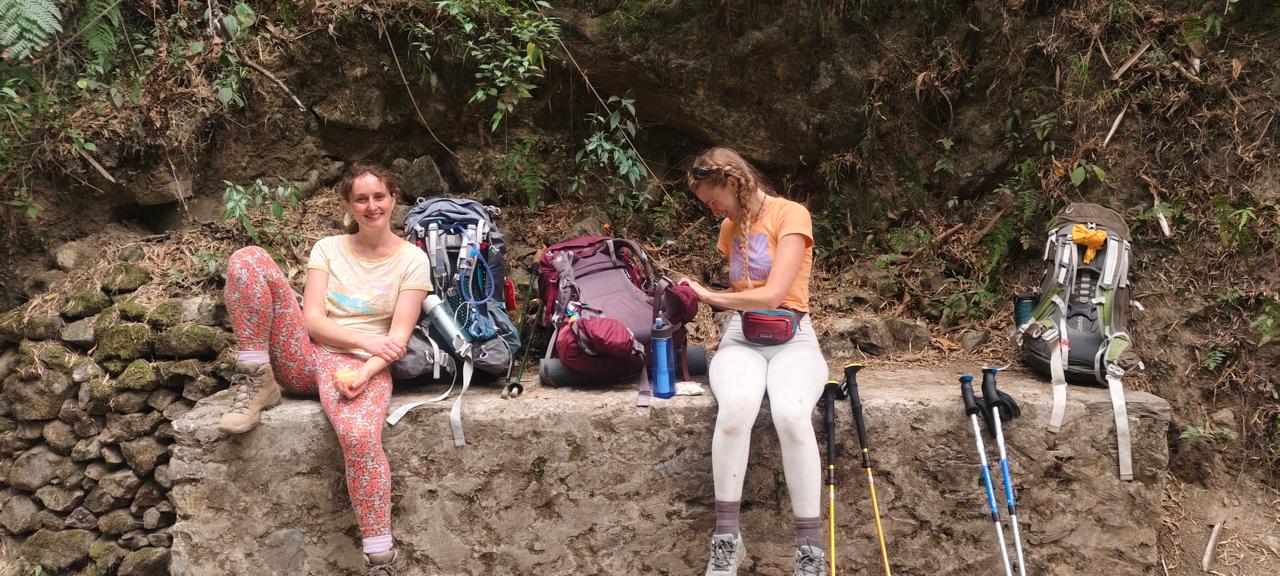 trekkers resting on the way[/caption]
We traverse the Tharo Khola River and proceed upstream to Khola Besi. The path takes us along the striking gorge, featuring waterfall-carved rocks and areas impacted by landslides. Upon crossing the bridge, we will arrive at the small village called Kholabesi, followed by the natural Hot Springs.
We will then take another trail from the Hot Springs to cross the Budi Gandaki River on a suspension bridge. We will then continue past a landslide to reach Dovan village.
From dove on, we will cross the suspension bridge over the Yaru Khola and ascend the stone steps to Thado Bharyang before climbing up to the delightful town of Jagat, which serves as a gateway to the Manaslu Conservation Area, where we will register the permit at the checkpoint.
4. **Trek from Jagat to Lokpa 2,200m - 05 hrs.** — [caption id="attachment_5073" align="alignnone" width="1024"]
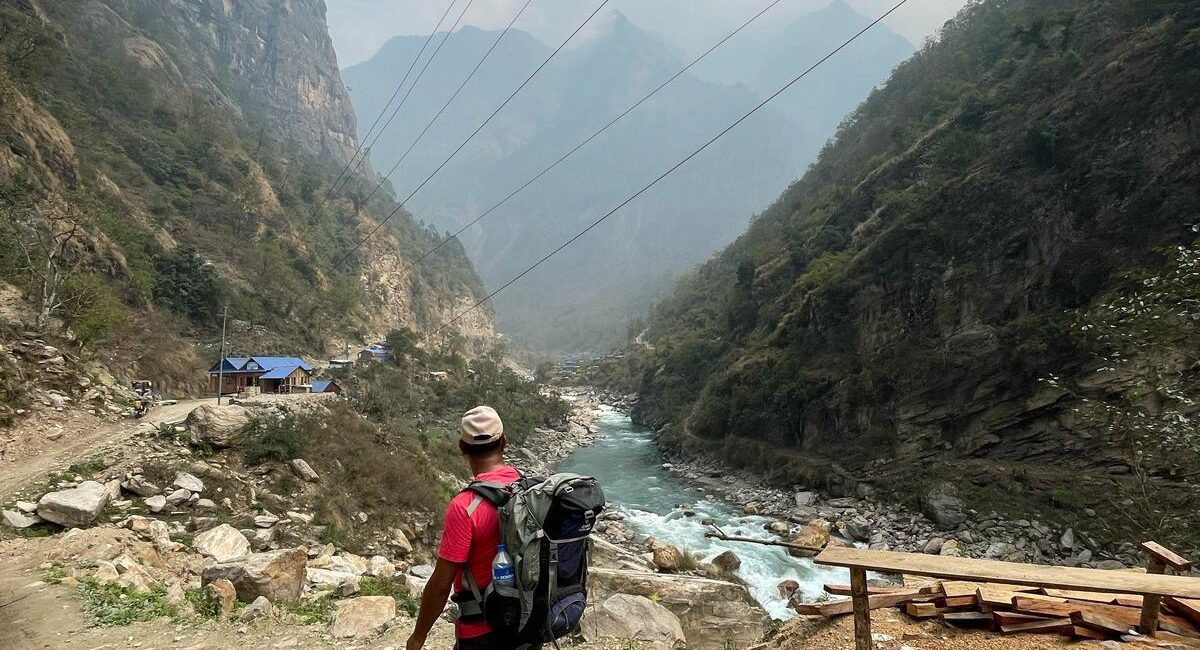 trekker from Jagat on the way to Lopka[/caption]
We entered the restricted area of Manaslu by ascending a route to reach Salleri. Following the riverbanks, crossed the Budi Gandaki River via a long suspension bridge. As we proceed, the valley opens, leading to the Philim. Just past Ekle Bhatti, the path diverges: one route leads to Tsum, while the other heads towards Manaslu.
We make our way upwards, Lokpa, traversing several villages along the way. The river's narrow, and we'll catch a glimpse of the confluence of the Yar rivers from the Tsum Valley. Travelling along the right side of Tsum Valley, we arrive at Lokpa village, the first settlement in Tsum Valley that offers these stunning views of the Manaslu range.
This valley, a hidden gem blessed by Padma Sambhava centuries ago, who was regarded as one of the founders of Tibetan Buddhism, provides a breathtaking view of Himalchuli and Boudha Himal from Lokpa village.
5. **Trek from Lokpa to Chumling 2,386 m - 06 hrs.** — [caption id="attachment_5075" align="aligncenter" width="1024"]
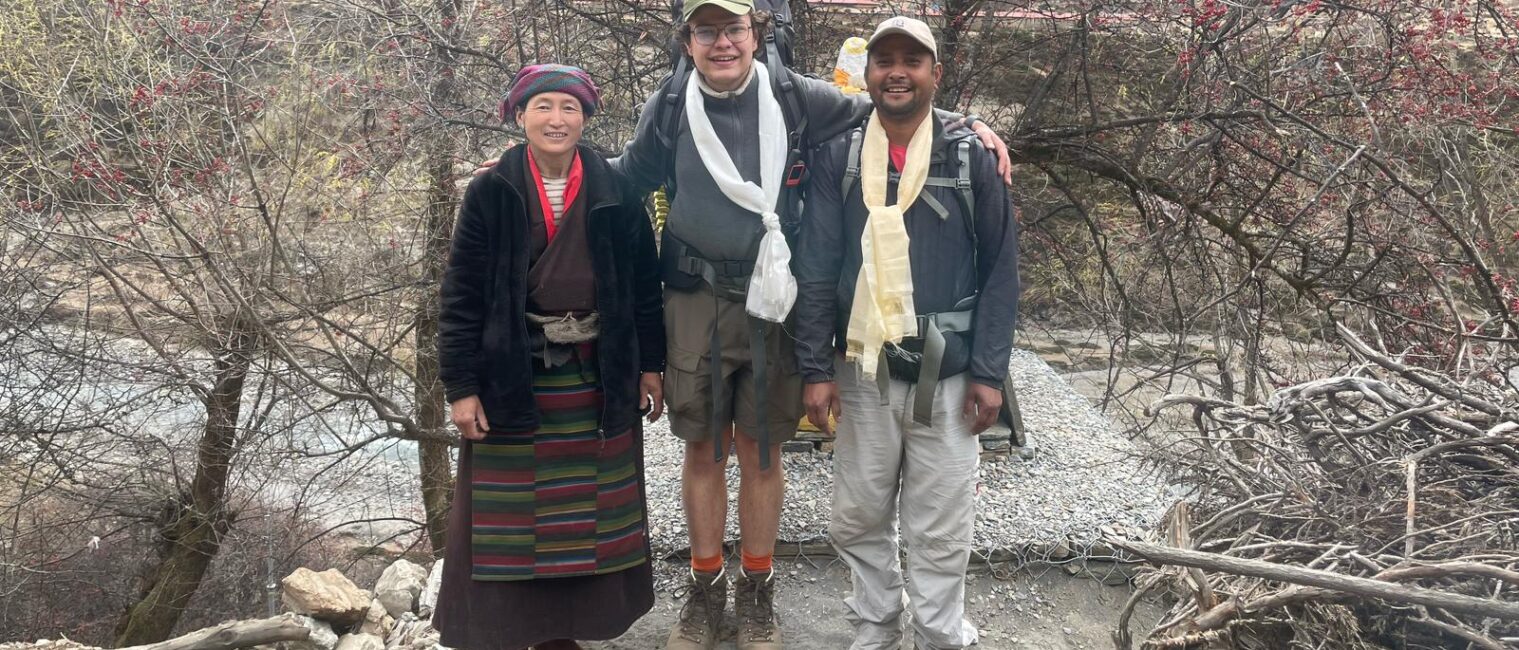 Trekker with guide and local woman[/caption]
Following breakfast, we will embark on our trip to Lokpa village, which serves as a rugged gateway to the Tsum Valley. On a clear day, the views of both the Himalayan Ganesh himal are breathtaking along the path leading from Lokpa to Chumling.
Our route initially descends into the Lungwa River Valley before climbing through a dense subtropical forest filled with rhododendron and Pines. There are no settlements between Lokpa and Chumling.
We will cross the Syar Khola to reach Chumling. A detour to the upper section of Chumling leads to the monastery that offers magnificent views of the Ganesh Himal. Chumling is home to the Health Post and three monasteries. Pango Gumba, Mani Dhungyur and Gurwa Gumba.
6. **Trek from Chumling to Chhokang-Paro 3,010 m - 05 hrs.** — [caption id="attachment_5076" align="aligncenter" width="1024"]
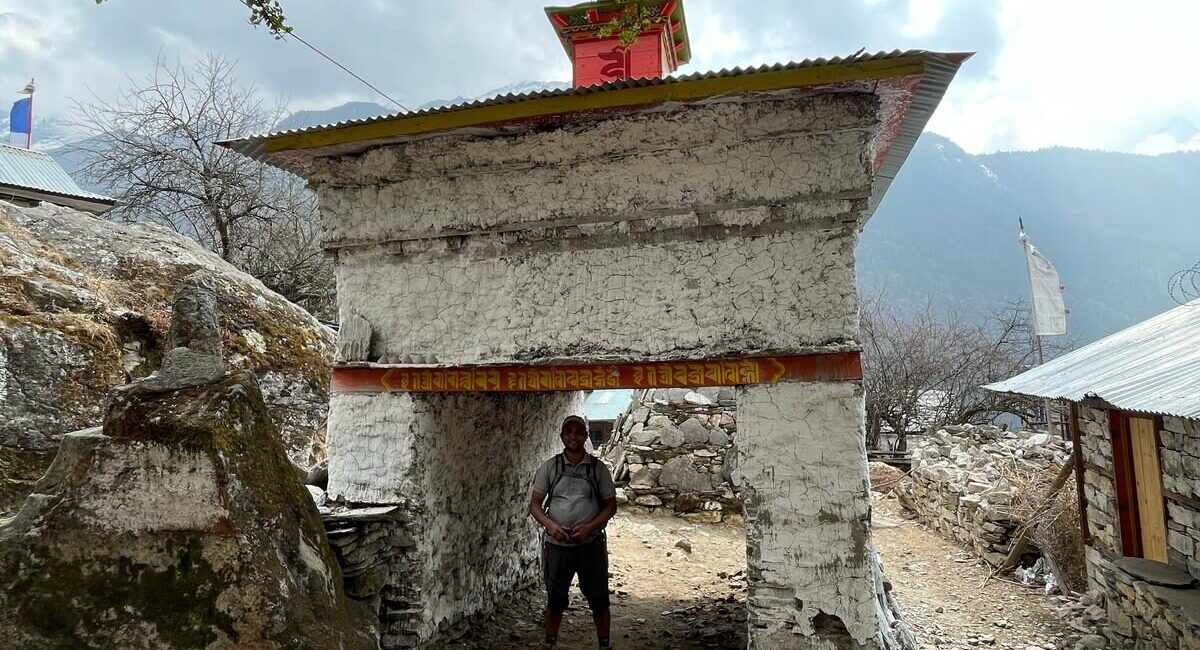 Entry point of Chhokang Paro[/caption]
On this day, we will take a trip to the Upper Valley, located within the vicinity of the Inner Himalayas. The trail traces the Syar river to Domje, the Largest town in the Tsum valley, from where our ascent to the Chhokang Paro begins.
On a clear day, Chhokangparo offers stunning views of both Himalchuli and Ganesh Himal. While in Chhokangparo, you will have the chance to experience the warmth of hospitality provided by the local Tsombo people, after enjoying the Tibetan tea (butter tea) and traditional local dishes. After replenishing your energy with a delightful Tsombo hospitality, the day continues with further exploration of this pristine region.
You will have the opportunity to visit ancient monasteries and observe the unique Buddhist culture that thrives in the Tsum valley, a truly enriching experience. The serene atmosphere and panoramic vistas surrounding Chhokangparo make it an ideal spot for reflection and photography.
Prepare yourself to be captivated by the spiritual aura and the untouched beauty of the Upper Tsum Valley, solidifying unforgettable memories of your trek.
7. **Trek to Nile 3,361m after a visit of Milerepa cave - 06 hrs.** — [caption id="attachment_5077" align="aligncenter" width="1024"]
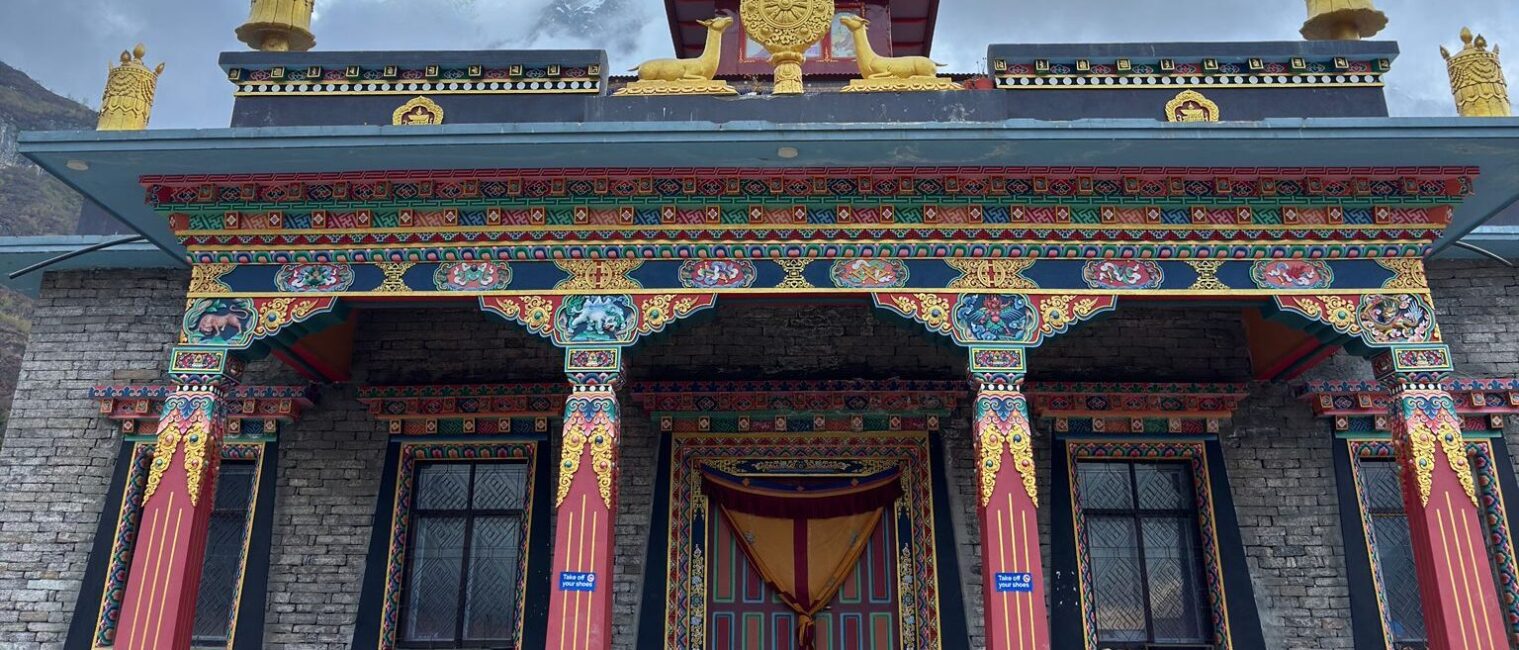 Monastery on the way to Milarepa[/caption]
Today, we’ll be travelling a relatively short distance. The Nile, situated on the western side of Shiyar Khola, is about a 20-minute walk from Chhule, the last village in the northern upper Tsum valley.
Upon your arrival at Ngakyu Leru, you’ll see natives of the region farming on the fertile land of the region. After passing through Lamagaon, you’ll come to St. Milarepa Piren Phu cave, known for preserving a footprint of the saint in the rock.
This cave, referred to as the pigeon cave, is one of the Tsum Valley’s most sacred locations. Inside you’ll find two distinct gumbas, vibrant Buddhist murals with intricately carved scripts on stones, long prayer flags, and important Buddhist texts, which all contribute to its status as a vital cultural treasure of the valley.
From there, we’ll cross a suspension bridge over the Shiar River and continue the trip through several villages until we reach the Nile.
8. **Trek to Mu Gompa then back to Nile 3,700 m - 04 hrs.** — This segment of your Manaslu circuit with Tsum Valley Trek promises a deeply spiritual and visually stunning ascent from the Nile to the revered Mu Gompa. Starting your day on the Nile, it is approximately 3361 metres, you will embark on a steady at manageable uphill journey covering roughly 6 kilometres over three to four hours.
As you trek, the lush valley gradually gives way to the more barren high Alpine landscapes reflecting the proximity to the Tibetan Plateau. This transition in scenery, coupled with increasingly expensive views of the majestic ranges, offers a profound sense of remoteness and grandeur, truly immersing yourself in the heart of Upper Tsum Valley.
Your destination, Mu Gompa, stands majestically at 3700 metres, representing the highest settlement in the Tsum pivotal cultural landmark on your Manaslu circuit with the Tsum valley trek. This ancient monastery serves not only as a place of worship but also as a repository of historical artefacts and Buddhist traditions, with a palpable sense of peace pervading its grounds.
Upon arrival, you'll have ample time to explore the monastery, observe unique customs at the local Tsumba people and observe the serene ambience of this sacred site, feeling the strong cultural echoes of Tibet.
This tranquil evening at Mu Gompa provides an unparalleled opportunity for contemplation amidst the dramatic Himalayan backdrop, making it a highlight of your entire journey.
9. **Trek from Nile to Lamagaon & visit to Rachen Gompa 3,240 m - 05 hrs.** — On day 9 of your Trek, you'll embark on a rewarding trek from the Nile to Lamagaon, culminating in a significant visit to the ancient Rachen Gompa, situated at 3,240 meters. Departing from the Nile (approx. 3,361m), the trail involves a descent, allowing you to gradually shed altitude while still enjoying the vast openness of the upper Tsum Valley.
The five-hour journey offers diverse scenery as a transition from the more barren landscapes and surroundings of Mu gompa and back into the areas with more visible greenery and traditional settlements, providing a rich tapestry of the region's natural beauty.
The highlight of this day is undoubtedly the visit to Rachen Gompa, a prominent Buddhist nunnery, uniquely positioned on the boundary between Nepal and Tibet, surrounded by enormous, awe-inspiring mountains.
This spiritual hub provides a deep insight into the lives of Buddhist nuns and their devotion, offering a different cultural experience compared to the monasteries that you may have visited earlier.
After you explore Rachen Gompa, you will continue your trip through the charming forest sections, eventually arriving at the welcoming village of Chokkang Paro at approximately 3030 metres.
Here today, you are once again rewarded with breathtaking views of both Humalchuli and Ganesh Himal. This day beautifully combines cultural discovery and scenic trekking, making it a memorable part of your trek.
10. **Trek to Chumling 2,386 m - 06 hrs.** — Your trek involves a significant and scenic descent from the beautiful village of Chhokang Paro (3,031m) to the welcoming settlement of Chumling (2386), A journey expected to take approximately 6 hours.
Leaving behind these spectacular views of Himalchuli and Ganesh Himal, your path will lead through a variety of regions as you steadily lose altitude.
You'll pass through small villages of Gho, continuing your descent that offers a refreshing change in both landscape and temperatures, moving from the more exposed upper valley to a greener, more temperate zone.
As you progress towards your destination, that trail guides you past the traditional Tsumba villages and over an exciting suspension bridge, providing a sense of adventure inherent to the trek.
You will pass through Rainjam village before finally arriving in Chumling, A charming and relatively larger village known for its beautiful stone houses and terraced fields.
This day provides a well-deserved opportunity to relax and lower elevation, reflecting on unique cultural encounters and breathtaking natural beauty experienced in the upper reaches of the Tsum Valley.
11. **Trek to Lokpa (2,240m/7,349 ft )** — As your trek begins its return journey towards the main Manaslu trail, Day 11 sees you trek from the tranquil village of Chumling (2,386m) to the quaint settlement of Lokpa (approximately 2,240m). This segment largely involves a descent, guiding you through a changing landscape of cultivated fields, scattered hamlets, and dense forests.
The path generally follows the Siyar Khola, leading you back towards its confluence with the Budhi Gandaki, marking a clear transition from the inner Tsum Valley back to the primary Manaslu route.
The trek to Lokpa, typically taking around 4 to 5 hours, offers a chance to reflect on the unique cultural and natural experiences of the Tsum Valley, as you reconnect with the main trail of the trek.
Lokpa itself is situated just at the entry point of the Tsum Valley restricted area, providing a different perspective from when you passed through it earlier in your journey. This day is a pleasant blend of continued scenic beauty and a gradual transition to lower altitudes, setting the stage for the next phase of your Himalayan adventure.
12. **Trek to Deng-1,860m/6,102 ft** — Returning to the main trek route, your journey from Lokpa (approximately 2,240m) to Deng (approximately 1,860m) marks a notable shift in altitude and environment. This day involves a generally descending and undulating path, typically taking around 5 to 7 hours to complete.
As you leave the direct access point of the Tsum Valley, the trail once again immerses you in the dramatic Budhi Gandaki river gorge, characterised by its deep valleys, lush forests of rhododendron and pine, and impressive waterfalls that cascade down the steep hillsides.
The trek to Deng is a fascinating blend of natural beauty and cultural transition. You'll navigate through dense bamboo and rhododendron forests, often crossing the Budhi Gandaki River on sturdy suspension bridges that offer thrilling perspectives of the roaring river below.
Upon arrival in Deng, a charming village with distinct Tibetan cultural influences, you'll notice a subtle change in the architecture and the local dialect as you re-enter the main Manaslu trekking corridor.
This day on your trek perfectly showcases the diverse landscapes and cultural richness that define this incredible Himalayan adventure.
13. **Trek to Namrung -2,630m/8,629 ft** — Continuing your captivating trek, day 13 (assuming consecutive day numbering) sees you trek from Deng (approximately 1,860m) to the picturesque village of Namrung (approximately 2,630m). This segment marks a significant ascent, as you gain considerable elevation over a trek typically lasting 6 to 7 hours.
The trail initially leads through lush forests, crossing the Budhi Gandaki multiple times on impressive suspension bridges, before gradually transitioning into a more arid, high-alpine landscape with increasing views of the surrounding peaks. You'll pass through several small settlements like Rana and Bihi, where the cultural influence of Tibetan Buddhism becomes even more pronounced.
Upon arrival in Namrung, a charming village with traditional stone houses, you'll feel a distinct shift in the atmosphere and witness the vibrant Tibetan culture firsthand.
Namrung is often considered the gateway to the upper Manaslu region, and on a clear day, it offers your first truly spectacular views of the towering Sringi Himal, a thrilling preview of the grand mountain scenery to come on your Trek.
This day's strenuous climb is rewarded with increasingly breathtaking vistas and a deeper immersion into the rich cultural tapestry of the Himalayas.
14. **Trek to Lo gaon-3,180m/10,433 ft** — Day 14 of your trek brings you closer to the heart of the majestic Himalayas as you trek from Namrung (approximately 2,630m) to the enchanting village of Lho, often referred to as Lo Gaon (approximately 3,180m).
This rewarding segment typically takes around 4 to 5 hours, offering a steady ascent through traditional Tibetan villages. As you climb, the landscape opens up dramatically, revealing increasingly spectacular panoramic views of the colossal peaks that define the Manaslu region.
The cultural immersion deepens on this day as you pass through villages adorned with intricately carved mani walls, chortens, and impressive Kani gates, all testaments to the strong Buddhist heritage.
Upon arrival in Lho, prepare to be awestruck; on a clear day, the village offers one of the most stunning, close-up views of Manaslu (8,163m) itself, along with Himalchuli and Ganesh Himal.
Lho also hosts a large monastery, adding to the spiritual ambience, making this day a true highlight of your trek, blending magnificent mountain vistas with profound cultural insights.
15. **Trek to Samagaon (3,530m/11,581ft)** — Today, on our trip, as we move forward, we’ll come across a variety of attractions incorporated and fused with traditions. As our trip keeps going, we’ll take a hike across the terraced fields beside the mani-walls.
We'll also go across the wooden crafted bridge over the Budhi-Gandaki River that’ll eventually lead our trail to a beautiful valley named Samdo.
16. **Trek from Samdo to Dharamshala (Larke phedi, 4,460 m / 14, 628 ft)-04 hrs.** —
From Samdo's farewell to the last village of the upper Manaslu valley within the Gorkha district, a walk leads to the end of the valley, with a view of peaks including towering Mt. Manaslu.
A walk continues crossing a few icy streams to reach Larke Phedi means the bottom of the pass, also known as Dharmasala means ‘travelers' rest house/shade’, where in early days also called Larke Bazaar, (where trade and bartering were held between merchant-traders of Gorkha-Manaslu-Manang people and Tibetans on this remote isolated spot).
At Larke, Phedi afternoon is free for short walks and preparations for the next early morning long climb and descent crossing the high Larke-La pass to reach the Manang area.
17. **Climb /cross Larke-La Pass 5,160 m descend to Bhimthang 3,720 m -08 hrs** —
An early start from Larke base at Phedi walk leads to a steep climb past Dharmasala in snow conditions tough to find the right trail), the walk continues over the ablation section north of Larke glacier, facing views of Cho Danda with Larke Peak, and then ascent gets steeper to reach on top of Larke-la, festooned with thousands of Buddhist colorful prayer flags.
[caption id="attachment_5091" align="aligncenter" width="300"]
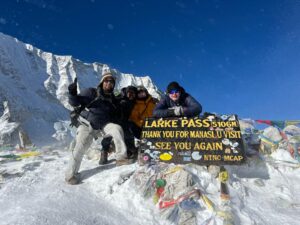
Trekkers on Larke-la pass[/caption]
From the top of Larke-La panorama of Himlung, Cheo Himal, Kang Guru, and Annapurna II include a series of Manaslu peaks, and then descend back into tree lines through Larcia, as walks lead on the moraine ridge to Tambuche at the bottom of Larke-la pass, where a short walk takes you to Bhimthang for overnight.
Bhimthang is a wonderful spot situated on a wide green valley with several lodges adorned with prayer Mani walls, surrounded by green tall trees of rhododendron, pines and oaks.
18. **Trek to Dharapani-1,860m/6,102 ft** —
From Bhimthang rest of the walk is much easier on the downhill path with short ups on the route to Ghoa and Dharapani villages, morning, enjoy views of peaks, then on the gradual path and into thick alpine woodland.
Walk into a beautiful forest to reach a small clearing in the middle of a forest at Ghoa for an overnight stop, a cattle and yak herders' summer pasture with a temporary settlement.
19. **Drive to ktm/pkr 1,963 m (04 hrs) with 2 hrs drive to Besisar.** —
After Gho, today will be the last day of the adventure on reaching the large Dharapani village as the walk follows the downhill trail through the forest to reach a nice village at Tilje village, a nice place by the raging Marysangdi River.
From Tilje shortstop climbs for a short while after crossing over a bridge to reach the nice village of Dharapani, located at the junction of the popular Annapurna and Manaslu circuit route, in the district of Manang.
After a refreshing break at Dharapani drive following the Marsyangdi River downstream to reach a low warmer farm area and a large area of Besisahar, a headquarters town of Lamjung district, with overnight stops in a nice lodge and hotels.
## What's included
- Airport pick up and drop off by a private vehicle.
- Three times meals during trekking (Breakfast, Lunch, Dinner)
- All ground transportation on a comfortable private vehicle as per the itinerary
- Guided city tour in Kathmandu by private vehicle
- Transport from Kathmandu to Machha Khola and from Dharapani to Besisahar, then back to Kathmandu/Pokhara by local bus.
- An experienced, English-speaking and government-licensed trek leader and assistant trek leader (10 trekkers: 1 assistant guide), Porter service (2 trekkers: 1 porter)
- Staff costs including their salary, insurance, equipment, food and accommodation, Down jacket and sleeping bag (to be returned after trip completion)
- All necessary paperwork and trekking permits, and TIMS.
- Restricted areas permit (Manaslu/ Tsum valley restricted area trekking permit)
- ACP/MCP permits.
- Medical kit (carried by your trek leader)
- All government and local taxes
- Trekking map
- Twin-sharing tented accommodation during the trek.
- Trekking certificate after the trek.
## Not included
- International flight ticket and Nepal Entry Visa
- Personal travel insurance (Which should include coverage for trekking)
- Lunches and dinners in Kathmandu and Pokhara.
- Personal gear for trekking (Including any you may wish to hire in Kathmandu), any personal expenses (i.e. soft and alcoholic drinks, snacks, etc.)
- Excess baggage charge(s)
- Travel and rescue insurance
- Trekking equipment
- Personal expenses (phone calls, laundry, bar bills, battery recharge, extra porters, bottle or boiled water, shower, etc.) Tips for guide(s), porter(s) and driver(s)
## FAQ
**Q: What is the “Manaslu Circuit with Tsum Valley Trek”?**
A: “Manaslu Circuit with Tsum Valley Trek is an extended trekking adventure in the Manaslu region of Nepal, combining the classic Manaslu Circuit route with a spiritual and cultural detour into the remote Tsum valley.
**Q: How long is the trek?**
A: This typically takes 18 days to complete, offering ample time to explore both the Manaslu circuit and Tsum valley.
**Q: What is the best time for the trek?**
A: The best times are spring (March-May) and autumn (September to November) for favourable weather and clear mountain views on the trek.
**Q: What permits are required for the trek?**
A: You’ll need a Manaslu restricted area permit, a Tsum Valley restricted area permit, a Manaslu Conservation Area project (MCAP) permit, and an Annapurna Conservation Area project (ACAP) permit for the Manaslu Circuit with Tsum Valley trek.
**Q: Is the trek difficult?**
A: The trek is considered a challenging trek due to its duration, high altitude, and varied terrain.
**Q: What is the highest point on the Manaslu circuit with the Tsum valley trek?**
A: The highest point is Larkya La pass, at an elevation of approximately 5,160m (16,929 ft), during the trek.
**Q: What kind of accommodation is available on the trek?**
A: Accommodation mostly consists of basic teahouses and guesthouses, especially during the trek.
**Q: What kind of accommodation is available on the Manaslu circuit with the Tsum valley trek?**
A: Accommodation mostly consists of basic teahouses and guesthouses, especially during the trek.
**Q: What kind of food can I expect on the trek?**
A: You can expect Nepali staple foods like Dal Bhat, as well as simple noodle dishes, rice items, and sometimes Tibetan bread during your trek.
**Q: What are the major attractions of the trek?**
A: Highlights include stunning mountain views, remote Buddhist monasteries (like Mu Gompa and Rachen Gompa in Tsum valley), authentic local culture, and diverse landscapes on the trek.
**Q: Do I need a guide for the Manaslu circuit with the Tsum valley trek?**
A: Yes, it’s mandatory to have a registered guide for the Manaslu circuit with the Tsum valley trek due to the restricted area regulations.
**Q: Can I do the trek solo?**
A: No trekking solo is permitted in the restricted areas; you must trek with at least one other trekker and a guide for the trek.
**Q: What is the typical daily duration of the trek?**
A: Daily trek duration varies but usually ranges from 5-8 hours on the trek.
**Q: How much does the trek cost? **
A: Costs vary widely, spending on the trekking agency, services include,d and duration, but typically ranges from $1500 to $3000+ for the trek.
**Q: What is the acclimatisation process like on the trek?**
A: The itinerary includes rest days at higher altitudes (Sama Gaon, Samdo) to aid acclimatisation on the trek.
**Q: Is drinking water safe on the trek?**
A: It’s recommended to use boiled or filtered water or purification tablets, as tap water is generally foreign to the immunity on the trek.
**Q: What gear should I pack for the trek?**
A: Essential gear includes warm clothing, sturdy trekking boots, a good sleeping bag, a down jacket, waterproof outer layers, and a first aid kit for the trek.
**Q: What are the risks of high altitude on the trek?**
A: Risks include acute mountain sickness (AMS), HACE, and HAPE. Proper acclimatisation and recognising symptoms are crucial for the trek.
**Q: Is it possible to customize this trek?**
A: Many trekking agencies offer customised itineraries to suit your preferences and pace for this trek.
**Q: Are there charging facilities available on the trek?**
A: Yes, most teahouses offer charging facilities, but there might be small charging fees, especially at higher altitudes, on this rek.
**Q: Is wifi or mobile network available on the trek?**
A: Limited wifi or mobile network is available in the lower villages, but connectivity becomes very scarce at higher elevations during the trek.
**Q: What kind of cultural interactions can I expect on the trek?**
A: You’ll experience rich Tibetan Buddhist culture, interact with local communities, visit ancient monasteries, and observe traditional lifestyle on the trek.
**Q: How fit do I need to be for the trek?**
A: You should have a good level of physical fitness, including cardiovascular endurance and stamina, for the trek.
**Q: What is the difference between the Manaslu circuit and the Manaslu circuit with the Tsum valley trek?**
A: The Manaslu circuit is the main loop, while the Manaslu circuit with the Tsum valley trek extends into the spiritual Tsum valley, adding several days and unique cultural experiences.
**Q: What are the landscapes like on the trek”?**
A: The landscape varies from lush sub-tropical forests to alpine meadows, high-altitude deserts, and glacial moraines on the trek.
**Q: Are there any ATMs on the trek?**
A: No, there are no ATm’s on the trek route. You should carry enough Nepali cash, Nepali Rupees from Kathmandu or Pokhara, for the entire trek.
**Q: What emergency facilities are available in the trek?**
A: Basic medical posts are available in some villages, and helicopter rescue can be arranged in emergencies, though it’s expensive, on the trek.
**Q: What is the food cost per day on the trek?**
A: Food costs vary but generally range from $25-40 USD per day, increasing with altitude, on the trek.
**Q: Can I see Mount Manaslu clearly on the trek?**
A: Yes, the trek offers spectacular and often close-up views of Mount Manaslu, the world’s eighth-highest peak.
**Q: What kind of training should I do before the trek?**
A: Focus on cardiovascular exercises, strength training and long-distance walking with a backpack to prepare for the trek.
## Contact for this trip
- Operator: Info Nepal Tours and Treks · Thamel, Kathmandu, Nepal
- Phone: +977 9841936940
- Email: contact@intrekking.com
---
# Pikey Peak Trek
URL: https://intrekking.com/trip/pikey-peak-trek/
Last updated: 2026-07-07
## Facts
- Region: Everest Region
- Duration: 9 days
- Max altitude: 4,065 m
- Difficulty: Easy
- Group size: 1-10 people
- Best season: March-May : September-November
- Price from: $629 per person
## Summary
A short trek to Pikey Peak in the lower Solu region offering an Everest viewpoint alongside Kanchenjunga and Makalu, on a quieter off-the-beaten-path route through Sherpa villages, suited to beginners.
## Overview
Pikey Peak is the easiest and quickest route to get an up-close view of Mount Everest. If you’re searching for a trek that combines stunning vistas with a slightly off-the-beaten-path experience, the Pikey Peak Trek in Nepal might just be the perfect adventure. This hidden gem offers breathtaking views, cultural immersion, and a sense of calmness away from the packed crowds that other Everest region treks often have.
For those looking for an accessible way to see Mount Everest, Pikey Peak is a dream come true. The route is not as challenging or time-consuming as many other Everest treks, making it ideal for those who want amazing views without needing extensive trekking experience. Despite being an easier trek, it doesn’t cut back on the stunning scenery and rich cultural experiences.
The trek rewards you with panoramic views of not only Mount Everest but also other majestic peaks like Kanchenjunga, Makalu, and even Annapurna on clear days.
Let’s cover all the essential info to help you get ready for and enjoy the Pikey Peak Trek to the fullest.
Pikey Peak Trek: Route & Terrain
If you dream of breathtaking Himalayan views and beautiful Nepali landscapes, Pikey Peak Trek might be your next adventure. Check out the essentials of this unique trek—route, terrain, and highlights to make your journey unforgettable.
Route & Terrain
The Pikey Peak Trek is a hidden gem in Nepal’s Solu region, offering stunning views without the crowds of the Everest Base Camp trek. Starting from the tiny village of Dhap Gaun, you’ll pass through charming villages, ancient monasteries, and lush forests. Highlights include Japre for its breathtaking scenery and Pikey Peak Base Camp where you camp under a starry sky. The early morning climb to Pikey Peak offers panoramic views of Everest, Kanchenjunga, and other peaks – worth it!
The trek ends at Phaplu, taking you through beautiful hamlets like Junbesi and Ringmo, immersing you in rural Nepal’s scenic beauty and culture. It’s a beginner-friendly trek with varied terrain, from terraced fields and dense rhododendron forests (a must-see in spring) to alpine meadows and rocky landscapes.
While some parts of the trail are steep, they’re not too technical, though a basic fitness level is a good idea. Winter trekking adds the challenge of snow-covered trails, whereas summer and autumn offer easier paths. Each step showcases the raw, untamed beauty of nature.
How to get to the Pikey Peak trek starting point?
There are a few ways to get to the pikey peak trek starting at Point. Some of them are listed below:
Kathmandu to Phaplu flight(30 minutes)
Follow the old route from Jiri and hike to Bhandar and change the direction towards Pikey Peak until you reach Namkheli
Get a Private or Shared Jeep Transportation to Salleri
Highlights of Pikey Peak Trek
Enjoy stunning panoramic views of some of the world’s tallest peaks like Everest, Kanchenjunga and Lhotse.
This highlights one of the most awe-inspiring rewards of your trek. Imagine standing at a vantage point with the majestic giants of the Himalaya dominating the horizon. You’ll be treated to sweeping, unobstructed vistas. Stunning panoramic views that encompass some of the planet’s highest and most iconic mountains. The dimension of Everest, the world’s highest peak, alongside the formidable Kanchenjunga (the third highest and sharpest posing Lhotse (the fourth highest), immediately convinced the grandeur and scale of the scenery you will witness. This promise of breathtaking mountain scenery is a major draw for trekkers seeking unparalleled natural beauty.
Immerse yourself in authentic Sherpa culture and hospitality in traditional Villages.
This sentence speaks to the rich cultural experience that awaits you beyond these stunning landscapes. Please share, but people are known for their mountaineering skills, and their unique culture is deeply intertwined with the Himalayan environment. As you travel through the traditional religious, you will have the opportunity to immerse yourself in their way of life, truly. This means experiencing their warm hospitality, observing their customs, perhaps sharing meals or conversations and gaining a genuine understanding of their traditions. These cultural emergences are profound and enriching dimensions to your trekking journey, going beyond just sightseeing.
Wander through a beautiful rhododendron forest that blooms in the vibrant colours during the Spring season.
This paints a picture of sensory delight, particularly if your trek coincides with the spring season. Rhododendron forests in the Himalayas are a spectacular sight. When they bloom, the forest transforms into vibrant colours, reds, pinks, whites and purples, creating a truly magical and unforgettable trekking experience. The act of “wandering through” suggests A leisurely and immersive exploration of these colourful Woodlands, appealing to those who appreciate the natural beauty and more of a gentle pace.
Visit ancient monasteries and dive into the deep world of Tibetan Buddhism.
This aspect of your trip offers a spiritual and historical dimension. The Himalayas are home to numerous ancient monasteries, often perched in breathtaking locations. Visiting these sacred sites provides a window into the profound world of Tibetan Buddhism. You will have the chance to witness religious practices, admire intricate artwork and architecture, perhaps interact with monks, and gain insight into the spiritual beliefs and traditions that are deeply rooted in this region. The phrase “dive into the world of Tibetan Buddhism” suggests a more profound engagement than just a superficial visit.
Walk less crowded trails compared to the popular trekking routes in Nepal.
This is a significant advantage for trekkers seeking a more Peaceful and authentic experience, while Nepal boasts famous trekking routes that can become quite busy. The trails you’ll be on are less crowded.
This promises a more intimate connection with nature and local culture, allowing for a greater sense of solitude and tranquillity. You will likely encounter a few other trekking groups, enhancing the feeling of exploration and remoteness.
Catch breathtaking sunrise and sunset’s from the Pikey Peak summit.
This highlights specific and potentially unforgettable highlight of your trek- The opportunity to witness the stunning spectacle of sunrise and sunset from Pikey Peak Summit. The word breathtaking emphasises the exceptional beauty of this moment, where the Himalayan peaks are often bathed in the golden fury hues of the dawn and dusk. Pikey peak Is known for offering particularly panoramic an unobstructed views, making it an ideal location to catch these magnificent displays of natural light.
Experience a diverse landscape ranging from lush forest to rugged mountain terrain.
This emphasises the variety and dynamism of the scenery you will encounter throughout your trip. The landscape won’t be monitoring us, but will instead offer a rich tapestry of the environment. Travels through lush forest teeming with life, and also navigate more rugged mountain terrain, with its dramatic cliffs, rocky paths, and expansive views, with each day potentially bringing a new type of scenery.
Find the perfect blend of natural beauty and cultural richness, offering a unique trekking adventure.
This concluding sentence summarises the overall appeal of your trip. It emphasises the harmonious combination of this stunning natural video of the Himalayas with the vibrant cultural richness of the local communities. The perfect blend creates a unique trekking adventure that goes beyond just conquering the trails and peaks. It promises A holistic and memorable journey that nourishes both eyes and this role, leaving you with a lasting impression of Nepal’s landscape and its people.
An up-close viewpoint of Everest peak
So, as the central point of mountains and the group of the highest peaks of the world, with the highest peak, Everest, as a centre of attraction, even in this trek of Pikey peak you’ll get to witness a close view of the majestic granduer of Mount Everest.
You’ll have the opportunity to behold a stunning view of the Majestic grandeur of Mount Everest, making the journey all the more worthwhile. The combination of breathtaking landscapes and the towering presence of such a renowned peak creates an unforgettable experience for trekkers and nature enthusiasts alike.
Pikey Peak Trek Difficulty
Pikey Peak Trek is a fantastic journey with incredible views, and the best part is that it’s considered moderate in difficulty. This means that you don’t have to be a super athlete to enjoy it, but having a basic level of fitness can make a big difference.
Let’s break it down: most days, you’ll be trekking between 4 to 6 hours, covering varied terrain. You’ll encounter some steep ascents and descents, but nothing too extreme. If you’ve done a bit of hiking before, you’ll find this trek manageable. Just be prepared for some legwork, especially on the uphill stretches.
Another important factor to consider is the altitude. Pikey Peak stands at a respectable height of 4,065 meters (13,333 feet). While it’s not as high as some of the other famous trekking peaks in Nepal, it’s still high enough that you’ll need to acclimatise properly to avoid altitude sickness.
Start slow, take it easy, and don’t rush your ascent. Spending a day or two at lower altitudes to let your body adapt can make a huge difference.
Don’t forget to stay hydrated and keep an eye on how you’re feeling. Symptoms like headaches, dizziness, and nausea can be signs of altitude sickness, and it’s crucial to communicate with your guide if you experience any of these. The slower you go, the better your chances of having a smooth and enjoyable trek.
Overall, the Pikey Peak Trek is within reach for most adventurers with a reasonable level of fitness. Pace yourself, listen to your body, and soak in those stunning Himalayan views. It’s well worth the effort!
Best Time to Visit
When it comes to trekking in Nepal, timing can make or break your adventure, and that’s especially true for the Pikey Peak Trek.
Let’s check out the best times to visit Pikey Peak.
Spring: March to May
Springtime in Nepal is like a breath of fresh air. The weather is pleasant, with temperatures ranging from 10°C to 20°C (50°F to 68°F) during the day, perfect for trekking. The flowers start to bloom, painting the landscape with vibrant rhododendrons, magnolias, and other wildflowers.
The skies are generally clear, offering breathtaking views of the Himalayas, including Everest, Makalu, and Kanchenjunga. Plus, you’ll get to experience the local culture in full swing, with numerous festivals and events taking place.
One thing to keep in mind: It’s also one of the busiest times for trekking in Nepal. While Pikey Peak is less crowded than the more famous Everest Base Camp trail, you might still encounter a fair number of fellow trekkers. But hey, that’s also an opportunity to make some new trekking buddies!
Autumn: September to November
Autumn is, hands down, the best time to trek in Nepal, and Pikey Peak is no exception. The monsoon rains have just ended, leaving the skies crystal clear and the trails lush and green. Temperatures in autumn are quite similar to those in spring, ranging from 10°C to 20°C (50°F to 68°F) during the day. The views of the mountains are simply outstanding, and you’ll have plenty of photo ops.
Local teahouses and lodges are in full operation, providing you with a comfortable stay and delicious local cuisine. You’ll also have the added benefit of experiencing the unique cultural festivals like Dashain and Tihar, which bring a festive vibe to the region.
However, this is also a popular trekking season. Again, Pikey Peak won’t be as crowded as the more well-known routes, but expect to see other trekkers along the way.
Winter: December to February
If you’re up for a bit of a challenge, winter could be an option. The temperatures can plummet, especially at higher altitudes, with daytime temperatures ranging from -5°C to 10°C (23°F to 50°F) and nighttime temperatures dropping even further.
The skies are usually quite clear, offering breathtaking views of snow-capped peaks. The trails are almost deserted, so if you crave solitude and don’t mind the cold, winter might be your jam.
Keep in mind that some teahouses might close down for the winter, so plan your accommodation wisely. The snow can make the trails slippery and sometimes inaccessible, so good gear and possibly a guide are recommended.
Monsoon: June to August
Trekking during the monsoon season is generally not advisable unless you love mud, leeches, and a lot of rain. The trails become slippery and challenging, and landslides are a common concern. The cloud cover often hides the majestic mountain views, which is kind of a bummer when you’re in the heart of the Himalayas.
On the flip side, if you’re an a passionate conservationist or just someone who appreciates lush green landscapes, this is when the region is at its most fertile and vibrant. Plus, it’s the least crowded season, and accommodations are more readily available.
In summary, Spring and autumn are your best bets for a memorable Pikey Peak experience, offering a balance of great weather, stunning views, and cultural immersion. Winter is for the brave souls seeking solitude, and monsoon season is for those who don’t mind a little—or a lot—of rain. Whatever season you choose, Pikey Peak promises an adventure of a lifetime.
Required Permits and Regulations for Pikey Peak Trek
Exploring the awesome views on the Pikey Peak Trek is a once-in-a-lifetime adventure. But before you go, you need to know about the permits and rules. Missing the right paperwork can seriously mess up your trip!
You must have a Gaurishankar Conservation Area entry permit. The entrance fee to the Gaurishankar Conservation area is 3,000 NPR (About USD 30) for all foreign tourists and 1,000 NPR (approximately USD 10) for SAARC nationals.
TIMS Card – Your Trekker’s Passport
The first thing on your checklist should be the Trekkers’ Information Management System (TIMS) card. Think of it as your trekker’s passport, required for almost all trekking routes in Nepal. This card helps keep track of who’s where on the trail—think of it as a safety net, ensuring that someone knows your whereabouts in case of an emergency (knock on wood).
There are two types of TIMS cards:
Individual TIMS Card (Blue): For solo trekkers
Group TIMS Card (Green): For those trekking with a registered group
You can obtain the TIMS card from the Nepal Tourism Board office in Kathmandu or Pokhara, or any Trekking Agencies Association of Nepal (TAAN) office.
Gaurishankar Conservation Area Permit (GCAP)
Next up is the Gaurishankar Conservation Area Permit (GCAP). Pikey Peak falls under the Gaurishankar Conservation Area, and yes, there’s a permit for that. This permit, costing around USD 20, goes towards the conservation and maintenance of the region, ensuring future trekkers get to enjoy the trail in all its untouched glory.
Trust me, you’ll feel good knowing you’re contributing to preserving Nepal’s natural beauty.
Local Municipality Permit
While the TIMS card and GCAP are the main permits, some areas might also require additional local permits. As regulations can change and specific requirements can depend on your entry point, it’s best to double-check with local authorities or your trekking agency before you set out.
Do You Need a Guide?
Technically, no. But should you consider having one? Absolutely. Local guides not only help you navigate the terrain but also enrich your experience with their profound knowledge of the area’s culture and history. Plus, hiring a guide creates job opportunities for locals—win-win!
Regulations to Keep in Mind
Beyond permits, there are a few regulations and guidelines you should follow:
1. Respect the Environment: This is a no-brainer. Stick to marked trails and take all your trash back with you. Remember, leave no trace!
2. Wildlife: The Gaurishankar Conservation Area is home to various wildlife species. Give them their space and avoid disturbing their natural habitat.
3. Cultural Respect: Always show respect for local customs and traditions. Wear modest clothing, particularly in villages and holy sites, and always ask before taking photos of locals.
4. Stay Hydrated: Trekking can be gruelling, so it’s crucial to drink plenty of water. Bring a reusable water bottle and consider a water purification method for refilling from streams and lakes.
5. Pack Smart: Only bring what’s necessary and stick to lightweight gear. A heavy pack can really slow you down and take away from the enjoyment of your trek.
6. Safety First: Always inform someone about your trekking route and expected return time. Carry a first aid kit, have a map or a GPS device, and know the emergency contacts for the area.
By taking care of these permits and understanding the regulations, you’re setting yourself up for an incredible adventure at Pikey Peak. Believe me, once you’re up there, among that jaw-dropping scenery, you’ll know it was all worth it.
Accommodation and Facilities in Pikey Peak
Trekking through Pikey Peak offers all kinds of places to stay, just like the variety in the views! You can choose between cosy tea houses or the excitement of camping under the stars. There’s something for everyone!
Tea houses are the go-to option for most trekkers. These locally run lodges provide a welcoming place to rest your head and refuel after a day of trekking. Rooms in tea houses are simple yet comfortable, often featuring twin beds and a shared bathroom. Don’t expect five-star luxury, but do expect warm hospitality and a cosy place to call it a night.
Feeling adventurous? Try camping in the Himalayas! Set up camp with stunning views, and either bring your gear or rent some in Kathmandu. Nights can be chilly, so a good sleeping bag is essential. Food’s covered—tea houses offer basic but hearty meals like dal bhat, noodle soups, and momos. It may not be fancy, but after a long trek, it hits the spot.
Water is usually available at tea houses, but bring a portable purifier just in case. Not all water sources are safe to drink directly.
Some tea houses have charging points, but don’t rely on them. Pack power banks if you want your gadgets ready for those epic mountain selfies.
A cozy and basic twin-bed room, likely in a teahouse or lodge along a trekking route in Nepal. Comfortable for a night’s rest after a day on the trails.
Local Communities
In the Everest region, most people you’ll meet are Sherpas. But there are also Brahmins, Chhetris, and Tamangs around. The Sherpas, famous for their mountain skills, are super interesting to chat with. You’ll get a cool peek into how they live in the mountains for many years.
A super cool thing about trekking here is getting to feel that warm local hospitality. Villages like Junbesi and Taktor have cosy tea houses where you can relax and enjoy yummy Nepalese food like dal bhat, momo, and the tasty Sherpa stew. And don’t forget about that famous yak butter tea for warmth!
Major Festival & Events
The festivals in these communities add an extra kick to your trekking adventure. The Dumji Festival is a big deal among the Sherpas, honoring Guru Rinpoche’s birthday with colorful dances, religious stuff, and feasts. And there’s also the Mani Rimdu Festival at Tengboche Monastery – a grand 19-day celebration full of dances and Buddhist stories.
Another fun festival is the Tiji Festival by the Mustang people but celebrated nearby too. It’s all about driving away bad vibes with dances and rituals for community well-being. These events show off the strong spiritual ties these communities share.
For trekkers wanting to catch these festivals, keep in mind that dates may change based on the lunar calendar used by Buddhists. So do a little homework before heading out to make sure you don’t miss out on all this fun.
Book Your Pikey Peak Trek with Us
Booking your Pikey Peak Trek with us means you’re in for an unforgettable adventure! Our experienced guides are not just experts in navigating the rugged terrains of the Himalayas but are also trained to handle various situations with professionalism and care.
They are dedicated to ensuring that your trek is both smooth and enjoyable, so you can focus on soaking in the stunning landscapes and unique cultural experiences.
You’ll love the accommodations we provide along the trek—think comfy lodges with warm beds, hearty meals, and welcoming hosts. These spots are specifically chosen to cater to the needs of trekkers, offering a cosy haven after a day of walking through some of the most beautiful scenery on Earth.
When it comes to booking and payment, we’ve got you covered. If you have any questions or concerns, just contact us at (+977) 9841936940 or contact@intrekking.com. We’re here to assist you every step of the way, making the entire booking process as seamless and secure as possible.
So go ahead, book your Pikey Peak Trek with us and start planning for memories that will last a lifetime. We can’t wait to trek with you!
Outline 8-Day Pikey Peak Trek Itinerary: Elevation, Distance, and Time
## Itinerary
1. **Arrival in Kathmandu** — Upon your arrival at Karmand Airport, you will be warmly greeted by one of our friendly delegates. They will assist you with your luggage and escort you to your hotel, ensuring a smooth and comfortable transition.
Once you arrive, you will have a chance to relax and explore the surrounding. If you prefer, you can also take a leisurely stroll around the hotel to familiarise yourself with the surrounding area.This is a great opportunity to soak in the local atmosphere, see the sights and maybe even discover nearby cafe or shop.Whether you choose rest or stay or explore, we want to make sure your arrival is enjoyable and sets the tone for your state.
[caption id="attachment_4609" align="aligncenter" width="300"] Mr. Rajesh and the guest at Tribhuvan International Airport[/caption]
2. **Drive from Kathmandu to Dhap (2,920 m) and Trek to Jhapre - 8/9 hrs drive and 5/6 hrs walk** — Embark on a delightful 8 to 9-hour trip to Dhap, covering approximately 250 kilometres. This scenic trip serves as a perfect gateway to adventure, leading you to the picturesque village of Japre. Along the way, you will witness breathtaking landscapes dotted with majestic Numbur Himalayas.
This road trip is not just a travel experience, it's an opportunity to immerse yourself in nature's beauty while enjoying the thrill of the open road. The combination of his stunning mountain views and winding roads makes this journey unforgettable. Prepare your camera for some incredible shots, and don't forget to capture the magic of this beautiful region.
The trek from Dhap to Jhapre Offers an authentic glimpse into the rich local culture of the area. Engage with friendly locals, experience traditional customs and savour delectable local cuisines.
[caption id="attachment_4610" align="aligncenter" width="1280"]
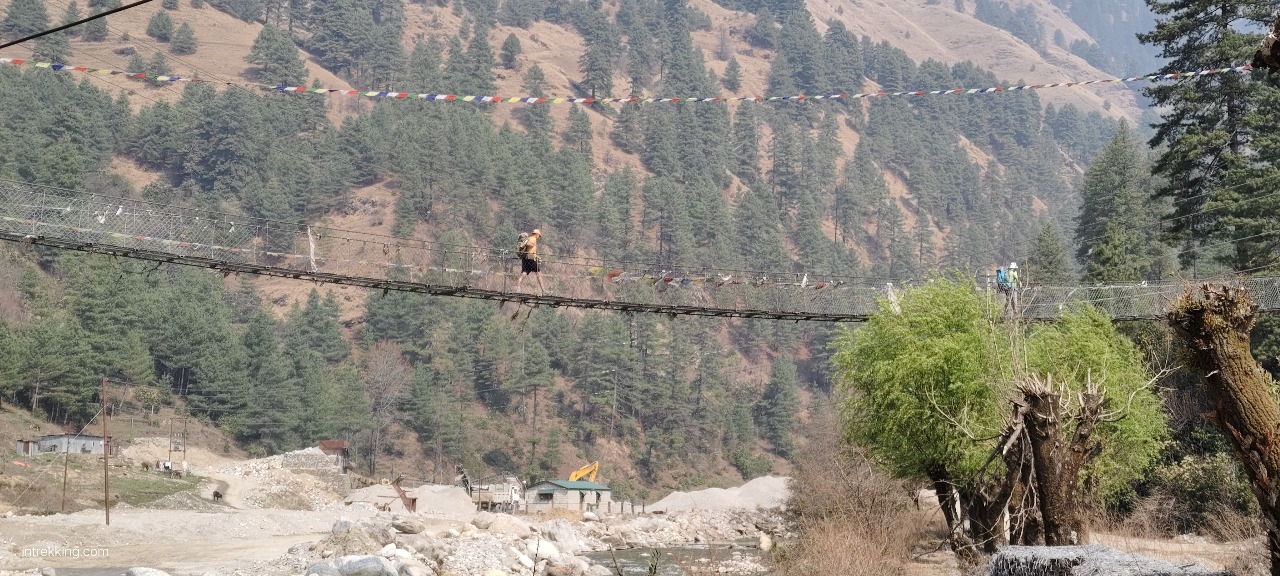 Crossing a suspension bridge on a trek in Nepal[/caption]
As you trek, you will encounter unique flora and fauna, enhancing your overall adventure. The path to Jhapre is not only about reaching the destination, but also about embracing the journey, meeting new people and creating lasting memories. Discover the beauty of human layers and the vibrant culture that surrounds you on this extraordinary trekking expedition.
3. **Trek to Pikey Peak Base Camp (3,640m), 5/6 hrs walk** — Embarking on a captivating journey through picturesque landscapes, discover historic act settlements and enchanting Woodlands. This scenic tour offers an exceptional opportunity for adventure seekers and nature lovers alike, showcasing the vibrant beauty of the region. As you traverse through this stunning terrain, prepare to be immersed in the rich culture and traditions that define the heart of this area.
The highlight of your adventure will be the breathtaking sunrise over the majestic Himalayan ranges from the summit of Pikey peak. As you make your way to the Pikey base camp, The early morning light will create a magical atmosphere perfect for photographing indigestion, Both seeking tranquillity in nature. Don't miss the incredible experience to witness one of the most stunning sunrises the Himalayas have to offer.
[caption id="attachment_4605" align="aligncenter" width="399"]
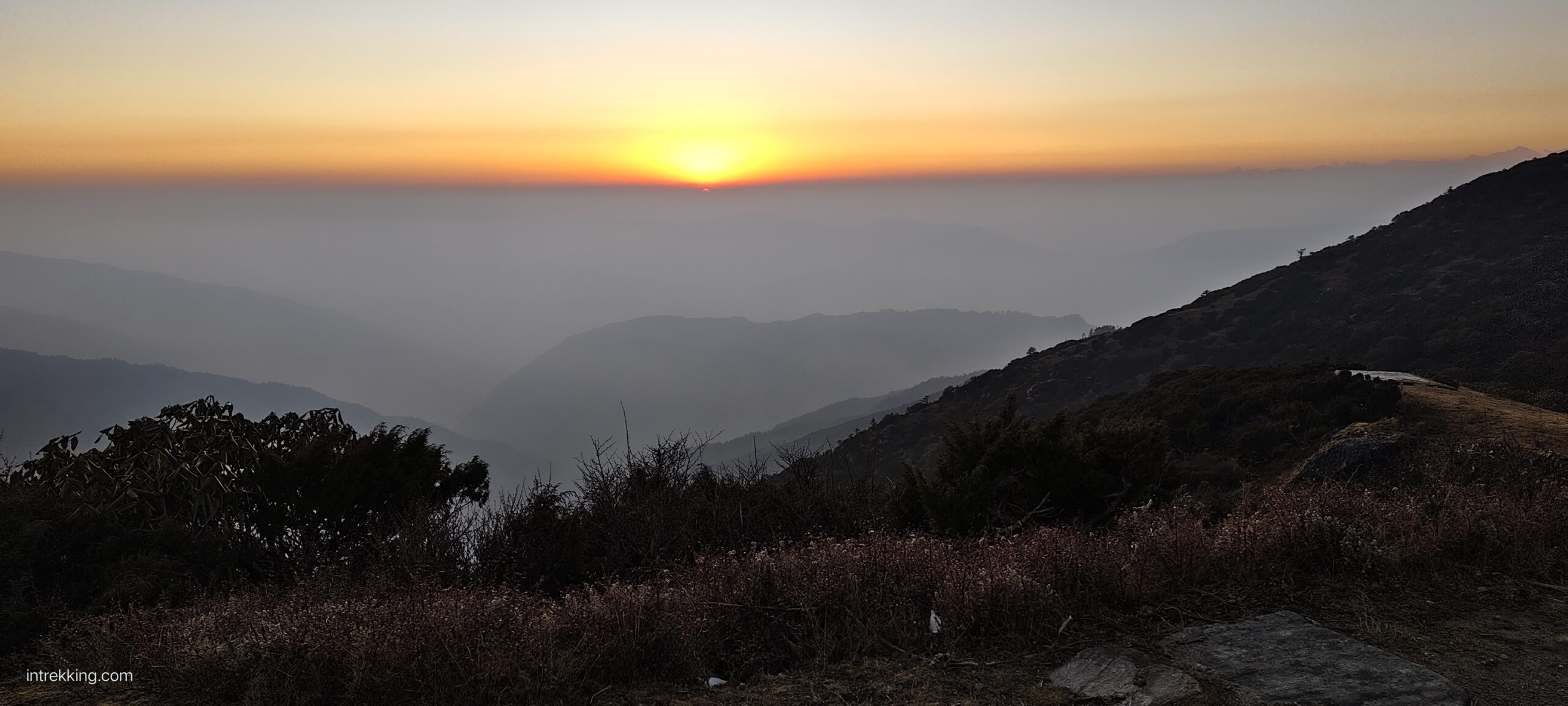 A beautiful sunset view from Pikey peak trek.[/caption]
4. **Trek to Pikey Peak (4,065 m) and then to Loding (2,530 m) 5/7 hrs walk** — Delve into the heart of the lower Solukhumbu region and discover Junbesi’s cultural treasures, A truly authentic Sherpa community where the Sherpa legacy thrives and offers an unparalleled cultural immersion experience. Explore the genuine traditions and warm hospitality that define the unique corner of Nepal. Your journey to Junbesi provides a remarkable opportunity to deeply connect with the local way of life and witness firsthand the enduring spirit of the Sherpa people.
While in Junbesi, don't miss this chance to embark on a Soul-Steering visit to the revered Thubtenchoeling Monastery. Here you can become completely immersed in the profound spiritual essence that deeply influences this one-of-a-kind location in Solukhumbu. Witness the daily rituals, admire the intricate Buddhist art and absorb the peaceful atmosphere that permeates the monastery grounds.
This spiritual encounter offers a unique window into the deep-rooted Tibetan Buddhism that shapes the cultural fabric of Junbesi and the wider Sherpa culture of the lower Solukhumbu. Exploring Thubtenchoeling Monastery is an integral part of understanding the unique character and the spiritual significance of Junbesi, making your visit to the authentic Nepali Village an exceptionally enriching experience.
[caption id="attachment_4613" align="aligncenter" width="1280"]
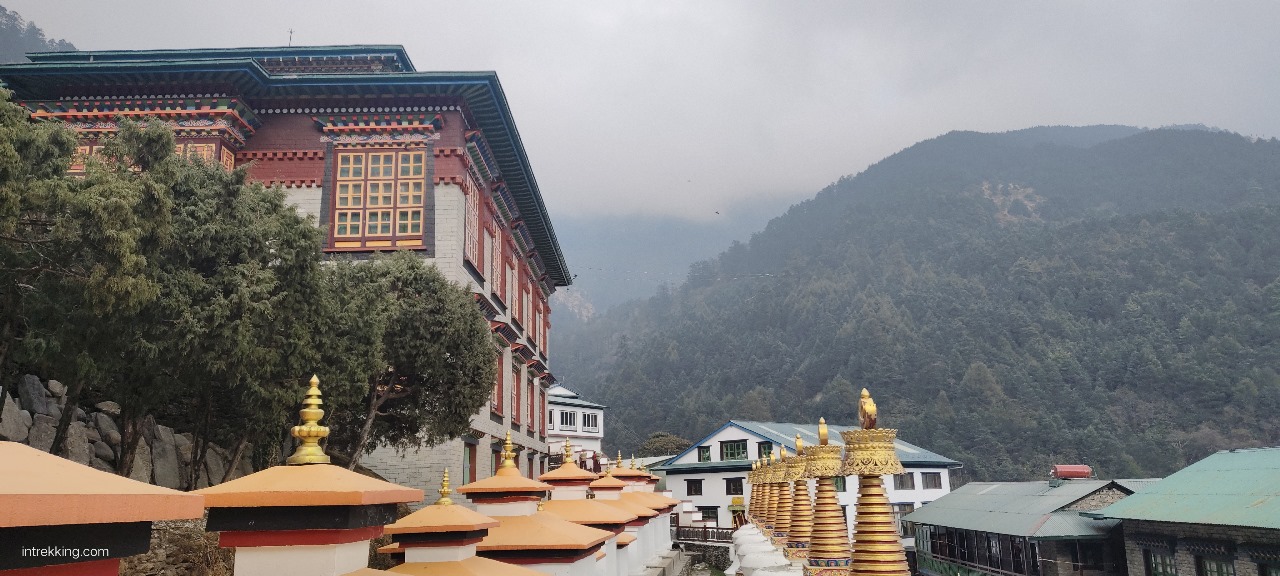 Thupten Choling Gompa, a beautiful monastery in the Solukhumbu region of Nepal.[/caption]
5. **Trek from Loding to Junbesi** — Embark on an unforgettable Scenic tour today, traversing the Captivating landscapes of Nepal. Our route will lead us across glistening rivers, crossing which offers our unique perspective of the surrounding natural beauty, prepared to be utterly charmed by the breathtaking panoramic views of some of the world's most majestic peaks, including the iconic Mount Everest. This stunning Chamlang and the formidable Mount Makalu. This Himalayan Vista promises to be a highlight of your Nepal adventure, showcasing the unparalleled grandeur of the Himalayas.
Our cultural exploration continues as our journey takes us to the revered ancient Taksindu Monastery.
Nestled amidst the serene Nepali landscape, this historical side of her super found opportunity for spiritual Immersion. As you explore the monastery grounds, you'll be enveloped by the tranquil ambience of their, allowing you to fully appreciate its rich historical significance and deep-rooted Buddhist heritage. This visit provides a unique window to the spiritual heart of the region and the enduring cultural traditions of the Solukhumbu.
Experience the perfect blend of adventure travel and cultural discovery on this remarkable day. From the exhilarating river crossings and the awe-inspiring mountain views of Everest, Chamlang, and Makalu to the peaceful contemplation offered by the Taksindu Monastery, this tour encapsulates the essence of trekking in Nepal. Immerse yourself in the natural wonders and spiritual tranquilly of the Himalayan region, creating memories that will last a lifetime.
[caption id="attachment_4617" align="aligncenter" width="392"]
 Prayer flags fluttering in the wind in the Pikey Peak region.[/caption]
6. **Trek from Junbesi to Taksindu** — Venture off the beaten path. And discover a delightful trekking trail that gracefully winds its way to Phaplu, the gateway to the Solukhumbu region. This unique trip offers an escape from the more crowded routes, allowing you to fully immerse yourself in the pristine natural splendour of the region. As you travel towards Phaplu, you’ll come across dense forest alive with the sounds of nature and offering a refreshing canopy overhead. This scenic trip route provides a tranquil another interesting drinking experience, showcasing the untouched beauty of the Himalayan foothills.
Along the Phaplu trek, we highly recommend considering a stop at the spectacular Chiwong Gompa. The ancient Buddhist monastery is majestically situated on a dramatic side. Its presence evokes a profound sense of wonder and awe in cultural exploration. The breathtaking location of Chiwong Gompa offers not only spiritual significance but also stunning panoramic views of the surrounding Solukhumbu landscapes. Exploring this remarkable Gompa in Nepal provides a unique opportunity to delve into the Buddhist culture and architectural marvels of the region, adding a memorable cultural dimension to your Phaplu adventure.
Embrace this off-the-beaten-path trek to Phaplu and experience the perfect harmony of nature and culture in Nepal. From the serene beauty of the dense forest to the awe-inspiring presence of Chi Wong Gompa perched dramatically on its Cliff, this journey promises a truly unique and enriching trekking experience in the Himalayas. Discover the hidden gems of Solukhumbu, connect with the tranquillity of nature and be captivated by the spiritual ambience of one of Nepal's most spectacularly located monasteries.
[caption id="attachment_4618" align="aligncenter" width="440"]
 A panoramic view from the pikey peak trek[/caption]
7. **Trek from Taksindu to Phaplu** — Venture off the beaten path. And discover a delightful trekking trail that gracefully winds its way to Phaplu, the gateway to the Solukhumbu region. This unique trip offers an escape from the more crowded routes, allowing you to fully immerse yourself in the pristine natural splendour of the region. As you travel towards Phaplu, you’ll come across dense forest alive with the sounds of nature and offering a refreshing canopy overhead. This scenic trip route provides a tranquil another interesting drinking experience, showcasing the untouched beauty of the Himalayan foothills.
Along thePhaplu trek, we highly recommend considering a stop at the spectacular Chiwong Gompa. The ancient Buddhist monastery is majestically situated on a dramatic side. Its presence evokes a profound sense of wonder and awe in cultural exploration. The breathtaking location of Chiwong Gompa offers not only spiritual significance but also stunning panoramic views of the surrounding Solukhumbu landscapes. Exploring this remarkable Gompa in Nepal provides a unique opportunity to delve into the Buddhist culture and architectural marvels of the region, adding a memorable cultural dimension to your Phaplu adventure.
Embrace this off-the-beaten-path trek to Phaplu and experience the perfect harmony of nature and culture in Nepal.
From the serene beauty of the dense forest to the awe-inspiring presence of Chi Wong Gompa perched dramatically on its Cliff, this journey promises a truly unique and enriching trekking experience in the Himalayas. Discover the hidden gems of Solukhumbu, connect with the tranquillity of nature and be captivated by the spiritual ambience of one of Nepal's most spectacularly located monasteries.
[caption id="attachment_4619" align="aligncenter" width="393"]
 A view of the Himalayan mountains from Pikey peak, with clouds adding to the dramatic scenery.[/caption]
8. **Drive from Phaplu to Kathmandu** — As your incredible mountain trekking adventure draws to a close, Embark on a picturesque scenic drive back to Kathmandu, the vibrant capital city of Nepal. Enjoy the captivating views one last time as the Himalayan landscape gradually transitions during a comfortable journey. You will have the opportunity to unwind and relax at your hotel, allowing you to rejuvenate after your Nepal trek.
With ample time at your leisure, immerse yourself in the colourful city of Kathmandu at your own pace. Exploring the bustling street, discover the hidden alleyways and take a stroll in the unique atmosphere of this historical and culturally rich urban centre. You can visit the ancient temples vendor through vibrant markets, and experience the local life that makes Kathmandu tourism so captivating. This freedom allows for personal exploration and a chance to revisit any favourite spots or discover new gems within the Kathmandu Valley.
This transition from majestic Himalayas to the lively Energy, Kathmandu provides the perfect conclusion to your Nepal travel experience. Enjoy the scenic return journey and the freedom to explore Kathmandu’s cultural heritage and a vibrant present at your own speed, creating lasting memories of your time in this fascinating country.
[caption id="attachment_4620" align="aligncenter" width="404"]
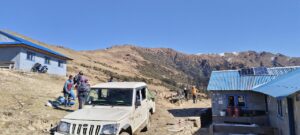 A vehicle used for transport in the pikey Peak region.[/caption]
9. **Final Departure** — It's time to wind up your trekking journey and prepare for your final departure. This concludes your fantastic journey over the mountains, and you'll soon be on your way to your next destination or back home, carrying the memories and experiences of your trekking journey with you.
## What's included
- Airport pick-up and drop-off by a private vehicle.
- Two-night hotel in Kathmandu (Bed & Breakfast)
- Three times meals during trekking (Breakfast, Lunch, Dinner)
- All ground transportation on a comfortable private vehicle as per the itinerary
- Transport from Kathmandu to Dhap by Public sharing jeep
- Shared jeep from Salleri to Kathmandu
- (10 trekkers: 1 assistant guide), Porter service (2 trekkers: 1 porter)
- Staff costs, including their salary, insurance, equipment, food, and accommodation, Down jacket and sleeping bag (to be returned after trip completion)
- All necessary paperwork and trekking permits.
- Medical kit (carried by your trek guide)
- All government and local taxes
- Trekking map
- Teahouse accommodation during the trek.
- Trekking certificate after the trek.
## Not included
- International flight ticket and Nepal Entry Visa
- Personal travel insurance (Which should include coverage for trekking)
- Lunch and dinner in Kathmandu
- Personal gear for trekking (Including any you may wish to hire in Kathmandu), any personal expenses (i.e. soft and alcoholic drinks, snacks, etc.)
- Excess baggage charge(s)
- Travel and rescue insurance (emergency helicopter evacuation)
- Trekking equipment
- Personal expenses (phone calls, laundry, bar bills, battery recharge, extra porters, bottle or boiled water, shower, etc.) Tips for guide(s), porter(s) and driver(s)
## FAQ
**Q: How long is the typical duration of the Pikey Peak Trek?**
A: The Pikey Peak Trek usually takes around 7 to 10 days, depending on your chosen itinerary and starting point.
**Q: What is the best time of the year to undertake the Pikey Peak Trek?**
A: The best times to trek to Pikey Peak are during the spring (March to May) and autumn (September to November) when the weather is clear and stable.
**Q: What kind of fitness level is required for the trek?**
A: While you don't need to be an elite athlete, a reasonable level of fitness is advisable, as the trek involves both ascents and descents. The trek falls under the easy to moderate difficulty level.
**Q: Do I need to obtain any permits for the Pikey Peak Trek?**
A: Yes, you will need the Solu Khumbu entry permit and the Gaurishankar Conservation Area Permit for the Pikey Peak Trek.
**Q: Are there any altitude-related concerns during the trek?**
A: Pikey Peak is at a moderate altitude, and altitude sickness is relatively rare. However, it's essential to acclimatize properly during the trek.
**Q: What are the accommodation options available along the trekking route?**
A: Accommodation ranges from basic teahouses and lodges to more comfortable guesthouses, depending on the route and location.
**Q: What types of meals can I expect during the trek?**
A: You can expect a variety of meals, including local Nepali dishes, as well as international cuisine in some teahouses.
**Q: Is it necessary to hire a guide or porter for the Pikey Peak Trek?**
A: It's not mandatory, but hiring a guide or porter can enhance your trekking experience and make it more comfortable.
**Q: How challenging is the trek, and is it suitable for beginners?**
A: The Pikey Peak Trek is considered easy to moderate in terms of difficulty, making it appropriate for trekkers with some prior experience.
**Q: How do I get to the starting point of the Pikey Peak Trek?**
A: The most common starting points for the Pikey Peak Trek are Phaplu and Jiri, both accessible by road from Kathmandu.
**Q: Is it possible to extend the trek to include other destinations in the region?**
A: Yes, you can customize your trekking itinerary to include nearby destinations such as Everest Base Camp or Gokyo Lakes.
**Q: Are there opportunities for side excursions or activities during the trek?**
A: Yes, you can arrange side trips to local villages, monasteries, and viewpoints or even participate in cultural activities with the locals.
**Q: What should I do in case of unforeseen circumstances, such as bad weather or illness?**
A: It's essential to stay updated on weather conditions and carry the necessary supplies. If illness or bad weather strikes, contact your trekking agency for guidance.
**Q: How can I book a trekking package or find a reputable trekking agency for Pikey Peak?**
A: You can book a trekking package through various trekking agencies in Kathmandu or online. Be sure to choose a reputable agency with experienced guides.
**Q: What is the approximate cost of Pikey peak trek?**
A: Costs vary widely, depending on the agency, Duration and included services, ranging from budget-friendly to more luxurious options. Expect to budget several 100 to over 1000 U.S. dollars.
**Q: Is travel insurance recommended for the Pikey peak trek?**
A: Absolutely. Comprehensive travel insurance that covers medical emergencies, evacuation, of trip cancellations is highly recommended for their safety and Peace of Mind.
**Q: What kind of gear and clothing should I pack for the trek?**
A: Back layers of warm clothing, waterproof and windproof outerwear, Sturdy trekking boots, a sleeping bag. Depending on accommodation or day pack an essentials like water bottle and first aid kit.
**Q: Are there reliable communication facilities (Phone /Internet) available during the trek?**
A: Mobile network coverage can be intermittent and Wi-Fi may be available in some tea houses for a fee, but don't rely on consistent connectivity throughout the trek.
**Q: What is the currency used in Nepal and where can I exchange money?**
A: The Nepalese rupee (NPR) is the local currency. You can exchange money at Kathmandu airport, banks and authorised money exchangers in Kathmandu and some larger towns along the route.
**Q: Are tipping guides and porters customary in Nepal?**
A: Yes, tipping is a common practice and a way to show appreciation for their hard work. Guidelines vary, but it's usually a percentage of the total trek cost per day.
**Q: Are there some cultural etiquette and customs I should be aware of?**
A: Dress modestly at religious sites, always walk clockwise around Stupas and Mani walls, ask for permission before taking photos of people and use your right hand for eating and giving/receiving.
**Q: Can dietary restrictions (vegetarian, vegan, gluten-free) be accommodated during the trek?**
A: Most tea houses can cater to common dietary restrictions with prior notice, but options might be limited in more remote areas. Inform your trekking agency in advance.
**Q: What is the typical group size for organized Pikey peak treks?**
A: Group sizes vary depending on the agency, Ranging from solo travellers joining a group to private groups of friends or families. Inquiry the agency for a specific group size.
**Q: What happens if I need to descend due to altitude sickness or injury?**
A: Reputable tracking agencies have protocols for emergency descent, and guides are trained to assist. Travel insurance with evacuation coverage is crucial in such situations.
**Q: Are there any specific health precautions I should take before and during the trek?**
A: Consult your doctor about necessary vaccinations and medications, maintain good hygiene, drink treated or boiled water, and be mindful of food safety during the trek.
## Contact for this trip
- Operator: Info Nepal Tours and Treks · Thamel, Kathmandu, Nepal
- Phone: +977 9841936940
- Email: contact@intrekking.com
---
# Nepal Tour (8N/9D)
URL: https://intrekking.com/trip/nepal-tour-8n-9d/
Last updated: 2026-07-06
## Facts
- Region: Nepal
- Duration: 9 days
- Max altitude: 2,200 m
- Difficulty: Easy
- Group size: 1-10 people
- Best season: March–May : September–November
- Price from: $899 per person
## Summary
A multi-region Nepal tour combining Kathmandu valley sightseeing, a Chitwan National Park jeep safari and Pokhara, with a Kushma excursion, for travellers seeking culture, wildlife and lowland scenery rather than high-altitude trekking.
## Overview
Nepal tour is an ideal destination for travelers to experience this country’s rich cultural heritage and diverse landscape. The country that beholds ‘Unity in Diversity’ above anything else. Nepal being a wonderfully diverse nation situated between two great countries India and China. The nature gifted country is roofed under the tallest snowcapped mountains, wholly immersed in hilly and plain land of Terai.
The rich natural bestows and unparalleled cultural heritage welcomes each visitor with warm hospitality. Floras and Faunas extraordinarily offer essence of wildlife enthusiasm as well. Nepal is built on foundations of history and religious shrines. The historical sites are destinations that fascinates the learnings and understanding of the Gorkha legacy. Gorkha army is world famous armed force from Nepal serving in different corners of the world.
The village and local life in between deep lush valleys are picturesque and preferred destinations to rejoice happy life, & organic life. The best way to explore the country is by visiting its top destinations such as Kathmandu, the Annapurna region, Pokhara, Chitwan and many others. These are some of the most popular places that tourists visit during Nepal Tour. Tourists can also arrange customized tours to these destinations or customize their itineraries according to their interests and preferences.
If you’re looking for a vacation in Nepal, then you must be wondering about the best way to reach this fascinating country. Well, we’re here to help you with an informative itinerary that will give you a glimpse of what Nepal Tour offers.
Trip Highlights
Discover the unique heritage sites in the Kathmandu Valley.
Experience the thrill of white water rafting in the Trishuli River. (Optional)
A full-day exploration of heaven for Wildlife enthusiasts, the Chitwan National Park.
Get a chance to witness diverse species of flora and fauna.
Enjoy the Tharu Cultural dance in Chitwan.
Rejoice the classy nightlife in Thamel and Pokhara.
Visit spectacular places in the beautiful city of lakes – Pokhara.
Take part in the adrenaline adventure such as Paragliding, world’s second highest bungee jumping, world’s highest swinging, and many more.
Itinerary Outline
Day 01: Kathmandu Arrival
Day 02: Sightseeing in Kathmandu
Day 03: Sightseeing in Kathmandu
Day 04: Drive to Chitwan (Trishuli River Rafting, optional choice)
Day 05: Chitwan National Park Exploration and Drive to Pokhara
Day 06: Pokhara night life and day sightseeing
Day 07: Adventure in Kushma
Day 08: Pokhara to Kathmandu
Day 09: Final Departure
(Note: This is the standard itinerary that we provide for the Nepal Tour. Nevertheless, it can be customized as per your schedules and interests.)
Itinerary Outline (Optional 1)
Day 01: Kathmandu Arrival
Day 02: Sightseeing in Kathmandu
Day 03: Sightseeing in Kathmandu
Day 04: Drive to Chitwan (Trishuli River Rafting, optional choice)
Day 05: Chitwan National Park Exploration and Drive to Pokhara
Day 06: Pokhara night life and day sightseeing
Day 07: Hiking to Australian Camp and Back to Pokhara
Day 08: Pokhara to Kathmandu
Day 09: Final Departure
(Note: This is the standard itinerary that we provide for the Nepal Tour. Nevertheless, it can be customized as per your schedules and interests.)
Itinerary Outline (Optional 2)
Day 01: Kathmandu Arrival
Day 02: Sightseeing in Kathmandu
Day 03: Sightseeing in Kathmandu
Day 04: Drive to Chitwan (Trishuli River Rafting, optional choice)
Day 05: Chitwan National Park Exploration & Drive to Lumbini
Day 06: Full day Exploration in Lumbini
Day 07: Drive to Pokhara
Day 08: Pokhara night life and day sightseeing
Day 09: Hiking to Australian Camp & Drive back to Pokhara
Day 10: Pokhara to Kathmandu
Day 11: Final Departure
(Note: This is the standard itinerary that we provide for the Nepal Tour. Nevertheless, it can be customized as per your schedules and interests.)
## Itinerary
1. **Kathmandu Arrival** —
Welcome to Nepal! Our staff will be waiting for you at the airport, and you will be served with a pickup from Tribhuvan International Airport ( TIA ) at Kathmandu. Then followed by a transfer to hotel. Kathmandu’s renowned and excellent hotel will best facilitate your overnight stay. After checking in, you'll have time to relax at the hotel. You can stroll around Thamel in the evening, the center of Kathmandu's nightlife, also a main shopping district.
2. **Sightseeing in Kathmandu** — After a pleasant overnight stay, you will be met by your tour guide in the second day to explore significant places in Kathmandu.
Pashupatinath Temple
Pashupatinath Temple is the center point of Hinduism in Nepal, a Hindu temple dedicated to Shiva, located in Kathmandu. The temple is built on the Bagmati River bank and is considered one of Nepal's most sacred and spiritually powerful Hindu temples. It is listed under UNESCO World Heritage Sites.
The main attraction of Pashupatinath Temple lies in its unique architecture and design. It has six floors and several shrines dedicated to different deities such as Shiva, Vishnu, Surya, Parvati, and Indra. The main temple in Pashupatinath area has four silver doors in the four directions under a purely golden roof and pinnacle.
There are temples of other Gods and Goddesses as well. Many meditating areas are there. The deep meditation around the Pahsupatinath area is believed to awaken the spiritual energy and inner illumination in a human. There's a traditional cremation place as well, called 'Aryaghat'. Sandhya Aarati is a special thing to experience in the evening.
Boudhanath Stupa
Boudhanath Stupa is a very popular pilgrimage site in Kathmandu. The main attraction of the stupa is its gold and silver dome, which has been compared to the pyramids of Giza. The stupa was built as a place of worship for bodhisattvas (Buddhist saints). It is also listed under UNESCO World Heritage Sites.
The stupa and surrounding monastery is home to an impressive array of Buddhist scriptures and artworks, including statues of Buddha and his disciples. There are also large murals depicting scenes from the life of Buddha. Lamas study around the area, the prayer flags and prayer wheels flourish the message for world's peace and harmony in the air.
Kathmandu Durbar Square
The Kathmandu Durbar Square is also a UNESCO World Heritage site, and it's easy to see why this is a stunningly beautiful and peaceful area. The square was built as a royal palace and has been used for various purposes throughout history. Today, it's home to many museums, including the National Museum, which displays artifacts, old stone inscriptions, sculptures, statues etc. from all over Nepal and many other cultural institutions.
In addition to these historical sites, there are many other things to see at Kathmandu Durbar Square from shopping opportunities to food vendors and even an aquarium! It is one of the places around which you can shop everything and anything you want. There are number of artists and content creators, who chose to shoot their contents here as the place is highly aesthetic.
Swayambhunath
Swayambhunath is where most Buddhist pilgrims visit with millions of tourists every year. This place is located at the top of a hillock in Kathmandu. It is believed to be the holiest site alongside Boudhanath compared to other Buddhist holy expedition sites in Kathmandu valley.
The devotees of Tibetan Buddhism - Bouddha at first - have coined this place as 'the most authentic Buddhist place.' The site comprises numerous temples, shrines, monasteries, and a library, the one highlight being Natural History Museum. This place is regarded as one of the better viewpoints of the city too.
3. **Sightseeing in Kathmandu** —
You'll be guided to the splendid places below following a delicious breakfast on this day.
Nagarkot
Nagarkot is a hill station around the Kathmandu city. It is located at an altitude of more than 2,175 m and has excellent views of the surrounding hills, majestic mountains and lush valleys. The town of Nagarkot is considered as one of the favorite destinations amongst visitors because of its natural beauty, breathtaking views and wonderful climate.
It's on the highest point of the valley, surrounded by rolling hills filled with lush vegetation. There are many places to hike, or you can just relax in one of the many tea shops that line the road to Nagarkot. City dwellers generally impose a 'party destination' tag on this place.
Bhaktapur Durbar Square
Bhaktapur Durbar Square is also a UNESCO World Heritage Site. The square is home to some of the finest examples of Nepali art and architecture, from temples to palaces. There are several different retro styles of a temple here, but all have a certain charm that makes them stand out from other buildings in the country.
This ancient Durbar Square is where you will find some of the best examples of Nepalese architecture and craftsmanship at work. It's also home to various shops, restaurants, cafes, and much more! 55 windowed palace, Nyatapole temple, Bhairava temple, Vatsala temple, Lion's gate, the Art Gallery, etc. are some of the major attractions.
Additionally, Bhaktapur specially this place is famous for Curd. The local curd called 'Ju Ju Dhau' is a must try food. Other newari food items too are very popular and special overall the country.
Patan Durbar Square
Patan Durbar Square is a UNESCO World Heritage Site and one of the most famous sites in Kathmandu. The square was built as a royal residence, which has been transformed into a bustling market and religious center today.
Several palaces, temples, and buildings surround the square, and monuments are still used today for religious ceremonies. Patan Durbar Square is an open area where you can find shops, restaurants, and cafes. Many small restaurants serve delicious food from all over Nepal. Krishna Mandir, Bhimsen Temple, Vishwanath Temple, Taleju Bhawani Temple, etc., are the major highlights of the place.
In the Pimbahal area, chips and wafers are popular ones. It is also a must recommended for rejoice Nepali street food. If time favors, we'll stop by the Budhanilkantha temple in Narayanthan at the end of the day.
4. **Drive to Chitwan** — After a night in Kathmandu, you'll be driven to Chitwan. But before getting there, you'll have the option to raft in the Trishuli river. It takes around 3 hours to arrive at the river. Rafting at the Trishuli River is one of the most popular adventurous activity in Nepal. The river is considered sacred and offers a breathtaking view of the Himalayas.
You'll start your adventure by driving up to the river, where an experienced guide will help you board your raft. You'll then be led downriver by the current, which is strong but not dangerous. After an hour or so of paddling and relaxing in your raft, you'll be able to take photos before returning to shore. (RAFTING IS TOTALLY OPTIONAL, & EXCLUDED FROM THE COST)
You'll get on 2 hour scenic drive to Chitwan following lunch. Upon arriving in Chitwan, you can check in at the hotel and rest for a while. Later that evening, a cultural program will be portrayed by the Tharu stick dance. Chitwan is also home to the Tharu people. Their culture is fascinating and worth exploring.
5. **Chitwan National Park Exploration and Drive to Pokhara** —
Chitwan National Park is an amazing place to explore. You can hike through the jungle, enjoy a boat ride on the river, or just chill out in one of the park's beautiful gardens.
The day begins with a jungle safari into the national park wilderness. Soon after, you can visit the crocodile breeding center, where you can see how they are trained and kept. Afterward, head to the elephant conservation area, where you'll learn about how they are raised in captivity. After that, you'll go out into the forest for bird watching or nature walks.
Later in the day, it's time to head to the amazing city of lakes, Pokhara, on a drive.
(Note: You can extend your trip to Nepal in case you want to explore more. Instead of heading to Pokhara from Chitwan, you have a choice to visit Lumbini, the birthplace of Buddha. For this, it requires two additional days, so the trip leads to Pokhara.)
6. **Pokhara Sightseeing** —
On your sixth day, we will take you sightseeing in Pokhara. Early in the morning, you will be picked up from your hotel and drive to Sarangkot, located on top of a hill overlooking Pokhara Valley. Here you can enjoy the sunrise from Sarangkot. Those who love adventure can sign up for paragliding. And then we will take you boating in Phewa Lake and visit Tal Barahi temple.
After this short break, we head towards Gupteshwor Mahadev cave and Davis Falls. Soon enough, you'll visit World Peace Pagoda. It is located on a hill and offers an enormous view of Pokhara. And thus, this marks the end of the tour in Pokhara.
Phewa Lake (Fewa Lake)
Fewa Lake is Pokhara’s one of the most crowd puller. It gives the stunning and very clear reflections of Mount Annapurna and Mount Machhapuchhre. Mt. Machhapuchhre is also called Fishtail Mountain. People enjoy boating on and around the lake.
The boats are very colorful, made up of wood and it costs some fee to boat. The area surrounding the lake is called Lakeside. The nightlife around the lakeside is country famous. Street foods are available, many cafes and restaurants serves excellent cuisine with majestic vibes. Pokhara’s nightclubs are popular too.
It is a very lively place for foreigners especially. The concerts and music shows happen regularly around the lakeside. At the very center, there lies Tal Barahi temple, where Hindu shrine are perfectly reflected. People go there by boat.
Sarangkot
Sarangkot is a hillstation in Pokhara. It is also called the viewpoint of Pokhara famous for its picturesque sunrise and spectacular sunset views. The golden rays hits the ranges of Annapurna and Dhaulagiri Mountain. It’s a famous destination for paragliding. People generally short hike to Sarangkot.
Devi’s Fall (Patale Chhango) & Gupteshwor Cave
Devi’s Fall also known as Patale Chhango in Nepali as it is a thin waterfall with stunning glimpse and very refreshing splashes. Near to it there is Gupteshwor Cave which is a very hole limestone cave. Inside there is a temple built devoted to Lord Shiva.
World Peace Pagoda (Peace Stupa)
The World Peace Pagoda (Peace Stupa) is a fairly white stupa nestled on the hillside, offering stunning views of whole Pokhara valley, Fewa Lake, and majestic mountains. This stupa was built to promote peace actually. People meditate here and photograph the views from here. Visitors can short hike upto here. The Sublime an peaceful atmosphere and stunning views makes it very spiritually energized site.
7. **Adventure in Kushma** — On the seventh day of your trip, you will head to Kushma for some adrenaline rush. It is lesser than a 4 hours drive from Pokhara on a private vehicle. This small city is located in the western part of Nepal, and it's a popular tourist destination because of its views of the Annapurna Range and adventurous activities.
You can bungee jump when visiting Kushma. Our tour company will cover the bungee jumping expense. However, it costs $15 to film a video. On the other hand, you can pay extra to partake in other adventurous activities like the adrenaline swing as well.
Kushma has the world's second highest bungee jumping of 228 meters as well. Additionally, Kushma has the world's highest swing too. After completing the enjoyment, you'll be driven back to Pokhara for the night's stay.
(Note: You can also sign up for a day hike to Australian Camp during your stay in Pokhara.)
8. **Pokhara to Kathmandu** — After breakfast, you will be driven to Kathmandu. The drive is scenic and very beautiful which takes around 5 to 7 hours. You will be dropped to your hotel/stay in Kathmandu, which is the end of our tour. You can also take a flight back to Pokhara.
You can shop Nepal's authentic stuffs and gifts from Thamel area. You can enjoy the nightlife too.
9. **Final Departure** —
The ninth day will mark the end of your journey to Nepal for Nepal tour. You will be assisted with shoppings and requirements , time being in concern. Drop to Airport before 3 hours of your original flight time and we bid you a very good bye with traditional farewell rituals from Nepal.
Ware happy to say that you are leaving Nepal with a smile and a feeling of accomplishment. On this final day, one of our staff will guide you to the airport for your flight back home country.
## What's included
- Pickup and drop arrangement from airport to hotel and hotel to airport ( arrival and departure arrangement )
- Accommodation in Kathmandu for 3 nights
- Transfer to and from hotel
- Pokhara 3 nights Accommodation
- Chitwan package includes accommodation for 2 nights
- Meals as per provided itinerary
- Sightseeing in Kathmandu and Pokhara
- Chitwan National Park Jeep Safari
- Insurance regarding guide and driver
- All Ground Transportation as per itinerary
- Guide Salary during the tour
- Bungee Jumping fees in Kushma
- First aid box with basic medicines of fundamental cure.
- Government tariffs and service charges.
## Not included
- Nepal Visa Fee
- Airfare for international and domestic flights (Arrival and departure flight tickets)
- Transport cost if one of the group members leave early
- Lunch and dinner in Kathmandu and Pokhara
- TRISHULI RIVER RAFTING fees
- Extra night accommodation if required
- Excess baggage charges
- Extra night expense or extra dinner / lunch / snacks at hotels or guest houses.
- Extra Transportation for the person who leave early from the group.
- Rescue or evacuation cost , if emergency.
- Guide / helper tips
- Bar bills , phone bills , laundry bills and shopping bills.
- Medical expenses and travel insurances.
## FAQ
**Q: When is the best time to visit Nepal?**
A: Nepal’s climate varies from region to region. The highest mountains are located in the Himalayan range, which is home to snow-capped peaks and some of the highest elevations on Earth. Summers in Kathmandu tend to be hot and dry; winters bring cold temperatures. Spring (March-April) is dry with clear blue skies that allow for excellent views of mountains, while autumn (October-November) brings cooler temperatures but still plenty of sunshine on your travels. If you’re planning a trip to Nepal, autumn and spring would be the best choices.
**Q: What should I wear when visiting Nepal?**
A: Nepal has very warm weather all year round, so there’s no need to worry about wearing layers in order to stay warm. Just pack light and go! You might want to bring a jacket or sweater with you just in case it gets cold at night and during winter or if there’s rain during your trip. But otherwise, you’ll be fine without any extra clothing unless you’re hiking or camping in the hillsides above town (which would require proper gear).
**Q: How long will I spend to complete the trip?**
A: It depends on where you’re traveling from and what time of year, but most people find their trip takes between 9-10 days depending on how long they’re willing to spend in each place.
**Q: What's the weather like in Nepal?**
A: Nepal gets pretty cold in the winter, with lows of 0°C (32°F) being typical from November through February and highs of 30°C (86°F) being common from July through August. It’s also wetter than most other countries in Asia during these months due to monsoon rains.
But, Nepal is a very flexible country for any weather.
**Q: Which are the major places to visit in Kathmandu?**
A: The major places to visit in Kathmandu are: Pashupatinath temple, Boudhhanath stupa, Kathmandu Durbar Square, Bhaktapur Durbar Square, Patan Durbar Square, Syambhunath, Nagarkot.
**Q: Which are the major places to visit in Pokhara?**
A: The major places to visit in Pokhara are: Sarangkot, World peace pagoda / stupa, Devi's fall, Gupteshwor Cave, Lakeside area, Tal Barahi temple.
**Q: Is Nepal open for nightlife?**
A: Yes. Nepal is very open for nightlife. You might not get served in any places at night, but there are some selective places which are famous for Nightlife.
**Q: What are the places to enjoy Nightlife in this tour?**
A: The major places to enjoy Nightlife in this tour is Pokhara Lakeside, and Kathmandu's Thamel. These two places are very vibrant, lively and night clubs are always open.
**Q: Do I need to do travel insurance ?**
A: Yes. Travel insurance for the Nepal Tour is very highly recommended. Some of the travel agency make it mandatory, some do not.
**Q: How many days do Nepal tour take ?**
A: It depends upon the itinerary you are following. It takes 9 days in average to do the Nepal tour from this package.
**Q: Can we meditate and perform spiritual practices around World peace pagoda ?**
A: Yes. You can meditate and perform spiritual practices around world peace pagoda. Many pilgrims, monks and nuns who come here perform intense meditation and practices that triggered powerful spiritual energy. It is considered as the sacred place of moral cleansing and inner self-realization.
**Q: Should I bring my own snacks ?**
A: Travelers who has any type of dietary restrictions we suggest them to carry their preferred snacks on hand like energy bars , energy drinks , dry fruits , packaged items , instant noodles , chocoloates etc. to avoid low energy issues.
**Q: Can I select my food menu myself on the journey?**
A: Yes. You can select you own food menu but from the available food items on the hotel’s menu.
**Q: Is Rafting included in the package?**
A: No. Rafting is not included in the package. It is totally optional and you need to pay the rafting fees yourself.
**Q: What sorts of accommodation is available for the tour ?**
A: Safe , secured and comfortable accommodation on renowned Hotels of the visiting city are available during the trip depending upon the location you might be located.
**Q: What is the main attraction of Pashupatinath temple?**
A: The main attraction of Pashupatinath Temple lies in its unique architecture and design. It has six floors and several shrines dedicated to different deities such as Shiva, Vishnu, Surya, Parvati, and Indra. The main temple in Pashupatinath area has four silver doors in the four directions under a purely golden roof and pinnacle.
**Q: Is Kathmandu Durbar Square a UNESCO World heritage site?**
A: Yes. The Kathmandu Durbar Square is also a UNESCO World Heritage site, and it's easy to see why this is a stunningly beautiful and peaceful area. The square was built as a royal palace and has been used for various royal and national purposes throughout history.
**Q: What is more famous to try in Bhaktapur?**
A: Bhaktapur specially this place is famous for Curd. The local curd called 'Ju Ju Dhau' is a must try food. Other newari food items too are very popular and special overall the country.
**Q: Is there hillstation in Pokhara?**
A: Yes. Sarangkot is a hillstation in Pokhara. It is also called the viewpoint of Pokhara famous for its picturesque sunrise and spectacular sunset views. The golden rays hits the ranges of Annapurna and Dhaulagiri Mountain.
**Q: Can we do a short hike in Pokhara?**
A: Yes. You can also sign up for a day hike to Australian Camp during your stay in Pokhara.
## Contact for this trip
- Operator: Info Nepal Tours and Treks · Thamel, Kathmandu, Nepal
- Phone: +977 9841936940
- Email: contact@intrekking.com
---
# Nagarkot Day Tour
URL: https://intrekking.com/trip/nagarkot-day-tour/
Last updated: 2026-07-08
## Facts
- Region: Nepal
- Duration: 1 day
- Max altitude: 2,175 m
- Difficulty: Easy
- Group size: 1-10 people
- Best season: March-May : September-November
- Price from: $100 per person
## Summary
A short day tour by private vehicle to Nagarkot east of Kathmandu, known for its sunrise viewpoint and view tower overlooking Himalayan ranges, suited to travellers with limited time near the capital.
## Overview
Nagarkot Sunrise
Nagarkot day tour is one of the most, loving trekking routes near Kathmandu valley. Though this tour is mostly carried out or completed in 1 day you can enjoy a lot in this trek. First, you will be taken to the base of Nagarkot by our private bus and then you will be provided breakfast. The distance between Kathmandu to Nagarkot is 27.2 km from the Araniko Highway.
You can find many tea houses on the way to Nagarkot. If you want to taste the food of your choice you need to pay extra or you can buy it yourself. And if you don’t like the tourist bus then we will manage a private vehicle. High hills and the snowy mountains that are seen from Nagarkot are hilarious. You won’t be able to forget this experience lifetime. Airblown on the top of the view tower will blow your mind. Actually, you would love to stay there forever. This trek can be done by any aged people. this trek is not taken as a hard trek.
During the drive, you will be able to see many high hills and mountains. You will feel the amazing and unique villages and the lifestyle of people will also attract you. After a few hours of hiking, you will reach the viewpoint of Nagarkot. From that viewpoint, you will be able to see amazing sunset and sunrise. The mountains will get golden due to snow.
The feeling at that time cant is expressed in words. you will feel like as you are in heaven. you will be able to see a panoramic view of many Himalayan ranges. You will see the various cultures and traditions of the people living there. You will not face any problems and the people of this place are very kind and they treat gues as a god.
## Itinerary
1. **Kathmandu to Nagarkot 2175 m** —
Kathmandu to Nagarkot is a day trek that is short in duration but we can experience a lot of natural beauty. You will see many high hills and mountain ranges. We saw amazing sunshine from the height of 2175 m. You need to climb up the hills to reach the top of the Nagarkot Danda to see amazing sunshine and the air blown on the hills attract us so much. You can have lunch at the hotel in the middle of the Danda. You can find amazing food and the taste of food will be unforgettable.
## What's included
- A car -A Driver - and professional tour guide.
## Not included
- Food and Drinks.
- Entrance fee.
## FAQ
**Q: Is this trip suitable for kids or older travelers?**
A: Yes this is rated Easy with only 3–4 hours of light walking, and it's a popular option for travelers of any age who want Himalayan views without a multi-day trek.
**Q: Will I definitely see the mountains?**
A: Visibility depends on the weather and season the clearest views come in the drier months (see Best Season below). Even on hazier days, the hillside scenery and viewpoint experience are worth the trip.
**Q: Is food included?**
A: No food and drinks are excluded from the trip cost. Teahouses and a hotel along the route sell food if you'd like to buy lunch or snacks during the day.
**Q: Can I arrange a private vehicle instead of the tourist bus?**
A: Yes, a private vehicle can be arranged instead of the standard shared tourist bus mention this when booking.
**Q: Do I need a guide for such a short trip?**
A: A private car, driver, and professional guide are included in the standard package, handling logistics and local insight for the day.
## Contact for this trip
- Operator: Info Nepal Tours and Treks · Thamel, Kathmandu, Nepal
- Phone: +977 9841936940
- Email: contact@intrekking.com
---
# Chandragiri Day Tour
URL: https://intrekking.com/trip/chandragiri-day-tour/
Last updated: 2026-07-09
## Facts
- Region: Nepal
- Duration: 1 day
- Max altitude: 2,500 m
- Difficulty: Easy
- Group size: 1-10 people
- Best season: March-April : October-November
- Price from: $79 per person
## Summary
A day tour by cable car or hiking trail to Chandragiri Hill southwest of Kathmandu, with Kathmandu Valley and Himalayan panoramas, suited to travellers wanting a short outing without a multi-day trek.
## Overview
Chandragiri is one of the best places for a day tour in today’s context. Many tourists visit this place nowadays. It is on-demand due to its environment, scenery seen from it, and also a cable car. According to history, it is said that this hill started in 300 BC. From the center of Kathmandu city, this hill is 14 km away. Chandragiri hill is situated at an altitude of 2551 m above sea level.
August 2016 is the date when the cable car came into an operation in this hill. According to Hindu mythology, when Lord Shiva carried Shatidevi’s dead body her head was fallen and now it is known as Chandragiri hill. Since the cable has been established this place has been the center of attraction. Many domestic and international tourists visit here to enjoy their day. If you don’t wanna go through a Cable car you can go there on foot too. this will take a bit longer than in a Cable car.
The distance between the top of Chandragiri and its base is 7 km. Chandragiri hill Snowy mountains, high hills with a lush green blanket of flora make Changdragiri an amazing destination. you can see the stunning view of snowy mountains like Fish Tail (6997 meters) from the left to Manaslu (8167m), Ganesh Himal and Langtang range to the right from Chandragiri hills. You can see the Gauri Shankar ranges and other mountains too. You can visit the Valeshor Mahadev temple too in Chandragiri hill.
The name of Chandragiri hills was kept Chandra because Chandragupta was the first holy man(Rishis) who lived and performed penance there. It is also believed that King Prithivi Narayan Shah was successful in taking over the Kathmandu valley because he had got a blessing from Ichhyashwor Mahadev. You can also see the peak of Mt. Everest using a special binocular on a clear day. You can also see the entire view of the stunning Kathmandu valley. You will feel like viewing the whole of Nepal from here due to the panoramic view of Everest and Annapurna Himalayan ranges. This is one of the growing touristic areas so we must protect and promote it and make it clean.
## Itinerary
1. **Day tour to Chandragiri 2500 m above sea level** —
This is a 1-day tour and during this tour first, you will be taken to the base of the Chandragiri hills by our private vehicle. You will have breakfast there and those who are taking fasting(especially Hindu) will not have anything. Then we will buy a ticket for the Cable car and we will give you some time to buy essential materials to worship god as you wish. Then you will be taken to the top of the Chandragiri hill. You will be traveling 7 km from the cable car. You can see many mountains from Everest ranges and Annapurna ranges from the cable cars. You can also see hills covered with green trees and also rhododendron. After this, you will be returned by our private vehicle to your initial place.
## What's included
- A car -A Driver - and a professional tour guide.
## Not included
- Lunch, Drinks.
- Entrance fee.
## FAQ
**Q: Do I need to be fit or have trekking experience for this tour?**
A: No, this is an easy, low-effort day tour built around the cable car ride, suitable for most ages and fitness levels, including families and older travelers.
**Q: What if the weather is cloudy will I still see the mountains?**
A: The Kathmandu Valley views are visible regardless of weather, but the distant Himalayan panorama (Fishtail, Manaslu, Langtang, etc.) depends on clear conditions. Autumn and spring generally offer the best visibility.
**Q: Is the cable car included in the price, or is that extra?**
A: This isn't currently specified confirm with the operator when booking whether the cable car fare is bundled into the tour cost or paid separately at the base station.
**Q: Can I walk up instead of taking the cable car?**
A: Yes, the trail from the base to the summit is about 7km and takes considerably longer than the cable car ride, but it's a valid alternative for anyone who prefers hiking or wants to skip the ride.
## Contact for this trip
- Operator: Info Nepal Tours and Treks · Thamel, Kathmandu, Nepal
- Phone: +977 9841936940
- Email: contact@intrekking.com
---
# Panch Pokhari Trek
URL: https://intrekking.com/trip/panch-pokhari-trek/
Last updated: 2026-07-09
## Facts
- Region: Langtang Region
- Duration: 8 days
- Max altitude: 4,300 m
- Difficulty: Moderate
- Group size: 1-10 people
- Best season: March-May : September-November
- Price from: $899 per person
## Summary
A camping trek northeast of Kathmandu from Chautara in Sindhupalchok to the five sacred glacial lakes of Panch Pokhari at the base of Jugal Himal, a Hindu pilgrimage site tied to the Janai Purnima festival.
## Overview
Panch Pokhari Trek is one of the trekking routes loved by many tourists in today’s context. this trek is well known as five different small lakes Nepalese people. Thes five lake has their own name and is also known as derived from Lord Shiva. Panch Pokhari is located in the northeast part of Kathmandu at the base of the beautiful mountain called Jugal Himal. This trek is often visited by Hindu religious people and is also known to be sacred.
The beginning point of this trek is Chautara of the Sindhupalchok and you will reach this Chautara of Sindhupalchok by bus in 5-6 hours from Kathmandu. One of the amazing features of Langtang National Park is known as Panch Pokhari. Every year many Brahmin people came to this place to change the sacred thread(Janai) at the Janai Purnima festival.
Many Hindu pilgrims visit here(Panch Pokhari) to worship Lord Shiva and have huge respect for this place. You can see amazing snow-capped mountains from this lake. Some of the mountains that are seen from Panch Pokhari are; Dorje Lakpa (6966 m), Madiya(6257 m), Phurbi Chhyachu(6637 m), Jugal Himal, Rowling, and Langtang ranges. You can hilarious sunsets and sunrise on this trek from Panch Pokhari. You can also see stunning biological diversities on this trekking route.
This trekking trail lies at the base of the Jugal Himal range. You can see many people from Sherpa and Tamang community and their hospitality behavior will also attract you. you can also learn their culture, tradition and also hospitality behavior. the landscape of this trekking route is amazing and which have helped in viewing stunning snowy mountains.
Panch Pokhari means 5 holy ponds and this place is religiously respected by all Hindu pilgrims. Their way of living is also unique and amazing. During this trek, you can see many villages and also various flora and fauna. Musk deer, Himalayan black bears, Monkeys, and a Himalayan wild goat are one of the attractions of this trek.
You can also see many wildflowers and beautiful birds too. You must have the good physical condition in order to enjoy this trek. you will be at a height of 4100 m above sea level. Panch Pokhari is 258 km far from Kathmandu. You can also enjoy Panch Pokhari Mela every year. The main highlights of this trek are waterfalls, gorges, ancient caves, and also many valleys.
This trekking trail is loved by many tourists because it is not so crowded and you can feel peach here. this trekking route doesn’t have tea houses like other trekking trail. In the spring season, you can see an amazing red forest due to rhododendron and many high hills. The scene seen in the hills due to rhododendron will be remembered for a lifetime. You can also see eye-catching snowy mountains too.
You can trek in this trekking route(Panch Pokhari trek) throughout the year. This trek is a not difficult trek but you need to take care of your health because the height may affect you. this trekking trail is not considered as hard so any aged tourist can enjoy this trek.
## Itinerary
1. **Arrival at Kathmandu valley. Transfer to hotel** — After we arrived at Tribhuvan international airport, we were received by the private vehicle of the hotel we had booked in Kathmandu. The particular representative gave us further information about the trek.
2. **World Heritage sites of Kathmandu Sightseeing, 6 hours.** — Today we were too excited to visit the world heritage site of Kathmandu valley. So we had breakfast and start moving towards Boudhanath stupa. This stupa is also known as the oldest stupa in Nepal. After that, we move towards Pashupatinath temple where the cremation takes place by the holy river Bagmati. This temple is the temple of Hindu pilgrims. Later we visited Kathmandu durbar square and Swyambhunath Stupa. Then we returned back to the hotel.
3. **Drive from Kathmandu to Chautara (1,450m / 4,742 ft), 6 hours Bus** — Today is the day to drive from Kathmandu to Chautara which is at an altitude of 1450 m above sea level. The headquarter of Sindhupalchok district is Chautara where we fixed camp for tonight. Then we did sightseeing and talked with the villagers. We saw a stunning view of many mountains and hills.
4. **Trek to Sano Okhareni (1,965m/6,426 ft), 5 hours** — Our trek goes gradually so we move upward towards Sano Okhareni which is at an altitude of 1965 m above sea level. We passed through a village and we saw many ethnic groups of people living together with love and care. We camped at Sano Okhareni near the pine forest from where we saw amazing snowy mountains and green hills.
5. **Trek to Kami Kharka (2,810m/9,189 ft), 5 hours** — Today morning we walked uphill towards Thulo Okhareni and after that, we climbed hills with was full of various trees and flowers like rhododendron. We saw a red forest due to rhododendron. We also got a chance to see langur monkeys, Danfe, mountain deer, etc.
6. **Trek to Pauwa Bas (3,000m/9,810 ft), 6 hours** — Today we were heading towards Pauwa Bas which was known as the shelter for the pilgrims who visit Panch Pokhari. We also saw some of the nomad’s houses that were built for cattle on the way to Pauwa Bas. today’s walk was gentle and kind of a straightway so we got a chance to enjoy our forest trails and wildlife spotting. We walked through the rhododendron forest and we also saw trees like oak, pine, etc on the way.
7. **Trek to Hille Bhanjyang (3,400m/11,118 ft), 6 hours** — This morning we start trekking after having a light breakfast. We start trekking to Hille Bhanjyang which was at the height of 3400 m above sea level. We step uphill and saw an amazing view of mountains and then we step downhill for around 1 and a half hours through the rhododendron forest. We saw amazing flora and fauna on the way. Then we saw an amazing mountain view from our camp at Hille Bhanjyang.
8. **Trek to Narsim Pati (3,700m/12,099 ft), 4 hours** — Today we walked for around 4 hours in total. First, we climbed a rocky hill for an hour, and then we enjoy 3 hour's walk through rocky hills and a rhododendron forest which was amazing and eye-catching. Then we rested at the rest house built on the way to Panch Pokhari and saw the stunning scenery of mountains from our camp.
9. **Panch Pokhari Trek (4,100m/13,407 ft), 7 hours** — Today we woke up and had a light breakfast then we start moving through rocky hills in order to reach our destination i,e. Panch Pokhari which means five ponds in English. We saw two pilgrims visit there 1. Hindus and 2. Buddhist we also saw two pilgrim houses and temples which are dedicated to Lord Shiva. Janai Purnima is held in August and we can see many Hindu pilgrims in Panch Pokhari.
10. **Panch Pokhari hiking, trek to Tupi Danda (2,320m/7,586 ft), 7 hours** — Today we woke up early in order to see the sunrise. We climb hills for around 1 and a half hours to see the beautiful sight of sunrise over the Himalayas. We also saw an amazing panoramic view of mountains like Mt.Dorje Lakpa, Jugal Himal Range, Rowaling Himal Range, and Langtang Range. After this awesome morning, we went back to Panch Pokhari in order to pick a bag and start moving home. While moving downward we saw a stunning rhododendron forest.
11. **Trek to Dhap (1,200m/3,924 ft), 7 hours** — Dhap is one of the most beautiful villages on this trekking trail. To reach Dhap we walked through terrace fields. Dhap is known as the home of the Tamang community people. We got an awesome chance to rnsee the culture, tradition, and lifestyle of the Tamang people closely.
12. **Rest day to explore around** — On this day, we visited villages and explored the culture and traditions of the people living there.
13. **Trek to Melamchi (800m / 2,616 ft), 6:30 hours** — Today we woke up early and start our trek to Melamchi. Melamchi is at an altitude of 800 m above sea level. We walked along the Indrawati river through terraced fields. We saw a hydroelectricity project on the way while passing an amazing village on the way to Tipini. At the bank of the Melamchi Khola and Indrawati rivers, we saw the Melamchi pul bazaar area which is a comparatively big town in this area. We saw many shops, tea houses, army camps, schools, and government offices too. We refreshed ourselves by dipping in the river.
14. **Drive back to Kathmandu, 5 hours** — We take a local bus early in the morning to return back to Kathmandu city. We did last-minute shopping in Kathmandu for our friends and family.
15. **Final departure day** — Today is the final departure day and the hotel vehicle dropped us at Tribhuvan international airport. And we got warm wishes from them too.
## What's included
- 2 nights Kathmandu hotel accommodation inclusive of bed and breakfast.
- A comprehensive medical kit box.
- All the airport and hotel transfers are as per the itinerary.
- All the essential camping equipment such as sleeping, kitchen, dining, toilets tents and Kitchen utensils.
- All the required trekking permits and official documentation.
- All the surface transportation to and from the trekking point.
- All three meals (Breakfast/lunch/dinner) are prepared by our expert trekking cook.
- An experienced trekking guide salary.
- An expert trekking cook salary. Who prepared (Continental/Chinese/Indian food ) for your meal during the trek?
- Farewell dinner in a typical Nepali restaurant in Kathmandu.
- Supporting porter's salary to carry your luggage.
- Twin sharing tented accommodation during the trek.
## Not included
- International airfare
- Nepal visa which was obtained at the airport on arrival {bring 4 copies passport size picture too}
- Alcoholic beverages, bottled mineral water, soft drinks, and snack foods
- Personal medical or evacuation expenses incur and strongly recommend international Travel insurance which included rescue
- Riding horse along the trek
- Kathmandu sightseeing {it will be extra because we should arrange according to you're staying in Nepal}
- Tips to staffs
## FAQ
**Q: How difficult is the Panch Pokhari Trek?**
A: It's rated Moderate, with 4–6 hours of walking most days and one longer push (around 7 hours) on the final approach to Panch Pokhari itself. There's no technical climbing involved, but this is a genuine camping trek with consecutive trekking days and a real altitude component, so reasonable trekking fitness matters more here than it would on a shorter teahouse trek like Ghorepani Poon Hill. Beginners with decent everyday fitness can manage it, but it's not the gentlest introduction to trekking in Nepal.
**Q: How many days does the Panch Pokhari Trek actually take?**
A: While the trip summary lists 8 days, the detailed day-by-day itinerary runs a full 15 days, including 2 sightseeing days in Kathmandu, the trek itself, and the return route via Dhap and Melamchi. Confirm the exact day count and route directly with the operator when booking, since the summary and the full itinerary currently show different figures.
**Q: What's the highest point on the Panch Pokhari Trek?**
A: Panch Pokhari, the five sacred alpine lakes, sits at 4,100m, and the sunrise viewpoint hike above the lakes reaches slightly higher, around 4,300m. Both altitudes carry a real but manageable AMS risk, and the itinerary builds in a gradual ascent over several days before reaching either point.
**Q: Is this a teahouse trek or a camping trek?**
A: This is a full camping trek from start to finish once you leave Kathmandu — there's no teahouse infrastructure on the Panch Pokhari route the way there is on busier trails like Everest or Annapurna. All sleeping, dining, and kitchen tents are set up and run by a dedicated trekking crew, with a cook preparing all three meals daily.
**Q: Is altitude sickness a real risk on this trek?**
A: Yes, at 4,100–4,300m, AMS is a genuine consideration for every trekker regardless of fitness level. The itinerary's gradual ascent profile over multiple camping days helps with acclimatization, and your guide monitors the group daily, but any headache, nausea, or unusual fatigue should be reported immediately rather than pushed through.
**Q: Is travel insurance included in the trip cost?**
A: No, insurance covering rescue and emergency evacuation is strongly recommended but excluded from the price and must be arranged independently before departure. Given the trek's remoteness and lack of teahouse infrastructure along the route, treat this as essential rather than optional, even though the page describes it only as "recommended."
**Q: What permits do I need for the Panch Pokhari Trek?**
A: A TIMS card and a Langtang National Park entry permit are both required, since the Panch Pokhari area falls within the park boundary. Both are arranged for you and included in the trip cost, so there's nothing to organize yourself before you arrive.
**Q: Are a guide and porters included on this trek?**
A: Yes, an experienced trekking guide and supporting porters are all included as standard, along with all permits and full camping equipment. Given that this route has no teahouse network to rely on, the crew is responsible for your entire food, shelter, and safety setup for the better part of two weeks, making their role more central here than on a lodge-based trek.
## Contact for this trip
- Operator: Info Nepal Tours and Treks · Thamel, Kathmandu, Nepal
- Phone: +977 9841936940
- Email: contact@intrekking.com
---
# Everest High Pass Trek
URL: https://intrekking.com/trip/everest-high-pass-trek/
Last updated: 2026-07-10
## Facts
- Region: Everest Region
- Duration: 17 days
- Max altitude: 5,643 m
- Difficulty: Moderate
- Group size: 1-10 people
- Best season: March-May : September-November
- Price from: $1,800 per person
## Summary
A demanding Khumbu circuit linking the Kongma La, Cho La and Renjo La passes with the Everest Base Camp and Gokyo valleys, passing through Sherpa villages and the remote Thame valley, for fit trekkers seeking a multi-pass route.
## Overview
Everest High Pass Trek Complete Guide
Everest High Pass Trek is one of the challenging luxurious classic treks. The trail moves through the Khumbu region. It takes us to the most spectacular trekking passes of Kongma La, Cho-La, Renjo La, Cho You, Everest, Makalu, Lhotse, and many others. This trip has a great combination with the most popular and best trekking/ hiking routes of Everest Base Camp. Walk through the remotest valley of Nangpa La, Marlung, and Thame Valley. Observe the land of the historical Sherpa people with the most marvellous Mountain scenery in the world and thrilling adventure. Encounter the flora and fauna of UNESCO World Heritage Sites listed in Sagarmatha National Park.
The Everest High Pass Trek begins with a scenic mountain flight from Kathmandu to Lukla. The trail continues following the Dudh Koshi River valley and passing through the historic sherpa villages, lust forests, Buddhist monasteries, and yak pasture. The Everest High Pass Trek can be completed during the best seasons, which are March and September to November when the mountain is in full bloom. Encounter the colourful blooming of rhododendron trees around, which will make the trek more pleasant with a clear sky.
In the Everest region, you’ll have a golden opportunity to explore the Himalayas. Experience the unique Sherpa culture and tradition as well as centuries-old monasteries. Also, look at the Yeti skull in the museum. Everest High Pass Trek is a lifetime experience in the Everest region. From the tallest peak in the world to the deepest lake in the world, this trek makes an unforgettable memory.
Everest High Pass Trek Highlights
Thrilling 35-minute mountain flight towards Lukla
Embark on your Everest High Pass trek adventure with an exhilarating scenic mountain flight to Lukla. This short yet awe-inspiring flight offers panoramic mountain views and sets the tone for your Nepal trekking journey. Experience the unique landing at Lukla airport, the gateway to Everest signifying the start of the Khumbu Valley expedition. It is an unforgettable introduction to the Everest Region’s stunning landscape.
Encounter the flora and fauna of the UNESCO World Heritage site listed Sagarmatha National Park
Trek through the pristine wilderness of Sagarmatha National Park, a Proud UNESCO World Heritage Site.
Immerse yourself in the diverse Himalayan Flora and fauna, from the vibrant rhododendron forests to rare wildlife. Keep an eye out for the elusive snow leopards, Himalayan tahr, and musk deer within this protected Everest ecosystem. This trek offers an incredible opportunity for nature lovers and wildlife enthusiasts in the heart of the Himalayas.
Renjo La Pass
Conquer the formidable Renjo La Pass, one of the three iconic high passes of Everest, Standing at over 5300 metres. This challenging accent rewards trekkers with breathtaking panoramic views of Gokyo Lakes and the surrounding Himalayan Peaks, including Everest itself. Crossing Ranjo La Is a highlight for experienced trekkers seeking a true Everest circuit adventure and unparalleled mountain vistas. It’s a testament to your high-altitude trekking prowess.
Experience the culture and traditions of the Sherpa people
Immerse yourself in the rich Sherpa culture and traditions of the Everest region. Trek through traditional Sherpa villages like Namche Bazaar, Khumjung, and Tengboche, where warm hospitality abounds. Visit the ancient Buddhist monasteries and chortens, witnessing the deepest spiritual heritage of Himalayan communities. This cultural exchange adds a profound dimension to your Nepal trek, connecting you with the local way of life.
360° snow-capped Mountain View from Kalapatthar
Ascend Kala Pathar (5550 metres) For arguably the most iconic and unobstructed 360° views of Mount Everest. Witnesses of spectacular sunrise or sunset illuminate Everest, Lhotse, Nuptse, and other towering snow-capped peaks. This Everest viewpoint offers an unparalleled Himalayan Panorama, making it a quintessential part of any Everest region trekking experience. It’s the ultimate reward for your Everest Base Camp journey.
## Itinerary
1. **Arrival in kathmandu** —
Welcome to Tribhuvan International Airport (TIA), look for our friendly delegate holding a personalized welcome sign in the arrival hall. Our team ensures a seamless start to your Himalayan journey. You'll then enjoy a comfortable private transfer from Kathmandu Airport to your hotel, allowing you to relax and soak in the vibrant atmosphere of Nepal's capital.
Settle in for your overnight stay in Kathmandu, getting ready for your incredible Everest High Passes Trek or Nepal Trekking experience. This stress-free Kathmandu airport pickup service marks the beginning of your unforgettable adventure travel in Nepal.
2. **Flight to Lukla (2,642m/ 8,668ft) and trek to Phakding (2,562m/ 8,700m): 35min flight, 8km, 3-4 hrs trek/drive to Ramechhap via Mathali and fly to Lukla** — Your Everest high passes adventure truly begins with an early morning domestic flight from Kathmandu to the renowned Tenzing Hillary Airport (Lukla Airport). Prepare for a short exciting mountain flight, approximately 25 to 30 minutes, offering breathtaking aerial views of the majestic Himalayan peaks as you soar towards the heart of the Everest region. The scenic flight to Lukla is an iconic part of any Nepal trekking experience, landing on one of the world's most famous airstrips nestled amidst high hills.
Upon your Lukla arrival, you will be greeted by crisp mountain air and meet your dedicated trekking Porter who will assist you with your luggage throughout your journey. After a brief re-organisation, we embark on a relatively pleasant and gentle downhill hike along the Dudh Koshi River to Phakding.
This trekking day serves as a perfect introduction to Khmubu Valley’s unique landscape and charming Sherpa culture. We’ll spend the overnight at a comfortable teahouse in Phakding, allowing you to rest and prepare for the days ahead on your remarkable Everest high passes trek.
[caption id="attachment_4861" align="alignnone" width="300"]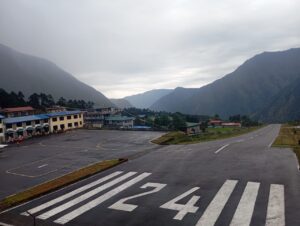 Lukla Airport runway[/caption]
3. **Phakding to Namche Bazaar: (3,340m/ 11280ft), 5-6 hrs** — Following a hearty breakfast in Phakding, We embark on an invigorating and visually stunning segment of our Everest high passes trek as we begin our ascent towards Namche Bazaar, Widely known as the vibrant Sherpa capital of the Everest region. Our trekking route meticulously follows the majestic Dudh Koshi River, offering a continuous stream of picturesque scenery and a refreshing sound of flowing water, setting a perfect run for our Himalayan adventure.
As we progress, trekkers will experience the iconic thrill of crossing several impressive high-suspension bridges, including the renowned Hillary Suspension Bridge. These crossings provide not only an exciting element to the hike but also offer Breathtaking panoramic vistas of the rushing river below and the towering Himalayan landscape that surrounds us. The trail then leads us to dense and serene pine forest providing welcome shade and the invigorating scent of wilderness truly immersing us in the profound natural beauty of Sagarmatha National Park.
The latter part of the day involves A challenging, rewarding gradual uphill climb, culminating in our much-anticipated arrival at the bustling market town of Namche Bazaar. This significant ascent is a crucial milestone and our average dragging journey, providing a strong sense of accomplishment and numerous incredible photo opportunities. We will spend overnight at a comfortable teahouse in Namche Bazaar, Strategically positioned to begin our essential altitude acclimatisation process in preparation for higher elevation.
4. **Acclimatization day at Namche Bazaar** — Today marks a crucial acclimatization day on your Everest high passes trek, Strategically spent in the vibrant town of Namche Bazaar. This race today is vital for their body to adjust to the increasing altitude of 3440 metres, significantly reducing the risk of Acute Mountain Sickness (AMS) as we prepare for higher elevations.
While it is a rest day from strenuous trekking, we’ll actively explore Namche Bazaar, soaking in its unique atmosphere. Discover the bustling market, browse local shops were trekking gear or souvenirs and enjoy fresh coffee from the bakery with stunning views. For further altitude exposure We will undertake an optional gentle hike to the charming twin sherpa villages of Khumjung and Khunde.
Here you can experience authentic Sherpa culture first-hand and visit local monasteries. A highlight Includes a visit to the historic Hillary School, established in 1955, renowned for housing what is believed to be a Yeti skull. After a day of exploration and gradual accommodation, will return for an overnight stay at our Comfortability houses in Namche Bazaar, ensuring proper rest before continuing our Himalayan adventure.
5. **Namche Bazaar to Tengboche: (3,835m/ 12,835ft), 4-5 hrs** — Today's trek from Namche Bazaar to Tengboche offers a Perfect blend of scenic beauty and cultural immersion, typically taking 4-5 hours. We begin the day with a pleasant, relatively flat walk for about an hour, providing a gentle start before the gradual ascent.
As you trek, Prepare to be mesmerised by marvellous panoramic views of some of the world's highest peaks, including iconic Mount Everest (8,848.86m), the towering Lhotse (8,516m), and the stunningly beautiful Ama Dablam (6,812m). These Himalayan Vistas are a highlight for any Everest region trekker.
The trail winds through diverse landscapes, offering continuous opportunities for mountain photography. Finally, our journey culminates in the spiritual heart of the Khumbu region, as you reach Tengboche (3,385m/12,835ft). Here the main attraction is Tengboche Monastery, the largest and most revered Buddhist monastery in the entire Everest trekking route.
We will have the opportunity to visit the secret site with these prayer ceremonies and soak in the profoundly spiritual atmosphere, all set against the backdrop of unparalleled snow-capped mountain scenery. Enjoy an enriching cultural experience before settling in for an overnight stay at a tea house in Tengboche, ready for further exploration on your Everest High Passes adventure.
6. **Tengboche to Dingboche: (4,410m/ 14468ft), 5-6 hrs** — After enjoying a delicious breakfast amidst the spiritual Ambiance of Tengboche, Our Everest high passes trek continues with a fascinating journey deeper into the Khumbu Valley. Today's segments lead us to a breathtaking Alpine valley route revealing the ever-changing landscape and the distinct charm of Himalayan terrain.
The trek offers continuous marvellous mountain views as we pass through quaint and authentic Sherpa villages, providing glimpses into the local life at High altitudes. We follow the scenic ridge banks of the Imja Khola (A continuation of the Dudh Koshi River at a higher elevation), Gradually gaining altitude while immersing ourselves in this serene beauty of Sagarmatha National Park.
This segment is crucial for altitude acclimatisation as we ascend towards higher elevation. Finally, after a rewarding trek, we reach the picturesque settlement of Dingboche (4,410m/ 14,468 ft), Known for its extensive fields as a key stop for Everest trekkers. We will spend the overnight comfortably in Teahouses in Dingboche, Preparing for our next important acclimatization day at a significant altitude.
7. **Dingboche to Chhukung (4,740m/ 15,570ft),4-5 hrs** — After a satisfying breakfast in Dingboche, today’s segment of your Everest High Passes trek involves a relatively short and focused walk to Chhukung, a critical stop before tackling the first of the high passes. Our tranquil trail follows the captivating water stream of the Imja Khola (a glacial river flowing from the (Lhotse and Island peak regions), Guiding us deeper into the Alpine landscapes of the upper Khumbu Valley.
Throughout this hike, you will be treated to increasingly magnificent and close-up views of iconic Himalayan peaks, including stunning Ama Dablam (6,812m) And the impressive Island Peak (Imja Tse-6, 189m) a popular trekking peak in its own right. This steady ascent is crucial for altitude acclimatisation preparing your body for demanding heights ahead.
Upon reaching Chhukung (4,730 m/ 15,518 ft), You will find yourself at a small item significant settlement, often considered the gateway to Kongma La Pass and other challenging climbs. The highest altitude gained today is 4,740 metres 15,570 ft at Chhukung itself, we’ll spend the overnight at a tea house in Chhukung, resting and making ourselves ready for adventures of the Everest high pass circuit.
8. **Acclimatization day at Chhukung** — Today is a crucial second acclimatisation day on the Everest High passes trek, Strategical his schedule in Chhukung (4730m/15,518 ft). This dedicated rest today is vital for your body to properly adapt to the high altitude and prepare for the significant challenges of crossing the passes. Effective altitude acclimatisation is the cornerstone of a safe and successful Himalayan trekking adventure.
During this day, we will undertake an optional gentle exploration hike to help our bodies adjust further. Options included a trek to beautiful Imja Tso (Ice Lake), A glacial lake offering stunning reflections of the surrounding peaks or a journey towards the base of Ama Dablam, One of the most iconic and visually striking mountains in the Everest region. These short excursions provide excellent attitude, exposure, and incredible photo opportunities without overexerting ourselves.
This day also allows for final checks of trekking gear and mental preparation for the upcoming high-altitude passes. Our experienced trekking guide will provide updates on trail conditions and offer valuable tips for safe passage. Embrace this serene mountain environment and focus on personal well-being, staying well hydrated and well fed. Returning to our tea houses in Chhukung for the overnight stay, we focus on rest, hydration and nutrition, ensuring optimal readiness for the demanding Kongma La Pass ahead of our epic Everest circuit trek.
9. **Chhukung to Khongma La pass (5,345m/ 18,430ft), then to Lobuche (4,950m/ 16,222ft), 7-8 hrs** — Today is an exhilarating and demanding highlight of your Everest high passes trek, as we tackle the first of the three formidable passes. We begin our challenging ascent from Chhukung, Hiking through rugged, rocky and desert-like terrain that offers a truly raw Himalayan landscape experience. The trail demands focus and determination, steadily climbing towards our primary objective.
The triumphant moment arrives as we cross Kongma La Pass (5,345m/18,430 ft), the highest of the three passes on this circuit. From the summit, you’ll be rewarded with truly marvellous panoramic views that stretch as far as the eye can see, including an incredible perspective of Mount Everest, the vast expanse of the Khumbu Glacier, and the surrounding towering peaks. After soaking in these unforgettable vistas capturing stunning mountain photography, we begin our descent.
The challenging descent from Kongma La leads us towards Lobuche (4,950m/16,222 ft), a crucial stop on the traditional Everest Base Camp route. This portion of the trek is approximately 7-8 hours in total, demanding good physical and mental stamina. Reaching Lobuche signifies the successful completion of the first high pass. We’ll spend the overnight at a comfortable teahouse in Lobuche, celebrating our accomplishment and resting for the next stages of our incredible Everest Circuit adventure
[caption id="attachment_4867" align="alignnone" width="1519"]
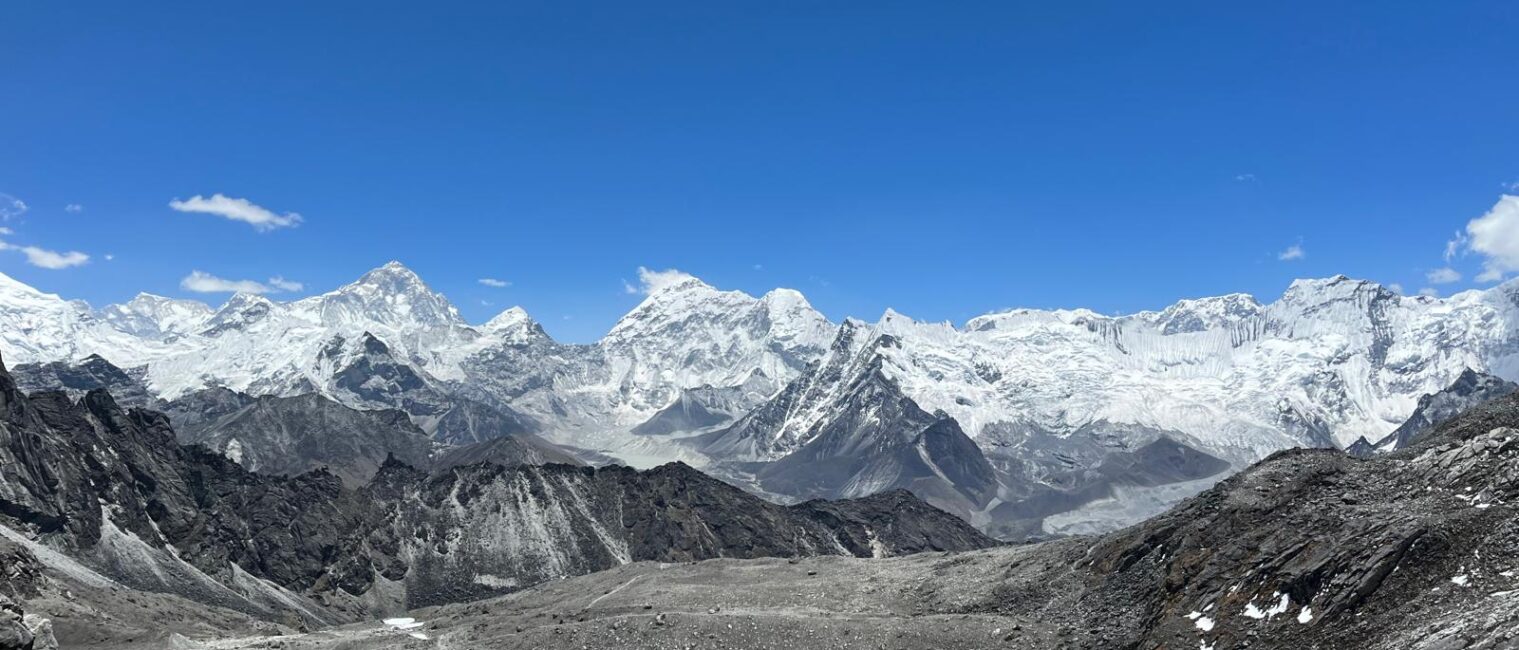 Panoramic view of mountain surrounding a freshwater lake[/caption]
10. **Lobuche to Gorakshep (/ 16994ft), trek to Everest Base Camp (5364m/ 17598ft), 6-7 hrs 5180m** — Today is undoubtedly the most anticipated and significant day of your entire Everest high passes the culmination of your journey towards the legendary Everest Base Camp (EBC). We begin our trek from Lobuche, gradually ascending towards the high-altitude settlement of Gorakshep (5,180 m/16,994 ft). This segment takes us across her rocky moraines and past the Khumbu glacier, offering a truly rugged and remote Himalayan trekking experience.
Upon reaching Gorakshep, nestled at the foot of Kalapatthar, we’ll fuel up with a well-deserved hot meal at our lodge. After a brief rest, we continue our crucial hike to Everest Base Camp (5,364m/17,598ft). This approximately 2-hrs walk takes us directly onto the Khumbu glacier, offering an impressive experience amidst ice pinnacles and crevasses. While you won’t see Everest directly from EBC, you’ll be surrounded by Nuptse, Pumori and Khumbutse, and in spring, witness the bustling tent city of Everest expeditions.
Reaching Everest Base Camp is a moment of immense pride and celebration are testament to your Himalayan adventure and high-altitude trekking prowess. We will spend time soaking and the incredible atmosphere capturing unforgettable Everest Base Camp photos and sharing our achievements before descending back along the same path to Gorakshep. We will spend the overnight at a comfortable lodging in Gorakshep, resting after the monumental day and preparing for the next morning's early ascent to Kalapatthar.
11. **Trek to Dzongla: (4,840m/ 15,860ft), 4 hrs** — The following words are requesting group shape, we begin our journey on the Everest High Passes Trek with a relatively shorter, Yet incredibly scenic. 4-hour trek to Dzongla. This marks a welcome dissent in attitude, which is beneficial for continued altitude acclimatization after we visit Everest Base Camp.
The trail from Gorakshep to Dzongla leads us away from the main EBC route, Offering a different perspective of the Khumbu Valley. You will be truly blessed with a very peaceful and mind-blowing view as we traverse rugged terrain observing the majestic Himalayan landscapes in a more secluded setting.
As we descend, we will encounter pristine icy lakes that reflect the surrounding snow-capped peaks, creating stunning photo opportunities. This tranquil segment allows for reflection on the previous day’s achievements. Finally, we reach the remote and picturesque village of Dzongla (4,840m/15,860 ft), q crucial stop before tackling the challenging Cho La Pass. we’ll spend the overnight at comfortable teahouses in Dzongla, resting and preparing for the next high-altitude challenges on our epic Everest circuit adventure.
12. **Dzongla to Cho La (5,368m/ 18,560ft), Gokyo (4800m/ 15,748ft), 7 hrs** —
[caption id="attachment_4872" align="alignnone" width="593"]
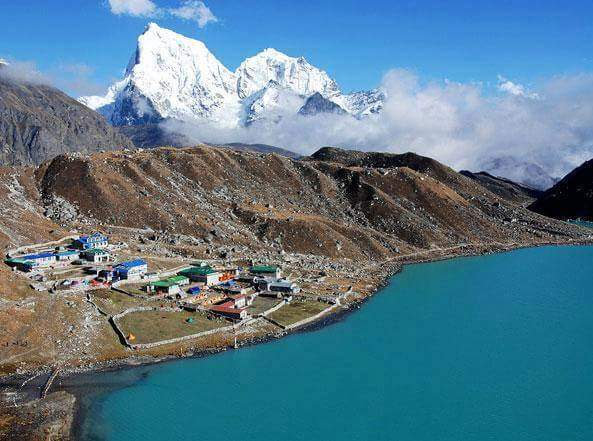 View of Gokyo Lake surrounded by snow-capped peaks[/caption]
Today is another highly anticipated and challenging day on your Everest High Pass trek as we conquer the formidable Cho La Pass. We begin with an early breakfast in Dzongla, steeling ourselves for the demanding climb ahead. The initial ascent takes us steadily upwards, navigating rugged, moraine passing serene stream lakes that dot the high-altitude landscapes.
This rigorous climb demands good physical stamina and careful footing. After a few hours of determined walking and a significant vertical gain, we triumphantly reach the summit of Cho La Pass (5,386m/18,560 ft). From this magnificent vantage point, you will be rewarded with truly marvellous panoramic views of his surrounding Himalayan peaks, including a close-up perspective of Cholastse and Taboche.
Take ample time for mountain photography, capturing these unforgettable moments and celebrating our achievements. Following the summit, we begin our cautious descent, which can be steep and potentially icy, requiring careful navigation.
The descent from Cho La leads us towards the stunning Gokyo Valley. As we continue our trek for a total of approximately 7 hours, the landscape transforms, revealing the first glimpses of renewed Gokyo Lakes.
Finally, with a continuous marvellous view as a backdrop will reach the picturesque lakeside village of Gokyo (4,800m/15,748 ft). This idyllic setting setting, nestled beside the vibrant blue Gokyo Lake, is a well-deserved reward after a challenging day. We’ll spend the overnight at a comfortable tea house in Gokyo, ready to explore this beautiful valley.
[caption id="" align="alignleft" width="768"]
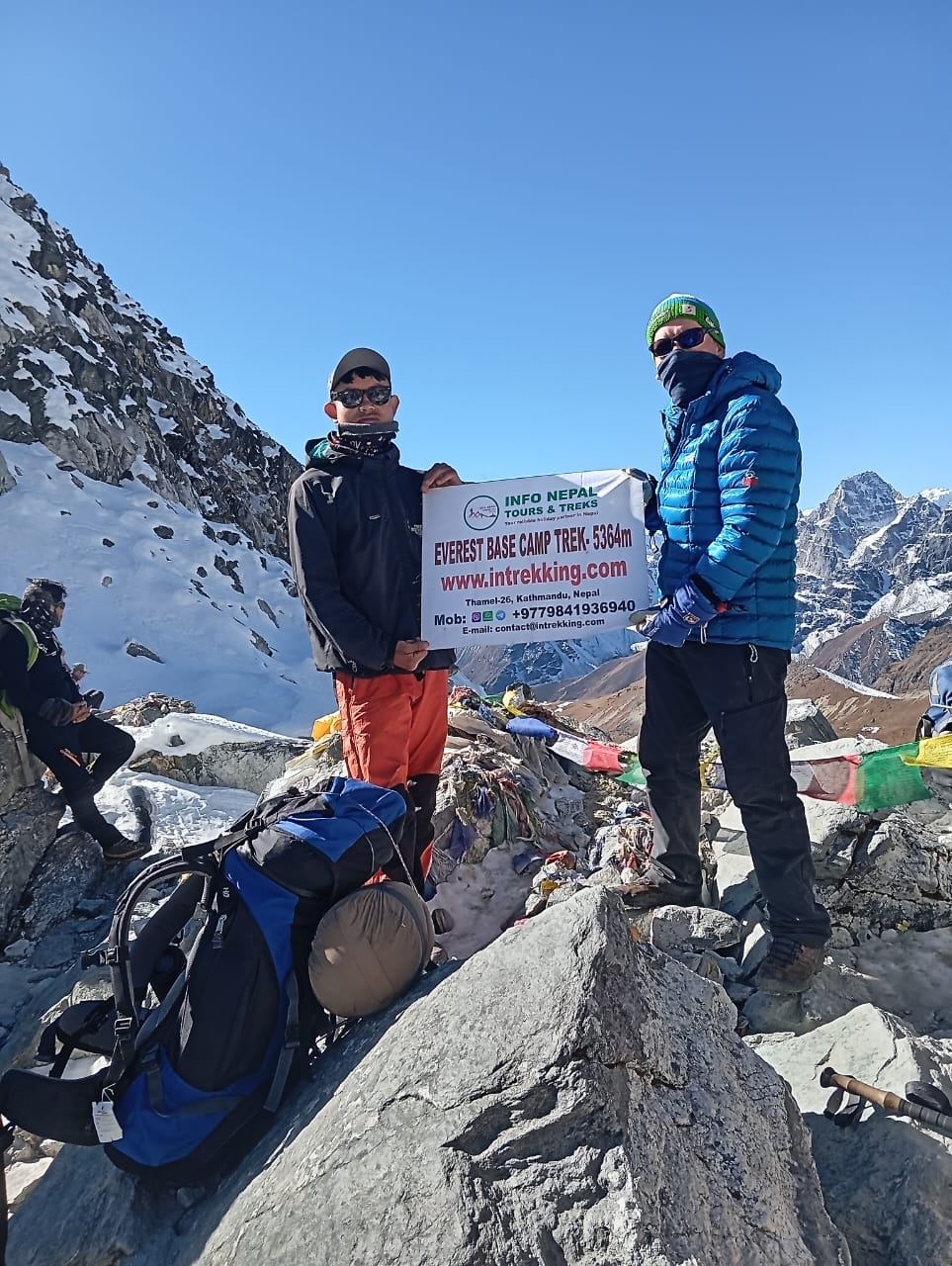 Trekkers on top of Cho La pass holding banner of Intrekking[/caption]
13. **Hike to Gokyo Ri: (5,357m/ 17,575ft), 3hrs** — [caption id="attachment_4874" align="alignnone" width="300"]
 Panoramic view of mountains from Gokyo Ri[/caption]
Today marks our crucial third acclimatisation day on the average high passes trek, strategically designed to enhance your adaptation to high altitudes while offering one of the most iconic viewpoints of the trek. We will embark on a pleasant and rewarding hike to the summit of Gokyo Ri (5,357m/17,575 ft), a prominent peak rising directly above the stunning Gokyo lakes. This challenging yet achievable ascent typically takes around 3 hours of round trip from Gokyo Villages.
From the summit of Gokyo Ri, you’ll be absolutely, mesmerized by a 360-degree panoramic view of the entire Everest region, arguably one of the finest vistas into the Himalayas. Prepare for a breathtaking spectacle of towering peaks, including majestic Mount Everest (8,848.86m), Lhotse, Makalu, Cho You, and Gyachung Kang, alongside the pristine turquoise Gokyo Lakes shimmering below. These viewpoints offer unparalleled mountain photography opportunities and a profound sense of accomplishment for any Himalayan trekker.
After soaking in these unforgettable scenes and allowing for optimal altitude exposure, we descend back to Gokyo for our overnight stay at a comfortable teahouse. This strategic acclimatization hike is key to preparing your body for the upcoming challenges of the Renjo La Pass, ensuring optimal well-being and continuing on your ultimate Everest circuit adventure.
14. **Gokyo to Lungden via Renjo La pass (5,360m/ 17,580ft), 8-9 hrs** — Today is another monumental day on your Everest High Pass trek as we embark on the challenging ascent to this third and final high pass: Renjo La Pass. After an early breakfast in Gokyo, we begin our upward journey, departing from the serene Gokyo Lakes and steadily climbing towards this significant milestone. This rigorous climb demands, physical stamina, and careful navigation over rocky terrain.
Upon reaching the summit of Renjo La Pass (5,360 m/17,580 ft), You will be profoundly blessed with unparalleled panoramic views that truly define Himalayan adventure. From this spectacular vantage point, awe-inspiring Vista of numerous towering peaks like Mount Everest, Lhotse, Cho Oyu, and the entire Gokyo valley, with its stunning lakes below. This is an incredible opportunity for mountain photography and to reflect on the immense journey you have undertaken.
Following this exhilarating experience, we begin our descent from Renjo La. The trail leads us downhill through diverse landscapes offering continuous magnificent mountain views. After a few hours of walking, we will reach the charming village of Marlung (often listed with Lungden on Itineraries, around 4,210m/13,812 ft), a peaceful settlement in a beautiful valley. The entire day’s trek spans approximately 8 to 9 hours, making the successful completion of all three Everest High passes. We will spend the overnight in comfortable housing in Marlung, celebrating this major accomplishment on your ultimate Everest circuit trek.
15. **Trek from Lungden to Thame** — After conquering the formidable Renjo La Pass, today’s segment of your Everest High Passes Trek takes us on a fascinating journey to the historic and traditional sherpa villages of Thmae. Departing from Marlung/ Lungden, we’ll follow a scenic trail that descends through the picturesque Bhotekoshi Valley, offering a different perspective of the Khumbu region’s diverse landscapes. This gradual downhill trek provides a welcome relief after the higher altitudes.
As we make our way towards Thame, You’ll be immersed in the authentic Himalayan culture, Passing by ancient Mani Walls and small chortens. Thame (3,800m/12,467ft Is a significant and less frequented village compared to Namche, Renowned for its strong climbing heritages and as the birthplace of many famous Sherpa mountaineers. It's a quieter atmosphere that offers a deeper insight into the local life and traditions, far from the main Everest base camp trekking route.
Upon arrival in Thame, You will have the opportunity to explore its charming lanes and visit the Thame monastery, One of the oldest In the Khmbu region, Perched high above the village. This cultural exploration adds a unique dimension to your average circuit adventure, showcasing the rich spiritual fabric of the Sherpa people. We will spend the overnight at a comfortable tea house in Thame resting and reflecting on your incredible Nepal trekking experience.
16. **Thame to Namche Bazaar** — Following our impressive cultural experience in Thame, we continue our descent on the Everest high passes trek, making our way back to the bustling and familiar town of Namche Bazaar. We’ll trek along the historic Bhote Koshi river valley, Listening gradually through picturesque landscapes that offer a different perspective of the Khumbu region.
This Segment of the Himalayan trekking route takes us through charming Sherpa villages and past ancient Buddhist money walls and serene monasteries, Providing continued insight into the rich spiritual heritage of the area. The downhill part is generally easier on the knees after the high altitude challenges, allowing for a more relaxed pace to enjoy the surroundings.
Reaching Namche Bazaar (2,440m /11,286 ft) for a Final overnight stay provides a comfortable return to its amenities. You can revisit your favourite bakery, explore the market one last time for trekking souvenirs or simply relax and reflect on an incredible Everest circuit adventure. This strategic stop position is perfect for the final descent to Lukla on the following day, ensuring a smooth conclusion to your Nepal trekking experience.
17. **Trekking from Namche Bazaar to Lukla (2,860m/9,383 ft)** — Today marks the poignant and exhilarating final trekking day after the incredible Everest high passes adventure. After a hearty breakfast in the vibrant Sherpa capital of Nazmhe Bazaar, We begin our significant downhill journey, retracing our steps along the familiar and picturesque Dudh Koshi River Valley.
This segment of the trekking route allows for a more relaxed pace as we descend through the charming villages like Jorsalle and Phakding crossing numerous iconic suspension bridges that have become a hallmark of the Everest region trek.
You’ll notice gradual changes in vegetation as we drop to the lower altitudes, truly appreciating the diverse Himalayan landscape within Sagarmatha National Park, this substantial descent is not only physically rewarding but also provides ample time to reflect on the high altitude challenges you have overcome and the unforgettable mountain visual witnessed throughout your Everest circuit experience.
After a full day's trek we reach the bustling town of Lukla (2,860m/9,383 ft), the crucial gateway to the Everest region. This moment signifies the successful completion of your challenging Everest high passes trek. We will spend our overnight at a comfortable teahouse in Lukla, allowing for a well-deserved celebration of your remarkable achievement with your trekking team, Preparing for your departure flight back to Kathmandu the following morning.
18. **Flight from Lukla to ktm** — Today marks the last day of your incredible Everest High Passes trek adventure, a truly unforgettable Himalayan journey. After an early breakfast at your tea house in Lukla, We will head back to Tenzing Hillary Airport (Lukla airport), bracing ourselves for an early morning flight back to Kathmandu.
Experience one last thrilling scenic mountain flight over the majestic Himalayan peaks, offering the final breathtaking aerial perspective of the stunning landscapes you have just traversed. This short but impactful yet impactful flight to Lukla is a fitting end to your Nepal trekking experience, Providing indelible memory and a profound sense of accomplishment for completing the Everest circuit.
Upon landing at Kathmandu's Tribhuvan International Airport (TIA), our dedicated delegate will be waiting to provide a comfortable private transfer to your hotel in the city. You will then have the remainder of the day to relax, refresh and perhaps explore the vibrant markets of Thamel for a last-minute souvenir or enjoy a celebratory farewell dinner, reflecting on the challenging at immensely rewarding high-altitude trekking experience you have completed.
This seamless transition ensures a comfortable and memorable conclusion to your ultimate adventure travel in Nepal.
[caption id="attachment_4880" align="aligncenter" width="1280"]
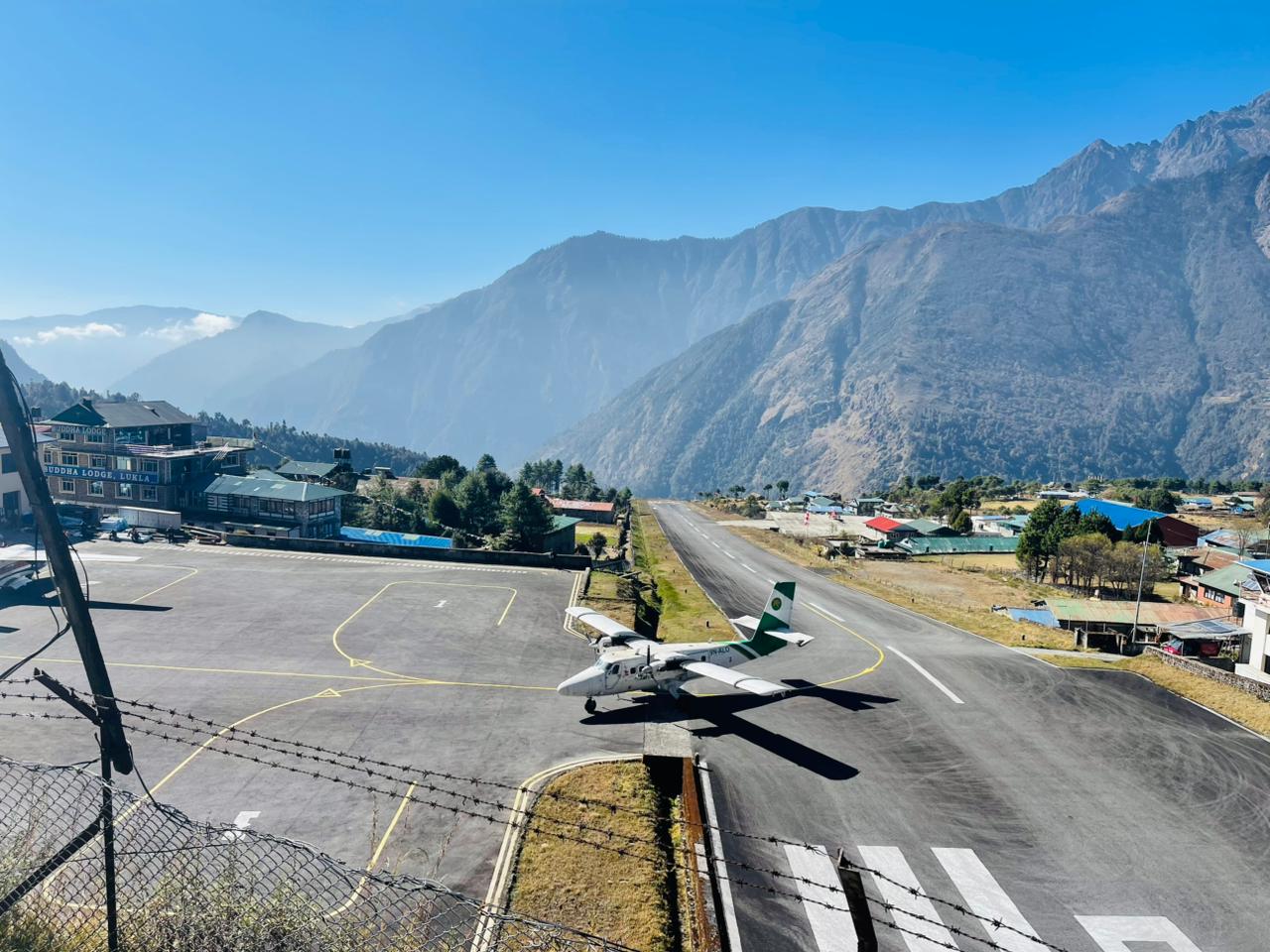 Lukla airport[/caption]
## What's included
- Airport picks up and drops off by the private vehicle.
- Three-time Meal During trekking(Breakfast-Lunch-Dinner)
- All ground transportation on a comfortable private vehicle as per the itinerary
- Flight From Kathmandu to Lukla And Lukla to Kathmandu
- Guided city tour in Kathmandu by private vehicle
- An experienced, English-speaking and government-licensed trek leader and assistant trek leader (10 trekkers: 1 assistant guide) Porter service (2 trekkers: 1 porter)
- Staff costs including their salary, insurance, equipment, food and accommodation Down jacket and sleeping bag (to be returned after trip completion)
- All necessary paperwork and trekking permits (Sagarmatha National Park and Khumbu Pasang Lhamu Rural Municipality).
- Medical kit (carried by your trek leader)
- All government and local taxes
- Trekking map
- Trekking certificate after trek.
## Not included
- Nepalese visa fee
- Excess baggage charge(s)
- Private transportation except what is mentioned in the What Is Included section
- Extra night accommodation in Kathmandu and Pokhara because of early arrival, late departure, early return from mountain (due to any reason like natural disaster and your own problems) than the scheduled itinerary Lunch and evening meals in Kathmandu (and also in the case of early return from the mountain than the scheduled itinerary) International flights
- Travel and rescue insurance
- Trekking equipment
- Personal expenses (phone calls, laundry, bar bills, battery recharge, extra porters, bottle or boiled water, shower, etc.) Tips for guide(s), porter(s) and driver(s)
## FAQ
**Q: What sort of physical condition do I need for 12 Days Everest Three passes Trek ?**
A: This Everest Base Camp Trek 12 Days is a moderate type of trek. Trekkers who can walk 5-6 hours a day uphill and downhill have no problem. If you have each morning jogging and exercise for a few months then your walk will be smooth. However, participants having chronicle health problems like heart, lung and blood disease must consult with doctors before proceeding.
**Q: Is experience required for Everest Three passes Trek?**
A: Trekking to Everest Three passes for 12 Days will be easier for those who have hiking experience in high altitudes. Though past hiking experience will be knowable no technical skill is required for this trip.
Even you can prepare for physical exercises a month before the trek.
**Q: What is the best time to travel the Everest three-pass trek?**
A: The best time to trek Everest Base Camp is during spring (March, April, May) and autumn (September, October, November). In these two seasons, we can guarantee the amazing views of the mountain range and lustrous rhododendron flowers.
Everest Base Camp Trek is not suitable during winter due to cold temperatures and the rainy season as mountains are hidden under the clouds and slippery trails.
**Q: What is the Everest High Passes trek?**
A: The Everest High Passes trek is a challenging multi-day high-altitude trek in Nepal's Everest (Khumbu) region. It traverses 3 major passes - Kongma La (5535 metres), Cho La ( 5,420 metres). And Renjo La (5,380 metres)-Offering unparalleled panoramic mountain views and complete Everest circuit experience beyond this standard Everest Base Camp trek.
**Q: How difficult is the Everest High Passes trek?**
A: The Everest High Passes trek is difficult is considered strenuous and significantly more challenging than EBC. It requires excellent physical fitness, prior high-altitude trekking experience, and comfort with long days, steep ascents and descents, and potentially snowy or icy pass crossings. It is a true adventure trek for experienced hikers.
**Q: How long does the Everest High Passes trek take?**
A: A typical Everest High Passes trek itinerary ranges from 17 to 20 days, including arrival and departure days in Kathmandu and crucial acclimatisation days within the Everest region. This duration allows for proper altitude acclimatisation and enjoyment of his stunning landscapes.
**Q: What is the highest altitude reached on the Everest High Passes trek?**
A: The highest altitude reach on the average high passes straight is typically Kala Patthar (5550 metres) Are exceptional Everest views and the passes themselves; Kongmal La ( 5,535m), Cho La (5,420m), and Renjo La (5,380m). Trekkers will spend significant time above 5,000m.
**Q: What are the three high passes on this trek?**
A: The three iconic high passes on this Everest circuit trek are:
Kongmal La ( 5,535m): Located between Chhukung and Lobuche.
Cho La (5,420m): Connecting Dzongla and Thagnak.
Renjo La (5,380m): Offering views of Gokyo Lakes and connecting Gokyo with Marlung Lungeden.
**Q: Do I need a guide and Porter for the Everest high passes trek?**
A: Yes, a licenced trekking guide is highly recommended, almost essential for the Everest high passes trek. Their local knowledge, expertise in route finding and assistance with altitude sickness management are invaluable. A porter is also advisable to carry your main luggage, allowing you to carry a lighter day pack for easier trekking.
**Q: What is the best season to do the Everest High Passes trek?**
A: The best seasons for the Everest High Pass trek are Autumn (September to November) and Spring (March to May). This month offers stable weather, clear skies and optimal mountain visibility. However, even in peak seasons, be prepared for potential snow on the passes.
**Q: Is special equipment required for the high passes?**
A: Yes, due to potential snow and ice, especially during shoulder seasons, microspikes or crampons are often recommended for the Everest high passes trek. Other essential gears include high-quality waterproof trekking boots, Warm-down jackets, thermal layers and trekking poles.
**Q: How do I get to the starting point of the trek (Lukla)?**
A: The starting point for Everest treks, Lukla is primarily accessed via thrilling scenic mountain flights during peak seasons, Lukla flights operate from Ramechhap/Manthali Airport(a 5-6 hrs drive from Kathmandu) in one big season, and flights usually depart from Kathmandu airport.
**Q: What are the common causes of Lukla flight delays or cancellations?**
A: Lukla flight delays are common due to unpredictable Himalayan weather conditions, particularly fog and strong winds, and sometimes air traffic congestion. It's crucial to factor in buffer days at the end of your trekking itinerary to account for these potential disruptions.
**Q: What kind of food is available on the trek?**
A: Teahouse menus offer a range of local and International dishes. Common options include “Dal Bhat” (Lentil soup, rice and vegetables- are staples for trekkers), Noodles, pasta, Soup and Tibetan bread. Food becomes more expensive at higher altitudes due to transportation costs.
**Q: What kind of accommodations can expect on the trek?**
A: Accommodations at the Everest High Pass trek are mainly in teahouses. These are basic lodges offering rooms with twin beds, shared bathrooms and common dining areas. Facilities become more basic at higher altitudes.
**Q: How much does the Everest High Passes trek cost?**
A: The Everest high passes trek cost varies depending on the group size, service level, guide only, guide-Porter full package) duration, and inclusions. It typically ranges from USD 1800 to USD 3000+ per person, covering permits, flights, accommodation, food and guide/porter fees.
**Q: What vaccinations do I need before trekking to Nepal?**
A: Consult your doctor for recommended Nepal travel vaccinations, which may include Tetanus, Diphtheria, Polio, Hepatitis A & B, typhoid, and potentially Rabies. Ensure you are up-to-date on routine immunizations.
**Q: What permits are required for the Everest High Passes Trek?**
A: You’ll need two main Everest trekking permits: the Khumbu Pasang Lhamu Rural Municipality Entrance permit and the Sagarmatha National Entry Park Permit. These are typically arranged by your trekking agency or can be obtained on the trail.
**Q: How can I prevent altitude sickness on the Everest High Passes Trek?**
A: Altitude sickness prevention is critical. Acclimatization days are built into the itinerary. Trek slowly (Nepali flat), stay well hydrated, avoid alcohol and beware of AMS symptoms. Diamox (Acetazolamide) can be used as a preventive, Consult your doctor.
**Q: What are the signs and symptoms of Acute Mountain Sickness (AMS)?**
A: Common AMS symptoms include Headache, nausea, dizziness, fatigue, loss of appetite and difficulty sleeping. If symptoms worsen (e.g. severe headaches, shortness of breath at rest, confusion), immediate descent is crucial.
**Q: What is the best way to train for the Everest high passes trek? **
A: Trek training for Everest High Passes should focus on Cardiovascular Endurance (Hiking, running. cycling), strength training (legs, core), and multiday hiking with a backpack. Practise hiking uphill to prepare for the sustained ascents.
**Q: Can I do Everest High Passes Trek if I have no prior trekking experience?**
A: While possible with exceptional fitness. The Everest high passes trek is not recommended for first-time trekkers or those without prior high-altitude exposure. It is a significant step up from introductory treks and demands substantial preparation.
**Q: What kind of weather can I expect on the trek?**
A: Everest region weather can be highly unpredictable. Expect cold temperatures, especially at higher altitudes and during the morning/evenings. Daytime temperatures can be mild, but strong winds and certainly snowfall are possible even in peak seasons.
**Q: Is there Internet or phone connectivity on the trek?**
A: Limited Wi-Fi and phone services are available in most villages, typically for a fee higher up and on the passes connectivity becomes scarce. Consider purchasing a local Ncell or Nepal Telecom SIM card in Kathmandu for better coverage.
**Q: What currency is used and can I find ATMs?**
A: The local currency is the Nepali rupee. NPR ATMs are available in Lukla and Namche Bazaar, but they are often reliable. It’s best to carry enough Nepali Rupees cash from Kathmandu for the entire trek, as most tea houses do not accept cards.
**Q: What should I pack for the Everest High Passes trek?**
A: The Central Labour's high passes backing item list includes layers of warm clothing, waterproof and windproof outer shells or warm sleeping bags rated to at least -10°C, trekking boots, trekking poles and first-aid kit, sunglasses and sun hat and headlamp.
**Q: What are the key differences between the Everest High Passes and the EBC trek?**
A: The Everest High Passes trek is longer, more challenging, involves crossing three high passes, and covers a wider area of Khumbu Valley, including the Gokyo Lakes. The EBC trek is shorter, more direct, and primarily focuses on reaching the Basecamp and Kalapatthar.
**Q: Is solo trekking permitted on the Everest High Passes trek?**
A: No. Since April 2023, foreign trekkers need a licensed guide in Sagarmatha National Park, so solo trekking is not permitted. For the High passes, it is particularly risky due to the route’s complexity and remoteness.
**Q: What happens in case of a medical emergency on the trek?**
A: In case of a medical emergency, especially relating to altitude sickness, the primary action is to immediately descend. For severe cases, helicopter rescues are available, but it is very expensive and require comprehensive travel insurance that covers high-altitude trekking and emergency evacuation.
**Q: What is the minimum age for the Everest High Passes trek?**
A: There is no strict minimum age, but due to extreme physical demands and high altitudes, the Everest High Passes trek is generally not recommended for children or individuals under 16-18 years old. Participants must be mature enough to understand and report symptoms.
**Q: Can I add side trips or extensions to the Everest high passes trek?**
A: Yes, many trekkers combine the Everest High Passes Trek with extensions to the Everest Base Camp trek (EBC)and Kala Patthar, as these are typically included in the itinerary. Other popular side trips include visits to Chhukkung Ri or exploring the villages of Khumjung and Thame.
## Contact for this trip
- Operator: Info Nepal Tours and Treks · Thamel, Kathmandu, Nepal
- Phone: +977 9841936940
- Email: contact@intrekking.com
---
# Gokyo Renjo La Pass Trek
URL: https://intrekking.com/trip/gokyo-renjo-la-pass-trek/
Last updated: 2026-07-07
## Facts
- Region: Everest Region
- Duration: 14 days
- Max altitude: 5,361 m
- Difficulty: Challenging
- Group size: 1-10 people
- Best season: March-May : September-November
- Price from: $1,300 per person
## Summary
A trek in the Everest region leaving the main Base Camp trail to cross the Renjo La pass into the Gokyo Valley, passing Namche Bazaar and Thame village with views of Everest, Cho Oyu, Lhotse and Makalu, suited to experienced trekkers.
## Overview
Gokyo Renjo La Pass Trek is one of the most stupefying treks in the Everest region. On the journey, you’ll escape from the mainstream trekking trail to go to Everest Base Camp. This trekking experience will provide an exclusive experience in your journey.
Trek begins with the short mountain flight to Lukla. You’ll enjoy the hallmarks in the best fashion as you make your way from one village to another. The trail continues through famous villages like Namche Bazaar and Thame. The trek continues along with a rocky trail, an Irish Himalayan forest of Juniper, rhododendron, pine, and fir. Now trek offers the marvellous views of mountains and the highest freshwater lake system of Gokyo as the trek reaches the High pass of Renjo-La.
Enjoy the alluring snow-capped panorama of Mt. Everest, Cho Oyu, Lhotse, Ama Dablam, Makalu, and many others. Visit the UNESCO World Heritage Sites listed in Sagarmatha National Park. Encounter the flora and fauna of the Everest region. Renjo La Pass trek lets you enjoy the amazing sights and beauty of the Everest Himalayas spectacularly. Trek leads through the colourful prayers flag and circumambulates small stupas and chorten. Dig into the Rich Sherpa traditions and culture.
Gokyo Renjo La Pass Trek Highlights
Enjoy a thrilling mountain flight to Lukla from Kathmandu
Your Gokyo Renjo La Pass Trekk adventure kicks off with an exhilarating mountain flight to Lukla from Kathmandu. This short yet scenic flight offers breathtaking panoramic vistas of the Himalayan range, a truly unforgettable introduction to the Everest region. As your small aircraft weaves through the valleys, you’ll witness snow-capped peaks emerging from the clouds, setting the stage for the majestic landscapes to come.
It’s a key part of the Everest trekking experience, providing not only a practical start to your trek but also an immediate immersion into the grandeur of Nepal’s towering mountains. Be prepared for stunning photos, opportunities, and the excitement of landing at one of the world’s most unique airports. This Kathmandu to Lukla flight is an iconic part of any Everest region trek.
Encounter wildlife of UNESCO World Heritage Site listed Sagarmatha National Park.
The Gokyo Renjo La Pass takes you deep into the heart of Sagarmatha National Park, a UNESCO World Heritage Site renowned for its dramatic landscapes and unique biodiversity. As you trek through its diverse ecosystems, from dense rhododendron forests to alpine pastures, you’ll have the chance to encounter remarkable Himalayan wildlife.
Keep an eye out for elusive species like Himalayan tahr, musk deer, and various other species of pheasants. Birdwatchers will be thrilled by the rich avian life, including the national bird of Nepal, the colourful Danphe. The protected area is crucial for these fascinating creatures. Your journey through this park is not a pristine habitat for these fascinating creatures. Your journey through this park is not just a trek; it’s an opportunity to connect with the raw, untamed beauty of nature.
Highest freshwater Lake system of Gokyo Lake
A jewel of the Gokyo Renjo La pass trek is the Gokyo Lake system, a series of stunning high-altitude freshwater lakes. The turquoise-coloured lakes, add a spiritual dimension to their Natural beauty. Situated at altitudes ranging from 4,700m to 5,000m, they form the highest freshwater lake system in the world, truly to 5,000m, they form the highest freshwater lake system in the world, a truly remarkable geological feature.
The pristine waters reflect the surrounding snow-capped peaks, creating breathtaking vistas that are a photographer’s dream. Exploring the shore of these tranquil lakes offers a profound sense of peace and isolation, making them a significant highlight for anyone seeking in unique Himalayan lake trek. This Natural Wonders is a testament to the Everest version.
Know about the lifestyle, culture and traditions of Sherpas
The Gokyo Renjo La Pass Trek provides an invaluable opportunity to immerse yourself in the rich lifestyle, culture, and traditions of the Sherpa people. As you journey through their villages like Namche Bazaar and Khumjung, you’ll witness their incredible resilience, hospitality and deep connection to the mountains. Learn about their unique Buddhist practises every range in the numerous prayer flags, Mani walls and monasteries that dot the landscape.
Engaging with the Sherpa community offers insights into their traditional livelihoods, their roles as legendary Mountaineers, and their way of adaptable way of life in challenging terrain. This cultural exchange enriches the entire trekking experience, allowing you to understand the human spirit that thrives amidst these majestic peaks. It is an essential part of any Everest cultural trek.
Visit ancient Buddhist monasteries.
Through the Gokyo Renjo La Pass Trek, You will have the chance to visit several ancient Buddhist monasteries that stand as beacons of faith and tranquillity in the Himalayas. These sacred sites such as the renowned Tengboche monastery, offer a profound glimpse into the spiritual heart of the Sherpa people. Witness monks engaged in daily prayers observe intricate frescoes and statues, And feel the serene atmosphere that pervades these hollowed halls.
These monasteries are not just places of worship, but also centres of education and community gatherings, preserving centuries-old Buddhist traditions in Nepal. The experience of sitting in contemplation amidst the sound of chanting and the scent of the incense is a truly moving highlight and it turned into the deepest spiritual heritage of the Everest region.
Come into contact with the marvellous beauty of nature from Gokyo Ri
Ascending to the summit of Gokyo Ri is an absolute pinnacle of the Gokyo Renjo La pass trek, offering an unparalleled encounter within the marvellous beauty of nature. From its vantage point at (5,357 metres/17,500 feet), You will be treated to a breathtaking 360° panorama up some of the world’s highest peaks, including Mount Everest, Lhotse, Makalu, and Cho you.
The sunrise views from Gokyo Ri are legendary, Painting the snow-capped giants in hues of golden and crimson. This challenging yet rewarding climb offers the most iconic Everest viewpoints on the trek, allowing you to grasp the scale and grandeur of the Himalayan range truly. It’s a moment of pure awe, solidifying the Gokyo Renjo La Pass trek as an ultimate scenic adventure.
Chhukung village
a small, picturesque village that lies just off the main trekking routes, offering a peaceful atmosphere away from the more crowded trails in the Everest region. Situated at an altitude of approximately 4,730m (15,518 ft), it is a relatively less-visited area compared to Namche Bazaar or Gokyo.
Access to the Imja Valley: Chukkung serves as the gateway to the Imja Valley
And offers access to the the base camps for the island peak (Imja Tse), making it a popular stop for climbers and trekkers intending to scale peaks in the region.
Breathtaking views: The village provides stunning panoramic views of several high peaks, including Lhotse, Ama Dablam and Makalu. The sight of these majestic mountains, especially during sunrise and sunset, is one of the main attractions for visitors.
Scenic trails: From Chhukung, trekkers can embark on various short hikes, exploring beautiful landscapes, yak pastures, and glacial streams, which enhance the overall trekking experience.
Cultural experience: The village is inhabited primarily by the Sherpa community, allowing trekkers to experience the local culture traditions, and hospitality. Interacting with the locals here can be a highlight for many visitors, enriching their trekking experience.
Acclimatization stop: Due to its altitude, Chhukung is an excellent acclimatization spot for trekkers before they ascend to the higher altitudes and prepare for the challenges ahead.
Gokyo Ri and Glacial Lakes: While in the vicinity, adventurers can also take side trips to Gokyo Lakes and Gokyo Ri, offering further opportunities to witness breathtaking views of the surrounding landscapes.
Significance of Chhukung Ri
Chhukung Ri is often included in treks addressing the Everest region, standing at 5,550 m (18,209 ft). It offers an alternative perspective of the majestic Himalayan landscapes, making it a popular ascent during various trekking routes, including the three-pass trek, which incorporates Gokyo Lakes and Renjo La pass.
The area around Chhukung Ri is particularly valued for its panoramic views of peaks such as Mount Everest, Kangtega, and the eastern summits of Makalu and Lhotse. Its elevation provides trekkers with superb visibility of the dramatic landscapes, making it a noteworthy excursion from the main trekking routes.
Connection to Gokyo Renjo La Pass Trek
While embarking on the Gokyo Renjo La pass trek, trekkers can opt to include a side trip to Chhukung Ri. This adds approximately 2-3 days to the trek, allowing for exploration of the serene Chhukung valley and its unparalleled trek views.
Scenic views: The climb to Chhukung Ri rewards trekkers with expansive vistas over several 8,000-meter peaks from this point. As such, many trekkers consider summiting Chhukung Ri a highlight of their journey through the Khumbu region.
Trekking route: the route from Gokyo Lakes, passing through Renjo La Pass, can be paired with an extension of Chhukung Ri before heading towards Lungden and eventually descending into Namche Bazaar.
Cultural experience: This trek also enriches the cultural experiences as trekkers encounter local Sherpa communities, gaining insight into their lifestyle and heritage while journeying across more remote and lesser-known paths.
Renjo la pass trek outline itinerary
## Itinerary
1. **Flight to Lukla (2,642m/ 8,668ft) and trek to Phakding (2,562m/ 8,700m): 35min flight (opt flight), 8km, 3-4 hrs trek** — Your Gokyo Renjo La Pass Trek begins with an exhilarating Early morning flight to Lukla from Kathmandu, a highlight in itself. This short scenic journey promises splendid views of rolling hills, meandering rivers, and magnificent snow-capped Himalayan mountains.
As you're playing a sense, you will witness the dramatic transition from Kathmandu Valley urban sprawl to the pristine Everest region landscape, Setting the tone for your adventure. Upon a thrilling landing at Tenzing Hillary Airport, You will be greeted by Crisp Mountain Air. Here you will meet your dedicated trekking Porter who will assist you with your gear.
Soon after you’ll embark on your first day's gentle trek towards Phakding, a charming village nestled by the Dudh Koshi River, where you’ll spend your first night, ready for the days ahead on this incredible Himalayan journey.
Alternatively, your adventure may begin with an early morning drive to Ramechhap (Manthali airport), a practical adjustment due to increased air traffic in Kathmandu. This scenic drive takes you through the picturesque countryside, offering different perspectives of Nepal’s rural beauty before your aerial journey. From Ramechhap, you’ll then take your optional flight to Lukla, a crucial segment of the Everest region trek.
The flight continues to offer the same breathtaking panoramic mountain views as the direct Kathmandu flight, showcasing the iconic Himalayan peaks and deep valleys. Upon arrival in Lukla, you’ll meet your trekking crew, including your experienced porter. After introductions, you’ll commence your initial hike towards Phakding, a peaceful village along the Dudh Koshi River, marking the official start of your immersive Renjo La Pass adventure, culminating in an overnight stay.
2. **Phakding to Khumjung village** — Today's trek marks a significant step upwards on your Gokyo Renjola pass trek as you leave Phakding and head towards the renowned Sherpa village of Khumjung. The trail steadily gains elevation, guiding you through enchanting rhododendrons and pine forests while multiple suspension bridges, including the famous Hillary Bridge, Offer thrilling crossings high above the powerful Dudh-Koshi River.
You will pass through charming settlements like Monjo, Where you will formally enter the UNESCO World Heritage Sites of Sagarmatha National Park after checking your permits. This portion of the trek provides incredible Himalayan scenery, with your first close-up views of the majestic peaks beginning to Emerge, setting a dramatic backdrop for the day’s physical exertion. The journey is designed for gradual altitude acclimatization, allowing your body to adjust to the thinning air.
After navigating the bustling trails to Namche Bazaar, The route diverts towards the more serene and traditional village of Khumjung. Upon reaching Khumjung, you’ll have ascended to the maximum elevation of approximately 3,790 meters (12,434 ft), a substantial gain that contributes vital acclimatization for the higher passes ahead.
This quaint village, culturally rich, is home to Khumjung Hillary school and an ancient monastery, offering genuine insights into this Sherpa culture and lifestyle. For your itinerary accommodation tonight you will settle into a comfortable local trekking lodge or Teahouse in Khumjung, Providing basic amenities like a private room with twin beds and access to communal dining areas, ensuring a restful night after a rewarding day of Everest region hiking and cultural immersion.
3. **Acclimatization day in Khumjung** — Today is a crucial acclimatization day in Khmjung, vital for your body's adaptation. To the increasing altitude on the Gokyo Renjo La pass trek. Instead of long hours of trekking, the day is designed for rest and a short strategic hike to higher elevations, Following the “climb high, sleep low” principle to prevent acute mountain sickness (AMS).
Khumjung itself offers a peaceful setting for this, allowing you to relax amidst stunning mountain views. We get to spend the morning exploring charming villages and visiting the historic Khmjung Hillary School, a testament to Sir Edmund Hillary's contribution to the region. This important day ensures your body is well prepared for the more demanding segments of the Everest region trek ahead making your onward journey safer and enjoyable.
The afternoon on your Khmjung acclimatization day might involve a gentle stroll to the ancient Khmjung monastery, home to a purported Yeti scalp, Offering a glimpse into the local Buddhist traditions.
Alternatively, a short hike towards the Everest View Hotel viewpoint (Though not reaching the hotel itself to stay low) or to the nearby village of Khunde provides excellent panoramic vistas of Ama Dalam, Thamserku, and even Mount Everest in the distance.
Your trekking lodge accommodation in Khumjung continues to provide a comfortable base, allowing you ample time to hydrate, relax, and immerse yourself in the authentic Sherpa culture. This dedicated rest day is a successful and healthy high-altitude trekking experience in the Himalayas.
4. **Trek to Phortse thanga** — After enjoying a delicious and hearty breakfast, is the Bustling Namche Bazaar, Your Gokyo Renjo La pass trek Takes a delightful turn away from the main Everest Base Camp trail. Today you will embark on the beautiful and less travelled path towards Dole, a picturesque settlement nestled amidst Alpine landscapes.
The trail initially contours along Dudh-Koshi Valley, Offering spectacular views of Ama Dablam, Thamserku, and other surrounding peaks. Following the latest-trodden route through or past Phortse village, You will experience a quieter side of the Everest region, passing through, Serene Rhododendron and Juniper Forests. This section of the Himalayan trek provides ample opportunities for incredible photography and deep immersion in nature's tranquillity preparing you for higher altitudes.
As you continue your journey, the path descends briefly before a steady climb leads you to the small village of Dole. The scenery transforms with increasing elevation, revealing more open landscapes and scattered yak pastures. Dole serves as a crucial stop for further altitude acclimatization.
For the night we will be at a comfortable trekking tea house in Dole, offering warmth, Essential amenities, and a chance to mingle with fellow trekkers. Resting overnight in this tranquil high-altitude hamlet ensures you are well prepared for the adventure that lies ahead on your remarkable Everest Region expedition.
5. **Trek to Machhermo: (4,470m/ 14,491ft), 5-6 hrs** — Today your Gokyo Renjo La pass trek continues with a steady ascent from Dole to the settlement of Machhermo, leading you deeper into the Alpine wildness of the Everest region. The trail gradually climbs along the valley, offering increasingly expansive views of majestic Himalayan peaks. You will traverse diverse terrain from sparse rhododendron bushes to rocky exposed landscapes typically of higher altitudes.
The journey is incredibly scenic, passing by a small waterfall and streams, with the air growing crispier as we gain elevation. This leg of the trek is essential for further Altitude acclimatization allowing your body to progressively adjust to the thinner atmosphere crucial for the challenging days ahead on your Himalayan adventure.
Your destination is Machhermo, which stands at a significant Maximum elevation of (4470 m/ 14,491 ft), Making it the highest point you will sleep at so far on the trek. This small but important village is a hub for trekkers heading towards Gokyo, often providing an opportunity to attend presentations on Acute Mountain Sickness (AMS) awareness.
Your itinerary accommodation for the night will be a cosy trekking lodge in Machhermo, offering basic comfortable shelter and hot meals, providing A vital resting place before the final push to the renowned Gokyo Lakes. The raw beauty of the high mountains truly begins to dominate the landscape here.
6. **Trek from Machhermo to Gokyo: (4,800m/ 15,749ft), 4-5 hrs** — Following a nourishing breakfast in Machhermo, Today's segment of your Gokyo Renjo La passed trek Promises increasingly dramatic scenery as you head towards the fabled Gokyo Lakes. Your trail first Leads over a prominent Ridge, instantly revealing more exotic views of towering peaks and vast glacial landscapes that define high-altitude regions.
The path then gently descends to follow the serene Riverside, offering tranquil moments before a significant climb. This challenging ascent leads you up to the side of Monumental Ngozumpa Glacier, the longest glacier in the Himalayas truly an awe-inspiring natural wonder. The raw power of nature is palpable here, Making this quintessential Himalayan trekking experience.
Finally, after approximately 4 to 5 hours of trekking, You will reach the stunning settlement of Gokyo, nestled beside the breathtaking third Gokyo Lake. This is the day’s maximum elevation point, standing proudly at 4,800m (15,749 ft), marking a pivotal achievement in your journey. The pristine turquoise waters of the Gokyo Lakes are a sight to behold, reflecting the surrounding snow-capped giants.
Your itinerary accommodation will be in a comfortable trekking area in Gokyo, offering spectacular lakeside views and well-deserved rest in this tranquil, high-altitude sanctuary providing the perfect base for exploring the area.
7. **Early morning hike to Gokyo Ri (5,360m/ 17,585ft), 3-4 hrs** — Today promises to be the true highlight of your Gokyo Lakes Trek, as you embark on an exhilarating early morning hike to the summit of Gokyo Ri (5,306m/17,585ft). This challenging yet incredibly rewarding ascent typically takes around 3-4 hours, pushing your limits and preparing you for unparalleled panoramic views.
As the sun begins to kiss the eastern sky, you’ll witness a spectacular display of colours illuminating the colossal Himalayan peaks that surround you, making every step worthwhile on this iconic mountain adventure. This segment is a core component of any Everest region trekking experience, promising breathtaking scenic beauty.
Reaching the summit of Gokyo Ri offers one of the most magnificent mountain viewpoints in the entire Khumbu region. From this vantage point, you’ll be treated to a 360-degree vista encompassing four of the world’s highest six highest peaks: Mt.Everest (8,848m), Lhotse (8,516m), Makalu (8,643m), and Cho Oyu (8,201m).
Below the vast, serpentine Ngozumpa Glacier sprawls out, alongside turquoise gems of the Gokyo Lakes themselves. This truly is a photographic paradise and a testament to the raw majesty of the Nepal Himalayas, solidifying your adventure travel memories.
The descent back to Gokyo for breakfast will feel triumphant, carrying with you the awe-inspiring image of the sunrise over the world’s highest mountains. This demanding yet fulfilling Gokyo Ri hike is an unforgettable perspective of the Everest Base Camp trail region’s immense scale and beauty.
It's an experience that underscores the physical and spiritual rewards of high-altitude trekking in Nepal, cementing your journey as a profound personal achievement amidst iconic natural landscapes.
8. **Cross the Renjo La pass and trek down to Lungden: (4,350m/ 14,271ft), 5-6 hrs** —
After enjoying a delicious Himalayan breakfast at Gokyo, we set off on our descent towards Lungden, a hidden gem on the Everest Three Passes trek. The trail unfolds with stunning views of snow-capped peaks and glacial lakes.
We trek through lush alpine meadows, gradually entering the breathtaking Bhotekoshi valley. The peaceful surroundings and fresh mountain air make this stretch both relaxing and rejuvenating for trekkers.
But late afternoon we arrive at Lungden, A quiet religion is sold in the high Himalayas. Surrounded by natural beauty and local culture, it offers the perfect overnight to stop before continuing the adventure.
9. **Trek down to Thame (3,850m/ 12,630ft), visit Thame Monastery** — Embark on a captivating descent on your tenth day of the Gokyo Renjo La Pass trek, as we guide you down to the tranquil village of Thame. This picturesque hike offers a welcome change of pace, winding through stunning Himalayan landscapes and providing incredible panoramic views of the surrounding peaks as you trek, breathe in the crisp mountain air and experience the profound sense of calm that permeates this authentic Sherpa community truly immersing yourself in the heart of Khumbu region.
The journey to Thame promises not only physical activity but also a rich cultural experience that deepens your understanding of the Everest area. Upon arrival in Thame, a highlight of your trip awaits: A visit to the historic Thame Monastery. This ancient Buddhist site is not merely a place of worship, it's a living testament to centuries of spiritual Buddhist practices.
Witness the daily rituals, the chanting of monks, and the vibrant prayer flags fluttering in the wind, all contributing to an unforgettable atmosphere. Exploring the monastery provides a rare opportunity for spiritual enrichment and a deeper connection to the local sherpa heritage making it a must-see destination for trekkers seeking more than just mountain views.
Your overnight stay in Thame Offers a chance to reflect on the day's experience and recharge for the remaining journey. Experience the genuine hospitality of the local tea houses providing comfortable accommodation in this serene setting. The stop allows for the proper accommodation at a lower altitude, ensuring a safe and enjoyable continuation of adventure.
The timeless charm of Thame, combined with its profound spiritual significance, makes it a vital and memorable segment of your comprehensive Gokyo Renjo Pass La pass adventure, ensuring a truly immersive and enriching Nepal trekking experience.
10. **Thame to Namche Bazaar: (3,440m/ 11,280ft), 5-6hrs** — After a fulfilling stay in Thame, We will resume our dissent break towards the bustling and renowned Sherpa village of Namche Bazaar. This leg of your Gokyo Renjo La pass adventure Promises more stunning vistas as you traverse through the classic Himalayan landscape. The Path while at this end, still offers incredible photo opportunities and the chance to observe the natural beauty and local life. Keep your eyes peeled for diverse flora and fauna, thriving in this unique mountain ecosystem as you make your way back to civilization.
This journey to Namche Bazaar involves navigating a series of iconic bridges which are thrilling and memorable parts of any Everest Region Trek. These bridges often strain gently over voting rivers, and provide exhilarating perspective, the deep valleys and cascading water below adding an element of adventure to your descent. Each bridge crossing brings you closer to the vibrant energy of Namche Bazaar, a central hub of the Everest region trekkers and local sherpa communities.
Upon reaching Namche bazaar, you’ll be greeted by its lively atmosphere, a stark contrast to the serene quiet of the perfect place, Thame. This great way to Everest offers a wide array of amenities including excellent lodges, cafes and shops where you can unwind and reflect on the high altitude accomplishments. Spending the night in Namche provides a comfortable rest, allowing you to enjoy hot showers and diverse food options. It’s a perfect place to celebrate your successful Renjo La Pass crossing and immerse yourself in the vibrant Sherpa culture.
11. **Namche Bazaar to Lukla: (2,800m/ 9,187ft), 5-6 hrs** — From the lively hub of Namche Bazaar, your final trekking day takes you on a significant descent toward Lukla, the gateway to the Everest region. While primarily downhill, this segment of the trail demands more careful footing, especially as you navigate the rocky sections.
The journey offers a final chance to soak in the magnificent Himalayan scenery, with glimpses of traditional Sherpa villages nestled into the hillsides and soothing sounds of the Dudh Koshi river accompanying your progress. It's a day of reflection, Celebrating the incredible journey you have completed through some of the world's most breathtaking landscapes.
As you continue your descent, you will encounter several more iconic suspension bridges spanning the powerful Dudh Koshi River. These bridges are the hallmark of trekking in Khumbu and provide exhilarating crossings and fantastic photo opportunities marking your progress back towards lower altitudes.
This signifies a milestone in your journey, bringing you closer to the end of your trekking adventure. This final stretch allows you to appreciate the engineering marvels that connect these remote communities and the natural beauty of the River Valley.
Finally, you will reach Lukla, the vibrant airstrip town that marks the beginning and the end of the Everest region treks. After days of remote mountain trekking, arriving in Lukla brings a sense of accomplishment and the comfort of more amenities.
You will spend your final night here enjoying a celebratory dinner and relishing the last moments of your Himalayan experience. It's the perfect opportunity to share stories with your tracking companions and reflect on their unforgettable memories made during your challenging yet incredibly rewarding Gokyo Renjo La Pass trek.
12. **Fly back to Kathmandu** — Today is your last day of the trip. We’ll have an early morning flight to Kathmandu. After landing you’ll be transferred to the hotel where you can unwind and following it, you can utilize your remaining hours of the day to spend your leisure time exploring the vibrant markets.
## What's included
- Airport picks up and drops off by the private vehicle.
- Three-time Meal During trekking(Breakfast-Lunch-Dinner)
- All ground transportation on a comfortable private vehicle as per the itinerary
- Flight From Kathmandu to Lukla And Lukla to Kathmandu
- Guided city tour in Kathmandu by private vehicle
- An experienced, English-speaking and government-licensed trek leader and assistant trek leader (10 trekkers: 1 assistant guide) Porter service (2 trekkers: 1 porter)
- Staff costs including their salary, insurance, equipment, food and accommodation Down jacket and sleeping bag (to be returned after trip completion)
- All necessary paperwork and trekking permits (Sagarmatha National Park and Khumbu Pasang Lhamu Rural Municipality).
- Medical kit (carried by your trek leader)
- All government and local taxes
- Trekking map
- Trekking certificate after trek.
## Not included
- Nepalese visa fee
- Excess baggage charge(s)
- Private transportation except what is mentioned in the What Is Included section
- Extra night accommodation in Kathmandu and Pokhara because of early arrival, late departure, early return from the mountain (due to any reason like natural disaster and your problems) than the scheduled itinerary Lunch and evening meals in Kathmandu (and also in the case of early return from the mountain than the scheduled itinerary) International flights
- Travel and rescue insurance
- Trekking equipment
- Personal expenses (phone calls, laundry, bar bills, battery recharge, extra porters, bottle or boiled water, shower, etc.) Tips for guide(s), porter(s) and driver(s)
## FAQ
**Q: What is the Gokyo Renjo La Pass trek?**
A: The Gokyo Renjo La pass trek is a challenging and advantageous trekking route in the Everest region of Nepal. It takes you through the beautiful Gokyo Valley, oast stunning turquoise lakes, and across the high altitudes Renjo La pass (5,360/17,585 ft), offering panoramic vistas of Everest, Cho Oyu, Lhotse, and Makalu.
**Q: How difficult is the Gokyo Renjo La pass trek?**
A: It is considered a moderate to challenging/hard trek. The difficulty arises from high altitudes, steep ascents and descents, and long, trekking days, five to seven hours on average. Good physical fitness and mental preparation are essential.
**Q: What is the maximum elevation reached on this trek?**
A: The highest point reached is the Renjo La Pass itself, At approximately (5360 metres / 17,585) feet. You will also summit Gokyo Ri (5,357m/15,575 ft).
**Q: How long does the Gokyo Renjo La pass trek usually take?**
A: Most itineraries range from 12 to 16 days, including travel to and from Kathmandu and acclimatisation days.
**Q: What is the best time to do the Gokyo Renjo La pass trek?**
A: The spring March to May and autumn September to November seasons offer the most favourable weather conditions, with stable temperatures and clear skies providing excellent visibility from mountain views.
**Q: What is the best way to get to Lukla (the starting point)?**
A: The most common way is a scenic 30-35 min, flight from Kathmandu or Ramechhap during the peak season to Lukla.
**Q: What is the average walking distance per day?**
A: On average will walk five to seven hours and cover it to 12 kilometres daily. Do some days, especially crossing the pass be longer and more strenuous.
**Q: What are some of the highlights of the Gokyo Renjo La Pass Trek? **
A: Stunning Gokyo Lake.
Panoramic views of Gokyo Ri and Renjo La Pass.
Crossing the Ngozumps Glacier.
Authentic Sherpa Culture and Villages.
Less crowded trails compared to the Everest base camp route.
Vistas of four 8,000m peaks Including Everest, Makalu, Lhotse and Cho Oyu.
**Q: Are there any age restrictions for this trek?**
A: While there aren't strict age limits, participants should be in good health. Miners typically need to be accompanied by an adult. Consult with a doctor before embarking on the trick, especially if you have pre-existing medical conditions.
**Q: What happens if there is a medical emergency during the trek?**
A: In case of a severe medical emergency, particularly at high altitudes and altitude sickness, helicopter evacuation is often the quickest and he just waits to get to the lower elevations or hospital. This is why comprehensive travel insurance is crucial.
**Q: Are there any cultural considerations I should be aware of?**
A: Yes, the Everest region is hungry to share, but people be respectful of their culture, traditions and monasteries, dress modestly, ask for permission before taking photos of people, and always walk clockwise around the stupas and prayer wheels.
**Q: Can I customise the trek itinerary?**
A: Many trekking agencies offer customizable itineraries to suit your preferences, fitness level, and time availability.
**Q: What kind of physical preparation is recommended?**
A: Engage in regular cardio exercises like running, streaming, cycling, strength training and long walks with a backpack for at least four to six weeks before the trek. Include uphill climbs in your training.
**Q: Is this trek suitable for beginners?**
A: While challenging, with proper physical preparation and gradual itinerate, determined beginners with a good level of fitness can complete it. Previous trekking experience is a plus.
**Q: What are the views like on the Gokyo Renjo La Pass trek? **
A: The views are breathtaking and diverse. You will witness the stunning turquoise Gokyo Lake with the massive Ngozumpa glacier and panoramic vistas of Everest, Lhotse, Makalu, Cho Oyu, and Numerous other Himalayan peaks.
**Q: Can I use credit cards on the trip?**
A: Credit cards are generally not accepted in the tea house during the trip. They might be accepted in larger towns like Namche Bazaar, but cash is king in the mountains.
**Q: What is the currency used in Nepal?**
A: The local currency is the Nepalese rupee (NPR). It is advisable to carry sufficient Nepali rupees for small purchases, tips and personal expenses.
**Q: Is there Wi-Fi or mobile network coverage on the trek?**
A: Limited Wi-Fi is available in some tea houses, often for a fee. In popular villages like Namche Bazaar and Gokyo.
**Q: Are there charging facilities for electronic devices?**
A: Yes, mostly houses of her charging facilities, but there might be a small fee, especially at higher elevations, so carry a power bank, which is gonna be very useful.
**Q: Is travel insurance necessary?**
A: Absolutely, ensure your travel insurance covers high-altitude trekking up to 5500 metres or 18,000 feet, emergency helicopter evacuation and medical expenses.
**Q: What should I pack for the Gokyo Renjo La pass trek?**
A: Essential packing includes:
Layered clothing (Base Layers, mid-layers, down jacket).
Waterproof and windproof outer shell.
Sturdy broken-in hiking boots.
Warm socks
Hat beanie, neck-gaiter, gloves
Headlamp with extra batteries.
Sunglasses with UV protection.
Rated for -5°C to -15°C, depending on the season.
Water bottles and purification kits.
First aid kit with personal medications.
Trekking poles.
Duffel bag (for Porter) and day pack.
**Q: How can I prevent altitude sickness?**
A: Key prevention strategies include:
Slow and gradual ascent: Don't ascend more than 500 metres a day.
Acclimatisation days: Building rest today is at a higher altitude e.g. ( Namche Bazaar) allowing your body to adjust.
Hydration: Drink plenty of water, 3 to 4 litres daily.
Avoid alcohol and caffeine: These can contribute to dehydration.
Balanced diet: Eat well and get enough sleep.
Listen to your body: If symptoms appear inform your guide and consider descending.
**Q: What are the common symptoms of altitude sickness?**
A: Common symptoms include headache, nausea, vomiting, dizziness, rapid heartbeat, shortness of breath, difficulty sleeping, blocked ears and loss of appetite. More severe forms are HACE and HAPE, which require immediate descent.
**Q: Is solo trekking allowed in the Gokyo Renjo La pass trek?**
A: Yes, Solo trekking is generally allowed but is strongly advised to have a previous high altitude breaking experience and be aware of the risk involved, especially regarding altitude sickness and unpredictable weather.
**Q: Do I need a guide and porter for the trek? **
A: While it's possible to trek independently, hiring an experienced local guide and Porter is highly recommended for safety, navigation and local insights, and carrying your heavy gear, especially considering the challenging terrain and high altitudes.
**Q: How much does the Gokyo Renjo La pass trek cost? **
A: The cost varies greatly depending on the tour operator's group size, Duration and inclusions, flight guide, Porter and meals etc). Range from.USD 1200 to USD 2000 plus per person for the package.
**Q: Is drinking water easily available?**
A: Yes, boiled drinking water is available in houses and shops, often for a small charge. We can also use water purification tablets or philtre for safety and reduce plastic waste.
**Q: What kind of food is available on the trek?**
A: Tea houses offer a range of Nepali and International dishes, with the Dal-Bhat (lentil soup with rice and vegetables) being a staple. Other common options include noodles, pasta Tibetan bread and potato dishes. It is recommended to it nutritious boiled and less oily food to avoid stomach issues.
**Q: What permits are required for the Gokyo Renjo La pass trek?**
A: You will need the Sagarmatha and National Park entry permit And the Khumbu Pasang Lhamu Rural Municipality permit fees that are typically included in the organised trek packages.
**Q: What kind of accommodation can I expect on the trek?**
A: Accommodation is primarily in tea houses, and lodges offering basic but comfortable twin-sharing rooms. Facilities become more basic as you gain elevation.
## Contact for this trip
- Operator: Info Nepal Tours and Treks · Thamel, Kathmandu, Nepal
- Phone: +977 9841936940
- Email: contact@intrekking.com
---
# Gokyo Lake Trek
URL: https://intrekking.com/trip/gokyo-lake-trek/
Last updated: 2026-07-07
## Facts
- Region: Everest Region
- Duration: 12 days
- Max altitude: 5,364 m
- Difficulty: Moderate
- Group size: 1-10 people
- Best season: March-May : September-November
- Price from: $1,150 per person
## Summary
A trek through the Khumbu's quieter Gokyo Valley in Sagarmatha National Park to the six Gokyo Lakes, the world's highest freshwater lake system and a Ramsar site, with Everest views and an optional Gokyo Ri climb.
## Overview
Gokyo Lake Trek is one of the delicate experience treks situated on Mount Everest. It provides plenty of stunning views of Everest with an overnight stay. At the iconic town Namche Bazaar, the gateway of the Khumbu Region. There is a less busy route but still affords the trekker with an insight into the local village life, glaciers, marvellous views of icy rivers, snow-capped mountains, and dazzling turquoise of Gokyo Lakes. Located at an altitude of 4,700m to 5,000m Gokyo Lakes are made up of six bodies of water in the Gokyo Valley.
Gokyo Valley falls under the Sagarmatha National Park area. Gokyo Lakes are the world’s highest freshwater lake system which has been designated as a Ramsar site (wetlands of international importance) and is sacred to both Hindus and Buddhists. You can also visit the 5th and 6th lakes which sit in a high alpine bowl at the foot of Cho Oyu itself.
With one of the highlights being a steep climb up to Gokyo RI (5357m) for viewing Mount Everest, Cho Oyu, Lhotse, and Makalu you’ll expect to walk around 5 hours a day. Time spent in Namche Bazaar allows trekkers to trek to nearby Khumjung village to acclimatize before setting off for Gokyo Ri and Gokyo Valley.
You can visit the school set up by Sir Edmund Hillary along with Tenzing Norgay Sherpa. After that many thousands of trekkers have made Namche Bazaar a vibrant, bustling market town that can swap trekking stories with members of other groups.
Gokyo Lake Trek highlights
Walk through the peaceful off-the-beaten-path of the Everest region to reach Gokyo Valley.
The Gokyo Lake trek offers a unique opportunity to venture beyond the more frequented trails in the Everest region. This path provides A serene experience, allowing triggers to emerge in the untouched natural beauty and quietude of the Himalayas. It’s an ideal choice for those seeking solitude and a deeper connection with a pristine mountain environment away from the usual crowds.
Enjoy a memorable time while viewing the sunrise, and sunset views at Mount Everest and other neighbouring peaks and Gokyo Ri (5357 meters)
Ascending to cope, you’re standing at a formidable 5357 meters, which is a quintessential Highlight of this trek. From its summit, trekkers are rewarded with an awe-inspiring panoramic spectacle. Sunrise or sunset over Mount Everest alongside an array of magnificent neighbouring peaks. This elevated vantage point provides unparalleled photographic opportunities and a truly unforgettable experience with the world’s highest mountain bathed in golden light.
Click some awesome photographs of the unspoiled and crisp Gokyo Valley.
The Gokyo Valley is renowned for its pristine and untouched natural beauty, making it a paradise for photographers. Its crystal-clear turquoise lake is surrounded by towering snow-capped peaks, offering breathtaking vistas at every turn. Every corner of the valley presents an opportunity to capture stunning, crisp photographs that truly reflect the raw, unspoiled grandeur of the Himalayan landscapes.
Explore one of the biggest glaciers in the Khumbu region.
During the Gokyo Lake trek adventurers will have the incredible opportunity to explore one of the largest glaciers in the entire Khumbu Region. This massive ice formation showcases the raw power of an immense scale of natural geological processes in the Himalayas. Walking alongside or even traversing parts of the glacier offers of profound sense of awe and a unique perspective on the glacial landscape.
Trek through Khumjung, the Sherpa town of Khumjung
The trek includes a passage through Khumjung, a significant Sherpa Town, nestled in the heart of Khumbu region. This provides a valuable chance to experience authentic Sherpa culture, observe their traditional way of life and interact with the local community, its culturally enriching stop adds another dimension to the tracking adventure, offering insights into the resilient spirit of the Sherpa people.
Gokyo Lake Trek Outline Itinerary
## Itinerary
1. **Flight to Lukla (2,642m/ 8,668ft) and trek to Phakding (2,562m/ 8,700ft):35 min flight, 8km, 3-4 hrs trek** — 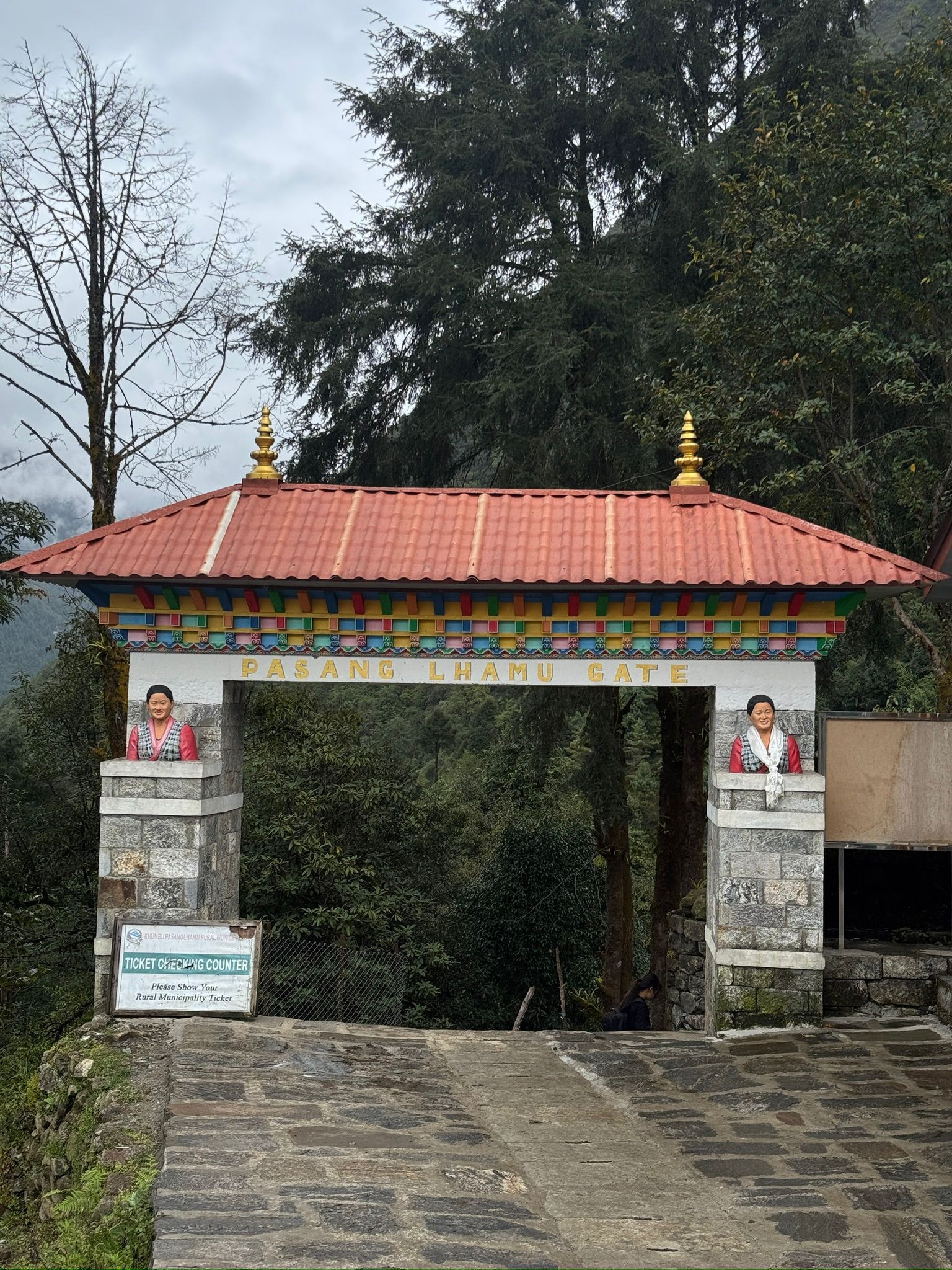 Upon concluding A hearty breakfast, the initial leg of your adventure commences with a breathtaking 35-minute flight to Lukla, offering unparalleled aerial views of the unfolding Himalayan landscapes.
This short but incredibly scenic journey serves as a thrilling introduction to the region, quickly transporting us from the familiar lowlands to the rugged mountainous terrain. The excitement builds as we descend knowing that our trekking expedition is about to begin amidst, the majestic peaks from the aerial perspective providing unique glimpses into the vastness and grandeur of the Himalayas, setting the tone for the remarkable days ahead.
Upon our safe arrival in Lukla, a pivotal moment of the trek unfolds as we're introduced to our porters who will be invaluable companions throughout our journey, assisting with our gear with introductions, made and preparations finalised, we embark on the first segment of our trek, commencing with a gentle downhill walk towards the charming Sherpa settlement of Cheung.
From Cheung, our trek Continues with renewed vigour as we set our sights on Phakding, The destination for our first day overnight stay. The path to Phakding is characterised by its scenic beauty, Winding alongside the Dudh Koshi River and passing through lush rhododendron forests and quaint villages.
Each step brings us deeper into the heart of Khumbu Valley, With glimpses of prayer flags fluttering in the breeze and distant peaks beckoning us onward. Reaching Phakding signifies the successful completion of our first day’s trek promising a restful night in a welcoming lodge surrounded by the serene atmosphere of the Himalayas, preparing us for the adventures to come.
One more important thing to know about is during the peak (Sep 20- Nov 30) season of this trek, the trail is very high in traffic flow so a better option and alternative is via Manthali, Ramechhap.
2. **Phakding to Namche Bazaar (3,440m/11,286 ft), (10 km) (4-5 hrs)** —
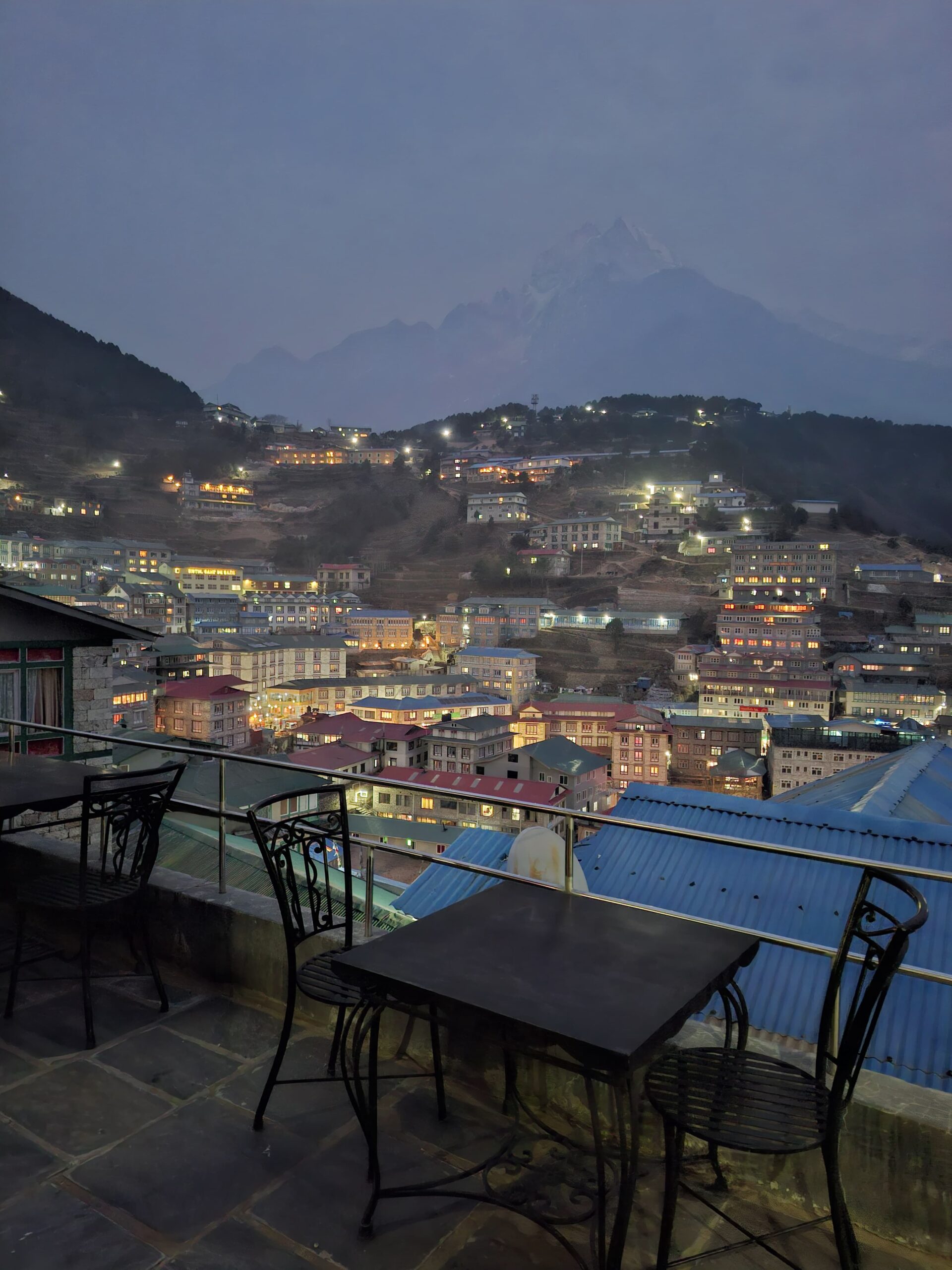 Following a delicious breakfast, our trek continues as ascend towards the renowned Namche Bazaar, Widely considered the largest Sherpa village in the entire Khumbu region. The nature path is a stimulating climate, winding through pine forests and offering tantalising glimpses of Mount Everest for the first time. Another colossal peak. This accent is not merely a physical but also a culturally enriching experience as we pass through traditional SharePoint settlements and witness their resilient way of life, truly filling the essence of the Himalayas.
Upon arriving in Namche Bazaar, our itinerary wisely incorporates a crucial acclimatise and a recommendation by health experts to ensure our bodies adjust to the increasing altitudes. This extra night's stay is vital for preventing altitude sickness and allowing us to fully enjoy the remainder of our trek without complications. Instead of continuous tracking, this day offers the opportunity to explore Namche itself, a vibrant hub of Sherpa culture and commerce, bustling with trekkers and locals alike.
As evening discerns upon Namche Bazaar, a delightful culinary experience awaits. The village boasts a surprising array of dining options, offering various kinds of cuisine that cater to diverse tastes from traditional Sherpa dishes to more international fare, enjoying a delicious meal becomes the perfect way to relax And replenish energy after the day's exertions, all whilst walking in the unique atmosphere of this high altitude trading post.
3. **Acclimatization at Namche bazaar** —
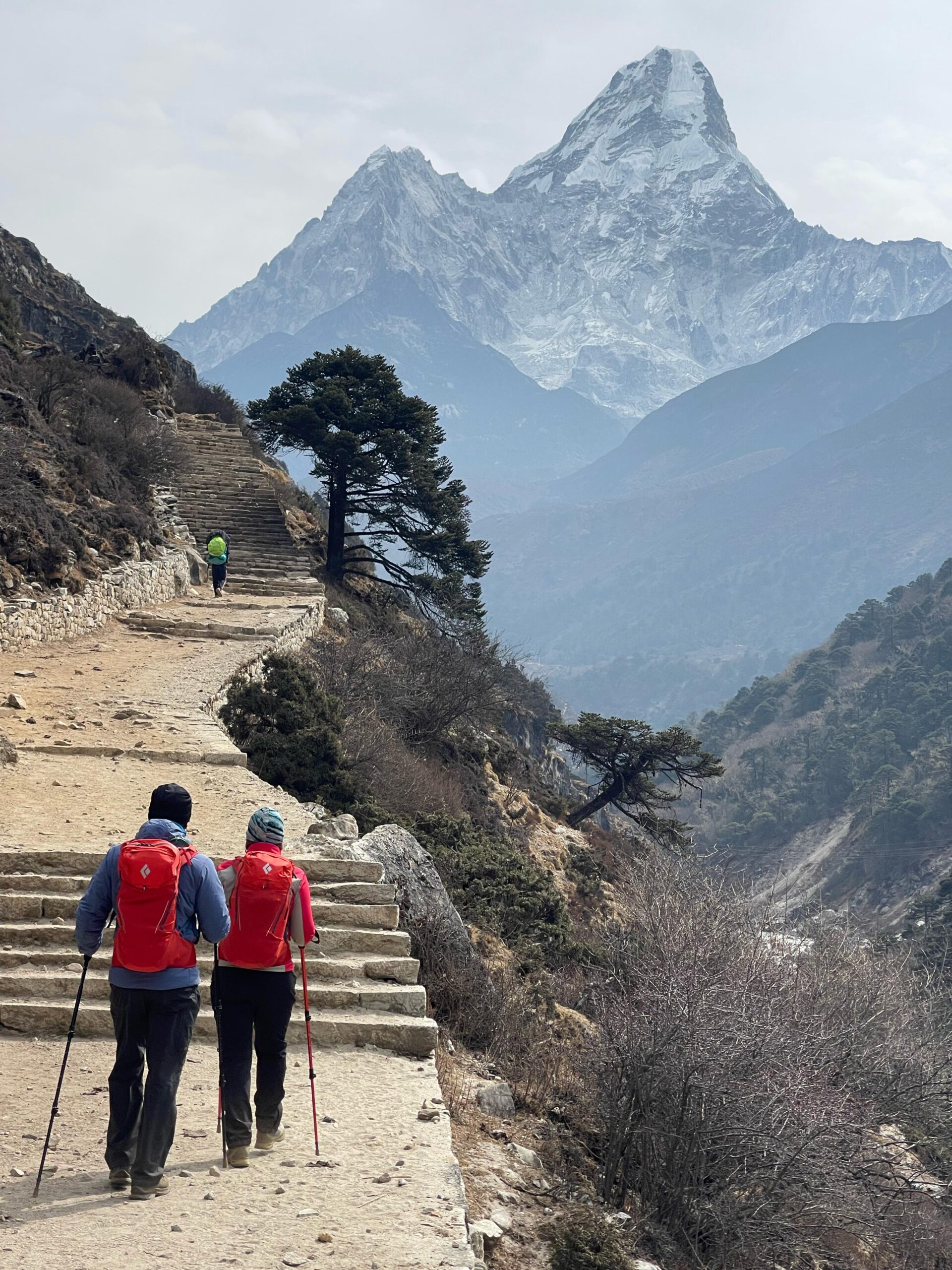 Following a restful night and a satisfying breakfast in Namche bazaar, our adventurous trek resumes as the trail begins its challenging ascent, climbing steeply out of the bustling town and gracefully contouring around the verdant hillside.
This segment of the journey offers incredibly expensive Views of the Everest region first shadowing the majestic landscape to come. The path that intensifies, leading us into a strenuous, yet rewarding steep climb to the Point and Radiator Mong La village, a significant milestone on our route.
From Mong La, our determination is further tested as we continue our resolute climb upwards, pushing towards our next designated destination, The picturesque settlement of Dole.
Upon reaching Dole, The immediate reward is an unparalleled visual feast. The village itself is renowned for its spectacular views of truly marvellous snow-capped peaks that dominate the horizon. This breathtaking mountain Vista includes prominent Himalayan giants, creating an unforgettable backdrop to our trekking experience.
As dusk settles over the high altitudes, we will settle for an overnight stay in Cosy Lodge in Dole, much-needed comfort and warmth after a day of significant elevation gain. This accommodation offers a tranquil setting to reflect the day's accomplishments and observe the serene beauty of the Himalayan night sky glittering with stars.
The altitude at Dole will also contribute to our ongoing acclimatisation, Preparing us for higher reaches on the Gokyo Lak trek That lies ahead in the coming days, further enhancing our endurance in readiness for this challenging and incredibly rewarding expedition.
4. **Namche Bazaar to Dole (4,110m/ 13,152ft): 11km, 5-6 hrs** —
 After a hearty breakfast in Namche Bazaar, Our exhilarating trek commences, leading us to the vibrant Sherpa Hub towards Sherpa Village of Dole. This segment of the journey covers approximately 11 kilometres and is anticipated to take between 5 to 6 hours to navigate diverse terrain with significant elevation gain. The trail initially climbs steeply out of Namche, offering stunning panoramic views of the Everest region, and then contours around the hillside, presenting continuous opportunities for photographs of the majestic Himalayan landscapes.
The path then becomes more challenging with the demand at a rewarding steep ascent to picturesque Mong La village, a notable waypoint on our route at a higher altitude. From Mong La, our Climb continues with determination pushing us further upwards towards our final destination for the day, the beautiful settlement of Dole. Throughout this segment, trekkers will experience firsthand the rugged beauty of Khumbu Valley surrounded by pristine nature and the distant calls of humans and wildlife.
Upon reaching Dole, situated at an impressive 4,4410 meters (13,152 ft), we are immediately greeted by truly spectacular views of marvellous, snow-capped peaks that characterize this high-altitude haven. This elevation gain is crucial for our ongoing acclimatization allowing our bodies to adjut with thinner air, while the breath-taking vistas serve as a powerful motivation. We’ll settle into a comfortable Lodge in Dole for the overnight stay, ensuring a restful evening after a rewarding day of trekking, surrounded by the serene and awe-inspiring mountain environment, eagerly anticipating the next stages of our Gokyo Lake trek.
5. **Trek to Machhermo (4,470m/ 14,663ft): 9km, 4-5 hrs** —
 After a satisfying breakfast in Dole, our trekking adventure continues its steady climb, now ascending through characteristics of thorny alpine scrub, a clear indicator of the increasing altitude and changing vegetation zones. The trail meticulously leads us to a series of incredibly scenic Ridge is there gracefully sit high above the winding river below, offering continuous and increasingly dramatic panoramic views of the surrounding Himalayan landscape. This segment of the route truly immerses us in the raw, untamed beauty of the high mountain, preparing us for more remote regions ahead.
As we progress along this elevated path, so significant geographical feature comes into view. The Machhermo Khola. This impressive river can be clearly seen as it carves its way through the valley, having flowed from the distant villages of Kyao Ri and Phari Lapcha Before ultimately converging and draining its water into the powerful Dudh Kosi River. The sight of the Glacial River emphasises the vastness of the mountainous terrain we are traversing and highlights the intricate water systems that define this region.
Our destination for the day is Machhermo, a crucial settlement that marks the last inhabited village before we finally reach Gokyo. Machhermo He's not only a picturesque stop but also a vital point for trackers due to the presence of an HRA (Himalayan Rescue Association) aid post.
This medical facility is specifically established to provide critical medical assistance to the victims of acute mountain sickness AMS, offering a crucial layer of safety and reassurance as we venture deeper into the higher altitudes of the Everest Gokyo Lake trek.
6. **Machhermo to Gokyo (4,800m/ 15,744ft): 7km, 3-4 hrs** —
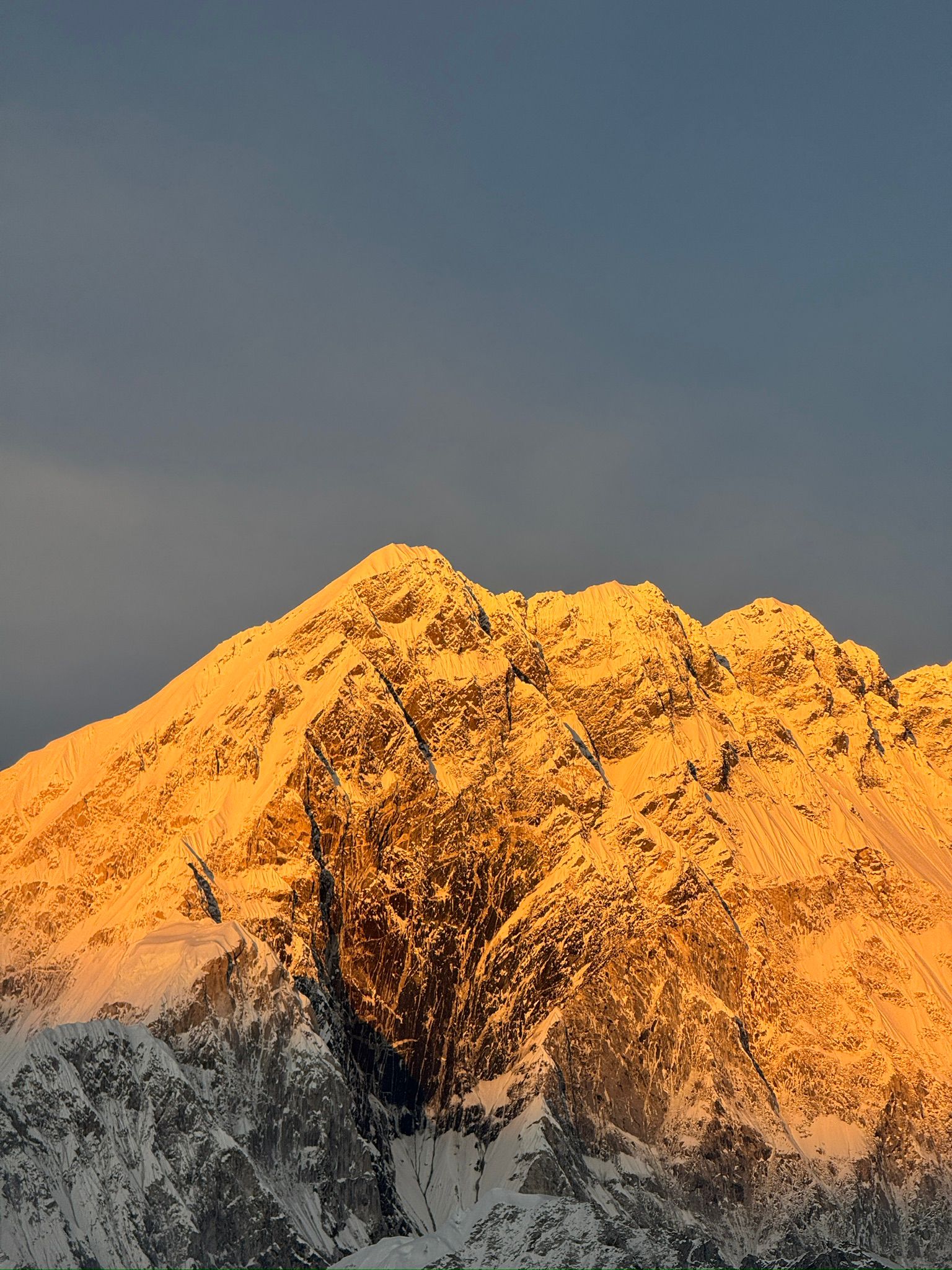 After a final hearty breakfast in Machhermo, our trek resumes, with the trail beginning a gentle but steady climb upwards. The gradual ascent soon leads us to a prominent ridge, a truly scenic viewpoint that immediately rewards us with breathtaking panoramic ridge vistas. From this vantage point, trekkers are afforded unobstructed and magnificent views of the imposing north face of the Cho Oyu, one of the world’s 8,000-meter peaks, alongside the stunning peaks of Kangtega and Thamserku, creating an awe-inspiring Himalayan Spectacle.
Continuing our journey, a notable landmark appears: a sturdy metal bridge that gradually spans the edge of the frozen Longponga Tsho. crossing this lake, often partially or fully frozen depending on the season, is a unique and memorable part of the trek, offering another perspective of the glacial landscape and the powerful forces of nature. The crisp, clean air and the vastness of the surroundings make this a truly immersive experience, highlighting the remote and pristine environment we are traversing.
Following this distinctive bridge crossing, a relatively short and pleasant half-hour walk brings us to our eagerly anticipated destination for the day; the charming summer village of Gokyo. Nestled amidst the majestic peaks and beside its famous turquoise lakes, Gokyo offers an unparalleled sense of accomplishment and tranquillity. Reaching this remote yet vibrant settlement signifies a major milestone on our Everest Gokyo Lake Trek, promising breathtaking views and ample opportunities, for exploration in the days to come.
7. **Acclimatization and exploration of the Gokyo valley (optional hike to Gokyo Ri)** —
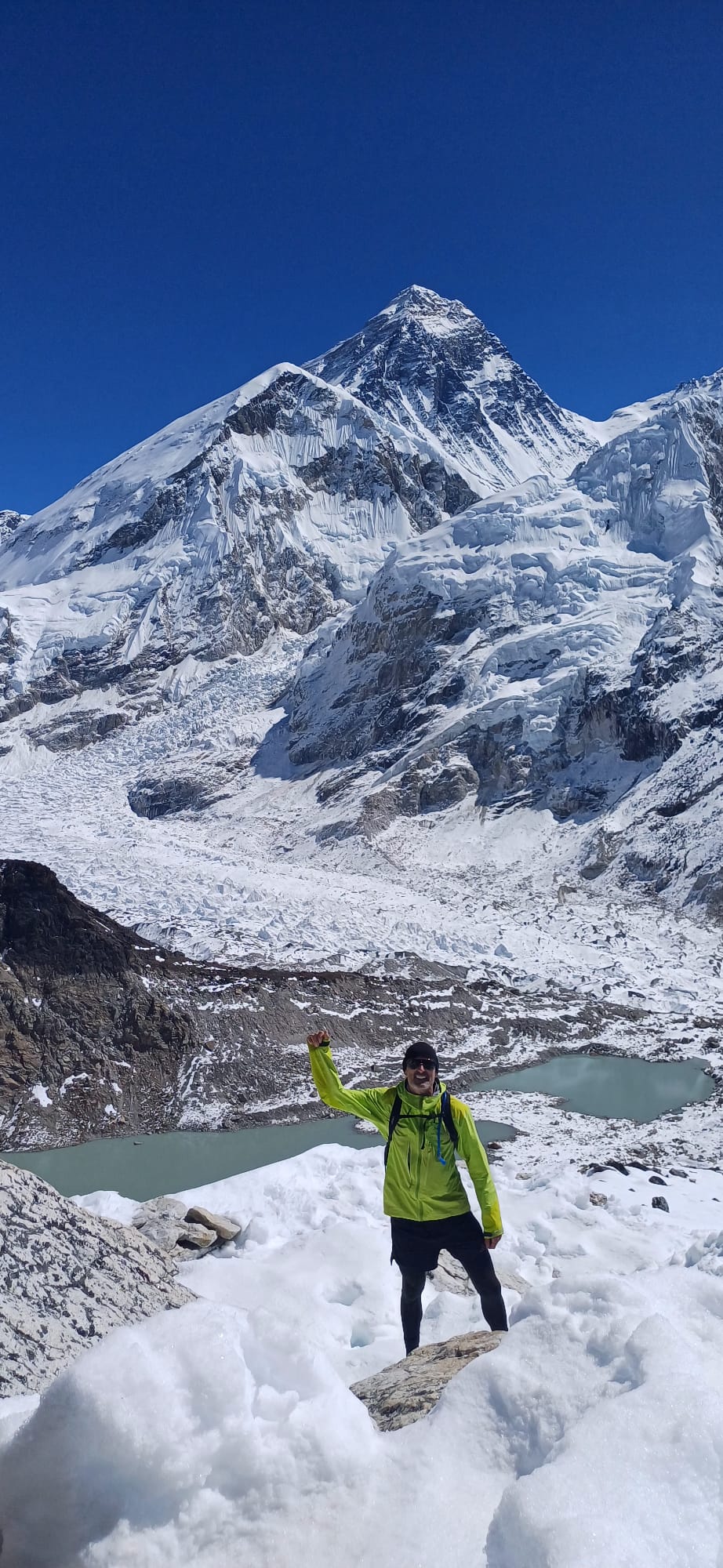 Today marks a crucial acclimatization day in the breathtaking Gokyo valley, a vital component for success on any high-altitude trek in the Everest region of Nepal. Resting at this elevation is paramount for allowing your body to fully Adapt to the thinner air, minimising the risk of acute mountain sickness, and AMS and ensuring A safer, more enjoyable trekking experience. This strategically placed rest today not only aids physiological adjustment but also provides ample opportunity to truly soak in the unparalleled natural beauty of this remote Himalayan sanctuary surrounded by majestic snow-capped peaks.
For those seeking an unforgettable summit experience and the best Himalayan Jews an optional height to Gokyo Ri 5,357m is highly recommended. This challenge doesn't offer the ultimate reward, a panoramic average viewpoint showcasing Mount Everest, Lhotse, Makalu, and Cho Oyu in a single awe-inspiring Vista, Particularly spectacular during sunrise, trek or sunset. The effort required is well worth it for unparalleled photography opportunities and a profound sense of accomplishment, at one of the best viewpoints in Nepal's Himalayas.
Alternatively, following the Gokyo Ri ascent, The day is perfect for comprehensive Gokyo vaValleyxploration. Trekkers can embark on leisurely walks around the pristine turquoise lakes- the Gokyo lakes themselves- Which are considered sacred and offer serene beauty. Discovering the Himalayan wilderness around the lakes, perhaps even venturing to the lesser visited 4th and 5th lakes provides tranquil moments and diverse photography opportunities amidst the unspoiled natural landscape, making it a truly immersive Nepal trekking adventure.
8. **Trek back to Dole (4040 m/13,254 ft) 5-6 hrs, 12 km** —
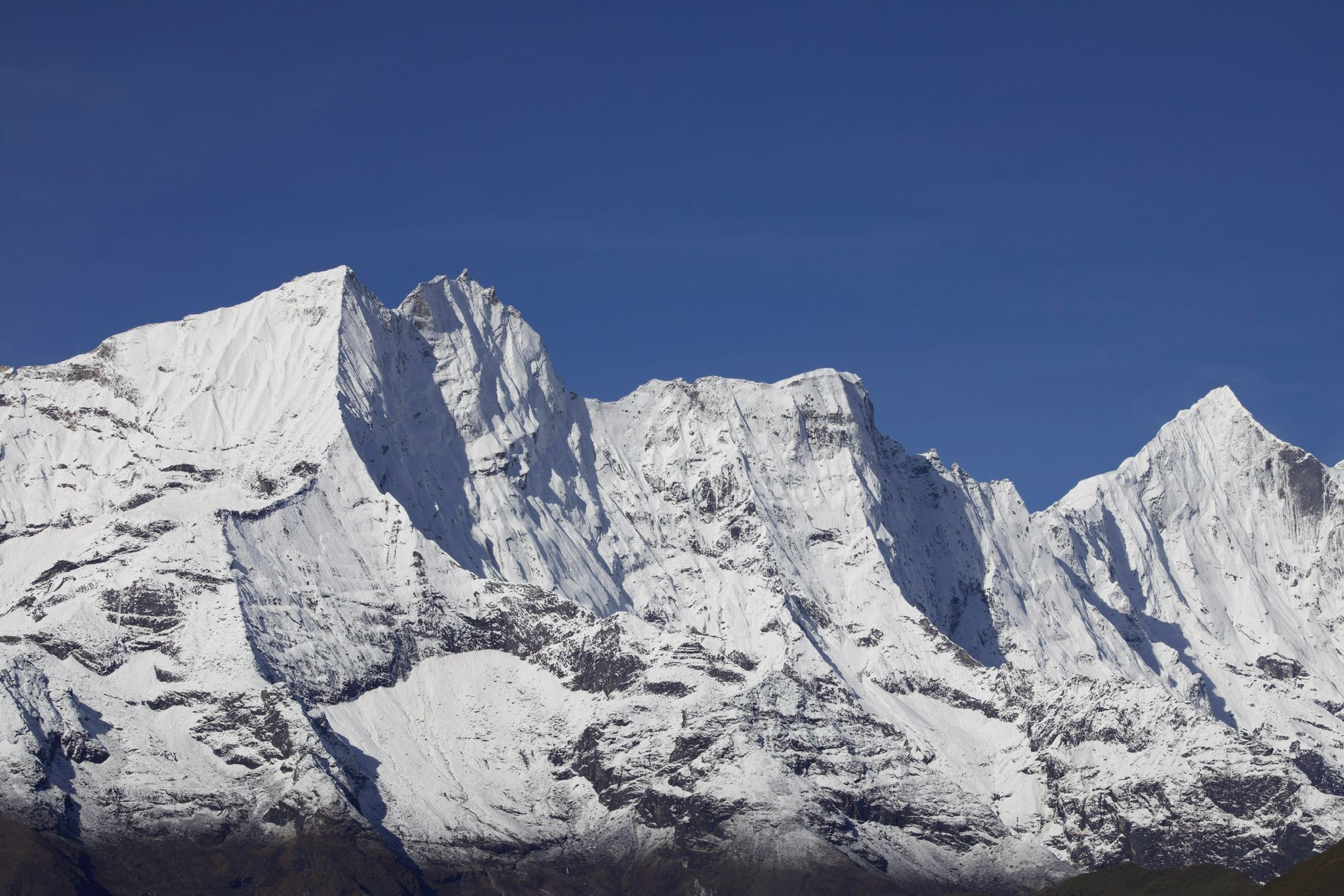 After a memorable time exploring the spectacular Gokyo Valley And its surrounding peaks, our trekking journey begins its return leg, taking us back towards the family or comfort of Dole. This segment involves dressing our steps back along the scenic trail or descent that typically spans 5 to 6 hours. While generally easier than the uphill climb, the downhill path still demands careful navigation and attention to the uneven terrain, offering a different perspective on the Himalayan landscape we ascended just days prior.
As you retrace our route, the descent from Gokyo provides a unique opportunity to appreciate the stunning views from a new angle. We’ll pass by beautiful Gokyo lakes once more, Perhaps seeing them under different light conditions and continuing through the Alpin scrub and past the point where Machhermo Khola flows. The return journey allows for deeper contemplation of the vastness of the Everest region and the incredible distances covered on this challenging trek, Highlighting the remarkable natural beauty that defines this mountainous wilderness.
Finally, we arrive back in Dole, Situated at an elevation of 4040 metres (13,254 feet), A welcome sight after a day of substantial downhill trekking. Our overnight stay at a lodge in Doe will offer a comfortable respite, Allowing us to rest and reflect on the incredible experiences gathered during our time at higher altitudes and Gokyo. This descent marks the successful conclusion of the most remote and high-altitude section of our Gokyo Lake trek, bringing us a step closer to the end of our grand Himalayan adventure.
9. **Dole (4,110 m/13,484 ft) to Namche Bazaar (3450m) 5-6 hrs** —
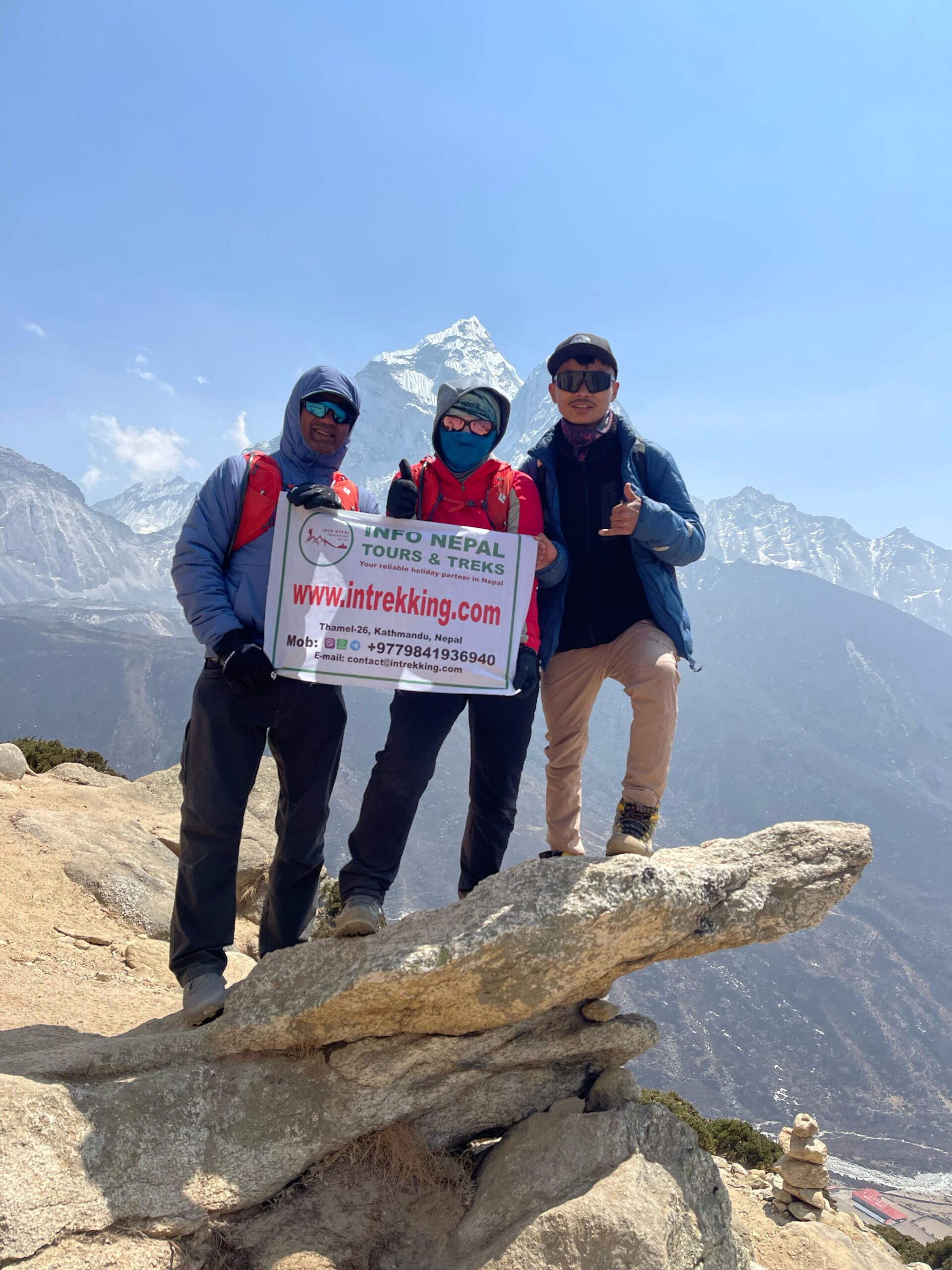 Today marks a scenic descent from the tranquil Dhole, as we begin our journey back to the bustling Sgerpa hub of Nache bazaar. Our route promises breathtaking Himalayan vistas, first traversing through Phortse Thanga and Mong, offering a unique perspective of the Khumbu region. This picturesque trek will eventually lead us to rejoin the renowned Everest Basecamp trail, setting the stage for our final approach towards Namche. Prepare for a memorable day of trekking in Nepal, surrounded by majestic peaks.
The path from Dhole to Namche Bazaar is an integral part of many Everest region treks, known for its diverse landscapes and cultural insights. As we descend, the air will warm, and the vegetation will become more lush, a stark contrast to the the higher altitudes. Keep an eye out for local wildlife and the vibrant rhododendron forests that characterize this part of the Himalayan trekking experience. Our arrival in Namche Bazaar marks a return to modern comforts and an opportunity to explore this vibrant market town.
Tonight, we’ll relax and rejuvenate in Namche Bazaar, a pivotal acclimatisation and resupply point for both Everest expeditions and trekkers. This vibrant town offers a plethora of amenities, from cosy teahouses to tea shops selling essential trekking gear and local souvenirs. It’s the perfect opportunity to reflect on the incredible journey through the Everest Base Camp trail and prepare for the next leg of your adventure or departure from the Khumbu Valley.
10. **Namche Bazaar to Lukla (2,800m/9,186 ft) 7-8 hrs** —
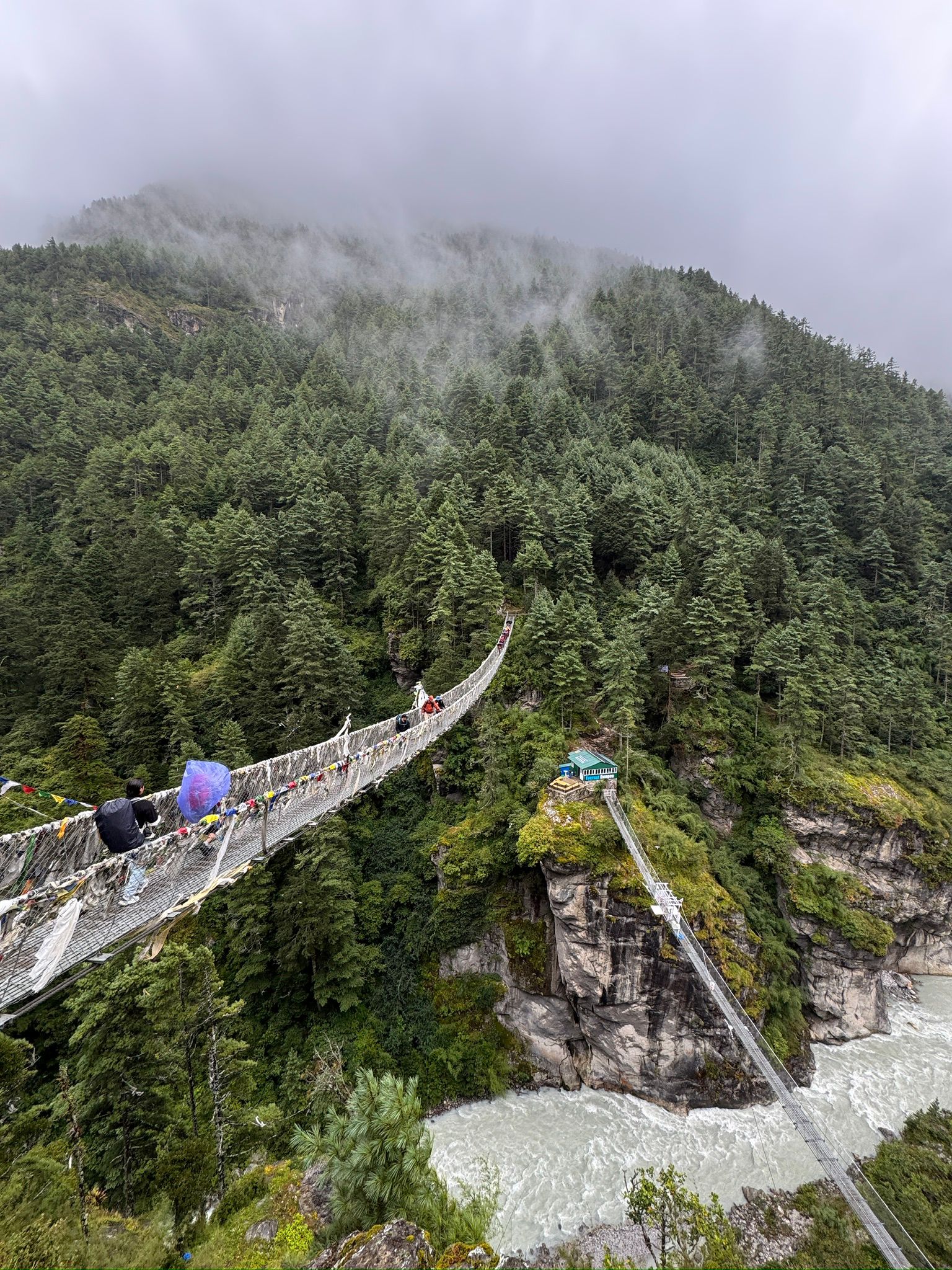 Today marks the final leg of your trek from the vibrant hub of Namche Bazaar to the bustling airstrip town of Lukla. This 7-8 hour journey will see you tracing the familiar path alongside the Dudh Koshi River, a constant companion throughout much of your Khumbu adventure. As you descend, you’ll pass through enchanting rhododendron forests, which, depending on the season, can burst into riots of colours, adding another layer of beauty to your Himalayan experience. This descent offers a chance to reflect on the incredible journey you’ve undertaken through the heart of the Everest region.
The trail from Namche Bazaar to Lukla is a well-trodden route, popular with trekkers heading both in and out of the Everest Base Camp trail. You’ll encounter charming Sherpa villages, suspension bridges, and prayer flags fluttering in the mountain breeze, all iconic symbols of trekking in Nepal. Keep an eye out for final glimpses of the majestic peaks that have dominated your skyline for days. This segment of the trek provides a gentler place, allowing for a relaxed walk and appreciation of the stunning lower Himalayan landscapes.
Upon your arrival in Lukla, situated at 2,642m, you’ll have the opportunity to explore this small but significant town. Often described as the gateway to Everest, Lukla buzzes with the energy of trekkers, porters, and pilots. Take time to interact with the friendly locals, visit the shops, or simply soak in the atmosphere of this unique Himalayan settlement. Tonight, you’ll likely celebrate the completion of your incredible Everest region trek, with memories that will last a lifetime.
11. **Fly from Lukla to Kathmandu (35 min)/ opt seasonable flight from Ramechhap** —
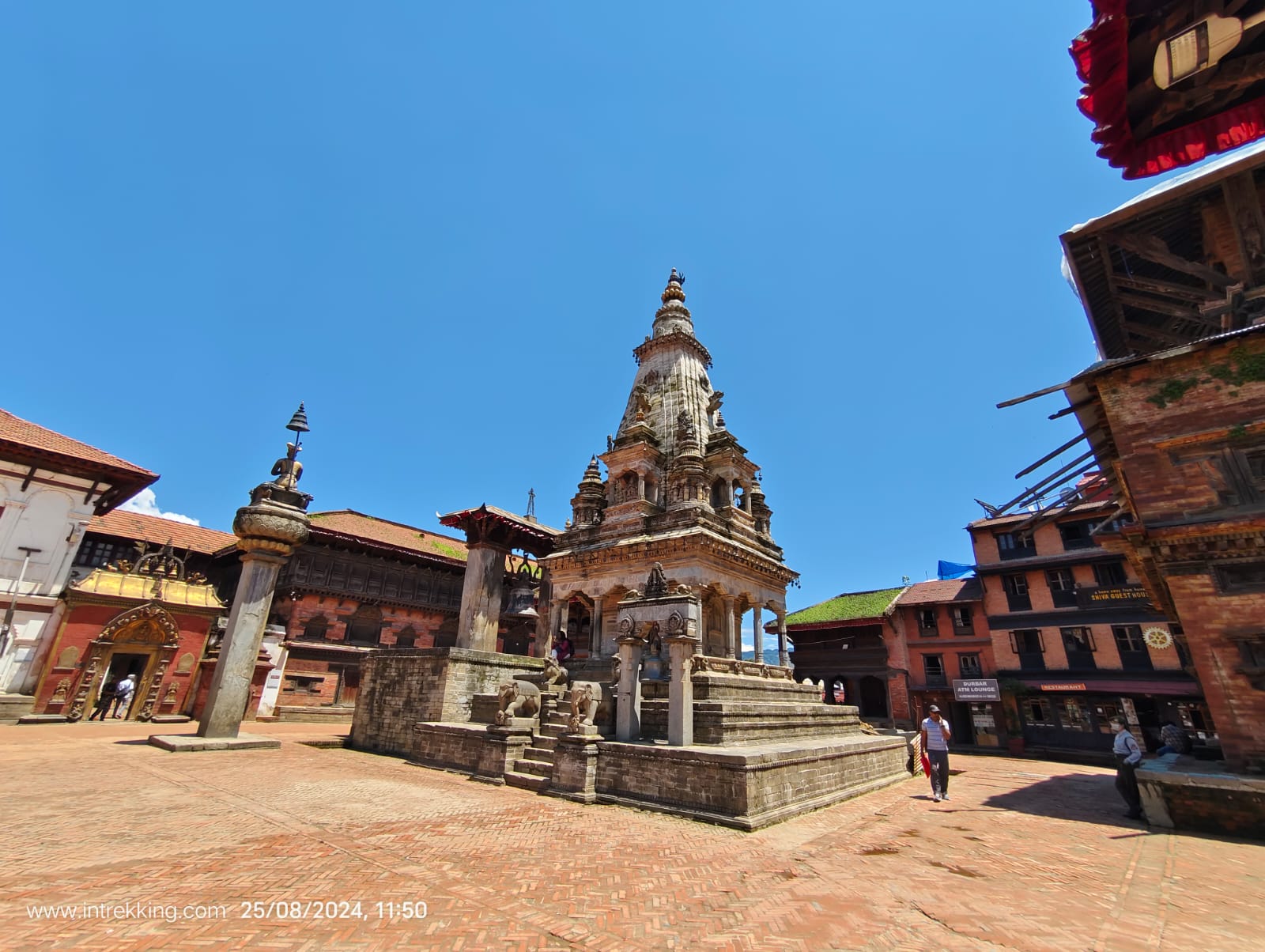 Bid farewell to the serene Himalayas as you embark on a short yet spectacular mountain flight from Lukla to Kathmandu. This quick 35-minute journey from Tenzing-Hillary Airport (LUA) offers a final, breathtaking aerial panorama of the Everest region, with unparalleled views of towering peaks and dramatic valleys. It’s a stark contrast to the trekking adventure you’ve just completed, providing a unique perspective of the immense scale of the Nepal Himalayas and marking the official end of your Everest Gokyo Trail experience.
Upon arrival at Tribhuvan International Airport (KTM) in Kathmandu, you’ll be efficiently transferred to your hotel, allowing for immediate relaxation after your high-altitude trek. The afternoon is yours to delve into the vibrant energy of Kathmandu city.
Explore the bustling Thamel market, a renowned tourist hub brimming with souvenirs, trekking gear, handicrafts, and local artistry. Engage with the lively atmosphere of these Nepali markets, soak in the rich culture, and perhaps even indulge in some delicious local cuisine as you transition from mountain tranquillity to urban vibrancy
## What's included
- Airport picks up by private vehicle.
- Three-time Meal During trekking(Breakfast-Lunch-Dinner)
- All ground transportation on a comfortable private vehicle as per the itinerary
- Drive from Kathmandu to Ramechhap then fly to Lukla (optional/seasonable flight during the trek), direct flight from Ktm-Lukla during the off-season
- An experienced, English-speaking and government-licensed trek leader and assistant trek leader (10 trekkers: 1 assistant guide) Porter service (2 trekkers: 1 porter)
- Staff costs including their salary, insurance, equipment, food and accommodation Down jacket and sleeping bag (to be returned after trip completion)
- All necessary paperwork trekking permits and VDC permits.
- Medical kit (carried by your trek leader/guide)
- All government and local taxes
- Trekking map
- Trekking certificate after trek.
## Not included
- Nepalese visa fee
- Excess baggage charge(s)
- Private transportation except what is mentioned in the What Is Included section
- Extra night accommodation in Kathmandu because of early arrival, late departure, or early return from the mountain (due to any reason like natural disaster and personal problems)
- Travel and Heli-rescue insurance
- Trekking equipment
- Personal expenses (phone calls, laundry, bar bills, battery recharge, extra porters, bottle or boiled water, shower, etc.)
- Tips for guide(s), porter(s) and driver(s)
## FAQ
**Q: How difficult is the Gokyo Lake Trek? **
A: The Gokyo Lake Trek is considered a moderately challenging trek. It involves walking for 5 to 7 hours per day, with long uphill climbs, steep descents, and some rough, rocky trails through dense forests. The high altitude also makes it more difficult than lower elevation treks. However, if you are reasonably fit and have some experience with long walks or hiking, you should be able to complete this trek with proper preparation and guidance.
**Q: What is the best time for the Gokyo Lake Trek? **
A: The ideal times to go on the Gokyo Lake Trek are spring (March to May) and autumn (September to November). During these seasons, the weather is mild, with clear skies, making it easy to walk and enjoy the mountain views. Autumn is considered the most popular season as the weather is warm and dry, and you may also get to experience big festivals like Dashain and Tihar.
**Q: What kind of food is available during the trek? **
A: During the trek, you will get a variety of nutritious food to keep you energized. This includes local Nepali dishes like dal bhat (lentils, rice, and curry), as well as Western items like pancakes, sandwiches, pasta, pizza, etc. In the lower elevations, you'll have more choices for meals, but as you go higher, the menu becomes simpler with basic items like soups, noodle dishes, dumplings, etc.
**Q: What kind of accommodation can I expect during the trek? **
A: In lower towns/cities, you'll stay in 3-star standard hotels with amenities like attached bathrooms, wifi, etc. During the trek itself, you'll stay at teahouses or lodges run by local families. The rooms are basic with just twin beds. Facilities are very simple, especially at higher elevations near Gokyo. The accommodation gets more basic and cheaper options disappear as you gain altitude.
**Q: Do I need to carry any special equipment for the Gokyo Lake Trek? **
A: Yes, it is recommended to carry a warm sleeping bag for the cold nights, as well as proper hiking gear like sturdy boots, warm clothes (including layers), a daypack, trekking poles, and other essential items like sunscreen, lip balm, and a refillable water bottle. Your trekking agency or guide can provide you with a detailed packing list.
**Q: Is there a risk of altitude sickness on the Gokyo Lake Trek? **
A: Yes, there is a risk of altitude sickness on the Gokyo Lake Trek due to the high elevations reached. However, your guide will help manage this by setting a good pace, building in acclimatization days, and monitoring your oxygen levels. It's important to listen to your guide's instructions and not ascend too quickly.
**Q: Can beginners do the Gokyo Lake Trek? **
A: While the Gokyo Lake Trek is considered moderately challenging, adventurous beginners who are willing to train beforehand and build up stamina can attempt this trek. It can be a great introductory high-altitude trek experience in the Himalayas with proper guidance and preparation.
**Q: How much does the Gokyo Lake Trek cost? **
A: The cost of the Gokyo Lake Trek can vary depending on factors like the trekking agency you choose, the number of people in your group, the level of accommodation and services you prefer, and any additional activities or side trips you want to include. On average, you can expect to pay anywhere from $1,000 to $2,000 or more per person for a standard Gokyo Lake Trek package.
**Q: How many days does the Gokyo Lake Trek take? **
A: The typical duration for the Gokyo Lake Trek is around 12-14 days. This includes the days required for acclimatization and exploring the Gokyo region. However, the total trek duration can be adjusted based on your fitness level, pace, and if you want to include any additional side trips or activities.
**Q: Is a guide required for the Gokyo Lake Trek? **
A: While it is possible to do the Gokyo Lake Trek independently, it is highly recommended to hire a licensed and experienced trekking guide, especially if you are a first-time trekker in the Himalayas. A guide can ensure your safety, help with navigation, arrange accommodation and meals, and assist with acclimatization and any emergencies.
**Q: What permits are required for the Gokyo Lake Trek? **
A: You will need to obtain two permits for the Gokyo Lake Trek: the Sagarmatha National Park Entry Permit and the Khumbu Pasang Lhamu Rural Municipality Entry Permit. Your trekking agency or guide can assist you in acquiring these permits before the trek.
**Q: What is the highest elevation reached during the Gokyo Lake Trek? **
A: The highest point reached during the Gokyo Lake Trek is Gokyo Ri, which stands at an elevation of around 5,357 meters (17,575 feet) above sea level. This vantage point offers stunning views of the Gokyo Valley, the Gokyo Lakes, and the surrounding Himalayan peaks like Everest, Lhotse, and Makalu.
**Q: Are there any side trips or additional activities possible during the Gokyo Lake Trek? **
A: Yes, there are several side trips and additional activities that you can consider during the Gokyo Lake Trek, such as:
Climbing Gokyo Ri for panoramic views
Visiting the Ngozumpa Glacier
Trekking to the Renjo La Pass
Exploring the Cho La Pass
Visiting the Everest Base Camp
These options can be discussed with us to customize your trek experience.
**Q: What are the average daily walking distances/hours on the Gokyo Lake trek?**
A: The average daily walking distance is typically 6-8 hours covering 10-15 kilometres some days, especially those involving summiting Gokyo Ri Border crossing passes can be longer (9 to 10 hours), While others, particularly shorter acclimatisation days, might be less.
**Q: What is the typical group size for the Gokyo Lake trek?**
A: Group sizes can vary. Organised tours often range from from 2 to 15 trekkers. It's also common to trek individually or with a private guide or porter, so you will encounter a mix of small and larger groups and trails.
**Q: Are there charging facilities for the electronic devices along the trail?**
A: Yes, most of the houses offer charging facilities for electronic devices. However, You will usually be charged an hourly fee, (often per device) for the service, Especially at higher altitudes where electricity is scarcer, often solar power, it is highly recommended to carry a power bank.
**Q: Is clean drinking water readily available on the trek?**
A: Yes, clean drinking water is available. You can purchase bottled water at tea houses and shops, but to minimise plastic waste it is encouraged to carry a reusable water bottle and purification tablets, or SteriPen or a water filter bottle. Most houses will also provide boiled water for a small fee.
**Q: What kind of toilets can I expect on the trek?**
A: MostTea-houses offered squat toilets, Which are common in Nepal. Some of the more established or recently upgraded tea houses may have western-style flush toilets and lower altitudes like Namche Bazaar. Be prepared to bring your own toilet paper and hand sanitiser.
**Q: Is Wi-Fi or a mobile network available during the trek?**
A: Wi-Fi is available at many tea-house, particularly in Namche Bazaar and lower villages, But it often comes with a fee and can be slow or unreliable at higher elevations. Nepali SIM cards Ncell or NTC can offer limited data connectivity in some areas, but coverage is patchy. Don't rely on constant connectivity.
**Q: What if there's a medical emergency during the trek?**
A: In case of serious medical emergencies, particularly severe altitude sickness, evacuation by helicopter is the primary option. Your trekking agency will arrange this, But it's crucial to have comprehensive travel insurance that covers high-altitude trekking and emergency helicopter evacuation. For minor ailments, guides carry basic first aid kits and in some villages every small health post.
**Q: Are there any age restrictions for doing the Gokyo Lake trek?**
A: While there aren't strict restrictions, the trek requires good physical fitness and health. Children as young as 11-12 have completed it and fit Individuals in their 60s and 70s also successfully trek. However, individuals under 18 or over 60 should consult their doctor and consider previous trekking experience.
**Q: What training or physical preparation is recommended before the trek?**
A: It is highly recommended to engage in regular cardiovascular exercise like running, hiking, cycling, and streaming for at least two to three months before the trek. Incorporate hillwalking or stair climbing to prepare your legs and lungs for ascents and descents. Strength training for your core and legs is also beneficial.
**Q: What should I pack for the Gokyo Lake trek?**
A: Packing layers include base layers (thermals), mid-layers (fleece), and (outer shell, waterproof and windproof). Presidential items include a good-quality sleeping bag (rated to -10°C or colder), sturdy trekking boots, trekking poles, Or down jacket, headlamp, sunglasses, sunhat, warm hat, gloves, water bottles and comprehensive first aid kit.
**Q: Can I rent equipment in Kathmandu Lukla?**
A: Yes, you can rent a wide range of trekking equipment including sleeping bags, down jackets, trekking poles and sometimes even boots in Kathmandu (especially in Thamel )and to a lesser extent in Lukla, renting is a good option if you don't trek frequently.
**Q: What kind of insurance do I need for the Gokyo Lake trek?**
A: Who needs comprehensive travel insurance that specifically covers high-altitude trekking Up to at least 6000 metres and includes emergency helicopter evacuation for medical reasons? This is non-negotiable for your safety.
**Q: What currency should I carry for the trek can where can I exchange money?**
A: The local currency is the Nepali rupee (NPR). It's best to carry Nepali rupees in smaller denominations for expenses on the trek. You can exchange major foreign currencies (USD, EUR, GBP) Get money changers in Kathmandu or withdraw NPR from ATMs before flying to Lukla. There are no ATMs beyond themselves and exchange rates will be poor, if available at all in higher villages.
**Q: Are there hot showers available during the trek?**
A: Hot showers are available at most tea houses, particularly in low villages like Namche Bazaar and Phortse. However, they usually come with extra charges. NPR, 300 to 600 and might be solar-heated, meaning availability can depend on sunshine. At higher altitudes, hot showers are less common or might be just a bucket of hot water. Wet wipes and hand sanitisers are your best options.
**Q: What is the difference between the Gokyo Lake trek and the Everest Base camp trek?**
A: The main difference is the destination. The EBC trek goes directly to the Everest base camp (5,346m), Focusing on the world's highest peak. The Gokyo Lake trek explores the pristine Gokyo Lake system and often includes an ascent of Gokyo Ri (5,357m) For stunning panoramic views of four 8,000-meter peaks (Everest, Lhotse, Makalu, Cho Oyu) and the Ngozumpa Glacier. Some longer itineraries combine both (Three passes trek).
**Q: Are porters available for hire and what is their typical cost?**
A: Yes, porters are widely available for higher in Lukla and Namche Bazaar. They typically carry loads of 20 to 25 kg. The cost varies but generally ranges from $20 to $30 per day hiring a Porter not only makes our trek easier but also directly supports the local economy.
**Q: What is the baggage allowance for Lukla's flight?**
A: The baggage allowance for the small planes flying to Lukla is 10 kg (22 lbs) For checked baggage and 5 kg (11 lbs) for hand luggage. Any excess baggage will incur an additional charge which can be significant and you may leave non-essential items in Kathmandu.
## Contact for this trip
- Operator: Info Nepal Tours and Treks · Thamel, Kathmandu, Nepal
- Phone: +977 9841936940
- Email: contact@intrekking.com
---
# Chisapani Nagarkot Hiking
URL: https://intrekking.com/trip/chisapani-nagarkot-hiking/
Last updated: 2026-07-08
## Facts
- Region: Nepal
- Duration: 3 days
- Max altitude: 2,425 m
- Difficulty: Moderate
- Group size: 1 people
- Best season: March-May : September-November
- Price from: $259 per person
## Summary
A short circuit near Kathmandu from Sundarijal through Shivapuri National Park to Chisapani and the sunrise viewpoint of Nagarkot, ending at Changunarayan temple, suited to those wanting an accessible trek close to the capital.
## Overview
Chisapani Nagarkot hiking is the short 3 days trek near to Kathmandu. This trek is the best for those people who want to hike in a short time period. You can experience the amazing scenery of natural resources during this trek.
the capital city of Nepal is Kathmandu. This trek also starts from the short road trip Sundarijal from Kathmandu. Actually, this trek starts after you enter Shivapuri National Park from Sundarijal. This national park is recently built in Nepal. After 5-6 hours trek from Sundarijal through a huge forest you will reach Chisapani.
This trek can be conducted or practiced at any time of the year. In Sundarijal you can see an amazing waterfall and this place is also a famous picnic spot. After a night stay at Chisapani, you will trek towards Nagarkot which is very famous for eye-catching views of the sunrise and sunset. Nagarkot is at the hight of 2211meter above the sea level. You can see many high mountains like Annapurna, Langtang, Gauri Shankar, Ganesh Himal, Dorje Lakpa, etc.
You can visit the Changunarayen temple which is listed in the UNESCO world heritage sites. This temple was initially built in the 4th century during the Lichhavi Dynasty. It is said that this double roofed temple is dedicated to Lord Bishnu. This trek is best to see nature and its beauty in a short period of time. Though this trek is practiced for a short period the experience you will get from this trek will remain with you for a lifetime.
## Itinerary
1. **moving to Sundarijal by road (1hrs 30 minutes) and Hiking to Chisapani (5 hrs)** — After having breakfast at the hotel, we start our drive to Sundarijal. Sundarijal is also famous as the popular picnic spot. Then we start our hiking to Chisapani. In Chisapani you will find an awesome environment with peace and nice village life. After this hike, we arrive at Chisapani and those hikers who are interested to see the sunset they can see from their Lodge.
2. **Hike to Nagarkot (7 hours)** — Today after breakfast we walk towards the Nagarkot. We have to walk too long but the panoramic and interesting views make us feel good. The trail leads us towards the Shivapuri National Park. on the way, we have a break for lunch. As we move forward towards Nagarkot hill we saw the amazing views of the mountains. We saw the eye-catching view of the sunset over the Everest and Langtang Himalayan range.
3. **Hike towards Changunarayan temple and Drive to Kathmandu.** — We will have an awesome sunrise view today. We wake up early morning and move towards the viewpoint. The view seen in the morning will make you feel like you are the indifferent world. After taking photographs we returned to the hotel and have breakfast. Then we will have a short visit to Changunarayen temple which is listed in UNESCO world heritage sites. We will have lunch on the way and return back to Kathmandu by roadway.
## What's included
- Accommodation in local hotels in Nagarkot and in Chisapani
- Entrance fees of Shivapuri National Park
- Foods during trekking
- Private car as transporation to trekking starting and ending point
- Profesanale Guide and porter for trekking
- Sightseeing in Bhaktapur durbar and in Changunarayan
## Not included
- Accommodation, Activities and foods in Kathmandu
- Extra activities
- Bottled drinks and bar bills
- Personal gears/ Equipment
- Personal expenses/ Nature of personal
- Any tipping
- Permit
## FAQ
**Q: Is this trek suitable for beginners?**
A: Yes this is one of the more accessible multi-day treks near Kathmandu, rated Moderate with no technical terrain, though day 2's roughly 7-hour walk to Nagarkot is a genuine full day on your feet.
**Q: Can this trek be done year-round?**
A: Yes, the operator notes this route is workable at any time of year, making it a flexible option if your travel dates don't align with peak trekking season elsewhere in Nepal.
**Q: What's the best viewpoint moment on this trek?**
A: Nagarkot's early-morning viewpoint is the highlight clear-day views stretch across Everest and Langtang to Gauri Shankar, Ganesh Himal, and Dorje Lakpa, with sunset views over the same range the evening before.
**Q: Is accommodation in Kathmandu included?**
A: No accommodation, activities, and food in Kathmandu itself are excluded. Only lodging in Chisapani and Nagarkot, plus meals during the trek, are included.
**Q: Do I need a guide for this route?**
A: A professional guide and porter are included in the package throughout, handling logistics, pacing, and local insight not something you need to arrange separately.
## Contact for this trip
- Operator: Info Nepal Tours and Treks · Thamel, Kathmandu, Nepal
- Phone: +977 9841936940
- Email: contact@intrekking.com
---
# Nar Phu Valley Trek
URL: https://intrekking.com/trip/nar-phu-valley-trek/
Last updated: 2026-07-07
## Facts
- Region: Annapurna Region
- Duration: 12 days
- Max altitude: 5,130 m
- Difficulty: Moderate
- Group size: 1-10 people
- Best season: March-May : September-November
- Price from: $999 per person
## Summary
A trek into the restricted Nar and Phu valleys off the Annapurna Circuit, crossing the Kang La pass and visiting Tibetan-influenced villages, monasteries and the Himlung Himal area, suited to trekkers seeking remote culture.
## Overview
The Nar Phu Valley Trek is one of the most awe-inspiring trekking trails. Many tourists love this trekking trail in today’s context. You will be able to see many high mountains, cliffs, villages, forests, and various flora and fauna. You can see yaks, gompas, and different unique Tibetan cultures can also experience there.
Before 2002, this trekking route was not so popular; only a few tourists explored the 7000-meter peaks surrounded by those villages. The traditional starting point of the Annapurna Circuit is known as Besisahar. You can see many other trekkers in that place.
During this trek, you will be able to interact with the villagers in Phu while they are going out for their daily activities. You can hang out with them at that time. You will spend the night at the Nar Phedi monastery. If you want then you can also hike up to Himlung Himal Base Camp.
On this trek, you will be able to see the lifestyle of the Tibetan people and the activities that they carry out in their daily lives. You will be walking in the different and amazing rock structures and the diverse topography of the region. Annapurna I.
The most challenging pass of this trek is Thorong La Pass (5416 meters). During this trek, you will pass through different gumba, monasteries, etc to reach Muktinath temple in Mustang, which will provide you satisfaction. This trek is considered the least trekked area, and it was started in 2003. A special permit is required to enter this valley trek.
This trek helped in exploring the less-developed villages, forests, and other natural resources of this valley. This trek has also helped in exploring the Tibetan people of this valley and the many high mountains of this valley. The Marshyangdi River bridge is the gateway to entering the Nar Phu Valley. You will experience the amazing trek, bypassing various forests and rivers during this trek.
This trek is also considered a tough trek in comparison to others. You must be physically fit and must have experience in trekking. You need to trek for 5-6 hours during this trek. Manang is the route through which you can reach Nar Phu valley, and it continues over the Thorong La Pass and again joins the Annapurna trail at Muktinath. Muktinath is also known as a Hindu pilgrimage town.
In the Muktinath area from Jomsom, you can walk or you can fly to Pokhara or continue your trek downwards to the Kali Gandaki River. Marpha is considered an interesting and unique village on that trail. You can learn about the unique culture and traditions of the people living in that valley. You will see the farmer who is growing different crops for their livelihood, and you can get to know them and their lifestyle more closely.
Annapurna Nar Phu Valley trek is not a very famous trekking trail, but has much good and eye-catching scenery. This trail is loved by many tourists, and you can see many natural resources here. Many mountains can be seen through this valley trek.
Nar Phu Valley trek highlights
Breathtaking landscapes
The view of the Annapurna range from Kang La pass
The Nar Phu Valley trek offers stunning landscapes that showcase the rugged beauty of the Himalayas. As trekkers navigate through the majestic mountain ranges and deep valleys, they are treated to mesmerising views of the snow-capped peaks and vast stretches of untouched nature. Every twist and turn along the Nar Phu Valley Trek reveals a picturesque scene that is perfect for photography. Every twist and turn along the Annapurna Nar Phu Valley trek reveals picturesque scenes that are perfect for photography enthusiasts and nature lovers alike.
Rich cultural experiences
One of the most distinctive aspects of the Nar Phu Valley Trek is its rich cultural heritage. Trekkers will encounter traditional villages where ancient Tibetan customs and beliefs are still preserved. Engaging with local communities provides insight into their unique way of life, including their agricultural practices, festivals and spiritual traditions. This cultural immersion makes the Nar Phu valley, truly enriching experience that goes beyond physical change.
Challenging yet rewarding trails.
The Nar Phu Valley Trek is known for its challenging terrain that caters to experienced trekkers looking for adventure. The trails fluctuate in altitude and difficulty, testing your endurance while rewarding you with spectacular vistas at each pass. Highlights like the Kong La Pass, with a breathtaking landscape that surrounds you, along with the Nar Phu Valley Trek.
Untouched natural beauty.
Unlike more popular trekking routes, the Nar Phu Valley Trek remains less traversed, allowing for a unique experience of pristine natural beauty. Travellers will encounter lush forests, serene rivers and vibrant wildlife along the trail. This untouched wilderness offers an opportunity for adventure seekers to connect with Nature more intimately, making every moment spent on the Nar Phu Valley Trek a memorable one.
Authentic Homestays.
A unique feature of the Nar Phu Valley Trek is the opportunity to stay in authentic homestays. These accommodations provide a chance for travellers to experience local hospitality first-hand. Sharing meals with host families and learning about their daily lives adds an extra layer to your trekking adventure. The warmth and friendliness of the locals contribute to the overall charm of the Nar Phu Valley Trek, making it a profoundly engaging experience for all visitors.
Nar Phu valley trek- outline itinerary
## Itinerary
1. **Arrival in Kathmandu (1400 m/4,592 ft)- Transfer to hotel and trip preparation.** — Upon arrival in Kathmandu at Tribhuban International Airport (TIA), you will be greeted by one of our official delegates with a pickup name plate with your name on it and a private ride/car on standby.
Following the checkout, you'll be driven to your designated hotel, where you will get to unwind and freshen up, following which you'll get to meet the travel operator/office and have a talk regarding the trip, and you'll have the following day and be prepare with necessary equipment and paperwork for the following day.
In the evening, you'll be served dinner in the hotel.
2. **Kathmandu – Besisahar (820m/2,690 ft), 7 hrs. Besisahar – Chamje (1,470m/4,822 ft)-2 hrs** —
Today, we'll wake up early in the morning, having had our breakfast at the hotel in Kathmandu, and start our journey.
We first get into the bus and drive towards Besisahar.
It will take nearly 7 hours for us to reach Besisahar from Kathmandu by bus. we will have lunch there and did some sightseeing and a take a rest for a while.
Afterwards, we continue our journey towards Chamje from Besisahar. It'll take around three hours for us to reach. We'll get to witness many mountains on the way.
We'll do sightseeing on the trail, which has a stunning visual of villages and the villagers with various cultures and traditions to offer, which gives a culturally vibrant and brilliant look to the visitors.
3. **Chamje (1470m/4,822 ft) – Dharapani (2,113m/6,932 ft), 7 hrs** — The day dawned early in Chamje (1470m), marking the eager start of our track towards Dharapani (2,113m), A segment that could take approximately 7 hours. After breakfast, we commence our journey filled with anticipation for the diverse landscapes ahead of the Nar Phu Valley trek.
The morning year will be crisp, setting the perfect tone for a challenging at rewarding ascent through the lower Annapurna region. This initial stretch promises a gradual climb leading us deeper into the Himalayan foothills.
Our perseverance will be generously rewarded upon reaching Dharapani. You will be greeted by the truly stunning spectacle of Annapurna II dominating the skyline. The path unfolds through picturesque villages, each offering glimpses of traditional Nepali life, while the vibrant flora, an intriguing fauna along the trail captivate the senses.
This segment of the Nar Phu valley trek emerged as deeply in nature's understanding of beauty, making every step worthwhile. The sheer visual appeal of the changing scenery will be a constant source of wonder.
Beyond the natural grandeur, the trek offers invaluable cultural insights, allowing us to connect directly with the local communities inhabiting these remote areas. We will gain a profound appreciation for a unique traditions and rich cultural heritage of the people residing in the Annapurna Conservation Area.
This intimate exposure to their way of life.Will be the highlight of our journey, enriching the entire Nar Phu Valley trek experience far beyond just the physical challenge. It will be the day of discovery, both of the majestic Himalayas and their resilient inhabitants.
4. **Dharapani (2113m/6,932 ft ) – Chame (2,620m/8,598 ft )/, 7 hrs** — Our day begins with a breathtaking sunrise painting the mighty Annapurna II in hues of gold and Crimson, andan awe-inspiring spectacle that truly invigorates our spirits. After a nourishing breakfast in Dharapani, we’ll eagerly commence our trek, heading towards the day's destination: Chame.
The segment of the Nar Phu valley trek promises more incredible mountain vistas, pushing us deeper into the heart of the Himalayas. We anticipate a challenging yet rewarding journey through the varied terrains.
The trek from Dharapani to Chame proves to be a full day’s endeavour, taking us approximately 7 hours to complete the journey. As we gain altitude and draw closer to Chame, the landscape continually transforms, offering glimpses of many attractive peaks that punctuate the Annapurna range.
This sustained effort during the Nar Phu Valley trek gets us to ur destination, a significant hub nestled amidst towering peaks. The anticipation of more grand views keeps our momentum strong.
Upon arrival in Chame, our efforts will be magnificently rewarded with one of the trek’s most captivating sights: the majestic Mardi Himal. It's snow capped summit, gleaming pristine white against the azure sky, will be an utterly stunning and unforgettable view.
The sheer scale and beauty of the Mardi Himal will leave us in complete awe. A testament to the unparalleled grandeur of the mountains encountered on this Nar Phu Valley trek will be the perfect culmination to another day of incredible adventure.
5. **Chame (2620m/8,530 ft) – Meta (3230m/10,597 ft), 7 hrs** — Our morning begins bright and early in Chame, 2,620 metres, where, after the satisfying breakfast at the hotel, we will set off towards Meta, 3,230m. Until this point, the expectations, accommodation and dining facilities had been consistently superb.
Contributing significantly to our enjoyment of and providing Stunning views. Despite the comforts, the ultimate goal of our Nar Phu valley trek still lay ahead, spurring us to continue our forward momentum with eagerness.
The ascent from Chame to Meta will be a substantial seven-hour trek, steadily gaining significant altitude as we move deeper into the hidden valleys. The challenging segment of the Nar Phu valley gives us a way through increasingly remote landscapes, each turn revealing more dramatic and untouched scenery.
The journey, though long and feels invigorating, as the crisp mountain air and unfolding vistas keep our spirits high throughout the day.
Despite the physical exertion, the sheer allure of the natural surroundings and the captivating views of the rugged mountain ensured that fatigue never truly set in.
The breathtaking beauty of the untouched natural resources serves as a constant source of motivation and wonder. Reaching Meta after seven hours will feel like a triumph, a testament to the inspiring power of the Himalayas on this unforgettable Nar Phu Valley Trek.
6. **Meta (3230m/10,597 ft) – Phu Village (4,050m/13,287 ft), 7 hrs** — The morning in Meta (3,230m) heralded another significant day on our journey, as we prepared to trek towards the fabled Phu Village (4,050m), a climb that would span approximately seven hours.
Leaving the relatively greener landscapes behind, we’ll venture deep into the increasingly dramatic terrain characteristic of this high-altitude region. This segment truly defines the raw beauty and remoteness of the unique Nar Phu valley trek, promising awe-inspiring views.
The seven hour trek from Meta unfolds across a vast open landscapes characterised by intricate rock formations and distant snow-capped peaks. Each step on this challenging ascent brings us higher, revealing panoramic vistas that feels increasingly wild and untouched by modern influence.
The isolation deepens with every hour, offers a profound sense of solitude, an adventure inherent to the Nar Phu valley trek. Despite the physical demands, the compelling scenery is a constant draw.
Finally, after rewarding 7-hour climb, the Distinctive stone houses of Phu village emerge, nestled in the towering cliffs like a hidden ancient settlement. Reaching Phu, with its strong Tibetan cultural influence and monastic traditions, feels like stepping back in time, a truly unique highlight of the Nar Phu Valley trek. The sense of accomplishment upon arriving at this remote and historically rich village is immense, marking a memorable culmination of the day.
7. **Exploration day - Phu village and excursion the Himlung base camp.** — Today is a dedicated day to an enriching exploration of Phu Village, a captivating settlement nestled amidst abundant natural resources in towering peaks. We will spend the morning delving into the heart of this ancient community, observing its unique culture, time-honoured traditions and resilient lifestyle of its inhabitants.
[caption id="attachment_5172" align="aligncenter" width="300"] Stone structures /Chorten at Nar village[/caption]
Gaining close insights into their way of life and economic activities will be a truly humbling experience, revealing the depth of the heritage on the Nar Phu Valley trek.
The Majestic snow-capped mountain surrounding the Phu will be a constant, stunning backdrop, inspiring awe with every glance.
Following our village immersion, we will embark on an exhilarating excursion towards the distant Himlung Base Camp, a journey that further reveals the raw beauty of the high Himalayas. This part of the Nar Phu valley trek offers unparalleled panoramic views and a sense of profound wilderness, making it the highlight of the expedition.
This day will be named “Exploration Day” because it seamlessly blends profound cultural discovery with breathtaking natural exploration.
From witnessing the unique customs to the of the local people to observing the magnificent vistas of majestic mountains, every moment will be a journey of insight and wonder. It's solidifies why Nar Phu Valley Trek offers such a rich and multifaceted experience, leaving us with unforgettable memories.
8. **Phu Village (4050m/13,287 m) – Nar Phedi (3,820m/12,532 ft), 6 hrs** — Day seven on our incredible Nar Phu Valley trek begins promptly at 6:00 AM, after a hearty breakfast in the serene Phu Village (4050m). We will commence our descent towards Nar Phedi (3,820m) and embark on a journey of approximately 6 hours through a landscape that promises continuous surprises.
Leaving the ancient charm of the Phu village behind, we’ll embrace the crisp morning air, ready for another day of exploration amidst the high Himalayas. As we navigate the trail, we’ll pass by various small villages, each offering its unique charm framed by the breathtaking mountain vistas.
The sight of towering snow-capped peaks remains utterly stunning, dominating the horizon and providing a constant source of wonder throughout our entire descent. The six-hour segment of the Nar Phu Valley trek will be a continuous panorama of natural beauty and making the physical exertion feel effortless.
Indeed this particular journey will forever be etched into our memories as an extraordinarily vivid experience. The majestic snowy mountains alongside the unforgettable sunrise and sunsets we will witness creates a tapestry of natural granduer. The unparalleled beauty encountered in this leg of the Nar Phu Valley trek ensures that these images of the Himalayan splendour will always remain fresh in our minds.
9. **Nar Phedi (3,820m/12,532 ft) – Nar Village (4,150m/13,615 ft), 4 hrs** — Day eight of the Nar Phu Valley trek commences beautifully as we depart Nar Phedi (3,280m) after a delightful breakfast, gazing upon the inspiring sunrise. Our path leads us towards the captivating Nar village, 4,150 metres, a journey anticipated to take approximately 4 hours. Despite the ascent, the stunning panoramic views and the captivating scenery unfolding during the trek make the exertion barely noticeable.
As we steadily ascend in elevation, the perspective from this increasing height becomes truly remarkable, revealing an expensive tapestry of magnificent mountain ranges, the feeling evoked by this breathtaking vistas will be nothing short of adorable, providing continuous motivation throughout the journey. Each turn offers unparalleled view Cementing why this segment of the Nar phu Valley trek is so highly anticipated by adventures.
Upon our arrival at Nar village, we will get the profound sense of unity amidst diversity that permeates the community. It will be inspiring to witness people from various cultural backgrounds living together in such harmonious cohesion within this remote Himalayan settlement. This unique cultural observation further enriches our unforgettable Nar Phu valley trek experience adding depth to the natural splendour.
10. **Explore Nar Village and Gompa Monasteries** — Today is dedicated to an in-depth exploration of Nar Village itself, alongside its collection of Revered Gompa Monastery, is offers a profound glimpse into the local life. We will wake up with a clear purpose to immerse ourselves fully in the distinctive beauty of the village within the Nar region, captivated by the warmth of its people and their fascinating cultural practices.
The unique and amazing way of life, coupled with their traditional economic activities, provides compelling Insight into this secluded community on the Nar Phu Valley trek. Our journey then leads us to the ancient component scattered throughout the area, each possessing deep historical roots and significant spiritual importance.
These sacred sites stand as a silent witness to centuries of Buddhist practise, radiating an aura, peace and profound serenity and are a revered structures offering a deeper understanding of the spiritual heart of the region and enreaching the cultural dimension of our Nar Phu valley trek.
This day of exploration proves to be an invaluable experience, allowing us to connect intimately with the authentic cultural fabric of the Nar community. From observing their unique daily rhythms to contemplating the historical depth of their monasteries, every moment will be imbued with the discovery. Such rich cultural encounters are defining features of Nar Phu valley trek living and indelible mark on every adventure.
11. **Nar Village (4150m/13,615 ft) – Ngawal via Kang La Pass (5,130m/16,830 ft)** — Day 10 marks a pivotal and exhilarating stage of our trip as we depart the Nar Village (4,150m) with the ambitious goal of crossing the formidable Kag La Pass at 5130 metres.
This challenging ascent promises significant gain in altitude, leading us into an even more remote and breathtaking high Alpine environment. The air will be crisp with anticipation as we begin our climb towards one of the trek's most iconic viewpoints.
The trek to the Kang La pass itself is demanding it is incredibly rewarding offering unparalleled panoramic vistas from its lofty height of 5,130 metres. From this incredible vantage point, we will be treated to sweeping views of numerous mountains with an increased majestic Annapurna ranges, a sight truly defining the Nar Phu valley trek.
The high-altitude landscape, dotted with hardy alpine flora, presents a stark yet stunning beauty that continually captivates our gaze. After conquering the past, our journey continues with the descent towards Ngawal,Maintaining A spectacular backdrop of the natural beauty.
The entire day's experience encompasses both the arduous climb and breathtaking views from the pass,will be an unforgettable of the raw power and serene grandeur of the Himalayas.
12. **Ngawal – Chame (2620m/8,595 ft)** — Day 11 of our remarkable journey begins with a light breakfast in Ngawal, as we prepare for our ascent back to Chame (2,620m). This return leg offers a fascinating new perspective on the landscapes we had previously ascended, revealing natural beauty that might have been overlooked during the climb.
The experience of retracing our steps provides fresh insights into the stunning terrain of the Nar Phu Valley trek. As we trek, we’ll once again get surrounded by the majestic sight of the snow-capped mountains and the vibrant expanse of lush green forests.
The diverse flora and fauna found along this route are particularly eye-catching, showcasing the rich biodiversity of the region. This is part of the Nar Phu Valley Trek truly highlights the dramatic changes in vegetation and scenery as we move to the lower altitudes.
Beyond the prominent peaks and verdant woodlands, the real continues to unveil other subtle natural beauties and the unique ecological diversity of the area. Every turn presents a different aspect of the Himalayan environment, enriching our appreciation for this pristine wilderness. Even on our return journey the Nar Phu Valley Trek continues to offer a new discoveries and unforgettable scenic wonders.
13. **Drive Chame – Besisahar (760m/2,493 ft), 5 hrs** — Our journey back to Kathmandu commences early this morning, marking the transition from trekking trails to road travel after our incredible adventure. The first leg of our drive takes us from Chame, covering a picturesque route that lasts approximately 5 hours until we reach Besisahar.
This initial segment allows us to comfortably reflect on the remarkable landscapes we had traversed during the Nar Phu Valley trek.
After a well-deserved lunch break in Besisahar, we embark on a final six-hour drive that will lead us back to the bustling capital, Kathmandu. The drive itself will be a visual feast showcasing many towering mountains and lush forests, particularly vibrant with rhododendrons painting sections of the hills in brilliant red hues.
Even from the comfort of our vehicle, the natural splendour observed continues the captivating Experience of the Nar Phu Valley trek. Looking back, the entire expedition, culminating in the scenic driving, stands out as one of the most enriching experiences of our lives.
The majestic mountain, unique culture and the president of Wildernesse have left an indelible mark, fostering a strong desire to return. This profound journey, the Nar Phu Valley trek truly capture the heart, making travellers eager to visit this magical region every year.
14. **Drive from Besisahar (to Kathmandu), 6 hrs.** — On this day, the final leg of our return journey, transitioning from the serene mountain back to the vibrant heart of Kathmandu, as we depart Besisahar. After a comfortable night and an early breakfast, we embark on the approximately 6-hour drive, leaving behind the Gateway to the Annapurna region. This segment concludes our unforgettable Nar Phu Valley trek, ushering us back to urban civilisation.
The drive from Besisahar to Kathmandu offers a captivating scenic experience as the landscape gradually transforms from rugged mountain passes to the more cultivated hills and river valleys. We will pass by numerous high peaks and lush green forests, occasionally dotted with a distinctive red hue of rhododendron blossoms in season. This final road trip provides a contemplative end to our extraordinary Nar Phu Valley trek, allowing us to witness the diverse beauty of Nepal once more.
Finally as the familiar urban sprawl of kathmandu emerges on the Verizon, we realise our incredible adventure has truly came to an end.The bustling city welcomes us back.A stark contrast to the tranquil mountain villages and pristine widerness we explored. Completing the Nar Phu Valley trek And written in safety to Kathmandu will be a deeply satisfying accomplishment, Leaving us with a lifetime of cherished memories.
## What's included
- Airport pickup & transfer to hotel
- A certified local Nar Phu Valley Trekking guide.
- One shared trekking porter for two trekkers (weight limit 20/kg/porter)
- Local sharing transportation to and from the trek. (KTM-Chame round trip)
- Trekking lodge and homestay accommodation on a twin-sharing basis.
- Meals: Breakfasts, Lunches, and Dinners.
- Guide and porters' fee, including all their expenses in the trek.
- All necessary Nar Phu Valley trekking Permits for 12 days.
- Office service charge, government tax, VAT, etc.
- Insurance and trekking gear for the guide and porters.
## Not included
- Hard/ soft beverages
- Laundry service and toiletries.
- Hot shower
- Hot water
- Internet,
- Phone bills (satellite phone cost)
- Personal travel insurance
- Trekking gear.
- Hiring a horse/pony
- Extra porter if necessary.
- Rescue operation charge in case of emergency.
- Tips for your guide and porter.
- Insurance for travellers.
## FAQ
**Q: What is the Nar Phu Valley trek?**
A: The Nar Phu Valley trek is a spectacular trekking route in the Annapurna region of Nepal known for its breathtaking landscapes and rich cultural experience.
**Q: How long is the Nar Phu Valley trek?**
A: The trip typically lasts between 12 to 15 days, depending on your itinerary and pace.
**Q: What is the best time for the Nar Phu Valley trek?**
A: The best time to do the Nar Phu Valley trek Our during the spring, March-May and Autumn, September-November, when the weather is most favourable.
**Q: Is the Nar Phu Valley trek challenging?**
A: Yes, the Nar Phu Valley trek is considered challenging, suitable for experienced trekkers due to its varying terrain and altitude.
**Q: What are the altitude levels on the Nar Phu Valley trek?**
A: The trek reaches around altitude of 5,400 metres (Kong La Pass), which requires proper acclimatisation.
**Q: Do I need a trekking permit for the Nar Phu Valley trek?**
A: Yes, trekkers need an Annapurna Conservation Area Permit (ACAP) and a restricted area permit for Nar Phu Valley.
**Q: Can I do the Nar Phu Valley trek independently?**
A: While it's possible to trek independently, hiring a local guide or joining a trekking group is advisable for safety and navigation.
**Q: What should I pack for the Nar Phu Valley trek?**
A: Essential items include trekking boots, warm clothing and sleeping bag, trekking poles and a first aid kit.
**Q: Are there accommodations available on the Nar Phu Valley trek?**
A: Yes, trekkers can find basic lodges and authentic homestays along the route, providing local hospitality.
**Q: What kind of food can I expect on the Nar Phu Valley trek?**
A: You can enjoy a variety of Nepali local dishes, including the dal-bhat, momo and vegetarian options, and teahouses and homestays.
**Q: Is there cell phone Coverage on the Nar Phu Valley trek?**
A: Coverage can be limited in remote areas, but some tea houses may offer Wi-Fi or signal in certain parts of the trek.
**Q: What are the highlights Nar Phu Valley trek?**
A: Highlights include stunning mountain vistas, traditional Tibetan villages and the famous Kang La pass.
**Q: Do I need travel insurance for the Nar Phu Valley trek?**
A: Yes, it's highly recommended to have comprehensive travel insurance that covers trekking, medical emergencies and evacuation.
**Q: What kind of wildlife can I see on the Nar Phu Valley trek?**
A: Trekkers may encounter various wildlife, including blue sheep, birds and possibly snow leopards, in the region.
**Q: Is it possible to trek the Nar Phu Valley trek in winter?**
A: Winter trekking is challenging due to snow and cold temperatures, so it's generally not recommended for inexperienced trekkers.
**Q: How can I ensure proper acclimatisation on the Nar Phu Valley trek?**
A: Gradual ascent, staying hydrated and taking rest are key factors for acclimatisation.
**Q: What safety precautions should I take during the Nar Phu Valley trek?**
A: Always inform someone of your itinerary, carry a first aid kit, an emergency contact handy.
**Q: Are there any cultural experiences during the Nar Phu Valley trek?**
A: Yes, you can interact with local communities, learn about their customs, and participate in festivals.
**Q: How do I get to the starting point of the Nar Phu Valley trek?**
A: You can reach the trek’s starting point Koto by taking a bus or Jeep from Besisahar, the nearest major town.
**Q: What is the longest day of the Nar Phu Valley trek?**
A: The longest trek day often occurs when crossing the Kong La Pass, making for a full day of hiking.
**Q: Can I hire porters for the Nar Phu Valley trek?**
A: Yes, hiring porters is a common practice to help get your gear, allowing you to trek lighter.
**Q: What should I do in case of altitude sickness on the Nar Phu Valley trek?**
A: Descend to lower altitudes immediately, stay hydrated and consider taking medications if symptoms persist.
**Q: How do I manage my budget for the Nar Phu Valley trek?**
A: Consider expenses for permits, accommodations, food and guide Porter services when planning your budget.
**Q: Are there any restrictions on trekking to Nar Phu Valley?**
A: Yes, special permits are required due to the area's status as a restricted zone aimed at protecting its cultural heritage.
**Q: What are the main activities besides trekking to do in Nar Phu Valley?**
A: We can engage in photography, cultural exchanges with locals and explore the ancient monasteries along the route.
## Contact for this trip
- Operator: Info Nepal Tours and Treks · Thamel, Kathmandu, Nepal
- Phone: +977 9841936940
- Email: contact@intrekking.com
---
# Tilicho Lake Trek
URL: https://intrekking.com/trip/tilicho-lake-trek/
Last updated: 2026-07-09
## Facts
- Region: Annapurna Region
- Duration: 15 days
- Max altitude: 4,920 m
- Difficulty: Moderate
- Group size: 1-10 people
- Best season: March-May : September-November
- Price from: $949 per person
## Summary
A trek in the Annapurna region of Manang District that follows the Marsyangdi valley through Pisang and Manang to one of the world's highest lakes near Khangsar, then crosses toward Muktinath and Jomsom, suiting trekkers wanting a high glacial-lake variant of the Annapurna circuit.
## Overview
Tilicho Lake Trek Description
Tilicho Lake Trek is outstanding for its reality’s most prominent lake. Likewise, Tilicho falls in the Manang District of Nepal at the Annapurna go with a rise of 4919m. One of the different treks to the Annapurna region, the Tilicho Lake trek can be famous due to its otherworldly perspective. Similarly, various Hindu travelers from everywhere throughout the globe visit this lake. The trek is undeniably providing some lofty all-encompassing point of view. Likewise, you can witness a fabulous grouping of decent variety and culture. Moreover, you can explore the best profound valleys and high mountains circling the mammoth Annapurna Himal. The region has an expansive combination of people and territory, sub-tropical into huge, dry scenes including the Tibetan Plateau. The street drives one to the pleasant town involved by a huge exhibit of people from other ethnic gatherings.
Tilicho Lake Trek Briefing
Tilicho lake trek starts straight from Besisahar to well known Annapurna circuit street. And then stretches out over the Marsyangdi River valley, with Fantastic perspectives of Manaslu and Himal Chuli into the east. Day by day we’ll watch diverse scenes in light of the fact that the street starts from a subtropical climate and complete in the snow line. For those admirers of character it an eminent and genuine opportunity to watch a lake in this rise and it is acclaimed for its otherworldly point of view.
In the wake of heading off to the lake, the street has a place with Yak Kharka. Likewise, it consolidates the standard course crossing the Thorong La Pass (5416m). We’ll additionally observe Muktinath through Plateau of Kagbeni and visit Jomsom. In course, we’ll go through each kind of vegetation from rich sub-tropical to upsetting semi-desert and the best trekking proceeds onward the planet.
Tilicho a high rise lake trek will keep you entertaining your undertakings for quite a while to come. Go up against the test of the testing trek and the prizes will be immense and furthermore a genuine once in existential experience. Tilicho lake will be a perfect goal for individuals who want to wander into a portion of the less thickly far off zones of Nepal other than the consistent trekking ways.
Itinerary Overview
Day 01: Drive to Beshishahar to Syange (9hrs)
Day 02: Syange/Jagat trekking to Dharapani (1960m)
Day 03: Dharapani trekking to Chame (2630m)
Day 04: Chame to Pisang (3210m)
Day 05: Pisang to Manang (3540m)
Day 06: Acclimatization day at Manang
Day 07: Manang trekking to Khangsar village (3734m)
Day 08: Khangsar Village Trekking to Tilicho lake base camp (4150m)
Day 09: Base camp trekking to Tilicho Lake (4920m) and trek back to base camp
Day 10: Tilicho base camp trekking to Yak Kharka (4000m)
Day 11: Yak Kharka trekking to Phedi (4420m)
Day 12: Phedi trekking to Muktinath (3800m)
Day 13: Muktinath trekking to Jomsom (2713m) via Kagbeni (2810m)
Day 14: Jomsom to Pokhara
Day 15: Pokhara to Kathmandu, Take a 25 minutes flight or 6/7 hour Drive.
## Itinerary
1. **Drive to Beshishahar to Syange (9hrs)** —
Achieve Besi Sahar or even Bhulbule in Lunchtime. Simply bring an area jeep into Syange (1080m) driving with the point of view of River, greeneries, neighborhood towns and lovely mountain landscape. A lofty and dangerous street keeps running down and up through metropolitan territories, going through smaller than usual Tibetan towns, the street rises through the rhododendron woods to Jagat (1330m). In the event that our garage is late, we could stay in Syange as well.
2. **Syange/Jagat trekking to Dharapani (1960m)** —
The street proceeds with crisscross path round the perfect side Marsyangdi waterway point of view and subsequent to intersection suspension connect at the Marsyangdi River the street goes tough and gradually soak level and achieve Tal. Tal is among the famous regions for valley cascades and perspectives. We input Manang region, the street continues through rice, grain, potato fields and pine woods past the town of Khotro (1860m). Drop into a woods to a long suspension connect and furthermore very pleasant yards of Alpine. Going through Karte alongside Nache town, the new course continues a stone Kani making an official section to Dharapani. Dharapani is 1 convergence path for Manaslu around and furthermore huge towns at the Manang valley.
3. **Dharapani trekking to Chame (2630m)** —
In the wake of enlisting at the ACAP office, gradually moves over a goad. The street remains on the south shore of this waterway, ascending through woods to Danaque (2210m), a valley encompassed by apple plantations. Climb steeply befuddling portion of this road through rhododendron woods. The way moves along the donkey track by means of in and fir woods at that point takes after the stream for a period among the more prominent oak and walnut trees. Remain medium-term in visitor home.
4. **Chame to Pisang (3210m)** —
Move past Mani dividers into a field of buckwheat in smaller than normal town Telekhu (2840m). You will locate an extensive, worker and generally level stroll in woods with a couple of staggering landscape as you stroll through a remote ocean. The pine-scented course adjusts a twist to demonstrate the simple first perspectives of dazzling Paungda Danda stone face, a colossal bend section of stone. Inside an edge set apart by petition banners and shake cairn, proceed with the lofty rising into the best Marsyangdi. The street takes after all through the lake valley with extraordinary perspectives over the method for Pisang pinnacle and Annapurna II in Pisang. Pisang marks the beginning of the zone upper segment of the Manang locale.
5. **Pisang to Manang (3540m)** —
It is around 6-7 hours course. From top Pisang, the expansive way enters pine notches to demonstrate perspectives of this little turquoise lake. The street completes a dogleg amid the enchanting town, going with suppositions of both painted Mandalas and mythical beast mouth gushes. The street climbs a precarious edge right half of the Marsyangdi River to obtain Ngawal (3660m) however it's one of those extremely incredible review purposes of the whole Annapurna Ridge alongside the Marsyangdi stream valley see. In course, we pass pine woods, towns like Braga and cultivating porches. The enormous Tibetan result Manang gives awesome perspectives of Annapurna II/III/IV, Gangapurna and Tarkekang. Remain in 3570m.
6. **Acclimatization day at Manang** —
This evening you spend the following night at the Manang zone to adjust to the higher rises you may strike including the Thoroung La.. Take direction from Himalayan Rescue Association and watch the radiant perspectives of the Himalaya close-by. There are pleasant perspectives of this smoky blue ice sheet lake at the base of staggering Gangapurna icefall and exemplary stone structures.
7. **Manang trekking to Khangsar village (3734m)** —
Plummeting from more seasoned Manang and takeoff by Chorten hit a Marsyangdi waterway, traverse Jharsing Khola (stream it's probably going to cross the edge north of Annapurna IV, II, and Glacier Dome or to slide from town into the cold lake at the base of some huge icefall plunging from the northern inclines of Gangapurna.the course stays close to the waterway overnight boardinghouse we procedure Khangsar, radiant perspective of the Great Barrier open upward. Remain medium-term in camp at Khangsar. Remain medium-term in camp at Khangsar.
8. **Khangsar Village Trekking to Tilicho lake base camp (4150m)** —
By Khangsar the street climbs steeply past the Gompa and minor chortens, the street experiences juniper and ocean buckthorn shrubs. The way is extremely secured by little precious stones and gems can be comprehended on each side. A few territories along the street you cross a few streams. You hit a peak (4650m) with supplication banners following the wearying scale and after that by means of a progression of crisscrosses down a scree incline cause you to the Tilicho Base Camp Hotel. From here it is conceivable to appreciate the ever closer perspectives of Tilicho Mountain and loads of something beyond. Tilicho Lake is situated at the most extreme rise so we put our camp now here in low.
9. **Base camp trekking to Tilicho Lake (4920m) and trek back to base camp** —
The street to the Tilicho Starts a side valley along these lines navigates on a moraine, which makes a long ascent to 4710m. There's an extraordinary perspective of Tarkeghyang, Gangapurna and furthermore the Khangsar Kang. Tilicho Lake, the most extreme lake on the planet in (4920m), presents a particularly sensational display. Every so often its turquoise water mirrors the encompassing pinnacles however more much of the time its solidified sound. In the wake of investing the extraordinary energy in Tilicho Lake, we'll trek down to Tilicho base camp through unequivocally precisely the same for a medium-term remain.
10. **Tilicho base camp trekking to Yak Kharka (4000m)** —
The street keeps on moving from the Marsyangdi Valley. The street takes after the valley northwest, passing a Goths since it relentlessly expands height. You've left the huge trees underneath; the plant presently contains scour juniper and high grasses. It's feasible for you to keep high and adhere to a trail 400meters or so above Khangsar town going through the remnants of more seasoned Khangsar and adhere to a plain course that will lead you down and around to cross the waterway in an old connection including Gunsang and Yak Kharka. It is fascinating to see enormous yaks touching in Yak Kharka. The feeling of Annapurna III is magnificent.
11. **Yak Kharka trekking to Phedi (4420m)** —
By Yak Kharka, the street moves along the east shore of this Jarsang Khola, at that point plunges and crosses the stream on a wooden scaffold in 4310m. The crow-like fowl choughs, huge lammergeiers, and Himalayan griffons circles that you overhead. It's once in a while conceivable to watch crowds of blue mountain foliage at Phedi
12. **Phedi trekking to Muktinath (3800m)** —
The street gets exceptional quickly in the wake of leaving Thorung Phedi, switchbacking up moraines and after rough edges since it rises into the Thorung La pass (5416m). It is conceivable to watch the long Great Barrier edge, Tibet, for example, territory of Manang, notwithstanding the Annapurna, Gangapurna and the intensely glaciated summit of Khatung Kang (6484m). Among the primary journey destinations for the two Hindus and Buddhists. It's additionally home to various ethnics Tibetans and hallowed Buddhists.
13. **Muktinath trekking to Jomsom (2713m) via Kagbeni (2810m)** —
By Muktinath to Jomsom, we discover people from Mustang that comes to showcase painstaking work to explorers. One of them, item is the profoundly respected mollusk fossil named Shaligram. We'll pass some old sanctuaries and see the amazing white snow-topped mountains. The trail walk one of knolls, streams, poplar and organic product trees, in the long run we arrive Kagbeni a passage into Upper Mustang; it's to introduce Chortens and ochre-hued Gompa and cloister. After lunch at Kagbeni keeps climbing to Jomsom on the upper east street of Kali Gandaki valley, instantly at Jomsom.
14. **Jomsom to Pokhara** —
An early morning we'll have a short grand excursion to Pokhara. Loosen up whole day at Resort or drift around Lake Side with fascinating mountains display see and character enchanting. Investigate the many intriguing territories like Mahendra Cave, David's harvest time and the an assortment of lakes normally.
15. **Pokhara to Kathmandu, Take a 25 minutes flight or 6/7 hour Drive.** —
Have an excursion or drive by traveler transport/Private car to Kathmandu. In the day you'll have your last night in Nepal valuing the Nepali social supper arrangement, taking some astonishing snaps and making your brain up concerning the coming travel. You'll have welcome calling one of companions and with Nepalese people.
## What's included
- Airport picks up and drops off by the private vehicle.
- Three-time Meal During trekking(Breakfast-Lunch-Dinner)
- All ground transportation on a comfortable private vehicle as per the itinerary
- Kathmandu to Pokhara by bus/private vehicle
- Guided city tour in Kathmandu by private vehicle
- An experienced, English-speaking and government-licensed trek leader and assistant trek leader (10 trekkers: 1 assistant guide) Porter service (2 trekkers: 1 porter)
- Staff costs including their salary, insurance, equipment, food and accommodation Down jacket and sleeping bag (to be returned after trip completion)
- All necessary paperwork and trekking permits and TIMS.
- Medical kit (carried by your trek leader)
- All government and local taxes
- Trekking map
- Trekking certificate after trek.
## Not included
- Nepalese visa fee
- Excess baggage charge(s)
- Private transportation except what is mentioned in the What Is Included section
- Extra night accommodation in Kathmandu and Pokhara because of early arrival, late departure, early return from mountain (due to any reason like natural disaster and your own problems) than the scheduled itinerary Lunch and evening meals in Kathmandu (and also in the case of early return from the mountain than the scheduled itinerary) International flights
- Travel and rescue insurance
- Trekking equipment
- Personal expenses (phone calls, laundry, bar bills, battery recharge, extra porters, bottle or boiled water, shower, etc.) Tips for guide(s), porter(s) and driver(s)
## FAQ
**Q: Does this trip combine Tilicho Lake with the Thorong La Pass crossing?**
A: Yes, this itinerary visits Tilicho Lake (4,920m) via Khangsar and Tilicho Base Camp, then continues over Thorong La Pass (5,416m) to reach Muktinath, rather than treating them as two separate trips.
**Q: Is this harder than doing Tilicho Lake or the Annapurna Circuit alone?**
A: Yes, meaningfully you're taking on both a demanding side trip to a remote high-altitude lake and the classic high-pass crossing in a single itinerary, with two genuinely high points above 4,900m rather than one.
**Q: How much altitude sickness risk is there?**
A: Real risk exists at both Tilicho Lake (4,920m) and Thorong La (5,416m). The itinerary includes a dedicated acclimatization day at Manang (Day 6) before either high point, and your guide monitors symptoms daily — but this is a route where taking the acclimatization day seriously genuinely matters.
**Q: Is travel insurance included?**
A: No travel and rescue insurance is explicitly excluded from the trip cost and must cover trekking to at least 5,416m, including helicopter evacuation, given the Thorong La crossing.
**Q: Are a guide and porter included?**
A: Yes, an English-speaking, government-licensed guide and porter service (one porter per two trekkers) are both included as standard, along with all ACAP and TIMS permit paperwork.
## Contact for this trip
- Operator: Info Nepal Tours and Treks · Thamel, Kathmandu, Nepal
- Phone: +977 9841936940
- Email: contact@intrekking.com
---
# 1 Day Trishuli Rafting
URL: https://intrekking.com/trip/1-day-trishuli-rafting/
Last updated: 2026-07-08
## Facts
- Duration: 1 day
- Max altitude: 600 m
- Difficulty: Moderate
- Group size: 1-8 people
- Best season: March–April : October–November
- Price from: $35 per person
## Summary
A one-day whitewater rafting trip on the Trishuli River near Kathmandu, running rapids such as Teendevi, Malekhu and Monkey Rapid through scenic gorges, suited to first-time and experienced rafters alike.
## Overview
The 1 Day Trishuli Rafting is the most easily accessible rafting destination from Kathmandu, Pokhara, and Royal Chitwan National Park by far a trip on this river can be made for a varied duration.
Depending upon the availability of time and interest. Scenic valleys and impressive gorges, exhilarating rapids, and easier sections, as well as the right amount of time all, make it the perfect trip for first-time or experienced rafters.
In high water conditions, this will be the perfect river for a short blast with huge rapids
Trishul River offers many tides and a turbo-fast current.
There are numerous exciting rapids as the names of Snail’s Nose, Teendevi, Malekhu Rapid, Monkey Rapid, Upset, Surprise, Monsoon, Cotton Pony, Ladies Delight, S-Bend, Highway, Monsoon, and Pinball Rapid.
This makes your fun more challenging during high flows with a good mixture of continuous rapids and pleasant calm water.
Itinerary Overview
Day 01 : Drive to Charaudi By tourist Bus and rafting at Trishuli River
## Itinerary
1. **Day 01 : Drive to Charaudi By tourist Bus and rafting at Trishuli River** — Drive to Charaudi By tourist Bus and rafting at Trishuli River and come back by local bus.where do you want to go that up to you,pokhara/kathmandu/chitwan.
## What's included
- Lunch
- rafting equipment
- rafting guide
- transport by tourist bus
## Not included
- except inclusion part.| Tips for Rafting guide
## FAQ
**Q: How difficult are the rapids?**
A: The Trishuli offers a mix of grade II–III rapids approachable for first-timers but still genuinely fun for experienced rafters, especially in high water when rapids like Pinball and Monsoon pick up real power.
**Q: Where does the trip start and end?**
A: You're driven by tourist bus to Charaudi to begin rafting, then return by bus to Kathmandu, Pokhara, or Chitwan, depending on where you're headed next — let the operator know your preferred endpoint when booking.
**Q: Is lunch included?**
A: Yes, lunch is included as part of the package, along with all rafting equipment and a guide.
**Q: Do I need previous rafting experience?**
A: No this is a beginner-friendly trip with full safety instruction before you launch, though a reasonable comfort level in water is recommended.
**Q: Is tipping expected?**
A: Tipping your rafting guide is customary and appreciated but not included in the trip price.
## Contact for this trip
- Operator: Info Nepal Tours and Treks · Thamel, Kathmandu, Nepal
- Phone: +977 9841936940
- Email: contact@intrekking.com
---
# Water Purification Guide for Trekking in Nepal: Safe Drinking Water, SteriPEN, Aquatabs, Aquamira & Sawyer (2026)
URL: https://intrekking.com/water-purification-guide-trekking-nepal/
Last updated: 2026-09-25
## Article
Day three, somewhere above Phakding. Someone in the group fills a bottle from a stream so clear you could count the pebbles, holds it up to the light, and asks the question we hear on every single trek: “Do I really need to treat this?”
Yes. Every time. The real question is how. SteriPEN or tablets? A Sawyer filter or Aquamira drops? Teahouse boiled water or the refill station down the lane? This water purification guide for trekking in Nepal is everything we tell our own trekkers at the pre-trek briefing in Thamel, plus what we learned the hard way at 5,000 meters, when a filter froze, or a battery died, and the next village was three hours away.
⚡ Quick Answer: Can You Drink the Water While Trekking in Nepal?
Not untreated. Tap, stream, and spring water on Nepal’s trekking routes should be boiled, chemically treated, UV-treated, or filtered and then treated before you drink it. For most trekkers, the best setup is two methods: a chemical purifier such as Aquamira or Aquatabs, plus boiled water from teahouses. Add a SteriPEN or Sawyer filter if you want speed or better taste.
Key Takeaways
Clear doesn’t mean clean. Most trail water passes villages, lodges, and livestock before it reaches you.
A filter alone isn’t enough in Nepal. Most trekking filters, including the Sawyer Squeeze, don’t remove viruses.
Always carry two methods. Batteries die, filters freeze, and refill stations close.
Cold is the real gear-killer. Keep filters and UV pens in your jacket by day and your sleeping bag by night.
Treating your own water is cheaper, lighter, and cleaner than buying bottled water, which costs more the higher you climb.
💧 Is the Water Safe to Drink on Nepal Treks?
Short answer: no, not without treatment. That goes for village taps, glacier streams, springs, and the water in the hotel bathroom in Kathmandu.
Nepal’s trekking routes aren’t empty wilderness. They’re lived-in valleys. The trail to Everest Base Camp passes through Sherpa villages, farms, and lodges, and it’s also a highway for yaks, mules, and porters. The same is true in the Annapurnas, Langtang, and Manaslu. Almost every stream you cross has people or animals somewhere upstream, and water that looks perfect can still carry bacteria, viruses, and parasites like Giardia.
What Actually Makes Trekkers Sick?
Here’s something we’ve learned from years of looking after upset stomachs on the trail: it’s rarely one big gulp from a stream. It’s usually a few small slips. A toothbrush rinsed under the tap. A bottle filled but not given enough treatment time. Unwashed hands at lunch after handling trekking poles, money, and the teahouse cat. Treating your water is essential, but hand hygiene matters just as much. (Keep sanitizer in your hip-belt pocket. Trust us on this one.)
🚰 The Water Sources You’ll Meet on the Trail, and How Far to Trust Each
Getting safe drinking water on Nepal treks is easier than most people expect. On a typical teahouse trek, you won’t carry a whole day’s water from the morning. You’ll top up several times a day from a mix of sources. Here’s how we rate each one.
SourceWhat It Really IsCan You Drink It As-Is?What We DoVillage taps and pipesSpring or stream water piped into the village, untreated❌ NoFill up, then treat with tablets, drops, UV, or a filter plus chemicalStreams and glacier meltOpen water, often cloudy with glacial silt higher up❌ NoLet silt settle, pre-filter, then treat (double chemical dose for cold or cloudy water)Teahouse boiled waterWater boiled on the lodge stove, sold by the liter or bottle✅ Yes, if properly boiledOur go-to in the evening; add a tablet if you’re unsureRefill stationsCommunity or lodge-run points selling treated water on some popular routes✅ UsuallyAsk how it’s treated; keep your own method as backupBottled waterSealed mineral water, carried up by porters or animals✅ If the seal is intactLast resort; pricey up high and restricted in parts of the Khumbu20-liter jar water (cities, lower villages)Large refillable jars from local suppliers⚠️ Quality variesOnly from sealed jars of known brands; treat if in doubt
How to Ask About Water in Nepali
Lodge owners are happy to tell you how their water is treated. You just need to ask. A little Nepali goes a long way (and usually earns you a smile):
Umaleko pani cha? — Do you have boiled water?
Yo pani umaleko ho? — Is this water boiled?
Ek litre kati ho? — How much for one liter?
Are Refill Stations on Nepal Treks Safe?
Generally, yes. Parts of popular routes, especially in the Annapurna region, have community-run refill points where you pay a small fee per liter for treated water. They’re one of the best things to happen to Himalayan trails, because every refill is one less plastic bottle hauled up and never carried down.
That said, we treat them as a bonus, not a plan. Stations can be closed out of season, the treatment method varies, and the next one may be further than you think. Ask how the water was treated, and keep tablets in your pocket either way.
🔬 Filter vs Purifier: The Difference That Matters in Nepal
This is the single most important idea in this guide, and the one most gear shops skip.
A filter physically blocks bacteria and protozoa (like Giardia and Cryptosporidium). Most trekking filters, including the popular Sawyer Squeeze, don’t remove far smaller viruses.
A purifier also deals with viruses. Chemical treatments like Aquatabs and Aquamira, UV pens like the SteriPEN, purifier bottles like the Grayl GeoPress, and properly boiled water all fall into this group.
Why does this matter so much for water purification in Nepal? In remote wilderness where few people live, some hikers get by with a filter alone. In Nepal, trails run through villages, so human-borne viruses like hepatitis A and norovirus are a real concern. If you bring a filter, pair it with a chemical or UV purifier.
🧪 Water Purification Methods Compared
MethodTypeHandlesWait TimeWeak Spots in NepalOur VerdictSteriPEN (UV light)PurifierBacteria, viruses, protozoa incl. Giardia & CryptoAbout a minute per half literNeeds clear water; batteries fade in the cold; electronics can failGreat main method, never your only oneAquatabs (chlorine tablets)PurifierBacteria, viruses, Giardia (not proven vs Crypto)30 min; double dose for cold or cloudy waterTablets come in different sizes (1 L vs 20 L)Cheap, light, our favorite backupAquamira (chlorine dioxide drops)PurifierBacteria, viruses, Giardia, Crypto5 min mix + 15–30 min; up to 4 hrs for CryptoTwo-part mixing is fiddly with cold fingersBest all-round chemical optionSawyer Squeeze (0.1-micron filter)FilterBacteria, protozoaInstantNo virus protection; freezing can damage it; clogs with glacial siltBest taste and speed, but pair it with a chemicalTeahouse boiled waterPurifierEverything, if properly boiledCool-down timeCosts more the higher you go; uses fuelPerfect for eveningsIodine tabletsPurifierBacteria, viruses, Giardia (weak vs Crypto)About 30 minStrong taste; not suitable for everyone, including pregnant trekkers or people with thyroid conditionsAn old-school option we no longer recommend
🔍 SteriPEN vs Aquatabs vs Aquamira vs Sawyer: Our Honest Take
We’ve watched trekkers use all four of these, in every season and at every altitude. Here’s what works, what doesn’t, and exactly how to use each one on the trail.
SteriPEN: Fast, Tasteless, and a Little Fragile in the Cold
Press the button, stir, and in about a minute your water is treated, with no chemical taste at all. Trekkers love it, and so do we, until it’s -10°C in Gorak Shep.
Here’s the honest part. UV light can’t get through cloudy water, and many glacier-fed streams higher up run milky grey. Cold drains batteries fast, and charging a rechargeable model at a high-altitude teahouse costs extra. It’s also an electronic device, so if it fails, it simply fails. Katadyn now makes SteriPEN and has retired some older models, so check which model you’re buying and what batteries it takes.
How to use a SteriPEN on the trail:
Fill a wide-mouth bottle with the clearest water you can find. If it’s cloudy, let it settle or pour it through a buff first.
Switch the pen on and select the volume (usually half a liter or one liter).
Put the lamp in the water and stir gently until the indicator shows treatment is complete.
Wipe any untreated drops off the bottle threads before drinking.
Aquatabs: The Tiny Tablet We Never Leave Behind
Aquatabs are chlorine-based tablets. They’re light, cheap, and leave very little taste. A strip of them weighs almost nothing, which is exactly why every one of our guides carries some.
Two things to know. First, Aquatabs haven’t been proven effective against Cryptosporidium. Second, check the tablet size. Some Aquatabs treat 1 liter, and others treat 20 liters. They look similar, but the dosing is completely different.
How to use Aquatabs on the trail:
Check that the tablet matches your bottle size.
Drop it in and close the lid. Use two tablets if the water is very cold or cloudy, as the label advises.
After a few minutes, loosen the cap and tip the bottle so treated water runs over the threads.
Wait at least 30 minutes before drinking.
Aquamira: The Best Chemical Option for Nepal
Aquamira uses chlorine dioxide in two small bottles, Part A and Part B. It covers the widest range of bugs of any chemical option here, including Cryptosporidium if you give it enough time. That’s why it’s our top pick for the high, cold sections of a trek.
The downsides: it’s fiddly with gloves on, and the bottles can leak. Pack them in a zip-lock bag and follow the drop count on your label, since it differs between versions.
How to use Aquamira on the trail:
Mix the drops of Part A and Part B in the cap, using the count on your label.
Wait five minutes until the mix turns yellow.
Add it to your water and shake gently.
Wait at least 15 minutes (30 in very cold water), or up to four hours if Cryptosporidium is a concern.
Sawyer Squeeze: Best Water Filter for Nepal Trekking, With One Big Catch
If you’re after the best water filter for a Nepal trek, the Sawyer Squeeze is hard to beat for speed, weight, and taste. Fill the pouch, squeeze, drink. It lasts for years, and on lower sections of the Annapurna and Langtang trails, where streams run clear, it’s a joy to use.
The catch is that it doesn’t remove viruses, and it can’t freeze. Sawyer’s own advice is that a filter that may have frozen should be replaced, and you can’t see the damage. Nights above about 3,500 meters often drop below freezing, and glacial silt will clog it unless you backflush regularly. Our rule: Sawyer plus Aquatabs or Aquamira, never the Sawyer alone.
What About LifeStraw, Grayl and Other Options?
A basic LifeStraw works like the Sawyer. It’s a filter, not a purifier, so pair it with a chemical treatment. A Grayl GeoPress is a purifier bottle that handles viruses too. It’s heavier and slower to fill, but some trekkers love having everything in one bottle. Whatever you choose, the same rule applies: carry a lightweight backup.
🎒 Our Water Purification Guide for Trekking in Nepal: Choosing Your Setup
There’s no single best method, only the best combination for your trek. Work through these four questions:
Will you sleep above 3,500 meters? If yes, plan around freezing nights. Chemicals and boiled water don’t care about the cold; filters and batteries do.
Do you hate the taste of treated water? A SteriPEN or Sawyer (paired with a chemical) will make you happier.
Is your route remote, with long gaps between villages? Bring more backup, and never rely on refill stations.
Are you watching your budget? Tablets or drops plus boiled water is the cheapest reliable system.
SetupBest ForHandles Viruses?Handles Crypto?WeightAquamira + teahouse boiled waterMost trekkers, especially high and cold routes✅✅ (with a long wait)Very lightAquatabs + teahouse boiled waterBudget trekkers, first-timers✅❌Very lightSteriPEN + Aquatabs backupPeople who hate chemical taste✅✅LightSawyer + Aquatabs or AquamiraFrequent stream refills on lower trails✅✅LightFilter + chemical + boilingRemote and camping treks✅✅Moderate
Quick Answer: Our Water Purification Guide for Trekking in Nepal in 30 Seconds
Carry two methods. Use a chemical purifier (Aquamira if you want Crypto covered) plus teahouse boiled water in the evenings. Add a SteriPEN or Sawyer if you want speed or better taste. Keep anything that can freeze or run on batteries inside your jacket by day and your sleeping bag by night. That’s it. That’s the whole system.
🥤 How Much Water Should You Drink While Trekking in Nepal?
Aim for around 3–4 liters a day at altitude, and more on long, hot, or dry days. Up high, you lose water with every breath of thin, dry air, and the cold tricks you into feeling less thirsty than you are. Our guides ask about water at every tea stop, and yes, we’ll keep asking.
Signs you’re not drinking enough:
Dark yellow urine (the easiest check, no gear needed)
A dull headache that eases after a liter of water
Unusual tiredness or dizziness on easy sections
Does Drinking More Water Prevent Altitude Sickness?
No, and this is one of the most common myths we hear. Water can’t prevent or cure acute mountain sickness (AMS). A slow ascent, proper acclimatization days, and heading down when symptoms get worse are what protect you. Dehydration can make headaches and fatigue worse, though, and it makes AMS symptoms harder to read. If a headache doesn’t ease with water and rest, tell your guide straight away. The Himalayan Rescue Association runs seasonal aid posts in Pheriche and Manang, and their afternoon altitude talks are well worth attending.
Electrolytes and ORS: Worth Packing?
Yes, especially for long climbing days and if your stomach gets upset. Pharmacies across Nepal sell cheap oral rehydration salts. Look for Jeevan Jal, the local brand every Nepali household knows. One important tip: add electrolyte or flavored powders only after your chemical treatment time is up. Some flavorings, especially those with vitamin C, can weaken chlorine-based treatments.
🕐 A Water Day on the Trail: How We Plan Refills
People often ask how much water to carry. The real answer is “enough to reach the next reliable refill,” which on most teahouse treks means 1.5–2 liters at a time. Here’s how a typical day flows for our groups.
Evening before: We fill bottles with boiled water or treat them with Aquamira before bed, so they’re ready at dawn. Breakfast: Top up anything that isn’t full, and drink a cup of hot tea (chiya counts toward your total). Mid-morning tea stop: Refill from the lodge and treat it while you rest your legs. Lunch: Refill again, because the afternoon climb is usually the steepest and driest part of the day. Arrival: Drink a liter within your first hour at the lodge, then prepare tomorrow’s water. Simple, repeatable, and no one carries four liters uphill for nothing.
🌦️ How Water Planning Changes by Season
SeasonThe Water ChallengeWhat Changes in Your KitSpring (March–May)Warm, dusty lower trails; busy lodges; you’ll sweat more than you expectExtra electrolytes; one more liter on hot, low daysMonsoon (June–August)Streams run cloudy after rain, which is bad news for UV pens and filtersLet water settle or pre-filter; rely more on chemicals and boiled waterAutumn (September–November)Clear skies and steady conditions, but nights up high start to freeze by late autumnStandard setup; protect filters from November onwardWinter (December–February)Bottles, bladder tubes, and filters freeze; some high lodges closeInsulated bottles; chemicals over filters; boiled water as your main source
For up-to-date forecasts before you set off, check the Department of Hydrology and Meteorology.
🗺️ Drinking Water on Nepal’s Popular Treks
Everest Base Camp Trek
Lodges are frequent, so you’ll rarely go long without a refill. The challenges are the cold nights above Namche, milky glacier water around Lobuche and Gorak Shep, and restrictions on single-use plastic bottles in parts of the Khumbu. Chemicals plus boiled water is our standard here. If this sounds like your kind of challenge, check out our Everest Base Camp Trek.
Annapurna Base Camp and Poon Hill
Villages sit close together, and refills are easy on most days. A Sawyer paired with tablets works well on the lower, warmer sections. Take a warm bottle for the pre-dawn climb to Poon Hill. You’ll be standing still for a while watching the sunrise over Dhaulagiri. See our Annapurna Base Camp Trek.
Annapurna Circuit
The Circuit changes character as you walk. It’s green and warm at the start, then dry and windy around Manang, and properly cold at Thorong Phedi and High Camp. Drink more than you think you need in the rain shadow, and switch from filters to chemicals before the pass. Explore our Annapurna Circuit Trek.
Langtang, Manaslu and More Remote Routes
On Langtang, lodges are well spaced and boiled water is easy to find. On quieter routes like the Manaslu Circuit, Upper Mustang, or anything with camping days, villages can be further apart and services more basic. Refill before leaving every stop, carry an extra liter, and bring a full backup method. On the driest trails, like Upper Mustang, you’ll need more water than the effort suggests.
🏔️ Altitude, Cold and Glacier Silt: Where Gear Fails
Cloudy Glacier Water
Around Lobuche and Gorak Shep, the water can look like weak milk tea. Let it settle in your bottle for a while, pour off the clearer top, or strain it through a buff or bandana. Then treat it, using the double dose for chemicals as the label says.
Frozen Bottles, Tubes, Filters and Batteries
Filters and UV pens: Keep them in an inside pocket by day and in your sleeping bag at night.
Bottles: Carry them upside down in your pack. Water freezes from the top, so this stops the lid from freezing shut.
Hydration bladders: The tube freezes long before the reservoir. After each sip, blow the water back into the bladder, or switch to insulated bottles above 4,000 meters.
Batteries: Lithium batteries hold up better in the cold than regular alkaline ones. (Your future self at 5 a.m. will thank you.)
Does Boiling Still Work at Altitude?
Yes. Water boils at a lower temperature up high, but a proper rolling boil still kills the bugs that matter. Health agencies suggest boiling for about three minutes above 2,000 meters instead of one.
🏙️ Water Safety in Kathmandu and Pokhara
Your trek really starts in the city, and plenty of stomach bugs start there too. A few habits we suggest to everyone:
Don’t drink the tap water, and use treated or bottled water to brush your teeth.
Ask your hotel for filtered refills. Many good hotels and cafés in Thamel and Lakeside offer them, which saves money and plastic.
Be choosy with ice, fresh juice, and raw salads. In reputable places they’re usually fine, but they’re common sources of trouble elsewhere.
Treat your first days as practice. Use your purifier in Kathmandu, so you know exactly how it works before you’re tired and cold on the trail.
For vaccines and general food and water advice, see the CDC’s Nepal travel health page, and for permits and travel updates, the Nepal Tourism Board.
💰 What Does Drinking Water Cost on a Nepal Trek?
Everything above the roadhead is carried up by porters, mules, or yaks, so water gets more expensive with every day you climb. Boiled water costs more too, because every liter uses fuel someone hauled uphill. Prices change by season and lodge, so message us for current rates on your route, but the pattern never changes:
OptionUpfront CostOngoing Cost on the TrailPlastic WasteBottled water onlyNoneHighest, and rises steeply with altitudeA lotTeahouse boiled waterNoneModerate, higher above 4,000 mNoneRefill stationsNoneLow to moderate, where availableNoneTablets or dropsLowVery lowAlmost noneSawyer filter or SteriPENModerateAlmost nothing after purchaseNone
On a two-week trek, a filter or a few strips of tablets usually pays for itself within days. It also means one less bottle left behind in the mountains, which matters more than people think.
🛒 Buying Water Purification Gear in Nepal
You’ll find tablets, drops, and filters in the gear shops of Thamel in Kathmandu and Lakeside in Pokhara, and some pharmacies stock purification tablets. But be careful: copies of big-brand gear are common. Check seals, packaging, and expiry dates. For a SteriPEN or Sawyer filter, we recommend buying from an authorized retailer before you fly, so you know it’s genuine and hasn’t been frozen in someone’s storeroom.
⚠️ The Water Mistakes We See Every Season
Treating the water but not the bottle threads. Untreated drops on the rim end up in your mouth. Let treated water run over the threads.
Adding flavor powder too early. Wait until the treatment time is up.
Using a SteriPEN in cloudy water. UV can’t reach bugs hiding behind silt.
Leaving the Sawyer in the pack overnight. One frozen night can quietly ruin it.
Grabbing the wrong Aquatabs. A 20-liter tablet in a 1-liter bottle is a very strong drink. A 1-liter tablet in a 20-liter jug does almost nothing.
Assuming the lodge jug is boiled. Ask. It takes two seconds.
Waiting until you’re thirsty. Up high, thirst shows up late. Sip all day steadily.
✅ Water Packing Checklist
ItemWhy It Matters2 × 1 L reusable bottles (wide-mouth, hard plastic or insulated)Takes boiling water and is easy to fill from taps. Two bottles give you a spare if one leaksMain purification method (SteriPEN, Sawyer, or Aquamira)Your everyday systemBackup tablets (Aquatabs or similar)For when batteries die or filters freezeBuff or bandanaPre-filters silty glacier waterElectrolytes or ORS sachetsReplaces salts on long days and helps if your stomach gets upsetInsulated bottle sleeveStops freezing above 4,000 mSpare lithium batteries or a power bankKeeps UV pens running in the coldHand sanitizerPrevents more “water” illness than any filter
📓 Field Note from the Team
Two seasons ago in Lobuche, a trekker in our group proudly pulled out a brand-new SteriPEN, pressed the button, and got nothing but a blinking light. The cold had drained the batteries overnight. Our guide just smiled, handed over a strip of Aquatabs, and ordered him a ginger lemon honey tea while he waited. He still calls it the best 30 minutes of the trek.
🧭 Local Pro-Tip: Let the Night Do the Waiting
Aquamira can take up to four hours to deal with Cryptosporidium. That’s annoying at lunch but perfect overnight. Before bed, fill your bottles, treat them with Aquamira, and ask your teahouse host for a liter of umaleko pani (boiled water) in a hard bottle to put in your sleeping bag as a hot water bottle. By morning, you’ll have fully treated water and a bottle that didn’t freeze. Tuck your Sawyer or SteriPEN in there too.
🍵 A Final Word from the Team
If you take one thing from this water purification guide for trekking in Nepal, make it this: carry two methods, and keep them warm. Nobody comes to Nepal dreaming about water treatment. You come for the passes, the sunrises, and the dal bhat you’ll crave for months. But get your water right, and all of that gets to shine, without three days lost to a teahouse bathroom.
Still deciding between a SteriPEN and Aquatabs, or wondering which trek fits you best? Just ask. We’re always happy to chat, with no pressure and no sales pitch. Reach us through intrekking.com, or say hi on Facebook and Instagram, where our guides share trail updates every season.
See you on the trail. 🏔️
About the author: This guide was written by Rajesh and team, the guides and trek leaders who carry the bags, check the pulse oximeters, and treat a lot of water on Nepal’s trails every season.
## FAQ
**Q: Can you drink tap water in Nepal?**
A: No. Tap water in Kathmandu, Pokhara, and trekking villages should be boiled, filtered and treated, or chemically treated before drinking. Use treated water to brush your teeth, too.
**Q: Is stream or glacier water safe to drink on Nepal treks?**
A: Not untreated. Even crystal-clear streams can carry bacteria, viruses, and parasites from villages and animals upstream. Let cloudy glacier water settle, then treat it.
**Q: What is the best water purification method for trekking in Nepal?**
A: Two methods together: a chemical purifier like Aquamira or Aquatabs, plus tea-house boiled water. Add a SteriPEN or Sawyer filter for speed and taste.
**Q: Is a Sawyer water filter enough on its own in Nepal?**
A: No. The Sawyer Squeeze removes bacteria and protozoa but not viruses. Pair it with Aquatabs or Aquamira, and never let it freeze.
**Q: Does a SteriPEN work at high altitude?**
A: Yes, but only in clear water, and cold drains batteries quickly. Keep it warm, carry spare lithium batteries, and always pack tablets as a backup.
**Q: Aquatabs or Aquamira: which is better for Nepal?**
A: Aquamira covers more (including Cryptosporidium with a long wait) but is more fiddly. Aquatabs are simpler and cheaper but aren't proven against Crypto. Many of our guides carry both.
**Q: Is teahouse boiled water safe to drink?**
A: Yes, if it has been properly boiled. Ask "Yo pani umaleko ho?" (Is this water boiled?), and add a tablet if you're unsure.
**Q: Are there water refill stations on Nepal treks?**
A: Yes, on parts of some popular routes, especially in the Annapurna region. You pay a small fee per liter for treated water. Don't rely on them alone, since they can be closed or far apart.
**Q: Can I buy bottled water on the Everest Base Camp trek?**
A: In many places, yes, but it gets expensive higher up, and parts of the Khumbu restrict single-use plastic bottles. A reusable bottle with treatment is cheaper and cleaner.
**Q: How much water should I drink per day while trekking?**
A: Around 3–4 liters a day at altitude, and more on long, hot, or dry days. Pale yellow urine is a good sign you're drinking enough.
**Q: Does drinking more water prevent altitude sickness?**
A: No. Hydration helps you feel better, but only gradual ascent and proper acclimatization protect against AMS. Tell your guide about any headache that doesn't ease with water and rest.
**Q: What should I do if my water filter freezes?**
A: Assume it may be damaged and stop relying on it. Switch to chemical treatment or boiled water for the rest of the trek, and replace the filter when you get home.
**Q: Can I buy water purification tablets in Kathmandu?**
A: Yes, in Thamel and Pokhara's Lakeside gear shops and some pharmacies. Check packaging and expiry dates carefully, since copies are common. If you can, bring them from home.
**Q: What should I do if I get sick from water on the trek?**
A: Rest, drink treated water with oral rehydration salts, and tell your guide straight away. If you have a high fever, blood in your stool, or can't keep fluids down, see a health post or doctor as soon as possible.
---
# Nepal Travel Advisory 2026: Is It Safe to Visit and Trek Right Now?
URL: https://intrekking.com/nepal-travel-advisory-2026-safety-guide/
Last updated: 2026-10-12
## Article
Quick Answer
Early morning of October 11, 2026: Yet another river, the Budhigandaki, which we can see along our way to the Manaslu region, is flooded. We will be updating the Nepal Travel Advisory and Flood update in this particular blog. Bookmark this!Nepal is rated “exercise increased caution” / “exercise a high degree of caution” by the US and Australian governments. That is the second-lowest of four risk tiers, the same level given to popular destinations like Mexico or Indonesia. The only “do not travel” zone is a small area in Rasuwa district near the Nepal-China border, closed after an August 2026 flood. It does not cover the whole country, Kathmandu, Pokhara, or the main trekking routes. Separately, Nepal’s disaster authority (NDRRMA) and the Department of Tourism have issued a short-term high alert Nepal Travel Advisory for heavy rainfall across most of the country from 24 to 27 September 2026, with heavy snowfall possible in the mountains. Trekkers are advised to avoid travel during this window, and anyone already in high-altitude areas should move to safer locations until conditions improve.
Latest News From Manaslu Region- October 11, 2026 – Budigandaki Nepal Flood Update
Manaslu Route Update: 📢 TREKKING UPDATE: BUDHIGANDAKI FLOOD AND TRAIL CONDITIONS IN MANASLU CONSERVATION AREAFollowing the recent flood in the Budhigandaki River, we would like to inform everyone about the current situation in the Manaslu region.✅ Trekkers’ Safety: All trekkers are reported safe. Rescue operations for those stranded in flood-affected areas are underway with the support of the concerned agencies and the Government of Nepal.⚠️ Chum Valley Trek Temporarily Suspended: The trekking route beyond Lokpa towards Chum Valley is completely obstructed after the cantilever suspension bridges at Sardibhir were washed away. The route from Machhakhola to Jagat is also severely damaged at several locations, including Soti, Khorlabesi, Tatopani, Yaru Bagar and Jagat Bagar. The trail in the Salleri area has also been extensively damaged.🥾 Larke Pass Trekking Alternative: Trekkers interested in the Larke Pass route may consider flying directly to Philim, subject to flight availability and confirmation of safe access. The trail from Philim towards Larke Pass is currently reported to be open and in good condition. However, the route from Machhakhola to Jagat and the trail through Salleri remain damaged.🤝 Trail Restoration: MCAP has been coordinating with local authorities and concerned government agencies to facilitate rescue operations and the restoration of trekking trails. Repair and reopening of the affected routes may take time, depending on weather conditions and the extent of the damage.📌 Important Notice: All trekkers are requested to postpone their Chum Valley trek until further notice. Please do not attempt to cross damaged trails or rivers, and follow official safety updates before planning your journey.We request trekking agencies, guides, local communities and visitors to prioritize safety and cooperate with the concerned authorities during this difficult time.🙏 Stay safe, stay informed, and travel responsibly.NTNC – Manaslu Conservation Area Project (MCAP)
Early morning of October 11, 2026: Yet another river, the Budhigandaki, which we can see along our way to the Manaslu region, is flooded. NTNC-Manaslu Conservation Area Project Advisory as it is pasted below:
Heavy flooding has been reported in the Budhigandaki River, originating from the Chumchet area of Ward No. 6, Chumnubri Rural Municipality. According to initial reports, the suspension bridge near Lokpa and several houses in the Ghattekhola, Salleri, and Jagat Bagar areas have been washed away.
Urgent request to everyone living downstream: Please remain alert, move to safe locations if necessary, and stay away from riverbanks and flood-prone areas.
Important Notice for Trekkers:
Trekkers currently in Jagat and Machhakhola are requested to remain in safe locations and avoid further travel until conditions improve.
The trail beyond Lokpa toward the Tsum Valley has been obstructed. Do not attempt to cross the affected area.
Follow the instructions of local authorities, Nepal Police, Chumnubri Rural Municipality, and MCAP.
Trekking Association of Nepal (TAAN) – Nepal Travel Advisory September – October 2026
NDRMA Nepal Travel Advisory 2026
Nepal Travel Advisory 2026: Is It Safe Right Now?
Latest Update: Heavy Rainfall and Snowfall Alert (24–27 September 2026)
Updated 24 September 2026. Two government bodies issued weather warnings on 23 September 2026. Nepal’s National Disaster Risk Reduction and Management Authority (NDRRMA) issued a “Request for High Alert,” based on bulletins from the Nepal Meteorological Department (NMD). The Department of Tourism (DoT) issued a travel advisory for trekkers and mountaineers. Both warn of heavy rainfall across most of Nepal from 24 to 27 September 2026, with heavy snowfall possible in the mountains.
This is a short-term weather warning. It is separate from the August Rasuwa flood and does not change the overall advisory levels from the US, UK and Australian governments described below.
What the forecast means on the ground
Heavy rain with thunderstorms, lightning and strong winds is expected across most parts of the country.
There is a risk of floods, landslides, debris flows and soil erosion. Large and small rivers may rise, and low-lying urban and Terai areas could be inundated.
Heavy snowfall may affect mountain regions, including high passes and base camps.
Road travel, domestic and international flights, and trekking routes may all be disrupted.
What the authorities are asking travellers to do
If you’re in a high-altitude or mountain area: NDRRMA advises returning to a safer location and avoiding unnecessary travel until conditions improve.
If you haven’t set off yet: the DoT has asked trekkers and mountaineers to avoid travelling during this period if possible. Anyone who must travel should do so with extra caution.
Near rivers: take particular care around rivers and river basins, and stay away from any area flagged as high risk for floods, landslides or heavy snow.
Follow official instructions from NDRRMA, NMD, local authorities, security forces and your trekking operator.
The DoT has also asked health posts in permit areas, including Samagaun (Gorkha, Manaslu region), the Khumbu (Everest region) and Manang (Annapurna Circuit), to keep services running without interruption. It has made the same request of high-altitude medical centres in Kathmandu and Pokhara.
Practical advice if you’re trekking this week
Already on the trail? Follow your guide’s judgement on descending to a safer, lower location. Don’t attempt high passes such as the Larkya La (Manaslu) or Thorong La (Annapurna Circuit) while snow and storms are forecast.
Starting a trek between 24 and 27 September? Talk to your trekking agency about delaying your start date, or spend those days in Kathmandu or Pokhara.
Flying to Lukla or other mountain airstrips? Expect delays and cancellations, and keep buffer days before your international flight home.
Travelling by road? Landslides can block highways with little warning. Avoid overnight and riverside road travel until the rain eases.
Stay reachable. Keep your guide, agency and insurer updated on your location. Check that your insurance covers helicopter evacuation, but remember that bad weather can also ground rescue flights.
Emergency numbers in Nepal
ServiceNumberWeather and rainfall information1155Nepal Police100Armed Police Force1114Disaster Emergency Hotline1234Source: NDRRMA “Request for High Alert” notice, 23 September 2026
For live updates, check NDRRMA’s BIPAD portal and the Nepal Tourism Board’s travel updates page. Sources: NDRRMA notice (23 September 2026); Republica, 23 September 2026.
What’s Actually Happening in Nepal Right Now
Two separate situations are shaping 2026 travel advice, and it’s easy to conflate them.
The political unrest has settled. Nationwide protests that began in September 2025 — triggered by a since-reversed ban on 26 social media platforms — led to at least 19 deaths, curfews in the Kathmandu Valley, and a temporary airport closure at the time. By early 2026, the US State Department had already lowered Nepal from its highest unrest-driven level back down to Level 2, noting the security situation had stabilized, though localized demonstrations can still flare up with little warning.
A new, unrelated flood event hit in late August 2026. On August 26, 2026, a major flood struck the Rasuwagadhi-Timure-Syafrubesi area of Rasuwa district, along the Bhote Koshi, Trishuli, and Narayani rivers — damaging roads, bridges, and communications and triggering search-and-rescue operations. This is the reason both the US and Australian governments currently list a specific no-go or reconsider-travel zone, separate from the rest of the country.
How the Governments’ Advisories Compare
SourceCurrent advisorySpecific restricted zoneMain cited concernsLast updatedUS State DepartmentLevel 2 – Exercise increased cautionLevel 4 (Do Not Travel): Rasuwagadhi–Timure–Syafrubesi, Rasuwa District, incl. the Nepal–China border crossingCivil unrest, flooding/landslides, limited medical care, road and air safetyAugust 30, 2026UK FCDOGeneral caution advisory (no numbered tier)Not flagged on the core safety page — always check the “warnings and insurance” page for live zone alertsCivil disorder, petty crime near Thamel/Sanepa/Kupondol, trekking hazards, poor air safety recordSeptember 1, 2026Australia (Smartraveller)Exercise a high degree of cautionReconsider your need to travel within 50 km of the Trishuli River in Rasuwa, Nuwakot, Dhading, Nawalpur, and Gorkha districtsNatural disasters, road accidents, flooding, landslides2026 (ongoing updates)Nepal Tourism BoardNo formal “level” system — issues official notices insteadRefer to real-time notices for permit or route changesTIMS cards, trekking permits, on-the-ground operational updatesOngoing
What this means in practice: all three Western governments currently place Nepal at their second-lowest advisory tier — the same tier used for routine caution, not crisis-level warnings. The elevated “do not travel” language applies to one flood-hit micro-region in Rasuwa district, not to Kathmandu, Pokhara, Chitwan, or the Everest, Annapurna, or Langtang trekking regions outside that specific river corridor.
Areas to Avoid Right Now
If your itinerary doesn’t include the Rasuwagadhi border crossing or communities directly along the Bhote Koshi, Trishuli, or Narayani rivers near Rasuwa, this section doesn’t change your plans. If it does:
Do not attempt to cross at the Rasuwagadhi–Timure border with China; it remains closed following flood damage.
Avoid riverbanks, damaged bridges, and unstable slopes anywhere in the affected Rasuwa, Nuwakot, Dhading, Nawalpur, and Gorkha corridor.
Do not enter the disaster zone independently, including to search for a missing person — leave recovery work to local authorities.
Expect this list to be updated as repairs progress; check the Nepal Tourism Board’s official notices before finalizing a Langtang-region itinerary. However, Everest Base Camp 12 Days Trek and several treks in the Annapurna Region are still doable.
Trekking-Specific Safety: What Every Trekker Needs to Know in 2026
Trekking carries its own risk profile, separate from the political and flood situation, and it’s the one area where all four sources agree almost word for word.
A licensed guide is legally required, not optional. Nepal requires independent foreign trekkers to hire a registered local guide in national parks and protected areas; skipping this can mean large fines or removal from the area. The safest setup, per the US Embassy, is trekking with an organized group that includes guides and porters — solo hiking or splitting off from your group is strongly discouraged.
You need a TIMS card. The Trekkers’ Information Management System card is mandatory identification for trekking in Nepal, issued through a registered trekking agency, and helps authorities locate you in an emergency. Bring it even if you’re not part of an organized group tour.
Altitude sickness is the most common serious risk. Many popular routes cross passes as high as 18,000 feet, and acute mountain sickness can be fatal without proper acclimatization — regardless of age or fitness level. Build acclimatization days into your itinerary and talk to a doctor about symptoms before you go.
Helicopter evacuation insurance is non-negotiable. Helicopter rescue can cost tens of thousands of dollars, and companies typically want proof of insurance, pre-approval, or a credit card before they’ll fly. Confirm your policy explicitly covers mountain rescue and medical evacuation, and only use rescue agencies registered with the Trekking Agencies’ Association of Nepal (TAAN) — evacuation scams involving inflated or unnecessary helicopter callouts have been reported.
Monsoon season (June–September) increases landslide and flight-delay risk. Heavy rain destabilizes mountainsides, closes remote airstrips for days at a time, and can strand trekkers. Winter months (December–April) bring a separate issue: smog in Kathmandu and the Terai can affect respiratory health and visibility.
Crime, Safety, and Everyday Precautions
Serious crime against tourists is uncommon, but petty theft is a real and repeated pattern across every advisory reviewed:
Pickpocketing and bag-snatching cluster around Thamel, Sanepa, and Kupondol in Kathmandu, plus airports and crowded buses.
Theft from hotel rooms happens — use the in-room safe rather than leaving valuables out.
Crime rises noticeably during festival season (September–November), when crowds and cash-carrying both increase.
Avoid walking alone after dark, and don’t carry large amounts of cash.
Women traveling alone face a higher — though still relatively rare — risk of harassment or assault, particularly in tourist areas like Thamel and Sanepa, and in remote trekking areas. Conservative dress, especially outside Kathmandu and Pokhara, is recommended by every source reviewed.
Drink and food safety: never accept drinks from strangers or leave your own unattended. Separately, methanol poisoning from counterfeit alcohol has been rising as a global travel risk, and even small amounts can be fatal — stick to sealed, reputable brands.
Visa and Entry Requirements at a Glance
RequirementDetailsVisaRequired for all nationalities except India; available on arrival at Tribhuvan International Airport and most land border pointsVisa cost (on arrival)Approx. $30 (15 days) / $50 (30 days) / $125 (90 days), payable in cash (USD)Passport validityAt least 6 months beyond your arrival date, with a blank visa pageMax tourist stay150 days per calendar year; overstaying risks fines, detention, or deportationCurrency declarationAmounts over $5,000 USD must be declared on entry and exit
Land-border travelers should note that Nepali visa fees must be paid in cash — US dollar bills must be dated 2003 or later and in good condition, since older or damaged notes are often refused.
Health, Altitude, and Medical Care
Kathmandu’s private hospitals are generally better equipped than facilities elsewhere in the country, but foreigners are expected to pay before treatment, and Nepal’s government does not cover medical costs for visitors. Outside the Kathmandu Valley, medical care can be limited, and ambulance response can be slow or unavailable in remote districts.
Practical takeaways:
Buy travel insurance that explicitly includes medical evacuation and helicopter rescue before you arrive — not after.
Carry prescription medication in original packaging with your prescription, and confirm it’s legal in Nepal beforehand.
Drink only bottled or purified water; tap water is not considered safe even in hotels and restaurants unless stated otherwise.
Rabies risk exists from the stray dogs common in Kathmandu and tourist areas — wash any bite immediately and seek care.
Natural Disaster Risk: What’s Seasonal vs. What’s Current
Nepal sits in an active seismic zone and experiences earthquakes, landslides, and flooding as a matter of course — this isn’t new in 2026, and it isn’t a reason on its own to cancel a trip. What’s useful is knowing the pattern:
June–September (monsoon): heaviest flood and landslide risk, plus domestic flight delays.
December–April: smog and air quality concerns, especially in Kathmandu and the Terai.
Year-round: earthquake risk, with aftershocks possible for days or weeks after a significant event.
August 2026 specifically: the Rasuwa district flood is the one live, location-specific disaster event currently affecting travel — see “Areas to Avoid” above.
Frequently Asked Questions
Is Nepal safe to travel to right now (September 2026)?
Yes, for the vast majority of the country. The US and Australian governments both currently rate Nepal at their second-lowest caution tier, similar to many other popular destinations. The only active “do not travel” zone is a specific flood-damaged area in Rasuwa district near the Chinese border, unrelated to Kathmandu, Pokhara, or most trekking routes.
Is it safe to trek in Nepal after the August 2026 flooding?
Most trekking regions are unaffected. The flood impacted the Rasuwagadhi–Timure–Syafrubesi corridor and communities along the Bhote Koshi, Trishuli, and Narayani rivers specifically. If your route touches that area — including parts of the Langtang region near the China border — check current Nepal Tourism Board notices before you go.
Do I need a guide to trek in Nepal?
Yes. Nepal requires independent foreign trekkers to use a licensed local guide inside national parks and protected areas, and going without one can mean fines or removal from the area. Every government advisory reviewed also recommends trekking in an organized group rather than solo.
What is a TIMS card, and do I need one?
The Trekkers’ Information Management System card is a mandatory ID for anyone trekking in Nepal, obtained through a registered trekking agency, and it helps rescuers locate you in an emergency. You need one even outside an organized tour.
Is Kathmandu currently under curfew?
No. The nationwide unrest and curfews from late 2025 have ended, and the US State Department notes the security situation has stabilized. Small, localized demonstrations can still occur with little warning, so it’s worth checking local news during your stay.
Is Nepal safe for solo female travelers?
Generally yes, but with real precautions. Every advisory reviewed flags a higher risk of harassment for women traveling alone, particularly after dark in tourist hubs like Thamel and Sanepa, and recommends conservative dress outside major cities. Sexual assaults against foreign travelers are described as uncommon but not unheard of.
What visa do I need for Nepal, and how much does it cost?
Most nationalities can get a visa on arrival at Tribhuvan International Airport or major land crossings, priced at roughly $30 for 15 days, $50 for 30 days, or $125 for 90 days, paid in cash. Indian citizens don’t need a visa at all.
Do I need travel insurance for trekking in Nepal?
Yes — and specifically insurance that covers helicopter evacuation and medical treatment abroad. Nepal’s government doesn’t cover medical costs for foreign visitors, and helicopter rescue can cost tens of thousands of dollars if you’re not insured or pre-approved.
When is the safest time of year to visit Nepal?
Outside monsoon season (June–September) and away from peak winter smog (December–April), spring (March–May) and autumn (late September–November) offer the clearest weather for trekking — though autumn also coincides with the highest crime-risk festival season, so keep valuables secured.
Before You Book
Advisories change with weather and events, so treat this guide as a snapshot of early September 2026, not a permanent status. Before finalizing any Nepal trip:
Check the current advisory pages directly: US State Department, UK FCDO, Smartraveller (Australia), and the Nepal Tourism Board’s official notices.
Confirm your trekking agency is registered and can provide a licensed guide and TIMS card.
Buy travel insurance with medical evacuation and helicopter rescue coverage before departure.
If your route passes near Rasuwa district or the Nepal-China border, ask your operator for the latest access status.
Planning a trek and want an itinerary built around what’s actually open right now? Talk to the Intrekking team — we track these advisories daily and route every trip accordingly.
---
# Is Nepal safe to visit after 2026 floods?
URL: https://intrekking.com/is-nepal-safe-to-visit-after-floods/
Last updated: 2026-09-03
## Article
Quick answer: if you are wondering on Is Nepal safe to visit after floods then yes Nepal is open for tourism after the August 2026 floods. The disaster hit one river corridor through Rasuwa, Nuwakot and Dhading districts, closing the Langtang Valley, Gosaikunda and Tamang Heritage routes. Everest, Annapurna, Manaslu, Kathmandu and Pokhara are running on their normal autumn schedules. Full region-by-region status is below.
Is Nepal safe to visit after 2026 floods?
Yes, for most of the country. Nepal is safe to visit after the August 2026 floods if your itinerary avoids the Rasuwa disaster corridor in the north.
A glacier collapse near the Nepal-Tibet border sent a wall of water down the Bhote Koshi River into Rasuwa district on the morning of 26 August 2026. According to Nepal’s National Disaster Risk Reduction and Management Authority (NDRRMA), the toll had reached 1,010 confirmed deaths and 3,916 people still missing as of 1 September, a figure that was still climbing at time of writing. That damage sits inside a single 72-kilometre river corridor running through Rasuwa, Nuwakot, Dhading and Gorkha. It never touched Kathmandu Valley, and it never reached the Dudh Koshi, Marsyangdi or Budhi Gandaki valleys that carry trekkers to Everest, Annapurna and Manaslu.
Those regions are trading as usual. Lukla flights are running. On 2 September, Nepal’s tourism minister Khadak Raj Paudel went on camera to ask travellers not to cancel, saying the country’s mountain trails are still waiting for them. Operators running trips out of the Khumbu confirm their autumn and October departures are going ahead on schedule.
We’ve guided treks here since before the 2015 earthquake. We’re not going to tell you this wasn’t serious, because it was, and people are still missing. We are going to tell you, plainly, what’s actually closed, what isn’t, and how to plan around it.
What actually happened
The flood originated as a glacial or ice-rock collapse on the Tibetan side of the border and entered the Bhote Koshi river system at roughly 8:40am on 26 August. It hit the Rasuwagadhi border crossing first, then travelled down through Timure and Syabrubesi, the roadhead town that every Langtang trekker passes through, before continuing into the Trishuli River corridor toward Nuwakot, Dhading, Gorkha, Tanahun, Nawalparasi and Chitwan.
Syabrubesi was largely destroyed. Roads and bridges along the Betrawati-Rasuwagadhi highway were washed out at multiple points. The Rasuwagadhi border crossing used for the Kailash Mansarovar pilgrimage overland route is gone for now. Search and rescue involving over 18,700 personnel, and later a controlled tunnel excavation at the Upper Trishuli 3A hydropower site to reach trapped workers, has been running since day one. This is Nepal’s deadliest natural disaster since the 2015 earthquake, and the country is looking at a $4-5 billion rebuilding bill.
None of that changes what the rest of the map looks like.
Is Nepal safe to visit after floods? trekking region status, right now
Region
Status
Why
Everest / Khumbu (EBC, Gokyo, Three Passes)
Open, normal schedule
Drains through the Dudh Koshi, a separate river system on the opposite side of the country
Annapurna (ABC, Circuit, Poon Hill, Mardi Himal)
Open, normal schedule
Outside the flood corridor; Pokhara-Jomsom flights resumed same day
Manaslu Circuit
Open, normal schedule
Drains through the Budhi Gandaki, untouched by the flood
Upper Mustang, Nar Phu, Kanchenjunga, Dolpo
Open, normal schedule
Far from the affected corridor
Kathmandu, Pokhara, Chitwan, Lumbini
Open, fully operational
None of these sit in the Trishuli-Bhote Koshi corridor
Langtang Valley, Gosaikunda, Tamang Heritage Trail
Suspended
Syabrubesi, the only roadhead, was destroyed
Rasuwagadhi border / Kailash Mansarovar overland route
Closed indefinitely
Border crossing infrastructure destroyed
If your trek was booked through the Everest, Annapurna, Manaslu, Mustang, Dolpo or Kanchenjunga regions, this flood does not touch your itinerary. If you had Langtang on the calendar, it’s a different conversation, and we’ll get to it.
Tribhuvan International Airport in Kathmandu never closed. It’s handling domestic and international traffic normally, and no airline has pulled its Kathmandu schedule over the flood. If you’re already worried about whether you’ll even land, you can put that one down.
It depends: why “best time to trek” isn’t one answer this year
Normally we’d tell you October and November are the safest bet for clear skies and stable trails, and that’s still true for Everest, Annapurna and Manaslu. Monsoon rain tapers off through September, visibility improves, and the classic autumn trekking window opens as usual.
It does not apply the same way to Langtang. Operators on the ground are estimating the route won’t be realistically feasible again until late September at the earliest, and that’s contingent on repair crews finishing work on the Syabrubesi road and on formal safety clearance, neither of which is guaranteed on that timeline. If someone tells you with confidence exactly when Langtang reopens, they’re guessing, same as we are. The honest version is: it depends on how fast the Department of Roads can rebuild a highway that just got wiped out, and on whether the upstream glacial lakes authorities are still monitoring stay stable through the rest of the monsoon.
So “best time to trek” now has two answers depending on your route. For Everest, Annapurna or Manaslu, book your normal autumn window. For Langtang, the honest advice is to hold your dates loosely and get a direct, current confirmation from a licensed operator before you commit, not a general “it’s fine” from a blog post written last week.
What to do if your booked trek runs through the closed corridor
If you had Langtang, Gosaikunda or the Tamang Heritage Trail booked, here’s the practical path. Contact your operator directly rather than relying on secondhand reports. Ask specifically about the Syabrubesi road, not just “is Langtang open,” since partial road access and full trail access are two different questions. Build in a real alternative: Annapurna’s Mardi Himal or Khopra Ridge, and Manaslu’s Tsum Valley extension, are comparable in altitude and scenery and sit nowhere near the affected corridor. If your dates are flexible, ask about pushing Langtang to late autumn or spring, when the road should be rebuilt and the trail itself, which reports suggest was not directly damaged upstream of Syabrubesi, should be walkable again.
If you’re a Kailash Mansarovar pilgrim routed through Rasuwagadhi, that border crossing needs a different plan entirely this season. Talk to your operator about the alternative crossing points now rather than close to departure.
Myth vs. reality: “Nepal is flooded” doesn’t mean what the headlines imply
The myth making the rounds is straightforward: Nepal flooded, so Nepal isn’t safe to visit. That’s the version that shows up in worried messages from family back home.
The reality is narrower and more useful. Nepal is roughly 800 kilometres east to west and drains through dozens of separate river systems dropping off a range that includes eight of the world’s fourteen 8,000-metre peaks. The August flood moved through exactly one of those systems, the Bhote Koshi into the Trishuli, and it stayed inside that corridor. It did not cross into the Khumbu. It did not touch the Kali Gandaki or the Marsyangdi. A flood in one border district, however catastrophic for the people living there, does not close a country the size of Nepal, and treating international headlines as a map of the whole nation gets the geography backwards.
We’re not saying this to wave away what happened. We’re saying it because conflating “Nepal had a flood” with “Nepal is closed” actually hurts the recovery, since tourism revenue is one of the more direct ways ordinary Nepali communities, guides, porters and lodge owners get back on their feet after a disaster like this one.
The insider detail most blog posts miss: why your Lukla flight might leave from a different airport entirely
Here’s something that has nothing to do with the flood and everything to do with actually getting to Everest Base Camp this season. During peak trekking months, roughly September through November and March through May, the Civil Aviation Authority of Nepal routinely shifts Lukla flights away from Tribhuvan International Airport altogether and operates them out of Manthali Airport in Ramechhap district instead, about four to five hours’ drive from Kathmandu. It’s not a flood-related disruption. It happens most years because Kathmandu’s single runway can’t handle international traffic and the short morning weather window to Lukla at the same time.
If nobody tells you this in advance, a 2am transfer to a small regional airport you’ve never heard of feels alarming, especially the week after national flood coverage. It isn’t a sign anything’s wrong. It’s routine. We flag it here because worried first-time trekkers sometimes assume it’s flood fallout and it isn’t, and knowing that in advance saves a fair bit of unnecessary anxiety on trek morning.
One more operational reality worth knowing this month specifically: helicopters that would normally be available for scenic charters or non-emergency logistics around the Rasuwa and Langtang area are currently prioritised for search, rescue and relief work, and commercial tourism use is standing aside for that. That’s specific to the disaster zone, not the Khumbu, but if any part of your plan involves chartering a helicopter near the affected districts this month, expect it to be unavailable or delayed.
Insurance and how to stay updated, honestly
Your baseline insurance requirement hasn’t changed because of the floods: a policy covering high-altitude trekking to at least 6,000 metres, helicopter evacuation, and trip interruption is what you’d need any year in Nepal, flood or no flood. What has changed is that if your original route touches Rasuwa, Nuwakot, Dhading or the Langtang corridor, you should confirm your policy covers itinerary changes forced by a government-declared disaster zone specifically, since standard trip-cancellation cover often carves that scenario out. Read the policy wording, not just the marketing page, before you buy.
For staying current, check Nepal’s Department of Hydrology and Meteorology for monsoon and flood forecasting, and Windy.com for a route-specific weather picture before you fly or drive anywhere in the hills. The Nepal Tourism Board is the closest thing to an official clearinghouse for national travel status, and the Himalayan Rescue Association is worth bookmarking regardless of the flood, since altitude illness sends home more trekkers every season than any weather event does. For the day-by-day numbers on this specific disaster, the Wikipedia page tracking the 2026 Nepal floods is being updated frequently with sourced figures from NDRRMA and international coverage.
Whatever you read, treat anything more than a few days old as provisional. Conditions in an active disaster response change fast, and the single most reliable source is a licensed local operator checking today, not a blog post, including this one, written last week.
Should you still go?
If your route runs through Everest, Annapurna, Manaslu, Mustang, Dolpo, Kanchenjunga, Kathmandu, Pokhara or Chitwan, yes. Nothing about the flood changes the trail conditions, the flights, or the welcome you’ll get. If Everest Base Camp is what you had planned this autumn, our Everest Base Camp trek departures are running exactly as scheduled.
If your route runs through Langtang, wait for a direct, dated confirmation from your operator before you lock anything in, and hold a real alternative in your back pocket.
We’ve watched this country rebuild before. It rebuilt after 2015, and it’s already doing the same thing now, one bridge and one road at a time. Coming to trek on the routes that are open isn’t reckless, and it isn’t indifferent to what happened in Rasuwa either. Guides, porters and lodge owners across Nepal’s mountains depend on this season showing up. Namaste, and see you on the trail.
## FAQ
**Q: Is it safe to visit Nepal after the 2026 floods?**
A: Yes, for most of the country. A flash flood on 26 August 2026 destroyed a single river corridor in Rasuwa, Nuwakot and Dhading districts. Everest, Annapurna, Manaslu, Kathmandu, Pokhara and Chitwan sit outside that zone and are running on normal schedules. The one region to avoid for now is Langtang, where the main access road was washed away. Check current conditions with a licensed operator before you travel.
**Q: Which Nepal treks are closed because of the floods?**
A: The Langtang Valley trek, the Langtang Gosaikunda trek and the Tamang Heritage Trail are suspended, because their trailhead town, Syabrubesi, and the road leading to it were destroyed. The overland route to the Rasuwagadhi border crossing, used by Kailash Mansarovar pilgrims, is also closed. Every other major trekking region in Nepal, including Everest, Annapurna, Manaslu and the far west, is operating normally.
**Q: Is the Everest Base Camp trek affected by the Nepal floods?**
A: No. The flood came down the Bhote Koshi river in Rasuwa, on the opposite side of the country from the Khumbu. Lukla flights, the EBC trail, and teahouse operations are running as normal, with departures continuing through September, October and November. The only changes to expect this season are the usual monsoon-tail weather delays that happen most years regardless of this disaster.
**Q: Do I need special travel insurance for Nepal right now?**
A: You need what you'd need any year: a policy covering high-altitude trekking to at least 6,000 metres, helicopter evacuation, and trip interruption. Nothing about the floods changes that baseline. If your itinerary runs anywhere near Rasuwa or Langtang, confirm your policy also covers itinerary changes forced by a government-declared disaster zone, since standard trip cancellation cover often excludes this specific scenario.
**Q: How can I check current Nepal trekking conditions before I go?**
A: Check Nepal's Department of Hydrology and Meteorology for monsoon and flood forecasts, Windy.com for a route-specific weather picture, and your embassy's travel advisory for road closures. Then confirm directly with a licensed local trekking agency, since official updates can lag conditions on the ground by a day or two during an active disaster response.
---
# Everest Base Camp Itinerary: The Complete Day-by-Day Trek Guide
URL: https://intrekking.com/everest-base-camp-itinerary/
Last updated: 2026-10-06
## Article
There’s a moment somewhere around Namche Bazaar your lungs working harder than usual, the morning air biting cold against your face when you first catch a glimpse of Everest’s triangular summit cutting through the clouds. And in that instant, you understand exactly why people from every corner of the world pack their bags and fly to a tiny airstrip in Nepal to walk toward the highest point on Earth.
The Everest Base Camp trek isn’t just a hike. It’s a pilgrimage. A reckoning with your own limits. And when you finally stand at 5,364 meters, staring up at the Khumbu Icefall with glacial wind in your face and your heart pounding in your chest it becomes one of the defining experiences of your life.
But getting there takes planning. Real planning.
This guide gives you the complete Everest Base Camp itinerary a 12-day, day-by-day breakdown with acclimatization logic, altitude data, trail descriptions, permit details, cost estimates, and everything else you need to walk confidently from Lukla to Base Camp and back. Whether you’re a first-time trekker or a seasoned trail veteran, this is the only EBC route guide you’ll need.
Why a 12-Day Itinerary Is the Standard Recommendation
EBC itineraries online range from 8 to 21 days. Twelve days is the figure most experienced Nepali trekking agencies converge on, for one reason: altitude sickness doesn’t respond to schedule pressure.
The governing principle in high-altitude trekking is “climb high, sleep low” — gaining altitude gradually and building in rest days so your body has time to adapt. Rushing this increases your risk of Acute Mountain Sickness (AMS), which at best means a lost day and at worst becomes a medical evacuation.
A 12-day Lukla-to-Lukla itinerary gives you:
Two dedicated acclimatization days (Namche Bazaar and Dingboche)
A gradual, medically-aligned altitude gain profile
Time to actually experience the Khumbu, not just move through it
A buffer against weather delays or minor illness
Want it fully organized for you? Our 12-Day Everest Base Camp Trek package includes licensed guides, all permits, teahouse accommodation, and full logistics support.
Everest Base Camp Route Overview
The classic EBC route follows a centuries-old Sherpa trading path through the Khumbu Valley.
DetailFigureStarting point Lukla (2,860m), ~35-minute flight from KathmanduEnding pointLukla, same return flightHighest pointEverest Base Camp (5,364m); Kala Patthar viewpoint (~5,545m; true summit ~5,644m) — optionalTotal distanceApproximately 130 km round trip (verify against current route data)Total duration12 days, Lukla to Lukla — includes both mountain flights and 2 acclimatization days. Add 1–2 separate buffer nights in Kathmandu before and after the trek in case flights are delayed; these are not counted in the 12.
The route passes through Sagarmatha National Park (a UNESCO World Heritage Site), the Sherpa hub of Namche Bazaar, the monastery town of Tengboche, and the high-altitude farming villages of Dingboche and Lobuche.
Day-by-Day Everest Base Camp Itinerary
Day 1: Fly Kathmandu → Lukla, Trek to Phakding
Altitude: Lukla 2,860m → Phakding 2,610m | Distance: 8 km | Time: 3–4 hrs | Difficulty: Easy
The trek begins with one of the more talked-about short flights anywhere a roughly 35-minute hop from Kathmandu’s Tribhuvan International Airport to Tenzing-Hillary Airport in Lukla, whose short runway ends at a cliff edge. (Note: during the busiest weeks of peak season — typically March–May — flights are frequently rerouted through Ramechhap airport, about 4 hours’ drive from Kathmandu, to manage air traffic. Ask your operator whether this applies to your dates.)
From Lukla, the trail descends through pine and rhododendron forest alongside the Dudh Kosi River, crossing several suspension bridges and passing through the small settlement of Cheplung before reaching Phakding for the nightOvernight: Phakding | Meals: Lunch, dinner
Day 2: Phakding to Namche Bazaar
Altitude: 2,610m → 3,440m | Distance: 11 km | Time: 5–6 hrs | Difficulty: Moderate (significant altitude gain)
The trail climbs steadily along the Dudh Kosi valley, entering Sagarmatha National Park at Monjo, where permits are checked. The final ascent into Namche — roughly 600m of elevation gain over about 2 km — is the first real test of the trek. Namche itself appears as a horseshoe-shaped town of colorful buildings set into the hillside, with snow peaks framing the skyline above.
Overnight: Namche Bazaar | Meals: Breakfast, lunch, dinner
Day 3: Acclimatization Day in Namche Bazaar
Altitude: Stay at 3,440m | Optional hike: Everest View Hotel/Syangboche (3,880m), 3–4 hrs | Difficulty: Easy (moderate for the optional hike)
This is your first mandatory rest day. Skipping it to save time is one of the more common reasons trekkers end up needing to descend early. The classic option is the hike to the Everest View Hotel viewpoint, with panoramas of Everest, Lhotse, Ama Dablam, and Thamserku. Spend the afternoon in Namche itself the Sherpa Culture Museum, the Saturday market if your dates align, or simply a bakery with a slice of yak cheese pizza.
Overnight: Namche Bazaar | Meals: All included
Namche Bazaar in Nepal: The Gateway to Everest Adventure
Day 4: Namche Bazaar to Tengboche
Altitude: 3,440m → 3,860m | Distance: ~10 km | Time: 5–6 hrs | Difficulty: Moderate
The trail contours along the valley wall with near-constant views of Everest, Nuptse, Lhotse, and Ama Dablam, drops to the Dudh Kosi at Phunki Thanga, then climbs through rhododendron forest (spectacular in March–April bloom) to the hilltop monastery at Tengboche the largest in the Khumbu. If your timing allows, you may be able to sit in on the evening puja ceremony.
Overnight: Tengboche | Meals: Breakfast, lunch, dinner
Day 5: Tengboche to Dingboche
Altitude: 3,860m → 4,410m | Distance: 11 km | Time: 5–6 hrs | Difficulty: Moderate
The trail descends through birch and rhododendron forest to Deboche, crosses the Imja Khola, then climbs gradually as the treeline falls away into open, yak-grazed high country. You’ll pass Pangboche — home to the oldest gompa in the Khumbu — before reaching Dingboche.
At 4,410m you’re now in high-altitude territory. Mild headaches are common here; drink 3–4 liters of water daily, avoid alcohol, and don’t push the pace.
Overnight: Dingboche | Meals: All included
Day 6: Acclimatization Day in Dingboche
Altitude: Stay at 4,410m | Optional hike: Nagarjun Hill (~5,100m) or Chhukung (4,730m), 4–5 hrs | Difficulty: Strenuous (optional hike)
Your second and final dedicated rest day, and arguably the most important. The recommended hike is up Nagarjun Hill you’ll cross 5,000m for the first time, then return to sleep at 4,410m, which is exactly the “climb high, sleep low” principle in action.
Overnight: Dingboche | Meals: All included
Day 7: Dingboche to Lobuche
Altitude: 4,410m → 4,940m | Distance: ~8 km | Time: 4–5 hrs | Difficulty: Moderate to strenuous
The trail climbs along the lateral moraine of the Khumbu Glacier, passing through Thukla (4,620m), where a short, steep climb leads to a memorial site stone cairns and prayer flags honoring climbers who died on Everest. It’s a quiet, sobering stop. From there the trail follows the moraine ridge to Lobuche, a small, exposed settlement where nighttime temperatures can drop to around -15°C.
Overnight: Lobuche | Meals: All included
Day 8: Lobuche to Gorak Shep → Everest Base Camp → Gorak Shep
Altitude: 4,940m → Gorak Shep 5,164m → EBC 5,364m → back to Gorak Shep
LegDistanceTimeLobuche → Gorak Shep~4 km3–4 hrsGorak Shep → EBC → Gorak Shep~10 km4–5 hrsTotal~14 km7–9 hrs
Difficulty: Strenuous
Start early ideally by 7am. The trail to Gorak Shep crosses rocky glacial terrain beside the Khumbu Glacier. After dropping your pack at Gorak Shep, the final approach to Base Camp weaves along the glacier’s lateral moraine, over boulders and snow patches during spring climbing season (April–May), the camp itself is marked by expedition tents and prayer flags.
At 5,364m, you’re standing where the 1953 Everest expedition, led by Edmund Hillary and Tenzing Norgay, launched its summit bid, with the Khumbu Icefall rising ahead. Plan on 30–60 minutes at Base Camp before returning to Gorak Shep for the night.
Overnight: Gorak Shep | Meals: All included
Day 9: Gorak Shep → Kala Patthar (Optional) → Descend to Pheriche
Altitude: 5,164m → Kala Patthar ~5,545m (viewpoint) → descend to Pheriche 4,280m
LegDistanceTimeGorak Shep → Kala Patthar → Gorak Shep~5 km3–4 hrsGorak Shep → Pheriche~11 km4–5 hrsTotal~16 km7–9 hrs
Difficulty: Strenuous (Kala Patthar), moderate (descent)
If you have the legs for it, set an alarm for around 4:30am. Kala Patthar (“black rock”) offers the most famous view of Everest available without a climbing permit most trekkers reach a viewpoint at roughly 5,545m, just below the true rocky summit at around 5,644m. After descending, you’ll continue all the way down to Pheriche (4,280m), and the altitude drop will make a noticeable difference to how you feel.
Overnight: Pheriche | Meals: All included
Day 10: Pheriche to Namche Bazaar
Altitude: 4,280m → 3,440m | Distance: 19 km | Time: 6–7 hrs | Difficulty: Moderate (mostly downhill)
The descent brings noticeably easier breathing and a returning appetite. The trail retraces your route back through Tengboche and Phunki Thanga into Namche, where the town’s restaurant scene will feel like a genuine luxury after several days of teahouse basics.
Overnight: Namche Bazaar | Meals: All included
Day 11: Namche Bazaar to Lukla
Altitude: 3,440m → 2,860m | Distance: ~19 km | Time: 6–7 hrs | Difficulty: Moderate
The final full trekking day retraces your first steps through the Monjo park entrance, over the Dudh Kosi suspension bridges, through Phakding, and back up into Lukla. It’s traditional to share a final meal or drink with your guide and porters tonight.
Overnight: Lukla | Meals: All included
Day 12: Fly Lukla to Kathmandu
Altitude: 2,860m → Kathmandu 1,400m | Flight time: ~35 minutes
Morning flights from Lukla are weather-dependent and can be delayed by fog, wind, or cloud — this is normal, not a sign anything has gone wrong. Always build at least one buffer day in Kathmandu before any onward international flight. Back in the city, the noise and heat after 12 days of mountain quiet can feel almost disorienting — you’ve just completed one of the world’s great treks.
End of trek.
Acclimatization Schedule Explained
The governing rule in high-altitude medicine: avoid ascending more than about 500m per day in sleeping altitude once above 3,000m. Here’s how this itinerary applies that rule.
DaySleeping AltitudeNet ChangeNotes12,610m (Phakding)—Starting descent from Lukla23,440m (Namche)+830mExceeds the daily rule, offset by the Day 3 rest day33,440m (Namche — rest)0m✅ Acclimatization day43,860m (Tengboche)+420m✅ Within guideline54,410m (Dingboche)+550mExceeds the daily rule, offset by the Day 6 rest day64,410m (Dingboche — rest)0m✅ Acclimatization day74,940m (Lobuche)+530mWithin typical tolerance at this stage of the schedule85,164m (Gorak Shep)+224m✅ Within guideline94,280m (Pheriche)-884m✅ Descending103,440m (Namche)-840m✅ Descending112,860m (Lukla)-580m✅ Descending121,400m (Kathmandu)-1,460m✅ Descending
✅ indicates the day either meets the 500m/day guideline directly or is a planned rest/descent day that offsets a larger gain elsewhere in the schedule.
Watch for AMS symptoms: persistent headache, nausea, dizziness, unusual fatigue, loss of appetite, or trouble sleeping. Mild symptoms often improve with rest, hydration, and no further ascent. Symptoms that worsen despite rest — or any signs of confusion, loss of coordination, or breathlessness at rest — can indicate High Altitude Pulmonary Edema (HAPE) or High Altitude Cerebral Edema (HACE), both medical emergencies requiring immediate descent and evacuation.
Acclimatization significantly reduces the risk of altitude illness — it does not eliminate it. AMS can affect trekkers of any fitness level, age, or trekking experience; being physically fit does not make you immune. This information is educational and is not a substitute for advice from a doctor or a qualified wilderness-medicine professional. Discuss your personal risk factors, and medication such as Diamox (acetazolamide), with your doctor before you travel.
Trek Difficulty and Altitude Guide
Overall difficulty: Moderate to strenuous. No technical climbing, ropes, or prior mountaineering experience required. You will need:
Reasonable baseline cardiovascular fitness
The ability to walk 5–7 hours daily on uneven terrain across up to 10 active trekking days (out of the 12-day itinerary, which also includes 2 lower-exertion acclimatization days)
Patience with slower-than-usual pacing at altitude
Comfort with basic teahouse accommodation (shared bathrooms are common, especially above Namche)
Altitude bandRisk levelUnder 3,000mLow altitude, minimal risk3,000–4,000mModerate altitude, mild symptoms common4,000–5,000mHigh altitude, meaningful AMS risk — strict acclimatization requiredAbove 5,000mVery high altitude (EBC and Kala Patthar zone)
Best Time to Trek Everest Base Camp
SeasonMonthsConditionsCrowd LevelVerdictPre-monsoonMarch–MayWarmest temperatures, rhododendron blooms, good visibilityBusiestExcellent, book earlyPost-monsoonOctober–NovemberClearest skies, cooler temperaturesVery busyMost popular; arguably the best visibility of the yearWinterDecember–FebruaryQuiet trails, dramatic snow scenery, very cold (down to around -20°C at high camps)LowGood for solitude-seekers who are prepared for the coldMonsoonJune–SeptemberCloud, rain, leeches at lower elevationsLowNot recommended for most trekkers
Everest Base Camp Route: Key Waypoints
EBC trek itinerary day by day
The trail runs roughly south to north through the Khumbu Valley (Solukhumbu District), following the Dudh Kosi and then the Imja Khola rivers, rising steadily to Base Camp and returning the same way.
Lukla (2,860m) — southern gateway, flight connection
Namche Bazaar (3,440m) — Khumbu’s hub, first acclimatization stop
Tengboche (3,860m) — spiritual and cultural center
Dingboche (4,410m) — high-altitude village, second acclimatization stop
Lobuche (4,940m) — last permanent settlement before the glacier zone
Gorak Shep (5,164m) — final teahouse stop, jumping-off point for EBC
Everest Base Camp (5,364m) — journey’s end
Kala Patthar (~5,545–5,644m) — optional sunrise viewpoint
The wider Everest region also includes the Gokyo Lakes route, the Three Passes Trek, and Island Peak worth exploring if you have extra time and experience.
Permits: Current Requirements
The standard Lukla-to-EBC route currently requires two permits:
PermitCost (verify)Checked atSagarmatha National Park Entry Permit~NPR 3,000 (~USD 22)Monjo checkpoint (Day 2)Khumbu Pasang Lhamu Rural Municipality Entry PermitNPR 3,000 (~USD 22)Lukla and Monjo
A note on the TIMS card: The TIMS (Trekkers’ Information Management System) card is not currently required for the standard Khumbu/Everest Base Camp route — it was superseded here by the Khumbu Pasang Lhamu Rural Municipality permit. TIMS is still used on other Nepal trekking routes (such as Annapurna). Rules can change, so confirm current requirements before you travel.
A note on guides: Nepal introduced a rule in 2023 requiring licensed guides on many trekking routes. Whether — and how — this applies to independent trekkers on the Khumbu route specifically should be confirmed directly with the Nepal Tourism Board or a licensed local operator before you finalize your plans, since requirements have been reported inconsistently across regions.
Physical Preparation Timeline
3 months out: Build a cardio base 45 minutes of steady-state cardio, 4x/week
2 months out: Add hill training with a weighted pack
1 month out: Longer hikes (4–6 hours) with an 8–10 kg pack
2 weeks out: Taper training, finalize gear, and if relevant discuss altitude medication with your doctor
Essential Gear Checklist
Clothing: Moisture-wicking base layers (2–3 sets), an insulating mid-layer (down jacket, minimum 600 fill), a waterproof shell (jacket + pants), warm hat, gloves and liner gloves, 2–3 pairs of trekking pants, 5–6 pairs of wool or synthetic socks.
Footwear: Broken-in, waterproof hiking boots with ankle support (never brand-new boots), plus lightweight camp shoes.
Equipment: A 50–60L backpack with rain cover, trekking poles, a sleeping bag rated to at least -15°C, a headlamp with spare batteries, category 3–4 UV-protective sunglasses, SPF 50+ sunscreen and SPF lip balm.
Health and safety: A personal first-aid kit, water purification tablets or a filter, and travel insurance that specifically covers high-altitude trekking and helicopter evacuation. Diamox (acetazolamide) is commonly discussed for altitude sickness prevention —this is a prescription medication with individualized dosing and possible side effects, so discuss it with your doctor rather than a general guide like this one.
Tip: most trekking gear can be rented in Kathmandu (and to a lesser extent in Namche) for a fraction of the purchase price useful if you don’t expect to use technical gear again after the trek.
Cost Breakdown
Figures are per-person estimates for the trek itself. They exclude international flights to/from Nepal, your Nepal visa fee, travel insurance, tips, and personal spending — budget separately for these.
CategoryBudgetMid-RangeLuxuryPermits (verify current fees)~$37–45~$37–45~$37–45Lukla flights (round trip)$350–470$350–470$350–470Accommodation (per night)$5–15$20–50$80–200Food (per day on trek)$25–35$40–60$80–120Guide fee (per day)$25–35$35–50$50–100Porter fee (per day)$20–25$25–35IncludedEstimated total (12 days)~$1,200–1,600~$1,800–2,500~$3,500–6,000+
Looking for a premium experience without compromising comfort — helicopter transfers, upgraded lodges, and a private guide? See our Luxury Everest Base Camp Trek.
Short on time? The Everest Helicopter Tour covers the Khumbu region and lands at Kala Patthar in a single day.
Safety and Altitude Illness: What You Need to Know
Altitude illness is the single biggest risk on this trek — bigger than the terrain itself. A few things worth repeating clearly:
Anyone can get AMS, regardless of fitness, age, or previous high-altitude experience. Being in great shape does not make you immune.
Acclimatization reduces risk significantly — it does not eliminate it. The two rest days in this itinerary, and the “climb high, sleep low” pattern built into the route, are your main tools, not a guarantee.
Watch for symptoms: persistent headache, nausea, dizziness, unusual fatigue, appetite loss, poor sleep. Mild symptoms usually respond to rest and hydration without further ascent.
Know when it’s serious: worsening symptoms, confusion, loss of coordination, or breathlessness at rest can indicate HAPE or HACE — both are medical emergencies requiring immediate descent and evacuation, not further monitoring.
This is general information, not medical advice. Talk to your doctor before the trek about your personal risk factors and about medications like Diamox, and make sure your travel insurance explicitly covers high-altitude trekking and helicopter evacuation.
## FAQ
**Q: How physically fit do I need to be for the EBC trek?**
A: You need to be able to walk 6–8 hours per day on uneven, hilly terrain at altitude. You don't need to be an athlete, but you should be in good cardiovascular health and have done some preparation hiking. Anyone who can comfortably complete a 15–20km hike with elevation gain should be capable of completing EBC with proper pacing and acclimatization.
Read our full guide for the Everest Base Camp Trek Preparation Guide.
**Q: What is the Everest Base Camp trek duration?**
A: The standard EBC trek duration is 12–14 days from Lukla to Lukla. Add 1–2 days for Kathmandu arrival, briefing, and departure. The total trip from home to home is typically 15–17 days.
**Q: Can I do the EBC trek without a guide?**
A: Technically yes, the trail is well-marked and heavily trafficked during peak season. However, a licensed guide dramatically improves safety, navigation, cultural understanding, and acclimatization management. Many trekking companies require guides for solo trekkers, and it's strongly recommended at minimum for first-timers.
**Q: How cold does it get on the EBC trek?**
A: Nighttime temperatures at Lobuche and Gorak Shep can drop to -15°C to -20°C in October–November and below -25°C in winter. Daytime temperatures in October are typically 5–15°C at lower altitudes and -5°C to 5°C above 4,500m. A quality sleeping bag rated to -15°C minimum is essential.
**Q: What's the best month for EBC?**
A: October and November are the most popular months for clear skies and stable weather. March and April are equally good for visibility and offer spectacular rhododendron blooms. May is possible but coincides with Everest climbing season (crowded Base Camp).
**Q: Is altitude sickness a real risk?**
A: Yes, and it must be taken seriously. Approximately 40–50% of all EBC trekkers experience some symptoms of AMS. The vast majority are mild (headache, fatigue, poor sleep) and resolve with rest and hydration. The acclimatization days built into this 12-day itinerary are specifically designed to minimize that risk. Severe AMS, HACE, or HAPE are rare but life-threatening always descend immediately if symptoms worsen.
**Q: Do I need travel insurance for EBC?**
A: Absolutely, without exception. You need a policy that specifically covers high-altitude trekking above 5,000m and includes emergency helicopter evacuation. Helicopter evacuations from the Khumbu region cost $3,000–$10,000 USD. Do not trek without it.
**Q: Can I charge electronics and have hot showers on the trek?**
A: Yes, but with caveats. Teahouses provide solar-powered charging (sometimes for a small fee), and hot showers are available at most stops up to Lobuche (increasingly expensive and limited above Namche). WiFi exists in most teahouses through the Khumbu region (at a cost), though speeds vary wildly.
**Q: What is Kala Patthar and should I do it?**
A: Kala Patthar (5,545m) is a trekking peak above Gorak Shep offering the most famous panoramic view of Mount Everest's south face. It adds 2–3 hours and significant effort to Day 9 but is widely considered the true highlight of the trek by experienced trekkers. If your fitness allows, absolutely do it.
**Q: How many days does the Everest Base Camp trek take?**
A: Most Everest Base Camp treks take 12–14 days, including acclimatization days. A standard itinerary usually lasts 14 days, starting and ending with flights between Kathmandu and Lukla.
**Q: Is the Everest Base Camp itinerary suitable for beginners?**
A: Yes. Many first-time trekkers successfully complete the Everest Base Camp trek with proper preparation, reasonable fitness, and a gradual itinerary that includes acclimatization.
**Q: Which day is the hardest on the Everest Base Camp itinerary?**
A: Most trekkers find Day 8 the most challenging because it involves trekking from Lobuche to Gorak Shep, continuing to Everest Base Camp (5,364 m), and returning to Gorak Shep for the night.
**Q: Can I complete the Everest Base Camp trek in less than 12 days?**
A: It is possible but not recommended. Shorter itineraries often skip acclimatization days, increasing the risk of altitude sickness. Unless you are already acclimatized, a rushed itinerary is unsafe.
---
# Rara Lake Trek Cost: How Much Should You Budget?
URL: https://intrekking.com/rara-lake-trek-cost/
Last updated: 2026-08-18
## Article
Rara sits in Mugu district, in Nepal’s far west, roughly 300 km from Kathmandu as the crow flies much further by road. That remoteness is the single biggest driver of cost. There is no regular direct flight from Kathmandu to Rara/Talcha(travelers can fly via Nepalgunj to Talcha), no dense network of teahouses, and very little tourism infrastructure to spread overhead across. A trekking company running this route has to move private vehicles, staff, and supplies over genuinely difficult terrain, and that shows up in the price compared with, say, a Poon Hill or Langtang trek closer to Kathmandu.
Total spend has three layers: the package price itself, government permit fees paid separately, and personal costs (visa, insurance, gear, tips, extra nights). Most travelers researching “Rara Lake trek cost” want the full picture, not just the headline number, so we’ve broken each layer out below.
Rara Lake Trek Package Cost Per Person
The current listed price on Info Nepal’s booking page is $1,199 per person for the 8-day Short Rara Lake Trek, with free cancellation up to 30 days before departure and no booking fees. Group size runs 1–10, and pricing can shift with group size, season, and any custom additions. so treat this as the current published rate rather than a fixed number that never moves.
Cost itemApprox. rangePackage price (per person)From $1,199Rara National Park entry (foreigner)NPR 3,000 (~$22)TIMS cardNPR 2,000 (~$15)Nepal visa (not included)$30–$125 depending on durationTravel/rescue insurance$50–$150 depending on providerPersonal spending, tips$100–$250 for the trip
What Is Included in the Rara Lake Trek Cost?
The package covers the practical backbone of the trip: private ground transportation for the full overland route (Kathmandu-Kohalpur-Mangma-Talcha-Rara Lake and back), full board meals breakfast, lunch and dinner throughout the trekking days, entrance fees for sightseeing and monument visits along the itinerary, a guided Kathmandu city tour by private vehicle, and welcome and farewell dinners. Because this particular itinerary is entirely overland, you’re not paying for a Nepalgunj-Talcha flight leg; the vehicle and driver are with you the whole way, which also means less schedule risk than routes that depend on mountain flights.
What Is Not Included?
Excluded costs are the ones travelers most often forget to budget for: the Nepal tourist visa fee, international flights to and from Kathmandu, travel and rescue insurance, personal expenses (phone charges, laundry, bottled or boiled water, hot showers past Talcha, battery recharging), tips for guides, porters and drivers, and any extra accommodation or meals in Kathmandu caused by an early arrival, late departure, or early return from the mountain. Excess baggage and private transport outside the scheduled itinerary are also on you.
Rara Lake Trek Permit Cost
Two documents are mandatory. The Rara National Park entry permit is NPR 3,000 per foreign visitor, per the Nepal Tourism Board. The TIMS card costs NPR 2,000 for non-SAARC nationals and NPR 1,000 for SAARC nationals. Depending on the exact route variant, some sections near restricted zones may call for an additional permit worth confirming with your operator at booking rather than assuming. Government fees do change, so verify current rates before departure rather than relying on any single blog, including this one.
Rara Lake Trek Cost From Kathmandu
There’s no single way to reach Rara, and cost varies a lot by route. The Info Nepal package uses the overland option: a private vehicle from Kathmandu to Kohalpur, on to the Kalikot district town of Mangma, then an off-road stretch to Talcha at 2,735 m, followed by a roughly three-hour hike in to the lake. It’s around 1,600 km round trip and takes six of the eight days, with only the hike in and hike out actually on foot so budget for a road trip with a trek in the middle, not a walking-heavy itinerary.
The alternative is flying via Nepalgunj to Talcha Airport, cutting days off the trip but adding flight costs and the schedule risk that comes with mountain airstrips. A third option routes through Jumla Airport, then jeep and trail to Rara. None of these are interchangeable in cost or duration, so confirm which routing your quoted price actually includes.
Rara Lake Trek Itinerary: 8 Days at a Glance
Drive Kathmandu to Kohalpur (496 km)
Drive to Mangma, Kalikot district (approx. 250 km)
Off-road drive to Talcha, Mugu district, 2,735 m (approx. 150 km)
Hike to Rara Lake (2,990 m)
Return hike to Talcha
Drive downhill to Mangma
Drive back to Kohalpur
Drive back to Kathmandu
Why Is Rara Lake Trek More Expensive Than You Might Expect?
Compare this to a five-day Everest or Annapurna teahouse trek and the per-day cost looks high until you account for what’s actually happening. There’s no shared flight infrastructure subsidizing the route, so operators run private vehicles the entire way. Accommodation in Kohalpur, Mangma, and Talcha is basic lodge-level, not the well-stocked teahouses of the Khumbu, so operators can’t lean on cheap, plentiful local supply chains. Fuel, food, and staff all have to travel further to reach a smaller number of paying trekkers each season. That’s a smaller operating economy spread over a longer, harder route which is the honest reason Rara costs more per day than Nepal’s busier trails, not padding.
Is Rara Lake Trek Worth the Cost?
For travelers who want solitude, genuine far-western Nepal culture, and a lake most visitors never see, yes this is one of the least-crowded multi-day trips in the country. If your priority is the highest mountain views for the lowest dollar, a classic Everest or Annapurna route will get you there cheaper and with more built-out teahouse comfort. Rara trades some of that convenience for a landscape and a level of quiet that’s genuinely rare on Nepal’s trekking map.
Book the package of Rara Lake Trek
## FAQ
**Q: How much does the Rara Lake trek cost per person?**
A: The current package price is from $1,199 per person for the 8-day overland trip, plus separate government permit fees and personal expenses like visa and insurance.
**Q: What is the Rara Lake trek package cost?**
A: It starts at $1,199 per person, covering ground transport, trekking meals, sightseeing entrance fees, and a Kathmandu city tour. Price can vary by group size and season.
**Q: How much is the Rara Lake permit?**
A: The Rara National Park entry fee is NPR 3,000 (about $22) for foreigners, per the Nepal Tourism Board.
**Q: Is TIMS required for Rara Lake?**
A: Yes. The TIMS card costs NPR 2,000 for non-SAARC nationals, arranged through a registered trekking agency.
**Q: How much does the Rara Lake trek cost from Kathmandu?**
A: It depends on the route. The overland option is built into the $1,199 package price, flying via Nepalgunj or Jumla adds separate flight costs not included in this package.
**Q: How many days is the Rara Lake trek?**
A: The Short Rara Lake Trek runs 8 days, with two of those days spent trekking on foot and the rest overland by private vehicle.
**Q: Is Rara Lake suitable for beginners?**
A: Yes. The trail is well-defined with a maximum altitude under 3,000 m, though the long road days demand patience more than fitness.
---
# Nepal Trekking and Tours Permits 2026: Complete Stress-Free Guide
URL: https://intrekking.com/complete-nepal-trekking-and-tours-permits-2026/
Last updated: 2026-08-19
## Article
Tourists coming to trek in Nepal need up to three separate permits, depending on the route they are trekking: a national park or conservation area entry permit, a TIMS card for specific routes (Nepal tourism board mentions it as mandatory however it is not get checked in everest region- Khumbu rular municipality completely abide this check, instead they have their own permit system), and a restricted area permit for border zones like Upper Mustang or Manaslu.
The Nepal Tourism Board sets conservation area and national park fees at NPR 3,000 (roughly USD 22) for most major parks and restricted area permits run from USD 20 a week in Kanchenjunga to USD 100 a week in Upper Mustang during peak season.
Demand has swung hard and recovered harder: foreign visitors to Nepal’s national parks and conservation areas fell to just 11,847 in 2021 during the coronavirus pandemic, then rebounded to 464,653 in 2024, according to the Ministry of Culture, Tourism and Civil Aviation’s Nepal Tourism Statistics 2024.
Restricted-area trekking permits specifically followed the same arc, dropping to 692 issued in 2020 before climbing back to 28,894 in 2024. We’ve registered TIMS cards and restricted permits for guests heading into Solukhumbu, Manaslu and Mustang every season since we started running treks out of Kathmandu, and the paperwork trips people up more than the altitude does.
Even though it is already 2026, the official data on tourists is available till 2024 only.
We have a real case of a guest flying into Lukla in October 2025 who nearly got turned back at the Monjo checkpoint because his agency hadn’t mentioned the separate Khumbu Pasang Lhamu municipality fee, on top of his Sagarmatha National Park permit. That’s the kind of gap this guide closes. The relevance of TIMS is on paper for the Everest region; it is never checked on the ground that’s the ground reality.
Nepal trekking permits for foreigners depend on your route. Most trekkers need a national park or conservation area permit (around NPR 3,000 / USD 22), and some routes also require a TIMS card (NPR 2,000) or a restricted area permit (USD 20–100 per week). Border regions like Upper Mustang, Manaslu and Upper Dolpo always need the restricted permit plus a licensed guide. More detail below.
Nepal trekking permits for foreigners: the complete 2026 guide
If you’re researching Nepal trekking permits before booking a trek, here’s the short version: what you need depends entirely on where you’re going, and the rules have shifted more in the last three years than in the previous decade. We’re not writing this from a desk in another country. We run treks out of Kathmandu, we send guides and porters up these same trails every season, and we’ve stood at more permit counters than we’d like to admit.
This guide covers every permit category a foreign trekker might run into: national park and conservation area entry fees, the TIMS card, restricted area permits for border regions, and the local municipality fees that trip up even experienced trekkers. We’re leaving work permits and business visas out of this one entirely — that’s a different animal, and not what you’re here for.
Why Nepal’s permit system exists (and why it changed)
Every major trekking region in Nepal sits inside a national park, a conservation area, or a restricted border zone. The fees fund park rangers, trail maintenance, search and rescue coordination, and conservation work — the Annapurna Conservation Area, for instance, is managed by the National Trust for Nature Conservation rather than the government directly, which is part of why its rules read a little differently from Sagarmatha National Park’s.
The bigger shift came in March 2023, when the Nepal Tourism Board’s revised TIMS provision made a licensed trekking guide mandatory on a specific list of protected routes, closing off the old “independent trekker” category on those trails. You can still trek a handful of unrestricted routes without a guide, but for anything in Kanchenjunga, Everest, Langtang, Manaslu, Annapurna’s restricted pockets, Dolpo, Humla and a few others, you’re going through a registered agency now, full stop.
The three permit types you’ll actually deal with and the surprising fourth one – local municipality permits applicable at some local levels
National park and conservation area entry permits
This is the one nearly every trekker needs, because nearly every popular route runs through protected land. You pay it once per park, and it’s checked at the entry gate — Monjo for Sagarmatha, Jhinu or Chame for Annapurna, depending on your route in.
Everest Base Camp permits- Sagarmatha National Park permit
TIMS card
TIMS (Trekkers’ Information Management System) is a safety registration record: your name, route, dates, and emergency contact, issued through a registered trekking agency. As of the current official NTB fee schedule, it costs NPR 1,000 for SAARC nationals and NPR 2,000 for everyone else, paid online through the agency portal. It is not required on every trek — more on that below, because this is where most of the confusion online actually comes from.
Nepal Trekking TIMS Permit check at the checkpoint
Restricted area (special) trekking permits
For border and far-flung regions — Upper Mustang, Upper Dolpo, Manaslu, Tsum Valley, Humla, Kanchenjunga’s outer wards, Nar-Phu, parts of Rasuwa, Bajhang, Mugu and Darchula — you need a separate permit from the Department of Immigration in Kalikasthan, Kathmandu. These are priced per person per day or week, not as a flat fee, and a licensed guide is compulsory throughout.
Local municipality fees
A newer wrinkle: some local governments now charge their own entry fee on top of the national park permit. The Khumbu Pasang Lhamu Rural Municipality is the clearest example — it introduced a local Everest-region entry card that sits alongside the Sagarmatha National Park permit and effectively functions as the region’s replacement for TIMS.
Everest Base Camp permits- Khumbu Pasanglhamu Rural Municipality
Nepal Trekking Permit costs by region
Region / TrekPermit typeCost for foreigners (2026)Checked atEverest / Sagarmatha National ParkPark entry permitNPR 3,000 per entryMonjo (park gate)Everest / Khumbu regionKhumbu Pasang Lhamu municipality feeNPR 2,000–3,000 (confirm current rate locally — see note below)Lukla, on arrivalAnnapurna region (ABC, Circuit, Poon Hill, Mardi Himal)ACAP entry permitNPR 3,000 per entryNayapul/Ghandruk (ABC approach) or Chame (Circuit)Langtang, Gosaikunda, Tamang HeritageLangtang National Park permitNPR 3,000 per entryDhunche and Syabrubesi (checked at both)Manaslu Conservation AreaMCAP entry permitNPR 3,000 per entryPhilim, Namrung, Samagaon (checked alongside RAP)Manaslu restricted zone (Chumnubri RM)Restricted area permitUSD 100/week Sep–Nov, USD 75/week Dec–Aug, plus daily rate beyond a weekMachhakhola or Jagat (first checkpoint), re-checked at Philim, Namrung, SamagaonTsum ValleyRestricted area permitUSD 40/week Sep–Nov, USD 30/week Dec–AugMachhakhola/Jagat, then Lokpa on the Tsum turnoffUpper MustangRestricted area permitUSD 50 per person per dayKagbeni (entry, logged in and out), re-checked at Chele, Syangboche and Lo ManthangUpper DolpoRestricted area permitUSD 50 per person per dayDunai, just past Juphal airstripLower DolpoRestricted area permitUSD 20/week, USD 5/week beyondDunaiKanchenjunga (Taplejung restricted wards)Restricted area permit + KCA entryUSD 20/week (first 4 weeks) + NPR 2,000 conservation entryHistorically Tapethok; that post closed in late 2023, so checks now happen at Ghunsa (north route) or Yamphudin (south route)HumlaRestricted area permitUSD 50/week, USD 10/day beyondSimikot, the only access point (fly-in, no road)Manang restricted wards (Nar-Phu)Restricted area permitUSD 100/week Sep–Nov, USD 75/week Dec–AugKoto, at the Nar-Phu valley turnoff from the Annapurna CircuitRasuwa (Gosaikunda restricted ward)Restricted area permitUSD 20/weekDhuncheMakalu Barun National ParkPark entry permitNPR 3,000 per entrySeduwa (park gate, just past Num)Dhorpatan Hunting ReserveReserve entry permitNPR 3,000 per entryDhorpatan reserve officeAny TIMS-eligible routeTIMS cardNPR 2,000 (non-SAARC) / NPR 1,000 (SAARC)Varies by route; not checked on routes covered by a municipality card (see Everest, above)
Fees are drawn from the Nepal Tourism Board’s park entry fee schedule [1] and its restricted area permit fee table [2]. Checkpoint locations are drawn from current operator route guides and our own guides’ route notes [8] rather than a single government list — none of Nepal’s agencies publish an official master checkpoint map, so these reflect where permits are consistently checked in practice as of 2026, not statute. Government fees do change, sometimes with little notice, so we confirm the exact figure with your agency before you fly.
Permit demand is climbing fast — here’s the trend
Source: Ministry of Culture, Tourism & Civil Aviation, Nepal Tourism Statistics 2024, Table 2.5 [3].
Total arrivals tell part of the story. The more relevant number for permits specifically is foreign visitors to national parks and conservation areas — the same gate where your ACAP or Sagarmatha permit gets checked:
Source: Department of National Parks and Wildlife Conservation, as published in Ministry of Culture, Tourism & Civil Aviation, Nepal Tourism Statistics 2024, Table 5.5 [3].
Restricted-area permits specifically — Upper Mustang, Manaslu, Kanchenjunga and the rest — followed the same arc: 24,079 issued in 2019, down to 692 in 2020, and back up to 28,894 in 2024, per the Department of Immigration data in the same report’s Table 5.2 [3]. If you’re planning a Mustang or Manaslu trek expecting a quiet trail because “it’s remote,” the 2024 numbers say otherwise — book your permit and teahouse dates early.
Do you actually need a TIMS card? It depends
This is genuinely one of those situations where the standard advice doesn’t hold for every trekker, and pretending otherwise does people a disservice.
If you’re heading to Kanchenjunga, Makalu Barun, Rolwaling, Panchpokhari, Helambu, Langtang, Ganesh Himal, Manaslu, most of Annapurna’s classic routes, Mustang, Dhaulagiri, Dolpo or Humla, the official NTB list puts you in guide-plus-TIMS territory. No argument.
Everest is the odd one out. It sits on the NTB’s guide-mandatory list, but in practice the Khumbu region runs its own local entry card through the Khumbu Pasang Lhamu Rural Municipality, and that card — not TIMS — is what gets checked at Monjo and Lukla. Some agencies still issue TIMS for Everest routes as a belt-and-braces move, particularly for trekkers continuing over the Three Passes or into Rolwaling, where TIMS checkpoints do exist. Others skip it entirely and rely on the municipality card plus the park permit. Both approaches are defensible. What matters is that your agency tells you which one applies to your specific itinerary, not a generic “Everest trek” template, because a Three Passes trek and a straight EBC-and-back trek can sit on different sides of that line.
If you’re doing a short, unrestricted hike near Kathmandu or Pokhara — Nagarkot, Chandragiri, the Annapurna foothills below Ghandruk — you may not need TIMS at all. Ask before you assume either way.
Mythbusting: “TIMS is mandatory everywhere in Nepal”
We hear this one constantly, usually from trekkers who read three blog posts that each say something different and picked the strictest-sounding one out of caution. The reality is narrower: TIMS is mandatory only on the specific route list the NTB publishes, and several of Nepal’s most-walked trails — including the Everest Base Camp route as it’s actually enforced on the ground — run on a different permit entirely. Overpaying for a card nobody checks doesn’t make your trek safer. Carrying the right park permit and, where required, a licensed guide does.
What happens when your trek crosses two permit zones
Most blogs skip this because most trekkers do a single out-and-back trek. But if you’re doing something like Manaslu into Annapurna over the Larkya La, or Nar-Phu connecting into the Annapurna Circuit, you’re crossing from one restricted zone into a conservation area — sometimes into a second restricted zone — mid-trek. Every zone needs its own permit stamped and active before you cross the line, and the Manaslu restricted permit specifically is date- and week-bound, not open-ended.
We’ve had groups get this wrong by assuming their Manaslu permit “covers the rest of the trek” once they’re through Larkya La. It doesn’t. Your guide needs the Annapurna Conservation Area permit sorted before you descend into ACAP territory, and if weather holds you an extra two or three days at high camp, that Manaslu weekly rate resets into a daily rate beyond the first week — worth budgeting for, not discovering at a checkpoint.
One more practical point worth knowing before you commit to a multi-zone route: several restricted area permits, Upper Mustang and Manaslu among them, are historically only issued to parties of two or more trekkers travelling together through a registered agency, not solo [5][6]. If you’re planning to trek alone, confirm this with your agency for your specific route before you build an itinerary around it.
Inside the permit office: what your guide already knows
A detail most travel blogs miss because they’ve never actually queued for a permit: the Department of Immigration office in Kalikasthan, where restricted area permits are issued, doesn’t process on Nepali public holidays or Saturdays, and during Dashain and Tihar it effectively shuts down for the better part of two weeks. Agencies who’ve been doing this a while build a buffer into the itinerary automatically — new operators sometimes don’t, and a trekker arriving three days before a Mustang trek during Tihar can find themselves stuck in Kathmandu waiting on paperwork instead of walking.
The other one: the Khumbu Pasang Lhamu municipality card genuinely cannot be bought in Kathmandu. Some Everest-bound trekkers assume they can pre-arrange everything at the Tourist Service Center on Pradarshani Marg the way they can for the Sagarmatha National Park permit. You can’t — that card is only issued at the registration counter in Lukla, on arrival [7], which is why your guide will usually handle it in the ten minutes after you land rather than before you fly.
How permits actually get arranged
In practice, your trekking agency handles nearly all of this — passport copies, photos, TIMS registration, restricted area applications through Immigration, and the park entry fee. That’s genuinely one of the better reasons to book through an established operator rather than piecing a restricted-zone trek together independently, since several of these permits legally can’t be issued to unaccompanied solo trekkers in the first place.
If you’re planning a route like the Everest Base Camp trek or Annapurna Base Camp with us, we’ll confirm the exact permit stack for your dates as part of booking — you can see how we structure that on our Everest Base Camp 12 Days trek. For your own trip planning beyond permits, checking conditions on DHM Nepal’s weather and hydrology service and reading up on the region through resources like the Annapurna Conservation Area’s background on Wikipedia rounds out the picture nicely before you commit to dates.
Permits are paperwork. They’re not the trek. Get them sorted early, hand the details to someone who does this every week, and spend your actual planning energy on your legs, your boots and your acclimatization schedule instead.
Check samples of different types of Nepal Trekking Permits in the gallery below:
Everest Base Camp permits- sagarmatha national park permit
Everest Base Camp permits- Khumbu Pasanglhamu Rural Municipality
Nepal Trekking TIMS Permit check on the checkpoint
upper mustang restricted area trek ing permit nepal
Sources
Nepal Tourism Board, Park Entry Fees, accessed 2026.
Nepal Tourism Board, Trekking Permit — Restricted Area Fee Schedule, accessed 2026.
Ministry of Culture, Tourism and Civil Aviation, Government of Nepal, Nepal Tourism Statistics 2024 (published 2025). Table 2.5 and Table 5.2 credit the Department of Immigration as data source; Table 5.5 credits the Department of National Parks and Wildlife Conservation. Full PDF: Nepal Tourism Statistics 2024.
Nepal Tourism Board, TIMS Card — Revised Provision effective March 31, 2023, accessed 2026.
Manaslu Circuit minimum group-size rule, restricted area permit regulations, Department of Immigration, as reflected in current registered-agency permit applications.
Upper Mustang minimum group-size rule, restricted area permit regulations, Department of Immigration, as reflected in current registered-agency permit applications.
Khumbu Pasang Lhamu Rural Municipality entry card, issued on arrival in Lukla; confirmed against multiple current operator route guides and our own guides’ route notes.
Manaslu, Upper Mustang, Kanchenjunga, Langtang, Dolpo, Humla, Makalu Barun and Nar-Phu checkpoint locations (permit costs by region table): compiled from current operator itineraries and route guides, cross-checked against our own guides’ on-the-ground notes. No single government source publishes a consolidated checkpoint map, so these reflect standard practice as of 2026 rather than a statutory list.
Government fees, checkpoint locations and enforcement practices can change with little public notice. We confirm current figures with your registered agency before every departure; treat this article as a planning reference, not a final word.
## FAQ
**Q: Do foreigners need a permit to trek in Nepal?**
A: Yes. Nearly every trekking route in Nepal runs through a national park, conservation area or restricted border zone, and each requires its own entry permit. Which combination you need depends on your specific route — a short Annapurna foothills walk needs far less paperwork than a restricted-zone trek like Upper Mustang or Manaslu.
**Q: Is the TIMS card still required in Nepal?**
A: It depends on your route. TIMS remains mandatory on a specific list of protected trekking routes published by the Nepal Tourism Board, including Kanchenjunga, Langtang, Manaslu and most Annapurna routes. Some regions, notably Everest's Khumbu area, now run their own local entry card instead of TIMS.
**Q: How much does a Nepal trekking permit cost?**
A: National park and conservation area entry permits generally cost around NPR 3,000 (about USD 22) for foreigners. Restricted area permits are priced separately, from roughly USD 20 per week in Kanchenjunga up to USD 50–100 per day or week in Upper Mustang, Upper Dolpo and Manaslu, depending on the season.
**Q: Can I trek in Nepal without a guide?**
A: On unrestricted routes, yes. On any route covered by the 2023 revised TIMS provision, or any restricted border zone like Mustang or Manaslu, a licensed guide from a registered trekking agency is legally required, and several restricted permits aren't issued to unaccompanied solo trekkers at all.
**Q: What's the difference between a TIMS card and a national park permit?**
A: A national park or conservation area permit is your entry ticket into protected land, checked at the park gate. TIMS is a separate safety registration record tracking your identity, route, and emergency contact, required only on specific routes rather than universally.
**Q: Do I need a special permit for Everest Base Camp?**
A: You need the Sagarmatha National Park entry permit and the Khumbu Pasang Lhamu Rural Municipality's local entry card, the latter issued only in Lukla, not Kathmandu. Some agencies also arrange TIMS depending on your exact itinerary, particularly for Three Passes or Rolwaling extensions.
**Q: How much is the Annapurna Conservation Area Permit (ACAP)?**
A: ACAP costs NPR 3,000 for foreign trekkers, paid once as a park entry permit. It covers routes including Annapurna Base Camp, the Annapurna Circuit, Poon Hill, and Mardi Himal.
**Q: What happens if I trek without the correct permit?**
A: You risk being turned back at a checkpoint, fined, or, in restricted zones, prevented from continuing entirely. Checkpoints along major routes, including Monjo on the Everest trail and Chame on the Annapurna Circuit, actively check permits against trekker records.
**Q: Where do I get restricted area permits like Upper Mustang or Manaslu?**
A: Restricted area permits are issued by the Department of Immigration in Kalikasthan, Kathmandu, arranged through a registered trekking agency. The office doesn't process on Saturdays and Sundays or Nepali public holidays, so agencies build in lead time, particularly around Dashain and Tihar.
**Q: Do children need trekking permits in Nepal?**
A: Most national parks and conservation areas waive entry fees for children under 10. Restricted area permits and TIMS generally don't carry the same blanket exemption, so check the specific rule for your route with your agency before travel.
---
# Annapurna Base Camp Trek Cost 2026 – What is still relevant and what has changed
URL: https://intrekking.com/annapurna-base-camp-trek-cost/
Last updated: 2026-08-05
## Article
A guided Annapurna Base Camp trek costs between $649 and $1,200 per person in 2026, depending on trip length and comfort level. The gap is bigger than most guides admit. A study cited in the National Institutes of Health’s PMC database put the guided-trek benchmark at $700 to $1,500 across a 7- to 12-day itinerary, and our own 10-day package runs from $899.
The permits alone are small: NPR 3,000 (about $25) for the ACAP conservation permit as of 2026, plus a TIMS registration your agency now handles for you. The real cost swing comes from three things: whether you hire a private porter, how many nights you spend above Chhomrong where teahouse prices climb, and whether you go in October, when a room at Deurali can be gone by 2 pm. Last October we had a guest arrive at Himalaya village at 4:30 pm and pay double for the last available room because he’d budgeted for shoulder-season prices in peak season.
The Annapurna Base Camp trek cost for 2026 is $649 to $899 for a guided package (7 to 10 days) and $700 to $1,500 if you tally an independent trip piece by piece. Permits run about $25 to $40 total. Guide and porter fees, teahouse nights, and season are what actually move your total. Full breakdown below.
Annapurna Base Camp trek cost 2026: what it actually costs
If you’ve searched this before landing here, you’ve probably seen five different numbers on five different sites. That’s not because anyone’s lying to you. It’s because “Annapurna Base Camp trek cost” isn’t one number. It’s a range shaped by trip length, season, and how much comfort you’re paying for on the trail.
We’ve run this trek for years, so here’s the honest version, not the marketing version.
What’s actually in an Annapurna Base Camp trek Cost
A guided ABC package covers permits, a licensed guide, teahouse accommodation, three meals a day on the trail, and transport between Pokhara and the trailhead. Ours runs from $899 for the 10-day route and $649 to $660 for the shorter 7- to 8-day version.
Here’s where that money goes: a proper breakdown of ABC trek cost
Cost itemTypical range (2026)NotesACAP permitNPR 3,000 (~$25) foreigners, NPR 1,000 SAARCOne permit covers the whole conservation areaTIMS registrationNPR 1,000-2,000 (~$8-17)Now agency-issued, spot checks on the trail have loosenedLicensed guide$25-40/day if hired independentlyMandatory by law since April 2023Porter$20-25/day if hired independentlyCarries 20- 25 kgTeahouse roomOften free with dinner, or $2-8/night aloneRises the higher you climbMeals$5-12 per meal, higher near ABCDal bhat is usually the best value on the menuKathmandu-Pokhara transportIncluded in most packagesRoad journey, roughly 7 hours
Independent, piece-by-piece budgets in guides we’ve reviewed land between $400 and $1,500, which tells you how much the number depends on your choices, not the trek itself.
It depends: budget trekker vs comfort trekker on ABC Trek
The standard advice says “$700-900 covers ABC trek cost.” That’s true for a fit trekker sharing a porter, eating set breakfast and dal bhat, and skipping hot showers.
It stops being true if you’re trekking solo and want your own porter, want a private room every night instead of a shared twin, or you’re trekking in peak season and end up paying for guaranteed accommodation rather than gambling on availability.
We’ve had guests double their trail budget simply by ordering a hot shower and a bottle of Coke at every stop. At $4-6 for a shower and $3-5 for a bottled drink once you’re past Chhomrong, that adds up fast over 7-10 days. If you’re the kind of trekker who wants those small comforts, budget an extra $150-250 for the trip, not $20.
The edge case most guides skip: what happens when the road doesn’t cooperate
Nobody budgets for a delay, but on this route it happens more than people expect. The Kathmandu-Pokhara drive and the jeep transfer out from Samrung Danda both run on mountain roads that can slow to a crawl after heavy rain or a landslide, especially in the shoulder months around the monsoon.
If your itinerary has zero buffer and your flight home is the next morning, a six-hour drive that turns into nine hours can mean missing a connection. The fix isn’t complicated: build one buffer day into your Pokhara or Kathmandu schedule, and budget $30-50 for an unplanned night’s accommodation if you need it. Agencies rarely mention this because it makes the “before you book” section longer, but it’s the single most common unplanned cost we see.
Myth vs reality: “teahouse rooms cost $5 a night”
You’ll read this everywhere, and it’s technically true but misleading. Most teahouses on the ABC route don’t really rent rooms. They rent you a bed in exchange for eating dinner and breakfast there. The $2-5 “room rate” only applies if you also buy your meals at that lodge, which almost everyone does anyway.
Try to just pay for the room and eat elsewhere, and you’ll often find the price jumps to $15-20, or the owner politely declines to rent it at all during a busy week. It’s not a scam. Teahouses run on thin margins, and meals are where they make their money. Budget for full board, not room-only, and the “cheap room” myth stops being confusing.
Insider detail: cash gets thin and expensive above Chhomrong
There’s no ATM past Pokhara. Every rupee you’ll spend on the trail, you’re carrying in cash from day one. What most first-timers don’t know: teahouse owners above Chhomrong genuinely struggle to break NPR 1,000 notes, especially early in the season before smaller bills have circulated. Carry a stack of NPR 100 and 500 notes before you leave Pokhara. It sounds small, but we’ve watched guests overpay simply because a lodge owner had no change and rounded up “for convenience.”
What we’d tell a friend
If you’re deciding between the 649 and the 899 dollar version of this trek, the difference isn’t really about comfort; it’s about days on the trail and whether you get the Poon Hill sunrise built into the route.
For the honest number: budget $700 for a lean, well-organized 7-8 day trek, and $900-1,000 for the fuller 10-day version with a bit of room for hot showers and souvenirs. Anything much below that on a guided package is worth asking hard questions about, particularly whether the guide is actually licensed under the Nepal Tourism Board’s registration requirements.
If you want the full package breakdown with dates, see our Annapurna Base Camp Trek page, which lists exactly what’s included and what isn’t, no fine print.
You don’t need to overspend to do this trek right. You just need to know where the real costs sit before you leave Kathmandu, not after.
## FAQ
**Q: How much does the Annapurna Base Camp trek cost in total?**
A: Expect $649-$899 for a guided package covering 7-10 days, or $700-$1,500 if you piece together permits, guide, porter, and lodging independently. The gap depends mainly on trip length, whether you hire a porter, and how much comfort you add on the trail (private rooms, hot showers, bottled drinks).
**Q: Are permits included in trekking package prices?**
A: Usually yes. The ACAP permit (NPR 3,000, about $25) and TIMS registration (NPR 1,000-2,000) are standard inclusions in guided packages. If booking independently, budget these separately and get them at the Nepal Tourism Board office in Kathmandu or Pokhara.
**Q: Is it cheaper to trek Annapurna Base Camp without a guide?**
A: It used to be, but since April 2023 a licensed guide is legally required to trek inside the Annapurna Conservation Area. Independent trekking without one is no longer permitted, so the real comparison is between agencies, not guided versus unguided.
**Q: How much should I budget per day on the trail?**
A: Beyond your package price, budget $15-30 a day for extras like hot showers, snacks, bottled drinks, and device charging, more if you're trekking near or above Chhomrong, where prices rise with altitude and portering distance.
**Q: Does the Annapurna Base Camp trek cost less than Everest Base Camp?**
A: Yes, usually 30-50% less. ABC skips the expensive Kathmandu-Lukla flight, runs shorter at 7-10 days versus 12-14, and sits at a lower maximum altitude, all of which keep permit, transport, and lodging costs down.
---
# The Hardest Day on the Everest Base Camp Trek (And the One You Don’t See Coming)
URL: https://intrekking.com/hardest-day-everest-base-camp-trek/
Last updated: 2026-08-03
## Article
If you ask ten EBC trekkers to name the hardest day on the Everest Base Camp trek itineraries thrown at them, you’ll get five different answers. The trek to base camp isn’t about one brutal summit push — it’s a slow accumulation of altitude, fatigue, and small daily challenges that hit different people on different days. But after running this trail for years on our 12-day Everest Base Camp Short Trek, our team has noticed clear patterns about which days break which trekkers, and why.
This guide breaks down the hardest day of the Everest Base Camp trek question honestly — not the day that sounds dramatic on paper, but the days that genuinely cause the most turning back, evacuations, and “I almost quit” moments in our trekkers. We’ll also tell you which day is harder than it looks, which is easier than it sounds, and what mental preparation actually helps.
The Short Answer (For Trekkers Who Want the Headline: Hardest Day on The Everest Base Camp Trek)
There isn’t one universal hardest day on the Everest Base Camp trek answer — but if we had to rank, the top three contenders are:
Day 8: Lobuche to Everest Base Camp and back to Gorak Shep — the longest day, 8–9 hours of walking at extreme altitude, ending with a night at 5,164m.
Day 9: Gorak Shep to Kala Patthar (5,545m) at sunrise, then down to Pheriche — the highest point of the whole trek, in bitter pre-dawn cold, after a poor night’s sleep.
Day 7: Dingboche to Lobuche — usually the hardest physically. Altitude (4,940m), thin air, and accumulated fatigue all hit at once.
But the day that catches trekkers off-guard the most is Day 2: Phakding to Namche Bazaar. We’ll explain that below.
Day-by-Day Difficulty Breakdown: Ranking the Hardest Day on the EBC Trek Itinerary
Difficulty ratings on a 1–10 scale, accounting for distance, elevation gain, altitude, and the day’s specific challenges. Numbers are based on our trekkers’ feedback over hundreds of departures on this exact route, and they’re the clearest way we know to answer the hardest day on the Everest Base Camp trek question in one glance.
DayRouteDistanceElev. gainMax/sleep altitudeDifficulty1Lukla → Phakding8 km↓ (net descent)2,610m3/102Phakding → Namche Bazaar12 km↑830m3,440m7/103Namche acclimatisation — hike to Everest View Hotel4 km↑440m + return3,880m4/104Namche → Tengboche10.5 km↑420m3,860m6/105Tengboche → Dingboche11 km↑550m4,410m6/106Dingboche acclimatisation — optional hike to Nangkartshang Peak3.5 km↑670m + return5,083m5/107Dingboche → Lobuche8 km↑530m4,940m8/108Lobuche → Gorak Shep → Everest Base Camp → Gorak Shep11.5 kmglacier moraine push5,364m (EBC)9/109Gorak Shep → Kala Patthar → Pheriche12 km↑380m + long descent5,545m (Kala Patthar)9/1010Pheriche → Namche Bazaar14 km↓840m3,440m6/1011Namche → Lukla19 km↓580m2,860m6/1012Lukla → Kathmandu (flight)——1,300m1/10
Note: This is our standard 12-day Everest Base Camp Short Trek itinerary, with two dedicated acclimatisation days built in at Namche and Dingboche — the days that make the hardest days survivable. If you have extra time, our 14–16-day standard itinerary spreads the difficulty even more evenly.
Day 2: The Day That Catches Everyone Off Guard
Phakding to Namche Bazaar is, on paper, a 12 km walk with 830m of elevation gain. That doesn’t sound dramatic — but it’s the day with the highest “I underestimated this” rate among our trekkers.
Why it’s harder than it looks:
The first stretch along the Dudh Koshi River is deceptively flat and gentle — you finish the morning feeling great
Then you cross the high suspension bridges over the Dudh Koshi, and the trail goes vertical
The final stretch is an unbroken climb of 600m+ on a relentless switchback trail into Namche
This is your first real altitude test — above 3,000m, your body is no longer running on sea-level oxygen
Most trekkers arrive in Namche shocked at how hard the last hour was
We’ve seen otherwise-fit trekkers nearly cry on this section. Not because they can’t do it — they can — but because they were expecting an easy second day and instead got their first real wake-up call. The mental adjustment is harder than the physical climb.
Local Pro-Tip: Pace Yourself on the Easy Morning
The biggest mistake on Day 2 is going too fast in the easy first half. The Dudh Koshi valley walk feels gentle, the views are beautiful, and trekkers naturally pick up the pace. Then you hit the Namche climb at the worst possible moment — already tired from the morning, with 600m of vertical ahead. The fix: deliberately go slow in the morning even when it feels unnecessary. Your guide will repeatedly say “bistari, bistari” (slowly, slowly) — listen. Save your energy for the climb.
Day 7: Dingboche to Lobuche — The Physical Crusher
If we had to pick the single hardest day on the Everest Base Camp trek trekkers face on our standard 12-day itinerary, this would be it. Trekkers who don’t take Day 6 (the Dingboche acclimatisation hike to Nangkartshang Peak) seriously often crack on Day 7. The combination of factors:
Starting altitude is already 4,410m — the air feels noticeably thinner
The route climbs to 4,940m over rocky grasslands and yak pasture — significant gain at this altitude
The final approach into Lobuche across the Khumbu valley moraine feels endless — the village appears, disappears, reappears, several times
By the time you reach the teahouse, headache is common, appetite is poor, and several trekkers will be quietly considering whether to continue
Lobuche teahouses are basic, the night is cold, and many trekkers sleep poorly. Day 7 is when the trek transitions from “hard” to “genuinely demanding,” and it’s when the discipline of slow pacing pays off most.
Field Note from Jun Bahadur Lama, One of Our Senior Guides
“I tell every group: ‘Day 7 is the day. If you can do Day 7 well — eat dinner, sleep okay, drink your water — Day 8 to base camp is mostly determination. If you struggle on Day 7, we have a real conversation about what comes next.’ I’ve turned trekkers around at Lobuche before. Not because they couldn’t continue, but because the trip stopped being safe or fun. A trek you remember well is a trek you finished healthy. A trek you remember as a battle is rarely the one you tell stories about.”
Day 8: The Long Day to Base Camp
This is the day you’ve been training and traveling for. It’s also the longest single trekking day on our itinerary — 8 to 9 hours of walking at extreme altitude.
The structure of Day 8:
Wake early — ideally starting by 7 AM to make the most of the morning light and stable weather
Walk from Lobuche to Gorak Shep (5,164m), the last settlement before Base Camp
Check into the teahouse at Gorak Shep, then push on to Everest Base Camp (5,364m) along the lateral moraine of the glacier, weaving between boulders and crossing snow patches
Spend 30–60 minutes at Base Camp, take photos, soak it in
Walk back to Gorak Shep, often arriving exhausted in the afternoon
Sleep at 5,164m — the highest sleeping altitude of the trek
What makes Day 8 demanding isn’t a single brutal climb — it’s the cumulative load. You’re covering 11.5 km at altitudes where every step requires more oxygen than your body has, after a poor night’s sleep at Lobuche, with a brain partially fogged by hypoxia. Many trekkers describe it as “slow-motion suffering” with intermittent moments of awe.
The base camp itself, in trekking season, is anti-climactic for some — there’s no view of Everest’s summit from the camp itself, just prayer flags, the Khumbu Icefall, and (in climbing season) expedition tents. The view comes the next morning at Kala Patthar, not at base camp itself. We try to manage this expectation in advance.
Day 9: Kala Patthar Sunrise — The Mentally Hardest Day on the EBC Trek
Ask us for the mentally hardest day on the Everest Base Camp trek itineraries include, and most guides will point to Day 9, even though it isn’t the longest day on the schedule. Here’s why:
Wake before dawn after a poor night’s sleep at 5,164m
Pre-dawn walk in bitter cold — every breath feels frigid
The climb to Kala Patthar (5,545m) is your highest point of the entire trek
Walking by headlamp before sunrise — the trail is dark, the wind cuts, and your pace is glacial
Sunrise hits the summit of Everest first, then Lhotse, Nuptse, and the rest of the Khumbu skyline — and the cold suddenly doesn’t matter
After roughly half an hour at the top, you descend, then continue down to Pheriche (4,280m) — a major drop in altitude in one day, 8–9 hours of walking in total
Day 9 is not the longest or the highest-effort day, but it’s the one where trekkers are most psychologically depleted by the time they reach Pheriche. The good news: every step from Kala Patthar onward is downhill, the air gets thicker, your headache eases, and your appetite returns. Many trekkers finally relax at Pheriche teahouse — a release after the cumulative tension of the last several days.
Days 10–11: The Descent (Faster Than You’d Think, Still Not Easy)
Trekkers underestimate the descent. “It’s downhill — how hard can it be?” — these are the same trekkers who arrive in Lukla with sore knees, blisters, and a deep need for a hot shower.
What makes the descent hard:
Day 10 (Pheriche → Namche) covers 14 km, dropping over 800m — a long day on tired legs
Day 11 (Namche → Lukla) covers 19 km, the longest single distance on the itinerary, though it moves faster than the ascent since your legs are broken in and altitude no longer slows you
Going downhill is harder on knees and quads than going uphill — many trekkers feel knee pain by Day 11
Mentally, the trek feels “over,” but physically you’re still walking 5–6 hours per day
This is why so many trekkers ask us about our 9-day heli-return option — flying out from Gorak Shep or Pheriche skips most of the descent and saves the knees.
The Days That Are Easier on the EBC Trek Than They Sound
Not every candidate for the hardest day of the Everest Base Camp trek trekkers dread actually lives up to the reputation. Here’s the flip side — days that worry trekkers in advance but rarely cause problems:
Day 1 (Fly to Lukla, walk to Phakding): The Lukla flight is genuinely beautiful and over in about 35 minutes. The walk from Lukla to Phakding is a gentle net descent, about 3–4 hours over 8 km. Most trekkers finish Day 1 surprised at how easy it was.
Day 4 (Namche to Tengboche) sounds intimidating because of the climb to Tengboche Monastery, but the morning is a beautiful walk through forest and past stupas with Ama Dablam coming into view. Tengboche Monastery — founded around 1916 — sits at the top, and most trekkers rate this their favorite day.
The acclimatisation days (Days 3 and 6): These are not rest days — they’re “climb high, sleep low” days. Day 3 is the walk up to the Everest View Hotel (3,880m), one of the most spectacular viewpoints in the Himalayas, before returning to sleep in Namche. Day 6 is the optional hike up Nangkartshang Peak (5,083m) above Dingboche, rewarding you with views of Makalu, Cho Oyu, and Island Peak before you descend to sleep at 4,410m. Trekkers who skip or rush these days regret it on Day 7.
Mental Preparation (What Actually Helps)
Physical training matters, but the trekkers who do best on EBC are usually the ones with the right mental framing. Things that genuinely help:
Accept that this is a 12-day endurance event, not a 12-day adventure photo shoot
Embrace slow pacing — “bistari, bistari” — even when you feel fine
Treat the acclimatisation days as critical, not optional
Expect at least one bad day. You’ll have a day where you feel terrible. It will pass.
Hydrate before you’re thirsty. Eat before you’re hungry. Sleep before you’re tired.
Don’t compare yourself to other trekkers. Some 60-year-olds will pass you. Some 25-year-olds will turn back. Walk your own trek.
Talk to your guide honestly about how you feel each evening. They’ve seen every variation and can adjust the next day’s plan if needed.
A Final Word From the InfoNepal Team
EBC trek is hard. We won’t pretend it isn’t. Whichever day ends up being your personal hardest day on the Everest Base Camp trek moment, “hard” doesn’t mean “too hard” — and the trekkers who succeed are not the youngest or the fittest; they’re the ones who pace themselves, listen to their guides, and embrace the slow rhythm of a multi-day mountain trek.
Rajesh in our office tells trekkers something we’ve adopted as a kind of motto: “The mountain decides the pace. You walk.” Once you internalise that, the hardest days become manageable, and the trek becomes the experience you came for.
If you’d like to talk through which itinerary length is right for your fitness and goals, get in touch with our team — we’ll quote the version that fits you, not the cheapest one.
## FAQ
**Q: What is the hardest day Everest Base Camp trek itineraries include?**
A: Most trekkers find Day 7 (Dingboche to Lobuche) physically hardest due to the altitude gain to 4,940m, and Day 9 (Kala Patthar sunrise) mentally hardest due to extreme cold, sleep deprivation, and the highest point of the trek. Day 2 (Phakding to Namche) is often the day that catches first-time trekkers most off guard. If you're planning around it, ask your operator directly which day their route flags as hardest — the answer differs slightly by itinerary length.
**Q: How many hours do you walk per day on EBC?**
A: Daily walking ranges from about 3 to 9 hours depending on the day. Acclimatisation days are 3–4 hours; standard trekking days are 5–6 hours; the Day 8 base camp push and Day 9 Kala Patthar sunrise are the longest, at 8–9 hours each.
**Q: Is the EBC trek harder than people say?**
A: It depends on the person. Most fit, prepared trekkers find it challenging but manageable. The trek is moderate-to-hard rather than extreme. The biggest factor is altitude — even very fit trekkers struggle if their acclimatisation profile is wrong.
**Q: Should I worry about Day 2 to Namche Bazaar?**
A: Be aware of it, not worried. Day 2 is harder than it looks on paper because of the steep final climb at altitude, but it's entirely manageable if you go slow on the morning section and don't push the pace. Most trekkers complete Day 2 just fine — they're just surprised by how hard the last hour was.
**Q: What can I do to make the hardest days easier?**
A: Take both acclimatisation days (Day 3 at Namche, Day 6 at Dingboche) seriously and actually do the hikes to Everest View Hotel and Nangkartshang Peak. Hydrate aggressively. Walk slowly, especially in the first half of each day. Talk to your doctor about altitude medication if appropriate. Eat carbohydrate-rich meals at altitude even when you don't feel hungry. And accept that Day 7 onward is going to be hard work — that mental framing helps.
**Q: Is the descent really easier?**
A: Easier on lungs and altitude — much easier. Harder on knees and feet — surprisingly so. The descent feels mentally easier because you're going home, but Day 11 (Namche to Lukla, 19 km) is still the longest single distance of the trek. Trekking poles and well-broken-in boots make the difference.
**Q: Can I extend the itinerary to make it easier?**
A: Yes. Our 14–16 day standard Everest Base Camp itinerary adds extra rest days, dramatically reducing AMS risk and overall fatigue. We recommend it for trekkers over 55, anyone with limited high-altitude experience, and anyone who values comfort over speed.
---
# Makalu Base Camp Itinerary: The Complete Day-by-Day Guide
URL: https://intrekking.com/makalu-base-camp-itinerary/
Last updated: 2026-07-23
## Article
If you’ve ever stood in the Everest region looking east and wondered what’s over there, the answer is Makalu the world’s fifth-highest mountain, and one of the last big Himalayan trails that still feels genuinely wild. No crowded teahouse queues, no lodge Wi-Fi on every corner, just forested ridgelines, glacial moraine, and a base camp that very few trekkers ever reach.
Planning a Makalu Base Camp itinerary is different from planning an Everest or Annapurna trip. The logistics are less forgiving, the trail is remote, and camping is part of the experience above a certain point. This guide walks you through exactly how the trek is structured day by day so you can pick the itinerary length that fits your fitness, schedule, and appetite for adventure.
Key Highlights
Route: Kathmandu → Tumlingtar (flight) → Num → Seduwa → Tashigaon → Barun Valley → Makalu Base Camp
Base Camp Elevation: Approximately 4,870m (Upper Base Camp reaches close to 5,100m)
Trek Duration: 13, 16, or 17 days depending on pace and acclimatization buffer
Difficulty: Strenuous remote terrain, limited teahouses, camping required in upper sections
Best Seasons: Spring (March-May) and Autumn (September-November)
Highlight Extension: Shipton La Pass to Sherpini Col for experienced trekkers
Quick Facts Table
DetailInformationMax Altitude4,870m (Makalu Base Camp)Starting PointTumlingtar (flight from Kathmandu)Trek Length13-17 daysTrail DistanceRoughly 150km round tripDifficultyStrenuousAccommodationTeahouses (lower trail), camping (upper trail)PermitsMakalu Barun National Park Permit + Rural Municipality PermitGroup SizeSolo to group, guide required by regulationNearest AirportTumlingtar Airport
Why Choose Makalu Base Camp?
Most trekkers heading to Nepal default to Everest or Annapurna, and for good reason those trails are established, well-supported, and stunning. But Makalu offers something those routes have largely lost: solitude.
You’ll pass through Rai and Sherpa villages that see a fraction of the foot traffic of Namche or Manang. The Barun Valley itself is one of the most biodiverse corridors in the Himalaya, sliding from subtropical forest to high alpine terrain within a matter of days. If you want mountain views without a queue for the “money shot,” this is the trek.
It also pairs naturally with a more advanced route. Trekkers who complete base camp and want a serious high-altitude challenge often continue onto the Sherpini Col Trek, a high-pass adventure that connects Makalu to the Barun and Hongu valleys.
Complete Day-by-Day Itinerary (17-Day Standard Version)
This is the itinerary most trekking agencies, including ours, recommend as the safest option for proper acclimatization.
DayRouteAltitude1Kathmandu arrival1,400m2Fly Kathmandu → Tumlingtar, drive to Khandbari1,040m3Khandbari to Num1,560m4Num to Seduwa1,500m5Seduwa to Tashigaon2,100m6Tashigaon to Khongma Danda3,560m7Acclimatization day at Khongma Danda3,560m8Khongma Danda over Shipton La to Dobato3,600m9Dobato to Yangle Kharka3,600m10Yangle Kharka to Langmale Kharka4,410m11Acclimatization / short hike4,410m12Langmale Kharka to Makalu Base Camp4,870m13Explore Upper Base Camp (up to ~5,100m)5,100m14Return to Yangle Kharka3,600m15Yangle Kharka to Tashigaon2,100m16Tashigaon to Num1,560m17Num to Tumlingtar, fly to Kathmandu1,400m
13-Day Itinerary Overview
The 13-day version is a compressed schedule built for fit, experienced trekkers who are confident acclimatizing quickly. It removes one of the buffer/acclimatization days and tightens the return leg. It’s a good fit if you’ve trekked at altitude before and your schedule is tight but it leaves less margin if weather delays the Tumlingtar flight, which happens more often than trekkers expect.
16-Day Itinerary Overview
This is the most popular middle-ground option. It keeps both acclimatization days intact but shaves a day off the return walk by combining two lower-altitude stages. Most moderately fit trekkers with some hiking background do well on this version.
17-Day Itinerary Overview
The 17-day version, outlined in the table above, is what we recommend for first-time Himalayan trekkers or anyone prioritizing a safer altitude gain. The extra day is built into the acclimatization schedule rather than added as “extra sightseeing,” which matters more than it sounds Makalu’s altitude gain profile is steeper in places than Everest Base Camp’s.
For a fully guided version of any of these itineraries, our Makalu Base Camp Trek package can be customized to 13, 16, or 17 days depending on your timeline and acclimatization needs.
Tumlingtar Flight Information
Every Makalu itinerary begins with a short flight from Kathmandu to Tumlingtar, a small airstrip in eastern Nepal. Flight time is around 40-45 minutes, and it’s genuinely one of the best mountain flights in Nepal on a clear morning.
A few practical notes:
Flights operate early morning and are weather-dependent, especially in monsoon shoulder months
Build in a one-day buffer before your international departure in case of delays
From Tumlingtar, it’s a road journey (jeep or local transport) to Khandbari, then onward to Num
Num to Seduwa Trek Route
The Num to Seduwa stage is short in distance but tough you drop steeply into the Arun River valley, cross a suspension bridge, then climb back up the other side to Seduwa. It’s a punishing first real trekking day, and it’s a good early gauge of your fitness for what’s ahead. Most itineraries schedule this deliberately early, before you’re carrying accumulated fatigue.
Barun Valley Experience
Once you clear Tashigaon and cross Shipton La, you enter the Barun Valley proper and this is where the trek changes character entirely. Forested slopes give way to glacial terrain, waterfalls cut through the trail, and the Barun River runs turquoise with meltwater. Wildlife sightings, particularly of Himalayan tahr, are more common here than almost anywhere else on Nepal’s trekking circuit.
Makalu Barun National Park Overview
The entire upper trek passes through Makalu Barun National Park, established to protect one of the most dramatic altitude gradients in the Himalaya from subtropical forest around 700m to glacial terrain above 8,000m. According to the Nepal Tourism Board, the park is home to endangered red pandas and snow leopards, along with roughly 400 recorded bird species.
The Department of National Parks and Wildlife Conservation manages conservation regulations here, and trekkers are expected to follow Leave No Trace practices given how ecologically sensitive the upper valley is.
Altitude Profile
Makalu Base Camp sits at approximately 4,870m, with many itineraries including an optional walk up to Upper Base Camp near 5,100m for closer mountain views. The altitude gain isn’t linear — there are several steep single-day climbs, which is exactly why acclimatization days at Khongma Danda and Langmale Kharka aren’t optional extras; they’re built into every well-designed itinerary.
Accommodation
Lower trail (Tumlingtar to Tashigaon): Basic teahouses and lodges
Upper trail (above Tashigaon): Camping is standard, as teahouse infrastructure is minimal or absent
Kathmandu nights: Standard hotel accommodation
This is one of the biggest practical differences versus Everest or Annapurna you’ll need a proper camping crew for the upper stages, which is why most trekkers book this through an organized package rather than attempting it independently.
Food
Camping crews prepare meals from supplies carried in, supplemented with local produce where available lower down. Expect dal bhat, noodle dishes, soups, and simple carbohydrate-heavy meals designed to keep energy up at altitude. Fresh vegetables become scarcer the higher you climb.
Water
Boiled or filtered water is provided at camps; bring a reliable water bottle and consider a personal filter or purification tablets as backup, particularly for the trekking days between camps.
Difficulty
Makalu Base Camp is rated strenuous, not because any single day is technically extreme, but because of the cumulative remoteness, camping logistics, and steep daily elevation changes. Prior trekking experience at altitude is strongly recommended, though not mandatory if you’re reasonably fit and trekking with an experienced guide.
Permits
Two permits are required for every trekker, regardless of nationality or group size:
Makalu Barun National Park Permit the standard park entry permit
Makalu Rural Municipality Permit (formerly TIMS-equivalent for this region)
Fees are periodically updated, so always confirm current rates through your trekking agency or the Nepal Tourism Board before departure. Both permits are typically arranged in Kathmandu or at the park entrance near Num.
Guide & Porter Costs
Hiring a licensed guide is a legal requirement for this route, and given the remoteness, it’s a wise decision regardless. Porters are strongly recommended given the multi-day camping logistics most trekkers hire one porter per two people, or a dedicated porter per person on the upper camping stages. Exact daily rates vary by season and group size; ask your operator for a current, itemized quote rather than relying on outdated figures found online.
Best Season
Spring (March-May): Rhododendron blooms, generally stable weather, good visibility
Autumn (SeptemberNovember): Clearest skies, most popular season, stable trails post-monsoon
Winter is possible for experienced, cold-tolerant trekkers but expect snow on the higher passes. Monsoon (June-August) is not recommended due to landslide risk and poor visibility.
Packing Recommendations
Layered clothing system (base, insulating, waterproof shell)
Sleeping bag rated to at least -15°C for camping nights
Sturdy, broken-in trekking boots
Trekking poles for the steep Num-Seduwa descent/ascent
Headlamp, water purification, personal first-aid kit
Camera gear this is one of the most photogenic, least-photographed trails in Nepal
Safety Tips
Prioritize acclimatization days; don’t skip them to “save time”
Travel with a licensed guide familiar with the Barun Valley terrain
Carry a personal or group satellite communication device given limited signal coverage
Monitor for altitude sickness symptoms and be prepared to descend if needed
Purchase travel insurance that explicitly covers high-altitude trekking and emergency evacuation
Responsible Trekking
Because Makalu Barun National Park protects such a sensitive ecological gradient, responsible trekking matters more here than on busier trails:
Pack out all non-biodegradable waste
Stick to designated camping areas
Respect wildlife viewing distances, particularly around red panda habitat
Support local lodges and porters through fair wages and tipping practices
Expert Recommendations
If this is your first high-altitude trek, choose the 17-day itinerary. The extra acclimatization buffer isn’t padding it’s the difference between a comfortable summit push to base camp and turning back early due to altitude symptoms. Experienced trekkers with prior 4,500m+ exposure can reasonably consider the 13-day version, but should still build in a personal contingency day given how weather-dependent the Tumlingtar flight can be.
Who Is This Trek For?
First-time Himalayan trekkers who want a serious challenge with proper support
Experienced mountaineers looking for solitude away from Everest/Annapurna crowds
Photography and nature lovers, given the park’s biodiversity and dramatic landscapes
Couples and small groups wanting a shared, less commercial trekking experience
Trekkers considering a bigger objective, using Makalu Base Camp as preparation for the more demanding Sherpini Col Trek
This is not the ideal first trek for someone with zero hiking background the remoteness and camping logistics reward at least some prior trail experience.
Conclusion
A well-planned Makalu Base Camp itinerary rewards you with one of Nepal’s most authentic, least-crowded high-altitude experiences. Whether you choose the tighter 13-day route or the safer 17-day version, the keys to a successful trek are the same: respect the acclimatization schedule, travel with an experienced guide, and go in with realistic expectations about the camping logistics above Tashigaon.
Book Your Makalu Adventure
Ready to plan your trek? Our team can walk you through the full Makalu trekking itinerary, help you choose between the 13, 16, and 17-day options, and arrange permits, guides, and camping logistics from Kathmandu onward.
## FAQ
**Q: How many days does the Makalu Base Camp trek take?**
A: Most itineraries run 13 to 17 days depending on acclimatization needs and pace. The 17-day version is recommended for first-time high-altitude trekkers, while the 13-day version suits experienced trekkers with limited time.
**Q: How high is Makalu Base Camp?**
A: Makalu Base Camp sits at approximately 4,870m, with an Upper Base Camp option reaching close to 5,100m for those wanting closer mountain views.
**Q: Is the Makalu Base Camp trek difficult?**
A: Yes, it's rated strenuous due to remote terrain, camping logistics above Tashigaon, and steep daily elevation changes, though no single stage is technically extreme.
**Q: What permits do I need for Makalu Base Camp?**
A: You'll need a Makalu Barun National Park Permit and a Makalu Rural Municipality Permit, both required for every trekker regardless of nationality or group size.
**Q: How do I get to the start of the Makalu trek?**
A: Trekkers fly from Kathmandu to Tumlingtar, then travel by road to Khandbari and Num, where the trekking route officially begins.
**Q: When is the best season for the Makalu Base Camp trek?**
A: Spring (March-May) and autumn (September-November) offer the most stable weather and clearest mountain views for this itinerary.
**Q: Do I need a guide for the Makalu Base Camp trek?**
A: Yes, a licensed guide is required by regulation, and given the trek's remoteness, an experienced guide is strongly recommended regardless of your experience level.
**Q: Is teahouse accommodation available on the Makalu trek?**
A: Teahouses exist on the lower trail up to Tashigaon, but camping is standard above that point due to limited lodge infrastructure.
**Q: Can I extend the Makalu Base Camp trek into a longer route?**
A: Yes, many trekkers extend onto the Sherpini Col Trek, a high-pass route connecting Makalu to the Barun and Hongu valleys for a more advanced challenge.
**Q: What is the Makalu Barun National Park known for?**
A: It's known for its dramatic altitude gradient, from subtropical forest to glacial terrain, and is home to endangered red pandas, snow leopards, and hundreds of bird species.
---
# Chungri Buki (Chauri Kharka), East Rukum in monsoon: what to actually expect
URL: https://intrekking.com/chungri-buki-chauri-kharka-east-rukum-in-monsoon/
Last updated: 2026-07-21
## Article
Chungri Buki, also called Chauri Kharka, is a high alpine meadow at roughly 4,000m in Bhume Rural Municipality, East Rukum. Monsoon (mid-July to mid-September) is when its wildflowers peak, but it also means cloud cover, slippery trail sections, and a road-access gamble. It’s doable in monsoon if you plan around the trade-offs. More detail below.
Chungri Buki, locally called Chauri Kharka, is a high pasture at roughly 4,000m in Bhume Rural Municipality, East Rukum, and monsoon is when it looks its best and behaves its worst.
Mid-July through mid-September is the wildflower window here, and it’s the same stretch when the approach road is most likely to give you trouble. On peak days the meadow now receives more than 100 visitors, many camping overnight. We had a group turn back at Pathihalne in August 2025, not because the trail was hard, but because the jeep track above it had slumped in an overnight downpour and nobody wanted to walk it in the dark. That’s the trip in one sentence: the flowers are real, and so is the risk of a wasted afternoon.
This isn’t a trek most operators have run for a decade. It’s new, it’s trending hard on Nepali social media right now, and a lot of what’s written about it online hasn’t been checked against a season on the ground. We’re writing this the way we’d brief a guest at the door, not the way a listicle gets written.
Where is Chungri Buki/Chauri Kharka Located and what is Chungri Buki Exactly?
Chungri Buki sits in Bhume Rural Municipality–1, on the East Rukum side of the border with Baglung, in Nepal’s mid-western hills.
The name itself tells you what the place has always been for. Chauri means yak or yak-hybrid cattle, and kharka means a seasonal grazing meadow. Magar herders from Rukum, Rolpa, Baglung, and Myagdi have moved livestock up here for generations, and they still do. What’s changed is that trekkers and day visitors have started showing up alongside the yaks and sheep.
From the meadow you get open views toward the Dhaulagiri range on a clear day. Monsoon doesn’t guarantee that clear day. More on that below.
Getting there: two routes, one honest caveat
Two access descriptions show up in local reporting, and they may or may not be the same route under different names. We haven’t independently walked both this season, so treat the table below as a starting point, not gospel.
RouteStart pointDistance/time reportedNotesPathihalne approachDrive along the Mid-Hill Highway to PathihalneRoughly 3 hours on foot from PathihalnePasses through forest and ridgeline before opening onto the meadowRanibas–Paipa–ChaurikharkaRanibas KharkaAround 5km, roughly 2.5 hoursDescribed as the more established local trail
Whichever way you go in, confirm current road conditions the day before, not the week before. Monsoon rain reshapes these hill roads fast.
Best time to visit, in monsoon specifically: it depends
Most Nepal trekking advice tells you to avoid monsoon. For Chungri Buki, that advice only half applies, and which half matters depends on why you’re going.
Mid-July to mid-September is when monsoon moisture turns the meadow into a colorful wildflower landscape, and that bloom is the entire reason this place is trending right now. If wildflowers and green pasture are the point of your trip, monsoon is correct, not a compromise.
But if a clear shot of Dhaulagiri is the point, monsoon works against you. Clouds build through the morning and afternoon most days, and a lot of visitors arrive to a wall of white instead of a mountain. Autumn gives you the reliable views. Monsoon gives you the flowers. You genuinely can’t have both on the same trip, and any article that promises you can is guessing.
The edge case most guides skip: when the road actually washes out during your Chungri Buki visit
Here’s what doesn’t make it into the trending reels. The hill roads and trails feeding Pathihalne and Ranibas are cut by landslides and slumping most monsoon seasons, sometimes for a day, sometimes for several.
If that happens to you, don’t wait it out at the roadhead hoping for a quick fix. Local labor crews do clear these sections, but timelines depend on the scale of the slip and which municipality resources are available that week. Build one buffer day into any monsoon plan here, and have a fallback that doesn’t depend on reaching Chungri Buki at all, like exploring lower-elevation villages near the highway instead. A wasted buffer day is a minor loss. A group standing on a washed-out shoulder in the rain, forcing a way through, is not.
If you’re chasing photos for one specific reason, decide that reason before you book your dates.
Myth vs reality of Chungri Buki / Chauri Kharka: “it’s just a 3-hour walk, anyone can do it”
This claim shows up across almost every recent write-up on Chungri Buki, and it undersells what monsoon actually does to a short, unmarked alpine trail.
Three hours of walking distance doesn’t change the fact that you’re at roughly 4,000m, which is enough for altitude symptoms in an unacclimatized visitor regardless of how short the approach is. Monsoon fog can drop visibility to a few meters on an open ridge with no fixed trail markers and no phone signal. There’s no rescue infrastructure at the site yet, and infrastructure development so far has focused on trail improvements, signboards, and rest areas funded through an NPR 2.5 million provincial allocation, not emergency access.
Easy and short aren’t the same thing as low-risk in monsoon fog at altitude. Treat it with the same respect you’d give any high pasture, not less.
The insider detail of Chungri Buki / Chauri Kharka: ask about the goths, not a teahouse
There’s no fixed teahouse at Chungri Buki. What you’ll find instead are herders’ seasonal huts, or goths, and which ones are occupied changes week to week depending on where families have moved their livestock that month.
Ask at Pathihalne or Ranibas before you go up which family’s goth is currently in use. If one’s open, herders will often let you shelter, and you can usually get a bowl of dal bhat with achaar or a pot of chiya boiled fresh if you ask politely and bring cash. It’s not a service you can book. It’s a courtesy, and treating it as anything else is a good way to get a cold reception.
The other trick worth knowing: if a clear Dhaulagiri view matters to you, be on the ridge before mid-morning. Cloud typically builds through the day in monsoon, so your best window is early, before the valley moisture rises.
What to pack for Chungri Buki / Chauri Kharka in monsoon
ItemWhy it matters hereLeech socks or gaitersForest sections below the meadow get wet and leech activity rises in monsoonFull waterproof shell, not just a ponchoRidge exposure means wind-driven rain, not gentle drizzleMicrospikes or trail shoes with real gripMud and wet grass on steep sections near the meadow edgeOffline map downloaded in advanceNo reliable signal once you’re past the roadheadOne buffer day, unscheduledFor the road-washout scenario aboveBasic altitude awarenessRoughly 4,000m is enough to matter, even on a short trip
A porter’s doko still beats a backpack for the herders moving gear up here, and if you’re traveling with a small crew, hiring local support is worth it both for load-carrying and for local knowledge of which sections are currently unstable.
Permits for Chungri Buki / Chauri Kharka and practical logistics
Formal permit system specific to Chungri Buki is not currently implemented. As far as we can tell, it sits outside the boundary of the Dhorpatan Hunting Reserve, but this is a fast-developing destination, and that could change as the local municipality formalizes tourism management.
Our honest advice: We will confirm current requirements with Bhume Rural Municipality or a local operator before your travel, rather than trusting any other answers.
Where Chungri Buki fits in a bigger Dhaulagiri trip
Chungri Buki works well as a short, standalone add-on if you’re already in the Baglung-Rukum area, or as an appetizer for a longer trip into the wider Dhaulagiri massif. If the meadow and the mountain views leave you wanting more of that range, our Dhorpatan trek covers deeper territory in the same general direction, with the infrastructure and route-finding support that a newly trending destination like this one doesn’t have yet.
The closing word
Chungri Buki earned its social media moment honestly. It’s also still a place without a rescue system, a fixed trail, or a confirmed permit process, and treating it like a polished trekking product because it looks good on a phone screen is how people get caught out. Go for the flowers. Go with a buffer day and someone who knows the current road conditions.
## FAQ
**Q: Where exactly is Chungri Buki (Chauri Kharka)?**
A: Chungri Buki, also called Chauri Kharka, is located in Bhume Rural Municipality-1 in East Rukum district, near the border with Baglung, in Nepal's mid-western hills. It's a high alpine grazing meadow at roughly 4,000 meters, reached via a hike from either Pathihalne or Ranibas along the Mid-Hill Highway.
**Q: Is monsoon a good time to visit Chungri Buki?**
A: Monsoon, roughly mid-July to mid-September, is when Chungri Buki's wildflowers bloom and the meadow turns green, which is its main visual appeal. It's a poor time for clear mountain views since cloud cover builds most days, and trails can be muddy or leech-prone. Whether monsoon works for you depends on whether you're prioritizing flowers or mountain views.
**Q: How long is the hike to Chungri Buki?**
A: Local reports differ: one route from Pathihalne is described as roughly a 3-hour hike, while another established route from Ranibas via Paipa is described as about 5 kilometers and 2.5 hours. Confirm current conditions locally before you go, since monsoon rain can affect both trail and road access.
**Q: Are there teahouses or accommodation at Chungri Buki?**
A: There are no fixed teahouses at Chungri Buki. Herders' seasonal huts, called goths, are sometimes open depending on where families are grazing livestock that week, and camping is the main way visitors stay overnight. Accommodation is informal, so bring your own camping gear as a backup.
**Q: Do you need a permit to visit Chungri Buki?**
A: No confirmed, formal permit system specific to Chungri Buki was found in current public records, and the site appears to sit outside both the ACAP and Dhorpatan Hunting Reserve boundaries. Requirements may change as local tourism management develops, so confirm current rules with Bhume Rural Municipality or a local operator before traveling.
---
# What to Pack for Everest Base Camp
URL: https://intrekking.com/what-to-pack-for-everest-base-camp/
Last updated: 2026-11-16
## Article
Most packing lists are too long. They tell you to bring everything, and you end up carrying things you never touch. Here is the honest version: three things decide whether the trek feels good or miserable. A warm sleeping bag, boots that already fit, and layers that work together. Everything else is small stuff. Here is what to pack, what to rent, and what to leave at home.
The three things that really matter
1. A warm sleeping bag. Teahouse bedrooms are not heated. Higher up it is normal for a water bottle left on the floor to freeze overnight. Bring a bag rated to about -15°C to -18°C (that is 0°F). In winter, choose something colder. A cheap bag is the easiest way to ruin your nights.
2. Boots you have already walked in. Do not buy new boots the week before you fly. Wear them on long walks for a few weeks first. A blister on day two is a very long way from Gorak Shep.
3. Layers, not one giant jacket. Wear a thin layer against your skin, a warm layer over it, and a waterproof, windproof jacket on top. Keep a down jacket for breaks, evenings and early mornings. When you get hot, take a layer off. When you stop, put one on.
Why these three? A cold night means little sleep, and little sleep makes the next climb harder. A blister makes every step at altitude slower. One big jacket means you either sweat on the uphill or freeze when you stop. Get these three right and most other packing mistakes cost you very little.
What to pack for Everest Base Camp, in plain words
Clothes
2 long-sleeve base layers (merino or synthetic, never cotton)
1 or 2 light T-shirts for the warm days near Lukla
1 fleece or light warm layer
1 down jacket with a hood
1 waterproof, windproof jacket and waterproof trousers
2 pairs of trekking trousers
2 pairs of thermal leggings, for cold mornings and for sleeping
5 or 6 pairs of warm hiking socks
Head and hands
A warm hat and a sun hat or cap
A buff or neck gaiter (two is better)
Thin liner gloves, worn most days
Warm waterproof mittens or gloves for the high mornings
Good sunglasses with UV protection. The sun at altitude is strong, so don’t buy cheap ones.
Feet
Waterproof boots with ankle support
Light shoes or sandals for the teahouse evenings
Gaiters if you trek between November and March
Sleep and carry
Sleeping bag, plus a liner if you want one
A pillowcase, because teahouse pillows are not always clean
A duffel bag of 70 to 90 litres for the porter or yak
A daypack of 25 to 35 litres for what you need during the day
Dry bags to keep your sleeping bag and clothes dry
Trekking poles, which are worth it for your knees on the way down
A headlamp with spare batteries
Health and hygiene
Any medicine you take at home, in its original packaging
Painkillers, rehydration salts and something for stomach upsets
Blister plasters
Water purification tablets or a filter
Sunscreen and lip balm with SPF
Hand sanitiser, wet wipes and toilet paper
Altitude medicine only if your doctor recommends it. Ask them before you leave home, and don’t take advice from a stranger.
Power and money
A power bank. Charging in the teahouses costs extra and the electricity is not always reliable.
A phone and charger, an adapter, and a camera battery or two
Nepali rupees in small notes
Your passport, permits and a printed copy of your insurance
The 15kg rule (and how to deal with it)
Most Lukla flights allow about 15kg per person in total. That is usually 10kg in your duffel and 5kg in your hand luggage. Extra weight costs money, and an overweight bag can be sent on a later flight, so it arrives after you do. Check the exact limit for your airline and date before you pack.
BagAim forWho carries itDuffelAbout 10kgPorter or yakDaypackAbout 5kgYou
Three easy ways to save weight:
Wear your boots and your heaviest jacket on the plane.
Leave your city clothes and your extra luggage in the storage room at your Kathmandu hotel.
Pack for the cold end of the trek, then skip anything that does the same job as something you already have.
If you book with an agency, ask for their exact porter or yak weight limit before you pack, because it may be different from the airline’s.
One more thing. In busy months many Lukla flights leave from Ramechhap (Manthali) instead of Kathmandu, with an early road transfer. Ask your operator which one applies to your dates.
Rent or buy?
You can rent the big, bulky items in Thamel and save a lot of space at home. Buy anything that touches your skin or has to fit your feet.
ItemRent or buyWhyDown jacketRentBulky, and you only need it for this trekSleeping bagRentEasy to find, but check the zip and make sure it is cleanMicrospikesRentOnly needed in some seasonsTrekking polesRent or buyRent for a one-time tripBootsBuy and break inFit matters too muchBase layers and socksBuyHygiene and fitSunglassesBuy good onesYour eyes are worth it
A warning about Thamel: a lot of the gear sold under famous brand names is locally made. Some of it is fine and some of it is not. Check the zips, the seams and the stuffing, and don’t trust the label. For the important items, use a shop you trust. Whoever you rent from, ask for the price in writing, check the zip, and smell the bag for damp before you pay.
What changes by month
Temperatures vary from year to year, so treat these as a guide, not a promise.
WhenWhat it feels likeWhat to changeMarch to MayMild days, cold nights, some afternoon showersA bag rated around -15°C is usually enough. Keep your waterproofs handy.October to NovemberClear skies, many trekkers, colder nights than springBring a warm down jacket and warm gloves.December to FebruaryCold, clear and quiet. Nights at Gorak Shep can fall to -20°C or lower.A -20°C bag, microspikes, and extra warm layers.June to SeptemberRain, cloud and few viewsStrong waterproofs, quick-dry clothes and spare socks.
Things people bring and never use
A full-size tripod. A tiny one is plenty.
Three heavy jackets. One down jacket and one shell do the job.
Heavy books. Use your phone or an e-reader.
Jeans and cotton clothes. They stay wet and cold.
A pile of snacks from home. You can buy snacks on the trail.
A big group first-aid kit. Your guide carries one.
A note for women
Bring more hygiene products than you think you need, because the choice on the trail is small. Quick-dry sports bras are easier than cotton. A pee funnel is optional, but if you want one, practise at home first. It also helps to ask a woman on your team how she handles the cold nights and the toilets.
Two things people forget
Insurance. Your policy should cover trekking up to at least 5,500 metres, and helicopter evacuation. Read the small print, because a lot of standard policies stop much lower. Keep a printed copy with you.
Cash. Bring Nepali rupees in small notes. Cash machines are unreliable above Namche, and many lodges higher up only take cash.
Want help packing?
We run treks, so we are not neutral. This list works whether or not you book with us. If you do plan to trek with us, ask us any packing question before you fly. See our Everest Base Camp Short Trek (12 days), compare all Everest region treks.
Related guides
Water purification guide for trekking in Nepal
Nepal travel advisory 2026: is it safe to trek right now?
Nepal Trekking and Tours Permits
Best Time to Trek Everest Base Camp
## FAQ
**Q: What is the single most important item on an Everest Base Camp packing list?**
A: A properly rated sleeping bag (-15°C or colder) and a genuinely broken-in pair of waterproof boots. Nearly every serious problem guides see on the trail traces back to inadequate warmth at night or foot problems from new boots.
**Q: How heavy should my duffel bag be for Everest Base Camp?**
A: Aim for 9-12kg. This fits comfortably within porter-carrying norms and leaves margin under Lukla's combined 15kg baggage allowance once your 5kg daypack is factored in.
**Q: Do I need a four-season sleeping bag for Everest Base Camp?**
A: Yes, for any trek reaching Gorak Shep or Everest Base Camp. A -15°C comfort rating is the minimum most guides recommend; winter trekkers should go colder-rated, to -20°C or -25°C.
**Q: Can I rent gear in Kathmandu instead of buying it?**
A: Yes. Down jackets, sleeping bags, and microspikes are widely and affordably rented in Thamel. Boots, base layers, and socks are better bought new for fit and hygiene reasons.
**Q: What's the Lukla flight baggage allowance?**
A: Most airlines flying Kathmandu-Lukla allow 10kg checked plus 5kg hand-carry, a 15kg total. Excess baggage typically costs around USD 1 per kilo.
**Q: Is merino wool worth the extra cost over synthetic base layers?**
A: For most trekkers, yes merino resists odour far longer, which matters over an 8–12 day trek with limited laundry options, though synthetic dries faster if you're trekking in wetter shoulder-season conditions.
**Q: What temperature does it get at Everest Base Camp and Gorak Shep at night?**
A: Night temperatures at Gorak Shep commonly range from -10°C to -20°C depending on season, occasionally colder in December–February.
**Q: Do I need microspikes for Everest Base Camp?**
A: Not always, but they're valuable December–February and after any fresh snowfall in other seasons, particularly on the Lobuche to Gorak Shep section and the Kala Patthar ascent.
**Q: How many pairs of socks should I pack?**
A: Five to six pairs of merino wool hiking socks is standard, allowing rotation and drying time between wears.
**Q: What should I NOT pack for Everest Base Camp?**
A: Cotton clothing, unbroken new boots, a full-size tripod or pillow, excess snacks, and multiple heavy jackets in place of a proper three-layer system.
**Q: Is a down jacket necessary, or is a heavy fleece enough?**
A: A proper down jacket is necessary from Namche upward. Fleece alone doesn't provide sufficient insulation for Dingboche-and-above night and morning temperatures.
**Q: What electronics should I bring for Everest Base Camp?**
A: A 20,000mAh+ power bank, headlamp with spare lithium batteries, phone, camera with a spare battery, and a universal adapter. Charging above Namche typically costs $3–6 per device per charge
**Q: Do I need Diamox for Everest Base Camp?**
A: Many trekkers use Diamox as a preventive measure against altitude sickness, taken under medical guidance. It doesn't replace proper acclimatization days built into your itinerary.
**Q: What's the best day pack size for Everest Base Camp?**
A: 30-35 litres is the standard range, large enough for a rain shell, water, snacks, camera, and an extra layer without excess bulk.
**Q: Should I buy trekking poles or rent them in Kathmandu?**
A: Both work well. If you trek only occasionally, renting in Thamel is cost-effective, regular trekkers usually find poles inexpensive enough to justify owning.
**Q: What boots are best for Everest Base Camp?**
A: A mid-to-high ankle waterproof boot with a stiffer sole than typical hiking shoes, broken in on at least three long hikes before departure, handles the loose scree and moraine terrain best.
**Q: How cold is it at Kala Patthar sunrise?**
A: Effective temperatures with wind chill regularly fall below -20°C at sunrise on Kala Patthar, even in spring and autumn, due to strong winds at that exposed elevation.
**Q: Can I do laundry during the Everest Base Camp trek?**
A: Yes, teahouses offer laundry, though drying is slow in cold, damp air above Dingboche. Most trekkers hand-wash small items and rely on a few days' rotation of base layers instead.
**Q: What documents do I need alongside my packing list?**
A: A passport, passport photos for permits, a printed copy of travel insurance, and cash in Nepali rupees, since ATMs disappear above Namche and most lodges above Dingboche are cash-only.
**Q: s it worth joining a guided trek instead of packing and organizing everything independently?**
A: For most trekkers, yes a guided itinerary such as the Everest Base Camp Trek 12 Days handles permits, porter logistics, and acclimatization scheduling, letting you focus your packing effort on personal gear rather than group logistics.
---
# Best Trek in Nepal for Beginners: 4 Easy Routes That Won’t Break You
URL: https://intrekking.com/best-trek-in-nepal-for-beginners/
Last updated: 2026-07-19
## Article
Standing at Tribhuvan International Airport for the first time, most beginners ask me the same nervous question: “I’ve never trekked before am I going to survive this?”
I get it. Everest and Annapurna have a reputation for chewing up seasoned mountaineers. But here’s what most travel blogs won’t tell you: some of Nepal’s most beautiful trails are genuinely easy treks in Nepal for beginners short, well-marked, tea-house supported, and doable even if your idea of “hiking” is a steep parking lot.
I’ve personally guided first-timers, retirees, and solo female travelers through these exact routes. This guide covers Nepal trekking with no experience required, plus the 2026 rule changes you absolutely need to know before booking.
Why Nepal Is Perfect for Beginner Trekkers
Nepal isn’t just for hardcore mountaineers. The country has purpose-built trekking infrastructure tea houses every few hours, well-marked trails, and short routes specifically suited to first-timers.
What makes it work for beginners:
Tea-house trekking means real beds and hot meals, no camping gear needed
Short routes (3-9 days) fit into a normal vacation
Gradual altitude gain on beginner routes keeps risk low
Licensed guides (now mandatory more on that below) make navigation and safety a non-issue
So yes, Nepal trekking with no experience is absolutely realistic you just need to pick the right trail.
Important Update: Nepal Trekking Rules
This part matters more than ever, so let’s clear up the confusion.
Is Solo Trekking Banned in Nepal?
Not exactly, but it’s more regulated than most people assume. Since April 2023, foreign trekkers in Nepal’s national parks and conservation areas have been required to trek with a licensed guide, and by 2026 this rule is being enforced consistently at checkpoints nationwide, unlike in earlier years when enforcement was inconsistent.
Important clarification: “mandatory guide” doesn’t mean mandatory group. You can absolutely trek independently you just need a licensed professional walking with you rather than navigating solo.
Nepal Trekking Guide Mandatory : What It Actually Means
A licensed guide is required on all major routes, including Annapurna, Langtang, and Poon Hill
Guides must be booked through a registered trekking agency
Trekking without one risks fines or being turned back at checkpoints
New Nepal Trekking Permits
There’s actually good news here too. In March 2026, Nepal’s Department of Immigration relaxed the old rule requiring a minimum of two trekkers to obtain permits for restricted areas like Upper Mustang and Manaslu. Solo travelers can now apply individually though a licensed guide is still non-negotiable.
For beginner routes like Poon Hill, Mardi Himal, or Annapurna Panorama, none of this restricted-area complexity applies you’ll simply trek with your guide on standard, well-established trails.
Bottom line: always double-check current permit requirements on the Nepal Tourism Board website before you travel, since regulations continue to evolve.
Best Trek in Nepal for Beginners
Quick answer for the featured snippet crowd: the best beginner trek in Nepal is generally considered to be the Ghorepani Poon Hill Trek, thanks to its short 4-5 day duration, gentle stone-stepped trail, and spectacular sunrise views over the Annapurna range all achievable without prior trekking experience.
Which beginner trek should you pick? In short:
Ghorepani Poon Hill – best overall, iconic sunrise views, 4-5 days
Mardi Himal (combined with Poon Hill) – for beginners wanting a bit more challenge
Annapurna Panorama Short Trek -best if you only have 3-4 days
Langtang Valley – best for culture-lovers wanting quieter trails
Ghorepani Poon Hill Trek
Duration: 4-5 days |Difficulty: Easy-Moderate | Max altitude: 3,210m
This is my go-to answer whenever someone asks for the best short trek in Nepal for first-time trekkers. The trail is stone-paved, well-trodden, and winds through rhododendron forest and Gurung villages, with hot meals and warm beds every night.
The sunrise from Poon Hill Annapurna South, Dhaulagiri, and Machhapuchhre glowing gold rivals views from treks three times as long.
Best for: first-timers, families, and anyone short on vacation days.
👉 See the full Ghorepani Sunrise Poon Hill Trek itinerary.
Mardi Himal Trek
Duration: 7-9 days (combined with Poon Hill) | Difficulty: Moderate | Max altitude: 4,500m
Want more than Poon Hill without jumping to expedition-level trekking? This combination route lets Poon Hill’s gentle trail warm up your legs before Mardi Himal’s quieter, narrower ridgeline takes over.
Mardi Himal feels wonderfully uncrowded, with close-up views of Fishtail (Machhapuchhre) that busier routes simply can’t match.
Best for: fit beginners chasing a bigger sense of remote wilderness.
👉 Check the Ghorepani Poon Hill with Mardi Himal Trek route.
Annapurna Panorama (Short) Trek
Duration: 3-4 days | Difficulty: Easy | Max altitude: ~3,200m
Only got a long weekend? This is one of the best easy trek near Kathmandu-adjacent options once you factor in the short flight or drive to Pokhara. Daily walks are short, tea houses are cozy, and the Annapurna range views barely let up.
Best for: time-crunched travelers testing whether trekking is “their thing.”
👉 Explore the Annapurna Short Trek in detail.
Langtang Valley Trek
Duration: 7-8 days | Difficulty: Moderate | Max altitude: ~3,870m
Langtang doesn’t get Annapurna’s hype, which is exactly why I recommend it. The trail follows a gradual river valley climb no brutal switchbacks through Tamang villages, monasteries, and glacier-fed scenery, with a fraction of the crowds.
Best for: beginners wanting a culturally rich trek without tourist congestion.
👉 View the Langtang Valley Trek itinerary.
Easy Treks Near Kathmandu & Short Treks for Limited Time
If you’re tight on time, prioritize the Annapurna Short Trek or Ghorepani Poon Hill both pair well with a short Kathmandu-to-Pokhara connection and fit into a 5-7 day total trip window, flights included.
Mardi Himal vs Poon Hill: Which Should You Choose?
FactorPoon HillMardi HimalDuration4-5 days7-9 daysDifficultyEasy-ModerateModerateCrowdsBusier, iconicQuieter, remote-feelingBest forFirst trek everSecond trek / more adventurous beginners
Tips for First-Time Trekkers in Nepal
Walk slowly – altitude sickness can hit even below 4,000m
Layer up – mountain weather shifts fast, regardless of season
Book a licensed guide through a registered agency, both for legal compliance and genuine safety
Pack light but smart -good boots, a warm layer, and a basic first-aid kit go a long way
Solo female travelers should specifically ask about female-friendly guide options when booking reputable agencies can match you with experienced female guides or all-women groups
Ready to Book Your First Nepal Trek?
You don’t need mountaineering experience or elite fitness just the right trail and a team that’s genuinely walked it with beginners before.
At Intrekking, we build custom itineraries around your fitness level and timeline, provide beginner-friendly, licensed guides, support female solo travelers with vetted options, and handle hassle-free booking from permits to porters.
For any trek, contact us with flexible booking options at Info Nepal Tour and Trek.
Your first Himalayan sunrise is closer than you think.
## FAQ
**Q: What is the best trek in Nepal for beginners?**
A: The best trek in Nepal for beginners is the Ghorepani Poon Hill Trek. It's short (4-5 days), follows a well-marked stone trail, and tops out around 3,210m, which keeps altitude sickness risk low.
You'll stay in comfortable tea houses every night, and the sunrise view over the Annapurna range is one of the most rewarding payoffs for the least amount of effort in the entire country.
**Q: Are treks in Nepal hard for someone with no hiking experience?**
A: Not all of them several routes are genuinely manageable with Nepal trekking with no experience at all. Beginner-friendly treks like Poon Hill or the Annapurna Short Trek involve steady walking for 4-6 hours a day, not technical climbing.
The key is choosing a lower-altitude, shorter route and pacing yourself. Most healthy adults who walk regularly can handle these trails without prior trekking background.
**Q: How much does a beginner trek in Nepal cost?**
A: A guided beginner trek like Ghorepani Poon Hill typically costs $250-$650 per person, depending on group size, trek length, and whether a porter is included. This usually covers permits, guide fees, teahouse accommodation, and meals.
Budget independent trekking can be cheaper, but since guides are now mandatory, most beginners book through a registered agency for a smoother, all-inclusive price.
**Q: What is the best short trek in Nepal for first-time trekkers?**
A: For the best short trek in Nepal for first-time trekkers, the Annapurna Short Trek (3-4 days) or Ghorepani Poon Hill (4-5 days) are the top picks. Both are short enough for a long weekend yet deliver full Himalayan views.
If you only have limited vacation days, these two routes give you the highest reward-to-effort ratio of any trek in Nepal.
**Q: When is the best time of year to trek in Nepal as a beginner**
A: The best seasons are spring (March-May) and autumn (September-November), when skies are clear and trails are dry. These months offer the most stable weather and the best mountain visibility.
Autumn is especially popular for beginners because temperatures are mild and rhododendron season (spring) brings extra color to lower-altitude trails like Poon Hill.
**Q: Is solo trekking banned in Nepal?**
A: Not entirely, but foreign trekkers can no longer trek completely alone. Since 2023, a licensed guide is mandatory in all national parks and conservation areas, and by 2026 this rule is being strictly enforced at checkpoints.
You can still trek independently meaning no group required as long as a licensed guide accompanies you. Solo permits for restricted areas were also relaxed in March 2026.
**Q: Do beginners need a guide for trekking in Nepal?**
A: Yes. Under the Nepal trekking guide mandatory 2026 policy, every foreign trekker must hire a licensed guide through a registered agency for routes in national parks and conservation areas, including Poon Hill, Annapurna, and Langtang.
For beginners, this is actually a bonus, not a burden a good guide handles navigation, permits, and altitude monitoring, making your first trek significantly safer.
**Q: What should beginners pack for a short trek in Nepal?**
A: Pack layered clothing, sturdy broken-in hiking boots, a warm jacket, a headlamp, and a basic first-aid kit as your essentials. Mountain weather shifts quickly, even on short, low-altitude treks.
Other must-haves include sunscreen, a refillable water bottle with purification tablets, and a lightweight daypack. Most tea houses provide blankets, so a heavy sleeping bag usually isn't necessary on beginner routes.
**Q: Which is easier: Ghorepani Poon Hill or Mardi Himal?**
A: Ghorepani Poon Hill is the easier of the two, with a shorter duration (4-5 days), lower max altitude (3,210m), and gentler stone-stepped trail. Mardi Himal climbs higher (4,500m) and takes 7-9 days when combined with Poon Hill.
If it's your very first trek, start with Poon Hill. If you want a slightly bigger challenge afterward, Mardi Himal is the natural next step.
**Q: Is trekking in Nepal safe for solo female travelers?**
A: Yes, trekking in Nepal is generally safe for solo female travelers, especially on popular beginner routes with a licensed guide. Reputable agencies can arrange female guides or connect you with other women trekkers.
It's worth booking through an established agency that has experience supporting female solo travelers, and sticking to well-trafficked routes like Poon Hill for extra peace of mind on your first trip.
---
# Everest Base Camp permits: what you actually need in 2026
URL: https://intrekking.com/everest-base-camp-permits/
Last updated: 2026-10-06
## Article
Everest Base Camp permits come down to two fees, no restricted area process, and one legal requirement most first-timers don’t expect: a licensed guide.
Unlike Upper Mustang, Manaslu, or Kanchenjunga, EBC isn’t a restricted area. There’s no Restricted Area Permit, no minimum group size, no government approval process to wait on. What you need is the Sagarmatha National Park Entry Permit and the Khumbu Pasang Lhamu Rural Municipality Entry Permit, both issued in person on the trail, together costing roughly NPR 6,000 (about USD 45) per person. We had a guest last October who’d read three different blogs and arrived expecting a TIMS card queue at the airport. There wasn’t one because that requirement ended in 2023. Her actual holdup that morning was a change dispute over a 500-rupee note at the Monjo counter, not paperwork.
Permits here are the easy part. Knowing which two you actually need, and which rule change catches people out, is where most of the confusion sits.
Quick Answer on the Everest Base Camp Permits
Everest Base Camp permits mean two fees, the Sagarmatha National Park permit and the Khumbu Pasang Lhamu Municipality permit, totaling about NPR 6,000 (roughly USD 45). No TIMS card, no restricted-area rules, but a licensed guide is legally required. Full costs, process, and exceptions below.
Unlike Upper Mustang, Manaslu, or Kanchenjunga, the Everest Base Camp trek is not a restricted area. There’s no Restricted Area Permit, no government-approval process, and no minimum group size. What you do need is two permits, both straightforward to arrange, and both things your trekking company will normally sort out on your behalf.
The two permits you actually need for the Everest Base Camp Trek
A lot of older guides online still list three permits for Everest Base Camp, including a TIMS card. That’s outdated. Since the Khumbu Pasang Lhamu Rural Municipality introduced its own entry permit, TIMS is no longer required for the standard EBC route through Lukla. You need:
Sagarmatha National Park Entry Permit
Khumbu Pasang Lhamu Rural Municipality Entry Permit
That’s it. Both are checked at entry points along the trail, not at the airport, so you won’t need either in hand until you’re already on foot.
The Everest Base Camp Trek Permit Cost Breakdown
PermitForeign nationalsSAARC nationalsIssued bySagarmatha National Park EntryNPR 3,000 (~USD 22)NPR 1,500Department of National Parks and Wildlife ConservationKhumbu Pasang Lhamu Rural Municipality EntryNPR 3,000 (~USD 22)Check at the counterKhumbu Pasang Lhamu Rural Municipality
Total: roughly NPR 6,000, or about USD 45 per person, for the pair. The municipality fee rose from NPR 2,000 to NPR 3,000 in 2025, so older articles quoting a lower total are out of date. Prices are set in Nepali rupees and can shift with exchange rates or municipal revisions, so treat the USD figure as an estimate and confirm current rates with the Nepal Tourism Board before you fly.
Where do you get the Everest Base Camp trek permits
The Everest National Park permit is issued in two places: the Nepal Tourism Board office at Bhrikuti Mandap in Kathmandu, or the park entry checkpoint in Monjo, a short walk past Lukla on your first proper trekking day. Most guided trekkers get it processed en route at Monjo rather than in the city, since it saves a stop in Kathmandu before departure.
The municipality permit is issued at the Khumbu Pasang Lhamu Rural Municipality counter in Lukla, right after you land. Your guide will usually handle this the moment you arrive, before you’ve even left the airstrip.
Neither permit needs to be applied for in advance. Both are same-day, in person, and require nothing more than your passport and a couple of passport photos.
Processing time varies mostly by who’s standing in line. Guided groups with an agency handling the paperwork typically clear both counters in 15 to 30 minutes, since the guide has everything ready before reaching the desk. Independent trekkers sorting the National Park permit themselves in Kathmandu report anywhere from 30 minutes to an hour and a half, depending on the queue that day.
It depends: independent guide vs. full agency package
Most of what’s above assumes a standard, guided package booked through an agency, which covers the large majority of EBC trekkers. It works a little differently for the rest.
If you’ve hired a licensed guide directly rather than booking a full agency package, meaning you found and paid a certified guide yourself, you can legally do this, and you’ll still need to present that guide’s license at the Monjo checkpoint alongside your own permits. Nobody hands you the permits automatically in this case; you or your guide will need to queue at both counters yourselves.
If you’re entering via the classic overland route through Jiri or Salleri rather than flying into Lukla, you’ll need one more document most permit guides skip entirely: the Gaurishankar Conservation Area Permit, since that route passes through a different protected area before it ever reaches Sagarmatha National Park boundaries. This adds a small additional fee and a stop at a separate checkpoint, and it’s easy to miss if you’ve only researched the standard fly-in itinerary.
If you’re trekking with a large group booked well in advance, your agency may process permits in a batch the day before your Lukla flight rather than at the counter on arrival, which can save time during the busiest October and April mornings when queues at both checkpoints run long.
Do you need a guide for the Everest Base Camp trek?
Yes. Since April 2023, solo trekking without a licensed guide has been banned across Nepal’s national parks and conservation areas, Sagarmatha National Park included. Nepal Tourism Board officials cited around 40 to 50 cases a year of foreign trekkers going out of contact on the trail as part of the reasoning behind the rule. Enforcement was inconsistent through 2024, but by the 2026 season, it’s checked routinely: the National Park checkpoint at Monjo verifies your guide’s license alongside your own documents.
In practice, this changes very little for most trekkers, since the overwhelming majority already book through a registered agency with a guide. If you were planning to trek independently without one, this is the rule that affects you directly.
Myth vs. reality: “Everest has more flexibility than other regions”
A few older forum threads still claim the Khumbu route has some informal leniency on the guide rule, since it’s such a well-trodden trail with teahouses at every stop. That was arguably true in the first year or two after the ban, when enforcement varied by checkpoint and season.
It isn’t true anymore. As of the 2026 season, Monjo checks guide credentials as routinely as it checks your Sagarmatha National Park permit, and being turned back or fined for arriving without one is a real and current risk, not a rumor from 2023.
What you’ll need to bring for Everest Base Camp permits
Passport, the physical document, not a photo of it
2 passport-size photos
Cash in Nepali rupees for both permit fees, since card machines aren’t reliable this far up the trail
Your guide’s license details, if you’re booking independently rather than through an agency
A copy of your Nepal visa page, if you apply for the National Park permit at the Nepal Tourism Board office in Kathmandu
Your trekking company will typically collect your passport details and photos before departure and handle both Everest Base camp permits as part of the package, so you’re rarely the one standing at a counter filling in forms.
One detail your EBC itinerary won’t tell you
Bring at least three or four extra photocopies of your passport photo page, beyond what you think you need. Both checkpoints keep a paper copy for their own records, separate from the digital entry, and it’s common for staff to ask for one at Monjo and a second one at the Lukla municipality counter. There’s nowhere to print more above Namche Bazaar, so running short mid-trek means either backtracking or handing over your only spare, which leaves you without a copy for the return leg.
What happens if you skip the Everest Base Camp permits
Checkpoints along the trail do check, both at Monjo and again at the municipality counter in Lukla. Trekking without the correct permits can mean being turned away on the spot, fined, or asked to backtrack to sort it out, none of which anyone wants to deal with a day into a two-week trek. It isn’t worth the risk to save about USD 45.
Climbing permits are separate
The two trekking permits cover walking in the Everest Region, including Everest Base Camp, Kala Patthar, the Gokyo valley and the high passes. Climbing a peak needs its own permit on top of them. Trekking peaks such as Lobuche, Island Peak and Mera need a peak climbing permit, covered in our guides to the Lobuche Peak permit, the Island Peak permit and the Mera Peak permit.
Climbing Mount Everest itself is a different scale: Nepal’s royalty for the standard south route is USD 15,000 per person in spring, USD 7,500 in autumn and USD 3,750 in winter and the monsoon, before guides, oxygen and logistics.
Why do these Everest Base Camp permits and fees exist
Sagarmatha National Park is a UNESCO World Heritage Site, and the park entry fee goes directly into trail maintenance, ranger patrols, and conservation work across the Khumbu. The municipality fee is more local still: it funds the villages your trek actually passes through, most of which depend on trekking tourism for the bulk of their income. Paying it isn’t a formality. It’s part of what keeps the region worth visiting, and part of why Himalayan Rescue Association aid posts and trail infrastructure exist at all in villages this remote.
Permits sorted, the next question is usually timing and fitness. If you haven’t already, take a look at our guide to Everest Base Camp trek preparation, or go straight to the itinerary for our Everest Base Camp Short Trek.
## FAQ
**Q: Do I need a TIMS card permit for Everest Base Camp?**
A: No. As of 2026, you only need two Everest Base Camp Permits. TIMS was replaced in the Khumbu region by the Khumbu Pasang Lhamu Rural Municipality entry permit. You only need the National Park permit and the municipality permit.
**Q: Is Everest Base Camp a restricted area?**
A: No. Restricted areas like Upper Mustang, Manaslu, and Kanchenjunga require a separate Restricted Area Permit and a minimum group size. Everest Base Camp doesn't fall into that category, which is part of why it's more straightforward and less expensive to arrange than those routes.
**Q: Can I get the Everest Base Camp permits myself, or does my agency handle it?**
A: Either. If you're on a guided package, your agency arranges both Everest Base Camp permits as standard. If you're trekking independently with a licensed guide, you can pick them up yourself at Monjo and Lukla, and you'll also need to present your guide's license at the checkpoint.
**Q: Do the Everest Base Camp permit fees change by season?**
A: No. Unlike some restricted-area permits that carry a seasonal surcharge, both Everest Base Camp permits are flat-rate year-round.
if there are any changes, we will update them in our blog itself.
**Q: Can I buy the Everset Base Camp permits online before I arrive?**
A: Khumbu Pasang Lhamu Rural Municipality offers a system to register for the permit online on its website. You can scan the QR code which leads to the Khumbu trek card website, however, we recommend you get it directly from Lukla or let the agency handle the permits. The Sagarmatha National Park permit is not available online. It is issued in person, at the checkpoints described above, on the day you pass through.
**Q: Do children need to pay the full permit fee?**
A: Discounted or waived rates typically apply to children below a set age at the National Park entry. Ask your operator to confirm the current threshold when you book, since it's periodically revised.
---
# Nepal Trekking Packages: Complete Guide to Routes, Prices & Booking
URL: https://intrekking.com/nepal-trekking-packages/
Last updated: 2026-07-17
## Article
I still remember my first morning in the Khumbu, watching the sun hit Ama Dablam’s face while a Sherpa guide poured me tea outside a teahouse that smelled like woodsmoke and garlic soup. That’s the moment Nepal trekking stops being a bucket-list line item and becomes something you carry home with you.
If you’re searching for Nepal trekking packages, you’re probably somewhere between two feelings: excited about the mountains, and a little overwhelmed by routes, prices, and permits. Fair enough Nepal has over a dozen major trekking regions, and the internet is full of conflicting price tags.
This guide breaks it all down honestly: real costs, real routes, real timing, and what actually matters when picking a trek. No fluff.
Why Trek in Nepal? (A Quick Reality Check)
Nepal packs eight of the world’s ten highest peaks into one small country. But the real draw isn’t just altitude it’s the culture wrapped around it.
Sherpa villages with centuries-old monasteries
Teahouse trekking, so you’re never carrying a tent
Trails that mix jungle, rice terraces, and glacier moraine in a single week
Warm, deeply hospitable mountain communities
Whether you’re a first-timer or a seasoned hiker, there’s a route built for your fitness level and time budget.
Best Trekking Routes in Nepal
Here’s an honest breakdown of the routes people actually book, based on difficulty and experience.
1. Everest Base Camp Trek
The classic. You’ll walk through Sherpa country, cross suspension bridges over the Dudh Koshi river, and stand at the foot of the world’s tallest mountain. Moderate-to-challenging, mostly due to altitude, not terrain.
2. Annapurna Circuit
More varied scenery than EBC you cross the Thorong La Pass (5,416m) and drop into arid Mustang-like terrain on the other side. Great for trekkers who want diversity in landscape.
3. Annapurna Base Camp
Shorter, greener, and less extreme in altitude. A solid pick if you want Himalayan views without the long commitment.
4. Langtang Valley Trek
Closer to Kathmandu, quieter trails, and a strong cultural immersion into Tamang communities. Underrated for first-timers.
5. Poon Hill Trek
The easiest of the bunch. Perfect for beginners or families wanting sunrise views over the Annapurna range without serious altitude risk.
Nepal Trekking Packages With Price
Prices vary by operator, group size, and season, but here’s a realistic baseline for guided trekking tours Nepal travelers typically book:
TrekDurationDifficultyApprox. Price (USD)Poon Hill Trek4–5 daysEasy$350 – $500Langtang Valley Trek7–8 daysModerate$550 – $750Annapurna Base Camp7–10 daysModerate$600 – $900Everest Base Camp Trek12–14 daysChallenging$1,200 – $1,800Annapurna Circuit14–18 daysChallenging$1,000 – $1,600
Prices usually include guides, porters, teahouse lodging, permits, and airport transfers. Domestic flights (like Kathmandu–Lukla) and personal gear are often extra.
Looking for a shorter, all-in-one experience? Check out this Nepal tour 7 days itinerary or the more relaxed 8N/9D Nepal tour if you want cultural sightseeing paired with light trekking.
What Is the Cost of Nepal Trekking Packages?
Nepal trekking packages typically range from $350 for short, easy treks like Poon Hill, up to $1,800 for longer, high-altitude routes like Everest Base Camp. Costs depend on trek duration, permit fees, guide/porter services, and accommodation style.
Annapurna Circuit Trekking Cost : A Closer Look
The Annapurna Circuit is priced higher than shorter treks mainly because of its length (14–18 days) and the logistics of crossing Thorong La Pass. Budget trekkers going independently can spend less, but a guided package with porters, permits, and safety support usually lands between $1,000–$1,600.
Best Time to Trek in Nepal
Timing genuinely changes your experience. Here’s the honest seasonal breakdown:
March–May (Spring): Rhododendrons bloom, clear mountain views, moderate crowds. Best all-around season.
September–November (Autumn): The most popular window — stable weather, crisp visibility, festival season in Kathmandu.
December–February (Winter): Quiet trails, but cold at high altitude. Good for lower-elevation treks.
June–August (Monsoon): Wet and slippery, but great for Upper Mustang, which sits in a rain shadow.
Quick answer for snippet: The best time to trek in Nepal is during spring (March–May) and autumn (September–November), when skies are clearest and temperatures are moderate at high altitude.
Nepal Trekking Itinerary for Beginners
New to trekking? Start smart:
Pick a shorter, lower-altitude trek first (Poon Hill or Langtang)
Spend 1–2 days acclimatizing in Kathmandu or Pokhara before heading up
Choose a guided package solo route-finding in the mountains isn’t worth the risk
Break in your boots weeks before departure, not the night before
Build in a buffer day for altitude adjustment
If you’d rather ease into Nepal with culture first, the Nepal Pilgrims Tour is a gentle way to experience temples, Kathmandu Valley, and spiritual sites before (or instead of) committing to a full trek.
Nepal Trekking Permits and Cost
Every trek requires permits this funds trail maintenance and local conservation.
PermitTypical CostTIMS Card (Trekkers’ Information)$10–20Sagarmatha National Park Permit (EBC)$30Annapurna Conservation Area Permit$30Langtang National Park Permit$30
Permit rules and fees are updated periodically by the government, so it’s worth checking current rates on the Nepal Tourism Board website before booking.
Guided vs Independent Trekking: A Fair Comparison
FactorGuided PackageIndependent TrekkingSafetyTrained guide monitors altitude sicknessYou’re on your ownCostSlightly higher, but predictableCheaper upfront, riskierLocal insightCultural context, language helpLimited without a guideLogisticsPermits & lodging handledYou arrange everythingBest forBeginners, solo travelers, familiesExperienced high-altitude trekkers
For most people especially first-timers a guided package is worth the extra cost. Altitude sickness isn’t something to gamble with.
Why Choose Us
We’re not a booking aggregator. Our guides are Sherpa and local mountain professionals who’ve walked these trails hundreds of times they know which teahouses have the best dal bhat and which slopes turn icy by 3pm.
Licensed, experienced local guides and porters
Transparent pricing no hidden permit fees
Small group sizes for a more personal trek
Flexible cheap package to travel in Nepal options for tighter budgets
24/7 support during your trek
Browse our full range of best Nepal trekking packages and find the route that matches your fitness level and timeline.
Safety First: What to Know Before You Go
Altitude sickness is real above 3,000m ascend slowly and stay hydrated.
Travel insurance with high-altitude evacuation coverage is non-negotiable.
Teahouse trekking means basic but warm accommodation pack a good sleeping bag liner.
Always trek with a licensed guide in remote regions.
## FAQ
**Q: How much does a Nepal trekking package cost?**
A: Packages range from $350 for short treks like Poon Hill to $1,800 for longer, high-altitude routes like Everest Base Camp, depending on duration, permits, and services included.
**Q: Is trekking in Nepal safe for beginners?**
A: Yes, with a guided package. Choose lower-altitude routes first, trek with a licensed guide, and follow proper acclimatization schedules.
**Q: What permits do I need for trekking in Nepal?**
A: Most routes require a TIMS card plus a regional conservation or national park permit, typically costing $30–50 combined.
**Q: How do I book a Nepal trekking package?**
A: You can book directly through a trusted local operator's website, choosing your route, dates, and group size, then confirming with a deposit.
**Q: What's the difficulty level of popular treks?**
A: Poon Hill and Langtang are beginner-friendly. Annapurna Base Camp is moderate. Everest Base Camp and Annapurna Circuit are challenging due to altitude and duration.
**Q: Do I need previous trekking experience?**
A: No, many beginner-friendly routes exist. Guides adjust pace for fitness level, and shorter treks are ideal starting points.
---
# Is a Guide Required for Everest Base Camp Trek? Here’s the Honest Answer
URL: https://intrekking.com/is-a-guide-required-for-everest-base-camp-trek/
Last updated: 2026-10-06
## Article
If you’ve spent any time researching this online, you’ve probably hit the same wall we did years ago: half the forums say guides are mandatory, the other half say people trek solo all the time. Both are sort of right and that contradiction is exactly why we wrote this.
We’re a Kathmandu-based trekking team, and we get this question nearly every week from travelers planning their Everest Base Camp Trek. So let’s clear it up properly, using the actual rule, the on-the-ground reality, and what we’d genuinely recommend if you were a friend asking us over tea in Thamel.
Do I Need a Guide for Everest Base Camp Trek? The Short Answer
Yes, and here’s why the answer isn’t as simple as a yes or no.
In April 2023, the Nepal Tourism Board (NTB) introduced a nationwide policy requiring all foreign trekkers to hire a licensed guide before entering any national park or conservation area, including Sagarmatha National Park, where the EBC trail sits. This replaced the old system where independent trekkers could simply buy a TIMS card and walk in alone.
Here’s the twist most blogs skip: the Khumbu Pasang Lhamu Rural Municipality, the local governing body for the Everest region, publicly pushed back against the national mandate. Locally, trekkers can technically still obtain a Khumbu Trek Card without proving they have a guide. This local resistance is genuine, well documented, and still unresolved, which is why you’ll find conflicting information depending on where you look.
So legally speaking, the national rule says a guide is required. Regionally, enforcement has been inconsistent. Rules like this can and do change with little notice, so always confirm current requirements directly with the Nepal Tourism Board or Sagarmata National Park (DNPWC) before you travel.
Is Everest Base Camp Trek Possible Without a Guide?
Technically, some trekkers still complete it independently, mostly because Khumbu checkpoints haven’t consistently enforced the national guide mandate the way Manaslu or Upper Mustang do. But “technically possible” and “genuinely advisable” are two very different things at 5,364 meters.
Here’s what a guide actually does for you beyond ticking a legal box:
Reads altitude sickness before you can. Early AMS symptoms are notoriously easy to miss in yourself. A guide who’s walked this trail dozens of times spots it in others almost instantly.
Handles Lukla flight chaos. Delays and cancellations are routine. Guides know which alternate routes, teahouses, and rebooking options actually work.
Manages permits and paperwork. Sagarmatha National Park permit and the local municipality fee both get sorted without you queueing at an office.
Knows the terrain in whiteout conditions. The trail above Dingboche is well marked in clear weather, and genuinely hard to navigate when fog or sudden snow rolls in.
Coordinates emergency rescue. If something goes wrong, a guide’s relationships with local lodges and rescue coordinators can shave critical hours off a response.
Everest Base Camp Solo vs Guided Trek: A Straight Comparison
FactorSolo TrekkingGuided TrekkingLegal standing (national rule)Grey area, not compliant with NTB mandateFully compliantAltitude sickness monitoringNone — self-assessedDaily monitoring by a trained guideNavigation in bad weatherRisky, especially above DingbocheHandled by someone who knows the terrainPermit & paperwork handlingYour responsibilityFully managedEmergency response timeSlower, dependent on phone signalFaster, guide coordinates directlyCultural insight & local accessLimitedDeeper — guides open doors to Sherpa cultureCostLower upfrontHigher, but bundled with safety and logistics
If you’re weighing freedom against safety, it’s worth remembering that a good guide doesn’t take away your pace or your choices they just remove the guesswork. You still decide when to stop for photos, what to eat, and how fast to walk.
Nepal Trekking Rules for Everest Base Camp: What’s Actually Required
Here’s the current permit and paperwork picture for the EBC region:
RequirementIssued ByApprox. CostSagarmatha National Park Entry PermitNTB / DNPWCNPR 3,000 (~USD 22)Khumbu Pasang Lhamu Rural Municipality FeeLocal MunicipalityNPR 3,000 (~USD 22)Travel & rescue insurancePrivate insurerVaries, mandatory since April 2025
Since April 2025, Nepal also requires proof of valid travel insurance covering high-altitude trekking and helicopter rescue before permits are issued. No valid insurance means no permit, and no permit means no trek. This applies whether you go solo or guided.
Cost of Hiring a Guide for Everest Base Camp Trek
Independent, licensed guides typically charge USD 25–35 per day, rising to USD 40–60 for senior, highly experienced guides. Over a 12-day EBC itinerary, that’s roughly USD 300–450 if hired separately.
Most trekkers find it far more cost-effective and far less stressful to book a complete package instead. When you go this route, your guide fee is bundled with permits, flights, teahouse accommodation, and meals, and everything is arranged before you land in Kathmandu. Our Everest Base Camp Trek – 12 Days includes an NTB-certified, English-speaking guide, all permits, and full logistics from the start.
If comfort matters more than budget, the Everest Base Camp Luxury Trek pairs the same experienced guiding team with upgraded lodges and meals along the same route.
Is a Guide Required for Everest Base Camp Trek Nepal?
Our honest answer, after years of running this trek: yes, hire one. Not because the rule leaves you no choice the Khumbu’s local stance means it technically might but because a licensed guide changes the entire character of the trek. You stop worrying about logistics and start actually noticing the landscape, the monasteries, the Sherpa villages, the way the light hits Ama Dablam at dusk from Tengboche.
Ready to Hire a Guide for Your Everest Base Camp Trek?
We’re a government-licensed, NTB and TAAN-affiliated trekking company based in Thamel, Kathmandu, and we’ve guided trekkers of nearly every age and fitness level to Base Camp. If you’re ready to book, or just have questions before you commit, reach out however’s easiest for you.
## FAQ
**Q: Do I need a guide for Everest Base Camp trek?**
A: Nationally, yes Nepal's 2023 mandate requires foreign trekkers to hire a licensed guide in Sagarmatha National Park. Locally, Khumbu authorities have resisted enforcing it, so requirements can vary. We recommend hiring one regardless, for safety.
**Q: Is Everest Base Camp trek possible without a guide?**
A: Some trekkers still attempt it, largely due to inconsistent local enforcement. It's not something we'd recommend, given the altitude, weather, and navigation risks above Dingboche.
**Q: How much does it cost to hire a guide for Everest Base Camp trek?**
A: Independent guides run USD 25–60 per day. Booking a full package, where the guide fee is bundled with permits and logistics, is usually more cost-effective.
**Q: Can you trek Everest Base Camp solo in Nepal?**
A: Solo trekking is restricted under national policy in conservation areas, though the Everest region's local stance has created a grey area. Confirm current rules before you travel.
**Q: Is it mandatory to hire a guide for Everest Base Camp trek?**
A: Under Nepal's national 2023 policy, yes, it's mandatory for foreign trekkers in Sagarmatha National Park. In practice, enforcement in the Khumbu region has been inconsistent, which is why you'll see trekkers report different experiences. We treat it as mandatory regardless, both for compliance and for safety.
**Q: What's the difference between a guide and a porter for Everest Base Camp?**
A: A guide leads the route, monitors altitude sickness, handles permits, and makes real-time decisions about pacing and safety. A porter carries your bags and doesn't guide the trek. Some trekkers hire a "porter-guide" who does both, which is common on shorter budgets.
**Q: What happens if you're caught trekking Everest Base Camp without a guide?**
A: Under the national rule, trekkers caught without a guide on regulated routes can face fines or be turned back at checkpoints. In the Khumbu specifically, enforcement has been inconsistent, so outcomes vary but it's not a risk worth planning around.
**Q: Do I need a TIMS card if I already have a guide for Everest Base Camp?**
A: Yes. A guide doesn't replace your permits. You'll still need the Sagarmatha National Park entry permit, TIMS card (arranged through a registered agency), and the local Khumbu Pasang Lhamu Rural Municipality fee.
**Q: Can I request a female guide for Everest Base Camp trek?**
A: Yes, most licensed trekking agencies, including ours, can arrange a female guide on request. It's worth mentioning this when you book, since female guides are in higher demand and get booked up early in peak season.
**Q: Is Everest Base Camp trek dangerous without a guide?**
A: The main risks are altitude sickness going unnoticed, navigation issues above Dingboche in poor weather, and slower emergency response if something goes wrong. None of these are unique to solo trekkers, but a guide meaningfully reduces all three.
**Q: How experienced do I need to be to trek Everest Base Camp without a guide?**
A: If you're considering it despite our recommendation, prior high-altitude experience above 4,500m, strong navigation skills, and a solid understanding of AMS symptoms are the bare minimum. Most people attempting this haven't trekked above altitude before, which is exactly the group most at risk.
**Q: Do Everest Base Camp guides speak English?**
A: Licensed guides through registered agencies are typically English-speaking and NTB-certified. If you need a guide fluent in another language, mention it when booking most agencies can accommodate this with enough notice.
---
# Is solo trekking banned in Nepal?
URL: https://intrekking.com/is-solo-trekking-banned-in-nepal/
Last updated: 2026-07-16
## Article
Is solo trekking banned in Nepal? It’s the first question almost every independent traveler asks before booking a flight and if you’ve spent any time in a Nepal trekking Facebook group, you’ve probably run into two very different answers. One camp insists solo trekking is completely banned. The other swears you can still wander the Himalayas alone, no questions asked. Neither is quite right.
Here’s the short version: solo trekking isn’t banned in Nepal, but unguided independent trekking is. That distinction matters more than it sounds like it should, and it’s the source of almost every piece of confusion online right now.
You can absolutely trek by yourself as in, without a group of other tourists. What you can no longer legally do on most major routes is trek without a licensed guide. Since April 2023, and now fully enforced for the season, every foreign trekker entering a national park, conservation area, or restricted region in Nepal must hire a government-licensed guide through a registered trekking agency. That’s the rule in a nutshell, and it applies whether you’re heading to Everest Base Camp, the Annapurna Circuit, or Langtang Valley.
Let’s break down exactly what this means for your trip, where the exceptions are, and how to plan a trek in Nepal that’s both legal and genuinely enjoyable.
Is Solo Trekking Banned in Nepal ?
Not fully banned but tightly restricted. That’s the clearest way to put it.
The Government of Nepal, working with the Nepal Tourism Board, introduced the mandatory guide policy for one main reason: too many trekkers were getting into trouble on trails with no one around who knew how to help. You can still be a solo traveler in Nepal. You just can’t be an unguided one once you step into protected trekking terrain.
What this means in practice:
You can trek without joining a big tour group.
You cannot trek without a licensed guide walking with you.
The old option of buying a permit and heading up the trail completely alone is gone.
If your idea of “solo trekking” is total independence with zero support, that version is no longer legal on Nepal’s major routes. If it means walking your own pace with just you and a guide, that’s still very much available and honestly, it’s how most solo travelers end up trekking here anyway.
Nepal Mandatory Guide Rule Explained
Who needs a guide
The rule applies to every non-Nepali citizen trekking inside a national park, conservation area, or restricted region. It doesn’t matter how experienced you are. Even mountaineers with decades of Himalayan experience are required to hire a licensed guide for the trekking approach to their climbs.
Your guide has to be:
Licensed by the Nepal Tourism Board
Employed by a Trekking Agencies’ Association of Nepal (TAAN)-registered agency
Listed on your digital permit, which is checked at trail checkpoints
Skip this, and you risk being turned back at a checkpoint, fined, or in serious cases, having your permit revoked entirely.
Why the rule exists
This isn’t bureaucracy for its own sake. Rescue operations involving unguided foreign trekkers climbed noticeably over the past decade, largely tied to altitude sickness going unrecognized until it became an emergency, or trekkers getting caught out by fast-changing mountain weather on trails that look simple on a map but aren’t.
A licensed guide isn’t just a companion. They’re trained to spot early signs of acute mountain sickness before it becomes dangerous, they know the terrain in bad visibility, and they can coordinate a rescue in minutes rather than hours. Having trekked and guided across Nepal’s main regions for years, I can tell you the difference a good guide makes on a bad-weather day isn’t small it’s often the entire difference between a scary story and a real emergency.
Can You Trek Alone in Nepal?
Yes, with a guide, and depending on where you go.
Guide required (no exceptions):
Everest Base Camp and the wider Khumbu region
Annapurna Circuit, Annapurna Base Camp, Poon Hill, Mardi Himal
Langtang Valley
Manaslu Circuit
All restricted areas: Upper Mustang, Upper Dolpo, Nar Phu Valley, Tsum Valley, Kanchenjunga
Still open for independent walking:
Short hikes around Kathmandu Valley: Shivapuri, Nagarkot, Champadevi
Village trails like Balthali, outside protected zones
Popular viewpoint walks near Pokhara, such as Sarangkot or Begnas Lake
So the honest answer to “can you trek alone in Nepal” depends entirely on which trail you mean. Low-altitude day hikes near the cities: yes, completely independent. Everest, Annapurna, Langtang, Manaslu, and the restricted regions: guide mandatory, every time.
TIMS Card Nepal
The Trekkers’ Information Management System (TIMS) has changed shape more than once, and it’s genuinely the most confusing part of Nepal’s permit system right now.
What it is: TIMS is a trekker registration and tracking system originally designed so authorities knew who was on which trail. It’s tied to your passport, insurance details, and — since the 2023 reforms your guide’s license number.
Blue TIMS card vs Green TIMS card
This comparison trips up more travelers than anything else, so here’s the plain version:
Green TIMS card: This was the old independent trekker’s permit. You could buy it yourself and head out solo. It no longer exists.
Blue TIMS card: This is now the only version issued, and it’s only available through a registered trekking agency, linked to your licensed guide.
One practical wrinkle worth knowing: TIMS enforcement now varies slightly by region. In Everest and Annapurna, some checkpoints have shifted toward checking conservation area permits directly rather than TIMS. In Langtang, Manaslu, and far-western regions like Rara Lake, TIMS is still consistently required. Your agency will know exactly what applies to your route which is one more reason booking through a proper operator saves you real headaches at the trailhead.
Restricted Areas & Solo Trekking Permits
Restricted areas are Nepal’s most tightly controlled trekking zones, usually because they sit near sensitive borders or fragile ecosystems. Think Upper Mustang, Upper Dolpo, Nar Phu Valley, Tsum Valley, and Kanchenjunga.
These regions required a minimum of two foreign trekkers per permit application, which was a real obstacle for solo travelers. That’s changed. As of March 22, 2026, individual trekkers can now apply for restricted area permits on their own, provided they:
Book through a TAAN-registered agency
Travel with a licensed guide
Submit a full day-by-day itinerary in advance
So if you’re a solo trekker specifically eyeing somewhere like Upper Mustang or Dolpo, this update is genuinely good news. You no longer need to find a stranger to team up with just to satisfy a headcount.
Everest Base Camp Solo Trekking Allowed?
Here’s where I want to be direct, because this question gets searched constantly and the answer online is often muddled.
No, you cannot trek to Everest Base Camp completely unguided . The entire route falls within Sagarmatha National Park, and permits are issued only through registered agencies with a licensed guide attached.
What you can do is trek EBC as a solo traveler paired with a private guide, walking at your own pace, on your own schedule, without joining a fixed group. Most of our solo clients at Info nepal tours and treks do exactly this one trekker, one guide, full flexibility, fully compliant with the rule. It’s a very different experience from a big tour, and honestly, it’s the version most independent-minded trekkers end up preferring once they try it.
Annapurna Circuit Guide Required?
Yes, without exception. The Annapurna Circuit falls under the Annapurna Conservation Area, which requires the ACAP permit plus a licensed guide for every foreign trekker.
Digital checkpoints at Besisahar, Chame, and other points along the circuit now verify your guide’s credentials and your permit electronically. There’s no longer a workaround where you quietly slip past a checkpoint on a quiet morning — the system is built to catch that.
If you’re planning the Annapurna Circuit Trek, the practical move is booking your guide and permits together through one registered agency, so nothing falls through the cracks between conservation area rules and TIMS requirements.
Independent Trekking Nepal
“Independent trekking” used to mean solo, unguided, and self-organized. The meaning has shifted. It now generally refers to trekking without joining a large group tour — while still trekking with a licensed guide.
Practically, independent trekking in Nepal today looks like this:
One trekker, one private guide
A custom itinerary and pace, not a fixed group schedule
Full legal compliance with permits and TIMS requirements
The freedom to stop for extra photos, rest days, or side trails without asking a group’s permission
It’s not the same freedom hikers had a decade ago, but it’s closer to true independence than most people assume once they understand how it actually works.
Nepal Trekking Rules for Foreigners: Quick Reference
A licensed guide is mandatory in all national parks, conservation areas, and restricted regions
The Green (independent) TIMS card no longer exists only the agency-issued Blue TIMS card is valid
Restricted area permits no longer require a minimum group size,
Travel insurance covering high-altitude trekking and helicopter evacuation is required before permits are issued
Checkpoints digitally verify guide licenses and permits this is actively enforced, not a formality
Planning Your Trek the Right Way
Nepal’s rules have changed a lot since 2023, and honestly, a lot of outdated blog posts and forum threads are still floating around confusing people. The safest move is booking with a registered agency that handles your guide, permits, and TIMS card together, so you’re not piecing together compliance yourself at a checkpoint 3,000 meters up.
Planning your trek? Explore guided solo options for Everest Base Camp, the Annapurna Circuit, and beyond, or contact us for expert support and booking. We’ll match you with a licensed guide, sort your permits, and help you build an itinerary that still feels like your own trip.
## FAQ
**Q: Is solo trekking banned in Nepal?**
A: Not entirely. Trekking without any other tourists is still allowed, but trekking without a licensed guide is banned in all national parks, conservation areas, and restricted regions.
**Q: Do I need a guide for Everest Base Camp?**
A: Yes. The entire EBC route sits within Sagarmatha National Park, where a licensed guide has been mandatory for all foreign trekkers since 2023, strictly enforced in 2026.
**Q: What is TIMS card Nepal?**
A: TIMS (Trekkers' Information Management System) is a trekker registration and tracking permit. As of now, only the agency-issued Blue TIMS card exists — the old independent Green TIMS card has been discontinued.
**Q: Can foreigners trek alone in Nepal?**
A: Foreigners can travel and trek as individuals, but not without a licensed guide on major routes. Guide-free treks are only possible on select unrestricted trails outside national parks and conservation areas, such as short hikes near Kathmandu and Pokhara.
**Q: Is Annapurna Circuit possible without a guide?**
A: No. The Annapurna Conservation Area requires both an ACAP permit and a licensed guide for every foreign trekker, with digital checkpoints verifying compliance along the route.
---
# EBC Trek in December: Full Cost, Weather & Packing Breakdown
URL: https://intrekking.com/ebc-trek-in-december/
Last updated: 2026-10-06
## Article
The EBC Trek in December starts a lot colder and a lot quieter than most people expect.I still remember standing at Gorak Shep at six in the morning, watching my breath freeze mid-air while the entire Khumbu valley turned gold. No queues at the viewpoint. No jostling for a photo spot. Just me, two other trekkers, and a mountain that looked like it belonged to us alone. That’s December on the Everest Base Camp trail.
Every year, someone asks me the same three questions before they book: Can you even trek to EBC in December? Isn’t it dangerously cold? And honestly, is it worth it? I’ve led trekking groups through the Khumbu for over a decade, and December remains one of my favorite months to be up there not despite the cold, but partly because of it.
This guide isn’t recycled advice pulled from other travel blogs. It’s built from years of actually walking this trail in winter, freezing my fingers while refilling water bottles, and learning the hard way which gear actually holds up above 4,000 meters. By the end, you’ll know exactly what December on this trail feels like, what to pack, what it costs, and whether it’s the right trip for you.
Why Trek to Everest Base Camp in December
Most trekkers picture EBC in October, packed shoulder-to-shoulder along the trail with a hundred other backpacks in view at any moment. December flips that entirely. I’ve walked the same stretch near Dingboche in peak season and in deep winter, and the difference isn’t subtle it’s a completely different trip.
The mountains don’t get crowded out by cloud cover either. Cold, dry winter air keeps the sky sharp, so your Everest, Lhotse, and Ama Dablam views tend to be cleaner than what you’ll get in the hazier autumn months. If you’re trekking for the photos, the silence, or simply to have a teahouse dining room to yourself, December delivers all three.
Is EBC Trek Possible in December?
Yes, and it’s a fully established route in December, not some fringe expedition. Teahouses stay open right through winter (a few close in January when traffic drops further), flights to Lukla continue to operate, and guides like myself run groups through the entire month. The trek is entirely doable for a reasonably fit first-timer, provided you respect the cold and pack correctly.
Quick Tip: Book your Lukla flights in the early morning slots. Winter mornings are calmer before afternoon winds pick up, which cuts down on delays.
What changes isn’t whether you can trek it’s how you prepare. You’ll need warmer gear, a slightly more flexible schedule around flights, and realistic expectations about night-time temperatures at higher elevations.
Everest Base Camp Trek December Weather
Month Breakdown & Temperature Table
Early December still carries some residual mildness from November. By late December, especially after Christmas, the cold sets in hard, particularly above Dingboche.
LocationDay Temp (°C)Night Temp (°C)Lukla (2,860m)8 to 12-2 to 2Namche Bazaar (3,440m)5 to 9-6 to -2Tengboche (3,860m)3 to 7-10 to -6Dingboche (4,410m)0 to 5-15 to -10Gorak Shep (5,164m)-2 to 3-20 to -15Everest Base Camp (5,364m)-3 to 2-22 to -17
Altitude, Snow, Wind & Daylight
Altitude effects are more noticeable in December because cold air is denser and your body works harder to stay warm while adjusting to lower oxygen. I always build in an extra acclimatization buffer for winter groups.
Snow conditions: Light dustings are common above Dingboche; heavier snowfall is rare but possible, occasionally closing sections for a day.
Visibility: Typically excellent winter skies are among the clearest of the year.
Wind: Sharpest in the afternoons at higher camps; mornings are calmer for both walking and photography.
Sunrise: Around 6:45 AM at Kala Patthar.
Sunset: Around 5:15 PM, meaning shorter trekking windows than autumn.
Advantages of December Trekking
Dramatically fewer crowds on the trail and at viewpoints
Crisp, clear mountain views with minimal cloud interference
Peaceful teahouses often just you and a handful of other trekkers
Better conditions for landscape and astrophotography
Lower accommodation rates as lodges compete for fewer guests
Challenges
Cold nights, especially above Dingboche, where indoor water can freeze
Lukla flight delays due to occasional morning fog or wind
Frozen water pipes at higher teahouses (bottled or boiled water becomes essential)
Shorter daylight hours limiting trekking time
Slightly elevated altitude sickness risk if pacing isn’t respected
EBC Trek in December Packing List
Clothing
Down jacket rated to at least -20°C
Insulated fleece mid-layer
Thermal base layers (top and bottom)
Windproof and waterproof shell jacket
Insulated trekking pants
Wool or synthetic hiking socks (multiple pairs)
Warm beanie and neck gaiter/buff
Insulated gloves plus a thin liner pair
Footwear
Waterproof, insulated trekking boots (broken in beforehand)
Camp shoes or insulated booties for evenings
Gaiters for light snow sections
Electronics
Power bank (cold drains batteries fast)
Headlamp with spare batteries
Universal adapter
Medicine
Diamox (consult your doctor before travel)
Basic first-aid kit
Personal prescriptions
Rehydration salts
Documents
Passport and visa
Sagarmatha National Park permit and Khumbu Pasang Lhamu Rural Municipality permit
Travel insurance covering high-altitude trekking
Sleeping Gear
Four-season sleeping bag (rated -20°C or lower)
Sleeping bag liner for extra warmth
Accessories
Trekking poles
Sunglasses with UV protection
High-SPF sunscreen and lip balm
Reusable water bottles and purification tablets
Photography Gear
Extra camera batteries (keep them warm in inner pockets)
Lightweight tripod for sunrise shots at Kala Patthar
Luxury Items
Hand and toe warmers
Insulated thermos
Portable pillow for teahouse comfort
EBC Trek December Cost Breakdown
ExpenseEstimated Cost (USD)Permits (Sagarmatha + Khumbu municipality)$45–$50Guide fee (per day)$25–$35Porter fee (per day)$20–$25Teahouse accommodation$5–$15/nightFood (3 meals/day)$20–$30/dayDomestic flights (Kathmandu–Lukla)$340–$400 round tripGround transportation$20–$40Equipment rental$50–$100Travel insurance$80–$150Emergency budget$150–$300Average total (12–14 days)$1,200–$1,800
Costs vary depending on group size and whether you book independently or through a registered operator like Info nepal tour and trek, where guide, porter, permits, and accommodation are bundled into one transparent package.
Everest Base Camp Trek Off-Season: Who Should Go
Pros: Fewer crowds, cheaper rates, clearer mountain views, more personal attention from guides and teahouse hosts.
Cons: Colder nights, shorter daylight, occasional flight delays, fewer trekkers around if you want a social trail experience.
Who should go: Trekkers who prioritize solitude, photography, and value over social atmosphere; couples and small groups seeking a quieter trip; experienced cold-weather travelers.
Who should avoid: Anyone highly cold-sensitive, first-timers uncomfortable with flight schedule flexibility, or those wanting a lively, social teahouse scene each evening.
Winter Trekking Tips
Layer with thin, breathable layers rather than one bulky jacket.
Start walking early to make the most of daylight hours.
Keep a spare pair of dry socks in an easily accessible pocket.
Sleep with your water bottle inside your sleeping bag to prevent freezing.
Store camera batteries close to your body when not shooting.
Drink more water than you think you need cold air is dehydrating.
Avoid cotton clothing entirely; it holds moisture and cold.
Use hand warmers during early morning viewpoint hikes.
Pack a headlamp even for short evening walks around the lodge.
Eat calorie-dense meals; your body burns more energy staying warm.
Warm your boots inside your sleeping bag overnight if they freeze.
Build in buffer days for possible Lukla flight delays.
Trek at a slower, steady pace to manage altitude in cold conditions.
Carry lip balm and moisturizer winter air is harsh on skin.
Choose teahouses with good sun exposure for warmer dining rooms.
Check trail conditions each morning with your guide before starting.
Wear sunglasses even on cloudy days; snow glare is intense.
Keep your phone or device warm to preserve battery life.
Pack a lightweight down vest for extra core warmth at rest stops.
Trust your guide’s judgment on pacing winter altitude behaves differently.
Accommodation in December
Most teahouses remain open, though a handful of higher-altitude lodges close in January. Rooms are basic, unheated except for a communal dining stove, so a warm sleeping bag matters more than the room itself.
Food Availability
Menus stay largely the same as other seasons dal bhat, noodle soups, momos, and hot drinks though some fresh produce becomes limited above Namche as winter supply runs slow down.
Internet
Wi-Fi is available at most teahouses for a small fee, though speeds drop and connections weaken above Dingboche. A local data card in Kathmandu is a reliable backup.
Charging
Charging costs $2–$5 per device at higher elevations, where teahouses rely on solar or generator power. A power bank saves money and stress.
Drinking Water
Pipes freeze often above Dingboche, so boiled or bottled water becomes the norm. Purification tablets are a smart backup if bottled water isn’t available.
Altitude Sickness
Altitude sickness risk doesn’t disappear in winter if anything, cold temperatures can mask early symptoms like fatigue, since trekkers assume it’s just the cold. Acclimatization days at Namche and Dingboche remain non-negotiable, and Diamox can help for those prone to symptoms, taken only after consulting a doctor.
Safety Tips
Always trek with a licensed guide familiar with winter conditions
Monitor for headaches, nausea, or dizziness and report them immediately
Keep emergency contact numbers and insurance details accessible
Carry a basic first-aid kit and know the nearest medical post locations
Photography Tips
Shoot sunrise at Kala Patthar for the clearest winter light on Everest’s summit. Keep spare batteries warm, use a lens cloth for condensation, and shoot in early morning or late afternoon when the light is softer against the snow.
Book Your Everest Base Camp Trek
If you’re ready to see Everest without the crowds, our team at Info nepal tour and trek has guided trekkers through the Khumbu winter trail for years. We’re a government-registered trekking company built on local expertise our guides and Sherpa team live in this region, not just visit it.
What you get with Info Nepal Tour And Trek:
✔ Local expert guides who know winter trail conditions firsthand
✔ Government registered company with full transparency
✔ Personalized itineraries built around your pace and goals
✔ Small groups for a more personal, less crowded experience
✔ Flexible departure dates to work around Lukla flight windows
✔ Airport pickup included
✔ Competitive, transparent pricing with no hidden costs
✔ Safety-first approach with experienced altitude management
✔ Experienced Sherpa team supporting every step of the trail
Explore our full Everest Base Camp Trek 12 Days itinerary, or if you’d prefer added comfort along the way, take a look at our Everest Base Camp Luxury Trek. Want the views without the multi-day walk? Our Everest Heli Tour is worth considering. And if you’re still deciding where in the region to go, browse our full guide to the Everest Region.
Ready to plan your winter trek? Reach out through our website, send us a message on WhatsApp, email our team directly, or fill out our quick inquiry form we typically respond within a few hours with honest, personalized advice, not a sales script.
## FAQ
**Q: Is EBC trek possible in December?**
A: Yes, the trail remains open and fully operational, with teahouses, guides, and flights running throughout the month.
**Q: How cold does it get at Everest Base Camp in December?**
A: Night temperatures at Base Camp can drop to around -20°C, while daytime temperatures typically stay just above freezing.
**Q: Is December a good month for EBC trekking?**
A: It's an excellent month for clear mountain views and quiet trails, though it requires proper cold-weather gear.
**Q: What should I pack for EBC in December?**
A: A -20°C rated sleeping bag, insulated down jacket, thermal layers, and waterproof boots are essential.
**Q: How much does the EBC trek cost in December?**
A: Expect to budget roughly $1,200–$1,800 for a 12–14 day trek including permits, guide, food, and flights.
**Q: Do Lukla flights operate in December?**
A: Yes, though early morning departures are recommended to avoid afternoon wind delays.
**Q: Is the EBC trek in December considered off-season?**
A: Yes, December falls in the winter off-season, alongside January and February.
**Q: Do I need a guide for the December trek?**
A: It's strongly recommended, as guides understand winter trail conditions, pacing, and emergency protocols.
**Q: Are teahouses open in December?**
A: Most remain open through December, with some higher-elevation lodges closing later in winter.
**Q: Is altitude sickness more common in winter?**
A: Not necessarily more common, but cold symptoms can mask early signs, making proper acclimatization essential.
**Q: What's the best time of day to trek in December?**
A: Morning hours offer calmer weather and better visibility before afternoon winds pick up.
**Q: Can beginners do the EBC trek in December?**
A: Yes, with reasonable fitness, correct gear, and a guided itinerary that allows for proper acclimatization.
---
# Upper Mustang Permit Cost : Complete Permit Fees, Rules & Budget Guide
URL: https://intrekking.com/upper-mustang-permit-cost/
Last updated: 2026-07-12
## Article
Most trekkers who land in Kathmandu already know about Everest Base Camp and the Annapurna Circuit. But Upper Mustang? That’s a different conversation altogether.
This hidden kingdom behind the Himalayas stayed closed to outsiders until 1992. Even today, the Nepali government controls exactly how many people can enter and that means a mandatory restricted area permit before you take a single step north of Kagbeni.
The problem is, most trekkers don’t realize there are two separate permits required, and the costs can catch you off guard if you haven’t done your research. The Upper Mustang permit cost makes up a significant chunk of your total trek budget and understanding exactly what you’re paying for (and why) is the first step to planning a trip that doesn’t blow your finances.
Let’s break it all down clearly.
Quick Answer: What Is the Upper Mustang Permit Cost?
Trekking Upper Mustang requires two permits: the Restricted Area Permit (RAP), which costs USD 500 for the first 10 days, plus USD 50 per additional day, and the ACAP (Annapurna Conservation Area Project) permit, which costs NPR 3,000 (approximately USD 22–25). Together, your total basic permit cost comes to roughly USD 525+, depending on trek duration.
Upper Mustang Permit Cost Overview
Here’s a quick snapshot of the mandatory permit fees:
PermitCostRestricted Area Permit (RAP)USD 500 (first 10 days)Additional Days (RAP)USD 50 per dayACAP PermitNPR 3,000 (~USD 22–25)Total Basic Permit CostApprox. USD 525+
These fees are set by the Government of Nepal and are non-negotiable. They must be obtained through a registered trekking agency you cannot purchase them independently at the border.
Upper Mustang Restricted Area Permit Fee
Sample Upper Mustang Restricted Area Permit issued by Department of Immigration Nepal
Why Does This Permit Exist?
Upper Mustang formerly the Kingdom of Lo is one of Nepal’s most culturally sensitive regions. The area shares a border with Tibet and is home to ancient Buddhist monasteries, cave dwellings carved into cliffs, and a way of life that has remained largely unchanged for centuries.
The Nepali government introduced the Restricted Area Permit system to control tourist numbers, protect this fragile culture, and ensure that the revenue generated from tourism actually benefits local communities rather than bypassing them entirely.
It’s not just bureaucracy. It’s active conservation policy.
RAP Key Facts
Cost: USD 500 for up to 10 days in the restricted zone
Additional days: USD 50 per day beyond day 10
Minimum group size: A minimum of two trekkers is generally required (though this can vary confirm with your agency at the time of booking)
Must be arranged through: A government-registered trekking agency in Nepal
A licensed, registered guide is mandatory solo trekking is not permitted
Permit is checked at multiple checkpoints along the trail, including Kagbeni
The RAP must be applied for in Kathmandu before your trek begins. Your trekking agency handles this process, but you’ll need to provide your passport details, visa information, and passport photos.
Upper Mustang ACAP Permit Cost
In addition to the Restricted Area Permit, trekkers entering Upper Mustang must also hold an Annapurna Conservation Area Project (ACAP) permit.
The route to Upper Mustang passes through the Annapurna Conservation Area, which is one of Nepal’s largest protected regions. The ACAP permit helps fund conservation efforts, trail maintenance, and community development projects throughout the region.
ACAP Permit Cost: NPR 3,000 (approximately USD 22–25)
This permit is obtained from the Nepal Tourism Board counter, typically in Pokhara or Kathmandu. Your trekking agency can arrange this along with your RAP.
What ACAP Funds Support
Wildlife habitat protection
Reforestation programs
Community eco-tourism initiatives
Trail infrastructure and signage
Anti-poaching efforts
Even though it’s a relatively small cost compared to the RAP, the ACAP permit is a legal requirement. Don’t skip it.
Upper Mustang Trekking Permit Requirements
Before you can apply for either permit, you’ll need to have the following ready:
Documentation Checklist
✅ Valid passport (with at least 6 months remaining validity)
✅ Valid Nepal visa (tourist visa obtained on arrival or in advance)
✅ Passport-sized photographs (usually 2–4 copies)
✅ Booking confirmation from a government-registered trekking agency
✅ Name and registration number of your licensed trekking guide
✅ Completed permit application form (your agency handles this)
✅ Proof of travel insurance (strongly recommended, sometimes required)
Important: Your guide must carry copies of all permits at all times during the trek. There are checkpoints along the route at Kagbeni, Chele, and near Lo Manthang where permits are inspected. Missing or incorrect permits can result in being turned back.
Sample Upper Mustang Trekking Permit showing mandatory fields issued through a registered trekking agency (info nepal tours and treks) via Nepal’s Department of Immigration.
Upper Mustang Trek Total Cost Budget
Permits are just one part of the picture. Here’s a realistic breakdown of what to budget for an Upper Mustang trek:
Expense CategoryEstimated Cost (USD)Restricted Area Permit (10 days)$500ACAP Permit~$22Flights (Kathmandu–Pokhara–Jomsom)$200–$350Jeep transfer (Jomsom–Kagbeni or beyond)$50–$150Accommodation (tea houses)$5–$20/nightFood & drinks (on trail)$20–$40/dayLicensed guide fee$25–$40/dayPorter (optional)$18–$25/dayTravel insurance$50–$100Miscellaneous (tips, snacks, gear)$100–$200Total Estimated BudgetUSD 1,200–2,500+
The lower end assumes budget tea house accommodation and a shared group setting. The upper range reflects private rooms, a jeep tour option, and more comfortable arrangements.
If you’re considering an Upper Mustang Jeep Tour instead of trekking on foot, costs will vary but the permit fees remain the same.
Upper Mustang vs Lower Mustang Permit
A lot of trekkers ask this and it’s a fair question. Mustang is one region on the map, but the northern and southern halves operate under completely different rules.
FeatureLower MustangUpper MustangRestricted Area StatusNoYesSpecial Permit RequiredNoYes (RAP – USD 500)ACAP PermitYes (NPR 3,000)Yes (NPR 3,000)TIMS CardYesNot required (RAP replaces it)Licensed Guide RequiredRecommendedMandatorySolo Trekking AllowedYesNoAverage Permit Cost~USD 22~USD 525+Access to Lo ManthangNoYesCultural & Historical DepthModerateExceptional
Lower Mustang the area around Jomsom, Marpha, and Kagbeni is accessible to any trekker with a standard ACAP permit. But the moment you cross the checkpoint at Kagbeni and head north, you’re entering restricted territory and the RAP becomes mandatory.
The price difference is significant. But so is the experience.
Is the Upper Mustang Permit Worth It?
Honestly? Yes, if you’re the kind of traveler who values depth over checkbox trekking.
I’ve spoken with hundreds of trekkers who’ve been to Everest Base Camp, crossed the Annapurna Circuit, and summited Kala Patthar. Most of them say Upper Mustang felt like stepping into a different world entirely.
Lo Manthang, the ancient walled capital, is unlike anything else in Nepal. The whitewashed walls of the palace, the monks performing ritual ceremonies at Thubchen Gompa, the cliff-carved cave monasteries at Luri these aren’t things you see anywhere else on earth.
The restricted permit system actually works in your favor. It caps visitor numbers, which means you’re not sharing these ancient corridors with tour groups. The trails are quiet. The teahouse owners know your name by your second night. The landscape all ochre cliffs, juniper forests, and wind-sculpted desert plateaus feels impossibly remote.
The USD 500 permit is steep. But it’s also the reason Upper Mustang still looks like Upper Mustang.
If you’re considering it, the Upper Mustang Trek is an experience that few trekkers ever regret.
Ready to Explore Upper Mustang?
Planning an Upper Mustang trip involves more than just booking flights. The permit process, guide arrangements, logistics between Kathmandu and Jomsom, and accommodation booking in limited-access areas can be tricky to coordinate on your own.
Info Nepal Tours And Treks can take care of everything:
✓ Restricted Area Permit (RAP) processing
✓ ACAP permit arrangement
✓ Licensed, experienced local guides
✓ Domestic flight and jeep transport booking
✓ Tea house and hotel accommodation
✓ Fully customized itineraries (trek or jeep tour)
✓ 24/7 support on the ground in Nepal
We recommend reaching out at least 4–6 weeks before your intended trek date to allow time for permit processing.
## FAQ
**Q: How much is the Upper Mustang permit?**
A: The Upper Mustang Restricted Area Permit costs USD 500 for the first 10 days, plus USD 50 per additional day. You'll also need an ACAP permit (NPR 3,000). Total basic permit cost is approximately USD 522–525 for a standard 10-day trek.
**Q: Why is the Upper Mustang permit so expensive?**
A: The high cost is intentional. Nepal's government uses the permit fee to limit tourist numbers, protect the fragile cultural heritage of the region, and ensure local communities benefit directly from tourism revenue. The restricted area permit system has helped Upper Mustang preserve its ancient Tibetan culture far better than many other Himalayan destinations.
**Q: Do I need ACAP for Upper Mustang?**
A: Yes. The ACAP (Annapurna Conservation Area Project) permit is mandatory for all trekkers passing through the Annapurna Conservation Area, which includes the approach route to Upper Mustang. It costs NPR 3,000 and is separate from the Restricted Area Permit.
**Q: Can I trek Upper Mustang without a guide?**
A: No. A licensed, government-registered guide is legally required to trek in Upper Mustang. Solo trekking in the restricted area is not permitted. Your trekking agency arranges a certified guide as part of the permit process.
**Q: Is TIMS required for Upper Mustang?**
A: No. The Trekkers' Information Management System (TIMS) card is not required for Upper Mustang. The Restricted Area Permit serves as your primary registration document and replaces the need for a TIMS card in this region.
**Q: How many days is the Upper Mustang permit valid?**
A: The standard Restricted Area Permit is issued for 10 days. If you plan to stay longer, you'll pay an additional USD 50 per day. Most trekking itineraries for Upper Mustang run between 12 and 16 days total, including travel days to and from Jomsom.
**Q: What is the cheapest way to visit Upper Mustang?**
A: The most budget-friendly approach is to join a group trek, which allows you to share guide costs and sometimes accommodation. Staying in local tea houses rather than lodges, taking the jeep from Jomsom rather than flying, and planning your trip in the shoulder seasons (April–May or September–October) can also reduce overall expenses. However, the RAP permit cost (USD 500) remains fixed regardless of how you travel.
---
# Annapurna Circuit Cost: Everything You Need to Budget for 2026/2027
URL: https://intrekking.com/annapurna-circuit-cost/
Last updated: 2026-07-10
## Article
Annapurna Circuit cost is one of the first things every trekker searches before booking this iconic Himalayan route and for good reason. From subtropical river valleys to the barren high-altitude plateau around Manang, crossing the legendary Thorong La Pass at 5,416 meters, this is a route that punches well above its price tag. After guiding dozens of trekking seasons through this corridor, I can tell you honestly: the Annapurna Circuit remains one of Nepal’s best-value long-distance treks if you know what to budget for.
So how much does the Annapurna Circuit Trek actually cost? The short answer: anywhere from USD 600 to USD 2,500+, depending on how you travel. Let me break it all down.
How Much Does the Annapurna Circuit Trek Cost?
Here’s a quick snapshot before we get into the details. These figures cover approximately 14–18 days of trekking, excluding international flights.
Expense CategoryBudget TrekMid-Range TrekGuided/Package TrekPermits$30$30$30 (included)Accommodation$3–5/night$8–15/night$15–25/nightFood & Water$10–15/day$18–25/dayIncludedTransport$20–35$35–60IncludedGuide–Optional$25–35/dayPorter–Optional$20–28/dayGear Rental$20–40$0–20IncludedEstimated Total$600–900$1,000–1,500$1,500–2,500
Annapurna Circuit Permit Cost
Before you set foot on the trail, you’ll need two permits. As of 2026, the requirements are straightforward.
ACAP Permit (Annapurna Conservation Area Project)
The ACAP permit is issued by the Nepal Tourism Board and is mandatory for all trekkers entering the Annapurna Conservation Area which covers nearly the entire Annapurna Circuit route from Besisahar through to Muktinath.
Cost: NPR 3,000 (approximately USD 22–25)
You can obtain this permit at the Nepal Tourism Board offices in Kathmandu or Pokhara. Always keep it with you; checkpoint wardens along the trail will ask to see it regularly. .
TIMS Card (Trekkers’ Information Management System)
As of recent regulatory updates, TIMS requirements have been in flux for trekkers in the Annapurna region. Trekkers joining a registered agency are typically covered under group TIMS, while independent trekkers may need an individual card. Check the current status with the Department of Immigration Nepal before your departure, as this can change seasonally.
Approximate cost (if required): NPR 1,000–2,000 (USD 7–15)
Total permit cost estimate: USD 30–40
Annapurna Circuit Trek Cost Per Day
Day-to-day expenses are where the real differences between budget and mid-range travel emerge. Here’s a realistic breakdown of what you’ll spend on the trail:
Daily ExpenseBudgetMid-RangeAccommodation (teahouse/lodge)$3–6$8–18Breakfast$2–4$4–8Lunch$3–5$6–10Dinner$3–6$7–12Snacks & drinks$2–4$4–8Bottled/filtered water$1–3$3–5Phone charging$0.50–1$1–2WiFi$1–2$1–3Daily Total$15–31$34–66
A few things worth noting here. Above Manang and around the Thorong La high camp, prices creep up noticeably dal bhat that costs $4 in Besisahar might run $7–9 near Thorong Phedi. This is completely normal; everything is porter-carried up there. Budget for roughly 20–30% more per day once you’re above 3,500 meters.
Transportation Costs
Getting to the trailhead and back is a significant but often underestimated part of the Annapurna Circuit cost. Here’s a realistic picture:
Kathmandu → Besisahar (trailhead)
Local bus from Kathmandu: $5–8 (roughly 7–9 hours)
Private jeep/tourist bus: $15–25
Besisahar → Chame (if you skip the lower road section)
Shared jeep: $8–12 per person
Many trekkers now skip the lower valley road section by vehicle and begin proper trekking at Chame or Dharapani
Muktinath → Pokhara (end point for most Circuit trekkers)
Shared jeep Muktinath to Jomsom: $8–12
Jomsom to Pokhara flight: $80–110 (often worth every cent given the mountain views)
Alternatively, jeep/bus from Jomsom to Pokhara: $15–25 (long, rough road)
Pokhara → Kathmandu
Tourist bus: $8–15
Domestic flight: $80–110
Rough total transport budget: $40–180, depending heavily on whether you fly any legs.
Annapurna Circuit Guide and Porter Cost
This is something I feel strongly about as someone who has worked with local mountain communities for years: hiring a licensed local guide is one of the best investments you can make on this trek not just for safety, but for the depth of experience it adds.
Licensed Guide Rates
A licensed trekking guide typically charges $25–35 per day, which includes their food, accommodation, and insurance costs that responsible agencies factor in. Some very experienced, English-fluent guides with navigation and first-aid training command $35–45 per day worth it for a route that crosses a 5,416-meter pass.
Porter Rates
A porter typically carries 20–25 kg and charges $18–28 per day. Again, responsible hiring means ensuring their accommodation and food are covered not just yours.
Guide-Porter Option
A guide-porter (one person who does both jobs) is a practical option for solo trekkers or couples. Rates generally fall between $22–32 per day. The practical limitation: they can carry only 15–20 kg, so you’ll need to travel light or hire a dedicated porter separately.
Benefits of hiring local:
Navigation support at high-altitude junctions (the upper trail after Manang can be disorienting in poor visibility)
Emergency communication a good guide knows every teahouse, every shortcut, and every evacuation route
Cultural translation and authentic local insight
Altitude sickness recognition and response
Support for local mountain communities
Annapurna Circuit Budget Trek Solo
Yes, you can trek the Annapurna Circuit independently. It’s a well-marked trail with teahouses every few hours, and many solo trekkers complete it without a guide each season. That said, there are a few important realities to factor into your planning.
What a solo budget trek looks like:
No guide or porter fees
Permits still required
Full lodging and food costs still apply
Travel insurance non-negotiable
Emergency fund recommended: at least $300–500
Solo total estimated cost: $600–900 for 14–18 days
Considerations:
Solo trekking regulations in Nepal have been discussed in government circles, with proposals to require guides for certain high-altitude zones. Before finalizing your independent plan, check the Nepal Tourism Board for the latest regulations rules have been known to change between seasons.
Also worth saying plainly: the Thorong La crossing involves early morning departure in darkness, potential whiteout conditions, and altitude over 5,000 meters. Traveling solo above Manang carries genuine risk. Many experienced trekkers who prefer independence still hire a guide for the high section between Manang and Muktinath.
Hidden Costs Most Trekkers Forget
These are the expenses that catch first-timers off guard and can add $100–200 to your total if you’re not prepared:
Travel insurance: Non-negotiable. Helicopter evacuation from Thorong La or Manang can cost $3,000–8,000 without coverage. Budget $60–150 for a policy that explicitly covers high-altitude trekking and helicopter rescue.
Hot showers: $1–3 per shower in most teahouses. Add up quickly over 14–18 days.
Device charging: $1–2 per device at higher elevations where solar power is limited.
Bottled water vs. filtered: Bottled water above 3,000m can reach $2–3 per bottle. A SteriPen or water purification tablets ($10–15 one-time cost) saves significantly.
Tips: Tipping your guide and porter well is culturally important and morally right. Budget $5–10 per day per person as a fair tip at the end of the trek.
Gear rental (Kathmandu or Pokhara): Down jacket $2–4/day, sleeping bag $2–3/day, trekking poles $1–2/day. Budget $30–60 if you’re not bringing full kit.
Contingency: Weather delays, extra acclimatization days, or a rest day in Manang (which almost everyone takes) adds $25–50.
Sample Annapurna Circuit Trek Budget
Here’s what realistic totals look like for three common types of trekkers on a 16-day circuit:
Cost ItemBudget BackpackerMid-Range TrekkerGuided PackagePermits$30$30$30Accommodation (16 nights)$70$180IncludedFood (16 days)$200$360IncludedTransport$50$80IncludedGuide (16 days)——$448Porter (16 days)——$352Insurance$80$100$100Gear rental$40$20—Extras/hidden costs$60$100$100Total~$530–650~$870–1,050~$1,500–2,200
Note: Package prices from agencies like Info nepal tour and trek are often all-inclusive and can offer better value than piecing together a guided trek independently, especially when permits, transport, and accommodation logistics are handled for you.
Is the Annapurna Circuit Worth the Cost?
Honestly? It’s one of the most extraordinary values in long-distance mountain trekking anywhere on Earth.
Compare it with the Everest Base Camp Trek similar permit costs, similar daily expenses, but a more crowded trail with less cultural diversity and a more limited landscape range. The Annapurna Circuit takes you from lowland rice terraces through dense rhododendron forests, across a high-altitude desert plateau, and over one of the world’s great mountain passes all in a single trek.
Compare it with the Annapurna Base Camp Trek the ABC is shorter (7–12 days), less expensive overall, and excellent in its own right, but the Circuit offers a far more complete experience of the entire Annapurna massif.
Book Your Annapurna Circuit
Planning the Annapurna Circuit involves more moving parts than most treks permits, multiple transportation legs, acclimatization scheduling, and weather windows. At Info Nepal Tour and Trek, we’ve spent years fine-tuning this route so nothing gets left to chance.
When you trek with us, you get:
✔ Local expert guides with deep knowledge of the Annapurna region✔ Full permit assistance ACAP and TIMS handled before you arrive✔ All transportation arrangements from Kathmandu to the trailhead and back✔ Flexible departures private and small-group options year-round✔ Transparent, all-inclusive pricing with no hidden surprises✔ 24/7 on-trail and emergency support
Visit annapurna package for current pricing, customizable itineraries, and availability. We’re happy to tailor the budget, pace, and itinerary to exactly what you need.
## FAQ
**Q: How much does the Annapurna Circuit Trek cost in total?**
A: Total costs range from USD 600–900 for a solo budget trek, USD 1,000–1,500 for a mid-range independent trek, and USD 1,500–2,500+ for a fully guided package over approximately 14–18 days. International flights are not included.
**Q: Can I trek Annapurna Circuit on a budget?**
A: Yes. Solo trekkers staying in basic teahouses and eating set menus can manage on $35–45 per day on the trail. Stick to local dal bhat (a full meal for $4–6), carry your own water purification, and travel by local bus to keep costs low.
**Q: What permits are required for Annapurna Circuit?**
A: The primary permit is the ACAP (Annapurna Conservation Area Permit), currently around USD 22–25. A TIMS card may also be required depending on current regulations check the Nepal Tourism Board before departure.
**Q: How much does a porter cost on the Annapurna Circuit?**
A: A porter typically charges $18–28 per day. This should include their food and accommodation a responsible trekking agency or hiring arrangement ensures this is covered, not just your own expenses.
**Q: How much spending money should I bring to Nepal?**
A: Beyond permit fees and transport, budget at least $30–50 per day on the trail for a comfortable mid-range experience. Bring a mix of USD (to exchange) and some NPR cash for smaller teahouses above Manang where card payments aren't possible.
**Q: Is Annapurna Circuit cheaper than Everest Base Camp Trek?**
A: Roughly similar in daily costs, but the Annapurna Circuit permit is cheaper than the Sagarmatha National Park entry fee required for EBC. Overall, the Annapurna Circuit can come in slightly cheaper for budget trekkers, with more route flexibility.
**Q: Can beginners afford the Annapurna Circuit?**
A: Absolutely both physically and financially. The teahouse infrastructure makes this one of the most accessible high-altitude treks in the world. Beginners are advised to budget for a guide, especially for the Thorong La crossing, which adds safety and confidence without dramatically inflating the overall cost.
**Q: What is the cheapest month to trek Annapurna Circuit?**
A: The shoulder seasons March–April and October–November offer the best conditions and are peak season, so prices reflect that. For lower costs, consider December–February (cold but often clear and quiet, with some teahouses closed above Manang) or late May before the monsoon arrives. Avoid peak monsoon (July–August) when many trails are difficult and some are impassable.
---
# Annapurna Base Camp Trek in December: Weather, Cost, Difficulty & Complete Winter Guide
URL: https://intrekking.com/annapurna-base-camp-trek-in-december/
Last updated: 2026-07-12
## Article
I still remember standing at Annapurna Base CampTrek on a December morning, watching the first light hit Machhapuchhre while my breath froze mid-air and not another trekker in sight. That’s the honest truth about the Annapurna Base Camp Trek in December: it’s colder, quieter, and in many ways more rewarding than the crowded autumn season everyone tells you to book instead.
December doesn’t get the marketing love that October and November do, but after guiding groups through the Annapurna Sanctuary for over 15 years, I’d argue it’s one of the most underrated months on the calendar. Fewer crowds on the trail, teahouses that actually have room for you, and Himalayan skies scrubbed clean by the winter air. Yes, it’s cold. Yes, there’s snow near the top. But it’s absolutely doable, and this guide will walk you through exactly what to expect — weather, difficulty, itinerary, packing, and cost so you can decide for yourself and plan it properly.
Is Annapurna Base Camp Trek Possible in December?
Yes — and it’s one of the questions I get asked most in our office in Pokhara. Is Annapurna Base Camp Trek possible in December? Absolutely, and it’s far more manageable than people assume. Early-to-mid December especially still carries the tail end of the stable post-monsoon weather pattern, with clear mornings and minimal cloud buildup.
What changes is the character of the trek. You trade the buzzing teahouse dining halls of October for quieter evenings around the fire, and you trade guaranteed t-shirt weather for a genuine winter mountain experience. Many of the trekkers I’ve guided in December are repeat clients people who did the classic autumn trek once and came back specifically for the solitude and the impossibly sharp mountain views that only cold, dry air can give you.
The trade-off is real: by late December, snow accumulation increases above Deurali, and you need proper gear and a guide who knows the current trail conditions. But for a fit trekker with the right preparation, ABC in December is not just possible it’s genuinely one of my favorite months to be up there.
Annapurna Base Camp Trek December Weather
Understanding Annapurna Base Camp Trek December weather means understanding that this is a trek through three distinct climate zones in a matter of days. You’ll start in subtropical warmth near Nayapul and end up in a genuinely alpine winter environment at ABC itself.
Lower Region (Nayapul, Jhinu Danda, Chhomrong, 1,000–2,200m): Mild and pleasant. Daytime temperatures sit comfortably between 15–20°C, with nights dropping to around 5–8°C. This is still shorts-and-fleece territory during the day.
Mid Region (Bamboo, Dovan, Himalaya, 2,300–3,000m): This is where winter starts to bite. Daytime highs hover around 8–12°C, but once the sun dips behind the ridgeline often by 3:30 PM in December temperatures fall quickly toward 0°C or below overnight.
Upper Region (Machhapuchhre Base Camp, Annapurna Base Camp, 3,700–4,130m): Genuine winter conditions. Daytime temperatures typically range from -2°C to 5°C when the sun is out, but night and early morning temperatures regularly fall to -10°C to -15°C, and colder snaps are not unusual.
LocationAltitudeDay Temp (°C)Night Temp (°C)Snow LikelihoodNayapul1,070m15–205–8NoneJhinu Danda1,780m13–183–6RareChhomrong2,170m10–150–4Occasional light dustingBamboo2,310m8–12-2–2OccasionalDovan2,600m6–10-4–0LikelyHimalaya Hotel2,920m4–8-6–(-2)LikelyMachhapuchhre Base Camp3,700m0–5-10–(-6)FrequentAnnapurna Base Camp4,130m-2–5-15–(-8)Frequent, heavier snow possible
On Annapurna Base Camp snowfall in December: expect fresh snow at MBC and ABC, especially from mid-month onward. Early December often still has bare or lightly dusted trails above Deurali, but by the third week, a proper snow layer is common at the upper camps. It rarely disrupts the trek entirely, but it does slow you down and requires microspikes for safety.
Annapurna Base Camp Trek Difficulty in Winter
Trail conditions: The stone steps between Chhomrong and Deurali can turn icy in shaded sections, particularly in the early morning. Snow above Deurali can be ankle to knee-deep after a fresh fall, which slows your pace and increases the physical effort of each step.
Altitude effects: ABC sits at 4,130m, and altitude doesn’t care what season it is. AMS (acute mountain sickness) risk is the same as any other month moderate, manageable with a sensible itinerary, but never something to ignore.
Cold temperatures: This is the real difference-maker. Cold saps energy faster, dehydration sneaks up on you because you don’t feel as thirsty, and simple tasks like changing a memory card or adjusting a strap take twice as long with numb fingers.
Fitness requirements: No more demanding than a standard autumn trek in terms of cardiovascular fitness, but I’d add extra recommendation for leg strength and balance, given the icy or snowy sections you’ll encounter above 3,000m.
FactorAutumn (Oct–Nov)Winter (December)Trail footingDry, stableIcy patches, snow above 3,000mDaily temperature swingModerateExtreme (up to 20°C swing)Altitude sickness riskModerateModerate (unchanged)Daylight hours~11 hours~10 hoursOverall difficulty ratingModerateModerate–Challenging
Advantages of Trekking ABC in December
✔ Clear mountain views — Winter’s dry, stable air delivers some of the sharpest, haze-free panoramas of Annapurna I, Machhapuchhre, and Hiunchuli all year.
✔ Less crowded teahouses — You won’t be sharing a dining hall with 40 other trekkers. Rooms are easier to get, and owners have more time to chat, cook, and share trail knowledge.
✔ Better photography — Deep blue skies, snow-dusted forests, and golden late-afternoon light on the peaks make December a photographer’s month.
✔ Peaceful trails — After guiding both seasons for years, I can say the silence of the Sanctuary in December — just your footsteps and the wind — is something autumn simply can’t offer.
✔ Lower accommodation competition — No scrambling to book rooms in Deurali or MBC. Off-peak season means teahouse owners have space and are genuinely glad to see you.
Challenges of Annapurna Base Camp Trek in December
Freezing temperatures: Especially at MBC and ABC overnight. Solution: a sleeping bag rated to at least -15°C to -20°C, layered clothing, and a hot water bottle in your bag at night (teahouses will fill one for a small fee).
Snowfall: Can obscure the trail above Deurali. Solution: trek with a guide who knows the route even when it’s buried, and carry microspikes from Himalaya Hotel upward.
Shorter daylight hours: Sunset comes as early as 5:00 PM. Solution: start walking early by 6:30 or 7:00 AM and build in buffer time on your itinerary.
Cold mornings: Water bottles and hoses can freeze overnight. Solution: sleep with your water bottle inside your sleeping bag, and use an insulated bottle rather than a hydration bladder above Himalaya.
Annapurna Base Camp Trek Itinerary December
This is the itinerary we run at Intrekking for winter departures built with extra buffer for shorter daylight and possible snow delays.
DayRouteAltitudeWalking Hours1Kathmandu to Pokhara (flight/drive)822m–2Pokhara to Nayapul, trek to Tikhedhunga1,540m4–5 hrs3Tikhedhunga to Ghorepani2,860m6–7 hrs4Ghorepani, Poon Hill sunrise, to Tadapani2,630m5–6 hrs5Tadapani to Chhomrong2,170m5–6 hrs6Chhomrong to Bamboo2,310m5–6 hrs7Bamboo to Himalaya Hotel2,920m5–6 hrs8Himalaya to Annapurna Base Camp (via MBC)4,130m6–7 hrs9ABC to Bamboo2,310m6–7 hrs10Bamboo to Jhinu Danda (hot springs)1,780m5–6 hrs11Jhinu Danda to Nayapul, drive to Pokhara822m4–5 hrs12Pokhara to Kathmandu1,400m–
This 12-day version (10–11 trekking days) gives enough acclimatization buffer for winter conditions. Shorter 9–10 day versions are possible for fit trekkers, but I generally advise against compressing the Chhomrong–Deurali stretch in December, since fresh snow can add an hour or more to each day.
For the exact, customizable version of this route, see our Annapurna Base Camp Trek page.
Annapurna Base Camp Trek Packing List for December
Clothing
Insulated down jacket (rated for -15°C or colder)
Fleece mid-layer and thermal base layers (top and bottom)
Windproof/waterproof outer shell jacket and pants
Insulated trekking pants for upper sections
Warm fleece-lined hat, buff/neck gaiter, and thick gloves plus a thin liner pair
Footwear
Waterproof, insulated trekking boots (broken in beforehand don’t bring new ones)
Microspikes or gaiters for icy/snowy sections above Deurali
Thick wool trekking socks (bring extras wet socks in winter are dangerous)
Sleeping Gear
Four-season sleeping bag (-15°C to -20°C comfort rating)
Sleeping bag liner for extra warmth
Hot water bottle (can be filled at teahouses)
Electronics
Power bank (cold drains batteries fast — keep it in an inner pocket)
Headtorch with spare batteries (short daylight means more evening walking)
Camera with spare, insulated batteries
Trekking Equipment
Trekking poles (essential on icy or snowy descents)
Sunglasses with strong UV protection (snow glare is intense)
Water purification tablets or filter (bottles freeze insulated bottle recommended)
Personal Essentials
High-SPF sunscreen and lip balm (winter sun at altitude burns fast)
Basic first-aid kit and personal medication
Snacks with quick energy (nuts, chocolate, dried fruit)
Annapurna Base Camp Trek Cost and Permits
Let’s talk numbers honestly, because I’ve seen too many trekkers get surprised by hidden costs.
Permits
The Annapurna Conservation Area Permit (ACAP) is mandatory for every trekker entering the region, foreign or SAARC national. As of 2026, the standard fee is around NPR 3,000 (roughly USD 25) for foreign nationals. A licensed trekking guide is also a legal requirement on this route. Permit enforcement and any secondary registration requirements (such as TIMS) can shift from season to season, so we always recommend confirming current requirements with your agency or directly through the Nepal Tourism Board before departure. For visa-related questions, the Department of Immigration Nepal is the official source.
ItemEstimated Cost (USD)ACAP Permit~$25Guide (per day)$30–40Porter (per day)$20–25Teahouse accommodation (per night)$5–10Meals (per day, full board)$20–25Domestic transport (Pokhara–Nayapul return)$30–40Full package (10–12 days, guide + porter + permits)$700–950
December prices are often slightly lower than peak autumn rates, since teahouses and transport operators have more room to negotiate outside the busiest weeks.
What Does Annapurna Base Camp Look Like in December?
Picture this: you climb the last ridge before ABC just as the eastern sky turns pink, and Annapurna I’s summit catches the first light while everything around you is still deep blue shadow. The prayer flags at base camp are stiff with frost. Machhapuchhre the “Fishtail” looks impossibly close, its ridgelines razor-sharp against a cloudless sky.
Below, the forest between Bamboo and Deurali is silent except for the occasional thump of snow falling from rhododendron branches. At MBC, the whole amphitheater of peaks Annapurna South, Hiunchuli, Gangapurna stands wrapped in fresh snow, glowing gold at sunset before the cold sets back in hard. It’s stark, still, and honestly one of the most beautiful sights I’ve witnessed in this valley.
Is December Better Than October or November?
There’s no single right answer — it depends on what you want from the trek.
MonthCrowdsWeatherVisibilityPriceExperienceOctoberVery high (peak season)Stable, mildExcellentHighestSocial, busy teahousesNovemberHighStable, coolingExcellentHighSlightly quieter, still popularDecemberLowCold, some snowExcellent (dry air)LowerQuiet, solitary, wintry
My honest take: if you want a social trekking experience with warm evenings and full teahouses, go in October. If you want the mountains largely to yourself, don’t mind the cold, and are prepared with proper gear, December is genuinely one of the best times for the Annapurna Base Camp Trek for visibility and atmosphere.
Safety Tips for Annapurna Base Camp Winter Trekking
Altitude sickness: Same protocol year-round ascend gradually, hydrate well, and never push through symptoms like persistent headache, nausea, or dizziness. Our itinerary above builds in acclimatization days for this reason.
Weather monitoring: December weather is generally stable but can shift quickly at altitude. A good guide checks forecasts daily and will adjust pace or rest days if a storm is forecast.
Layering system: Dress in removable layers rather than one thick jacket — you’ll overheat while climbing and freeze the moment you stop.
Hydration: Cold air suppresses thirst, but you dehydrate just as fast at altitude in winter as in any other season. Drink consistently, not just when thirsty.
Guide benefits: Beyond being legally required, a local guide knows which sections ice over, where the safest snow crossings are, and which teahouses stay open through December knowledge that genuinely changes the safety and comfort of your trek.
Alternative Annapurna Treks for December
If ABC’s altitude or winter snow doesn’t fit your plans, there are excellent alternatives in the region:
Annapurna Circuit Trek — For trekkers wanting a longer, more varied winter adventure with diverse landscapes, though be aware Thorong La Pass can close with heavy snow in December.
Annapurna Circuit Short Trek — A trimmed version ideal for trekkers with limited time who still want circuit-style scenery.
Annapurna Sanctuary Trek — Very similar to ABC with slightly different routing, great for those wanting the amphitheater views with a bit more flexibility.
Australian Base Camp Hiking — A shorter, lower-altitude hike, perfect for travelers short on time or those wanting mountain views without the multi-day commitment.
Book Your Annapurna Base Camp Trek with Intrekking
We’ve been guiding trekkers through the Annapurna region in every season, including the quiet beauty of December, for over a decade. Here’s what you get when you trek with us:
✔ Local, experienced guides who know the winter trail conditions firsthand
✔ Flexible departure dates to match your schedule
✔ Full permit arrangements handled for you
✔ Transportation assistance from Kathmandu to Pokhara and the trailhead
✔ Private and group package options
✔ 24/7 support throughout your trip
If you’re ready to experience the Annapurna Sanctuary at its quietest and clearest, visit our Annapurna Base Camp Trek page for customized itineraries and current pricing.
## FAQ
**Q: Is Annapurna Base Camp Trek safe in December?**
A: Yes, with proper gear, a licensed guide, and a sensible acclimatization schedule. The main risks are cold-related rather than altitude-related beyond the usual precautions.
**Q: How cold is Annapurna Base Camp in December?**
A: Daytime temperatures range from about -2°C to 5°C, while nights commonly drop to -10°C to -15°C.
**Q: Does it snow at Annapurna Base Camp in December?**
A: Yes, snowfall is common, especially from mid-month onward. Expect a snow-covered trail above Deurali and around MBC and ABC.
**Q: Can beginners do ABC Trek in December?**
A: Beginners with reasonable fitness can complete it, but winter conditions add difficulty. I'd recommend beginners trek with an experienced guide and build in extra acclimatization days.
**Q: What is the temperature at ABC in December?**
A: Typically -2°C to 5°C during the day and -10°C to -15°C overnight, though colder snaps do occur.
**Q: Are teahouses open in December?**
A: Yes, most teahouses along the main ABC route stay open year-round, though a few of the smaller ones may close temporarily during the coldest weeks.
**Q: What permits are required?**
A: The Annapurna Conservation Area Permit (ACAP) is mandatory for all trekkers. Requirements can be confirmed through the Nepal Tourism Board or your trekking agency.
**Q: Is a guide mandatory?**
A: Yes, a licensed guide is a legal requirement for trekking in the Annapurna region.
**Q: What should I pack?**
A: A -15°C to -20°C rated sleeping bag, insulated waterproof boots, layered clothing, microspikes, and a reliable headtorch are essentials — see the full packing list above.
**Q: Is December a good time for Annapurna Base Camp Trek?**
A: For trekkers who want clear mountain views, quiet trails, and don't mind cold temperatures, December is one of the best times for the Annapurna Base Camp Trek.
---
# Everest Base Camp Trek Insurance: The One Thing We Won’t Let You Trek Without
URL: https://intrekking.com/everest-base-camp-trek-insurance/
Last updated: 2026-07-19
## Article
There’s a moment on the trail above Dingboche — usually around 4,600 meters — when the air gets thin enough that you can hear your own heartbeat. That’s usually when trekkers start asking us the question they should have asked three months earlier: “So… what exactly does my insurance cover up here?”
We’ve been guiding the Everest region for years, and here’s our honest position: Everest Base Camp Trek insurance isn’t a box to tick. It’s the difference between a helicopter arriving in two hours and a family back home scrambling to wire $6,000 to a hospital in Kathmandu. We check every client’s policy before we take a single step out of Lukla. If it doesn’t cover you, we don’t go. Simple as that.
This guide covers everything we wish trekkers knew before buying trekking insurance for Nepal — the altitude fine print, the real helicopter costs, the new government rule, and the mistakes we see every single season.
🚁 Why Everest Base Camp Trek Insurance Is Non-Negotiable
Let’s start with geography. Base Camp sits at 5,364 meters. Kala Patthar — the viewpoint everyone actually comes for — is 5,545 meters. There are no roads past Lukla. If something goes wrong up there, you have exactly two options: walk down or fly down.
Walking down works for mild altitude sickness. But HAPE (fluid in the lungs) and HACE (swelling in the brain) don’t negotiate. When our guides see oxygen saturation dropping into the danger zone on the pulse oximeter, a helicopter gets called. And here’s the part nobody enjoys hearing:
Helicopter evacuation from Gorak Shep or Lobuche: roughly $4,000–$8,000 USD
Hospital treatment in Kathmandu: $1,000–$3,000 on top
Payment: often demanded upfront, in cash, if you’re uninsured
Helicopter companies in Nepal will ask for proof of insurance before the rotors even start spinning. We’ve watched it happen. With a valid policy, our office coordinates directly with your insurer’s emergency line and the rescue happens fast. Without one, things get slow, stressful, and expensive at the exact moment you can least afford any of the three.
Field Note from our team: Two seasons ago in Lobuche, a client’s roommate — trekking with another company — developed HAPE overnight. Her insurer approved the evacuation by radio before sunrise, and she was breathing bottled oxygen in a Kathmandu hospital bed by lunchtime. The trekker in the next room had skipped insurance to save $150. He spent that same morning on a satellite phone, negotiating a bank transfer while his oxygen levels dropped. Same mountain, same illness, two very different mornings.
📋 Is Insurance Mandatory for the EBC Trek? (Yes — Here’s the New Rule)
For years, the honest answer was “technically no, practically yes.” That changed.
Since April 2025, Nepal requires foreign trekkers to hold valid travel insurance before trekking permits are issued, a rule enforced jointly by the Nepal Tourism Board and TAAN (Trekking Agencies Association of Nepal). Your policy details are now tied to your permit paperwork, and checkpoints in the Everest region can verify them.
What this means for you, in plain language:
No valid insurance = no permit = no trek. Full stop.
Your policy must cover medical emergencies, helicopter rescue, and high-altitude trekking — a basic holiday policy won’t pass.
We’ll ask for a copy of your policy when you book with us, and we’ll actually read it. (Trust us on this one — we’ve caught coverage gaps that clients had no idea existed.)
Honestly? We think this rule is one of the best things to happen to trekking safety in Nepal. It ends the era of trekkers gambling their savings against the mountain.
🎒 What Your EBC Trekking Insurance Must Cover (The Checklist We Use)
Here’s the exact checklist our office runs through when a client sends us their policy. Screenshot this.
The Altitude Clause — Trekking Insurance Up to 6,000m
This is where most policies fail, and most trekkers never notice. Standard travel insurance typically covers hiking only up to 3,000m — sometimes 4,000m with an “adventure” add-on. Base Camp is 5,364m. Kala Patthar is 5,545m.
You need trekking insurance up to 6,000m, explicitly stated in writing. Not “adventure sports.” Not “hiking included.” The number 6,000 (or higher), on the policy document. If your policy caps at 5,000m, you are effectively uninsured for the best day of your entire trek.
Helicopter Evacuation (Not Just “Medical Evacuation”)
Read the medical evacuation section and confirm it includes helicopter rescue at altitude. Some policies cover “evacuation” but only by road ambulance — which is a cruel joke in the Khumbu, where the nearest road is a week’s walk away. Also check the evacuation cap: we recommend a minimum of $100,000 USD in emergency medical and evacuation coverage.
Trip Interruption & Lukla Flight Delays
Here’s some vulnerability for you: flights to Lukla get delayed. Often. Fog rolls into the valley, planes stop flying, and trekkers sit in Kathmandu (or Ramechhap) for a day or three. Good policies cover the extra hotel nights and rebooking costs. It won’t make the fog lift, but it takes the financial sting out of it.
The Small Print That Bites
Alcohol clause: Most insurers void claims if you were drinking. Save the celebration beer for Kathmandu.
Pre-existing conditions: Declare heart or lung conditions in writing before you buy, or altitude-related claims can be denied.
Policy excess: Many insurers apply an excess of $750–$1,250 specifically on helicopter rescue in Nepal. Know your number.
Trekking vs. mountaineering: EBC is trekking. But if you’re adding Island Peak or Lobuche East, you need mountaineering coverage up to 6,500m — a different product entirely.
How Much Does Everest Base Camp Trek Insurance Cost?
Less than your boots. Genuinely.
Trek LengthTypical Policy Cost (USD)What It Protects Against12–14 day EBC trek$150–$250$4,000–$8,000 heli rescue + hospital bills18–21 days (Three Passes / Gokyo)$200–$300Same, plus longer exposure windowEBC + trekking peak (Island Peak)$300–$450Mountaineering-grade rescue to 6,500m
Prices vary by your age, nationality, and trip length — a 25-year-old Australian and a 62-year-old American will see very different quotes for the same trek. But zoom out: you’re paying roughly 1–2% of the potential cost of a single uninsured evacuation. It’s the cheapest peace of mind in the Himalayas.
💡 Local Pro-Tip: Carry Your Policy the Smart Way
Don’t just leave your insurance details in your inbox — there’s no reliable internet above Tengboche, and phone batteries die fast in the cold (keep your phone in your sleeping bag at night, by the way). Do what our guides do: print two copies of your policy certificate and the insurer’s 24/7 emergency number. One copy goes in your daypack in a ziplock, one stays with your guide. In an emergency, your guide can start the insurance approval call from the teahouse’s landline or sat phone while you rest. That one sheet of paper has shaved hours off rescues we’ve coordinated.
⚠️ The “Fake Rescue” Problem (And How We Protect You)
We’d be sugarcoating things if we didn’t mention this — and right now, it’s national news. In early 2026, Nepal’s Central Investigation Bureau charged 32 people in connection with an alleged “fake rescue” racket worth nearly $20 million. According to the charge sheet, the scheme involved a network of trekking agencies, helicopter operators, and private hospitals that allegedly staged unnecessary evacuations, filed multiple insurance claims for single flights, and produced inflated or fabricated hospital invoices. Court proceedings are ongoing, and the accused are entitled to their day in court — but the investigation itself confirms what honest operators have quietly known for years: this problem was real, and it was organized.
We won’t pretend this doesn’t sting. It’s embarrassing for an industry we love, it’s part of why some insurers have tightened Nepal coverage and raised helicopter excesses, and it’s exactly why you should be choosy about who takes you up the hill. The silver lining? The crackdown is the strongest cleanup Himalayan tourism has seen, and it makes the trails safer for everyone who treks with a legitimate operator.
Our approach is old-fashioned: descent first, helicopter last. Our guides carry pulse oximeters and check your oxygen saturation every evening from Namche onwards. If your numbers dip, we slow down, add a rest day, or walk you lower — that fixes the majority of altitude problems for free. A helicopter gets called when the medical picture demands it, not when a commission does. And unless it’s life-or-death, we contact your insurer’s emergency line before the flight, so your claim is clean.
If any operator ever pressures you toward a helicopter while you feel fine and can walk — that’s a red flag the size of a prayer flag.
🌤️ When You Buy Matters (Almost) As Much As What You Buy
Two timing rules we give every client:
Buy your policy the same week you book your trek. Trip cancellation coverage only protects money you haven’t lost yet. If you buy insurance the week before departure, everything you prepaid in the meantime was unprotected.
Buy before you land in Nepal. Some insurers won’t issue policies once your trip has started, and coverage bought in-country can be limited. Sort it from home, with time to actually read the document.
And a seasonal note from the trail: spring (March–May) and autumn (October–November) are glorious, but autumn storms and spring snow can still close Lukla for days — check the Department of Hydrology and Meteorology forecasts before you fly, and make sure that trip-interruption clause is in place either way.
Final Word from the Team
Here’s the thing about insurance for the Everest Base Camp trek: in twenty years, the trekkers who needed it never once regretted buying it, and the ones who skipped it never got the chance to buy it retroactively. We’ve shared teahouse dal bhat with both kinds, and we know which conversation we’d rather have at 4,900 meters.
The mountain gives you enough to think about — sunrise on Ama Dablam, the prayer wheels at Tengboche, whether your knees will forgive the descent to Pheriche (they will, eventually). Your finances shouldn’t be on that list.
If you’re ready to do this properly, take a look at our Everest Base Camp short Trek package — every itinerary includes proper acclimatization days, guides trained in altitude first response, and a pre-trek insurance review from our office. Prefer fewer crowds? Our Gokyo Lakes Trek covers the same insurance requirements, with turquoise lakes thrown in. Questions about your specific policy? Send it over — we read the fine print for free, no booking required.
See you in the mountains. 🏔️
— The Info Nepal Tours and Treks family
## FAQ
**Q: Is travel insurance mandatory for the Everest Base Camp trek?**
A: Yes. Since April 2025, Nepal requires all foreign trekkers to hold valid travel insurance before trekking permits are issued, enforced through the Nepal Tourism Board and TAAN. Beyond the legal rule, reputable operators (ourselves included) will not start a trek without verified coverage.
**Q: What altitude coverage do I need for EBC insurance?**
A: Your policy must explicitly cover trekking up to at least 6,000 meters. Base Camp sits at 5,364m and Kala Patthar reaches 5,545m, while most standard travel policies stop at 3,000–4,000m. If the altitude limit isn't clearly stated at 6,000m or above, keep shopping.
**Q: How much does Everest Base Camp insurance cost?**
A: Expect roughly $150–$250 USD for a standard 12–14 day trek, depending on your age, nationality, and coverage level. Longer itineraries or added trekking peaks like Island Peak cost more. Compare that with a $4,000–$8,000 uninsured helicopter bill and the math makes itself.
**Q: Does my insurance cover helicopter rescue in Nepal?**
A: Only if the policy explicitly includes high-altitude helicopter evacuation. Check three things: the altitude limit (6,000m+), the evacuation coverage cap (we recommend $100,000+), and the excess/deductible, which often runs $750–$1,250 for heli rescues in Nepal.
**Q: Can I buy trekking insurance after arriving in Kathmandu?**
A: Sometimes, but we don't recommend it. Many international insurers won't issue policies after your trip begins, in-country options can be limited, and you lose all trip-cancellation protection. Buy from home, ideally the same week you book your trek.
**Q: Does travel insurance cover altitude sickness on the EBC trek?**
A: Good trekking policies cover AMS, HAPE, and HACE treatment and evacuation — but read the exclusions. Claims can be denied if you ignored guide advice, were drinking alcohol, or failed to declare pre-existing heart or lung conditions. Trek with an operator that builds in proper acclimatization days.
**Q: What about Lukla flight delays — are those covered?**
A: Policies with trip interruption/delay coverage reimburse extra hotel nights, meals, and rebooking costs when weather grounds Lukla flights, which happens regularly. It's one of the most-used (and most underrated) clauses on any Nepal trekking policy, so make sure yours includes it.
**Q: What is Nepal's "fake rescue" scam, and does it affect my trek?**
A: In 2026, Nepali authorities charged 32 people in an alleged insurance fraud scheme worth nearly $20 million, involving staged or unnecessary helicopter evacuations and forged medical billing. Court proceedings are ongoing. For trekkers, the practical takeaways are simple: book with a TAAN-registered operator, keep copies of any rescue or medical documents, never sign blank paperwork, and call your insurer's 24/7 line before any non-emergency airlift. Trekking with a transparent operator keeps you completely clear of this.
---
# How Hard is the Everest Base Camp Trek? Honest Guide
URL: https://intrekking.com/how-hard-is-the-everest-base-camp-trek/
Last updated: 2026-10-06
## Article
The Everest Base Camp Short Trek difficulty is rated a moderate-to-strenuous 12-day trek, not a technical climb. The route covers roughly 130 kilometers round trip, reaching Everest Base Camp (5,365m) and Kala Patthar (5,545m), the trek’s highest point. Daily walks run three to eight hours, with altitude posing the greatest difficulty.
We built this 12-day itinerary to get you to Base Camp without wasting a single day — but “short” doesn’t mean “easy,” and we’d rather you know that before you land in Lukla than find out the hard way at 4,900 meters. We’ve walked this exact route more times than we can count, and the day we get the most questions about afterward is always day seven — Base Camp and back down to Gorak Shep in one long push. We’ve also guided trekkers in their sixties to the top of Kala Patthar at sunrise, so age alone tells you very little. What actually predicts how hard you’ll find it is pacing, preparation, and whether you listen when your guide tells you to slow down.
The short answer
Our 12-day Everest Base Camp Short Trek difficulty is officially rated Moderate, and that’s a fair rating — there’s no technical climbing anywhere on the route, but the combination of altitude, consecutive long trekking days, and cold nights above Dingboche makes it a genuine physical test.
The word “short” in the name refers to the trip length, not the effort involved. You’re covering the same ground and reaching the same 5,365m as the standard 14–16 day version — you’re just doing it on a tighter schedule, which puts a bit more pressure on your body to keep adjusting to altitude without much downtime.
The day-by-day difficulty, mapped out
Here’s exactly what the 12 days look like, altitude and walking time included, so you know precisely where the trek gets hard rather than guessing.
DayRouteAltitudeTrek timeWhat to expect1Arrive Kathmandu1,300m—Easy — welcome dinner, briefing2Fly to Lukla, trek to Phakding2,642m → 2,562m3–4 hrsEasy, mostly gentle and downhill3Phakding to Namche Bazaar2,562m → 3,440m5–6 hrsFirst real climb — an 878m gain in one day4Namche to Tengboche3,440m → 3,867m5 hrsModerate; no rest day built in here5Tengboche to Dingboche3,867m → 4,350m5–6 hrsModerate, altitude starts to bite6Dingboche to Lobuche4,350m → 4,910m4–5 hrsColder, thinner air, noticeably slower pace7Lobuche to Everest Base Camp to Gorak Shep4,910m → 5,365m → 5,180m~8 hrsThe hardest day on the whole itinerary8Kala Patthar sunrise, descend to Pheriche5,180m → 5,545m → 4,120m~7 hrsSteep, pre-dawn, brutally cold — then a long, welcome descent9Pheriche to Namche Bazaar4,120m → 3,440m4 hrsEasier — you’re descending10Namche to Lukla3,440m → 2,840m7 hrsLong but easy, mostly downhill11Fly Lukla to Kathmandu—35 minEasy12Departure———
One thing we’ll be straight with you about: this itinerary doesn’t include a dedicated, stay-in-place acclimatization day at Namche or Dingboche the way some longer EBC itineraries do. Instead, the ascent is spread out steadily across days three through seven, and the big descent on day eight to Pheriche does a lot of the same job — dropping you back down in altitude after your highest point. For most reasonably fit trekkers who pace themselves and follow the golden rule of not rushing above 3,000m, this works fine. If you know altitude tends to hit you hard, or you’d simply rather have more buffer, talk to us before you book — we can build an extra acclimatization night into your specific departure.
Why the pacing matters more than your fitness level
Altitude sickness doesn’t care how many marathons you’ve run. It’s caused by ascending faster than your body can adjust to falling oxygen levels, and it can affect a fit 25-year-old just as easily as a cautious 60-year-old — sometimes more so, because fit people are tempted to push the pace.
This is exactly why our guides are trained to watch for warning signs before you notice them yourself — a slightly slower response, a headache you’re brushing off, appetite dropping off at dinner. Days six through eight of this itinerary (Lobuche, Base Camp, and Kala Patthar) are where we watch closest, because that’s where the air gets genuinely thin and the terrain turns to loose rock and moraine.
Altitude sickness is a real medical risk, not just discomfort, and it’s worth taking seriously before you fly to Lukla. Talk to a doctor familiar with high-altitude travel, ask about medication like Diamox if appropriate for you, and make sure your travel insurance explicitly covers high-altitude trekking and helicopter evacuation — a standard travel policy often doesn’t. The Himalayan Rescue Association runs posts along this exact route and is a solid source for recognizing symptoms early.
What we actually see on this route
Day seven — Lobuche to Base Camp and back to Gorak Shep — is the one nearly every guest mentions afterward. It’s roughly eight hours, it’s on rocky glacial moraine, and it comes after five days of accumulated altitude and fatigue. It’s demanding. It’s also, without fail, the day people say they’re proudest of.
Day eight isn’t much easier on paper — a pre-dawn climb up Kala Patthar to 5,545m in the cold and dark — but something shifts once the sun comes up over Everest. We’ve watched trekkers who were exhausted twenty minutes earlier stop complaining entirely.
Our guides know this trail well enough to spot the small stuff too — snow leopard tracks near Lobuche, for one, that most trekkers walk straight past without noticing. That’s the advantage of an experienced, NTB-certified guide over a rushed self-guided attempt: they’re watching the trail and watching you, at the same time.
What we recommend before you book
Honestly, hiring a porter is the single best money you’ll spend on this trek — carrying your own full pack on top of everything else this itinerary asks of you adds real difficulty for very little benefit. Beyond that:
Start cardio and hiking training at least six to eight weeks out — stairs, inclines, and long days on your feet are more useful than flat-ground running.
Take the golden rule seriously: your body needs time to adjust once you’re sleeping above 3,000m, which is exactly why we don’t recommend trying to compress this itinerary further.
If you have any history of altitude issues, ask us about adding a rest day at Namche or Dingboche before you commit to dates.
Book your permits and dates in advance during peak season (April, May, October, November) — spots on Lukla flights and in teahouses fill up fast.
All permits are included in our package and handled entirely by our team, but for transparency, here’s what they cost:
PermitIssued byCost (approx.)Sagarmatha National Park EntryNepal Tourism Board / DNPWCNPR 3,000 (~USD 22)Khumbu Pasang Lhamu Rural Municipality FeeLocal MunicipalityNPR 3,000 (~USD 22)
For the latest official figures, you can check the Nepal Tourism Board website directly.
If this 12-day pace sounds right for your schedule, our Everest Base Camp Short Trek runs from USD $1,399 per person as of 2026, with small groups of 1–10 and NTB-certified guides. If you’d rather have more acclimatization buffer and a slightly gentler pace over the same route, our Everest Base Camp Luxury Trek covers the same 5,545m high point over 15 days.
## FAQ
**Q: Is the Everest Base Camp Short Trek-12 days harder than the standard 14–16 day version?**
A: It reaches the same altitude and covers the same distance, so it isn't harder in that sense — but with fewer days to spread out the ascent, there's slightly less built-in downtime to recover between big trekking days.
**Q: What is the hardest day on this specific 12 days itinerary?**
A: Day seven, from Lobuche to Everest Base Camp and back to Gorak Shep, is consistently the day our guests find toughest — it's around eight hours on rocky glacial moraine at the trek's highest sustained altitude.
**Q: Do I need previous trekking experience to do Everest base camp trek?**
A: No prior high-altitude experience is required, though it helps. What matters more is a genuine base level of fitness and a willingness to walk at a slow, steady pace rather than rushing.
**Q: Is a guide mandatory for the Everest Base Camp trek?**
A: Yes — for foreign trekkers, hiring a licensed guide is mandatory for the Everest Base Camp region, and it's included as standard in this package.
**Q: How much does altitude sickness risk depend on fitness?**
A: Very little. Altitude sickness is caused by ascending too fast for your body to adjust, not by low fitness, so trained athletes can be affected just as easily as beginners if they ascend too quickly.
**Q: What's the best season to do this specific 12-day Everest Base Camp Trek itinerary?**
A: Spring (March–May) and autumn (September–November) are both strong choices, with stable weather and the clearest mountain views; we generally advise against attempting this pace during winter or monsoon.
---
# Gosaikunda Trek Guide : Itinerary, Best Time, Cost & Permits
URL: https://intrekking.com/gosaikunda-trek-guide/
Last updated: 2026-07-13
## Summary
A high-altitude pilgrimage and trekking route in central Nepal's Langtang region leading to the sacred glacial lake of Gosaikunda at 4,380 metres within Langtang National Park, offering an alternative to the busier Everest trails.
## Article
Gosaikunda Trek Guide — one of those rare journeys that stays with you long after you’ve returned home. The first time I stood at its edge, wind cutting across the water at 4,380 metres, I understood exactly why Hindu pilgrims have made this journey for centuries. There’s something about that turquoise expanse, ringed by snow-draped Himalayan peaks, that strips away distraction and leaves you feeling both small — and deeply whole.
I’ve led this trek more times than I can count: first-timers, seasoned trekkers, elderly pilgrims chanting mantras on every switchback, and solo travelers searching for something beyond the classic Everest experience. And every single time, Gosaikunda delivers.
This guide covers everything you need — route, itinerary, permits, costs, difficulty, and the honest realities of what to expect on one of Nepal’s most rewarding alpine treks.
Overview of the Gosaikunda Trek Guide
The Gosaikunda Trek is a high-altitude pilgrimage and trekking route in the Langtang region of central Nepal, approximately 112 km north of Kathmandu. It leads to Gosaikunda Lake — a sacred glacial lake at 4,380 metres (14,370 ft) — nestled in the Langtang National Park.
Unlike the Everest Base Camp or Annapurna Circuit, this trek keeps a quieter profile. That’s precisely what makes it special.
For Hindu devotees, Gosaikunda is one of Nepal’s holiest sites, believed to be the residence of Lord Shiva himself. During the Janai Purnima festival (usually August), over 10,000 pilgrims converge on the lake — a spectacle that defies description.
For trekkers, the route offers sweeping Himalayan panoramas, dense rhododendron forests, rocky alpine terrain, and a genuine sense of remoteness that’s increasingly rare in Nepal’s popular corridors.
You can explore the full itinerary and book this experience at Gosaikunda Trek.
Gosaikunda Trek Itinerary: Day-by-Day
Here’s the standard 7–9 day Gosaikunda trek itinerary from Dhunche, the most popular starting point.
Day 1 — Kathmandu to Dhunche (1,950 m)
A scenic 4–5 hour drive through the Trishuli Valley. The road winds past terraced hillsides and small Tamang villages. Overnight in Dhunche — take time to sort permits and acclimatize gently.
Day 2 — Dhunche to Sing Gompa (3,330 m)
Trek begins through dense pine and rhododendron forest. This 5–6 hour ascent gains nearly 1,400 metres — your legs will know about it. Sing Gompa (also called Chandanbari) hosts a small cheese factory worth visiting.
Day 3 — Sing Gompa to Gosaikunda Lake (4,380 m)
The iconic day. After passing Laurebina Pass (4,610 m), you descend slightly to the sacred lake. The final stretch feels almost ritualistic — cairns and prayer flags mark every boulder. Allow 6–7 hours.
Day 4 — Rest / Exploration Day at Gosaikunda
Acclimatize, explore the surrounding lakes (Saraswati Kunda, Bhairab Kunda), or simply sit with the stillness. This is where most trekkers quietly rearrange their life priorities.
Day 5 — Gosaikunda to Ghopte (3,430 m)
A technical descent via the Laurebina Pass for those continuing on the Langtang-Gosaikunda loop. Rocky terrain, possible snow — poles are helpful. Allow 5–6 hours.
Day 6 — Ghopte to Thimbu / Melamchi Ghyang
Rhododendron forests return as you drop altitude. This route connects to the Helambu region, making it ideal for the full Langtang Gosaikunda trek circuit.
Day 7 — Descent and Drive Back to Kathmandu
Return via Melamchi or loop back to Dhunche depending on your chosen route.
Gosaikunda Trek Best Time to Visit
The best time for the Gosaikunda trek is spring (March–May) and autumn (September–November).
These windows give you stable weather, clear mountain views, and passable trails. Here’s what each season actually looks like on the ground:
Seasonal Comparison Table
Season
Months
Trail Conditions
Views
Crowds
Verdict
Spring
Mar–May
Good, wildflowers bloom
Excellent
Moderate
Best overall
Autumn
Sep–Nov
Best stability
Crystal clear
High
Most popular
Winter
Dec–Feb
Snow on high passes
Stunning but risky
Very low
Experienced only
Monsoon
Jun–Aug
Slippery, leeches
Often cloudy
Low (+ pilgrims in Aug)
Janai Purnima exception
One note on monsoon season: the Janai Purnima pilgrimage (August full moon) draws tens of thousands of devotees to Gosaikunda. If you want to witness one of Asia’s most atmospheric religious gatherings, this is worth the wet trails.
Gosaikunda Trek Difficulty Level
The Gosaikunda trek is rated moderate to challenging.
This isn’t a beginner’s stroll — but it’s absolutely achievable for reasonably fit trekkers with no technical mountaineering experience.
The main challenges are:
Altitude: You’re sleeping above 4,300 m. Altitude sickness is a real risk if you rush.
Laurebina Pass (4,610 m): The highest point, which can have ice and snow outside of summer.
Trail surface: Rocky, uneven terrain on the upper sections.
The trek requires 5–7 hours of walking per day on ascent days. A good level of cardiovascular fitness and acclimatization protocol (don’t rush days 2 and 3) will get most people to the lake comfortably.
First-time high-altitude trekkers: do this trek properly with a registered guide. Altitude sickness doesn’t care how fit you are, and having an experienced guide who recognizes symptoms early is genuinely life-saving.
Gosaikunda Trek Permits and Cost
Permits Required
To trek to Gosaikunda, you need two permits:
Langtang National Park Entry Permit — NPR 3,000 (~$22 USD) per person
TIMS Card (Trekkers’ Information Management System) — NPR 2,000 (~$15 USD) for independent trekkers; NPR 1,000 with a registered agency
Both can be obtained at the Nepal Tourism Board office in Kathmandu or at the park entrance in Dhunche. For official permit information, visit the Nepal Tourism Board.
Trek Cost Breakdown
Package Type
Approx. Cost
What’s Included
Budget (Self-guided)
$400–$600 USD
Transport, teahouse accommodation, food
Standard (Guided)
$700–$1,000 USD
Guide, porter, permits, transport, accommodation
Private / Premium
$1,200–$1,800 USD
Private guide, quality lodges, custom itinerary, airport transfers
Note: prices vary by group size, season, and operator. Group departures significantly reduce per-person costs.
Gosaikunda Lake Altitude and Spiritual Importance
Gosaikunda Lake sits at 4,380 metres (14,370 feet) above sea level in the Rasuwa District of northern Nepal.
But altitude alone doesn’t explain what this place does to you.
According to Hindu scripture, Gosaikunda was created by Lord Shiva who struck his trident into the mountainside to quench his thirst after swallowing poison during the churning of the cosmic ocean (Samudra Manthan). That act of divine sacrifice — swallowing darkness to preserve creation — is literally what the lake commemorates.
There are 108 lakes in the Gosaikunda cluster. The main lake is considered the most sacred. In full-moon nights during Janai Purnima, pilgrims bathe in its icy waters to wash away sins and fulfil vows.
Even if you arrive as a secular trekker, something shifts up here. The silence is cathedral-level deep. The stars at night are architectural. You understand, without anyone explaining it, why this place became holy.
Gosaikunda Trek from Dhunche: The Standard Route
The Gosaikunda trek from Dhunche is the most accessible and popular starting route, and the one I recommend for most trekkers.
Dhunche (1,950 m) is the administrative headquarters of Rasuwa District and your permit checkpoint. The drive from Kathmandu takes 4–5 hours on a paved and partially unpaved road.
From Dhunche, the trek ascends through:
Dhunche → Rimche → Sing Gompa (Day 1–2)
Sing Gompa → Laurebina Yak → Gosaikunda Lake (Day 3)
This route is clear, well-marked, and lined with teahouses. The total trekking distance from Dhunche to Gosaikunda is approximately 27 km one way.
A private vehicle from Kathmandu to Dhunche can be arranged through Info Nepal Tours and Treks , or you can take the public bus from Gongabu Bus Park (departs 6–7 AM).
Langtang Gosaikunda Trek Route: The Full Circuit Explained
The Langtang Gosaikunda combined trek is one of Nepal’s finest moderate routes — and criminally underrated compared to Everest and Annapurna.
This 12–15 day circuit typically runs:
Kathmandu → Syabrubesi → Lama Hotel → Langtang Village → Kyanjin Gompa → Gosaikunda Lake (via Laurebina) → Helambu → Kathmandu
What you get: the stunning Langtang Valley, Kyanjin Gompa’s glacial views, Gosaikunda’s sacred lake, and the ethnically diverse Helambu region — all in one connected journey.
If you have the time, do the full route. It’s more rewarding than either section alone. See the complete Langtang Gosaikunda Trek . For those also considering the Everest region, Everest destination offers excellent comparison material.
Accommodation and Teahouse Facilities
Gosaikunda teahouse accommodation is basic but adequate. This isn’t a luxury trek — and that’s part of the charm.
Along the route from Dhunche, teahouses offer:
Dorm beds or private rooms (NPR 300–800 per night)
Dal bhat, noodles, pasta, fried rice, soups, and momos
Charging facilities (often for a fee of NPR 100–300)
Basic hot showers in lower elevations
At Gosaikunda itself (the lake), accommodation is seasonal — teahouses operate April–November. In winter, you’ll find most lodges shuttered.
A word of honest advice: the teahouses near Laurebina Yak (3,920 m) and Gosaikunda Lake are cold and spartan. Bring a sleeping bag liner. The minus-ten-degree nights are not forgiving.
Gosaikunda Trek Packing List
Here’s what I personally pack — and what I tell every client to bring:
Clothing:
Moisture-wicking base layers (top and bottom)
Insulating mid-layer (fleece or down jacket — essential)
Waterproof outer shell
Trekking trousers and spare pair
Warm hat, balaclava, gloves
Sun hat and UV sunglasses
Gaiters (for snow season)
Gear:
Quality trekking poles (your knees will thank you on the descent)
Headlamp with spare batteries
Daypack + main duffel if using a porter
Sleeping bag rated to -10°C
Trekking boots (broken in — not new)
Health & Safety:
Diamox (acetazolamide) — consult your doctor before the trek
Water purification tablets or Steripen
Basic first aid kit
Sunscreen SPF 50+ (UV is brutal at altitude)
Pulse oximeter (optional but useful)
Documents:
Passport copies
Permit originals
Travel insurance details (covering helicopter evacuation)
Book Your Gosaikunda Trek
This trek runs on a fixed seasonal window — and departures fill quickly in spring and autumn.
Whether you’re a solo traveler wanting to join a small group, a family planning a cultural pilgrimage, or a couple looking for a short Himalayan adventure, there’s a format that works.
Book the Gosaikunda Trek Now →
Contact for Custom Langtang Gosaikunda Packages →
We offer:
Group departures with guaranteed departures from Kathmandu
Private treks with custom itineraries and flexible dates
Fully guided or self-guided options
Porter and guide hire available separately
Limited seasonal departures available. Secure your spot before the window closes.
## FAQ
**Q: Is the Gosaikunda trek suitable for beginners?**
A: It is suitable for fit beginners who prepare properly. Prior trekking experience at altitude is helpful but not mandatory. What matters most is pacing, acclimatization, and paying attention to early signs of altitude sickness.
**Q: Is the Gosaikunda trek suitable for beginners?**
A: The highest point is Laurebina Pass at around 4,610 metres. Most trekkers also sleep at Gosaikunda Lake, which sits at approximately 4,380 metres.
**Q: Is altitude sickness a concern on this trek?**
A: Yes. The rapid ascent from Dhunche (1,950 m) to Gosaikunda (4,380 m) over a short duration can trigger symptoms in some trekkers. Follow a slow pace, stay hydrated, and use acclimatization principles like “climb high, sleep low.” If severe symptoms occur, descend immediately.
**Q: Do I need a guide for the Gosaikunda trek?**
A: A guide is not legally required, but it is strongly recommended for first-time high-altitude trekkers. A licensed guide improves safety, navigation, and provides valuable cultural and local insight throughout the journey.
**Q: How long does the Gosaikunda trek take?**
A: The standard trek from Dhunche to Gosaikunda and back takes around 6–8 days. If combined with the Langtang Valley, the full circuit usually takes 12–15 days.
**Q: What is the best time to do the Gosaikunda trek?**
A: Spring (March–May) and autumn (September–November) are the best seasons. Monsoon is mainly visited only during Janai Purnima pilgrimage in August. Winter trekking is possible but cold and more demanding.
**Q: How much does the Gosaikunda trek cost in total?**
A: A standard guided trek typically costs between USD $500 and $1,000 including permits, food, accommodation, and transport. Private or premium packages can range up to $1,200–$1,800 depending on services.
**Q: Can I do the Gosaikunda trek in winter?**
A: Yes, but it is challenging. Snow may block Laurebina Pass and some teahouses close. It is only recommended for experienced trekkers with proper cold-weather gear.
**Q: What permits do I need for the Gosaikunda trek?**
A: You need a Langtang National Park Entry Permit (around NPR 3,000) and a TIMS Card (NPR 1,000–2,000 depending on agency arrangement).
**Q: What makes Gosaikunda different from other Nepal treks?**
A: Gosaikunda stands out for its sacred alpine lakes, strong pilgrimage culture, quieter trails compared to Everest and Annapurna, and a short but high-altitude trekking experience that blends nature and spirituality.
---
# Everest Base Camp Trek in June: The Complete Guide for 2026/2027 (Weather, Cost & Insider Tips)
URL: https://intrekking.com/everest-base-camp-trek-in-june/
Last updated: 2026-10-06
## Summary
An experienced guide's case for trekking Everest Base Camp in June, the quieter monsoon shoulder season, weighing the weather trade-offs, cost and practical tips for going after the spring crowds leave.
## Article
While the crowds from spring season have long packed up and headed home, while the “peak season” influencers are already planning their October itineraries — a handful of seasoned trekkers quietly lace up their boots and head into the Khumbu in the monsoon shoulder season. And honestly? Some of them come back saying it was the best decision they ever made.
I’ve guided treks in the Everest region for over 15 years. June isn’t the easiest month on the trail — but it’s far from impossible, and for the right kind of trekker, it can be genuinely magical.
This guide covers everything you need to know about the Everest Base Camp Trek in June 2026: weather, difficulty, costs, packing, and whether it’s the right choice for you.
Is the Everest Base Camp Trek Possible in June?
Yes — the Everest Base Camp trek is absolutely possible in June. The trail remains open, teahouses operate normally, and you can complete the full 12-day route without major disruption in most years.
June marks the beginning of Nepal’s monsoon season, but the Khumbu region sits in a rain shadow partially protected by the Himalayan range. Rainfall is significantly lower here than in lower-altitude trekking areas like Annapurna. While you’ll encounter more cloud cover and occasional rain than in October or November, full trail closures are rare.
The key is preparation — and choosing the right guide and operator. Everest Base Camp Trek 12-Day Package is designed to handle all seasons, with flexible itineraries that accommodate June’s weather patterns.
📌 Quick Answer : The EBC trek in June is possible and safe. The trail is open, teahouses are running, and with proper gear and an experienced guide, you can reach Base Camp at 5,364m. Expect more clouds, lower foot traffic, and significant cost savings compared to peak season.
EBC Trek in June: Weather and Temperature
Understanding the EBC trek June weather is the most critical part of your planning.
Temperature at Key Elevations
Elevation
Location
Avg. High
Avg. Low
2,860m
Namche Bazaar
15°C
5°C
3,440m
Tengboche
10°C
0°C
4,410m
Dingboche
7°C
-3°C
5,364m
Everest Base Camp
4°C
-8°C
Days in June can feel surprisingly warm at lower elevations — Namche Bazaar can be almost pleasant in a fleece. But as you gain altitude, temperatures drop sharply, and nights remain cold throughout the route. Wind chill at higher camps is a serious factor.
Rainfall and Visibility
Mornings in June are often clear and beautiful. Cloud buildup typically starts mid-morning and increases through the afternoon. This is the classic monsoon rhythm — it works with you if you plan early starts.
Visibility to the high peaks (Ama Dablam, Nuptse, Lhotse, Everest itself) is more unpredictable than in October, but dramatic cloud formations often make for more striking photography than the “bluebird” skies of peak season.
🌧️ Rain Shadow Effect: Because the Khumbu lies northeast of the main Himalayan ridgeline, the region receives only 20–30% of the rainfall experienced at lower elevations during monsoon. This is the geological reason why June trekking here remains viable.
Everest Base Camp Trek June Difficulty: What to Expect
The Everest Base Camp trek June difficulty is moderate-to-challenging — roughly the same physical demand as other months, with a few additional environmental factors.
Extra Challenges in June
Trail wetness: Lower sections of the trail (below Namche) can be muddy and slippery. Gaiters and trekking poles are essential.
Leeches: Below 3,000m, particularly on the Lukla–Phakding–Namche section, leeches are active in June. They’re harmless but annoying without preparation.
Reduced visibility windows: You need to be flexible. A summit view at sunrise from Kala Patthar (5,545m) is possible in June, but not guaranteed.
River crossings: Some sections near Phakding have seasonal stream crossings that can run higher in late monsoon — your guide manages this.
What’s Actually Easier in June
Less crowded teahouses: No queuing for rooms. You get your pick of beds, often with better service and fresher food.
No altitude sickness congestion: Lodges at Dingboche and Lobuche aren’t packed with anxious trekkers. Rest days feel genuinely restful.
Greener, lush lower valleys: Below Namche, the rhododendron forests are vivid and the waterfalls are roaring. It’s visually stunning.
EBC Trek June vs October: Which Should You Choose?
This is the question I get asked most. Here’s my honest comparison after guiding both seasons for so many years:
Factor
June (Off-Season)
October (Peak Season)
Weather
Partly cloudy, occasional rain
Clear skies, dry
Crowd Level
Very low (30–40% of peak)
Very high (sold-out teahouses)
Cost
20–35% cheaper
Full price
Views
Good mornings, cloudy afternoons
Consistently excellent
Availability
Easy booking, flexible dates
Book 3–6 months ahead
Flora & Scenery
Lush, green, dramatic waterfalls
Dry, golden, expansive
Leech Risk
Yes (below 3,000m)
None
Snowfall Risk at Base Camp
Minimal
Occasional
Overall Feel
Quiet, personal, adventurous
Social, busy, competitive
My honest recommendation: If you want guaranteed blue skies and classic Himalayan postcards, choose October. If you value solitude, lower costs, green landscapes, and a more intimate experience — June is extraordinary.
Everest Base Camp Trek Package June 2026: Costs Explained
One of the biggest advantages of the Everest Base Camp trek in June is cost. The off-season discount is real and significant.
EBC Trek Cost in June: Budget Breakdown
Package Type
Price Range (Per Person)
What’s Included
Budget
USD $900–$1,200
Basic teahouses, standard guide, shared rooms
Standard
USD $1,300–$1,800
Mid-range teahouses, experienced guide, porter, permits
Luxury
USD $2,200–$3,500
Premium lodges, private rooms, veteran guide, all meals
💡 June Off-Season Savings: Compared to October peak pricing, most operators — including Info Nepal Tours and Treks — offer 20–30% reductions on standard packages for June departures. Group packages have even deeper discounts.
Costs Not Always Included
Nepal entry visa: ~USD $30–$50
Sagarmatha National Park permit: NPR 3,000 (~USD $23)
Khumbu Pasang Lhamu Rural Municipality permit: NPR 3,000 (~USD $22)
International flights to Kathmandu
Travel insurance (mandatory — never skip this)
Personal gear purchases
For the most up-to-date permit pricing, always check the Nepal Tourism Board’s official website.
EBC Trek Packing List for June (Monsoon-Specific)
The standard EBC packing list needs a few June-specific upgrades. I’ve refined this list over dozens of June departures.
Clothing & Layers
Waterproof hardshell jacket (non-negotiable)
Waterproof trekking pants or gaiters
Moisture-wicking base layers (merino wool preferred)
Fleece mid-layer
Down jacket (for above 4,000m, nights, and early mornings)
Warm hat, gloves, buff/neck gaiter
Quick-dry trekking trousers (2 pairs)
Waterproof trekking boots (broken in before departure)
Camp shoes or sandals for teahouses
Gear & Accessories
Waterproof pack cover (your daypack WILL get wet)
Trekking poles (essential on wet trails)
Leech socks or salt sachets (for below Namche)
Dry bags for electronics and valuables
Headlamp with spare batteries
Sunscreen SPF 50+ (UV is intense at altitude even in cloud cover)
Sunglasses with UV protection
Blister prevention products
Health & Safety
Altitude sickness medication (Diamox — consult your doctor)
Water purification tablets or UV pen
Rehydration salts
Basic first aid kit
Comprehensive travel insurance documents
⚠️ June Warning: Cheap cotton clothing becomes dangerously cold when wet at altitude. Invest in synthetic or merino wool base layers. This is safety-critical, not a luxury.
Day-by-Day EBC Trek Overview for June
Here’s how a standard 12-day Everest Base Camp itinerary plays out in June, with June-specific notes:
Day
Route
Elevation
June Notes
1
Fly Kathmandu → Lukla, trek to Phakding
2,610m
Clear mornings; leech alert on forest trail
2
Phakding → Namche Bazaar
3,440m
Steep climb; clouds build by noon
3
Acclimatization day — Namche
3,440m
Great rest day; explore market
4
Namche → Tengboche
3,860m
Views of Ama Dablam in morning
5
Tengboche → Dingboche
4,410m
Above cloud line — often clearer here
6
Acclimatization day — Dingboche
4,410m
Day hike to Nangkartshang Peak
7
Dingboche → Lobuche
4,940m
Rocky terrain; drier above 4,500m
8
Lobuche → Gorak Shep → EBC
5,364m
Start VERY early for clearest views
9
Gorak Shep → Kala Patthar → Pheriche
5,545m
Summit attempt at 4–5am for sunrise
10
Pheriche → Namche
3,440m
Long but mostly downhill
11
Namche → Lukla
2,860m
Celebrate in Lukla
12
Fly Lukla → Kathmandu
1,400m
Departure day
Booking Your June EBC Trek: Group vs Private Options
Group Trek (June Departures)
Group departures in June are smaller than peak season — often just 4–8 trekkers — which means you get most of the benefits of a private trek at a group price. Limited spots remain for June departures.
More social experience
Lower cost
Fixed departure dates
Built-in trekking companions
Private Trek
A private June trek means total flexibility — start any date, set your own pace, fully customized itinerary.
Depart on your schedule
Ideal for families, couples, or special pace requirements
Premium experience without crowds
🔥 June Offer: Due to lower demand, Info nepal tours and treks can often accommodate last-minute private bookings for June that would be impossible to arrange in October.
Why Book Your June EBC Trek Now
June 2026 departure spots are genuinely limited — not as a marketing trick, but because responsible operators keep June group sizes small for a quality experience. If you’re considering June, earlier is better.
The Everest region is one of the world’s great trekking destinations. Experiencing it without the crowds, with money saved, through lush green valleys and dramatic monsoon skies — it’s a version of the trek that most people never consider and never forget.
Ready to make it happen?
→ Browse Everest Base Camp Trek packages
→ Explore all Everest region treks
→ Contact info nepal tours and treks for a custom June quote
## FAQ
**Q: Is Everest Base Camp trek open in June?**
A: Yes. The EBC trail and all major teahouses remain fully operational throughout June. There are no seasonal closures on this route.
**Q: How difficult is the EBC trek in June compared to other months?**
A: The physical difficulty is the same year-round. June adds wet trails, occasional rain, and leech presence below Namche. With proper waterproof gear and preparation, these challenges are manageable for most trekkers.
**Q: What is the temperature at Everest Base Camp in June?**
A: Daytime temperatures at Base Camp (5,364m) average 2–5°C. Nights can drop to around -8°C or lower, with wind chill making it feel even colder.
**Q: Is visibility good at Everest Base Camp in June?**
A: Mornings are usually clearer, while clouds build up later in the day. Higher elevations often sit above cloud cover, offering better views compared to lower sections of the trail.
**Q: How much does an EBC trek cost in June?**
A: Costs typically range from USD $900 to $3,500 depending on service level. June is generally 20–30% cheaper than peak October season due to lower demand.
**Q: Do I need a guide for the EBC trek in June?**
A: Yes. Licensed guides are required for foreign trekkers in Nepal. In June, guides are especially helpful for managing rain-affected trails, weather decisions, and accommodation logistics.
**Q: Are leeches a problem on the EBC trek in June?**
A: Yes, mainly below 3,000m. They are harmless but annoying. Proper trekking socks, tucked pants, and salt or repellent help manage them effectively.
**Q: Can I see Mount Everest clearly in June?**
A: Yes, especially early in the morning. Visiting viewpoints like Kala Patthar at sunrise significantly improves visibility before clouds develop later in the day.
---
# Upper Mustang Trek Itinerary 10 Days – Ultimate Guide
URL: https://intrekking.com/upper-mustang-trek-itinerary-10-days/
Last updated: 2026-07-13
## Summary
A restricted-area desert trek from Kathmandu via Pokhara and Jomsom into the Mustang region through Kagbeni to the walled town of Lo Manthang, returning along the same corridor, requiring a permit and licensed guide.
## Article
The 10-day Upper Mustang trek runs from Kathmandu via Pokhara and Jomsom, entering the restricted Mustang region through Kagbeni, continuing to Lo Manthang (3,840m), and returning along the same corridor. It is a moderate-grade desert trek requiring a restricted area permit (RAP) and a licensed guide.
Max Altitude: 3,840m (Lo Manthang) Duration: 10 Days Difficulty: Moderate Restricted Area Permit Required Licensed Guide Mandatory Lo Manthang:
Highlight of the Route Day-by-Day Route Overview
Day
Route / Destination
Altitude
Est. Trek
Day 1
Arrive Kathmandu – Trip briefing
1,400m
—
Day 2
Kathmandu → Pokhara (drive or fly)
820m
—
Day 3
Pokhara → Jomsom (fly) → Kagbeni trek
2,810m
3 hrs
Day 4
Kagbeni → Chele
3,050m
5–6 hrs
Day 5
Chele → Ghami via Syangboche
3,520m
6–7 hrs
Day 6
Ghami → Tsarang (Charang)
3,560m
4–5 hrs
Day 7
Tsarang → Lo Manthang
3,840m
4–5 hrs
Day 8
Lo Manthang – Exploration day
3,840m
Rest/Explore
Day 9
Lo Manthang → Jomsom (return by Jeep or trek)
2,720m
Flexible
Day 10
Jomsom → Pokhara → Kathmandu
820m
—
Upper Mustang Trek Itinerary 10 Days – Complete Day-by-Day Travel Guide 2026
There is a moment, roughly an hour north of Kagbeni, when the valley narrows and the wind picks up from the north, carrying fine dust that coats your lips and glasses. The landscape shifts — no longer Annapurna’s lush gorges, not quite Tibet, but something older than both. The cliffs turn rust and amber, eroded into shapes that resemble dripping wax. The trail ahead is empty. There are no other trekking groups. There are barely any trees. This is when Upper Mustang begins to feel real.
Nepal has Everest Base Camp for altitude and spectacle, Annapurna Circuit for variety, Langtang for wilderness. But Upper Mustang offers something few Himalayan treks still can: genuine isolation, a living Tibetan-Buddhist culture largely untouched by mass tourism, and an arid high-plateau landscape that looks nothing like what most people picture when they imagine Nepal. It was closed to foreign trekkers until 1992. It is still a restricted area. That permit system — costly and bureaucratic — is not an inconvenience. It is the reason this place has survived.
Among the various itinerary formats, 10 days strikes the best balance. Long enough to reach Lo Manthang and spend meaningful time inside the walled city. Short enough to hold the attention of trekkers who cannot commit to two weeks. This guide covers the route day by day, the permit realities, what the terrain actually feels like, and how to plan a trek that does the region justice.
Why Choose the 10-Day Upper Mustang Trek Itinerary?
The honest answer is pace. A rushed Upper Mustang trip — five or six days — deposits you in Lo Manthang exhausted, with barely a morning to explore before turning around. A 14-day version adds buffer and side trails but requires more time than most travelers have. Ten days land squarely in the middle: you reach the walled city of Lo Manthang by day seven, spend day eight walking its monastery-lined alleys and surrounding chortens, and return to Jomsom with time to spare before your flight.
This itinerary also accommodates two distinct travel styles. Purists will want to walk every kilometer — the dusty canyon trail is the point. Others will choose a jeep from Jomsom to Kagbeni (30 minutes by road) to stretch trekking days further north. Some operators, including info nepal tours and treks Upper Mustang Trek, offer hybrid formats: jeep support for luggage, trekking for the actual walking. This is not cheating; it is how many experienced trekkers tackle Mustang’s long distances.
Culturally, the 10-day window gives you enough time to absorb rather than consume. Breakfast in Ghami with monks passing outside. Afternoon tea in Tsarang while a caretaker unlocks a 600-year-old monastery for a small donation. These moments require unhurried days, and 10 days allows for them.
Upper Mustang Trek Itinerary 10 Days
Day 1: Arrival in Kathmandu (1,400m)
Arrive in Kathmandu and meet your guide/agency representative
Verify permits:
Restricted Area Permit (RAP)
Annapurna Conservation Area Permit (ACAP)
Evening briefing:
Gear check
Weather expectations
Acclimatization plan
Optional visit: Boudhanath Stupa for cultural orientation
Day 2: Kathmandu → Pokhara (820m)
Travel Options:
Tourist bus: 6–7 hours
Flight: 25 minutes
Notes:
Pokhara is your last comfortable stop before trekking
Final access to:
Reliable Wi-Fi
Hot showers
Supplies
Day 3: Pokhara → Jomsom → Kagbeni (2,810m)
Early morning flight to Jomsom (20 minutes)
Trek or drive to Kagbeni:
Walk: ~2–3 hours
Jeep: ~30 minutes
Highlights:
Entry checkpoint to Upper Mustang (permit check)
Transition into the ancient Kingdom of Lo
Explore Kagbeni’s:
Stone alleys
Red gompa
Kali Gandaki river
Day 4: Kagbeni → Chele (3,050m)
Duration: 5–6 hours
Trail Features:
Dramatic canyon landscapes (red, ochre, grey cliffs)
Increasing altitude and dry terrain
Strong morning winds
Stay:
Basic teahouses (limited electricity, simple meals)
Day 5: Chele → Ghami via Syangboche (3,520m)
Duration: 6–7 hours
Highlights:
Cross high ridge (~3,800m)
Pass Syangboche village
Enter wide Ghami Valley
Special Feature:
One of Nepal’s longest mani walls
Day 6: Ghami → Tsarang (3,560m)
Duration: 4–5 hours
Explore:
Ancient Tsarang Dzong (fortress ruins)
Historic monastery with:
Rare thangkas
Butter sculptures
Tip:
Pay a small fee to access upper monastery floors
Day 7: Tsarang → Lo Manthang (3,840m)
Duration: 4–5 hours
Highlights:
Cross a vast plateau
First view of Lo Manthang (walled city)
Arrival Experience:
600-year-old layout
Narrow lanes and traditional homes
Central royal palace
Day 8: Lo Manthang – Exploration Day (3,840m)
Rest & Culture Day
Key Sites:
Thubchen Gompa (15th-century murals)
Jampa Lhakhang
Namgyal Gompa
Optional Excursions:
Chosar cave village
Cliffside meditation caves
Day 9: Lo Manthang → Jomsom (2,720m)
Travel Options:
Jeep: 4–5 hours (recommended)
Trek: 2 days (if time allows)
Notes:
Rough road conditions
Optional walk from Kagbeni to Jomsom
Day 10: Jomsom → Pokhara → Kathmandu
Morning flight to Pokhara (weather dependent)
Continue to Kathmandu (flight or bus)
Important:
Expect delays due to wind conditions.
Avoid booking international flights on the same day.
Upper Mustang Trek vs Upper Mustang Jeep Tour
This is a question worth answering honestly rather than diplomatically. Both formats are legitimate and suit different travelers.
On Foot — Trek
Access to smaller side trails and villages unreachable by vehicle
Gradual acclimatization; lower altitude sickness risk
Deeper interaction with villages along the route
More physically demanding; 5–7 hrs walking daily
Longer total duration (10–14 days)
More culturally immersive day-by-day experience
By Jeep — Tour
Covers more ground faster; reach Lo Manthang in fewer days
Better for travelers with limited time (5–7 days)
Accessible to older travelers or those with joint issues
Rough roads: not always comfortable
Misses the walking experience between villages
Lower cost for comparable destinations
For the most complete Upper Mustang experience, many experienced trekkers use a hybrid: walk north from Kagbeni, jeep back south on the return. This is exactly what the Upper Mustang Jeep Tour option at info nepal tours and treks structures — worth reading if you are comparing formats. The walking is the point going in; time-efficiency is the priority coming out.
Permit Requirements for Upper Mustang Trek
Upper Mustang is Nepal’s most permit-regulated trekking region, and that is not bureaucracy for its own sake. The restrictions exist to limit annual visitor numbers, protect the fragile ecosystem, and preserve the cultural continuity of the Lo Kingdom’s communities.
Important: The Upper Mustang RAP (Restricted Area Permit) must be organized before you arrive in Nepal, or at minimum before you enter Jomsom. It cannot be purchased at the Kagbeni checkpoint. Your trekking agency handles this on your behalf — independent application is complicated.
Permit Type
Cost (approx.)
Where Issued
Notes
Restricted Area Permit (RAP)
USD 500 / 10 days
Kathmandu (via agency)
Required for all foreign nationals; mandatory guide
ACAP (Annapurna Conservation)
NPR 3,000
Kathmandu / Pokhara
Covers Jomsom and Kagbeni entry
TIMS Card
USD 10–20
Kathmandu / Pokhara
Trekkers’ Information Management System
Key rules: the RAP covers a minimum of 10 days inside the restricted zone. You cannot enter without a licensed guide (solo trekking in Upper Mustang is not permitted). Group size minimums were previously enforced but have since been relaxed for most nationalities — your agency will confirm current requirements with Nepal Tourism Board or immigration authorities.
Difficulty Level of the Upper Mustang 10-Day Trek
By Himalayan standards, Upper Mustang is moderate. The maximum altitude of Lo Manthang (3,840m) is well below the thresholds where severe altitude sickness becomes likely, provided you ascend gradually — which this 10-day itinerary is designed to do. There are no high passes, no technical sections, no glacier crossings.
The real challenge is environmental rather than altitudinal. The dry northerly wind in Mustang is relentless from mid-morning onward — it carves the canyon walls, it coats your face and gear with fine dust, and it can drain energy faster than altitude alone. Trekkers who underestimate this often tire more quickly than expected. Start each day’s walking before 9am, before the wind builds. Carry a buff or neck gaiter. Lip balm and eye drops are essential, not optional.
Daily walking times range from 4–7 hours on trail days. The terrain is mostly well-marked trail and loose rocky path. Good trail shoes or light trekking boots are sufficient; crampons are not needed outside of winter months.
Best Time to Visit Upper Mustang
🌸 Spring (March – May)
Conditions:
Clear skies
Warm daytime temperatures
Cool nights
Highlights:
Apple orchards bloom (especially in April)
Vibrant landscapes
Verdict: ⭐ Best Season (Most Popular)
☀️ Summer / Monsoon (June – August)
Conditions:
Dry climate (rain shadow effect)
Occasional wind, but minimal rainfall
Highlights:
Fewer crowds
Unique advantage over other trekking regions
Verdict: 👍 Good Option (Underrated)
🍂 Autumn (September – November)
Conditions:
Crystal-clear post-monsoon skies
Stable weather
Excellent mountain visibility
Highlights:
Ideal photography conditions
Comfortable trekking temperatures
Verdict: ⭐ Best Season (Second Peak Window)
❄️ Winter (December – February)
Conditions:
Very cold temperatures
Snow-blocked trails in sections
Limitations:
Many lodges closed
Harsh trekking conditions
Verdict: ❌ Not Recommended
Why Upper Mustang is Unique in Summer
One of the biggest advantages of Upper Mustang is its location in a rain shadow north of the Annapurna and Dhaulagiri ranges.
This means:
Monsoon clouds rarely reach the region
Trails remain dry while most of Nepal experiences heavy rain
Result:
While treks like Everest Base Camp, Annapurna Circuit, and Langtang become wet and challenging, Upper Mustang remains one of the few reliable trekking destinations in Nepal during July and August
The Real Experience of Upper Mustang Trekking
“Mustang does not reward trekkers who come looking for green valleys and rhododendron forests. It rewards patience, tolerance for dust and wind, and genuine curiosity about the people who have lived here at 3,800 meters for six centuries.”
Walking into Chele on day four, with the wind against you and the cliff walls hemming the trail from both sides, there is a particular feeling that is difficult to explain to someone who has not experienced high-altitude desert terrain. The air is dry enough that your throat feels scratched by noon. The silence between gusts is complete. The landscape looks ancient in the way that geology looks ancient, not archaeology — it pre-dates the villages themselves.
The tea houses along the route are simple to the point of austerity. Most rooms have thin mattresses, woolen blankets, and a single low-wattage bulb. Common areas have one or two tables, a wood-burning stove, and a laminated menu with fewer items than it lists. The food is honest: dal bhat, tsampa porridge, potato dishes, fried rice. Occasionally someone makes a reasonable apple pie using local fruit. These tea houses are family-run without exception. Your spending here — on food, accommodation, extra cups of tea — matters in a way it does not in Namche Bazaar or Lukla.
Lo Manthang on day seven has a particular atmosphere at dawn. The alleyways between monastery walls are narrow enough to touch both sides simultaneously. Monks in maroon robes walk between gompa doors. Prayer flags — faded to near-white by years of Mustang wind — clatter on every rooftop. The Thubchen Gompa’s interior murals, painted in the 1400s, depict the same Buddhist iconography as any Tibetan monastery, but here they feel unrestored, unlit by conservation-grade lighting, genuinely old. The plaster is cracked in places. The butter-lamp smell is centuries deep. This is what makes the restricted permit worth every dollar.
Plan Your Upper Mustang Trek
Info Nepal Tours and Treks offers the 10-day Upper Mustang trek in group joining, private, and jeep-hybrid formats. Permits, licensed guide, accommodation, and airport transfers are included. Custom itineraries are available for different date requirements or group compositions.
Upper Mustang Trek — Full Itinerary & Cost
Upper Mustang Jeep Tour — Alternative Format
All Nepal Treks
Frequently Asked Questions
How much does the Upper Mustang restricted area permit cost?
The Restricted Area Permit (RAP) for Upper Mustang costs approximately USD 500 for a 10-day period. In addition, you need the Annapurna Conservation Area Permit (ACAP) and a TIMS card. These fees are set by the Government of Nepal and may change, so always confirm the latest rates with your trekking agency or the Nepal Tourism Board.
Is 10 days enough for the Upper Mustang trek?
Yes — 10 days is the standard and most balanced itinerary for Upper Mustang. It allows time to reach Lo Manthang, explore the walled city, and return comfortably without rushing. Shorter itineraries are possible but do not offer a complete cultural or trekking experience.
Can I do Upper Mustang by jeep instead of trekking?
Yes. A jeep tour typically takes 5–7 days and covers the same route. It is suitable for travelers with limited time, but you miss the full trekking experience between villages. Many travelers choose a hybrid option — trekking one way and returning by jeep.
How difficult is the Upper Mustang trek?
The trek is moderate in difficulty. The altitude reaches a maximum of around 3,840m at Lo Manthang, which is manageable for most fit trekkers. The main challenges are long walking days, dry terrain, wind exposure, and basic trail conditions rather than steep climbing.
What is the food like in Upper Mustang tea houses?
Food is simple and traditional, including dal bhat, fried rice, noodles, potatoes, chapati, eggs, and tsampa. Larger villages like Lo Manthang may offer slightly more variety, but overall the menu remains basic and designed for sustenance rather than variety.
What accommodation is available on the Upper Mustang trek?
Accommodation consists of basic tea houses and local lodges. Rooms usually have twin beds, simple mattresses, and shared bathrooms. Facilities are very basic compared to mainstream trekking routes, especially in smaller villages. Lo Manthang offers slightly better lodge options.
When is the best season for Upper Mustang trekking?
The best seasons are spring (March–May) and autumn (September–November). Unlike most of Nepal, Upper Mustang lies in a rain shadow region and is also suitable for trekking during monsoon (June–August). Winter is not recommended due to extreme cold and partial trail closures.
What is the maximum altitude on the Upper Mustang trek?
The highest point is Lo Manthang at 3,840m. Some passes and ridgelines reach slightly higher around 3,800–3,900m. Compared to Everest Base Camp or Annapurna Circuit, altitude is moderate, but proper acclimatization and steady pacing are still important.
Is a licensed guide mandatory for Upper Mustang?
Yes. Upper Mustang is a restricted area and all foreign trekkers must be accompanied by a licensed guide. Solo trekking is not permitted. Permits are checked at Kagbeni before entering the restricted zone.
What are the restricted area rules for Upper Mustang?
Trekkers must carry a valid Restricted Area Permit at all times and remain with a licensed guide. Drone use is heavily restricted, and photography of religious sites may require permission. Removing cultural artifacts or disturbing sacred sites is strictly prohibited.
Is Upper Mustang safe for solo women travelers?
Yes. Upper Mustang is generally very safe and culturally respectful. Since a licensed guide is mandatory, trekkers are never completely alone. Local communities are welcoming, and standard travel precautions are sufficient.
How do I reach the starting point of the Upper Mustang trek?
The usual route is Kathmandu to Pokhara (flight or bus), then Pokhara to Jomsom by a short mountain flight. From Jomsom, the trek begins through Kagbeni and into Upper Mustang. Some overland jeep routes are also possible but take significantly longer.
---
# Pikey Peak Trek Nepal – Complete Guide
URL: https://intrekking.com/pikey-peak-trek-nepal/
Last updated: 2026-06-18
## Summary
A moderate trekking route in Nepal's Solukhumbu region climbing to a 4,065-metre summit viewpoint with panoramic views of Everest, Makalu, and Kanchenjunga, on quiet trails away from the Everest Base Camp crowds, suited to beginners with basic fitness.
## Article
The Pikey Peak Trek Nepal is a 5–7 day moderate trekking route in Nepal’s Solukhumbu region, reaching a summit viewpoint at 4,065 metres. It delivers a wide panorama of the Everest range — including Everest, Makalu, and Kanchenjunga — on quiet trails far from the Everest Base Camp crowds. It is one of the most accessible high-altitude sunrise treks in Nepal, suitable for beginners with basic fitness.
Details
Altitude
⛰ 4,065m altitude
Standard Duration
🗓 5–7 days standard
Difficulty
🎯 Moderate difficulty
Best Season
🌤 Best: Oct–Nov / Mar–May
Highlight
🌄 Everest sunrise view
Trek Duration & Comparison
Duration Type
Cost 2026
Difficulty
Best Season
5–7 days (standard)
$650–$950 USD
Moderate
Oct–Nov / Mar–May
3–4 days (short)
$420–$620 USD
Easy–Moderate
Oct–Nov / Mar–Apr
There’s a version of Nepal trekking that most people never find. Not because it’s obscure or remote, but because the obvious choice — Everest Base Camp — absorbs so much attention that everything else in Solukhumbu gets overlooked. I spent years guiding groups up the main EBC corridor, and I’ll say this plainly: the Pikey Peak route shows you as much of the Himalayan range as the famous trail, in about half the time, at a fraction of the cost, and with almost nobody else on the path with you.That’s not a pitch. That’s just what the comparison actually looks like when you’ve done both.The route starts from Phaplu — a 35-minute flight from Kathmandu — and works through rhododendron forests and small Sherpa communities before the final ridge push to the summit at 4,065 metres. The altitude is manageable. The villages are genuinely unspoilt. And the sunrise from the top, on a clear October morning, includes a view of Everest, Lhotse, Makalu, Cho Oyu, and all the way east to Kanchenjunga across 200 kilometres of open sky.This guide tells you what you actually need to know to plan it properly.
What Is Pikey Peak Trek Nepal?
Pikey Peak (4,065m) is a summit in the southern Solukhumbu district — the same administrative zone that contains the Everest region — but positioned well south of the busy EBC corridor. The peak sits above a cluster of traditional Sherpa and Rai villages: Junbesi, Phurteng, Jhapre, Salleri. These are communities that have not been rebuilt around trekking tourism. They function on farming, livestock, and monastery life, and the trail moves through them as a guest, not a throughline.
The trek is famous for one specific thing: the 180-degree panoramic viewpoint from the summit, which sweeps from Ganesh Himal in the west all the way to Kanchenjunga in the far east, with Everest, Lhotse, Makalu, Numbur, and Cho Oyu occupying the northern skyline. Sir Edmund Hillary, who knew this region more intimately than almost any Western explorer, is widely quoted as calling Pikey Peak one of his favourite viewpoints in Nepal.
The trail style is quiet and walking-pace cultural trekking — forest paths, stone stairways, yak pastures, monastery visits. Nothing technical. No special equipment. A moderate fitness level and a layered clothing system takes you there.
Pikey Peak Trek Itinerary Overview
The standard trek runs 5–7 days from Phaplu. Day count depends on which access option you use and how much rest you build in. The route below reflects the classic 6-day structure that most experienced agencies use:
Day 1 — Kathmandu → Phaplu (2,413m)
✈️ 35-minute scenic mountain flight🚶 Short afternoon walk for orientation🌙 Early night — rest well for the trek ahead
Day 2 — Phaplu → Junbesi (2,675m)
⏱️ 5–6 hours trekking🌾 Gentle trail through terraced farmland & oak forest🏡 First overnight stay in a traditional Sherpa village
Day 3 — Junbesi → Pikey Peak High Camp (3,640m)
⛰️ Longest trekking day🌲 Steady forest ascent on a clear trail⚠️ Altitude becomes noticeable above 3,200m — maintain slow pace and hydration
Day 4 — Summit Pikey Peak (4,065m) → Jhapre
🌄 Pre-dawn start (around 4:30 AM)🌞 Reach summit for breathtaking Himalayan sunrise views🏔️ Panoramic Everest, Kanchenjunga & Dhaulagiri range views⬇️ Descend via Deurali ridge to Jhapre village
Day 5 — Jhapre → Salleri / Phaplu Area
🚶 Easy and relaxing walking day🏘️ Explore local villages and Sherpa culture✈️ Prepare for return flight to Kathmandu
Day 6 — Phaplu → Kathmandu
✈️ Morning scenic flight back🏙️ Afternoon free in Kathmandu for rest or sightseeing
If your schedule is tight, we also runs a short Pikey Peak trek of 3–4 days that uses jeep transport on the lower sections to compress the route. The daily walking hours are heavier, but the summit experience is identical.
Pikey Peak Trek Cost Breakdown 2026
Updated for 2026. Permit fees and flight costs do adjust year to year — figures below are current estimates, verify with your agency before booking.
🎫 Trekking Permits
💵 $35–45Includes TIMS card + Gaurishankar Conservation Area entry fee📌 Mandatory for all trekkers
🧭 Licensed Guide
💵 $28–38 per day📌 Required in controlled areas, highly recommended everywhere else🗺️ Helps with navigation, safety, and local experience
🧳 Porter
💵 $20–25 per day📌 Optional but strongly recommended above base camp🎒 Carries 15–20kg load, makes trekking significantly easier
🏡 Tea House Lodge
💵 $8–18 per night🛏️ Twin-sharing rooms with basic facilities🚿 Shared bathroom (more basic at higher altitude)
🍛 Food & Drink
💵 $15–28 per day🍲 Includes dal bhat, noodles, eggs, soups & hot drinks🔥 Costs increase slightly with altitude
✈️ Phaplu Flights
💵 ~$210 (round trip)✈️ Kathmandu ↔ Phaplu scenic mountain flight🚙 Jeep alternative available at lower cost (longer travel time)
Self-organised total for 7 days: approximately $650–$950 USD. A fully organised package through Info Nepal Tours and Treks — permits, guide, porter, accommodation, airport pickup, full logistics — runs $800–$1,150 depending on group size and season.
Why Pikey Peak Is Different from Other Everest Treks
The actual differences, from someone who has done both
Trail traffic: On the EBC route, peak season lodges run at capacity and the trail can feel more like a walking queue. On the Pikey Peak route, you will regularly be the only trekking party visible in either direction.
Altitude ceiling: EBC sits at 5,364m. Many trekkers experience significant symptoms — headaches, nausea, disrupted sleep — from 4,200m upward. Pikey Peak’s 4,065m summit is high enough for a genuine mountain experience, low enough that altitude-related failures are rare with proper acclimatisation.
Village culture: The Solukhumbu communities below Pikey Peak haven’t been transformed by trekking commerce in the same way as Namche Bazaar. You stay in family-run tea houses, walk through working farmland, and visit monasteries that see perhaps a dozen foreign visitors per season.
Cost: EBC treks cost $1,500–$2,500 for an organised package. Pikey Peak is less than half that for a comparable Himalayan experience.
Duration: EBC requires 14–16 days to do properly. Pikey Peak is complete in 5–7 — workable within a standard annual leave window.
Best Time for Pikey Peak Trek Nepal
Season
Months
Rating
Details
Autumn
October – November
Best
Post-monsoon clarity. Stable weather. Peak visibility at summit.
Spring
March – May
Best
Rhododendrons in bloom on forest sections. Good early-season visibility.
Winter
Dec – February
Possible
Very cold near summit. Snow possible. Crystal clear on good days.
Monsoon
June – Sept
Avoid
Heavy rain, cloud cover, leeches. Not suitable for summit trekking.
October is the single best month on this route. The monsoon clears fully by early October and the post-rain atmosphere gives a quality of light and visibility that’s difficult to find at other times of year. Sunrise on Pikey Peak in the first two weeks of October, when the sky is properly clear, is as good as this country offers.
Pikey Peak Sunrise Experience
It starts the night before. You set your alarm for 4am, but you’re probably already half-awake by 3:30. The tea house walls are thin, the wind is audible, and the temperature inside the room is not warm. You layer everything you own.
The lodge owner pours hot water into your flask before you leave. Black tea, sugar. You clip your headlamp on in the dark and step outside into minus seven degrees, maybe colder. The trail to the viewpoint from high camp is about 45 minutes. It’s exposed ridge walking, the wind has actual force to it, and there’s nobody else up here.
The horizon shifts from black to a deep navy blue, very slowly. Then a thin line of orange appears to the east — not over Everest, which is to the northwest — but to the east, where Kanchenjunga will eventually show itself. For about ten minutes, everything is in silhouette and shadow. The Himalayan range as a black serrated line against the pre-dawn sky.
Then the light moves. It comes to Everest first — the pyramid shape is unmistakeable, it sits higher than everything around it — and the south face catches the colour before the surrounding peaks. Lhotse next. Then Makalu. The range starts to materialise out of the dark like something being gradually revealed rather than illuminated.
Most people go quiet. There’s not a lot worth saying. You have your flask. You’re cold. And you’re looking at something that genuinely earns the early start.
Difficulty Level of Pikey Peak Trek
Moderate is the accurate rating, but moderate means different things to different people, so here’s the honest breakdown:
Daily distance: 14–20km on harder days, with 800–1,100m of elevation gain on the long ascent days.
Terrain: Mostly clear stone and dirt paths. Some steep sections in forest. No scrambling, no technical climbing.
Altitude effects: Mild at 4,065m with proper acclimatisation. Possible headaches above 3,500m if you’ve moved too fast. Follow the itinerary, drink consistently, don’t rush.
Physical demand: The forest section from Junbesi to high camp is a sustained 5–6 hour uphill. If your current exercise consists of occasional walks, you’ll struggle. If you run, cycle, or hike regularly, you’ll manage comfortably.
For beginners: This is a legitimate choice for a first Himalayan trek, provided you allow the full 7-day itinerary rather than compressing it, and arrive with some baseline cardio fitness.
Book Your Pikey Peak Trek
InTrekking handles all logistics — permits, licensed guide, porter, accommodation, and airport transfers — for both private and group joining options. Custom itineraries available on request.
View Full Trek Details
Trekking Resources
🏔️Pikey Peak Trek
⚡Short Pikey Peak Trek
Frequently Asked Questions
How much does Pikey Peak trek cost in 2026?
A self-arranged 7-day Pikey Peak trek with a local guide and porter costs approximately $650–$950 USD in 2026, including permits, Phaplu flights, accommodation, and daily food. A fully organised package from a licensed Nepal agency typically ranges from $800–$1,150 USD and includes all logistics, gear support, and accommodation bookings. Short 3–4 day versions start from around $420–$620 USD.
How many days does Pikey Peak trek take?
The standard Pikey Peak trek takes 5–7 days, with 6 days being the most balanced itinerary. This includes the Kathmandu–Phaplu flight, 4 days of trekking, summit day, and return flight. A short 3–4 day version is available using jeep transport to compress the lower route. Allow an extra buffer day in Kathmandu for flight weather delays from Phaplu airport.
What altitude does Pikey Peak reach?
Pikey Peak summit stands at 4,065 metres above sea level. This is significantly below Everest Base Camp (5,364m) and above Annapurna Base Camp (4,130m) by a similar margin. At 4,065m, altitude-related problems are possible but uncommon with proper acclimatisation — meaning you don’t gain too much elevation too quickly across the itinerary days.
Is Pikey Peak suitable for beginner trekkers?
Yes — with one condition. The altitude is manageable, the trails are non-technical, and the route is accessible from Kathmandu. However, several days involve 5–6 hours of continuous uphill walking. A beginner with reasonable fitness (able to walk 3–4 hours comfortably on hills) and the full 7-day itinerary will manage well. Beginners trying to do this in 3–4 days will find it significantly harder.
Do I need a guide for Pikey Peak trek Nepal?
A licensed guide is required in designated permit zones and strongly recommended across the full route. The Pikey Peak trail is less clearly marked in places than the EBC corridor, and the footfall is low — fewer trekkers means fewer people to ask for directions if you go wrong. Beyond navigation, a guide provides Nepali/Sherpa language communication with lodge owners, and is trained to identify early symptoms of altitude sickness. Engage a guide through a TAAN-registered Nepal trekking agency.
What permits are needed for Pikey Peak in 2026?
You’ll need a TIMS card (Trekkers’ Information Management System) and entry to the Gaurishankar Conservation Area. Combined cost is approximately $35–45 USD. Both can be arranged in Kathmandu before departure or through your trekking agency. Nepal’s permit regulations can change — verify current requirements at immigration.gov.np closer to your travel dates.
What is the best time to trek Pikey Peak?
October and November offer the best conditions — post-monsoon air is clear, skies are stable, and summit visibility is at its annual peak. March to early May is the second window, with the added benefit of rhododendron bloom on the forest sections. December and January are cold but sometimes give excellent clear days. Avoid June through September — the monsoon makes the trail difficult and summit views are blocked by cloud.
Can I do Pikey Peak trek solo?
Technically possible, but not advisable. The trail above Junbesi has sections that are unclear without local knowledge. Trail footfall is low, so finding help quickly if something goes wrong is harder than on the EBC main trail. If you want to travel without a group, hire a solo guide rather than going completely alone. A private guide with a solo trekker is a perfectly common arrangement on this route.
What food and lodging is available on the Pikey Peak route?
Tea houses operate throughout the route, offering simple twin or single rooms and basic meals. Dal bhat (rice, lentils, vegetables) is the staple — and it’s genuinely good on this route, often freshly made with local ingredients. Above the treeline, menus shrink to noodles, eggs, and chapati. Hot tea is available everywhere. Shared bathrooms and squat toilets are standard at higher elevations. Hot showers exist but are usually solar-heated bucket systems. Budget $15–28 per day for food and drink.
How do I get to the Pikey Peak trek starting point?
Most trekkers fly from Kathmandu to Phaplu airport — approximately 35 minutes on a small aircraft. Flights run most mornings during peak season and are subject to weather cancellations, so build a spare day into your schedule. An alternative jeep route via Salleri takes 10–12 hours from Kathmandu and costs significantly less but is rough and long. Your agency will advise which option suits your itinerary and budget.
What mountains can you see from Pikey Peak?
On a clear morning, the panorama from Pikey Peak includes: Mount Everest (8,849m), Lhotse (8,516m), Makalu (8,485m), Cho Oyu (8,188m), Numbur (6,958m), Gaurishankar (7,134m), and on exceptional days, Kanchenjunga (8,586m) to the east — over 200km away. Seven 8,000m peaks visible from a single vantage point is unusual anywhere in the Himalaya, and Pikey is one of the few places it’s reliably possible.
Is Pikey Peak better than Everest Base Camp for a first Nepal trek?
For a first-time Nepal trekker, Pikey Peak has real advantages over EBC: lower altitude (less physical risk), shorter duration (fits within 7–10 days total travel), lower cost (roughly half), and a more culturally immersive route. The Himalayan panorama is comparable — you’re seeing many of the same peaks, from a different angle, at a lower elevation. EBC has the prestige and the trail infrastructure. Pikey Peak has the quiet, the culture, and the genuine trekking experience.
---
# Best Time to Trek Everest Base Camp
URL: https://intrekking.com/best-time-to-trek-everest-base-camp/
Last updated: 2026-10-06
## Summary
This article answers when to trek Everest Base Camp, concluding that spring (March–May) and autumn (September–November) are best for stable weather, reliable Lukla flights, and clear views, while winter is challenging and monsoon is not recommended.
## Article
The best time to trek Everest Base Camp is spring (March–May) and autumn (September–November). These two seasons offer stable weather, reliable Lukla flights, clear mountain visibility, and fully open tea houses along the Khumbu trail. Most experienced trekkers choose October or early November for the clearest skies, or March–April for the rhododendron bloom and fewer crowds.
Season summary:
🌸 Spring (Mar–May): Excellent — best for flowers, mild temperatures, good views
🍂 Autumn (Sep–Nov): Best overall — crystal-clear skies, stable flights, peak season
❄️ Winter (Dec–Feb): Difficult — extreme cold above 4,000m, some trails icy, but doable
🌧 Monsoon (Jun–Aug): Not recommended — leeches on trail, poor visibility, flight disruptions
Season
Months
Rating
Visibility
Flights
Crowds
Autumn
Sep – Nov
Best
Excellent
Reliable
High
Spring
Mar – May
Best
Very Good
Generally reliable
High (May)
Winter
Dec – Feb
Challenging
Often clear
Delays likely
Very low
Monsoon
Jun – Aug
Avoid
Poor
Frequent delays
Very low
I’ve been asked this question more times than I can count — usually from a trekker sitting in Kathmandu, barely 48 hours before their flight to Lukla, Googling whether they picked the right month. It’s a fair question, but ideally one you ask three months earlier.
The timing of your Everest Base Camp trek matters more than most people realise. Not just for comfort, but for whether you actually complete it. I’ve watched fit, well-prepared trekkers turn back in June because the clouds rolled in at Namche and didn’t lift for five days. I’ve seen groups stranded at Lukla airport for three days in February because morning fog shut down every flight. And I’ve guided trekkers up to Kala Patthar in late October who stood there in complete silence for twenty minutes — staring at Everest in a way that’s hard to describe unless you’ve done it yourself.
The weather in the Khumbu is not forgiving of poor timing. Your fitness matters. Your gear matters. But so does the month you choose. This guide breaks down every season honestly, without overpromising.
What is the Best Time to Trek Everest Base Camp?
In short: late September through November, or March through early May. These windows consistently give trekkers the best combination of stable weather, clear visibility above 5,000 metres, and reliable Lukla flights — which is more critical to your trip than most people assume before they’ve tried flying into one of the world’s most unpredictable airports.
Autumn is the gold standard. After the monsoon clears in mid-September, the air over the Khumbu region goes through a kind of reset. Dust and moisture that built up through the summer blow out, and by October the sky above Namche turns a shade of blue you rarely see at lower altitudes. Visibility at Kala Patthar in October and November is genuinely exceptional — on a good morning, you can see not just Everest but the entire Lhotse-Nuptse wall without a cloud between you and the rock.
Spring is a close second. March and April have their own character — the rhododendrons on the lower trails below Namche are in full bloom, the days are warming up but the high-altitude cold is still manageable, and the trail has fewer trekkers than peak autumn. By May, the crowds increase as Everest expedition teams move through the Khumbu, and afternoon clouds build more frequently. Early spring is often underrated.
Everest Base Camp Trek Seasons Explained
🌸 Spring (March – May)
Weather:Mild in lower valleys, but cold at higher altitudes. Afternoon clouds start building from May.
Visibility:Very good overall, especially in March–April. Slight haze begins in late May.
Flights (Lukla):Generally reliable, though early spring fog can cause occasional delays.
On the trail:Rhododendron forests bloom beautifully below Namche. Expedition teams begin their ascent in May, bringing energy—but also congestion around EBC.
Tea houses:Fully open, well-stocked, and operating at full capacity.
Crowds:Moderate in March, increasing to busy levels in April–May.
🍂 Autumn (September – November)
Weather:Stable, dry, and clear—widely considered the best trekking season.
Visibility:Exceptional. October–November offers the clearest Himalayan views, especially at sunrise from Kala Patthar.
Flights (Lukla):Highly reliable with the lowest cancellation risk of the year.
On the trail:Very busy in October. November becomes quieter. Temperatures drop quickly above 4,500m, especially in early mornings.
Tea houses:Fully operational, well-managed, and often crowded in peak season.
Crowds:Peak trekking season—October is especially busy. Advance booking (3–4 months) is strongly recommended.
❄️ Winter (December – February)
Weather:Extremely cold. Night temperatures at Gorak Shep can drop below −20°C. Strong winds above Dingboche.
Visibility:Often crystal clear on stable days, but sudden storms can reduce visibility quickly.
Flights (Lukla):Frequent delays due to morning fog. Multi-day disruptions are possible.
On the trail:Very quiet and peaceful. Icy sections appear above Lobuche. Some tea houses reduce operations or close completely.
Tea houses:Limited availability in January. Advance verification is essential.
Crowds:Very low—ideal for solitude and quiet trekking.
🌧 Monsoon (June – August)
Weather:Heavy rainfall in lower regions. Upper Khumbu remains relatively drier but often cloudy.
Visibility:Poor mountain views due to persistent cloud cover.
Flights (Lukla):Highly unreliable with frequent cancellations and multi-day delays.
On the trail:Slippery, muddy conditions with leeches below Namche. Landslide risks on access roads.
Tea houses:Open but very quiet with reduced staff.
Crowds:Almost none—least crowded season.
Best Months for Everest Base Camp Trek
If you have flexibility, October is the single best month for the EBC trek. The monsoon has cleared, the air is clean, the days are long enough to cover serious ground without rushing, and the mountain views at higher elevations are about as good as they get from the trail. The Khumbu region in October has a particular quality of light — low-angle sun in the mornings, deep shadows across the glacier — that stays with you.
November is equally strong for visibility, and noticeably quieter in the second half. The downside is that temperatures drop fast. By late November, mornings above Dingboche (4,410m) are genuinely cold — often −10°C before sunrise — and you need to be more careful about your sleeping bag rating and layering system.
March and April are the hidden strengths of the spring season. March is underbooked relative to how good the conditions are. Nights are cold, the trail is quieter than October, and the lower sections — Phakding to Namche, the climb out of the Dudh Koshi valley — are alive with colour. April is when things warm up properly and views at altitude become more consistent. The first week of May can still be excellent, but after that, pre-monsoon cloud buildup affects Kala Patthar visibility.
⚑ Insider note
September is frequently underestimated. The monsoon technically ends in mid-September, but in some years the final two weeks of September offer superb conditions — fewer trekkers, post-monsoon vegetation looking its greenest, and flights running reliably again. If you can book with flexibility into early October, September 20 onwards is often outstanding.
Worst Time for Everest Base Camp Trek
The honest answer: July and August are the worst months, full stop. The Khumbu sits at the edge of the monsoon system, and while it gets less rain than Kathmandu or the Annapurna region, the cloud cover is persistent and views are largely absent. I’ve guided trekkers in August who reached Kala Patthar and saw a wall of white cloud from every direction. Not the experience anyone pays and travels thousands of kilometres for.
The practical problems compound the scenic ones. Lukla flight cancellations in July–August can be severe — sometimes three, four, five days of backlog. The tea houses are quieter, which means less fresh food rotation and fewer other trekkers around if you need help. The trail below Namche in June is genuinely unpleasant — muddy, leech-prone, humid. Above Tengboche the leeches stop, but the trail surfaces stay slippery and the cloud cover thickens through the afternoon every single day.
December and January aren’t the worst, but they demand real preparation. The main risk isn’t just cold — it’s that a bad weather window can strand you at Lukla or mean you’re stuck in a tea house at Lobuche during a two-day snowstorm. If you trek in winter, build five or six flex days into your itinerary, invest in a serious sleeping bag rated to −15°C or below, and don’t underestimate how much the wind above 5,000 metres changes the feel of the temperature.
How Weather Affects Your Everest Base Camp Trek Experience
Lukla Flights
Tenzing-Hillary Airport in Lukla (2,845m) is a short, sloped runway on the edge of a mountain. It operates only in visual flight conditions — no instruments, no cloud. This means any cloud bank, fog patch, or strong crosswind grounds all flights. In spring and autumn, delays of one day are common; two days possible. In winter, morning fog at lower elevations can mean a 7am flight doesn’t depart until noon — if it departs at all. During monsoon, delays regularly cascade: a single bad day creates a two- or three-day backlog of passengers.
The practical advice: always build buffer days at the end of your itinerary. Don’t plan a flight home from Kathmandu the same evening you’re scheduled to fly out of Lukla.
Mountain Visibility
On the EBC route, the most anticipated viewpoint is Kala Patthar (5,545m). The view from there — Everest’s south face, the Khumbu Icefall, Lhotse — is the reason most people push to this altitude rather than stopping at Base Camp itself. But that view depends entirely on the weather. In October, on a clear morning, you can often see from 5am onwards with no cloud at any altitude. In late May or during monsoon, cloud frequently wraps the summit by 9am.
Tea House Availability
In spring and autumn, every tea house from Phakding to Gorak Shep is open, competitive, and well-supplied. In winter, above Namche, some close entirely or operate with skeleton staff. In January, Lobuche and Gorak Shep tea houses may have only one or two staff — hot showers and phone charging become luxuries, not expectations.
Trail Conditions and Safety
Ice above Lobuche in winter requires microspikes or careful footing. In monsoon, the river crossing section below Namche is higher and faster. Autumn and spring rarely present trail hazards, though a late autumn snowfall above Dingboche can occasionally affect the Cho La pass if you’re on the Gokyo route.
Everest Base Camp Trek Experience by Season
Spring on the lower trail — between Phakding and Namche — has a quality that surprises first-timers. The rhododendron forests on the slopes above the Dudh Koshi river are in full flower from late March, the ground is damp and mossy, and there’s a freshness to the air that the drier autumn doesn’t have. Above Namche the vegetation thins out, and by Tengboche the landscape opens to its full alpine character. The Tengboche monastery in April, on a clear evening, with Everest and Ama Dablam framing the sky behind it, is the kind of thing that stays with you.
Autumn is sharper, crisper, and harder to fault above 4,000 metres. The sky at this altitude in October has a depth of colour — near-violet at the zenith — that photographers specifically travel for. Mornings at Dingboche in early October are cold but manageable with the right layers, and the walk up to Lobuche through the lateral moraine of the Khumbu Glacier has a raw, stripped-back quality that feels appropriately serious as you approach Base Camp.
Winter is the Khumbu at its most spare. The trail is often empty — you might go four or five hours without seeing another trekker. Tea houses burn yak dung for heat and the smell fills the dining room. Mornings at Gorak Shep in January can feel genuinely brutal, with wind cutting across from the West Ridge. But there are days of absolute stillness where the entire Khumbu is silent and the views are unlike anything you’d get in a crowded October. It’s a trade-off only experienced trekkers should consider.
Monsoon is the one I’d genuinely advise against. Even setting aside the visibility, there’s a psychological difficulty to trekking day after day in low cloud with no mountain views. The trail becomes purpose rather than experience. If your dates are fixed to monsoon months, consider the Annapurna Circuit’s northern high-altitude sections instead, which sit in a rain shadow and behave very differently.
Mani Rimdu festival at Tengboche
If you trek in autumn, try to time your walk past Tengboche Monastery with Mani Rimdu, the most important festival of the Khumbu Sherpas. Monks perform masked ritual dances in elaborate costumes over several days. The dates follow the Tibetan lunar calendar and usually fall in October or November, so ask us for this year’s dates when you plan your trek.
Best Time to Book Your Everest Base Camp Trek
For October — the most popular month — book by June at the latest. Flights into Lukla are a fixed number of seats on small aircraft, and the good departure times fill quickly. For spring, booking by December gives you the widest choice of dates and group sizes.
If you’re travelling solo or as a couple, the 12-day Everest Base Camp trek with info nepal tours and treks runs both as a private trip and joins scheduled group departures — which means you’re not waiting to fill a group before a departure date is confirmed. For trekkers with flexibility, joining a small scheduled group in October also has logistical advantages: guides with experience of that season’s specific conditions, and the social dynamic of shared experience at altitude.
Permits (the Sagarmatha National Park Entry Permit and the Khumbu Pasang Lhamu Rural Municipality permit) are issued on the trail at Lukla and Monjo and don’t require advance booking, but having your operator handle them saves time on arrival. Browse the full Everest region trek range for Gokyo, high passes, and heli-return options if you want more than the standard route.
External Authority References
The following official sources provide current information on Nepal trekking permits, regulations, and tourism statistics:
Nepal Tourism Board
TAAN – Trekking Agencies’ Association of Nepal
Frequently Asked Questions
What is the absolute best month for Everest Base Camp trek?
October is widely considered the best month. Post-monsoon skies are at their clearest, and mountain visibility is at its peak. Temperatures are cold but manageable at altitude (around −5°C to −10°C at night in Gorak Shep). The second half of October is especially ideal due to fewer crowds while still offering excellent weather conditions.
Can you trek to Everest Base Camp in winter (December–February)?
Yes, but conditions are very cold and challenging. Temperatures at Gorak Shep can drop below −20°C at night, and some tea houses above Namche may close or reduce services. Lukla flights are also more frequently delayed due to fog. However, the trail is quiet and scenic, making it suitable for experienced trekkers prepared with proper cold-weather gear and buffer days.
Is it safe to trek to EBC during monsoon season?
It is possible but generally not recommended. Heavy rainfall causes muddy trails, poor visibility, increased landslide risk on approach roads, and frequent flight disruptions to Lukla. Although upper regions receive less rainfall than lower areas, the overall trekking experience is significantly affected.
How unpredictable are Lukla flights, and how should I plan around them?
Lukla flights operate under strict visual weather conditions, so delays are common. In peak seasons, at least one delay is likely, while winter and monsoon seasons can cause multi-day disruptions. Always include at least 2 buffer days before international flights and avoid tight schedules after your trek.
Do I need a guide to trek Everest Base Camp?
Regulations in Nepal require licensed guides in many trekking regions, and rules for the Everest region have become stricter in recent years. Beyond regulations, guides provide navigation support, altitude monitoring, and emergency assistance in remote areas. Always confirm current requirements with the Nepal Tourism Board before traveling.
What temperature should I expect at Everest Base Camp?
At 5,364m, temperatures vary significantly. In October, daytime ranges from 0°C to −5°C, while nights can drop to −15°C or lower. In spring, daytime temperatures may reach 5°C to 10°C with nights around −10°C. Winter conditions are extreme, with possible lows below −25°C including wind chill.
Will I actually see Everest clearly from Kala Patthar?
Yes, if weather conditions cooperate. October and November offer the highest chance of clear views (around 80–90%). Spring is also good but slightly less stable due to afternoon cloud formation. Monsoon season has very low visibility, often below 20%.
How far in advance should I book an EBC trek?
For October departures, book 3–4 months in advance due to high demand. For spring, 2–3 months is usually sufficient. Winter and monsoon trips can be arranged faster, but early booking is still recommended for better flight and logistics availability.
What permits do I need for the EBC trek?
You need the Sagarmatha National Park Entry Permit and the Khumbu Pasang Lhamu Rural Municipality permit. These are mandatory for trekking in the Everest region and are usually arranged by your trekking agency. The TIMS card is no longer required in the Khumbu. Always verify current fees with official authorities before departure.
How does altitude sickness vary by season?
Altitude sickness risk depends more on ascent speed and individual physiology than season. However, colder seasons increase dehydration risk, while warmer lower elevations in spring can mask early symptoms. Proper acclimatisation in Namche and Dingboche remains the most important factor.
Is the Everest Base Camp trek physically difficult?
The trek is physically demanding but not technical. The main challenge is altitude rather than terrain. Most fit trekkers with basic endurance training complete it successfully. The toughest section is the Lobuche to Gorak Shep and Kala Patthar push due to altitude and distance.
What are the crowds like in different seasons?
October is the busiest season with full tea houses and heavy trail traffic. March and April are moderately busy. Winter and monsoon seasons are very quiet, offering solitude but fewer services and more logistical uncertainty.
Plan Your EBC Trek with Intrekking
Fixed departures in spring and autumn. Private treks available year-round. Local guides.
🏔️EBC Trek – 12 Days
🌬️Everest Region Overview
🏞️Gokyo Lake Trek
🏔️EBC via Gokyo Lakes & Cho La
🚁EBC Helicopter Return Trek
🇳🇵All Nepal trekking packages
---
# Poon Hill Trek Cost 2026 – Honest Ghorepani Budget Guide
URL: https://intrekking.com/poon-hill-trek-cost-2026/
Last updated: 2026-06-18
## Summary
Details the 2026 cost of the Ghorepani–Poon Hill trek, explaining how prices range widely from roughly USD 200 to USD 800 depending on guiding, porter hire, accommodation, and travel style rather than the trail itself.
## Article
Poon Hill trek cost 2026 is the first thing most trekkers search before they even book their flight to Nepal. And honestly? That’s the right instinct. I’ve sat across from dozens of trekkers at lakeside restaurants in Pokhara — still jetlagged, dal bhat going cold in front of them — and the question is always the same: “how much is this actually going to cost me?”
The honest answer is: it depends. I know that’s not what you want to hear. But Poon Hill is one of those treks where the gap between a USD 200 experience and a USD 800 experience is enormous — not in the trail itself, which is the same rocky path for everyone — but in everything around it: where you sleep, whether you go alone or with a guide, whether someone carries your pack up the Ulleri stone stairs, and whether you reach the viewpoint on a clear morning or stare into a wall of cloud at 4:30 AM.
I’ve walked the Ghorepani–Poon Hill route more times than I can count. October, when the rhododendrons are gone but the skies are knife-sharp. April, when the trail blazes pink and red all the way to Ghorepani. November, when it snowed overnight and three-quarters of the trekkers who dragged themselves up to the viewpoint saw absolutely nothing. Cost doesn’t control the weather — but it controls everything else. This guide breaks down exactly what you’ll spend, where it goes, and how to make the most of whatever budget you’re working with.
https://intrekking.com/wp-content/uploads/2026/05/ghorepani-poonhill-sunrise.mp4
How Much Does Poon Hill Trek Cost in 2026?
In 2026, a realistic all-in cost for the Poon Hill trek cost 2026 sits somewhere between USD 200 and USD 1,100, depending on how you structure the trip. That spread is wide on purpose — because the cheap end and the expensive end are genuinely different products..
At the budget end, you’re booking your own transport from Pokhara to Nayapul, buying your ACAP permit and TIMS card yourself at the Pokhara Tourism Board office, sleeping in the cheapest teahouse bed in each village, and eating whatever’s cheapest on the menu. You’ll spend roughly USD 15–25 per day on food and accommodation once on the trail. Add permits (~USD 45 total), transport (~USD 10–15 return Nayapul jeep), and you’re done.
At the guided package end, a licensed Nepal trekking company handles every logistic: permits, transport, a registered guide, often a porter, and meals. The Ghorepani Poon Hill Trek package at info nepal tours and treks for five days — which, when you break it down per day, is genuinely fair value for what’s included.
What affects cost the most? Four things: guide/porter fees, accommodation standard, group vs private ratio, and season. October and April (peak season) costs about 15–20% more than off-season months because demand for teahouse beds is higher and jeep transfers get more expensive.
Poon Hill Trek Cost 2026 Breakdown
Here’s every expense you’ll face — this is the most complete Poon Hill trek cost breakdown you’ll find for 2026.
🏛️ Permits
~USD 45 total
ACAP Permit: NRS 3,000 (~USD 22)
TIMS Card: ~USD 20✔ Mandatory for all trekkers
🧭 Guide Fee
USD 25–35 per day
Licensed trekking guide
Cost can be shared in group treks
Private trek = full daily rate
🎒 Porter (Optional)
USD 18–25 per day
Carries up to 20 kg
Highly recommended for comfort
💡 Tip: USD 5–10 per day expected
🏠 Teahouse / Lodge
USD 5–20 per night
Basic rooms (Ulleri, Ghorepani, etc.)
Prices increase in peak season
Hot shower not included
🍜 Meals on Trail
USD 12–20 per day
Dal Bhat: ~USD 5
Pasta: USD 4–6
Tea/Coffee: USD 1–2 per cup (higher altitude = higher price)
🚌 Transport (Pokhara ↔ Nayapul)
USD 10–20 total
Local bus (cheapest option)
Shared or private jeep (more comfort)
Road conditions may vary
🚿 Hot Shower
USD 1.50–3
Charged separately in most lodges
Especially valuable in cold areas like Ghorepani
🔌 Charging & WiFi
USD 1–2 per use
Solar-powered in most teahouses
Slow internet, often paid separately
📌 Tip: download offline maps before trek
Different Poon Hill Trek Packages Explained
1. Budget Independent Trek (USD 200–300)
This is the most stripped-back version. You arrange everything in Pokhara: permits from the Annapurna Conservation Area Project (ACAP) office, a local bus to Nayapul for a few hundred rupees, and you book teahouses as you go. No guide, no porter. Most experienced hikers with good fitness manage the route fine without a guide — the trail is well-marked and well-trafficked.
The catch: you’re carrying your own pack up the stone steps past Ulleri. Those steps are not a rumour. It’s roughly 3,000 stone stairs, each one slightly uneven, gaining about 1,000 metres. After Pokhara’s flat lakeside streets, your thighs will remind you of their existence for a few days. A porter makes this section genuinely more enjoyable.
2. Standard Guided Package (USD 349–500)
The most popular option for first-time Nepal trekkers. A licensed trekking company handles permits, Pokhara–Nayapul transport, a registered guide for the full 5-day route, and usually breakfast and dinner at teahouses. You pay for lunches and extras on the trail. The 5-day Ghorepani Poon Hill package from info nepal tours and treks which is one of the more honest price points in the Pokhara market.
The value here is not just convenience — it’s safety and accountability. A registered guide knows the lodges, can read the weather, speaks the local language, and takes responsibility if something goes wrong. That has a real dollar value, even if it’s hard to see in a spreadsheet.
3. Private Trek (USD 500–700)
Same route, same permits, but your guide is exclusively yours for the duration. No waiting for group members, no compromising on pace. Private treks also allow flexibility — if you want to add a detour to Tadapani or push on to Ghandruk, you can adjust the itinerary in the field. Porter included in most private arrangements.
4. Sunrise Premium Package (USD 800–1,100)
The Ghorepani Sunrise Poon Hill Trek is a focused 3-day experience built specifically around the viewpoint morning. Better lodges in Ghorepani (single rooms, private bath where available), all meals, a private guide, and a structured early-morning ascent to the viewpoint tower. Priced higher per day but shorter in duration. Popular with corporate groups and return visitors who’ve done the standard route before.
Ghorepani Poon Hill Trek: What You Actually Get for Your Money
Let me be honest about the experience-cost relationship here, because I’ve seen trekkers get it wrong in both directions.
The trail itself is free. The same path through Tikhedhunga, up through Ulleri, north to Ghorepani, and up to the viewpoint — that’s available to everyone. What money buys is the quality of the surrounding experience: the warmth of the lodge you sleep in, the clarity of the guidance you receive, the weight on your back, and the meals waiting for you at the end of each day.
Real talk: I’ve watched budget trekkers have incredible experiences and I’ve watched well-funded groups have miserable ones. The sunrise doesn’t care what you paid. But at 4:30 AM in Ghorepani when the temperature is -3°C and you haven’t slept well in a draughty basic room, the difference between a cold dorm and a warm single room with a proper blanket is the difference between making it to the viewpoint and turning back at the lodge door.
For detailed itinerary and what to expect day by day, the Ghorepani Poon Hill Trek itinerary page at intrekking.com walks you through the full 5-day route including altitude, distances, and expected walking times.
Hidden Costs of the Poon Hill Trek Cost 2026
Every trekking budget has a leak somewhere. Here’s what most cost guides don’t tell you:
Hot shower: Typically NRS 200–300 (USD 1.50–2.50) per shower, charged separately from room rate. Budget at least one per night — you’ll want it.
Device charging: NRS 100–200 per device. Solar availability varies by lodge; bring a power bank.
WiFi: NRS 100–300 per session where available. Signal is unreliable above Ghorepani. Don’t rely on it.
Snacks & extra tea: On the Ulleri climb especially, you’ll stop at several small stalls. Budget USD 3–5 per day extra for this.
Porter tips: Standard is USD 5–10 per day at the end of the trek. Don’t skip this — porters work physically harder than anyone else on the mountain.
Transport delays: Nayapul jeeps have no fixed schedule. A delay back to Pokhara can mean an extra meal or even an unplanned night — keep USD 30 as a buffer.
Entrance to the viewpoint tower: There is a small entry fee (NRS 100) at the Poon Hill viewpoint itself. Bring small notes — change is scarce at 5 AM.
Is Poon Hill Trek Worth the Cost?
I’ll give you the same answer I give every trekker who sits across from me in Pokhara with that look of calculated doubt: yes, unconditionally, for a certain type of person.
Poon Hill is not technically demanding. The altitude tops out at 3,210 metres — well below the threshold for serious altitude sickness concerns. The trail is wide and well-maintained. You’re never more than a few hours from a teahouse. For someone doing their first Himalayan trek, or for someone who has limited time but wants an authentic mountain experience, there is nothing in Nepal that offers this quality of panorama for this level of physical commitment.
I’ve stood at the Poon Hill observation tower on clear October mornings and watched first-time trekkers genuinely lose the ability to speak for a few minutes. Not performatively. They just stop. The arc of peaks from Dhaulagiri I (8,167 m) sweeping east to Annapurna South (7,219 m) and Hiunchuli — all lit orange from behind by a sun you can’t see yet — does something to a person that no photograph fully captures. If the weather cooperates. And this is the part where honest cost matters: a good guide will tell you the forecast, adjust the timing, get you there on the right morning. A budget trip with no guide means you might climb in cloud and never know the difference.
The trek is worth whatever you spend on it, as long as you spend it wisely.
Book Your Ghorepani Poon Hill Trek with intrekking.com
Ready to Plan Your Poon Hill Trek?
Choose from group joining treks, private packages, and the dedicated sunrise Poon Hill experience. Fixed prices, registered guides, and no hidden fees.
5-Day Ghorepani Trek
3-Day Sunrise Package
Browse All Nepal Treks
If you’re comparing providers, look for agencies registered with the Nepal Tourism Board and with members listed under TAAN (Trekking Agencies’ Association of Nepal). Registered companies are legally required to carry insurance for guides and porters and follow trail safety standards. This matters more than saving USD 30 on the package price.
External Government & Authority References
Nepal Tourism Board (NTB) – Official permit information and trekking regulations:
Trekking Agencies’ Association of Nepal (TAAN) – Licensed agency directory and guide/porter welfare standards:
Department of Immigration Nepal – Visa and entry requirements for trekkers:
Frequently Asked Questions
How much does the Poon Hill trek cost 2026 total?
All-in costs range from USD 200–300 for an independent budget trek to USD 350–500 for a standard guided package, and USD 550–1,100 for private or premium options. The biggest variable is whether you hire a guide and porter, and the accommodation standard you choose.
Is the Poon Hill trek good for beginners?
Yes — it’s widely considered the best introductory high-altitude trek in Nepal. Maximum altitude is 3,210 m, the trail is well-marked, and teahouses are frequent. The Ulleri stone stair section is genuinely tiring but not technically difficult. Good fitness and proper footwear matter more than prior trekking experience.
Do I need a guide for Poon Hill trek?
A guide is not legally mandatory for the Ghorepani–Poon Hill route as of 2026. However, hiring a licensed guide through a TAAN-registered agency is strongly recommended for first-time trekkers, solo trekkers, and off-season trips. A guide helps with navigation, permits, and local communication.
What permits do I need for Poon Hill trek and how much do they cost?
You need two permits: the Annapurna Conservation Area Permit (ACAP) and the TIMS card. ACAP costs around USD 22, and TIMS costs around USD 20. Both are available in Kathmandu and Pokhara. Total permit cost is roughly USD 42–45.
What is the best season for Poon Hill trek?
October–November and March–April are the best seasons. October offers the clearest Himalayan views, while April brings blooming rhododendron forests. Winter is quieter but colder. Monsoon season is not ideal due to rain and low visibility.
How many days does the Poon Hill trek take?
The standard trek takes 4–5 days. A typical route goes Pokhara → Tikhedhunga → Ghorepani → Poon Hill sunrise → Ghandruk/Tadapani → return to Pokhara. A shorter 3-day version is also possible for just the sunrise viewpoint.
Where does the Poon Hill trek start from?
Most trekkers start from Pokhara. A short drive of 1–1.5 hours takes you to Nayapul or Birethanti, which are the main trailheads. All permits and preparation are done in Pokhara before starting the trek.
How much does food cost per day on the Poon Hill trek?
Expect around USD 12–20 per day for meals. Dal bhat costs about USD 4–6 with refills. Other meals like noodles, fried rice, and pasta range from USD 4–7. Drinks and snacks are slightly more expensive than in Pokhara.
Can I do Poon Hill trek solo?
Yes, solo trekking is common and the trail is well-marked and busy in peak season. However, solo trekkers should take basic safety precautions, carry sufficient cash, and consider a guide for added security and convenience.
What is the difference between Ghorepani trek and Sunrise Poon Hill trek?
The Ghorepani Poon Hill Trek is a 5-day route including villages like Ghandruk or Tadapani. The Sunrise Poon Hill Trek is a shorter 3-day itinerary focused mainly on the Poon Hill viewpoint sunrise experience.
Is tipping expected on the Poon Hill trek?
Yes, tipping is part of trekking culture in Nepal. A general guideline is USD 5–10 per day for porters and USD 8–15 per day for guides, depending on service quality. This is separate from trek package costs.
Are there ATMs on the Poon Hill trail?
No ATMs are available beyond Nayapul. You should withdraw enough cash in Pokhara for the full trek. A safe estimate is NPR 5,000–8,000 per day for food, drinks, showers, and tips.
---
# How Many Days for Annapurna Base Camp Trek? Complete Honest Guide 2026
URL: https://intrekking.com/how-many-days-for-annapurna-base-camp-trek/
Last updated: 2026-06-18
## Summary
A practical guide to how long the Annapurna Base Camp trek takes — typically 7–10 days from Pokhara — comparing fast 5-day and extended 12–14 day itineraries by fitness, acclimatisation and side trips.
## Article
How Many Days for Annapurna Base Camp Trek?
The Annapurna Base Camp Trek (ABC Trek) takes 7 to 10 days for most trekkers starting from Pokhara. A fast 5-day version exists but demands very long walking days and skips acclimatization. Extended 12–14 day itineraries are ideal for those who want to include side trails, rest days, or combine with Poon Hill.
ABC Trek Duration at a Glance
5 days — Aggressive itinerary; suited only to experienced, fit trekkers with very limited time.
7 days — Popular short ABC itinerary; workable but physically demanding most days.
10 days — Recommended standard; comfortable pace, time to absorb the Annapurna Sanctuary.
12+ days — Best for first-timers, older trekkers, Poon Hill add-on, or combining with Annapurna Circuit section.
ABC Trek Duration Comparison: Short vs Standard vs Extended
Itinerary
Days
Daily Walking
Max Altitude
Best For
Difficulty
Short ABC
5–6 days
7–9 hours/day
4,130m
Fit trekkers, very limited time
Strenuous
Standard ABC
7–10 days
5–7 hours/day
4,130m
Most trekkers, moderate fitness
Moderate–Strenuous
Extended ABC
12–14 days
4–6 hours/day
4,130m
First-timers, Poon Hill combo, leisure pace
Moderate
Some trekkers finish ABC in five days and spend the flight home wishing they’d had more time. Others take ten, walk slowly up the stone stairs, sit with their daal bhaat longer than necessary, and come back saying it was one of the best decisions of their lives. The number of days you choose changes the experience completely.
Every week we get the same question from travelers planning a Nepal trip: “How many days does Annapurna Base Camp Trek actually take?” The honest answer depends on where you’re starting, how fit you are, how altitude treats you, and — most importantly — how you like to travel. This guide cuts through the generic answers and tells you what to actually expect on the trail.
We’re based in Pokhara and have guided hundreds of trekkers through the Annapurna Sanctuary over the years. What follows is advice we’d give a friend sitting across the table at a lakeside dal bhat restaurant, not a brochure.
How Many Days for Annapurna Base Camp Trek Really Take?
The standard ABC trek duration is 7 to 10 days, trekking from Pokhara. Most organized group treks run 10 days, and for good reason — it gives you one comfortable rest if altitude becomes an issue at Himalaya Hotel (2,920m) or Deurali (3,230m), and enough time to genuinely absorb the Annapurna Sanctuary without stumbling through it exhausted.
That said, the trail is not uniform. The climb from Chhomrong (2,170m) to Deurali (3,230m) is one of the most relentless stone-stair ascents in the Annapurna region. Your knees feel it. If your itinerary squeezes that section and the final push to Base Camp (4,130m) into one long day, you’ll arrive too tired to appreciate where you are.
Fitness matters, but it’s not the whole story. Altitude response is individual and impossible to predict. A marathon runner can struggle at 3,500m while a first-time trekker breezes through. A 10-day itinerary builds in natural buffer without requiring a dedicated “acclimatization day” that feels like wasted time — you simply walk at a reasonable pace and let altitude adjustment happen gradually.
The route runs roughly: Pokhara → Nayapul/Ghandruk → Chhomrong → Bamboo → Deurali → MBC (Machhapuchhre Base Camp) → ABC → return. Many trekkers now drive or take a jeep from Pokhara to Nayapul or Siwai to save half a day, which affects total journey time without changing the actual trekking days.
👉 Book Your Annapurna Short Trek here
Different Annapurna Base Camp Trek Itineraries Explained
5-Day ABC Trek — For Experienced, Time-Pressed Trekkers
A 5-day ABC trek is possible, but it compresses what should be spaced-out walking into very long days — think 7–9 hours of actual trekking, often starting before 6am. You’ll reach Base Camp, but you won’t sleep there; you turn around the same day or the next morning. Altitude at 4,130m hits differently when you haven’t had time to adjust, and some trekkers experience headaches, nausea, or disrupted sleep that makes the experience genuinely unpleasant rather than challenging in a good way.
We’d recommend a 5-day itinerary only if you’re already a regular high-altitude trekker, you have no flexibility whatsoever, and you’re willing to accept that you might feel rough on summit day. If you have even one extra day, use it.
7-Day ABC Trek — Popular, Workable, Demanding
Seven days is the most common “short ABC” format and what many budget travelers opt for. It’s achievable for anyone with reasonable fitness, but most days are 6–7 hours of walking with not much margin. You’ll move through tea houses quickly — arriving in the evening, leaving early the next morning — without much time to sit and watch the clouds roll into the Sanctuary in the afternoon, which is one of the most quietly impressive parts of this route.
Our Annapurna Short Trek covers the key highlights efficiently if you need to work within a tight schedule while still experiencing the best the region offers.
10-Day ABC Trek — The Recommended Standard
Ten days is the sweet spot for most people. You walk 5–6 hours most days, eat lunch without rushing, and have a rest morning at Chhomrong if your legs need it — which they usually do after the first two days. The extra time also means you can wake before dawn at Base Camp and stand in the glacial bowl watching first light touch Annapurna I (8,091m) without immediately having to pack up and head back down.
This is the format most of our group departure treks follow, and it’s the itinerary we recommend to the majority of first-time ABC trekkers with moderate fitness.
12–14 Day Extended — Poon Hill Combo or Relaxed Pace
The extended format includes either the Poon Hill sunrise detour (adds 1–2 days via Ghorepani), additional rest days, or the beginning of an Annapurna Circuit section before dropping into the Sanctuary. For older trekkers, those who’ve had altitude issues before, or anyone who simply wants to move slowly and enjoy the rhododendron forests at their own pace, this is genuinely the right choice. The Annapurna region rewards slowness.
If you’re interested in extending into the Circuit, our Annapurna Circuit Short Trek (10 days) can be combined with an ABC itinerary for a comprehensive Annapurna experience, including the famous Thorong La Pass at 5,416m.
Why Trek Duration Matters More Than Most People Think
The altitude at ABC (4,130m) is not extreme by Himalayan standards — it’s nothing like Everest Base Camp (5,364m) — but it still causes real symptoms in a significant number of trekkers who rush. The elevation gain from Pokhara (820m) to ABC happens over just a few days, which is steep by any measure.
Beyond altitude, there’s the question of cumulative fatigue. The stone staircases between Chhomrong and Bamboo, and again from Bamboo to Himalaya Hotel, are unrelenting. Rushing through them creates the kind of heavy-legged tiredness that carries into the next day and the day after. On a 10-day itinerary you can walk slowly through the hard sections. On a 5-day you cannot.
There’s also the downhill return. Many trekkers underestimate how hard the descent is on their knees. Coming back down from Deurali and Chhomrong after already having done the full ascent round-trip is where trekking poles earn their place. A compressed itinerary means your legs are doing all this on less recovery.
Finally, there’s the simple matter of enjoyment and weather. The Annapurna Sanctuary is prone to fast-moving afternoon cloud cover that obscures the peaks. Trekkers who arrive at ABC at midday often find the amphitheater already clouded. Those who walk slowly, arrive the previous evening, and wake before 5am to see the mountains in clear morning air consistently report a more fulfilling experience. That window is only available if you give yourself the time.
Short Annapurna Base Camp Trek vs Longer Itinerary: Honest Comparison
The appeal of a short ABC trek is obvious — many international travelers have one to two weeks in Nepal total, and a 10-day trek consumes most of that. Choosing a shorter Annapurna trek format means you can still see Pokhara, perhaps spend time in Kathmandu, or add another activity.
The honest trade-off: A shorter ABC itinerary doesn’t make the trek easier. It makes the same trek harder — the same altitude, the same stone stairs, compressed into fewer days with less margin for bad weather, a slow morning, or a rest if your body asks for one.
For travelers with 14+ days in Nepal, a 10-day ABC trek is the clear recommendation. For those with 10 days total, a 7-day format is worth attempting if fitness is good. Under 7 days — be honest with yourself about whether you’re optimizing time well or just checking off an item.
Trekkers who take the longer route consistently report three differences: more conversations with other trekkers (the dining rooms feel less like transit zones), more clarity at higher altitude from slower ascent, and a better sense of the actual rhythm of life in the Annapurna trail villages — the porters, the tea house families, the gradual change in vegetation from rhododendron forest to high alpine grassland.
What a Typical Day on the Annapurna Base Camp Trek Actually Looks Like
Time
Activity
Details
6:00 – 7:30 am
Morning — Tea and Early Start
Most trekkers wake to cold air and tea in the dining room. In October, temperatures at Deurali or Himalaya Hotel are around 4–8°C. Breakfast is eggs, porridge, toast, and tea. You start early to avoid afternoon cloud buildup.
7:30 – 12:00 pm
Morning Walk — Main Climbing Hours
Most elevation gain happens here. Stone steps, forest trails, rhododendrons, bamboo, and mist. Guides keep a steady slow pace for acclimatization and safety.
12:00 – 1:30 pm
Lunch Stop
Tea house lunch with dal bhat or noodle soup. Large portions. A key rest point to assess fatigue before the afternoon section.
1:30 – 3:30 pm
Afternoon Walk — Weather Watching
Afternoon clouds often reduce visibility in the Annapurna Sanctuary. Walks are shorter and usually finish by 3–4 pm at the next lodge. Light rain is common.
5:00 – 8:00 pm
Evening — Tea House Rest
Dinner in the communal dining hall. Meals are simple but filling. Trekkers share experiences, while guides monitor weather updates. Early sleep around 9 pm is typical.
How Difficult Is the Annapurna Base Camp Trek?
The ABC trek is classified as moderate to strenuous, and both halves of that description are accurate depending on the day. The moderate part: there are no technical sections, no glacier crossings, no ropes or fixed lines required. Anyone with a reasonable base of fitness can complete it. The strenuous part: the stone stairs are relentless, the altitude is real, and cumulative fatigue builds significantly from Day 4 or 5 onward.
Stair sections: The stretch between Chhomrong (2,170m) and Bamboo (2,310m) descends sharply before climbing again. This is where many trekkers’ knees first become a concern on the descent side. From Himalaya Hotel (2,920m) to Deurali (3,230m) is a long, stone-paved climb. Trekking poles are not essential, but they significantly reduce knee stress, especially on the return descent.
Altitude: Most trekkers feel something at Himalaya Hotel (2,920m) or Deurali (3,230m) — mild headache, slightly reduced appetite, disrupted sleep. At Machhapuchhre Base Camp (3,700m) and ABC (4,130m) these symptoms can intensify if ascent has been too rapid. The “climb high, sleep low” principle is built into a good 10-day itinerary naturally.
For beginners: Possible, recommended with a guide, ideally on a 10-day format. No prior trekking experience is strictly required, but training with day hikes and stair work for 4–6 weeks before arrival makes a tangible difference to how much you enjoy the experience rather than endure it.
Overall Difficulty Rating
3.5 / 5 — Moderate-Strenuous. Achievable without technical skills; demands consistent fitness and altitude awareness.
What Most Trekkers Underestimate About the ABC Trek
The descent hurts more than the ascent. Most planning focuses on the climb. The walk back from ABC to Chhomrong via the same route covers almost the same elevation change in reverse — and knees that felt fine going up often protest loudly on the stone-stair descents. Budget energy for the return leg. Don’t plan a same-day Pokhara transfer on your final trekking day if avoidable.
Weather can stop the trek. In October and November, snowfall above 3,500m occasionally closes the upper trail for a day or two. In monsoon, landslides can make certain sections impassable. A rigid itinerary with no buffer days can mean forced exit via the same route or, in serious cases, helicopter rescue — which is expensive and not always covered by standard travel insurance. Check your policy specifically for trekking and altitude emergency cover before departure.
Dehydration is a quiet problem. The cold air and physical exertion at altitude causes significant fluid loss, but the cold also suppresses thirst. Most trekkers drink noticeably less than they should above 3,000m. The result is headaches and fatigue that gets attributed to altitude when part of the cause is simply not drinking enough. Carry water, drink before you feel thirsty, and accept that tea at every stop isn’t optional — it’s functional.
Pack weight compounds over days. A 15kg pack feels manageable on day one. On day five, after sustained altitude and stair climbing, it changes the experience. Most trekkers going independently carry too much. If budget allows, a porter for heavy bags significantly improves the trek, particularly for the stair-heavy middle sections.
Book Annapurna Base Camp Trek with Flexible Itineraries
At Info Nepal Tours and Treks , we run ABC treks in several formats, because we’ve learned that a single fixed itinerary doesn’t suit everyone. Whether you have a week or two weeks, prefer a private trek or want to join a small group, there’s a format that fits.
Plan Your Annapurna Trek
Flexible itineraries from Pokhara — private, group, or custom. All treks include licensed guide, permits, and tea house accommodation.
Annapurna Short Trek 7–8 days from Pokhara.
Standard ABC Trek 10-day recommended.
And All Annapurna Treks Browse all itineraries .
We also offer fully private treks with flexible departure dates — useful if your schedule doesn’t align with fixed group departures, or if you want a pace set entirely by your own fitness and preference. Contact us with your dates and we’ll suggest the most realistic itinerary for your experience level.
Official Government Resources for Annapurna Trekkers
Nepal Tourism Board (NTB)
Official trekking permit fees, ACAP (Annapurna Conservation Area Project) permit information, and destination guides published by the Government of Nepal.
Trekking Agencies Association of Nepal (TAAN)
Licensed trekking agencies list, guide licensing standards, and safety guidelines for Annapurna region trekkers. Useful for verifying guide credentials before departure.
Department of Immigration Nepal
Nepal visa requirements, on-arrival visa processing, and entry regulations for international trekkers. Annapurna region trekking also requires a TIMS (Trekkers’ Information Management System) card in addition to the ACAP permit.
Frequently Asked Questions — Annapurna Base Camp Trek Duration
What is the minimum number of days needed for Annapurna Base Camp Trek?
The absolute minimum is 5 days from Nayapul/Siwai (with a drive from Pokhara), but this requires 7–9 hour walking days and very limited acclimatization time. We don’t recommend this unless you are an experienced high-altitude trekker with excellent fitness. For most people, 7 days is the practical minimum that still constitutes a reasonable experience rather than a forced march.
How many days from Pokhara to Annapurna Base Camp and back?
Including Pokhara travel days, the round trip takes 9–12 days total. The trek itself starts at Nayapul or Siwai (1–2 hours from Pokhara by road) and returns to the same point. Most structured itineraries quote 10 days trekking plus 1–2 nights in Pokhara at either end, for a total Nepal trip of 12–14 days including Kathmandu.
Is Annapurna Base Camp Trek harder than Everest Base Camp Trek?
The two treks are difficult in different ways. Everest Base Camp reaches a higher altitude (5,364m vs 4,130m) and the acclimatization days are more structured and necessary. ABC has more aggressive stone stair sections and a harder single-day push profile if on a short itinerary. Most experienced trekkers rate EBC as more physically demanding overall due to altitude, but ABC’s stair intensity surprises many first-timers.
Do I need a guide for Annapurna Base Camp Trek?
A guide is not legally mandatory on the ABC trail as of 2026, but it is strongly recommended, particularly for first-time trekkers. The trail is well-marked, but navigation issues, altitude emergencies, tea house booking in busy season, and local knowledge about weather and trail conditions all benefit significantly from an experienced guide. TAAN-licensed guides also carry emergency communication equipment on most organized treks.
What permits do I need for Annapurna Base Camp Trek?
You need two permits: the ACAP (Annapurna Conservation Area Permit) and the TIMS (Trekkers’ Information Management System) card. Both can be obtained in Kathmandu or Pokhara before the trek starts. Fees are set by authorities and may change, so always confirm current rates before departure.
Can a beginner do Annapurna Base Camp Trek?
Yes, with preparation. The trail requires no technical climbing skills. The key requirements are basic cardiovascular fitness, comfortable trekking shoes already broken in, and mental readiness for 5–7 hours of walking per day. A 10-day itinerary gives beginners the best margin for safety and recovery.
Is altitude sickness a serious risk on ABC Trek?
Mild altitude symptoms (headache, fatigue, poor sleep) are fairly common above 2,900m. Serious AMS is less common but still possible if ascent is too fast. The risk is reduced by a slower itinerary, hydration, and stopping immediately if symptoms worsen instead of pushing higher.
What is the best season for Annapurna Base Camp Trek?
Autumn (October–November) and spring (March–May) are the best seasons. Autumn gives the clearest mountain views, while spring offers rhododendron blooms and stable conditions. Winter is possible but cold; monsoon is generally not recommended for first-time trekkers.
Can I do Annapurna Base Camp Trek solo?
Solo trekking is allowed on the ABC route. The trail is well-marked and busy in peak season. However, solo trekking at altitude carries risk, especially in case of illness or emergencies. Carrying proper insurance and emergency communication is strongly recommended.
How much does Annapurna Base Camp Trek cost?
Costs vary by style. Independent trekking is cheaper per day but requires self-management. Guided packages typically range from USD 600–1,100 for a 10-day itinerary including guide, porter, accommodation, and meals. Emergency evacuation insurance is strongly recommended separately.
What’s the difference between ABC Trek and Annapurna Circuit Trek?
The ABC Trek goes into a glacial sanctuary and returns the same way. The Annapurna Circuit is a full loop around the massif, crossing Thorong La Pass (5,416m) and covering more varied landscapes and cultures over a longer distance.
Info Nepal Tours & Treks is a government-registered trekking company in Nepal (Regd No: 198664/075/076). Our guides are TAAN-licensed and hold Wilderness First Aid certification. All ABC trek packages include ACAP and TIMS permits, licensed guide, tea house accommodation, and emergency protocol documentation.
For questions or custom itinerary planning: intrekking.com/contact | Tel: (+977) 9841936940
---
# Kanchenjunga Circuit Trek: The Complete Guide to Nepal’s Most Untouched Himalayan Adventure
URL: https://intrekking.com/kanchenjunga-circuit-trek/
Last updated: 2026-06-18
## Summary
A complete guide to the Kanchenjunga Circuit Trek in far northeastern Nepal, a remote loop around the world's third-highest mountain (8,586 m) reaching both the north base camp at Pangpema (5,143 m) and south base camp at Oktang (4,730 m), suited to experienced trekkers seeking less-developed trails.
## Article
Most trekkers fly to Kathmandu and head straight for Lukla or Pokhara. Fair enough — those trails are legendary. But if you want to see a version of the Himalayas that hasn’t been smoothed out for tourism yet, the Kanchenjunga Circuit Trek is something else entirely.
Why the Kanchenjunga Circuit Trek Deserves Your Attention
Let me be honest with you: this isn’t an easy trek to pull off. The logistics are more complex than Everest Base Camp. The trails are less defined. Teahouses are basic. You’ll spend days crossing remote valleys without seeing another foreign trekker.
And that’s exactly the point.
Kanchenjunga — the world’s third-highest mountain at 8,586m — sits in the far northeastern corner of Nepal, pressed against the borders of India and Tibet. The circuit trek loops around the entire massif, taking you to both the north base camp (Pangpema, 5,143m) and the south base camp (Oktang, 4,730m). Very few trekking routes in the Himalayas give you this kind of 360-degree perspective on a single mountain.
If you’ve been dreaming about a Himalayan adventure that still feels raw, unhurried, and genuinely remote — this is the one.
Trek Overview: What You’re Getting Into
Detail
Info
Trek Type
Circuit (North + South Base Camps)
Max Altitude
5,143m (Pangpema / North Base Camp)
Duration
18–24 days
Trek Distance
~220–250 km
Difficulty
Strenuous
Best Season
March–May, October–November
Permits Required
Kanchenjunga Conservation Area Permit + TIMS
Starting Point
Taplejung (via flight from Kathmandu)
Minimum Group
2 trekkers (restricted area regulation)
The circuit typically starts in Taplejung, heads north through the Tamur River valley, pushes to Pangpema (north base camp), loops south through Ghunsa and Tseram, then finishes at the south base camp before descending back to Taplejung or Suketar.
It’s a proper mountain circuit — not a there-and-back route — which gives it a satisfying narrative arc that point-to-point treks simply can’t match.
How Hard Is the Kanchenjunga Circuit Trek, Really?
This question matters more than people think. The trek is graded strenuous, and that rating is earned.
You’ll cross three high passes over 4,500m. You’ll spend days on trails with little shade and genuine exposure. Guesthouses in the upper sections are rustic — think thin mattresses, shared blankets, and menus that depend entirely on what the lodge owner hiked up from the valley.
That said, “strenuous” doesn’t mean “only for elite athletes.” Plenty of trekkers in their 40s and 50s complete this route every season. What matters more than raw fitness is your acclimatization discipline and your mental readiness for discomfort.
If you’ve done the Annapurna Circuit or Everest Base Camp trek and handled the altitude well, you have the foundation. The key difference here is the remoteness — if something goes wrong at Pangpema, you’re far from emergency help in a way that Gorak Shep simply isn’t.
Going with an experienced guide isn’t just convenient here. On this trek, it’s genuinely important.
Best Time to Trek Kanchenjunga
Two main windows work well:
Spring (March to May): This is peak flowering season in the Kanchenjunga Conservation Area. The rhododendron forests below 3,500m are extraordinary — reds and whites blanketing the hillsides while snow still caps the peaks above. Temperatures are manageable, trails are thawed out, and visibility at base camp tends to be good in the morning hours.
Autumn (October to November): Post-monsoon clarity is the draw here. The skies are washed clean, the air is crisp, and Kanchenjunga’s ridgelines stand out in sharp relief. October is slightly warmer; November gets cold fast, especially above 4,000m, but the views are often at their absolute best.
Avoid: June through August (monsoon — trails are muddy, rivers swell, leeches are abundant, visibility is poor) and December through February (passes can be snowed shut, temperatures at base camp drop to -20°C or colder).
Permits Required for Kanchenjunga Trek
This is where the Kanchenjunga Circuit differs significantly from open trekking zones like Everest or Annapurna.
Kanchenjunga is a restricted trekking area, which means you cannot enter without specific permits, and you cannot trek solo without a licensed guide.
Permits you need:
Kanchenjunga Conservation Area Permit (KCAP): Issued by the Nepal Tourism Board. This is your primary entry permit for the conservation area.
TIMS Card (Trekkers’ Information Management System): Required for all trekkers in Nepal.
Restricted Area Permit: Kanchenjunga falls under restricted area regulations — you need a minimum group of two trekkers and a registered guide to enter.
Permits are processed in Kathmandu through the Department of Immigration and Nepal Tourism Board. A good trekking operator will handle all of this as part of your package, which saves you considerable time and confusion.
For the latest official permit fees, check the Nepal Tourism Board website directly, as rates are updated periodically.
Accommodation and Food on the Trek
Here’s where expectations need calibrating.
In the lower valleys — around Taplejung, Lelep, and Ghunsa — you’ll find basic but decent teahouses. Dal bhat (lentil soup with rice) is the staple, and most lodges can manage a noodle dish, eggs, and tea. Hot showers exist in the lower elevations, though “hot” is a relative term.
Above 3,500m, the options thin out considerably. At Pangpema (north base camp), there are just a couple of stone lodges with basic sleeping arrangements. The food is limited but filling — you’ll be grateful for it after a day at altitude.
Practical advice: Carry your own snacks (energy bars, nuts, dried fruit) for the high sections. Depending on the season and how much stock the lodge owner has been able to carry up, you may find choices are slim above 4,000m.
Sleeping bags are recommended even where lodges provide blankets — at altitude, the extra warmth matters.
The Kanchenjunga Circuit Route — Day by Day
The full circuit typically breaks down like this:
Days 1–2: Getting to Taplejung Fly from Kathmandu to Suketar (Taplejung) — a short but spectacular mountain flight. If weather cancels the flight (common), you have the option of a long bus/jeep journey as a backup.
Days 3–5: Taplejung to Ghunsa Gradual ascent through terraced farmland, subtropical forest, and river valleys. Villages like Sekathum and Amjilassa give your first taste of the Limbu and Sherpa communities who live in this region.
Days 6–8: Ghunsa to Pangpema (North Base Camp) Ghunsa at 3,595m is where many trekkers spend a rest/acclimatization day — a smart move. From here, the trail climbs steadily through glacial terrain toward Kambachen and Lhonak before the final push to Pangpema. The view from Pangpema — Kanchenjunga’s north face rising almost vertically from the glacier — is one of the most powerful mountain panoramas in the world.
Days 9–10: Rest + Return to Ghunsa Acclimatization rest day at or near base camp, then descent back to Ghunsa.
Days 11–14: Crossing to South Side via Sele La Pass (4,290m) This is where the circuit’s heart is. The crossing from the northern valleys to the southern drainages involves the Sele La and Sinion La passes. After an early start, crossing Sele La in the morning cold, the reward is staggering — the entire south face of Kanchenjunga opens up across the Yalung Glacier.
Days 15–17: Tseram to Oktang (South Base Camp) The southern approach through Tseram is quieter and more forested than the north. Oktang at 4,730m sits directly below Kanchenjunga’s southwest face. Fewer trekkers make it here — which makes the solitude feel almost sacred.
Days 18–20: Descent and return to Taplejung The long walk out, back through rhododendron forests and river valleys, to Taplejung and your flight back to Kathmandu.
Altitude and Safety: What You Actually Need to Know
Maximum altitude on the circuit is 5,143m at Pangpema. That puts you in serious high-altitude territory where acute mountain sickness (AMS) is a real risk — not a theoretical one.
Signs of AMS to watch for: persistent headache, nausea, loss of appetite, dizziness, and disturbed sleep. These are normal in mild forms when you first gain altitude. What you must not ignore is a worsening headache combined with shortness of breath at rest, or confusion. Those are signs to descend immediately.
The golden rules:
Never ascend if you feel unwell at altitude
“Climb high, sleep low” — always
Allow rest days at Ghunsa and before the pass crossings
Carry acetazolamide (Diamox) — consult your doctor before the trip
Keep a pulse oximeter handy; a reading below 80% at altitude is a warning signal
Travel insurance with helicopter evacuation cover is non-negotiable for this trek. Make sure your policy specifically covers trekking above 4,000m.
What to Pack for the Kanchenjunga Circuit
The remoteness changes the packing equation compared to Everest or Annapurna.
Essentials specific to this trek:
Down sleeping bag rated to at least -10°C — lodge blankets at high altitude are inadequate
Trekking poles — the pass crossings involve steep, sometimes icy descent
Water purification (filter or tablets) — you’ll often be drinking from streams and glacial melt above the teahouse zones
Headlamp with extra batteries — power is limited in upper lodges
Cash in Nepali rupees — there are no ATMs beyond Taplejung
Basic first aid including blister treatment, rehydration salts, and AMS medication
Layering system: moisture-wicking base, insulating mid-layer, wind/waterproof shell
Sunscreen (SPF 50+) — UV intensity at altitude is brutal, especially on the glaciers
Don’t over-pack. You or your porter carries everything over those passes.
Local Culture and Villages: The Human Side of Kanchenjunga
One of the things that genuinely moves people about the Kanchenjunga region is the living culture.
The lower valleys are home primarily to Limbu communities — one of Nepal’s indigenous peoples with a distinct language, art, and animist-influenced spiritual tradition. As you climb higher, you enter the territory of the Sherpa communities settled around Ghunsa, with their Buddhist monasteries and prayer flag-strung ridgelines.
In Ghunsa, it’s worth spending an hour at the local gompa (monastery). The monks there are genuinely welcoming to respectful visitors, and the painted murals inside are extraordinary given how remote the location is.
The sense of receiving hospitality from communities that see relatively few outsiders makes the cultural experience here quite different from the more tourism-habituated villages of the Everest region.
Wildlife and Landscapes
The Kanchenjunga Conservation Area is one of Nepal’s most ecologically significant zones. You’re walking through a landscape that transitions from subtropical lowlands to arctic alpine in the course of a few days.
Wildlife you may encounter:
Red panda (Ailurus fulgens) — notably present in the bamboo and rhododendron forests around 2,500–3,500m
Snow leopard — present but extremely rarely seen; the upper glacial terrain is their domain
Himalayan tahr and blue sheep in the high rocky zones
Danphe (Himalayan Monal pheasant) — Nepal’s national bird, frequently spotted on forested trails
The flora transitions are equally dramatic. You walk from orchids and cardamom plantations in the lower valleys through towering rhododendron forests into high-altitude scrub and eventually barren moraine. Each zone has its own character.
How Kanchenjunga Compares to Everest and Annapurna
Factor
Kanchenjunga Circuit
Everest Base Camp
Annapurna Circuit
Crowd Level
Very Low
Very High
Moderate–High
Max Altitude
5,143m
5,364m
5,416m (Thorong La)
Duration
18–24 days
12–14 days
14–21 days
Permit Complexity
High
Low
Low
Teahouse Quality
Basic
Comfortable
Good
Cultural Immersion
Very High
Moderate
Moderate
Mountain Views
Outstanding
Outstanding
Good
Price Level
Higher
Moderate
Moderate
The honest answer: Kanchenjunga is not the right choice if you want comfort, easy logistics, and clear trail markings. It is the right choice if you want a Himalayan experience that still feels like an expedition rather than a walk on a popular tourist trail.
If you’ve already done Everest Base Camp Trek or the Annapurna Circuit Trek and you’re looking for the next level — this is where that level lives.
The Honest Challenges of This Trek
It wouldn’t be fair not to be straight with you about the hard parts.
Getting there is already an adventure. The flight to Taplejung operates on small aircraft and is weather-dependent. Delays of 2–3 days waiting for a clear window are not unusual. Build buffer days into your itinerary.
The trails are unmarked in places. Unlike the tea-house trekking highways of Everest and Annapurna, sections of the Kanchenjunga circuit have trails that fade, fork confusingly, or require river crossings that change with conditions. Without a guide who knows the route, you will get lost.
The passes require early starts. The Sele La and Sinion La crossings are best done with a 4–5am start to catch stable morning conditions. Afternoon weather in the mountains is unpredictable, and you don’t want to be on a 4,300m pass when a storm rolls in.
Accommodation frustrates perfectionists. If you need a hot shower, reliable WiFi, and a varied menu every evening, this trek will grind you down. If you can reframe basic as honest, it becomes part of the experience.
The return flight. Same dependency on weather as the outgoing. Budget time.
None of these are reasons to not do this trek. They’re reasons to do it with preparation, the right support team, and realistic expectations.
Why Book Your Kanchenjunga Trek with Intrekking
When a trek is this remote and this logistically complex, the company you go with matters more than on a standard trail.
Info Nepal Tours and Treks is a Nepal-based trekking operator with deep experience in restricted area treks. For a route like Kanchenjunga, that matters practically: permit handling, reliable guide assignment, logical itinerary design with proper acclimatization days, and emergency contingency planning.
Their Kanchenjunga Base Camp Trek package is designed with the realities of this route in mind — not just a standard itinerary copied from a template. The acclimatization schedule is built around the actual altitude gains on this specific trail, not a generic formula.
For those exploring other restricted area trekking in Nepal, Intrekking also operates routes like the Manaslu Circuit Trek — another serious circuit that rewards trekkers who want to go beyond the standard trails.
If you’re genuinely serious about doing the Kanchenjunga Circuit, it’s worth checking their current availability and package details before your preferred season books up.
Frequently Asked Questions About the Kanchenjunga Circuit Trek
How long is the Kanchenjunga Circuit Trek?
The full Kanchenjunga Circuit Trek, including both the north (Pangpema) and south (Oktang) base camps, typically takes 18 to 24 days depending on your acclimatization schedule and starting/ending point.
Is a guide required for the Kanchenjunga Trek?
Yes. Kanchenjunga is a restricted trekking area in Nepal. Regulations require a minimum group of two trekkers and a licensed guide. Solo trekking without a guide is not permitted.
What permits do I need for the Kanchenjunga Circuit Trek?
You need a Kanchenjunga Conservation Area Permit (KCAP), a TIMS card (Trekkers’ Information Management System), and a Restricted Area Permit. These are typically arranged through your trekking operator in Kathmandu.
What is the best time to do the Kanchenjunga Circuit Trek?
The two best seasons are spring (March to May) for rhododendron blooms and moderate temperatures, and autumn (October to November) for post-monsoon clarity and sharp mountain views. Avoid the monsoon season (June–August) and the deep winter months.
How difficult is the Kanchenjunga Circuit Trek compared to Everest Base Camp?
The Kanchenjunga Circuit is generally considered more challenging than the Everest Base Camp trek due to greater remoteness, less developed trail infrastructure, multiple high pass crossings, and more basic accommodation. However, the maximum altitude is slightly lower than Everest Base Camp.
Can beginners do the Kanchenjunga Trek?
The Kanchenjunga Circuit Trek is rated strenuous and is best suited for trekkers with prior high-altitude trekking experience. If you’ve completed Everest Base Camp or Annapurna Circuit and handled the altitude well, you have a good foundation. Good fitness and mental resilience for remote conditions are essential.
What wildlife can I see on the Kanchenjunga Trek?
The Kanchenjunga Conservation Area is home to red pandas, snow leopards (rarely seen), Himalayan tahr, blue sheep, and Danphe (Himalayan Monal pheasant). The forest zones are also rich in orchids and rhododendrons.
Final Thoughts: Is the Kanchenjunga Circuit Trek Worth It?
After crossing Sele La Pass early in the morning, the cold wind can feel brutal. Your fingers are numb inside your gloves. The trail disappears into snow and rock and you’re following your guide’s footsteps by headlamp.
And then the sun lifts above the ridge. Kanchenjunga’s south face goes from shadow to fire — orange and pink over three vertical kilometers of ice. And every single cold and difficult and confusing moment of the previous ten days makes complete, perfect sense.
That’s what this trek is.
It’s not the easiest choice. It’s not the cheapest. But for trekkers who genuinely want to experience the Himalayas at their most powerful and most raw — the Kanchenjunga Circuit delivers something that the popular trails, with all their comforts, simply cannot.
The mountain doesn’t see many visitors. The ones who do make the journey rarely forget it.
Ready to take this on?
Check out the full Kanchenjunga Base Camp Trek package from Intrekking — including detailed itinerary, pricing, what’s included, and how to book your spot for the next available season.
---
# Hire Trekking Guide in Nepal: A Long, Honest Chat From the Team Who Walks These Trails
URL: https://intrekking.com/hire-trekking-guide-in-nepal/
Last updated: 2026-06-18
## Summary
Discusses why and how to hire a trekking guide in Nepal, addressing real costs, new regulations requiring guides, and what a good guide provides beyond the brochure, framed as candid advice from an operating trekking team.
## Article
Hire trekking guide in Nepal, and you’ll spend two of the most important weeks of your life walking next to a stranger who turns into something else by the end. We say that as people who’ve watched it happen on a few hundred trips. So before you book anything — with us or anyone else — let’s have an honest chat. Chiya-side. About what it actually costs, what the new rules require, and what a good guide does that the brochure doesn’t tell you.
It’s 7:14 in the morning at a corner café in Thamel. The fluorescent tube light is humming. Outside, a Royal Enfield rumbles past a man pushing a cart of oranges, and somewhere down the alley, someone is banging the metal shutters open for the day. Across the table, a couple from Munich are stirring milk into their chiya, and they’re asking us the same question we’ve heard a thousand times.
“So… do we actually need a guide? Or can we just figure this out as we go?”
We get it. You’ve watched the YouTube videos where a wiry British guy in trail runners breezes up to Everest Base Camp with nothing but a daypack and a GoPro. You’ve read the Reddit thread where someone’s cousin’s friend did Annapurna Circuit for $400 and “had the best time of their life.” You’ve also been quoted $2,200 by some agency that emailed you a PDF in Comic Sans, and you’re trying to figure out what’s real.
So let’s just talk. The truth is going to take a minute.
First, the Big Question: Do You Legally Need to Hire Trekking Guide in Nepal?
Short answer: for almost every trek you flew here to do, yes.
In April 2023, the Nepal Tourism Board pushed through a rule that’s been controversial ever since: solo international trekkers can no longer trek alone inside national parks and conservation areas. You must hire a licensed guide. Full stop.
That single rule covers nearly every classic route on the postcards — Everest Base Camp, Gokyo Lakes, Three Passes, Annapurna Circuit, Annapurna Base Camp, Mardi Himal, Langtang, Manaslu, Tsum Valley. If it’s the trek you’ve been daydreaming about for years, you need a guide for it.
The reasoning, depending on who you ask: too many search-and-rescue operations for solo trekkers gone missing in side-valleys. Several deaths in 2022 alone. The local guiding industry — which COVID had gutted — also lobbied hard for it, which is the part nobody likes to talk about. The truth is somewhere in the middle. We’ve personally been on three rescues in the last five years where the missing person was a solo trekker who’d taken a wrong turn off the main trail. In one case, we found him. In another case, the team didn’t.
For restricted areas — Upper Mustang, Upper and Lower Dolpo, Nar-Phu, Tsum Valley, Kanchenjunga, Humla, Mugu — the rules are even tighter. You need a licensed guide and a minimum group size (usually two trekkers), and a special permit that only registered agencies can file for you. There’s no workaround. We’ve had guests show up in Kathmandu hoping to “sort it out at the trailhead.” It does not get sorted out at the trailhead.
The only places you can still legally trek truly solo are a handful of routes outside park boundaries — Shivapuri, Champadevi, Nagarkot, the Kathmandu Valley rim. Beautiful day-hikes. Not what you flew across the world for.
Local Pro-Tip: Don’t try to dodge the rule by hiring an unlicensed “freelance guide” you met in a Facebook group for $15 a day. We’ve seen it backfire at the Sagarmatha checkpoint near Monjo more times than we can count. The officer asks for the TAAN license, the freelancer doesn’t have one, and now you’re sitting on your duffel bag at 9,300 feet trying to call your travel insurance.
When you hire trekking guide in Nepal, you’re not just paying someone to walk ahead and point at mountains. You’re underselling them by about 80% if that’s what you expect.
A real guide is, on any given day, a mix of all the following:
A navigator who knows the lower trail past Tengboche has been washed out since the September 2024 landslide and you should take the upper one through the rhododendron forest
A teahouse fixer who has the personal phone number of the owner of the Highland Sherpa Lodge in Dingboche and can call ahead to hold rooms in October when the village is full to bursting
A medic who watches your face on day three for the puffy-eyes-and-flat-affect look that means you’re brewing AMS, and who knows the difference between “tired” and “in trouble”
A translator, both linguistic (Nepali, Sherpa, sometimes Tamang) and cultural (why you take your shoes off here, why you walk left of the mani wall, what the prayer flags actually mean)
A bureaucrat who handles the TIMS card, the Sagarmatha entry permit, the Khumbu Rural Municipality permit, and three different checkpoint logbooks
An emergency coordinator who can call HRA Pheriche, organize a helicopter evacuation, get you down to lower altitude on his own back if it comes to that
And critically:
Someone to eat dal bhat with at the end of a hard day, because trekking solo for two weeks is lonelier than people who haven’t done it imagine
A porter, by contrast, has one beautifully focused job: carry your gear so your knees and lungs can focus on getting you up the hill. The standard load is 15-20 kg, and we’ll be honest — the cultural image of “the heroic porter” hides a lot of historical exploitation. Loads of 40+ kg used to be normal. They aren’t anymore, at least not at any agency we’d vouch for. The International Porter Protection Group has done good work here. We follow their guidelines on weight, gear, and insurance. If an agency quotes you a price that seems suspiciously low, the porter is usually the one paying for it.
A porter-guide is the budget-friendly hybrid — speaks decent English, carries a lighter load (10-12 kg), handles basic navigation. Good for well-marked, lower-altitude trails like Poon Hill, Mardi Himal, or Langtang. Honestly not the right call for Three Passes, Manaslu, or anything restricted.
How Much Does It Cost to Hire Trekking Guide in Nepal? Real Numbers, Region by Region
Most blog posts get vague here. They say things like “anywhere from $20-50 per day” and call it a day. That’s not useful to anyone trying to actually budget a trip.
So here’s what we charge in 2026, region by region. These rates include the guide’s insurance, food, accommodation, and government licensing fees. There are no surprise charges at the trailhead, no “tea money,” no separate teahouse-room fee for your guide. If you book with us, this is what you pay.
Daily Rates (USD) When You Hire Trekking Guide in Nepal
Region
Guide / day
Porter / day
Langtang
$24
$29
Annapurna Circuit & ABC
$34
$29
Everest Base Camp Region
$34
$26
Manaslu Circuit
$34
$26
Upper Mustang
$40
$34
Kanchenjunga
$45
$35
Restricted areas (Nar-Phu, Lower & Upper Dolpo, Humla, Mugu)
$44
$31
A note on why some of these numbers look counterintuitive (porters costing more than guides on Langtang, for example): Langtang is closer to Kathmandu but the porter market there is smaller, so the day rate is higher to make it worth their while. Everest porter rates are lower because the labor pool is bigger and the routes are well-established. None of this is arbitrary; it just doesn’t fit a clean narrative.
For Kathmandu and Pokhara city sightseeing, our English-speaking cultural guides are $35/day. For Mandarin, Korean, Japanese, German, Spanish, French, Italian, Russian, Portuguese, Malay, or Arabic-speaking guides — $50/day. We get more requests for Korean and Mandarin guides than you’d guess; the demand has shifted a lot in the last five years.
What About a Full Everest Base Camp Trek? The Honest Breakdown
This is the question we get most often, so let’s lay it out properly. Here’s what a 14-day EBC trek actually costs, in real numbers, for our standard package:
Guide (12 trekking days at $34): ~$408
Porter (one porter shared between two trekkers): ~$156 each
Permits (Sagarmatha National Park entry + Khumbu Rural Municipality fee): ~$50
Lukla flights (Kathmandu–Lukla–Kathmandu, or Manthali–Lukla in peak season): ~$400
Teahouse food and lodging: $25-35/day, so roughly $300-420 for the trek
Kathmandu hotel before/after: $40-80/night for two or three nights
Tips for guide and porter at the end: $150-200 combined
Gear rental if you need it: $30-80 total
Most full packages with us land between $1,400 and $1,800 per person for EBC, depending on hotel category and whether you want a private guide or a shared one.
Could you do it cheaper independently? In theory, yes — maybe by $200-300, if everything goes right. But here’s the part the budget blogs leave out: Lukla flights getting weather-cancelled for three days don’t care about your budget. Neither does AMS at Lobuche, or a sprained ankle at Dughla, or the teahouse at Gorak Shep being full when you arrive without a booking.
Local Pro-Tip: The price difference between a “cheap” agency and a reputable one is usually about $200 across the whole trek. That $200 is what’s paying your guide a living wage, and what’s giving your porter a proper down jacket above 4,000m instead of a knockoff that fails on the cold night. We’ve seen what happens when it doesn’t.
Should You Hire Trekking Guide in Nepal Before You Arrive, or After You Land?
We’ll be honest — both work, and we’ve happily booked guests both ways for years.
Book before you arrive if any of these apply:
You’re trekking in October-November or March-April (peak season — guides genuinely run out, and we mean the good ones)
You want a full package with hotels, flights, and permits already arranged so you can land and just go
You’re doing a restricted-area trek where the agency has to file paperwork weeks in advance — Upper Mustang permits can take 5-7 working days
You’re on a tight schedule (less than 18-20 days in country)
Book after you arrive if these fit you better:
You’re flexible on dates and trekking outside the peak windows
You want to meet the guide in person before committing — totally fair, we encourage it
You’re on a tight budget and want to shop around in person
You’re traveling for a longer stretch (a month or more) and have buffer time
What we genuinely don’t recommend is booking at the trailhead. By the time you’ve flown to Lukla or driven to Syabrubesi, the available freelance guides are usually the ones who didn’t get hired in Kathmandu. There’s almost always a reason for that. We’ve met some good ones at trailheads over the years, but the odds aren’t great, and you really, really don’t want to roll the dice on the person who’s going to monitor your altitude symptoms.
How to Verify the Trekking Guide in Nepal You Hire Is Properly Licensed
Every legitimate guide carries a TAAN license (Trekking Agencies’ Association of Nepal), issued by the Nepal Academy of Tourism and Hotel Management after they complete a 45-day training course covering navigation, first aid, ecology, cultural orientation, and English proficiency. A real license has a photo, a license number, and an expiry date. They’re laminated cards, usually a bit beat up.
Three ways to verify:
Ask to see the physical card. Any real guide carries it; they have to show it at checkpoints anyway.
Cross-check the license number on the Nepal Tourism Board website or by calling the TAAN office in Maligaun, Kathmandu.
Ask which agency they’re affiliated with, then verify that agency is registered with the Department of Tourism. Freelance guides without an agency are now operating in a legal grey zone after the 2023 rule.
We know this sounds paranoid. It takes about five minutes. Skipping it can cost you your trip.
Solo Female Trekkers: The Honest Answer We Wish More Agencies Gave
We get this question from women travelers maybe a hundred times a year, and most blog posts answer it with marketing fluff. So here’s our actual answer.
Yes, women can trek Nepal safely. Thousands do every year, and the trails themselves — especially Annapurna and Everest regions — are some of the safer trekking environments in the world. Theft on the trail is rare. Assault on the trail is very rare. Nepali culture, particularly in the mountain villages, is generally protective of women travelers in a way that surprises a lot of guests.
The bigger issues we hear about don’t happen on the trail. They happen in Thamel after dark, where solo women travelers occasionally get hassled by drunk guys, or get followed by overly persistent “guide” salesmen, or get scammed by someone who’s promised cheap rates and then changes the deal halfway through.
Now, the part most agencies won’t say out loud: there have been incidents over the years involving male guides and female trekkers — verbal harassment, inappropriate behavior, in rare cases worse. The Nepali trekking industry has been slow to address this, and we’re not going to pretend otherwise. The 2018 case of a freelance guide on Annapurna is the one most people in the industry know about, and it changed how serious agencies vet their staff.
What we’ve done about it: we now have six women on our guiding team, three of them senior, and we actively recruit and train more. If you’d feel more comfortable with a female guide — for any reason, including no reason at all — just ask. We won’t make it weird. The cost is the same.
What to Ask Before You Hire Trekking Guide in Nepal
Before you commit — to us or anyone else — here’s the list we’d ask if we were sitting on the other side of the table. A nervous agency dodges these. A confident one welcomes them.
How many times have you personally done this specific route? (You want double digits for technical treks. For Three Passes or Manaslu, ideally 20+.)
Are you TAAN-licensed? Can I see the card?
What’s your wilderness first-aid certification? When was your last refresher? (WFR, WAFA, or the Nepali equivalent — should be within the last 2-3 years.)
Walk me through what happens if I get AMS at, say, Lobuche. (Should mention: stop ascent, monitor SpO2, hydration, possibly descend, Diamox if appropriate, helicopter as last resort. If they just say “we go down,” push for more.)
Who pays for your insurance, food, and lodging on the trek? (Should be the agency. If they say “you do,” that’s a red flag.)
What’s your rescue plan if I’m injured above 4,000m? (Should mention HRA aid posts, helicopter coordinates, insurance pre-authorization process.)
Can I switch guides mid-trek if we’re not a fit? (Reputable agencies say yes without flinching.)
What’s your tipping convention, and is it built into the price? (Should be transparent about both.)
A good guide answers all of these without flinching. A nervous one tells you not to worry about it — which is exactly when you should worry about it.
When’s the Best Time to Hire Trekking Guide in Nepal? The Seasonal Truth
Two windows everyone fights over, and two that are underrated.
October-November — clearest skies, sharpest mountain views, most predictable weather. Also: the busiest trails of the year. EBC in late October feels like a queue at moments. If you want the postcard photos with the postcard weather, this is when. Book early — three months early, not three weeks.
March-April — rhododendrons in bloom (the smell when you walk through the forest above Ghorepani at dawn is, genuinely, one of the great sensory experiences of the trekking world), warmer nights, occasional afternoon haze that softens the mountain views. Slightly less crowded than autumn. Our personal favorite, if pressed.
December-February — cold but quiet. EBC is doable if you’re prepared for -20°C at Gorak Shep and you’re okay with most teahouses operating on a skeleton crew. Some of our most magical treks have been winter ones. The trails belong to you.
June-August — monsoon. Leeches in Langtang, mud everywhere, Lukla flights cancelling for days at a time. We don’t recommend it for first-timers, with one exception: Upper Mustang sits in a rain shadow, stays bone-dry, and is genuinely gorgeous in July. Same goes for Upper Dolpo. If you want to trek in summer, go behind the mountains.
Tipping Your Guide and Porter: What’s Actually Expected
When you hire trekking guide in Nepal, tips aren’t included in the daily rate, and we want to be transparent about why: they’re a meaningful portion of what your guide and porter take home for the year. Trekking is seasonal. A good autumn tip can be the difference between a comfortable winter and a tight one for a guide’s family.
The convention, as it actually exists in 2026:
Guide: $8-12 per trekking day, given as a lump sum at the end of the trek
Porter: $5-8 per trekking day
Sirdar (the head guide on a group trek with multiple staff): $12-15 per day
If service was exceptional — and on a 14-day EBC trek, it usually is — round up. If it genuinely wasn’t, you’re not obligated. The only thing we’d ask: don’t ghost. If something was wrong, tell the agency. We’d rather know.
Most groups pool their tips and present them in an envelope at the final dinner in Kathmandu. There’s usually a small ceremony, a few photos, sometimes a song from the porters if it’s been a good trip. Your guide will pretend to be surprised. They will not be surprised. They’ve been counting the days like everyone else.
A Few Things We Tell Every Guest Before They Go
Fitness. If you can hike 6-7 hours a day with elevation gain on consecutive days, you can do most teahouse treks. EBC and Annapurna Circuit don’t require any technical skill — no ropes, no crampons, no scrambling. Just patient lungs and a stubborn relationship with your knees. Train by walking, not running. Stairs are your friend. Treadmill on incline, with a 5-7 kg pack, three months out, is the protocol we recommend.
Gear. You can rent almost everything in Thamel. Down jackets ($1-2/day), -20°C sleeping bags ($1.50/day), trekking poles ($1/day), even boots — though we’d genuinely buy your own boots, broken in over at least 30 miles of walking before you fly. Blisters from new boots have ended more treks than altitude has.
Insurance. Non-negotiable for anything above 3,000m. It must explicitly cover helicopter evacuation up to your trek’s maximum altitude. Read the fine print. Most standard travel insurance excludes “mountaineering” above 4,000m, and a lot of policies have weasel-worded exclusions for “trekking in remote areas.” We recommend World Nomads (Explorer plan, not Standard) or Global Rescue.
Vaccinations. Standard travel vaccines — Hepatitis A, Typhoid, Tetanus booster. No yellow fever required unless you’re coming from a yellow-fever country. Talk to a travel clinic, not us.
Toilet paper. Yes, bring it. You can buy it from teahouses for triple the price (about $2-3 per roll above 4,000m), but having your own is one of those small dignities that matters more than you’d expect on day eight.
Water. Don’t drink untreated water from teahouse taps above 3,500m. Bring a SteriPEN, water purification tablets, or a Sawyer filter. Bottled water is available everywhere but plastic accumulates badly in the high villages.
Acclimatization. This is the one thing most first-timers underestimate. The standard EBC itinerary builds in two acclimatization days (Namche, Dingboche), and they exist for a reason. Don’t skip them because you feel fine. The day you feel fine is the day before you feel terrible — that’s how altitude works.
Field Note
Last November, halfway down from Kala Patthar in the dawn-blue light, our guide Pemba spent forty minutes at Lobuche helping an Australian trekker we’d never met. She was sitting on a stone wall outside a teahouse, eyes glassy, breathing wrong. Her independent guide — hired through some Facebook page for $20 a day — had abandoned her at Gorak Shep the day before when she developed AMS, telling her he’d “see her in Lukla.” She didn’t know what to do.
Pemba got her on supplemental oxygen from the teahouse’s emergency tank, called HRA Pheriche on the radio, and walked her down to Pheriche himself, carrying her daypack the whole way. He was off-duty. We were finished with our trek. He did it because that’s what you do, and because the alternative was unthinkable.
She wrote us a card three months later. We have it pinned up in the office.
That’s the difference a real guide makes. Not the one in the brochure photo. The one who turns around and walks back uphill at 4,900m for a stranger.
Why Hire Trekking Guide in Nepal With Info Nepal Tours and Treks
We’ve been doing this for over fifteen years. Our CEO, Rajesh Neupane, started Info Nepal Tours and Treks because he was tired of watching guests get bait-and-switched by agencies that promised the world and delivered a guy with a phone and no first-aid kit. He grew up in Lamjung, started as a porter at 17, worked his way up through twelve years of guiding before he started the company. Every guide we hire goes through his interview personally. It involves a lot of questions about what you’d do at 4,800m if a guest stopped responding to their name.
Our guides are full-time staff, not freelancers we call when bookings come in. They have insurance, off-season pay, and most of them have kids in school. We mention this not to brag but because it’s relevant — it’s what allows us to maintain the standard we do.
We don’t think we’re the only good agency in Nepal. We’re not even going to pretend we’re the best for every traveler. If you want a luxury trek with helicopter sightseeing and a private chef at base camp, there are agencies who do that better than we do. If you want budget-bare-bones for under $700, there are agencies that beat our price. We sit somewhere in the middle: solid, honest, experienced, fairly priced, and we treat our staff like people.
If that fits what you’re looking for, browse our trekking packages or message us on WhatsApp at +977 9841936940. We answer within a few hours, including from the trail. You can also find us on Facebook and Instagram, where we post a lot of unfiltered trail photos that haven’t been color-graded into oblivion.
If we’re not the right fit, that’s also fine. The point of this article isn’t to convert you. It’s to make sure that whoever you trek with, you go in with eyes open.
Frequently Asked Questions About Trekking Guides in Nepal
Is it legal to hire an unlicensed guide in Nepal?
No. Park entry checkpoints will ask to see your guide’s TAAN license, and if they don’t have one, you’ll be turned back at the gate. Your unlicensed guide could also face a fine and a temporary ban. Beyond the legal issue, unlicensed guides typically haven’t done the 45-day NATHM training course covering first aid, navigation, and altitude protocol — which is the part that actually matters when something goes wrong at 4,500m.
Can I hire a guide directly, or do I have to go through a tour company?
Technically you can hire a freelance licensed guide for treks outside national parks. But the 2023 regulations require guides to be affiliated with a registered trekking agency for any trek inside a national park or conservation area, which covers nearly every popular route. Going through a registered company also means insurance coverage if something goes wrong, a backup guide if yours falls sick, and an actual office to call if there’s a problem on the trail.
What’s the difference between a guide and a porter in Nepal?
A guide leads the route, handles permits and logistics, monitors your health, and translates culturally and linguistically. A porter carries your gear (15-20 kg standard load) so you can focus on walking. Many trekkers hire both. Budget travelers sometimes hire a porter-guide hybrid — someone who carries a lighter load and speaks enough English to navigate well-marked trails. The hybrid works for Poon Hill or Mardi Himal. It doesn’t work for Three Passes or Manaslu.
Can I trek Gokyo Lakes or Three Passes without a guide?
Not legally. Both routes are inside Sagarmatha National Park, where the 2023 rule requires a licensed guide for all foreign solo trekkers. Three Passes is also genuinely dangerous in bad weather — Cho La and Renjo La have killed people, including experienced trekkers, when conditions turn. We wouldn’t recommend it solo even where it’s allowed.
Do trekking guides provide meals?
On a packaged trek, yes — your meals at teahouses are included in the price you paid the agency, and your guide eats with you (or at the staff table at busier lodges). On guide-only hire, you typically pay for your own meals while the agency builds the guide’s daily food allowance into the rate. You shouldn’t be asked to pay for the guide’s meals separately at the teahouse.
What language do trekking guides in Nepal speak?
English is standard for trained guides — most are conversational to fully fluent, depending on how long they’ve been in the industry. Senior guides often speak surprisingly polished English, picked up over hundreds of treks with international guests. We also have guides who speak Mandarin, Korean, Japanese, German, Spanish, French, Italian, Russian, Portuguese, Malay, and Arabic, though these are priced higher because demand is lower and supply is thinner.
Can I change my trekking guide mid-trek if it’s not working out?
With us, yes. We’d genuinely rather swap a guide than have a guest miserable for ten days. Most teahouses on popular routes have phone signal or wifi; you call our office, we arrange a replacement at the next major village (usually within 24-48 hours). Most freelance arrangements don’t offer this flexibility, which is one of the under-discussed real benefits of going through a registered agency.
---
# Manaslu Trek: What You Need to Know Before You Go
URL: https://intrekking.com/manaslu-trek-nepal/
Last updated: 2026-06-18
## Summary
Covers planning the Manaslu Circuit Trek, a roughly 177-kilometre loop through Gorkha District encircling Mount Manaslu (8,163 m), detailing its difficulty, remoteness, and lighter crowds compared with the Everest Base Camp and Annapurna Circuit routes.
## Article
The Manaslu Trek is one of the most rewarding Himalayan journeys in Nepal — and one of the least crowded. There’s a stretch of trail above Namrung, around 3,700 metres, where the valley opens and you suddenly understand why people come back to the Manaslu Trek year after year. No crowds. No queue for teahouse tables. Just the sound of a river you can’t quite see yet and a ridgeline that doesn’t end.
The Manaslu Trek sits in western Gorkha District, circling Mount Manaslu — the eighth-highest peak on Earth at 8,163 metres. It’s been quietly attracting experienced trekkers for years, and lately, more beginners who’ve done their research and decided they want something more authentic than the well-worn Everest Base Camp Trek or the increasingly busy Annapurna Circuit Trek.
If that sounds like you, this guide gives you the honest version: what’s hard, what’s beautiful, what to prepare for, and how to plan it properly.
What Is the Manaslu Trek?
The Manaslu Trek — also called the Manaslu Circuit Trek — is a roughly 177-kilometre loop through the Gorkha region of Nepal that encircles Mount Manaslu. The trek sits inside a restricted area, meaning you can’t just show up with a standard trekking permit — you need specific government authorization.
The route passes through dense lower-altitude forests, steep gorges carved by the Budhi Gandaki River, ancient Tibetan Buddhist monasteries, and eventually high alpine terrain before crossing Larke Pass at 5,106 metres. It finishes near Dharapani on the Annapurna Circuit.
The restricted area designation has kept the trail far less commercialized than most Nepal trekking routes. Villages feel lived-in rather than tourist-adapted. Local people are farming, grazing yaks, spinning prayer wheels — going about their lives, largely undisturbed.
Why the Manaslu Trek Feels More Authentic
This is the part that’s hard to quantify but easy to feel once you’re there.
The Everest Base Camp Trek has roughly 40,000 trekkers per year. The Annapurna Circuit sees similar numbers. The Manaslu Trekcurrently sits around 4,000–6,000 trekkers annually — and those numbers include spring and autumn combined. On most trail sections, you genuinely won’t pass many other foreigners in a day.
That has real consequences for the experience. Teahouses are smaller, more family-run, more personal. You eat what the family cooks, often sharing a meal around a wood stove with the household. The villages — Soti Khola, Jagat, Deng, Namrung, Samagaon — haven’t been reshaped for tourism. They’re Tibetan Buddhist settlements that have existed for centuries and feel it.
Trekkers who’ve done both Annapurna and Manaslu often describe the Manaslu Trek as what Annapurna Circuit felt like twenty years ago. That’s not romanticizing. It’s just accurate for now.
Manaslu Trek Difficulty: What to Honestly Expect
Honest answer: this is a moderate-to-challenging trek, not a beginner’s route in the strict sense — but fit beginners with good preparation complete the Manaslu Trek every season.
The Larke Pass crossing at 5,106 metres is the crux. The day typically starts between 3–4 AM and involves several hours of steep ascent on glaciated terrain before the long descent to Bimthang. Your body needs to be genuinely acclimatized by that point, which is why the itinerary pacing before the pass matters.
Daily walking times average 5–7 hours, with some days shorter and some — like the pass day — closer to 8–9 hours. The terrain alternates between stone trail, forest path, rocky riverbank, and high-altitude moraine. None of it is technically difficult, but cumulative altitude gain matters.
The mental challenge is real too. Days above 4,000 metres can be uncomfortable — appetite drops, sleep is lighter, the air feels thin. Building this into your mental preparation helps more than people expect.
Physical preparation: start cardio and leg-strength training at least 6–8 weeks before. If you can do a multi-day hike with a loaded pack before your Manaslu departure, do it.
Best Time for the Manaslu Trek
Spring (March–May)
The most popular season for a reason. Rhododendrons bloom in the lower elevations during March and April. Skies are generally stable. The pass is usually in good condition by April. Temperatures are manageable — cold nights above 3,500 metres, but comfortable walking.
Autumn (September–November)
The other peak season. Post-monsoon air is exceptionally clear, making mountain views some of the sharpest you’ll see anywhere in Nepal. October is arguably the single best month for the Manaslu Trek. Slight drawback: this is when Manaslu sees its highest foot traffic, though “high” is still modest compared to other routes.
Winter (December–February)
Technically possible but genuinely demanding. Larke Pass frequently closes due to snow and ice. Temperatures drop well below zero at altitude. Teahouses in upper sections may be closed or minimally staffed. Not recommended unless you have winter high-altitude experience.
Monsoon (June–August)
The trail is open but wet, leechy in lower sections, and prone to landslides. Views disappear behind cloud cover for days at a time. A small number of trekkers enjoy the monsoon solitude and green valley atmosphere, but most people avoid this window.
Permits Required for the Manaslu Trek
The Manaslu Trek requires three separate permits, which sets it apart from most standard Nepal trekking routes.
Manaslu Conservation Area Permit (MCAP) — required for trekking within the conservation zone
Annapurna Conservation Area Permit (ACAP) — required when the route enters the Annapurna zone near Dharapani
Restricted Area Permit (RAP) — a special government permit required because parts of the Manaslu region border Tibet; currently around USD 100 per week
The RAP also requires you to be in a group of at least two trekkers with a licensed guide. Solo trekking is not permitted on this route.
Permits can be arranged through a licensed trekking agency or directly through government offices. For official permit information, refer to the Nepal Tourism Board and the Nepal Immigration Department.
Budget for permits in your overall cost planning. Total permit costs generally land between USD 180–250 depending on exact season and days.
Manaslu Trek Itinerary: 14–17 Day Overview
A standard Manaslu Trek takes 14–18 days depending on your pace, acclimatization stops, and starting point. Most organized treks begin from Soti Khola (reached by road from Kathmandu via Arughat) and end at Dharapani.
A typical itinerary moves like this:
Days 1–3: Soti Khola to Jagat — gradual altitude gain through lower gorges and forest
Days 4–7: Jagat to Samagaon — entering Tibetan Buddhist cultural zones, villages become more sparse
Days 8–9: Acclimatization days at Samagaon (~3,500m) — essential, not optional
Days 10–11: Samagaon to Samdo and Dharamsala — final approach to Larke Pass
Day 12: Larke Pass crossing (5,106m) — the hardest and most memorable day
Days 13–15: Descent to Bimthang and down to Dharapani, finishing the circuit
If you want a detailed day-by-day breakdown and a curated guided package, the team at Info Nepal Tours and Treks has a full Manaslu Circuit itinerary built around proper acclimatization and managed logistics.
Tea Houses, Food, and Local Experience on the Manaslu Trek
Don’t expect luxury above 3,500 metres. You probably don’t want it either.
Teahouses on the Manaslu Trek route are smaller and simpler than those on Everest or Annapurna. Rooms are often basic wooden structures with shared bathrooms. Blankets are provided but bring a sleeping bag liner regardless. Above Samagaon, hot showers may be cold or solar-dependent.
The food is genuinely good. Dal bhat — lentil soup, rice, vegetables, and sometimes pickle — is the trekking staple, and with good reason. It refills for free, it’s calorie-dense, and it warms you in a way that instant noodles don’t. Most teahouses also offer Tibetan bread, potato dishes, and noodle soups. Don’t rely on finding western food options above 3,000 metres.
The interaction with local families is one of the quieter highlights of the route. Buddhism is woven into daily life here — mani walls line the trail, prayer flags string between rooftops, and morning puja smoke drifts out of monastery courtyards. If you take time to walk slowly and ask questions, most communities are warm and generous with conversation.
How Much Does the Manaslu Trek Cost?
Budget varies significantly depending on how you trek. As a rough guide:
Budget package (basic teahouses, local guide, shared porter): USD 1,200–1,500
Mid-range organized trek (reputable operator, quality logistics): USD 1,800–2,200
Premium package (private guide, porter, contingency support): USD 2,500–3,000
Permits alone (MCAP + ACAP + RAP): USD 180–250
For booking and more information Click Here
Manaslu Trek Quick Facts
Detail
Information
Duration
14–17 days
Maximum altitude
5,106m (Larke Pass)
Difficulty
Moderate to challenging
Best season
Oct–Nov and Apr–May
Total cost
USD 1,200–3,000
Permits required
MCAP, ACAP, Restricted Area Permit
Guide mandatory
Yes — required by permit law
Common Mistakes Trekkers Make on the Manaslu Trek
Rushing the acclimatization. The Samagaon rest days aren’t optional padding in the itinerary. Skipping them to save time is the most common reason trekkers fail to cross Larke Pass or need emergency evacuation. Altitude sickness doesn’t care about your schedule.
Wrong footwear. Lightweight trail runners are fine for many Nepal treks, but the Larke Pass crossing benefits from proper ankle support and waterproofing. Rocky, potentially icy terrain at 5,000 metres is not the moment to discover your boots aren’t adequate.
Overpacking. Porters carry your main bag, but if you carry your own daypack, every extra kilogram compounds over 14 days. Pack ruthlessly. You will wear the same three base layers and be grateful for it.
Underestimating hydration. At altitude, your respiratory rate increases and you lose water faster. Most altitude headaches are partly dehydration. Carry a water bottle you’ll actually use, and drink before you feel thirsty.
Ignoring acclimatization symptoms. Mild headaches are normal. Worsening headache, nausea, loss of coordination, or confusion are not. Learn the signs before you go.
Packing Essentials for the Manaslu Trek
Layers: Moisture-wicking base layer, mid-layer fleece, down jacket, waterproof shell
Footwear: Waterproof hiking boots with ankle support; gaiters for Larke Pass
Sleeping bag: Rated to at least -10°C for sections above 4,000 metres
Trekking poles: Strongly recommended for Larke Pass descent
Headlamp with spare batteries — for early pass-day starts
Water purification: Tablets or a UV pen; refill from teahouse sources
Sun protection: SPF 50+ sunscreen, UV-blocking sunglasses, sun hat
Altitude medication: Diamox if prescribed; consult your doctor before the trip
Cash (Nepali Rupees): ATMs don’t exist beyond Arughat; bring enough for the full route
Why the Manaslu Trek Is Better With a Local Operator
The RAP permit structure already requires you to trek with a licensed guide. The question is whether that guide is an independent hire or part of a structured package.
Local trekking operators who specialize in the Manaslu Trek route know things that don’t appear in any guide: which teahouses have the best stoves this year, where the trail rerouted after last monsoon, how the pass conditions look in a given week. That knowledge matters when you’re planning an early morning high-altitude crossing.
Permits, teahouse reservations, porter logistics, and emergency protocols are all handled more smoothly when you’re working with an operator who has done the route many times. The Manaslu’s restricted nature means permit errors are more consequential than on open routes.
The team at Info Nepal Tours and Treks are Nepal-based specialists with direct experience on this route — worth speaking to early in your planning, particularly if you have specific pacing requirements or want to build in rest days around peak weather windows.
Final Thoughts on the Manaslu Trek
The Manaslu Trek won’t overwhelm you with services. There are no helicopter-accessible luxury lodges on the upper route, no coffee shops with filtered espresso, no crowds making the trail feel like a queue. That’s precisely what makes it worth doing.
What it gives you instead is unmediated Himalayan terrain — the actual villages, the actual culture, the actual silence of a high mountain pass before sunrise. For trekkers who’ve done the popular routes and felt something was missing, the Manaslu Trek tends to be the answer they were looking for.
If you’re thinking seriously about the trek, the clearest next step is to look at an itinerary and talk through timing. The Manaslu Circuit Trek package covers permits, guides, accommodation, and logistics — so you’re focused on the experience rather than the paperwork.
The mountains are exactly where you think they are. It’s just a matter of going.
Book Your Manaslu Trek — Secure your spot with a Nepal-based team that handles permits, guides, and logistics end to end.
Browse All Manaslu Circuit Trek Packages — Compare itineraries, departure dates, and group options to find the right fit for your pace and budget.
Frequently Asked Questions About the Manaslu Trek
How much does the Manaslu Trek cost?
Budget trekkers typically spend USD 1,200–1,800 for a guided package including permits, accommodation, meals, and a porter. Higher-end packages with more service support run USD 2,200–3,000. Independent-style trekking is not permitted in the restricted zone, so a licensed guide is a fixed cost.
Is the Manaslu Trek suitable for beginners?
It’s achievable for fit beginners, but it’s not a casual introductory trek. Strong cardiovascular fitness, prior multi-day hiking experience, and proper preparation make a significant difference. The Larke Pass crossing at 5,106 metres is genuinely demanding. If you’ve trekked in Nepal before — even on a lower-altitude route — your body and mind will adapt better.
When is the best time to do the Manaslu Trek?
Autumn (October–November) is considered the best season for clear mountain views and stable weather. Spring (April–May) is the second-best window, with rhododendrons in bloom in the lower valleys. Both seasons are excellent choices.
What permits are needed for the Manaslu Trek?
Three permits are required: the Manaslu Conservation Area Permit (MCAP), the Annapurna Conservation Area Permit (ACAP), and a Restricted Area Permit (RAP). The RAP requires a minimum group of two trekkers plus a licensed guide. Permits are arranged through a licensed agency or government offices.
How long does the Manaslu Trek take?
Most trekkers complete the circuit in 14–17 days, including two acclimatization days near Samagaon before the Larke Pass crossing. Shorter versions are possible but not recommended — the acclimatization days are not padding.
---
# Everest Base Camp Trek: Complete Guide for 2026
URL: https://intrekking.com/everest-base-camp-trek/
Last updated: 2026-10-06
## Summary
A practical 2026 planning guide to the Everest Base Camp trek covering route logistics, terrain, and what to expect, aimed at people seriously considering the trek; it notes 30,000–40,000 trekkers attempt the route annually.
## Article
The first morning you wake up above Namche, you notice the silence before anything else. Not the peaceful kind — it’s the silence of altitude, of fewer oxygen molecules, of lungs working harder than they’re used to. You step outside the tea house and Ama Dablam is just there, filling a third of the sky, and no photo you’ve ever seen quite prepared you for that.
That’s the thing about the Everest Base Camp Trek. You spend months imagining it. You watch YouTube videos. You read trip reports. And then you get up there and it turns out the trail asks something of you that you can’t fully rehearse.
This guide won’t romanticize the experience into something unrecognizable. It also won’t scare you into thinking it’s out of reach. It’s written for people who are genuinely considering this trek — who want real logistics, honest terrain descriptions, and the kind of practical detail that only comes from time spent on that trail.
Why Everest Base Camp Still Captivates Trekkers
Every year, somewhere between 30,000 and 40,000 trekkers attempt the Everest Base Camp Trek. That number hasn’t dropped meaningfully in years, despite more remote alternatives opening up across Nepal. Why?
Part of it is the name. Everest carries a weight that Makalu or Manaslu doesn’t yet carry in the popular imagination. But if you talk to people who’ve done the trek — and returned — the name isn’t what stays with them.
What stays is the trail culture. The rhythm of tea house life. The moment you cross your seventh or eighth suspension bridge, swaying above a turquoise river, and realize your fear of heights has quietly dissolved somewhere around day four. The sight of yak caravans blocking the trail and you having no choice but to stand against the cliff and let them pass, bells clanging, breath visible in cold air.
Social media shows you Base Camp selfies. It doesn’t show you the 4am alarm at Gorak Shep, or the headache that woke you up at 3am from sleeping too high, or the feeling of your boots on loose moraine as you climb Kala Patthar in the dark, half-terrified and completely committed.
The gap between what people expect and what the trek actually delivers is part of what makes it worth doing.
Everest Base Camp Trek Overview
Detail
Information
Duration
12 days (Kathmandu to Kathmandu)
Maximum Altitude
5,555m / 18,225ft (Kala Patthar)
Trek Difficulty
Moderate to Challenging
Trek Style
Tea house (lodge-to-lodge)
Accommodation
Hotel in Kathmandu; tea house lodges on trail
Total Distance
Approx. 130 km (round trip)
Best Season
March–May (Spring) and September–November (Autumn)
Start/End Point
Lukla (fly from Kathmandu)
Daily Walking Hours
5–8 hours depending on day
Minimum Age
10+ (with fitness assessment)
Permits Required
Sagarmatha National Park Entry Permit + Khumbu Pasang Lhamu Rural Municipality Permit. Check current visa requirements at the
Department of Immigration Nepal
Meals Included
Breakfast, Lunch, Dinner (on trek)
Detailed Everest Base Camp Trek Itinerary (12 Days)
Note: This itinerary is built for safety. The acclimatization days are not optional padding — they’re the reason most trekkers successfully complete this route.
Day 1: Arrival in Kathmandu (1,400m)
You land in Tribhuvan International Airport and transfer to your hotel. The city is loud, warm, and slightly chaotic. Most people spend the afternoon walking through Thamel, picking up forgotten gear items, or visiting Pashupatinath or Boudhanath. Sleep early if you can.
Day 2: Fly Kathmandu → Lukla (2,840m) | Trek to Phakding (2,610m)
Trekking: ~3 hours | Altitude change: -230m descent
The Lukla flight is famous for a reason. Tenzing-Hillary Airport has a runway that ends at a cliff face, and landings are close enough to the mountain walls that first-timers spend the whole descent gripping their armrests. It’s short. It’s fine. It is, however, entirely weather-dependent, and delays of one or two days are genuinely common — especially in shoulder seasons.
Once on the ground in Lukla, the trail begins. The first day is gentle — mostly downhill into the Dudh Koshi valley, crossing a few suspension bridges, with rhododendron forest around you. Phakding feels relaxed. It’s a good place to calibrate your pace.
Day 3: Phakding → Namche Bazaar (3,440m)
Trekking: ~5–6 hours | Altitude gain: +830m
This is the day the Everest Base Camp Trek announces itself. You cross the famous Hillary Suspension Bridge — 60 meters above the river — twice, and begin a relentless uphill climb of around 600 vertical meters in the afternoon section. By the time Namche’s horseshoe shape appears above you, your legs will know they’re on a different kind of trail now.
Namche Bazaar is the last significant town before the altitude gets serious. There’s proper coffee, a bakery that does surprisingly good cinnamon rolls, WiFi that actually works, and a Saturday market where local Sherpa traders come down from surrounding villages. Spend some time here.
Day 4: Acclimatization Day — Namche Bazaar (3,440m)
Rest/hike: Half-day hike recommended
You don’t rest on acclimatization days — you hike high and sleep low. A popular option is the hike up to the Everest View Hotel at 3,880m, where on a clear morning you get your first real look at Everest’s summit pyramid above the Nuptse ridge. Lhotse and Ama Dablam are visible from here in a way that makes your stomach drop slightly.
Come back down to Namche for lunch. Your body is adjusting. Drink more water than you think you need. If you have a headache, note when it started and how intense it is.
Day 5: Namche Bazaar → Tengboche (3,870m)
Trekking: ~5 hours | Altitude gain: +430m
The trail contours across the valley wall with Ama Dablam ahead and slightly to the right for most of the morning. This is the stretch that makes photographers stop every fifteen minutes. The mountain has a geometry that doesn’t look real — it’s too sharp, too symmetrical, and at 6,812 meters it dominates the middle of your visual field in a way that larger peaks somehow don’t.
Tengboche Monastery, the largest in the Khumbu region, sits at the end of the day. If timing allows, attend the evening puja ceremony. The monastery is worth the early arrival.
Day 6: Tengboche → Dingboche (4,410m)
Trekking: ~5–6 hours | Altitude gain: +540m
The trail descends from Tengboche before climbing steadily through Pangboche — one of the highest permanently inhabited villages in the world. By Dingboche, the landscape has changed completely. The trees are gone. The terrain is open, windswept, and lunar. Stone walls divide small potato and barley fields that have been worked for centuries.
At this altitude, most people begin noticing something: they’re not sleeping deeply. Nights feel strange. You might wake at 2am for no reason. This is normal.
Day 7: Acclimatization Day — Dingboche (4,410m)
Half-day hike to Nagarjun Hill (5,100m) recommended
Another hike-high, sleep-low day. The trail up to Nagarjun Hill above Dingboche gives you a 360-degree view of Makalu, Lhotse, Ama Dablam, Baruntse, and Cho Oyu. Standing at 5,100m for the first time is a useful test of how your body is handling altitude. If you feel strong at the top, the next three days should go well.
Day 8: Dingboche → Lobuche (4,940m)
Trekking: ~5–6 hours | Altitude gain: +530m
The trail climbs out of the Dingboche bowl and turns toward the Khumbu Valley proper. The Khumbu Glacier moraine appears — a massive wall of grey rock and ice debris. You pass a memorial for climbers lost on Everest: cairns and plaques, some recent. It’s a quiet moment on an otherwise relentless uphill day.
Lobuche is stark. Tea houses are simple here. The dining room will be warm and crowded with other trekkers, all of you quietly aware that tomorrow is the main event.
Day 9: Lobuche → Gorak Shep (5,164m) → Everest Base Camp (5,364m)
Trekking: ~7–8 hours | Altitude gain: +424m to Gorak Shep, then to EBC
The walk to Gorak Shep is across the moraine and rocky flats of the Khumbu Glacier terminal. Drop your pack at the tea house, eat something, and push on to Base Camp in the afternoon.
Base Camp is not a summit. There is no view of Everest from Base Camp — Nuptse blocks it. What you find is a landscape of ice, rock, prayer flags, and during expedition season, a city of colored tents stretching toward the Khumbu Icefall. The emotional weight of being there comes not from the view but from the accumulation of everything that brought you to that point.
Return to Gorak Shep for the night.
Day 10: Gorak Shep → Kala Patthar (5,545m) → Pheriche (4,371m)
Trekking: ~7–8 hours | Altitude change: +381m then -1,174m
Most trekkers wake at 4:30am for Kala Patthar, timing the summit for sunrise. The climb is 45–75 minutes of slow, deliberate steps in the dark. At the top, Everest’s south face is directly in front of you, lit orange by the first light.
This is the moment. Not Base Camp — this is the view you came for.
The descent to Pheriche is long but your legs will feel lighter than they have in days.
Day 11: Pheriche → Namche Bazaar (3,440m)
Trekking: ~7 hours | Altitude loss: -970m
A long descent back through terrain that looks different now going the other direction. You pass places that felt enormous on the way up. The altitude drops and your energy returns. Namche feels like civilization.
Day 12: Namche Bazaar → Lukla (2,840m) → Fly to Kathmandu
Trekking: ~5–6 hours | Flight: ~35 minutes
The final walking day. A lot of trekkers feel emotional on this section — not from sadness exactly, but from a kind of release. The Lukla flight back is as turbulent and short as the first one. Landing in Kathmandu, the warmth and noise of the city feels surreal.
What the Trek Actually Feels Like
Here’s what the itineraries don’t tell you.
The mornings are cold in a way that gets into everything. Your boots are stiff. The water in your bottle has a thin skin of ice. You’re layering and unlayering all day as the sun moves.
Your breathing changes around day five. It’s not that you can’t breathe — it’s that breathing requires conscious effort on uphill sections. You find yourself pausing on slopes that would feel easy at sea level. Experienced guides call this “pressure breathing” — slow exhales, deliberate steps, no rushing.
The tea house dining rooms are social in a way you don’t expect. By day three you recognize faces from other groups. By day six some of those people feel like trail companions. Conversations over dal bhat and apple pie that stretch past 9pm when everyone should be sleeping.
The fatigue is cumulative. Day nine isn’t just day nine — it’s the weight of eight days before it. Your sleep quality has been declining for a week. Your appetite may be lower. This is when the mental challenge becomes as real as the physical one.
Kala Patthar at dawn is one of those moments where the gap between imagination and reality closes completely. The mountain is enormous and close and lit by something that looks like it doesn’t belong to ordinary light. Most people stand there for a while without saying anything.
Everest Base Camp Trek Difficulty — Honestly Assessed
The EBC Trek is rated moderate to challenging. That word “moderate” requires context.
Physically, you need to be capable of walking 5–8 hours per day for 10 consecutive days, carrying a daypack of 6–10kg, at altitudes between 2,800m and 5,545m. You don’t need to be a runner or an experienced mountaineer. But if your daily life involves minimal walking and no aerobic exercise, you will struggle — particularly from day 7 onward.
The altitude is the real difficulty variable. Fit people sometimes respond poorly. Less fit people sometimes acclimatize beautifully. You can’t fully predict your body’s response in advance, which is why the acclimatization days exist and why skipping them is genuinely dangerous.
For complete beginners: This trek is doable for motivated first-timers who prepare for at least 2–3 months in advance. Regular hiking with a loaded pack, cardiovascular training, and — if possible — a night or two at altitude before the trek all make a meaningful difference.
Mental toughness is real. By days 8–10, when you’re sleep-deprived, appetite-suppressed, and walking on moraine at 5,000m, the decision to continue comes from somewhere deeper than fitness.
Altitude Sickness on the EBC Trek
Quick Answer: Altitude sickness (Acute Mountain Sickness / AMS) affects a significant percentage of EBC trekkers, usually between Namche and Dingboche. The key is recognizing symptoms early and responding correctly — which means descending if necessary, not pushing through.
Symptoms to Watch For
Persistent headache that doesn’t respond to paracetamol
Nausea or vomiting
Loss of appetite
Dizziness or lightheadedness
Disrupted sleep (not the normal light sleep of altitude — disturbed, gasping)
Loss of coordination (a serious sign — descend immediately)
Prevention
Hydrate consistently. The minimum is 3–4 liters of water per day at altitude. This is more than most people drink and it makes a real difference.
Ascend gradually. The standard 12-day itinerary from intrekking.com builds in two acclimatization days specifically for this reason. Don’t shortcut them.
Diamox (Acetazolamide) is sometimes used preventively at 125–250mg twice daily. It helps some people significantly. Consult a travel medicine doctor before your trip — it’s not appropriate for everyone and carries its own side effects.
The golden rule: Do not ascend with AMS symptoms. If your headache is worsening after a rest day, descend. Helicopter evacuation from the Khumbu is real, available, and sometimes necessary. Travel insurance that covers high-altitude evacuation is not optional.
For more detailed medical guidance, the Everest ER clinic — based at Pheriche — provides emergency care during trekking seasons and is a reassuring presence on the trail.
Best Time for Everest Base Camp Trek
Season
Months
Weather
Crowds
Visibility
Flights
Spring (Best)
March–May
Warm days, cold nights
High (peak: April)
Excellent
Mostly reliable
Autumn (Best)
Sept–Nov
Clear skies, crisp
High (peak: Oct)
Excellent
Mostly reliable
Winter
Dec–Feb
Very cold (-20°C at altitude)
Low
Often clear
Can be disrupted
Monsoon
June–Aug
Heavy rain, leeches below treeline
Very low
Poor (clouds)
Frequently delayed
For most trekkers, October and November in autumn, or late March through April in spring, offer the best balance of weather, visibility, and trail conditions.
Winter trekking is possible and genuinely beautiful — the high Khumbu is often clear and uncrowded — but temperatures at Gorak Shep regularly hit -25°C overnight, and gear requirements become significant.
Food, Tea Houses, and Accommodation
The tea house network in the Khumbu Valley is more developed than many first-timers expect. By Namche, you’ll find lodges with private rooms, attached bathrooms, and menus that include pizza, pasta, and espresso alongside the traditional Nepali staples.
Dal Bhat — lentil soup, rice, vegetable curry, and pickles — is the trekker’s staple, and for good reason. It’s calorie-dense, warming, comes with unlimited refills at most lodges, and your body processes it well at altitude. Most experienced trekkers eat it at least once a day from Namche onward.
The Namche Bakery is a legitimate highlight. Fresh cinnamon rolls, apple pie with yak cream, real coffee. It sounds trivial after 800m of climbing, but arriving there on day three feels disproportionately good.
Above Namche, accommodation becomes simpler. Rooms are small, walls are thin, and blankets are supplemented by your sleeping bag. Charging electronics costs extra — typically 200–500 NPR per charge depending on the lodge. WiFi exists but slows significantly above Dingboche. Shared bathrooms are the norm at most lodges above Tengboche.
Hot showers are available at most lodges for an additional fee (usually 300–500 NPR). Above Lobuche, expect bucket showers or cold water only.
Yak caravans share the trail — particularly on the Namche-Tengboche section. When you hear bells, move to the uphill side of the trail. Yaks don’t negotiate.
Everest Base Camp Trek Cost Breakdown
Costs vary depending on season, group size, and how independently you’re traveling. Below is a realistic breakdown for a guided 12-day EBC Trek with a reputable local company, including international flights to Kathmandu.
Expense
Approximate Cost (USD)
Trek Package (guide, porter, accommodation, meals)
$1,100–$1,500
Kathmandu–Lukla flights (round trip)
$350–$420
Sagarmatha National Park Permit
~$22
Khumbu Pasang Lhamu Municipality Permit
~$22
Travel Insurance (with heli evacuation cover)
$150–$300
Gear (if buying new)
$300–$800
Tips (guide and porter — standard practice)
$100–$200
Incidentals (extra food, charging, WiFi, hot showers)
$100–$200
Estimated Total (excluding international flights)
$2,100–$3,200
Budget Trekking Note: You can reduce costs by joining a group departure, staying at more basic lodges, and limiting snacks and extras. However, do not compromise on insurance.
The 12-day EBC package covers guide, accommodation, meals on trek, and airport transfers — representing strong value for a fully supported trek.
What to Pack for Everest Base Camp Trek
You will carry this pack every day. Every unnecessary kilogram comes at a cost that compounds over 10 days. Pack ruthlessly.
Footwear
Trekking boots — waterproof, ankle support, broken in. This is the single most important gear item. New boots on day one are a disaster. If you need guidance, check the best EBC trek boots guide on Info Nepal Tours and Treks
Clothing Layers
Moisture-wicking base layers (2 sets)
Fleece mid-layer
Down jacket (essential — 700 fill or higher)
Waterproof/windproof shell jacket and pants
Thermal leggings
Trekking pants (2 pairs)
Warm hat, sun hat, buff/neck gaiter
Liner gloves + insulated outer gloves
Gear
Daypack (25–35L for hiking; your porter carries the main bag)
Trekking poles — particularly helpful on the long descents
Headlamp with spare batteries
Sleeping bag rated to -10°C minimum (-20°C ideal for Gorak Shep)
Water purification — tablets or Steripen; don’t rely solely on bottled water
Sunscreen (SPF 50+) and UV-protective sunglasses
Personal first aid kit including rehydration salts
Power bank (external charging is expensive above Namche)
Why Trek with a Local Nepal Company?
When you book with a Nepal-based trekking company, the economics are direct. Your guide earns a fair local wage. Your porter — who often carries up to 25kg for less than $20 per day — is employed by someone who knows the regulations and actually follows them. The money stays in the Khumbu communities.
Beyond economics, local guides carry knowledge that no app replaces. They know which lodges have the warmest rooms at Lobuche. They know when a headache needs monitoring and when it needs a helicopter. They know the trail after snowfall, in mist, in unseasonal storms. They’ve done this route dozens of times and they read the mountain differently than first-time trekkers do.
Cultural access is also genuine. A Sherpa guide who grew up in the Khumbu introduces you to people and places that remain invisible to trekkers moving independently. Monastery interactions, local home visits, trail explanations that connect the landscape to the communities who have lived in it for generations.
Info Nepal Tours and Treks is a Kathmandu-registered trekking company with deep roots in Everest region operations. Their guides are licensed, their porters are insured, and their itineraries are built around safety margins that matter at 5,000 meters.
Book Your Everest Base Camp Trek
If you’ve read this far, you’ve probably already decided you want to do this.
The practical next step is finding the right departure. The Everest Region page lists current departure dates, group and private trek options, and package details. Group departures are cost-effective and often result in unexpected trail friendships. Private treks offer flexibility on pace and rest days.
For those who want a fuller Everest experience, consider the EBC via Gokyo Lakes and Cho La Pass route, which adds significant scenery and Himalayan passes to the classic itinerary. Or for a luxury version with upgraded lodges and a helicopter return, the Everest Base Camp Heli Trek is worth considering.
The most important thing is not to wait for the “perfect” year. Fitness can be built. Gear can be acquired. The trail is there.
Frequently Asked Questions
How much does the Everest Base Camp Trek cost?
The total cost for a guided 12-day EBC Trek ranges from approximately $1,500 to $3,200 USD, excluding international flights. This includes the trek package, Kathmandu-Lukla flights, permits, and gear. The intrekking.com 12-day package starts at $1,299.
How difficult is the Everest Base Camp Trek?
The trek is rated moderate to challenging. You don’t need mountaineering skills, but you need to walk 5–8 hours daily for 10 consecutive days at altitudes up to 5,545m. Good aerobic fitness and mental resilience matter more than athleticism.
Can beginners do the EBC Trek?
Yes, with proper preparation. Start training 2–3 months before departure with regular hiking and cardio. The 12-day itinerary includes built-in acclimatization days that make the route safer for first-timers. A guide is strongly recommended.
What permits do I need for the Everest Base Camp Trek?
You need two permits: the Sagarmatha National Park Entry Permit (NPR 3,000, about $22) and the Khumbu Pasang Lhamu Rural Municipality permit (NPR 3,000, about $22). The TIMS card is no longer required. Both can be arranged through your trekking company.
What is the best time of year for the Everest Base Camp Trek?
Spring (March–May) and Autumn (September–November) are the best seasons. October offers the most reliable weather, clearest skies, and stable conditions for the Lukla flights.
How bad is altitude sickness on the EBC Trek?
Altitude sickness affects a significant number of trekkers, typically between Namche (3,440m) and Dingboche (4,410m). Proper acclimatization, hydration, and not ascending with symptoms prevents most serious cases. Helicopter evacuation is available if needed.
Do I need a guide for the EBC Trek?
A guide is not currently a government requirement for the EBC Trek, but is strongly recommended. A licensed Sherpa guide improves safety, enhances the cultural experience, and is essential for navigation in poor weather.
Is there internet on the Everest Base Camp Trek?
WiFi is available at most tea houses up to Gorak Shep, though quality decreases significantly above Namche. Nepal Telecom SIM cards with data work on parts of the trail. Don’t rely on constant connectivity.
What food is available on the trail?
Tea houses serve a full menu including Nepali dal bhat, pasta, noodles, eggs, porridge, and local baked goods. Dal bhat is the recommended staple — it’s filling, warming, and usually available with unlimited refills. Above Namche, menus narrow and prices increase.
Can I charge my devices on the trail?
Yes, though most lodges charge a fee of 200–500 NPR per device per charge. Bring a power bank (10,000–20,000mAh) to reduce charging costs.
How reliable are the Lukla flights?
Lukla flights are weather-dependent and delays of 1–2 days are common, especially in late spring and during monsoon shoulder periods. Budget extra time in Kathmandu at the end of your trip. Some trekkers take the overland option via Ramechhap/Manthali airport, which is closer to the mountains and less fog-affected.
What travel insurance do I need?
Insurance covering high-altitude helicopter evacuation (to at least 6,000m) is essential. This is not a budget item — helicopter rescue in the Khumbu costs $5,000–$15,000 USD without coverage. World Nomads and True Traveller are popular options with trekkers.
Can I trek solo without a guide?
No. Since April 2023, foreign trekkers must have a licensed guide in Sagarmatha National Park, and this is checked at Monjo. A good guide also manages the risks of poor weather, altitude sickness and logistics. The cost of a licensed guide ($25–$35/day through a reputable company) is minor compared to the safety and experience benefit.
How cold does it get on the EBC Trek?
Daytime temperatures during peak season range from 5°C to 18°C. Nights at Gorak Shep (5,164m) can drop to -15°C or lower, even in October. A proper down sleeping bag and insulated layers are not optional above Namche.
What happens if I need to turn back?
Turning back is always the right call when your body requires it. Lodges at most trail junctions can arrange porter or guide assistance back to Namche. Helicopter evacuation is available from Pheriche and Gorak Shep. Your trekking company should have emergency protocols in place before the trek begins.
---
# Best Boots for Everest Base Camp Trek 2026: What Actually Works on the Khumbu Trail
URL: https://intrekking.com/best-boots-for-everest-base-camp-trek/
Last updated: 2026-10-06
## Summary
A guide to choosing footwear for the Everest Base Camp trek, drawing on a guide's experience to identify the boot features needed for the Khumbu trail's stone staircases, glacial moraine, mud, and ice, and how poor fit or break-in leads to evacuations.
## Article
Best Boots for Everest Base Camp Trek 2026
I’ve guided over 200 trekkers to Everest Base Camp in the past twelve years. In that time I’ve seen fit, capable people turned around before Gorak Shep — not by altitude, not by fitness — but by boots. Wrong size, wrong break-in, wrong sole. One day of foot problems at 4,500 metres turns into a helicopter evacuation at USD 4,000–8,000. I’ve watched it happen more times than I’d like.
That’s why I’m writing this guide. Not to list every boot on the market, but to tell you exactly what works on the Khumbu trail, what I’d put on my own feet, and how to avoid the mistakes I see every single season.
The Everest Base Camp trek covers roughly 130 kilometres over 12–16 days, rising from Lukla at 2,860m to Gorak Shep at 5,140m. The terrain changes constantly — stone staircases, glacial moraine, muddy switchbacks, and hard ice on the pre-dawn Kala Patthar ascent. Your boots will face all of it, sometimes on the same afternoon.
Before we get into specific models, know that there are three features your boots must have before anything else: a Gore-Tex waterproof membrane, a Vibram outsole, and mid-to-high ankle support. No exceptions. If a boot ticks all three, it belongs on the Khumbu trail. If it misses even one, it doesn’t, regardless of what the marketing says.
💡 Quick tip before you read on :If you’re already booked on the 12-day EBC trek and just need the fast answer: Salomon Quest 4 GTX for packs over 12kg, La Sportiva Nucleo High II GTX for lighter loads. Size up one full size, wear them in for 40km before Lukla. That’s it. The rest of this guide is for those who want to understand why.
What the Khumbu Trail Actually Does to Your Feet
Most trekking boot guides treat EBC like a nice long hike. It’s not. Here’s what your feet actually deal with:
From Lukla to Namche (2 days): wet stone steps, river crossings, constantly damp ground. Waterproofing is tested immediately.
Namche to Tengboche (2 days): long descents and steep climbs on polished rock. Vibram outsole grip becomes critical on descents.
Above Dingboche at 4,360m: loose scree and moraine. Ankle rolls are common here — mid-to-high cut boots are the only safe choice.
Gorak Shep and Kala Patthar: pre-dawn starts, temperatures down to -15°C overnight, potential ice on trail. Insulation and microspikes required in Dec–March.
Your feet also swell at altitude — blood vessels dilate as your body compensates for reduced oxygen. A boot that fits perfectly at sea level will feel tight above 4,000m. If it’s tight, it restricts circulation. Restricted circulation in cold temperatures is how toes get frostbite, not just cold.
5 Best Boots for Everest Base Camp Trek(2026)
These five boots earn consistent field recommendations from TAAN-registered guides and have been tested on the Khumbu trail across multiple seasons. I’ve used several of these myself and seen the others on clients’ feet. Here’s what they’re actually like.
Boot Model
Cut
Weight
Best For
Pack Weight
Salomon Quest 4 GTX
High
520g
Heavy loads, demanding terrain
12+ kg
Scarpa Zodiac Plus GTX
High
510g
Technical sections, mixed surfaces
10–14 kg
Lowa Renegade GTX Mid
Mid
470g
All-round trekkers, comfort-first
8–12 kg
La Sportiva Nucleo High II GTX
High
430g
Light packs, faster pace
Under 10 kg
Meindl Bhutan MFS GTX
High
740g
Cold season, maximum warmth
10–14 kg
1. Salomon Quest 4 GTX — Best for Heavy Packs
This is the most consistent performer I’ve seen on the Khumbu across pack weights above 12kg. It’s stiff enough to handle rough moraine without fatiguing your feet, the ankle collar is firm without being punishing, and the Gore-Tex lining handles stream crossings and afternoon snowfall without soaking through. The 520g weight is on the heavier side for Salomon, but at altitude with a full pack the stability more than compensates.
The one caveat: Salomon sizing runs slightly narrow. If you have wider feet, try the Lowa Renegade instead. The Salomon Quest rewards trekkers who break it in properly — it takes about 30km to soften the heel counter to your foot shape.
2. Scarpa Zodiac Plus GTX — Best for Technical Ground
Above Lobuche the trail gets genuinely technical — loose rocks the size of footballs, hard-packed ice in the mornings, uneven glacial debris. The Scarpa Zodiac Plus is the boot I’d take for a December–March trek when the trail is at its most demanding. The sole is stiffer than the Salomon, which means more protection on rocky terrain and better crampon compatibility if you need microspikes. It’s also one of the few boots on this list that can handle a scramble without the midsole feeling inadequate.
3. Lowa Renegade GTX Mid — Best for Comfort Out of the Box
If you’re pressed for break-in time (and most people are), the Lowa Renegade is the most forgiving boot on this list. It’s noticeably comfortable from day one, with a roomy toe box that suits wider feet and a heel that doesn’t need a long wearing-in period. The mid-cut height is the minimum I’d recommend for the EBC route — anything lower than mid-cut introduces real ankle roll risk above Namche. This boot is best suited to trekkers carrying packs under 12kg at a moderate pace.
4. La Sportiva Nucleo High II GTX — Best for Light and Fast
La Sportiva knows high-altitude terrain. The Nucleo High II weighs just 430g per boot — that’s meaningfully lighter than the Salomon Quest, and on a 14-day trek, less weight on your feet directly translates to less fatigue. But lighter means less support and less insulation. This is the right boot for fit, experienced trekkers carrying packs under 10kg who move at a decent pace. If you’re slower, heavier-loaded, or trekking in winter, look at the Salomon or Scarpa instead.
5. Meindl Bhutan MFS GTX — Best for Cold Season
Heavier and warmer than anything else on this list, the Meindl Bhutan is the boot I’d recommend for December–February trekking when overnight temperatures at Gorak Shep can reach -20°C. The leather upper is more durable than synthetic alternatives and will outlast three EBC treks with proper care. The weight (740g per boot) makes it overkill for October or spring trekking, but in the cold season it’s the most reliable option available at this price point.
Planning Your Everest Base Camp Trek
The right boots matter — but so does the right itinerary, acclimatization schedule, and experienced local guide.
All Everest Base Camp treks with Info Nepal Tours and Treks
include:
Proper acclimatization days
Licensed local trekking guides
Safe trekking pace
Permit assistance
Pre-trek briefing for gear and altitude preparation
👉 View Everest Base Camp Trek Packages
How to Get the Right Fit: The Rules Guides Follow
Getting the fit wrong is the most expensive mistake you can make. Here’s the exact fitting process TAAN guides use:
Size up one full size from your everyday shoes. Altitude swelling is real — boots that feel perfect at sea level will restrict blood flow above 4,000m.
Always try boots wearing your trekking socks (merino wool, not cotton). Cotton changes the fit by several millimetres.
Use the finger test: lace fully, push your foot forward to touch the toe, then slide one index finger behind your heel. Snug but not forced is correct.
Walk downhill in the shop or on a slope. If your toes hit the front on downhill walking, size up again — this becomes excruciating on the long descents from Tengboche.
Buy two months before departure. Not two weeks. The 40–60km break-in rule is non-negotiable.
⚠️ Never rent your primary boots :Rental boots from Thamel shops have unknown wear, unevenly compressed midsoles, and carry hygiene risk after dozens of users. They cannot be broken in to your specific foot. A USD 30 saving on boot rental is not worth a blister that ends a USD 2,000 trek. Buy your boots — and buy them early.
The Sock System That Actually Works
Your boots are only as good as what’s inside them. The standard system used by experienced Khumbu guides rotates across four to six pairs in three layers:
Inner liner socks (synthetic or silk): reduces friction and wicks moisture directly off your skin. Most blisters come from friction, not heat. This layer prevents them.
Trekking socks (merino wool or synthetic blend): warmth even when damp, plus odour resistance over multiple days. Merino wool is the non-negotiable choice here — I’ve yet to find a synthetic that matches it above 4,000m.
Thermal socks for camp and sleep (heavy merino): once your hiking day ends and you’re in camp shoes at the tea house, your feet still need warmth overnight.
Brands that earn consistent repeat purchases from guides: Darn Tough Hiker Full Cushion, Smartwool Classic Mountaineer, Icebreaker Hike+ Medium. Bring four to six pairs total — enough that you always have a dry option ready.
What EBC Trekking Boots and Footwear Really Cost in 2026
Most gear guides list the boot price and stop there. Here’s the complete footwear budget, including everything your feet actually need for a safe EBC trek.
Item
Budget
Mid-Range
Premium
Main trekking boots
USD 150–180
USD 200–260
USD 280–350
Sock rotation (4–6 pairs)
USD 78–113
USD 125–180
USD 95–120
Camp shoes (Crocs/sandals)
USD 25–40
USD 45–70
USD 45–70
Microspikes (seasonal)
USD 35–50
USD 55–75
USD 80–110
TOTAL
USD 288-383
USD 425–585
USD 500–650
For context: a Khumbu helicopter evacuation costs USD 4,000–8,000. The full mid-range footwear setup above is USD 425–585. Good boots are the cheapest insurance on this trek, not an optional upgrade.
Compare this to your overall EBC trek investment — see the full Everest Base Camp trek cost breakdown at Info Nepal Tours and Treks for the complete picture.
Common Mistakes First-Time EBC Trekkers Make With Boots
After twelve years and hundreds of trekkers, these are the mistakes I see every season without fail:
Buying new boots in Kathmandu and trekking in them from day one. This is the single most common reason for trek failures that have nothing to do with altitude. New boots need 40–60km of real trail before Lukla. There are no shortcuts.
Fitting boots in regular socks. Wearing your trekking socks when you try boots on is not optional — it changes the fit by a full half-size in most cases.
Choosing trail runners to “save weight.” Trail runners lack ankle support for moraine and scree. A rolled ankle above Namche Bazaar is a helicopter evacuation — USD 4,000–8,000 minimum. The weight saving is not worth the risk.
Ignoring early hotspots. A small area of friction on day two of break-in becomes a deep blister by day eight on the Khumbu. Address hotspots immediately with moleskin and adjusted lacing — don’t hope they resolve on their own.
Skipping microspikes for winter trekking. Between December and March, the section approaching Gorak Shep will have hard ice. A Vibram sole alone will not hold. Add microspikes to your kit if you’re trekking in this window.
How to Break In Your Boots: The 40-60 km Rule
Start wearing your boots within a week of purchase. Build distance like this:
Week 1: 5km walks on paved or gentle unpaved ground. Getting your feet used to the boot shape.
Week 2: 8–10km walks, introduce some incline and decline.
Week 3–4: Day hikes of 12–15km on uneven terrain. This is where the heel counter softens and the midsole adapts to your foot strike.
Week 5–6: 15–20km hikes with your actual trekking pack weight. Simulate what EBC will feel like.
The two-month rule exists because break-in cannot be rushed. Boots that feel 95% broken in feel fine on a flat day hike and feel catastrophic on a 7-hour descent from Tengboche. Do not skip this.
The Himalayan Rescue Association consistently lists inadequate footwear preparation among the top causes of non-altitude trek evacuation — not because trekkers buy bad boots, but because they don’t break them in properly before Lukla.
Two Items Most Packing Lists Skip: Camp Shoes and Microspikes
Your trekking boots handle the trail. Two other footwear items handle everything else:
Camp shoes — Crocs have become near-universal at Khumbu tea houses. They’re lightweight, pack flat, drain instantly when wet, and give your feet six hours of recovery each night. After a full day in high-ankle boots above 4,000m, getting out of your boots at the tea house is one of the small joys that keeps your feet healthy for the next day.
Microspikes — Seasonal, not optional for December–March. The pre-dawn Kala Patthar ascent will have hard ice that a Vibram outsole cannot handle safely. The Kahtoola Microspikes and Hillsound Trail Crampon Ultra are the two models TAAN guides most frequently recommend for this elevation range. They weigh under 500g and attach in 30 seconds.
Ready to Book Your EBC Trek?
Your boots are the most important gear on the trail — they carry you every step of the 12–16-day journey to Everest Base Camp. Get them right, and you forget them. Get them wrong, and they’ll decide how far you go.
If you take one thing from this guide, go for Salomon Quest 4 GTX or La Sportiva Nucleo High II GTX, size up one full size, break them in for 40–60km before Lukla, and always try them on with your trekking socks.
For more real trekking tips, gear guides, and Everest Base Camp planning, visit 👉 Info Nepal Tours and Treks.
The Himalayas are waiting — start with your feet right.
## FAQ
**Q: Can I rent boots in Kathmandu?**
A: Technically, yes, but we’d strongly advise against it for your primary boots. Rental boots haven’t been broken in to your feet, have worn midsoles of unknown age, and have been used by dozens of other trekkers. You’d be spending weeks preparing for EBC and then strapping someone else’s worn-out boots to your feet on day one. Rent crampons or microspikes if needed — don’t rent your boots.
**Q: What’s the minimum spend on decent EBC trekking boots?**
A: Budget USD 150–180 for a reliable entry-level option. Below that, the Gore-Tex quality or Vibram sole grip becomes unreliable. The brands consistently recommended in this range are last season’s models from Salomon, Merrell, and Keen — look for sales on previous-year versions of the Quest 4 GTX or equivalent.
**Q: Do I need different boots for winter vs spring trekking?**
A: Yes. October and spring trekkers (March–May) can use any of the five boots listed above. December–February trekkers should prioritise insulated, warmer options like the Meindl Bhutan MFS GTX and must carry microspikes. The Salomon Quest 4 GTX is borderline adequate in winter — if you feel the cold, go warmer.
**Q: Is there an official boot requirement for EBC?**
A: No government rule specifies boot type on the EBC permit. But TAAN-licensed guides — who govern safety standards on the Khumbu — call mid-to-high cut waterproof boots the minimum safe requirement above Lobuche. “No rule” does not mean “no risk.”
---
# How to Avoid Altitude Sickness on EBC Trek 2026
URL: https://intrekking.com/how-to-avoid-altitude-sickness-on-ebc-trek-2026/
Last updated: 2026-10-06
## Summary
Outlines how trekkers can prevent altitude sickness on the Everest Base Camp route, presenting medically grounded acclimatization strategies, risk thresholds, and Khumbu-specific advice; the key takeaway is that altitude sickness is the leading cause of abandoned EBC treks yet is largely preventable.
## Article
How to avoid altitude sickness on the EBC Trek 2026 is the single most important thing you need to understand before setting foot on the Khumbu trail.
You have trained for months. You have booked the flights, packed every layer of gear, and spent weeks dreaming about standing at 5,364 metres in the shadow of the world’s tallest mountain.
Then, somewhere above Namche Bazaar, a pounding headache appears. Your stomach turns. Your legs feel like concrete. And suddenly the Everest Base Camp trek becomes a fight for survival — not the adventure you planned.
Altitude sickness is the number one reason trekkers abandon the EBC route. The good news? It is almost entirely preventable — if you know what to do before it happens.
This guide gives you a no-fluff, medically grounded breakdown of how to avoid altitude sickness on EBC Trek 2026 — based on real data, real risk thresholds, and strategies that work specifically in the Khumbu valley.
What Is Altitude Sickness?
Altitude sickness — medically called Acute Mountain Sickness (AMS) — happens when your body cannot get enough oxygen because air pressure drops as you gain altitude.
At Everest Base Camp (5,364m / 17,598 ft), the available oxygen is roughly 50% of what you breathe at sea level. Your lungs, brain, and blood all struggle to function normally under that deficit.
The key issue is not the altitude itself. It is the speed at which you gain altitude. Ascend too fast, and your body simply cannot adapt. That is when AMS — and its more dangerous cousins HAPE and HACE — can hit you hard.
“Above 3,000m, altitude sickness is not a matter of fitness. It is a matter of how fast you ascend. Elite athletes get AMS. Sedentary trekkers with slow itineraries do not.”
Real Data and Statistics on Altitude Sickness on EBC Trek 2026
According to research published on PubMed, approximately 40–60% of trekkers on the EBC route experience some form of AMS. Severe AMS, High Altitude Pulmonary Edema (HAPE), and High Altitude Cerebral Edema (HACE) are less common — but can be life-threatening within hours if ignored.
The World Health Organization (WHO) classifies altitudes above 3,500m as requiring mandatory acclimatization rest days. The Khumbu route crosses this threshold at Namche Bazaar — and most trekkers spend the next 7–8 days above it.
The Nepal Tourism Board records dozens of emergency helicopter evacuations annually on the Khumbu trail. The majority are AMS-related complications that were either misread as tiredness or ignored entirely.
Trek Everest Base Camp Safely
Choosing the right itinerary is one of the biggest factors in avoiding altitude sickness on the Everest Base Camp trek.
All EBC itineraries from Info Nepal Tours and Trek
include:
Proper acclimatization days
Certified local trekking guides
Safe ascent schedules
Emergency AMS protocols
Full permit assistance
👉 Book Your Everest Base Camp Trek Here
Altitude vs Oxygen Level vs AMS Risk on the EBC Trek
Use this table as your benchmark. Check your pulse oximeter readings against it every morning before trekking.
Location on EBC Trek
Altitude
O₂ vs Sea Level (Approx.)
AMS Risk
Lukla (start)
2,860m / 9,383 ft
~73%
Low
Namche Bazaar
3,440m / 11,286 ft
~66%
Low–Moderate
Tengboche
3,867m / 12,687 ft
~61%
Moderate
Dingboche
4,410m / 14,468 ft
~57%
Moderate–High
Lobuche
4,940m / 16,207 ft
~52%
High
Gorak Shep
5,164m / 16,942 ft
~50%
High
Everest Base Camp
5,364m / 17,598 ft
~48–50%
Very High
* Oxygen percentages are approximate values based on standard atmospheric pressure models. Individual physiological response varies significantly.
Symptoms of Altitude Sickness — Know Them Before You Trek
Recognizing AMS early is the difference between a safe descent and an emergency evacuation. The symptoms escalate in three stages:
Mild AMS:
Headache (dull or throbbing)
Nausea or loss of appetite
Fatigue and weakness
Dizziness or lightheadedness
Poor or restless sleep
Moderate AMS:
Worsening headache not relieved by ibuprofen
Vomiting
Shortness of breath at rest
Difficulty walking or keeping balance
Severe AMS / HACE (Cerebral Edema):
Confusion or altered mental state
Loss of coordination — cannot walk in a straight line
Extreme drowsiness
HAPE (Pulmonary Edema — most dangerous):
Persistent dry cough, possibly with pink or frothy sputum
Extreme breathlessness even at rest
Blue tinge to lips or fingertips
Requires immediate descent — this is a medical emergency
⚠️ The Golden Rule of Altitude: If symptoms are getting worse, never go higher. Descend at least 300–500m immediately and reassess. Pushing through AMS hoping it will clear is how trekkers end up in helicopters.
10 Proven Methods to Prevent Altitude Sickness on the EBC Trek
These are not generic tips. Each one is backed by either clinical evidence or real-world trekking protocol in the Khumbu valley.
1. Follow the “Climb High, Sleep Low” principle.
Acclimatize at higher altitude during the day, but descend 300–500m to sleep. The acclimatization day hike from Namche Bazaar up to the Everest View Hotel is a perfect application of this principle.
2. Limit altitude gain to 300–500m per day above 3,000m.
This is the most scientifically supported prevention strategy, recommended by Wilderness Medicine guidelines. Do not try to rush stages because you feel good one morning.
3. Book a 12–14 day itinerary, not 10 days.
Two extra days cost a fraction of what an emergency helicopter evacuation costs. Fast itineraries save money on paper and cost lives in practice. The standard EBC itinerary from Info Nepal Tours and Trek includes mandatory acclimatization days at the key altitude checkpoints — built into the schedule from day one.
4. Drink 3–4 litres of water per day.
Dehydration significantly worsens AMS symptoms and can mask them as simple tiredness. Tea and soups count toward your fluid intake. Coffee in moderation is fine. Alcohol does not count — it actively works against you.
5. Consider Diamox (Acetazolamide) — but consult your doctor first.
The standard preventive dose is 125mg twice daily. Diamox speeds up acclimatization by stimulating faster breathing, which raises your blood oxygen levels. Common side effects: tingling in hands and feet, and more frequent urination. It is not suitable for people with sulfa drug allergies. Crucially — Diamox is a supplement to acclimatization, not a replacement for it.
6. Avoid alcohol and sleeping pills for the first 5 days above 3,000m.
Both suppress your breathing during sleep — exactly when your body needs to absorb the most oxygen to adapt. This is one of the most commonly ignored pieces of advice on the trail.
7. Eat carbohydrate-rich, light meals at altitude.
Carbohydrates require less oxygen to metabolize than fats or proteins. Dal bhat — Nepal’s iconic rice and lentil dish — is genuinely one of the best high-altitude foods available anywhere on the planet. Order it without guilt at every teahouse.
8. Carry a pulse oximeter.
These cost under $20 and should be considered non-negotiable for any EBC trekker. Measure your SpO₂ (blood oxygen saturation) every morning before you start walking. Below 85% at rest is a warning sign. Below 80% — stop ascending and descend.
9. Take the mandatory rest days at Namche Bazaar and Dingboche.
These are not optional rest days. They are acclimatization days with purpose — short hikes to higher elevation, returning to sleep low. Skipping them because you “feel fine” is one of the leading causes of mid-route evacuation on the Khumbu trail.
10. Trek with a certified, government-licensed guide.
An experienced local guide recognizes early AMS symptoms — often before you do — and knows when to call for a descent or evacuation. They also know the locations of Gamow bags and medical posts along the route. Browse EBC trek options with licensed local guides on the Info Nepal Tours and Trek.
👉 Pro Tip: Start taking Diamox 1–2 days before you reach Namche Bazaar — not when symptoms appear at Lobuche. Preventive use is the only effective protocol. By the time severe AMS hits, it is too late for medication to make a meaningful difference.
Mistakes That Get Trekkers Evacuated (Avoid These)
Competitors’ guides focus on what to do. This section covers what not to do — because most evacuations follow a predictable pattern of the same avoidable errors.
Ignoring a headache and “pushing through.” AMS does not resolve through willpower or fitness.
Skipping the Namche acclimatization day because you feel fine. Feeling fine at 3,440m does not mean you will feel fine at 4,410m two days later.
Taking sleeping pills to sleep better at altitude. This suppresses breathing and reduces nighttime oxygen absorption — extremely dangerous above 4,000m.
Not telling your guide or trekking group about your symptoms. Pride is the enemy at altitude. Speak up early.
Arriving at Lukla and ascending to Namche on the same day without rest. This compressed schedule dramatically increases AMS risk at Namche.
Treating Diamox as a free pass to skip acclimatization rest days. Diamox reduces risk; it does not eliminate it.
Using more Diamox instead of descending when symptoms worsen. More medication is not the answer. Descent is the answer.
👉 Pro Tip: Use the Lake Louise AMS Score — a free self-assessment tool used by physicians worldwide. Score yourself every morning before trekking. A score of 3 or above means stop ascending, rest at current altitude, and monitor closely for 24 hours.
Pro Tips to Avoid Altitude Sickness on EBC Trek 2026
👉 Know where the Gamow Bags are. Several teahouses at Namche, Pheriche, and Lobuche have portable hyperbaric chambers that simulate descent by pressurizing the air around you. These can stabilize a HAPE or HACE patient long enough to arrange evacuation
. Ask your guide about the nearest one before you need it.
👉 Time your trek for shoulder seasons. March–May and September–November offer the best weather stability. Stable temperatures matter — large daily temperature swings increase physiological stress and can worsen AMS symptoms.
👉 If you are evacuated, you have not failed. Thousands of experienced, physically strong trekkers are evacuated from the Khumbu every year. Making the call to descend early is the right call — and the brave one.
👉 Sleep is your acclimatization engine. Your body does its deepest adaptation work during sleep. Prioritize warmth, hydration, and early nights in the teahouses. A well-rested trekker acclimatizes faster than a tired one pushing long days.
Conclusion — How to Avoid Altitude Sickness on EBC Trek 2026 Starts With Preparation
The Everest Base Camp trek is one of the most rewarding journeys on this planet. But it punishes unprepared trekkers with a speed and severity that surprises even experienced hikers.
Altitude sickness prevention is not about being tough. It is about being smart — respecting the mountain’s oxygen deficit and giving your body the time it needs to adapt.
Slow your ascent. Hydrate properly. Take your rest days seriously. Carry a pulse oximeter. And trek with a guide who has walked the route dozens of times.
The best trekkers at Everest Base Camp are the ones who actually reach it — not the ones evacuated at Lobuche because they skipped a rest day to save time.
Ready to Trek EBC With an Expert Team?
All Intrekking EBC itineraries include built-in acclimatization days, certified local guides, all trekking permits, and a full pre-trek health briefing.
Plan Your EBC Trek with Info Nepal Tours and Trek.
Frequently Asked Questions About Altitude Sickness on the EBC Trek
Is altitude sickness guaranteed on the Everest Base Camp trek?
No — but 40–60% of trekkers experience mild AMS symptoms. Following a proper acclimatization schedule and ascending slowly reduces your risk significantly. Genetics also play a role; even elite athletes can be affected at altitude regardless of fitness level.
Should I take Diamox for the EBC trek?
Diamox (Acetazolamide) is widely recommended for EBC trekkers, especially those with a prior history of AMS or who are on faster itineraries. Consult your physician before the trek. The standard preventive dose is 125mg twice daily, starting 1–2 days before high altitude exposure. It is not a substitute for proper acclimatization — it works alongside it.
How many acclimatization days do I need for EBC?
A minimum of two dedicated acclimatization days is recommended — one at Namche Bazaar (3,440m) and one at Dingboche (4,410m). A 12–14 day itinerary that includes these rest days gives your body a realistic chance to adjust without risking severe AMS. Never shorten these days to save time.
What is a safe blood oxygen (SpO₂) level on the EBC trek?
At altitude, SpO₂ naturally drops. At Namche, 90–92% is typical. At EBC, 80–88% at rest is common. Below 80% at rest is a red flag requiring rest and monitoring. Below 70% is a medical emergency requiring immediate descent. Carry a pulse oximeter and check every morning before you start walking.
Can you die from altitude sickness on the EBC trek?
Rarely, but yes — HAPE (High Altitude Pulmonary Edema) and HACE (High Altitude Cerebral Edema) are life-threatening conditions that develop when AMS is ignored and altitude gain continues. Both require emergency descent. Several trekking fatalities occur in the Khumbu each year from AMS-related complications that were dismissed as normal fatigue.
How much water should I drink per day on the EBC trek?
Aim for 3–4 litres per day at altitude. Dehydration amplifies AMS symptoms and can disguise them as tiredness. Use water purification tablets or a filter, or buy boiled water from teahouses. Limit excessive caffeine and avoid alcohol above 3,000m — both accelerate fluid loss.
What should I do if I get altitude sickness on the EBC trek?
Stop ascending immediately. Rest at the same altitude for 24 hours. Take ibuprofen (600–800mg) for headache. If symptoms do not improve or worsen within 24 hours, descend 300–500m. If HAPE or HACE symptoms appear — confusion, inability to walk straight, or a productive cough with pink frothy sputum — descend immediately and call for emergency evacuation. Do not wait.
---
# Everest ER: The High-Altitude Medical Clinic That Keeps Everest Base Camp Safe
URL: https://intrekking.com/everest-er-medical-clinic-everest-base-camp/
Last updated: 2026-06-18
## Summary
Explains the seasonal tent-based Everest ER medical clinic at Everest South Base Camp (5,364 m), founded in 2003 by Dr. Luanne Freer, which operates during the spring and autumn climbing seasons to treat climbers, guides, porters, and trekkers.
## Article
Imagine being 5,364 meters above sea level. Your head is pounding. Your breathing feels wrong. The nearest hospital is days away.
This is the reality for thousands of climbers and trekkers at Everest Base Camp every single season.
That is exactly why the Everest ER exists — and why knowing about it before you trek could genuinely save your life.
What Is Everest ER?
The Everest ER is a seasonal, tent-based medical clinic located at Everest South Base Camp in Nepal. It sits at 5,364 meters (17,598 feet) — one of the highest functioning medical facilities on Earth.
It is not a permanent hospital. It opens during the two main climbing seasons:
Spring season — April to May
Autumn season — September to October
During these windows, Base Camp fills with hundreds of climbers, Sherpa guides, porters, and trekkers. Medical need is high. The Everest ER is there to meet it.
For anyone planning an Everest Base Camp trek, understanding the medical safety net available along the route is essential preparation.
History of Everest ER — How It All Started
Founded in 2003 by Dr. Luanne Freer
Before 2003, there was no central medical facility at Everest Base Camp. If you got sick or injured, your options were grim — descend on foot, wait for a helicopter, or rely on whatever doctor happened to be traveling with another team.
Dr. Luanne Freer, an American emergency physician with deep experience in wilderness and high-altitude medicine, recognized this gap and did something about it.
She founded the Everest ER under the Himalayan Rescue Association (HRA) — a Nepali nonprofit that has been supporting mountain aid posts since 1973.
How It Grew
In its early years the clinic received critical support from Medcor, Inc., a company specializing in onsite medical services. In 2005, a dedicated nonprofit — the Himalayan Rescue Association USA (HRA-USA) — was formed specifically to help fund the clinic long-term.
What started as one doctor with a tent is now a recognized institution in high-altitude medicine.
What Medical Services Does Everest ER Provide?
This is not a basic first aid station. The Everest ER functions as a genuine emergency medical facility — just in a very unusual setting.
Conditions Treated
Condition
Treatment Available
Acute Mountain Sickness (AMS)
Medication, oxygen, monitoring
High-Altitude Cerebral Edema (HACE)
Oxygen, Gamow bag, evacuation prep
High-Altitude Pulmonary Edema (HAPE)
Oxygen, medication, urgent descent
Frostbite & Hypothermia
Rewarming, wound management
Trauma & Fractures
Stabilization, splinting, evacuation
Infections & GI Illness
Diagnosis, medication, IV fluids
Equipment and Capabilities
Supplemental oxygen supply
Hyperbaric chamber (Gamow bag) for HACE and HAPE
Intravenous fluid administration
Telemedicine consultations with lower-altitude specialists
Full wound care and fracture management
The clinic also keeps detailed patient records — contributing real data to global high-altitude medical research.
Who Does Everest ER Treat?
Here is something most trekkers do not know: the Everest ER does not just treat foreign climbers.
Around 90% of patients are climbers or their support staff. The remaining 10% are trekkers and media personnel. And just over half of all patients every year are native Nepali — Sherpa guides, high-altitude porters, kitchen staff, and base camp workers.
Free Healthcare for the Sherpa Community
This is one of the most important parts of the clinic’s mission.
Revenue from treating fee-paying international climbers is used to cross-subsidize free or low-cost healthcare for local Nepali workers. These are the people who carry loads, fix ropes, and cook meals — often at extreme risk and with no access to medical care otherwise.
It is a genuinely community-oriented service model.
The Biggest Challenges of Running a Clinic at 5,364m
Running any medical facility is hard. Running one at over five thousand meters is something else entirely.
Supply Chain
Everything — every medication, every piece of equipment — arrives by yak transport or porter carry from Lukla. There are no roads. No supply trucks. No emergency deliveries. Every item must be planned months in advance.
Power
The clinic runs entirely on solar panels. No grid. No fuel generator. Just sunlight — which is not always reliable in the Himalayas.
Staffing
Every doctor who volunteers must acclimatize upon arrival before they can function effectively at altitude. That takes several days. Staff rotate continuously through the season.
Communication
Satellite and radio systems are the only links to referral hospitals. These systems can fail in bad weather — exactly when emergencies are most likely to happen.
Despite all of this, the Everest ER has operated every single climbing season since 2003.
Pro Tips for Trekkers Heading to Base Camp
✅ Know where the clinic is. The Everest ER operates at South Base Camp on the Nepal side. If you are trekking from Lukla, you will pass through this area.
✅ Learn the symptoms of AMS before you go. Headache, nausea, dizziness, and fatigue at altitude are warning signs. Do not ignore them.
✅ Acclimatize properly. Most responsible Everest region trekking operators build acclimatization days into their itineraries for a reason.
✅ Get proper travel insurance. Helicopter evacuation from Base Camp costs thousands of dollars. Make sure your policy covers high-altitude rescue.
✅ Tell your guide immediately if you feel unwell. Altitude illness can escalate fast. Early intervention is everything.
Common Mistakes to Avoid
Ascending too fast. Skipping acclimatization days to save time is the most common cause of altitude illness emergencies.
Underestimating symptoms. “It is just a headache” is how HACE starts. Take it seriously.
Assuming help is always available. The clinic operates seasonally. Outside spring and autumn, it is not staffed.
Trekking without insurance. This is not optional at this altitude.
Key Takeaways
Everest ER is a tent-based medical clinic at South Base Camp, operating since 2003
It runs during spring (April–May) and autumn (September–October) climbing seasons
Staffed entirely by volunteer physicians from around the world
Treats AMS, HACE, HAPE, frostbite, trauma, and infections
Provides free healthcare to Sherpa guides and local Nepali workers
Runs on solar power with no road access for supplies
Why Everest ER Matters in 2026
Everest is busier than ever. The 2026 spring season is expected to see continued high permit numbers, with growing participation from trekkers — not just technical climbers — attempting to reach Base Camp.
More people at altitude means more medical need. The Everest ER remains the only centralized medical facility at South Base Camp capable of handling genuine emergencies.
For the Sherpa community, it is not just useful. For many, it is the only emergency medical care they can access.
For the global mountaineering community, it has become a model — influencing how medical support is structured at high-altitude destinations across the Himalayas and beyond.
Frequently Asked Questions
Is the Everest ER free to use for trekkers?
The clinic charges fees to international climbers and trekkers. These fees help fund free care for local Nepali workers and Sherpas.
Is the clinic open year-round?
No. It operates seasonally — during spring (April–May) and autumn (September–October) climbing seasons only.
What is a Gamow bag and why does it matter?
A Gamow bag is a portable hyperbaric chamber. It simulates lower altitude by increasing air pressure inside the bag, giving critical time to treat HACE and HAPE before evacuation.
Can I visit Everest ER as a trekker if I feel unwell?
Yes. The clinic treats trekkers passing through Base Camp, not just climbing expeditions.
How do I prepare medically before an EBC trek?
Consult a travel medicine doctor before departing. Get a full pre-trek health check, understand AMS symptoms, and ensure your travel insurance covers high-altitude helicopter rescue.
Conclusion
The Everest ER is small in size but enormous in impact.
It fills a gap that no other institution was filling — providing emergency medical care in one of the most remote and extreme environments on Earth, while simultaneously serving the local Nepali community that makes every Everest expedition possible.
If you are planning to trek to Everest Base Camp, knowing this clinic exists is part of being a prepared and responsible traveler.
For complete trek planning including permits, itineraries, safety briefings, and expert guides, explore the full range of Everest Base Camp trekking packages at intrekking.com.
For more Nepal trekking guides, safety information, and route planning resources, visit intrekking.com.
---
# Langtang Valley Trek Cost
URL: https://intrekking.com/langtang-valley-trek-cost/
Last updated: 2026-06-29
## Summary
Outlines the cost and budget planning for the Langtang Valley Trek, a 10–15 day route through Langtang National Park to Kyanjin Gompa, detailing the expenses trekkers should expect.
## Article
Langtang Valley is one of the most attractive places in Nepal, boasting mind-blowing scenic views and beautiful landscapes. It is renowned for its snow-capped mountains and is often referred to as the “Valley of Glaciers.” We are here to describe the budget planning of Langtang Valley Trek Cost.
This trek lasts 10-15 days, leading to the elevation of 3800 m (Kyanjin Gompa) and 4773 m (Kyanjin Ri). Many snow-capped mountains, such as Mount Langtang Ri, Langtang, Langrisa, and Ganjala Peak, make your heart flutter from the warmest, welcoming Tamang locals and their culture.
Along the journey, you coincide with rhododendron forests, Buddhist shrines such as Langtang Gompa and Kyanjin Gompa, and bamboo forests alongside thundering waterfalls and snow-capped beautiful mountains.
This trek also passes through Langtang National Park, where many wildlife, such as Himalayan deer, bears, monkeys, and red pandas, inhabit. Syabru Besi is the starting point of the trek. Trekkers lead to Lama Hotel from there, then to Mundu, and finally to Kyanjin. Then they return to Lama Hotel, Syabru Besi, to Kathmandu, ending their trip.
While planning the trek, the first thing that comes to mind is budget. This blog will discuss the total budget required to complete this trek. We will provide the idea of budget distribution and ways to save your money.
The total cost to trek Langtang Valley is around $500 to $900 per person depending upon the package you take.
Accommodation Cost
The accommodation cost of Langtang Valley Trek is around $4 to $7 per night. It is cheaper in lower altitudes and expensive in higher altitudes. You have to adjust yourself in tea houses with shared bedrooms. Though the tea houses are not a luxury, it is comfortable.
Transportation Cost
This trek starts from Syabrubesi. To reach Syabrubesi, you can choose different transportation modes, such as local buses, taxis, tourist buses, and private jeeps.
It costs $10 per person to travel from Kathmandu to Syabrubesi in a local bus. It is the cheapest way to get there. Taxi costs $150 to $200, Tourist bus costs $15 to $20 per person, and Jeep costs $40 to $80 per person.
Food Cost
Dal-Bhat-Tarkari is a traditional Nepali dish that is available all along the trail. Other food choices decrease with the increase in altitude. Also, the food is cheaper in lower altitudes. It costs around $4 to $5 per meal.
But once you reach a higher altitude with a complicated transportation route, it costs around $10 to $14 per meal, which is quite expensive.
Permit Cost
The TIMS card and the Langtang National Park entry permit card are the two permits required to visit Langtang Valley.
You can get a TIMS permit from the Nepal Tourism Board in Kathmandu or the Trekkers’ Agencies Association of Nepal (TAAN) secretariat in Kathmandu and Pokhara. To get this permit, you must fill out an application form first.
If you travel individually, you will be given a green card that costs you $ 20. If you travel in a group, you will receive a blue card that costs you $10. If you are of SAARC nationality, you will receive a pink card that costs $ 6.
Langtang Valley covers the area of Langtang National Park. So, a Langtang National Park Permit is necessary to pass through this national park. It costs $ 30 for this permit and $ 15 if you are from SAARC. It is available at the Nepal Tourism Board in Kathmandu. You can also buy them directly at the entry point in Dhunche.
Travel Insurance Cost
Travel Insurance is mandatory for trekking in Nepal. Trekking in this region is quite risky due to remoteness. That’s why you need insurance that covers all your costs during any emergency in the journey.
It is best to get from your country before your Nepal flight. While booking a package, you need to provide your insurance details to the travel agencies in Nepal so that they can get you permits. Insurance generally costs $150 for 30 days.
Equipment Cost
Trekking gear is mandatory for any trekking. You can either buy it or rent it to save your money. If you want to buy your trekking gear, it costs around $500 to $1000. Buying all the equipment for just one trek is not budget-friendly. So, it is best to rent it.
You can rent high-quality trekking gear from a reputable rental shop in Kathmandu. Equipment such as poles, crampons, weatherproof coats, tents, backpacks, and sleeping bags are available in rental shops. Renting these trekking gear costs USD 1 to USD 10 per day.
You better check the quality and condition of all those gears before renting. Renting can save your budget in high dimensions. So, you can save money by making wise decisions for your trek.
Guide and Porter Cost
A professional guide and porter makes your journey comfortable. You can hire a guide from Travel agencies while booking a package and hiring a professional licensed guide costs around $30 to $50 daily.
A guide helps you to navigate the routes and socialize with local people. They also help you to pre-book your homestays. Your journey will be very merrier if you take a guide with you.
Hiring a porter costs $20 to $25 per day. This cost includes insurance, accommodation, and luggage. They help you carry your heavy backpacks throughout the journey. They are well known for local cultures and help you interact with locals.
Conclusion
The beautiful landscapes, panoramic snow-capped mountains, and glaciers make your journey overwhelming. Therefore, Langtang Valley is a beautiful place to trek with friends and families.
With its warm hospitality, diverse flora and fauna, and awe-inspiring views, Langtang Valley stands as a gem in the heart of the Himalayas, leaving every trekker with cherished memories that last a lifetime. If you would like to trek for the Langtang Valley Trek you can mail us at our website or contact us through WhatsApp.
---
# Drone Permit in Nepal 2026: The Honest, Trek-by-Trek Guide Nobody Else Gives You
URL: https://intrekking.com/drone-permit-in-nepal-2026/
Last updated: 2026-07-03
## Summary
Explains Nepal's multi-layered drone permit process for 2026 on a trek-by-trek basis, clarifying why CAAN registration alone is insufficient and what permissions trekkers need to avoid confiscation at checkpoints.
## Article
There is a scene we have witnessed more times than we’d like to admit. A trekker arrives in Kathmandu, DJI Mavic tucked neatly in their pack, fully convinced that filling in a form on the CAAN website was all they needed. Two days into the Annapurna Circuit, drone confiscated at a checkpoint, they are standing in a teahouse trying to explain themselves over a cup of chiya they definitely did not budget for.
We are Info Nepal Tours and Treks. We have been handling permits for our guests — trekking permits, TIMS, conservation area passes, and yes, drone permits in Nepal — for years from right here in Kathmandu. And we are going to be completely honest with you: Nepal’s drone permit process is genuinely multi-layered, occasionally confusing, and almost never explained fully in one place.
This guide fixes that.
Why Nepal Takes Drone Permits Seriously
Before we get into paperwork, understand the why — because it changes how you approach the whole process.
Nepal’s skies are busy in a way most countries’ skies are not. Rescue helicopters fly multiple missions a day in the Khumbu. Medevac flights lift sick trekkers out of Manaslu villages at altitude. Near Lukla — one of the world’s most notoriously complex airports — aircraft operate in extremely tight corridors. An unpermitted drone in the wrong airspace is not just a legal problem. It is a genuine safety hazard.
Beyond aviation, Nepal’s national parks are home to wildlife that drones distress: snow leopards in the high Himalaya, red pandas in Langtang, rhinos in Chitwan. The Department of National Parks and Wildlife Conservation (DNPWC) takes this very seriously, and enforcement has increased significantly since 2024.
And then there are the monasteries, the stupas, the ancient Durbar Squares — places where the hum of a motor overhead is deeply unwelcome. This is not just about rules. It is about respect.
Understanding Who Issues What: The Three-Layer System
This is where most guides fail you. They tell you to “contact CAAN” and leave it there. The truth is that a drone permit in Nepal rarely involves just one authority. Here is the full picture.
Layer 1 — CAAN (Civil Aviation Authority of Nepal)
CAAN is your starting point and your primary permit-issuing body. Every single drone — regardless of size, nationality of the operator, or purpose — must be registered with CAAN before it leaves the ground anywhere in Nepal.
Layer 2 — Ministry of Home Affairs
For foreigners, for commercial shoots, for flights near sensitive zones, or for anything involving a border region, CAAN forwards your application to the Ministry of Home Affairs (MoHA) for security clearance. You do not go there separately — CAAN handles the referral — but it adds 5 to 15 working days to your timeline.
Layer 3 — DNPWC or ACAP/NTNC (for National Parks and Conservation Areas)
This is the layer most people miss entirely. If you plan to fly inside a national park or protected conservation area — and most of Nepal’s famous trekking regions are exactly that — you need a completely separate permit from the park authority. Which authority depends on where you are going:
Sagarmatha National Park (Everest region): DNPWC
Annapurna Conservation Area: ACAP, managed by NTNC
Langtang National Park: DNPWC
Manaslu Conservation Area: NTNC/ACAP
Chitwan National Park: DNPWC
Rara National Park: DNPWC
Shey-Phoksundo National Park (Dolpo): DNPWC
Upper Mustang (restricted area): CAAN + MoHA + Department of Immigration restricted area clearance
And for any shoot that involves actual filming or documentary-style content — even with a personal drone that you later post publicly — Nepal’s Department of Information and Broadcasting filming fee structure may also apply.
Drone Categories Under CAAN – Civil Aviation Authority of Nepal: Which One Is Your Drone?
The Civil Aviation Authority of Nepal classifies drones by Maximum Take-Off Weight (MTOW). Getting this wrong — say, applying under a recreational category when you plan commercial use — is itself a violation. Know your category before you apply.
Category
Weight
Common Examples
Process Complexity
A – Very Low Risk
Under 250g
DJI Mini 3, DJI Neo
Full CAAN registration still required
B – Low Risk (Micro)
250g – 2kg
DJI Air 3, Mavic 3
CAAN + MoHA for foreigners
C – Small
2kg – 25kg
Professional cinema drones
Full process + liability insurance mandatory
D – Large
Above 25kg
Industrial / film production
Special clearance, licensed crew required
Price of Besisahar to Jeep
One thing worth saying plainly: Category A does not mean “no permit.” We have seen this misunderstanding cause confiscations on trail. Even your DJI Mini 3 requires full CAAN registration and a valid permit before you fly it anywhere in Nepal.
✅ Step-by-Step: How to Get a Drone Permit in Nepal as a Foreign Visitor
Step 0 — Declare at Customs on Arrival (Non-Negotiable)
This detail alone is worth millions. Walk through the wrong channel at Tribhuvan International Airport and the entire permit chain collapses.
When you arrive in Kathmandu carrying a drone, you must go through the Red Channel and declare it. You will receive a Customs Clearance Certificate. Without this document, CAAN will not register your drone — period. It does not matter if you have every other document in order. No customs slip, no permit.
Pack your drone in carry-on luggage so it is visible and declarable. Do not hope the Green Channel will be unstaffed.
Step 1 — Register Your Drone with CAAN
Visit the CAAN online drone registration portal — but have a backup plan ready. As of early 2026, the portal has experienced extended outages, sometimes for days at a stretch. If it is down, head in person to:
CAAN Flight Safety Standards Department (FSSD) Sinamangal, Kathmandu
You will need:
Completed application form (RPA/Form/001)
Passport copy, valid visa, and most recent entry stamp
Clear photos of the drone showing brand, serial number, and colour
Copy of the customs clearance certificate
Drone manufacturer’s manual or technical spec sheet
Proof of ownership (purchase receipt or warranty card)
Overview of intended applications and flight locations with GPS coordinates
Registration certificates are valid for one year. Approximate cost: NPR 10,000–15,000 depending on category (roughly USD 75–115).
Step 2 — Ministry of Home Affairs Clearance
For foreign nationals, CAAN automatically refers your application to MoHA for security clearance. This takes 5 to 15 additional working days. You do not visit MoHA separately — but account for this time in your planning.
Pro tip from our permit desk: be extremely specific about your flight locations. GPS coordinates, named viewpoints, specific villages. Vague applications (“somewhere in the Annapurna region”) cause delays and sometimes rejections. CAAN officers trust specificity.
Step 3 — Apply to DNPWC or ACAP for National Park Permission
Start this application in parallel with Step 1, not after it. This is the single best thing you can do to compress your total waiting time.
The park permit is a separate application, separate fee, and separate process. Contact the relevant park headquarters in Kathmandu before your trek begins:
DNPWC Headquarters: Babar Mahal, Kathmandu — for Everest, Langtang, Rara, Shey-Phoksundo, Chitwan
ACAP/NTNC Headquarters: Khumaltar, Lalitpur — for Annapurna and Manaslu
Step 4 — Apply for a Filming Permit (If Applicable)
If your footage will be used commercially — sold, licensed, used in a YouTube channel that earns revenue, incorporated into brand content — the filming fee structure applies. Under Nepal’s current gazette provisions, even drone use “for purposes other than documentary” is subject to the cinematography fee schedule. The lines here are genuinely blurry, and we are honest with our guests about this. When in doubt, apply for the filming permit. The cost of not having it is far higher than the cost of the permit itself.
Step 5 — For Dolpo and Restricted Areas: Apply for Restricted Area Permit
If your trek goes into the Dolpo region or Upper Mustang, you need an additional Restricted Area Permit issued by the Department of Immigration in Kathmandu. This cannot be self-applied — it must go through a registered trekking agency. We handle this as standard practice for all our Dolpo and Mustang guests.
Step 6 — Compile Everything and Carry Physical Copies on Trek
Carry originals and copies of all documents in a waterproof folder:
CAAN registration certificate with UIN (Unique Identification Number)
MoHA clearance letter
Park authority permit (DNPWC or ACAP)
Filming permit if applicable
Restricted area permit if applicable
Your passport and visa
Digital copies on your phone are rarely sufficient at remote checkpoints. Our NTB-certified guides carry a physical permit folder for guests who fly drones on our treks — it has saved significant headaches more than once.
🗓️ Realistic Timelines: Start Earlier Than You Think
Situation
Minimum Lead Time
Recommended
Recreational, non-park area
1–2 weeks
3 weeks
Recreational, inside national park
3–4 weeks
6 weeks
Commercial filming, any location
4–6 weeks
8 weeks
Commercial filming, Everest / Rara / Dolpo
6–10 weeks
12–14 weeks
Upper Dolpo commercial shoot (full stack)
10 weeks
14–16 weeks
The CAAN portal outage issue adds unpredictability to every application window. If it goes down while you are mid-process, you are looking at an in-person submission and a longer wait. For remote treks like Rara and Dolpo, factor in domestic flight availability and weather disruptions on top of permit timelines. We recommend starting 10–14 weeks ahead if you are a foreign commercial operator planning to fly in a protected or restricted area.
🏔️ Trek-by-Trek Drone Permit Breakdown
Drone Permit for Annapurna Treks (ABC, Circuit, Poon Hill, Mardi Himal)
The entire Annapurna region falls under the Annapurna Conservation Area, managed by ACAP and NTNC. Your CAAN registration and MoHA clearance must be supplemented with an ACAP drone permit. Flying without it inside the conservation area — even with full CAAN registration — is a violation.
This applies whether you are heading to Annapurna Base Camp, doing the classic Ghorepani Poon Hill loop, walking the full Annapurna Circuit, or exploring the quieter Mardi Himal trail. The conservation area boundary begins well before you reach the high mountain terrain.
Permit authorities: CAAN + MoHA + ACAP/NTNC
Lead time: 4–6 weeks for foreign nationals
Annapurna conservation area drone permit
Drone Permit for Everest Region Treks (EBC, Gokyo, Three Passes)
The Everest region is the most tightly regulated — and for good reason. Helicopter traffic in the Khumbu is constant, the altitude hammers battery performance (expect a 30–50% drop above 4,000m), and enforcement has intensified significantly in 2025–2026.
Beyond CAAN and MoHA, you need a DNPWC permit for Sagarmatha National Park. For foreign nationals, the documentary/filming fee from DNPWC is USD 1,500, with SAARC nationals paying NPR 50,000 and Nepali citizens NPR 10,000. An additional 25% applies if the drone is used specifically for documentary or filming purposes.
In the Everest region, you may also be required to have a government-appointed Liaison Officer accompany your shoot. You cover their food, accommodation, travel, and daily allowance. This is not a small cost — budget for it separately and explicitly.
The total outlay for legal commercial drone operation at or near Everest Base Camp can exceed USD 1,800–2,500 once all permits, liaison officer costs, and CAAN registration are accounted for.
Permit authorities: CAAN + MoHA + DNPWC (Sagarmatha National Park) + potential Liaison Officer
Lead time: 8–12 weeks for foreign commercial operators
Drone/filming fee (foreigners): USD 1,500 + 25% documentary surcharge
Drone Permit for Manaslu Circuit
Manaslu falls under the Manaslu Conservation Area, managed by NTNC. The permit process mirrors Annapurna — CAAN + MoHA + NTNC conservation permit. Manaslu is already a restricted area trek requiring a special permit, and drone permits add another layer.
One honest editorial note: Manaslu has far fewer trekkers than Annapurna or Everest, which means less social friction when flying. But fewer people does not mean fewer rules. Enforcement along the Manaslu Circuit has increased alongside the route’s growing popularity.
Permit authorities: CAAN + MoHA + NTNC/ACAP (Manaslu Conservation Area)
Lead time: 5–7 weeks for foreign nationals
Drone Permit for Upper Mustang
Upper Mustang is one of Nepal’s most dramatic drone destinations — the arid Tibetan plateau landscapes, ancient cave monasteries, and the walled city of Lo Manthang are genuinely spectacular from the air. But it is also a restricted area with a separate restricted area permit required, plus CAAN registration, plus MoHA clearance due to its proximity to the Chinese border.
The 5km no-fly zone from international borders applies strictly here. Do not guess where the border is. Know your GPS position at all times during flight.
Permit authorities: CAAN + MoHA + Department of Immigration (Restricted Area Permit)
Lead time: 6–8 weeks for foreign nationals
Upper Mustang Drone Permit
Drone Permit for Rara Lake Trek
Rara Lake is the most underrated drone destination in Nepal — and one of the most genuinely spectacular. Nepal’s largest lake, sitting at 2,990m in the remote Karnali Province, surrounded by deep forests and perpetual quiet. Fewer than a few thousand visitors make it there each year. The airspace is far less congested than Everest or Annapurna, and there are no helicopter corridors buzzing overhead every twenty minutes.
But do not let that openness fool you into thinking the permit requirements are lighter. Rara Lake sits entirely within Rara National Park, managed by DNPWC. A DNPWC documentary and filming permit is required in addition to your CAAN registration and MoHA clearance — the same fee structure applies: USD 1,500 for foreign nationals, NPR 50,000 for SAARC nationals, and NPR 10,000 for Nepali citizens. An additional 25% surcharge applies when the drone is used specifically for documentary or filming purposes. The park entry permit itself costs NPR 3,000 for foreigners plus 13% VAT.
One logistical reality worth knowing upfront: getting to Rara is itself a multi-leg journey — typically Kathmandu to Nepalgunj by flight, then Nepalgunj to Talcha airstrip by small aircraft, then trekking to the lake. Flight availability on this route is highly weather-dependent and can be disrupted for days. Factor this into your permit planning timeline — a delayed inbound flight does not extend your permit validity.
The drone photography potential here is extraordinary, though. The deep turquoise of Rara against its surrounding pine and oak forest, snow peaks lifting behind — it is the kind of aerial shot that simply does not exist in most people’s Nepal footage libraries. That rarity is worth the extra planning.
Permit authorities: CAAN + MoHA + DNPWC (Rara National Park)
Lead time: 6–8 weeks minimum for foreign nationals
Drone/filming fee (foreigners): USD 1,500 + 25% documentary surcharge
Rara nationalpark drone permit
Rara DNPWC drone permit
Drone Permit for Shey Phoksundo Trek (Lower and Upper Dolpo)
Shey Phoksundo Lake — turquoise, impossibly deep, ringed by the canyon cliffs of Dolpo — is perhaps the single most photogenic natural feature in Nepal that most people have never seen aerial footage of. That gap in the world’s drone photography archive exists for a reason. The Dolpo region is remote, expensive to access, and layered with some of the strictest permit requirements in the country.
Shey Phoksundo Lake sits within Shey-Phoksundo National Park, Nepal’s largest national park at 3,555 km², managed by DNPWC. The drone and filming permit fee structure here matches Sagarmatha and Rara: USD 1,500 for foreign nationals, NPR 50,000 for SAARC nationals, and NPR 10,000 for Nepali citizens, with an additional 25% surcharge when drones are used for documentary or filming. The drone fee for other purposes is equivalent to the documentary/filming fee.
But there is an additional layer specific to Dolpo that applies to no other trek on this list: the Restricted Area Permit. Lower Dolpo requires a restricted area permit at USD 20 per person per week, with charges for additional days beyond seven. Upper Dolpo — which includes the Shey Gompa and the more remote plateau landscapes — carries a significantly higher restricted area permit cost. And for both Lower and Upper Dolpo, you cannot apply as an individual, even through a registered agency. A minimum group of two trekkers is required.
So for a foreign drone operator in Upper Dolpo, the full permit stack looks like this:
Permit
Issuing Authority
Approximate Cost (Foreigners)
CAAN drone registration
CAAN, Sinamangal
USD 75–115
MoHA security clearance
via CAAN referral
Included in process
Shey-Phoksundo NP entry permit
DNPWC
USD 30
DNPWC documentary/filming permit
DNPWC, Babar Mahal
USD 1,500
25% drone/filming surcharge
DNPWC
USD 375
Upper Dolpo Restricted Area Permit
Dept. of Immigration
USD 500 (10 days)
Lower Dolpo Restricted Area Permit (exit routing)
Dept. of Immigration
USD 20/week
Liaison Officer costs
Variable
Budget separately
Total permit expenditure for a commercial drone shoot in Upper Dolpo can comfortably exceed USD 2,500–3,000 before a single battery is charged. We are honest with anyone who asks us about this.
But Dolpo is extraordinary. The Tibetan plateau culture, the Bon-Buddhist monasteries carved into cliffsides, the landscape that genuinely looks like another planet — it rewards serious investment. Phoksundo Lake is a Ramsar-listed internationally significant wetland. The snow leopards, grey wolves, and musk deer that live in this park exist in part because the permit barrier keeps casual, unprepared visitors out. That is not a coincidence.
If Dolpo is your target for a serious aerial photography project, contact us three to four months in advance. We coordinate the full permit chain simultaneously — CAAN registration, DNPWC filming clearance, restricted area permits through the Department of Immigration, and the mandatory licensed guide arrangement — so you are not waiting for one process before starting the next.
Permit authorities: CAAN + MoHA + DNPWC + Department of Immigration (Restricted Area) + mandatory licensed guide + potential Liaison Officer
Lead time: 10–14 weeks strongly recommended for foreign commercial operators
Drone/filming fee (foreigners): USD 1,500 + 25% surcharge + Restricted Area Permit costs
🚫 No-Fly Zones: Quick Reference
Restricted Areas | No Drone Zones
Zone
Restriction
Within 5km of any airport (includes Lukla, Jomsom, Talcha, Pokhara, Kathmandu TIA)
Prohibited
Within 5km of international borders (China, India)
Prohibited
Religious heritage sites (Boudhanath, Pashupatinath, Swayambhunath, Durbar Squares)
Prohibited
Military installations and government buildings (Singha Durbar, embassies, army barracks)
Prohibited
Within 1km of VIP residences
Prohibited
National parks and conservation areas
Requires DNPWC/ACAP permit in addition to CAAN
Congested areas / open-air gatherings above 1,000 persons
Prohibited within 150m
Maximum permitted altitude: 120 metres above ground level
Maximum horizontal range: 500 metres from the pilot
Night flying: Prohibited for all operators
Minimum visibility: 5km horizontal
Visual line of sight: Mandatory at all times — no FPV-only flying permitted
✅ What Happens If You Fly Without a Permit?
Short answer: don’t.
Nepal’s police and army are equipped with drone detection technology at major hubs and popular trail sections. Local residents — who know these trails far better than any trekker — actively report suspicious drone activity. And enforcement officers have a financial incentive: fines from confiscation proceedings accrue to the authority.
The penalty structure as of 2026:
First offence (no permit): NPR 25,000–100,000 (roughly USD 200–800)
Repeat offence or commercial violation: NPR 100,000–500,000+ (USD 800–4,000+)
Immediate drone confiscation — your NPR 100,000+ piece of equipment walks away with the officer
Potential blacklisting from future trekking and climbing permits
Deportation for foreign nationals in serious cases
We are not trying to scare you. We are being straight with you. The permit fees, even for the Everest or Dolpo region, look very reasonable next to those consequences.
🌟 The Ethical Layer: Flying Responsibly on Trail
Here is something none of the other guides say plainly enough. Even with a valid permit in your waterproof folder, you can still cause real problems on trail.
Many trekkers come to Nepal specifically for the silence. The wind on a ridgeline above Thorong La. The valley quiet at Annapurna Base Camp before the clouds roll in. The complete absence of mechanical sound at a remote gompa in Dolpo. A drone’s buzzing motor breaks that silence completely and immediately. We have heard from our own guests — guests who love photography — that drone noise from other trekkers genuinely affected their experience.
Fly early morning or late afternoon, when fewer people are at viewpoints. Keep flights short — five to ten minutes maximum before packing up. Ask nearby trekkers before launching. And genuinely consider: does this shot require a drone, or would a well-positioned camera do the job just as well?
Our certified photographers on trip have learned — sometimes the most powerful Himalayan image is taken from exactly where you are standing.
🎒 How Info Nepal Handles Drone Permits for Our Guests
We handle drone permit facilitation as part of our pre-trek planning service. Here is what that looks like in practice:
We collect your drone specifications, serial number, and intended filming zones at the time of booking
We begin parallel applications to CAAN, MoHA, the relevant park authority, and the Department of Immigration (for restricted areas) on your behalf
We coordinate the customs declaration logistics with you before your arrival
We maintain physical copies of all permit documents in your trail documentation folder
Our NTB-certified guides carry the permit folder throughout your trek and know which checkpoints require presentation
Just show up — we handle everything. That is not marketing language. That is what we actually do.
If you are planning a trek with a drone, contact us at least 6–14 weeks before your departure date, depending on your destination, so we have sufficient lead time for the full multi-ministry process.
📩 contact@intrekking.com
📞 +977 9841936940
🌐 intrekking.com
A Final Thought
Nepal is one of the most visually extraordinary countries on earth. The aerial perspective — watching the Annapurna massif rise out of a sea of cloud, or the turquoise of Rara shimmering between forests you can barely see the edge of, or the impossible blue of Phoksundo Lake against the canyon walls of Dolpo — is unlike anything available anywhere else. We understand the pull completely.
But the permit process here exists for good reasons. It protects rescue airspace. It protects wildlife. It protects the silence that people travel from across the world to experience. Following it is not a bureaucratic inconvenience — it is part of being a responsible guest in this landscape.
Get your permits properly. Fly with awareness. And make images that do justice to what Nepal actually is.
We will help you do exactly that.
Contact our team for drone permits at 📩 contact@intrekking.com
Call our Kathmandu trekking experts at 📞 +977 9841936940
Explore Everest trekking packages at 🌐 intrekking.com
## FAQ
**Q: Can i get a drone permit in Nepal after i arrive?**
A: Technically yes, but strongly discouraged. The process takes a minimum of 7–15 working days, and the CAAN portal frequently goes offline. If you arrive without having started the process, you may spend your first week in Kathmandu chasing paperwork instead of acclimatising. For Dolpo or Rara, the logistics are even tighter. Start before you land.
**Q: Does my DJI Mini 3 (249g) need a permit?**
A: Yes. The "under 250g" threshold does not create a permit exemption in Nepal the way it does in some other countries. CAAN registration is mandatory for all drones regardless of weight.
**Q: Can I fly at Poon Hill?**
A: Poon Hill sits within the Annapurna Conservation Area. You need CAAN registration, MoHA clearance, and an ACAP drone permit. All three, not just one.
**Q: Is the CAAN online portal reliable?**
A: Honest answer: not consistently. As of early 2026, the CAAN drone registration system has experienced significant downtime. Always have a backup plan for in-person submission at the FSSD office in Sinamangal, Kathmandu.
Official portal: CAAN Nepal
**Q: Do I need a separate permit for every national park?**
A: Yes. A permit for the Annapurna Conservation Area does not cover Sagarmatha National Park, Rara National Park, or Shey-Phoksundo National Park. Each protected area requires its own park-level clearance in addition to your CAAN registration.
**Q: Can I fly a drone near Rara Lake without going through a trekking agency?**
A: You can attempt CAAN registration independently, but the DNPWC filming permit process is significantly smoother through a registered Nepali trekking agency. For Dolpo specifically, it is not optional — the Restricted Area Permit legally requires agency processing.
**Q: What is the best weather window for drone photography in Nepal?**
A: Spring (March–May) and autumn (September–November) offer the best flying conditions — clear skies, stable winds, and high visibility. The Department of Hydrology and Meteorology Nepal provides daily forecasts.
Forecast source: Department of Hydrology and Meteorology Nepal
Wind tool: Windy.com
Monsoon months (June–September) are generally unsuitable for drone work at altitude due to cloud cover and unstable winds.
**Q: Does the Dolpo restricted area permit cover drone use as well?**
A: No. The Restricted Area Permit only allows entry as a trekker. Drone or filming permission from DNPWC is a separate requirement. You need both approvals to legally operate a drone in Dolpo.
---
# Nepal Solo Restricted Area Permit 2026: The Honest Guide from Kathmandu
URL: https://intrekking.com/nepal-solo-restricted-area-permit-2026/
Last updated: 2026-06-18
## Summary
Explains Nepal's March 2026 rule change allowing solo trekkers to hold restricted area permits independently, detailing the fees, zones, real costs, and the steps required to actually obtain the permit in Kathmandu.
## Article
Nepal solo restricted area permit 2026 rules changed in March — and if the headlines are the only thing you have read, you are missing half the story. Solo trekkers can now hold the permit independently. That is genuinely good news. But land in Kathmandu without understanding the specifics and you may find the Maitighar permit office a lot less welcoming than the brochure suggested.
We have been running restricted area treks out of Kathmandu for years, and when Nepal’s Department of Immigration quietly rewrote the two-person rule in March 2026, we read every line carefully. This guide gives you the complete picture — fees, zones, real costs, and the five steps that actually get your permit issued. No headlines. Just what you need to know.
DOI Maitighar office, Kathmandu
What the March 2026 Nepal Solo Restricted Area Permit Rule Change Actually Says
Before March 2026, every restricted area permit in Nepal required a minimum of two foreign trekkers on the application. No exceptions. A solo traveller — regardless of experience level or mountaineering background — could not hold the permit independently. That rule is gone.
One person. One permit. But here is what has not changed — and what you need to understand clearly before you book anything.
What Changed
Before 2026
From March 2026
Minimum foreign trekkers
2 required
1 — solo now permitted
Licensed Nepali guide
Mandatory
Still mandatory
TAAN-registered agency
Mandatory
Still mandatory
Application method
In-person Kathmandu only
Online pre-application available
Maximum group size
No cap
7 trekkers per group
Agency rescue responsibility
Recommended
Now legally mandated
The point that catches most people off guard: “solo” refers to permit eligibility — not to unguided movement on the trail. A licensed guide walks with you. In zones where trails are unmarked, altitudes are serious, and the Tibet border runs nearby, that guide is not a formality. They are your most important piece of safety equipment.
All 15 Restricted Zones — Permit Fees and Best Season
The March 2026 update applies to 15 trekking zones across 13 districts, all bordering Tibet or India, all requiring a Nepal solo restricted area permit through a registered agency. One fee change worth flagging before you budget: Upper Mustang has moved from a flat USD 500 for 10 days to a USD 50 per-day rate. A 7-day trip now costs USD 350 — not USD 500. Solo trekkers benefit directly from this.
Restricted Area
District
Permit Fee (Non-SAARC)
Best Season
Upper Mustang
Mustang
USD 50/day
March–November (monsoon-safe)
Upper Dolpo
Dolpa
USD 500 (first 10 days) + USD 50/extra day
June–October
Lower Dolpo
Dolpa
USD 20/week + USD 5/extra day
June–October
Manaslu Circuit
Gorkha
USD 100/week (Sep–Nov) · USD 75/week (other)
Mar–May, Sep–Nov
Tsum Valley
Gorkha
USD 40/week (Sep–Nov) · USD 30/week (other)
Mar–May, Sep–Nov
Nar & Phu Valley
Manang
USD 100/week (Sep–Nov) · USD 75/week (other)
Mar–May, Sep–Nov
Humla / Simikot
Humla
USD 50/week + USD 10/extra day
May–October
Kanchenjunga
Taplejung
USD 20/week (first 4 wks) · USD 25/week after
Mar–May, Oct–Nov
Makalu / Kimathanka
Sankhuwasabha
USD 20/week (first 4 wks) · USD 25/week after
Mar–May, Oct–Nov
Northern Khumbu
Solukhumbu
USD 20/week (first 4 wks) · USD 25/week after
Mar–May, Oct–Nov
Northern Langtang
Rasuwa
USD 20/week
Mar–May, Oct–Nov
Rolwaling Valley
Dolakha
USD 20/week
Mar–May, Oct–Nov
Bajhang
Bajhang
USD 90/week + USD 15/extra day
June–September
Mugu
Mugu
USD 100/week + USD 15/extra day
June–September
Darchula
Darchula
USD 90/week + USD 15/extra day
May–September
What the Nepal Solo Restricted Area Permit 2026 Actually Costs — The Full Picture
This is the section most travel blogs skip. They quote the permit fee, mention the guide requirement in passing, and move on — and solo trekkers arrive in Kathmandu with a budget built for two. The permit fee rate is identical whether you are alone or in a group. What changes is that you carry the guide and agency costs entirely by yourself. Here is what a 10-day Upper Mustang solo trek honestly looks like:
Cost Item
Two Trekkers (per person)
Solo Trekker
RAP Permit — 10 days
USD 500
USD 500
Licensed Guide — 10 days
USD 125 (split)
USD 250 (full)
Agency Service Fee
USD 150–300 (split)
USD 150–300 (full)
ACAP Conservation Fee
USD 30
USD 30
Helicopter Rescue Insurance
USD 80–150
USD 80–150
Estimated Total
USD 885–1,105
USD 1,010–1,230
We are straightforward with our guests: going solo costs roughly USD 350–600 more than sharing costs with one companion. The guide’s daily rate — around USD 25–30 — is the main driver. Budget that in clearly before you commit. The mountains are patient.
How to Apply for a Nepal Solo Restricted Area Permit 2026 — Five Steps from Kathmandu
The application process is now partially digital — but it is not fully remote. Plan at least one full working day in Kathmandu. Do not try to land and head straight to the trailhead. Every season this catches someone out.
Step 1 — Choose a TAAN-Registered Kathmandu Agency
You cannot apply as a private individual. This is a hard rule. Ask for the agency’s TAAN registration number before you commit, and confirm your assigned guide holds the correct certification: Basic (up to 4,000m), Advanced (up to 5,500m), or Expedition (above 5,500m). Get it in writing.
Step 2 — Gather Your Documents
Before your agency can file anything, you will need:
Passport with at least six months’ validity remaining
Nepal visa details
Two recent passport photographs
Travel insurance certificate in English — must explicitly state helicopter medical evacuation coverage above 4,000m, minimum USD 100,000
Confirmed trek itinerary
Agency authorisation letter
Sort your insurance before you fly to Kathmandu — not the night before you leave for the mountains. It is checked at the permit stage, not assumed.
Step 3 — Online Pre-Application and Submission ID
Your agency submits through Nepal’s DOI portal. You receive a Submission ID you can track from anywhere in the world. The permit is not active at this point — do not mistake submission for approval.
Step 4 — Collect In Person at Maitighar DOI Office, Kathmandu
Department of Immigration, Maitighar, Kathmandu 44600. Open Sunday–Friday, 10:00–16:00 Nepal Standard Time. Closed Saturdays and public holidays. Payment in USD or NPR. Peak season processing: 2–4 hours. Off-season: sometimes 30 minutes. Read your permit carefully before you leave the building — your name, passport number, and permitted zone are all printed on it.
Allow a full business day buffer between collection and your departure for the trailhead. This is not optional advice.
Step 5 — Carry Physical Copies at All Times
Checkpoints use QR-code scanning, but connectivity near the Tibet border is unreliable. Screenshots are not accepted. Keep printed copies of your permit, your guide’s credentials, and your insurance certificate in your pack at all times.
Trekking Permit Sample
Which Zone Should You Choose for Your Nepal Solo Restricted Area Permit 2026?
Spring is our personal favourite across most zones — April through early May, rhododendrons blazing against white peaks, views clean before afternoon cloud arrives. But the right zone depends on who you are and when you can travel.
Zone
Who It Suits
Difficulty
Why It’s Worth Your Time
Upper Mustang
Culture-first travellers, anyone visiting June–Aug
Moderate
Lo Manthang’s walled city and cave monasteries. Stays dry through monsoon — rare in Nepal.
Manaslu Circuit
High-altitude trekkers wanting fewer crowds
Challenging
Larkya La at 5,106m. A fraction of the footfall on Annapurna or Everest circuits.
Nar & Phu Valley
Those who want genuine remoteness
Challenging
Tibetan villages that feel untouched. This detail alone is worth the permit.
Tsum Valley
Spiritual and cultural travellers
Moderate
Ancient Bon-Po monasteries and the sacred Beyul Kyimolung valley. Quiet and unhurried.
Upper Mustang sits in a Himalayan rain shadow and remains dry through the monsoon months. If June, July, or August are your only windows, this is the route. No hesitation. For weather planning, DHM Nepal publishes mountain forecasts, and Windy.com is useful for real-time altitude wind checks before you depart.
Frequently Asked Questions
Can I actually trek alone in Nepal’s restricted areas in 2026?
Yes — the Nepal solo restricted area permit 2026 update means one person can now hold the permit independently. But unguided trekking is still not permitted. A licensed Nepali guide hired through a
TAAN-registered agency
is a legal requirement across all restricted zones. These are remote, high-altitude border regions, and the guide is not optional paperwork — they are your primary safety support on the trail.
Do permit fees increase for solo trekkers?
The permit fee itself remains the same regardless of group size. What changes is cost sharing — solo trekkers absorb the full guide daily rate and agency service fee alone. On a 10-day Upper Mustang trek, this typically adds around USD 350–600 compared to splitting costs with another trekker.
How do I apply from abroad before arriving in Nepal?
Your TAAN-registered agency submits your application through Nepal’s Department of Immigration system. You receive a submission ID for tracking, but final approval is only issued after your passport is physically verified in Kathmandu.
Immigration portal:
Nepal Department of Immigration
Plan at least one full working day in Kathmandu before heading to any trailhead.
What insurance is required?
You need high-altitude trekking insurance covering helicopter evacuation above 4,000m, with a minimum coverage of USD 100,000. The policy must be in English and verifiable during permit processing.
Guidance reference:
Himalayan Rescue Association
What happens if I trek outside my permitted zone?
You risk immediate permit cancellation and potential blacklisting from future restricted area access. Enforcement near border regions is consistent and strict. Any deviation from your permitted route is taken seriously and can affect future travel permissions in Nepal.
Is there now a maximum group size under the 2026 rules?
Yes. The March 2026 update introduced a maximum group size of seven trekkers per permit in restricted areas. While most solo trekkers won’t be affected directly, this applies when joining or forming groups under a single permit.
A Note from Our Team at Info Nepal Tours and Treks
We are Info Nepal Tours and Treks — a locally owned, Nepal Tourism Board-registered trekking company based in Kathmandu. We handle every step of the Nepal solo restricted area permit 2026 process on your behalf: TAAN submission, DOI collection, guide certification verification, insurance review, and a full checkpoint briefing before you leave the capital.
We are not the kind of company that tells you everything is straightforward and sends you a payment link. These are serious zones. The mountains near the Tibet border are unforgiving — and the experience of standing at Larkya La at dawn, or looking out over Lo Manthang from a monastery rooftop, is the kind of thing that quietly changes you. We want to get you there having understood exactly what you are walking into.
If you want to talk through your options before committing to anything, reach us at contact@intrekking.com or +977 9841936940. No pressure. Just an honest conversation with people who know these routes.
Apart from Solo Restricted Area Permit, we provide help regarding Invitation letter for Visa Sponsor Approval And Recommendation Letter – Department of Immigration Nepal,2026.
---
# Everest Base Camp trek preparation: the complete guide
URL: https://intrekking.com/everest-base-camp-trek-preparation/
Last updated: 2026-10-06
## Summary
Shares five things guides wish trekkers knew before the Everest Base Camp trek, emphasizing that preparation and understanding the route's difficulty – not fitness alone – determine who reaches Base Camp comfortably.
## Article
Everest Base Camp trek preparation means building endurance over 10 to 12 weeks, training with a loaded pack, and treating altitude as the real variable, not fitness.
Around 47% of trekkers flying into Lukla before ascending toward Base Camp develop some degree of acute mountain sickness, according to a study published in Annals of Emergency Medicine. That figure holds regardless of how many marathons someone has run. We saw it play out clearly on an April departure a few seasons back: our fittest client, a triathlete, turned back at Lobuche with a pounding headache, while a 58-year-old first-time trekker in the same group reached Kala Patthar without issue. She’d simply walked more slowly and drunk more water. Training builds the legs to carry you 130 km over 12 to 14 days. It does very little to decide who gets sick above 4,000 metres.
That gap, between what training does and what altitude does, is the part most preparation guides skip.
Quick answer on the Everest Base Camp trek preparation
Everest Base Camp trek preparation means building endurance over 10 to 12 weeks, training with a loaded pack, sorting your permits and gear, and planning for altitude risk. Fitness helps you walk the trail. It does very little to protect you above 4,000 metres. Full week-by-week plan below.
One of our guides puts it this way: the Everest Base Camp trek is harder than most people expect and easier than most people fear. There’s no technical climbing, no ropes, no ice axes. What changes everything is the altitude. A two-kilometre uphill stretch at 5,000 metres can leave a fit person more winded than a 10K at sea level, and that single fact is why Everest Base Camp trek preparation matters more here than on almost any other trek in Nepal.
This guide covers how fit you need to be, a realistic training plan, what to pack, which permits you actually need in 2026, and the parts of preparation that most articles leave out entirely.
How fit do you actually need to be for the Everest Base Camp trek?
You don’t need to be an athlete. You don’t need mountaineering experience. What you do need is the ability to:
Walk 5 to 7 hours a day, on consecutive days
Climb stone steps continuously without stopping every few minutes
Carry a daypack for long distances
Recover reasonably well overnight and get back on the trail
Keep a steady pace instead of sprinting and crashing
The trek covers roughly 130 km over 12 to 14 days, with the high point at Kala Patthar (5,545 m). If you can already finish a long hike without feeling wrecked the next day, you’re most of the way there.
If you have any pre-existing heart, lung, or blood pressure condition, talk to your doctor before you book. This is one piece of standard advice we won’t soften.
A realistic training plan for EBC Trek(10 to 12 weeks)
Cramming fitness prep into the last month before departure is the single most common mistake we see. Give yourself 10 to 12 weeks and build gradually.
WeeksFocusWhat to do1-4Build your base3 brisk walks or light hikes (30-45 min), 2 strength sessions, 1 stair session, 1 recovery day5-8Trek-specific endurance2 cardio sessions (45-60 min), 2 strength workouts, 1 stair session, 1 long weekend hike with a loaded pack (5 to 10 kg), 1 recovery day9-12Simulate the trek1 long hike (5-7 hrs), 1 medium hike, 2 cardio workouts, 2 strength sessions, daily mobility work
Useful strength exercises: squats, walking lunges, step-ups, calf raises, planks, and farmer’s carries. These are the muscles that get you uphill and, just as importantly, get you back down without wrecking your knees.
Stairs matter more than most people assume. Climbing continuously for 20 to 40 minutes, in your actual trekking boots with a light pack, is the closest thing to trail-specific training available if you don’t live near mountains. The stretch between Namche and the high villages is stone staircase after stone staircase, and there’s no substitute for training that exact motion.
Where the standard training plan doesn’t hold for everyone during the Everest Base Camp trek preparation
The 10-to 12-week plan above works for most healthy adults booking their first EBC trek. It depends heavily on who’s reading it, though.
If you’re over 60, add two to three weeks and lean harder on recovery days. Older joints adapt more slowly to loaded-pack training, and the injury risk from rushing that adaptation is higher than the risk of starting your trek slightly under-trained.
If you already live and hike regularly above 2,000 metres, you can compress the plan somewhat, since your body has a head start on the acclimatization side. Your legs still need the loaded-pack conditioning regardless of altitude.
If you have a history of knee pain, shift the balance of your training toward eccentric strength work, meaning slow, controlled descents on stairs or hills, rather than more distance. Descents are where most knee injuries on this trek actually happen, not ascents.
If you’re travel-insurance shopping at the same time, don’t assume the cheapest policy covers what you need. Confirm it explicitly covers helicopter evacuation from above 5,000 metres. Some backpacker policies cap out at 4,000 metres or exclude “adventure activities” entirely, and trekking to Everest Base Camp counts.
When to go to the EBC: it depends on what you actually want
SeasonMonthsWhat to expectSpringMarch-MayStable weather, rhododendrons in bloom, warmer at lower elevationsAutumnSeptember-NovemberClear post-monsoon skies, best visibility, the busiest trail of the yearMonsoonJune-AugustHeavy rain, slippery paths, leeches lower down, clouded-in mountain viewsWinterDecember-FebruaryExtreme cold, snow on the trail, frequent Lukla flight delays
Spring and autumn get recommended constantly, and for good reason. But “best season” advice assumes everyone wants the same trip.
If photography is your main goal, autumn gives you the clearest skies of the year, but you’ll be sharing every teahouse dining room with a full house every night. Spring gives softer light and thinner crowds in exchange for slightly hazier peak views most afternoons.
If you’re trying to avoid crowds more than you’re trying to avoid weather risk, late spring (early May) or early winter (early December) offers a genuine middle ground: fewer people on the trail, and conditions that are workable rather than ideal.
If you’re a slow acclimatizer, meaning you’ve had altitude symptoms before or you know your body adjusts gradually, the season matters less than the itinerary. Book an itinerary with at least two acclimatization days built in regardless of season, and treat any “express” 9-day EBC package as a red flag rather than a bargain.
Monsoon and winter departures exist, and some experienced trekkers genuinely prefer them for the solitude. Talk to us directly before booking either one. They’re not a version of the standard trek with worse weather; they change the risk profile enough that we plan them differently.
What to pack for the Everest Base Camp Trek: Major things for the Everest Base Camp trek preparation?
The golden rule: if you’re not sure whether you need it, you probably don’t.
Clothing: windproof outer jacket and insulated down jacket (mandatory above 4,000 m), waterproof shell jacket and trousers, 2-3 sets of thermal base layers, 2 pairs of trekking trousers, 4-5 pairs of wool or synthetic socks, warm hat, lightweight gloves, sun hat.
Gear: large duffel plus a small daypack, well-broken-in trekking boots, trekking poles (strongly recommended above Namche for knee protection on descents), sleeping bag rated to at least -15°C, headlamp with spare batteries, UV sunglasses, SPF 50+ sunscreen, insulated water bottle plus purification tablets, power bank, trail snacks, and lip balm. The cold, dry air above 4,000 m is hard on skin, and lip balm is the one item almost everyone forgets, and everyone ends up needing.
Health and documents: personal medications and a basic first aid kit, passport plus 4-5 passport photos, Nepali rupees in cash (cards stop working above Namche), and travel insurance covering helicopter evacuation above 5,000 m.
Most technical gear, including down jackets, sleeping bags, and poles, can be rented in Thamel before you fly out. Boots are the one thing worth owning and breaking in yourself; new boots on the trail are how blisters happen.
Permits: what you’re actually paying for, and one thing most guides get wrong
Your trekking company will normally handle the paperwork, but it’s worth knowing what you’re paying for and confirming it’s current.
PermitIssued byApprox. cost (2026)Sagarmatha National Park Entry PermitDepartment of National Parks and Wildlife ConservationNPR 3,000 (~USD 22)Khumbu Pasang Lhamu Rural Municipality Entry PermitLocal municipalityNPR 3,000 (~USD 22)
Fees are approximate and change from year to year. Confirm current rates with the Nepal Tourism Board before you book.
Myth vs. reality: the TIMS card Permit in the Everest Base Camp Trek
Many trekking blogs, including some of our older pages, still list a TIMS card as a required third permit for Everest Base Camp. That information is outdated.
The Khumbu Pasang Lhamu Rural Municipality introduced its own local entry permit in 2018. By 2023, following a wider decentralization of how Nepal manages its trekking regions, the TIMS card was fully phased out for the EBC route. You do not need one, and if a booking site charges you for one anyway, ask what it’s actually for. The TIMS card is still used on other routes, like Kanchenjunga and Manaslu, which is likely why the confusion persists.
Only two permits are required for the standard Everest Base Camp route today: the Sagarmatha National Park Entry Permit and the Khumbu Pasang Lhamu Rural Municipality Entry Permit.
The whole Khumbu region sits inside Sagarmatha National Park, a UNESCO World Heritage Site, and permit revenue goes directly toward trail maintenance and community services. Nepal’s park authorities recorded roughly 55,979 foreign visitors to Sagarmatha National Park in the first eleven months of one recent fiscal year alone, which gives a sense of how much of the local economy runs on this single trekking corridor.
Altitude and acclimatization in EBC Trek: this is the part fitness can’t fix
Above 4,000 metres, the old mountaineering rule “climb high, sleep low” becomes the whole game. Acclimatization days aren’t wasted time. They’re what actually gets you to Base Camp.
A few things worth knowing plainly:
Altitude sickness affects marathon runners and casual gym-goers in roughly equal measure. One widely cited study found that 47% of trekkers flying to Lukla before ascending toward Base Camp developed acute mountain sickness symptoms, a figure that had little to do with fitness level.
Feeling fine on day one is not a reason to push ahead of the itinerary.
Watch for headache, nausea, dizziness, and loss of appetite, and take them seriously rather than pushing through. Guides on the route follow strict descent protocols when symptoms persist.
Talk to your doctor about Diamox (acetazolamide) as a preventative option before you travel.
Stay hydrated, skip alcohol and smoking on the trail, and keep your pace deliberately slow between Namche and Dingboche.
The Himalayan Rescue Association runs a seasonal aid post in Pheriche specifically for altitude-related cases, and it’s worth knowing it’s there before you need it, not after.
If your Lukla flight is cancelled three days running
Most preparation guides mention that Lukla flights can be delayed and leave it at that. It’s worth knowing what actually happens when a delay stretches into a real problem, because it does happen most seasons.
Lukla’s runway sits at a steep angle on a cliff edge, and pilots fly on visual reference alone, so cloud cover simply stops the schedule rather than slowing it down. Industry-reported cancellation rates during monsoon season regularly exceed 60%, and even peak spring and autumn months see 30 to 40% of flights delayed or cancelled on a given day.
If you’re stuck on day one or two, the standard move is simple: wait it out, since most delays resolve within a day. If you’re stuck on day three with a fixed return flight home, here’s what an experienced operator actually does, in order of preference: first, we check for a shared helicopter seat out of Kathmandu or Ramechhap (Manthali), which usually flies even in conditions that ground fixed-wing aircraft. Second, we look at driving to Manthali and flying from there instead of Kathmandu, since it’s often a few degrees clearer. Third, for a group with real-time pressure, we’ll discuss whether a shortened itinerary from a later Lukla arrival is still worth doing, versus rescheduling the whole trek.
The one thing we never recommend is skipping acclimatization days to make up lost time. If the choice comes down to reaching Kala Patthar on schedule or reaching it safely a day late, take the day late.
One detail your itinerary won’t tell you
Bring a stack of small Nepali rupee notes specifically for the permit checkpoints at Monjo and Lukla. The desks there run on relatively little cash float, and if you arrive with only large notes, you’ll either wait while staff track down change or end up rounding up and losing a few hundred rupees for nothing. Guides carry a stash of 100 and 500 rupee notes just for this, separate from trekking spending money, and it’s a small thing that saves real time during the busiest checkpoint hours of the morning.
Mental preparation
The Khumbu is remote in a way that surprises a lot of first-timers. Above Namche Bazaar, there are no roads and only patchy connectivity, and weather delays or itinerary adjustments happen more often than people expect.
The trekkers who have the best experience aren’t usually the fastest. They’re the ones who accept an unplanned rest day without frustration and stay present rather than fixating on the summit moment. Some of our guests’ most memorable moments on the route have come from exactly those unplanned pauses.
Break the trek into single-day goals rather than thinking about the whole two weeks at once.
Common mistakes first-time trekkers make during the EBC Trek
Starting training with less than 10 weeks to go
Skipping leg training and paying for it on the descents
Never train with a loaded pack before departure
Hiking too fast for the altitude, not too slow
Overpacking, which costs energy every single day on the trail
Check current mountain forecasts on Windy.com and DHM Nepal in the weeks before you fly, and use them again once you’re on the trail if your teahouse has wifi.
Training for Everest Base Camp isn’t about becoming an elite athlete. It’s about showing up with the endurance, the gear, and the acclimatization plan to handle two weeks at altitude, and knowing which parts of that plan matter more for you specifically than they do for the next person on the trail.
If you’re ready to put a plan into action, take a look at our Everest Base Camp Short Trek itinerary, built around proper acclimatization days and experienced local guides.
## FAQ
**Q: How fit do I need to be for Everest Base Camp trek?**
A: You need good cardiovascular endurance rather than athletic performance. Being able to walk 5 to 7 hours on consecutive days, climb stairs continuously, and carry a daypack without exhaustion is the real benchmark. Ten to twelve weeks of gradual training, including hikes with a loaded pack, is realistic preparation for most healthy adults planning the trek.
**Q: How long should I train before the Everest Base Camp trek?**
A: Ten to twelve weeks is the practical minimum. That gives enough time to build a fitness base, add trek-specific endurance with a loaded pack, and simulate longer trail days, without the injury risk that comes from cramming training into the final month before departure.
**Q: Do I need a TIMS card for the Everest Base Camp trek?**
A: No. The TIMS card was phased out for the Everest Base Camp route between 2018 and 2023, replaced by the Khumbu Pasang Lhamu Rural Municipality Entry Permit. The only permits currently required are the municipality permit and the Sagarmatha National Park Entry Permit. TIMS still applies to other routes, such as Manaslu.
**Q: What happens if my Lukla flight is cancelled during Everest Base Camp Trek? What should i be prepared of?**
A: Short delays of a day or two usually resolve on their own. If cancellations stretch to three days, options include a shared helicopter seat from Kathmandu or Ramechhap, flying from Manthali instead of Kathmandu for clearer conditions, or adjusting the itinerary. Acclimatization days should never be cut to make up lost time.
**Q: Is altitude sickness preventable on the Everest Base Camp trek?**
A: Not entirely, but it's manageable. Studies report that close to half of trekkers develop some symptoms regardless of fitness level. Proper acclimatization days, a slow pace between Namche and Dingboche, good hydration, and discussing Diamox with a doctor beforehand all measurably reduce the risk.
---
# Best place to visit in Nepal for New Year 2027/28
URL: https://intrekking.com/best-place-to-visit-in-nepal-for-new-year/
Last updated: 2026-06-29
## Summary
Suggests places to visit in Nepal for the New Year, noting Kathmandu's Thamel and Durbar Square as central hubs for street celebrations, music, and countdown festivities welcoming travellers and locals.
## Article
Nepal’s New Year celebrations is like a big, happy party! The streets are filled with music, sparkly decorations, and the excitement of starting fresh. People from Nepal and all over the world gather to have fun and count down to the New Year. Everyone smiles, dances to the music, and welcomes the new year with love and happiness. It’s a special time when people come together to celebrate and look forward to good things ahead.
Nepal’s New Year celebration is an attractive decoration of tradition, festival, and heartfelt. As the sun sets off, Kathmandu, the beating heart of the celebration, transforms into a vibrant of colors and sounds. Among the early charm of places like Thamel and Durbar Square, the air is charged with excitement and richness with the tunes of lively music and the shining lights in the street. Locals and travelers come together, connecting cultures and sharing in the hope of a fresh start.
The last month of the year is coming to an end, and we are about to enter the New Year 2024. You will naturally expect parties, celebrations, and merriment. If you are in Nepal or coming to Nepal for a period of leave, you might be looking for the finest spots to celebrate New Year. So, we have written this piece to tell you of the best place to visit in Nepal for New Year.
Best place to visit in Nepal for New Year
Kathmandu
Kathmandu’s streets and gathering spots are embellished with colorful lights and decorations to make everything look festive. Families and friends often meet to share special meals and have a good public holiday together. There are also events with music and dancing. When the new year begins, people cheer and wish each other a happy New Year. In Kathmandu Valley, there are a lot of places to visit.
One of the famous places inside Kathmandu Valley is Thamel, which is also a famous tourist area. The city of light, color, traditions, and culture welcomes you with an open heart. Thamel Street shows you the local life of Kathmandu people and food. At the end of the year, Thamel brings you great festival events, concerts, and party packs.
You can involve yourself in the outdoor street party, enjoying live music, traditional dances (Rodhi Ghar), and colorful parties in clubs. You can also buy remembrance from the local store. Not only Thamel, there are lots of places to visit inside Kathmandu Valley, such as world heritage site Swayambhunath, Boudhanath, Pashupatinath Temple, and many more, so on New Year’s Day, you will be able to think about the spiritual side of life,
Pokhara
New Year celebrations in Pokhara normally take festivities in the Lakeside area—hotels, restaurants, and clubs parties with music, dance, and entertainment. Fireworks light up the valley, and traditional Nepali songs and dances tell Pokhara local life’s story. You can explore street events, food stalls, and a lively aura on the Lakeside streets. Some people also visit temples for religious purposes. It’s wise to check with local sources for certain events and safety precautions.
Pokhara is a famous tourist destination in Nepal known for its natural beauty, lakes, and jaw-dropping view of the Annapurna mountain range. New Year celebrations in Pokhara, like in many places around the world, naturally are a mix of cultural, social, and entertainment events. So don’t miss your chance to enjoy the Pokhara beauty of nature and a goodie bag of entertainment.
Chitwan
Chitwan is famous for its jungle safari, Tharu culture, wildlife preserve, and for its amazing land and weather. New Year’s Day is a fun way to join in the celebration. Celebrating New Year in Chitwan could be your new experience. Chitwan is very famous for their culture, dance, and unique way of eating food. If you are looking for a way out of a rowdy place, this might be our big shot to enjoy your New Year. Chitwan gives you a peaceful refuge in nature.
Every new year opens a new chapter and a new beginning of our life. You can enjoy Chitwan with your family or friends. Going on a jungle safari in Chitwan National Park is like going on a really cool adventure. Imagine sitting on the back of an elephant and riding through the thick trees and plants. It’s like being on a big nature ride! You get to see all kinds of plants and animals really close up, like colorful flowers and interesting animals. Bathing with elephants is a heartwarming and joyful activity that fosters a special bond between humans and these gentle giantsWouldn’t it be fun to celebrate your new year in different ways in different destinations?
Nagarkot
Nepal is a gift of the Himalayan range, and you should greet or cheer your new year with the early morning sun rays embracing the mountain range of Nepal. Nagarkot welcomes you with its open heart to involve you in their culture. The surrounding of the place makes it a famous hiking destination for visitors. Sunrise views of the Himalayas, including Mount Everest.
Nagarkot has many resorts and hotels that offer fine dining to tourists looking for peace. Some famous hotels are Hotel Himalayan Glacier, Hotel Country Villa, NagarkotFoodHome, and Mystic Mountain · Hotel Village View Nagarkot · Many of these lodgings are organized to offer you the finest view of the mountains. It is near Kathmandu, and easier to reach Nagarkot. If you’re considering spending more time in Nepal with good accommodations and the finest dining, Nagarkot is calling you.
Sukute Beach( Bhotekoshi River)
Sukute Beach is a popular destination in Nepal known for its beautiful landscape and the Bhote Koshi River. Bhotekoshi River is more famous for the name Sukute Beach. So, Sukute Beach is liked by people for countless schemes like rafting, camping, and picnics. New Year celebrations at Sukute Beach may be arranged differently yearly for local events.
Generally, travelers come to seek relaxation in nature. If you are planning to escape from city tumults and want to experience Nepal’s rafting in wild water, Sukute Beach is the perfect place to enjoy your New Year and New Year’s Eve. Sukute Beach even offers you different ways to party in your dull life with campfire, DJ music or cultural music dances, countdown at midnight, fireworks, station to barbecue, special dinner, and many more.
If you love to party on the beach, Sukute Beach will be your wise decision, and you will not regret it. Sukute Beach has many exciting things to offer you. To celebrate your colorful New Year with your family and friends and enjoy it in different ways, Sukute Beach is the best option and is only a few kilometers away from Kathmandu.
Final say
As we are ready for the brand new year 2024, why not make it amazing by traveling to Nepal? Nestled in the majestic Himalayas, Nepal is not just a place; it’s a magical experience waiting to happen. So, let’s dive into the top spots in Nepal that promise a New Year’s celebration like no other.
So picture the ancient traditions, jaw-dropping scenery, and friendly locals—Nepal has to offer you. When the excitement of the New Year meets the beauty of the Himalayas, get ready for a celebration you’ll remember long after the end of the upcoming years.
---
# Mardi Himal Trek Cost
URL: https://intrekking.com/mardi-himal-trek-cost/
Last updated: 2026-06-29
## Summary
Covers the cost of the Mardi Himal Trek in the Annapurna region, a quiet route through rhododendron forest and Gurung villages with close views of Machhapuchhre; it estimates roughly USD 555 to USD 645 per person broken down by food, permits, transport and guide.
## Article
Mardi Himal Trek is the most peaceful and quiet trekking region of Annapurna. This trek takes you to an altitude of 4500 m. You can enjoy the undistributed tradition of ethnic people in this region. A general idea about the Mardi Himal Trek Cost is necessary before you plan your trek.
This journey takes you to Annapurna Conservation Area, with diverse flora and fauna. You can enjoy the panoramic sights of Mount Mardi, Annapurna Massif, Ganga Purna, Himchuli, Machhapuchhre, Manaslu, and Ganesh Himal. You can enjoy the Machhapuchhre Himal from very near on this trek.
This trek lets you cherish the raw natural beauties like lakes and waterfalls. This serene and wild trekking trail passes through lush Rhododendron forests. The Gurung community will amaze you with its typical traditions and culture.
Mardi Himal Trek costs around $555 to $645 per person. This amount is divided into food, accommodation, transportation, Trekking equipment, Visa, Trekking Permits, Travel Insurance, Guide and Porter costs.
Book a package from a registered local travel agency and enjoy your trek. But a basic idea about how your budget is divided into factors helps to manage your budget. Let’s learn about the Mardi Himal Trek Cost with us.
Accommodation Cost
Mardi Himal Trek takes you to remote areas where only tea houses and homestays are available along the trail. The facilities and services of those tea houses are not grand and luxurious but very comfortable.
Once you enter a remote area, the lower regions are cheaper, while the higher regions are expensive. According to the altitude difference, it costs around $5 to $7. Tea houses provide warm food and a two-bedroom with blankets and pillows.
Transportation Cost
Mardi Himal Trek starts from Kande. You can choose a bus, a tourist coach, or a flight to Kande from Kathmandu. It costs around $5 to $10 to reach Kande from Kathmandu by bus. You can also book a tourist couch for a comfortable journey, which costs around $25.
There is also a domestic flight available. You can fly to Pokhara from Kathmandu and then take a bus to Kande. The flight from Kathmandu to Pokhara costs around $50 to $120 per person, according to season and weather. You can reach Kande by bus from Pokhara for $2.
Your health is affected by the mode of transportation you select. So, choose the travel method that comforts you rather than makes you sick.
Food Cost
The food cost varies from lower to higher altitudes. Food is cheaper in lower altitudes and expensive once you reach higher altitudes. This is due to the difficulty of transporting raw food materials to such high altitudes.
The cost of food ranges from $3 to $7, according to the altitude. Its cost starts from $3 in lower altitudes and goes up to $7 in higher altitudes. The water is also quite expensive in this area. It costs around $1 to $3.
Permit Cost
Mardi Himal lies in the Annapurna Region. So, to complete this trek, you must get an Annapurna Conservation Area Project Permit and a TIMS (Trekkers’ Information Management System) permit. It is one of the crucial aspects to consider when planning for the Mardi Himal Trek Cost.
Annapurna Conservation Area is a protected area by the Government of Nepal. So, to enter any part of the Annapurna Region, you need a legal permit. It is available in the Nepal Tourism Board of Kathmandu and Pokhara.
The cost of the Annapurna Conservation Area Project ( ACAP) Permit depends on your nationality.
If you are from a SAARC country, then it costs NRP 2000.
If you are from other foreign countries, then it costs NRP 200.
A TIMS card is mandatory for trekkers’ safety. It keeps records of trekkers to track their information during emergency cases.TIMS cards can be obtained from the Nepal Tourism Board (NTB) of Kathmandu or the Trekking Agencies Association of Nepal (TAAN).
If you apply for this permit through a registered Trekking Agency, then it will cost less.
The cost for TIMS varies in the following conditions:
It costs USD 20 for individual trekkers.
If you apply through the registered Trekking Agency, it costs only USD 10.
If you are a SAARC country resident, then it costs USD 6.
Travel Insurance Cost
Travel Insurance is mandatory for trekking in Nepal. Trekking in this region is quite risky and challenging due to off-beat paths. That’s why you need insurance that covers all your costs during any emergency in the journey.
It is best to get from your country before your Nepal flight. While booking a package, you need to provide your insurance details to the travel agencies in Nepal so that they can get you permits. Insurance generally costs $150 for 30 days. Consequently, this cost adds up to the Mardi Himal Trek Cost.
Equipment Cost
Trekking gear is one of the affecting factors for Mardi Himal Trek Cost. You can either buy it or rent it to save your money. If you want to buy your trekking gear, it costs around $500 to $1000. Buying all the equipment for just one trek is not budget-friendly. So, it is best to rent it.
You can rent high-quality trekking gear from a reputable rental shop in Kathmandu and Pokhara. Equipment such as poles, crampons, weatherproof coats, tents, backpacks, and sleeping bags are available in rental shops. Renting these trekking gear costs USD 1 to USD 10 per day.
You better check the quality and condition of all those gears before renting. Renting can save your budget in high dimensions. So, you can save money by making wise decisions for your trek.
Guide and Porter Cost
A professional guide is mandatory for your trekking if you are a foreigner. You can hire them from Travel agencies while booking a package. Hiring a professional licensed guide costs around $20 to $30 daily, essential information for anyone considering the Mardi Himal Trek Cost. If your backpacks are heavy, we suggest hiring a porter as well.
Hiring a porter costs $18 to $20 per day. A guide helps you to navigate the routes and socialize with local people. They also help you to pre-book your homestays. Your journey will be very merrier if you take a guide with you.
Visa Cost
You can get a visa from Tribhuvan International Airport once you arrive. You can also apply for a travel visa online before visiting Nepal, an essential step to consider when calculating the Mardi Himal Trek Cost. The cost of a visa varies according to the days you want to spend here.
A Visa for staying 15 days in Nepal costs $30. If you want to stay here for a month, it costs $5. For staying 90 days in Nepal, it costs $125. So you can apply for your visa accordingly.
Conclusion
Therefore, Mardi Himal Trek is suited for peace lovers. You get an opportunity to see many Himalayas while Machhapuchhre is near. The diverse flora and fauna will make your heart flutter.
Mardi Himal Trek costs around $555 to $645 per person for Mardi Himal Trek. You can make it cheaper by following our guide in this blog. Have fun trekking to Mardi Himal!
---
# Kanchenjunga Trekking Permit: Fees, Cost, RAP
URL: https://intrekking.com/kanchenjunga-trekking-permit/
Last updated: 2026-06-29
## Summary
Explains that trekking the Kanchenjunga region needs two permits – the Kanchenjunga Conservation Area Project (KCAP) permit and a Restricted Area Permit (RAP) – obtained via the Nepal Tourism Board and the Department of Immigration in Kathmandu.
## Article
Getting towards Kanchenjunga required a Kanchenjunga Trekking Permit. Kanchenjunga is the world’s third-highest mountain that is located in Nepal and Tibet. It is a popular destination for trekkers and climbers from all over the world. You require a Kanchenjunga trekking permit to enter the Kanchenjunga region. Kanchenjunga Trekking Permit: Fees, Cost, RAP 2024/25[/caption]
Trekking in the Kanchenjunga Region Requires a Permit
The Kanchenjunga region is a remote and pristine area, home to some of the world’s most spectacular scenery. The Kanchenjunga trekking routes offer stunning views of the mountains, glaciers, and valleys. Trekkers can also explore the local villages and learn about the culture and lifestyle of the people who live in this remote region.
How to obtain a Kanchenjunga Trekking Permit?
Kanchenjunga trek requires two permits, namely the Kanchenjunga Conservation Area Project (KCAP) and the Restricted Area Permit (RAP). You can obtain KCAP and RAP through the Nepal Tourism Board in Kathmandu and the Department of Immigration Office at Kalikasthan.
Ready To Book your Trek to Kanchenjunga
If you’re ready to book your Kanchenjunga Trek with us, all you need to do is drop us an email or give us a call at (+977) 9841936940 or contact@intrekking.com. We can manage all the required permits, transportation, professional guides, gear, and logistics required for a successful Kanchenjunga Trek.
Kanchenjunga Trekking Overview
The Kanchenjunga Trek is a challenging trek that is only appropriate for experienced trekkers. Before starting this expedition, it’s crucial to be ready. A good level of fitness is essential for trekkers while keeping altitude sickness in mind.
However, the rewards of the Kanchenjunga Trek are well worth the effort. The trek takes you through charming villages, lush forest trails, rivers, and many more. Moreover, you come across diverse wildlife along with elusive animals like snow leopards. This is an unforgettable experience that will stay with you for a lifetime.
It is compulsory to hire a guide and porter when undertaking the Kanchenjunga Trek. This will ensure that you have a safe and enjoyable trekking experience.
Required Permit for Kanchenjunga Trekking
A permit is essential to trek or climb in the Kanchenjunga region. The key can be obtained from the Nepal Government immigration department. Another key is required by KCAP (Kanchenjunga Conservation Area Project) which the Nepal Army manages.
So, before starting your journey, please make sure that you have obtained all the necessary permits.
Permits Cost
Restricted Area Permit (RAP)
The cost of the permit is $20 for one week and $25 from next week for foreigners. You can get it by paying in US dollars or the equivalent amount in Nepali currency. For more information, please visit the Nepal immigration department website.
Kanchenjunga Conservation Area Project (KCAP)
The Nepal Army manages the Kanchenjunga Conservation Area Project (KCAP). It was established in 1998 to protect the Kanchenjunga region. So, a permit from KCAP is also required to trek or climb in the Kanchenjunga region. The cost of the permit is Rs. 2000. There is no time limit for this permit.
Trekking Permit Goes Digital
From 23 February 2024, the Department of Immigration has started the online system for obtaining permits. Finally, the paper permit has come to an end thanks to the Nepal Government. From now on, you don’t need to be present in the immigration office to acquire a permit.
Steps to get the Permit in the immigration department
The first step is to find a group of trekkers. You can find them online or through a travel agency. The next step is to find a good and trustworthy travel agency that can help you with the paperwork and getting the permit.
After finding a group and an agency, the next step is to get all the documents that are needed for the permit. The list of documents is as follows:
Copy of your passport
Two recent passport-size photographs
Travel insurance policy
Vaccination Report
Itinerary report
Insurance Details for guide
And finally, your Travel Agency will get the work done and you will have your Kanchenjunga Trekking permit in no time. So, now you are all set to explore the beauty of the Kanchenjunga region.
Benefits of Getting the Permit
There are many benefits to getting the Kanchenjunga Trekking permit. First of all, it will help you to stay safe during your trek.
Secondly, the permit will help conserve the Kanchenjunga region’s beauty. And last but not least, it will help to support the local people who live in this region.
The permit also benefits you in another way. It will help you to get an insurance policy that will cover you in case of any emergency during your trek.
Consequences of not having the permit
If you are caught trekking or climbing without a permit, you will be fined and may even be deported from Nepal. So, it is very important to get a permit before starting your journey.
Meanwhile, if you want to customize the itinerary or have queries about the Kanchengunja Route, message us in the correct box below.
Frequently Asked Questions
What is the cost of the Kanchenjunga Trek?
The cost of Kanchengunja Trekking cost is around 1444$ for the 19 days in Kanchengunja.
Where to get Kanchengunja Permit?
You can easily apply for your Kanchenjunga permit through Info Nepal Tours and Treks for a reliable and worthy trek towards the region of Kanchengunja.
Do I need a permit to trek in the Kanchenjunga region?
Yes, you need a special trekking permit to enter the Kanchenjunga region, as it is a restricted area.
Why is the Kanchenjunga region a restricted area?
The Kanchenjunga region is a restricted area to protect its unique biodiversity and culture. Permits help control the number of visitors and ensure sustainable tourism.
How can I obtain a Kanchenjunga Trekking Permit?
You can obtain the permit through a registered trekking agency in Nepal, and they will assist you with the application process.
What are the different types of permits available for Kanchenjunga Trek?
There are two types of permits: the Kanchenjunga Conservation Area Permit (KCAP) and the Restricted Area Permit (RAP).
Is it necessary to hire a guide or join a trekking group to get the permit?
Yes, hiring a licensed guide and trekking with a group of at least two people is mandatory for the Kanchenjunga region.
When is the best time to trek in the Kanchenjunga region?
The best time for trekking in the Kanchenjunga region is during the spring (March to May) and autumn (September to November) when the weather is favorable.
Are there any age restrictions for obtaining the permit?
There are no specific age restrictions, but due to the challenging terrain and high altitudes, all trekkers should be in good physical condition.
What documents do I need to apply for the permit?
You will need a copy of your passport, a passport-sized photograph, and the assistance of a registered trekking agency to apply for the permit.
Can I extend my permit if I need more time for the trek?
Extensions may be possible, but they require additional fees and approval from the authorities. Discuss this with your trekking agency.
Do you want to know Kanchengunja Itinerary?
Day 01: Kathmandu to Drive Taplejung 1,820 m – 16 hrs.Day 02: Trek to Sinuwa 980m – 06 hrs.Day 03: Trek to Taplethok 1,380 m – 05 hrs.Day 04: Trek to Sakathum 1,575 m – 05 hrs.Day 05: Trek to Amjilosa 2,310 m – 05 hrs.Day 06: Trek to Gyable 2,730 m – 05 hrs.Day 07: Trek to Ghunsa 3,595 m – 04 hrs.Day 08: Rest day for acclimatization and a short hike.Day 09: Trek to Khambachen 4,050 m – 05 hrs.Day 10: Trek to Lhonak 4,780 m – 05 hrs.Day 11: Hike to Pang Pema (Kanchenjunga North Base Camp) 5,140 m – 06 hrs.Day 12: Trek to Ghunsa, 3,595 m – 07 hrs.Day 13: Trek to Sele-la Kharka 4,200 m – 06 hrs.Day 14: Cross Sele-la pass 4,250m to Tseram 3,870 m – 06 hrs.Day 15: Trek to Oktang south Kanchenjunga base camp 4,730 m and Ramche 4,580 m – 07 hrs.Day 16: Trek to Tseram 3,870 m – 05 hrs.Day 17: Trek to Lamite Bhanjyang 3,370 m – 06 hrs.Day 18: Trek to Yamphudin 1,690 m – 06 hrs.Day 19: Trek to Phumphe 1,780 m – 05 hrs.Day 20: Trek to Kunjari 1,700 m – 06 hrs.Day 21: Trek back to Tapeljung for an overnight stop – 06 hrs.Day 22: Drive to Bhirtamod town – 06 hrs.Day 23: Drive to Bhadrapur airport fly to Kathmandu and transfer to the hotel.
http://wa.link/xutbuj
---
# Langtang Valley Trek 2026
URL: https://intrekking.com/langtang-valley-trek-2026/
Last updated: 2026-06-18
## Summary
Describes the Langtang Valley Trek for 2026, a Kathmandu-accessible route combining mountain views, Tamang culture, and forests, and explains how services, accommodation, transport, and group size determine the package price.
## Article
Langtang Valley Trek 2026 is one of the most loved and scenic trekking adventures in Nepal, perfect for those who want real Himalayan beauty without flying to remote regions. This trek combines snow-capped mountains, Tamang culture, lush forests, and peaceful valleys, giving you a life-changing Himalayan journey. Just a few hours from Kathmandu, Langtang offers breathtaking landscapes, peaceful villages, monasteries, glaciers, and warm hospitality. In 2026, more trekkers are choosing Langtang for its accessibility, affordability, and authentic mountain experience. Info Nepal Tours and Treks brings you a perfectly planned, budget-friendly, and safe trekking experience forthe Langtang Valley Trek 2026.
Related: Langtang Region Trekking
Langtang valley trek 2026 price
The price of the Langtang Valley Trek 2026 depends on services, accommodation type, transportation choice, and group size. Compared to Everest and Annapurna, Langtang is much more budget-friendly while offering equally stunning Himalayan views. Packages generally include permits, guide, accommodation, meals, and transportation from Kathmandu. Booking in advance helps secure better prices, especially for spring and autumn seasons when trails are busiest. Solo trekkers may pay slightly higher due to private arrangements, while group travelers benefit from discounted rates. Info Nepal Tours and Treks offers transparent pricing with no hidden charges, ensuring travelers receive exceptional value, comfort, and safety throughout the trek.
8 Days Langtang Valley Trek 2026 Price (Info Nepal Tours & Treks Estimate)
Group Size
Per Person Cost (USD)
Solo Trekker
$550 – $650
2–4 People
$500 – $550
5+ People
$450 – $500
Langtang valley trek 2026 map
A Langtang Valley Trek 2026 map helps trekkers visualize the trail, distance, altitude gain, and key destinations throughout the journey. The trek usually starts from Syabrubesi, gradually ascending through lush forests to Lama Hotel, then continuing to Langtang Village and finally reaching the beautiful Kyanjin Gompa. From here, short hikes to Kyanjin Ri or Tserko Ri offer stunning panoramic Himalayan views. The return route follows the same scenic path back to Syabrubesi. Using a trekking map helps with planning acclimatization, overnight stops, walking duration, and safety preparedness. Info Nepal Tours and Treks provides detailed maps, route briefings, and experienced guides, ensuring a safe, enjoyable, and informed trekking experience.
Related: Langtang Valley Trek
Langtang valley trek 2026 itinerary
A well-planned Langtang Valley Trek 2026 itinerary allows trekkers to enjoy nature while adjusting to altitude comfortably. The itinerary balances walking hours, acclimatization, and scenic exploration. Trekkers enjoy gradual altitude gain, cultural villages, and breathtaking landscapes. The itinerary below is ideal for beginners and experienced trekkers alike. Info Nepal Tours and Treks ensures comfortable teahouse accommodation, good meals, trained guides, and proper pace management to make the trek smooth and memorable. Optional hikes to Kyanjin Ri or Tserko Ri offer added adventure and unforgettable Himalayan sunrise views. This 8-day itinerary suits travelers with limited time buta high adventure spirit.
Langtang Valley Trek 2026 – 8 Days Detailed Itinerary
Day
Itinerary Details
Day 1
Drive Kathmandu to Syabrubesi
Day 2
Trek Syabrubesi to Lama Hotel
Day 3
Trek Lama Hotel to Langtang Village
Day 4
Trek to Kyanjin Gompa
Day 5
Acclimatization + Kyanjin Ri / Tserko Ri Hike
Day 6
Trek back to Lama Hotel
Day 7
Trek to Syabrubesi
Day 8
Drive back to Kathmandu
Langtang valley trek 2026 cost
The cost of the Langtang Valley Trek 2026 depends on permits, accommodation, meals, transportation, guide, porter, and personal expenses. Unlike luxury Everest treks, Langtang remains budget-friendly with excellent value. Choosing bus transport instead of a jeep, sharing rooms, and traveling in groups reduces costs. Info Nepal Tours and Treks ensures fair pricing, quality teahouses, safe trekking services, and professional guidance. The cost also varies depending on season and service level (budget, standard, or premium). Below is an estimated cost breakdown to help travelers understand expenses clearly before planning the Langtang Valley Trek 2026.
Sample Cost Breakdown (Per Person)
Category
Cost (Approx. USD)
Notes
Permits
$40 – $50
Langtang Park Entry + TIMS
Accommodation
$40 – $80
Meals during the trek
Transportation
$40 – $100+
Bus / Jeep
Guide / Porter
$200 – $300+
Optional but recommended
Food & Drinks
$120 – $240
Meals during the trek
Miscellaneous
$50 – $100+
Wi-Fi, Hot Showers, Tips
Estimated Total
$490 – $870+
Excludes international flights
Related: Langtang Gosaikunda Trek 11 Days
Ghorepani trek itinerary
Ghorepani Poon Hill Trek is one of the most popular short treks in Nepal, often compared to the Langtang trek for its accessibility and beauty. It is ideal for beginners and families, offering stunning sunrise views over the Annapurna and Dhaulagiri ranges. The journey passes through charming villages, vibrant rhododendron forests, and scenic viewpoints, with shorter trekking days and comfortable accommodation. Many trekkers who complete Langtang often choose Ghorepani next, making it a perfect choice for those seeking breathtaking mountain views without the risks of very high altitude.
Key Highlights in Points:
Most popular short and easy trek in Nepal
Ideal for beginners, families, and first-time trekkers
Famous for sunrise views from Poon Hill over Annapurna & Dhaulagiri
Trail passes through:
Traditional villages
Beautiful rhododendron forests
Scenic valleys and viewpoints
Shorter trekking days; comfortable lodges available
Safe altitude with minimal risk of altitude sickness
Great cultural experience along with natural beauty
Many Langtang trekkers choose Ghorepani as their next trek
Info Nepal Tours and Treks arranges well-managed packages with expert guides and quality services for a comfortable and adventurous experience.
Trekking in Nepal
Trekking in Nepal is world‑renowned due to its dramatic landscapes, cultural diversity, and well‑established trails. Routes range from easy day hikes to challenging high‑altitude treks like Everest Base Camp, Annapurna Circuit, and Upper Mustang.
Best trekking seasons:
Autumn (Sept–Nov): Clear skies, great views
Spring (Mar–May): Rhododendron blooms & moderate weather
Info Nepal Tours and Treks can help you customize any trekking route based on your schedule, fitness level, and interests.
Trekking packages in Nepal
Trekking packages in Nepal are designed to make travel convenient and stress-free. A good package normally includes permits, a professional guide, accommodation, meals during the trek, transportation, and necessary support. This helps trekkers enjoy the journey without worrying about arrangements. Packages can be customized based on trekking style, budget, group size, and comfort preference. Whether you want luxury trekking, cultural trekking, adventure trekking, or budget trekking, Nepal offers countless choices. Info Nepal Tours and Treks offers transparent pricing, flexible itineraries, responsible tourism practices, and an experienced local team to ensure the best trekking experience in Nepal.
Nepal Gateway Trekking and More
Nepal Gateway Trekking and other reputed trekking companies contribute to making Nepal a trusted trekking destination globally. However, choosing the right company is very important for safety, comfort, fair pricing, and an authentic experience. Info Nepal Tours and Treks stands out for personalized care, expert mountain team, local knowledge, emergency support, customer satisfaction, and honest service. Instead of being just a travel agency, they treat every trekker like family, ensuring unforgettable Himalayan memories in 2026.
Why Choose Info Nepal Tours and Treks in 2026
Info Nepal Tours and Treks is trusted for delivering safe, affordable, and memorable Himalayan trekking experiences. Their professional local guides, well-planned itineraries, quality accommodation, and genuine care make every trek special. They focus on responsible tourism, fair pricing, and excellent customer support, ensuring every traveler feels secure and valued. With years of experience, a strong local network, and a passion for Nepal’s mountains, Info Nepal Tours and Treks guarantees an unforgettable Langtang Valley Trek 2026 experience. If you want reliability, comfort, authentic hospitality, and true Himalayan adventure, Info Nepal Tours and Treks is the perfect choice for the Langtang Valley Trek and trekking in Nepal.
FAQs
1. How difficult is the Langtang Valley Trek 2026?
Langtang is a moderate trek suitable for trekkers with average fitness. With proper pacing and guidance, beginners can also complete it comfortably.
2. What is the best time to trek in Langtang in 2026?
The best seasons are March–May (spring) and September–November (autumn) when the weather is clear, and the views are stunning.
3. Is Langtang Trek safe?
Yes, it is safe with professional guides, proper acclimatization, and planned itineraries provided by trusted trekking agencies.
4. Do I need a guide?
A guide is highly recommended for navigation, safety, altitude awareness, communication, and cultural understanding.
5. Why book with Info Nepal Tours and Treks?
They provide fair pricing, experienced guides, strong safety standards, quality accommodation, and personalized services, ensuring a smooth trekking experience.
6. Are meals and accommodation included?
Yes, most trekking packages include meals, accommodation, necessary permits, and basic trekking support services.
7. Can beginners do this trek?
Yes, beginners with average fitness can complete the Langtang Valley Trek, making it ideal for first-time Himalayan trekkers.
Langtang Valley Trek 2026 is more than just a journey into the mountains; it is an experience filled with emotion, culture, breathtaking landscapes, and meaningful human connections. Every step takes you closer to peaceful villages, shining glaciers, sacred monasteries, and inspiring Himalayan peaks. With the right guidance, the trek becomes safe, comfortable, and unforgettable. Info Nepal Tours and Treks ensures expert planning, caring support, fair pricing, and genuine Nepali hospitality, making your adventure truly special. If you dream of a trek that blends beauty, culture, affordability, and real Himalayan spirit, Langtang Valley Trek 2026 is the perfect choice.
---
# Makalu Base Camp Trek Cost 2026/27: What It Really Costs
URL: https://intrekking.com/makalu-base-camp-trek-cost/
Last updated: 2026-07-13
## Summary
Provides 2026 ground-rate costs for the 18-day Makalu Base Camp Trek through Makalu Barun National Park, explaining how its different logistics, mandatory licensed guide, and remote terrain set it apart from Everest and Annapurna pricing.
## Article
You land in Kathmandu with a rough number in your head. You’ve read a few forums, maybe scanned a trip page or two. And then someone in a guesthouse in Thamel tells you the Makalu Base Camp Trek costs double what you budgeted – and suddenly the whole plan feels shaky. That confusion is real, and it’s common. Makalu is not Everest. It is not Annapurna. The costs are structured differently, the logistics demand more planning, and the permits require a licensed guide no matter who you are.
This guide is written to cut through the noise. Every cost figure here reflects real 2026 rates on the ground in Nepal – what you will actually spend from the time you leave your Kathmandu hotel to the moment the Tumlingtar flight drops you back. No inflated agency quotes, no guesswork.
The Makalu Base Camp Trek covers 18 days through some of the least-visited terrain in the Himalayan range. The fifth-highest mountain on earth – Makalu, at 8,485 m – sits at the end of a trail that winds through Makalu Barun National Park, crosses suspension bridges over roaring rivers, and climbs through dense rhododendron forest before the landscape goes raw and glacial near base camp at 4,870 m. Very few trekkers come here. That is part of its appeal. But low traffic also means basic infrastructure, limited supplies, and costs that do not follow the standard Everest or Annapurna pricing model.
Why Makalu Base Camp Trek Cost Is Different from Other Treks
Ask a trekker who has done both Everest Base Camp and Makalu, and they will tell you the same thing: Makalu feels like a different country. Not in elevation – base camp sits at a similar altitude to many standard treks – but in how remote, how quiet, and how logistically demanding it is. That remoteness is precisely why the cost doesn’t follow the familiar pattern.
On the Everest trail, you have lodges competing for your business every hour of walking. Prices are driven down by competition. Makalu has no such competition. Tea houses exist, but they are sparse, often family-run operations in small settlements. Food is carried in from lower villages or flown to Tumlingtar. Anything beyond basic dal bhat and noodles comes at a premium.
The Nepalese government also mandates a licensed guide for all trekkers entering Makalu Barun National Park. Unlike some restricted areas where this rule is inconsistently enforced, Makalu checkposts do verify. You cannot complete this trek legally on your own, which adds a fixed daily cost regardless of your group size.
The transport alone sets Makalu apart. There is no direct road to the trailhead at Num. The standard route involves a flight from Kathmandu to Tumlingtar airport – a small airstrip in the eastern hills – followed by a long jeep ride on mountain roads that become difficult during the wet season. Flights to Tumlingtar are subject to the same weather delays that plague all small mountain airports in Nepal. Build extra days and extra dollars into your plan for this.
⚠ Key Difference from EBC or Annapurna
Makalu lacks the lodge infrastructure of commercial trekking routes. Expect limited menu options above Seduwa, no charging points without a fee, no ATMs past Tumlingtar, and only basic communication in higher elevations. Plan your cash carefully before leaving the trailhead area.
Makalu Base Camp Trek Cost Breakdown 2026
Expense Category
Estimated Cost
Details
Permits
USD $30 – $50
Makalu Barun National Park entry fee (~NPR 3,000 for foreigners) + TIMS card. Obtained in Kathmandu before departure.
Licensed Guide
USD $35 – $50 / day
Mandatory by regulation inside the national park. Total guide cost for 18 days is typically USD $500–$800 depending on experience and agency.
Porter
USD $22 – $30 / day
Recommended due to steep terrain. One porter carries 20–25 kg. Total porter cost for 18 days is roughly USD $350–$500.
Transport
USD $180 – $260 one way
Kathmandu–Tumlingtar flight plus jeep to Num trailhead. Return costs are similar. Keep buffer for weather delays.
Food on Trail
USD $20 – $35 / day
Dal bhat, noodles, soups, eggs and tea house meals. Prices increase significantly above Tashigaon.
Accommodation
USD $3 – $8 / night
Basic tea houses on lower trails; tents or simple shelters higher up near Langmale Kharka.
Emergency Buffer
USD $200 – $500+
Covers weather delays, emergency supplies and evacuation-related costs. Helicopter rescue can cost USD $2,000–$5,000+.
Extras on Trail
USD $3 – $8 / day
Charging devices, hot showers, Wi-Fi and SIM top-ups. Carrying a power bank is highly recommended.
Total Makalu Base Camp Trek Cost from Kathmandu 2026 Estimate
Cost Component
Budget Trekker
Standard Package
Premium / Full Service
Permits (park + TIMS)
$35–$50
$35–$50
Included
Licensed guide (18 days)
$450–$600
$550–$700
Included
Porter (18 days)
Optional / $350–$450
$380–$500
Included
Kathmandu hotels (3 nights)
$40–$80
$80–$150
$150–$300
Flights + jeep (return)
$350–$500
$380–$500
Included
Food on trail (16 days)
$280–$380
$320–$450
Included
Accommodation on trail
$50–$100
$80–$130
Included
Extras + buffer
$100–$200
$150–$250
$200–$400
TOTAL ESTIMATE
$1,200–$1,700
$1,800–$2,300
$2,500–$3,200+
These figures do not include international flights to Kathmandu or travel insurance – both are significant and should be budgeted separately. Solo trekkers tend to pay more per person than those in groups of two or more, since guide and porter costs don’t scale linearly with group size. Joining a fixed departure group trek is one of the most effective ways to manage costs on this route.
What Is Included in Makalu Trek Packages?
✓ Typically Included
Government-licensed trekking guide
Porter (1 per 2 trekkers generally)
Makalu Barun National Park permit
TIMS card
Tea house accommodation (twin sharing)
3 meals per day on trail (breakfast, lunch, dinner)
Airport transfers in Kathmandu
Company staff insurance and wages
First aid kit and emergency communication
✗ Typically Excluded
International flights to Kathmandu
Nepal visa fee (approx. USD $50)
Personal travel insurance (mandatory)
Kathmandu hotel (pre/post trek)
Personal gear and equipment
Hot drinks, bottled water, snacks on trail
Charging fees, hot showers
Tips for guide and porter
Emergency evacuation costs
💡 Note on Tipping :
Tipping is standard practice in Nepal trekking and not optional by social norm. Budget USD $8–$12/day for your guide and USD $5–$7/day for your porter as a fair end-of-trek tip. For a full 18-day trek, that is USD $150–$220 in tips alone – factor this in from the start.
Makalu Base Camp vs Sherpini Col Trek – Cost Comparison
If you are already planning the Makalu Base Camp Trek, it is worth knowing about its more demanding sibling: the Sherpini Col Trek via Makalu Base Camp. This route extends beyond base camp, crossing the technical Sherpini Col pass into the Hongu basin – terrain that requires glacier travel, fixed ropes, and significantly more technical gear.
Feature
Makalu Base Camp Trek
Sherpini Col Trek
Duration
18 days
24–28 days
Max altitude
4,870 m (Base Camp)
~6,170 m (Sherpini Col)
Difficulty
Challenging
Extremely technical
Estimated cost
USD $1,800–$3,200
USD $3,000–$5,000+
Technical gear needed
Standard trekking gear
Crampons, ice axe, rope
Camping required
Partial / optional
Mandatory above col
Annual trekkers
~200–400
Under 50
Best for
Experienced trekkers
Alpinists / expedition climbers
For most trekkers visiting the Makalu region for the first time, the standard Makalu Base Camp trek is the right choice. The Sherpini Col extension is extraordinary but demands a very specific skill set and a significantly larger budget. Talk to the team at Info Nepal Tours and Treks about whether your experience level suits the col crossing before committing.
Hidden Costs of the Makalu Base Camp Trek
Every experienced trekker in the Himalayan circuit learns the same hard lesson: the quoted price and the actual price are not the same thing. Makalu in particular has a handful of cost categories that rarely appear in standard itinerary breakdowns.
Flight Delays at Tumlingtar
Tumlingtar airport operates on mountain weather rules. Morning fog, afternoon clouds, and seasonal rain can ground flights for a day or more with no warning. Most trekkers experience at least one delay across the round trip. Budget for an extra night in Tumlingtar (basic guesthouse USD $10–$15) and a day of meals.
Rising Food Costs Above 3,500 m
What costs NPR 400 in Seduwa can cost NPR 900 at Langmale Kharka. Everything above Tashigaon is carried in by porter or mule. Expect to pay USD $28–$35/day for meals in the upper sections of the trail, not USD $20.
Device Charging
Camera batteries, satellite communicators, phones. In many lodges above the lower trail, electricity is solar-dependent and charging is charged separately at NPR 100–200 per hour per device. Carry a high-capacity power bank as a primary source.
Emergency Evacuation
If altitude sickness, injury, or another emergency forces an early descent, the cost of helicopter rescue from the Makalu region can reach USD $3,000–$5,000+. Your travel insurance must explicitly cover high-altitude rescue and helicopter evacuation. This is not optional. Check the policy carefully before you leave Kathmandu.
Gear Rental in Kathmandu
If you do not own a quality sleeping bag rated to -15°C or below, a four-season tent (for camping options), or trekking poles, factor in Kathmandu gear rental or purchase. Thamel shops rent sleeping bags for USD $1–$2/day; buying quality second-hand gear is also common.
Is the Makalu Base Camp Trek Worth the Cost?
There is a particular kind of silence you encounter above Dobate, once the last significant village drops behind you. The trail narrows. The valley opens into wide, pale moraine fields. The air carries the smell of glacier stone and old cold. You might walk for three hours without seeing another trekker.
Makalu does not offer the experience of arriving somewhere famous. There is no busy base camp tea house with a queue for the outdoor toilet. There is no Instagram backdrop everyone has photographed before you. What there is, instead, is a very honest version of what high-altitude trekking used to feel like before the Himalayan routes became commuter lines.
The physical cost is real. Long days – seven to nine hours of walking are common on approach days. Knees feel the descents. Cold mornings at Khongma Danda mean frost on tent fabric and near-zero temperatures even in October. Altitude above 4,000 m brings the familiar low-grade headache that most trekkers learn to manage but never entirely ignore.
But the value proposition of Makalu is not in the comfort. It is in the rarity. Fewer than 500 trekkers per year reach Makalu Base Camp. For those who have already done Everest Base Camp and found it more crowded than rewarding, Makalu represents what many came to Nepal seeking in the first place – a route where the wilderness feels genuinely untouched, where the local communities around Num, Seduwa, and Tashigaon still live largely on their own terms, and where the mountain at the end of the trail earns its reputation in silence rather than spectacle.
Whether that is worth USD $2,000+ depends entirely on what you want from a trek. For those who already know what remote Himalayan travel feels like, the answer is almost always yes.
Before You Book – Trekking Resources & Preparation
📌 Useful Links from Info Nepal Tours and Treks
Makalu Base Camp Trek – Full Itinerary, Cost & Dates 2026
Sherpini Col Trek via Makalu Base Camp – For Advanced Trekkers
Kanchenjunga Base Camp Trek – Another Remote Eastern Nepal Option
Mera Peak Climbing – If You Want to Push to High Altitude
Nepal Trekking Blogs – Preparation Guides and Regional Insights
A few practical things to sort before departure: your Nepal visa is obtained on arrival at Tribhuvan International Airport or via the Department of Immigration Nepal. The Makalu Barun National Park permit is processed through registered trekking agencies or the national park office; confirm current permit procedures and fees with the Nepal Tourism Board before your trip, as permit structures can be updated seasonally.
Official References & Government Authorities
For permit verification, visa status, and official national park regulations, use only government sources:
🏛 Nepal Tourism Board
📋 Immigration Nepal
⛰ Sagarmatha National Park Authority
Note: Makalu Barun National Park falls under the Department of National Parks and Wildlife Conservation. Permit fees and regulations are set by the Nepalese government and subject to annual revision. Confirm current figures with your registered trekking agency before booking.
## FAQ
**Q: How much does the Makalu Base Camp Trek cost in 2026/2027?**
A: The total cost for the Makalu Base Camp Trek in 2026 ranges from approximately USD $1,200–$1,700 for budget-style independent trekkers to USD $2,500–$3,200+ for fully serviced agency packages from Kathmandu. The wide range reflects group size, guide and porter quality, accommodation type, and whether camping is involved above the upper trail sections. Solo trekkers should budget at the higher end of each range since guide costs do not scale down.
**Q: Is a guide mandatory for Makalu Base Camp Trek?**
A: Yes. Trekking inside Makalu Barun National Park requires a licensed, registered guide by government regulation. This is enforced at park checkposts. The guide must be registered with the Nepal Tourism Board. Attempting to trek through the park without a guide risks being turned back at the entry checkpoint near Num or Seduwa.
**Q: What permits are required for the Makalu Base Camp Trek?**
A: You need two main permits: the Makalu Barun National Park entry permit (approximately NPR 3,000 for non-SAARC foreign nationals) and a TIMS (Trekkers’ Information Management System) card. Both are arranged in Kathmandu through your trekking agency or at the Nepal Tourism Board office. Permit fees are set by the government and may be revised annually – confirm current rates before departure.
**Q: How difficult is the Makalu Base Camp Trek?**
A: The trek is rated challenging. Daily walks run 6–9 hours on terrain that includes steep ascents, exposed ridgelines, river crossings on suspension bridges, and long days at altitude above 4,000 m. Previous trekking experience – ideally at altitude – is strongly recommended. The Everest Base Camp or Annapurna Circuit are reasonable benchmarks: if those felt manageable, Makalu is a step harder in terms of remoteness and trail conditions.
**Q: How long does the Makalu Base Camp Trek take?**
A: The standard itinerary is 18 days from Kathmandu to Kathmandu. This includes one acclimatization day at Khongma Danda (3,500 m), one full exploration day at base camp, and buffer days around the Tumlingtar flight. Shorter variations exist but reduce acclimatization time, which increases altitude risk. Do not attempt to compress the itinerary significantly.
**Q: Can I do the Makalu Base Camp Trek solo?**
A: Not legally without a guide inside the national park. You can hire a guide independently (rather than through an agency package), which allows a degree of flexibility, but completely solo trekking without any guide is not permitted and is genuinely risky given the remoteness of the route. Emergency response times in the upper Makalu valley are significant even with communication devices.
**Q: What is the best season for Makalu Base Camp Trek?**
A: The two reliable windows are autumn (October–November) and spring (late March–May). Autumn offers the most stable weather and clearest high-altitude views, with cold but dry conditions above 4,000 m. Spring brings warmer temperatures and rhododendron bloom on the lower trail, but cloud build-up in May can be significant. Avoid the monsoon season (June–September) – trails flood, leeches are pervasive on the lower sections, and flight disruptions to Tumlingtar are frequent.
**Q: What food and accommodation is available on the Makalu trail?**
A: Below Tashigaon (2,100 m), tea houses are small but functional with basic menus: dal bhat, noodle soup, eggs, chapati, porridge. Above Tashigaon, accommodation becomes more sparse and menu options narrow considerably. At Langmale Kharka and beyond, accommodation may be basic shelters or tents. Bring supplementary snacks for the upper sections. Hot water for drinking is available but charged separately. Expect shared rooms in basic twin configurations throughout.
**Q: Is altitude sickness a risk on Makalu Base Camp Trek?**
A: Yes, altitude sickness is a genuine risk above 3,000 m. The itinerary includes an acclimatization day at Khongma Danda to help the body adjust before climbing higher. Symptoms of acute mountain sickness (AMS) – persistent headache, nausea, dizziness, loss of appetite – should be taken seriously and not pushed through. The standard rule applies: if symptoms worsen after rest, descend immediately. Carry Diamox if prescribed, and discuss altitude protocols with your guide before departure.
**Q: How much should I tip my guide and porter?**
A: Tipping is expected and forms a significant part of guide and porter income. A fair guideline for a full 18-day Makalu trek: USD $8–$12 per day for your guide (total approximately USD $150–$220) and USD $5–$7 per day for your porter (total approximately USD $90–$130). These figures are starting points, not ceilings. If your guide and porter performed well in difficult conditions – which is the norm on Makalu – generous tipping is appropriate and appreciated.
**Q: Does Makalu Base Camp Trek cost more than Everest Base Camp?**
A: On a per-day basis, yes – Makalu is typically more expensive than Everest Base Camp due to remote logistics and the mandatory guide requirement regardless of group size. A standard Everest Base Camp package runs USD $1,200–$1,800 for 14 days; Makalu for 18 days with comparable service is USD $1,800–$3,000+. However, Makalu’s lack of commercial infrastructure means fewer hidden add-ons like overpriced lodge extras or tourist surcharges at popular stops.
**Q: Can I join a group departure for Makalu Base Camp?**
A: Yes. Joining a fixed group departure is the most cost-effective way to trek Makalu. Guide and porter costs are shared across participants, bringing the per-person total significantly lower than a private trek
---
# Kanchenjunga Trek Cost
URL: https://intrekking.com/kanchenjunga-trek-cost/
Last updated: 2026-06-18
## Summary
Breaks down the cost of the Kanchenjunga Circuit trek to the world's third-highest peak, covering a road-based 25-day itinerary to both north and south base camps and the variables that affect the total price.
## Article
The Himalayas, a land of mystical peaks and ancient cultures, hold countless treasures for the intrepid traveller. Among the most revered and least-trodden paths lies the Kanchenjunga Circuit, an epic expedition to the base of the world’s third-highest peak, Mount Kanchenjunga (8,586m). This is not a simple walk in the park; it is a true wilderness journey, a test of endurance, a spiritual pilgrimage into a region untouched by the commercial bustle of more popular trails. The Kanchenjunga trek promises solitude, raw natural beauty, and a deep, authentic encounter with the unique cultures of the region.
This blog post is designed to be your definitive guide to this extraordinary adventure. We will delve into a meticulous breakdown of the costs involved, the logistics of a road-based journey, and a comprehensive day-by-day outline of a 25-day itinerary that takes you to both north and south base camps, providing an unparalleled, complete trekking experience.
A deeper dive into the Kanchenjunga circuit trek cost
The financial commitment for a drink of this magnitude is a significant consideration. The cost of the Kanchenjunga trek can fluctuate based on several variables, including the duration of your trip, the type of transportation (by road or air), the season you choose to trek, and the level of service and comfort you require from the trekking agency.
A standard Kanchenjunga Base Camp trek package typically falls within the range of $1,700 to $2,500 per person for a 15-to 22-day itinerary. However, for a more extensive, all-encompassing 25-day journey that includes both basecamps, you should budget for a higher range from $2800 to 3500 USD or even more, depending on the inclusion.
Let’s dissect the primary expenses that contribute to this total, providing more detailed insights into each.
Permits and mandatory requirements. The gateway to the restricted zone.
The Kanchenjunga region is officially designated as a “restricted area” by the Government of Nepal. The classification is crucial and dictates the initial planning of your trek. It means you cannot trek here as a free independent traveller; you are legally required to be in a group of at least two people and hire a licensed trekking guide from a government-registered trekking agency. This rule is in place for your safety as the region is remote. Lacks extensive infrastructure, and it also ensures that the local communities benefit from the tourism.
The permits you need are the most substantial fixed Kanchenjunga Trek Cost
Kanchenjunga restricted area permit (RAP):
This is the most expensive and time-sensitive permit. It costs $20 per person per week for the first four weeks of your trek. If your trek extends beyond four weeks, the cost increases to 25 USD per person per week thereafter. For a 25-day trek, you will be within the first full week bracket. The cost will be around 60 USD per person for the duration. This permit is a significant part of the total cost and requires a passport, a valid Nepali visa, and passport-sized photographs to be processed by your trekking agency.
Kanchenjunga Conservation Area Permit (KCAP):
This permit is less expensive and more straightforward. The cost is approximately USD 20 per person for foreign nationals. This permit grants you access to the entire Kanchenjunga conservation area and has no time limit.
It is worth reiterating that your trekking agency will manage the entire, often complicated process of acquiring these permitson youry behalf this is. The primary reason for breaking with the registered agency
Kanchenjunga Trek Cost, Transportation: The journey by road and the alternative.
The journey to the Kanchenjunga region is a key part of the adventure. While flying is an option, the Road West itinerary provides a deeper immersion into the diverse landscapes and the culture of eastern Nepal.
Kathmandu to Taplejung by road
Opting to travel by road for the entire journey is a marathon, not a sprint. That drive from Kathmandu to Taplejung is long and can take up to two to three days, often on winding, sometimes unpaved roads. The cost of hiring a private jeep for this long journey can be high, potentially ranging from USD 500 to 800 for a one-way trip, depending on the size and comfort of the vehicles. A more budget-friendly and common alternative is to take the local buses, which are considerably cheaper but less comfortable and reliable. The blog’s itinerary uses a combination of public and private transport to balance cost and comfort.
Kanchenjunga Trek Cost – Flight
Many travellers choose to fly from Kathmandu to Bhadrapur and then take a Jeep. These save a considerable amount of time. A round-trip flight from Kathmandu to Bhadrapur costs approximately 240 USD per person for foreigners. From Bhadrapur, a jeep to Taplejung or the starting point can cost $200-$300. While more expensive, this option is often preferred for its time-saving benefit and reduced travel fatigue.
Kanchenjunga Trek Cost – Guide and porter services
As a restricted area, hiring a guide is not a choice; it’s a requirement. A good guide is more than just a navigator. They are your cultural interpreter, your safety net, and your companion on the trail. A Professional Government Certified Trekking Guide typically costs between $30 to 45 USD per day.
This fee is all-inclusive, covering their salary, meals, accommodation, and insurance. The higher prices are often justified by their experience, language skills, and knowledge of the area’s flora, fauna, and culture.
While not mandatory, hiring a reporter is highly recommended. Investment of water can carry up to 20 KG of luggage, freeing you to enjoy the trip without the burden of a heavy backpack. Services generally cost between $25 to 35 USD per day, and this also includes their food, accommodation, and insurance. A porter’s support can transform A challenging trip into a truly enjoyable experience.
Food and accommodation: The Teahouse experience
The Kanchenjunga trek is a teahouse trek, meaning you’ll stay in these small, family-run lodges or guest houses. This lodge is the basic provider of a warm welcome and glimpses into the local way of life.
Accommodation
The cost of accommodation is highly dependent on the altitude. In the lower region or green room can cost as little as $5 to 10 USD per night. As you ascend, the prices increase due to the difficulty and cost of transporting supplies at the higher altitudes, which may cost between $15.00 to 30 USD per night, and rooms are often shared.
Food
The quintessential Nepali meal, Dal bhat, rice, lentils, and vegetable Curry is the most common and economical option. A plate of Dal bhat costs around $5 to 8 USD in the lower valleys and can be refilled for free. However, the price of food and accommodations rises with accommodation, rises significantly with altitude.
You can expect to pay $25 to USD 35 or more for three meals a day at higher elevations. Items like you snacks, bottled water, hot beverages,s and showed us that the additional costs become increasingly expensive as you go higher.
Miscellaneous and contingency expensesthoseat hidden costs.
Personal expenses
Budget for snacks like chocolate bars and biscuits, and energy drinks, as well as hot beverages like tea and coffee, or a hot shower if available, is usually charged by the bucket and can cost one to three dollars USD. Charging your electronic devices can cost a few dollars per device.
Tipping
Tipping your Guide and Porter is a deeply ingrained and expected part of Nepali trekking culture. It is a way to show appreciation for their hard work and dedication. A good rule of thumb isdeductdeep around 15%-20% of their total wages.
Travel insurance
This is a non-negotiable expense. Your insurance must cover high altitude trekking and most importantly, emergency helicopter evacuation. Given the remoteness of the Kanchenjunga region, a Helicopter rescue can be the only way to get to a hospital and medical emergency. The cost of a good policy can range from $150.00 to $250 for a month-long trip.
Contingency fund
Always carry extra cash (Nepali rupees) to cover unforeseen expenses like flight delays, natural disasters, and personal emergencies. A buffer of $200 to 300 USD is a good idea.
The 25 Day Kanchenjunga Circuit trek itinerary by road.
Kanchenjunga Circuit trek outline itinerary
The detailed itinerary is designed to provide a comprehensive and unforgettable journey, balancing act of balancing with the ambitious goal of Rich and both the North and South West camps of the Kanchenjunga.
Day 1-3: The road less travelled – From Kathmandu to Trailhead.
Day 1: Arrival in Kathmandu (1350 metres).
Arrival at Tribhuwan International Airport, meeting your guide, and transfer to your hotel. Use this day to organise your gear and receive a trek briefing, and explore the bustling streets of Thamel.
Day 2: Kathmandu to Illam (1500 metres)
The journey begins with a long, but picturesque drive on the deluxe bus. The 15 to 16-hour drive takes you through the lush tea gardens of the Illam, also known as “Queen of Hills”.
Day 3: ILam to Taplejung (1,820 meters)
Continue the road to Taplejung, a beautiful town perched on the Ridge, which serves as the administrative centre and main gateway to the countryside in the region. The tribe is a mix of paved and unpaved roads and can take up to 7 to 8 hours.
Day 4-10: Ascending the northern trail- the journey to Ghunsa
Day 4: Drive to Sekathum ( 1,575m)
A short drive from Taplejung takes you to Sekathum, the official start point of the trek. This saves a day of walking on a jeep road.
Day 5: Trek from Sekathum to Amjilosa (2,500m)
The trail winds through dense forest along the Ghunsa Khola river. It’s a challenging but beautiful day with several steep climbs.
Day 6: Amjilosa to Gyabla (2,725m)
The trail continues to climb steadily. You’ll pass through rhododendron forests and along the river, with the occasional waterfall.
Day 7: Gaybla to Ghunsa (3,400m)
A relatively easier day of trekking. The trail descends to the river and then climbs to the charming Tibetan village of Ghunsa, your base for the next few days.
Day 8: Acclimatisation day in Ghunsa (3,400m)
A crucial day for proper acclimatisation, take a rest, explore the village, visit the monastery,ry or take a shorter hike to a higher viewpoint.
Day 9: Ghunsa to Khambachen (4,100)
The trek now enters the high-altitude zone. The trail climbs through pine and juniper forests, offering stunning views of the Jannu Peak.
Day 10: Khambachen to Lhonak (4,785m)
The final approach to the high camp before the base camp. The landscape becomes more rugged and alpine, with huge moraines and glaciers dominating the scenery.
Days 11-13: Reaching the North Basecamp and the transition
11: Lhonak to Kanchenjunga North Basecamp (Pangpema) (5,143m) and return to Lhonak
This is the pinnacle of the northern leg. The trek to Pangpema offers a truly stunning view of the North face of Mount Kanchenjunga, surrounded by peaks like Jannu and the Wedge peak. After spending some time soaking in the views, you’ll return to the Lhonak.
Day 12: Lhonak to Ghunsa (3,400m)
A long but welcome descent back to the comforts of Ghunsa.
Day 13: Ghunsa to Sele Le High Camp (4,240m)
The start of the most challenging part of the trek as you begin on the southern side. The trail is steep and demanding.
Day 14-19: The Southern Circuit- Crossing High passes and glaciers
14: Sele Le High Camp to Cheram (3,864m) via Sele La pass (4,480m)
The most challenging and rewarding day. You’ll cross several high passes, including Sele La, Sinion La, and Mirgin La. The views of the surrounding peaks are mind-blowing. The final descent is steep and leads to the lodge at Cheram.
Day 15: Cheram to Ramche (4,580m)
A gradual ascent up the Yalung Glacier, with spectacular views of the southern face of Kanchenjunga.
Day 16: Explore Kanchenjunga South Basecamp (Oktag Viewpoint) and return to Cheram (3,864m)
The final push to the southern basecamp is not specific camp but to the Oktang viewpoint. From here, you get an iconic view of the south face of Kanchenjunga, Yalung Glacier, and Jannu. The viewpoint is nothing short of majestic. After taking it all in, you’ll descend back to Cheram.
Day 17: Cheram to Tortong (3,370m)
The long descent begins as you retrace your steps back down the valley.
Day 18: Tortong to Yamohuding (2,080m)
A long day of walking through lush forests and past small villages.
Day 19: Yamohuding to Khebang (1,884m)
The final day of trekking takes you through terraced fields and traditional Limbu and Rai villages.
Day 20-25: The Long road from the Mountains- From the Mountains to the capital
Day 20: Drive from Khebang to Phikkal (1,200m)
The trekking part og your journey concludes as you are picked up by a jeep for a long drive.
Day 21: Drive from Phikkal to Bhadrapur and fly to Kathmandu
The long drive continues to the airport in Bhadrapur, from where you’ll take a domestic flight back to Kathmandu.
Day 22-24: Kathmandu.
Leisure days in Kahtanud. You can use this time to explore the city’s ancient sites, such as Durbar squares, Buddhnath Stupas, and Swayambhunath Temple. You can also do some last-minute souvenir shopping or simply relax and reflect on your incredible experience.
Day 25: Final Departure
Transfer to the airport for an international flight, leaving Nepal with lifetime memories from the Majestic Kanchenjunga.
The itinerary starts from Kathmandu to Taplejung by flight and is followed by a drive to Suketham on the same day, but keep in mind that the flight from Kathmandu to Taplejung takes place once a week.
And another part of the short itinerary is the flight from Kathmandu to Bhadrapur, which takes place multiple times a day. As per this itinerary, which is the second option on the same day, you can also drive to Taplejung, which is the beginning of your Kanchenjunga trek. Apart from that, you can also drive to Suketham the next day and start your trek.
After that, you’ll hike up to North and South basecamp, followed by Sele La pass to reach Yamphudin. After completing the whole trip, you can catch a jeep to Taplejung/Bhadrapur and then take a flight back to Kathmandu.
The cost of this short itinerary of 15 days amounts to $1400 per head.
Kanchenjunga trek by flight Short Itinerary
Day 1: Flight from Ktm to Bhadrapur
Day 2: Drive to Suketham
Day 3: Trek to Ghyabla
Day 4:Trek to Ghunsa
Day 5: Acclimatisation at Ghunsa
Day 6: Trek to Khmabachen
Day 7: Trek to Lhonak
Day 8: Trek to North Base Camp and back to Ghunsa
Day 9: Trek from Ghunsa to Suketham
Day 10: Drive back to Taplejung
Day 11: Drive back to Bhadrapur
The short itinerary starts with a flight from Ktm to Bhadrapur, followed by a drive to Suketham and the next day to Ghyabla. The trek continues to Ghunsa, where the next day will be an acclimatisation as the elevation has risen.
The upcoming part of the trip will be followed by a scenic trek to Khmabachen, and moving on day-wise to Lhonak, our trip ends, and we’ll start re-routing and retracing steps back to North basecamp, from where we’ll move to Ghunsa and to Suketham. We’ll then drive back to Taplejung for an overnight stay, and the next day we’ll head on drive towards Bhadrapur.
Kanchenjunga, North and South Basecamp
North basecamp
The trip to North Base Camp starts from Taplejung and goes all the way through Ghunsang, Khambachen, Lhonak, and finally reaches North Base Camp. This trip is usually 10-12 days long. This is a starting point for Kanchenjunga Peak climbing. Climbers usually camp here for the duration of the trip. Due to the nature of its shared border with Sikkim, it’s a restricted area, and for anyone to climb from India, keep in mind that you can only climb this peak from the Nepal side.
South basecamp
The trip to South Base Camp starts from Torongding to Charam and finally leads to the South Base Camp. This trip too is 10-12 days. This base camp is also a starting point for Kanchenjunga climbing.
Kanchenjunga Trek Cost-Conclusion
The Kanchenjunga Circuit Trek is more than just a hike; it is a profound journey into the heart of the Himalayas. This Kanchenjunga Trek Cost blog gives you in-depth knowledge about the trek, which, while significant, is a small price to pay for the unparalleled beauty, solitude, and cultural richness that this trek offers. The comprehensive guide, from the detailed cost breakdown to the extensive 25-day itinerary, should equip you with all the information you need to plan and prepare for the truly epic adventures.
A truly epic trip awaits those who embark on the Kanchenjunga Circuit Trek. The detailed itinerary and cost breakdown are provided after a robust foundation of your planning, but the adventure itself exceeds expectations. Imagine standing at Pangpema, the Kanchenjunga North Base Camp, with the majestic north face of the world’s third-highest peaks before you.
After a few days, you’ll be at the Oktang viewpoint, the Kanchenjunga South Basecamp, marvelling at the colossal Yalung Glacier. This comprehensive dual-base camp experience is what sets the Kanchenjunga trek apart from others.
The journey is a profound cultural immersion; you’ll pass through remote villages where the traditional lifestyle of the Limbu and Rai people has remained unchanged for centuries. The Kanchenjunga Trek cost, while a serious consideration, is a direct investment in the local communities, from the teahouse owners to the dedicated guides and porters who make your journey possible.
This is a trek for those seeking not just a physical challenge, but a deeper connection with the Himalayas and their inhabitants. The solitude and stunning landscapes you’ll encounter are a priceless reward for the effort. From the verdant rhododendron forest to the windswept high-altitude passes, every step on this trail is a discovery.
---
# Kanchenjunga trek in April
URL: https://intrekking.com/kanchenjunga-trek-in-august/
Last updated: 2026-06-18
## Summary
Outlines why April, the spring season, suits the Kanchenjunga trek, with comfortable weather, blooming rhododendron forests, and possible lingering snow on high passes, alongside the preparation and trail conditions trekkers should anticipate.
## Article
The Himalayas are a world of extremes, and for the seasoned trekker, few names hold as much mystique as the Kanchenjunga trek. As The third-highest peak of the world, standing as a solitary sentinella in eastern Nepal, its slopes and valleys are largely untouched by the crowds that frequent other popular trekking routes. While this magnificent circuit is a profound experience at any time of year, embarking on the Kanchenjunga trek in April is to witness the Himalayas in a state of vibrant rebirth.
As the last vestiges of winter melt away, the trails come alive with sights and sounds of spring, offering a blend of stunning vistas, comfortable weather, and a spectacular spectacle of the blooming rhododendron forests.
This comprehensive guide walks you through why April is an exceptional time for your Kanchenjunga trek and what you can expect on the trail. The essential Kanchenjunga preparation you’ll need and a glimpse into the awe-inspiring journey that awaits you. From flourishing lowlands to the high-altitude passes that may still hold a blanket of snow, a trek in April promises an adventure that is both challenging and exquisitely beautiful, cementing its status as one of the ultimate journeys for trekking in Nepal.
Why is April the season of bloom for the Kanchenjunga trek?
April is the heart of the spring trekking season in Nepal. Following the cold winter months, the landscape awakens with renewable energy, offering a distinct and equally rewarding experience to the autumn season. Situated quietly between the cold of winter and the heat of summer, it provides a delicate balance of conditions that makes it truly special for the tekkers.
Unmatched visibility and crystal clear views
While October is in on for its post-monsoon clarity, April also boasts fantastic visibility, especially in the mornings. The atmosphere, having been scrubbed clean by the winter winds, allows for unobstructed panoramic views of the entire Himalayan range. From high passes and viewpoints, you will be rewarded with surreal, sharper vistas of the Kanchenjunga massif itself, along with surrounding peaks like Jannu and Makalu.
The air is crisp and invigorating, and the longest provide ample time to soak in the monumental scale of the mountains, with sunrise and sunset painting the snow-capped peaks in the hues of gold and crimson. This is crystal clear; it must be a reason for a driver’s paradise, ensuring every photo you capture is a testament to the raw, untamed beauty of the Kanchenjunga region.
The spectacular Rhododendron Bloom.
This is the single most compelling reason to choose the Kanchenjunga trek in April. It is synonymous with the blooming of Nepal’s national flower, the rhododendron. As you ascend through the lower and mid-altitude sections of the trail, you will trip through magnificent forests ablaze with a riot of colours, from fiery reds and brilliant pinks to the soft whites and deep crimson.
This vibrant bloom creates a magical atmosphere that is simply unforgettable, transforming the trekking experience into a sensory feast. Flowers, an attractive variety of birds, and wildlife add a new dimension to your journey. You will also notice the fresh green leaves, the new growth on the other plants, in stark contrast to the stark landscape you will encounter as you climb higher.
Ideal weather and temperature conditions
The weather in the Kanchenjunga region during April is generally stable and very pleasant, with comfortable temperatures that are perfect for trekking. The days are sunny and mild, typically ranging from 15°C to 25°C in the lowlands and a manageable 5°C to 15°C at mid-elevations.
While nights and early mornings at the high altitude above 4000 metres can still be cold, dropping to sub-zero temperatures. The overall conditions are highly conducive to trekking. The risk of heavy snow is minimal, although the late-season snowfall can sometimes be a possibility at the highest passes, adding to the sense of adventure.
It’s a season of transition. You may experience some afternoon cloud build-up or even a brief rain shower at lower elevations, which often clears by evening, leaving the sky sparkling and ready for the next day.
Thinner crowds and a sense of solitude
While April is a popular trekking season in Nepal, the Kanchenjunga trek remains far less crowded than the Everest and Annapurna regions. This allows for a more peaceful and solitary experience, even in a popular season. You’ll have the trails, tea houses, and views largely to yourself, enabling A deeper connection with the pristine wilderness and local culture. The quiet trails provide a unique opportunity for introspection and a true escape from the modern world, which is a rare commodity in modern-day trekking in Nepal.
Requirements for the Kanchenjunga trek
The Kanchenjunga trek is an epic undertaking regardless of the season, and your Kanchenjunga trek preparation needs to be thorough and well considered. The unique conditions of April necessitate specific preparations to ensure a safe and successful journey.
Physical fitness and conditioning.
This trek is not a casual stroll. Its remote nature and high altitude demand a high level of physical fitness with a particular focus on cardiovascular endurance and leg strength.
Additionally, core strength is crucial for stability, especially when getting your back, and flexibility will help prevent injury on long days. Remember, the journey isn’t about reaching the destination; it’s about enduring the continuous physical toll with resilience and a body that’s prepared to meet the challenge.
The higher altitude poses a unique set of challenges, making acclimatisation a key part of the journey. While your physical training prepares your body for the exertion, nothing can fully substitute for the gradual ascent and rest days built into the itinerary.
This is where your cardiovascular endurance truly shines. A well-trained heart and lungs are more efficient at processing the reduced oxygen. However, even with peak fitness, you must listen to your body and respect the signs of altitude sickness.
The trek’s difficulty lies not just in daily mileage, but in the community fatigue and the persistent demands of high altitude environment. Therefore, your preparation must be holistic, addressing not just physical strength but also mental resilience to push through discomfort and navigate the challenges of the high Himalayas.
Cardio
For three to four months before your travel, dedicate time to building your aerobic capacity. Regular activities like running, cycling, swimming, or brisk walking for 45 to 60 minutes, three to five times a week, are essential. Additionally, prepare your body for long, sustained efforts of the trek at altitude.
Strength training
Your legs and core will bear the brunt of the work. So, incorporate exercises like squats, lunges, and step-ups into your weekly workout to build the power needed. Stick climbs, a strong core build with blan, ks, and other stabilisation exercises are vital for maintaining balance with a heavy pack on uneven terrain.
Practise hikes
The most effective training is replicating the trip itself. So go on a multi-hour hiking trip with a loaded backpack weighing 10-15 kilograms to engage in the varied terrain, which will practically provide you with a feeling of simulation that will get your body familiar with the trip’s strain in advance, which you’ll need to face later on the trail, and will help your body feel habituated and easier.
This also really prepares your body to fill the pack and help break in your boots, preventing painful blisters and discomfort on the actual trail that might cause you to feel fatigued on the trail.
Essential gear for April trekking
Dressing in layers is the key to dealing with unpredictable spring weather, where you can go from basking in warm sun to feeling a cold wind in a matter of hours.
Clothing (layers)
A three-layered clothing system is one of the most essential requirements to stop the chilling cold winds from searing into the body from the outfit, which usually happens if the proper layering is not done, and just casual layering is done.
To do proper layering, you must follow certain and very essential steps, which are very simple. Anyone trekking to the Kanchenjunga region should put on a base layer, the very first, which typically comprises moisture-wicking tops and bottoms that are typically made of Merino wool or synthetics.
Followed by that is the mid-layer, a fleece jacket or an insulated vest, for insulation. Your outer layer should be a waterproof and breathable shell. A high-quality down jacket is still very essential for the frigid nights and the mornings at high altitudes to protect yourself at all times.
Footwear
The most essential piece of equipment you need is a durable pair of comfortable trekking boots that provide strong ankle support. They should be waterproof and feature reliable traction. Avoid using new boots on the trek; it’s guaranteed to end up with blisters.
Sleeping bag
A cosy sleeping bag is essential; it’s advisable to choose one or a comfort rating of at least.-10°C Since the teahouse rooms are at high altitude, and lack heating and night temperatures can significantly drop below freezing.
Adding a sleeping bag liner can provide extra warmth and improve hygiene, and possibly save you from hypothermia, leading to health complications, and save you from further unforeseen issues. It makes your trip smoother by helping you get the good sleep required for saving energy in cold regions, and ultimately ends up saving life in case the temperature of the surroundings drops extremely.
Miscellaneous
In addition to the items mentioned to the items mentioned, your pack should include a headlamp with extra batteries for early morning starts, sunscreen with a high SPF, UV-protected sunglasses, a sunhat for protection against the intense sun, and a warm beanie forth cold mornings. Trekking poles are highly recommended to provide stability and reduce strain on your knees.
Permit and logistics
The Kanchenjunga trek is in a restricted area, and as such, requires specific permits and is not open to solo trekkers.
Required permit
You will need a Restricted Area Permit (RAP) and a Kanchenjunga Conservation Area Project (KCAP) permit. The RAP typically costs around USD 20 per person per week for the first four weeks, while the KCAP permit is a flat fee of approximately NPR 2,000 (around USD 20).
Trekking with an agency
These permits can only be arranged through a government-registered trekking agency in Nepal, which will also provide a licensed guide. Your trekking group must consist og a minimum of two trekkers.
Booking
As April is a popular trekking season, it is highly recommended to book your trip and flights with an agency well in advance to secure a guide and porters.
A glimpse into a Kanchenjunga Trek in Nepal
An April itinerary typically spans 18-22 days, offering a comprehensive journey that takes you to both the northern and southern base camps. The experience is a continuous narrative of changing landscapes and growing challenges.
This continuous narrative unfolds with each step you take, revealing a diverse tapestry of landscapes. Your trek begins amidst the lush rhododendron-filled forest with lower valleys where the air is thick with the scent of wildflowers on the sound of rushing rivers. As you ascend, the terrain gradually transforms. The dense greenery gives way to arid rocky landscapes, and the air becomes crisp and thin.
This transition is not just a geographical but also a mental and physical one as you acclimatise to the increasing altitude and demands of the journey. The true heart of the expedition lies in the high altitude regions where the world is dominated by ice and rock. Here, the landscape is a stark, majestic panorama of towering peaks and vast glaciers.
The path ones through remote Sherpa villages, offering a glimpse into the unique culture and resilience of the local people. Reaching Everest Base Camp and Annapurna Base Camp is the culmination of the epic journey.
These destinations are not merely physical locations; they are profound experiences, offering a sense of accomplishment and a humbling perspective on the sheer power and beauty of the Himalayas. The return journey, both physically demanding, is a time for reflection, allowing you to absorb the full weight of your achievement and the memories you have made.
The journey to the trailhead day (1-3 )
Your adventure begins with travel to the trailhead in Taplejung. After a pre-trip briefing in Kathmandu, you will take a short domestic flight to Bhadrapur. From where an extended scenic jeep ride takes you through eastern Nepal, an immersive journey that introduces you to the region’s diverse terrain and vibrant culture before the trip even begins.
The Northern Circuit and the rhododendron Bloom (days 4-9)
The trek officially starts from Sekathum, with the trail immediately immersing you in the lush, blooming world of the lower valleys. Your ascent to the Sherpa village of Ghunsa is a journey through forests painted in shades of red and pink.
A mandatory acclimatisation day here is crucial for your body to adjust to the higher altitudes, and it’s a perfect opportunity to explore the village and its monastery. From Ghunsa, the landscape changes dramatically, becoming more and more alpine as you trek past the majestic Jannu peak to Khambachen and then Lhonak.
The ultimate goal is the day hike to the North Basecamp at Pangpema (5,143m), where the colossal Kanchenjunga massif stands directly before you in all its glory, a breathtaking sight against a vibrant April sky.
The Southern Traverse and High Passes (Days 10-14)
After returning to Ghhunsa, the trek’s final major challenge is a southern traverse. This part of the journey involves crossing high passes like Sele Le La (4,480m) to reach Tseram and then Ramchaur.
The landscapes shift from the northern glaciers to he stunning icefall and lakes, offering a new perspective on the Mountain’s southern face. This portion of the trek, while demanding, is the pinnacle of the circuit and a testament to your endurance.
The final descent and Departure (Days 15-18)
The final days are a long descent through the valleys, which are now even more vibrant than when you begin, as the spring season progresses. You will eventually make your way back to Taplejung and begin your journey back to Kathmandu, filled with a sense of profound accomplishment and a camera full of memories.
Altitude Acclimatization and Safety
Altitude sickness is the Primary Health risk on this trip, a challenge faced by every traveller in Nepal. A well-planned itinerary, which is a key part of the Kanchenjunga trek preparation, includes mandatory acclimatisation days. Your guide will ensure you follow a slow, steady pace, allowing your body to adjust to the lower oxygen levels.
The golden rule
The cardinal rule of high-altitude trekking is simple: if you experience a persistent headache, dizziness, or nausea, you must stop ascending. The only cure for severe altitude sickness is to descend immediately. Do not ignore these signs of warning pr push on, as doing so can lead to life-threatening conditions.
The role of your guide
Your licensed guide is your most important safety asset. They are trained to recognise the symptoms of altitude sickness and will manage the pace of your trek to ensure you are acclimatising properly. They are also equipped to provide immediate assistance in an emergency and can communicate with your trekking agency for evacuation support.
In conclusion
The Kanchejunga trek in April offers a unique and unforgettable opportunity to witness the raw beauty of the Himalayas in the season of renewal. The combination of stable weather, vibrant flora, and breathtaking mountain vistas makes truly special time for this an epic trekking journey in Nepal.
While the trekking demands physical and mental resilience, the rewards, from the solitude of the remote trails to the dazzling spectacle of the blooming rhododendron, are immeasurable. With the right Kanchenjunga trek preparation, a knowledgeable guide, and a spirit of adventure, a journey to Kanchenjunga in April is an experience that will stay with you for a lifetime.
---
# Kanchenjunga trek in October
URL: https://intrekking.com/kanchenjunga-trek-in-october/
Last updated: 2026-06-18
## Summary
Explains why October, the post-monsoon period, is considered the optimal month for the Kanchenjunga trek in eastern Nepal, citing stable weather, clear visibility, and rain-cleared landscapes, plus what trail conditions and preparation to expect.
## Article
The Himalayas are a realm of unparalleled beauty and challenge, and for a seasoned trekker, those names hold as much mystique as Kanchenjunga. The third-highest mountain on Earth, it stands as a solitary sentinel in eastern Nepal, its slopes and valleys largely untouched by the crowds that frequent other popular trekking routes.
The Kanchenjunga trek in October is an epic journey at any time. To embark on this adventure in October is to experience it in the most glorious form. This post-monsoon period is widely regarded as the golden month for tracking, offering a perfect blend of stable weather, breathtaking visibility and a landscape regulated by the rains.
This comprehensive guide will walk you through why October is the ideal time for your Kanchenjunga trek, what you can expect on the trail, the essential preparations you will need, and a glimpse into the awe-inspiring experience that awaits you. From the subtropical lowlands to the frigid air of the base camps, a trek in October promises an adventure that is challenging as it is rewarding.
Why is October the golden month for the Kanchenjunga trek?
The success and enjoyment of any high-altitude trek are dictated by the weather, and October hits the perfect sweet spot. Have the monsoon clouds dissipate? They leave behind a world of pristine clarity and stability, or stark contrast to the humidity and rain of the preceding months.
Unmatched visibility and crystal-clear views
This is, without a doubt, the most compelling reason to plan your Kanchenjunga for October. The heavy monsoon rain has cleared the atmosphere of dust and haze, resulting in a phenomenal clarity that offers unobstructed panoramic views of the entire Himalayan range.
From high passes and viewpoints, you are rewarded with breathtaking views that showcase the majestic peaks and landscapes surrounding them, including Jannu, Makalu, Everest and Lhotse. The air is crisp and invigorating, making every photo a postcard-perfect memory.
Perfect weather and comfortable temperatures
The weather in the Kanchenjunga region during October is a trekker’s dream. At lower elevations below 2800 metres, daytime temperatures are pleasant and mild, hovering between 10°C to 20°C, making for comfortable walking. As you ascend, the day remains sunny and relatively warm, while nights and early mornings become much colder, often dropping below freezing point at altitudes above 4,000 metres.
This temperature range is ideal: warm enough for trekking during the day with proper layers, yet cold enough to keep the skies clear and air crisp. There is a minimal risk of heavy rain, ensuring the trails at dry and safe.
Vibrant and pristine landscapes
The landscapes you’ll traverse are at their most vibrant. In October, the monsoon has nurtured the forests and valleys, making the rhododendron and bamboo groves lush and green. Waterfall cascade with renewed energy, and the rivers flow full and clear. The contrast between the verdant lower trails and the stark, snow-capped peaks above is spectacular. This is the time when the entire region feels alive and rejuvenated.
Ideal trail conditions
The trails, having been washed clean by the monsoon, are now firm and well defined, unlike the slippery, muddy paths of the monsoon season or the snow-covered routes in the winter. October offers stable trekking trails. This makes for a more enjoyable and safe trekking experience, particularly on the higher altitude paths and passes that form part of the circuit. The paths are generally dry, reducing the risk of slips and falls and making the challenging trek more manageable.
Kanchenjunga trek preparation checklist for October
While October provides ideal conditions, the Kanchenjunga trek remains a serious high-altitude expedition that requires meticulous Kanchenjunga trek preparation. The success of the journey depends heavily on your physical conditioning, the gear you pack, and your understanding of the logistical requirements.
Physical fitness and conditioning
This trek is not a casual stroll. It’s remote, and high altitude demands a high level of physical fitness. For your Kanchenjunga trek preparation, focus on building both cardiovascular endurance and leg strength.
Cardio
To prepare for your trek, it’s important to engage in regular activities such as running, cycling, or swimming. Aim to incorporate these exercises into your routine several months in advance. Ideally, you should try to complete three to five sessions each week. This consistent training will help improve your endurance and overall fitness, making your experience more enjoyable and rewarding.
Strength training
Step-ups are another excellent addition as they engage your legs and can mimic every activity. Finally, don’t overlook planks. They’re vital for building core stability and strength. By integrating these exercises into your weekly workout routine, you will create a balanced programme that promotes overall fitness and functionality.
Practise hikes
Effective training replicates the trek itself. Go on multi-hour hikes with a loaded backpack weighing 10 to 15 Kg on varied terrain. This will prepare your body for the feel of the pack and help break in your boots, preventing blisters and discomfort on the actual trail.
Essential gear for October trekking
The key to a successful Kanchenjunga trek in October is a comprehensive packing of essential gear from small to large-scale accessories, gadgets and items required, a layering system that can handle the dramatic temperature swings. Gears, be it of any kind, ultimately contribute to he smooth and safe flow of the trip if well-categorised and prepared as per the necessity by analysing the environmental factors of the destination.
In the instance of the Kanchenjunga trek in October following are some of the guidelines and categories of the items and accessories that every i.e beginner or expert level of trekkers need to consider for packing for a safe and smooth trek for the Kanchenjunga trek in October
Clothing (Layering System):
Base Layer
When preparing for the Kanchenjunga trek in October, it’s important to choose tops and bottoms made of moisture-wicking materials, such as merino wool or synthetic fabrics. These materials help keep sweat off your skin, which is essential for maintaining comfort during strenuous hikes. As you embark on this incredible journey in October, the right clothing significantly impacts your overall trekking experience.
The weather can vary greatly on the Kanchenjunga trek in October, with cool mornings that can warm up as the day progresses. By layering your clothes, the moisture-wicking base layers, insulating mid layers, and waterproof outer shells will be able to adapt to the changing conditions. While enjoying the stunning mountain vistas and lost landscapes is staying dry and comfortable will allow you to fully take in the beauty of this remarkable trek.
Mid-Layer
It’s advised for you to add another small layer in between, as the surrounding can get exteamly harsh at times and often dual layers are not able to holdback the chilling winds, so it’ recommended for you to add an extra layer after the first one to make it a mid section to add an extra layer of protection from the weather. It’s highly recommended to wear Fleece jackets or insulated vests for warmth, besides anything you pack of your choice.
Outer Layer
Having the right gear for the Kanchenjunga trek in October is critical to ensure a comfortable and enjoyable experience, and a waterproof, windproof and breathable shell jacket is essential to protect against unpredictable weather conditions in the mountains.
The Kanchenjunga region is also known for its stunning landscapes, but it can also be quite challenging, especially with the colder temperatures that accompany high-altitude tracking. A quality shell jacket will not only keep you dry but also allow moisture escape, keeping you comfortable during exertion.
In addition to the sale jacket, a high-quality down jacket is crucial for the chilly mornings and high altitude settings, particularly when staying in teahouses along the route. The early morning temperatures can plummet, making it vital to have adequate insulation as you prepare for the Kanchenjunga Trek.
Investing in a reliable down jacket will ensure that you stay warm and comfortable while taking in breathtaking views. Remember, the Kanchenjunga trek offers our unique blend of natural beauty and cultural experiences, showing that trekking enhances your ability to fully immerse yourself in the remarkable adventure.
Sleeping bag
For anyone planning our conscience and not trek in October, over over-warm sleeping bag is not just an option, it is a critical piece of gear for your safety and comfort. While this can be sunny and pleasant, temperatures plummet dramatically at night, especially at the high-altitude tea houses where there is often no heating. Therefore, for your Kanchenjunga trek, a sleeping bag with a comfort rating of at least.-10°C is an absolute must.
This rating ensures that you can get a good night’s sleep and properly recover from a long day of trekking in Nepal, providing the insulation needed to withstand the freezing temperatures and prepare you for the next day’s adventure.
Equally as important as a warm sleeping bag is your choice of footwear for the functions, and the trigger is sturdy. A waterproof pair of hiking boots with excellent ankle support is non-negotiable. The trails in this region vary from rocky paths and steep ascents to potentially muddy sections after late monsoon showers, and a reliable pair of boots provides the stability and grip needed to navigate these conditions safely.
A key part of your conscience and a trick preparation to ensure your boots are well broken in long before you depart for your trekking in Nepal adventure. This simplicity will prevent painful blisters and discomfort, allowing you to focus entirely on the breathtaking scenery of the Kanchenjunga region.
Miscellaneous
In addition to your core clothing and footwear or well well-thought-out list of accessories is a crucial part of your Kanchenjunga trek preparation. Essential items like trekking poles or a headlamp with extra batteries, sunscreen, UV protective sunglasses and a sun hat, and a warm beanie are all non-negotiable for a safe and comfortable trekking in Nepal experience.
Trekking poles provide vital stability on uneven terrain and significantly reduce strain on your knees. While a headlamp is indispensable for navigating in the dark, the sun’s UV radiation is much more intense at high altitudes of the Kanchenjunga region, making sunscreen and high-quality sunglasses essential to prevent burns and protect your eyes.
Permits and Logistics, and Booking
Planning our concerns on the track in October is an excellent choice as this month falls within the post-monsoon autumn season, while he considered the peak time for trekking in Nepal. The skies are typically clear, offering spectacular, unobstructed views of the majestic Himalayan peaks, including the world’s third-highest peak, Kanchenjunga, and surrounding giants like Jannu.
The weather is stable and pleasant, with temperate days and cooler nights making it ideal for trekking conditions. However, it is crucial to understand these regulations governing this remote and restricted region. The necessary permits for the Kanchenjunga trek, including the Special Restricted Area Permit (RAP) and the Kanchenjunga Conservation Area Project (KCAP) permit, can only be arranged through a government-registered trekking agency in Nepal. This is not a trek you can do on your own. The agency will handle all the bureaucratic processes on your behalf, ensuring you have the required documents to present at the various checkpoints along the trail.
Furthermore, a licensed guide is mandatory for the entire duration of the trek. This rule is in place for safety due to the region’s challenging and remote nature. The guide’s expertise is invaluable for navigation, understanding local customs, and handling any unforeseen circumstances. In addition to the guide, your trekking group must consist of a minimum of two trekkers. This requirement ensures that you have a companion in case of an emergency, further prioritising safety in this less-frequented and demanding trekking destination.
Required permits
You will need a Restricted Area Permit (RAP) and a Kanchenjunga Conservation Area Project (KCAP) permit. The RAP costs USD 20 per person per week for the first two weeks; afterwards, there is an extra charge of $5 per person/day. The KCAP permit costs approximately USD 25 per person.
Trekking with an agency
These permits can only be arranged through a government-registered trekking agency in Nepal. The agency will also be responsible for providing a licensed guide. And your trekking group must consist of two trekkers.
Booking
October it’s peak season, so it is highly recommended to book your trip and confirm your logistics with an agency well in advance to secure guides, porters and flights.
A glimpse into the October itinerary: North and South Base camp
Our typical Kanchenjunga Trek in October 18-22 days long and offers an unforgettable adventure through one of the most stunning regions in the Himalayas. This well-planned trekking experience allows you to explore both the northern and southern base camps of Kanchenjunga, the third-highest mountain in the world.
During this time of the year, the weather is generally favourable with clear skies and vibrant landscapes that make for breathtaking views.
As you embark on your Kanchenjunga trek in October, you will have the opportunity to traverse its diverse terrain, encounter local wildlife and immerse yourself in the rich culture of the ethnic communities living in the region.
From lush green forest to high-altitude mountain passes, every step of the journey provides a unique and rewarding experience. Overall, the Kanchenjunga trek the October is not just a physical challenge, it is a chance to connect with nature and witness the majestic beauty of one of the world’s most renowned trekking destinations.
Journey to the trailhead (Day 1-3)
Your expedition begins with your arrival in Kathmandu. After a pre-trip briefing and final gear check, your domestic flight to Bhadrapur will take place, followed by a long, scenic Jeep drive to Taplejung. This overland journey is an adventure in itself as you witness a shift in landscape from subtropical lowlands to the lush, terraced hillsides.
The ascent to Ghunsa (Days 4-6)
The trick officially starts as you ascend through a forest of rhododendron and bamboo. You will pass through villages like Amjilosa before reaching Ghunsa, a charming Sherpa village at 3,595 metres. A mandatory acclimatisation day here is crucial for your body to adapt to the high altitude, and it’s a perfect opportunity to explore the village and its monastery.
To North Base Camp (Day 7- 9)
From Ghunsa, the valley opens up, and the scenery becomes more alpine. You will trek past the majestic Jannu peak, to Khambachen and then Lhonak, a remote outpost. Highlight is the day hike to the North base camp I, Pangpema, 5143 metres, where the colossal Kanchenjunga massively stands directly before you in all its glory, often against a vibrant, blue October sky.
The Southern Traverse (days 10-14)
The trek’s final major challenge is the Southern travellers. After returning to Ghunsa, you’ll cross passes like Sele Le La Pass (4,480m) to reach Tseram and then Ramchaur. A day hike to Okhardung base camp offers a different perspective on the mountain’s southern face.
The final descent (days 15-18)
The final days are a long descent through the valleys to the Yamohudin and eventually a drive back to Bhadrapur, concluding the circuit. The flight back to Kathmandu brings you full circle with a mind full of memories and a sense of profound accomplishment.
The conclusion
In conclusion, the Kanchenjunga trek in October is more than just a hike; It’s a profound journey into one of the world’s last great trekking frontiers. The clear, stable weather of the autumn season makes it the best time to witness the mountains’ raw, untamed beauty, while the trip demands physical and mental resilience. The rewards- from the solitude of the remote trails to unparalleled views of the mighty Himalayas- are immeasurable.
With the right Kanchenjunga trek preparation, a knowledgeable guide and a spirit of adventure, you will find that a journey to the Kanchenjunga trek in October is an experience that will stay with you for a lifetime.
---
# Kanchenjunga trek preparation
URL: https://intrekking.com/kanchenjunga-trek-preparation/
Last updated: 2026-06-18
## Summary
Covers preparation for the remote Kanchenjunga trek around the world's third-highest peak in eastern Nepal, emphasising its wilderness, solitude, and cultural authenticity, and the disciplined planning the challenging route demands.
## Article
The Kanchenjunga trek is an odyssey into Nepal’s eastern frontier- a spectacular journey that encircles the world’s third-highest peak. This is not a trek for the faint of heart, but for those who yearn for a true wilderness, Cultural authenticity and a challenge that will define their trekking career. Embrace the role of camera beauty of this remote region, or a meticulous and disciplined approach to the Kanchenjunga trek preparation is crucial.
This guide, built upon the expertise of seasoned trekkers and agencies, offers an in-depth look at everything you need to know. It will empower you to transform a daunting challenge into a life-affirming experience.
Why the Kanchenjunga trek is the pinnacle of Himalayan adventures
The Kanchenjunga region is a world apart from the well-worn trail to Everest Annapurna Circuit. Here’s what makes this journey so profoundly unique.
Solitude in the shadow of giants
The Kanchenjunga trek offers a rare kind of peace with significantly fewer trekkers. You get to experience the majestic Himalayas in their purest form. This isolation allows for a deeper connection with nature and a personal journey of introspection, far from the distractions of the modern world.
A tapestry of landscapes
The trek is a visual feast and ever-changing panorama that progresses from lush, humid subtropical forest, a vast open Alpine meadow and finally to the icy stark beauty of the glacial valleys. The towering presence of Kanchenjunga (8,585m), along the peaks like Jannu (7,710m), provides a constant awe-inspiring backdrop.
Immersion in authentic Himalayan culture
This trek is a cultural time capsule. The trail takes you through traditional villages where Limbu, Rai and Sherpa people have preserved their ancient customs and Buddhist traditions. It’s an opportunity to experience their genuine hospitality and learn about a way of life that is deeply intertwined with the mountains.
A test of True Grit
This expedition is a genuine test of physical and mental endurance. The Kanchenjunga circuit is a long and strenuous undertaking known for its significant daily elevation changes and rugged trails. Completing the full circuit, reaching both North and South West camps, rewards you not just with spectacular views, but with a profound sense of personal achievement.
A haven for biodiversity
The entire region is predicted as the Kanchenjunga Conservation Area sanctuary for the remarkable area of flora and fauna. Triggers have a rare chance for spotting in dangerous places like Red pandas, snow leopards and Himalayan black bears, alongside the stunning variety of birds and plant life.
Essential Kanchenjunga trek preparation
The journey begins long before you set foot on the trail proper. Kanchenjunga trek preparation is a multifaceted process that covers your physical readiness and essential gear, and a solid understanding of the logistics.
Physical fitness requirements for Kanchenjunga trek preparation
The sustained physical demands of this trek require more than a casual workout routine; you need to build a body that is durable and resilient.
Cardiovascular Endurance
Focus on aerobic exercises that strengthen the heart and lungs. Regular hiking, jogging, swimming or cycling for at least 60 to 90 minutes, three to four times a week, should be a core part of your regimen for several months.
Strength training
For effective preparation and targeted, his strength training regimen is essential. Strong, resilient legs and a powerful core will prove to be your best assets on the mountain, providing the foundation for a successful and safe journey. Integrate exercises such as weighted squats, lunges with and without weight, and step-ups to build the power necessary for steep climbs and endurance for long trekking days.
Furthermore, a robust core, strengthened by planks and other stabilisation exercises, is vital for maintaining balance while navigating the rugged, uneven terrain of the Kanchenjunga region with a heavy backpack. This strategic physical conditioning is what will enable you to handle the demanding ascent and safety control for your descents on the Kanchenjunga trek.
Practise hikes
For effective Kanchenjunga trek preparation, the most effective training is replicating the track itself. Go on multi-hour hikes with a loaded backpack weighing 10 to 15 kg on a variety of terrain.
Dedicate time to multi-hour hikes across a variety of terrain, from steep inclines to rocky, uneven paths, to try to truly simulate the demanding trails of the Kanchenjunga region. This targeted physical effort not only prepares your body for the feel of carrying a pack on your back for long distances, but is also a crucial step for breaking in your boots, preventing blisters and discomfort on the actual Kanchenjunga trail.
Beyond the physical benefits, this practice hikes build mental fortitude required to endure long days on the trail, teaching you to push through fatigue. This combined physical and mental resilience is what ultimately ensures you can fully enjoy breathtaking scenery and experiences without being overwhelmed.
Gear and packing for Kanchenjunga trek preparation
In the remote control and a region where resources are minimal and resupply is impossible, your gear becomes your absolute lifeline. This makes meticulous packing or critical component of your Kanchenjunga trek preparation as it means anticipating every possible kind of weather and situation you might encounter.
In the remote Kanchenjunga region, where resources are minimal and resupply is impossible, your gear becomes your absolute lifeline. This makes meticulous packing a critical component of your Kanchenjunga trek preparation, as it means anticipating every possible kind of weather and situation you might encounter. For a successful Kanchenjunga trek, your gear must be reliable enough to protect you from the intense sun of the day and the freezing temperatures of the night, while also being lightweight enough not to hinder your progress on the demanding trails.
Clothing (Layering system)
This is not negotiable for the Kanchenjunga trek. A three-layer system allows you to adapt to the unpredictable mountain weather from humid lower altitude villages to the freezing high altitude passes.
Base layer (moisture management)
Worn next to the skin, these layers’ primary job is to wick sweat away from your body. Fabrics like merino wool or synthetic materials are ideal as they keep you dry and warm even when you are working hard. Never pack cotton as it absorbs moisture and can dangerously chill your body.
Mid-layer (Insulation)
This is your main heat-trapping layer worn over the waste layer of a fleece jacket or an insulated waste for warmth without being bulky. On colder days, a mid-layer is essential for retaining body heat, and on milder days, it might serve as your outer layer.
Outer layer/Insulation (weather protection)
Your final defence against the elements, this layer is a waterproof, windproof and breathable shell. It shields you from the rain, snow and biting winds without trapping heat inside. For the coldest moments on the Kanchenjunga trek, a high-quality down jacket is an additional critical piece of insulation.
Footwear
Invest in sturdy, waterproof hiking boots with excellent ankle support. Ensure they are fully broken in to avoid blisters. Back several pairs of quality trekking socks.
Sleeping bag
The Kanchenjunga Trek is one of the most harshly cold-weather treks. Keeping yourself warm at all times is the most important point to be noted, and the cold gets more chilling and harsh as the night falls. So while doing the Kanchenjunga Trek preparation, be mindful and cautious to acquire a sleeping bag rated for temperatures as low as -10°C is essential for a comfortable night’s sleep.
Personal and safety items
A headlamp with spare batteries, a first aid kit (including blister plasters and personal medications, Water purification methods, and high SPF sunscreen are all critical.
Itinerary
Your adventure begins with a crucial arrival in Kathmandu for a pre-trip briefing and final preparations, followed by a domestic flight to Bhadrapur and a scenic, extended drive to Taplejung, the gateway to the remote Kanchenjunga region.
The trekking portion of the journey commences with a drive to Sekathum, from where you’ll begin a steady ascent through lush forests and traditional villages, arriving at the Sherpa villages of Ghunsa for a vital acclimatisation day. The core of the trek then unfolds with a high-altitude push to the Khambachen and Lhonak, culminating in a day hike to the breathtaking North Basecamp at Pangpema.
After soaking in the panoramic views, you’ll begin your descent, first to Ramdang and then back to Ghunsa. From there, the itinerary continues with a challenging traverse and then back to Ghunsa. From there, the itinerary continues with the challenging traverse over Sele Le Pass basecamp, and onward to Tseram and Ramchaur.
The southern part of the circuit is highlighted by an excursion to Okhardung basecamp, followed by a gradual descent through Tortong and Yamohudin. The expedition concludes with a long drive to Bhadrapur and a final flight back to Kathmandu, narking the end of a truly epic 18-day Himalayan odyssey.
Kanchenjunga trek preparation, Acclimatisation and health
Altitude sickness is the Primary Health risk on this trek. A well-planned itinerary includes mandatory acclimatisation days, which will help you to be in good health and enjoy the trek by knowing things in advance, while doing the Kanchenjunga trek preparation.
Ascend gradually
Your guide will ensure you follow a slow, steady pace, allowing your body to adjust to the lower oxygen levels.
A fundamental strategy that allows your body the critical time it needs to safely adjust to the progressively lower oxygen levels. This methodical approach is the cornerstone of a successful Kanchenjunga trek, as it drastically minimises the risk of altitude sickness.
Your guide’s deep familiarity with the Kanchenjunga region’s unique challenges means they can expertly manage the daily schedule to prioritise acclimatisation, giving you the best chance to fully enjoy breathtaking scenery without health concerns.
Hydrate consistently
Drink plenty of water throughout the day, even if you don’t feel thirsty, cause of the walk. Your body loses a lot of water through sweat, but you might not notice, which might lead to dehydration.
Listen to your body
This is the golden rule of persistent headache, dizziness, or nausea is that a sign to stop ascending. The only cure for severe altitude sickness is to descend immediately. Do not push on.
The only effective and reliable cure for severe altitude sickness is to descend to a lower altitude than you are. Never ignore these critical warnings and push on. This fundamental principle is essential for anyone undertaking the challenging Kanchenjunga trek, as attempting to continue despite its symptoms can lead to far more dangerous conditions.
Prioritising your safety by listening to your body is paramount in the remote conscience and the reason why a cautious approach is the surest path to a successful and healthy journey.
Kanchenjunga trek logistics and regulations.
For a successful Kanchenjunga trek, understanding logistics and regulations is a fundamental part of your Kanchenjunga trek preparation. Due to the remote and restricted nature of the region, the Government of Nepal mandates that you must trek with a licensed guide and a minimum of two trekkers to obtain the necessary permits.
This structured approach, which includes securing both a Restricted Area Permit (RAP) and a Kanchenjunga Conservation Area project (KCAP) permit, ensures your safety and helps the fragile ecosystem of the Kanchenjunga region.
Permits
You will need a restricted area permit (RAP) and, Kanchenjunga Conservation Area Project (KCAP) permit. This can only be operated through a government-registered trekking agency.
This requirement is in place not just for administrative purposes, but to ensure your safety and the preservation of the remote and pristine Kanchenjunga Region.
The process guarantees that every traveller is a part of an organised group, accompanied by a licensed guide who understands the challenging terrain and local protocols. This structured approach is fundamental to success and a responsible Kanchenjunga trek, ensuring you are well supported from the moment you begin your planning.
Mandatory guide
For proper Kanchenjunga trek preparations, the government of Nepal mandates that you trek with a licensed guide and a minimum of two trekkers to secure the essential permits. This is a crucial safety measure that elevates your entire Kanchenjunga trek experience, as a qualified guide provides Indispensable expert navigation through the region’s remote valleys, invaluable local knowledge of the Kanchenjunga area’s unique culture and trail.
Beyond their skills, they also act as a vital cultural bridge, facilitating meaningful interactions with the local communities you encounter. This comprehensive support system often includes porters, who lighten your load and allow you to fully enjoy the stunning scenery. A guide’s presence is critical, ensuring you have reliable safety support in case of an emergency, making this an integral part of your trek’s success.
Transportation
Your journey begins with a flight from the calendar to build a report, followed by a long scenic Jeep ride to Taplejung to the trailhead.
Your incredible adventure commences with a swift and convenient domestic flight from the bustling hub of Kathmandu to the lowlands of Bhadrapur. This crucial transition marks a departure from urban life and your approach to the remote eastern frontier of Nepal. From there, the real journey on the ground begins as you embark on a long and scenic Jeep ride—a vital leg of the expedition that stretches for eight to ten hours, winding its way through a dramatic landscape that gradually transforms from lush tropical plains.
To terraced hillsides and finally into the heart of the rugged mountains, with every turn of the road bringing you closer to the breathtaking heights of the Himalayas and the ultimate destination of Taplejung, the traditional gateway to the Kanchenjunga trek.
The challenge of trekking in August.
While the most favourable seasons are spring, much to me, and autumn, September to November, many wonder about undertaking the Kanchenjunga Trek in August. If you are planning to undertake the trek in August, you should be aware and prepared for the significant challenges as the Monsoon falls squarely within this time of the year:
Heavy rainfall and slippery, muddy trails.
Increased risk of landslides and delays.
Leeches in the lower altitude forests.
Obscured mountain views due to cloud cover.
For those reasons, the Kanchenjunga trek in August is generally recommended for the average trekker. It is an option only for those with an extensive trekking experience, a high tolerance for discomfort and a very flexible schedule.
Kanchenjunga trek preparation: A final word
The preparation for the Kanchenjunga trek is a perfect example of a complex system where variables are interdependent. Your physical fitness directly impacts their ability to acclimatise. Your choice of gear directly influences your comfort, safety and ability to endure the elements. The logistical choices from your trekking agency to your travel insurance, your safety nets, and the remote environment.
The most critical insight is this. The success and enjoyment of your Kanchenjunga trek are not left to chance. They are a direct result of the effort you put into the preparation. By methodically addressing each of the factors outlined in the guide, you are not simply getting ready for a hike ur engineering in adventure, you are minimising the inherent risk of high-altitude expedition and maximising your chances of an unforgettable life-changing experience. This holistic approach to Kanchenjunga trek preparation is what separates the ambitious dreamer from a successful climber of this magnificent trail.
---
# Manaslu Circuit Trek in November
URL: https://intrekking.com/manaslu-circuit-trek-in-november/
Last updated: 2026-07-06
## Summary
Explains why November suits the Manaslu Circuit Trek around Mount Manaslu, citing clear skies, stable weather, and fewer crowds than October as the Himalayas transition toward winter, for trekkers seeking a quieter trail.
## Article
The Manaslu Circuit Trek in November is a captivating journey that circumnavigates the majestic Mount Manaslu, which is renowned for its raw, untamed beauty. An authentic cultural encounter, the Manaslu trek offers the least crowded and equally rewarding alternative to the more popular trails in Nepal.
While October often steals the spot, a light as peak trekking season, undertaking the Manaslu circuit trek in November unveils so unique charm with clear skies, stable weather and the Manaslu region. This in-depth guide, drawing insights from top-tier trekking operators, will equip you with all the necessary information for a successful and unforgettable Manaslu circuit trek in November.
Why choose the Manaslu circuit trek in November?
Opting for the Manaslu circuit trek during November offers a distinct set of advantages that cater to trekkers seeking both its stunning natural beauty and a more serene trekking experience.
Planning your Manaslu Circuit Trek for November allows you to witness the Himalayas transition towards winter in all its glory. Planning your Manaslu Trek for November allows you to witness the Himalayas transitioning towards winter in all its glory.
Planning your Manaslu Circuit Trek for November allows you to witness the Himalayas transition towards winter in all its glory. Planning your Manaslu Trek for November allows you to witness the Himalayas transitioning towards winter in all its glory.
As the month unfolds, the landscapes transform, captivating trekkers with vibrant autumn foliage that gradually gives way to the stark, snow-dusted peaks of winter. This is a fantastic time for the Manslu circuit trek, as the trails are typically less crowded compared to the busier months of September and October. With fewer trekkers on the path, you can fully immerse yourself in the tranquillity of the surroundings and appreciate the breathtaking views in a more personal way.
The November weather also contributes to the allure of the Manaslu circuit trek. Expect clear skies and crisp weather for photography and enjoying the panoramic vistas. Additionally, the chances of rain are considerably lower, making trekking safer and more enjoyable.
For those looking to escape the hustle and bustle of popular trekking trails, embarking on the Manaslu circuit trek in November offers a unique opportunity to experience one of Nepal’s hidden gems in a more peaceful setting. Overall, trekking in Nepal during November not only allows you to marvel at the majestic landscapes but also gives you a chance to connect with nature on a deeper level. If you are seeking adventure with a touch of serenity, then the Manaslu circuit trek could be your perfect getaway.
Crystal clear skies and unobstructed views
Following the bustling peak season of October, November in the monastery region boasts incredibly crisp and clear air. The post monsoon atmosphere remains largely free of dust and his providing breathtaking, unobstructed panoramic views of the towering peaks, including Manaslu (8,163 metres), Dhaulagiri, Annapurna II, and Ganesh Himal.
The clarity of the skies in November is a photographer’s dream, offering ideal conditions to capture the majestic landscapes and the vibrant prayer flags against a brilliant blue backdrop during your Manaslu circuit adventure.
Stable and pleasant weather conditions
The weather during the monastery circuit training in November is generally stable and pleasant for daytime temperatures in the lower and middle altitudes. Examples are Soti Khola, Deng and Namrung, typical ranges from a comfort level of 8°C to 15°C, which is 46°F to 59°F. Ideal for longer hours of walking.
While the nights and higher elevations (e.g Samagaon, Dharamshala, Larkya La) become colder, dropping below freezing, the dry and sunny days make for enjoyable trekking. With proper layering, you can comfortably manage the temperature fluctuations throughout your Manaslu circuit trek in November.
The reduced risk of rainfall and snowfall at lower altitudes compared to the earlier months also contributes to the safer and more predictable trail conditions for your Manaslu Circuit journey.
Tranquil trails and fewer crowds
One of the most significant advantages of trekking the Manaslu circuit trek in November is the noticeable decrease in the number of trekkers compared to the peak season of October. This allows for a more peaceful and immersive experience.
Offering a greater sense of solitude amidst the stunning Himalayan scenery. You will find the houses along the route less crowded, providing a more relaxed atmosphere and potentially better service. This tranquil environment enhances the authentic cultural interactions with the local Gurung and Tibetan communities, making your Manaslu circuit trek in November a bit more personal and reflective. I’ve journey
Stunning autumn colours
While the peak of autumn foliage might have passed in early November, it can still offer glimpses of vibrant yellow and golden hues in the lower forest, adding a touch of warmth and beauty to the landscape. The contrast of these autumn colours against the backdrop of snow-dusted peaks creates a visually stunning panorama during your Manaslu circuit trek in November.
Enhanced cultural immersion
While fewer trekkers on the trail in November. You often have more opportunities for meaningful interactions with the local people. The tea house owners and villagers are generally less rushed, allowing for deeper cultural exchanges and more authentic understanding of traditions. The way of life in the remote Manaslu region.
The teahouse owners and villagers are generally less rushed, allowing for deeper cultural exchanges and a more authentic understanding of their traditions and way of life. Embarking on the Manaslu circuit trek during this time means you can engage in conversation with locals who are eager to share their stories and insights about the region.
You might find yourself invited for a cup of chai, where you can learn about the customs and daily life routines of those living in this stunning mountainous region. The serene environment with the vibrant interactions with its inhabitants creates an unforgettable trekking experience.
The contrast allows trekkers to immerse themselves in the rich culture while enjoying the breathtaking landscapes that the Manaslu circuit trek is known for. Overall, trekking in Nepal during November enhances the journey, creating a profound connection with both nature and the local community.
Weather and temperature breakdown for the Manaslu circuit trek in November.
Understanding the temperature variations along the Manaslu circuit trek in November is crucial for packing appropriately. As you ascend through diverse altitudes, you will encounter a range of climatic conditions.
Soti Khola (700m)-Deng (1,860m)
Daytime temperatures range from 10°C – 18°C (50°F to 64°F) or different, with nighttime lows around 5°C to 10°C (41°F to 50°F).
Namrung (2,630m)-Samagaon (3,530m)
Expect daytime temperatures between 5°C into into the Celsius 41°F to 54°F, dropping to -2°C to 3°C (28°F to 37°F) at night.
Samdo (3,860m)- Dharamshala/Larkya Phedi (4,460m)
Daytime highs will be around 0°C to 8°C (32°F to 46°F) with nighttime temperatures dropping to -5°C to -20°C (23°F to 10°F).
Larkya La Pass (5,106m)
Temperatures here will be significantly called, ranging from -5°C to 3°C (23°F to 37°F) during the day. And well below -10°C (-14°F) during the early morning crossings.
Bimthang (3,720m)- Besisahar (760m)
As you descend, temperatures will gradually become milder, similar to those at lower elevations on the ascent.
A comprehensive itinerary for the Manaslu Circuit Trek in November.
A typical Manaslu circuit trek in November spans 10 to 14 days, depending on the specific itinerary and acclimatisation pace. This is a structured route followed by many leading trekking companies.
Manaslu Circuit Trek in November – Outline Itinerary
Day 01: Drive from Kathmandu to Machha Khola (900m) via Soti Khola – approx. 8 to 9 hours.
Day 02: Trek from Machha Khola to Jagat (1,340m) – 6 to 7 hours.
Day 03: Trek from Jagat to Deng (1,860m) – 6 to 7 hours.
Day 04: Trek from Deng to Namrung (2,630m) – 6 to 7 hours.
Day 05: Trek from Namrung to Samagaon (3,530m) – 6 to 7 hours.
Day 06: Acclimatisation day in Samagaon – optional hike to Manaslu Base Camp (4,800m) or Pungyen Gompa.
Day 07: Trek from Samagaon to Samdo (3,860m) – 3 to 4 hours.
Day 08: Acclimatisation day in Samdo – optional hike towards the Tibetan border viewpoint.
Day 09: Trek from Samdo to Dharamshala/Larkya Phedi (4,460m) – 4 to 5 hours.
Day 10: Cross the Larkya La Pass (5,106m) and descend to Bimthang (3,720m) – 8 to 9 hours.
Day 11: Trek from Bimthang to Dharapani (1,860m) – 6 to 7 hours.
Day 12: Drive from Dharapani to Besisahar, then continue to Kathmandu – 8 to 9 hours.
Some itineraries might include extra acclimatisation days or variations in the lower sections.
Essential Packing List for the Manaslu Circuit Trekking, November.
Packing appropriately for the Manaslu Circuit Trek in November is crucial for comfort and safety in colder conditions. Layering is essential.
Clothing
Thermal base layers, Wool or synthetic fleece jacket, Warm down jacket, Trekking shirts, moisture-wicking trekking pants, Waterproof and windproof jacket, trousers, thermal underwear. Warm hat, gloves (inner and outer waterproof), sun hat.
Footwear
sturdy, well-broken-in waterproof hiking boots with ankle support, trekking socks (multiple pairs), and camp shoes or sandals.
Sleeping bag
High-quality sleeping bag rated to -15°C (5°F).
Backpack
Comfortable trekking backpack 60 to 70 litlitresr porters. 30 to 40 litres for your daypack
Headlamp
Always carry some spare batteries to help power supply ongoing for lighting devices, as they help in emergencies.
Sunglasses and sunscreen
Always carry sunglasses and sunscreen with you to protect yourself from getting high UV rays.
Water bottles or a hydration pack
You will need to hydrate yourself during the trek as the body heats up, and you might lose fluids. So, in order to keep yourself hydrated well always carry a water bottle and hydration packs that hold an adequate amount of water and help your body replenish.
Water purification
Even though the water might be adequately available during the trek, the future is unforeseen, which is why water might get scarce during some situations that have been unpredicted and uncalculated, which might lead to the need to extract water from natural sources.
And even though they might look clean and drinkable might not sit well with the body system and might need purification. So, it’s better to always carry water purification tablets or water filters with you.
First aid kit
Trekking comprises adventures, thrills, and risk to a certain extent, and injuries of minor to major natures are common to be documented, so to deal with such situations, you need to include a first-aid kit in your backpack.
So it is suggested for you to include a first aid kit that includes personal medication, Blister treatment, pain relievers, antiseptic wipes and considering altitude sickness medication after consulting your doctor.
Additionally, consider including items like adhesive bandages in various sizes, gauze pads, medical tape, scissors, tweezers, and a thermometer. It is also wise to pack a small instruction manual on basic first aid procedures, as well as a list of emergency contact numbers.
Familiarising yourself with these items and knowing how to use them can be invaluable in a critical situation. Remember, being proactive about your health and safety will not only enhance your trekking experience but also ensure you and your companions are prepared for any unforeseen circumstances. Always prioritise your well-being and make sure someone in your group is aware of your first aid supplies.
Trekking poles
The most important assets and elements of that trekking adventure are the trekking poles, as the trekking adventure includes lots and lots of travelling by foot with the inclusion of a backpack that puts pressure on the body in the major regions like knees, back and shoulders.
So, to avoid the strain on those parts of the body and make the trip smoother by reducing the weight and pressure on those points, it is essential to get a good-quality trekking pole for support and stability.
If you are planning a trek like the Manaslu Circuit Trek in November, having the right gear becomes more crucial. The Manaslu Circuit Trek offers breathtaking views and a unique experience in Nepal, but it also presents challenges such as varying terrains and altitude changes. Trekking in Nepal, especially along this iconic route, demands endurance and proper equipment.
As the trek progresses, it’s vital to have a trekking pole that can provide the needed support, helping you navigate the trails wth greater ease and reducing the risk and injury as you make your way along one of the most stunning circuits that ends in the Larkya La Pass.
Cost and Logistics for the Manaslu Circuit trek in November.
The cost of the Manaslu circuit trek in November can vary depending on the trekking agency, Group size and level of service. Typical fully organised track ranges from $1000 to $2500 USD per person, including permits, accommodation, meals, guides and porters.
Essential logistics and production in the Manaslu Circuit Restricted Area Permit (MRAP), Manaslu Conservation Area Permit (MCAP), and Annapurna Conservation Area Permit (ACAP). These are usually arranged by your tracking agency, and hiring a licensed guide is mandatory for the Manaslu region.
Travel insurance for the Manaslu Circuit trek in November.
When planning your Manaslu circuit trek in October, it’s essential to prioritise safety by opting for insurance that covers high-altitude trekking. This insurance should also include emergency evacuation services, as conditions can change rapidly in the mountains. Being prepared with the right insurance ensures peace of Mind as you embark on this breathtaking journey.
The Manaslu Circuit trek offers stunning scenery, but it’s more important to be ready for any unexpected challenges. Protect yourself with coverage that suits the demands of high-altitude adventures, ensuring a safer and more enjoyable trekking experience.
Cash flow/ATM’s/Currency for the Manaslu Circuit trek in November.
Another important point to consider is about cash, denominations and ATMs, as they are rare along the route. Ensure you carry sufficient Nepali rupees to cover your expenses. The breathtaking scenery and cultural experiences make this trip unforgettable, so it’s crucial to be prepared.
Make sure to budget for accommodations, meals and permits, injuries, stunning landscapes and warm hospitality of local communities. With proper cash management, your Manaslu Circuit adventure will be both smooth and rewarding. Embrace this journey and create lasting memories.
Hydration and food on the trail during the Manaslu Circuit trek in November.
When embarking on the Manaslu Circuit Trek in October, it’s essential to be well-prepared for a safe and enjoyable experience. Carry water purification tablets to ensure access to clean drinking water throughout your journey.
Also, fuel your trip with high-energy foods like nuts and dried fruits and local dal bhat, which are not only nutritious but also provide the energy needed to tackle the challenging trails. The Manaslu Circuit offers breathtaking views and unique cultural experiences, making it a must-do trip in October for adventure seekers. Equip yourself wisely to fully enjoy this remarkable trek!
Cultural awareness during the Manaslu Circuit trek in November.
When planning your Manaslu Circuit Trek in October, it’s essential to embrace local customs. Dressing modestly and asking for permission before taking photos of locals shows respect for the culture and enhances your experience.
The breathtaking views and rich cultural encounters along the Manaslu Circuit trek make October one of the best months to explore this stunning region. By respecting the local community, you will create lasting memories on your adventure.
Weather preparedness for the Manaslu Circuit trek in November.
When planning your Manaslu Circuit Trek in October, it is essential to prioritise whether preparedness. The dramatic landscapes and stunning views during the trek can be enjoyed fully in case. The dramatic landscapes and stunning views during the trip can be enjoyed fully without the need to worry about unexpected showers.
Make sure you stay equipped for any weather while experiencing the beauty of the Manaslu Circuit trek. Proper preparation will enhance your tracking experience and ensure a safe journey through this breathtaking region.
Final thoughts
Undertaking the Manaslu circuit trek in November offers a unique opportunity to experience the raw beauty and the cultural richness of this remarkable region in a more tranquil setting. With clear skies providing unparalleled mountain vistas and stable weather conditions ideal for trekking, November is an excellent time to embark on this unforgettable adventure.
By preparing thoroughly, packing wisely, and choosing a reputable trekking operator, you will be well equipped to conquer the Larkya La pass and immerse yourself in the majestic landscapes and warm hospitality of the Manaslu region. Start planning your Manaslu circuit Trek in November today and discover the magic of the Himalayas in the late autumn.
---
# Langtang Valley Trek preparation
URL: https://intrekking.com/langtang-valley-trek-preparation/
Last updated: 2026-06-18
## Summary
Guides preparation for the Langtang Valley Trek north of Kathmandu, noting its accessibility, shorter duration, lower altitude, Tamang culture, and glacier scenery as an alternative to Nepal's busier and longer treks.
## Article
The Langtang Valley, commonly known as the “Valley of Glaciers,” Is a stunning trekking spot located in Nepal, just to the north of Kathmandu Valley. Famous for its beautiful landscapes, where you would find animal life, and vibrant Tamang culture. The Langtang Valley Trek provides an incredible Himalayan adventure without the extended duration and higher altitudes associated with Nepal’s more well-known treks.
Proper preparation for the Langtang Valley Trek is essential for a safe and enjoyable experience. This thorough guide, informed by leading trekking agencies, will help you with all your information you need to get ready for your Langtang trip, ensuring you have an unforgettable experience in this captivating region. This blog offers you a frame on Langtang Valley Trek preparation, helping you to enjoy the trip to the fullest.
Reasons to do the Langtang Valley Trek
The Langtang Valley Trek presents a unique and compelling alternative for travellers seeking Himalayan beauty and cultural immersion. Here’s why it’s a popular choice.
Accessibility from Kathmandu
Located relatively close to Kathmandu, the trip offers shorter travel times to the trailhead compared to the trips in more remote regions. This makes the Langtang Valley Trek a convenient option for those with limited time.
Stunning scenery
The value unfolds a panorama of diverse landscapes, from lush subtropical forests and Rhododendron groves to alpine meadows and glacial valleys. Towering snow-capped peaks like Langtang Lirung (7,227m), Dorje Lakpa (6,966m), and Gangchhenpo (6,387m) dominate the skyline throughout the Langtang Valley Trek.
Rich Tamang culture
The Langtang region is home to the Tamang people, an ethnic group with a distinct culture, language and traditions deeply rooted in Tibetan Buddhism. The Langtang trek offers ample opportunities to interact with local communities, visit traditional villages and experience their warm hospitality.
Moderate difficulty
Generally considered moderate, the Langtang Valley Trek is accessible to trekkers with a reasonable level of fitness. While there are ascents and descents, the trails are well-maintained, and the altitudes reached are lower compared to the Everest or Annapurna Base Camp treks, reducing the risk of severe altitude sickness.
Diverse flora and fauna
The long-term National Park through which the trick passes is a biodiversity hotspot. Trekkers may encounter a variety of wildlife, including red pandas, Himalayan black bears, Musk deer and numerous species of birds. The forest is vibrant with Rhododendrons, especially during the spring blooming season.
Essential Langtang Valley Trek Preparation Tips
Thorough preparation is the key to a successful and enjoyable Langtang Valley Trek. Here’s a detailed breakdown of what you need to consider:
Physical Fitness
While moderately challenging, the Langtang trek still requires a good level of fitness, which you’ll need to prepare yourself by going through endurance buildup exercise and training and various other forms of stamping, improving and building exercises like those mentioned below:
Cardiovascular training
You will need to focus on activities like hiking, running, cycling and swimming to build your stamina for the trek. Aim for at least three to four sessions per week for a few months leading up to your trek.
Strength training
Strengthening your leg muscles (Quads, hamstrings, and Calves) and core are very important for the trip s it demands efforts and physically along with mental preparation and to do so you will need to go through regular and proper workout months before the trip and make your body sturdy and ready by involving in activities like Squats, Lunges, Step-ups, and planks are excellent exercises.
Hiking practise
The best way to prepare yourself for the Langtang Valley Trek is by hiking! Practice on varied terrain, gradually increasing the distance and elevation gain. Wear the boots you plan to use on the trek to break them in.
Gear and packing
Packing is another important part of your trip. You’ll need to analyse the resources you will need on the trail while trekking and pack multiple types of accessories accordingly based on factors like altitudes and weather, and temperatures to move well ahead a smooth trek along with comfort and safety during your Langtang Valley Trek preparation.
Below are the categories of the gears and packing list you’ll need to do while you go through the process of your Langtang valley trek preparation:
Clothing (layering is key)
Base layers (moisture-wicking)
Mid-layers (fleece or insulated jacket)
Outer layers (waterproof/windproof jacket and pants)
Trekking pants and shorts
Thermal underwears
Warm hats and gloves
Sun hat
Footwear
Use sturdy waterproof hiking/trekking boots with ankle support that provide stability and help in consistent walking without external factors disturbing. In addition to this, use breathable trekking socks to avoid sweaty feet and consider blister plasters.
Backpack
Carry a comfortable trekking backpack (40-50 litres) for your personal belongings. Porters are often hired to carry the main baggage.
Sleeping bag
A three-season sleeping bag (comfort rating around -5°C to 0°C) is generally sufficient for most times of the year.
Headlamp
Essential for navigating in the evening and early mornings.
Sunglasses and sunscreen
Often times sunrays can be scorching at high altitude and might cause intense discomfort, so it’s wise to use sunscreen for the body and also use sunglasses during the walk, as the reflected sunrays from the snowy surfaces might cause snow blindness or damage to the eyes to some extent.
Water bottles/ hydration pack
People usually consume water more frequently during summer or in dry weather to stay hydrated and less often in the winter and snowy regions, and while trekking in these regions often lack the consumption of water and hydrating fluids, leading to dehydration.
So it’s advised that you carry a bottle of water or electrolytes along with you to recharge your body and maintain a fluid level in order to regulate your body temperature.
Water purification tablets/ filter
Water purification is essential for maintaining health and Wellness, especially in areas where very clean water is not readily available. Using water purification tablets or filters can ensure access to safe drinking water, protecting you from harmful bacteria and contaminants.
These tools effectively remove impurities, making even questionable water sources safe for consumption. Carrying them with you during outdoor activities are emergencies can be life-saving, giving you Peace of Mind wherever you go. Stay prepared and prioritise clean water for better health.
First aid kit
Well-stocked first aid kit is essential for handling minor injuries and emergencies. Start by including personal medications that you may need, ensuring they are up-to-date and not expired. Additionally, pain relievers such as Acetaminophen or ibuprofen can provide relief for headaches or minor aches and pains.
Antiseptic wipes are crucial for cleaning wounds to prevent infection, and blister treatment supplies will help manage any foot injuries from long walks or hikes. By assembling these items, you will be prepared for unforeseen medical situations.
Trekking poles
Trekking poles can be a valuable addition to any kind of hiking adventure. They provide essential support, helping to improve balance on uneven terrains. By distributing weight more evenly, these poles can significantly reduce strain on postures, encouraging a more comfortable experience overall.
Whether you are navigating paths or steep inclines, trekking poles can enhance your stability and endurance, allowing you to enjoy your journey fully.
Acclimatization
The Langtang Valley trek reaches an altitude up to Kyanjin Ri (around 4,773m), so acclimatisation is important to prevent altitude sickness.
Gradual ascent
Fast and quick ascents are the main reasons why most trekkers suffer altitude sickness as they lack acclimatisation due to the rising altitude. So, to avoid any hazards, gradual ascent is a necessary step to be undertaken.
Hydration
Hydration is another most important point to be noted for safe trekking as the trek causes strain to the body, leading to sweating, leading to dehydration and weakness; hence, it’s advised for you to keep drinking plenty of water and electrolyte fluids.
Avoid alcohol and smoking
Avoiding alcohol and smoking is crucial when at high altitudes. Both substances can significantly worsen altitude symptoms, making the experience more uncomfortable. Alcohol can lead to dehydration, which increases the risk of altitude sickness. Additionally, smoking reduces oxygen availability, exacerbating breathing difficulties and increasing health risks. For a safer and more enjoyable time in high-altitude environments, it’s best to steer clear of these habits.
Listen to your body
Listening to your body is the single most important rule on any high-altitude trek. If you begin to experience any symptoms of altitude sickness, such as persistent headache, nausea or dizziness, it is a clear sign from the body that you need to stop ascending immediately.
Do not try to push through them, as doing so can lead to more severe and life-threatening conditions. The only effective treatment for altitude sickness is to descend to a lower altitude, and you should not continue your trip upwards until your symptoms have completely disappeared.
Langtang Valley Trek Permits and regulations
When planning your Langtang Valley trek, it’s essential to remember that you will need to obtain a specific permit to embark on this breathtaking journey. Adequate Langtang Valley trek preparation is crucial to ensure a smooth experience, including acquiring the necessary documentation. The Langtang Valley trek offers stunning views and the chance to immerse yourself in the rich culture of the region.
Make sure you gather all the information you need about the Langtang Valley trek, including the permits, to enhance your adventure. Proper planning will not only help to enjoy the beauty of the Langtang Valley trek but also ensure that you are well prepared for the challenges that may arise during your trek.
Langtang National Park entry permit
When heading for your Langtang valley Trek, one of the essential steps in your Langtang valley Trek preparation is obtaining the necessary permits. This property is crucial for ensuring that you can fully enjoy the breathtaking landscapes and their unique biodiversity that this region has to offer.
Proper Langtang valley Trek preparation, not only it includes securing your permits but also researching the best routes to understand the climate, and packing the right gear. By taking these steps, you can enhance your trekking experience in this stunning Langtang Valley.
TIMS (Trekkers’ Information Management System) card
And this is the second permit, which tracks trekkers in Nepal for safety purposes, to ensure their safety. And the security of the travellers to avoid any possible unforeseen unfortunate events.
Choose a reputable trekking agency
There are hundreds of travel and trekking agencies in Kathmandu and in Nepal in thousands of number overall. So, firstly, do your research and select a reliable agency that prioritises safety and responsible tourism, and helps you complete your travel well and smoothly.
Travel insurance
Travelling is unpredictable, even though it is well planned and prepared for.Sometimes.Any sort of circumstances might strike out of nowhere, leading to. Different kinds of issues might be health issues or any other issues. And for that reason, to deal with the possible impact of the situation and its aftermath and to reduce the risk.
It is suggested you choose a comprehensive insurance that not just helps minimise minor risks but also includes the emergency helicopter evacuation in case of emergencies or in case of life-threatening situations.
Plan your Transportation
When planning your trip, it is essential to arrange your transportation to Syabrubesi, Point with the journey. A scenic Jeep ride from Kathmandu is a popular choice. Not only does it provide a comfortable way to reach the trailhead, but it also offers stunning views along the way. Make sure to book your trip right in advance to ensure a smooth start to your adventure.
Cultural awareness
Cultural awareness is essential when travelling, particularly in places with rich traditions and customs. It’s important to respect local customs by dressing modestly, especially when visiting religious sites, and always seeking permission before photographing individuals.
Learning a few basic Nepali phrases can significantly enhance your experience and show respect for the local culture. Supporting the local economy is another way to engage positively with the community; consider staying in local teahouses and purchasing goods and services from local vendors. By following these guidelines, you contribute to a more respectful and immersive travel experience.
Cost estimate for the Langtang Valley trek
The cost of the Langtang Valley trek is generally lower than that of the Everest or Annapurna regions. Depends on whether you drink independently with a guide book, the level of accommodations you choose, and your spending habits.
Permits Langtang National Park & TIMS
To explore the beautiful Langtang National Park, visitors are required to obtain two essential permits: the Langtang National Park permit and the Trekker Information Management System (TIMS) card. The total cost for these permits typically ranges from $30-$50 per person.
It’s more important to budget for this expense when planning your trip, as these permits allow you to experience the stunning landscapes and rich biodiversity of the park while ensuring that you are complying with local regulations.
Transportation (Kathmandu-Syabrubesi-Kathmandu)
For this transportation, you’re going to expect the cost to be between $30 to $50 per person. Shared services. This transportation is usually provided in the form of a Jeep, which can accommodate multiple passengers.
Shared transportation is a convenient and economical option, allowing travellers to enjoy the journey together while keeping costs manageable.
It’s a great way to meet other travellers and exchange experiences along the way. The price may vary slightly depending on the distances of your trip and any additional services included. Be sure to confirm the total cost with the provider before booking to avoid any surprises. Overall, this option offers a friendly and cost-effective way to explore the area.
Accommodation (Tea houses)
This is a very rural region, so you won’t find luxurious recommendations or high standards typically associated with more urban areas. Instead, the lodging options are quite basic. However, they offer a unique charm that enhances overall experiences. You can count on these accommodations to be hygienic, comfortable and well-maintained, providing a cosy refuge after a day.
The city and its surroundings allow for authentic connections with the local culture and nature. You can appreciate the peaceful atmosphere, enjoy the stunning landscapes, and immerse yourself in the community’s way of life. While the amenities may be minimal, the warmth of the hospitality and the tranquillity of the region can create a truly memorable experience. Embrace the simplicity, and you may find it’s exactly what you need to unwind and recharge.
Food
When budgeting for food, it’s wise to plan on spending between dollar fifteen to dollar 20 per day. This range provides a good framework to help you manage your expenses effectively while enjoying a wide variety of dining options. Whether you’re eating out are preparing meals by yourself, being mindful of your daily food budget allows you to enjoy meals without draining your finances.
Your daily food cost naturally depends on your choices and the local dining options available to you. For instance, eating at a casual restaurant or cooking meals by yourself. It can help you stay within the budget, while opting for the higher-end restaurants may push your expenses close to the upper limit to ensure you stay on track. Considering making a meal plan for the week, including both dining out and self-cooked meals..
Originally, exploring local markets and grocery stores can also lead to discovering affordable ingredients and options that answer meals without breaking the bank, planning and being aware of your spending habits, and ultimately help you manage delicious food requirements in financial control and avoid unplanned overspending.
Guiding and porters (if hired)
When planning a tracking adventure, it’s important to consider the costs associated with hiring guides and porters. The daily rate for a guide typically ranges from $25 to USD 40, depending on their experience and the complexity of the trip.
On the other hand, hiring a reporter can cost between 15 USD and 25 USD per day. These professionals not only enhance your experience but also help ensure your safety on the trail. Budgeting for these services can significantly enrich your journey.
Miscellaneous
It’s important to budget for extra costs during your trip, including interest expenses for drinks, snacks and tips. Make sure to set aside some additional funds to cover these items, as they can add up quickly. Planning will help you ensure and happy stress stress-free experience.
A day guided trip, including permits, Transportation, accommodation and meals could range from USD 500 to $ USD 1000 per person. Independent trekking can be cheaper but requires more self-sufficiency and carries greater risk.
Final thoughts on Langtang Valley Trek preparation
The Langtang Valley Trek offers a remarkable opportunity to experience the stunning beauty of the Himalayas, immerse yourself in the rich Tamang culture, and challenge yourself physically in a moderately demanding, incredibly rewarding environment.
With thorough Langtang Valley trek preparation, you will be equipped to navigate the trails, appreciate the breathtaking scenery, and create lasting memories in the hidden gem of the Nepalese Himalayas.
---
# Everest Base Camp trek in November
URL: https://intrekking.com/everest-basecamp-trek-in-november/
Last updated: 2026-10-06
## Summary
Assesses November for the Everest Base Camp trek, concluding the post-monsoon month offers clear skies, dry trails, and exceptional visibility with fewer crowds than October, at the cost of colder high-elevation temperatures.
## Article
There’s a particular kind of morning in the Khumbu that stays with you long after you’ve left Nepal. The air is cold and sharp, the sky is an impossible shade of deep blue, and Ama Dablam rises like a cathedral spire above the valley. I’ve trekked to Everest Base Camp across different seasons, but November mornings like that one — crisp, clear, utterly still — are why I keep coming back.
If you’re weighing up the best time to attempt the Everest Base Camp Trek, November deserves a serious look. The monsoon has packed its bags. The skies have cleared. And the Himalaya — properly, dramatically revealed — make every step worth the cold.
Is November the Best Time for Everest Base Camp Trek?
⚡ Quick Answer: Yes — November is one of the best months for the Everest Base Camp Trek. The post-monsoon skies are clear, trails are dry, and mountain visibility is exceptional. Temperatures drop noticeably at higher elevations, but with proper gear, the conditions are ideal for trekking. It is slightly cooler than October, but the trade-off is fewer crowds and equally stunning views.
November sits in the tail end of Nepal’s prime autumn trekking window (October–November). While October captures the most trekkers, November offers comparable skies with noticeably thinner trail traffic — particularly in the second half of the month. If you’ve been put off by stories of crowded teahouses and queue lines at Kala Patthar, late November can offer a genuinely quieter experience.
Everest Base Camp Weather in November
Nepal’s post-monsoon trekking season runs from October through November. By the time November arrives, the last traces of monsoon humidity are gone. Days are predominantly sunny, winds are calm in the morning, and the atmosphere has that crystalline clarity that photographers dream about.
That said, November is colder than October — and the gap widens the higher you go.
What to expect:
Lower elevations (Lukla–Namche): Cool days, cold nights. Very manageable.
Mid elevations (Namche–Dingboche): Temperatures drop below freezing at night.
High elevations (Lobuche–Everest Base Camp): Sub-zero nights are normal. Wind chill at Kala Patthar (5,545m) can make temperatures feel significantly colder.
Snowfall: Light snowfall is possible above 4,500m, especially in late November. Trails generally remain passable.
Precipitation: Very low. Rain at lower elevations is rare.
Temperature by Trekking Location
Location
Elevation
Day Temp (°C)
Night Temp (°C)
Lukla
2,840m
10–15°C
0–5°C
Namche Bazaar
3,440m
8–12°C
-2–3°C
Tengboche
3,860m
5–10°C
-5–0°C
Dingboche
4,410m
3–8°C
-8–-3°C
Lobuche
4,940m
0–5°C
-12–-6°C
Gorak Shep
5,140m
-2–4°C
-15–-8°C
Everest Base Camp
5,364m
-2–3°C
-17–-10°C
Kala Patthar
Best Everest Viewpoint
5,545m
-5–2°C
N/A (Day Hike)
Temperatures are approximate and vary by year. Wind chill can reduce felt temperatures significantly above 5,000m.
Why November is Peak Everest Trekking Season
⚡ Quick Answer: November is peak season because it falls directly after the monsoon, delivering stable weather, clear mountain views, dry trails, and low precipitation. Visibility is at its annual best, making it ideal for photography and high-altitude trekking. It’s one of the two main trekking windows — the other being March–May.
The logic of November trekking comes down to what the monsoon leaves behind. Four months of heavy rainfall means the vegetation is lush and green, the air is scrubbed clean, and Sagarmatha (Everest) stands completely free of cloud. Combine that with calm winds, predictable days, and relatively stable flight schedules, and you have near-ideal trekking conditions.
Early November (1st–15th) tends to be the busiest, with a noticeable drop in trail traffic in the second half. This makes mid-to-late November particularly appealing for trekkers who want solitude without compromising on weather.
Khumbu Region Autumn Landscapes
The Khumbu region in autumn is visually extraordinary. Below the snowline, the hillsides turn gold and rust with the changing rhododendron and juniper forests. Prayer flags snap in the breeze against an electric blue sky. The contrast between the vivid autumn colours at lower altitudes and the white of the high peaks above creates a photographic backdrop that few places in the world can match.
Above Namche, the landscape becomes starker and more dramatic — vast moraines, glacial lakes, and the raw scale of the Himalayan giants. There’s a rawness to the Khumbu at this time of year that’s deeply compelling. The light, too, is special: low-angled and golden in the afternoons, casting long shadows across the mountain faces.
Sagarmatha National Park in Autumn
The Everest Base Camp Trek passes through Sagarmatha National Park, a UNESCO World Heritage Site and one of Nepal’s most biodiverse protected areas. In November, the park takes on a particular quiet grandeur. Wildlife sightings — including Himalayan tahr, snow leopards (rarely), and a wide variety of high-altitude birds — are more likely as animals descend from higher ground.
Park entry requires a Sagarmatha National Park permit (NPR 3,000 for SAARC nationals; USD 30 equivalent for others), which is obtained at Monjo entry point. Your guide can handle this on your behalf.
Lukla Flight Availability in November
⚡ Quick Answer: Lukla flights in November are generally reliable, though delays due to weather or visibility do occur. The post-monsoon period typically brings better flight conditions than the monsoon months. Morning flights are most dependable, and booking through a reputable trekking operator who monitors conditions daily is strongly recommended.
Tenzing-Hillary Airport in Lukla (2,840m) is famously short and perched on a hillside — one of the most technically demanding airstrips in the world. Flights operate only in VFR (visual flight rules) conditions, which means cloud, fog, or strong winds can cause cancellations.
November flight tips:
Book morning flights where possible (afternoon cloud build-up is more common)
Allow a buffer day at both the start and end of your trek for potential delays
Your trekking operator will monitor forecasts and rebook when necessary
A helicopter charter is available as a backup option — Everest Heli Tours can also serve as a scenic alternative return route
EBC Trek Difficulty in November
The standard Everest Base Camp Trek is a challenging but non-technical trek — no ropes, crampons, or mountaineering experience required. The difficulty comes from cumulative altitude, daily elevation gain, and the physical demands of multi-day hiking.
In November, difficulty factors include:
Cold temperatures at high camps, particularly overnight
Possible light snowfall above 4,500m — usually doesn’t affect trail passability but can make paths slippery
Wind chill on exposed ridge sections, especially approaching Kala Patthar
Shorter daylight hours compared to October — plan early starts
None of these factors make November trekking impossible or even unusual. They simply require good preparation.
Cold Weather Challenges and Solutions
The main challenge of a November EBC trek isn’t altitude — it’s the cold. Nights at Gorak Shep and Base Camp itself drop well below -10°C, and teahouses at high elevations are heated only by small yak-dung stoves in the communal dining room.
Pro Tips:
💡 Pro Tip: Bring a sleeping bag rated to at least -15°C for use above Dingboche. Most teahouses provide blankets, but they are rarely sufficient for the temperatures in upper Khumbu in November.
💡 Pro Tip: Keep your phone, camera batteries, and power banks inside your sleeping bag at night. Cold temperatures drain batteries extremely fast above 4,500m.
⚠️ Important: Hydration is critical at altitude. The cold air suppresses the sensation of thirst. Force yourself to drink 3–4 litres of water daily, even when you don’t feel thirsty. Dehydration significantly increases altitude sickness risk.
Recommended Cold Weather Gear
Here’s what to pack for the Everest Base Camp Trek in November:
Clothing Layers
Moisture-wicking base layers (top and bottom) × 2
Midlayer fleece jacket
Down jacket (rated to -10°C minimum; -20°C for high camps)
Waterproof, windproof shell jacket
Waterproof shell trousers
Softshell trekking trousers × 2
Thermal trekking socks × 4–5 pairs
Liner gloves + insulated outer mitts
Wool or fleece beanie hat
Neck gaiter/balaclava
UV-protective sunglasses (high-altitude glare is intense)
Trekking gaiters (useful for light snow above 4,500m)
Footwear
Waterproof trekking boots with ankle support (broken in before departure)
Camp sandals/light shoes for teahouses
Microspike crampons (optional but useful for icy patches late November)
Equipment
Trekking poles (essential for downhill sections)
65–70L trekking backpack + daypack
Sleeping bag rated to -15°C minimum
Sleeping bag liner (adds warmth and hygiene)
Headlamp with spare batteries
High-factor sunscreen (SPF 50+) and lip balm
Water purification tablets or filter
Thermos flask
Accommodation and Teahouse Conditions
Teahouses (local guesthouses) are the standard accommodation on the EBC trail. In November, most teahouses are operational — the main closures typically begin in late December.
What to expect:
Rooms: Basic twin rooms with a bed, pillow, and blankets. Bring your own sleeping bag.
Heating: Communal dining areas are heated with small stoves. Rooms are generally unheated.
Electricity: Available at most teahouses (charging fees apply — typically USD 1–3 per device)
Wi-Fi: Available at many teahouses, quality varies significantly
Hot showers: Available at extra cost — less common above Dingboche
Food: Dal bhat, pasta, soup, eggs, noodles. Hot drinks are available everywhere.
At Namche Bazaar and Lukla, you’ll find better-appointed lodges with more amenities. For a fully upgraded experience on the trail, explore InTrekking’s Luxury Everest Trek, which includes premium lodge accommodation, private rooms, and enhanced meals.
Everest Base Camp Trek Cost in November
The total cost of an EBC trek in November depends significantly on the style of trek you choose.
Cost Component
Budget Range (USD)
Trekking agency fee (standard guided 12-day)
$800–$1,500
International flights to Kathmandu
$400–$1,200 (varies widely)
Lukla flights (return)
$350–$450
National park + Khumbu municipality permits
~$45
Personal spending (tips, extra drinks, charging)
$100–$200
Travel insurance (mandatory)
$80–$200
Estimated Total (Budget–Mid Range)
$1,800–$3,500
Luxury packages including helicopter return, premium lodges, and private guiding are available at higher price points.
November pricing is generally similar to October. Some operators offer marginal late-season discounts in the second half of November as trail traffic decreases.
Standard vs Luxury Everest Trek
Feature
Standard Trek
Luxury Trek
Accommodation
Basic teahouses
Premium lodges, private rooms
Meals
Standard teahouse menu
Enhanced menu, dietary preferences catered
Group Size
Small group (4–12 trekkers)
Private or very small group
Guide
English-speaking guide
Experienced senior guide
Porter
Included
Dedicated personal porter
Emergency Support
Standard assistance
Enhanced support, helicopter evacuation insurance included
Explore both options on Everest Base Camp Trek or the Luxury Everest Trek.
Everest Base Camp Trek Itinerary Overview
Day
Route
Elevation
1
Fly Kathmandu → Lukla → Trek to Phakding
2,652m
2
Phakding → Namche Bazaar
3,440m
3
Acclimatization day at Namche
3,440m
4
Namche → Tengboche
3,860m
5
Tengboche → Dingboche
4,410m
6
Acclimatization day at Dingboche
4,410m
7
Dingboche → Lobuche
4,940m
8
Lobuche → Gorak Shep → EBC
5,364m
9
Gorak Shep → Kala Patthar → Pheriche
4,371m
10
Pheriche → Namche
3,440m
11
Namche → Lukla
2,840m
12
Fly Lukla → Kathmandu
—
This is a standard 12-day itinerary. Longer routes (14–16 days) with more acclimatization are available for added safety and comfort.
Why Choose a Guided Trek
The Everest Base Camp Trek can be done independently, but for most travelers — especially first-time Himalayan trekkers — a guided trek with a reputable agency offers significant advantages:
Logistical support: Permits, teahouse bookings, Lukla flights, and porter management are handled for you.
Safety: Experienced guides recognise altitude sickness symptoms early and know the correct protocol. Having a guide who can make descent decisions quickly can be life-saving.
Local knowledge: A good guide turns the trek into a cultural and natural education, not just a walking challenge.
Emergency support: Reputable agencies like Info Nepal Tours and Treks have protocols for helicopter evacuations and maintain contact with rescue services throughout the trek.
For anyone considering the Everest region for the first time, working with an experienced local operator isn’t just convenient — it’s the right call.
Frequently Asked Questions — Everest Base Camp Trek in November
Is the Everest Base Camp Trek possible in November?
Absolutely. November is one of the most reliable months for the EBC trek. Post-monsoon conditions bring clear skies, dry trails, and excellent mountain visibility. Most infrastructure — teahouses, guides, and Lukla flights — operates normally throughout the month.
Is November the best time for EBC Trek?
November and October are both top-tier trekking months. October is slightly warmer and busier, while November offers similar clarity with fewer trekkers, especially in the latter half. Spring (April–May) is another major window with warmer temperatures but heavier trail traffic.
How cold is Everest Base Camp in November?
At Everest Base Camp (5,364m), daytime temperatures usually range from -2°C to 3°C in November. Nights often drop between -10°C and -17°C, with wind chill making it feel colder on exposed viewpoints like Kala Patthar.
Are Lukla flights reliable in November?
Lukla flights are generally more reliable in November due to stable post-monsoon weather, though delays can still happen because of mountain weather conditions. It is essential to include buffer days before and after your trek for flexibility.
What should I pack for EBC Trek in November?
Key essentials include a down jacket rated to at least -15°C, thermal base layers, waterproof shell jacket and trousers, insulated gloves, warm hat, trekking boots, sleeping bag rated for cold conditions, trekking poles, and high-SPF sunscreen.
How fit do I need to be for a November EBC Trek?
You should have a solid base of fitness and be comfortable walking 5–7 hours per day. Training for 8–12 weeks with hiking, cardio, and stair climbing will significantly improve your comfort and endurance on the trail.
Will I get altitude sickness on the EBC Trek?
Altitude sickness is a real risk above 3,500m, but it can be managed with a slow ascent, proper acclimatisation days, hydration, and awareness of symptoms. Severe AMS requires immediate descent and should never be ignored.
Can beginners do the Everest Base Camp Trek in November?
Yes. The trek is non-technical and completed by many first-time trekkers each year. Success depends on preparation, pacing, good gear, and following acclimatisation guidelines with a licensed guide.
What is the accommodation like above Namche in November?
Teahouses above Namche are basic but comfortable, with simple rooms, shared bathrooms, and communal dining areas. Heating is usually limited to dining halls, and hot showers may be less available at higher altitudes.
Is a luxury EBC trek available in November?
Yes. Luxury Everest Base Camp Trek options are available with upgraded lodges, better meals, private rooms, and enhanced guiding services, offering more comfort while still following the standard trekking route.
Final Thoughts
November is a genuinely brilliant time to trek to Everest Base Camp. The skies are clear, the trails are dry, the crowds are thinning, and the Himalaya — fully revealed after the monsoon — are at their most awe-inspiring. Yes, it’s cold. Yes, you’ll need good gear and a decent level of fitness. But nothing about the November conditions should deter a well-prepared trekker.
What November gives you in return is access to some of the most extraordinary landscapes on earth, under the kind of skies that make you understand why people fall in love with this part of the world and never entirely leave.
If you’re seriously considering it, start planning early. Lukla flights fill up, teahouses in prime locations get booked ahead, and the most experienced guides are in demand. The sooner you confirm your dates, the better your experience will be.
📅 Book Your Everest Base Camp Trek in November
Whether you’re drawn to the classic trail experience or want something more personalised and comfortable, InTrekking has a package to match. All treks are run with experienced, licensed Nepali guides, proper safety protocols, and full logistical support from Kathmandu to the Base Camp and back.
Trek Option
Duration
Best For
Standard EBC Trek
12–14 days
First-timers, budget-conscious trekkers
Luxury Everest Trek
12–14 days
Comfort-seekers, special occasions
Private Trek
Custom
Solo travellers, specific date requirements
Small Group Trek
12 days
Social trekkers, solo travellers
Everest Heli Return
11 days
Scenery maximisers, tight return schedules
Custom Package
Flexible
Unique requirements, extensions
📩 Ready to plan your November EBC trek?
Visit intrekking.com to browse itineraries, check availability, and speak directly with our team. We’ll help you choose the right trek, answer your questions, and handle everything from permits to porter arrangements.
Your Himalayan adventure starts here.
The Nepal Tourism Board provides up-to-date information on entry requirements, permits, and trekking regulations for international visitors.
---
# Everest Base Camp Trek in October: 5 Powerful Reasons Smart Trekkers Choose This Season
URL: https://intrekking.com/everest-base-camp-trek-in-october/
Last updated: 2026-10-06
## Summary
Gives five reasons trekkers choose the Everest Base Camp trek in October, noting post-monsoon clear skies and sharp Himalayan visibility from Kala Patthar, mild daytime temperatures, and compares October against April conditions.
## Article
Planning the Everest Base Camp Trek in October is one of the smartest trekking decisions you can make. October sits in the sweet spot right after Nepal’s monsoon ends — the trails are dry, the skies are sharp, and the Himalayas reveal themselves in full clarity.
Why the Everest Base Camp Trek in October Gives You the Best Mountain Views
October follows the monsoon, and the difference is dramatic. The rainfall washes the atmosphere clean, giving you visibility that simply doesn’t exist in other months. From Kala Patthar (5,545m), you’ll see Everest, Lhotse, and Nuptse with a sharpness that photographs can barely capture.
Daytime temperatures at lower elevations sit between 10°C and 20°C warm enough to trek comfortably, cool enough to keep your energy up. Nights drop below freezing above 4,000m, so your sleeping bag rating matters. The Nepal Mountaineering Association confirms October as peak season precisely because of this reliable weather window.
October vs. April: Which Month Actually Works Better for the EBC Trek
Both spring and autumn are popular, but they offer very different experiences. This comparison covers what most booking sites skip.
Factor
October (Autumn)
April (Spring)
Sky Clarity
Excellent (post-monsoon)
Good, slightly hazy
Trail Conditions
Dry, firm, well-maintained
Occasionally wet early season
Crowd Level
Busy but manageable
Peak crowds
Temperature Range
10–20°C day / -10°C night
Similar, slightly warmer
Rhododendron Bloom
No
Yes — colorful valleys
Booking Lead Time
2–3 months
3–4 months
For most trekkers, October wins on trail conditions and visibility. April wins on lower-valley scenery.
Full Cost Breakdown for the Everest Base Camp Trek in October
The cost most agencies quote you covers only part of the picture. Here’s the honest breakdown — including what competitors routinely leave out of their pricing pages.
Cost Item
Typical Range (USD)
Agency Package (Guide, Porter, Teahouse)
$1,200 – $1,800
Kathmandu–Lukla Flights (Return)
$350 – $420
Sagarmatha National Park Permit
$22
Khumbu Municipality Permit
$22
Meals & Drinks (per day)
$20 – $35
Travel Insurance (High-altitude)
$80 – $150
Gear Rental in Kathmandu
$50 – $120
Tips (Guide & Porter)
$100 – $150
Estimated Total
$1,850 – $2,700
The permit fees are set by the Nepal government and confirmed annually through the Department of National Parks and Wildlife Conservation.
What the Everest Base Camp Trek in October Route Actually Looks Like Day by Day
The classic route runs 12–14 days from Lukla (2,860m) to Everest Base Camp (5,364m) and back. Info Nepal Tours and Treks offers several Everest region itineraries — from the classic 12-day EBC trek to the EBC via Gokyo Lakes and Cho La Pass for those wanting more altitude variety.
You’ll pass through Namche Bazaar (3,440m) — the Sherpa capital with its Saturday market and mountain panoramas — then Tengboche, home to the Khumbu region’s most important Buddhist monastery. From Dingboche (4,410m) and Lobuche (4,910m), you reach Gorakshep before the final push to EBC. Two built-in acclimatisation days — one in Namche, one in Dingboche — are not optional. Altitude sickness is the most controllable risk on this trek, and pace is how you manage it.
If you’d prefer a faster return, the EBC Heli Return in 9 days cuts the descent time significantly.
Gear You Actually Need for the Everest Base Camp Trek in October
October’s temperature range demands a layering system, not a single heavy jacket. Here’s what the conditions actually require at different elevations.
Elevation Zone
Daytime Temp
Night Temp
Key Gear Priority
Lukla to Namche (2,800–3,440m)
12–18°C
2–5°C
Merino base layer, light fleece
Namche to Dingboche (3,440–4,410m)
5–12°C
-5 to 0°C
Mid-layer insulation, gloves
Dingboche to EBC (4,410–5,364m)
0–8°C
-10 to -15°C
Down jacket, -15°C sleeping bag
Kala Patthar Summit (5,545m)
-5 to 2°C
N/A (pre-dawn hike)
Windproof shell, balaclava
Your boots matter most. Waterproof, ankle-supporting trekking boots broken in before you arrive — prevent the majority of trail injuries we see on the route.
Frequently Asked Questions
Can I do the Everest Base Camp Trek in October without a guide? No. Since April 2023, foreign trekkers need a licensed guide in Sagarmatha National Park, and this is checked at Monjo. Guides navigate trail junctions, monitor altitude symptoms, communicate with teahouses in Nepali, and coordinate emergency evacuation if needed — all for roughly $25–$35 per day.
How much does the Everest Base Camp Trek in October cost in total? Budget between $1,850 and $2,700 USD all-in. This covers your agency package, Lukla flights, permits, meals, insurance, and tips — not just the headline package price most agencies quote.
How do I book the Everest Base Camp Trek in October from abroad? Contact a Nepal Tourism Board-registered agency at least 2–3 months before travel. They handle Lukla flights, your Sagarmatha National Park and Khumbu municipality permits, guide, porter, and teahouse bookings in one package. Info Nepal Tours and Treks manages all of this on your behalf.
What documents do I need for the EBC trek in October? You need a valid passport, a Nepal entry visa (available on arrival at Tribhuvan International Airport), the Sagarmatha National Park permit and the Khumbu Pasang Lhamu Rural Municipality permit. Your trekking agency arranges the permits; bring two passport-sized photos for the permit offices.
What happens if I get altitude sickness on the EBC trek? Descend immediately — even 300–500m of descent can reverse symptoms quickly. Your guide is trained to recognise early signs like headache, nausea, and loss of coordination. In serious cases, helicopter evacuation is arranged, which is why high-altitude travel insurance covering evacuation costs is non-negotiable before you leave.
Is there a maximum age limit for the Everest Base Camp Trek in October? No official upper age limit exists — the Nepal government sets no age ceiling for EBC trekking. Fitness level matters far more than age. Trekkers in their 60s and 70s complete this route every October with proper preparation, a steady pace, and good acclimatisation days built in
---
# Manaslu Circuit Trek in October
URL: https://intrekking.com/manaslu-circuit-trek-in-october/
Last updated: 2026-06-18
## Summary
Explains why October suits the roughly 177 km Manaslu Circuit Trek around the Manaslu massif, citing post-monsoon clear skies, moderate temperatures, low rainfall, green valleys, and mountain views of Manaslu and Himalchuli.
## Article
Are you planning an unforgettable journey to the Himalayas? The Manaslu Circuit Trek in October promises a perfect blend of breathtaking landscapes, rich culture, and thrilling adventure. This comprehensive blog will guide you through everything you need to know about trekking the Manaslu Circuit in October- the best time to visit, what to expect on the trail, essential tips, and much more.
Covering approximately 177 kilometres around the majestic Manaslu massif, the trek is a high-altitude adventure that traverses picturesque hamlets, ancient monasteries, rugged mountain passes, and the pristine Budhi Gandaki River valley.
Why choose Manaslu Circuit Trek in October?
The Manaslu Circuit Trek, renowned for its rugged beauty and remote charm, is rapidly gaining popularity among trekking enthusiasts. October, in particular, is considered one of the best times for the Manaslu Circuit Trek. But why?
Perfect weather conditions
October offers clear blue skies, moderate temperatures, and minimal rainfall after the monsoon season, ensuring ideal trekking conditions.
Lush Green Valleys and stunning Scenery
Post-monsoon freshness surrounds the trail, with flourishing greenery, vibrant rhododendron, and pristine rivers.
Spectacular Mountain Scenery
Enjoy crystal-clear panoramic views of peaks like Manaslu (8,163m), Himalchuli, and Ganesh Himal.
Cultural festivals
October often aligns with some local Tibetan and Nepali festivals, giving trekkers a unique cultural immersion.
In essence, the Manaslu Circuit Trek October experience is a perfect combination of nature’s beauty and cultural diversity.
Why is October the ideal month for Manaslu Trekking?
If you’re wondering about the best time for the Manaslu Trek, October stands out due to several reasons:
Post Monsoon clarity: The heavy rains retreat, leaving the trails refreshed and the air clean.
Blue skies and visibility: October’s clear weather enhances the visibility of mountain peaks and sunsets.
Pleasant daytime Temperatures: Moderate temperatures range from 10°C-20°C, perfect for walking.
Stable weather patterns: Less risk of rain or storms compared to monsoon months.
Wildlife and Floral Diversity: The post-monsoon months are characterised by diverse floral blooms and increased animal sightings.
Moderate Crowds: October is a popular month, but less crowded than the Annapurna trek routes.
Highlights of Manaslu Circuit Trek
The Manaslu trek is about more than just trekking; it’s an immersion into the heart of Nepal’s natural and cultural heritage.
Manaslu Mountain
The “Mountain of Spirit,” Manaslu, meaning “soul” in Sanskrit, is the eighth-highest peak in the world. It dominates the skyline on the trek’s northern section.
Larke pass
The gateway over the Himalayas and the highest point on the trek, offering panoramic views of the snow peaks such as Annapurna II and III.
Samagaon village and Buddhist Monasteries
Explore the local Tibetan monasteries and experience ancient Buddhist rituals like prayer stones, flags and butter lamps.
Ganesh Himal Range
These majestic peaks are visible in various stages of the trek, framing the valley with their sharp icy summits.
Budhi Gandaki River and forests
Enjoy the serene banks of the river and rich forests’ biodiversity with rhododendrons, oaks and pine
Essential Manaslu Trek Tips for October
To ensure a safe and enjoyable trek, here are some practical tips
Permits and registration
To go on the Manaslu circuit trek in October, you’ll need to secure permits like the Manaslu Restricted Area Permit and ACAP, aka Annapurna Conservation Area Permit. You can obtain the permits online or even through a tour operator. If you want to know better about the permit details in advance, you can also check the website of the Nepal Tourism Board.
Guides and Porters
While travelling, if you are a lowlander or from coastal areas, it typically gets uneasy for travellers to be alone in the uneven terrain of a mountainous nation like Nepal, even though if you have plenty of exercise and fitness training, if you are trekking with bulk loads or much equipment, it’ll cause you to wear down.
So it’s suggested you hire licensed guides for safety and local knowledge; porters reduce your load, which in turn makes you feel lighter, saving more energy and giving you more open space and feeling to enjoy the beauty of the trip fully.
Acclimatization
So Nepal, famous for its landscapes and topography, with the majority of the country covered by mountains, has the highest peaks in the world, making the trekking region very risky and especially for people from sea level, as they are not used to high elevated spots as those of Nepal.
Hence, it’s advised for travellers to take time or specify durations for proper acclimatisation beforehand to avoid any minor to serious issues of altitude sickness. Take it slow, drink plenty of water, and listen to your body.
Gear essentials
Warm clothing for early mornings and cold nights
Reliable hiking boots with good ankle support
Sleeping bag rated for sub-zero temperatures
Trekking poles.
Sunscreens and sunglasses (strong UV rays at high altitudes)
Travel insurance
When planning your Manaslu circuit trek in October, it’s essential to prioritise safety by opting for insurance that covers high-altitude trekking. This insurance should also include emergency evacuation services, as conditions can change rapidly in the mountains.
Being prepared with the right insurance ensures peace of Mind as you embark on this breathtaking journey. The Manaslu Circuit trek offers stunning scenery, but it’s more important to be ready for any unexpected challenges. Protect yourself with coverage that suits the demands of high-altitude adventures, ensuring a safer and more enjoyable trekking experience.
Cash flow
Another important point to consider is about cash, denominations and ATMs, as they are rare along the route. Ensure you carry sufficient Nepali rupees to cover your expenses. The breathtaking scenery and cultural experiences make this trip unforgettable, so it’s crucial to be prepared.
Make sure to budget for accommodations, meals and permits, injuries, stunning landscapes and warm hospitality of local communities. With proper cash management, your Manaslu Circuit adventure will be both smooth and rewarding. Embrace this journey and create lasting memories.
Hydration and food
When embarking on the Manaslu Circuit Trek in October, it’s essential to be well-prepared for a safe and enjoyable experience. Carry water purification tablets to ensure access to clean drinking water throughout your journey.
Also, fuel your trip with high-energy foods like nuts and dried fruits and local dal bhat, which are not only nutritious but also provide the energy needed to tackle the challenging trails. The Manaslu Circuit offers breathtaking views and unique cultural experiences, making it a must-do trip in October for adventure seekers. Equip yourself wisely to fully enjoy this remarkable trek!
Respect Local Culture
When planning your Manaslu Circuit Trek in October, it’s essential to embrace local customs. Dressing modestly and asking for permission before taking photos of locals shows respect for the culture and enhances your experience.
The breathtaking views and rich cultural encounters along the Manaslu Circuit trek make October one of the best months to explore this stunning region. By respecting the local community, you will create lasting memories on your adventure.
Weather preparedness
When planning your Manaslu Circuit Trek in October, it is essential to prioritise whether preparedness. The dramatic landscapes and stunning views during the trek can be enjoyed fully in case. The dramatic landscapes and stunning views during the trip can be enjoyed fully without the need to worry about unexpected showers.
Make sure you stay equipped for any weather while experiencing the beauty of the Manaslu Circuit trek. Proper preparation will enhance your tracking experience and ensure a safe journey through this breathtaking region.
Physical preparation for the Manaslu trek, October
Begin cardio exercises like running or cycling 6 to 8 weeks prior.
Include strength training focusing on legs and core.
Practice long hikes with a weighted backpack.
Consider altitude adaptation tips if you are not used to high elevations.
Health and safety during the trek
Watch for symptoms such as headaches, nausea, and dizziness.
Use medications like Diamox after consulting a doctor.
Do not ascend if you feel unwell.
Keep communication devices of satellite phones for emergencies.
How to get to the Manaslu Circuit Trek starting point?
Fly into Tribhuvan International Airport, Kathmandu
From Kathmandu, drive to Soti Khola or Arughat Bazaar by Jeep or bus.
The road trip is scenic but can be bumpy; prepare accordingly.
Some trekkers trek in reverse directions; however, the classic route is clockwise.
Eco-friendly and reasonable trekking in the Manaslu circuit
Avoid plastic usage, and bring reusable water bottles.
Disposing of waste properly or carrying waste bags.
Supporting local communities by purchasing handmade crafts and hiring local guides.
Respecting wildlife and natural habitats.
Accommodations and food options
October’s popularity means lodges and tea houses are well-maintained, but it is still rustic.
Simple lodges offer basic beds, blankets, and meals.
Food includes rice, lentils, vegetables, noodles, and occasional meat.
Carry snacks for long training days.
Cost estimate for Manaslu Circuit Trek in October
Permits: Approx. $70 (Manaslu Restricted Area Permit) + ACAP
Guide & Porter:$25-$35/day for guide; porters are cheaper
Accommodation: $5-$10 per night
Food: $5-$10 per meal
Transportation: Jeep from Kathmandu, approx. $40-50
Miscellaneous: Gear, Insurance, Tips.
Final thoughts: Is the Manaslu Circuit Trek worth doing in October?
Absolutely! The Manaslu Circuit trek in October offers an unbeatable Himalayan experience with spectacular views, manageable weather, and authentic cultural encounters. For those seeking spectacular views, manageable weather, and authentic cultural encounters. For those seeking an off-the-beaten-path trek with moderate challenge and big rewards, the Manaslu circuit should be at the top of your adventure list. Get ready to embrace Nepal’s mountain of the spirit, a journey of beauty, endurance, and discovery awaits.
---
# Manaslu circuit trek preparation
URL: https://intrekking.com/manaslu-circuit-trek-preparation/
Last updated: 2026-06-18
## Summary
Outlines how to prepare for the Manaslu Circuit Trek around Mount Manaslu (8,163 m), covering physical conditioning, gear, acclimatisation, and permits, with an itinerary beginning in Kathmandu, for fit and serious trekkers.
## Article
The Manaslu Circuit Trek preparation is an incredibly beautiful and demanding adventure for serious trekkers. This remote and rugged route circles Mount Manaslu, the world’s eighth-highest peak at 8,163 metres. As you get ready for this amazing journey, it is essential to understand the trek’s difficulty and what preparations are necessary for a successful and enjoyable experience.
Proper physical conditioning is paramount as you will be navigating challenging ascents and descents at high altitudes. Physical readiness, having the right gear and equipment, is crucial for safety and comfort. Furthermore, after understanding the route acclimatisation process and potential permits will significantly contribute to a memorable and safe trek.
So you can take this as a reference, as an itinerary outline of the trip for the Manaslu circuit trek preparation, if you wish to undertake it under the guidance of our company and its itinerary.
Starting your adventure in Kathmandu
Your Manaslu Circuit Trek Preparation officially kicks off with your arrival in Kathmandu, Nepal’s vibrant capital. As per the itinerary, we highly recommend dedicating a few days to this ancient city, a hub of culture, history, and warm hospitality, before heading.
While in Kathmandu, immerse yourself in its rich heritage. Explore UNESCO world heritage sites like Swambhunath (the monkey temple) and the Pashupatinath Temple, known for the biggest open cremation in the world. One of the must-see sights is the Durbar Square, where you can discover ancient palaces, temples, temples, and even the residence of the living goddess, Kumari.
Be sure to savour a traditional Nepali lunch, perhaps the staple Dal, Bhat, and Tarkari (rice, lentil, and vegetables), as Kathmandu offers a diverse culinary experience that mirrors the country itself. As evening approaches, take a stroll through the bustling streets of Thamel, known for its shops, cafes, and lively nightlife. Conclude your day with a delightful dinner at a rooftop restaurant, enjoying the city lights and reflecting on your initial explorations.
The next phase of your Manaslu Circuit Trek preparation, as per the itinerary, involves travelling from Kathmandu to Soti Khola, the actual trailhead. This 126 km (87 miles) journey is a scenic adventure in itself. Winding through mountain roads, charming villages, and lush landscapes.
While a public bus can take around 10 hours, consider hiring a private Jeep for a more comfortable and quicker ride to Soti Khola, ensuring you’re well-rested for the ahead.
Manaslu Circuit Trek Preparation: Importance
When considering your Manaslu circuit Trek Preparation, it’s Crucial to understand why this route stands out. The Manaslu Circuit Trek offers a distinct advantage over more frequented trails like the Annapurna and the Everest regions: it provides a less crowded experience, allowing trekkers to fully immerse themselves in the pristine beauty and tranquillity of the Himalayas.
The Manaslu region holds significant historical importance, having served as a virtual trade route, primarily for salt, connecting Nepal and Tibet for centuries. Evidence of this past can be seen in the numerous ruins of forts built to facilitate this trade.
Beyond commerce, the Manaslu circuit also fostered a rich cultural exchange among the diverse ethnic groups, including Gurungs, Sherpas, Tamangs, and Tibetans, whose traditions have shaped the region.
The trek itself guides you through an incredibly diverse range of landscapes, transitioning from lush subtropical forests and terraced fields in the lower elevations to the high alpine meadows and dramatic glacial valleys as you ascend.
As part of your Manaslu Circuit Trek preparation, be ready to immerse yourself in the rich local culture, passing through traditional villages predominantly inhabited by Tibetan and Gurung communities.
The undisputed highlight of the trek is the challenging yet rewarding crossing of the Larkya La Pass at 5,135 meters (16,847 ft), which offers breathtaking panoramic views of the surrounding Himalayan peaks, a truly unforgettable reward for your efforts.
Choosing the Best Season for Manaslu Circuit Trek
A key aspect of the Manaslu Circuit Trek Preparation involves selecting the optimal time to go so you can plan your itinerary well, as this significantly impacts your experience. The ideal period for trekking the Manaslu Circuit is during the pre-monsoon (spring) from March to May and post-monsoon (Autumn) from September to November.
This seasons offer the most favourable and stable weather conditions, ensuring A safer and more enjoyable journey with consistently clear skies providing spectacular views of the surrounding peaks, including the majestic Mount Manaslu.
You know spring, while preparing for cold temperatures, especially at high altitudes like Larkya la Pass (5,160m), expect daytime temperatures ranging from -6°C (21°F) to 8°C (46°F), potentially dropping to -10°C (14°F) or below.
Despite the chill, this season rewards travellers with vibrant blooms of Rhododendrons and other alpine flowers, painting the landscape in vivid colours. Spring is also generally less crowded than autumn, offering a more tranquil trekking experience.
Autumn is widely considered the prime tracking season for the Manaslu circuit due to its remarkably stable weather and moderate temperatures. Daytime temperatures at high altitudes typically range from -2°C to 10°C, with nighttime temperatures around -8°C. The post monsoon period insurers and lush green landscapes, and unparalleled clear views of the snow-capped mountains.
While Autumn attracts a large number of trekkers, offering a social atmosphere to connect with fellow adventurers, Manaslu Circuit trek preparation for cold temperatures at high altitudes, particularly for the challenging Larkya La Pass, remains essential in both seasons.
Manaslu Circuit Trek Permits and Regulations
A crucial element for your Manaslu Circuit Trek Preparation involves understanding and securing the necessary permits and adhering to specific regulations due to the region’s remote and protected status.
To trek Manaslu Circuit, you will require three distinct permits: the Manaslu Conservation Area Project (MCAP) permit, the Manaslu Restricted Area Permit (MRAP), and the Manaslu Restricted Area Permit (MRAP) Annapurna Conservation Area Permit (ACAP)
The (MCAP) permit is required from Philim onwards, as this marks the entry into the Manaslu Conservation Area. This permit costs a flat 30 USD per person year-round.
The cost of the Manaslu Restricted Area Permit (MRAP) varies depending on the season. During the popular peak season from September to November, the MRAP costs USD 100 per person for the first seven days. For any additional day beyond the initial 7, there is an extra charge of USD 15 per person.
This period is favoured by travellers due to its excellent weather and clear mountain views. During the off-peak season, which runs from December to August, encompassing both winter and monsoon, the MRAP is more affordable, costing 75 USD per person for the first seven days, with each subsequent day from the 8th day onward costing USD.10 per person per day.
Furthermore, your Manaslu circuit trek preparation must include obtaining the ACAP permit, which is necessary for the section of the trip from Dharapani to Besisahar. This permit also has a consistent cost of USD 30 per person throughout the year, regardless of the duration spent within the Annapurna Conservation Area.
It is paramount to know that, as part of the regulations, all travellers to the Manaslu circuit must be accompanied by your registered guide and in a travel group of at least two people. These specific requirements are in place not only to safeguard the natural environment and cultural heritage of the Manaslu region but also to ensure the safety and well-being of all the trekkers undertaking this remarkable journey.
Manaslu Circuit Trek Challenges
A thorough Manaslu circuit trek preparation must include a clear understanding of the inherent challenges of a multi-day, rugged journey. Each day typically demands an average of 6 hours of walking across a wide area of terrains, from valley floors to challenging ascents, over soaring hills, through the canyons and dense forests, making the trek inherently demanding.
One significant challenge is high altitude, which considerably increases the risk of altitude sickness compared to other trekking regions. For those considering winter treks, beware that the icy trails pose a particular difficulty, potentially leading to physical ailments such as rashes, cramps and frostbite.
Unfavourable weather can also significantly impact your Manaslu Circuit trek preparation and experience. Snowstorms and heavy rainfall are not uncommon and can disrupt your journey, sometimes even necessitating a halt midway.
Conversely, summer breaks, while offering different scenery, bring blazing heat, with temperatures potentially reaching up to 22°C (72°F), adding to the strenuous nature of the trek.
The seemingly endless trail, despite offering breathtaking views, can become physically exhausting and mentally tedious, potentially leading to muscle pain and other serious health issues if proper Manaslu Circuit Trek preparation and pacing are not maintained.
Physical Fitness
To successfully conquer the challenges of the Manaslu circuit break, physical fitness and proper acclimatisation are essential components of the trip preparation. If you are not already in peak physical condition, it is crucial to proactively work on several key areas.
Your training should include dedicated efforts in cardiovascular endurance to sustain long days of trekking, Strength training to handle varied terrain and your pack, regular hiking practice to simulate actual track conditions and specifically exercise for flexibility and balance to navigate uneven paths safely.
Cardiovascular Endurance.
A fundamental aspect of your Manaslu Circuit trek preparation is building cardiovascular endurance, which is absolutely crucial for successfully trekking at high altitudes. To achieve this, integrate activities like running, cycling, streaming or brisk walking into your regular fitness routine.
Aim for a minimum of 30 to 45 minutes of cardio exercise five times a week, as this consistent effort will significantly improve your stamina and enhance your lung capacity, preparing your body for the demands of the Manaslu circuit.
Strength training
As part of your comprehensive Manaslu circuit trek preparation, strength training is vital for empowering your muscles to handle the challenging terrain and comfortably carry your backpack. Focus on fortifying your legs, core and the upper body.
For your legs, incorporate exercises such as squats, lunges, deadlifts, and step-ups to build core strength. Include planks, crunches and back extensions in your routine.
Finally, for a strong upper body, integrate push-ups, pull-ups, and shoulder presses. The target is that strength training will significantly contribute to your endurance and stability on the Manaslu circuit Trek.
Hiking practise
An indispensable part of your Manaslu circuit, trek preparation Involves Simulating actual tracking conditions by going on a regular high street loaded backpack. Begin with shorter hikes, then progressively increase the distance, elevation gain and weight of your backpack.
This practical approach is crucial for several regions. It will effectively help you adapt to walking on uneven terrain, and more importantly, it will build the necessary muscle memory and endurance required for the demanding Manaslu circuit trek.
Flexibility and balance.
For successful Manaslu circuit trek preparation, maintaining flexibility and balance is crucial, especially for navigating the often rocky and uneven trails that are common in the Himalayas. Improve your flexibility by incorporating stretching routines and yoga into your fitness plan.
For enhanced stability on the challenging paths, practise balance exercises such as standing on one leg or utilising a balance board. Those efforts will significantly contribute to your agility and safety on the monastery circuit trek.
Nutrition and hydration: fueling your body
Proper nutrition and hydration are vital for both your training and your actual Manaslu circuit trek performance. Keeping your body well-fuelled and adequately hydrated will significantly boost your energy, endurance and overall trekking experience.
To stick to a balanced diet packed with carbohydrates, proteins, and healthy fats, we highly recommend the Nepalese Staples: Dal (Lentils), Bhat (Rice), and Tarkari (Vegetables), as this combination is perfectly suited for the challenging terrain.
Carbohydrates are your muscles’ main energy source, especially during long hikes. Opt for complex carbs like whole grains, fruits and vegetables for consistent energy. Proteins are crucial for muscle repair. Make sure to include lean meats, beans, lentils and dairy. Healthy fats from nuts, seeds and avocados also provide sustained energy and support overall health.
Beyond your daily diet, plan your trek nutrition. In Kathmandu, stock up on easy-to-carry energy bars and snacks for a quick boost on the trail, which are invaluable when meals are scarce during long trekking days.
Hydration is just as critical. Drink plenty of water throughout the day, even before the trip begins, as dehydration can severely impact your performance. For ecological reasons, carry a reusable water bottle to reduce plastic waste.
On the trek, avoid unsafe local water sources. Instead, purchase filtered a bold water from the teahouses and lodges. Refilling your reusable bottle with safe water helps you stay hydrated sustainably.
Altitude sickness.
Acclimatisation is a crucial aspect of your Manaslu circuit trek preparation. Our trek itinerary is carefully designed to include gradual altitude gain and adequate acclimatisation days.
It is vital to listen to your body and be vigilant for symptoms of altitude sickness, such as headaches, dizziness, nausea or shortness of breath. Staying well hydrated, taking a planned pace, today we’ll be ascending slowly, our key strategies to mitigate the risk of altitude-related illness during your Manaslu circuit trek.
The role of mental preparation.
Mental toughness is just as crucial as physical fitness for your Manaslu circuit trek preparation. The trick can be incredibly demanding, both physically and mentally, so preparing yourself for long days and potential challenges is essential. Practising mindfulness, meditation and other stress relief techniques can significantly help build the mental resilience needed for the Manaslu circuit trek.
Manaslu Circuit Trek Preparation: Essential gear and packing list.
For a successful Manaslu Circuit Trek Preparation, packing the right gear is essential. Remember to include sturdy trekking boots, one clothing layer, a good quality sleeping bag, trekking poles and a reliable backpack.
Additionally, ensure your pack contains vital essentials like first aid, water purification tablets, and high-energy snacks. While packing light is important, prioritise having all necessary gear to effectively cope with the varying weather conditions you will encounter in the Manaslu circuit.
Manaslu Circuit trek preparation: Accommodation along the route
For the Manaslu Circuit trek preparation, it’s important to understand the typical accommodation options. The primary choice along this route in teahouses, which are simple, family-run lodges offering basic shelter and meals. These provide an authentic cultural immersion, allowing you to connect with local communities.
While teahouses generally offer fundamental amenities like twin beds, blankets, and shared bathrooms, their facilities can vary with altitude. Lower-altitude teahouses might offer hot showers, WiFi, and charging points (often for an extra fee).
As you ascend to the higher, more remote areas like Dharmasala, services become more limited, sometimes only providing dormitory-style rooms and very basic facilities. It’s advisable to carry your sleeping bag for warmth, as an extra blanket may be scarce at higher elevations.
Conclusion to the Manaslu Circuit trek
The Manaslu circuit trek itinerary stands as a challenging yet immensely rewarding adventure offering a unique chance to explore one of Nepal’s most pristine and culturally rich regions.
By comprehensively understanding the trek difficulty and undertaking adequate on a circuit trek, and respecting both local regulations and the environment, you can confidently embark on this unforgettable journey.
Whether drawn by the allure of the high mountain passes, the charm of the traditional villages, or breathtaking natural beauty, a national circuit tour truly promises an experience of a lifetime.
---
# Kalapatthar (5,643 m)
URL: https://intrekking.com/kalapatthar-5643-m/
Last updated: 2026-06-18
## Summary
Explains why Kalapatthar (5,643 m) in the Everest region is a high vantage point for views of Everest, Nuptse, and Lhotse, noting its sunrise and sunset panoramas and the altitude-sickness risks of reaching it.
## Article
Kalapatthar which lies in the heartland of the Himalayas is renowned vantage point: to observe all the mesmerizing scenes of the Everest zone. All the eye-catching views of mountains, including the world’s highest Mount Everest (8,848 meters), Nuptse (7,861 meters), Lhotse (8,516 meters), and many more heaven-touching mountains. The explorative journey to this peak provides the stunning beauty of nature, an uncharted route full of adventure. This is the most popular and difficult place to explore due to low oxygen levels, high chance of altitude sickness and cold weather.
For the remarkable experience of adventure on your EBC short or classic trek, with the majestic beauty of nature, the explorer’s top seed must be it. This place with a high altitude (5,643 meters) grants you an unforgettable memory and a new cultural immersion. To get the real feel of paradise with the best scene of sunrise and sunset and the clearest view of Mount Everest as well as other mountains you must the place name Kalapatthar. This place is the finest place for adventure, photography and create the unforgettable memory.
Kalapatthar: Reasons of being so remarkable
Difficult yet pleasing place:
The place is full of difficulties, vertical ascent and required good physical health to pass through high altitude. We must have patience and determination with the strong mindset, able to adopt a new climate. The way full of natural beauty, cultural richness reduces the difficulties and builds the mentality. The long walk towards destination provides you with one of the breathtaking views of mountains.
Best destination for photographer:
Unimaginable view of sunrise and sunset and all the scene observed from this place is always mind-blowing. The photos of this route purely define the heaven with the crystal clear view of the highest peak in the world with its neighboring peaks. There is a bucket-full of scene: cultural beauty, traditional beauty, historical monasteries, greenery, forest, rivers. The shifting of clouds over the Himalayas are the best time lapse video which we get from this peak.
Wonderful viewpoint for Mount Everest:
Land of wonder called Kalapatthar which place gives you the unimaginable view of Mount Everest. The Everest Base Camp (EBC) leading trekker destination cannot provide due to surrounding. With this feature, it makes the place a must-visit place for the nature enthusiast. It provides an unforgettable view and gives a positive impression about the place.
Cultural beauty with spiritual aspect:
The place is special not only for the breathtaking view of the mountains, special for traditional Sherpa culture. This place is also home of the Sherpa community, who follow Buddhism, follow Buddhist culture and tradition, which adds the additional beauty to the spot. We can see monasteries and prayer flags on the way, which gives the spiritual vibes throughout the journey. This place gives the peace vibes, a good connection with nature and local culture.
Adventure with physical and mental test:
The journey to this peak is full of adventure with a rough route, high altitude above 5500 meters with low oxygen level makes this physically and mentally challenging. Altitude sickness, tiredness and cold wind are those problem that check our stamina level. After reaching the destination with a lot of struggles, we can consider this with success.
Future aspect to explore at Kalapatthar
Rising popularity and visitors
With the increasing number of people seeking for the divine nature with adventure, this peak is top seed of explorer. It gives the majestic view of nature, route full of adventure. Visitors will be managed to get significant experience with different strategies like, limiting daily visitors, making entry system to observe the scene, introducing digital permit systems to monitor the visitors. Rule and regulation is made to protect the environment and nature to give visitor good scene and additional beauty.
Advancement of technology and infrastructure
The explorer gets technological aspect like charging facility, plastic management system, additional facilities with improved technology to get good experience. Many innovations based on safety like real time weather updates, emergency monitoring system to prevent altitude sickness, urgent rescue system for the people will be provided. It helps visitor to explore the natures beauty with full safety. Helicopter alternative is there in order to make all kind of people observe the beauty of Himalayas.
Effort to prevent environment and culture
Kalapatthar visitors can observe the old Sherpa culture rituals, traditional values and also can try cultural dresses. They will get warm hospitality by the local people and teahouse owners and welcome you with the famous local. The visitors get to see the traditional building, old stupas, traditional lifestyle of Sherpa, beauty of yaks. The visitor role is to keep the route clean and not to harm natural beauties to enjoy the beauty of Himalayas with it its spiritual vibes.
Challenges faced while visiting Kalapatthar
There are different challenges which we observe while visiting this peak and be clear before visiting the place. All the beautiful places have many challenges which helps to create the unforgettable memory, challenges are the factors which make the place adventurous. We can face different challenges which are listed below:
Physical difficulties
Long walking hours
Upward climb for final 400m
Altitude sickness also risks including nausea, fatigue and headache
Environmental difficulties
Intense temperature of -15°C to 20°C before sunrise
Low oxygen level about 50% due to high altitude
Strong wind (40-60 km/h) which make weather cold
Supply chain issues
Limited electricity which affect charging the electronic equipment
Low availability of hot water in the upper place
Availability of simple food and simple place for living
Basic preparation required for Kalapatthar
The basic physical and mental preparation which people should do to enjoy the journey without facing any kind of difficulties. They can enjoy the journey without any issue which help them to uncover the beauty without tension.
You should focus on their strength of legs, shoulder and back with different exercises.
you should practice stair climbing with weight in order to make the walk easier and faster.
You should do minimum of 40-60 min of run weekly to strength of legs to push long walk at a time.
You should do short hikes before visiting this peak in order to maintain the flexibility of body.
You should do altitude medical checkup and keep first aid kit for normal health problem.
Kalapathhar: a witness of climate change dialogue
A historic cabinet meeting with twenty four cabinet minister, including the PM of Nepal On the year 2009, to minimize undesirable effects of climate change in Himalayan region which was held in this peak near Everest Base Camp. The meeting calls the attention of the world to treats seen in the people living in the Himalayan region due to drastic change in climate showing how harmful factor of climate change.
Conclusion
Kalapatthar is not just viewpoint for the Himalayas, a place full of cultural beauty which help to create the majestic journey. It provides unforgettable memory for the photographers with its natural beauty and majestic view of mountains. The 5,643 meters high breathtaking place full of peace and harmony, old monasteries full of spiritual powers, cultural beauty and clearest view of Mount Everest which provides the one of the crowning achievements for the people. This place provides you the good hospitality which make the journey comfortable. Kalapatthar is place which provide you trilling adventure, timeless beauty of Himalayas and lifelong memory for the future.
Frequently asked questions (FAQs)
What is the height of Kalapatthar?
The height of Kalapatthar is 5,643 meters.
Why to choose Peak Kalapatthar to visit?
To get the clearest view of Everest Region and see the cultural beauty of Sherpa community.
Which time is suitable to visit Kalapatthar?
The suitable time is spring (March-May) and autumn (September-November).
What are major difficulties faced at Kalapatthar?
The major difficulties are altitude sickness, long walking hour and extreme cold weather.
---
# Manaslu Base Camp (4800 m)
URL: https://intrekking.com/manaslu-base-camp-4800-m/
Last updated: 2026-06-18
## Summary
Profiles Manaslu Base Camp in Gorkha district below the world's eighth-highest peak Mt Manaslu (8,163 m), describing the route's waterfalls, rivers, monasteries, bamboo forest, farmlands and wildlife, plus the best time to visit and practical trek advice.
## Article
Manaslu Base Camp, among many majestic trails leading to the paradise places for explorer in the Manaslu Circuit Trek, is one of the breathtaking trek full of peace, adventure with pristine beauty, cultural heritage and the tradition followed by the local. Beautiful Manaslu which is recognized by eighth-highest snowcapped Mt. Manaslu (8,163m) which is located in Gorkha district.
We can see beautiful scenes of waterfall, rivers, mountains, spiritual monasteries, bamboo forest, farmlands, different species of animals. On the way, we see the kindness of the people living, providing the warm welcome with local products available. This provides remarkable experience to the visitor who love nature.
Here in this blog all the details that is required regarding the Manaslu Base Camp, providing best part of trek, all the obstacle, best time to visit and various important advice.
Benefits after trekking Manaslu Base Camp?
Eye-catching views snowcapped mountains
From Makalu Base Camp the scene of peak are significant and memorable throughout the trek, stunning views of Mount Makalu (8,485m), Baruntse (7,129m), Chamlang (7,319m), Everest (8,848m), and Lhotse (8,516m) which provide unforgettable memory.
Unexplored and pleasing adventure route
Manaslu base camp trek is one of peaceful, uncongested and worthwhile place for trekker. This place give the miraculous views of mountains, greenery of nature with few number of visitors.
Able to observe cultural beauty
Throughout the trek there are many Tibetan-influenced town where people follow Buddhism from different communities like Samdo, Lho etc. There are many monasteries where they pray and preserve the culture like Sama Gompa, which is very popular.
Adventurous, yet pleasing
The trek includes much more difficulties and provide extraordinary sense, contains high altitude passes which brings the adventures vibes to the trekker.
Varied landscapes
Various scene rhododendron forests, rivers, subtropical forest and green high hills which are available in this trek. There are different high altitude glaciers and various mountain passes which add the beauty in this base camp trek.
Cultural aspect experience o-t-w to Manaslu Base Camp
The trek full of adventure also have cultural beauty, people follow the Buddhism with traditional way of living, following the old customs and tradition, also follow spiritual practices. We can observe the living cultural museum in the village reflecting the threatened culture.
The cultural glimpse that we get while doing trek are:
Influenced Buddhism and old tradition belief
Tibetan Buddhism, full of spiritual belief and tradition is observed in Manaslu region where we can see old monastery with monks performing the pray and rituals. The 17th century Pungyen gompa is the Monastery, with statues and holy scriptures.
There we can see the people celebrating Lhosar which we can see during Tibetan new year and Saka dawa on the birth, enlightenment and parinirvana of Lord Buddha. We can observe the old style dance and the singing their own songs made in the past.
Diversity in ethnicity
Preservation of culture belief and traditional values are beheld by the people of Tsum valley and Nubri. There we can see different caste like Gurung and Magar of the lower village, known for their kindness and Tibetan village in higher region shows the culture of Tibet where they follow Vajrayana Buddhism.
Local food with different traditional taste
The food which we get during trek provide the mind blowing taste like Thukpa and Thenthuk which gives local noodle taste with vegetable or meat, butter tea with salt and drink made with the butter of yak and local alcohol made with the barley brew which they offer to the visitor which is the local product made in the Nepal.
Traditional architecture and primitive way of living
While walking down the Manaslu route we can observe the houses made with stone and wood and also surrounding barley field that makes the walk more joyful with awesome experiences. We can also observe the traditional way of spinning wool and crafting cloth and carpets for the house and we can buy those pure wool hand made cloth to try. The work to add the beauty and symbolize the peace is done by the old style stupas.
Preferred time to explore Manaslu Base Camp
In winter (December-February) – Extremely cold, high passes may be heavy snow fall, and Monsoon (June-August) – Heavy rainfall occurs, high leeches in the pass, high chances of landslides. So, this time is not suitable for this trek.
So, best time is Spring (March-May) –We can view pleasant weather, clear skies way, path full of rhododendrons, and can clearly observe the beauty of nature .
In autumn (September-November) – There is clear weather, the atmosphere provides festival vibes of Dashain and Tihar which is the biggest in Nepal, and also excellent visibility of natural beauty due to clear sky.
Basic fitness requirements for Manaslu Base Camp
The trek is adventurous and is full of beauty which also have decent challenges, like long walking period in high altitude which trekkers should know are:
Trekker should walk 4 to 7 hours daily which required fine fitness and legs should be totally fit for the trek.
The trek is slightly difficult, contain low facilities and have challenging path then other trekking route.
The base camp contain high altitude which may bring sickness for trekker so you should be aware of the height.
These where the major health problem which trekker should be aware of to observe the beauty of the place and enjoy the Manaslu base camp route.
Required permits to visit Manaslu Base Camp
Manaslu Conservation Area Permit (MCAP)
Annapurna Conservation Area Permit (ACAP) (if needed)
Manaslu Restricted Area Permit (RAP)
Must-need items for the Manaslu Base Camp
You should make sure you have documents and permits for the trek
You should carry easy and comfortable cloth which make you body easy and comfortable during the trek hours.
You should carry trekking gears like bag pack, sleeping bags, water bottles 2l for hydration these are basic requirement.
You must carry health and hygiene like first aid kit, sunscreen, painkillers, tissues, daily medicine prescribe by doctor.
You can carry snacks like energy bars, chocolates, dried fruits which provide power to our body.
You can carry all the electronic equipment like mobiles, GoPro, camera to capture the memory of the trek.
Conclusion
Manaslu Base Camp is less travelled route which provide the eye-catching beauty of nature, provides cultural diversity, Tibetan-style villages, and view of mountains and also provide peaceful environment. Mansalu B.C is slightly difficult but gives the reward with its action-packed adventure with less crowded route which enhance the journey.
Mansalu B.C offers you the traditional way of living like villager, also you can try new cultural dress of this region. A visit would pounder you with remarkable experiences of the nature. To get the significant experience of the trek with full package of unexplored beauty, Manaslu Base Camp is the best destination for you.
---
# Gokyo Lakes (4700 m – 5000 m)
URL: https://intrekking.com/gokyo-lakes-dream-destination/
Last updated: 2026-06-18
## Summary
Describes the Gokyo Lakes, six sacred high-altitude freshwater lakes between 4,700 m and 5,000 m in the Everest region, and the trek to the 5,357 m Gokyo Ri viewpoint overlooking Everest and Cho Oyu.
## Article
Overview
Gokyo Lakes lies in the Everest region where trekkers come to witness the serenity of this jewel in the region. Nature loving visitors make their way to Gokyo Lakes, also the spirituality practitioners come here with great dedication and awaken their inner illumination.
The lakes ranging from an altitude of 4700 meters to 5000 meters, the walk to Gokyo Ri reaches a maximum height of 5,357 meters above the sea level. There are six major lakes in the region, those are situated as highest freshwater lakes in the world.
Gokyo Lakes trek is one of the less crowed place that serves the blend of natural sublimity, challenging trails and majestic views of snowcapped highest mountain Mt. Everest (8,848 meters), Mt. Cho Oyu (8,188 meters). Gokyo Lake has many reasons to consider it an essence. We will discuss about it in this blog on the undermentioned headings.
Essence of the Gokyo Lakes
Six lakes: The sacred sisters
Here we name the six major lakes, the sacred sisters, as they are considered holy with some cultural importance as well. Among the sacred six, Gokyo Cho (Dudh Pokhari) is the biggest one, and very popular in comparison. There is a strong religious belief among the followers of Hinduism and Buddhism that these lakes are home to God of serpents. (Naag Devata).
Lakes
Features
Gokyo Cho (Dudh Pokhari)
The main of the major lakes around the Gokyo village.
Taujung Cho
It is the second major and the next largest lake.
Gyazumpa Cho
A small lake, but challenging and remote.
Thonak Cho
It is the lake at taller attitude.
Ngozumpa Cho
It is the lake near the Ngozumpa glacier.
Longponga Cho
The lake at the highest altitude.
The scene of the lake changes with the change in weather conditions and the color of the sky.
Views of Gokyo Ri and Ngozumpa Glacier
Gokyo Ri (5,357m)
Gokyo Ri is a peak located at an altitude of 5,357 meters. It is the famous viewpoint for the sunrise glimpse which paints the golden view panorama of highest mountains Everest, Cho Oyu, Lhotse, Makalu and other mountains.
Ngozumpa Glacier
Ngozumpa glacier, stretching more than 36 km is a great glimpse to catch. The slow moving ice river is the origin to many melt streams too. The icy terrain flowing downhill serves a great view.
Cultural Significance in connection to Spirituality
Blend of Buddhism and Sherpa culture
Sherpa traditions, norms and their cultural values have influenced the Gokyo surrounding. Various traditional villages like Gokyo itself, Khumjung and Namche village have adopted blissful culture blessed by Stupas, Gompas, Buddhists prayer flags, and mantra carved stone walls.
There is a belief that the sacred lakes are endured and protected by Gods and local deities. Any harm would cause to some insignificance.
Home to Nagas
Gokyo lakes are considered as the home to Nagas, the serpent deities. Locals believe that degrading the lake by bathing, swimming, fishing and polluting the lake will result in unpredicted circumstances like natural disasters.
The Yeti Story
There is a valley near Gokyo, it is called Machhermo valley. This incident of the valley is very popular. In 1974 A.D., a Sherpa lady was ostensibly attacked by Yeti, an authentic Himalayan animal. Since then the incident is called “1974 Yeti attack incident”. There is Yeti memorial place too, trekkers make a visit to it as well.
Guru Rinpoche and his visit stories
Stories flourish around the Gokyo lakes, Buddhist and Sherpa locality mentioning Guru Rinpoche meditated around the basins of Gokyo Lakes while he travelled towards Tibet. He practiced his regular awakening of spirituality and left traces of legends like teachings that was destined to be discovered by future enlightenment achievers.
Buddhist Kora Pilgrimage
There is a great peak at an altitude of 5,357 meters from where we can view the lakes excellently, the peak is famously called ‘Gokyo Ri’. Buddhist devotees and other devotees too trek the whole trail clockwise direction as a kind of meditative circumambulation.
Lakes as Portals of Sambhala
Sambhala was mythically believed to be a historic Himalayan kingdom that had peace sworn in every soil. People believe the Gokyo lakes are portals to it.
Dakini’s Lake
Tanjung Cho is a very sacred lake, as it is believed to be linked with some sorts of spirits (Dakinis) who are celestial way finders and architects of awakening.
Gokyo Lakes, a Meditation arena
Gokyo Lakes and surrounding sacred lakes are much energized with spirituality. Trekkers and spiritual practitioners specially meditate around the Lake basins for spiritual awakening and inner illumination.
Ecological Significance of Gokyo Lakes
Declared a Ramsar Site
Gokyo Lakess were recognized as a Ramsar Wetland Site emphasizing their significance on Himalayan ecosystem. This recognition was given in 2007. Endangered faunas like snow leopards, himalayn thars, and rare species of migratory birds are conserved.
Impact on global warming
Ngozumpa Glacier is melting quickly, increasing the chances of Glacial Lake Outburst Floods. The slow moving ice river is the origin to many melt streams too. Sustainable techniques in tourism should be essentially practiced.
Seasons of Gokyo Lakes
Spring season (March to May)
It is considered as the best season because of the blooming Rhododendron phenomena. The weather is pretty clear. Trails are gritty and comparatively crowded. Busy hotels and shortage of services might come in play.
Autumn season (September to November)
It is also considered as another best season because of the best view possible among all year. The weather is pretty stable, less cloudy. Trails are gritty and it’s a peak season crowd. Busy hotels, higher costs and shortage of services without pre-booking.
Winter season (December to February)
It is considered as an ‘okay’ season but less recommended one because of the risky passes and snow everywhere. The weather is snowy and extreme cold at the higher altitude. Trails are slippery due to snow and comparatively very less crowd.
Monsoon season (June to August)
It is considered as comparatively bad season and very less recommended one because of the risky passes and landslide in prone areas. The weather is rainy, cloudy most of the times and scenery is worst due to poor visibility. Trails are slippery due to rain, mud and comparatively much less crowd.
Required Permits
Sagarmatha National Park Permit
Khumbu Pasang Lhamu Rural Municipality Permit
In a nutshell, if you wish to look for an amazing place to rejoice natural sublimity, eye pleasing serenity and inner illuminating spiritual awakening, Gokyo Lakes are forever the dream destinations. The complete package of factors summing up nature, culture and spirituality altogether is surely named in God’s book as The Gokyo Lakes.
---
# Tengboche Monastery (3,867 m)
URL: https://intrekking.com/tengboche-monastery-3867-m/
Last updated: 2026-06-29
## Summary
Profiles Tengboche Monastery at 3,867 m in the Everest region, a Nyingma-tradition Sherpa Buddhist center founded in the early 1900s, known for its views of Everest and Ama Dablam and the annual Mani Rimdu festival.
## Article
Introduction
Tengboche Monastery (3,867 m), located in the thin-air elevation of the Everest region, is regarded as a paradise of spirituality and a center for Buddhist teachings. Surrounded by a peaceful environment, the monastery offers majestic views of Mount Everest, Mount Ama Dablam, and other Himalayan peaks.
The foundation of the monastery dates back to the early 1900s, and since then it has remained a timeless sanctuary of Sherpa heritage. It serves as a major religious center for the Sherpa community and stands as a symbol of Everest’s spiritual and cultural legacy.
Trekkers and Everest climbers enjoy spending time around this revered monument in the Khumbu Valley. Its striking appearance amid the world’s highest mountains makes it an architectural jewel representing Himalayan spirituality and Tibetan Buddhist culture.
The monastery follows the Nyingma tradition of Buddhism. Monks and nuns dedicate their lives to meditation, spiritual awakening, and enlightenment. Their devotion reflects the sacred essence of the monastery. Festivals such as Mani Rimdu bring vibrant energy and cultural celebration to the monastery grounds.
The monastery was severely damaged by the 1934 earthquake in Nepal and was again affected during the 2015 earthquake. It was later reconstructed and restored in its original spirit through the collective efforts of the Sherpa community, local monks, and monastic perseverance.
Tengboche Monastery is one of the iconic highlights of the Everest trail. Surrounded by blooming rhododendrons, the monastery creates a meditative atmosphere that inspires inner peace and spiritual reflection among monks, nuns, trekkers, and visitors.
In 1989, His Holiness the Dalai Lama visited Tengboche Monastery and conducted a special blessing ceremony, further strengthening its importance as one of the most sacred Buddhist sites in the Everest region.
Prayers for world peace and national harmony are chanted daily, while teachings from Lama Gurus continue to inspire visitors and devotees. The serene surroundings of the monastery radiate a sense of bliss and preserve the enduring legacy of the Bodhisattva tradition.
You will pass through Tengboche during your Everest Base Camp trek.
Tengboche, a cultural prominence
Khumbu Heritage: The axis of Buddhism and Sherpa legacy is perfectly defined with the presence of the monastery. Khumbu valley is blessed with its own authentic traditions, Sherpa norms, Buddhist values, vibrant festivals and cornerstone of monastic discipline.
Thangka Paintings: The symbolic Thangka art and paintings of Tengboche Monastery are world famous. They represent the refinement of Himalayan faith and Buddhist deities. Thangka paintings are sold by the locals too, you can buy it.
Mani Rimdu, A Vibrant Festival: Mani Rimdu is one of the very popular festival celebrated at Tengboche, in which masked dances are displayed. All of this define the way how Buddhism preaches are narrated, and making this a cultural masterpiece of storytelling of Buddhist learnings and teachings.
Sherpa Resilience against disasters: Tengboche Monastery being devastated by earthquake in Nepal in 1934, and was a bit ruined in 2015 earthquake too. The Monastery was reconstructed and rebuilt in its original spirit with collective efforts of Sherpa, resilience of local monks and monastic perseverance.
Pillar of enlightenment: Tengboche is the pivotal enlightenment plinth for seekers seeking education in Buddhist traditional rituals and their related philosophies. The preaching and learning is centered in the monastery as Lamas and Gurus are celebrated like the pillars of enlightenment.
Architectural ornament: Architecture of this monastery is influenced by the Tibetan design. The roofs are golden. The monastery is surrounded with prayer wheels. With every spin, prayer wheels are believed to release or sway enchants and peace prayers in the nature.
Tengboche Monastery: An Icon of Everest tourism
An aura of Everest heritage: Tengboche Monastery, an aura of Everest heritage facilitates the mandatory visit for the trekkers. From the long walk and travel, trekkers demand relief destinations, one being this monastery. To explore the Himalayan living culture, the monastery demands culture conscious visitors.
Destination to Acclimatize: Trekkers consider Tengboche as a destination to acclimatize. The surrounding of the monastery has many lodges, teahouses which serves the trekkers with comfortable living experiences amid alpine quest trekking.
Sustainable Tourism: Everest tourism is focused as sustainable tourism which assures the services and hospitality without hampering its true essence and authenticity. Tengboche, for the international community stands as the beacon of environmental conservation too.
Stories of Tengboche: Guides tell you about stories of Tengboche, checking every boxes of pleasant trek feeling. Also, the stories of Lama Gurus, their anecdotes and majestic preaching are hear worthy.
Sherpa and Locals, as breadwinner: Flourish of Tourism industry around Everest Region, EBC, and Tengboche employs more than 80% of locals. Sherpa are backbone of the Everest summits, climbing, rescuing, as a porter, lodge owners, way guiding and route fixing.
Respect for Sherpa community: Respect for Sherpa community is very relevant to hinge the Tengboche and its future also to ensure you success of the trip. Wherever we go, we should behold the cultural aspect and gain positivity from the related culture. The respect for the environment and their hospitality should not be demanded, but should be offered.
Food and Accommodation: Many lodges, teahouses which serves the trekkers with comfortable living experiences amid Himalayan surrounding blending their hospitality and traditional odysseys. Various Sherpa cuisines and Tibetan food menu items are available to explore and rejoice your emotions for food.
Photogenic destination: The sunrise and sunset views of the monastery with golden hours in dawn and dusk, blesses your camera reel. It looks so great when the sun hits the snowcapped tallest mountains in the world. The rooftop views from lodges and tea houses glimpse you of 360 panorama view.
UNESCO world heritage site: Being located in the Sagarmatha National Park, which is a UNESCO world heritage site, the monastery really is a destination of mountain pilgrimage and thin air trekking.
Tengboche Monastery spreading light for Environmental conservation
Monks teach the trekkers to protect alpine ecology and promote the eco-friendly methods of waste management.
To stand against climate change and environmental degradation, afforestation and reforestation programs are conducted during the expeditions including locals, monks, and visitors.
Tengboche is powered by renewable source of energy, solar energy. Solar panels are used to display environmental sustainability in tourism.
Endangered species are protected well and wildlife conservation is promoted.
Water conservation techniques like Rainwater harvesting are adopted in the monastery and nearby.
Relationship between Tengboche and Everest
Threshold for Everest journey: Tengboche monastery is the passage to Everest. Trekkers take blessings before trekking and Everest climbers or summiteers pray for their success and takes blessings from the monastery, gurus and lamas.
Khumbu Heritage: The axis of Buddhism and Sherpa legacy is perfectly defined with the presence of the monastery. Khumbu valley is blessed with its own authentic traditions, Sherpa norms, Buddhist values, vibrant festivals and cornerstone of monastic discipline.
Meditation and acclimatization: Before the preparation for Everest summit and Everest Base Camp (EBC), people acclimatize here and meditate for their spiritual awakening. Meditation before reaching their target destination, keeps them energized, calm and collected during the challenge.
The Everest view: The monastery serves the majestic view of Mount Everest, Mount Ama Dablam and other peaks. The ranges look so beautiful when the sun rays hit the snow, in the dawn and the dusk.
Edmund Hillary’s history: After Tenzing Norgay and Edmund Hillary ascended Mount Everest for the first time, it has been more like a ritual for climbers to once stop at Tengboche before the expedition.
Axis of effort and belief: Tengboche monastery serves as a blend of religious belief and continuous effort to trek up the trail. So, it is an axis of effort and belief. The connection of divine aspiration relates with the will power and intent to reach the target peak.
---
# Everest Base Camp (5,364 m)
URL: https://intrekking.com/everest-base-camp-5364-m/
Last updated: 2026-06-18
## Summary
Explains the geographical, cultural and ecological significance of Everest Base Camp at 5,364 m on the southern side of Mount Everest, and its role as the staging point and acclimatization base for Everest summit attempts.
## Article
Everest base camp, the foundation of the highest peak in the world at an altitude of 8,848 meters above the sea level, Everest is not just a mountain, it is much more like a portrayal of human fortitude, the solemnity of nature with the majesty of cultural significance.
Everest Base Camp is a relevant mounting stage and is the dream destination of any trek enthusiast. EBC serves as the nexus of Everest trip that beholds geographical and cultural assessment. This post elucidates the relevance of Everest Base Camp, illuminating its pivotal position, historical relevance in ascending and climbing, ecological essence, and such great impact on local mountain dwellers.
EBC has vast geographical, cultural and ecological essence other than being a prop base for ascending efforts of Mount Everest.
Geographical relevance
Everest Base Camp Location
Everest Base Camp serves as the nexus of Everest trip being situated at an altitude of 5,364 meters above the sea level. EBC locates on the southern edge of the Everest. People who wish for Everest Summit usually prepare themselves and choose to primarily acclimatize in the Everest Base Camp.
EBC is situated just below an icefall side of famous Khumbu glacier. Climbers initiate to ascend the mountain through this point, so it demands practical and applied skills to climb. To reach Camp I at 6,065 meters, it is the technical necessity to pass through Khumbu Icefall.
Everyone approaching towards EBC should reach Lukla, which is located at an altitude of 2860 meters.
Views and serenity
We can get the sublime view of Mount Everest, the highest peak in the world at 8,848 meters. The camp serves as the viewpoint to great snow capped mountains Cho Oyu, Nuptse, Pumori, Lingtren, Khumbutse etc.
On the way to EBC, you will get immersed in the awe-inspiring lush rhododendron forests and dense magnolia forests.
On the way to EBC, you will get immersed in the awe-inspiring Gokyo lake, Lobuche, Gorakshep etc.
Availability of water and flat terrain
Water (for drinking and cooking) is available in EBC area, originated from the melting of Khumbu glacier.
Despite Everest having oppressive conditions, in order to settle down the tents on the camping sites, relatively flat grounds are accessible.
North and South Base Camps
South Base Camp
South Base Camp is located in Nepal. It is used by climbers who wish to ascend Everest taking the south-east ridge. South Base Camp is most popular than the northern one. The Altitude of EBC, south camp is 5,364 meters above the sea level.
It takes almost 10 – 14 days of trek from Lukla to reach EBC. Good Sherpa guides accessible and teahouses on the way. Established evacuation and rescue system.
North Base Camp
North Base Camp is located in Tibet / China. It is generally used by climbers who wish to ascend Everest through the north ridge. North Base Camp is less popular than the southern one. The Altitude of EBC, north camp is 5,150 meters above the sea level. It is approachable by road from Tingri.
Kathmandu – Ramechhap – Lukla – EBC
Before one and a half year, the Lukla flights flew from Tribhuvan International Airport domestic terminals, Kathmandu. The main reason for making Ramechhap airport being an alternative is the Airport Maintenance and heavy traffic in Kathmandu. Ramechhap airport in Manthali, Ramechhap is situated at 474 m above the sea level which takes about 4 or 4 and a half hours to reach via private vehicle and even more via bus from Kathmandu.
Lukla, being a gateway to Mount Everest and EBC many trekkers and climbers approaching Everest Base Camp (EBC) and even Mt. Everest will help in surge or escalation of Ramechhap’s business mobility, social popularity and progressive economic transition.
EBC Location illuminates Everest Heritage
Lies in UNESCO listed world heritage site, Sagarmatha National Park.
EBC surpasses historic and cultural legacy of Everest like various monasteries, monuments, Sherpa traditions.
EBC and surround areas are home to rare / endangered species like Snow Leopards, Red Pandas, Lophophorous (Danphe), Himalayan Tahrs etc.
EBC is considered as the waste dump at the highest altitude. Eco – expeditions are held and waste management programs are being addressed.
Fear of avalanches because of the unstable icefalls. Technical necessity to cross the icefalls.
EBC: A homeland to Sherpas
Sherpa is an ethnic group who are native to higher mountains in Nepal. Sherpa community stands as the prime local community in the Everest region. Anyone can doubt anyone’s living in the area other than the Sherpas. They are born that way.
Sherpas are backbone of the Everest summits, climbing, rescuing, as a porter, lodge owners, way guiding and route fixing.
Sherpa culture is celebrated in the monasteries and villages there. Very popular monasteries like Tengboche and Dingboche, famous village like Namche Bazar acts as a gateway of Everest.
Flourish of Tourism industry around Everest Region and Everest Base Camp employs more than 80% of locals.
Respect for Sherpa community is very relevant to hinge the EBC’s future and ensure you success of the trip.
EBC Map
Everest Base Camp on helicopters
Everest Base Camp is very reachable via helicopters too. They usually play an essential role because of Everest region being at highest altitude.
For Evacuation system to rescue climbers, in case of any emergency, or disasters.
For the supply of oxygen cylinders, emergency foods, medicals, and other equipment.
For those who avoid trek, for luxury, helicopters are used.
Helipads in EBC
There are not much permanent helipads in and around EBC because of the harsh weather conditions, and Glacier shifts. But here are some:
In Kalapatthar, above 5,545 meters is common as high budget landing spot as well.
In Gorakshep, above 5,164 meters altitude. This is the closest one as it is just 2 and a half hour walk away from EBC.
In Pheriche, above 4,240 meters altitude.
In Lukla, above 2,860 meters altitude. It is the basis point of helicopters for in and exit.
Everest Base Camp is the logistical hub for Everest summiteers, and dream destination of trekkers. The legacy of Everest region always follow the location of EBC. EBC, as a cultural majestic hub, logistical nexus and historical landmark will always continue to evolve as the best if we take care of climate change, waste management, eco – expeditions, responsible tourism and respect for the Sherpa community.
---
# Birendra Lake – A magical gem of Nepal’s untouched land
URL: https://intrekking.com/birendra-lake/
Last updated: 2026-06-18
## Summary
Describes Birendra Lake, a glacial lake at 3,620 m in Gorkha district within the Manaslu Conservation Area, named after King Birendra, and its setting amid snow-capped peaks as a side trip on the Manaslu Circuit.
## Article
Very calmly settled in the rocky topography of Nepal’s ancient and historic district, Gorkha, Birendra Lake is the serene and sublime piece of natural beauty and environment’s gift that every visitor would like to have a glimpse of. The Birendra Lake is an amazing lake that lies at an altitude of 3620 meters above sea level. The Birendra Lake is named after King Birendra of Nepal who visited this majestic lake. We can even take a dip into this lake but you need to be courageous enough to penetrate the chillness of the fresh water. This lake is considered an astounding trip.
It is an unblemished wonder of Nepal’s magical land in Manaslu Circuit Area that looks like a dreamy surrounding. The Birendra Lake being surrounded by high snow-topped mountains, is a pristine environmental gift. This serene lake serves the eyes of trekkers and tourists with stunning lake view and glimpses of majestic snowcapped Himalayas around the lake.
This will obviously be an unforgettable experience when you will explore Birendra Lake’s exciting charm. So, this is the travel blog that will take you around a wonderful journey from the lowlands to highlands covering around every single moments and beautiful gestures of locals around.
Itinerary from Kathmandu to Birendra Lake
Map Breakdown
Distance
Walk duration
Altitude
Kathmandu to Soti Khola
Drive by a vehicle
Soti Khola to Machha Khola
14.2 km
5-6 hrs
900m
Machha Khola to Jagat
22.2 km
5-6 hrs
1300m
Jagat to Deng
20 km
8-9 hrs
2095m
Deng to Namrung
10.5 km
5-6 hrs
2900m
Namrung to Samagaon
18 km
7-8 hrs
3500m
Samagaon to Birendra Lake
6.1 km
3-4 hrs
3620m
Kicking off to the enthralling trip from Kathmandu to the upper realms of serene Birendra Lake through wonder village Samagaon. Set off with the scenic drive from Kathmandu to Soti Khola taken away with a great trek passing through amazingly beautiful valleys. Trekking from starting point Soti Khola to Machha Khola distancing almost 14.2 km, taking duration of 5 – 6 hours getting to an altitude of 900 meters, where the enchanting rivers whisper natural music that will stand with you as a company through your trek. Ascending through your way that distances 22.2 km taking a duration of 5 – 6 hours, and height of 1300 metres, a lively village welcomes you, Jagat. That route next day guides to Deng which is 20 km away, taking the time of almost 8 – 9 hours, located above 2095 meters from the sea level, showcasing majestic topography and pristine waterfalls. Then moving to Namrung that is almost 10.5 km away, 5 – 6 hours of time duration and 2900m above the sea level, where alpine forests and culture orients that discovers ancient Tibetan history. Then, you will reach the wonder village Samagaon with a walk of 18 km taking 7 – 8 hours and takes you to a beautiful height above 3500 m. After a night of rest, the next day you will march on to Birendra Lake, the upland walk from 3 – 4 hours will take you to Birendra Lake where the serene surrounding will make your heart skip a beat.
Birendra Lake : Quite a destination on the way to Manaslu Circuit Trek
A wonder creation of Glaciers
Birendra Lake originates from the melting of Manaslu Glacier. Manaslu Glacier, a glacial lake that endows its sparkling crystal clear blue water. The Birendra Lake’s exterior surface makes the view such glistening which tends to change the color of surface of the lake with the changing color of the sun, and very profoundly reflecting the great snowcapped Himalayas.
Birendra Lake, a lake of Serenity
Mount Manaslu and its mountain range encircle the Lake which makes it majestic. The eighth highest peak in the world acts as the guardian of Birendra Lake. It is very astounding to see Mt. Manaslu (8,163m), Mt. Himalchuli (7,893m), and Mt. Ngadi Chuli (7,871m) blessing the picturesque view.
Unscathed place
Birendra Lake is popularly unexplored, in comparison to the trek routes of Everest Base Camp or Annapurna Base Camp. As, the trip is followed by Manaslu Base Camp and Manaslu Circuit Trek which remains unblemished too, sometimes the sudden landslide in the prone areas and heavy storm can disturb the serenity.
Sorts of Permits and its Cost
Annapurna Conservation Area permit ( ACAP )
US$ 60 as ACAP and MCAP
Manaslu Conservation Area permit ( MCAP )
US$ 60 as MCAP and ACAP
Special highlights on the way
Dense Forests & cascading waterfalls:
The routes converts into trails through dense and lush forests filled with national flower rhododendron and uncountable series of pine forests, with beautiful waterfalls doing the trick of attraction.
Cultural village experiences:
Getting through the thorough ways of Soti Khola, Machha Khola, Jagat, and Deng, you’ll witness very cultural and hospitality standard Gurung villages and other authentic Tibetan villages.
Suspension Bridges, connecting charm of high altitude:
The trail leading to Birendra Lake includes adventurous crossings of raging rivers on wobbling suspension bridges which connect the charm of high altitude.
Samagaon:
This majestic Samagaon village nestled between the laps of Himalayas, enraptures local and international tourists, visitors and most importantly trekkers with its typical balked or stone walled houses, homestays, quivering buddhists prayer flags, with the sweet and peaceful chants pouring out from ancient nearby monastery, Pungyen Gompa.
Which time is considered best to Visit Birendra Lake?
Best Spring Season (From the month of March to May)
Rhododendrons, the major highlights of the pine forests that blossoms in blazing reds, and the weather condition is mild.
The daytime stands with temperature ranging from5°C to 15°C.
Best Autumn Season (From the month of September to November)
Festive season in Nepal, blue skies, mountain visibility at its best, and steady temperature.
The days stand with temperature ranging from 0°C to 12°C.
Challenging Winter Season (From the month of December to February)
Those who love snow and snow-white hills, frozen lakes, the time is very better to visit.
Extremely cold climatic conditions stands as a challenge, with temperature ranging from -5°C to 5°C and some parts of the Birendra Lake trails may be obstructed.
Avoid Monsoon season (From the month of June to August)
Pouring rainfall might cause landslides at maximum cases and the landslide prone areas are very dangerous to walk through.
The trails get slippery.
You will encounter leeches on the way too.
The following itinerary snippet image:
Best Advices to trek Birendra Lake
Regulations of Birendra Lake
Complusary required permits: Manaslu Restricted Area Permit (RAP)and Manaslu Conservation Area Permit (MCAP).
Trekking with the instructions of a licensed guide. Solo trekking is not regulated in this Manaslu Circuit Region.
Suggested Packing List
Your regular and prescribed medicine
Comfortable shoes with multiple pair of socks and woolen socks
Raincoat , torch light , trekking stick , water purifiers , power bank
Warm clothes with warm jacket , wind proof jacket
Toiletries such as: toilet paper , sanitizer , soap , face wash , shampoo , towels , toothpaste , toothbrush , body spray , lip care etc.
Sufficient inner wears , thermal wears.
Sunglasses and sun cream
Mini bag for daily purpose , energy bars , chargers , extra batteries
Important ID documents
Cash in hand
Trekking / Tour bag
Water bottle or Thermos (min/max. 2 liters)
Travelling Off season
If you want your cost to be a bit saved and do the trek in minimum possible budget, you can travel to Nepal and trek during off seasons. September to November, March – April remains good and busy season while, December to March and May to August remains off seasons and challenging time (Winter + Monsoon), pretty much predictable due to weather conditions.
Group Trek
Trekking in group with more number of people will benefit because higher number of people results in economies of scale concept. In addition to this, travel and tour operators do have provisions of Group discounts as well which helps your cost to be a bit saved and do the trek in minimum possible budget.
Having local experiences
Try having local experiences of food, accommodation, drinks and practices, so that the cost is as same as for locals and especially cost is lower because of low cost materials.
Rent trekking gears instead of buying
It is very viable to rent gears than buying, if you do not have you own. Trekking gears involve bag, down jacket, trek poles, shoes, gloves, warmers, sunglasses etc. You can rent trekking gears from Kathmandu’s trekking equipment shops in very lower prices and negotiable ones.
Less luxuries
Focus on limiting your luxuries and your reducing your luxury facilities, services and items will totally save your cost and helps you in completing your trek in minimum possible budget.
Carrying you own water bottle
Carrying your own water bottle will be very handy as buying water bottles will be expensive. Filling the water bottle in the hotels will be either for free or very cheaper.
Hiring Guide-Porter
It saves money. As Guide costs around US$ 30 to US$ 35 per day and porter costs around US$ 20 to US$ 30 per day individually. But, if you hire guide-porter who can do both of the jobs, it costs around US$ 20 less.
Advanced booking
Book the trip schedules , Travel packages , guesthouses and hotels in advance , because at the final moment you will not get vacant rooms and great packages for the Manaslu Circuit Trek. Usually, Manaslu Circuit routes and trails remain busy during seasons.
In a nutshell, Birendra Lake is a trip nothing less than a perfect blend of tranquility and wonder bliss of nature.
---
# Samagaon – A wonder village on the way to Manaslu Circuit Trek
URL: https://intrekking.com/samagaon-village/
Last updated: 2026-06-29
## Summary
Profiles Samagaon, a Tibetan-heritage village at 3,532 m in Gorkha district on the Manaslu Circuit, describing its stone houses, homestays, Pungyen Gompa monastery and role as a key acclimatization stop below Mount Manaslu.
## Article
Overview of Samagaon
Samagaon, being located at an altitude of 3,532 meters above the sea level in one of the ancient and historic districts of the country, Gorkha, is the village that nestles as the center of great cultural, historic and geographic relevance on the way to Manaslu Circuit Trek. Such traditional Tibetan civilization, located beneath the monstrous altitude of 8,163-meter, Mount Manaslu serves as a very important acclimatization site too and a destination rich in essence of natural charm, beauty with great cultural importance.
This majestic Samagaon village nestled between the laps of Himalayas, enraptures local and international tourists, visitors and most importantly trekkers with its typical balked or stone walled houses, homestays, quivering buddhists prayer flags, with the sweet and peaceful chants pouring out from ancient nearby monastery, Pungyen Gompa. Samagaon is considered as the largest village around the area of upper Manaslu region.
This vibrant village provides comfortable living experiences in homestays, lodgings like teahouses where trekkers and tourists can rest, relax while they relish local treat like Ghiu Chiya (butter tea) and Yak Cheese. The harmonious society ratifies vibrant and lively Buddhist cultures, norms and values, noticeable in routine experiences and the exceptional mani walls walking along routes in Samagaon.
The geographical situation of Samagaon makes it crucially ideal site for acclimatization too. Trekkers have a lot to come across and discover the serene Birendra Lake, visit the ancient and religious monastery, or commence on to touring Manaslu Base Camp appreciating the sublime views of the mount’s great southern face. These side visits and trips contributes in being solely ready or getting trained for Larkya La Pass which is difficult to climb as it is situated 5160 metres above the sea level.
In a nutshell, Samagaon is a centerpiece to deep scenic vistas, having a glimpse of the sunrise which brightens Mount Manaslu in golden tone, talking about the place with local shepherds by just sinking in the sublime ambiance of Alpine Himalayan experience. The perfect blend of natural charm and cultural authenticity makes Samagaon the essential and real core of the Manaslu Circuit trek.
Itinerary from Kathmandu to Samagaon
Get started on the very fantastic trip from lively capital Kathmandu to the towering altitude of wonder village Samagaon. Initiate the picturesque drive from Kathmandu to Soti Khola through a very scenic route, guided by a captivating hike passing by prolific and beautiful valleys.
Trekking from starting point Soti Khola to Machha Khola distancing almost 14.2 km, taking duration of 5 – 6 hours getting to an altitude of 900 meters, where the rivers whisper natural chants stands as a great company through your way. Climbing through your path that distances 22.2 km taking a duration of 5 – 6 hours, and height of 1300 metres, a vibrant village awaits you, Jagat.
That route next day marches to Deng which is 20 km away, taking the duration of almost 8 – 9 hours, located above 2095 meters from the sea level, revealing majestic landscapes and breathtaking waterfalls. Then moving to Namrung that is 10.5 km away, 5 – 6 hours of time and 2900m above the sea level, where alpine climatic forests and culture orients that discovers Tibetan history.
Then, you will reach the wonder village Samagaon with a walk of 18 km taking 7 – 8 hours and takes you to a beautiful height above 3500 m.
Map Breakdown
Distance
Walk duration
Altitude
Kathmandu to Soti Khola
Drive by a vehicle
Soti Khola to Machha Khola
14.2 km
5-6 hrs
900m
Machha Khola to Jagat
22.2 km
5-6 hrs
1300m
Jagat to Deng
20 km
8-9 hrs
2095m
Deng to Namrung
10.5 km
5-6 hrs
2900m
Namrung to Samagaon
18 km
7-8 hrs
3500m
Remaining Itinerary from Samagaon to Manaslu Circuit Trek
After the upper realms of Samagaon lying above 3500 meters above from the sea level, we climb towards Samdo distancing 8.1 km taking the duration of 3 – 4 hours to reach 3,690 meters altitude, breezy village serving you with picturesque Himalayan panoramas.
The trip ascends Larke Base Camp at 4,470m taking 13 km distance, 4 hours of time where cool alpine atmosphere contributes in making you ready for the trekking challenge. Through Larkya La Pass at an altitude of 5160 m, we reach Bhimthang walking 8 – 9 hours to cover the distance of 25 km. Bhimthang locates at 3720 meters welcomed by grassy and greeny pastures and frost topped mountains.
We finally stretch towards Dharapani on the last walking day and then the next day we go to Kathmandu through the scenic drive in a vehicle.
Samagaon to Samdo
8.1 km
3-4 hrs
3690m
Samdo to Larke Base Camp/Dharamsala
13 km
4 hrs
4470m
Larke BC to Bhimthang via Larkya la Pass
25 km
8-9 hrs
3720m
Bhimthang to Dharapani
30 km
8-9 hrs
1860m
Dharapani to Kathmandu
Drive by a vehicle
Transportation arrangement to Soti Khola
Transportation is a very essential heading under trip to Samagaon because it takes modes of transportation to reach the starting point or initiating point of the Samagaon, Soti Khola. From the time you arrive to Kathmandu, you will be accommodated in a hotel. And, by the means of transportation you will reach the starting point Soti Khola from Kathmandu.
On public bus / vehicle, it takes around US$ 25 to US$ 30 on average to reach Soti Khola from Kathmandu.
On private jeep / vehicle, it takes around US$ 170 to US$ 200 on average to reach Soti Khola from Kathmandu.
On a helicopter, the flight costs approximately $350–$400 per person, with group discounts available depending on group size.
Accommodation arrangement during the trip
Basic rooms with basic furnishing in higher altitude and good hotels with luxury choice rooms.
Shared Dining room / table in teahouses, good room services in hotels.
Blankets and stove / firewood heaters available in dining room.
Electricity is available as basic necessity.
Some of the guest houses provide Wi-Fi connection for some fees / payments. But , the connection usually remain slow and sometimes inactive in the higher altitude. Hotels will complement with internet connection.
Laundry facility is not available , if available need to pay.
Very fundamental medical facility might be available like: bandages , paracetamols , painkillers , joint spray etc. in the guest houses. Self-dependent with your regular medicines is a great aspect.
Toilets are communal at higher altitude. Toilet papers are available , but self – dependent with toilet tissues is a great aspect too.
Side trips
Further trek of Manaslu Circuit
After the towering heights of Samagaon lying above 3500 meters above from the sea level, we ascend towards Samdo distancing 8.1 km taking the duration of 3 – 4 hours to reach 3,690 meters altitude, breezy village serving you with scenic Himalayan panoramas.
The trip ascends Larke Base Camp at 4,470m taking 13 km distance, 4 hours of time where cool alpine atmosphere contributes in making you ready for the trekking challenge. Through Larkya La Pass at an altitude of 5160 m, we reach Bhimthang walking 8 – 9 hours to cover the distance of 25 km. Bhimthang locates at 3720 meters welcomed by grassy and greeny pastures and frost topped mountains.
We finally stretch towards Dharapani on the last walking day.
Hike to Pungyen Gompa from Samagaon (4050m)
Pungyen Gompa is a beautiful monastery located at an altitude of 4050m. It takes the total duration of almost 8 hours. On a clear day, we can also have the neat glimpses of Mount Manaslu, Nadi Manaslu and Himal Chuli from the monastery. We get to see the monks praying and experience the religious emotions of Buddhism amidst serene natural beauty.
Walk to Birendra Lake (3620m)
Birendra Lake is an amazing lake that lies at 3620m above the sea level. Birendra Lake is named such after King Birendra of Nepal visited this majestic lake. We can even take a dip into this lake but you need to be courageous enough to penetrate the chillness of the fresh water. This lake is the best side trip for a day. It is almost 2 hour of walk from Samagaon.
Types of Permits required & associated Cost
Annapurna Conservation Area permit ( ACAP )
US$ 60 as ACAP and MCAP
Manaslu Conservation Area permit ( MCAP )
US$ 60 as MCAP and ACAP
Altitude Sickness, a problem in Samagaon trip?
Samagaon located above 11,483 ft. or 3500 m is a wonder village between the laps of Himalayas that surrounds Mount Manaslu and its circuit trek area, but the upper realms and higher altitude imposes the challenge of altitude sickness. As, the human body takes some duration to get adapted at lower levels of oxygen, trekkers should abide by serious precautions in order to avoid potential problem.
Samagaon locates above 3,500 m from the sea level, there the percentage level of oxygen is just 65%.
The trekkers, tourists and visitors come here after 4 to 5 days of continuous climbing and trekking, so Samagaon should be chosen as best acclimatization point, else the situation might trigger problems related to altitude sickness.
If you wish to further trek the Manaslu Circuit area, the next destination in the itinerary is above 4000 m + and 5000 m +, hence, proper acclimatization in Samagaon ultimately looks essential.
Transportation arrangement from Dharapani / Soti Khola to Kathmandu
Here are the modes of transportation to reach Kathmandu from Dharapani / Soti Khola to Kathmandu. From the time you arrive to Kathmandu, you will be accommodated in a hotel.
On public bus / vehicle, it takes around US$ 25 to US$ 30 on average to reach Kathmandu from Soti Khola.
On private jeep / vehicle, it takes around US$ 170 to US$ 200 on average to reach Kathmandu from Soti Khola.
(Note: Can take $5 less or more from Dharapani.)
By helicopter, the flight costs approximately $350–$400 per person, with group discounts available depending on group size.
Therefore, it is a very good trip to a wonder village on the way to Manaslu Circuit Trek. Trekkers and visitors rejoice the travel experience to Samagaon in a very pleasant way.
---
# Manaslu Circuit Trek Cost
URL: https://intrekking.com/manaslu-circuit-trek-cost/
Last updated: 2026-06-29
## Summary
Breaks down the cost of the Manaslu Circuit Trek, explaining how factors such as the travel agency, route, conservation-area permits and the Manaslu region's restricted, less-trekked nature influence the total price.
## Article
Manaslu Circuit Trek Cost begins with the area that we trek in. Manaslu Conservation Area being located in Nepal’s very renowned mountainous and Himalayan alpine region, Manaslu region. It covers an overall area of almost 1663 sq. km. and is habitat to many living species and families of floras, fauna, including snow leopards, musk deer, and Himalayan Thar and many other plants. During the course of Manaslu Circuit Trek, trekkers will feel this sublime and serene scenery. The Manaslu Circuit Trek is one of Nepal’s very famous and less scathed / unblemished trekking routes. This trek touch down the Nepal and Tibet border too. Manaslu Circuit Trek being one of Nepal’s beautiful treks, keeping you and your feelings around the world’s 8th highest peak i.e. Mount Manaslu, which is almost 8163 meters above the sea level. Even though all Himalayan treks in Nepal are outrageous, the trek to Manaslu Circuit is one of the most beautiful one and very picturesque. This Manaslu Trek is a bit lesser popular comparatively than Everest Base Camp (EBC) and Annapurna Base Camp (ABC).
Manaslu Circuit Trek costing depends upon the kind of travel agency, travelling route, modes of transportation and types, the altitude that you reach in, group size and no. of people, tipping capacity, accommodation of stay, services provided, the extra day, additional meal, and another trek aside etc.
Manaslu Circuit Trek Cost breakdown
The Manaslu Circuit Trek cost can be overviewed and broken down into various heads of cost like Transportation cost, Stay and accommodation cost, cost of food, beverages and drinks, Permits and regulations related costing, buying or renting trek gears cost, tipping options, insurance cost, guide and porters cost.
Transportation cost
Transportation is a very essential heading under Manaslu Circuit Trek cost breakdown because it takes modes of transportation to reach the starting point or initiating point of the Manaslu Circuit Trek. From the time you arrive to Kathmandu, you will be accommodated in a hotel. And, by the means of transportation you will reach the starting point Soti Khola from Kathmandu.
On public bus / vehicle
It takes around US$ 25 to US$ 30 on average to reach Soti Khola from Kathmandu.
On private jeep / vehicle
It takes around US$ 170 to US$ 200 on average to reach Soti Khola from Kathmandu.
On a helicopter
By helicopter, the flight costs approximately $350–$400 per person, with group discounts available depending on group size.
Flight Cost
There is no any direct flights to Manaslu Circuit Area because it is a very untouched, rural and remote trekking route of Nepal. So, people take Kathmandu as the Gateway and the flights cost varies in reference to the place from where you are flying in.
Accommodation cost
Accommodation during Manaslu Circuit trek includes hotels, guest houses and teahouses. To take care of the place for you to stay and rest at the night so that you can be fully energized and prepared for the next day trek is our prime concern.
At lower altitude
Hotel and guest houses: costs around US$ 20 – US$ 100, from basic to standard
Basic teahouses: costs around US$ 10, for a bed and shared / communal bathroom and toilet
Medium teahouses: costs around US$ 15, for a bed and attached bathroom or toilet
Standard teahouses: costs around US$ 20, for comfortable bed attached bathroom or toilet, hot showers, internet facilities etc.
At higher altitude
At the higher altitude, due to less reach and availability of goods and services the cost becomes higher. And, for the course of Manaslu Circuit Trek it costs US$ 10 more than the accommodation costs at lower altitude.
Food cost
Meal
The usual meal during Manaslu Circuit Trek is Daal Bhaat. It is the ultimate food for Nepalese people and very local. Daal Bhaat as lunch energizes the trekkers throughout the whole trekking day and Daal Bhaat as dinner gives you a peaceful sleep and a good rest.
Simple Daal Bhaat meal costs from US$ 4 to US$ 10 as per your choices ( vegetarian / non – vegetarian )
Replacement meal as per your choices and availability might cost around same or a bit lower.
An extra dessert or meal might cost around US$ 3 to US$ 8.
Drinks and Beverages
Tea / coffee costs around US$ 2 to US$ 5
Drinking water costs around US$ 3 to US$ 5
Soft drinks costs around US$ 4 to US$ 10
Beer and energy drinks costs around US$ 10 to US$ 15/20 per can
Guide and Porter cost
Guide
Costs around US$ 30 to US$ 35 per day
Porter
Costs around US$ 20 to US$ 30 per day
Tips
Tips are never compulsory, but they are appreciated. Usually, your percentage of the total cost can be tipped for guides and porters.
Manaslu Circuit Trek Permit Cost
Annapurna Conservation Area Permit ( ACAP )
Sum of US$ 30 as ACAP and MCAP
Manaslu Conservation Area permit ( MCAP )
Sum of US$ 30 as MCAP and ACAP
Restricted Area Permit ( RAP )
September to November
US$ 100 for the first week, plus US$ 10 for each extra day
December to August
US$ 75 for the first week, plus US$ 10 for each extra day
Renting Gears cost or buying?
It is very viable to rent gears than buying, if you do not have you own.
Trekking gears involve bag, down jacket, trek poles, shoes, gloves, warmers, sunglasses etc.
Renting Gears
US$ 2 to US$ 4 per day
Buying Gears
US$ 400 to 500
Travel Insurance cost
Travel Insurance, and medical, in general, will cover your expenses when you fall sick or wounded while trekking in Manaslu Circuit Trek. If you fall sick or wounded, this travel insurance will assist you to cover expenses related and find hospitals, and nearby health care facilities. Depending on the duration, and location of your trekking, your insurance costs varies.
Costs around US$ 100 to US$ 150 per person.
Manaslu Circuit Trek Total Cost
Total cost = US$ 905 – US$ 1207 per person
Total Cost Includes:
Tea houses accommodation in the higher altitude. 3- Star hotel in Kathmandu.
Pickup and drop arrangement during arrival and departure from TIA airport to hotel and hotel to TIA airport.
Sight-seeing tour to temples of Kathmandu City, if any time remains.
Transportation for the whole trip
Options of bus / jeep / van according to the group size and preference.
Breakfast / lunch / dinner for the whole course of trip as per itinerary.
Travel permits ( ACAP, MCAP, RAP )
Guide and porters.
First aid box and medical kit with basic medicines.
Government tariffs, taxes and service charge.
Total Cost Excludes:
Urgent need of horse.
Extra night expense or extra dinner / lunch / snacks at hotels or tea houses.
Extra Transportation for the person who leave early from the group.
Arrival and departure flight ticket prices.
Rescue or evacuation cost , if emergency.
Renting and Buying gears
Guides and porters tips
Bar bills , laundry bills and shopping bills.
Extra Medical expenses and travel insurances.
MANASLU CIRCUIT TREK COST SAVING ADVICES
Travel Off season
If you want your cost to be a bit saved and do the trek in minimum possible budget, you can travel to Nepal and trek during off seasons. September to November, March – April remains good and busy season while, December to March and May to August remains off seasons (Winter + Monsoon), pretty much predictable due to weather conditions.
Trek in Group
Trekking in group with more number of people will benefit because higher number of people results in economies of scale concept. In addition to this, travel and tour operators do have provisions of Group discounts as well which helps your cost to be a bit saved and do the trek in minimum possible budget.
Try to have local experience
Try having local experiences of food, accommodation, drinks and practices, so that the cost is as same as for locals and especially cost is lower because of low cost materials.
Rent Gears instead of buying
It is very viable to rent gears than buying, if you do not have you own. Trekking gears involve bag, down jacket, trek poles, shoes, gloves, warmers, sunglasses etc. You can rent trekking gears from Kathmandu’s trekking equipment shops in very lower prices and negotiable ones.
Less luxuries
Focus on limiting your luxuries and your reducing your luxury facilities, services and items will totally save your cost and helps you in completing your trek in minimum possible budget.
Carrying you own water bottle
Carrying your own water bottle will be very handy as buying water bottles will be expensive. Filling the water bottle in the hotels will be either for free or very cheaper.
Hiring Guide-Porter
It saves money. As Guide costs around US$ 30 to US$ 35 per day and porter costs around US$ 20 to US$ 30 per day individually. But, if you hire guide-porter who can do both of the jobs, it costs around US$ 20 less.
Book in Advance
Book the trip schedules , Travel packages , guesthouses and hotels in advance , because at the final moment you will not get vacant rooms and great packages for the Manaslu Circuit Trek. Usually, Manaslu Circuit routes and trails remain busy during seasons.
Frequently Asked Questions
What is the total cost of Manaslu Circuit trek?
– The total cost of Manaslu Circuit Trek comes around USD 900 to USD 1200.
What types of costs are there during Manaslu Circuit trek?
– The types of cost during Manaslu Circuit Trek are Transportation cost, Accommodation cost, Food and beverages cost, Gears cost, Permits cost, Insurance cost, and Miscellaneous costs like Souvenirs, Wi-Fi, Hot showers, charging etc.
What should be done to decrease Manaslu Circuit trek cost?
– In order to decrease the Manaslu Circuit Trek cost, you can travel off season, book the package early, book the package in group to get group discount, try to have local experiences, rent the gears rather than buying them, carry your own items like water bottles, snacks, limit your luxuries etc.
What would be costlier? Renting the gears or buying them?
– It is very viable to rent gears than buying, if you do not have you own. Trekking gears involve bag, down jacket, trek poles, shoes, gloves, warmers, sunglasses etc. You can rent trekking gears from Kathmandu’s trekking equipment shops in very lower prices and negotiable ones.
What are the types of permits required, and what are its fees / costs?
– Annapurna Conservation Area permit ( ACAP )
US$ 60 as ACAP and MCAP
Manaslu Conservation Area permit ( MCAP )
US$ 60 as MCAP and ACAP
Restricted Area Permit ( RAP )
September to November
US$ 100 for the first week, plus US$ 10 for an each extra day
December to August
US$ 70 for the first week, plus US$ 7 for an each extra day
Are tips compulsory?
– Tips are never compulsory, but are acceptable. Usually, your % wish of total cost can be tipped for guides and porters.
Which kind of cost is much higher comparatively?
– It depends upon what kind of expense you want to do, like if you want to travel through helicopter it becomes more costly, and if you want to stay in luxurious hotels it might get costlier. If you travel normally by public vehicle, then food and accommodation cost becomes much higher comparatively.
How much does food cost in the Manaslu Circuit Trek Region?
– On an Average, the food on the Manaslu Circuit Trek costs between USD 4 to USD 10 per dish.
What is the cost of accommodation in the Manaslu Circuit Trek Region?
– On an Average, the cost of accommodation ranges between USD 10 to USD 30 per night.
Is it necessary to hire porters?
– It is not necessary to hire porters if you have light baggage and if you can carry your baggage yourself. Hiring porters is very optional and depends upon your choice, but it becomes very helpful when you are walking in higher altitudes.
Are guide-porters available?
– Yes, guide-porters are available and they can save your cost too.
What is the cost of guide-porters?
– A guide-porter costs almost US$ 40-45 per day.
Do hiring guide-porter saves money?
– Yes, it saves money. As Guide costs around US$ 30 to US$ 35 per day and porter costs around US$ 20 to US$ 30 per day individually. But if you hire guide-porter who can do both of the jobs, it costs around US$ 20 less.
Do food price goes up while altitude goes up?
– Yes, food prices rises with the rise in altitude. It is because of less reach and availability of raw food materials in higher altitude.
Do accommodation price goes up while altitude goes up?
– Yes, accommodation prices rises with the rise in altitude. It is because of less reach and availability of furnishing materials and service equipment in higher altitude.
What is the cost of private jeep?
– It takes around US$ 170 to US$ 200 on average to reach Soti Khola from Kathmandu.
What is the transportation cost on a helicopter?
– Helicopter transfers cost approximately $350–$400 per person. Group discounts may be available depending on the size of your group.
What is the Cost of flight from Kathmandu?
– There is no any direct flights to Manaslu Circuit Area because it is a very untouched, rural and remote trekking route of Nepal. So, people take Kathmandu as the Gateway and the flights (in and out) cost varies in reference to the place from where you are flying in.
Is transportation cost included in the travel package from tour operator?
– Yes. Transportation cost is included in the travel package from tour operator. But, the mode of transportation need to be decided before booking the package, as prices varies.
What if I book package below cost of US$ 1000?
– You can book package below cost of US$ 1000, but you need to compromise with services offered.
Are there ATMs on the route?
– There are very less ATMs on the route to initiating point of Trek. So, it is advised that the cash money should be withdrawn in Kathmandu itself.
What about Travel insurance for Manaslu Circuit Trek?
– Travel Insurance, medical, in general will cover your expenses when you fall sick or wounded while trekking in Manaslu Circuit Trek. If you fall sick or wounded, this travel insurance will assist you to cover expenses related and find hospitals, and nearby health care facilities. Depending on the duration, location of your trekking, you will insurance costs varies.
What is the cost of Travel insurance?
– It costs around US$ 100 to US$ 150 per person.
Do we get hot showers for free?
You usually will not get hot shower facilities for free. You need to pay around US$ 1 – US$ 3 per bath.
Do we get wi-fi facilities for free?
You usually will not get wi-fi facilities for free. You need to pay around US$ 1 – US$ 3 per mobile phone or devices.
Do we get device charging facilities for free?
Charging facility for one plug-in is usually free, but you usually will not get good power charging facilities for free. You need to pay around US$ 1 – US$ 2 per mobile phone or devices.
Should I book the package in advance?
Yes, you need to book the trip schedules , Travel packages , guesthouses and hotels in advance , because at the final moment you will not get vacant rooms and great packages for the Manaslu Circuit Trek. Usually, Manaslu Circuit routes and trails remain busy during seasons.
Is travelling off season cheaper?
Yes, travelling off season is cheaper. If you want your cost to be a bit saved and do the trek in minimum possible budget, you can travel to Nepal and trek during off seasons. September to November, March – April remains good and busy season while, December to March and May to August remains off seasons (Winter + Monsoon), pretty much predictable due to weather conditions.
---
# Namche Bazaar: The Ultimate Trekker’s Guide to the Gateway of Everest
URL: https://intrekking.com/namche-bazaar/
Last updated: 2026-10-06
## Summary
A trekker's guide to Namche Bazaar, the Sherpa hub at 3,440 m in Solukhumbu's Khumbu region, covering its role as the main acclimatization stop and gateway town on the Everest Base Camp route.
## Article
There’s a moment every Everest region trekker describes in almost the same way. Your lungs are burning. Your calves are shot. You’ve been climbing steeply for nearly two hours since the Hillary Suspension Bridge, and you’re starting to wonder if the trail will ever level out. Then the rhododendron forest thins, a final bend opens up, and suddenly — there it is.Namche Bazaar.
Hundreds of lodges, teahouses, bakeries, and colourful storefronts stacked in a perfect natural amphitheatre, ringed by dark green hillsides and overlooked by snow-draped peaks that seem close enough to touch. After the relative quiet of the trail from Lukla, Namche hits you like a small city. The smell of fresh coffee. The sound of yak bells and distant music. Faces from every corner of the world trading stories on guesthouse terraces.
It is, without question, one of the most remarkable places in the Himalayas — and this guide will tell you everything you need to know before you get there.
Quick Facts: Namche Bazaar at a Glance
Detail
Information
Altitude
3,440 m (11,286 ft)
District
Solukhumbu, Koshi Province, Nepal
Region
Khumbu, Sagarmatha National Park
Distance from Lukla
~22 km (2-day trek via Phakding)
Trekking Days from Kathmandu
3 days (including Lukla flight)
Recommended Nights
Minimum 2 nights (for acclimatization)
Best Season
March–May (spring)
Permits Required
Sagarmatha National Park Permit + Khumbu Pasang Lhamu Rural Municipality Permit
Connectivity
Ncell & NTC mobile signal
ATMs
Available (carry backup cash)
Market Day
Saturday
Where Is Namche Bazaar?
Namche Bazaar sits in the Khumbu region of northeastern Nepal, deep inside Sagarmatha National Park — a UNESCO World Heritage Site. It lies roughly 135 kilometres east of Kathmandu as the crow flies, though the journey by air and trail is what makes arriving here feel genuinely earned.
The town is built into a natural south-facing bowl, sheltered by the ridgeline and warmed by sunlight for much of the day. This horseshoe shape isn’t accidental — Sherpas settled here precisely for the protection the hillside offers from the brutal winds that sweep through the higher Khumbu in winter.
To the north, the Kongde Ri massif towers above town. On clear mornings, from the ridge above Namche, the summit of Everest itself briefly appears between the shoulders of Lhotse and Nuptse. It’s not a sustained view — but that brief glimpse, often the trekker’s first, is an electric moment.
Namche is approximately two days’ walk north of Lukla (the airstrip where most trekkers begin their Khumbu journey). The main trail passes through the river settlement of Phakding, climbs steeply from the confluence of the Dudh Koshi and Bhote Koshi rivers, and emerges into Namche via a long winding ascent that tests nearly everyone. For more on flying into Lukla and what to expect, see our guide to Lukla flights and the Tenzing-Hillary Airport.
Namche Bazaar Altitude: Why It Matters More Than You Think
At 3,440 metres (11,286 feet), Namche Bazaar is not trivially high. To give that number some context: it’s higher than the summit of many European mountains. The oxygen concentration here is roughly 66% of what you breathe at sea level.
For trekkers arriving from Lukla (2,860m), the gain of around 580 metres over two days feels manageable. But the steep final two-hour climb into Namche — arriving tired and slightly breathless — is often when altitude sickness makes its first quiet appearance: a dull headache, a sense of unusual fatigue, restless sleep that first night.
This is completely normal. It is also your body sending a clear message to slow down.
Altitude Acclimatization in Namche Bazaar
The standard acclimatization protocol for Namche Bazaar is two nights minimum. This isn’t a guideline you can safely skip if you’re continuing to Everest Base Camp or any destination above 4,000 metres. Acute Mountain Sickness (AMS) becomes genuinely dangerous above 4,000m, and a rushed acclimatization in Namche is one of the most common causes of trek abandonment — or worse.
The principle behind acclimatization in Namche is simple: sleep low, hike high. On your rest day, you should hike upward — to the Everest View Hotel ridge (3,880m), to Khumjung village (3,790m), or even just up the hill behind Namche towards the Sagarmatha National Park headquarters. Gain altitude during the day, return to Namche to sleep. Your body adapts to altitude primarily during sleep, not exertion.
Practical acclimatization tips for Namche:
Hydrate constantly — aim for 3–4 litres of water per day
Avoid alcohol for the first two nights; it suppresses your respiratory response
If you develop a headache, treat it early with ibuprofen and reassess before ascending
Diamox (acetazolamide) can help some trekkers but should be discussed with your doctor before the trip
The rule of thumb above Namche: ascend no more than 300–500 metres in sleeping altitude per day
If symptoms worsen — persistent vomiting, loss of coordination, confusion, or difficulty breathing at rest — descend immediately. This is non-negotiable. You can always re-ascend. For deeper reading, see our complete guide to altitude acclimatization on the Everest trail.
The Trek to Namche Bazaar: Route, Distance and What to Expect
Kathmandu to Lukla
The standard route begins in Kathmandu with a 35–45 minute mountain flight to Lukla (2,860m) at the iconic Tenzing-Hillary Airport. This runway — steeply inclined, perched on a hillside, surrounded by mountains — has a reputation that precedes it. The flight itself is spectacular: you skim over terraced hills, cross rivers, and suddenly the entire wall of the Khumbu Himalaya fills your window.
Flights are weather-dependent and delays are common, especially in spring. Budget a buffer day in your itinerary. During peak season, some flights now also depart from Ramechhap airport (roughly 5 hours east of Kathmandu by road) to reduce congestion. See our Everest Base Camp trek via Ramechhap for more on this option.
Day 1: Lukla to Phakding (2,610m)
The first day is a gentle warm-up: 3–4 hours of walking along the Dudh Koshi River, descending slightly through pine forests and small Sherpa villages before overnight at Phakding. This is a short day by design — it lets your legs and lungs adjust gradually.
Day 2: Phakding to Namche Bazaar (3,440m) — The Climb
This is the defining day of the early trek. The trail crosses and re-crosses the Dudh Koshi on dramatic suspension bridges, including the famous Hillary Suspension Bridge (the highest) swaying gently above a river gorge. After Monjo, you enter Sagarmatha National Park, where you’ll show your permits at the checkpoint.
Then comes the climb. It’s unrelenting — roughly 700 metres of net elevation gain over about 3 kilometres of steep switchbacks through rhododendron and oak forest. For most trekkers, this is 2–2.5 hours of constant uphill. The first view of Namche, emerging suddenly around a bend, is the reward.
Total walking: approximately 7–8 hours. Difficulty: moderate to challenging (primarily due to the final ascent). For the full day-by-day breakdown of the route toward Everest Base Camp, our EBC 12-day itinerary covers every stage in detail.
Namche Bazaar Weather: What to Expect Each Season
Namche Bazaar sits at an altitude where the weather is rarely what you’d call gentle. But the seasons are dramatically different, and choosing when to visit matters enormously.
Spring (March–May) — Peak Season
Spring is the most popular trekking season, and for good reason. Rhododendron forests between Lukla and Namche explode in pink and red bloom from mid-March onward. Temperatures during the day reach 8–15°C in Namche, though mornings start cold. Skies are mostly clear in the early morning, with clouds building in the afternoon. Visibility for mountain views is excellent, especially in March and April.
This is also Everest climbing season — which means Namche is genuinely buzzing. Expedition teams resupply here, and the energy in the teahouses is electric.
Downside: It’s crowded. Book accommodation ahead, especially for the popular teahouses.
Autumn (October–November) — The Other Peak Season
Many experienced trekkers consider October and November the finest months of all. The monsoon has cleared the sky, leaving a crystalline blue that makes the peaks look almost impossibly sharp. Temperatures are colder than spring — nights in Namche drop to -5°C in November — but the air is bone-dry and visibility is exceptional.
Trails are still busy but slightly less chaotic than spring. It’s an excellent window for photography and trekking comfort.
Winter (December–February) — Quiet but Cold
December through February are quiet months on the trail. Most teahouses remain open, but you’ll see far fewer trekkers. Night temperatures in Namche can fall to -10°C or below. The compensation is extraordinary solitude and clear, cold skies. Experienced cold-weather trekkers often prefer this window for precisely that reason.
Monsoon (June–September) — Not Recommended
The summer monsoon brings heavy rainfall, leeches on the trail below 3,000m, persistent cloud cover that obscures mountain views, and elevated risk of landslides. Most serious trekkers avoid this window. High trails remain accessible, but the experience is fundamentally compromised.
Things to Do in Namche Bazaar
Namche is not simply a checkpoint. For many trekkers, the acclimatization day here becomes the most culturally rich day of the entire trek. Here’s how to make the most of your time.
1. Hike to Everest View Hotel (3,880m)
This is the single best thing you can do on your rest day, both for acclimatization and for pure visual reward. The hike up from Namche takes about 45 minutes to an hour on a clear trail through juniper scrub. The view from the ridge — and from the hotel terrace itself — takes in Everest (albeit distant), Lhotse, Ama Dablam, Nuptse, Thamserku, and Kantega simultaneously.
Go early. By 9–10 AM, clouds often begin building in the valleys. Aim to be on the ridge by 7:30 AM for the best visibility and the most dramatic light.
2. Sagarmatha National Park Visitor Centre
Positioned on the ridge above the main town, the Visitor Centre provides excellent context for the landscape you’re walking through: the geology of the Khumbu, the biodiversity of the park, the history of Sherpa settlement, and the environmental pressures the region faces. It’s free to enter and genuinely informative. The views from the centre’s surroundings are nearly as good as those from the Everest View Hotel ridge.
Learn more about the park at the Department of National Parks and Wildlife Conservation, Nepal.
3. Sherpa Culture Museum
A small, meaningful institution a short walk above the main bazaar. The museum documents Sherpa migration history, traditional agricultural practices, high-altitude expeditionary culture, and the stories of local climbing legends. If you want to understand who built the trails you’re walking, start here. Entry costs a nominal fee.
4. Namche Monastery (Namche Gompa)
Nestled above the town, the monastery is active and open to respectful visitors. The prayer hall is decorated with vivid thangka paintings and butter lamps. If you arrive in the early morning, you may hear monks conducting their daily prayers — a sound that fits the Himalayan morning perfectly. Walk clockwise around the mani walls and chortens, as local custom dictates.
5. The Saturday Market
If your schedule allows, time your arrival to be in Namche on a Friday evening so you catch Saturday market day. Traders from Tibetan border villages, from Solu valley, and from surrounding highland communities converge on the central square to sell dried yak cheese, Tibetan handicrafts, Chinese thermals, vegetables, and goods that supply the entire upper Khumbu for the week. It’s loud, colourful, and deeply authentic — a glimpse of Himalayan commerce unchanged in its essentials for centuries.
6. Day Hike to Khumjung Village (3,790m)
A superb option for a longer acclimatization day. The trail climbs from Namche past the Everest View Hotel and continues to Khumjung — one of the most traditional Sherpa villages in the Khumbu. The Hillary School, built with expedition funds in the 1960s, is here. So is a monastery that purportedly houses a yeti scalp (displayed to visitors). The views of Ama Dablam from this ridge are among the finest anywhere on the trek. Budget 5–6 hours for the round trip.
7. Simply Walk the Lanes of Namche
This sounds obvious, but many trekkers rush their rest day chasing viewpoints and museums. Some of the most memorable hours in Namche are unscheduled ones — wandering the back lanes, watching a porter offload supplies at a teahouse kitchen, chatting with a Sherpa elder sitting in a doorway, watching the afternoon light descend across the amphitheatre from a rooftop café chair with both hands wrapped around a hot coffee.
Food and Cafés in Namche Bazaar
The food scene in Namche will genuinely surprise you — and not just because you’re at 3,440 metres. Everything that arrives on a plate here has been carried on someone’s back or loaded on a yak from Lukla. That context transforms even an ordinary meal into something worth appreciating.
Dal bhat (rice with lentil soup, vegetables, and pickle) is the trekker’s staple and rightfully so. It’s calorie-dense, nutritious, warming, and almost universally available with free seconds. Dal bhat power — 24 hour, as the teahouse signs say.
But Namche goes considerably further. Several cafés serve genuine espresso, filter coffee, and flat whites. Bakeries produce fresh bread, cinnamon rolls, apple pie, chocolate cake, and croissants daily — despite the altitude making baking genuinely difficult. Namche Bakery and Himalayan Java are consistently popular. Sherpa Barista is another worth finding for a proper morning coffee with a mountain view.
Pizza, pasta, momo (Tibetan dumplings), Sherpa stew, buckwheat pancakes, and full Western breakfasts are all on menus across the main bazaar. Prices are higher than Kathmandu — sometimes significantly — but when you consider the logistics of getting even a tin of beans up here, it feels reasonable.
Practical note: Stick to boiled or filtered water. Namche has water purification stations — bring your own bottle and purification tablets or a filter as backup. Bottled plastic water is expensive and environmentally damaging at this altitude.
Accommodation in Namche Bazaar
Namche has a wider range of accommodation than anywhere else on the Everest trail, from simple dormitory teahouses to surprisingly comfortable lodges with attached bathrooms and decent heating.
Budget teahouses (NPR 300–600 per room per night) are basic but functional — twin beds, thick blankets, a shared bathroom, and the warmth of a communal dining hall heated by a yak-dung or wood stove. These are the authentic trekking experience.
Mid-range lodges (NPR 1,500–3,500) offer better beds, some private bathrooms, hot showers (usually solar-heated, and they often run out by midday — shower early), and occasionally in-room heating.
High-end options — Namche has a handful of lodges now offering near-hotel quality: firm mattresses, attached bathrooms with reliable hot water, Wi-Fi included in room price, and panoramic views from the dining room. These run NPR 4,000–8,000+ per night.
Book ahead during peak season (October and April especially). Namche fills up quickly.
Namche Bazaar to Everest Base Camp: The Route Ahead
For most trekkers, Namche is not the destination — it’s the beginning. From here, the trail to Everest Base Camp continues north for several more days through increasingly dramatic terrain.
From Namche, the standard EBC route continues:
Namche to Tengboche (3,860m): A beautiful 5–6 hour stage dropping into the Imja Khola valley before climbing to the famous monastery ridge at Tengboche, which offers arguably the finest view of Ama Dablam in the Khumbu.
Tengboche to Dingboche (4,410m): The trail enters true high-altitude terrain. Trees disappear. The Himalayan landscape opens into wide, boulder-strewn valleys.
Dingboche to Lobuche (4,940m): The infamous 500-metre climb past the climbers’ memorial at Thokla. The air is noticeably thin.
Lobuche to Everest Base Camp (5,364m): Via Gorak Shep (5,164m). The final stage to the foot of the Khumbu Icefall, beneath the South Face of Everest.
The full Everest Base Camp Trek 12-day itinerary from Info Nepal covers the complete route with daily distances, accommodation recommendations, and practical logistics. For those who want to experience the high Khumbu beyond EBC, consider the Everest Base Camp via Gokyo Lakes & Cho La Pass route — one of the most spectacular high-altitude treks in the world.
Permits Required for Namche Bazaar and the Khumbu
You need two separate permits to trek through Namche Bazaar:
1. Sagarmatha National Park Entry Permit Issued at the park checkpoint in Monjo (just before the climb to Namche). Cost: NPR 3,000 per person for SAARC nationals, NPR 3,000 for others (prices subject to annual revision). You can also obtain this in Kathmandu. For official permit information, see the Department of National Parks and Wildlife Conservation Nepal.
2. Khumbu Pasang Lhamu Rural Municipality Permit Required for all trekkers in the Khumbu, NPR 3,000 per person, issued at the municipality counter in Lukla. It replaced the TIMS card, which is no longer required here. For more information, see the Nepal Tourism Board.
Keep both documents accessible — they are checked multiple times on the trail.
Practical Information for Namche Bazaar
Money and ATMs
There are ATMs in Namche, but treat them as a backup, not a plan. They frequently run out of cash or go offline during peak season. Withdraw sufficient Nepali rupees (NPR) before leaving Kathmandu — enough to cover your entire trek, as costs only increase above Namche.
Mobile Signal and Wi-Fi
Both Ncell and NTC have coverage in Namche, though signals can be patchy indoors and disappear on certain sections of the hillside. NTC’s coverage is generally considered more reliable above Namche. Wi-Fi is available in most teahouses and cafés, typically for a small fee (NPR 200–500 for 24-hour access). Upload your photos while you can — connections above Dingboche become unreliable.
Electricity
Namche runs largely on solar and micro-hydro power. Electricity is generally stable during daylight hours but can cut out at night. Most teahouses charge NPR 200–300 per device charging session. A power bank is not optional on a Khumbu trek — it is essential.
Gear and Equipment
Namche has arguably the best-stocked trekking gear market in Nepal outside of Kathmandu. You can buy or rent down jackets, sleeping bags, trekking poles, gaiters, gloves, and base layers here. Note that most branded gear in Namche shops is replica — functional but not identical to genuine North Face or Arc’teryx. The rule remains: buy and test your gear in Kathmandu. The Thamel shops have more variety and better prices. If you forgot something critical, Namche can usually save you — but at a premium.
Medical Services
There is a basic health post in Namche, and a Himalayan Rescue Association (HRA) clinic that runs altitude medicine consultations during trekking season. For anything serious, evacuation by helicopter to Kathmandu is the only option. Comprehensive trekking insurance that covers helicopter evacuation is not optional for the Khumbu.
Sherpa Culture: The Soul of Namche Bazaar
No guide to Namche would be complete without speaking honestly about the people who built this place and who sustain it.
The Sherpa are a Tibetan-origin ethnic group who migrated into the Khumbu region from eastern Tibet several hundred years ago, following ancient yak-trading routes across high mountain passes. The name “Sherpa” literally means “people from the east.” They settled in these high valleys, adapting their agriculture, architecture, and spiritual practice to extreme altitude with remarkable ingenuity.
Buddhism is the bedrock of Sherpa cultural life. The monasteries at Tengboche, Khumjung, and Namche itself are not tourist attractions — they are living spiritual centres. Prayer flags and mani stones are not decorative — they carry specific mantras and intentions. The correct way to pass a chorten or mani wall is clockwise, always.
The relationship between Sherpas and Himalayan mountaineering is well-documented but often misunderstood. Sherpa high-altitude workers have made most of the great Himalayan ascents possible — and the toll in lives has been disproportionately borne by Sherpa families. The most powerful exhibits in the Sherpa Culture Museum document precisely this history, without sentimentality.
When you walk the streets of Namche, you are a guest in one of the most remarkable communities on earth. Shop at locally-owned businesses. Ask before photographing people. Learn a few words — “Namaste” (Hindi/Nepali greeting), “Tashi Delek” (Tibetan Buddhist blessing), “Thuji Che” (Sherpa/Tibetan: thank you). These small gestures matter more than you might expect.
Trekking Tips for Namche Bazaar: Expert Advice
Pack your patience alongside your gear. Flights to Lukla delay. Trails are busier than trail apps suggest. Teahouses run out of your preferred dish. Things go sideways at altitude, and stress makes it worse. The trekkers who enjoy the Khumbu most are those who release the itinerary mindset early.
Start every day with a full stomach. Trekking at altitude on an empty stomach is a fast track to fatigue and nausea. Dal bhat or eggs and bread before every departure.
Cotton kills. At altitude, wet cotton against the skin accelerates heat loss dangerously. Every layer you wear trekking should be synthetic or merino wool. This isn’t a preference — it’s safety.
Walking speed is everything. The Nepali phrase is “bistari bistari” — slowly, slowly. Many trekkers overtax themselves trying to keep pace with guides who have walked this trail a hundred times. Your own comfortable, sustainable pace is always the right one.
Leave no trace. Namche and the Khumbu are experiencing real environmental pressure from trekking tourism — plastic waste, erosion, water contamination. Carry a reusable bottle. Use the solar-heated showers efficiently. Take all non-biodegradable waste back to Lukla and Kathmandu with you.
What Is the Cost of Trekking Through Namche Bazaar?
Costs vary enormously depending on travel style, season, and whether you trek with a guide and agency or independently. Here’s a realistic breakdown for the Namche Bazaar leg of a Khumbu trek:
Expense
Budget Range (per person)
Lukla return flight
USD 180–220
Sagarmatha NP permit
NPR 3,000 (~USD 22)
Khumbu municipality permit
NPR 3,000 (~USD 22)
Accommodation Phakding–Namche
NPR 1,500–6,000 total
Food Phakding–Namche
NPR 2,500–5,000 total
Guide fee (daily)
USD 25–35/day
Porter fee (daily)
USD 18–25/day
For all-inclusive packages that handle permits, accommodation, guides, and logistics, our Everest Base Camp Trek 12-day package is a transparent, fully-supported option. We also offer Everest Base Camp Luxury Trek for trekkers who want superior lodges and a more comfortable high-altitude experience.
How Long Should You Spend in Namche Bazaar?
The absolute minimum is two nights. This gives you one full acclimatization day — enough for the Everest View Hotel hike, the museum, and a good wander through the market.
Three nights is significantly better, especially if you plan to continue above 4,000m. An extra day in Namche lets you hike to Khumjung or Thame, sleep an extra night at 3,440m, and arrive at Tengboche meaningfully better acclimatized.
Some trekkers who aren’t continuing beyond Namche — those doing a short 5-day Everest Panorama Trek — find that three or four nights gives them time to fully absorb the place. And genuinely, Namche deserves that time.
Is Namche Bazaar Only for Experienced Trekkers?
No. The trek from Lukla to Namche is classified as moderate — the terrain is non-technical, the path is well-maintained and well-marked, and teahouses provide meals and beds at regular intervals. People of reasonable fitness and no prior trekking experience complete it successfully every season.
The key challenges are altitude and cardiovascular fitness, not technical skill. If you can walk uphill for several hours without stopping for extended breaks, you can trek to Namche. If you have any respiratory or cardiac conditions, consult a doctor before making plans.
Guided treks with a reputable agency reduce risk significantly. A competent guide monitors for altitude sickness, sets a sustainable pace, manages logistics, communicates with teahouse owners, and provides genuine safety backup in emergencies. For first-time trekkers especially, it’s strongly recommended. See our Everest region trek packages for fully-supported options.
Beyond Namche: Where the Khumbu Continues
Namche is a gateway, not a ceiling. If you have the time and the legs, the Khumbu offers some of the most extraordinary high-altitude landscapes on earth:
Everest Base Camp (5,364m) — The full 12–14 day trek to the foot of the Khumbu Icefall. Explore this route →
Gokyo Lakes (4,700m–5,000m) — A turquoise glacial lake system with even fewer crowds than EBC. See Gokyo Lakes Trek →
Everest Three High Passes (Renjo La, Cho La, Kongma La) — For experienced trekkers wanting the full Khumbu circuit. Three Passes Trek →
Island Peak Climbing (6,189m) — A peak climb accessible from the EBC route for those with mountaineering ambition. Island Peak →
Frequently Asked Questions
How do I reach Namche Bazaar?
Fly from Kathmandu (or Ramechhap) to Lukla airport, then trek 2 days via Phakding. Day 1 is a gentle 3–4 hour walk to Phakding. Day 2 is a longer, steeper 7–8 hour walk with the final two-hour climb into Namche.
Is there a road to Namche Bazaar?
No. Namche is accessible only on foot or by helicopter. There are no roads in the Khumbu above Salleri, and the trail system is deliberately pedestrian only.
What altitude is Namche Bazaar?
Namche Bazaar sits at exactly 3,440 metres (11,286 feet) above sea level.
Do I need permits to visit Namche Bazaar?
Yes — two permits: the Sagarmatha National Park Entry Permit (NPR 3,000) and the Khumbu Pasang Lhamu Rural Municipality permit (NPR 3,000). Both are issued on the trail, at Lukla and Monjo.
Is altitude sickness a risk in Namche?
Yes, though most trekkers experience only mild symptoms (headache, fatigue, disrupted sleep) if they acclimatize properly with two nights and an active rest day. Serious AMS is rare at this altitude but possible. The risk increases significantly above Namche if the ascent is rushed.
What is the weather like in Namche Bazaar?
Highly seasonal. Spring (March–May) and autumn (October–November) offer clear skies and moderate daytime temperatures (8–15°C). Winter (December–February) is cold and quiet (-10°C at night). Monsoon (June–September) brings rain, cloud, and leeches below Namche.
Is there WiFi in Namche Bazaar?
Yes, at most teahouses and cafés, for a small fee. Download speeds vary from acceptable to agonising. Don’t plan to stream anything, but WhatsApp and email work fine on good days.
Are there ATMs in Namche Bazaar?
Yes, but they are frequently empty or out of service during peak season. Always carry adequate Nepali rupees from Kathmandu — enough for your entire trek.
What food is available in Namche Bazaar?
Far more than you’d expect. Dal bhat, momos, Sherpa stew, noodle soup, pizza, pasta, fresh bread, apple pie, espresso, and a full range of Western breakfast items. This is the most diverse food stop on the entire Everest trail.
Can I buy trekking gear in Namche Bazaar?
Yes, though most branded gear is replica. Buy your critical gear in Kathmandu and use Namche for forgotten items, additional layers, or gear replacements.
Is Namche Bazaar safe for solo trekkers?
It is a well-traveled, well-serviced route that solo trekkers complete regularly. That said, a licensed guide is strongly recommended, particularly for first-timers, for safety in case of altitude sickness, and to maximise the cultural experience of the trek.
What is the Saturday market in Namche Bazaar?
A weekly open-air market where traders from surrounding villages gather to sell everything from fresh produce to dried yak cheese, Tibetan handicrafts, and household goods. It has operated for centuries and remains a genuinely local — not tourist — event.
How much does it cost to stay in Namche Bazaar?
Budget teahouse rooms run NPR 300–600 per night. Mid-range lodges cost NPR 1,500–3,500. High-end options reach NPR 4,000–8,000+. Meals range from NPR 400–1,500 per dish depending on the establishment.
Is Namche Bazaar worth visiting even without trekking to Everest Base Camp?
Absolutely. The 5-day Namche Bazaar trek (Lukla–Namche–Lukla) is a complete and rewarding experience in its own right, combining mountain views, Sherpa culture, and genuine Himalayan atmosphere without the full physical demand of the EBC route. Our short Everest Base Camp trek covers this option in detail.
What should I do on my acclimatization day in Namche?
Hike to the Everest View Hotel ridge (3,880m) early in the morning for mountain panoramas. Visit the Sagarmatha National Park Visitor Centre and Sherpa Culture Museum in the afternoon. Explore the lanes of the bazaar at your own pace. Rest, eat well, drink water. This is not a day to push.
Final Thought: Namche Bazaar Stays With You
There’s a particular feeling that Namche Bazaar produces — one that trekkers describe independently, in almost identical terms, years after their visit. You’re sitting in a teahouse doorway, or on a ridge above the village, looking at a mountain range that the rest of the world can only see in photographs. The prayer flags are cracking in the wind. Somewhere below, a yak bell is ringing. The sky at this altitude is a blue you don’t get at sea level.
You’ve walked here. You’ve earned the thin air. And for a few days, this improbable mountain town — bakeries and monasteries, espresso and yak cheese, satellite phones and thousand-year-old trading routes — becomes entirely real.
That’s what Namche gives you. The Himalayas at a human scale.
Planning your Everest region trek? Explore our full range of Everest region packages at Info Nepal Tours and Treks — from budget group treks to private luxury itineraries, guided by licensed Nepali experts.
---
# Lukla Flight: The Complete Booking Guide for Your Kathmandu to Lukla Adventure
URL: https://intrekking.com/lukla-gateway-to-everest-base-camp/
Last updated: 2026-10-06
## Summary
A booking guide for the Kathmandu to Lukla flight, the fastest route to the Everest Base Camp trailhead, covering how to book, choosing an airline and what to expect on the 25 to 35 minute flight to Tenzing-Hillary Airport at 2,860 m.
## Article
A Lukla flight is the fastest and most popular way to reach the gateway of Everest Base Camp. The short 25–35 minute flight from Kathmandu to Tenzing-Hillary Airport (at 2,860 m / 9,383 ft) takes you over stunning Himalayan valleys and drops you right where the adventure begins. Here’s everything you need to know — including how to book, which airline to choose, and what to expect when you land.
Mention “Lukla” to any seasoned Himalayan trekker, and you’ll immediately see their eyes light up. This small mountain village in the Solukhumbu district of northeastern Nepal is far more than just a transit point — it’s where tens of thousands of adventurers every year take their first deep breath of high-altitude mountain air and feel the Everest region come alive around them.
Lukla is home to Tenzing-Hillary Airport, officially registered under the Civil Aviation Authority of Nepal (CAAN) and named in honour of Sir Edmund Hillary and Tenzing Norgay Sherpa — the two legends who first summited Everest in 1953. The airport has earned a reputation as one of the most dramatic landing strips on the planet, and that reputation is well deserved.
📷 Tenzing-Hillary Airport in Lukla sits at 2,860 m altitude with a steep 527-metre runway — the primary gateway for Everest Base Camp trekkers.
The runway is a remarkable feat of engineering — just 527 metres long with an 11.7% gradient that slopes upward toward the mountain. Planes land uphill and take off downhill, with a sheer cliff drop on one end and a solid rock wall on the other. It takes specially trained pilots flying under Visual Flight Rules (VFR) to operate here safely. Yes, it sounds intense — and it is. But it is also flown thousands of times each year without incident by crews who know these mountains like the back of their hand.
📍Quick Facts: Lukla Airport at a Glance
Detail
Information
🏔️ Altitude
2,860 m (9,383 ft)
📏 Runway Length
527 m
⏱️ Flight Duration from KTM
~30 minutes
🛩️ Main Aircraft Type
Twin Otter
🗓️ Peak Spring Season
March – May
💰 Approx. One-Way Cost
$200+ USD
How to Fly to Lukla: Your 3 Main Options
One of the first questions every trekker asks is: how exactly do I get to Lukla?There isn’t just one answer. Depending on your budget, timeline, and risk tolerance for weather delays, you have three solid options.
Here’s an honest breakdown of each:
✈️ Direct Flight: Kathmandu → Lukla
Most Popular Option
The classic route departs from Tribhuvan International Airport (KTM) in Kathmandu and lands in Lukla.
Duration: ~30 minutes
Experience: Jaw-dropping Himalayan views throughout the flight
Arrival: Direct landing in Lukla village, gateway to Everest
👉 View EBC Packages →
🏔️ Ramechhap (Manthali) → Lukla
Peak Season Alternative
During busy trekking seasons (spring & autumn), CAAN shifts Lukla flights from Kathmandu to Manthali Airport in Ramechhap to reduce air traffic congestion.
Requires a 4–5 hour early-morning drive from Kathmandu
Followed by a short flight to Lukla
Flight cost remains similar, but transport adds extra expense
👉 EBC via Ramechhap →
🚁 Helicopter Charter: Kathmandu → Lukla
Fastest & Most Flexible Option
A helicopter transfer is the premium choice for travelers who prioritize time, comfort, and reliability.
Duration: ~45 minutes
More weather-resilient than fixed-wing flights
Ideal backup when regular flights are delayed or cancelled
💰 Higher cost, but maximum flexibility for tight schedules
👉 Explore Heli Options →
⚠️ Important (Peak Season 2025): During spring (mid-March to end of May) and autumn (September–November), the Civil Aviation Authority of Nepal has mandated that most Lukla flights operate from Ramechhap/Manthali Airport rather than Kathmandu. Your trekking company will arrange an early departure (often 2–3 AM!) to drive you there. Plan accordingly.
Airlines That Fly Kathmandu to Lukla
Several domestic Nepal carriers operate the Lukla route, all using small aircraft designed specifically for high-altitude, short-runway airstrips. Here’s a quick comparison:
Airline
Aircraft
Reliability
Notes
Tara Air
DHC-6 Twin Otter
⭐⭐⭐⭐⭐
Most established; highest frequency
Summit Air
Dornier 228
⭐⭐⭐⭐
Strong safety record
Sita Air
DHC-6 Twin Otter
⭐⭐⭐⭐
Good availability in peak season
All three airlines carry 15–20 passengers maximum and have strict baggage limits (usually 10–15 kg checked + 5 kg cabin). This is not a flight to pack your whole wardrobe for. Travel light, travel smart.
Best Season to Book a Lukla Flight
✅ Best Times to Fly
Spring: March, April, May
Autumn: October, November
Clear skies, stable weather windows
Most flights operating daily
⚠️ Seasons to Be Cautious
Monsoon: June–August
Winter: December–February
High cancellation rates in monsoon
Cold but clearer in winter
The single most important travel tip seasoned Himalayan guides will give you: always book morning flights. Mountain weather in Nepal is well-behaved in the morning but builds rapidly through the afternoon. Clouds roll in, visibility drops, and VFR flights get cancelled. Aim for the earliest slot available — it is the best investment in actually reaching Lukla on schedule.
📷 The iconic golden sunrise from Ghorepani Poon Hill (3,210 m), overlooking the Annapurna and Dhaulagiri ranges — a highlight of the Ghorepani Poon Hill Trek offered by Info Nepal Tours and Treks.
Expert Tips Before You Board Your Lukla Flight
💡 Pro Tip #1 — Always Add Buffer Days: Build at least 1–2 extra days into your itinerary for weather-related delays. Flights to Lukla are cancelled regularly, even during peak season. This isn’t fear-mongering — it’s just good mountain travel planning.
Here’s what fifteen years of Nepal trekking logistics teaches you about the Lukla flight experience:
Check in early and stay nearby the night before. If your flight is at 6:30 AM from Kathmandu, stay at a hotel close to the domestic terminal. A late start can mean missing your slot entirely.
Confirm with your airline the day before. Nepal’s domestic airlines may shuffle schedules or switch departure points (Kathmandu ↔ Ramechhap) with short notice. A quick WhatsApp to your trekking company or airline keeps you ahead of surprises.
Pack everything in one bag and keep it under 15 kg. The Twin Otter isn’t a commercial jet. Weight matters. Luggage limits are enforced, and excess baggage fees add up fast.
Embrace the experience, not just the destination. The Lukla flight is terrifying and beautiful in equal measure. The views of 18 Himalayan peaks above 8,000 metres as you approach the runway are among the most dramatic sights in the world. Be present for it.
Ready to Start Your Everest Adventure? 🏔️
Info Nepal Tours and Treks handles your entire Lukla flight booking, accommodation, permits, and guiding — so you can just show up and trek.
Everest Base Camp Trek (12 Days)
EBC via Ramechhap (14 Days)
Frequently Asked Questions
How long is the Kathmandu to Lukla flight?
The Kathmandu to Lukla flight takes approximately 25–35 minutes. Despite the short duration, it is considered one of the most scenic mountain flights in the world, offering panoramic Himalayan views throughout the journey.
Is the Lukla flight safe?
Yes. Although Lukla Airport has a dramatic reputation, thousands of flights operate safely every year. Flights follow strict visual weather regulations, and pilots receive specialized mountain flight training for this route.
How much does a Lukla flight ticket cost?
In 2026, a one-way Kathmandu–Lukla flight typically costs around USD $180–$220 for foreign travelers. Helicopter flights generally start from USD $500–$800 per person depending on season and group size.
What happens if my Lukla flight gets cancelled?
Weather-related cancellations are common in the Everest region. Airlines usually rebook passengers on the next available flight at no extra cost. This is why experienced trekkers always include 1–2 buffer days in their itinerary before international departures.
Can I reach Lukla without flying?
Yes. You can travel by road to Salleri, Phaplu, or Jiri and then trek to Lukla over several days. This was the original Everest trekking route before the airport was built and remains popular among trekkers looking for a longer cultural experience.
Where exactly is Lukla located?
Lukla is located in Nepal’s Khumbu region at an altitude of approximately 2,845 m (9,334 ft). It serves as the main gateway for Everest Base Camp and other Everest region treks.
Why is Lukla Airport considered dangerous?
Tenzing–Hillary Airport has one of the world’s shortest and steepest runways, surrounded by mountains and changing weather conditions. These factors make takeoffs and landings technically demanding, though flights are carefully regulated.
Can I fly directly to Lukla from outside Nepal?
No. International travelers must first arrive in Kathmandu, Nepal, and then take a domestic flight to Lukla.
What is the best time to visit Lukla?
The best trekking seasons are spring (March–May) and autumn (September–November), when skies are clearest and weather conditions are most stable.
How many days should I stay in Lukla?
Most trekkers stay one night before or after their trek. Spending an additional day can help with acclimatization and allows time to explore the village and surrounding trails.
Is accommodation available in Lukla?
Yes. Lukla has many tea houses and lodges ranging from basic guesthouses to more comfortable trekking lodges. Luxury accommodation is limited.
Do I need a guide to explore Lukla?
No guide is required for Lukla village itself. However, if you plan to continue toward Everest Base Camp or other remote routes, hiring a licensed guide or porter is highly recommended.
How cold does Lukla get?
Temperatures vary by season. Winter nights often drop below freezing, while spring and autumn remain cool but manageable. Layered clothing is essential year-round.
Is altitude sickness a concern in Lukla?
Mild altitude symptoms are possible because Lukla sits at nearly 2,850m. Most people adjust quickly, but resting properly and staying hydrated helps with acclimatization.
Is there electricity and internet in Lukla?
Yes, though reliability can vary. Most lodges provide WiFi for an additional fee, but speeds are slow. Electricity is available, though occasional outages may occur.
Can I buy trekking gear in Lukla?
Basic trekking gear is available in Lukla, but selection is limited and prices are higher than in Kathmandu. It is best to purchase essential equipment before flying.
Are there ATMs in Lukla?
There are limited ATM facilities in Lukla, but they may not always function reliably. Carry sufficient Nepalese cash before leaving Kathmandu.
What kind of food is available in Lukla?
Tea houses serve a wide range of trekking meals including dal bhat, noodles, soups, pancakes, fried rice, eggs, momos, and tea or coffee.
How is healthcare access in Lukla?
Lukla has small clinics and basic medical facilities. Serious medical emergencies usually require helicopter evacuation to Kathmandu.
Can I do a short trek from Lukla without going to Everest Base Camp?
Yes. Popular short trekking options include hikes to Phakding, Monjo, or Namche Bazaar before returning to Lukla.
Is Lukla family-friendly for travelers with children?
Families do visit Lukla, but altitude affects children differently. Parents should consult a doctor before planning high-altitude travel with young children.
What should I pack for Lukla?
Essential items include layered clothing, waterproof gear, trekking shoes, a reusable water bottle, a headlamp, snacks, and a personal first-aid kit.
Are there cultural norms visitors should follow in Lukla?
Yes. Respect local Buddhist customs by walking clockwise around stupas and prayer wheels, greeting locals with “Namaste,” and dressing modestly in villages.
Do I need permits to enter Lukla?
Yes. Trekkers heading into the Everest region generally require the Sagarmatha National Park Entry Permit and the Khumbu Pasang Lhamu Rural Municipality permit.
What do most travelers miss about Lukla?
Many trekkers rush through Lukla without appreciating the local culture, mountain atmosphere, and slower rhythm of life that make the village unique.
How to Book Your Lukla Flight with Info Nepal Tours and Treks
Booking a standalone Lukla flight as a foreign trekker can be complicated — airlines give preference to packages, seats fill fast in peak season, and rerouting logistics (like Ramechhap transfers) require local knowledge to navigate smoothly.
That’s where Info Nepal Tours and Treks comes in. As a government-registered trekking company (Regd No: 198664/075/076), they handle every logistical detail — from securing your Lukla flight tickets and airport transfers to arranging your trekking permits, teahouse bookings, and experienced Sherpa guides throughout your journey.
Whether you’re dreaming of Everest Base Camp in 12 days, taking the scenic Ramechhap route, or returning in style on the EBC Helicopter Return Trek, the team at Info Nepal makes the complex feel effortless.
📞 Ready to book? Contact Info Nepal Tours and Treks directly:
📱 (+977) 9841936940 | 🌐 intrekking.com
The Himalayas are calling. Your Lukla flight is the first page of the greatest adventure you’ll ever write. Don’t leave it to chance — let experienced hands handle the details while you savour every single moment.
---
# Ramechhap to Lukla Flight
URL: https://intrekking.com/ramechhap-to-lukla-flight/
Last updated: 2026-06-18
## Summary
Explains why Lukla flights now depart from Ramechhap (Manthali) airport instead of Kathmandu, citing Kathmandu airport maintenance and traffic congestion, and notes Ramechhap lies about 145 km and 4 to 4.5 hours by road from Kathmandu.
## Article
Ramechhap to Lukla flight has been the best option route linking Kathmandu, the capital city and Lukla a gateway to Everest.
Ramechhap airport in Manthali, Ramechhap is situated at 474 m above the sea level which takes about 4 or 4 and a half hours to reach via private vehicle and even more via bus from Kathmandu.
This Ramechhap airport has been a great alternative which is optional and easiest prior location for trekkers approaching the Everest Base Camp (EBC).
Why Ramechhap to Lukla flight, not Kathmandu to Lukla?
Before one and a half year, the Lukla flights were continuing from Tribhuvan International Airport domestic terminals, Kathmandu. The main reason for making Ramechhap airport an alternative is the Airport Maintenance and heavy traffic in Kathmandu. Lukla, being a gateway to Mount Everest many trekkers and climbers approaching Everest Base Camp (EBC) and even Mt. Everest will help in surge or escalation of Ramechhap’s business mobility, social popularity and progressive economic transition.
Distance away from Kathmandu
Ramechhap Airport lies in the Tamakoshi river valley, staying from Kathmandu landscape and 145 kilometers away from Kathmandu by road distance. As of the measurement, Ramechhap is very nearer to Kathmandu so the journey from Ramechhap to Kathmandu will be very comforted, easier and quicker.
Kathmandu to Lukla, can we?
Yes, you can travel from Kathmandu to Lukla instead of going to Ramechhap. But, it is only possible to go by a private helicopter or group sharing the helicopter. For comfort and quickness, a private helicopter goes to Lukla from Kathmandu domestic airport every day. It is going to be a bit more costly than by domestic air plane but if time is life, this alternative is going to be a life saver.
Ramechhap to Lukla flight duration
From Ramechhap airport, if your board towards Lukla airport you will land at Lukla airport with 20 – 25 minutes. It is basically the shortest flight to Lukla from anywhere, even from Kathmandu. The short flight offers stunning and breathtaking views of Himalayan ranges and Mount Everest, the top of the world. Ramechhap to Lukla flight timings
The schedule of flying from Ramechhap to Lukla starts from 6: 00 am morning to 3: 00 pm afternoon. If you wish not to stay at Ramechhap overnight, then you can take the first bus at 2 am in the early morning from the roads of Kathmandu to Ramechhap, and you will get to Ramechhap airport by 6 am to 7 am. Then, you will be able to catch the first flight around 8am and depart to Lukla.
Flight Ticket booking
You can book your tickets through the travel agency of your choice. The better and more independent way would be online booking through nepali digital wallets in Nepal like: esewa, khalti etc.
Airlines flying from Ramechhap to Lukla
Usually, two major domestic airlines fly from Ramechhap to Lukla airport.
Tara Airline
Tara Air is the subsidiary of Yeti Airlines that specializes in flying to and serving remote, distant and mountainous regions of Nepal, most especially LUKLA. Tara air uses the aircrafts that are well suited for Short takeoffs and landings operations. It gets operated for charter and scheduled flights for the areas that are difficult to connect.
Yeti Airlines
Yeti airlines is one of the most leading air services of Nepal. It is famous for operating flights to popular tourist spots like: Pokhara, Bharatpur and Lukla. Yeti airlines is popularly known for its Everest Express Mountain Flight which serves scenic and stunning views of Mount Everest and other great alpine Himalayan peaks.
Sita Air
Sita Air is also the airlines that specializes in flying to and serving remote, distant and mountainous regions of Nepal. Sita air uses the aircrafts that are well suited for Short takeoffs and landings operations, especially important for navigating Nepal’s challenging terrains. The flight serves various places that has interests of trekkers and adventure seekers.
Summit Air
Summit Air is also the airlines that specializes in flying to and serving remote, distant and mountainous regions of Nepal like Lukla, Rara, Jomsom, Dolpa etc. Summit air uses the aircrafts that are well suited for Short takeoffs and landings operations, especially important for navigating Nepal’s challenging terrains.
Flying code: RHP – LU
Ramechhap to Lukla flight cost
When the distance and duration of flight from Ramechhap to Lukla is lesser than the flight from Kathmandu to Lukla, so, it is obvious for the cost to get lesser too. The price of the flight fluctuates and changes according to the changing time frame and flying conditions. On an average, the cost of flight per person for one-way single flight is bound to be
USD 170 to USD 200.
Trekking to Everest Base Camp (EBC) without a flight
You can aslo trek to Everest Base Camp (EBC) without a flight as well. But this is more time consuming and schedule escalating. First, you need to drive to Thandanda from Kathmandu which takes around two days to reach. Then, you should hike or trek to Phakding from Thandanda which acts as an option to get to EBC without a flight. This is also the alternative
that saves you from high cost of flight from Ramechhap to Lukla.
Main attractions in Manthali, Ramechhap for the extra time
Tamakoshi River
This stunning river flows through Manthali, which amazingly makes the town scenic and makes stunning photogenic views. Tamakoshi River is one of the tributary of the biggest river of Nepal Sapta Koshi.
Khandadevi Mandir/Temple
The ancient hindu temple in Manthali, Ramechhap is one of the important religious spots and cultural premises. The people of Ramechhap value their deity in Khandadevi a lot. The temple is dedicated to Goddess Khandadevi who is symbolized to be the incarnation of Goddess Durga.
Local culture
Indulging yourself in the local markets, culture and interaction with the friendly and welcoming locals will be a special treat for you. There operates the weekly markets as well. “Junar Markets” are more famous in Manthali as Junar or sweet oranges are the specialties of local Ramechhap market.
Archway to Trekking routes
Manthali serves as the gateway or initiating points for treks to Numbur cheese circuit, Panch Pokhari, Jata Pokhari, Thulo Sailung and other trails of Himalayan trekking destinations.
Bookings for hotels in Ramechhap
Ramechhap, being of the looked over destinations these years has been openly welcoming many tourism aspects for either of domestic and international tourists. You can get to Ramechhap by road from Kathmandu, and from Ramechhap to Lukla by air flight & vice versa. If you want an extra day to explore Ramechhap or if you got to Ramechhap a day earlier you can have various hotel options to book and stay there.
Ramechhap also acts as the gateway or archway to various destinations through Himalayan routes like: Numbur cheese circuit, Panch Pokhari, Jata Pokhari, Thulo Sailung etc. For those prospects, in Ramechhap’s various hotels and lodges, you will be accommodated with luxurious beds, wifi network and hot showers and so on.
Frequently Asked Questions (FAQs)
1. What is the duration of flight from Ramechhap to Lukla?
It takes about 20 to 25 minutes to land at Lukla airport. . It is basically the shortest flight to Lukla from anywhere, even from Kathmandu.
2. What is the Ramechhap to Lukla flight schedule?
The schedule of flying from Ramechhap to Lukla starts from 6: 00 am morning to 3: 00 pm afternoon.
3. What is the price of Ramechhap to Lukla flight ticket?
The cost of flight varies with demand, time, airlines and flying conditions. On an average, the cost of the flight ranges from USD 170 to USD 200 for single one way.
4. How safe it is to fly from Ramechhap to Lukla?
Safety remains a major aspect of flight for the passengers. So, it is important to be aware of recent information and incidents.
5. What is the best time of the year to fly from Ramechhap to Lukla?
Post-monsoon months and trekking seasonal months are considered the best time of flights from Ramechhap to Lukla.
6. How much is the baggage allowance for the flight from Ramechhap to Lukla?
As the aircrafts to Lukla are smaller, the baggage allowance will be restrictive than standard international flights. So, the passenger need to take care of its baggage mass.
7. What is the vehicle fare to Ramechhap from Kathmandu?
The vehicle fare to Ramechhap from Kathmandu ranges from USD 5 to USD 10 in public buses and ranges from USD 50 to USD 100 in private vehicles.
---
# Food and Accommodation on the Manaslu Circuit Trek
URL: https://intrekking.com/food-and-accommodation-on-the-manaslu-circuit-trek/
Last updated: 2026-06-18
## Summary
Explains the food and accommodation options available along the Manaslu Circuit Trek, describing teahouse lodging, typical meals and how choices change as trekkers move through the remote Manaslu region from Soti Khola.
## Article
The Manaslu Circuit Trek, being one of the most captivating treks and adventurous routes of
Nepal offers an unmatchable experience of food and accommodation representing the intriguing
Himalayan culture and gob smacking raw alpine vistas.
Understanding the options for Food and Accommodation on the Manaslu Circuit Trek becomes
very considerable when the trekkers ascend and descend the remote trails of Manaslu Circuit
Area.
More than anything, it is very decisive for foreigners to learn about the ultimate experiences of
Food and Accommodation on the Manaslu Circuit Trek.
So, to engrave the experience in your memory, in this blog we will inquire into the downright
knowledge about the Food and Accommodation on the Manaslu Circuit Trek.
Synopsis of the Manaslu Circuit Trek
The Manaslu Circuit Trek is the adventurous blend of most thrilling trekking routes of Nepal. Through the distant trails, varying landscapes and the amazing view of Mt. Manaslu (8163m) above the sea level), this trek not only has the striking natural beauty but also provides the unique cultural experience. Initiating the journey from the beautiful village of Soti Khola, the route’s secluded trail walks through forests, terrace farming fields and monumental Tibetan civilization which makes trekkers rejoice the meaning of natural beauty and cultural immersion. As aforementioned, the trek routes or passages are remote and distant, you need a good preparation for the trek with special emphasis on Food and Accommodation.
Food on the Manaslu Circuit Trek
Food on the Manaslu Circuit Trek is the crucial element that upholds your wholesome trekking experience. Manaslu Circuit Trek route constitutes of a system varying in numerous ethnic groups, including Gurungs and Tamangs. This varied Cultural Heritage is perfectly reflected on the food availabilities on the Manaslu Circuit Trek, which extremely nourish the trekkers. The ordinary, yet nutritious food on the Manaslu Circuit Trek fuels the trekkers throughout the ascents and descents of the trek.
Food Availabilities on the Manaslu Circuit Trek
The adventurous Manaslu Circuit Trek has different types of food facilitators like hotels, restaurants and teahouses at different level of altitude. There are sophisticated hotels and restaurants in the places at lower altitude like Machha Khola, Jagat, Deng and Namrung which provides comfortable living experience and varied menu of food items relative to local, Indian, Tibetan and Continental cuisines. Whereas, there are simple but traditional teahouses in the places at higher altitude like Samagaon, Samdo and Dharamsala which are operated by local households serving great local
dishes. The local dishes reflects the varied cultural heritage of Alpine Himalayan Nepali culture on the grassroots. The food availabilities on the Manaslu Circuit Trek are basically categorized on three meals per day basis. (Breakfast, Lunch and Dinner)
Note: The choice of food items decreases with the increase in altitude due to less reach and
availability of groceries.
Breakfast
Usually, these are breakfast options available at the teahouses on the way:
– Roti/ Tortilla/ Chapatti
– Tarkari (Curry) and Achar (Pickles)
– Tibetan Bread
– Pancakes
– Boiled/fried Eggs
– Omelets
– Oatmeal/ porridge
– Cornflakes
– Toasts
(Availability of other food items depends on the teahouses’ quality and their reach to
groceries)
Lunch
Usually, these are lunch options available at the teahouses on the way:
– Daal Bhaat (A must try on the list)
– Momo (Tibetan dumplings)
– Tibetan Bread
– Chow Mein
– Pasta
– Vegetables and Salads
– Fried potatoes
(Availability of other food items depends on the teahouses’ quality and their reach to
groceries)
Dinner
Usually, these are dinner options available at the teahouses:
– Daal Bhaat (A must try on the list)
– Momo (Tibetan dumplings)
– Chow Mein
– Pasta
– Pizza
– Thenthuk, Rildhok (Sherpa special dishes)
– Thukpa
– Meat Curry
(Availability of other food items depends on the teahouses’ quality and their reach to
groceries)
Snacks and Drinks
Usually, these are snacks and drinks options available at the teahouses on the way:
– Choco bars
– Dried Fruits
– Energy bars
– Chips
– Biscuits
– Instant noodles
– Tea
– Coffee
– Hot lemon with honey
– Hot chocolate
– Local raksi / Jhai Khatte / rice wine
– Sodas (Coke etc.)
(Availability of other food items depends on the teahouses’ quality and their reach to
groceries)
Dietary Restrictions
If the trekkers have any dietary restrictions like being vegan, vegetarian, gluten free or being intolerant to lactose, it’s very crucial for the trekkers to have detailed information by communicating with the trek agency or the guide or the cooks. The menu can be optimized with various options for trekkers who has such type of dietary restrictions. We suggest the trekkers to carry their preferred snacks on hand to avoid such issues.
Water Facilities and Proper hydration
Proper hydration is essential throughout the ascents and descents of the Manaslu Circuit Trek. Dehydration might be the cause of altitude sickness and also can worsen the health issues created by altitude sickness. But, you can’t drink or carry the water from resources we collide on the way. Water purification is necessary while travelling through the distant routes. For your safety, the tap water and river/lake/stream water is never healthy to drink. There are some techniques to purify the water.
Ask for the boiled water from teahouses,
Use iodine, chlorine and UV treatment to purify the water,
Use of purification tablets, gravity & squeeze filters, sterilizers along the trail.
Accommodation on the Manaslu Circuit Trek
Manaslu Circuit trek does have guest houses and tea houses to offer the trekkers a comfortable living and traditional living experience. The types of accommodation are:
a) Lodges and guesthouses
Usually at lower altitude like Machha Khola, Jagat, Deng and Namrung
Found in larger villages and town
Larger in space
Comfortable living experiences
Attached bathrooms and toilets
Hot showers
Variety in food menu esp. English & Western
Wi-fi and internet facilities
b) Teahouses
Usually at higher altitude like Samagaon, Samdo and Dharamsala
Found in smaller villages, main trails/routes
Smaller in space
Traditional living experiences
Communal bathrooms and shared toilets
Hot showers and Wi-fi depends upon teahouses’ quality for a fee
Varied Menu depends upon teahouses’ quality
Simple & traditional
Like homestays
Rooms and facilities
I. Basic rooms with basic furnishing
II. Shared Dining room/table
III. Blankets and stove/firewood heaters available in dining room
IV. Electricity is available as basic necessity
V. Some of the teahouse provides Wi-Fi connection for some fees/payments. But, the
connection usually remain slow and sometimes inactive.
VI. Laundry facility isn’t available
VII. Very fundamental medical facility might be available like: bandages,
paracetamols, painkillers, joint spray etc. in the teahouses. Self-dependent with
basic medicines is a great aspect.
VIII. Toilets are communal at higher altitude. Toilet papers are available, but
self-dependent with toilet tissues is a great aspect too.
Tips and Advices
A. Book in Advance
Book the trek schedules, packages, guesthouses and teahouses in advance, because at the final moment you won’t get vacant rooms and great packages for the Manaslu Circuit Trek. Usually, the Manaslu Circuit routes remain busy during seasons.
B. Carry snacks
Carry preferred snacks like energy bars, dry fruits, instant noodles etc. on hand, which will fuel you and your trekking ‘will power’ engine through the ascents and descents of the Manaslu Circuit Trek. Carrying the snacks will be handy if you have some dietary restrictions.
C. Carry water purifiers
Carry water filters like gravity, squeeze filters and chemical purifiers like iodine, chlorine, purification tablets and UV sterilizers to purify the water.
D. Cash on hand
ATMs are only available in the main towns and city area, also with lesser access to network + no reach to internet might affect the e-payment facilities. So, carrying Nepali Rupees cash on hand will be very helpful throughout the journey. Carry a power bank for self-dependency on mobile charging facilities.
Frequently Asked Questions (FAQs)
1. Can we get meat on the Manaslu Circuit Trek?
Yes, you can get fresh meat on the Manaslu Circuit Trek but on the areas at lower altitude. The places at higher altitude only offers dry meat (Sukuti) because of the unavailability of storage facilities for fresh meat.
2. How much does food cost in the Manaslu Circuit Trek Region?
On Average, the food on the Manaslu Circuit Trek costs between USD 4 to USD 10 per dish.
3. What is the cost of accommodation in the Manaslu Circuit Trek Region?
On Average, the cost of accommodation ranges between USD 10 to USD 30 per night.
4. Is it safer to eat the food?
Yes, it is safer to eat the food which are freshly cooked. It’s important for trekkers to avoid raw vegetables, impure/unfiltered water and dairy products if you’re lactose intolerant.
5. Are private rooms for single use available?
Yes, but it depends upon which season you are visiting. The trekking season fills up the teahouses quickly and have no private rooms for single use.
6. Is Wi-Fi available?
Yes, some of the teahouse provides Wi-fi connection for some fees/payments. But, the connection usually remain slow and sometimes inactive.
---
# Manaslu Circuit Trek Distance
URL: https://intrekking.com/manaslu-circuit-trek-distance/
Last updated: 2026-06-18
## Summary
Breaks down the Manaslu Circuit Trek distance, totalling roughly 175–180 km (about 110 miles), with a stage-by-stage table of route segments, distances, walking durations, and altitudes from Soti Khola onward.
## Article
Manaslu Trekking route is taken as one of the most thrilling and adventurous trekking route of Nepal. Through the distant trails, varying landscapes and the astounding view of Mount Manaslu, this trek has a lot to offer the trekkers. Not only has the striking natural beauty, remote trails of Manaslu Circuit Trek matched its perfection because of the cultural experiences. We can’t collide with this blend of natural beauty and perfect cultural experiences until we get proper understanding of total distance and the fraction of distance.
Trek distance of the Manaslu Circuit trek
The entire distance of the Manaslu Circuit Trek ranges from 175 km to 180 km or roughly 110 miles. The distance may vary if the trekkers choose side trips or demands optional days for acclimatization.
Map Breakdown Distance (in miles) Walk
duration
Map Breakdown Distance (in miles) Walk
duration
Route
Distance (km)
Distance (miles)
Walk Duration
Altitude (m)
Soti Khola to Machha Khola
14.2
8.8
5-6 hrs
900
Machha Khola to Jagat
22.2
13.8
5-6 hrs
1300
Jagat to Deng
20
12.42
8-9 hrs
2095
Deng to Namrung
10.5
6.52
5-6 hrs
2900
Namrung to Samagaon
18
11
7-8 hrs
3500
Samagaon to Samdo
8.1
5
3-4 hrs
3690
Samdo to Larke Base Camp/Dharamsala
13
8
4 hrs
4470
Larke BC to Bhimthang via Larkya La Pass
25
15.5
8-9 hrs
3720
Bhimthang to Dharapani
30
18.64
8-9 hrs
1860
Entire Duration
Manaslu Circuit Trek usually takes 12 days to 18 days being conditional on trek speed, side trips, acclimatization days and weather conditions. Trek speed varies in accordance to age and walking ability. The side trips are optional. Acclimatization days are essential as well to remain away from concerning altitude sickness.
Mean distance for a day
Trekkers on Manaslu Circuit Trek should walk almost 11 miles on an average. Some days it might be around 5 miles and some day it might be around 19 miles. Time frame of the walk depends on the altitude as well. Trekkers typically become slow when the altitude rises.
Manaslu Circuit Trek vs. Other Treks
Manaslu Circuit Trek vs. Annapurna Circuit Trek
The total distance of Manaslu Circuit Trek ranges from 175-180 km, with the total duration of almost 12-14 days whereas, the total distance of Annapurna Circuit Trek ranges from 160-230 km, with the total duration of almost 12-20 days.
Manaslu Circuit Trek vs. Everest Base Camp Trek
The total distance of Manaslu Circuit Trek ranges from 175-180 km, with the total duration of
almost 12-14 days whereas, the total distance of Everest Base Camp Trek ranges from 130-135
km, with the total duration of almost 12-14 days.
Distance vs. trekking difficulties
Elevation
The Manaslu Circuit Trek involves many ascents and descents that make trekkers feel the shorter
distances as longer.
Altitude
Time frame of the walk and hardness of the trek depends on the altitude as well. Trekkers
typically become slow when the altitude rises. It is because the oxygen level becomes lower
when the altitude rises and trekkers feel tired quite quicker.
Difficult Conditions
Terrain conditions like rocky trails, river crossings and landslide prone areas are dangerous to
walk through. Heavy rainfall makes the passes impassable.
Distance vs. Psychology
Altitude psychology
Time frame of the walk and hardness of the trek depends on the altitude as well. Trekkers
typically become slow when the altitude rises.
Steep Climbs
Sometimes 5 km can feel and take longer time than a flat 15 km route. Some ways are leaded by
the stairs too. While ascending the stairs, trekkers feel tired and difficulty in ascending.
Picturesque views
Breathtaking scenes and views can make a long trek feel easier and satisfied with the walk.
Manaslu Circuit Trek vs. Seasons
Spring season (March-April-May)
Best conditions to trek
Steady, stable and well balanced trails
Longer daytime makes easier to cover much distance
Autumn season (September-October-November)
Nice views and breathtaking scenes
But, crowded with lots of trekkers
Holiday season in Nepal
Winter season (December-January-February)
Snowy weather
Snow can cause slippery trails and slow down the trek
Monsoon season (June-July-August)
Heavy rainfall
Landslides can cause the prone areas impassable
Side trips
Hike to Pungyen Gompa from Samagaon (4050m)
Pungyen Gompa is a beautiful monastery located at an altitude of 4050m. It takes the total
duration of almost 8 hours. On a clear day, we can also have the neat glimpses of Mount
Manaslu, Nadi Manaslu and Himal Chuli from the monastery. We get to see the monks praying
and experience the religious emotions of Buddhism amidst serene natural beauty.
Walk to Birendra Lake (3620m)
Birendra Lake is an amazing lake that lies at 3620m above the sea level. Birendra Lake is named
such after King Birendra of Nepal visited this majestic lake. We can even take a dip into this lake
but you need to be courageous enough to penetrate the chillness of the fresh water. This lake is
the best side trip for a day.
Side trip to Kaal Taal (Death Lake)
Kaal Taal or Death Lake is located at an altitude of almost 3600m which takes around 3-4 hours
to reach from Prok Village. It is named after a nepali word ‘Kaalo’ which means black.
Reflection of water gets dark and makes a stunning contrast. On a clear day, the view gets more
mesmerizing when the reflection of Mt. Manaslu gets on the lake.
Frequently Asked Questions (FAQs)
1. What can be the entire duration of the Manaslu Circuit trek?
It usually takes 12 days to 18 days being conditional on trek speed, side trips,
acclimatization days and weather conditions. Trek speed varies in accordance to age and
walking ability. The side trips are optional. Acclimatization days are essential as well to
remain away from concerning altitude sickness.
2. Does the Manaslu Trek exceeds difficulty level?
Yes, the Manaslu Trek exceeds difficulty level because of its challenging remoteness,
longer trekking days and altitude.
3. Can Altitude sickness be a major concern?
Yes, altitude sickness will be a major concern above 5100m from the sea level. The
essential requirement is to be properly acclimatized and remain hydrated.
4. What is the highest point throughout the trek?
The highest point is Larkya Pass which is 5160m (16929 ft.) above the sea level.
5. Do I need a proper guide?
Yes, you must require a professional guide with license.
6. Is Manaslu a restricted area?
The need to conserve and preserve the fragile ecosystem of the Manaslu Conservation
Area, has been a major reason of Manaslu being a restricted area.
7. Do I need to take any permits?
It’s only obvious for foreigners to take three permits and an additional one for Tsum
valley.
a) Special Restricted Area permit for Manaslu
b) Manaslu Conservation Area Project permit
c) Annapurna Conservation Area Project permit
8. Are there sufficient teahouses on the way?
Yes, you will find teahouses along the route which serve in a more basic way.
---
# Everest Three Passes Trek Cost
URL: https://intrekking.com/everest-three-passes-trek-cost/
Last updated: 2026-10-06
## Summary
Details the real cost of the Everest Three Passes Trek across Renjo La, Cho La, and Kongma La in the Khumbu, explaining how travel style, accommodation, and comfort level shape the total budget.
## Article
The small plane shakes as it lands on Lukla’s slanted runway. The wind roars, prayer flags dance, and your heartbeat syncs with the rhythm of the Himalayas. This is where your story begins — in the heart of the Everest Region, where every step costs effort, courage, and money. Many dream of completing the Everest Three Passes Trek, but only the well-prepared make it. Knowing the Everest Three Passes Trek cost beforehand helps you plan wisely, stay safe, and enjoy the journey without financial surprises.
This is not just a price list — it’s a field-tested insight into what it really takes to walk across Renjo La, Cho La, and Kongma La passes, the three icy gateways of Khumbu.
Plan your Trekking Journey with Intrekking and for Booking/enquiry contact us at:
email: contact@intrekking.com
Whatsapp: +9779841936940
1. Understanding the True Cost of Everest Three Passes Trek
The Everest Region trek cost depends on how you travel, where you sleep, and what level of comfort you seek. It’s a challenging route that circles the Everest Base Camp area, passing through remote highlands, glaciers, and Sherpa villages. Every meal, every night, and every step adds up — not just in money but in memory. Most trekkers spend USD 1,400 to 2,000 for a full 16–18 day trek.
This includes guides, porters, permits, flights, meals, and accommodation. Independent trekkers can trim the cost, but organized trips offer safety, insurance, and expert handling.
2. What’s Included in a Standard Trek Package
Reputable companies usually offer a package that bundles the essentials. For example, a 16-day Everest Three Passes Trek might include:
Licensed English-speaking guide
Porter support (1 porter for every 2 trekkers)
Sagarmatha National Park entry and Khumbu Municipality permits
Round-trip domestic flights (Kathmandu–Lukla–Kathmandu)
Tea house accommodation
Three meals a day (breakfast, lunch, dinner)
First aid kit and oxygen backup
Airport transfers and official paperwork
Excluded items often include international airfare, travel insurance, tips, and personal expenses.
Average package cost: USD 1,500–1,700 per person
This is the safest, most balanced approach for both cost and experience.
3. Nepal Tourist Visa Cost
Before stepping on Khumbu soil, you’ll need a visa. Tourist visas are available on arrival at Tribhuvan International Airport in Kathmandu.
Approximate fees:
15 days: USD 30
30 days: USD 50
90 days: USD 125
Most trekkers choose the 30-day visa, as the Everest Three Passes Trek can take over two weeks including travel and rest days. Make sure your passport is valid for at least six months.
4. Transportation Cost – The Gateway to Lukla
The journey truly begins with a short 35-minute flight from Kathmandu to Lukla. The tiny plane offers heart-stopping views of the Himalayan giants and the Dudh Koshi river valley.
Average one-way cost: USD 210–225 per person
Round-trip: USD 420–450
During peak seasons (March–May, October–November), prices remain stable but tickets sell out quickly. Off-season travelers may find discounted fares but face unpredictable weather delays. Alternative routes like Jiri or Phaplu to Lukla by jeep or bus cost much less (USD 80–100) but require two extra trekking days.
5. Accommodation Cost – From Cozy Tea Houses to High-Altitude Shelters
Every night on the trail feels different. In Namche Bazaar, you might enjoy a hot shower and Wi-Fi. In Lobuche or Dzongla, you’ll be thankful for a warm blanket and a flickering stove.
Tea houses (common): USD 7–10 per night
Hotels in Namche or Dingboche: USD 15–25 per night
Camping (rare): Free lodging, but costs extra for food and crew support
On a 16-20 day trek, expect to spend around USD 150–30000 on accommodation if booked independently. Packages often cover this cost within the total fee.
6. Food and Drink Costs – Fuel for Your Ascent
Food is your fuel, and prices rise with altitude. Everything in the Khumbu is carried up by porters, yaks, or helicopters.
Typical prices per meal:
Breakfast: USD 4–6
Lunch/Dinner: USD 7–10
Daily total: USD 20–25
Drinks:
Tea/Coffee: USD 2–3
Bottled water: USD 1.5–4
Soft drinks: USD 3–5
You’ll likely spend around USD 300–400 on food and drinks for the entire trek. Staying hydrated is vital — bring purification tablets to save money and plastic waste.
7. Trekking Permits and Entry Fees
You can’t walk freely in protected Himalayan regions without the proper permits. For the Everest Three Passes Trek, you’ll need two key documents:
1. Sagarmatha National Park Entry Permit – NPR 3,000 (about USD 23)
2. Khumbu Pasang Lhamu Municipality Permit – NPR 3,000 (about USD 23)
If you start your trek from Jiri or Salleri, you’ll also need a Gaurishankar Conservation Area Permit costing NPR 3,000 (USD 23). Always carry a few passport photos and copies of your passport for paperwork.
8. Guide and Porter Cost
The Khumbu trails are remote and rugged. Hiring a licensed guide ensures safety, cultural understanding, and local navigation. A porter eases your journey by carrying heavy bags, allowing you to walk light and strong.
Guide cost: USD 35–40 per day
Porter cost: USD 25–30 per day
Sharing porters between two trekkers reduces costs. For a Whole trek, expect:
Guide: ~USD 560-640
Porter: ~USD 400-500
Their wages sustain families in the highlands. Always tip generously at the end — about 10–15% of total cost is fair and appreciated.
9. Equipment and Gear Cost
The Himalayas test both your stamina and your gear. If you already own quality trekking equipment, your cost stays low. If not, you can rent in Thamel, Kathmandu, where outdoor shops line the streets.
Average rental prices (per day):
Sleeping bag: USD 1–2
Down jacket: USD 1–2
Trekking poles: USD 1
Buying everything new can exceed USD 400–600. Renting most gear can reduce that to around USD 50–70 total for the trek.
For the passes themselves, pack microspikes or light crampons and trekking poles. The approach to the Cho La crosses a glacier that is often icy, even in the main seasons, and your guide will tell you on the day whether you need them.
10. Travel Insurance and Emergency Evacuation
This is the single most crucial cost you should never skip. The Everest Three Passes route crosses 5,000 meters three times — at Kongma La, Cho La, and Renjo La. Altitude sickness and weather changes are unpredictable. Choose an insurance policy that covers:
High-altitude trekking up to 6,000m
Helicopter evacuation
Medical treatment and repatriation
A good policy costs USD 100–150, depending on duration and coverage. Without insurance, a single helicopter rescue can cost USD 4,000–6,000 out of pocket.
11. Tips and Gratuities
Tipping is not mandatory, but it’s the Himalayan way of saying thank you. Guides and porters work tirelessly through snow, sun, and altitude for your safety.
A suggested guideline:
Guide: USD 10–15 per day (from group)
Porter: USD 8–10 per day (from group)
If you had excellent service, a little extra will mean the world to them.
12. Optional and Hidden Costs
Small things add up on the trail. Here are hidden costs many trekkers forget:
Charging devices: USD 2–5 per hour at higher lodges
Hot showers: USD 3–6 per shower
Wi-Fi: USD 2–5 per session
Toiletries and tissue rolls: USD 2–3 each
Snacks and chocolate: USD 2–4 per bar
Budget an extra USD 100–150 for these comforts.
13. Tips to Minimize Everest Three Passes Trek Cost
a. Trek in Shoulder Seasons
Prices drop slightly during early spring (February–March) and late autumn (late November–December). You’ll face fewer crowds, but prepare for colder weather.
b. Rent Gear Instead of Buying
If trekking once, renting saves hundreds. Thamel’s rental shops offer professional-grade equipment at a fraction of retail cost.
c. Travel in a Group
Sharing guides, porters, and rooms reduces your per-person expense dramatically.
d. Avoid Alcohol and Soda
These luxuries are expensive and dehydrate your body. Drink water or ginger tea instead — your body and wallet will thank you.
e. Carry Local Currency
Remote villages rarely accept cards. Carrying Nepali rupees avoids poor exchange rates and card fees.
14. Sample Budget Summary (Per Person)
Category Approx. Cost (USD)
Visa & Permits: 100
Domestic Flights: 420-450
Guide & Porter: 900-1200
Accommodation: 180-300
Meals & Drinks 350
Insurance 120
Extras (Wi-Fi, showers, etc.) 100
Estimated Total ~2,170USD
By adjusting comfort level, sharing costs, or skipping certain luxuries, trekkers can bring the total closer to USD 1,500–2000.
15. Why Investing Properly Matters
The Khumbu trek cost isn’t only about numbers. Every dollar supports local lodges, schools, and Sherpa families. Paying fair prices ensures better safety, cleaner trails, and more sustainable tourism. Cutting corners might save money today but can cost dearly in emergencies. Invest in your well-being and in the community that makes this adventure possible.
16. A Journey Worth Every Penny
When you stand at the top of Renjo La Pass (5,360m), the view will silence you. Cho Oyu, Everest, and Makalu rise like frozen gods under the blue Himalayan sky. In that moment, no cost will feel too high.
The Everest Three Passes Trek is not just a route — it’s a transformation. Every rupee, every drop of sweat, every humble meal in a tea house becomes part of your story. Plan wisely, spend consciously, and let the Khumbu reward your preparation with memories that outlast a lifetime. Everest Three Passes Trek Cost – Complete Budget Guide for Trekking in the Everest Region
---
# Ultimate Guide to the Manaslu Circuit Trek
URL: https://intrekking.com/guide-to-the-manaslu-circuit-trek-for-beginners/
Last updated: 2026-06-18
## Summary
A guide to the Manaslu Circuit Trek for beginners, covering its quieter trails, cultural encounters, and the crossing of Larkya La Pass at 5,106 m below the 8,163 m Mount Manaslu.
## Article
Manaslu Circuit Trek For Beginners
If you’ve been craving a trek that blends jaw-dropping Himalayan views with a rich cultural experience, the Manaslu Circuit Trek might just be your perfect match. I’ll admit, when I first heard about it, I didn’t know much—I mean, Annapurna and Everest get all the fame, right? But that’s one of the things that makes Manaslu so special. It’s quieter, wilder, and way more untouched than many of Nepal’s more popular routes.
By the time I stood at the top of Larkya La Pass at 5,106 meters, surrounded by towering peaks and the kind of silence that fills your soul, I was convinced—this trek isn’t just beautiful. It’s magical. With each step, the Manaslu region pulls you in deeper—a mix of pristine nature, off-the-beaten-path adventure, and warm encounters with local cultures.
Here’s everything you need to know to plan your own adventure on this hidden gem of a trek.
Why Pick the Manaslu Circuit?
1. Unreal Scenery
This place has it all—lush hillsides, cascading waterfalls, and rugged alpine landscapes. And the peaks? Oh, the peaks! Mount Manaslu looms majestically at 8,163 meters, accompanied by its dazzling neighbors like Ganesh Himal and Himalchuli. I still remember one morning in Samagaon—I woke up, stepped outside my teahouse, and there it was—Manaslu, glowing golden in the first light of dawn. It was one of those pinch-me moments.
2. Quiet Trails
Unlike the Everest Base Camp or Annapurna Circuit, the trails here won’t feel like a bustling highway. There were days when I trekked for hours and only passed a few yaks. It’s peaceful and serene, offering the kind of solitude that lets you connect with the nature around you.
3. Rich Culture
This trek doesn’t just show you big mountains—it immerses you in the lives of the Gurung and Tibetan communities that call this region home. The villages of Samdo and Namrung, for example, feel like stepping into another world. Think ancient monasteries speckled with prayer flags, spinning prayer wheels, and children with big, curious smiles.
4. The Ultimate Challenge
I won’t sugarcoat it—it’s not a walk in the park. The trek demands a decent level of fitness, especially when crossing the Larkya La Pass. But trust me, once you see the panorama of peaks stretching in every direction, any exhaustion just melts away.
11-Day Manaslu Circuit Trek Itinerary
Day 1: Kathmandu to Machekhola (Drive)
Drive Time: About 8–9 hours
Elevation: 930 meters
Getting out of Kathmandu’s traffic early in the morning is a minor victory on its own. The drive is long but beautifully distracting, with terraced hills, winding roads, and the occassional sight of the Trishuli River tumbling down below. Ganesh Himal sometimes peeks through the clouds like it wants to check on you. Along the way, make sure to stop for some roadside momos or dal bhat – it’s simple food, but it always manages to hit the spot. By the time you arrive at Machekhola, the buzz of the capital feels a lifetime away. Quiet nights by the riverside welcome you.
Day 2: Trek from Machekhola to Jagat
Trekking Time: 6–7 hours
Elevation: 1,340 meters
Today’s walk feels like you’re slipping into another world. You start with gentle trails along the Budi Gandaki River. There’s something meditative about the gurgling water and the quiet rhythm of your steps. Villages along the way, like Khorlabesi, feel alive as kids run past chasing each other or waving at trekkers with uncontainable excitement.
A steep climb before reaching Jagat can leave you gasping a bit, but the paved streets of this beautiful little village reward you. The stonework here feels ancient yet welcoming, and if you’re lucky, you might hear someone playing a tune on a traditional flute in the background. Hot tea and soft beds make everything better too.
Day 3: Jagat to Deng
Trekking Time: 6–7 hours
Elevation: 1,860 meters
One of my favorite days, honestly. The lush greenery starts giving way to signs of Tibetan influence – the prayer wheels and mani walls feel spiritual, like whispers from the mountains. Philim village is a lovely stop. Its terraced fields look like a patchwork quilt, and sometimes, locals ask you where you’re from with genuine interest (though don’t expect long chats; English isn’t common here).
The climb to Deng isn’t too harsh, but the shift in landscape is undeniable. If you walk into Deng around sunset – as I did – the view of the valley bathed in orange light is unforgettable.
Day 4: Deng to Namrung
Trekking Time: 6–7 hours
Elevation: 2,630 meters
Rhododendrons! I never expected to see so many of them blooming in all shades—red, pink, even white. The forested trails are a peaceful gift on this leg of the trek. Near Bihi or Gap, you might catch villagers with prayer flags flapping wildly above their rooftops, adding color to the rugged Himalayan backdrop.
Entering Namrung feels like discovering a secret – it’s peaceful, quiet, and surrounded by majestic peaks like Shringi Himal. If you’re a tea drinker, the little tea stalls here serve surprisingly good chai for such a small village.
Day 5: Namrung to Samagaon
Trekking Time: 6–7 hours
Elevation: 3,530 meters
By this point, the mountains practically dominate your world. You’ll pass through Lho, which has an absolutely stunning monastery with views of Manaslu towering behind it. Catching monks moving quietly through their routines adds a serene, human touch to the epic scenery.
Samagaon feels like a threshold to greater adventures. It’s tranquil but has an uncanny stillness, as if the mountains themselves are watching over you. The locals here weave stories into every interaction – even buying a simple snack can turn into a conversation about the snow leopards of the region.
Day 6: Rest Day in Samagaon
Honestly, if you skip trying yak butter tea today, you’re missing out. It might not be everyone’s cup of tea (pun intended), but the creamy warmth is unbeatable at this altitude. Hiking up to Manaslu Base Camp or Pungyen Gompa are solid options if you want to explore – the kind of places that make you feel tiny yet infinite against nature’s grand theater. If you’re staying in the village, just sitting by the prayer flags waving in the wind has its own kind of peace.
Day 7: Samagaon to Somdo
Trekking Time: 6–7 hours
Elevation: 3,865 meters
This stretch of the trek feels raw. The landscapes are barren and wind-swept, the towering peaks casting long shadows over your path. Passing small settlements feels like stepping into another time, where life isn’t easy, but it’s deeply connected to the land. Somdo is a tiny place, but it offers a calm that can remind you why you ventured here in the first place.
Day 8: Somdo to Dharmasala
Trekking Time: 4–5 hours
Elevation: 4,460 meters
Short, yes, but you’ll feel the altitude creeping up on you. The terrain starts to feel otherworldly—mostly rocks, ice, and silence. Yak caravans occasionally pass by and, trust me, watching these incredible animals carry loads through these trails is humbling. Dharmasala is basic, so don’t expect luxury here, but there’s something amazing about huddling around with fellow trekkers, sharing stories, and preparing mentally for the big day tomorrow.
Day 9: Larkya Pass (5,160m) to Bhimtang
Trekking Time: 8–9 hours
Elevation: 5,160 meters (Larkya Pass), then down to 3,720 meters
Whew. This is the day that tests you. Starting in the freezing dark isn’t fun, but once you hit the pass, it’s worth every step. The sight of peaks like Himlung, Cheo Himal, and Annapurna II all around you is just… humbling (though expect your breath to fog up every photo). Descending is no cakewalk either, but reaching Bhimtang feels like landing back on Earth after touching the sky.
Day 10: Bhimtang to Tilje
Trekking Time: 5–6 hours
Elevation: 2,300 meters
Forests! Green, lush, alive – this part of the trek feels surprisingly warm. Waterfalls cascade down unexpectedly, adding a touch of ambient sound to your walk. Tilje feels like the kind of place you could stay for a week, just soaking in the slower pace of life. The locals here seem more animated and eager to share their stories (especially if you show interest).
Day 11: Tilje to Besisahar, Drive Back to Kathmandu or Pokhara
Drive Time: 6–7 hours
The last day feels bittersweet. You’ll trek to Dharapani, then hop on a jeep to Besisahar. From there, it’s a long but reflective drive back to the city of your choice. Watching the mountains fade into the distance feels surreal—like the adventure never really happened, even though you’re carrying its memories home. Do yourself a favor and have a good Newari dinner back in Kathmandu or Pokhara to celebrate the trek—you’ve earned it.
This trek shows you not just nature’s grandeur, but how people and mountains coexist in some of the most harsh, beautiful ways. It’s more than just a walk; it’s an experience that stays with you long after the dust settles on your boots.
When’s the Best Time to Trek?
For the best experience, aim for spring (March–May) or autumn (September–November).
Spring brings warmer temperatures and blooming rhododendrons, while autumn offers crisp, clear skies and the best mountain views. Avoid monsoon season (June–August) unless you’re a fan of leeches and slippery trails.
What’s Life on the Trail Like?
Accommodation and Food
The tea houses are basic but welcoming. You’ll eat a lot of dal bhat—it’s simple, hearty, and keeps you going (plus, it often comes with free refills!). Other staples include noodle soups and momos.
The Vibe
The trek is less crowded, so it often feels like you and the Himalayas have the world to yourselves. It’s a far cry from the “traffic jam” of Everest trails.
Prep Like a Pro
Training:Get your cardio up and practice carrying a 7–10 kg bag on hikes.
Packing Checklist:Layered clothing, broken-in boots, a -10°C sleeping bag, trekking poles, and a good first-aid kit.
Permits:You’ll need the Manaslu Restricted Area Permit, Manaslu Conservation Area Permit, and Annapurna Conservation Area Permit. Guides are mandatory.
A Trek That Stays With You
The Manaslu Circuit Trek isn’t just a trip—it’s a story you’ll carry for the rest of your life. It’s sweat on rocky trails, laughter shared over steaming mugs of tea, and quiet nights under a starlit Himalayan sky.
If you’re searching for an adventure that challenges, enriches, and ultimately inspires, look no further. Manaslu is waiting for you—lace up your boots and step into its magic.
---
# Kanchenjunga Trek For Beginners: A Trekker’s Guide to Nepal’s Hidden Paradise
URL: https://intrekking.com/kanchenjunga-trek-for-beginners/
Last updated: 2026-06-18
## Summary
Presents the Kanchenjunga Trek in Nepal's eastern Himalayas as a beginner-accessible option, emphasising its solitude and remote wilderness away from the busier Everest and Annapurna routes near the world's third-highest mountain.
## Article
If trekking is your passion and you’re craving an adventure that goes beyond the usual trails, the Kanchenjunga Trek might just be the Himalayan dream you didn’t know you needed. I still remember the first time I even heard the name Kanchenjunga. It sounded so exotic, almost mystical. Nestled far in Nepal’s eastern Himalayas, the idea of trekking to the world’s third-highest mountain sounded like an unattainable feat for someone like me—until it wasn’t. Spoiler alert—I did it, and it was everything I imagined and more.
This trek carries you away from the bustling popular routes like Everest Base Camp and Annapurna. Instead, you get solitude, raw wilderness, and mountains so close they almost feel like you could touch them. Along the way, you’ll meet charming locals, stumble upon breathtaking landscapes, and yes—it’ll challenge you, but trust me, it’ll also reward you a hundredfold.
Here’s everything you need to know about venturing onto the untouched trails of Kanchenjunga.
What Makes the Kanchenjunga Trek Special?
I know the thought of trekking in a less-traveled area might seem daunting, but that’s precisely what makes this trek special. Imagine walking trails that feel like they’ve been waiting just for you. Add to that the staggering grandeur of Mount Kanchenjunga (8,586 meters) towering in the background, and you’ll see why this adventure steals the hearts of those who dare to venture here.
1. A Solitude You Won’t Find Elsewhere
Unlike trekking hotspots, Kanchenjunga is gloriously quiet. You’re not sharing the trails with endless queues of trekkers or battling for teahouse space. Sometimes, the silence is so loud, it envelops you—it’s just the soft crunch of your boots against gravel and the sound of mountain rivers laughing their way through valleys.
2. Jaw-Dropping Diversity
No two landscapes are the same here. One moment you’re trekking through lush green hills spotted with prayer flags fluttering in the wind, and the next, alpine pastures and glaciers dominate the scenery. One of my favorite moments was standing at Yalung Glacier and soaking in the raw power of nature—it made the climb feel tiny by comparison.
3. A Cultural Tapestry
It’s not just the landscapes that steal the show here; it’s also the people. The trek takes you through villages inhabited by Limbu, Rai, and Sherpa communities, each with their distinct traditions and stories. I’ll never forget sitting by a fire and listening to a Limbu villager recount folklore about Kanchenjunga. It’s in these cozy moments that you realize trekking isn’t just about mountains—it’s about the people who live in their shadows.
A Day-by-Day Journey Through Kanchenjunga
If you’re wondering what the trek feels like day by day—it’s sort of like climbing into a new story each morning.
Kanchenjunga Trek Itinerary – A Journey Through Beauty and Solitude
This is a meticulously detailed itinerary for the Kanchenjunga trek, combining breathtaking scenery, personal experiences, and the vibrant culture of the region. Along the way, you’ll witness the Himalayas at their most pristine, cross roaring rivers, discover remote settlements, and connect deeply with nature’s raw beauty.
Day 1: Kathmandu to Illam (Flight or Drive Options)
Flight Option
Activity: Fly from Kathmandu to Bhartapur (approx. 1 hour), followed by a drive to Ilam.
Details: The flight offers an exhilarating skyline view of the Himalayan range on your right. From Bhartapur, the drive cuts through flatlands before ascending gently toward the hills of Ilam. Here, tea gardens stretch as far as the eye can see, their emerald waves rolling across the hills. The scent of freshly picked tea leaves fills the air, and villagers wave as you pass.
Drive Option
Activity: Take a long bus ride from Kathmandu to Jhapa (approx. 15–16 hours).
Details: This overland route gives you a chance to observe the diversity of Nepal’s terrain. Hills give way to sprawling flat plains, where locals sell oranges and cucumbers by the roadside. The ride is bumpy yet fascinating, packed with roadside eateries that serve hot dal bhat and sweet chiya (Nepali tea).
Day 2: Ilam/Jhapa to Taplejung
Flight Option
Activity: Drive from Ilam to Taplejung via jeep.
Details: The morning drive is enchanting. Mist rolls over Ilam’s tea gardens, and the sun slowly breaks through as you make your way upward into hill territory. Yaks can occasionally be spotted grazing in larger meadows as you approach Taplejung, the gateway to the Kanchenjunga trek.
Drive Option
Activity: Drive from Jhapa to Taplejung via jeep.
Details: For this route, you’ll see the landscape shift dramatically as you ascend. The temperature drops, and the air grows crisp. The Tamor River keeps you company as it winds its way along the valley floor. Taplejung itself is a small yet bustling hub full of trekkers preparing for their Himalayan adventure.
Day 3: Taplejung to Sekathum (Jeep)
Activity: Drive from Taplejung to Sekathum.
Details: Hang onto your seat—it’s a wild ride! The roads curve along mountain edges, sometimes with the river roaring far below. You’ll cross small wooden bridges and pass through a series of charming villages. By the time you reach Sekathum, the mountains feel closer, more immediate. The Ghunsa River flows gracefully here, its icy waters sparkling under the dappled sunlight.
Day 4: Trek Sekathum to Gyabla
Trekking Duration: 6–7 hours
Details: The first full day of trekking begins with energy and anticipation. The path hugs dense forests filled with chirping birds and towering bamboo stalks. Trails climb gently, revealing occasional views of waterfalls cascading down rocks. Suspension bridges, simple but sturdy, carry you over the Ghunsa River multiple times.
Keep your eyes peeled for langurs swinging through the treetops or the occasional barking deer darting through the brush. Gyabla is a peaceful hamlet where Tibetan Buddhist influences begin to appear—monastic chants or the spinning prayer wheels might leave you feeling spiritually lifted.
Day 5: Trek Gyabla to Ghunsa
Trekking Duration: 6–7 hours
Details: This day brings magnificent views. Forests thin out, revealing jagged cliffs and snow-dusted peaks stretching on the horizon. Along the trail, mani walls (stone walls carved with prayers) give you a sense of the rich cultural landscape you’ve entered.
The approach to Ghunsa exudes calm and reverence. The village is dotted with wooden homes, their rooftops stacked with firewood for winter. Bright prayer flags flutter in every corner, and locals, wrapped in woolen shawls, greet you with infectious smiles.
Day 6: Rest Day in Ghunsa
Activity: Acclimatization and exploration.
Details: Ghunsa is the soul of the trek. Spend your day wandering its narrow paths, speaking with locals as they tend to their yaks or weave thick woolen blankets. Visit the local monastery, where you might catch the rhythmic chant of monks performing a prayer ceremony.
Short hikes offer extraordinary views of Jannu Peak, known locally as “The Mystery Peak” or “The Sleeping Giant” for its ridged contours resembling a figure in peaceful repose. This day is a welcome break to soak it all in.
Day 7: Trek Ghunsa to Khambachen
Trekking Duration: 5–6 hours
Details: The trek now takes you into alpine territory, where the landscape transforms into open meadows and rocky terrain. The river becomes narrower and swifter as glaciers approach.
Blue sheep roam these hillsides, unbothered by human presence, and your guide might point out the telltale scratch marks on trees left by elusive snow leopards. Khambachen feels remote and rugged, nestled beneath the majestic Jannu Peak—a sight you’ll never forget.
Day 8: Trek Khambachen to Lhonak
Trekking Duration: 5–6 hours
Details: The grandeur of the Himalayas is fully on display here. The trail is defined by moraines left by retreating glaciers, carving immense valleys beside crystal-clear rivers. Combined with the silence of the mountains, there’s an almost sacred quality to this space.
Lhonak is a windblown, barren place, but the views of the Kanchenjunga range are vast and unforgettable. Every peak seems to touch the sky, and by nightfall, the stars feel close enough to reach out and touch.
Day 9: Lhonak to Kanchenjunga North Base Camp (Pangpema) and Back
Trekking Duration: 6–7 hours
Highlights: Begin the day trekking through rugged glacial moraines with breathtaking views of the towering Kanchenjunga range. Spot hardy alpine flora like Edelweiss and, if lucky, wildlife such as Himalayan blue sheep or marmots. At Pangpema (5,143m), immerse yourself in the awe-inspiring presence of Kanchenjunga’s lofty peaks and pristine glaciers. After soaking in the serene stillness and grandeur, descend back to Lhonak, with the vibrant afternoon light painting the mountains in golden hues. An unforgettable day that captures the essence of the Himalayas.
Day 10: Lhonak to Ghunsa
Trekking Duration: 6–7 hours
Details: Retracing your path from Lhonak to Ghunsa feels like a beautiful rewind. This day is a gradual descent, and while the effort feels less taxing than the climb, the sense of accomplishment carries you lightly. The spectacle of glacial rivers continues to accompany you, with their icy blue waters flowing steadily—like lifelines of the Himalayas.
On this route, you’re likely to spot herds of Himalayan blue sheep grazing along rocky outcrops. These agile creatures blend into the terrain so well they almost seem like part of the mountains. The air is fragrant with juniper, and at lower altitudes, patches of rhododendron forests begin to reappear, vibrant in shades of red and white, depending on the season.
Arriving in Ghunsa, you’ll feel a sense of warmth as this familiar Tibetan-influenced settlement welcomes you. The prayer flags wave in the breeze, carrying their mantras across the valley. Local houses, built of wood and stone, feel solid and timeless here.
Day 11: Ghunsa to Sele Base Camp
Trekking Duration: 5–6 hours
Details: Heading towards Sele Base Camp takes you through an enchanting forest trail covered in moss and lichen, a mark of the pristine air you’re breathing. The terrain is alive with fluttering birds—look out for the fiery colors of the Himalayan monal, Nepal’s national bird, and the spotted forktail hopping near small streams.
The climb is steady, opening to expansive ridge-line views. Small wooden bridges cross mountain streams, some streaming with snowmelt and others originating from unseen glaciers high above. While traversing through these remote paths, you’ll feel like a mere visitor in a kingdom ruled by towering peaks and undisturbed wildlife.
By the time you reach Sele Base Camp, the alpine terrain takes over. The camp feels isolated yet thrilling, with dramatic skies as clouds wisp by at stunning speeds. Peaks like Jannu stand sentinel in the distance, glowing in the last light of the sun.
Day 12: Sele Base Camp to Ramchaur via Sele Pass
Trekking Duration: 7–8 hours
Details: This is one of the most exciting days of the trek, involving the challenge of crossing the Sele Pass. Starting with an early morning push, you walk over rocky paths as the rising sun paints the snowfields golden. Crossing the pass has a surreal quality, as the mountains—Kanchenjunga on one side and Jannu and Himalayan ranges on the other—appear almost like guardians of the trail.
The pass itself is windswept and barren, but the view from the ridge is breathtakingly vast, with layers upon layers of Himalayan peaks stretching to the horizon. Thin air at this height sharpens your senses, making everything feel more vivid—the crunch of snow underfoot, the distant cry of a bird echoing down the valley.
Descending towards Ramchaur, the landscape softens slightly, as alpine lakes dot the path. Ramchaur is sheltered snugly in the lap of the mountains. Locals, though few here, radiate a sense of contentment and hospitality. If they share stories over a simple meal of dal bhat, you’ll feel an invisible connection to this serene lifestyle.
Day 13: Ramchaur to Oktang and South Base Camp, then back to Ramchaur
Trekking Duration: 7–8 hours
Details: Today, you trek towards the Kanchenjunga South Base Camp at Oktang. The trail winds through yak pastures—it’s fascinating to watch these hardy creatures grazing amid somber mountain shadows. The closer you get, the more dramatic the mountains become, with towering glaciers cutting into the valleys like frozen rivers.
The Oktang viewpoint is spectacular. The south face of Kanchenjunga dominates the skyline, with avalanches visibly carving down its icy slopes even at a distance. The silence is profound, broken only by the rumble of these distant falls or the whistle of the wind. You’ll feel overwhelmed standing in this amphitheater of nature.
Returning to Ramchaur, you’ll carry the calm of Oktang with you, as if you’ve been privileged to visit a divine sanctuary.
Day 14: Ramchaur to Tortong
Trekking Duration: 5–6 hours
Details: Leaving Ramchaur, the descent continues to bring warmth—the air grows richer with oxygen, and the forests become lush again. Walking beside rivers and crossing multiple wooden bridges, there’s a renewed appreciation for the life that thrives in these colder, remote corners of the world.
Birds chatter among the branches—listen for the long-tailed minivet’s melodic call. Tortong welcomes you with its greenery—a comfort after the stark alpine zone you’ve left behind. The solitude here offers an ideal spot to reflect on the transformative experience of just a few days ago at Base Camp.
Day 15: Tortong to the End of Trek and Jeep Ride to Taplejung
Trekking Duration: 5–6 hours (to the trail’s endpoint), followed by a Jeep drive
Details: Today marks the transition back to civilization, but nature isn’t done yet. The trail meanders through rhododendron-filled forests so dense that sunlight filters down in patches, creating an interplay of light and shadow along your path. Streams rush past—you might even spot locals setting up temporary mills to grind corn using only waterpower.
At the trek’s endpoint, you board a jeep bound for Taplejung. This ride is an adventure itself, with winding roads that seem impossibly carved into the mountainsides. The excitement of returning to town is balanced by a bittersweet feeling as you leave the quiet majesty of the mountains behind.
Day 16: Taplejung to Ilam or Bhartapur
Flight Option
Activity: Take a jeep to Bhartapur for your return flight to Kathmandu.
Details: This is the quicker option, ideal for those who want to get back to city life more swiftly. The scenery on this drive is stunning but fleeting, giving you just a final taste of mountain life.
Drive Option
Activity: Drive to Ilam for an overnight stop.
Details: For slower travelers, Ilam is a wonderful pause in the transition. Pink-painted tea leaves turn the hills into a dreamlike landscape, and every roadside stand boasts the freshest brews you’ll find. The villagers are eager to talk about their tea-growing culture—you might even leave with freshly packed tea as a souvenir.
Day 17: Ilam/Bhartapur to Kathmandu
Flight Option
Activity: Morning flight from Bhartapur to Kathmandu.
Details: The short flight back offers you aerial glimpses of the mighty peaks and valleys you walked through—it’s a final, breathtaking goodbye to the Himalayas.
Drive Option
Activity: Drive from Ilam to Kathmandu.
Details: The drive is a long yet reflective experience, giving you hours to soak up the rolling hills, distant terraces, and small markets bustling with life. Arriving in Kathmandu, the noise and chaos may feel overwhelming at first, but it’s also an indication that the adventure has truly come full circle.
Best Time for the Kanchenjunga Trek
The timing of your adventure can make or break your experience. Choose wisely, and you’ll be rewarded with unmatched beauty.
Spring (March-May):My favorite! Rhododendron blooms light up the forested trails with bursts of color, the days are pleasantly warm, and the skies remain mostly clear.
Autumn (September-November):Possibly the best for crisp mountain vistas and dry, stable trails. The skies are a painter’s dream—an endless blue canvas.
I wouldn’t suggest trekking during the monsoon (slippery trails) or winter (freezing triple-layered socks kind of cold) unless you really enjoy extremes.
Trekking Challenges—And How to Come Prepared
I won’t sugarcoat it—the Kanchenjunga Trek is tough. But hey, isn’t overcoming challenges the whole point of an adventure?
1. High Altitude
Be prepared for thin air as you march past 4,000 meters. I combatted altitude sickness by hydrating like it was my full-time job and religiously following acclimatization schedules. My guide also helped by teaching me proper breathing techniques—it works.
2. Rough Terrain
Rocks, roots, uneven trails—it’s like your feet are constantly auditioning for an obstacle course. A solid pair of trekking boots makes all the difference.
3. Remote Wilderness
With limited amenities, it’s a bring-your-own-daydream kind of trek. Bring a warm sleeping bag, plenty of snacks, and an open mind to enjoy the solitude.
Packing Checklist
Clothing:Layers, layers, and more layers. Think thermal shirts, fleece jackets, breathable socks, and that reliable waterproof jacket.
Gear:A trekking pole for stability (thank me later), a sleeping bag (it gets cold at night), and a small daypack for your essentials.
Extras:High-energy snacks, lip balm, sunscreen, a backup power bank for your gadgets, and a journal to jot down every life-altering moment.
The Epic Finale
Here’s the thing—they call the Kanchenjunga Trek a “hidden gem” for good reason. It’s a trek that strips away the noise, both literally and metaphorically. Sure, it challenges your body (hello sore legs), but it rewards you with a connection—to nature, to the people, and even to yourself—that’s hard to put into words.
If you’re someone who craves an authentic, off-the-grid kind of adventure, Kanchenjunga will grab a piece of your soul before you even realize it. It’s where mountains meet culture, stories meet trails, and travelers meet themselves.
Pack your bags. Tighten your laces. And most importantly, keep your heart wide open—because Kanchenjunga has a way of changing how you see the world forever. I know it changed mine.
If you want to know more about Kanchenjunga Trek. you can find it from here ‘7 Things You Should Know About Kanchenjunga Trekking‘
Now, it’s your turn! Will you accept Kanchenjunga’s invitation to explore Nepal’s best-kept secret?
Contact us: +977 9841936940
Email: contact@intrekking.com
---
# Annapurna Circuit for Beginners – Complete Trekking Guide
URL: https://intrekking.com/annapurna-circuit-for-beginners/
Last updated: 2026-06-18
## Summary
Answers whether the Annapurna Circuit suits beginners: yes with preparation, since it is non-technical but demands sustained walking over the 5,416 m Thorong La Pass, recommending a guide, acclimatisation, and a shorter variant.
## Article
Annapurna Circuit for Beginners – Is Annapurna Circuit suitable for beginners?
Yes — with the right preparation, the Annapurna Circuit is achievable for first-time trekkers. It is not a technical climb, but it demands 10–21 days of sustained walking across varying terrain, reaching a maximum altitude of 5,416 m at Thorong La Pass. Strong cardio fitness, acclimatisation awareness, and a flexible itinerary are essential. Most beginners succeed when they trek slowly, hire a guide, and choose a shorter circuit variant.
Difficulty: Moderate
Max Altitude: 5,416 m
Duration: 10–21 Days
Training Requirement: 6–8 Weeks
Best Season: Oct–Nov / Mar–May
👉 Beginner-friendly booking available — visit now to secure your Annapurna Circuit adventure.
Factor
Annapurna Circuit
ABC Trek
Duration
10–21 days
7–12 days
Difficulty
Moderate–Challenging
Moderate
Max Altitude
5,416 m (Thorong La)
4,130 m (ABC)
Approx. Cost
USD 700–1,400
USD 500–900
Best Season
Oct–Nov, Mar–May
Oct–Nov, Mar–May
The first question every first-time trekker asks when they hear “Annapurna Circuit” is usually something like: “Is that the really long one? With the massive pass?” And the honest answer is — yes, it is both of those things. But that doesn’t mean it’s out of reach for you.
I’ve guided trekkers through the Annapurna Circuit for over a decade. First-timers who’ve never done more than a weekend hiking trail. Office workers who trained for six weeks on a treadmill. People who were terrified at Besisahar and crying with joy at Thorong Phedi. What I’ve learned is that the Circuit rewards patience far more than fitness. The trekkers who struggle most aren’t always the least fit — they’re usually the ones who rush.
This guide covers everything you actually need to know before you lace up your boots: what the circuit genuinely feels like in your legs and lungs, which variant suits a beginner, how to pace yourself across Thorong La, what it costs, and how to find the right team on the ground. No hype — just the stuff that actually matters when you’re standing at 4,500 metres at 3 a.m. wondering if you made the right call.
Is Annapurna Circuit Really Suitable for Beginners?
The short answer is yes — but only if you define “beginner” correctly. If you mean someone who has never strapped on a hiking pack before and expects a comfortable Sunday stroll, then no, the circuit will humble you. But if you mean someone who is reasonably active, willing to train in advance, and ready to walk 5–8 hours most days for 10–21 days, then absolutely.
What makes the Annapurna Circuit beginner-accessible compared to, say, expeditions in the Khumbu region is the infrastructure. The circuit is one of the most well-developed trekking routes in Nepal. Teahouses every few hours, clear trails, phone signal in most villages, and dozens of licensed agencies running guided groups. You are never far from help.
What the circuit demands mentally is just as important as physical fitness. There will be days when your legs are done by noon, but you still have two hours of uphill left. There will be mornings at high altitude when your head pounds and the idea of lacing up boots seems genuinely impossible. That’s normal — and it’s part of the experience. Guided trekking helps enormously here: a good guide knows when to push and when to call an extra rest day.
Beginner Tip Hiring a licensed guide through a registered agency is not just about navigation — it’s your safety net for altitude sickness decisions, logistics, and motivation on hard days. TAAN-registered agencies operate under Nepal government standards.
Annapurna Circuit Difficulty for Beginners
The circuit is officially classified as moderate to challenging. What that means in practice varies a lot depending on which section you’re on and what day of the trek you’re having.
The long trekking days. On full circuit routes, you’ll average 5–7 hours of walking daily, with some days pushing 8 hours. That’s not hard on your first day — but by day 6, your feet feel every stone. The terrain mixes wide valley paths, rocky switchbacks, narrow ridgeline trails, and occasional vehicle roads (where jeep roads have replaced old walking paths). The variety keeps things interesting but also means you can’t switch off mentally.
The altitude challenge. This is the factor most beginners underestimate. The elevation gain is gradual for most of the circuit, which actually works in your favour. But Thorong La Pass at 5,416 m is a serious undertaking. Most trekkers start the summit push at 3–4 a.m. from Thorong Phedi High Camp (4,850 m). The air is thin, the wind can be severe, and you’ll be moving for 5–7 hours before you reach the other side. Altitude sickness can affect anyone regardless of fitness — even very fit trekkers can be hit harder than less-fit companions. Acclimatisation days in Manang (3,519 m) are not optional for beginners.
Weather changes. The Annapurna region sees rapid weather shifts. Clear mornings can turn into afternoon snowstorms above 4,000 m. Rain clouds build fast in the Marsyangdi Valley. Pack layers for every condition — you will use all of them.
Altitude Warning Symptoms of altitude sickness include headache, nausea, dizziness, and disturbed sleep. If symptoms worsen, descend immediately. Never ascend with a headache. The Nepal Tourism Board recommends consulting a doctor before trekking above 3,500 m.
Annapurna Circuit vs ABC Trek for Beginners
This is the question I get asked most often. First-time trekkers look at both options and genuinely aren’t sure which one is “theirs.” Here’s how I usually break it down.
Feature
Annapurna Circuit
ABC Trek
Duration
10–21 days (short circuit: 10 days)
7–12 days
Max Altitude
5,416 m (Thorong La Pass)
4,130 m (Annapurna Base Camp)
Difficulty
Moderate–Challenging
Moderate
Scenery Type
Wide river valleys, high desert, Mustang cliffs, varied cultures
Dense rhododendron forests, glacier amphitheatre, Annapurna south face
Best for
Trekkers who want cultural depth + high-pass experience
Trekkers who want mountain views + manageable altitude
Approx. Cost
USD 700–1,400 (guided)
USD 500–900 (guided)
For most genuine beginners, the Annapurna Base Camp Trek is a better starting point. The lower maximum altitude means altitude sickness risk is significantly reduced, and the shorter duration means less cumulative fatigue. The views at the base camp — ringed by eight 7,000+ m peaks — are among the most dramatic in Nepal.
That said, if you have reasonable hiking experience and are committed to the preparation, the Annapurna Circuit Short Trek (10 days) is an excellent beginner circuit option. It covers the essential highlights — Manang village, Thorong La Pass, Muktinath temple — without the full 21-day endurance test. This is the version I recommend to most first-timers who specifically want the circuit experience.
Best Annapurna Circuit Itinerary for Beginners (10-Day Short Circuit)
Day 1: Kathmandu → Besisahar → Dharapani (1,920 m)
Long drive by bus or jeep
Arrive in Dharapani by early evening
Rest and take a short walk around the village
Trekking Hours: 0 hrs
Day 2: Dharapani → Chame (2,710 m)
Trek through pine forests alongside the Marsyangdi River
First proper trekking day with gradual altitude gain
Chame is a small Himalayan bazaar town
Trekking Hours: 5–6 hrs
Day 3: Chame → Upper Pisang (3,300 m)
Enter the beautiful Manang Valley
Enjoy first major views of Annapurna II and Pisang Peak
Landscape becomes drier and more dramatic
Trekking Hours: 5–6 hrs
Day 4: Pisang → Manang (3,519 m)
Take the upper trail (highly recommended for views and acclimatisation)
Pass through Bhraka village and Gangapurna Lake viewpoint
Reach the well-equipped village of Manang
Trekking Hours: 5–6 hrs
Day 5: Manang – Acclimatisation Day
Essential rest and acclimatisation day
Optional hike to Ice Lake or nearby viewpoints (3,800–4,000 m)
Return and sleep in Manang
Strongly recommended for beginners
Day 6: Manang → Thorong Phedi / High Camp (4,450–4,850 m)
Short but important altitude-gain day
Slow and steady walking recommended
Early dinner and prepare for pass crossing
Typical wake-up: around 4 a.m.
Trekking Hours: 4–5 hrs
Day 7: Thorong La Pass (5,416 m) → Muktinath (3,800 m)
Biggest and toughest day of the trek
Early morning climb to Thorong La Pass
Spectacular Himalayan panorama from the summit
Long descent to Muktinath
Emotionally rewarding day for most trekkers
Trekking Hours: 7–8 hrs
Day 8: Muktinath → Jomsom (2,720 m)
Visit the sacred Muktinath Temple
Continue toward Jomsom by trekking or jeep
Expect strong Mustang winds after noon
Trekking Hours: 4–5 hrs
Day 9: Jomsom → Pokhara
Optional 25-minute mountain flight to Pokhara (recommended)
Alternative: 7–8 hr jeep ride
Relax and celebrate after completing the trek
Day 10: Pokhara → Kathmandu
Return by tourist bus, private vehicle, or flight
End of the Annapurna Circuit Short Trek
Pacing Tip The itinerary above leaves room to add an extra day in Manang or between Pisang and Manang if your body asks for it. Always choose acclimatisation over schedule. A flexible booking with a good agency makes this possible.
How to Prepare for Annapurna Circuit as a Beginner
Six to eight weeks of focused preparation makes a significant difference in your experience on the trail. Here’s what actually works:
Cardio Base
The circuit is not technical, but it is long. Build your aerobic endurance with 4–5 cardio sessions per week — running, cycling, stair climbing, swimming. You want to be comfortable exercising continuously for 90+ minutes before you arrive in Nepal. Your lungs will be working harder at altitude regardless, so the fitter your baseline, the better your buffer.
Walking with a Pack
This is the single most underrated part of preparation. Running fitness does not fully translate to hiking fitness. Start doing 2–3 hour hikes with a 7–10 kg pack on weekends in the 4 weeks before your trip. If you have access to hilly terrain, use it. Your feet, ankles, and hip flexors need specific conditioning that no gym workout fully replaces.
Pack Weight Control
Aim for a day pack of 6–8 kg maximum (porters carry the heavy bags for most guided treks). Every extra kilogram you carry adds cumulative fatigue over 10 days. Leave the extra book, the heavy camera lens, and the third pair of shoes at home.
Altitude Awareness
Talk to a travel medicine doctor about acetazolamide (Diamox) before you travel. It’s not mandatory, but it’s worth discussing. More importantly, learn the symptoms of acute mountain sickness (AMS) so you can recognise them early. The golden rule: if in doubt, don’t go up.
Common Beginner Mistakes on Annapurna Circuit
Rushing the itinerary. The most common mistake. Adding a day in Manang or splitting a long walking day costs you almost nothing and protects you from the most dangerous altitude-related outcomes. Schedules should bend around your body, not the other way around.
Underestimating altitude above 4,000 m. The elevation gain from Manang to High Camp (approx. 1,300 m in two days) is steep in altitude terms. Many beginners feel fine in Manang and then wake up at 4,500 m with a crushing headache. Take the acclimatisation day seriously.
Poor hydration. At altitude, your body loses water faster. Drink 3–4 litres daily. Bring purification tablets or a filtered bottle as backup — not every teahouse has safe tap water.
Overpacking. First-timers routinely arrive with 18+ kg packs. Even with a porter, carrying more than you need creates unnecessary fatigue and decision paralysis at resupply points. Pack for function, not comfort anxiety.
Ignoring warning signs. Headaches, nausea, and confusion at altitude are your body telling you something is wrong. Don’t push through AMS symptoms because you have a flight to catch. Helicopter evacuations are expensive; descending early is free.
Best Time for Beginners to Trek Annapurna Circuit
🍂 Autumn (October – November) ⭐ Best Season
Clearest mountain views and most stable weather
Excellent visibility throughout the trek
Trails are busy but generally well-maintained
Best conditions for crossing Thorong La Pass
Safest and most recommended season for beginners
🌸 Spring (March – May) ⭐ Best Season
Rhododendron forests bloom beautifully at lower elevations
Comfortable temperatures and generally clear skies
Great visibility across the Annapurna region
May can bring occasional pre-monsoon clouds
Slightly less predictable than autumn, but still excellent
❄️ Winter (December – February)
Heavy snowfall may close Thorong La Pass
Extremely cold temperatures at higher altitude
Demanding conditions with increased risk from snow and ice
Suitable mainly for experienced trekkers
Not recommended for beginners
🌧️ Monsoon (June – September)
Heavy rainfall and slippery trails
Higher risk of landslides in lower sections
Leeches common in forested areas
Thorong La may still be crossable but conditions are unpredictable
Not ideal for first-time Annapurna Circuit trekkers
Real Beginner Experience on Annapurna Circuit
The first suspension bridge catches everyone off guard. You’re one hour out of Dharapani, the trail is still flat and manageable, and then there it is — a swaying wooden-and-wire span over the Marsyangdi gorge, the water a pale jade thirty metres below you. One of the first-timers in my group last autumn stopped completely in the middle of it, white-knuckled on both rails, laughing at herself. She crossed. And she crossed about forty more like it over the next nine days.
By day three, legs feel the accumulation. The uphill into Upper Pisang is not steep — it just keeps going. You round one corner expecting the village and find another switchback. Then another. That’s the particular texture of Annapurna trekking: not savage gradients but relentless, cumulative elevation. Evening tea in a teahouse dining room, sitting on wooden benches with a gas heater in the middle, dal bhat ordered, is when the day reconfigures itself in memory from “brutal” to “good.”
Manang changes the atmosphere entirely. The valley opens into something almost Tibetan — wide, dry, flat, ringed by 6,000 m walls. First-timers often say this is where it first feels real. On the acclimatisation day, the whole group hiked up to 3,900 m and back. Small things get harder at altitude: a laugh becomes a cough, a fast walk becomes laboured breathing. You learn your pace.
The pass day starts in the dark. Headlamps, thermals, frozen ground, the whole group moving in silence except for breathing and the crunch of boots on ice. Three hours up a slope that is steep but not technical. At 5,000 m you start counting your own steps — a hundred, then a rest. At 5,416 m the wind hits and the prayer flags are going sideways. Someone cries. Most people laugh. Almost no one speaks much.
The descent to Muktinath is the emotional counterpart — long, knee-punishing, and completely disorienting after the intensity of the ascent. By late afternoon you’re in a teahouse garden eating lemon soup and it still doesn’t feel real. That’s the Annapurna Circuit. It is not the most extreme thing you could do in Nepal, but it is, unambiguously, one of the most complete ones.
Cost of Annapurna Circuit for Beginners
Total costs vary depending on trek length, whether you hire a guide/porter, and your spending habits in teahouses. Here’s a practical breakdown for a 10-day guided circuit:
Expense Category
Estimated Cost
Notes
ACAP Permit
NPR 3,000
~USD 22 per person
TIMS Card
NPR 2,000
~USD 15 per person
Guide (Daily)
USD 25–35
Recommended for beginners
Porter (Daily)
USD 18–25
Usually 1 porter for 2 trekkers
Teahouse Stay
USD 8–20
Per night, per person
Food (Daily)
USD 15–25
Includes 3 meals + drinks
Transport
USD 40–120
Bus/jeep + optional Jomsom flight
Total Estimated Cost
USD 700–1,400
Approximate cost for a 10-day guided circuit
Money Tip Costs increase significantly above Manang — teahouses have to carry everything in by pack animals or porter. Budget an extra USD 5–10 per day for the high-altitude section. ATMs exist in Besisahar and Jomsom; carry enough cash from Kathmandu or Pokhara.
Book Annapurna Circuit Trek – Beginner Options
If you’re seriously considering the Annapurna Circuit, the single most important decision after “when to go” is “who to go with.” The right agency handles permits, logistics, guide quality, and contingency planning so you can focus on actually trekking.
Info Nepal Tours and Treks offers several Annapurna region options suited to different experience levels, durations, and budgets. They are a registered Nepal trekking agency with local guides who know the circuit in all seasons.
Trek Option
Duration & Altitude
Difficulty
Best For
Most Popular for Beginners
### Annapurna Circuit Short Trek
10 Days · Up to 5,416 m
Moderate
First-time trekkers wanting a complete Himalayan experience
Lower Altitude Option
### Annapurna Base Camp Trek
10 Days · Up to 4,130 m
Moderate
Trekkers wanting high mountain scenery with lower altitude risk
Easiest Entry Point
### Annapurna Short Trek
5–7 Days · Lower altitude
Easy–Moderate
Beginners with limited trekking experience or time
All Annapurna Options
### Explore the Annapurna Region
All durations & levels
Easy to Challenging
Travelers comparing all Annapurna trekking routes
Ready to Plan Your Annapurna Circuit Trek?
Get matched with the right itinerary for your fitness level, timeline, and budget. Info Nepal Tours and Treks local guides have led first-time trekkers through Thorong La in every season.
View Short Circuit Itinerary
Compare All Annapurna Treks
Frequently Asked Questions – Annapurna Circuit for Beginners
How difficult is the Annapurna Circuit for a beginner?
The circuit is moderate to challenging. Daily walking of 5–8 hours and high altitude at Thorong La Pass (5,416 m) are the main difficulties. With 6–8 weeks of preparation, steady pacing, and proper acclimatization, most fit beginners complete it successfully.
How many days does the Annapurna Circuit take for beginners?
The full circuit takes 16–21 days, but beginners usually choose the 10–12 day short circuit. A 12-day itinerary is more comfortable, allowing better acclimatization and reduced daily strain compared to faster schedules.
What is the altitude of Annapurna Circuit and risk of altitude sickness?
The highest point is Thorong La Pass at 5,416 m. Altitude sickness is a real risk above 3,500 m. Proper acclimatization in Manang, slow ascent, hydration, and awareness of symptoms are essential for safety.
Do I need a guide for the Annapurna Circuit?
Yes. As per current Nepal regulations, a licensed guide is mandatory in the Annapurna Conservation Area. Beyond the rule, guides significantly improve safety, navigation, and cultural understanding.
What training should I do before the Annapurna Circuit?
Train for 6–8 weeks with cardio (running, cycling), stair climbing, and long hikes carrying a 7–10 kg backpack. Focus on endurance and uphill walking rather than gym-based workouts.
What is the food like on the Annapurna Circuit?
Food is simple, filling, and nutritious. Dal bhat is the main staple, with unlimited refills. Other options include noodles, rice, pasta, eggs, soups, and Tibetan bread. Variety decreases and prices increase with altitude.
What is accommodation like on the Annapurna Circuit?
Accommodation is in teahouses with basic twin rooms, shared bathrooms, and simple bedding. Facilities improve in lower villages and become more basic above 4,000 m. Hot showers and Wi-Fi are available in some places for extra cost.
Is Annapurna Circuit better than ABC Trek for beginners?
ABC Trek is easier and shorter, with lower altitude and simpler logistics. Annapurna Circuit is longer, more diverse, and more challenging. Beginners unsure about altitude often start with ABC before attempting the full circuit.
What permits do I need for the Annapurna Circuit?
You need an ACAP permit (Annapurna Conservation Area Permit) and a TIMS card. Both can be obtained in Kathmandu or Pokhara, or arranged by your trekking agency.
What is the best season for beginners on the Annapurna Circuit?
October–November is the best season with stable weather and clear views. March–May is also excellent. Winter and monsoon are not recommended for first-time trekkers due to weather and trail risks.
How much does the Annapurna Circuit cost in 2026?
A guided short circuit costs around USD $700–$1,400 depending on services, group size, and itinerary. Budget extra for personal expenses, tips, and travel insurance.
---
# Langtang Trek for beginners
URL: https://intrekking.com/langtang-trek-for-beginners/
Last updated: 2026-06-18
## Summary
Argues the Langtang Valley Trek suits beginners because it needs patience rather than athleticism, describing the route to Kyanjin Gompa above Langtang village and the slow-walking approach first-timers should take.
## Article
Langtang Trek for beginners, the first time I took a group of beginners into the Langtang Valley, one of them — a 29-year-old from London who had never worn trekking boots before — kept asking me the same question every two hours: “Are we nearly there?”
By day three, she had stopped asking. By day five, as we crested the ridge into the wide open space above Langtang village and the whole valley laid itself out ahead of us — yak bells drifting up from the pastures, the stone walls of Kyanjin Gompa visible in the distance — she sat down on a rock, took a long breath, and said nothing at all.
That silence, that complete absence of words, is something I see from almost every first-time trekker who makes it this far. And the point I always stress before we leave Kathmandu is this: you do not need to be an athlete to experience this. You need patience, a decent pair of boots, and the willingness to walk slowly.
The Langtang Valley Trek has become one of my go-to recommendations for beginners specifically because it removes most of the barriers that make Nepal trekking feel intimidating. There are no flights required to reach the trailhead — it’s a 7–8 hour road journey from Kathmandu. The altitude is manageable with proper pacing. The trail is well-established with consistent tea house accommodation throughout. And unlike the Everest or Annapurna circuits, you are rarely surrounded by crowds.
This guide covers everything a first-time trekker needs to prepare for and enjoy the Langtang trek — honestly, practically, and without glossing over the parts that are genuinely hard.
Is the Langtang Trek Suitable for Beginners?
The short answer is yes — with the right preparation and the right mindset. The Langtang Valley trek rated “Easy to Moderate” by most experienced operators, including Langtang Valley Trek, and that rating is accurate. There are no technical climbing sections, no rope work, and no equipment beyond standard trekking gear.
What makes it genuinely manageable for beginners is the altitude profile. Kyanjin Gompa, the highest overnight point on the classic route, sits at 3,870m — high enough to feel the effects of altitude, but low enough that properly paced trekkers rarely experience serious problems. For context, Everest Base Camp sits at 5,364m.
The daily walking hours — typically 4 to 6 hours on trail — are physically achievable for anyone who has done consistent walking in the weeks before departure. The challenge, as I tell every beginner, is not whether your legs can do it. It’s whether your ego will let you go slowly enough.
Beginner Tip: The number one mistake I see from first-timers is trying to match the pace of experienced trekkers on the trail. Walk your own pace. Stop when you want. Eat before you feel hungry. The mountain has been there for millions of years — it will wait.
Langtang Trek Difficulty for Beginners
Let’s be honest about what the trail actually involves — because I think sugarcoating this does beginners a disservice.
The first day from Syabrubesi to Lama Hotel is a long one: roughly 6 hours through dense forest, with a significant elevation gain. Your legs will feel it in the evening. The section from Lama Hotel to Langtang Village is similarly sustained — about 5 hours of walking with continuous uphill stretches through rhododendron and oak forest. By the end of that day, most beginners are genuinely tired.
What makes the difficulty manageable is that these uphills are not technically demanding. There are no scrambles, no exposed ridgelines. It’s simply long walking on a clear trail, with altitude increasing gradually over several days. The body adapts if you let it.
Daily elevation gain: typically 400–800m on ascending days
Trail surface: well-maintained dirt paths, stone steps, occasional river crossings on suspension bridges
Altitude impact: most beginners feel mild breathlessness above 3,000m — this is normal and expected
Mental challenge: honestly harder than the physical challenge for most first-timers; the sustained days can feel long
Altitude Awareness: Headache, fatigue, and reduced appetite above 3,500m are normal. If symptoms worsen — confusion, loss of coordination, or inability to walk a straight line — descend immediately and seek your guide’s advice. Never ascend with active altitude sickness symptoms.
Why Langtang is Easier Than Everest Base Camp for Beginners
Factor
Langtang Valley Trek
Everest Base Camp Trek
Max Altitude
3,870m (Kyanjin Gompa)
5,364m (EBC)
Getting There
Road from Kathmandu (7–8 hrs)
Flight to Lukla required
Duration
7–10 days
12–16 days
Approx. Cost
From USD $799
From USD $1,400+
Trail Crowds
Quiet, low traffic
Very crowded in season
Permit Cost
NRS 3,000 + TIMS
Sagarmatha NP fee + TIMS
Overall Verdict
✔ Ideal for beginners
Better after Langtang experience
The logistics simplicity alone is worth emphasising. With Everest, if your Lukla flight gets cancelled due to weather — which happens regularly — your entire itinerary collapses. With Langtang, you board a jeep or bus from Kathmandu and go. No flight dependency, no airport delays, no last-minute panic. For a first-timer managing nerves, that simplicity matters enormously.
Langtang Trek Itinerary for Beginners (7–10 Days)
The classic beginner route follows the Langtang Valley Trek itinerary — a 9–10 day structure that includes a vital acclimatization day at Kyanjin Gompa. Rushing this into fewer days is one of the most common beginner errors. The pacing below is what I recommend:
Day 1: Kathmandu → Syabrubesi
🚙 Road Journey📍 Altitude: 1,500m⏳ Drive Duration: 7–8 Hours
An early morning departure from Kathmandu takes you along the winding Trishuli River valley. The road can be rough in sections, but the landscapes of terraced farms, hillside villages, and forested ridges offer your first glimpse into the quieter beauty of the Langtang region. Arrive in Syabrubesi, settle into a tea house, and rest early for the trek ahead.
Day 2: Syabrubesi → Lama Hotel
🥾 Trek Begins📍 Altitude: 2,470m⏳ Walking Duration: 5–6 Hours
Your first full trekking day follows the Langtang Khola through dense subtropical forest. The trail climbs steadily, crossing suspension bridges and passing through bamboo and rhododendron-covered hillsides. Expect tired legs by evening — this is where the trekking rhythm begins: walk slowly, hydrate well, and enjoy simple meals at local tea houses.
Day 3: Lama Hotel → Langtang Village
🏔️ Into the High Valley📍 Altitude: 3,430m⏳ Walking Duration: ~5 Hours
The forest gradually opens as you enter deeper into Langtang National Park. Alpine meadows replace dense jungle, and the snow-covered peaks of the Langtang range begin to appear dramatically ahead.
Langtang Village itself carries deep emotional history — the original settlement was devastated during the 2015 earthquake and later rebuilt by the resilient Tamang community.
Day 4: Langtang Village → Kyanjin Gompa
⛰️ The Valley Opens Up📍 Altitude: 3,870m⏳ Walking Duration: ~4 Hours
This is one of the most scenic days of the trek. Wide yak pastures, fluttering prayer flags, stone trails, and panoramic Himalayan views create a dramatic shift in landscape.
Arriving at Kyanjin Gompa often feels like a true Himalayan arrival moment for beginners — peaceful, remote, and unforgettable.
Day 5: Acclimatization Day at Kyanjin Gompa
🌄 Rest & Explore📍 Altitude: 3,870m – 4,773m
Do not skip this acclimatization day. Your body needs time to adjust to the altitude.
Optional activities include:
Hiking to Kyanjin Ri (4,773m) for sunrise mountain views
Visiting the local yak cheese factory
Exploring nearby glacial viewpoints
Relaxing at the tea house with fellow trekkers
For many beginners, this becomes one of the most memorable social and cultural experiences of the journey.
Day 6–7: Kyanjin Gompa → Lama Hotel → Syabrubesi
⬇️ Descent & Return Trek⏳ Duration: 2 Days
The descent is faster but often tougher on the knees than expected. Trekking poles help significantly on downhill sections.
Interestingly, many trekkers experience the return trail differently — familiar landscapes feel more personal now, and small details missed during the ascent suddenly stand out.
Day 8–9: Syabrubesi → Kathmandu
🚐 Return Drive⏳ Drive Duration: 7–8 Hours
After breakfast, drive back to Kathmandu. Most trekkers arrive by afternoon.
The same winding road feels different on the return — quieter, more reflective, and filled with the sense that the mountains have changed you in subtle ways.
Extend It: For a more immersive experience, consider the Langtang Gosaikunda Trek — which adds the sacred Gosaikunda lakes (4,380m) to the route. This is a step up in difficulty but deeply rewarding for those who want more after Kyanjin Gompa.
How to Prepare for Langtang Trek as a Beginner
Six weeks is the minimum preparation window I’d recommend for someone starting from a general level of fitness. Less than that and you’ll find the first two days disproportionately hard.
Physical Training
Walking with a loaded pack: Start with 2–3 hour walks carrying 6–8kg. Gradually increase distance each week. Hill walking is significantly better preparation than flat terrain.
Cardio base: Cycling, swimming, or jogging for 30–40 minutes, 3–4 times per week. The goal is sustained aerobic capacity, not speed.
Stair training: If you live in a city, stair climbing with a weighted pack is one of the most specific preparations you can do for the uphill trail sections.
Gear Essentials
Broken-in trekking boots (not new — test them for at least 10 hours before the trek)
Layering system: moisture-wicking base layer, insulating mid-layer, waterproof shell
Trekking poles (optional but genuinely useful on descents)
Sleeping bag rated to -5°C (tea houses provide blankets, but mornings at Kyanjin Gompa are cold)
Water bottles (2 × 1L) and water purification tablets
Lip balm and sunscreen — UV intensity at altitude is considerably higher than at sea level
Permits (Required)
You will need a Langtang National Park Entry Permit and a TIMS (Trekkers’ Information Management System) card. Both are issued through the Department of National Parks and Wildlife Conservation and TAAN. Your guide or trekking operator will typically arrange these.
Common Beginner Mistakes on the Langtang Trek
🏃 Walking Too Fast
Slow down — especially on uphill sections. Using the rest-step technique (briefly pausing with your leg locked on each step) helps conserve energy and maintain a steady pace throughout the day.
🧳 Overpacking
Keep your daypack under 10kg whenever possible. Hiring a porter for your main backpack is completely normal and highly recommended for beginners on the Langtang trek.
💧 Under-Hydrating
Drink at least 3–4 litres of water daily at altitude. Dehydration increases fatigue and can worsen altitude sickness symptoms. Don’t wait until you feel thirsty.
🌡️ Ignoring Proper Layering
Temperature swings of 15–20°C between midday and early morning are common in the Himalayas. Many beginners underestimate how cold places like Kyanjin Gompa can become at night.
⏭️ Skipping Acclimatization
The acclimatization day at Kyanjin Gompa is essential for beginners. Ascending too quickly is the most common cause of altitude sickness on this route.
🍽️ Skipping Meals
Tea house meals may be simple, but they provide the energy your body needs. Dal bhat, noodles, soups, and porridge are ideal trekking foods. Altitude often reduces appetite — eat consistently anyway.
Best Time for Beginners to Trek Langtang
🌸 Spring (March – May)
⭐ Best Season for Beginners
Spring is widely considered the ideal time to trek in the Langtang region. Rhododendron forests bloom across the lower valleys, temperatures remain comfortable for walking, and mountain visibility is usually excellent.
For first-time Himalayan trekkers, this is the safest and most rewarding season overall.
🍂 Autumn (October – November)
🏔️ Clear Views & Stable Weather
Autumn is the other premium trekking season in Nepal. After the monsoon, the skies become exceptionally clear, revealing the Langtang range in sharp detail. Trails are dry, conditions are stable, and tea houses are fully operational.
This season is slightly busier than spring but offers some of the best mountain scenery of the year.
❄️ Winter (December – February)
🥶 Cold but Possible
Winter trekking in Langtang is possible for properly equipped trekkers, but temperatures can drop significantly — especially around Kyanjin Gompa.
Some tea houses may close during heavy snowfall periods. Beginners are generally advised to avoid winter unless traveling with an experienced guide and suitable cold-weather gear.
🌧️ Monsoon (June – September)
⚠️ Not Recommended for Beginners
Monsoon season brings slippery trails, reduced mountain visibility, leeches in forest sections, and increased landslide risk on the road from Kathmandu to the Langtang region.
Experienced trekkers sometimes choose this season for solitude and lush green landscapes, but it is not ideal for first-time trekkers.
What a Real Beginner Experience on Langtang Trek Looks Like
I want to describe a typical first-time trekker’s journey here — not the highlight reel, but the actual day-by-day texture of it — because I think this is what most beginner guides get wrong.
Day one evening at Syabrubesi: Everyone is nervous. The tea house is basic — narrow beds, shared bathrooms, maybe three food options on the menu. The nervousness is about whether they’ve made the right decision. I always tell them: this exact feeling is normal. It will pass.
Day two on the trail to Lama Hotel: Suspension bridges over the Langtang river gorge. Some people freeze briefly at the first one — the drop below is significant. They cross anyway. The forest closes around the trail. Langur monkeys move through the canopy above. By lunchtime, the nervousness has been replaced by something more like concentration. By afternoon, the legs are genuinely tired and nobody is pretending otherwise.
Day three approaching Langtang Village: This is where the altitude starts to become a physical reality rather than an abstract number. Steps take slightly more effort. Breathing slows down naturally on uphills. Beginners often mistake this for fitness failure — it is not. It is the body doing exactly what it should be doing. The guide’s job here is simply to say: “You’re not unfit. You’re at 3,000 metres. Slow down a little more.”
The yak encounter somewhere above Ghoda Tabela: A yak caravan coming the other direction, bells ringing, the animals moving with that unhurried certainty. Step aside, press against the hillside, let them pass. It sounds small but this is the moment where something shifts for most first-timers. You’re in a genuinely different world now.
Arriving at Kyanjin Gompa: The flat valley opens up. The monastery is visible. The snow peaks surround you on three sides. The cold is sharper here — even on a warm afternoon, the air has a bite. That evening, sitting around the tea house stove with other trekkers, drinking lemon honey tea, the conversation is different than it was in Kathmandu. Everyone has walked here. Everyone is tired. Everyone feels, quietly, like they’ve earned something.
The beginner who told me she’d never worn trekking boots before, by the way, cam
Langtang Treke back two years later. She did the Gosaikunda extension. She’s now planning Annapurna. That’s the real Langtang effect for first-timers: it doesn’t just give you a trek. It gives you a baseline, a reference point — proof to yourself that you can do more than you thought.
Ready to Trek Langtang as a Beginner?
Info Nepal Tours And Treks specialises in beginner-friendly Langtang treks with experienced guides, flexible itineraries, and small group sizes (2–15 people). Both group joining and private options are available
Langtang Valley Trek
Langtang Gosaikunda Trek
Frequently Asked Questions – Langtang Trek for Beginners
Is the Langtang Trek hard for beginners with no trekking experience?
It is challenging but achievable. Daily walking hours (4–6 hours) and steady uphill sections can feel tough initially, but the trail is technically easy with no climbing or scrambling. Most beginners complete it successfully with basic fitness and 4–6 weeks of preparation.
How many days does the Langtang Trek take for beginners?
The ideal duration for beginners is 9–10 days including travel from Kathmandu. Shorter itineraries (6–7 days) are possible but more demanding due to faster ascent and longer walking hours. A slower itinerary is strongly recommended for first-time trekkers.
What is the risk of altitude sickness on the Langtang Trek?
The risk is moderate but manageable. The highest point, Kyanjin Gompa (3,870m), can cause mild symptoms like headache or fatigue, but serious AMS is uncommon with proper pacing, hydration, and an acclimatization day.
Do I need a guide for the Langtang Trek as a beginner?
A guide is not legally mandatory, but strongly recommended for beginners. A licensed guide improves safety, helps with altitude awareness, manages logistics, and enriches cultural understanding of the region.
What is the food like on the Langtang Trek?
Food is simple but nutritious. Dal bhat is the main staple, along with noodles, rice, pasta, pancakes, and soups. Higher villages have fewer options and slightly higher prices, but meals remain filling and suitable for trekking energy needs.
What accommodation is available on the Langtang Trek?
Accommodation is in basic tea houses with twin rooms, shared bathrooms, and simple bedding. Hot showers are available at most stops for an extra charge. Facilities become more basic as altitude increases.
What is the best season for beginners to trek Langtang?
Spring (March–May) is ideal for beginners due to stable weather and blooming rhododendrons. Autumn (October–November) is equally good with clear skies and excellent visibility. Monsoon and deep winter are not recommended for first-timers.
What should I pack for the Langtang Trek as a beginner?
Essentials include trekking boots, layered clothing, waterproof jacket, warm fleece, gloves, hat, sunscreen, water bottles, purification tablets, headlamp, basic first aid kit, trekking poles, and a sleeping bag rated around -5°C. Keep your daypack light (8–10 kg).
How much does the Langtang Trek cost for beginners?
A guided Langtang Trek typically costs around USD $799–$1,000 depending on services. This usually includes transport, guide, accommodation, and meals during trekking days. Permits and personal expenses are additional.
How do I reach the Langtang Trek starting point?
The trek starts from Syabrubesi, about 7–8 hours from Kathmandu by road. You can travel by local bus or private jeep. No flights are required, making Langtang one of the most accessible trekking regions in Nepal.
What training should I do before the Langtang Trek?
Start training 4–6 weeks before departure with regular hiking, stair climbing, and cardio exercises. Focus on building stamina for 4–6 hours of uphill walking with a light backpack.
Can I join a group tour for the Langtang Trek as a solo beginner?
Yes, group joining is common and recommended for solo beginners. It reduces cost, increases safety, and provides companionship throughout the trek.
---
# Hire Guide For Kanchenjunga Trek | Porter For Kanchenjunga Trek
URL: https://intrekking.com/hire-guide-and-porters-for-kanchenjunga-trek/
Last updated: 2026-06-18
## Summary
Explains how to hire a guide and porter for the remote Kanchenjunga Trek, which demands good mountaineering skills, covering why support staff are essential, how to find the right ones, and the cost of hiring them.
## Article
Hiring a guide and porters for Kanchenjunga trek is a hassle-free and easy process. Taking you into remote parts of the Himalayas, the Kanchenjunga Trek takes you on an epic adventure.
It involves ascents and descents across the mountains of Nepal and requires good mountaineering skills. Therefore, when planning your expedition, it is crucial to select the right support staff to maximize your chances of success.
Hiring a guide and a porter can provide invaluable knowledge and expertise as you traverse this beautiful and rugged terrain. Read on to learn more about the advantages of hiring a guide and porter for your Kanchenjunga Trek, how to find the right guide & porter, and the cost of hiring them,
Do you need to hire a guide and porters for Kanchenjunga trek?
When it comes to trekking the majestic Kanchenjunga, there are few decisions more important than whether or not to hire a guide and porter. While the mountain is renowned for its beauty, it is also an incredibly difficult and dangerous trek.
Hiring a guide and porter is an absolute must for those hoping to make the most of their trek experience and come out safe and sound.
Having a guide and porter take care of the details will make the trek much smoother and enjoyable. A guide knows the terrain better than anyone else, and they can provide invaluable insight into the local culture and customs. A dedicated porter will also make the trek easier, as they can carry any extra supplies and equipment you may need.
In addition, a guide and porter will be able to help you plan your trek efficiently and safely. They can also provide a valuable safety net if anything goes wrong on the trek. All in all, hiring a guide and porter is a smart idea when it comes to tackling the Kanchenjunga trek.
Benefits of Hiring an Experienced Guide and Porter for Kanchenjunga Trek
When it comes to taking a trek to Kanchenjunga, one of the highest peaks in the world, it is highly recommended to hire a guide and porter. This is because doing so can provide many benefits that can make your trek more enjoyable and safe.
To start, a guide and porter can provide invaluable local knowledge about the trek you are about to undertake. They know about the terrain, the best routes to take, and the best times of the day to begin your trek.
They also have extensive knowledge of the local culture and the people who live in the area, which can be very helpful in getting to know the area better.
Having a guide and porter can also provide a great safety net in the event of an emergency. They can provide you with the help you may not otherwise receive in an accident or some other unforeseen incident. A guide and porter can also provide help if you need to abandon the trek for any reason.
Additionally, having a guide and porter can help you to plan and budget your trek more effectively. They can help you to determine the best routes to take and the best times of the day to begin each day. They can also help you to choose the best accommodation and food options within a budget.
Finally, having a guide and porter can make your trek more enjoyable. This is because they are experienced and knowledgeable in the trekking field. They can tell you the best places to visit and the most scenic routes and can even provide advice on the best activities to do during the trek.
Overall, hiring a guide and porter for a Kanchenjunga trek can provide many benefits that can make your trek more enjoyable and safe. It is for these reasons that hiring a guide and porter is highly recommended for anyone looking to undertake a trek to one of the highest peaks in the world.
How much does it cost to hire a Guide and Porter for the Kanchenjunga trek?
Guide: USD 30 per day (including includes food, accommodation, insurance, equipment)
Porter: USD 25 per day (including food, accommodations, insurance, and equipment)
The cost of hiring a guide for the Kanchenjunga trek is around $30 per day for a guide. Whereas, Porters, on the other hand, cost around $25 per day.
When booking a guide, it is essential to ensure you know the rates before committing to the trek. A good guide will be able to provide you with information on the costs and will be willing to answer any questions or concerns that you may have. It is also important to note that the porter fee does not include any tips and gratuities, which are expected and greatly appreciated at the end of the trek.
Finding the Right Guide and Porter for Your Kanchenjunga Trek
Kanchenjunga trek is a challenging yet rewarding journey for any trekker. With its towering snow-capped peaks, spectacular views, and lush green forests, the region offers a unique experience for trekkers of all ages and levels of experience.
Although it may be tempting to take on the trek on your own, an experienced guide and porter team is essential for a successful journey.
The first step to finding the right guide and porters for your journey is to research the available options. Reach out to trekking companies that offer Kanchenjunga trek packages and learn about their services.
Ask about the experience of their guides, the types of equipment they provide, and the safety measures they take to ensure their client’s safety. It’s also essential to find out if the trekking company offers any discounts or special programs that can help you save money.
Choosing the right guide and porter team for your Kanchenjunga trek is an important decision and one that should be taken seriously. At Info Tours and Travels, we specialize in peak climbing, trekking, travel, and tours.
With our experienced guides and reliable porters, you can be sure you’ll have the best experience possible. Contact us today at (+977) 9841936940 or email us at contact@intrekking.com for more information.
FAQs
What are the benefits of hiring a guide and porter?
An experienced local guide and porter can make your Kanchenjunga trek more enjoyable and successful by providing you with local knowledge and helping you carry gear and supplies.
Do you offer any additional services for the Kanchenjunga trek?
Yes, we offer additional services such as accommodation, meals, transport, and permit services for the Kanchenjunga trek. Please contact us for more details.
How do I know if my guide and porter are qualified?
All our guides and porters are certified by the Nepal Government, so you can be assured of their qualifications and experience.
How much does a Kanchenjunga Trek cost?
Trekking Kanchenjunga may cost more or less depending on your group size, the type of trek, and the services. The cost of our tour to Kanchenjunga starts at $2,700, and we offer group discounts.
---
# Hire Guides and Porters for Everest Base Camp
URL: https://intrekking.com/hire-guides-and-porters-for-everest-base-camp/
Last updated: 2026-10-06
## Summary
Explains why and how to hire experienced guides and porters for the Everest Base Camp trek, noting that hiring in Lukla provides full assistance for navigating passes and carrying gear, with treks starting from USD 1,399.
## Article
Trekking on the world’s highest mountain is a thrilling challenge, but by hiring experienced guides and porters for Everest Base Camp you can reach it more safely.
Hiring a guide and porters for your trek to Everest Base Camp is the best way to ensure you reach this popular trekking destination safely and soundly.
For those looking to make the journey to Everest Base Camp, having the assistance of experienced guides and porters is a must. From navigating mountain passes to carrying gear, these knowledgeable professionals can help ensure a safe and successful trek. With their local knowledge and expertise, guides and porters can provide invaluable help in tackling the numerous challenges posed by the highest mountain on Earth.
So if you’re planning a trip to Everest Base Camp, make sure to get the right equipment and hire a reliable Guides and Porters for Everest Base Camp to help you reach the top!
Hire Guides and Porters for Everest Base Camp: Everest Region
Book your Trek to Everest Base Camp for 12 Days – Starting at $1,399
Hiring a Guide and Porter in Lukla ensures that you get full assistance on your trek and make your journey through the Everest Region a lot safer and memorable one.
We can assist you by providing Guides and Porters for Everest Base Camp in Lukla to make your trekking experience very comfortable. Our team are well-trained and have a solid understanding of the Everest Region’s trails.
Our team will provide detailed information about the routes, altitude levels, and weather conditions of the region. They w
ill also help you with acclimatization, first aid kits, and any other necessary items. Moreover, they will always be there to help you if you are having difficulty on any of the trekking trails.
Moreover, we also provide flight and transportation services if you need to go from Salleri to Everest Base Camp. Our transport services are reliable and comfortable, so you can rest assured that your journey will be safe.
Benefits of Hiring Guide and Porters from Lukla to Everest Base Camp
A porter will carry your heavy gear, freeing you up to focus solely on the physical demands of the trek and making the trip much more manageable. The porter can also provide valuable advice about the route and any local customs, ensuring you stick to the paths and don’t get lost.
A guide, on the other hand, can provide vital knowledge about the mountain itself, from the terrain to the geography and climate. They can also tell you about the local culture, wildlife, and vegetation. Furthermore, they will keep you safe throughout the trek, monitoring your health, helping you with acclimatization, and assisting in case of emergency.
Overall, engaging a local guide offers insights into the mountain’s geography, culture, and climate. There is simply no substitute for their knowledge, guidance, and assistance. They will help make your trek to the highest point on Earth a safe and enjoyable one.
Choosing the Right Company
If you’re planning to trek to the Everest Base Camp, you’re likely to need a reliable company to hire Guides and Porters for Everest Base Camp to ensure your journey is safe and comfortable. With so many companies offering hiring services for Guides and Porters for Everest Base Camp services in Nepal, choosing the right one can be daunting.
At Info Tours and Treks, we pride ourselves on providing top-tier service with experienced guides and porters, ensuring a safe and fulfilling trek to Everest Base Camp.
Here are some tips on how to choose the right company for your Everest Base Camp Trek:
1. Check for the company’s reputation: Before you hire Guides and Porters for Everest Base Camp, you should check how reliable and experienced the company is. Read reviews from past customers and make sure the company has a track record of successful Everest Base Camp treks.
2. Look for experienced guides & porters: Make sure you hire Guides & Porters for Everest Base Camp who has a lot of experience trekking in the Everest region. Experienced guides can provide you with valuable information on the best route and things to watch out for during your journey.
3. Find a company that provides porters: Hiring porters can be helpful to ensure your journey is comfortable. Look for companies that provide experienced porters who can carry your gear and supplies and make sure everything is taken care of.
4. Check for pricing: Price is an important factor to consider when selecting a company. Make sure you get quotes from a few companies and compare their prices. Keep in mind that price should not be the only factor. Quality and service should also be taken into consideration.
5. Check for safety measures: Ensure that the Guides and Porters for Everest Base Camp that you hire has appropriate safety measures in place. This includes providing proper clothing, equipment, and high-quality food.
We provide the perfect quality service and price at Info Tours and Treks. Our experienced Guides and Porters for Everest Base Camp will take care of all your transportation and outdoor activities. We also offer sightseeing opportunities and private guide and porter hire.
If you’re looking for a reliable company to hire Guides & Porters for Everest Base Camp or rental transportation services, then you can contact us today at (+977) 9841936940 or email us at contact@intrekking.com. We look forward to helping you get the most out of your journey!
Cost to Hire Guide and Porter
Guide: USD 34 per day (including food, accommodation, insurance, and equipment)
Porter: USD 26 per day (including food, accommodations, insurance, and equipment)
The cost of hiring Guides and Porters for Everest Base Camp depends on their experience and the length of your trip. In general, we charge around $34 per day for our guides in the Everest region. Your trek will be guided by a knowledgeable guide who will offer cultural insights, help you navigate, and assist with any problems you might encounter.
Similarly, we charge around $26 per day for porter services. This is a great option for lightening your load and making the trip easier. Our Porter will handle the majority of your heavy equipment, allowing you to save energy to explore local areas/
Having Guides & Porters for Everest Base Camp with you can be an invaluable part of your journey. Not only will they help you reach the summit of Everest Base Camp, but you’ll also be able to take in the stunning landscape with ease. Also, it is mandatory to have guides in several treks in Nepal as per the NTB’s Directive.
At the end of the day, it’s important to consider the cost of hiring Guides & Porters for Everest Base Camp when planning your trip. This will help ensure you get the most out of your journey while also staying within your budget.
Current Nepal Guide Rules for Everest Base Camp
This is where a lot of outdated blog posts get people into trouble. Rules changed in 2023, and they’ve been tightened further since.
As of the 2026 season, every foreign trekker entering Sagarmatha National Park must be accompanied by a licensed guide from a government-registered trekking agency. The old system, where independent trekkers bought their own TIMS card and walked in alone, no longer exists on this route. In the Khumbu region specifically, the standalone TIMS card has been replaced by the Khumbu Pasang Lhamu Rural Municipality permit, checked at Monjo before Namche Bazaar, alongside your Sagarmatha National Park entry permit.
⚠️ Warning: Trekkers caught on the trail without a licensed guide and valid permits risk being turned back at Monjo, fines, and losing the cost of their trip. Digital verification at checkpoints makes this much harder to avoid than it was a few years ago.
For the current official position on park entry and permits, check the Department of Tourism, Nepal and Sagarmatha National Park directly, since fee structures are occasionally revised.
When You Can Trek Without One
Short, low-altitude day hikes around Kathmandu or Pokhara that stay outside national parks and conservation areas don’t require a guide. But the moment your route enters Sagarmatha National Park which every EBC itinerary does the guide requirement applies in full.
Guide vs Porter: What’s the Difference
Trekkers mix these up constantly, and it matters for your budget and your experience.
RoleMain JobCarries Your Bag?Speaks for Permits?GuideRoute, safety, altitude monitoring, permits, teahouse bookingNoYesPorterCarries luggage (up to ~15kg typically)YesNoPorter-GuideCombines both rolesYesYes
If your budget is tight, a porter-guide covers both jobs reasonably well on the standard EBC route. If you want dedicated attention especially with a larger group or anyone with health concerns hire a guide and a porter separately.
Private Guide vs Group Guide
FactorPrivate GuideGroup GuidePaceSet entirely by youFixed to group averageCostHigher per personLower, split across groupFlexibilityChange plans, rest days, detours easilyLimited flexibilityAttention1-on-1Shared across groupBest forCouples, solo travelers, families, anyone with a tight or flexible scheduleBudget-focused trekkers comfortable with a fixed itinerary
A private guide is worth the extra cost if altitude affects you unpredictably, or if you simply want the freedom to stop for photos, rest an extra day in Dingboche, or push an early start to catch sunrise at Kala Patthar without waiting on anyone else.
Licensed Guide vs Unlicensed Guide
Licensed GuideUnlicensed “Guide”TrainingGovernment-certified, first aid & rescue trainedNone verifiedLegal to useYes — required for park entryNo — permits will be rejectedInsuranceCovered by agencyOften uninsuredAccountabilityRegistered with an agency, traceableNo recourse if something goes wrong
This isn’t a minor detail. A licensed Everest Base Camp trekking guide is what park checkpoints actually verify. Someone offering to guide you informally in Thamel for a lower price cannot get you through Monjo, and you carry all the risk if there’s a medical emergency.
How to Verify a Guide Is Actually Licensed
Ask for the guide’s license number issued by the Nepal Tourism Board.
Confirm the agency is registered check they’re listed with the Trekking Agencies’ Association of Nepal.
Ask which routes they’ve guided in the last two seasons, not just “years of experience.”
Check insurance coverage for both the guide and yourself, including evacuation.
Read recent reviews that specifically mention the guide by name, not just the agency.
💡 Tip: A legitimate agency will never hesitate when you ask for a license number. Hesitation is the biggest red flag in the entire process.
How to Hire a Guide for Your EBC Trek
Decide on private vs group based on your schedule and budget.
Contact a registered agency in advance, ideally 4–6 weeks before departure.
Ask for your guide’s name and license number before final payment.
Confirm what’s included permits, insurance, porter, teahouse bookings.
Get everything in writing, including cancellation and rescue-coverage terms.
If you’d rather skip the back-and-forth entirely, our team at Intrekking assigns a licensed local guide, confirms insurance, and handles permit paperwork as part of every Everest Base Camp Trek – 12 Days package.
Common Mistakes Trekkers Make
Booking the cheapest quote without checking if a license number is real
Assuming a porter can also handle permits and route decisions
Not confirming insurance covers helicopter evacuation
Waiting until arrival in Kathmandu to arrange a guide during peak season
Ignoring guide reviews and only reading agency reviews
Safety Tips for Trekking with a Guide
Tell your guide about any pre-existing health conditions before you start
Agree on a turnaround plan for altitude symptoms before you reach Dingboche
Keep your own copy of permits, not just your guide’s
Don’t skip acclimatization days even if you’re feeling strong
Available Transportation Option for Everest Region
Getting to the Everest Khumbu region is an exciting adventure all on its own! Depending on your budget, itinerary, and preferences, there are many transportation options available to you as you make your way from Kathmandu to the start of your trek.
The most convenient and popular way to get to the Everest Khumbu region is by air. You’ll need to catch a flight from Kathmandu to Lukla, which is the gateway to the famous Everest region. Contact us, and we can help you look into your flight to Lukla.
For those who prefer to travel to the Everest Khumbu region by land, you have a few options available. You’ll need to take a bus, car, microvan, or jeep from Kathmandu to Ramechhap Manthali Airport to catch a Lukla Flight. We can help you find the best transportation services to get you to the airport.
Visit Everest Base Camp Trek Via Ramechhap – Manthali
On the other hand, if you don’t want to take a flight to Lukla, you can choose to travel to Salleri/ Phaplu via ground transportation. We also provide Vehicles rental services and we’ll provide you with private jeep or share a jeep ride with others, taking in the spectacular views as you make your way to the start of your trek. With either option, you can be assured of a safe and reliable journey to the beginning of your adventure.
For more information on getting to Everest Base Camp from Salleri via jeep transportation, click here.
## FAQ
**Q: What kind of equipment and supplies will I need?**
A: You will need appropriate clothing and gear for the trek, including warm outerwear, a good pair of boots, and a sleeping bag. Additionally, you will need food and water, a medical kit, and other supplies such as a headlamp, map, and compass.
**Q: What other services are included in the hire?**
A: Our services include arranging transportation to the base camp, providing experienced Guides and Porters for Everest Base Camp and necessary equipment such as sleeping bags, oxygen tanks, and medical supplies
**Q: Are the guides and porters experienced and certified?**
A: Yes, all of our guides and porters are certified and have years of experience in the mountains. All Guides and Porters for Everest Base Camp have a certification issued by the Nepal Government.
**Q: How much does the Everest Base Camp package cost?**
A: The Everest Base Camp package costs $1399 per person. This includes all necessary permits, trekking and camping gear, meals and accommodation, transport to and from Kathmandu, and round-trip flights to and from Lukla.
---
# Hire Guide and Porters for Manaslu Circuit Trek
URL: https://intrekking.com/guide-and-porters-for-manaslu-circuit-trek/
Last updated: 2026-06-18
## Summary
Explains how to hire a guide and porter for the challenging Manaslu Circuit Trek around Mount Manaslu (8,163 m), describing the roles of guides and porters and how to choose the right support staff for the route.
## Article
Are you looking to hire a guide and porter for Manaslu Circuit Trek? This Challenging trek is one of the best treks in the Manaslu Region and takes you around the world’s 8th highest mountain, Mt. Manaslu (8,163 m). While the trek is challenging, the rewards are worth the effort. With experienced guides and porters, you can explore this spectacular region with confidence and safety.
In this blog, we discuss how to hire the right guide and porter for Manaslu Circuit Trek so that you can maximize your trekking experience.
Also Read: Overview of Hiring Guide and Porters all over Nepal
Why Should You Hire Guide and Porters for the Manaslu Circuit Trek?
Before getting into why you should hire a guide and porter, it’s important to understand what a guide and porter are.
A guide is a trained professional who will lead your trek from start to finish. They’ll provide detailed information about the route, guide you on navigating the most difficult sections, and offer advice on how to get the most out of the trek. You’ll also be able to ask the guide questions about the area and the local culture, which is a great way to learn more about this unique region.
A porter, on the other hand, is someone who will be carrying your equipment for the entirety of the trek. While this may sound like a burden, it’s a great way to lighten your load. A porter will be able to carry your tent, sleeping bag, and other supplies, allowing you to focus on the trek itself rather than worrying about carrying your belongings. Plus, you don’t have to carry the extra weight yourself, allowing you to enjoy the trek more.
These are just a few of the reasons why you should hire a guide and porter. But there are plenty more. For one, hiring a guide and porter can help to keep you safe during your trek. Because they know the area which helps you avoid dangerous terrain and potential hazards. They can also help to ensure that you’re not missing any important landmarks, such as water sources or mountain passes.
Factors to Consider When Hiring a Guide and Porter in Manaslu Trek.
If you’re planning a Manaslu Circuit trek, you’ll want to make sure you get the perfect guide and porter to accompany you on your journey. Here are some factors to consider when selecting a guide and porter for the trek:
Experience: It’s important to make sure that the guide and porter have ample experience in trekking in the Manaslu region. We ensure that our guides and porters have the experience and local knowledge to help you make the most of your trek.
License and Certification: Ensure that your guide and porter are certified by the local government or trekking agencies. This will assure you that the guide and porter have received the necessary training for the trek.
Physical Fitness: Your guide and porter need to be physically fit to handle the challenging trekking conditions in the Manaslu region. Our guides and porters are regularly tested for physical fitness and are evaluated for their ability to handle the terrain.
Personality: The guide and porter should be personable, friendly, and have a good sense of humor. This is important to make the trekking experience more enjoyable. Our guides and porters are highly experienced, friendly, and knowledgeable of the area.
Language: It’s important to ensure that the guide and porter can communicate in the language you are most comfortable with. We have guides and porters who are fluent in English, French, German, and Nepali.
Price: Price is important when choosing a guide and porter for your Manaslu trek. At Info Tours and Treks, we offer competitive rates for our services. We make sure that our rates are competitive and provide excellent value for money.
Equipment: Finally, make sure that your guide and porter have the necessary equipment for the trek. We provide all the essential equipment and supplies for the trek, including camping gear, sleeping bags, and cooking supplies.
Hire Guide and Porters for Manaslu Circuit Trek
Why You Should Choose Us?
When choosing a company to hire Guide and Porter for your trek, you must ensure that you are getting the best service for your money. At Info Tours and Treks, we offer comprehensive assistance with transportation, guide, porter services, sightseeing, and many other outdoor activities. We have years of experience in providing trekkers with the best experience and will make sure that you have a great time while on the trail.
Our guides and porters have an in-depth knowledge of the region and will provide you with useful information and tips on how to get the most out of your trek. They are also knowledgeable in first-aid and can help you in case of an emergency. In addition, they are also friendly and accommodating and can even help you with simple tasks like setting up your campsite.
We understand that trekking is a once-in-a-lifetime experience, and we want to make it as memorable and enjoyable as possible for you. That’s why we strive to provide you with the best customer service and the highest quality of service from our experienced professionals.
If you are interested in hiring the services of Info Tours and Treks for your Manaslu trek, please feel free to contact us at (+977) 9841936940 or drop us an email at contact@intrekking.com. We will be more than happy to answer any queries you may have and help you plan the perfect trek in Nepal.
Costs of Hiring Guide and Porters for Manaslu Trek
Guide: USD 34 per day (including food, accommodation, insurance, and equipment)
Porter: USD 26 per day (including food, accommodations, insurance, and equipment)
As for cost, Our guides are available for 34$ per day, and our porters are available for 26$ per day. We can even offer you a group discount and make sure you get the best guide and porter for your Manaslu Circuit Trek.
It is our goal at Intrekking to help you have an enjoyable and unforgettable experience on the Manaslu Circuit Trek. We can assist you with the Manaslu Circuit Trek, whether you need a guide and porter if you are looking for a discount, or if you need advice on which guide and porter to hire. Contact us today to book your Manaslu Circuit Trek and experience the beauty of the Himalayas!
Travels & Transportation for Manaslu Circuit Trek
For trekkers who are looking to take on the Manaslu Circuit Trek, the best way to get there is through Travels and Transportation for Manaslu Circuit Trek. Fortunately, there are several transportation options to choose from that can help make your journey much easier.
If you are planning to take on the Manaslu Circuit Trek, the best way to get to Besisahar is by Hiace and Jeep service. These services are available from Kathmandu to Besisahar and from Besisahar to Salleri. The transportation cost depends on the number of passengers and the type of vehicle.
The Kathmandu to Besisahar Jeep Transportation service provides great convenience and comfort while traveling. It is important to note that you should book your tickets in advance as they tend to get booked up very quickly. They are safe and reliable, so you can relax and know you will reach your destination in time.
You can also visit the Manaslu Circuit Trek by traveling from Kathmandu to Salleri in a Jeep. This service is very convenient and comfortable, so you can rest assured that your destination will be reached on time. They are safe and reliable, so you can trust them to get you there safely.
In addition, helicopter services are available for those seeking a more relaxing and comfortable way to reach Manaslu Circuit Trek. Its safety standards are excellent, and it offers an amazing view of the surrounding mountains. However, these services tend to be quite expensive and require booking.
For more information on Kathmandu to Besisahar Jeep Transportation, Click here.
For more information on Kathmandu to Salleri Jeep Transportation, Click here.
Fequently Asked Question(FAQs)
Do I need to hire a guide and porters for Manaslu Circuit Trek?
For Manaslu Circuit Trek, it is mandatory to hire a licensed guide and trek through a registered trekking agency. Attempting the trek without a guide could result in penalties, such as fines or being barred from completing the trek. However, hiring a porter is optional, but we do recommend it to make your trek less challenging by freeing you from all the weight of camping gear and other essential items.
Can I hire a guide or porter in Kathmandu for the Manaslu Circuit Trek?
Yes, you can hire a guide or porter in Kathmandu. There are many trekking agencies, individual guides, and porters who offer their services. Our company provides an excellent guide, porter services, and other trekking services.
What language do guides and porters speak on the Manaslu Circuit Trek?
Most of our guides and porters on the Manaslu Circuit Trek speak English, though we also have some who speak other languages such as French, German, or Spanish
How much should I tip my guide on the Manaslu Circuit Trek?
Usually, your trekking agency or tour operator will advise you how much to tip your guide and porter. You can also ask fellow trekkers or do some research online to get an idea of the average tipping amount. Generally, you can tip between $10 and $15 for their hard work and generosity.
Does Your Guide Carry Oxygen During The Trek?
During the trek, we plan acclimatization days properly so trekkers will not have any issues with altitude sickness. However, if the trekkers want to carry oxygen for them, then we will manage for them. Trekkers need to pay extra if they want to carry oxygen for them. Also, in case of an emergency, oxygen is available in most of the teahouse.
Can One Person Be A Guide And Porter?
Normally, every trekker hires the Guide and the porter separately. The job of the Guide and the porter is completely different, so we don’t recommend using the Guide as the porter.
Can I Get A Personal Porter?
If you have a larger number of groups during the trek, the porter normally carries the bag of two trekkers. But if you wish to have a personal porter, then you can hire a personal porter for you. For this, you need to pay an extra charge.
How Many Porters Should I Hire For The Manaslu Circuit Trek?
It depends on the number of the trekkers. If you have a large number of groups, then you need to hire more porters for your trek. Single porters will carry the bag of two trekkers weighing 20-25 kg. So, according to your group size, you can decide how many porters are required.Will The Guide Be From The Local Area And Experienced?
As our company is based on professional trekking and the satisfaction of the trekkers, we ensure that all our guides and porters are professional. Guides and porters will be from the local area, and they are well-trained and experienced as they have been doing this job for a long time. They will have complete knowledge of the routes and trekking, making your trekking successful.
---
# Everest Base Camp Trek For Beginners: A Complete Guide
URL: https://intrekking.com/everest-base-camp-trek-for-beginners/
Last updated: 2026-10-06
## Summary
A beginner's guide to the Everest Base Camp trek through the Khumbu region, addressing whether first-time and unfit trekkers can complete the route and drawing on the company's experience guiding many first-timers.
## Article
Everest Base Camp Trek For Beginners
There is a moment — somewhere between Namche Bazaar and Tengboche — when you look up and you see Her. Chomolungma. The goddess mother of the world. And your heart does something complicated.
You came wondering if you were crazy for trying this. Maybe friends raised an eyebrow. Maybe your fitness tracker gave you a side-eye. And yet here you are, lungs working hard in thin air, legs stronger than you expected, and a grin you cannot stop.
That moment? Every beginner trekker deserves it.
This guide is written for you — the person who has never trekked above 4,000 metres, who is unsure whether their body can handle it, who quietly Googled “can beginners do Everest Base Camp trek” at 11pm and then felt both excited and terrified by what they found. We have guided hundreds of first-timers to Base Camp and back. Here is everything we know.
What Is the Everest Base Camp Trek?
The Everest Base Camp (EBC) trek is a classic Himalayan trail that winds through the Khumbu region of northeastern Nepal, ending at the base of the world’s highest mountain at 5,364 metres (17,598 ft). It is not a technical climb — no ropes, no crampons, no mountaineering skills required. It is a long, high-altitude walk through one of the most spectacular landscapes on Earth.
The route typically begins and ends at Lukla (reached by a short flight from Kathmandu) and passes through legendary villages like Namche Bazaar, Dingboche, and Lobuche before reaching Base Camp itself. Many trekkers also summit nearby Kala Patthar (5,545 m) for the most famous sunrise view of Everest.
The Everest Region as a whole is a living, breathing world — Sherpa culture, Buddhist monasteries, high-altitude yaks, and that sky-scraping horizon that no photograph fully captures.
Can Beginners Do the Everest Base Camp Trek?
Straight answer: Yes. Thousands of first-time trekkers complete EBC every year.
The trek does not require prior Himalayan experience. It does not require you to be a runner or an athlete. What it requires is:
A willingness to walk 5–8 hours per day on uneven terrain
Mental resilience when days feel hard
The discipline to acclimatise properly and not rush
Honest preparation in the months before departure
The biggest risks for beginners are not physical weakness — they are impatience and underestimation. Trekkers who push too high too fast are the ones who struggle. Trekkers who follow a proper itinerary, listen to their guides, and respect the altitude almost always make it.
So yes — this is absolutely doable. And yes — it will change you.
Everest Base Camp Difficulty for Beginners
Let’s be honest about what “difficult” means here.
Factor
What to Expect
Daily distance
10–18 km per day
Daily elevation gain
300–800 m (with descents)
Trail surface
Rocky paths, stone steps, suspension bridges
Altitude at Base Camp
5,364 m (17,598 ft)
Temperature range
-15°C to +15°C depending on season
Trek duration
12–14 days (recommended for beginners)
The trail itself is not technical. There are no vertical rock faces or glacier crossings on the standard route. The real challenge is altitude. Above 3,500 metres, your body works harder to extract oxygen from each breath. This causes fatigue, headaches, and reduced appetite — symptoms that are manageable if you ascend slowly.
⚠️ Key Difficulty Factor: Altitude affects everyone differently, regardless of age or fitness. A marathon runner can struggle while a casual hiker breezes through. Acclimatisation — not fitness — is the primary determinant of success.
Everest Base Camp Trek Itinerary for Beginners
A 12-day itinerary is the most recommended structure for beginners. It includes two essential acclimatisation days that dramatically increase your chances of reaching Base Camp safely.
Day
Route
Altitude
1
Fly Kathmandu → Lukla; Trek to Phakding
2,610 m
2
Phakding → Namche Bazaar
3,440 m
3
Acclimatisation Day in Namche
3,440 m
4
Namche → Tengboche
3,860 m
5
Tengboche → Dingboche
4,410 m
6
Acclimatisation Day in Dingboche
4,410 m
7
Dingboche → Lobuche
4,940 m
8
Lobuche → Gorak Shep → Everest Base Camp
5,364 m
9
Gorak Shep → Kala Patthar → Pheriche
5,545 m (Kala Patthar)
10
Pheriche → Namche Bazaar
3,440 m
11
Namche → Lukla
2,840 m
12
Fly Lukla → Kathmandu
—
👉 View our full 12-Day Everest Base Camp Trek package with guided support
How to Prepare for Everest Base Camp Trek
Preparation is where the trek is truly won or lost. Start at least 3 months before departure.
Cardiovascular Training
Walk or hike 4–5 days per week, gradually increasing distance and elevation
Stair climbing is your best friend — aim for 30–45 minutes daily
Running, cycling, and swimming all build the aerobic base you need
Strength and Endurance
Focus on legs: squats, lunges, step-ups
Core strength helps with long days carrying a pack
Practice hiking with a loaded daypack (8–10 kg)
Mental Preparation
Read accounts from first-time EBC trekkers — realistic ones, not just highlights
Understand that bad weather days, tired legs, and altitude headaches are normal
Plan for the possibility of not reaching Base Camp and commit to enjoying the journey regardless
Pre-Trek Hikes
If possible, do at least one multi-day hike in the months before your EBC trek. Anything with significant elevation gain (1,000+ m) will give you invaluable experience.
Everest Base Camp Fitness Requirements
You do not need to be an elite athlete. But you should be comfortable with:
Walking 6–8 hours per day on consecutive days
Carrying a 7–10 kg daypack (your guide or porter handles heavier gear)
Hiking on uneven, rocky terrain with some steep sections
Operating at reduced oxygen levels — above 4,000 m, you will feel the altitude
A useful benchmark: if you can comfortably walk for 3 hours uphill without stopping, and recover reasonably quickly, you have a solid base. Build from there.
💡 Pro Tip: Hire a porter. This is not a sign of weakness — it’s standard practice, and it significantly reduces your daily exertion, leaving energy for the altitude adaptation your body is working hard on.
Everest Base Camp Trek Cost for Beginners
Costs vary depending on the style of trek, group size, and included services. Here is a realistic breakdown :
Category
Estimated Cost (USD)
Nepal Visa
$30–50
Flights (International)
$600–1,500
Domestic Flights (KTM–Lukla–KTM)
$350–450
Permits (Sagarmatha NP + Khumbu municipality)
$45–50
Guided package (12 days, full service)
$1,200–1,800
Accommodation & meals (if independent)
$400–700
Gear purchase/rental
$200–500
Travel insurance (mandatory)
$100–200
Tips & miscellaneous
$150–300
Total estimated budget: $2,500–$4,500 USD depending on your choices.
Luxury options — including better lodges, private guides, and helicopter return — range higher but provide a significantly more comfortable experience.
All international visitors require proper documentation. Always check current permit requirements through the Nepal Tourism Board (ntb.gov.np) before booking.
Everest Base Camp Packing List for Beginners
Pack smart. Everything on your back is weight your legs carry up 5,000+ metres.
Clothing:
Moisture-wicking base layers (2–3 sets)
Insulating mid-layer (fleece or down jacket)
Waterproof/windproof outer shell
Trekking trousers (zip-off style is practical)
Warm hat, sun hat, gloves, buff/neck gaiter
Thermal underwear for high camps
Footwear:
Broken-in, waterproof trekking boots (ankle support is critical)
Camp sandals or light shoes
Wool or synthetic trekking socks (5–6 pairs)
Gaiters (for snowy sections)
Gear:
30–35L daypack with rain cover
Trekking poles (essential — protect your knees on descents)
Headlamp + spare batteries
Sleeping bag rated to -15°C or lower
Sunglasses with UV400 protection
Sun cream SPF 50+
Health & Safety:
Personal first aid kit
Diamox (acetazolamide) — discuss with your doctor before departure
Water purification tablets or filter
Rehydration sachets
Blister kit
Documents:
Passport, visas, permits
Travel insurance documents (including evacuation cover)
Emergency contacts
Everest Base Camp Altitude Sickness Tips
Acute Mountain Sickness (AMS) is the biggest risk on any high-altitude trek. It is caused by ascending too quickly, not by poor fitness.
Recognise the symptoms:
Headache
Nausea or vomiting
Dizziness and fatigue
Loss of appetite
Difficulty sleeping
The golden rules:
Never ascend with AMS symptoms — rest until they resolve, or descend
Follow the “climb high, sleep low” principle — day hikes above sleeping altitude help acclimatise
Hydrate consistently — 3–4 litres of water per day
Ascend gradually — never gain more than 500 m of sleeping altitude per day above 3,000 m
Descend immediately if symptoms worsen, especially if you experience confusion, loss of coordination, or difficulty breathing at rest (signs of HACE or HAPE — medical emergencies)
⚠️ Warning: Do not ignore altitude sickness out of pride or pressure to keep up with the group. Descent is the only guaranteed cure. Your guide will support that decision — always.
Diamox (acetazolamide) can help prevent AMS. Discuss this with your doctor 4–6 weeks before departure.
Best Time for Everest Base Camp Beginners
Two trekking windows exist, and both are excellent:
Season
Months
Conditions
Spring (Pre-Monsoon)
March–May
Clear skies, wildflowers, busy trails — best for first-timers
Autumn (Post-Monsoon)
October–November
Crystal visibility, stable weather, popular season
Winter
December–February
Cold but quiet; suitable for experienced trekkers only
Monsoon
June–September
Heavy rain, leeches, poor visibility — not recommended
For beginners, October and November are the sweet spot — post-monsoon clarity means the mountain views are at their sharpest, and the trails (while busy) are well-supported with teahouses fully stocked.
April and early May are excellent for wildflowers and comfortable temperatures at lower elevations, though higher camps can still be cold at night.
Everest Trek Options: Budget, Luxury & Helicopter Return
Every beginner has different priorities — some want affordability, others want comfort, and some want to get down fast after reaching Base Camp. There’s an option for each.
Standard Guided Trek (Most Popular) A 12-day guided package includes all permits, accommodation, meals, a licensed guide, and porter support. This is the safest and most recommended option for first-timers.
👉 Explore the 12-Day EBC Trek Package
Luxury Trek For those who want teahouse upgrades, better food options, private guides, and a more refined experience without compromising on the adventure, a luxury EBC trek delivers all of that.
👉 View the Everest Base Camp Luxury Trek
Helicopter Return Many trekkers choose to walk to Base Camp and helicopter back — saving two days of descent while adding one of the most spectacular flights of their lives over the Khumbu glacier.
👉 Explore Everest Helicopter Tour Options
Beginner Travel Tips from Experienced Guides
These are the things we wish every first-timer knew before they arrived:
Book your Lukla flight early. It books out fast, especially in peak season, and weather delays are common. Budget 1–2 extra days in your itinerary.
Your guide is your most important piece of gear. A licensed, experienced guide knows when to push and when to stop — trust them.
Tea houses vary wildly. Higher altitude lodges have limited menus (dal bhat is your best friend), cold rooms, and shared bathrooms. This is part of the experience.
Charge everything at Namche. Electricity becomes expensive and intermittent above Namche Bazaar. Many lodges charge per device.
The descent feels different. Your knees will know. Trekking poles and a slow pace on the way down are non-negotiable.
Leave your ego at Lukla. The mountain does not care about your fitness achievements at sea level. Slow and steady wins this race.
Frequently Asked Questions – Everest Base Camp Trek
Is Everest Base Camp safe for beginners?
Yes, Everest Base Camp is safe for beginners when done with proper preparation, a licensed guide, and a sensible acclimatization plan. The main risk is altitude sickness, which can be managed with slow ascent, hydration, and awareness of symptoms. Travel insurance with helicopter evacuation cover is strongly recommended.
How difficult is the Everest Base Camp trek?
The trek is rated moderate to challenging. While no technical climbing is required, the high altitude (5,364 m at Base Camp and 5,545 m at Kala Patthar) and long duration make it physically demanding. With good preparation, it is achievable for most fit beginners.
How long does the Everest Base Camp trek take?
The standard itinerary takes 12–14 days from Lukla and back. A 12-day itinerary is recommended for beginners as it includes acclimatization days and reduces the risk of altitude sickness.
What is the biggest risk on the Everest Base Camp trek?
The main risk is Acute Mountain Sickness (AMS). It can affect anyone regardless of fitness level. The best prevention is gradual ascent, proper hydration, rest days for acclimatization, and descending immediately if symptoms worsen.
Do beginners need training before Everest Base Camp?
Yes, at least 2–3 months of preparation is strongly recommended. Focus on cardio fitness, long hikes, stair climbing, and multi-day walking with a backpack. Good fitness helps your body handle altitude more efficiently.
What permits are required for the Everest Base Camp trek?
You need the Sagarmatha National Park Entry Permit and the Khumbu Pasang Lhamu Rural Municipality permit (NPR 3,000 each). The TIMS card is no longer required. These are mandatory for the Everest region and are usually arranged by your trekking agency or guide before the trek begins.
Ready to take the first step toward your Everest Base Camp dream? Explore our guided trek options, from classic 12-day adventures to luxury experiences and helicopter returns — all designed with first-time trekkers in mind.
👉 Browse All Everest Base Camp Packages →
---
# Everest Base Camp Trek Cost
URL: https://intrekking.com/everest-base-camp-trek-cost/
Last updated: 2026-10-06
## Summary
Breaks down the cost of the Everest Base Camp trek per person, outlining the main expenses involved and offering tips to reduce the budget while planning the trip.
## Article
Every season, someone messages our office in Kathmandu asking the same question in a dozen different ways: “What does the Everest Base Camp trek actually cost?” It’s a fair question, and honestly, it’s a harder one to answer than most blogs make it look. Prices swing depending on the season you pick, how many people are in your group, whether you want a shared lodge room or a private one with a hot shower, and even which week the Lukla flights are running from.
We’ve been organizing treks into the Khumbu for years, so instead of giving you a single number and hoping it sticks, we’re going to break down exactly where your money goes permits, guides, porters, food, flights, gear, tips, and the sneaky extra costs almost nobody warns you about before they’re standing in a teahouse in Dingboche paying $6 for a bucket of hot water.
By the end of this guide, you’ll know roughly what to budget whether you’re backpacking on a shoestring or booking a private luxury itinerary, and you’ll understand exactly why prices differ so much between operators quoting “the same trek.”
How Much Does Everest Base Camp Trek Cost?
For most travelers booking a guided package through a Nepal-based trekking company, the Everest Base Camp trek cost typically falls between $1,300 and $1,900 for a standard 12–14 day itinerary with a shared group departure. Independent, self-organized budget trekkers can sometimes get closer to $1,000–$1,300, though this now requires hiring a licensed guide, which became mandatory for the region in 2023. Private or luxury itineraries with premium lodges, heli return options, and personal guides can run anywhere from $3,000 to $7,000+.
🎒 Quick Tip: The single biggest swing factor isn’t the trek itself — it’s the Lukla flight. Peak season (March–May and September–November) pushes flight prices up and sometimes forces a detour through Ramechhap, adding both cost and travel time.
If you’d rather skip the spreadsheet math, our Everest Base Camp Trek 12 Days package already bundles permits, guide, porter, and lodging into one transparent price.
Everest Base Camp Trek Cost Breakdown
Here’s a realistic, itemized breakdown for a standard 12–14 day guided trek, per person, based on double-occupancy teahouse lodging and a shared group rate.
Expense
Estimated Cost (USD)
Notes
🎫 Permits (Sagarmatha NP + Khumbu Pasang Lhamu)
$40 – $50
No TIMS card required anymore in Khumbu
🧭 Licensed Guide
$25 – $35/day
Mandatory since 2023; usually bundled in packages
🎒 Porter
$20 – $25/day
Optional, but highly recommended
🛏️ Teahouse Accommodation
$5 – $15/night (often free with meals)
Rises in price with altitude
🍲 Meals (3x daily)
$25 – $40/day
Prices climb the higher you go
✈️ Kathmandu–Lukla Flights (round trip)
$400 – $480
Higher during peak season / Ramechhap diversion
🛡️ Travel & Rescue Insurance
$100 – $250
Must cover helicopter evacuation above 5,000m
🧤 Gear Rental (sleeping bag, jacket)
$1 – $2/item/day
Only needed if you don’t own gear
💵 Tips (guide + porter)
$150 – $300 total
Customary, not optional in practice
📶 WiFi
$3 – $5/day
Everest Link cards, sold at most lodges
🔌 Device Charging
$2 – $5/charge
More expensive at higher elevation
🚁 Emergency Fund (uninsured contingency)
$200 – $500
Buffer for delays, extra nights, or gear
Add it up and a well-planned, guided 12–14 day trek generally lands around $1,300–$1,900 per person — assuming you’re not adding luxury lodges or a helicopter return.
Everest Base Camp Trek Cost Per Day
Breaking your budget down per day makes it much easier to compare operators and plan spending money for the trail. Here’s what daily costs generally look like once you’re on the ground in the Khumbu (excluding permits, flights, and insurance, which are one-time costs).
Trek Style
Cost Per Day
What You Get
💰 Budget
$35 – $50
Basic teahouse, shared bathroom, simple dal bhat meals
⚖️ Standard
$60 – $90
Comfortable teahouse, hearty meals, guide & porter included
✨ Luxury
$150 – $300+
Premium lodges, private rooms, hot showers, wider menus
Standard pricing is where most of our clients land it’s the sweet spot between comfort and value, and it’s exactly what our Everest Base Camp Trek 12 Days itinerary is built around.
Lukla Flight Cost
The flight to Lukla is short — barely 30 minutes from Kathmandu but it’s one of the most talked-about parts of the entire trip, partly because of the dramatic mountain approach and partly because the pricing genuinely shifts depending on the season.
Direct Kathmandu–Lukla flight: roughly $215–$240 one-way for foreign nationals, typically offered outside peak trekking months.
Ramechhap (Manthali) route: during peak spring (mid-March to mid-May) and autumn (late September through November), the Civil Aviation Authority of Nepal reroutes all Lukla flights through Ramechhap to ease congestion at Kathmandu’s airport. Flights from Ramechhap run around $175–$190 one-way, plus $20–$30 for shared ground transport — meaning the total often ends up similar to the direct fare.
Helicopter option: a shared heli seat runs roughly $500–$650 one-way, while a private charter can reach $3,000–$4,000. Some trekkers add a one-way heli return from Base Camp or Gorak Shep purely for the experience and to save their knees the descent.
⚠️ Heads up: if your dates fall in peak season, budget for an early departure the Ramechhap transfer often means leaving Kathmandu around 1–2 AM to reach the airport in time for the morning weather window. Flights only operate under visual conditions, so cancellations and delays are common and not a sign anything’s wrong it’s simply how mountain aviation works safely.
Everest Base Camp Trek Permit Cost
Permit rules for the Khumbu changed in recent years, and a lot of older articles online still get this wrong, so here’s the current setup for 2026:
Sagarmatha National Park Entry Permit: NPR 3,000 (approx. $23) for foreign nationals. SAARC nationals pay NPR 1,500, and Nepali citizens pay NPR 100. Children under 10 enter free.
Khumbu Pasang Lhamu Rural Municipality Entry Permit: NPR 3,000 (approx. $23) for all trekkers, collected in Lukla or Monjo.
TIMS Card: no longer required for the Everest Base Camp trek. It was phased out for this specific route once the municipality permit took over trekker tracking in the Khumbu.
Total permit cost for foreign trekkers usually comes to around $40–$50 per person. The Sagarmatha permit is available in Kathmandu through the Nepal Tourism Board, while the Khumbu permit is issued once you land in Lukla or pass through Monjo. Since 2023, all foreign trekkers are also required to trek with a licensed guide — independent, unguided trekking is no longer permitted in this region.
You can verify current entry regulations directly through Nepal Tourism Board and Sagarmatha National Park, the two official sources for permit rules in this region.
Everest Base Camp Trek Cost for Indian Citizens
Indian citizens get a couple of genuine cost advantages on this trek, thanks to the open-border arrangement between India and Nepal.
No Nepal visa fee — Indian nationals do not need a visa to enter Nepal, which saves the $30–$125 that most other nationalities pay depending on trip length.
Discounted Sagarmatha National Park permit as a SAARC nation, Indian citizens pay NPR 1,500 instead of NPR 3,000, a savings of roughly $8.
Documents required: a valid passport is strongly recommended for the trek even though a voter ID card is technically accepted for land entry — airlines and permit checkpoints in the Khumbu are far smoother with a passport, so we always recommend carrying one.
Outside of these two savings, day-to-day trekking costs guide, porter, food, lodging, Lukla flights are identical regardless of nationality. Confirm current entry requirements with the Department of Immigration Nepal before you travel, as visa and entry rules are periodically updated.
Budget vs Luxury Everest Base Camp Trek Cost
Feature
💰 Budget Trek
✨ Luxury Trek
Total Cost (12–14 days)
$1,000 – $1,500
$3,000 – $7,000+
Accommodation
Basic teahouse, shared bathroom
Premium lodges (e.g. Yeti Mountain Home style) with private rooms
Meals
Standard teahouse menu, dal bhat focus
Wider menu, better quality ingredients
Shower/WiFi
Paid extras, basic access
Often included or higher-speed access
Group Size
Shared group departure
Private or small-group
Return Option
Standard trek out
Optional helicopter return
Pros of Budget: real teahouse culture, lower cost, still fully guided and safe. Cons: basic facilities, colder rooms, shared bathrooms.
Pros of Luxury: comfort at altitude, better sleep quality, faster recovery. Cons: significantly higher cost, limited lodge availability at peak season.
If comfort matters more than budget, our Everest Base Camp Luxury Trek and Everest Heli Tour packages are worth exploring, along with the Everest High Pass Trek for trekkers who want a more technical, three-pass route through the same region.
12 Day vs 14 Day Everest Base Camp Trek Cost
12 Day Itinerary
14 Day Itinerary
Approx. Cost
$1,300 – $1,700
$1,500 – $1,900
Acclimatization Days
2 built in
3 built in
Pace
Faster, tighter schedule
More relaxed, extra buffer day
Best For
Fit, previously acclimatized trekkers
First-timers, older travelers, families
Both itineraries follow the same route and reach the same destinations — Everest Base Camp and Kala Patthar for sunrise views. The extra two days on the 14-day version mainly add acclimatization buffer and flexibility for weather delays on the Lukla flight, which matters more than people expect. We generally recommend the 12-day route only for trekkers who’ve already spent time above 3,500m before. For everyone else, our Everest Base Camp Trek 12 Days package is designed with a sensible acclimatization schedule that works well for most fitness levels — it’s worth a look either way.
What is included in an Everest Base Camp trek package?
Most guided packages from Kathmandu bundle the essentials, but inclusions vary between operators. Check the list before you compare prices, because a cheaper quote often leaves out the flights or the porter.
Usually included
Airport transfers in Kathmandu
Kathmandu to Lukla flights, both ways
Sagarmatha National Park entry permit
Khumbu Pasang Lhamu Rural Municipality permit
Licensed English-speaking guide
Porter (usually one for every two trekkers)
Teahouse accommodation on the trek
Meals on the trail, as listed in the package
Staff insurance and equipment
Usually not included
International flights to Kathmandu
Nepal visa fee
Personal travel insurance, which should cover helicopter evacuation
Drinks, snacks and bottled water
Hot showers, battery charging and Wi-Fi
Personal trekking gear and clothing
Tips for your guide and porter
Hidden Costs Most Trekkers Forget
These are the expenses that don’t show up in package pricing but absolutely show up on the trail:
🚿 Hot showers: $3–$8, rising with altitude
🔌 Charging devices: $2–$5 per charge above Namche
🍫 Snacks & chocolate bars: $3–$6 each higher up the valley
💧 Bottled water: $2–$4 per liter (bring a filter or purification tablets instead)
🧺 Laundry: rarely offered above Namche due to freezing temperatures and drying time
💵 Tips: budget $150–$300 total for guide and porter combined
🛡️ Travel insurance with heli evacuation cover: non-negotiable, and often underestimated in cost
🚁 Emergency helicopter evacuation: without insurance, this can cost $3,000–$10,000+ depending on altitude and distance
🧤 Gear rental: sleeping bags and down jackets if you’re not bringing your own
💱 Currency exchange fees and limited ATM availability past Namche Bazaar — carry enough Nepali rupees before you leave town
Other costs worth knowing
Nepal visa on arrival: USD 30 for 15 days, USD 50 for 30 days and USD 125 for 90 days. Most trekkers take the 30-day visa.
Food gets dearer with altitude: a plate of dal bhat that costs USD 5 to 7 in Namche Bazaar can cost USD 9 to 12 at Gorak Shep, because everything above Lukla is carried up by porters or yaks.
Group or private: joining a scheduled group departure can cut the cost by roughly 30 to 40%, because the guide, porter and logistics are shared. A private trek costs more but runs at your own pace.
Tipping: a common guideline is USD 10 to 15 per day for your guide and USD 6 to 10 per day for each porter, given at the end of the trek.
Money Saving Tips
Book your trek during shoulder season (early March or early December) for lower Lukla flight demand and quieter teahouses.
Carry a water purification method instead of buying bottled water at altitude — this alone can save $50–$100 over the trek.
Bring your own sleeping bag and down jacket if you already own good gear, rather than renting in Kathmandu.
Withdraw Nepali rupees in Kathmandu before flying to Lukla — ATMs become unreliable past Namche Bazaar.
Join a fixed group departure instead of booking a fully private trek — shared guide and porter costs bring the per-person price down significantly.
Pack a portable power bank to cut down on daily charging fees at teahouses.
Is Everest Base Camp Trek Worth the Cost?
We’ve walked this trail more times than we can count, and the honest answer is this: the price tag doesn’t come close to describing what the trek actually gives you. Standing at Kala Patthar as the sun hits Everest’s summit for the first time isn’t something a spreadsheet can capture. Neither is the tea shared with a Sherpa family in Dingboche, or the quiet relief of reaching Base Camp on your own two feet.
Yes, it costs more than a beach holiday. But few experiences on earth compress this much awe, effort, and genuine human warmth into two weeks. For most trekkers who complete it, the cost becomes the last thing they remember about the trip.
## FAQ
**Q: How much does the Everest Base Camp trek cost in total?**
A: A standard guided 12–14 day trek typically costs $1,300–$1,900 per person, covering permits, guide, porter, teahouse lodging, and meals. Luxury or private itineraries can run $3,000–$7,000+.
**Q: What is the cheapest way to trek to Everest Base Camp?**
A: Joining a fixed-date group departure with a local operator is the most affordable route, guide and porter costs are shared. Traveling in shoulder season also lowers flight and lodging demand.
**Q: Do I need a permit for Everest Base Camp trek?**
A: Yes. You need the Sagarmatha National Park Entry Permit and the Khumbu Pasang Lhamu Rural Municipality Permit, totaling around $40–$50. A TIMS card is no longer required for this route.
**Q: How much is the Lukla flight?**
A: A one-way flight costs roughly $215–$240 from Kathmandu, or $175–$190 from Ramechhap during peak season, plus ground transport. Round trip totals usually fall between $400–$480.
**Q: Is a guide mandatory for the Everest Base Camp trek?**
A: Yes, since 2023, foreign trekkers must hire a licensed guide to trek in this region. Independent, unguided trekking is no longer permitted.
**Q: How much does a porter cost on the EBC trek?**
A: Porters typically charge $20–$25 per day, and often carry loads for two trekkers, making it an affordable way to lighten your pack.
**Q: What is the Everest Base Camp trek cost for Indian citizens?**
A: Indian citizens save on visa fees since none is required, and pay a discounted Sagarmatha National Park permit rate of NPR 1,500 instead of NPR 3,000, saving roughly $8–$100 total compared to other nationalities.
**Q: Is travel insurance necessary for the EBC trek?**
A: Yes. Insurance covering high-altitude trekking and helicopter evacuation above 5,000m is essential, since rescue without coverage can cost $3,000–$10,000+.
**Q: Should I choose the 12 day or 14 day Everest Base Camp itinerary?**
A: The 14-day itinerary includes an extra acclimatization day and more buffer for weather delays, making it a safer choice for first-time high-altitude trekkers. The 12-day route suits fitter, previously acclimatized trekkers.
**Q: What hidden costs should I budget for on the EBC trek?**
A: Hot showers, WiFi, device charging, bottled water, snacks, laundry, tips, and gear rental all add up budget an extra $200–$400 beyond your package price for these.
---
# Kathmandu to Pokhara Bus: From City to Serenity
URL: https://intrekking.com/kathmandu-to-pokhara-bus/
Last updated: 2026-06-18
## Summary
Explains how to travel between Kathmandu and Pokhara by tourist bus, covering the scenic route through terraced hills and villages, and presenting it as a comfortable, affordable alternative to flying.
## Article
Nepal is a country with stunning landscapes, a rich history, and kind people nestled in the Himalayas. The lovely city of Pokhara, well-known for its magnificent mountain vistas, pristine lakes, and colourful culture, is one of Nepal’s most well-liked tourist attractions. The best way to visit this picturesque destination from Nepal’s bustling city, Kathmandu is by taking a bus from Kathmandu to Pokhara
The trip from Kathmandu to Pokhara is an enthralling trip that passes through many landscapes, from the bustle of the city to the peace of the Pokhara Valley. While there are several ways to get to Pokhara, the tourist bus is a popular option for many visitors since it combines comfort, affordability, and the chance to take in Nepal’s natural beauty in a special way.
As you set off on this picturesque drive, you’ll see how drastically the countryside has changed. The bus travels past picturesque villages, terraced fields, and lush green hills, leaving Kathmandu’s urban hub behind. The spectacular Himalayan peaks, including the well-known Annapurna and Machapuchare ranges, will gradually come into view as you get closer to Pokhara, and you’ll see them in passing along the way.
The Kathmandu to Pokhara tourist bus allows you to not only take in the incredible scenery of Nepal but also make new friends with people from all over the world. You’ll exchange tales, experiences, and the thrill of finding Nepal’s secret treasures with like-minded travelers.
In this post, we’ll look at the comfort, low cost, and distinctive experiences of the Kathmandu to Pokhara tourist bus. This means of transportation ensures a wonderful journey full of breathtaking sights and priceless experiences, whether you’re a budget-conscious traveler, a nature lover, or a culture seeker. So buckle up and prepare for a memorable journey from Kathmandu to Pokhara, where the amazing beauty of Nepal will be revealed to you.
Quick Facts
DISTANCE:
200 Km (approx.)
TRIP DURATION:
6-8 hours
BUS FARE:
NPR 1,200, NPR 1,500, NPR 1,600
LEAVE FROM:
Kathmandu
BUS TYPE:
VIP, Deluxe, Coaster
REPORTING TIME:
6:30 AM / 6:30 PM (Bus Station)
DEPARTURE TIME:
7:00 AM / 7:00 PM (Bus Station)
ARRIVE IN:
Pokhara Bus Park
ARRIVAL TIME:
Around 3:00 PM
PICKUP STATION:
Sorakhutte, Balaju, Banasthali, Swayambhu, Sitapaila, Kalanki, and Thankot
BUS FACILITY:
AC, comfy seats, Wi-Fi (sometimes), free mineral water
Kathmandu to Pokhara Bus Service
VIP Tourist Bus (Luxury Sofa Seats)
On the journey from Kathmandu to Pokhara, the VIP Tourist Bus is the pinnacle of luxury and relaxation thanks to its luxurious sofa seats. It is regarded as the most luxurious and sought-after tourist bus and promises a journey that is both comfortable and genuinely magnificent.
When passengers recline in these elegant and comfortable sofa seats with air conditioning, they are treated to a luxurious experience. Each bus holds a smaller group of 25–28 persons with a seat configuration 2*1, ensuring a roomy and luxurious travel.
At every turn, this large air-suspension bus displays luxury. Air conditioning, free mineral water, large windows with spectacular views, and seatbelts that meet international safety requirements are just a few of the comforts available to passengers.
The VIP Tourist Bus’ travels to Pokhara and back from Kathmandu twice daily, giving tourists flexibility and convenience when organizing their itineraries. The VIP Tourist Bus is the best option for individuals looking for a means of transportation as well as a pleasant and comfortable travel experience for the trip from Kathmandu to Pokhara.
Deluxe Tourist Bus
The Deluxe Tourist Bus gives tourists an amazing and luxurious experience across Nepal’s breathtaking landscapes from Kathmandu to Pokhara. This deluxe tourist bus offers a level of comfort above that of a typical tourist bus.
Passengers can relax in class throughout the journey thanks to its lavish amenities, which include cozy sofa seats and a 2*2 seating configuration. Each bus offers a clean, comfortable, and sanitary atmosphere, ensuring passengers have a safe and enjoyable trip.
35 seats on the Deluxe Tourist Bus are available, providing roomy and comfortable seating. Comfortable travel in a variety of weather conditions is guaranteed thanks to conveniences like air conditioning, mineral water, and blankets for the night.
This bus service stands out due to how frequently it runs, leaving twice daily from both Pokhara and Kathmandu. This makes it a great alternative for anyone seeing Nepal because it allows tourists to select a departure time that works with their schedule. The Deluxe Tourist Bus guarantees a pleasant trip from Kathmandu to Pokhara, whether you’re a tourist looking for a memorable experience or a traveler in quest of comfort.
Coaster Tourist Bus
The Coaster Tourist Bus is an amazing addition to the journey from Kathmandu to Pokhara. These 22-seater luxurious micro tourist buses have won praise for their quality and comfort on a global scale.
Travelers may anticipate a trip that complies with worldwide comfort and safety standards. Each bus is made to provide passengers with a roomy interior and cozy seating. The Coaster Tourist Bus offers amenities like air conditioning, free mineral water, big windows to take in the scenery, and seatbelts for enhanced safety, ensuring a smooth and pleasurable ride.
Despite being relatively new, these buses have quickly become well-known for offering passengers traveling from Kathmandu to Pokhara a relaxing and practical means of transportation. The Coaster visitor Bus offers a pleasurable travel experience, combining comfort, safety, and breathtaking sights along the way, whether you’re a visitor exploring Nepal’s splendor or a local taking a weekend break.
Kathmandu to Pokhara Tourist Bus Departure Time
Tourist Bus
From
To
Reporting Time
Departure Time
VIP Tourist Bus
Kathmandu
Pokhara
6:30 AM
7:00 AM
Pokhara
Kathmandu
6:30 PM
7:00 PM
Kathmandu
Pokhara
6:30 AM
7:00 AM
Pokhara
Kathmandu
6:30 PM
7:00 PM
Deluxe Tourist Bus
Kathmandu
Pokhara
6:30 AM
7:00 AM
Pokhara
Kathmandu
6:30 PM
7:00 PM
Kathmandu
Pokhara
6:30 AM
7:00 AM
Pokhara
Kathmandu
6:30 PM
7:00 PM
Coaster Tourist Bus
Kathmandu
Pokhara
8:30 AM
9:00 PM
Pokhara
Kathmandu
8:30 AM
9:00 PM
Kathmandu to Pokhara Tourist Bus Ticket Booking
With INFO NEPAL, booking the Kathmandu to Pokhara Tourist Bus is simple. For travelers, we provide a variety of practical solutions.
Online Ticket Booking
To make a simple ticket purchase, visit our user-friendly website. Choose the bus type, departure hour, and chosen departure date. Once you make safe online payments, everything is set.
Bus Stations
In addition, you can purchase a ticket in person at our designated bus stations in Pokhara and Kathmandu. The helpful members of our team will help you select the best bus and time of departure.
Local Travel Agencies
We’ve teamed up with regional travel agencies to make it simple for you to order tickets from these reliable middlemen. They can give advice and details on availability and timetables.
Booking with INFO NEPAL guarantees an easy process, enabling you to concentrate on taking in the beautiful drive from Kathmandu to Pokhara. Join us and let us handle all the details of your travel arrangements.
Kathmandu to Pokhara Tourist Bus Ticket Fare
Tourist Bus
Price For Nepali
Price For Foreigners
VIP Tourist Bus
NPR 1,600
USD 16
Deluxe Tourist Bus
NPR 1,200
USD 12
Coaster Tourist Bus
NPR 1,500
USD 15
Kathmandu to Pokhara Road Condition
Although the route from Kathmandu to Pokhara is generally navigable, travelers should be ready for some difficult spots and traffic delays, particularly during bad weather. While there are stunning views of Nepal’s varied landscapes along this drive, the road conditions range from excellent to difficult.
Prithvi Highway
The Prithvi Highway connects the two cities and is the most popular route. This route is mostly paved and is generally well-maintained. It can, however, be narrow in some spots, which can cause traffic congestion, particularly during the busiest travel seasons.
Mountainous terrain
As you leave Kathmandu and enter the hills, the route gets twisting and occasionally bumpy. On certain roads, drivers ought to drive carefully.
Weather Impact
The weather greatly impacts the state of the roads. During the monsoon season (June to September), landslides and road closures are probable.
Improvements
The Nepalese government has been striving to upgrade and widen the Prithvi Highway as part of its efforts to enhance road conditions. The goal of this continuing project is to improve the traveling experience generally.
Picturesque Trip
The ride is immensely scenic, affording picturesque vistas of the Himalayas, rivers, terraced farms, and charming villages along the way, despite occasional road difficulties.
Kathmandu Pokhara Tourist Bus Station
Tourist Bus Station in Kathmandu
1. BG Mall, Gongabu
2. Shorakhutte (Near Thamel)
3. Bhaktapur
Tourist Bus Station in Pokhara
1. Hallanchowk, Lakeside
Kathmandu to Pokhara Tourist Bus Route
The Prithvi Highway is a picturesque trip that allows people to take in Nepal’s natural splendor as they drive from Kathmandu to Pokhara. You’ll find yourself leaving Kathmandu’s bustle behind as you travel along this gorgeous path and into a peaceful environment.
Starting on the banks of the Trisuli River, the Prithvi Highway takes you through a variety of topographies. The road winds over rolling hills of lush greenery, providing stunning vistas of terraced farms and quaint towns. As you travel by, you will observe local residents going about their daily lives.
The slow reveal of the powerful Himalayas is one of this journey’s most amazing features. The high Himalayan peaks, including the renowned Machapuchare and Annapurna mountains, can be seen as you get closer to Pokhara. It is breathtaking to see them in person against the backdrop of the brilliant blue sky.
There are planned stations throughout the route where you can rest, stretch, and eat regional treats. You can use these breaks to take pictures with your camera to record the beauty of the surroundings.
Although there are other nearby bus parks in the city, the bus normally pulls up to the Prithvi Chowk bus park when it reaches Pokhara, your final destination. From here, it’s simple to go to a variety of lodging options and begin seeing Pokhara’s alluring sights, including its serene lakes, adventurous activities, and vibrant culture.
FAQs
1. Why should I take a bus to travel from Kathmandu to Pokhara?
The tourist bus from Kathmandu to Pokhara is a convenient and beautiful way to travel between these two cities. Due to its accessibility, convenience, and ability to take in Nepal’s breathtaking scenery while traveling, it is a well-liked option.
2. How do I purchase bus tickets for tourists?
It’s simple and practical to purchase tourist bus tickets from INFO NEPAL. Through our convenient website, you may purchase tickets online. You can choose your bus type, departure date, and time using INFO NEPAL’s online booking system. Additionally, you can securely make payments online, which speeds up and simplifies the procedure.
3. Which bus kinds are offered for this route?
Standard, deluxe, and VIP buses are just a few of the several bus varieties. Travelers can pick one based on their interests and budget because each offers varied levels of comfort and amenities.
4. What conveniences will I find on the tour bus?
Air conditioning, mineral water, comfortable seats, and on rare occasions blankets for nighttime travel are all common amenities. Greater comforts like luxurious sofa seats and greater legroom could be available on VIP buses.
5. How long does it take?
Depending on variables including traffic, road conditions, and the type of bus you choose, the trip normally lasts 6 to 8 hours.
7. How safe is the Pokhara-Kathmandu highway?
Although the road is generally safe, several areas can be difficult, particularly in bad weather. Traveling during the daytime and following the bus company’s safety instructions is advised.
8. How frequently do these tourist buses leave Pokhara and Kathmandu?
Tourist buses often leave from Kathmandu and Pokhara twice daily, allowing you to choose a departure time that works for your schedule.
9. Is there a weight limit on the amount of stuff I may bring on the bus?
Yes, you can bring luggage, but larger suitcases frequently have a weight restriction. Before your trip, it is advisable to inquire about the bus company’s baggage policy.
10. Can I purchase tickets on the day of travel, or do I need to purchase them in advance?
Even while you can buy tickets the day of the trip, it is advised to do so in order to reserve your seat and guarantee a more enjoyable trip, especially during the busiest travel times.
11. Can I purchase round-trip tickets with INFO NEPAL from Kathmandu to Pokhara and back?
Absolutely! You can conveniently book round-trip tickets via INFO NEPAL, securing your outgoing and return journeys simultaneously. For vacationers seeking an easy trip, this choice is perfect.
---
# Hire Trekking Guide in Nepal
URL: https://intrekking.com/hire-guide-in-nepal/
Last updated: 2026-06-18
## Summary
Explains how to hire a trekking guide and porter in Nepal, the factors to weigh when choosing them, and how guides and porters add local knowledge, cultural insight, and load-carrying support for a safer, more comfortable trek.
## Article
Whether you’re a first-time adventurer or an experienced trekker, hire trekking guide in Nepal to enhance your trip experience in countless ways. From insider knowledge and cultural insights to the ease of having a porter to carry your heavy loads, the benefits of hiring a guide and porter are numerous.
In this comprehensive guide, we’ll explain how to hire a guide and porter in Nepal, what factors to consider when choosing to hire a guide in Nepal and porter, and how to ensure a safe and enjoyable trekking experience.
Read on to find out more!
Do I need a Private Trekking Guide or a Porter in Nepal?
The answer is yes! While Traveling Solo offers a peaceful and unique experience, hiring a guide and porter makes your journey easier, more comfortable, and more rewarding.
Trekking Guides and porters are essential to the exploration of Nepal’s beauty. It doesn’t matter whether you are an experienced hiker or a novice explorer; having the help and advice of a knowledgeable guide and porter can make your trip safer and more enjoyable.
Trekking Guides in Nepal are experienced local professionals who have the knowledge and expertise to provide you with valuable tips and advice on everything from the best places to visit and the best time to go, to the best way to make the most of your time and resources. From navigating the trails to helping you find the best local restaurants, guides are trained to make your trip as smooth and stress-free as possible. Also, the best way to explore the scenic beauty of Nepal is to hire a guide who is well-versed in the terrain and culture of the region.
In addition to guiding you during your trek, You must hire trekking guide in Nepal to provide invaluable cultural insights, share interesting stories and anecdotes, and even help you better understand the local customs and traditions. They will also be able to lead the way and ensure you are safe and comfortable during your trip. Therefore it is important to Hire a guide in Nepal before embarking on your Trekking journey.
Trekking Porters, on the other hand, are hired to carry your supplies and relieve you of the burden of carrying your gear. By taking care of all the practicalities of the trip, porters free up your time to focus on the experience, allowing you to better enjoy the stunning vistas surrounding you. Furthermore, they also provide companionship, which can be a great help during challenging times.
Hiring a guide and porter with you on your trip to Nepal will provide valuable assistance and make your trip more comfortable. As a result, you can be confident that your trip will be a memorable one because you will be in capable hands. When planning your trip to Nepal, don’t forget to hire a guide for a better understanding of the country’s culture and heritage. For the best experience, hire an experienced guide and porter from us if you plan to visit Nepal.
Why Hiring a Trekking Guide and Porter is Essential for Safe Trekking in Nepal
Trekking in Nepal is an amazing experience, but it can also be dangerous if you don’t take the right precautions. If you’re planning a trek in Nepal, it’s a good idea to hire a guide which is essential for safe trekking in Nepal, and it is one of the best ways to ensure that you have a safe and enjoyable journey. You should Hire a guide in Nepal and get ready for an unforgettable experience.
Trekking guide and porter will provide you with the experience, knowledge, and expertise necessary to navigate the terrain and terrain conditions of trekking in Nepal. They are familiar with the geography, flora, and fauna of the region, and they know the best routes and places to camp. They also have a keen eye for safety, and they can often spot potential hazards before they become an issue. Also, When you hire a guide in Nepal, you’ll have someone to show you the best routes and sights.
Similarly, to make your trekking easier and more comfortable, you should Hire a porter in Nepal. Porters in Nepal can advise you on the type of equipment and clothing you should bring, and they can help you with packing the correct supplies for your journey. They can also provide advice on the best ways to keep your energy levels up and ensure that you stay hydrated throughout the trek.
Having a guide and porter also means that you have someone to rely on in case of an emergency. In the event of an accident or medical emergency, they can help you get medical attention and help you get back to your destination. They know the area and can provide direction and assistance to help you reach safety promptly.
Benefits of Hiring Trekking Guide in Nepal
Hiring a guide in Nepal can be one of the best decisions you make while traveling. Not only do they have the expertise and knowledge to help you get the most out of your trip, but they can also provide you with invaluable insights and recommendations on the best places to visit and things to do.
Here are some of the benefits of hiring guide in Nepal for Treks:
Personalized Travel Experience
Traveling to a new country can be an overwhelming experience, especially when you’re unfamiliar with the local culture, language, and customs. This is where a guide in Nepal can come in and provide a personalized travel experience from start to finish.
The guide can help you simplify the process of traveling in Nepal, by tailoring your trip to meet your needs and interests. Our guides ensure that you get the best out of your journey. They are knowledgeable and experienced, and they’ll do their best to make sure you have an unforgettable trip.
For instance, If you hire a guide in Nepal then you can participate in activities that best suit your style of travel. Whether you’re looking to explore the remote Himalayan mountains or want to experience the bustling streets of Kathmandu, a guide in Nepal can come up with a perfect itinerary that’s tailored to your preferences.
Local Knowledge
Local guides have a deep understanding of the history and culture of Nepal, making them the perfect source of information on attractions and activities. They can provide invaluable insights that you wouldn’t receive from any guidebook.
At the same time, a local guide can customize your trip according to your interests and needs, helping you get the most out of your journey. You should Hire a guide who has a wealth of experience in treks, tips, and sightseeing, so you can feel confident that you’re getting the best advice and service.
Their expertise also means they can help you find the best places to stay, dine, and shop in the area. They are familiar with all the secret gems that are not listed in guidebooks and can make your journey truly unique.
Moreover, you can trust our guide to take you to reputable and safe locations. They know the area like the back of their hand and want to ensure you get the most out of your trip without compromising on safety.
Stress-free Planning
When it comes to planning a trip, there are so many details to consider: routes, activities, accommodation, food, and transport. It can be daunting to try to figure out everything on your own. This is where a guide comes in. Not only can they give you a more detailed and personalized itinerary, but they can also take responsibility for the planning and preparation so that you can just show up and enjoy the experience.
A tour guide in Nepal can provide you with a stress-free planning experience. This means you can sit back and relax and not have to worry about the trip’s logistics.
You can trust our guide will take care of all the details and also take into account your individual needs and interests.
Advice on Safety
A guide is essential when traveling in Nepal. They’ll provide you with lots of helpful advice and information regarding local laws, customs, and safety, ensuring that your trip is safe and enjoyable. We have extensive experience in the field and a deep understanding of the region, so you can rest assured that your safety and comfort are in capable hands.
Moreover, all of our guides are equipped with first aid items and emergency numbers, so you don’t have to worry about your safety. They are trained to spot the signs of altitude sickness, as well as to provide advice on avoiding dehydration and fatigue. Our guides are also familiar with the terrain, and they’ll be able to tell you if a certain route is too dangerous or if you should take a different path.
At the same time, our guide will also be able to show you the best of what Nepal has to offer, from stunning mountain peaks and traditional villages to bustling cities and exquisite cuisine. This is a chance to discover a different side of the world, and our guides will make sure you get the most out of your time here.
Cost of Hiring a Private Guide & Porter in Nepal
Are you planning to explore Nepal’s majestic beauty and hire a guide and porter for trekking? If so, then you’ve come to the right place! We provide high-quality and professional guide and porter hire services in Nepal for all your trekking needs.
Our experienced and knowledgeable guides and porters ensure that you have the best trekking experience possible. We offer guide and porter hire services for various popular trekking routes in Nepal, such as:
Langtang Trekking: Our guides are available for hire at a rate of 24$ per day, and our porters are available for 29$ per day.
Annapurna Round Area: Our guides are available for 34$ per day, and our porters are available for 29$ per day.
Everest Base Region: Our guides are available for 34$ per day, and our porters are available for 26$ per day.
Kanchenjunga Trek: Our guides are available for 45$ per day, and our porters are available for 35$ per day.
Manaslu Trek: Our guides are available for 34$ per day, and our porters are available for 26$ per day.
Upper Mustang: Our guides are available for 40$ per day, and our porters are available for 34$ per day.
We also provide guide and porter hire services for restricted areas such as Narfu, Lower Dolpo, Upper Dolpo, Humla, and Mugu. Our guides are available for 44$ per day and our porters for 31$ per day.
For city sightseeing tours, our English-speaking guide is available for 35$ per day. For language-specific tours, our guides for various languages such as Chinese, Korean, Japanese, German, Spanish, French, Italian, Malaysia, Portugal, Russian, and Arabian are available for 50$ per day.
So, please don’t wait any longer and hire guides and porters in Nepal from us at the most reasonable rates to make your trekking expedition the most unforgettable experience of your life!
For additional discounts, contact us.
How to Choose the Right Guide & Porter Hire Company in Nepal
Finding the perfect guide and porter hire in Nepal can be a difficult task if you are not familiar with the region. Thankfully, Info Nepal Tours and Treks Pvt. Ltd. is here to make this process easier. We have years of experience in trekking and traveling throughout Nepal and are well-equipped to find the best guide and porter for your needs.
At Info Nepal Tours and Treks, we understand that quality and safety should be top priorities when hiring a guide and porter. We investigate condition-friendly practices and strive to offer the most beneficial experience to visitors and help the local community. We make sure to bring competitive prices and great customer service.
What makes us the right choice for you?
Our CEO Rajesh Neupane has been in the tourism industry for decades. He has experience working with all types of travelers, from beginners to experts. He is in charge of finding the right guide and porter hire in Nepal. He has the expertise to make sure that you have the best experience possible, while also making sure you get the most value for your money.
At Info Nepal Tours and Treks Pvt. Ltd., we have a huge network of guides and porters that are well experienced. We are confident that we can provide the right guide and porter for your needs.
We offer more than just porter and guide hire in Nepal. We also offer personalized tour packages and trekking trips, as well as assistance with the booking of flights and hotels. We will make sure that your trip to Nepal is a safe, comfortable, and enjoyable one.
We are eager to help you make the most of your Nepal adventure! Here is the contact information for you to hire guides in Nepal.
What to look for when hiring a guide and porter in Nepal
Experience
It is important to hire an experienced guide and porter in Nepal. A guide who is experienced will know the routes, customs, and best accommodations in the area. They will also have a good understanding of the climate and terrain in the area. As well as being better equipped to handle unexpected situations that may arise during your trek, experienced guides and porters will also be better prepared to assist.
Luckily, we have been providing trekking tours in Nepal for 10 years. Our guides and porters are highly experienced and well-trained professionals. We understand that selecting the right guide and porter is an important part of your trekking experience, and we take every step to ensure that our team is knowledgeable, competent, and reliable.
When you hire a guide and porter from us, you can rest assured that you are in good hands. Our experienced guides and porters will ensure your trekking experience is both safe and enjoyable. So, if you’re looking to hire a guide and porter in Nepal, look no further and contact us today.
Qualifications
It’s important to make sure your guide and porter are fully licensed by the Nepal government. A licensed guide and porter have taken tests and attended mandatory training courses to ensure they have the necessary knowledge and experience to safely lead your trek. This includes understanding the terrain and being able to anticipate potential hazards and navigate around them.
Additionally, it’s important to make sure your guide and porter have completed first aid training. This ensures that they have the skills to handle emergencies, ranging from minor medical issues to serious injuries.
Language Proficiency
When hiring guides and porters in Nepal, you must check their language proficiency. This will ensure that you will have an enjoyable and hassle-free experience during your trip. Our guides are highly proficient in English, which means that you can communicate and converse with them easily.
This will enable you to learn more about the wonderful culture of Nepal and the unique customs of its people.
So, if you’re looking to hire a guide and porter in Nepal, make sure you hire from us who are fluent in English.
Reputation & Reviews
One crucial step in choosing a guide and porter is researching their reputation. This is key to finding someone who can provide you with a safe and enjoyable trekking experience. Here are some tips to help you when researching potential guides and porters.
To find the right guide and porter, ask other trekkers for recommendations. People who have had good experiences will be more likely to recommend someone they’ve had a good experience with. Also, there are several websites and forums devoted to trekking in Nepal that can provide helpful reviews of guides and porters. Take the time to read what other trekkers have had to say about their experience and look for helpful reviews.
When trekking in the mountains, you don’t want to take any chances. A reputable company will have taken the time to vet their guides and porters, ensuring they have all the necessary qualifications and experience. We’ve been specializing in trekking, travels, and tours for years and have developed a great reputation. Our guides and porters are highly experienced and are reputed in the industry.
Cost
When you are planning your next trip to Nepal, it’s important to hire the right guide and porter for your journey. A qualified, experienced guide and porter can make all the difference during your trekking or touring experience. However, it’s also important to ensure you get the best price while hiring a guide in Nepal.
At Info Nepal, we understand that finding the right guide and porter at an affordable price can be a challenge. That’s why we offer fair and transparent pricing for our services. Our pricing is competitive, and we also offer discounts for group bookings.
It is for this reason that, when you hire a guide and porter from us, you will not need to worry about finding the perfect guide and porter at an affordable price.
Where to find the best place to hire a guide in Nepal
If you’re looking for a guide to show you around Nepal, then you need to know where to look. There are a few options available to you and depending on your needs, one or more of these may be the best way to find the perfect guide for your trip.
Tourism Offices
If you are looking to hire a guide in Nepal, the first place to start your search is at the local tourism offices. Tourist offices in the various cities, towns, and villages of Nepal can provide you with experienced guides who have a deep knowledge of the local terrain, culture, and customs. These guides can help you get the most out of your trip, providing you with detailed information on the best places to visit and activities to do. They can also assist in planning your itinerary, booking accommodation, and helping you find the best restaurants and other attractions.
In addition, Tourist offices can also help you find guides who specialize in particular activities, such as trekking, hiking, or sightseeing. This means that you can find the perfect guide for whatever it is that you wish to experience in Nepal.
Travel Agencies
Another of the best ways to find a guide for hire is through a travel agency. Many agencies specialize in arranging guided tours of Nepal and can provide you with a guide who is familiar with the region, its people, and its culture. Travel agencies also often have access to the best guides and porters in the country, so you can be sure that you will be in safe hands for your journey.
We specialize in trekking, travel, and tours in Nepal and can offer you the best guide for hire in the country. Our guides have years of experience navigating the terrain in Nepal and are familiar with the culture, the language, and the local customs. When you book with us you can be sure that you’ll be in safe and comfortable hands throughout your journey.
Additionally, If you want to hire a guide in Nepal, we also offer affordable prices. We understand that traveling can be expensive, so we strive to make our services as affordable as possible. We take pride in offering our customers the best value for their money when they book with us.
Local Guide Associations
If you don’t have time to make the arrangements yourself, then you can also contact a local guide association. These associations are made up of guides who live and work in Nepal and can provide you with a guide who can provide you with in-depth knowledge of the country.
When searching for a Hire guide in Nepal, it’s important to ensure the association is professional and has a good reputation. Ask around friends and family who have hired guides in the past, or look online for reviews and ratings of associations. It’s also a good idea to contact the associations directly to find out more about their services and qualifications.
Online Resources
Finally, numerous online resources can provide you with information on hiring a guide in Nepal. You can also seek out online forums and blogs devoted to trekking and hiking in Nepal. Here, you can ask questions and get advice from other people who have hired guides in the past. Chances are that someone on the forum has had a great experience with a certain guide, and they will be more than willing to share their advice and recommendations.
Additionally, If you want to hire a guide in Nepal, then websites such as Tripadvisor.com offer details about guides, their services, and reviews from previous customers so that you can find the right guide for you.
No matter what your needs may be, you should have no trouble finding the best hire guide in Nepal. With a bit of research and dedication, you can find the perfect guide who will make your trip to Nepal an unforgettable experience.
FAQs
How can I book a guide in Nepal?
You can visit our website and fill out a booking form or contact us through the provided contact details. You can also contact us directly through email, phone, or messaging apps like WhatsApp or Viber. Our contact details are usually listed on our website, and we will be happy to assist you in booking a guide.
What is the cost of guide hire in Nepal?
The cost of guide hire in Nepal varies depending on the length of the tour, the number of people, and the type of guide you require. However, if you book with us, we’ll offer you a guide at a reasonable price and offer group discounts as well.u003cbru003e
What type of guides is available to hire in Nepal offer?
Our guides specialize in various activities, including trekking, sightseeing, cultural tours, mountain biking, bird-watching, and more.
How do I pay for the guide hire services?
Using our banking information is the easiest way to pay for hire guide services. You can also contact us if you wish to pay by online credit card or PayPal. For more information about our banking information and our contact information, u003cstrongu003evisit our u003c/strongu003eu003ca href=u0022https://intrekking.com/how-to-pay/u0022u003eu003cstrongu003eHow to Payu003c/strongu003eu003c/au003eu003cstrongu003e pageu003c/strongu003e for more information.
What other services do we offer?
As a specialized Travels and Tours company, we provide a wide range of services, including hiking and mountaineering in the Himalayas, cultural u0026amp; sightseeing tours, and peak climbing.
Meanwhile, let us know about customized tours, treks, and guide hire in Nepal through the mail or Whatsapp / Viber at +9779841936940.
---
# When is the Best Time for Annapurna Circuit Trek?
URL: https://intrekking.com/when-is-the-best-time-for-annapurna-circuit-trek/
Last updated: 2026-06-18
## Summary
Assesses the best time for the Annapurna Circuit Trek through varied climate zones and the Kali Gandaki gorge, identifying autumn (September–November) as the prime season for its clear, dust-free post-monsoon weather.
## Article
Annapurna Circuit Trek is one of the best multi-day treks with the best trekking routes. This trek takes you to the varied landscapes from hills to mountains. Weather concerns a lot during trekking.
You can view many of the highest snow-capped mountains along this trail, including Mount Annapurna (I-IV), Dhaulagiri, Machhapuchhre, Manaslu, and Ganga Purna. You can enjoy the gorgeous waterfalls and lakes during this trek.
This trail takes you to the varied climate zones, which include tropical and arctic zones.
The suspension bridges you get to cross are very thrilling and adventurous. The cliffs and forests are picturesque. You also get to witness the World’s Largest Gorge, Kali Gandaki.
Trekking is only possible with the knowledge of the weather. It depends on the weather whether your trek will succeed. Learn about Annapurna Circuit Trek Weather in this blog!
Best Time for Annapurna Circuit Trek – Autumn Season (September-November)
Autumn is the best season for trekking. The weather is very moderate and suitable for trekking. It comes after the monsoon season. So, the weather is very clear and dust-free.
September, October, and November are months of Autumn. The lower regions are very warm, with an average temperature of 15 degrees during the day and 7 to 8 degrees at night. The higher regions are colder than the lower regions. But it is bearable with proper clothes.
Among the three months of Autumn, October and November are the most popular peak seasons—many trekkers from around the world trek in this favorable season. The sunny, bright, and warm days are perfect for trekking.
There is a low chance of rain or snowfall in Autumn. So, the trails are in their best condition, making it easy to trek. The perfectness invites more trekkers. Hence, the trails are crowded.
Spring Season (March-May)
Spring is another perfect season for trekking. It comes after Winter. The warm temperature melts the snow of Winter, clearing the trails. The trails are perfect for trekking. The crystal clear view is panoramic.
March, April, and May are three months of Spring. In Spring, flowers get new life and begin to bloom. You see the colorful blossom of Rhododendrons and other wildflowers along the trails. The temperature is moderate, even warmer than Autumn.
The average temperature is 10 degrees. The nights are colder, and mornings are chilly in lower regions, whereas in higher altitudes, the mornings and evenings are freezing. However, it is bearable with a thick layering of warmer clothes.
The temperature rises by the last month of Spring in May, welcoming summer. The temperatures range from 18 to 22 degrees. But nights are always colder in higher altitudes.
The days are very warm and cozy. The trails are in the best condition. Spring has long day hours, allowing one to explore more in natural light. Many trekkers trek during this season, which makes trials busy.
Winter Season (December-February)
Winter is the coldest season in Nepal. The harsh weather is not favorable for trekking. December, January, and February are months of Winter. High passes remain closed in Winter due to safety regions.
The temperature is unbearably cold at night. The temperature ranges from 7 to 12 degrees in lower regions. In mid-regions, it ranges from 2 to 8 degrees. While in high altitude, the temperature drops to negative.
There is a high chance of avalanches and roadblocks due to heavy snowfall. If you want to avoid blocked passes, early December is the best time. There are accommodations available even in Winter. So, you don’t have to worry about a night stay.
The days may be gloomy with snow clouds. But there is a chance to see gorgeous views of snow-capped mountains. The scenery of Winter hits differently. But due to harsh weather, trekkers avoid this season.
If you can bear the cold and love Winter, you can trek. But be prepared for heavy backpacks. Less crowded trails make the journey peaceful without any disturbances.
Remember to check the weather forecasts regularly. Also, bring snow boots and trekking gear with you.
Summer Season (June-August)
Summer is the worst time for trekking. It rains heavily, making trails very muddy and slippery. There is a high risk of slipping. There is also a probability of landslides and cancellation of flights due to rain.
June, July, and August are months of the Summer Season. However, there is no rainfall at the beginning of June and end of August. The damp weather invites many pests, such as leeches and mosquitoes.
However, due to the diversity in Landscapes, there are rain-shadow areas in the northern section of Annapurna Circus, with less chance of rainfall even during Summer. For instance, Mustang, Dolpo, and Tsum Valley are rain-shadow areas.
The water bodies come into life during summer. You can see streaming waterfalls and rivers along the trails. The beauty of lush green forests, flora, and fauna keeps you busy during the trek. However, it is the least favorable time to trek.
The trails are not crowded. If you are a professional trekker, then you can choose this season. Carry rainproof backpacks and trekking equipment like crampons. Be careful of slippery trails.
Frequently Asked Questions
What are the best seasons for trekking Annapurna Circuit?
Autumn and Spring are the best seasons for trekking Annapurna Circuit.
What is the total distance covered by the Annapurna Circuit Trek?
The total distance covered by the Annapurna Circuit Trek is 260 km.
What is the difficulty level of Annapurna Circuit Trek?
Annapurna Circuit Trek is a moderate trek and can be challenging for beginners.
What are the permits needed for Annapurna Circuit Trek?
Annapurna Conservation Area Project Permit and TIMS permit are needed for the Annapurna Circuit Trek.
Conclusion
Therefore, enjoy trekking the Annapurna Circuit in Autumn and Spring. Autumn and Spring are the best feasible times for trekking. You can trek in a moderate climate comfortably. Autumn and Spring are crowded due to the peak season.
It is not recommended to trek in off-seasons. It is very risky. Summer and Winter are less crowded due to the off-season. Pick your favorite season and enjoy!
---
# Tiji Festival 2026: What Three Days in Lo Manthang Actually Looks Like
URL: https://intrekking.com/tiji-festival-in-upper-mustang/
Last updated: 2026-06-18
## Summary
Explains the Tiji Festival 2026 in Lo Manthang, Upper Mustang – a three-day 17th-century Buddhist ritual at Choedhe Monastery – clarifying dates and the practical logistics of attending via Pokhara in May.
## Article
The first time we heard the long horns of Choedhe Monastery echo off the walls of Lo Manthang, one of our guides — a man who has been leading trekkers up the Kali Gandaki for twenty-two years — went quiet for a full minute. Then he just said, “You don’t get this anywhere else.” He was right. The Tiji Festival isn’t a tourist event with a side of culture; it’s a 17th-century Buddhist ritual that happens to let outsiders watch from the edge of the courtyard.
If you’ve been researching the Tiji Festival for 2026, you’ve probably noticed the information online is either copy-pasted brochure language or wildly contradictory dates. We’re going to fix that. This is what we tell our own clients before they fly to Pokhara — the good, the dusty, and the slightly unromantic logistics of getting yourself into Upper Mustang in May.
🌿 FIELD NOTE — From our 2024 trip
On the second afternoon of the festival, our group was sitting on a low stone wall when an elderly Loba woman pressed a small piece of tsampa-crusted barley cake into our guide’s hand and walked off without a word. He split it among us. It tasted like nothing — slightly sweet, very dry — but nobody who was there has forgotten it. That is what Tiji feels like at ground level.
What Is the Tiji Festival, Really?
The name “Tiji” is a shortened form of Tempa Chirim, which translates roughly to “Prayer for World Peace.” The festival re-enacts the story of Dorje Jono — a deity (sometimes called Vajrakila) — who defeats his demon father and saves the Mustang kingdom from drought, disease, and general bad luck. It’s been performed inside the walled city of Lo Manthang since the 17th century, when King Samdup Rabten invited a Sakya master to bring the ritual into the Choedhe Monastery’s calendar.
Three days. Three dances. Each one tells a piece of the story:
Day
Dance
What You’ll See
Day 1
Tsa Chham
Monks portray the demon’s harassment of the kingdom — slow, ominous, building tension.
Day 2
Nga Chham
Dorje Jono is born; the battle begins. The masks get bigger, the drums faster.
Day 3
Rha Chham
Victory. A barley-flour effigy of the demon is destroyed and scattered to the wind.
The main dancer (called the Tsowo) goes into a three-month meditation retreat before the festival even starts. This is not a performance. It’s a ritual that lets you watch.
Monks performing Tsa Chham mask dance at Tiji Festival Lo Manthang
📅 Tiji Festival 2026 Dates (And Why Every Website Says Something Different)
Here’s the honest answer: the Tiji Festival is set by the Tibetan lunar calendar, and the exact dates are confirmed by the lamas of Choedhe Monastery — sometimes only a few months in advance. Different operators publish slightly different dates each year because they’re guessing from older calendars.
Based on the dates currently confirmed by Lo Manthang monastery sources for 2026:
🗓️ TIJI FESTIVAL 2026
May 14, 15, and 16
(A few sources still list May 13–15 — we’ll update if monastery confirmation shifts. Build a one-day buffer into your itinerary either way.)
For 2027, expect early June (around June 1–3). For 2028, late May again. Lock in your trip dates with us as soon as the monastery confirms — the lodges in Lo Manthang fill up roughly six months out for festival week.
The Upper Mustang Permit Situation (Read This Twice)
Upper Mustang is a restricted region. You cannot just show up. You need three permits, and one of them is expensive.
Permit
Cost (USD)
Notes
Restricted Area Permit (RAP)
$500 / 10 days
Then $50/day after. Non-negotiable.
ACAP (Annapurna Conservation)
$30
Required from Kagbeni onward.
TIMS Card
$10
Standard trekker card.
A few things the brochure sites won’t tell you straight:
You need a minimum of two foreign trekkers to get the Restricted Area Permit. Solo travelers cannot enter Upper Mustang. (We can sometimes pair you with another solo client during festival week — ask us.)
The permit must be issued through a registered Nepali trekking agency. You cannot get it yourself at the immigration office.
A licensed guide is mandatory. This is not upselling — it’s the law.
If this sounds like the trip you’ve been waiting for, our Upper Mustang Trek handles all three permits as part of the package, and our Upper Mustang Jeep Tour is the option for travelers who want the festival without the 12-day walk.
Getting to the Tiji Festival: Trek, Jeep, or a Mix?
Three real options, and we don’t pretend one is best for everyone:
• Full trek (12–14 days): Kathmandu to Pokhara and then fly to Jomsom, walk in via Kagbeni, Chele, Ghiling, Charang, Lo Manthang. Best for trekkers who want the landscape to earn itself.
• Jeep tour (8–10 days): The same route, but on the Jomsom–Lo Manthang road that opened a few years ago. Bumpy but doable. Honest version: the road is dusty and rough in places, but it gets you there in two days from Pokhara.
• Helicopter charter: Fast, expensive, and you skip the acclimatization. We rarely recommend it unless time is genuinely tight.
What May Actually Feels Like in Upper Mustang
This is where most blogs lie to you. Upper Mustang sits in the rain shadow of the Dhaulagiri massif, so it stays mostly dry — but “dry” doesn’t mean “comfortable.”
• Daytime: 18–22°C in the sun, pleasant if there’s no wind.
• Wind: Picks up sharply after 11 AM, almost every day. It’s the one constant. Bring a buff.
• Nights: 0 to -5°C in Lo Manthang. Teahouse rooms are not heated.
• The dust: Real. Especially on jeep days. Sunglasses aren’t optional.
• Pokhara → Jomsom flights: These get cancelled on windy mornings. They almost always reschedule for the next day, but build a 1-day buffer into your Pokhara plan. (Trust us on this one — we’ve watched too many groups miss Day 1 of the festival because they assumed the flight would just go.)
For real-time weather forecasts before you fly, check the Department of Hydrology and Meteorology Nepal — it’s the source our guides actually use.
What to Pack (The Festival-Specific List)
Standard Mustang trek packing applies, but festival week has its own quirks:
A warm down jacket for the festival itself. You’ll be sitting still on cold stone for hours. The dancing is mesmerizing; your toes will go numb anyway.
A wide-brim hat AND a buff. The sun is brutal at 3,840m, and the afternoon wind throws fine grit into everything.
Lip balm with SPF. The dryness here cracks lips in 48 hours.
A small offering. Not required, but our guides often bring a kata (white scarf) or a small donation envelope for the monastery — a quiet way to say thank you.
A power bank, fully charged before you leave Pokhara. Lo Manthang has solar power that often cuts out by 9 PM.
💡 LOCAL PRO-TIP FROM THE INFO NEPAL TEAM
Where to actually watch the dances from:
Most tourists cluster on the south side of the courtyard because it’s where the photographers go. Don’t. The afternoon sun is in your eyes, and you’re fighting for sightlines. Our guides always position our group on the northwest corner of the palace square, near the small chorten. The light is on the dancers’ masks, the wind hits your back instead of your face, and you’re closer to the spot where the monks rest between dances — sometimes you’ll catch them laughing and sharing tea, which is the most human moment of the whole festival.
Also: there’s a tiny tea shop run by a woman named Pema, two alleyways behind the palace. Ginger-lemon-honey tea, 100 rupees, the best in Lo Manthang. Tell her our guide Tashi sent you — she’ll add an extra slice of ginger.
Dealing with Altitude in Lo Manthang
Lo Manthang is at 3,840m. That’s not extreme, but it’s high enough to cause headaches if you fly in too fast. The jeep tour gets you there in 36 hours from Pokhara, which is faster than the trek and means more people get mild AMS.
Our standard advice: drink 3–4 liters of water a day, skip alcohol the first night (yes, even the famous Marpha apple brandy — save it for the way back), and tell your guide immediately if you’re getting nauseous or losing your appetite. We carry a pulse oximeter on every Mustang trip and check everyone each evening.
If you want the full picture on altitude, the Himalayan Rescue Association runs a clinic in Manang and publishes the most reliable AMS guidelines we’ve seen.
Beyond the Tiji Festival: What to Do With Your Extra Days
Most people fly in for the festival and fly out. The ones who stay an extra two or three days are the ones who go home talking about Mustang for years. A few quiet additions:
The Chhoser Sky Caves — a short jeep ride from Lo Manthang. Five-story cave complexes carved into a cliff, climbable by wooden ladder. Nobody knows exactly who built them.
Ghar Gompa — possibly the oldest monastery in Nepal, founded in the 8th century. Quieter than Lo Manthang’s monasteries and worth the side trip.
Dhakmar’s red cliffs — the local story is that the cliffs are stained with the blood of the demon Dorje Jono defeated. Whether you believe the myth or just like surreal scenery, the light here at sunset is something else.
For the official cultural and historical context, the Nepal Tourism Board has a decent overview of the Mustang region, though their festival dates are sometimes outdated.
❓ Frequently Asked Questions on Tiji Festival
Quick answers to the questions we get asked the most before every Tiji trip:
When is the Tiji Festival 2026?
The Tiji Festival 2026 will be celebrated on May 14, 15, and 16 in Lo Manthang, Upper Mustang. The dates follow the Tibetan lunar calendar and are confirmed by the lamas of Choedhe Monastery, so they shift slightly each year. We recommend arriving in Lo Manthang at least one day before the festival begins.
How much does it cost to attend the Tiji Festival?
Permit costs alone come to roughly $540 per person ($500 Restricted Area Permit + $30 ACAP + $10 TIMS). Full package costs vary: a 12-day trek averages $1,800–$2,500 per person, while an 8–10 day jeep tour runs around $1,400–$2,000. Helicopter charters are significantly more. These prices typically include permits, guides, accommodation, and most meals.
Can I visit Upper Mustang as a solo traveler?
No. The Restricted Area Permit requires a minimum of two foreign trekkers, and a licensed guide from a registered Nepali agency is mandatory. If you’re traveling alone, contact us — we can often pair solo travelers with another client during festival week.
How fit do I need to be for the Tiji Festival trek?
Moderate fitness is enough. The trek involves 5–6 hours of walking per day at altitudes between 2,800m and 3,840m — high but not extreme. There are no technical sections. The jeep tour is suitable for almost anyone, including older travelers, though the road is bumpy. We carry a pulse oximeter and check oxygen levels each evening regardless of which option you choose.
Is there altitude sickness risk in Lo Manthang?
Lo Manthang sits at 3,840m, which is high enough to cause mild AMS in some travelers, especially on the faster jeep itinerary. Symptoms usually fade after 24–48 hours of acclimatization. Drink 3–4 liters of water daily, skip alcohol on arrival night, and tell your guide immediately if you feel nauseous, dizzy, or lose your appetite.
What’s the accommodation like during the festival?
Lo Manthang has basic teahouse lodges with twin-share rooms, shared bathrooms, and limited hot water. Rooms are not heated — bring a four-season sleeping bag or rent one in Kathmandu. During festival week, the better lodges fill up six months in advance, which is why early booking matters.
Can I take photos during the Tiji Festival?
Yes, photography is allowed in the courtyard, but flash photography during the dances is considered disrespectful. Drones are restricted in Upper Mustang and require special permission — assume you cannot fly one. Be respectful around the monks and royal family members; if someone gestures for you to step back, do.
What other festivals happen in Upper Mustang?
Yartung is the other major Upper Mustang festival, held in August at the end of the harvest season — three days of horse racing, archery, and community feasting in Lo Manthang. It’s smaller and less spiritual than Tiji but a fascinating window into Loba culture if your travel dates align with late summer.
A Final Word From the Team
We’ve been running Tiji Festival trips for years, and the thing we’ve learned is this: people come for the masked dances, but they remember the small things. The way the wind drops at dusk. The taste of tsampa from a stranger. The 4 AM walk to the palace square when the courtyard is empty and the prayer flags are still.
The festival itself is extraordinary. But Mustang gives you something quieter alongside it, if you let it.
If you’re thinking about Tiji 2026, the window to book is now — restricted permits, lodge space, and Jomsom flights all get tight by February. Have a look at our Upper Mustang Trek or drop us a message if you’d rather just talk it through. No pressure, no upsell. Just chiya and a real conversation about whether this is the right trip for you.
Contact & Booking Information
Got questions? Call us anytime at (+977) 9841936940. Our office hours are flexible because adventures don’t stick to a 9 to 5 schedule. Prefer email? Shoot us a message at contact@intrekking.com, and we’ll get back to you quickly.
For queries, fill out our form with your name, email, contact number, address, and your question. Whether you need tips on getting to Thamel, packing for a trek, or info about the Tiji Festival, we’ve got you covered. No question is too small or too big.
We are located in Thamel, the heart of traveler life. It’s a lively area with local cuisine aromas and bustling streets. Our cozy office is here to welcome you and start your journey.
---
# 10 Best Highlights of Manaslu Circuit Trek
URL: https://intrekking.com/highlights-of-manaslu-circuit-trek/
Last updated: 2026-06-18
## Summary
Lists the ten main highlights of the Manaslu Circuit Trek, including Mount Manaslu views, forests, monasteries, and Gurung and Tibetan villages, with pointers to related Tsum Valley treks in the region.
## Article
Located in the himalayan landscapes of Nepal, the Manaslu Circuit Trek offers an exciting mix of natural beauty and cultural enrichment, making it a must-visit trekking site for adventure seekers.
Breathtaking mountain views, lush forests, and ancient temples are just some of the Highlights of Manaslu Circuit Trek. This trek takes you through charming villages, where you’ll get a taste of the local customs and traditions of the Gurung and Tibetan communities. Picture yourself wandering through paths lined with rhododendrons, hearing the distant chants from monasteries, and catching glimpses of snow-capped peaks that seem almost otherworldly.
This article covers the top 10 highlights that make the Manaslu Circuit Trek truly memorable. With every step, you’ll find something unique, like a hidden waterfall, a rare bird, or just the calm of being away from everyday chaos.
Explore Other Treks in the Manaslu Region
If you love Manaslu region and want more, check out these other treks in the area:
Tsum Valley Trek
Manaslu Circuit with Tsum Valley Trek
Each trek has its own views and cultural experiences that will make your journey even better.
Highlights of Manaslu Circuit Trek
1. Manasnu Base Camp (4,800 m)
Trekking to Manaslu Base Camp is the best highlight of the Manaslu Circuit Trek. Sitting at 4,800 meters, this trek gives you a close-up view of the stunning Mount Manaslu. As the world’s eighth highest mountain, Manaslu stands tall, towering other surrounding himalayas.
At Manaslu Base Camp, trekkers can soak in the grandeur of the Himalayas. It’s not just the stunning mountain views but also the trek that makes it unforgettable. You’ll pass charming villages with warm local hospitality, green forests, and hear beautiful river sounds and birdsong. Each step offers unique rewards, like crossing suspension bridges over deep gorges and witnessing the harmonious village life of the locals. Reaching the base camp is a satisfying moment to pause and admire the untouched beauty of nature and the towering Himalayas.
2. Larkya La Pass (5,106 m)
Crossing the Larkya La Pass at 5,106 meters is one of the toughest but most thrilling journey of the Manaslu Circuit Trek. This high mountain pass is often the highlight for many trekkers, offering stunning panoramic views. It connects the Manaslu region to the west and the Annapurna Conservation Area to the east, giving a unique perspective.
The climb to Larkya La Pass is gradual but steady, making it a bit tough but absolutely worth it. Be ready for sudden changes in weather since high-altitude conditions can be unpredictable. However, on a clear day, the views from the pass are breathtaking. You’ll see beautiful mountain views of Himlung Himal, Cheo Himal, and Annapurna II.
This part of the trek tests your physical stamina but rewards you with some of Nepal’s most beautiful landscapes. It shows the beauty of the Himalayas and is sure to be memorable long after you’ve descended. Crossing the Larkya La Pass is a rewarding moment, mixing accomplishment, excitement, and reflection of the trek.
3. Budhi Gandaki River
The Budhi Gandaki River is a key part of the Manaslu Circuit Trek. Starting at lower elevations, you can see the river, and experience everything from raging rapids to calm waters.
The trail along the Budhi Gandaki has lots of suspension bridges that are a hard to cross. These bridges connects different parts of the trail across the river and offer stunning views of the flowing river and mountain peaks. It’s pretty exciting to feel the bridge sway a bit with the river rushing below.
The variety of ecosystems along the river is another highlight. The lower areas have lush subtropical plants, which turn into alpine forests as you climb higher. This changing scenery makes the trek even more interesting with diverse plants and animals and offers plenty of chances for great photos and bird watching.
4. Pungyen Gompa Monastery
Pungyen Gompa Monastery is a hidden gem on the Manaslu trek, offering both peace and spiritual vibes and offers beautiful views of Mount Manaslu and Hiunchuli peaks. This ancient monastery is a tribute to these magnificent mountains and visiting the monastery is a must for cultural immersion.
The trek to Pungyen Gompa is scenic, with panoramic views and small Tibetan villages along the way. It breaks up the challenging walk with peaceful scenery. When you reach the monastery, the friendly resident monks often share stories about its history and spiritual significance.
Additionally, this place is perfect for photography or anyone seeking a spiritual connection, offering a peaceful break and a chance to relax among the breathtaking views of Nepalese Himalayas.
5. Sacred Tsum Valley
The Sacred Tsum Valley in northern Manaslu is a mix of natural beauty and cultural richness. Also known as a Shangri-La, it has pristine landscapes, ancient monasteries, and peaceful villages that are almost untouched by modern life. Trekking through the valley, you’ll see amazing views of the Ganesh Himal, and Sringi Himal.
What makes Tsum Valley particularly special is because of its rich Tibetan Buddhist culture. Buddhism has a long history there, visible in the detailed monasteries and mani walls, and in the warm, traditional welcome from the locals. Trekkers often spend extra time checking out ancient gompas, which provide spiritual comfort and stunning mountain views. The locals’ legends and stories add an extra layer, making a trek through Tsum Valley a deeply enriching cultural adventure.
6. Natural Hot Springs
After days of tough trekking, the natural hot springs on the Manaslu Circuit is a perfect way to relax sore muscles and tired minds. Locals believe these springs have healing powers and see them as culturally important. Here are some natural hot springs you’ll find in Manaslu circuit Trek:
Tatopani Hot Springs
Tatopani, which means ‘hot water’ in Nepali is one of the most famous hot springs on the circuit. Located near the village of Tatopani, these hot springs are a must-stop for trekkers.to soak in open-air pools with the stunning Himalayas around you — an experience that mixes wellness with amazing views.
Karche Hot Springs
Further along the trail, you’ll stumble upon another natural hot spring as Karche Hot Springs. These springs don’t get as much attention as others, making them a great spot if you’re looking for a quieter, more intimate experience. Though it is smaller in size, it makes up for it with their cozy atmosphere and peafecul surroundings. The water here is rich in sulfur, which many believe helps to soothe aches and pains. So, after a long hike, you can take a relaxing dip and let the natural minerals work their magic on your sore muscles.
Whether it’s the serene spiritual vibe of the Tsum Valley or the relaxing, mountain-sourced hot springs, the Manaslu Circuit Trek is full of diverse and unforgettable experiences. These moments make every step of your journey special.
7. Mount Manaslu and Views of Other Towering Peaks
Located in the heart of the Himalayas, Mount Manaslu, standing at a majestic height of 8,163 meters, is the eighth highest peak in the world and a centerpiece of the Manaslu Circuit Trek. The trek not only offers close-up views of this gigantic mountain but also provides trekkers with panoramic sights of more than ten other mountains, each above 6,500 meters.
Must-See Peaks on the Manaslu Circuit
While you’re in Manaslu Circuit trek, check out these amazing peaks:
Himalchuli (7,893m): It’s often visible along the trail and is simply breathtaking.
Shringi Himal (7,187m): Not as famous but just as stunning, adding to the scenic diversity.
Ngadi Chuli (7,871m): A towering presence near Manaslu that’s truly mesmerizing.
Ganesh Himal Range: You’ll see these peaks at certain points, each uniquely beautiful.
From the Lho village, the view of Manaslu is simply breathtaking, making the towering peaks seem almost touchable. Early in the morning, as the sun rises its golden light covers the snow-capped mountains. The golden mountain sight is nothing short of spectacular. It’s a fantastic reward for trekkers who’ve put in the effort to make it to this stunning location.
8. Less Crowded Trails than Other Treks
One of the great highlights of the Manaslu Circuit Trek is its less crowded trails compared to more popular treks like the Annapurna Circuit or Everest Base Camp.
This lesser-known trek offers a peaceful and personal adventure with beautiful landscapes and rich cultural experiences. As you pass through charming villages, you’ll meet friendly locals and experience their unique traditions up close. There are also side trips like visiting ancient monasteries, exploring hidden caves, or enjoying panoramic views. The lack of large crowds means you get to enjoy these moments in peace, making it even more special.
Why Choose Manaslu for a More Quiet Trekking Experience?
The untouched beauty of these trails is something to behold, thanks to fewer trekkers keeping them in fresh condition. This not only preserves the natural charm but also allows for more genuine cultural exchanges. With fewer tourists around, interactions with the locals become more authentic and personal, offering a true taste of their way of life. Additionally, the reduced crowding provides many personal space, perfect for anyone seeking a peaceful and reflective trek. Plus, with fewer people around, your chances of spotting Himalayan wildlife improve significantly.
Trekking the Manaslu Circuit offers beautiful landscapes and a peaceful journey, letting you connect with nature and local cultures with minimal distractions. With amazing mountain views and a quieter path, it provides a special and memorable Himalayan adventure.
9. Birendra Tal & Other Lakes
Birendra Tal is must-see highlight of the Manaslu Circuit Trek. This lake is super peaceful and beautiful, offering a calm escape in nature. The trip to these lakes is just as awesome as the lakes themselves. The trail to Birendra Tal is also less crowded than other popular treks in Nepal, making it perfect for anyone looking for a quiet, peaceful adventure.
The Manashu circuit has more than just Birendra Tal; it’s covered with smaller, hidden lakes that really add to the beauty of the trek. These tucked-away spots are just perfect for anyone looking to escape the usual crowds and find some peace and solitude.
10. Best Tea Houses & Lodges
One of the best highlight of trekking the Manaslu Circuit is the hospitality and comfort offered by their tea houses and lodges. These accommodations provide trekkers with essential comforts – a warm bed, hot meals, and the warmth of Nepalese hospitality.
Check out some of the best tea houses and lodges in various villages along the Manaslu Circuit Trek.
Samdo Village
In Samdo, a popular village along the route, the tea houses offer a quirky mix of traditional Gurung culture and modern trekking amenities. Here, you can enjoy local delicacies and international dishes alike, with views that look straight out onto the stunning mountains.
Dharamsala/Larkya Phedi
Dharamsala, also known as Larkya Phedi, offers the basic yet importaing stopover before crossing the Larke Pass. Given its strategic importance, the lodge is usually packed with trekkers getting ready for the next day’s hike. Staying here lets them rest and get used to the altitude before tackling one of the hardest sections of the trail.
Bimthang
After crossing the Larke Pass, Bimthang welcomes you with cozy lodges and stunning scenery. It’s a great spot to relax and recharge after a tough trek. The lodges offer amazing views of Mt. Manaslu and surrounding peaks, especially at sunrise and sunset. Everywhere you go, the lodge owners and staff are super friendly and helpful, making sure you have a comfy stay. The amenities might not be as fancy as on more popular trekking routes, but they’re just right for the rugged Manaslu Circuit, ensuring you have a memorable and comfortable trek.
Book Your Trek with us
Ready for the adventure of a lifetime? Get in touch with us! Call (+977) 9841936940, email contact@intrekking.com, or visit our Thamel office in Kathmandu. At Info Nepal Tours and Treks, we create memories. Let us handle the details while you enjoy the stunning views and cultures of the Manaslu Circuit. We’re here to make your trek relaxing, thrilling, and memorable!
Join fellow adventurers from around the world and immerse yourself in the unique charm of Nepal. Let’s explore ancient monasteries, vibrant villages, and snow-capped peaks together.
---
# Muktinath Darshan Yatra by Jeep | From Kathmandu & Pokhara
URL: https://intrekking.com/muktinath-jeep-tour/
Last updated: 2026-06-18
## Summary
Details Info Nepal Tours and Treks' Jeep service for the Muktinath Darshan Yatra from Kathmandu and Pokhara, outlining available routes, cost, and the best times to visit the sacred temple.
## Article
Thinking about visiting Muktinath Temple? A trip to this sacred site in the stunning Himalayas is more than just a journey—it’s an adventure that touches your heart and soul.
To ensure your trip is as smooth and enjoyable as possible, We Info Nepal Tours and Treks provide top-notch Jeep services to Muktinath Temple for your adventure. Our modern Jeeps and expert local drivers ensure a smooth and enjoyable trip. We focus on comfort, safety, and giving you an authentic experience of the region.
In the article we’ll explore the different routes to Muktinath that we offer, cost details, and find out the best times to visit for an unforgettable experience. Our team is ready to help with everything you need. From start to finish, you’ll see why our Jeep service is special. We pick the most scenic and spiritually uplifting paths, and our expert drivers add a touch of local culture with their knowledge and friendly service.
Overview of Muktinath Jeep Tour Service
Going on a spiritual trip to Muktinath Temple can be amazing, and how you get there matters. That’s where our special Jeep services for the Muktinath Darshan Yatra comes, offering mix of comfort, adventure, and ease, making your pilgrimage smooth and fun.
Traveling through the Himalayas can be tough, but with our reliable Jeep services and skilled drivers, you can relax and feel safe. Our vehicles can handle the rough roads, making your trip smooth and stress-free. Whether you’re on your own, with family, or in a group, our Jeeps can fit your needs with both shared and private options.
We provide more than just transportation. You get doorstep pick-up and drop-off, guided tours, and pre-arranged accommodations, making your pilgrimage hassle-free. Enjoy the spiritual vibe of Muktinath while we handle all the logistics.
Tour Name
Muktinath Darshan Yatra By Jeep
Services
Jeep
Seat Capacity
6
Max Elevation
3,780m
Jeep Starts From
Kathmandu
Jeep Ends In
Muktinath Temple
Price
$40
With Our Services, You Get:
Comfortable and Reliable Transportation: Modern, well-maintained Jeeps equipped for the Himalayan roads.
Experienced Drivers: Skilled at navigating the local terrain and ensuring your comfort and safety.
Flexible Packages: Options for both private and shared rides catering to your specific needs.
Extended Support: From pick-up and drop-off to guided tours and accommodation arrangements.
Interested in booking your Muktinath Darshan Yatra with us? Visit our website or contact us on +977-9841936940 for more details and exciting offers. Start your spiritual journey with a stress-free, adventurous ride that promises memories to last a lifetime.
Why Taking a Jeep to Muktinath is the Best Travel Choice
Thinking about planning your trip to the Muktinath temple in the Himalayas? A Jeep could be your best travel choice! Here’s why Jeep services is the best choice for the trip.
Comfortable Ride: Let’s face it, comfort is king. We offer jeeps equipped with cozy seats that make you feel like you’re sitting at home, not stuck in a car. The air conditioning is a lifesaver, especially on those summer days or freezing winter mornings. And let’s not forget the extra space to stretch out. These are major perks for someone who just wants to kick back and relax.
Scenic Routes: Our Jeeps are perfect for tackling those narrow, twisty mountain roads that most other vehicles struggle with. When you’re driving one, you get to enjoy amazing views with every turn. Just imagine rolling down the windows, feeling the breeze, and taking in those breathtaking landscapes all around you. Enjoying nature’s beauty has never been so thrilling!
Flexibility & Freedom: Imagine a road trip without the stress of itineraries or those annoying, ticking clocks. That’s the freedom you get with a Jeep service. You’re always in control, ready to hit the brakes whenever you feel like it. Your journey becomes a personal adventure where every turns is a potential new favorite spot. It’s all about creating your own story, at your own pace.
Accessibility: Some paths to Muktinath can be pretty tough, filled with bumps, steep climbs, and tricky turns that test your skills. Luckily, Jeeps are built for these kinds of adventures. Our jeeps handle the rough terrain like a pro, making sure you get to your destination safely and securely. Whether it’s rocky roads or unexpected twists, Jeeps are up for the challenge, ensuring you have a smooth and worry-free journey to Muktinath.
Extra Space: Got loads of stuff? Our Jeeps can comfortably store all your essentials and then some. They are built with spacious interior and clever storage solutions, that you won’t have to play a game of Tetris to fit everything in. Plus, with its rugged build and versatile design, our Jeep ensures that no matter how much gear you’ve got, there’s always room for more.
Plus
In Our Hands, You’re Safe and Enjoy the Best Views.
Traveling with us means you’re also in the hands of experienced drivers who know the ins and outs of the terrain like it’s their backyard. Your safety is our priority, so you can sit back, relax, and soak in the stunning vistas without a care.
Long drives can get boring, but not in our Jeep! Comfy seats and cool features make the ride fun. Want music? No problem. Need AC or heat? You got it.
Pricing Details: Muktinath Jeep Darshan Journey
When planning your Muktinath Darshan trip, it’s important to know the mode of transport with costs. Here’s a breakdown of the estimated prices for different parts of the journey.
Route
Mode of Transport
Price (USD)
Kathmandu to Pokhara
Bus
$15
Pokhara to Muktinath
Jeep
$25
Kathmandu to Pokhara
Flight
$100
Pokhara to Jomsom
Flight
$160
Note: Each price listed is for a one-way trip per person.
Different Routes to Muktinath with Various Modes of Transportation
Getting to Muktinath, a sacred destination in Mustang district of Nepal, can be an adventure in itself! The journey is just as exciting as the destination, offering a unique blend of experiences depending on how you choose to travel. Let’s talk about different routes you can take to reach this spiritual hub using various modes of transportation.
1. By Jeep
Route: Kathmandu > Pokhara > Jomsom > Muktinath
Highlights: Popular route to Muktinath for road trips. Start in Kathmandu, hit Pokhara, drive to Jomsom, then reach Muktinath. The road’s rough, but the scenery’s awesome.
Duration: About 2-3 days, depending on road conditions.
2. By Air
Route: Kathmandu > Pokhara > Jomsom > Muktinath
Highlights: Perfect for a quick trip. Fly from Kathmandu to Pokhara, then catch a scenic flight to Jomsom. Hire a Jeep or trek to Muktinath from there. Enjoy amazing aerial views of the Himalayas.
Duration: 1-2 days, with some road travel.
3. By Trek
Route: Kathmandu > Pokhara > Nayapul > Tikhedhunga > Ghorepani > Tatopani > Kagbeni > Jomsom > Muktinath
Highlights: Great for adventure lovers. Begin in Kathmandu, travel to Nayapul via Pokhara, trek through charming villages and forests, soak in the local culture, and end up in Jomsom and Muktinath.
Duration: About 10-12 days, moderate to challenging trek.
Best Time to Visit Muktinath Temple
Planning a trip to Muktinath Temple and trying to figure out when’s the best time to go? Don’t worry, we’ll discuss about it here.
Muktinath is located at around 3,710 meters (12,172 feet) in the Mustang district, putting it in high-altitude territory with unpredictable weather. The best times to visit are during spring (March to May) and autumn (September to November), when the skies are clear, temperatures are moderate, and the weather is generally stable.
Spring (March to May)
Muktinath Temple in Sprimetime is magical. When winter ends and the snow melts, the area comes alive. The rhododendron forests fill the mountainsides with stunning red, pink, and white flowers, creating a perfect spot for amazing photos. in Muktinath is great for its daily temperature too. Daytime ranges from 60°F to 68°F, perfect for hiking or exploring without summer heat or winter cold. But nights get chilly, so bring warm layers like a jacket, hat, and gloves to stay cozy.
Autumn (September to November)
Autumn is a great time to visit. The rain just ended, making the air fresh and the landscape green. You’ll get the best views of the Annapurna and Dhaulagiri mountain ranges, perfect for Instagram shots. During the day, temperatures are quite pleasant, ranging from about 54°F to 64°F, so you can comfortably enjoy outdoor activities. Just keep in mind that evenings can get a bit chilly, so packing a warm jacket is a good idea to stay warmer.
Times to Avoid
Monsoon Season (June to August)
Avoiding the monsoon season is a good idea. During this time, the region gets heavy rainfall, turning roads into potential hazards and making trails dangerously slippery. The clouds and mist can really cut down on visibility, which might not just impact your mood but also spoil those beautiful views you were hoping to catch. On top of all that, landslides become a genuine threat, making travel plans shaky and downright risky. So, it’s better to plan your trip for a drier time to ensure a smoother and safer adventure.
Winter (December to February)
Winter brings its own set of challenges. When the season is in full swing, temperatures can drop way below freezing, turning the air icy and chilling. Snowstorms aren’t uncommon, and they can dump tons of snow on the ground, blocking roads and making any jeep journey a real hassle.
Plus, the cold gets everywhere, making it hard to stay warm in your Jeep. It’s more than just chilly; it’s a constant battle against the freezing temperature that gets into everything. If you’re not a winter travel expert, you might want to reconsider traveling during this season. The risks and hassles are high, so it might be best to wait for a warmer season to travel.
About our Jeep services on Muktinath Temple
A trip to Muktinath Temple is all about spirituality, stunning views, and a bit of adventure. To make your journey memorable and comfy, our Muktinath Temple Jeep Service has everything we offer. Here’s what we offer: different types of jeeps, top-notch safety and maintenance, and great amenities for a smooth ride.
Types of Jeeps Available
We understand that travelers have different tastes and budgets. That’s why we offer a variety of vehicle choices:
Standard Jeeps
Our standard jeeps are the go-to choice for budget-conscious travelers who still want a reliable and comfortable ride. These jeeps are equipped with all the essential features required for a safe journey to Muktinath, including spacious seating and sufficient luggage space. They’re perfect if you’re looking to enjoy a no-frills but still highly efficient ride through the picturesque trails to the temple.
Luxury Jeeps
For those looking to travel in style and enhanced comfort, our luxury jeeps are a perfect choice. These high-end vehicles come with plush interiors, advanced entertainment systems, and more legroom. In addition, their superior shock absorption and suspension systems ensure a smooth ride, even on the rough terrain leading to Muktinath Temple.
Safety Features and Jeep Maintenance
Advanced Safety Measures
Your safety is our top priority, and we go above and beyond to ensure it. All our jeeps come equipped with cutting-edge safety features:
Anti-lock Braking System (ABS): This improves vehicle control on steep and slippery slopes.
Stability Control: Helps in maintaining jeep balance, especially in uneven terrains.
Airbags: Comprehensive airbag systems ensure passenger safety in case of any mishaps.
Seat Belts: All seats are equipped with high-quality seat belts to protect passengers.
Regular Jeep Maintenance
A well-maintained vehicle means a safer trip. That’s why every jeep gets regular check-ups. Our expert mechanics do detailed inspections, including:
Engine Check: Ensures the engine is running smoothly and efficiently.
Brake Testing: Regular tests to ensure brakes are functioning perfectly.
Tire Inspection: Monitoring tire wear and tear to avoid any punctures or blowouts during the trip.
Suspension System Check: Ensuring optimal performance of the suspension system for a smooth journey.
Experienced Drivers
All our jeeps are driven by experienced, licensed professionals who really know their stuff. They’re super familiar with the terrain and local weather patterns, so you can trust that you’ll not only reach Muktinath safely but also have a blast on the journey. These pros make sure the ride is smooth and enjoyable, giving you a chance to sit back, relax, and take in all the amazing scenery without any worries.
Amenities Offered
WiFi
We believe that staying connected is crucial, even when you’re miles away from urban centers. That’s why most of our jeeps are equipped with WiFi services. Snap breathtaking photos and instantly share them with friends or keep in touch with family, all while on the move.
Charging Ports
If you’re into vlogging or just need your devices charged, our jeeps have USB ports for all your gadgets. With multiple USB ports, you can easily charge your phone, camera, tablet, and any other gadgets you bring along for the ride. No more worrying about running out of battery while capturing your photos or staying connected. Just plug in and power up, and you’ll be ready for whatever comes next.
Refreshments
Long trips can really take a toll on you, and we want to make sure you stay energized and comfortable. That’s why we offer awesome refreshments on board! You can choose from a variety of snacks, including chips, candies, and fresh fruits. Thirsty? We’ve got you covered with an assortment of beverages like coffee, tea, sodas, and even bottled water. We aim to keep you fueled up and happy throughout the journey, so feel free to ask our friendly staff if you need anything extra.
Climate Control
Taking a trip along the Muktinath route is an adventure that comes with its own set of unique challenges, especially when it comes to temperature changes. You might find yourself shivering in the chilly mountain air in the morning and then basking in the warmth of the afternoon sun just a few hours later.
To keep things comfy no matter what Mother Nature throws your way, our jeeps are equipped with state-of-the-art climate control systems. With our setup, you won’t have to worry about freezing or overheating; you can just sit back, relax, and soak in the stunning views and the thrill of the trip.
In-Car Entertainment
Enjoy your favorite music or catch up on shows with our in-car entertainment systems. Our luxury jeeps have touchscreen monitors and high-quality sound, keeping you entertained the whole trip. Choosing our Muktinath Temple Jeep Service means more than just a ride; it’s a memorable, comfy, and safe journey to a revered spiritual spot. We balance convenience, comfort, and safety to ensure your trip to Muktinath is extraordinary.
Our Driver Expertise and Training
When it comes to making the journey to Muktinath, having an experienced and well-trained driver can make all the difference. You see, the roads are pretty tough, with rugged terrains and many turns. Our experienced drivers have been navigating these challenging routes for years and undergo constant training to ensure they’re up for it. Plus, they know all the latest safety protocols and can handle emergencies. They also share interesting info about the region, making your journey not just safe but also enjoyable.
So sit back, relax, and enjoy the breathtaking views. You’re in safe hands.
Local Knowledge
One big perk of hiring our local driver is their deep knowledge of the area. Having grown up here, they know all the routes, weather patterns, and potential hazards. This means they can get you to your destination faster and more safely. Plus, they can suggest the best places to eat, local attractions, and hidden gems you won’t find in guidebooks. They know the shortcuts and scenic routes to make your trip special. With our local driver, you’re in for an easy and enjoyable ride, feeling more like a neighbor than just another passenger.
Specialized Training
Driving a Jeep in the Himalayas requires more than basic driving skills. Our drivers get special training to tackle the tough off-road conditions. This training helps them understand the area deeply and handle any obstacles. They also learn vehicle recovery and maintenance in remote areas where help might be delayed. It’s a mix of adventure and responsibility, making the trip enjoyable and safe.
Our Jeep Services: Booking Details
When planning your trip to Muktinath, you definitely want it go smooth and seamless. That’s where our reliable Jeep services come into play. We understand that the Darshan Yatra is not just a trip but a significant spiritual journey, and our dedicated services ensure you travel in comfort and convenience.
How to Book Your Jeep Service
Visit Our Office: Stop by our office at Thamel, Kathmandu to talk with us or our friendly staffs.
Online Booking: Go to our website, fill out the booking form with your dates and details.
Call Us: Dial (+977) 9841936940 to speak with our customer service team.
Email Us: Send your questions or special requests to contact@intrekking.com.
Why Choose Our Jeep Services?
Comfort: Our well-maintained Jeeps make for a comfortable ride.
Experienced Drivers: Local drivers who know the routes well.
Flexible Scheduling: Pick-up and drop-off times that fit your schedule.
Give Us a Call or Visit for Booking!
Are you ready to book your trip to sacred temple. Muktinath? Call us at (+977) 9841936940, email us at contact@intrekking.com, or drop by our office in Thamel, Kathmandu. Let Info Nepal Tours and Treks take care of everything, so you can fully enjoy the Muktinath Darshan Yatra.
---
# How to obtain Island Peak Climbing Permit?
URL: https://intrekking.com/obtain-island-peak-climbing-permit/
Last updated: 2026-06-18
## Summary
Explains the permits required to climb Island Peak (Imja Tse, 6,189 m) near Everest, noting the Nepal Mountaineering Association classifies it as a Group B peak and outlines the climbing permit and its cost.
## Article
Island Peak to the south of Everest is the summit standing at 6,189 meters. This mountain was renamed and is now locally known as Imja Tse. When you stand at 6,189 meters above sea level, the view from the peak looks like an island surrounded by a sea of ice with breathtaking views of Everest and Lhotse.
The island’s peak climbing plan begins in the same way as the Everest base camp trip. The trail to the peak is pretty much straightforward and the trek is amongst the most affordable ones compared to trek to other peaks.
Tenzing Norgay and Edmund Hillary nicknamed the peak Island Peak before the 1953 Mount Everest Expedition as their training peak. Many Nepalese mountaineers start off their mountaineering journey by climbing this great peak.
Having a high degree of physical fitness and some sort of technical climbing knowledge are necessary while trying to climb Island Peak. This journey will test you and prepare you for the journey to the other peaks higher than the Island Peak.
Island Peak Climbing Permits & Their Cost
The Nepal Mountaineering Association classifies Island Peak as a Group B trekking peak. It requires a climbing and trekking permit, along with a few local permits. Acquiring these permits is a simple process yet a necessary one if you want to be on the climb to Island Peak.
While being on the Island Peak Expedition, you are expected to have the permits mentioned below.
(Nepal Mountaineering Association) NMA Permit.
Sagarmatha National Park Entry.
Pasang Lhamu Rural Municipality Permit.
Gaurishankar Conservation Area Entry.
Cost Break down
Permits
Cost/Pax
NMA Permit
USD 250 (Spring Season)
USD 125 (Autumn Season)
Sagarmatha National Park Fee
USD 30
Pasang Lhamu Municipality Entry Permit Fee
USD 20
Gaurishankar Conservation Area Entry Fee
USD 30
NMA (Nepal Mountaineering Association) Permit
The NMA distinguishes climbing permits that can be obtained for various peaks in Nepal. Individual climbers cannot obtain an NMA permit, hence, it must be obtained by a government-registered local trekking agency. You can engage the agency to obtain the permit and plan and organize your Island Peak climb. The cost of this permit varies according to the season you intend to climb:
Spring – USD 250.
Autumn – USD 125.
Winter – USD 70.
Summer – USD 70.
Garbage Deposit Cost
While on Island Peak Climbing, you will have to pay a garbage deposit that would cost you around 500 USD by the Nepal Mountaineering Association. This payment is for trash management in the Himalayas. The amount will be refunded to you after the completion of the journey according to the amount of disposal of the garbage you carry.
Local Area Permit
While on the journey to Island Peak through the Khumbu region you will need to obtain some local permits that mostly include entry fees through parks and isolated municipalities of the Himalayas. Such permit fees are taken for the development of infrastructure in such isolated areas. Major local permits are:
Sagarmatha National Park Permit Fee
Gaurishankar Conservation Area Entry Fee
Pasang Lhamu Sherpa Municipality Permit Fee
Documents for Obtaining Permits
You must prepare the necessary paperwork to get the permits from the National Mountaineering Association. We provided the documents below so you can prepare for the scheduled time:
Passport-sized Photos
For the Island Peak permit, you need some passport-sized photos with clear face details in proper formatting sizes guided by NMA.
Photocopy of Passport
You will have to provide a photocopy of your passport as well as the original to get the permit. The passport valid date must be at least six months from the start of the trip.
Nepali currency (NPR)
To acquire some necessary permits, you would have to pay in Nepalese rupees so carrying some Nepali currency during the journey is essential.
Accurately filled Application Form
You are required to fill in the necessary information and correct details about yourself in the forms provided by NMA. Incorrect information and missing out few details in the form might cost you the permit. So please fill it out carefully.
Travel Insurance
Climbing peaks can be fatal sometimes especially in the Himalayas of Nepal, so having travel insurance is essential for such journeys. Some basic insurance policies we provide to foreign travelers summiting Island Peak are mentioned below:
Accidental Insurance
Medical Insurance
Rescue Insurance
Outline Itinerary
Day 01: Arrival at Tribhuwan National Airport, KTM
Day 02: Preparation Day, Kathmandu (1400m)
Day 03: Flight From Kathmandu to Lukla (2850m) & Hike to Phakding (2,650m)
Day 04: Trek to Namche Bazaar (3440m)
Day 05: Acclimating the Namche Bazaar (3440m)
Day 06: Trek to Tengboche (3,855m)
Day 07: Trek to Dingboche (4,360m)
Day 08: Trek to Chhukung (4735m)
Day 09: Acclimating the Chukung (4735m)
Day 10: Trek to Island Peak Base Camp (5,200m)
Day 11: Trek to Island Peak (6,183m) & Return Trek to Chukung (4735m)
Day 12: Trek to Tengboche (3,870m)
Day 13: Trek to Namche (3440m)
Day 14: Trek to Lukla (2850m)
Day 15: Flight from Lukla to Kathmandu (1,400m)
Day 16: Departure from Tribhuwan International Airport, KTM
Essential Steps to Acquire Permits
To acquire the necessary permits to the Island Peak, contact to local government-registered travel agency, one like ours will be required. We will assist you through the generally straightforward process. The essential steps we will be guiding are:
The application form from the Nepal Mountaineering Association will be provided.
The form is to be filled with the necessary information with passport-sized photographs.
Submit the form with a copy of your passport.
The passport and information on the application form will be seemingly verified.
Travel insurance with helicopter rescue in case of emergency is to be applied.
Proof of return flight and confirmation of the trip.
Provide you with sufficient Nepalese currency for the payment of the permit.
FAQS
Normally what is the cost for permits to Island Peak Climbing?
The cost usually varies from 150 to 350 USD for all the permits to the Island Peak including Local permit Costs from season to season. It doesn’t include the Garbage Deposit fee which is 500 USD as it is refundable at the end of the trip.
Do I get a Local Area Permit for Island Peak in Kathmandu?
The Local Area Permit needs to be acquired after you reach to Sagarmatha region or Lukla. It is also inapplicable in Kathmandu or anywhere except for the Sagarmatha region.
Do I need insurance coverage for Island Peak Climbing?
Travel and health insurance are advised since they can cover not only expenses but also reimbursement in the event of canceled bookings or date changes due to unexpected events.
Do I need a travel agency while summiting the Island Peak?
Yes, of course. NMA doesn’t provide permits for Island Peak Climbing to individual climbers. It requires a government-registered local travel agency, one like ours to provide the necessary permits and other coverages to the climbers through NMA.
How much luggage is adequate for Island Peak Climbing?
The luggage limit per trekker is 9 Kg. Usually, the trekkers carry around 6-7 kg of luggage during the trip for a smooth trekking experience and to avoid altitude sickness due to difficulty in climbing.
Conclusion
Island peak climbing is an unforgettable journey to the peak with an easy-going trail since a great time from Sir Edmund Hillary and Tenzing Norgay’s journey to Everest. It is an amazing chance for you to strengthen your mountaineering skills.
Obtaining the permits is pretty straightforward and we will assist you with all the necessary documents. We will guide you through every step of your journey and the paperwork required. We also assure you of quality service and safety for the proper experience of summiting Nepal’s one of the finest climbs, Island Peak Climb.
---
# How to Reach Rara Lake from Kathmandu or Pokhara
URL: https://intrekking.com/reach-rara-lake-from-kathmandu-or-pokhara/
Last updated: 2026-06-18
## Summary
Describes how to reach Rara Lake, Nepal's largest freshwater lake, in remote Mugu District of the far west, covering travel routes from Kathmandu and Pokhara to Rara National Park at 2,990 metres.
## Article
I still remember the moment the pine trees parted and I caught my first glimpse of Rara Lake. The water was an impossible shade of blue-green — the kind of colour you only see in photos and never quite believe is real until it’s right in front of you. My legs ached from three days of trekking. My breath was thin at nearly 3,000 metres. But all of that dissolved the second I saw it.
That’s what Rara does to you.
Tucked deep inside the remote mountains of Mugu District in far-western Nepal, Rara Lake is the largest freshwater lake in the country — and arguably its most undervisited treasure. Unlike Everest Base Camp or Annapurna, you won’t find crowds here. You won’t find souvenir stalls or wifi passwords scrawled on teahouse walls. What you will find is Himalayan silence in its purest form.
Known as the “Queen of Lakes”, Rara sits inside Rara National Park at an elevation of 2,990 metres, surrounded by dense pine and oak forests, red panda habitat, and panoramic peaks. The national park itself is Nepal’s smallest — but don’t let that fool you. Its biodiversity and raw beauty rival anything in the Himalayas.
So how exactly do you get there? Whether you’re flying in from Kathmandu or travelling overland from Pokhara, this is the most complete, experience-backed guide on how to reach Rara Lake in 2026.
How to Reach Rara Lake from Kathmandu or Pokhara : The 3 Main Routes
✈️ 1. Flight Route (Fastest & Most Convenient)
Kathmandu / Pokhara → Nepalgunj → Talcha Airport → Rara Lake
🚀 Best for: Fast travel, limited time
⏱️ Time: 1 day (with connections)
👍 Why choose it: Quickest and most comfortable option
📍 Final stretch: Short trek or jeep ride from Talcha Airport to Rara Lake
🛣️ 2. Road Journey (Most Adventurous)
Kathmandu / Pokhara → Surkhet → Jumla → Rara Lake
🚙 Best for: Adventure lovers & budget travelers
⏱️ Time: 2–4 days (depending on stops and road conditions)
👍 Why choose it: Scenic highways, remote villages, full adventure experience
⚠️ Note: Long, bumpy roads with limited comfort
✈️ + 🚙 3. Flight + Jeep Combo (Balanced Option)
Fly to Nepalgunj → Jeep to Jumla → Trek to Rara Lake
🎯 Best for: Balanced speed + adventure
⏱️ Time: 2–3 days
👍 Why choose it: Reduces long road fatigue while still offering adventure
🥾 Final stretch: Short trek through beautiful mountain landscapes
✈️ Route 1: Flight to Rara Lake via Nepalgunj (Fastest Option)
From Kathmandu
The quickest way to reach Rara Lake from Kathmandu is to catch a domestic flight to Nepalgunj, the gateway city of the far-west, and then a second short mountain flight to Talcha Airport — the nearest airstrip to Rara Lake.
Kathmandu → Nepalgunj: ~1 hour flight (daily flights on Buddha Air, Shree Airlines, Yeti Airlines)
Nepalgunj → Talcha Airport: ~45 minutes (small Twin Otter aircraft — scenic and thrilling)
Talcha → Rara Lake: 2–3 hour easy trek or jeep ride
Total travel time: 1 day (if flights connect well)
Cost estimate: NPR 15,000–22,000 for both flights (one way)
A word of warning: mountain flights in Nepal are heavily weather-dependent. Flights to Talcha are often delayed or cancelled during monsoon season, or when clouds roll in over the Karnali region. Always build a buffer day into your itinerary when using this route.
From Pokhara
Traveling to Rara Lake from Pokhara follows the same flight logic — just with an additional leg. You can either fly Pokhara → Kathmandu → Nepalgunj → Talcha, or take a bus/jeep west toward Nepalgunj and fly from there. The all-flight option from Pokhara typically takes a full day with connections.
Many travellers combine a Rara Lake trip with their Pokhara visit by routing through Kathmandu, making the overall Pokhara-to-Rara journey a comfortable 2-day affair.
🚌 Route 2: Road Journey to Rara Lake (Most Adventurous)
If you have time — and a love for raw, unfiltered Nepal — the overland route to Rara Lake is an adventure unto itself. This is not a comfortable journey by any stretch. But it is a deeply real one.
From Kathmandu by Road
Kathmandu → Surkhet → Jumla → Rara Lake
Distance: approximately 500–600 km
Duration: 2–4 days depending on road conditions and stops
The road west from Kathmandu winds through the Terai plains, mid-hill towns, and eventually into the rugged Karnali zone. You’ll pass through places most tourists never see — weekly bazaars, ancient temples, communities that live entirely off the land. The Midhill Highway (Pushpalal Highway) has improved significantly in recent years, though sections can still be rough.
From Pokhara by Road
Pokhara → Lumbini → Surkhet → Jumla → Rara Lake
Distance: approximately 450–500 km
Duration: 2–3 days
The Pokhara road route is slightly shorter, and the stretch through Lumbini adds a meaningful cultural stop. From Surkhet onwards, both routes converge toward Jumla — the last major town before Rara National Park.
Note: Jumla itself sits at 2,300 metres and is a fascinating destination. It’s the historical heartland of the ancient Khasa kingdom and a market hub for remote Himalayan communities. Plan at least one night here to acclimatise before heading to Rara.
🚐 Route 3: Flight + Jeep Combo (Recommended for Most Travellers)
This is the option I recommend to most people asking how to reach Rara Lake — and the route our team at Info Nepal Tours & Treks most frequently arranges for guests.
Here’s how it works:
Fly from Kathmandu (or Pokhara) to Nepalgunj
Take a jeep from Nepalgunj to Jumla (8–10 hours, or overnight)
Begin the Jumla to Rara Lake trek (2–3 days)
This combination gives you the speed of air travel for the first leg, while preserving the trekking experience that makes Rara Lake worth the effort. The jeep ride through the Karnali hills is itself spectacular — eagle-eye views over river valleys and terraced hillsides that few tourists ever see.
🥾 Jumla to Rara Lake Trekking Guide
The Jumla to Rara Lake trekking trail is the most established trekking route into the national park, and the one with the richest cultural and historical texture.
The classic trail runs: Jumla → Chere Chaur → Sinja Valley → Ghurchi Lagna Pass → Rara Lake
Along the way, you pass through:
The Sinja Valley — a UNESCO-recognised heritage site and birthplace of the Nepali language
Remote Chhetri and Thakuri villages where ancient traditions still shape daily life
Dense pine and rhododendron forests that explode in colour during spring
High ridgelines with sweeping views of the Karnali range
Rara Lake Trek Difficulty and Duration
Difficulty: Moderate
Duration: 5–10 days (full circuit from Jumla and back)
Maximum altitude: ~3,450m at Ghurchi Lagna Pass
Daily walking: 5–8 hours
The Rara Lake trek is not technically difficult — there’s no glacier crossing or fixed rope work. But the remoteness and multi-day duration mean you need to arrive prepared. Long walking days, unpredictable weather, and limited facilities along the trail demand a reasonable level of fitness and some prior trekking experience.
Beginners who are physically active and well-prepared can absolutely do this trek — especially with a guide. But this is not a casual day hike. Respect the terrain.
For more high-altitude trekking inspiration, explore our Everest Region trekking packages — another world-class Himalayan adventure.
📅 Rara Lake 7-Day Itinerary (Recommended)
This is the most popular itinerary for travellers using the flight + trekking route. It balances efficiency with enough time to truly experience Rara Lake.
Day
Route / Activity
Highlights
Day 1
Kathmandu → Nepalgunj (flight)
Arrive Nepalgunj, acclimatise, explore the border town bazaars
Day 2
Nepalgunj → Jumla (flight or jeep)
Mountain entry, historic Jumla town, evening walk by Tila River
Day 3
Jumla → Chere Chaur (trek, ~5 hrs)
Forest trails, first Himalayan ridge views, traditional teahouses
Day 4
Chere Chaur → Sinja Valley (trek, ~6 hrs)
UNESCO-listed heritage valley, Khasa kingdom ruins, cultural villages
Day 5
Sinja → Rara Lake (trek via Ghurchi Lagna, ~7 hrs)
High pass crossing at 3,450m, first views of Rara Lake — unforgettable
Day 6
Full day at Rara Lake
Lake circuit walk, boating, Murma Top viewpoint, wildlife in Rara National Park
Day 7
Rara Lake → Talcha Airport → Nepalgunj → Kathmandu
Morning flight from Talcha, connection back to Kathmandu
Flexible extensions: Add 2–3 days for a full Jumla circuit return, or explore deeper trails within the national park.
🌤️ Best Time to Visit Rara Lake
Timing your visit correctly can make all the difference between a breathtaking experience and a frustrating one.
Spring (March – May) ✅ Recommended
Rhododendrons in full bloom paint the hillsides red and pink. Temperatures are mild, skies are clear (most days), and the lake reflects the surrounding peaks in perfect mirror clarity. This is peak trekking season — book flights and accommodations well in advance.
Autumn (September – November) ✅ Recommended
Post-monsoon, the air is crystal clear and the trails freshly washed. Autumn brings the best long-range mountain views and the most stable weather windows for mountain flights. October is widely considered the single best month to visit Rara Lake.
Winter (December – February) ⚠️ For experienced trekkers only
Rara Lake freezes in winter — a surreal, otherworldly sight. But the cold is serious at this altitude, and snow can block high passes. Only recommended for experienced cold-weather trekkers with proper gear.
Monsoon (June – August) ❌ Not recommended
Heavy rainfall makes trails slippery and dangerous, and mountain flights are frequently grounded due to cloud cover. The national park does remain accessible, but the experience is significantly diminished.
🧾 Permits & Entry Requirements
To visit Rara Lake and Rara National Park, you currently need the following permits:
TIMS Card (Trekkers’ Information Management System) — NPR 2,000 for foreign nationals
Rara National Park Entry Permit — NPR 3,000 for foreign nationals (free for SAARC nationals)
Both permits can be arranged through:
Registered trekking agencies in Kathmandu or Pokhara (recommended — simplest)
Nepal Tourism Board offices in Kathmandu
Entry checkpoints on the trail (less reliable — always arrange in advance)
For official tourism information and updated permit regulations, refer to the Nepal Tourism Board.
🧭 Essential Travel Tips for Rara Lake
Carry cash: There are no ATMs anywhere near Rara Lake. Bring sufficient Nepali rupees from Kathmandu, Pokhara, or at least Nepalgunj before heading into the mountains.
Layer up: Even in spring and autumn, temperatures drop sharply after sunset. Bring a good down jacket, thermal base layers, and a warm sleeping bag.
Wear proper trekking boots: Trail sections between passes can be muddy, rocky, and steep. Ankle support is essential.
Hire a local guide: The trails around Rara are not as well-marked as Annapurna or Everest routes. A local guide dramatically improves both safety and cultural experience.
Stay hydrated: Altitude dehydration is a real concern. Drink 3–4 litres of water per day and carry water purification tablets.
Book flights early: Mountain flights to Talcha have limited seats. Book as far in advance as possible, especially during peak seasons.
Build buffer days: Weather delays are common on mountain routes. Never book your international connection flight for the day after you plan to leave Rara.
💰 Travel Cost Tips for Rara Lake
Rara Lake is not the cheapest trek in Nepal, mainly because of the domestic flights involved. Here’s a rough budget breakdown:
Flights (Kathmandu–Nepalgunj–Talcha return): NPR 30,000–45,000
Accommodation (teahouses along trail): NPR 500–1,500/night
Food on trail: NPR 800–1,500/day
Guide fee: USD 25–35/day
Permits: NPR 5,000 total (TIMS + National Park)
Budget tip: Travelling in a small group of 2–4 people significantly reduces per-person costs for guides and logistics. Our team can help arrange group departures — contact us for a custom quote.
Why Rara Lake Deserves a Place on Every Nepal Itinerary
Nepal is famous for its mountains. But its lakes — especially Rara — hold a different kind of power. Where Everest demands respect through sheer scale and danger, Rara earns it through quietness. Through stillness. Through the feeling that you have somehow stepped outside of ordinary time.
The journey to reach Rara Lake is not always easy. Flights get delayed. Trails get steep. Teahouses are basic. But none of that matters when you’re sitting on the lakeshore at sunrise, watching the Karnali peaks turn gold in the early light, with not another soul in sight.
That’s the promise of Rara Lake. And in 2026, it remains one of the last places in Nepal where that promise is still fully intact.
Explore all our Nepal trekking adventures at intrekking.com.
🏕️ Plan Your Rara Lake Trek with Info Nepal Tours & Treks
We’ve been guiding travellers to Rara Lake for years — from solo adventurers to family groups. Our Rara Lake packages include:
✅ Customised trekking itineraries (7, 10, or 14 days)
✅ Domestic flight bookings (Nepalgunj + Talcha)
✅ Expert local guides and porters
✅ Permit arrangement (TIMS + National Park)
✅ Full logistical support from Kathmandu or Pokhara
📍 Info Nepal Tours & Treks
Thamel, Kathmandu, Nepal
📧 contact@intrekking.com
📞 (+977) 9841936940
→ Get a Free Custom Itinerary
Frequently Asked Questions
How do I reach Rara Lake from Kathmandu?
The fastest route is Kathmandu → Nepalgunj (flight) → Talcha Airport (flight) → 2–3 hours trek to Rara Lake. Alternatively, you can fly to Nepalgunj and take a jeep to Jumla, then trek for 2–3 days to reach the lake. Total travel time ranges from 1 to 4 days depending on the route.
How difficult is the Rara Lake trek?
The trek is moderate in difficulty. The highest point is around 3,450 m at Ghurchi Lagna Pass. While the altitude is not extreme, daily walking of 5–8 hours on remote trails makes it physically demanding. Beginners can complete it with preparation and a guide.
How many days do I need to visit Rara Lake?
A minimum of 7 days is needed from Kathmandu for a basic trip. For a more relaxed itinerary including exploration of nearby valleys and buffer days for flight delays, 10–12 days is ideal.
What is the best time to visit Rara Lake?
The best seasons are spring (March–May) and autumn (September–November). October is considered the best month for clear skies and stable weather. Monsoon season is not recommended due to landslides and flight disruptions.
What permits are needed to visit Rara Lake?
You need a TIMS card and a Rara National Park entry permit. These can be arranged in Kathmandu or through a trekking agency. Foreign nationals must carry valid permits throughout the journey.
How far is Rara Lake from Kathmandu?
Rara Lake is approximately 500–600 km from Kathmandu. By air, it involves two flights via Nepalgunj and Talcha Airport, making it reachable in about a day under good weather conditions.
---
# How Hard Is Mera Peak Climbing?
URL: https://intrekking.com/how-hard-is-mera-peak-climbing/
Last updated: 2026-06-18
## Summary
Assesses the difficulty of climbing Mera Peak in Nepal's Sagarmatha region, noting minimal technical skill is needed but the altitude, camping conditions, and harsh weather make it physically demanding, suiting climbers with modest mountaineering experience.
## Article
Mera Peak (6,476m), one of the most Recognised peak in the Sagarmatha area, combines divine beauty and natural peace. The route goes up through picturesque Sherpa villages and lush woodlands, offering breathtaking views.
The normal route to Mera Peak is taken through Zatra La Pass, but you will follow the route south from Lukla, up the magnificent Hinku Valley, and then once again via Zatra La Pass. Mera Peak mountaineering is perfect for anyone with a modest mountaineering experience.
It is a challenging mountaineering peak due to the mountain’s elevation, even though the technical climbing abilities required are minimal. The summit welcomes you with incredible panoramas of the rising Nepal’s Himalayas, especially Mount Everest, Mount Lhotse Cho Oyu, the Kanchenjunga, and Makalu Peak.
On the Mera Peak journey, you will have a few nights overnight in camps in the open outdoors. You have to be confident setting up tents, skilled and proficient at maintaining your camp craft, and can maintain a high level of hygiene when camping.
Weather can be ferocious and test your limits as you move towards the peak. The Mera Peak journey will be a thrill for sure who is an adventure lover.
How hard is Mera Peak Climbing?
Of course, it’s a bit challenging! Peak mountaineering is an adventure of its own but the difficulty of climbing depends on the day’s weather, the nature of the climbing route, personal physical fitness and past climbing experience, climbing supplies, and other things. The Mera peak climbing route is typically off the beaten track.
Mera Peak Climbing is a difficult trekking peak due to its elevation, even though the technical climbing abilities required are minimal. There are many steps up and down, and the terrain is really difficult. When you climb further up Mera Peak, you enter the lower region of the death zone at 5,500 m. But with skilled Sherpa guides, you’ll be alright. Not a lot to think about.
Mera Peak Difficulty
According to the Alpine grading system, Mera Peak is classified as Alpine Grade PD, requiring technical climbing and challenging glaciers. Mera summit is a challenging summit to attain. While advanced technical climbing skills aren’t necessary, adventurers must be familiar with essential mountaineering techniques when trying to achieve the summit.
Don’t forget to equip yourself with suitable clothing for unique weather conditions, with waterproof clothes and insulated layering being critical throughout the year. We recommend using a proper safety guide and route maps, as the summit becomes more difficult as you mount the route. The body might experience trouble adapting to rising altitude.
Mera Peak Altitude
Mera Peak has mainly 3 summits i.e. Mera North (6,476m), Mera Central (6,461m), and Mera South (6,065m). Above 6400m, the oxygen content can be very low till 47%, and trekkers attempt the peak without supplementary oxygen, making the Mera peak a bit hefty to the summit.
Reaching the highest point of Mera Peak is a remarkable achievement. From the peak, you will have an amazing view of the world’s five tallest mountains: Mt. Everest (8,848 m.), Mt. Kanchenjunga (8,586 m.), Mt. Lhotse (8,516 m.), Mt. Makalu (8,481 m.), and Mt. Cho Oyu (8,188 m.). If you are an explorer, Mera Peak Climbing could be your defining moment.
Weather Condition
We find that the best month to climb Mera Peak as March-May. If you decide to climb in the month of early April or late October to November, you must be prepared for colder weather. Snow can fall during any of these months. As a result, you will need to adapt your gear and equipment to accommodate the colder weather conditions on the Mera Peak ascent.
Mera Peak Central and North Summit
The Nepal Mountaineering Association classifies Mera Peak into two summits: Mera Central and Mera North. Mera Peak’s top is recognised in both the central and northern directions.
Most groups tackle Mera Peak’s central summit of 6,461m, which is reached by ascending to the eastern top via a steep last 20m or so. Every outfitter offers the ascent of Mera Peak Central.
Mera North Summit 6,476m can be reached via a drop and traverse, which is beyond many people at this point. So we suggest taking a low path from the west and the move ahead for high camp for a steep rise to the summit.
Experience required to climb Mera Peak
Climbing Mera Peak requires great physical conditioning, and you can begin training in advance of your climb. You must be prepared to sleep several nights in a row in the wild outdoors.
Similarly, you must acclimatize appropriately during the journey and drink sufficient water to keep your body performing. Previous altitude experience can be quite beneficial for travel. Most guides offer climbing training in Khare prior to the actual climb, allowing you to master the fundamental mountaineering skills required for the climb throughout the trip.
Climbing Gears For Mera Peak
The right clothing, gear, and equipment are essential for any kind of journey to the peak, especially one like for Mera Peak. Crampons, ice axes, harnesses, carabiners, mounting packs, ropes, desender, jumpers, tapes, rappel devices and hand warmers are a few essential mountaineering gears for the adventure. You can buy them at Trekking Gear Nepal.
You must maintain your medical supplies, first aid kit box with oximeter, and pulse reader in the bag. Sleeping bags and tents are additional necessary gear as you could have to spend a couple of outdoor nights moving towards the summit. To stay in contact with the guides and family in an emergency, you want to carry reliable communication devices like an emergency satellite phone throughout the journey
Best time to Climb Mera Peak
Mera Peak is best climbed in the spring, from March to early May. It’s mountaineering season throughout the Himalayas. The weather is perfect, and the mountain views are breathtaking.
During the season of spring, the temperature in the lower elevations ranges around 10 degrees during the day and lowers to -4 degrees when the sun sets. The diverse flora and wildlife that surround the hospitable Sherpas community will warmly greet you. However, you can find weeks in June, December, August, and February that are optimal for touring.
Preparations for Mera Peak Climb
Long vertical climbs and several hours of descent in the mountains during terrible weather require a physically fit body. Before climbing the summit, your body must be properly acclimatized to the new environment.
Running, hiking, cycling, swimming, rock climbing, and practicing yoga before and throughout your journey will help you build your leg muscles, core strength, and upper body strength. These cardio-vascular activities will be very helpful on the journey to the summit.
If you have no prior climbing experience, the guides will walk you through hours of mountaineering instruction and Mera Peak climbing route conditions beforehand. Following these recommendations is essential for summiting the mountain safely.
Final Say
Mera Peak is one of the most popular peaks to summit in Nepal along the Everest region with beautiful views of 5 tallest mountains of the World Mt Everest, Mt.Makalu, Mt. Kanchenjunga, Mt. Lhotse and Mt. Cho Oyu.
Although the peak can turn out difficult for some adventure lovers, it is hefty and rewarding with its terrific mountain views and beautiful landscapes throughout the journey. Mera Peak is the dream destination for any mountaineer and adventure lover, just a single journey ahead.
---
# Monsoon Trekking in Nepal: 10 Trails That Actually Work When Everyone Else Is Cancelling in 2026
URL: https://intrekking.com/monsoon-trekking-in-nepal/
Last updated: 2026-08-03
## Summary
Presents a field-tested guide to monsoon trekking in Nepal from June to August, explaining that rain-shadow valleys north of the Himalaya stay largely dry and listing ten trails that remain viable when other operators advise waiting until October.
## Article
It usually starts the same way. A traveler emails us in late April, asking if a July trek is “a bad idea.” The honest answer? It depends entirely on which valley you walk into. Some of our favourite trips of the year happen when most other operators are telling clients to wait until October.
This is our field-tested guide to monsoon trekking in Nepal — the trails that actually work between June and August, the ones we’d quietly steer you away from, and the small things (leech socks, dry bags, a particular shortcut around a washed-out section near Beni) that make the difference between a miserable week and the cleanest mountain views you’ll ever see.
Because here’s the thing nobody tells you about monsoon treks in Nepal: the rain-shadow side of the Himalaya doesn’t really get the monsoon at all.
🌿 FIELD NOTE — A wet July in 2023
We were leading a small group through Marpha when the afternoon rain caught us a kilometre short of the lodge. The owner — same family we’ve stopped with for nine years — had already laid out hot ginger tea and a small plate of local apples by the time we sloshed in. Twenty minutes later the sun was back and the Nilgiri was sitting clean above the ridge. That’s monsoon in the rain shadow. You get wet for an hour; you get views nobody in autumn ever sees.
First Things First: What Monsoon Actually Means in Nepal
Nepal’s monsoon runs roughly from mid-June to mid-September, with July and August doing the heavy lifting. But the country splits into two completely different weather worlds during these months:
• South of the main Himalayan range:
Heavy daily rain, leeches in the forest, slippery trails, occasional landslides on the access roads. This is where Everest Base Camp, Annapurna Base Camp, and Mardi Himal sit — beautiful in October, miserable in July.
• North of the main range (the rain-shadow zone):
Mustang, Dolpo, Nar-Phu, Limi. Clouds dump their rain on the south side; by the time the air crosses the 8,000m peaks, it’s bone dry. Mornings are clear. Afternoons get a few clouds. Trails stay dusty, not muddy.
That second zone is where almost every trek on this list lives. (Trust us on this one — we’ve been wrong about this exactly once, and it involved an unscheduled river crossing near Jomsom.)
For real-time weather, the Department of Hydrology and Meteorology Nepal is the source our office checks every morning during monsoon season.
🥾 The 10 Best Monsoon Treks in Nepal
Quick comparison before we go into the details:
Trek
Days
Difficulty
Max Altitude
Rain-Shadow?
Upper Mustang
12–14
Moderate
3,840m
✅ Yes
Nar-Phu Valley
12–14
Strenuous
5,320m
✅ Yes
Lower Dolpo
19–25
Strenuous
5,360m
✅ Yes
Phoksundo Lake
11–13
Moderate
3,600m
✅ Yes
Limi Valley
18–22
Strenuous
4,990m
✅ Yes
Jomsom Muktinath
7–10
Easy–Moderate
3,800m
✅ Yes
Rara Lake
10–14
Moderate
3,710m
Partial
Upper Dolpo
22–26
Strenuous
5,350m
✅ Yes
Dhorpatan Trek
10–14
Moderate
4,060m
Partial
Annapurna Circuit (Jomsom)
10–14
Moderate
5,416m
Partial
1. Upper Mustang Trek — The Gold Standard
If we could only recommend one monsoon trek, it would be Upper Mustang. The trail sits behind the Annapurna and Dhaulagiri walls, so it stays dry while the rest of the country drowns. The landscape feels Tibetan — wind-carved cliffs, red and ochre canyons, the walled city of Lo Manthang at the end of an old salt-trade route. Twelve to fourteen days, moderate difficulty, and a Restricted Area Permit ($500 for ten days, minimum two trekkers). If you’ve been thinking about it, our Upper Mustang Trek package handles all the permit logistics.
2. Nar-Phu Valley Trek
A restricted-area trek tucked north of Annapurna II, off the standard Annapurna Circuit. Two medieval villages, a 5,320m pass (Kang La), and almost no other trekkers. Nar-Phu was only opened to foreigners in 2002, and it still feels that way. Rain shadow keeps it mostly dry; the access trail through Koto can be muddy in early July, but the high valley itself is stable.
3. Lower Dolpo Trek
Twelve to twenty-five days into one of the most remote regions in Nepal, ending at the turquoise Phoksundo Lake. Dolpo sits squarely in the rain shadow — what little rain reaches here comes as light afternoon showers. Bon Po culture, salt caravans, and the lake itself, which is the cleanest water we’ve ever seen anywhere. Flight access is via Nepalgunj → Juphal, and yes, those flights get cancelled in heavy weather. Build a buffer day in Nepalgunj.
4. Phoksundo Lake Trek
A shorter alternative to Lower Dolpo for people who don’t have three weeks. Eleven to thirteen days from Juphal, finishing at Ringmo village beside the lake. The colour of Phoksundo at midday — it’s not exaggeration, it really is that turquoise — is the kind of thing you’ll show people on your phone for years.
5. Limi Valley Trek
The wildest trek on this list. Far western Humla, near the Tibetan border. Eighteen to twenty-two days starting with flights to Nepalgunj and then Simikot. Almost no infrastructure, very little rainfall, ancient Buddhist monasteries, and trails that follow old salt routes. This isn’t a beginner trek — but if you want a real expedition, this is the one.
6. Jomsom Muktinath Trek (with kids? Yes, actually)
This is the one we recommend most to families during monsoon. Seven to ten days, max altitude 3,800m at Muktinath, and the whole route sits in the Mustang rain shadow. The road from Pokhara to Jomsom now goes most of the way, so you can shorten it further if anyone in the group is struggling. Apple brandy in Marpha at the end. (Your knees will thank you later.)
7. Rara Lake Trek
Nepal’s largest lake, ringed by pine and rhododendron, sitting at 2,990m in Mugu district. Not strictly in the rain shadow, but the rainfall is light compared to central Nepal, and the trail is mostly forested rather than exposed. Ten to fourteen days, moderate difficulty, and almost nobody on the trail in July.
8. Upper Dolpo Trek
The big one. Twenty-two to twenty-six days, including the full crossing into Shey Gompa and the high passes (Numa La and Baga La, both above 5,000m). This is for experienced trekkers only — it’s also one of the most rewarding monsoon trips we run. The rain-shadow effect is total here; you’ll see more sunshine than rain.
9. Dhorpatan Trek
Quietly one of our favourite monsoon recommendations, and almost nobody talks about it. The Dhorpatan Hunting Reserve sits on the southern flank of Dhaulagiri — it’s not deep rain shadow, but the wide alpine meadows of Dhorpatan come alive in monsoon. We mean alive — wildflowers across the entire valley floor, lush green pasture, blue sheep on the hillsides, and almost zero other trekkers. Ten to fourteen days starting from Beni or Darbang, max altitude around 4,060m at Phagune Dhuri.
Honest version: the access road from Pokhara is bumpy in monsoon and the trail has leeches in the lower forested sections (bring leech socks or wrap salt around your boot tops). But once you’re up in the meadows, it’s one of the most beautiful and peaceful weeks you’ll have in Nepal. If this sounds like your kind of trip, our Dhorpatan trek package runs as a small-group camping trek with a full kitchen team.
10. Annapurna Circuit (Manang–Jomsom Section)
You don’t have to do the full circuit. The section from Manang over Thorong La to Muktinath and down through Jomsom sits in the rain shadow for most of its length. Ten to fourteen days, moderate to strenuous (the pass is 5,416m), and you’ll get the scenic heart of the circuit without the southern monsoon mud.
🎒 What to Pack for Monsoon Trekking in Nepal
The packing list looks different from autumn. Don’t bring your usual kit:
Quick-dry trousers and shirts. Cotton stays wet. Synthetic dries in 30 minutes.
A real rain jacket — Gore-Tex or equivalent. Not a poncho.
Pack cover AND dry bags inside the pack. Pack covers leak. Dry bags don’t.
Leech socks if you’re going anywhere with forest sections (Rara, Dhorpatan, lower Dolpo). Salt and a lighter help if one bites through.
Quick-dry trail runners or trail boots with proper grip. Stiff leather boots stay wet for days.
Two pairs of merino socks minimum. Wash one, wear one.
A small umbrella. Sounds silly until you’re walking five hours under a steady drizzle.
Power bank. Solar charging works less reliably under monsoon cloud.
💡 LOCAL PRO-TIP FROM THE INFO NEPAL TEAM
The flight buffer rule:
Almost every monsoon trek on this list starts with a small-aircraft flight — Pokhara to Jomsom, Nepalgunj to Juphal, Nepalgunj to Simikot. These flights get cancelled when there’s heavy cloud over the destination airfield. Not delayed. Cancelled.
Always build a one-day buffer at the gateway city (Pokhara or Nepalgunj) on the way in, and a one-day buffer in Kathmandu on the way out. We’ve seen too many trips end in panic because someone booked a same-day international connection from Juphal. Don’t.
Also — and this is the small thing nobody mentions — when you’re stuck in Nepalgunj waiting for clearance, the Bageshwori Temple area has a tiny shop run by a man named Ram who serves the best mango lassi in the western terai. 80 rupees. Tell him our guide Bishnu sent you.
Dealing with Leeches Without Losing Your Mind
Leeches sound scarier than they are. They don’t carry disease, the bites itch but heal in a couple of days, and a flicked-off leech is gone for good. Tactics that actually work:
1. Tuck trousers into socks. Always.
2. Spray DEET around boot tops and ankles before entering forest sections.
3. Carry a small tin of salt — a pinch on a stuck leech makes it drop instantly.
4. Don’t rip them off. The wound bleeds less if you let them detach themselves with salt.
5. Check your legs at every tea break. They’re sneaky.
Altitude in Monsoon: Same Rules, Lower Tolerance
The treks above 4,000m on this list (Nar-Phu, both Dolpos, Limi, Annapurna Circuit) still need full acclimatization. Wet weather doesn’t reduce the altitude risk — if anything, it slightly raises it because dehydration is easier when you’re cold and not feeling thirsty. We carry a pulse oximeter on every Mustang and Dolpo trip and check the group each evening.
For altitude protocols, the Himalayan Rescue Association has the most reliable guidelines we’ve seen anywhere.
The Cultural Bonus: Festivals During Monsoon
One thing the brochure sites underplay: monsoon is festival season in Nepal. If your dates align, you’ll be trekking through some of the country’s most vibrant cultural moments:
Janai Purnima (August) — sacred thread festival, especially beautiful in Gosaikunda
Yartung (August full moon) — horse races and archery in Lo Manthang
Asar 15 / National Paddy Day (late June) — farmers planting rice in the lower hills, often with mud-fighting and music
The Nepal Tourism Board maintains a rough festival calendar, though local dates can shift.
❓ Frequently Asked Questions on Monsoon Trekking in Nepal
The questions we get asked most often before a monsoon trip:
Is monsoon trekking in Nepal safe?
Yes, in the right regions. The rain-shadow areas (Mustang, Dolpo, Nar-Phu, Limi) get very little rainfall and have stable trails through monsoon. The risk on these treks is mostly flight cancellation, not the trail itself. Avoid Everest Base Camp, Annapurna Base Camp, Manaslu Circuit, and Langtang during July and August.
Will I see the mountains, or will it be cloudy the whole time?
In the rain-shadow zones, mornings are almost always clear. The classic monsoon pattern is sharp blue sky from sunrise until around 11 AM, clouds building through the afternoon, sometimes a short evening shower, then clearing by night. You’ll see plenty of mountains.
Are there leeches on every monsoon trek?
No. Upper Mustang, Upper Dolpo, and most of Nar-Phu have no leeches at all — the terrain is too dry. Leeches are a concern on Rara, Dhorpatan (lower sections), the access trails to Phoksundo, and any trek that passes through forest below 3,000m.
How much does a monsoon trek cost?
Pricing varies by region and operator. Restricted-area treks (Upper Mustang, Nar-Phu, Dolpo, Limi) cost more because of the special permits — typically $1,800–$3,500 per person for full packages. Open-area treks like Jomsom Muktinath, Rara, and Dhorpatan run $900–$1,800 depending on duration and group size.
Are flights to Jomsom and Juphal really that unreliable?
Yes, especially in late July and August. Pokhara–Jomsom flights typically operate in the early morning window (often before 9 AM) and get cancelled if cloud cover blocks visibility. Nepalgunj–Juphal is similar. Build buffer days. The road from Beni to Jomsom is now an alternative for the Mustang side, though it’s bumpy and slower in monsoon.
Do I need a guide for monsoon treks in Nepal?
For all restricted-area treks (Mustang, Dolpo, Nar-Phu, Limi), a licensed guide is mandatory by law and you need a minimum of two foreign trekkers. For open-area treks like Rara and Dhorpatan, a guide isn’t legally required but we genuinely recommend one — trail markings get washed out in monsoon, and local language helps when you’re rerouting around a small landslide.
When is the worst time to start a monsoon trek?
Mid-July to mid-August is the wettest. If you can shift to early-to-mid June or the last two weeks of August, you’ll catch the edges of the season — green landscapes without the heaviest rain.
A Final Word From the Team Regarding Monsoon Trekking in Nepal
Most people come to Nepal in October. They’re not wrong — autumn is glorious. But there’s something quietly special about a country in monsoon: the rice terraces are emerald, the trails are empty, the lodges have time to actually talk to you, and the rain-shadow valleys feel like you’ve stumbled into a secret.
We’ve done a lot of these treks in monsoon, and we’ve learned which ones reward you and which ones punish you. The ten on this list reward you. Pick the one that matches your time, your fitness, and your appetite for getting genuinely off-the-map.
If you’re thinking about a monsoon trip, drop us a message — we can help you match a trek to your dates and tell you honestly whether it’s worth flying out for. No pressure, no upsell. Just chiya and a real conversation.
---
# How to Obtain Lobuche Peak Climbing Permit?
URL: https://intrekking.com/lobuche-peak-climbing-permit/
Last updated: 2026-10-06
## Summary
Details how to obtain the permits required to climb Lobuche Peak in Nepal, including the Sagarmatha National Park and Khumbu Pasang Lhamu municipality permits, their costs, and where to acquire them before starting the expedition.
## Article
Are you planning to ascend Lobuche Peak? This summit at 6,119 meters (20,075 feet) provides an amazing adventure with breathtaking Himalayan vistas and obstacles. To begin your expedition, you must first secure the necessary Lobuche Peak Climbing Permits.
Permits are required for climbing Lobuche Peak and entering the zone where the expedition begins. Don’t worry, we’ll cover all you need to know about getting permits on our blog.
As you read on, you’ll learn about permit costs, where to obtain them, and more. This ensures a smooth start and helps you reach the top of the Lobuche. So let’s start with the types of permits for the climb.
Khumbu Pasang Lhamu Rural Municipality Permit
Climbers heading to Lobuche also need the Khumbu Pasang Lhamu Rural Municipality entry permit, the local permit that replaced the TIMS card in the Khumbu. It costs NPR 3,000 (about USD 22) per person, is issued at the municipality counter in Lukla, and is checked along with your national park permit on the way up. A TIMS card is no longer required in the Everest region.
Sagarmatha National Park Entry Permit
Anyone planning to visit the Sagarmatha National Park must have an entry permit, which can be obtained from either the Nepal Tourism Board Office in Kathmandu or the Park Entrance Gate in Monjo.
The permit provides entry to the entire park and its activities. After you’ve gotten your permission, you can visit the park and its different locations, including the Everest Base Camp Trail, the Three High Passes, the Gokyo Valley, and the Khumbu Glacier. You will also have access to other areas, including the Namche Bazaar, Macherma, and Lukla.
Since the journey to the summit of the Lobuche Peak passes through the Sagarmatha National Park, obtaining the national park is crucial.
Lobuche East Peak Climbing Permit
To climb Lobuche Peak (6,135m/20,148ft) in Nepal, you must get the Lobuche Peak Climbing Permit. This specific permit is issued by the Nepal Mountaineering Association (NMA).
The NMA is the main organization in Nepal that oversees and regulates mountaineering expeditions and high-altitude climbing activities in the country. They are responsible for issuing permits for climbing peaks like Lobuche.
While the national park and local permits can likely be obtained after arriving in Nepal, it is recommended to arrange and obtain the Lobuche Peak Climbing Permit from the NMA office in Kathmandu before your climb.
No one is allowed to attempt climbing Lobuche Peak without first having this valid permit issued by the Nepal Mountaineering Association. The permit helps regulate and monitor climbing activities on the mountain for safety purposes.
Lobuche Peak Climbing Permit Cost
Permit
Cost
Sagarmatha (Everest) National Park Entry Permit
30 USD (for foreigners)
15 USD (for SAARC nationals)
Khumbu Pasang Lhamu Rural Municipality Permit
NPR 3,000 (about 22 USD) per person
Lobuche Peak Climbing Permit (from Nepal Mountaineering Association)
Spring (March-May): $250 USD per person
Autumn (Sept-Nov) & Winter (Dec-Feb): $125 USD per person
Summer (June-Aug): $70 USD per person
Additional Costs:
If group has more than 7 climbers, additional NPR 1,000 per extra climber
Expedition Royalty Fee of approx. NPR 20,000 per team (for peaks above 6,500m)
Liaison Officer, insurance, food allowance, garbage deposit fees
Notes:
Costs can change, so it’s best to verify current fees
Recommended to obtain permits, especially Lobuche Climbing Permit, before arriving in Nepal to avoid higher fees
Essential Documents Needed for Lobuche Peak Climbing Permit
When obtaining permits for climbing Lobuche Peak, you must have essential documents during the procedure. So, here is the list of documents required for acquiring the permits:
Valid Passport with at least 6 months of validity
Two Passport sized photos
Visa for Nepal (can be obtained on arrival)
Travel insurance documents covering high-altitude trekking/climbing
Medical certificate declaring fitness for high-altitude climbing
Photocopies of passport and other important documents
Notes/Documentation related to logistics, travel arrangements, guides, etc.
Some additional documents that may be required:
For organized/commercial expeditions – Expedition Royalty receipt
For filmmaking/media – Permit from relevant authorities
For teams with Liaison Officer – Their appointment documentation
FAQs
Where do I apply for the Lobuche Peak Climbing Permit?
The permit must be obtained from the Nepal Mountaineering Association (NMA) in Kathmandu.
What documents are required for the permit application?
Completed application form, passport copy, photos, climbing resume, medical certificate, travel insurance proof, fees payment receipt.
Can I get the permit after arriving in Nepal?
It’s recommended to obtain the permit from NMA before arriving to avoid higher fees.
How long does it take to get the permit approved?
The normal processing time is around 7-10 working days if all documents are in order.
Do I need any other permits besides the Lobuche Permit?
Yes, the Sagarmatha National Park entry permit and the Khumbu Pasang Lhamu Rural Municipality permit are also required. A TIMS card is no longer needed in the Khumbu.
Can the permit be extended if my climb is delayed?
Generally no, you’ll need to reapply and pay fees again for a new permit valid for your revised dates.
Are there any age restrictions for the Lobuche climbing permit?
NMA may have minimum/maximum age limits, but this is evaluated on a case-by-case basis for each application.
Where can I find updated fees and requirements?
Check the NMA website or inquire at their office in Kathmandu for the latest rules.
Do I need to join an organized/commercial expedition to get the permit?
No, independent climbers/teams can apply for the permit directly with NMA. An expedition company is required.
What if I lose my issued permit before or during the climb?
You’ll likely have to apply and pay for a new permit from NMA. Carrying photocopies is recommended.
Final Say
Obtaining all the permits mentioned above is a must for the Lobuche Peak climbing. You are not allowed to enter even the region without these permits. Once you are set with these permits, you are good to go!
Just make sure to follow the rules and regulations of the national park, respect the culture, and opt for a safe climb. The heavenly views from the summit enchant you under a spell as if you’ve come to paradise.
Remember to follow all the procedures for acquiring the permits step by step. You’ll have no issues obtaining the permits as long as you go through these steps carefully. And hey, you can move on to the mesmerizing journey to the Himalayas.
For inquiries or to contact us regarding trekking adventures, please reach out to us at contact@intrekking.com or +977-9841936940 (WhatsApp).
---
# Sound Therapy With Singing Bowls
URL: https://intrekking.com/sound-therapy-with-singing-bowls/
Last updated: 2026-06-18
## Summary
Explains sound therapy using Tibetan singing bowls, describing how their resonant vibrations promote relaxation and meditative states, and outlining the practice's benefits and methods for reducing stress and restoring balance.
## Article
Do you feel pressured, overwhelmed, or simply out of balance? If so, you can give a try to sound therapy with singing bowls. This is an ancient practice that has become popular gradually in modern civilization.
Sound therapy refers to the use of special sounds and vibrations in order to enhance or heal your mind, body, and soul. It implies that the relaxing sounds help to calm your nerves while easing the muscle tension which in turn enables you to uplift your spirit.
So when it comes to sound therapy, singing bowls are the most preferred ones. These bowls are bell-like instruments that have been used for centuries. The resonant vibrations produced from singing bowls allow your body to go into deep relaxation and meditative state. Isn’t that great?
Here, we’ll explore into the world of singing bowls and sound therapy. By the end of this blog, you’ll be enlightened with the necessary information from the benefits to the way of using singing bowls for inner peace and balance.
Understanding Sound Therapy
Sound therapy is the practice of influencing a person’s physiological and psychological state with the use of auditory and vibratory inputs like specific sound frequencies, chimes, chanting, drumming, etc.
This therapy is performed with various practices like sound healing, vibroacoustic sound therapy, music therapy, and many more. Practitioners promote mind-body healing by creating particular sound frequencies at specific intervals in sound healing.
Whereas vibroacoustic therapy uses audible sound vibrations directed to the body to decrease stress, promote relaxation, and improve health.
From the past few years, research has indicated that listening to certain types of music can decrease blood pressure, and heart rate, reduce pain and anxiety, and thus improve sleep. Primarily, music therapy has proven to be the most useful for various populations, though more rigorous research is needed.
Introduction to Singing Bowls
A singing bowl is an ancient instrument typically made from an alloy containing copper, tin, and sometimes other metals like lead or mercury. It is also known as a Himalayan bowl or Buddha bowl which originated in regions like Nepal, Tibet, India, and across the Himalayan mountains many centuries ago.
When a singing bowl is struck, rimmed or rubbed, it produces rich and resonant tones along with a series of overtone frequencies or harmonics. It can be played by:
striking the bowl with a padded mallet
rubbing the rim with a suede or wooden ringer
swirling a dowel around the rim
And singing bowls come in different sizes from handheld to large floor bowls. Himalayan bowls that are antique and handmade are expensive however modern machine-made versions are also available at an affordable price.
Traditionally, singing bowls were used in Buddhist meditation practices, rituals, and beliefs. The sounds were intended to promote relaxation, focus, and peace.
The History of Singing Bowls
It is believed that singing bowls were used for centuries in Tibet and neighboring regions. This dates back to around 560-480 BC and was used in religious, spiritual ceremonies and meditation practices.
However, there is a dispute among some historians on the direct link between the Singing Bowl and Tibet. They also suggest that the use of a singing bowl for healing and relaxation is a more modern convention.
There are also criticisms that claiming a Tibetan connection to singing bowls constitutes cultural appropriation. While the precise origins are debated, their use in spiritual and meditative practices has an ancient history. Whether the singing bowls originated in Tibet or not, they are especially used in the Himalayan regions.
How Singing Bowls Work in Sound Therapy
When a singing bowl is struck or rimmed, it produces powerful vibrational sound frequencies along with a range of overtones and harmonics. These frequencies can blend and synchronize with the body’s own vibrations.
Moreover, the specific frequencies generated by singing bowls can stimulate brainwaves to shift into desired states.
In some sound therapy practices, different-sized bowls tuned to specific frequencies are used to resonate and balance the body’s chakras or energy centres.
The intense vibrations from singing bowls are believed to penetrate deeply into the body’s cells, tissues, and organs, creating a massage-like effect to release tensions and blockages.
Benefits of Sound Therapy with Singing Bowls
Here are the potential benefits of sound therapy with singing bowls:
Deep relaxation and stress reduction
Lowering of blood pressure and heart rate
Relief from anxiety, depression, and insomnia
Pain relief and management
Improved focus, concentration, and meditation
Chakra balancing and energy healing
Cellular rejuvenation and tissue repair
Promotion of overall well-being and inner peace
Entrainment of brain waves to desired states
Release of emotional blockages and tensions
Boost in mood, calm, and positive feelings
Facilitation of mind-body connection
Non-invasive and drug-free therapy
Heightened self-awareness and spiritual growth
Integration of mental, physical, and emotional aspects
Boosts creativity and intuition
Immune system strengthening
Natural alternative healing modality
Different Techniques and Practices
Here are the different techniques and practices of using singing bowls:
Striking or Gong Beat
Hold the bowl in your left hand and mallet in your right hand
Gently strike the side of the bowl once with the mallet
Pause and feel the vibrations fading
Striking activates the deep bass tones or male overtones
Rimming
Sit up straight and breathe normally
Hold the bowl in your left-hand
Strike the bowl once, then gently move the mallet along the rim
Keep circling the rim clockwise without letting the sound die
This builds the high-treble female overtones
Water Charging
Fill the bowl halfway with water to slightly mute the sound
Remember to dry the bowl after as moisture can react with the metal
Wah Wah Technique
Strike and rim the bowl while holding it at heart level
Stop playing and let the bowl sing
Raise it to your mouth and make “wah wah” sounds into it
Your voice modulates and joins with the bowl’s sound
Finding the Best Overtones
Each bowl has a “sweet spot” where it sounds its best
Spend time playing the bowl to find this sweet spot
Bowls can vary in how long they can sing for
Playing Multiple Bowls
Arrange bowls in a semicircle around you
Play larger bowls on a cushioned table for better resonance
Handheld smaller bowls can be played when other sounds fade
The sounds from multiple bowls reflect and blend
Final Say
To sum up, sound therapy with singing bowls has been practiced since ancient history and it’s still relevant today. This therapy can help to create calmness and balance in our lives while living a hectic life.
Suffering from anxiety, sleep deprivation, or, mood swings, all of these can be improved with the use of singing bowl therapy. You’ll feel refreshed and energized even with just a few minutes of those resonant tones in your body.
So get started with a singing bowl, find a quiet place, and let the vibrations pull you into deep relaxation. The presence you get within your mind, body, and spirit is truly rejuvenating.
---
# Kanchenjunga Trek in April: All You Need To Know
URL: https://intrekking.com/kanchenjunga-trek-in-april/
Last updated: 2026-06-29
## Summary
Describes trekking the Kanchenjunga Circuit in April, when spring brings clear skies, mild weather, and colourful scenery, making it a favourable month for views of the world's third-highest peak in far-eastern Nepal.
## Article
Nestled in the extreme east of Nepal, on the border with Sikkim, India, lies the well-preserved hidden gem known as Kanchenjunga. Few tourists are aware of the strenuous Kanchenjunga Circuit trekking path. Sometimes Kanchenjunga is referred to by names other than Kinchinjunga or Kangchenjunga. Located within the Great Himalayan Range, this mountain is the third-highest point on the planet. Title: “The Five Treasures of the Great Snows”
The best time to appreciate the Kanchenjunga treks is in April, for those who love the outdoors and adventure. You can experience the Himalayas at their best when the weather is clear and the surrounding scenery is at its most colourful.
Springtime brings with it a beautiful mix of weather that makes for the best trekking conditions. There are no better wide-angle views of the towering Himalayan peaks than the clear skies of April. The snow-capped peaks of Kanchenjunga and the surrounding peaks create a breathtaking mountain backdrop.
As you travel the captivating paths, you will pass by several hillside settlements where you may learn about the distinctive local way of life and encounter the friendly hospitality of the local population. For this reason, April is the best month to experience both the natural and cultural aspects of the Kanchenjunga trekking trails.
Why Undertake the Kanchenjunga Trek in April?
April is the heart of the spring trekking season in Nepal. Following the cold winter months, the landscape awakens with renewable energy, offering a distinct and equally rewarding experience to the autumn season. Situated quietly between the cold of winter and the heat of summer provides A delicate balance of conditions that makes it truly special for the trekkers.
The views of the three Himalayan giants, Mount Everest, Makalu, and Mount Kanchenjunga, are breathtaking.
The best time of year to see rhododendron blossoms is in April or early spring when vivid red, pink, and white blossoms cover hiking routes.
Observing agricultural activity in the terraced fields offers a window into the farming methods and lifestyle of the area.
Strolling along the hiking paths adorned with vibrant displays of red, pink, white, and yellow alpine flowers.
The spring’s temperate temperatures increase the likelihood of seeing the varied Himalayan fauna.
Photographic opportunities because of the Himalayan scenery’s radiant springtime charm.
Unmatched visibility and crystal clear views.
While October is in on for its post-monsoon clarity, April also boasts fantastic visibility, especially in the mornings. The atmosphere, having been scrubbed clean by the winter winds, allows for unobstructed panoramic views of the entire Himalayan range. From high passes and viewpoints, you will be rewarded with surreal, sharper vistas of the Kanchenjunga massif itself, along with surrounding peaks like Jannu and Makalu.
The air is crisp and invigorating, and the longest provide ample time to soak in the monumental scale of the mountains, with sunrise and sunset painting the snow-capped peaks in the hues of gold and crimson. This is crystal clear; it must be a reason for a driver’s paradise, ensuring every photo you capture is a testament to the raw, untamed beauty of the Kanchenjunga region.
The spectacular Rhododendron Bloom
This is the single most compelling reason to choose the Kanchenjunga trek in April. It is synonymous with the blooming of Nepal’s national flower, the rhododendron. As you ascend through the lower and mid-altitude sections of the trail, you will trip through magnificent forests ablaze with a riot of colours, from fiery reds and brilliant pinks to the soft whites and deep crimson.
This vibrant bloom creates a magical atmosphere that is simply unforgettable, transforming the trekking experience into a sensory feast. Flowers, an attractive variety of birds and wildlife add a new dimension to your journey. You will also notice the fresh green leaves, the new growth on the other plants, in stark contrast to the stark landscape you will encounter as you climb higher.
Ideal weather and temperature conditions.
The weather in the Kanchenjunga region during April is generally stable and very pleasant, with comfortable temperatures that are perfect for trekking. The days are sunny and mild, typically ranging from 15°C to 25°C in the lowlands and a manageable 5°C to 15°C at mid-elevations.
While nights and early mornings at the high altitude above 4000 metres can still be cold, dropping to sub-zero temperatures. The overall conditions are highly conducive to trekking. The risk of heavy snow is minimal, although the late-season snowfall can sometimes be a possibility at the highest passes, adding to the sense of adventure.
It’s a season of transition. You may experience some afternoon cloud build-up or even a brief rain shower at lower elevations, which often clears by evening, leaving the sky sparkling and ready for the next day.
Thinner crowds and a sense of solitude
While April is a popular trekking season in Nepal, the Kanchenjunga trek remains far less crowded than the Everest and Annapurna regions. This allows for a more peaceful and solitary experience, even in a popular season. You’ll have the trails, tea houses and views largely to yourself, enabling A deeper connection with the pristine wilderness and local culture. The quiet trails provide a unique opportunity for introspection and a true escape from the modern world, which is a rare commodity in modern-day trekking in Nepal.
Route condition of Kanchenjunga Trek April
The most popular route, which normally takes 20–25 days to complete, is the Kanchenjunga Base Camp Trek. Before arriving at the Kanchenjunga Base Camp, it typically begins at Taplejung in the east and travels through the communities of Ghunsa, Lhonak, and Pangpema.
The trek up Kanchenjunga from the south is less popular and more difficult than the others. It begins in Taplejung or Suketar and travels south to the Kanchenjunga South Base Camp and the Yalung Glacier. Experience the rich cultural diversity of the area as the trail winds past isolated communities.
Starting usually from Oktang or Pangpema, the Kanchenjunga North Base Camp Trek reaches Kanchenjunga from the north. Similar in duration to the Base Camp Trek, it provides breathtaking vistas of the north face of Kanchenjunga. It provides amazing views of many tall peaks, such as Tent Peak, Jannu (Kumbhakarna), and, of course, Kanchenjunga.
Kanchenjunga Trek weather during April
April has steady weather that holds steady throughout time. This ideal month guarantees a safe and easy trip to the highest heights because there is less likelihood of erratic weather issues. The weather in April is generally mild—it’s neither too hot nor too chilly. The daytime high at this time of year is often between 15 and 20 degrees Celsius.
April offers a clearer, less cloudy sky. You will be able to enjoy an unmatched vista of the snow-capped mountains surrounding your trekking adventure under a clear sky. In the same way, there are no distracting elements like snow, smog, rain, or dirt; the environment is pure and new.
The likelihood of natural disasters like floods, landslides, or avalanches is reduced because there won’t be any strong winds, heavy rain, or snowfall during this period. Trekking in the rustic high-altitude region will be a terrific experience for you.
Kanchenjunga Trek Temperature in April
For trekking the Kanchenjunga, the April temperature is ideal. Trekking in the bitter cold is less challenging because of the moderate temperature. You might come across snowdrifts as you climb further up, which would enhance the experience with a hint of winter’s splendour.
Additionally, the area’s natural species appear more active during this time of year due to the favourable temperature. Therefore, in April, there’s a possibility to see a variety of species while exploring the Kanchenjunga region’s varied landscapes.
The temperature in April ranges from:
Lower altitudes: between 10 and 20 degrees C
Moderate altitudes: between 5 and 15 °C
Crowds during the Kanchenjunga Trek in April
Although autumn (September to November) and spring are the busiest trekking seasons, April, when Nepal observes spring, usually has moderate to few crowds on the Kanchenjunga Trek.
Compared to Everest or the Annapurnas, Manaslu is significantly less congested in terms of sheer numbers.
Foods and Accommodations on the Kanchenjunga Trek in April
Along the trekking paths, there are local teahouses offering comfortable accommodations and good meals. Even in April, when trekking is at its busiest, you won’t have any trouble locating suitable lodging and food because this journey takes place in secluded and less-travelled areas.
Teahouses serve a wide variety of cuisines, including breakfast, lunch, and dinner. You can savour the range of regional and global culinary specialities. An essential dish at the teahouse is traditional dal bhat.
The teahouses also serve some common Western fare, such as pizza, burgers, pasta, and sandwiches. The comfort levels of the teahouses range from modest to luxurious, well-established lodges with extra features.
Teahouses usually offer shared dining areas and simple sleeping accommodations. Teahouses and lodges typically provide restrooms and spaces for washing.
Accommodation alternatives may be limited to the most basic amenities available in the remote areas of the Kanchenjunga trip, particularly at higher elevations. On the other hand, additional costs may apply for hot showers and wifi.
Kanchenjunga Trek in April-Difficulties
There are a number of elements that contribute to the moderate difficulty of the Kanchenjunga trek in April/ the spring season. There are steep ascents and descents along the Kanchenjunga path, among other diverse terrains. Trekkers should be ready for the Kanchenjunga Trek’s rugged hiking trails and difficult terrain.
The faint of heart should not attempt the trek. It’s an assessment of one’s fortitude and determination. Many obstacles are on the route. That being said, the voyage is among the most exciting and daring because of the biodiversity, scenery, and experience. The vacation is healthful in spite of all the challenges. Natural beauty abounds in it.
Similarly, you always need to exercise caution when it comes to acute mountain sickness (AMS), often known as altitude sickness. You could experience the initial signs of altitude sickness, such as headaches, nausea, lack of appetite, and breathing difficulties, if you make one mistake.
Outline itinerary
Journey to the trailhead (Day 1-3)
Your voyage officially begins with your arrival in Kathmandu. A final briefing before and gear check is done afterwards, your domestic flight to Bhadrapur will take off, followed by a long, scenic Jeep drive to Taplejung. This overland voyage is an adventure in itself as you witness a gradual shift in landscape from subtropical lowlands to the lush terraced hillsides.
The ascent to Ghunsa (days 4-6):
The trip continues as you traverse north through the woodlands of rhododendron and bamboo. You will pass through hamlets like Amjilosa before ending up in Ghunsa, a charming Sherpa settlement at 3,595 metres. A mandatory acclimatisation day here is vital for you; add this to the high altitude, and it’s a perfect opportunity to explore the village and its monastery.
To North Base Camp Day 7- 9
Starting from Ghunsa, the valley widens, and the landscapes take on a more alpine character. You will journey past the stunning Jannu peak, making your way to Khambachen and then to Lhonak, an isolated settlement. The highlight of your trek is the day hike to North Base Camp at Pangpema, which stands at 5,143 meters, where the magnificent Kanchenjunga towers directly in front of you in all its splendour, often set against a clear blue sky in October.
The Southern Traverse (days 10-14)
The trek’s final major challenge is the Southern travellers. After returning to Ghunsa, you’ll cross passes like Sele Le La Pass (4,480m) to reach Tseram and then Ramchaur. A day hike to Okhardung base camp offers a different perspective on the mountain’s southern face.
The last significant challenge of the trip involves sudden travellers. Once you are back in Ghunsa, you will travel through passes such as Sele Le La Pass (4,480m) to get to Tseram and subsequently Ramchaur. A day hike to the Okhardung base camp provides an alternative view of the mountain’s southern side.
The final descent (days 15-18)
The last days involve a gradual journey through valleys to the Yamohudin, culminating in a drive back to Bhadrapur, which wraps up the circuit of flight back to get our new brings you back to where it all began, leaving you with a head full of memories and a deep sense of achievement.
Packing List for Kanchenjunga Trek
Clothing (head & body)
Hat
Sunglasses
Scarfs
Waterproof gloves
Sleeves, half or full T-shirts
thermal shirts and pants
insulated coatSweat-resistant leggings
fleece shirts and trousers
Down coat
Both windproof and waterproof coats
Rain gear (for erratic precipitation)
Footwear
Selecting durable and sturdy footwear is one of the most essential and basic points to be noted. Good footwear, whether it be shoes or boots, helps in maintaining stability and makes the trip smoother. Below is the detail regarding the required footwear for a better trip
Flip-flops and woollen slippers (for teahouse nights)
footwear for trekking (well-worn and robust)
lightweight hiking boots
liner socks
Thermal and woollen socks
First Aid Supplies and Medications
Also, remember to pack medications and first aid supplies adequately to ensure that every from minor to major injury gets well-nursed, reducing health risk and hazards.
Analgesics
Antiseptic lotion
Bandages
Aspirin
Tablets called Diamox (for altitude sickness)
Cough syrup
Spray Sprain
A thermometer
Documents
Visa for Nepal
Passport
Tickets for airlines
Permits
passport-sized images
Insurance documentation
Credit cards or cash
Tips for Kanchenjunga Trek in April
It is advisable to reserve your lodging in advance to ensure a spot, even if the path is not likely to get busy.
On a clear day, you can arrive at your resting places because the daytime hours are longer during this period. In your free time, you can talk to the proprietors of teahouses to find out more about the local way of life, customs, and cuisine.
Put on well-made, cozy hiking boots with supportive ankles.
To keep yourself fueled and hydrated during the trip, take frequent water breaks. Avoiding altitude sickness is possible with proper hydration.
The Kanchenjunga Trek is a strenuous trek that requires physical fitness and endurance to be undertaken well-prepared.
Wear layers to account for the high Himalayan region’s fluctuating temperatures and meteorological circumstances.
Conclusion
The Kanchenjunga trek in April offers a unique and unforgettable opportunity to witness the raw beauty of the Himalayas in the season of renewal. The combination of stable weather, vibrant flora, and breathtaking mountain vistas makes a captivating trip that takes place in the height of spring.
While the trekking demands physical and mental resilience, the rewards, from the solitude of the remote trails to the dazzling spectacle of the blooming rhododendron, are immeasurable. With the right Kanchenjunga trek preparation, a knowledgeable guide, and a spirit of adventure, a journey to Kanchenjunga in April is an experience that will stay with you for a lifetime.
Many trekkers find themselves thinking back on the meaningful experiences they’ve had along the way at the end of the trek. Long after they have returned home, trekkers remain impacted by this adventure.
For inquiries or to contact us regarding trekking adventures, please reach out to us at contact@intrekking.com or +977-9841936940 (WhatsApp).
---
# Best Time For Kanchenjunga Trekking
URL: https://intrekking.com/best-time-for-kanchenjunga-trekking/
Last updated: 2026-06-18
## Summary
Identifies spring and autumn as the two ideal seasons for trekking to Kanchenjunga Base Camp in eastern Nepal, explaining why timing is critical given the route's remote, difficult, and weather-sensitive terrain.
## Article
Best Time For Kanchenjunga Trekking
Adventurers and lovers of the great outdoors will find their ideal location in the Himalayas with Kanchenjunga, the third-highest peak in the world. Three of the four summits that make up the peak’s massif are higher than 8,000 metres. At 8,586 metres, Kanchenjunga I is the highest peak.
Second place goes to Kanchenjunga West, which is 8,505 metres high. Kanchenjunga South, at 8494 metres, comes next. Finally, Kangbachen, at 7,903 metres, is the lowest. For adventure seekers, starting a trek to the stunning Kanchenjunga Base Camp is a dream come true.
This area provides the opportunity to fully experience Nepal’s rich cultural legacy in addition to offering spectacular scenery and breathtaking views of the mountains. Nonetheless, picking the ideal time for your excursion is essential to guaranteeing a secure and entertaining experience.
There are two main travel seasons on Nepal’s Himalayan trails: spring and autumn. Numerous isolated and difficult terrains on the Kanchenjunga Trek can be rather taxing. The difficult routes can be difficult to navigate, and trekkers risk becoming lost, ill, or injured. Therefore, choosing the ideal time to climb Mount Kanchenjunga becomes crucial.
Trek in Spring (March-May):
Trekking the Kanchenjunga in the spring is a wonderful experience. For your trekking trip, you’ll get to enjoy the nicest springtime weather and a steady climate. The trails leading to the destination have a lively and colourful atmosphere during the gorgeous season.
The area becomes a vivid panorama full of beautiful wildflowers and lush foliage as the winter snow melts. This period of weather is characterised by typically steady conditions, warmer temperatures, and bright skies that offer great views of the surrounding peaks and landscapes.
Trekking in this season allows you to set aside some time to take part in Nepal’s festivities. To mention a few: Tiji, Dumji, Ghode Jatra, Maha Shivaratri, Holi.
Level of Difficulty
The Kanchenjunga region experiences minimal rain or snowfall from March to May, making the trail route ideal for trekking. Anyone with a moderate fitness level can participate in the Kanchenjunga trek during this season and have a once-in-a-lifetime experience that is immensely rewarding.
Trek during Autumn (September-November):
An additional great season for the Kanchenjunga trip is the autumn, which runs from September to November. The best of nature is displayed in the landscapes during these months when they are at their most beautiful.
The post-monsoon season, which comes after the monsoon season, invigorates the surroundings as the rain clears the landscapes and leaves them feeling renewed and colourful.
Trekking is comfortable and pleasurable because of the excellent midday temperatures and the colder nighttime temperatures. Moreover, fall changes the scenery with a breathtaking show of colour.
With an array of red, orange, and gold leaves, the hillsides and woodlands spring to life, offering hikers a spiritual experience as well as a photographer’s dream come true. When there is no precipitation, snowfall, or cloud cover, there are fewer weather-related difficulties. Your paths won’t be muddy and slick because there haven’t been any significant downpours.
Level of Difficulty
The ideal time of year to go trekking and hiking in Nepal’s Himalayas, especially the Kanchenjunga region, is now. The Kanchenjunga hike is enjoyable for everyone who is determined and has a good level of fitness.
The third-highest peak in the world can be traversed in a lengthy, breathtaking, and delightful high-altitude walk. The summer monsoon and winter are the off-seasons for the Kanchenjunga Trek.
June through August sees the summer monsoon, which is very hot and muggy. You will bring with you a lot of rain and other weather-related difficulties during this season.
Winter season (December to March):
In the Kanchenjunga region, winters are bitterly cold. Because of the significant snowfall, teahouses in the alpine region are still closed. Because of the snow and slick ice, Selele Le Pass becomes impassable. Check-in is possible in Ghunsa; you will need to confirm the availability of lodging in Khambachen and Lhonak.
Because of the bitter cold and abundant snowfall in the winter, the trails are very difficult. Snowdrifts and slippery areas may be encountered by hikers, raising the possibility of slips and falls. Some places and passes may become impassable in the winter due to severe weather.
Hiking in the off-season is discouraged, but if you must, make sure you have the right equipment and preparation. There are several problems and discomforts you could experience. Nevertheless, you can hike in the off-season provided you adequately plan for it.
Nonetheless, during this time of year, you may experience the following celebrations and events in Nepal: Losar, and Maghe Sankranti.
Level of Difficulty
The Kanchenjunga trekking trail becomes slick and unsuitable for trekking due to heavy snowfall. To combat the fresh snow, you’ll need winter shoes, crampons, and gaiters before starting the Kanchenjunga Base Camp Trek.
You need to pack appropriately, including thermal pants, body suits and headgear. During these months, trekkers are scarcely to be found on the Kanchenjunga trekking trail.
Monsoon: A Wet and Humid Season
The monsoon season, which lasts from June to August, is humid and produces a lot of rain. In addition to the potential for landslides, there will be a lot of bothersome and potentially harmful leeches.
The view is obstructed by the thick clouds over the peak. But everything will get cleaned up and polished. Trekking to the Kanchenjunga region is not recommended during the rainy season.
The following celebrations and events can be experienced in Nepal if you are interested in trekking to Kanchenjunga during this time of year: Gai Jatra and Janai Purnima/Rakshya Bandhan.
Level of Difficulty
It is challenging and perhaps unsafe to hike the wet and slick hiking route. The journey is difficult while leaving landslides, and fresh landslides can occur at any time. For the trail route to Khambachen and Ghunsa, Torongding, and Sherpaguan, we need to be updated often. Ask around and be ready for these areas that are prone to landslides.
Final Say
The timing is crucial. While Kanchenjunga is a stunning location for trekking, there are unique difficulties in every season. Although they might get congested, the best time for kanchenjunga trekking is spring and autumn season. Although they can be more difficult, the monsoon and winter months are less busy.
Whichever season you decide on, you should be ready for the trials ahead. During monsoon, there may be less visibility and mud and slick pathways. Wintertime brings with it the possibility of ice pathways and extremely low temperatures.
FAQs:
Kanchenjunga: Is it challenging?
Out of all the 8000ers, climbing Kanchenjunga to the summit from the last camp is the hardest and takes the longest. At 9.00-10.00 pm, climbers leave Camp IV to ascend Mt. Kanchenjunga, the highest peak in the 8000m range, which stands at 1036m.
Is a porter required for the trek?
It is highly recommended that you hire a porter for the trek unless you are an extremely experienced hiker. You won’t have to worry about your rucksack, so you can unwind and enjoy the walk. The porter’s maximum weight, with his 3–4 kg load, is 20 kg.
What medication is available to avoid altitude sickness?
The majority of hikers in the high Himalayas can cross mountain passes and return without the need for supplementary medication. However, Diamox is frequently advised if you are taking any drugs to help with acclimatization.
Then, before departing for the start of the journey, you must notify your guide in Kathmandu. The benefits and drawbacks of using this drug will next be covered, with special attention to when to start taking it and how long to take it.
Where do I go to exchange money?
The rupee is the official currency of Nepal. You may convert your foreign currency into Nepalese rupees at several money exchangers located across the city.
The currency rates at hotels, travel agencies, banks, and money changers vary slightly. Additionally, exchange rates will differ throughout bank locations.
---
# 10 Things to know for Everest Base Camp Trek – Complete Guide
URL: https://intrekking.com/things-to-know-for-everest-base-camp-trek/
Last updated: 2026-06-18
## Summary
Lists ten essential things to know before the Everest Base Camp trek, noting autumn (late September–November) and spring as the best seasons and covering planning, preparation, and route insights for a successful journey.
## Article
Nepal is a favorite place for trekkers all over the world due to its magnificent mountain regions and landscapes. Trekking in Nepal is the best decision you could ever make in your life. The Himalayas, landscapes, flora, fauna, and warm, welcoming people make your heart flutter.
Being the world’s highest peak, Mt. Everest is a dream to see. Climbing this mountain is impossible for us, as it requires lots of passion and years of training and is very risky.
Everest base camp trek is one of the majestic treks of Nepal, allowing you to experience the Himalayan life with beautiful destinations. To make this trek successful, you need to consider many things.
Discover essential tips and things to know for the Everest Base Camp Trek to ensure a successful journey. Learn about planning, preparation, and key insights for your adventure.
10 Things to know for Everest Base Camp Trek
Everest Base Camp Trek
1. Best Time to trek in Everest Base Camp
The best time to trek Everest Base Camp is in the Autumn season, which starts in late September and continues until November, and the Spring season, which starts in March and ends in May.
Autumn is the best season feasible for Everest Base Camp Trek, as the temperature is moderate in comparison to the extreme coldness of Winter. This season is very dry and clear, suitable for trekking.
Spring is also another suitable season for trekking. This season is also very dry and clear, suitable for trekking with warm temperatures in comparison to the summer season with downpours.
2. The cost required for the trek
The total cost for the EBC trek is around $2100 to $4500. The cost varies according to your starting place, your plan, and many other factors. The main two factors would be seasonal or off-seasonal. Your cost varies a lot during seasonal Times of the year.
The cost for the trek includes a visa, flight, accommodation, food, water, guide, porter, and your equipment. You need to be very well prepared for this base camp as it is going to be more difficult than other treks.
While arranging all the essentials required for the trek, the cost seems to be expensive.But we suggest you at least once in your life; it is worth all your money.
3. Hiring a local guide is helpful.
A guide is a person who is a certified professional with previous trekking experience and a license. They are going to help you in your journey with the permits, tickets, and hotels and ensure your health during the trek.
As altitude sickness is most probable in the high altitude region, having a guide makes you feel safe. It is better to be a local guide because a local guide is very familiar with the culture and traditions of this region.
Not only that, they know all the teahouses and their owners, which makes it easier for night stays. Booking a room is quite difficult, so having a local guide beside you helps to ease this difficulty.
4. Trekking Permits and Regulations
Permits are the legal license that is compulsory for trekking in Nepal. Hence, for this trek also. There are two permits required to trek Everest Base Camp: Sagarmatha National Park Permit and Khumbu Pasang Lhamu Rural Municipality Entrance Permit.
You pass through Sagarmatha National Park to reach the camp; permission is required. Everest Base Camp lies in the Khumbu region, so another permission is required.
This is the rule you must follow. But you need not worry, as permits are taken care of by the guide you hire. You need a permit as you surpass a national park and a municipality during your journey.
5. Best to start a trek from Jiri
Many trekkers start their journey to base camp from Lukla. But to avoid altitude sickness, it’s best to start your trek from Jiri. Your body takes some time to adapt to the environment around you, so it is very necessary to go to higher altitudes slowly.
Lukla is situated at an altitude of 2860 m, while Jiri is situated at an altitude of 1995 m. That’s why it’s best to start from Jiri. You can travel by bus to Jiri from Kathmandu, then hike to Cheplung and join the regular Everest Base Camp trail.
It takes you an additional 6 days to read Cheplung from Jiri, but the journey is worth it.
6. Be aware of Altitude Sickness.
Altitude Sickness is very common in high altitudes above 2000 m due to lack of oxygen. While you feel difficulty in breathing or feel dizzy, these are the symptoms of altitude sickness. If not treated in Time, it can take your life.
So, you must take a rest while trekking, not forcing your body limit. If there is any difficulty, inform your guide quickly, and they will help you. This is when a local guide is helpful. Though they are not medics, they are familiar with this kind of situation.
Once your guide is aware of your condition, they will take necessary measures and help you descend for good oxygen intake, which is the best solution for altitude sickness. For an emergency, you should use oxygen masks.
7. Take your time while trekking.
Altitude Sickness is very common in the high altitudes above 2000 m. This is a very dangerous condition which is life-taking. So, prevention is better than care. Your body needs enough time to adapt to the high-altitude environment with less oxygen.
So, take your time while trekking. You should take care of your health, wearing warm clothes. Being sick is not an option at all. You have to go slow according to your body limit.
Take a rest and walk and repeat it. You shouldn’t push yourself beyond your limits. Give importance to your overall health during the trek.
8. Staying Hydrated is essential.
You must stay hydrated during the journey—at least 3 liters of water daily. Everyone should carry their bottle. Also, bring a filter bottle for taking germ-free water. Water is a vital essential of your body.
Suffering from dehydration is not an option at such a high altitude. So, intake enough food and water with proper rest. Never be careless with your health. Your one carelessness can take your life.
9. A properly fitted backpack
This trek is 13 days long. If you start from Jiri, then you have 6 additional days. So, you need a properly packed backpack. You need approx 10 kg of bag. You need to be considerate while packing your bags, as this affects your whole journey.
For a proper backpack, better than buying it online, go to shop personally to try out the bags. Buy the one that fits your body shape and makes you comfortable to carry. This way, the shopkeeper is also able to give you more guidance for the bag type.
10. Have fun
At last, what matters is the fun you had. Enjoy your trek in our beautiful country with the utmost level of satisfaction. Beautiful sceneries, majestic landscapes, up-down trails, unbelievable mountains, and the unique local culture of the Gurung community are going to blow your mind with its nature. Enjoy your trek to the fullest and revive your life with this memory.
Conclusion
To conclude, all the must-know things about trek are mentioned above. You need to prepare beforehand for any trek, from hiring guides to packing the necessities. Take care of yourself during the trek, and if there are any circumstances, there is a guide to help you.
For inquiries or to contact us regarding trekking adventures, please reach out to us at contact@intrekking.com or +977-9841936940 (WhatsApp).
---
# Frequently Asked Questions (Kanchenjunga Trek On Kanchenjunga Trek
URL: https://intrekking.com/frequently-asked-questions-on-kanchenjunga-trek/
Last updated: 2026-06-18
## Summary
Answers common questions about the Kanchenjunga trek, including the best season (spring and autumn), trek duration, and difficulty, to help trekkers plan a journey to the world's third-highest peak.
## Article
Adventure seekers love to travel in the heart of the Himalayas. Trekking in the Kanchenjunga region is among the most stunning and challenging journeys. The Kanchenjunga Trek involves mesmerising vistas including the third-highest mountain in the world, Mount Kanchenjunga (8,586m), while walking past charming villages, diverse terrain, lush forests, and more.
As for those planning to do the Kanchenjunga Trek, a lot of questions can arise before undertaking the trek. One might wonder about concerns such as the best time to visit, how challenging the trek is, and whatnot.
Here in this blog, you can find some of the frequently asked questions (FAQ) on the Kanchenjunga Trek.
What is the best time to do the Kanchenjunga Trek?
The spring and autumn seasons, from March to May and September to November, respectively, are the perfect times to start the Kanchenjunga Trek.
Clear skies and warm temperatures make for ideal weather during these times, which enhances the enjoyment and comfort of the hike. The rhododendron blooms that occur in the springtime further enhance the trek’s natural beauty.
How long does the Kanchenjunga Trek take?
The exact route taken and the trekkers’ speed can affect how long the Kanchenjunga Trek takes. But the whole circuit walk usually takes three to four weeks, i.e. 16 to 25 days. Plenty of time is provided for acclimatisation and sightseeing along the roughly 200–250 km journey, which goes through remote settlements, green forests, and high mountain passes.
What is the difficulty level of the Kanchenjunga Trek?
Considered a strenuous and demanding journey, the Kanchenjunga Trek is best suited for experienced hikers with a high degree of physical fitness. The trek includes traversing steep mountain passes, trekking through challenging terrain, and experiencing major elevation gains and losses. Since the trek’s highest point is around 5,200 meters (17,060 feet) above sea level, acclimating to the high altitude is crucial.
Is a permit required for the Kanchenjunga Trek?
Indeed, obtaining a permit is necessary to trek the Kanchenjunga. The Nepalese government is in charge of the Kanchenjunga Conservation Area, which includes the trek. Before starting the trek, trekkers must get a Kanchenjunga Conservation Area Permit (KCAP) from the authorised authorities. Furthermore, for some parts of the walk, a Restricted Area Permit (RAP) is necessary.
What kind of accommodation is available during the Kanchenjunga Trek?
While on the Kanchenjunga Trek, there are basic but cosy choices for accommodation. Numerous teahouses and lodges managed by the local communities can be found along the trip route.
These types of facilities provide small accommodations with shared bathrooms and beds, and mattresses. Meals and hot drinks might also be offered by some of these lodgings. Trekkers may have to stay in tents in the more isolated locations; trekking agencies or guides can make these arrangements.
What is the maximum altitude reached during the Kanchenjunga Trek?
The maximum altitude reached during the Kanchenjunga Trek is approximately 5,143 m (16,870 ft) at the highest point, the Kanchenjunga Base Camp. Trekkers have a great deal of difficulty at this high altitude, which calls for careful acclimatisation and physical preparation to reduce the chance of altitude sickness.
Are there any special equipment or gear requirements for the Kanchenjunga Trek?
Yes, because of the difficult terrain and high elevations involved, the Kanchenjunga Trek requires certain hiking gear. Sturdy trekking boots, layers of warm, waterproof clothing, an insulating mat and sleeping bag of superior quality, trekking poles, a daypack, a headlamp or flashlight, and personal first aid supplies are all essentials.
Depending on the path and circumstances, trekkers may also require extra gear for some portions of the journey.
Is it possible to arrange for porters or guides for the Kanchenjunga Trek?
Indeed, hiring knowledgeable guides and porters is strongly advised for the Kanchenjunga Trek, particularly for beginner trekkers or those not familiar with the area. The routes, weather patterns, and cultural customs that local guides are so knowledgeable about guarantee a safer and more rewarding trekking experience. Trekkers can concentrate on the physical challenges of the trek by hiring porters to carry supplies and equipment.
What are the possible risks and challenges associated with the Kanchenjunga Trek?
Trekkers should be aware of the various risks and difficulties associated with the Kanchenjunga Trek. The biggest concern is altitude sickness, which can happen because of the trek’s high altitudes.
It can cause symptoms such as headaches, nausea, and exhaustion; in extreme situations, it can result in potentially fatal complications such as cerebral or pulmonary edema.
Additional dangers include the possibility of getting hurt because of the rough terrain, being exposed to harsh weather, and the region’s remoteness, which can make evacuation challenging in an emergency.
What are the costs involved in doing the Kanchenjunga Trek?
The cost of doing the Kanchenjunga Trek can vary based on a number of factors, including the size of the group, the trekking agency, and the degree of services and assistance needed.
A fully-supported trek including guides, porters, and all required permits can cost between $2,000 and $4,000 per person on average. Usually, this covers lodging, meals, transportation, porters, guides, and permits.
Personal hiking equipment, travel insurance, and any additional services or activities needed for the walk may incur additional charges.
Are there any specific fitness requirements for the Kanchenjunga Trek?
Because of its difficult nature, the Kanchenjunga Trek requires a good level of physical fitness and endurance. Hikers should be ready for extended days of hiking, frequently involving lengths of at least 6 to 8 hours and major elevation gains and losses.
The ascent reaches a maximum elevation of around 5,200 meters (17,060 feet), so prior high-altitude trekking expertise is strongly advised. Strong leg muscles, a healthy heart, and the capacity to wear a daypack for extended periods of time are essential.
What is the typical itinerary for the Kanchenjunga Trek?
A gentle ascent and descent is a standard part of the Kanchenjunga Trek schedule, which facilitates appropriate acclimatisation. The walk often begins in Taplejung, where hikers spend the first several days passing through verdant villages and forests.
The path travels through breathtaking scenery, including glaciers, high mountain passes, and isolated valleys, as it gains altitude. To aid in the trekkers’ acclimation to the altitude, rest days and acclimatisation hikes are frequently included.
The walk usually reaches its highest point, Kanchenjunga Base Camp, roughly halfway through. From there, it descends via a series of valleys and settlements to the end.
Are there any opportunities to interact with local communities or experience their culture during the trek?
Indeed. Excellent opportunities to engage with local communities and discover their rich cultural legacy are provided by the Kanchenjunga Trek. Trekkers will pass through isolated villages along the journey path, home to different ethnic groups such as the Rais, Sherpas, and Limbus.
If the timing is right, trekkers can even take part in local festivals or events, see homes and monasteries, and observe traditional lifestyles. In addition, guides can enhance the cultural experience by offering views into the practices, beliefs, and traditions of these people.
What kind of wildlife can be spotted along the Kanchenjunga Trek route?
The Kanchenjunga area supports a wide variety of plants and animals. Along the way, hikers may get a chance to see a variety of wildlife species, such as the red panda, musk deer, Himalayan tahr (wild goat), and, with luck, the rare snow leopard.
Along with these species, birdwatchers should keep an eye out for eagles, blood pheasants, and Himalayan monals. The hike also goes through lush meadows and rhododendron forests, providing an opportunity to see the area’s diverse plant life.
What are the weather conditions during the trek?
Particularly at higher altitudes, the weather during the Kanchenjunga Trek can be quite unpredictable. Trekkers should be prepared for a variety of weather situations, including sunny, pleasant days as well as chilly, windy ones that may include snow and rain. It’s crucial to layer clothes and waterproof equipment appropriately.
What are the evacuation procedures in case of emergencies or injuries during the Kanchenjunga Trek?
Evacuation measures are in place in case of emergencies or injuries during the Kanchenjunga Trek, though they can be difficult because of the isolated and difficult terrain.
In an emergency, trekking companies and guides usually have emergency procedures in place. These may include contacting nearby villages for help or, in more serious situations, setting up helicopter evacuations.
To aid in rescue efforts, guides frequently carry radio communication devices or satellite phones. Trekkers are also encouraged to purchase comprehensive travel insurance that includes medical costs and emergency evacuation coverage.
What clean drinking water and food supplies are available along the Kanchenjunga Trek route?
Along the Kanchenjunga Trek route, food and clean drinking water might be scarce, particularly in the more isolated regions. To purify water from streams and other sources along the route, hikers will need to pack filters or pills for water purification.
You can buy boiling or filtered water in some villages and teahouses. When it comes to food supplies, teahouses and lodges can be found all along the route. These establishments serve simple meals, such as dal bhat (lentils and rice), noodles, and soups.
It is recommended that hikers bring energy bars, high-energy snacks, and their favourite foods to supplement their diet while on the trail.
---
# 7 Things You Should Know About Kanchenjunga Trekking
URL: https://intrekking.com/things-you-should-know-about-kanchenjunga-trekking/
Last updated: 2026-06-18
## Summary
Outlines seven things trekkers should know before the Kanchenjunga trek in eastern Nepal, covering permits, season choice, high-altitude preparation, remote teahouse facilities, and the route's strenuous, isolated terrain.
## Article
There is no experience like trekking to the majestic Kanchenjunga region in eastern Nepal. Trekking to the base camps of Kanchenjunga, the third-highest mountain on Earth at 8,586 meters, is one of the most amazing yet difficult experiences in the Himalayas.
Prior to starting this adventure, there’s a lot to know about everything from obtaining specific trekking permits to getting ready for high elevations and basic teahouse amenities. We’ll go over 7 things you should know about Kanchenjunga Trekking that every trekker should know before beginning their Kanchenjunga journey.
Prepare yourself for breathtaking vistas of glaciers, traversing difficult mountain passes, and seeing a culturally varied area that few outsiders ever see. You will be ready to go on this remote hiking journey if you have the right information and skills.
7 Things You Should Know About Kanchenjunga Trekking
1. Best Time For Kanchenjunga Trekking
The Kanchenjunga Trek is a strenuous trek that begins at low levels close to sea level and ends at a height of more than 5,000 meters. It can be challenging to choose the ideal season for pleasant weather and vistas due to the significant elevation fluctuations along the climb.
However, the majority of trekkers agree that the best time for Kanchenjunga trek is October and November in autumn or April and May in the spring.
The following are some benefits of trekking Kanchenjunga during these ideal seasons:
You’ll have amazing views of the huge mountains like Kanchenjunga (8,586m), Kangbachen, and Jannu Peak without too many clouds obscuring them.
Temperatures are mild, not extremely hot or cold.
Rainfall is low, so trails are drier and less slippery with fewer landslide risks.
In spring, the forests and meadows are lush and bloom with colourful flowers.
The trail doesn’t get overcrowded even in peak season since it’s so remote.
On the other hand, trekking in winter (December to March) or monsoon season (June to September) is not recommended:
Heavy snows in winter can block high passes like Sele Le.
Many teahouses at higher elevations shut down for winter.
The monsoon brings heavy rains that make trails muddy, slippery, and prone to landslides between places like Ghunsa and Pangpema.
Thus, if you want the traditional Kanchenjunga Trek experience which offers manageable challenges, breathtaking scenery, and cozy teahouse lodging stick to the autumn and spring trekking seasons. But if you’re an experienced trekker looking for more adventure, the winter and summer treks offer a higher level of difficulty.
2. Kanchenjunga Trekking Permit
To trek in the Kanchenjunga region, you need to obtain two different permits which will cost a total of $65 USD per person.
Kanchenjunga Conservation Area Permit
This permit costs $25 USD per person. You can get this permit once you reach the village of Ghunsa on the trek – no need to apply for it beforehand or submit any photos.
Restricted Area Entry Permit
This permit is $20 USD per week or $40 USD for two weeks per person. However, you must apply for and purchase this permit in Kathmandu before starting your Kanchenjunga trek.
To get it, you’ll need to submit an application with details like your itinerary and insurance information through a registered local trekking agency, but you don’t need to provide photos.
Most trekkers need the Restricted Area Entry Permit for two weeks to complete the full Kanchenjunga Circuit Trek, so it ends up costing $40 USD.
If you’re only doing the Kanchenjunga North or South Base Camp treks, you can get away with the one-week $20 USD permit instead.
One important requirement is that to obtain the Restricted Area Entry Permit, you must have a minimum group size of two trekkers – you can’t get this permit for solo trekking. You’ll also need a passport valid for at least six more months.
3. Cost of Kanchenjunga Trekking
The Kanchenjunga Trek is generally more expensive compared to other popular treks in Nepal like the Annapurna Circuit or Everest Base Camp. There are a few key reasons why the costs tend to be higher:
First, you are required to hire a licensed guide to accompany you on the Kanchenjunga Trek as it passes through restricted areas. Having a mandatory guide adds significant costs.
Secondly, obtaining the necessary trekking permits for the restricted Kanchenjunga region is more expensive than other areas. You need both a Kanchenjunga Conservation Area permit and a Restricted Area permit.
Additionally, reaching the starting point of the trek requires taking domestic flights to remote airstrips, which drives up transportation costs.
The Kanchenjunga Trek also tends to have a higher number of trekking days compared to other routes, as you are trekking through very isolated Himalayan terrain. More days on the trail means more expenses for accommodation and meals.
When you factor in costs like the guide, permits, flights, accommodation, meals, and porter fees if using porters, the overall price for the full Kanchenjunga Circuit Trek will generally range from around $2,000 USD to $3,500 USD per person.
While it is one of the more expensive treks in Nepal, many feel the incredible mountain scenery, pristine wilderness, and fascinating ethnic culture you experience along the way making it well worth the investment. Just be prepared for a significant hit to your trekking budget.
4. Kanchenjunga Trekking Difficulty
The Kanchenjunga Trek is considered a challenging high-altitude trek due to several factors:
Long Distance: Covering around 220km, it is one of Nepal’s longest treks, requiring 6-8 hours of walking per day on rugged trails.
High Altitude: The trek reaches 5,143m at Pangpema, with unpredictable weather and risk of altitude sickness above 2,500m.
Basic Accommodation: With few teahouses, expect basic lodging and limited food options like dal bhat.
Difficult Terrain: The trail is narrow, rocky, and risky near rivers, with few bridges over streams.
Permits Required: Solo trekkers cannot obtain permits – a licensed guide and a minimum group of two are mandatory.
Poor Communication: Around 80% of areas lack network coverage, making communication difficult.
Despite the challenges, proper preparation, fitness, and a positive mindset allow even beginners to complete this spectacular but strenuous trek through remote eastern Nepal.
5. Food and Accommodation on Kanchenjunga Trekking
As the Kanchenjunga trekking route is still developing compared to more established tea house treks, the accommodation and food situation is quite basic.
For accommodation, you’ll find decent but simple teahouses along the trail. At higher elevations in remote villages like Pang Pema and Ramche, there may only be one or two places to stay. Don’t expect attached bathrooms – you’ll likely have to use a shared bathroom and take bucket showers.
When it comes to food, the menu is limited and repetitive at most teahouses serving typical dal bhat, thukpa, momos, etc. You may get bored eating similar dishes day after day. There are few shops or restaurants, so it’s a good idea to carry snacks like chocolates and energy bars.
Food costs are also quite high due to the remote location. Simple items can be surprisingly expensive – for example, a bottle of Coke may cost the equivalent of $9-10 USD in some places! Fresh meat is available occasionally but pricey.
You may get opportunities to try unique local foods too, like nyak milk (female yak milk) which costs around $3 USD per cup. Or you could purchase a whole chicken for $20+ USD to have the teahouse cook it for your group.
So in general, be prepared for basic accommodation, repetitive basic meals, and high food costs due to the isolated location. Bringing snacks and having reasonable expectations about amenities will help make your Kanchenjunga trek more enjoyable.
6. Kanchenjunga Trekking Itinerary
There are three main trekking route options to explore the Kanchenjunga region:
Kanchenjunga Circuit Trek
This is the longest and most challenging route, taking you to both the North and South Base Camps of Mt. Kanchenjunga. It normally takes around 24 days to accomplish.
The full circuit trek can be done in either a clockwise or anti-clockwise direction, though clockwise is recommended as it allows better acclimatization and provides superior views of the higher North Base Camp at 5,143m compared to the South at 4,610m.
Kanchenjunga North Base Camp Trek
As the name suggests, this option takes you only to the North Base Camp while skipping the South Base Camp and avoiding the strenuous Sele La pass crossing. It’s shorter than the full circuit but still a lengthy trek.
Kanchenjunga South Base Camp Trek
This is the shortest Kanchenjunga trek itinerary, taking you just to the South Base Camp area while bypassing the North Base Camp side as well as high passes like Sele La, Mirgin La and Sinon La.
For most trekkers, the full Kanchenjunga Circuit provides the ultimate experience by getting up close to the massive mountain from both sides. However, it requires a significant time commitment of around 24 days. The shorter North or South Base Camp treks can satisfy those with less time available while still immersing you in the incredible Kanchenjunga landscapes.
Whichever route you choose, proper acclimatization and preparation is key for these remote, high-altitude Himalayan treks in eastern Nepal. An experienced guide is also mandatory.
7. Packing List for Kanchenjunga Trekking
Category
Items
Clothing
Hiking shirts (synthetic, quick-dry)
Hiking pants/convertible pants
Thermal base layers
Fleece/insulated jacket
Waterproof jacket and pants
Warm hat, gloves, and scarf
Hiking socks (synthetic or wool)
Sleepwear
Footwear
Sturdy hiking boots (broken-in)
Sandals/comfortable shoes for camps
Accessories
Sunglasses
Sun hat/cap
Headlamp/flashlight
Trekking poles
Gaiters (for snow/mud)
Backpack
40-50L backpack with rain cover
Day pack (20-25L)
Sleeping
Sleeping bag (rated for low temperatures)
Sleeping pad/insulation mat
Toiletries
Toilet paper, wet wipes
Sunscreen, lip balm
Personal medications
Towel, soap, shampoo
Sanitary products
Documents
Passport, permits, insurance documents
Copies of important documents
Cash and cards
Miscellaneous
Water bottle/hydration system
Snacks (energy bars, nuts, etc.)
Basic first-aid kit
Camera, batteries
Book, journal, pen
Plastic bags for waste
Trekking map
This packing list covers the essential items across clothing, footwear, gear, accessories, and documents needed for the Kanchenjunga Trek. The remote, high-altitude nature of this trek requires warm layered clothing, proper trekking equipment like sleeping bags, and plenty of sun protection. Pack light but be prepared for changeable mountain weather conditions.
Final Thoughts
An amazing but challenging Himalayan experience, the Kanchenjunga Trek requires extensive planning and preparation. There are many details to get right, from obtaining the appropriate permits and finding a knowledgeable guide to packing the required equipment and preparing yourself mentally for basic accommodation.
This trip through one of Nepal’s most remote areas has amazing rewards, though. It’s all worthwhile because of the breathtaking vistas of Kanchenjunga’s enormous peaks, the chance to cross high mountain passes, and the unique local cultures you’ll come across.
Fit and adventurous trekkers looking for a genuine off-the-beaten-path challenge should put the Kanchenjunga Trekking on their travelling list. If you have the correct information and attitude, you’ll be ready to tackle this once-in-a-lifetime opportunity.
For inquiries or to contact us regarding trekking adventures, please reach out to us at contact@intrekking.com or +977-9841936940 (WhatsApp).
---
# When is the Best Time for the Nar Phu Valley Trek?
URL: https://intrekking.com/when-is-the-best-time-for-the-nar-phu-valley-trek/
Last updated: 2026-06-18
## Summary
Explains the best season for the Nar Phu Valley Trek into the hidden valleys of Manang district within the Annapurna Conservation Area, where weather varies by season across the four seasons of spring, autumn, winter and summer.
## Article
Nar Phu Valley Trek is the most spectacular trek to the hidden valleys of Manang district. It came into the spotlight just two decades ago. Learning about the weather before you trek to any place keeps you safe from harsh weather conditions.
Nar and Phu are two distinct valleys situated on the east side of Manang District. The Annapurna Conservation Area surrounds this valley. You can see many majestic mountains, such as Annapurna I, Annapurna II, PokarKhang, Kangaru, Himlung, Ganga Purna, Khangsar Kang, and many more.
The trek starts from Koto at 2600 m to Meta at 3,560 m, then to Phu valley 4,080m. After a day spent on exploring Phu valley. we descent to meta and then again ascent to Nar valley situated at an altitude of 4,110 m. The adventure culminates with crossing the thrilling Kang La Pass (5,320 m), offering breathtaking views of the Annapurna range. The cultural experience of Nar Phu Valley adds glamor to your trek.
The weather at higher altitudes is quite unpredictable in Nepal. However, it varies according to the four seasons: Spring, Autumn, Winter, and Summer. Let’s get into detailed information about the weather conditions of Nar Phu Valley in different seasons.
Best Time for Nar Phu Valley Trek.
Spring Season (March-May)
Spring is one of the best times to trek Nar Phu Valley. The temperature is moderate, neither too hot nor too cold. You can trek comfortably in this season. It is the blooming season when everything comes back to life.
March, April, and May are the months of Spring. This season follows after a harsh winter. Winter dries out everything, while Spring brings it back to life. So you can enjoy blooming flowers all along the trail.
The forests and wildlife keep you busy during the trek. The temperature is hot and cozy. The locals return to their place and open the closed guest houses during Winter. The place becomes merrier and glamorous.
This is the seasonal time of the year. So, Spring invites many visitors, making trails busy. You encounter many foreign trekkers during the journey. The guesthouses are packed. You need to prebook to get a room in a guesthouse.
Autumn Season (September-November)
Autumn is another best time for trekking. The weather is perfect for trekking. Everything is in its best condition during this season. It comes after the monsoon; the monsoon rain clears out everything. Autumn proceeds from September to November.
The sky is clear with breathtaking views. The temperature is warm, making the trek comfortable. Autumn is the fall season. So, you get to see trees changing their colors along the trail. This makes landscapes beautiful. The clear weather offers panoramic views of tall mountains.
There is less chance of rainfall and snowfall. It is the safest season with no risk of natural calamities like landslides. The trails are in the best condition. This makes trekking easier.
Many trekkers aim to trek successfully in this season. It favors trekkers all rounder. The weather is perfect. The guesthouses remain open and packed due to many trekkers. You need to prebook to get a room for a night’s stay. There are a lot of disturbances throughout the journey. Also, it is the festive season.
You get an opportunity to enjoy the main festivals of Nepalese. Dashain and Tihar are celebrated in this season. The hustle of this festival is very heartwarming.
Winter Season (December-February)
Winter is the coldest season. The harsh weather and strong wind make trekking challenging. Many passes remain closed due to heavy snowfall. This season is not favorable due to the unbearable cold.
It begins in December and ends in February. The weather is very dry. The trails are covered with snow, making it difficult to trek. You need to prepare carefully for trekking in Winter. With a professional guide, it is possible.
Many trekkers avoid this season. So, the trails are very peaceful. If you love Winter and adventure, this is the best time. The sight of snow-capped mountains in Winter is a once-in-a-lifetime experience.
Many local people migrate to lower regions to escape the cold. So, most guest houses remain closed. You must pack all the cold weather equipment and crampons.
Summer (June-August)
Summer is the hottest time of the year. The temperature is hot with heavy rainfall. However, trekking this valley is possible because it lies in a rainshadow area. There is less rainfall in this valley, even during summer.
It is like the desert of Nepal. But, the roads connecting Besisahar to Nar Phu are dangerous because of mudslides and landslides. Even though there is less chance of rainfall, you need to carry rain gear in case. The temperature is warm before rainfall but drops afterward, making evenings and mornings chilly.
Summer proceeds from June to August. The dense, lush forest of summer is spectacular. You get to see it after it rains. It is dust-free due to rain. You can enjoy the green forest and landscapes.
Frequently Asked Questions
What are the best seasons for Nar Phu Valley Trek?
Autumn and Spring are the best seasons for Nar Phu Valley Trek.
Where is Nar Phu Valley located?
Nar Phu Valley is located in the southern part of the Annapurna Region in Manang District.
What are the permits required for the Nar Phu Valley Trek?
Nar Phu Valley Trek requires a Special Restricted Area Permit, an Annapurna Conservation Area Project (ACAP) Permit, and A Trekkers’ Information Management System (TIMS) Permit. For a detailed information you can check Nar Phu Valley Trekking Permit.
Conclusion
Therefore, you can enjoy the trek to Nar Phu Valley anytime in the year. Autumn and Spring are the best time to trek. Trekking in summer is also manageable as it is a rainshadow area.
However, trekking in seasonal time is best to avoid any troubles. You can trek comfortably in the best favorable climates while taking some precautions during summer, mainly in Winter.
Call us at (+977) 9841936940 for insights on permits, local guides, or current weather conditions. If email is more your style, reach out at contact@intrekking.com for quick responses on itineraries, packing lists, and more.
---
# Ghorepani Poon Hill Trek Difficulty
URL: https://intrekking.com/ghorepani-poon-hill-trek-difficulty/
Last updated: 2026-06-18
## Summary
Assesses the difficulty of the Ghorepani Poon Hill trek, rating it easy and suitable for children to older adults, with a 38 km route over 3–4 days from Nayapul through villages and rhododendron forests, including the steep Ulleri stairs.
## Article
Ghorepani Poon Hill Trek is a very famous short trek. If you want a grand view but do not have enough time, then this trek is perfect. Anyone can successfully attempt this trek, from children to older adults.
You can enjoy magnificent views of peaks like Annapurna, Machhapuchhre, Dhaulagiri, and many more. You can trek this hill in any season throughout the year.
Talking about Ghorepani Poon Hill Trek difficulty, it is known as an easy trek. So, this trek is relatively easy. Let’s look at all the factors.
Ghorepani Poon Hill Trek Difficulty
Total Distance
The total distance of trekking this hill is 38 km from Nayapul, a small village near Pokhara. You can cover this trek in 3 to 4 days. You start your trek from Nayapul, entering other villages like Tikhedhunga, Ulleri, Ghorepani, Tadapani, and Ghandruk.
The steep 3000 stairs on the way to Ulleri from Tikhedhunga are famous. You pass through Rhododendron and oak forests until you reach Ghorepani. There is an ascending steep for a few hours, and you finally reach Poon Hill for a view of Sunrise.
So, the duration is achievable if you have a habit of walking and are physically fit. You don’t need any special training for this trek. You can easily reach the top of the hill.
Duration
The total duration to complete this trek is 3 to 4 days. You will use transportation to Nayapul and then start your trekking. It is pretty close to Nayapul. Only a few days of trekking is achievable easily. You can enjoy this short with your friends and family of any age group.
Altitude
You reach up to an altitude of 3210 m. This altitude does not affect you. But if you have a health condition such as asthma, then trekking is not recommended. Trekking while you are not fine is not good at all. Make sure you are fit both physically and mentally.
You barely suffer from altitude sickness in this area because you will descend quickly after seeing Sunrise or sunset. So, there are no worries about altitude-related health issues. However, you need to rest frequently and stay hydrated.
Interested in joining this breathtaking trek? Book your spot now by contacting us on WhatsApp at [+977-9841936940] or visiting Info Nepal Tours & Treks for our exclusive trekking packages.
Weather
The weather of Poon Hill is pleasant throughout the year. Spring and Autumn are the best seasons. If you want to trek comfortably, this season’s weather suits you. It is moderate, neither too cold nor too hot. The trails are also in the best condition.
During Autumn, you can see the changing colors of trees, which is very beautiful. In spring, you can see blooming flowers all along the trail, especially Rhododendron.
Winter is also pretty cold. The temperature drops only up to -4 degrees, which is not much at higher altitudes. Enough clothes can help to overcome this coldness. If you want a more peaceful journey, winter is the best time to trek this hill.
Summer is risky. Due to rainfall, the trails are slippery and full of leeches. Make sure you bring the necessary trekking equipment and insect repellents. So, with proper planning and packing, trekking to Ghorepani Poon Hill is possible at any time of the year.
Accommodation
The hotels and lodges are found easily all along the trail. You don’t have to worry about night stays during this trek. You can find many hotels with good facilities to stay overnight. You can enjoy the services of the hotels to relax yourself, like wifi and hot showers.
This trek is a tea house trek. Tea houses are smaller than lodges, but it is enough to rest peacefully. It saves lots of budget as well. Hence, accommodation is not a problem at all. After a tiring walk, you will be served warm food and proper bedding that provides sound sleep.
Condition of Trails
This trekking route lies in the Annapurna Conservation Area Project. So, the trails are maintained properly throughout the year. The trails are always in good condition. If the monsoon destroys the trails, they send people to mend it.
So, the trails don’t bother you at all. You can enjoy this trek as a comfortable trail without any difficulty. There are some ascending steps and stairs in some places, but just a short one. It can be passed in just a few hours.
If you have a walking habit, then it will be much easier. While trekking, you can enjoy the surrounding village called Ghandruk. It will keep you engaged during your journey. So before you could feel any difficulty, you realize you are already in Poon Hill.
Conclusion
Overall, this trek is easy. So, the factors that could have caused difficulties don’t trouble you. You can enjoy this short trip with friends and family. This trek is the safest, so you can include any age group. It is possible throughout the year. Enjoy your trek!
---
# Island Peak Difficulty: Challenges & Preparation Tips
URL: https://intrekking.com/island-peak-difficulty/
Last updated: 2026-06-18
## Summary
Examines the difficulty of climbing Island Peak (6,189 m) in the Everest region, explaining that the 10–12 day approach through Namche Bazaar, Dingboche and passes like Kongma La, plus altitude and technical sections, make it attainable for determined, prepared trekkers.
## Article
Are you an enthusiastic trekker dreaming of taking your adventures to new heights – literally? Island Peak (6,189m/20,305ft) in Nepal’s legendary Everest region could be the perfect challenge for you. This stunning snow-capped summit tantalizes climbers with its accessibility for novices yet a formidable test of skill and endurance.
But just how hard is climbing mighty Island Peak? is a question many trekkers face when planning their Himalayan adventures. The short answer – it’s no walk in the park, but with proper preparation and guided experience, the summit is attainable for determined trekkers. This article explores the challenges, preparation, and skills needed to conquer this iconic peak.
Island Peak Difficulty
The Journey to Base Camp
Before you can even think about the climb itself, you’ll need to complete a long, tough trek just to reach Island Peak Base Camp. This arduous journey typically takes around 10-12 days, traversing:
Legendary mountain villages like Namche Bazaar and Dingboche
Pristine high-altitude landscapes like the Khumbu Valley
Glacial moraines and icy streams
Steep mountain passes like Kongma La (5,535m)
Every step of the way, you’ll be battling the effects of high altitude as the air thins. Proper acclimatization with rest days is crucial to avoid acute mountain sickness that could halt your climb before it even starts.
The approach through the Khumbu is an adventure in itself. You’ll get your first glimpses of Island Peak while trekking through Dingboche. The excitement builds as the mountain’s dramatic silhouette dominates the skyline ahead.
Navigating glacial trails flanked by towering peaks like Lhotse and Nuptse, you’ll pass thunder-ice waterfalls before making your final push to base camp on the Imja Glacier. This walk alone is a true test of endurance.
The Climb Itself
Once at base camp around 5,000 meters, the real work begins. Most climbs set up an additional high camp even higher at around 5,500 meters to better prepare the body and make summit day more attainable.
From high camp, you’ll face:
8-12 hour climb to the summit, crossing crevasse fields
Steep sections requiring ropes, ladders, and ice axes
Exposed ridge walks with dramatic dropoffs
Extreme cold temperatures as low as -20°C/-4°F
The route involves navigating the Imja Glacier and crossing treacherous ladders over massive crevasses. As you gain elevation, you’ll be front and center staring down the imposing south face of Lhotse and Everest’s iconic peak.
Reaching the summit ridge provides a rush of emotions – exhilaration to be so high in the Himalayan realm combined with extreme mental focus needed for the exposed traverse to the top. One misstep and you’ll be punished on this unforgiving mountain.
Even the descent is no easy feat after such exertion at high altitude. Climbers must carefully retrace the same precarious route back to high camp, with every step requiring full attention amid fatigue and altitude effects.
You’ll need excellent fitness, strong technical climbing skills, proper gear and ideal acclimatization to have a real shot at the summit. Many turn around due to the extreme conditions.
Preparation is Key
The single most important factor for a successful Island Peak climb is training and preparation. Proper physical and technical conditioning is crucial, as this is no trekking peak despite its accessibility.
Here are some essential preparation tips:
✔ Build cardiovascular endurance with frequent uphill hiking while carrying a weighted pack of 10-15 kgs
✔ Focus on strength training for legs and core to handle awkward climbing positions for hours
✔ Practice climbs to get extremely comfortable with ropes, crampons, ice axes, harnesses, etc.
✔ Go on acclimatization treks to high altitudes of 5,000+ meters if possible
✔ Invest in a proper layering system, insulation and climbing gear rated for extreme cold
✔ Master skills like roped travel, crevasse rescue, belaying and self-arrest techniques
✔ Build excellent physical and mental stamina through long training hikes
Many climbers opt for a guided experience to increase safety and chances of success. Experienced mountain guides provide crucial technical instruction, properly fitted gear, support crew like porters and cooks, and an ideal acclimatization schedule over 2-3 weeks.
Acclimatization is critical, as the summit push starts from around 5,500 meters already depriving your body of oxygen. Allowing your body to adjust gradually with rest days interspersed is vital for avoiding altitude sickness that can not only ruin your summit bid but put your life at risk.
Island Peak Climbing Facts:
Summit: 6,189 meters / 20,305 feet
Location: Khumbu region of Nepal in the Everest Himalaya
First Summit: 1953 by Tenzing Norgay and Edmund Hillary’s crew as practice before Everest
Typical Climb Duration: 16-20 days total from Lukla
Best Climbing Seasons: April-May and September-October
Permit Required: Yes, organized through registered trekking agency
Recommended Experience: Prior high-altitude trekking and basic mountaineering skills
Final Say
So is climbing Island Peak hard? You better believe it is – but that’s what makes the rewarding views from the summit so sweetly satisfying for those who make it. The difficult journey across glaciers and up exposed ridges surrounded by Himalayan titans like Everest and Lhotse elevates it to a true mountaineering achievement.
With the right preparation, guidance, and respect for the mountain, this achievable first major Himalayan climb could be yours! For fit and determined trekkers, the memories of reaching the Island Peak summit will last a lifetime.
Think you have what it takes? Get ready for the adventure of a lifetime on the slopes of Island Peak. Just be sure to get proper training, invest in quality gear, and listen expert advice every step of the way. Climbing mountains of this scale is a beautiful yet unforgiving endeavor not to be underestimated.
For inquiries or to contact us regarding trekking adventures, please reach out to us at contact@intrekking.com or +977-9841936940 (WhatsApp).
---
# Kathmandu to Pokhara Flight Price, Safety
URL: https://intrekking.com/kathmandu-to-pokhara-flight/
Last updated: 2026-09-23
## Summary
Reviews flying from Kathmandu to Pokhara as a time-saving alternative to road travel, covering airlines, ticket prices, flight frequency, safety measures, and the route distance for travellers planning Annapurna-region trips.
## Article
A Kathmandu to Pokhara flight takes about 25 minutes and costs roughly $70–$150 one-way, depending on the airline and how far ahead you book. Three airlines — Buddha Air, Yeti Airlines, and Shree Airlines — operate this route daily, with over 20 departures a day between them. It’s the fastest way to reach Pokhara and the start of most Annapurna-region treks, cutting a 6–8 hour drive down to half an hour.
Below is everything you need to book with confidence: current prices by airline, the daily schedule, how the flight compares to the bus and jeep, what to expect at both airports, and a bonus tip for what to do at the old Pokhara airport once you land. If you’d rather have us handle the booking, message us directly on WhatsApp, and we’ll confirm your seat.
Book via WhatsApp
Kathmandu to Pokhara Flight: Quick Facts
Flight duration25–30 minutesDistance~146 km (air distance)Price (one-way, foreigner)$99–$150Price (Indian nationals)~$55–$75AirlinesBuddha Air, Yeti Airlines, Shree AirlinesDaily flights (combined)20+ departures/dayFirst flight~7:00 AM Last flight~7:00 PM [ 9 PM in some seasons, not regularly]Baggage allowance20 kg checked (excess ~NPR 165/kg + VAT)Kathmandu airportTribhuvan International Airport, Domestic TerminalPokhara airportPokhara International Airport (opened 2023)
Kathmandu to Pokhara Flight Price 2026
A Kathmandu to Pokhara flight ticket typically costs $99–$150 for foreign travelers, with the lowest prices available when you book 2–4 weeks ahead and the highest during peak trekking season (October–November and March–April). Indian nationals usually pay a discounted local fare, roughly $55–$75. Prices below are current typical ranges — confirm the exact fare when you book, as domestic airfares in Nepal change frequently with fuel surcharges and season.
AirlineOne-way price (approx.)Weekly flightsNotesBuddha Air$99–$150 100+ Most frequent — best for flexible timingYeti Airlines$85–$150 60–70 Often the cheapest advance-purchase faresShree Airlines$100–$140 10–15 Fewer daily slots — book earlier
Booking tip: the cheapest seats sell out first even though the flight itself doesn’t fill up — airlines release a small allocation of discounted fares per flight. Booking through a local agency (like us) or directly with the airline 1–2 weeks out usually beats last-minute walk-up prices.
Kathmandu to Pokhara Flight Schedule
Flights depart anywhere from around 7:00 AM to 6:00-7:00 PM [ When visibility is good, there are flights till 9 PM ], with departures roughly every 20–40 minutes during peak morning hours. Morning flights (7–10 AM) are the most reliable and also the most scenic — you’ll get clear views of the Langtang, Manaslu, Annapurna, and Dhaulagiri ranges before afternoon cloud builds up. If mountain views matter to you, book a morning slot and request a right-side window seat (west-facing on the way to Pokhara).
You can check the official website of Pokhara International Airport for the daily departures and arrival schedules of the flights.
Best time to fly: 7:00–10:00 AM for mountain visibility
Avoid if possible: late afternoon flights in monsoon season (June–August), when delays are more common
Flight frequency: a departure roughly every 20–40 minutes at peak times
How to Book Your Kathmandu to Pokhara Flight
Choose your date and preferred airline. If you want morning mountain views, say so when you enquire.
Send us your passport details via WhatsApp (+977 984 1936940) or book directly with the airline online.
Confirm and pay. We’ll send a payment link or confirm bank transfer details — you’ll get an e-ticket within a few hours.
Arrive at the domestic terminal 60–90 minutes early. Domestic check-in can be slow during peak season.
Keep your passport handy — foreign nationals need it for domestic flight check-in in Nepal, even though it’s not an international flight.
Prefer to have someone else handle the booking? Message us on WhatsApp with your travel dates, and we’ll confirm the best available flight and price.
Flight vs. Bus vs. Jeep: Which Should You Choose?
If your time is limited, flying is the clear choice — it turns a full day of driving into a 25-minute hop. If you’re on a tighter budget or want to see the countryside, the tourist bus is a solid, comfortable option.
OptionTimePrice (approx.)Best forFlight25–30 min$70–$150 Limited time, mountain viewsTourist bus6–8 hours$10–$15 Budget travel, scenery along the wayPrivate jeep/car5–7 hours$150–$250Groups, flexible stops, comfort
See our full Kathmandu to Pokhara bus guide if you’d rather go by road.
The Airports: Kathmandu and Pokhara
Tribhuvan International Airport (Kathmandu)
Tribhuvan International Airport (TIA) is Nepal’s only international airport and the departure point for all domestic flights, including this one. Domestic and international terminals are separate buildings — make sure your taxi drops you at the domestic terminal. The terminal has basic amenities: a few small cafés, currency exchange, and seating, but it can get crowded during peak season, which is another reason to arrive early.
Pokhara International Airport
Pokhara’s airport opened in January 2023, replacing the old domestic-only airstrip. It now handles both domestic flights and limited international charters. It’s a short 15–20 minute drive from Pokhara’s Lakeside area, where most travelers stay, and serves as the launch point for Annapurna region treks including Annapurna Base Camp, Ghorepani Poon Hill, and the Annapurna Circuit.
Flydubai started regular international flights to Pokhara from 23rd September 2026!
Old Pokhara Airport: Now Home to Ultralight Valley Flights
Once your Kathmandu to Pokhara flight lands and scheduled traffic moves on to the new Pokhara International Airport, the old domestic airstrip near Lakeside hasn’t been abandoned.
Since most scheduled flights shifted to the new terminal, the old airport now runs ultralight aircraft flights — small two-seater planes offering an open-air, bird’s-eye tour of the Pokhara Valley. Flights typically run 15–90 minutes, cost roughly $150–$440 depending on duration, and operate mainly in the morning between 6:30 and 11:00 AM, when the air is calmest and mountain views are clearest. Routes pass over Phewa Lake, Sarangkot, and the World Peace Stupa, with close-up views of Machhapuchhre and the Annapurna range.
If you’ve already taken your Kathmandu to Pokhara flight and have a free morning, this is a memorable way to see the same mountains from an entirely different angle. STOL flights to Jomsom also continue to operate from this old airport.
Is the Kathmandu to Pokhara Flight Safe?
Yes. Tens of thousands of passengers fly this route safely every year, and the Kathmandu to Pokhara flight remains one of the most-used domestic air corridors in Nepal. In January 2023, a Yeti Airlines ATR 72 (flight 691) crashed on approach to the old Pokhara airport — Nepal’s most serious domestic aviation accident in recent years — prompting a government investigation and increased scrutiny of aircraft maintenance and pilot training standards across domestic carriers.
Since then, Nepal’s Civil Aviation Authority has tightened oversight, and the move to the new Pokhara International Airport (with modern instrument approach systems) has further improved safety margins on this specific route. As with any regional aviation market, weather delays — especially in monsoon season — are more common than outright safety concerns.
Before You Fly: What to Know
Baggage: standard allowance is around 20 kg checked; excess baggage is charged per kilogram at the airport
Arrival time: 60–90 minutes before departure for domestic flights
ID required: your passport, even for a domestic flight
Delays: weather-related delays happen, especially June–September (monsoon) — build a buffer day into your itinerary if you have an onward international flight the same day
Refunds: refundable tickets can typically be cancelled up to 24 hours before departure, minus applicable tax; non-refundable fares are non-changeable — confirm the fare type before booking
## FAQ
**Q: How much does a Kathmandu to Pokhara flight cost?**
A: A Kathmandu to Pokhara flight ticket typically costs $70–$150 for foreign travelers, depending on the airline and how far in advance you book. SAARC nationals usually pay a discounted local fare of around $55–$70.
**Q: How long is a Kathmandu to Pokhara flight?**
A: The Kathmandu to Pokhara flight takes approximately 25–30 minutes, compared to 6–8 hours by road.
**Q: How do I book a Kathmandu to Pokhara flight ticket?**
A: You can book directly with Buddha Air, Yeti Airlines, or Shree Airlines online, or message us on WhatsApp with your travel dates and we'll confirm the best available option and handle payment for you.
**Q: Which airline is best for a Kathmandu to Pokhara flight?**
A: Buddha Air runs the most flights per day, giving you the most schedule flexibility. Yeti Airlines often has the lowest advance-purchase fares. Shree Airlines has fewer daily departures, so book earlier if you choose them. All three operate modern ATR turboprop aircraft and have comparable safety and service standards.
**Q: Is it better to fly or take the bus from Kathmandu to Pokhara?**
A: Fly if your time is limited or you want mountain views — a Kathmandu to Pokhara flight turns a full day of travel into 30 minutes. Take the tourist bus if you're on a tighter budget or want to see the countryside; it costs a fraction of the flight price but takes 6–8 hours.
**Q: Can I do an ultralight flight after my Kathmandu to Pokhara flight?**
A: Yes. Once you land from your Kathmandu to Pokhara flight, the old Pokhara domestic airport near Lakeside runs ultralight sightseeing flights over the valley, lakes, and mountains — separate from your scheduled Kathmandu to Pokhara flight.
**Q: Can I get a refund if my flight is cancelled?**
A: If a Kathmandu to Pokhara flight is cancelled due to weather, airlines typically rebook you on the next available flight at no extra cost. If you cancel yourself, refundable tickets can usually be refunded (minus tax) if cancelled at least 24 hours ahead; non-refundable tickets generally cannot be cancelled for a refund.
**Q: Can i book Direct international flight to Pokhara?**
A: [caption id="attachment_5282" align="alignnone" width="300"] Flydubai Direct Flight To Pokhara International Airport[/caption]
If you are skipping Kathmandu and want to land in Pokhara, you can book a direct international flight to Pokhara, Nepal with Fly Dubai. Fly Dubai will operate international flights to and from Pokhara International Airport starting 23rd September 2026.
The international flight to Pokhara ticket prices are at a discounted rate since it is the first time PHH (Pokhara International Airport) is getting its direct international Flights.
You can check the international flight to Pokhara schedule and book your direct flight to Pokhara if your itinerary matches the dates, and our guide will join you in Pokhara for the tours and Treks in the Annapurna region.
**Q: What to Do After You Land in Pokhara**
A: Pokhara is the gateway to the Annapurna region and a destination in its own right. Once your Kathmandu to Pokhara flight or direct international flight to Pokhara lands, you can relax by Phewa Lake, explore Mahendra Cave, take an ultralight flight from the old airport, or head straight into the mountains. Popular next steps for travelers landing in Pokhara include:
Annapurna Base Camp Trek — 10 days, moderate difficulty
Annapurna Circuit Trek — the classic multi-week circuit
Ghorepani Poon Hill Trek — a shorter, easier option with sunrise mountain views
Helicopter tours for a bird's-eye view of the Himalaya
Have questions or want us to arrange your flight and trek together? Message us on WhatsApp and our Kathmandu team will reply within a few hours.
---
# Best Time for Mera Peak Climbing
URL: https://intrekking.com/best-time-for-mera-peak-climbing/
Last updated: 2026-06-18
## Summary
Identifies the best seasons for Mera Peak climbing, recommending spring (March to May) for stable, warming weather and good snow conditions, with April offering minimal precipitation and clear views of Everest, Lhotse and Cho Oyu.
## Article
Mera Peak is a beautiful mountain in Nepal that many people like to climb. But when is the best time for Mera Peak Climbing? In this blog post, we will look at the different seasons and months to help you decide when you should go on your Mera Peak adventure!
Best Time for Mera Peak Climbing
Spring Brings Warmer Weather
The spring season from March to May is one of the two most popular times for Mera Peak Climbing. As the temperatures start warming up, the weather becomes more stable.
The snow and ice conditions on the mountain will still be good for climbing during this time. The trails are usually clear enough to hike as well.
April Showers Help Break Up The Cold
April is considered one of the best times for climbing Mera Peak, a popular trekking peak in the Himalayas located in Nepal.
April falls during the pre-monsoon period, ensuring minimal precipitation and reducing the risk of snowstorms or heavy rainfall.
Clear skies and excellent visibility in April allow climbers to appreciate the stunning panoramic vistas of peaks like Everest, Lhotse, and Cho Oyu.
May Melt More Snow
By May, the snow will have had more time to melt. This makes the trails a bit wet and muddy in places. But the snowy mountain scenery is still beautiful to see.
As spring comes to an end, the crowds of climbers begin to pick up more. So going earlier in the spring allows for more solitude.
Summer Brings The Monsoon
The summer monsoon season from June to August is typically not suggested for Mera Peak. Due to the heavy rainfall and risks of landslides or flooding on the trails during this time.
June Still Sees Some Clear Skies
If you do choose to climb Mera Peak in June, be ready for wet trails and rain gear! However, in the beginning of the month, you may still get some clear weather before the heavy rains begin.
July Brings The Monsoon Rains
July is the peak of the monsoon season. Expect heavy downpours nearly every day. Climbing conditions will be very wet, muddy and slippery. Landslides are more likely too.
August Winds Down The Rainy Season
As August comes along, the monsoon rains tend to wind down. However, the trails will still be very wet and muddy after two months of heavy rainfall. Landslides and floods are still a risk.
Autumn Offers Crisp, Clear Weather
Autumn from September to November is the other most popular season for climbing Mera Peak along with spring. This is thanks to the overall stable weather conditions.
September Sees The End Of The Monsoon
By September, the monsoon rains have usually come to an end. Skies begin to clear more, offering better views again! Trails are still muddy but starting to dry up more.
October Is Cool, Crisp, And Clear
October brings cooler and drier weather. The crisp air makes for excellent climbing conditions on Mera Peak! Clear skies provide stunning views of the Himalayan peaks.
November Can Bring Some Early Snowfall
As the temperatures really start dropping in November, light snowfall is possible on Mera Peak. The trails may have some icy patches beginning too. But generally, the weather is still good overall.
Winter Brings Deep Snow
The winter months of December through February tend to see the most extreme weather on Mera Peak. Lots of snow and very cold temperatures make climbing more challenging.
December Sees Plenty Of Heavy Snowfall
December starts bringing frequent snowfall to Mera Peak. Trails will be covered deeply in snow. Ice axe and crampons become necessary climbing gear for the route. But very scenic!
January Is The Coldest Month
January is typically the coldest month of the year in Nepal. Daytime temperatures may not get above freezing near Mera Peak. Expect frigid winds and overnight lows dipping well below 0°F/-18°C.
February Still Sees Deep Snow
While February is still quite cold, temperatures may start to feel slightly warmer than January. But deep snow will still cover the mountain. Avalanches can also be a risk during this time of year.
The Ideal Times For Your Mera Peak Adventure
Looking at the weather patterns throughout the year, the prime times to climb Mera Peak are the spring and autumn seasons!
The months of April, May, September, October, and November tend to offer the best combination of good climbing conditions and nice weather. Temperatures will be cool but not dangerously cold yet. Snow and ice is still around for grip without being too wintry. And skies tend to be more clear and stable vs monsoon season.
Final Say
So when planning your trip to ascend beautiful Mera Peak, aim to go in either the spring or autumn months. This will give you the highest chance for an amazing and successful climb! You’ll be treated to stunning Himalayan views that will take your breath away even more than the altitude!
Contact us to book your guided climb to Mera Peak and discover the journey of a lifetime. We, at Info Nepal Tours & Treks, offer licensed guides and quality services making the epic Himalayan adventure a successful trip without any hassle.
---
# Best Time for Lobuche Peak Climbing
URL: https://intrekking.com/best-time-for-lobuche-peak-climbing/
Last updated: 2026-06-18
## Summary
Explains when to climb Lobuche Peak in Nepal's Khumbu region, identifying spring (March–May) and autumn (September–November) as the optimal seasons for stable temperatures, dry trails, and clear mountain views.
## Article
Lobuche Peak, a breathtaking 6,119-meter (20,076 feet) trekking peak in the Khumbu region of Nepal. With its stunning vistas of the entire Himalayan landscape, including the mighty Mt. Everest, Lobuche Peak is a bucket-list destination for mountaineers and trekkers alike. But when is the best time to embark on this awe-inspiring adventure? Read on to discover the Best Time for Lobuche Peak Climbing.
Best Time for Lobuche Peak Climbing
Spring and Autumn: The Peak Seasons for Lobuche Peak Climbing
The spring and autumn seasons are widely considered the prime times for Lobuche Peak climbing and other adventures in the Himalayas. These seasons offer a delightful combination of temperate weather, clear skies, and breathtaking views that make the journey an unforgettable experience.
Spring (March to May):
Temperatures range from 0°C (32°F) to 20°C (68°F), perfect for trekking and climbing
Dry trails with minimal precipitation and snowfall
Longer daylight hours for extended trekking
Blooming rhododendron flowers and lush vegetation
Autumn (September to November):
Crisp, clear skies with stunning views of the silver mountains
Temperate and dry weather conditions
Fewer trekkers on the trails compared to spring
Opportunity to witness the cultural festivities of the local communities
Highlights of Lobuche Peak Climbing in Spring and Autumn:
Clear blue skies and panoramic vistas of the Himalayas
Fewer weather-related challenges and obstacles
Moderate temperatures ideal for physical activities
Scenic trails through Himalayan foothills, mountain passes, and cultural settlements
Encounter the region’s diverse and endangered wildlife
Experience the unique heritage and traditions of the local people
Why Avoid Winter and Summer Monsoon?
While Lobuche Peak can be climbed year-round, the winter and summer monsoon seasons are generally considered “off-trekking seasons” due to the challenging weather conditions.
Winter (December to February):
Extreme cold temperatures and heavy snowfall
Increased risk of avalanches and other weather-related hazards
Limited daylight hours for trekking and climbing
Summer Monsoon (June to August):
Heavy rainfall and high humidity
Increased risk of landslides and slippery trails
Reduced visibility due to thick cloud cover
To ensure a safe and enjoyable Lobuche Peak climbing experience, it’s best to plan your adventure during the spring or autumn seasons.
Month-by-Month Guide for Lobuche Peak Climbing
Here’s a closer look at what you can expect during each month of the peak seasons:
March
Transitioning from winter to spring
Chilly mornings and afternoons, but improving weather conditions
Beautiful trails with blooming rhododendrons
Gradually increasing number of trekkers
April
Stable weather with clear blue skies
Moderate temperatures, no extreme heat or cold
Vibrant landscapes with blooming wildflowers
Crowded trails, advance bookings recommended
May
Cloudless skies for stunning Himalayan vistas
Rising temperatures, proper sun protection advised
Fewer crowds compared to April
Possibility of early monsoon showers
September
Crisp and clear weather after the monsoon season
Mild temperatures and dry trails
Opportunity to experience cultural festivals
Fewer trekkers on the trails
October
Considered the best month for Lobuche Peak climbing
Stable weather with clear skies and excellent visibility
Moderate temperatures and minimal precipitation
Trails may be slightly busier as the season progresses
November
Cooler temperatures but generally dry conditions
Chance of occasional snowfall towards the end of the month
Fewer crowds and better availability of accommodation
Stunning views of the snow-capped peaks
Preparing for Your Lobuche Peak Climbing Adventure
To make the most of your Lobuche Peak climbing experience, proper planning and preparation are essential. Here are some tips to keep in mind:
Book your trek and accommodations well in advance, especially during peak seasons
Obtain necessary permits and ensure you have the required fitness level
Pack appropriate gear, including warm clothing, sturdy trekking boots, and essential supplies
Acclimatize properly to prevent altitude sickness
Consider hiring an experienced guide for safety and local knowledge
Don’t miss the opportunity to conquer the stunning Lobuche Peak and experience the majestic beauty of the Himalayas. Plan your adventure during the spring or autumn seasons for the best weather conditions, breathtaking scenery, and an unforgettable journey.
Interested in joining this breathtaking trek? Book your spot now by contacting us on WhatsApp at [+977-9841936940] or visiting Info Nepal Tours & Treks for our exclusive trekking packages.
---
# Kathmandu to Machha Khola By Jeep
URL: https://intrekking.com/kathmandu-to-machha-khola/
Last updated: 2026-06-18
## Summary
Guides travel from Kathmandu to Machha Khola, the remote village starting point reached only by off-road jeep, covering the roughly 140 km, 8–10 hour route, transport options, costs, road conditions and packing advice.
## Article
A complete guide to essential planning for the adventurous journey from Kathmandu to Machha Khola, with details on distance, transportation, costs, road conditions, advice for travel preparation, and more in one helpful resource.
Machha Khola is a remote village in the mountains that can only be reached by enduring bumpy off-road jeep rides. Getting there takes commitment!
Located 87 miles north of crowded Kathmandu, Machha Khola feels worlds away from the hustle and bustle of the capital city.
The blog dives into everything one needs to know to plan the ride from Kathmandu to Machha Khola by jeep. It covers topics like the route conditions, transportation options and costs, fun stops along the way, and what to pack for the remote destination.
Read on for insider tips that make a trip to peaceful Machha Khola feasible and maybe even comfortable! Don’t take the challenging journey there without our hard-earned wisdom from making the iconic Kathmandu to Machha Khola trip yourself.
A Quick Facts on Kathmandu to Machha Khola
Category
Details
Total Distance
140 km (87 miles)
Estimated Drive Time
8-10 hours
Transportation Options
Local bus, Tourist bus, Private jeep
Road Conditions
Unpaved, rough roads with landslides risks
Cost (Private Jeep)
$100-$250 USD
Major Stop
Dhading Besi – lunch stop
Tourist Seasons
Spring (March-May) and Fall (September-November)
Nearby Treks
Manaslu Circuit, Tsum Valley
Accommodation Options
Limited lodges in remote mountain villages
Health Considerations
Altitude sickness, food/water precautions
Permits Required
TIMS card, ACAP permit (if trekking)
Kathmandu to Machha Khola Distance
The road distance between Kathmandu and Soti Khola is about 126 kilometers or 78 miles. Machha Khola is a bit farther than Soti Khola. The road distance from Kathmandu to Machha Khola is 140 kilometers or 87 miles.
Even though 87 miles doesn’t seem very far, the drive takes a really long time because the roads are bumpy and have lots of twists and turns. There are factors like road condition and the traffic that affect the duration to reach Machha Khola from Kathmandu, but usually, it takes approximately 9 to 10 hours to reach Machha Khola by driving.
Depending on factors like how nice the roads are and how much traffic there is, it takes between 9 and 10 hours to drive from Kathmandu all the way to Machha Khola. That’s a super long jeep ride!
Driving in Nepal isn’t fast because many roads going to remote villages like Machha Khola are off-road. They are rough and tough on vehicles.
Even though the distance isn’t so far, people need to plan for a long day of driving from Kathmandu to Machha Khola. The difficult roads slow down the trip.
How is the Road Condition from Kathmandu to Machha Khola?
In the past, trekkers had to walk from Arughat to reach Machha Khola since there were no drivable roads. But over the last few years, road construction has been slowly extending closer to the village.
Now a very rough jeep track reaches part way to Machha Khola, but it’s still too bumpy for vehicles to drive directly there. The end of the drivable road is currently at Lububesi village, located between Soti Khola and Machha Khola.
So, to get to Machha Khola, jeeps can drive as far as Lububesi, but then trekkers have to walk 3-4 hours from there. The roads are still quite muddy and dusty in some areas, but at least some sections have gotten better.
We’ll have to wait and see if they fully pave the roads to Machha Khola soon!
How to get from Kathmandu to Machha Khola?
To get to Machha Khola from Kathmandu, one option is taking a crowded local bus from the New Bus Park. However, the winding roads make for an uncomfortable ride. Riding the public buses works for people trying to stick to a tight budget.
A better option, if one has the money, is to hire a private jeep. Hiring a private driver is faster but costs more than a bus ticket. However, one can join a group to fill the jeep and share the cost.
Hiring a jeep is pricey all year long, but during the off-season, when fewer hikers are heading to Machha Khola for treks, jeep drivers lower their prices since they have less competition. By sharing the jeep and traveling off-season, you spend less.
Kathmandu to Machha Khola Jeep Hire
Hiring a private jeep is the best way to travel from Kathmandu to Machha Khola. Jeeps can handle the bumpy roads better than buses. Prices range between $200 and 250 USD for the total for the Jeep.
Joining together with a group is a smart idea because you split the hire cost. Always negotiate prices before getting in the jeep and clarify extra charges if they want to add any. Sharing one jeep is the most comfortable and affordable transport.
Cost for Booking a Jeep from Kathmandu
Route
Cost (USD)
Kathmandu to Machha Khola (Private)
USD 250
Kathmandu to Machha Khola (Shared)
USD 15 (per person)
Note regarding Departure Time: For those joining on a shared vehicle, the departure time is around 6:30 am. For a private vehicle booking, you can select your own departure time.
Additional Details:
Prices may vary between individual drivers
Prices fluctuate depending on tourist seasons and fuel costs
Expect to pay more for groups smaller than 5 passengers
Always negotiate and agree on pricing before the trip begins
Clarify what is included (fuel, driver meals/lodging, tolls/fees, etc.)
Shared jeeps can reduce costs by splitting fares between travelers
Traveling in off-peak seasons can reduce fare
Book early for the best availability and competitive pricing
Final Say
The journey from Kathmandu to the quaint mountain town of Machha Khola is truly an epic adventure. Between the winding muddy roads, scenic mountain vistas, and friendly villagers, travelers encounter a more authentic side of Nepal.
While reaching this remote region takes commitment, learning to navigate the outback jeep rides opens opportunities to discover serene landscapes far from crowds.
For those prepared for bumpy long drives and basic accommodation, a road trip to Machha Khola lets one find peace in the Himalayas’ majestic solitude. The rewards outweigh any challenges faced along the way there!
As a trekking agency, we have partnerships with experienced local jeep drivers offering competitive rates and reliable Machha Khola transportation – contact us to book your next offroad adventure!
---
# Kathmandu to Syabrubesi Bus
URL: https://intrekking.com/kathmandu-to-syabrubesi/
Last updated: 2026-06-18
## Summary
Covers travel between Kathmandu and Syabrubesi, the gateway town for the Langtang region, detailing the roughly 80 km, 7–9 hour drive by local bus or private jeep, plus road conditions, timing and cost comparisons for planning.
## Article
The journey from Kathmandu to Syabrubesi, the small town situated in the Langtang National Park, has become an essential stopover for trekkers headed to the Langtang region.
Reaching Syabrubesi is an epic in itself. The journey requires 7-9 grueling hours bumping along uneven highways from the capital, whether crammed into local buses, comfortably seated in a private jeep, or somewhere in between. The distances may be short as the crow flies, but the reality of navigating these landslide-prone routes adds time and complexity.
Yet the breathtaking mountain landscapes that unfold outside your dusty window make the excursion worthwhile. The next leg of the trek looks that much more incredible having glimpsed the scenery enroute.
This blog shares everything you need to know to optimize and enjoy the transport between Kathmandu and Syabrubesi: routes and road conditions, tips for travel timing, cost comparisons of transport options, and more details to aid planning. Let’s hit the road to adventure!
A Quick Facts on Kathmandu to Syabrubesi
Aspect
Information
Distance
Approximately 80 kilometers
Travel Time
Around 7-9 hours by road
Departure Time
7 am
Transportation
Bus or Private Jeep
Road Condition
Varies; some rough patches, especially during monsoon season
Scenery
Spectacular mountain views along the route
Altitude
Kathmandu: 1,400 meters; Syabrubesi: 2,380 meters
Attractions
Langtang National Park, traditional Tamang villages
Accommodation
Limited options in Syabrubesi, but more choices in Kathmandu
Kathmandu to Syabrubesi Distance
The Kathmandu to Syabrubesi distance is around 80 kilometers. Lying northwest of Nepal’s capital, the village of Syabrubesi serves as the main gateway for trekkers headed to Langtang National Park. Situated at 2,380 meters, this scenic mountain settlement can be reached via rugged overland rides from Kathmandu, Pokhara, or Chitwan.
By private jeep, the journey only takes about 7 hours but can stretch longer to 9 hours aboard crowded public buses that stop frequently along the way. Whichever transport mode you select, anticipate a full day transitioning from the concrete chaos of Kathmandu to the peaceful forests surrounding Syabrubesi.
Upon arrival, hardy hikers can further acclimatize by overnighting before embarking the next morning on popular treks like Langtang Valley Trek, Langtang Gosainkunda Trek, or even further afield.
Currently, no domestic flights connect Syabrubesi with other Nepali cities. For now, overland transport is the only option, whether by public bus, private jeep, or organized tourist coach.
How is the Road Condition from Kathmandu to Syabrubesi?
The highway connecting Kathmandu to the trekking gateway of Syabrubesi is a road of contrasts. While smoothed blacktop pavement comprises much of the route, risky patches of damage also appear frequently. The 80 km journey takes roughly 7-8 hours in total to navigate.
Departing the capital, vehicles first follow the Prithvi Highway to the small town of Galchi. From there, the road passes along the Trishuli River, providing glimpses of breathtaking mountain vistas in the distance—when not focused on potholes. The vista opens up, passing through the Trishuli Bazaar marketplace midway.
Though repaved stretches offer glimpses of improvement, years of neglect and weather damage have left sections little more than dirt and rock. The rattling, circling vehicles kicking up dust make progress slow.
Yet despite the challenging landscape, experienced local drivers transport tourists daily along this essential overland trade and trekking route towards the Langtang region.
How to get from Kathmandu to Syabrubesi?
The journey from Kathmandu to the trailhead town of Syabrubesi is an essential first step for trekkers headed to the Langtang region. At the northwest of the capital, Syabrubesi serves as the gateway to these popular Himalayan treks.
Travelers have a choice between various transportation options based on budget, speed, and personal preference.
Kathmandu to Syabrubesi by Public Bus
For budget-conscious trekkers headed to Syabrubesi, the local public buses offer the most affordable transport. Departing daily from Kathmandu’s Gongabu Bus Park or Machha Pokhari stations between 6:30 am and 9 am, these buses take roughly 7-8 hours to snake along the winding, poorly maintained roads to reach Syabrubesi. Generally, the drive is scheduled to arrive around 4 pm.
The aging vehicles are often packed beyond capacity with passengers and luggage, stuffed into congested seating, or piled on the roof. Yet despite appearances, most drivers plying this route are seasoned experts, so while the trip may be crowded, it is generally safe. Still, some travelers may find the conditions too basic for comfort.
For those undaunted by rustic transport and seeking to pinch pennies, the local buses provide a local experience while conveying trekkers to Syabrubesi at the lowest cost.
But those wanting more personal space would do better by booking a pricier private jeep or tourist coach. Ultimately, the choice between affordability and comfort is up to the individual trekker’s preferences and budget.
Kathmandu to Syabrubesi by Private Vehicle
For trekkers seeking more comfort and flexibility than the crowded local buses provide, hiring a private jeep is a popular alternative for getting to Syabrubesi. Though more expensive, a private jeep offers a faster and more customized trip along the winding mountain highways.
Jeeps are a common form of transport in Nepal, able to navigate difficult roads proficiently. More luxurious and less packed than local transport, a hired jeep allows travelers to stop on request instead of at every depot along the way. The jeep will likely pause midway at Trisuli Bazaar for a short break before continuing on.
A standard jeep fits 6-7 people, so forming a small group to share the cost can make this option affordable as well. A travel agency can arrange the booking, or independent travelers can join up and hire a jeep on their own. The journey takes around 5 hours by private jeep, significantly reducing travel time compared to cramped local buses.
For trekkers willing to pay more for extra space, faster travel, and customized stops – with the ability to take in mountain views not visible from packed local transport – a private jeep offers a comfortable compromise between luxury and affordability when journeying to Syabrubesi.
Kathmandu Syabrubesi Bus Ticket Price
Transportation
Ticket Price (NPR)
Notes
Public Bus
700 – 1000
Prices may vary depending on the bus type and season.
Shared Jeep
1500 – 2500
Shared jeeps are available from Gongabu Bus Park.
Private Jeep
15000
Cost varies based on car type and negotiation.
Tourist Bus
1200 – 2000
Some tourist buses offer more comfort and amenities.
Note: The price for hiring a jeep may vary depending on various factors such as the condition of the vehicle, fuel prices, demand, and negotiation with the driver or rental agency.
Final Say
Planning transportation from Kathmandu to the Syabrubesi trailhead sets you on the path toward Himalayan adventure. While the condition of roads in Nepal can be unpredictable, the joy of the journey shines through in spectacular mountain vistas. Staying flexible to delays and prepared for bumpy backroad travel will ensure you make the most of the ride.
Whether you select budget-friendly local buses, splurge on personalized jeeps, or land somewhere in between, how you choose to cover the 80 km travel to Syabrubesi offers the first taste of the trekking life.
Strap on your backpack and get ready to hit the winding highway into the foothills! Tracking distance and road quality, researching costs, and reading accounts from fellow travelers in this blog prepare you to take those first steps from Kathmandu towards the mighty Himalayas.
At Info Nepal Tours & Treks, we provide customized transportation options from Kathmandu to Syabrubesi to suit your group’s budget and preferences.
Let our team of experts arrange quality buses, private jeeps, or luxury coaches to kickstart your Himalayan adventure. Contact us Today!
---
# Mardi Himal Trek Permit
URL: https://intrekking.com/mardi-himal-trek-permit/
Last updated: 2026-06-18
## Summary
Details the permits required for the Mardi Himal trek in the Annapurna region – the Annapurna Conservation Area Project (ACAP) permit and the Trekkers' Information Management System (TIMS) permit – needed to legally access the protected conservation area.
## Article
Mardi Himal Trek is the most peaceful and quiet trekking region of Annapurna. This trek takes you to an altitude of 4500 m. This peaceful journey requires permits as a legal right to surpass the Annapurna Region.
You can enjoy the undistributed tradition of ethnic people in this region. This journey takes you to Annapurna Conservation Area, with diverse flora and fauna. You can enjoy the panoramic sights of Mount Mardi, Annapurna Massif, Ganga Purna, Himchuli, Machhapuchhre, Manaslu, and Ganesh Himal.
This trek lets you cherish the raw natural beauties like lakes and waterfalls. This serene and wild trekking trail passes through lush Rhododendron forests. The Gurung community will amaze you with its typical traditions and culture.
The two permits required to complete this trek are the Annapurna Conservation Area Project (ACAP) and the Trekkers’ Information Management System (TIMS) Permit. Let’s check the details of these permits.
Annapurna Conservation Area Project (ACAP) Permit
Annapurna Conservation Area is a protected area in Annapurna Region. So, a permit is mandatory to pass through this area. You must have an Annapurna Conservation Area Project Permit to enter any part of the Annapurna Region. The budget is utilized for the welfare and conservation of this protected region.
This permit is available in the Nepal Tourism Board of Kathmandu and Pokhara.
Cost
The cost of the Annapurna Conservation Area Project ( ACAP) Permit depends on your nationality.
If you are from a SAARC country, then it costs NRP 1000.
If you are from other foreign countries, then it costs NRP 3000.
Once you get this permit, you can visit any part of the Annapurna Region. You can stay there for as many days as you want. But once you depart to the starting point, the permit becomes invalid. This permit is acquired for each person, and only a single entry is granted.
Trekkers’ Information Management System (TIMS) Permit
This permit is mandatory for trekkers’ safety. It keeps records of trekkers to track their information during emergency cases. This helps in the timely rescue of trekkers during any natural disaster.
Your permit can be obtained from the Nepal Tourism Board of Kathmandu or the Trekking Agencies Association of Nepal (TAAN). If you apply for this permit through a registered Trekking Agency, then it will cost less.
Cost
It costs USD 20 for individual trekkers.
If you are a SAARC country resident, then it costs USD 10.
You must complete the form with the required documents in the NTB office. This permit is not available online. If you get a permit through an Agency, you only have to submit your documents, for the rest of the agencies are responsible.
Documents Required
You need to provide the following documents to get the permits.
Passport details and a copy of the Passport
Two passport-sized photographs
The details of the trekking itinerary and the area of the trek are needed. You can plan this with your Agency.
Travel Insurance
The cost of permits in Nepali Currency (NRP) is mandatory. So, exchange your cash before getting permits.
Conclusion
Hence, you can enjoy your trek to Mardi Himal without any disturbance. This peaceful route takes you to the most amazing destination. You can view the elegant snow-capped mountains along the trail.
Two permits are mandatory for this trek. So, make sure you get your permits before your trek. It will be easier if you get these permits with the help of an authorized travel agency. Enjoy your trek to the fullest, planning your trek with the Agency.
Interested in joining this breathtaking trek? Book your spot now by contacting us on WhatsApp at [+977-9841936940] or visiting Info Nepal Tours & Treks for our exclusive trekking packages.
---
# Top Peak Climbing in Everest Region
URL: https://intrekking.com/peak-climbing-in-the-everest-region/
Last updated: 2026-06-18
## Summary
Reviews the main trekking peaks in the Everest region – Island Peak (6,189 m), Mera Peak and Lobuche Peak – explaining that climbers can summit these without ascending Everest itself while gaining views of Lhotse, Nuptse and surrounding mountains.
## Article
The Everest region is a popular tourist destination due to the presence of Mount Everest. You do not have to climb Mount Everest to enjoy its wonderful scenery. To see it, trek around the Everest region.
Many hikers want to climb adjacent summits such as Island Peak, Mera Peak, and Lobuche Peak. Climbing these peaks, they may see Mount Everest and other summits such as Lhotse, Nuptse, and many more. Peak climbing in the Everest Region provides us with a breathtaking vista.
You can climb any of the peaks in the Everest region. The peak climbing expedition takes you on the most glamorous journey of your life. Peak climbing in this area helps to purify your soul and keep mental serenity.
Let us now discuss the region’s three most famous peak climbs: Island Peak Climbing, Mera Peak Climbing, and Lobuche Peak Climbing.
1. Island Peak Climbing
Island peak climbing is regarded as one of the best in the Everest region. It is a peak climb to Imja Tse at 6189 meters above sea level. The summit is located on an extension of Mount Lhotse’s ridge south of Lhotse Shar peak. The journey begins with a flight to Lukla.
The intriguing information about Island Peak is that members of the 1953 Everest expedition named it because it resembles an island from Dingboche.
Highlights of Island Peak Climbing
Ascend to 6,189m and summit Island Peak for amazing views
Perfect “introductory” Himalayan climb; challenging yet achievable
Witness the incredible south face of Lhotse Peak up close
Traverse varied and thrilling terrain – ice, rock, snow
Climb steep headwalls and ridges
Opportunity to utilize essential mountaineering skills
Chance to stand atop the summit ridge and see magnificent Himalayan giants – Mt. Everest, Lhotse, Makalu
Expert & experienced guides lead and assist throughout the journey
Accomplish a major mountaineering milestone amid breathtaking scenery
2. Mera Peak Climbing
Mera Peak is the highest peak in the “trekking peaks” category. This peak region contains three separate summits: Mera North at 6476 m, Mera Central at 6461 m, and Mera South at 6065 m.
The quick information about this peak is that the route is different from other peak climbs. From the summit, you can see Mt. Everest, Cho Oyu, Lhotse, Kanchenjunga, and many more peaks.
Highlights of Mera Peak Climbing
Summit Mera Peak (6,461m), a technically straightforward yet highly rewarding Himalayan climb
Journey through remote, scenic valleys rarely visited by tourists
Opportunity to see Mt. Everest along the trek before ascending Mera Peak
Cross the exciting Zatrwa La pass (4,600m) while admiring views of Mt. Cho Oyu
Spot unique flora and fauna like the elusive musk deer and Himalayan thar
Stand atop the summit amidst unbelievable panoramas of peaks like Everest, Cho Oyu, Lhotse, and Makalu
Learn essential mountaineering techniques for using ropes, ice axes, and crampons
Expert sherpas guide climbers even at higher camps, promising safety and social support
3. Lobuche Peak Climbing
Lobuche Peak Climbing is quite close to the Khumbu Glacier and Everest Base Camp. There are two peaks: Lobuche East (6199 m), a trekking peak, and Lobuche West (6145 m), an expedition peak.
You may get a clear picture of Mount Everest from here because it is so close to Everest Base Camp. This peak climbing is an extension from Everest Base Camp. From the summit, you can see Mt. Everest, Ama Dablam, Lhotse, Nuptse, and many more mountains.
Highlights of Lobuche Peak Climbing
Summit Lobuche East (6,119m), a popular trekking peak providing incredible views
Short and scenic trek through the lively Khumbu region villages
Cross glaciated terrain on the way to High Camp with views of Everest and Lhotse
Opportunity to submit both Lobuche Peak and Kala Patthar on one journey
Get sweeping views of giants like Everest, Lhotse, Nuptse, Pumori and Ama Dablam
Chance to see the Khumbu Glacier, the world’s highest glacier
Learn essential ice climbing skills and techniques
Witness a magical sunset and sunrise from the peak with panoramas all around
Best Time for Peak Climbing in Everest Region
The best time for peak climbing in the Everest region is a relatively short window from mid-March to mid-May before the monsoon arrives. This period offers the most favorable conditions for summit attempts.
The spring features milder winds and drier weather, helping visibility dramatically, while ensuring more reliable climbing conditions on steep slopes and snow-covered paths to various high Himalayan peaks.
Temperatures remain cold at night, often below freezing even within the regular trekking altitudes, but daytime brings respite with warmer Himalayan sunlight along trails and mountaineering routes around Everest Base Camp.
From mid-May onwards, the monsoon arrives, increasing the threat of storms and avalanches until September, making the pre-monsoon period ideal for peak expeditions requiring technical climbing at altitude as climbers can move faster in good weather and climb with lower avalanche risk and fewer complications like high winds or heavier snow on trails.
Essential Guidelines for a Successful Peak Climbing
Here are essential guidelines for a successful peak climbing expedition in the Everest region:
Prepare physically with endurance training hikes carrying weight to build strength and stamina over months pre-expedition
Get proper alpine climbing gear and clothing for extreme cold, snow, ice axes, helmets, harnesses, crampons, etc.
Trek slowly uphill upon arrival for best acclimatization to altitude and minimize altitude sickness
Stay hydrated and balance sufficient calorie intake despite low appetite at altitude
Follow the lead guide’s pace without rushing through stages of the journey
Learn essential mountaineering techniques like traversing crevasses, using fixed ropes
Rest properly with enough sleeping time for body to acclimatize between stages
Pack medications for altitude sickness, diarrhea, nausea, headaches
Bring snow goggles, glacier glasses, and moisturizers for sun protection
Get insurance coverage with emergency evacuation services included
Listen to the guides and climbing leaders for key decisions on the mountain
Remain positive and determined through extreme fatigue and bad weather
Final Say
Scaling the epic pyramid peaks piercing the Himalayan skies will awaken your inner adventurer with immense personal fulfillment and views that look like paintings come to life.
While the physical intensity cannot be downplayed, the joy of standing atop an Island Peak or Lobuche after days of effort amidst Everest, Lhotse, and countless giants leaves all hardship faded. The fantastical sensation of climbing through early dawn light to glimpse the golden first rays illuminating the mountains as if spotlights from heaven cannot be replicated anywhere else.
Local sherpa guides crack jokes to lift the mood while mint tea breaks rejuvenate. The amusing yak trains, colorful fluttering flags marking passes, and spinning red Buddhist prayer wheels contrast the surrounding icy vastness, creating an utterly magical experience.
The spell of the high Himalayas is undeniable after you’ve glimpsed her peaks.
---
# 25 Must-Know Tips for Everest Base Camp Trek
URL: https://intrekking.com/tips-for-everest-base-camp-trek/
Last updated: 2026-06-18
## Summary
Compiles 25 practical tips for the Everest Base Camp trek, covering pre-trek fitness training, the roughly 130 km route to 5,545 m, and advance planning to make the high-altitude Himalayan journey safer and more comfortable.
## Article
Nepal is blessed with an abundance of natural beauty. It offers fantastic adventure and tourism destinations. You’ll be astounded after passing through lovely villages, ascending high-altitude mountains, and seeing some of the world’s most impressive peaks. The Everest Base Camp Trek is one of many. The journey across the Himalayas to stand at the base of Everest is breathtaking. You’ll have different levels of experience.
If you want to see Mt. Everest from above, the trekking pathways are a little challenging. Knowing what to do ahead of time makes the journey more pleasant and pleasurable. It can help you have a better grasp of the Himalayan regions. So, here are 25 must-know tips for an epic Everest Base Camp Trek.
Tips for Everest Base Camp Trek
Train Prior to Trek
The trek to Everest Base Camp is physically difficult, necessitating strong health and fitness. The trekking paths take you across tough terrain up to an elevation of 5,545 meters. The trek is around 130 kilometers long and offers amazing vistas of the Himalayas as well as an adventurous experience. Hiking at higher elevations for days is hard.
Thus, previous physical training is required for your body to cope. Hiking activities, aerobic exercises, muscular training, and so on are the most effective ways to improve your physical health. It is recommended that you begin training at least 2-3 months before embarking on the hike.
Learn about the trek ahead of your arrival
The EBC trek is a long hike at a high elevation. A number of unexpected incidents can cause problems along the way. To overcome such problems, it is necessary to study about the trip’s details. This makes the journey easier and more convenient.
The trekking tracks are difficult, therefore you must be determined to complete the goal. Cherish the magnificent times on the Himalayan treks. Several travel and trekking websites offer thorough information about the journey.
Prepare your Mindset for the Trek
In truth, the walk is quite difficult to complete. Physical training is crucial for all beginners. However, the physical element is not the only one that matters. A solid mindset is also crucial.
People are typically concerned about the hike distance and the Himalayan landscape. Those who are not as determined must give up along the way. So, before you embark on the walk, prepare your thoughts and willpower. Furthermore, the breathtaking scenery along the routes is pure delight.
Arrange your Baggage within Weight Limits
Lukla is the starting point for all hiking and summit expeditions in the Everest region. A flight departs from Kathmandu to arrive in Lukla. The flight has severe weight limits.
An individual can only take 15 kg (33 lbs) of luggage and a 5 kg (11 lbs) carry-on bag. So pack your luggage within the weight limits. You can carry more bags for an additional fee. However, it would be inconvenient because your porter would have to carry everything along the walk.
Include Essential Gears
Packing vital items is difficult on the trek. However, preparing with an excessive packing list is a hassle. As a result, it is prudent to pack the appropriate gear. Trekking over mountain paths involves a variety of emergency conditions, such as unpredictable weather, rocky terrain, and so on.
The right equipment will provide you with supplies on the hike. Warm clothing and accessories are useful for dealing with the extreme cold. Similarly, footwear, toiletries, and other supplies are necessary on the walk.
Go through a Professional Trekking Agency
A trekking agency is essential for a pleasant trip to the Everest Base Camp. Due to the influx of tourists, the market has seen the establishment of numerous trekking businesses.
However, not all of them can meet the requirements and expectations. As a result, you must make your decision carefully. It is suggested to use competent companies with years of experience.
Take the Advantage of Every Moment in the Himalayas
The paths in the Himalayas are generally straightforward and rigorous. Passing through several barriers leads you to the Himalayas. To get there, you must invest a significant amount of time, money, and physical effort. As a result, make the most of your time when traveling across the Himalayas.
Have the Knowledge of Altitude Sickness
Knowledge is the foundation of wisdom and understanding. It is the solution to all problems. Similarly, awareness about altitude sickness is vital on the trek. If not treated seriously, altitude sickness can be fatal.
The EBC trek is at a high altitude. The trek carries a considerable risk of altitude sickness. Learning about altitude sickness before to the climb provides you with a thorough understanding of its causes, symptoms, precautions, and treatments. This allows you to easily prevent altitude sickness.
Acclimatization is a must
The trek to EBC takes you to an elevation of 5,545 meters. Walking for days at high altitudes is hard. The amount of oxygen decreases with height. Your body must adapt to shifting climatic conditions as you ascend in elevation. Therefore, an acclimatization day is required.
Acclimatization is the process of adapting to changing or new climatic conditions. The EBC journey is dangerous for low-altitude trekkers who do not had time to acclimatize. The regular EBC itinerary typically includes two days for acclimatization.
Prepare for Flight Delays
Flights in mountainous terrain may be delayed. It is prevalent as the climate varies dramatically. The EBC Trek begins with a journey from Kathmandu to Lukla, the gateway to Everest. As a result, you may have to deal with flight delays on some days.
Flight delays can last for a long time depending on how the weather improves in the higher areas. Be prepared at all times for flight delays. Try not to be alarmed by the deferrals; instead, make arrangements to do something else until the flight is rescheduled.
Expect a Flight Rerouting to Ramecchap
Since a few years ago, a combination of innovation and increased aircraft traffic at the Kathmandu airport has resulted in a few changes in flight directions. Several planes are being diverted from Kathmandu to Ramecchap during peak season. Ramechhap is a little airfield 140 kilometers (85 miles) from Kathmandu with almost no existing tourist attractions.
The drive to the airport is roughly 4 hours, while the return trip to Kathmandu takes between 5 and 6 hours, depending on traffic. It is a burden and an added challenge to have to rise and shine before traveling to and from Ramecchap on a windswept mountain street. However, it does not significantly improve your vacation plans.
Bring a Book and Playing Cards
Books and playing cards can help you pass the time throughout the ride. You want nothing when you’re outside in nature; the scenery keeps you interested. Reading books and playing card games or other simple games can be very satisfying. If you have room for such things, don’t pass up the opportunity to fill the void with something other than bluntness.
Pack your Favorite Snacks
Everyone has their favorite treats that they must have wherever they go. Regardless, the recommended snacks may not be available during the voyage. If you can’t continue your journey without your favorite snacks, you should bring them in your rucksack.
Having the snacks with you will prevent you from missing them. This will also result in some cost savings. As you are most likely aware, the higher you go, the greater the expense escalation.
Eat Enough
Three meals each day are necessary for the trek. If you’re especially hungry, order the Dal Bhatt, which offers all you can eat. This is a traditional Nepali cuisine that includes rice, dal, a vegetable, papad, and pickles.
Vegetarian alternatives come highly recommended. Meat is not fresh at higher elevations because cold storage facilities are unavailable. It’s fine to have eggs and Yak cheese, but resist the impulse to obsess about the cheese.
Stay Hydrated
As you are most likely aware, the Everest Base Camp Trek is a high-altitude adventure. Altitude sickness can derail your plan to complete the hike. Drinking enough water is certainly important to accomplish on the EBC adventure.
Keep your body hydrated by drinking plenty of water. That will keep the threats of elevation sickness away from your body. So keep a water-filled container within reach. Furthermore, avoid alcoholic beverages because they are quite effective at drying up the body.
Get a Good Sleep
The tea houses are really comfortable on the ride, however the room walls are thin, and noise travels unhindered. If you are a light sleeper, you should carry some foam earplugs to get a good night’s sleep.
While it may be nice during the day, it is definitely cold in the nighttime, so make sure you have a warm trekking bed and thermals. A camping cot rated at -20°C is highly recommended.
Use Quality Trekking Boots
Trekking the pathways of Everest Base Camp, your feet will come into contact with the most difficult and sharp preliminaries of your life. Furthermore, you will surely walk a total of 130 kilometers during the trip. Along that 130-kilometer span, there are numerous opportunities for both hope and disappointment.
As a result, you must choose the right travel boot for your excursion. Along with that, make sure your shoes are breathable, comfortable, and tough, rather than solid. However, the right boot will cost you a lot of money, but they will treat you better on the journey. Please use your new boot for a long time before visiting Nepal.
Hire the Certified Guides
Trekking alone to Everest Base Camp is possible, though it is a difficult effort. You must organize everything on your own. The trek requires extensive knowledge of the Everest district’s inhabitants, ecology, culture, climate, market, and so on.
As a result, you’re having difficulty navigating this entirely new environment. Regardless, a hike with a licensed and experienced local guide is well worth it. The guide will ensure that you have an excellent climbing experience.
Be Cautious while Walking Along the Trails
The route to and from Everest Base Camp is a difficult mountain trail. You will pass through the steepest and tightest sections along the road. As a result, you should proceed with caution. Because there are few situations associated with this suggestion, it is one of the most missed Everest Base Camp tips.
No one knows what might happen. As a result, be cautious where you tread on the perilous areas of the trail. Yaks and mules serve as porters along the journey. These wild animals are dangerous and can attack you at any time. Among these lines, if you observe such creatures approaching, submit to them.
Bring a Power Bank to Charge Mobile Phones
Charging outlets are accessible at each tea shop along the Everest Base Camp trek. However, you may be unable to charge your cell phone. In this situation, you can bring your own power bank, which can be charged using both sun and electricity.
This allows you to use your camera and phone during a power outage. In most situations, teahouses include charging stations. Have a backup power supply in case of an emergency.
Take Care of Your Body from the Sun
The Everest Base Camp journey during the autumn or spring is typically sunny. Sunburn is unavoidable at higher elevations, even when there is no humidity. Your skin can easily burn.
So, make sure you have sun protection clothes or sunscreen handy. Sun hats/caps, sunburn treatments, summer coats, and other basic sunburn prevention gear are available.
Prepare for the Mountain Weather
Mountain weather is unpredictable regardless of the time of year you sign up for the climb. Rainfall and snowfall are unpredictable. The blazing sun may wane, causing the temperature to drop. That is why the weather in higher heights is seldom predicted.
Even if the weather is not expected to change, you must be prepared with gear. To avoid all of the uncertainties, pack rain gear as well as thick clothing to endure the extreme cold.
Discuss the Problems with our Guide
If this is your first time visiting Everest Base Camp, this is the most important hiking tip. No matter how tiny your difficulties are, do not try to disguise them at any cost. Trekking to higher elevations can cause a range of changes to your body.
Anything is possible if things are destined to decay. As a result, communicate with your guides and leaders any challenges you are experiencing, whether they are health-related or not.
Include Evacuation Coverage
The Himalayan regions have low-grade infrastructure. In the event of poor conditions, an immediate evacuation is required. Helicopter evacuation can aid in such instances. So, if you are unclear whether or not to resume the EBC journey, you should prepare an emergency escape plan.
The simplest method is to purchase travel insurance. Travel insurance covers all injuries and evacuation fees. You must obtain travel insurance in your own nation, as there are no travel insurance companies in Nepal.
Schedule extra days at the end
The majority of participants travel home briefly after completing the EBC trek. If feasible, extend your excursion by a few days. Nepal has many other great spots to explore. You can sign up for heritage tours, wildlife excursions, and religious trips in 1-3 days. There are a range of adventure sports available, including bungee jumping, paragliding, rafting, fishing, mountain biking, and much more. You’ll have a wonderful time in Nepal.
Final Say
Overall, all of the 25 tips for Everest Base Camp Trek listed above will help you have a successful trek. There are no disadvantages to the Everest Base Camp trek. It is an incredible adventure to undertake. The trek’s routes are physically challenging while also requiring a strong mindset. So, follow these guidelines to make your EBC trek or any other journey the best one yet.
Dream treks made easy! Info Nepal Tours and Treks handles every detail for memorable journeys in Nepal’s remote mountain wonderlands. Contact us today.
---
# 5 Reasons For Trekking in Nepal
URL: https://intrekking.com/5-reasons-for-trekking-in-nepal/
Last updated: 2026-06-18
## Summary
Outlines five reasons to trek in Nepal, noting that eight of the world's fourteen eight-thousanders – including Everest, Kanchenjunga, Lhotse, Makalu, Cho Oyu, Dhaulagiri, Manaslu and Annapurna – lie in the country, alongside its diverse cultures and range of trail difficulties.
## Article
Nepal is home to one of the world’s incredible mountain ranges. It is a must-visit for mountain enthusiasts. Every year, tourists are attracted to the country for its incredible beauty, diverse cultures, and kind people.
Nepal is best renowned for its numerous trekking prospects. It satisfies the thirst of all adventure seekers, ranging from short and easy hikes to difficult and long ones.
Trekking in Nepal is an entirely unique experience from trekking in other parts of the world. The majestic Himalayas can be seen. The following are five reasons why you should trek in Nepal:
Eight of the World’s Highest Mountain
Fourteen mountains are there on the planet above 8,000 m, commonly known as eight-thousanders. Among fourteen, eight of them lie in Nepal. Everest, Kanchenjunga, Lhotse, Makalu, Cho Oyu, Dhaulagiri, Manaslu and Annapurna. These Himalayan giants adorn the nation making it the topmost desired destination.
Not everyone can have the capability of mountain climbing. It costs you a lot of effort, dedication and training. However, you can witness the close up views of the eight-thousanders through the trekking trails in Nepal.
The mainstream trekking destinations such as Everest and Annapurna regions are the perfect vantage points for the magnificent sight of these giant mountains. As an example, the beautiful sight of Lhotse, Makalu, Cho Oyu and Everest itself can be seen during the venture of Everest Base Camp.
Enriched by Diverse Culture
Nepal is known throughout the world for the bravery of Gorkhalis, the birthplace of Gautama Buddha and the land of the highest mountain in the world. However, the country is enriched with diverse cultures and traditions. Though the country is geographically small, it comprises the most ethnic diversity in the world.
Analyzing Nepal from one part to the other, the language, culture, religions, and people can vary. The culture of Nepal is influenced by the blend of Indo-Aryan and Tibeto-Mongolian cultures. The reason behind it is because of ancient history regarding migration, conquest and trade.
Numerous ethnic, tribal and social groups inhabit from the terai region to the Himalayan region. Subsequently, the culture displays in different forms such as art and craft, music and dance. languages, philosophy, festivals, etc.
Peaceful Trekking Routes
The most well-known trek routes such as Everest and Annapurna are frequently crowded during peak seasons. Aside from the well-known and congested treks in Nepal, there are a few less-traveled routes in Nepal where you can travel in peace and serenity in your own spirit without any problems.
For instance, Dolpo is one of Nepal’s most isolated districts. The treks to the Upper Dolpo region are less crowded with trekkers. However, trekking in this region takes you through magnificent misty valleys and historic holy monasteries, as well as Phoksundo’s clean water lake.
Touring in Lively Cities
Nepal’s capital, Kathmandu, is home to the country’s only international airport. Kathmandu is the starting point for many of Nepal’s popular treks. In this way, the vast majority of peoples’ first day in Kathmandu is an enriching experience.
Kathmandu will leave you with unforgettable memories that you will cherish until the end of time. Whether you ride a rickshaw through the bustling streets of the old town, walk about the ancient temples.
Likewise, in the event that you’re going to the Annapurna locale, it’s additionally important to go by means of the lakeside city of Pokhara. Here you can immerse yourself in traditional Nepali culture and cuisine.
Enjoy the Great Food along the Journey
Although Nepal offers a wide variety of international cuisines, the country’s native cuisine is something to be cherished. The nearby locals oversee the lodges, and every meal is freshly prepared.
The typical menus of food are dhal bhat, momos, noodles, pancakes, mars bars, porridge, etc. Concentrating on your meals can also help you gain a better socio-cultural experience of the locations you’re passing through.
The higher you get into the mountains, the less fresh fruit and vegetables are available. At such high altitudes, everything must be delivered by humans, donkeys, or yak. Hence, the price is costly.
Final Say
In a nutshell, Nepal is a fascinating little country that will provide visitors with memorable experiences that will last a lifetime. It will likewise interest visitors who want cultural discoveries and experiences in addition to the Himalayan peaks.
---
# Island Peak Climbing for Beginners: Tips to Climb with Confidence
URL: https://intrekking.com/island-peak-climbing-for-beginners/
Last updated: 2026-06-18
## Summary
Offers beginner tips for climbing Island Peak near Everest in the Imja Valley, advising on fitness, longer itineraries, backpack loads and avoiding the monsoon months for a successful ascent.
## Article
Island Peak is a challenging mountain in Nepal, located near Everest on the Nepalese-Tibetan border. It’s an extension of Lhotse and Everest, with a narrow rocky ridge and glaciers making it more adventurous for climbers. The Imja Valley, where Island Peak is situated, boasts stunning glaciers descending from high mountain peaks.
Climbing Island Peak is quite demanding due to the rocky ridge, glacial walk, and icefalls. Successful climbs are possible throughout the year, excluding the monsoon months. Winter climbs are feasible for experienced climbers accustomed to the cold Himalayan weather.
The only gateway to Island Peak is through Lukla, reached by a 30-minute flight from Kathmandu. Read Kathmandu to Lukla Flight Ticket Cost for more information about the flight. The average days required for the Island Peak climbing is 14- 22 days. If you are highly experienced mountaineers then it can be completed in two weeks also. However, if you are a beginner then it’s better to take more itinerary days to climb.
During the climb, you will be carrying a 5kg to 7kg backpack. Carrying the backpack and climbing in the high-altitude area is not a joke. It requires good fitness and physical conditioning.
Prior Himalayan mountaineering knowledge is crucial before you join this climb. It’s better to have the proper research about the place, weather conditions, climbing cost, and so on. Then only begin this beautiful Island Peak Climbing.
You should be comfortable with climbing and using equipment because the climbing involves glacier travel roped to others, navigating crevasses, and using equipment like crampons, harnesses, and ice axes. Technical abilities include ascending and abseiling on fixed ropes.
Even though Island Peak takes you to a high altitude above 6000m, it’s one of the easier peaks to climb. If you are a beginner then it will be the perfect choice for you. Many climbers use the Island Peak climb as a warm-up before tackling even higher and more challenging peaks. It’s like a practice to get ready for bigger adventures. If you have a previous climbing experience then it will be beneficial for you.
Island Peak Climbing for Beginners
How Should You Prepare for Climbing Island Peak
Consistent Training: Train regularly, 5-6 days a week, for at least 5-6 months to build up your strength and endurance.
Physical Fitness: Keep yourself in good physical shape to handle the demands of the climb.
Altitude Awareness: Learn about altitude sickness, its symptoms, and ways to prevent it.
Basic Mountaineering Class: Take a basic mountaineering class before embarking on your journey to gain essential skills.
Proper Gear: Invest in the right clothing, gear, and equipment for the climb.
Acclimatization: Allow for proper acclimatization on your itinerary to adapt to higher altitudes gradually.
Timing: Schedule your climb during the best time, considering weather conditions and peak season.
Technical Training: Ensure you have the necessary technical training and skills required for the climb.
Camping Skills: Be prepared to live in a tent and manage downtime effectively.
Health and Hygiene: Take care of your health and maintain personal hygiene during the expedition.
Positive Mindset: Stay positive in the mountain environment, as a positive mindset is crucial for a successful climb.
Tips for Climbing Island Peak
Pick times when there’s no heavy spring snow or harsh winter winds.
Get trained by a professional before heading out.
Pack the right clothes and gear, and consider branded ones for reliability.
Climb with an experienced guide to lead the way.
Plan your climb with a schedule that lets your body adjust to higher altitudes.
It helps to have been at high altitudes before.
Learn your knots; it’s handy up there.
Sometimes things don’t go as planned; stay strong and keep a positive attitude.
Conclusion
If you’re a beginner or want to warm up before tackling even higher peaks, Island Peak is the perfect choice for you. Island Peak itself is not technical, however, during the climb you need to learn basic mountaineering skills like using rope, crampons, and ice axes. So you better well plan and prepare before you actually join this climbing. To make things smoother, you can study and research beforehand to understand and prepare for specific difficulties
Climbing Island Peak in Nepal is an incredible experience, especially if you’re a passionate trekker. While it poses a challenge for beginners, it’s not a super technical climb, making it accessible to those with the right mindset, some trekking experience, and good physical fitness.
This information can help you decide if Island Peak climbing is technical or not. If you think Island Peak is your kind of adventure, feel free to reach out to us. Our experts can provide more details and help you start planning for this exciting journey.
---
# 7 Reasons to Visit Everest Region: Adventure, Peaks & Sherpa Culture.
URL: https://intrekking.com/reasons-to-visit-everest-region/
Last updated: 2026-06-28
## Summary
Lists seven reasons to visit Nepal's Everest (Khumbu) region, including its mountain scenery, Sherpa culture and gateway town of Lukla, as draws for trekkers and adventure travellers.
## Article
Nepal’s Everest region is probably the best tourist attraction in the country. From the spectacular scenery of Mount Everest to the generosity of the Sherpa people of the Everest region, the region has it all. It has a wonderful mix of natural vistas and cultural values. This region is on par with heaven.
The Everest Region is a magnificent haven of natural beauty and awe-inspiring attractions. Visiting Nepal’s Everest region refreshes your sense of adventure. You will be treated to an uneven landscape with a peaceful ambience, as well as unexpected mystical spots.
The spellbinding beauty of the mighty Everest has charmed travellers from all over the world. The Everest Region is a classic path that leads to the foundation of the world’s highest mountain. Here are the list of top seven reasons to visit Everest region.
7 Reasons to Visit Everest Region
Lukla
Lukla is a pleasing small town located at an altitude of 2,860 m in the Everest region of Nepal. It is the doorway to Everest for a lot of enthusiastic trekkers and mountaineers. The trek to the Everest region which is also known as the Khumbu region initiates from Kathmandu, the capital city.
The journey from the hilly region to the Himalayan region comes with astounding views of green valleys, diverse terrains, snowy mountains and many more. Lukla has an airport named Tenzing Hillary Airport at the top of a cliff and descends at the end of the runaway. Moving further, the trekking trails lead to the famous town in the Everest region – Namche Bazaar.
Namche Bazaar
Namche Bazaar is a charming town being the main hub for trading in the Everest region. Trekkers and climbers stop at the Namche for acclimatization as it lies at an elevation of 3,440 m. Tourism is the region’s main source of income.
There are local markets and lodges, internet cafes, Sherpa museum and many more to explore to. Besides, you can have some fun in the pub which is the remotest Irish pub at a high altitude. Namche Bazaar is also popularly known for yak cheese and butter. The place is a haven for the magnificent view of mountain giants of the Everest region.
Sagarmatha National Park
Sagarmatha National Park is home to the exotic flora and fauna adorned by the lively Sherpa people in the Everest region. It is one of the World heritage sites in Nepal covering territory ranging from 2,845 m to 8,848 m.
The national park is full of fascinating mountain trails offering an outstanding sight of snow-capped mountains, alpine forest and grassland, rivers, glaciers, and plenty more. It is widely renowned to the world as the base for the summit of the highest mountain in the world – Mt. Everest.
The lively ambience of the Sherpa people and their culture is worth experiencing. Snow leopard, musk deer, Himalayan monal, blood pheasant, red pandas, Himalayan thars, and langur monkeys are found in the wilderness. Besides, 118 species of birds are found in the national park.
Sherpa Culture
The Everest region is populated by the friendly people of Sherpa community. Traveling to the Everest region is a great way to get a glance at the rich culture of Sherpa. Alluring Buddhist monasteries and the traditional life style of the Sherpas make it worthwhile to visit the Himalayas of Nepal.
The Sherpas are the pillars of the tourism business in Namche Bazaar and the whole Everest region. Trading is the prime source of income of the Himalayan Sherpas. Moreover, the experience of Sherpa people with trekking and mountaineering ventures is worth deserving and honourable. They are known for their inhuman strength and fearlessness. Their friendly behaviour is inspiring and heartening.
Tengboche Monastery
Tengboche Monastery is a serene holy place situated in the Tengboche village of the Everest region. It is a Tibetan Buddhist Monastery locally known as Dawa Choling Gompa at an altitude of 3,867 m.
Being the largest monastery in the Everesy region, it looks attractive with the multi-colour robes. In fact, the robes are prayer flags demonstrating the main five elements.
Trekkers and climbers heading to the Everest Base Camp visit the monastery to pray for their successful accomplishment. The region around the monastery portrays the enchanting culture of Buddhism.
Besides, the captivating sight of mountain giants such as Mt. Everest, Lhotse, Tawache, Ama Dablam, Thamserku, etc. are overwhelming.
Fabulous Perspective on the Himalayas
Nepal is a country of Himalayan vistas where the highest mountain on the planet stands tall. Over the years, a huge number of trekkers and climbers are attracted by the exceptional beauty of the Himalayas and diverse landscapes.
Everest region is one of the desired destinations to travel to. The trekking venture to the region demonstrates one of the most astounding and spellbinding scenes of Everest’s Himalayas. Any similarities to which are not found anywhere else in the world.
The gleaming Everest panoramas penetrating the blue sky enhances the beauty of the trails. The sights are awe-inspiring to witness and worth cherishing. Mt. Everest, Ama Dablam, Cho Oyu, Lhotse, and plenty of other peaks are the prominent mountain giants of the Everest region.
Kala Patthar
Kala Patthar is the vantage point for the spellbinding mountain views at an altitude of 5,545 m from sea level. The term ‘Kala Patthar’ means black rock in the Nepali language. It is the highest point of the Everest Base Camp trek.
Upon arriving in Kala Patthar, it is the best feeling in the world. Standing just underneath the spectacular Mt. Everest is bliss. The panoramic scenery of the Everests’ Himalaya ranges is bewitching. The place offers numerous mountains such as Lhotse, Nuptse, Ama Dablam, Khumbutse, Changtse, Lhola, Thamserku, Kangted, etc
---
# When to Trek Mardi himal?
URL: https://intrekking.com/best-time-for-mardi-himal-trek/
Last updated: 2026-06-18
## Summary
Explains when to trek Mardi Himal in the Annapurna region, identifying spring (March–May) as the best season with moderate temperatures averaging around 17 degrees and warmer days.
## Article
Best Time for Mardi Himal Trek
Mardi Himal Trek is the most peaceful and quiet trekking region of Annapurna. This trek takes you to an altitude of 4500 m. This journey takes you to Annapurna Conservation Area, with diverse flora and fauna. Knowing the weather of the Annapurna Region is very important before planning the Mardi Himal Trek.
This trek lets you cherish the raw natural beauties like lakes and waterfalls. This serene and wild trekking trail passes through lush Rhododendron forests. The Gurung community will amaze you with its typical traditions and culture.
You can enjoy the panoramic sights of Mount Mardi, Annapurna Massif, Ganga Purna, Himchuli, Machhapuchhre, Manaslu, and Ganesh Himal. Mardi Himal is a mysterious mountain in the Annapurna Region with off-the-beaten trails.
Before any trek, the weather should be checked. The trekking would be more challenging if you didn’t do so. Learn about details of the weather of Mardi Himal throughout the year.
Spring Season (March-May)
Spring is the best time to trek Mardi Himal. The temperature is moderate, neither hot nor cold. The average temperature is 17 degrees. The days are warmer, and the nights are colder. March, April, and May cover the spring season.
The weather is just perfect for trekking. The trails are in the best condition. The flora and fauna come into new life. So, you will see blooming flowers and vegetation along the trail. It makes landscapes more beautiful. Rhododendron is the common flower you get to see throughout the journey.
You can see snow-capped mountains. The snow begins to melt. The clear sky provides a picturesque view. You can enjoy wildlife coming out to sunbathe. This makes your journey more cheerful.
It is very comfortable to trek in Spring. Many trekkers aim to trek in this season. So, trails are busy. You can also face queues and need more rooms for night stays. It’s better to pre book your accommodation.
Spring means longer days, so you get to explore more in sunlight. There is no chance of rainfall or snowfall. That’s why there are no obstructions in passes. You can enjoy your trek comfortably.
Autumn Season (September-November)
Autumn is another peak season for trekking. The weather is moderate and stable. September, October, and November are three months of Autumn. It is a bit chillier than Spring but tolerable.
It comes after the monsoon. The rain clears out the sky, making it perfect for views in Autumn. You can enjoy sunrise and sunset through majestic mountains every day. Your day starts and ends beautifully. Not to mention, your journey is also going to be grand.
The average temperature during the daytime is 20 degrees and -5 degrees at night.
Mornings and nights are colder, but days are warmer. Among the three months, October is the best month.
There is a minimum chance of rainfall in early September, and late November is colder. So, in between, you can trek anytime for perfect weather. This weather invites lots of trekkers.
The trails are busy. It is challenging to get a room at night. So, you should pre book it. It may be quite disturbing along the journey. But you get to make new friends.
Summer Season (June-August)
Summer is the worst time for trekking. It is the hottest season of the year with scorching sun. It is very uncomfortable to trek during summer; you will be all sweaty. The temperature ranges from 10 to 23 degrees during the day.
The temperature drops a bit during the night. It ranges from 5 to 10 degrees during the night. The landscapes are nice and beautiful, but the rain makes the journey challenging. It rains almost every day, mainly in July.
The trails are muddy and slippery because of continuous rainfall. I never dry out. There is a high risk of injury from slipping. You can see leeches and mosquitoes that will make your journey more uncomfortable.
Many trekkers avoid this season. It is not crowded. So, no disturbance, but we don’t recommend this season. You can get discounts on night stays. But flights may get cancelled due to rain, and landslides are highly likely.
Winter Season (December-February)
Winter is very cold. It could be more favorable for trekking. December, January, and February are the months of Winter. The morning and night are extremely cold. Days are a bit warmer if the sun shines. Or else the weather remains gloomy and cloudy all day.
The snowfall makes the weather more freezing. This harsh weather is unbearable. You can view a winter wonderland, but it comes at a price. There is a high chance of an avalanche, a risk to your life.
The temperature during Winter ranges from 9 to 12 degrees in the daytime. At night, the temperature drops up to -5 degrees. The trails are covered with snow and very slippery.
Frequently Asked Questions
What are the best seasons for Mardi Himal Trek?
Autumn and Spring are the best seasons for Mardi Himal Trek.
How is Mardi Himal Trek?
Mardi Himal Trek is easy to moderate.
Are permits required for the Mardi Himal Trek?
Yes, permits are mandatory. Annapurna Conservation Area Permit and TIMS card are two permits required for the Mardi Himal Trek.
Where is Mardi Himal located?
Mardi Himal is located in Kaski of Gandaki.
Conclusion
Lastly, We suggest trekking Mardi himal during either spring or autumn season as the weather is stable and the foot traffic is not that much packed. During spring, the trails are in the best condition along with the flora and fauna that comes into new life. So, you will see blooming flowers and vegetation along the trail. Where as during autumn, the rain clears out the sky, making it perfect for picturesque views. You can enjoy sunrise and sunset through majestic mountains every day. The worst season would be summer due to its hot weather along with the heavy rains that will make your journey quite challenging. Similarly, we do not recommend winter season because of the cold, harsh weather along with the increased risk of avalanches.
---
# When is the Best Time for Everest Panorama Trek?
URL: https://intrekking.com/when-is-the-best-time-for-everest-panorama-trek/
Last updated: 2026-06-18
## Summary
Explains the best time for the Everest Panorama Trek, an 11-day Khumbu route via Namche and Tengboche to Everest View Hotel; trekkable year-round, with certain seasons offering more favourable weather.
## Article
Everest Panorama Trek is a short trek for the heavenly view of the World’s Highest Peak, Mount Everest (8848 m). This trek takes you to the lap of Mount Everest with warm, welcoming Sherpa people. To complete this trek, you must be aware of the weather in this region.
This 11-day trek in Khumbu Region takes you to the paradise of the Himalayas. You can enjoy the sights of Mount Ama Dablam, Nuppse, and Lhotse, including Mount Everest. This trek starts with a thrilling flight to Lukla.
After the flight, you trek to the Phakding the same day, heading to Namche the next day. You will acclimatize in Namche for 2 days. Then, you head to Tengboche, famous for its monastery, Khumjung, and finally to Everest View Hotel, the final destination of this trek. Mount Everest is seen from this hotel.
Seeing the sunrise through the world’s highest peak warms your heart. The snow-capped mountain summits are peaceful and heal us. The colorful trails and the landscapes keep you busy throughout the journey.
You can experience trekking throughout the year, but some seasons favor you with their perfect weather conditions. Autumn and Spring provide the most feasible weather for trekking, whereas Winter and Summer make trekking challenging.
Weather is a prime priority to discuss whenever you plan to trek. Let’s see how the weather affects trekking.
Spring Season (March-May)
Spring includes three months: March, April, and May. It is the best time to trek the Everest region. The weather is very warm, comfortable, and cozy during Spring. Spring comes with beauty. The Rhododendron starts blooming along the trails, and the forest feels alive, with animals coming out from their habitat for sunbathing.
The blooming season extends its beauty with lush green landscapes. The natural beauty flares its color during this time of year. The weather is mild and stable. It is mildly warmer in lower regions and moderate in higher regions. The dry trails favor trekkers.
Spring comes after winter, so March is still chilly in the morning and evening with warmer days. From April till May, hills start getting colorful with wildflowers,
Rhododendron, primroses, and orchids, and the forest turns green and thick. The warm weather persists with clear skies and perfect views, and snow begins to melt.
The snow-capped mountains are visible, making trekkers amazed by its beautiful presence. This season attracts many trekkers for a glance at panoramic mountains, landscapes, flora, and fauna. That’s why the routes are crowded.
Autumn Season (September – November)
Autumn is the best season for trekking due to its moderate climate. It is a mild and dry season with moderate temperatures during the day and chilly during the night. It is more chilly than Spring but completely acceptable.
September, October, and November belong to Autumn. It comes after the monsoon. The monsoon rain clears out everything, making Autumn very clear. The clear sky during Autumn provides stunning views that will surely melt your heart.
Autumn is also known as the fall season; the leaves of deciduous trees change color into arrays of yellow, orange, and red. Crops like rice, corn, wheat, and many others are ready for the harvest in this season.
You can encounter migrating birds along the trail. The stunning visuals of Rhododendron and alpine forest encourage you to trek further. This is the peak season for many trekkers. You can also witness Hindu festivals, Dashain and Tihar in this season. You get to know more about culture and tradition.
Winter Season (December – February)
The winter season is extremely cold and challenging. The temperature at lower elevation ranges from 5 degrees to 15 degrees, while temperature at high altitude ranges from -10 degrees to 5 degrees. The nights in winter are extremely cold, with temperatures dropping to -15 degrees.
December, January, and February cover this season. Trekking in this season is very unique and rewarding. You can experience the snowfall of the Everest region with snow-capped mountains expressing its beauty to the utmost.
If you enjoy cold weather, you can trek during this season. Taking precautions for cold and snowy conditions makes trekking easier. Travel with an experienced guide to avoid any risk. Carry appropriate gear and equipment with you.
It is not a feasible time, so the trails are less crowded. You can complete the trek without any disturbances. Many tea houses remain closed due to extreme coldness.
Summer Season (June – August)
Summer is the least favorable trek season. The weather is very hot and dry, making trekkers uncomfortable. It is the rainy season with regular rains. The trails are muddy and slippery. There are leeches and bugs everywhere. It is very risky to trek on this kind of trail. There is a huge chance of injury.
You can still enjoy lush green landscapes, forms, and mosses that survive in damp conditions. Before rain, the weather is warm but gets cold after rain. The view also clears out after the rain.
Summer is the off-season with less crowd. Trekking this season is only recommended if you are a professional and love the rain. Carry waterproof backpacks and wear waterproof boots. Be careful of slippery trials. Take care of yourself.
Frequently Asked Questions
When is the best time for Everest Panorama Trek?
Autumn and Spring are the best times for Everest Panorama Trek.
Are permits necessary for the Everest Panorama Trek?
Yes, Permits are mandatory for the Everest Panorama Trek.
Is this the shortest trek?
Yes, this is the shortest trek of the Everest Region, which can be completed in around 4 days.
What is the situation of Accommodation in this trek?
You have to stay in small tea houses during the whole trek. They are not luxury but comfortable.
Conclusion
Therefore, you can enjoy this view trek in a short period. This trek is moderately difficult but worth the pain. If you don’t have enough time for Everest Base Camp Trek but want to see Mount Everest, then this trek is the best option.
The best seasons for trekking Everest Regions are Autumn and Spring. You can choose other seasons, but extra precautions are required. Select the best season if you want comfortable trekking without any weather obstruction. Enjoy the trek to the fullest.
---
# When is the Best Time for the Everest Three High Passes Trek?
URL: https://intrekking.com/best-time-for-the-everest-three-high-passes-trek/
Last updated: 2026-06-18
## Summary
Explains the best time for the Everest Three High Passes Trek crossing Kongma La, Cho La and Renjo La, identifying spring (March–May) as the most favourable season with moderate, comfortable conditions.
## Article
The Everest Three High Passes trek is one of the spectacular treks. This trek is challenging and adventurous. The three passes include Kongma La Pass (5535 m), Cho La Pass (5420), and Renjo La Pass (5360 m). You must consider the weather before planning this adventure.
You can cover the whole Everest Region on foot during this trek. The beautiful, serene views from all these passes are mind-blowing. You come across remote areas of Nangpa La Valley and Thame and Marlung’s Sherpa settlements while surpassing three Everest region passes.
There are many things to consider during trekking if you want a successful trek. But weather affects trekking greatly, so it must be the priority. Weather is really important to consider while trekking. So, let’s talk about the weather of Everest Three High Passes based on four seasons of a year.
Best Time for the Everest Three High Passes Trek
Spring Season (March-May)
Spring is the most favourable season with the best comfortable weather. The climate is moderate, neither too hot nor too cold, making it cosy for trekkers to walk. The temperature is 18 degrees and drops up to -12 degrees. This season starts in March and ends in May.
The trails are dry and risk-free. As Spring begins after winter, March is a little cool. Afterwards, the temperature begins to warm up. April is the most feasible. Rainfall is possible at the end of May. But there is no chance of snowfall in Spring.
Due to the favourable weather, many trekkers attempt to trek this route. The routes are quite busy and crowded. The accommodation is sometimes fully packed. You get to meet people from all over the world.
Autumn Season (September – November)
Autumn is also the best time to trek this route. The weather is dry and charming. September, October, and November belong to Autumn. The moderate climate favours trekking.
There is very little chance of snowfall and rainfall. So, the routes are clear of any danger. You can get a chance to witness the Mani Ronde festival during this season. The visit to Tengboche Monastery in this season cleanses your soul.
The temperature is very moderate, making it suitable for trekking. It ranges from -3 degrees to 20 degrees. Nights get a bit chillier but bearable. It comes after the rainy season, so the environment is clear during Autumn.
Due to the seasonal time, the routes are crowded with many trekkers. You can face lodging problems. You better book it pre-trek. You can enjoy the company of fellow trekkers along the trail.
Summer Season (June – August)
Summer is the monsoon season with rainfall. It is also very hot and dry, making it uncomfortable for trekkers. It starts in June and lasts till August. It is very challenging to trek during this season. Many trekkers avoid this season due to heavy rain.
Summer is all about rainfalls regularly. It rains daily, making trails slippery and muddy. The trail is very dangerous and risky. The temperature rises from 5 degrees to 27 degrees. During the daytime, you must be careful about sunburn.
As an off-season, there are few people along the trail. Though the rain kills the buzz, it is still peaceful somehow. If you want adventure and are experienced, you can try it. Make sure you take rain gear and seasonal clothes with you. You can get discounts in lodges as well due to less crowd.
Winter Season (December – February)
Winter is another off-seasonal period of the year for trekking. The extremely cold climate makes it very uncomfortable to trek. It starts in December and continues till February. The three high passes may be closed due to snow.
The temperature drops from 15 to – 15 degrees, which is unbearable. A lot of snowfall occurs in the entire season. December and January are especially extremely cold. The cold weather keeps trekkers away from this region. But enjoying snow and snowfall in Khumbu Region is a once-in-a-lifetime experience.
Though the route is risky, winter is suitable if you love winter vibes and want to play with snow. There is less disturbance and more peace in this season. Remember to pack warmer clothes and trekking gear.
Frequently Asked Questions
What is the difficulty level of Everest Three High Passes Trek?
The difficulty level of Everest Three High Passes Trek is very high.
When is the best time for trekking here?
Autumn and Spring are the best times of the year for trekking.
What are the three passes you cross through in this trek?
Kongma La Pass (5535 m), Cho La Pass (5420), and Renjo La Pass (5360 m) are the three passes you cross in this trek.
Conclusion
The weather decides how your journey goes. Therefore, you need to consider the weather before trekking. Check the weather forecast every time you start your journey. The weather in higher altitudes is unpredictable.
However, Spring and Autumn are the best times compared to other seasons. If you want less crowd, you can trek during Winter and Summer at your own risk. Take care of yourself and have fun trekking Everest Three High Passes Trek.
---
# Trekking in Nepal
URL: https://intrekking.com/trekking-in-nepal/
Last updated: 2026-06-29
## Summary
An overview of trekking in Nepal, covering its Himalayan routes past peaks such as Everest and Annapurna, varied terrain of forests, terraced fields and villages, and the teahouse hospitality and culture trekkers encounter.
## Article
Unlocking the Natural Wonders of Nepal’s Trekking Paradigm
Welcome to the enchanting land of Nepal, where towering Himalayan peaks and mesmerizing landscapes converge to form a haven for trekkers. If you’ve ever considered trekking in Nepal, you’re in for more than just an adventure; it’s a transformative experience waiting to unfold.
You’ll be immersed in a beautiful natural harmony as you walk the diverse routes of this fascinating nation. Majestic mountains like Everest and Annapurna create a stunning backdrop to your journey. On the other hand, the ever-changing terrain will take you past lush forests, terraced fields, and charming towns. With each step, you’ll be in awe of Nepal’s immeasurable splendor.
What genuinely distinguishes Nepal is the simple kindness of its people. Along the way, you’ll meet other travelers and generous people at teahouses who will share stories and customs with you.
You’ll not only see the beauty of the great outdoors, but you’ll also learn about Nepal’s rich culture. It’s an outing that promises to test and replenish your spirit. So buckle up your backpacks because we’re about to discover the heart of Nepal’s trekking paradise.
What is Trekking
Trekking entails undertaking multi-day hikes across challenging geographical landscapes, often in hilly or mountainous regions where walking is the primary mode of transportation.
Nepal offers many trekking options, from short treks to month-long adventures. Trekking in this nation provides mental serenity and returns to a time when life was less reliant on modern transportation.
Engaging in occasional treks can significantly benefit your physical and mental well-being. Spending up to six hours a day hiking diverse terrains can be a rigorous workout, resulting in improved fitness and a much-needed break from the urban hustle and bustle.
Exploring Popular Trekking Regions
Nepal boasts an abundance of trekking regions catering to various preferences and durations. This article will focus on four of Nepal’s most renowned trekking destinations.
Everest Region
The Everest region is a renowned destination, largely due to the presence of Mount Everest, the world’s highest peak. Summiting Everest is a massive undertaking requiring passion, years of training, and significant risk. While trekking around the Everest region offers breathtaking views without the need for technical climbing.
Situated in the Solukhumbu district of eastern Nepal, this region is renowned for trekking and expeditions. Peaks like Island Peak, Mera Peak, and Lobuche Peak provide unforgettable panoramic vistas. Many trekkers aspire to conquer these neighboring peaks, enjoying the sights of Mount Everest, Lhotse, Nuptse, and more, resulting in a soul-enriching experience.
Trekking Routes in the Everest Region
Everest Base Camp Trek
Everest Panorama Trek
Everest High Passes Trek
Gokyo Lake Trek
Annapurna Region
The Annapurna region is another prominent trekking destination in Nepal. Home to the world’s tenth-highest peak, Mount Annapurna, the region offers a variety of trekking options.
The verdant forests, terraced farmland, beautiful towns, and breathtaking mountain vistas, especially the towering Annapurna Massif, highlight this region. The presence of the Annapurna Conservation Area adds to the richness of this region.
The Annapurna region promises a spectacular adventure through Nepal’s natural and cultural attractions, whether you’re a seasoned trekker or a novice.
Trekking Routes in the Annapurna Region
Annapurna Base Camp Trek
Annapurna Circuit Trek
Mardi Himal Trek
Ghorepani Poon Hill Trek
Nar Phu Valley Trek
Manaslu Region
The Manaslu region in north-central Nepal is an appealing destination. This area is a haven for trekkers and explorers, with spectacular natural beauty and a rich cultural heritage. Mount Manaslu, the world’s eighth-highest peak, is at its heart, providing a dramatic backdrop to the region’s landscapes.
With its hidden charm and untouched beauty, the Manaslu region offers a unique and less-trodden approach for those seeking a true Himalayan experience. Trekking in the Manaslu region allows you to experience the local culture while traversing lush forests, lovely villages, and high mountain passes.
Trekking Routes in the Manaslu Region
Manaslu Circuit Trek
Tsum Valley Trek
Manaslu with Tsum Valley Trek
Langtang Region
The Langtang region is renowned for short treks and is the closest trekking destination to Kathmandu. A haven for nature lovers, this region showcases the stunning Langtang Himal, Ganesh Himal, Langtang Ri, and more.
The beauty of rhododendron forests, captivating sunrises and sunsets, and the warmth of the local hospitality create an unforgettable experience. Various trekking options await exploration.
Trekking Routes in the Langtang Region
Langtang Valley Trek
Tamang Heritage Trek
Langtang Gosainkunda Trek
Helambu Trek
What to Expect on a Trek in Nepal
Trekking in Nepal is an exciting and adventurous endeavor. Expect warm, welcoming locals who will treat you as family, providing insights into their way of life, culture, traditions, and cuisine.
Along the trekking route, you’ll find public toilets, places for porters to warm blankets, and numerous tea houses for accommodation.
Don’t worry; a well-planned trek with a reputable agency ensures a smooth journey. Your trekking guide manages permits paperwork, and even carries your luggage, allowing you to focus on the experience.
Choosing the best time to trek in Nepal
When’s the optimal time to trek in Nepal? The answer depends on your preferences and what you hope to get out of your trek. The two peak seasons are spring (March-May) and fall (late September-November).
Spring brings warmer weather for comfortable days, spectacular rhododendron blooms, and excellent mountain visibility. However, trails can be crowded.
Autumn offers cooler weather, breathtaking mountain vistas, and the lively cultural spectacle of Dashain festivals. However, days are shorter and cold rains come by late November.
For fewer crowds at peak scenery, trek in the off-season months of early spring (April-May) or late autumn (late October-November), keeping in mind weather varies greatly.
Seeking cultural immersion? Time your trek to coincide with vibrant festivals like Dashain or Losar. Wish to escape stormy summer monsoons? Trek during winter (December-February), but brace for freezing temperatures.
Whenever you go, flexible plans allow you to adjust your route as conditions dictate. Considering all factors of weather, crowds, and cultural events will help determine the best times to trek for your unique needs.
The Role of a Trekking Guide
A trekking guide plays a pivotal role in ensuring a successful journey:
Plans the entire trek
Guides you throughout the journey
Monitors your health and well-being
Manages permits and paperwork
Facilitates interactions with local communities
Provides fascinating facts and historical insights about the region
Trekking Permits and Regulation
Trekking in Nepal requires permits, which vary depending on the specific location. Typically, a guide manages your permit requirements, as they are essential for accessing conservation areas and national parks during your trek.
Cost of Trekking in Nepal
The cost of trekking varies based on the chosen region and services included. Budgets can range from $500 to $3,000, encompassing permits, packages, travel expenses, food, and accommodation.
Dealing with Altitude Sickness
Altitude sickness is a common concern at high elevations due to reduced oxygen levels. If you experience symptoms such as difficulty breathing or dizziness, rest immediately and inform your guide.
Descending to a lower altitude is the most effective remedy for altitude sickness, and oxygen masks are available for emergencies. You can find a detailed explanation on “How To Treat Altitude Sickness While Trekking In Nepal?”
The Importance of Physical Fitness
Physical fitness is vital for trekking, as it primarily involves walking and requires considerable energy and stamina. Training your body with cardio exercises for at least three months prior to your trek is essential.
Additionally, understanding navigation techniques, weather conditions, rope handling, and knot tying are valuable skills to ensure a safe and enjoyable trek.
Ensuring a Safe Trekking Experience
For a comfortable and safe trekking experience, preparation is key. You should:
Undertake physical fitness training and cardio exercises
Acquire navigation skills
Understand weather conditions
Practice rope handling and knot tying
Learn how to use a satellite phone in case of emergencies
Above all, maintain a positive attitude, seek help from your guide, and refrain from attempting to handle potentially dangerous situations on your own. Always follow the guidance of your experienced trekking guide, and don’t hesitate to ask for assistance when needed.
If you experience symptoms of altitude sickness or any other health concerns, promptly inform your guide and follow their advice. Maintaining a calm and composed demeanor is essential in any challenging situation.
We are also at AAMAX.
Frequently Asked Questions
What are the best treks in Nepal for beginners?
Some great beginner treks in Nepal include the Ghorepani Poon Hill trek, which takes you through rural villages and rhododendron forests; the Langtang Valley Trek, which follows mountain rivers past Buddhist monasteries, and the Annapurna Base Camp trek through diverse landscapes to a dramatic glacial bowl. These offer moderately challenging routes and stunning scenery without being overly difficult.
When is the best time of year to go trekking in Nepal?
The two peak trekking seasons that offer ideal weather conditions are spring (March-May) and fall (late September-November). The temperatures are warm but not hot, with very clear skies, and the chance of rain or snowstorms is low.
What gear and clothing do I need to trek in Nepal?
Essential gear for trekking in Nepal includes sturdy hiking boots, trekking poles, layered warm clothing, sunglasses and a hat for sun protection, a headlamp, and a daypack for carrying what you need each day. With dramatic elevation changes, be prepared with clothing for all types of weather.
Do I need to hire a guide for trekking in Nepal?
It’s not mandatory to have a guide, but hiring a local guide provides huge benefits in terms of safety, route finding, insider cultural insight, and also supports the local economy. At a minimum, hiring a porter to carry your gear is very helpful.
What permits, paperwork, or visas do I need to trek in Nepal?
You will likely need a TIMS permit, applicable national park permits for areas like Sagarmatha National Park, potentially trekking permits depending on your planned route, and possibly visas depending on your nationality. Confirm all necessary documentation months in advance.
Is Nepal safe for solo female travelers to go trekking?
Generally, yes – Nepal is a safe country for tourists of all backgrounds, with low crime rates towards locals and visitors alike. But when traveling anywhere solo, use common sense precautions. Stay on marked trails with others around and avoid isolated areas.
How can I prevent and treat altitude sickness in Nepal?
Walk slowly, stay very well hydrated, avoid alcohol at altitude, and spend an extra acclimatization day for every 3,000 ft elevation gained. Descend immediately if symptoms persist or worsen. Medications can provide relief, but descending is essential.
What types of food can I expect while trekking?
Teahouses along popular routes offer hearty, delicious meals like lentil curries, vegetable stir fries, momos dumplings, dal bhat with rice, and homemade baked goods. Carry nutritious, high-calorie snacks to supplement meals.
How much does trekking in Nepal cost each day?
Expect average costs of around $30-$60 USD per day for food, local teahouse lodging, permits, and entry fees. Hiring guides and porters runs about $100 per week. This does not include airfare to/from Nepal or gear purchases.
Is bottled water safe to drink in Nepal, or do I need to purify/filter it?
Most bottled water in Nepal is safe, but check seals are intact on purchase. Purification tablets or a water filter are still good precautions – ask locally about each area’s water.
Can I get wifi or make phone calls while trekking in remote areas of Nepal?
Wifi access is improving along trekking routes, but carrying a Nepalese SIM card for calls/texts is wise, as coverage can be spotty in the mountains. An emergency satellite communicator device provides added reassurance.
Will I be able to charge my electronics like phone/camera batteries along the trek?
Yes – nearly all teahouses allow charging devices for a small fee. Some have solar set-ups, and a few lodges even have battery banks now. But carrying spare backup chargers is still recommended.
Final Thoughts
To sum up, trekking in Nepal is a journey that promises to be both exciting and transformative. From selecting the right trekking destination to understanding the permits and preparations required, this comprehensive guide equips you with the knowledge needed for a remarkable adventure.
Remember to prioritize safety, embrace the expertise of your trekking guide, and cherish the warm hospitality of the Nepali people. With the right mindset and careful planning, your trek in Nepal will undoubtedly leave an indelible mark on your heart.
To enhance your experience, consider hiring an experienced and licensed guide to navigate this breathtaking terrain confidently. For hassle-free trekking in Nepal, we at Mount Face Nepal design packages that enhance your adventure journey.
---
# When is the Best Time for Ghorepani Poon Hill Trek?
URL: https://intrekking.com/when-is-the-best-time-for-ghorepani-poon-hill-trek/
Last updated: 2026-06-18
## Summary
Explains the best season to trek Ghorepani Poon Hill, a short trek in the Annapurna region near Pokhara; autumn (September–November) offers the clearest weather and sunrise views, though the route is trekkable year-round.
## Article
Ghorepani Poon Hill is very beautiful place to trek. It is a short trek near Pokhara along the Annapurna Region of Nepal. It is called CherraPunji of Nepal because it receives the maximum rainfall in Nepal. The weather must be considered before any trek.
It is a most popular short trek that takes you to an altitude of 3210 m. Poon Hill Trek is famous for the panoramic sight of sunrise over the Himalayas. You get to see the majestic views of the Annapurna Range.
This trek takes you through the typical Gurung and Magar villages with heartwarming people. You pass through the colorful forest of Rhododendrons and other leafy trees. The color-changing forest trees give the most authentic vibe during the fall season.
Talking about the weather in Poon Hill, it is very moderate with mild temperatures. It is trekable throughout the year. However, its weather is affected by the four different seasons. Let’s check out the specific details of the weather!
Best Time for Ghorepani Poon Hill Trek
Autumn Season (September-November)
Autumn is the fall season which is the best time for trekking Poon Hill. The weather is moderate, neither cold nor hot. There is less chance of rainfall and snowfall. Trekking is very comfortable during the season.
The three months of Autumn are September, October, and November. It is the best time of year for trekking. The season comes after the monsoon, so the sky is clear. You can enjoy the best sceneries of landscapes and mountains. The fall season offers views of the changing colors of leaves.
The temperature is very mild, ranging from 0 to 17 Degrees. The days are warmer and the nights colder. But it is tolerable. The trails are in the best condition, making trekking easy and smooth.
This is peak season, so you meet many trekkers along the trail. The trail is busy, and so are the tea houses. You have to pre-book your night stay package. There would be many disturbances and no privacy at all.
Spring Season (March-May)
Spring is another favorable time to trek. It is a most suitable time for trekking due to its mild temperature. The temperature ranges from 1.5 to 19.6 degrees. You can enjoy the best sceneries of landscapes with blooming flowers and forests along the trail.
The three months of Spring are March, April, and May. The clear sky makes the day bright. You can explore more as Spring provides at least 9 hours of sunlight. The trails are in the best condition. There is no chance of rainfall and snowfall. You can trek very comfortably.
This weather attracts lots of trekkers. So, the trails are busy. It comes after winter. So, in early Spring, March has the lowest temperature. After Spring comes summer. So, in late Spring, May has the highest temperature.
Everything is just perfect for trekking. The weather, climates, temperature, and landscapes favor trekking during this season.
Winter Season (December-February)
Winter is extremely cold in Nepal. It is not a favorable time for trekking. The temperature drops below freezing points in some places. Winter proceeds from December to February.
Morning and evening are also chilly. The temperature ranges from 3.4 to 8.1 degrees during the daytime. The temperature drops during the night. Bring enough clothes with you.
There is no rainfall, hence the trails are dry. No clouds provide a great view. It is sunny during the daytime. But it is extremely cold at night. It is intolerable. If you are a fan of the winter season, give it a try.
Summer Season (June-August)
Summer is the hottest time of the year. It is the rainy season. The rain makes trekking challenging. The highest rainfall is received in July. It doesn’t rain all the time, but it rains daily.
The trails are very muddy and slippery due to continuous rainfall. There are leeches and mosquitoes along the trail. The trails are in the worst condition. So, trekking in Summer is not recommended. Only professionals with experience can trek.
Days are warmer, and nights are chilly. But it is bearable. Your backpack is very complicated. You will need everything waterproof, from your clothes to boots. You must pack quick-dry clothes, mosquito repellents, and medkits for leech bites. It is very gross. So, many trekkers avoid this season.
June, July, and August are months of Summer. There are fewer trekkers during this season. So, you can get discounts on accommodation. There are no disturbances from the mass of people. Still, there are lots of things that could be improved to trek in this season.
Frequently Asked Questions
What are the best seasons for Ghorepani Poon Hill Trek?
The best seasons for Ghorepani Poon Hill Trek are Autumn and Spring.
Where is Ghorepani Poon Hill located?
Ghorepani Poon Hill is located in north-central Annapurna Region of Nepal.
What are the trekking permits required for Ghorepani Poon Hill Trek?
Annapurna Conservation Area Permit and TIMS card are required for Ghorepani Poon Hill Trek.
How is Ghorepani Poon Hill Trek?
The Ghorepani Poon Hill Trek is moderately difficult.
How long does it take to complete Ghorepani Poon Hill Trek?
It takes 2-3 days to complete Ghorepani Poon Hill Trek.
Conclusion
Therefore you can enjoy a short trek to Ghorepani Poon Hill in 2 to 3 days with your friends and family. Autumn and Spring are the best seasons for trekking. The 360-degree view from Poon Hill attracts the people to trek here.
The weather conditions of Ghorepani Poon Hill in all four seasons are mentioned above. Choose the most favorable seasons for an easy trek. Enjoy your trek to the fullest.
---
# When is the Best Time for the Upper Mustang Trek?
URL: https://intrekking.com/when-is-the-best-time-for-the-upper-mustang-trek/
Last updated: 2026-06-18
## Summary
Examines the best time for the Upper Mustang Trek in the Annapurna region, noting that its rain-shadow location near the Tibetan border allows year-round trekking, with spring (March–May) offering ideal conditions.
## Article
Upper Mustang is one of Nepal’s most amazing places to trek, which lies in the Annapurna Trekking Region. You can experience ancient cultures and traditions of high-altitude places on this trek. As it is a high-altitude trek, you must learn about the weather before starting it.
This trek takes you to an altitude of 3850 m. The route passes through Kali Gandaki River, leading to a beautiful place, Mustang. You can enjoy magnificent views of many mountains. This place lies in the rainshadow area, making it possible to trek anytime throughout the year.
It is an isolated region bordered by Tibet. The rock paintings, monasteries, and snow-capped mountains are specialties of Upper Mustang. Its high, rocky, colorful cliffs and caves are unique and attractive.
The four seasons of Nepal affect the weather of this place. Knowing about the weather conditions before trekking is a must. Let’s dive into more information about the weather of the upper Mustang.
Best Time for the Upper Mustang Trek
Spring Season (March-May)
Spring is the ideal time to trek the Upper Mustang. The weather is perfect for trekking. The pleasant weather attracts many trekkers. March, April, and May are three months of Spring.
The temperature goes up to 22 degrees Celsius during the daytime. At night, it drops below freezing point. Even though it is cold at night, you can warm yourself in the firelight of teahouses.
The spectacular views of Annapurna, Dhaulagiri, and Nilgiri are awesome. The clear skies and pleasant weather encourage trekkers to move forward. Everything is just perfect in this season.
It is the blooming season. You can see blooming wildflowers all along the trail. The immense natural beauty makes your heart flutter. Temperature begins to warm up. The forests become beautiful. The natural beauty of Spring engages you in the whole journey.
After Spring, the monsoon season starts. So, rainfall is possible in late May. However, there is no rainfall during this season. The trails are in the best possible condition. Tiji festival occurs in May. You can discover the cultural beauty during this festival.
Trekkers keep the trail busy. Many trekkers choose this season to enjoy the best weather. So, tea houses are packed. Make sure to prebook. The journey will be merrier with companions.
Autumn Season (September-November)
Autumn is the best time to trek any part of Nepal. It is the most feasible time of the year. The moderate climate favours trekkers with a comfortable journey. September, October, and November are three months of Autumn.
The temperature ranges from 11 to 20 degrees during the day and -7 to -2 at night. It is warmer during the day and chillier during the night. October and November are the best times of this season.
Autumn is the fall season. The tree leaves change their colour, making the forest look beautiful. It comes after the monsoon, so the weather is clear. But there is a chance of strong wind coming from the north. Make sure you put on windproof clothes.
It is the peak season with the best climate. It is the safest time to trek. The view of landscapes and mountains is breathtaking. It is also possible to trek the Sari Bung ang Teri La pass during Autumn.
There are many trekkers from different countries trekking in this season. It is the busiest season. You can also enjoy Dashain and Tihar with locals. You will get to experience the best journey in this season.
Summer Season (June-August)
Summer is the hottest, with heavy rainfall. It is possible to trek the Upper Mustang even this season because it lies in a rainshadow area. There is no rainfall above Kagbeni. June, July, and August are three months of Summer.
The temperature is scorching hot. It ranges from 20 to 30 degrees during the daytime. At night, it drops up to -3 degrees. You will be sweating a lot during the journey. You get tired easily.
The main advantage of summer is that you can explore more in natural sunlight. Summer has longer days and shorter nights. The sky is clear. You can enjoy the view of landscapes and mountains.
Though it is possible to trek this season, many trekkers avoid it. It is very difficult to trek in a hot climate. There is the possibility of landslides below Kagbeni.
Winter Season (December-February)
Winter is the coldest season. Trekking in Winter is not recommended. After sunset, the temperature starts to freeze. It drops up to -25 degrees at night. It is intolerable. December, January, and February are three months of Winter.
The coldness is unbearable. Many locals migrate to Pokhara and Kathmandu during Winter to avoid extreme cold weather. Only a few villagers stay back to care for animals and the village. There is heavy snowfall in high altitudes.
The locals start packing during mid-December. About 80 percent of locals descend to lower regions. The remaining people survive with proper clothes and firewood. The trails are covered by snow. Many passes are blocked due to heavy snowfall. So, it is closed for safety reasons.
You need heavy packing. If you are a professional trekker, then only you can try trekking in this season. It is very risky. There is the possibility of avalanches. You will need a proper hiking map and cold-weather gear.
Many tea houses remain closed. So, you need a tent and sleeping bags. It is challenging to survive camping in such weather. But people take risks to experience the heavenly winter wonderland.
Frequently Asked Questions
What are the best seasons for Upper Mustang Trek?
-Autumn and Spring are the best seasons for Upper Mustang Trek.
Where is the Upper Mustang Located?
Upper Mustang is located in the Mustang District of Gandaki in Northern Nepal.
How difficult is Upper Mustang Trek?
It is moderately difficult to trek the Upper Mustang.
What is the total distance covered by this trek?
The total distance covered by this trek is 127 km.
Conclusion
Hence, Upper Mustang is a very fun place to trek. The rich natural beauty and culture provide a good vibe. You can trek in Autumn and Spring for a comfortable journey. This seasonal trek allows you to make new friends.
Summer is a good time if you love rain and can tolerate hot weather. Winter is not recommended. But if you prepare well and take precautions, you can trek in any season. here is a detailed guide on Upper mustang trek.
---
# Mera Peak Climbing Permit
URL: https://intrekking.com/mera-peak-climbing-permit/
Last updated: 2026-06-18
## Summary
Details the permits required for Mera Peak (6476 m), Nepal's high trekking peak with North, Central and South summits, reached via Lukla and the Hinku Valley across the Mera Glacier to high camp.
## Article
Mera Peak is one of the highest peaks, which takes you to an altitude of 6476 m above sea level. In this peak region, there are three distinct summits: Mera North at the altitude of 6476 m, Mera Central at the altitude of 6461 m, and Mera South at the altitude of 6065 m.
The route of this climb is different from other peak climbs. This trek starts with an exotic flight to Lukla and follows the southeast trail. You pass by the Rhododendron forest below Kalo Himal Ridge, reaching Chutung Village. The next day, your trekking starts at Tuli Kharda by crossing Zatra Wala Pass.
Then, you trek to Hinku Valley with the panoramic view of Mera Peak. You stay in Kothe and trek to Thagnsnak along Dig Glacier to reach Khara. After that, you climb Mera Glacier to reach Mera Base Camp. Finally, you cross another Glacier to reach high camp before the summit day.
On the summit day, you trek early to avoid evening wind storms. This trek leads you to a different route to the final destination, Mera Peak. From the peak, you can enjoy the view of Mt.Everest, Cho Oyu, Lhotse, Kanchenjunga, and many more.
To successfully climb this peak, you will need an NMA (Nepal Mountaineering Association) Mera Peak Climbing Permit. A Local Area Permit and a National Park Permit of a certain region are also mandatory, depending on your chosen route. Let’s check out the details of these permits.
NMA Mera Peak Climbing Permit
A Nepal Mountaineering Association(NMA) Permit is required to reach Mera Peak from any route. This permit must be available before your journey. There are no group discounts for this permit.
It is available only in Kathmandu. Only authorized government-registered local trekking agencies of Nepal can acquire this permit. So, you need to submit the required documents to the travel agency to get this permit.
Cost
The price of this permit depends on the seasons and your Nationality.
In spring, it costs USD 250 per person for foreigners and NRP 4000 for Nepalese.
In Autumn, it costs USD 125 per person for foreigners and NRP 2000 per person for Nepalese.
In Winter and Summer, it costs USD 70 per person for foreigners and NRP 1000 per person for Nepalese.
There are two additional permits required based on the routes you choose.
Route 1
This route takes you through Thangnak from Lukla, then to Khare, and finally to Mera Peak Base Camp. To pass this route, you will need a local area permit called a Khumbu Pasang Lhamu Rural Municipality Entrance Permit and a Makalu Barun National Park Permit.
Khumbu Pasang Lhamu Rural Municipality Entrance Permit
This peak lies in the Khumbu Region. So, before entering this region, you need a Khumbu Pasang Lhamu Rural Municipality Entrance Permit. This fund helps to conserve this region.
You can get this permit in Lukla.
Cost
It costs USD 20 per person.
Makalu Barun National Park Permit
This route covers the area of Makalu Barun National Park. So, Makalu Barun National Park Permit is mandatory to enter this preserved area. This fund is utilized for the preservation of Makalu Barun National Park.
This permit is available in the Nepal Tourism Board Office of Kathmandu.
Cost
The cost of this permit depends on your Nationality.
If you are from a SAARC country, it costs USD 15 per person.
If you are from other foreign countries, it costs USD 30 per person.
It is cost-free for local people.
Route 2
This route follows the classic route of Everest Base Camp till you reach Namche Bazaar, then to Mera Base Camp. To pass this route, you will need a Khumbu Pasang Lhamu Rural Municipality Entrance Permit and a Sagarmatha National Park Permit.
Khumbu Pasang Lhamu Rural Municipality Entrance Permit
This peak lies in the Khumbu Region. So, before entering this region, you need a Khumbu Pasang Lhamu Rural Municipality Entrance Permit. This fund helps to conserve this region.
You can get this permit in Lukla.
Cost
It costs USD 20 per person.
Sagarmatha National Park Permit
This route covers the area of Sagarmatha National Park. So, a Sagarmatha National Park Permit is necessary to cross this path. This fund helps in the welfare and conservation of Sagarmatha National.
Cost
The price depends on your Nationality.
If you are from a SAARC country, it costs USD 15 per person.
If you are from other foreign countries, it costs USD 20 per person.
It is free for local people.
Documents Required
You must provide the following documents to the travel agency for these permits.
A passport with visa validation of at least 6 months is mandatory.
Two passport-sized photographs
Photocopy of Passport
Forms filled with documents (done by agency)
Travel Insurance
NRP because you can only pay in Nepalese currency to get these permits. So, exchange your money before getting permits.
Conclusion
Thus, Mera Peak Climbing is one of the highest peak climbs. You will be fascinated by both the journey and destination. It lies in the Everest region, allowing you to be in the lap of the Himalayas.
You will need three permits to complete this journey. NMA Mera Peak Climbing Permit is compulsory for any routes you take. But the other two permits depend on the route you take. Get the permits from an authorized travel agency before your journey. Please contact us if you have any questions regarding Mera Peak Climb or any other trips in Nepal.
---
# When is the Best Time for the Manaslu Circuit Trek?
URL: https://intrekking.com/when-is-the-best-time-for-the-manaslu-circuit-trek/
Last updated: 2026-06-18
## Summary
Reviews the best time to undertake the Manaslu Circuit Trek around Mount Manaslu (8163 m), examining all four seasons and concluding that spring (March–May), with warm, stable weather and little rain, is among the most favourable.
## Article
Manaslu Circuit Trek, situated in Manaslu Region, is one of the most beautiful places to trek. Manaslu Circuit Trek is famous for sighting the World’s 8th highest peak, Mount Manaslu (8163 m). The weather here is very unpredictable.
You can experience the natural beauty of forests, rivers, flora, and abundant wildlife. You can see magnificent views of Mt. Manaslu, Himlung, and Annapurna II. Passing through dense hills, steep gorges, and glacial valleys, you reach an altitude of 5106 m on this trek.
Weather affects a trek a lot. So, you must learn about the weather situations before you start your trek. Four seasons affect the weather in this area. We will discuss the weather of all four seasons.
Best Time for the Manaslu Circuit Trek
Spring Season (March-May)
Spring is a favourable time to trek the Manaslu Circuit. Spring is a time of blossom. Everything comes to life in this season. The temperature is warm, which makes trekking comfortable.
It begins in March and ends in May. It is the pre-monsoon season. The climate is perfect for cultivation. There is less chance of rainfall. It is the safest season, with no risk of natural calamities like landslides and avalanches.
The temperature starts to warm up gradually. The tea houses that remained closed started to open. The place becomes merrier with more trekkers. The trails are filled with colourful seasonal flowers.
The glacier starts to melt. The fine temperature with beautiful scenery welcomes trekkers. So, the trail is quite busy during summer. There is no privacy at all. You meet many fellow trekkers throughout the journey.
Autumn Season (September-November)
Autumn is the peak season, perfect for trekking. It comes after the monsoon. The weather is very fresh and clear. The rain clears out clouds and pollution, making the view glamorous. Autumn proceeds from September to November.
The stable temperature makes the journey easier. The trails are also in their best condition. It is a bit colder than spring. The days are warmer, but the nights are colder.
It is the festive season. The two main festivals of Nepal, Dashain and Tihar, are celebrated.
You can enjoy the culture of the local people. Many trekkers visit this region during Autumn. The trails are busy. The dry climate makes trekking successful. There is less chance of rainfall or snowfall. There is no possibility of landslides as well. It is a safe season for trekking.
Summer Season (June-August)
Summer is the hottest season, with 80 percent rainfall. This is the hardest season to trek. The trails are in the worst condition, with a high risk of injury. Summer proceeds from June to August.
It rains daily, making trails slippery and muddy—the water level increases. There is a high chance of landslides and floods. Many trails are blocked, and flights are cancelled due to continuous rainfall.
The temperature is hot before rain, and it decreases after rainfall. The humidity rises, and rain makes the environment pollutant-free. The rain clouds obstruct the natural view. But after the rain, you can enjoy some colourful green views.
The leeches and bugs trouble you a lot. The maximum rain falls in July. The river current increases due to excessive rain. Many trekkers prefer something other than this season for trekking. So, trekking in this season is peaceful.
You can get discounts on homestays. It is off-season with less crowds. If you love rain, you can trek during monsoon. But it is very risky. We don’t recommend trekking this season.
Winter Season (December-February)
Winter is the coldest time of the year. The temperature is warm during the daytime. But once the sun sets, the temperature decreases to -20 degrees, which is intolerable. December, January, and February are three months of Winter.
Many local people migrate to the Lower Region to escape from the cold. Only a few stay back to take care of the village. So, many tea houses are closed during Winter. The heavy snowfall blocks some passes. After snowfall, the temperature remains cold even during the daytime.
The cold temperature freezes every water source. It is a great view to see. The snow-capped mountains and frozen lakes are heavenly during this time. It is the best time to have insight into these beauties.
Fewer trekkers prefer this season for trekking. Also, tents and sleeping bags are mandatory as many tea houses remain closed. During Winter, the trek is more peaceful. But it is very risky. There is a chance of avalanches at higher altitudes.
You will need a professional guide. It is not recommended, though. January is the coldest of all. If you love Winter, then you can go for it. Make sure you prepare well. Bring warm clothes and trekking gear with you.
Conclusion
Hence, you see the World’s highest peak in this trek. The raw natural beauty and typical Himalayan lifestyle will surely flutter your heart. To make this trek successful, choose a suitable season.
The weather varies according to different seasons. Among the four seasons, Autumn and Spring are the best seasons for trekking in higher regions. You can plan to trek during other seasons, but very carefully.
---
# When is the Best Time for Island Peak Climbing?
URL: https://intrekking.com/best-time-for-island-peak-climbing/
Last updated: 2026-06-18
## Summary
Identifies the best seasons for climbing Island Peak (Imja Tse, 6189 m) in the Khumbu, noting that summit success depends heavily on weather windows rather than fitness, as the upper section involves glacier travel, fixed ropes and a 45-degree ice face.
## Article
The first thing I tell every climber who contacts me about Island Peak is this: the mountain doesn’t care how fit you are if you choose the wrong season. I’ve guided groups up Imja Tse across multiple seasons, and I’ve watched summit bids fail on perfectly scheduled trips simply because the weather turned — or because the team arrived during a window that looked good on paper but delivered three days of whiteout and unstable snow on the upper ridge.
Island Peak at 6,189 metres sits in the heart of the Khumbu, flanked by Lhotse’s southwest face and the Imja Glacier system. It’s often called a “trekking peak,” but don’t let that fool you. The upper 400 metres involve genuine glacier travel, fixed ropes, a 45-degree ice face, and a narrow summit ridge that becomes genuinely dangerous in high wind or poor visibility. Getting the timing right isn’t just about comfort — it’s about getting your team to the top and back down safely.
Why Timing Matters for Island Peak Climbing
Island Peak’s summit success rate swings dramatically by season — not because the technical difficulty changes, but because the conditions do. The glacier approach from Crampon Point shifts between firm névé in autumn to waterlogged, avalanche-prone snow during monsoon. The summit ridge, exposed to the full force of westerly jet stream winds in winter, becomes barely manageable for a guided team carrying the standard load.
The other factor most trip reports skip is acclimatization dependency. Because the Everest region base camp sits above 5,000m, your body needs time to adapt regardless of fitness. The best seasons align your acclimatization arc — typically a 10–14 day approach through Namche, Tengboche, Dingboche, and Chhukung — with stable high-altitude weather windows. Get that wrong, and even a technically easy summit day becomes a survival exercise.
Field Note: In 13+ years of guiding in the Khumbu, the number one reason for failed summit bids on Island Peak isn’t fitness — it’s poor timing combined with underestimated weather variability above 5,800m.
Best Time for Island Peak Climbing: Spring vs Autumn
Factor
Spring (Mar–May)
Autumn (Sep–Nov)
Summit Temp
−10°C to −20°C
−15°C to −25°C
Snow Conditions
Softer, more forgiving
Firmer, faster ice travel
Visibility
Good, afternoon clouds build
Excellent, stable skies
Summit Success Rate
70–80%
75–85%
Crowd Level
Busy (Everest season)
Moderate–Quiet (Oct–Nov)
Fixed Rope Status
Recently installed, reliable
Re-fixed post-monsoon
Overall Rating
Excellent
Excellent
Both seasons work well. The choice usually comes down to personal priorities — if you want the full Everest Base Camp energy and softer snow for crampon work, spring is your window. If you prefer clearer skies, firmer ice, and a quieter trail, October and early November are hard to beat.
Island Peak Climbing in Spring Season (March–May)
Spring is the Khumbu’s main climbing season for good reason. By late March, post-winter snowfall has settled and consolidated. The jet stream gradually retreats northward through April and May, opening weather windows that allow summit bids with acceptable wind speeds at altitude. Temperatures at Crampon Point (around 5,700m) typically hover between −10°C and −15°C on a clear summit morning — cold, but manageable with proper layering.
The snow on the upper face tends to be softer in spring, which has pros and cons. On the positive side, crampons bite well and the ascent feels secure. On the negative side, afternoon warming can make the snow unconsolidated by midday, which is one reason we always push for summit by 7–8 AM during spring expeditions. By 10 AM, the conditions on the descent can change noticeably.
The trail to Chhukung is busier in spring — Everest Base Camp season draws thousands of trekkers and dozens of expedition teams. Camp 1 on Island Peak can feel crowded, and the fixed ropes on summit day may have a queue during peak weeks in late April and early May. That said, logistics in spring are well-oiled: teahouses are open, weather forecasts from services like mountain-forecast.com are more reliable, and rescue helicopters have regular operations in the region.
Best Spring Window: The last two weeks of April and the first week of May typically offer the highest summit success rates. March is suitable for confident, acclimatized teams but carries higher wind risk.
Island Peak Climbing in Autumn Season (September–November)
For my money, late October is the finest time to stand on Island Peak’s summit ridge. The monsoon clears — usually by mid-September — and leaves behind weeks of crystalline skies. The air is dry, the glacier ice has firmed up after summer warming, and the views toward Makalu, Baruntse, and Ama Dablam are as sharp as you’ll ever see them in the Himalaya.
Autumn ice conditions are notably different from spring. The glacier surface is firmer and colder, which makes crampon travel faster and more technical in some sections. Teams with solid crampon and ice axe experience often prefer this — less postholing, more efficient movement on the face. The trade-off is that nights are colder, and you’ll need to be more disciplined about hand and foot warmth during the pre-dawn approach from base camp.
October sees moderate traffic on the route — still active, but noticeably quieter than the Everest season circus of spring. By November, the crowds thin considerably, temperatures drop further, and there’s increasing risk of early winter snowfall above 5,500m. The sweet spot is the middle two weeks of October, followed by the first week of November on years when the weather holds.
Best Autumn Window: October 10 – November 5 is the highest-probability window for clean summit days and reliable weather. Early September can still carry monsoon remnants with afternoon instability.
Monsoon and Winter Climbing Risks
I’ll be direct here, because too many blogs dance around the reality: monsoon season (June–August) is not appropriate for Island Peak summit attempts by most climbers. The Imja Glacier and surrounding couloirs accumulate heavy snowfall during monsoon weeks. That snow is unconsolidated, avalanche-prone, and frequently wet. The fixed ropes — if present at all — may be buried. Visibility during summit windows is rare, and the psychological toll of failed attempt after failed attempt on a group drains morale rapidly.
Some experienced mountaineers use the monsoon fringe (late September, when the monsoon pulls back) or the pre-monsoon period (early March) for quieter expeditions, but these require careful local intelligence and flexibility to extend the trip if weather windows don’t cooperate.
Winter (December–February) is a different kind of difficulty. The sky is often clear and the air is dry — but temperatures at summit altitude can plunge to −30°C or below, and wind speeds on the ridge regularly exceed 60 km/h. Frostbite risk is genuine. Most teahouses on the approach reduce services or close. Rescue options are slower. Unless you have high-altitude cold-weather experience and a team prepared for extreme conditions, winter is best reserved for seasoned alpinists with specific objectives.
⚠ Risk Warning: Monsoon avalanche risk on the Island Peak approach from Chhukung is real and underreported. Winter wind chill can cause frostbite within minutes of unprotected exposure above 6,000m. Both seasons carry summit success rates below 30% for guided groups.
Real Expedition Experience on Island Peak by Season
Let me walk you through what a summit push actually looks like — because understanding this helps you choose the right season for your body and experience level.
You leave base camp (5,087m) between 1 AM and 2 AM, headtorch cutting through cold darkness. By the time you reach Crampon Point at around 5,700m, you’ve been moving for two hours. You’ve been awake for three. The temperature is well below zero. You put on crampons with cold fingers — one of the moments where gloves matter enormously — and begin the glacier crossing.
In spring, the glacier surface is usually workable. In autumn, it can be icy and fast — good teams move efficiently, but slower climbers need more focus. The ladders across the crevassed sections are usually fixed by operator teams in both seasons; in monsoon, there’s no guarantee they’re there at all.
The upper ice face — roughly 200 metres at 40–45 degrees — is where the season makes the biggest difference. On a calm October morning, it’s demanding but predictable. In March, wind can build unexpectedly, turning a manageable pitch into something more serious. Our Sherpa guides make the real-time call here — they read conditions faster than any forecast. I’ve had my lead Sherpa turn a group around 150 metres from the summit because the ridge wind had shifted. That call was right. That’s what experience buys you.
Summit pace slows dramatically above 6,000m. What looks like 30 minutes on a map takes 90 minutes in practice. The narrow ridge to the true summit requires focus — exposure on both sides, wind hitting laterally. In good autumn conditions, you’re on top by 6–7 AM, with the entire Khumbu Himalaya laid out before you. In a spring whiteout, that same moment can be anxiety-inducing rather than euphoric.
What Season Gives the Highest Summit Success Rate?
Based on guided expedition data across multiple operators, autumn — specifically October — edges out spring slightly in overall summit success rate, typically achieving 75–85% success for acclimatized groups under competent guide leadership. Spring follows closely at 70–80%.
The difference is primarily weather window consistency. Autumn post-monsoon high pressure systems tend to be more stable and longer-lasting. Spring windows exist but can be interrupted by pre-monsoon cloud build-up, particularly in late May.
Acclimatization quality is the single biggest variable within either season. Teams that rush the approach — skipping a rest day at Namche or pushing through Dingboche without proper adaptation — fail at higher rates regardless of season. The mountain is fixed; your body’s response to altitude is the variable you can actually control.
Book Your Best Time for Island Peak Climbing
Whether you’re targeting a spring or autumn summit window, inTrekking’s guided Island Peak expeditions are led by experienced Sherpa teams with proven high-altitude records. Full acclimatization itineraries, seasonal gear guidance, and permit support included.
View Island Peak Packages
Internal Expedition Resources
Island Peak Climbing : Full itinerary, permit details, gear list, and guided packages from Lukla to summit.
Info Nepal Tours And Treks : Explore the full range of Everest region trekking and Nepal peak climbing expeditions
Frequently Asked Questions — Island Peak Climbing
What is the absolute best month to climb Island Peak?
October is widely considered the best month for Island Peak. Post-monsoon conditions provide the clearest skies, stable weather windows, and firm glacier conditions for summit attempts. The second best season is late April to early May when temperatures are slightly warmer and expedition support is well established.
How difficult is Island Peak compared to other Nepal peaks?
Island Peak is a moderate technical climbing peak. It involves glacier travel, steep ice slopes of around 40–45 degrees, and a narrow summit ridge. It is more technical than trekking peaks like Mera Peak but less demanding than peaks such as Ama Dablam. Prior basic mountaineering experience is strongly recommended.
What is the typical summit success rate on Island Peak?
In stable seasons like spring and autumn, guided and well-acclimatized teams achieve a summit success rate of around 70–85%. Outside these windows, success rates drop significantly due to unstable weather, heavy snow, and increased avalanche risk.
Is Island Peak dangerous during monsoon season?
Yes. Monsoon conditions make Island Peak significantly more dangerous due to unstable snowpack, poor visibility, and higher avalanche risk in the Imja Valley. Most professional operators do not run Island Peak expeditions during June to August.
What gear do I need for Island Peak climbing?
Essential gear includes mountaineering boots, crampons, ice axe, harness, helmet, ascender, and full cold-weather layering suitable for temperatures down to −25°C. Most reputable operators provide a detailed gear checklist based on the season and expedition style.
Do I need a guide to climb Island Peak?
Yes. A licensed climbing guide is mandatory for Island Peak under Nepalese regulations. Beyond legal requirements, a guide is essential for safety, glacier navigation, fixed rope management, and weather decision-making on summit day.
Is supplemental oxygen required for Island Peak?
No. Island Peak (6,189m) is typically climbed without supplemental oxygen. Proper acclimatization through a structured itinerary with rest days is sufficient for most climbers. Oxygen is reserved for emergency situations or high-altitude medical response.
What physical training should I do before Island Peak?
Prepare at least 4–6 months in advance with a focus on cardio endurance, leg strength, and weighted hiking. Training hikes with a backpack, stair climbing, and multi-day trekking experience significantly improve summit chances and safety.
Does Island Peak cost vary by season?
Yes. Spring is usually the most expensive due to high demand, while autumn is slightly more stable in pricing. Winter and monsoon seasons may appear cheaper but are rarely recommended due to unsafe conditions and low success rates.
How long does a typical Island Peak expedition take?
A standard Island Peak expedition takes 14–18 days from Kathmandu, including trekking via the Everest region for acclimatization, summit preparation at base camp, and return. Shorter itineraries reduce acclimatization time and increase risk.
Can beginners climb Island Peak, and which season is best for them?
Island Peak is often considered a “beginner mountaineering peak,” but it still requires good fitness and basic technical instruction. Late April to early May is the most beginner-friendly season due to more stable conditions and softer snow on the route.
What permits are required for Island Peak?
You need an NMA Island Peak climbing permit, along with the Sagarmatha National Park entry permit and the Khumbu Pasang Lhamu rural municipality fee. Most permits are arranged by your trekking or climbing agency before the expedition begins.
---
# Guide and Porter Hiring for Gokyo Lake Trek
URL: https://intrekking.com/hire-guide-and-porter-for-gokyo-lake-trek/
Last updated: 2026-06-18
## Summary
Explains the value of hiring a guide and porter for the 11-day Gokyo Lake Trek in the Everest region, which follows Phakding, Namche and Dole to the glacial Gokyo Lakes at 5357 m beside the Ngozumpa Glacier.
## Article
Hire Guide and Porter for Gokyo Lake Trek
Gokyo Lake Trek is the best trek if you want to cherish glacier lakes along with majestic mountains. Gokyo Lake, known as Nepal’s largest glacier in the Himalayas, lies west of Ngozumpa Glacier in the Khumbu Region of Solukhumbu District. Gokyo Lake Trek will be more comfortable with a guide and porter.
This place is famous for its abundant glacier lakes with turquoise features, taking you to a viewpoint at an altitude of 5357 m. The Gokyo Lake trek is the most peaceful, less crowded trek in the Everest Region. This trek excites you with the scenic flight to Lukla above the magnificent mountains.
This 11-day trek is a moderate-level trek that takes you through famous Sherpa villages Phakding, Namche, and Dole, and finally to Gokyo. The pure natural beauty you witness during this trek is something you must not miss. It is such a blessing to trek this heavenly place.
Hire a guide and porter to accomplish this trek with a great sense of comfort and fun. The route to remote areas is very complicated, so to navigate it properly, you will need the help of professionals. So, hire a guide and trek to make your journey smooth without discomfort.
Why hire a Guide and Porter?
Gokyo Lake Trek is a worthwhile journey. But beauty comes with main. That’s when a guide will be your helping hand. They will support you in your journey and always be there for you.
Emergencies are inevitable in such remote areas due to difficult trails, weather conditions or altitude sickness. So, if you want to enjoy your trek, a guide and porter must be necessary.
While hiring a guide, look for a professional guide, someone with experience. A professional guide is very trustworthy when it comes to clients’ safety. They will make sure that you are all alright throughout the journey.
They are well known for local cultures, helping you to interact with locals and making your journey more cheerful. They help you with techniques of trekking and acclimatization to prevent altitude sickness. During altitude sickness, they will guide you to medical services.
They are good with complicated routes of the Himalayas and can safely take you to the next destination. They will have your itinerary planned. With a guide, your journey will be free from obstacles.
Guide and Porter Hiring
A guide is a professional person that helps you in your journey. You can hire a certified professional guide with previous trekking experience and a license from the local travel agency while booking your trek.
They will help you with the permits, tickets, and hotels and ensure your health condition during the trek. As a foreigner, certain permits are mandatory to enter Everest Region. Permits denote you have a legal right to enter the region.
They will help to prebook the rooms in tea houses for nightstays. Also, altitude sickness is most probable in the high-altitude region. A guide will keep your health condition in check. They will guide you to prevent altitude sickness.
They will also help you with navigation and trek itinerary. They will explain information about local cultures, history, and lifestyles. With a guide, your journey will become easier and merrier.
A porter is the person who helps you with your luggage carriage. They can carry 20 kilograms of carriage. Porters will help you carry the load during the trek and help you interact with locals.
They are very well known to the locals and their languages. So, you can enjoy the true daily life of the Himalayas and interact with locals if you hire a porter.
Before hiring a guide, you must cross-check some details about them. You have to carefully choose a guide because you are investing in someone who will accompany you throughout your journey. That’s why you must look out for these factors before hiring them.
Guide license
Hire a guide with a guide license. A licensed guide is professional and can guide you in a difficult journey. So you must look for their license. License is legally provided only for trained and experienced guides.
Frauding is common nowadays. So, while hiring a guide, you must ask for their license as proof. A certified license holder is the best option for the guide.
The licensed guide makes your journey easier and teaches you much about trekking tips and the region you are trekking. You can trek without worry if you have a licensed guide beside you throughout your journey.
Experience
A well-experienced guide will help you with trail complications, weather conditions, and altitude sickness. So, don’t hesitate to ask for their experience. Hire someone who is well-experienced and can handle any situation that follows during your trek.
Experience is very needed regarding the difficulties along the way to base camp. A well-experienced guide is very helpful in your journey. So, be well prepared to enjoy your journey with them.
First-aid training
Many medical emergencies may occur during the trek. A first-aid trained guide helps you in any situation, ensuring your health. While hiring a guide, ask if they are well-trained for emergencies or if they are not to be guaranteed a safe trip without worrying about your health issues.
Insurance
It’s a difficult journey with many outcomes, including life and death. So, if you don’t want any complications afterward, hire a guide with health insurance. Insurance helps with the bothersome aftermath.
Reviews
Check personal reviews of the guide online to make sure about their company. The reviewed guide is more handy and saves you trouble. Choose a guide with good reviews, as your life is at stake.
However, the decisions would be yours; it is better to refer to those reviews in case of any mistake.
You can refer to these factors before booking a guide for your trek. What are the trustful resources for guide booking? If you book a package from a Travel Agency, you can hire a guide from the same agency.
Or else you can check out the following websites: Honey Guide, Sherpana, and Sherpa Hire. For details, you can contact them personally. You can hire a porter from the entrance of the trek or ask a travel agency to help contact them beforehand.
Cost Required
A Guide requires about $35 to $ 50 per day, according to their experience. At the same time, a porter requires about 15$ to 35$ per day. You can also hire a guide-porter. They cost you $30 per day.
The costs of hiring include their daily salary, insurance, meals and accommodation fees. You can easily hire a guide and a porter from Kathmandu or Lukla. Choose a trusted local travel agency company or online booking platform to hire them.
Conclusion
Hire the best guide based on their experiences, license, training, and more. The most accessible way is to hire directly after reaching Lukla.
Thus, you will enjoy this beautiful journey with a guide and a porter. Enjoy your trek, entrusting your whole journey to them. Cherish every moment and revive your life with unforgettable memories. Good Luck!
---
# Kathmandu to Besisahar Bus: Cost, Schedules & Manang Jeep Guide
URL: https://intrekking.com/kathmandu-to-besisahar-lamjung/
Last updated: 2026-07-06
## Summary
A guide to reaching Besisahar, gateway to the Annapurna Circuit, Nar Phu Valley, and Manang, covering the roughly 175 km Kathmandu route from Gongabu New Buspark and onward Chame–Manang transfers, with shared bus fares of about USD 8–15 and private vehicle costs from USD 110 to USD 300.
## Article
Getting to Besisahar — the gateway to the Annapurna Circuit, Nar Phu Valley, and the wild upper reaches of Manang — starts with a single question: how do you actually get there from Kathmandu? We’ve been organising this transfer for our trekkers for years, and every season we’re still surprised by how many people arrive at the wrong bus park or pay far more than they need to. This guide covers everything: bus options, real costs, the jeep ride onward to Chame and Manang, and how to book without the headache.
📋 Kathmandu to Manang At a Glance
Route
Distance
Duration
Starting From
Kathmandu – Beshisahar
175KM Approx
5–7 Hours
Gongabu (New Buspark) Kathmandu
Besisahar – Manang (via Chame)
95KM Approx
5–6 Hours
Besisahar Bus Stand
Kathmandu to Besisahar Vehicles available
Vehicle
Type
Approx Cost
Shared Bus
Public / Tourist
$8 – $15
Private Car
4 Seater
$110
Private Jeep
5–7 Seater
$140
Private Hiace
Minivan
$150
Private Coaster
Mini-Bus
$220
Private Sutlej Bus
Full Bus
$300
Overview: The Road to Besisahar
Besisahar sits at roughly 760 metres in Lamjung District — and if you’re planning the Annapurna Circuit Trek, the Tilicho Lake Trek, the Nar Phu Valley Trek, or even a homestay in nearby Ghale Gaun, this town is where your adventure truly begins. It’s also where the Manaslu Circuit ends, making it one of Nepal’s busiest trekking trailheads.
The drive from Kathmandu follows the Trishuli River valley — a winding, cinematic route through terraced hillsides, riverside towns, and bursts of subtropical forest. On a clear morning, you’ll start seeing Himalayan ridgelines long before you reach Besisahar. The road has improved significantly over the past decade, though it still demands patience. Mountain roads are mountain roads. We’re always honest with our guests about that.
What makes this route special — beyond the views — is how quickly the landscape shifts. You leave the urban sprawl of Kathmandu behind within an hour, and by the time you reach Mugling, it already feels like a different country. Riverside tea stalls, suspension bridges over turquoise water, children in school uniforms waving from rooftops. This is Nepal at its most unhurried. And that quality doesn’t leave you for the rest of the journey.
What is the best way to get to Besisahar from Kathmandu?
Bus Options: Shared, Tourist & Private
The most common way to reach Besisahar is by bus — and honestly, for most solo trekkers or small groups, a shared bus is perfectly fine. Buses depart from Gongabu New Bus Park in Kathmandu, usually in the early morning between 6:00 and 8:00 AM. We strongly recommend an early departure; roads through the Marsyangdi valley can slow significantly by midday, and you want daylight in Besisahar for onward planning.
A standard local bus costs around NPR 1,000–1,200 per person one way. Tourist buses — slightly more comfortable, often with fixed seating and a guaranteed spot — run around NPR 1,500–2,000 per person. Neither is luxury. But both get you there. The journey takes roughly 5–6 hours on a normal day, though traffic around Kathmandu and road conditions near Besi can stretch that to 7 hours.
If you’re a group of four or more, a private vehicle starts making more sense — both in terms of comfort and flexibility. You can stop where you like, leave when you choose, and skip the bus park chaos entirely. We arrange private transfers at transparent rates with drivers we’ve worked with for years. No surprises.
Kathmandu to Besisahar: Full Price Table
From
To
Vehicle Type
Approx. Cost (USD)
Kathmandu
Besisahar
Shared Bus
$15
Kathmandu
Besisahar
Private Car
$110
Kathmandu
Besisahar
Private Jeep
$140
Kathmandu
Besisahar
Private Hiace
$150
Kathmandu
Besisahar
Private Coaster
$220
Kathmandu
Besisahar
Private Sutlej Bus
$300
Prices are approximate and subject to seasonal variation. Contact us for current rates.
Where to Board in Kathmandu
Shared and local buses depart from Gongabu New Bus Park (also called Naya Bus Park), located in the northern part of Kathmandu city. If you’re staying in Thamel, it’s about a 15–20 minute taxi ride — budget NPR 300–500 for that. Hiace minivans, which are faster and more comfortable than standard buses, often depart from a nearby stand in Gongabu as well; our team can point you to the exact spot when you book through us.
🎒 How to Book Your Bus Ticket
You can walk up to the bus park and buy a ticket on the morning of departure — that works on quiet days. But during peak trekking season (October–November and March–April), seats fill up fast. We’ve seen trekkers turned away on busy mornings, and having to wait a day in Kathmandu when your itinerary is already set is nobody’s idea of fun.
Our advice: book at least two days in advance, especially if you’re planning to travel in October or during the spring rush. We handle ticket bookings from our Thamel office and can arrange everything as part of your trek package, or as a standalone service. You can also reach us at contact@intrekking.com or call us on +977 9841936940.
We sort out your departure time, confirm your seat, and make sure someone meets you at the vehicle. You just show up.
🚙 Besisahar to Chame and Manang: Jeep Transportation
Once you reach Besisahar, most trekkers face the same decision: walk the lower Marsyangdi valley, or take a jeep up to Chame or Manang and begin trekking from higher up?
Walking from Besisahar is absolutely possible — and some trekkers love it. But we’ll be honest: the lower section of the Annapurna Circuit between Besisahar and Dharapani has been significantly impacted by road construction over the past decade. Much of that stretch now runs alongside a jeep track rather than through traditional trekking terrain. The views are still beautiful in places, but the magic of that lower valley has changed.
For most of our guests — especially those on tighter timelines — we recommend taking a jeep at least to Chame (2,650m) or Manang (3,519m), then beginning the trek properly from there. This lets you save your legs for the genuinely spectacular high-altitude sections: the climb to Thorong La Pass, the descent into Mustang, the whole dramatic upper circuit. That’s the part that never gets old. Our Annapurna Circuit Short Trek is planned this way: it drives to Chame on day one and starts walking from there.
Jeep Fare: Besisahar to Chame and Manang
From
To
Vehicle Type
Approx. Cost (USD)
Besisahar
Manang
Shared Jeep (per person)
$40
Besisahar
Manang
Private Jeep (full vehicle)
$250
The shared jeep fare from Besisahar to Chame/Manang runs roughly NPR 4,500–5,500 per person (approximately $35–$45 one way). Journey time is around 5–6 hours, depending on road conditions and stops. The road is unpaved in sections and genuinely rough in places — that’s part of the adventure, but it’s worth knowing before you go.
Private jeeps offer more flexibility and can be stopped at any village or viewpoint along the way. If you’re travelling as a group or carrying significant equipment, a private vehicle is well worth the upgrade.
What to Expect on the Road to Manang
The jeep ride from Besisahar up through the Marsyangdi valley is one of those journeys that’s equal parts bumpy and breathtaking. You’ll pass through the gorge sections below Tal, climb through rhododendron forest above Dharapani, and start catching glimpses of snow-capped peaks as you rise toward Chame. By the time Manang comes into view — the wide open valley ringed by the Annapurna massif and Gangapurna — most of our guests have already forgotten the rough road.
Our drivers know every stretch of this route. They know where to pull over for a photo and where to keep moving. All our vehicles are regularly maintained, and we don’t cut corners on safety checks. This is a remote mountain road, and we treat it accordingly.
🌤️ Best Time to Travel
October–November is our personal favourite for this route — skies are clear, the air is sharp, and the Annapurna views from the road are as good as it gets. These are also the busiest months, so book your seats early.
March–April is the second peak season. Spring brings rhododendrons in bloom and comfortable temperatures, though mornings can still be cold at elevation. Roads are generally good coming out of winter.
December–February sees fewer travellers. The bus still runs, but days are shorter and higher elevations around Manang can be snow-affected. Not impossible — just go prepared.
Monsoon (June–September): The Kathmandu to Besisahar road can be prone to landslides during heavy monsoon periods. The journey is still done regularly, but delays are common. We always advise guests to build extra buffer days into monsoon-season travel plans. The Annapurna region sits in a rain shadow above Manang, so the upper circuit is often drier than you’d expect — but the road to get there is a different story.
For real-time weather updates on the route, we recommend checking DHM Nepal (Nepal’s Department of Hydrology and Meteorology) or Windy.com before travel.
Gallery
How To Book a Bus Ticket from Kathmandu to Besisahar
It is easy and hassle-free to book a bus ticket from Kathmandu to Besisahar with intrekking(Info Nepal Tours and Treks). If you are looking for a bus ticket that meets your needs, we have the expertise and experience to book it for you. We offer a wide range of options for bus ticket booking, depending on your budget, convenience, and preferences.
You can also book a bus ticket by visiting the InTrekking office at Thamel. However, booking your ticket in advance is advisable to ensure a smooth journey. The buses get filled up quickly during peak season, so make sure you book your tickets at least two days in advance.
At InTrekking, we provide a safe, reliable, and comfortable journey from Kathmandu to Besisahar. We have a team of experienced professionals dedicated to providing you with excellent service and best-in-class facilities. We offer buses from Kathmandu to Besisahar at different times of the day, so you can choose the time and date that is convenient for you.
So, what are you waiting for? Book your bus ticket from Kathmandu to Besisahar with InTrekking and enjoy a hassle-free journey. We guarantee you a safe, comfortable, and enjoyable trip.
❓ Frequently Asked Questions
How long does the Kathmandu to Besisahar bus journey take?
On a normal day, expect 5 to 6 hours. That said, Kathmandu traffic in the morning, road work near the valley floor, or occasional delays at river crossings can push that to 7 hours. Buses depart early — usually between 6:00 and 8:00 AM — and it’s almost always worth catching the earliest departure. More daylight in Besisahar means more options for onward planning.
Is the Kathmandu to Besisahar bus comfortable?
Honestly? It’s a mountain bus, not a luxury coach. Local shared buses are basic — think assigned seats, no air conditioning, and a road that winds considerably. Tourist buses are a step up: slightly more legroom and better maintained. If comfort is a priority — or if you’re travelling with children, gear, or elderly companions — a private Hiace or jeep is worth the extra cost. We can arrange either.
Can I book a private car or jeep directly with Info Nepal?
Yes, absolutely. We arrange private transfers on this route regularly, either as a standalone service or as part of a full trek package. Just contact us at contact@intrekking.com or call +977 9841936940 and we’ll sort the details.
Do I need to trek from Besisahar, or can I take a jeep straight to Manang?
You can go directly by jeep from Besisahar to Manang — and many trekkers do, especially those with limited time or those who want to save energy for the high passes. The lower Annapurna Circuit section (Besisahar to Dharapani) has been heavily affected by road construction, and while the terrain is still scenic, it’s not the classic trekking experience it once was. We’re upfront about this with all our guests. Most choose to jeep to Chame or Manang and begin walking from there.
Is it safe to drive to Manang during monsoon?
The Kathmandu–Besisahar road can be affected by landslides and flooding during heavy monsoon rain. The road to Manang beyond Besisahar is rougher still and more prone to blockages in wet conditions. We always recommend extra buffer days when travelling in June–September, and we stay in contact with our drivers in the field to monitor conditions in real time. Above Manang itself — toward Thorong La — the Annapurna rain shadow means the trail is often dry and walkable even during monsoon. The Annapurna Conservation Area Project (ACAP/NTNC) also maintains updated trail condition reports during this season.
Do I need a permit to travel to Besisahar or Manang?
No permits are required simply to travel to Besisahar by bus. However, once you enter the Annapurna trekking area, you’ll need both an ACAP permit and a TIMS card (Trekkers’ Information Management System). If you’re trekking to restricted areas like Nar Phu Valley, an additional special permit applies. We handle all permit paperwork for guests booking through us. For official permit information, visit the Nepal Tourism Board website.
🌟 Why Book Your Transfer With Us
We are Info Nepal Tours and Treks — a locally owned, government-registered trekking company based in Thamel, Kathmandu (Regd. No. 198664/075/076). We run this transfer route as part of how we get our own guests to the trailhead. That’s not marketing language — it’s just true.
When you book your Kathmandu to Besisahar bus or private vehicle through us, you’re dealing with people who know this road personally. Our drivers are experienced in Himalayan mountain terrain. Our team speaks to you before and after the journey, not just when taking payment. And if something goes wrong — a road delay, a vehicle issue, a change in plans — we’re reachable and we respond.
We keep group sizes small. We don’t inflate prices for foreign guests. And we’ll never suggest a more expensive option just because it earns us more. If a shared bus suits your trip, we’ll tell you.
Contact us:
📧 contact@intrekking.com
📞 +977 9841936940
🌐 https://intrekking.com
📍 Thamel, Kathmandu, Nepal
---
# Everest Panorama Trek Cost
URL: https://intrekking.com/everest-panorama-trek-cost/
Last updated: 2026-06-18
## Summary
Explains budgeting for the 11-day Everest Panorama Trek in the Khumbu, a short route from Lukla through Phakding, Namche and Tengboche to the Everest View Hotel for close views of Everest, Ama Dablam, Nuptse and Lhotse.
## Article
Everest Sun set Trek
Everest Panorama Trek is popular for the heavenly view of the World’s Highest Peak, Mount Everest, with an altitude of 8848 m. This trek takes you to the lap of Mount Everest, allowing you to enjoy the sights of Mount Ama Dablam, Nuptse, and Lhotse. Before you plan the trek, you need to plan your budget.
This 11-day trek in Khumbu Region takes you to the paradise of the Himalayas. This trek starts with a thrilling flight to Lukla. During this journey, you get to experience the rural lifestyle of warm, welcoming Sherpa people.
The snow-capped mountain summits, Rhododendron forests, and beautiful landscapes keep you busy throughout the journey. After reaching Lukla, you trek to the Phakding on the first day, heading to Namche the next day. You will acclimatize in Namche for 2 days.
The next day, you head to Tengboche, famous for its monastery, Khumjung, and finally to Everest View Hotel, the final destination of this trek. From here, you will find Mount Everest very near to you. Seeing the sunrise through the world’s highest peak warms your heart.
The total cost for trekking Everest Panorama Trek is around USD 770 to USD 1098 per person. Let’s see how this cost is divided into services such as accommodation, permits, transportation, food, drinks, travel insurance, and equipment.
Everest Panorama Trek Cost
Accommodation Cost
If you book a package, accommodation cost is included in it. If you book a luxury package, you will be provided with five-star accommodation. If you book a standard package, you will be provided with three-star accommodation. The hotels in Kathmandu cost from $20 to $250.
This cost varies from city area to remote area. In lower regions, you can find hotels from normal to five stars. But after you reach a higher altitude, there are limited night stays. Only small teahouses with fewer facilities are available.
If you trek independently, you can find decent and comfortable lodging in the lower region. But after ascending to a certain altitude, lodges are limited. Teahouse trekking is the best option for this trek. The cost of a night stay is $4 to $5. The prices are more reasonable during the season.
If you choose a package booking, you won’t have to worry about accommodation in higher regions. The travel agency will pre-book the accommodation along the trail and ensure your safe return.
Transportation Cost
Transportation requires more expenses than other services. The starting point of this trek is Lukla. You can choose a flight or a road journey to Lukla. Your package includes all your domestic transport expenses except for international flights.
If you choose a 30-minute flight from Kathmandu to Lukla, it costs USD 150 per person. But if you choose road transportation, you can choose a public bus or a private jeep. The cost of one-way local buses ranges from USD 10 to USD 12. It takes 6 to 9 hours to reach Lukla by road transport.
You can also choose a helicopter ride up to Lukla. However, it is very expensive. You can select any transportation according to your comfort. You can discuss with your travel agency to help you decide the way of transportation.
Food and Drinks Cost
The cost of food and drinks varies according to altitude. In lower altitudes, foods are cheaper with many choices, while once you reach high altitudes, your choice is limited and quite pricey.
You will have many food options in Kathmandu, costing USD 5 to USD 10. There are multiple food choices for veg as well as non-veg. If you want a fancy dinner, it costs from USD 25 to USD 50.
Due to the transportation issues, you must survive in Dal Bhat on the whole trail. Dal Bhat is a traditional Nepali dish made of rice and lentil curry. You can have tea, coffee, and soft beverages in tea houses.
Permit Cost
The Everest Panorama trek requires two permits: the Khumbu Pasang Lhamu Rural Municipality Entrance Permit and the Sagarmatha National Park Permit.
A Khumbu Pasang Lhamu Rural Municipality Entrance Permit costs US$ 18 per person. You cannot obtain this permit from Kathmandu. You can get this permit from Lukla and Monjo. If you take the fight to Lukla, you can get it from Lukla. If you trek from Jiri/Salleri, you can get it at the entrance of Monjo. An additional permit is required if you trek from Jiri.
The cost of a Sagarmatha National Park Permit depends upon your nationality. If you are from a SAARC country, it costs US$ 15 per person. It costs US$ 27 per person for other foreign countries. You can obtain this permit either from the Nepal Tourism Board Office in Kathmandu or directly at the entrance of Monjo.
You will need an additional permit if you choose the classic route of Jiri. This route is included within the Gaurishankar Conservation Area. So, a permit called the Gaurishankar Conservation Area Permit is required. The cost of a Gaurishankar Conservation Area Permit is US$ 27 per person. It is available on the Nepal Tourism Board in Kathmandu.
Travel Insurance Cost
Travel Insurance is mandatory for trekking in Nepal. This service is not included in your package. You have to get travel insurance from a trustworthy travel insurance company. It is best to get from your country before your Nepal flight.
You can encounter many dangerous situations during this trek. So, your travel insurance must cover medical emergencies, evacuation, and elevations up to 6000 m. You can also check if it covers trip cancellation and luggage loss. The cost varies according to policy and length of the insurance. But on average, it costs around USD 120 per person.
Equipment Cost
Trekking gear is a must to attempt any trekking. You need tools, warm clothes, and hiking boots. You can rent high-quality trekking gear from a reputable rental shop, such as poles, crampons, weatherproof coats, tents, backpacks, and sleeping bags.
Renting these trekking gear costs USD 1 to USD 10 per day. The price depends on the tools and the caliber of goods you choose.
Conclusion
Therefore, Everest Panorama Trek takes you to the viewpoint from where you can see the world’s highest peak, Mount Everest. This is a once-in-a-lifetime journey. You will witness the raw beauty of natural landscapes, crystal clear views of snow-capped mountains, and beautiful forests with various flora and fauna.
Book a package from an authorized local travel agency to make your trek easier. They will arrange everything according to your preferences. You can discuss everything before your trek; they will help you with all your queries.
Talk with our local travel specialist who can help organize the Everest Panorama Trek. You can inquire about this package directly on our WhatsApp.
---
# Gokyo Lake Trek Cost – Complete Guide to Every Expense
URL: https://intrekking.com/gokyo-lake-trek-cost/
Last updated: 2026-10-06
## Summary
Provides a line-by-line 2026 cost breakdown for the Gokyo Lake trek in Sagarmatha National Park, covering flights, permits, food, and guides, and explains how its budget differs from the busier Everest Base Camp route.
## Article
Before almost anything else, trekkers ask about money. That’s not cynicism — it’s smart planning. The Gokyo Valley sits at over 4,700 metres, in the heart of Sagarmatha National Park, and getting there involves a mountain flight, multiple permits, a week of trail food priced well above Kathmandu rates, and a licensed guide if you want to stay on the right side of Nepali trekking regulations. The costs add up in ways that are easy to underestimate if you’re relying on out-of-date information.
This guide gives you honest 2026 figures — not the polished “from USD X” headlines you see on booking pages, but a real line-by-line breakdown of what you’ll spend. It also explains how the Gokyo trek budgets differently from the more famous Everest Base Camp route, and why that difference actually matters for your planning.
The short version: Gokyo is quieter. You’ll notice it most around Dole and Machhermo, where the lodges have fewer rooms and the dining hall might only have three other trekkers in it. By the time you reach the lake at around 4,700 metres, the EBC crowds feel like a different trip entirely. That relative solitude doesn’t make it cheaper — tea house prices are altitude-driven everywhere in the Khumbu — but it does make the experience feel more proportionate to what you’re paying for.
How Much Does Gokyo Lake Trek Cost in 2026?
A fully guided 12-day Gokyo Lake Trek from Kathmandu and back costs $1,150 to $1,500 per person when booked through a licensed Nepal trekking company. That range covers Lukla flights, permits, a certified guide, a porter (shared), tea house accommodation, and three meals a day on trail. It does not include your international flights, travel insurance, or personal spending.
Independent trekkers — those without a guide or porter — typically spend $700 to $900 over the same period, once permits and flights are included. The savings are real, but so are the trade-offs: you’ll be navigating independently at altitude, carrying more, and you’ll lack the safety buffer a knowledgeable guide provides in weather emergencies.
Prices in the Khumbu region are genuinely seasonal. October and November are peak months — lodges are fuller, guides are in higher demand, and tea house food prices edge upward. March and April (the spring window) run slightly lower, especially for guided package rates. The monsoon window (July–August) is a false economy: trail conditions deteriorate, acclimatisation becomes harder in the cloud cover, and the risk of flight delays out of Lukla increases significantly.
Gokyo Lake Trek Cost Breakdown 2026
✈️ Lukla Flights
$320 – $420
Kathmandu–Lukla return flights. During peak season (April–June), flights may operate from Ramechhap instead of Kathmandu, adding a 5–6 hour bus journey. Prices remain similar overall, but early booking is strongly recommended.
📋 Permits
$50 – $55
Includes:
Sagarmatha National Park Entry Permit — NPR 3,000 (about $22)
Khumbu Pasang Lhamu Rural Municipality permit — NPR 3,000 (about $22)
Permits can be issued in Kathmandu or at trekking entry checkpoints.
🧭 Licensed Guide
$30 – $40 per day
For a standard 12-day Gokyo Lake Trek, expect a total guide cost of approximately $360–$480.
A licensed guide helps with:
Route navigation
Safety and acclimatisation
Permit handling
Local communication and logistics
Guides are strongly recommended for Everest region trekking.
🎒 Porter
$20 – $28 per day
Porters are usually shared between two trekkers and carry up to 20–25 kg.
Hiring a porter becomes especially useful above Namche Bazaar, where altitude and steep terrain make heavy backpacks exhausting.
🏠 Tea House Accommodation
$5 – $20 per night
Lower elevations: simple twin rooms from $5–$10
Higher villages like Gokyo (4,790m): typically $15–$20
Most tea houses offer basic beds, blankets, and shared dining spaces. Booking ahead is rarely necessary outside peak season.
🍜 Food (3 Meals per Day)
$25 – $45 per day
Typical prices on the trail:
Dal Bhat: $8–$12
Pasta or noodles: $5–$9
Tea/Coffee: $2–$5
Food prices increase with altitude due to transportation costs. Namche Bazaar has bakeries and cafés, while higher villages offer more limited menus.
🔌 Miscellaneous Expenses
$80 – $150 total
Additional trail expenses may include:
WiFi: $2–$5/day
Charging devices: $2–$4 per charge
Drinking water: $1–$3 per litre
Guide & porter tips: commonly $80–$150 total
💊 Emergency / Backup Budget
$200 – $300
A safety buffer is highly recommended for:
Extra acclimatisation days
Weather delays
Emergency transportation
Unexpected accommodation or medical costs
Most helicopter rescues are covered by travel insurance, though trekkers may initially need to pay upfront before reimbursement.
What Is Included in a Gokyo Lake Trek Package?
The standard Gokyo Lake Trek package from info nepal tours and treks includes round Kathmandu–Lukla–Kathmandu flights, a licensed and insured government-registered guide, a shared porter, all tea house accommodation on the trail route, three daily meals during the trek, the Sagarmatha National Park and Khumbu Pasang Lhamu municipality permits, and a Kathmandu hotel on arrival and departure nights.
What’s typically not included: international flights, Nepal visa fees (currently around $30–$100 depending on duration), travel insurance, personal trekking gear, snacks between meals, hot showers (usually $2–$4 per shower at tea houses), bottled water, WiFi, device charging, alcoholic beverages, and guide/porter gratuities. These exclusions aren’t hidden fees — they’re just the nature of high-altitude tea house trekking, where every lodge is independently priced.
💡 Honest note on travel insurance: Don’t skip it for this trek. High-altitude helicopter evacuation in the Everest region costs $3,000–$6,000 and up, and it happens more than people expect. Policies that cover trekking up to 6,000m are standard and relatively inexpensive compared to the potential bill.
Gokyo Lake Trek vs Gokyo Renjo La Pass Trek Cost
The standard Gokyo Lake Trek takes 12 days and tops out at Gokyo Ri (5,364m) — a steep but manageable half-day climb above the third lake. The Gokyo Renjo La Pass Trek extends this by crossing Renjo La Pass (5,360m) on a loop back towards Thame and Namche, usually adding 2–3 days to the overall itinerary and an extra $150–$350 to total cost.
Feature
Gokyo Lake Trek
Gokyo + Renjo La Pass
Duration
12 days
14–15 days
Max Altitude
5,364m (Gokyo Ri)
5,360m (Renjo La Pass)
Difficulty
Moderate–Challenging
Challenging (pass crossing)
Estimated Total (guided)
$1,150 – $1,500
$1,400 – $1,850
Best For
First-time Everest region trekkers
Experienced trekkers wanting a circuit
Pass Difficulty
No technical pass crossing
Steep rocky descent on Renjo La
The Renjo La route is worth the extra cost for trekkers who’ve already done a Khumbu trek or who are confident at altitude. The pass crossing adds genuine high-altitude exposure and removes much of the trail repetition you’d otherwise experience on the return leg. That said, it’s not the route to attempt if you struggled below Namche on a previous trip.
Hidden Costs Most Trekkers Forget
The line items above are the easy ones to budget for. The costs that actually catch trekkers off-guard tend to be smaller individually but add up over twelve days on trail:
Device charging: Solar charging at higher lodges isn’t reliable when it’s overcast for days (common in the shoulder season). Each charge via the lodge’s power outlet costs $2–$4. Two devices, once a day each, over 8 trail days: that’s $30–$60 before you’ve thought about it.
WiFi: Most lodges sell it per day ($2–$5) or per session. The speeds are genuinely poor above Namche, but trekkers still pay for it. Factor in $30–$50 total if you plan to stay in contact with people at home.
Bottled or purified water: Water bottles above Namche are $1.50–$3 each. A filtration bottle or purification tablets cost $20–$30 once and save significant money over twelve days — and reduce plastic waste on the trail.
Extra acclimatisation days: If you feel the altitude hitting harder than expected at Namche or Dole, the right decision is an extra rest day. That’s a lodge night plus food, typically $40–$65 extra depending on location.
Tips: The industry-standard recommendation is $10–$15 per day for a guide and $7–$10 per day for a porter. Over a 12-day trek, that’s $120–$180 for a guide and $85–$120 for a porter. Budget this in from the start rather than scrambling for cash at Lukla airport on the way home.
Lukla flight delays: This one is hard to quantify but very real. If fog closes Tenzing-Hillary Airport (which can happen for one to four days during peak season and monsoon edges), you’ll need to extend your Kathmandu hotel and potentially change onward travel plans. It’s not expensive day-to-day, but it’s worth having a day’s buffer in your schedule and $60–$100 in contingency cash.
Is the Gokyo Lake Trek Worth the Cost?
That depends on what you’re comparing it to. Versus staying home: obviously yes, if Himalayan trekking is something you’ve wanted to do. Versus the Everest Base Camp route: this is the more nuanced question, and one worth thinking through honestly.
The Gokyo trail shares the same Namche Bazaar approach as EBC, and the long climb out of the Dudh Koshi valley will test your legs in the same way regardless of which route you take. The difference comes further up. Past Dole, the trail thins. You’ll spend nights in lodges where the dining hall has ten seats and the other guests are three or four at most. The lake at 4,790 metres is a different kind of place from EBC — there’s no fixed-camp circus, no summit preparation energy, just water that changes colour hour by hour depending on cloud and light.
The morning climb to Gokyo Ri deserves specific mention. You leave the lodge in the dark, probably around 5am, in temperatures that can drop well below zero at that altitude. The air is thin enough that even fit trekkers need to stop every few minutes above 5,000 metres. When you arrive at the top and sit down, you’re looking at four of the six lakes laid out below you, with Cho Oyu directly across the valley and, if the morning is clear, Everest and Lhotse visible above the ridge to the southeast. It’s not dramatic in the way that base camp selfies are dramatic. It’s quieter than that. More like something earned.
The cost — $1,150 and up for a guided package — is proportionate to the experience and the logistics involved. The Everest region is genuinely expensive to operate in, and prices reflect the real cost of getting supplies, guides, and support to these elevations.
Plan Your Gokyo Lake Trek
Custom itineraries, small groups, and private options — including Gokyo + Renjo La Pass combinations. Licensed Nepal trekking company, Reg. No. 198664/075/076.
View Gokyo Lake Trek
Renjo La Pass Option
Book Gokyo Lake Trek with Flexible Options
Info Nepal Tours and Treks offers the Gokyo Lake Trek as a standard small-group package, a private trek for individuals or couples, and as part of a combined Gokyo + Renjo La Pass itinerary. Custom departure dates are available year-round except during the hardest weather windows. The standard guided package starts at $1,150 per person, which includes flights, permits, guide, porter, accommodation, and meals.
For trekkers who want to extend to the pass crossing, the Gokyo Renjo La Pass Trek is a natural progression — the additional 2–3 days loop through Thame before returning to Namche and Lukla, covering more of the upper Khumbu valley than a straight out-and-back route.
Official Government Resources
Nepal Tourism Board — official permit information, licensed trekking company registry
Department of Immigration Nepal — Nepal visa fees, on-arrival visa details, extensions
Trekking Agencies Association of Nepal (TAAN) — certified trekking agency directory, trekking safety standards
Frequently Asked Questions — Gokyo Lake Trek
What is the total cost of the Gokyo Lake Trek in 2026?
A fully guided 12-day Gokyo Lake Trek costs between $1,150 and $1,500 per person when booked through a licensed trekking company. This includes Lukla return flights, permits, a certified guide, a shared porter, tea house accommodation, and three daily meals on the trail. Independent trekkers typically spend $700–$900, but this excludes guide and porter services and requires prior high-altitude trekking experience.
What permits do I need for the Gokyo Lake Trek?
You need two permits: the Sagarmatha National Park entry permit (NPR 3,000, about $22) and the Khumbu Pasang Lhamu Rural Municipality permit (NPR 3,000, about $22). The TIMS card is no longer required in the Khumbu. Both permits are issued on the trail, at Lukla and Monjo. Your trekking company will handle these if you’re on a guided package. See the official Nepal Tourism Board website for current fees.
How much do Lukla flights cost in 2026?
A Kathmandu–Lukla–Kathmandu return ticket costs approximately $320–$420 per person in 2026, depending on the airline, season, and booking timing. During peak season (October–November), it’s worth booking at least 3–4 weeks in advance. Between mid-April and early June, flights may operate from Ramechhap Airport instead of Kathmandu, requiring an early morning bus journey but usually similar total cost.
Is a guide compulsory for the Gokyo Lake Trek?
Under current Nepal trekking regulations (enforced since 2023), solo trekking in most Himalayan regions including the Everest/Khumbu area is prohibited. Trekkers are required to be accompanied by a licensed guide or be part of an organised trekking group. Independent trekking may be possible in some lower-altitude areas, but the Gokyo Valley trail falls under restricted trekking zones. Always verify current rules with the Nepal Tourism Board before planning.
How long does the Gokyo Lake Trek take?
The standard itinerary is 12 days from Kathmandu: a Lukla flight on day one, gradual acclimatisation through Phakding, Namche, Dole, Machhermo, and Gokyo, a rest day at Gokyo with the Gokyo Ri climb, then return via a slightly different route to Lukla and fly back to Kathmandu. Adding 1–2 buffer days for Lukla delays is strongly recommended.
What is the best season for the Gokyo Lake Trek?
The best trekking windows are October–November (post-monsoon, clearest mountain views) and March–May (spring, stable weather and blooming rhododendrons at lower elevations). December–February is possible but very cold, while June–September monsoon is generally not recommended due to poor visibility and weather risks.
How hard is the Gokyo Lake Trek compared to Everest Base Camp?
The Gokyo Lake Trek is similar in difficulty to the Everest Base Camp trek, but often considered slightly quieter and more gradual in acclimatisation. The climb to Gokyo Ri (5,364m) is steep but non-technical. Optional crossings like Renjo La Pass are more challenging due to scree descents but still suitable for fit, experienced trekkers.
Can I get altitude sickness on the Gokyo Lake Trek?
Yes. AMS is a real risk above 3,000m, and the trek spends multiple days above 4,000m. Proper acclimatisation, slow ascent, hydration, and rest are essential. If symptoms worsen, descending is the only safe response. Travel insurance with helicopter evacuation cover is strongly recommended.
Is WiFi and phone signal available on the Gokyo trek?
WiFi is available in most tea houses up to Namche and some higher villages, usually for $2–$5 per day. Mobile signal exists in Namche and sporadically above, but becomes unreliable after Dole. A Nepali SIM card provides limited coverage in lower sections only.
How much does food cost on the Gokyo Lake Trek?
Expect $25–$45 per day for food depending on altitude and choices. Dal bhat ($8–$12) is the best-value staple. Western meals, snacks, and drinks become more expensive at higher elevations due to transport costs via porter and yak.
Can I do the Gokyo Lake Trek on a tight budget?
Yes, but fixed costs like Lukla flights ($320–$420) and permits ($50–$55) cannot be avoided. Savings come from choosing basic teahouses, eating local meals, and travelling in shoulder seasons like March–April when prices are slightly lower than peak season.
Do I need to tip my guide and porter?
Yes. Tipping is standard practice in Nepal trekking culture. Typical guidelines are $10–$15 per day for a guide and $7–$10 per day for a porter. For a 12-day trek, this is usually paid at the end in cash (USD or NPR).
---
# Island Peak Climbing Cost
URL: https://intrekking.com/island-peak-climbing-cost/
Last updated: 2026-06-18
## Summary
Details the cost of climbing Island Peak (Imja Tse, 6,189 m) in the Everest region at around USD 2,055 per person, breaking down accommodation, permits, transport, food, insurance, and equipment expenses.
## Article
Island Peak Climbing is one of the best peak climbs in the Everest region. It is peak climbing to Imja tse at the summit of 6189 m above sea level. The peak lies in an extension of Mount Lhotse’s ridge that runs south of Lhotse Shar peak.
This journey starts with a thrilling flight to Lukla. Then, the route follows the classic way to Everest Base Camp until you reach Dingboche. After reaching Dingboche, you will head towards the village of Chulukung and hike to Pareshaya Gyab, Island Peak Base. The next day, you head to the summit in the early morning.
The interesting fact about Island Peak is that members of the 1953 Everest expedition named it as it looks like an Island from Dingboche. The Island Peak Climbing cost around USD 2055 per person. The expedition is more expensive than other trekking because it includes trekking and climbing.
Island Peak Climbing Cost can be distinguished among accommodation, permits, transportation, food, drinks, travel insurance, and equipment.
Accommodation Cost
If you book a package, accommodation cost is included in it. If you book a luxury package, you will be provided with five-star accommodation. If you book a standard package, you will be provided with three-star accommodation. The hotels in Kathmandu cost from $20 to $250.
This cost varies from city area to remote area. In lower regions, you can find hotels from normal to five stars. But after you reach a higher altitude, there are limited night stays. Only small teahouses with fewer facilities are available.
If you trek independently, you can find decent and comfortable lodging in the lower region. But after ascending to a certain altitude, lodges are limited. Teahouse trekking is the best option for this trek. The cost of a night stay is $4 to $5. The prices are more reasonable during the season.
If you choose a package booking, you won’t have to worry about accommodation in higher regions. The travel agency will pre-book the accommodation along the trail and ensure your safe return.
Transportation Cost
Transportation requires more expenses than other services. The starting point of this trek is Lukla. You can choose a flight or a road journey to Lukla. Your package includes all your domestic transport expenses except for international flights.
If you choose a 30-minute flight from Kathmandu to Lukla, it costs USD 150 per person. But if you choose road transportation, you can choose a public bus or a private jeep. The cost of one-way local buses ranges from USD 10 to USD 12. It takes 6 to 9 hours to reach Lukla by road transport.
You can also choose a helicopter ride up to Lukla. However, it is very expensive. You can select any transportation according to your comfort. You can discuss with your travel agency to help you decide the way of transportation.
Food and Drinks Cost
The cost of food and drinks varies according to altitude. In lower altitudes, foods are cheaper with many choices, while once you reach high altitudes, your choice is limited and quite pricey.
You will have many food options in Kathmandu, costing USD 5 to USD 10. There are multiple food choices for veg as well as non-veg. If you want a fancy dinner, it costs from USD 25 to USD 50.
Due to the transportation issues, you must survive in Dal Bhat on the whole trail. Dal Bhat is a traditional Nepali dish made of rice and lentil curry. You can have tea, coffee, and soft beverages in tea houses.
Permit Cost
Permits are legal licenses for trekking in Nepal. It is mandatory. A climbing permit and a trekking permit are needed to climb Island Peak.
The Nepal Mountaineering Association can issue a climbing permit. A person cannot issue this permit. You will need a government-registered local trekking travel agency to get this permit. You need to provide the necessary documents and wait for the permit.
The price of this permit varies based on the seasons. It costs USD 70 to USD 250, depending on the season. The price is expensive during peak seasons and cheap during off-seasons. Spring and Autumn are peak seasons, while Winter and Summer are off-seasons.
In Spring, it costs USD 250 per person
In Autumn, it costs USD 125 per person
In winter and summer, it costs USD 70 per person
Island Peak lies in the Khumbu Region of Solukhumbu District. So, Khumbu Pasand Lhamu Rural Municipality Entrance permit is mandatory to trek in this region. The fund is utilized for the management and welfare of the Khumbu Region. This permit is not available in Kathmandu. You can get this permit from Lukla.
It costs USD 18 per person to enter the Khumbu Region. The cost of this permit is constant for all the seasons.
Travel Insurance Cost
Travel Insurance is mandatory for trekking in Nepal. This service is not included in your package. You have to get travel insurance from a trustworthy travel insurance company. It is best to get from your country before your Nepal flight.
You can encounter many dangerous situations during this trek. So, your travel insurance must cover medical emergencies, evacuation, and elevations up to 6000 m. You can also check if it covers trip cancellation and luggage loss.
The cost varies according to policy and length of the insurance. But on average, it costs around USD 120 per person.
Equipment Cost
Trekking gear is a must to attempt any trekking. You need tools, warm clothes, and hiking boots. You can rent high-quality trekking gear from a reputable rental shop, such as poles, crampons, weatherproof coats, tents, backpacks, and sleeping bags.
Renting these trekking gear costs USD 1 dollar to USD 10 dollar per day. The price depends on the tools and the caliber of goods you choose.
Conclusion
Therefore, Island Peak is an Island look-alike Peak in the Everest Region. This summit climbing takes you to an altitude of 6189 m above sea level. Island Peak Climbing is a great start if you are preparing for high-altitude peak climbing.
Plan this journey with a registered travel agency in Nepal. They will help you with every necessity carefully. You can state your preferences to them while planning your journey.
Talk with our local travel specialist who can help organize Island Peak Climbing. You can inquire about this package directly on our WhatsApp.
---
# Mera Peak Climbing Cost
URL: https://intrekking.com/mera-peak-climbing-cost/
Last updated: 2026-06-18
## Summary
Breaks down the cost of climbing Mera Peak (6,476 m), describing the route via Lukla, Hinku Valley, and Mera Base Camp, and the expenses for permits, accommodation, food, and equipment.
## Article
Mera Peak is one of the highest peaks, which takes you to an altitude of 6476 m above sea level. In this peak region, there are three distinct summits: Mera North at the altitude of 6476 m, Mera Central at the altitude of 6461 m, and Mera South at the altitude of 6065 m.
The route of this climb is different from other peak climbs. This trek starts with an exotic flight to Lukla and follows the southeast trail. You pass by the Rhododendron forest below Kalo Himal Ridge, reaching Chutung Village. The next day, your trekking starts at Tuli Kharda by crossing Zatra Wala Pass.
Then, you trek to Hinku Valley with the panoramic view of Mera Peak. You stay in Kothe and trek to Thagnsnak along Dig Glacier to reach Khara. After that, you climb Mera Glacier to reach Mera Base Camp. Finally, you cross another Glacier to reach high camp before the summit day.
On the summit day, you trek early to avoid evening wind storms. This trek leads you to a different route to the final destination, Mera Peak. From the peak, you can enjoy the view of Mt.Everest, Cho Oyu, Lhotse, Kanchenjunga, and many more.
The total cost for Mera Peak Climbing is around USD 2300 per person. The expedition is more expensive than other trekking because it includes trekking and climbing. The cost can be distinguished among accommodation, permits, transportation, food, drinks, travel insurance, and equipment.
Accommodation Cost
The hotels in Kathmandu cost from $20 to $250. This cost varies from city area to remote area. In lower regions, you can find hotels from normal to five stars. But after you reach a higher altitude, there are limited night stays. Only small teahouses with fewer facilities are available.
If you trek independently, you can find decent and comfortable lodging in the lower region. But after ascending to a certain altitude, lodges are limited. Teahouse trekking is the best option for this trek. The cost of a night stay is $4 to $5. The prices are more reasonable during the season.
If you choose a package booking, you won’t have to worry about accommodation in higher regions. The travel agency will pre-book the accommodation along the trail and ensure your safe return.
Transportation Cost
Transportation requires more expenses than other services. The starting point of this trek is Lukla. You can choose a flight or a road journey to Lukla. Your package includes all your domestic transport expenses except for international flights.
If you choose a 30-minute flight from Kathmandu to Lukla, it costs USD 150 per person. But if you choose road transportation, you can choose a public bus or a private jeep. The cost of one-way local buses ranges from USD 10 to USD 12. It takes 6 to 9 hours to reach Lukla by road transport.
You can also choose a helicopter ride up to Lukla. However, it is very expensive. You can select any transportation according to your comfort. You can discuss with your travel agency to help you decide the way of transportation.
Food and Drinks Cost
The cost of food and drinks varies according to altitude. In lower altitudes, foods are cheaper with many choices, while once you reach high altitudes, your choice is limited and quite pricey.
You will have many food options in Kathmandu, costing USD 5 to USD 10. There are multiple food choices for veg as well as non-veg. If you want a fancy dinner, it costs from USD 25 to USD 50.
Due to the transportation issues, you must survive in Dal Bhat on the whole trail. Dal Bhat is a traditional Nepali dish made of rice and lentil curry. You can have tea, coffee, and soft beverages in tea houses.
Permit Cost
You will need an NMA (Nepal Mountaineering Association) Mera Peak Climbing Permit for Mera Peak Climbing. A Local Area Permit and a National Park Permit of a certain region are also mandatory, depending on your chosen route.
The price of the NMA Mera Peak Climbing Permit depends on the seasons and your Nationality.
In spring, it costs USD 250 per person for foreigners and NRP 4000 for Nepalese.
In Autumn, it costs USD 125 per person for foreigners and NRP 2000 per person for Nepalese.
In Winter and Summer, it costs USD 70 per person for foreigners and NRP 1000 per person for Nepalese.
It is available only in Kathmandu. Only authorized government-registered local trekking agencies of Nepal can acquire this permit. So, you need to submit the required documents to the travel agency to get this permit. There are no group discounts for this permit.
There are two additional permits required based on the routes you choose.
Route 1
This route takes you through Thangnak from Lukla, then to Khare, and finally to Mera Peak Base Camp. You will need a local area permit called a Khumbu Pasang Lhamu Rural Municipality Entrance Permit and a Makalu Barun National Park Permit to pass this route.
This peak lies in the Khumbu Region. So, before entering this region, you need a Khumbu Pasang Lhamu Rural Municipality Entrance Permit. This fund helps to conserve this region. You can get this permit in Lukla. It costs USD 20 per person.
This route covers the area of Makalu Barun National Park. So, Makalu Barun National Park Permit is mandatory to enter this preserved area. This fund is utilized for the preservation of Makalu Barun National Park. This permit is available in the Nepal Tourism Board Office of Kathmandu.
The cost of this permit depends on your Nationality.
If you are from a SAARC country, it costs USD 15 per person.
If you are from other foreign countries, it costs USD 30 per person.
It is cost-free for local people.
Route 2
This route follows the classic route of Everest Base Camp till you reach Namche Bazaar, then to Mera Base Camp. You will need a Khumbu Pasang Lhamu Rural Municipality Entrance Permit and a Sagarmatha National Park Permit to pass this route.
This peak lies in the Khumbu Region. So, before entering this region, you need a Khumbu Pasang Lhamu Rural Municipality Entrance Permit. This fund helps to conserve this region. You can get this permit in Lukla. It costs USD 20 per person.
This route covers the area of Sagarmatha National Park. So, a Sagarmatha National Park Permit is necessary to cross this path. This fund helps in the welfare and conservation of Sagarmatha National.
The price depends on your Nationality.
If you are from a SAARC country, it costs USD 15 per person.
If you are from other foreign countries, it costs USD 20 per person.
It is free for local people.
Travel Insurance Cost
Travel Insurance is mandatory for trekking in Nepal. This service is not included in your package. You have to get travel insurance from a trustworthy travel insurance company. It is best to get from your country before your Nepal flight.
You can encounter many dangerous situations during this trek. So, your travel insurance must cover medical emergencies, evacuation, and elevations up to 6000 m. You can also check if it covers trip cancellation and luggage loss.
The cost varies according to policy and length of the insurance. But on average, it costs around USD 120 per person.
Equipment Cost
Trekking gear is a must to attempt any trekking. You can rent high-quality trekking gear from a reputable rental shop, such as poles, crampons, weatherproof coats, tents, backpacks, and sleeping bags. Renting these trekking gear costs USD 1 to USD 10 per day.
Conclusion
Thus, Mera Peak Climbing is one of the highest peak climbs. You will be fascinated by both the journey and destination. It lies in the Everest region, allowing you to be in the lap of the Himalayas.
The total expenditure is mentioned above clearly. Plan your trek with a travel agency for a better experience.
Talk with our local travel specialist who can help organize Mera Peak Climbing. You can inquire about this package directly on our WhatsApp.
---
# Top 10 Helicopter Tours in Nepal
URL: https://intrekking.com/top-10-helicopter-tours-in-nepal/
Last updated: 2026-06-29
## Summary
Lists the top ten helicopter tours in Nepal, including Everest, Annapurna, and Mardi Himal base camps, presenting them as a fast, accessible option for those with limited time or fitness.
## Article
Are you planning the heli tour in Nepal and need clarification about which tour is the best? Well, this blog is perfect for you and can help you to select before you begin your journey.
Helicopter tours in Nepal are one of the fastest transportation mediums for the wonderful journey. In fact, it is the safest way to reach the Himalayan region of Nepal due to its challenging topography.
Helii ride gives you the joy of flying while enjoying breathtaking views of the Himalayas, landscape, dense forest, lakes, rivers, hills, and many more.
Reaching the highest altitude, such as Everest Base Camp, Annapurna Base Camp, and Mardi Himal, is not possible for everyone for trekking. Hence, Helicopter tours are the best solution for those who are not physically fit, who have less time, and who are older. It is also a great package for those who want to spend special time with their family and friends during vacation.
So, after much research, we bring the best place for the tour inside Nepal. Below here are the top ten most visited places by the Helicopter ride.
Everest Base Camp Helicopter tour
Everest Base Camp is one of the most desirable destination hubs to visit in Nepal. Everest Base Camp lies at an astonishing height of 17,598 feet (5,364m). Standing at an altitude of such height offers unparalleled views of Everest and the surrounding Himalayas. It is like a dream come true for many people.
Flying from the Kathmandu Airport to Everest takes around 5 hours to reach. During the 5 hours of the trip, the Helicopter landed three times. First is the Lukla, which is the main entrance of the airport for refueling. Lukla is one of the most dangerous airports; the ride itself gives thrilling vibes. After landing in Lukla airport there, you can take a photograph of the stunning Everest and the surroundings.
After taking off from Lukla airport, the Helicopter flew over major points of sight such as the beautiful Namche Bazaar, Tengboche Monastery, base camp, glaciers and ice flows, rivers, and Kala Patthar. Again, from the Kala Patthar, you shot a mesmerizing picture of Everest.
A close view of the Himalayas, including Mount Everest, Lhotse, Cho Oyu, Nuptse, Pumori, and Ama Dablam, can be seen.
Finally, you will stop at the world’s highest mountain. Imagine dining on the world’s highest mountain with breathtaking scenery is Inexpressible.
Annapurna Base Camp Helicopter Tour
Annapurna Base Camp lies in the Annapurna region, popular after the Everest heli tour. Flight from Kathmandu to Annapurna base camp is only 20 minutes of flying. From the top, you can see the bird’s view of Pokhara City. Also, the landscape of villages, terraced fields, rocky trails, forests, and the world’s deepest gorge of the Annapurna region can be seen.
Reaching in the Annapurna Base camp is like reaching the heart of the Annapurna Mountains.
The gigantic view of the mountains Annapurna, Himchuli, Gangapurna, and Machhapuchhre Himal and surroundings is absolutely breathtaking. This tour is short, safe, and comfortable. Enjoying the Annapurna heli ride with friends and family and taking pictures is always a memorable part of this tour.
Upper Mustang Helicopter Tour
Upper Mustang tours take you to some of the virgin land of Mustang, which was once a kingdom. It is rich in ancient mythology and ancient arts, including Buddhist monasteries, caves, and palaces.
Exploring the Upper Mustang is like exploring the hidden gems of Nepal. This mesmerizing place gives you the feeling of heaven on Earth. Every year, thousands of local people and tourists arrive here. Being a comfortable place to reach.
Flying high in the air with a heavenly view is the best thing to do in your spare time with friends and family. It is one of the lifetime experiences to do the Upper Mustang Helicopter Tour.
Langtang Helicopter Landing Tour
Langtang is also known as the Valley of Glacier, one of the blissful and easy short trips in Nepal—an incredible view of the mountains of Langtang Ri, Langtang. Ganesh Himal and Ganjala Peak can be seen. Flying over the Gosainkunda lakes is the main part of this tour. Gosainkunda lies at an altitude of 4,380 meters above sea level, which is the purest holy lake.
During the tour, you will Land at Kajin Gompa, a Buddhist monastery. Tamang and Sherpas are the main ethical living in this region. Buddhist culture and ancient monasteries add beauty to this region.
Flytime of 30 minutes each way gives you a view of rhododendron and bamboo forests, thundering waterfalls, and stunning snow-capped mountains. An interesting part of the tour is that you can stop anywhere you want due to easy mobility.
Gosaikunda Helicopter Tour
Gosaikunda is a famous holy place in pursuit of peace and blessing. Gosaikunda holy lake is situated at an elevation of 4,380 meters in Rasuwa district. Every year, thousands of travelers from around the world come here to visit. This place is not only famous for holy sites, but the natural beauty amazes almost everyone who visits here.
According to ancient Hindu mythology, it is the place where Lord Shiva, after drinking the poison, used his trident to create lakes to quench his thirst. Then, he drank the water to heal him. Every year during the Janai Purnima festival, thousands of pilgrims gather here. Also, they believe that bathing here will take away their sins and heal their body.
Gosaikunda is a total one-hour package tour from Kathmandu airport and back. During the flight, you can see mesmerizing views of the Langtang region, stunning landscapes, and a hill filled with mist and dust. Land time of half an hour is given for exploring, holy bath, and any puja.
Rara Lake Helicopter tour
Rara Lake in Nepal is also known as the queen of lakes and the largest freshwater lake located in the Jumla and Mugu districts. The lake is situated at an elevation of 2990, covering almost 10.8 sq km. It is also Nepal’s biggest lake, having a maximum depth of 548ft.
Tours start from the Kathmandu airport toward the west, passing through high mountains and hills. During the flight, scenic views of beautiful landscapes, lakes, villages, and green hills can be seen.
The helicopter will land at the Nepalgunj or Surkhet for refueling before passing the Rara National Park. The top view of the Rara National Park gives you a mesmerizing view of Rara lakes
with the view of the Dhaulagiri and Annapurna Mountain ranges.
Shey Phokusundo/ Upper Dolpo Helicopter Tour
Shey Phoksundo helicopter tour is a luxury heli ride towards the western region of Nepal, Dolpha district. Famous Phoksundo is a majestic lake that lies at an elevation of almost 3700 meters.
Explore inside the Shey Phoksundo National Park, where you can see endangered species such as musk deer, snow leopard, blue sheep, Tibetan sheep, Himalayan Tahr, etc.
The helicopter tour from Kathmandu to Shey-Phoksundo Lake Dolpo is Approximately two hours.
Exploring the beautiful lake and surroundings for an hour while having the food is the best part of the tour. Also, the magical view of the Kanjirowa Himal (6612m), Tibetan culture in the village of Ringmo, Jharan waterfall is the main attraction.
Muktinath Helicopter Tour
Muktinath helicopter tour ride to the Muktinath temple can be reached from either kathmandu or Pokhara flights. It is the easiest way to reach the temple, which is a popular helicopter ride in Nepal. Muktinath Temple (Chumig Gyatsa) is located at the lap of snow-capped mountains at Thorong-La mountain pass at 3710 meters above sea level in the Mustang district of Nepal.
Muktinath temple is a religious place for both Hindus and Buddhists. Religious and spiritual people take holy baths on 108 water sprouts as they believe doing so brings them salvation.
Hindus believe this place is the palace of liberation ( Mukti Kshetra ).
The tour ride from Kathmandu takes 3 hours, and 2 hours from Pokhara. During the ride, Langtang Region, Mt. Annapurna, Fishtail Mountain, and Pokhara Valley, as well as Phewa Lake, can be seen. Also, spectacular views of Gandaki rivers, Jomsom, Kagbeni, And Muktinath village can be seen.
Mardi Heli Tour
Mardi Himal currently makes a space in the tourist destination, which is gaining rapid popularity for trekkers. Mardi Himal Heli tours offer you magnificent views of Mardi Himal, which lies beneath the famous mountain Machhapuchhre.
This heli tour takes you to the base of Mardi Himal ( 4500m above sea level). It is an alternative tour to the Annapurna Base Camp Heli tour. It takes around 12-15 minutes to reach the Mardi Base Camp.
During the tour, you can explore majestic peaks such as Dhaulagiri, Nilgiri, Annapurna, Lamjung, etc. At Mardi Base Camp, you will have 30 minutes of time to shoot photos and make memories.
This tour is for those who have limited time, are physically unable to trek, and want to explore in a short amount of time.
Pathivara Heli Tour
Pathivara Heli Tour takes you to the most famous temple on the hill of Taplejung. The temple is located at 3,794 meters (12,448 ft). Heli tour to Pathivara is the easiest and most convenient way to visit the goddess Pathivara Devi.
The flight duration of the Pathivara is 180 minutes for two ways. During the tours, you can see scenic views of diverse landscapes, snow-capped mountains, and Mt.Kanchenjunga. Also, you can explore cultural and heritage sites. The worshippers can perform havan puja and other rituals in the Pathivara temple.
Conclusion
As a whole, Nepal’s various landscapes and rich culture make it an adventurer’s paradise. The top 10 helicopter tours we’ve explored provide an amazing way to appreciate the country’s splendor. These tours offer a unique perspective on Nepal’s beauties, from soaring over towering Himalayan peaks to gliding past historic temples and rural villages.
Whether you’re looking for adventure or peace, these helicopter tours will provide an amazing experience. They allow you to experience Nepal in ways that words cannot fully capture. Schedule a helicopter trip today and let the skies reveal the country’s breathtaking charm. Don’t miss the chance to create lifelong memories at one of the world’s most spectacular destinations.
---
# Guide And Porter Hiring For Upper Mustang Trek
URL: https://intrekking.com/guide-and-porter-hiring-for-upper-mustang-trek/
Last updated: 2026-06-18
## Summary
Explains how to hire a licensed guide and porter for the Upper Mustang Trek, noting that a guide and special permit are mandatory in this restricted area and must be arranged through an authorized agency.
## Article
Are you searching to hire a professional guide and porter for Upper Mustang Trek? Then, we are here to provide for you. Hiring a guide is mandatory after the Government of Nepal restricts trekking destinations in Nepal. Upper Mustang is also one of the restricted areas where you can only enter with a special permit, Guide, or porter.
For hiring the Guide and porter for the Upper Mustang Trek, you need to hire from an authorized agency. Only authorized and licensed holder guides from the government of Nepal guide should be taken while trekking. Traveling with a professional guide makes your trek safe, easy, and meaningful.
Hiring a guide is an easy process as there are many authorized agencies in Nepal. They have an authorized agency contract with the local Guide and porter, which helps improve local people living in that region.
Local guides are professional about the trek route; also, they have good communication skills and deal with situations. They are also well-trained in first-aid and altitude sickness and help to arrange helicopters in case of any emergency.
Trekking to Upper Mustang is favorable in all seasons, and hiring a guide and porter is available throughout the year. If you hire a guide from our company, you don’t need to worry about your valuable things.
We guarantee all your stuff also you don’t have to pay any travel expenses, food, and accommodation of the Guide and porter. Also, you don’t have to worry about medical or accident coverage for guides and porters. Our company will take full responsibility to make your journey wonderful.
For the Upper Mustang Trek, you can hire a guide either from Kathmandu or Pokhara.
They will help you to provide the full information regarding the culture, scenery, weather situation, places to see, things to do, and background of the place.
Guides and porters are well experienced in trials and high altitudes. Porters will carry baggage up to 15-30 kg, which makes trekking easier and more comfortable. We ensure our Guide and porter are trustworthy and assist you with great hospitality.
Guide, Porter, and Permits Cost for Upper Mustang Trek
Guide and porter costs depend upon the number of trekking days. Below is the average that costs you for the Upper Mustang Trek.
Mustang Trekking Guide Salary and food plus accommodation 25 to 30 per day
Porter one day Mustang trek Salary and food plus accommodation 20 to 25 per day
Official working Charge tax and VAT plus Guide and porter insurance Per Person150 USD Per person One time
A 10-day Mustang trekking permit costs 500 USD Per Person.
TIMS card permits US$ 20 per person.
Annapurna Conservation Entrance Permit (ACAP): US$30 per person.
Note: You should have a minimum group size of 2 people.
Necessary Documents Required for the Permits
If you are thinking of trekking in the Upper Mustang, then you need to get the permits before you start your trek. You must show your valid passport copy with your arrival visa for foreigners and Indians. A valid ID or documents will be ok. Also, you need to have the recent photos and permit fee. Taking the permit is an easy process, which you can get easily once you have these documents.
How to Obtain Permits for Upper Mustang Trek
Once you have the necessary documents, you can easily get all the Upper Mustang permits from the immigration offices in Kathmandu. Also, this permit can be taken in Pokhara from the Nepal Tourism Board Service Center. The office will be closed on public holidays and Saturdays.
Other than that, you can visit the office anytime. The trekking agency also helps you to get the permit, or you can take it individually. It only takes a few hours to get the permit.
Type of Permit
1. Restricted Area Permit: $500 for the first 10 days (An additional $50 for each extra day)
2. Annapurna Conservation Area Permit: NPR 3000 (Around $25)
3. TIMS Card: $10 for group trekkers and $20 for individual trekkers
Trek to Upper Mustang with a Female Guide
Trekking to the Upper Mustang with a female guide is also possible. But you must tell us in advance due to the low number of female guides. A female guide is suitable for female trekkers who want to trek solo and the elderly and young who walk slowly.
Guide and Porter Insurance
Guides and porters who are registered under the Government of Nepal are all insured. You don’t have to worry about it while you are trekking. In case of unexpected happens or the Guide or porter gets sick on the way during the trek, we will arrange the staff for you. This kind of situation happens rarely during the trek. Our team will do our best for you to arrange everything to make your trip successful.
If the Guide is Injured or Sick
No one wants to face this kind of situation during the trek. If such a case happens during the trek, we will be fully responsible for evacuation or medical help for our staff. We will rescue from that place by cooperating with local people and your help.
All our guides and porters are ensured before every trek. Trekking agencies are responsible for the future treatments for the Guide and porters.
Guide experience about the route and English-speaking
Our trekking agency provides a professional guide and porter for your satisfaction during your trek. As our Guide is from the local area, they are well known about the trekking route. The Guide is well trained, and they have good communication skills.
Also, they are good at English speaking, which helps you to communicate easily. All our guides are well-educated about Culture, History, sociology, anthropology, tourism, hospitality, Language, hiking, climbing, and environment. They are experienced in trekking because they have worked in this field for a long time.
How much weight does 1 porter carry?
Porter is the backbone of the trekking world. Porters are mostly Sherpas who live in the mountain region. Trekking porters usually carry a maximum of 30 kg. Porter can’t speak English well like the Guide, but they are there for your needs.
Good trekkers must pack their belongings well so that they can reduce the weight of porters. Also, tipping the porter is not compulsory, but doing so will make them happy.
Final Thoughts
Hiring the Guide and the porter is the important thing that makes your journey easier and boosts the trekking experience. Upper Mustang trekking is a challenging destination, so proper knowledge and experience are required for trekking, which the Guide can provide. All the related information about the geography, culture, lifestyle, and history can be known with the help of the Guide.
Additionally, porters are the ones who not only carry your things but help you to enjoy the beauty of nature without burden. Hiring the Guide and the porter helps in the economic development of the people living in the local region of the mountains. For a successful trekking guide, the porters play an important role, so providing a professional guide and porters is our job.
---
# Annapurna Circuit Trek Difficulty
URL: https://intrekking.com/annapurna-circuit-trek-difficulty/
Last updated: 2026-06-18
## Summary
Rates the Annapurna Circuit Trek as moderate in difficulty, explaining factors including its length, the 5,550 m Thorung La Pass crossing, varied terrain, and how hiring a guide or porter reduces the challenge.
## Article
Trekking requires lots of preparation. You have to plan it carefully. Knowing about the difficulties helps you a lot to prepare for a trek. Let’s learn about the difficulty of the Annapurna circuit trek in this blog.
The Annapurna circuit trek is the longest trekking route in the Annapurna region. It takes you to the highest trekking point at Thorung La Pass, with an altitude of 5550 m above sea level.
It is a very popular trek among the trekkers worldwide. It takes you to experience diverse landscapes, subtropical forests, waterfalls, and magnificent mountains. The green forests, terraced fields, rivers, and lakes lure you to trek this region.
Muktinath temple is one of the famous pilgrimages of this region. You reach this temple after passing through a desert-like terrain in Upper Mustang. The famous part of this trek is a 360-degree sunrise view from Poon Hill.
Talking about the difficulty of Annapurna Circuit Trek, it is moderate. Many factors affect the difficulty level of this trek. Knowing these difficulties makes it easy to take precautions and prepare likewise.
Hiring Guide/Porter for Annapurna Circuit Trek will vastly reduce the trek difficulty.
Duration of the trek
Annapurna Circuit Trek is the longest trek, which takes 18 days to complete. The duration of this trek may be too much for beginners. You have to walk for 5 to 6 hours daily.
It is challenging to walk for such long hours in rugged terrains. The altitude ascent also troubles you a lot. So, you have to prepare your body to endure harsh trekking. Exercise daily to build your stamina. Hike uphills frequently to get used to trekking.
Total Distance
You have to cover a total distance of 160 to 230 km in this trek. That means you have to cover the distance of 8 to 15 km daily. It is not a joke to ascend in such tough terrains for over two weeks. It takes lots of physical and mental ability to complete this trek.
The steep rocky terrains and snow-covered trails are very difficult. It will be very windy as well. This trek is more challenging during winter. You have to hire an experienced guide from an authorized travel agency to make this trek easier.
Even though the distance is long, have patience. Walk at your own pace. Cover a certain distance and then take a break. Have water frequently to stay hydrated. This will ease your body.
Type of Trekker
It depends on the individual how this trek will end up. If you are a professional trekker, you will find this trek easy. But if you are just a beginner, it may be hard for you.
It is the longest trek and will be very tiresome. You need to cover a lot of distance in just 5 to 6 hours of walking. Trekking a tough trail with ascending altitude is very challenging.
That’s why you need to prepare beforehand. At least start preparing 3 months prior. You have to build your stamina and endurance. Make a habit of walking daily for long, tiring distances. Also, prepare yourself mentally.
Both mentally and physically, fitness is important to complete this journey comfortably.
Altitude Sickness
Even if you are physically fine, you may suffer from altitude sickness. As the altitude rises, the oxygen level decreases, and the atmosphere pressure gets thinner. Your body needs enough time to adapt to this kind of environment.
Acclimatize properly and stay hydrated. Be aware of your health. If you find any symptoms such as nausea, diarrhea, headache, loss of appetite, fatigue, insomnia, and breathing difficulty, it may be due to high altitude. Descend to a lower altitude quickly.
The most difficult part to cope with is Thorung La Pass at an altitude of 5550 m. altitude is the main difficulty that obstructs your journey. So, don’t ignore acclimatization. Acclimatization is necessary to prevent altitude sickness. Also, avoid drinking alcohol in high altitudes.
You can consult a doctor and take anti-altitude sickness medicine. Altitude sickness is very dangerous. If not treated timely, it may lead to death.
Weather and Temperature
The weather affects the journey. It is the major factor that determines the difficulty of your trek. The weather at high altitudes is unpredictable. You have to stay prepared for the worst as it changes drastically.
Choosing the best time of the year is the best decision to avoid weather obstacles. Autumn and Spring are the best seasons for trekking. October is the best month.
The temperature is very comfortable. The trails are in the best condition suitable for trekking. It is warmer during the days. The average temperature in Autumn is 15 to 20 degrees, and in Spring, it is 20 to 25 degrees. It gets chillier during the night but bearable.
Among all seasons, winter is very cold. The temperature drops gradually, making it unbearable. The heavy snowfall blocks the passes. Your journey may be incomplete in this season. However, monsoon does not affect this route as it lies in a rainshadow area.
Choose the best season suitable for your body. Prefer the seasonal time of the year for the best experience.
Luggage
Heavy luggage wears you down. That’s why you need to pack wisely. Pack all the necessary things and avoid unnecessary packing. Remember you have to spend 3 weeks in a very remote place. So, pack all the necessities as they won’t be available during the trek.
Important things should be packed first. Mention all the daily necessities and trekking equipment. Overloading backpacks with necessary stuff can ruin your trek.
Conclusion
Amidst all the difficulties mentioned above, it depends on you and your planning for how your trek will end up. So, be prepared beforehand. For a comfortable trek, follow the mentioned guidelines. It saves you from lots of trouble. Have a nice journey!
We offer guided trekking packages for the Annapurna Circuit. Contact us on WhatsApp for more details and to book your adventure!
---
# Nar Phu Valley Trek Difficulty
URL: https://intrekking.com/nar-phu-valley-trek-difficulty/
Last updated: 2026-06-18
## Summary
Assesses the difficulty of the Nar Phu Valley Trek as moderate, examining factors such as the restricted Annapurna route to Keng La Pass at 5,420 m, constant ascents and descents, and the 10-day duration.
## Article
For a smooth trek without any trouble, we need to consider many things. There are many factors that affect the journey of the trek. To avoid the difficulties, you need knowledge about it. Nar Phu Valley Trek’s difficulty is moderate.
Nar Phu Valley is two distinct villages of the Annapurna Region named Nar and Phu. It is a protected area and comes under the Annapurna Conservation Area Project. It is a restricted area due to safety reasons.
The interesting fact about Nar Phu Valley is that it is called a hidden gem. This off-the-beaten valley lies in the north region of Manang. It starts at Koto (2600 m) and leads you to the altitude of 5420 m, Keng La Pass.
It welcomes you with its raw, natural beauty. You can enjoy seeing mountains like Manaslu, Annapurna I, and Dhaulagiri. But the route is very complicated. You will be ascending and descending all along the path. The elevation and snowy path make it more tough.
Let’s talk about other factors in detail.
Duration
Nar Phu Valley Trek is a 10-day long trek. You have to trek for more than 5 hours daily. The maximum walk will be 8 hours. It is very tiring to walk for long hours daily. These long walks can be frustrating.
For 10 days, you have to walk with your backpack. It is easier if you hire a porter as well. Also, the trails are very tough with ascending and descending paths. The snow-covered path is tough to pass through.
It is quite challenging to trek for such a long duration.
So, you need to train your body to build your stamina. Exercising properly and going for an uphill hike can help. Along with physical health, you need mental wellness. Also, stay hydrated and take enough rest during the journey.
Route of the trek
You need to pass through many ascending and descending trails during the whole journey. This off-the-beaten trek tires you up. There are many elevations to reach the Keng La Pass. Also, the trails are covered with snow, which makes it more risky.
You need trekking gear and boots to overcome this difficulty. Take rest frequently and stay hydrated. Walk slowly at your own pace. You can carry energy bars to boost your energy during the trek.
Altitude Sickness
It is very common to suffer from altitude sickness once you cross an altitude of 2,000 m. This trek takes up to 5240 m in height, Keng La Pass. So, you can be a victim of altitude sickness, and it is very dangerous.
The symptoms of altitude sickness are dizziness, nausea, fatigue, and shortness of breath. You have to be aware of these symptoms. If you notice any symptoms, descend immediately to a lower altitude. You mustn’t ignore these symptoms because if not treated in time, it leads to death.
To avoid altitude sickness, acclimatization is the best prevention. Acclimatize after reaching a certain height so that your body can adapt to the atmosphere of a higher altitude. Drink enough water to stay hydrated. Alcohol consumption is prohibited in high altitudes.
You can take anti-altitude sickness medicine if the symptoms are serious. But only at the doctor’s recommendation.
Type of Trekker
Trekking requires a lot of stamina and endurance potential. Whether you find a trek difficult or not depends on your ability. If you are an experienced trekker, then this trek is easy.
But if you are a beginner, then you will find it difficult. That’s why you need to exercise and stay fit to trek successfully. You can attempt trekking at such high altitudes only if you are fit. You also must have the capability to control yourself mentally.
Weather and Temperature
The weather can be very troublesome if not checked properly. Trekking in seasonal times gives you great comfort. Spring and Autumn are the best time to trek. The weather is very stable, and the path is dry.
Spring is the blooming season. So, you can enjoy green landscaped with many wildflowers along the trail. Autumn is a fall season. So, you can enjoy the changing colors of flowers and trees. It is a heavenly sight to see these natural beauties.
But other off-seasons, such as Winter and Summer, can be troublesome. Snowfall during winter and Rainfall during summer are the greatest obstacles to trekking. It is very risky and not recommended.
If you prefer a peaceful journey, you can choose winter. But you need to bear extreme coldness during winter. Many trekkers avoid this season due to its harsh weather. So, Choose the season wisely for having a comfortable trek.
Conclusion
You can face any of the difficulties mentioned above. The duration, altitude, and weather are some factors that affect your trekking. Once you learn about these problems, you can solve them by taking precautions.
Factors like weather can be unpredictable. It is beyond our hands. But we can choose a feasible season to avoid this trouble somehow. You need to hire a guide to conquer this trek. Plan your trek carefully and enjoy it to the fullest.
---
# How to spend 7 days in Nepal?
URL: https://intrekking.com/how-to-spend-7-days-in-nepal/
Last updated: 2026-06-18
## Summary
Suggests how to spend seven days in Nepal, recommending short trips such as the Mardi Himal trek that combine Annapurna and Machhapuchhre views with trekking and touring within a one-week itinerary.
## Article
Most of the travelers get confused about how they can spend their seven days of time in Nepal. You will be amazed once you visit Nepal and see the possibilities to explore thousands of destinations. Your week is not even sufficient once you are in Kathmandu.
Mostly Nepal offers the package of trekking and touring within some destinations. If you want to be bolder than this you must be adventurous and risk-taking. You can check out some of the most amazing destinations in Nepal for your weekly visit.
Mardi Himal Trek
Mardi Himal trek is new but old for the locals as they are trekking from the past. It is obvious that this trek will be newly opened for the wonderful trekker around the globe. Mardi Himla trek is almost beautiful as you will witness an excursion across the country rich backwoods, grants and rural society where you will experience different views of Annapurna, neighbouring peaks and Machhapuchhre.
Trekking has always been best in this mardi Himal trek because of different trekking experiences in other regions of Nepal. It has its own essence so most of the tourists are getting concerned about it.
This is a journey that will take you to the cruises leading through the river cut gorges and you need to cross over the bamboo bridges and suspension bridges. This is a beautiful trek one may have a tranquil trekking experience with a lesser number of tourists en route.
This is the region where you will be spending a week-long trek with a beautiful memory. This is how you will complete your trek to Mardi Himal.
Annapurna Poon Hill Trek
Annapurna Poonhill Trek is taken as Nepal’s most amazing and classic trek in the lap of the Himalayas. This is also a most loved trek by the thousands of trekkers across the world. It will help trekkers to get an opportunity of ultimate Snow-capped Himalayas scenery experiences within a period of a week.
This is an almost week-long trek traversing throughout the remote villages. You will be seeing majestic panoramic views of sparkling Annapurna massif. You will also get to witness the rural and traditional lifestyle of people who are living in this region. This is the ultimate wonderful trekking route inhabited by most of the ethnic groups such as Magar, Brahmin, Chhetri, Gurung, etc.
In the same way, while traveling to this destination everyone will experience the various reasons for the diversity, lifestyle of people existing in this beautiful land. This destination leads trekkers to the most vantage region which is also known as Poonhill for the most splendid view of the Himalayas, mostly Annapurna.
Poonhill is popularly known for the best sightseeing of morning sunrise and sunset with breathtaking spectacular views amidst Annapurna massif. The complexion of a trek can be done after passing through lush green forests with wonderful terraced farmlands.
These farmlands are so beautiful where you can see farmers working in the field. This path sometimes takes you to the steepest hills and downhill climbing through the off-beaten road. This is a perfect place. We recommend you spend seven days in Nepal.
Helambu Trek
The highlights of the Helambu trek are almost enriching in Nepal. This is the destination where travelers get to experience a diverse form s of soothing and beautiful climatic conditions in Helambu village. This trek is short but most transcending in the hilly region of Nepal.
Helambu Trekking destination is mostly inhabited by Local Sherpa community people. So you will get an opportunity to interact with them about their lifestyle. This beautiful journey will take you to the Lush green vegetation and growing through the rhododendron forest is quite an authentic experience in life.
There are even piqued farmlands that will surely help you elevate your trekking journey in life. This journey is taken as a compelling journey that will be filled with a variety of cultural explorations by witnessing the poetry of mother nature.
This could be your ultimate destination for exploring Ne[pal within seven days off time. This is recommended for the trekker who wants to explore and experience remote Himalayan villages locally and their settlement on Himlayan lap.
Everest Short Trek
Another beautiful trek is the Everest Short trek. It is considered beautiful but adventurous in the Everest region of Nepal. This will take a traveler towards the most amazing place in the world called Mount Everest. You will be amazed that Mount Everest is one and only place in the world where you can witness the world’s highest mountain through your naked eye.
The days of the itinerary can be exceeded if you want to stay longer in this region. One trekker might change the idea of going back to their land after witnessing this destination of Nepal. It is of course easy to complete this trek within a week so don’t need to be worried about it. One week may not be enough for you to experience each and Everest part of the Everest short trek but it is okay.
You will be taking a long walk through Lush green vegetation and wonderfully spread beautiful settlements of local people called sherpa. This will be the most breathtaking journey due to the excitement of Mount Everest and another adjusting snow-covered Himalayas.
Talking about an Everest short trek it will be a most perfect trek for those types of travelers who want to experience the flavor of Mount Everest. This trek will be more fascinating as you go up higher and higher.
This trek starts with exciting flights from the Tribhuvan International airport to Lukla. After this, you will be leading through the banks of the river and crossing the Suspension bridges, and witnessing charming Sherpa towns. This is how you will be spending overall seven days in Everest short trek and more things you will experience as you trek soon.
Conclusion
Trekking in the foothills of the Himalayas is never easy but not tough. It needs some amount of confidence, motivation, and trekking happiness. This component will make you the best Trekking experience in Nepal. Those above mentioned are some destinations that will help you to make a decision where to move for some days. A weekly routine trek is awesome for those above-mentioned destinations.
---
# Top 10 Best Hikes in Nepal
URL: https://intrekking.com/top-10-best-hikes-in-nepal/
Last updated: 2026-06-18
## Summary
Lists ten recommended hikes in Nepal, including Champadevi and Kakani near Kathmandu, with details on starting points, distance, duration, altitude, and the views and cultural sites each offers.
## Article
1. Champadevi Hike
Highlights:
– Stupas and shrines
– Monastery
– Pine forests
– Langtang and Annapurna range views
Trip Facts:
Starting point: Kathmandu
Ending point: Pharping
Distance: 20 kilometres
Duration: Minimum 4.5 hours
Altitude: 2249 m/7380 ft
Champadevi hiking is the most popular hiking destination in recent days in Nepal. This trek is the most beautiful and adventurous hiking region in Nepal. This hike will be a bit difficult and you should not miss it because it is worth it.
You will be experiencing the steep trail most of them are made of rocks and go through hundreds of steps every time. On the higher point, there is a temple of the Champa Devi god. Most Hindu people visit this place for praying and getting blessings.
This is not the only thing you can do here. Most of the tourists come here for camping, jungle trips, and hiking. There are massive numbers of pine trees on the trail. We strongly recommend that you take a map or a guide for this hike.
2. Kakani Hike
Highlights:
– A trek through sub-alpine forests
– Astounding views of Kathmandu valley
– Forests full of oak, pine and rhododendron trees
– Views of Langtang Mountain Range, Shisha Pangma Range, Annapurna Range, Mt Manaslu
Trip Facts:
Starting point: Kathmandu
Ending point: Kakani
Distance: 25 kilometres
Duration: Minimum 5 hours
Altitude: 2000 m/6560 ft
Kakani hike is also one of the popular hiking destinations in Nepal. This trek is also regarded as the gorgeous trail that takes hikers through the forests covered with alpine in the small village of Kakani near Kathmandu city. This hiking route is comfortable, easy, and grave which has a very slight incline for hiking.
If you have time and what to spend and rest there then you can get numerous picnic spots that consist of shops for a break. We recommend you try local food and cuisine while you are there. It will take you to the moment of the authenticity of Nepal.
3. Namobuddha Hike
Highlights:
– River trail
– The quaint town of Panauti
– Suspension bridge
– Buddhist Stupas and shrines
– View of Mt Everest and Langtang Mountain Range
Trip Facts
Starting point: Kathmandu
Ending point: Namobuddha
Distance: 38 kilometres
Duration: Minimum 6 hours
Altitude: 1800 m/5900 ft
Namo buddha reflects the shrine of Buddhist culture. Namobuddha hike is an interesting hike that can be done inside the Kathmandu valley of Nepal. This stupa always holds the efficiency and significance of devotees and tourists. It also conveys the storyline of Mahasatta, who is a prince fed or sacrificing himself or the Hungary cubs and tigress. This stupa even helps to radiate calm and peace among the visitors.
You will get to those places followed by the small bank of the river from the town of Panauti. This will be the most breathtaking moment for the hundreds and thousands of visitors. You must be lucky enough to find some villagers working in a field.
4. Phulchowki Hike
Highlights:
– Outstanding views of Kathmandu valley
– Vista of Annapurna and Gaurishankar mountains, Mt Everest, Mt Manaslu
– Botanical garden
– Diverse flora and fauna, especially birds, orchids, butterflies and rhododendrons
Trip Facts:
Starting point: Kathmandu
Ending point: Godawari
Distance: 19 kilometres
Duration: Minimum 3.5 hours
Altitude: 2782 m/9130 ft
Another best hiking destination is Phulchoki hikes. The hill of Phulchowki is the highest hill in the Kathmandu valley and the best hike in Nepal. You will be experiencing astounding views from the top of the hill. The walking to this destination is precisely wonderful and chilled in summer due to the forests.
You will be witnessing the snow-capped Himalayas ranges, towering mountains, and exotic wild birds and animals, with rare flora and fauna expected here during your hiking. When you are in the village you get some time to spare to visit inside the Botanical Garden and spy some of the colourful best eclectic plants. There are also small hotels located in Phulchowki where you can stay or camp for resting there.
5. Nagarkot Hike
Highlights:
– A taste of Newari culture at Sankhu
– Sunrise and sunset points
– Nagarkot Tower
– View from Dhaulagiri to Kanchenjunga, Mt Everest, Mt Manaslu, Ganesh Himal, Langtang
Trip Facts:
Starting point: Sankhu
Ending point: Nagarkot
Distance: 28 kilometres
Duration: Minimum 5 hours
Altitude: 2175 m/7135 ft
Nagarkot is the best hiking destination in Nepal with the beautiful essence of nature. It is located in the Bhaktapur district of Nepal. This high is so popular because of the scintillating views of massive mountain peaks at Nagarkot.
You need to take a drive straight from Kathmandu. After some minutes of driving, you will be in Sankhu in Bhaktapur which is considered the initial point to start your trek to Nagarkot. You must feel very much free the exploration of culture, tradition and local cuisine before you leave for Nagarkot.
There you will get another option for camping in Nagarkot if you want to experience different things. Always make sure to put an alarm for the morning because you do have not to miss a single moment of sunrise from here. If you are foody and want to try everything possible locally then we recommend you try local cuisine made in Nagarkot.
6. Sundarijal Hike
Highlights:
Passing by lakes and waterholes
Shivapuri National Park
Chisapani settlement
Views of all major mountains
Waterfalls
Starting point: Budhanilkantha
Ending point: Sundarijal
Distance: 22 kilometres
Duration: Minimum 6 hours
Altitude: 100 m/4930 ft
This is another hiking spot which is an easier option for exploring some of the wildest trails, beautiful majestic scenery and simple inclines. This hike is a completely comfortable option witnessing some of the most awaited scenery and wild terrain. This route leads hikers throughout the Shivpuri National Park.
If you are lucky then you can spot some wild animals as well. This route will lead to Chisapani, if you have time and want to spend more on walking then you can go up to the Chisapani settlement. You can feel some of the authentic local tribal culture over here.
7. Amitabha Monastery Hike
Highlights:
– Stupa and murals
– Sunset and sunrise view
– A panoramic vista of Kathmandu valley
– Clay statues
Trip Facts:
Starting point: Swayambhu
Ending point: Seto Gumba
Distance: 15 kilometres
Duration: Minimum 3.5 hours
Altitude: 1500m/4920 ft
Amitabha Monastery is also a beautiful monastery located inside Kathmandu. This is also popularly known as Seto Gumba which shows the meaning of white Monastery among locals. This monastery is beautifully designed and made up of white stones which look like a pristine facade.
The walls are almost decked with frescoes and local murals that reflect the life of Buddhism culture and Buddha. This is the best monument which is home to the sacred statues constructed with the help of medical clay. In the evening you can see the moreover breathtaking sunset. You can see the routes are very frequent and easy for walking.
8. Chisapani Hike
Highlights:
– Chisapani village
– Shivapuri National Park trek
– Views of the sub-tropical forests
– Views of Langtang, Ganesh Himal, Jugal Himal, Gaurishankar Himal ranges
Trip Facts
Starting point: Sundarijal
Ending point: Chisapani
Distance: 13 kilometres
Duration: Minimum 3 hours
Altitude: 2215 m/7270 ft
The most fascinating hike is the Chisapani hike in Nepal. This is also a trekking route for people going to another region. This place is a local favourite because this will lead them to the region of Shivapuri National park region.
These areas are completely covered with wild or dense forests and villages residing between the trails. You will love the essence of the tiny village located under the Chisapani trail.
This region also helps you to witness the towering snow-capped Himalayas or mountains. There is a chance of spotting wild animals and birds while hiking.
9. Nagarjuna Hike
Highlights:
– Padmasambhava monastery
– Viewpoint
– Balaju Water Garden
– Nagarjuna’s cave
– Mahasiddha cave
– Manjushree Cave
Trip Facts:
Starting point: Kathmandu
Ending point: Nagarjuna
Distance: 20 kilometres
Duration: Minimum 4 hours
Altitude: 1950 m/6400 ft
Nagarjun hills hike is also another best hiking trail inside the valley. This place has a lot of historical significance due to the location where Manjushree, who is a Chinese saint, first figured out that Kathmandu is the best place to live in.
There may be a myth or a saying Buddhist religious god Buddha also came here to Nagarjun Cave. There is a water garden in a little southern region of Nagarjun which is also a must-visit place.
This is the most exquisite region that offers a great range of beautiful authentic history with aesthetic beauty. The Padmasambhava monastery is also seen inside a small den where hikers can rest there. You can get to interact with the monks who have a wide variety of topics to explain.
10. Shivapuri Hike
Highlights:
– Shivapuri National Park and conservation area
– Budhanilkantha temple
– Nagi Gompa
Trip Facts
Starting point: Kathmandu
Ending point: Shivapuri
Distance: 10 kilometres
Duration: Minimum 5 hours
Altitude: 2560 m/8400 ft
Shivapuri Hiking is also an easy hike around Kathmandu valley. This hike represents the exploration of wild birds and animals with wonderful flora and fauna. This hike can be done either by walking or driving a vehicle. This trail is full of steeper inclinations and it is eventually worth it. This hike you wait for something one in a million is the best insight into nature.
If you are feeling uncomfortable and tired you can call up for the jeep or any vehicle to make your trip happen. There is also a temple which is regarded as the most trustworthy god in Nepal called Budeanilkantha. Budhanilkantha temple also possesses some of the wonderful power which has wish grantee abilities in a country. And nagi gumba is considered the centre of peaceful reflection.
Conclusion
The above are the most amazing hiking regions that you can explore easily in Nepal. Every region has different perspectives and offerings to their guests. You will be more amazed if you visit to hike in each of the hiking regions of Nepal.
---
# Pilgrimage Tour in Nepal
URL: https://intrekking.com/pilgrimage-tour-in-nepal/
Last updated: 2026-06-18
## Summary
Outlines pilgrimage tour options in Nepal for Hindu and Buddhist travellers, covering sites such as Lumbini, Pashupatinath, Muktinath, and Gosaikunda, along with monasteries, stupas, and the country's festivals.
## Article
Highlights
Nepal is a multicultural and Multiethnic country.
The birthplace of Gautam Buddha in Nepal.
Most of the Hindu world’s famous temples are in Nepal. (Pasupati nath temple, Muktinath temple, Gosaikunda, Damoder Kunda , Janakpur etc.)
More than 50 festival are celebrated in Nepal
Many world-famous stupa and monasteries
Many Patras is celebrated inside the country.
Cultural dances of people of Sherpa, Tamang, rai, Tharu, Gurung residing in Nepal.
Nepal has always been a fascinating destination in terms of Pilgrimage tours. This is ultimately one of the most attractive places for Hindus and Buddhists all over the world. Most of the travel sectors are run by the economy of religious tours and mostly they sell the Birthplace of Lord Gautama Buddha, different Hindu temples like Pashupatinath, and several Monasteries.
The most interesting thing about Nepal is visiting and experiencing the several monasteries gives you the vibe of the spiritual journey. You can get to witness a holistic retreat by the help of paying homage to that destination of different religious terms and beliefs.
There are a number of travel companies in Kathmandu which offer the most glorious journey packages of several religious areas. Some of the destinations are Janakpur, Gosaikunda, Pashupatinath, Muktinath, and historical sites such as Gorkha durbar, places for hindu religion people.
In the same way birthplace of Lord Gautam Buddha, Boudha stupa in Kathmandu, Tengboche Monastery in Khumbu region,peace Stupa in Pokhara are the most authentic destination for Buddhist people.
The most divine chanting mantras and holy prayers are done by the local religious people will be more emerging and powerful for you. The magnificent Himalayas views and pristine natural settings will also help tourists to see the backdrop for a tour like religion in Nepal.
There are sacred sites that will help to protect centuries in the history of a country. At the same time, you get some of the most popular pilgrim sites for both Buddhists and Hindus. Muktinath and Swayambhunath are taken as the two amazing sites visited by both religious people Buddhists and Hindus with great faith and belief.
Nepal is a common home for most of the religion across the world with a set of various pilgrimage sites including Buddhism, Hinduism and Christianity. Indeed Nepal is always a beautiful religious hub for the spiritual form of tourism.
You can make your plan for visiting Nepal by depending upon your faith. This is a wonderful region that holds a multitude of beauty-oriented temples, stupas, historic sites, and monasteries.
Nepal as a roof to religious people across the world numerous gods and goddesses will give beauty in someone’s life after visiting. Mostly religious forms of the tour are designed as per the interest and an ideal group of age people.
We have described some of the most awaited destinations that you should not miss if you are doing a pilgrimage tour in Nepal, Those are in a descriptive form in the following itinerary.
Nepal Pilgrimage Tour Itinerary:
Day 01: Arrival in the capital of Nepal that is Kathmandu. After that, you will be transferred to the hotel. The representative of your booked agency offer will do a briefing with official arrangements. overnight at Kathmandu.
Day 02: After having breakfast. The related tour guide will take to you historical monuments of Kathmandu for a Sightseeing tour to Boudhanath stupa and Pashupatinath temple, enjoy Lunch viewing World’s biggest Stupa, after Lunch, you will be taken to Patan Durbar Square Golden Temple, Hiranya Varna Mahabihar, Mahaboudha. Overnight at Kathmandu.
Day 03: After breakfast, Our tour officer will take you to the Hindu goddess temple known as Dakshinkali temple, Pharping, where you enjoy the typical/ethnic village, terraced rice field, Local activities, devotees activities in Dakshinkali Temple ( Hindu), Visit Gururinpoche caves, several important Buddhist monasteries. After the Dakshinkali temple sightseeing tour, our guide will take you to Khokana where you will enjoy ancient Newari houses, traditions, and culture. Overnight at Kathmandu.
Day 04: After breakfast, our guide will take to you Namobuddha which is momentous for Buddhist devotees that has different myths & legend, it is situated on Mountain Top an elevation of 2200 Meters, enjoy simple lunch there, trek down to Panauti near Dhulikhel, where your vehicle is waiting, drive to Kathmandu. The trip offers beautiful Landscapes, villages, snow-capped mountain views, flora walk crossing the villages, and a hike to Dhulikhel for panoramic Himalayan views of the Langtang Himalayan range, Gaurishanker, Dorje laksa, Rolwaling Himalayan range and visit the ancient Newari city. Overnight at Dhulikhel.
Day 05: After breakfast, Dhulikhel drove back to Kathmandu, leisure time at Kathmandu, overnight at Kathmandu.
Day 06: After breakfast, our guide will take to you to Lumbini, drive for almost 6 to 7 hours, You will not get enough time to visit Lumbini so you can go sightseeing around Lumbini, cycling at the evening. Overnight stay at Lumbini hotel
Day 7: After breakfast, you will be taken to the World Heritage site, Lumbini Visit Ashoka Pillar, Sacred Pond, Niglihawa, Peace flame, Maya Devi Temple, Kapilvastu, Sarus Crane Sanctum Sanctorum, Gothihawa, Wetland, etc. overnight at Lumbini.
Day 08: After breakfast, You will be driving to Pokhara and move to the hotel for rest, our guide will take to Pokhara historical monuments sightseeing, visit Barahi temple, world peace stupa. Overnight at Pokhara.
Day 09: This is the day you will be driving to Jomsom to Muktinath, take your breakfast early in the morning. After arriving at Jomsom, I have a cup of hot water and sightseeing around Jomsom.
Day 10: After having breakfast you will be driven to the main destination Muktinath. Muktinath is a sacred place for both Hindu and Buddhists situated at an altitude of 3710m. Sacred place of Mukti Kshetra which means place of liberation or Moksha.
After this back to the hotel for lunch and drive back to Jomsom.It takes almost 2 hours, you can go for a walk around Jomsom Bazar. Overnight Stay in the Hotel.
Day11: Drive to Pokhara early in the morning after having some breakfast. Sightseeing and visiting Mahendra cave, Davis falls and cycles around Pokhara street. Overnight stay at the hotel.
Day 12: After breakfast drive from Pokhara to Kathmandu. En-route visit to Manakamana temple by cable car. Pray to God Manakamana- wish – filing goddesses, lunch, and drive to Kathmandu. Arrive in Kathmandu and check into the hotel. Evening visit around the Thamel Bazar. Overnight stay at the hotel.
Day 13: After having breakfast, go shopping and enjoy the time, after that our tour officer will take you to the Airport. See you soon.
Conclusion
The pilgrimage tour in Nepal is so fascinating and welcoming. Nepal has thousands of destinations that you 10 days is not enough for a visit. This will really help you to come to Nepal.
---
# Kathmandu to Lukla via Ramechhap Transportation Distance, Cost, Flight
URL: https://intrekking.com/kathmandu-to-ramechhap-manthali-transportation/
Last updated: 2026-06-18
## Summary
Explains that Everest-bound trekkers now fly to Lukla from Manthali Airport in Ramechhap rather than directly from Kathmandu, covering the roughly 120-kilometre overland transfer's distance, cost, and logistics.
## Article
If you are going by flight to Everest, you must first reach Lukla. So to get the flights to Lukla you must travel from Kathmandu to Ramechhap Manthali Airport. Here we discuss Kathmandu to Ramechhap Manthali Airport Transportation.
It would be a beautiful accomplishment of your life if you get to Everest Base Camp, and see the glazing gaze of the stunning Mt. Everest. One and a half years ago, it was possible to get to the gateway of EBC ‘Lukla’ by a direct flight from Kathmandu to Lukla, Solukhumbu via TIA domestic terminals. But, now the way is otherway around and the scenario is different. Any trekkers in process of approaching EBC should take a flight to Lukla. But for that the trekkers first needs to reach airport in Manthali, Ramechhap. In this blog, we will briefly discuss about Kathmandu to Ramechhap transportation.
The Ultimate Guide To Kathmandu to Ramechhap, Manthali Transportation Distance, Cost, Flight, And More
Ramechhap Manthali Airport Distance, Cost, Overview
Ramechhap Aiport is a domestic airport located 120 kilometers east of Kathmandu serving the municipality of Manthali.
The Airport was opened in 1979 and in 2015 the runway was upgraded from a clay surface to a concrete surface.
In 2022 the civil aviation authority of Nepal decided that the flight to Lukla to be operated from Ramechhap instead of Kathmandu. As the air traffic in Kathmandu was very heavy. The Ramechhap airport has a runway of 518m. The elevation at which Ramechhap Manthali is located is 474m.
Kathmandu to Ramechhap Manthali Transportation
Kathmandu to Ramechhap Manthali Transportation is available daily depending upon your budget, and choice. That means you can choose Bus Transportation, Car Transportation, Jeep Transportation, or Hiace Transportation.
Kathmandu to Ramechhap Bus
Kathmandu to Ramechhap Bus is a good option as it is more budget-friendly and it is a sharing trip. The bus ride to Ramechhap Manthali is just 4.5-5 hours of drive from Kathmandu but still, there is one drawback of taking a bus to Ramechhap Manthali as the departure time is 1:30 am.
This time is available only if you’re traveling to Ramechhap Manthali Airport. The available buses are either Micro Hiace Bus or deluxe Coaster buses. Micro Hiace Bus is 14-15 seater while coaster bus is 20 seaters.
Kathmandu to Ramechhap Manthali Car/Jeep
Hiring a Private car to Ramechhap Manthali is a little costly but still, it will be a comfortable and fast ride to Ramechhap Manthali Airport. You can stop if you find any scenic place to take a photo.
The advantage of taking a Private Car/Jeep to Ramechhap Manthali is that there is no fixed departure time. You can choose what time you would like to depart from Kathmandu.
Accommodation in Ramechhap Manthali
As we are receiving many complaints about late-night Transport to Manthali, we are now providing the accommodation service at Manthali. There are few hotels available in Manthali. During the peak tourist season, it is difficult to book rooms. So to fix the one-night accommodation in Ramechhap, Manthali you need to contact us in advance. Last-hour booking is nearly impossible during the Trekking season time.
The distance from Manthali Hotel to the Airport is 5 minute’s walk.
Manthali to Lukla Flight
As we already discussed, the Kathmandu to Lukla flight is unavailable during the high tourist season. Therefore, it is necessary to travel to Ramechhap Manthali to catch flights to Lukla. Manthali Airport’s 518-meter runway is suitable for STOL (Short Takeoff and Landing) aircraft.
Airlines operating Lukla flight
3 airlines are operating daily flights to Lukla. These airlines operating from Ramechhap are listed below:
Sita Airline
Tara Airline
Summit Airline
Kinds of Airplane flying to Lukla
As we know the runway of Lukla and Ramechhap Manthali Airport is just a few hundred meters so the big carrier Airplane cannot land at Lukla Airport.
All these Airlines have small 20-seater STOL twin otter aircraft that fly to Lukla
Kathmandu to Ramechhap Manthali Transportation and Manthali to Lukla Flight costs
Kathmandu to Ramechhap Manthali Transportation and Manthali to Lukla Flight costs breakdown is listed below:
Kathmandu to Ramechhap Manthali shared Bus costs: 30 USD
Kathmandu to Ramechhap Manthali car costs: 150 USD
Kathmandu to Ramechhap Manthali Jeep costs: 220 USD
Kathmandu to Ramechhap Manthali Hiace costs: 300 USD
Booking Kathmandu to Ramechhap Manthali Transportation and Lukla flight
We as Travel Agents do provide these services to our clients. Our departure guarantee is 99 percent. So you can contact us through our Whatsapp: +977-9841936940.
Nepal’s Rural Charm by road
Scenic viewpoints on the way
Kathmandu to Ramechhap transportation on the way you can enjoy the stunning views of theMahabharat range and amazing valley printed with cultivated fields, terrace farming, cattle shedsetc.You can also stop to listen the soothing sound of gentle flowing Sunkoshi River with rhythmicrush of water.
Roadside eateries
Kathmandu to Ramechhap transportation on the way you can experience mouthwateringroadside eateries which reflects the diverse culture, seasonal fruits/foods and culinary traditionsof the country with street food culture of Nepali localities.They serve you very quick with food items like MO: MO: (special Nepali dumplings), Chatpatte(tangy & spicy mixture of puffed rice with vegetables), PaniPuri, Junar Sadheko (savory andtangy mixture of Masala and Local oranges) etc.Main attractions of OTW Ramechhap
Sunkoshi River
Sunkoshi River is the amazing river flowing from the north offers you with the soothing musical sound ofgentle flowing with rhythmic rush of water.
Tamakoshi River
This stunning river flows through Manthali, which amazingly makes the town scenic and makesstunning photogenic views. Tamakoshi River is one of the tributary of the biggest river of NepalSapta Koshi.
Khandadevi Mandir/Temple
The ancient hindu temple in Manthali, Ramechhap is one of the important religious spots andcultural premises. The people of Ramechhap value their deity in Khandadevi a lot. The temple isdedicated to Goddess Khandadevi who is symbolized to be the incarnation of Goddess Durga.Local cultureIndulging yourself in the local markets, culture and interaction with the friendly and welcominglocals will be a special treat for you. There operates the weekly markets as well. “Junar Markets”are more famous in Manthali as Junar or sweet oranges are the specialties of local Ramechhapmarket.
Archway to Trekking routes
Manthali serves as the gateway or initiating points for treks to Numbur cheese circuit, PaanchPokhari, Jata Pokhari, Thulo Sailung and other trails of Himalayan trekking destinations.
Frequently Asked Questions:
What is the distance from Kathmandu to Ramechhap?
The distance from Kathmandu to Ramechhap is 4 hours and 20 min which takes the route of the B.P Highway of Nepal. Between the way, you’ll get to Mangaltar and the final destination at Ramechhap.
What is the Cost of the Kathmandu to Ramechhap Flight?
The cost of the Kathmandu to Ramechhap flight varies from time to time. Whereas the expected cost is $150 – $200.
How safe is the journey from Kathmandu to Ramechhap?
The journey from Kathmandu to Ramechhap is quite safe we’ll enjoy the view of the Himalayas, locals of the rural villages, offroad roads, and more to explore there.
Everest Base Camp Trek Package via Ramechhap Manthali
After CAAN announced that each flight to Lukla will be operated from Ramechhap Manthali, Each traveler needs to take a vehicle ride to Ramechhap Manthali. Info Nepal tours and Trek provides the service of Everest Base Camp Trek with other Everest Region Trek. You can contact us if you need any Everest-related services.
Related:
Everest Base Camp Trek Via Ramechhap – Manthali
---
# Upper Mustang Trek Difficulty
URL: https://intrekking.com/upper-mustang-trek-difficulty/
Last updated: 2026-06-18
## Summary
Assesses the difficulty of the Upper Mustang trek in Gandaki Province, rating it moderate – neither easy nor hard – with the highest point near 3,840m at Lo Manthang, and explains that daily walking hours, trek length and personal fitness determine the challenge.
## Article
Upper Mustang lies in the Mustang district of Gandaki Pradesh. The highest altitude of the Upper Mustang is 3840m above sea level whereas the overall area is 2020km. Its capital is Lo Manthang. It lies in the rain shadow of the Dhaulagiri creating a majestic view of the colorful and impressive formation of rock. The formation of the rock is what attracts tourists to trekking. The whitewashed houses and prayer flags add a splash of color to this barren landscape.
Many people willing to trek in Upper Mustang are eager to know about the difficulty level or challenges of the trek. The level of trek is an ignoring factor in front of the achievement and its incredible environment. However, talking about the difficulty level Upper Mustang has a moderate level. This is neither an easy nor difficult level trek. The walking hours a day and trek days determined the level of difficulty in your trek. There is no standard set of explaining the difficulty of a trek. The ability, fitness, and mindset of an individual person are different from others. Therefore one might get this trek easy and others might get it difficult.
For Upper Mustang following things determined the difficulty level of the trek:
Walking duration per day and total days of the trek
Own’s fitness
Terrain
Remoteness
Climate
Hence, you can modify the difficulty level of your trek by making some changes to the above factor. You can make your trek easier by preparing in advance like choosing the best seasons, being physically and mentally prepared, eating a balanced diet, and many more.
Walking duration per day and total day of the trek
In this trek, you are expected to walk for 7 to 8 hours a day. Usually, trekking takes 17 or fewer days from the day of trekking to complete. Walking continuously for 7 to 8 hours for 17 days is not an easy task. You can feel like giving up due to body pain but after all those pain and challenges, you will be rewarded by the majestic views of the hidden Himalayas which are worth more for the pain. The longer duration of the trek allows you to get a safe and comfortable trek. If you are a newbie to trekking then the trek must be of longer duration. For professional trekkers and challenge-seeking trekkers, the duration of the trek is 12 to 14 days would be better so it won’t harm your health. Less than 12 to 14 days will increase the degree of risk due to high altitude sickness.
The trekkers who want to increase the difficulty level of the Upper Mustang trek might include the crossing pass like Annapurna Circuit Thorong Pass, Mesokanto La pass, or Marang La in their trek.
Own’s fitness
Physical and mental fitness is the major factor that you need to be careful about while trekking. If you aren’t physically or mentally healthy, the trek might be riskier and more dangerous. A routine walk or jog for a couple of months beforehand is good preparation for the needed fitness for Upper Mustang. It helps increase one’s stamina to battle shortness of breath and high altitude which helps to make the trek easier. Meditation to observe the process of breathing can be helpful to decrease mental and physical pressure and pain. If you have any pre-existing medical condition of heart, blood pressure, lung, or any, it is important to consult your doctor before the trek. If you are physically and mentally healthy, you will find this trek a lot easier than other physically and mentally unhealthy people.
Terrain
Like most of the Treks in the Himalayas, Upper Mustang is full of ups and downs. There are barely any flat sections on this trek. Upper Mustang Trek’s walking trails or route is well marked so you should expect regular ascents and descents. This route was used in the old days for salt trading. Talking about the terrain it has a moderate level, though it isn’t as smooth as roads in cities. If you are looking for an extra challenge, you can ask your guide to take you through off-beaten tracks, make sure you have a professional and licensed guide with you so that you are safe. Early preparation for the trek is highly recommended for less difficulty in trekking.
Remoteness
The trek to Upper Mustang is a new trek for foreigners opened only in 1992. Although the remoteness of the region there are many tea houses and homestays with clean and hygienic rooms on a shared basis. You can also find places to drink and eat in various villages along the route. The services in these places are satisfying if the altitude is considered. In this late forbidden Kingdom, you can use your mobile network with any network problem and some places also offer wifi connection. Though, you shouldn’t expect any modern luxury in this place because people here respect and follow their culture and tradition without mixing any western culture in their life. They still retain their authentic lifestyle. The challenge seekers can also have opted. for a campaign instead of teahouse treks.
Climate
Climate plays an important role in determining the difficulty level of your trek. You can enjoy the trek to Upper Mustang in all four seasons. Summer isn’t a suitable season to trek due to rain and frequent climate change that causes the trail slippery and challenging. In winter the climate will be a bit frosty with day temperature around -10 degree celsius and night temperature around -20degree celsius. Autumn and spring are however suitable for trekking in this region. The clear blue sky and beautiful natural and amazing landscape can be enjoyed in these seasons. Similarly, if you are trekking in the spring season don’t miss the biggest and most colorful festival of Mustang, which is the Tiji festival.
Tips
Take 1 to 2 days of slow walking and rest for acclimatization,
Take proper rest and water if you are feeling any symptoms of altitude sickness,
A strong wind from the north dominates the tails of Upper Mustang so, take windproof gear with you,
Pre Booking of accommodation needs to be done in peak season,
Packing of clothing and other gear needs to be done properly,
Trek with an experienced, professional, and licensed trek guide.
Conclusion
From the above paragraphs, we can conclude that the difficulty level of the Upper Mustang trek is determined by various factors. The proper preparation, duration of trek, chosen season, and your body fitness are some major factors that you need to be careful of for the easy trek with lesser difficulties. Anyone willing to trek in Upper Mustang can trek here with minimum difficulty. This trekking is a lifetime experience, the authentic culture of the people, stunning landscape, and warm welcome is what is worth more than the level of difficulty.
---
# A Complete Guide to Trek to Annapurna Base Camp
URL: https://intrekking.com/a-complete-guide-to-trek-to-annapurna-base-camp/
Last updated: 2026-06-18
## Summary
A complete guide to the Annapurna Base Camp (Sanctuary) trek, a short-to-medium route at 4,130m that begins from Pokhara via Poon Hill and gives panoramic views of Annapurna I, III and South, Hiunchuli and Machhapuchhare alongside the Kali Gandaki gorge.
## Article
About Annapurna Base Camp
The Annapurna Base Camp or Annapurna Sanctuary Trek (ABC) is one of the most popular short to medium-length treks in Nepal. Almost 70% of trekkers visit the Annapurna region and do the base camp journey to Annapurna Base Camp. It is at the elevation of 4130m on the lap of the world’s tenth highest peak, Annapurna. It is located in the north-central territory of Nepal on the Annapurna massif. It provides the 360degree panoramic eyeshot of neighboring peaks including Annapurna I (8091m), Annapurna III(7555m), Annapurna, south(7219m), Hiunchuli(6441m), and Machhapuchhare(6993m) from near. Machhapuchhre massif and the deepest gorge (Kali Gandaki) accompanies during the trek.
Highlights
Breathtaking up-close mountain views
Hot spring
Overwhelming diverse forest
Village trekking
Kali Gandaki , the deepest Gorge
What to Expect?
In this section, we will cover the Annapurna Base Camp route through Poon Hill. We will start our journey from the city of lakes, Pokhara. The incredible sunrise and sunset view from Poon Hill with the majestic view of mountains like Dhaulagiri, Machhapuchhare. You will also get the opportunity to explore the socio-culture and lifestyle of people in the Annapurna region. You can also take a relaxing dip in natural hot spring water. The hot local tea in the cold region with the stunning view of the mountain is a lifetime experience.
Distances up to Base Camp
Over true trekking starts from Pokhara, so the distance between Pokhara and Annapurna Base Camp is 34.4 km. And altogether, it’s 68.8km for both ways.
Best time for Trek
Nepal basically has 6 seasons, each lasting 2months i.e. Spring, Summer, Monsoon, Autumn, Pre-winter and Winter. Autumn is the best season to trek in the Annapurna region offering clear blue sky, moderate temperature and clear view of mountains. Similarly, spring is another best season to do Annapurna Base Camp trek. There will be warm weather and a trail will be covered with beautiful colorful rhododendrons. The trail is usually crowded during this season. So if you want a quieter time to trek in this region then you can trek in the winter season but you need to be prepared for the cold temperature. During monsoon season there will be heavy rain and no visibility of mountains.
Preparation and Acclimatization
The trek in Annapurna Base Camp is not so difficult compared to other trekking up to that altitude, though you need to be prepared. Muscles stretching workouts like jogging, cycling, swimming, and others need to be done 3 to 5 weeks. Similarly, body checkup and vaccination should be applied after consulting a doctor. If you are planning to trek above the elevation of 4000m then acclimatization is the subject to be focused to avoid altitude sickness.
Checklist
Like every trip, you need to make checklists that can’t be neglected. This includes: regular medicines, first aid kit, money bag with sufficient money, travel document, sleeping bag, and warm clothes. If you are trekking for the first time it’s better to consult with experts or travel agencies to prepare the checklists.
Accommodation
Due to the popularity of the Annapurna BaseCamp, you can find the best accommodation options for all the trekking in Nepal. From the budget tea houses to mid range to high facilities hotels you can get any with your budget. However, during peak season it can get crowded. The price of room generally starts from Rs 200 to 300 and quickly increases to Rs 800 to 900 closer to base camp.
Difficulty level
The Annapurna Base Camp trek is labeled as a moderate trek as it is the most demanding with the easy trail route. You will go through a quiet stone built indigenous village , along the terrain field, mountains views, rivers and waterfall. The acclimatization is not a huge factor in this trek though it’s still important to keep an eye open for symptoms. Any short hiking or camping experience helps a lot to make your trek easier. Walking 6 to 7 hours a day is enough to complete the trek. However, rarely difficulty can be raised at a time due to unfavorable weather and unfortunate natural disaster.
Fitness
To trek in Annapurna Base Camp you need physical fitness with mental health. Sometimes you have to walk in rough terrain for 5 to 6 hours so you need to be physically and mentally healthy.
Necessary Gears
The clothing and equipment can be adjusted according to the time you are trekking. Some of the basic gears are given below:
Trekking boots: A lightweight trekking boots offer more safety and comfortability. However, it is possible to trek in sneakers just to make sure your shoes are light , well-fitting and comfortable.
Few pairs of liner socks : trekking socks are better but it is fine if you only have normal ones.
Few pairs of underwear: You can find trekking underwear for comfortability while trekking.
A pair of crocs
High quality down jacket and down pant: you can easily buy quality down jacket and down pant in Nepal or you can rent it for a $1 per day
A thermals
T-shirt and trousers
Light sleeping bag: you can buy or rent in Nepal
Trekking pole: it is always a good idea to keep assistant in a trek
Pairs of gloves
Sunglasses
A warm hat
First Aid Kit including necessary medicines
Pair batteries
Touchlight
Toiletries
Map of Annapurna Base Camp
Permit and fee
To trek in the Annapurna region, you require a permit like most of the protected areas of Nepal. You need to obtain an entry permit from the Annapurna Conservation Area Project(ACAP) and a Tourism Information Management System(TIMS).
A fee of permit to ACAP
For SAARC nationals: Nrs 200 (USD 2)
For others:Nrs 2000 (USD200)
The fee of TIMS card
For independent trekkers (green card) : USD 20
For organized group (blue card): USD 10
Both permits are basically available at travel agents or you can get it through Nepal Tourism Board offices in Kathmandu or Pokhara.
Insurance
Having travel insurance while trekking in Nepal is a mandatory thing. Having travel insurance is a safer way to travel or to trek. The travel insurance covering the expenses of an emergency evacuation, helicopter rescue, and medical coverage is the best travel insurance.
Conclusion
The trek to the Annapurna Base Camp is one of the easier and safer trekking. This adventurous trek with spectacular mountain views, friendly people, a stunning forest of rhododendron and clean rivers is simply the best trekking experiences in the world
---
# Kathmandu to Lukla Flight Ticket Cost
URL: https://intrekking.com/kathmandu-to-lukla-flight/
Last updated: 2026-06-18
## Summary
Describes options for travelling from Kathmandu to Lukla, the gateway to Everest, comparing the roughly 30-minute fixed-wing flight, a one-hour helicopter ride, and a jeep-plus-hike route via Salleri, and noting seasonal flights are often booked early.
## Article
Lukla is one of the Gateway to Everest. Most travelers visiting Everest take a flight from Kathmandu to Lukla.
The Kathmandu to Lukla flight is scheduled every morning. It is a most thrilling experience to take a flight Lukla airport as it is considered one of the most dangerous airport with a unique runway on hilly terrain.
Kathmandu to Lukla Flight Ticket Cost
How do I get to Lukla?
Few options are getting to Lukla. The most popular way to enter the Lukla is taking a Flight to Lukla, of course, there are other options too which are stated below.
Heli Ride to Lukla
By Jeep till Salleri and then to Lukla (3 days hike extra)
Flight from Kathmandu to Lukla
The flight from Kathmandu to Lukla is about 30 minutes. There are daily flights to Lukla. In season time most of the flights to Lukla are prebooked so you need to book it earlier.
Heli Ride to Lukla
We have a daily helicopter service from Kathmandu to Lukla. Getting a heli ride to Lukla is fun. It is about a 1-hour ride to Lukla Airport. The price for a Heli ride to Lukla is about 500 USD per person.
Heli Ride to Lukla is a better option for you too as it can fly even if a flight to Lukla gets canceled.
By Jeep till Salleri
Jeep till Salleri is a good option if you are traveling on a budget. The cost for a Salleri jeep is on a shared basis. The cost per person is about 35 USD. After reaching Salleri, you still need to hike for about 3 days to reach Lukla.
Kinds of flights flying to Lukla
There are daily flights to Lukla on a Small Twin otter Plane with around 20 seats. Currently, three airlines are flying to Lukla every day.
Summit Air
Sita Air
Tara Air
All these airlines are similar and the pilots flying these planes are highly skilled with a minimum of 10 years of experience in Kathmandu Lukla flights.
Lukla Airport safety standard
Lukla Airport also known as Tenzing Hillary Airport is considered the world’s top dangerous airport. But should you be worried about the safety standard of the flight flying to Lukla? Fear not as the safety standards of the flights to lukla has significantly increased. Only those who have completed at least 100 short take-off and landing (STOL) flights and 10 flights to lukla with a certified instructor can fly the aircraft going to lukla. Additionally every year more than 30,000 trekkers fly to lukla during peak season time. So rest assure and book your ticket.
Were there any accidents at Lukla Airport in the Past?
Yes, like many airports, Lukla Airport has had its share of accidents. There have been over 30 incidents, resulting in approximately 60 fatalities. While these numbers may seem concerning, they reflect the unique challenges of the airport, including its short runway and rapidly changing weather. However, advancements in safety protocols and pilot training have significantly improved flight safety over the years, making Lukla Airport a vital gateway for trekkers and adventurers heading to the Himalayas.
Weather Conditions in Lukla
The weather in Lukla is changing all the time. You are lucky that on the day you are flying to Lukla have good weather. Normally the weather in Lukla is mostly foggy, but in high trekking season time, Spring, and Autumn the weather in Lukla is very much clear.
On a foggy day flights to Lukla get delayed and visitors have to wait hours at the airport due to the flight delay.
Kathmandu to Lukla flight tickets cost
The Kathmandu to Lukla flight is not that cheap. If you expect to get to Lukla in just a few minutes then you have to pay specific amounts.
Price per person: 195 USD
NOTE: We have an Airport Car drop service too and that costs 20 USD extra.
Ramechhap Manthali Airport to Lukla
In high season time, the Air Traffic in Kathmandu is very high, and because of this, there is flight diversion from Manthali Airport to Lukla. Manthali is in the Ramechhap district of Nepal. So you need to drive 140 km to the Ramechhap Manthali Airport for Kathmandu to Lukla Flight.
It is around 15 15-minute Airplane ride to Lukla Airport. So Ramechhap Airport is the best diversion.
Flight ticket price from Ramechhap Manthali to Lukla Airport is 157 USD, if including Shared transportation to Manthali then the total cost with the Manthali transportation would be 195 USD.
Hiring Guide/Porter from Lukla
Being a Trekking agency we have solutions to your problems. People might get a little scared to do Trekking on their own, so we do provide you Guide/ Porter services from Lukla.
This will reduce your Trekking stress so that you won’t need to worry in case something bad happens to you on the mountain. Sometimes visitors get confused in finding trails. With Guide/Porter, it will be easier for you in any scenario. At least there will be a companion and person to care for you in these extreme Mountain Adventures.
---
# Covid-19 present situation in Nepal and quarantine rule for International travelers
URL: https://intrekking.com/covid-19-nepal-travel-rules-quarantine/
Last updated: 2026-06-18
## Summary
Explains Nepal's COVID-19 entry rules for international travellers set in March 2021: travellers needed COVID insurance worth USD 5,000, vaccinated visitors were exempt from a PCR test, while unvaccinated arrivals had to show a negative PCR report no older than 72 hours before departure.
## Article
Nepal is going through the most difficult situation now as the growth in the Covid-19 rises up day by day. Although the government of Nepal had held a cabinet meeting including the Tourism board and Ministry of culture, Tourism and civil aviation especially for making the protocols in entry of foreign tourists on 25 March 2021.
The meeting concluded with making easy and comfortable protocols for the travelers travelling Nepal. They ended with a proper quarantine rule for international travellers and also needed a covid insurance of worth 5000$.
There is also a rule that tourists who are already vaccinated against a Covid virus are not necessary to bring the negative PCR report. If there is someone who has not even vaccinated should bring a negative PCR report no older than 72 hours before the time of departure to Nepal International Airport for getting an entry visa.
There are different covid vaccines but it doesn’t matter which one is but you must have approved one. If you have already got second doses of covid vaccine too then you can come freely to Nepal but must follow the procedure of quarantine rule.
In short, travelers can travel to Nepal with the following documents:
A visa approval letter
A travel insurance
A vaccination certificate (vaccine passport) for vaccinated travelers.
A negative PCR test report (taken before 72 hours from their point of departure to Nepal) for non-vaccinated travelers
You may be wondering what the process of approving a visa letter is or the process of getting it. In the answer to these questions for the approval of getting a visa need to be a pre-approved visa.It is also most important to take those procedures for a mandatory to obtain a visa in the arrival at the Kathmandu airport.
The embassy will give you a visa letter. Some of the important letters that need to be taken while getting visa documents.
A scanned copy of the traveler’s passport
A flight itinerary
A travel insurance
Some of the procedures for traveling to Nepal
Talking about the traveling procedures in Nepal differs as the condition of covid rises and decreases. This information is only applicable for a certain period of time but it exactly gives you the fruitful information needed for traveling to Nepal.
Take a report of PCR test of Covid with a negative one which must not be older than 72 hours from the time taken for departure. In the other place, they should have a visa from the embassy or the consulate office in Nepal based on their own permanent homeland.
If there is mentioned the offices which are not closed vincity according to the traveler’s place. They must carry a visa approval invitation or recommendation letter to have an arrival visa that is stamped on their own passport.
In terms of visa arrival, Traveler s needs to submit the details of the flight, a scanned copy of the passport, and attached with insurance of covid documents. In the form of prior getting the documentations travel company help to deliver the letter that will be delivered to the tourists via the help of communication, a medium that is suitable to them.
After arriving Nepal
The time of arrival in Nepal and before making a trip they must get a report of a negative PCR test. Nepal is already going to make tourism open for the international traveler but the present situation may not happen. Most trekking and tourism activities such as village tours, adventure activities, sightseeing of religious and historical, trekking risk-taking sports and many others traveling experience type of tourism.
All those tourists who really want to, take their plan traveling to Nepal must follow some of the important procedures to travel Nepal. Read carefully the above article so that you will be able to get a good level of information for traveling.
How to trek during the pandemic?
The most important thing is that you need to carry a PCR test report. It is not more mandatory in all of the trekking regions of the country. But if you come up with the report then it will really help you to bring a PCR report that is Negative for the trek.
It is obvious that the trekker needs to share their regular health conditions with the trekking or tour officer. It is necessary to take the important action that should be taken if the tourists are having any signs and symptoms at the time of the trek.
Always remember to sanitize and make your hands washable with good soap in the various available destinations. At the same time, you need to carry enough effective sanitizer for personal use during the time of trekking.
It is also important that you need to take precautions to mask rules for tourism activities in Nepal. It is also impossible for hiking up the level of rugged trails and steep hills of the country to put a mask on a face. In terms of encountering the other travelers or crowd, they will put on their masks.
Some of the guidelines that you need to take while trekking in the various regions of the country. We also need to be worried that you might not take the virus to the mountainous region of Nepal. So in other ways, villagers need to follow safety procedures and travelers should follow certain instructions.
Conclusion:
As you can read the above article so that you can get the information and situation of covid-19 in Nepal. There is also a quarantine rule for both coming to Nepal and trekking regions of a country. There are also hurdles for coming to Nepal as we are going through the most uneasy situation.
You can even continue the plan for the vacation from Nepal as it goes through covid. You can come through the various countries of Asia like China, Bhutan, India, And many other countries.
Due to the pandemic condition across the world, the year 2020 is a total loss and a disaster for the tourism industry In Nepal. However, starting the year of 2021 with a positive hope but we are not even in the easy condition. But we are in the ready positions as in the covid situation comes under the easy conditions. We are eagerly waiting to welcome international tourism as fast as we can as the condition of the pandemic goes out.
---
# 7 Best Easy Treks in Nepal
URL: https://intrekking.com/7-best-easy-treks-in-nepal/
Last updated: 2026-06-18
## Summary
Recommends seven easier treks in Nepal suited to beginners, including the Tamang Heritage trail to Kyanjin Gompa (3,870m), highlighting village visits, hot springs, homestays, and Langtang and Ganesh Himal views.
## Article
Tamang Heritage trail
Duration: 10 to 14 days
Maximum elevation: up to Kyanjin Gompa 3870m above sea level.
Highlights
Visits to charming villages of Syabru Besi, Bridim, Tatopani, Thuman, and Langtang Village
Experience the warm hospitality of Tamang local people
Enjoy the natural hot spring at Tatopani
Amazing views of Langtang and Ganesh Himal ranges
Homestay experience
Tamang Heritage trail is also a popular trekking destination in Nepal. It is also popularly known for the name Tamang Cultural trek. This is also regarded as the perfect trekking region for beginners and novices. It helps to fulfill the expectation of trekkers who want to enjoy off-beat trails.
Thus the trekking region is ultimately preserved and unspoiled in the Langtang National park zone. This trek will even help you to know the culture and lifestyle of local Tamang people living for a long time.
The trails, folk dances, music, living styles will directly attract you to witness the cultural insight of people living over there. There you will be passing through the most ancient stupas and monasteries which may have been built thousands of centuries.
The most important things in the snow-capped mountain that you should not miss to witness while trekking in this destination. Most of the mountains you can witness from this destination are Langtang and Ganesh Himal.
Royal Trek
Duration: 6-8 days
Max. Elevation: Syaklung- 1730m
Highlights
Fewer crowds.
A spectacular vista of snow-clad Himalayas. This includes peaks like Annapurna South, I, II, III Manaslu, and Machhapuchhre (Fishtail). Other peaks like Himchuli, Lamjung Himal, Manaslu, and Annapurna IV are also visible.
Variation of ethnic communities. This includes Gurung, Magar, Brahmin, to Kamis, Chhetri, Vaishya, Shudras.
This trek is regarded as an easy and short trek. This trek is especially great for the trekkers who have time constraints and yet want to experience the fascinating beauty of Nepal.
The trek itself is Royal so that it will offer tourists a wonderful sunrise with sparkling Mountain ranges. Not only that it will also offer trekkers to experience magnificent forests and beautiful settlements of local people. Trekking through the trail you will see the amazing lush green vegetation and terraced farms near to you.
This trek is considered as the richest in terms of a variety of diverse species of flora and fauna according to altitude. The trek is mostly perfect for those who have a keen interest in research and botanists.
Eco-Community cultural trek
Duration: 9-14 days
Max. Elevation: Mohare Danda- 3300m
Highlights
Discover the untouched natural and cultural beauty of the Annapurna region.
Enjoy Homestays
Peaceful trail with less crowd.
Amazing panoramic views of Annapurna, Dhaulagiri, and Machhapuchhare. Beautiful sunrise and sunset views along the trails and in the villages.
Unspoiled, traditional villages like Galeshwor, Banskharka, Nagi village, and Mohare Danda.
Scenic drive from Kathmandu to Syangja and Pokhara to Kathmandu
Famous Galeshwor Temple of Parbat district
Visit the local orange farms. Try locally grown orange products and honey.
A chance to spot some unique bird species. These can include Himali Kokale, Syal Pothwari, Lam Puchre, Nyauli, and Rani Chari.
This is also an amazing trek that takes trekkers to a peaceful, completely different, and off-beaten trail in the region of Annapurna in Nepal. Eco-community cultural trek has always been allowing tourists to enjoy the world’s best hospitality of locally living people.
At the same time, you will be welcomed in the beautiful homestays that are made according to Nepalese designs. This is how you will be able to gather the information and interesting facts about the living styles and culture of people living here.
Moreover, you will even get fabulous and 360-degree panoramic views of glamorous high Himalayas in the globe.
Langtang ValleyTrek
Duration: 8-12 days
Max. Elevation: Tserko Ri- 5000m (Optional), Kyanjin Gonpa (3,798m)
Highlights
Tserko Ri (4,350 m) which offers 360-degree panoramic views of mountain peaks of the Langtang region. You can see Langtang Lirung (7,345 m), Gang Chhenpo (6,338 m), Dorje Lakpa (6,966 m), and Naya Kanga (5,846 m) on clear days.
Langtang National Park- Chance to spot some rare wild animals and birds. This includes Musk Deer, Red Panda, Snow Leopard, Himalayan Tahr, and Danphe.
Experience the local lifestyle and culture.
Explore Langtang Valley- “Valley of Glacier”
Kyanjin Gompa- oldest Buddhist monastery in the region.
Visit Langtang Glacier and Langshisha Kharka.
This trek is easier and less crowded. This trek wil lead a trekker to the Langtang valley which will be accessible through the amazing Langtang region of Nepal. In the same way you need to trek through the wonderful forests, trail yak pastures and high alpine meadows in this region.
There you will also get a chance to witness the most ancient Buddhists region and their fascinating culture in Langtang. Along with all those you will be seeing a gorgeous himalayas with snow capped. There you can get to explore the most preserved wildlife zone in the Conservation area of Langtang.
Ghorepani Poonhill Trek
Duration: 7-10 days
Max. Elevation: Poon Hill- 3210m
Highlights
A chance to witness terraced slopes, pristine villages, paddy fields.
Rich flora and fauna of the Annapurna region. Includes the famous multi-colored rhododendron forests.
Panoramic view of Annapurna and Dhaulagiri ranges.
A chance to know the local culture, tradition, and lifestyle. You will get to visit delightful villages inhabited by locals of different ethnic backgrounds. These include Gurungs, Magars, and Thakalis.
Waterfalls, hot springs.
Phenomenal sunrise view from Poon Hill.
Ghorepani Poon Hill trek is the most popular trekking destination in Nepal. This trek is also commonly known by other names such as Annapurna Panorama trek and Annapurna sunrise trek.This trek is easy, a bit shorter than others and popular at the same time because of the higher number of people travelling here every year. This trek is even ideal for the people looking for easy and comfortable trekking experience in the kingdom of Nepal.
Talking about the trekking destination this will offer tourists a lush green and multi coloured forests, sunrise views, living styles sof local, beautiful majestic Mountains and so on.This will really help you to witness the most amazing cultural diversity of Nepal.
Lower Manaslu trek
Duration: 11-13 days
Max Elevation: 3,220m, Darche Danda
Highlights
Less known, fewer crowds, reasonable cost.
Historical tour of Nepal
Amazing view of mountains and landscapes in the Manaslu region. You can see around 20 mountain peaks on clear days. These include the Manaslu and Annapurna ranges. It also includes Fishtail, Ganesh Himal, Buddha Himal, Budi Himal, Harka Gurung Chuli.
Explore the beautiful, quaint and traditional villages along the trails. These include Gorkha, Sirandanda, Barpak, Laprak, Lambai Kharka, and Darche Danda.
Gorakhnath Cave, and Gorkha Museum.
Cable car ride
The lower Manaslu trek is considered as a shorter trek in the Manaslu region of the country. This is the trek that takes travelers to the Gorkha district. The Gorkha is famous for the brave Gurkha;lis. King Prithvi Narayan Shah made Nepal by organizing a campaign called the unification of Nepal from the grand land.
This is the treek which helps you to get a historical significance background. You will be exploring the most efficient rich culture and history of Nepal traveling this place. This even covers most of the fascinating parts of Manaslu Circuit Trek.
In the same way you will be able to witness the natural beauties of the wonderful region of the Manaslu trek. There is the most beautiful place that you should not forget to witness is the views of the Himalayas peaks of Nepal
Phulchowki-NamoBuddha Trek
Duration: 6-8 days
Max. Elevation: 2765 m, Phulchoki
Highlights
Bird watching
Rich flora and fauna
Settlements of locals of different ethnic backgrounds.
Magnificent views of the mountains and Kathmandu city.
Namo Buddha Monastery, Cave
Phulchowki Temple
This is also a short trek which is popularly named as the main highlights of trekking which is also called the holy pilgrim of Phulchowki Temple and Namo Buddha Those are the places that lie on the hilly region that are also considered as the ideal destination for panoramic views and bird watching.
The destination is holy in nature that provides the traveller with a spiritual and peaceful vibe in this region. This is the destination which also welcomes the trekker with a glimpse of diverse and rich cultural influence in Nepal.
In the Phulchowki you will be able to enjoy bird watching and the sound of bird singing.It is also a pleasure to spot about fifty species of migratory birds which travel on different occasions.
This is an amazing trek that shows the variation of rare species of butterflies,flora and fauna and mammals. You can even see the number of leopards, martens and squirrels.
This is the trek to the outskirts of the capital city of Nepal known as Kathmandu city. Yet at the same time you can get the wonderful taste of business activities and rural agriculture of the locals.
Conclusion
This is how the seven best treks can be done in Nepal. Each and every fact about those serven treks are explained above. This article will help you to make your mind which destination is suitable for you to trek. Some of them are the most easy and accessible trek in Nepal. You will be experiencing the ranges of mountain from each of the trek which is the positive sides of trekking.
---
# Humla Trekking Permit
URL: https://intrekking.com/humla-trekking-permit/
Last updated: 2026-06-18
## Summary
Describes the Humla restricted-area trekking permit, issued by the Nepal Tourism Board at USD 50 per person for one week plus USD 10 for each additional week, valid only for the Humla region.
## Article
To trek in the Humla region of Nepal, a trekking permit is a must. This permit can be obtained from the Nepal Tourism Board. The process is relatively simple and takes a few days to complete. There are a few requirements that must be met to obtain the permit, but overall the process is not too difficult.
The trekking permit for Humla costs USD 50 per person and is valid for one week and it’s necessary to pay an extra USD 10 to stay in Humla longer than one week. It is important to note that this permit does not allow you to trek in other regions of Nepal. If you plan to trek in other regions of Nepal, you will need to obtain a separate permit for each region.
Trekking in Humla
Trekking in the Humla region is an experience like no other. The diverse landscapes and untouched beauty of the area make it a perfect destination for those who love nature and adventure. From the snow-capped mountains to the green valleys, there is something for everyone in Humla.
Furthermore, the people of Humla are some of the most hospitable and friendly you will ever meet. They are always willing to help and make sure that you have the best experience possible.
Natural hot springs, ancient temples, and stunning views are just some of the things you can expect when trekking in Humla. Isolated from the rest of the world, this region is a true hidden gem.
Why do you need a Humla Trekking Permit?
The Government of Nepal has designated the Humla region as a restricted area. This means that only people with valid permits are allowed to enter the region. A permit is essential to help the government regulate tourism in the area and to protect the local environment and culture.
Without a permit, you will not be able to obtain a trekking guide or porter in the Humla region. This is because the government requires all guides and porters to be licensed. Therefore, if you do not have a permit, it is not possible to hire a guide or porter legally.
How to get Humla Trekking Permit
The first step in applying for a Humla Trekking Permit is to determine the size of your group. The maximum number of people allowed in a group is 10 and the minimum is 2. If your group is larger than 10, you will need to apply for a separate permit.
The next step is to find a certified trekking agency. Info Nepal Tour and Treks is a great option as we are certified by the Ministry of Tourism and have years of experience leading treks in Humla.
After you have found an agency, you will need to submit the following documents:
A copy of your passport
Two passport-sized photos
A copy of your travel insurance policy
Vaccination Report
The agency will then submit your application to the Ministry of Tourism.
The final step is to pay the permit fee. The cost of the permit is $50 per person and must be paid in US dollars.
Once you have completed all of the steps, you will officially have your Humla Trekking Permit.
Humla Trekking Permit
A permit is required to visit Humla, so be sure to plan if you’re interested in embarking on this adventure. A valid passport and visa are required. It allows entry and exit from the Humla. Also, keep in mind that a permit is only valid for a week. Be sure to check the expiration date before you travel.
There are many places that you can travel to with a Humla Trekking permit. Here are some of the most popular destinations:
Simikot
Simikot is the district capital of Humla and is the starting point for most trekkers. It’s a small town, but there are a few guesthouses and restaurants. From Simikot, you can trek to many different villages and see a variety of landscapes.
Namakha
Namakha is a village that sits on the border of Nepal and Tibet. It’s a popular stopping point for trekkers because it’s a good place to rest before crossing into Tibet. There are several guesthouses in Hilsa, as well as a few restaurants.
Kermi
Kermi is a village that’s famous for its hot springs. The springs are said to have healing properties, so many people come here to relax. There are several guesthouses in Kermi, as well as a few restaurants.
Humla Trekking Permit Cost
The cost of a Humla Trekking permit is USD 50. This permit is valid for one week and allows entry and exit from the Humla region. Beyond one week, you’ll need to get a new permit for USD 10 a day. TIMS Permit has also required for foreigners. We will help you to get all the permits easily.
Benefits of getting a permit
You will be able to avoid costly fines and penalties.
You will be able to obtain the permit promptly.
You will be able to protect your investment.
You will be able to ensure the safety of your family and friends.
You will be able to ensure the safety of your community.
The consequence of not having a permit
If you do not obtain the proper permits, you may be subject to costly fines and penalties. In addition, you will not be able to protect your investment or ensure the safety of your family and friends. Furthermore, you may be putting your community at risk if you do not have the proper permits in place.
In addition, you may be putting yourself at risk of legal action if you do not have the proper permits. Therefore, you must obtain the proper permits before beginning any construction project.
Humla Trekking Itinerary
Day 1: Kathmandu to Nepalgunj(Flight) 150 m 1 hrs
Day 2: Nepalgunj to Simikot(Flight) to Dharapuri 2270 m 5-6 hours
Day 3: Dharapuri to Kermi 2629 m 4-5 hours
Day 4: Kermi to Chumsa Khola valley 3400 m 5-6 hours
Day 5: Chumsa Khola valley to Dharmashala 4000m 6-7 hours
Day 6: Dharmashala to Talung 4380 m 7-8 hours
Day 7: Talung to Jang 4070 m 6-7 hours
Day 8: Acclimatization day 4070 m 2 hours
Day 9: Jang to Halji 3670 m 5-6 hours
Day 10: Halji to Til 3700m 5-6 hours
Day 11: Til to Manepeme 3970 m 8-9 hours
Day 12: Manepeme to Hilsa 3740 m 4-5 hours
Day 13: Hilsa to Palbang 3389 m 7-8 hours
Day 14: Palbang to Muchu 2929 m 4-5 hours
Day 15: Muchu to Chumsa Khola 3400 m 5-6 hours
Day 17: Dharapuri to Simikot 2910 m 5-6 hours
Day 18: Simikot to Nepalgunj (flight) to Kathmandu(flight) 1380 m
Related:
Limi Valley Trek
---
# Upper Mustang Trekking Permit
URL: https://intrekking.com/upper-mustang-trekking-permit/
Last updated: 2026-06-18
## Summary
Covers the Upper Mustang restricted-area trekking permit, obtained through a registered agency at USD 500 for the first 10 days plus USD 50 per additional day, with a registered guide and porters required for the Forbidden Kingdom region.
## Article
Upper Mustang Trekking
Upper Mustang is a remote and isolated region of Nepal that only opened to foreigners in the late 90s. The area, also known as the “Forbidden Kingdom”, is famous for its dramatic landscapes, ancient Buddhist culture, and friendly people. A trekking permit is required to enter the Upper Mustang region and can be obtained through a registered trekking agency.
Trekking in Upper Mustang is a unique and memorable experience that offers a glimpse into the traditional Buddhist culture of Nepal. The region is home to some of the most beautiful landscapes in the country, and the friendly people make for a warm and welcoming atmosphere. If you’re looking for an adventure off the beaten path, then Upper Mustang is the perfect destination.
The Upper Mustang trekking permit cost is 500 USD for the first 10 days and then 50 USD for each additional day. This price includes trekking permits, a registered guide, and required porters. There is also a small royalty fee that goes to the local king and village councils. You will need to show your passport and visa at the time of purchase.
Upper Mustang Trekking Permit
Your Upper Mustang Trekking Permit allows you to enter the Mustang region of Nepal for a specified period. The permit is valid for 10 days and can be extended for an additional 50 USD per day. You will need to show your passport and visa at the time of purchase. The cost includes a registered guide and required porters. There is also a small royalty fee that goes to the local king and village councils.
The Upper Mustang Trekking Permit is required for all trekkers entering the Mustang region of Nepal.
The cost associated with Upper Mustang Trekking Permit
You need to have several permits to go to the upper mustang trekking. There are a few permits, that you will be required to purchase while going to upper mustang.
ACAP Permit
You need to pass the Annapurna Conservation Area to reach Upper Mustang. So, it’s compulsory for you to have a permit for the Annapurna conservation area too. The cost of the permit for ACAP is $30 for one person.
How to get an Upper Mustang Trekking Permit
The Upper Mustang Trekking Permit can be obtained through a registered trekking agency. You will need to show your passport and visa at the time of purchase. The authorized company’s representative will go to the immigration department to make the permit for Upper Mustang Trekking Permit for you.
The permit cost doesn’t include a registered guide and required porters, but you should bring a registered trekking guide to the trekking. There is also a small royalty fee that goes to the local village councils. You will need to show your passport and visa at the time of purchase.
Additional information
For more information about the Upper Mustang Trekking Permit, please contact the registered trekking agency.
Are there any restrictions on who can apply for a permit?
This is available to all trekkers who are in good health and have valid passports and visas.
The permit allows trekkers to enter the Mustang region of Nepal and hike to any destination within the region. Additionally, it is recommended that you hire a registered guide and porters to help you navigate the region. Therefore, it’s compulsory to go with them as already mentioned.
Benefits of getting a permit
The Upper Mustang Trekking Permit allows trekkers to enter the Mustang region of Nepal for a specified period.
The permit allows trekkers to enter the Mustang region of Nepal and hike to any destination within the region. However, it is important to remember that the Mustang region is a remote and isolated area.
Can you get a refund if you decide not to trek in Upper Mustang after obtaining a permit?
No, the Upper Mustang Permit is non-refundable.
What should I bring with me when I trek in Upper Mustang?
It is important to remember that the Mustang region is a remote and isolated area. Trekkers should pack accordingly and bring all the necessary supplies with them. A registered trekking guide will help you with any difficulty in Upper Mustang Trekking.
Some essential items that you should bring with you on your trek include:
A valid passport and visa
The Upper Mustang Trekking Permit
A map of the region
Hiking boots
Warm clothing
A first-aid kit
Plenty of water and food supplies
Vaccination Card
Consequences of trekking in the Upper Mustang without a valid permit?
Trekkers who do not have a valid Permit may be subject to fines and legal penalties. It is important to remember that the Mustang region is a remote and isolated area.
When is the best time to trek in Upper Mustang?
The best time to trek in Upper Mustang is during the spring and fall seasons. The weather is milder during these times and the landscape is more beautiful with the changing colors.
June and July is the best time to go trekking in Upper Mustang. Also, October & November along with April is the best time to go trekking in Upper Mustang.
Upper Mustang Trekking Itinerary
Day 01: Arrival in Kathmandu
Day 02: Drive to Pokhara
Day 03: Fly to Jomsom (2720 m/8915 feet )- 25 minutes flight and trek to Kagbeni(2800 m/9500 feet ) – 4 hrs
Day 04: Trek to Chele (3055 m/10,025 feet ) – 5-6hrs
Day 05 : Trek to Syangboche (3930 m/11,400 feet ) – 5hrs
Day 06: Trek to Ghami
Day 07: Trek to Charang
Day 08: Trek to Lo Manthang (3810 m/12,135ft)
Day 09: Rest and Exploration Day, Lo Manthang
Day 10 : Trek to Drakmar (3,810 m/12,485ft)– 6hrs
Day 11: Trek to Gelling (3800 m/12,470 ft) – 5 hrs
Day 12: Trek to Kagbeni (2800m/9,500 ft) by means of Chuksang (3,055 m/10,025 ft)
Day 13: Trek to Muktinath (3,850 m/12,623 ft)– 5 hrs
Day 14: Trek to Jomsom (2,720 m/8,915 ft)– 5hrs
Day 15: Early morning trip to Pokhara(820 m/2,690 ft)- 25 minute flight
Day 16: Drive from Pokhara (820 m/2,690 ft) to Kathmandu (1,350 m/4,450 ft) – 6-7hrs
This is the demo of the Upper Mustang trekking permit.
Digital Trekking Permit
---
# Annapurna Base Camp Trek Difficulties
URL: https://intrekking.com/annapurna-base-camp-trek-difficulties/
Last updated: 2026-06-18
## Summary
Examines the difficulties of the Annapurna Base Camp trek, concluding it is moderate and achievable without special training for trekkers with stable health and mild fitness, while weather, altitude and long stone-step ascents and descents add challenge.
## Article
Annapurna Base Camp trek is one of the most popular trekking destinations in Nepal. It is not as difficult as other treks like Everest Base Camp and other Annapurna regions. However, trekking in the base camp of the world’s 10th highest peak, Mount Annapurna is definitely not an easy trek. There are lots of twists and turns in the route of the trek. Walking over the tedious stone steps ups and downs is not easy. Through these difficulties, you will be proud after reaching the base camp.
Annapurna Base Camp is one of the most demanding and challenging high treks. With a positive mindset, well equipment, and mild physical fitness, trekkers with any level of experience can do this trek. Unlike many other treks, you don’t need any special training for this trek. Stable health and well determination is enough to reach your final destination by enjoying the trek. High altitude is comparatively more difficult than lower altitude.
Some reason of difficulties
1. Weather and Temperature
Weather and temperature play a vital role in determining the level of difficulties for Annapurna Base Camp. Spring and Autumn are comparatively easier seasons than Monsoon and Winter. During Monsoon, there is heavy rain and landslides in the route that can be an obstruction in your trek. The weather is hotter and more humid during Monsoon. You will also find leeches during this season. However, this season offers the best greenery of the year. Similarly, during the Winter season, the trails are fully covered with snow and have freezing temperatures. Due to cold weather and temperature, most of the lodge and tea houses are closed which creates difficulties to find a better place for stay. However, there won’t be snowfall in a lower altitude.
2. Altitude
Mount Annapurna is the world’s 10th highest peak with an altitude of 8091 meters. And the altitude of Annapurna Base Camp is 4130 meters in the Annapurna region of Nepal. Since this is the high altitude trek and has thin oxygen so you might feel minor difficulty in breathing. Therefore, proper acclimatization is necessary to overcome any altitude health problems. Trekking for long hours a day could cause the problem of breathing so walk slowly and enjoy the beauty of nature.
3. Difficulties in Trail
Annapurna Base Camp might not be the most difficult trekking destination of Nepal but it is not easy as well. In your trek, you will be walking a long way on a steep route. There are many twists and turns and walking up and downhill along the trails which need sound stamina. During your trek, try to walk slowly and steady, walking too fast might cause you to be exhausted and tired. Carry some carbohydrates food with you because walking the Annapurna region’s trail needs more energy.
4. Total Distance
The total distance of Annapurna Base Camp is around 115 kilometers in which you will need to trek for about 15 to 10 kilometers a day. Since this trek is popular among the trekkers, you might find a better company of other trekkers which makes the trek more easier and memorable. The rocky terrains in the mountain of this trek make this trek more difficult. Normally you will be trekking for about 5 to 6 hours a day.
5. Altitude Sickness
Altitude Sickness is one of the major problems of Annapurna Base Camp Trek. At high altitude, there will be thin oxygen in the air which causes difficulties in breathing which ultimately results in Altitude sickness. Altitude sickness is a common problem among trekkers of high altitude. Difficulty in breathing, nausea, headache, dizziness, and vomiting are common symptoms of altitude sickness. In case of any symptoms of altitude sickness, it is a better idea to descend to a lower altitude. Before leaving for Annapurna Base Camp, it is better to know and apply the precautions for altitude sickness. The place and days of acclimatization help to overcome this problem.
6. Budget
Proper management of budget is one of the major factors to determine the difficulty of the trek. Longer packages cost more price and shorter packages less but less difficult and more difficult respectively. The longer packages provide more time for relaxation and acclimatization. The longer packages are more comfortable. It also helps to prevent altitude sickness. Longer days of the trek are less difficult than shorter days trek. Shorter days packages are tightly scheduled which is only suitable for professionals and well-experienced trekkers. There are fewer days for acclimatization and longer walking hours which might result in altitude sickness. It also increases mental as well as physical exhaustion. Those people who don’t care about budget can also have the options of a helicopter tour of the Luxury Annapurna Base Camp package.
7. Without porter and guide
While doing Annapurna Base Camp trek many trekkers don’t hire porters or guides. Trekking the base camp of Annapurna is possible without a guide and porter but some time might be a bit riskier and difficult. Though this trek doesn’t involve any technical sections, there are some steep and rugged sections that are not easy. Hiring a guide is safe and you will get more knowledge about the environment and culture of the areas whereas if you hire porters it will be easier to walk up and down the stone stairs.
Packing
Packing can be a difficult task if you are a newbie or don’t know about the grade, weather, and facilities of the region. Deciding on items for the trekking could be a challenging job. There are some essential and compulsory items that you need to carry with you. While packing your baggage you should try to list the things as little as possible. Some of the things for trekking in Annapurna Base Camp are listed below:
Clothing
Windproof and waterproof jackets
Shirts
Undergarments
Hiking socks
Pair of gloves
Hats
Scarf
Toiletries
Body lotion and sunscreen
Wet tissues
Small towel
Toilet rolls
Toothbrush and toothpaste
Nail cutter and comb
Soap and shampoo
Miscellaneous
Pen and dairy
Batteries
Torch
Sleeping bag
First Aid kits
Camera
Binocular
9. Experience
If you have any high altitude trekking experience then the Annapurna Base Camp trek won’t be too difficult. For the trekker with good strength who can walk for 5 to 6 hours per day on high altitude areas, this trek is very comfortable and easily achievable. But for first-time high altitude trekkers, this trek might be a bit difficult. The trekkers with no trekking experience might feel tired and difficult to trek breathe after some altitude. Similarly, they take more time to cover average distances than the experienced trekkers. So to avoid the difficulties due to experience, you can do some walking uphills and downhills for a few hours every before a month of trekking to increase your stamina and the strengths of your body. The trail has some difficult rocky and steep ways so if you are a new trekker, you can hire porters to help you to carry your goods during your hike so that you can enjoy the beautiful moments and comfortable walk. At a higher altitude, there will be thin oxygen in the air there for proper acclimatization is recommended to the new trekkers.
Some tips
The above factors of difficulties can ruin your trek to the Base Camp of Mount Annapurna so there are some things you need to be careful of before and during the trek. Some of the tips for trekking to Annapurna Base Camp are given below.
1. Physical and Mental Fitness
Trekking to the base camp of the 10th highest peak is not an easy thing. Any carelessness can ruin your whole trek as well as your life therefore it is better to prepare oneself before the trek. For a better experience of the trek, you need to be physically as well as mentally fit. You can do some regular hiking, walking, running, gyming, swimming, or another physical exercise to increase your stamina and strength. And for mental fitness, you can do some yoga and meditation.
2. Packing
Packing is the necessary factor to be careful of before trekking. While packing, you need to understand the weather, temperature, transportation and accommodation, and many more. Proper clothing, gear, and necessary items need to pack but you should try to minimize your package as much as possible. Don’t forget any necessary legal documents.
3. Avoid smoke and alcohol
While trekking you should not do any smoking and alcohol. Smoke and alcohol decrease your stamina and strength which could create problems during the trek.
4. Be Hydrate
During the first couple of days of the trek, you will feel tired and lose appetite. But it is very essential to eat and drink plenty of food and water. Dehydration can lead to altitude sickness and body weaknesses. So staying hydrated is the key to avoiding any altitude health problems and enjoying the beauty of nature.
5. Walk slowly
You have to walk 5 to 6 hours a day on this trek. You might think you can walk fast and save some time but it isn’t a good idea. You can lose your energy and feel tired too soon after walking fast and want to give up. Therefore, during the trek, you need to walk slowly and steadily. You can also take some rest if you feel tired.
---
# Solo Travelers Trek permit
URL: https://intrekking.com/restricted-area-permit/
Last updated: 2026-06-18
## Summary
Explains that Info Nepal Tours and Treks can arrange standalone trekking permits for restricted areas such as Manaslu, Upper Mustang, and Dolpo, noting these zones require special permits beyond a standard trekking pass.
## Article
We will provide only a trekking permit for
Manaslu, Upper Mustang, Dolpo, and Moustley are restricted areas.
---
# Kathmandu to Salleri Jeep: Cost
URL: https://intrekking.com/kathmandu-to-salleri-jeep-service/
Last updated: 2026-06-18
## Summary
Outlines travelling from Kathmandu to Salleri by jeep as the overland route into the Everest Khumbu region, comparing shared versus private jeep options and noting that costs vary by jeep standard, facilities, and season.
## Article
Visiting Everest via a flight to Lukla is the most famous route that every trekker enjoys. But some Specific Travelers prefer Visiting Everest by land route (Kathmandu to salleri). To visit Everest via road head from Kathmandu to Salleri Jeep Transportation is the most famous and much preferred one and is the best way to explore the Khumbu Region in a much better way.
Why Should You Choose Jeep From Kathmandu To Salleri?
In the season, there is a high chance of bad weather climates, cheap rates with comfortable, and the next level of adventure with safety enjoying the view many trekkers choose this route for flexibility and more. As a newbie trekker to Nepal, this route will be beneficial for you and your group to enjoy the view with safety.
Kathmandu to Salleri Transportation
We do have Kathmandu to Salleri Transportation. Our service of Jeep Transportation is either Sharing or Private. The Jeep cost varies according to the Jeep standard and facilities among the seasons too.
Sharing a Jeep From Kathmandu to Salleri
Taking a shared jeep from Kathmandu to Salleri is cost-friendly, where you’ll enjoy the company of other trekkers too, and a chance of meeting new trekkers. For More Navigation, you can contact us to know the routes and historic sights of Kathmandu with a professional guide from our Agency.
Kathmandu to Salleri via Private Jeep
A private Jeep from Kathmandu to Salleri is a little costlier than the shared one. Private jeep to Salleri will be much more comfortable in comparison to the Sharing Jeep and the Jeep with driver will come to your hotel for the pickup. While going towards the route, you can enjoy the view of the Himalayas.
Salleri Distance from Kathmandu
Salleri lies in the Solukhumbu District of Nepal. The distance to Salleri from Kathmandu is about 275 kilometers, which takes around 9 hours to reach by Jeep ride. Be prepared as road conditions might not be that good.
Sharing a Jeep for the Salleri departure time
The departure time for Salleri Jeep is 5.00 am in the Morning. So, reporting time will be from 4.00 to 4.30 am in the Morning. While ina Private Jeep, you could set your departure time in the morning.
Kathmandu to Salleri Jeep Costs
The cost breakdown for Kathmandu to Salleri Jeep is listed below: While the cost may vary from time to time according to season, climate, and more. Make sure you book earlier and secure your seats.
Kathmandu to Salleri Sharing Jeep costs 30 USD.
Kathmandu to Salleri Jeep costs 250USD.
Kathmandu to Thamadada Jeep costs 417 USD. – Alternative of Lukla Flight (Private)
Kathmandu to directly Jeep Salleri to Thamadada – Alternate of Lukla Flight
The best way to trek the Everest base camp trek without the Lukla flight tickets is to hire a Jeep, which takes 6-7 hours from Salleri to Thamadada, and the rest is to hike towards the Everest base camp. The whole route after Salleri is off-road, which is an alternative to the Lukla Flight
Booking Kathmandu to Salleri Jeep from Info Nepal
We, as a Travel and Trekking agency, do provide the service from Kathmandu to Salleri by Jeep. Our departure ratio is 100 percent guaranteed with your level of comfort. Dates are flexible, so in order to book Kathmandu to Salleri Transportation, you can either email us at contact@intrekking.com or our WhatsApp at +9779841936940
Necessary Things To Carry
Thermos/ Water Bottle
Medicine
Chocolate
Medical Mask For Dust Prevention, etc
Frequently Asked Questions
How long does it take from Kathmandu to Salleri by Jeep?
The average time to reach Salleri by Jeep from Kathmandu is about 10-11 hours.
What is the distance from Kathmandu to Salleri?
The distance from Kathmandu to Salleri is approximately 267.9 kilometers.
How to book the ticket, and how much does it cost?
We will help you to book the ticket for you for your easier. Also, you can book a ticket in advance or on the spot by yourself. Cost depends on whether you ride on a sharing basis or hire personnel. For personal, it costs around 50 -100 $ while it costs 200-400 $ for private hire.
What are the road conditions from Kathmandu to Salleri?
Road conditions are different in different places. Some of them are graveled, while some of them are rough. Also, the road conditions depend on which season you are traveling. We suggest not traveling in the monsoon season.
What is the best time from Kathmandu to Salleri via Jeep?
During the time of the Autumn and Spring seasons, it is best to travel to Salleri via Jeep. Road conditions get worse in the monsoon season, and there is also a chance of landslides and roadblocks.
Is it Safe to travel in a Jeep?
For the safety of the passengers, all our vehicles are serviced on time and maintained properly. Also, the driver is a professional, and we follow all the driving safety protocols to ensure that our travelers are safe during the ride.
Is there a weight limit for the baggage?
For the safety of the travelers, you cannot take more bags than required. There is a certain weight limit for your baggage, which you can conform to before you book your ticket.
Are there any accommodations in Salleri for tourists?
There are enough accommodations in Salleri, but during the peak seasons, we request you to book earlier.
Can I carry food and drinks while driving in a Jeep?
Of course, you can buy various types of snacks and drinks before you drive so that you can enjoy them while you are traveling in a Jeep.
Do we need a permit while riding the Jeep from Kathmandu to Salleri?
After getting the ticket for the Jeep, you don’t need any permit while riding from Kathmandu to Salleri. The permit is required only while entering a Restricted Area or Conservation Area.
---
# Get Manaslu Permit Full Information
URL: https://intrekking.com/manaslu-trekking-permit/
Last updated: 2026-07-06
## Summary
Explains the Manaslu Conservation Area permit (MCAP) for trekking around Mount Manaslu, costing USD 135 for foreigners for 10 days with USD 15 per extra day, issued by the Department of Immigration in Kathmandu.
## Article
The Manaslu Conservation Area Project (MCAP) came into existence in 1991 and covers 1679 square kilometers in the Nepalese Himalayas. The area surrounding Manaslu is home to a rich variety of flora and fauna. The conservation area includes the Nubra, Larkya, and Bheri river valleys. The Manaslu Permit is a permit to trek in the MCAP. It is also referred to as the Manaslu Conservation Area Project Permit (MCAPP).
The cost of the Manaslu Permit is US $ 135 for foreigners. The validity of the permit is for 10 days and you can extend for another at an additional cost of US $15 for a day if required.
The Department of Immigration Office in Kathmandu provides the permit.
Why is a permit necessary?
The Manaslu Permit is a document that is necessary to undertake the trek up to Mount Manaslu. The Immigration Office issues this permit and it is a must before departure. The cost of the permit varies depending on the duration of the trek.
There are several different trekking routes up to Mount Manaslu, and the permit will specify which route you can take. It is important to note that the standard route (the one most often used by trekkers) passes through a restricted area, and special permission is essential to enter this zone.
Manaslu Permit Validation
The Manaslu Permit is valid for a maximum of one week, and you can stay in the restricted area by paying an extra USD 15 a day. If you want to stay in the restricted area for longer than this, you will need to apply for an extension.
Can I Transfer or get the Refund after its issue?
You must keep the permit on you at all times during the walk since it is not transferable. A fine or perhaps jail arrest is more likely to happen.
You cannot transfer the permit to any other person after issuing it.
It is also important to remember that the permit is only valid for the specific trekking route that is specified on it. If you decide to take a different route, you will need to obtain a new permit.
Required Document for Manaslu Permit
To obtain the Manaslu Trekking Permit, you will need to submit the following documents:
A completed trekking permit application form from the trekking agency
A copy of your original passport
Valid visa
Two passport-sized photographs
A copy of your travel insurance policy
Vaccination Card
You can get the application form from the Immigration Office
If you are planning to trek up to Mount Manaslu, make sure you get your permit well in advance! It is a relatively simple process, but it is essential to have all the correct paperwork before you set off on your adventure.
Manaslu Permit Cost
There is a range of costs and procedures involved in obtaining a Manaslu trekking permit issued by the Immigration Office. Furthermore, the permit cost is different for two seasons.
Manaslu Permit Cost from September to November
For September, October, and November, the cost of the Manaslu Trekking Permit is US $100 for foreigners. Similarly, the validity of the permit is for 7 days and you can extend it at an additional cost of US $15.
Manaslu Permit Cost from December to August
For December – August, the cost of the Manaslu Trekking Permit is US $75 for foreigners. Likewise, the permit is valid for 7 days and can be extended at an additional cost of US $10.
Related:
Manaslu Circuit Trek in September
Manaslu Circuit Trek in March
MCAP Permit
You also need to get an MCAP permit issued by the Manaslu conservation area from Philim, the starting point of the conservation area. You need to pay USD 30 to get an MCAP Permit. There is no bar on the number of days you can stay inside the conservation area. Unlike the Trekking permit by the immigration department, MCAP permits have the same cost throughout the year.
The Trekking Agency’s representative will make this MCAP permit through the trekking agency by applying it to the Nepal Tourism Board.
ACAP Permit
ACAP Permit is issued by the Annapurna Conservation Area for foreigners to enter the Annapurna region. You need to pay USD 30 permit. Unlike Trekking permits by immigration, ACAP permits have the same cost throughout the year. This permit can also be made by the Nepal Tourism Board.
Digital Trekking Permit
What if you went trekking without a permit?
If you are caught trekking without a permit, you may be fined and/or asked to leave the area. In some cases, you may also be arrested.
Penalties for trekking without a permit vary depending on the area and the authorities involved. It is important to research the specific regulations and requirements of the region you are traveling to before going on your trek.
Benefits of having a Trekking Permit
A permit allows you to trek in a controlled and monitored environment. This means that you are more likely to have a safe and enjoyable experience, as the authorities will be able to assist if needed.
Additionally, a permit may be required to access certain areas or facilities, such as campsites or lodges. Therefore, it is important to ensure that you have the appropriate permits before beginning your trek.
Best time to trek in Manaslu Region
The best time to trek in the Manaslu Region is from September to November and from March to May. These months offer the best weather conditions for trekking, with clear skies and moderate temperatures.
Outside of these months, the weather can be more extreme, with high winds, heavy rain, and snowfall. It is important to check the forecast before trekking and be prepared for a range of conditions.
Manaslu Trekking Itinerary
Day 01: Arrival in Kathmandu via various international airlines and transfer to hotel.Day 02: In Kathmandu with a sightseeing tour at places of interest and world heritage sites.Day 03: Drive to Soti Khola past Arughat town 710 m -07 hrs.Day 04: Trek to Maccha Khola 900m -06 hrs.Day 05: Trek to Jagat 1,340 m-06 hrs.Day 06: Trek to Dying 1,804m – 06 hrs.Day 07: Trek to Namrung 2,630 m-06 hrs.Day 08: Trek to Lo-Gaon 3,180 m – 06 hrs.Day 09: Trek to Sama-Gaon 3,530 m/11,578 ft – 06 hrs.Day 10: Rest day at Sama-Gaon for acclimatization and with a short hike.Day 11: Trek to Samdo 3,860 m – 05 hrsDay 12: Trek to Dharamsala /Larke Base Camp 4,460m /14, 628 ft – 04 hrs.Day 13: Climb /cross Larke-La pass 5,160 m /16, 924 ft descend to Bhimthang 3,720 m -08 hrsDay 14: Trek to Ghoa 2,940 m -05 hrs.Day 15: Trek to Dharapani 1,963 m (04 hrs) with 2 hrs drive to Besisar for overnight.Day 16: From Besisar drive to Kathmandu -05 hrs.Day 17: International departure for homeward bound.
Frequently Asked Questions
What is the tentative Manaslu Permit Cost?
The cost of a Manaslu Permit Cost is $135/10 days. It includes the cost of restricted area access through this for 10 days in the Manaslu Region.
---
# Rafting in Nepal
URL: https://intrekking.com/rafting-in-nepal/
Last updated: 2026-06-18
## Summary
Explains river rafting in Nepal and its international grading system, describing Class 3 to Class 5 rapids and how river current and difficulty help travellers choose a suitable rafting trip among Nepal's Himalaya-fed rivers.
## Article
Being a Himalayan country and the downfall water rivers makes Nepal a great destination for River Rafting. There are many rivers in Nepal suitable for River rafting. The far western part of Nepal to the eastern part is connected by different river streams flowing from the great Himalayas.
Rafting in Nepal depends upon the river grades from 3-5 grading.
Different River Grades for Rafting in Nepal
Nepal has so many various rivers for rafting. Depending upon the current of Rivers and rapids Rafting in Nepal is divided into various grades. It is obvious that Rafting is one of the best adventures to explore the Rivers. With the grading system, people choose which river to do their amazing Rafting Trip.
Different Class Grades for River Rafting in Nepal are described below:
Class 3 River Grades are fast-flowing rivers with some obstacles and small to medium rapids.
Class 4 Rivers grades are longer seem flowing downwards, is very fast flowing with lots of obstacles and medium to big rapids.
Class 5 River grades are pure white water which is really difficult to paddle and needs strong paddling force. These grades of River Rafting are not recommended without any experience in river rafting in past.
River Rafting in Different Rivers of Nepal
There are different river in Nepal that offers an amazing Rafting experience. Info Nepal offers Rafting experience in the different rivers of Nepal. Let’s discuss the experience that can be gained on some of the rivers in Nepal.
Trishuli River Rafting
Trishuli River is graded as the grade 3 River. So this River offers a much fun experience with so many Medium Rapids. Trishuli River is located west of Kathmandu exactly following the Prithvi highway.
Rafting in Trishuli varies from a day trip to 3 days. If you do multi-day rafting in the Trishuli River then there will be camps to stay arranged by our Rafting Company.
Seti River Rafting
Seti River is graded 2-3 and is white smooth white water located east of Pokhara. It is good to do Seti River Rafting during the Summer season as the water will be warmer. The experience to do River Rafting in Warm water is amazing. You can do this trip for 1 to 2 days.
Bhotekoshi River Rafting
This is one of the most dangerous rivers in Nepal. Bhotekoshi River is graded from 3-5. It is not recommended to do Rafting in this River if you have no previous experience of River Rafting in Lower grades or similar. Days for Rafting in Bhotekoshi River varies from a day trip to 2 days.
Sunkoshi River Rafting
Sunkoshi River Rafting is in the Eastern part of Kathmandu, Rafting itinerary of Sunkoshi River is 8-10 days. This river is one of the Longest rivers in Nepal. Sunkoshi River can give you the feeling of Class 5 type of rapids but it is not that frequent.
Kaligandaki River Rafting
Kaligandaki River Rafting happens in the western part of Nepal. This River rafting trip is a 3-day trip. Kaligandaki River Rafting is super fun with big and bouncy river rapids. Campings during this trip would be in a Remote riverside beach camp.
Karnali River Rafting
Karnali River Rafting located in the wild western part of Nepal is a class 4++ type of Rafting. Karnali River Rafting is also one of the best whitewater river rafting. The itinerary for this trip would be from 10-20 days. The rapids in Karnali will give you the feeling of a roller coaster ride.
Transportation Types to the Rafting place
There will be either private or shared bus transportation before and after the Rafting, we do manage Transportation for these trips too. Even if the transportation might be a Local Bus, one thing we can assure you of is that it will be comfortable.
Choosing River Grades for Rafting in Nepal
You can choose from 3-5 depending on your taste and hunger for adventure. River grades with 4++ are highly dangerous and need previous experience in Rafting. 2-3 class grade river rafting is fitted for adults of any age.
Kinds of Rafting Boats
There are two kinds of Rafting Boats, 1 is a kayak boat and another Rafting boat with 8 seats. Rafting Boat is with 8 seats and is well suited for group travelers. Big Rafting Boat does have one Guide.
A kayak is a single-seated boat, very suitable for solo rafting.
Costing For River Rafting in Nepal
Rafting cost in Nepal differs from the day and the river also. The minimum cost for a day trip rafting starts from 80$ to multi-day rafting is 5000 USD. Single-day Rafting costs range from 80 to 200USD while Multi-Day rafting costs 200USD to 5000USD.
Booking Rafting from us
Rafting is an amazing opportunity for an Extreme Adventure, booking rafting from Info Nepal tours and trek means we are assuring your fixed departure and security with the value of money and time.
We guarantee everyday departures, so all you need to do is just contact us and fix the dates for your Rafting Trip.
For quick inquiries, you can contact us on Whatsapp.
Whatsapp: +9779841936940
---
# Upper Dolpo Trekking Permit
URL: https://intrekking.com/upper-dolpo-trekking-permit/
Last updated: 2026-06-18
## Summary
Explains how to obtain the Upper Dolpo restricted-area trekking permit and a TIMS card from the Department of Immigration in Kathmandu to trek the remote Dolpo region of Nepal.
## Article
To trek in the Dolpo region, you will need to obtain an Upper Dolpo trekking permit from the Department of Immigration Office. You will also need to obtain a TIMS card, Both of these permits can be obtained from the Department of Immigration in Kathmandu.
It is one of the most popular trekking routes in Nepal. The region is home to some of the world’s highest mountains and is a popular destination for trekkers and climbers. Upper Dolpo Trekking offers stunning views of the Himalayas, as well as a chance to experience the traditional culture of the Sherpa people. The region is also home to several rare and endangered animals, including the snow leopard.
Upper Dolpo Trekking is a challenging trek, but it is possible for fit and experienced hikers. The highest point on the route is 5,364 meters (17,600 feet), and there are some steep sections. However, the views from the top of the passes are worth the effort, and there are plenty of opportunities to take rest days and explore the villages along the way.
The process to get an Upper Dolpo Trekking Permit
Foreigners need to contact a trekking agency in Kathmandu that is authorized by the Nepal Tourism Board (NTB)
The agency will help you to fill out the application form and submit it, along with the required documents, to the NTB, immigration department, and national park.
Once your application has been approved, you will be issued a trekking permit
You will need to pay the permit fee of USD 500, as well as any other fees that may be applicable
Once you have your permit, you can begin your trek!
Upper Dolpo Trekking Permit Requirements
A valid passport
Two passport-sized photos
A copy of your travel insurance policy
A copy of your itinerary
A letter from your trekking company outlining the details of your trip
The permit fee of USD 500
Any other applicable fees
Vaccination Report
Upper Dolpo Trekking Permit
The upper Dolpo Trekking Permit is required for all foreigners wishing to trek in the Upper Dolpo region. The permit costs USD 500 for 10 days and must be obtained from the immigration department in Kathmandu.
If you need to stay more than one week, you need to pay an extra USD 50 a day. It is also necessary to have a guide for the trek, and it is compulsory to use a professional company that specializes in Upper Dolpo Trekking.
The Upper Dolpo region is a beautiful and unspoiled area of Nepal, and it is sure to become increasingly popular with trekkers in the years to come. The immigration department in Kathmandu issued the permit for Upper Dolpo.
By following the permit process and using a reputable guide, you can be sure of a safe and enjoyable trekking experience in one of the world’s most stunning regions.
Cost Associated with Upper Dolpo Trekking Permit
The cost of a trekking permit will vary depending on the destination you are trekking.
Lower Dolpo Trekking Permit cost
You will be required to purchase a permit costing USD 20 for one week and if you are planning to stay more than one week on lower Dolpo, you need to pay an extra USD 5 per day after one week.
Shey-Phoksundo National Park Permit cost
A separate permit is required to enter Shey-Phoksundo National Park which will cost you USD 30. There is no time limit for the validity of this permit.
Upper Dolpo Trekking Permit cost
The cost for the Upper Dolpo trekking permit is USD 500 for 10 days. This permit is valid for 10 days from the date of issue. You will be required to pay USD 50 per day if you stay more than 10 days in the area.
On Final note
If you are planning to go up to Lower Dolpo only, you just need to purchase the permit for lower Dolpo i.e. USD 20 for one week. And if you are planning to go to Upper Dolpo, you need to have two permits for lower Dolpo which will cost you USD 40 along with Shey Phoksundo Permit i.e USD 30.
In total, you need to purchase a permit of around USD 570 to go to the Upper Dolpo.
Benefits of having a Permit
There are several benefits to having a permit for your Upper Dolpo Trekking trip. First, it ensures that you will be able to enter the park and trek in the areas that you desire.
Second, it allows you to camp in specific areas within the park and provides access to certain amenities that may be unavailable to those without a permit. Finally, it helps to protect the park’s resources by ensuring that only authorized individuals are using them.
Also, by requiring a permit, the government can track the number of people who are entering and using the park. This information can be used to help manage the park’s resources and ensure that they are being used sustainably.
Overall, having a permit for your Upper Dolpo Trekking trip is a good idea for both you and the park. It will help you to have a more enjoyable and safe trip, and it will help to protect the park’s resources.
Consequences of not having a Trekking Permit
There can be several consequences for not having a trekking permit in place. Firstly, you may be fined by the authorities if they catch you. This could be a considerable sum of money and is certainly not worth the risk. Additionally, you may not be allowed to continue your trek if you do not have a permit.
This could mean having to turn back prematurely, or even being escorted off the mountain by the authorities. Neither of these outcomes is desirable, so it is well worth taking the time to organize a trekking permit before you depart.
Can I get a refund if I won’t go trekking after getting a permit?
There is no possibility of a refund. If the trekking company has to cancel your trek due to unforeseen circumstances (e.g. bad weather). However, if you cancel your trek for any other reason, then it is unlikely that you will be refunded. So, it is always best to check with the company in advance.
It is also recommended to be fit, and fine, and check the weather condition before going on the trip to avoid canceling the trip.
Where will the permit be checked?
The permit will be checked at the beginning of the trek by the authorities. After that, it is up to you to keep it safe and ensure that it remains valid for the duration of your trek.
How long is the trekking permit valid?
The standard validity for a trekking permit is 10 days. However, this can vary depending on the destination you are trekking to. So, it is always best to check with them in advance.
If you need to extend your trip, you need to pay extra money to continue the Trek
Upper Dolpo Trek Itinerary
Day 1: Fly from Kathmandu to Nepalgunj:
Day 2: Fly to Jhuphal (Dolpo), trek to Dunai
Day 3: Dunai to Chhekpa
Day 4: Trek to Jharana Hotel
Day 5: Trek from Sulighat to Phoksundo Lake
Day 6: Acclimatization at Phoksundo Lake,
Day 7: Trek to River Bed Camp
Day 8: Trek to Nando – La High Camp
Day 9: Trek to Shey Gompa via Kang – La Pass
Day 10: Acclimatization at Shey Gompa
Day 11: Trek to Numagung via Shey – La (5000)
Day 12: Trek to Saldang
Day 13: Trek to Yangtser Gompa
Day 14: Trek to Rapa Gaon
Day 15: Trek from Sibu to Jeng-la Phedi
Day 16: Trek to Tokyu via Jeng – La Pass (5170 m)
Day 17: Trek to Dho Tarap
Day 18: Rest & explore Tarap valley
Day 19: Trek to Serkan
Day 20: Trek to Shahar Tara
Day 21: Trek to Dunai
Day 22: Trek to Juphal
Day 23: Fly back to Kathmandu
---
# Nar Phu Valley Trekking Permit Guide 2026: Ultimate Breakdown of Rules, Fees & Guide Requirement
URL: https://intrekking.com/nar-phu-valley-trekking-permit/
Last updated: 2026-06-18
## Summary
A 2026 guide to the Nar Phu Valley restricted-area trekking permit, clarifying that the valley operates under separate rules from the wider Annapurna region, with checkpoint controls and a mandatory licensed guide that cannot be waived.
## Article
The Nar Phu Valley trekking permit is one of the most misunderstood documents in Nepal’s trekking system. Every week, trekkers arrive in Kathmandu having done their research on the Annapurna Circuit, only to discover that Nar Phu Valley operates under a completely different set of rules. It’s not just another trail in the Annapurna Conservation Area. It’s a restricted zone — a high-altitude border region with its own permit category, its own checkpoint controls, and a legal requirement for a licensed guide that cannot be bypassed no matter how experienced a trekker you are.
I’ve processed Nar Phu Valley permits for dozens of trekkers over the years. The confusion is real and consistent: people assume one permit covers everything in the Annapurna region, or they think they can sort the restricted area paperwork on arrival at the trailhead. Neither is true. Getting this wrong doesn’t just cost you money — it can end your trek at a checkpoint before you’ve seen anything.
This guide covers everything you need to know about the Nar Phu Valley trekking permit in 2026 — the actual costs, the process, what documents you need, and what to realistically expect when you’re standing at the Koto checkpoint with a ranger checking your paperwork against a list.
Permit Type
Cost (USD)
Validity
Where Issued
Restricted Area Permit (Sep–Nov)
$100/person
7 days (+$15/extra day)
Dept. of Immigration, Kathmandu
Restricted Area Permit (Dec–Aug)
$75/person
7 days (+$15/extra day)
Dept. of Immigration, Kathmandu
ACAP Permit
$20/person
Duration of trek
NTB office, Kathmandu or Pokhara
TIMS Card
Included in agency packages
Duration of trek
TAAN / NTB office
Licensed Guide (mandatory)
$25–35/day
Full trek duration
Through registered trekking agency
What Permit Do You Need for Nar Phu Valley Trek?
Trekking in the Nar Phu Valley requires three separate documents. Miss any one of them and you will be turned back at the checkpoint in Koto village, which is the last point before the valley opens up. No exceptions, no on-the-spot fixes.
1. Restricted Area Permit (RAP)
This is the critical one — the permit that separates Nar Phu from every other Annapurna trek. The Department of Immigration in Kathmandu issues this permit, and it can only be obtained through a government-registered trekking agency. You cannot walk into the Immigration office yourself and apply directly. The agency submits your passport copy, visa, and trek details on your behalf, and the permit is issued in their name as much as yours. This is by design — the government uses the agency system to control and monitor who enters restricted zones.
2. Annapurna Conservation Area Permit (ACAP)
Since Nar Phu Valley sits within the Annapurna Conservation Area, you also need the standard ACAP permit — USD 20 per person, available at the Nepal Tourism Board office in Kathmandu or Pokhara. There is no time limit on the ACAP itself; it covers the full duration of your trek in the conservation area. Most agency packages include this in the total cost, but always confirm before booking.
3. TIMS Card
The Trekkers’ Information Management System (TIMS) card is required for trekking in the Annapurna region, including Nar Phu. It functions as a registration and emergency tracking document. If you’re using a registered agency, this is typically handled as part of the permit package. The TIMS system is managed jointly by TAAN (Trekking Agencies’ Association of Nepal) and the Nepal Tourism Board.
4. Licensed Guide — Legally Mandatory
This is non-negotiable. Solo trekking — with or without permits — is not allowed in Nar Phu Valley. The regulations require a minimum of two trekkers per group with a licensed guide assigned through a registered agency. Even experienced independent trekkers who have walked the Annapurna Circuit or Everest Base Camp without a guide must comply here. The checkpoints at Koto enforce this strictly.
Nar Phu Valley Permit Cost in 2026
Every permit and fee you need to budget for
🔒 Restricted Area Permit (Peak Season)
USD 100 per person
Valid during September – November
Permit valid for 7 days
Extension fee: USD 15 per extra day
Issued by the Department of Immigration in Kathmandu
🔒 Restricted Area Permit (Off Season)
USD 75 per person
Valid during December – August
Includes 7 days validity
Extension fee: USD 15 per additional day
Issued through the same immigration office
🏛️ ACAP Permit
USD 20 per person
Annapurna Conservation Area Project entry permit
Required for all trekkers entering the region
No fixed expiration during your trek
Available in Kathmandu or Pokhara
🪪 TIMS Card
Usually Included in Packages
Trekkers’ Information Management System card
Covers trekking duration in the Annapurna region
Often arranged by trekking agencies
🧭 Licensed Guide (Mandatory)
USD 25–35 per day
Government-licensed trekking guide
Required for the Nar Phu Valley restricted area
Must be arranged through a registered trekking agency
🎒 Porter (Optional)
USD 18–25 per day
Carries up to 20 kg of gear
Recommended for long trekking days
Tips are generally expected
Not mandatory but strongly recommended given the altitude and trail difficulty. Tip separately.
Important: Many trekking agencies — including intrekking.com’s Nar Phu Valley Trek package — include permit costs within the total package price. Always ask specifically which permits are covered before you pay a deposit. Get the list in writing.
Why Nar Phu Valley Requires a Restricted Area Permit
Nar Phu Valley runs along Nepal’s northern border with Tibet. The valley sits at high altitude — Nar village is at 4,150 m and Phu village at 4,050 m — in terrain that is remote, logistically challenging, and ecologically sensitive. The Tibetan cultural influence here is strong: the communities speak a Tibetan dialect, practice Tibetan Buddhism, and have maintained relative isolation from the rapid tourism development that has changed other Annapurna trails in the past two decades.
The Nepalese government introduced restricted area regulations partly to protect this cultural character and partly because of the border sensitivity of the region. Controlling visitor numbers through the permit system limits the environmental pressure on an area with limited infrastructure and fragile high-altitude terrain.
There are also practical safety reasons. The trail into Nar Phu involves river crossings, high passes — including Kang La Pass at 5,130 m — and extended sections where there is no mobile signal, no medical facility, and no quick evacuation route. The permit system, combined with the mandatory guide requirement, creates an accountability chain. If something goes wrong, the agency is responsible, the guide is responsible, and the government knows who is in the valley.
Can You Trek Nar Phu Valley Without a Guide?
No. This is one of the clearest rules in Nepal’s trekking system, and it is enforced at the Koto checkpoint without flexibility.
The regulation requires all trekkers in Nar Phu Valley to be accompanied by a guide registered with a government-licensed trekking agency. The checkpoint at Koto — where the Nar Phu Valley trail branches off from the Annapurna Circuit route — checks permits, verifies guide credentials, and cross-references your group against the permit documentation. A solo trekker, even with all three permits correctly obtained, will be turned back here.
Some trekkers try to work around this by hiring a local without agency registration. This is both ineffective and risky — checkpoint rangers can identify unlicensed guides, and the consequences include being escorted out of the restricted zone and potential fines for the agency that issued your permit. Don’t attempt it.
The practical upside: a good licensed guide on this route is genuinely valuable. The trail is not well-signposted in sections, the weather changes fast above 4,000 m, and the villages in the valley are small enough that local connections matter for finding accommodation and food. A guide who knows Nar and Phu is not just a legal box to check.
How to Get the Nar Phu Valley Trekking Permit
The process is straightforward once you understand that everything flows through a registered trekking agency. Here’s the step-by-step reality:
Choose a registered trekking agency. The agency must be registered with the Nepal government and ideally listed with TAAN. They submit the permit application to the Department of Immigration on your behalf.
Submit your documents. You’ll need: a clear copy of your passport (photo page), your Nepal visa, a passport-sized photograph, and proof of travel insurance. Submit these well before your trek start date — give yourself at least 3–5 working days for processing in Kathmandu.
Pay the permit fees. Your agency collects the permit fees along with their service charges. Get an itemised receipt showing exactly what you’re paying for each permit.
Wait for processing. The restricted area permit is typically processed within 1–3 working days in Kathmandu. The ACAP and TIMS are faster — sometimes same day. Don’t plan your trekking start date the morning after you arrive in Kathmandu.
Collect your permits. The agency hands you the physical permit documents before you leave for the trailhead. Keep all of them on your person throughout the trek — not in your porter’s bag.
Present at checkpoints. The main checkpoint is at Koto. There are also internal checkpoints in the valley. Rangers record your permit number, guide’s credentials, and expected exit date.
Nar Phu Valley Trek Experience Beyond the Permit
The paperwork is the entry price. What you find once the checkpoint barrier lifts at Koto is something most trekkers in Nepal never see.
The trail into Nar Phu climbs through a narrowing gorge where the Nar Phu Khola river has carved a corridor between walls of rock. Within the first half day past Koto, the volume of other trekkers drops to almost nothing. The contrast with the Annapurna Circuit — where the main trail can feel like a moving queue of hikers at peak season — is immediate and striking.
Phu village, at 4,050 m, is a cluster of flat-roofed stone houses built in a style unchanged for centuries. In the mornings, yak caravans pass through carrying supplies. The cold at this altitude is genuine — not the mild chill of Ghorepani but a deep, dry cold that settles in before sunset and doesn’t leave until mid-morning. Teahouses here are basic: think simple wooden bunks, yak wool blankets, and a single kerosene stove in a shared common room. It is not comfortable in the resort sense. It is deeply, genuinely remote.
Nar village, higher at 4,150 m, has active monastery life. The gompa monasteries see real religious activity, not the tourism-facing performances you find closer to Pokhara. If your guide has local connections — and a good one will — you may get access that no amount of money would otherwise buy.
Kang La Pass at 5,130 m is the high point of the standard Nar Phu Valley trek itinerary, connecting the valley to Ngawal on the Annapurna Circuit. The crossing is physically demanding and requires acclimatisation days. The views from the pass are unobstructed in a way that lower-altitude viewpoints simply cannot match — 8,000-metre peaks at close range, with no other trekkers in sight on most days of the year.
Nar Phu Valley Trek vs Annapurna Circuit – Permit Rules Compared
Factor
Nar Phu Valley
Annapurna Circuit
Permit type
Restricted Area Permit + ACAP + TIMS
ACAP + TIMS only
Permit cost
USD 75–100 (RAP) + USD 20 (ACAP)
USD 20 (ACAP) + TIMS
Guide requirement
Legally mandatory
Not legally required
Solo trekking allowed
No
Yes
Independent trekking
Not permitted
Permitted
Checkpoint controls
Strict — Koto checkpoint + internal
Standard checkpoints
Trekker volume
Very low — restricted numbers
High — especially Oct/Nov
Where permit issued
Dept. of Immigration, Kathmandu only
NTB offices Kathmandu/Pokhara
Book Nar Phu Valley Trek with Permit Assistance
All Permits Handled — You Focus on the Trek
The Nar Phu Valley trek package at intrekking.com includes restricted area permit processing, ACAP, TIMS, a licensed guide, and full itinerary support from Kathmandu.
View Nar Phu Valley Trek Package
Browse All Nepal Treks
Whether you’re joining a small group departure or arranging a private customised itinerary, the permit process works the same way: your agency submits everything to the Department of Immigration in Kathmandu before you arrive at the trailhead. Give yourself enough lead time — at least a week in Kathmandu before your trek start is ideal for permit processing and acclimatisation.
External Government Resources
Department of Immigration Nepal — Restricted area permit applications and processing:
Nepal Tourism Board (NTB) — ACAP permits, trekking regulations, and official information:
Trekking Agencies’ Association of Nepal (TAAN) — Licensed agency directory and TIMS card information:
Frequently Asked Questions
How much does the Nar Phu Valley trekking permit cost in 2026?
The Restricted Area Permit costs USD 100 per person for treks during September–November (peak season) and USD 75 per person for December–August. Both are valid for 7 days. If you need more time in the valley, extensions are available at USD 15 per person per additional day. You also need the ACAP permit (USD 20) and a TIMS card, usually included in agency packages.
Can I trek Nar Phu Valley without a guide?
No. A licensed guide is legally required for all trekkers in the Nar Phu Valley restricted area. This is enforced at the Koto checkpoint and at internal checkpoints within the valley. Even if you hold all the correct permits, you will be turned back without a registered guide. There are no exceptions.
How long is the Nar Phu Valley trekking permit valid?
The Restricted Area Permit is valid for 7 days from the date your trek begins in the restricted zone. If your itinerary requires longer — for example, if you are doing a combined Nar Phu and Annapurna Circuit route — you can extend it by paying USD 15 per person per additional day through your trekking agency before entering the area.
Where do I get the Nar Phu Valley restricted area permit?
The permit is issued by the Department of Immigration in Kathmandu. It cannot be obtained independently — you must apply through a government-registered trekking agency. The agency submits your documents (passport copy, visa, photograph) and pays the fees on your behalf. You collect the physical permit from the agency before leaving Kathmandu for the trailhead.
Do I need a TIMS card for Nar Phu Valley?
Yes. Since Nar Phu Valley is within the Annapurna Conservation Area, the TIMS (Trekkers’ Information Management System) card is required. Most registered trekking agencies include the TIMS card in their Nar Phu Valley package price. If you’re arranging things yourself — which is not recommended given the restricted area rules — you can get a TIMS card at the NTB or TAAN office in Kathmandu or Pokhara.
What is the best season to trek Nar Phu Valley?
October and November offer the clearest skies and most stable trail conditions, making them the most popular months. March–April is also excellent, with warmer temperatures and less wind. Winter (December–February) is possible for experienced high-altitude trekkers but involves extreme cold and potential snow on Kang La Pass. The monsoon season (June–August) is the most challenging due to rain, leeches on lower sections, and cloud cover at altitude.
How difficult is the Nar Phu Valley trek?
The Nar Phu Valley trek is rated moderate to challenging. The main difficulty factors are altitude — villages are at 4,000–4,150 m and Kang La Pass reaches 5,130 m — and the remote nature of the trail where evacuation options are limited. Daily walking hours average 6–8 hours over rough, sometimes technical terrain. Prior high-altitude trekking experience is strongly recommended. The standard itinerary includes acclimatisation days in Phu and Nar villages.
How long does permit processing take?
The Restricted Area Permit typically takes 1–3 working days to process in Kathmandu once all documents are submitted. The ACAP permit can often be arranged the same day. Plan to arrive in Kathmandu at least 4–5 days before your trek departure to allow for permit processing, gear checks, and acclimatisation. Don’t try to rush the process — a delayed permit means a delayed trek start.
What documents do I need for the Nar Phu Valley permit?
You need: a copy of your passport (photo/information page), a copy of your Nepal entry visa, at least two passport-sized photographs, and proof of travel insurance that covers high-altitude trekking and emergency evacuation. Your trekking agency will advise on the exact format required by the Department of Immigration at the time of application.
Is travel insurance required for Nar Phu Valley trek?
It is not legally mandatory, but it is strongly advised and required by most reputable agencies as a condition of booking. Given the altitude (up to 5,130 m on Kang La Pass), the remoteness of the valley, and the cost of helicopter evacuation in Nepal (USD 3,000–6,000+), trekking without insurance that covers high-altitude rescue is a significant financial and safety risk. Make sure your policy explicitly covers helicopter rescue at altitude.
Can I combine Nar Phu Valley with the Annapurna Circuit?
Yes — this is actually the most common way to do the trek. The standard 12-day Nar Phu Valley itinerary exits the valley via Kang La Pass (5,130 m) and rejoins the Annapurna Circuit at Ngawal, allowing trekkers to continue on the main circuit route. This combined route requires the Restricted Area Permit for the Nar Phu section plus standard Annapurna Circuit permits. Your agency handles the coordination. See the full route details on the Nar Phu Valley trek itinerary page.
What are the consequences of trekking Nar Phu without a permit?
If you are found in the restricted zone without a valid permit, you will be fined, asked to leave the area immediately, and escorted out by checkpoint rangers. The trekking agency that arranged your other permits may also face penalties. Beyond the legal consequences, entering a remote border region without government registration means no official record of your presence — which becomes a serious safety issue in the event of an emergency.
---
# Nepal Visa Invitation Letter — Get Your Approval Letter Through a Registered Trekking Agency Department of Immigration Nepal. Recommendation letter
URL: https://intrekking.com/invitation-letter-for-visa-approval-department-of-immigration-nepal/
Last updated: 2026-06-18
## Summary
Explains how to obtain a Nepal visa invitation or recommendation letter through a registered Kathmandu trekking agency; notes it is required for refugees, stateless travel-document holders, and passport holders without on-arrival visa access.
## Article
Namaste, everyone. Getting a Nepal visa invitation letter is essential if you hold a refugee travel document or passport from a country without on-arrival visa access to Nepal. Planning a trip to Nepal, but unsure whether you need an invitation letter for your visa application? You have come to the right place. Info Nepal Tours and Treks is a government-registered trekking agency in Kathmandu that issues official invitation letters and recommendation letters for Nepal visa approval — directly through the Department of Immigration, Nepal.
Whether you hold a refugee travel document, a stateless person’s travel document, or a passport from a country without on-arrival visa access to Nepal, our team handles the entire process so you can focus on preparing for your trek.
What Is a Nepal Visa Invitation Letter?
A Nepal visa invitation letter — also called a recommendation letter or sponsor letter — is an official document issued by the Department of Immigration, Nepal, through a licensed trekking agency. It confirms that a registered Nepali tour operator is sponsoring your visit and taking responsibility for your travel itinerary.
This letter is required for:
Refugees and holders of travel documents issued by UNHCR or any national authority (instead of a regular passport)
Nationals of countries that do not qualify for on-arrival visas at Tribhuvan International Airport, Kathmandu
With a valid invitation letter, you can apply for your Nepal entry visa in advance through the nearest Nepalese Embassy or consulate in your country.
Who Needs an Invitation Letter for a Nepal Visa?
Refugees and Travel Document Holders
If you travel on a refugee travel document or a document issued under the 1951 Refugee Convention, you cannot obtain a Nepal visa on arrival. You must secure an invitation letter from a registered trekking agency first, then apply at the Nepalese diplomatic mission closest to your location.
Nationals of Countries Without On-Arrival Visa Access
Citizens of the following countries cannot obtain a Nepal visa on arrival and must apply in advance with a recommendation letter:
Nigeria
Ghana
Zimbabwe
Eswatini (Swaziland)
Cameroon
Somalia
Liberia
Ethiopia
Iraq
Palestine
Afghanistan
Syria
If your country is not on this list, you are most likely eligible for a Nepal visa on arrival at the airport. Check our Nepal on-arrival visa guide for full details.
Travel Documents Required to issue an Invitation Letter for Visa Approval (Protocol)
To apply for a Nepal visa invitation letter through Info Nepal Tours, please prepare the following documents:
A clear copy of your passport (biographical data page) or travel document
Confirmed return flight tickets (both inbound and outbound international flights)
Valid travel insurance that covers high-altitude trekking or mountaineering
Confirmed hotel or accommodation booking in Nepal
A detailed travel itinerary
Below is the sample of the official Nepal visa sponsor letter and the Address Verification document attested by the Consular Service Department — so you know exactly what to expect.
Sample Nepal visa invitation letter issued by Department of Immigration” and “Address verification sponsor letter attested by Consular Service Department Nepal
Once you submit these documents to us, we coordinate directly with the Department of Immigration, Nepal, and the Consular Service Department on your behalf.
How to Get Your Nepal Visa Invitation Letter — Step by Step
Step 1– Contact Info Nepal Tours Reach out via our enquiry form or WhatsApp (+977 9841936940) with your intended travel dates and nationality.
Step 2 — Submit your documents Email us scanned copies of the required documents listed above. We will review them within 24 hours and confirm if anything additional is needed.
Step 3– We Process the application Our team submits your application to the Department of Immigration, Nepal. Processing typically takes 3–7 business days, depending on the issuing authority.
Step 4 — Receive your letter We send you the official invitation letter by email. You then submit this letter — along with your visa application form and supporting documents — to the nearest Nepalese Embassy or consulate.
Step 5 — Apply for your Nepal visa Once the embassy receives your application and invitation letter, visa approval is generally straightforward. Processing time varies by embassy location.
Why Choose Info Nepal Tours for Your Visa Invitation Letter?
Info Nepal Tours and Treks (Reg. No. 198664/075/076) has been helping international travellers navigate Nepal’s visa requirements for many years. Here is why travellers trust us:
Government-registered agency — Our letters are officially recognised by the Department of Immigration, Nepal
Direct relationships with immigration authorities — We know the process and what each embassy requires
End-to-end support — From document preparation to letter delivery, we manage everything
Experience with complex cases — We regularly assist refugees and travellers from restricted-nationality countries who face additional scrutiny in the visa process
Whether you are planning to trek to Everest Base Camp, hike the Annapurna Circuit, or summit Island Peak, we will get your visa paperwork sorted quickly so you can concentrate on your adventure.
Sample Nepal Visa Sponsor Letter and Documents
#Visit #Visa #recommendation #letter #sponsorletter #Nepal #ConsulerServiceDepartmen
New Sample For Visa Sponsor Letter/Recommendation Letter
Nepal Visa Sponsor Letter
Address Verification Sponsor attested Consular Service Department.
Frequently Asked Questions
How long does it take to get a Nepal visa invitation letter?
Processing typically takes 3 to 7 business days once all required documents are received. We recommend starting the process at least 3 to 4 weeks before your planned departure.
How much does a Nepal visa invitation letter cost?
The cost varies depending on your nationality and document type. Contact Info Nepal Tours directly for a personalised quote.
Can I get a Nepal visa on arrival if I hold a refugee travel document?
No. Holders of refugee travel documents cannot obtain a visa on arrival at Tribhuvan International Airport. An invitation letter from a registered agency is required before applying through a Nepalese Embassy.
Which nationalities need an invitation letter for a Nepal visa?
Nationals of Nigeria, Ghana, Zimbabwe, Eswatini, Cameroon, Somalia, Liberia, Ethiopia, Iraq, Palestine, Afghanistan, and Syria must obtain a recommendation letter before applying through a Nepalese Embassy.
Is the invitation letter the same as a Nepal visa?
No. The invitation letter is a supporting document you submit with your visa application to a Nepalese Embassy. The embassy issues the actual visa.
Can Info Nepal Tours provide invitation letters for group travel?
Yes. We handle both individual and group visa recommendation letters. Contact us with the number of travellers and nationalities for a tailored quote.
---
# Nepal Visa On Arrival – Visa Recommendation Treks, Tours, Travel Agency/company
URL: https://intrekking.com/nepal-visa-on-arrival-covid-19-visa-recommendation/
Last updated: 2026-06-29
## Summary
Outlines the documents needed for a Nepal visa on arrival during the COVID-19 period, including a recommendation letter from NMA or TAAN, passport copy, visit schedule and travel insurance submitted to the Nepal Tourism Board and Immigration.
## Article
Namaste, everyone if you are planning to visit Nepal, then Nepal Tourism Board recently published an important notice regarding visa recommendations.
Before the COVID-19 pandemic, it was too easy to get a Nepal visa but in the present scenario, you need certain other documents from the Nepal Mountaineering Association (NMA) and Trekking Agencies Association of Nepal (TAAN).
The following Documents are required for an on-arrival visa in Nepal.
Recommendation letter certified by the concerned organization
Passport photocopy
Schedule of Nepal visit
Travel insurance photocopy
After you submit the documents to the Nepal Tourism Board and Dept of Nepal Immigration, they will give you a letter of recommendation that you can use to get a Nepal visa on arrival in 2021
(Note: Click here to find updated information about On Arrival Visa in Nepal)
---
# Nepal On arrival Visa Information for Travelers – travel trekking
URL: https://intrekking.com/nepal-on-arrival-visa-information-for-travelers/
Last updated: 2026-06-18
## Summary
Details updated Nepal on-arrival visa rules from October 2021, under which only fully vaccinated foreigners qualify with no quarantine, requiring a CCMC form, negative PCR report, passport copy, vaccination certificate, hotel booking and travel insurance at Tribhuvan International Airport.
## Article
updated travel information about Nepal
This is to notify that Nepal Tourism Board has announced new update about the Nepal on arrival visa information for the travelers who are willing to come to Nepal. If you are fully vaccinated, no more quarantine is needed. Before 1 Oct 2021, foreigners should have issued visa recommendation letter from an authorized trekking agency via tourism board. But now, only fully vaccinated foreigner can get on arrival visa, according to the Nepal Tourism Board. Visitors will be provided on arrival visa at Tribhuvan International Airport, Kathmandu after issuing some required documents.
Following are the documents that a foreigner should submit to get on arrival visa.
CCMC Form
PCR Report (Negative report)
A copy of passport
Vaccination certificate
Poof of Hotel Reservation
A copy of travel insurance
CCMC
CCMC stands for Covid 19 Crisis Management System. They have 3 different forms from which the system will grab the detail information about the travelers who are travelling in or out of Nepal.
Click here to visit official site of crisis management system.
PCR Report
You should have tested PCR just before 72 hours and got negative report. A copy of Negative PCR report must be submitted along with other required documents.
pcr report
A copy of Passport
Passport’s copy is always a mandatory to document to issue on arrival visa in Nepal.
Vaccination Certificate
Fully vaccinated certificate must be provided to get on arrival visa in Nepal. You should have the evidence of completion of 14 days of full vaccination.
(Note: The visitors under age 18 can visit Nepal if their families are fully vaccinated and have negative PCR test.)
vaccination card
Proof of Hotel Reservation
If you are fully vaccinated, you need to have a hotel booking slip or any proof about hotel reservation. Otherwise, you should have 2 days’ hotel booking for 10 days’ quarantine at the hotel.
hotel reservation confirmation
Travel Insurance
Travel insurance is a must to get on arrival visa in Nepal. Indeed travel insurance will ensure to make your travel investment safe.
How to get trekking permits in Nepal?
Visitors should get TIMS card or trekking permits to visit different trekking trails of Nepal including Everest Base Camp Trek, Annapurna Circuit Trek, Manaslu Trek. Whereas, visitors must go through a trekking agency to issue TIMS card or Trekking permits. Otherwise, it is not possible to get trekking permits till date.
trekking permits
tims card
Can I visit Nepal if I get only a single dose of Vaccine?
Of course, you can visit but you should stay for 10 days’ hotel quarantine, then only you can go for trekking and climbing. The rest of the documents to get the visa are the same for all visitors.
Standard Entry Protocols for Non-Vaccinated or Not Fully Vaccinated People
Get recommendation letter from Travel/Trekking/Tours Agency in Nepal
Apply visa from Embassy or Consulate in your country or nearest
---
# Top 5 best treks in Annapurna region
URL: https://intrekking.com/top-5-best-treks-in-annapurna-region/
Last updated: 2026-06-18
## Summary
Reviews the top five treks in Nepal's Annapurna region, the country's most-trekked area, covering routes through Manang, Lamjung, Kaski and Mustang and the Thorong La pass at 5,416m from Besisahar to Nayapul.
## Article
Annapurna region is the most trekked in the history of Nepal chosen thousands of trekkers around the world. This also region very easily and are also reliable for the visitors, accommodation facilities in the hills area of the country. This trek also offers the most beautiful scenery of the natural environment in the various regions of the country.
The trekking in the region of the country in the Annapurna region in the most popular point which is also the second-best trekking region of the country. This trekking region of the country is taken as the second-highest home for the exploration of beautiful Himalayas. This trekking one of the adventurous trekking activities that are conducted in the Annapurna region of the country.
The trekking trail in this region of a country that passed throughout the places like Manang, Lamjung, Kaski, and Mustang that goes automatically anticlockwise from Besisahar to the starting point of trek Nayapul. After this reaching to the Thorung La Pass at a higher altitude region at 5416m above sea level. This includes the witness of massive himalayas in the form of series in this region Lantang Himal, Annapurna I, II, IV, Macchapuchhre which is also Fishtail, Manaslu Himal and Dhaulagiri. This where we can passing throughout the world most the deepest gorge or Dana in regular between or middle of two 8000m plus of hImalayas.
This how you can do some help towards the national economy of Nepal. It is because you will get a chance to witness the most spectacular beauty of higher himalayas in this region. If we do not wrong everybody knows about wrong the devasting earthquake that hell down Nepal into big destruction in Nepal, It takes some time time to get back to normal but something was really missing that our natural and cultural heritage are totally safe and existed. There are no problems in the different trekking areas of Nepal. In the same way clearing of rain of Moonsoon in the month of October is taken as the peak season for the activities of trekking in Nepal. Not only for the trekking activities you can also experience the local food, but drinks and lifestyles of people living here also form very close.
With the clearing of the monsoon rains, October is once again peak season for trekking, and the Annapurna region is a great, nay epic, place to start,” the guidebook writes. Lonely Planet writes further: “In the process of visiting the region, one will be performing a valuable social service, helping Nepal to rebuild after the disaster by investing directly in the local economy.”
Annapurna base camp trek
Annapurna base camp trek comes as a second home for the trekking activities in Nepal after Everest base camp trek. Normally to trek in this region of the country, it takes about 10 to 11 days. This kind of trekking in Nepal takes walking and driving.
This is the dream place for millions of tourists from different parts of the world which also provides almost stunning, panoramic and beautiful views of Himalayas like Nilgiri (8,167m), Mt. Annapurna I, II and IV, Dhaulagiri (8,167m), Mt, Himchuli, Tukuche peak(6,920m), Lamjung Himal, Fishtail (6998m) and many other various Himalayas, pine, rhododendron forests, some passes, oak, and Annapurna conservation area.
These things ultimately top know about the culture, local people, various traditions with a sum up the way of living in the country. The trekking in the region of Annapurna is the most popular trek in Nepal. To view the possible itinerary and more details of the packages of the tourism products in Nepal you can get information from the related agency in Nepal.
Jomsom Muktinath trek
Jomsom Muktinath Trek is also one of the awesome treks in Nepal. This is the most favorable trek that can be done in any season in this region of a country. At least once in life you can experience and enjoy trekking in the region of Jomsom trekking. The astonishing beauty and diversity in the highest Himalayas of this region really motivate tourists to visit this place for more time.
This place has been encircled by the stunning Himalayas of Annapurna and in this place, 75% of the trekkers are attracted by the beauty of the Himalayas in Nepal. It provides the diversity of flora and fauna, natural vegetation, and local with its own culture, dialects, customs and a new way of living in the Jomsom region of the country.
This trail also provides the most awaited view of the eight highest mountains in the world. Out of 20 we also have the deepest gorge in the world like Muktinath Temple is the highest point during the trek, Kali Gandaki River, at an altitude of 3,800m above sea level.
Ghorepani Poonhill trek
Ghorepani Poonhill Trek is also one of the places to see the beauty of the panoramic Himalayas and beautiful scenery of nature that can be seen in a short period of time. The most important part of this wonderful trek motive to take tourists to the highest point of the Himalayas by which each individual can enjoy the beauty of rhododendron forests, snowcapped peaks, lush vegetation, and vast landscapes.
One of the major attractions this trek in this place is the view of sunrise and sunset in the evening of the cinematic Himalayas. In this region of the country, most of the village is inhabited by the Magars and Gurungs. The facilities of the accommodation during the time of trekking are very great which helps to make the trek even better, enjoyable and beautiful.
Ghandruk Village trek
Ghandruk village trek is also a short trek like Kala Patthar trek in the Everest region of the country alos provides the majestic views of most wonderful and holy mountains like Annapurna South, Fishtail or Macchapucchre. This village is one of the second largest villages in the country taht takes about five days to roam around this place of a country.
This village is located inside the Annapurna Conservation Area (ACA). during the time of Ghandruk village trek, we get to know about the exotic view of flora and fauna, diversity of cultures, festivals, housing styles, tradition, diverse vegetation, dances and overall lifestyles of the local people which automatically help to attract both national and international tourists inside the globe.
This is also the route of the Jomsom trek, Annapurna Trek and Mustang Trek in Nepal. For the overall information on this kind of packages in the Jomsom region of the country, you can contact the different travel agencies in the capital.
Mardi Himal Trek
Mardi Himal is also a short trek that can be done in just 5 days which is also situated in the Annapurna region of the country taht starts in the beautiful city of Pokhara. Mardi Himal trekking provides you an Overwhelming experience and picturesque to the Himalayas environment that soaked with the snow-capped mountain, green hills and also you need to walks to the pristine forests and lovely scene of oak and rhododendron.
In the following trial in the Mardi hill region of the Annapurna region of the country and walking through the altitude ridge with a constant scene of Mount Annapurna ranges, Mt. Macchapuchre or Fishtail at east, Dhaulagiri at the west, and ultimately Manaslu region of a country in Nepal. Mardi Himal trek the trekking offers to the vision of various forests, beautiful lakes, valleys, waterfalls, mountains, beautiful lakes and many more.
Talking about the starting point of the trek, Pokhara is the initial phase to start the trek in this region. Take some hours to drive to Kande and trekking to the place called Pothana or derail. After that we need to move towards First low camp, then High camp and also finally we will be in the Mardi Himal base camp trek. After trekking to a most stunning place in this region we head back to the siding. From the place of Siding, we back drive to the beautiful Pokhara by private transport such as a car, van jeep, etc. that are normally provided by the related company in Nepal.
Temperature, weather, and climate of this region
This could be the most important to each and every tourist to be clear before going to this region. This region of a country is covered with the extreme exotic ecosystem of flora and fauna. This is the factor that may be risky sometimes. This is what you should know, by which you will get information that what things are actually necessary. This will help you from extra unnecessary belongings that will simply decrease your burden while trekking.
Level of difficulty
Trekking region id Nepal has rated up to the marking of 5 out of 10 to have a moderate level of difficulty in the Annapurna region of a country, As kinds of exceptional thing we should not have to take it to the easy and simple, but there is no any harsh too. This is more important to take some training session or some moderate level of physical exercise. This is highly recommended for each of the individual tourists before trekking activities in the Annapurna region. Simply the physical exercises include hiking experience, walking before going for adventurous activities like trekking. This is how you will be more powerful to cope up with any kind of obstacle that arises during trek or expedition to the Annapurna region.
---
# Top 10 Major Attractions of Annapurna Base Camp Trek
URL: https://intrekking.com/top-10-major-attractions-of-annapurna-base-camp-trek/
Last updated: 2026-06-18
## Summary
Lists the top ten attractions of the Annapurna Base Camp trek, including Mount Annapurna, natural hot springs, Gurung culture, Poon Hill, Machhapuchhre Base Camp, rhododendron forests and views of Annapurna I, III, South, Machhapuchhre and Dhaulagiri.
## Article
Annapurna Base Camp Trek is one of the popular treks among both international as well as domestic tourists. This trek alone covers 70% of trekkers in Nepal. The adventure and the beauty of these treks always attract more tourists every year. It is a journey through the scenic beauty of the Himalayas and forests. The trek offers a wonderful landscape with a wild range of floras and fauna. You can also experience the unique and authentic culture of Gurung. You get close spectacular views of different mountains like Annapurna I, Annapurna III, Annapurna South, Machhapuchhre, Mount Dhaulagiri, Mount Mardi, and many more. The trek takes you to the base camp of the tenth-highest mountain in the world and that is not all it has to offer. There are countless reasons why you need to do this trek, Base camp itself is one of the major attractions of Nepal and these journeys, furthermore, it has the following attractions.
Mount Annapurna
Natural hot springs
Ethnic culture
The vantage point for the view of sunrise and sunset
Rare animals
Forest cover with Rhododendrons
Poon hill
Machhapuchhre base camp
Exotic flora and fauna
Apple pie
Mount Annapurna
The trek is towards the Annapurna region, here Mount Annapurna is itself an attraction of this trek. Mount Annapurna is the tenth-highest mountain in the world. The elevation of this mountain is 8091m. It lies in the north-central of Nepal. Trekking to its base camp would offer the closest view of the mountain which is definitely worth all the challenges you would have faced on the journey. The trek also provides incredible scenery of its neighboring mountains like Machhapuchhre, Mount Dhaulagiri, Mount Mardi, and many others. During the sunset and sunrise, you will see a beautiful golden peak of Mount Annapurna from various points in the trek. The sense of adventure and accomplishment from the epic view of Mount Annapurna is what motivates trekkers on this route.
Natural hot springs
On the journey in the Annapurna region, you may feel a bit tired. So the trek offers you a sort of relaxing place i.e. natural hot springs. You can find 3 or 4 natural springs in your way which provide a sort of relaxation to your tired body. Similarly, natural hot springs have a lot of health benefits including the natural cure for various types of skin diseases and decrease tiredness and body pain. The hot springs are free of cost so you don’t have to spend any penny from your pocket.
Ethnic culture
The journey to the base camp of Annapurna is done through some villages that are full of unique cultures, traditions, and lifestyles. The Gurung and Magar community people are presented in these areas. The famous villages are Ghandruk, Chomrong, Landruk, and many others. You can find unique designs of houses that are built from the ancestors’ styles. You can also taste unique dishes and get to know about their festivals. There are also some museums which would further make the journey more interesting that explain their history and their culture. The warm welcoming, hospitality, and smiley faces of the local people of each village are also one of the attractions that people are willing to trek in Annapurna Base Camp.
The vantage point for the view of sunrise and sunset
Poon hill is one of the famous vantage points on the way to Annapurna Base Camp. This vantage point provides a wonderful sunrise and sunset. Annapurna, Himchuli, Machhapuchhre, Dhaulagiri, Gangapurna, etc are the mountains that can be visible from this vantage point. You can even take a short trek to Poon Hill. The beautiful view of sunrise and sunset with the golden reflection in the mountains would leave a viewer speechless and satisfy the effort one keeps in this trek.
Rare animals
You would be able to see some rare animals on this trek. The area of the trek is rich in wildlife as are some rare and endangered species of animals including musk deer and snow leopards. Himalayan tahr, blue sheep, etc are other animals found in these areas. ‘Yeti’ Abominable Snowman is a folkloric ape-like creature taller than an average human, that is said to inhabit the Himalayan mountains. In the present years, animals would be seen rarely because of increasing trekkers numbers. Here, Annapurna Conservation Area has played a vital role in conserving such rare animals
Forest cover with Rhododendrons
In this trek, you will travel through a forest covered with rhododendron and many other species of flowers. The heartily welcome of flowers in this region is what you would remember after this trek. Orchid is another major species of flower that you will find in this region. The journey through the path surrounded by many species of rhododendron would surely add some color to your trek.
Poon hill
Poon Hill is a vantage point of the Annapurna Base Camp at an altitude of 3210m above sea level. This is located 270 km west of Kathmandu valley. It is a popular point for the best view of the Himalayan range. It is an epic point for the picturesque view of sunrise and sunset. It provides a beautiful view of mountains like Annapurna South 7,219 Meter, Machapuchare 6,993 Meter, Himchuli, Annapurna III, Dhampus peak, Dhaulagiri II, and many other tall peaks can be seen from here that makes your journey more meaningful.
Machhapuchhre base camp
Machhapuchhre base camp is located in the way of Annapurna Base Camp. So while doing the trek in Annapurna Base Camp you can also be in Machhapuchhre Base Camp like two in one. It is another vantage point for the wonderful view of mountains and glaciers. It was identified and developed by TAAN western Regional Capture Pokhara with the sole objective of promoting Pokhara and its surrounding areas.
Exotic flora and fauna
On this trek, you can see various types of flora and fauna because of the diverse geography. The trail will offer you beautiful red and white rhododendrons and other exotic flowers. It is rich in various types of flowering and non-flowering plants. Some plants here are native to these regions only. Annapurna Conservation Area is willing to protect these rare and beautiful plants as well as other animals.
Apple pie
On the way to your destination, you will smell the tasty smell of apple pie with local taste with beautiful color. In some tea houses along the way, you can taste various foods of the world with some local tastes. this region is famous for its excellent apple pie. As apples are popular in this region due to local apple farming, they serve you some handmade apple pie that you can’t try such pie outside this region. The fresh local taste of apple pie would provide some energy and satisfaction to your journey. You can also try some apple brandy in this region.
---
# Trekking in Nepal in November
URL: https://intrekking.com/trekking-in-nepal-in-november/
Last updated: 2026-06-18
## Summary
Explains why November, in the autumn season, is among the best times to trek in Nepal, noting stable weather, clear mountain views and conditions suited to routes ranging from easy to strenuous.
## Article
Nepal is a wonderful country for adventure seekers. The country with majestic mountains including world 8 highest peaks, own diverse culture, kind people, beautiful natural environment and many more. The country has a lot to offer to travelers looking for a different and unique experience. One can experience the real thrill of adventure in Nepal for a lifetime experience. The high peak, landscape, and beautiful nature give you the opportunity to trek in Nepal to be close to nature. Trekking routes ranging from easy to extreme with the tough barren landscape, amazing mountain view, lush green vegetation and many more. trekking in Nepal is a lifetime experience that you don’t want to miss. The trekking adventures in this country are unbeatable. This makes Nepal a country for some best trekking experience throughout the year. You can enjoy the natural beauty of Nepal any month of the year.
The country known for its Himalayas has offered various things in terms of adventure, especially in the month of November. November lies in the season of Autumn which is the best season for trekking in Nepal. This month the weather is neither hot nor cold, hence the perfect climate for smooth trekking.
In November, the climate is moderate with a clear blue sky. So there is no possibility of rainfall or snowfall. The weather is not just the reason for trekking in November, there are many other reasons why you should trek in Nepal in November.
Climate
November is the month with a moderate climate. The weather is neither hot nor cold. Autumn is in full bloom. Trekking in continuous heavy rain, scorching heat, snowfall can make the trek difficult and dangerous. But in November you will find the best climate for trekking with a smooth and fresh environment. Uninvited rain and humidity will not be a problem this month. The spring bears beautiful flowers and trees and the autumn season preserves it for a certain period of time including November. These flowers fall into the ground that seems like heaven. The mornings and evenings this month are a bit cooler than days. The climatic condition this month is stable, so you can trek along high and challenging passes such as Kanchenjunga high passes, Everest Base Camp, Manaslu trek and many others. November provides clear blue skies and clear visibility of mountains. This season guarantees no obstruction of inconvenience, drastic climate change and whatsoever.
Mountain views
The weather or climate plays an essential role in the clear and transparency of the Himalayas. Tourists most consider the appropriate weather condition to take most of the trek. Fog, rainfall, snowfall during unfavorable climate can provide low visibility of mountains. In November, you will get perfect weather and climate for clear views. If you are trekking for 5 days or a month, you will find the best views of the mountain, hills this month. The view of mountains during sunset and sunrise is usually the moment you don’t want to miss. During this time the mountains look like the golden mountain and during the midnight of full month, the mountains look like the silver mountain. Those views are speechless which you can view in the month of November. Similarly, the forest you are trekking through will be full of colorful rhododendron mostly red that will bring you close to nature.
Cultural importance
Nepal is a country rich in culture, tradition, and history. There are 125 ethnicities in this country. Each has its own culture, tradition, and festivities. Autumn brings the initiation of the festival. Every month of the year people in Nepal celebrates different festivals that have their own value, importance, and reason. If you are planning to travel in Nepal during November, you’ll be lucky to celebrate the festival of light locally known as Tihar. In this festival of fairy lights, colorful candles are used to decorate the houses. This festival is celebrated for the property, happiness, long life, healthy life of family members and yourself. People worship goddess Laxmi and play ‘Deusi and Bhailo’. In this festival people also praise their dogs for their loyalty. Also, people in the Terai region celebrate Chhath Parva to worship the sun for the life it has given us.
Friendship
November is one of the peak trekking seasons in Nepal. Nepal warmly welcomes people from all over the world to share the best adventurous trek that it has got. The famous trekking destinations of Nepal like Annapurna, Everest, Manaslu, and Langtang are buzzing during the month of November. Therefore you can meet many people from various countries during your trek. You can get lifetime friendships with those people or unforgettable memories with them. Similarly, people of Nepal are also the warmest, kind and genuine people in the world. The smiley faces of those people will help you to forget your body pain caused due to trekking. Trekking will help you to make a life-lasting bond with people.
Some famous trekking destination for trekking in Nepal on November
November is the month that offers excellent weather so it is suitable for any kind of outdoor activity in Nepal. The temperature is moderate, which makes a good time for trekking in Nepal. Here is the list of top 5 best trekking trails in Nepal where you can make long term memories.
Everest base camp trek
Everest Base Camp is one of the famous treks in Nepal. It lies in the southern part of the country. November is the best time for a crystal view of the world’s highest peak with an elevation of 8848m. This trek offers you the majestic Himalayas, villages, beautiful forest, suspension bridges and many more. Similarly, you can experience the ethnic life of Sherpas and their unique culture. You can also get a chance to observe various varieties of wild species of fauna and flora.
Annapurna base camp trek
Annapurna Base Camp trek is another famous trek in Nepal. During November, you will get clear views of Annapurna, Machhapuchhre, Manaslu, Dhaulagiri and other mountains. Since November is the peak month of trekking you will find lots of trekkers in the way and accommodation is full of them. In this trek, you would get the opportunity to see the rare animals and plants. You would get to interact with local people to know their lifestyle and culture and try their famous homemade apple pie.
Langtang Circuit trek
Langtang circuit trek is the best option for those who want to travel with fewer crowds with diverse vegetation and local life. It is perfect for those who are trying to discover well preserved Tamang culture, an amazing landscape, and rare flora and fauna. This trek will take you through the rose tree and dense forests to the high snow-capped mountain peaks. You can also find the mesmerizing view of the Annapurna range.
Manaslu Circuit trek
Manaslu Circuit trek will take you to the Base of world 8th highest peak ‘Mount Manaslu’. This trek will give you a majestic view of mountains and a lifetime experience. This trek will take you through beautiful lush green forest and other landscapes up to Larke pass, the highest point of this trek. This trekking route was open in the ’90s and since it is providing the thrilling trekking experience to its trekkers.
Gokyo Ri Trek
Gokyo Ri trek offers a spectacular view of high white mountain peaks. It is one of the easier routes but yet more exciting than other high altitude treks. It is one of the top trekking trails in Nepal that offers the trekkers with an eye-pleasing view of mountains like Mount Everest, Lhotse, Cho-Oyu, Mount Makalu and Mount Kanchenjunga. Khumbu glacier is one of the major attractions of this trek. The crystal clear Gokyo Lake is another major attraction of this trek.
---
# Manaslu Trek Difficulty
URL: https://intrekking.com/manaslu-trek-difficulty/
Last updated: 2026-06-18
## Summary
Assesses the difficulty of the Manaslu trek, a challenging route circling Mount Manaslu (8,163m) in a remote restricted region; explains the fitness, permits, and terrain trekkers should expect.
## Article
Manaslu Trek is one of the challenging and adventurous treks in Nepal that takes you through the wonderful paradise of the remote Himalayan region. The trek takes you around the world’s eight highest mountains , Mount Manaslu which has the altitude of 8,163 meters. The name Manaslu stated as ‘the spirit mountain’.
The locals believe the mountain as the benevolent and strong deity. In this trek you can do both Camping trek and tea houses trek. Most of the trekkers claim this trek as the best trek of Nepal. This trek offers the spectacular mountain views as well as the thrilling adventure. The trek provides a memorable unparalleled alpine experience. You will be trekking several ups and downs in the trail exploring the enthntic culture of the people of the region.
Manaslu region was a restricted area until 1992 and no foreigner has permission to enter the region. But now it is one of the popular trekking destinations in Nepal. However, you need to take a restricted area permit for trekking in the region. Manaslu trek is the trek in the northern Himalayan range of Nepal which lies in the Gorkha district.
The trek will take you to the remote villages, lush landscape, wonderful green forest, waterfall, along the majestic views of mountains. Larkya La pass is the highest altitude to ascend in this trek which is at the altitude of 5,213 meter.
Wondering about the difficulties about the Manaslu trek is common among the trekkers. The various factors like weather, temperature, altitude, physical and mental health, gears, clothing and many more play a vital role in determining the degree of difficulty in this trek. Despite the difficulties and challenges, the trek is becoming one of the popular as well as desirable treks for many adventure seekers.
The development of new trials has decreased the difficulty level of the trek. That doesn’t mean the trek is easy, you need to have a sound physical and mental health condition for the successful completion of the trek. You need to trek long hours in the remote areas.
Some of the factors for the difficulties of the Manaslu trek are explained below:
Weather and Temperature
Weather is the major factor which plays the vital role in determining the level of Manaslu trek difficulty. Manaslu trek is 16 and more days trek so you will face various changes in weather and temperature. You will be traveling through various climatic zones like tropical, subtropical, temperate, subalpine, alpine and arctic zones. Similarly, the vary in altitude also causes changes in the temperature. You might face downpours, chill winds and freezing nights. Therefore, you need to be well prepared to face any challenges caused by the weather and temperature. Nepal witnesses four seasons in the year and they are Summer(monsoon), Winter, Spring and Autumn. The temperature, wind, rainfall and sunshine varies from the season to season. Summer and Winter are the most difficult season for trekking in Manaslu region.
Summer
Summer in Manaslu region is mostly hot and wet. Summer in Nepal means regular rainfall and hot temperature. Due to rain, the trail is full of leeches and mud. You need to have a very good pair of trekking shoes for the slippery trails during this season.
Winter
The Winter in Manaslu starts from December to February. This is the coldest time of the year. The temperature at night can reach upto -15 degrees. You will be facing snowfall and freezing temperature during this season. Due to snowfall, Larkya La pass might be closed in winters. With right packing and well preparature, you can still do Manaslu trek in Winter.
Autumn
Autumn is one favorable season for trekking in the Manaslu region. In this season you will have a warm temperature which is best for trekking in Himalayan region. Similarly, you will get the opportunity to witness the spectacular views of mountains like Manaslu, Gamesh, Himchuli, Annapurna and many other peaks.
Spring
Spring season is the peak season for trekking in Nepal. You will have the clear weather and finest views of majestic mountains during spring season. You will also witness the beautiful Rhododendron blossoms in this season.
Trekking distance
The total distance of the trek is about 177 kilometers. Manaslu trek is done in the Northern Himalayan Range of Nepal which is the west central part of Gorkha district. The highest altitude point is 5213 m (Larkya La Pass ). If you are trekking on a standard 17 days tour itinerary then you will be walking for 10 to 12 days with 15 to 20 km of average walk each day which can be a bit tiring. On this trek you will be crossing some thrilling suspension bridges above Budhi Gandaki River which is the deepest and largest river of Nepal.
Altitude Sickness
During high altitude trek, altitude sickness or acute mountain sickness create difficulties in the trek. Manaslu trek has a large variation of altitudes. You have to deal with the various altitudes during the trek which is a bit difficult to adjust. This trek begins from Seti Khola which has the altitude of 700m upto Larkya La pass which has the altitude of 5213m. Severe altitude sickness can take your life therefore following are some preventive measures.
Avoid any kind of alcohol, cigarettes or any kid of medicines like sleeping pills
Climb slowly and steadily. You body need to adjust the change in the altitude so take give time to you body
Your body need to be hydrated to avoid altitude sickness so drink a plenty of water during the trek
Acclimatization is another major factor to avoid altitude sickness. Therefore, choose the itinerary that has proper acclimatization days
Eat the food with high calories as your body needs more energy to trek at high altitude
If you have any headache or heaviness in your body then stop and take rest immediately.
Duration of Trekking
All your life you are living in the city area with facilities and services and then suddenly going to the remote areas for more than a week could be a challenge for you. Coping with the environment and altitude could be a factor that created difficulties during the trek. The length or duration of the trek plays the essential factor to determine the level of difficulties in the trek. You can also add or reduce some days in your trek according to your preference. Standard trekking in the Manaslu region takes about 2 weeks to a month. Trekking and staying in the villages, forests along the river sounds good for 2 or 3 days but for weeks could be tiring. So train yourself for trekking by preparing through strong body and strong determination.
Mostly Asked
Limitation for Manaslu Trek
There is no age limitation for trekking in the Manaslu circuit. But you need to understand your own ability. If you are physically and mentaly strong then only try this trek because it is one of the difficult treks. Consult your doctor before trekking the Manaslu region.
Type of Accommodation
In Manaslu trek, you will find most tea houses. The accommodation in the tea houses is varied from a variation of location. The altitude of the location or the tea houses determines the prices of the facilities of the trek. Tea Houses in the Manaslu region also offer basic facilities like food, wifi, hot showers, rooms, and phones. However, wifi and hot showers might not be found in higher altitudes.
Training for Manaslu Trek
Training the body and mind helps to overcome and cope up with the difficulties that you may face during the trek. You can train your body and mind through various techniques. Trekking in the rough trail in the remote area can create difficulties. So you need to build your stamina before going on the trek. Similarly, you also need to maintain a proper diet plan. For physical training, you can do some exercise like jogging, running, swimming and many more. Breathing meditation can help for mental health. This will help to build strong determination to trek further.
Tips for Manaslu Trek
Following are some tips for you if you are doing Manaslu Trek.
Carry the necessary clothing and equipment. Take the expert recommendation if needed.
Choose the clothes according to the season and weather.
Book the accommodation, accessibility in advance if you are trekking in peak seasons.
Choose the suitable shoes and sock to make the trek more comfortable.
Take the refillable water bottle with you to be hydrated during the trek.
Trek the reliable guide and porter for the trek.
Carry some insect repellents and table salt to avoid insects like mosquitoes and leeches if you are trekking in summer.
Conclusion
Although Manaslu Trek is one of the challenging treks, you will appreciate the experience of the trek. If you build the strong physical and mental strength, you can easily complete this trek. The region is full of the natural and cultural beauties. With proper guidelines and training Manaslu trek is always the achievable trek. You can also trek on off season in Manaslu trek, if you love peace environments.
---
# Manaslu Circuit Trek in September
URL: https://intrekking.com/manaslu-circuit-trek-in-september/
Last updated: 2026-06-18
## Summary
Covers the Manaslu Circuit Trek in September, an early-autumn period in this remote restricted region; notes good weather, green rice fields, and views of Manaslu, Ganesh Himal, and neighbouring peaks.
## Article
Manaslu Circuit Trek is one of the most famous as well as challenging treks in Nepal. This trek is considered the best trek for adventure seekers. This is the paradise in the Himalayas of Nepal. Manaslu Circuit Trek is one of the remote treks in the restricted area of the northern Himalayan range of Nepal. You need to have a good level of physical fitness and strong determination for the succession of this trek. This trek is one of the popular treks with wilderness, remoteness, virgin trails, friendly people, unspoiled culture and tradition, and a spectacular view of majestic mountains like Manaslu. Ganesh Himal and many other neighboring peaks. In this trek, you can also explore the lifestyle of Nepali and Tibetan civilization. September is one of the best times to visit Manaslu Circuit for a memorable and exciting experience. September offers the best of the region including the mille/rice fields and living water.
Highlights of Manaslu Circuit Trek in September
Trekking in the remote area of Nepal
Walking along the beautiful mountains like Himalchuli, Annapurna Range, Manaslu, Ganesh and many other neighboring peaks
Trekking through the forest, and beautiful landscape, mille/ rice field
Walking through the exciting and thrilling suspension bridge
Trekking along Budhi Gandaki River which is the largest and deepest river of Nepal
Experiencing the lifestyle, culture, and tradition of Nepalese
Trekking on the trail with fewer trekkers so you can enjoy the natural beauty in peace
The amazing view From Larkya La Pass (5176m) is the highest viewpoint of the trek.
Weather and Temperature in September
Autumn is the peak season for trekking in Nepal and September is the beginning month of this season. In this month, the temperature is a bit unpredictable in the early September but after that the weather and temperature is very stable and suitable for trekking in Manaslu region. During this time you will have a clear and bright sky which provides an incredible view of the Himalayas. The days are warmer and mild for trekking and nights are a bit cooler. Talking about the temperature on average, the lower altitude region ranges above 21 degree celsius and the higher regions has 7 to 9 degree celsius. The temperature in early September could be freezing at night. However, mostly the temperature and the weather during september is suitable for the trekkers in Manaslu region.
Difficulty Level
Trekking Paths
The paths during this month could be slippery and muddy. As the trail of the Manaslu Circuit trek is difficult on its own, the slippery and muddy path may make it more difficult and riskier for trekking. Therefore, you need to be careful while walking in the path, similarly choosing the right pair of shoes and sock could overcome this difficulty.
Uncertain Weather
September is the starting month of Autumn season and ending month of monsoon, so the weather during this month isn’t certained. You may face some sudden downpours and rainstorms during the trek. However, after the half of the month rainfalls start being less and light. So you will have a clear view of majestic mountains. Similarly, the air also becomes more crisp during this month.
Insects
Insects are another major difficulty that you face in this month. Leeches are attracted from the monsoon rain, you may find many leeches in the trekking trail. Similarly, mosquitoes are another insect that can cause problems in the trek, but you won’t find it in higher altitudes. This problem can be easily ignored by insect repellant or anti leech sprays. So, don’t forget to take those things with you.
Attraction of Manaslu Circuit Trek
Less crowds
Manaslu Circuit trek is one of the less crowded trek of Nepal, the trail remains less crowded even in September. In this trail you can have the best experience of your life with nature. You can enjoy nature without any disturbance. Similarly, you can get rooms in some of the best teahouses in the area. Finding a teahouse for staying is not the thing if you are trekking during September. Since there are less trekkers, you don’t have to share a room. If you are a nature lover, then September is the best month for trekking in Nepal including Manaslu Circuit.
Two seasons in same month
If you are trekking in the month of September, you gets the opportunity to experience two season i.e. Monsoon and Autumn. In the early month farewells the monsoon season and the later days welcomes the Autumn season. You can have some of the epic views of mountains in this month as the season is changing from Monsoon to Autumn. If you are trekking in early month, take well equipment with you for better experience. Autumn is the peak season trekking in Nepal so trekking accommodation and accessibility arrangement could be difficult. But September provides the easy arrangement of the basic need for the trek.
Cultural Importance
If you are trekking in the month of September you will experience the early festival environment of Nepal. Dashain and Tihar are the biggest festivals of Nepal which come in Autumn season. The houses, roads and temples are decorated with lights and flowers. You will get the opportunity to experience the biggest festival celebration of the country. During this month you will have a pleasant environment with charming chirping of birds with the early sunrise and mountain views.
Thrilling experience
Manaslu circuit trek provides a thrilling experience for the trekkers. If you are the adventure seeker and want to have the thrilling experience along the spectacular mountain views and warm hospitality then don’t miss Manaslu Circuit trek. Trekking in Manaslu can be done throughout the year but September provides a bit riskier and thrilling experience. On this trek you need to cross several suspension bridges which is very exciting. Similarly, you will be trekking along Budhi Gandaki which is the deepest and largest river of Nepal. Larkya La pass is the highest altitude point of this trek where you will have the amazing views of majestic mountains like Manaslu, Annapurna range, Himchuli, Ganesh and other neighbouring peaks.
---
# Manaslu Circuit Trek in March
URL: https://intrekking.com/manaslu-circuit-trek-in-march/
Last updated: 2026-06-18
## Summary
Describes trekking the Manaslu Circuit in March, an early-spring window with moderate temperatures, clear weather, blooming rhododendrons, and dry, non-slippery trails over the Larkya La pass.
## Article
Manaslu Circuit Trek is an incredible remote trek of Nepal that offers stunning views of snow-capped mountains, authentic culture and wonderful natural views. The trek has an exciting challenging route one in the famous high passes, Larkya La pass. At the starting of Spring, the flow of tourists increases in this region. Spring is the peak season of trekking in Nepal, the temperature is moderate and the sky is clear which attracts the most trekkers. The months of Spring are March, April and May.
Highlights of Manaslu Circuit Trek in March
Moderate temperature with crystal clear weather that provides stunning views of mountains including Mount Manaslu
Explore the traditional lifestyle and culture of the people in the Manaslu region
Trekking along the waterfalls, hot spring, and lakes that dries in Mid-Spring
Crossing one of the most dramatic passes that is Larkya La pass
Trekking the route by viewing the rhododendrons, local flora in full bloom
Witnessing the wildlife of Manaslu Conservation Area by exciting trek
The trail of Manaslu Circuit Trek is an off beaten trail. In March, the trail isn’t muddy nor slippery
The accommodation and food en-route and at destination is easily accessible
Weather and temperature
The weather and temperature is an essential factor that needs to be considered during the remote trek like Manaslu Circuit trek. This is a high altitude trek that will take you from 1400m of Kathmandu to 5,213m. In high altitude regions, the weather is cold throughout the year and frequently changes. However, March falls in the Spring as the first month which provides the suitable climate for trekking. The weather in March is neither too hot nor too cold. The temperature can go around -4 degree in higher regions so be prepared for facing this much colder trek. Manaslu Circuit Trek takes you from six climatic zones; they are tropical, subtropical, temperate, sub-alpine, alpine and arctic. So, you have the opportunity to explore the vegetation and landscape of different climatic zones. Since, weather and temperature is unpredictable, you need to be fully prepared to face any wealther in case there is some difficulty.
Difficulties Levels
March is a favorable time to trek in Manaslu Circuit Trek. moderable temperature and pheasant weather makes the trek more easier and exciting. The weather in high altitude is unpredictable and changeable. Therefore, it is important to know about the weather and trail condition before starting the trek. Larkya La pass is one point where you can feel a bit challenged and difficult which is at the altitude of 16,752 feet. In this trek you will be trekking for 6 to 8 hours a day which has more risk of altitude sickness. Since, Manaslu Circuit Trek is a remote trek that needs some physical as well as mental fitness. Trekkers of Manaslu Circuit Trek are recommended to increase their immunity and stamina to decrease the level of difficulties. You can increase your stamina and strength through exercise, jogging, swimming, climbing stairs and many others. For your mental fitness or stability allows you to do some meditations. Proper preparation before trek and the determination plays a vital role to decrease the level of difficulty. Somewhat difficulties are necessary to make the journey more memorable and exciting.
Food and accommodation
Tea houses and lodges en route and destination opens in March after closing down in winter. In March the inflow of trekkers increased and the trails began to get more busier. You can easily get accommodation and food facilities there but it is a good idea to book in advance to ensure a trek without worrying for the good place to stay and eat. Twin bedroom with an attached bathroom is the common room available in Manaslu Circuit trek. So you need to share the room with another person. You can also get a single room in a single supplement method. Talking about the food, Dal-Bhat, Mo Mo, Chowmein etc are the common food you will get on this trek. Dal- Bhat is a traditional food of Nepal that every household cooks it for 2 times a day. It is the healthy food needed for your body after trekking in the lap of Himalayas.
Transportation
The trek can be started from various places like Besi Sahar, Soti Khola and Arughat. From Kathmandu you have different options like taking a local bus to experience the local life that is cheaper and a bit bumpy or you can reserve a seat in a tourist bus a day or few hours ahead or you can take a private transportation which is more costly than others. If you hire private transportation you have the freedom to stop and enjoy the beauty of the landscape.
Necessary permit for Manaslu Circuit trek in March.
Manaslu is a restricted area and needs some special restricted permit to trek in this region. The permits that are necessary from Manaslu Circuit trek are
Manaslu Conservation Area Project: The cost for MCAP for SAARC nationals is Nrs 1000 and for other nationals is Nrs 3000
Annapurna Conservation Area project: The cost for ACAP for SAARC nationals is also Nrs 1000 and for other nationals is Nrs 3000
Restricted Area Permit: the cost of restricted area permits differs from seasons. March is a peak season of trekking in Nepal, you have to pay USD 100 per person for the first week and an extra USD 7 per person per day after the first week.
If you are trekking through trekking agencies, they will arrange the permits for you. And if you are trekking by yourself you can get the permit from Nepal Tourism Board Office, Kathmandu.
Packing list
Clothings
Insulated Jacket
Down Jacket
Windproof and waterproof jacket and pant
Thermal inner dress
Trekking pants and trousers
Trekking shirts
Breathable underwears
Head and Hand
Scarf or cap
Warm hat
Sunhat
Sunglasses ( recommend a UV protection)
Lightweight gloves( recommend a thermal gloves)
Windproof and waterproof gloves
Footwear
Slippers
Trekking boots
Hiking socks
Warm woolen socks
Gaiter
Personal items
Toothpaste and toothbrush
Soap
Sanitaizer
1 to 2 towel
Body moisturizer
Sunscreen cream
Toiletries
Wet wipes
Small mirror
Lip balm
Other gears
Sleeping bag
Trekking poles
Water purification tablets
First Aid kits
Backpack
Water bottle
Prescribed medicines
Lighter or matchbox
Plastic bags
Binoculars
---
# Everest Base Camp Altitude Sickness
URL: https://intrekking.com/everest-base-camp-altitude-sickness/
Last updated: 2026-06-18
## Summary
Addresses altitude sickness on the Everest Base Camp trek, where the route reaches 5,545m at Kalapatthar; outlines its causes, symptoms, and prevention measures such as proper acclimatization.
## Article
Trekking in the Base camp of the world’s highest mountain is not an easy thing. You need a lot of hard work and struggle to achieve this goal. All the successful trekkers of Everest Base Camp have their own exciting stories and experiences. However, some of those stories are sad. Trekking up to the elevation of 17600 ft is a challenging job. Many trekkers also face various health issues. One of the common health issues during this trek is Altitude Sickness.
Every trekker needs to understand the meaning, cause, symptoms, and preventive measures of altitude sickness. Some trekkers of EBC return in the middle of their journey and some lose their lives. So before you begin the trek you need to have some ideas.
Prevention measure of Altitude Sickness
Everest Base Camp is an amazing trek on the foot of Mount Everest. The highest altitude of this trek is up to 5545m of Kalapatthar. It is the dream of many trekkers. But not everyone successfully achieves this dream. And Altitude sickness is one major reason behind it. Some tips to avoid altitude sickness in Everest Base Camp are:
Proper Acclimatization
For Everest Base Camp, you need a proper acclimatization time of at least two days. During Acclimatization time you need to hike up as high as possible and return to the lower place for the overnight stay. In Everest Base Camp you will have your acclimatization at Namche Bazaar when you hike up to Everest View Hotel and return to Namche Bazaar. Most people think acclimatization means just resting in a lodge but you need to walk the possible altitude and hike back to a lower altitude for rest. On this trek, we will have another day of acclimatization in Dingboche. During this day you will hike to Nagarshan HillTop and spend some time there. Proper acclimatization not only helps to avoid Altitude sickness but also helps the body’s muscles and body to adjust to the changing level of Oxygen.
Walk slowly
While trekking at a high altitude your body needs to adjust to the oxygen level. Trekking fast could damage your muscles and bones as well. Altitude sickness and fatigue are the results of hurried walking. Therefore walk slowly and take some rest on the walk if you feel like it.
Drink enough warm water
While walking your body needs more water as you have more sweat. Drinking enough water is the best remedy to avoid any altitude problems. You need to drink warm water consistently on the trek. You need to hydrate your body with 500ml water every half an hour while trekking.
Avoid taking tobacco and alcohol
With the increasing altitude, the level of oxygen becomes more thinner. In the route of Everest Base Camp, the vegetation gets more less which provides more difficulties in respiratory. Therefore, trekkers need more physical fitness and more stamina to reach their destination. Consumption of any tobacco, alcohol, or cigarette can decrease the level of oxygen and water in the body. It can cause shortness of your breath. You can drink while descending as your body has already adjusted to the altitude.
Be Mentally and Physically
The psychological factor sometimes leads to sickness. Many people are afraid of altitude sickness more than it needs to be. Therefore you need to be mentally stable and determined to achieve the goal. You need to avoid negative thinking instead you can enjoy the amazing scenery. For physical fitness, you need to prepare from a month ago. You can do exercise, swimming, jogging, or do some walking. It helps to increase your stamina and makes your muscles stronger.
Symptoms of altitude sickness
The symptoms of Altitude sickness are grouped into mild, moderate, and severe categories as the seriousness of the symptoms. The following are the symptoms of altitude sickness:
Mild
These types of symptoms are very common for most of the trekkers when they are trekking at high altitudes. It can be solved with 1 or 2 days of rest of your body from acclimation. After acclimation, you can climb further.
Fatigue
Headaches
Dizziness
Shortness of breath
Lack of sleep
Loss of appetite
Nausea
Moderate
Trekking without proper acclimatization could result in moderate symptoms of altitude sickness. Descending immediately is the only treatment after these symptoms. You can begin the trek again after resolving the symptoms
VomitingHeadaches more like migraines
Strong nausea
Muscle weakness
Intense fatigue
Shortness of breath
Severe
After these symptoms, you need to descend, compulsory. Avoiding these symptoms can cost your life.
Severe shortness of breath
Unable to walk
Hallucinations
Severe pain in your chest
Some common questions about Altitude Sickness?
1. What is Altitude Sickness?
Altitude sickness is a dangerous health problem that is caused due to high altitudes where the air is thin with no vegetation. It happens due to less oxygen in the air at high altitudes. The quick hike up to the high altitude is the reason behind this problem.
2. At what height, does altitude sickness happen?
The mild of altitude sickness can be seen from 2500m however the symptoms can only be seen from the altitude of 3000m.
3. What is the height of Lukla?
The altitude of Lukla is 2860m. On the first day, you take the flight from Kathmandu which has an altitude of 1400m to Lukla which is the major reason for not adjusting to altitude.
4. Does chocolate help with altitude sickness?
Chocolate somewhat helps with altitude sickness. Take some dark chocolate with you. Chewing cocoa is considered an aid to prevent altitude sickness during mountain trips.
5. Can altitude sickness kill you?
Surely altitude sickness can take your life. However, proper rest at a lower altitude helps to overcome this problem.
6. How and when will you know if you are suffering from Altitude Sickness?
Tolerance level differs from person to person. Not every trekker suffers from altitude sickness. The person who is Physically weak and doesn’t do any type of exercise. Such types of people have low immunity power. Generally, trekkers start to suffer after reaching 2800 meters. The trekker feels the symptoms during or after a night’s sleep at those altitudes.
---
# Best Trekking Season in Nepal
URL: https://intrekking.com/best-trekking-season-in-nepal/
Last updated: 2026-06-18
## Summary
Explains when to trek in Nepal by region and climate; concludes that autumn (mid-September to December) and spring offer moderate temperatures and clear skies, making them the best seasons for mountain views.
## Article
Trekking in Nepal is possible throughout the year depending on the region. Nepal has the wide variation of climate due to the vast differences in altitude. The plain land is tropical, the midland is temperate and high mountains are subarctic and arctic conditions. The purpose of your trek defines the best time for you to trek in Nepal. In general, the months mid of September to mid of December is considered as the best time to trek in the Himalayas. The climate and temperature is the major factor to determine the best time to trek. Due to moderate and warm temperature, Autumn and Spring seasons are the best seasons to trek in Nepal. In the seasons, you will have a clear sky to view the spectacular mountains and hills.
Autumn season
Autumn season is considered as the best season for trekking in Nepal. On this time, you will have the clear visibility of mesmerizing mountains, green hills and excellent weather. Due to less clouds in the sky, you will see some of the highest mountain views in their best state. Similarly, you will have warm and moderate temperature during days in this season and a bit colder temperature at nights. During this season, there are minimum possibilities of natural disasters. Similarly, this is the best time to observe the biggest festivals of Nepal that are Dashain and Tihar. After the monsoon, this season has a dust and pollution free environment which offers the crystal clear view of Himalayan Mountain ranges. You will find many tea houses and lodges during this season so you don’t have to worry about the accommodation problem.
Pro’s of trekking during Autumn
Crystal clear skies, amazing views and stable weather
Days are usually warmer however night might be a bit colder
Easy availability of accommodation and accessibility
Outstanding snow-capped mountains as this season comes after there is less dust in the atmosphere.
Autumn is the festival season of Nepal, you will get the opportunity to observe the famous festivals like Bijaya Dashami( Dashain) and Tihar.
Con of trekking during Autumn
Need to reserve the accommodations in advance
More numbers of trekkers
Hike in price of accommodation, accessibility and amenities.
You might feel a bit cold in the morning and evening.
Suggestion
Autumn is the best season for trekking in Nepal due to various reasons. It has suitable weather, climate, incredible views, more accommodation options and many more. Since this is the peak season for trekking in Nepal, you need to book for the trekking accommodation, accessibility, and services in advance. Try to be more interactive with locals and other trekkers for better experience. Try to select the best and unique trekking destination that is suitable for your physical fitness.
Spring season
Spring season is another famous season for trekking in Nepal. It begins in March and lasts until the end of April. On the trails of the trekking destination, you will be welcomed by colourful Rhododendron and other flowers. The season offers the blooming flowers, lush greenery, clear views, warm weather and sparkling mountains. While trekking in Spring you will be delighted by the singing of birds, abundance wildflowers and wildlife. Weather during Spring is usually mild at lower altitude and a bit cold at higher altitude. You will have a crystal clear view in the morning. And sometimes afternoon clouds can bring rain showers.
Pro’s of trekking in Spring
Warm weather for trekking in higher elevation
Temperature in lower mountains range and upper hill are usually between 16 to 23 degree celsius
Less trekkers compared to October and November which offers you more chances to experience the remote lifestyle of the Himalaya.
Less possibilities of cancellation of flights
Pleasant and clean environment
Cons for trekking in Spring
Trekking in lower elevation can be hot and sweaty as it is getting closer to Summer season
There could be downpours and clouds in the afternoon.
Less peace and calmness due to larger numbers of trekkers.
Suggestion
Spring season is another best season for trekking in Himalayan region of Nepal as this season offers majestic mountains views and mild weather for trekking. You will be amazed by the beautiful forest covered with colourful rhododendrons. You don’t have to carry climbing equipment or gears if you are trekking in the Spring season. However, right trekking gear and clothing is alway necessary for trekking in Nepal. You can also get the experience about the local culture and lifestyle of the Himalayas.
Winter Season
Winter in the Himalayas is freezing and extremely cold. Winter season in Nepal starts from December and lasts until March. It is the coldest time in the Himalayan when temperature falls below zero degrees. Trekking in higher altitude could be challenging as the trails can be covered with snow. Trekkers are recommended to trek below 3000metre in winter season. The temperature of Himalayan region could reach upto -18 degree celsius. If temperature doesn’t bother you then this is a great time to trek in the famous trekking destination like Eversest. Trekkers are prohibited to trek in January due to extreme coldness, however you can trek in the Everest region. The skies are often clear and clean from dawn to dusk which offers a fantastic time for photographers to capture the incredible beauty of mountains. Sometimes, morning can begin foggy and cold. During this season trails are usually covered with snow and the high passes are blocked.
Pro’s for trekking in Winter season
Less crowds, provide opportunity to experience the remote life
Sky is usually clear and blue during the day
Winter is the best time for Photography of Himalayas
Great time to visit monasteries for the spiritual refreshment
Cons for trekking in Winter season
Many high passes are closed during this time due to snow coverage
Need more planning, preparation and equipment due to colder temperature
Need to carry more trekking and climbing gears and equipments
Trekking can be difficult due to snowfall and extreme coldness
Suggestion
Winter is an off season in Nepal for trekking. During this season trekking can be very difficult due to extreme climate and snow blockade in the trails. You need to carry extra and warm clothes if you are trekking in this season. You have to carry some climbing equipment and gear. Planning and preparation is very necessary for this trek. Physical and mental training is always essential if you are trekking during Winter. Take the help of experienced trekkers while packing. Similarly, trekking with experience and professional guide and porter are suggested. There is less option for accommodation because most of the lodges and tea houses in higher altitude are closed so be prepared for the accommodation. You can also do a camping trek at a higher altitude.
Summer season
Summer in Nepal means monsoon. The days and nights during summer in Nepal are usually cloudy and downfall. Trekking during this season is very uncomfortable due to wet, muddy and leech-infested trails. Due to wet terrain, trekking in Nepal is riskier and you could be injured. This is a higher chance of natural disasters like floods and landslides mainly in hilly regions. If you are trekking in this season don’t forget to carry insect repellants. The temperatures are usually hot in summer time. The Himalayan region has the temperature of 20 to 30 degree, hilly region will be 20 to 30 degree whereas terai region has 34 to 40 degree celsius. Trekking in the Summer season is not a good season however it is the best time for botanists and researchers in higher altitudes and forests. There are some places located in a rain shadow where trekking in the summer season is also possible and those places are Manang, Dolpo and Mustang.
Pro’s for trekking in Nepal in Summer
Best time for clean and fresh air.
You can experience the other perspective of trekking during this season
Less crowd while trekking, you get more opportunity to be close with nature with peaceful and calm environment
Stunning view of Himalayas after a rainfall
Great opportunity for adventure seekers and researchers
Cons for trekking in Nepal in Summer
Difficulties due to muddy and slippery trails caused from heavy rainfall
Flight might be delays or cancelled which is normal during the monsoon
The views of sunrise and sunset, snowcapped peaks etc will be seen very rarely because of cloudy environment
Mosquitoes and leeches are very common during this season so don’t carry mosquito repellent cream.
Suggestions
Summer is a monsoon season in Nepal with continuous rainfall. It’s very difficult to trek in the Summer season due to slippery and muddy trails. Therefore choose your shoes carefully. Similarly, choose your clothing and gear considering the weather and temperature of the region of trek. Waterproof clothes and shoes are recommended. Monsoon invites mosquitoes and leeches along the trekking route therefore be careful and carry mosquito repellent cream. Locals use ‘Sancho’ or Salt to avoid leeches while trekking, you can easy find Sancho and Salt in any local shop.
---
# Annapurna Base Camp Trek in September
URL: https://intrekking.com/annapurna-base-camp-trek-in-september/
Last updated: 2026-06-18
## Summary
Describes trekking to Annapurna Base Camp in September, the start of autumn after the monsoon, when clearer air and skies improve views of Annapurna, Manaslu and Machhapuchhre while landscapes stay green and water bodies are full.
## Article
Annapurna Base Camp is the popular trekking destination of Nepal that can be done all around the world. However, Autumn is considered the best time for Annapurna Base Camp trekking. Since September is the month of Autumn, it is one of the popular months for trekking. September is the beginning month of Autumn after the monsoon which results in a clean atmosphere and a clear view of mountains.
You will see greenery everywhere and the water bodies along the trek route like rivers, waterfalls, streams, etc are alive during September. The best benefit of trekking in September is the clean air which enhances the images of surrounding mountains like Annapurna, Mount Machhapuchhre, Mount Manaslu, and other mountain peaks. You will be trekking through the lush forests and diverse terrains along the stunning Himalayan
Highlights
Trekking through the beautiful ancient monasteries, narrow paved path, Gompa and prayer flags
Close up view of mountains like Annapurna, Manaslu, Machhapuchhre and others.
Crystal clear blue sky and beautiful lush forest
Exploring the unique Gurung and Magar culture, tradition and lifestyle of the Annapurna region
The Annapurna Base Camp itself
Wonderful landscapes and Himalayan flora and fauna in the Annapurna region
Picturesque view of sunrise from Poon Hill
Reason for trekking Annapurna Base Camp Trek in September
Weather and Temperature
During September, the weather in Annapurna Base Camp is of 2 types i.e. early September and late September. The early September lasts for the first 2 weeks of the month when you will experience the rain of the previous monsoon. The weather will be stable in late September through trekking is possible for the whole month. After the second week, the weather becomes more stable which provides less chance of snowfall and rainfall. The temperature in Annapurna Base Camp is usually freezing temperature however you will experience different weather conditions. Generally, the temperature during September is 4 degrees celsius to 7 degrees celsius. The temperature during day time is mild which is suitable for trekking and at night temperature drops to zero.
Clear view of Mountains
The atmosphere during September is clear, clean and free from dust due to the previous monsoon which offers clear closeup views of spectacular Himalayas without any disturbance. The temperature and weather is in your favor which inspires you for trekking. You will see the incredible close-up view if Annapurna massifs. Similarly, you will see the snow-capped peaks without any disturbance. You will be amazed by the scenic views of the sunrise from the famous vantage point, Poon Hill.
Greenery Everywhere
Due to the monsoon rain of the previous months, the region is blessed with dense, lively and greener vegetation. You will be amazed by lush green forests that look dense with the buds and shrubs bloom. While walking the trails of Annapurna Base Camp, you will also see the herd of yaks grazing over the green pastures. The branches and leaves of the trees along the route are more grown and green. The clean, peace and green surrounding is one of the best highlights of trekking in the Annapurna region in September.
Few crowed
During early September, the region is still affected by the monsoon so September is a less popular month than other months of the monsoon. Therefore, the trail is more peaceful and undisturbed. If you are a peace lover and want to trek in less traffic on the trail then September is the best month for you. The early monsoon can make rain sometimes so be well prepared to face the unexpected rainfall.
Easy Accommodation
In September, the destination has less number of trekkers than other months of Autumn. So in Annapurna Base Camp trek during September you have a wide range of choice of accommodation and you can also have a room all along. Due to few trekkers, you can freely trek with the adequate facilities of accommodation and foods. Similarly, during September the costs of rooms are very cheap.
Difficulties of Annapurna Base Camp during September
Annapurna Base Camp is not extremely difficult but not easy as well. Some of the difficulties that you will face during the Annapurna Base Camp trek are listed below:
Weather
Weather in Nepal is not constant, especially in September. The first two weeks of the month are supposed to be rainy and cloudy which causes challenges for trekking. And after the second week the weather will be clean and nice. But you can be 100% sure so prepare for any challenges caused from the weather.
Altitude
Altitude is another challenge during the Altitude Base Camp which lies at the altitude of 4150 meters. You might face some attitude problems like altitude sickness. So you need to take proper acclimatization time and way slowing with gradually increasing altitude. You need to be hydrated while trekking.
Temperature at Night
The temperature during the day is warm and mild for trekking. But at night the temperature is very cold and freezing. Similarly, at night there is a high chance of rainfalls. Cold temperatures can cause challenges if you haven’t carried warm gears.
Basic Equipments
If you are trekking Annapurna Base Camp trek during September you need to be well prepared with the right trekking gear,clothing and equipment. Following are some necessary gear and clothing for the trek
Clothing
Waterproof and windproof jacket
Waterproof and windproof pants
Undergarment
Lightweight pants
Hiking socks
Gloves
Hats
Scarf
Thermal dress
Down jackets
Equipment and Gear
Sleeping bag
Touch
Personal first aid kit
Trekking poles
Trekking shoes
Sunglasses
Sun Lotion or sunscreen
Water bottle
Backpack
Conclusion
September is a wonderful time for trekking in the Annapurna region. You get the chance to explore the greenery and beauty of nature. The trekking is not so difficult if you have the right trekking gear and strong determination. You can also prepare yourself physically and mentally through various training, meditation, and exercise. September offers a pleasant and wonderful state of the Annapurna region. You can also experience the local culture, tradition, and lifestyle of the region. At this time, you can enjoy the majestic mountain views from the pleasant weather.
---
# Ten Things to do in Kathmandu
URL: https://intrekking.com/ten-things-to-do-in-kathmandu/
Last updated: 2026-06-18
## Summary
Lists ten things to do in Kathmandu for trekking visitors, highlighting the three Durbar squares of Bhaktapur, Patan and Kathmandu, several UNESCO World Heritage sites, and historic Malla-era locations across the valley.
## Article
Kathmandu city is blessed with different ancient and historic locations to roam around. Some of the places in Kathmandu are listed as world heritage sites by UNESCO. If you are visiting Nepal for exploring the Himalayas and for trekking purposes you better not miss out on the best things you can do in Kathmandu. Here are the top ten things you can do in Kathmandu
1. Exploring the three Durbar squares of Kathmandu valley
Bhaktapur Durbar square
Bhaktapur durbar square is situated at Bhaktapur which is around 20km east of Kathmandu. It is also one of the oldest places in the Kathmandu valleys which was ruled by Malla kings. It has also witnessed many festivals and Jatra in Nepal.
Patan durbar square
Patan durbar square is situated at Lalitpur which is around 10km east of Kathmandu. It is also one of the oldest places in the Kathmandu valleys which was ruled by Malla kings. It has also witnessed many festivals and Jatras in Nepal.
Kathmandu Durbar Square
Kathmandu durbar square is situated at the heart of Kathmandu valley. It is the oldest place in Kathmandu valley where it has witnessed many festivals, jatras, and historical changes in Nepal.
2. Exploring old cities of Kathmandu valley
After visiting Basantapur durbar square several Gallis and narrow paths link you to many oldest places in Kathmandu. As the path gets narrower you should carry a map or follow the directions provided by google maps.
As you head out from Basantapur durbar square, there exists a famous roundabout which is known as Indrachowk. It is located on the northeastern side of the square. You can reach Indira Chowk in 5-10 minutes on foot. There are different antique shops and other handmade art and craft shops where you can find your interest in arts and crafts and other antique items. Indrachok is famous for Lassi too. Lassi is a type of beverage that is made from curd, cashew nuts, and other fruits. After exploring Indra chowk as you follow the maps you can reach one of the most crowded temples of Kathmandu which is Seto Mahindra Nath.
After that, as you follow the way you will eventually reach a place called Asan. It is one of the oldest marketplaces in Kathmandu. People from all around the Kathmandu valley go there for shopping. There is a saying in Nepali “nun to the sun” which means you can get items from salt to gold in Asan.
After exploring Asan and walking for a while you will reach Thamel which is popular among foreign tourists.
3. Shopping in Thamel
Thamel is a popular place among tourists and youngsters of Kathmandu valley. There are markets in Thamel where you can find an interest of your own. Shops in Thamel usually consist of jewelry, thangka paintings, music, books, wood carvings, clothing, statues, and khukuri. As the place is popular among tourists show owners may try to use their fortune you must be better at bargaining.
The Thamel glows more in the evenings. Many restaurants and clubs are situated at thamel for refreshments. There are clubs like purple haze, cafe de genre, rosemary kitchen and bar, and breezy cafe and bar. The foods and coffee in those places are the best that you can find in Kathmandu valley.
4. Explore the backstreets of Kathmandu valley
If you are further interested to roam around the back streets of Kathmandu valley in depth then there are many places in Kathmandu with their specifications. As you explore the places you would get to know more about the languages and cultures of local people. The local foods that are available in those places are the best. You can discover other temples, learn about the history of the place and the other traditional machinery used by the local people.
If you don’t want to explore on foot you can hire a rickshaw. A rickshaw ride is also more popular among tourists.
This type of exploration is done without a guide. All you need to do is just follow google maps and explore on your own. These types of activities also provide a sort of refreshments.
5. Try local foods and cuisine
Some different restaurants and cafes established in some of the corners of Kathmandu valley which provide good, hygienic, and authentic Newari taste of food and cuisines. The foods are generally cooked by local chefs mostly from the Newar community. The local dishes are the most popular in the Kathmandu valley. Restaurants like Sasa and Lahana are the most popular restaurants for Newari foods. The local alcohol made by the people of Kathmandu somehow must be given a taste as well. Other dishes like bara which is commonly made up of black lentils topped with an omelet are good as well as can be served as a diet that contains good nutrition value. The curd named juju dhau which is popular as a tasty dessert from Bhaktapur is also best in Kathmandu valley.
6. View the astounding beauty of Kathmandu from Swayambhunath
Swayambhunath is one of the most famous tourist destinations in Kathmandu valley. It is listed as a world heritage site by UNESCO. It lies on a small hill to the west of Basantapur Durbar square. The entrance fee for tourists is rs 200. There are two routes to reach the top of Swayambhunath. One of the routes consists of 365 stairs whereas the second route consists of a normal walking route as well as a motorable road for the ease of tourists. Swayambhunath was constructed during the 5th century. It is also home to hundreds of monkeys. You can find the number of monkeys residing in the Swayambhunath. It is believed that the monkeys are formed from the head lice of Manjushri from a Buddhist deity. The view that can be seen from Swayambhunath is astonishing. Half of the Kathmandu valley can be viewed from Swayambhu.
7. Viewing aarti in Pashupatinath
Pashupatinath is the most sacred temple for all the pilgrimages who are devoted to Lord Shiva in Hindu mythology. Thousands of pilgrimages from the Indian subcontinent visit this holy place every year on Mahashivratri. You can find many numbers of Hindu ascetics on the temple premises who sacrifice their good and luxurious life for lord Shiva.
There are different Hindu rituals carried out on the temple premises. In Hindu rituals, the body is burned after the demise of a person. The holy river of Bagmati flows through the bank of this temple. This ritual is carried out at the bank of the Bagmati river. It is believed that if the body of the demised one has burned on the bank of the Bagmati river the soul of the demised person will be free and blessed by Lord Shiva himself and gets to rest peacefully in heaven.
The most interesting part of this visit is the aarti which is worshiped with fire. The aarti starts at 6 pm. At 6 pm the Bagmati area is crowded with people to see the aarti.
8. Visit local villages in Kathmandu valley
Some villages around the Kathmandu valley are far away from the crowded urban area. These villages have their own identity. The most popular villages to visit near Kathmandu valley are ko khana and Bungmati. These villages are located toward the south of Kathmandu.
Bungmati is the oldest village in Kathmandu valley. The communities residing in those areas are mostly Newars. It is believed that the rain god Rato Machhindranath was born in Bungmati. The temple of rato machhindranath was destroyed during the 2015 earthquake and the idol is kept in Patan. The communities living in those areas are engaged in wood sculpture and metal sculpture.
Khokhana lies in the southern part of Bungmati. The people of khokana are engaged in agriculture.
9. Explore the Boudhanath
Boudhanath is one of the most famous tourist destinations in Kathmandu valley. It is listed as a world heritage site by UNESCO. It is the largest Buddhist stupa in Nepal. Boudhanath is famous for the Tibetan culture and its traditions. The communities residing in this area are of Tibetan descent.
There are Tibetan cuisines that are found in this area. Foods like laphing, khapse are the famous foods in this area. The monks residing in this area circulate Boudhanath by enchanting “om mani Padme hum” which is a sacred mantra in Buddhism. The entrance fee for foreigners is Rs 250. There are many gumbas and monasteries in this area. The most famous gumba is the Tamang gumba.
10. Learn art and crafts or the recipe of the local food
As you have witnessed and tasted the local art and crafts, and thangka paintings as well as tasted different foods. There might be some queries about learning some of them. If you have enough time to learn this then several organizations and institutes teach you some of the art and crafts which are related to making a fine thangka painting. Similarly, there are cooking schools that teach you many Nepali cuisines and make you perfect in no time.
---
# Top 7 Things to do in Nepal
URL: https://intrekking.com/top-7-things-to-do-in-nepal/
Last updated: 2026-06-18
## Summary
Lists seven recommended activities for visitors to Nepal, spanning trekking, hiking, mountaineering, jungle safari, rafting and rock climbing, and notes tourism's role as a major income source after agriculture.
## Article
Nepal is a beautiful country where it is rich in its Himalayas, history, cultural heritage, different people with different traditions, etc. it is famous for its tourism. Every year thousands of tourists visit Nepal to explore and enjoy the natural beauty of Nepal. different activities like trekking, hiking, mountaineering, jungle safari, rafting, rock climbing, etc. are the best things that can attract the number of tourists and increase tourism in Nepal. Nepal is truly a paradise for those people who are seeking for adventure. The top 7 things to do in Nepal supports the activities itself by the geographical variation of Nepal.
There are many places to visit and spectate which contains amazing landscapes. The birthplace of Gautama buddha lies in the southern part of Nepal where the number of tourists visit the place every year. Nepal is a country that is dependent as a source of income in tourism after agriculture. Activities like city tour, boating, cycling, etc are also the source of income for some of the Nepalese out there. The hospitality provided to the tourists not only increases the number of tourists but also makes our homeland more popular.
There are many cultural sites that have made their list as world heritage sites declared by UNESCO. Some of the world heritage sites are Pashupatinath, Boudhanath, Swayambhunath, Changunarayan, Lumbini, Chitwan national park, Sagarmatha National Park and many more. Besides that, there are many things for you to do and visit in Nepal. Keeping that in mind, here are the top 7 things to do in Nepal.
1. Adventure sports
Adventure sports are those types of sports that contain an equal amount of risks, adventures, thrill, and enjoyment. Adventure sports are getting much more famous in Nepal. One of the reasons for its fame is Nepal’s natural beauty. The adventure sports like bungee jumping, paragliding, canyoning, rafting, rock climbing, etc. the famous rivers for rafting are Bhote Koshi, Sunkoshi, Trishuli, etc. as visit Nepal 2020 is coming near new bungee jumping is being constructed at Parvat, Khusma. Which is Asia’s highest bungee spot!
Paragliding is most famous in Pokhara. There are other paragliding spots all over Nepal. A newly created paragliding spot is in Dharan. But mostly Pokhara is famous for paragliding. Here you are taken to the top of a hill and then you should go or ascend from hill using a parachute. Paragliding is mostly done with professionals and experts. If you are professional enough and have a license you can do it by yourself. Canyoning refers to traveling on canyons basically on foot. There are various techniques for canyoning. Swimming, jumping, etc are other techniques used in canyoning.
Rock Climbing is the process of climbing steps of rocks. Rock climbing is done with artificial rock or natural rock. If you are really interested in rock climbing then you should start with artificial rock climbing. There are many rock climbing institutes in Kathmandu valley. If you are interested in rock climbing then you can contact any of the rock climbing centers in Kathmandu valley at an affordable cost.
2. Wildlife tours
Wildlife tour is one of the best things to do if you ever visit a national park, wildlife reserve or hunting reserve. There are many national parks in Nepal where many endangered species are preserved. Two national parks of Nepal has made its list to the world heritage site list. Other than national parks there are hunting reserves and wildlife reserves. Dhorpatan Hunting reserve is the only hunting reserve in Nepal. It is sort of a wildlife tour, especially for hunters. Animals like blue sheep and Himalayan Thar are the only species that can be hunted down in this reserve. You need special permission to hunt in this hunting reserve.
Koshi tappu wildlife reserve is another famous wildlife reserve for a wildlife tour. Here you can explore the number of wild buffaloes at the bank of Koshi river. Many species of birds migrate here from different places of the world during the summer season.
The main wildlife tour is mainly famous for Chitwan national park. Here you can see many endangered species like one-horned rhino, Bengal tiger, etc. during this tour. Normally this tour can be made via riding on elephants back or jeep ride.
3. Mountaineering
Nepal is a country which is famous for its Himalayas. Tourists from all around the world dream to touch the peak of the Himalayas which are above 8000 meters. There are many mountains in Nepal especially mount Everest (8848m). Which is the dream of every mountaineer to climb it once in a lifetime. Mountaineering is one of the most riskiest adventures. In order to climb a mountain you should be physically fit. The mountaineer must have an experience of trekking as well as rock climbing. Trekking helps you to boost up your stamina during high altitudes. Whereas rock climbing helps you to gain techniques for climbing a rock. Mountains are generally a bulk of rocks covered in snow. There are many types of equipment that are needed to climb a mountain. Equipment like dry rope, ice axe, crampons, helmet, etc is needed for mountaineering. If you want to try and gain some wilderness experience here in Nepal ten definitely you can try mountaineering.
4. Cultural tours
There are many places in Nepal for cultural tours. There are many sites in Nepal that carry history along with its own identity. Those sites have made their way to the world heritage site like a list which is listed by UNESCO. Lumbini is one of the main places to visit for cultural tours. Lumbini is famous for being the birthplace of Gautama buddha. Gautam Buddha is the founder of Buddhism. There are many Buddhists monasteries and other temples in the particular area. Similarly the three durbar squares i.e. Kathmandu, Bhaktapur, Lalitpur durbar squares are are the center of attraction for internal and external tourists. These durbar squares were made during the Malla dynasty which was made during the 17th and 18th centuries. Some of the temples in the durbar squares were made before the Malla rulers.
The other places for cultural tours in Nepal are Swayambhunath, Pashupatinath, Boudhanath, etc. The aura of these cultural places is totally different than the other places.
5. Trekking
Nepal is famous for trekking. The trekking routes in Nepal are closer to the Himalayas. Because of this reason those people who cannot ascend to the mountain or who cannot do mountaineering can be satisfied with the help of trekking. The famous and popular trekking route of Nepal are Annapurna Circuit, Annapurna base camp trek, Everest base camp trek, Manaslu circuit trek, etc. the geographical features and topology of Nepal also quite resides and easy to start or explore the trekking business in Nepal. Moreover, thousands of tourists visit Nepal every year for trekking purposes only. Another reason for trekking being famous is that there are no motorable roads that link urban cities with the mighty Himalayas. Therefore trekking trails are only the routes that link cities with the Himalayas. Trekking means traveling or exploring the natural beauty of certain places on foot. There are many trekking agencies that serve as a guide for foreigners or local tourists at cheap and affordable costs.
6. Hiking
Hiking is similar to trekking. The difference between hiking and trekking is that hiking is of short duration and can be completed within a day. Whereas trekking consists of long duration which can be completed depending upon the trekking route. Hiking are less familiar to nepalese people than trekking. The best hiking routes in Kathmandu valley are chitlang, champadevi, etc.
7. Rafting
Rafting is one of the adventure sports like bungee, rock climbing, canyoning, etc. there are many fast-flowing rivers in Nepal which is suitable for rafting. Mostly the rivers in Nepal are originated from the melting of Himalayas. Rafting is more famous in Nepal in summer than winter. The rivers get icy cold during winters. There are different rafting spots in Nepal. Some of the famous rafting spots in Nepal are Trishuli river rafting, Bhote Koshi rafting, Sunkoshi rafting, etc. Bhote Koshi and Sunkoshi rafting are considered as the white water rafting. The rapid of these rivers are faster than any other rivers in Nepal. rafting usually contains a team of six to eight members depending on the size of a boat. the crew leader acts as a captain to the team. he instructs the whole team before going on a raft. if there are any complications during the rafting then there are other two crew members on a different boat. Rafting in Nepal is being more popular every year. there are many rafting packages offered by different travel and tour companies.
Conclusion
so here are the top 7 things to do when you visit Nepal. as visit Nepal 2020 is coming near at our doorstep. these are the best things you can bring out of your self to enjoy your fullest and make it as an unforgettable moment of your life.
---
# 5 best Treks in Everest Region
URL: https://intrekking.com/top-5-best-treks-in-everest-region/
Last updated: 2026-06-18
## Summary
Identifies five recommended treks in Nepal's Everest region, including the Everest Base Camp trek and the Everest Cho La pass trek, as options for exploring the area around the world's highest mountain.
## Article
What is trekking?
Trekking is defined as the form of exploring the scenic beauty, cultures, and traditions of the local people of a particular place on foot. It is well known throughout the world and also considered as the best and healthy tips to maintain your health.
Trekking in Nepal
Nepal is the best destination for trekking. Many people all around the world want to view and explore the legendary Himalayas. It can either be done by trekking or by flight. If you want to do something better and make your memories fresh and unforgettable then trekking is the best thing to do to make your dream come true.
There are many trekking destinations in Nepal. One of the best trekking destinations in Nepal is the Everest region. As we all know that Mount Everest is the tallest mountain in the world. Everybody wants to touch or feel the aroma of the tallest mountain in the world. So the government of Nepal has made perfect tourist destinations for the Everest region.
The best 5 treks in the Everest region are Everest Base camp trek, Everest Chola pass trek, Everest base camp via Gokyo lake, island peak climbing with Everest base camp and Everest base camp heli trek.
Best Treks in Everest Region
1. Everest base camp trek
Everest base camp trek is considered as one of the most famous and best trek in Nepal. It is located at the Solu-Khumbu district. Also known as the Khumbu region where Khumbu region is also called the kingdom of Himalayas. The trek consists of many Khumbu cultures, local people and their traditions and of course the mighty Himalayas. It is the only trek where you can view the mighty mount Everest very closely. It is so close to Mount Everest you can literally touch the base of Mount Everest. For those people who cannot climb mountain they can feel the real beauty of mount Everest once they reach the base camp of Mount Everest. The view that can be explored during the trekking is not enough through words. They are so majestic and breathtaking you cannot resist your self. This trek reflects the originality of the culture and the traditions of the Khumbu region as well. Overall this is the best memorable and unforgettable you would like to never miss out.
Overview of Everest base camp trek
Maximum altitude: 5545 meters
Best time for trek: March-May, and September – December
Total duration: 16-18 days
Trek difficulty: Moderate
Destination: Nepal
The Everest base camp trek starts from a direct flight to Lukla from Tribhuvan international airport. Lukla airport is one of the most dangerous airports in the world. The wilderness and thrilling experience starts from the airport itself. You can feel the cold breeze of the mountains after landing in Lukla airport. The trekking trail consists of many monasteries and goes through various Sherpa settlements before reaching the mighty tallest peak.
Highlights of Everest Base Camp trek
Worlds tallest mountain Everest
Kala Patthar
Tengboche monastery
Hillary museum
Sagarmatha national park
2. Everest Chola pass trek
Everest Chola pass trek is another best trek of the Khumbu region. It is comparatively less busy than EBC trek but it doesn’t mean that it is least famous. It offers everything like EBC trek offers. As you continue or start trekking then you can experience the beautiful Khumbu region, forests covered with snow, different sherpa monasteries, culture and tradition of local people, glacier and of course the glacier lakes. Chola pass is the highest pass of the Everest region. It is located at a height of 5420 meters. This trek offers you the best view of different mountains in the eastern region like Mount Everest, Mount Nuptse, Mount Lhotse, Mount Ama Dablam, Mount Pumori, etc.
Everest Chola pass trek starts from the direct flight from Tribhuvan international airport to Lukla airport. As mentioned above Lukla airport is the most dangerous airport in the world. As soon as you land in Lukla airport you can feel the difference between the busy roads of Kathmandu and the lonely roads of the Khumbu region. The trail takes up along the Dudh Kosi region where you eventually enter the Sagarmatha National Park. after entering the national park the trail takes you towards Namche Bazar. After following the trek you can reach the blue/green colored Gokyo lakes. You can experience the longest glacier that is ngozumpa glacier during the trek. The mesmerizing view of Gokyo lakes and Chola pass and the glacier is unforgettable for a lifetime. This trek offers you the best experience of trek
Overview of Everest Chola pass trek
Maximum altitude: 5420 meters
Best time for trek: March-May and September – December
Total duration: 19 days
Trek difficulty: Moderate-challenging
Destination: Nepal
Highlights of Everest Chola pass trek
Gokyo lakes
The longest glacier of Khumbu region- Ngozumpa glacier
High altitude pass- Cho la pass
3. Everest base camp via Gokyo lake
Everest base camp via Gokyo lake is the powerful trek and a challenging one compared to the traditional Everest base camp trek. This trek offers you an additional view of Gokyo lakes and other beauty of blue/green freshwater glacier of the Gokyo. You can experience other variety of the Himalayas along with mount Everest. Peaks like Lhotse, Nuptse, Ama Dablam, pisang, etc are the other Himalayas that overwhelms you throughout this trek. The plus point of this trek is that you can enjoy and spend more time with the Himalayas of Nepal than the traditional trek to the Everest base camp
Overview
Maximum altitude: 5554 meters
Best time for trek: March-May and September – December
Total duration: 21 days
Trek difficulty: challenging
Destination: Nepal
The trek starts from a flight from Tribhuvan international airport to Lukla airport. The trek to the Everest base camp and this trek via Gokyo lake is the same till Namche bazar. When you reach Namche bazar then you part ways with the traditional Everest base camp trek. The trek gets trail towards the Dudh Koshi valley and eventually leads you to the blue/green colored Gokyo lakes and the peak of Gokyo RI. This trek is more challenging as it contains more different landscape variations than another trek.
Highlights
Gokyo lakes
Sagarmatha national park
Views of the other Himalayas like Cho Oyu, ama Dablam, Lhotse, Nuptse, etc
Explore and experience the cultures and traditions of Sherpa people.
4. Island peak climbing with Everest base camp
The island peak climbing contains two portions of trekking that is trekking to Everest base camp and reaching to the summit of Island peak. It is a little bit more challenging than any other trekking in Nepal. It covers both experiencing factor-like trekking and mountain climbing. In other way we can say it is suited for those people who wants to experience further thrill and adventure than normal trekking routes. This trail is located in the Khumbu region.
Overview
Maximum altitude: 6189 meters
Best time for trek: April – May, and September – November
Total duration: 19 days
Trek difficulty: Extreme Challenging
Destination: Nepal
Island peak climbing with Everest base camp starts from a flight from Tribhuvan international airport to Lukla. Then after the trekking trail leads you to places like phakding, Namche bazar, etc. you can explore Tengboche monasteries during the trek. During the way you can hike to the Kala Patthar where you can see the different views of the Himalayas especially Mount Everest. There is a hotel named Everest view hotel which is very famous for trekkers. You can ret there for a day. While trekking you can find yourself bounded by the Himalayas where you can feel you are in heaven.
After reaching base camp you can summit to island peak. The peak is surrounded by glaciers so it is known as island peak. The views from the island peak are breathtaking. You can enjoy the scenery and snow ridges on the way to the top of the summit following the professional guides. As this is not a normal trek you should carry equipments that are necessary for climbing a mountain. You can observe the tradition and culture of local people and can spend some of the time with them during this trek.
Highlights
View mount Everest from Kala Patthar
Observe culture and tradition of sherpas and local people
Experience the Sherpa monasteries, glaciers along the way
5. Everest base camp heli trek
Everest base camp heli trek is the luxurious trek. It is a short duration trek. This trek is targeted to those people who cannot walk much and observe the beauty of Mount Everest with less effort. Reaching to the Everest base camp is a dream of every trekker out there but due to issues like altitude sickness, time complexity and health problems they could not attend to the base camp. This trek is acted as an alternative to reach the base camp.
Overview
Maximum altitude: 5545 meters
Best time for trek: March-May and September – December
Total duration: 11 days
Trek difficulty: Moderate
Destination: Nepal
Initially you need to take a flight from Kathmandu to Lukla and trek towards Gorakshep. You can view different peaks like Everest, Cho Oyu, Lhotse, Nuptse, ama Dablam, pisang etc. when you reach the Gorakshep you can climb in helicopter and reach to your destination which is Everest base camp.
Conclusion
In trekking travel and tour offers and welcome you to fulfill you dream come you with these awesome trekking packages. These trekking destinations are the best thing you will ever experience in your lifetime and leave with unforgettable memories with you.
---
# A complete guide to Ghorepani Poon Hill trek
URL: https://intrekking.com/a-complete-guide-to-ghorepani-poon-hill-trek/
Last updated: 2026-06-18
## Summary
A guide to the Ghorepani Poon Hill trek in the Annapurna region, an easy-to-moderate 4–5 day teahouse route reaching about 3,210m through rhododendron forests and Gurung and Magar villages, with sunrise mountain views of Annapurna, Dhaulagiri and Fishtail.
## Article
Highlights
Breathtaking views of majestic mountains
Village settlements of Tamang and Gurungs
Diverse landscape
Beautiful dense forests
Some facts
Best season: Autumn and Spring Season
Difficulty level: Easy to moderate
Elevation: 3210m above sea level
Walking hours per day: 5 to 6 hours
Total time: 4 to 5 days
Accommodation : Teahouse/Lodge
Ghorepani Poon Hill is one of the best and most famous best treks in the Annapurna region that provides an up-close and spectacular view of the entire Annapurna and Dhaulagiri and a picturesque sunrise view of the mountains. It is one of the shortest treks in Nepal with beauty and adventure. Besides the studying views of the mountain, the trek also witnesses the various terrains of Nepal and dense forests.
The trek also provides an opportunity to experience close contact with diverse people inhabiting the different regions. It includes Thakuris, Gurungs, Magars and more others with their own unique culture, tradition, and lifestyle. The trek in the hilly region through Rhododendron forests with a majestic view of Annapurna range, Mt. Fishtail, Dhaulagiri, Himchuli and many other mountains is what every trekker wants and you will get it in this trek.
The trek is situated in the northern central territory of Himalayan and north-east of Pokhara of Nepal bordering the districts of Myagdi and Kaski. Poon Hill lies beside the village of Ghorepani, Dhaulagiri. Beautiful sunrise and sunset along Annapurna and Dhaulagiri peak range is during an entire trek unexplainable. This is a popular trek and different trekking agents have various stop points but if you are going through Pokhara it’s usually the same. The vantage point of this trek is at the altitude of 3210m at Poon Hill. Sunrise and sunset from this vantage point are what you shouldn’t miss. This trek is suitable for all seasons and months.
This trek provides the beautiful view of Nepal’s Himalayas and the authentic taste of Gurung and Magar culture and traditions. Similarly, the temples and monasteries along the way can give the religious tranquility of this amazing country. The trek provides a pleasant environment and landscape. The one who loves nature and beautiful landscapes will be a lifetime experience. The trek also has various brand names like Annapurna panorama trek, Ghorepani Poon Hill short trek, Ghorepani Ghandruk Circuit trek, and Annapurna Sunrise trek. The trek is especially for the tourist who has limited time and wants to experience the massif of Himalayan as a view. This trek is especially for beginners, elderly people, family, students without any trekking experience.
The trek gives a chance to interact with local people especially in Gurung village known as Ghandruk. The village is full of traditional and magnificent architectural buildings. You can experience the world’s best hospitality in this region. The village will show warm hospitality with cultural programs. This is the second village in Nepal for trekking activities after Siklis.
The attraction of the trek
This is the trek that can be done in a short period of time but there is no compromise of beauty and attraction. The trek through lush Rhododendron and orchid forests in the Annapurna Sanctuary, Quaint villages like Ghorepani, Tadapani, Landrung and many more. The trek along with the view of spectacular mountains like Mount Dhaulagiri, Annapurna and Macggapuchhre will catch your sights. Similarly, you can see the national bird of Nepal – Lophophorus and other birds and animals in the route. The mesmerizing sunrise from various places like PoonHill and Australian camp is what you don’t want to miss on this trip.
Guide to Ghorepani Poon Hill trek
Best time for the trek
Since the trek in Ghorepani Poon Hill is not so difficult, it is better to trek in the best season for beautiful nature and majestic view. Autumn season from September to November and spring season from March and May. There is a slight possibility of trekking at the time of winter in this region. In Autumn you can have the clear visibility of amazing mountains and beautiful cherry blossoms along the way which makes the trek more exciting. The spring season is warmer than the autumn season in this region in Nepal. The forest of the Rhododendron blooming makes the environment clean and beautiful.
The environment in winter in the trail isn’t freezing as in the place of base camp but the temperature of the destination goes minus degrees of Ghorepani, Tadapani and Poon Hill area may also get freezing.
It’s better not to trek in this region in summer. In Nepal, summer is a rainy season and it makes the trail almost slippery in mud and wet. The visibility of the mountains and hills isn’t clear due to clouds and fog.
Accommodation
This trail is one of the most popular treks that runs for many years. There are many lodges with clean and nice bedrooms with attached toilets and private rooms in some destinations in the region. You can also find a cheap room for $3 USD to $5 per night. In the season it’s more difficult to find room than other times in Tadapani. Therefore we recommend that you book in advance if you are planning to trek in autumn and spring.
Talking about the foods you get foods that should be chosen from the menu. Usually, you will find the same food menu that is cooked by the experienced local cook trained by their ancestors. You will find hygienic local food that is healthier for your health.
There you may see the lodges that are completely run by the family members as a business for livelihood. The local people want tourists to try local Nepales food like Dal Bha, Ghandruk that is needed for energy to trek in this region. For water, you can buy a bottle of mineral water on the first and last two days. You wouldn’t get to buy water on the third day because the plastics are hampering the environment of the region. So you need to buy some big barrels or drink boiled water. You can also drink water from a direct tap without purification.
Permit and fee
The trekking of Ghorepani Poon Hill is done in Annapurna Conservation Area so we also need to have a confirmed legal permit by the government for conservation area permits. These permits can be issued in Bhrikuti Mandap, Kathmandu or in the Association branch office of Pokhara or natural conservation project office that costs NPR 3000 for any foreigner. Similarly, tourists from SAARC countries need to pay a bit less than other tourists for the permit that costs NPR1000. You also need to know about the Trekkers Information Management System Card which is issued by the Nepal Tourism Board in Nepal. For the individual trekkers, it cost $20 USD and for group trekkers, it cost $10USD. These TIMs are in various colors for group trekkers, individual and SAARC region’s trekkers. Similarly, you also need to take a ticket for Poon Hill that cost NPR 100.
Equipment
You don’t need any specialized equipment for the trek in Ghorepani Poon Hill. And the rest i.e. clothes will depend on the month you are trekking. The following are some necessities for the trek:
Pair of comfortable shoes [better if its a trekking shoes]
Trekking pants
Winchester or warm jacket
Pairs of shocks
Water bottles
Water purification tablets
Sunglasses
Map
Trekking poles if you have any knee problem
Difficulty level
Poon hill trek is known as the easy to moderate level trek but it depends on your fitness and lifestyle. The hardest part for many trekkers is morning early trekking. The trek is reputed as the best short trek in Nepal for good reason. People of average fitness, age and ability can enjoy trekking without any difficulty. The exception is the monsoon season with heavy rain and slippery road conditions. In monsoon this is a bit difficult to trek for a region.
Conclusion
Ghorepani Poon Hill Trek is the best trek for trekkers having a short time. Ghorepani Poon Hill offers more than you expected in those short times. The beautiful dense forest with the company of birds and flowers, majestic views of mountains, clear and clean waterways is the natural offering of this trek. Whereas, the warm welcome of local people in their village, the hospitality of the staff, smiley faces in the way put a bit sugar in your trek.
---
# Hire Guide and Porter for Annapurna Circuit Trek
URL: https://intrekking.com/hire-guide-and-porters-for-annapurna-circuit-trek/
Last updated: 2026-07-14
## Summary
Explains why hiring a guide and porter improves safety on the Annapurna Circuit Trek, whose two-week route crosses lakes, alpine meadows, forests, temples, and monasteries, and outlines how to arrange experienced support staff.
## Article
We get asked some version of this question almost every week: do you actually need to hire guide and porter for Annapurna Circuit Trek, or can you just figure it out on the trail?
Honest answer — it depends on you. But after years of putting trekkers on this exact route, we’ve noticed a pattern. The ones who hire a guide and porter for the Annapurna Circuit Trek tend to come back happier, healthier, and with better stories. Plenty of independent trekkers do the circuit on their own and have a wonderful time too. It’s just a decision worth making on purpose, not by default two weeks before your flight.
This guide covers what a guide and porter actually do on this route, what they cost in 2026, the combo option most people don’t know about, permit rules that may affect whether you need a guide at all, where to find someone you can trust, and how to book.
Also Read: Guide Hire in Nepal — Overview of Hiring Guide & Porter in Nepal
Why You Should Hire Guide and Porter For Annapurna Circuit Trek
A two-week trek along the Annapurna Circuit takes you through a genuinely strange range of landscapes for one route. You start in the terraced lowlands near Besisahar, climb through pine forest to Chame and Pisang, cross the wide, dry valley around Manang where the air thins out noticeably, and eventually push over Thorong La at 5,416m before dropping down to Muktinath on the other side. Four distinct regions, in one trek, in about two weeks.
The trail itself is mostly well-marked. That part is true. But marked trails don’t tell you which teahouse in Chame still has hot water that evening, or which side path avoids the worst of the road-walking near Jagat. A guide who has done this route many times over knows these things without thinking about them.
More importantly, a good guide notices the early signs of altitude sickness before you do — the slight slur in your speech, the headache you’ve been brushing off as tiredness. We’ve seen our guides catch this around Manang or on the approach to Thorong La and quietly slow the pace, without making a big deal of it. That’s the value nobody puts in a brochure.
Your guide also handles the TIMS card and Annapurna Conservation Area Permit (ACAP) checks at every checkpoint along the way, so you’re not digging through your daypack for documents while the queue behind you grows. There’s also a rule worth knowing if you’re considering trekking without a guide at all: as of recent Nepal Tourism Board regulation changes, solo trekking without a licensed guide is restricted in several of the country’s more remote trekking areas. The Annapurna Circuit sits in a slightly different bracket than fully restricted regions, but the rules have tightened in recent years and they do shift — worth confirming the current requirement for your specific route and season before you finalise plans to go without one. We can check the current status for your dates if you’re unsure.
Porters solve a different problem entirely — your back. A full pack feels manageable on Day 1 near Besisahar at 1,200m. By the time you’re grinding up toward Thorong La days later, every extra kilo is a negotiation with your body. A porter — carrying up to 20 to 25kg of your gear — takes the weight off so you walk with just a light daypack. Most trekkers who hire one tell us they wished they’d decided sooner.
Guide and Porter Options for the Annapurna Circuit Trek
Most people assume it’s a binary choice — guide, porter, or both. There’s a third option that doesn’t get talked about enough, and a fourth question almost nobody asks until they’re already mid-booking: what happens with a group.
Hiring a Guide and Porter Separately
This is the standard setup. Your guide focuses on navigation, permits, pacing, and safety. Your porter carries the weight. Each does one job well, and for groups of two or more, this usually works out better than the alternative below.
Hiring a Porter-Guide (Combo)
A porter-guide does both jobs — they lead the route and carry a portion of your luggage, typically 8 to 10kg rather than the full 20 to 25kg a dedicated porter takes. This option suits solo trekkers and couples who want to keep costs down without sacrificing safety entirely. The trade-off is straightforward: you’ll need to carry slightly more of your own gear, and a porter-guide can usually only take on one or two clients at most. It’s not a fit for larger groups, where the carrying load adds up fast.
We’re happy to talk through whether this setup makes sense for your trip — it depends on your group size, how much gear you’re bringing, and your budget.
How This Works for Groups
If you’re trekking with three or more people, the maths changes a bit. One porter typically carries the gear for two clients, not the whole group — so a party of four usually needs two porters, not one. A single guide, on the other hand, can comfortably lead a group of six to eight trekkers, which is part of why group trips work out cheaper per person than solo ones. If you’re booking as a group, tell us the headcount upfront and we’ll quote the right combination rather than you having to work out the ratios yourself.
Trekking Solo, Without Either
It’s possible, and some travellers prefer it — assuming the current permit rules for your route and dates allow it, which is worth double-checking given the regulatory changes mentioned above. If you do go this route, you’re responsible for your own navigation, your own permits at every checkpoint, and carrying everything yourself at altitude, including on the long Thorong La day. Some independent trekkers also choose to hire a porter only, without a guide, splitting the difference — you carry the navigation responsibility yourself but skip the physical strain. We’d rather be upfront about all of this than pretend any single option is obviously right for everyone.
Where to Find the Guide and Porter for Annapurna Circuit Trek
You can book through a registered trekking agency before you arrive, or hire independently once you’re in Pokhara or right at the trailhead in Besisahar.
Independent hiring isn’t illegal, and plenty of people do it. But it comes with trade-offs that don’t always show up until you’re already on the trail. Guides and porters found at the bus park or around Lakeside vary a lot in experience and reliability. And if something goes wrong out there — your guide gets sick, or just doesn’t show up — you have very little recourse.
We are Info Nepal Tours and Treks, based in Thamel, Kathmandu, and we’ve been arranging guides and porters for the Annapurna Circuit for years. It honestly never gets old. Our guides hold valid licenses issued through the Nepal Tourism Board, carry first aid training, and have walked this circuit across different seasons — spring, monsoon, and autumn each demand slightly different knowledge of the trail, and a guide who’s only seen October isn’t quite the same as one who’s also crossed Thorong La in July rain.
Our porters carry within proper weight limits and are insured. We also arrange private vehicle transport for the Besisahar approach and the Nayapul exit, if you’d rather skip the crowded local bus — the road from Bhulbhule to Chame is genuinely rough, and a driver who knows it well makes a real difference.
We run treks across the rest of Nepal too, so if your trip is turning into more than just the Annapurna Circuit, get in touch.
What to Look for When Hiring a Guide
A license is the first thing to check. The Nepal Tourism Board requires registered guides for this region, and a real guide will show you their card without hesitation. If someone hedges on this, walk away.
Ask how many times they’ve done the circuit, and in which months. There’s a real difference between a guide who has crossed Thorong La in clear October weather and one who’s only seen it in unpredictable late-November conditions. Both are valid experiences — you just want someone who has handled the version of the trek you’re attempting.
First aid training matters more here than people expect. Altitude sickness, frostbite, and ankle injuries on loose scree are all realistic possibilities above Manang. A guide trained to recognise the early symptoms is doing far more for your safety than one simply walking ahead of you.
Watch how they respond to your proposed itinerary. A good guide pushes back if your pace is too aggressive for proper acclimatisation. If they agree with everything instantly, that’s not reassuring — it usually means they’re not paying close attention.
What to Look for When Hiring a Porter
Load limit, no exceptions. A porter should never carry more than 20 to 25kg total. Ask the agency directly what their policy is — vague answers usually mean it isn’t enforced.
One porter per two clients, maximum. Three is too many, and it shows in how rushed they become by midday.
Proper gear for altitude. Your porter is crossing the same 5,416m pass you are. They need warm layers, solid footwear, and rain protection — not whatever they happened to own that morning. Ask whether the agency equips its porters or leaves it entirely up to them.
Basic communication, not fluency. Fluent English isn’t required, and we wouldn’t expect it. But your porter needs enough to tell you if the load feels wrong or if the weather ahead looks off.
Cost of Hiring Guide and Porter for Annapurna Circuit Trek
ServiceDaily RateWhat’s IncludedGuideUSD 34 / dayFood, accommodation, insurance, equipmentPorterUSD 29 / dayFood, accommodation, insurance, equipmentPorter-Guide (combo)Contact us for quoteFood, accommodation, insurance, equipmentLanguage-specific guideAvailable on requestSame inclusions, premium for non-English fluency
These rates cover everything — you’re not separately paying your guide’s dal bhat at each teahouse, and you’re not buying their insurance on top of the daily rate. For a typical 14-day circuit, that’s roughly $476 for the guide and $406 for the porter across the trek.
If you need a guide who speaks German, French, Spanish, or another language beyond English, let us know when you enquire — we can usually arrange this, though it does come at a premium over the standard rate, which is fairly standard across agencies in Kathmandu.
Permits You’ll Need Alongside Your Guide and Porter
Worth budgeting for separately, since guide and porter rates don’t cover these. You’ll need the Annapurna Conservation Area Permit (ACAP), which runs in the range of NPR 3,000 for foreign nationals, and a TIMS card, which is roughly NPR 2,000. Both are issued in Kathmandu or Pokhara, and we handle the paperwork for you as part of booking through us — you bring your passport and a couple of passport photos, and we take care of the rest. If you’re hiring independently, you’ll need to sort these yourself at the relevant tourism office.
A Note on Tipping
We’re honest with our guests about this one, because it trips people up. Tipping isn’t written into any official price list, but it is genuinely expected on this trail. The standard is roughly one to two days’ rate for your guide and porter, handed directly to them on the final day, often as part of a small farewell gathering with the group. It’s not mandatory in any legal sense — but your guide and porter will remember the trekkers who got this right, and it matters more to them than the number suggests.
If you find a quote noticeably below ours — a porter at $18 or $20 a day, say — it’s worth asking what’s missing. Usually it means food or insurance isn’t included, or the porter is heading over Thorong La in gear nobody budgeted for properly. That’s not a saving worth making.
We offer group discounts for parties of four or more, and we’re always happy to talk through solo or private departure pricing directly. There’s more flexibility on rate in winter and monsoon months than in the busy October and April windows.
How To Negotiate a Fair Price for Guide and Porters in Annapurna Circuit
Negotiating is reasonable, and we expect it. Pushing the price so low that the guide or porter ends up subsidising your trip out of their own pocket is a different thing entirely, and we won’t go there — it isn’t fair to the person carrying your bag up a 5,400-metre pass.
The rates above reflect what it actually costs to hire someone licensed, properly equipped, and insured. If our pricing doesn’t fit your budget, talk to us anyway. For longer treks and bigger groups, there’s usually a structure that works.
Already Decided? See the Full Annapurna Circuit Trek Package
If you’d rather have the guide, porter, permits, and accommodation all sorted in one booking, our Annapurna Circuit Trek package starts from $1,280 and covers the full circuit, guide and porter included.
Contact Us for Guide and Porter Hire for Annapurna Circuit Trek
Planning your Annapurna Circuit Trek? We’re based in Thamel, Kathmandu — the natural starting point for almost every trek in Nepal — and we offer experienced guides and dependable porters to make your trek smoother.
Our guides know the route, can help if altitude sickness shows up, and share genuine insight into the local culture as you pass through. Our porters handle the heavy lifting so you’re not weighed down for the views that actually matter.
Getting in touch is easy. Call us at (+977) 9841936940 or email contact@intrekking.com. Whether you have questions, need details, or want to book outright, we’re here for it.
We reply within a few hours during Nepal daytime, every day. No bots, no chains — just a real conversation about your trip.
Contact us today:
Office: Thamel, Kathmandu, Nepal
Phone / WhatsApp: (+977) 9841936940
Email: contact@intrekking.com
For permit details and current trail conditions before you travel, we’d also point you to the Annapurna Conservation Area Project, the Nepal Tourism Board for current guide licensing and regulation updates, and the Himalayan Rescue Association for altitude sickness guidance if you want to read more before you go.
## FAQ
**Q: How much does it cost to hire a guide and porter for the Annapurna Circuit Trek?**
A: Guide is USD 34 per day, and a porter is USD 29 per day. Both rates include food, accommodation, insurance, and equipment for the day. Tips at the end of the trek are separate and customary.
**Q: Can I hire a guide and porter for only a few days of the trek?**
A: Yes. You can hire either for any number of days you need. Contact us to discuss your dates and we'll work out what fits. It is not necessary to hire guide and porter for Annapurna circuit trek entirely, you can hire a guide or porter partially too.
**Q: What's the difference between a porter and a porter-guide?**
A: A porter carries your gear only, typically 20 to 25kg. A porter-guide does both jobs — guiding and carrying a smaller portion of your luggage, usually 8 to 10kg — and works best for solo trekkers or couples on a tighter budget.
**Q: Do I need a guide by law for the Annapurna Circuit Trek?**
A: Nepal's rules on this have tightened in recent years, particularly for restricted and remote trekking areas. The Annapurna Circuit sits in a different category than fully restricted regions, but requirements do get updated, so it's worth confirming the current rule for your exact route and travel dates. We can check this for you when you enquire.
For now, Upper Mustang and Nar Phu Valley are the restricted areas that falls near the Annapurna Circuit Trek. If you customize itinerary and extends the trek into these restricted area you must have the special restricted area permit and you'll need a guide by law for those particular sensitive zones.
**Q: How does pricing work for a group rather than a solo trekker?**
A: One porter typically carries gear for two clients, so a group of four usually needs two porters. A single guide can comfortably lead a group of six to eight, which is part of why per-person costs drop for larger groups. Tell us your group size and we'll quote accordingly.
**Q: Are the guides and porters experienced specifically on the Annapurna Circuit?**
A: Yes. Our guides have done this circuit multiple times across spring, monsoon, and autumn. We don't put someone on a 160-kilometre route for the first time with a paying guest.
**Q: Do I need to tip my guide and porter?**
A: It's not officially required, but it is genuinely expected. The standard is one to two days' rate for each, given directly at the end of the trek.
**Q: What permits do I need alongside hiring a guide and porter?**
A: You'll need the Annapurna Conservation Area Permit (ACAP) and a TIMS card. We handle both for you if you book through us — you just need your passport and a couple of passport photos.
**Q: How do I book a guide and porter for the Annapurna Circuit Trek?**
A: Use the booking form on our website, or contact us directly by phone, email, WhatsApp, or Viber. We'll confirm availability and send a quote — a deposit secures your booking, with the balance settled on arrival in Kathmandu.
---
# Guide Required for Solo Treks in Nepal: Trekking Rule Change, Safety First, Solo Trekkers
URL: https://intrekking.com/guide-required-for-solo-trek-in-nepal/
Last updated: 2026-06-18
## Summary
Reports the Nepal Tourism Board rule effective April 1, 2023 requiring solo trekkers to be accompanied by a certified guide or travel in a group, intended to improve trekker safety in remote areas.
## Article
The Nepal Tourism Board (NTB) has recently announced the guide required for solo treks in Nepal throughout the entire country from April 1st, 2023. This is done in an effort to ensure the safety and security of all travelers in Nepal, and to minimize the chance of any accidents or emergencies.
For solo trekkers, the rule change means that they must be accompanied by a certified guide or a group of at least two other people while trekking in Nepal. This rule applies to all trekkers, regardless of their experience level. It is important to note that the rule does not apply to trekkers who are accompanied by a guide from a licensed tour operator and are not traveling alone.
At the same time, it is important to note that the new rule does not impact the general safety of trekkers. Nepal is still a safe country for trekking, and the rule change is simply an effort to ensure that all trekkers are adequately prepared for their trips into the remote areas of the country.
Furthermore, the Department of Tourism has also implemented several initiatives aimed at ensuring trekkers’ safety in addition to the new rule. Additionally, these initiatives include providing detailed information on the region’s weather and terrain; providing maps, guidebooks, and other materials to help trekkers prepare for their journey; and providing access to emergency response teams in the event of an accident.
The new rules will apply to all trekking areas in the country, including the Annapurna Circuit, the Everest Base Camp trek, and the Langtang Valley trek. All trekkers must be accompanied by a government-licensed guide, or joined by a Tour Operator.
Read: Guide Hire in Nepal: Overview Of Hiring Porter in Nepal
But Why Is a Guide Required for Solo Treks in Nepal?
This order comes in the wake of a series of unfortunate events that occurred in the last few years, in which solo trekkers were either injured, lost, or even died in some cases. The Nepalese government believes that by restricting solo trekking, they will greatly reduce the risk of trekkers getting into trouble.
The Director of the Nepal Tourism Board, Mani R. Lamichhane, points out: “When you are traveling solo, in case of emergencies there is no one to help you. It is fine if they are traveling in the cities, but in the remote mountains, the infrastructure is not adequate. When tourists go missing or they are found dead, even the government cannot track them because they have taken remote routes.”
The safety of travelers has always been a priority for Nepal, and this ban is a direct reflection of that commitment. While the move may be disappointing for many solo travelers, it is a necessary step to ensure that everyone is safe during their time in Nepal.
Was Guide actually Necessary?
The decision to ban solo trekking in Nepal has stirred up some controversy, with some arguing that it restricts the freedom of travelers and others stating that it is a necessary precaution. However, after careful consideration, it is clear that the ban is indeed necessary. Here’s why:
As a starting point, mountain trekking in Nepal can be highly unpredictable and dangerous, especially if you are not experienced. Without proper guidance, solo trekking can be extremely dangerous and trekkers may find themselves in dangerous situations that could lead to injury or even death. In fact, the number of accidents and deaths among solo trekkers has increased in recent years, making it clear that a policy change was needed to ensure the safety of travelers.
In addition to this, the ecology of the region can be damaged if trekkers don’t adhere to the regulations. With more tourists flocking to the region, the fragile ecosystem can be put under a lot of stress. This can lead to the destruction of local flora and fauna. To protect the region, the government has implemented a ban on solo trekking.
Finally, the terrain of remote regions doesn’t have many medical facilities along the route. The Himalayas are unforgiving and treacherous. One wrong move can lead to a fatal disaster. With no one to help, a solo trekker can be stranded for days until help arrives. The lack of medical facilities along the route further increases the risk for solo trekkers.
Therefore, the ban on solo trekking in Nepal is absolutely necessary. While it may be a disappointment for those who wanted to experience the region on their own, the ban is in place to ensure the safety of trekkers and the preservation of the region.
In order to avoid unnecessary danger, it is recommended that trekkers in Nepal travel in groups and with licensed guides.
Read: I am thinking of traveling trekking in Nepal how?
What Can Solo Trekkers Do Now?
Although solo trekking may be banned in Nepal, it does not mean that you cannot experience the country’s stunning beauty and majestic mountains, only that you may not be able to experience them alone. There are still many ways to discover the Majestic Himalayas of Nepal by joining a trekking group or taking part in an organized tour with us.
That being said, solo trekkers are still welcome in Nepal. While the ban may be inconvenient for some, it is important to remember that trekking in Nepal is still an incredibly rewarding activity that can be enjoyed by all.
For trekkers looking to explore Nepal, there are still plenty of options available. There are plenty of well-marked trails throughout the country, with maps and signposts along the way. Additionally, trekking in small groups with an experienced guide is an excellent way to make the most of your journey.
How To Hire a Trekking Guide in Nepal
Hiring an experienced guide and porters in Nepal is an important step for any traveler. While it may be tempting to attempt a solo trek, the Nepalese mountains are treacherous and can easily become dangerous if you do not know the trails of the land. A guide is vital for navigating the trails and identifying potential hazards.
At Info Nepal Tours and Travels, we specialize in providing experienced and certified trekking guides to accompany our guests on their chosen trekking trails. All of our guides are certified by the Nepal Government and have years of experience in navigating the treacherous Nepalese mountains. We offer guide and porter hire services in the following regions:
The trekking experience we offer is tailored to the individual needs of our clients. Our company can arrange treks of any length and difficulty, and we can provide all necessary equipment and supplies.
We have the knowledge and experience to make sure that our clients get the most out of their trekking experience in Nepal. We offer a wide range of activities, from sightseeing to hiking and even fun outdoor activities. So don’t hesitate to get in touch with us if you’re looking for a reliable and experienced guide for your trek.
---
# Hire Guide for Langtang Trek | Porter Hire in Langtang Valley
URL: https://intrekking.com/hire-guide-for-langtang-trek/
Last updated: 2026-06-18
## Summary
Explains the benefits of hiring a local guide and porter for the Langtang Valley trek, covering route choice, itinerary planning, accommodation, and navigation, with government-registered local staff familiar with the region.
## Article
If you’re planning an epic trek in the Langtang region, you’re probably looking for the best way to make your adventure a success. We recommend you to hire guide for Langtang Trek because it can make a huge difference to your trekking experience, ensuring that you get the most out of your trip.
From choosing the right route and planning your itinerary to finding accommodations and navigating the terrain, a guide and porter can provide invaluable assistance and support
In this blog, we’ll explore the benefits of hiring a guide and porter for your Langtang trek and provide some helpful tips for making the most of your trekking adventure.
Do you need a guide and porter for Langtang Trek?
Trekking the Langtang Valley is a journey of a lifetime, and you should make sure that your journey is safe and enjoyable. To make your trekking journey as safe and enjoyable as possible, it is essential to hire an experienced local guide and porter.
At Info Tour and Travels, we provide you with an experienced and knowledgeable government-registered local guide and porter who is from the same place and knows the regional trekking area very well.
Our local guide and porter are strong and knowledgeable about the whereabouts of the place and its history, culture, floras, faunas, etc.
We are experienced in providing guides and porters for a variety of treks in the Langtang Valley, including the Langtang Valley Trek, Tamang Heritage Home Stay Trek, Langtang Gosaikunda Pass Trek, Gosaikunda Lake Trek, Helambu Trek, Ganja La High Pass Trek.
We have a team of knowledgeable and experienced guides and porters who can help you make the most of your trek, whatever the destination.
Furthermore, we can assist in Hiring guides and porters on other Langtang Region treks, such as:
Langtang Gosainkunda Trek
Our experienced local guide and porter will offer you the best of services and will take care of all your needs. Our porters will help you carry the necessary trekking equipment, provide you with detailed information about the trekking route, and provide you with any assistance you require.
They will be with you throughout the trek and will ensure your safety and comfort.
So, if you are planning to trek to Langtang Valley and beyond, do not forget to hire a local guide and porter. Contact us today, and let’s make your trekking journey as safe and enjoyable as possible.
Benefits of Hiring Guide and Porters
Langtang trek is one of the most popular and picturesque treks in Nepal. This trek offers magnificent views of beautiful landscapes, lush forests, and stunning snow-capped mountains.
The journey to the Langtang Valley gives you an unforgettable experience of adventure and exploration.
A local guide is a great asset if you are trekking in Nepal, especially for trekking. They will be familiar with the terrain, understand the risks associated with trekking in the region, and can assist you in navigating the trails safely.
Moreover, you can benefit from trekking more if you have a knowledgeable guide, as they can provide you with insights into the local culture and share stories about the area with you.
Additionally, porters can help to lighten your load, making the trek much more manageable and enjoyable. Thus, combining a guide and porter can make the Langtang trek a much more enjoyable and fulfilling experience.
Cost of Hiring Guide & Porter for Langtang Trek
A guide or porter can make all the difference to your Langtang trek. They know the trails, keep you safe, and make your experience in the mountains a memorable one. But how much can you expect to spend hiring a guide or porter?
Guide: USD 29 per day (including food, accommodation, insurance, and equipment)
Porter: USD 24 per day (including food, accommodations, insurance, and equipment)
The cost of hiring a guide and porter for a Langtang trek generally ranges from 29 USD per day for a guide and 24 USD per day for a porter. This price is for an individual, but we do offer group discounts for larger parties. Please contact us for more information.
How To Hire Guide and Porter in Kathmandu for Langtang Trek
If you’re looking for a guide and porter for your Langtang Trek, then you can contact us here in Kathmandu. We specialize in providing all sorts of trekking and hiking services, from the rental of vehicles, guides, and porters to any assistance that you may need during your trek.
Our team of guides and porters are all highly experienced and knowledgeable of the region and possess all the resources necessary to ensure your trekking journey is fun, safe, and memorable.
It is their responsibility to guide you most helpfully and to give you useful tips and insights as you go along. Plus, they are also well equipped with the necessary supplies and equipment that you might need during your treks.
So if you’re looking to hire a guide and a porter for your Langtang Trek, then please do contact us. You can reach us through Viber at (+977) 9841936940 or you can even drop us an email or come in person to our office in Thamel, Kathmandu. We are always available to help you out and provide you with the best possible trekking experience.
Where can you find reliable guides and porters for the Langtang Trek?
Finding reliable guides and porters for the Langtang Trek can be tricky. Although many trekking agencies offer services for the Langtang Trek, it is important to choose an experienced and licensed agency to ensure your safety and comfort.
We’re a registered company; our guides and porters come from the local area and have been trained to the highest standards. They have well-developed English skills and can provide the best local advice and information.
We’re committed to providing safe, comfortable, and enjoyable trekking experiences. It is our goal to ensure that all of our clients receive the best service, and we take great care to ensure that our guides and porters are highly experienced and knowledgeable. It is always our goal to provide a great trekking experience for all of our clients.
Our trekking agency is the perfect choice for you. We have already sent many guides and porters for the Langtang Trek and they have all provided the highest level of service. We have made sure that all of our guides and porters are properly trained, experienced, and equipped to provide the best possible trekking experience. With our experienced guides and porters, you can rest assured that you will have a safe and enjoyable trekking experience.
FAQs
How much does it cost to hire a guide and porter for the Langtang Trek?
The cost of hiring a guide and porter for the Langtang Trek varies depending on the trekking agency and the services included. On average, hiring a guide can cost between $25 to $30 per day, and a porter can cost between $20 to $25 per day.
Where can I find reliable guides and porters for the Langtang Trek?
Our licensed and experienced agency is a good option for trekkers looking to hire reliable guides and porters in Nepal. You can contact us on Viber at (+977) 9841936940 or email us.
What are the benefits of hiring guides and porters?
Having a guide and porter on your trek allows you to focus on the scenery and the experience while being comfortable and relaxed. Additionally, they can help you with navigation, accommodations, communication with the locals, and safety.
What should I do if I am not satisfied with the performance of my guide or porter during the Langtang Trek?
If you are not satisfied with the performance of our guide or porter during the trek, it’s important to communicate your concerns with us as soon as possible. We’ll quickly address your issues and ensure that you have a satisfactory trekking experience.
---
# Annapurna Base Camp Permit, Costs & Details
URL: https://intrekking.com/annapurna-base-camp-permit-costs/
Last updated: 2026-06-18
## Summary
Explains the permits and documents required for the Annapurna Base Camp trek (4,130 m), describing why they are needed to access and move between areas of the Annapurna region.
## Article
Among the many trekkers on holidays in Nepal, a trek to the Annapurna Base Camp (4,130 m) is a dream come true for many foreigners. Known for its magnificent snow-capped peaks, serene lakes, and lush jungles, the Annapurna region is a popular tourist attraction for all kinds of travelers. However, in order to access the stunning views of the Annapurna region and experience the unique culture and people, you must obtain an Annapurna Base Camp Permit.
With Annapurna Base Camp Permit, you can cross between the different areas of the region with ease and explore the wonders of the Annapurna region to its fullest potential.
In this blog post, we will discuss the required Annapurna Base Camp Permit, essential documents, and other useful information that you need to know before embarking on your Annapurna Base Camp trek.
Also Read: Everything you need to know about Everest Base Camp Permit
Required Permits for Annapurna Base Camp Trek 2023
Are you planning to go on an unforgettable Annapurna Base Camp Trek in Nepal? If yes, you need to know about the necessary permits and documentation you need to obtain before embarking on your journey.
For trekkers hoping to make this journey, there are two main types of Annapurna Base Camp Permits that need to be obtained before heading out.
Annapurna Conservation Area Project (ACAP) Permit
Trekkers’ Information Management System (TIMS) Permit
It is important to remember that you must have all the required Annapurna Base Camp Permit before you set off on your trek. In addition to this, you should also make sure that you are fully prepared for the Annapurna Base Camp Trek and have the necessary items and equipment with you.
1. Annapurna Conservation Area Project (ACAP) Permit
The Annapurna Conservation Area Project (ACAP) is a government-run project that was initiated in 1986 to protect and conserve the biodiversity of the Annapurna region. The project has been immensely successful in preserving the natural beauty of the area while keeping it accessible to trekkers and tourists. The project has also been instrumental in promoting sustainable tourism in the region.
The ACAP permit is required for access to the entire Annapurna region, including any trails and restricted areas. The permit is valid for one person and can be used for one entry only.
By granting this permit, the ACAP will be able to support its conservation efforts and ensure the future of the region. Additionally, this Annapurna Base Camp Permit also serves as a reminder that it is essential to protect and preserve the environment, as well as ensure that trekkers and tourists can explore the region responsibly.
2. Trekkers’ Information Management System (TIMS) Permit
Another essential Annapurna Base Camp Permit that trekkers need while trekking in Annapurna Base Camp is the Trekkers’ Information Management System (TIMS) Permit. The TIMS Permit is applicable in all the different trekking regions of Nepal. However, each region requires its own TIMS Permit.
The TIMS Permit is a mandatory requirement of the Nepal government and it helps to keep a record of all trekkers in the region. This record is used for keeping track of the trekkers’ movements and activities during the time of emergency, such as natural disasters or accidents.
Furthermore, the TIMS permit is an important document that is used to protect the safety of trekkers in the Annapurna region. It also helps in preventing overcrowding in the popular trekking trails as well as ensures that trekkers adhere to the rules and regulations of the trekking region. The permits are issued by the Nepal Tourism Board (NTB) and can be obtained from recognized trekking agencies.
[blog_detail_related_packages]
The following are popular trekking destinations in Annapurna Regions that can be explored with Annapurna Base Camp Permit:
Mardi Himal Trek — 13 Days
Annapurna Circuit Trek —17 Days
Ghorepani Poon Hill Trek — 5 Days
Annapurna Sanctuary Trek — 12 Days
Documents Required for Annapurna Base Camp Permit
The following are the documents that you need to obtain Annapurna Base Camp Permit:
A valid passport
2 passport sized photos
A photocopy of your original visa
A copy of your trek route & itinerary
These are the basic documents you’ll need to get if you’re planning on visiting the Annapurna Base Camp. Make sure you have all these documents before you set out on your journey.
Once you have all the necessary documents, you can apply for the Annapurna Base Camp Permit at the Nepal Tourism Board. You can then finally set out on your journey to the Annapurna Base Camp. The experience will be well worth the effort you put into getting the documents!
Annapurna Base Camp Permit Cost
Now that you know about the required Annapurna Base Camp Permit let’s discuss more these permit costs.
1. Annapurna Conservation Area Project (ACAP) Permit Cost:
Cost: 3000 NPR (Approx. $30 USD) per person.
Valid for: 60 days from the date of issue.
2. Trekkers’ Information Management System (TIMS) Permit Cost:
Cost: 2000 NPR (Approx. $20) per person.
Valid for: 60 days from the date of issue.
Both permits are essential for access to the Annapurna Base Camp region and need to be obtained prior to the start of your trek. It is important to note that the cost of the permits is subject to change, so be sure to check the latest prices before your trek.
Where can you obtain Annapurna Base Camp Trek Permit?
The Annapurna Base Camp Trek Permit can be obtained at the Nepal Tourism Board office at Pradarshani Marg, Kathmandu or from the Tourism Board office in Pokhara. To obtain the permit for Annapurna, travelers need to fill out an application form, pay the required fees, and provide the necessary documents.
If you are planning to go on an Annapurna Base Camp trek and don’t want to worry about getting the permits yourself, then you can book your trek with us! We will take care of all the permits, itineraries, food, and accommodations for you. All you have to do is contact us on Viber at (+977) 9841936940 and we will take care of the rest.
Book your Trek to Annapurna Base Camp
FAQs
Is the Annapurna Base Camp Trek Permit valid for multiple trips?
Sadly, no. The Annapurna Base Camp Trek Permit can only be used on one trip. You will need to obtain a new permit every time you go on a trek.
What is the cost of the Annapurna Base Camp Trek Permit?
There are two types of permits at Annapurna Base Camp Trek. Annapurna Conservation Area Project (ACAP) Permit costs 3000 NPR (Approx. $30 USD) and the Trekkers’ Information Management System (TIMS) Permit costs 2000 NPR (Approx. $20).
Where can I obtain an Annapurna Base Camp Trek Permit?
You can obtain an Annapurna Base Camp Trek Permit from either the Nepal Tourism Board Pradarshani Marg in Kathmandu or from Pokhara.
---
# Should you go for the Everest Base Camp trek in March?
URL: https://intrekking.com/everest-base-camp-trek-in-march/
Last updated: 2026-06-18
## Summary
Examines whether March is a good time for the Everest Base Camp trek, concluding it suits early-spring trekking with generally stable weather, clear skies, warming temperatures, and longer days along the Dudh Kosi route through Sagarmatha National Park, despite occasional cold days and snowfall.
## Article
Everest Base Camp Trek in March is the best time to trek due to various reasons. March is the starting season of the Spring season, Spring comes with the regeneration of nature.
Everest Base Camp Trek in March.
Trekking to Everest base camp in March offers a wonderful experience with a stunning sky, nice weather, and vibrant surroundings.
In March, Everest Base Camp Trek attracts trekkers. This is because the snow is melting, the temperature is warmer, and the days are longer. However, there are occasional cold days and snowfall.
The Everest Base Camp trek in March follows the Dudh Kosi River. It passes through suspension bridges, lovely villages, Sagarmatha National Park, and a rhododendron forest. Finally, it reaches Mount Everest’s highest points.
Many trekkers prefer Everest Base Camp Trek in March due to the green forests, blooming flowers, and different colors. March is an unforgettable month due to the combination of pleasant weather, amazing views, and cultural connections.
Everest Base Camp Trek Weather In March
The weather in March is generally stable, with clear skies and moderate temperatures. March is the end of winter and the beginning of spring, Which makes the weather favorable to trek.
There is less chance of rain in March which creates clear sky views of the mountain. During March you’ll also be able to see the amazing snow-capped view of the Mountains.
You can also get a chance to experience snowfall at higher altitudes in early March which makes your journey more memorable. The weather at Everest Base Camp Trek in March is unpredictable. Be prepared for changes as they may vary.
Everest Base Camp Trek Temperature In March
Good Temperature is very important for your journey from route condition to comfort you during the trek.
During the day, the temperature is around 7 degrees Celsius. At night and in the morning, it drops to -7 to -12 degrees Celsius, which is below freezing. This is the temperature during the Everest Base Camp Trek in March.
However, it is important to know that temperatures can vary on different factors such as altitude and time of day.
Tips For Everest Base Camp Trek In March
Choose the right equipment:
Choosing high-quality trekking equipment is important for your safety and comfort. Choose equipment that is suitable for any situation you face on the trek. you can get them from here ‘trekking gears‘
Stay Hydrated:
You need to drink enough water to hydrate your body, staying hydrated helps you to reduce the chance of altitude sickness. Regularly maintaining hydration helps to maintain your body temperature as well as the oxygen level in your body.
Start your trek early:
As days are shorter in March, it is best if you start your journey early to reach your destination before evening. your daily trekking hours take almost 6 to 8 hours so for proper resting you need to start your journey early.
Be prepared in advance:
Preparation is most important before beginning your trek. Since the weather will be cold during the night and morning, you should dress appropriately in advance. and pack all your necessary items before your journey starts.
Book in advance:
March is a busy time for the EBC trek, so it’s hard to find a place to stay. Booking ahead will make your trek easier.
Mind the altitude:
During the trek Altitude sickness is the major problem for most of the trekkers. if you feel any altitude sickness problems rest for a while during the trek and take preventive actions.
Cost For Everest Base Camp Trek in March
The price of an Everest base camp trek varies based on the facilities, services, itinerary, and other factors you choose. The cost ranges from $1400 per person, if you are trekking with your group it will range from $1150 per person.
However, the cost varies as per budget trek package, standard trek package, and luxury trek package. The price includes permit fees, flight charges from Kathmandu to Lukla, accommodation, and meals.
Your expenses will increase because you need to buy clothes and essential items for your Everest base camp trek.
To save money on a trek, it’s best to use a travel agency as it can help reduce your expenses. For the cost details you can contact us, we are always ready for your service.
[blog_detail_related_packages]
Gear And Equipment For Trekking In Everest Base Camp
Planning for the March Everest Base Camp trek needs careful preparation of the gear and equipment you’ll bring. The right equipment not only improves your experience but also helps with your safety and comfort during the journey.
Your packing list must include the right gear and equipment according to the month you are trekking. We recommend this gear and equipment for your comfortable journey.
Clothing and Layering: Bring different types of light and warm clothes for layering. These can include moisture-wicking base layers, fleece jackets, waterproof pants, and a down jacket.
Footwear: Have good trekking boots and comfortable camp shoes to wear at lodges.
Backpack and Day-pack: To carry your equipment carry a backpack and day-pack for a day trek.
Sleeping Bag: A warm sleeping bag is necessary as the night will be cold in the Everest region during March.
Trekking Poles: Carry a trekking pole for your Stability.
Technical equipment: Carry essential technical gear, including a headlamp, UV-protected sunglasses, Charger, power bank, camera, and other necessary stuff
First Aid Kid: You should take a first aid kit with a bandage, pain reliever, and altitude sickness medicine.
Pack personal items, including a quick-drying towel, sunscreen, lip balm, hand sanitizer, and wet wipes.
Everest Base Camp Trek In March Difficulties
The Everest base camp trek in March is not very difficult but it has a few difficulties including:
Chances of thunderstorms: In March, thunderstorms may occur because of the interaction between western winds and monsoon winds. This happens because March marks the beginning of the Monsoon season.
Long route: The Everest Base Camp trek in March is a moderately challenging 38.5-mile route, but it has fewer difficulties. You must walk 5-6 hours daily to 10-15 km, crossing difficult routes through tropical forests and mountains.
Altitude sickness: To reach Everest base camp, trek up to Kala Patthar at 5644 meters. At altitudes above 3500 meters, you may experience headaches, dizziness, and insomnia. so altitude sickness is a difficulty anyone feels during the trek in EBC.
Unpredictable weather: The March weather at Everest Base Camp is good, but high-altitude weather is unpredictable. you’ll have problems with sudden changes that occur in temperature, wind, and sometimes snowfall.
Flight delay: Your flight to Lukla from Kathmandu may be delayed or rescheduled due to unpredictable weather in the Everest region. Lukla’s climate can change suddenly, affecting flight schedules.
Other Popular Trek In the Everest Region
Everest Three Pass Trek: Everest Three Pass Trek is one of the longest and most difficult treks in the Everest region. It’s known as the Full Circuit Everest Region Trek. It includes treks like Cho La Pass, Kongma La Pass, and Renjo La Pass in the Everest region.
Everest View Trek: Due to trekking distance and duration Everest View Trek is one of the shortest treks in the Everest region. During this trek, you will pass through charming villages such as Phakding, Namche, Tengboche, Khumjung, and others. From these villages, you will have the opportunity to witness breathtaking views of Mt. Everest, Ama Dablam, Nuptse, Lhotse, Makalu, and many other magnificent peaks. Everest, Ama Dablam, Nuptse, Lhotse, Makalu, and more.
Gokyo Lake Trek: It is a less crowded alternative to Everest Base Camp, offering stunning mountain views and the world’s highest lake.
Other popular treks in the Everest region include:
Everest High Passes Trek
Island Peak Trek
Mera Peak Trek
Pikey Peak Trek
Renjo La Pass Trek
Cho La Pass Trek
Ama Dablam Base Camp Trek
FAQs
Is March a good time to trek to Everest Base Camp?
Yes, March is a good time for the Everest base camp trek. It has nice weather, clear skies, and less snow and rain, making it the best time for the trek.
Is March a suitable time for beginners to attempt the Everest Base Camp trek?
March has good weather, but it can still be unpredictable. March has good weather, but it can still be unpredictable. If you are prepared for challenges, March is a good time for beginners to try the Everest Base Camp trek.
How Crowded Are the Everest Base Camp Trails in March?
The Everest base camp trek in March is less crowded than in peak months. This allows for a peaceful and enjoyable experience on the trail.
Final Words
The Everest Base Camp trek in March is a once-in-a-lifetime journey that combines an amazing environment with cultural interaction.
The March Everest Base Camp trek offers stunning mountain views and deepens your love for the beauty of nature.
In March, the Everest Base Camp trek offers enjoyable hiking with great weather, clear skies, and lush surroundings. One of the trek’s main attractions is the mountains covered with snow.
The colorful, sunny environment of the route’s tea houses and lodge will attract you. If you love traveling and nature, this exciting March journey to Everest base camp trek is perfect for you.
---
# Kanchenjunga Trek Difficulty
URL: https://intrekking.com/kanchenjunga-trek-difficulty/
Last updated: 2026-06-18
## Summary
Examines the difficulty of the Kanchenjunga Trek, one of Nepal's most strenuous routes, covering the long walking days, high altitude, remote rugged terrain, and the 18–25 day circuit linking the North and South base camps.
## Article
Are you looking for an adventure that will push you to your limits? A trek that will challenge you both mentally and physically? Look no further than the Kanchenjunga Trek in Nepal. The Kanchenjunga Trek Difficulty is not for the faint-hearted, as it involves long days of walking, high altitude, and difficult terrain. The trek is rated as one of the most strenuous treks in Nepal, with an average altitude of over 4000 meters. The Kanchenjunga Trek Difficulty is very extreme and will take you through a remote region of lush forests, rugged terrain, and majestic mountains, providing an unforgettable experience for those brave enough to tackle Kanchenjunga Trek Difficulty.
The Kanchenjunga Trek is a thrilling adventure that connects both North Base Camp and South Base Camp. It takes around 18-25 days to complete the trek, and during this time, we’ll reach both camps, making a steep ascend to the North Base Camp and then descending towards South Base Camp.
In this blog post, we’ll take a closer look at what makes the Kanchenjunga Trek such a challenging trek, look into factors affecting difficulty, and find ways to deal with such difficulties. So if you’re up for the challenge, join us as we explore what makes this trek so difficult and how you can prepare yourself for the journey of a lifetime.
How Difficult is Kanchenjunga Trekking?
The Kanchenjunga Trekking is considered to be one of the most challenging treks in Nepal. The trek takes about 18 – 25 days to complete, and it covers a distance of approximately 220 kilometers. The trek is long, and you will have to cross several high passes, including the Lapsang La Pass, which is at an altitude of 5,110m.
To complete the Kanchenjunga Trek, you need to be in excellent physical condition. You should have experience in high-altitude trekking and be prepared to face challenges like extreme weather conditions, high-altitude sickness, and rugged terrain. However, with proper preparation and training, you can overcome these challenges and complete the trek.
When it comes to trekking to Kanchenjunga, choosing the right company can make all the difference in ensuring a successful and memorable experience. Safety is a top priority, and that’s why trekking with a reputable company like ours is highly recommended.
Our team of experienced guides, porters, and other staff are well-prepared to handle any situation that may arise during the trek. With their in-depth knowledge of the region, you can be confident that you will be in good hands throughout your journey. Our guides are also trained to handle emergencies and can provide medical assistance if necessary
Factors that Affect the Difficulty Level of Kanchenjunga Trek
Here are some of the factors that can impact the difficulty level of the Kanchenjunga Trek, including altitude, terrain, weather conditions, and the duration of the trek.
Altitude and Terrain
One of the main factors that affect the Kanchenjunga Trek Difficulty is the altitude. The trek requires a lot of physical strength and endurance as trekkers have to cross high-altitude passes and travel through thick forests and narrow ridges. Trekkers need to be well-equipped with proper gear and knowledge of the route to complete this trek successfully.
The maximum altitude that can be reached on this trek is 8,586m for the summit, but the highest elevation we’ll reach is at Pangpema, also known as Kanchenjunga North Base Camp. Pangpema is located at an altitude of 5,143 meters, making it a great place to acclimatize before summit day. The views from Pangpema are truly incredible, with glaciers and snow-capped peaks stretching out as far as the eye can see.
Also, this high altitude makes the trek more difficult as it can cause altitude sickness. The terrain on this trek is also challenging, with many steep ascents and descents.
Weather Conditions on the Trek
The weather conditions on the Kanchenjunga trek are extreme and require special preparation from hikers. The cold temperatures and high winds make it difficult to hike, while the rain and snow add additional difficulty levels for those who choose to attempt this feat. It’s important to be well-prepared with appropriate clothing and gear before attempting this challenging trek. The average temperature on the trek is -10 degrees Celsius. The average wind speed is 35 km/h. These weather conditions can make hiking very difficult, especially if you are not used to them.
Rainfall is also common on the Kanchenjunga trek. The average rainfall during the monsoon season (June-August) is around 15-20 cm per month. It can snow heavily in higher altitudes during the winter months, November and March.
Length and Duration of the Trek
The length and duration of the trek are some of the most important factors that affect the difficulty level of the Kanchenjunga trek. The trekking route is approximately 220 kilometers long and takes around 18 to 25 days to complete. However, the duration of the trek can be shortened or extended depending on the fitness level and preferences of the trekkers.
The daily trekking distance ranges from 8 to 12 kilometers, taking around 6-7 hours each day. Even experienced trekkers can find the trekking journey tiring, especially due to its long duration of more than three weeks. Ultimately, the length and duration of the Kanchenjunga Trek are crucial factors that determine Kanchenjunga Trek’s difficulty.
Level of Physical Fitness
To be able to complete the Kanchenjunga trek, you need to be in good shape and have a good level of fitness. The altitude makes it a challenging trek, and the cold weather can make it even more difficult. The terrain is also very rugged, so you need to be able to handle that as well.
To ensure that you can complete the trek, it is important to do some physical training before attempting the trek. This should include cardiovascular exercises such as running or cycling, as well as strength training to build up your leg muscles. It is also important to have a good diet and plenty of rest to prepare for the trek.
Accommodations and Foods
Accommodation and food are two necessities while trekking. The availability of these two things can make or break your trekking experience.
Due to the remote location of the trek, there are only a few guesthouses and lodges available and these are often basic with limited facilities. There is also a lack of reliable water sources, which means that trekkers have to carry all their water with them. Food is also scarce on the trail, with only a few small shops selling snacks and drinks. Trekkers, therefore, need to be self-sufficient and carry all their food and water with them.
How To Deal with Kanchenjunga Trek Difficulty
Below are some effective ways to deal with the challenges of Kanchenjunga Trekking:
Proper Planning & Preparation
When it comes to dealing with the Kanchenjunga Trek Difficulty, proper planning and preparation are key to ensuring a safe and successful journey. It’s important to understand the potential risks involved and to take necessary precautions to stay safe. This means relying on the expertise of your guide and staying alert and aware of your surroundings at all times.
By taking the time to properly plan and prepare, you can enjoy the incredible beauty of the Kanchenjunga region while minimizing the Kanchenjunga Trekking Difficulty level.
Acclimatize Properly & Take Frequent Breaks
Kanchenjunga Trek Difficulty can be a challenge for even experienced trekkers. To successfully conquer the difficulty of the Kanchenjunga Trek, it is essential to acclimatize properly and take frequent breaks. Altitude sickness is a common problem in this region, so taking time to adjust to the altitude is crucial. Additionally, staying hydrated and listening to your body if you feel any symptoms of altitude sickness is important.
Hire Experienced Guides & PortersOne of the best ways to deal with the Kanchenjunga Trek Difficulty is by hiring experienced guides and porters. These professionals have in-depth knowledge of the trek, including the routes, terrains, and weather conditions. They can also help you avoid pitfalls and hazards and provide invaluable assistance when you need it the most. They will carry your backpack, set up your tent, and cook your meals, allowing you to focus on the trek itself.
Bring Energy Bars and Sacks To Fuel Your Energy
One way to ensure you have enough energy to tackle the difficulty of the trek is to bring energy bars and snacks. These small, high-energy treats can provide a quick boost of sustenance to keep you going. Consider packing a variety of options, such as nuts, dried fruit, and protein bars.
By fueling your body with the right nutrients and snacks, you can better manage the difficult terrain and elevation changes of the Kanchenjunga Trek.
Avoid Alcohol Smoking & Keep a Healthy Diet
When embarking on the Kanchenjunga Trek, it’s important to prepare yourself for the difficulty that lies ahead. One tip for dealing with this difficulty is to avoid alcohol and smoking. These substances can weaken your body and make it more difficult to breathe in high altitudes.
Additionally, keeping a healthy diet can help provide your body with the necessary energy and nutrients to tackle the trek. By taking care of your body and avoiding potentially harmful substances, you can increase your chances of completing the Kanchenjunga Trek despite its difficulties.
Maintain a Positive Attitude and Focus
When it comes to conquering the Kanchenjunga Trek Difficulty, maintaining a positive attitude and focus is key. It is normal to feel overwhelmed or challenged when trekking in such a challenging environment, but it is important to stay motivated and focused on your end goal.
Keep in mind that the journey is just as important as the destination and embrace the unique experiences that come with trekking in the Kanchenjunga region.
Kanchenjunga Trek Difficulty in Different Seasons
The difficulty level of Kanchenjunga Trek can vary based on the season, with the monsoon season being the most challenging due to heavy rainfall and slippery trails, while the spring and autumn seasons offer more stable weather and better visibility, making the trek relatively easier.
Read on for a detailed breakdown of the challenges you may face during different seasons.
Autumn (September to November)
The Kanchenjunga Trek Difficulty varies in different seasons. Autumn (September to November) is the peak season for travel in the Kanchenjunga region. Trekkers can experience stable weather conditions with fewer challenges during this season.
The perfect weather conditions in the region make it easier to trek. However, it is important to prepare well for the trek even though there are stable weather conditions. Overall, Autumn is the best time to go on the Kanchenjunga trek if you want to avoid difficulties.
Spring (March to May)
The Kanchenjunga Trek’s difficulty varies depending on the season. In the Spring season from March to May, the trek becomes easy due to moderate temperatures and clear blue skies. This season is considered to be the peak season for the trek as the landscapes are scenic, and the trails are beautiful. Flowers bloom all over the tracks, making it a perfect time for nature enthusiasts.
Trekkers can witness the snow-clad mountains from various points without any difficulty. Therefore, if you want to experience the Kanchenjunga Trek difficulty, then Spring is the best time to travel.
Off-Season Treks (Winter, Monsoon)
Kanchenjunga Trek Difficulty in Off-Seasons can be quite challenging due to extreme weather conditions. The winter season brings extremely cold weather with heavy snowfall, making the trails difficult to traverse, especially at night.
The summer-monsoon season also poses difficulties with heavy rainfall making the trails slippery and muddy. It is important to be well-prepared with proper gear and clothing to tackle the difficult terrain and weather conditions during the off-season treks in the Kanchenjunga region.
Packing List For Kanchenjunga Trek
Here are detailed packing lists to ensure that you have all the necessary equipment for a safe and comfortable trek.
Trekking shoes: A good pair of trekking shoes is essential for any trek. Make sure that your shoes are comfortable and have a good grip for the rocky terrain.
Warm clothes: Kanchenjunga is a cold place; you must pack warm clothes. Make sure to pack a warm jacket, gloves, and a hat.
Trekking poles: Trekking poles are essential equipment for any trek. They help you maintain your balance on rocky terrain and reduce the strain on your knees.
First aid kit: Accidents can happen on treks, so make sure to pack a first aid kit with essential items like bandages, antiseptic creams, and painkillers.
Headlamp/Torch: A headlamp or torch is essential for trekking at night or in low-light conditions.
Sunglasses: The sunlight reflecting off the snow can be blinding, so make sure to pack a good pair of sunglasses.
Sunscreen: The sun can be intense at high altitudes, so make sure to pack good-quality sunscreen.
Toiletries: Don’t forget to pack your toothbrush, toothpaste, and other personal hygiene items.
Snacks: You will need to keep your energy levels up during the trek, so pack some snacks like energy bars, nuts, and dried fruits
Camera: Kanchenjunga is a beautiful place, and you will want to capture the stunning landscapes on your camera.
Trekking map: Make sure to carry a trekking map so that you can navigate your way through the trek.
Passport and permits: If you are a foreign national, make sure to carry your passport and trekking permits.
Guide & Porter for Kanchenjunga Trek
Hiring a guide and porter for the Kanchenjunga Trek can make your trekking experience less difficult and much more enjoyable. Our experienced guides are licensed by the Nepalese government and have a deep understanding of the trail. They’ll help you navigate the challenging terrain and ensure you don’t miss out on stunning views. They’ll also give you an insight into the local culture and traditions, making your trek a more enriching experience.
Porters are also essential on the Kanchenjunga Trek, as they’ll help carry your gear and lighten your load. This means you can focus on enjoying the trek and the stunning scenery without worrying about carrying a heavy backpack. Our porters are experienced and reliable, and they’ll ensure that your gear is safe and secure throughout the trek.
Hiring an experienced guide and porters from our company can reduce the Kanchenjunga Trek Difficulty. With their knowledge and expertise, you can have an easy & comfortable trekking experience and enjoy the stunning views of the Kanchenjunga region.
So, if you want to make your Kanchenjunga Trekking Difficulty less difficult, contact us and let our team take care of everything for you.
Kanchenjunga Trekking Permits & Cost
Two permits are required for Kanchenjunga trekking: the Restricted Area Permit (RAP) and the Kanchenjunga Conservation Area Project (KCAP) permit.
Restricted Area Permit (RAP)
All foreigners must obtain a Restricted Area Permit (RAP) to enter the Kanchenjunga region. The RAP costs $20 per person for the first 4 weeks and $25 per person thereafter. RAP permits can be obtained from the Immigration Office in Kathmandu or the Nepal Tourism Board office.
Kanchenjunga Conservation Area Project (KCAP) permit
Trekkers must also obtain a Kanchenjunga Conservation Area Project (KCAP) permit before beginning their trek. The KCAP permit costs 2000 NPR or USD 20 for foreigners, 500 NPR or $5 for SAARC Nations citizens, and free for Nepali citizens. KCAP permits can be obtained from the Nepal Tourism Board office in Kathmandu or the Department of Tourism in Taplejung.
---
# Hire Guide in Kanchenjunga Trek | Porter in Kanchenjunga Trek
URL: https://intrekking.com/guide-porter-for-kanchenjunga-trek/
Last updated: 2026-06-18
## Summary
Describes the process, advantages, and cost of hiring a guide and porter for the remote Kanchenjunga Trek, which involves demanding ascents, descents, and rugged Himalayan terrain requiring experienced support.
## Article
Hiring a guide in Kanchenjunga trek and a porter in Kanchenjunga is a hassle-free and easy process. Taking you into remote parts of the Himalayas, the Kanchenjunga Trek takes you on an epic adventure. It involves ascents and descents across the mountains of Nepal and requires good mountaineering skills. Therefore, when planning your expedition, it is crucial to select the right support staff to maximize your chances of success.
Hiring a guide and a porter can provide invaluable knowledge and expertise as you traverse this beautiful and rugged terrain. Read on to learn more about the advantages of hiring a guide and porter for your Kanchenjunga Trek, how to find the right guide & porter, and the cost of hiring them,
Do you need to hire a guide & porter for the Kanchenjunga trek?
When it comes to trekking the majestic Kanchenjunga, there are few decisions more important than whether or not to hire a guide and porter. While the mountain is renowned for its beauty, it is also an incredibly difficult and dangerous trek. Hiring a guide and porter is an absolute must for those hoping to make the most of their trek experience and come out safe and sound.
Having a guide and porter take care of the details will make the trek much smoother and enjoyable. A guide knows the terrain better than anyone else, and they can provide invaluable insight into the local culture and customs. A dedicated porter will also make the trek easier, as they can carry any extra supplies and equipment you may need.
In addition, a guide and porter will be able to help you plan your trek in an efficient and safe manner. They can also provide a valuable safety net if anything goes wrong on the trek. All in all, hiring a guide and porter is a smart idea when it comes to tackling the Kanchenjunga trek.
Benefits of Hiring an Experienced Guide and Porter for Kanchenjunga Trek
When it comes to taking a trek to Kanchenjunga, one of the highest peaks in the world, it is highly recommended to hire a guide and porter. This is because doing so can provide many benefits that can make your trek more enjoyable and safe.
To start off, a guide and porter can provide invaluable local knowledge about the trek you are about to undertake. They know about the terrain, the best routes to take, and the best times of the day to begin your trek. They also have extensive knowledge of the local culture and the people that live in the area, which can be very helpful in getting to know the area better.
Having a guide and porter can also provide a great safety net in the event of an emergency. They can provide you with the help you may not otherwise receive in an accident or some other unforeseen incident. A guide and porter can also provide help if you need to abandon the trek for any reason.
Additionally, having a guide and porter can help you to plan and budget your trek more effectively. They can help you to determine the best routes to take and the best times of the day to begin each day. They can also help you to choose the best accommodation and food options within a budget.
Finally, having a guide and porter can make your trek more enjoyable. This is because they are experienced and knowledgeable in the trekking field. They can tell you the best places to visit and the most scenic routes and can even provide advice on the best activities to do during the trek.
Overall, hiring a guide and porter for a Kanchenjunga trek can provide many benefits that can make your trek more enjoyable and safe. It is for these reasons that hiring a guide and porter is highly recommended for anyone looking to undertake a trek to one of the highest peaks in the world.
How much does it cost to hire a Guide and Porter for the Kanchenjunga trek?
Guide: USD 30 per day (including includes food, accommodation, insurance, equipment)
Porter: USD 25 per day (including food, accommodations, insurance, and equipment)
The cost of hiring a guide for the Kanchenjunga trek is around $30 per day for a guide. Whereas, Porters, on the other hand, cost around $25 per day.
When booking a guide, it is important to ensure you know the rates before committing to the trek. A good guide will be able to provide you with information on the costs and will be willing to answer any questions or concerns that you may have. It is also important to note that the porter fee does not include any tips and gratuities, which are expected and greatly appreciated at the end of the trek.
How to Find the Right Guide and Porter for Your Kanchenjunga Trek
Kanchenjunga trek is a challenging yet rewarding journey for any trekker. With its towering snow-capped peaks, spectacular views, and lush green forests, the region offers a unique experience for trekkers of all ages and levels of experience. Although it may be tempting to take on the trek on your own, an experienced guide and porter team is essential for a successful journey.
The first step to finding the right guide and porters for your journey is to research the available options. Reach out to trekking companies that offer Kanchenjunga trek packages and learn about their services. Ask about the experience of their guides, the types of equipment they provide, and the safety measures they take to ensure their client’s safety. It’s also important to find out if the trekking company offers any discounts or special programs that can help you save money.
Choosing the right guide and porter team for your Kanchenjunga trek is an important decision and one that should be taken seriously. At Info Tours and Travels, we specialize in peak climbing, trekking, travel, and tours. With our experienced guides and reliable porters, you can be sure you’ll have the best experience possible. Contact us today at (+977) 9841936940 or email us at contact@intrekking.com for more information.
FAQs
How much does it cost to hire a guide and porter for Kanchenjunga Trek?
Generally, the cost of hiring a guide for the Kanchenjunga trek is between $25 and $35 per day per guide. Porters, on the other hand, cost somewhere in the region of $35 to $40 per day per porter.
What are the benefits of hiring a guide and porter?
An experienced local guide and porter can make your Kanchenjunga trek more enjoyable and successful by providing you with local knowledge and helping you carry gear and supplies.
Do you offer any additional services for the Kanchenjunga trek?
Yes, we offer additional services such as accommodation, meals, transport, and permit services for the Kanchenjunga trek. Please contact us for more details.
How do I know if my guide and porter are qualified?
All our guides and porters are certified by the Nepal Government, so you can be assured of their qualifications and experience.
How much does a Kanchenjunga Trek cost?
Trekking Kanchenjunga may cost more or less depending on your group size, the type of trek, and the services. The cost of our trek to Kanchenjunga starts at $2,700, and we offer group discounts.
---
# Hire Guide and Porters in Annapurna Circuit Trek
URL: https://intrekking.com/hire-guide-porters-in-annapurna-circuit-trek/
Last updated: 2026-06-18
## Summary
Outlines why hiring a local guide and porter is important for the Annapurna Circuit Trek, citing the varied terrain of lakes, meadows, forests, temples, and monasteries and the safety and convenience support staff provide.
## Article
The Annapurna Circuit Trek is one of the most stunning and diverse treks in the Himalayas. It’s an adventure that will undoubtedly leave you feeling breathless. From the magnificent views of the snow-capped Annapurna Range to the lush Rhododendron forests, this is truly a trek of a lifetime.
But as with any trek, it’s important to take safety seriously, so it’s essential to hire a local guide and porter when undertaking the Annapurna Circuit Trek. Local guides and porters are experienced in the terrain and will help to ensure that you have a safe and enjoyable experience.
In this blog, we’ll provide an overview of the Annapurna Circuit Trek and why hiring a guide and porter is important.
Also Read: Guide Hire in Nepal (Overview Of Hiring Guide & Porter in Nepal)
Why You Should Hire Guide and Porters for Annapurna Circuit Trek
A two-week trek along the Annapurna Circuit will take you through a variety of landscapes, including lakes, alpine meadows, forests, temples, and monasteries.
When undertaking the Annapurna Circuit Trek, it’s important to hire a guide and porter for your safety and convenience. Local guides are knowledgeable about the terrain and can provide valuable insight into the culture and customs of the local people. They’re also able to provide information about the best trails and routes to take to ensure that you get the most out of your trek.
Hiring a porter is also extremely beneficial. Not only are they able to carry your heavy equipment and supplies, but they also make sure that you’re well-fed, hydrated, and comfortable during the trek.
Book your Trek to Annapurna Circuit Trek — Starting at $999
Where to find the Guide and Porter for Annapurna Circuit Trek
The Annapurna Circuit Trek is long and challenging, and hiring a guide and porter is highly recommended to ensure your safety and successful completion of the trek. But where do you find the right guide and porter for the Annapurna Circuit Trek?
We specialize in providing professional guides and porters for treks along the Annapurna Circuit. With years of experience in trekking, we have assembled a team of expert guides and porters who understand the area well and are capable of providing you with a safe, secure, and informative journey.
Our guides and porters are extremely knowledgeable about the trekking trails and have access to all the necessary equipment and supplies. Our guides and porters will be able to provide you with useful information and tips so you can get the most out of your trek. In addition to providing nutritional meals and snacks, our guides and porters can also provide first aid and other services if needed.
Moreover, we also provide rental vehicle services for the Annapurna Circuit Trek. The vehicles are well-maintained and driven by experienced drivers who are familiar with the roads and can take you to your destination safely and on time. In addition to the Annapurna Circuit Trek, we offer treks over all the Himalayas of Nepal. So, if you’re looking for an experienced and reliable guide and porter or rental vehicle service, then look no further than our company. We are committed to providing you with the best trekking experience possible.
Qualities to consider when hiring a guide and porter
You should consider the following qualifications when hiring a guide for Annapurna Circuit Trek:
Government licensed professional
Experienced in the trekking field
Knowledgeable about the route, trails, and local culture
Knowledgeable about the history and mythology of local places and villages
Well-experienced in the seasonal Annapurna circuit trekking route
Properly navigate the trails during the trek.
Well-trained about the uses of the First-Aid Kit
Experienced in handling any emergency
Here are some qualities to look for when hiring porters for the Annapurna circuit trek:
Ability to Carry Heavy Loads (around 20 – 25 kgs of your luggage), which may consist of backpacks or other equipment.
Make sure your porter can carry the luggage of two clients maximum.
While the porter may not necessarily speak much English, they should be helpful and sincere.
Strong people-handling skills are essential for the porters as they need to be able to manage the clients and their luggage for the difficult terrain of the Annapurna circuit trek.
Having a porter who is familiar with the local language and culture can be a great asset on the trek. They can facilitate communication with locals and make sure that you have a good experience while trekking.
For the Annapurna Circuit Trek, it is essential to hire a guide and porter who are qualified and experienced. A licensed and experienced guide and porter will make a huge difference in your trekking journey.
So, if you are looking for a guide and porter for the Annapurna Circuit Trek, our company can help you find the right guide and porter who meets your needs and preferences. We provide licensed and experienced guides who are knowledgeable about the route and local culture and also knowledgeable about the history and myth or story of the places you’ll pass through. We also provide rental vehicle services and offer treks all over Nepal.
Cost of Hiring Guide and Porter for Annapurna Circuit Trek
It’s important to understand the cost of hiring a guide and porter for the Annapurna Circuit Trek so that you can plan your budget accordingly and have the best possible experience.
Guide: USD 34 per day (including includes food, accommodation, insurance, equipment)
Porter: USD 29 per day (including food, accommodations, insurance, and equipment)
When it comes to the cost of hiring a guide and porter for the Annapurna Circuit Trek, you can expect to pay around $34 per day for the guide and $29 per day for the porter. This price can vary depending on the length and difficulty of the trek, as well as the experience level of the guide and porter.
Please note that these are only estimates and you should contact us for an accurate price quote. We also offer discounts for group orders, so please contact us if you plan to trek with someone.
How To Negotiate a fair price for Guide and Porters
We understand that the cost of hiring a guide and porter can be quite expensive, especially if you’re a budget traveler. That’s why it’s important to take the time to negotiate a fair price for the guide and porter you’ll be hiring for the Annapurna Circuit Trek.
We are always willing to discuss pricing and negotiate a fair price for our services. We can also offer discounts for group orders, so be sure to contact us if you’re planning on trekking with a group.
We hope this article has helped you understand the cost of hiring a guide and porter for the Annapurna Circuit Trek. If you have any other questions or need help with your planning, please don’t hesitate to reach out to us. We’re always more than happy to help.
FAQs
How much does it cost to hire a guide and porter for the Annapurna Circuit Trek?
A guide costs $34 a day, and a porter costs $29 a day. The price includes the guide’s and porter’s services for the day. Any additional equipment or supplies will be charged separately.
Can I hire a guide and porter for only a few days of the trek?
Yes, you can hire a guide and porter for any amount of days that you require. Please contact us to discuss your needs.
Are the guides and porters experienced in the Annapurna Circuit Trek?
Yes, all our guides and porters have extensive experience in the Annapurna Circuit Trek and are knowledgeable about its routes and terrain.
What services do you provide with the guide and porter hire?
We provide experienced guides and porters who are knowledgeable in the local terrain, culture, and language. They will help you with navigation and carrying your gear.
How to book a guide & porter for Annapurna Circuit Trek?
Our website offers a booking form you can fill out or contact us through the provided details. You can also reach us directly by email, phone, or messaging apps such as WhatsApp and Viber.
---
# Hire Guide and Porters for Manaslu Circuit Trek
URL: https://intrekking.com/hire-guide-porters-for-manaslu-circuit-trek/
Last updated: 2026-06-18
## Summary
Explains how to hire the right guide and porter for the challenging Manaslu Circuit Trek around Mt. Manaslu (8,163 m), defining their roles in route navigation and safety in the Manaslu region.
## Article
Are you looking to hire a guide and porter for Manaslu Circuit Trek? This Challenging trek is one of the best treks in the Manaslu Region and takes you around the world’s 8th highest mountain, Mt. Manaslu (8,163 m). While the trek is challenging, the rewards are worth the effort. With experienced guides and porters, you can explore this spectacular region with confidence and safety.
In this blog, we discuss how to hire the right guide and porter for Manaslu Circuit Trek so that you can maximize your trekking experience.
Also Read: Overview of Hiring Guide and Porters all over Nepal
Should You Hire Guide and Porters for Manaslu Circuit Trek?
Before getting into why you should hire a guide and porter, it’s important to understand what a guide and porter are.
A guide is a trained professional who will lead your trek from start to finish. They’ll provide detailed information about the route, guide you on navigating the most difficult sections, and offer advice on how to get the most out of the trek. You’ll also be able to ask the guide questions about the area and the local culture, which is a great way to learn more about this unique region.
A porter, on the other hand, is someone who will be carrying your equipment for the entirety of the trek. While this may sound like a burden, it’s actually a great way to lighten your load. A porter will be able to carry your tent, sleeping bag, and other supplies, allowing you to focus on the trek itself rather than worrying about carrying your belongings. Plus, you don’t have to carry the extra weight yourself, allowing you to enjoy the trek more.
These are just a few of the reasons why you should hire a guide and porter for your Manaslu Circuit Trek. But there are plenty more. For one, hiring a guide and porter can help to keep you safe during your trek. Because the guide and porter know the area, they can help you avoid dangerous terrain and potential hazards. They can also help to ensure that you’re not missing any important landmarks, such as water sources or mountain passes.
Factors to Consider When Hiring a Guide and Porter for Manaslu Circuit Trek
If you’re planning a Manaslu Circuit trek, you’ll want to make sure you get the perfect guide and porter to accompany you on your journey. Here are some factors to consider when selecting a guide and porter for the trek:
Experience: It’s important to make sure that the guide and porter have ample experience in trekking in the Manaslu region. We ensure that our guides and porters have the experience and local knowledge to help you make the most of your trek.
License and Certification: Ensure that your guide and porter are certified by the local government or trekking agencies. This will assure you that the guide and porter have received the necessary training for the trek.
Physical Fitness: Your guide and porter need to be physically fit to handle the challenging trekking conditions in the Manaslu region. Our guides and porters are regularly tested for physical fitness and are evaluated for their ability to handle the terrain.
Personality: The guide and porter should be personable and friendly with a good sense of humor. This is important in order to make the trekking experience more enjoyable. Our guides and porters are highly experienced, friendly, and have great knowledge of the area.
Language: It’s important to ensure that the guide and porter can communicate in the language you are most comfortable with. We have guides and porters that are fluent in English, French, German, and Nepali.
Price: Price is important when choosing a guide and porter for your Manaslu trek. At Info Tours and Treks, we offer competitive rates for our services. We make sure that our rates are competitive and provide excellent value for money.
Equipment: Finally, make sure that your guide and porter have the necessary equipment for the trek. We provide all the essential equipment and supplies for the trek, including camping gear, sleeping bags, and cooking supplies.
How To Choose the Right Company to Hire Guide and Porter for Your Manaslu Circuit Trek
When choosing a company to hire Guide and Porter for your Manaslu Circuit trek, you must ensure that you are getting the best service for your money. At Info Tours and Treks, we offer comprehensive assistance with transportation, guide, porter services, sightseeing, and many other outdoor activities. We have years of experience in providing trekkers with the best experience and will make sure that you have a great time while on the trail.
Our guides and porters have an in-depth knowledge of the region and will provide you with useful information and tips on how to get the most out of your trek. They are also knowledgeable in first-aid and can help you in case of an emergency. In addition, they are also friendly and accommodating and can even help you with simple tasks like setting up your campsite.
We understand that trekking is a once-in-a-lifetime experience, and we want to make it as memorable and enjoyable as possible for you. That’s why we strive to provide you with the best customer service and the highest quality of service from our experienced professionals.
If you are interested in hiring the services of Info Tours and Treks for your Manaslu trek, please feel free to contact us at (+977) 9841936940 or drop us an email at contact@intrekking.com. We will be more than happy to answer any queries you may have and help you plan the perfect trek in Nepal.
Costs of Hiring Guide and Porters for Manaslu Trek
We understand that choosing the right guide and porter can be overwhelming. That is why we have put together a guide to help you make the decision easier. In our Cost of Hire Guide and Porters for Manaslu Circuit Trek, we provide you with the estimated cost of a guide and porter for the Manaslu Circuit Trek and some tips and advice on how to choose the right guide and porter for you.
Our guides and porters are highly experienced and knowledgeable in the area and can provide you with the best service and support along the Manaslu Circuit Trek. We also have a team of expert local guides and Sherpas who are knowledgeable about the area and can provide extra assistance if necessary.
Guide: USD 34 per day (including food, accommodation, insurance, and equipment)
Porter: USD 26 per day (including food, accommodations, insurance, and equipment)
As for cost, Our guides are available for 34$ per day, and our porters are available for 26$ per day. We can even offer you a group discount and make sure you get the best guide and porter for your Manaslu Circuit Trek.
It is our goal at Intrekking to help you have an enjoyable and unforgettable experience on the Manaslu Circuit Trek. We can assist you with the Manaslu Circuit Trek, whether you need a guide and porter, if you are looking for a discount, or if you need advice on which guide and porter to hire. Contact us today to book your Manaslu Circuit Trek and experience the beauty of the Himalayas!
Travels & Transportation for Manaslu Circuit Trek
For trekkers who are looking to take on the Manaslu Circuit Trek, the best way to get there is through Travels and Transportation for Manaslu Circuit Trek. Fortunately, there are several transportation options to choose from that can help make your journey much easier.
If you are planning to take on the Manaslu Circuit Trek, the best way to get to Besisahar is by Bus/Car/Micro Van or Jeep services. These services are available from Kathmandu to Besisahar and from Besisahar to Salleri. It is important to note that the transportation cost depends on the number of passengers and the type of vehicle.
The Kathmandu to Besisahar Jeep Transportation service provides great convenience and comfort while traveling. It is important to note that you should book your tickets in advance as they tend to get booked up very quickly. They are safe and reliable, so you can relax and know that you will be getting to your destination in time.
You can also visit the Manaslu Circuit Trek by traveling from Kathmandu to Salleri Jeep Transportation services. This service is very convenient and comfortable, so you can rest assured that your destination will be reached on time. They are safe and reliable, so you can trust them to get you there safely.
In addition, helicopter services are available for those seeking a more relaxing and comfortable way to reach Manaslu Circuit Trek. Its safety standards are excellent, and it offers an amazing view of the surrounding mountains. However, these services tend to be quite expensive and require advance booking.
For more information on Kathmandu to Besisahar Jeep Transportation, Click here.
For more information on Kathmandu to Salleri Jeep Transportation, Click here.
FAQs
How much does it cost to hire a guide or porter for the Manaslu Circuit Trek?
The cost of hiring a guide or porter for the Manaslu Circuit Trek can vary depending on the season, duration of the trek, and experience of the guide or porter. On average, hiring a guide can cost between $30 to $35 per day, while hiring a porter costs between $25 to $30.
Do I need to hire a guide and porter for the Manaslu Circuit Trek?
Although it is possible to climb Manaslu Circuit Trek without a guide and porter, hiring one is highly recommended for safety reasons, especially if you are not experienced.
Can I hire a guide or porter in Kathmandu for the Manaslu Circuit Trek?
Yes, you can hire a guide or porter in Kathmandu. There are many trekking agencies and individual guides, and porters who offer their services. Our company provides an excellent guide, porter services, and other trekking services.
What language do guides and porters speak on the Manaslu Circuit Trek?
Most of our guides and porters on the Manaslu Circuit Trek speak English, although some may also speak other languages such as French, German, or Spanish.
How much should I tip my guide on the Manaslu Circuit Trek?
Usually, your trekking agency or tour operator will advise you how much to tip your guide and porter. You can also ask fellow trekkers or do some research online to get an idea of the average tipping amount. Generally, you can tip between $10 and $15 for their hard work and generosity.
---
# Hire Guide in Langtang Trek | Porter Hire in Langtang Valley
URL: https://intrekking.com/guide-porter-hire-in-langtang-trek/
Last updated: 2026-06-18
## Summary
Details the benefits of hiring an experienced government-registered local guide and porter for the Langtang Valley trek, covering route choice, itinerary planning, accommodation, and navigating the terrain safely.
## Article
If you’re planning an epic trek in the Langtang region, you’re probably looking for the best way to make your adventure a success. Hiring a guide and a porter can make a huge difference to your trekking experience, ensuring that you get the most out of your trip. From choosing the right route and planning your itinerary to finding accommodations and navigating the terrain, a guide and porter can provide invaluable assistance and support
In this blog, we’ll explore the benefits of hiring a guide and porter for your Langtang trek and provide some helpful tips for making the most of your trekking adventure.
Do you need a guide and porter for Langtang Trek?
Trekking the Langtang Valley is a journey of a lifetime, and you should make sure that your journey is safe and enjoyable. To make your trekking journey as safe and enjoyable as possible, it is essential to hire an experienced local guide and porter.
At Info Tour and Travels, we provide you with an experienced and knowledgeable government-registered local guide and porter who is from the same place and knows the regional trekking area very well. Our local guide and porter are strong and knowledgeable about the whereabouts of the place and its history, culture, floras, faunas, etc.
We are experienced in providing guides and porters for a variety of treks in the Langtang valley, including the Langtang Valley Trek, Tamang Heritage Home Stay Trek, Langtang Gosaikunda Pass Trek, Gosaikunda Lake Trek, Helambu Trek, Ganja La High Pass Trek. We have a team of knowledgeable and experienced guides and porters who can help you make the most of your trek, whatever the destination.
Furthermore, we can assist in Hiring guides and porters on other Langtang Region treks, such as:
Langtang Gosainkunda Trek
Our experienced local guide and porter will offer you the best of services and will take care of all your needs. Our porters will help you carry the necessary trekking equipment, provide you with detailed information about the trekking route and provide you with any assistance you require. They will be with you throughout the trek and will ensure your safety and comfort.
So, if you are planning to trek to Langtang Valley and beyond, do not forget to hire a local guide and porter. Contact us today, and let’s make your trekking journey as safe and enjoyable as possible.
Benefits of Hiring Guide and Porters
Langtang trek is one of the most popular and picturesque treks in Nepal. This trek offers magnificent views of beautiful landscapes, lush forests, and stunning snow-capped mountains. The journey to the Langtang Valley gives you an unforgettable experience of adventure and exploration.
A local guide is a great asset if you are trekking in Nepal, especially for trekking. They will be familiar with the terrain, understand the risks associated with trekking in the region, and can assist you in navigating the trails safely. Moreover, you can benefit from trekking more if you have a knowledgeable guide, as they can provide you with insights into the local culture and share stories about the area with you.
Additionally, porters can help to lighten your load, making the trek much more manageable and enjoyable. Thus, combining a guide and porter can make the Langtang trek a much more enjoyable and fulfilling experience.
Cost of Hiring Guide & Porter for Langtang Trek
A guide or porter can make all the difference to your Langtang trek. They know the trails, keep you safe, and make your experience in the mountains a memorable one. But how much can you expect to spend hiring a guide or porter?
Guide: USD 29 per day (including food, accommodation, insurance, and equipment)
Porter: USD 24 per day (including food, accommodations, insurance, and equipment)
The cost of hiring a guide and porter for a Langtang trek generally ranges from 29 USD per day for a guide and 24 USD per day for a porter. This price is for an individual, but we do offer group discounts for larger parties. Please contact us for more information.
How To Hire Guide and Porter in Kathmandu for Langtang Trek
If you’re looking for a guide and porter for your Langtang Trek, then you can contact us here in Kathmandu. We specialize in providing all sorts of trekking and hiking services, from the rental of vehicles, guides, and porters to any assistance that you may need during your trek.
Our team of guides and porters are all highly experienced and knowledgeable of the region and possess all the resources necessary to ensure your trekking journey is fun, safe, and memorable. It is their responsibility to guide you in the most helpful way and to give you useful tips and insights as you go along. Plus, they are also well equipped with the necessary supplies and equipment that you might need during your treks.
So if you’re looking to hire a guide and a porter for your Langtang Trek, then please do contact us. You can reach us through Viber at (+977) 9841936940 or you can even drop us an email or come in person to our office in Thamel, Kathmandu. We are always available to help you out and provide you with the best possible trekking experience.
Where can you find reliable guides and porters for the Langtang Trek?
Finding reliable guides and porters for the Langtang Trek can be tricky. Although there are many trekking agencies that offer services for the Langtang Trek, it is important to choose an experienced and licensed agency to ensure your safety and comfort. We’re a registered company; our guides and porters come from the local area and have been trained to the highest standards. They have well-developed English skills and can provide the best local advice and information.
We’re committed to providing safe, comfortable, and enjoyable trekking experiences. It is our goal to ensure that all of our clients receive the best service, and we take great care to ensure that our guides and porters are highly experienced and knowledgeable. It is always our goal to provide a great trekking experience for all of our clients.
Our trekking agency is the perfect choice for you. We have already sent many guides and porters for the Langtang Trek and they have all provided the highest level of service. We have made sure that all of our guides and porters are properly trained, experienced, and equipped to provide the best possible trekking experience. With our experienced guides and porters, you can rest assured that you will have a safe and enjoyable trekking experience.
FAQs
How much does it cost to hire a guide and porter for the Langtang Trek?
The cost of hiring a guide and porter for the Langtang Trek varies depending on the trekking agency and the services included. On average, hiring a guide can cost between $25 to $30 per day, and a porter can cost between $20 to $25 per day.
Where can I find reliable guides and porters for the Langtang Trek?
Our licensed and experienced agency is a good option for trekkers looking to hire reliable guides and porters in Nepal. You can contact us on Viber at (+977) 9841936940 or email us.
What are the benefits of hiring guides and porters?
Having a guide and porter on your trek allows you to focus on the scenery and the experience while being comfortable and relaxed. Additionally, they can help you with navigation, accommodations, communication with the locals, and safety.
What should I do if I am not satisfied with the performance of my guide or porter during the Langtang Trek?
If you are not satisfied with the performance of our guide or porter during the trek, it’s important to communicate your concerns with us as soon as possible. We’ll quickly address your issues and ensure that you have a satisfactory trekking experience.
---
# Guide Hire in Nepal: Overview Of Hiring Porter in Nepal
URL: https://intrekking.com/guide-hire-in-nepal/
Last updated: 2026-06-18
## Summary
Explains how to hire a guide and porter in Nepal, what to consider when choosing them, and how doing so improves safety, navigation, and the overall trekking experience, including for solo travelers.
## Article
Are you planning a trip to Nepal and looking for ways to make your journey safe and enjoyable? Hiring a local guide and porter can be a great way to ensure a successful, hassle-free adventure.
Whether you’re a first-time adventurer or an experienced trekker, hiring a guide and porter in Nepal can enhance your trip experience in countless ways. From insider knowledge and cultural insights to the ease of having a porter to carry your heavy loads, the benefits of hiring a guide and porter are numerous.
In this comprehensive guide, we’ll explain how to hire a guide and porter in Nepal, what factors to consider when choosing to hire a guide in Nepal and porter, and how to ensure a safe and enjoyable trekking experience.
Read on to find out more!
Do I need Guide or a Porter in Nepal?
The answer is yes! While Traveling Solo offers a peaceful and unique experience, hiring a guide and porter makes your journey easier, more comfortable, and more rewarding.
Guides and porters are essential to the exploration of Nepal’s beauty. It doesn’t matter whether you are an experienced hiker or a novice explorer; having the help and advice of a knowledgeable guide and porter can make your trip safer and more enjoyable.
Guides in Nepal are experienced local professionals who have the knowledge and expertise to provide you with valuable tips and advice on everything from the best places to visit and the best time to go, to the best way to make the most of your time and resources. From navigating the trails to helping you find the best local restaurants, guides are trained to make your trip as smooth and stress-free as possible. Also, the best way to explore the scenic beauty of Nepal is to hire a guide who is well-versed with the terrain and culture of the region.
In addition to guiding you during your trek, You must hire a guide in Nepal to provide invaluable cultural insights, share interesting stories and anecdotes, and even help you better understand the local customs and traditions. They will also be able to lead the way and ensure you are safe and comfortable during your trip. Therefore it is important to Hire guide in Nepal before embarking on your Trekking journey.
Porters, on the other hand, are hired to carry your supplies and relieve you of the burden of carrying your gear. By taking care of all the practicalities of the trip, porters free up your time to focus on the experience, allowing you to better enjoy the stunning vistas surrounding you. Furthermore, they also provide companionship, which can be a great help during challenging times.
Hiring a guide and porter with you on your trip to Nepal will provide valuable assistance and make your trip more comfortable. As a result, you can be confident that your trip will be a memorable one because you will be in capable hands. When planning your trip to Nepal, don’t forget to hire a guide for a better understanding of the country’s culture and heritage. For the best experience, hire an experienced guide and porter from us if you plan to visit Nepal.
Why Hiring a Guide and Porter is Essential for Safe Trekking in Nepal
Trekking in Nepal is an amazing experience, but it can also be dangerous if you don’t take the right precautions. If you’re planning a trek in Nepal, it’s a good idea to hire a guide which is essential for safe trekking in Nepal, and it is one of the best ways to ensure that you have a safe and enjoyable journey. You should Hire a guide in Nepal and get ready for an unforgettable experience.
A guide and porter will provide you with the experience, knowledge, and expertise necessary to navigate the terrain and terrain conditions of trekking in Nepal. They are familiar with the geography, flora, and fauna of the region, and they know the best routes and places to camp. They also have a keen eye for safety, and they can often spot potential hazards before they become an issue. Also, When you hire a guide in Nepal, you’ll have someone to show you the best routes and sights.
Similarly, to make your trekking easier and more comfortable, you should Hire a porter in Nepal. Porters in Nepal can advise you on the type of equipment and clothing you should bring, and they can help you with packing the correct supplies for your journey. They can also provide advice on the best ways to keep your energy levels up and ensure that you stay hydrated throughout the trek.
Having a guide and porter also means that you have someone to rely on in case of an emergency. In the event of an accident or medical emergency, they can help you get medical attention and help you to get back to your destination. They know the area and can provide direction and assistance to help you reach safety promptly.
Benefits of Hiring Guide in Nepal
Hiring a guide in Nepal can be one of the best decisions you make while traveling. Not only do they have the expertise and knowledge to help you get the most out of your trip, but they can also provide you with invaluable insights and recommendations on the best places to visit and things to do.
Here are some of the benefits of hiring guide in Nepal for Treks:
Personalized Travel Experience
Traveling to a new country can be an overwhelming experience, especially when you’re unfamiliar with the local culture, language, and customs. This is where a guide in Nepal can come in and provide a personalized travel experience from start to finish.
The guide can help you simplify the process of traveling in Nepal, by tailoring your trip to meet your needs and interests. Our guides ensure that you get the best out of your journey. They are knowledgeable and experienced, and they’ll do their best to make sure you have an unforgettable trip.
For instance, If you hire a guide in Nepal then you can participate on activities that best suit your style of travel. Whether you’re looking to explore the remote Himalayan mountains or want to experience the bustling streets of Kathmandu, a guide in Nepal can come up with a perfect itinerary that’s tailored to your preferences.
Local Knowledge
Local guides have a deep understanding of the history and culture of Nepal, making them the perfect source of information on attractions and activities. They can provide invaluable insights that you wouldn’t receive from any guidebook.
At the same time, a local guide can customize your trip according to your interests and needs, helping you get the most out of your journey. You should Hire a guide who has a wealth of experience in treks, tips, and sightseeing, so you can feel confident that you’re getting the best advice and service.
Their expertise also means they can help you find the best places to stay, dine, and shop in the area. They are familiar with all the secret gems that are not listed in guidebooks and can make your journey truly unique.
Moreover, you can trust our guide to take you to reputable and safe locations. They know the area like the back of their hand and want to ensure you get the most out of your trip without compromising on safety.
Stress-free Planning
When it comes to planning a trip, there are so many details to consider: routes, activities, accommodation, food, and transport. It can be daunting to try to figure out everything on your own. This is where a guide comes in. Not only can they give you a more detailed and personalized itinerary, but they can also take responsibility for the planning and preparation so that you can just show up and enjoy the experience.
A tour guide in Nepal can provide you with a stress-free planning experience. This means you can sit back and relax and not have to worry about the trip’s logistics.
You can trust our guide will take care of all the details and also take into account your individual needs and interests.
Advice on Safety
A guide is essential when traveling in Nepal. They’ll provide you with lots of helpful advice and information regarding local laws, customs, and safety, ensuring that your trip is safe and enjoyable. We have extensive experience in the field and a deep understanding of the region, so you can rest assured that your safety and comfort are in capable hands.
Moreover, all of our guides are equipped with first aid items and emergency numbers, so you don’t have to worry about your safety. They are trained to spot the signs of altitude sickness, as well as able to provide advice on avoiding dehydration and fatigue. Our guides are also familiar with the terrain, and they’ll be able to tell you if a certain route is too dangerous or if you should take a different path.
At the same time, our guide will also be able to show you the best of what Nepal has to offer, from stunning mountain peaks and traditional villages to bustling cities and exquisite cuisine. This is a chance to discover a different side of the world, and our guides will make sure you get the most out of your time here.
Cost of Hiring a Guide & Porter in Nepal
Are you planning to explore Nepal’s majestic beauty and hire a guide and porter for trekking? If so, then you’ve come to the right place! We provide high-quality and professional guide and porter hire services in Nepal for all your trekking needs.
Our experienced and knowledgeable guides and porters ensure that you have the best trekking experience possible. We offer guide and porter hire services for various popular trekking routes in Nepal, such as:
Langtang Trekking: Our guides are available for hire at a rate of 24$ per day, and our porters are available for 29$ per day.
Annapurna Round Area: Our guides are available for 34$ per day, and our porters are available for 29$ per day.
Everest Base Region: Our guides are available for 34$ per day, and our porters are available for 26$ per day.
Kanchenjunga Trek: Our guides are available for 45$ per day, and our porters are available for 35$ per day.
Manaslu Trek: Our guides are available for 34$ per day, and our porters are available for 26$ per day.
Upper Mustang: Our guides are available for 40$ per day, and our porters are available for 34$ per day.
We also provide guide and porter hire services for restricted areas such as Narfu, Lower Dolpo, Upper Dolpo, Humla, and Mugu. Our guides are available for 44$ per day and our porters for 31$ per day.
For city sightseeing tours, our English-speaking guide is available for 35$ per day. For language-specific tours, our guides for various languages such as China, Korean, Japanese, German, Spanish, France, Italy, Malaysia, Portugal, Russian, and Arabian are available for 50$ per day.
So, please don’t wait any longer and hire guides and porters in Nepal from us at the most reasonable rates to make your trekking expedition the most unforgettable experience of your life!
For additional discounts, contact us.
How to Choose the Right Guide & Porter Hire Company in Nepal
Finding the perfect guide and porter hire in Nepal can be a difficult task if you are not familiar with the region. Thankfully, Info Nepal Tours and Treks Pvt. Ltd. is here to make this process easier. We have years of experience in trekking and traveling throughout Nepal and are well-equipped to find the best guide and porter for your needs.
At Info Nepal Tours and Treks, we understand that quality and safety should be top priorities when hiring a guide and porter. We investigate condition-friendly practices and strive to offer the most beneficial experience to visitors and help the local community. We make sure to bring competitive prices and great customer service.
What makes us the right choice for you?
Our CEO Rajesh Neupane has been in the tourism industry for decades. He has experience working with all types of travelers, from beginners to experts. He is in charge of finding the right guide and porter hire in Nepal. He has the expertise to make sure that you have the best experience possible, while also making sure you get the most value for your money.
At Info Nepal Tours and Treks Pvt. Ltd., we have a huge network of guides and porters, including experienced ones. We are confident that no matter what kind of experience you’re looking for, we can provide the right guide and porter for your needs.
We offer more than just porter and guide hire in Nepal. We also offer personalized tour packages and trekking trips, as well as assistance with the booking of flights and hotels. We will make sure that your trip to Nepal is a safe, comfortable, and enjoyable one.
We are eager to help you make the most of your Nepal adventure! Here is the contact information for you to hire guides in Nepal.
What to look for when hiring a guide and porter in Nepal
Experience
It is important to hire an experienced guide and porter in Nepal. A guide who is experienced will know the routes, customs, and best accommodations in the area. They will also have a good understanding of the climate and terrain in the area. As well as being better equipped to handle unexpected situations that may arise during your trek, experienced guides and porters will also be better prepared to assist.
Luckily, we have been providing trekking tours in Nepal for 10 years. Our guides and porters are highly experienced and well-trained professionals. We understand that selecting the right guide and porter is an important part of your trekking experience, and we take every step to ensure that our team is knowledgeable, competent, and reliable.
When you hire a guide and porter from us, you can rest assured that you are in good hands. Our experienced guides and porters will ensure your trekking experience is both safe and enjoyable. So, if you’re looking to hire a guide and porter in Nepal, look no further and contact us today.
Qualifications
It’s important to make sure your guide and porter are fully licensed by the Nepal government. A licensed guide and porter have taken tests and attended mandatory training courses to ensure they have the necessary knowledge and experience to safely lead your trek. This includes understanding the terrain and being able to anticipate potential hazards and navigate around them.
Additionally, it’s important to make sure your guide and porter have completed first aid training. This ensures that they have the skills to handle emergencies, ranging from minor medical issues to serious injuries.
Language Proficiency
When hiring guides and porters in Nepal, you must check their language proficiency. This will ensure that you will have an enjoyable and hassle-free experience during your trip. Our guides are highly proficient in English, which means that you can communicate and converse with them easily.
This will enable you to learn more about the wonderful culture of Nepal and the unique customs of its people.
So, if you’re looking to hire a guide and porter in Nepal, make sure you hire from us who are fluent in English.
Reputation & Reviews
One crucial step in choosing a guide and porter is researching their reputation. This is key to finding someone who can provide you with a safe and enjoyable trekking experience. Here are some tips to help you when researching potential guides and porters.
In order to find the right guide and porter, ask other trekkers for recommendations. People who have had good experiences will be more likely to recommend someone they’ve had a good experience with. Also, there are a number of websites and forums devoted to trekking in Nepal that can provide helpful reviews of guides and porters. Take the time to read what other trekkers have had to say about their experience and look for helpful reviews.
When trekking in the mountains, you don’t want to take any chances. A reputable company will have taken the time to vet their guides and porters, ensuring they have all the necessary qualifications and experience. We’ve been specializing in trekking, travels, and tours for years and have developed a great reputation. Our guides and porters are highly experienced and are reputed in the industry.
Cost
When you are planning your next trip to Nepal, it’s important to hire the right guide and porter for your journey. A qualified, experienced guide and porter can make all the difference during your trekking or touring experience. However, it’s also important to ensure you get the best price while hiring a guide in Nepal.
At Info Nepal, we understand that finding the right guide and porter at an affordable price can be a challenge. That’s why we offer fair and transparent pricing for our services. Our pricing is competitive, and we also offer discounts for group bookings.
It is for this reason that, when you hire a guide and porter from us, you will not need to worry about finding the perfect guide and porter at an affordable price.
Where to find the best place to hire a guide in Nepal
If you’re looking for a guide to show you around Nepal, then you need to know where to look. There are a few options available to you and depending on your needs, one or more of these may be the best way to find the perfect guide for your trip.
Tourism Offices
If you are looking to hire a guide in Nepal, the first place to start your search is at the local tourism offices. Tourist offices in the various cities, towns, and villages of Nepal can provide you with experienced guides who have a deep knowledge of the local terrain, culture, and customs. These guides can help you get the most out of your trip, providing you with detailed information on the best places to visit and activities to do. They can also assist in planning your itinerary, booking accommodation, and helping you find the best restaurants and other attractions.
In addition, Tourist offices can also help you find guides who specialize in particular activities, such as trekking, hiking, or sightseeing. This means that you can find the perfect guide for whatever it is that you wish to experience in Nepal.
Travel Agencies
Another of the best ways to find a guide for hire is through a travel agency. Many agencies specialize in arranging guided tours of Nepal and can provide you with a guide who is familiar with the region, its people, and its culture. Travel agencies also often have access to the best guides and porters in the country, so you can be sure that you will be in safe hands for your journey.
We specialize in trekking, travel, and tours in Nepal and can offer you the best guide for hire in the country. Our guides have years of experience navigating the terrain in Nepal and are familiar with the culture, the language, and the local customs. When you book with us you can be sure that you’ll be in safe and comfortable hands throughout your journey.
Additionally, If you want to hire a guide in Nepal, we also offer affordable prices. We understand that traveling can be expensive, so we strive to make our services as affordable as possible. We take pride in offering our customers the best value for their money when they book with us.
Local Guide Associations
If you don’t have time to make the arrangements yourself, then you can also contact a local guide association. These associations are made up of guides who live and work in Nepal and can provide you with a guide who can provide you with in-depth knowledge of the country.
When searching for a Hire guide in Nepal, it’s important to ensure the association is professional and has a good reputation. Ask around friends and family who have hired guides in the past, or look online for reviews and ratings of associations. It’s also a good idea to contact the associations directly to find out more about their services and qualifications.
Online Resources
Finally, there are also numerous online resources that can provide you with information on hiring a guide in Nepal. You can also seek out online forums and blogs devoted to trekking and hiking in Nepal. Here, you can ask questions and get advice from other people who have hired guides in the past. Chances are that someone on the forum has had a great experience with a certain guide, and they will be more than willing to share their advice and recommendations.
Additionally, If you want to hire a guide in Nepal, then websites such as Tripadvisor.com offer details about guides, their services, and reviews from previous customers so that you can find the right guide for you.
No matter what your needs may be, you should have no trouble finding the best hire guide in Nepal. With a bit of research and dedication, you can find the perfect guide who will make your trip to Nepal an unforgettable experience.
FAQs
How can I book a guide in Nepal?
You can visit our website and fill out a booking form or contact us through the provided contact details. You can also contact us directly through email, phone, or messaging apps like WhatsApp or Viber. Our contact details are usually listed on our website, and we will be happy to assist you in booking a guide.
What is the cost of guide hire in Nepal?
The cost of guide hire in Nepal varies depending on the length of the tour, the number of people, and the type of guide you require. However, if you book with us, we’ll offer you a guide at a reasonable price and offer group discounts as well.
What type of guides is available to hire in Nepal offer?
Our guides specialize in various activities, including trekking, sightseeing, cultural tours, mountain biking, bird-watching, and more.
How do I pay for the guide hire services?
Using our banking information is the easiest way to pay for hire guide services. You can also contact us if you wish to pay by online credit card or PayPal. For more information about our banking information and our contact information, visit our How to Pay page for more information.
What other services do we offer?
As a specialized Travels and Tours company, we provide a wide range of services, including hiking and mountaineering in the Himalayas, cultural & sightseeing tours, and peak climbing.
Meanwhile, let us know about the customized tour, treks, and guide hire in Nepal through the mail or Whatsapp / Viber at +9779841936940.
---
# Kathmandu to Besisahar Bus, Manang Jeep Transportation Cost
URL: https://intrekking.com/kathmandu-to-besisahar/
Last updated: 2026-06-18
## Summary
Describes transport to the Annapurna and Manaslu trailheads via Besisahar, the Lamjung district headquarters, covering the Kathmandu-to-Besisahar bus and the onward jeep to Chame and Manang, with route, cost, and access points for nearby treks.
## Article
The Kathmandu to Besisahar and Chame Manang tour provides you with an adventure of a lifetime filled with diverse cultures and breathtaking views of the Himalayas.
You will begin your trip by taking the bus from Kathmandu to Besisahar, followed by a jeep ride to Manang. In addition, You will also have the opportunity to see majestic mountains, lush valleys, and picturesque villages along the way.
Throughout your journey, You can explore some of the hidden gems of Nepal as you travel through rural and urban areas of Kathmandu, Besisahar, and Chame Manang.
Kathmandu to Besisahar Bus: An Overview
Kathmandu to Besisahar Bus is a popular route among trekkers and tourists looking to explore the beauty of the Annapurna region of Nepal. Besisahar, the headquarters of Lamjung district, is the entry point of the Annapurna, Nar Phu valley trek, Lamjung Ghale Gaun homestay, and Tilicho Lake trekking and the ending point of Manaslu circuit trekking.
Starting in the bustling capital city of Kathmandu, this journey takes you through some of the most beautiful and iconic locations in Nepal. You will find many cultural and natural attractions in Nepal, from the ancient architecture at Durbar Square to the serenity of the Bagmati River.
The Journey from Kathmandu to Besisahar is a scenic drive, following the Trishuli River as you pass through many picturesque villages and terraced paddy fields. The valley is full of interesting flora and fauna, including endangered species such as the Bengal Tiger and the Red Panda.
From Besisahar, you can embark on a thrilling adventure through the stunning hill stations of the Annapurna region. Highlights include Phewa Lake, Pokhara, and the Annapurna Base Camp. Throughout the trip, you will get to witness amazing landscapes, forests, and rice terraces.
Your journey from Kathmandu to Besisahar will be one you will never forget. Whether you’re looking for a peaceful getaway or an exciting adventure, this trip will give you an unforgettable experience. So, if you’re looking to explore the best of what Nepal offers, this is the trip for you.
What is the best way to get to Besisahar from Kathmandu?
Kathmandu to Besisahar is a popular route for locals and tourists, as it provides easy access to the stunning view of the Annapurna mountain range.
Fortunately, travelers have many options when it comes to getting to Besisahar from Kathmandu.
The most popular and convenient way to reach Besisahar from Kathmandu is by taking a bus. Several private companies offer daily bus services between the two cities, making it easy to plan a trip without having to worry about arranging different legs of the journey.
The trip usually takes around 5-6 hours, depending on traffic and road conditions. While it’s an uncomfortable journey, travelers can be sure they’ll be provided with a comfortable seat and all the necessary amenities, including food and water.
Bus fare from Kathmandu to Besisahar: Cost, Time, and Duration
Are you planning a trip from Kathmandu to Besisahar? If so, you’ll be pleased to learn that traveling from Kathmandu to Besisahar is convenient, affordable, and short in duration. This blog post will help you learn more about the cost, time, and duration of the trip from Kathmandu to Besisahar.
Cost: The cost of a bus trip from Kathmandu to Besisahar is quite affordable. A one-way ticket on a standard bus costs around NPR 1000–1200 per person. Luxury buses, or Tourist buses, however, can be quite expensive, with tickets costing around NPR 1500–2000 per person. If you’re traveling in a large group, you can often get discounts on bus tickets.
Time & Duration: You can travel from Kathmandu to Besisahar in about 5–6 hours by regular bus, while with a Tourist bus, it takes approximately 6–7 hours. Keep in mind that the time can be much longer depending on traffic and road conditions.The duration of the journey from Kathmandu to Besisahar is usually one day, although if you want, you can break it up. There are hotels and guesthouses located in various places along the route, so you can easily find accommodation if you decide to take a break.
Kathmandu To Besisahar Bus, Car, Jeep, Hiace, Coaster Price
FromToVehicles TypeAffordable PriceKathmanduBesisaharShared Bus$15KathmanduBesisaharPrivate Car$110KathmanduBesisaharPrivate Jeep$140KathmanduBesisaharPrivate Haice$150KathmanduBesisaharPrivate Coaster$220KathmanduBesisaharPrivate Sutlej Bus$300Price in Dollar
Gallery
How To Book a Bus Ticket from Kathmandu to Besisahar
It is easy and hassle-free to book a bus ticket from Kathmandu to Besisahar with intrekking(Info Nepal Tours and Treks). If you are looking for a bus ticket that meets your needs, we have the expertise and experience to book it for you. We offer a wide range of options for bus ticket booking, depending on your budget, convenience, and preferences.
You can also book a bus ticket by visiting the InTrekking office at Thamel. However, booking your ticket in advance is advisable to ensure a smooth journey. The buses get filled up quickly during peak season, so make sure you book your tickets at least two days in advance.
At InTrekking, we provide a safe, reliable, and comfortable journey from Kathmandu to Besisahar. We have a team of experienced professionals dedicated to providing you with excellent service and best-in-class facilities. We offer buses from Kathmandu to Besisahar at different times of the day, so you can choose the time and date that is convenient for you.
So, what are you waiting for? Book your bus ticket from Kathmandu to Besisahar with InTrekking and enjoy a hassle-free journey. We guarantee you a safe, comfortable, and enjoyable trip.
Besisahar to Chame Manang via Jeep Transportation
Exploring the breathtaking Annapurna Circuit in Nepal is an experience like no other. With its towering snow-capped peaks, rolling hills, and lush forests, this incredible trek is a once-in-a-lifetime opportunity for adventure seekers.
At the start of the Annapurna Circuit Trek lies the town of Besisahar, a bustling town that serves as the starting point for most trekkers. From here, trekkers must travel to the next town of Chame Manang, a village nestled in a picturesque valley at the base of the Annapurna Himal.
Making this journey requires a bit of planning, including deciding on the best transportation option. One of the most popular ways to travel from Besisahar to Chame Manang is by jeep. This mode of transport is relatively fast, but it also costs more than other options.
Furthermore, it is also recommended that you avoid trekking from Besisahar to Manang due to the difficult terrain. On your way to Manang, you will see numerous picturesque villages, waterfalls, and snow-capped peaks of the Annapurna range. Additionally, there are also plenty of tourist stops where you can purchase snacks and drinks.
To make your journey more enjoyable, you can research the places of interest in the areas you will be passing through, and make sure to stop off at some of them for further exploration. For example, make sure to visit the sacred temples of Manang Valley or take a stunning photo of the Annapurna Range. Lastly, make sure to take the necessary breaks along the way to rest and re-energize yourself.
Jeep fare from Besisahar to Chame Manang: Cost, Time, and Duration
Here we’ll cover the cost, time, and duration of the jeep fare from Besisahar to Chame Manang.
Cost: The jeep fare from Besisahar to Chame Manang depends on the number of people in your group, the type of jeep, and the route you take. Generally, you should expect to pay around Nepali Rupee 4500-5500 (approx. $35-$45 per person) for the one-way trip.
Time & Duration: The time and duration of the jeep fare from Besisahar to Chame Manang also vary depending on the route you take. If you choose the most direct route, it should take about 5-6 hours to complete the journey. This duration can be longer if you take a more scenic route, as there are many stops along the way to take in the incredible views.
Besisahar To Manang Jeep Price
FromToVehicle TypeAffordable PriceBesisaharManangShared Jeep$40BesisaharManangPrivate Jeep$250Price of Besisahar to Jeep
How to Book a Jeep Trip from Besisahar to Chame Manang
The journey from Besisahar is a thrilling yet challenging route. With Us, you can ensure your journey will be safe and smooth. Our experienced drivers are more than capable of navigating the terrain and ensuring a secure ride.
To book your jeep trip, start your journey in Kathmandu. We offer a bus ride from Kathmandu to Besisahar, the starting point for your jeep trip.
We understand that safety is of utmost importance when it comes to booking a trip. That’s why at Info Nepal Tours and Treks, we take extra measures to ensure the safety of our jeep trips. All of our drivers receive rigorous training, and all of our vehicles are regularly checked and maintained for your peace of mind. Book your jeep trip with In Trekking for an unforgettable and safe journey.
Frequently Asked Questions?
What is the cost of the Kathmandu to Besisahar Bus?
The cost of the Kathmandu to Besisahar Bus on a Shared Bus is $15 without any hidden fees. Meanwhile For Private Buses will cost more.
What is the cost of the Besisahar to Manang Jeep?
The cost of a Besisahar to Manang Jeep is $40 for a shared Jeep without any hidden fees. For a Private Jeep, It will cost around $250.
---
# Kathmandu to Salleri Jeep: Cost, Accommodation, Distance, Comfort Zone, And More
URL: https://intrekking.com/kathmandu-to-salleri-jeep/
Last updated: 2026-06-18
## Summary
Details the overland alternative to flying into Lukla, covering Kathmandu-to-Salleri jeep transport for reaching the Khumbu region, including sharing versus private jeep options, cost factors, accommodation, and seasonal road conditions.
## Article
Visiting Everest via a flight to Lukla is the most famous route that every trekker enjoys. But some Specific Travelers prefer Visiting Everest by land route (Kathmandu to salleri). To visit Everest via road head from Kathmandu to Salleri Jeep Transportation is the most famous and much preferred one and is the best way to explore the Khumbu Region in a much better way.
Why You Should Choose Jeep From Kathmandu To Salleri?
In the season, there is a high chance of bad weather climates, cheap rates with comfortable, and the next level of adventure with safety enjoying the view many trekkers choose this route for flexibility and more. As a newbie trekker to Nepal, this route will be beneficial for you and your group to enjoy the view with safety.
Kathmandu to Salleri Transportation
We do have Kathmandu to Salleri Transportation. Our service of Jeep Transportation is either Sharing or Private. The Jeep cost varies according to the jeep standard and facilities among with the seasons too.
Sharing Jeep From Kathmandu to Salleri
Taking a Sharing Jeep from Kathmandu to Salleri is cost-friendly where you’ll enjoy the company of others trekkers too and a chance of knowing new trekkers. If you book Kathmandu to Salleri Sharing jeep then you need to be at the Salleri Jeep station located at Chabahil, Kathmandu. For More Navigation, you can contact us to know the routes and historic sights of Kathmandu with a professional guide from our Agency.
Kathmandu to Salleri via Private Jeep
A private Jeep from Kathmandu to Salleri is a little costlier than the Sharing one. Private jeep to Salleri will be much more comfortable in comparison to the Sharing Jeep and the Jeep with driver will come to your hotel for the pickup. While going towards the route you can enjoy the view of the Himalayas.
Some Jeeps which go to Salleri
Salleri Distance from Kathmandu
Salleri lies in the Solukhumbu District of Nepal. The distance to Salleri from Kathmandu is about 275 kilometers which takes around 9 hours to reach by Jeep ride. Be prepared as road conditions might not be that good.
Sharing Jeep to Salleri departure time
The departure time for Salleri Jeep is 5.00 am in the Morning. So reporting time will be from 4.00 to 4.30 am in the Morning. While in Private Jeep, you could set your own departure time in the morning.
Kathmandu to Salleri Jeep Costs
The cost breakdown for Kathmandu to Salleri Jeep is listed below: While the cost may vary from time to time according to season, climate, and more. Make sure you book earlier and secure your seats.
Kathmandu to Salleri Sharing Jeep costs 30 USD.
Kathmandu to Salleri Jeep costs 250USD.
Kathmandu to Thamadada Jeep costs 417 USD. – Alternate of Lukla Flight (Private)
Kathmandu to directly Jeep Salleri to Thamadada – Alternate of Lukla Flight
The best way to trek the Everest base camp trek without the Lukla flight tickets is to land way by hiring a Jeep which takes 6-7 hours from Salleri to Thamadada and the rest is to hike towards the Everest base camp. The whole route after Salleri is offroad which is an alternative to Lukla Flight
Booking Kathmandu to Salleri Jeep from Info Nepal
We as a Travel and Trekking agency do provide the service of Kathmandu to Salleri Jeep. Our departure ratio is 100 percent guaranteed with your level of comfort. Dates are flexible, so in order to book Kathmandu to Salleri Transportation you can either email us at contact@intrekking.com or our WhatsApp at +9779841936940
Necessary Things To Carry
Thermos/ Water Bottle
Medicine
Chocolate
Medical Mask For Dust prevention, etc
Meanwhile, check the youtube video shorts of the journey toward jeep from Kathmandu to salleri.
---
# How do I got Restricted Trekking Area Permit in Nepal.
URL: https://intrekking.com/how-do-i-got-restricted-trekking-area-permit-in-nepal/
Last updated: 2026-06-18
## Summary
Outlines how to obtain a Nepal trekking permit, explaining that permits are issued by the Department of Immigration in Kathmandu or Pokhara, usually within a day, costing about USD 20 for standard areas and up to USD 500 for restricted areas, and requiring a passport, two photos, and payment.
## Article
This information will teach you everything you need to know about the Nepal Trekking Permit to be able to go trekking without any hassle.Hi, my name is Rajesh Neupane and I’m going to show you exactly how easy it is to get a permit for your trek in Nepal. The process can be confusing at first but we’re going to walk through each step of the process together so that by the end of this video, you’ll have all the knowledge needed.You can get your trekking permit from the Department of Immigration in Kathmandu or Pokhara. The process is simple, and it shouldn’t take more than a day to complete.The cost of a trekking permit depends on the destination of your trek. For a trek in a non-isolated area, the cost is around USD 20. For a trek in a restricted area, the cost might go up to $500To get your trekking permit, you’ll need to provide your passport, two passport-sized photos, and the payment for your permit in USD. You’ll also need to complete a trekking registration form, which can be obtained from your associated trekking company provided by the department of immigration.Your trekking permit is valid for up to 7 to 15 days from the date of issue. If you’re going to be trekking for more than the specified duration on the permit, you’ll need to apply for an extended permit.I hope this video was helpful and that you now have a better understanding of how to get a trekking permit for Nepal.For more information about trekking in Nepal, please visit our website, Call us at the provided number anywhere in this video, or Message us about all the trekking information in Nepal for Free.
---
# I am thinking traveling trekking in Nepal how?.
URL: https://intrekking.com/i-am-thinking-trekking-in-nepal/
Last updated: 2026-06-18
## Summary
A traveler's note expressing interest in trekking and touring Nepal, naming Info Nepal Tours and Treks in Thamel, Kathmandu and its managing director Rajesh Neupane, and pointing to November–December as a cold but suitable season.
## Article
My dream Now. visit letter.
I think Nepal is one of the most popular and beautiful country. I here about there is many Himalaya, Glaser, hiking spots, trekking spots, cultural diversity, customization, socialization, hospitality, hardly welcoming, people are mostly happy in world. Then coming day i would planning. I think i got one website, intrekking which offer my holidays as well.
Holidays vaccination is best
My holidays is any date probably November December, is cold but best session for trekking and traveling. This time as Christmas and coming new year holidays too.
Best government Registered trekking and traveling agency company/agency.
I choose my self and my one friend recommendation me intrekking which is regional, best services company which is located in Kathmandu thamel- 26. He's name Rajesh Neupane, he is managing Director of Info Nepal Tours & Treks .
How do i got contact Number or email.
My friend told me he's WhatsApp+9779841936940.
Email contact@intrekking.com.
I hope i will find out him.
How do I meeting him?
He is living at Kathmandu Nepaltar. Every day coming office in thamel. Not even as public holiday. As call or email.
---
# ‘Sagarmatha’ Everest base camp trekking
URL: https://intrekking.com/everest-base-camp/
Last updated: 2026-06-18
## Summary
A short video clip introducing Everest Base Camp trekking to Sagarmatha in Nepal's Khumbu region.
## Article
https://intrekking.com/wp-content/uploads/2021/09/VID_32610802_003731_347.mp4
---
# Covid-19 present situation in Nepal and quarantine rule for International travelers
URL: https://intrekking.com/covid-19-present-situation-in-nepal-and-quarantine-rule-for-international-travelers/
Last updated: 2026-06-18
## Summary
Explains Nepal's March 2021 COVID-19 entry protocols for international travellers, requiring COVID insurance worth USD 5,000, with vaccinated arrivals exempt from a PCR report and unvaccinated arrivals needing a negative PCR test no older than 72 hours.
## Article
Nepal is going through the most difficult situation now as the growth in the Covid-19 rises up day by day. Although the government of Nepal had held a cabinet meeting including the Tourism board and Ministry of culture, Tourism and civil aviation especially for making the protocols in entry of foreign tourists on 25 March 2021.
The meeting concluded with making easy and comfortable protocols for the travelers travelling Nepal. They ended with a proper quarantine rule for international travellers and also needed a covid insurance of worth 5000$.
There is also a rule that tourists who are already vaccinated against a Covid virus are not necessary to bring the negative PCR report. If there is someone who has not even vaccinated should bring a negative PCR report no older than 72 hours before the time of departure to Nepal International Airport for getting an entry visa.
There are different covid vaccines but it doesn’t matter which one is but you must have approved one. If you have already got second doses of covid vaccine too then you can come freely to Nepal but must follow the procedure of quarantine rule.
In short, travelers can travel to Nepal with the following documents:
A visa approval letter
A travel insurance
A vaccination certificate (vaccine passport) for vaccinated travelers.
A negative PCR test report (taken before 72 hours from their point of departure to Nepal) for non-vaccinated travelers
You may be wondering what the process of approving a visa letter is or the process of getting it. In the answer to these questions for the approval of getting a visa need to be a pre-approved visa.It is also most important to take those procedures for a mandatory to obtain a visa in the arrival at the Kathmandu airport.
The embassy will give you a visa letter. Some of the important letters that need to be taken while getting visa documents.
A scanned copy of the traveler’s passport
A flight itinerary
A travel insurance
Some of the procedures for traveling to Nepal
Talking about the traveling procedures in Nepal differs as the condition of covid rises and decreases. This information is only applicable for a certain period of time but it exactly gives you the fruitful information needed for traveling to Nepal.
Take a report of PCR test of Covid with a negative one which must not be older than 72 hours from the time taken for departure. In the other place, they should have a visa from the embassy or the consulate office in Nepal based on their own permanent homeland.
If there is mentioned the offices which are not closed vincity according to the traveler’s place. They must carry a visa approval invitation or recommendation letter to have an arrival visa that is stamped on their own passport.
In terms of visa arrival, Traveler s needs to submit the details of the flight, a scanned copy of the passport, and attached with insurance of covid documents. In the form of prior getting the documentations travel company help to deliver the letter that will be delivered to the tourists via the help of communication, a medium that is suitable to them.
After arriving Nepal
The time of arrival in Nepal and before making a trip they must get a report of a negative PCR test. Nepal is already going to make tourism open for the international traveler but the present situation may not happen. Most trekking and tourism activities such as village tours, adventure activities, sightseeing of religious and historical, trekking risk-taking sports and many others traveling experience type of tourism.
All those tourists who really want to, take their plan traveling to Nepal must follow some of the important procedures to travel Nepal. Read carefully the above article so that you will be able to get a good level of information for traveling.
How to trek during the pandemic?
The most important thing is that you need to carry a PCR test report. It is not more mandatory in all of the trekking regions of the country. But if you come up with the report then it will really help you to bring a PCR report that is Negative for the trek.
It is obvious that the trekker needs to share their regular health conditions with the trekking or tour officer. It is necessary to take the important action that should be taken if the tourists are having any signs and symptoms at the time of the trek.
Always remember to sanitize and make your hands washable with good soap in the various available destinations. At the same time, you need to carry enough effective sanitizer for personal use during the time of trekking.
It is also important that you need to take precautions to mask rules for tourism activities in Nepal. It is also impossible for hiking up the level of rugged trails and steep hills of the country to put a mask on a face. In terms of encountering the other travelers or crowd, they will put on their masks.
Some of the guidelines that you need to take while trekking in the various regions of the country. We also need to be worried that you might not take the virus to the mountainous region of Nepal. So in other ways, villagers need to follow safety procedures and travelers should follow certain instructions.
Conclusion:
As you can read the above article so that you can get the information and situation of covid-19 in Nepal. There is also a quarantine rule for both coming to Nepal and trekking regions of a country. There are also hurdles for coming to Nepal as we are going through the most uneasy situation.
You can even continue the plan for the vacation from Nepal as it goes through covid. You can come through the various countries of Asia like China, Bhutan, India, And many other countries.
Due to the pandemic condition across the world, the year 2020 is a total loss and a disaster for the tourism industry In Nepal. However, starting the year of 2021 with a positive hope but we are not even in the easy condition. But we are in the ready positions as in the covid situation comes under the easy conditions. We are eagerly waiting to welcome international tourism as fast as we can as the condition of the pandemic goes out.
---